
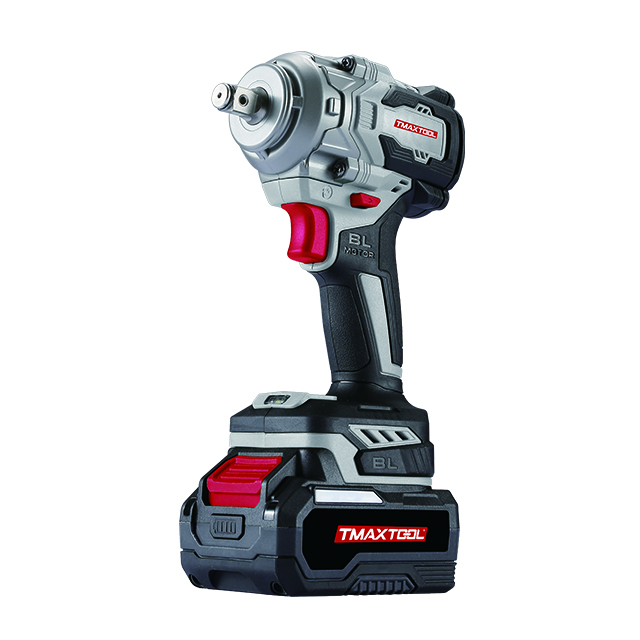
 Impact Wrench
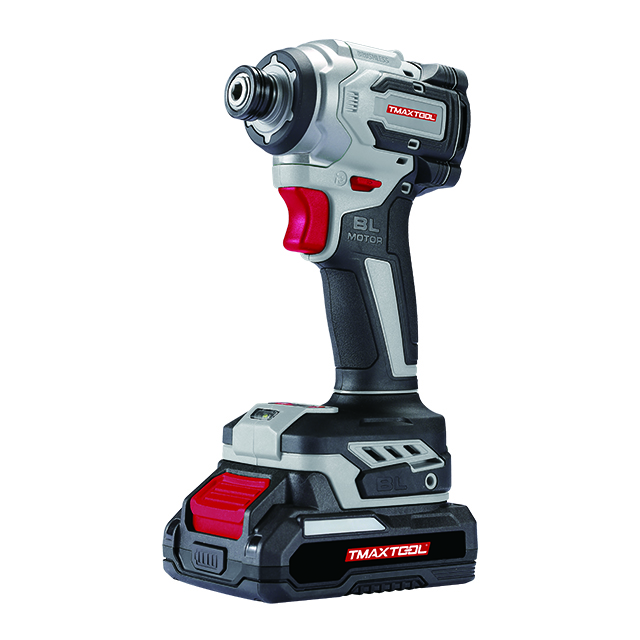 Screwdriver
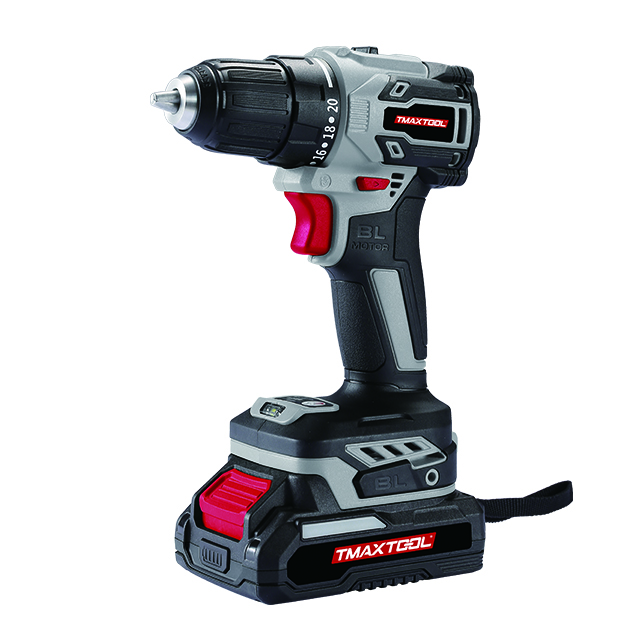 Cordless Drill
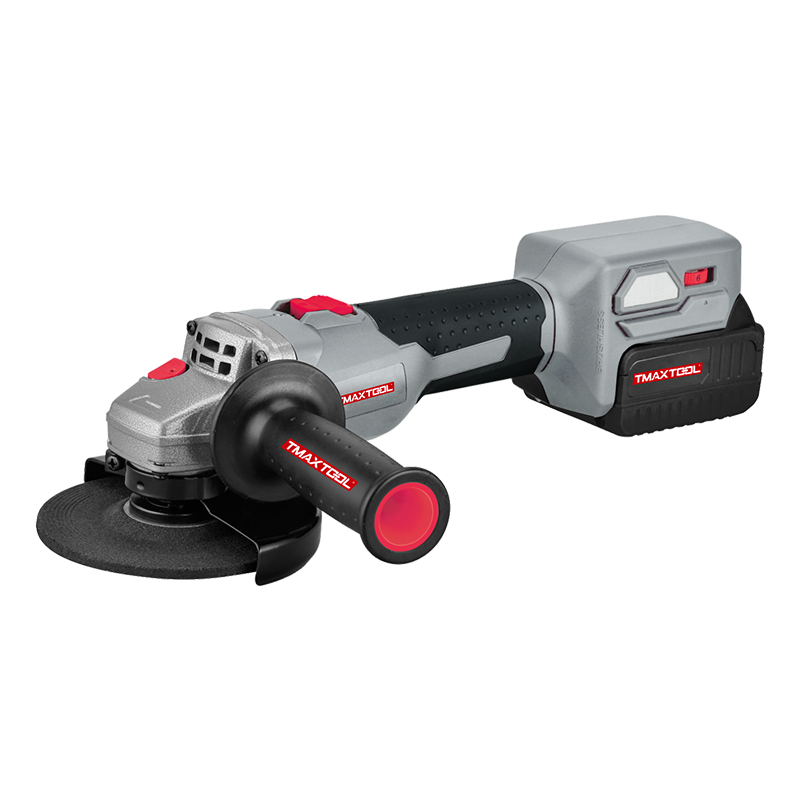 Angle Grinder
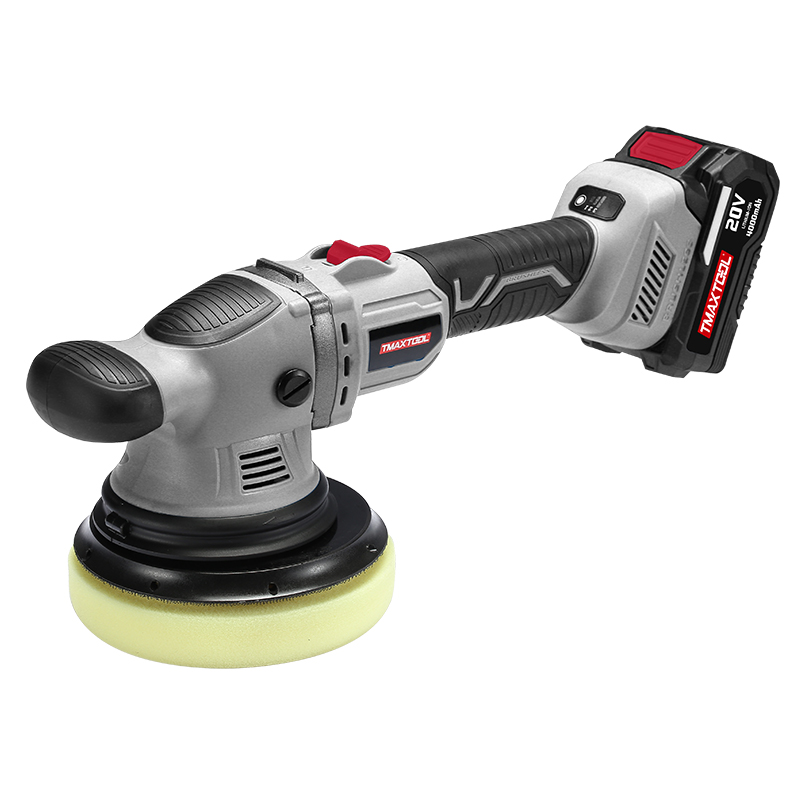 Polisher
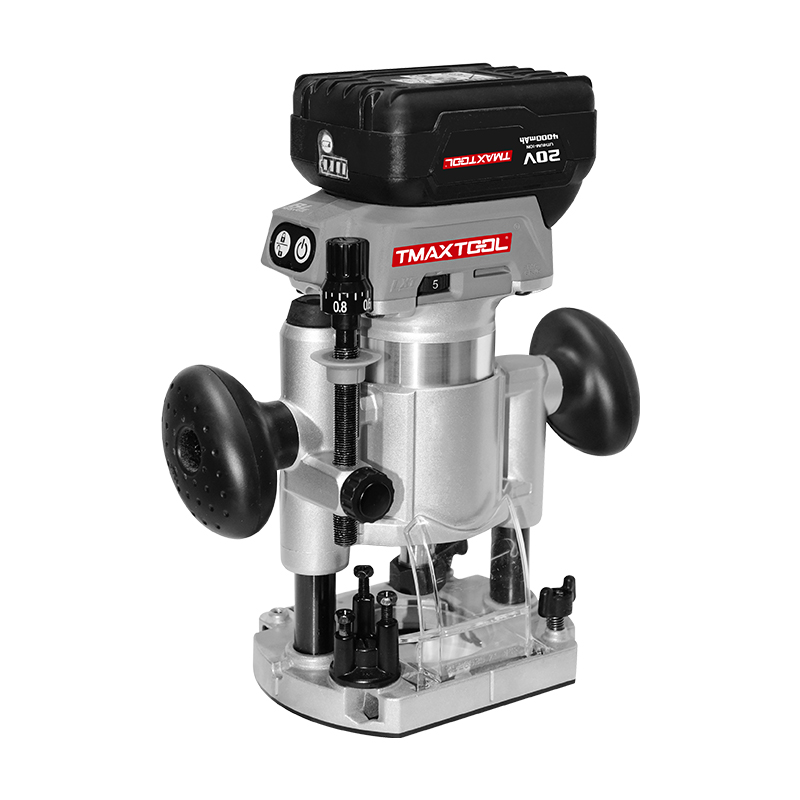 Wood Router
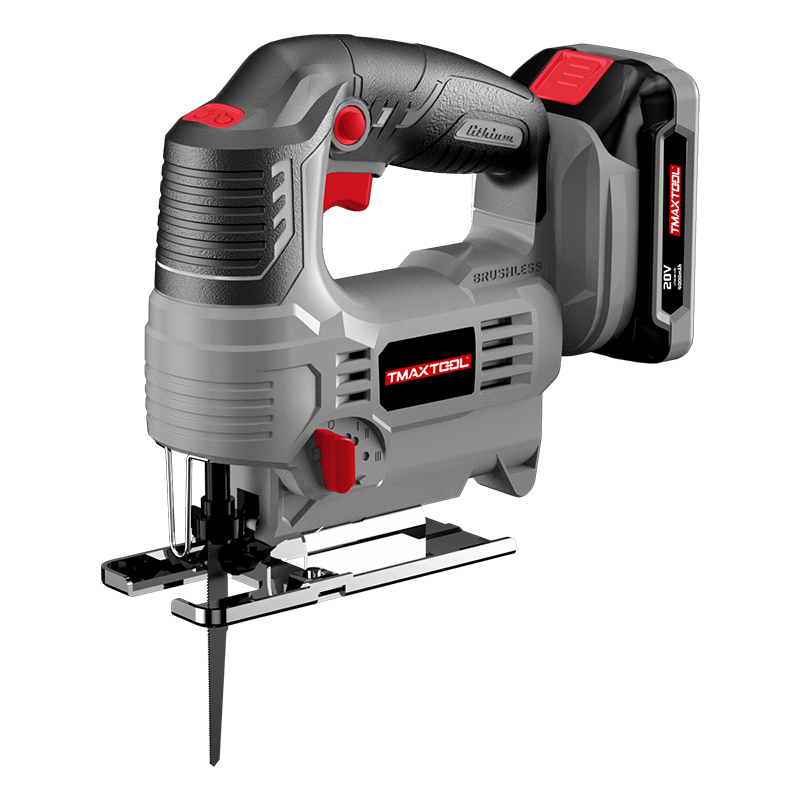 Jig Saw
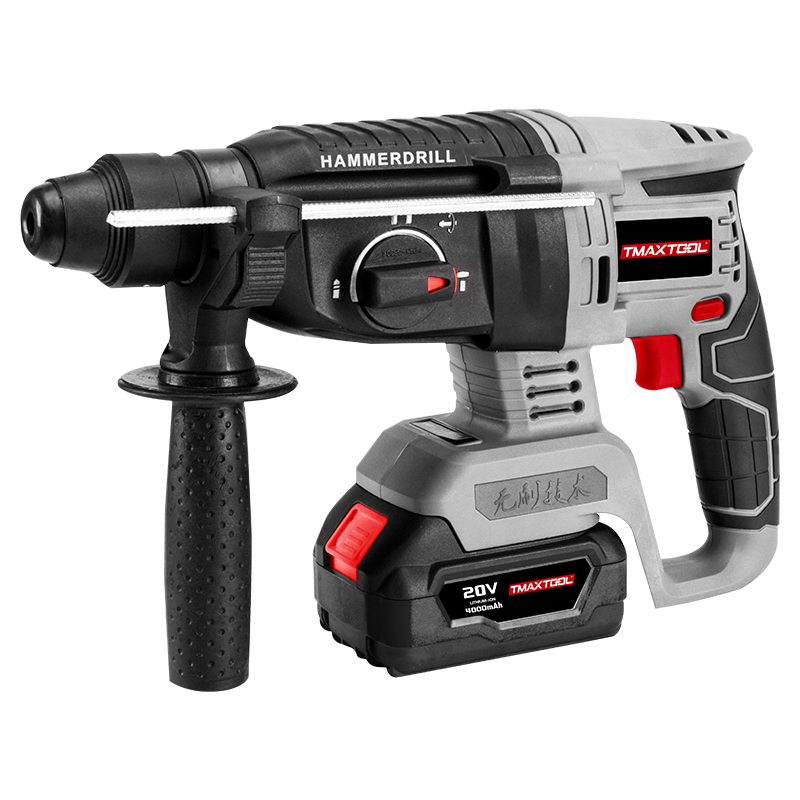 Hammer Drill
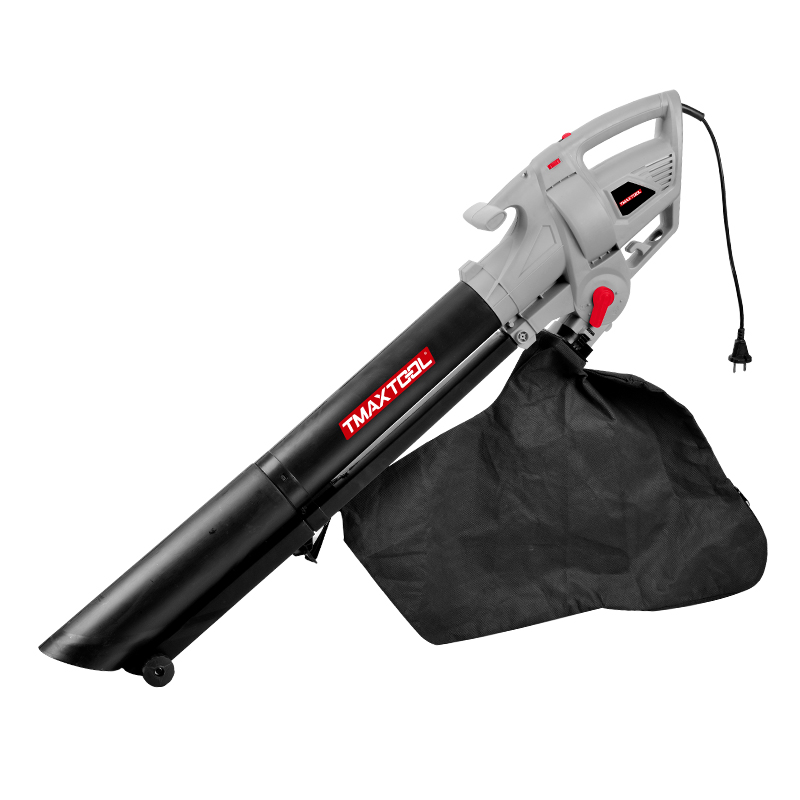 Portable Blower
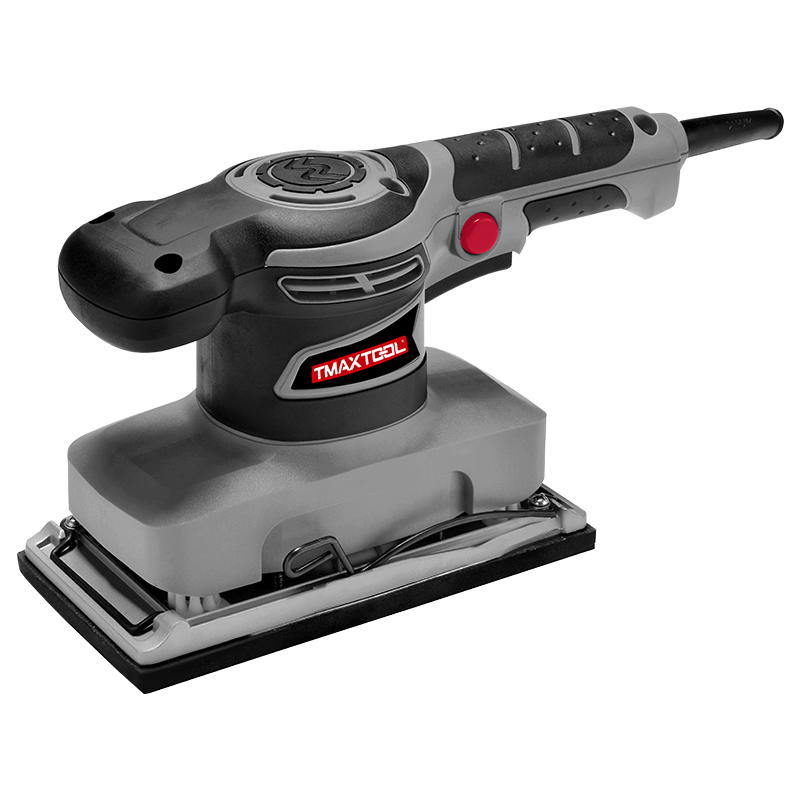 Orbital Sander
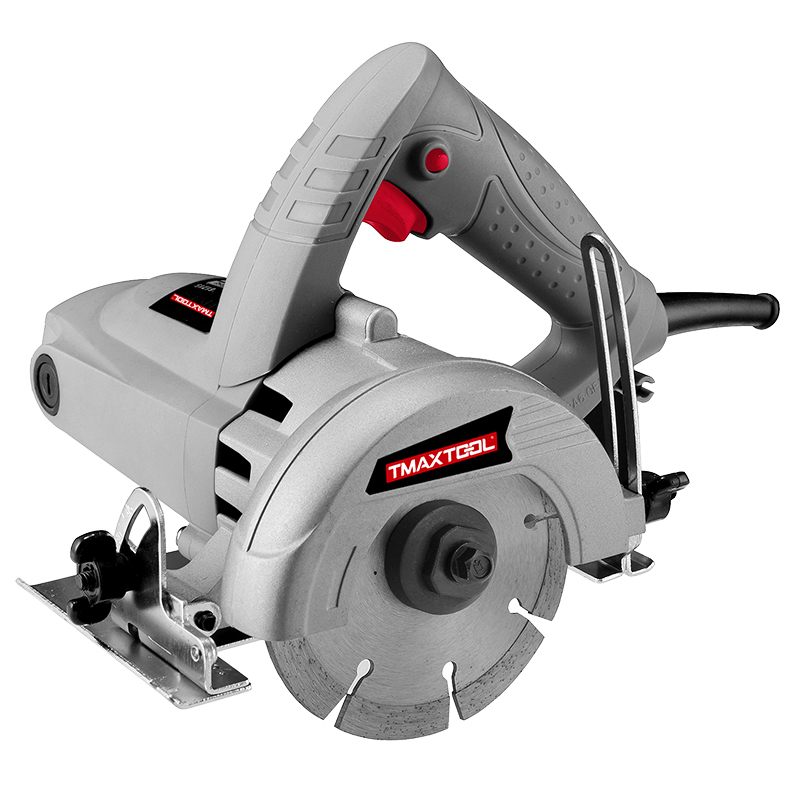 Marble Cutter
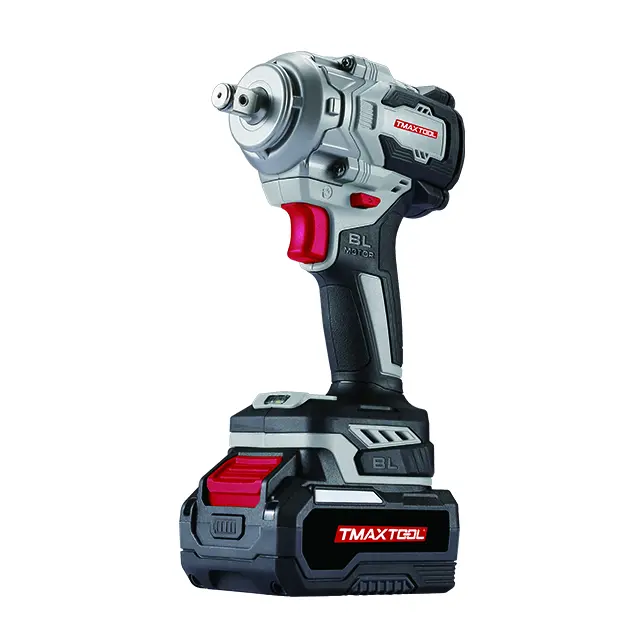 GARDEN TOOLS
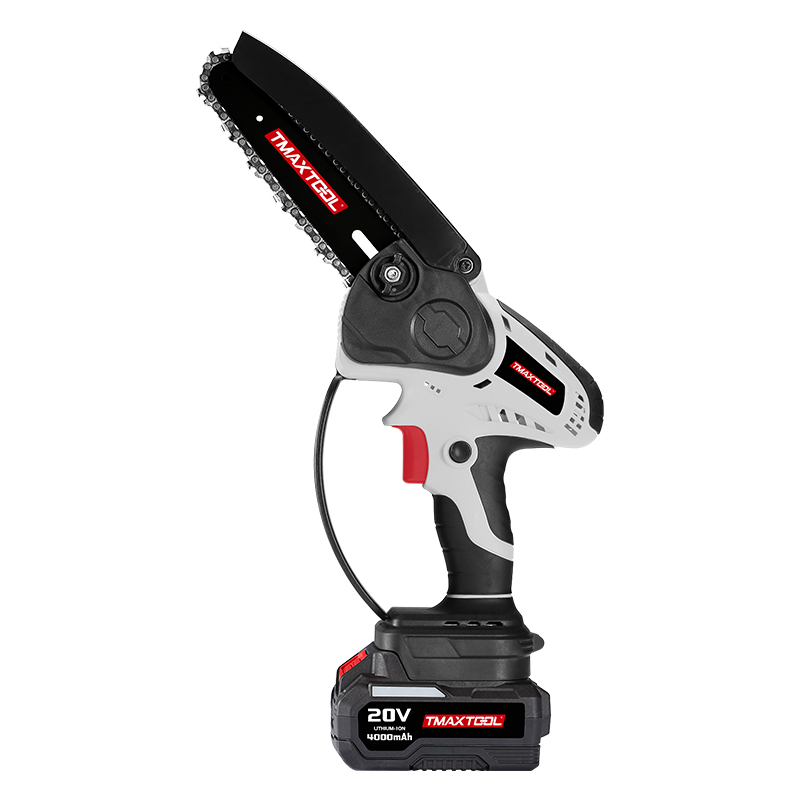 Battery Chain Saw
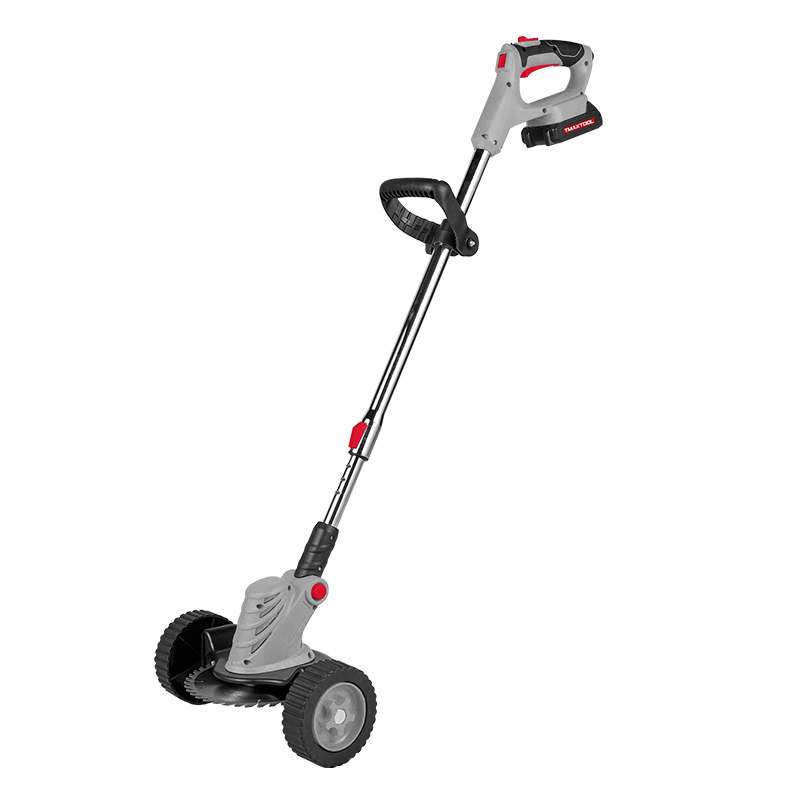 Battery Brush Cutter
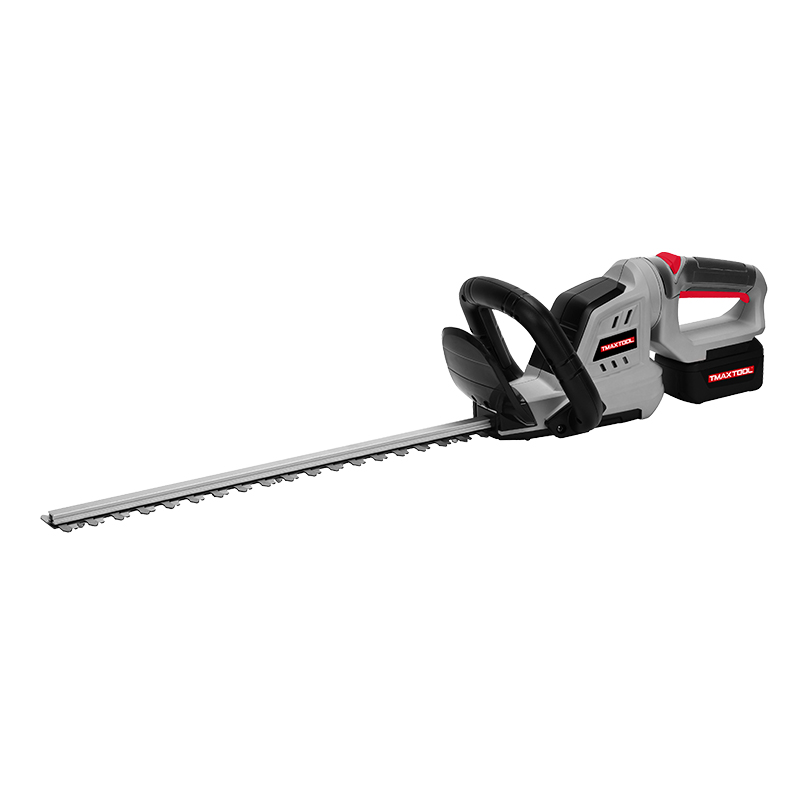 Battery Hedge Trimmer
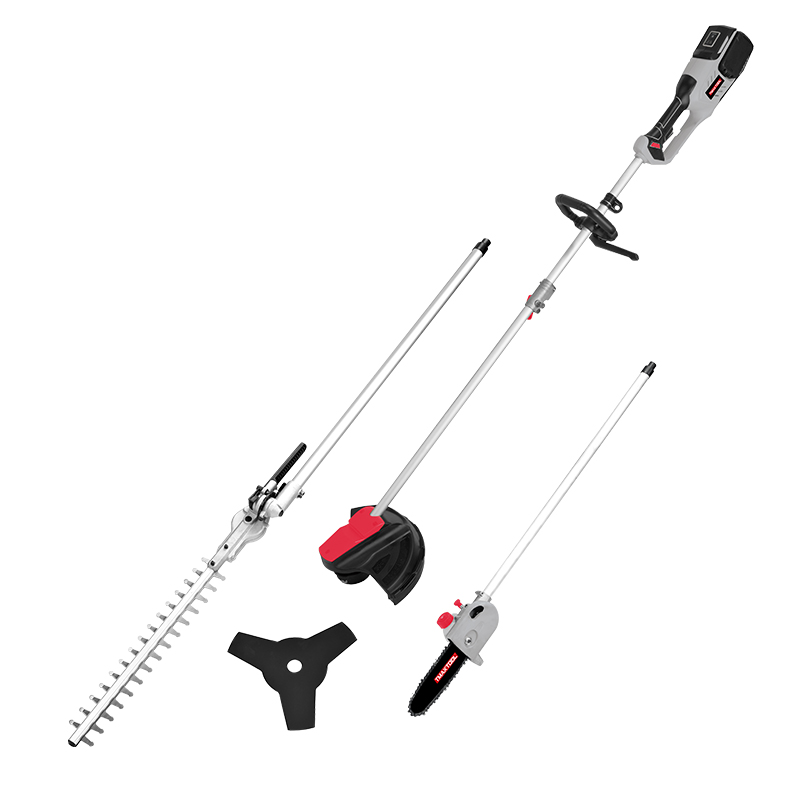 Battery Multi Tool
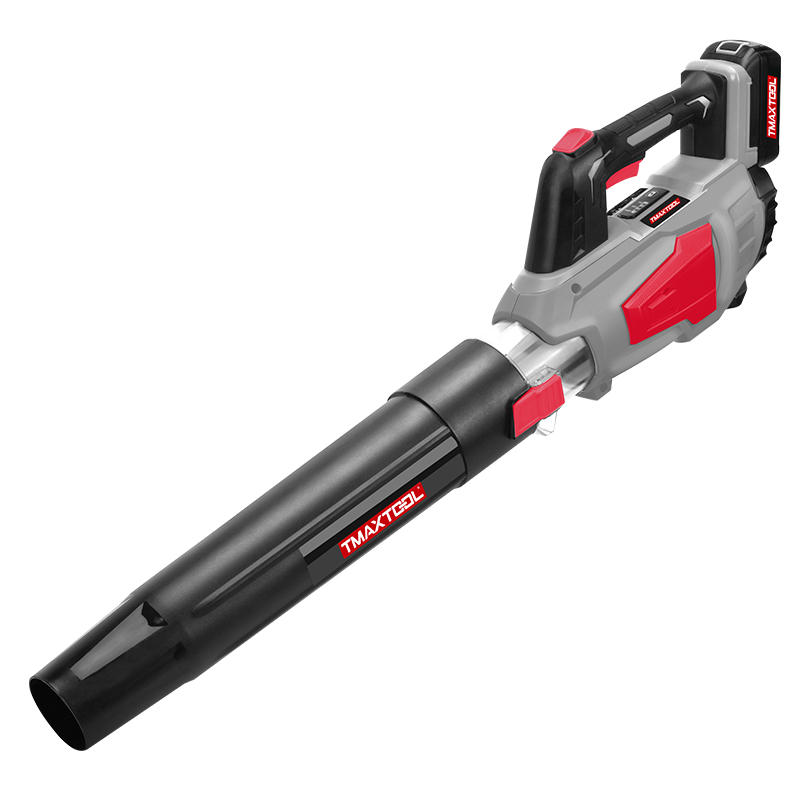 Battery Blower
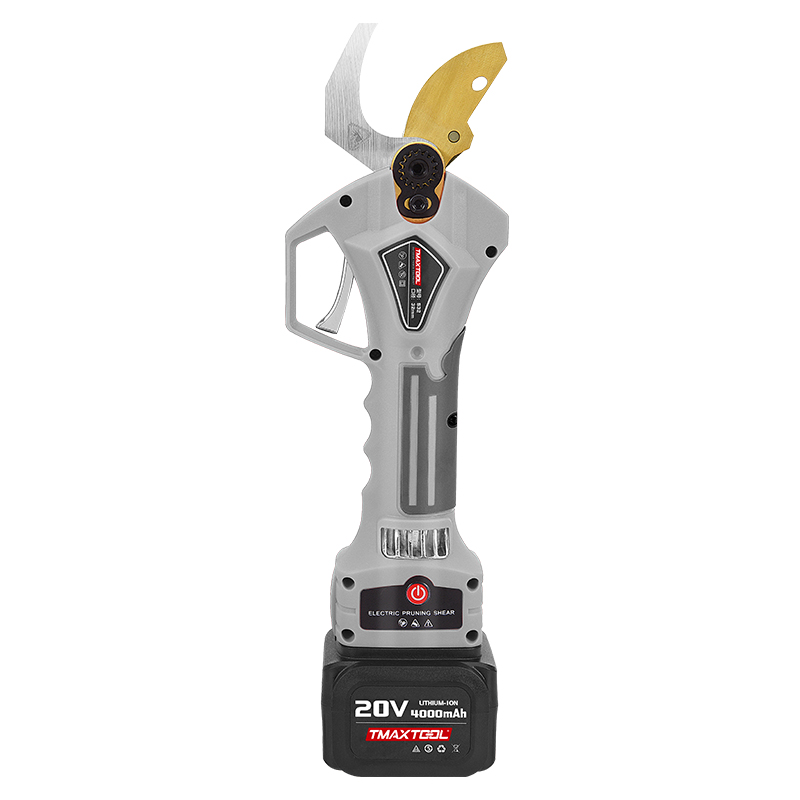 Batter Pruning Shears
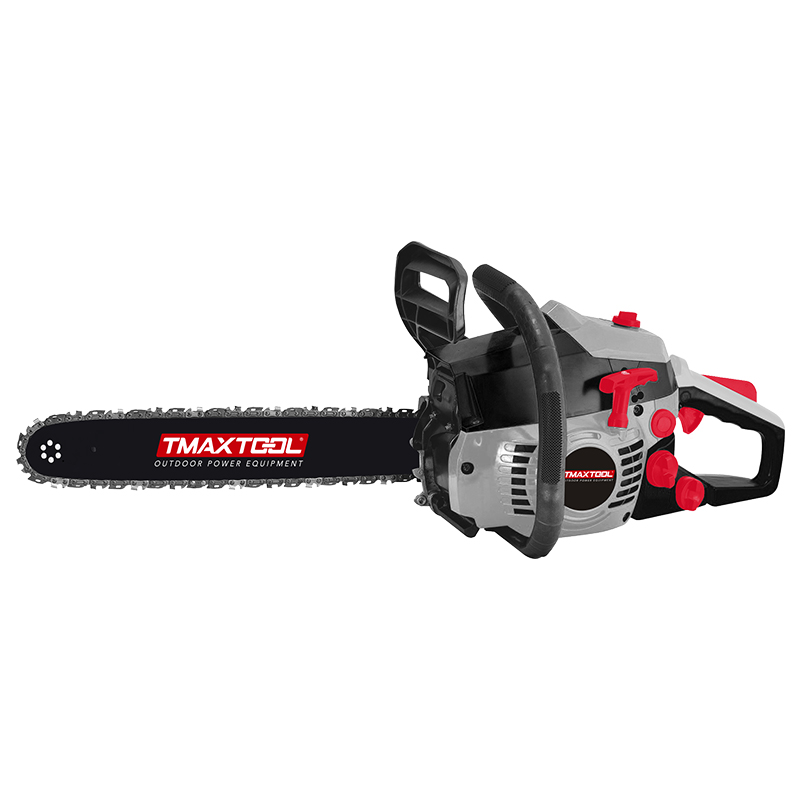 Chain Saw
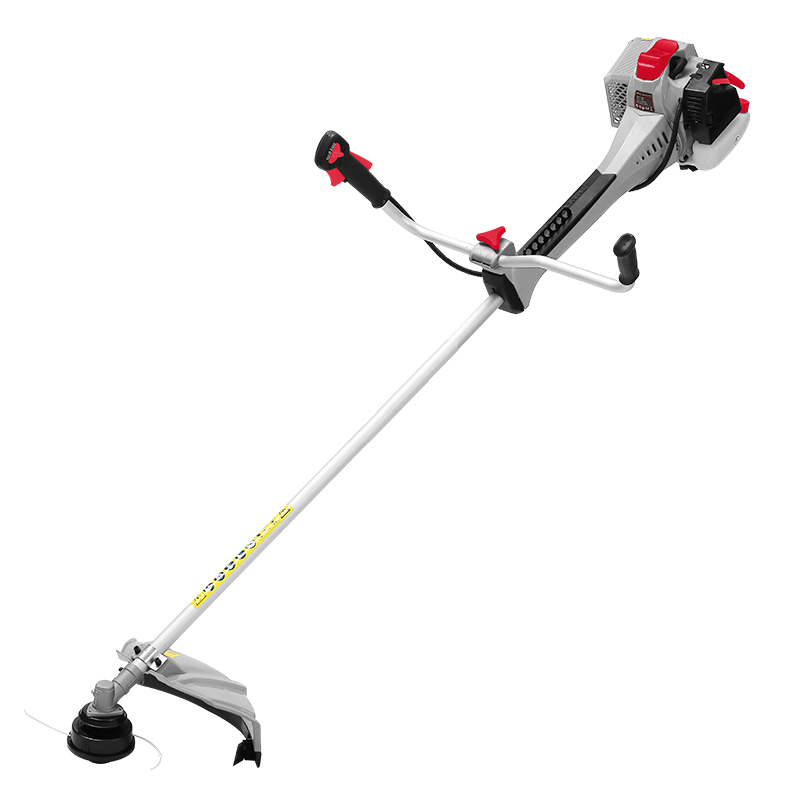 Brush Cutter
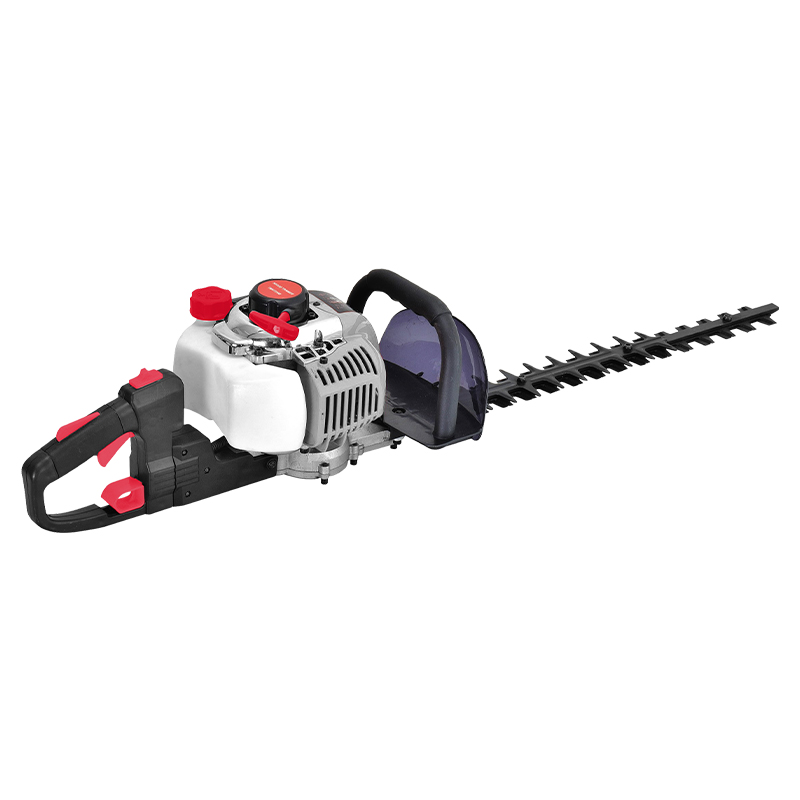 Hedge Trimmer
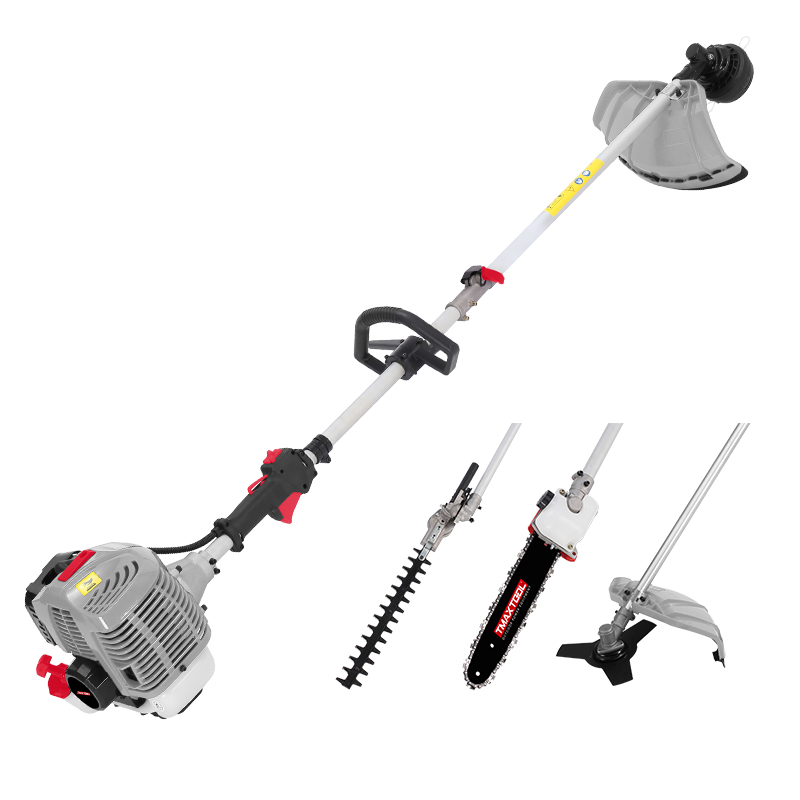 Multi Tool
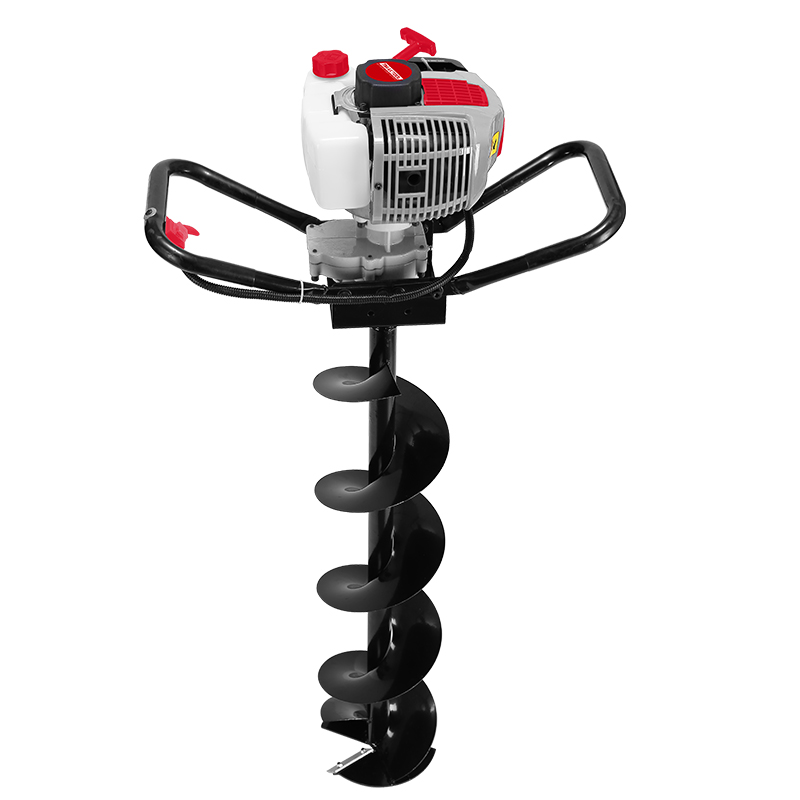 Earth Auger
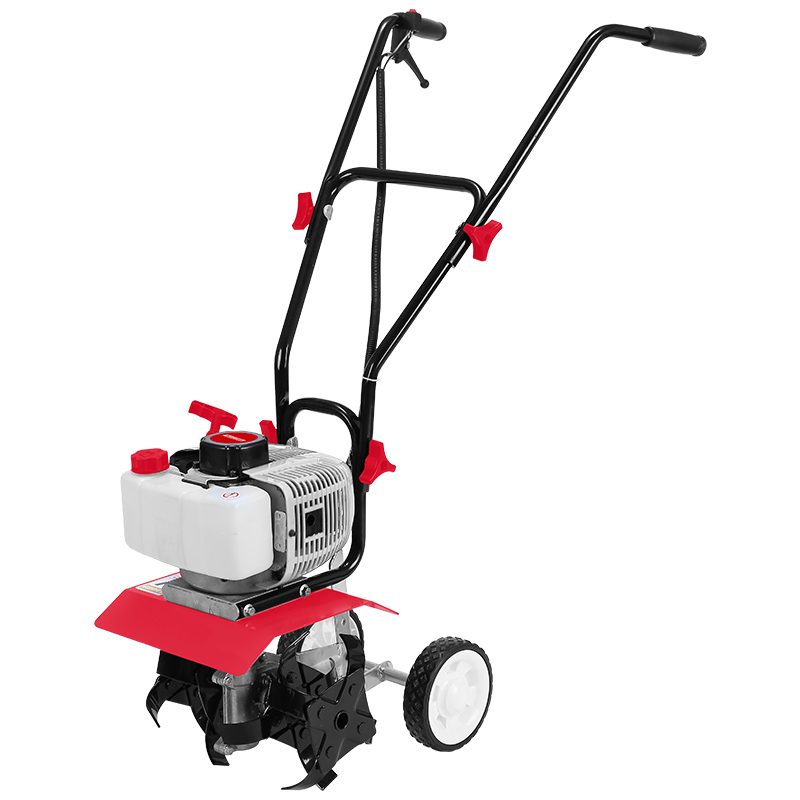 Tiller
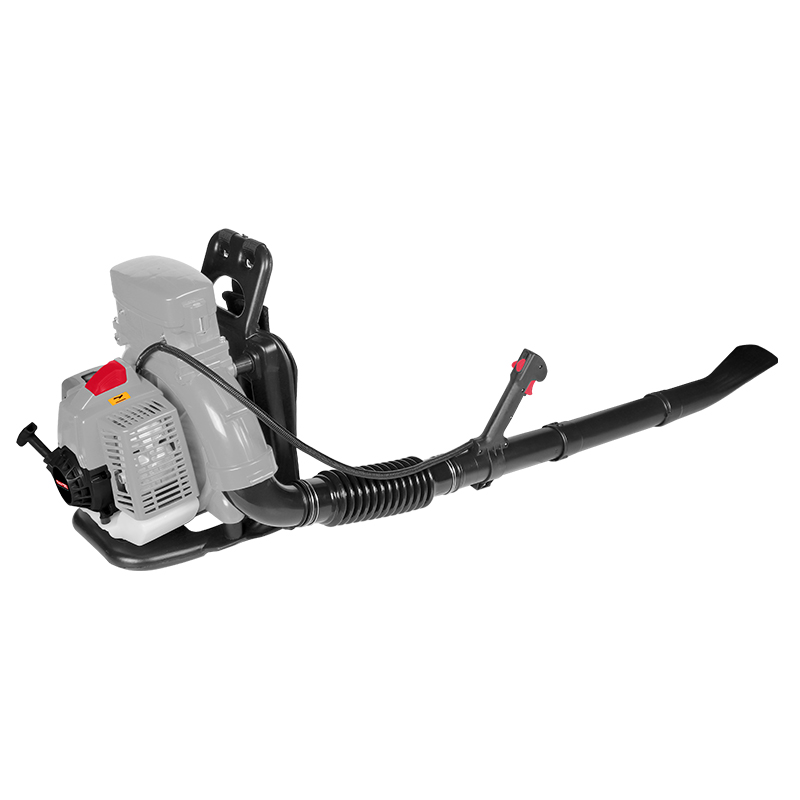 Blower
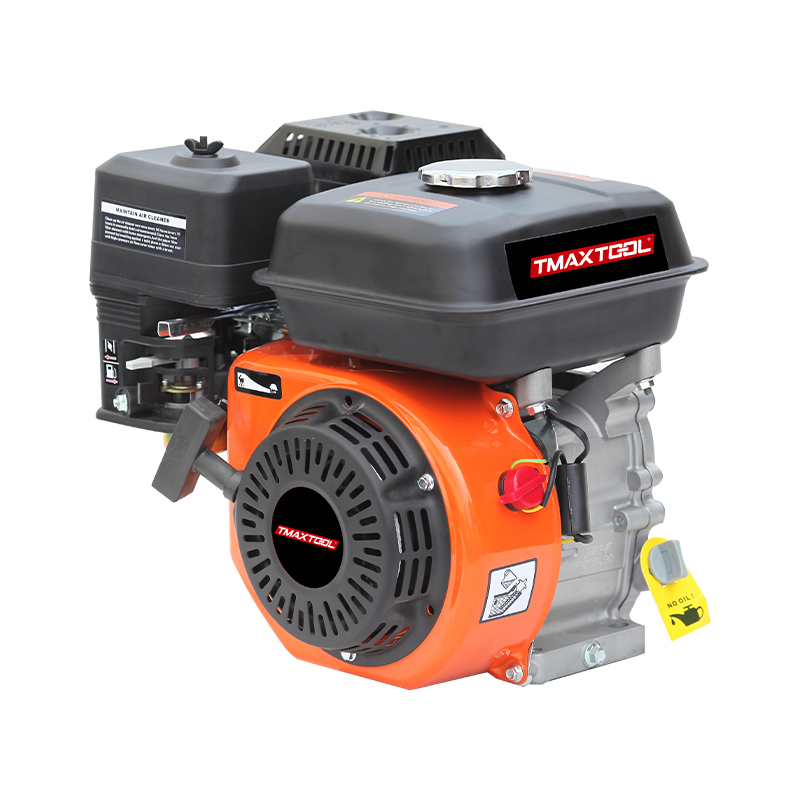 4 Stroke Gasoline Engine
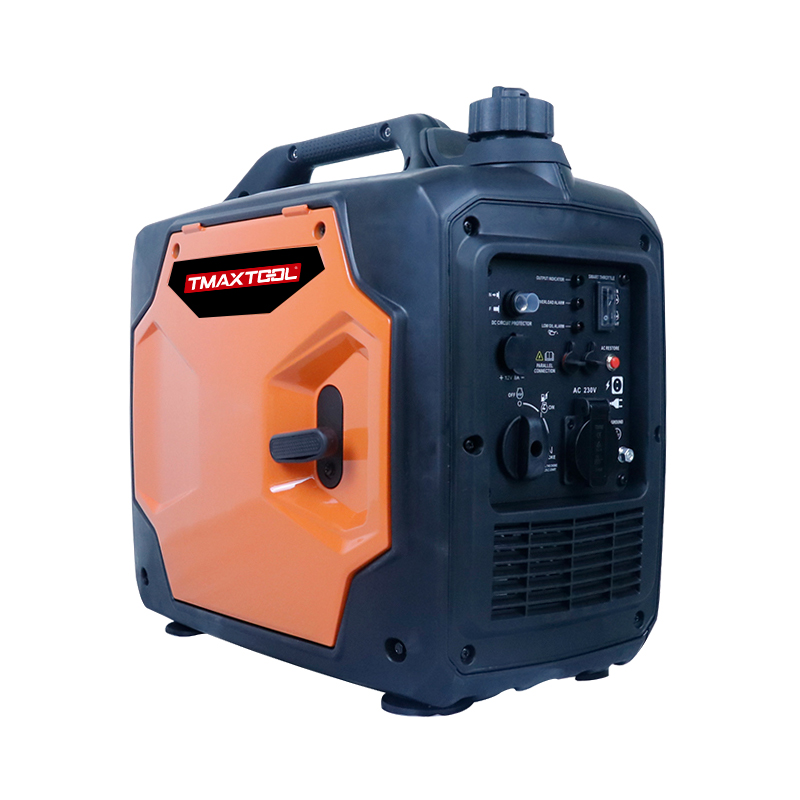 Generator
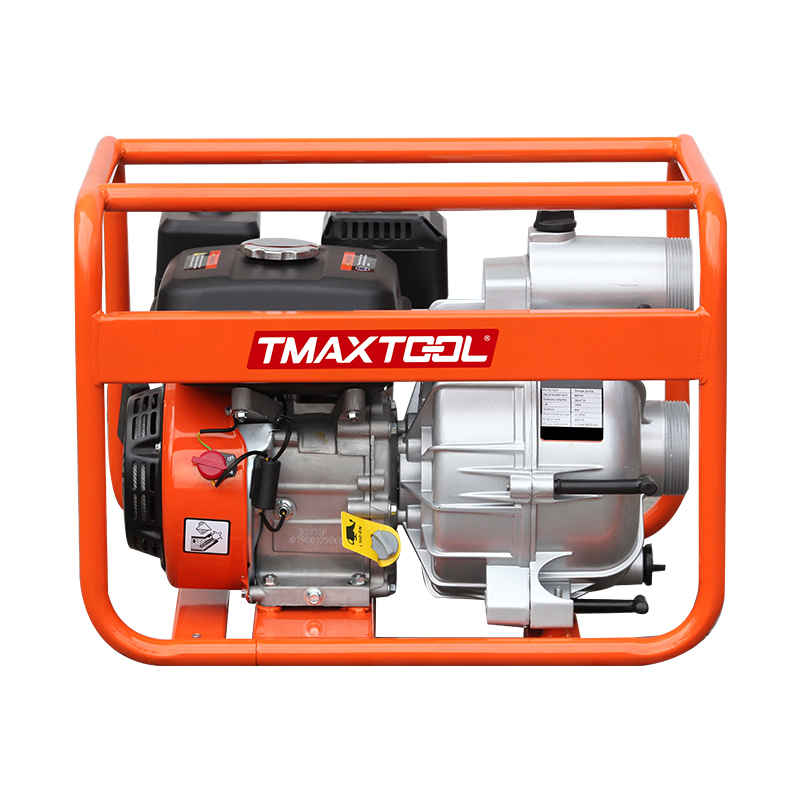 Water Pump
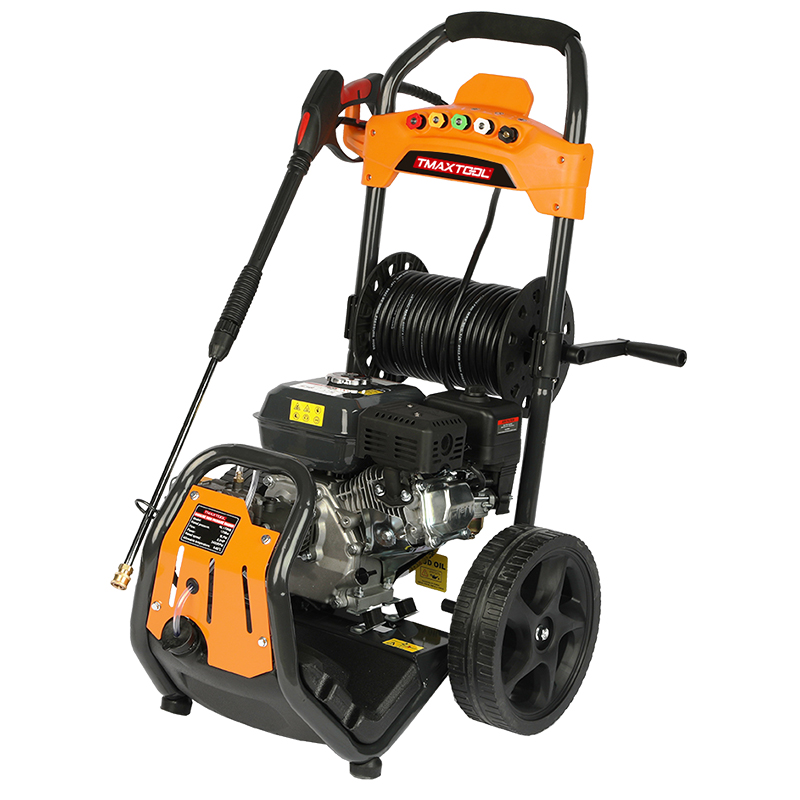 High Pressure Washer
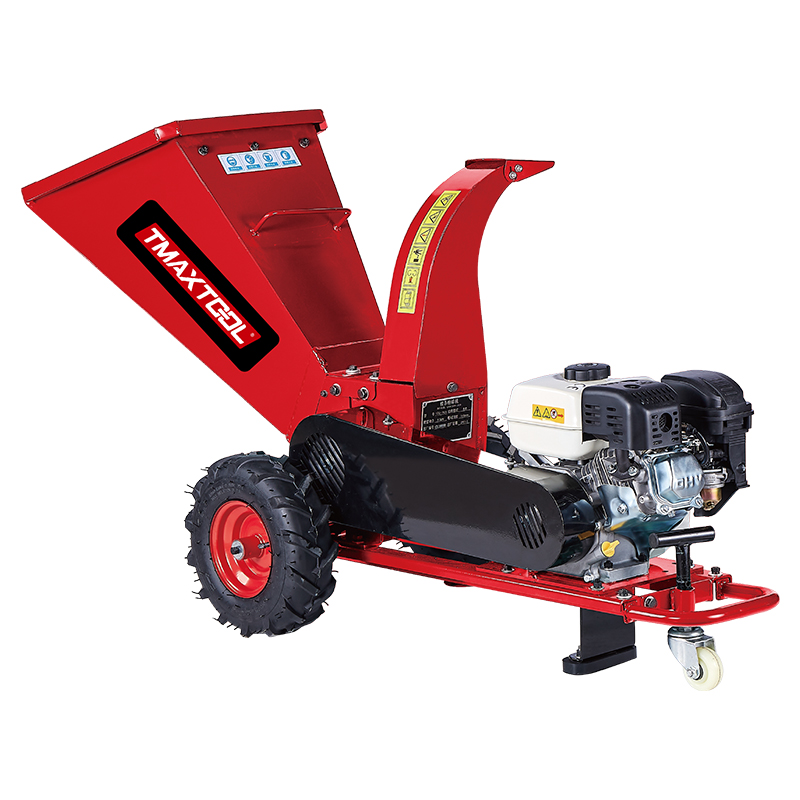 Wood Cutter
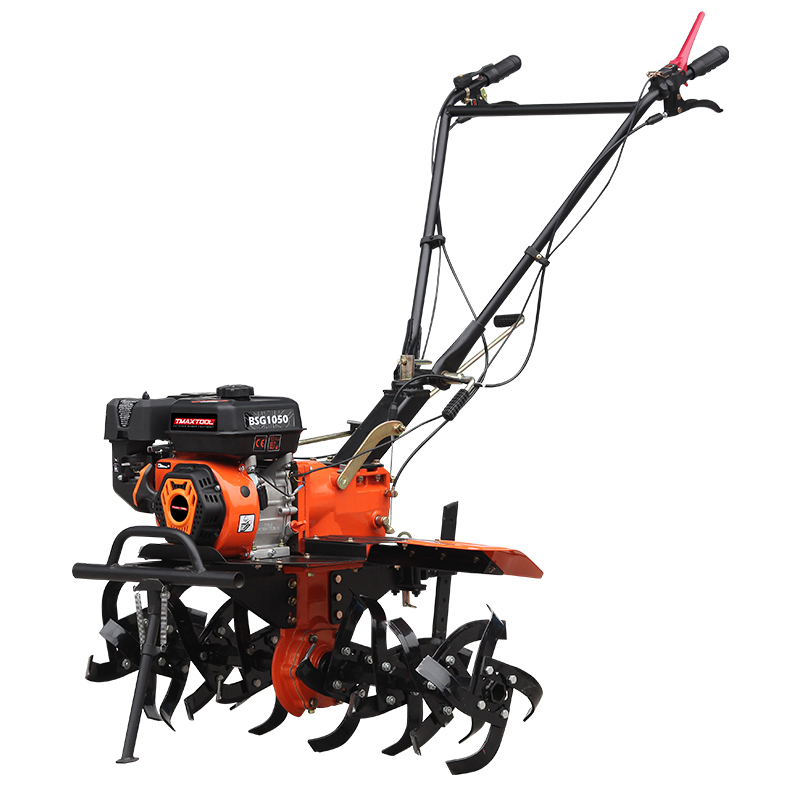 4 Stroke Tiller
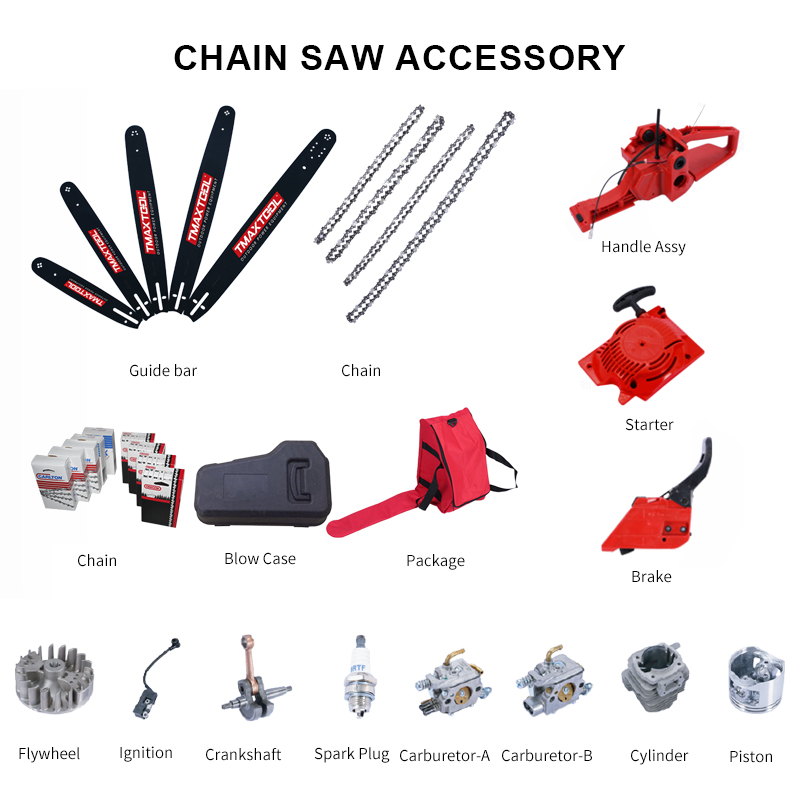 Chain Saw Accessory
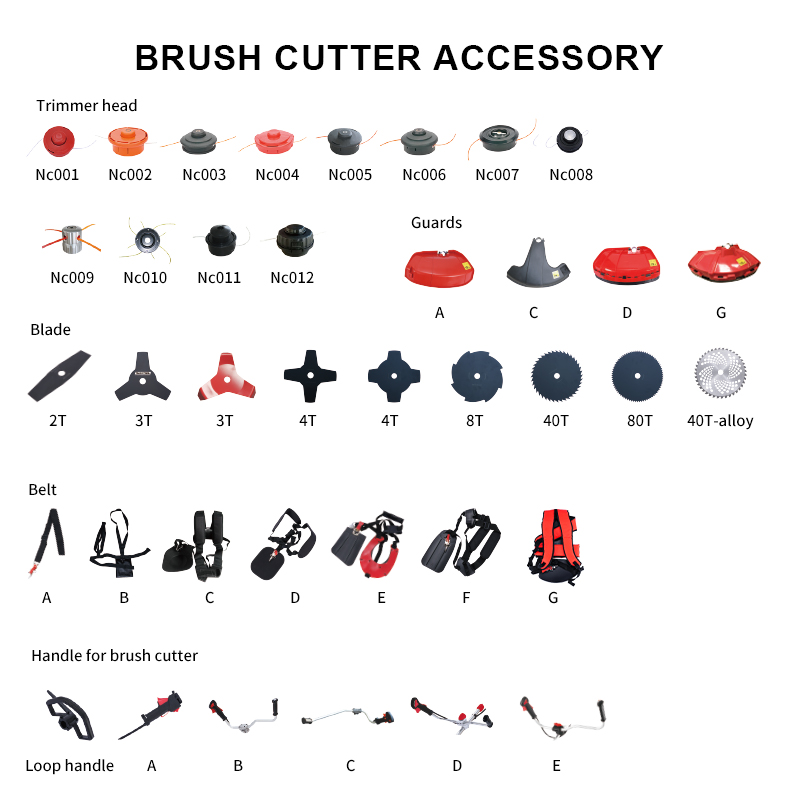 Brush Cutter Accessory
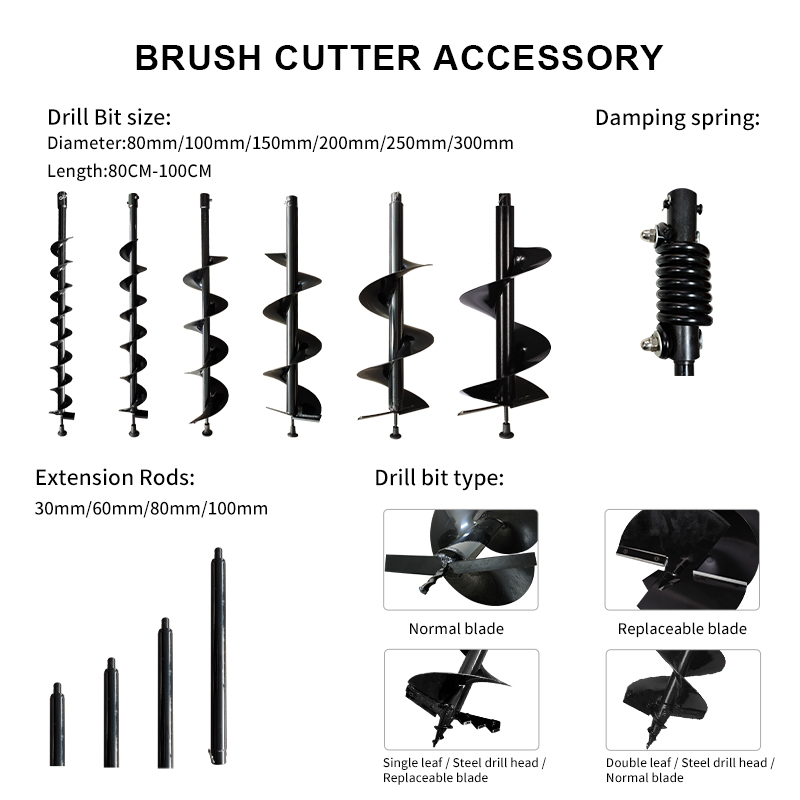 Earth Auger Accessory
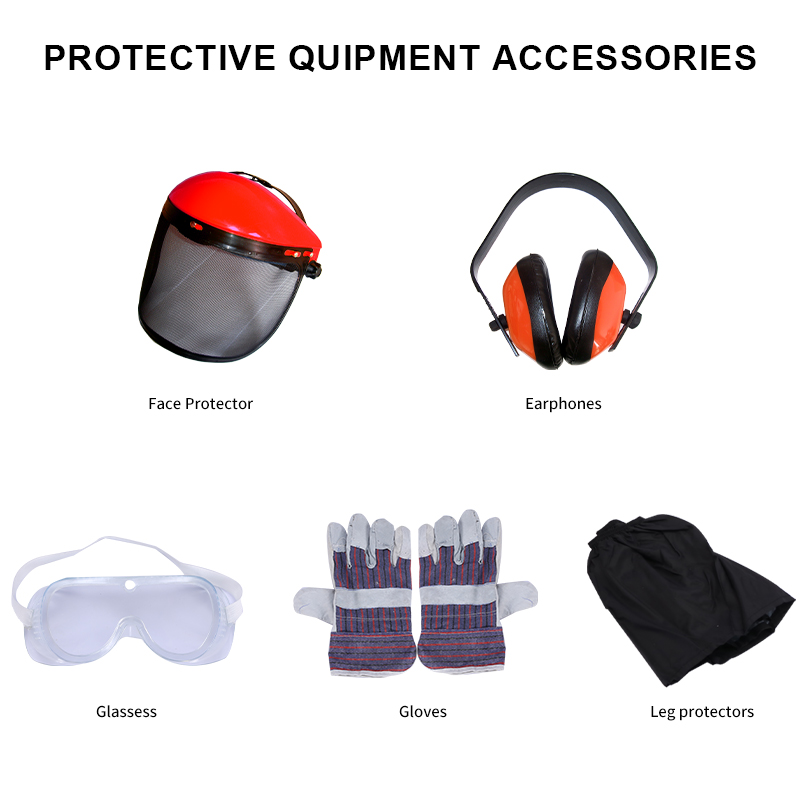 Protective Equipment Accessories
Leave Your Message


Brush Cutter Buying Guide: Key Features Dealers Should Check Before Ordering
Brush Cutter Buying Guide: Key Features Dealers Should Check Before Ordering
A practical brush cutterbuying guide helps dealers choose models that match local agricultural, landscaping, and rural equipment demand. For distributors and wholesalers, a brush cutter is not only a single product; it is often a repeat-sales category connected with blades, spare parts, accessories, and after-sales service.
Before placing a wholesale brush cutter order, buyers should review application scenarios, engine power, shaft type, cutting attachments, handle design, quality control, spare parts availability, MOQ, delivery time, and supplier support. These factors can affect customer satisfaction, dealer reputation, and long-term repeat orders.
Key point: A good brush cutter buying decision should balance product performance, after-sales support, and market fit instead of focusing only on unit price.
1. Understand Where the Brush Cutter Will Be Used
Brush cutters are used across several markets, including farm maintenance, roadside grass cutting, landscaping, orchard management, rural land clearing, and garden service work. Dealers should first define which user group they want to serve because different customers may need different power levels, attachments, and price segments.
| Target Market | Typical Use | Dealer Consideration |
|---|---|---|
| Agricultural users | Weed control, field edge cleaning, orchard maintenance | Durability, engine power, blade options, spare parts |
| Landscaping contractors | Regular grass and shrub cutting | Comfort, runtime, easy starting, balanced design |
| Rural hardware stores | General outdoor maintenance | Reliable mid-range models and clear manuals |
| Online sellers | Consumer and light professional demand | Product images, specifications, packaging, and reviews |
| Regional agents | Brand and product-line development | Stable supply, OEM/ODM, marketing materials, training |
For agricultural and rural markets, gasoline brush cutters are still important because they provide strong power and longer working time. For lighter garden maintenance, Battery Brush Cutters can also be added to the product line when the market is ready for cordless tools.

2. Check Engine Power and Cutting Performance
Engine power is one of the first specifications buyers compare. However, higher power is not always the only answer. Dealers should match power level with the expected use scenario. Light grass trimming, thick weeds, orchard work, and rural land clearing may require different configurations.
| Application | Suggested Product Focus | Why It Matters |
|---|---|---|
| Light garden maintenance | Easy-start, lightweight brush cutter | Suitable for homeowners and small garden service users |
| Farm and orchard use | Stronger engine and durable blade options | Handles weeds, field edges, and seasonal agricultural work |
| Landscaping service | Balanced design and comfortable handle | Reduces fatigue during repeated daily use |
| Rural equipment sales | Practical models with parts support | Supports long-term repair and repeat orders |
A reliable brush cutter supplier should be able to explain which models are suitable for each market, instead of only listing technical specifications. For B2B buyers, this support helps reduce wrong model selection and improves local sales confidence.
Dealer tip: Ask the supplier to recommend brush cutter models by user type, not only by engine size.
3. Compare Shaft Type, Handle Design, and Attachments
Shaft type and handle design affect both durability and user comfort. Straight shaft brush cutters are often preferred for stronger cutting tasks and professional use. Loop handles may suit lighter work, while bike handles are useful when users need better control over larger cutting areas.
Cutting attachments are also important. Dealers should confirm whether the model supports nylon heads, metal blades, and other accessories required by local users. Accessory compatibility can increase repeat sales and make the product more useful for different customers.
| Feature | What Dealers Should Check | Business Value |
|---|---|---|
| Shaft type | Straight shaft or other configuration | Matches working conditions and durability expectations |
| Handle type | Loop handle or bike handle | Improves comfort and control |
| Blade compatibility | Nylon head, metal blade, accessory options | Supports different cutting scenarios |
| Harness and protection | Shoulder strap, guard, safety accessories | Improves user safety and product experience |
| Manual and labels | Clear usage and safety instructions | Reduces misuse and after-sales questions |
4. Evaluate Quality Control Before Bulk Orders
Brush cutters often work in dusty, hot, and demanding outdoor environments. If quality is unstable, dealers may face returns, repair requests, and loss of customer trust. This is why quality control should be confirmed before placing large wholesale orders.
Buyers should ask whether key parts are inspected before assembly, whether finished products are tested before packing, and whether the supplier can provide quality inspection records. It is also useful to check packaging strength, manual accuracy, and accessory completeness before shipment.
Important: Before increasing order quantity, confirm the supplier’s inspection process and spare parts support for the exact brush cutter models.
5. Confirm Spare Parts and After-Sales Support
Spare parts support is critical for brush cutter distribution. Common after-sales needs may include blades, nylon heads, spark plugs, air filters, starters, carburetors, handles, guards, and straps. If parts are difficult to obtain, local dealers may struggle to support customers after the sale.
| Support Item | Why It Matters for Dealers |
|---|---|
| Spare parts list | Helps dealers prepare common replacement parts |
| Exploded diagrams | Makes repair and communication easier |
| Product manuals | Supports safer product use |
| Training materials | Helps sales teams explain features and maintenance |
| Stable model supply | Makes repeat orders and parts stocking easier |
A brush cutter manufacturer that can provide parts support, catalogs, samples, and product training is usually more suitable for long-term distribution cooperation than a supplier that only ships products.
6. Review MOQ, Delivery Time, and Mixed Container Options
For distributors, first orders are often used to test local demand. A flexible MOQ allows buyers to introduce brush cutters without taking too much inventory risk. TMAXTOOL supports MOQ from 50 units, which can be practical for new markets, regional agents, and buyers testing a new category.
Delivery time is also important because brush cutter demand can be seasonal. A clear 30–45 day delivery schedule helps buyers plan promotions, stock preparation, and dealer communication. Mixed container support is useful when buyers want to combine brush cutters with chainsaws, sprayers, earth augers, hedge trimmers, or spare parts in one shipment.
| Cooperation Factor | TMAXTOOL Support | Buyer Benefit |
|---|---|---|
| MOQ | From 50 units | Lower entry risk for trial orders |
| Delivery time | 30–45 days | Better seasonal stock planning |
| Mixed container | Supported | Allows multiple product categories in one shipment |
| Trial order | Supported | Helps test local demand |
| Selected stock | Available for some products | Supports urgent or repeat demand |
7. Consider OEM/ODM and Local Branding Needs
Some buyers want to sell under an existing supplier brand, while others want to build their own regional brand. OEM/ODM capability is important for importers and distributors who need logo, color, packaging, manuals, multilingual labels, or product configuration changes.
Localized packaging and manuals can make brush cutters easier to sell in markets such as Brazil, France, Spain, Italy, and other regions where language and retail expectations differ. A supplier familiar with export markets can help buyers prepare products more professionally.
| Customization Area | Examples |
|---|---|
| Logo and color | Brand logo, product color, label design |
| Packaging | Carton design, model information, market-specific packaging |
| Documents | Manuals, multilingual labels, safety instructions |
| Product configuration | Model setup based on local user needs |
| Marketing materials | Catalogs, product images, dealer sales support |

8. Why Work With TMAXTOOL for Brush Cutter Wholesale Orders
TMAXTOOL supplies garden tools, power tools, and small agricultural machinery for international distributors, wholesalers, agents, online sellers, and OEM/ODM partners. For brush cutter buyers, TMAXTOOL can support model selection, MOQ from 50 units, 30–45 day delivery, mixed container orders, trial orders, selected stock, and customization options.
TMAXTOOL also provides dealer support such as samples, catalogs, display materials, spare parts support, after-sales training, marketing materials, store design, market analysis, and product training. This support helps local partners introduce brush cutters more confidently and build long-term market presence.
For distributors: TMAXTOOL is suitable for buyers who need brush cutter products together with wholesale cooperation, OEM/ODM support, spare parts, and practical dealer service.
Conclusion
A successful brush cutter buying decision depends on more than the product itself. Dealers should evaluate user scenarios, engine power, shaft type, blade compatibility, quality control, spare parts, MOQ, delivery time, OEM/ODM options, and supplier support.
If you are planning to add or expand brush cutters in your local market, TMAXTOOL can support wholesale orders, mixed container shipments, customization, dealer training, and product-line planning.
CTA: Contact TMAXTOOL to request the latest brush cutter catalog, model recommendations, MOQ details, and wholesale quotation.
FAQ
Q1: What should dealers check before ordering brush cutters?
A: Dealers should check application scenarios, engine power, shaft type, blade options, quality control, spare parts, MOQ, delivery time, and supplier support.
Q2: Are gasoline brush cutters still important for agricultural markets?
A: Yes. Gasoline brush cutters remain important for agricultural and rural users because they provide strong power and longer working time for demanding outdoor work.
Q3: Why are spare parts important for brush cutter distributors?
A: Spare parts help dealers provide local repair service, reduce after-sales pressure, and improve customer trust.
Q4: Can brush cutters be customized for private label business?
A: Yes. Logo, color, packaging, manuals, multilingual labels, and selected product configurations can be customized depending on cooperation requirements.
Q5: How can TMAXTOOL support brush cutter dealers?
A: TMAXTOOL can provide brush cutter products, MOQ from 50 units, 30–45 day delivery, mixed container support, OEM/ODM options, samples, spare parts, catalogs, and dealer training materials.