
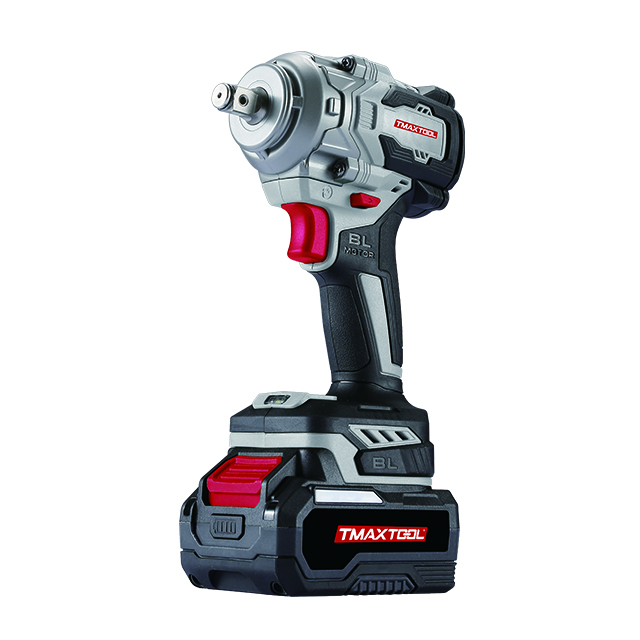
 Impact Wrench
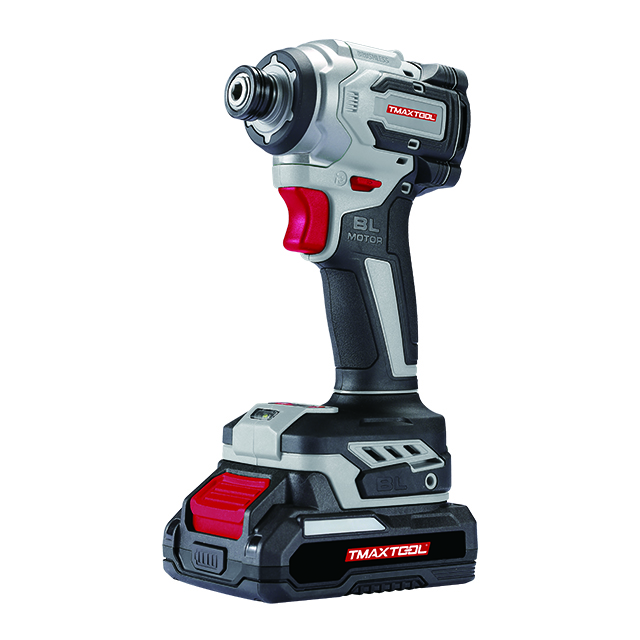 Screwdriver
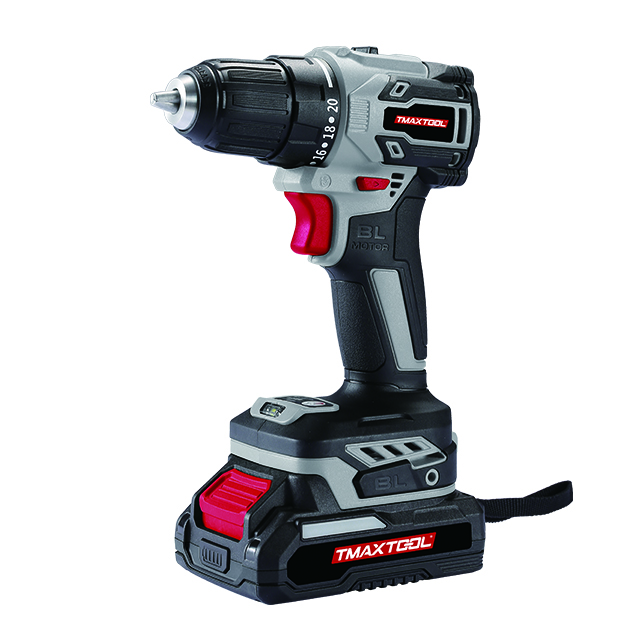 Cordless Drill
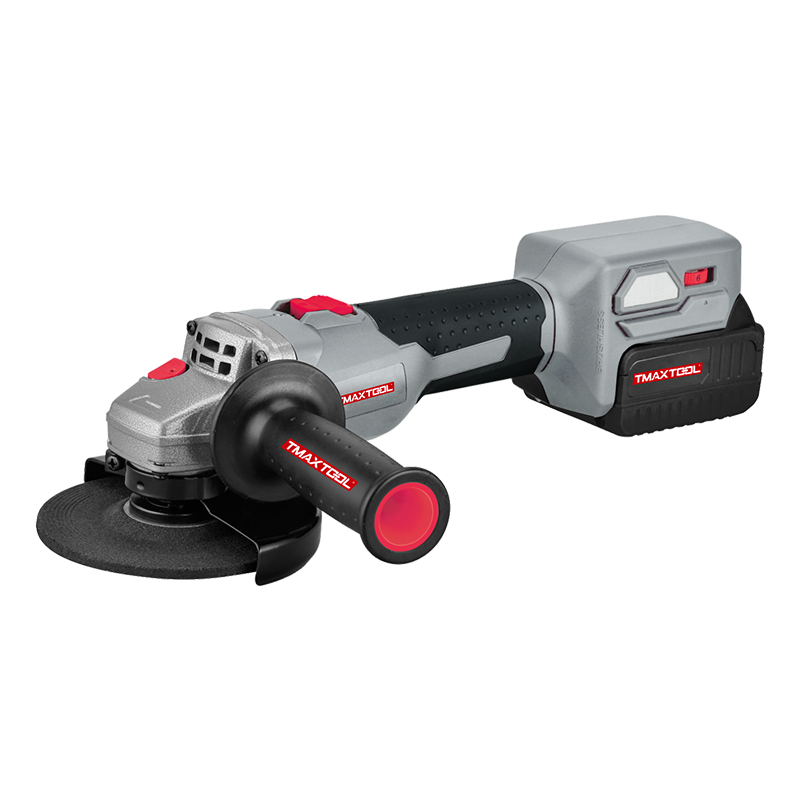 Angle Grinder
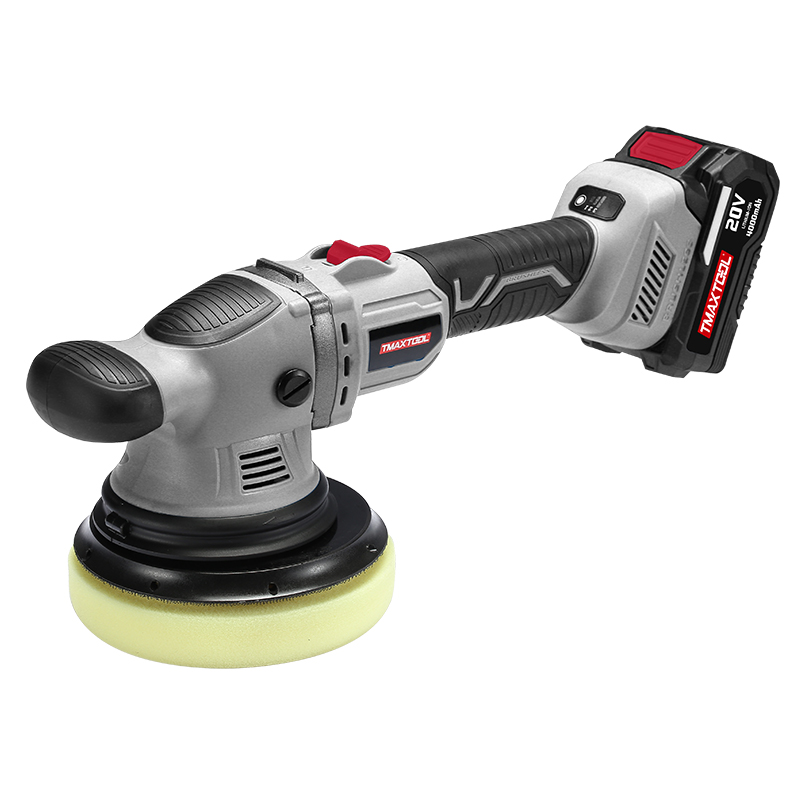 Polisher
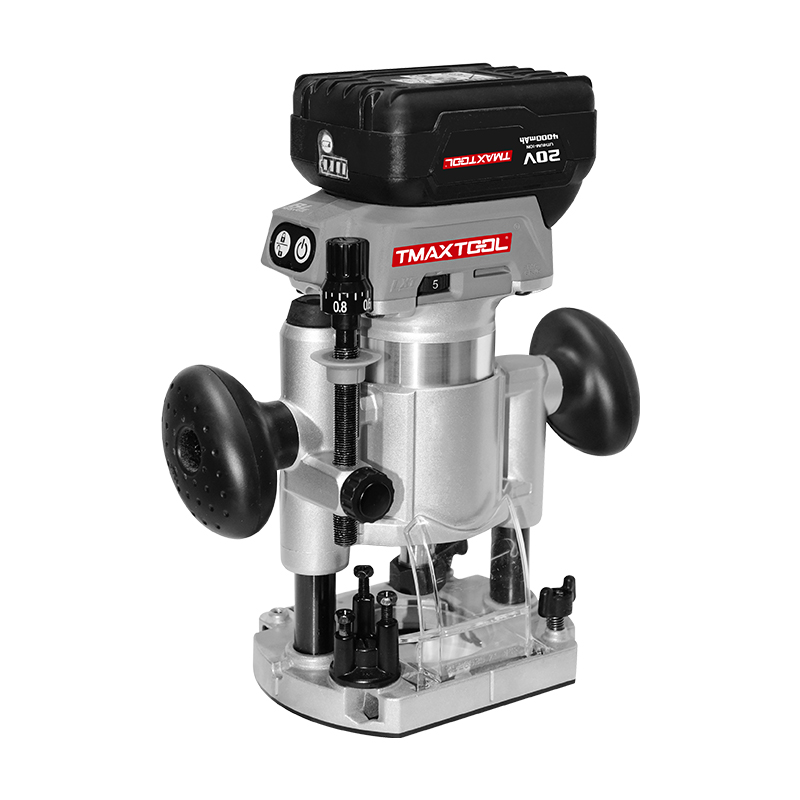 Wood Router
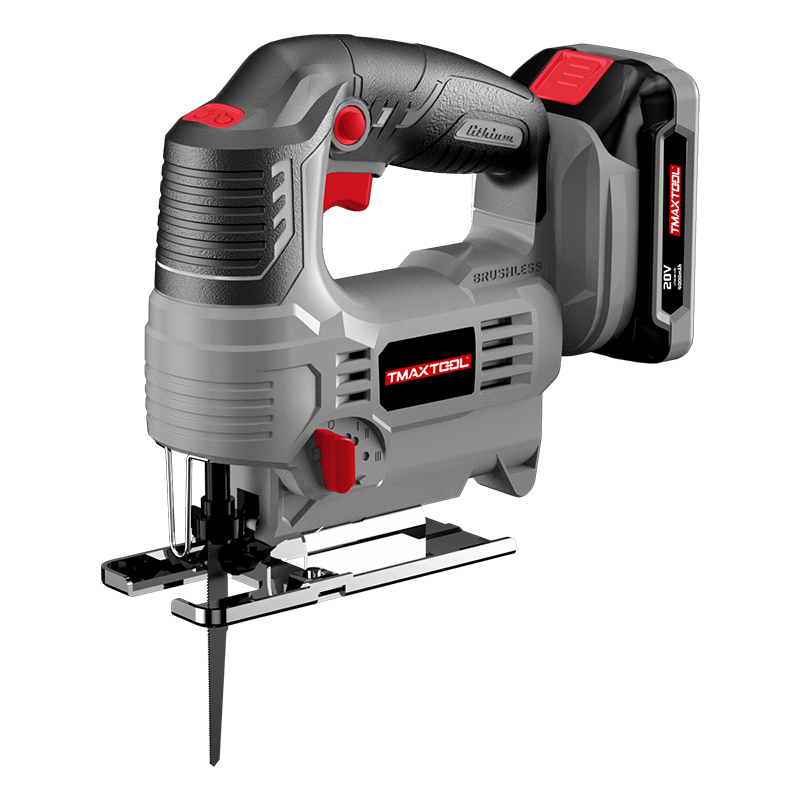 Jig Saw
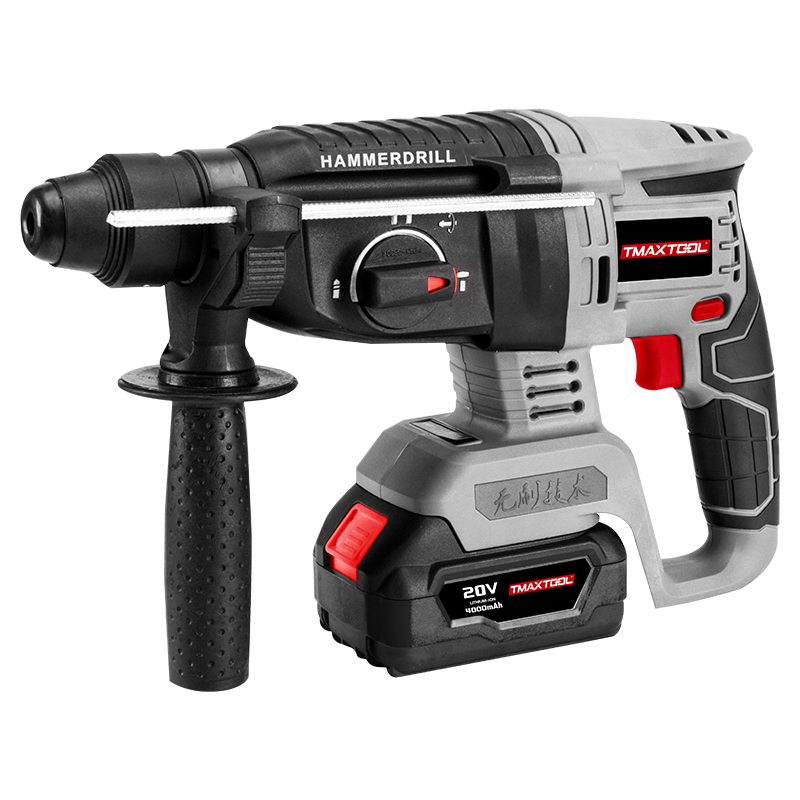 Hammer Drill
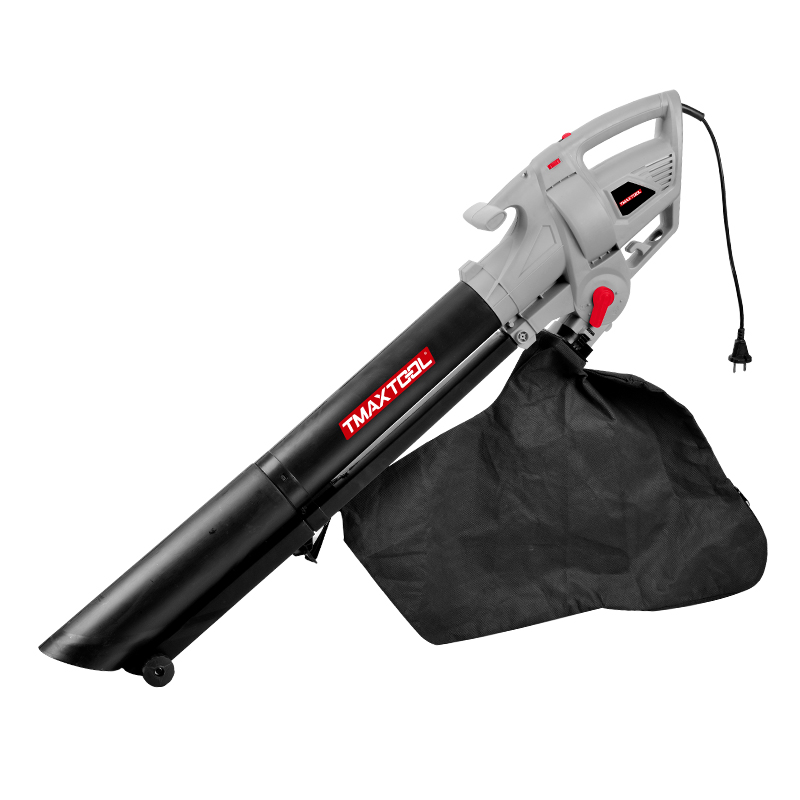 Portable Blower
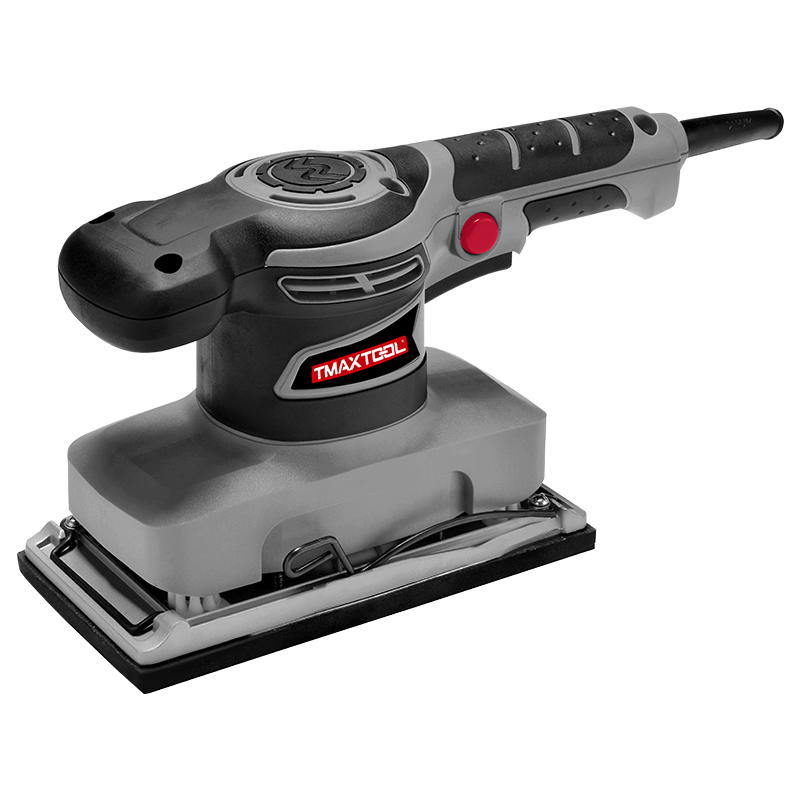 Orbital Sander
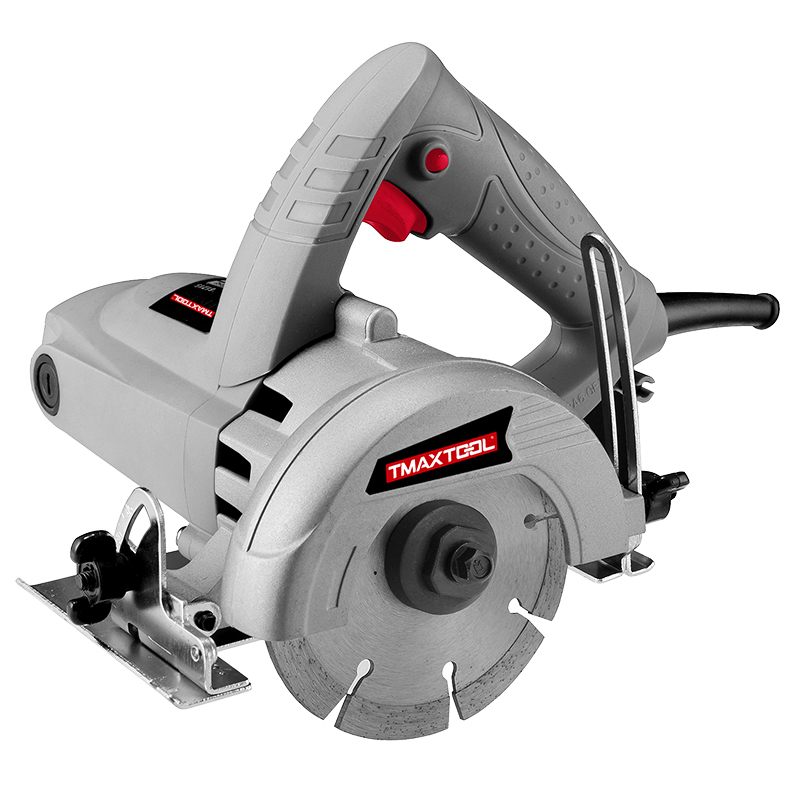 Marble Cutter
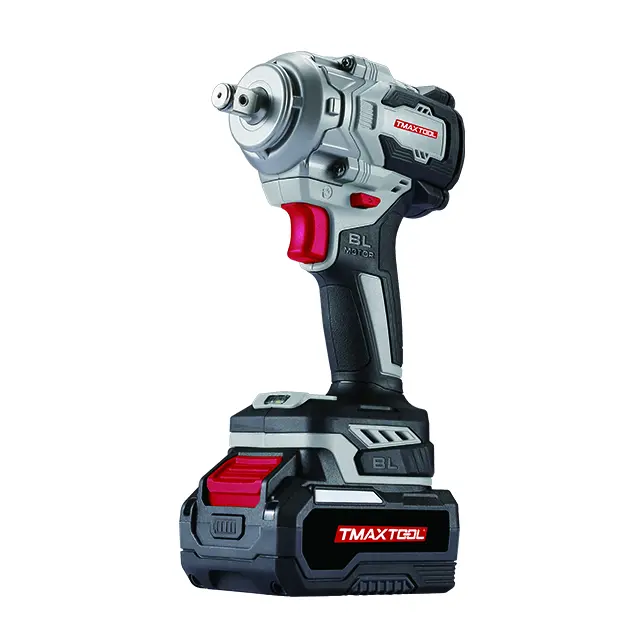 GARDEN TOOLS
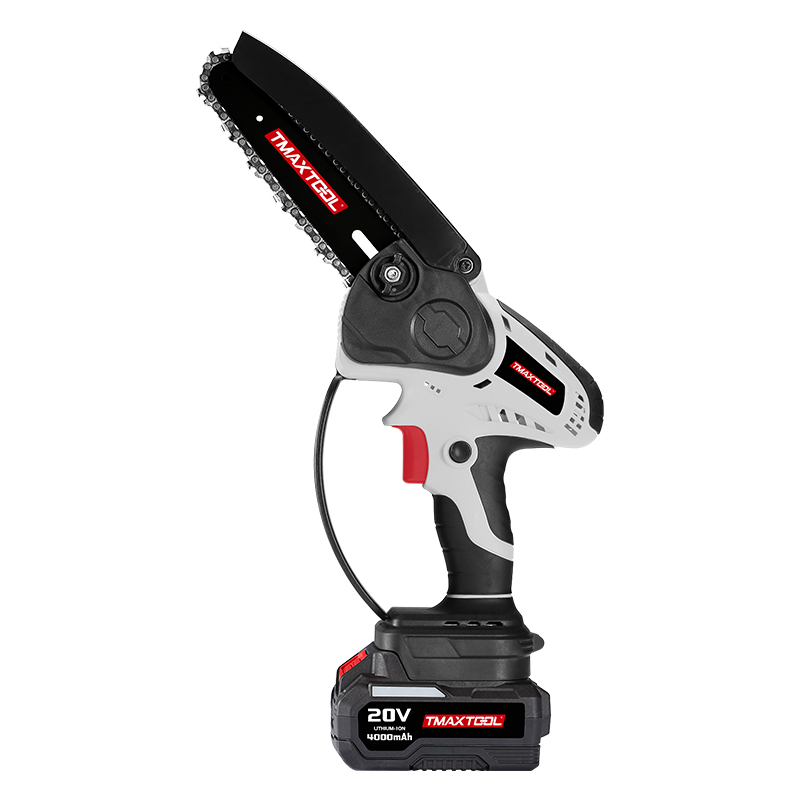 Battery Chain Saw
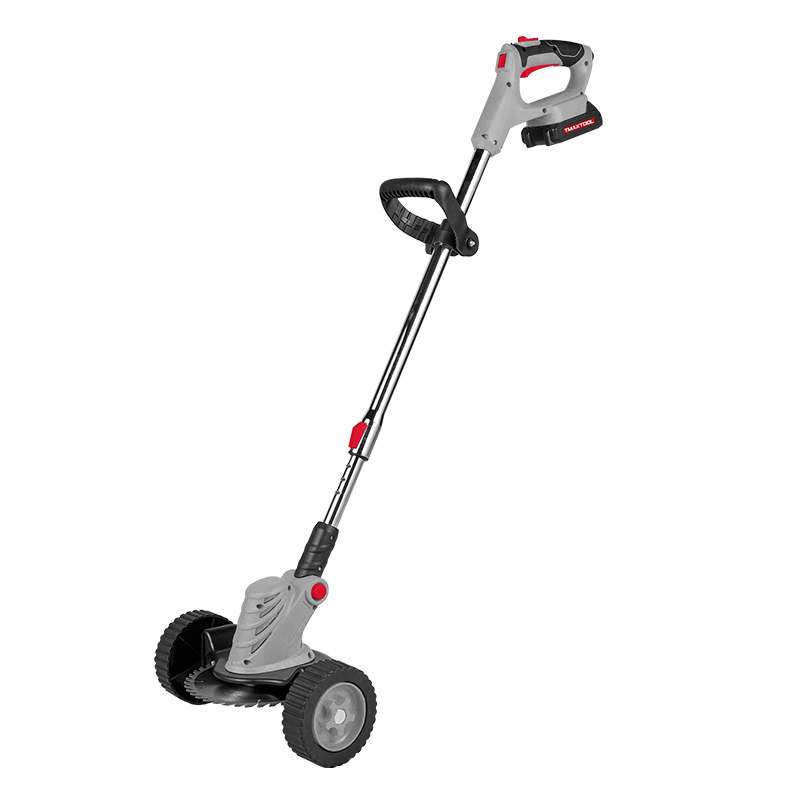 Battery Brush Cutter
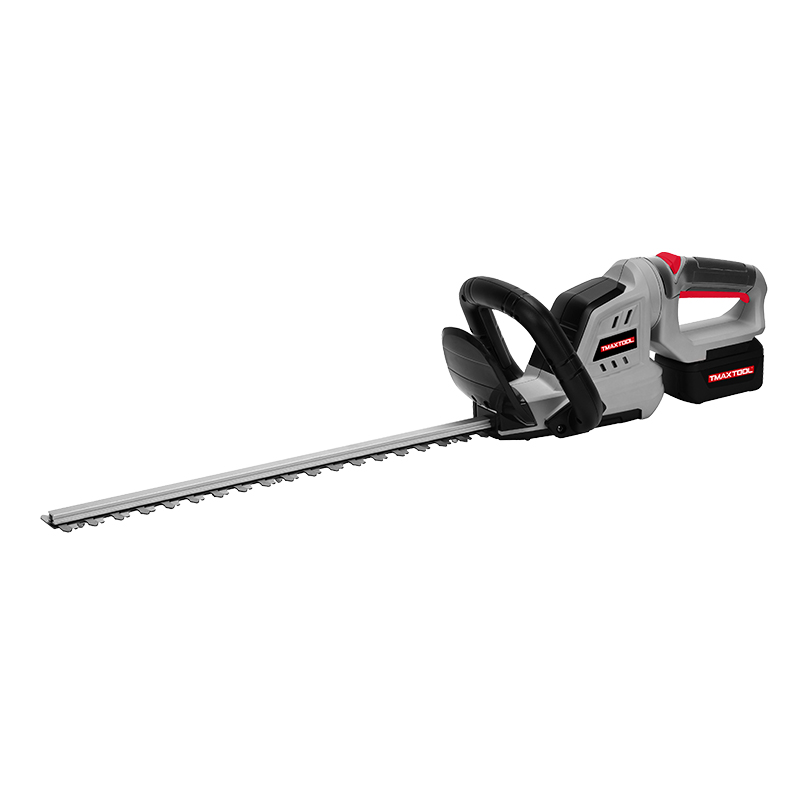 Battery Hedge Trimmer
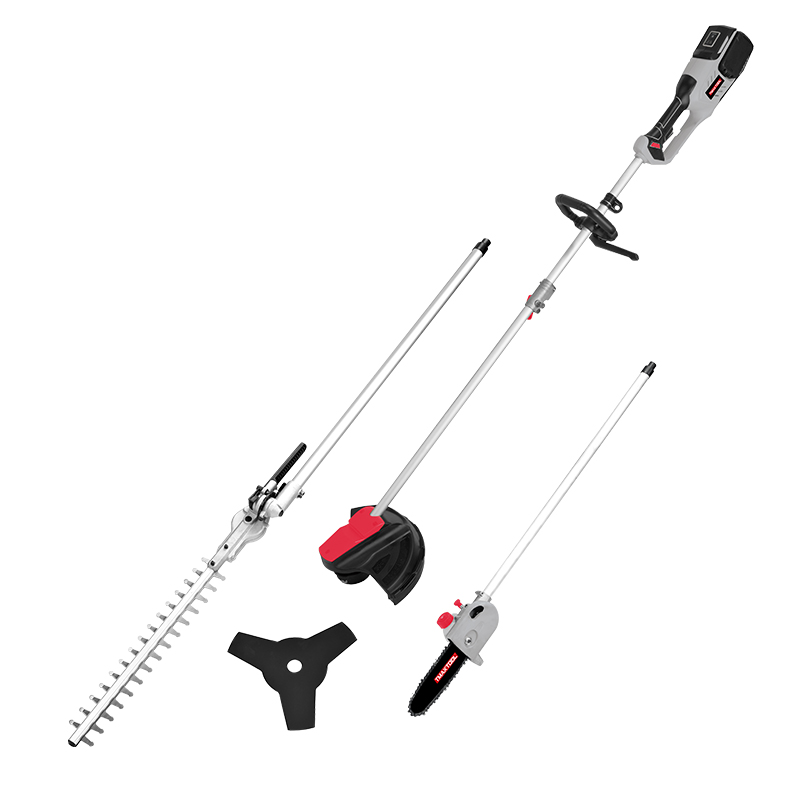 Battery Multi Tool
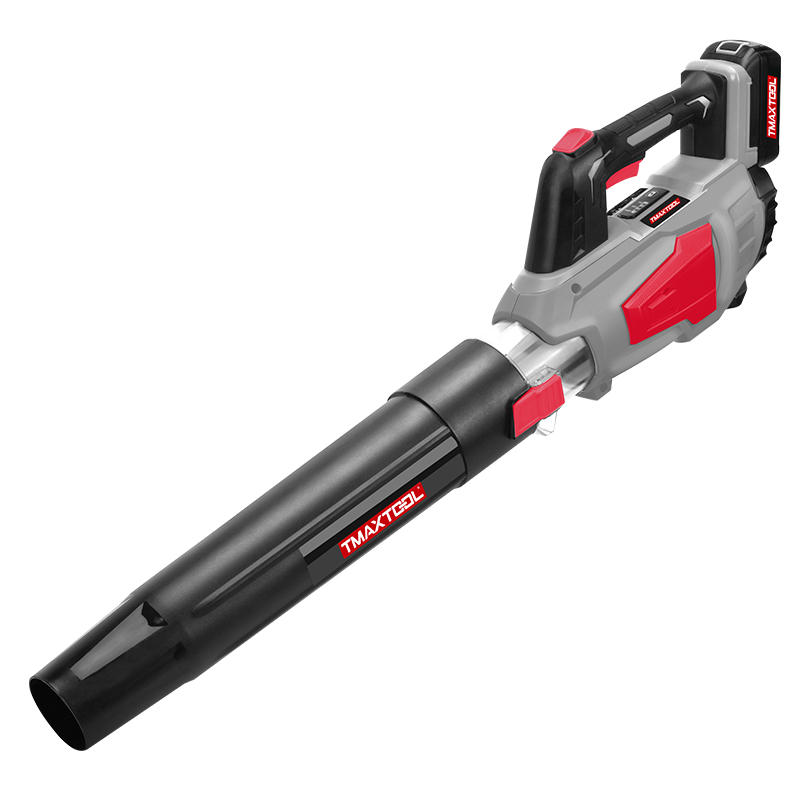 Battery Blower
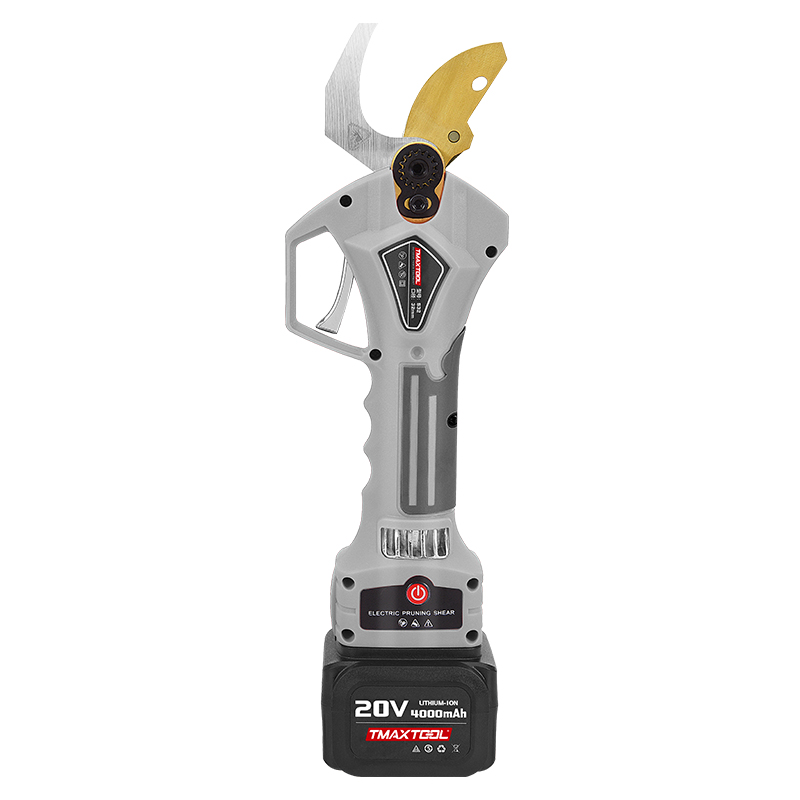 Batter Pruning Shears
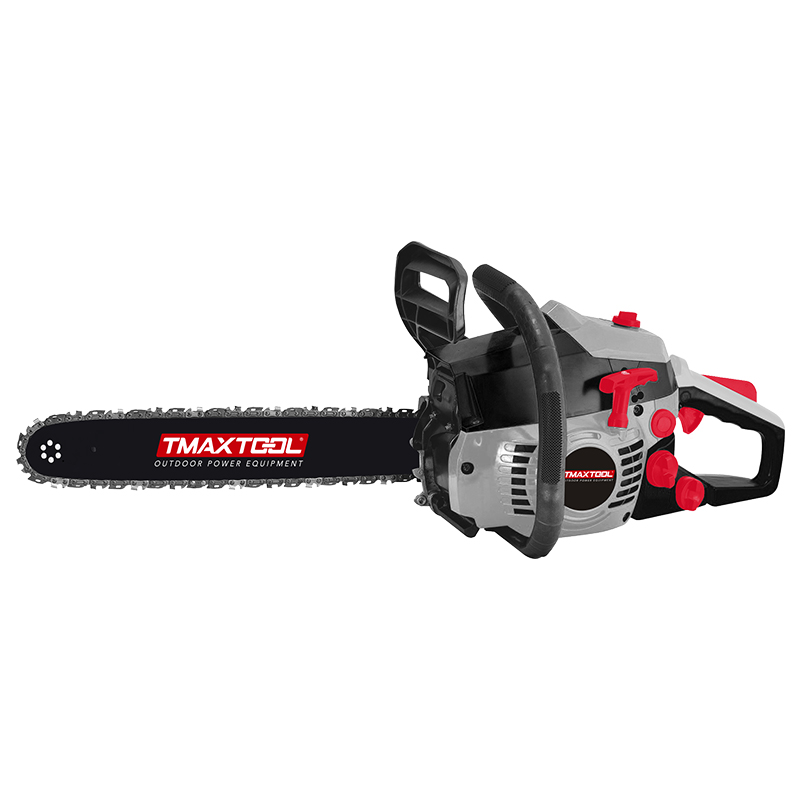 Chain Saw
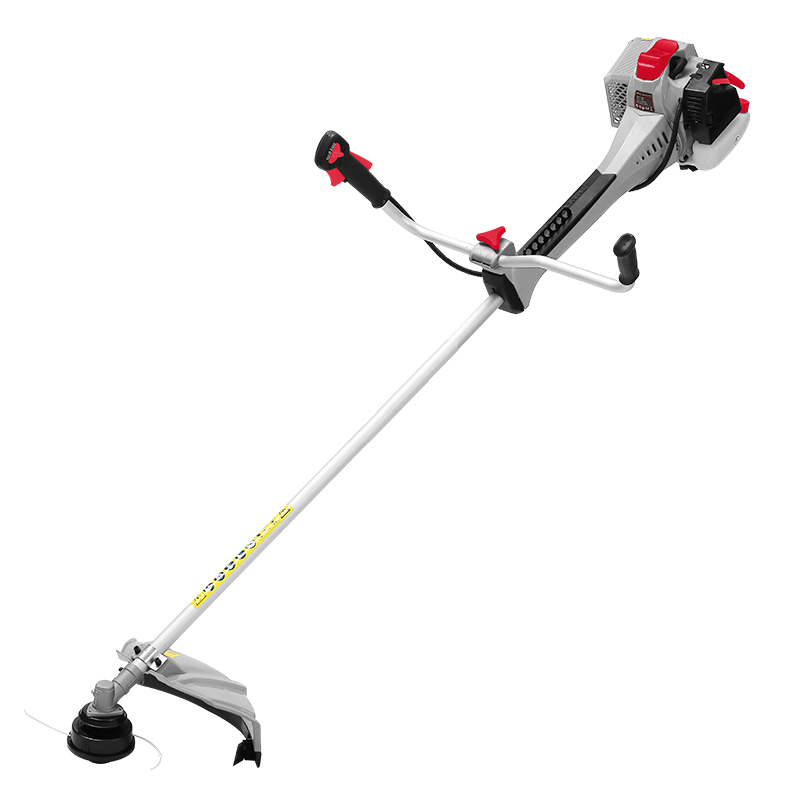 Brush Cutter
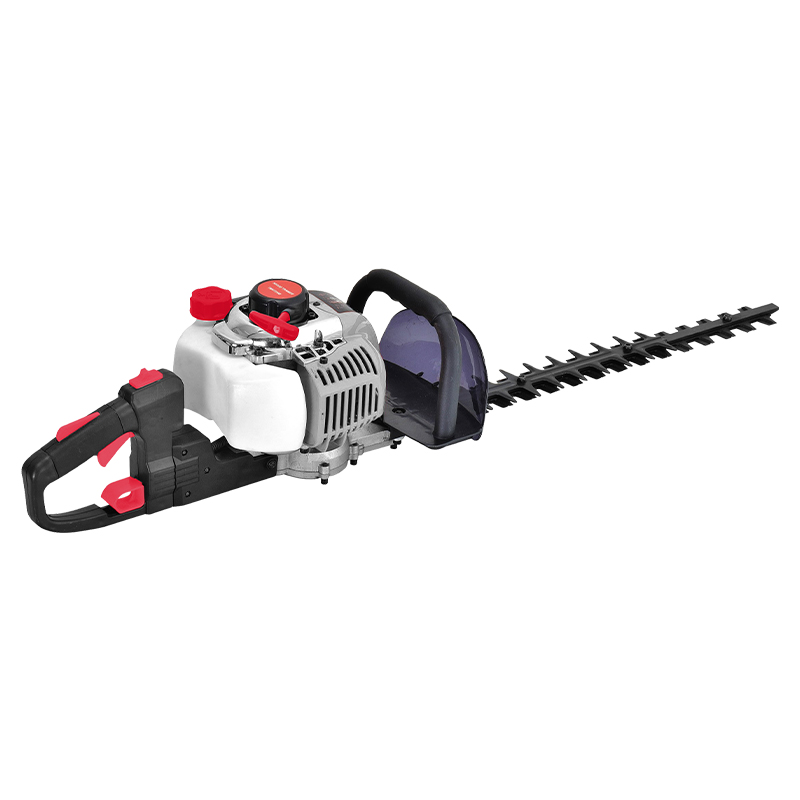 Hedge Trimmer
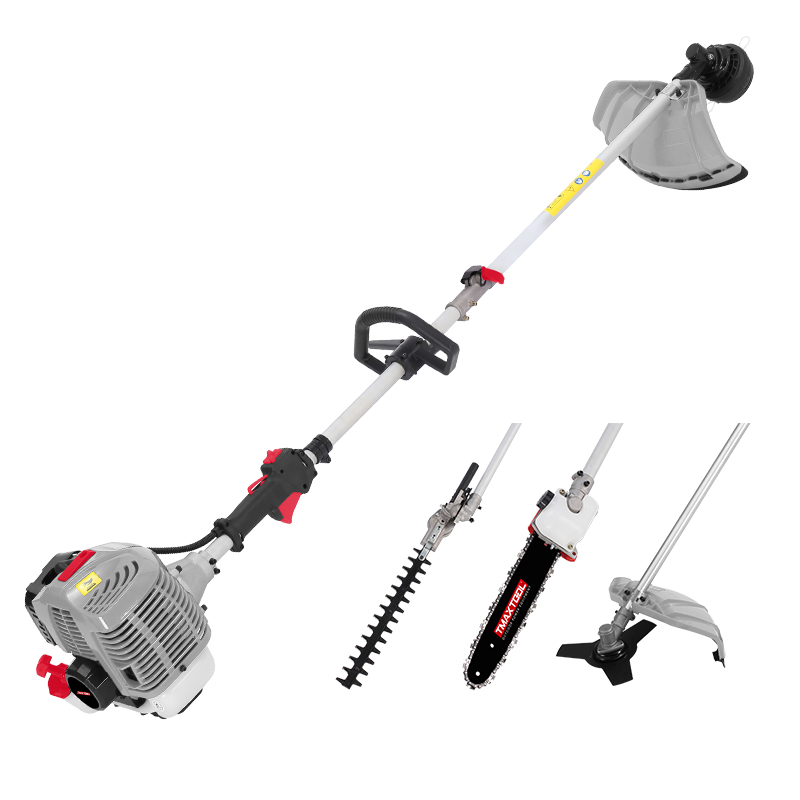 Multi Tool
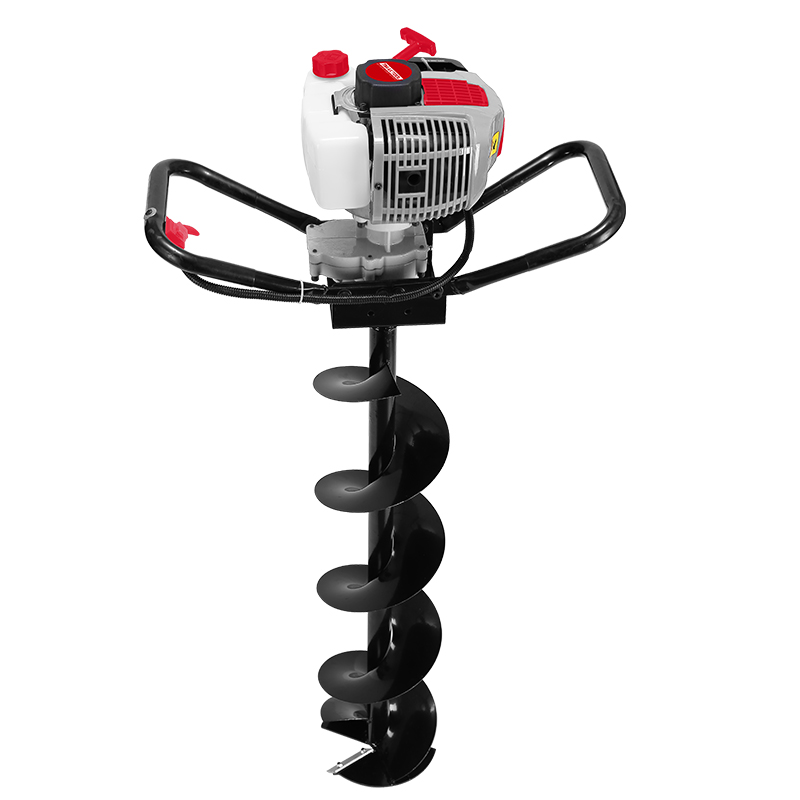 Earth Auger
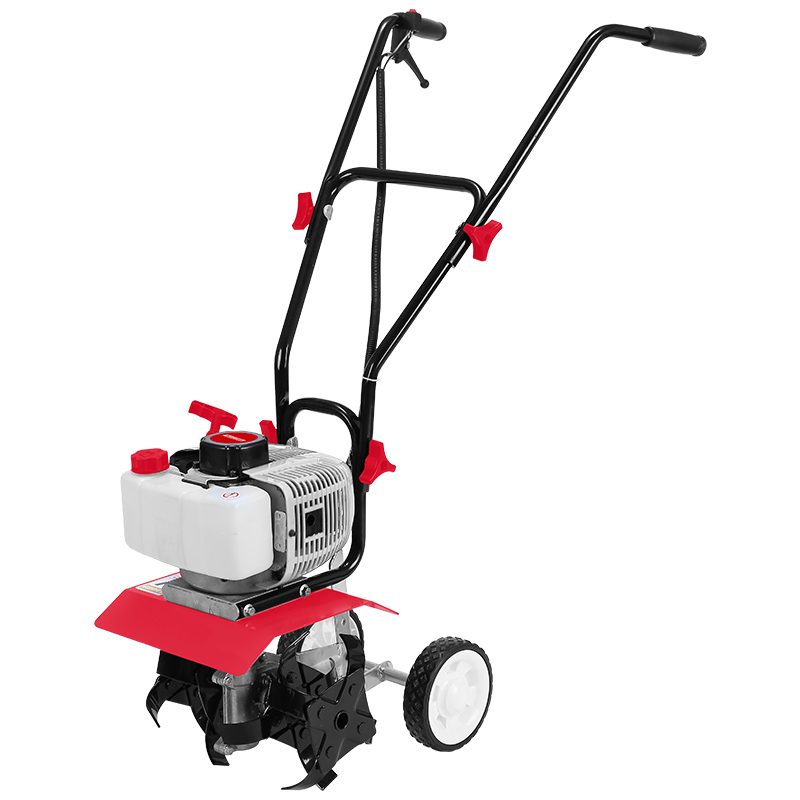 Tiller
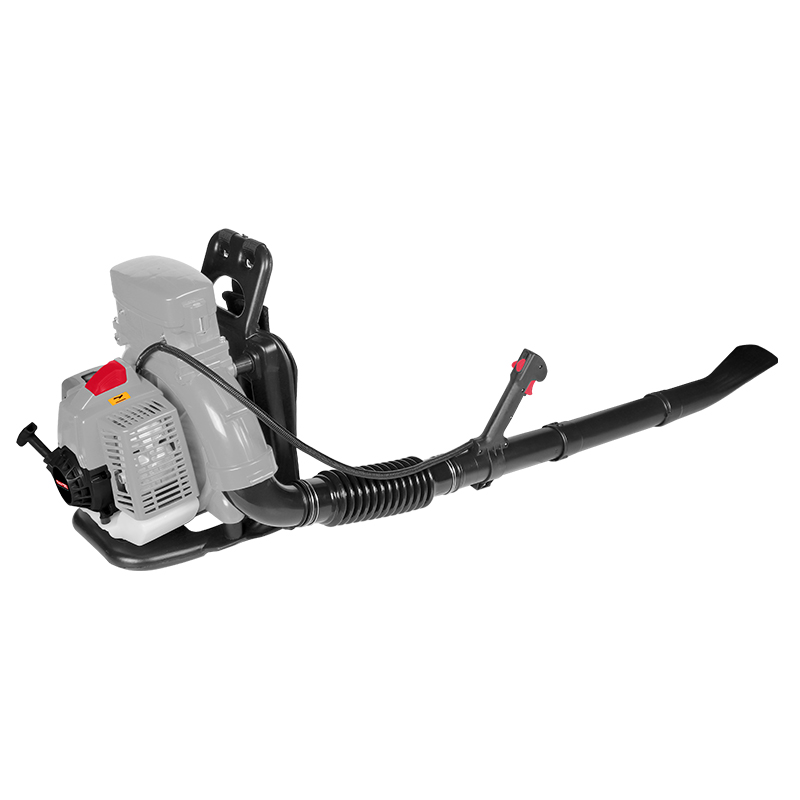 Blower
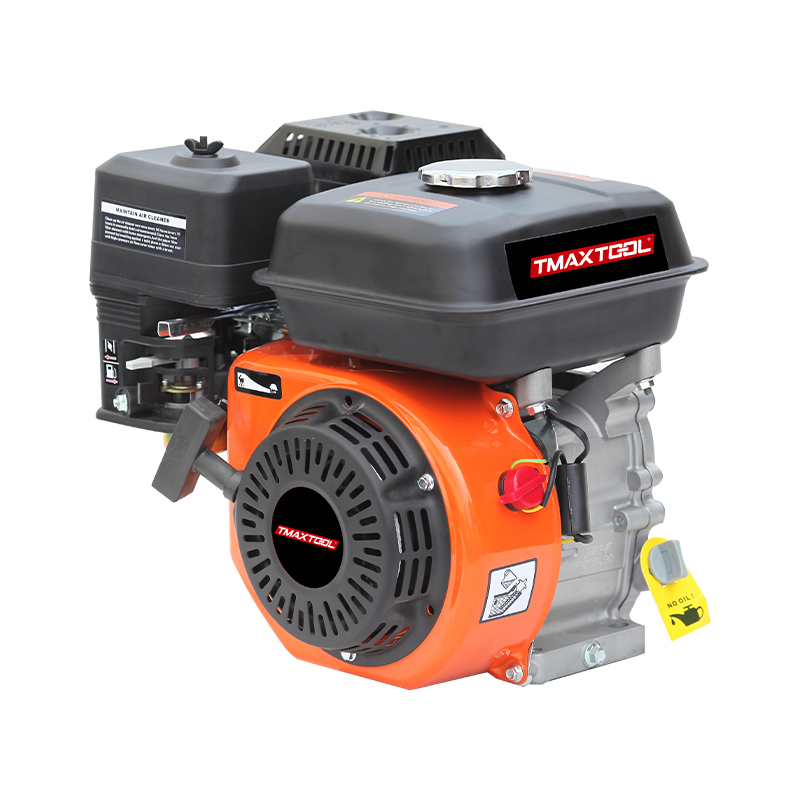 4 Stroke Gasoline Engine
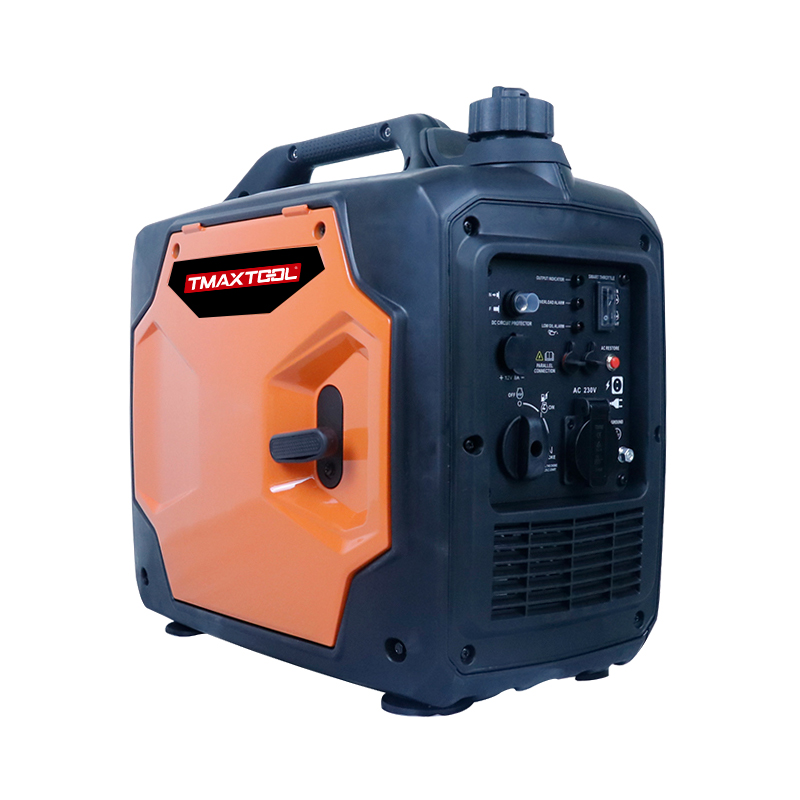 Generator
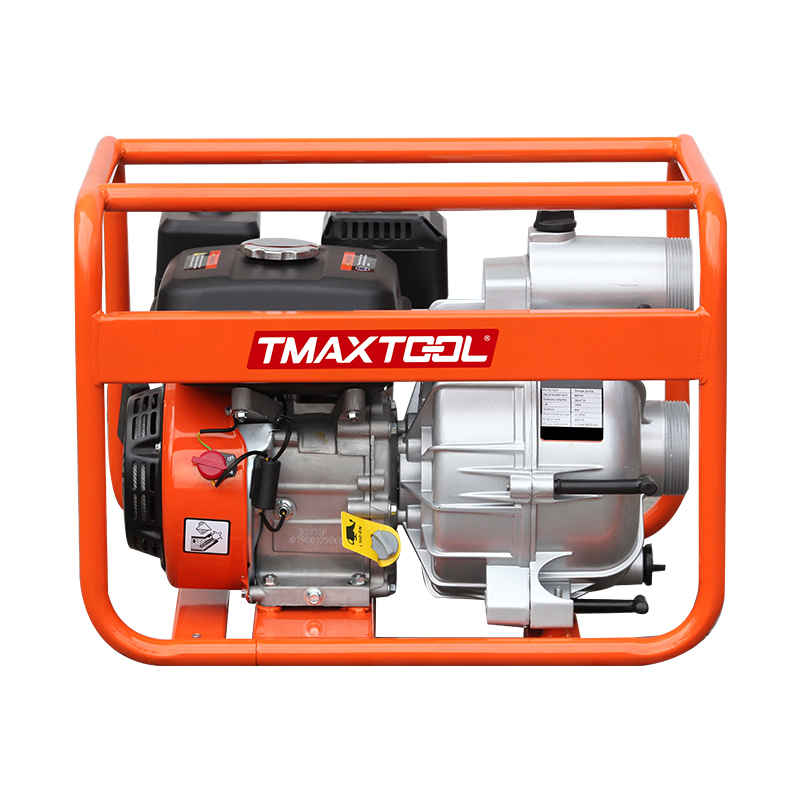 Water Pump
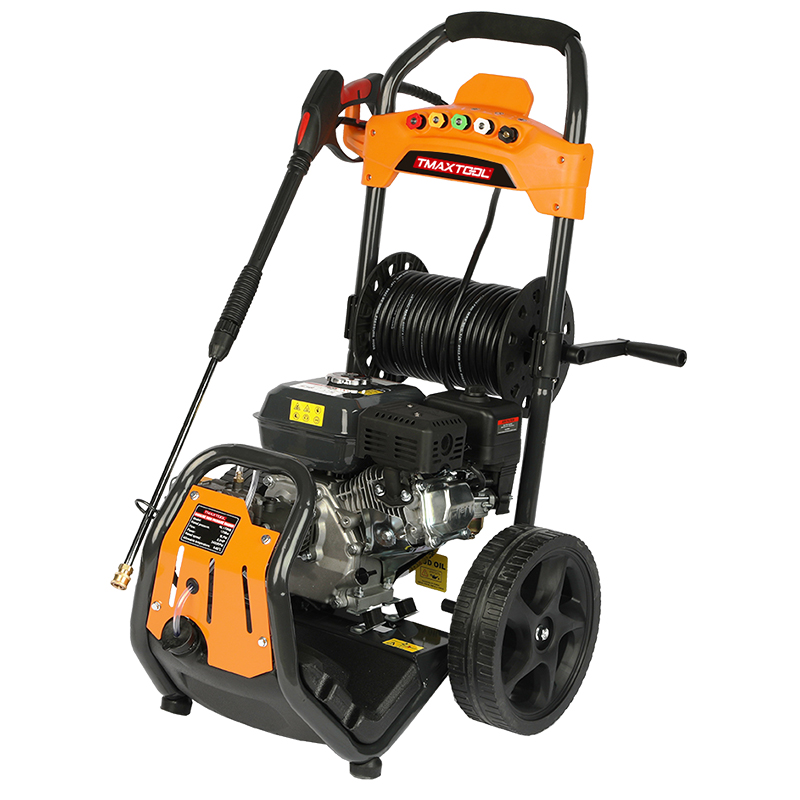 High Pressure Washer
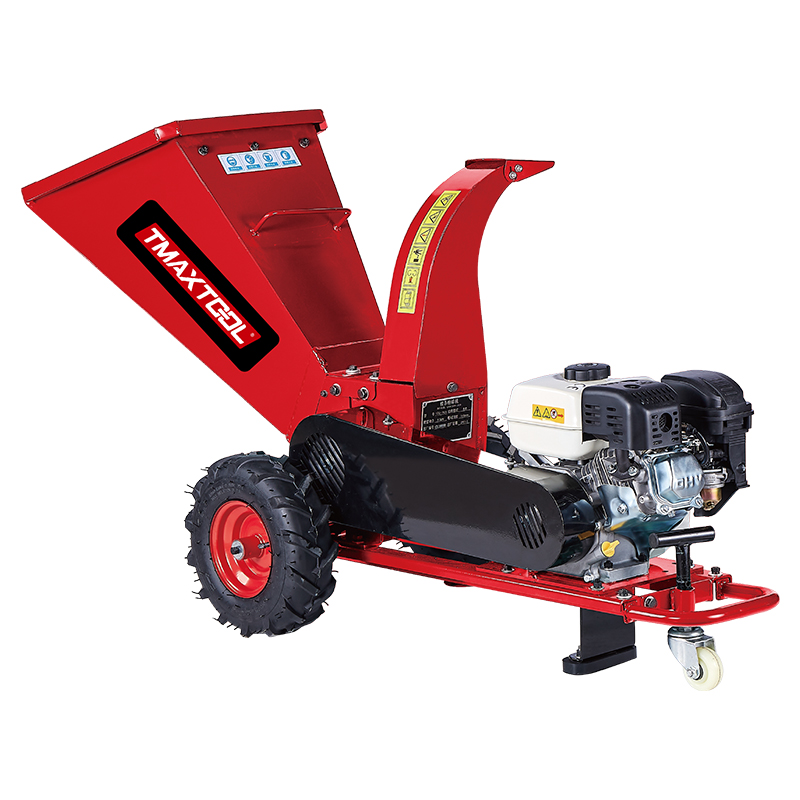 Wood Cutter
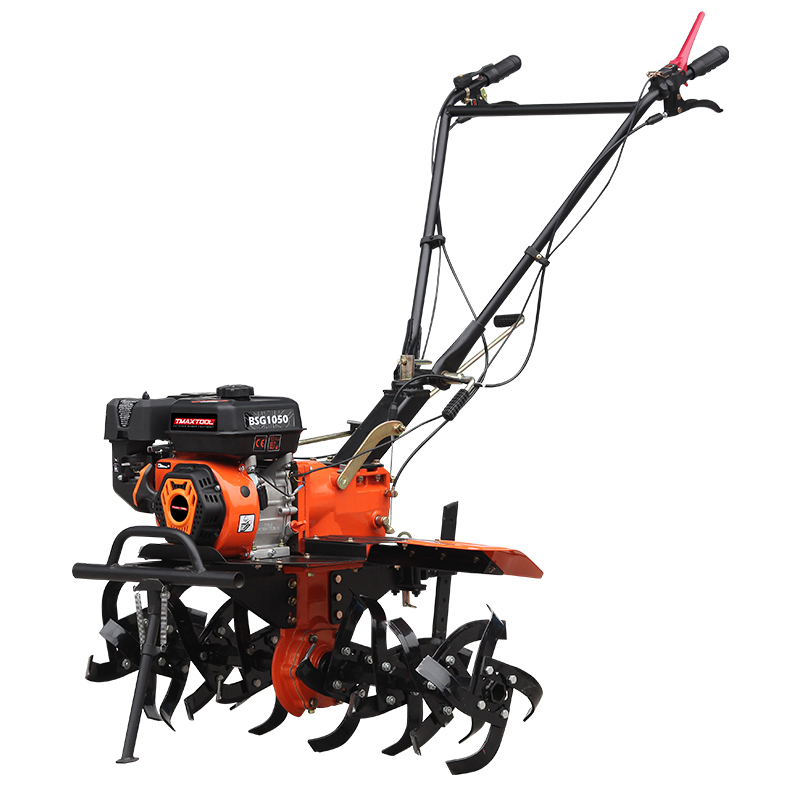 4 Stroke Tiller
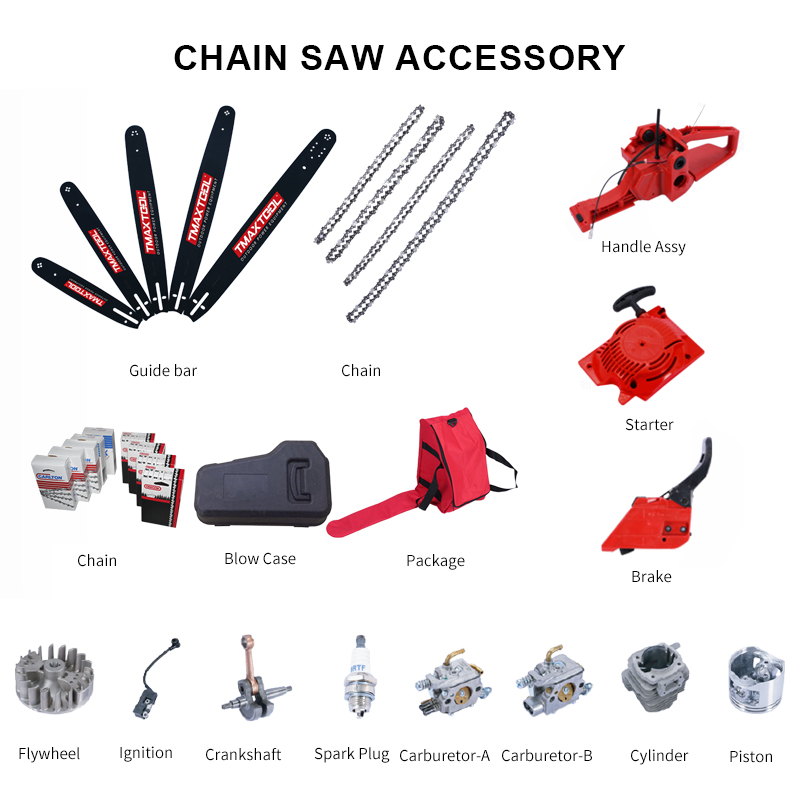 Chain Saw Accessory
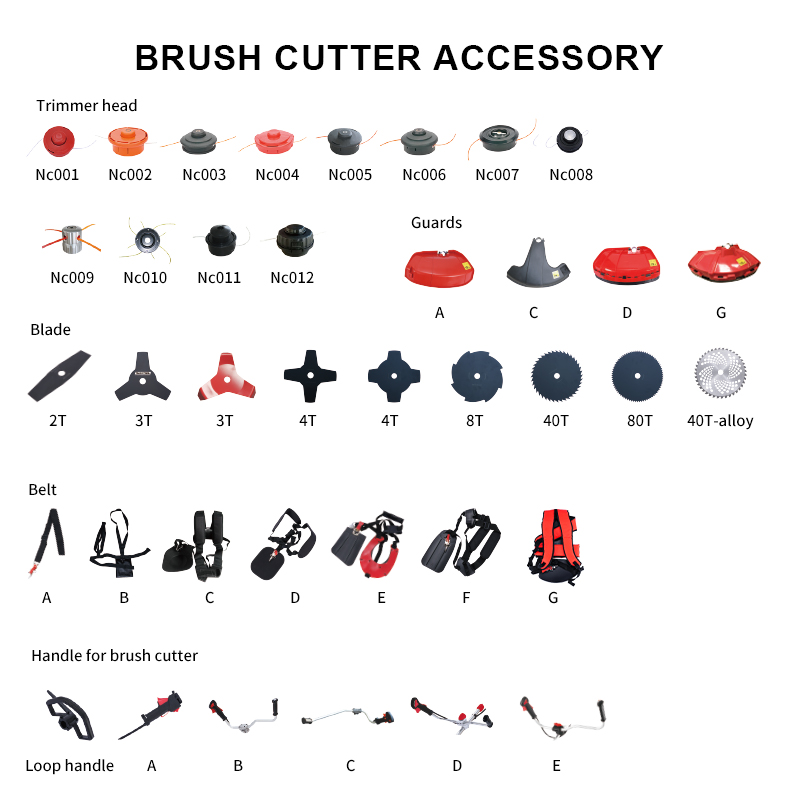 Brush Cutter Accessory
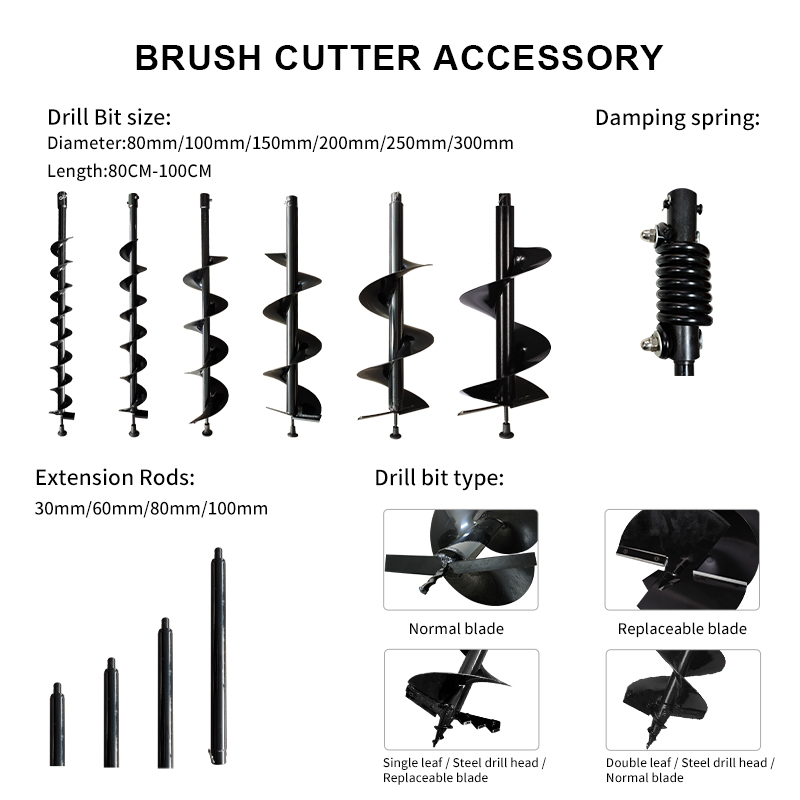 Earth Auger Accessory
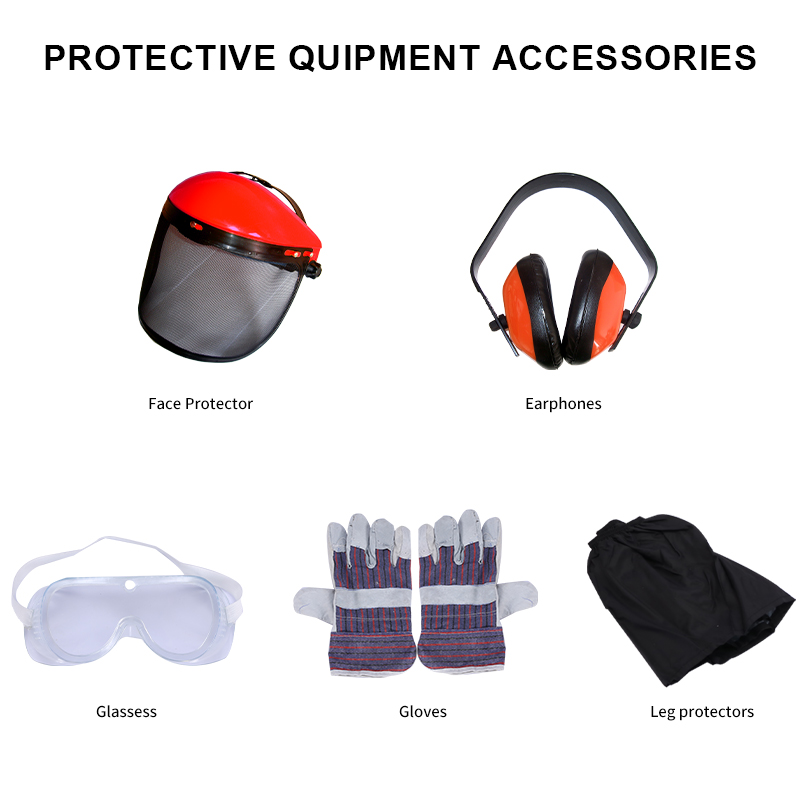 Protective Equipment Accessories
Leave Your Message


Commercial Backpack Leaf Blowers: CFM vs. MPH Dynamics, Decibel Compliance, and Fleet Selection for Autumn Grounds Maintenance
Commercial Backpack Leaf Blowers: CFM vs. MPH Dynamics, Decibel Compliance, and Fleet Selection for Autumn Grounds Maintenance
1. Executive Summary: The Autumn Ground Clearance Bottleneck
During the peak autumn defoliation season, municipal parks departments, commercial business parks, school campuses, and large landscaping contractors face an intense operational challenge. Hundreds of tons of wet, decaying foliage, pine needles, and turf clippings must be cleared rapidly from walkways, roadways, drainage gutters, and expansive sports turf before rainfall turns vegetative matter into hazardous, slippery sludge.
Commercial grounds maintenance crews face distinct physical and mechanical constraints during full-day clearing operations:
- Adhesion of Saturated Leaves: Wet foliage forms dense, interlocking mats that adhere tenaciously to damp asphalt, paver joints, and rough lawn surfaces, demanding high-pressure scouring air velocity to dislodge.
- Large-Area Volumetric Sweep: Once dislodged, moving vast piles of debris across open athletic fields or 500-meter parking corridors requires immense volumetric air displacement rather than a narrow high-speed stream.
- Municipal Noise Ordinances: An increasing number of European, North American, and Australian municipalities enforce strict sound power limits (frequently capped at 75 dB(A) at 15 meters / 50 feet), restricting high-pitched two-stroke machinery in noise-sensitive residential zones.
- Operator Ergonomics & Fatigue: Operating a heavy backpack blower for 6 to 8 continuous hours generates substantial lower-back strain, shoulder compression, and throttle-arm vibration if harness geometry and engine isolation are poorly engineered.
Deploying high-performance commercial backpack leaf blowers Internal Link Target: /products/backpack-leaf-blower] generating over 900 CFM reduces crew clearance time across multi-hectare commercial facilities by up to 55% compared to handheld units.
Productivity Standard: Deploying a heavy-duty commercial backpack blower generating over 900 CFM reduces crew clearance time across multi-hectare commercial facilities by up to 55% compared to mid-range handheld or entry-level units.
 |
2. Airflow Physics: Deciphering CFM vs. MPH for Commercial Efficiency
One of the most frequent specification errors made by equipment purchasers and commercial fleet managers is evaluating leaf blowers purely by air speed (MPH) while ignoring volumetric air flow (CFM), or vice versa. In aerodynamic terms, blowing performance is governed by the total dynamic blowing force (measured in Newtons, N).
2.1 Airspeed (MPH / m/s) — The "Scouring Force"
Airspeed determines the initial kinetic energy delivered at the nozzle tip. High velocity (typically 190 to 240 MPH / 85 to 105 m/s) is essential for peeling wet, compacted leaves off asphalt, breaking loose gravel and pine needles embedded in sod, and scouring dirt from pavement expansion joints.
2.2 Volumetric Airflow (CFM / m³/h) — The "Carrying Capacity"
Cubic Feet per Minute (CFM) measures the total volume of air moving through the blower tube per minute. Investing in a high CFM leaf blower Internal Link Target: /category/commercial-blowers] delivering between 800 CFM and 1,150 CFM (1,360 to 1,950 m³/h) creates a wide, cohesive air curtain that pushes massive, chest-high windrows of leaves across broad turf without scattering them backward.
| Operating Parameter | High Velocity / Moderate CFM (e.g., 230 MPH / 600 CFM) | High Volume / Balanced Velocity (e.g., 200 MPH / 950 CFM) | Operational Field Application |
|---|---|---|---|
| Scouring Wet Debris | Exceptional kinetic shear; breaks stuck wet leaf layers quickly. | Very high scouring; dislodges heavy debris with broader coverage. | Tarmac, concrete walkways, interlock pavers after rain. |
| Broad Turf Clearing | Narrow swath; tends to burrow holes through piles rather than moving them. | Wide air cushion; moves massive linear leaf piles across wide grass expanses. | Golf course fairways, public parks, athletic sports turf. |
| Curb & Gutter Cleaning | Excellent localized pinpointing; clears compacted storm runoff channels. | High volume prevents blowback over adjacent manicured turf berms. | Municipal roadway curbs, highway medians, parking drainage. |
| Blowing Force (Newtons) | Approx. 22 N – 28 N dynamic thrust at nozzle. | Approx. 35 N – 42 N dynamic thrust at nozzle. | Commercial contractor benchmark for heavy autumn cleanup. |
| 📷 IMAGE INSERTION #2 (Technical / Aerodynamic Infographic) • Suggested Visual & Scene Composition: A clear vector infographic illustrating CFM (Volumetric Air Flow / swath width) versus MPH (Air Velocity / scouring pressure). An aerodynamic overlay shows how the combined dynamic blowing force (measured in Newtons, N) delivers the optimum scouring and sweeping performance across wet asphalt vs dry sports turf. • Recommended Alt Text: "CFM air volume versus MPH airspeed dynamic blowing force comparison chart for commercial leaf blowers" |
3. Engine Architecture: 2-Stroke Stratified Charge vs. Low-Noise 4-Stroke & 60V Battery
Fleet managers must balance gross blowing power against emissions compliance, fuel logistics, and neighborhood noise limits. Commercial backpack blowers utilize three distinct powertrain architectures:
3.1 Commercial Stratified-Charge 2-Stroke Engines (65cc to 80cc)
Equipped with dual-piston port scavenging to satisfy Euro-V and EPA Phase 3 emissions standards, modern commercial 2-stroke engines deliver the highest power-to-weight ratio available. An 80cc engine produces up to 3.8 kW of shaft output while maintaining total wet backpack weight under 11.5 kg.
3.2 Industrial 4-Stroke OHV Engines (35cc to 45cc)
Operating on pure straight gasoline without 2-stroke oil mixing, 4-stroke blowers produce a deeper, lower-frequency exhaust tone that attenuates rapidly over distance. They generate virtually zero blue smoke, making them well-suited for university campuses, hospitals, and enclosed courtyards where exhaust odor complaints are common.
3.3 Commercial 60V/80V Brushless Battery Platforms
High-output outer-rotor brushless motors coupled with axial-flow fan impellers deliver instantaneous trigger response and ultra-low noise levels (<65 dB(A) at operator ear). In contracts requiring low noise commercial blowers for municipal maintenance Internal Link Target: /products/battery-backpack-blower], commercial battery systems with rapid-charging battery trailers represent the fastest-growing sector.
| Blower Platform Category | Engine / Motor Displacement | Max Airflow (CFM / MPH) | Operating Weight (Dry) | Primary Target Market & Application |
|---|---|---|---|---|
| Compact Commercial Blower | 43cc 2-Stroke / 36V Dual-Pack | 650 CFM / 185 MPH | 8.2 kg | Residential landscaping crews, light commercial facility paths |
| Heavy-Duty Contractor Blower | 63cc Stratified 2-Stroke | 880 CFM / 205 MPH | 10.2 kg | Municipal parks, large estate grounds, autumn leaf collection fleets |
| Maximum-Thrust Forestry Blower | 75cc–80cc Commercial 2-Stroke | 1,050 CFM / 225 MPH | 11.4 kg | Highway roadwork, golf courses, massive wet leaf windrowing |
| Ultra-Quiet Battery Blower | 60V–80V High-Torque Brushless | 850 CFM / 195 MPH | 7.8 kg (w/o harness pack) | Hospitals, schools, quiet-zone municipal maintenance contracts |
Regulatory Compliance Highlight: TMAXTOOL commercial gasoline backpack blowers incorporate precision-tuned expansion chamber mufflers and catalytic exhaust screens, ensuring full compliance with European Stage V sound power and exhaust emission directives.
4. Ergonomics, HAVS Prevention, and Anti-Vibration Harness Engineering
A commercial backpack blower generates significant physical forces: the engine flywheel produces high-frequency rotational harmonics, while the high-velocity nozzle produces 30 to 40 Newtons of continuous backward reactive thrust against the operator’s arm and torso.
4.1 4-Point High-Dampening Rubber & Steel Spring Isolation
Commercial frames separate the engine and fan casing from the structural backpack frame using four heavy-duty elastomeric rubber isolators and linear steel dampening springs. This multi-axis isolation system reduces handle vibration below 2.0 m/s², comfortably within European Directive 2002/44/EC 8-hour continuous work shift limits.
4.2 Air-Cooled Backrest & Load-Distributing Padded Harness
During full-throttle operation, the engine generates substantial radiant heat. Commercial frames incorporate ventilated mesh back pads that channel cooling ambient airflow between the operator’s back and the engine shroud. Wide, padded shoulder straps with an adjustable chest sternum clasp and a wide padded waist belt transfer 70% of the unit’s weight directly onto the operator’s pelvic girdle rather than the lumbar spine.
4.3 Joy-Stick Cruise Control Throttle with Variable Nozzle Angles
An ergonomic multi-function joystick throttle features an integrated continuous cruise-control lever, allowing operators to lock the desired engine RPM without maintaining continuous trigger finger pressure. A flexible rubber elbow with low-friction swivel joints provides effortless 360-degree nozzle articulation with zero wrist fatigue.
| 📷
|

5. Filtration & Air Management: Protecting Powertrains in Heavy Dust
Blowing dry autumn turf, mulch beds, and gravel pathways generates clouds of abrasive silica dust and airborne organic debris. Standard single-stage foam filters allow fine dust particles to bypass into the carburetor venturi, resulting in rapid cylinder scoring, premature ring wear, and sudden power loss.
- Heavy-Duty Dual-Stage Air Filtration: Commercial blowers integrate an oversized primary pleated paper automotive-grade filter element shielded by a washable secondary pre-foam sleeve, filtering particles down to 5 microns.
- Dynamic Centrifugal Debris Ejection: The primary fan housing draws intake air through a specialized cyclone scroll that centrifugally expels large leaf fragments and twigs before they reach the filter housing.
- Tool-Less Quick-Release Filter Covers: Service technicians and crew leaders can inspect and clean air filtration elements in under 30 seconds directly in the field without hand tools.
6. Dealer Economics: Commercial Fleet Procurement & Aftermarket Revenue
For agricultural machinery distributors and commercial power equipment dealerships, backpack leaf blowers offer high-volume autumn revenue and predictable year-round aftermarket parts consumption:
- Fleet Package Sales: Landscaping contractors and municipal maintenance syndicates routinely procure blowers alongside orchard brush cutters Internal Link Target: /blog/orchard-brush-cutter-guide] and commercial battery pruning shears Internal Link Target: /blog/commercial-battery-pruning-shears-vineyard-guide] for comprehensive seasonal grounds maintenance fleets.
- Multi-Attachment Synergy: Offering dedicated commercial blowers alongside modular battery multi tool systems Internal Link Target: /blog/battery-multi-tool-buying-guide] allows dealers to capture both light residential and heavy municipal contract tenders.
- Turnkey Nozzle & Accessory Kits: Supplying interchangeable nozzle options—such as high-velocity round nozzles for maximum scouring and flared flat scraper nozzles for precision edge sweeping—enhances contractor versatility and dealer margin.
- Seasonal Maintenance Assortments: Pre-packaged maintenance kits containing genuine spark plugs, replacement fuel filters, pull-starter cord assemblies, and dual-stage air filter packs ensure steady workshop revenue.
Partnering with an experienced manufacturer like TMAXTOOL gives distributors direct access to TMAXTOOL OEM factory manufacturing capabilities Internal Link Target: /oem-odm-manufacturing], including custom corporate color molding, high-durability UV-resistant tank graphics, private-label documentation, and guaranteed 5-year spare parts inventory backup.
7. Frequently Asked Questions (B2B Commercial Leaf Blower FAQ)
Q1: How does blowing force in Newtons differ from CFM and MPH ratings?
Blowing force (measured in Newtons, N) represents the true physical thrust output calculated by combining air mass flow rate (CFM) and air exit velocity (MPH). While a blower can claim high MPH with a tiny nozzle opening or high CFM at low speed, blowing force accurately measures the machine’s ability to push heavy, wet debris under real field conditions.
Q2: What is the optimal nozzle configuration for wet leaves versus dry turf cleanup?
For wet, compacted leaves on asphalt or concrete, a tapered round high-velocity nozzle (maximizing MPH) provides the concentrated shearing force needed to dislodge stuck debris. For dry, bulky leaves on open grass, a wide flat fan nozzle (maximizing width and CFM) moves large volumes of material rapidly without scattering.
Q3: What maintenance steps are essential to prevent 2-stroke engine failure in dusty autumn environments?
Operators must inspect and tap out the pleated paper air filter daily, clean the foam pre-filter weekly in warm soapy water, use high-quality JASO-FD rated 50:1 synthetic 2-stroke oil, and clean the spark arrestor exhaust screen every 50 operating hours to prevent carbon clogging.
Q4: What certifications are mandatory for importing commercial leaf blowers into European and Latin American markets?
In Europe, machines must comply with CE Machinery Directive (2006/42/EC), Euro-V Non-Road Mobile Machinery (NRMM) Exhaust Emissions Regulation, and 2000/14/EC Outdoor Noise Directive with guaranteed sound power labeling. In Latin America, ISO 9001 factory documentation, CE compliance certificates, and localized safety manuals are standard customs requirements.
Q5: What OEM customization options does TMAXTOOL provide for commercial blower distributors?
TMAXTOOL offers full private label branding, customized engine shroud and fuel tank colors, bespoke heavy-duty carton packaging with barcoding, customized multi-lingual instruction manuals, and flexible MOQ options starting at 100 units per model.
8. Conclusion & Sourcing Next Steps
Achieving peak productivity in commercial autumn grounds maintenance requires heavy-duty backpack blowers engineered for optimal CFM/MPH balance, robust anti-vibration ergonomics, and reliable multi-stage air filtration. Dealerships and commercial contractors that invest in high-performance equipment backed by rigorous factory quality control will gain a substantial operational and commercial advantage.
Contact the TMAXTOOL international sales and engineering team today to request technical product data sheets, evaluation sample units, and wholesale OEM pricing for our commercial backpack leaf blower and municipal maintenance lineup.
--------------------------------------------------