
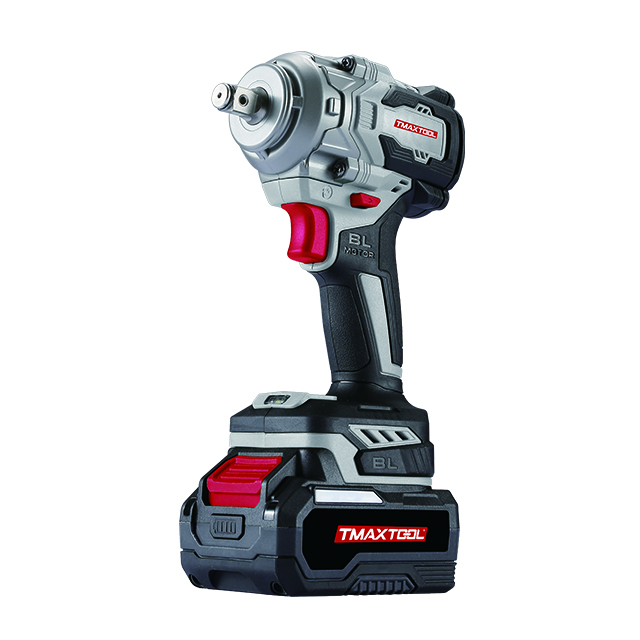
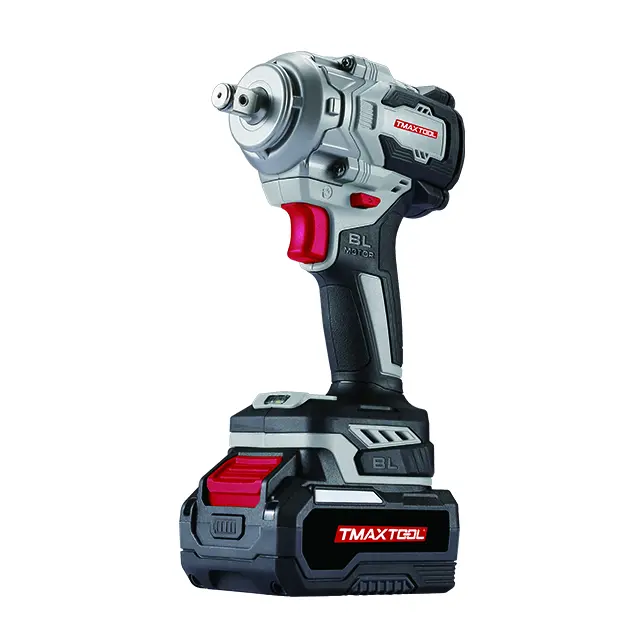
 Impact Wrench
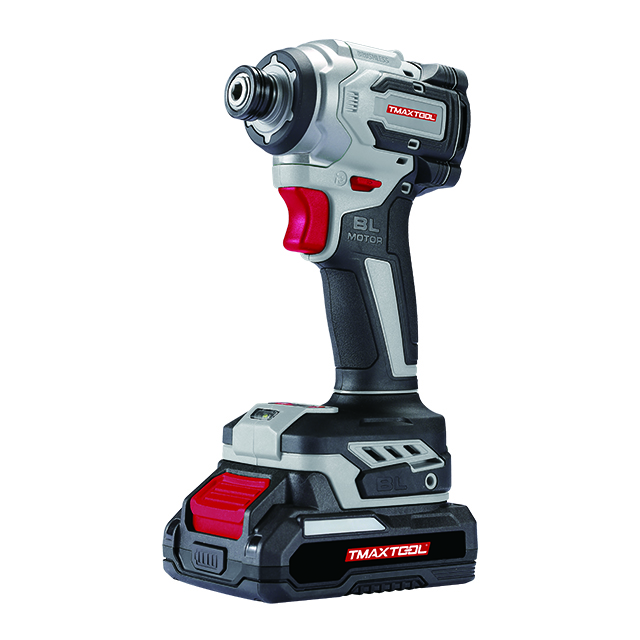 Screwdriver
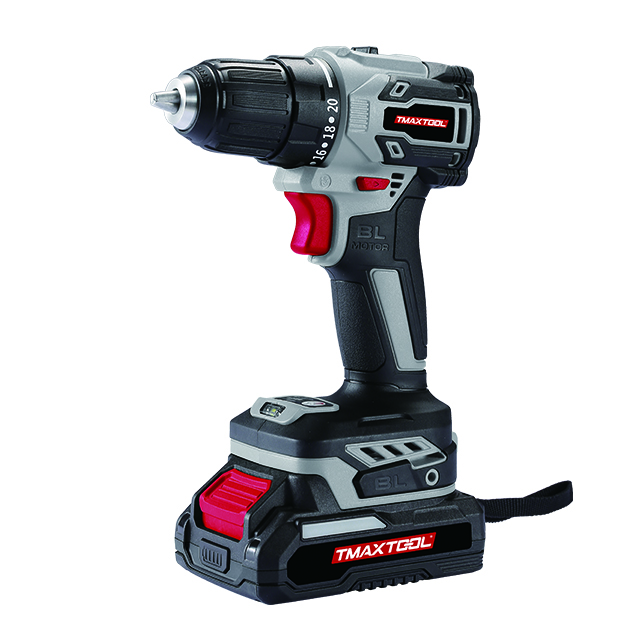 Cordless Drill
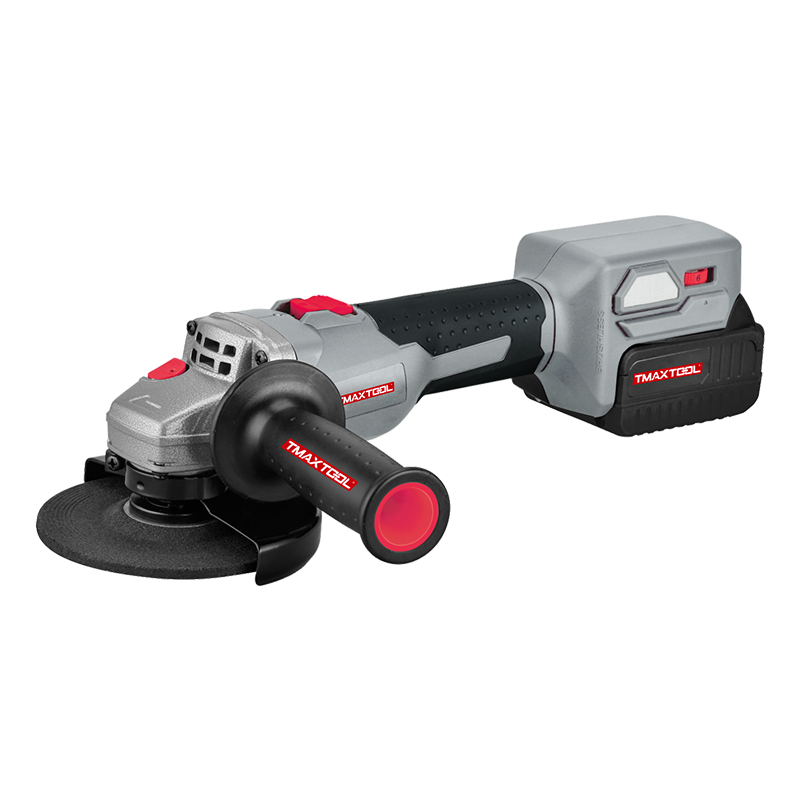 Angle Grinder
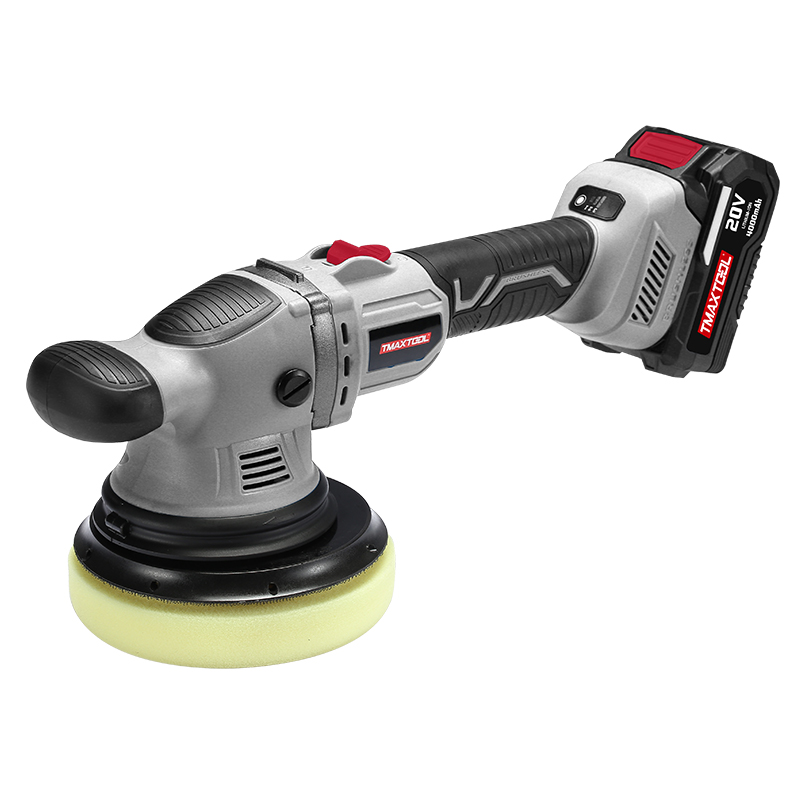 Polisher
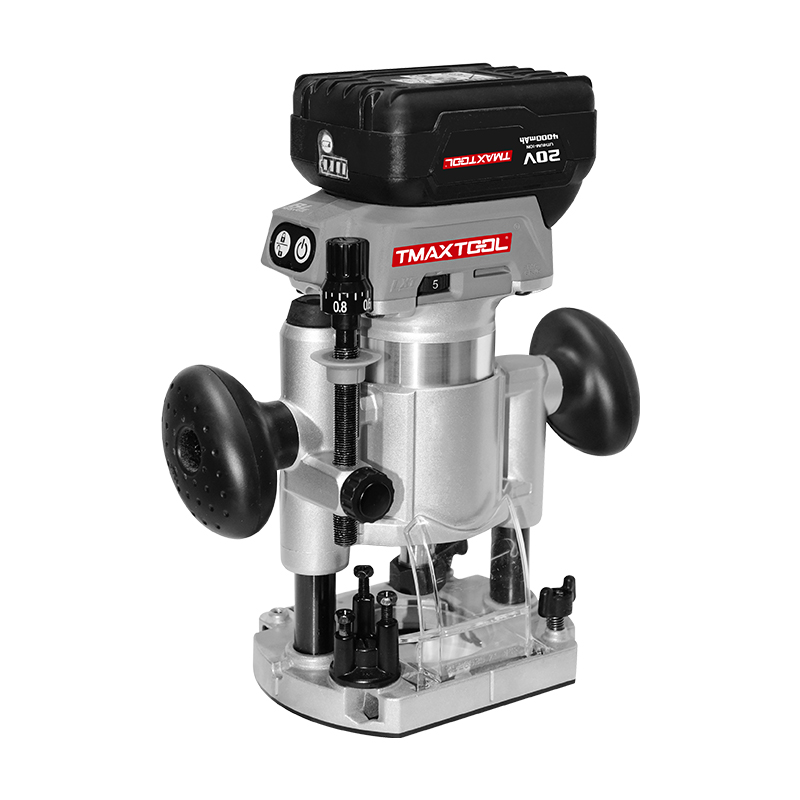 Wood Router
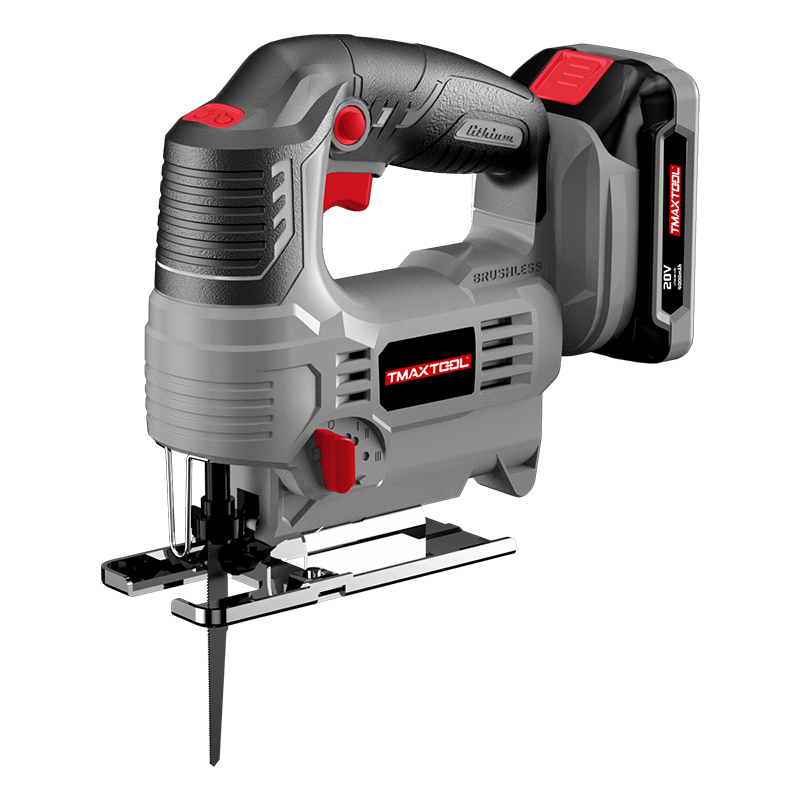 Jig Saw
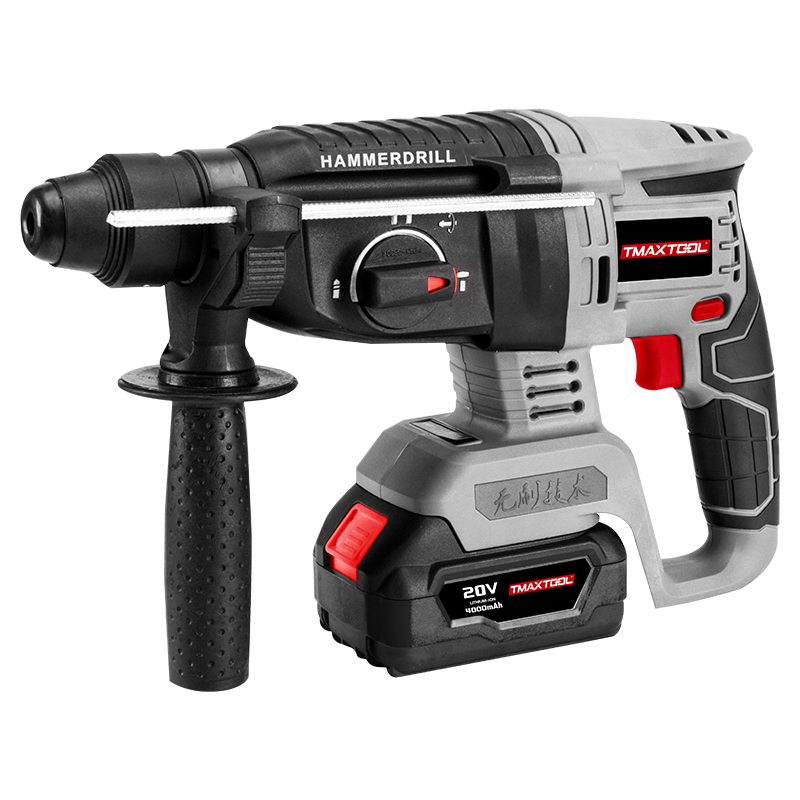 Hammer Drill
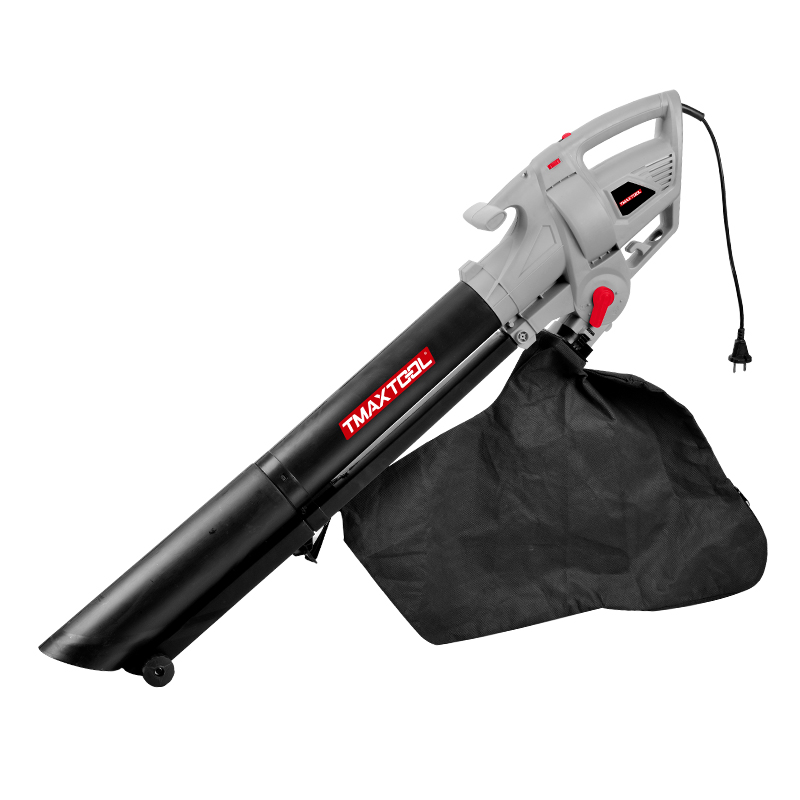 Portable Blower
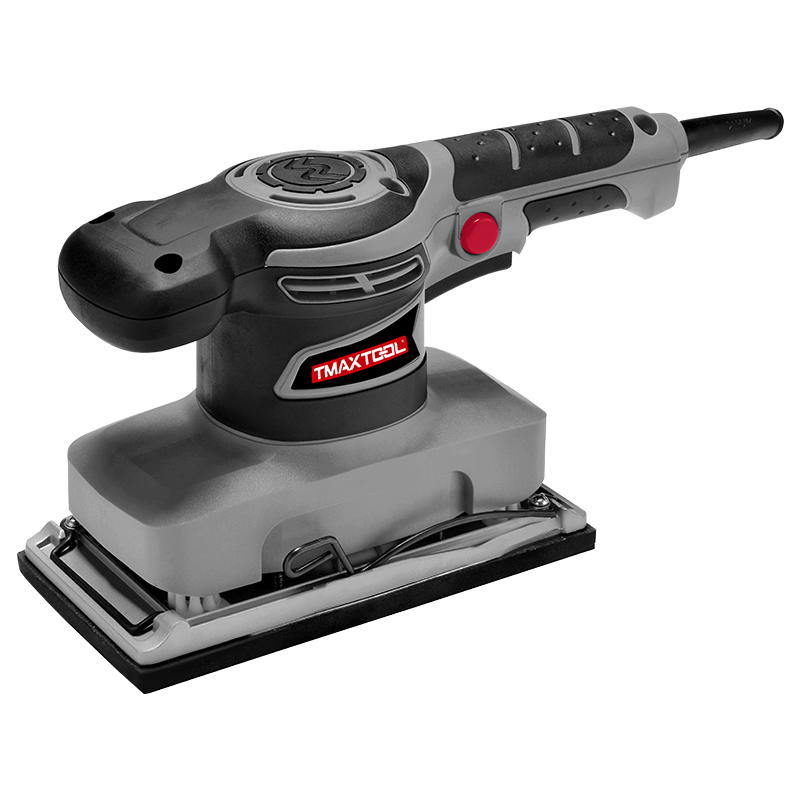 Orbital Sander
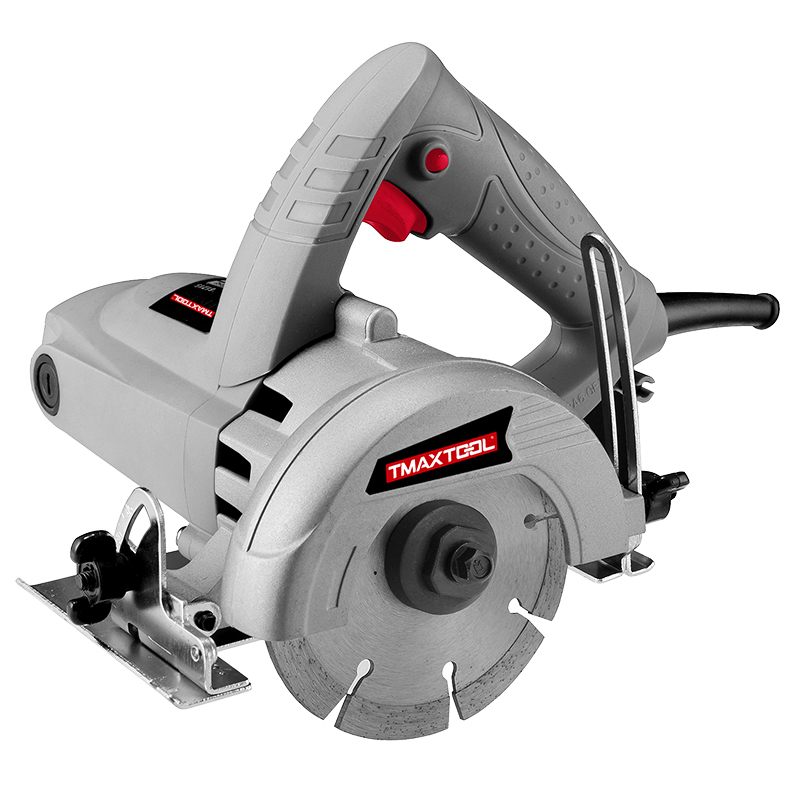 Marble Cutter
 GARDEN TOOLS
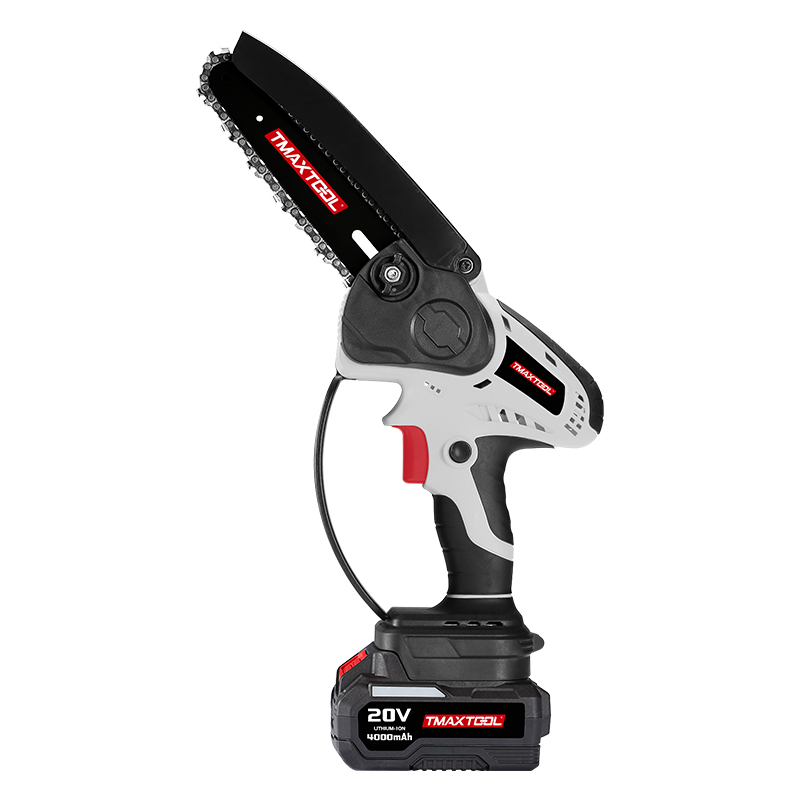 Battery Chain Saw
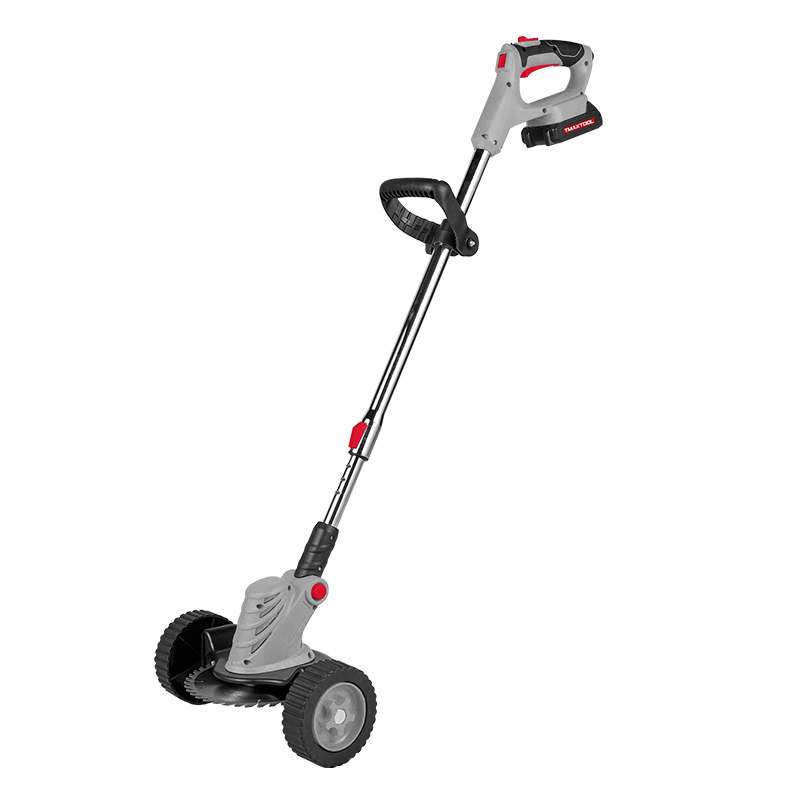 Battery Brush Cutter
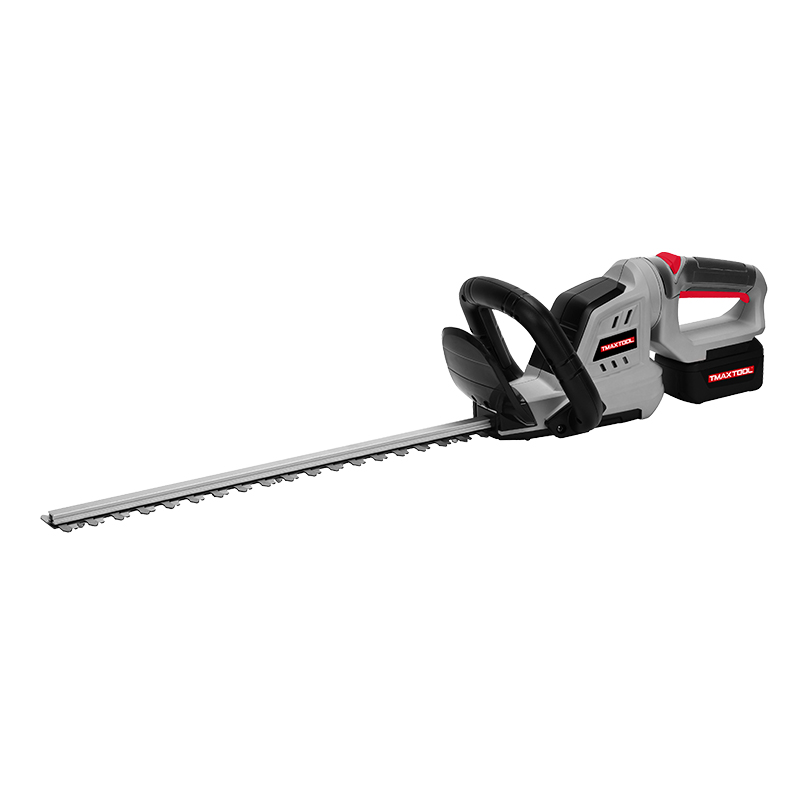 Battery Hedge Trimmer
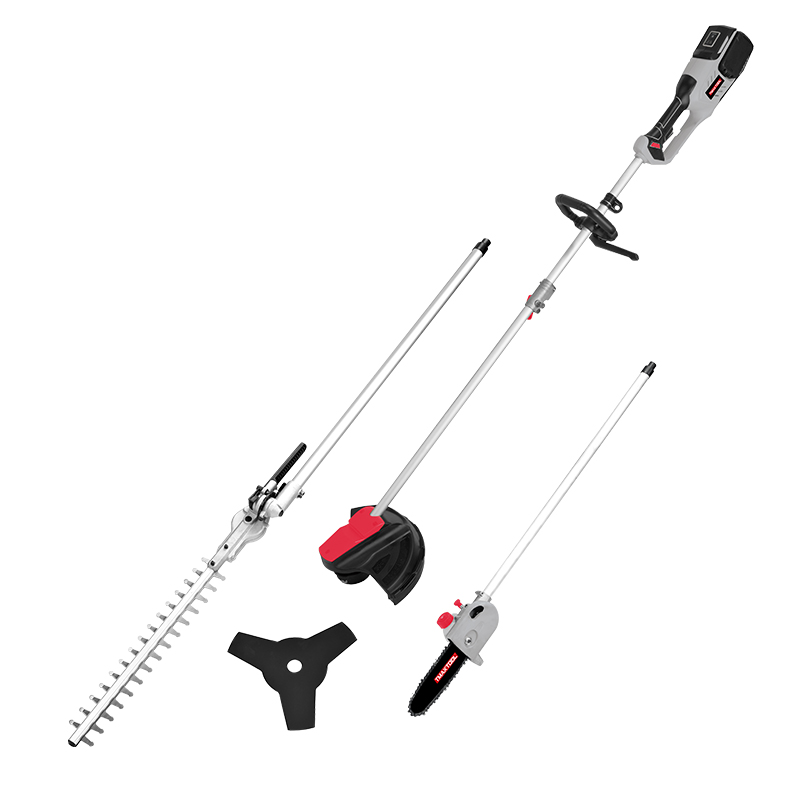 Battery Multi Tool
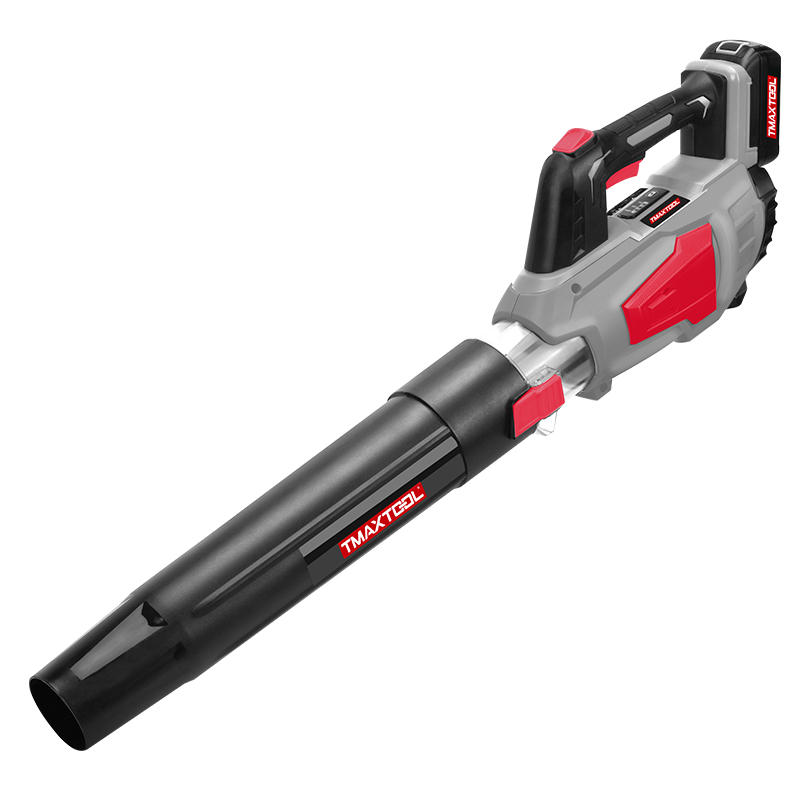 Battery Blower
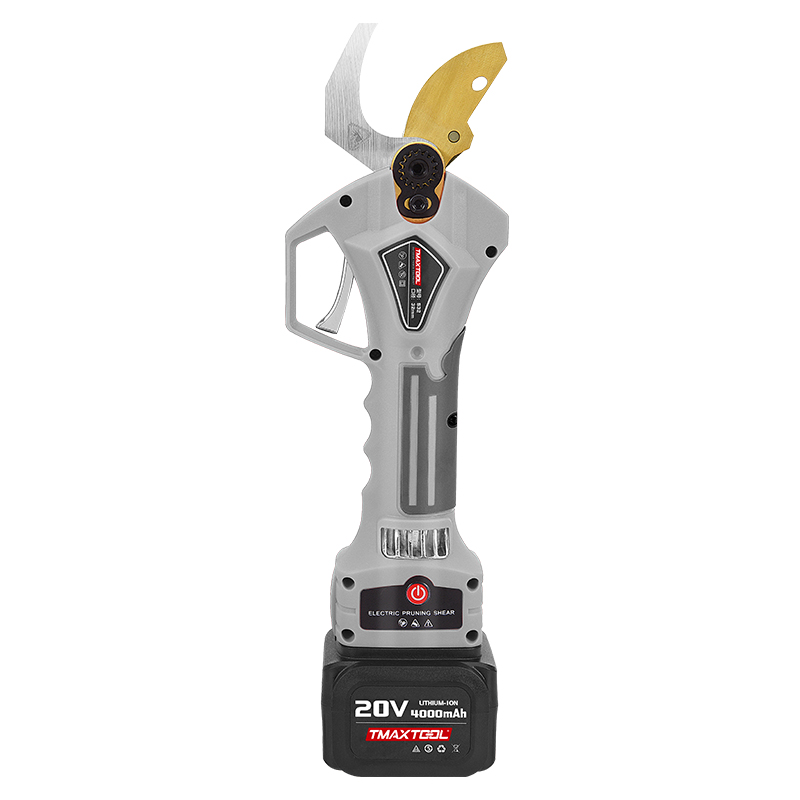 Batter Pruning Shears
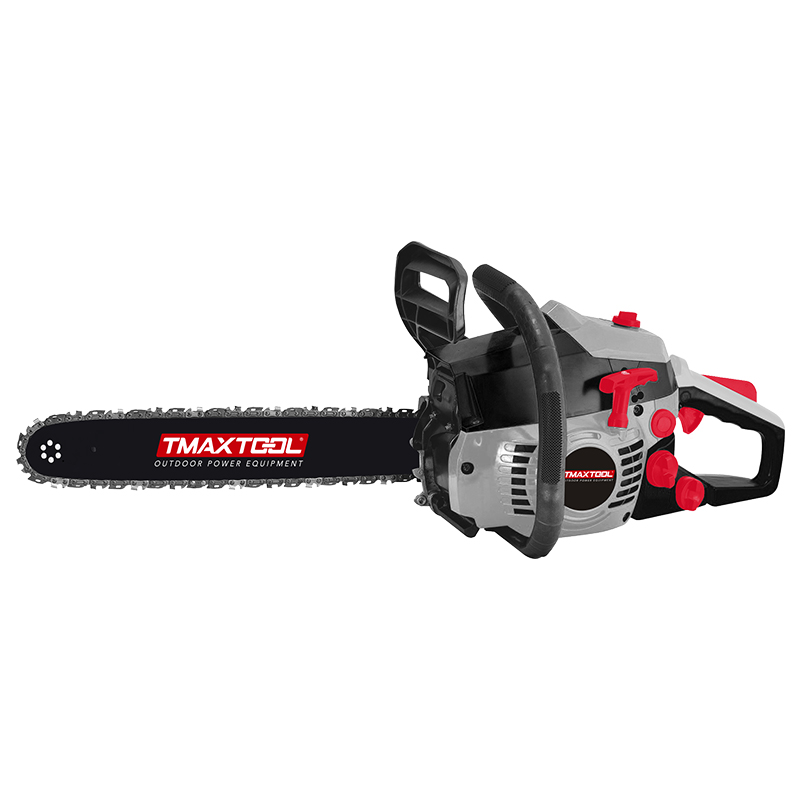 Chain Saw
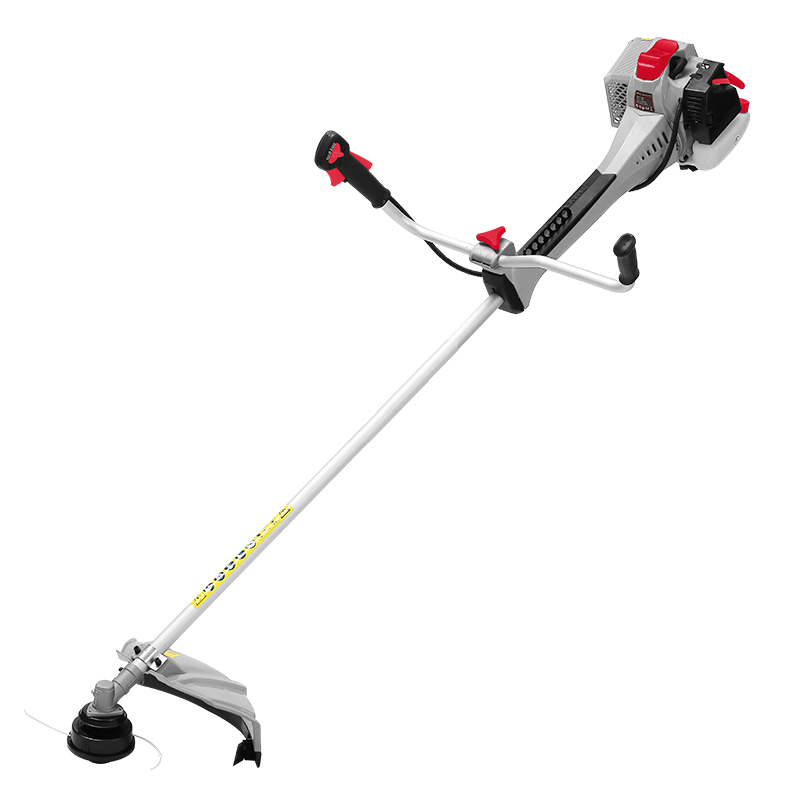 Brush Cutter
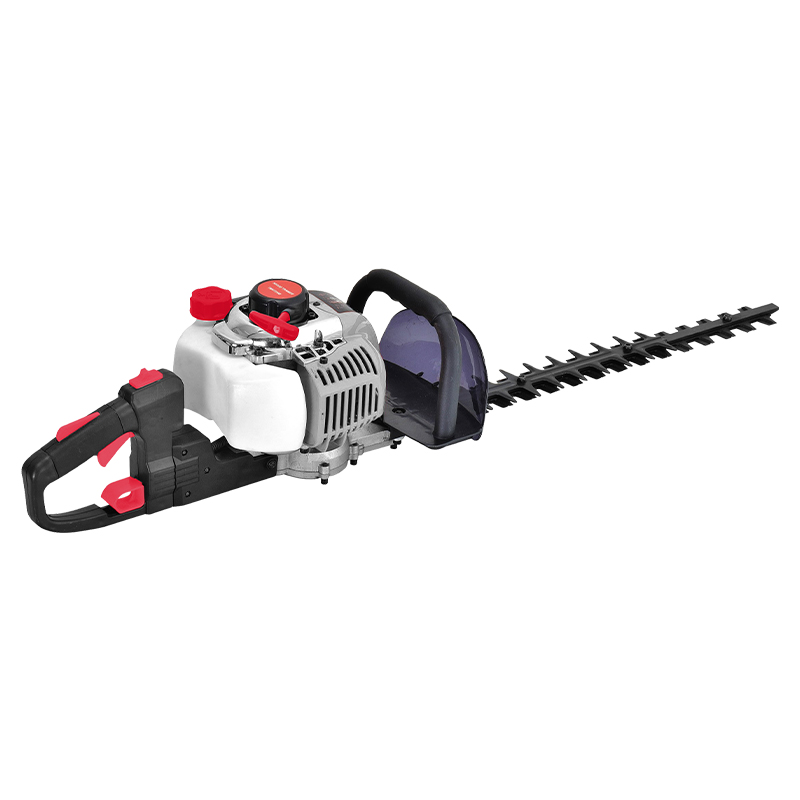 Hedge Trimmer
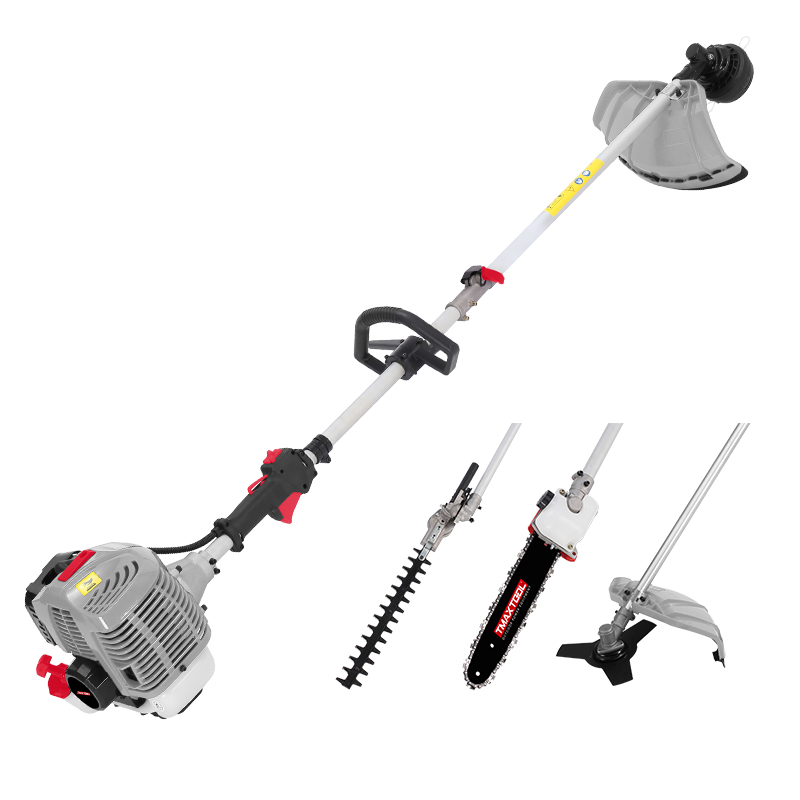 Multi Tool
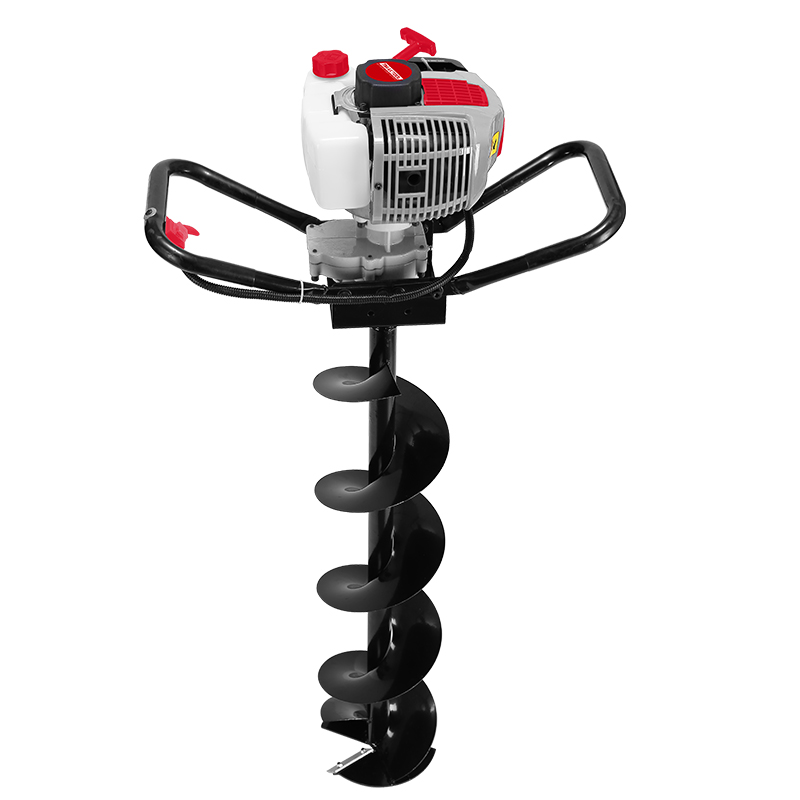 Earth Auger
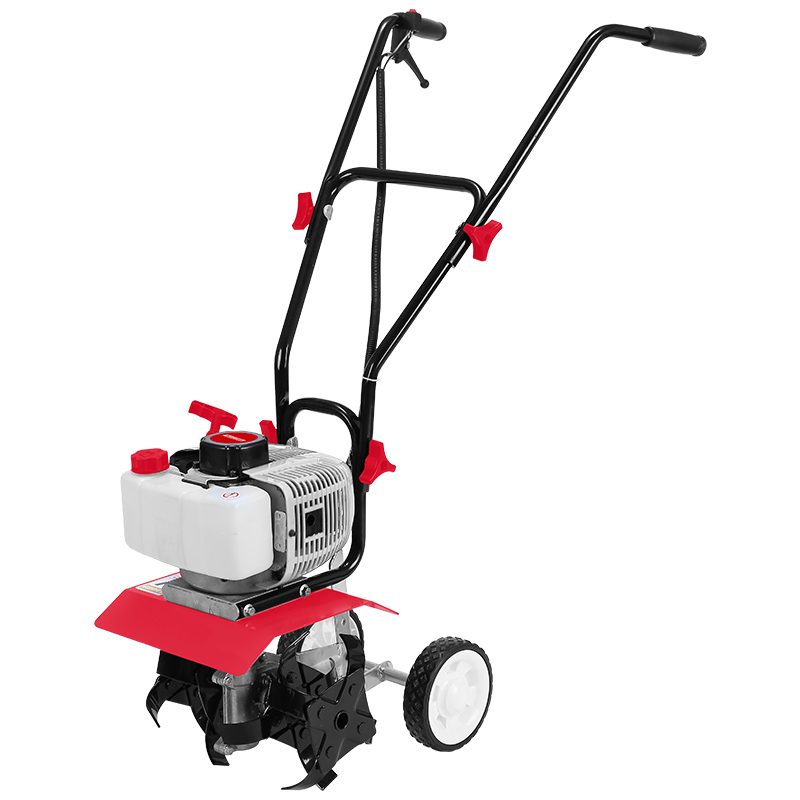 Tiller
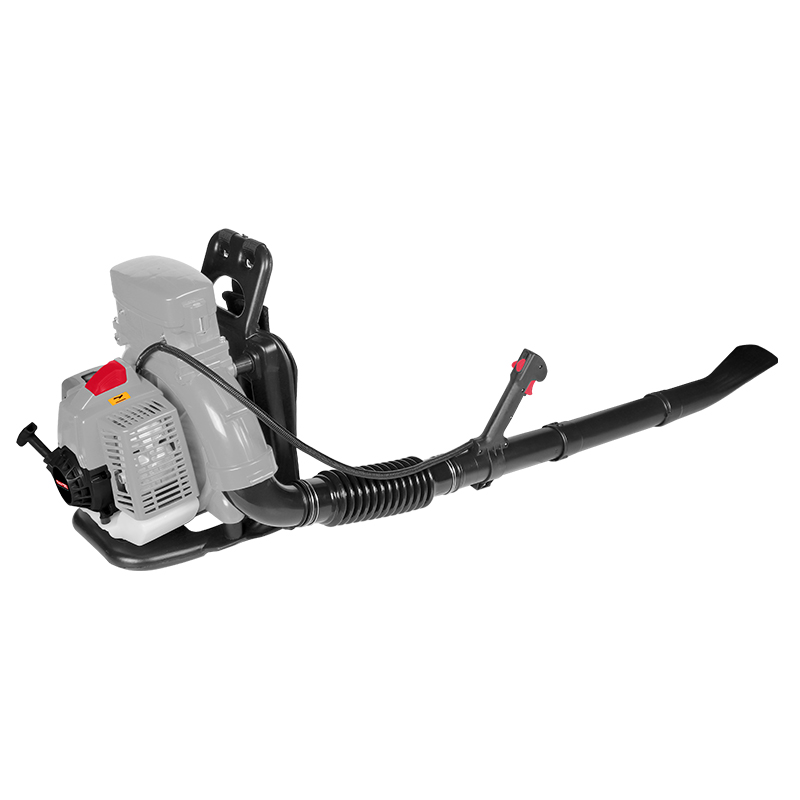 Blower
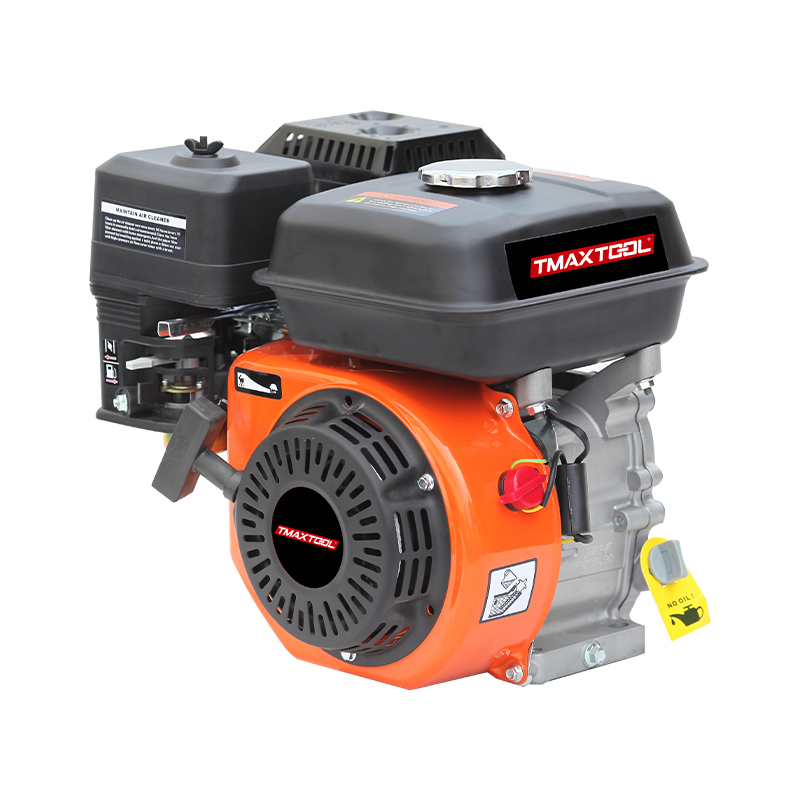 4 Stroke Gasoline Engine
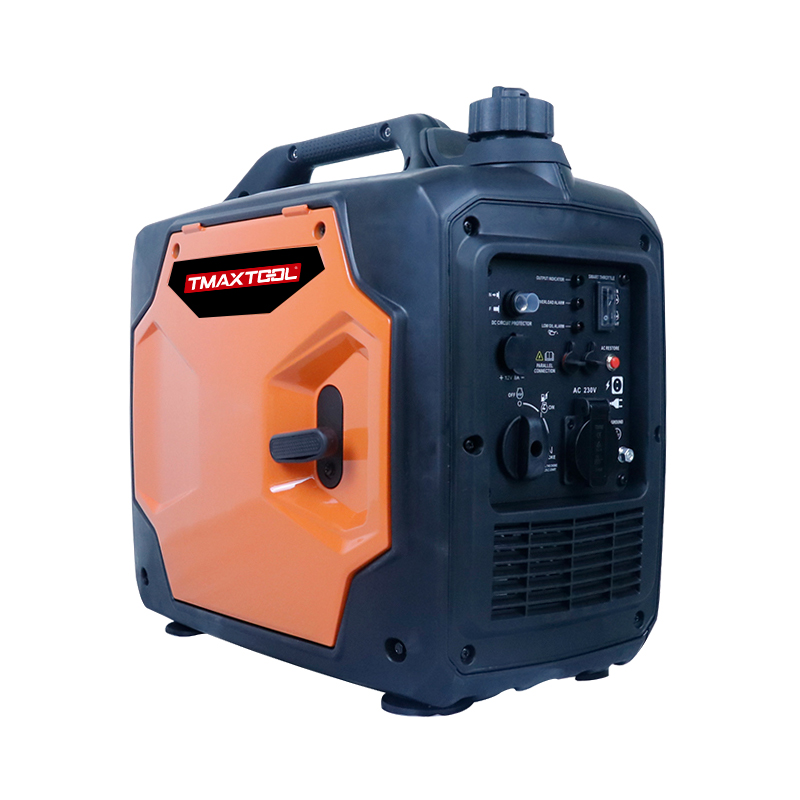 Generator
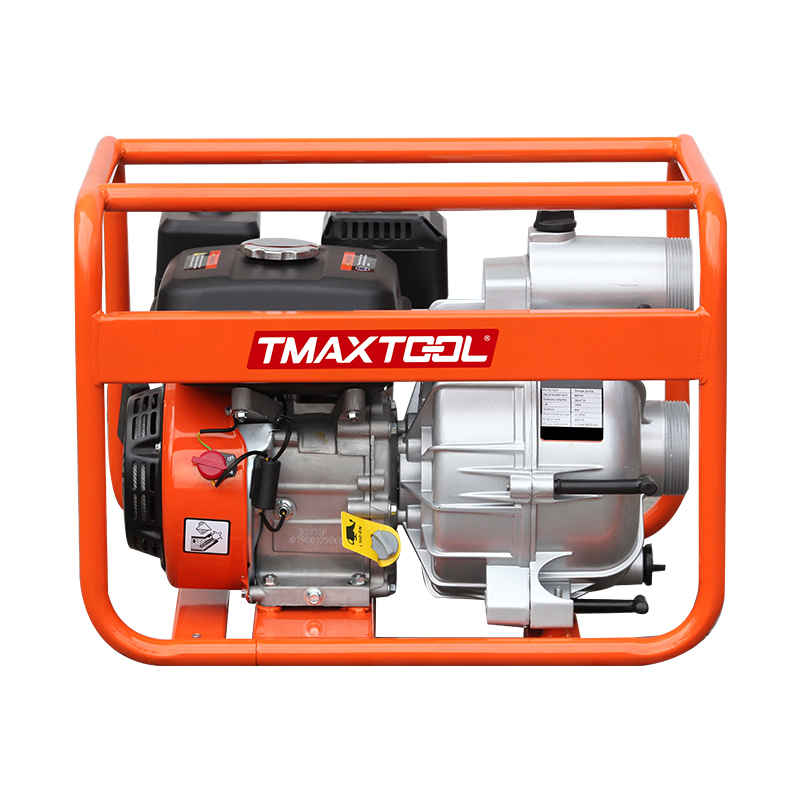 Water Pump
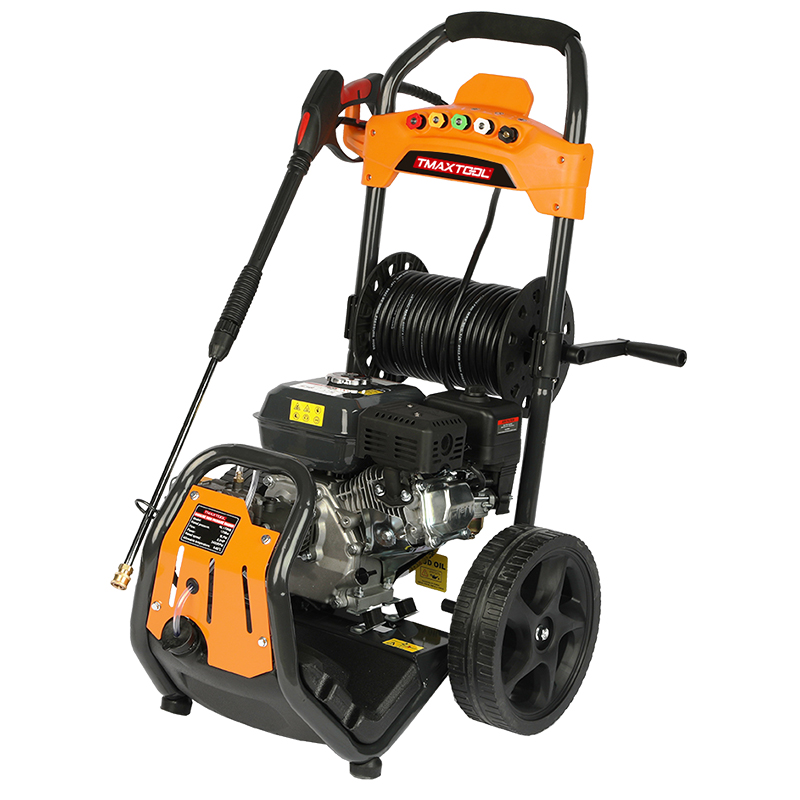 High Pressure Washer
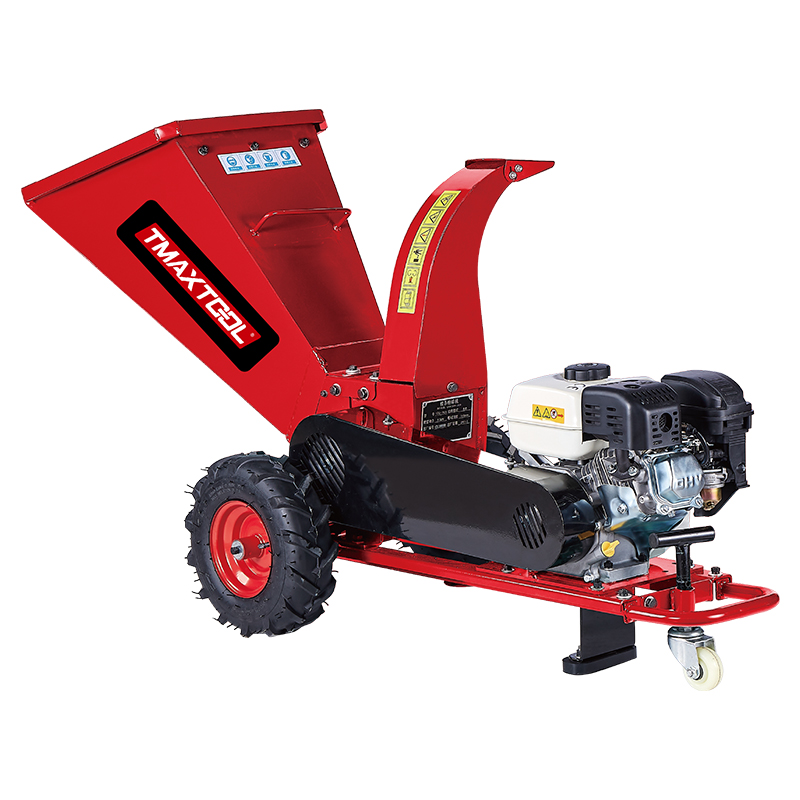 Wood Cutter
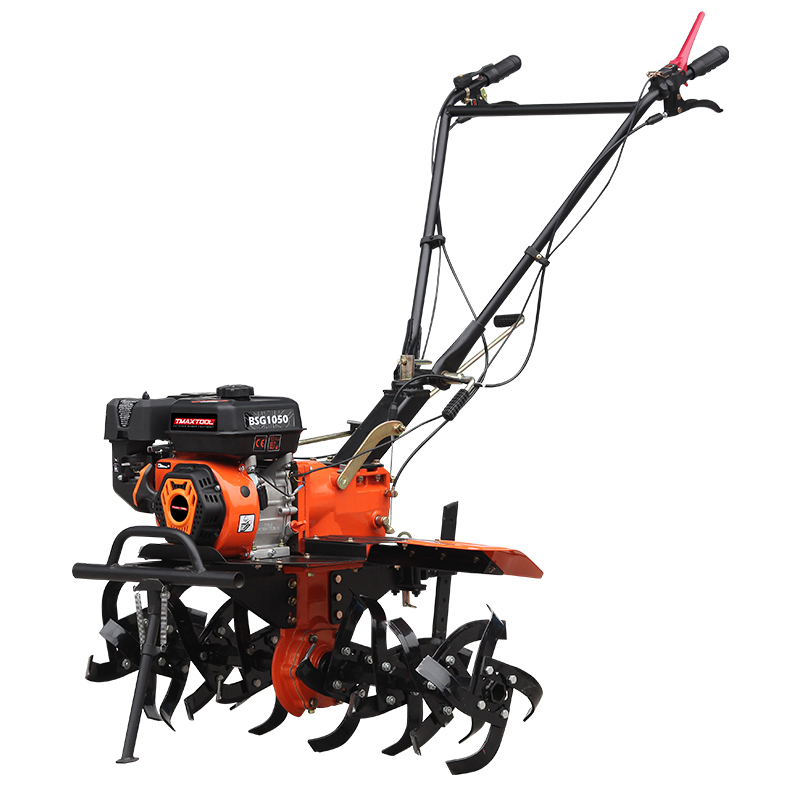 4 Stroke Tiller
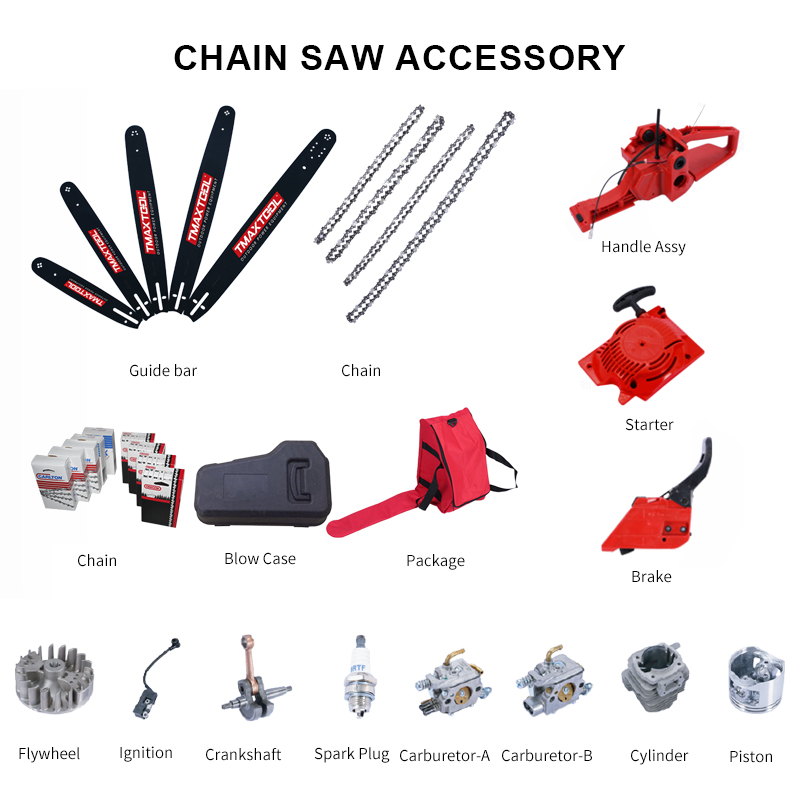 Chain Saw Accessory
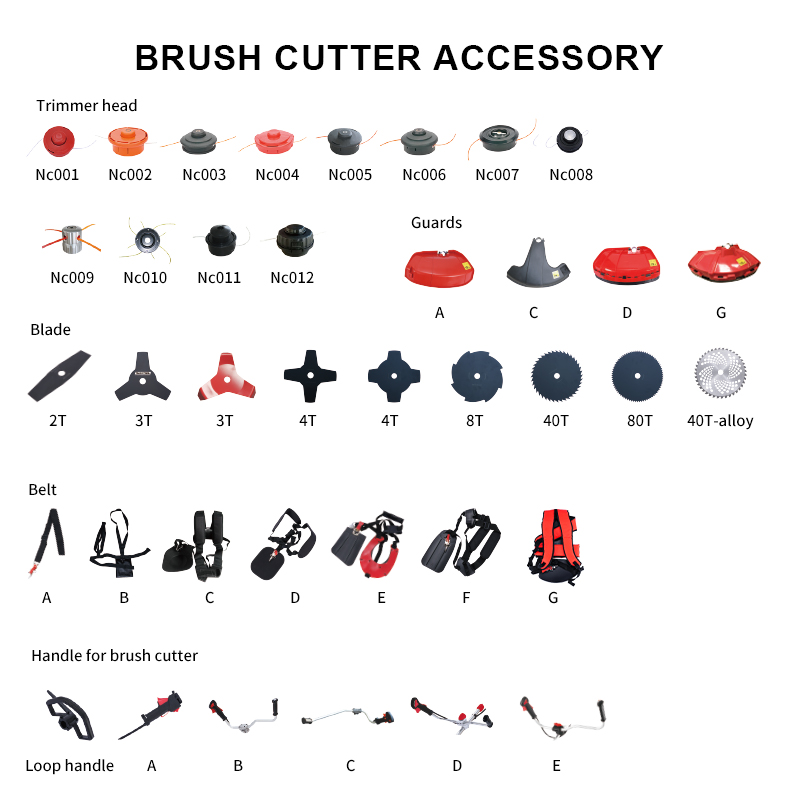 Brush Cutter Accessory
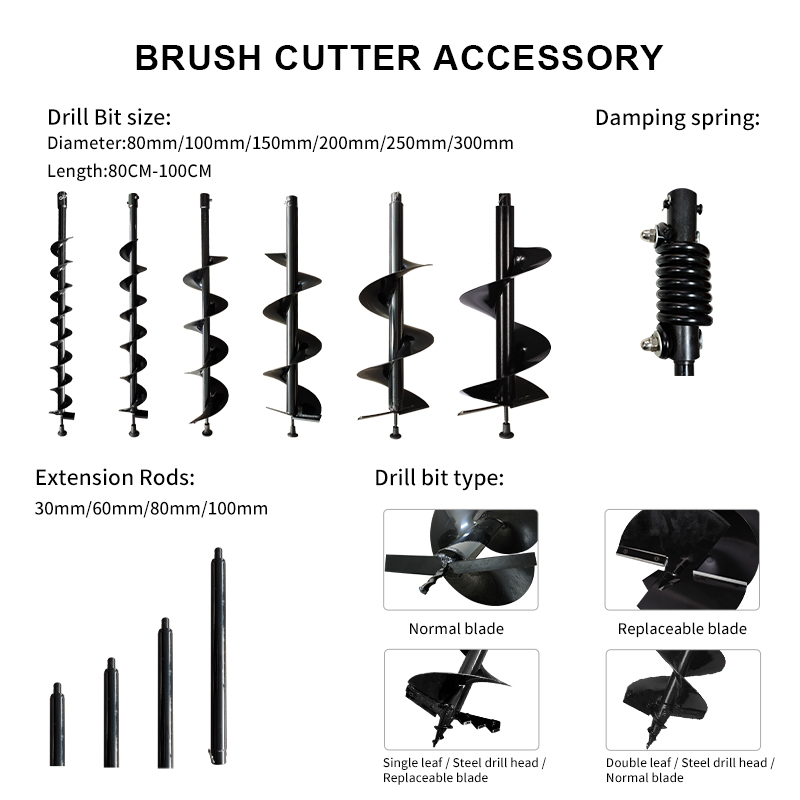 Earth Auger Accessory
 Protective Equipment Accessories

Leave Your Message


Commercial Battery Pruning Shears: Engineering, Progressive Cut Precision, and Fleet Sizing for Vineyard & Orchard Operations
Commercial Battery Pruning Shears: Engineering, Progressive Cut Precision, and Fleet Sizing for Vineyard & Orchard Operations
1. Executive Summary: The High-Intensity Winter Pruning Challenge
In commercial viticulture and intensive fruit orchards (such as olive groves, high-density apple orchards, and citrus plantations), winter pruning is one of the most labor-intensive and time-sensitive phases of the agricultural calendar. A skilled orchard worker executes between 15,000 and 25,000 pruning cuts per working day over an intensive 6-to-10-week seasonal window.
Traditional manual bypass loppers and pneumatic shears present severe commercial bottlenecks for modern agricultural operators:
- Operator Fatigue & Carpal Tunnel Syndrome: Manual pruning shears place massive repetitive strain on the wrist flexor tendons, resulting in high operator turnover, reduced daily cutting pace by mid-afternoon, and costly worker compensation claims.
- Inconsistent Cut Quality: As manual fatigue sets in, cuts frequently tear rather than cleanly shear the bark, leaving crushed cambium fibers that invite fungal infections (e.g., Eutypa dieback, Esca, and bacterial cankers).
- Pneumatic Infrastructure Drag: Tractor-mounted compressors and trailing pneumatic hoses restrict crew mobility, damage narrow vine trellises (1.2m to 1.8m spacing), and burn diesel continuously throughout the work shift.
Commercial-grade brushless battery pruning shears have revolutionized this sector, boosting worker output by 250% to 350% while guaranteeing surgical cutting precision. For agricultural equipment distributors and B2B importers, understanding the core electro-mechanical architecture, metallurgy, and duty-cycle requirements is essential for building a profitable commercial product lineup.

Operational Efficiency Metric: Transitioning commercial pruning teams from manual loppers to high-torque 21V/25.2V brushless battery shears reduces total labor hours by up to 60% while eliminating crushed bark tissue.
2. Mechanical & Metallurgy Architecture: What Separates Commercial Pruners from Consumer Tools
Consumer electric pruners designed for residential backyard gardening inevitably fail within 2 to 3 days when subjected to commercial vineyard workloads. Professional agricultural shears require rugged mechanical engineering across three vital assemblies:
2.1 SK5 High-Carbon Alloy Steel vs. Standard Stamped Blades
The cutting blade undergoes immense lateral shear stress and abrasion from dense, fibrous dormant hardwoods such as mature grapevine canes, olive branches, and citrus limbs. High-performance commercial shears utilize hot-forged, CNC-ground Japanese SK5 high-carbon alloy steel (or high-vanadium titanium-coated alloy) heat-treated to HRC 58-62 hardness.
- Surgical Cambium Shearing: A precision-ground micro-bevel delivers a razor-sharp guillotine action that slices cleanly through plant xylem and phloem without crushing adjacent wood tissue.
- Friction Reduction Coatings: Teflon (PTFE) or titanium nitride vapor coatings prevent sticky sap and organic tannins from adhering to the blade surface, reducing cutting friction torque by up to 28%.
- Precision Adjustment Nut: An integrated locking castle nut allows technicians to fine-tune blade-to-anvil clearance to within 0.05 mm, eliminating blade deflection during angled cuts.
2.2 Planetary Gearbox & High-Efficiency Brushless Motor
Driving clean cuts through 32 mm to 45 mm dense green or seasoned wood requires instantaneous burst torque. Commercial pruners utilize multi-stage planetary reduction gearboxes manufactured from powder-metallurgy alloy steel mated to high-efficiency outer-rotor brushless DC motors.
TMAXTOOL integrates hardened 40Cr alloy planetary gear trains and vacuum-impregnated brushless motors across its commercial electric pruner range. This industrial drive platform delivers over 1,200 N of instantaneous peak clamping force with an operational lifespan exceeding 500,000 continuous cutting cycles.
3. Progressive Cut Control vs. Binary Safety Triggers
A critical distinction for viticulture professionals is the trigger control algorithm. Professional vineyard workers require exact millimeter-level positioning when navigating dense vine canopies near delicate drip irrigation micro-tubes, trellis wires, and budding fruit spurs.
| Operating Feature | Binary Fast-Snap Trigger (Consumer) | Progressive Proportional Control (Commercial) |
|---|---|---|
| Trigger Mechanism | On/off microswitch; blade snaps full shut upon trigger pull. | Hall-effect magnetic sensor tracks exact finger depression angle. |
| Blade Modulation | Zero modulation; all-or-nothing rapid travel. | Blade tracks finger movement forward & backward in real time. |
| Trellis Wire Safety | High risk of cutting wire or irrigation line if caught accidentally. | Operator can immediately release trigger to abort cut mid-stroke. |
| Canopy Navigation | Awkward in tight cane tangles; frequent accidental cuts. | Surgical pruning around tender buds, grape clusters, and posts. |
| Aperture Adjustment | Fixed single opening jaw. | Programmable dual/triple opening modes (e.g., 25mm small / 40mm full). |

Programmable aperture switching allows the operator to toggle between full capacity (e.g., 40 mm for heavy cordon renewal) and half aperture (e.g., 25 mm for rapid annual spur pruning), doubling cutting speed on thin canes while extending battery runtime by 35%.
4. Thermal Management & Winter Battery Duty Cycle Engineering
Winter pruning takes place between late autumn and early spring, with ambient morning temperatures frequently ranging between -5°C and 10°C. Cold environments severely reduce standard lithium-ion electrolyte conductivity and increase internal battery cell resistance.
4.1 Battery Cell Chemistry & Dual-Pack Hot-Swap Workflows
Commercial pruning units require high-drain 18650 or 21700 lithium battery cells rated for low-temperature discharge (minimum 5C discharge rate). A standard commercial kit must supply a true 8-to-10-hour full workday capacity.
- Integrated On-Tool Battery System: Compact 2.5 Ah to 4.0 Ah slide-on batteries (tool weight 0.9 kg to 1.2 kg) provide maximum maneuverability for spur pruning without trailing cords.
- Backpack Harness Extension Cable: For operators performing 10-hour daily shifts on heavy 45 mm orchard limbs, a belt-mounted battery pack with a lightweight coiled quick-disconnect cable transfers battery weight off the operator’s wrist, reducing in-hand weight to under 850 grams.

| Pruner Configuration | Rated Voltage / Capacity | Max Cutting Diameter | Tool Weight (In-Hand) | Recommended Application Scenario |
|---|---|---|---|---|
| Compact Vineyard Pruner | 16.8V / 2.0Ah x 2 (Dual Pack) | 25 mm - 28 mm | 0.82 kg | High-density grapevines, berry brambles, rose nursery pruning |
| Commercial Orchard Pruner | 21.0V / 2.6Ah x 2 (Dual Pack) | 32 mm - 35 mm | 0.98 kg | General vineyards, stone fruit orchards (peach, plum), olive groves |
| Heavy-Duty Agricultural Pruner | 25.2V / 4.0Ah Backpack Pack | 40 mm - 45 mm | 0.85 kg (2.1 kg total) | Citrus, avocado, mature nut trees, forestry suckering, arborists |
| Long-Reach Pole Pruner | 21.0V / 4.0Ah Base Battery | 32 mm (1.5m - 2.1m pole) | 1.75 kg | Tall orchard canopy maintenance without ladders or mobile platforms |
Engineering Safety Standard: All commercial agricultural battery packs must feature conformal-coated Smart BMS (Battery Management System) circuitry protecting against over-current stall spikes, cell over-discharge, and freezing-temperature charge damage.
5. Distributor Economics & Aftermarket Consumables Strategy
For agricultural machinery dealers and regional wholesalers, commercial battery pruning shears represent a high-margin, sticky revenue stream. Unlike single-sale consumer goods, commercial pruning equipment generates continuous recurring revenue across three distinct profit tiers:
- Tier 1: Initial Hardware Fleet Sales: Commercial vineyard management contractors and corporate agricultural syndicates purchase fleets of 10 to 50 pruner kits per crew, accompanied by rapid multi-port desktop charging stations.
- Tier 2: High-Velocity Blade & Anvil Replacement Kits: A commercial crew consumes 2 to 4 replacement upper blades and 1 lower anvil per pruner per intensive season. Standardized blister-pack blade pairs represent lucrative high-margin accessories.
- Tier 3: Winter Overhaul & Servicing Kits: Pre-season maintenance packages including high-pressure synthetic grease tubes, blade clearance calibration shims, seal rings, and replacement Hall-sensor trigger modules provide steady workshop labor billings.
To support B2B distributor growth, TMAXTOOL provides complete private-label OEM packaging, branded heavy-duty blow-molded carry cases, and turnkey spare parts assortments with guaranteed 5-year component availability for all structural gears and control boards.
6. Frequently Asked Questions (B2B Commercial Pruner FAQ)
Q1: How do battery pruning shears prevent accidental cutting of trellis wire or personal injury?
Commercial pruners incorporate two independent safety systems: electro-magnetic anti-touch sensor technology (where human skin contact on the blade or conductive gloves instantly halts and reverses the blade) and a dual-pull safety trigger lock that prevents accidental actuation when carrying the tool.
Q2: How often do SK5 blades require sharpening during commercial vineyard shifts?
Under clean pruning conditions, premium SK5 blades require light diamond-hone touch-ups every 4 to 6 hours (at shift lunch breaks) to remove sap accumulation and maintain a burr-free razor edge. Blade replacement is recommended after 120,000 to 180,000 cuts or when blade sharpening narrows the profile beyond standard clearance limits.
Q3: Can these shears handle dry, seasoned hardwood branches as easily as green wood?
Cutting dry, seasoned hardwood requires up to 40% higher shear torque than live green wood. For dry branches, operators should select 21V or 25.2V models with progressive cut control and step down one diameter bracket (e.g., using a 40 mm rated shear for 30 mm dry wood) to prevent motor stall protection lockouts.
Q4: What certifications and compliance documentation are mandatory for importing pruners into Europe and South America?
Imports into the EU require CE Machinery Directive (2006/42/EC), EMC Directive (2014/30/EU), RoHS 2.0, and full UN38.3 lithium battery transport test certificates with MSDS. For Latin America (e.g., Brazil INMETRO / Chile SEC), certified factory test reports and IEC 62841 power tool safety compliance certificates are required.
Q5: What is the typical Minimum Order Quantity (MOQ) and customization scope for OEM distributors?
TMAXTOOL supports regional distributors with customized tool shell colors, laser-etched brand logos, custom-molded carry cases, and localized user manuals with flexible MOQs starting at 100 units per configuration, backed by full ISO9001 factory warranty protocols.
7. Conclusion & Next Steps for Agricultural Equipment Importers
The global shift toward high-efficiency, zero-emission vineyard and orchard mechanization is accelerating rapidly. Agricultural dealers and power tool wholesalers who supply reliable, ergonomically engineered battery pruning shears with comprehensive spare parts backup will secure a commanding market position.
Contact TMAXTOOL today to request technical specification sheets, sample evaluation kits, and wholesale distributor pricing for our 2026/2027 commercial battery pruning shears and vineyard equipment lineup.