
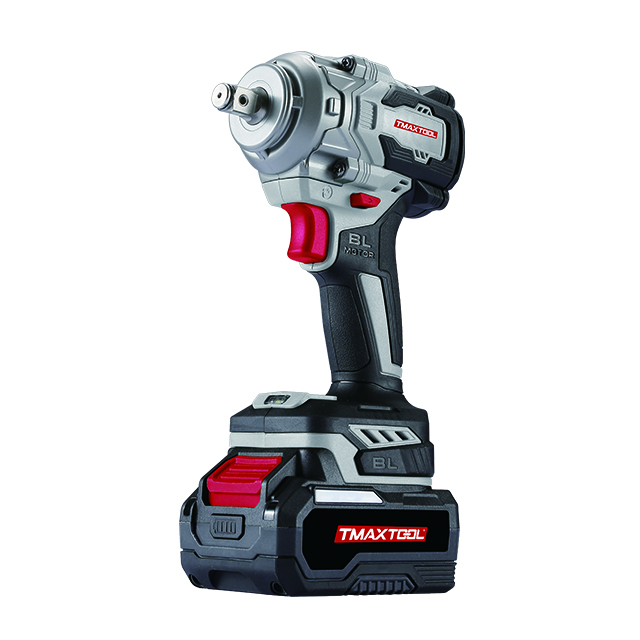
 Impact Wrench
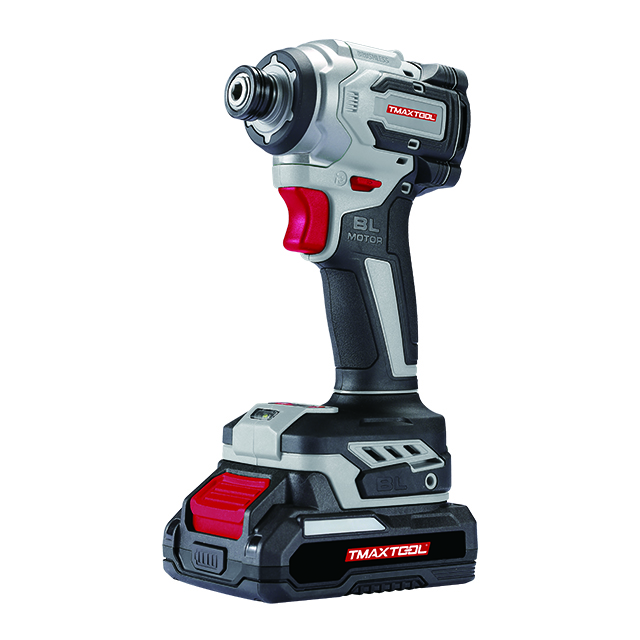 Screwdriver
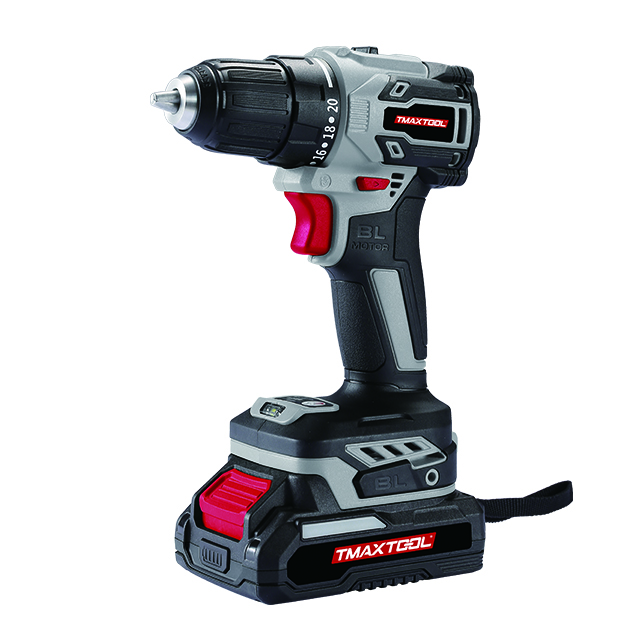 Cordless Drill
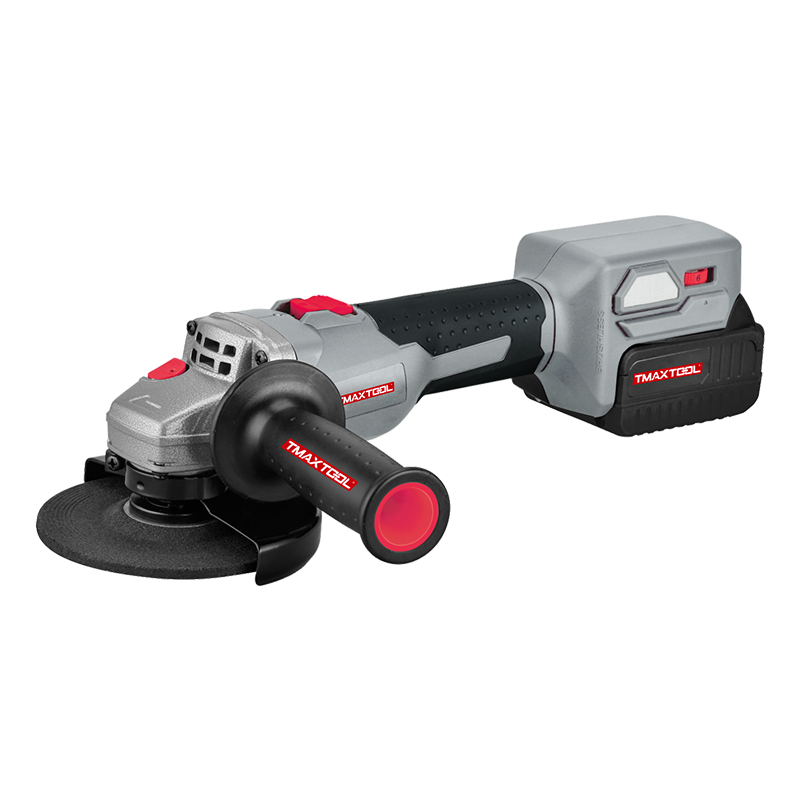 Angle Grinder
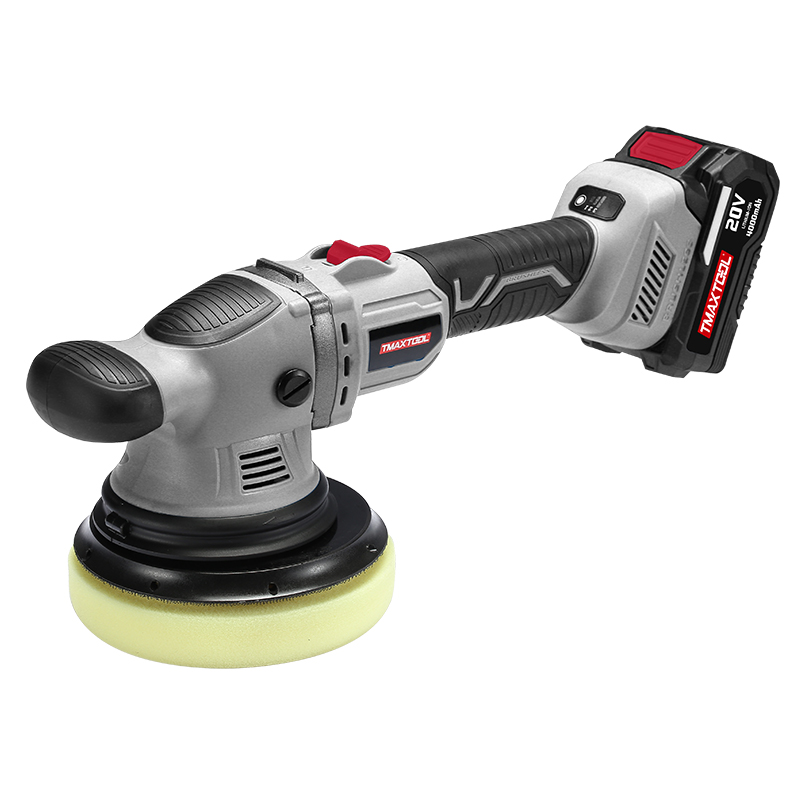 Polisher
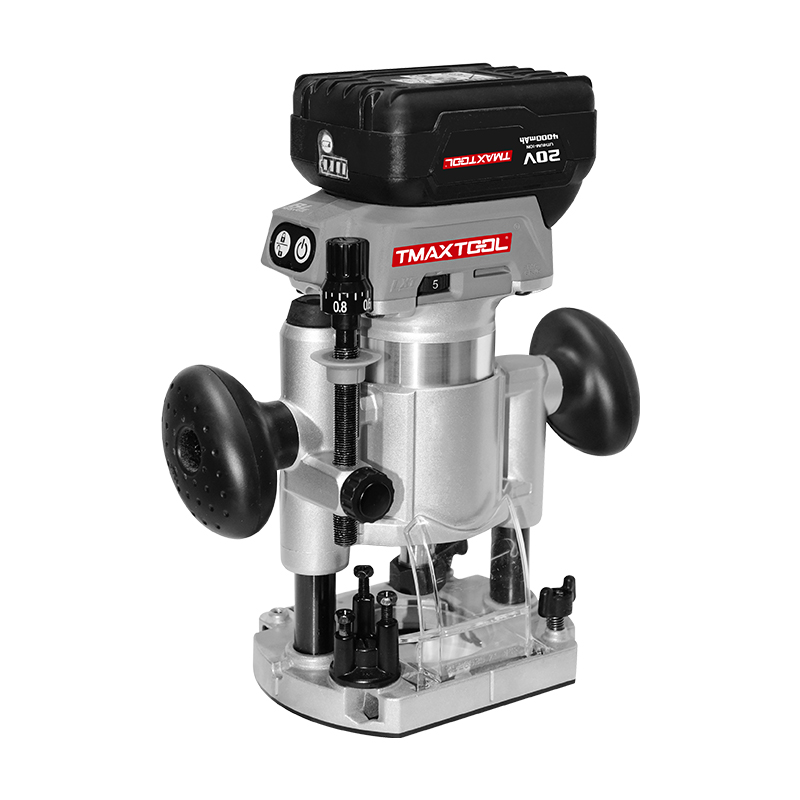 Wood Router
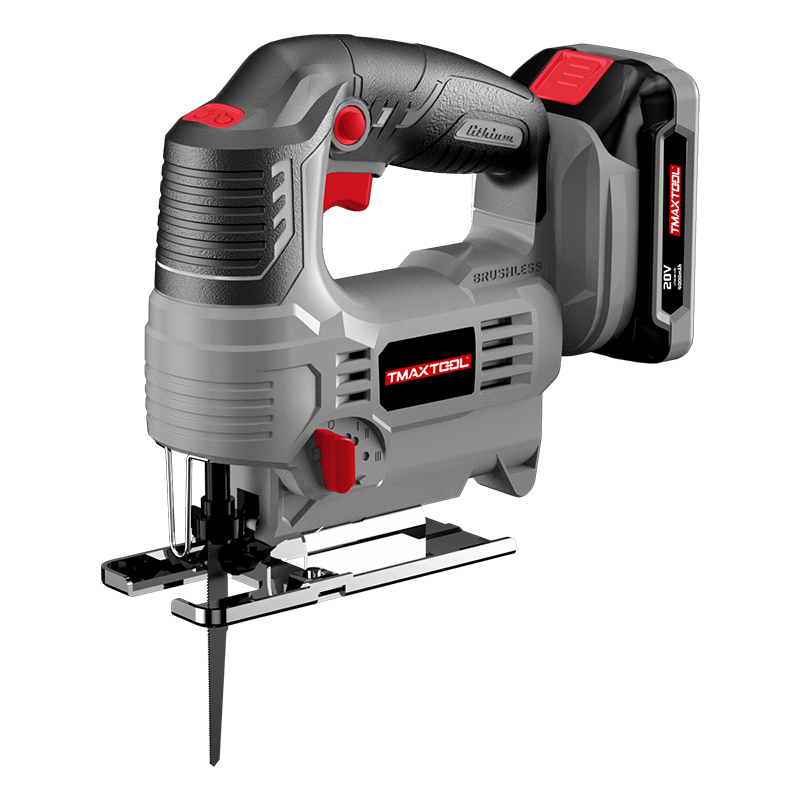 Jig Saw
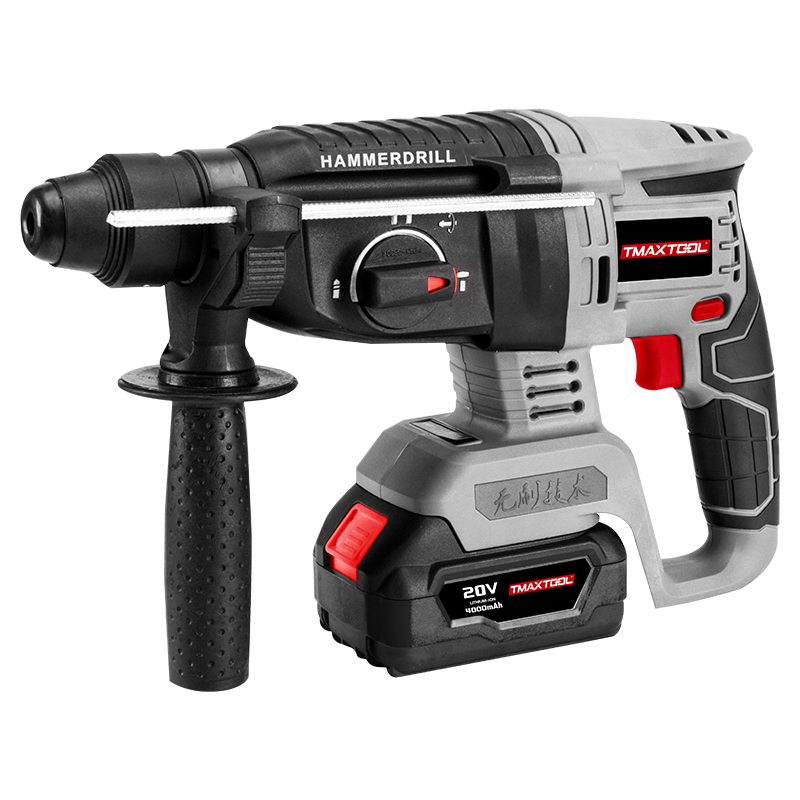 Hammer Drill
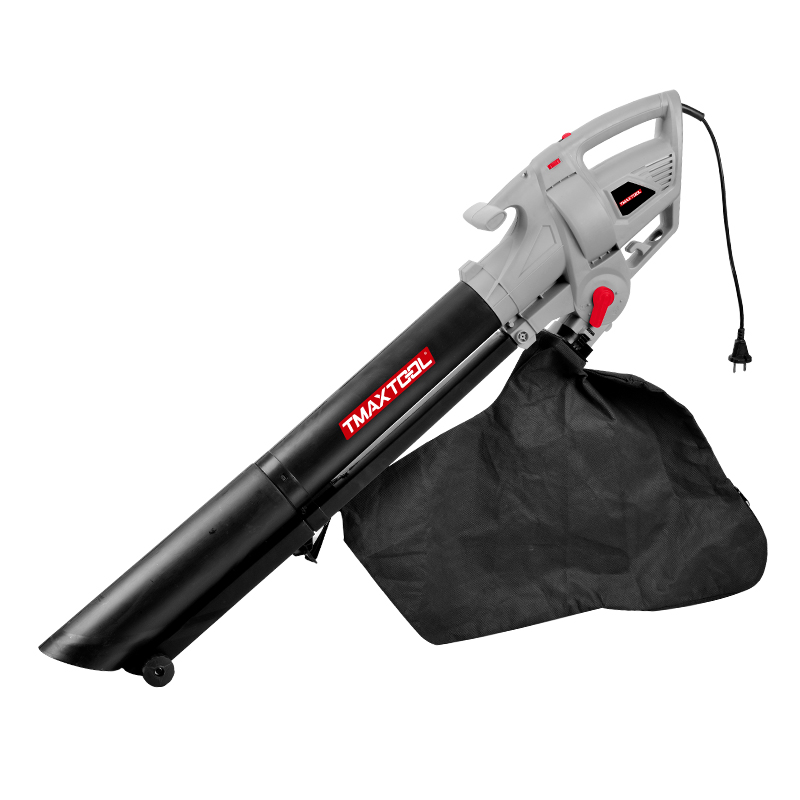 Portable Blower
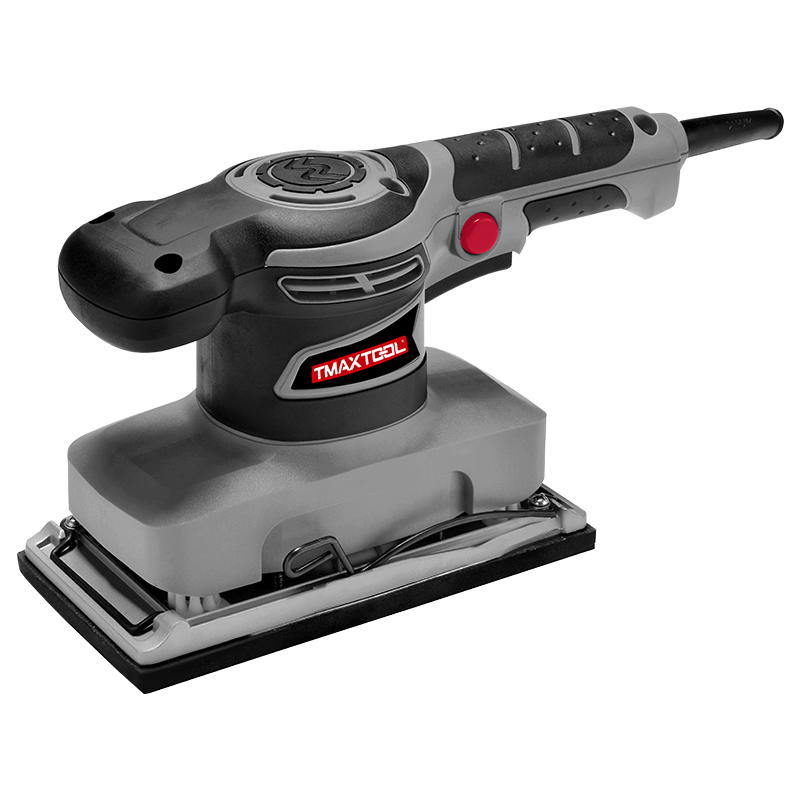 Orbital Sander
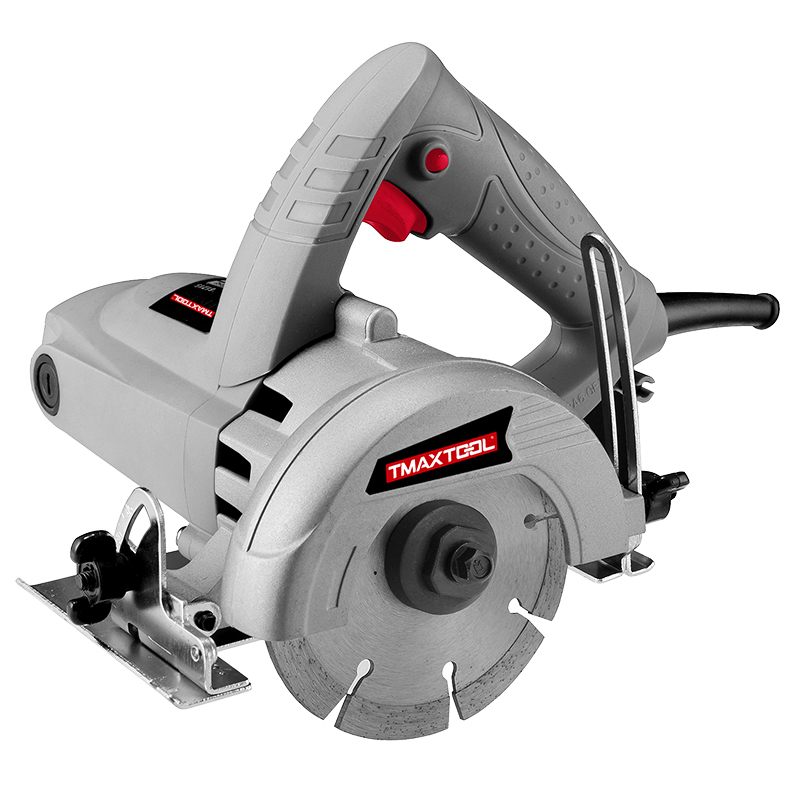 Marble Cutter
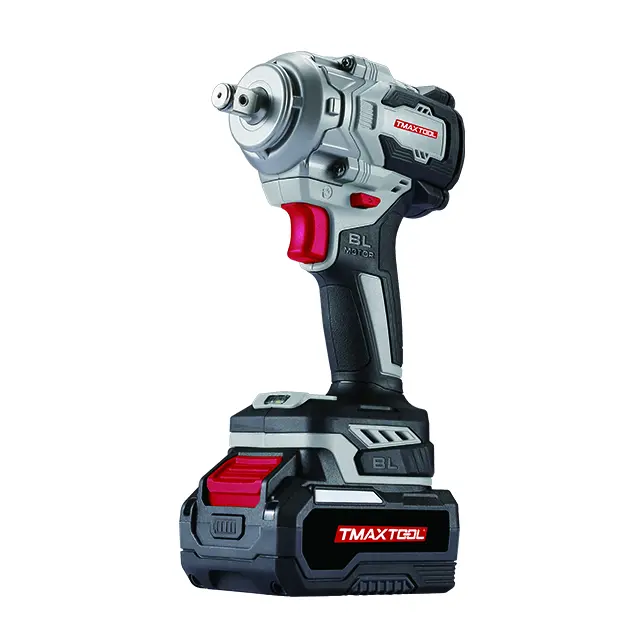 GARDEN TOOLS
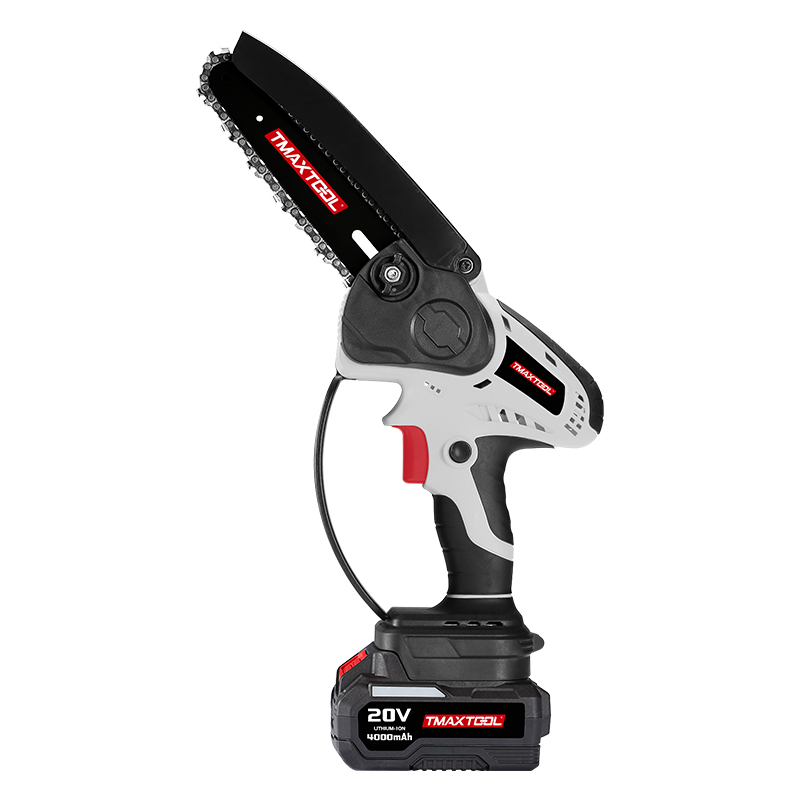 Battery Chain Saw
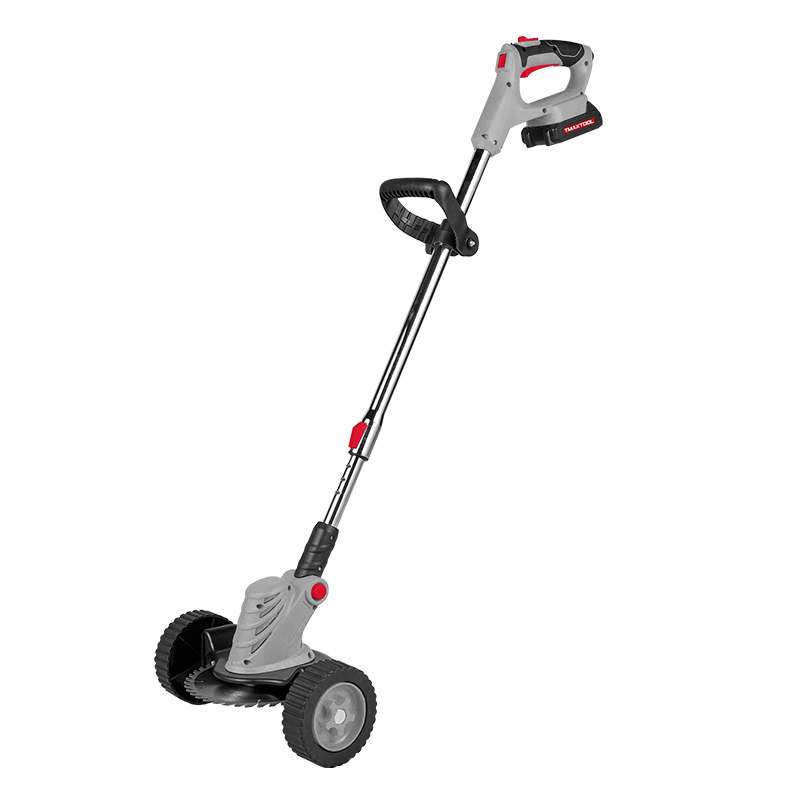 Battery Brush Cutter
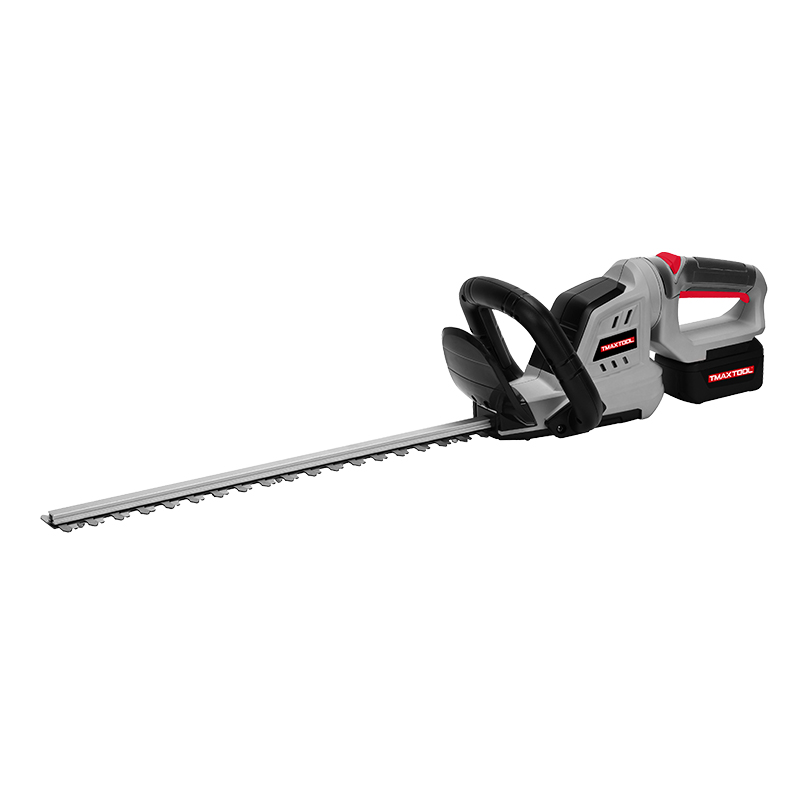 Battery Hedge Trimmer
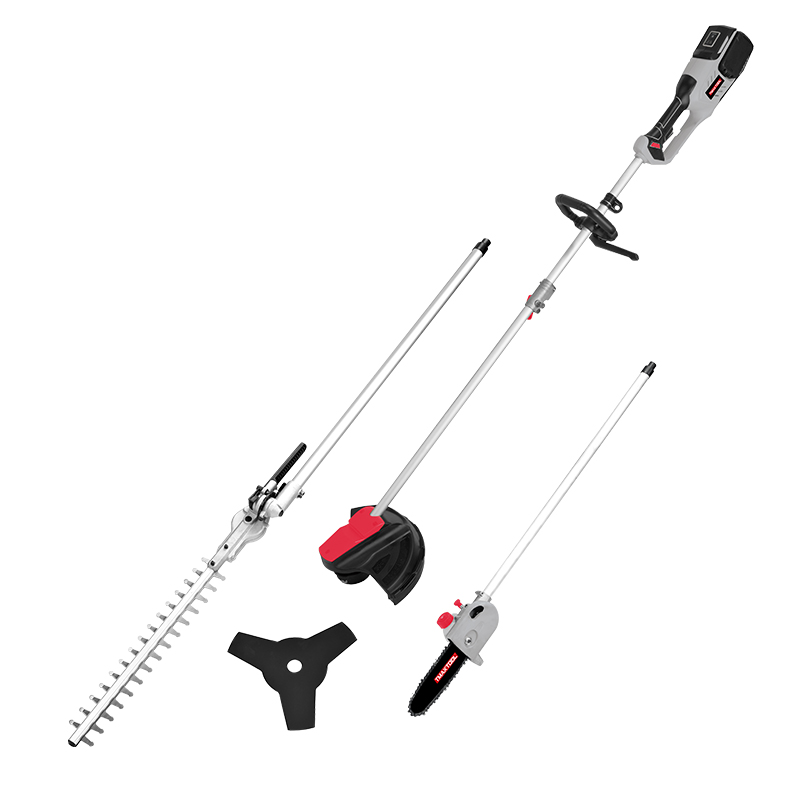 Battery Multi Tool
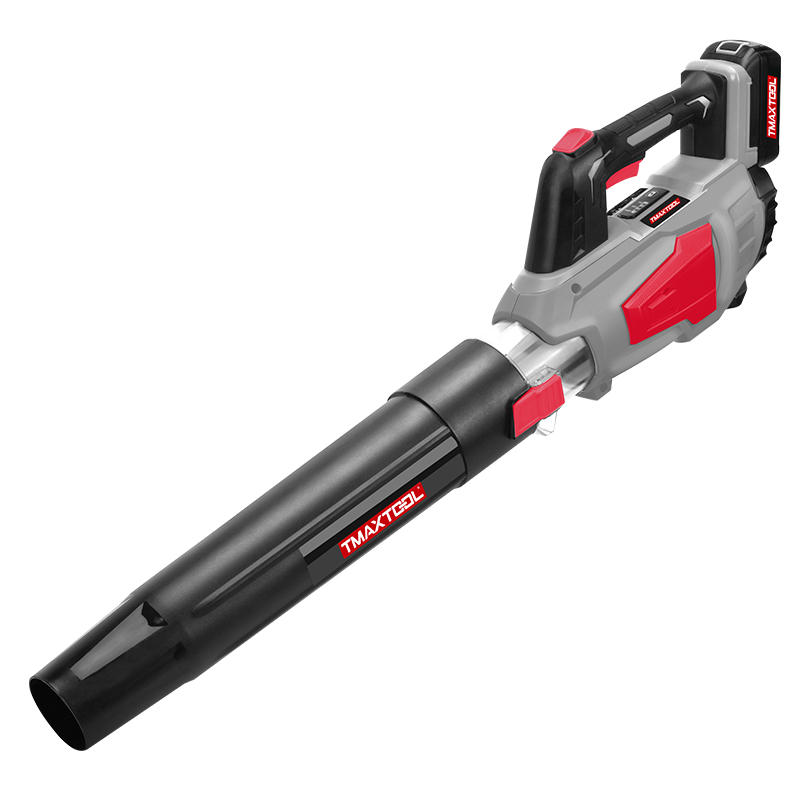 Battery Blower
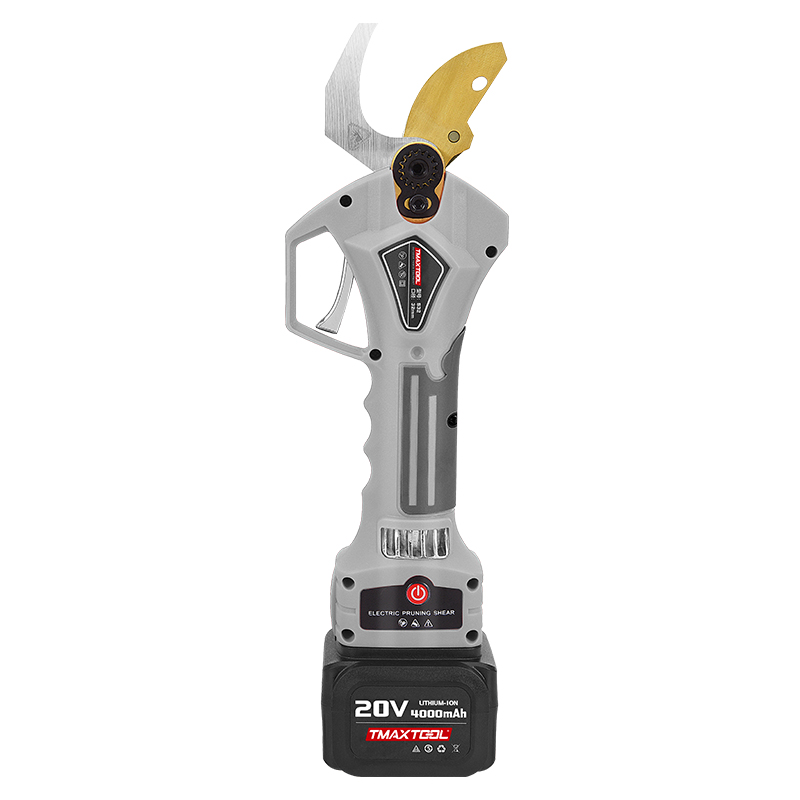 Batter Pruning Shears
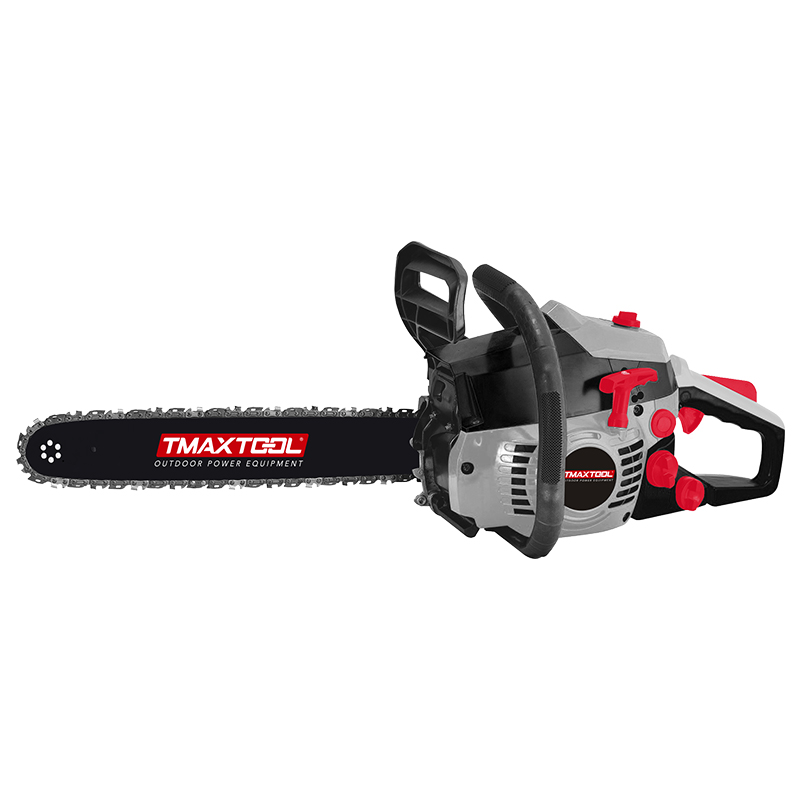 Chain Saw
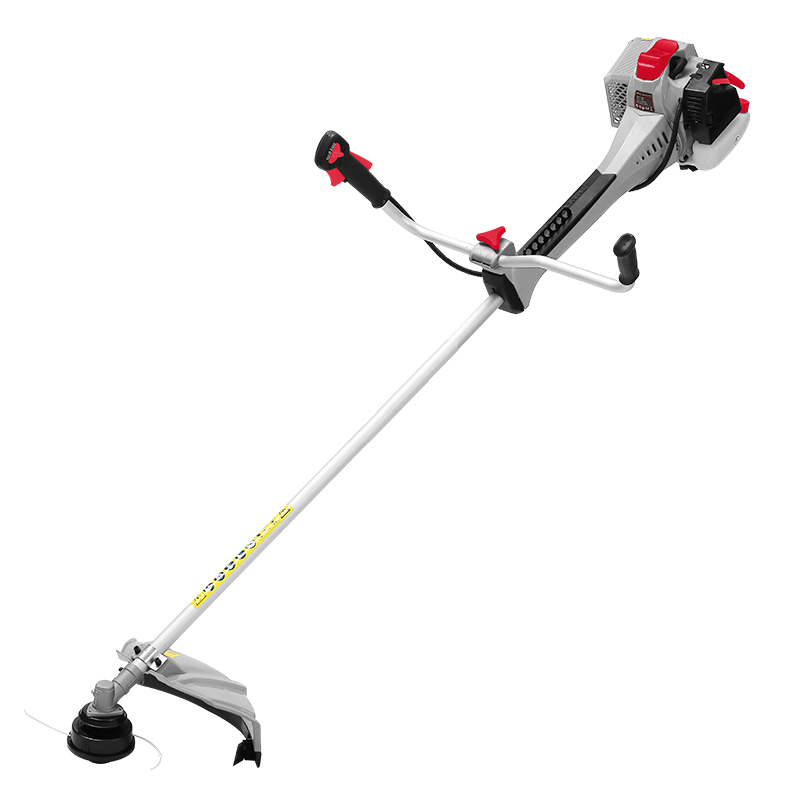 Brush Cutter
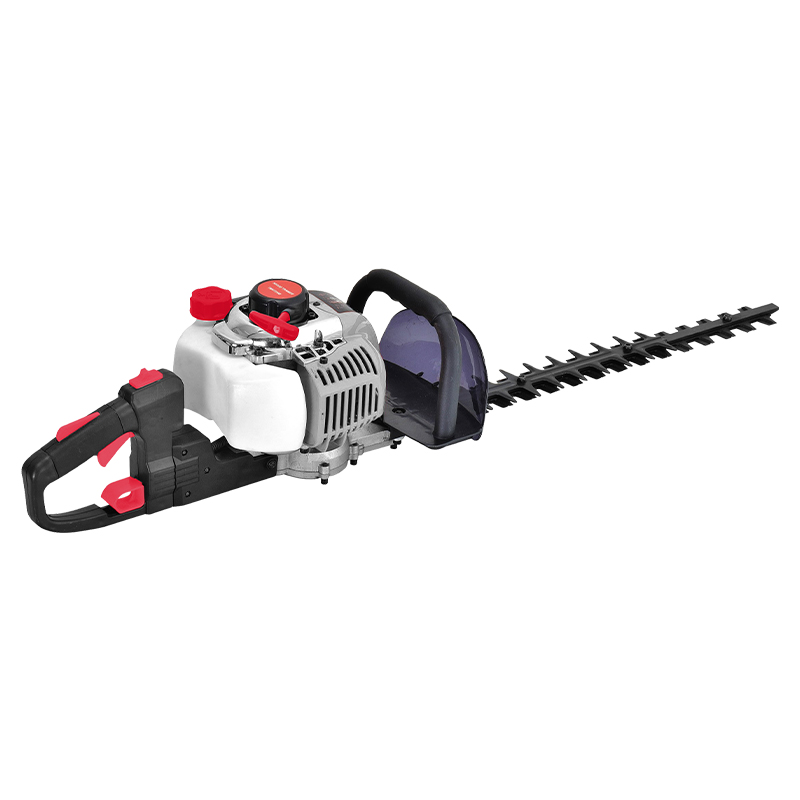 Hedge Trimmer
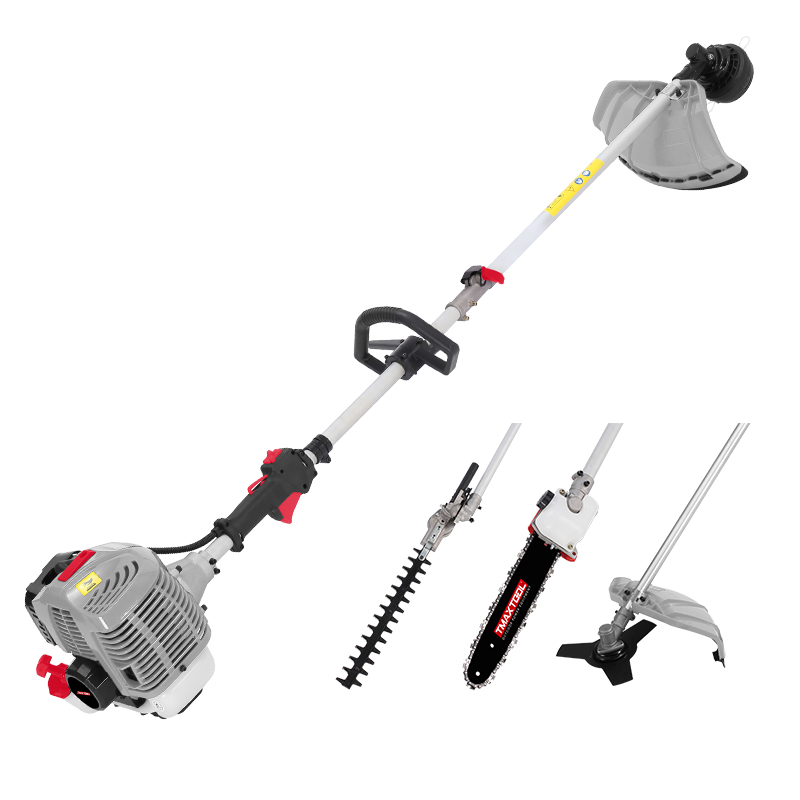 Multi Tool
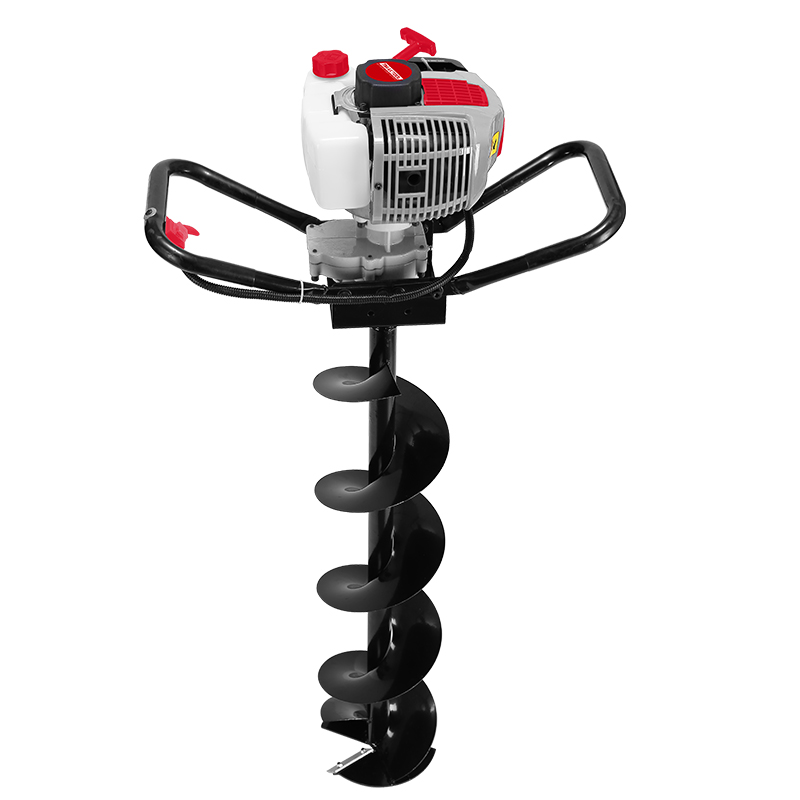 Earth Auger
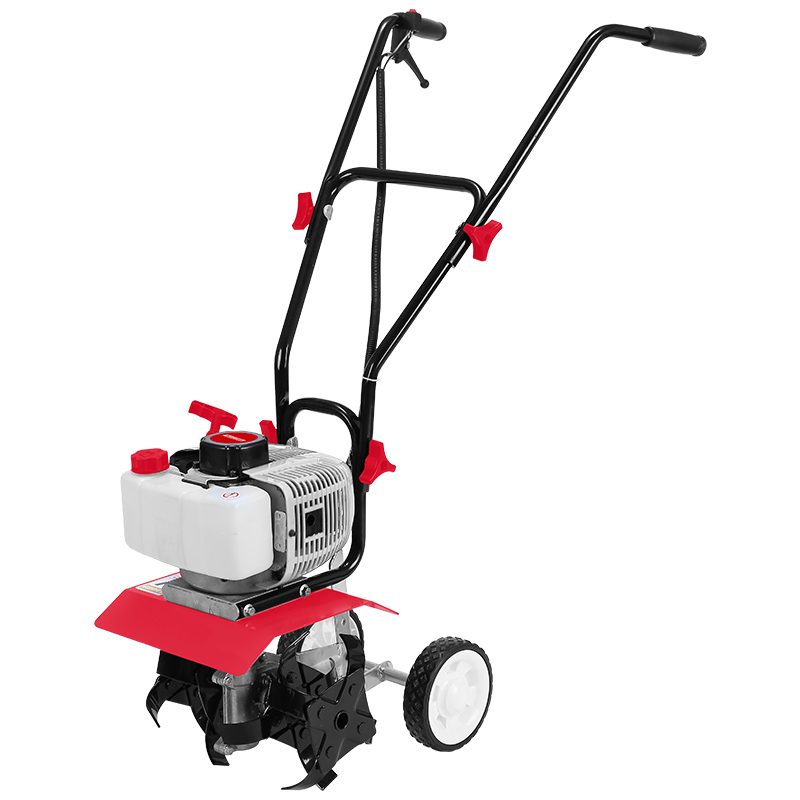 Tiller
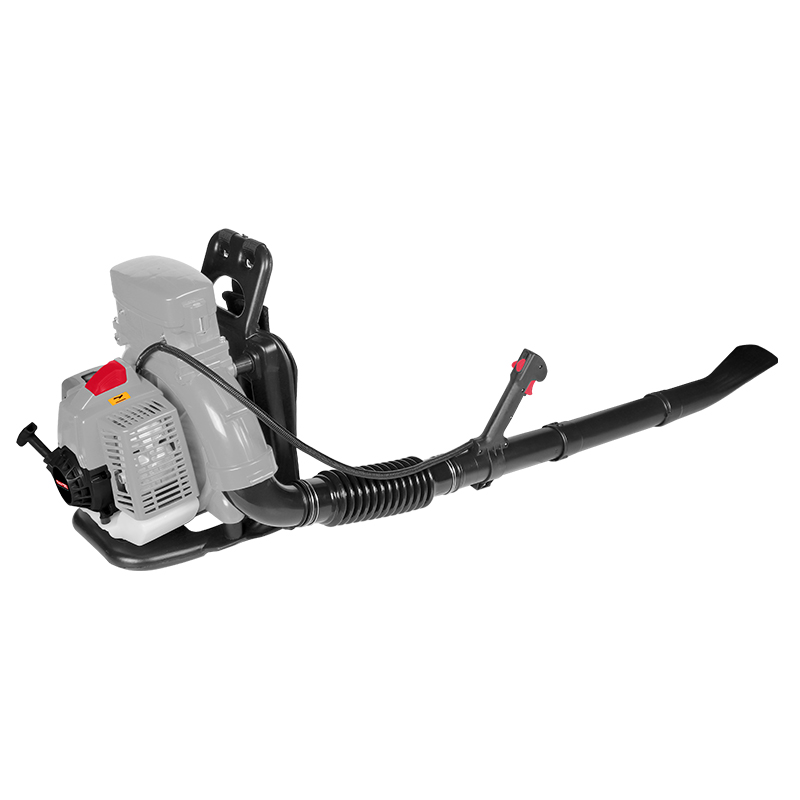 Blower
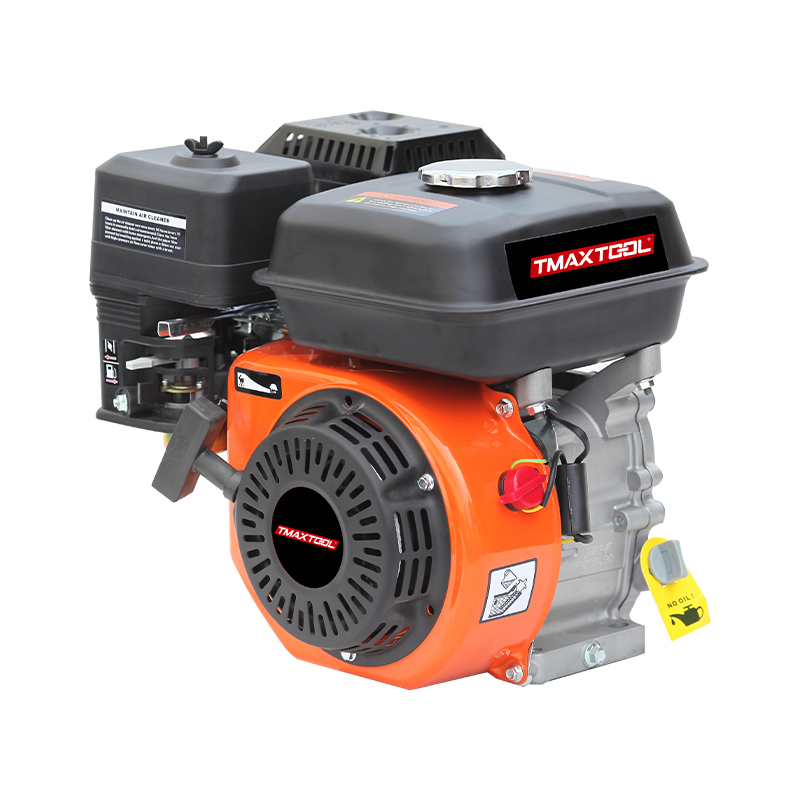 4 Stroke Gasoline Engine
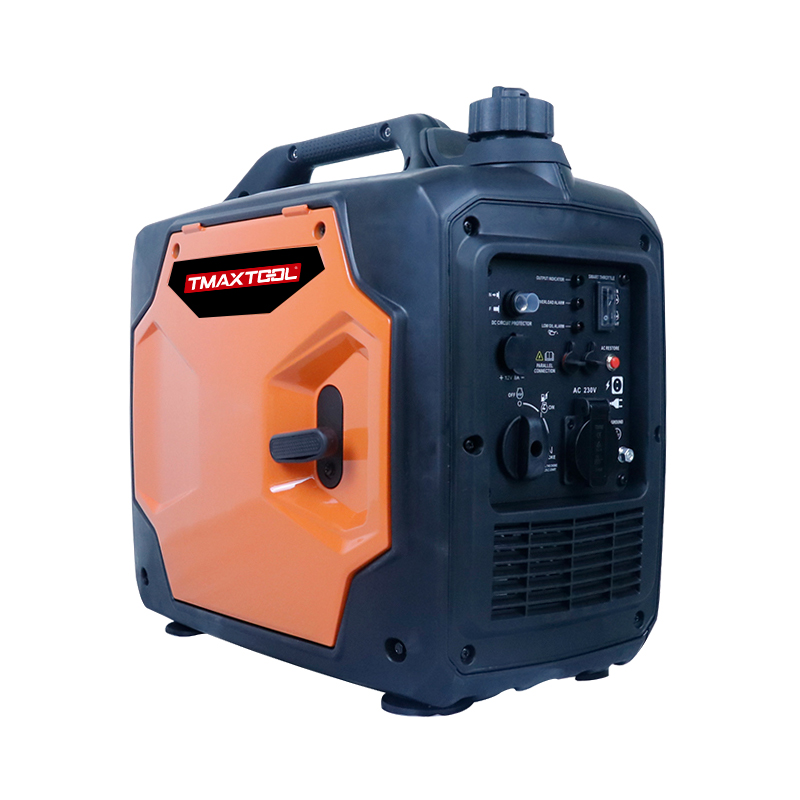 Generator
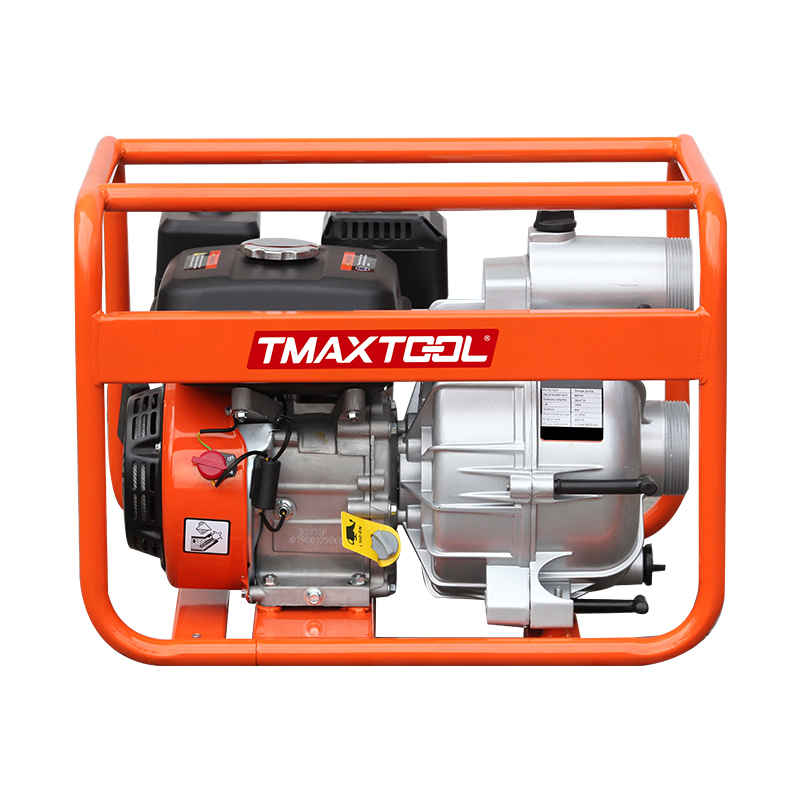 Water Pump
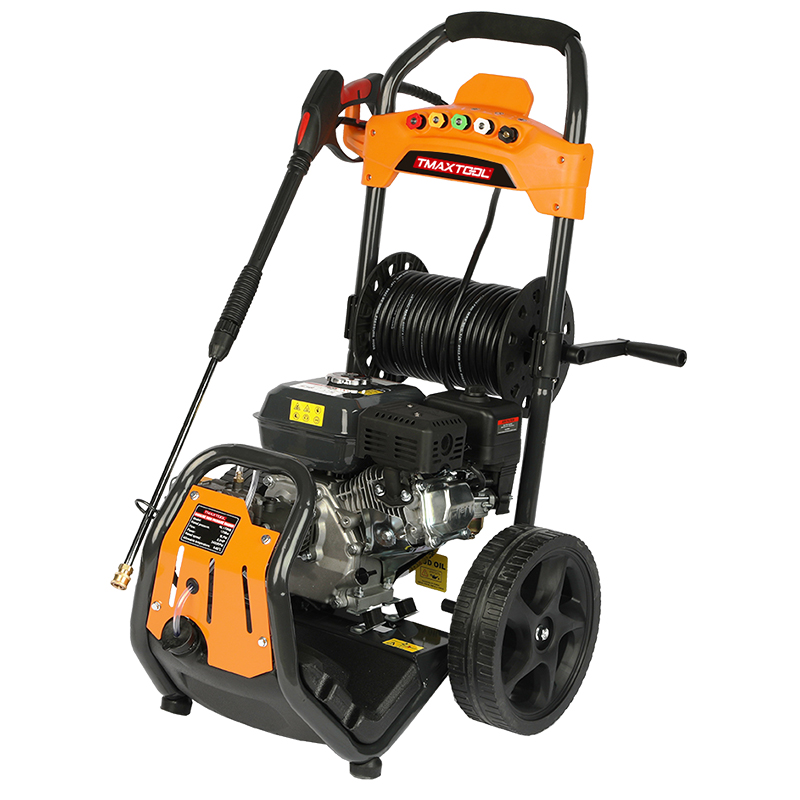 High Pressure Washer
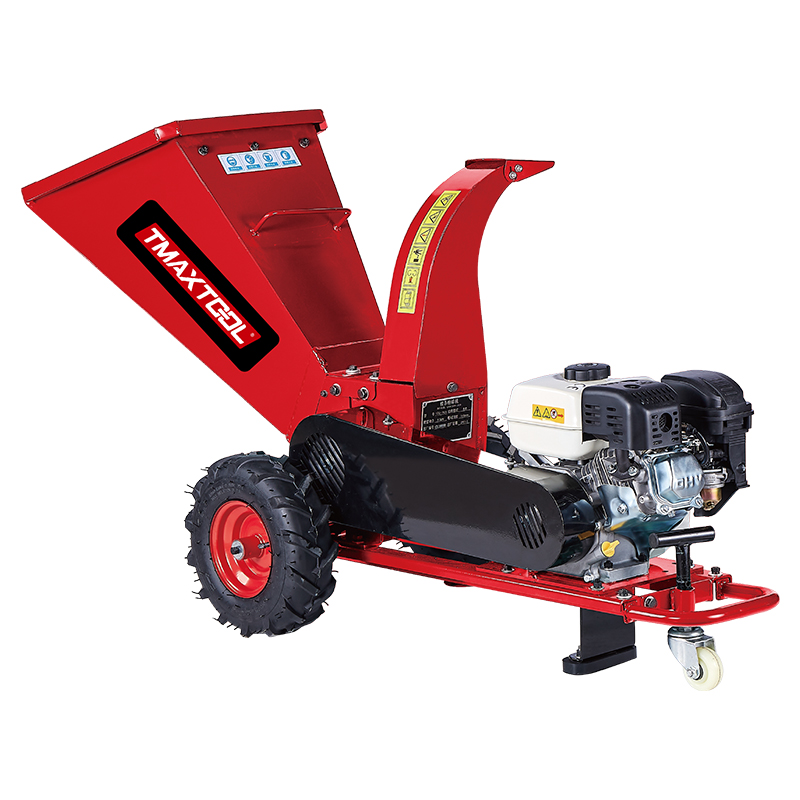 Wood Cutter
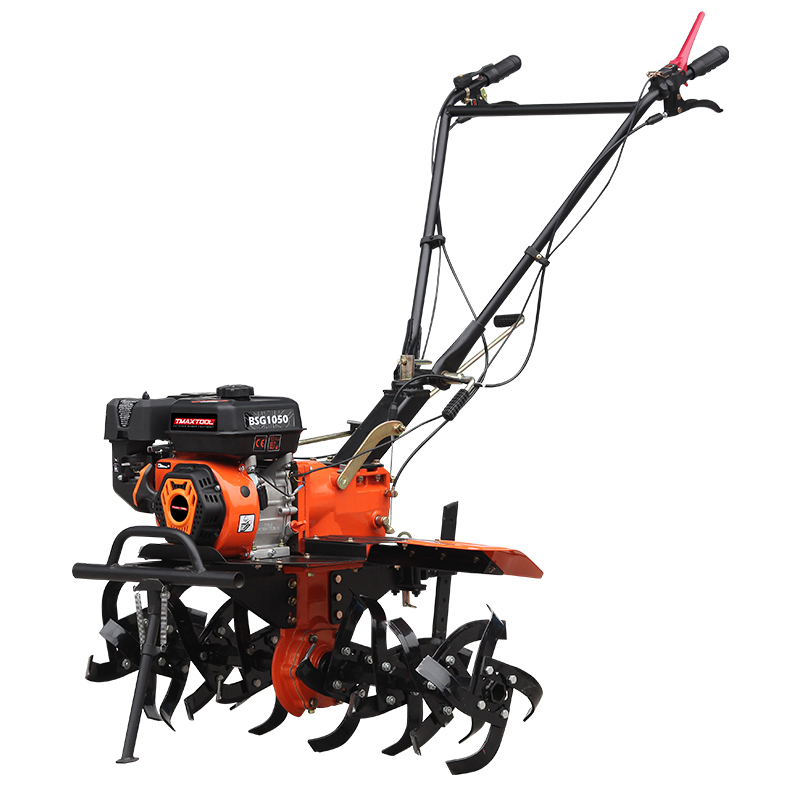 4 Stroke Tiller
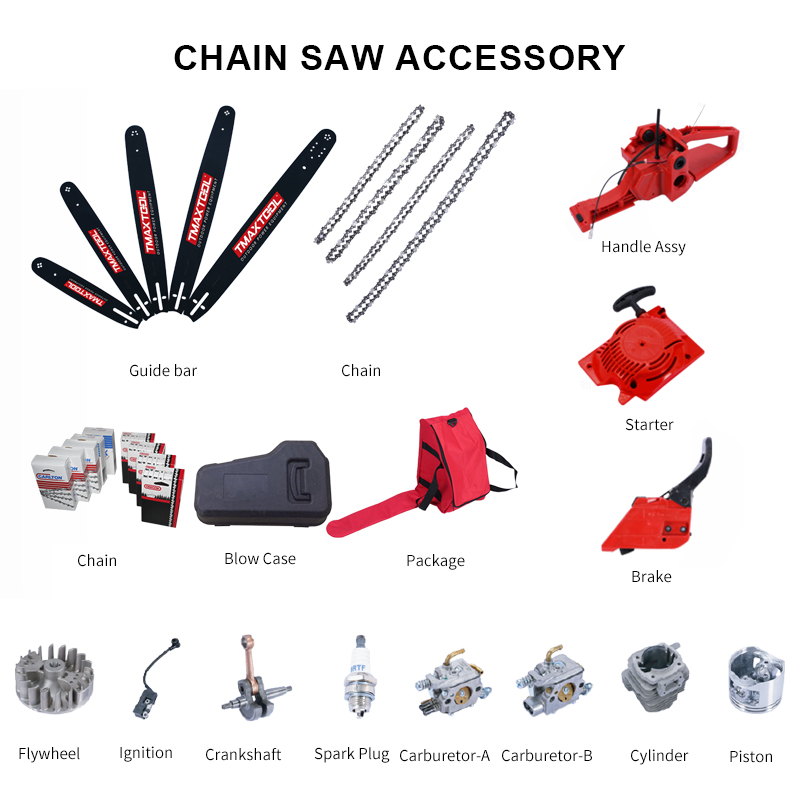 Chain Saw Accessory
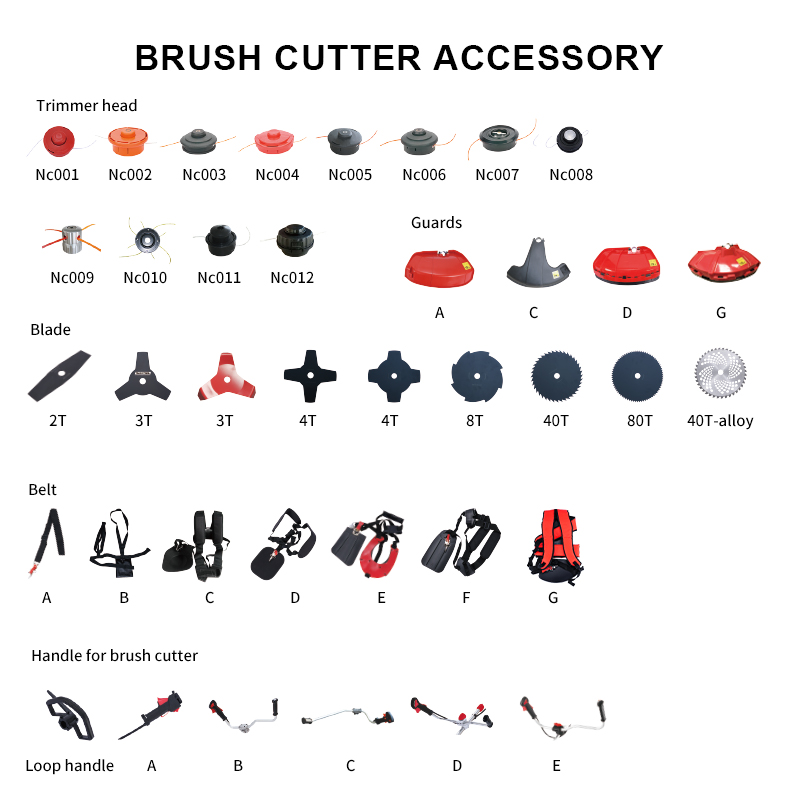 Brush Cutter Accessory
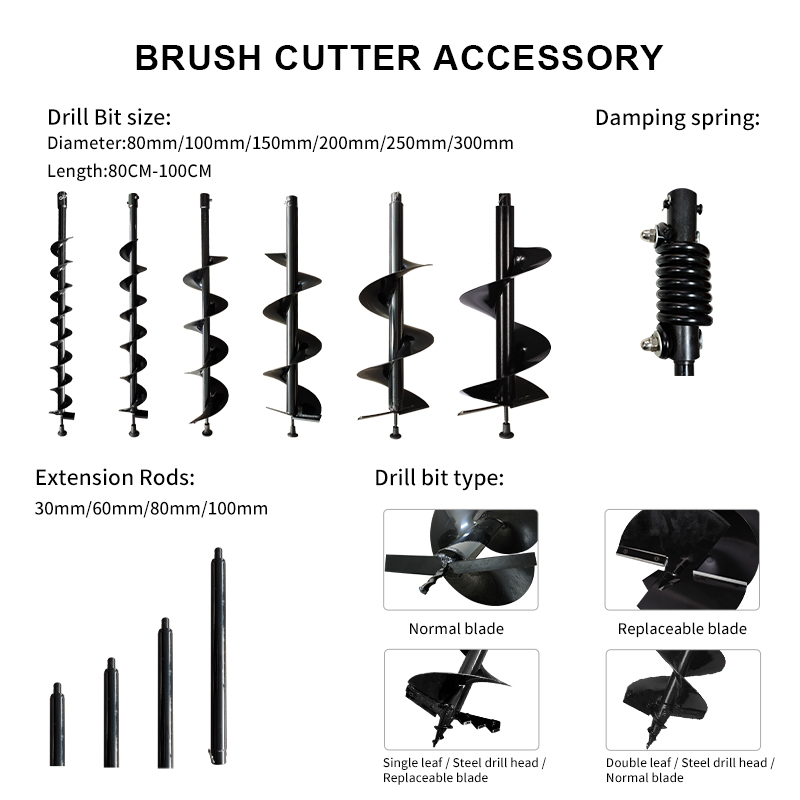 Earth Auger Accessory
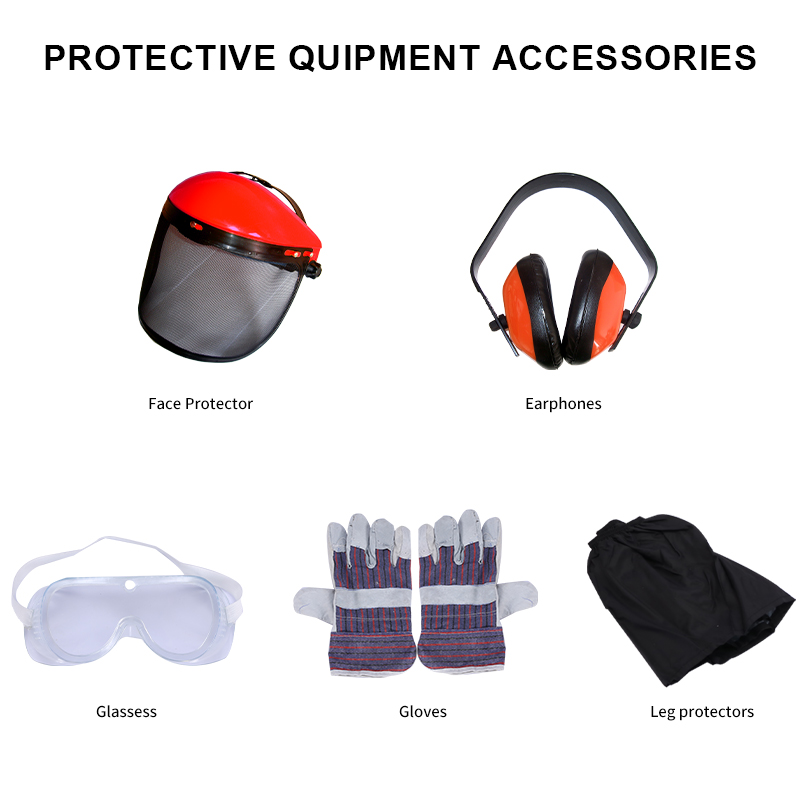 Protective Equipment Accessories
Leave Your Message


Mini Tiller Buying Guide for Agricultural Machinery Dealers
Mini Tiller Buying Guide for Agricultural Machinery Dealers
A practical mini tiller buying guide helps agricultural machinery dealers choose models that fit local farming conditions, soil types, and customer budgets. Mini tillers are useful for small farms, vegetable fields, orchards, greenhouses, and rural households that need compact soil preparation equipment. For distributors, this product category can expand the agricultural machinery catalog without requiring the same investment as large farm machines.
Before ordering mini tillers in bulk, dealers should review tilling depth, working width, engine power, transmission design, blade quality, soil compatibility, spare parts, MOQ, delivery time, and supplier support. These factors determine whether the product can perform reliably in the local market and whether dealers can support customers after the sale.
1. Define the Target Users and Farming Scenarios
Mini tillers are not used by only one type of buyer. Some customers need them for small vegetable plots, while others use them in orchards, greenhouses, or rural household farming. Dealers should define the main use scenarios before choosing models because soil condition and working intensity vary by market.
| Target User | Common Application | Dealer Focus |
|---|---|---|
| Small farm owners | Vegetable beds, field preparation, soil loosening | Practical power, easy operation, maintenance support |
| Orchard growers | Soil loosening between trees and narrow spaces | Compact size, maneuverability, blade durability |
| Greenhouse users | Light tilling in limited working areas | Smaller size, easy control, clean operation |
| Rural equipment shops | General farming and household cultivation | Stable models, spare parts, clear manuals |
| Regional agricultural dealers | Product-line expansion for farm tools | Reliable supply, training, catalog support |

2. Check Tilling Depth, Working Width, and Soil Type
Tilling depth and working width are two important specifications in any mini tiller buying decision. A wider working width can improve efficiency, but it may not suit narrow orchards or greenhouses. A deeper tilling depth can support heavier soil preparation, but it also requires suitable power and blade strength.
| Soil / Scenario | Recommended Focus | Why It Matters |
|---|---|---|
| Soft vegetable soil | Moderate power and easy handling | Suitable for frequent light cultivation |
| Orchard soil | Compact body and durable blades | Works better between trees and rows |
| Harder rural soil | Stronger engine and transmission | Helps improve tilling stability |
| Greenhouse use | Narrow working width and easy control | Fits limited space and small plots |
3. Evaluate Engine Power and Transmission Reliability
| Evaluation Item | What Dealers Should Ask | Business Value |
|---|---|---|
| Engine power | Which model suits light, medium, or heavier work? | Helps match products to market demand |
| Transmission | Is the system stable under regular field use? | Reduces after-sales risk |
| Blade quality | Are blades suitable for the target soil? | Improves performance and customer satisfaction |
| Testing process | Are finished machines tested before packing? | Improves batch reliability |
| Maintenance support | Are manuals and spare parts available? | Supports long-term local service |
4. Confirm Spare Parts and After-Sales Service
| Support Item | Why It Matters for Dealers |
|---|---|
| Spare parts list | Helps prepare common replacement parts |
| Product manual | Supports safe operation and basic maintenance |
| Training materials | Helps sales and service teams explain the product |
| Stable model supply | Makes repeat orders and parts stocking easier |
| After-sales communication | Reduces service pressure and buyer concerns |
5. Review MOQ, Delivery Time, and Mixed Container Support
| Cooperation Factor | TMAXTOOL Support | Buyer Benefit |
|---|---|---|
| MOQ | From 50 units | Supports trial orders and market testing |
| Delivery time | 30–45 days | Helps prepare for seasonal demand |
| Mixed container | Supported | Allows multiple agricultural and garden tools in one shipment |
6. Consider OEM/ODM and Local Market Adaptation
| Customization Area | Examples |
|---|---|
| Brand identity | Logo, product color, label design |
| Packaging | Carton design, model information, market-specific packaging |
| Documents | Manuals, multilingual labels, safety instructions |
7. Why Work With TMAXTOOL for Mini Tiller Wholesale Orders
TMAXTOOL supplies garden tools, power tools, and small agricultural machinery for international distributors, wholesalers, agents, online sellers, and OEM/ODM partners. For mini tiller buyers, TMAXTOOL can support model selection, MOQ from 50 units, 30–45 day delivery, mixed container orders, trial orders, selected stock, and customization options.

Conclusion
Choosing the right mini tiller depends on target users, soil conditions, tilling depth, working width, engine power, blade durability, spare parts, MOQ, delivery time, and supplier support. For agricultural machinery dealers, the best product is the one that fits local farming needs and can be supported after the sale.
FAQ
Q1: What should dealers check before ordering mini tillers?
A: Dealers should check soil type, tilling depth, working width, engine power, transmission reliability, spare parts, MOQ, delivery time, and supplier support.
Q2: Are mini tillers suitable for small farms and orchards?
A: Yes. Mini tillers are suitable for small farms, vegetable fields, orchards, greenhouses, and rural household farming where compact soil preparation equipment is needed.
Q3: Why are spare parts important for mini tiller distributors?
A: Spare parts help dealers support repairs, reduce customer complaints, and build repeat business during farming seasons.