
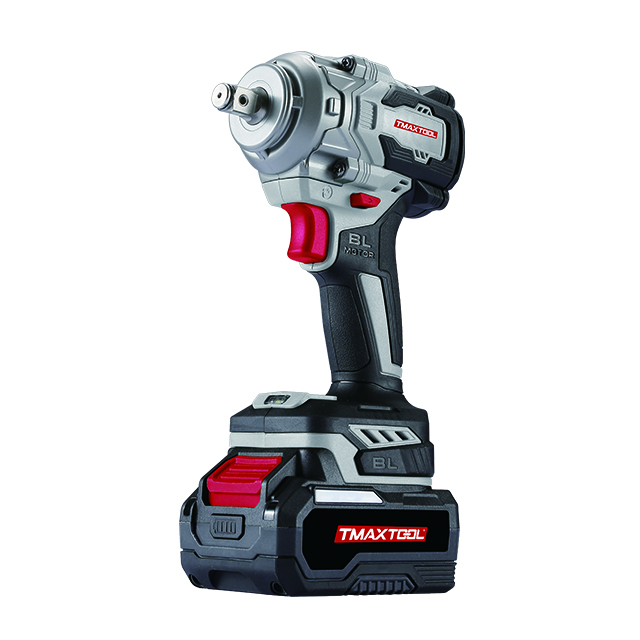
 Impact Wrench
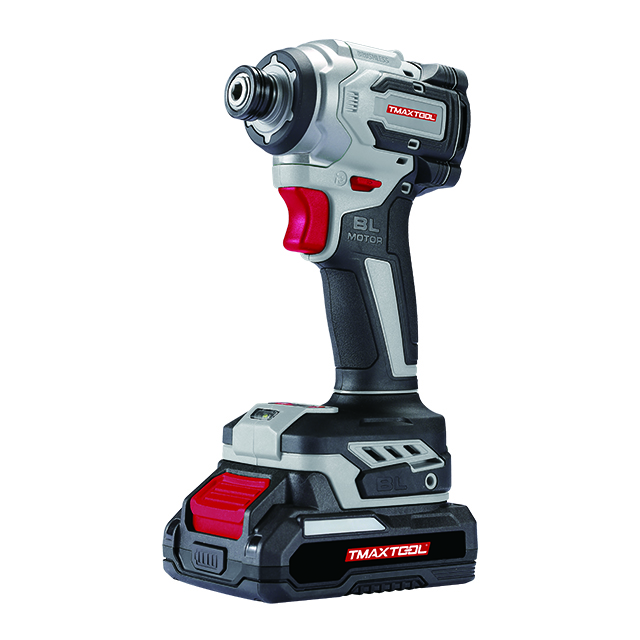 Screwdriver
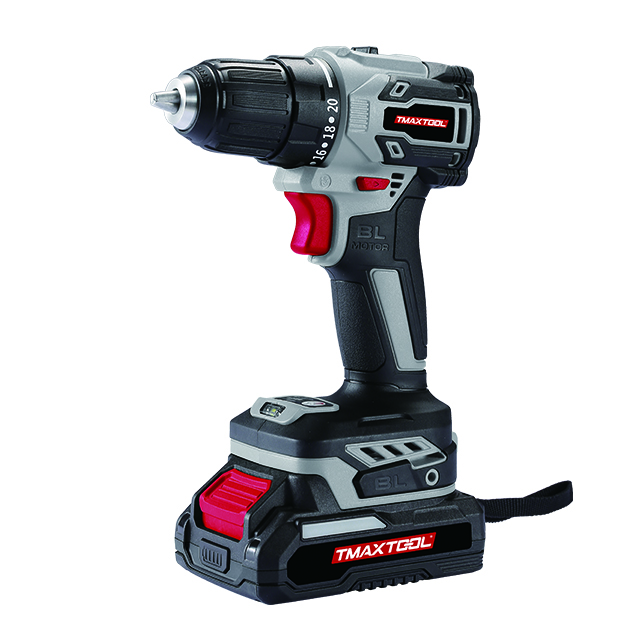 Cordless Drill
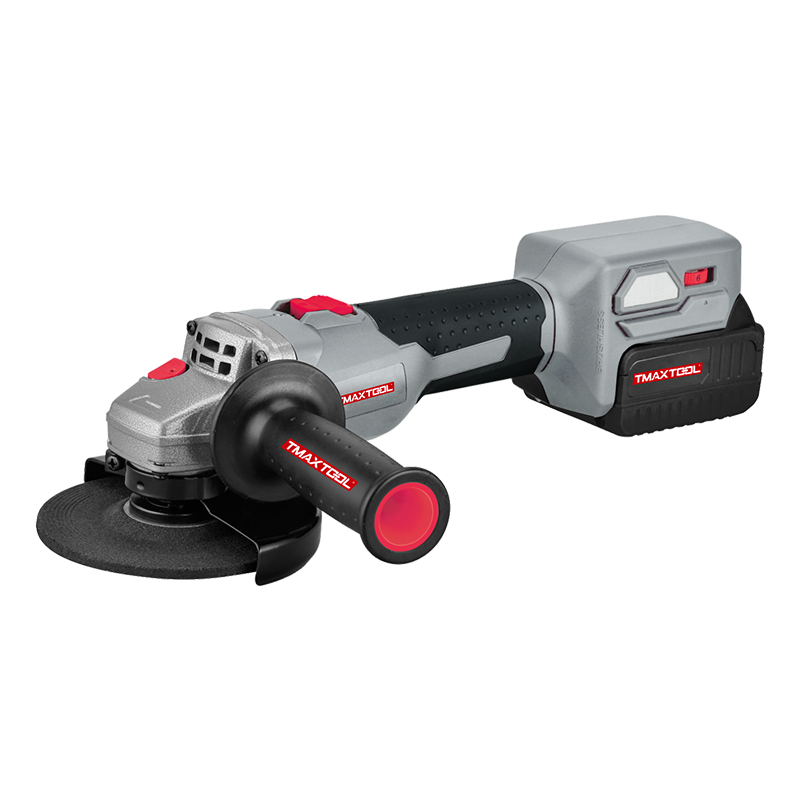 Angle Grinder
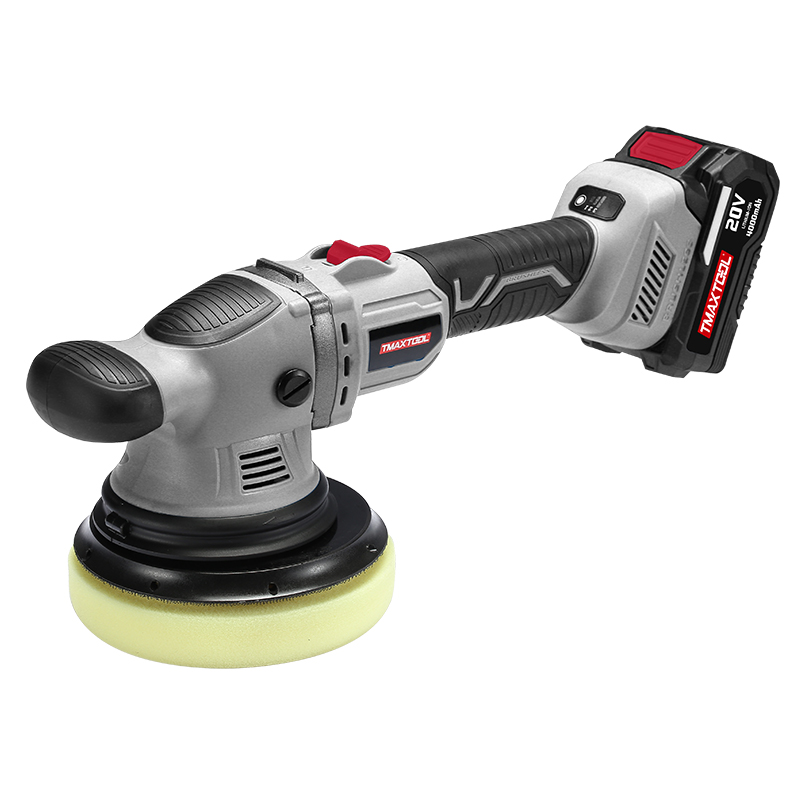 Polisher
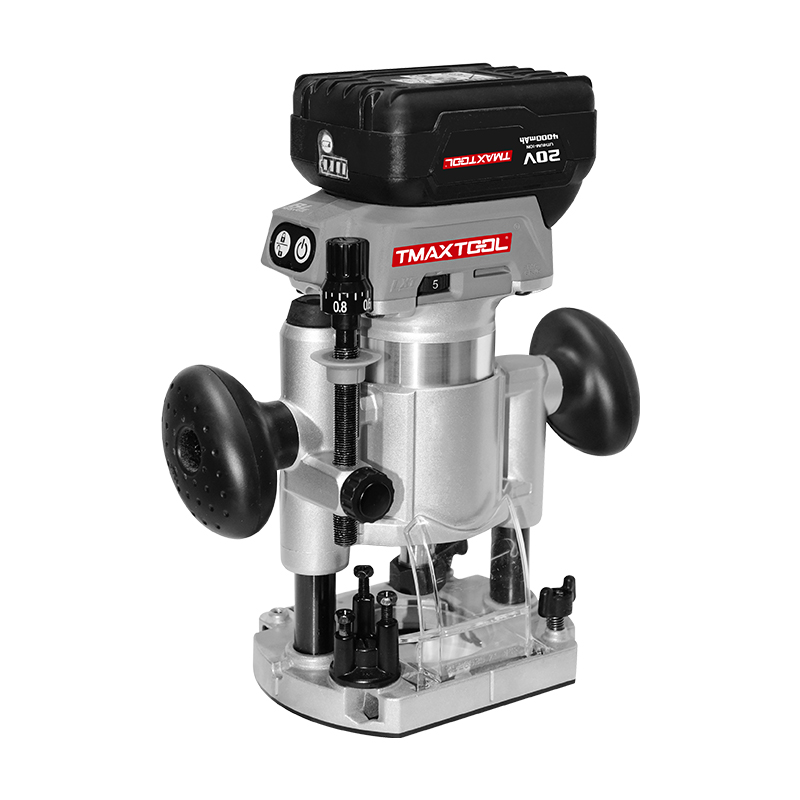 Wood Router
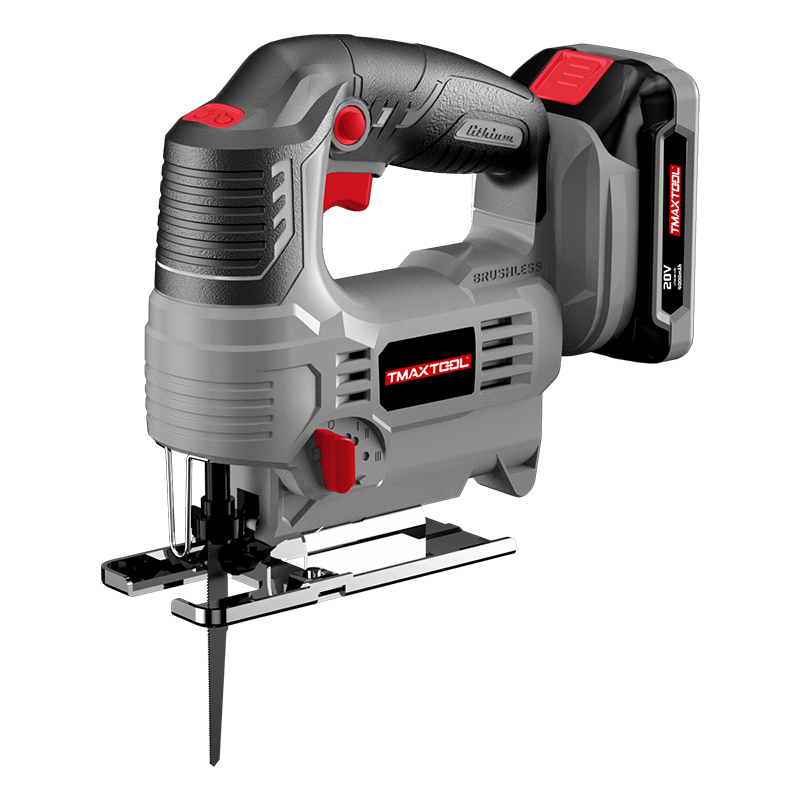 Jig Saw
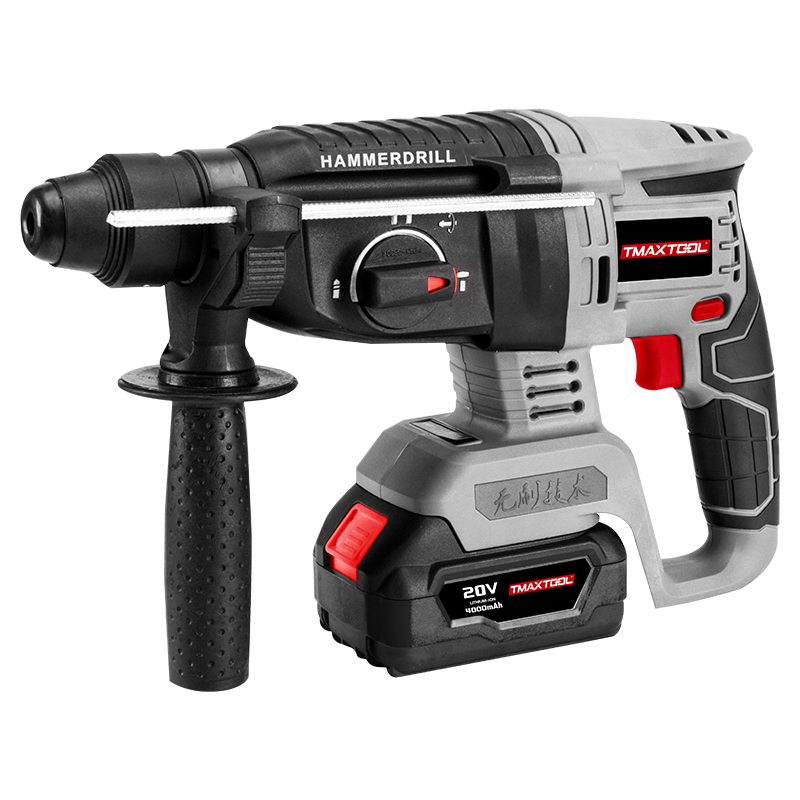 Hammer Drill
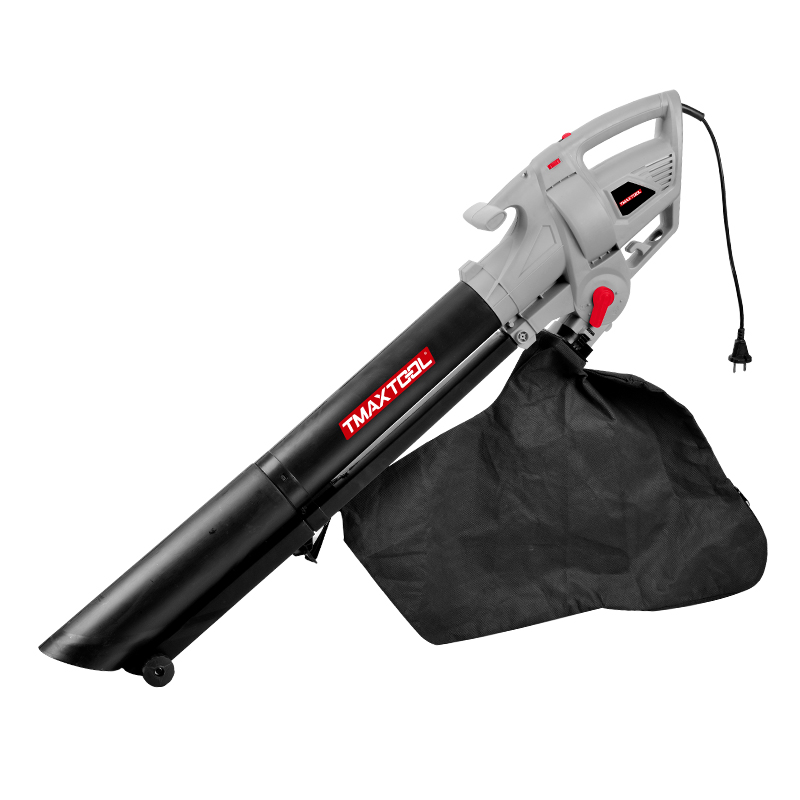 Portable Blower
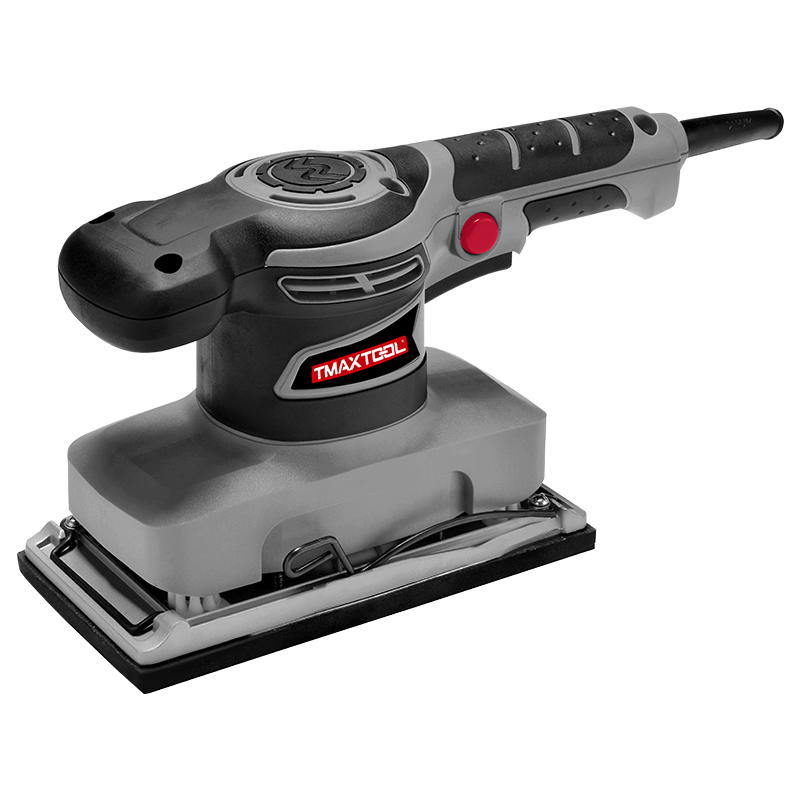 Orbital Sander
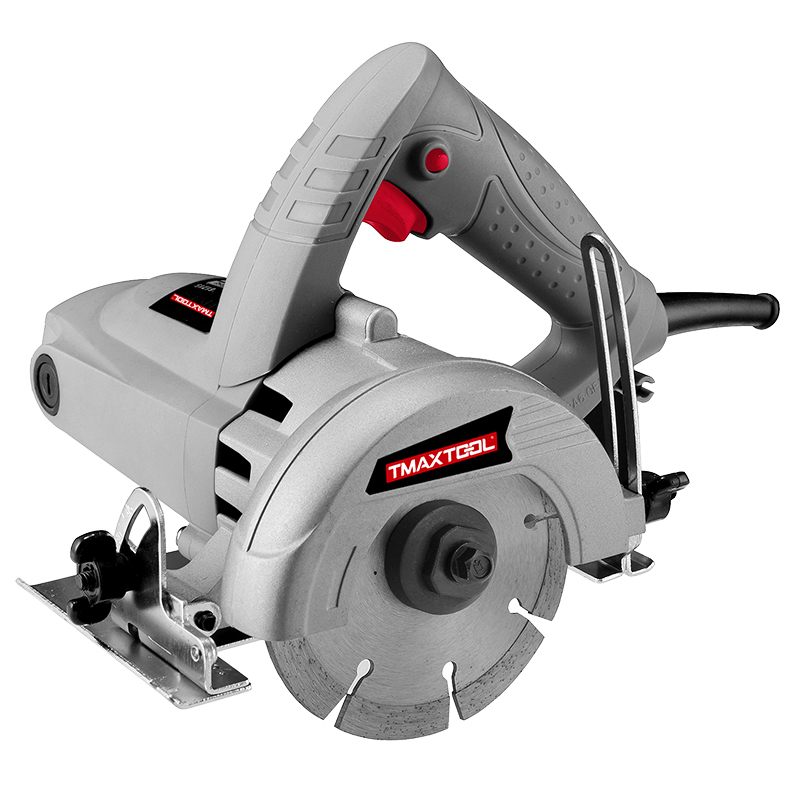 Marble Cutter
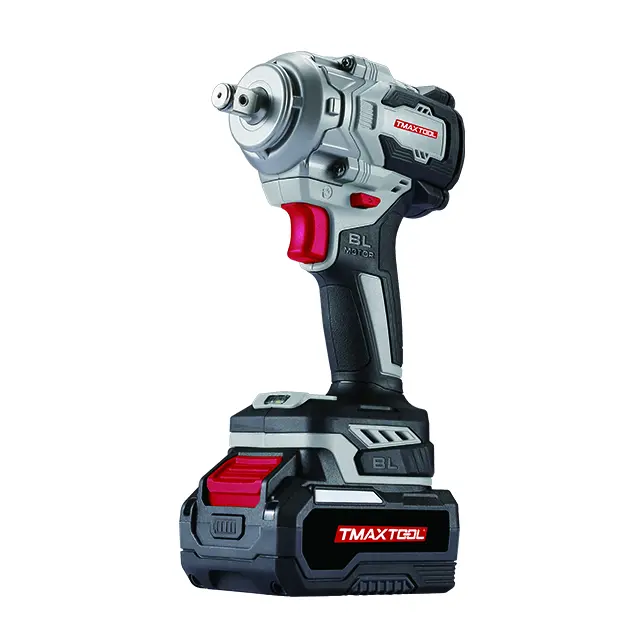 GARDEN TOOLS
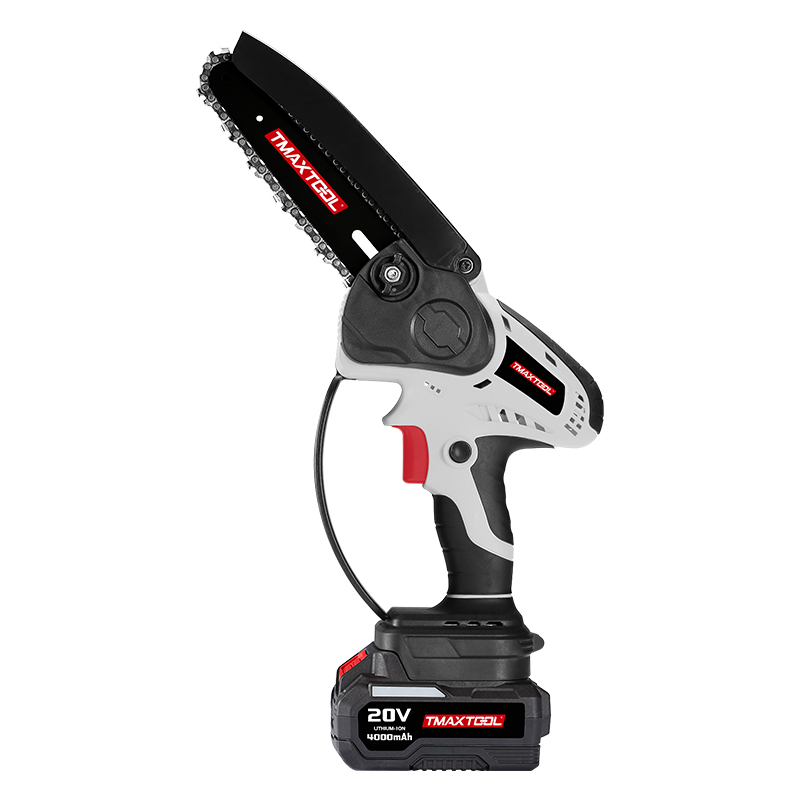 Battery Chain Saw
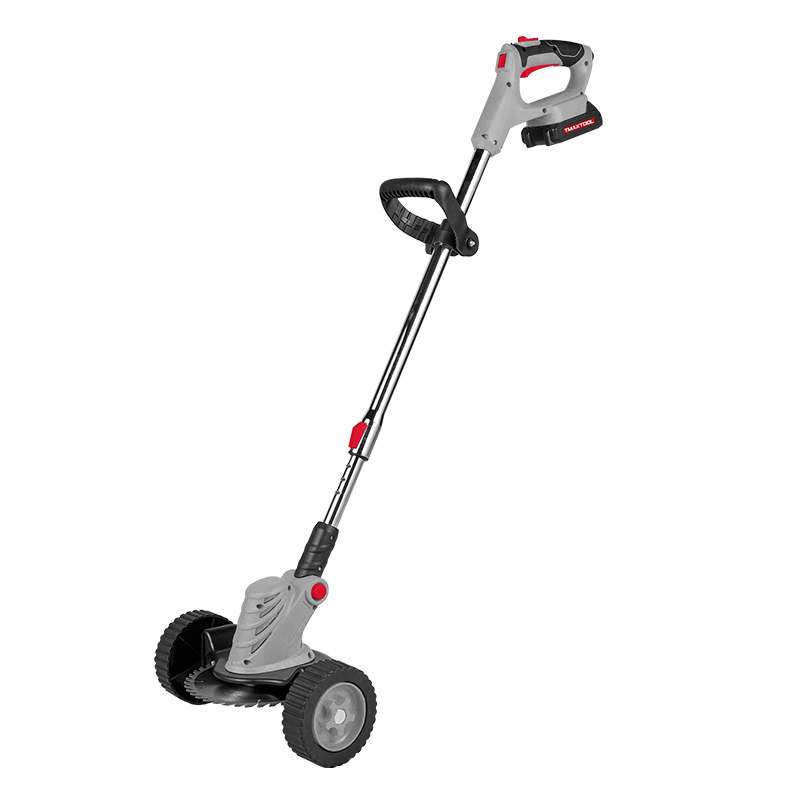 Battery Brush Cutter
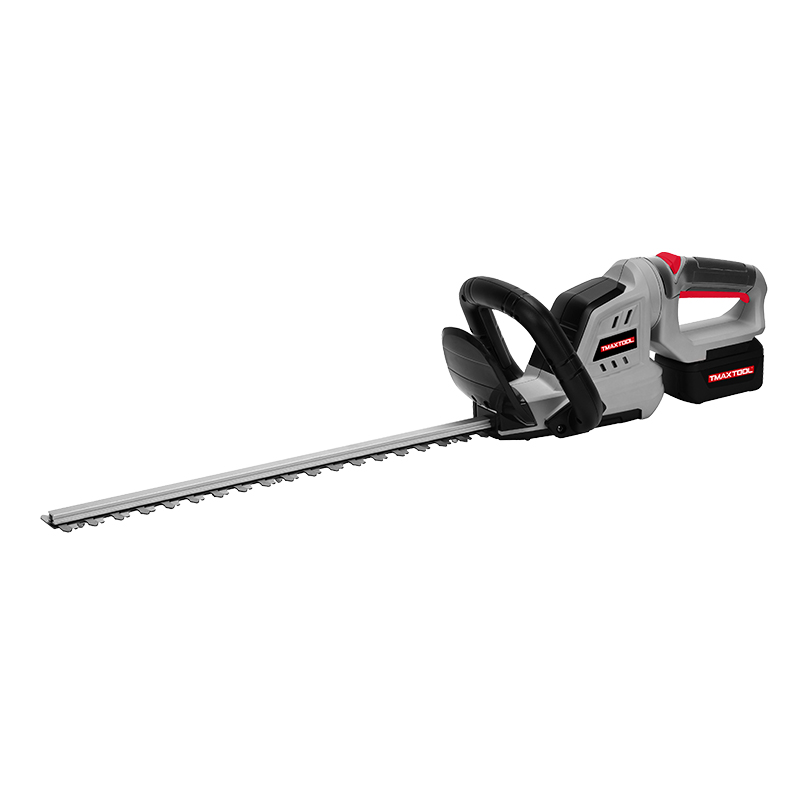 Battery Hedge Trimmer
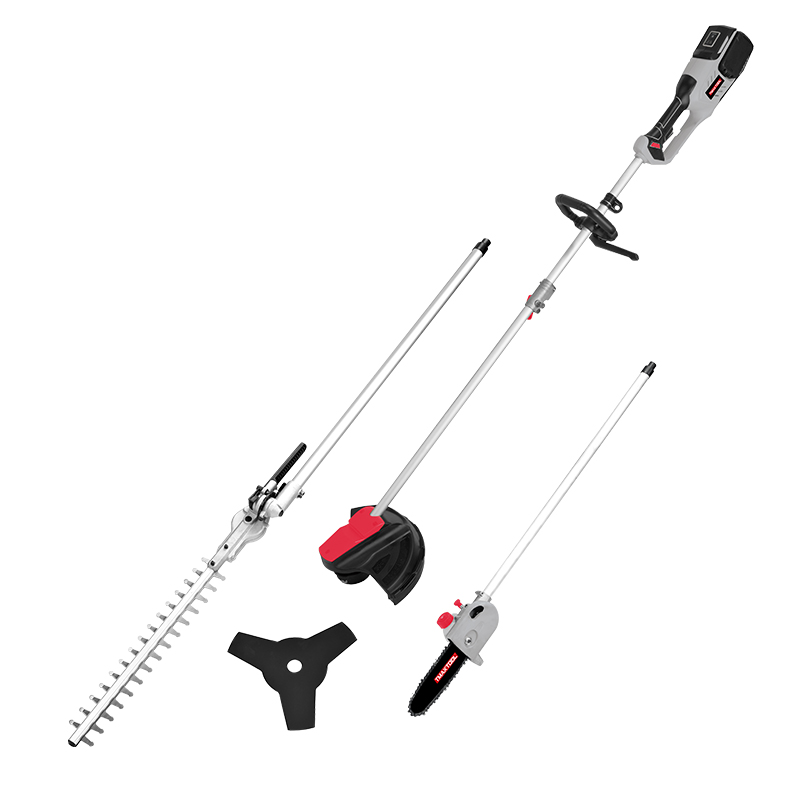 Battery Multi Tool
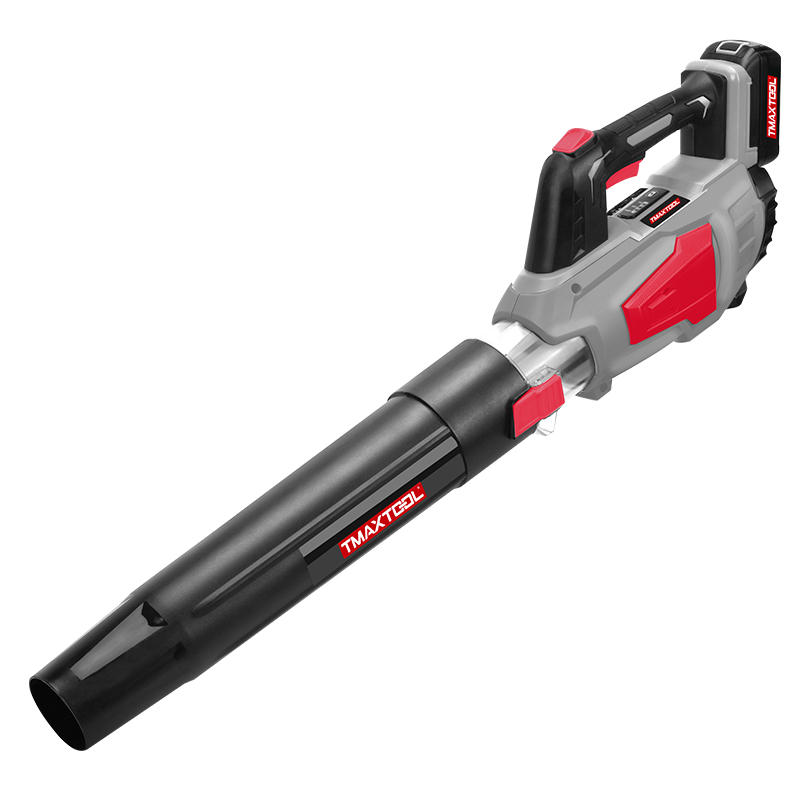 Battery Blower
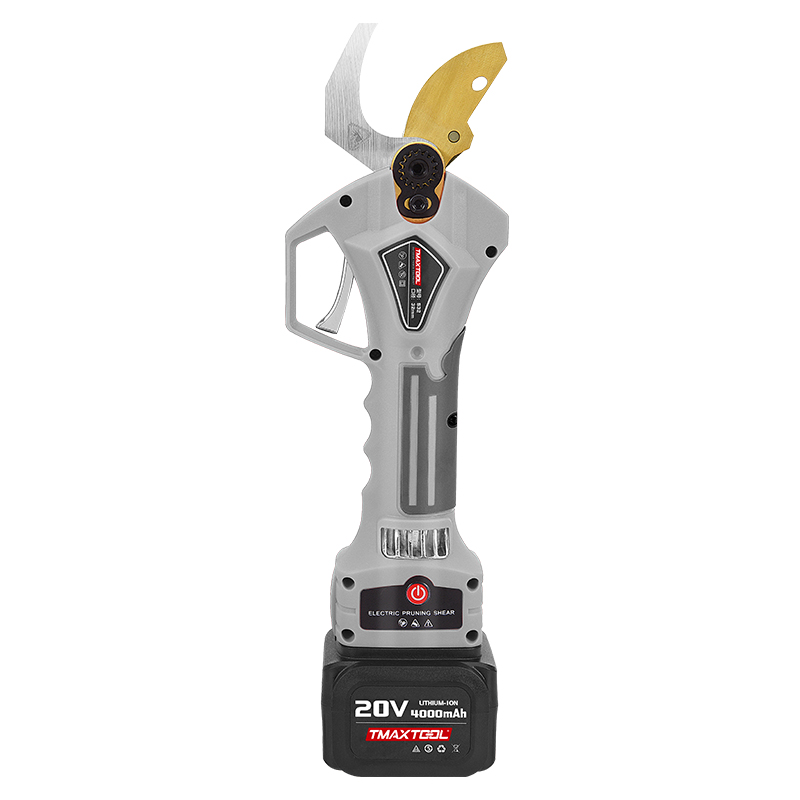 Batter Pruning Shears
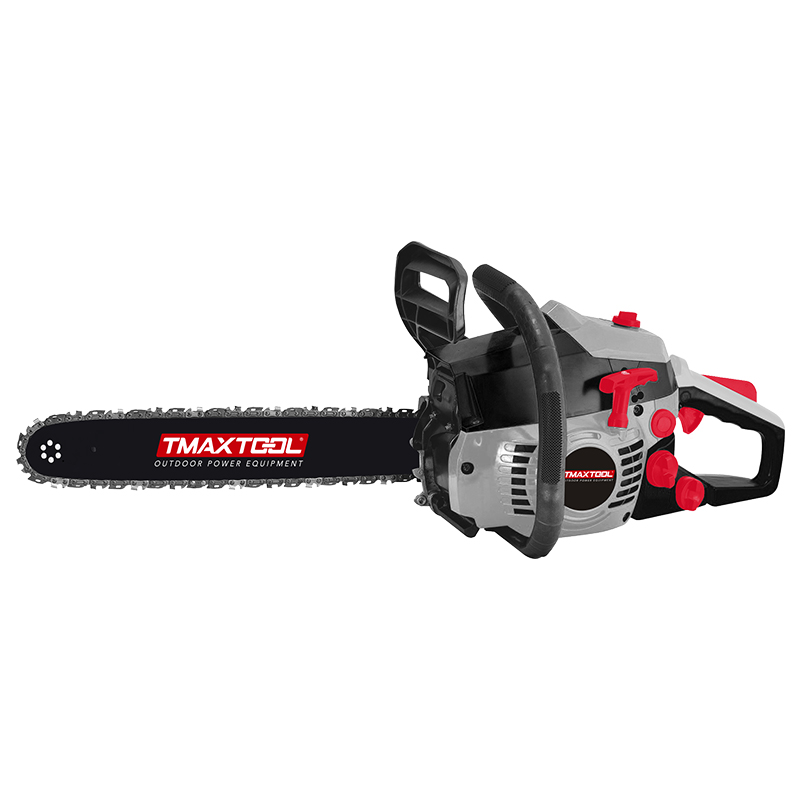 Chain Saw
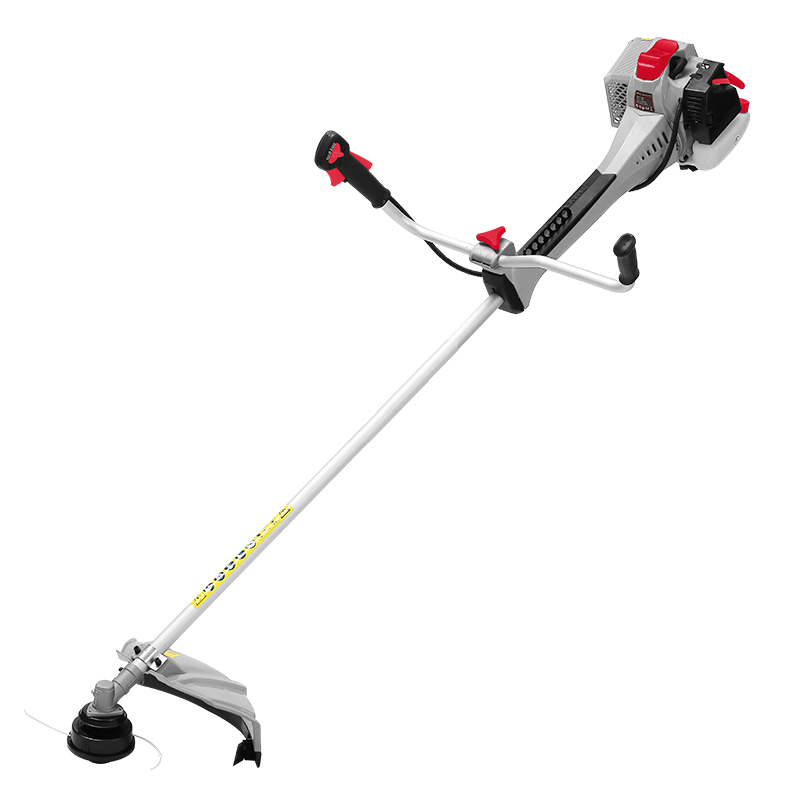 Brush Cutter
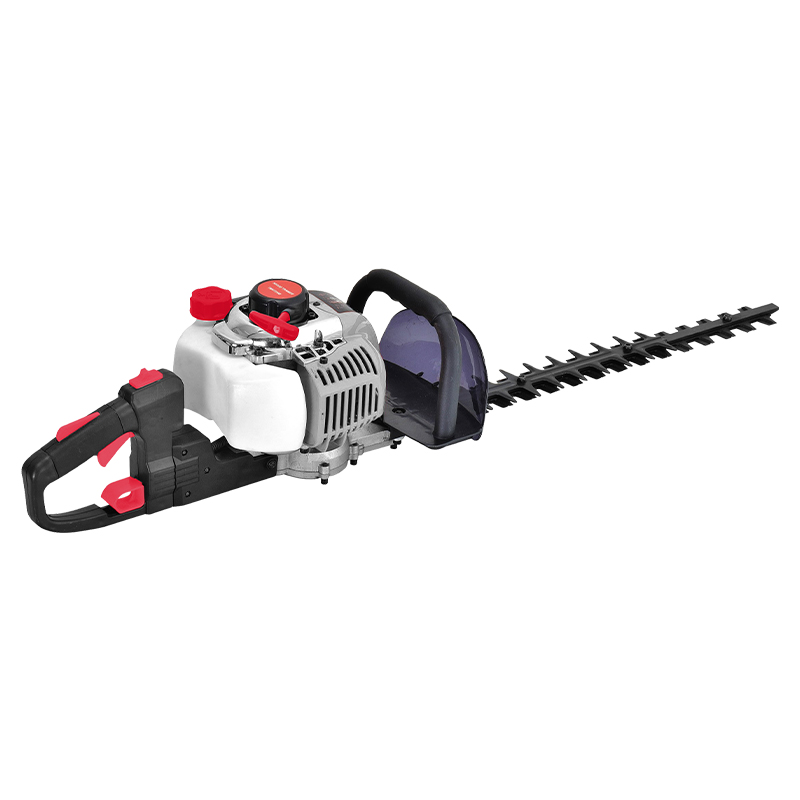 Hedge Trimmer
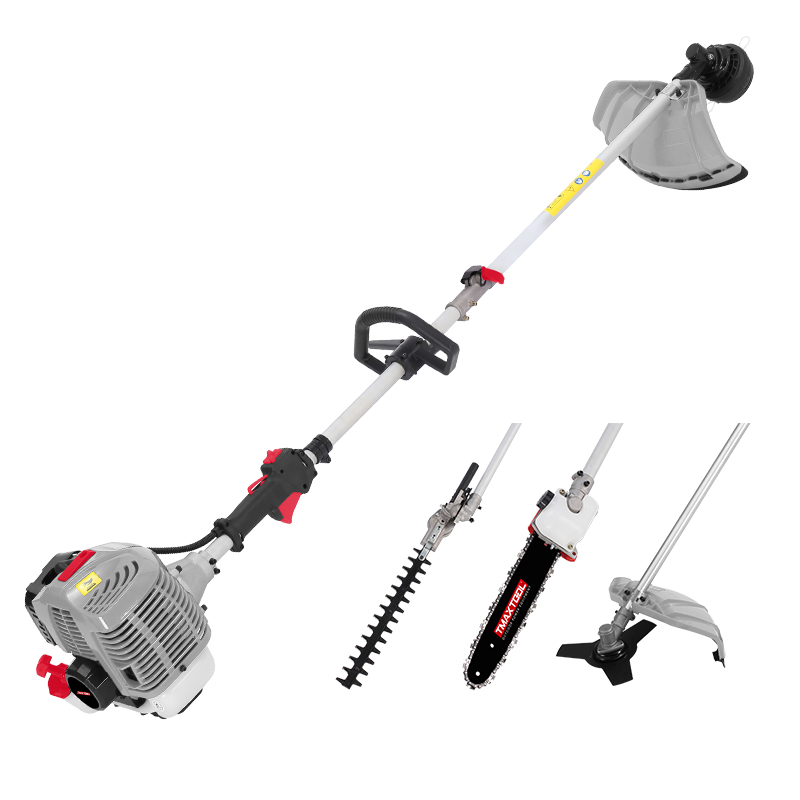 Multi Tool
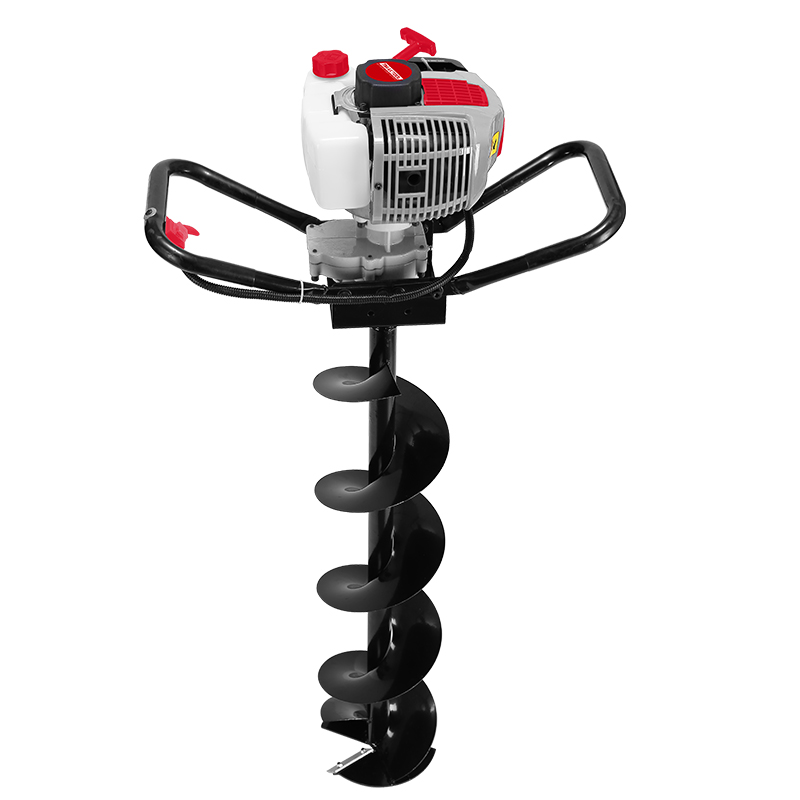 Earth Auger
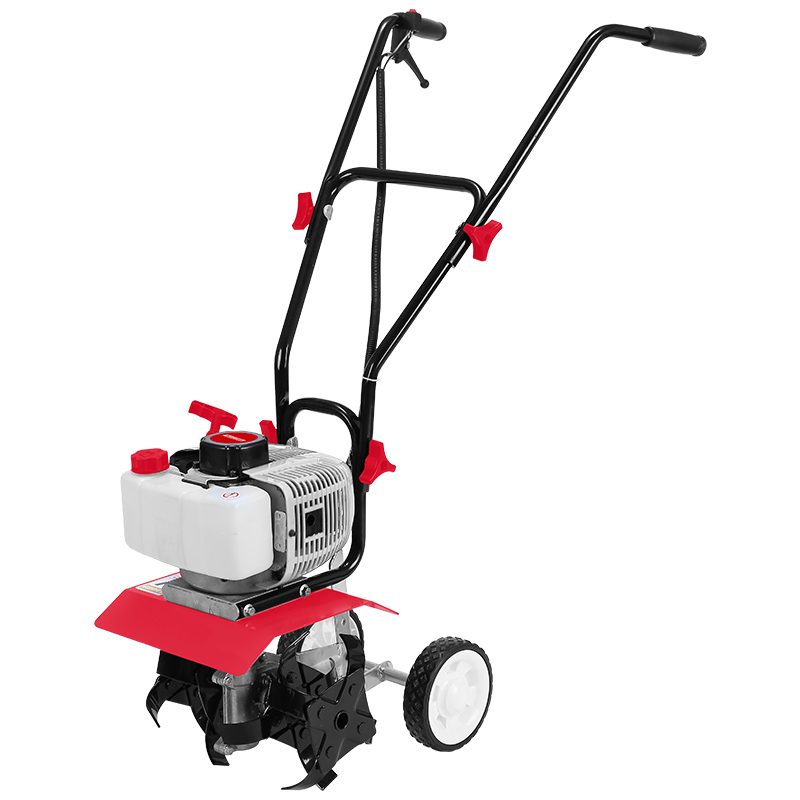 Tiller
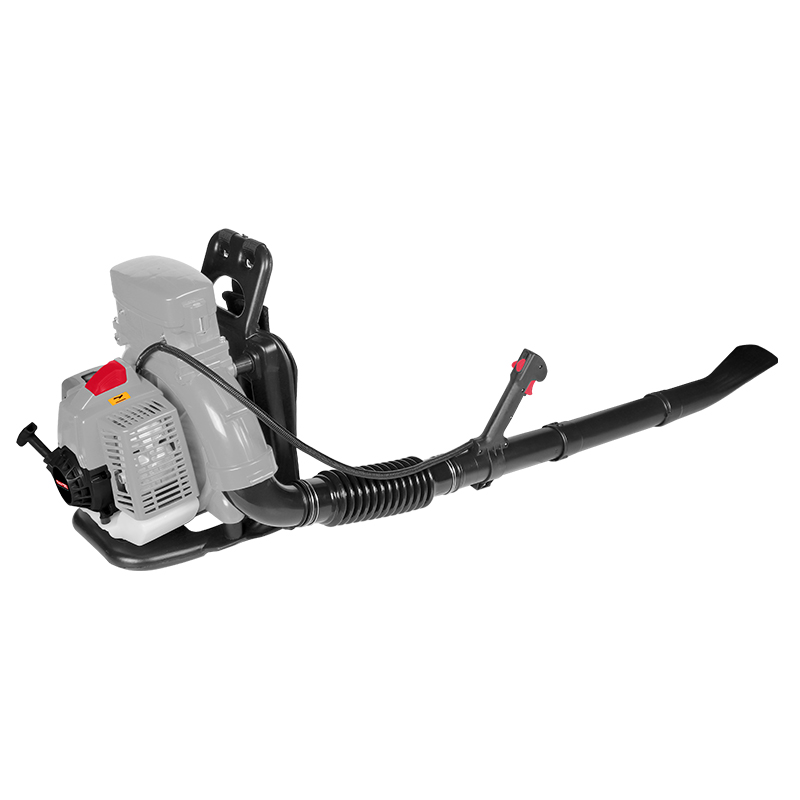 Blower
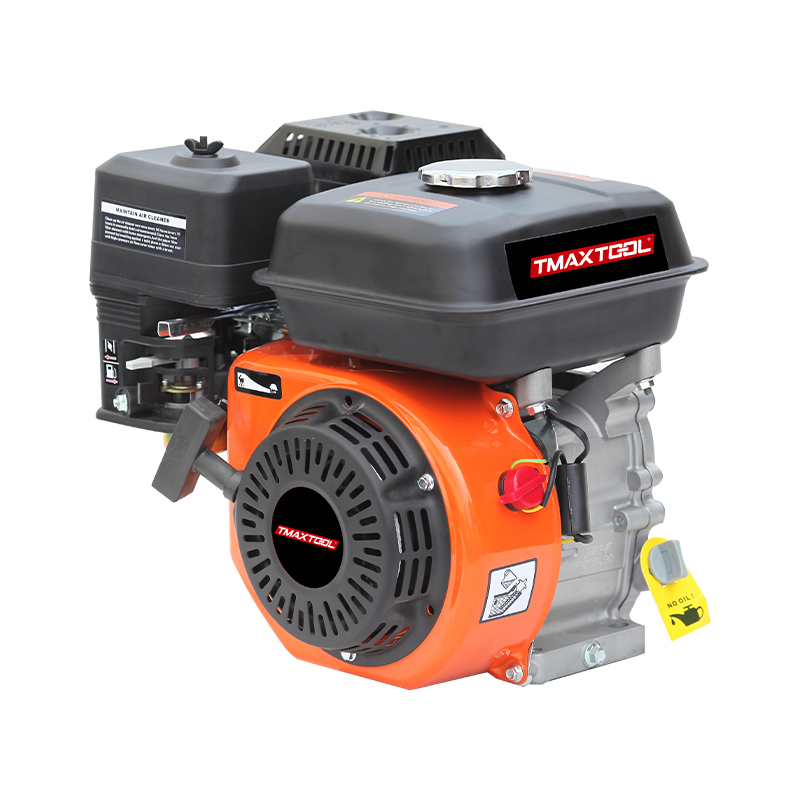 4 Stroke Gasoline Engine
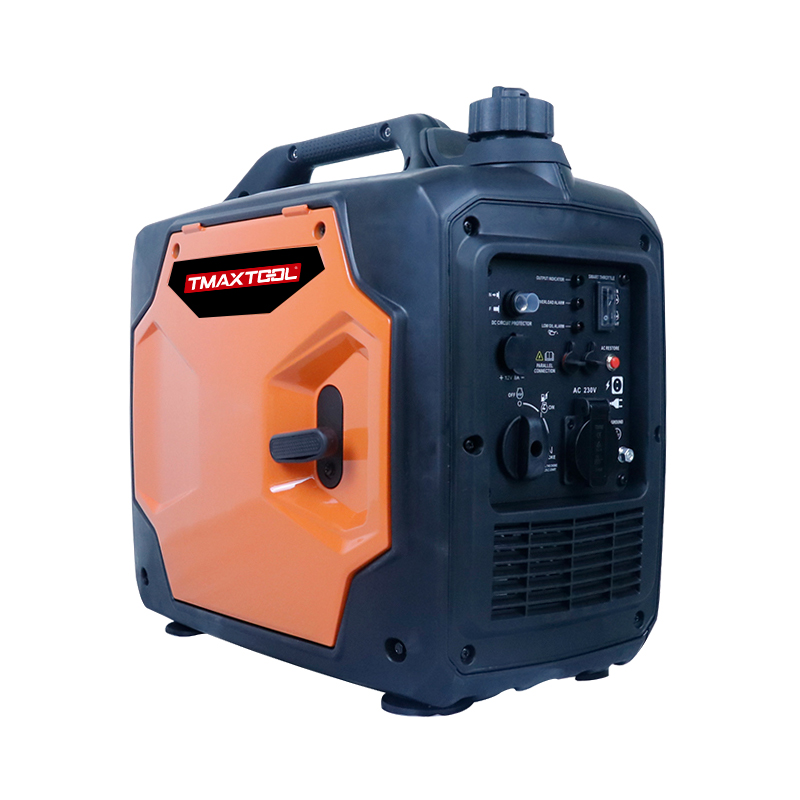 Generator
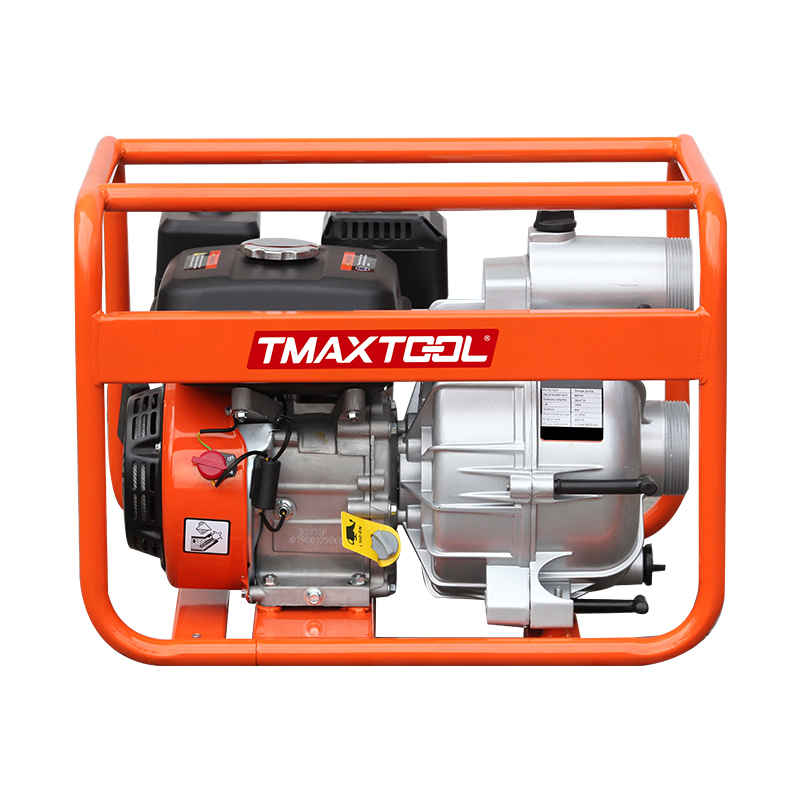 Water Pump
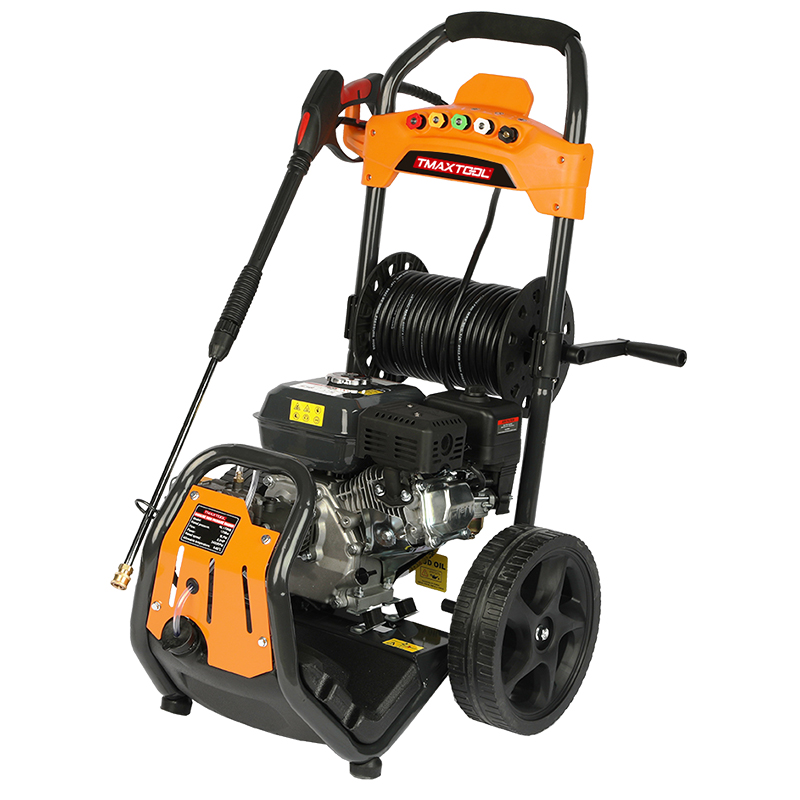 High Pressure Washer
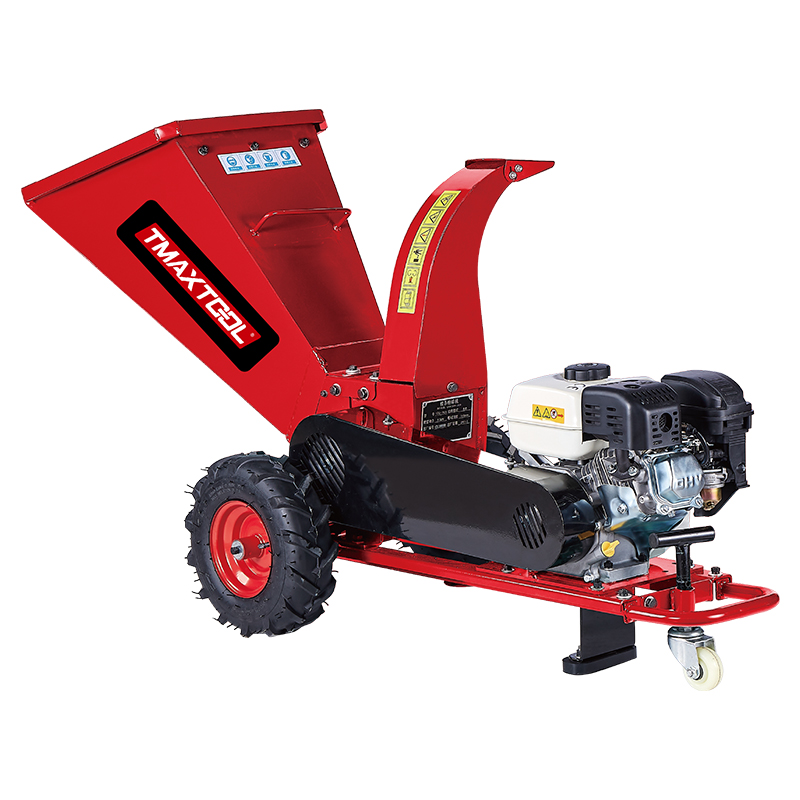 Wood Cutter
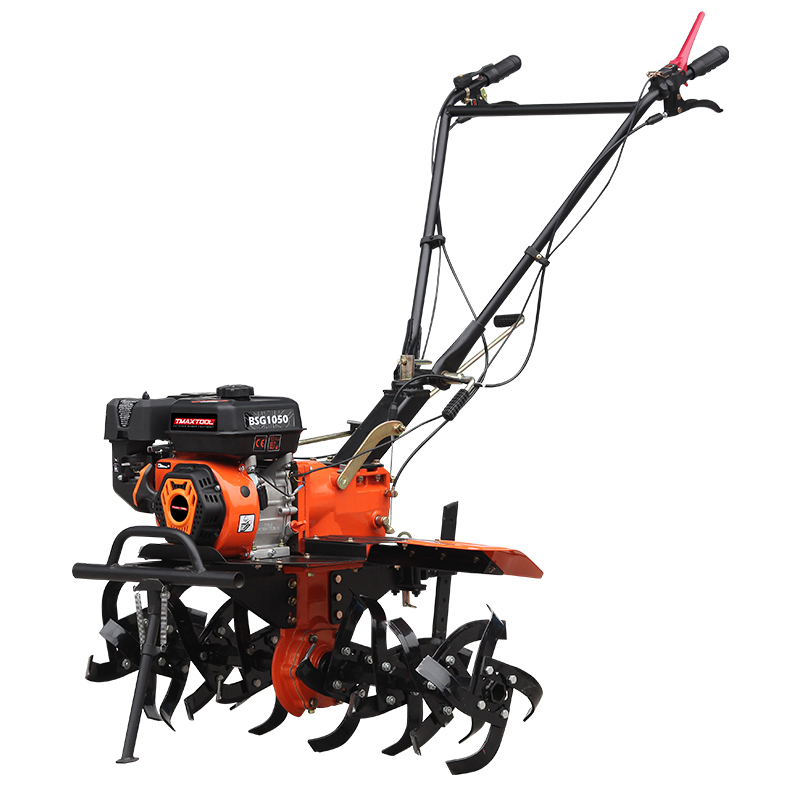 4 Stroke Tiller
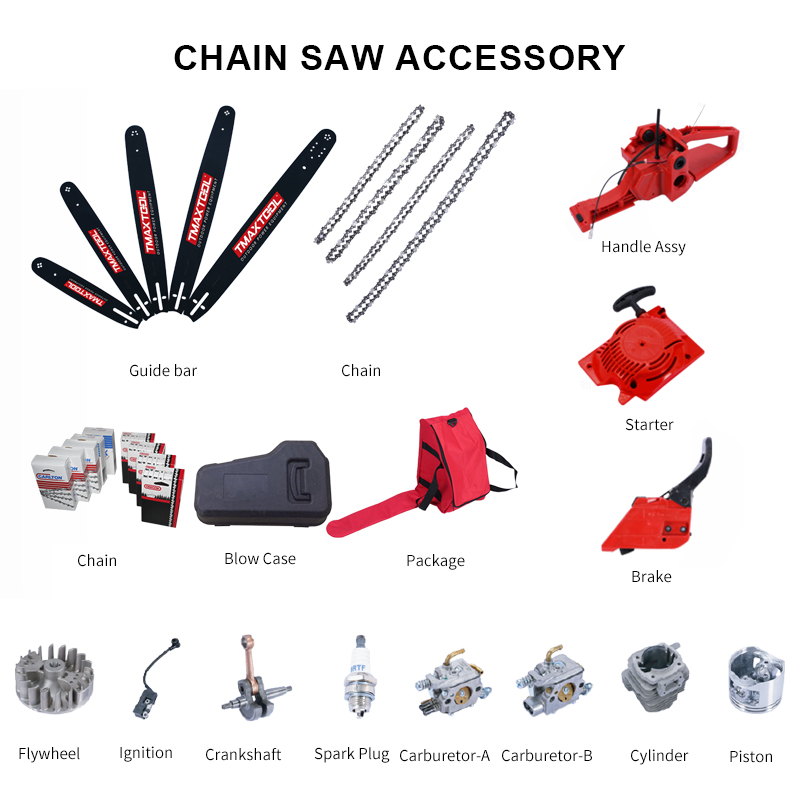 Chain Saw Accessory
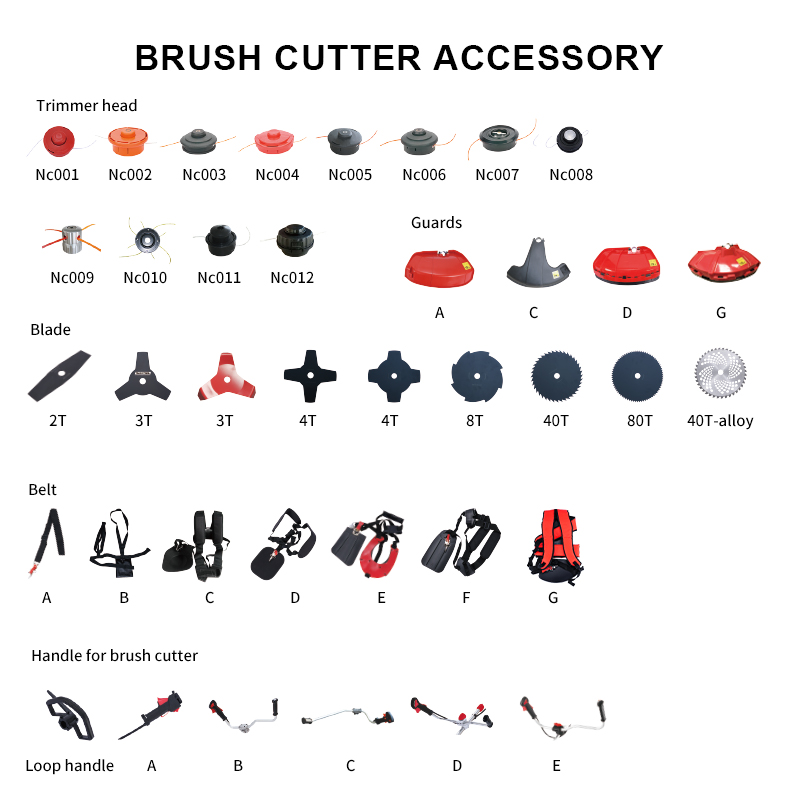 Brush Cutter Accessory
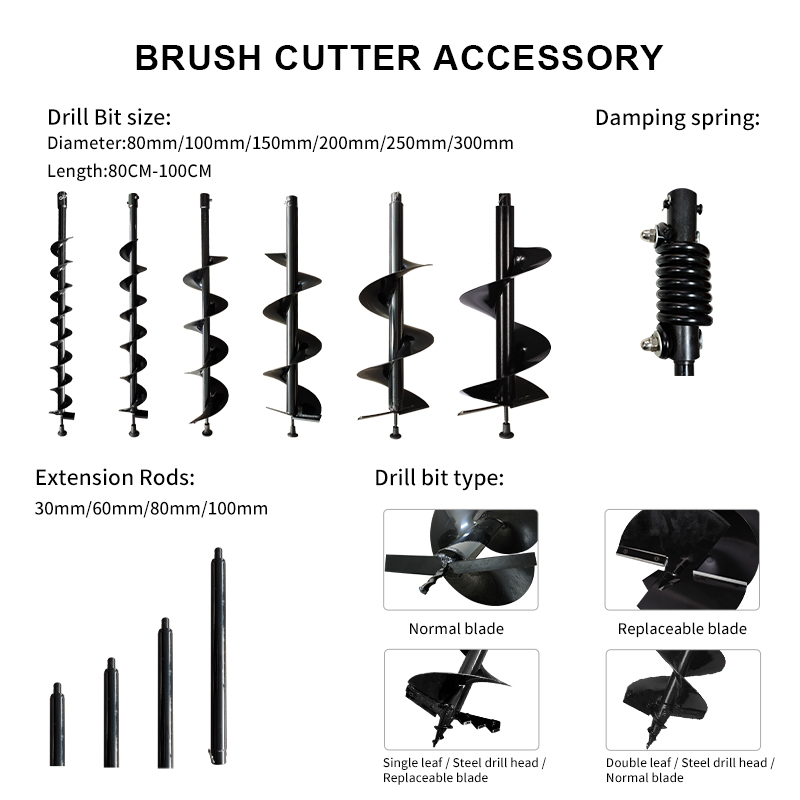 Earth Auger Accessory
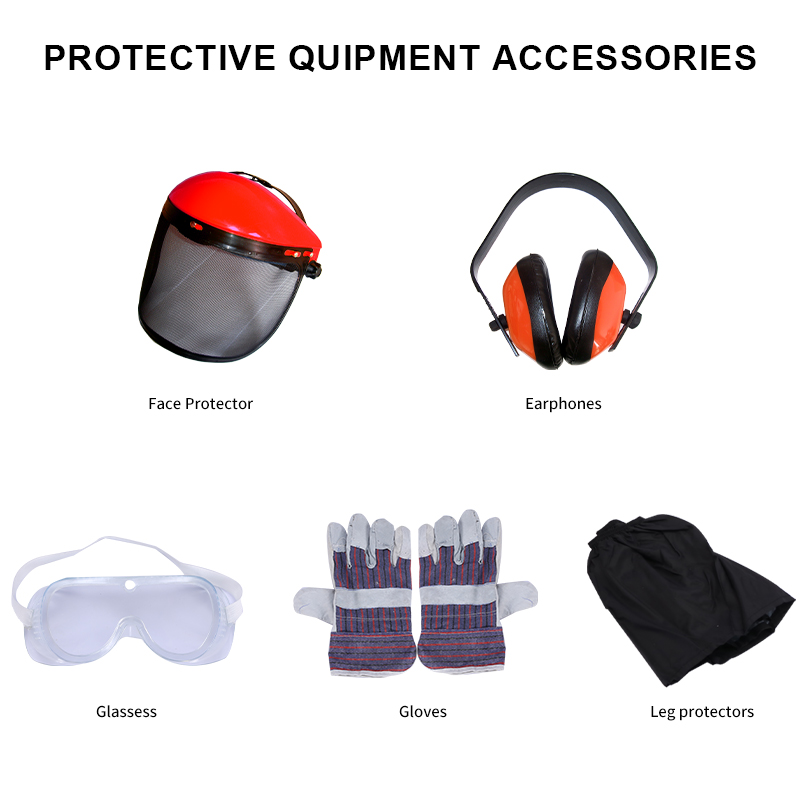 Protective Equipment Accessories

Leave Your Message


Orchard & Vineyard Brush Cutter Guide
Weed Management in High-Density Vineyards and Orchards: Specialized Brush Cutter Solutions
In modern high-density fruit orchards, olive groves, and trellised vineyards, effective inter-row and intra-row weed management is critical to crop yield, moisture retention, and pest control. However, conventional weed control methods face severe agronomic and regulatory bottlenecks. Heavy tractor-towed flail mowers exert massive ground pressure, causing irreversible subsoil compaction that suffocates shallow feeder roots, while chemical herbicides face increasing regulatory bans and consumer resistance across European and Latin American export markets.
Consequently, commercial vineyard managers and agricultural service contractors are transitioning toward specialized handheld and backpack orchard brush cutter equipment. Unlike broadacre mowers, specialized brush cutters allow operators to navigate narrow 1.5m to 2.2m vine rows with pinpoint precision, clearing dense weed canopies directly adjacent to graft unions without slicing surface drip-irrigation lines or stripping protective tree bark.
This technical guide explores the agronomic and mechanical engineering requirements of orchard weed clearing: preventing trunk girdling and fungal pathogen transmission, eliminating tractor soil compaction, selecting clean-burning 4-stroke or 60V brushless powerheads to prevent operator fume fatigue under dense canopies, and deploying optimized nylon line profiles and cutting techniques.
Agronomic insight: Striking young vine trunks with rigid metal blades removes the protective cambium layer, exposing grapevines to fatal fungal trunk diseases like Eutypa dieback and Botryosphaeria. Professional orchard crews rely on flexible aerodynamic nylon line systems paired with tree-guard depth limiters to maintain clean intra-row strips while eliminating bark damage.

1. The Agronomic Triad: Trunk Girdling, Root Compaction, and Drip Line Vulnerability
Managing intra-row weeds in high-value perennial crops requires balancing aggressive vegetation clearance with delicate tree and infrastructure preservation.
| Agronomic Hazard | Root Cause & Field Mechanism | Direct Economic & Crop Impact | Engineered Machinery Solution |
|---|---|---|---|
| Trunk Girdling & Bark Stripping | Rigid steel blades or high-impact cutting heads contacting vine trunks (10mm–50mm diameter) | Disrupts phloem nutrient transport; creates infection entry points for fungal pathogens causing vine death | Heavy-duty bump-feed nylon heads with 2.4mm–3.0mm flexible line and adjustable steel wire perimeter tree-guards |
| Subsoil Compaction & Feeder Root Damage | Heavy tractor mowers (>2,500 kg) making repeated passes in wet spring soil | Compacts topsoil to >1.5 MPa, reducing water infiltration and suffocating surface lateral feeder roots in the top 20cm | Lightweight manual and Backpack Brush Cutter systems (<10 kg) delivering zero soil compaction in delicate root zones |
| Drip Irrigation Line Punctures | Uncontrolled high-speed line whipping slicing 16mm polyethylene drip lines staked on or near the ground | Expensive line repair downtime, localized crop water stress, and massive water waste in arid growing regions | Low-profile aerodynamic trimmer heads with directional line-deflector shields allowing precise cutting 30mm beneath drip tubes |
2. Topography & Row Geometry: Straight Shaft vs Backpack Configurations
Orchard and vineyard layouts vary widely—from flat, wide-spaced citrus groves to steep, terraced hillside vineyards where maneuverability dictates machine architecture.
| Equipment Configuration | Mechanical Architecture & Weight Distribution | Ideal Orchard & Vineyard Terrain | Field Ergonomics & Maneuverability |
|---|---|---|---|
| Straight-Shaft Bicycle (U-Handle) Brush Cutters | Rigid 28mm solid steel drive shaft; symmetrical or asymmetrical handlebar controls with harness hook | Flat ground, wide row spacing (>2.5m), inter-row open swaths in commercial apple, citrus, and pecan orchards | Enables broad, sweeping pendulum cuts across open grass strips; highly productive for rapid horizontal mowing |
| Flexible-Shaft Backpack (Knapsack) Brush Cutters | Heavy engine mounted on a padded ergonomic backpack frame with swivel base; lightweight flexible drive wand | Narrow row vineyards (1.2m–1.8m), steep terraced hillside olive groves, and raised berm planting beds | Removes engine weight from operator arms; allows nimble 360-degree wand articulation around vine posts, trellis wires, and irrigation stakes |
Field engineering note: In steep terraced hillside vineyards (such as Douro Valley or Italian alpine slopes), backpack brush cutters like those engineered by TMAXTOOL utilize a 360-degree ball-bearing swivel engine base and heavy-duty 8mm inner drive core to prevent flexible shaft binding when operators twist to reach uphill berms.
3. Powerhead Selection Under Enclosed Canopies: 4-Stroke Gasoline vs 60V Brushless Electric
In dense fruit orchards and overhead pergola-trellised vineyards, air circulation is restricted. Operating conventional 2-stroke engines creates trapped exhaust clouds that lead to operator nausea, eye irritation, and reduced shift productivity.
| Powerhead Technology | Exhaust Emissions & Odor Characteristics | Noise Profile & Community Suitability | Shift Endurance & Operational Logistics |
|---|---|---|---|
| Commercial 4-Stroke OHV Engines (35cc–40cc) | Near-zero smoke and unburned oil fumes; complies with Euro-V and EPA Stage 3; runs on straight gasoline without oil mixing | Deep, low-frequency tone (88–92 dB); significantly less fatiguing to crew hearing during 8-hour continuous shifts | Excellent fuel economy (up to 40% less fuel consumption than 2-stroke); full-day run time with simple standard refueling |
| 60V Commercial Brushless Battery Systems | Zero exhaust emissions; completely clean air under enclosed fruit canopies and greenhouse tunnels | Ultra-quiet operation (<68 dB at operator ear); perfect for peri-urban estates and agritourism vineyards with lodging guests | Instant push-button start; requires a 3-battery rotation strategy with mobile solar/vehicle-mounted rapid dual chargers |
4. Cutting Head & Line Metallurgy: Selecting Consumables for Weed Fiber Density
Orchard weeds range from succulent clover and winter annuals to woody suckers, wild blackberry canes, and tough perennial grasses. Matching the cutting media to the weed profile prevents line breakage and excessive spool reloading.
| Target Weed / Vegetation Type | Recommended Cutting Attachment & Profile | Operational Speed & RPM Sweet Spot | Durability & Trunk Safety Rating |
|---|---|---|---|
| Succulent Inter-Row Cover Crops (Clover, Ryegrass) | 2.4mm–2.7mm Round or Diamond-Edge Nylon Line in Rapid-Load Bump Head | 6,500–7,500 RPM for clean vegetative slicing without shredding grass crowns | Trunk Safety: Excellent (zero bark abrasion); High line life in rock-free soil |
| Fibrous Perennial Weeds (Bermudagrass, Bindweed, Thistles) | 2.7mm–3.0mm Twisted Aerodynamic Co-Polymer Line with Carbon-Reinforced Core | 7,500–8,500 RPM for maximum tip speed and fiber shearing power | Trunk Safety: High; Twisted profile reduces aerodynamic drag and high-frequency whine |
| Woody Suckers & Rootstock Sprouts (<15mm diameter) | 3-Tooth SK5 Steel Brush Blade (used strictly with a physical perimeter guide guard) | 5,500–6,500 RPM controlled throttle tapping at ground level | Trunk Safety: Requires skilled operator; strictly for removing basal suckers away from rootstock |

5. Operator Ergonomics & Vibration Exposure (HAVS) in Multi-Hectare Operations
In large commercial orchard estates, crew members operate brush cutters for 6 to 8 hours daily throughout the spring and summer flush. Uncontrolled mechanical vibration leads to Hand-Arm Vibration Syndrome (HAVS) and high crew turnover.
- Vibration Dampening Standards: Commercial machines must maintain handle vibration levels below 2.5 m/s² (in accordance with European Directive 2002/44/EC), enabling operators to complete full shifts without exceeding legal daily vibration action values (A(8)).
- 4-Point Heavy-Duty Rubber Isolators: Isolating the engine clutch housing and shaft clamp with industrial-grade rubber damper blocks absorbs high-frequency engine harmonics before they reach the operator’s palms.
- Ergonomic Padded Double Harness: Wide ventilated shoulder pads with lumbar support and a chest sternum buckle distribute tool weight across the body core, featuring an emergency quick-release latch for instantaneous breakaway on steep terrain.
6. Field Best Practices: The Two-Pass Orchard Weeding Methodology
Leading agricultural contractors utilize standardized field cutting techniques to maximize speed while safeguarding valuable vines and irrigation lines.
- Pass 1 - The Intra-Row Precision Strip: The operator angles the cutting head slightly away from the vine row, allowing the nylon line tips to skim the soil surface 50mm away from the trunk. The tree-guard wire rides gently against the base of the vine, maintaining a fixed safety buffer.
- Pass 2 - The Inter-Row Swath: In the wider center aisle, the operator increases throttle to full speed, employing a sweeping horizontal cross-cut to mulch standing cover crops into nutrient-rich green manure.
- Drip Line Clearance Technique: Operators sweep parallel to drip tubing rather than perpendicularly, preventing the high-velocity line tip from wrapping around wire clips or catching drip emitters.
7. Maintenance Protocols: Preventing Grass-Wrap Bearing Seizures & Gearbox Wear
Operating in dense, fibrous orchard undergrowth creates specific maintenance demands that equipment fleet managers must monitor.
- Anti-Tangle Flange Plates: Installing anti-wrap debris collars above the gearhead arbor prevents long, stringy weeds from wrapping around the output shaft and burning out the primary oil seal.
- High-Temperature EP Gearbox Lubrication: Heavy daily orchard trimming generates elevated gearhead temperatures. Applying lithium-soap extreme pressure (EP-2) grease every 25 operating hours ensures long bevel gear life.
- Dual-Stage High-Dust Air Filtration: Orchard dust and airborne weed seeds clog standard foam filters rapidly. TMAXTOOL integrates dual-stage foam-and-paper air filter elements to protect carburetors and cylinder walls from abrasive grit.

Conclusion
Weed management in high-density orchards and vineyards is no longer a matter of brute-force mowing. By deploying specialized straight-shaft and backpack brush cutters equipped with low-smoke 4-stroke or 60V brushless powerheads, ergonomic anti-vibration harnesses, and tree-safe nylon cutting heads, commercial growers can eliminate soil compaction, prevent devastating trunk fungal infections, and maintain peak worker productivity across intensive seasonal cycles.
Contractor & Dealer Support: Are you looking to upgrade your vineyard or orchard weeding equipment fleet? Contact the TMAXTOOL engineering and distribution team to explore our commercial 4-stroke and 60V brushless brush cutter systems, OEM private label options, and specialized orchard accessory packages.
Frequently Asked Questions (FAQ)
Q1: Why are backpack brush cutters preferred for hillside vineyards and terraced orchards?
A: Backpack brush cutters place the heavy engine on an ergonomic, padded backpack harness, leaving only a lightweight (approx. 1.8 kg) flexible wand in the operator’s hands. This allows effortless 360-degree maneuverability around steep berms and narrow vine rows without causing lower back strain.
Q2: How does a brush cutter prevent fungal trunk diseases in vineyards?
A: Traditional steel blades can accidentally strike and strip the vine’s protective bark, creating open wounds where airborne fungal spores (such as Eutypa or Esca) enter. Using flexible nylon lines with perimeter tree-guards cuts weeds close to the base without damaging the vine’s cambium layer.
Q3: What are the operational advantages of 4-stroke engines over 2-stroke engines in dense orchards?
A: 4-stroke engines produce virtually zero blue oil smoke, have a quieter, deeper exhaust note, and eliminate the need for fuel-oil mixing on the farm. In enclosed orchard canopies where air movement is low, this prevents operator nausea and exhaust fume buildup.
Q4: What nylon line diameter and profile is recommended for tough orchard weeds?
A: A 2.7mm or 3.0mm twisted co-polymer line with a high-density core is ideal. The twisted profile reduces aerodynamic drag, engine load, and high-frequency noise while delivering clean shearing power against fibrous weeds like thistles and mallow.
Q5: Can commercial 60V battery brush cutters replace gasoline machines for all-day orchard maintenance?
A: Yes, when paired with a 3-battery rotation system and high-output mobile rapid chargers. A high-torque brushless motor delivers cutting performance equivalent to a 35cc–40cc gasoline engine, with zero exhaust emissions and minimal vibration.