When you're diving into DIY projects, choosing the right tools can really make a huge difference in how well everything turns out. Among all those tools, I’d say the screwdriver is pretty much a must-have—whether you're a pro or just messing around on the weekends. Did you know, according to the Hand Tool Institute, screwdrivers make up about 30% of handheld tool sales? That just shows how often we rely on them, from putting together furniture to tinkering with electronics. Industry expert John Mitchell even says, “The right screwdriver not only boosts your performance but also keeps things safe and accurate.”
Now, for folks just starting out, all the different types—flathead, Phillips, and the more specialized ones—can seem kinda confusing. But honestly, having the right one can save you a ton of headache and help you avoid messing up materials. Full disclosure: research shows that using the proper screwdriver can cut down assembly time by as much as 40%. So, if you’re looking to get serious about home projects, knowing your tools really pays off. As DIY gets more popular than ever, making smart choices about your screwdrivers can give you the confidence to take on those projects without stressing out too much.

Understanding the Different Types of Screwdrivers Available
When it comes to DIY projects, choosing the right screwdriver is essential for efficiency and effectiveness. Screwdrivers come in various types and sizes, and understanding these options can greatly enhance your toolbox. The most common types include flathead, Phillips, Torx, and hex screwdrivers. According to industry reports, Phillips screwdrivers are particularly popular, with a market share of approximately 30% due to their ability to provide a better grip and reduce slippage during use. On the other hand, flathead screwdrivers, while versatile, are known for their limitations in providing the same level of torque as other types.
Each screwdriver type has its own unique characteristics that make it suited for specific tasks. For instance, Torx screwdrivers, characterized by their star-shaped heads, are often used in automotive and electronics applications where security and durability are paramount. As per a survey conducted by the Tool Manufacturers Association, around 25% of professionals prefer Torx drivers for their precision and reduced risk of stripping the screw head. Meanwhile, hex screwdrivers are favored in mechanical settings, as their design offers increased torque and stability, making them ideal for heavy-duty applications. Understanding the distinctions among these tools will not only help DIY enthusiasts select the appropriate screwdriver for their tasks but also contribute to the longevity of both the tools and the projects at hand.
Factors to Consider When Choosing a Screwdriver
When selecting the right screwdriver for your DIY projects, there are several key factors to consider. First and foremost, the type of screw you will be working with plays a crucial role in this decision. Common screw types include flat, Phillips, and Torx, each requiring a specific screwdriver head design to ensure a proper fit. Understanding the fasteners in your project will help you choose the correct screwdriver type, preventing slippage and damage to both the screw and the material.
Another important aspect to consider is the screwdriver's size. Using a screwdriver that matches the size of the screw head is essential for efficient work and to avoid stripping the screws. Additionally, the handle design contributes to comfort and control during use. Ergonomic handles provide a better grip and reduce fatigue, especially if the project demands prolonged use. Lastly, material quality should not be overlooked; a quality screwdriver made from durable materials will withstand the test of time and frequent use, ensuring you have the right tool for various projects.
How to Choose the Right Screwdriver for Your DIY Projects
| Screwdriver Type | Common Uses | Tip Types | Best Grip Type | Recommended Size Range |
| Flathead | General household tasks | Flat | Rubberized | 1/8" - 1/2" |
| Phillips | Furniture assembly, electronics | Cross | Ergonomic | #0 - #4 |
| Torx | Automotive, appliances | Star-shaped | Soft-grip | T10 - T50 |
| Hex | Bicycles, machinery | Hexagonal | Pistol grip | 1/16" - 1/2" |
| Precision | Electronics, small repairs | Various | Non-slip | Micro to small sizes |
Matching Screwdrivers to Common Fasteners
When embarking on DIY projects, selecting the correct screwdriver for various fasteners is imperative for achieving optimal results. The International Fasteners Institute reported that over 70% of household fastening problems can be attributed to using the wrong screwdriver. Understanding the specific types of fasteners commonly used in DIY applications can significantly enhance efficiency and outcomes. For instance, slotted screws are often found in older applications, but their design limits torque application, which can lead to stripping.
Conversely, Phillips screws, with their cross-shaped design, provide a better grip and are less likely to strip compared to slotted screws. The use of Phillips screwdrivers is estimated to account for about 60% of all screw applications in home assemblies. Meanwhile, star-shaped screws, such as Torx, are gaining popularity, especially in furniture assembly, due to their ability to handle higher torque loads without cam-out. Professionals recommend having a versatile screwdriver set that matches common fasteners: slotted, Phillips, and Torx, ensuring you are well-equipped for a wide range of DIY tasks.
Common Types of Screwdrivers and Their Corresponding Fasteners
Ergonomics: Choosing a Comfortable Screwdriver
When it comes to tackling DIY projects, the selection of tools can significantly impact both the outcome and the overall experience. Particularly for screwdrivers, ergonomics plays a crucial role in comfort and efficiency. According to a study published in the Journal of Ergonomics, approximately 70% of DIY enthusiasts reported discomfort or fatigue while using screwdrivers that were not ergonomically designed. Choosing a screwdriver with a comfortable grip can mitigate these issues, allowing users to extend their working time without experiencing hand strain or repetitive stress injuries.
Research indicates that a screwdriver designed with ergonomics in mind often incorporates features such as contoured handles and non-slip grips. The American National Standards Institute (ANSI) recommends tools that fit comfortably in one’s hand, as this can improve grip strength and precision during use. For instance, screwdrivers with larger, cushioned handles can significantly reduce grip fatigue, especially when executing tasks requiring prolonged twisting motions.
Furthermore, user satisfaction surveys reveal that 85% of tool users prioritize comfort in their tool selections, leading to more successful and enjoyable DIY experiences. Thus, when selecting a screwdriver, it's essential to consider factors such as handle shape, material, and size to ensure that it aligns well with your hand and working style.
How to Maintain Your Screwdriver for Longevity
To ensure the longevity of your screwdriver, proper maintenance is essential. First, always keep your screwdriver clean. After each use, wipe the shaft and tip with a dry cloth to remove dirt, oil, or debris. For tougher grime, a bit of rubbing alcohol on a cloth or paper towel can help restore the tool to optimal condition. Regular cleaning prevents rust and degradation, which are common issues for tools that are not cared for correctly.
Additionally, proper storage plays a vital role in maintaining your screwdriver. Store it in a dry environment to avoid moisture that can lead to rusting. If you use a tool organizer or magnetic strip, ensure it keeps the screwdriver securely in place, which can prevent accidental drops or damage. Lastly, inspect your screwdriver periodically for any signs of wear or damage. If the tip becomes stripped or the handle cracks, it’s better to replace the tool than to risk injury or ineffective work during your projects. By following these simple maintenance practices, you can extend the life of your screwdriver and enhance its performance in all your DIY endeavors.
Safety Tips While Using a Screwdriver
Using a screwdriver might seem straightforward, but ensuring safety while using this common tool is crucial. According to the U.S. Consumer Product Safety Commission, hand tools, including screwdrivers, are involved in approximately 400,000 injuries each year. To mitigate the risks, it is essential to adopt proper safety measures. Always inspect your screwdriver before use, checking for damage such as a worn-out tip or a loose handle, which could lead to slips and injuries.
Wearing appropriate personal protective equipment is also vital during DIY projects. Safety goggles can prevent eye injuries from metal shavings or splintered wood, while gloves can provide a better grip and reduce the chance of slippage. Additionally, it's important to select the right screwdriver type and size for the job; using a mismatched tool can cause excessive force to be applied, increasing the risk of accidents.
According to a survey by the National Safety Council, 62% of tool-related injuries stem from improper use, highlighting the importance of adhering to safety protocols and using the correct tool for each task.
Common DIY Projects and the Screwdrivers They Require
When embarking on DIY projects, selecting the right screwdriver can significantly enhance your efficiency and achieve the best results. Different types of projects require specific screwdrivers, tailored to the types of screws being used. For instance, if you are assembling flat-pack furniture, a Phillips screwdriver is often essential due to its design, allowing for maximum grip while turning screws into the wood. Conversely, a slotted screwdriver may be more suitable for tasks such as fixing electrical outlets, where standard screws are employed.
Another common DIY task is mounting shelves or hanging artwork, which usually requires a power screwdriver or a versatile multi-bit screwdriver. These tools provide the ability to switch between various bits, accommodating different screw types and sizes commonly found in wall fixtures. Additionally, completing minor repairs on appliances may necessitate a precision screwdriver set, which includes smaller sizes for accessing screws in tight or compact spaces. Understanding these requirements ensures that your toolbox is equipped with the right screwdrivers to tackle any project effectively.
Power Up Your Projects: A Comprehensive Guide to the 20V Lithium Battery Brushless Screwdriver
When it comes to enhancing your DIY projects or professional tasks, a reliable screwdriver is an essential tool. The 20V Lithium Battery Brushless Screwdriver, with its robust UW-SD160 model, stands out with its advanced features designed to improve efficiency and precision. It is powered by a powerful brushless motor, offering a rated voltage of 20V, providing the user with the ability to tackle a wide range of applications. According to industry data, brushless motors offer up to 50% more efficiency than traditional brushed motors, making this tool not only fast but also long-lasting.
The impressive no-load speed of 0-2700rpm allows for fast driving and drilling, while the impact rate of up to 3100bpm ensures the screwdriver can handle tough materials without compromising performance. With a maximum torque of 160N.m, this tool is capable of delivering the power needed for heavy-duty tasks. The 1/4 inch (6.35mm) chuck capacity enables compatibility with various drill bits and screwdriver tips, making it versatile enough for different screwing and drilling needs.
In today's fast-paced environment, efficiency and reliability are paramount. According to market research, the demand for battery-powered tools is projected to grow significantly, reaching an estimated value of over $40 billion by 2025. This trend highlights the increasing preference for convenient and powerful tools. The 20V Lithium Battery Brushless Screwdriver is not just a tool; it’s an investment in quality and performance, perfect for both professionals and enthusiasts looking to power up their projects efficiently.
FAQS
: Ergonomics is crucial because it affects comfort and efficiency. A screwdriver designed with ergonomics in mind can reduce hand strain and fatigue, allowing for extended use without discomfort.
Look for features such as contoured handles, non-slip grips, larger cushioned handles, and a design that fits comfortably in your hand to enhance grip strength and precision during use.
A comfortable screwdriver can lead to more successful and enjoyable DIY experiences by minimizing discomfort and fatigue, enabling users to work longer and more effectively on their projects.
Keep your screwdriver clean by wiping the shaft and tip after each use, store it in a dry environment, and regularly inspect it for signs of wear or damage to maintain its performance.
Wipe the shaft and tip with a dry cloth. For tougher grime, use a cloth or paper towel with a bit of rubbing alcohol to restore it to optimal condition.
Store screwdrivers in a dry environment, use a tool organizer or magnetic strip to keep them secure, and avoid any conditions that could lead to moisture and rust.
You should replace your screwdriver if the tip becomes stripped or the handle cracks, as using a damaged tool can lead to injury and ineffective work.
User satisfaction surveys indicate that 85% of tool users prioritize comfort when selecting tools, which significantly contributes to a positive DIY experience.
Yes, ergonomically designed screwdrivers can help prevent repetitive stress injuries and hand strain by providing a more comfortable and secure grip during use.
Conclusion
Choosing the right screwdriver is crucial for successful DIY projects. To start, it’s important to understand the different types of screwdrivers available, such as flathead, Phillips, and torx, each designed for specific fasteners. When selecting a screwdriver, consider factors such as the project type, the size of the screws, and the material you'll be working with. Ergonomics also play a key role; opting for a comfortable screwdriver can reduce strain during prolonged use.
Maintaining your screwdriver is essential for its longevity. Regular cleaning and proper storage can prevent rust and damage. Additionally, always remember to follow safety tips while using a screwdriver, such as wearing protective gear and ensuring a secure grip. Familiarizing yourself with common DIY projects and their screwdriver requirements will ensure that you have the right tools on hand, making your home improvement tasks more efficient and enjoyable.

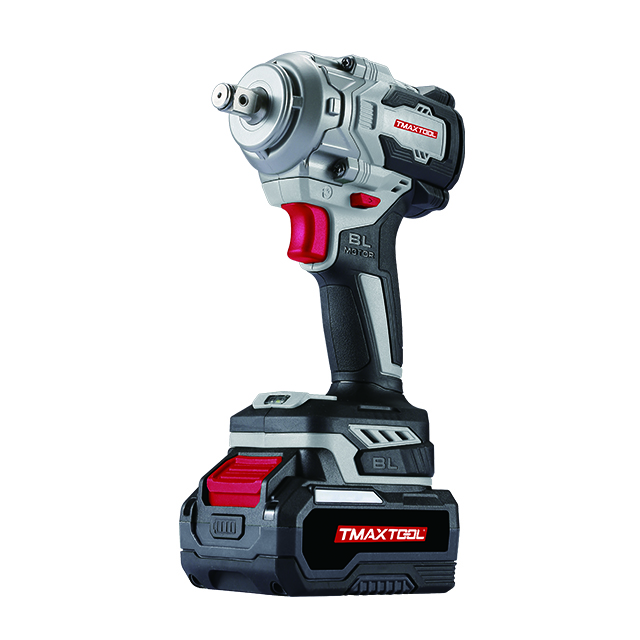 Impact Wrench
 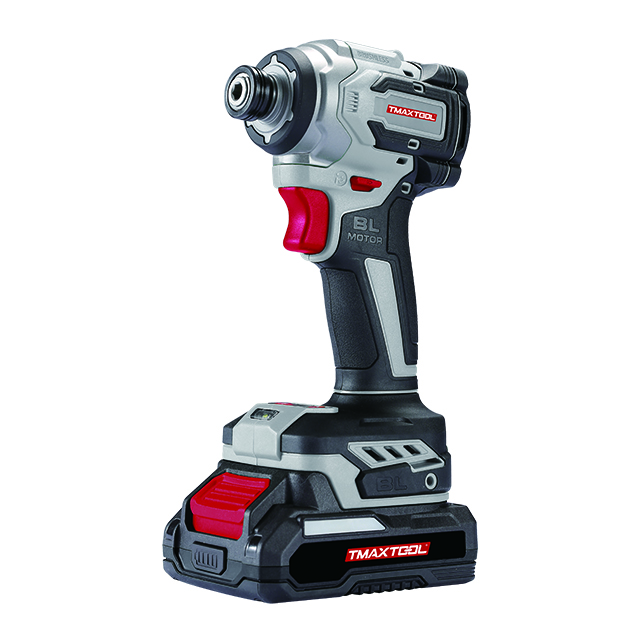 Screwdriver
 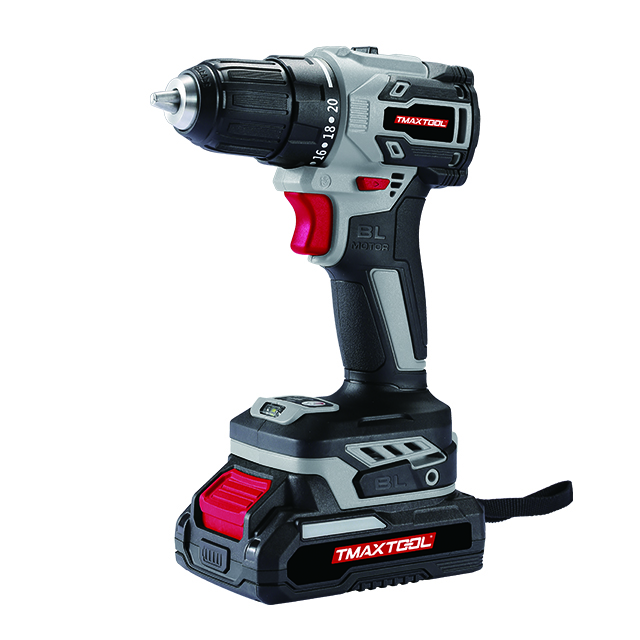 Cordless Drill
 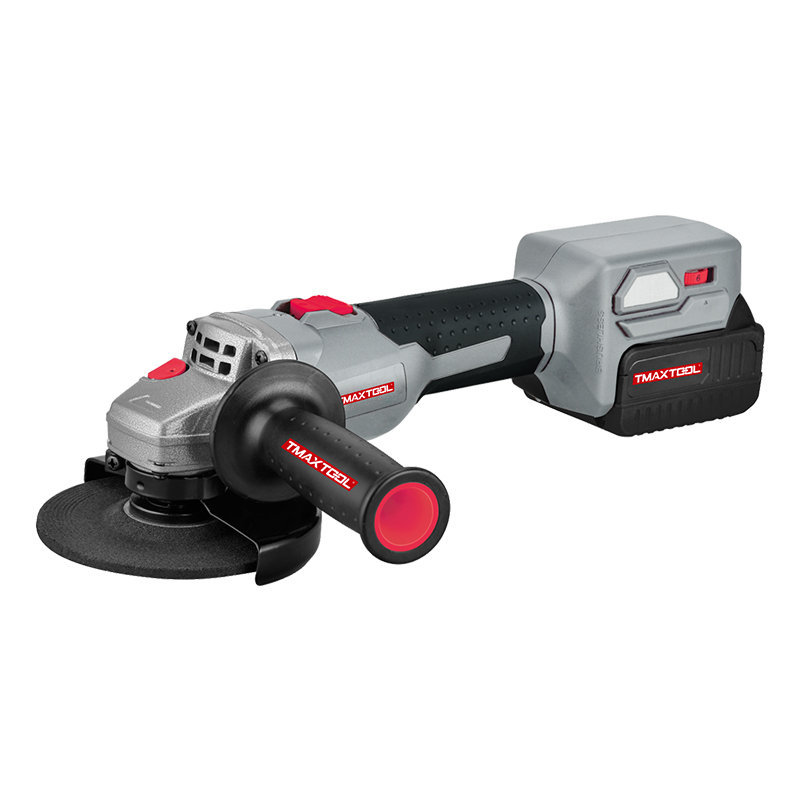 Angle Grinder
 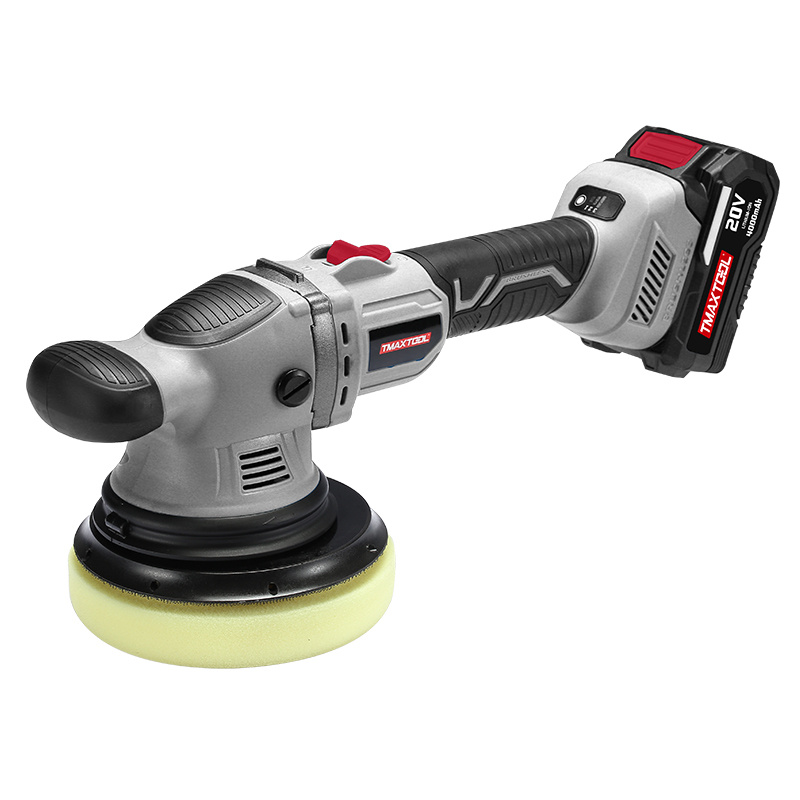 Polisher
 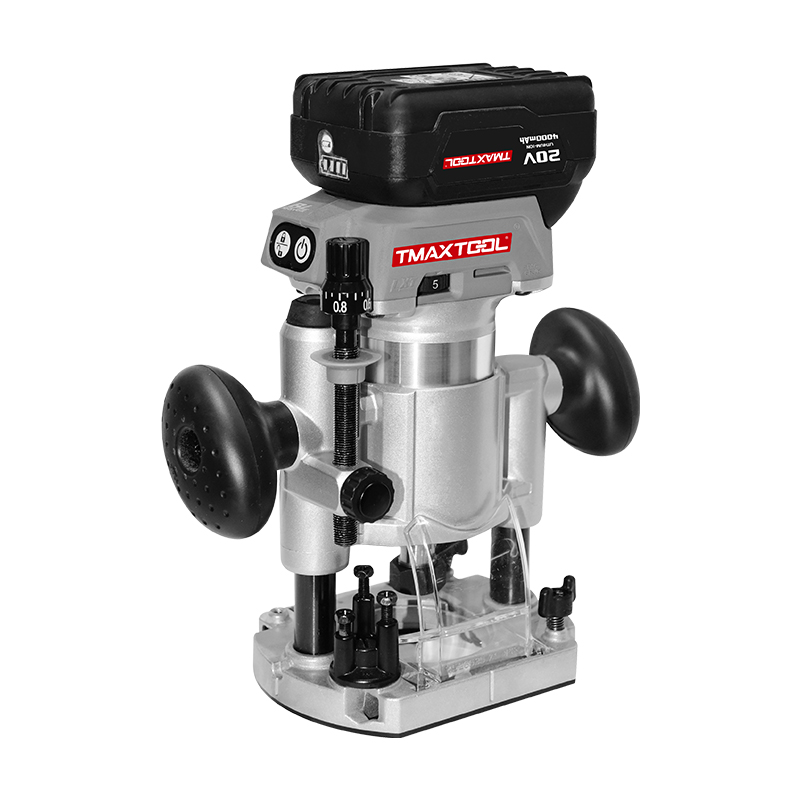 Wood Router
 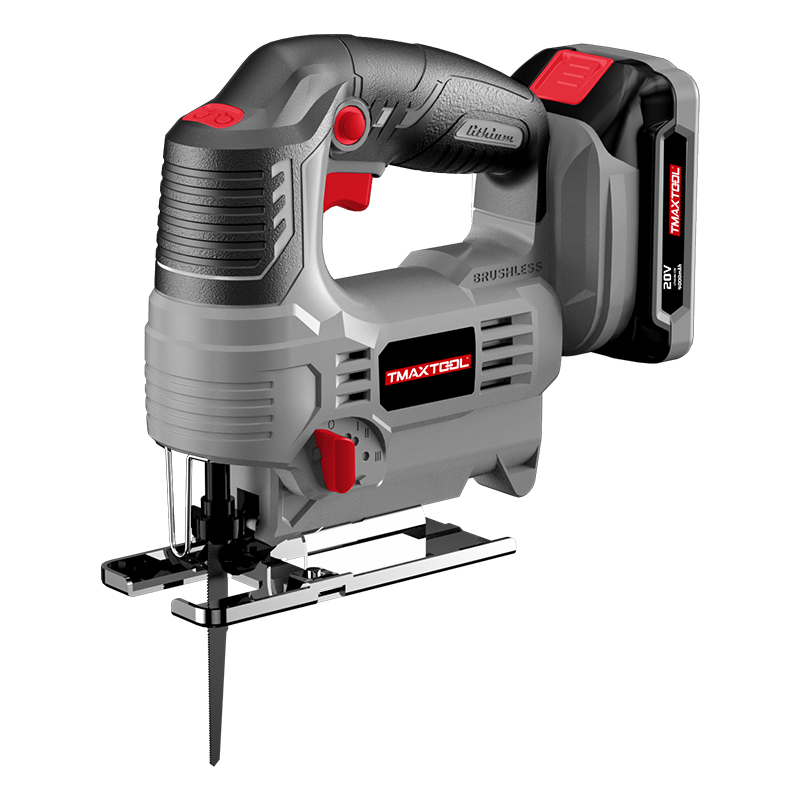 Jig Saw
 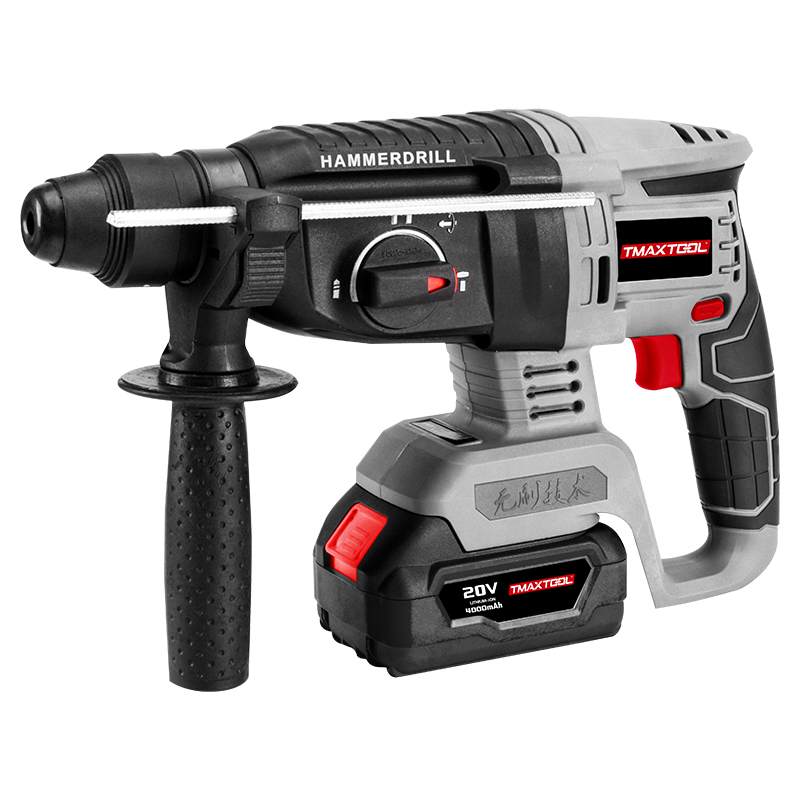 Hammer Drill
 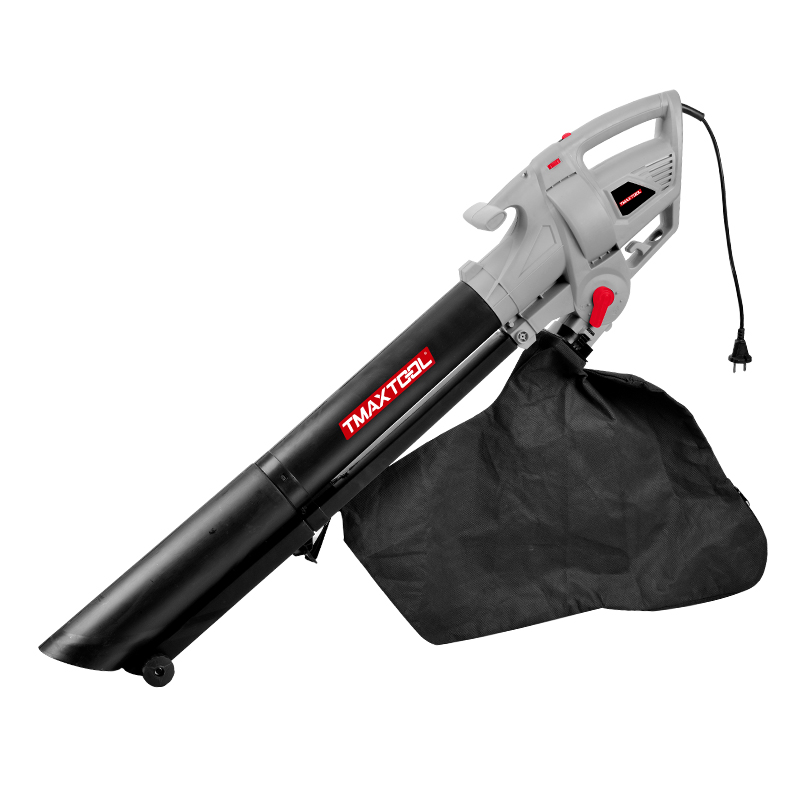 Portable Blower
 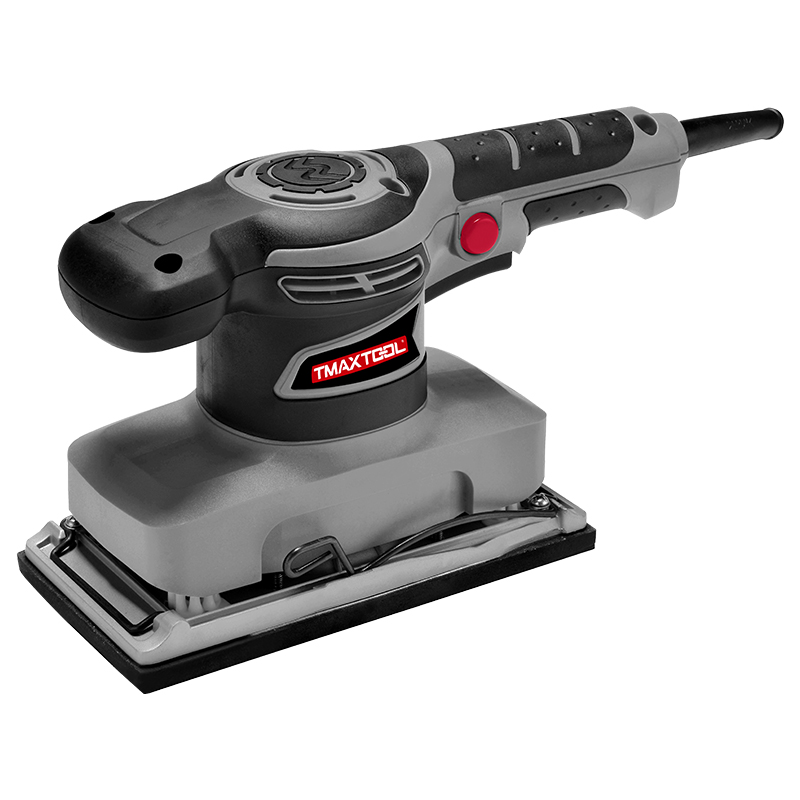 Orbital Sander
 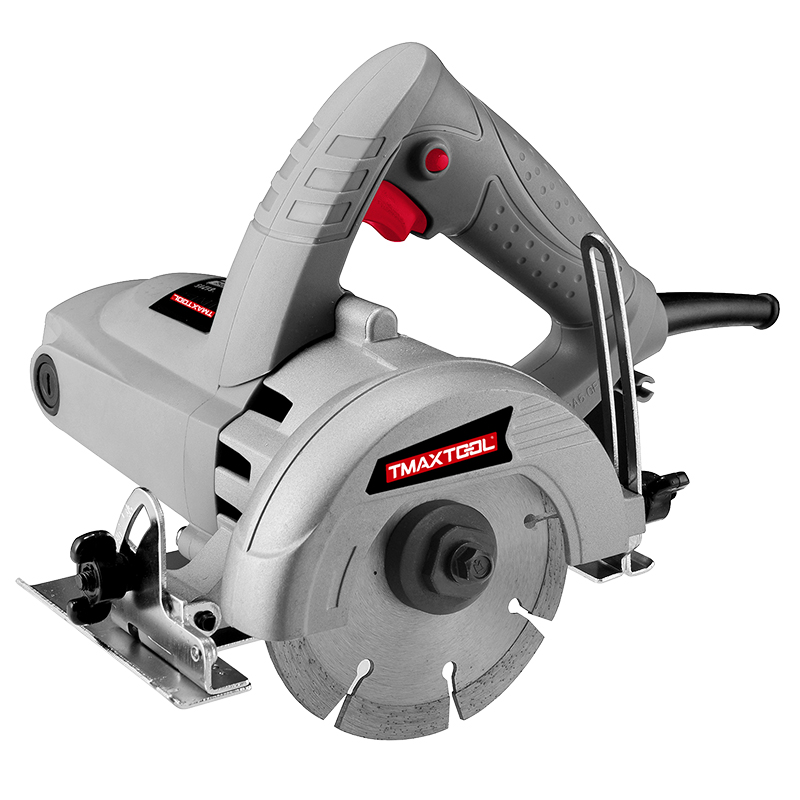 Marble Cutter
 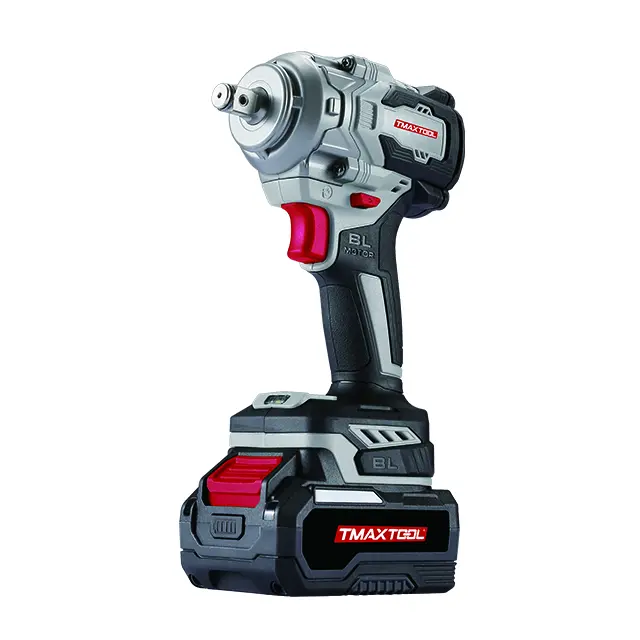 GARDEN TOOLS
 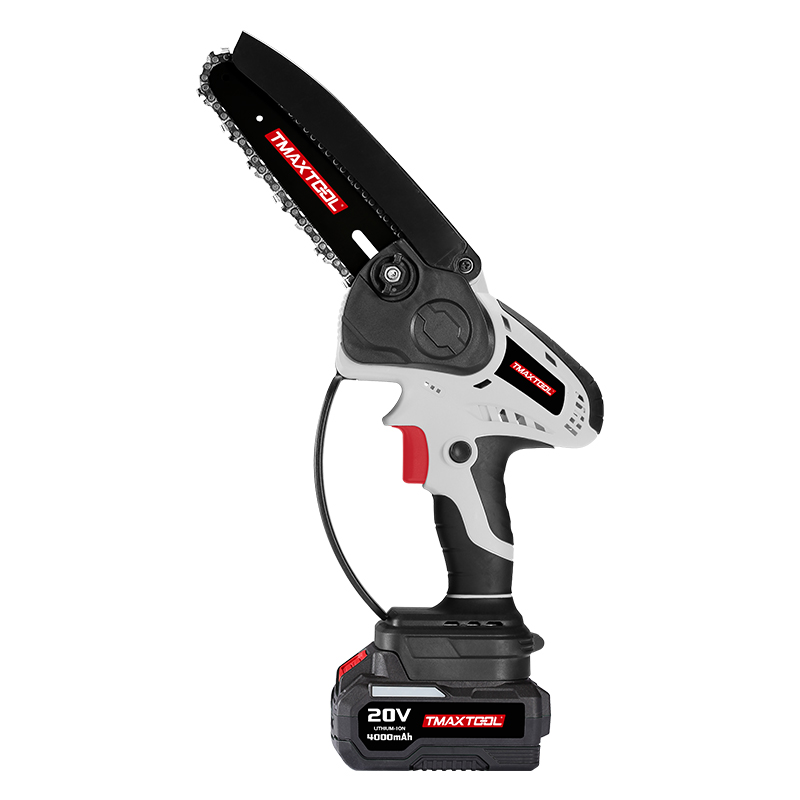 Battery Chain Saw
 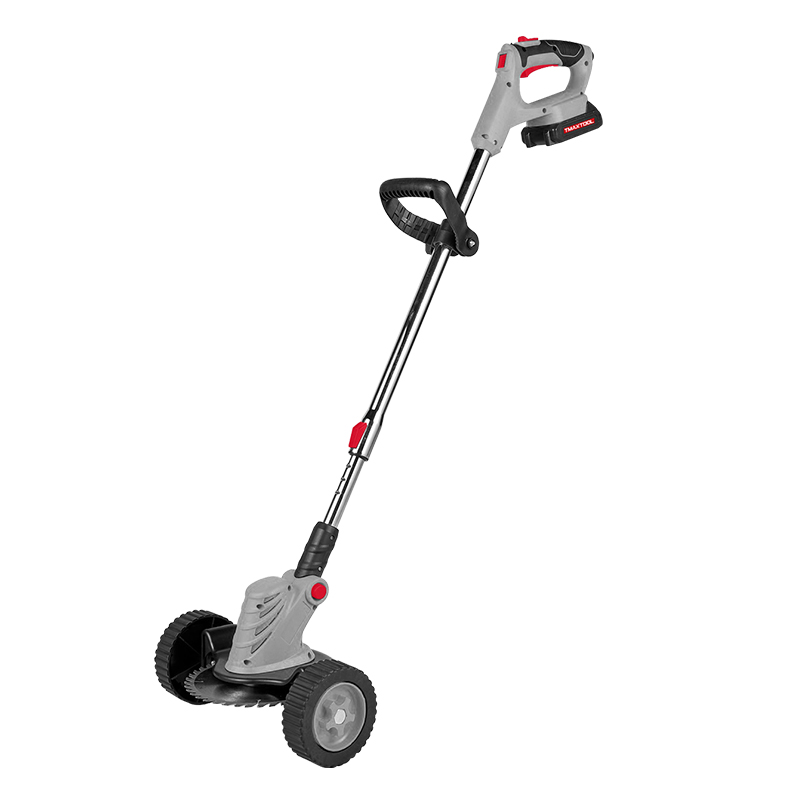 Battery Brush Cutter
 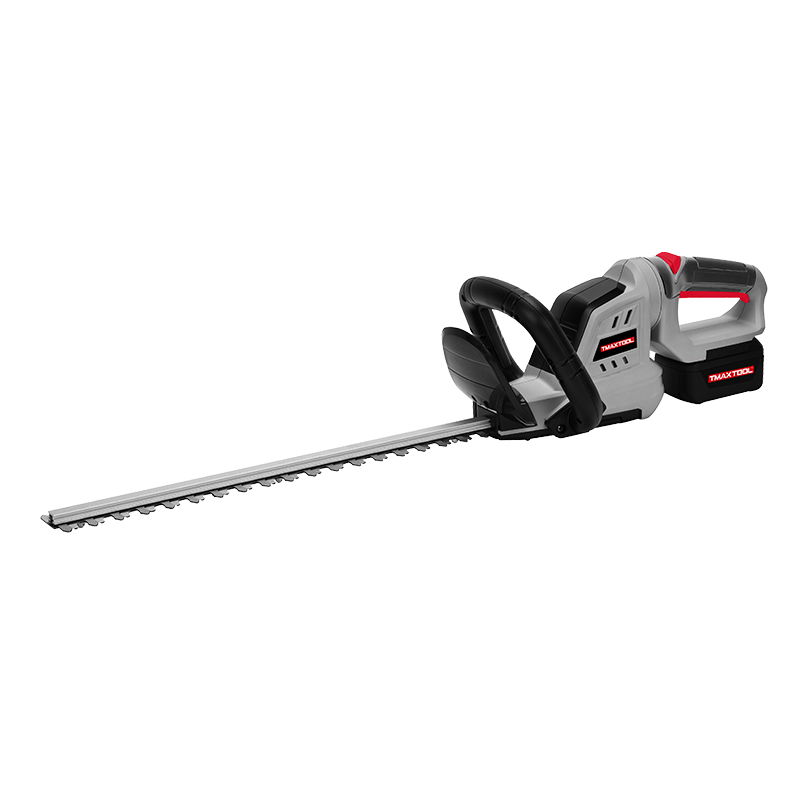 Battery Hedge Trimmer
 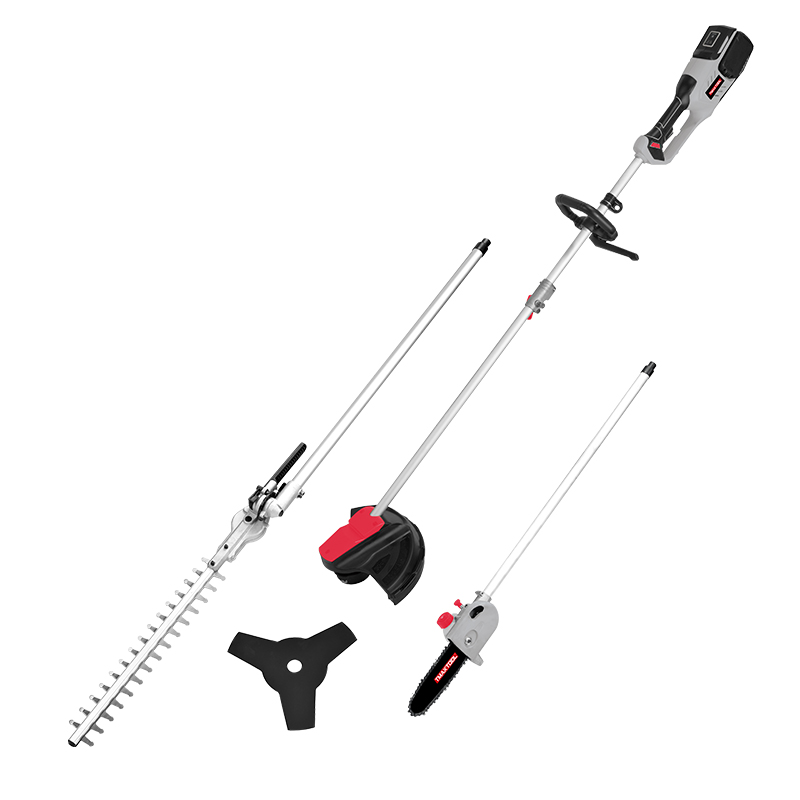 Battery Multi Tool
 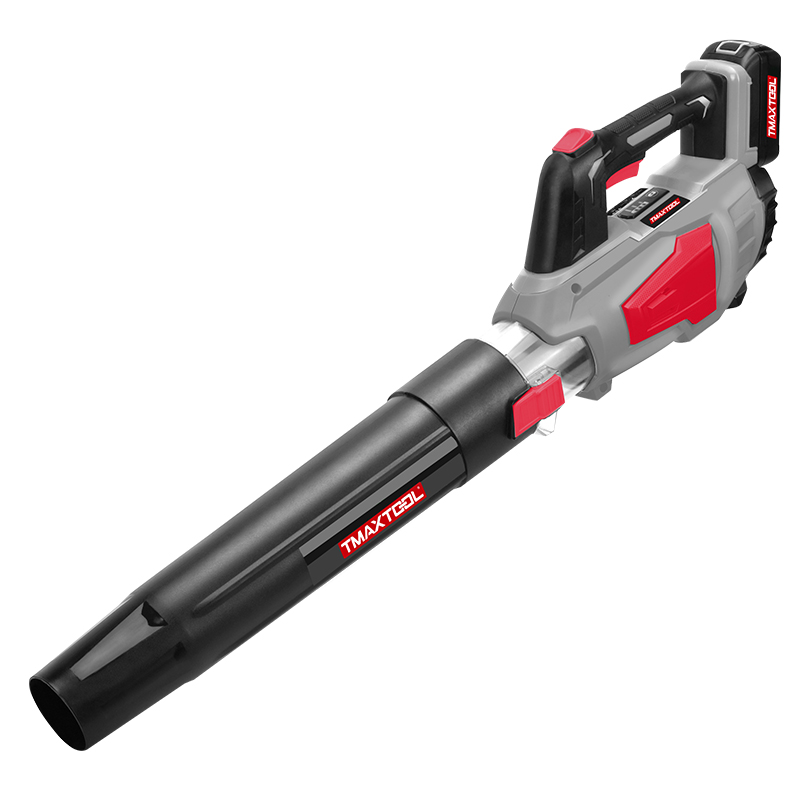 Battery Blower
 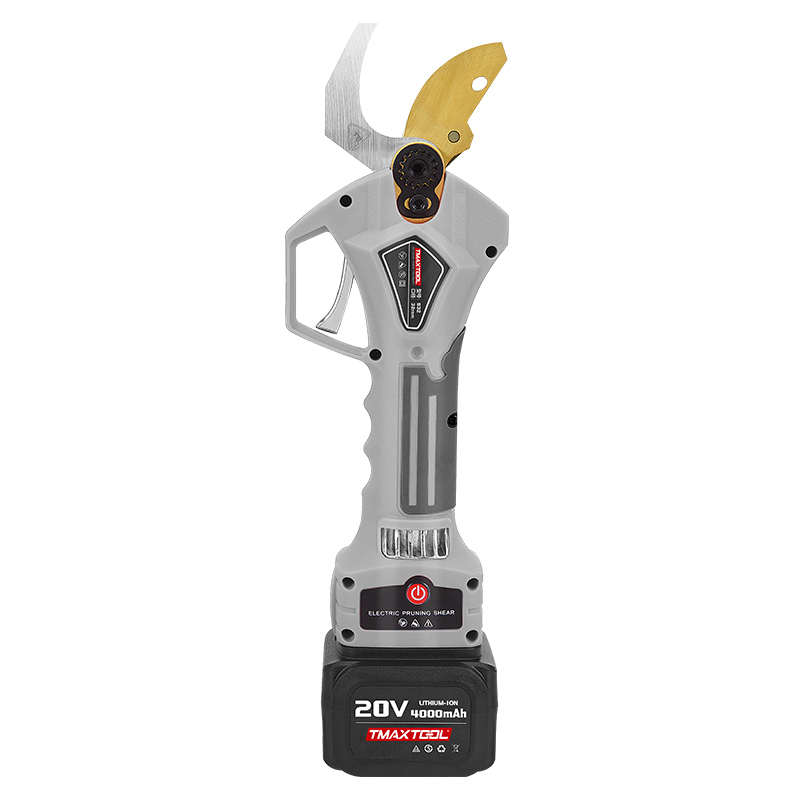 Batter Pruning Shears
 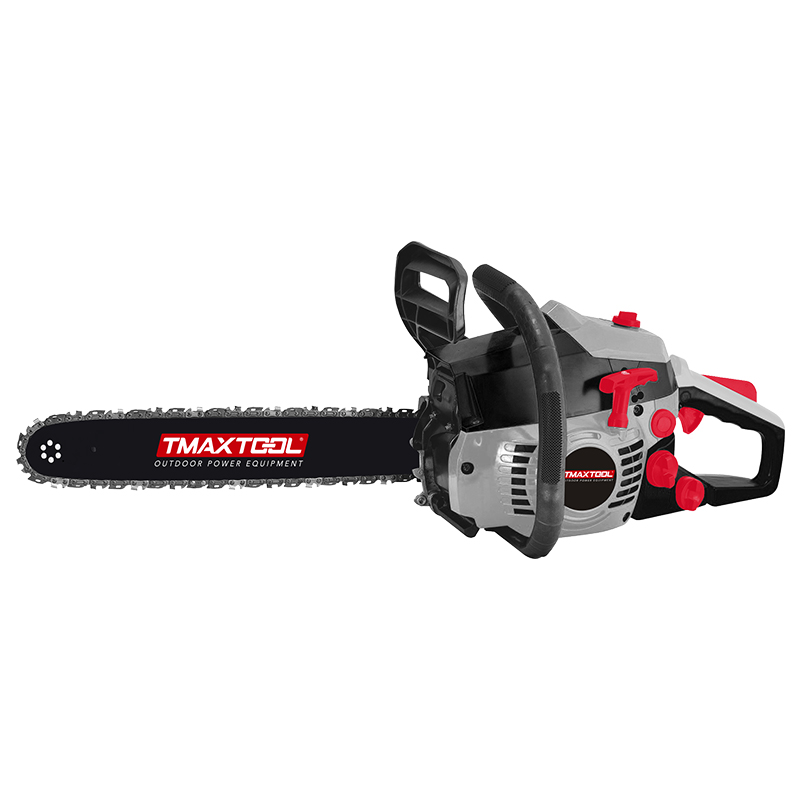 Chain Saw
 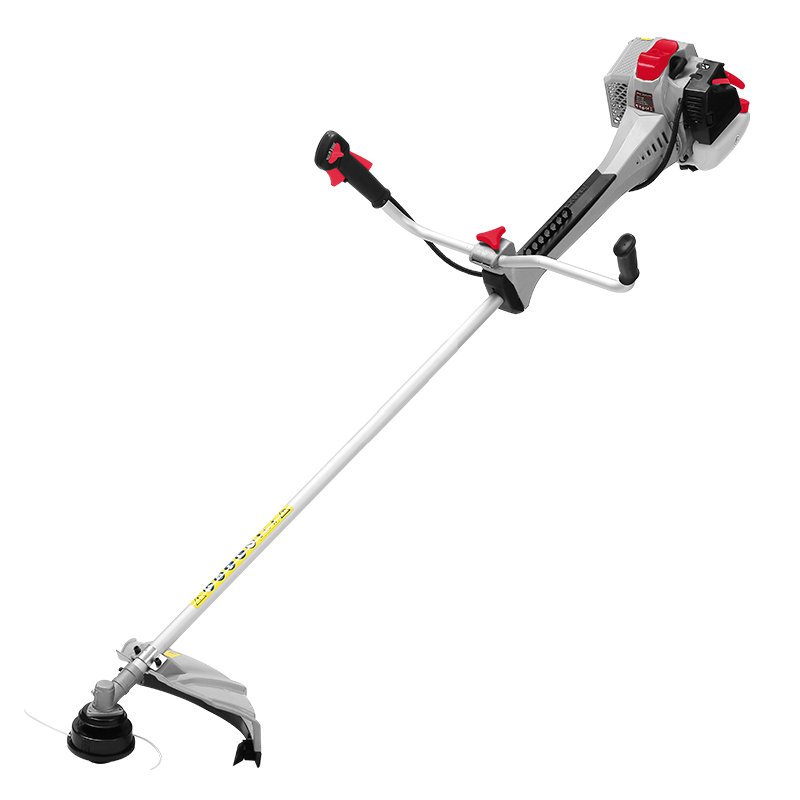 Brush Cutter
 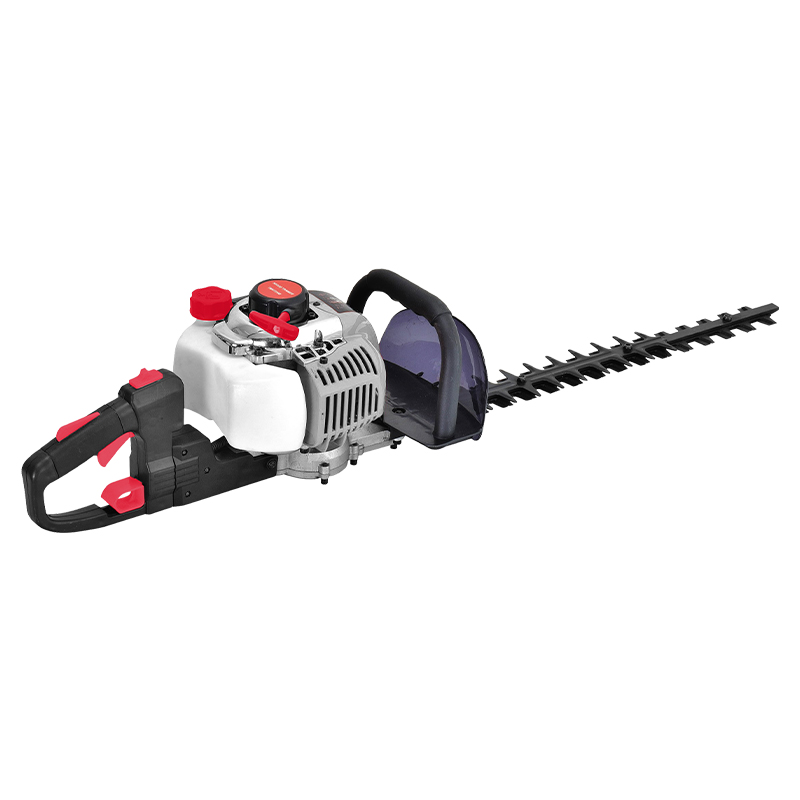 Hedge Trimmer
 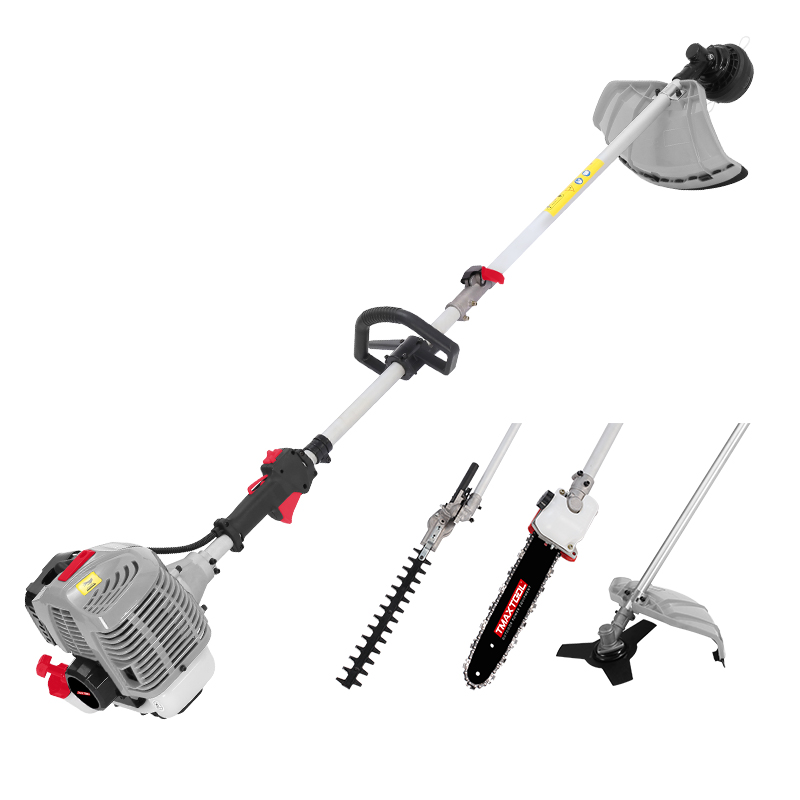 Multi Tool
 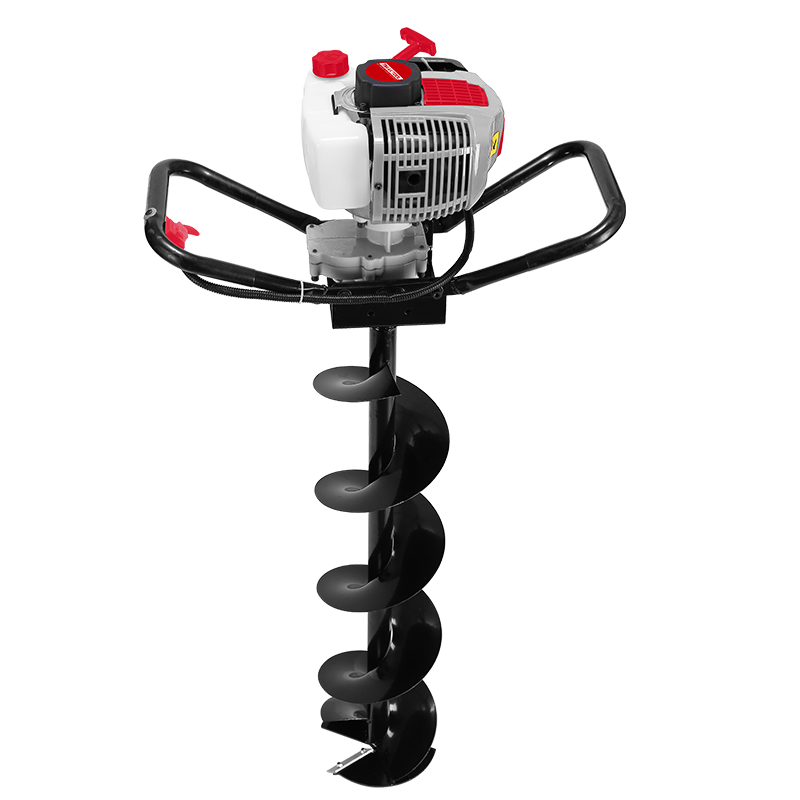 Earth Auger
 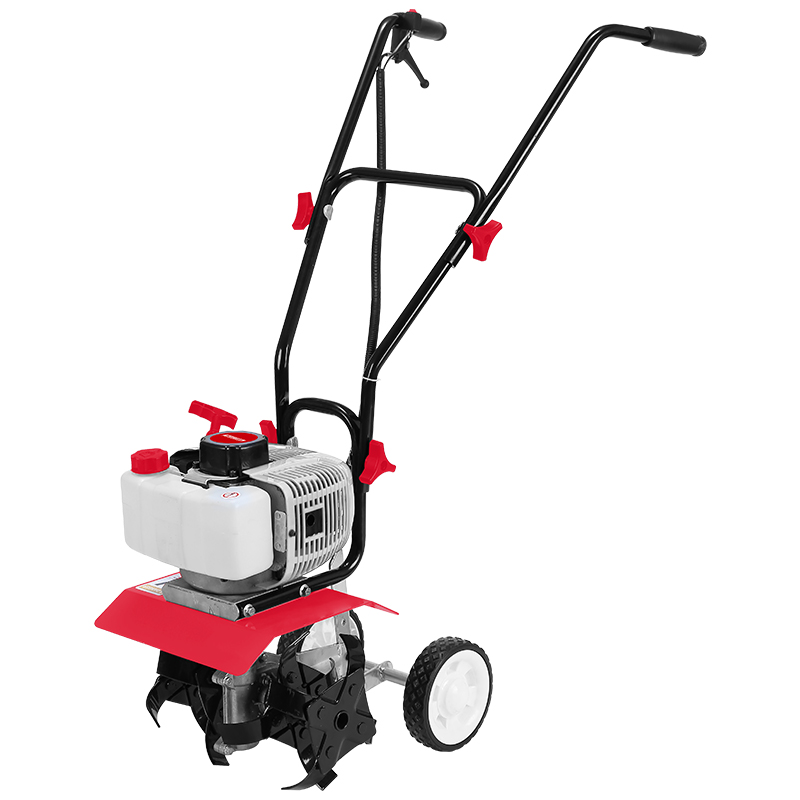 Tiller
 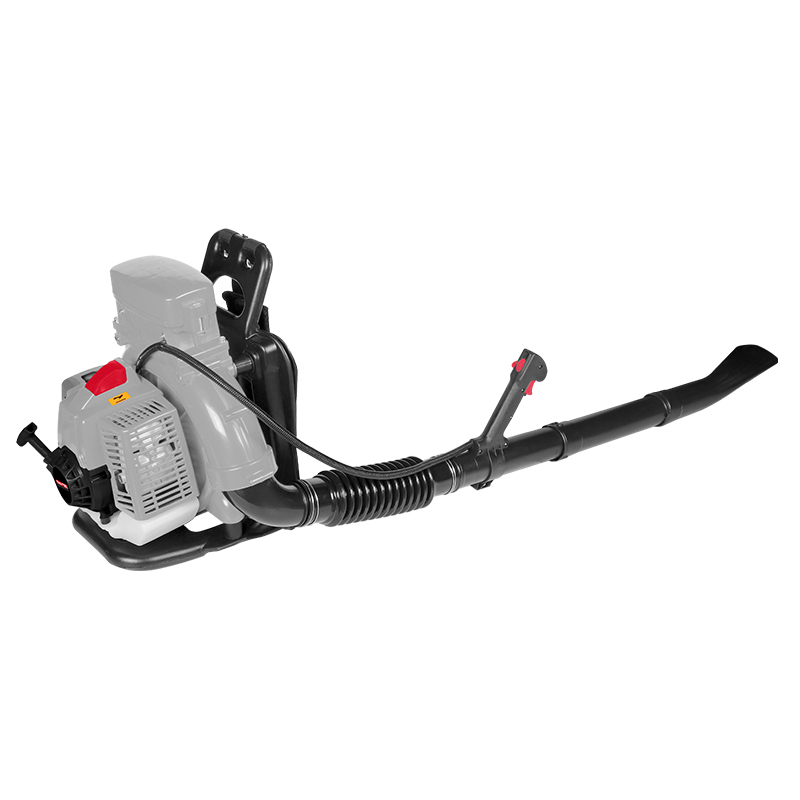 Blower
 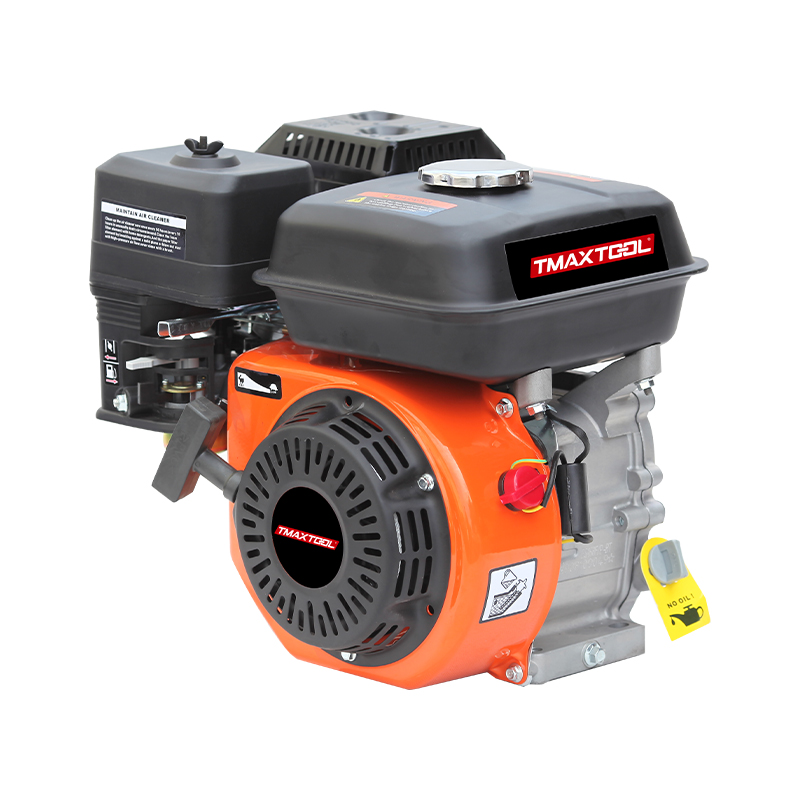 4 Stroke Gasoline Engine
 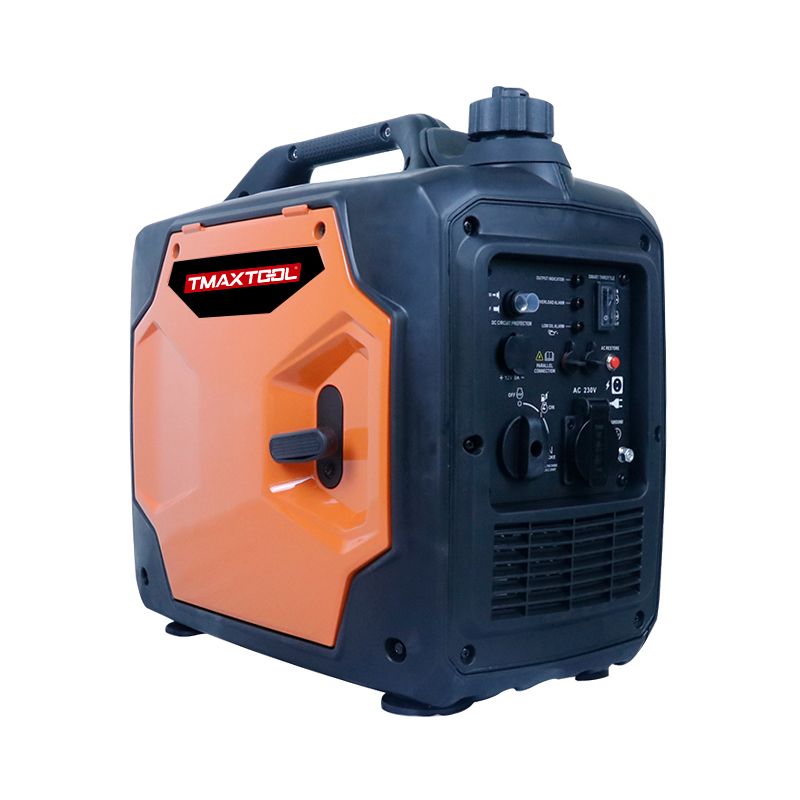 Generator
 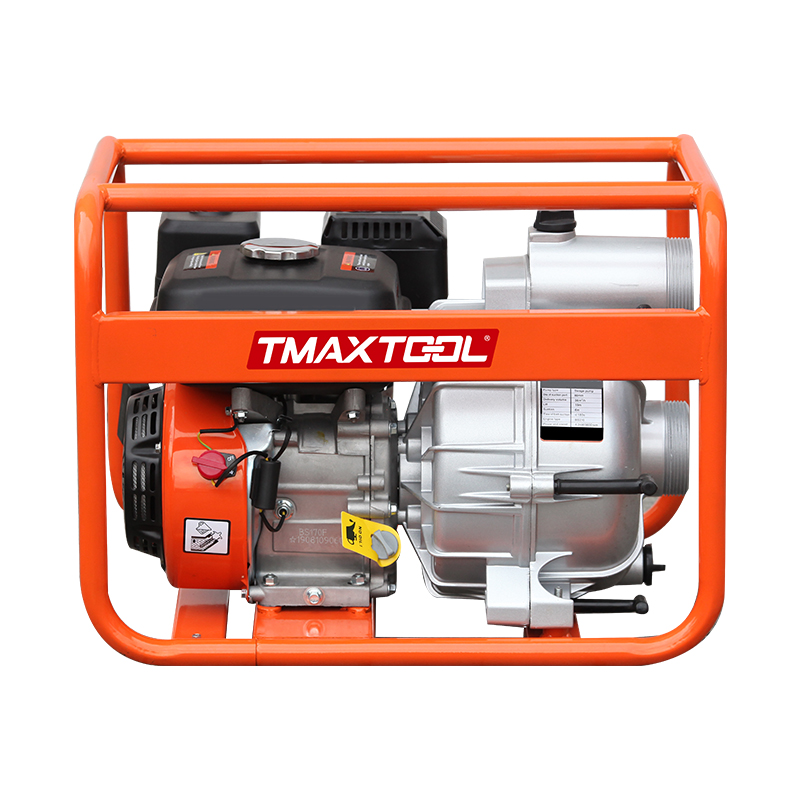 Water Pump
 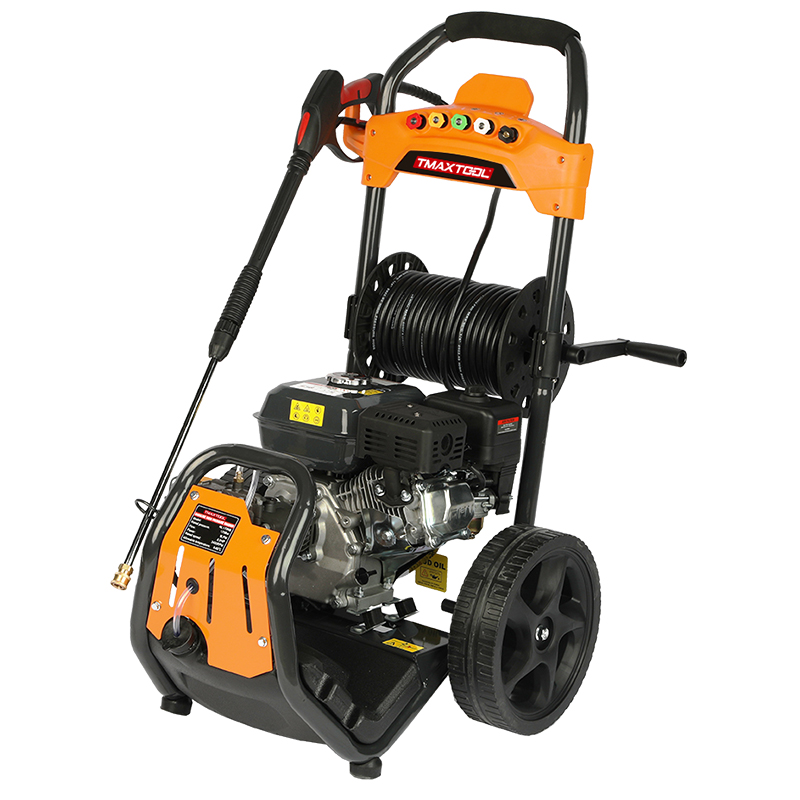 High Pressure Washer
 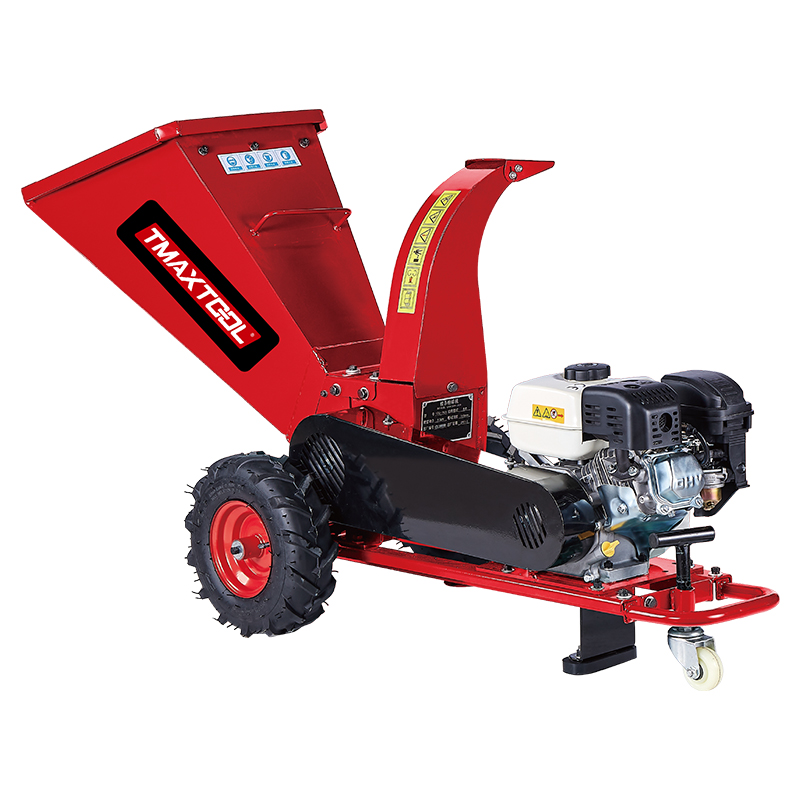 Wood Cutter
 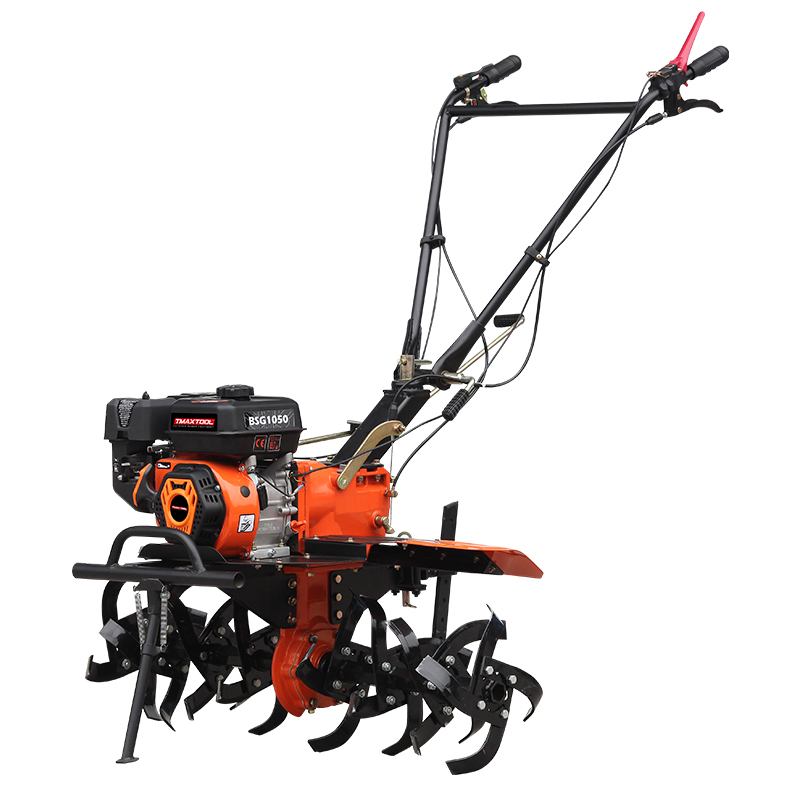 4 Stroke Tiller
 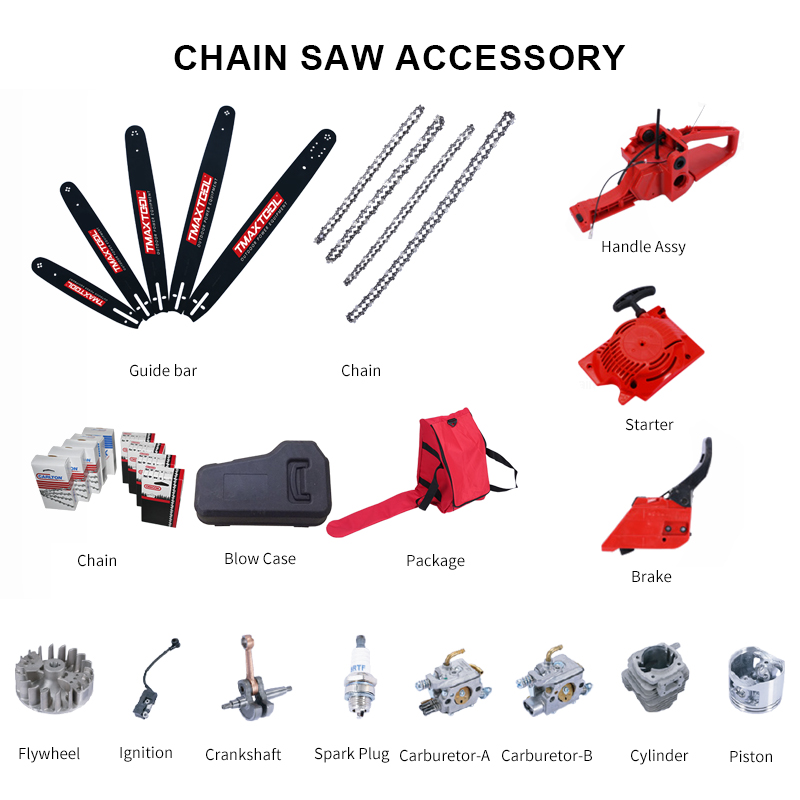 Chain Saw Accessory
 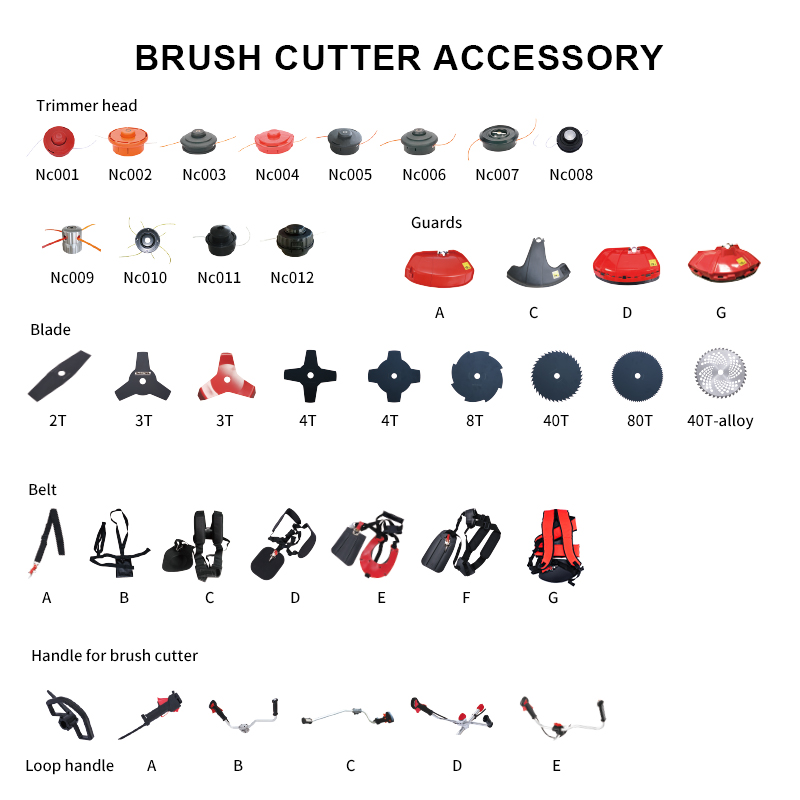 Brush Cutter Accessory
 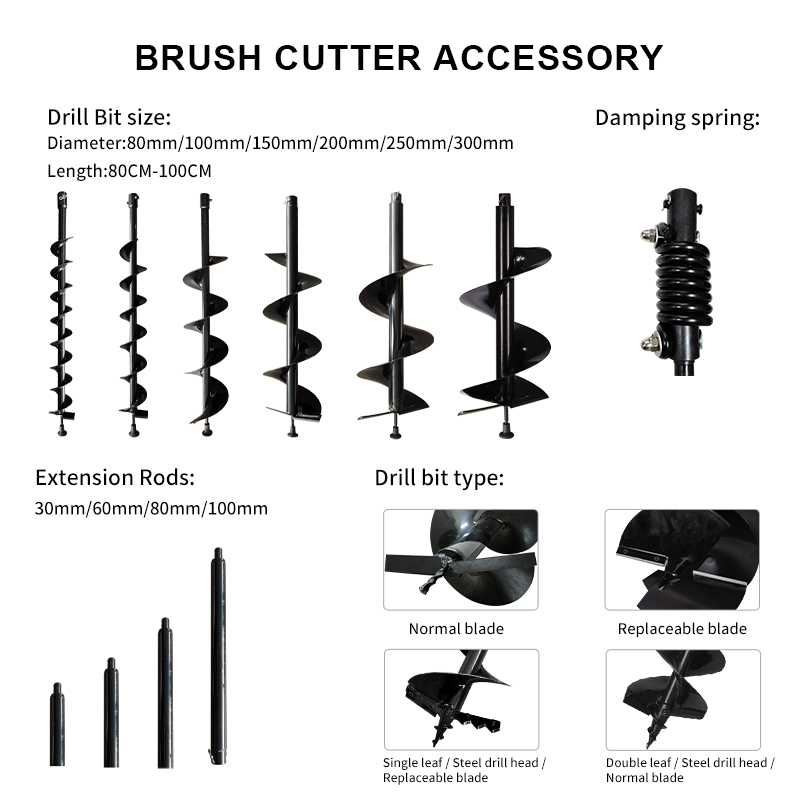 Earth Auger Accessory
 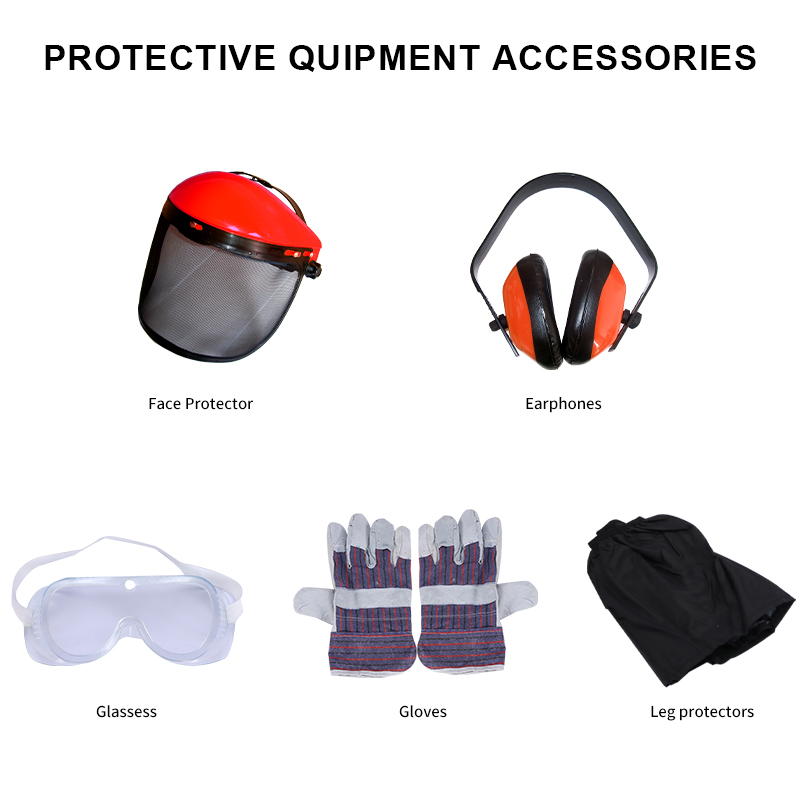 Protective Equipment Accessories


