
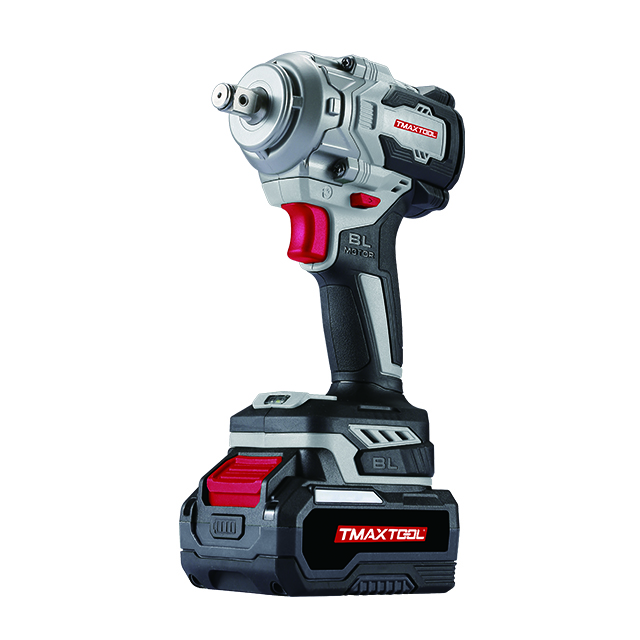
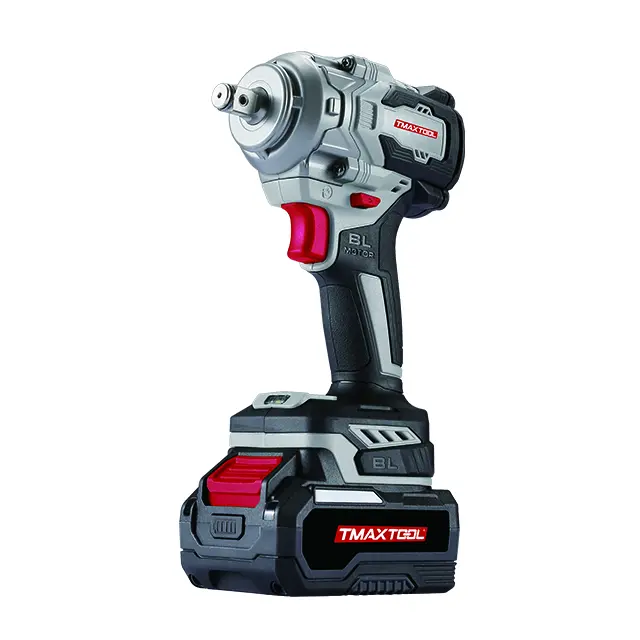
 Impact Wrench
 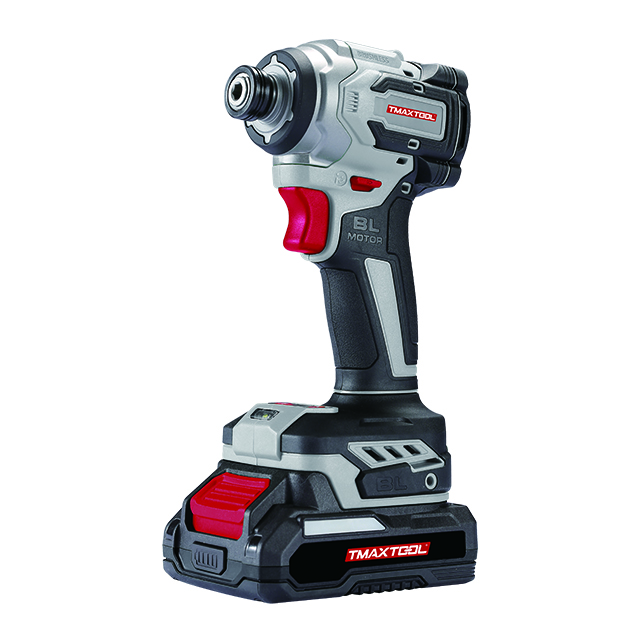 Screwdriver
 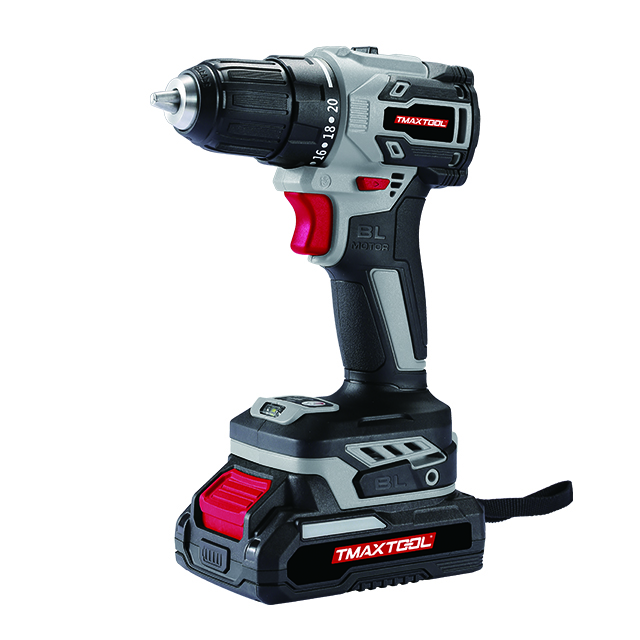 Cordless Drill
 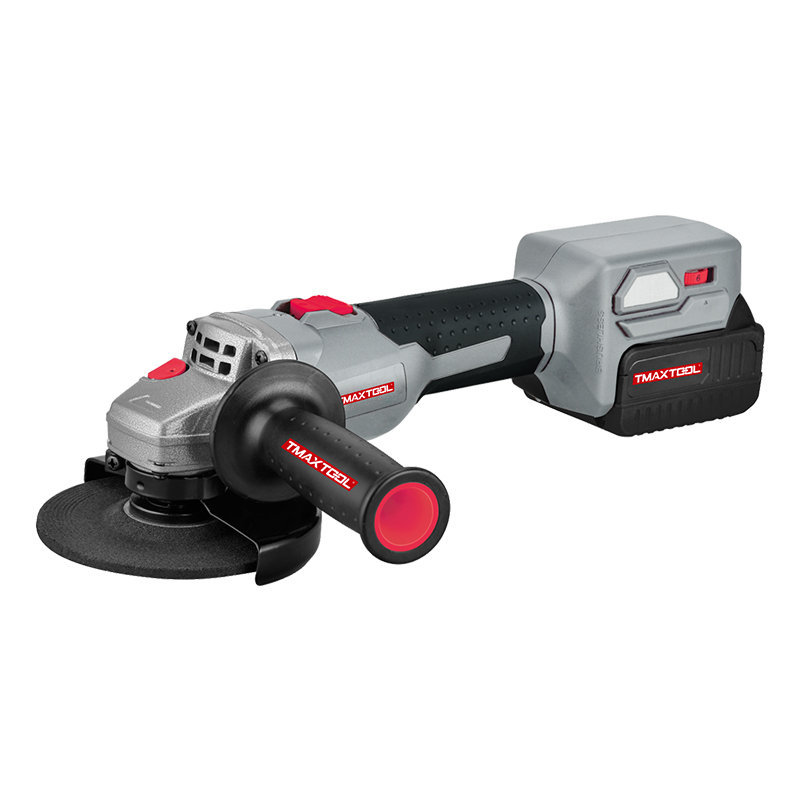 Angle Grinder
 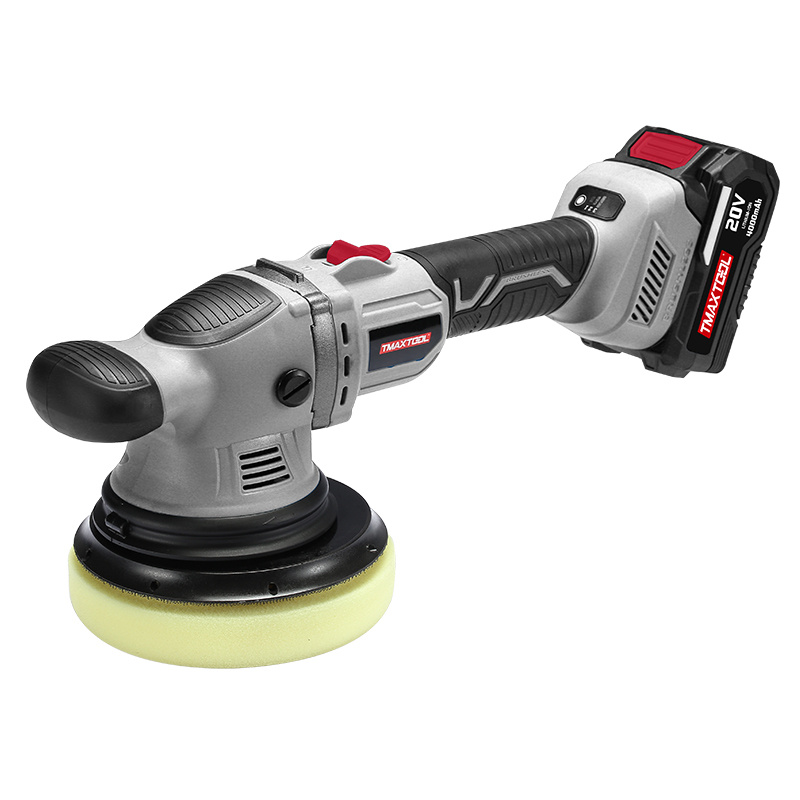 Polisher
 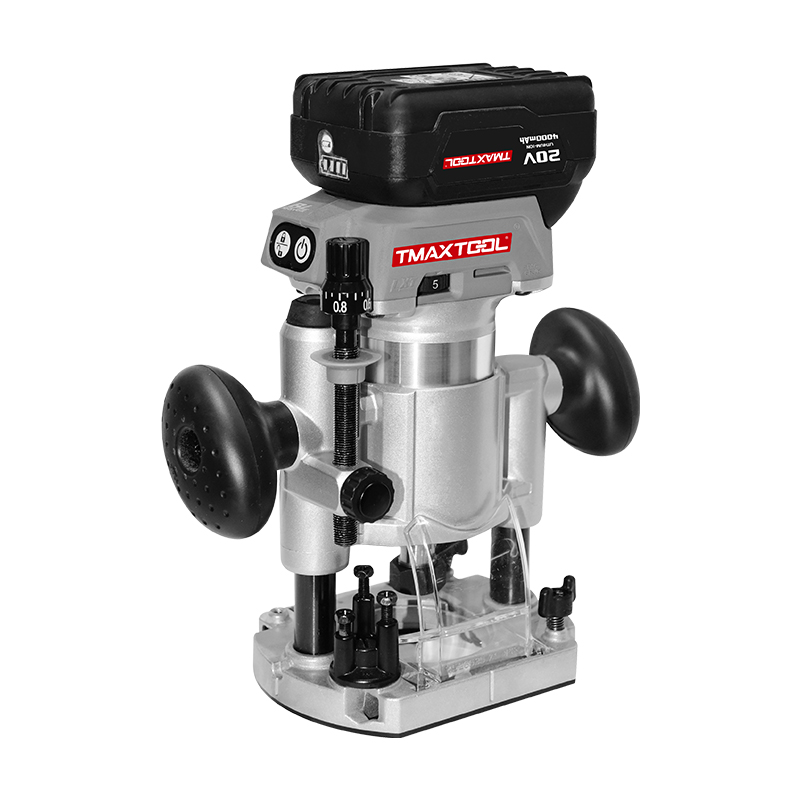 Wood Router
 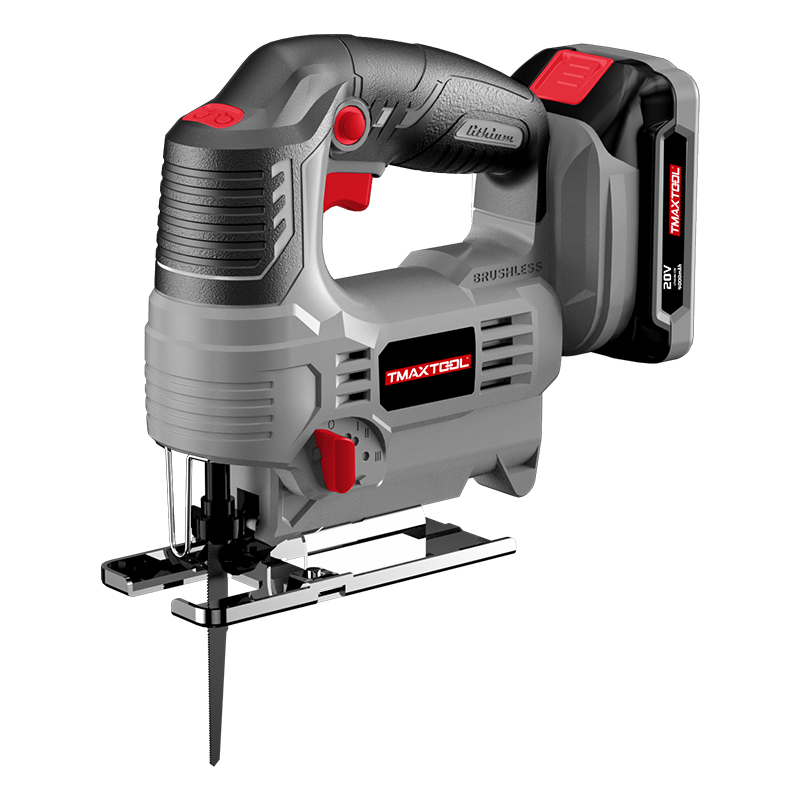 Jig Saw
 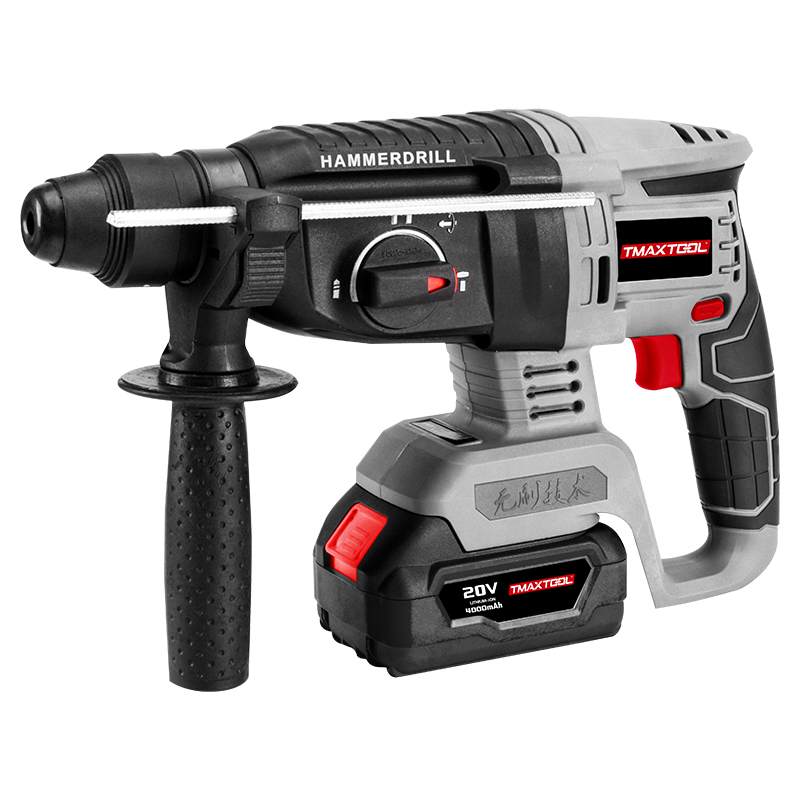 Hammer Drill
 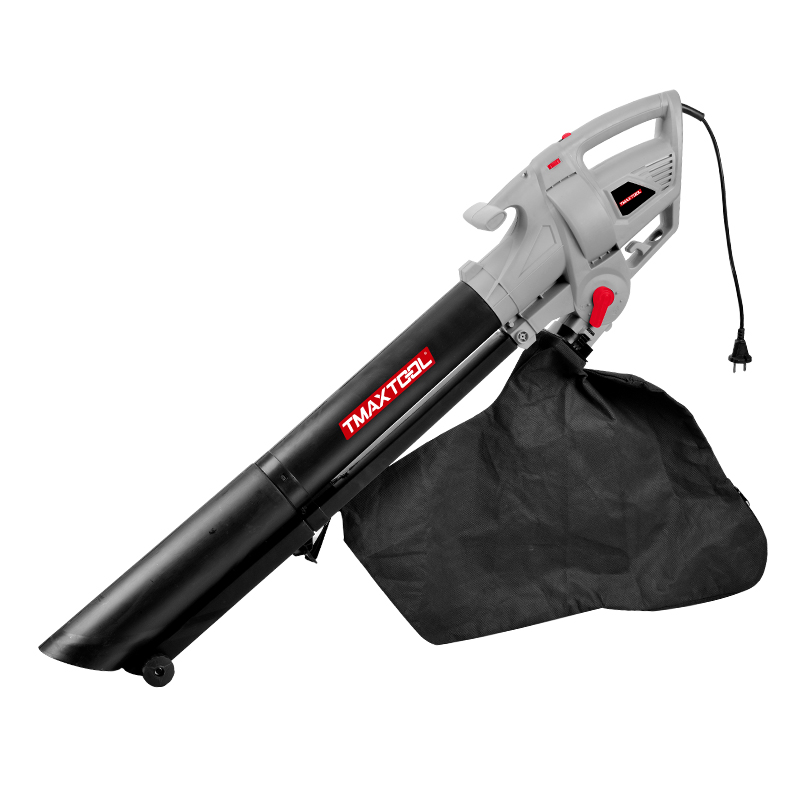 Portable Blower
 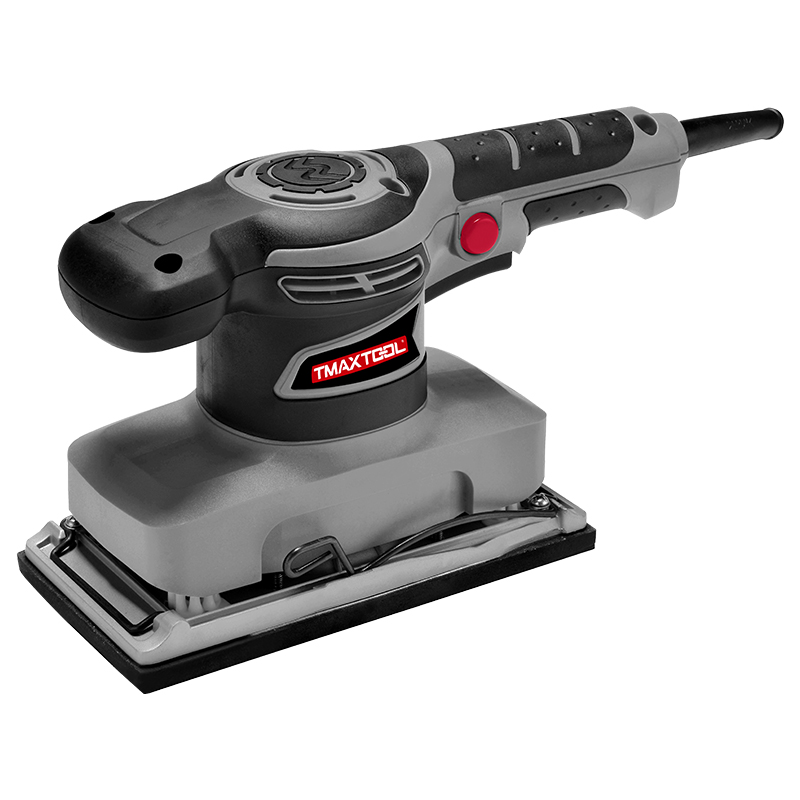 Orbital Sander
 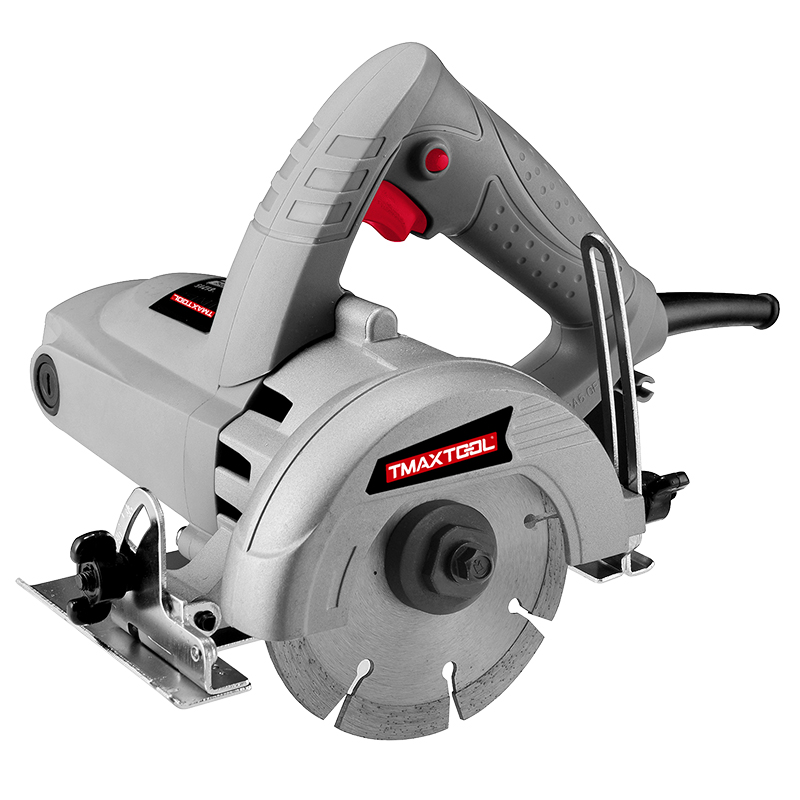 Marble Cutter
  GARDEN TOOLS
 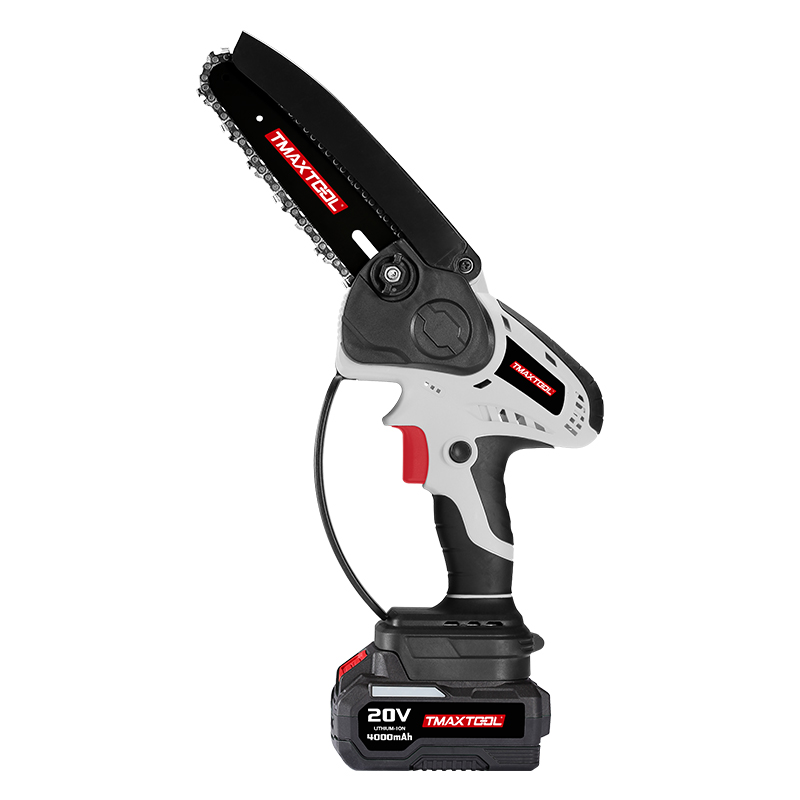 Battery Chain Saw
 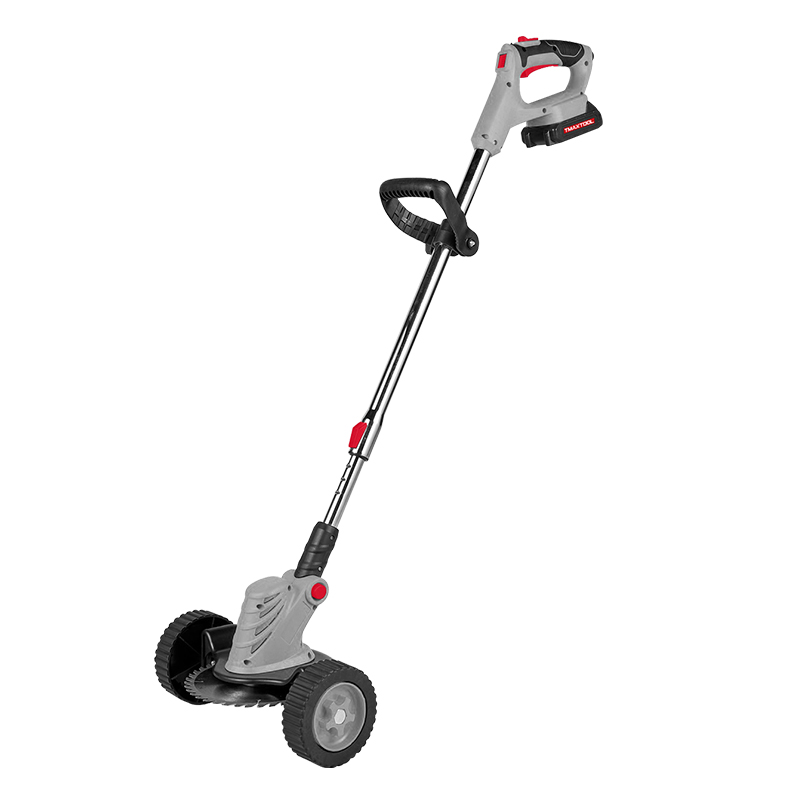 Battery Brush Cutter
 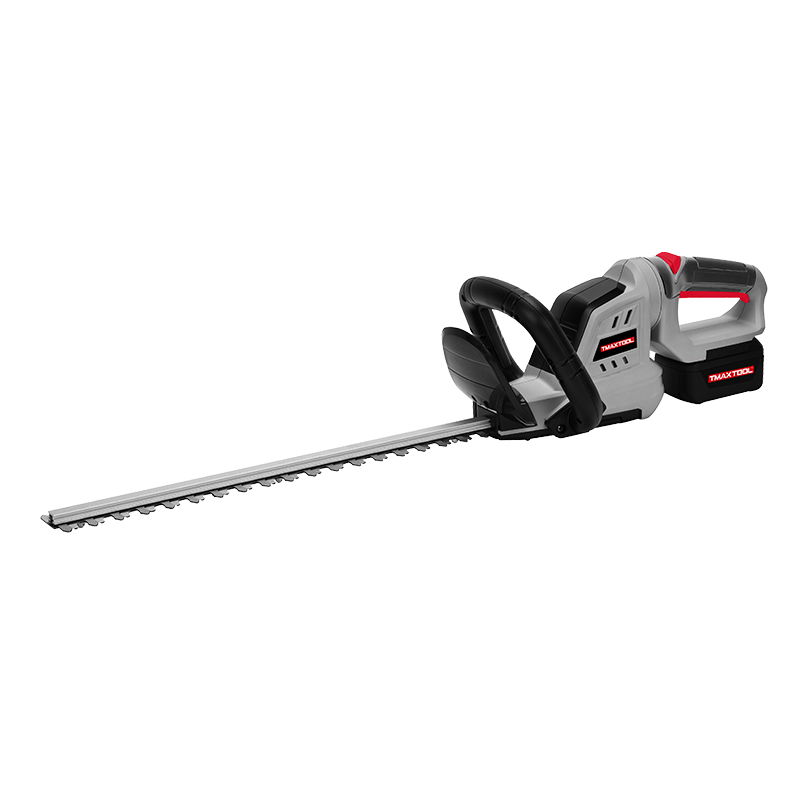 Battery Hedge Trimmer
 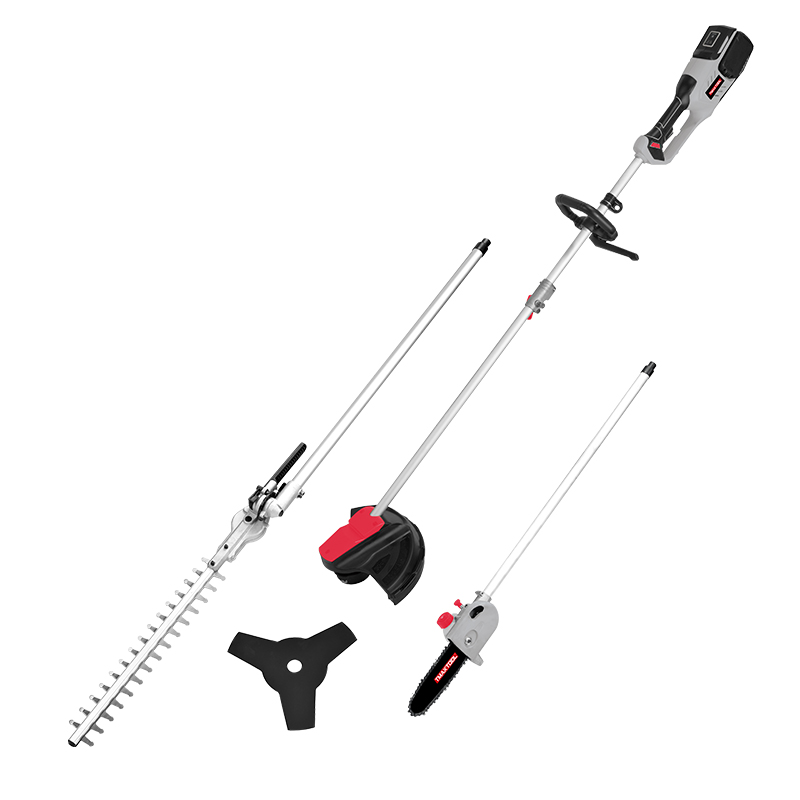 Battery Multi Tool
 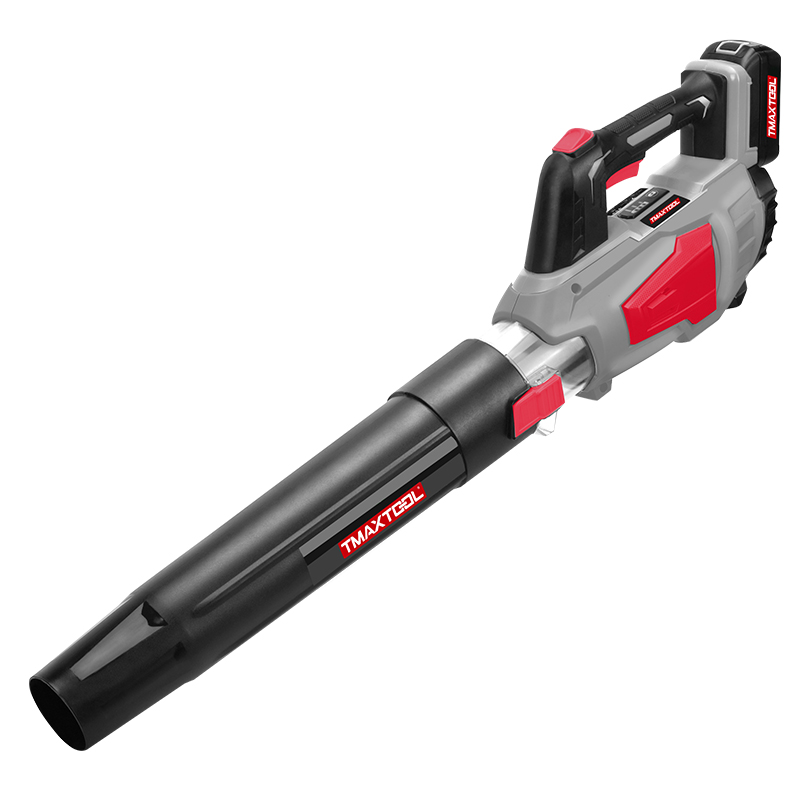 Battery Blower
 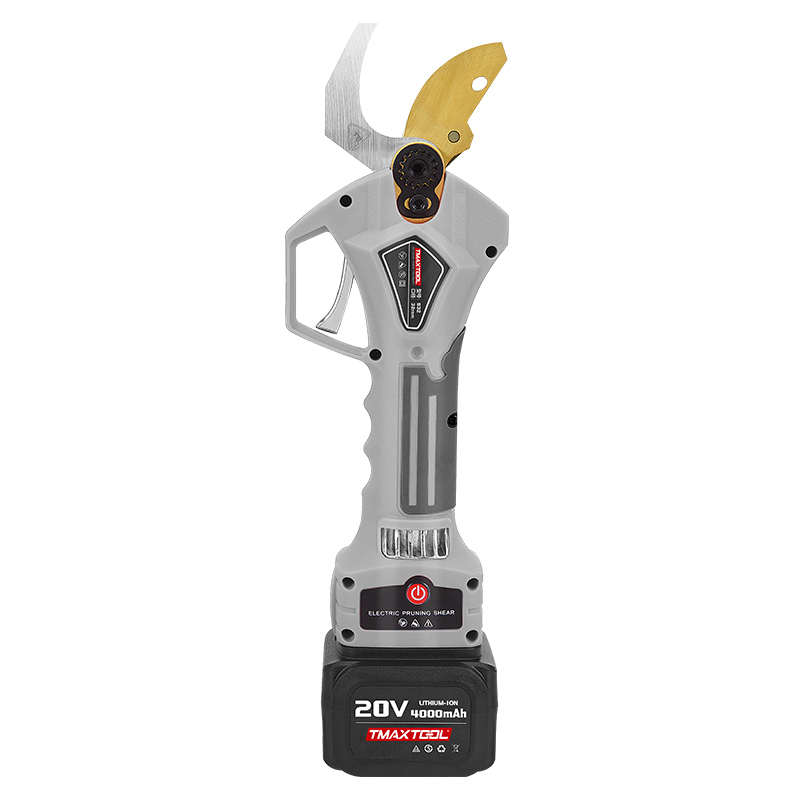 Batter Pruning Shears
 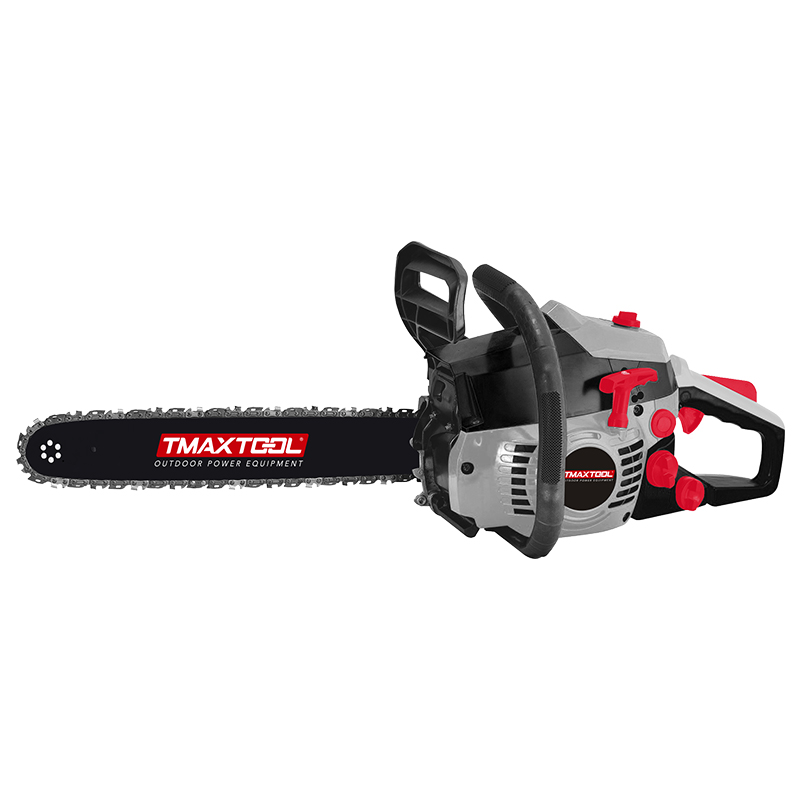 Chain Saw
 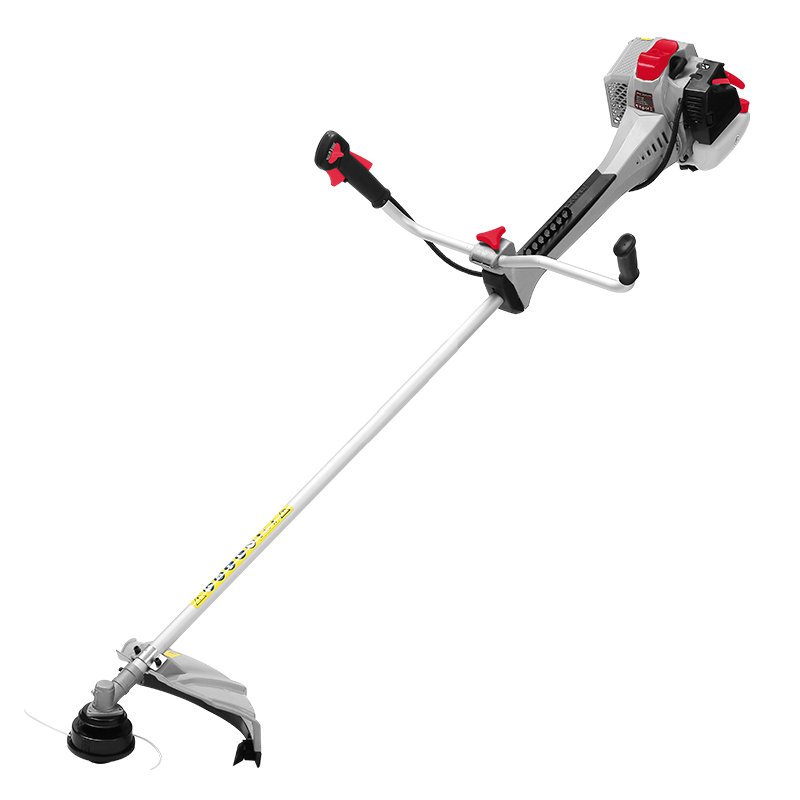 Brush Cutter
 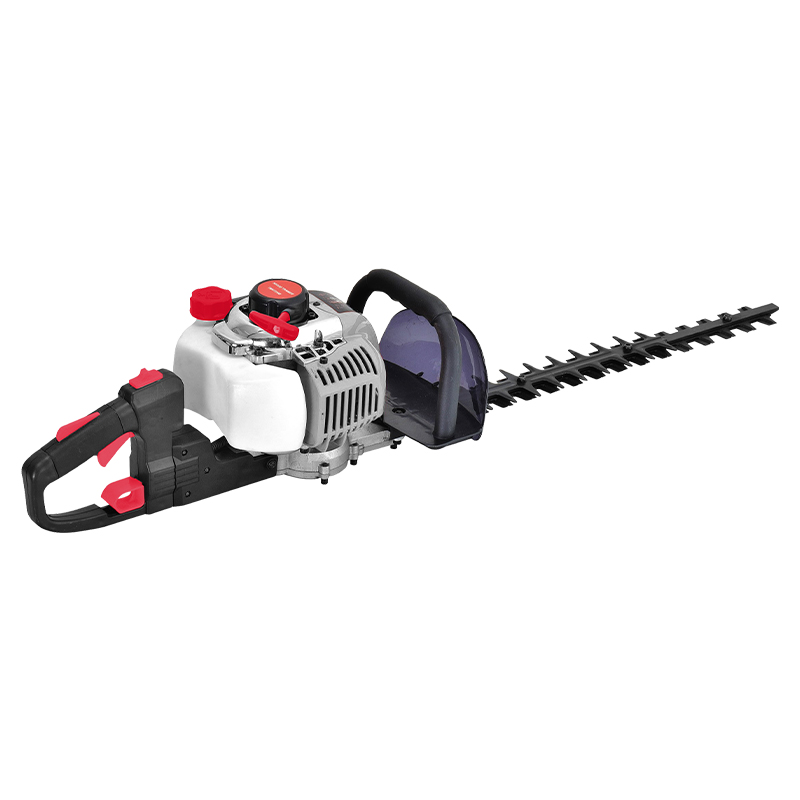 Hedge Trimmer
 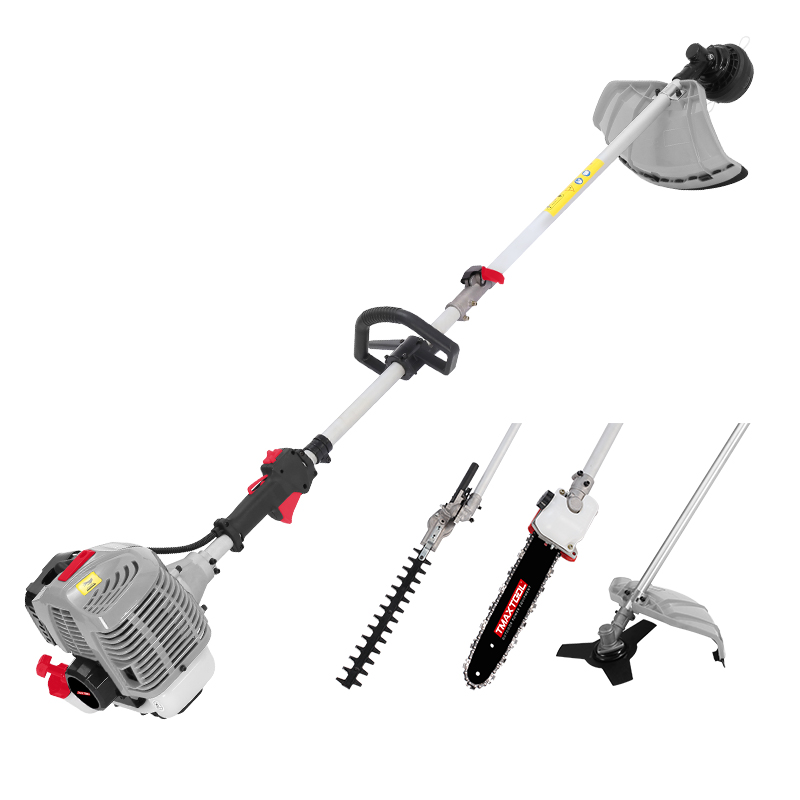 Multi Tool
 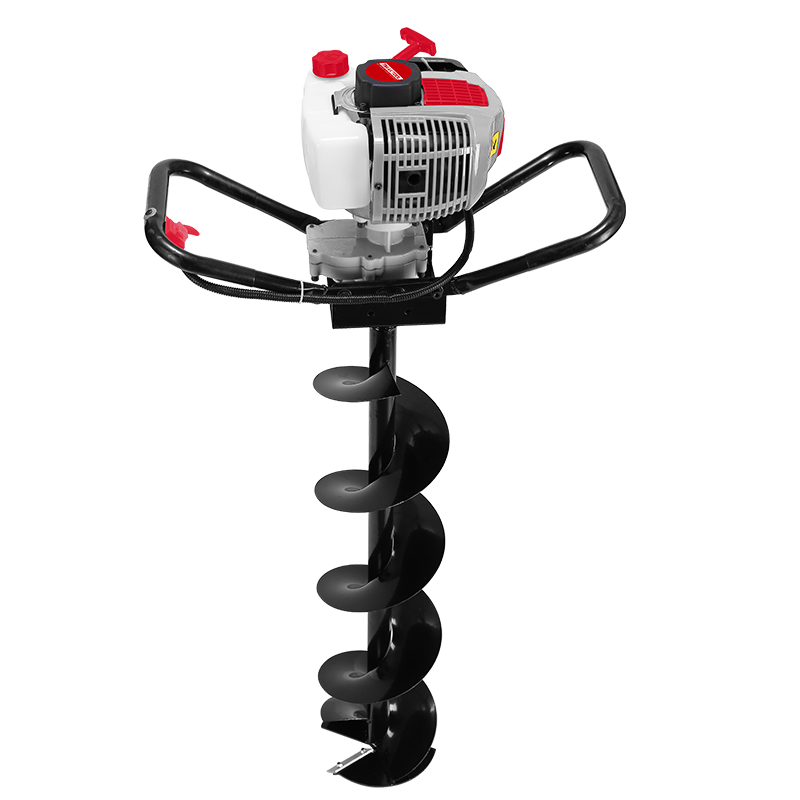 Earth Auger
 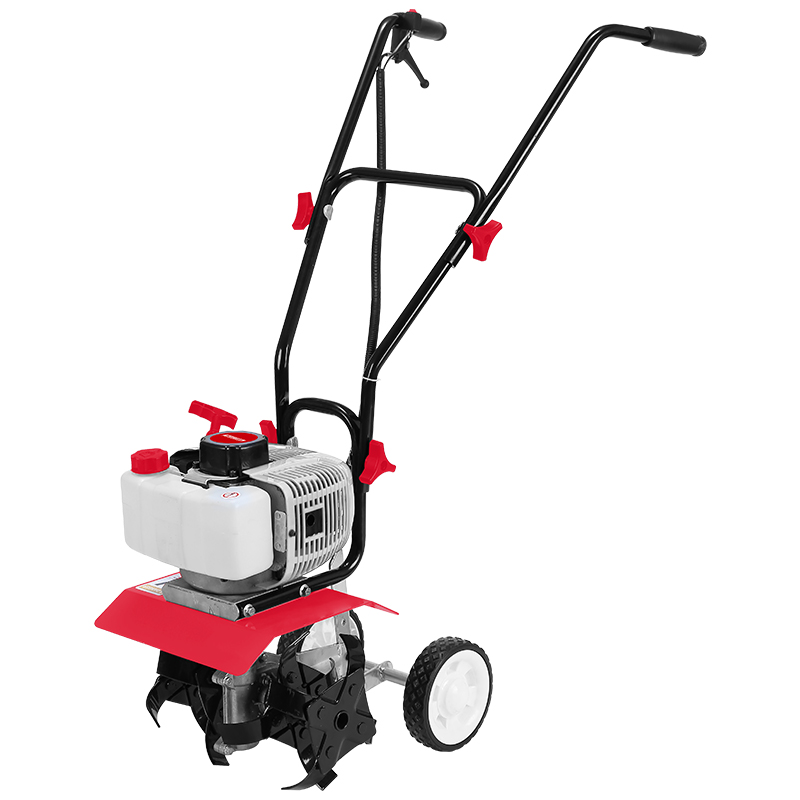 Tiller
 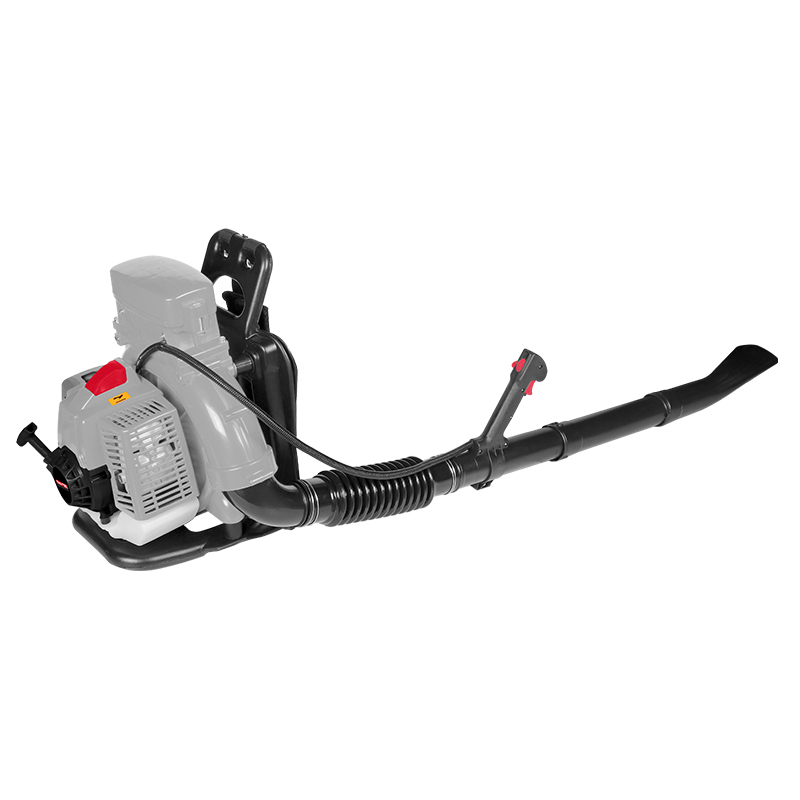 Blower
 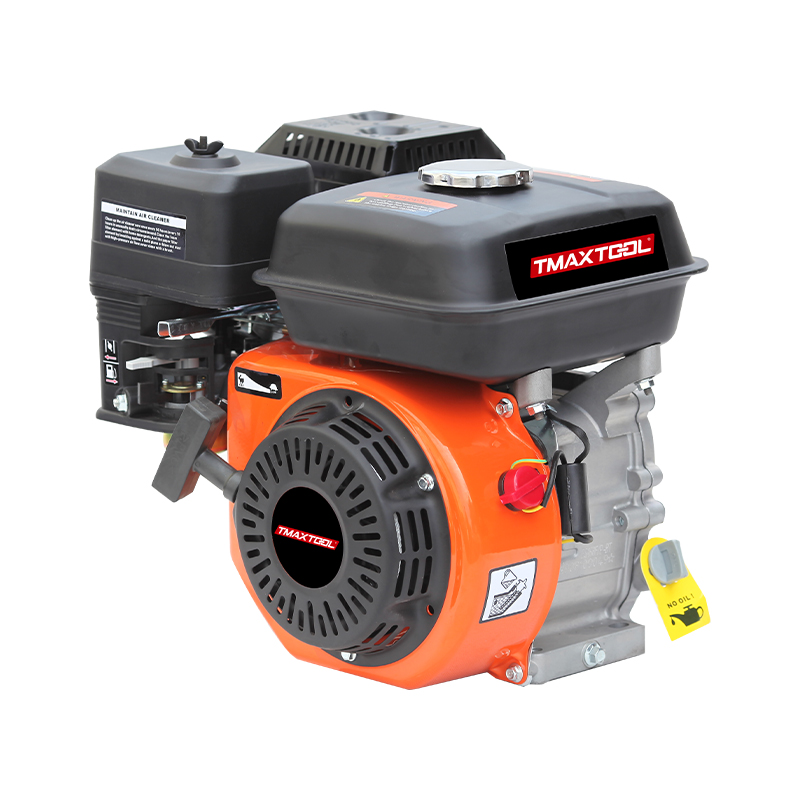 4 Stroke Gasoline Engine
 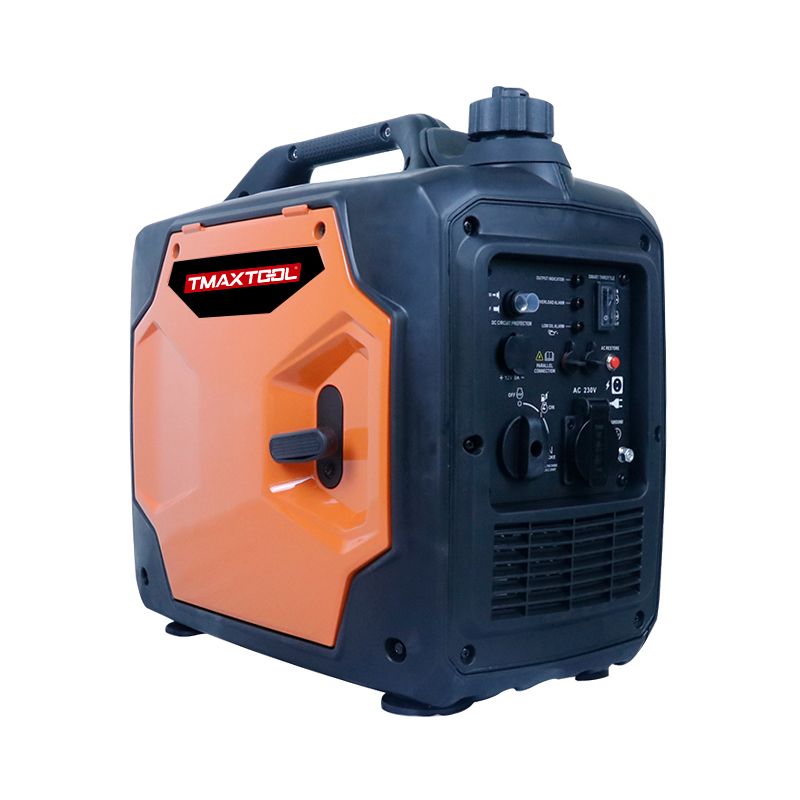 Generator
 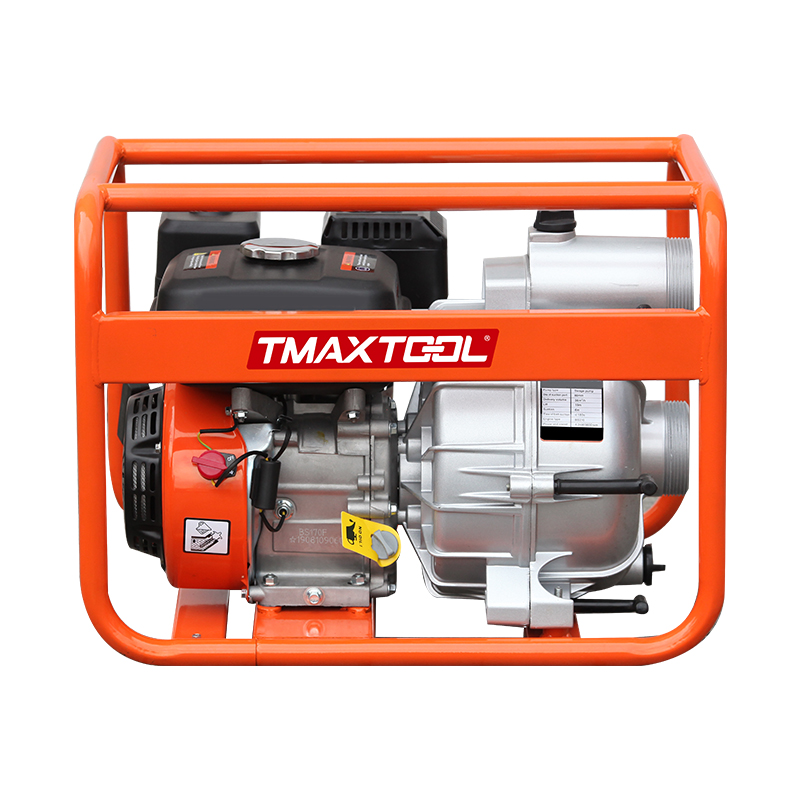 Water Pump
 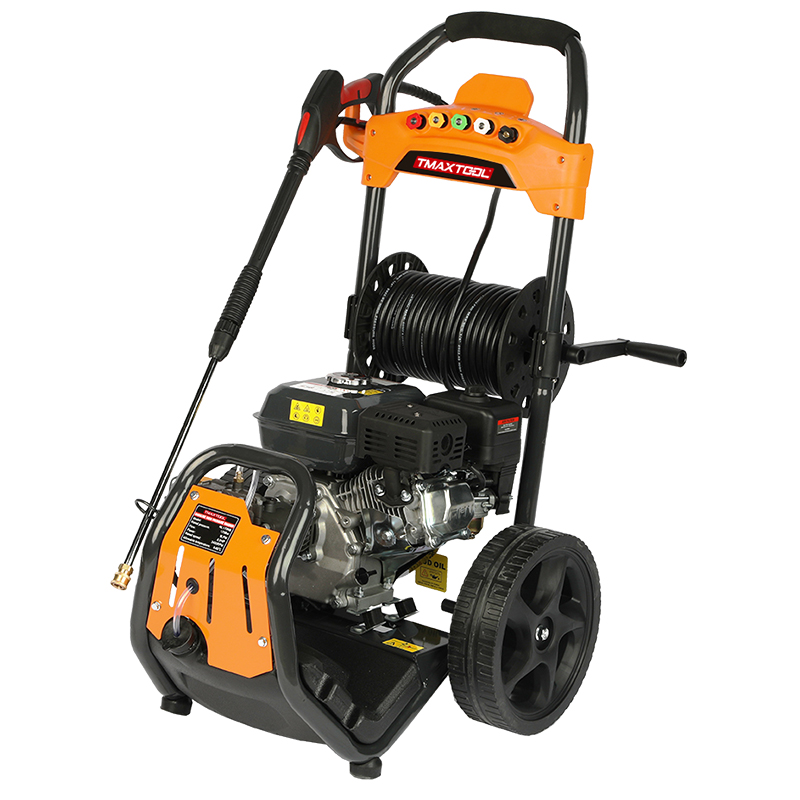 High Pressure Washer
 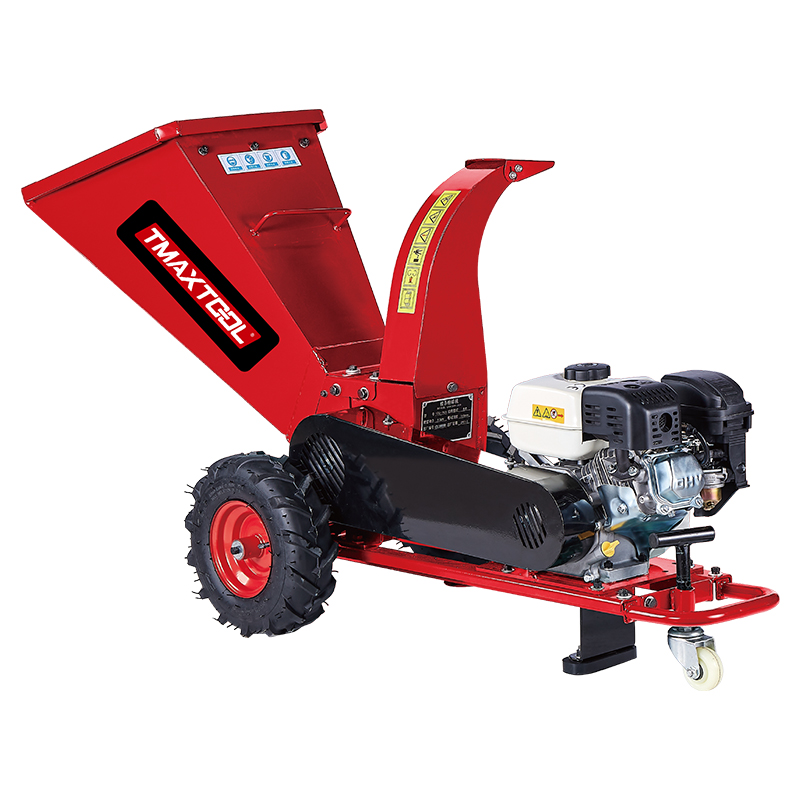 Wood Cutter
 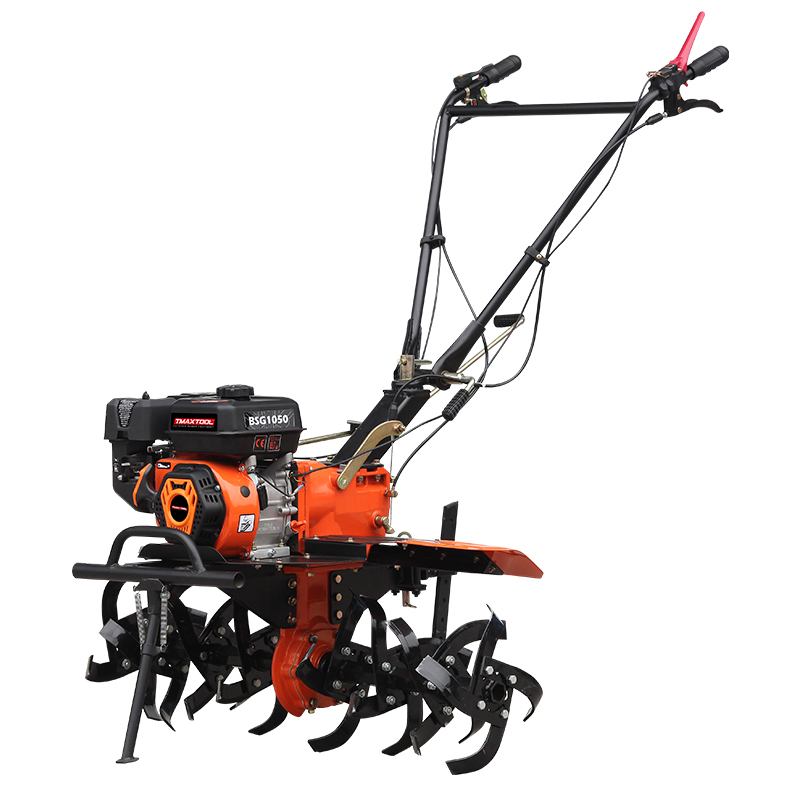 4 Stroke Tiller
 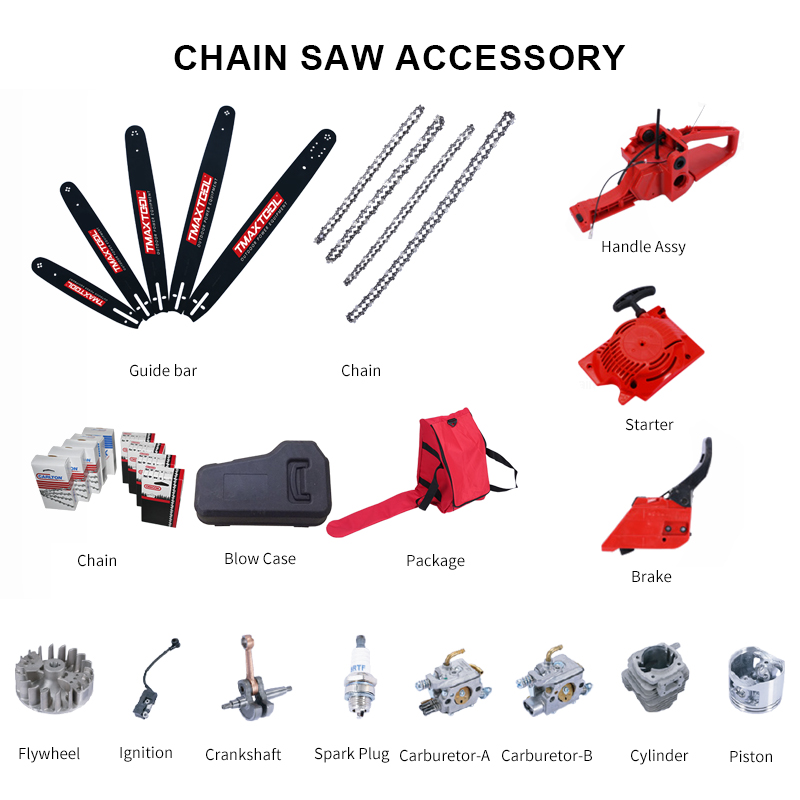 Chain Saw Accessory
 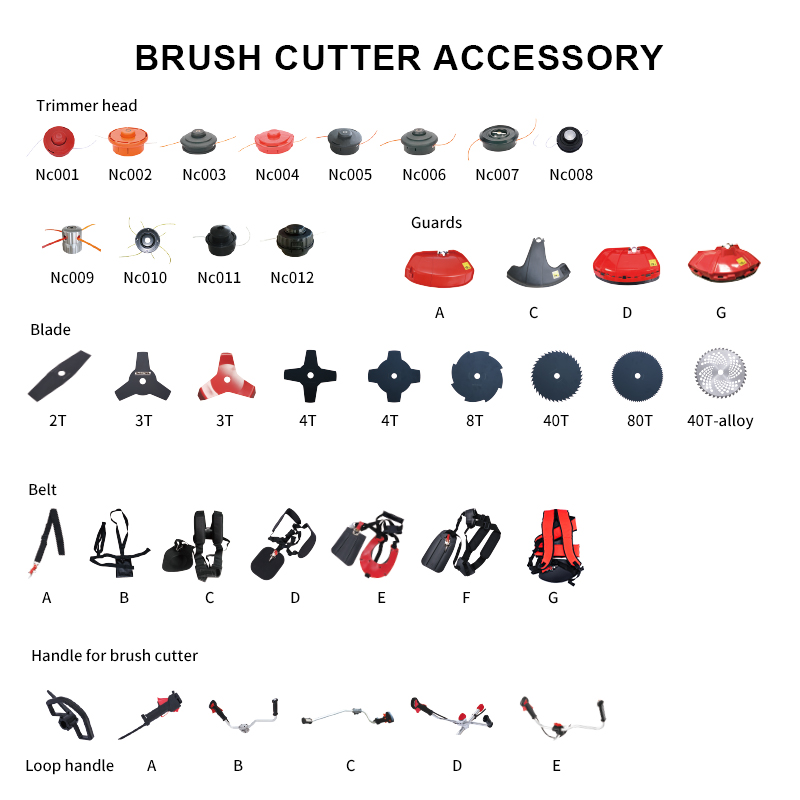 Brush Cutter Accessory
 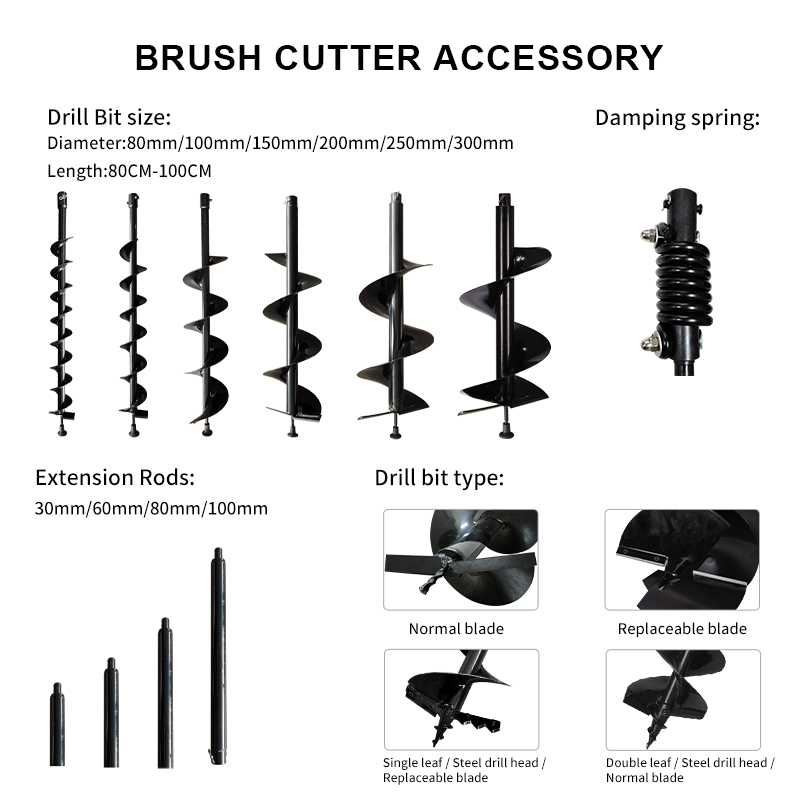 Earth Auger Accessory
 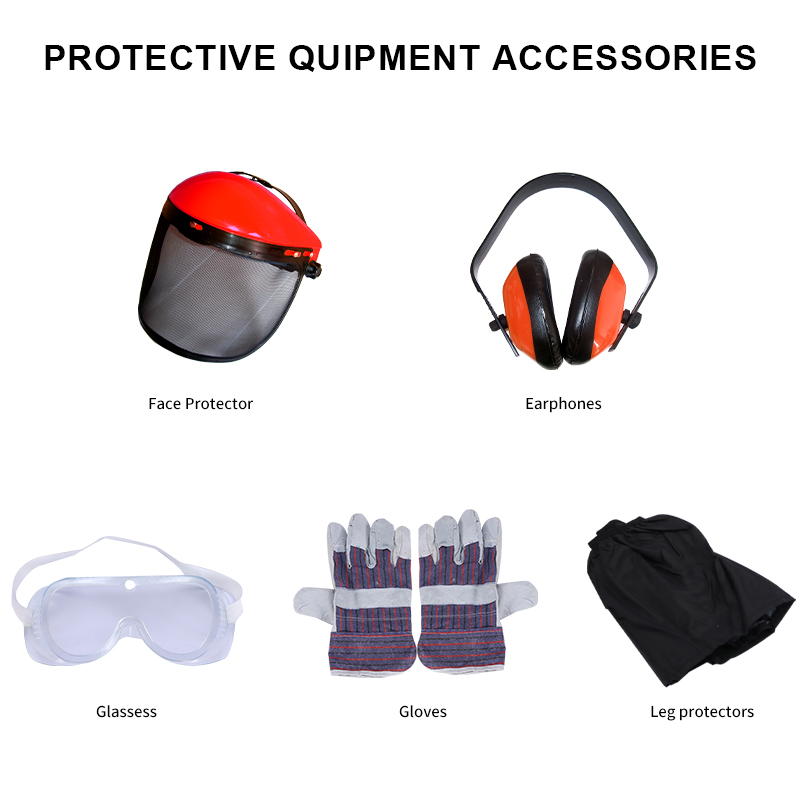 Protective Equipment Accessories
 Leave Your Message
Making the most of Cultivating Machines is actually pretty vital if you want to get the best results in today's farming world. I came across a report by Research and Markets that predicts the global agricultural machinery market could hit around USD 246.4 billion by 2025. That’s mostly because there’s a growing need for more food and more farmers are starting to use new tech on the farm. These cultivating machines? They’re a real game-changer. They help farmers prep the soil, manage their crops better, and ultimately, boost their harvests.

Over at Jinhua U Win Import & Export Co., Ltd., TMAXTOOL is known for making all sorts of agricultural equipment — especially high-performance cultivating machines. When farmers follow some simple best practices and embrace new techniques, they can really push the efficiency of these machines. That not only makes farming more sustainable but also helps farmers improve their bottom line — no doubt about it.
Getting a good handle on the key performance metrics of your cultivating machine really makes a difference if you're looking to boost your farm's efficiency. One of the biggies is throughput — basically, how much soil or area you're able to process in a certain amount of time. Keeping an eye on this can tell you if your machine’s running at its best, and if not, you can make some adjustments right on the spot. Plus, tracking how much fuel you're burning relative to the area you've covered can offer some pretty eye-opening insights. It helps you be more mindful about sustainability and also keeps your costs in check.
Another important metric to watch out for is the soil disturbance percentage. This tells you how much the soil is getting shaken up during cultivation, which is super important for maintaining healthy soil. The less disturbance, the better — because it means better moisture retention and more nutrients available for your crops. Using modern tech like GPS and precision farming tools can make measuring these things a whole lot easier and more accurate. By focusing on these key numbers, farmers can not only make their machinery more efficient but also do their part for more eco-friendly farming practices. It’s all about working smarter, not just harder.
: Throughput refers to the volume of soil or crop area processed by the cultivating machine within a specific time frame, and monitoring it helps determine the machine's optimal capacity.
Farmers can improve efficiency by monitoring key performance metrics such as throughput and fuel consumption, allowing for timely adjustments to enhance output.
Soil disturbance percentage measures how much soil is disrupted during cultivation, which is crucial for maintaining soil health, enhancing moisture retention, and improving nutrient availability.
Advanced technologies like GPS and precision farming tools can assist farmers in accurately measuring performance metrics, leading to more informed decision-making.
Precision agriculture tools, such as GPS-guided equipment, sensors, and drones, enhance efficiency by enabling data-driven decisions and optimizing resource use.
VRT is a technology that adjusts seed and fertilizer application rates in real-time based on soil conditions, which can increase crop yields by 10-15% and reduce input costs by about 20%.
The precision agriculture market is projected to grow from $7 billion in 2020 to $12 billion by 2025, reflecting a compound annual growth rate (CAGR) of 10.7%.
The integration of advanced precision agriculture tools promotes sustainability by minimizing waste and maximizing yield, which aligns with the industry's focus on efficiency.
Tracking fuel consumption in comparison to the area covered provides insights into the machine's efficiency, enabling farmers to adopt more sustainable practices and reduce operational costs.
By focusing on key performance metrics, farmers can enhance the efficiency of their cultivating machines and contribute to more sustainable agricultural practices, leading to a more productive farming future.
Getting your cultivating machine working at its best is pretty much essential if you want higher yields and to make your farming a bit more efficient. First off, it helps to know what performance metrics to keep an eye on—that way, you can spot where things might be lagging. Regular maintenance? Totally a must. It keeps your equipment running smoothly and at its peak. Plus, jumping into some new tech, like precision agriculture tools, can really give your cultivating game a boost. It makes your planting and tending so much more precise and effective.
Don’t forget, soil health is a big deal too! Healthy soil basically makes your machinery work better and helps your crops turn out way better. And if you're thinking of investing in some high-tech farming gear, doing a quick cost-benefit analysis can show you the long-term benefits—sometimes it’s totally worth it. Here at Jinhua U Win Import & Export Co., Ltd., we're all about providing top-quality agricultural machinery and tools to help farmers get the most out of their land and equipment. We’re here to support your efforts and help you work smarter, not just harder.


