When you're into woodworking, nailing that perfect finish is kinda everything. A Wood Planer is pretty much a must-have if you want smooth, even surfaces. I read in the Woodworking Industry Report by Statista that the global market for these tools hit around $10 billion in 2022, and it’s still on the rise. That just goes to show how important tools like these are, whether you're a pro or just messing around as a hobbyist.
Picking out the right Wood Planer? There are a few things you wanna keep in mind—like power, size, and the type. Every model’s got its own set of features, so finding one that matches your needs isn’t always straightforward. Big names like DeWalt and Makita have some pretty cool options with all the latest tech. But here’s the thing—no planer is perfect, and sometimes mistakes like snipe or uneven edges happen, especially if you're new to it. That’s a good reminder that even top-tier tools need to be used properly.
Choosing the right wood planer can seriously change the game, especially when you're working on detailed or tricky projects. Getting a handle on these little details can help you make smarter choices and boost your craftsmanship skills overall.

Essential Features to Look for in a Wood Planer
When selecting a wood planer, understanding essential features is crucial. Expert reports indicate that material quality significantly impacts performance. A durable, high-carbon steel blade will provide longevity and a finer finish. However, users often overlook maintenance. Regular blade sharpening is needed for optimal results, which many fail to do.
The power of the motor also plays a critical role. A stronger motor can handle tougher woods. Reports indicate that planers with over 15 amps generally perform better. Still, this doesn’t guarantee perfection. Users sometimes experience snipe, which is an uneven cut at the start or end of a board. Proper setup can mitigate this issue, yet it remains a common pain point.
Portability and weight affect usability as well. A heavy planer can be cumbersome in smaller workshops. Ideal options should balance weight with stability. Additionally, features like dust collection and height adjustment are vital. A solid OEM Wood Planer should include efficient dust management systems to reduce mess. Nevertheless, issues like frequent clogging can arise, prompting a need for continuous learning and adaptation in usage.
Types of Wood Planers: A Comprehensive Overview
When choosing a wood planer, understanding the types available is crucial. There are several common categories. Hand planers provide portability and flexibility. They require more effort but offer greater control for fine finishing. Benchtop planers, on the other hand, are ideal for larger projects. They handle various wood types but can sometimes struggle with thicker materials.
In addition to these, thickness planers are noteworthy. They ensure a consistent thickness across wood pieces. However, they may not provide the smoothest finish. Investing in a quality model matters here. For those considering a Wholesale Wood Planer, the options can vary greatly in price and quality. Make sure to consider your specific needs and project scale.
While Electric Planers can speed up the process, they sometimes compromise precision. It’s essential to practice with different tools. Some users report dissatisfaction due to unexpected results. Understanding the limitations of your chosen type can lead to better decisions. The key is balancing speed andfinish quality. Each option offers unique benefits and challenges that are worth exploring.
Key Specifications: Cutting Width, Depth, and Speed
When selecting a wood planer, three key specifications often dictate performance: cutting width, depth, and speed. A wider cutting width allows for handling larger boards efficiently. Typically, professional models offer widths ranging from 12 to 20 inches. However, wider does not always mean better. A larger planer may limit mobility and increase setup time, making it less practical for small workshops.
Depth of cut is equally crucial. Many planers allow adjustments for depth between 1/16 and 1/8 of an inch. Choosing the right depth depends on project requirements. A deeper cut may provide a smoother finish but potentially strains the motor. Therefore, understanding the capabilities of your planer is vital. The American Woodworking Association emphasizes that a well-calibrated depth can enhance finish quality without compromising efficiency.
Speed plays a significant role in productivity. Most wood planers operate between 10,000 and 20,000 RPM. A higher speed means quicker, cleaner cuts. Yet it demands careful handling to avoid damaging softer woods. Research from the Woodworking Machinery Manufacturers Association suggests balancing speed and control. Operators must practice proficiency on their ODM Wood Planer to avoid mistakes, which can lead to costly material waste. Proper training and experience are necessary for getting the best results while minimizing imperfections.
Understanding the Importance of Cutter Head Quality
When selecting a wood planer, understanding the cutter head quality is essential. The cutter head determines the precision and smoothness of cuts. A high-quality cutter head can minimize tear-out, ensuring a cleaner finish on the wood surface. Industry reports indicate that about 70% of woodworkers prioritize cutter head design when investing in a planer.
The materials used in cutter heads greatly impact performance. Carbide blades offer durability and long life, while high-speed steel blades are easier to sharpen. However, using lower-quality materials can lead to frequent blade replacements. This issue has been highlighted by surveys revealing that approximately 50% of users express frustration over blade longevity.
Moreover, the geometry of the cutter head matters. Spiral cutter heads can reduce noise and vibration, making the machine more user-friendly. Still, some users may find the setup complex. They may spend more time adjusting settings than achieving their desired results. Recognizing these challenges is vital to making informed decisions in wood planing.
Quality of Cutter Heads in Wood Planers
Portability vs. Stationary Planers: What to Choose?
When choosing between portability and stationary wood planers, consider your workspace. Portable planers are lightweight and easy to move. They fit well in small workshops or job sites. If you often work on different projects, this flexibility is useful. A compact design also means you can store it easily.
Stationary planers, on the other hand, offer power and stability. Heavy-duty models provide consistent finishes over large surfaces. These machines typically handle thicker or harder woods more efficiently. However, they occupy more space and require a dedicated area in your workshop. You need to weigh the need for mobility against the stability of stationary machines.
Many users find that the choice often leads to compromises. Portable options may lack the robustness needed for heavy-duty work. They can leave surfaces less refined if not handled carefully. Stationary models might limit your ability to move around, especially for on-site work. Think about your priorities: Is flexibility more important, or do you need robust performance? Your decision hinges on how you plan to use the planer.
User Safety Features in Wood Planers
When selecting a wood planer, user safety should always be a priority. The right features can significantly reduce risks. Look for designs that include automatic shut-off systems. These prevent accidental starts, particularly in busy workshops. Safety guards are essential as they protect hands from sharp blades. Always ensure these guards are present and functional.
Consider the portability of the wood planer too. If it’s lightweight, you can easily handle it, reducing strain. However, a heavier model may be sturdier and stable during operation. Remember that an ergonomic grip can enhance control. This is crucial while working on detailed projects. A High-Quality Wood Planer should combine power with thoughtful design to enhance user safety.
Review the user manual thoroughly. Many features may seem redundant, yet they often serve specific safety functions. For instance, built-in dust collection systems help maintain a clear workspace. They can keep you focused and reduce distractions. Not all models will have these advanced options. Reflect on the models offering a combination of safety and functionality. This can lead to better choices in your woodworking journey.
Maintenance Tips for Increasing Planer Longevity
To maintain your wood planer effectively, regular cleaning is crucial. After each use, wipe down the blades to remove sawdust and resin. This task helps preserve their sharpness and ensures optimal performance. Additionally, inspect the blades for any nicks or dull spots. If you notice any damage, it’s better to sharpen or replace them promptly.
Proper storage also plays a significant role in longevity. Keep your planer in a dry, controlled environment to prevent rust and deterioration. Using a protective cover can shield it from dust and moisture. However, even with careful storage, some wear is inevitable. It’s essential to monitor the condition of your planer regularly and adjust maintenance routines accordingly.
Another vital aspect is lubrication. Regularly applying appropriate oil to moving parts will reduce friction and prevent overheating. However, excessive oiling can attract dust and debris, leading to potential problems. Observing the right balance is key. Always jot down any maintenance routines and outcomes to track your tool’s condition effectively. This practice fosters better decision-making for future care.
FAQS
: Key features include blade quality, motor power, and maintenance needs. A good blade ensures longevity and fine finishes.
A stronger motor, especially above 15 amps, handles tougher woods better. However, this doesn’t always guarantee perfect cuts.
Snipe is an uneven cut seen at board ends. Proper setup may help, but it's a common issue that needs attention.
Consider your workspace. Portable models are lightweight and flexible. Stationary ones offer more power but require dedicated space.
Look for automatic shut-off systems and safety guards. These features protect users from accidents and enhance overall safety.
Ensure an ergonomic grip for control. Regularly check safety guards and review the user manual for specific safety features.
A heavy planer may provide stability, but it can be hard to move. Balance weight with ease of handling for best performance.
Yes, effective dust collection keeps the workspace clear. This can help maintain focus and reduce potential distractions.
Regularly sharpen the blades for optimal performance. Neglecting this can lead to poor finishes and increased effort during use.
Think about the types of projects you undertake. Flexibility may be important, but don’t overlook the need for a robust performance.
Conclusion
When selecting the best wood planer, it's essential to consider several key features that can enhance its performance. Look for specifications such as cutting width, depth, and speed that match your woodworking needs. The quality of the cutter head is also crucial, as it directly impacts the smoothness of the finish. Depending on your workspace, you may choose between portable and stationary planers, each offering different advantages based on your projects.
User safety features are paramount, ensuring a secure operation during use. Regular maintenance is another vital aspect to prolong the lifespan of your wood planer; routine checks and proper care can significantly enhance its efficiency and reliability. By understanding these fundamental aspects, you can make an informed decision to achieve perfect finishes in your woodworking projects.

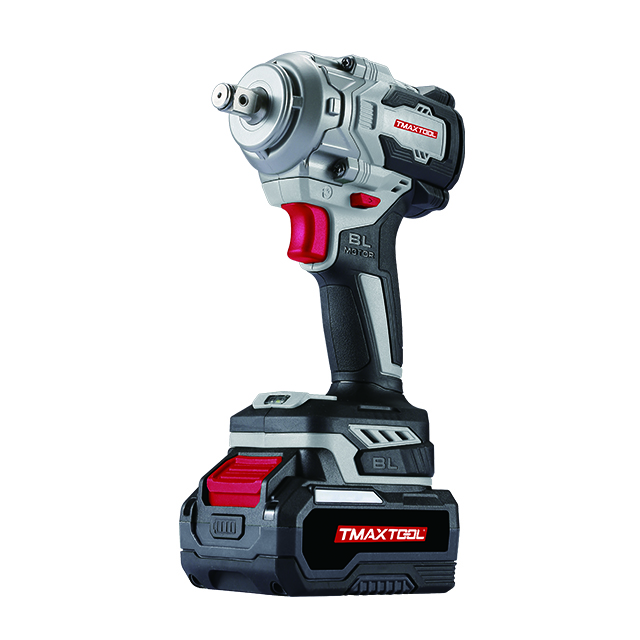 Impact Wrench
 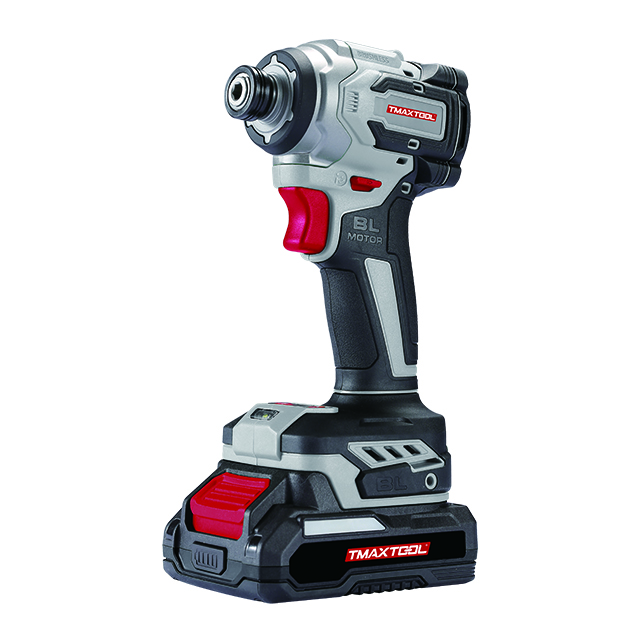 Screwdriver
 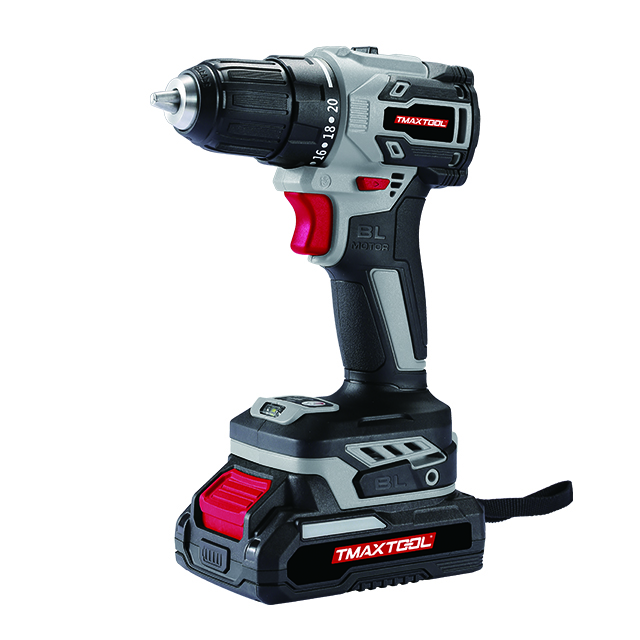 Cordless Drill
 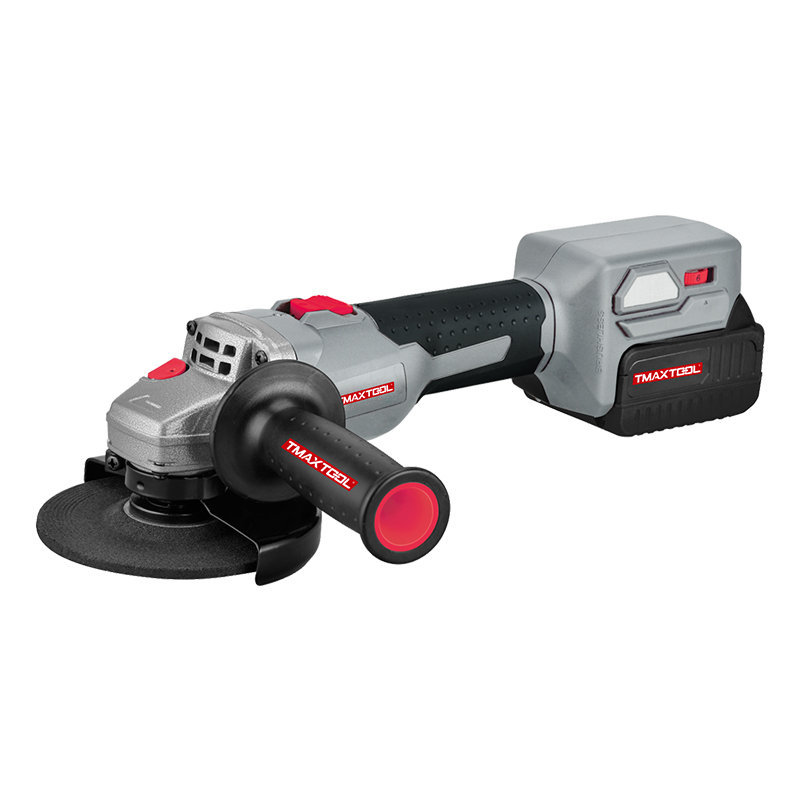 Angle Grinder
 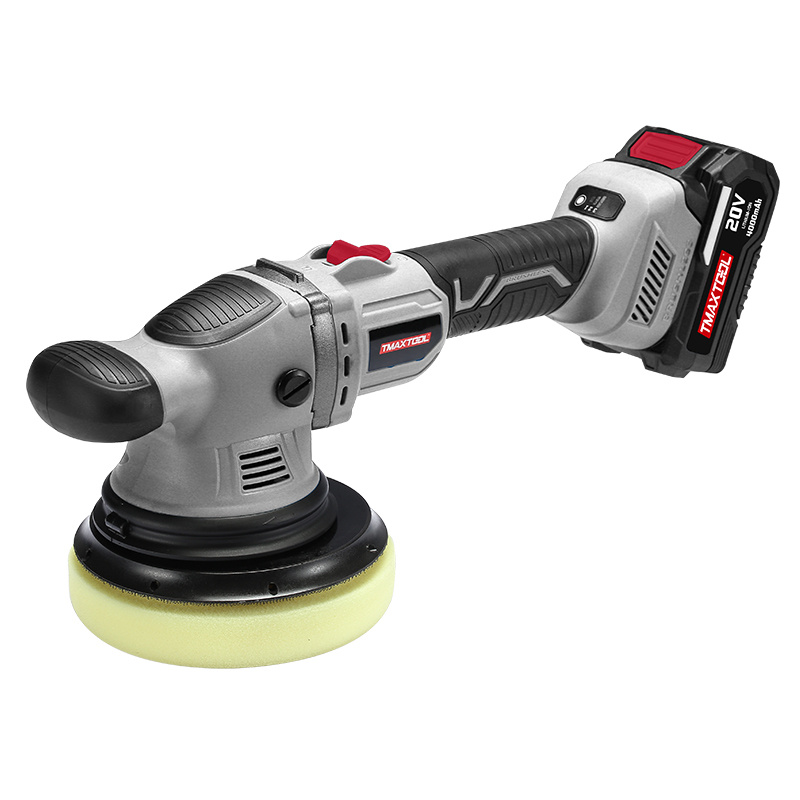 Polisher
 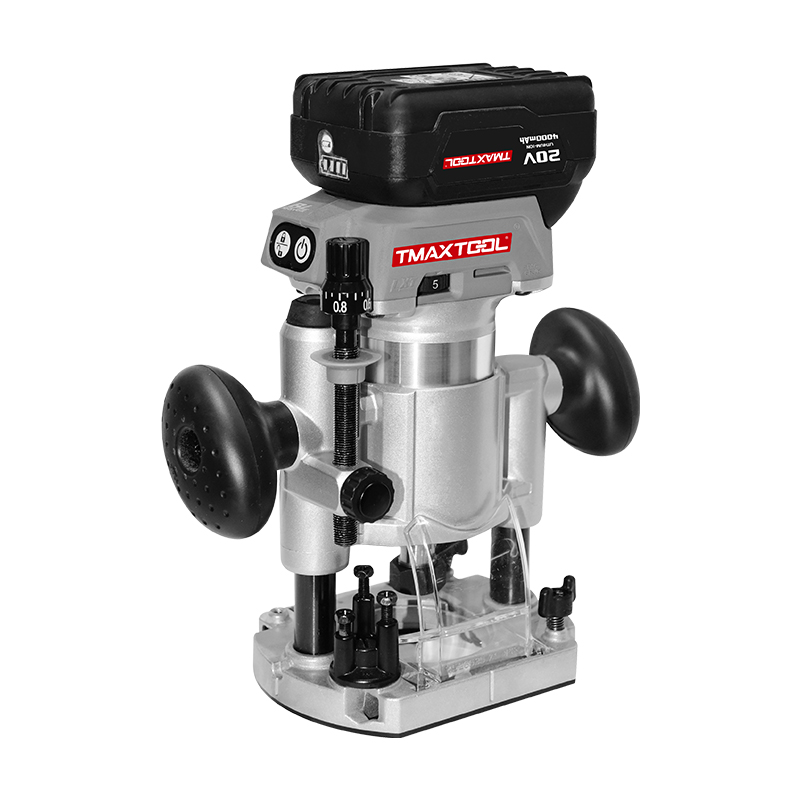 Wood Router
 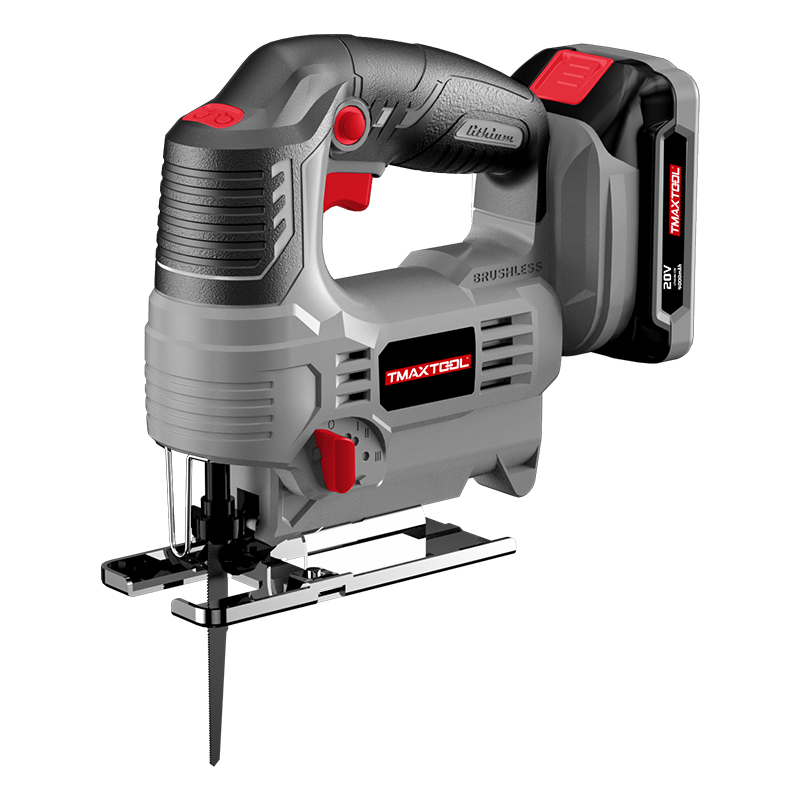 Jig Saw
 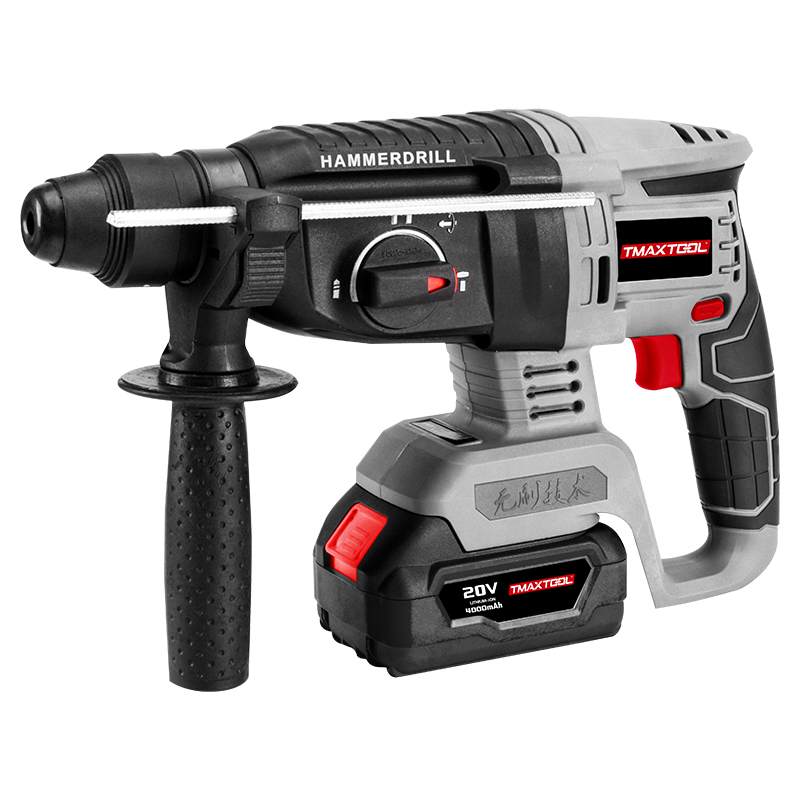 Hammer Drill
 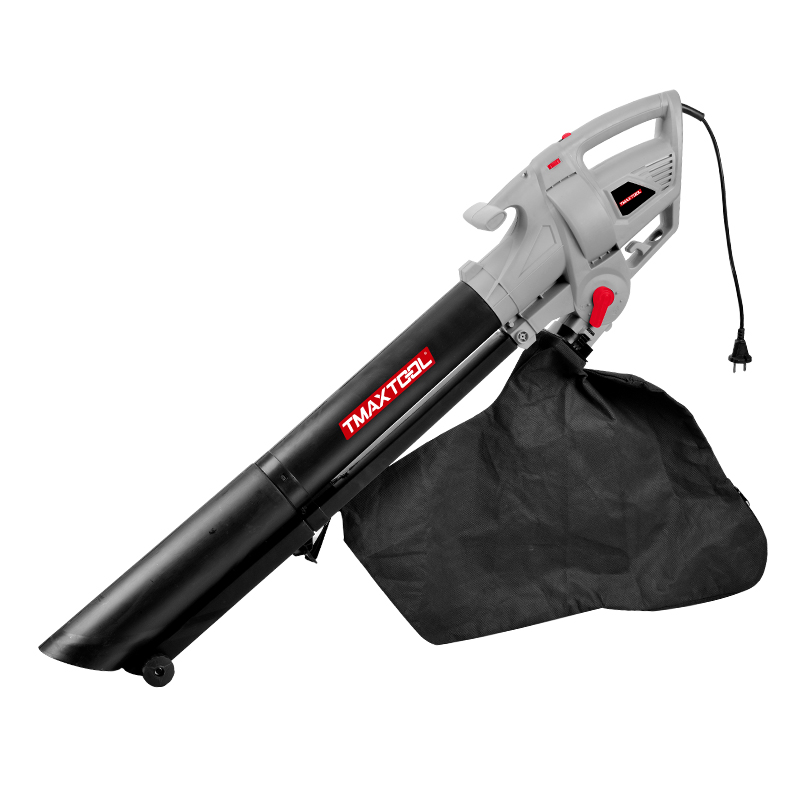 Portable Blower
 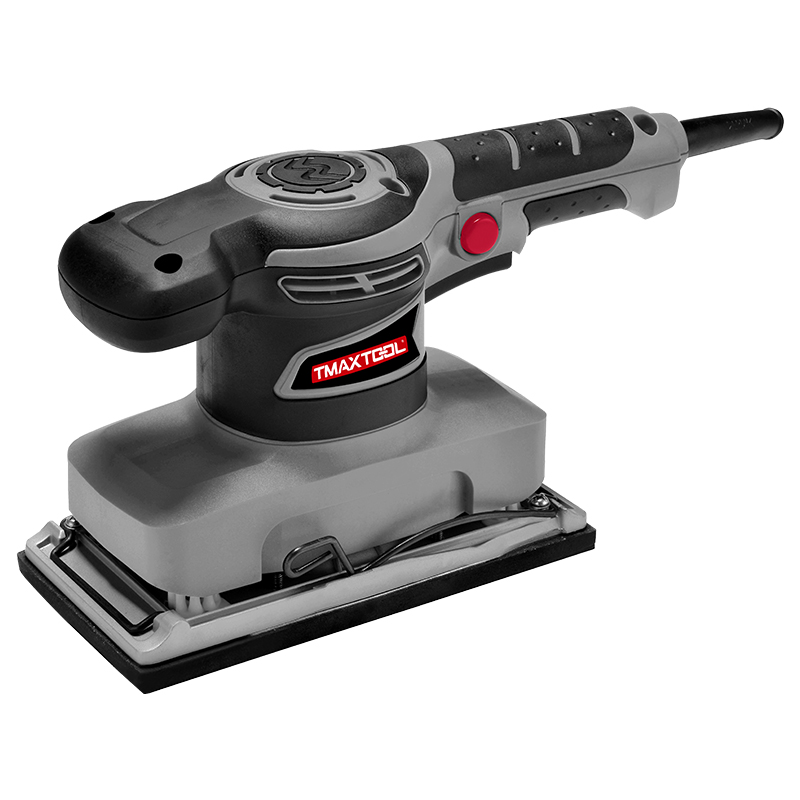 Orbital Sander
 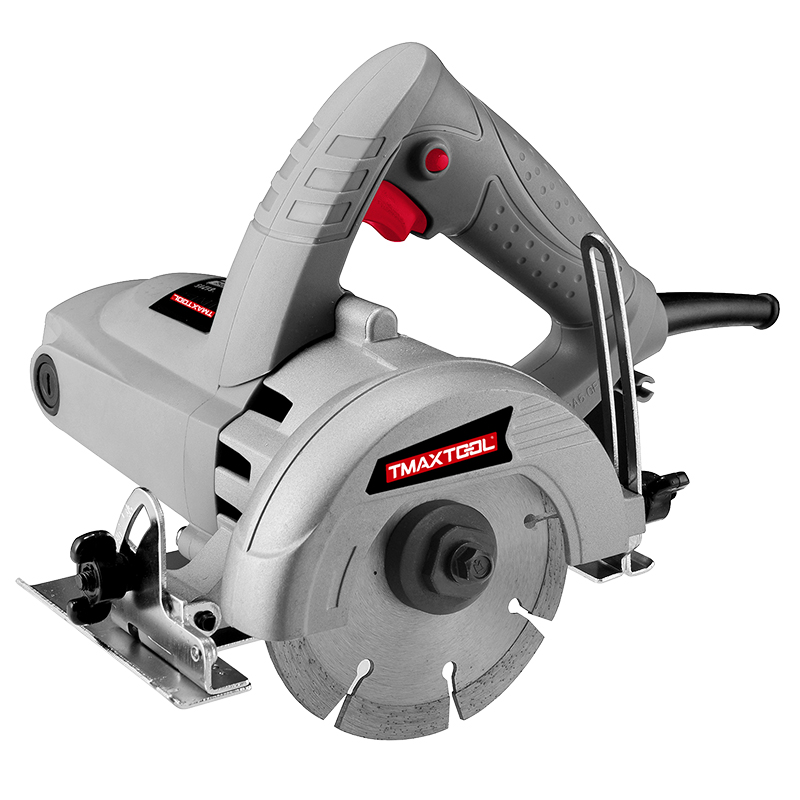 Marble Cutter
  GARDEN TOOLS
 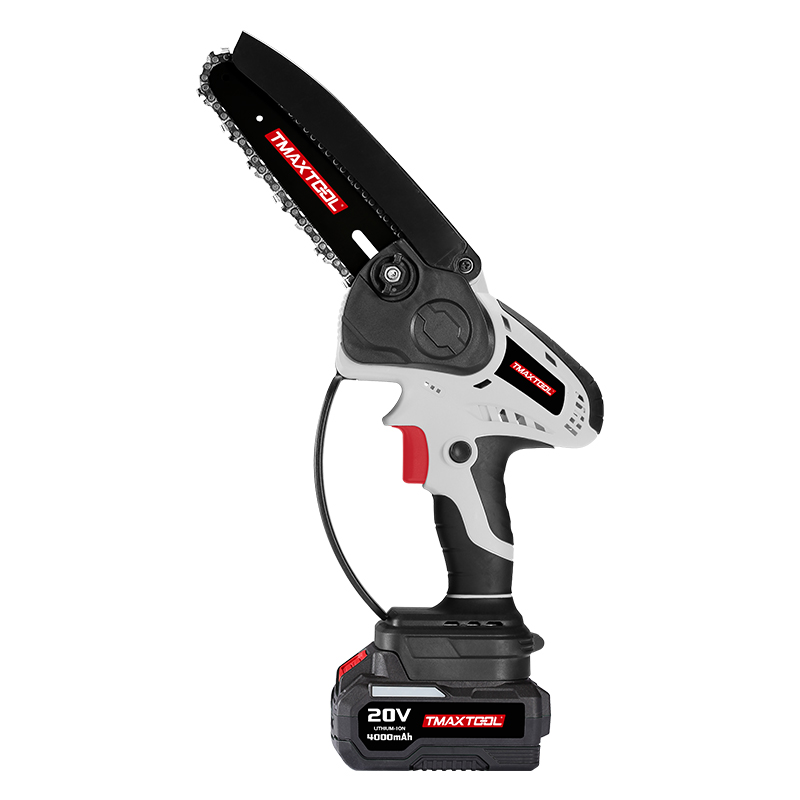 Battery Chain Saw
 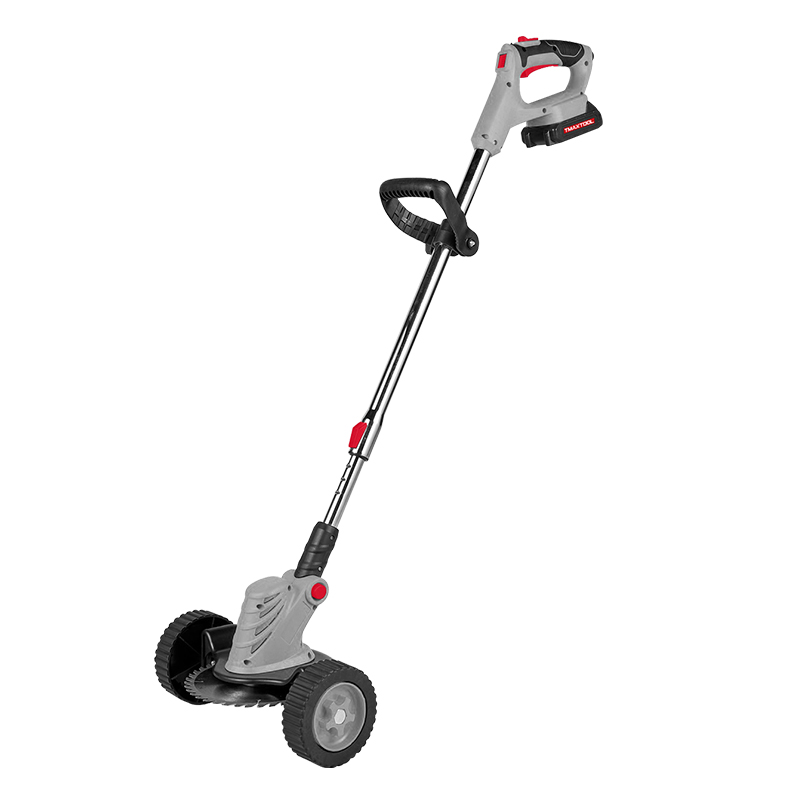 Battery Brush Cutter
 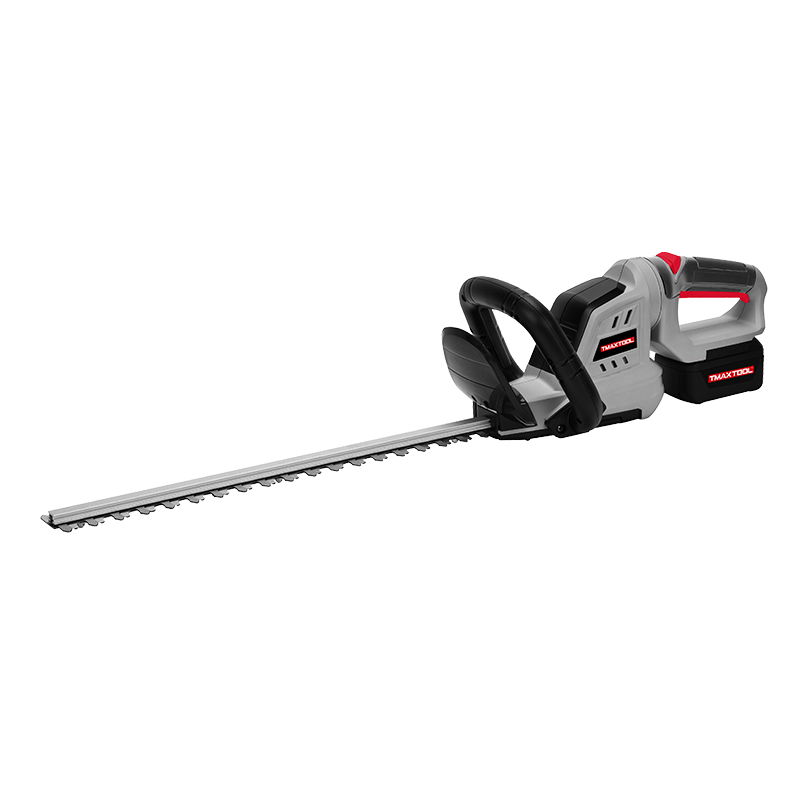 Battery Hedge Trimmer
 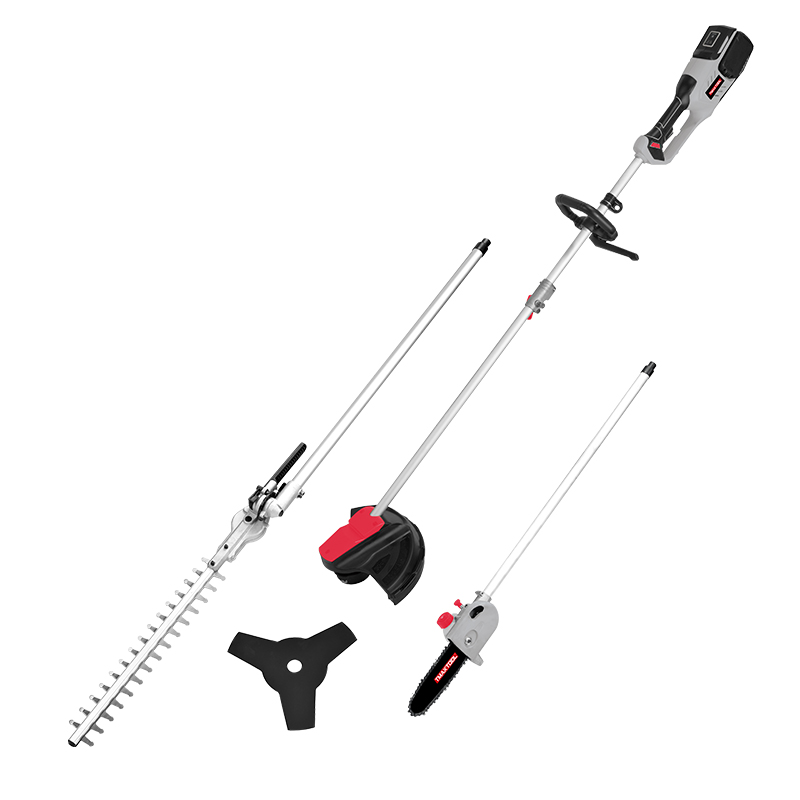 Battery Multi Tool
 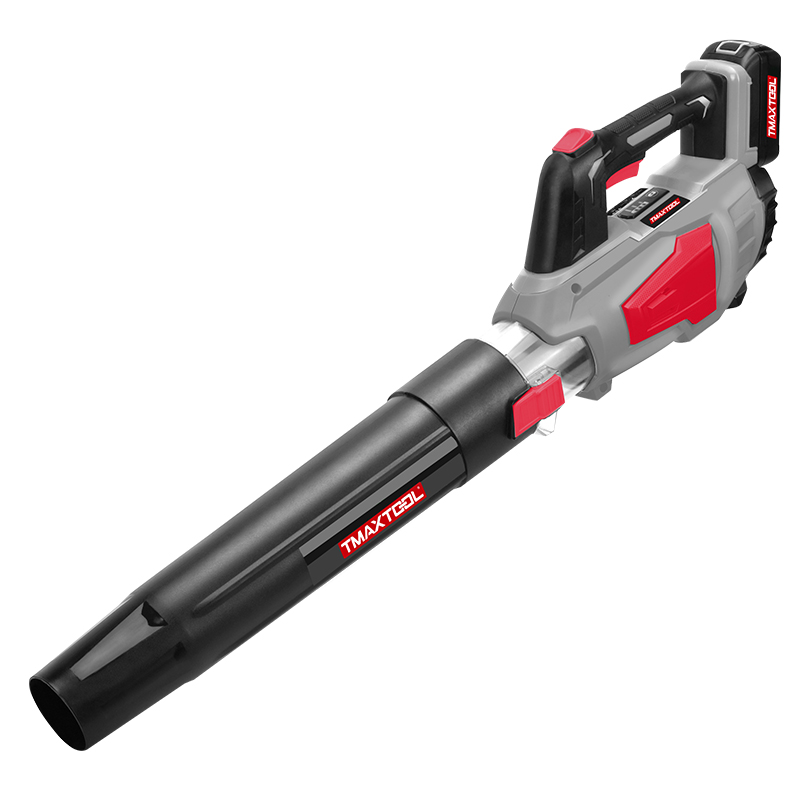 Battery Blower
 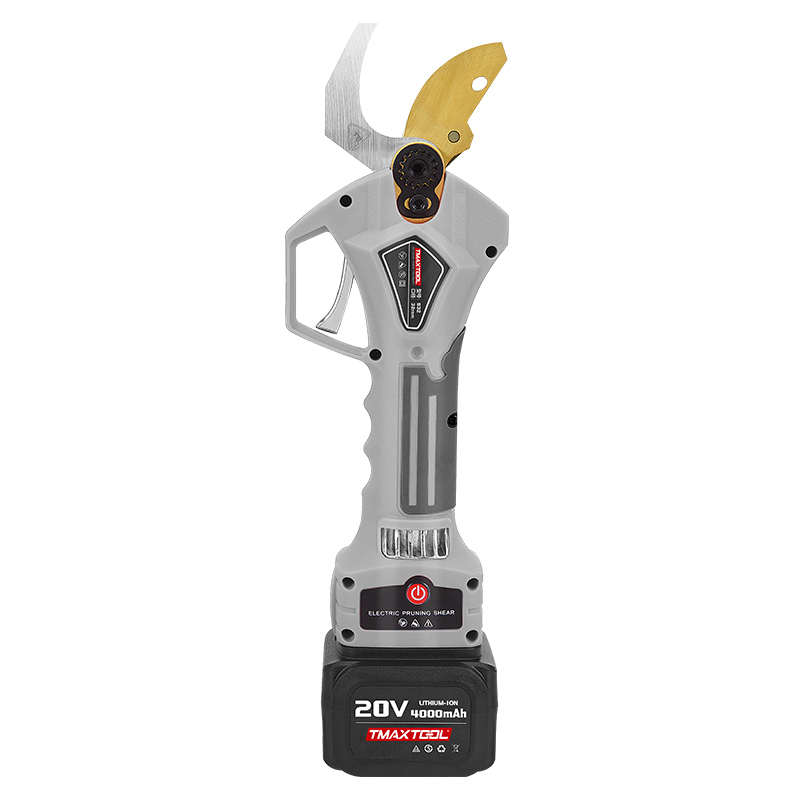 Batter Pruning Shears
 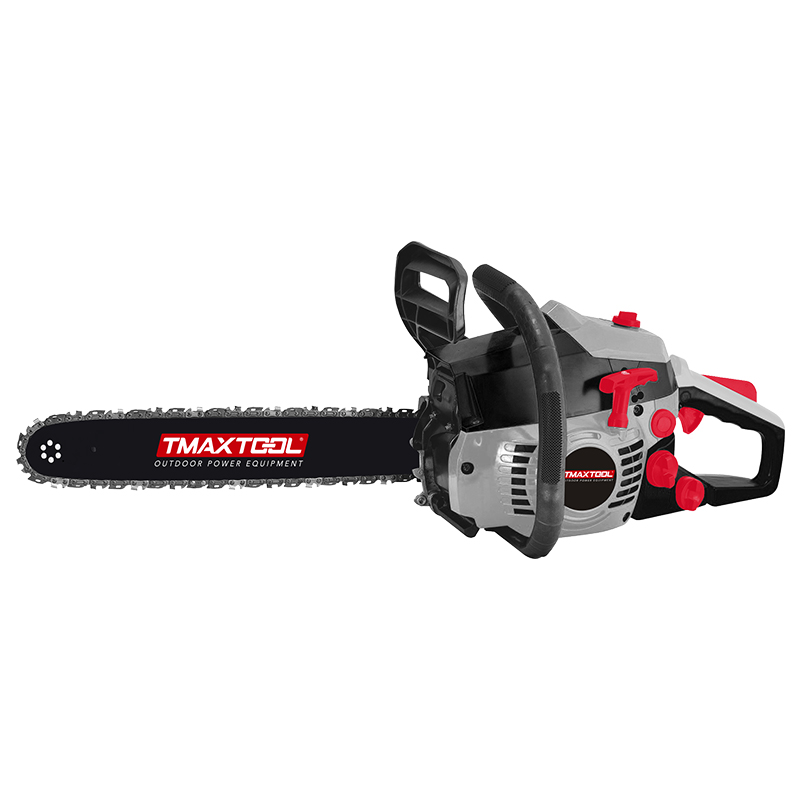 Chain Saw
 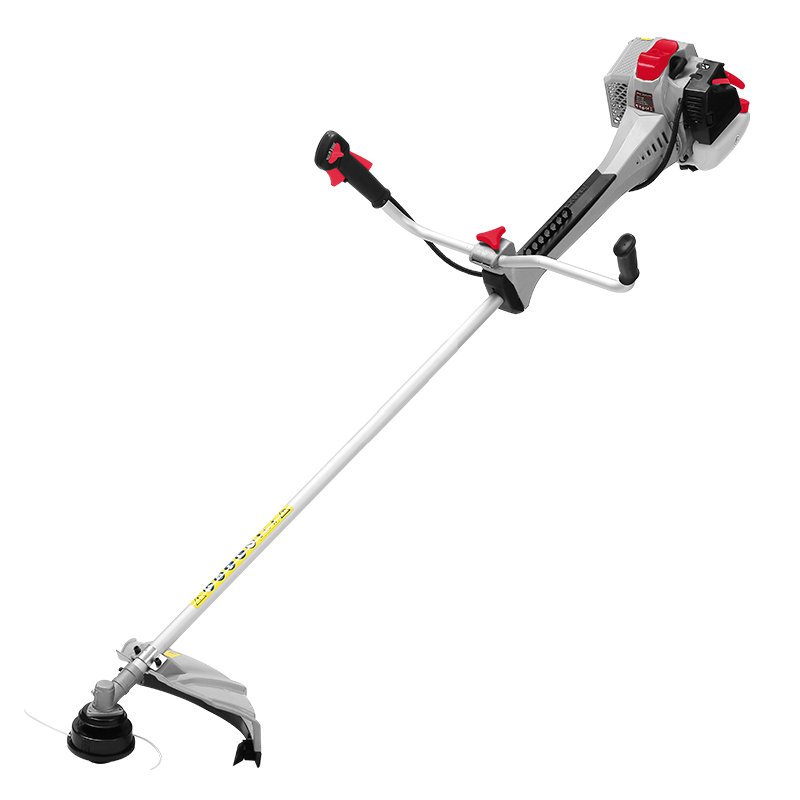 Brush Cutter
 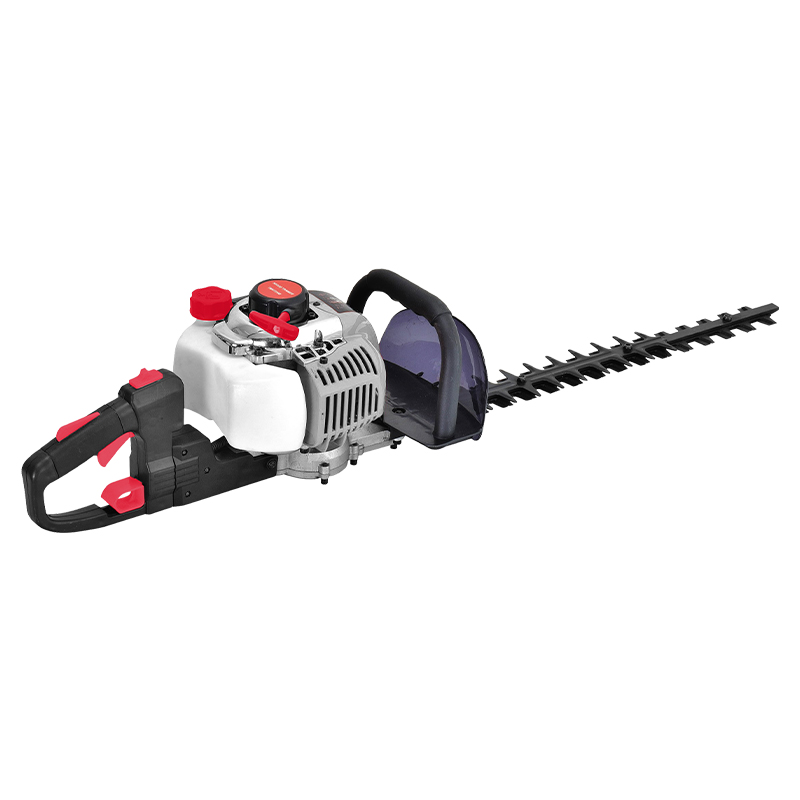 Hedge Trimmer
 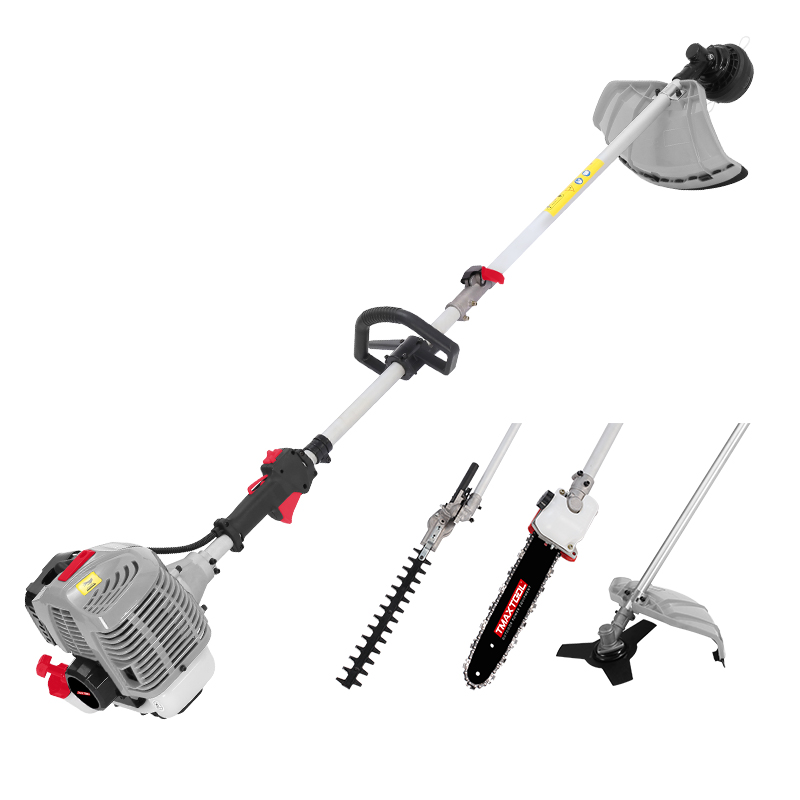 Multi Tool
 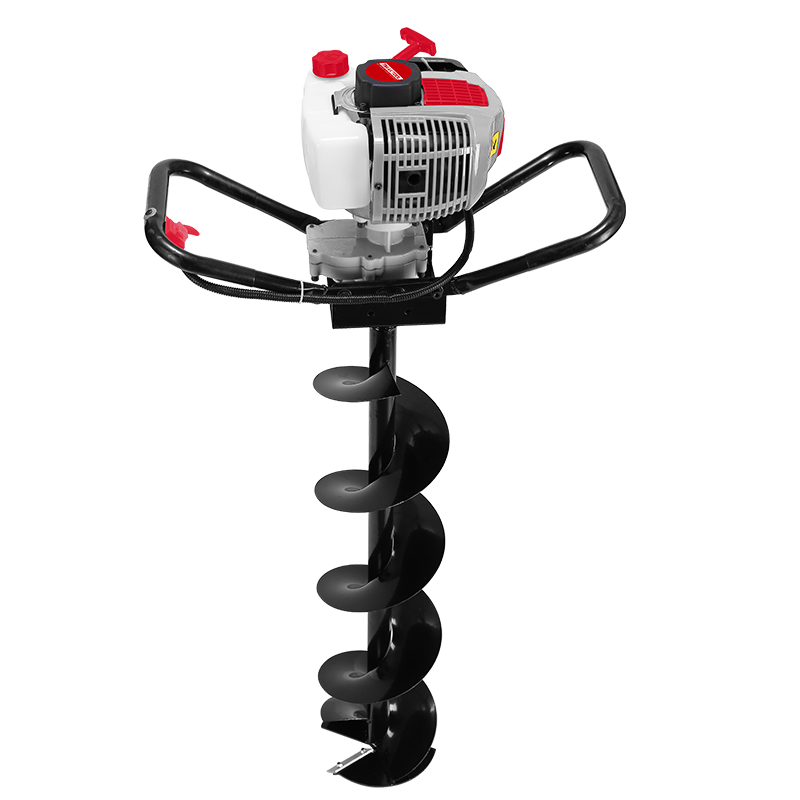 Earth Auger
 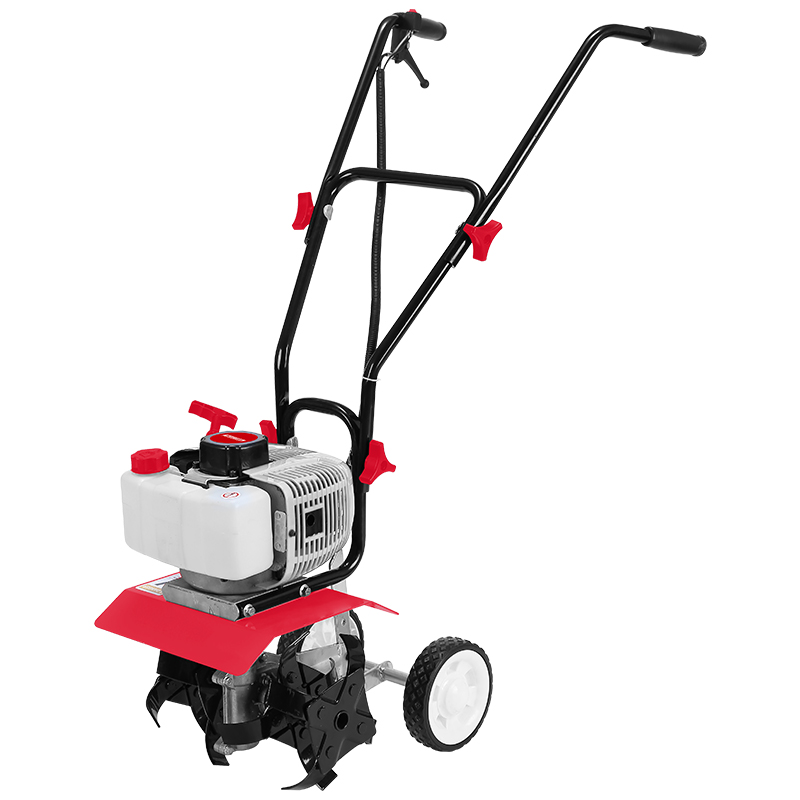 Tiller
 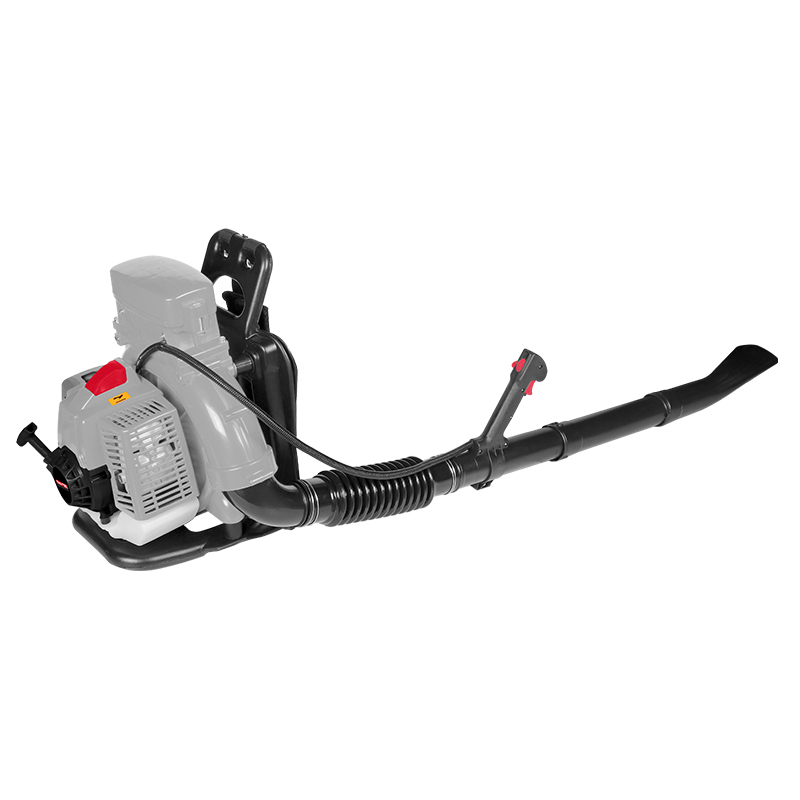 Blower
 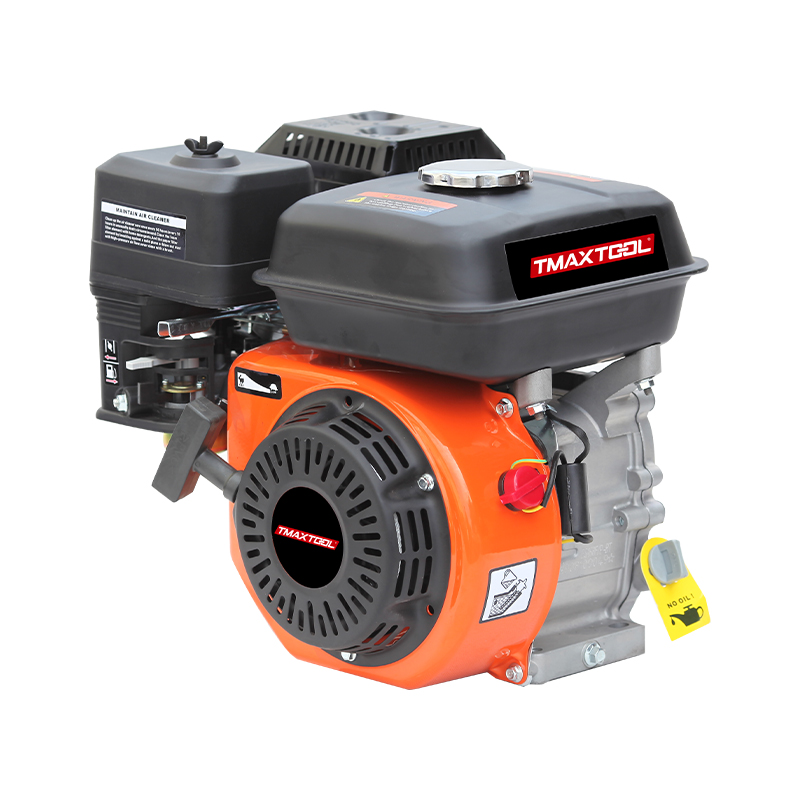 4 Stroke Gasoline Engine
 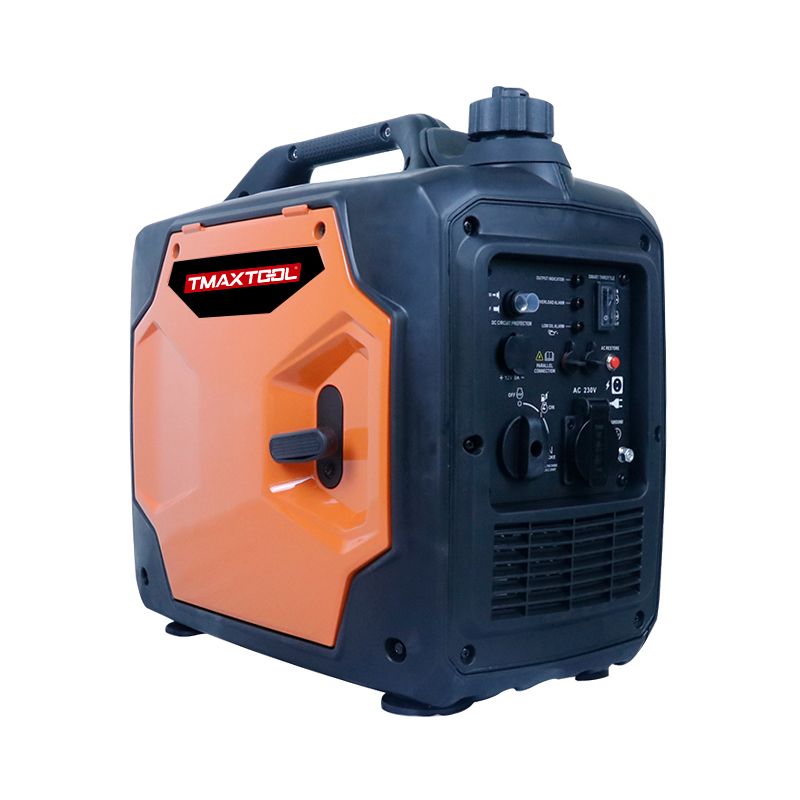 Generator
 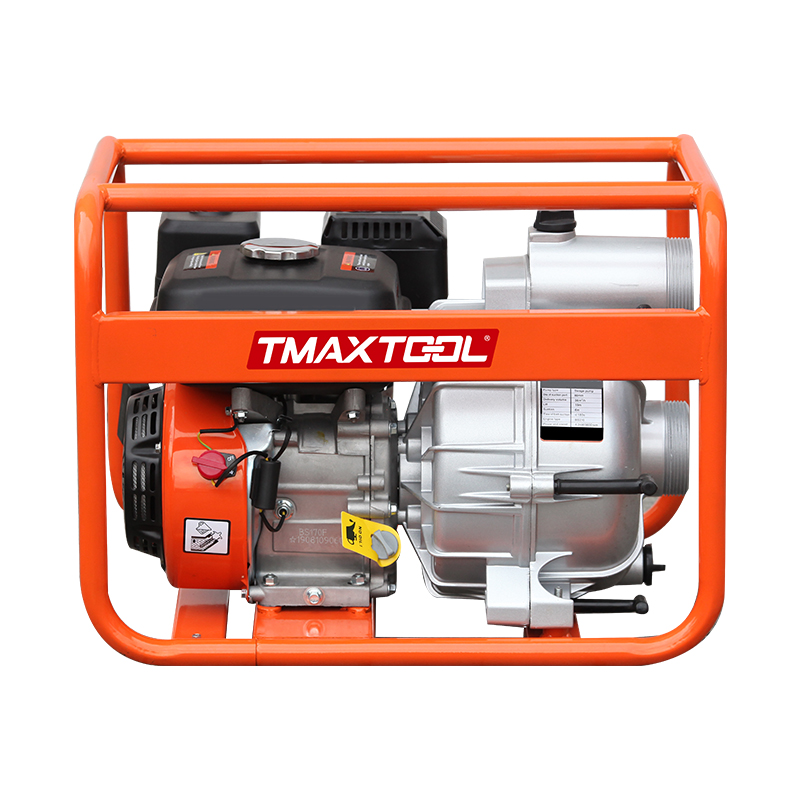 Water Pump
 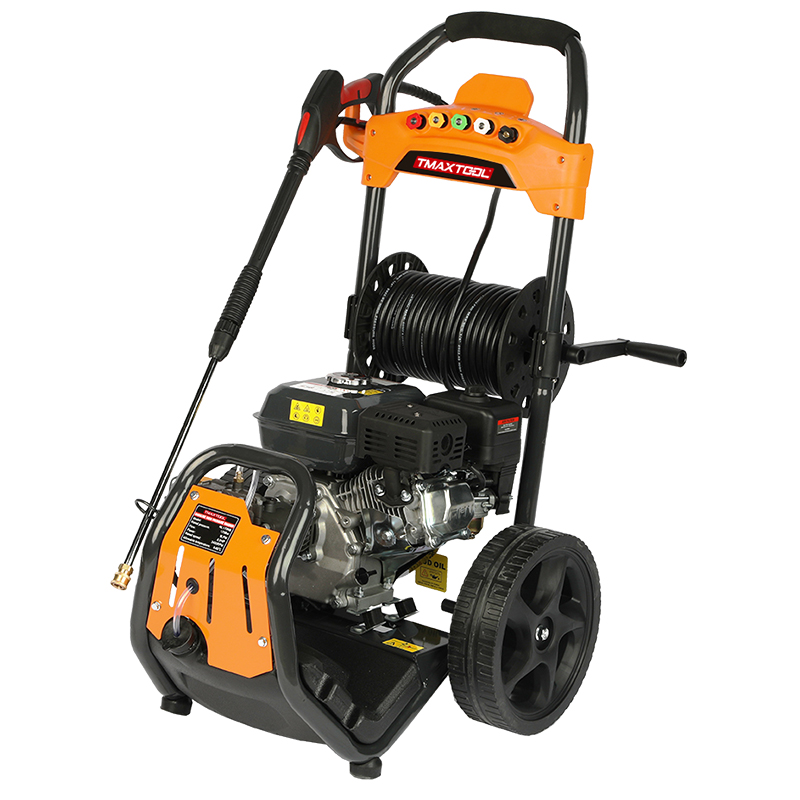 High Pressure Washer
 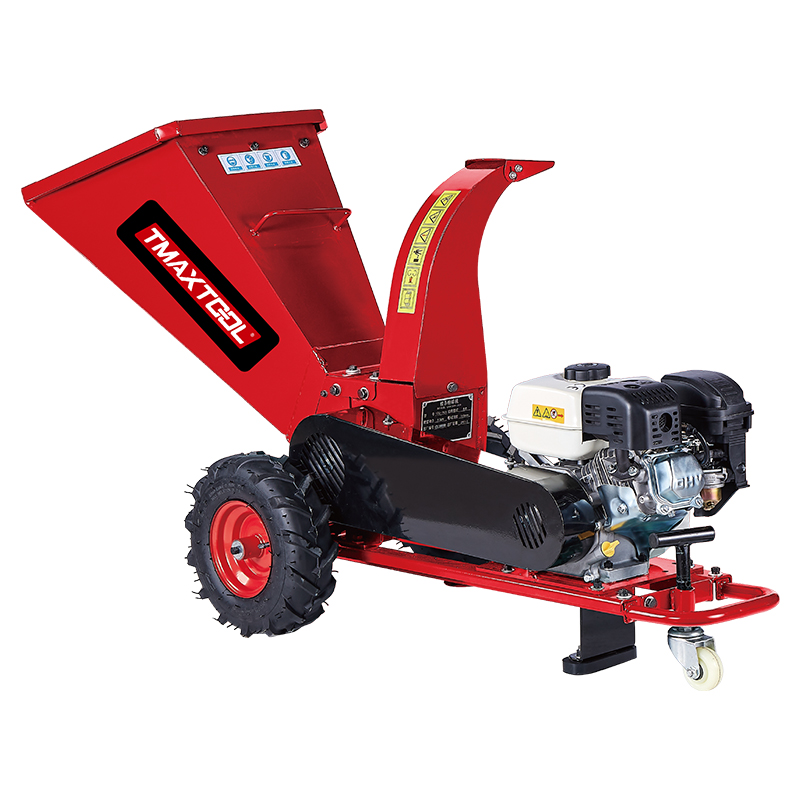 Wood Cutter
 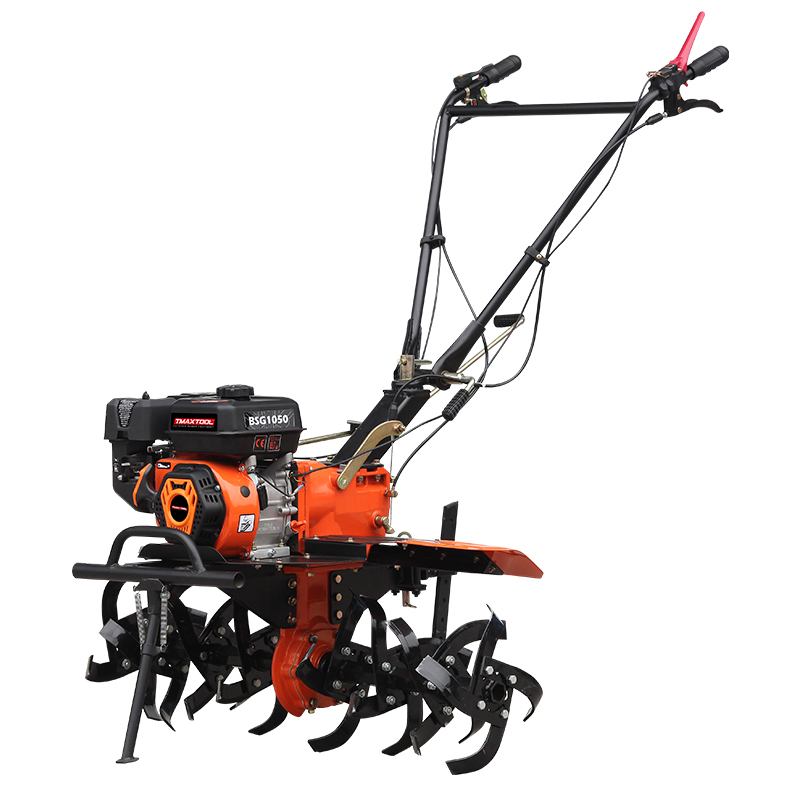 4 Stroke Tiller
 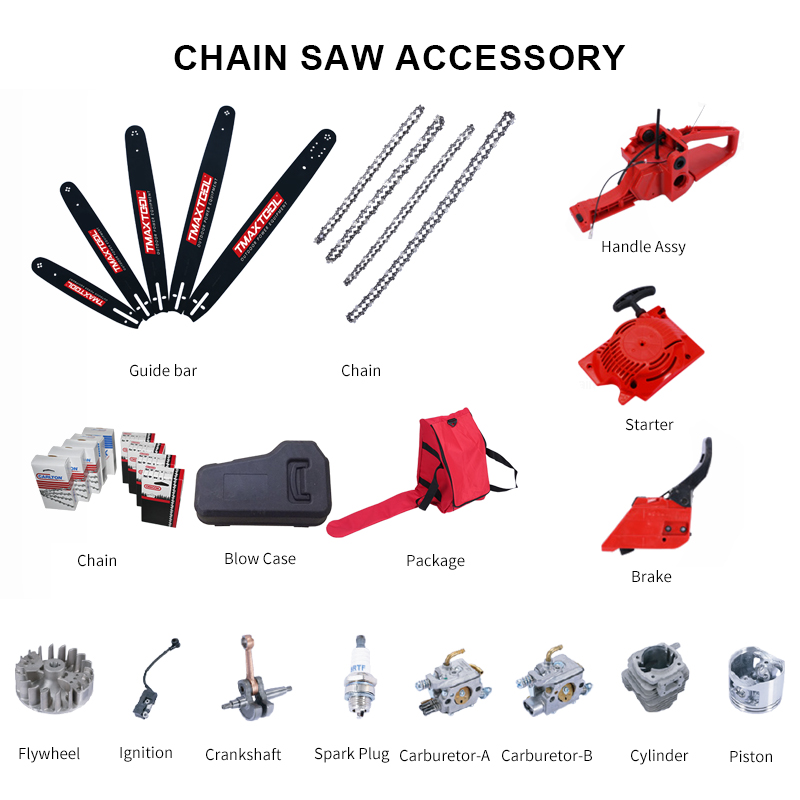 Chain Saw Accessory
 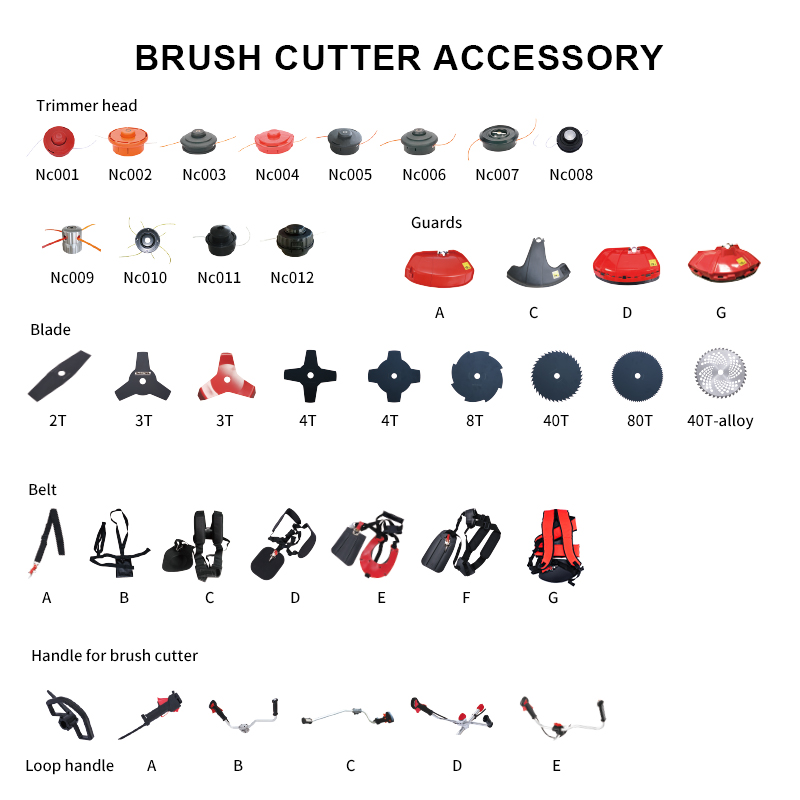 Brush Cutter Accessory
 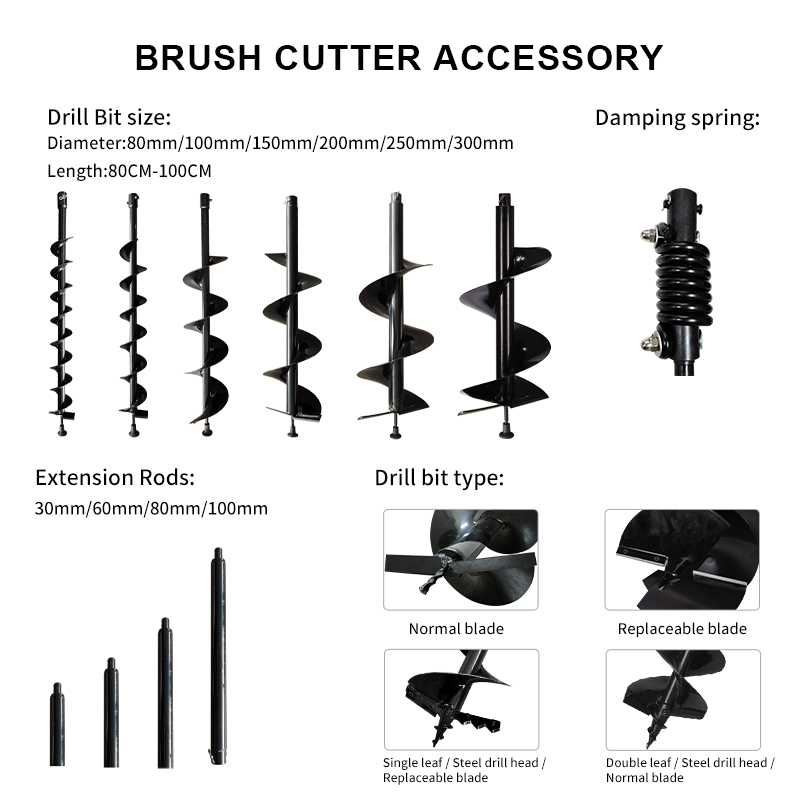 Earth Auger Accessory
 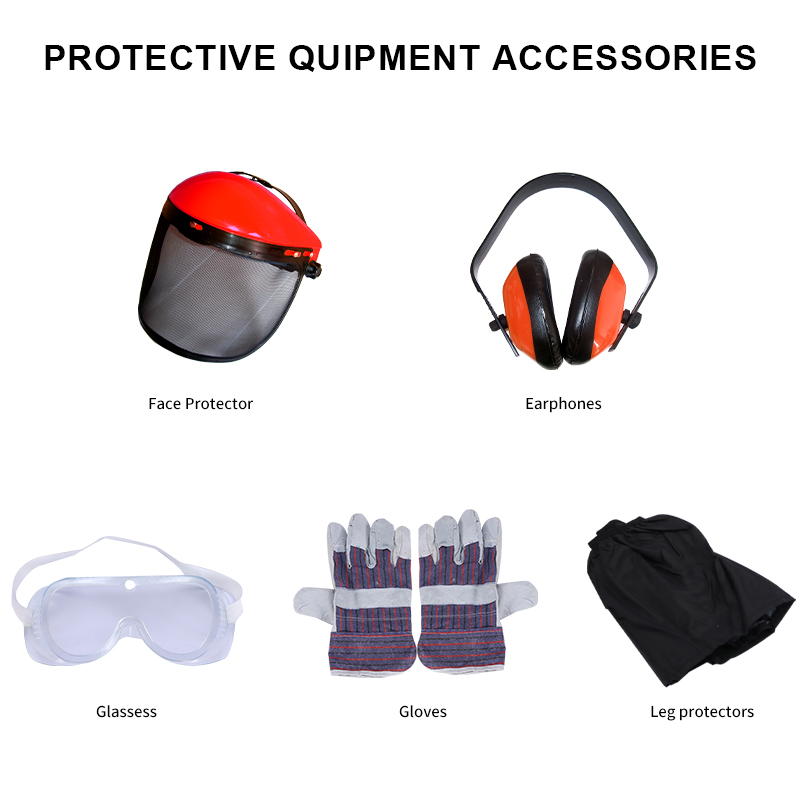 Protective Equipment Accessories


