When you're working on your DIY projects, having the right tools can really make a huge difference. One tool that definitely stands out is the Orbital Sander — it’s super versatile and pretty much essential if you want that smooth finish on wood, metal, or just about anything else. At Jinhua U Win Import & Export Co., Ltd., we’re all about supporting both hobbyists and pros with a solid lineup of high-quality power tools, including our TMAXTOOL Orbital Sander. Whether you’re doing a home makeover, building custom furniture, or just messing around with crafts, I’ve got some handy tips to help you pick the perfect Orbital Sander for your needs. By getting to know what this little guy can do, you'll be surprised at how much easier and more satisfying your DIY projects can become — trust me, the results speak for themselves!
Understanding Orbital Sanders: Key Features that Matter in Your DIY Projects
So, if you're diving into a DIY project, it’s pretty important to get a hang of the main features of orbital sanders. These tools are built for smooth and efficient sanding, making them a must-have whether you're just starting out or you've been at it for ages. One thing to keep in mind is the motor power — usually somewhere between 2 and 4 amps. The more powerful ones can handle tougher materials, which is a lifesaver if you're working on bigger, more demanding projects. Also, the sanding pads matter — whether they’re hook-and-loop or adhesive-backed, they can really change how easy and quick your sanding process is. I recently read that about 70% of woodworkers prefer sanders with easy-change pads because it keeps their workflow smooth without unnecessary interruptions.
Another detail to look out for is the dust collection system. Good orbital sanders often come with built-in systems that help keep your workspace cleaner, which is a big deal for both visibility and your health. Studies have shown that too much dust exposure can cause respiratory issues, so having an effective dust collection setup can cut down that risk by up to half. Here at TMAXTOOL, we totally get how important these features are. That’s why our range of power tools — including orbital sanders — blend power and smart design, so you can be confident you’re all set for whatever DIY project you’re tackling.
Comparing Types of Orbital Sanders: Which One Fits Your Needs Best?
When you're trying to pick out the best orbital sander for your DIY projects, it’s pretty important to get a grasp of the different kinds out there. Basically, you've got three main types: random orbit sanders, sheet sanders, and detail sanders. Did you know? According to this recent report from Market Research Future, the global power tool market is expected to hit around 39.7 billion USD by 2027! That’s mainly because so many folks are diving into home improvements and furniture makeovers these days.
Now, among all these tools, random orbit sanders stand out for being super versatile and efficient. They’re basically the go-to for most general sanding jobs, whether you’re smoothing out rough spots or finishing up a surface.
What makes random orbit sanders really cool is their dual motion—they spin and oscillate at the same time. This combo not only speeds things up but also helps prevent those annoying swirl marks. According to the Woodworking Network, compared to older-style sanders, these can cut your sanding time down by as much as 30%. That’s a huge time saver, whether you’re just a weekend DIYer or a pro.
Then there are sheet sanders, which are perfect for flat surfaces and work well when you need to get into corners with precision. And if you’re dealing with tight spots, a detail sander is your best friend, helping you reach into the tiniest areas. Knowing these options will make it way easier to pick the right orbital sander that fits your project perfectly.
Evaluating Power and Speed: How Motor Specifications Influence Performance
When you're trying to pick out the best orbital sander for your DIY projects, it’s super important to understand what the motor specs really mean. The power and speed of the sander are what actually determine how well it does the job, especially if you're going for a smooth, professional finish. Things like horsepower and torque are key players here—think of torque as the force the motor can apply, while horsepower bumps up the max speed. Usually, a motor with higher torque is great for tougher tasks because it gives you more punch at lower speeds, and a higher horsepower setting can help you get through larger projects faster. For most home projects, a 3.0 amp motor hits that sweet spot between power and performance pretty well.

Now, torque is basically the rotational force, and it’s a big deal when you’re thinking about how well your sander will handle different materials. If the torque’s too low, the tool might struggle with tough surfaces or keep overheating if you use it for a long time, which isn’t ideal. Interestingly, studies show that having the right torque levels can lead to a better finish by cutting down on vibrations and giving you more control. So, when you’re comparing models, don’t just focus on the power ratings — think about how the torque specs match up with the kinds of projects you plan to tackle. Keep these things in mind, and you’ll be able to find an orbital sander that not only makes your DIY work easier but also helps you get that professional-looking result you’re after.
Assessing Grit and Pad Compatibility for Optimal Sanding Results
Hey, when you're trying to get the best sanding results in your DIY projects, it's super important to pay attention to the grit and whether the pad matches your orbital sander. Grit’s basically how rough or fine the sandpaper is—lower numbers mean it's rough and great for chunkier material removal, while higher numbers give you that nice, smooth finish perfect for delicate work. Picking the right grit can really make or break the final look, so it’s worth considering what you want to achieve.

And don’t forget about the pads! It’s just as vital to make sure your sandpaper fits your sander properly. A compatible pad not only works better but also helps avoid any damage during use. Some sanders make it pretty easy to swap out pads, and having a variety of pad styles can be a real game-changer—making it simple to switch from heavy sanding to fine finishing. Having that versatility means you can smoothly move through different project stages and end up with a polished, professional-looking finish that honestly, makes your woodworking stand out.
Industry Standards: What to Look for in Durability and Warranty for Orbital Sanders
When you're picking out an orbital sander, things like durability and the warranty are seriously worth paying attention to. Based on data from Consumer Reports back in 2022, these sanders usually last around 5 to 10 years — but that’s with proper use and regular maintenance. To get a sense of how tough a sander is, look at the materials it’s made of. Things like aluminum bodies or reinforced plastics tend to hold up well, even in tough conditions. Oh, and if you see a sander with a dust-sealed switch, that’s a big plus — it helps keep dust out and can really extend the tool’s life, since dust intrusion is one of the main culprits in breaking power tools down sooner.
But don’t forget, it’s not just about how tough it looks. Checking out the warranty details is just as important. Usually, warranties last from one to five years, and those that cover both parts and labor show that the manufacturer really stands behind their product. In fact, a recent survey by the Home Improvement Research Institute found that about 65% of DIYers and pros trust sanders with longer warranties — three years or more — 'cause it kinda signals the tool is reliable. Going for a model with a solid warranty not only gives you some peace of mind but also shows the company's serious about quality and durability.
Expert Recommendations: Top Brands Dominating the Orbital Sander Market
When you're diving into your DIY projects, picking the right orbital sander is a pretty big deal. With so many brands out there, it can feel kind of overwhelming trying to choose the best one. But honestly, some brands have really stood out over the years—they offer cool features and are reliable to boot. These brands are known for being durable and easy to handle, which is why both pros and DIYers tend to pick them.
Most experts agree that when it comes to orbital sanders, quality really matters. The top choices usually come with things like better dust collection, adjustable speeds, and ergonomic designs that make sanding less of a hassle, even for those longer projects. These features not only make your sanding smoother but also help you get way better results no matter what you're working on.
Think of it like how certain companies have made a huge impact in satellite tech—you want a tool that’s gonna give you solid results without breaking down. Going with trusted brands is a smart move because it means you're investing in something that'll last and perform well, no matter how tough the task.
FAQS
: The motor power for orbital sanders typically ranges from 2 to 4 amps, with more powerful motors being able to handle tougher materials.
The type of sanding pads, whether hook-and-loop or adhesive-backed, influences convenience and efficiency, with 70% of woodworkers preferring sanders that allow for easy pad changes.
Effective dust collection systems help maintain a clean workspace and can reduce the risk of respiratory issues caused by dust exposure by up to 50%.
The three main types of orbital sanders are random orbit sanders, sheet sanders, and detail sanders, each designed for different sanding needs and surfaces.
Random orbit sanders are versatile and efficient, capable of handling both rough and smooth surfaces. They operate with a dual motion, which reduces sanding time by up to 30% compared to traditional sanders.
Grit refers to the coarseness of the sandpaper; lower grit numbers are suitable for heavy material removal, while higher grit numbers are used for fine finishes.
Ensuring that sandpaper is compatible with the orbital sander's design enhances effectiveness and prevents damage, allowing for seamless transitions between different project stages.
Key factors include motor power, type of sanding pads, dust collection system, and compatibility of grit and pads to match specific project requirements.
Detail sanders are designed to reach into tight spots, making them ideal for tasks that require precision in confined areas.
High-performance orbital sanders combine power with innovative designs that improve efficiency, making them suitable for both novice DIYers and seasoned professionals alike.
Conclusion
If you're diving into the world of DIY projects, you probably know how important it is to have the right tools — and an orbital sander is definitely one of those essentials. The article titled "Transform Your DIY Projects: Top Tips for Choosing the Best Orbital Sander on the Market" breaks down all you need to know to pick the perfect one. It kicks things off by explaining the key features you should look out for, so you're not just guessing what to focus on — it really helps you understand what matters most for your specific needs. Plus, it compares different types of orbital sanders, giving you a better idea of what's out there and what might suit your projects best.
Power and speed? Super important. The article highlights how the motor specs can really make a difference in how well your sander performs, which is pretty useful info. It also talks about making sure the grit and pads are compatible, so you can get the best sanding results without any fuss. Near the end, it touches on industry standards like durability and warranties, which is great for peace of mind. It even throws in some pro tips on top brands, including recommendations from Jinhua U Win Import & Export Co., Ltd. Overall, whether you're a seasoned DIYer or just starting out, this guide makes choosing the right orbital sander much easier — and honestly, it can make a big difference in how your projects turn out.

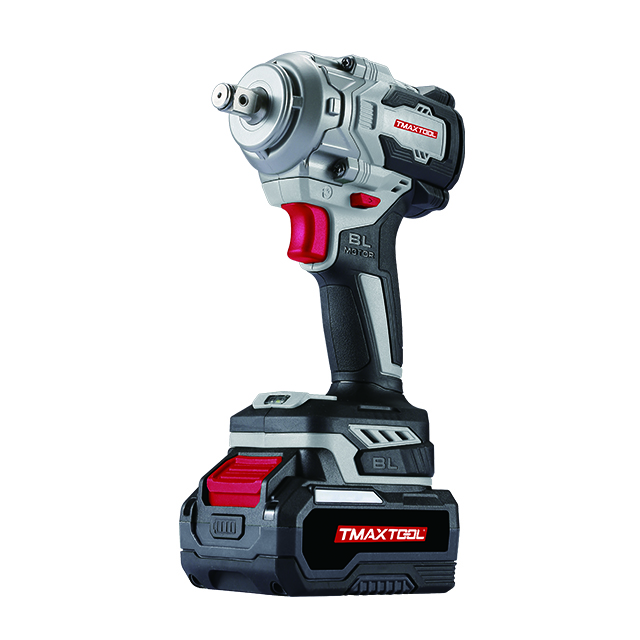 Impact Wrench
 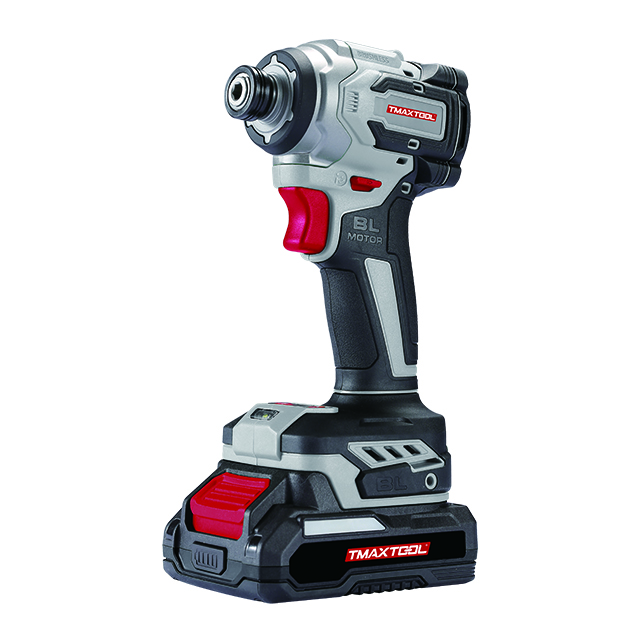 Screwdriver
 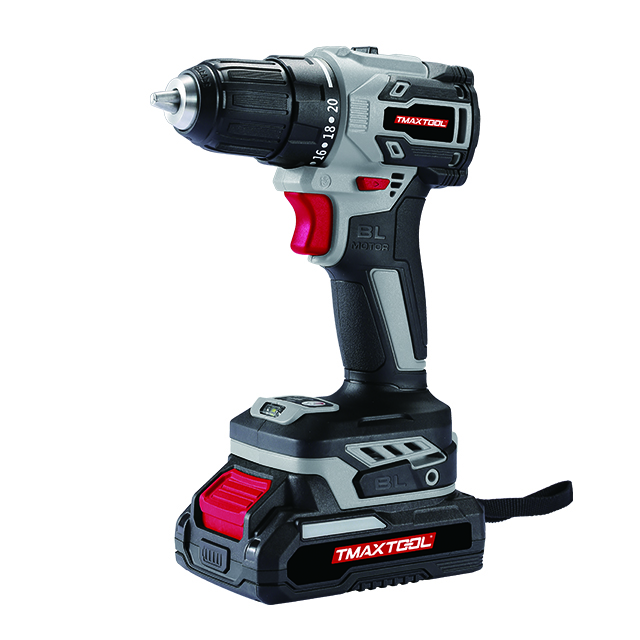 Cordless Drill
 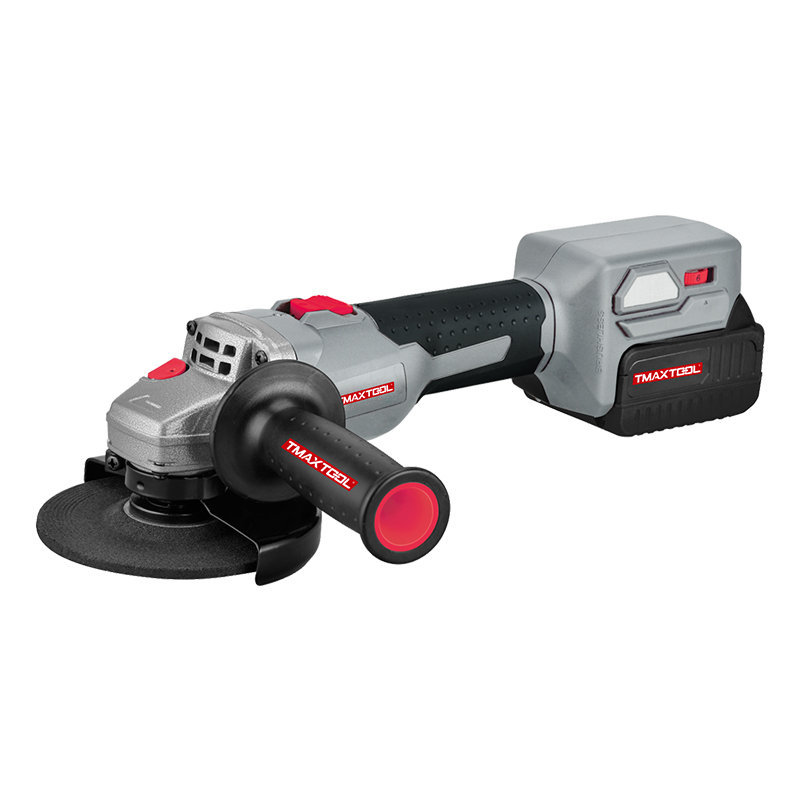 Angle Grinder
 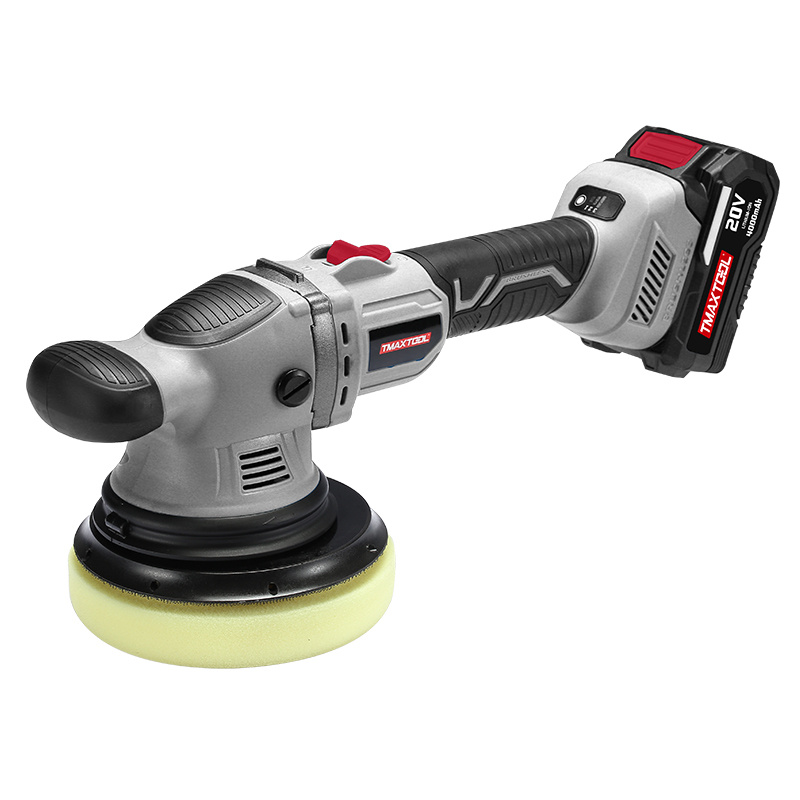 Polisher
 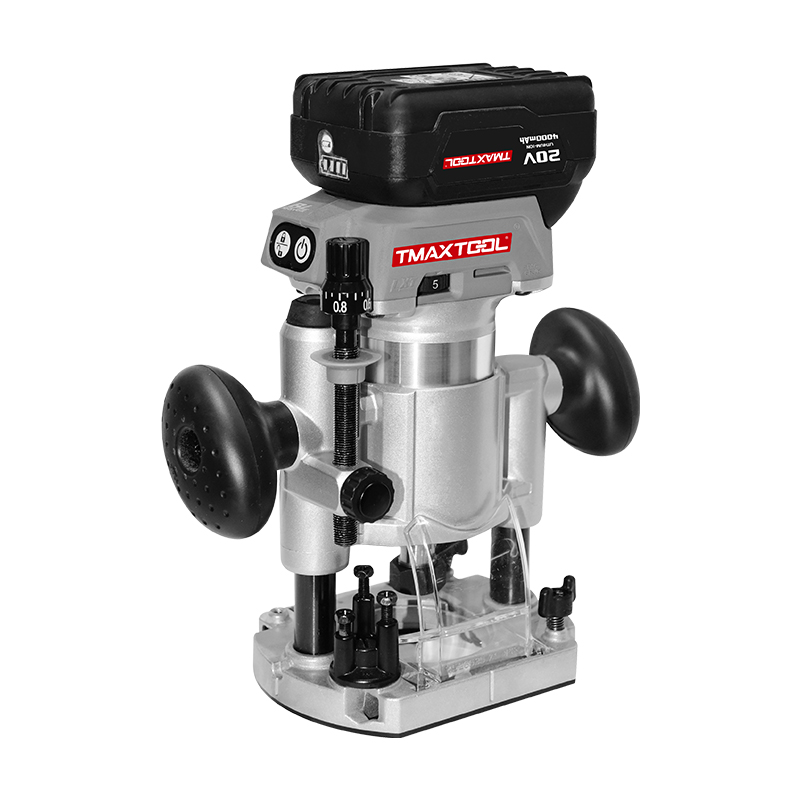 Wood Router
 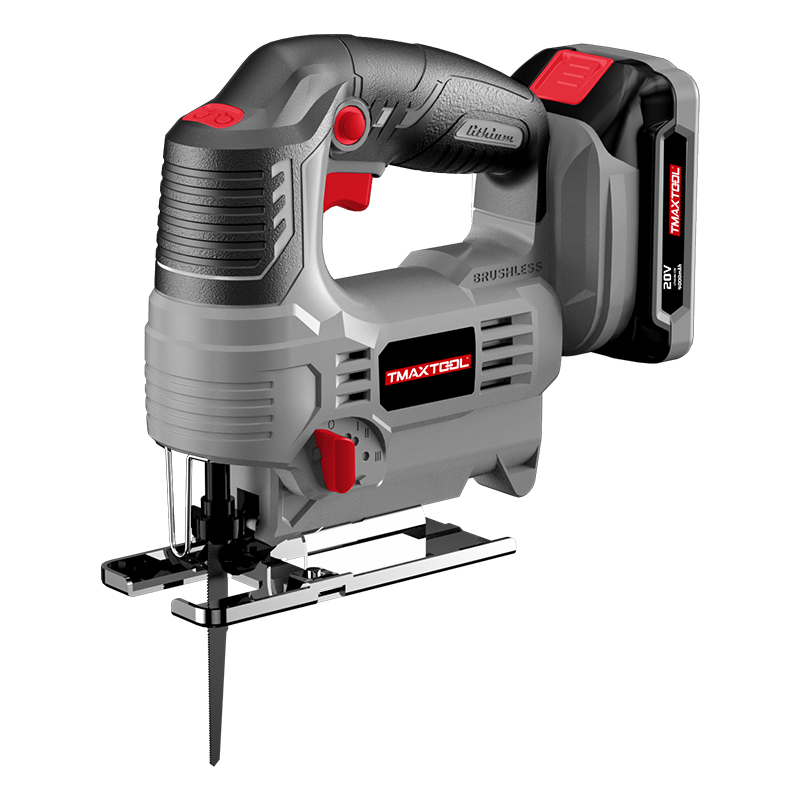 Jig Saw
 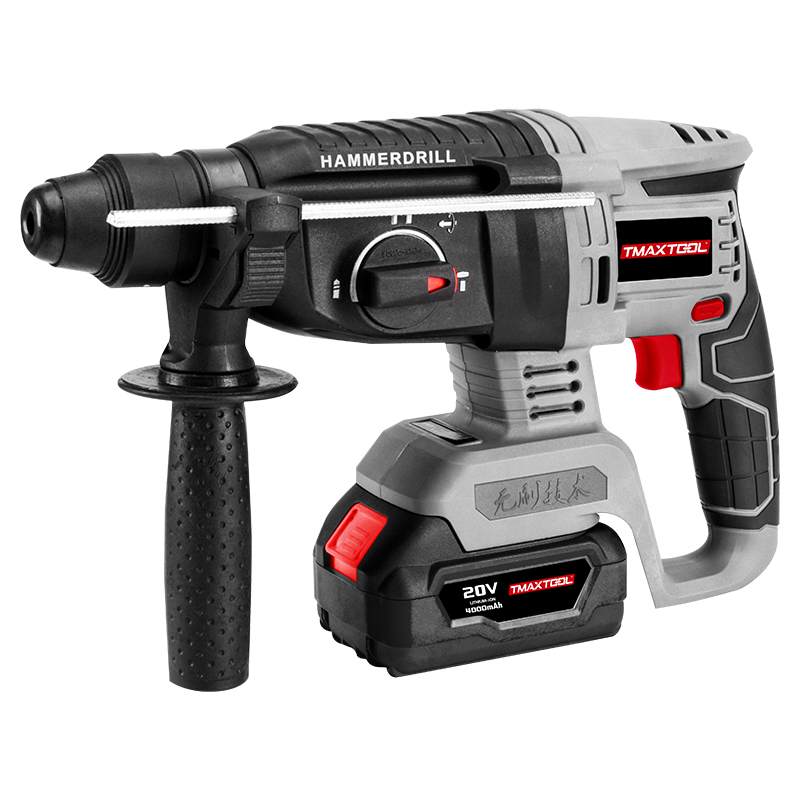 Hammer Drill
 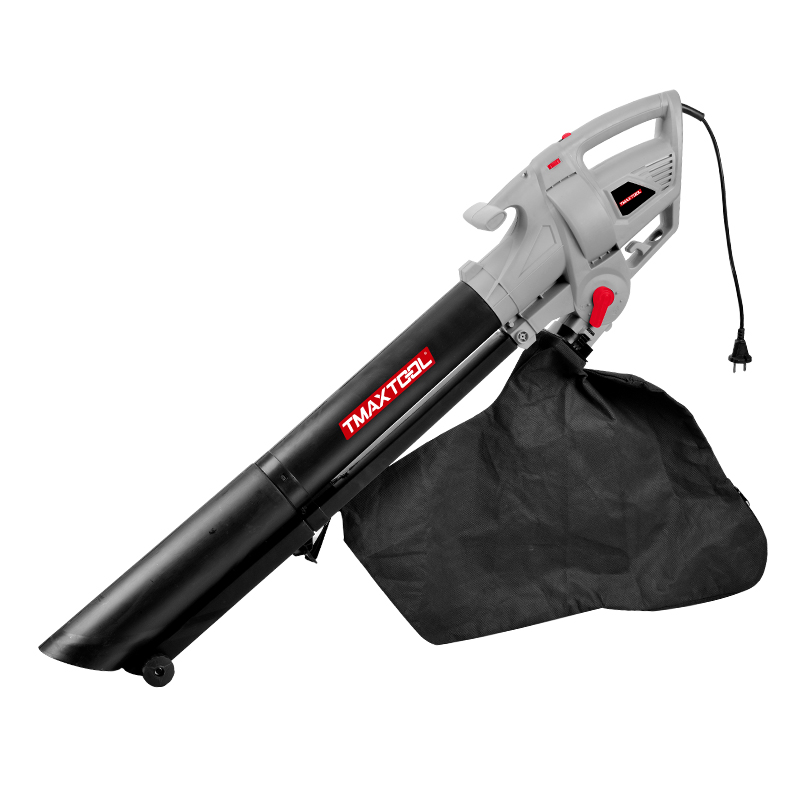 Portable Blower
 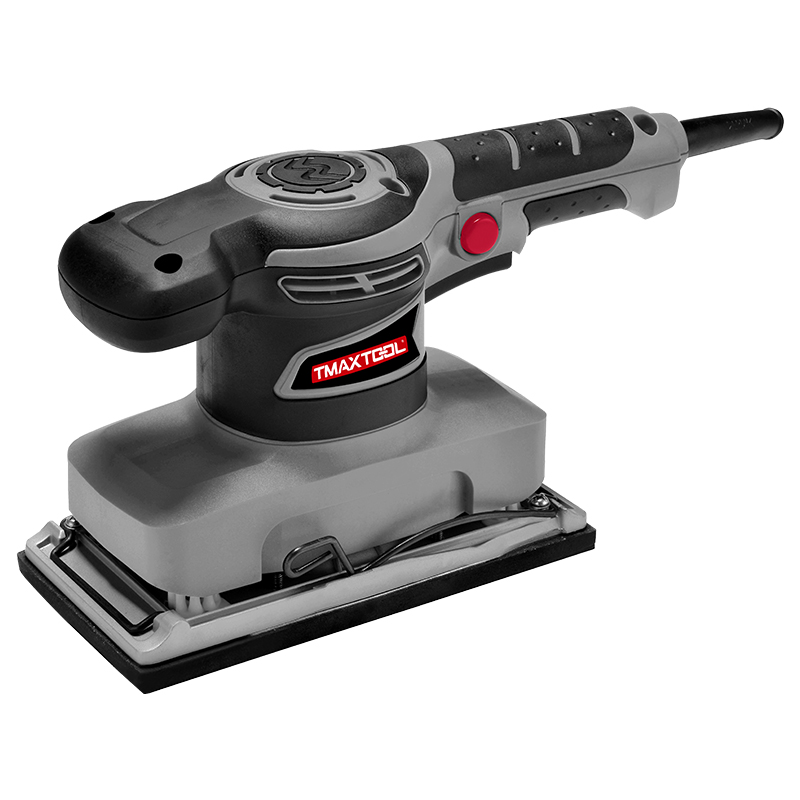 Orbital Sander
 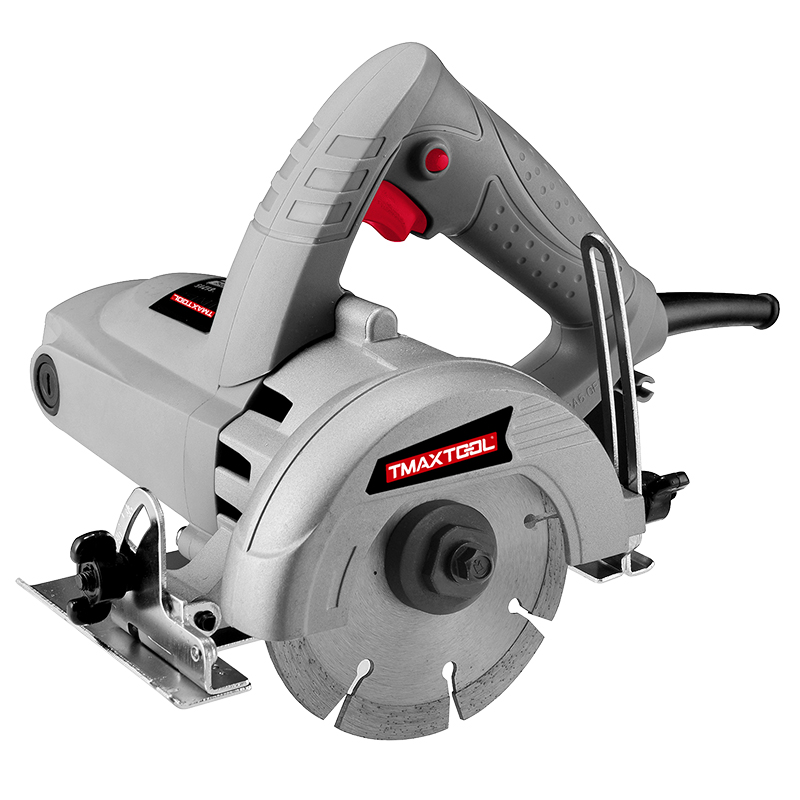 Marble Cutter
  GARDEN TOOLS
 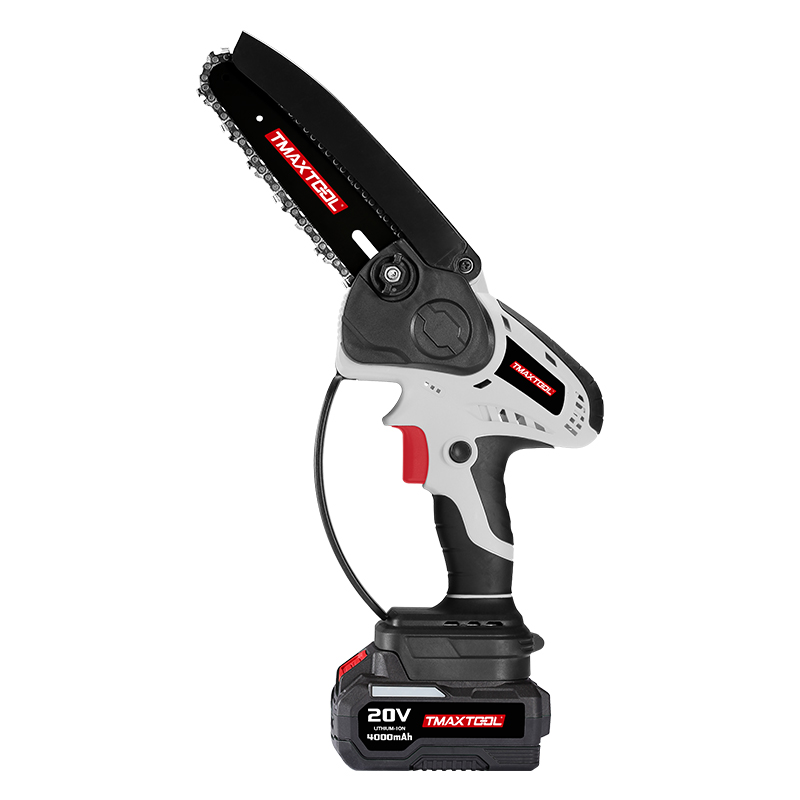 Battery Chain Saw
 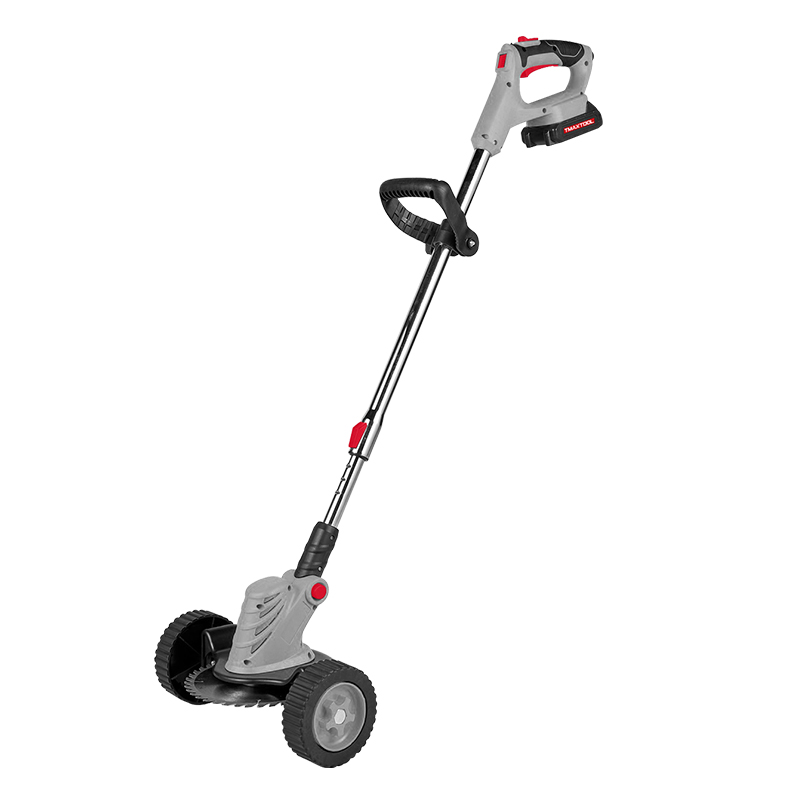 Battery Brush Cutter
 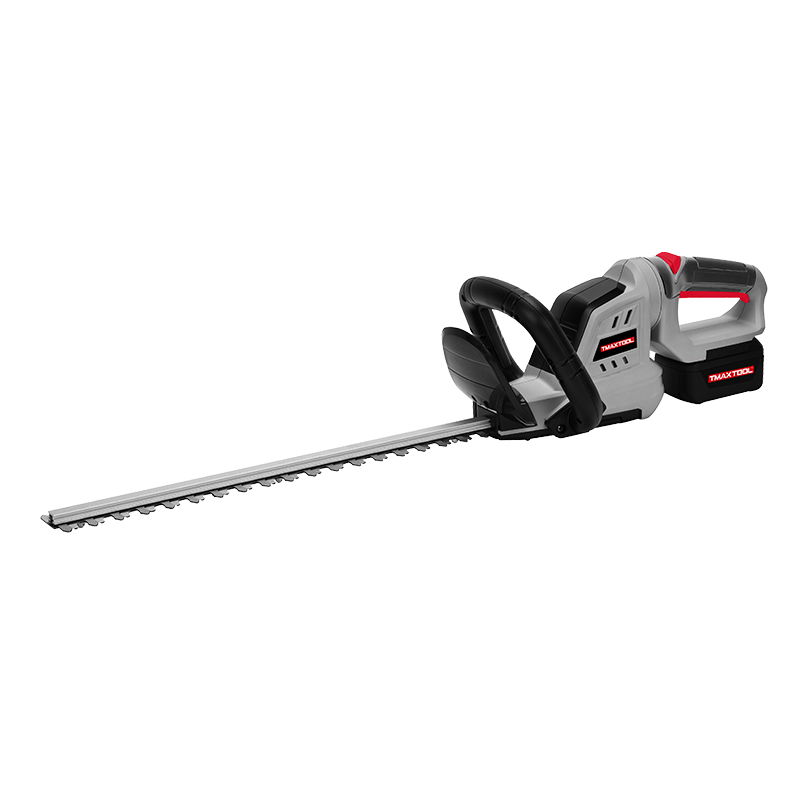 Battery Hedge Trimmer
 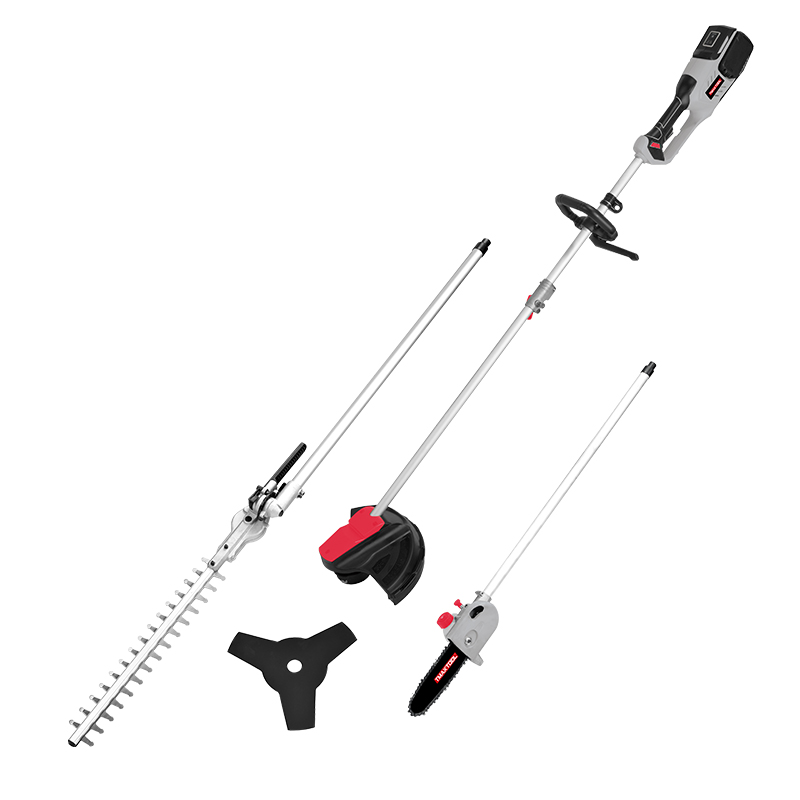 Battery Multi Tool
 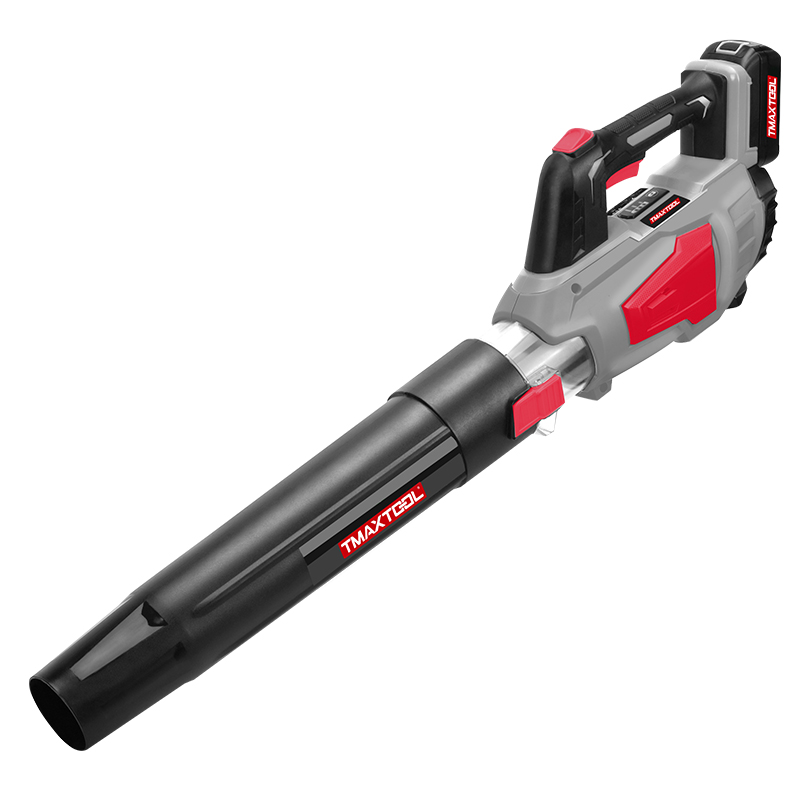 Battery Blower
 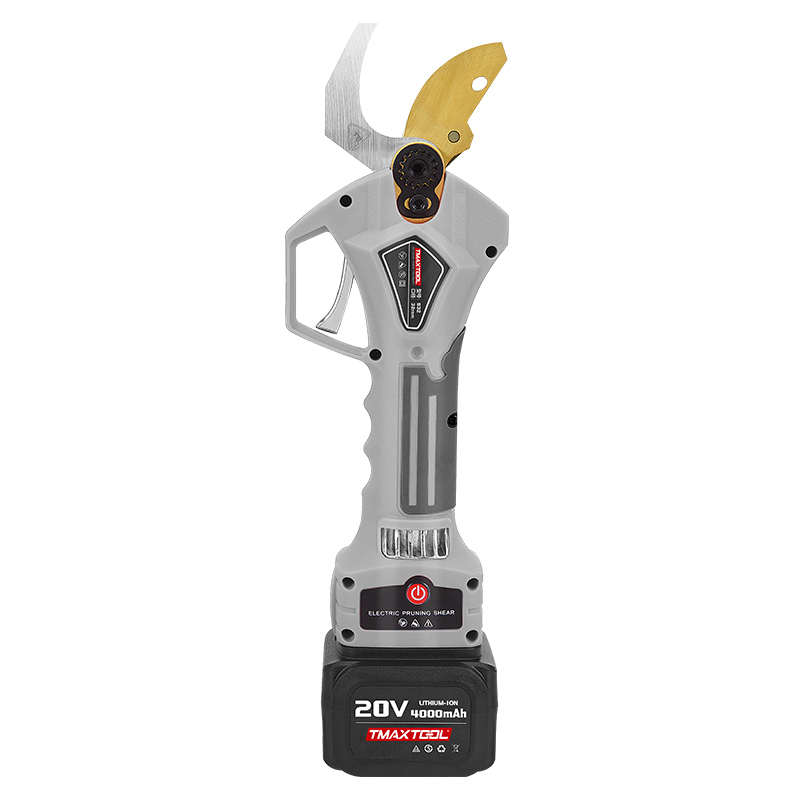 Batter Pruning Shears
 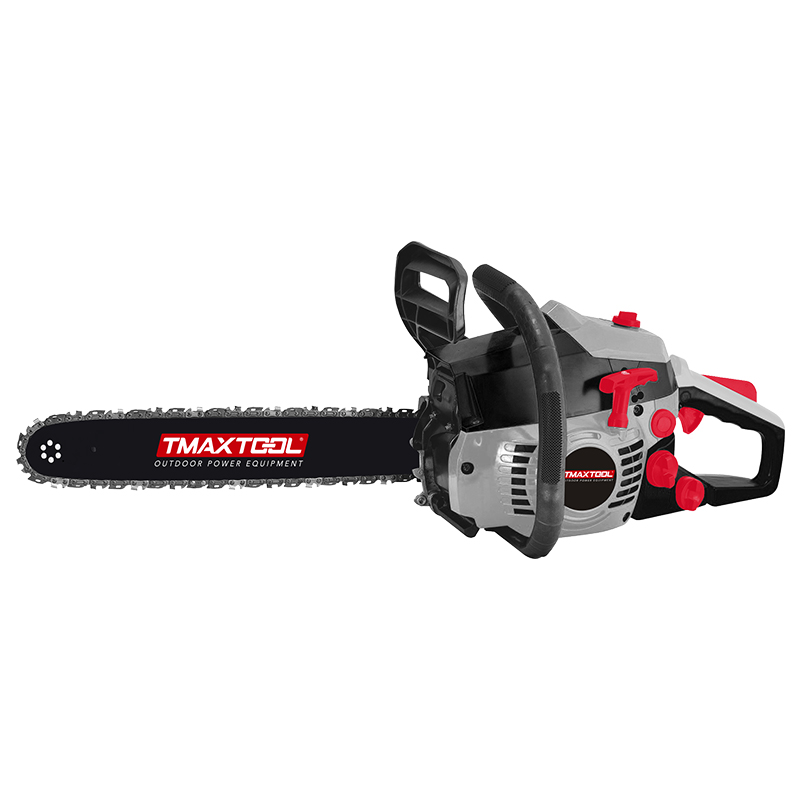 Chain Saw
 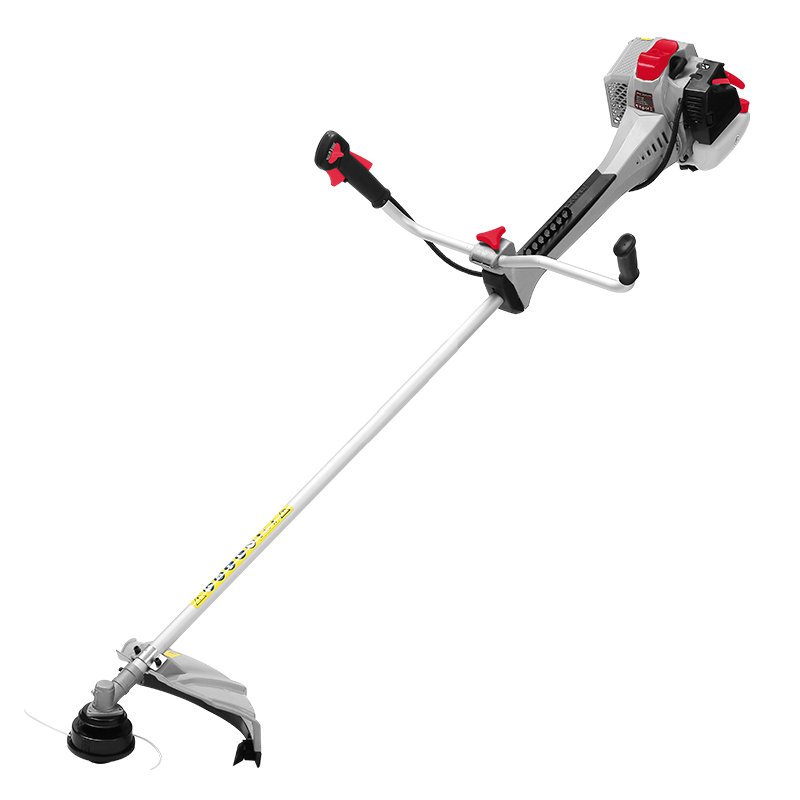 Brush Cutter
 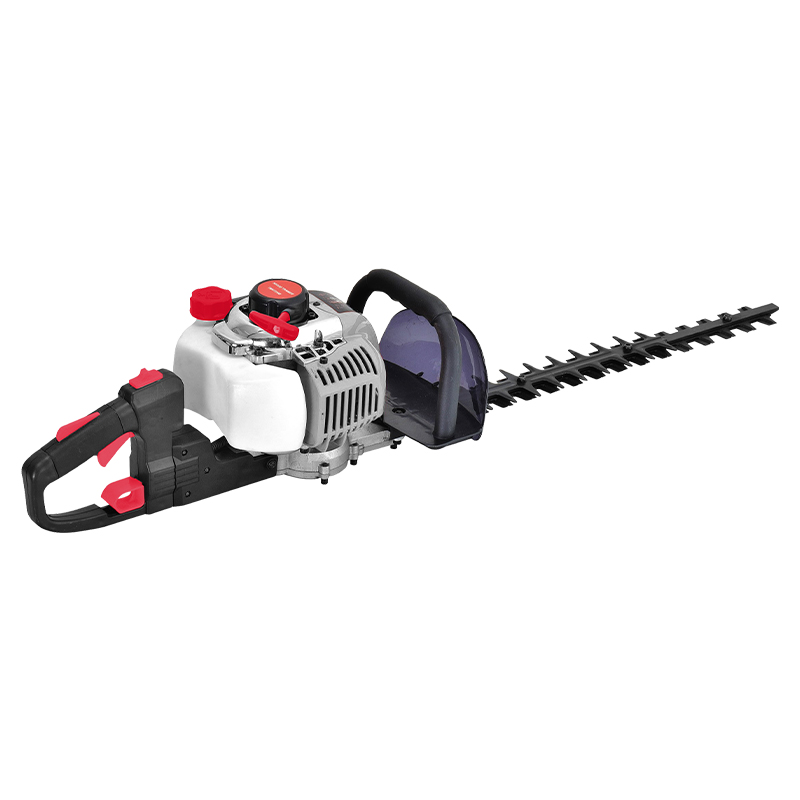 Hedge Trimmer
 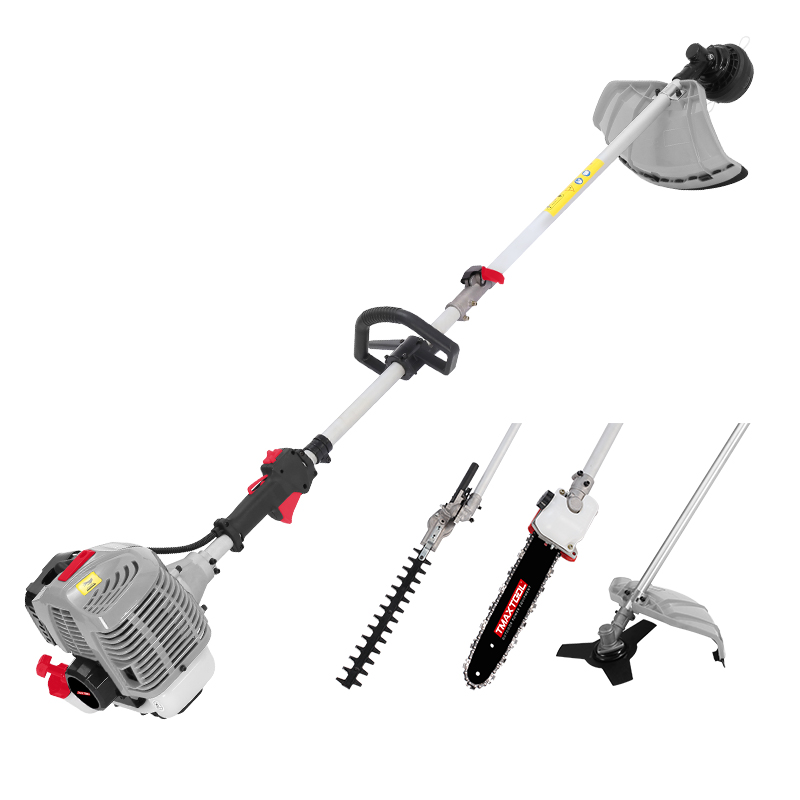 Multi Tool
 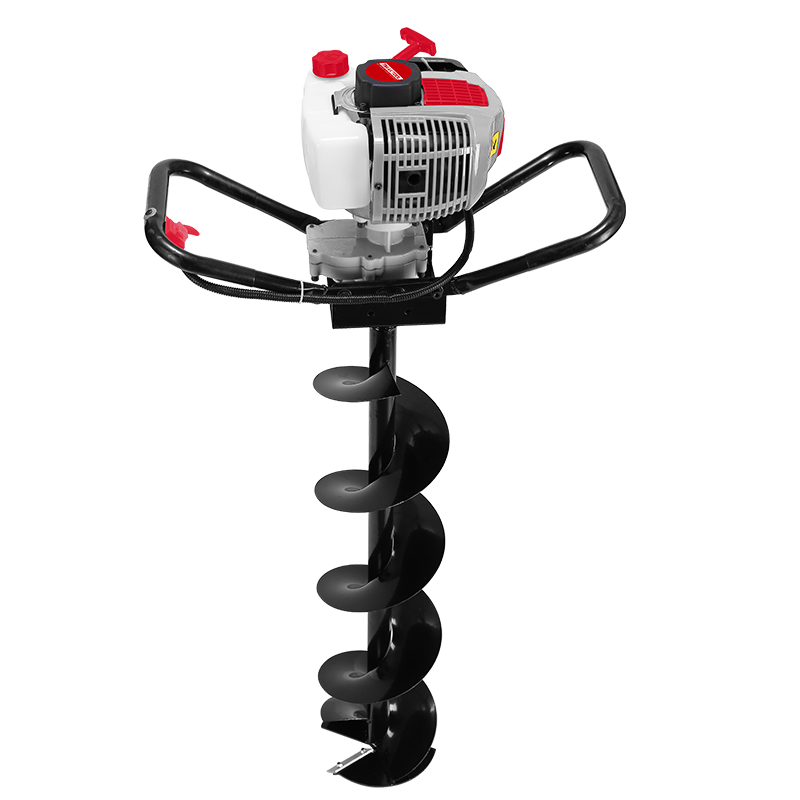 Earth Auger
 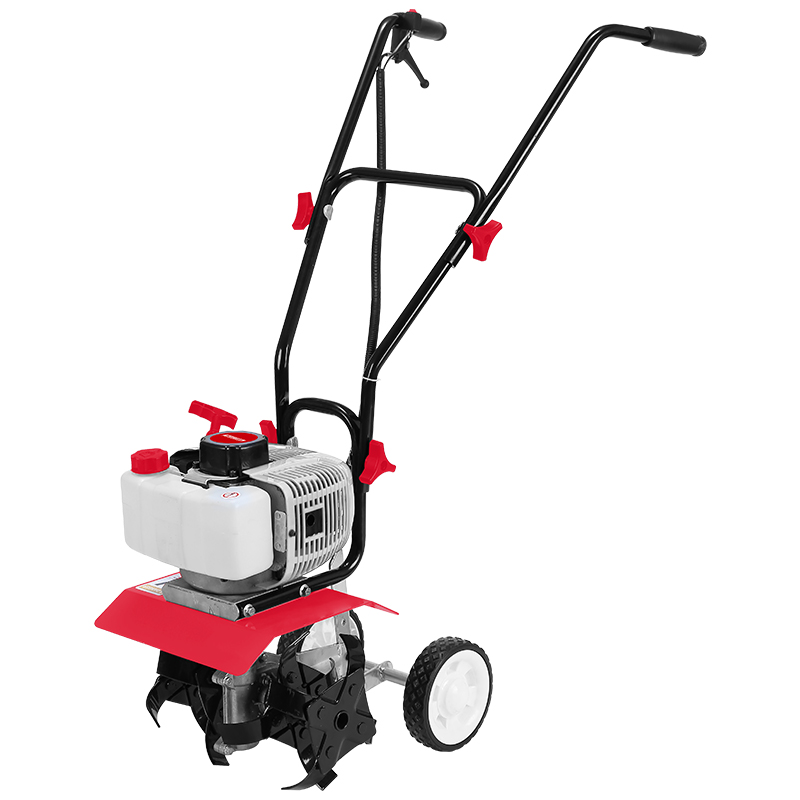 Tiller
 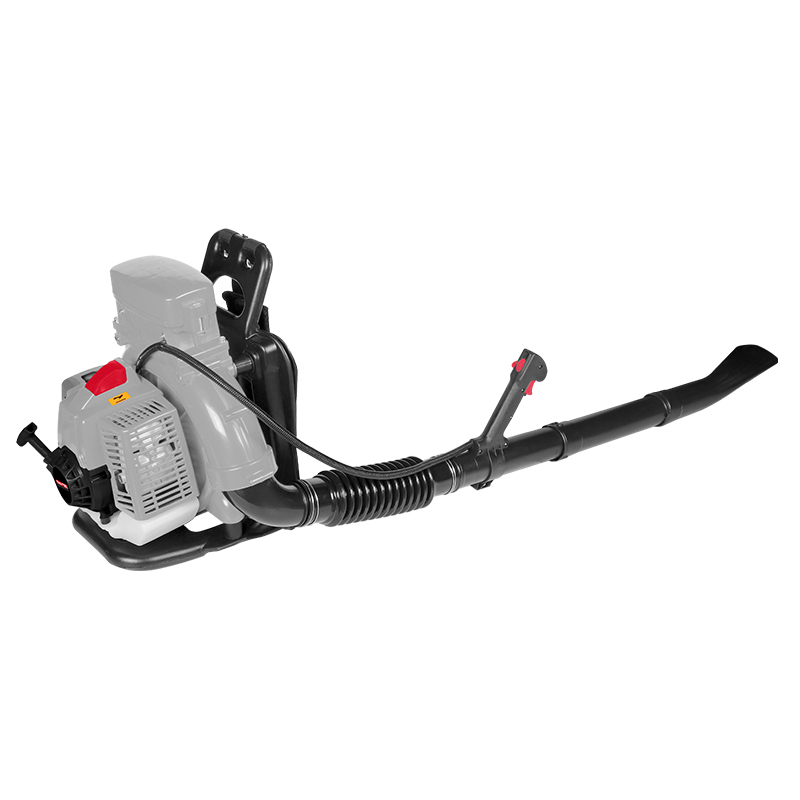 Blower
 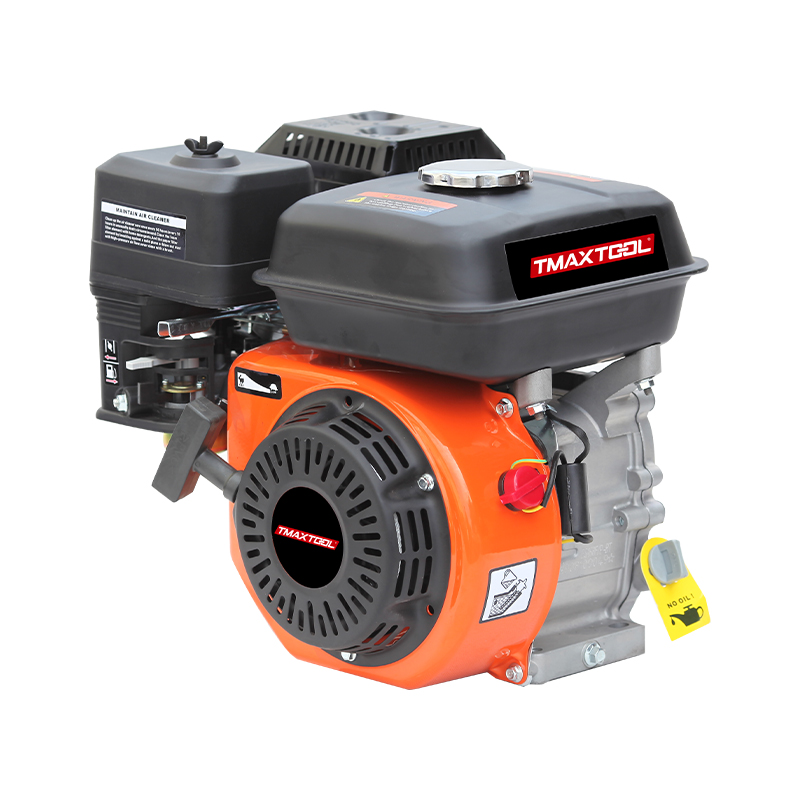 4 Stroke Gasoline Engine
 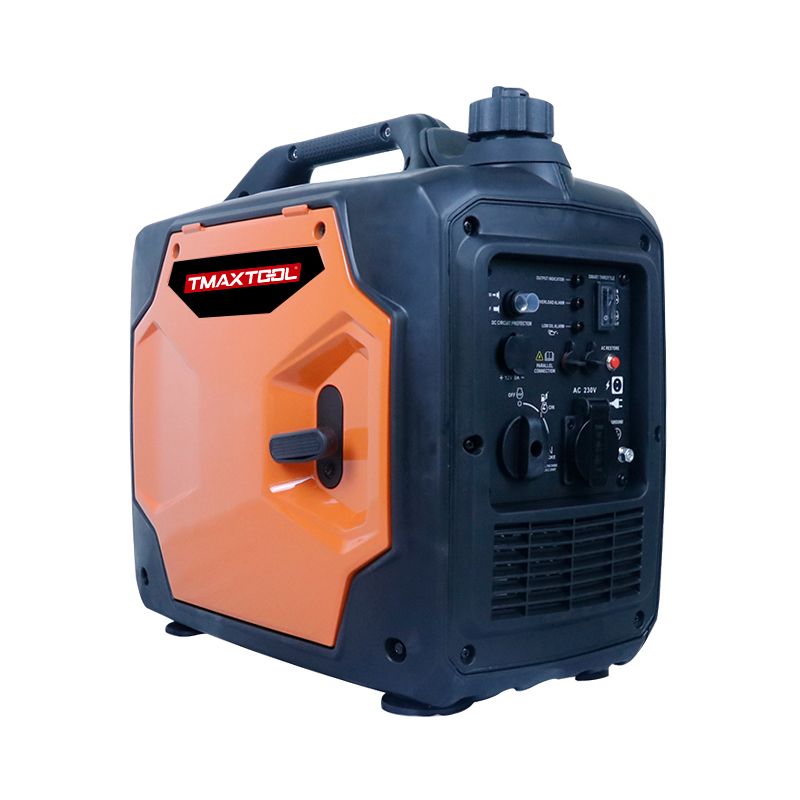 Generator
 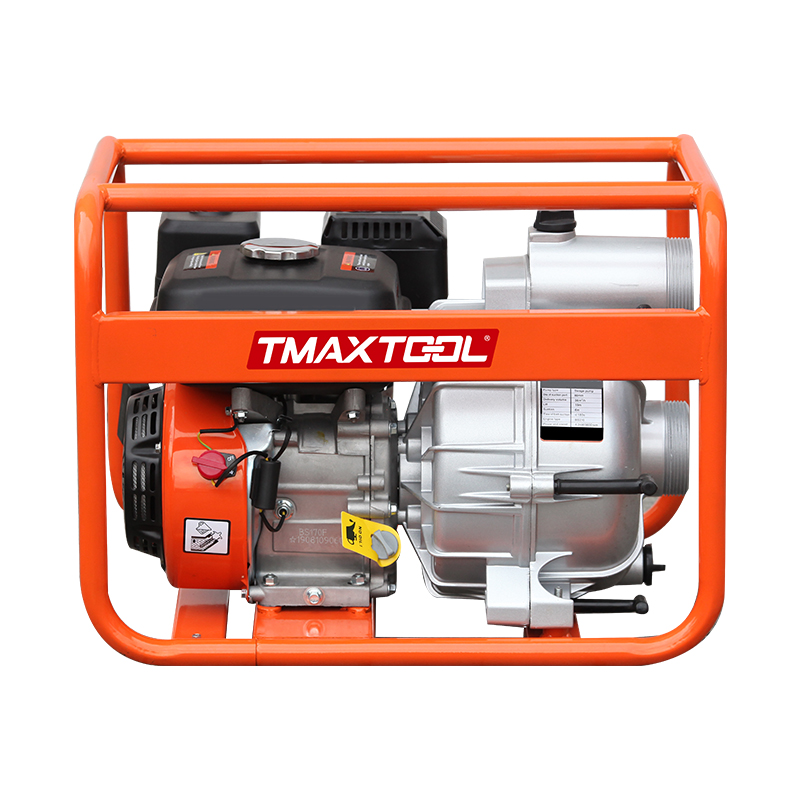 Water Pump
 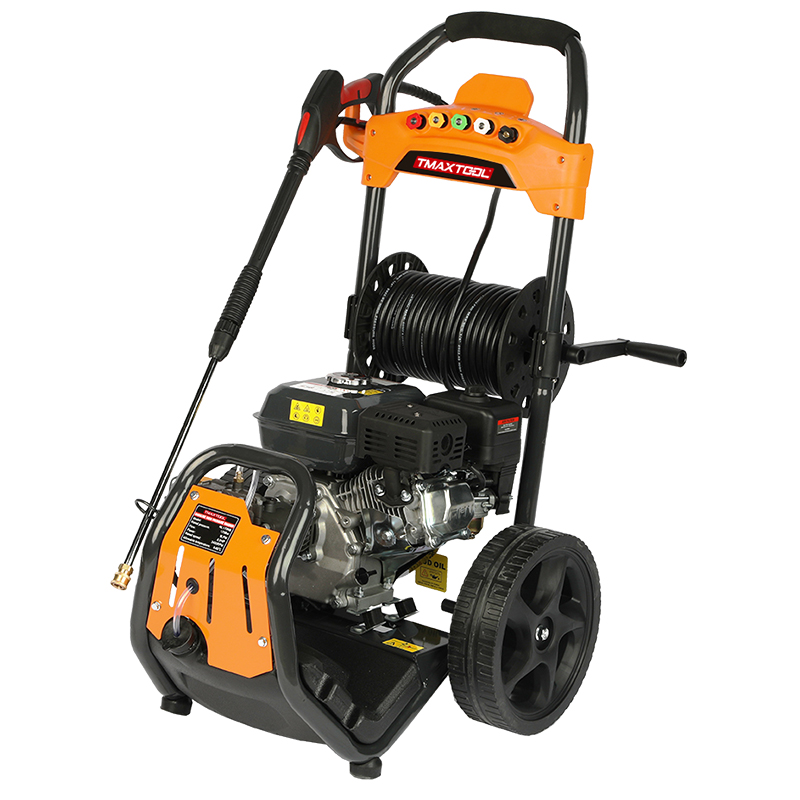 High Pressure Washer
 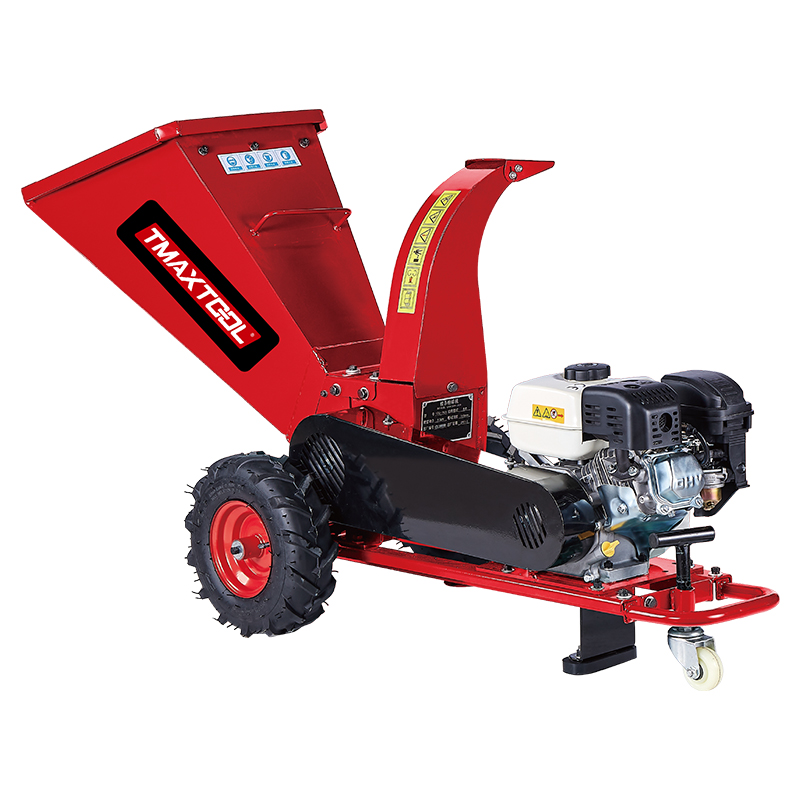 Wood Cutter
 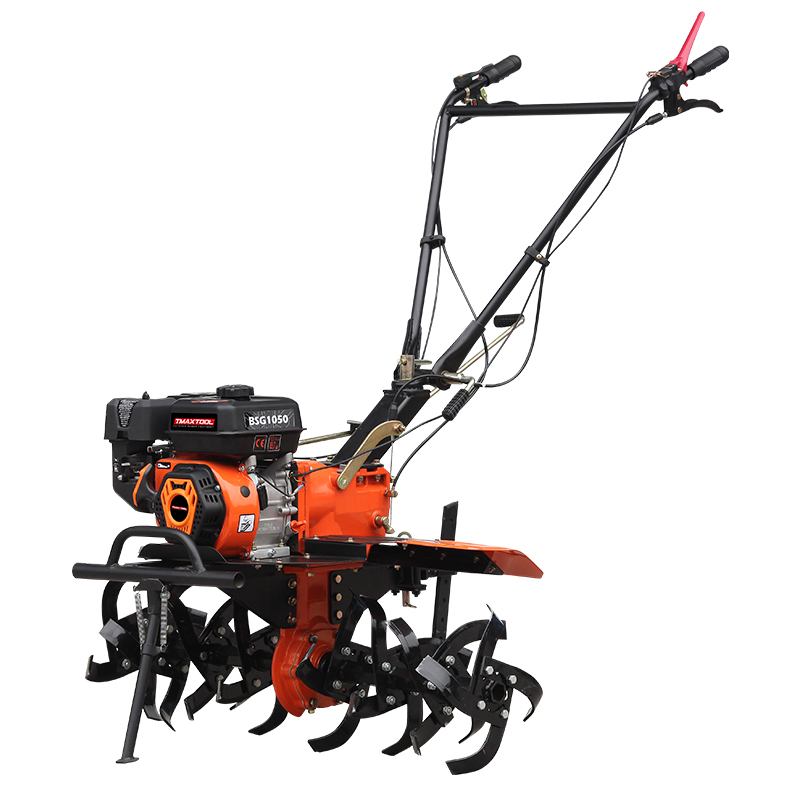 4 Stroke Tiller
 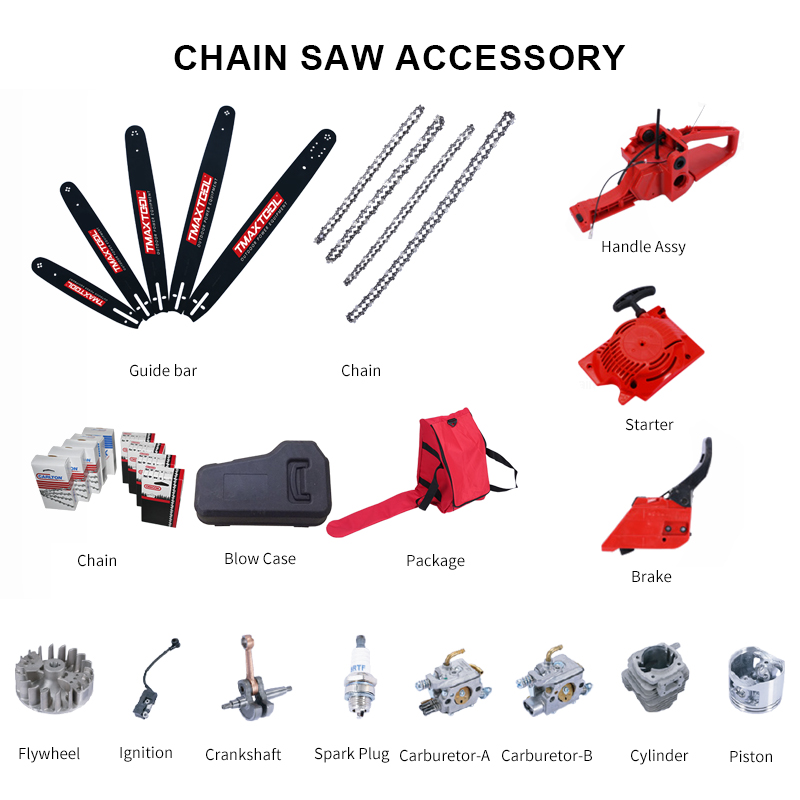 Chain Saw Accessory
 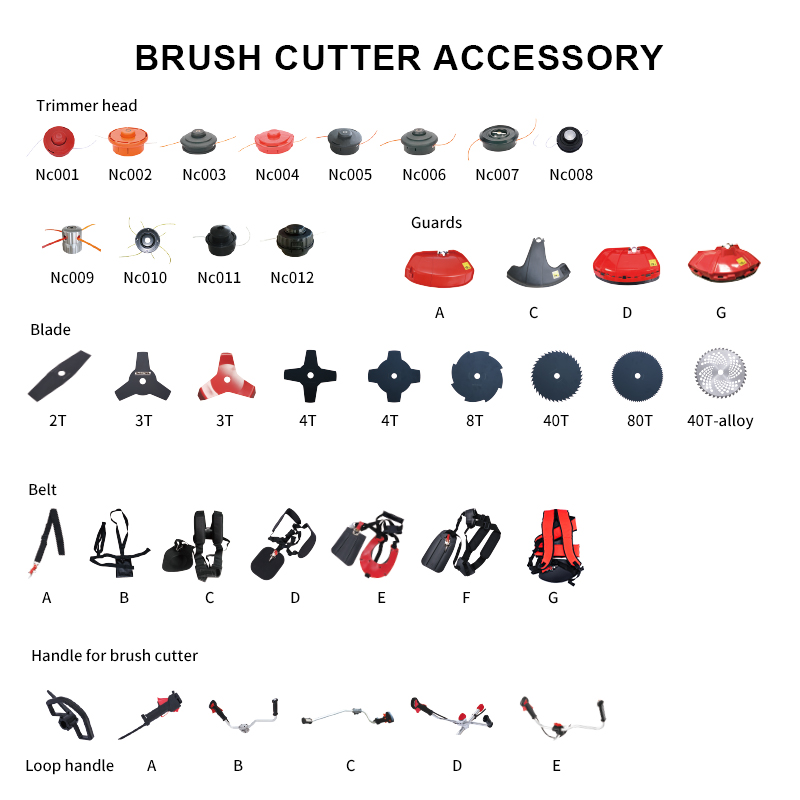 Brush Cutter Accessory
 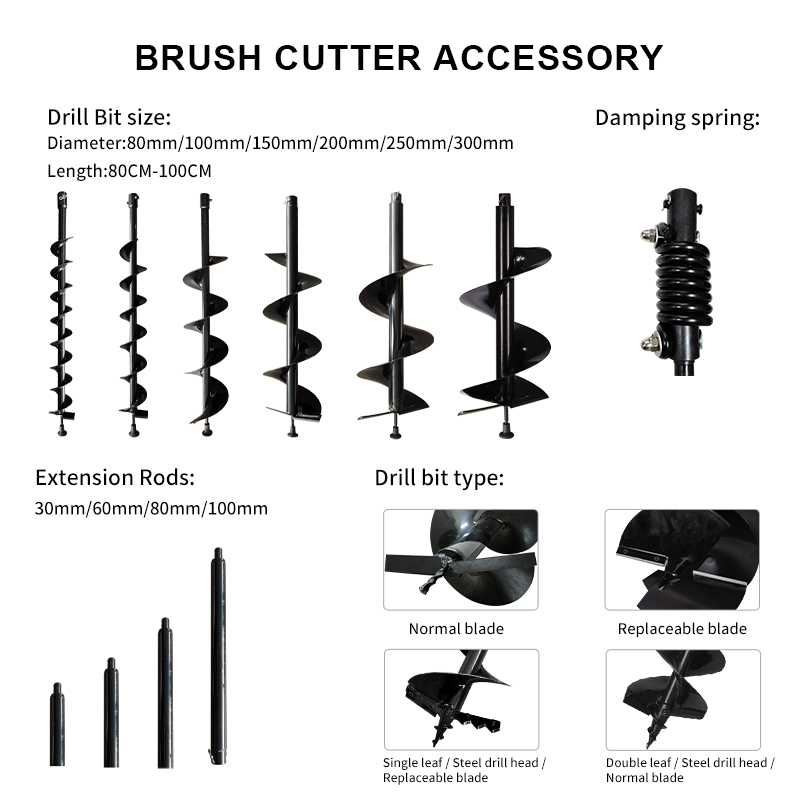 Earth Auger Accessory
 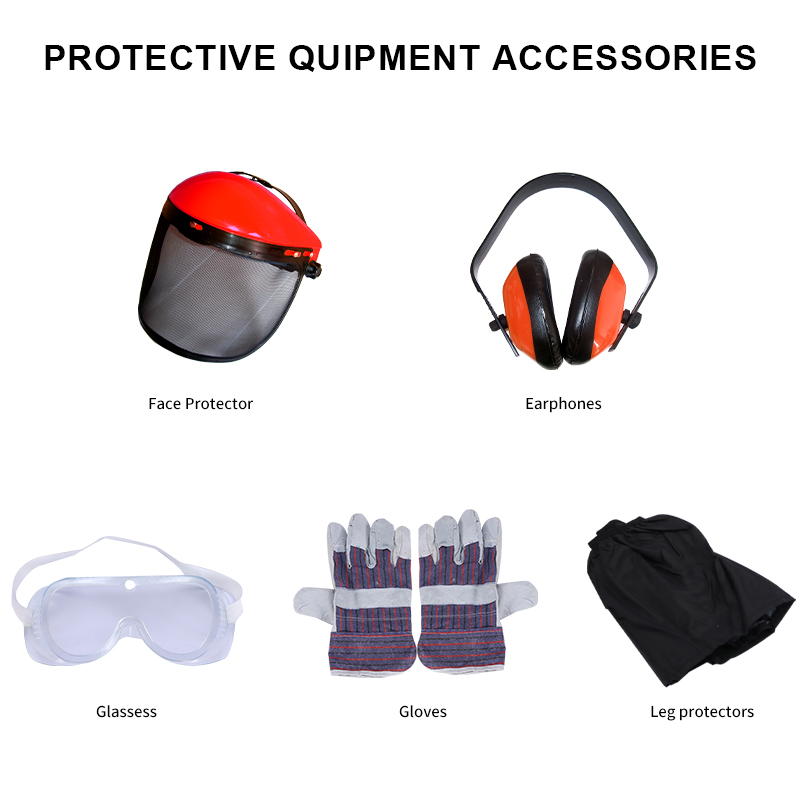 Protective Equipment Accessories


