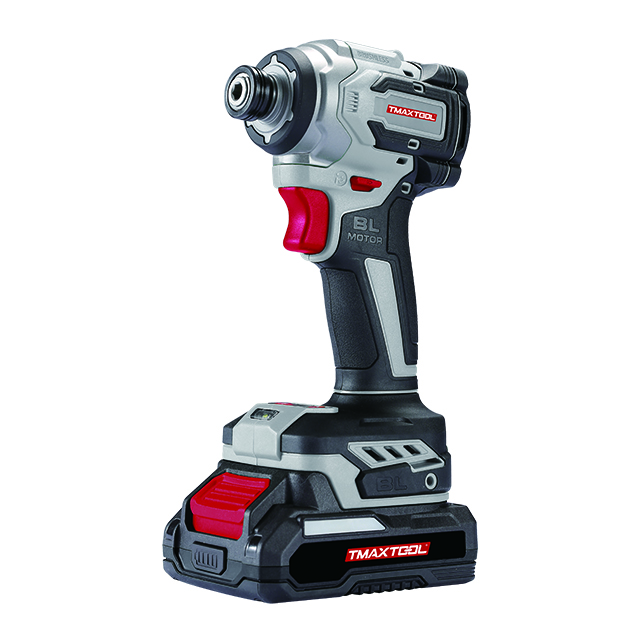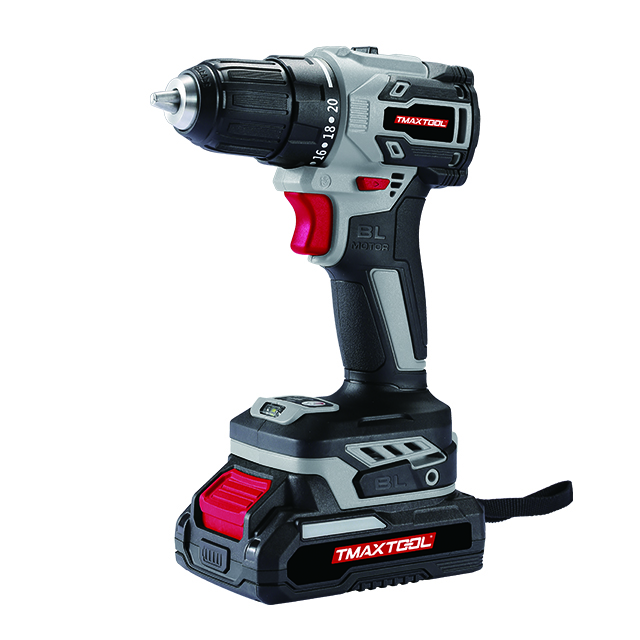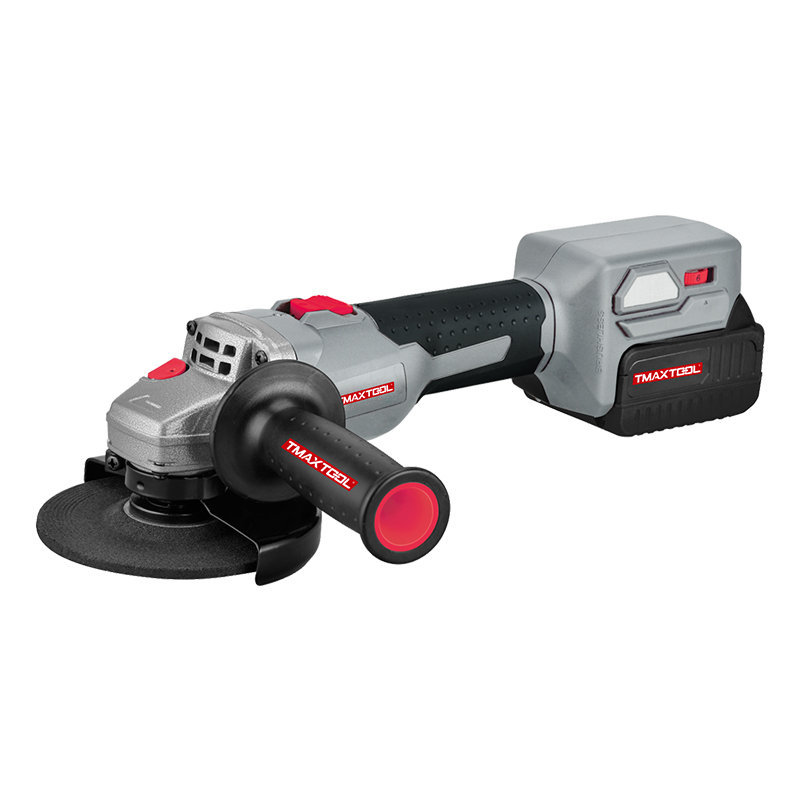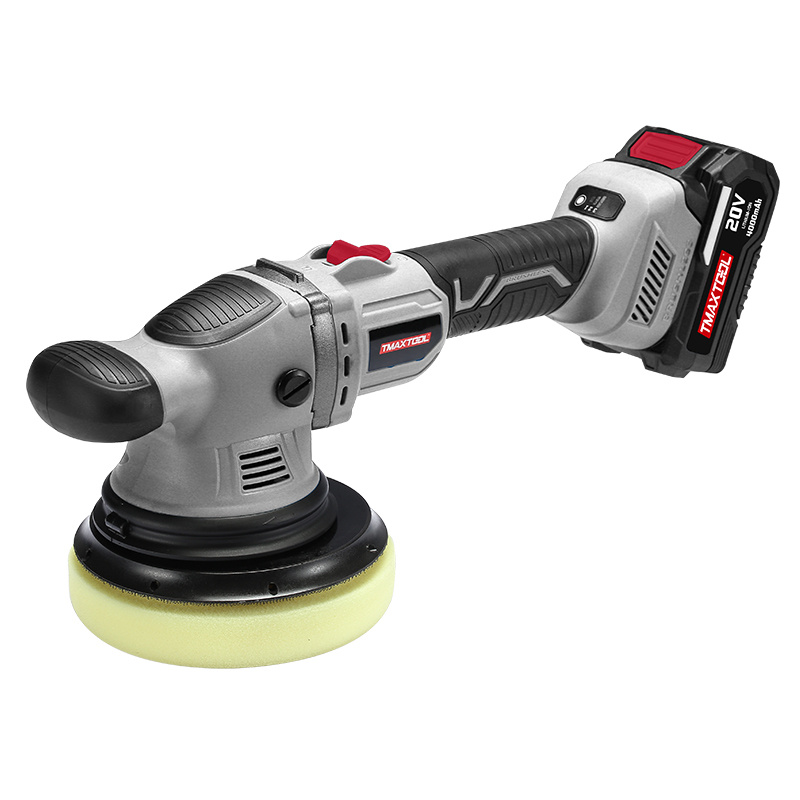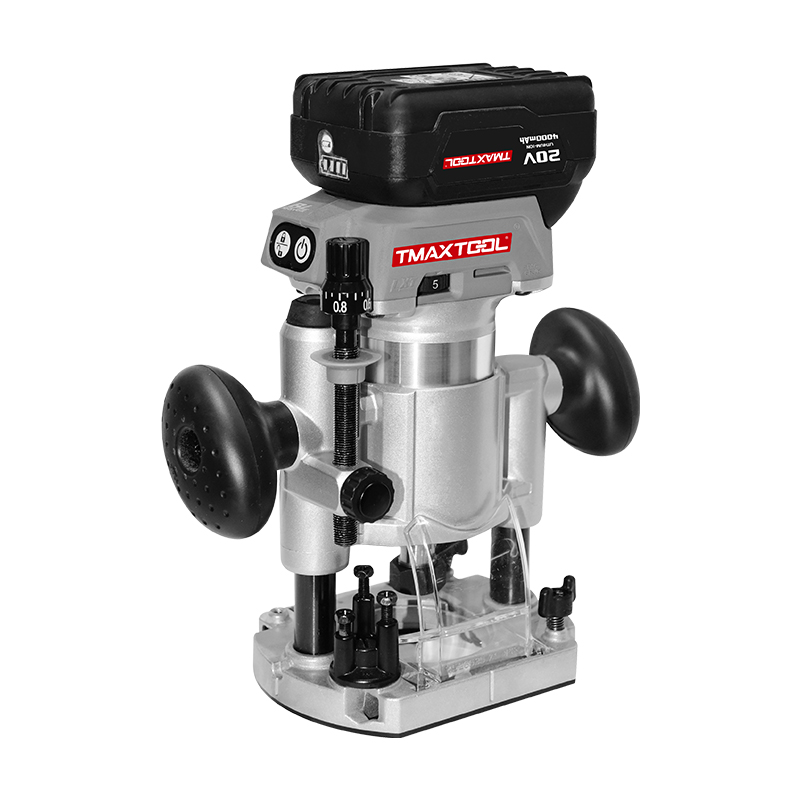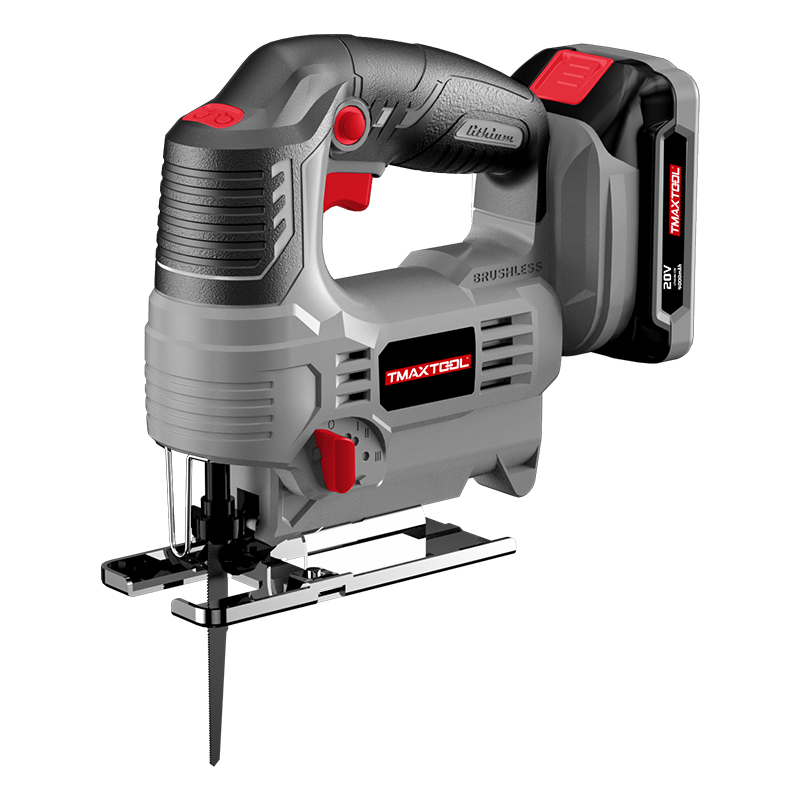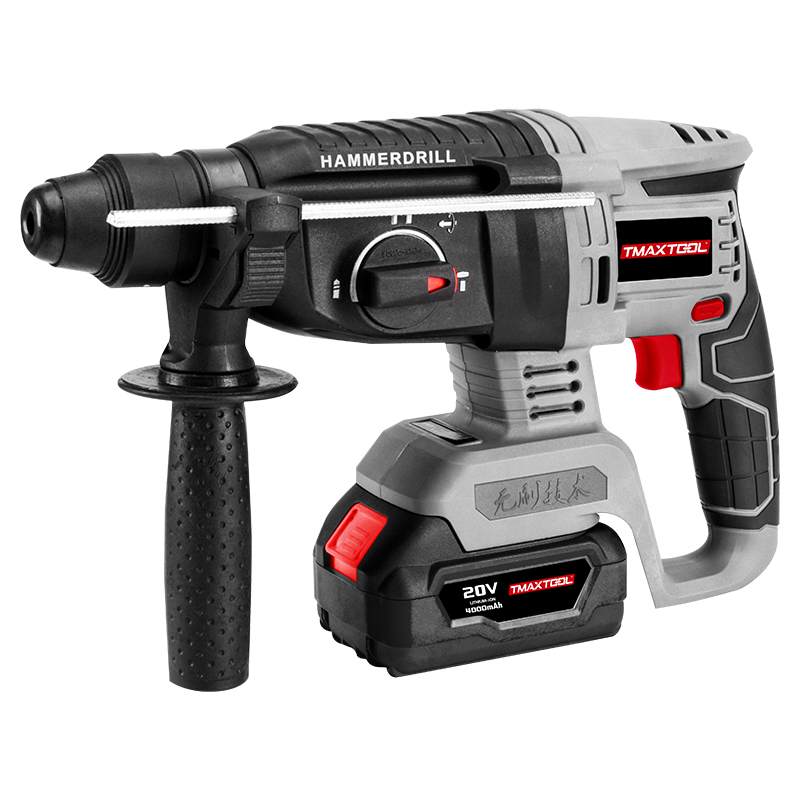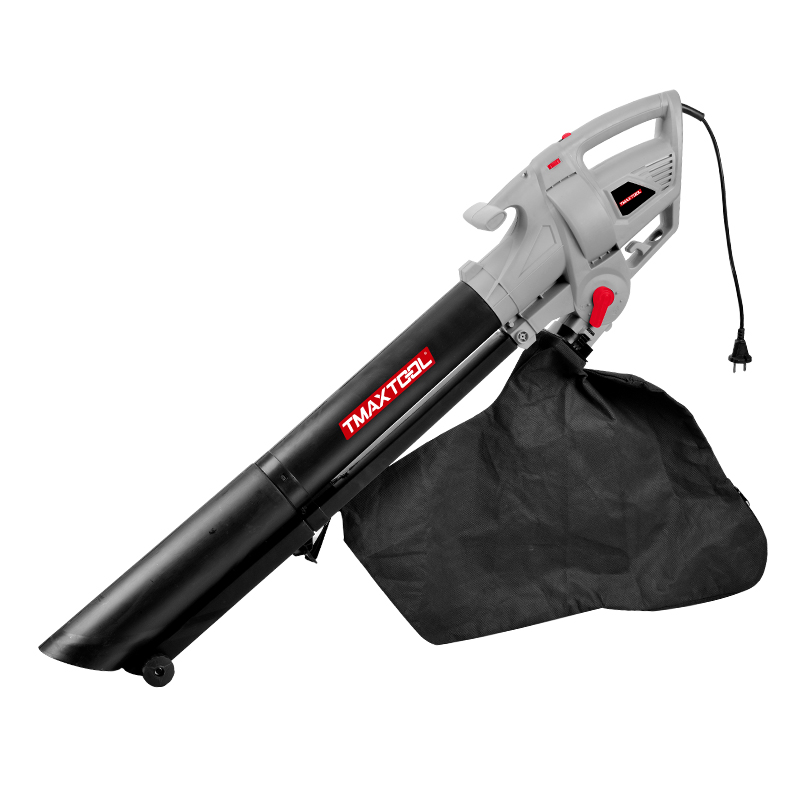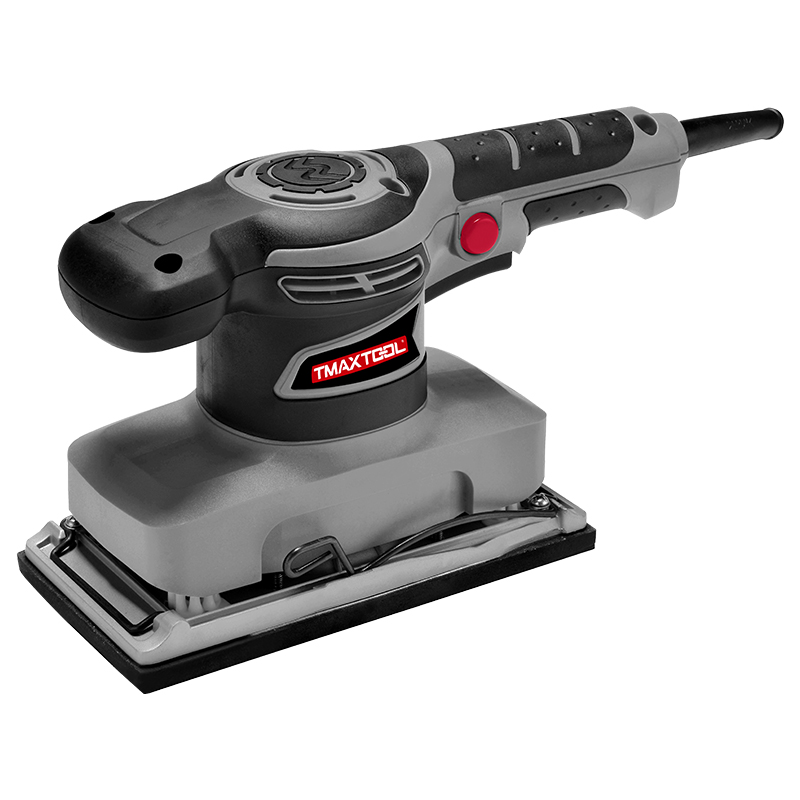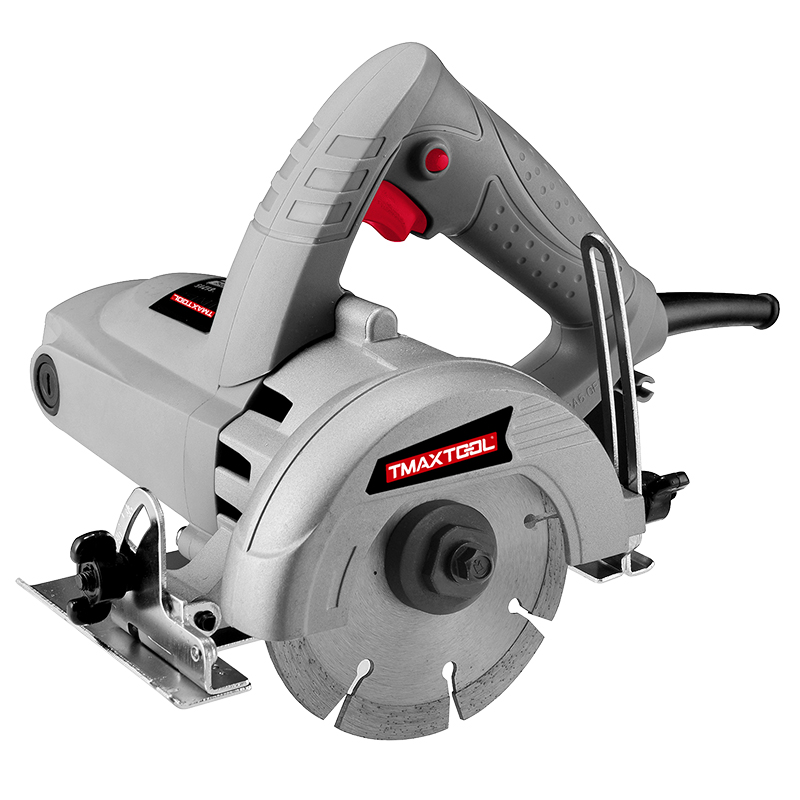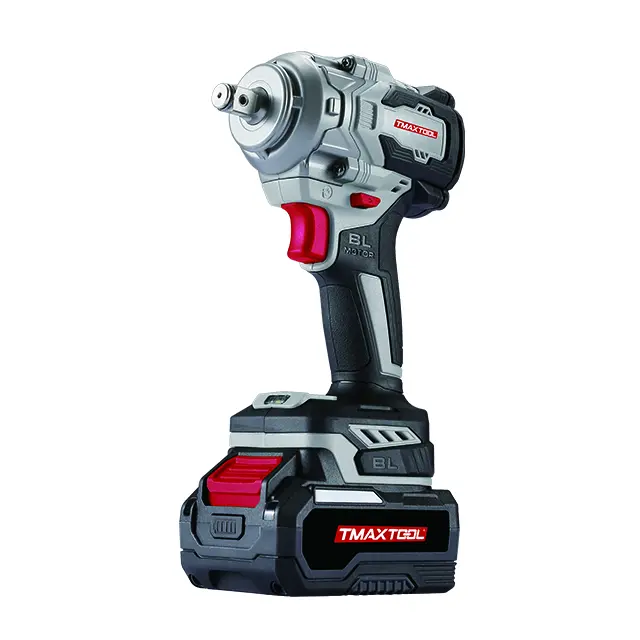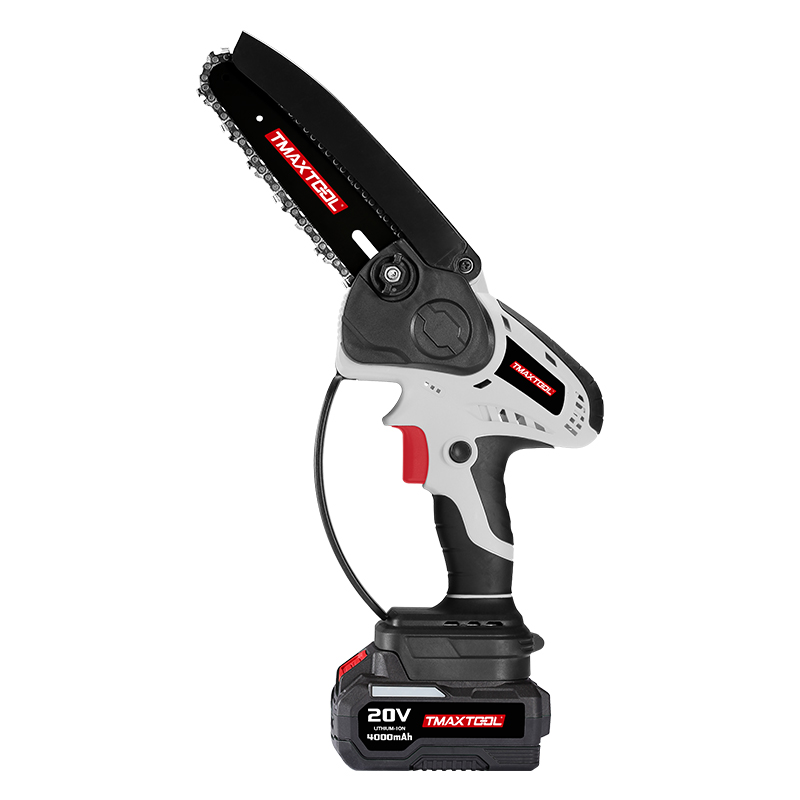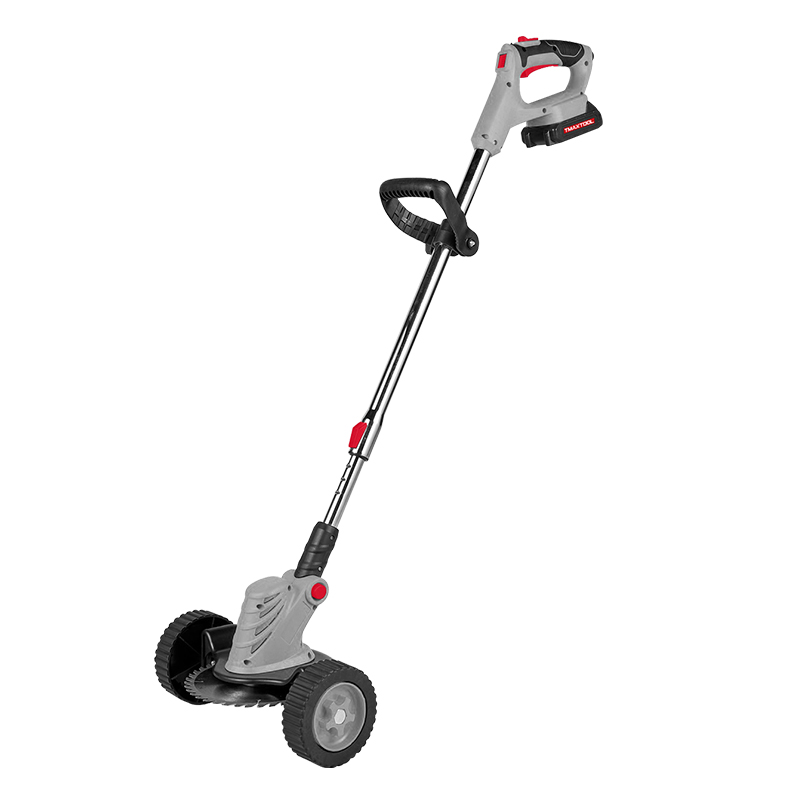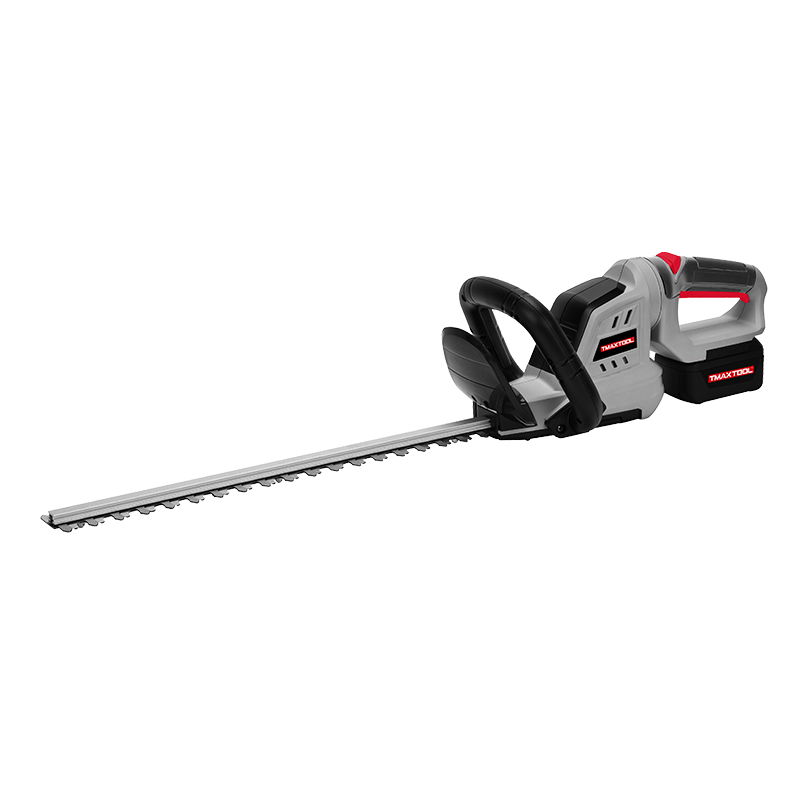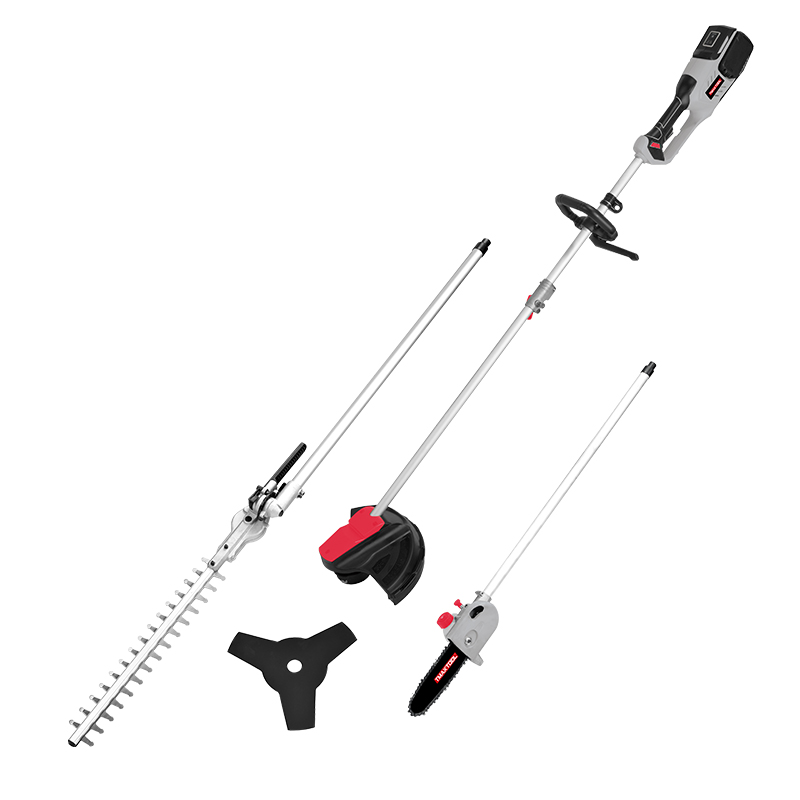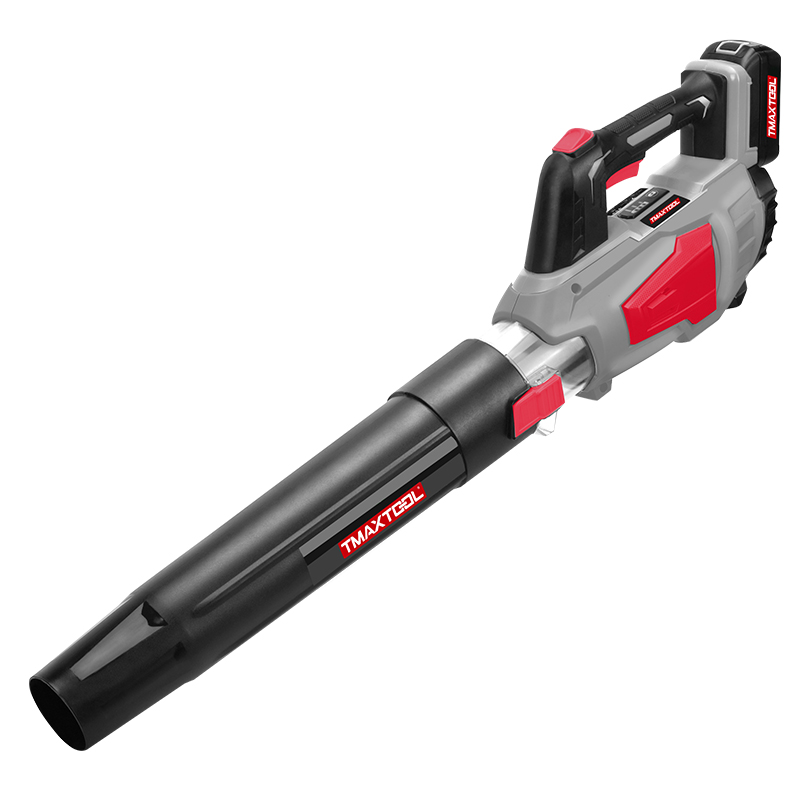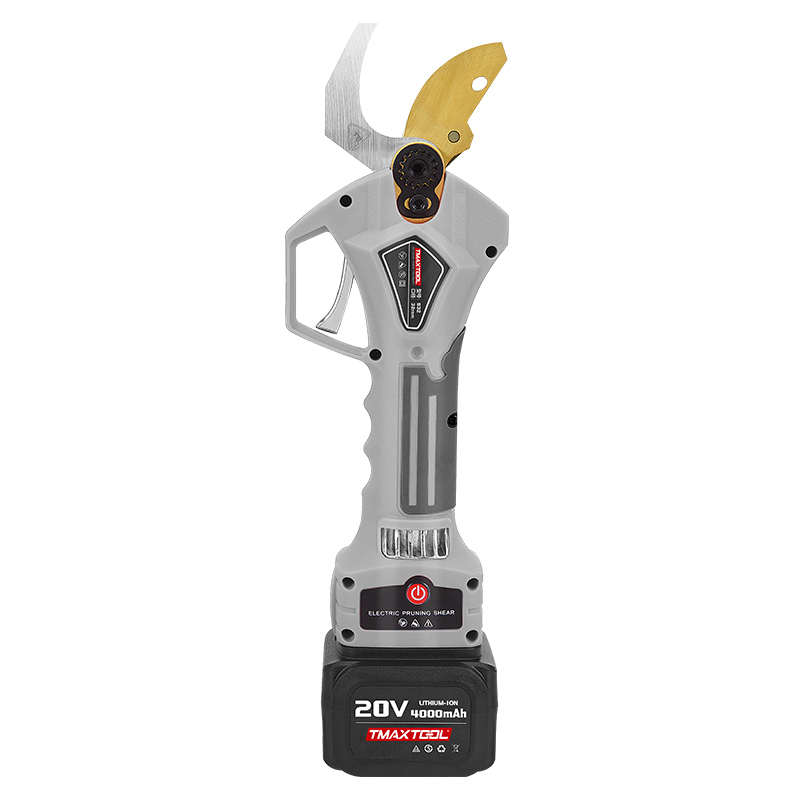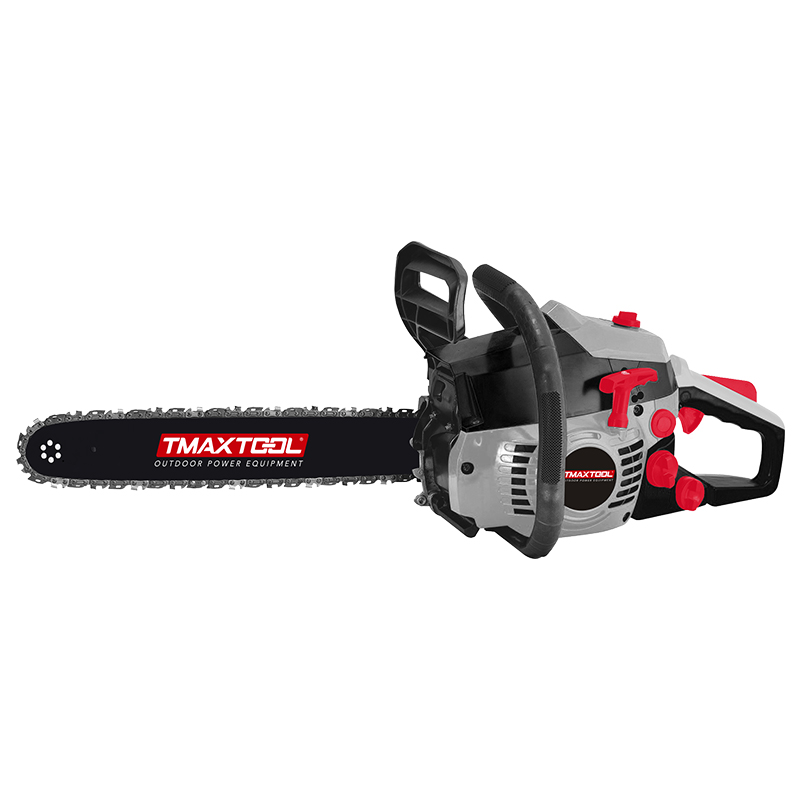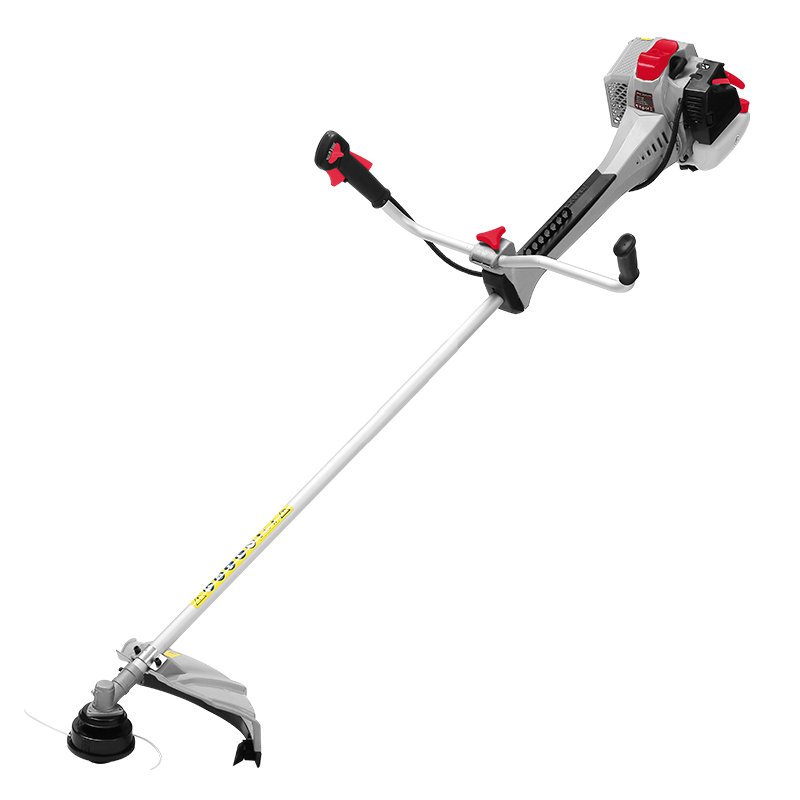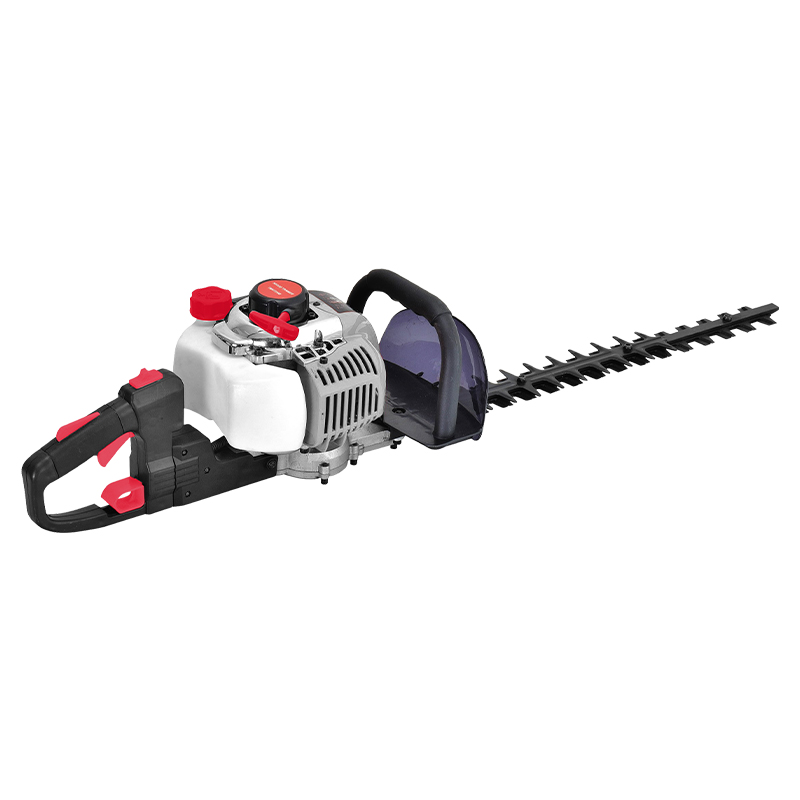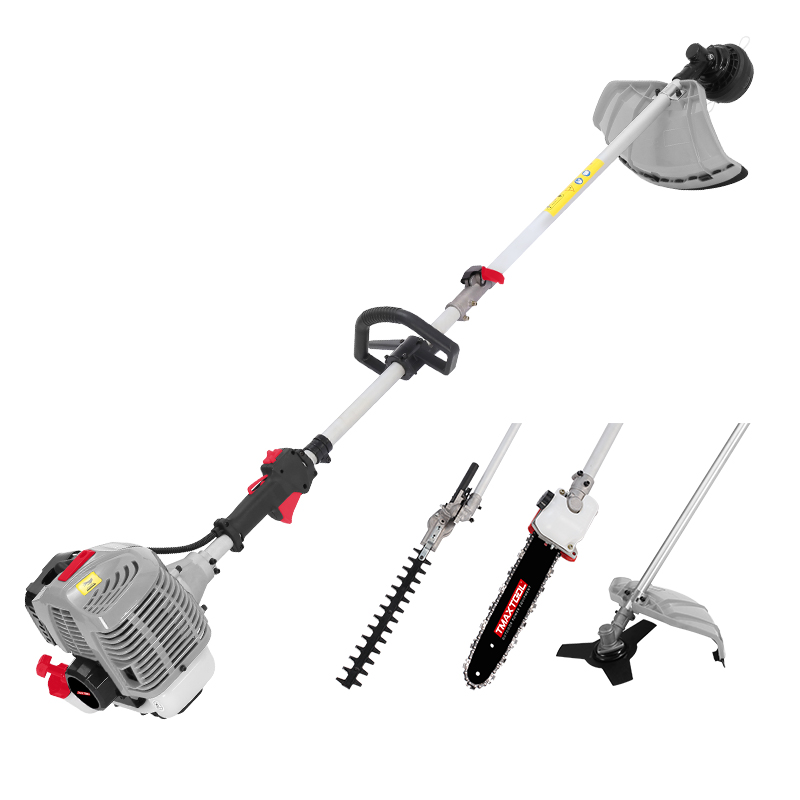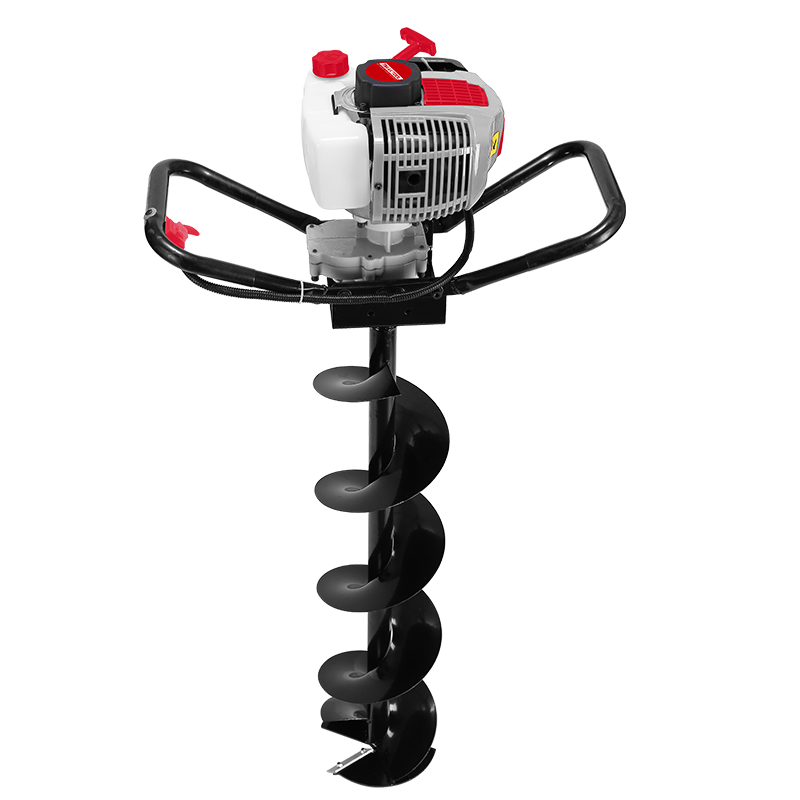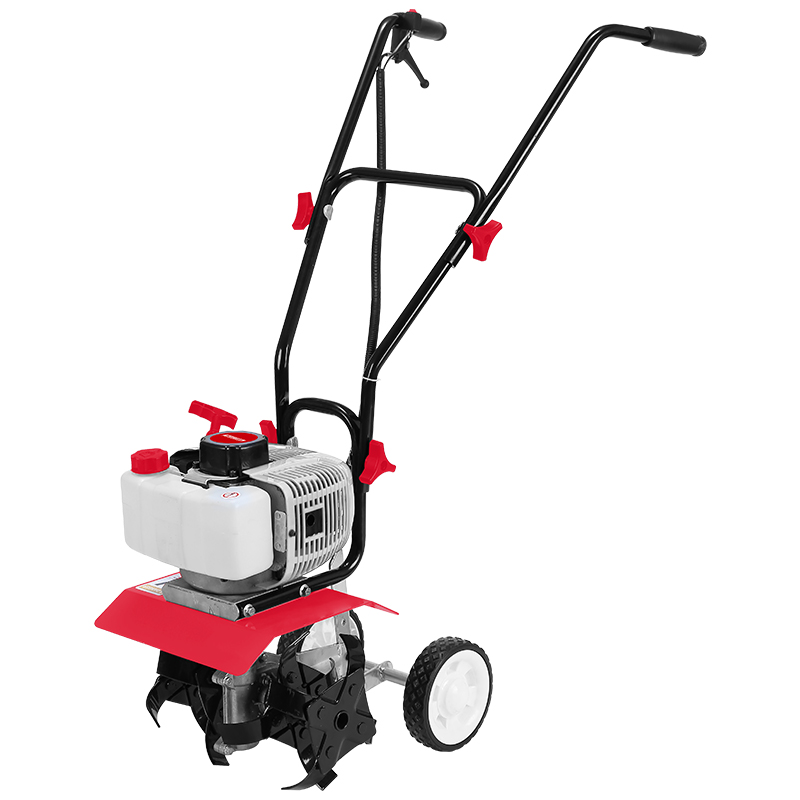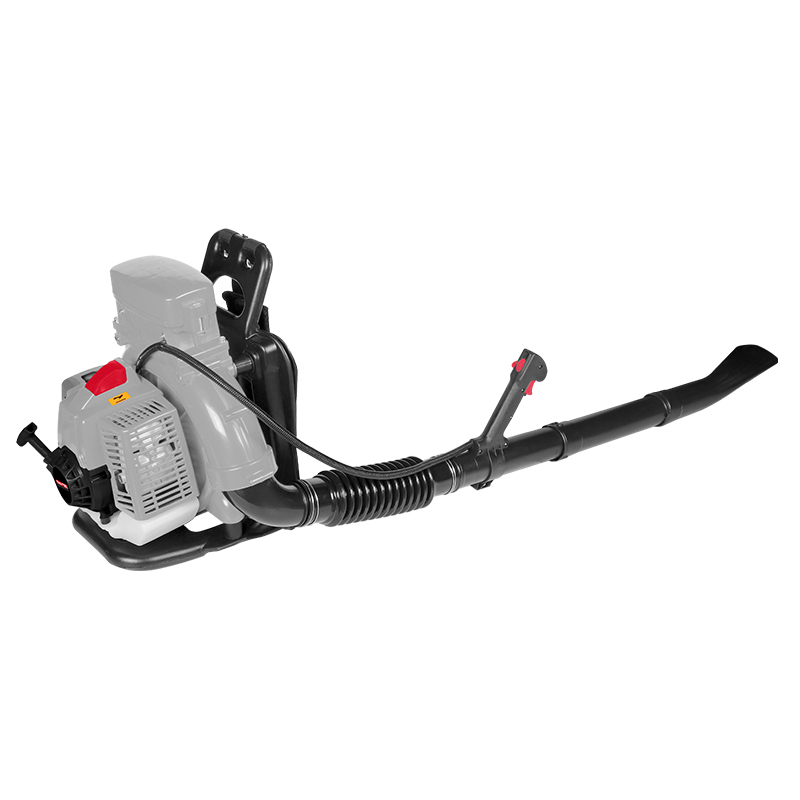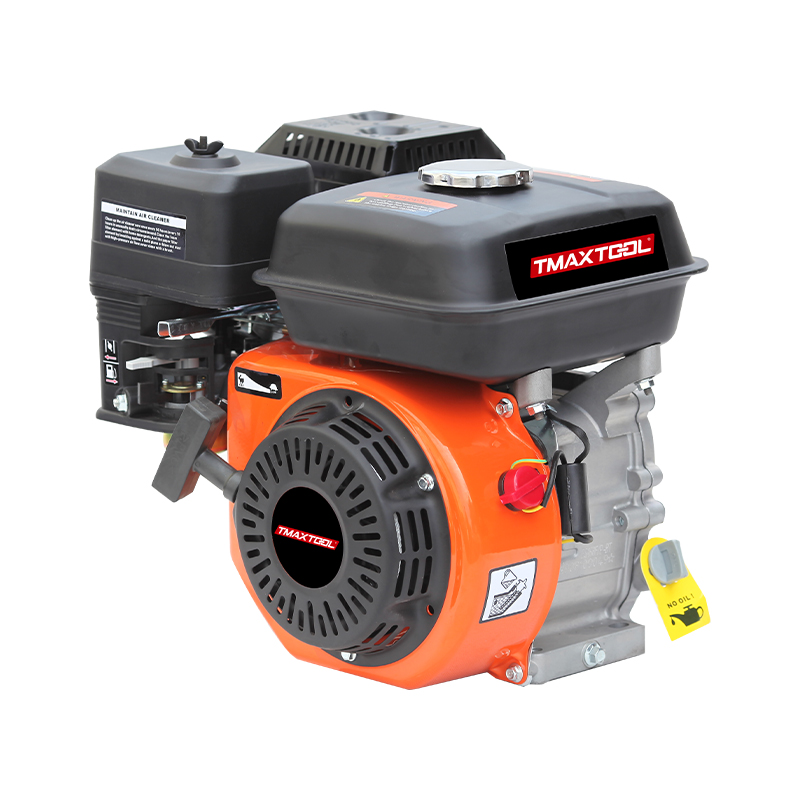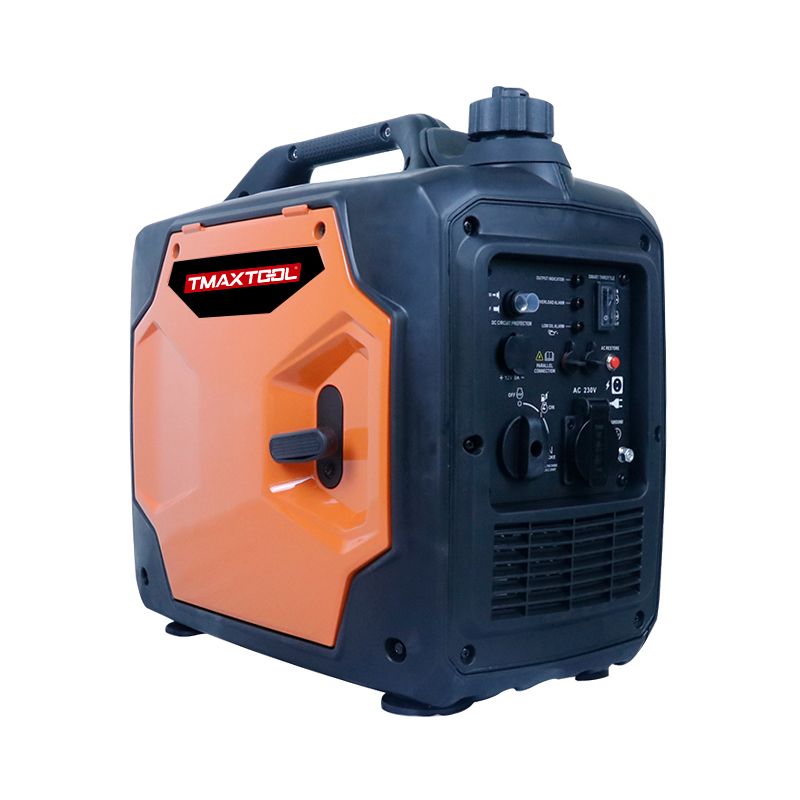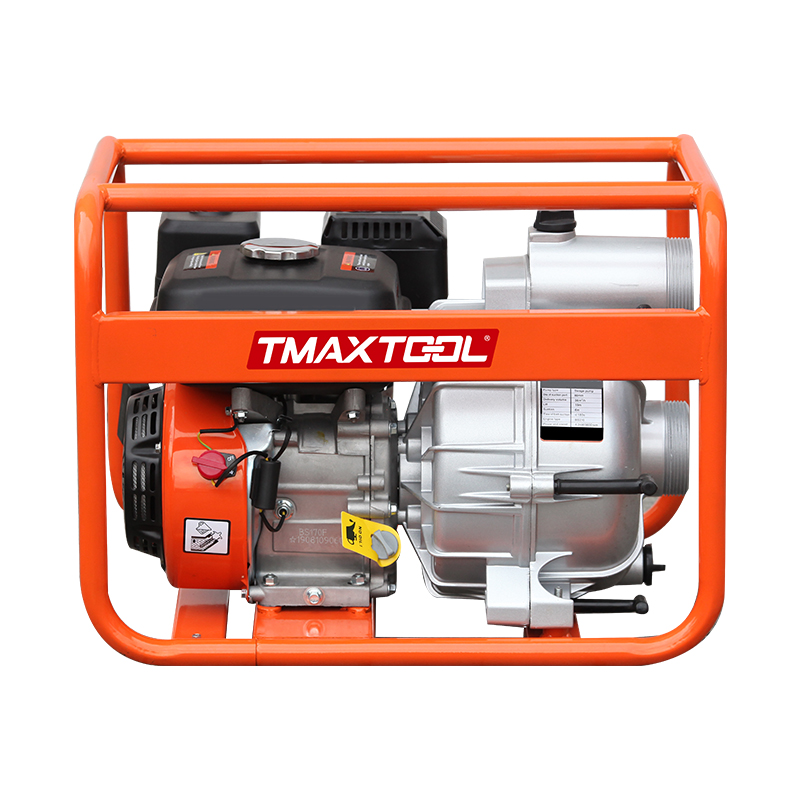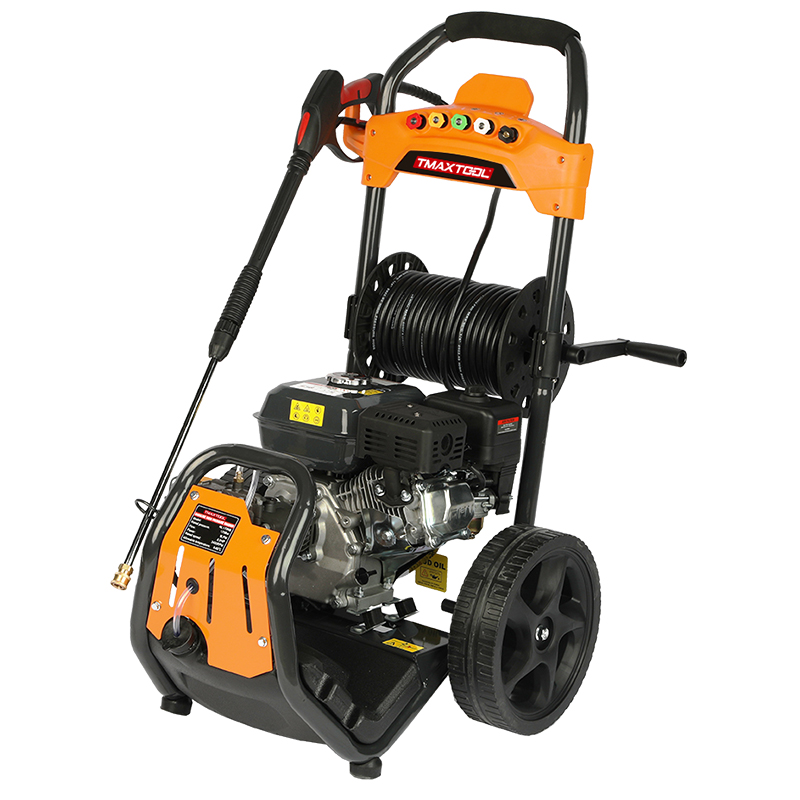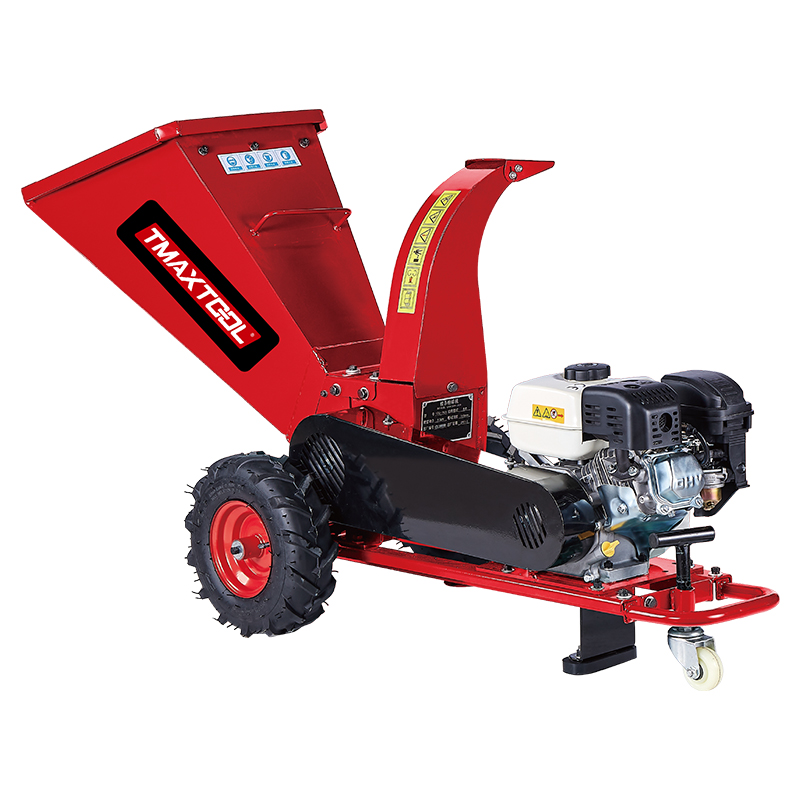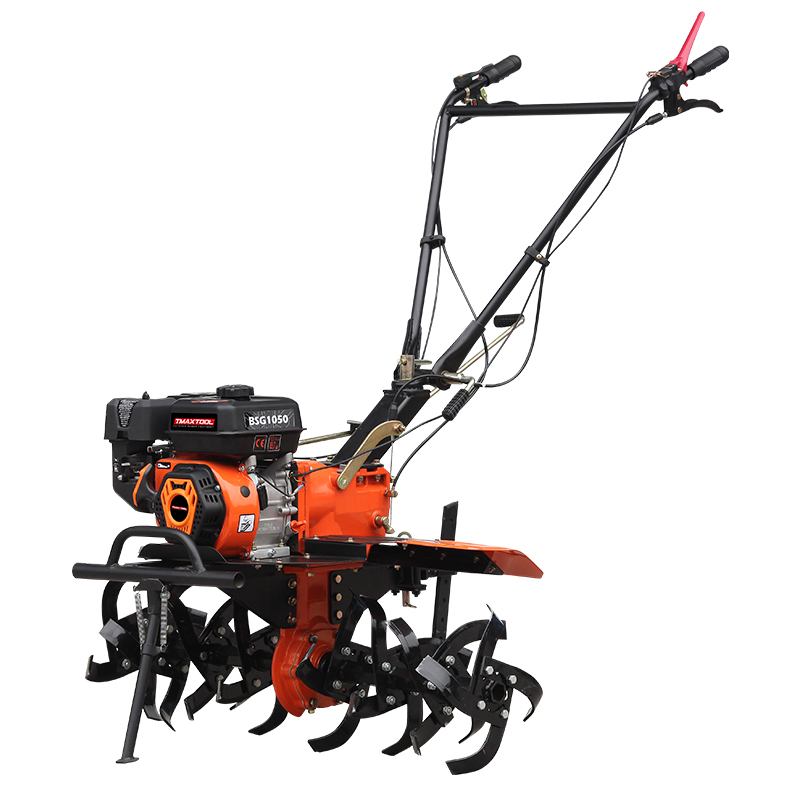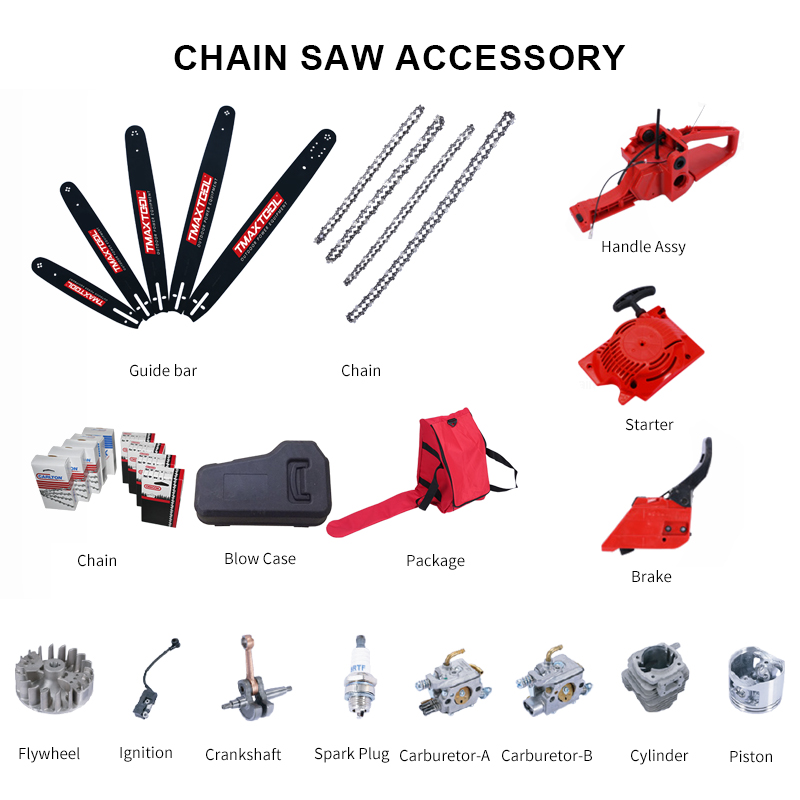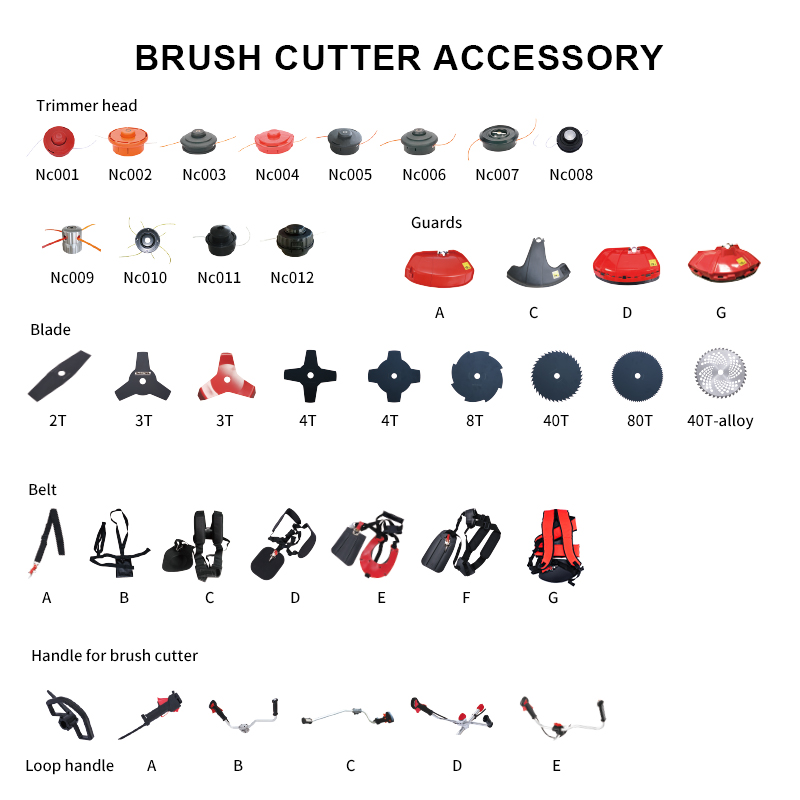
Let’s be honest—crafting a stunning landscape isn’t just about having the right tools, but they definitely make a big difference. Good garden tools can totally change the game when you're working on your yard. For the bigger, more intense jobs, Gasoline Garden Tools are a lifesaver—they pack a punch and can save you loads of time and effort compared to doing everything by hand.
Getting to know the different types of garden tools is pretty important, too. Investing in quality tools means better results — your garden will look better and function more smoothly. But, uh, not every tool is perfect for every task. Choosing the wrong ones can be super frustrating and end up wasting your resources. Do a bit of homework and stick to trusted brands like Black+Decker or Husqvarna. They’re known for being tough and reliable.
Think of garden tools as an investment in your home. They don’t just help with your gardening—they actually add to the fun and joy of nurturing your outdoor space. And don’t forget, taking good care of your tools makes them last longer. A well-maintained tool can stick around for years and prove its worth season after season. Gardening’s a journey—sometimes tough, sometimes incredibly rewarding. Picking the right tools can really make that journey much more enjoyable and memorable.
When it comes to landscaping, having the right tools is crucial. Essential types of garden tools can make your tasks easier and more efficient. Shovels and spades are fundamental for digging and planting. They come in various sizes for different needs. A sturdy wheelbarrow helps transport soil, plants, or mulch, saving time and effort.
Cordless Garden Tools have gained popularity in recent years. They provide freedom of movement without tangled cords or limited reach. Electric shears and trimmers are lightweight and easy to handle. This allows for precise work in cutting shrubs and maintaining garden edges. However, battery life can be a concern. Make sure to charge them fully before a big job.
Hand tools should not be overlooked. Trowels and pruners are perfect for detailed work. They help you shape plants and remove dead leaves. Remember, every gardener has their favorites. Experimenting with different tools will help you find what works best for you. Everyone has their preferences, and the tool that feels good in someone's hands might not suit you well. Consider your unique landscaping projects when selecting tools.
Quality tools play a crucial role in effective landscaping. According to a recent report by the Landscape Industry Association, using durable tools can increase productivity by up to 30%. This data underscores the importance of investing in high-quality gardening equipment. Well-designed tools reduce fatigue and enable landscapers to work more efficiently.
When you use quality tools, you enhance your precision. For example, sharp, ergonomic pruners allow you to make clean cuts. A clean cut fosters healthier plant growth. However, many gardeners often overlook the need for regular maintenance on their tools. Neglecting this can lead to diminished effectiveness, highlighting the importance of proper care.
Additionally, utilizing reliable tools promotes safety. Injuries can occur with subpar tools. The American Association of Landscape Professionals emphasizes that 15% of landscaping injuries result from using inappropriate or defective tools. Gardeners must remain aware of their tools' condition. Investing time in learning proper tool usage can minimize risks and improve overall landscaping quality.
Choosing the right garden tools can significantly impact your landscaping projects. Start by considering your specific needs. Do you have a small balcony garden or a vast yard? The scale of your gardening efforts will dictate the types and sizes of tools necessary.
Look for tools that feel comfortable in your hands. Ergonomics plays a vital role in effective gardening. Some tools can lead to discomfort and strain if not suited to your tasks. For instance, lightweight, OEM Cordless Garden Tools are ideal for reducing fatigue during long hours of work. It's essential to evaluate what you enjoy most about gardening. Sometimes, simpler tools can achieve the desired results more efficiently.
Don’t forget about maintenance. Tools with high durability may require more initial investment but save you money over time. Consider whether you prefer manual tools or powered options. Each type has its advantages and disadvantages. Reflection on past projects can guide your selection. Think about which tools you frequently used and which ones remained in the shed. This can help you make better choices in future purchases.
Maintaining garden tools is essential for effective landscaping. Regular care can significantly extend their lifespan. Rinsing tools after use removes soil and debris. A quick wash with warm soapy water keeps them clean and functional. Avoid leaving tools outdoors to prevent rust and damage.
Inspecting tools is crucial. Check for any signs of wear. Sharpen blades regularly for efficient cutting. A sharp blade makes tasks easier and quicker. If a tool feels dull, don’t hesitate to sharpen it. Replacing worn parts can also save money in the long run.
Storing tools properly is often overlooked. Hang tools on a wall, or keep them in a dry shed. This prevents moisture buildup and extends durability. Labeling can help identify specific tools quickly. Sometimes, we forget that small habits can lead to significant improvements. Commit to regular maintenance for your tools and reap the benefits in your gardening efforts.
| Tool | Use | Material | Maintenance Tips | Expected Lifespan |
|---|---|---|---|---|
| Hand Trowel | Planting, digging | Stainless Steel | Clean after use, avoid rust | 5-10 years |
| Pruning Shears | Trimming plants | Carbon Steel | Sharpen blades regularly, oil joints | 4-8 years |
| Garden Rake | Leveling soil, gathering debris | Wood and Metal | Check for loose tines, clean after use | 10-15 years |
| Garden Hoe | Weeding, cultivating | Steel | Clean dirt off, store dry | 5-10 years |
| lawn mower | Mowing grass | Plastic and Metal | Change oil, sharpen blades, clean undercarriage | 8-12 years |
In the fast-evolving world of landscaping, innovative tools and technology play a pivotal role. Data from the American Society of Landscape Architects suggests that about 78% of landscape professionals are using advanced tools to enhance productivity. The shift towards eco-friendly practices has led many to embrace tools that minimize environmental impact. Wholesale Cordless Garden Tools have surged in popularity due to their convenience and efficiency. They allow for greater maneuverability, especially in complex garden layouts.
Moreover, smart landscaping solutions are on the rise. Drones, for example, are being utilized for large property assessments, saving time and labor costs. A report from the National Association of Landscape Professionals indicates that businesses using technology can improve labor efficiency by up to 30%. Adopting these tools may assist in landscape planning and maintenance, but it's essential to assess the learning curve involved. Some professionals find it challenging to adapt to these tech-driven methods, which can lead to inefficiencies.
As more landscaping companies explore these innovations, ongoing training becomes crucial. Investing in skill development helps teams utilize new tools effectively. Though advancements bring many benefits, the transition phase can reveal significant shortcomings. Regular assessments of tool performance and user experience will shape future landscaping workflows. Balancing traditional methods with modern technology will ultimately lead to sustainable landscaping practices.
Landscaping is both an art and a science. Choosing the right tools can greatly influence your gardening success. From shovels to pruners, each tool has its specific function that can make or break a project. When considering tools for effective landscaping, opt for options that offer versatility and comfort.
Tips: Always check the weight of the tools. Heavier tools may not be suitable for everyone. Ergonomically designed tools can prevent fatigue and injury. For instance, ODM Cordless Garden Tools provide convenience without the hassle of cords, making them ideal for expansive landscapes.
While researching popular landscaping tools, look for features that enhance usability. Some tools might look appealing but fail in performance. It’s essential to read reviews and compare specifications. Take note of which tools are frequently recommended by professionals. This insider knowledge can guide your purchasing decisions effectively.
Tips: Keep your tools well-maintained. Clean them after each use to prolong their lifespan. Investing in quality tools might require initial spending but pays off in the long run. It's easy to overlook the importance of a sharp blade or a rust-free handle, yet these details matter immensely in achieving a polished garden look.
Landscaping with eco-friendly tools is not just a trend; it’s a necessity. Using sustainable practices in gardening promotes the health of our planet. Tools made from recycled materials or sustainably sourced wood are becoming more available. These tools often perform just as well, if not better, than conventional ones. They offer a lower carbon footprint and contribute to the conservation of natural resources.
Consider tools that require no electricity or fuel. Hand tools, like trowels and hoes, encourage exercise and provide a deeper connection to the earth. However, sometimes the quality may not meet expectations. It can be frustrating to find tools that are effective yet environmentally friendly. Some sustainable options may need more care or regular maintenance. This is an important point to reflect on; investing in quality can lead to better outcomes.
Mulching and composting are additional practices worth mentioning. These methods enrich the soil while reducing waste. Organic mulches not only nourish plants but also improve moisture retention. Nevertheless, sourcing materials responsibly remains a challenge. Some gardeners may struggle to find local, sustainable options. Continued education and awareness are crucial for making better choices in landscaping practices.
: Consider the size of your garden. A small balcony needs different tools than a large yard.
Look for tools that fit well in your hands. Ergonomics can reduce strain during gardening tasks.
Lightweight tools help minimize fatigue during long sessions. Heavier tools might not be suitable for everyone.
Maintenance is crucial for longevity. Clean tools after use to prevent rust and damage.
Hang tools or keep them in a dry shed. Proper storage prevents moisture buildup and extends durability.
Regularly sharpen blades for efficient cutting. Dull tools make tasks harder and prolong work time.
Yes, maintaining tools can extend their lifespan. Replacing worn parts is often cheaper than buying new ones.
Investing in quality tools may require more upfront cost but saves money in the long run.
Reflect on past projects to see frequently used tools. This helps make better future purchasing decisions.
Check tool weight, usability features, and read reviews. These details impact overall gardening success.
In the pursuit of effective landscaping solutions, the right garden tools play a crucial role. Essential types of garden tools, ranging from hand tools to power equipment, are indispensable for various landscaping projects. Using quality tools not only enhances efficiency but also ensures better results in shaping outdoor spaces. When selecting the right garden tools, it’s important to consider your specific needs and the tasks at hand. Regular maintenance is key to prolonging the life of these tools, allowing for consistent performance year after year.
Moreover, modern landscaping has seen the advent of innovative tools and technologies that streamline the gardening process. A comparative review of popular landscaping tools highlights their unique features and benefits, aiding users in making informed choices. Additionally, incorporating sustainable practices with eco-friendly tools can significantly reduce environmental impact while maintaining beautiful landscapes. Together, these elements provide a comprehensive guide for anyone looking to elevate their landscaping efforts effectively.