Picking out the right blower can really make a difference when you're tackling your garden or outdoor cleaning. Honestly, with so many options out there, it’s super easy to get a bit overwhelmed. Blowers come in all shapes and sizes—different power levels, designs, and features. For instance, a cordless blower is pretty popular because it’s so convenient and mobile, perfect if you want something easy to handle around the yard.
Figuring out what YOU actually need is key. Do you have a huge yard or just a small patio? Will you mainly use the blower for leaves or maybe to dry off things? Different jobs call for different models. Some are super lightweight and easy to maneuver, while others pack more punch for those heavy-duty tasks.
Make sure to check out all the features, too. Take your time researching things like battery life, weight, and airflow. Ask yourself, "Is spending a bit more worth it here?" Sometimes, cheaper models do the trick just fine. Don’t rush into a choice—finding the right blower will definitely make outdoor chores a lot more enjoyable and less of a hassle.

Understanding the Different Types of Blowers Available in the Market
When choosing a blower, it's essential to understand the different types available in the market. Blowers can vary significantly based on their design and intended use. For example, Portable Blowers are popular for outdoor tasks like leaf removal and blowing debris. They offer convenience and ease of transport. Studies show that nearly 40% of homeowners prefer Portable Blowers for seasonal yard maintenance.
Another type of blower is the backpack blower. This option provides added power and efficiency, especially for larger properties. According to industry data, backpack blowers can move air at speeds exceeding 200 miles per hour. This makes them effective for heavy-duty jobs. However, the added weight and bulk can be cumbersome, leading to fatigue during extended use.
Electric blowers are also gaining popularity. They are quieter and more environmentally friendly. Still, they may lack the power of gas-powered options. Research indicates that 30% of consumers are concerned about the noise produced by gas models, pushing them toward electric alternatives. However, electric blowers often have limited range due to cord length. This limitation may lead to frustration during use. Evaluating personal needs and job requirements is crucial before making a choice.
Identifying Your Specific Needs for a Blower
When selecting a blower, understanding your specific needs is crucial. Consider the type of work you'll be doing. Are you clearing leaves in your yard or preparing a construction site? The nature of your tasks influences the type of blower you require. A lightweight handheld model may suffice for small jobs. However, for larger areas, a backpack or wheeled blower may be more efficient.
Another critical factor is the power source. Electric blowers are quieter and suitable for residential areas. Gas-powered models offer more power and are typically better for heavy-duty tasks. If noise is a concern, you might need to rethink your choice. Battery-operated options offer portability but require frequent recharging. Make a list of what you value: power, noise level, or convenience.
Lastly, consider the blower's weight and design. An uncomfortable design can lead to fatigue. If you're working on a prolonged project, a user-friendly blower is essential. Test different models if possible. Decide on what you can compromise on. Balancing your needs with available options can be challenging, but it can help you make a more informed decision.
Evaluating the Power and Performance Ratings of Blowers
When choosing a blower, power and performance ratings matter significantly. Understanding CFM (Cubic Feet per Minute) helps you gauge airflow. A higher CFM often means quicker cleaning, but it’s not the only factor. Consider noise levels too. A powerful blower can be noisy. You may end up annoyed during tasks when sound overwhelms.
Tips: Always check the blower's weight. Heavier models can cause fatigue during extended use. A lightweight option may be ideal for longer jobs. Additionally, look at the power source. Battery-operated blowers are convenient but typically less powerful than electric ones.
Performance ratings also include speed settings. More options can enhance versatility. An OEM Portable Blower may offer various settings for tailored performance. Adjusting speed can help in delicate tasks, avoiding damage while still being effective. Often, people overlook this detail, leading to frustration later.
How to Choose the Right Blower for Your Needs?
| Blower Type | Power Source | Airflow (CFM) | Noise Level (dB) | Weight (lbs) | Performance Rating |
| Electric Blower | Electric | 300 | 70 | 8.5 | 4.5/5 |
| Gas Blower | Gas | 500 | 85 | 10 | 4.0/5 |
| Battery-Powered Blower | Battery | 250 | 75 | 7.5 | 4.3/5 |
| Handheld Electric Blower | Electric | 220 | 68 | 6.0 | 4.2/5 |
| Backpack Blower | Gas | 600 | 90 | 12 | 4.7/5 |
Considering the Size and Portability of the Blower
When selecting a blower, size and portability are key factors. A lightweight blower is easier to handle. Check the weight before buying. If you need to carry the blower for long periods, opt for a more compact option. Portability is essential, especially for those with limited storage space.
Think about where you will use the blower. Will it be indoors or outdoors? A smaller, handheld model might suffice for small yards or garages. A larger unit could be necessary for bigger tasks. Double-check the dimensions and weight before purchase.
Tips: Always test the blower's weight in-store. A comfortable grip matters too. If you’re looking for a convenient choice, consider a Wholesale Portable Blower. Ensure it fits in your vehicle for easy transport. Remember, bigger isn’t always better. Consider your specific needs instead.
Assessing Noise Levels and Environmental Impact
When choosing a blower, noise levels matter. Many users overlook this aspect. A noisy blower can disturb you and your neighbors. Consider sound ratings when selecting a model. An ODM Portable Blower might be compact and efficient, but how loud is it? Understand the decibel levels. A quiet blower enhances your experience. It can work without complaints.
Environmental impact is another key factor. Some blowers use more power than others. This can increase your carbon footprint. A blower with lower energy consumption can be beneficial. Check the specifications before making a decision. Some models may seem appealing but hide higher environmental costs. Reflect on how your choice affects nature.
Balance is essential in your selection process. You don’t want a product that disrupts your peace. Explore options that align with your needs. An ODM Portable Blower could be a solid compromise. Prioritize both performance and sustainability. It's worth taking the time to assess all factors. Be critical and ask questions.
Reviewing Additional Features and Accessories for Blowers
When it comes to blowers, the right accessories can make a big difference. While picking a blower, consider additional features like variable speed settings. This allows for enhanced control. A blower with adjustable speeds can handle various tasks, from delicate flower beds to heavy leaf removal.
Another important consideration is noise level. Some models operate quietly while others can be quite loud. Noise can be a significant factor if you have close neighbors. Look for blowers with noise-reduction technology. They might cost more but can save you from annoying those nearby.
Tips: Always check the weight of the blower. A lightweight model is easier to handle for extended periods. Think about your storage options too. If space is limited, a collapsible design could be beneficial. Finally, consider easy-to-clean filters. Maintenance is key for lasting performance.
Comparing Prices and Warranty Options for Cost-Effectiveness
When selecting the right blower, comparing prices and warranty options is vital for long-term satisfaction. Industry reports indicate that consumers often overlook crucial warranty details, leading to unexpected costs down the line. A blower may seem affordable at first glance, but hidden costs can arise if it malfunctions without proper coverage.
Tip: Always check the warranty duration. A longer warranty can add value. Some blowers come with up to five years of warranty. This could save significant repair expenses. Also, consider what the warranty covers. Some focus only on parts. Others may include labor.
Furthermore, price comparisons can reveal significant variations. A recent study noted that consumers can save 15-30% by exploring different retailers. Online platforms often offer better deals. However, be cautious of cheap products. They might compromise on quality.
Tip: Don’t rush into a purchase. Review several options. Evaluate features alongside prices. It's easy to be swayed by low prices. But investing in quality may reduce future expenses.
Cost-Effectiveness of Different Blower Types
Maximize Your Lawn Care: The Benefits and Features of the 18V Cordless Lithium Blower Vacuum
When it comes to maintaining a pristine lawn, having the right tools can make a world of difference. The 18V Cordless Lithium blower vacuum stands out for its impressive features and capabilities. With a robust battery voltage of 18V and a capacity of 2.0Ah, this device ensures reliable performance to tackle any lawn care task with ease. The combination of a no-load speed ranging from 13,000 to 16,000 r/min allows users to efficiently perform both blowing and vacuuming duties, effectively reducing the time spent on yard maintenance.
One of the remarkable aspects of this blower vacuum is its powerful air output. With a maximum air speed of 100-126 km/h and a wind capacity reaching up to 570 m³/h (335 CFM), it can easily clear away leaves, debris, and grass clippings from your lawn, garden paths, and driveways. Furthermore, the option to switch between normal and turbo speed provides versatility for different tasks, making it a fantastic investment for those seeking an efficient and powerful lawn care solution. The brush motor enhances the longevity and performance of the tool, ensuring your lawn remains in top condition throughout the seasons.
FAQS
: CFM stands for Cubic Feet per Minute. It indicates airflow and affects cleaning speed. Higher CFM usually means faster cleaning.
Yes, powerful blowers can be noisy. Loud sounds may distract you during tasks and lead to frustration.
Heavier blowers can cause fatigue during longer jobs. A lightweight option is often better for extended use.
Battery-operated blowers are convenient. However, they are usually less powerful than electric models.
More speed settings enhance versatility. They allow for better control in delicate tasks, preventing damage while being effective.
Always review warranty duration and coverage. A longer warranty may save you money on repairs later on.
Compare prices from different retailers. You could save 15-30% by shopping around, but be wary of low-quality products.
Rushing into a purchase can lead to regrets. Evaluate features and prices carefully to avoid future expenses.
Some blowers may seem affordable initially but can incur costs if they malfunction without proper warranty coverage.
Online platforms often offer better deals. However, ensure you assess quality before choosing cheaper options.
Conclusion
Choosing the right blower involves understanding the various types available in the market, such as electric, gas, and battery-operated models. It is essential to identify your specific needs, whether for residential or commercial use, and consider factors like power and performance ratings to ensure sufficient capability. Additionally, evaluating the size and portability of the blower is crucial, especially if you'll be using it in different locations.
Noise levels and environmental impact should also be taken into account, as some blowers operate more quietly and with less pollution than others. Lastly, reviewing additional features, accessories, and warranty options will help you find a blower that not only fits your requirements but also offers value for money. By considering these factors, you can make an informed decision and choose a blower that best meets your needs.

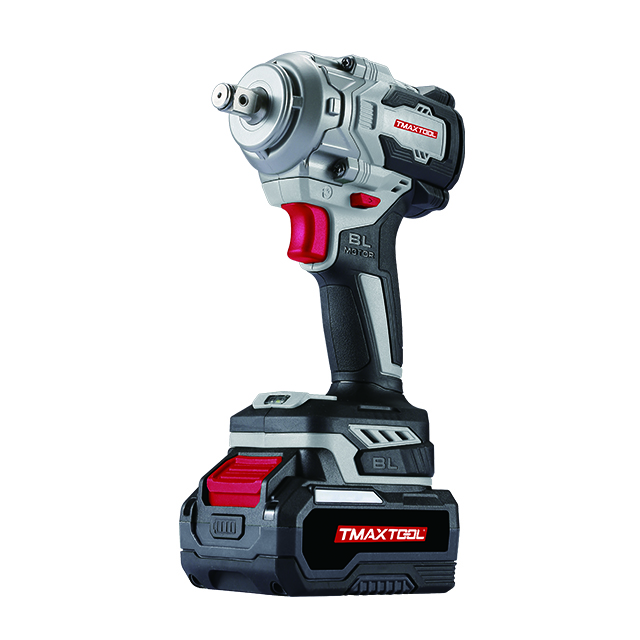 Impact Wrench
 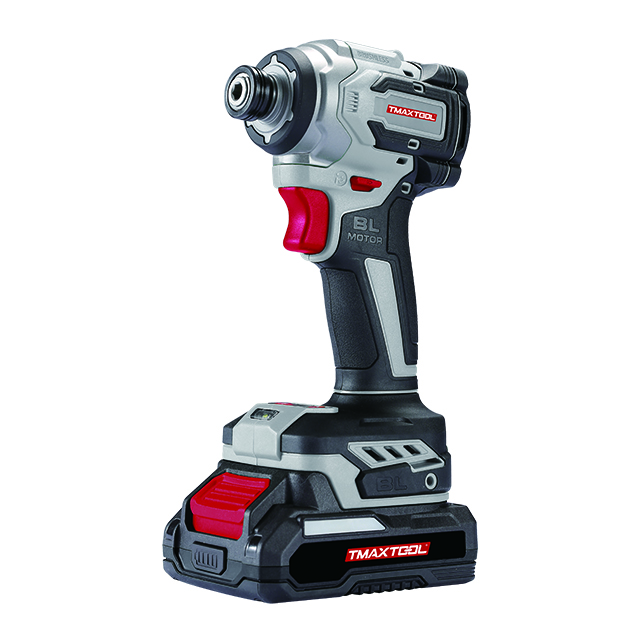 Screwdriver
 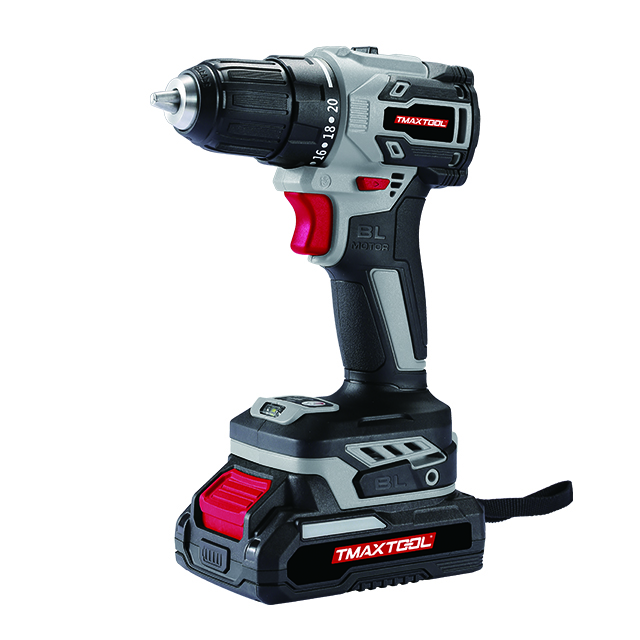 Cordless Drill
 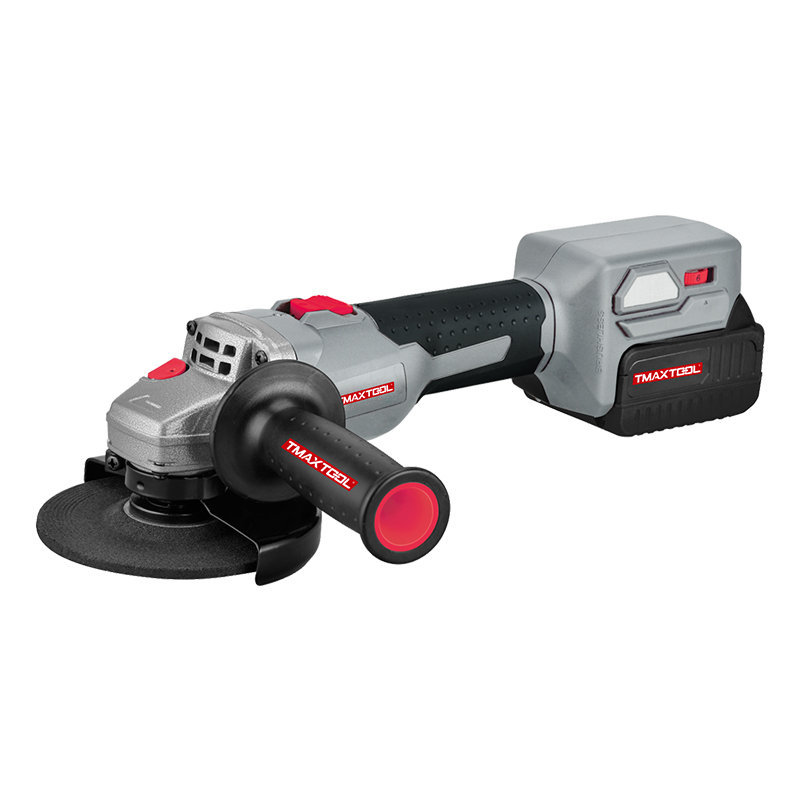 Angle Grinder
 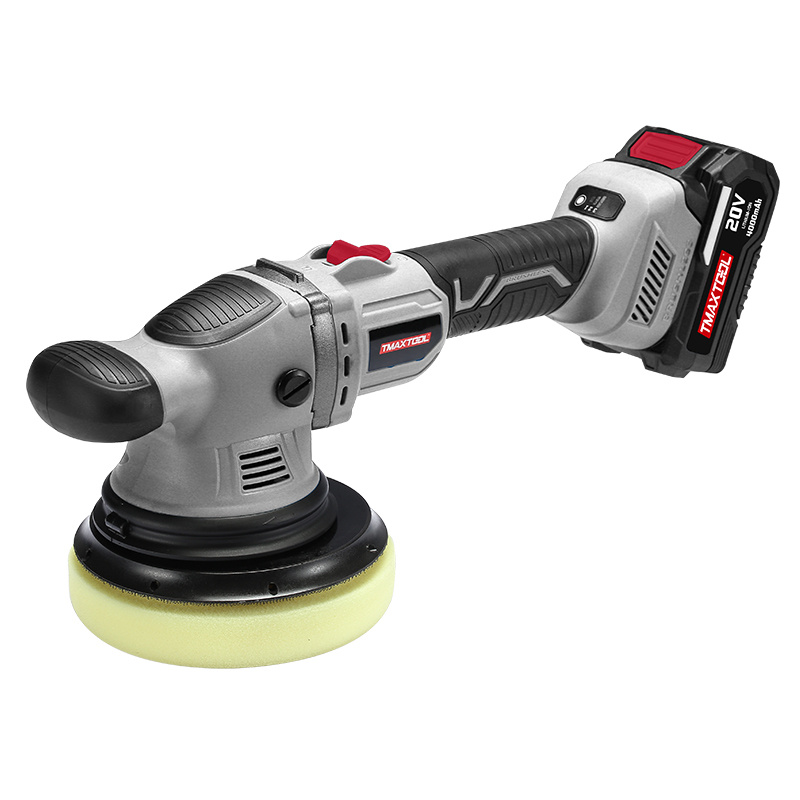 Polisher
 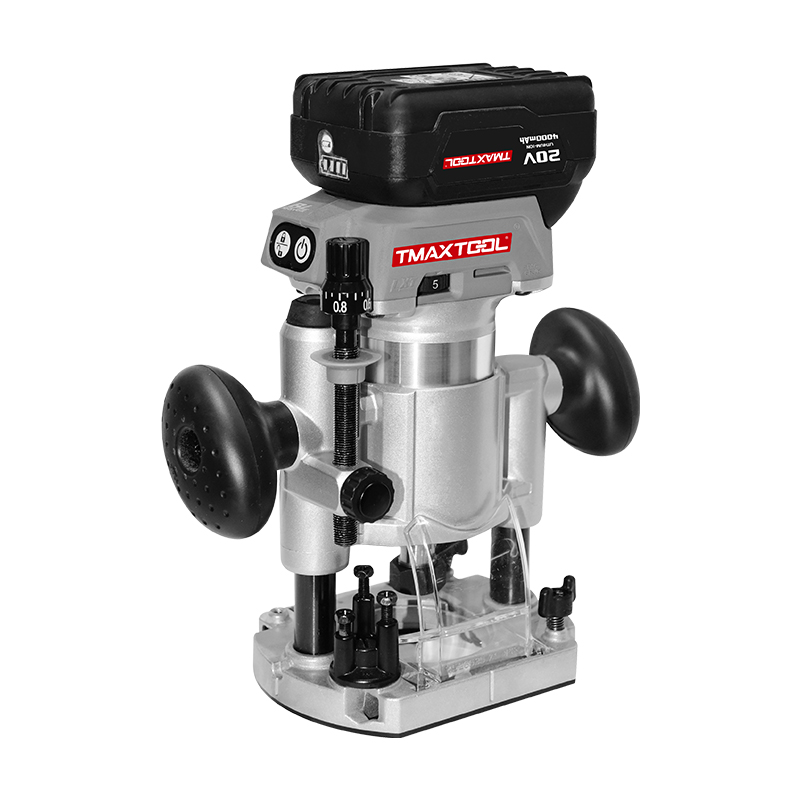 Wood Router
 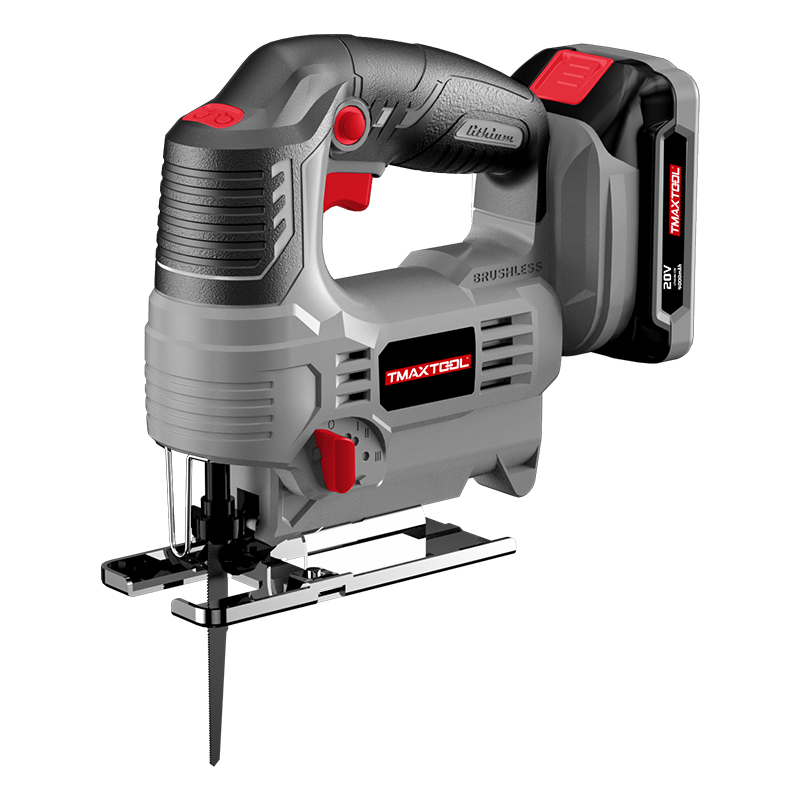 Jig Saw
 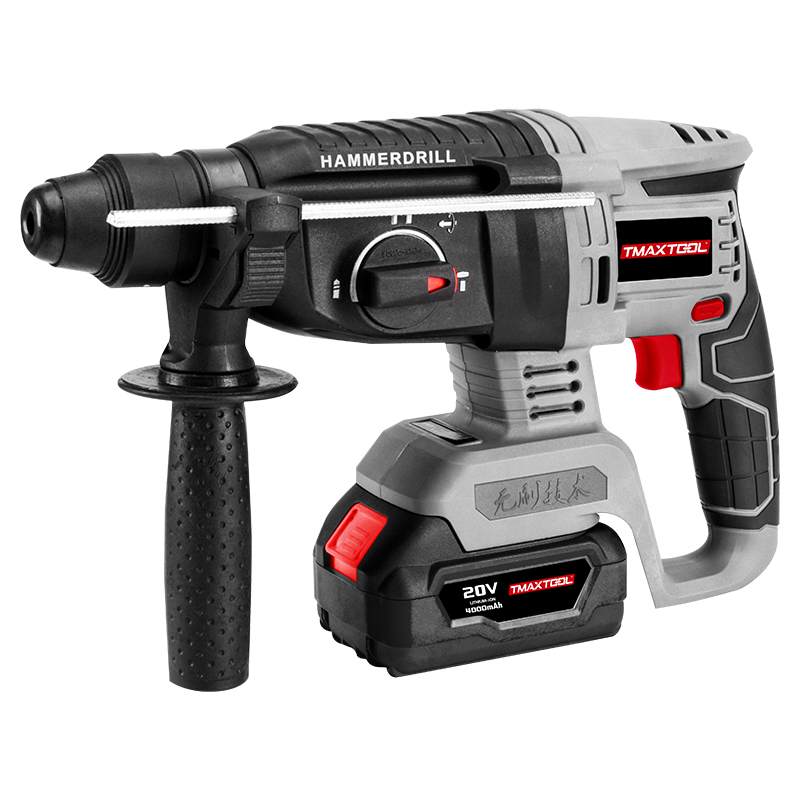 Hammer Drill
 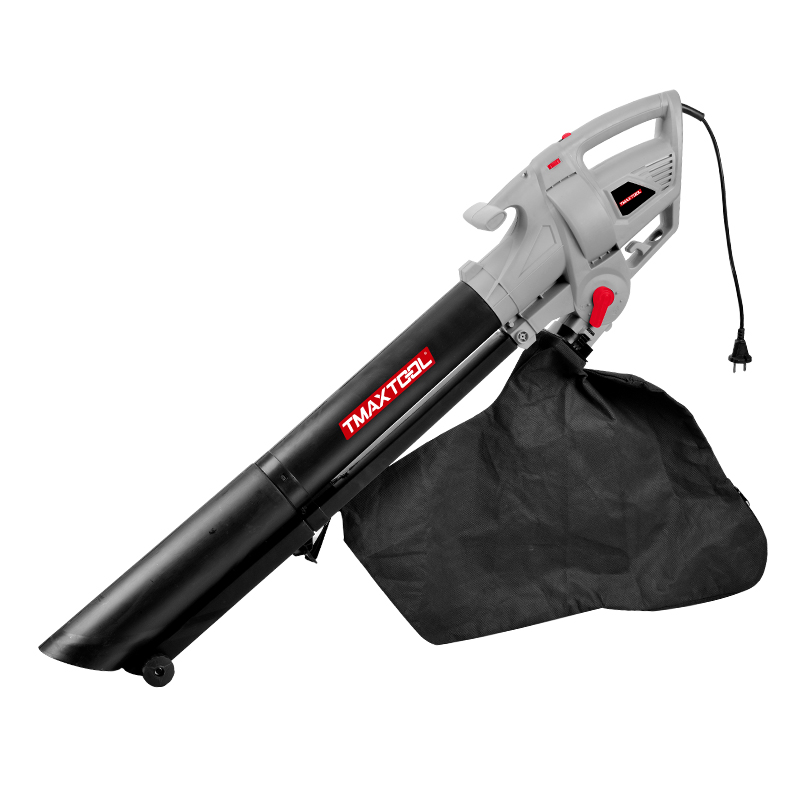 Portable Blower
 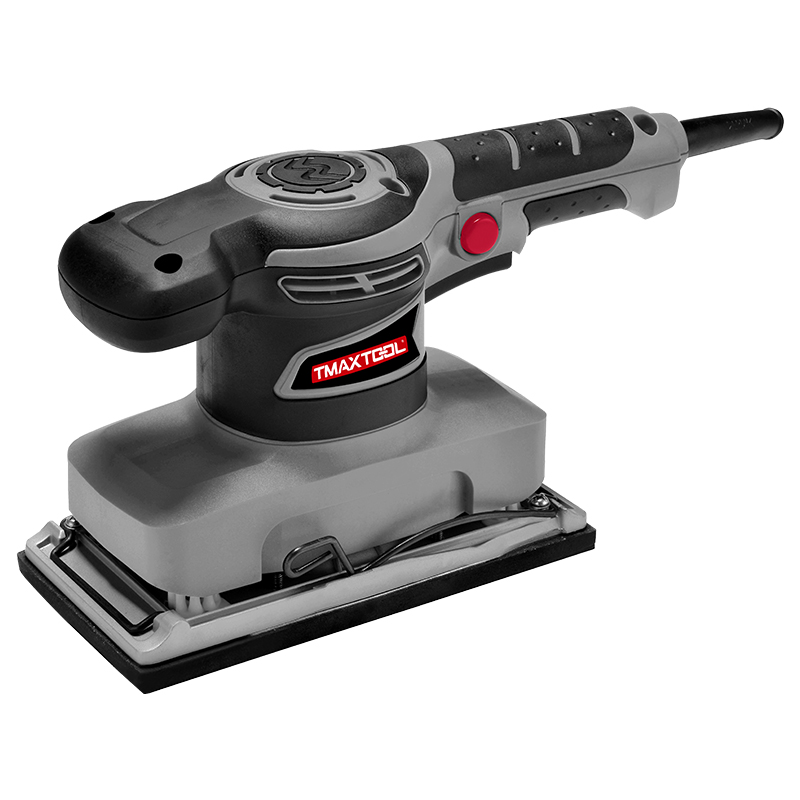 Orbital Sander
 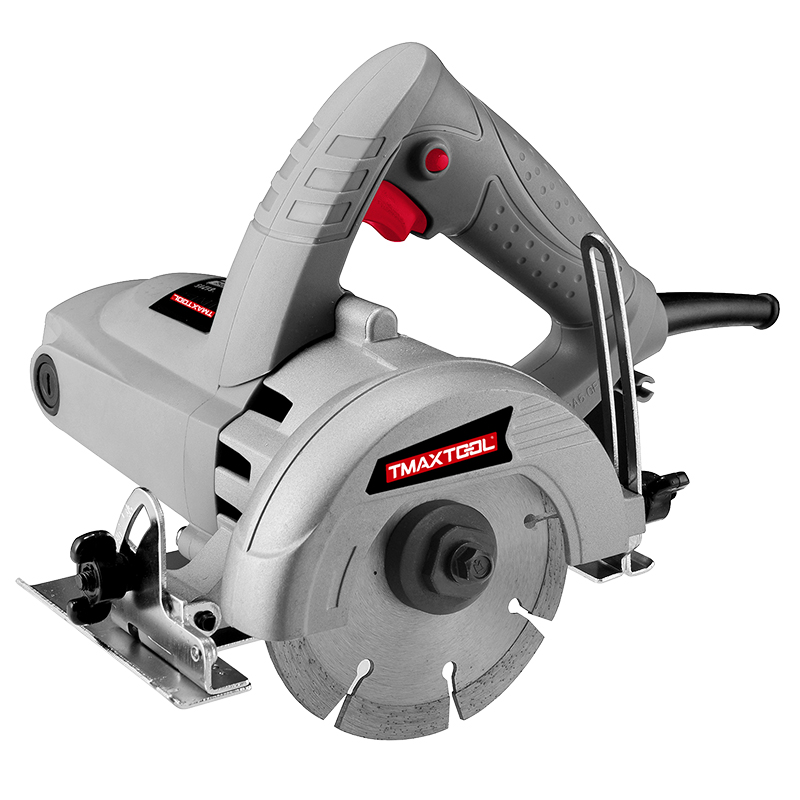 Marble Cutter
  GARDEN TOOLS
 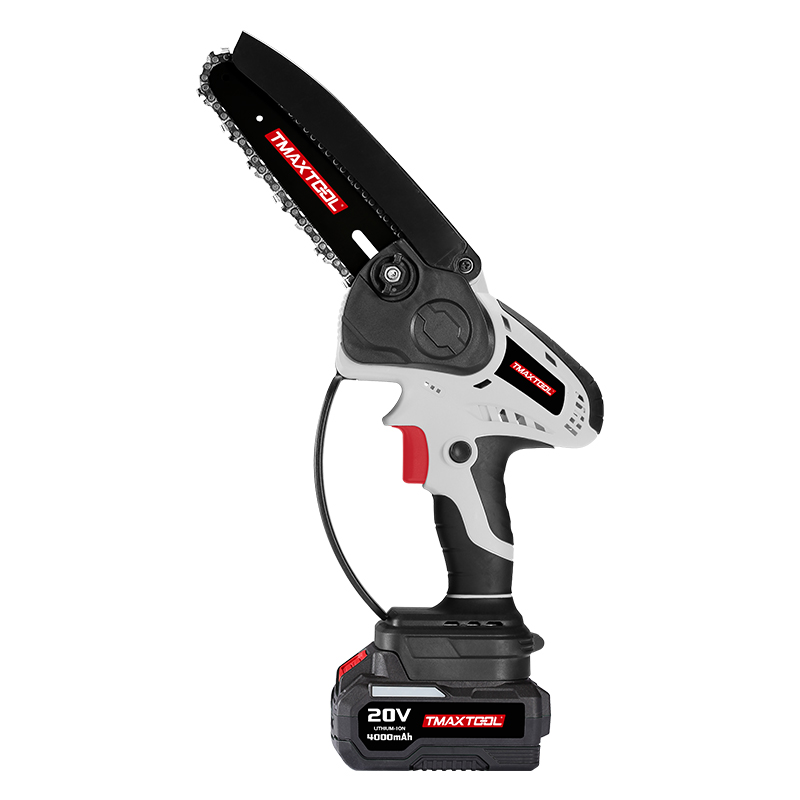 Battery Chain Saw
 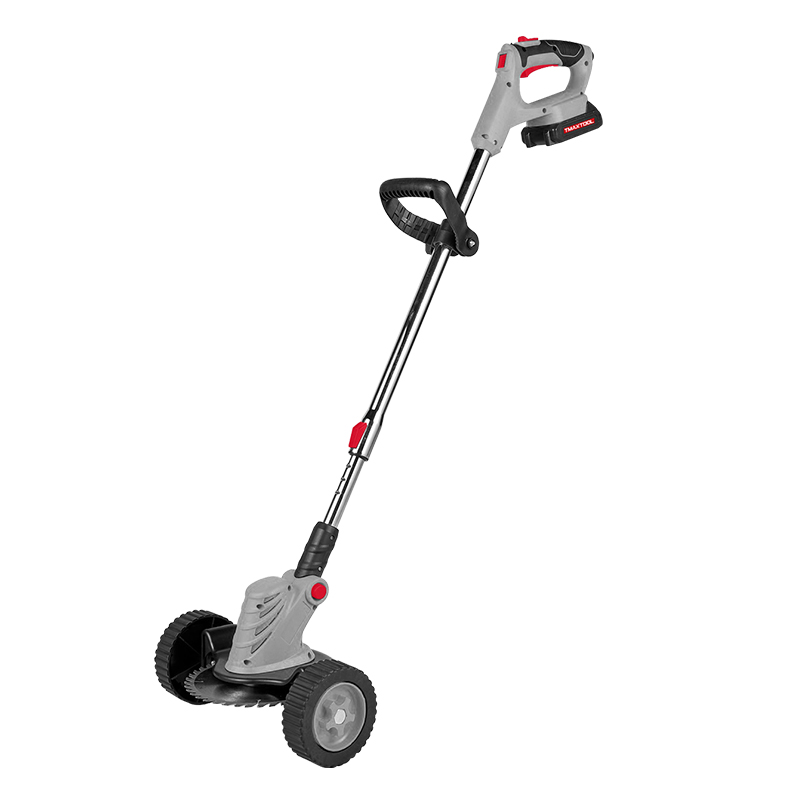 Battery Brush Cutter
 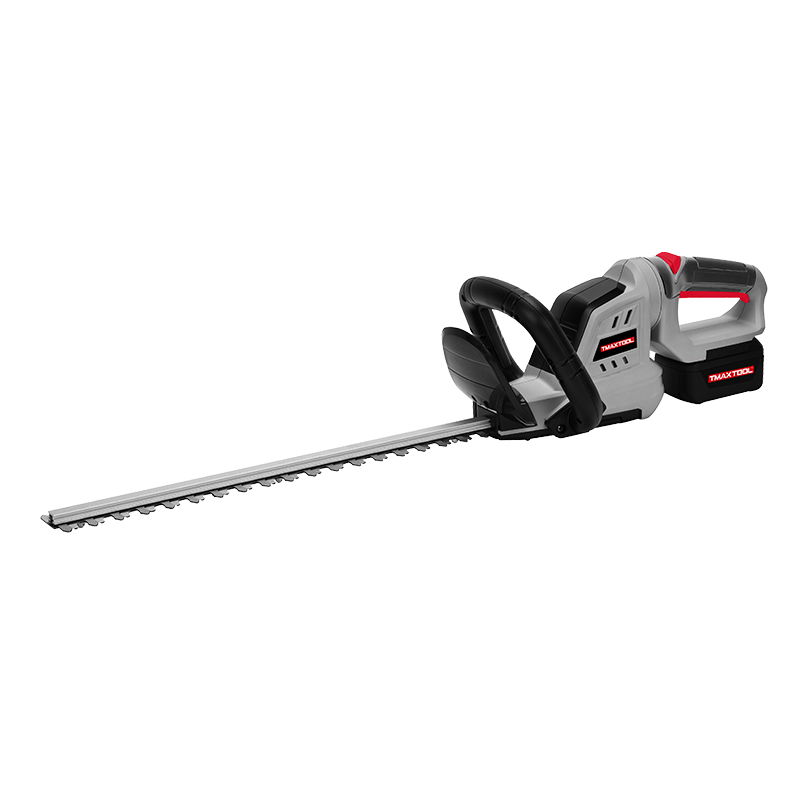 Battery Hedge Trimmer
 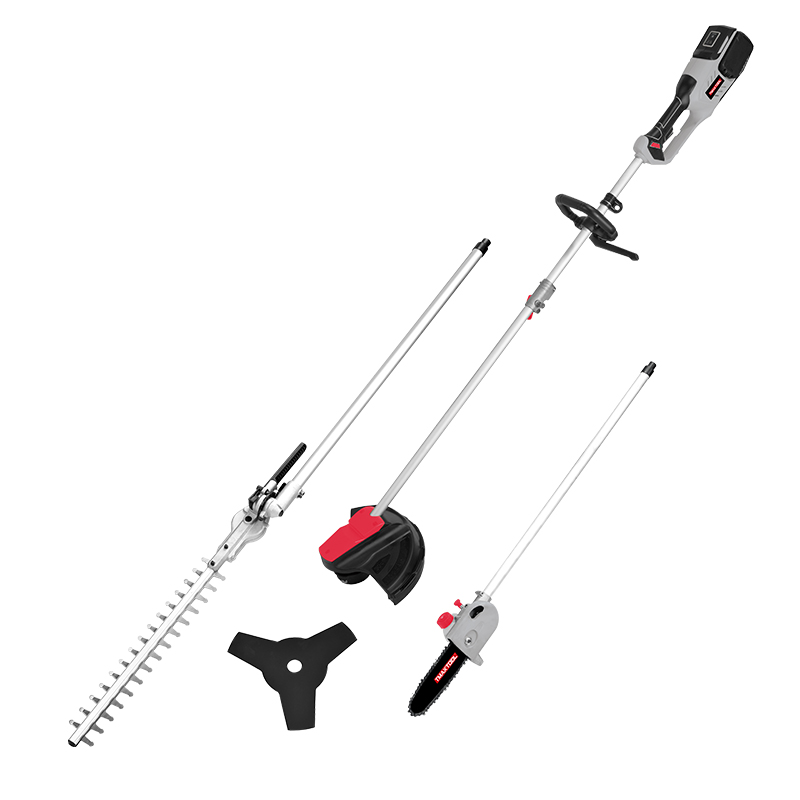 Battery Multi Tool
 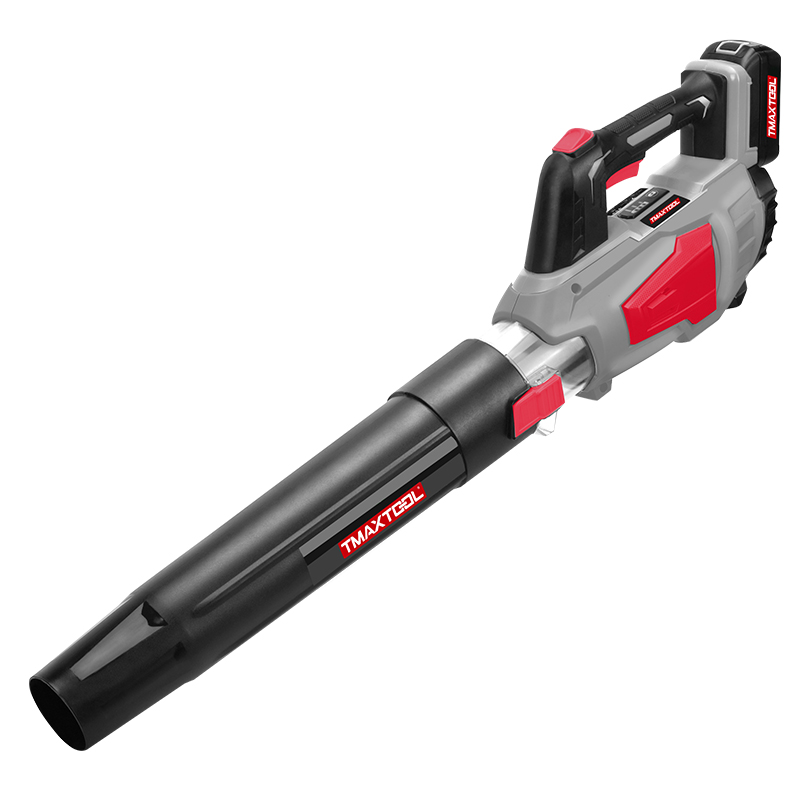 Battery Blower
 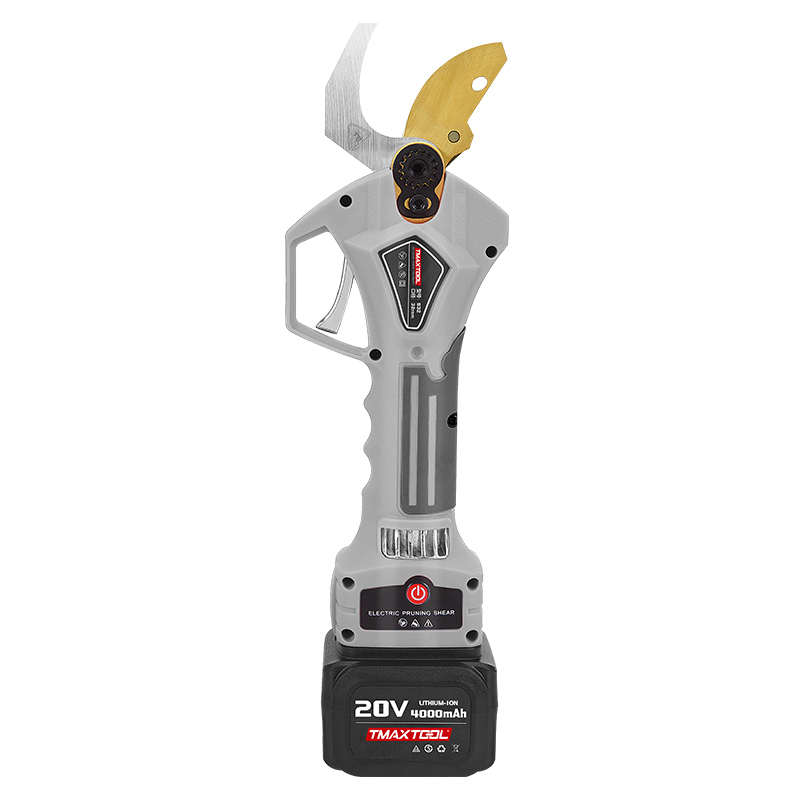 Batter Pruning Shears
 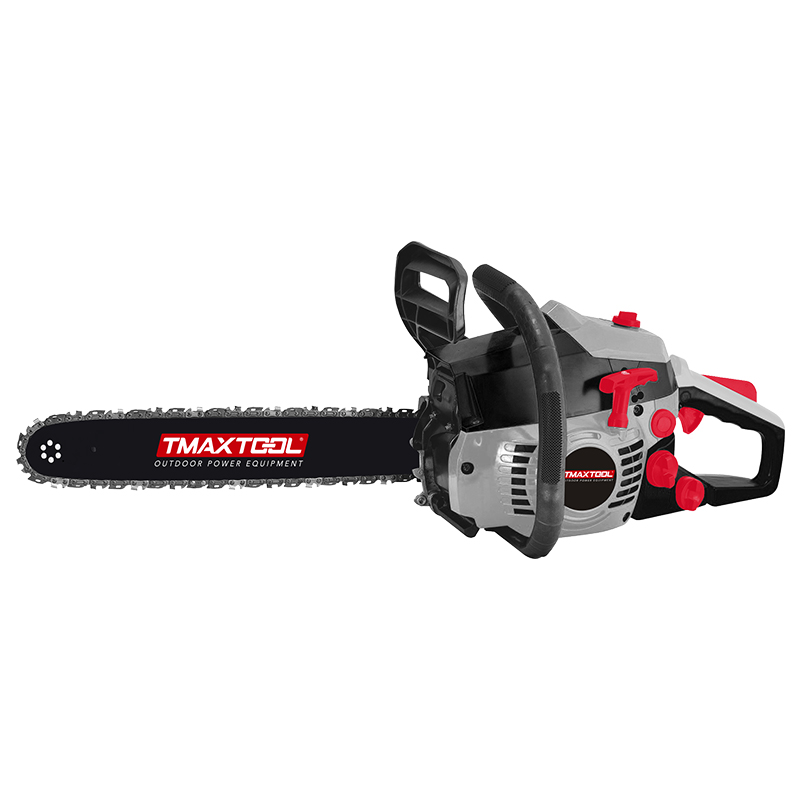 Chain Saw
 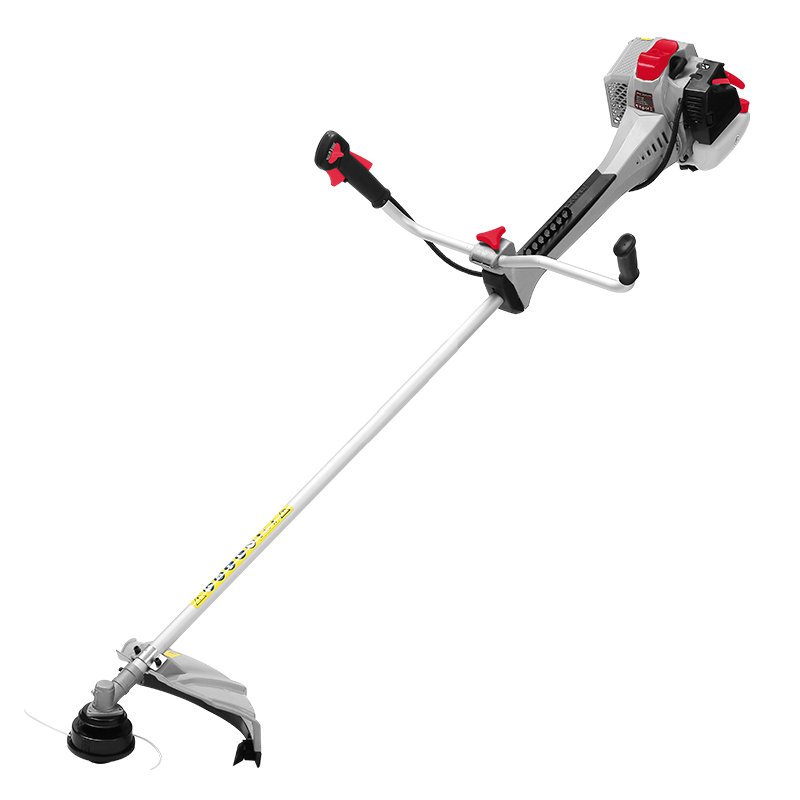 Brush Cutter
 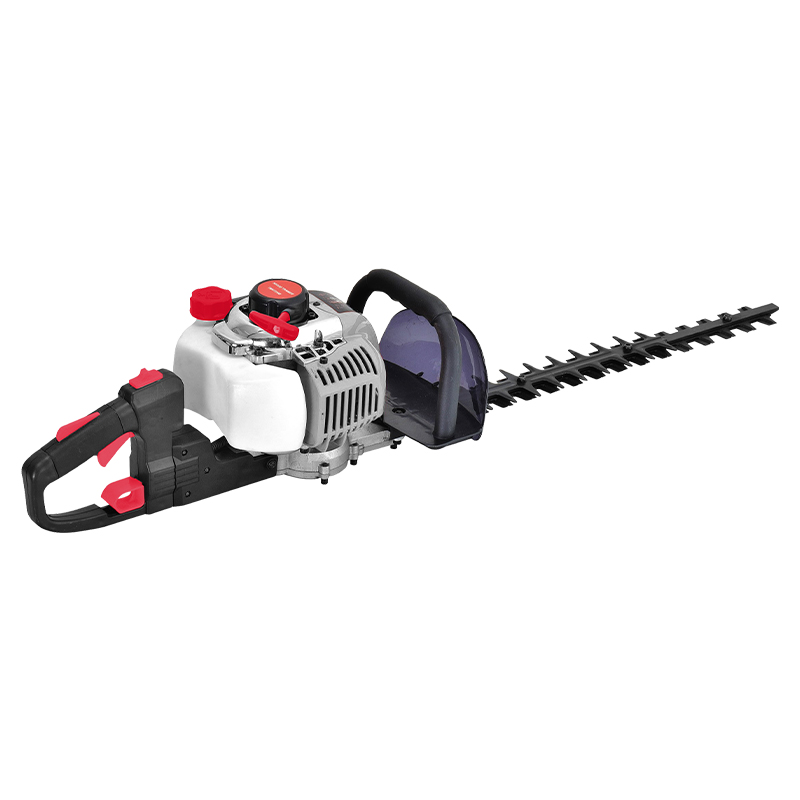 Hedge Trimmer
 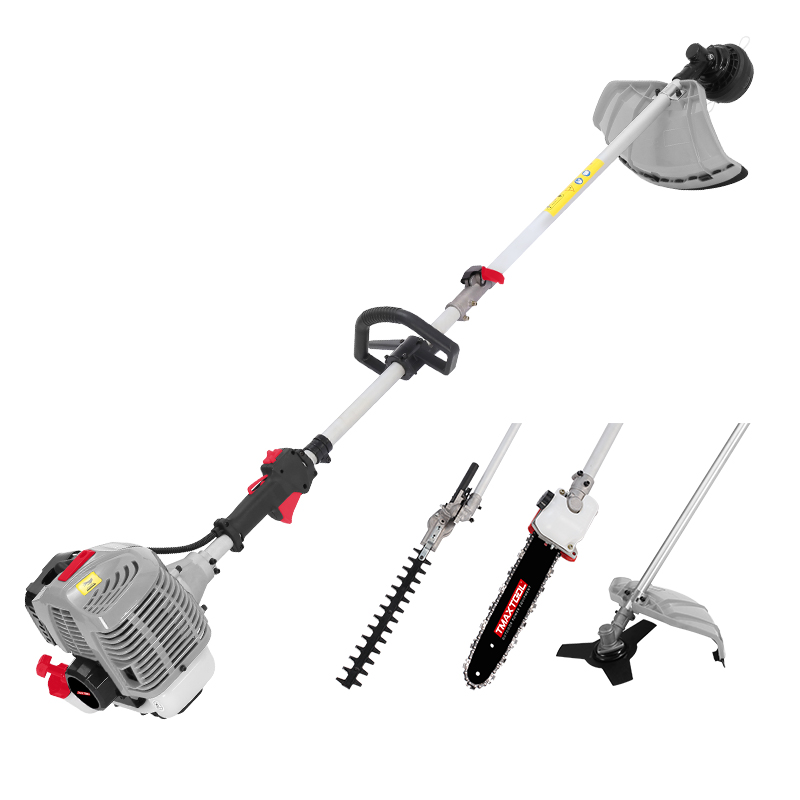 Multi Tool
 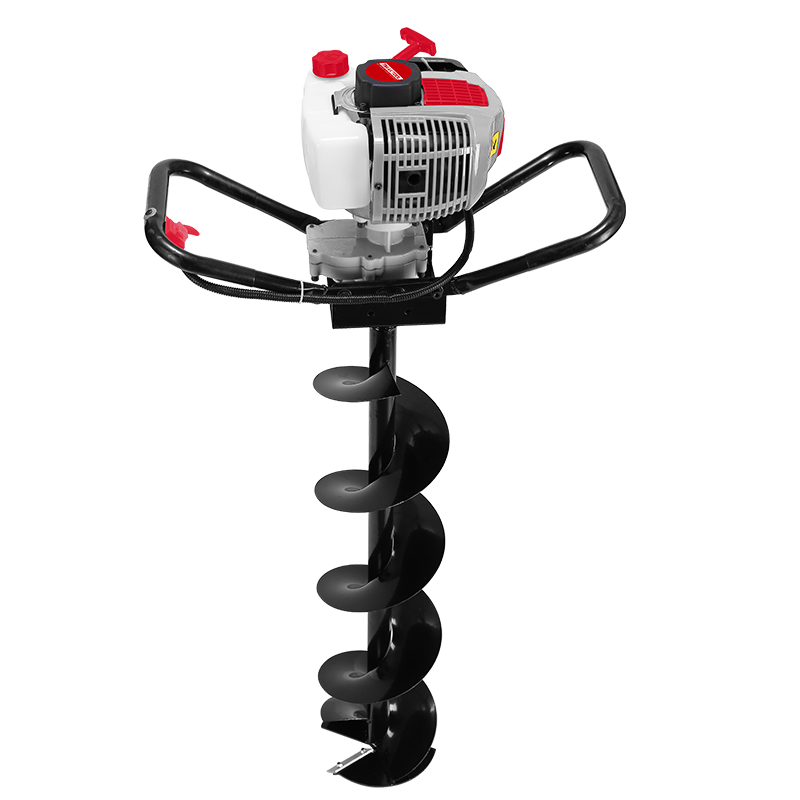 Earth Auger
 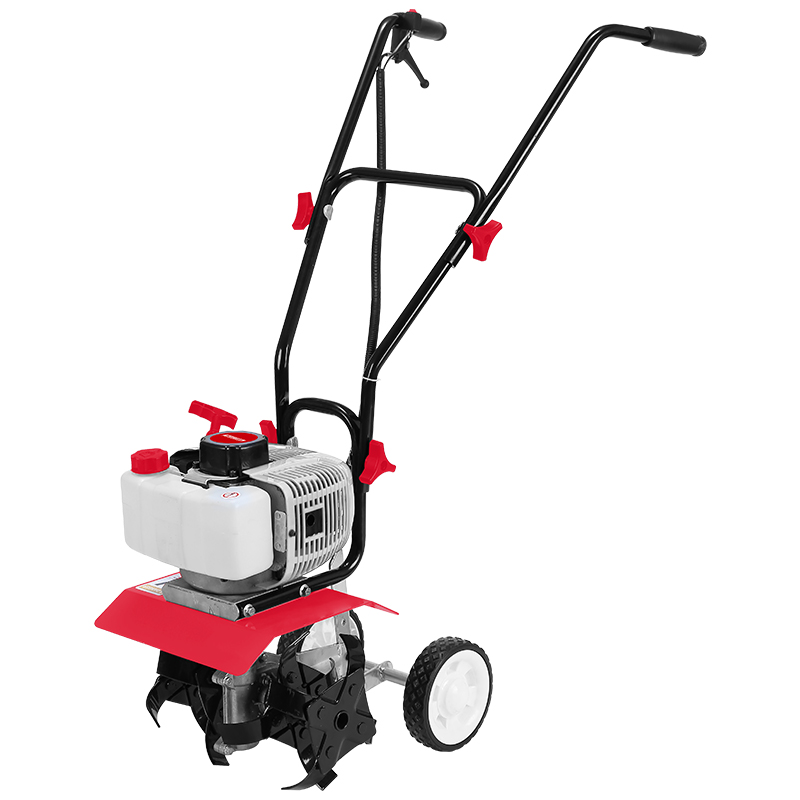 Tiller
 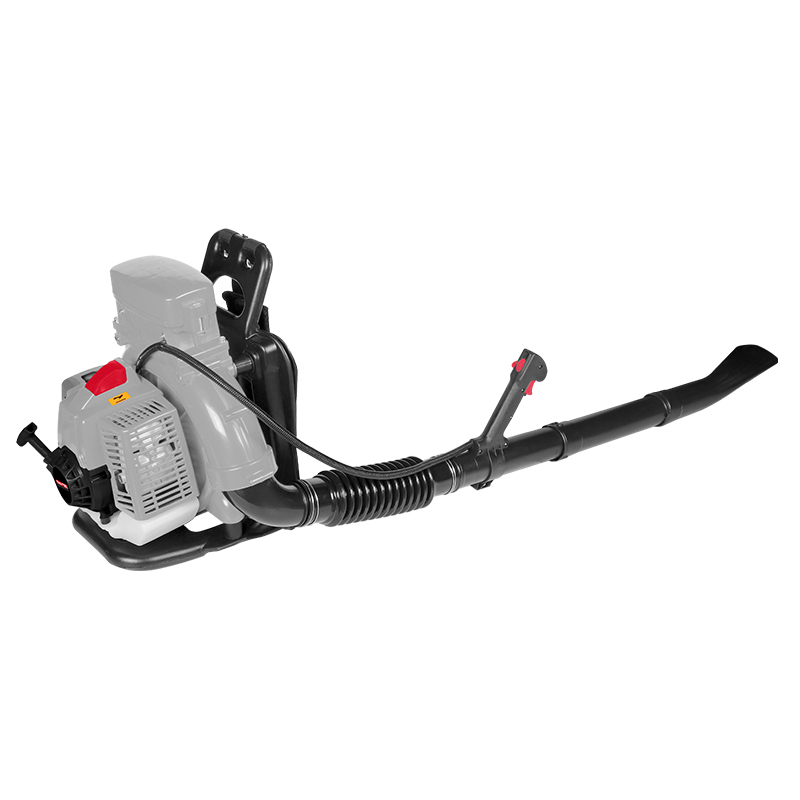 Blower
 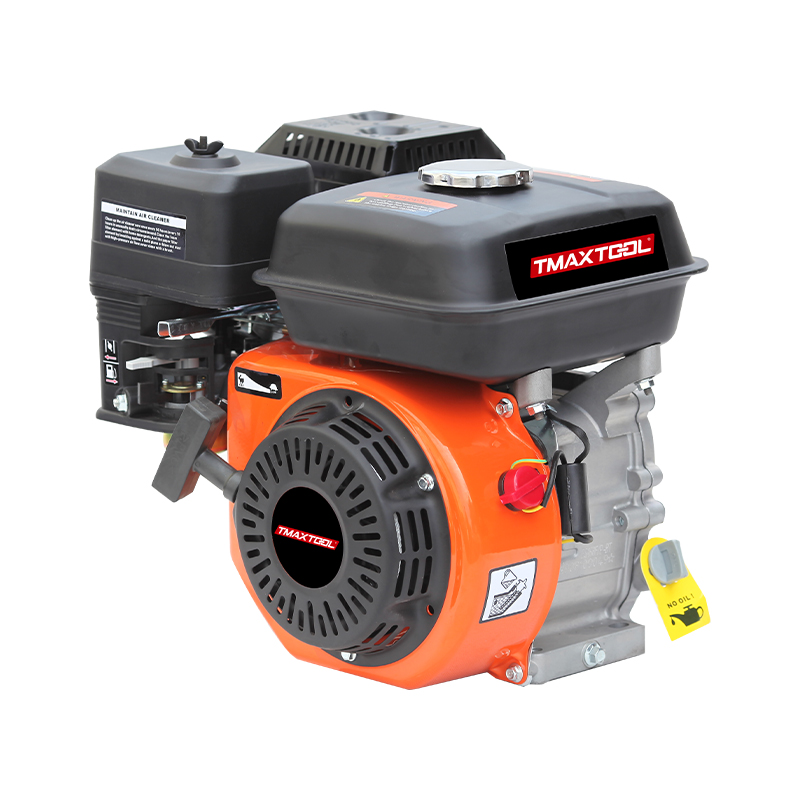 4 Stroke Gasoline Engine
 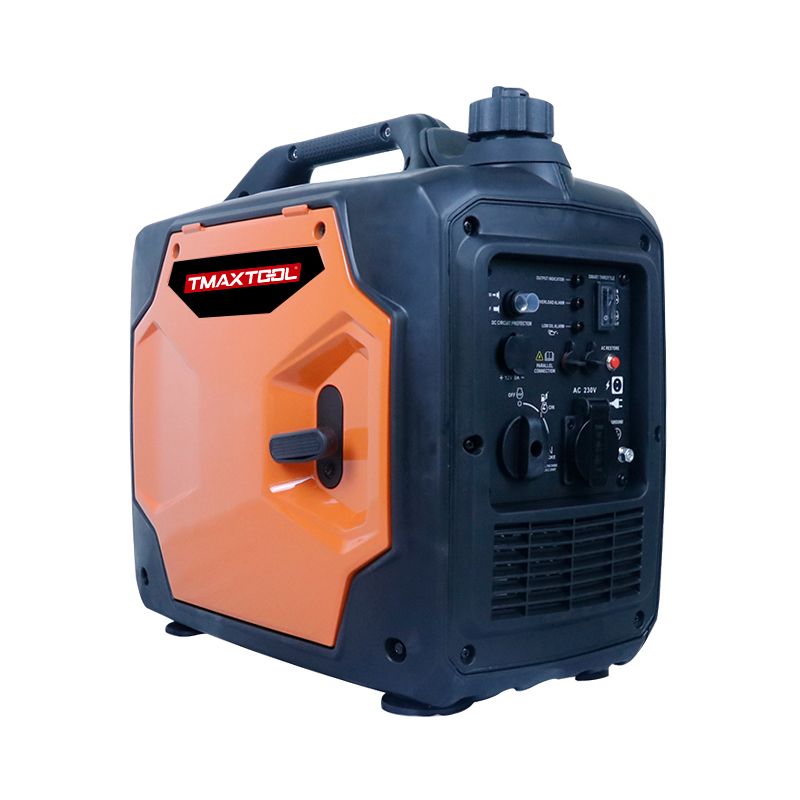 Generator
 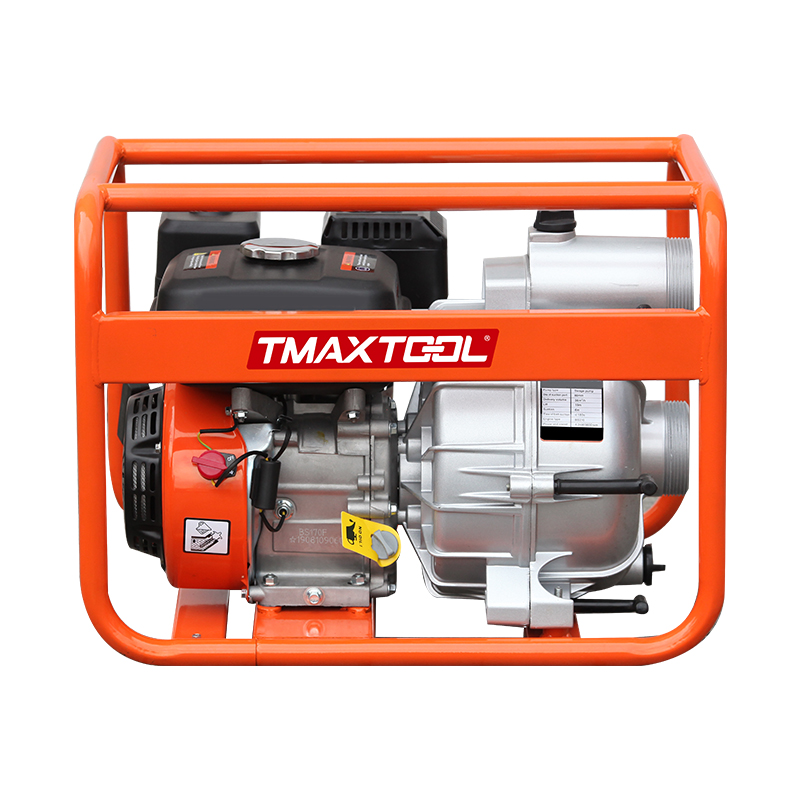 Water Pump
 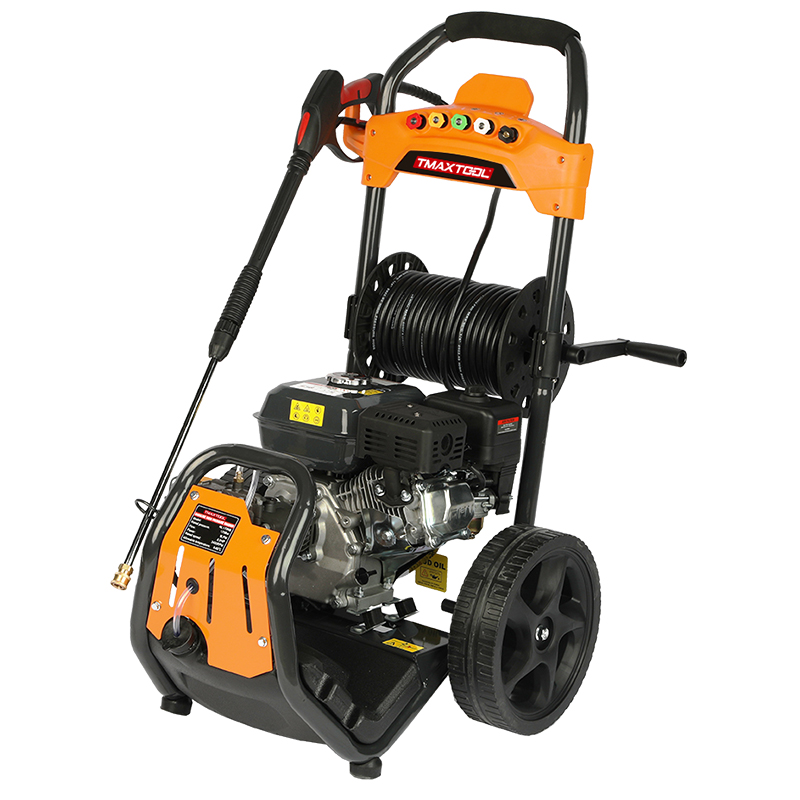 High Pressure Washer
 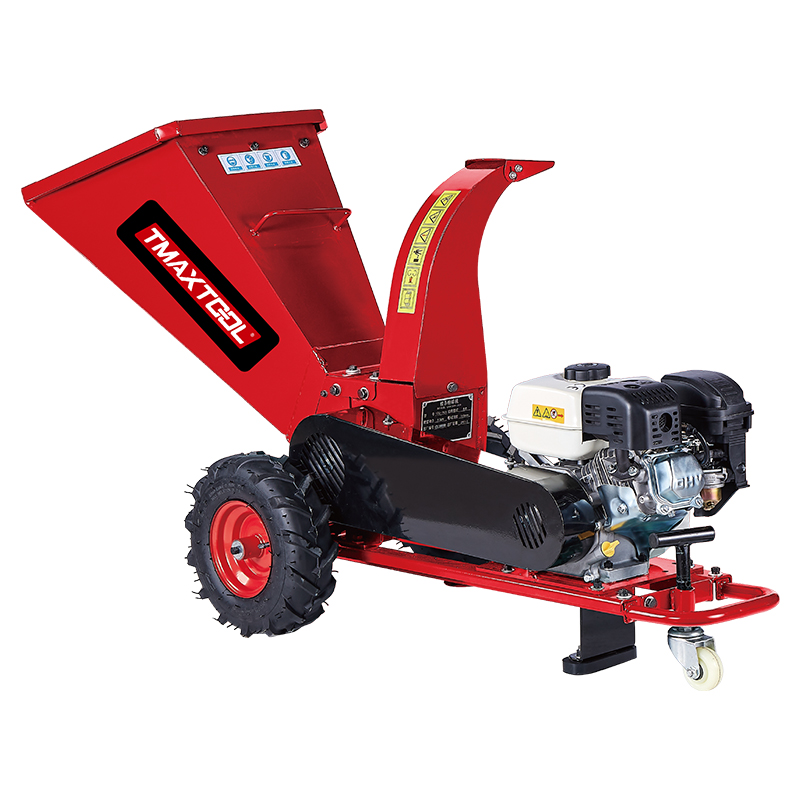 Wood Cutter
 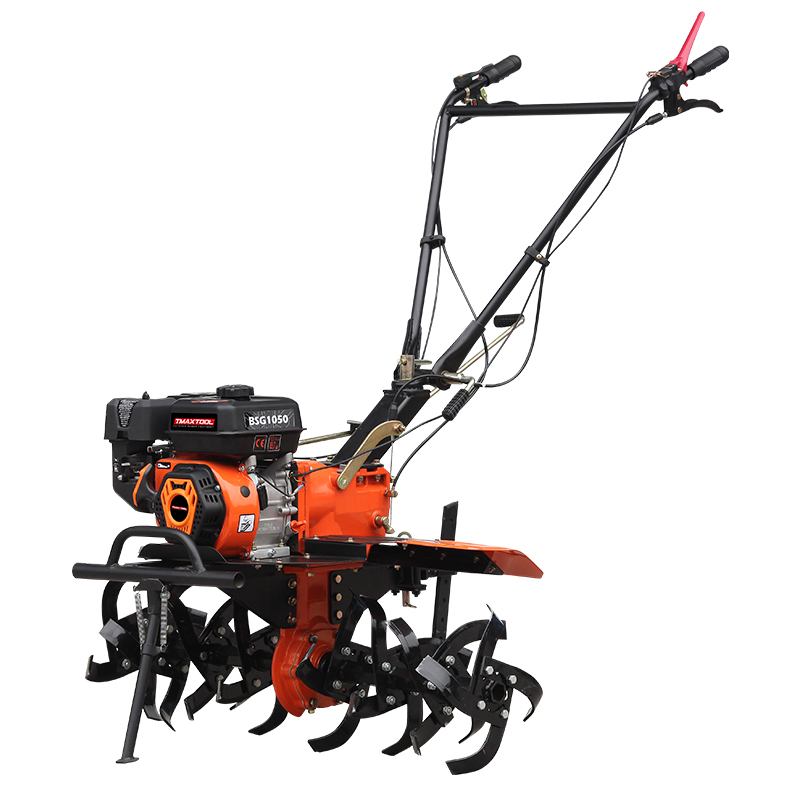 4 Stroke Tiller
 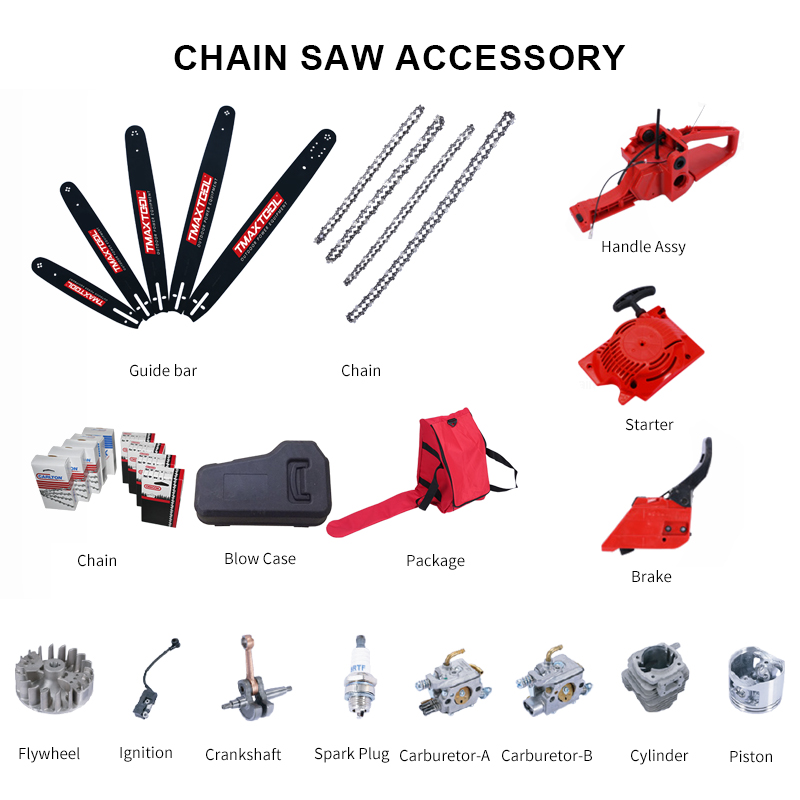 Chain Saw Accessory
 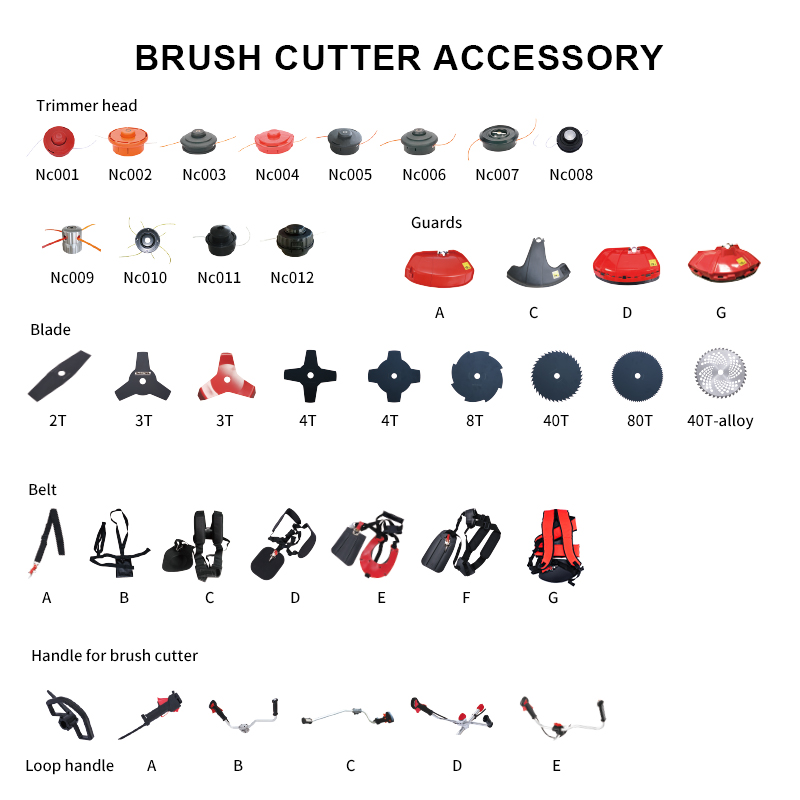 Brush Cutter Accessory
 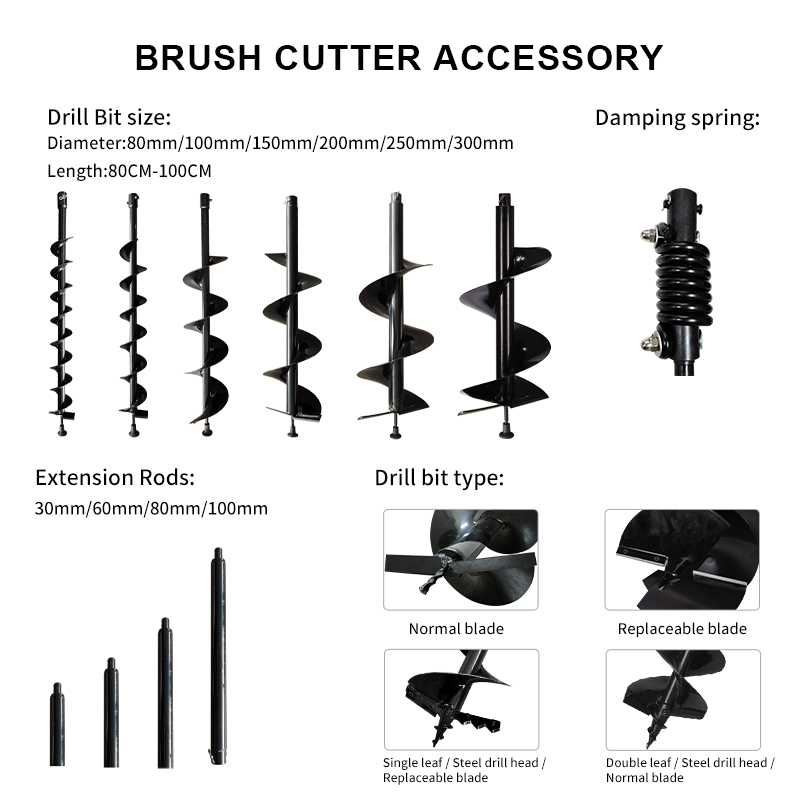 Earth Auger Accessory
 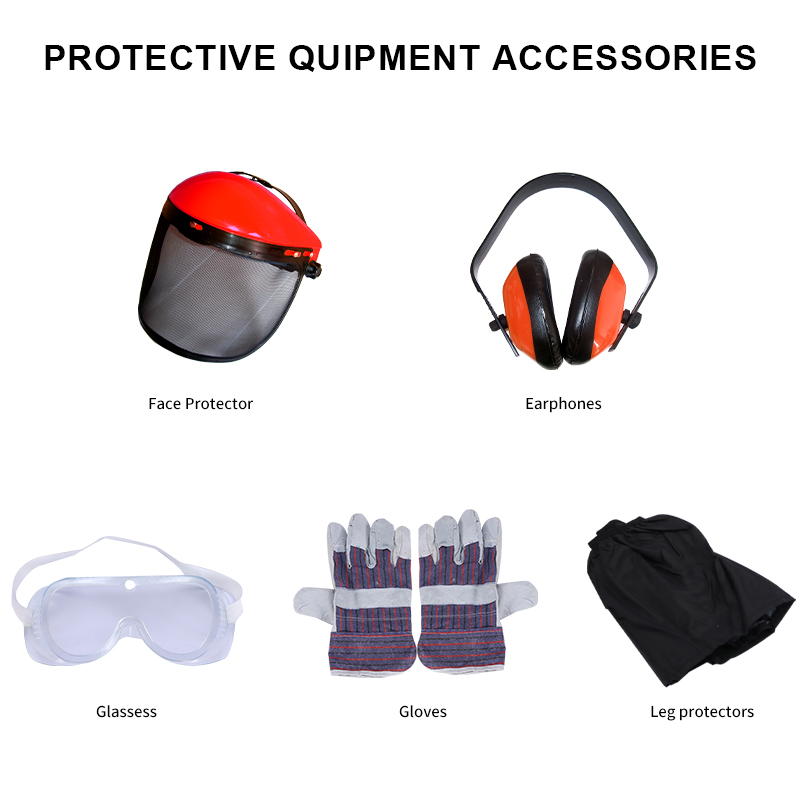 Protective Equipment Accessories


