So, when you're trying to pick out a Portable Blower, it’s really important to consider what you actually need. The market for these things has been booming — according to some recent reports from Market Research Future, it’s expected to hit about $1.5 billion by 2025. This just shows how much people want reliable, efficient tools for outdoor work. Experts like John Smith from PowerTools Inc. often say that matching the blower to your specific tasks is key. He even mentioned, ‘Choosing the right Portable Blower can make a huge difference in how productive you are.’
Depending on whether you’re doing small yard work or tackling heavy-duty cleanup, you might need something lightweight or a more powerful machine. It’s also worth thinking about things like noise, battery life, and airspeed — these little details can really impact your overall experience. Funny thing is, many folks tend to overlook how important battery efficiency is. Running out of juice halfway through a big job? Yeah, nobody likes that. Actually, almost 30% of people report feeling pretty annoyed after realizing their initial choice wasn’t quite right — which just goes to show, it’s worth doing your homework before pulling the trigger.
The market’s always changing, so staying informed can really pay off. Picking a blower isn’t just about brand names; it’s about understanding what you really need and what will work best for you. Looking at reviews and industry insights can help clear things up and make your decision a lot easier.

Understanding the Different Types of Portable Blowerr
When choosing a portable blower, it's crucial to understand the different types available. The main categories include electric, gas, and battery-powered blowers. Electric blowers are typically lighter and quieter, making them suitable for residential use. They are relatively easy to maintain, with many offering variable speeds to suit different tasks. In contrast, gas blowers deliver more power and longer run times, making them ideal for larger outdoor areas. Battery-powered options offer convenience and portability but may have limited runtimes, which is an essential consideration for prolonged use.
When evaluating portable blowers, consider your specific needs. For example, if you're clearing leaves from a driveway, a lightweight electric model may suffice. However, for heavy-duty landscaping work, a gas model might prove more effective. According to a recent industry report, gas blowers account for nearly 30% of the market share due to their high performance in tough conditions.
Tips: Always check the noise levels of your chosen model. Some areas have strict noise regulations. A quieter blower not only complies with these laws but also makes for a more pleasant user experience. Also, consider the weight. Heavier models can lead to fatigue during extended use. An OEM Portable Blower offers various options tailored for personal preference, balancing power and weight effectively.
Key Features to Consider in a Portable Blower
When selecting a portable blower, various features matter greatly. Power is essential. Higher power means better air velocity. Look for models with adjustable speed settings. This allows flexibility for different tasks, whether you’re clearing leaves or drying surfaces.
Weight and portability are crucial too. Heavier models can be tiring to use for extended periods. Lightweight designs are easier to maneuver. Some compact blowers have powerful performance despite their size. Check battery life for cordless options. Short battery life limits usage, so ensure it aligns with your needs.
Noise levels can also be an issue. Some blowers produce loud sounds, which can be distracting. If noise is a concern, choose quieter models. Lastly, consider maintenance requirements. Effortless upkeep adds to reliability. Occasionally review your portable blower's condition. Address any issues promptly. This will enhance its longevity. For those seeking to reduce costs, looking into Wholesale Portable Blower options may offer great value.
Evaluating Power Sources: Electric vs. Gas Portable Blowers
When evaluating power sources for portable blowers, consider electric and gas options. Electric blowers are often lighter and quieter. They are ideal for residential use. You can plug them in or use a battery. Battery-powered models are more portable, but they have limited runtime.
Gas blowers, on the other hand, tend to offer more power. They are suitable for larger areas and tougher jobs. However, they require more maintenance. Gas-powered blowers can be heavier and noisier. Think about where you will use the blower. Gardens and driveways need different tools.
Both options have their pros and cons. Electric blowers are convenient but might lack power for heavy-duty tasks. Gas blowers can tackle larger jobs but can be cumbersome. Assess your specific needs carefully. The right choice depends on the balance between your workload and your comfort.
Comparison of Electric vs. Gas Portable Blowers
Assessing Airflow and Speed Ratings for Optimal Performance
Choosing the right portable blower involves careful consideration of airflow and speed ratings. Airflow, measured in cubic feet per minute (CFM), indicates how much air the blower can move. A higher CFM usually means quicker and more efficient drying. Additionally, checking the speed settings helps you tailor performance to specific tasks. Some tasks may require maximum speed, while others need a lighter touch.
When looking at airflow and speed, think about your needs. For small spaces, a blower with lower CFM might suffice. However, for large areas or heavy debris, a powerful model is essential. Balancing power and control can be tricky. You might find that a more powerful blower is harder to control. This can lead to unintentional messes or even damage.
Remember that the features matter too. Some models offer adjustable speeds, allowing for flexibility. Look for ergonomic designs to minimize fatigue. It’s essential to choose an ODM Portable Blower that provides both comfort and performance. Think about noise levels as well. A quieter model might be better for early morning use or residential areas. Reflecting on these factors ensures you make an informed decision.
Weight and Portability: Choosing the Right Size for You
When selecting a portable blower, weight and size are crucial factors. A lightweight blower can make a big difference. If you plan to use it for extended periods, the weight can impact your comfort. Look for models that are easy to carry and operate with one hand. Balancing power and portability is key.
Consider the tasks you need the blower for. A compact design may suit small outdoor jobs, but might struggle with heavy-duty tasks. If you're clearing leaves from a large yard, a more powerful model may be beneficial. Test out different sizes and weights to see which feels best in your hands.
Remember, what works for one person might not work for another. It’s about individual needs. Have realistic expectations about performance versus weight. Sometimes, a slightly heavier model delivers better results. Reflect on the trade-offs between size and power to find the best fit for your projects.
How to Choose the Best Portable Blower for Your Needs? - Weight and Portability: Choosing the Right Size for You
| Model | Weight (lbs) | Air Speed (MPH) | Battery Life (mins) | Noise Level (dB) |
| Model A | 5.0 | 120 | 60 | 80 |
| Model B | 4.5 | 100 | 50 | 85 |
| Model C | 6.0 | 150 | 70 | 75 |
| Model D | 3.8 | 90 | 40 | 90 |
Noise Levels and Sound Ratings in Portable Blowers
When selecting a portable blower, noise levels are crucial. Many users overlook this aspect but it significantly affects comfort. A High-Quality Portable Blower should operate quietly, especially in residential areas. Blowers come with different sound ratings, typically measured in decibels (dB). Knowing the decibel levels helps in making an informed choice.
For instance, a blower that operates at 60 dB is about as loud as normal conversation. In contrast, one at 80 dB can sound similar to a power lawn mower. If you plan to use a blower frequently or for prolonged periods, aim for lower noise ratings. This choice not only protects your hearing but also keeps neighbors content.
Reflecting on personal experiences, it's easy to underestimate noise impact initially. You might buy a powerful blower without realizing how intrusive it is. Sometimes, the high performance comes at the cost of sound. It’s essential to balance power and sound levels. Evaluate your specific needs and choose wisely to enhance your user experience.
Budget Considerations: Finding a Balance Between Cost and Quality
When choosing a portable blower, budget plays a significant role. Many options exist at various price points. A cheaper model might save money but could lack durability. You want something that not only fits your wallet but also meets your needs effectively.
Quality and performance often correlate with price. Higher-end blowers usually offer better power and longer lifespans. However, does a high price always mean better performance? Sometimes, a mid-range option can provide excellent value without breaking the bank. Testing a few models can reveal surprising strengths or weaknesses across different brands.
Consider how often you will use the blower. If it's for occasional yard work, a more affordable option may suffice. If you’ll rely on it regularly, investing more might pay off. Reflect on these factors before deciding. Balancing cost with quality can be tricky, but taking your time to assess needs leads to better choices.
Unleash the Power of Clean: Exploring the Features and Benefits of the 18V Cordless Lithium Blower Vacuum
The 18V Cordless Lithium blower vacuum is designed to revolutionize the way you clean your outdoor spaces. With its impressive battery capacity of 2.0Ah, this device ensures a powerful and efficient performance, allowing users to harness the energy needed to tackle a variety of yard debris. It excels with no-load speeds ranging from 13,000 to 16,000 RPM, providing versatility depending on the task at hand. Whether you're looking to clear leaves or dust off outdoor furniture, the option to switch between normal and turbo speed settings means you can customize your cleaning experience effectively.
A standout feature is its remarkable maximum air speed, which reaches up to 126 km/h, and a maximum wind capacity of 570 m³/h (equivalent to 335 CFM). This makes it one of the top performers in its class, delivering swift and efficient results that homeowners and landscaping professionals alike can appreciate. Industry reports indicate that battery-operated tools are not just eco-friendly but also yield higher performance efficiency, significantly reducing operational costs while enhancing user convenience.
In terms of ergonomics, the brush motor technology incorporated ensures durability and longevity while maintaining a lightweight design. This combination allows for easy maneuverability, making it ideal for extended use without fatigue. As outdoor cleaning becomes an increasingly critical aspect of home maintenance, harnessing the power of clean with the 18V Cordless Lithium Blower Vacuum presents an optimal solution to keep outdoor spaces tidy and welcoming.
FAQS
: The two main types are electric and gas blowers. They serve different needs and environments.
Electric blowers are lighter and quieter. They are ideal for residential use and easy to handle.
Gas blowers generally offer more power. They are better for larger areas and tougher jobs.
Airflow, measured in CFM, shows how much air a blower moves. Higher CFM means faster drying.
Noise levels affect comfort and can disturb neighbors. Lower decibel ratings are better for residential areas.
Yes, some models have adjustable speeds. This feature allows for tailored performance for different tasks.
For small areas, a blower with lower CFM may be sufficient. It can be easier to control and less disruptive.
Powerful blowers can be harder to control. This may lead to unintended messes or even damage.
Ergonomic designs help reduce fatigue. Choosing one can enhance comfort during prolonged use.
Initial purchases may overlook noise impact. Later experiences may lead to regret over choosing too loud a model.
Conclusion
When selecting the best portable blower for your needs, it's essential to understand the various types available, as well as key features that can significantly impact performance. Key considerations include the power source—whether electric or gas—airflow and speed ratings, which determine efficiency, and the overall weight and portability of the unit. Noise levels are also an important factor, especially for residential use, while budget considerations help strike a balance between cost and quality.
By evaluating these criteria, you can find a portable blower that suits your requirements, ensuring that you have the right tool for tasks ranging from yard maintenance to DIY projects. A well-chosen portable blower not only enhances productivity but also aligns with your personal preferences for performance and ease of use.

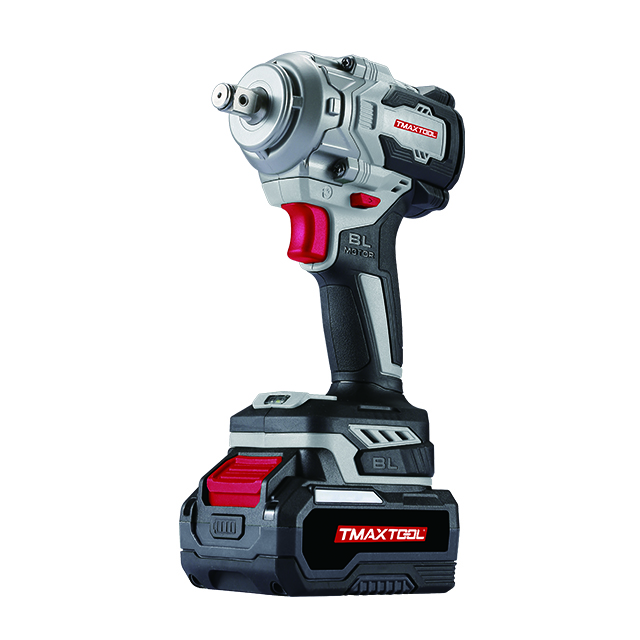 Impact Wrench
 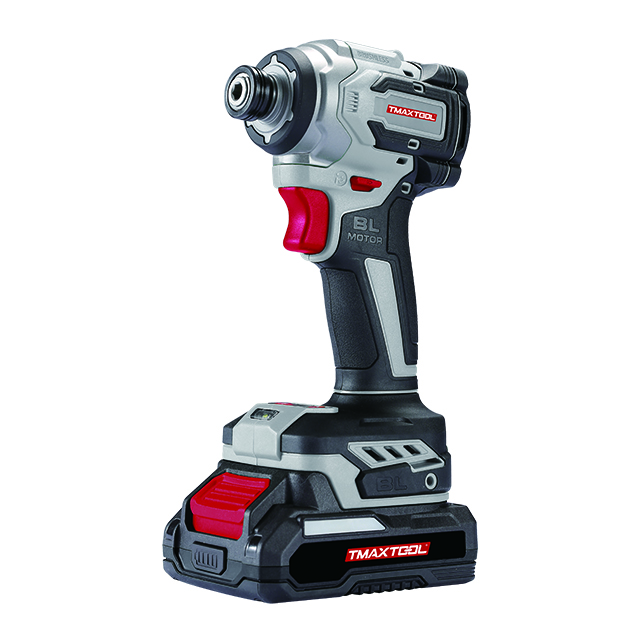 Screwdriver
 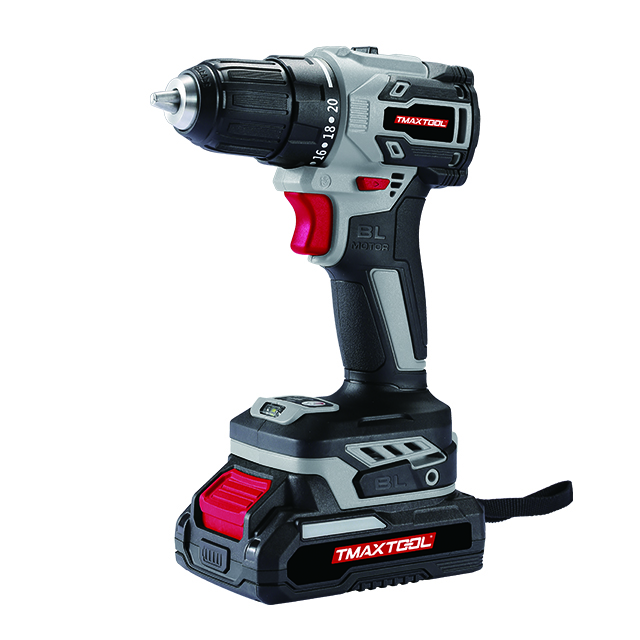 Cordless Drill
 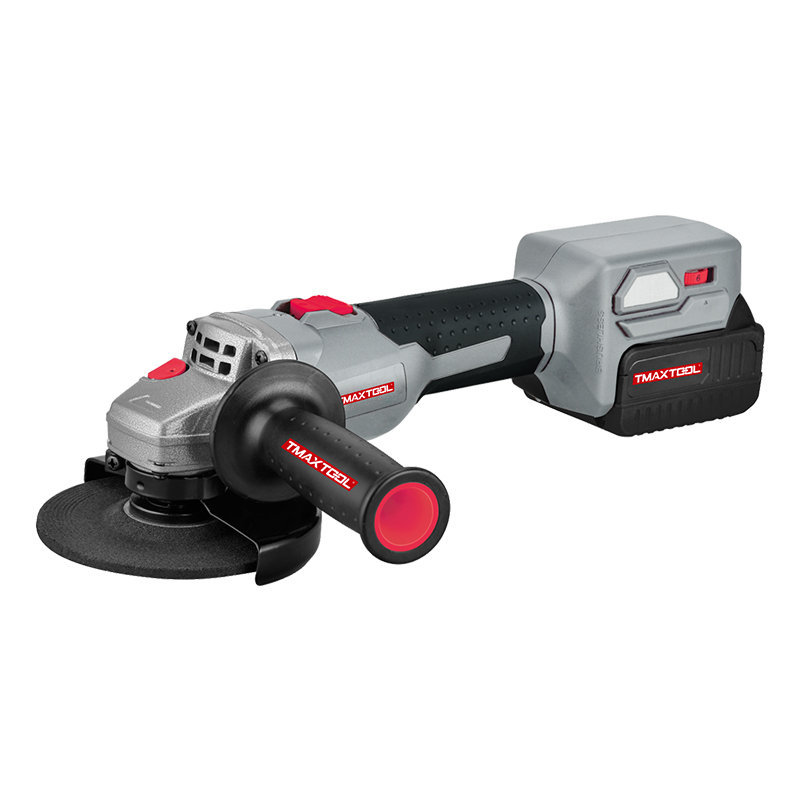 Angle Grinder
 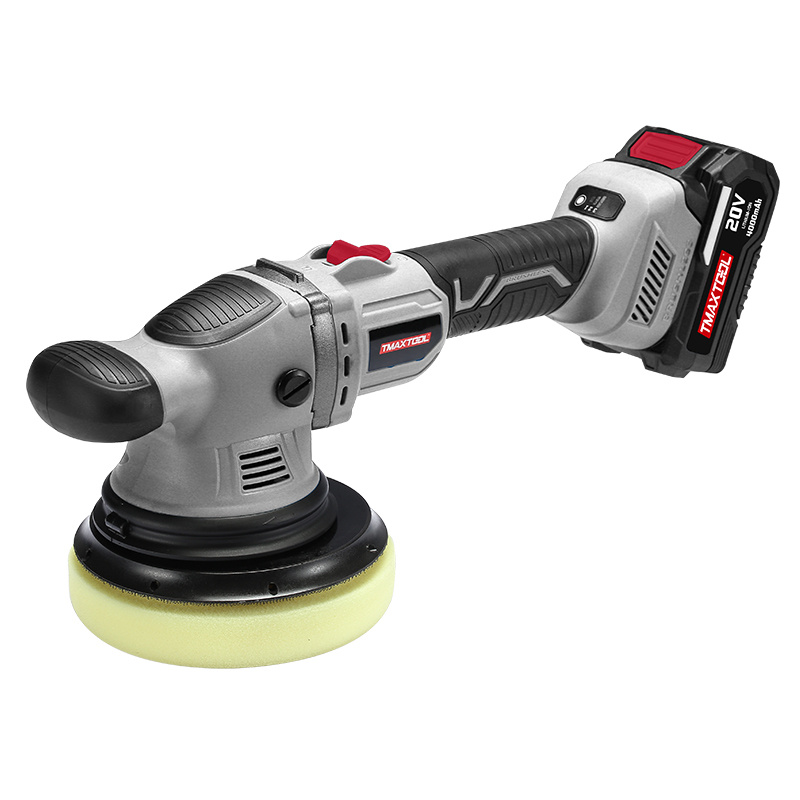 Polisher
 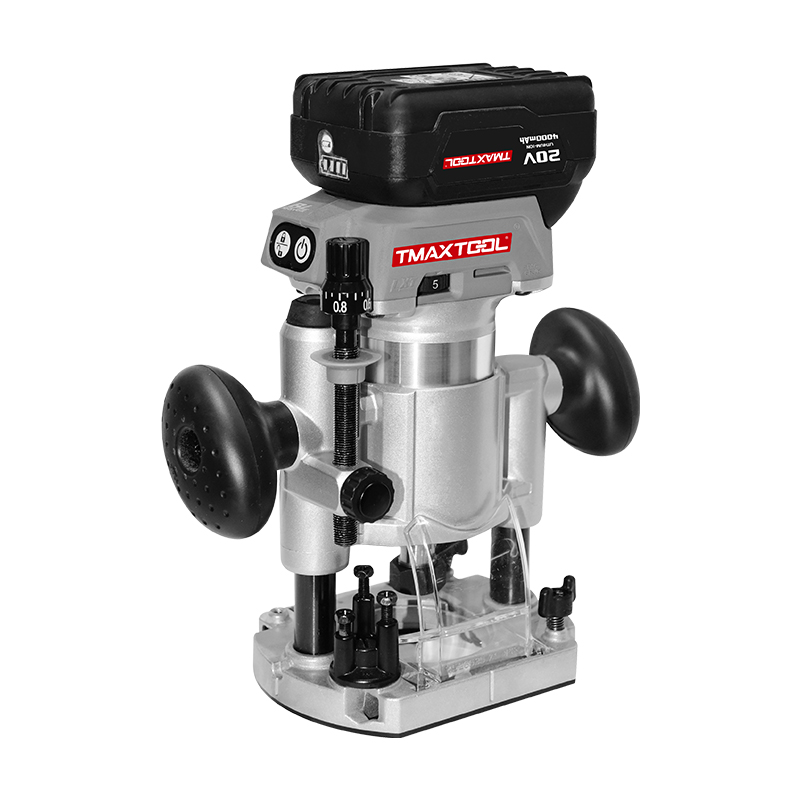 Wood Router
 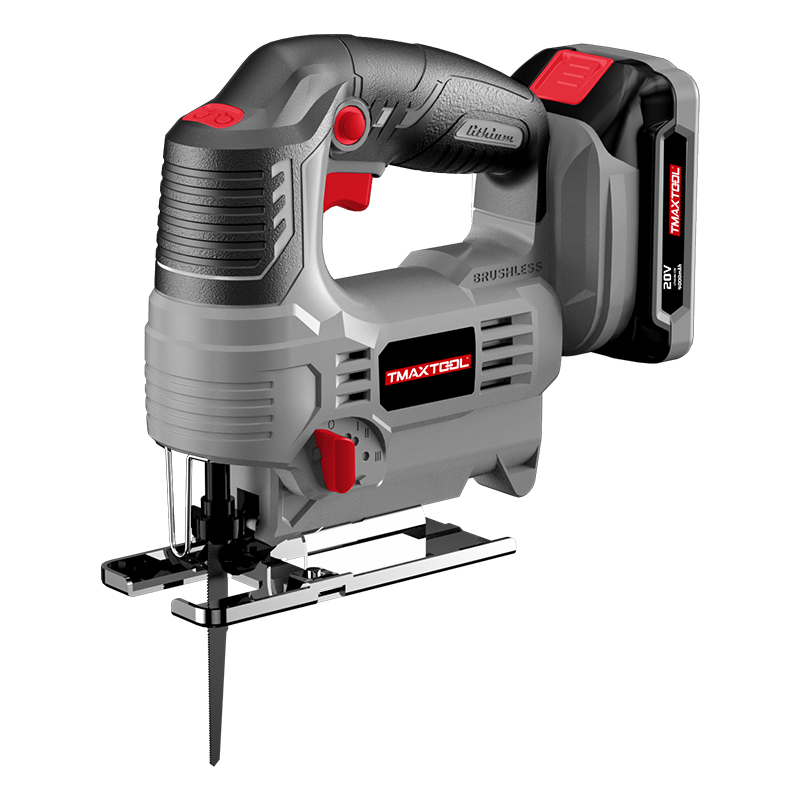 Jig Saw
 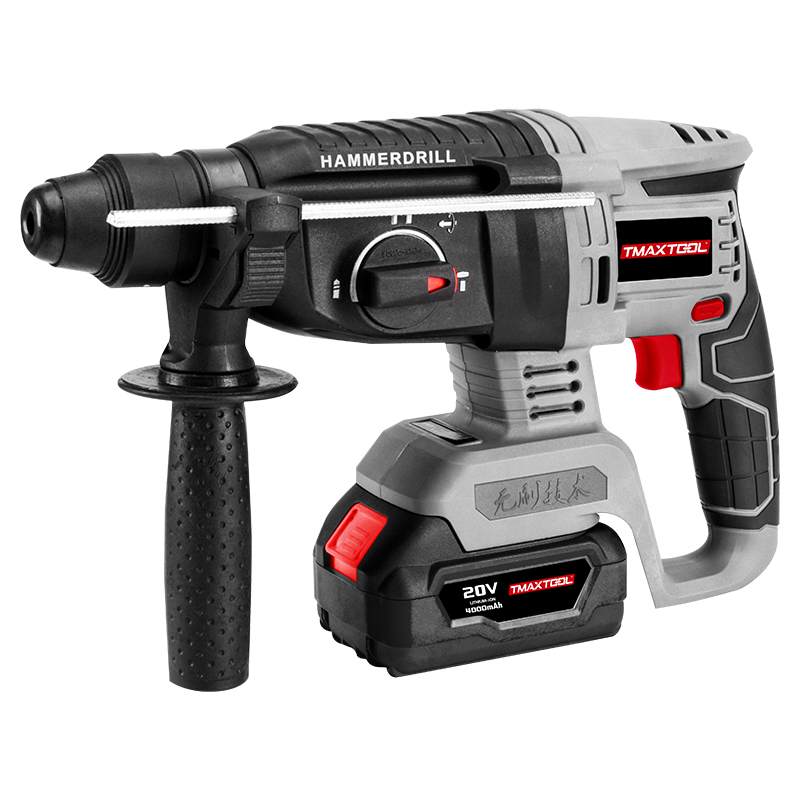 Hammer Drill
 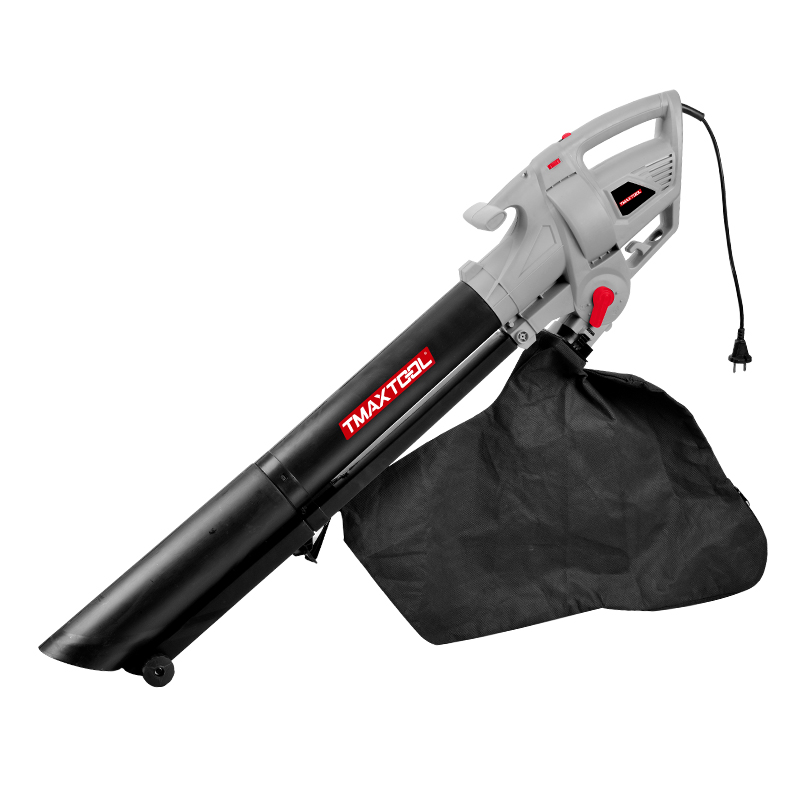 Portable Blower
  Orbital Sander
  Marble Cutter
  GARDEN TOOLS
 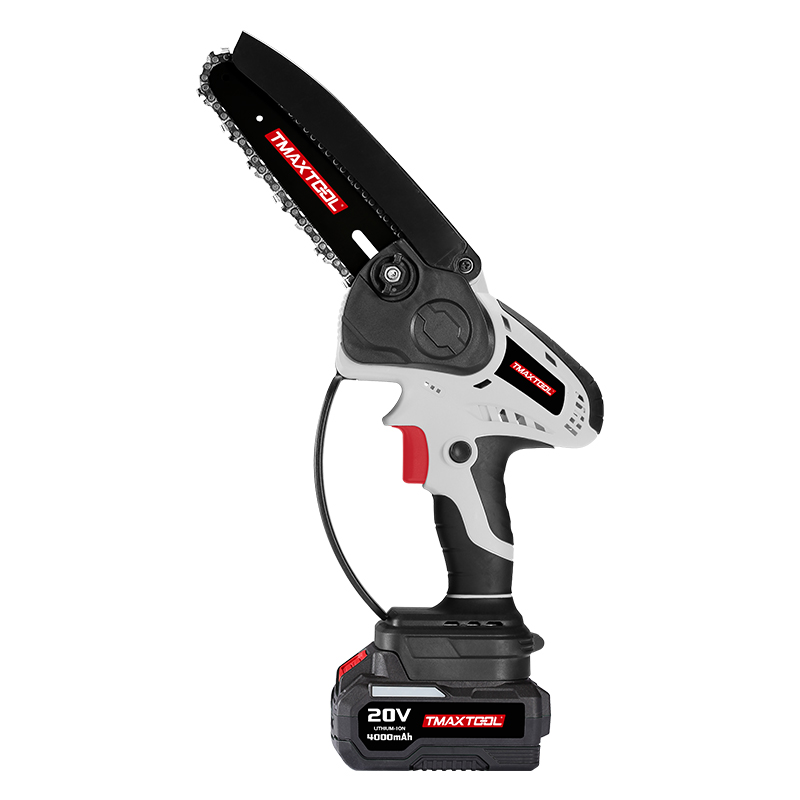 Battery Chain Saw
 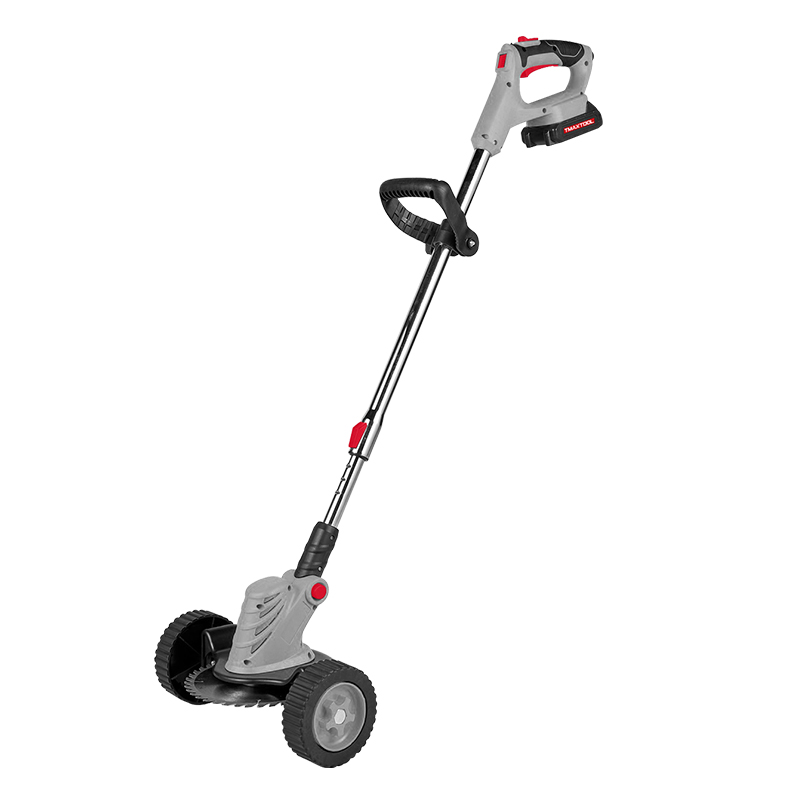 Battery Brush Cutter
 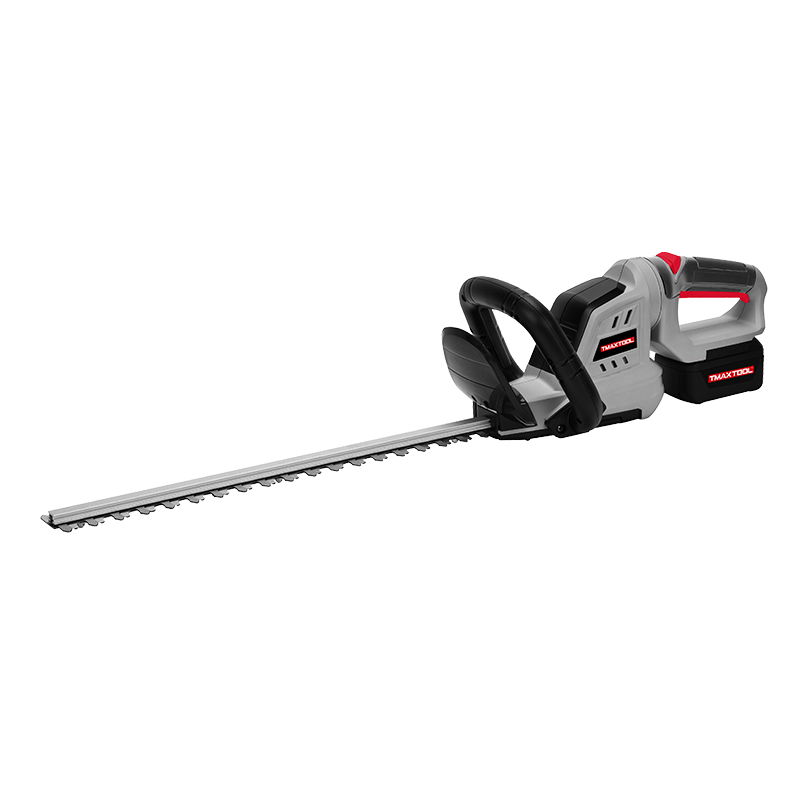 Battery Hedge Trimmer
 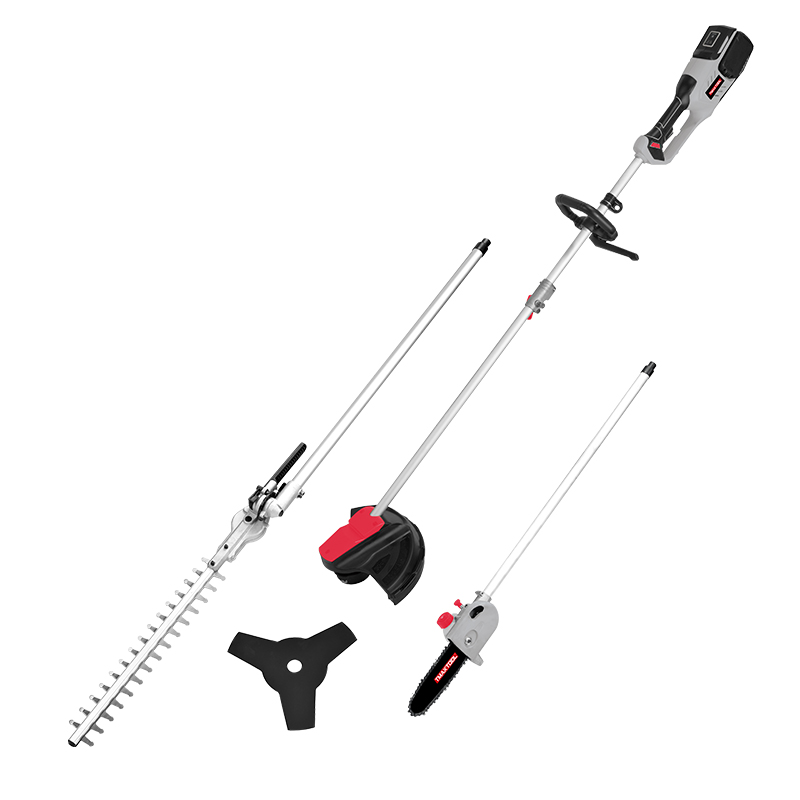 Battery Multi Tool
 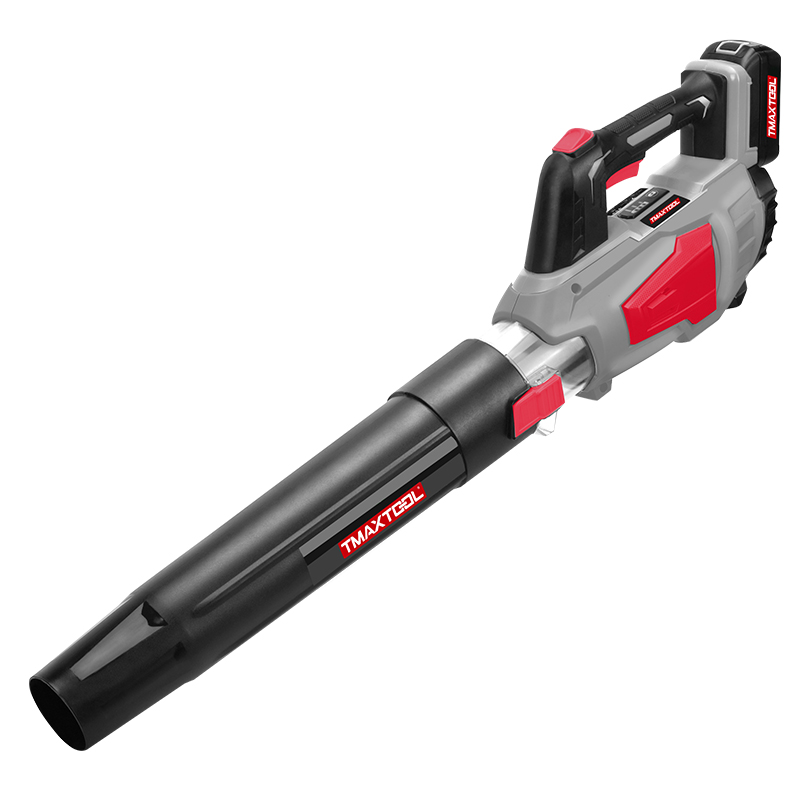 Battery Blower
 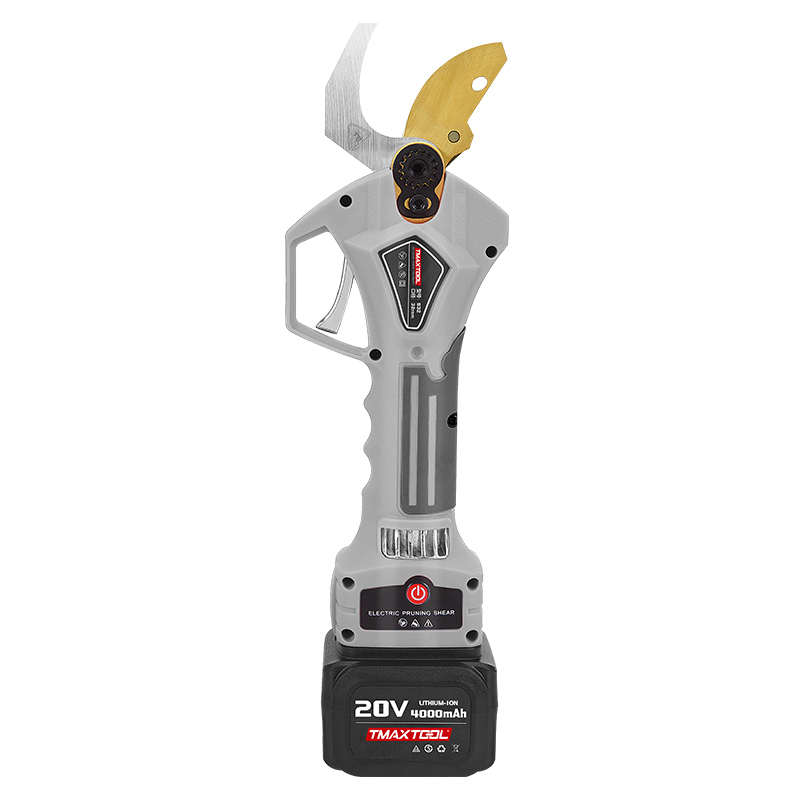 Batter Pruning Shears
 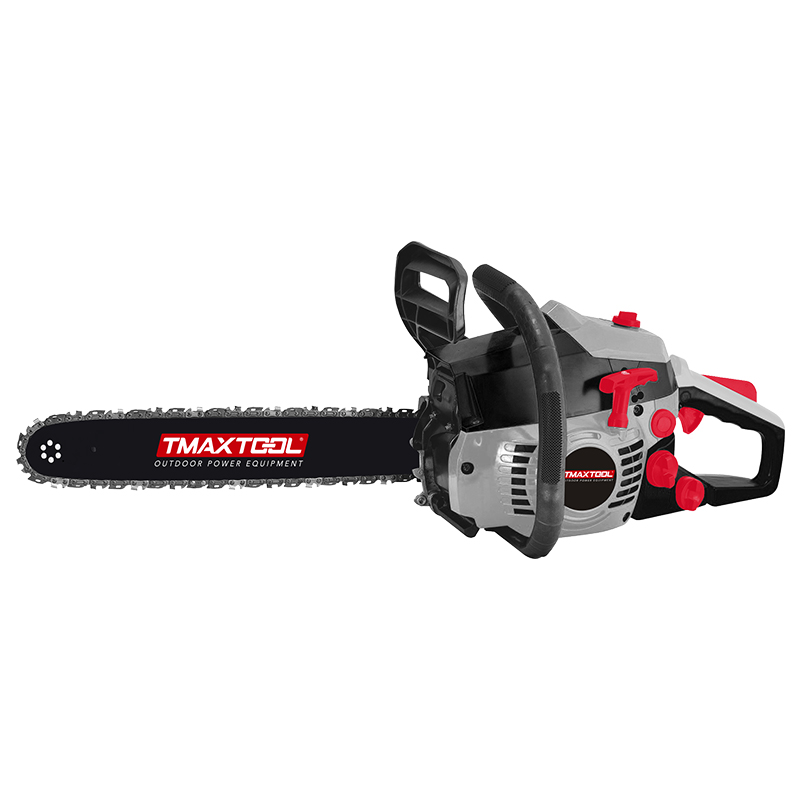 Chain Saw
 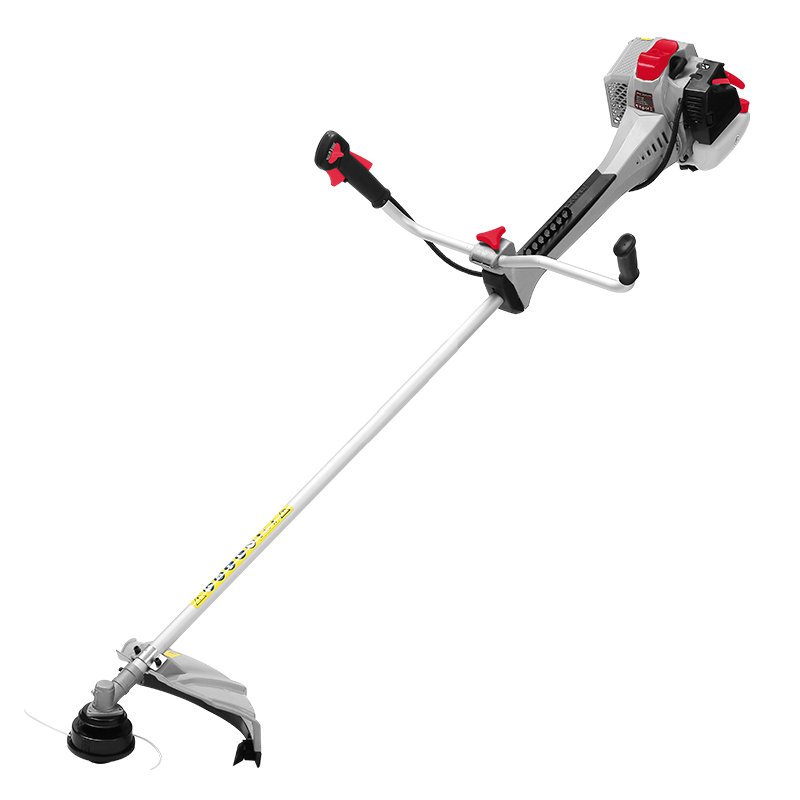 Brush Cutter
 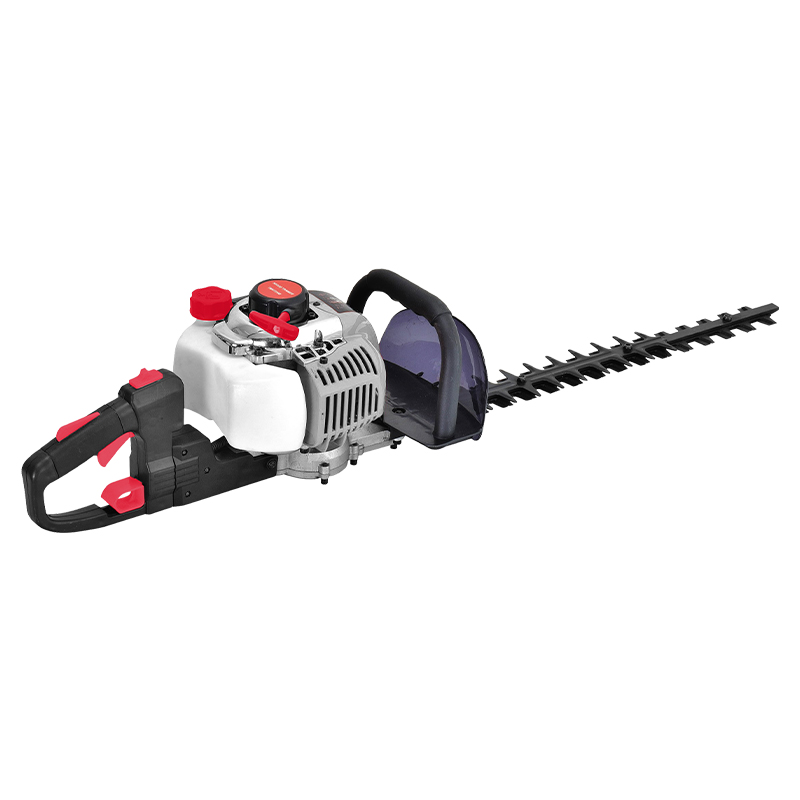 Hedge Trimmer
 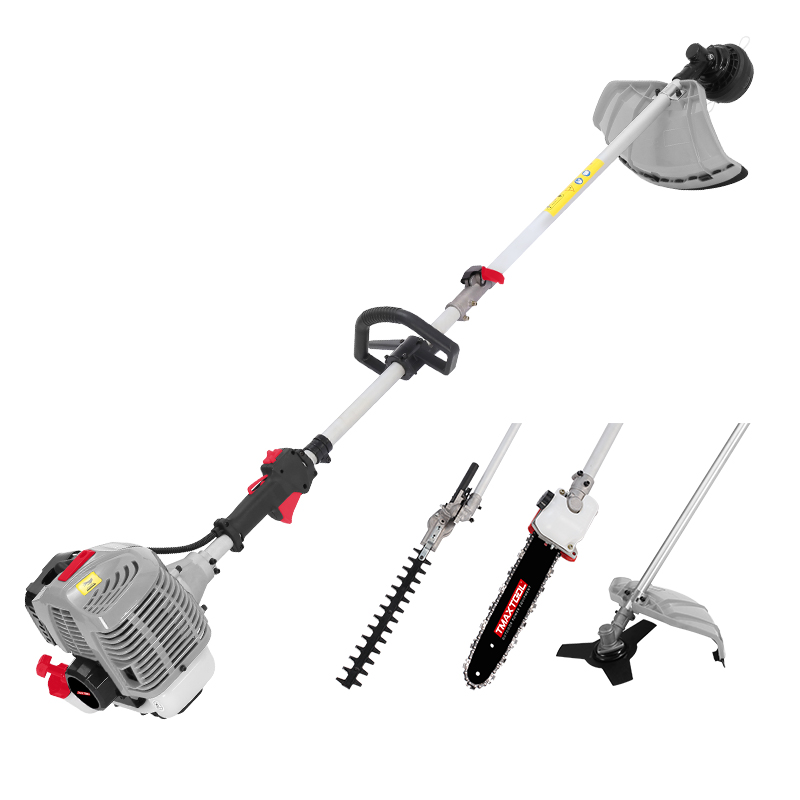 Multi Tool
 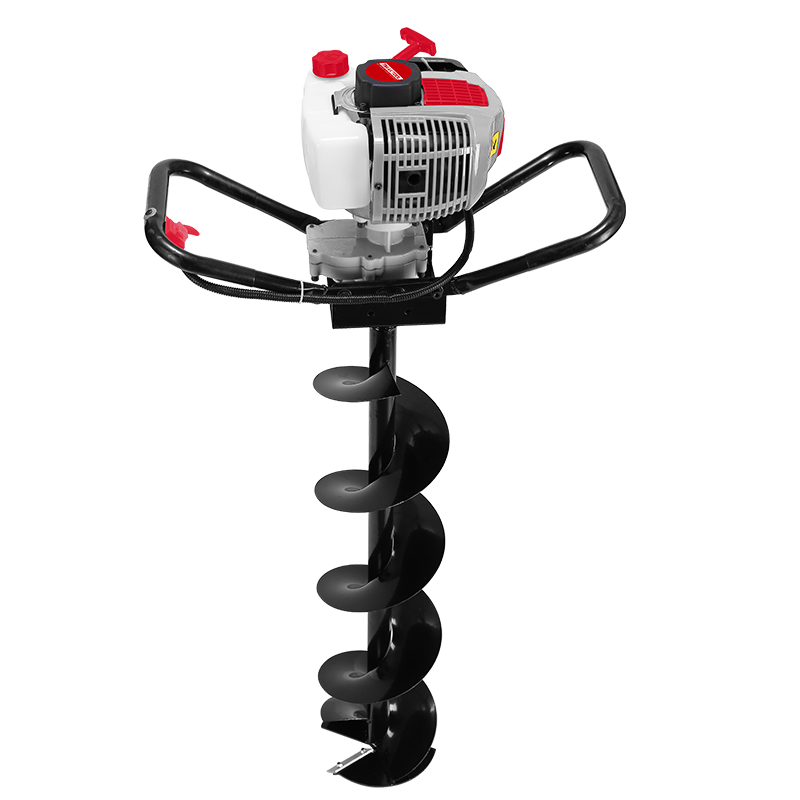 Earth Auger
 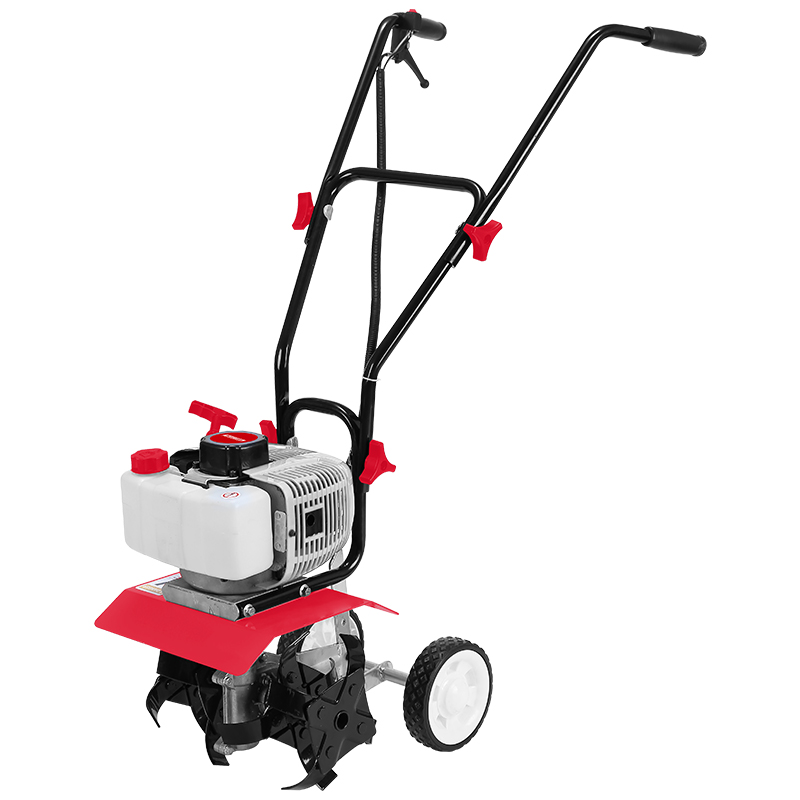 Tiller
 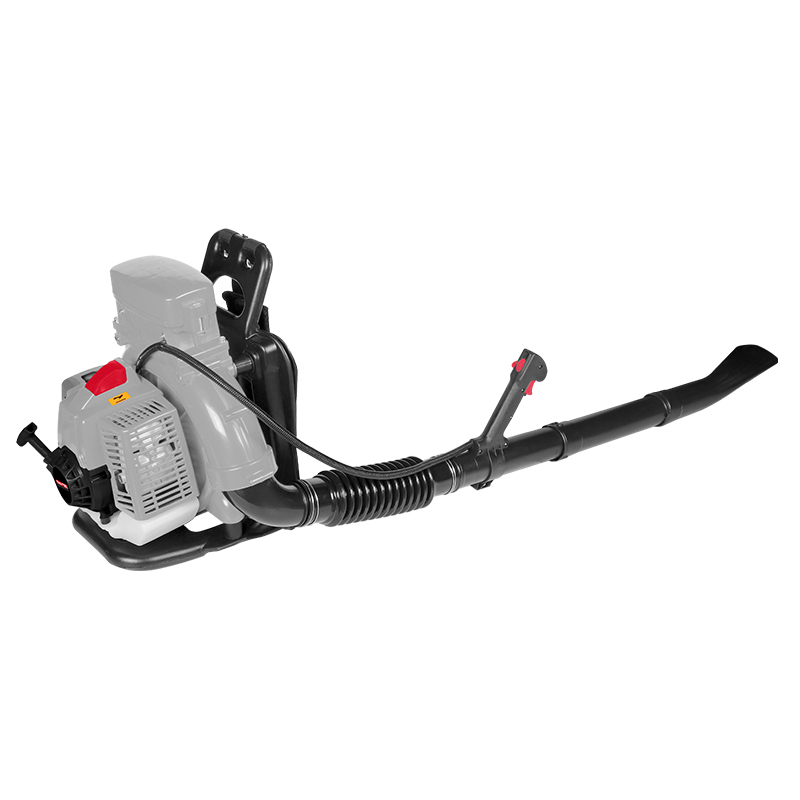 Blower
  4 Stroke Gasoline Engine
  Generator
  Water Pump
 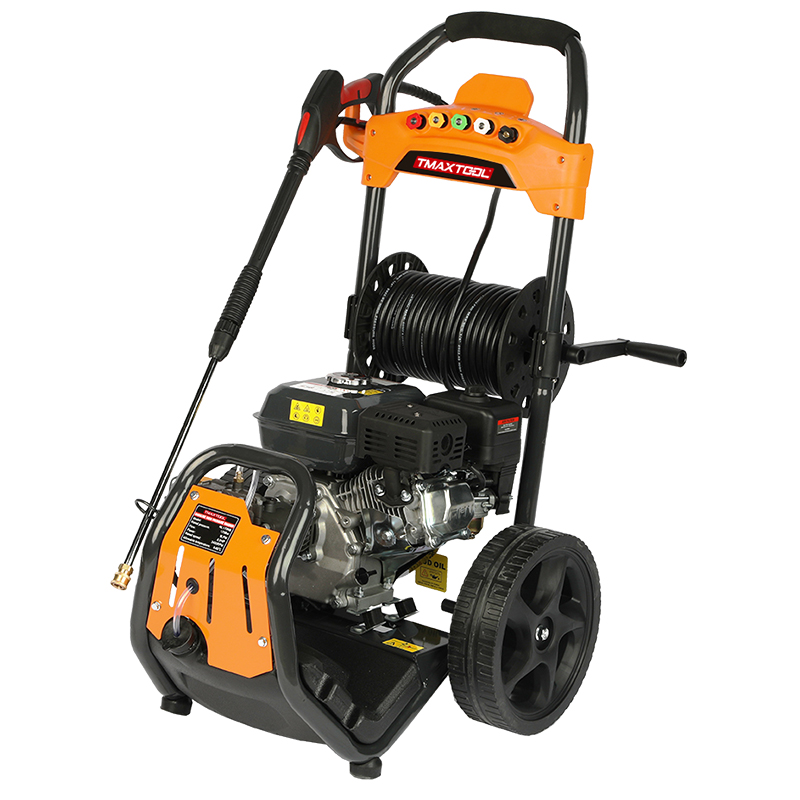 High Pressure Washer
 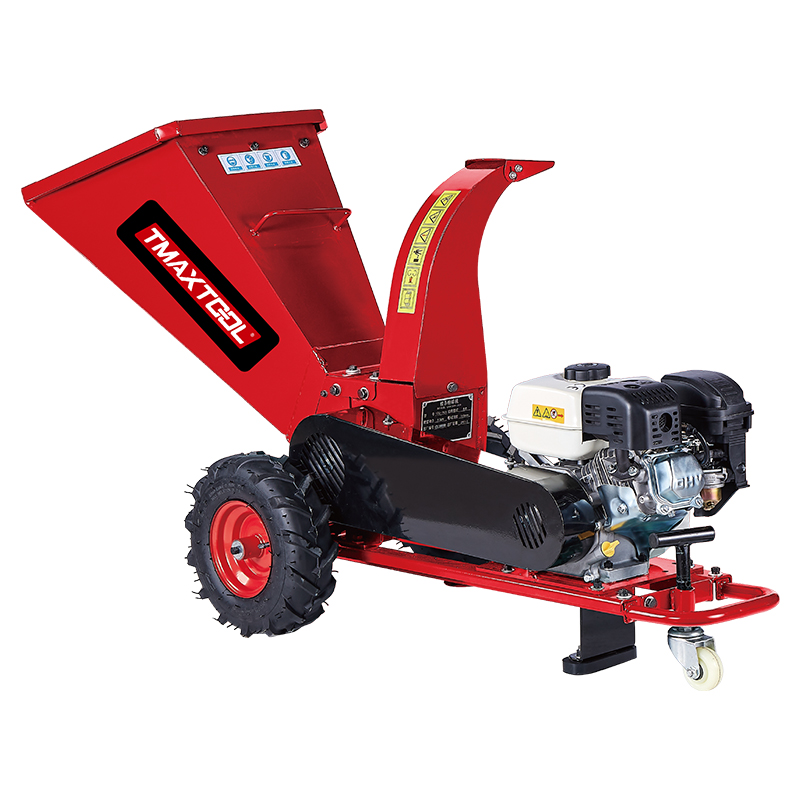 Wood Cutter
 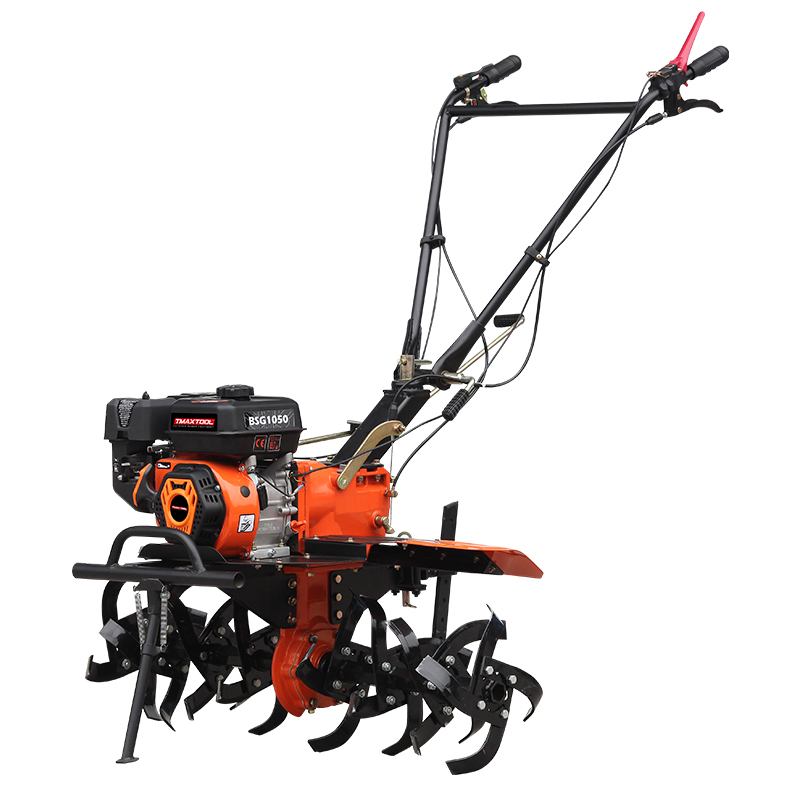 4 Stroke Tiller
 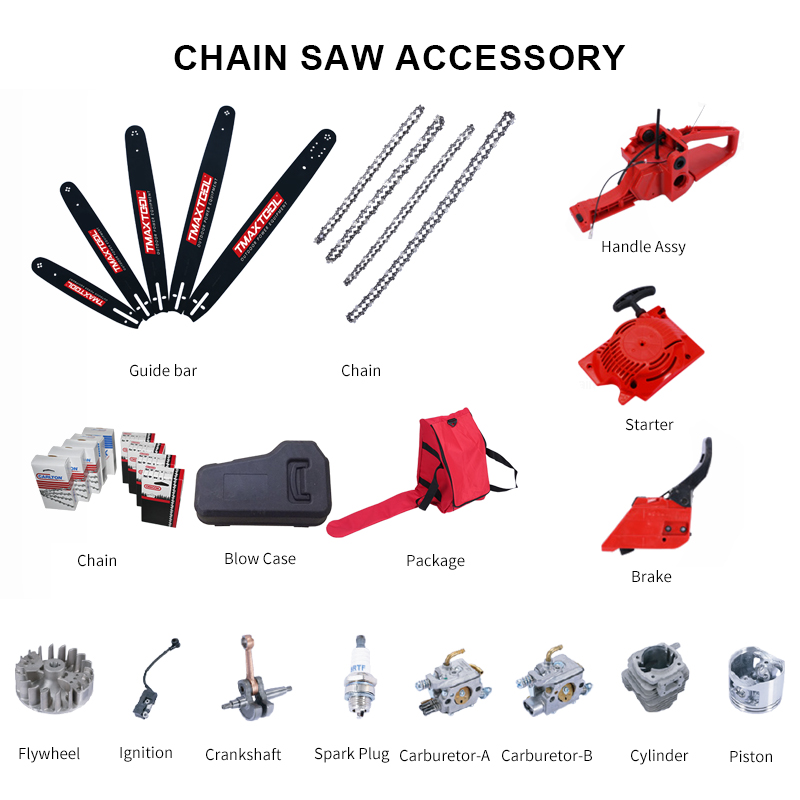 Chain Saw Accessory
 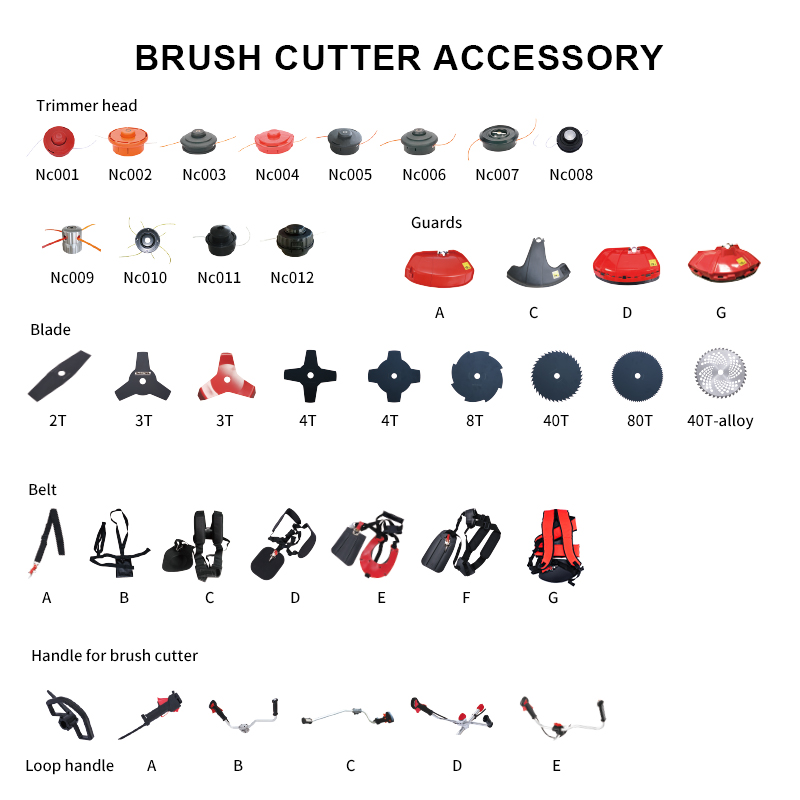 Brush Cutter Accessory
 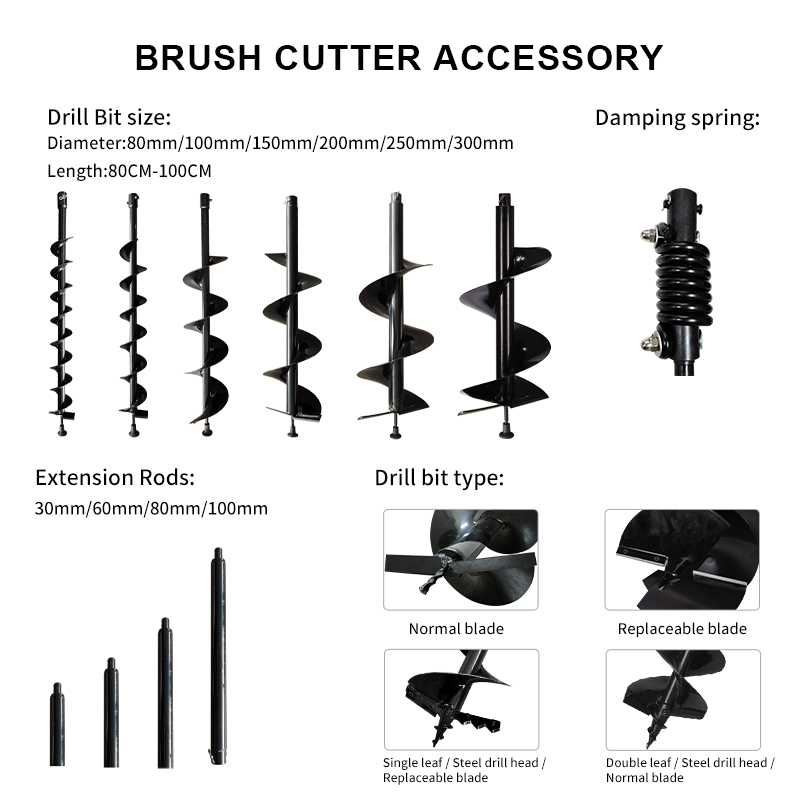 Earth Auger Accessory
 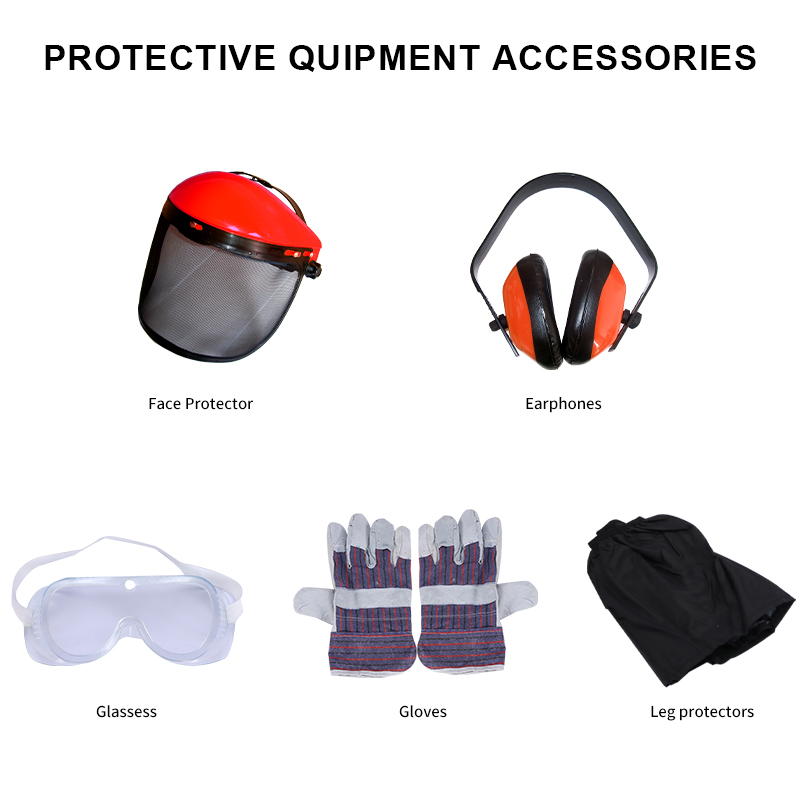 Protective Equipment Accessories


