Picking the right polisher is pretty key if you're aiming for that flawless finish. Whether you're a pro detailing cars or just someone tackling it as a weekend project, choosing the right tool can feel kinda overwhelming sometimes. There are so many brands and types out there, each with their own features—no wonder it can get confusing! It’s really helpful to know what you actually need before rushing into a purchase.
Different jobs call for different polishers, you know? Like, a random orbital buffer is usually a solid pick for folks just starting out, but if you’re more experienced, you might wanna go for a Rotary Polisher. Think about how often you plan to use it and what surfaces you’ll be working on—that sort of stuff really helps narrow down your options.
Honestly, a good polisher can totally make or break your results. Sure, quality matters, but understanding what each feature does is just as important. Sometimes, it’s tempting to grab the most popular model, but that doesn’t always mean it’s the right fit for you. Just take a moment to reflect on what you actually need and prefer—trust me, the right tool can really level up your work. On the flip side, using the wrong one might just leave you frustrated and with a less-than-stellar finish.

Understanding Different Types of Polishers Available in the Market
When selecting the right polisher, understanding the various types can guide your decision. There are three main classes: rotary, orbital, and dual-action polishers. Each serves different purposes and skill levels. Rotary polishers spin in a circular motion and deliver quick results. However, they require more experience to avoid damaging surfaces. In contrast, orbital polishers are user-friendly and can achieve a high-quality finish. They move in an elliptical pattern, reducing the risk of swirl marks.
Dual-action polishers combine both features, making them versatile. A 2022 market study indicates that dual-action polishers are gaining popularity due to their ease of use and effectiveness. In fact, about 45% of new users prefer this type, as it balances speed and safety. However, they might not provide the same efficiency as rotary units for advanced detailing tasks.
Choosing the right polisher also depends on your specific needs. Factor in the materials you’ll work with and the level of finish desired. Remember, some polishers may perform excellently on paint but struggle on glass. Consider your skill level and the time you can invest in learning your tool. Rough edges in your techniques might lead to less-than-perfect results, urging experimentation and practice.
Assessing Your Specific Polishing Needs and Objectives
Choosing the right polisher requires understanding your specific needs. Are you working on cars, floors, or furniture? Each surface has unique requirements. Assess the material type. Paint, wood, and metal all need different approaches. Consider the level of polish you desire. A high-gloss finish vs. a subtle sheen? This will impact your choice significantly.
Tips: Identify the area you’ll be polishing. For tight spots, a smaller polisher is ideal. If you're tackling large surfaces, a bigger machine might save time. Always consider your skill level. Some polishers are complex and require practice. Others are user-friendly and great for beginners.
Take the time to evaluate your objectives. Are you seeking professional results or simply enhancing aesthetics? Spending extra on a high-end model may not be necessary for DIY projects. Reflect on your current tools. Sometimes, simple attachments can transform a basic polisher. Make sure to think about the weight and size. A heavy polisher might tire you out quickly. Choose wisely to avoid regrets later on.
Evaluating Power Sources: Electric vs. Cordless Polishers
When choosing a polisher, power source matters. Electric and cordless options each have unique advantages. Electric Polishers often provide consistent power. They excel in heavy-duty tasks. This makes them ideal for larger projects or professional use. However, they require access to an outlet. This limitation can hinder mobility and flexibility.
Cordless Polishers offer freedom of movement. They are lightweight and portable. You can use them almost anywhere. This is great for smaller jobs or tight spaces. Battery life can be a consideration. Some cordless models may struggle with long usage times. It's essential to evaluate how long you need the tool to run. Performance can vary, depending on battery power.
Ultimately, the right choice depends on your specific needs. Consider the tasks you'll tackle. Look at the types of surfaces you'll polish. Think about ease of use and convenience. Both types of polishers have pros and cons. It's okay to test them and see which feels right. Each choice could affect your results and workflow.
How to Choose the Right Polisher for Your Needs?
| Polisher Type | Power Source | Runtime | Weight | Suitable For |
| Rotary Polisher | Electric | Unlimited (plugin) | 6-8 lbs | Paint Correction, Heavy Duty |
| Dual Action Polisher | Electric | Unlimited (plugin) | 5-7 lbs | General Polishing, Waxing |
| Cordless Polisher | Battery | 30-120 minutes | 4-6 lbs | Detailing on the Go, Small Areas |
| Mini Polisher | Electric | Unlimited (plugin) | 2-4 lbs | Tight Spaces, Multi-Purpose |
Key Features to Look for in a Polisher
When choosing a polisher, several key features deserve your attention. First, consider the power source. Electric polishers can offer more consistent power, while battery-operated models provide mobility. The right choice depends on your work environment. Lightweight options can be beneficial for long tasks, reducing fatigue. A comfortable grip is essential to maintain control.
Speed settings are another critical aspect. Multiple speed options allow for better customization depending on the task. Some materials require lower speeds to avoid burns. It’s worth noting that not all polishers handle various surfaces effectively. Testing is essential to understand a polisher’s capabilities.
An additional feature to reflect on is the type of pads it uses. Foam pads are great for gentle polishing, while wool pads can handle more aggressive tasks. Polishing can be tricky; errors often happen. It's easy to over-polish and damage surfaces, especially if you're not experienced. Understanding these features helps in making an informed choice.
Comparing Price Ranges: Budget-Friendly to Professional Options
When choosing a polisher, understanding price ranges is crucial. Budget-friendly options typically cost between $50 to $150. These models often lack advanced features but serve well for casual users. A report by the American Institute of Automotive Technology suggests that basic polishers can be suitable for light tasks. However, they might underperform with tougher jobs.
On the other hand, professional polishers range from $200 to over $1,000. These tools usually offer higher RPMs and better durability. Data indicates that professionals often prefer these due to their efficiency and lasting results. More advanced features, like variable speed settings, enhance control for specific tasks. Yet, spending more doesn’t always guarantee perfection. Some may find themselves overwhelmed by options, leading to poor decision-making.
Ultimately, the choice between budget-friendly and professional polishers depends on user needs. A user must assess the intended use, frequency, and skill level. Without clear goals, selecting the right polisher can become tricky. Many overlook essential factors, like weight and ease of use, which are critical for effective polishing. Choose wisely; every detail counts.
Reading User Reviews and Ratings for Better Insight
When selecting a polisher, user reviews are vital. They provide insights that specifications alone may miss. According to a recent industry report, 78% of users rely on reviews before making a purchase. This preference highlights how real-world experiences shape perceptions of performance and usability.
Reading through user ratings can reveal common issues. For example, many users note that weight impacts handling. A heavy polisher might cause fatigue during extended use. Some users describe their struggles with maneuverability in tight spaces, which isn't always evident in product descriptions. Additionally, feedback regarding durability is crucial. Data shows that nearly 40% of users reported wear and tear within the first few months.
It's worthwhile to evaluate different sources of reviews. A single review may not provide a full picture. Patterns become clearer when many users comment on similar strengths or weaknesses. Moreover, user-generated content often addresses questions not found in official materials. This kind of information can lead to more thoughtful choices and potentially save time and effort in the long run.
Polisher User Ratings Comparison
Maintenance Tips for Extending the Life of Your Polisher
Using a polisher effectively requires proper maintenance. Regular cleaning is essential for optimal performance. Ensure to wipe down the polisher after each use. Dust and residue can accumulate and affect functionality. According to a report by the International Surface Engineering Association, 30% of equipment issues stem from improper maintenance.
Battery care is another critical factor. For cordless polishers, monitor battery health closely. Avoid letting batteries completely drain. This can shorten their lifespan significantly. A study by the Electric Power Research Institute suggests that maintaining a battery charge above 20% can extend its life by 50%.
Finally, inspect the pads regularly. Worn pads do not perform well. Replace them when you notice signs of wear or damage. This simple step can enhance polishing results. Remember, neglecting these tasks might lead to poor outcomes. Analyzing your habits can lead to better maintenance strategies. Taking time to reflect on these practices can pay off in the long run.
Transform Your Car's Shine: A Comprehensive Guide to Using the Tmaxtool Cordless Lithium Electric Double Action Polisher
Transforming your car's shine has never been easier with the innovative cordless lithium electric double action polisher. This tool is designed to provide a professional-grade finish, ensuring that your vehicle looks its absolute best. Equipped with a powerful brushless motor, this polisher operates on a robust 20V battery system, allowing for no-load speeds ranging from 1800 to 5000 RPM. This versatility ensures that regardless of your polishing needs—whether it's buffing out minor scratches or providing a high-gloss finish—you'll have the right speed at your fingertips.
The polisher features two pad sizes, 125mm and 150mm, making it adaptable for various surface areas. The 15mm orbit diameter ensures a smooth and efficient application across different car surfaces, while the lightweight design, at just 1.94 kg, promotes ease of use for extended periods. The included accessories, such as a foam pad, wrench, and side handle, enhance your polishing experience. Furthermore, the 4.0Ah battery ensures you have ample power to tackle long detailing sessions without interruptions, and the quick-charging capability keeps you ready for action in no time. Whether you are a professional detailer or an automotive enthusiast, this polisher is an indispensable tool in achieving that flawless shine.
FAQS
: This product is designed to enhance daily life through improved functionality. It aims to solve common problems.
It operates through a simple mechanism that users can easily understand. Users should follow the instructions carefully.
Generally, it is safe for most age groups. However, parental supervision is advisable for younger users.
Some users might experience minor discomfort initially. It's essential to monitor your response and adjust usage if needed.
If you encounter problems, refer to the troubleshooting section. Reaching out for support can also help.
Keep it in a cool, dry place. Avoid direct sunlight to preserve its integrity and functionality.
Conclusion
When selecting the right polisher for your needs, it’s crucial to understand the various types available in the market, including electric and cordless options. Assessing your specific polishing needs, whether for automotive detailing or home projects, will guide you in choosing the most suitable model.
Evaluating key features such as power, ease of use, and versatility is also important, along with comparing price ranges to find options that fit your budget, from economical to professional-grade polishers. Reading user reviews can provide valuable insights into the performance and reliability of different models. Lastly, implementing proper maintenance techniques will help extend the life of your polisher, ensuring it remains a valuable tool in your arsenal.

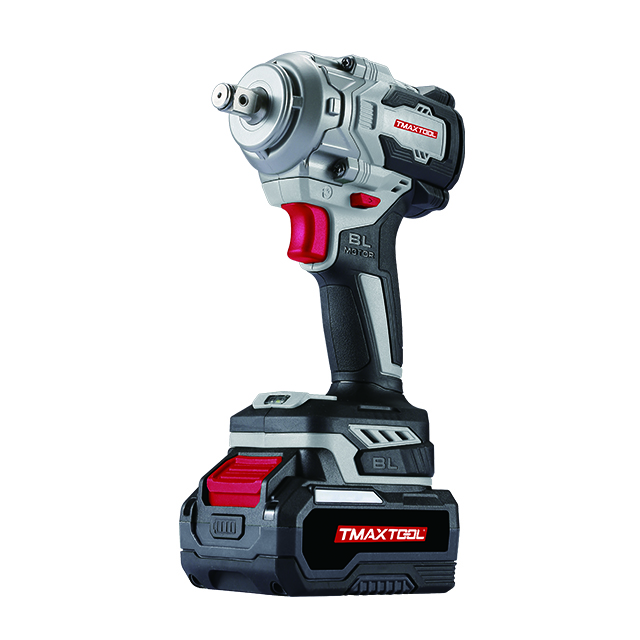 Impact Wrench
 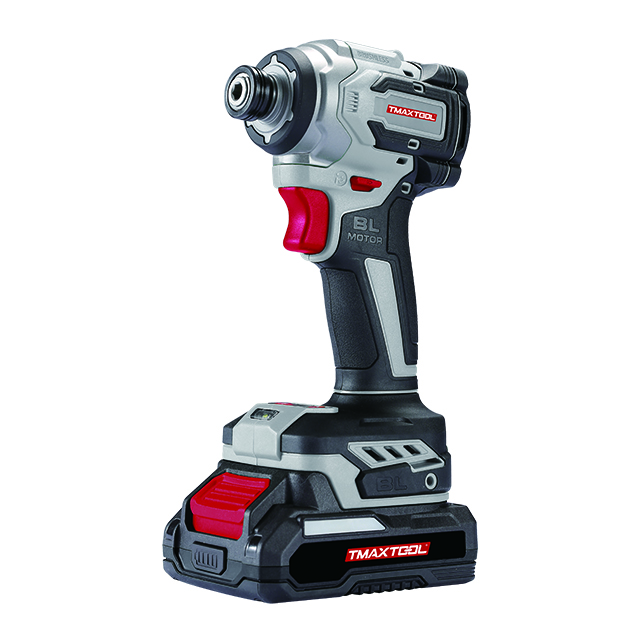 Screwdriver
 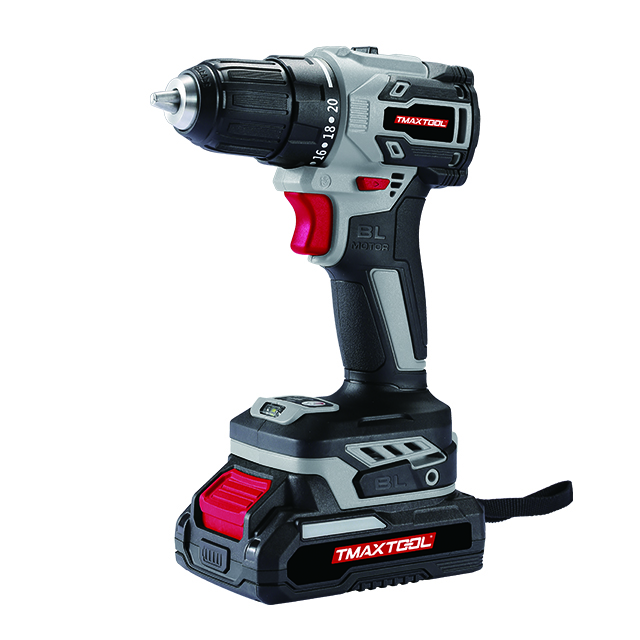 Cordless Drill
 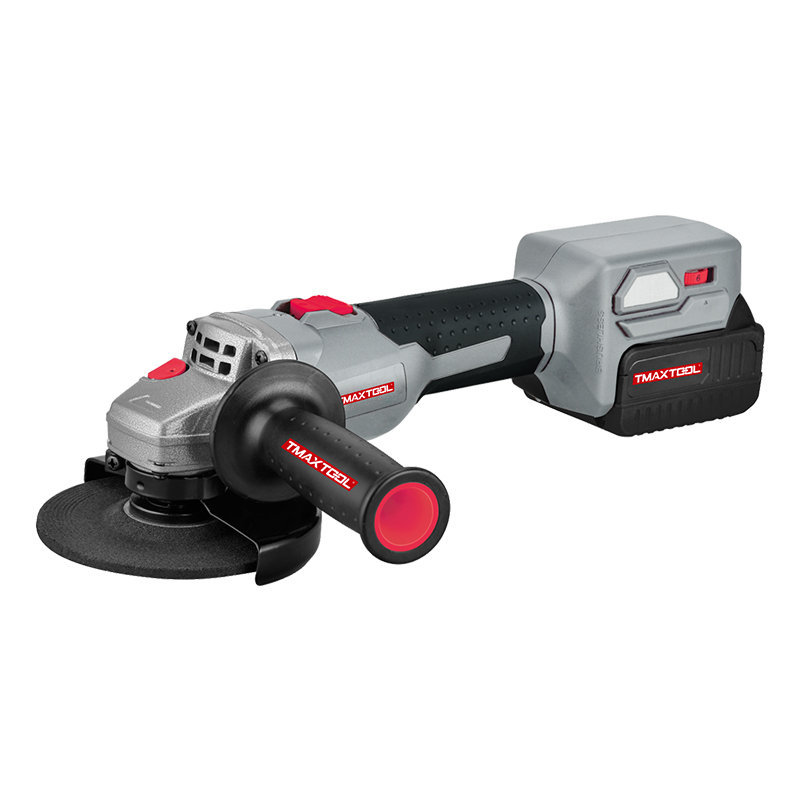 Angle Grinder
 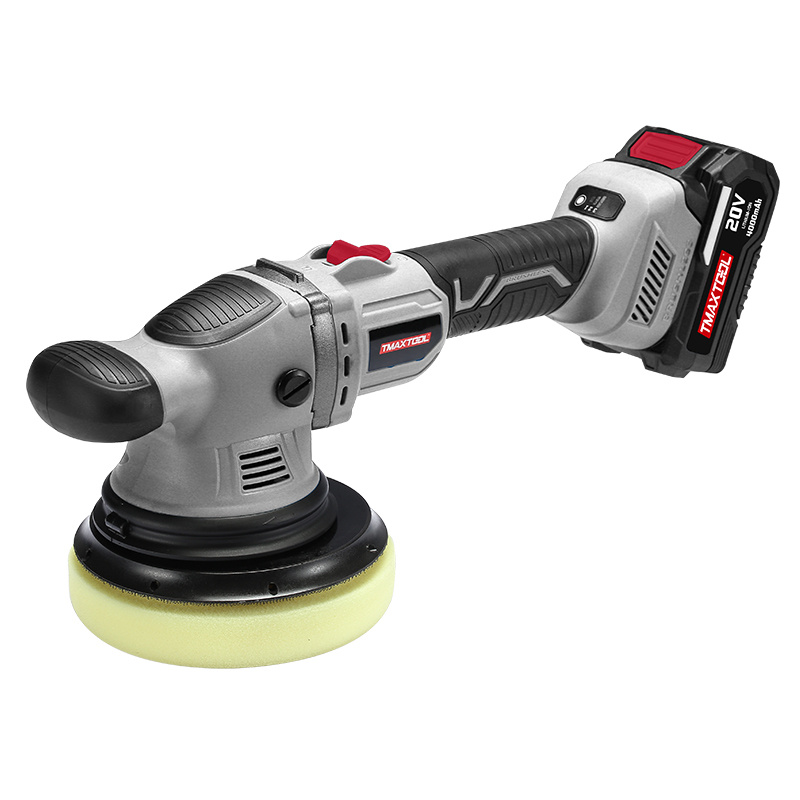 Polisher
  Wood Router
  Jig Saw
  Hammer Drill
 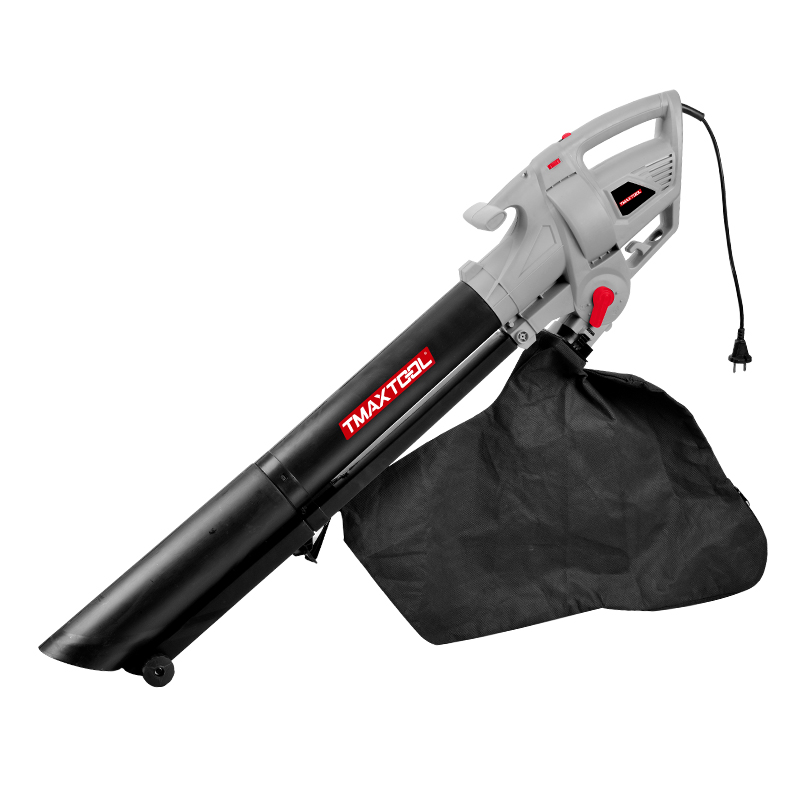 Portable Blower
 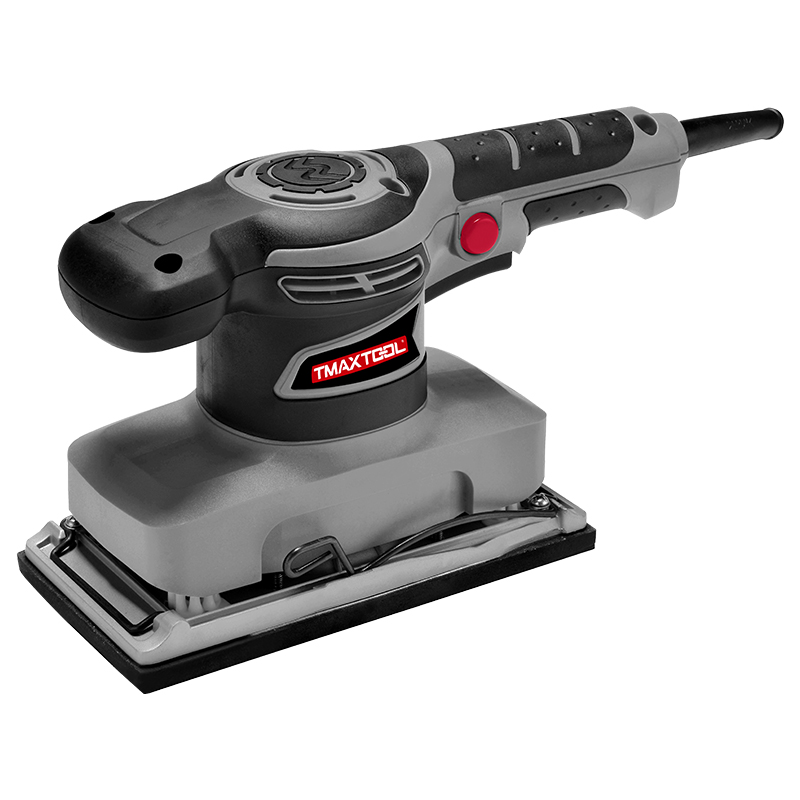 Orbital Sander
 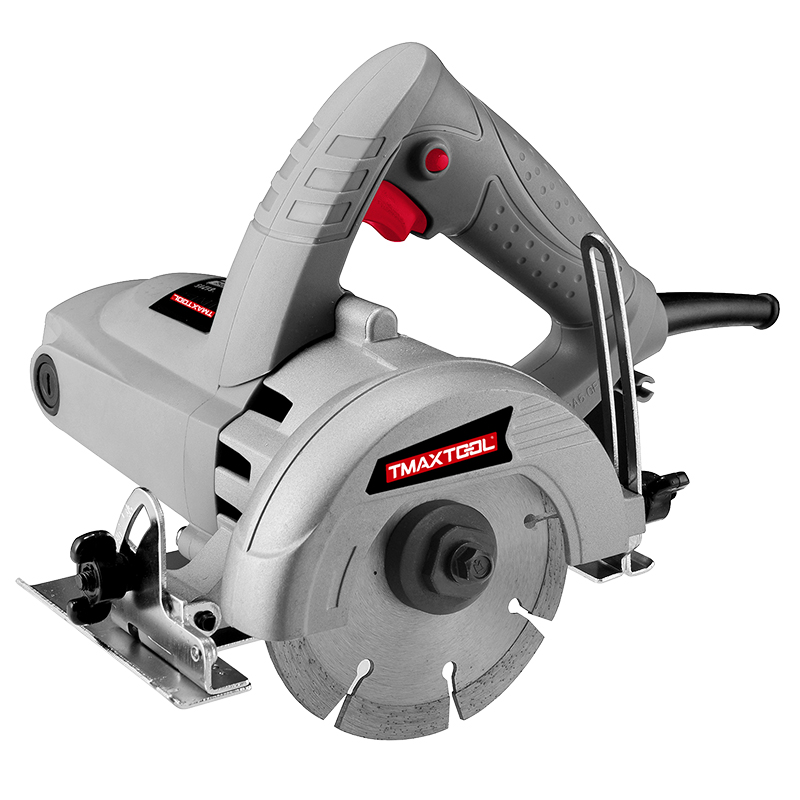 Marble Cutter
 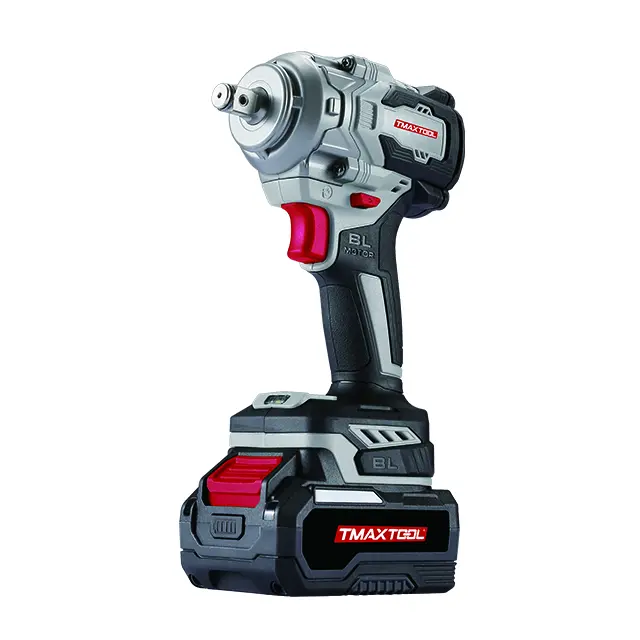 GARDEN TOOLS
 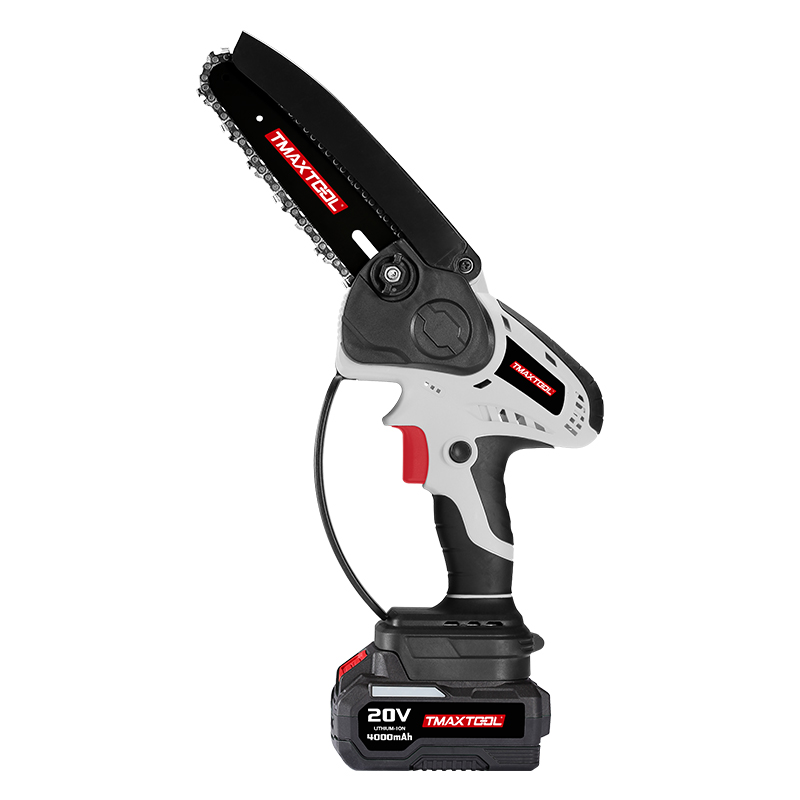 Battery Chain Saw
 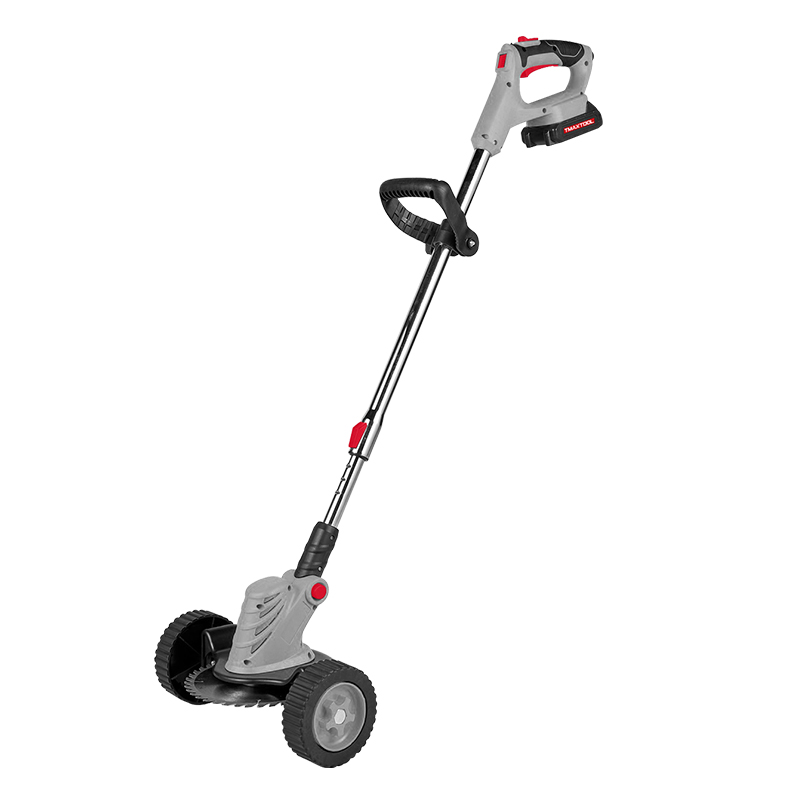 Battery Brush Cutter
 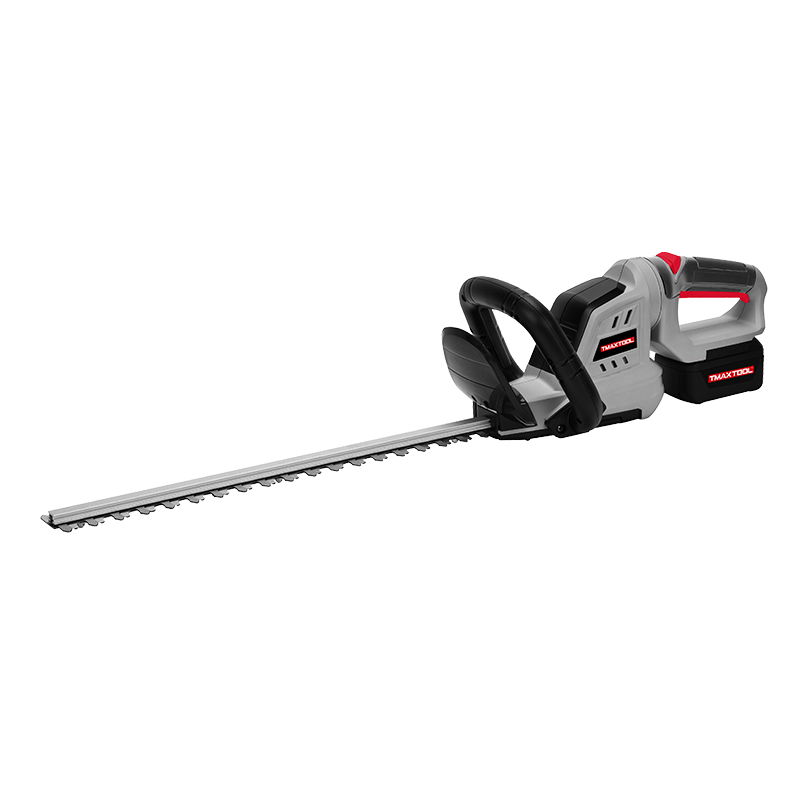 Battery Hedge Trimmer
 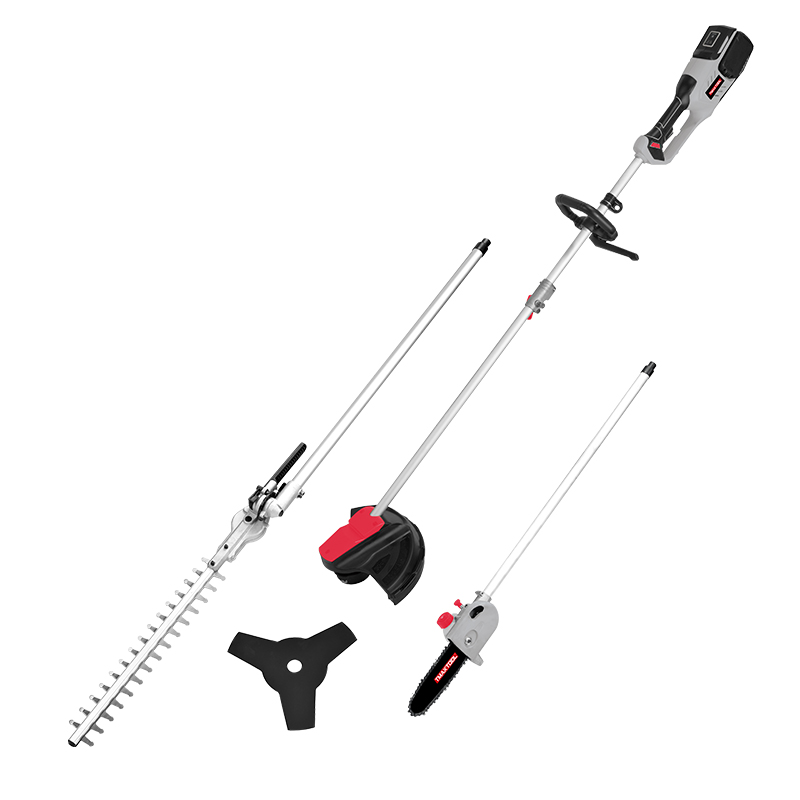 Battery Multi Tool
 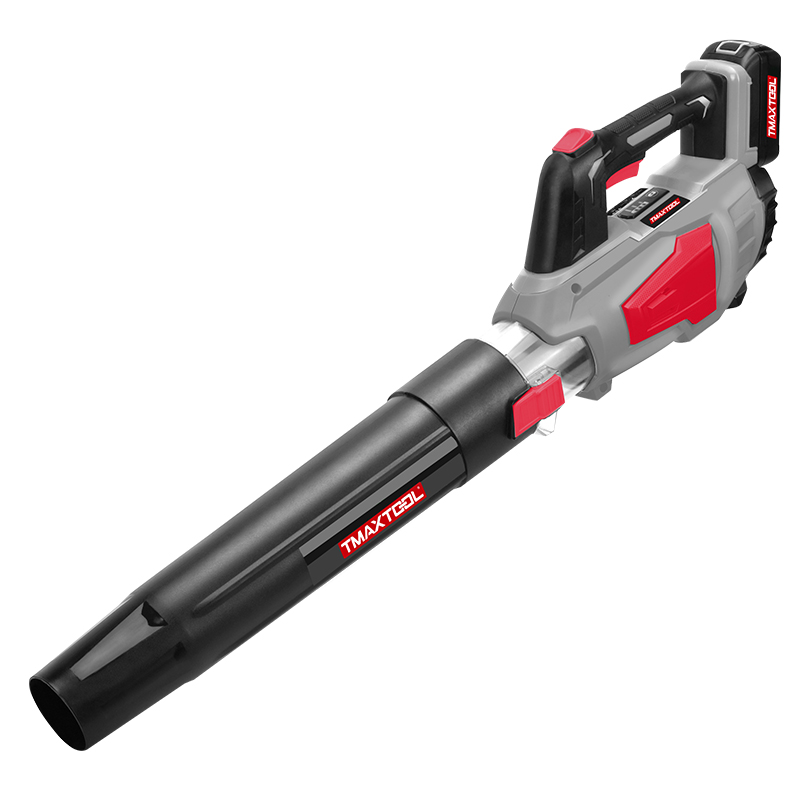 Battery Blower
 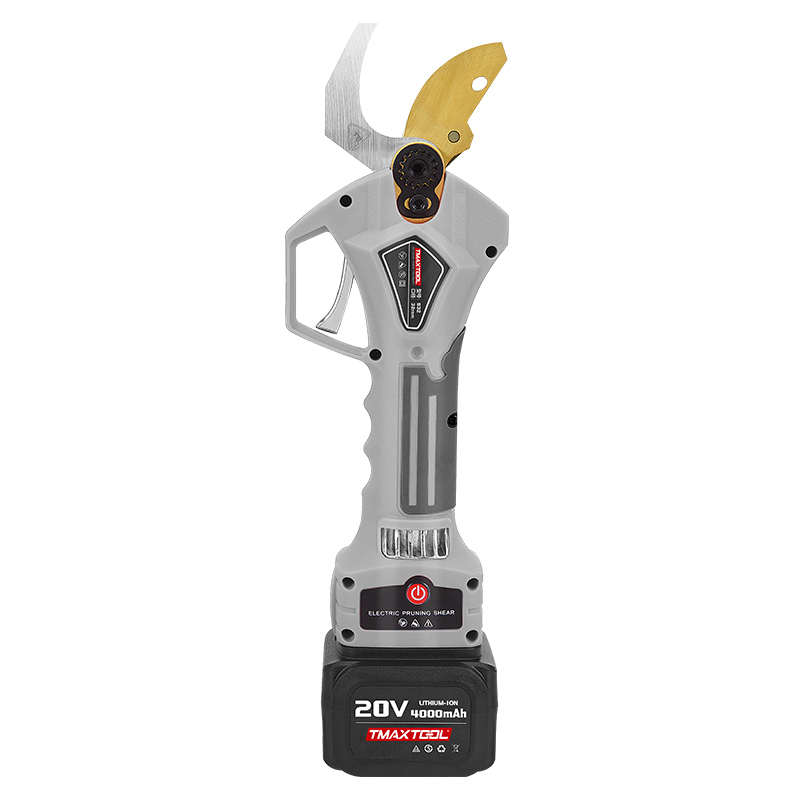 Batter Pruning Shears
 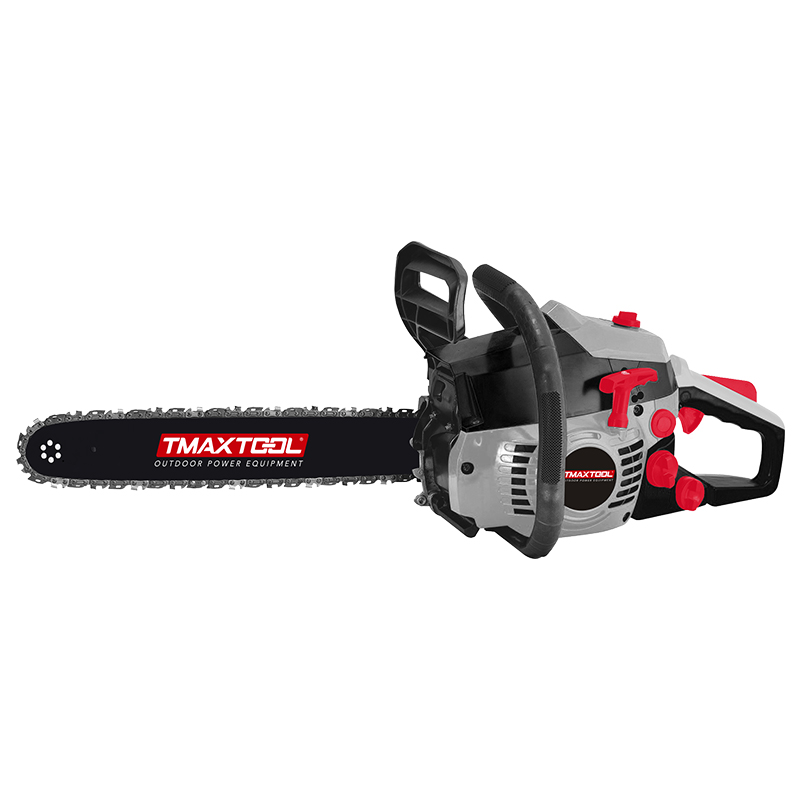 Chain Saw
 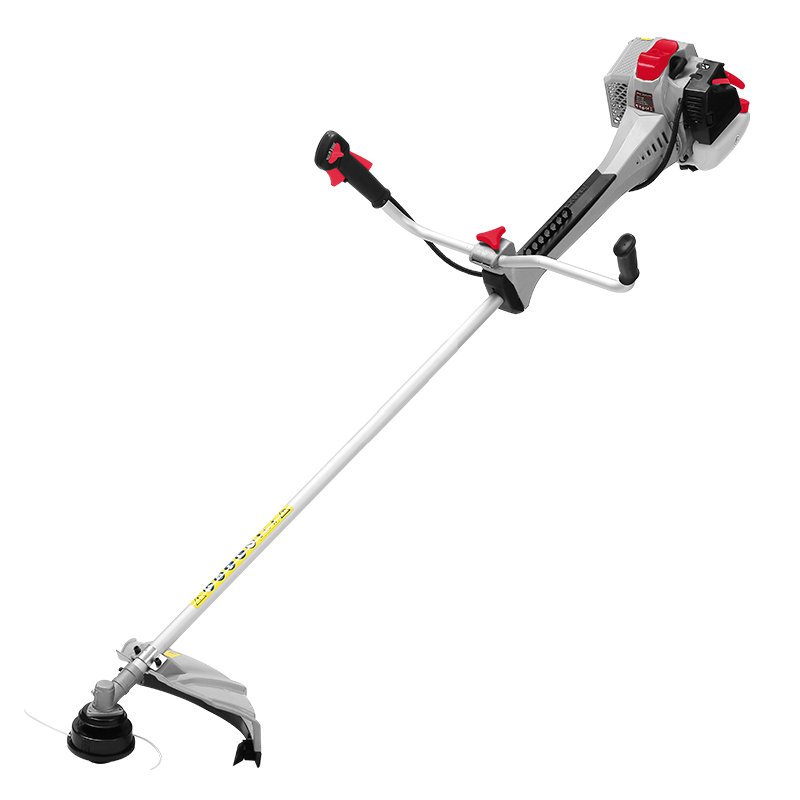 Brush Cutter
 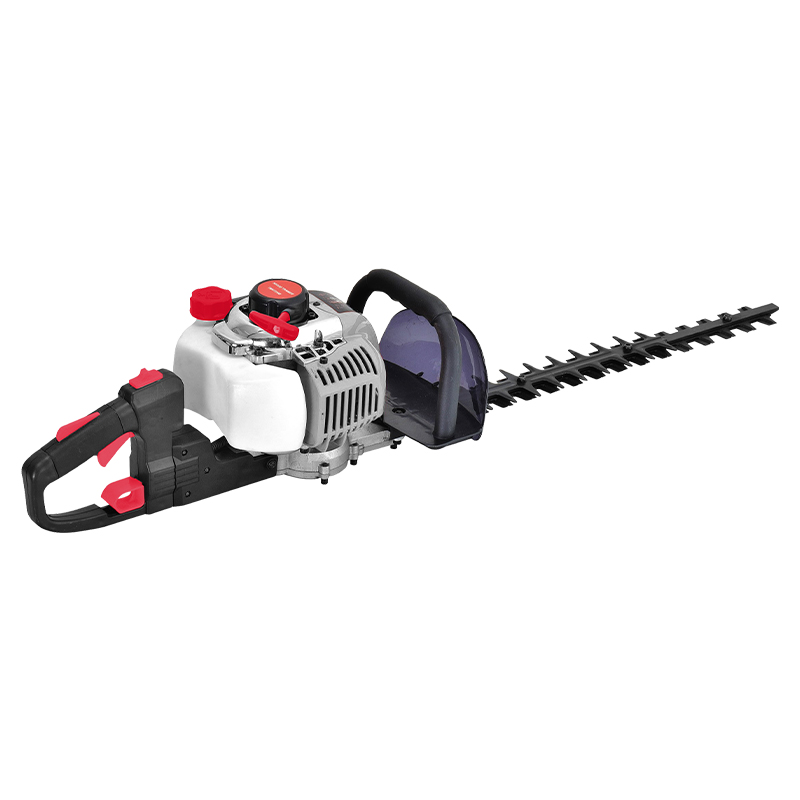 Hedge Trimmer
 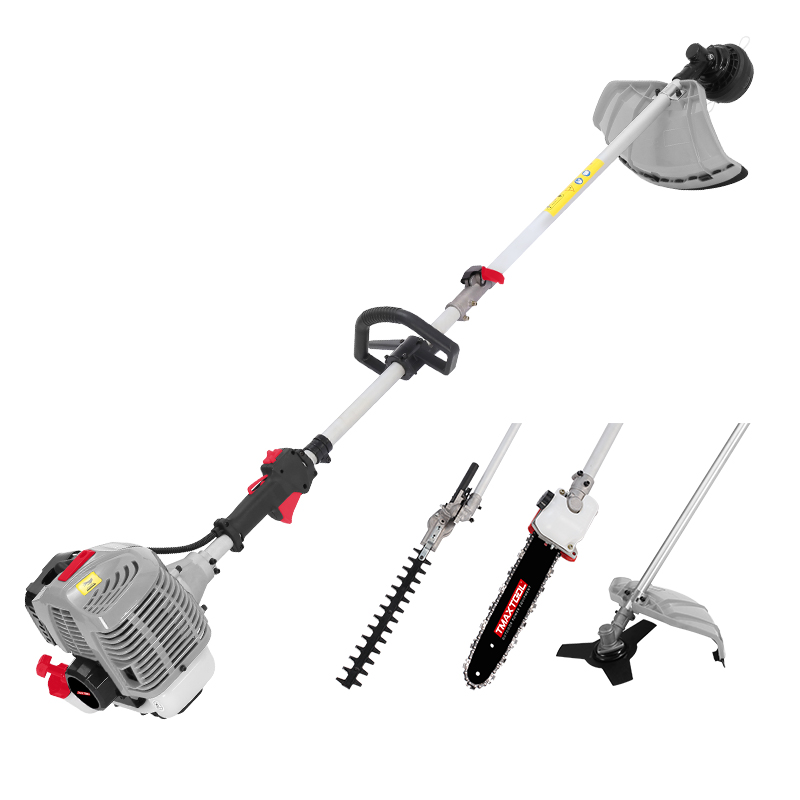 Multi Tool
 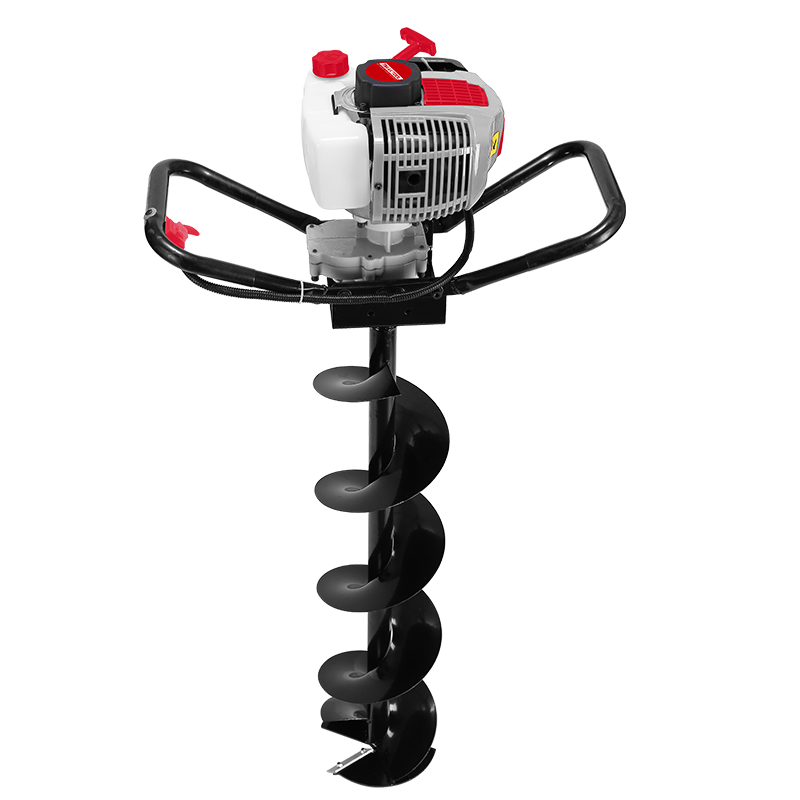 Earth Auger
 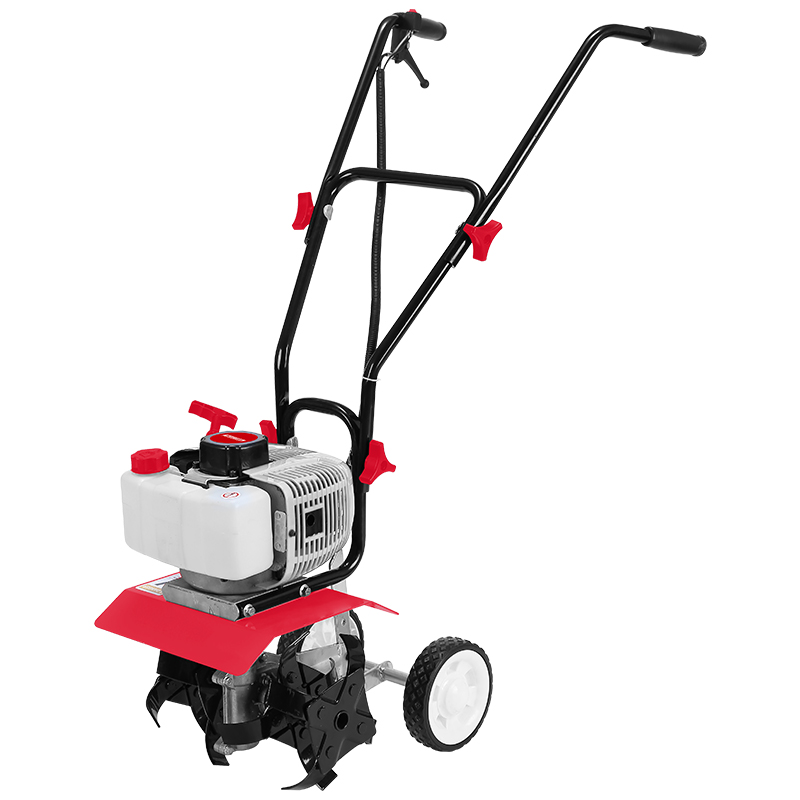 Tiller
 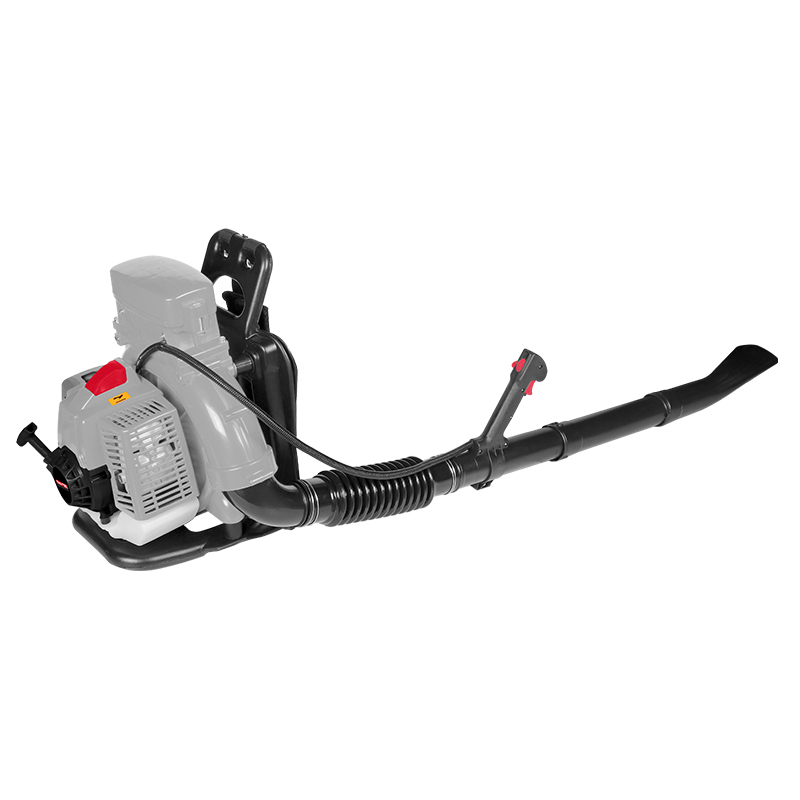 Blower
 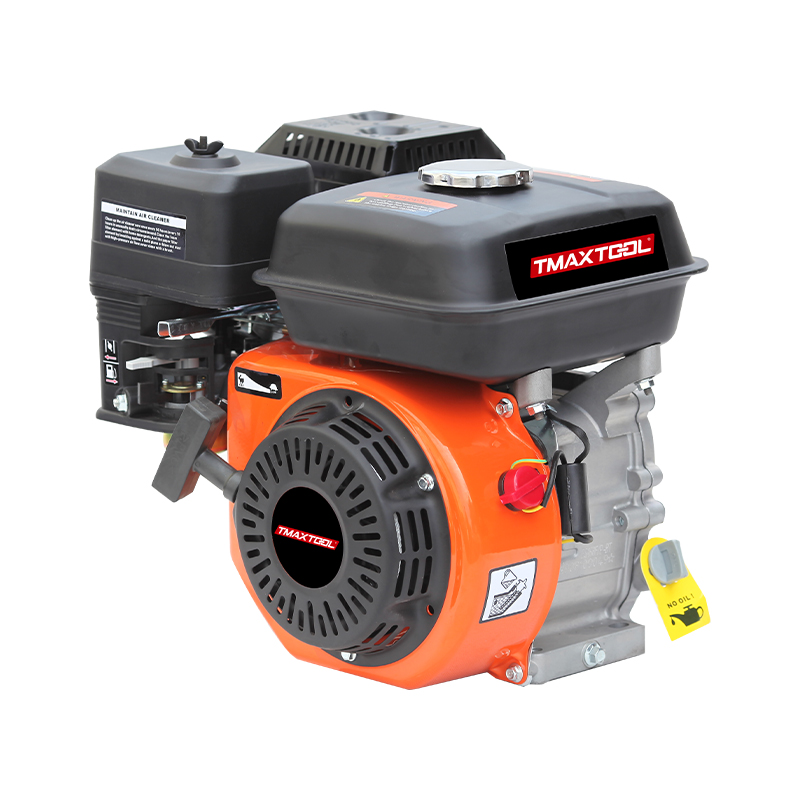 4 Stroke Gasoline Engine
 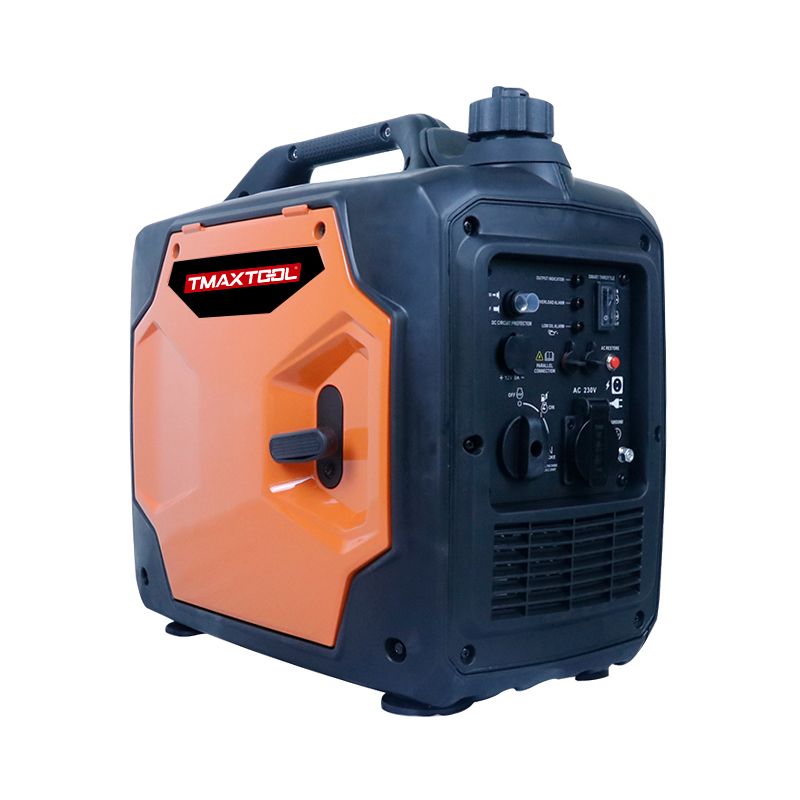 Generator
 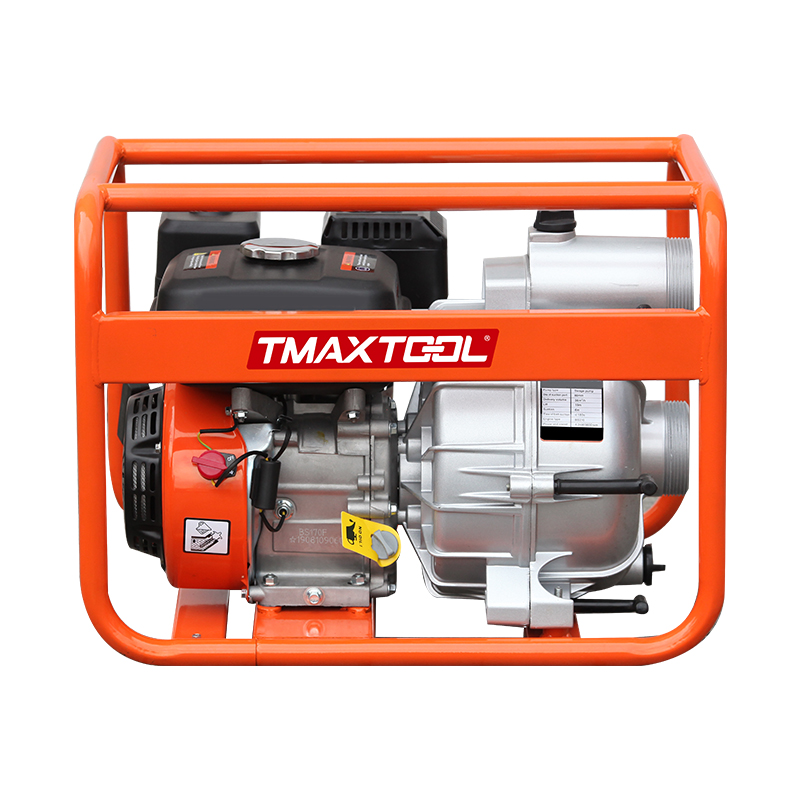 Water Pump
 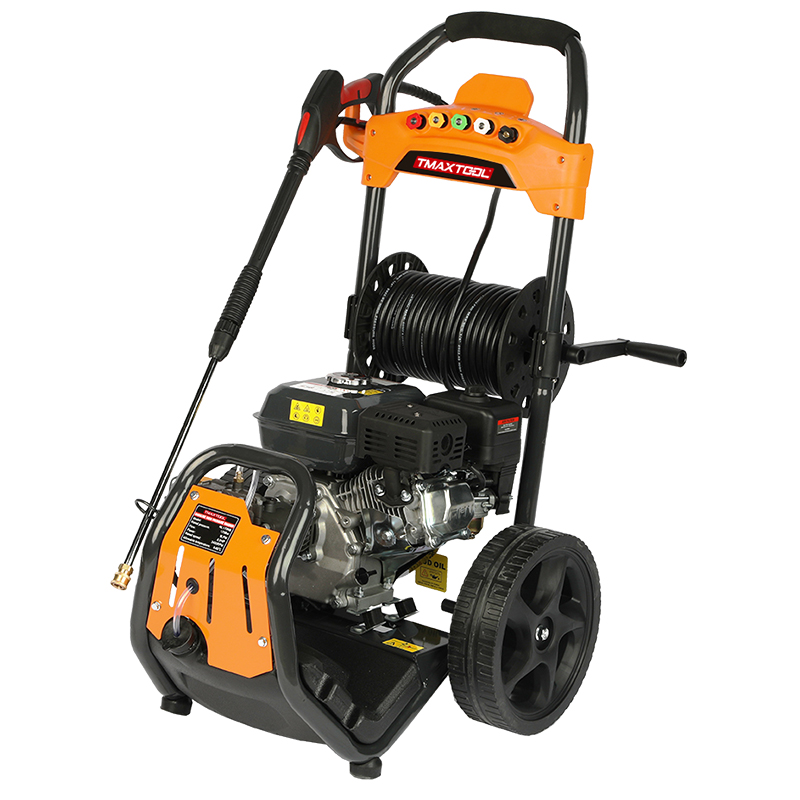 High Pressure Washer
 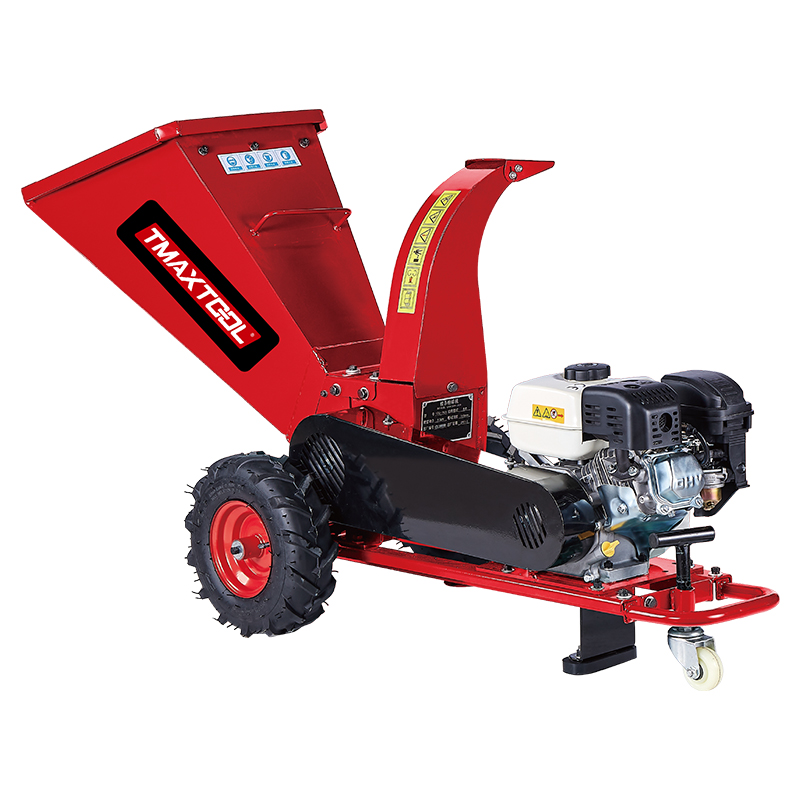 Wood Cutter
 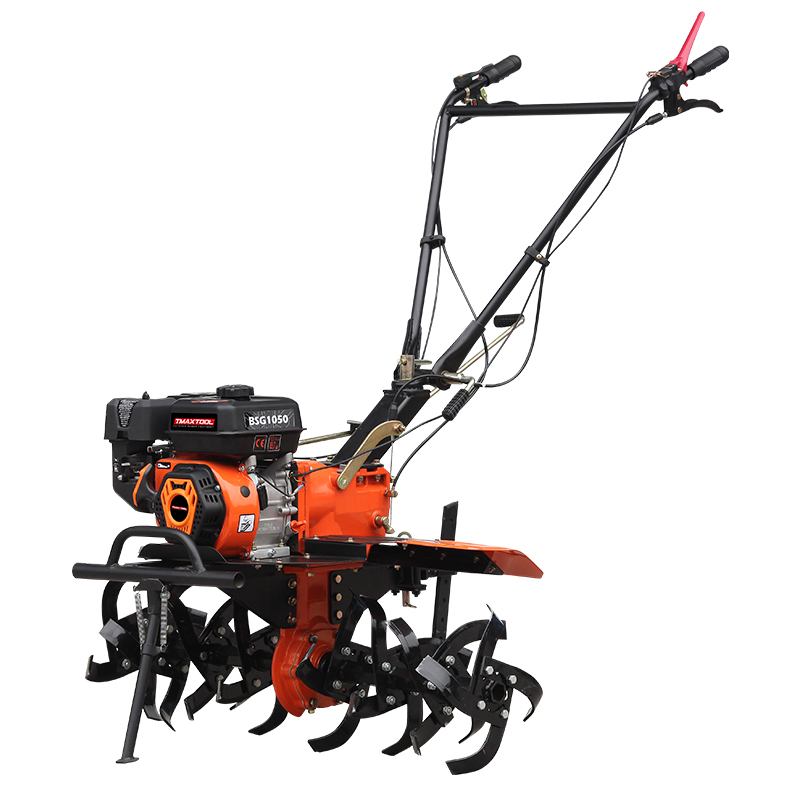 4 Stroke Tiller
 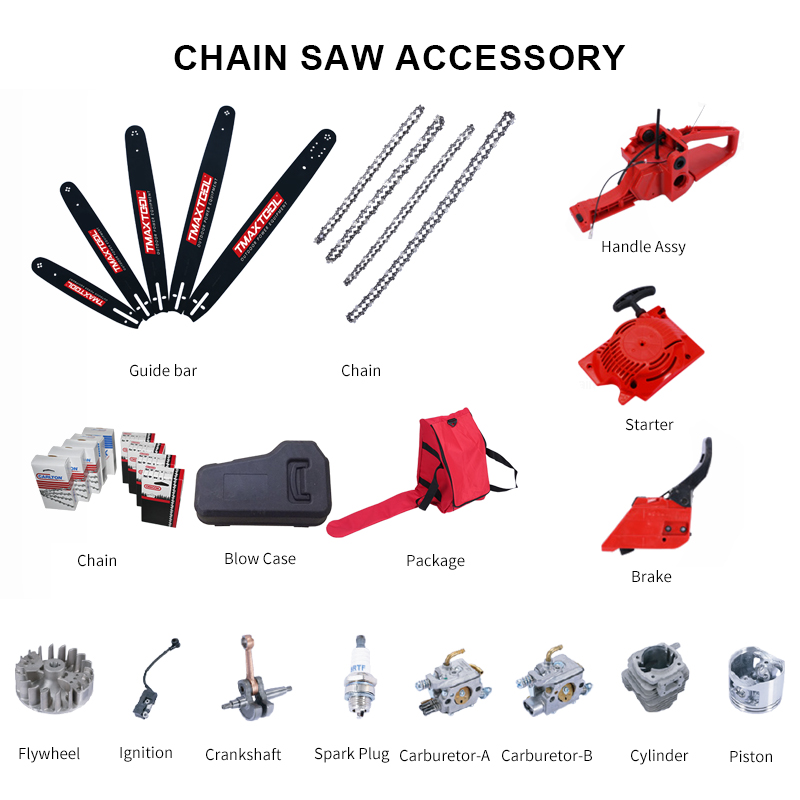 Chain Saw Accessory
 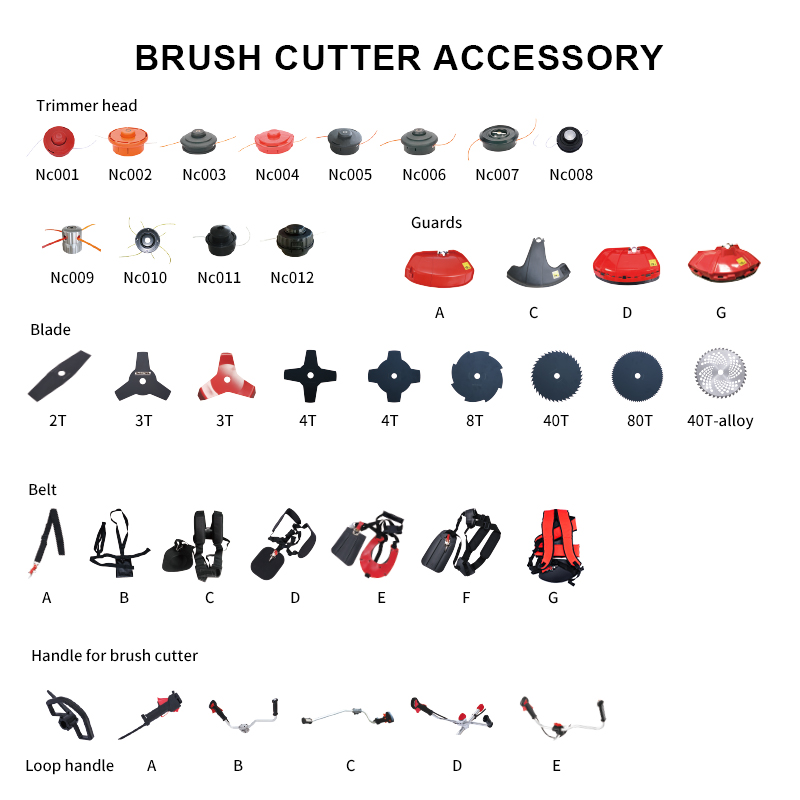 Brush Cutter Accessory
 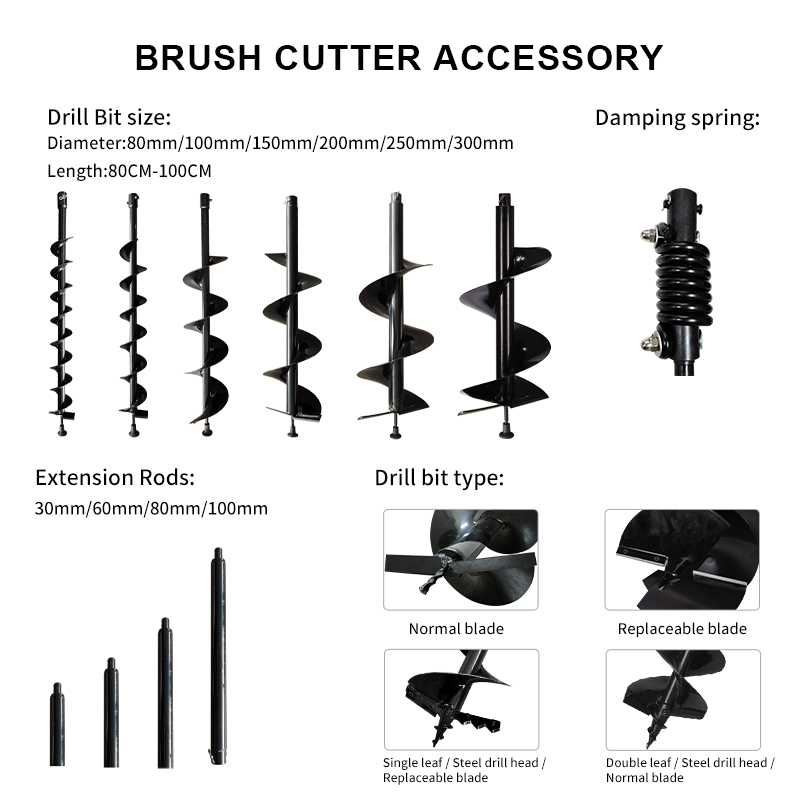 Earth Auger Accessory
 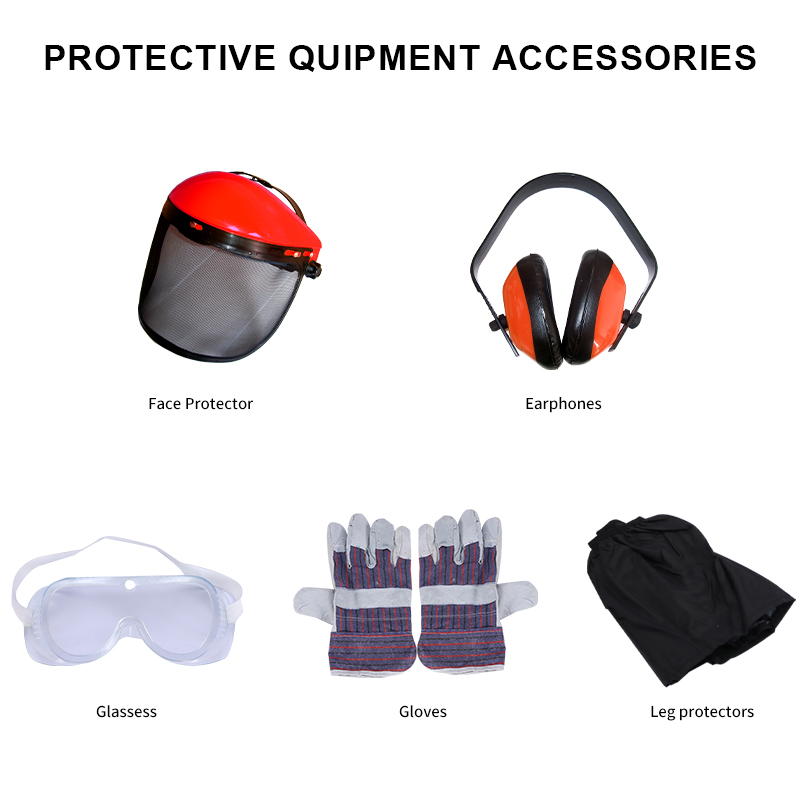 Protective Equipment Accessories


