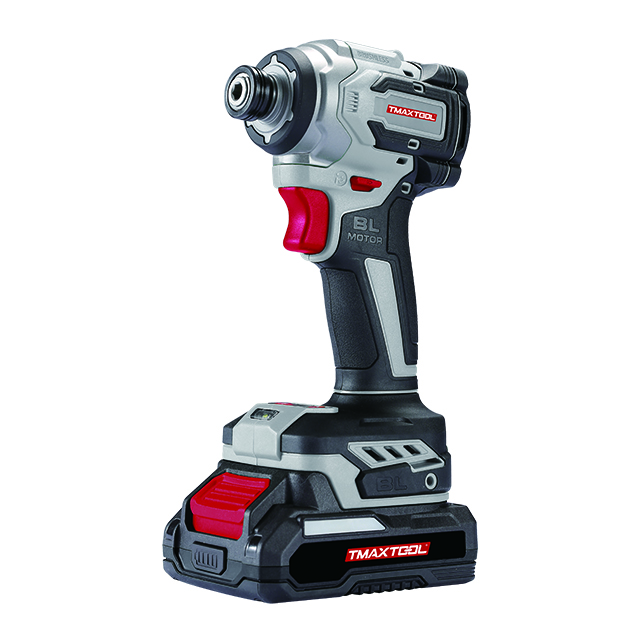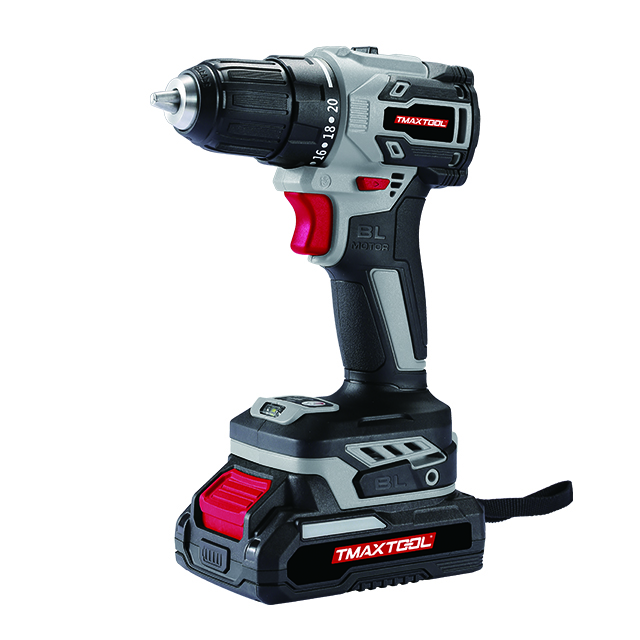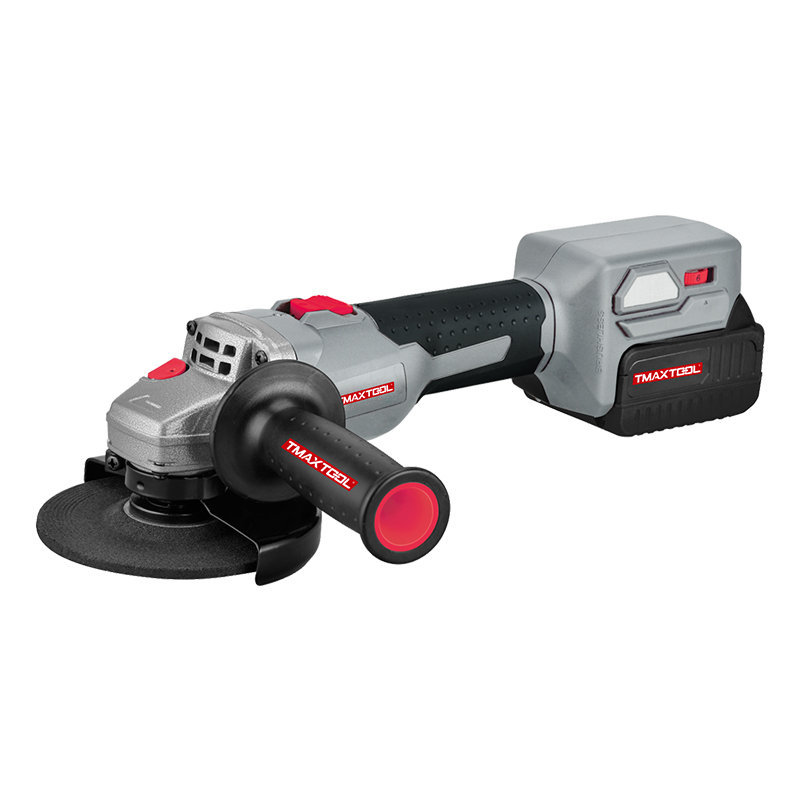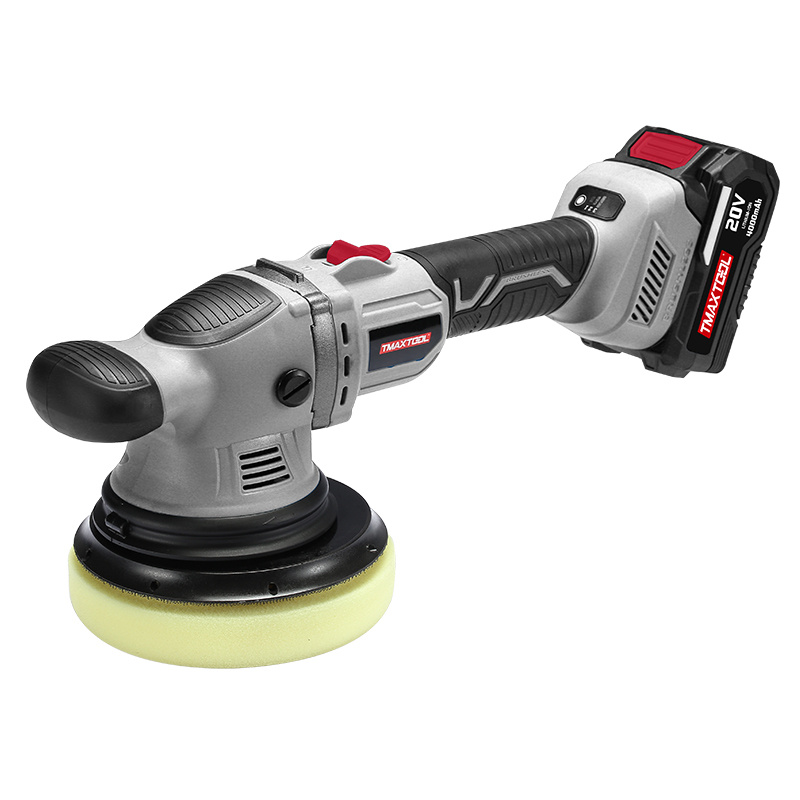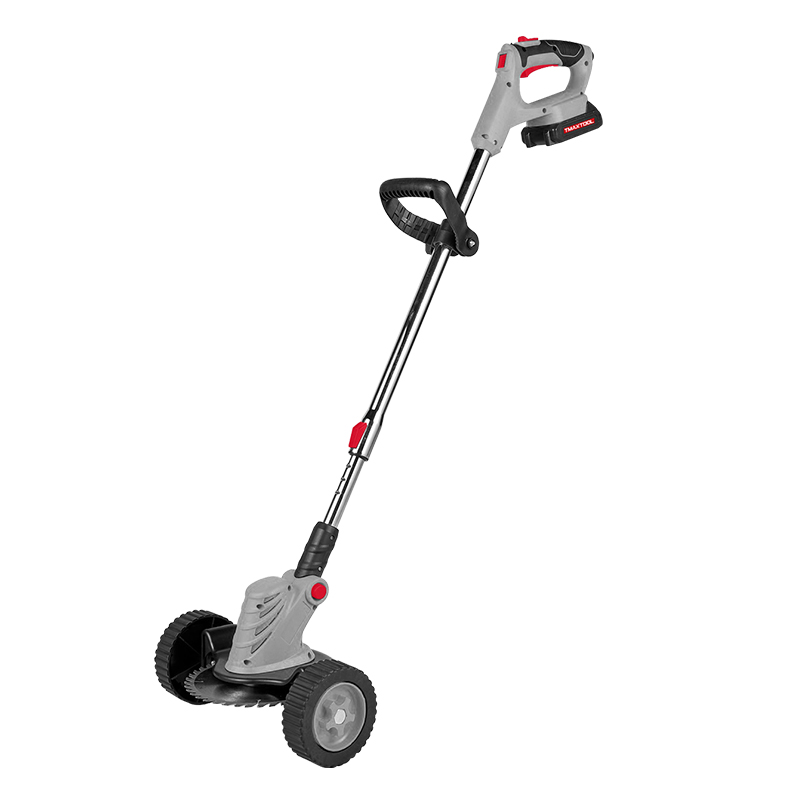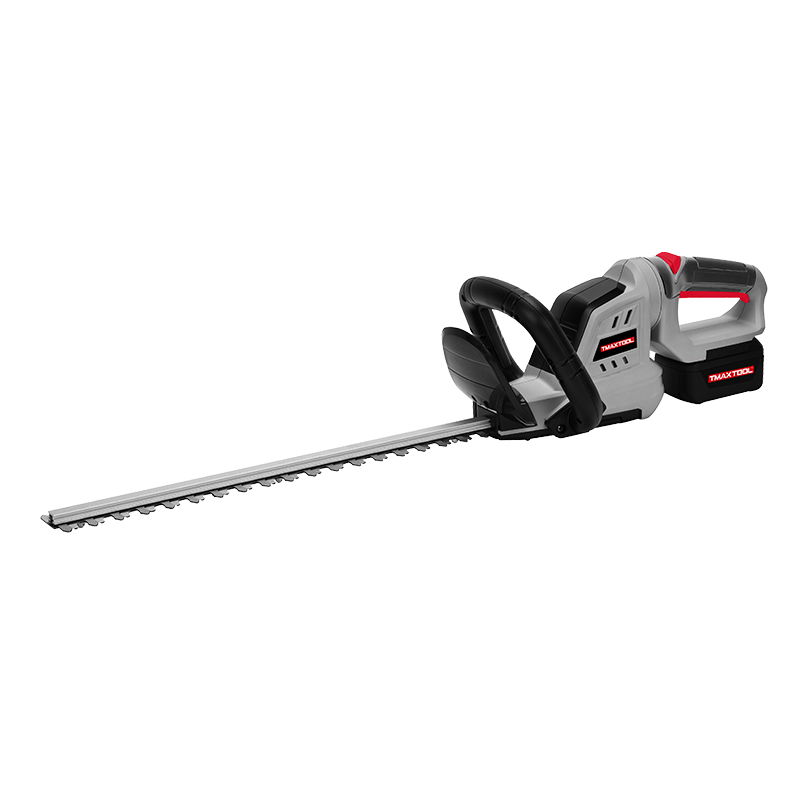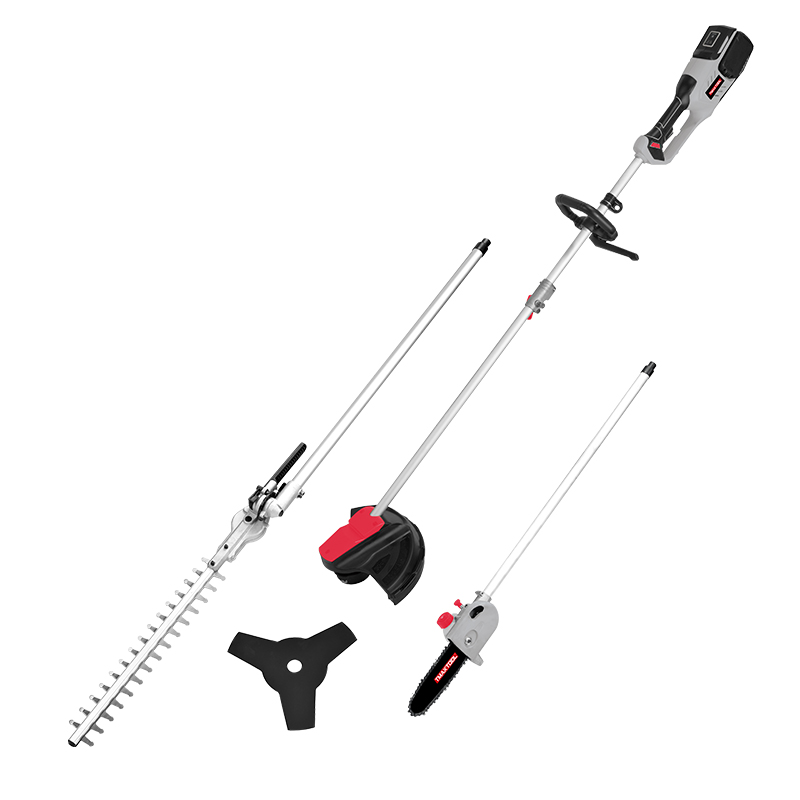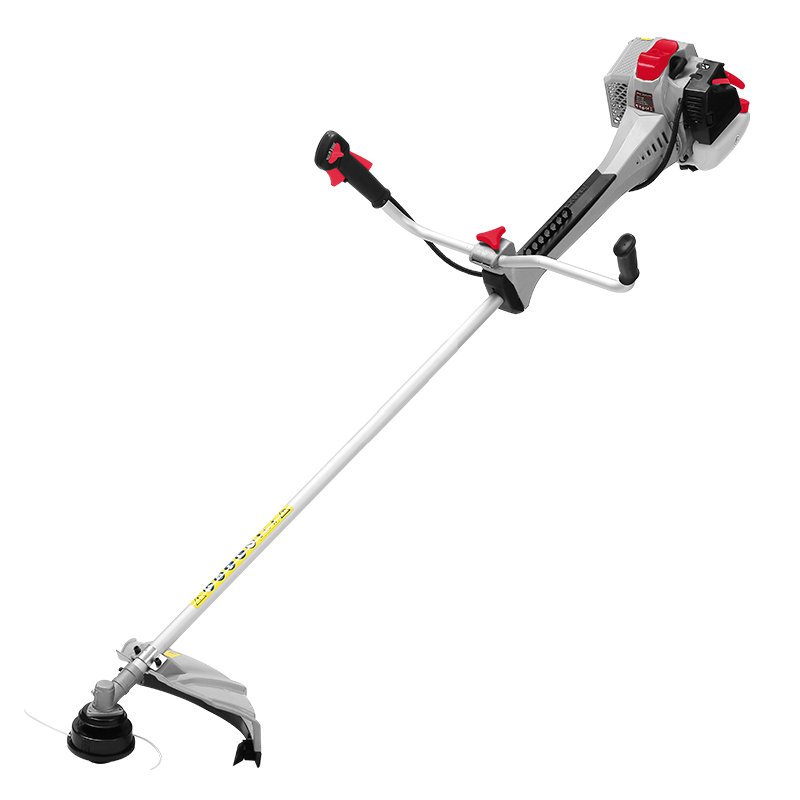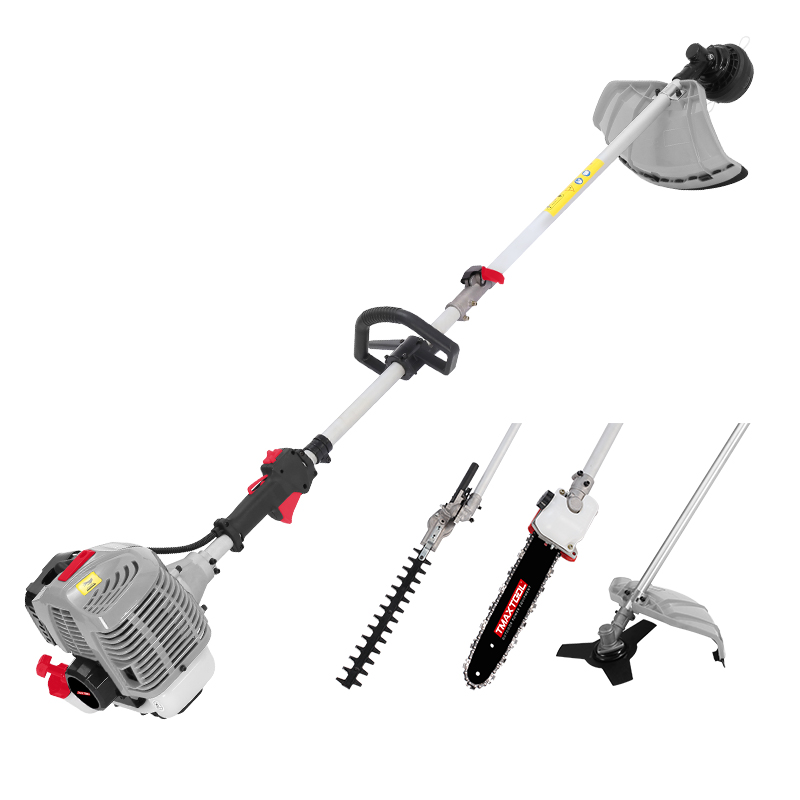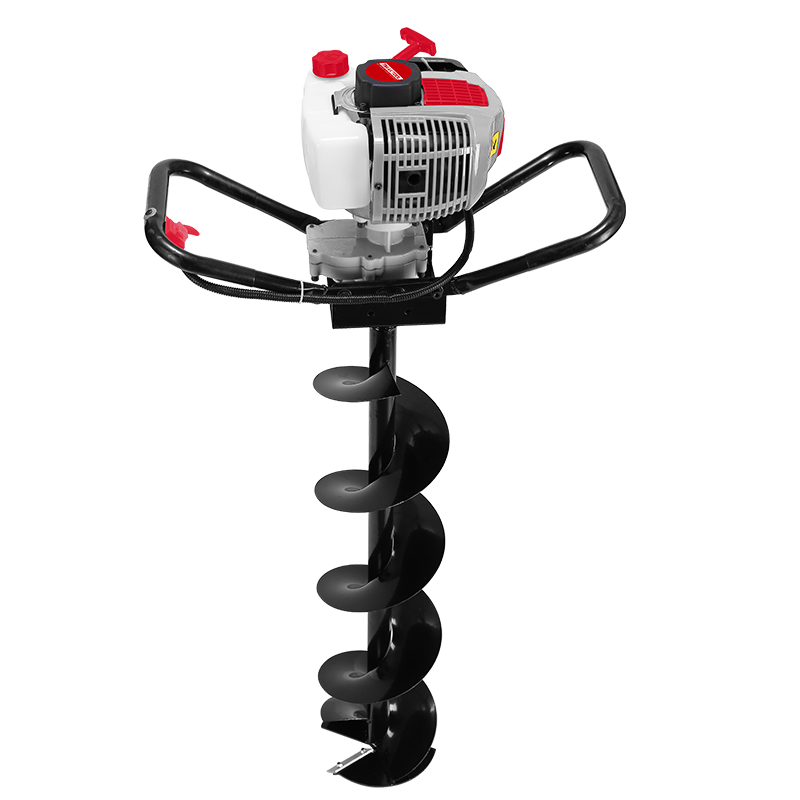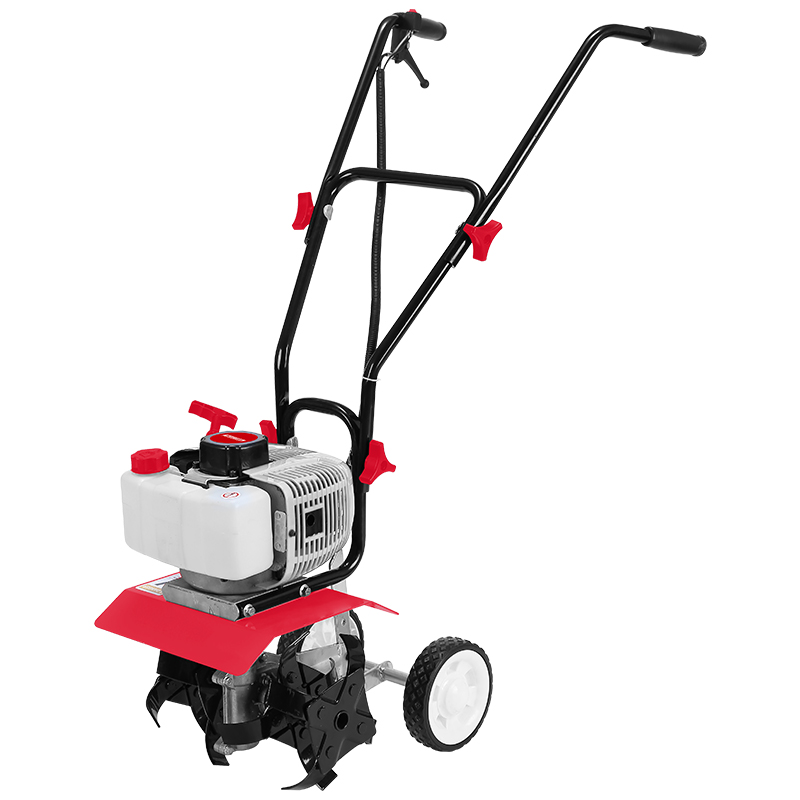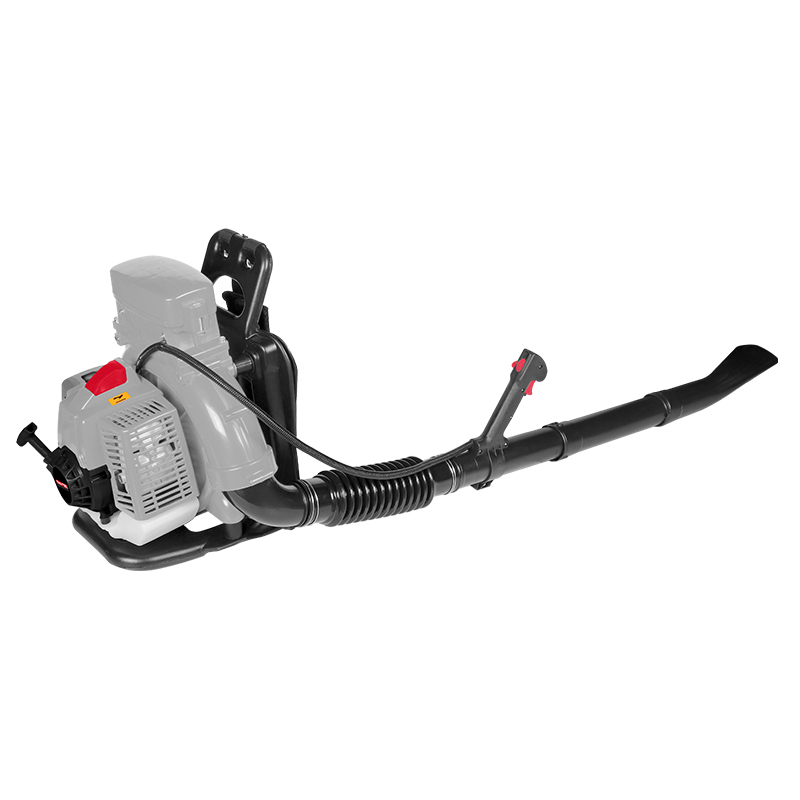
You know, using a grass trimmer has really become a must-have for anyone taking care of their yard, whether you're a homeowner or a pro landscaper. It's just such a handy way to keep your garden and lawn looking sharp. Oh, and get this: a new market report says the global lawn and garden tools market is set to hit a whopping $20.2 billion by 2027! A huge part of that is thanks to power tools like grass trimmers. But here’s the kicker—people often have some trouble when they're using them. Things like maintenance issues, not knowing how to use them properly, or even having to decide between electric or gas models can be a real headache. That’s where Jinhua U Win Import & Export Co., Ltd., also known as TMAXTOOL, comes into play. They really know their stuff when it comes to making power and garden tools, and they offer some great insights into the different kinds of grass trimmers out there, their cool features, and tips on how to use them effectively. If you get the hang of these things, you’ll definitely have a better time gardening and making lawn care a breeze.
You know, electric grass trimmers have really taken off as a go-to option for keeping your lawn in shape. They're super efficient and pretty user-friendly. But, let’s be real, sometimes they can throw a little curveball your way and mess with your gardening groove. One common hiccup is when your trimmer just won’t start. This can usually be traced back to a dead battery or maybe some funky connections. A quick check to make sure the battery’s charged up and the connectors are nice and clean can often do the trick. If it still won’t budge, you might need to dig a little deeper and look for any internal damage, or just bite the bullet and call in a pro.
Now, another headache many folks run into is the trimmer line breaking or running out way too fast. It’s such a pain, especially when you’re in the middle of tackling a big yard project. To keep that from happening, it’s a good idea to stay on top of things by swapping out the line regularly and making sure it’s the right size for your trimmer. Plus, winding it properly on the spool is key! Don’t forget to fiddle with the cutting speed or angle, as that can really boost your trimmer’s performance and extend the life of your line too. By tackling these little annoyances, not only do you keep your electric trimmer working like a champ, but you also make lawn care a whole lot more enjoyable.
Choosing a grass trimmer can feel a bit overwhelming, but getting a handle on the power requirements is pretty much key to finding the right one for you. These days, battery-operated trimmers are all the rage. They're lightweight, super easy to use, and hey, no cords getting in the way! I came across a report from the Home Improvement Research Institute (HIRI) that mentioned the electric trimmer market has actually grown by 25% in the last five years. A lot of that has to do with how much better battery tech has gotten. With modern lithium-ion batteries, you’re looking at run times that can stretch up to 60 minutes on a single charge, which is pretty handy for smaller lawns — just grab it and go!
On the flip side, if you’ve got a bigger yard or you’re managing a commercial property, gas-powered trimmers are still super popular. They pack a lot more power and can keep running for ages without needing to stop and recharge. It's no wonder that a study from the Outdoor Power Equipment Institute (OPEI) found that 65% of landscaping pros swear by them. They really can tackle even the thickest grass with ease. But yeah, they do come with their downsides, like the need for regular upkeep, mixing fuel, and, let’s be real, they’re not the best for the environment with their emissions. So, really digging into what you need power-wise and how you plan to use it can make a big difference when picking between battery and gas trimmers.
Taking care of your grass trimmer is super important if you want it to last and work like a champ. A report from the Outdoor Power Equipment Institute even says that good maintenance can help your trimmer stick around for up to 50% longer—pretty wild, right? So, make sure you’re regularly cleaning the cutting head and air filter. If you let debris pile up, it can really slow things down and might even cause it to overheat. And don’t forget, swapping out the trimmer line each season is key, too—it keeps your cutting sharp and eases the load on the motor.
Oh, and here's another tip: keep an eye on the oil levels and change it when needed. The Engine Manufacturers Association warns that skipping oil changes can wear down the engine and shorten your trimmer's lifespan by a whole 30%. Also, giving that spark plug some love by keeping it clean and in good shape can boost fuel efficiency and make starting a breeze. If you follow these handy tips, you’ll dodge a lot of common problems and be able to count on your grass trimmer for many years ahead!
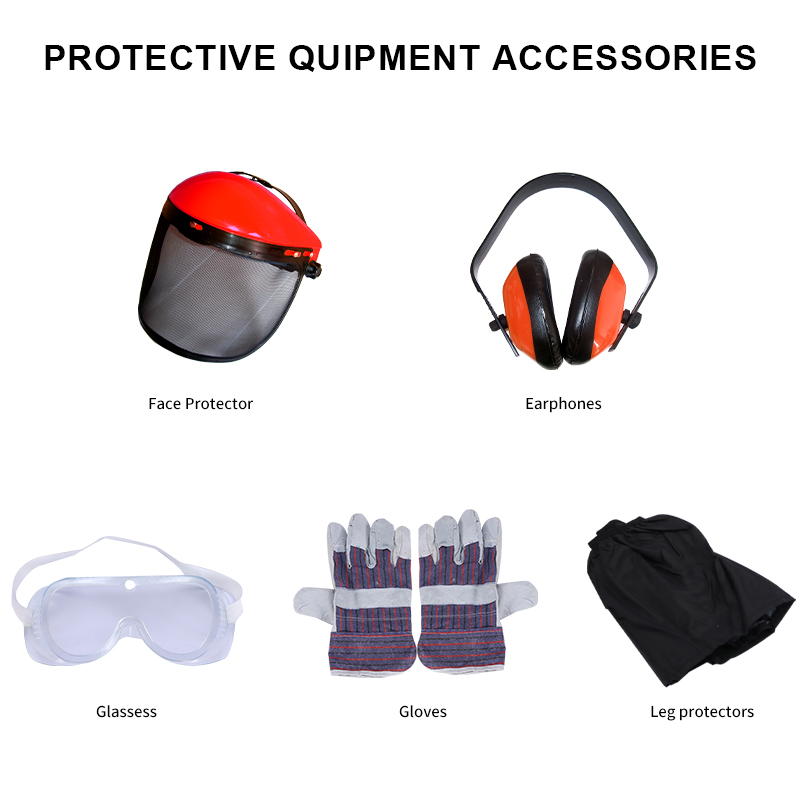
You know, when you're using a grass trimmer, it’s super important to keep safety in mind—it's definitely got to be your number one priority. These things can be really powerful, and if you don't handle them right, they can lead to some serious injuries. So, a little tip: always throw on the right safety gear—stuff like gloves, protective eyewear, and some good shoes. This way, you’re creating this barrier between you and any flying debris that might pop up while you’re trimming, which is essential for staying protected.
Another thing to keep in mind is to really pay attention to your surroundings when you’re out there with the trimmer. Make sure to keep kids and pets a good distance away to dodge any accidents. And, oh, don’t forget to check for any hidden stuff in your work area—like rocks or branches—that could trip you up or become dangerous. Keeping your space clear really helps you focus on what you're doing without any unexpected hazards.
Also, let’s chat about handling and maintaining your trimmer because that’s key to avoiding mishaps. Always stick to the manufacturer’s guidelines for using and servicing it. Before you get started each time, give your equipment a little once-over for any signs of wear and tear. Make sure those cutting lines are in good shape, and all the safety features are doing their job. By staying alert and taking a few proactive steps, you’ll be able to enjoy your grass trimmer while keeping safety front and center!
| Issue | Description | Preventive Measures |
|---|---|---|
| Injury from Blade Contact | Accidental contact with the trimmer blade can cause serious injuries. | Always wear protective gear, maintain a safe distance from the cutting area, and ensure the trimmer is in good condition. |
| Vegetation Entanglement | Long grass or weeds can get caught in the trimmer, leading to potential mishaps. | Clear the area of any large debris before trimming and use proper technique to avoid tangling. |
| Noise-Induced Hearing Loss | Prolonged exposure to loud noises from grass trimmers can cause hearing damage. | Use noise-canceling headphones or earplugs specifically designed for noise protection. |
| Overheating | Grass trimmers can overheat, especially during extended use. | Take regular breaks, do not run the trimmer continuously for long periods, and check for ventilation issues. |
| Electrical Hazards | Using electric trimmers can pose a risk if the cord is damaged or if used in wet conditions. | Inspect cords for damage and avoid using electric trimmers in wet environments. |
| Sun Exposure | Extended exposure to sunlight can cause sunburn or heat-related illnesses. | Wear sunblock, protective clothing, a wide-brimmed hat, and stay hydrated. |
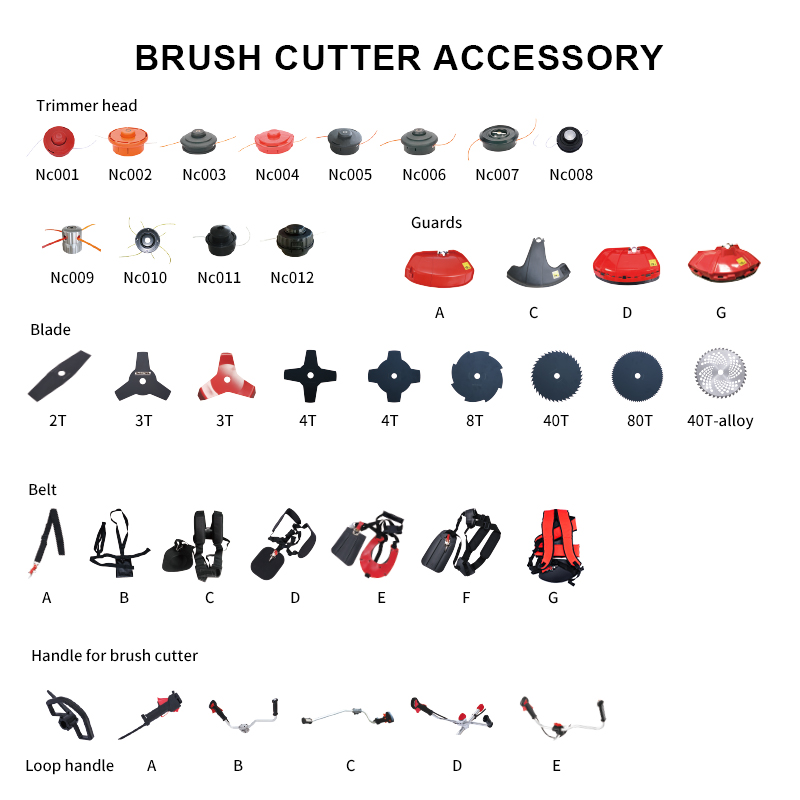
If you really want to get the most out of your grass trimmer, picking the right blade is super important. Different jobs call for different blades. For example, a sturdy metal blade is awesome for battling those tough weeds and thicker grass. On the flip side, if you're just looking to keep your lawn looking sharp and tidy, then a nylon line trimmer is the way to go. Just take a moment to think about what your yard actually needs—doing that will help you find the perfect blade and make sure your trimmer runs like a champ.
When you're choosing a blade, it’s a good idea to check if it’s compatible with your trimmer model because not every trimmer can handle metal blades. And think about what you’re cutting, too—if you often tackle overgrown spots, splurging on a heavy-duty blade could really save you a lot of hassle and time. Oh, and don’t forget to regularly check your blades for wear and tear. Replacing them when needed not only keeps everything running smoothly, but it can also prevent your trimmer from getting damaged.
Before you dive into your trimming tasks, make sure those blades are nice and sharp. Dull blades? No thanks! They can mess up your cuts and put extra strain on the motor of your trimmer. So, taking a little time to fine-tune your blade selection based on where you're working can totally boost your trimmer's performance and help it last longer.
You know, when we think about keeping our lawns looking great, we often forget about how our gardening tools impact the environment. Take gas-powered mowers and trimmers, for example. They really pump out a lot of carbon dioxide – think about it, their emissions can actually rival that of several cars on the road! It's pretty wild, right? So, for all the eco-friendly folks hoping to go greener, it’s really important to check out the different eco-friendly trimmer options out there these days.
Switching to electric or battery-powered trimmers is a game-changer, trust me! Not only do they cut down on carbon emissions, but they also help make the neighborhood a bit quieter – I mean, who doesn't want that? Plus, there are some cool companies now offering sustainable lawn care services with e-bikes, which is a neat way to show they care about reducing our ecological footprint. By picking tools that are built for efficiency and designed to be kind to the planet, we can have those lush yards while also being environmentally friendly.
And here's a tip – during the growing season, adopting some smart practices can really boost our green efforts. For instance, using low-toxicity weed killers is a win-win: it keeps our gardens safe while also reducing harmful runoff into local ecosystems. As we shift toward a more sustainable way of caring for our yards, it’s becoming clear that making thoughtful choices about our tools and methods can lead to a healthier and greener landscape for everyone to enjoy.
: Ensure that the battery is fully charged and the connectors are clean. If the issue persists, check for any internal damage or seek professional help.
This can happen due to improper line gauge or winding. Regularly maintain the trimmer by replacing the line and ensuring it’s wound correctly on the spool.
Adjusting the cutting speed or angle can improve efficiency and prolong the life of the trimmer line.
Regular cleaning of the cutting head and air filter, replacing the trimmer line each season, and performing oil checks and changes are crucial.
According to the Outdoor Power Equipment Institute, proper maintenance can extend the lifespan of your trimmer by up to 50%.
Neglecting oil changes can lead to significant engine wear and potentially shorten the trimmer's life by 30%.
Keeping the spark plug clean and functioning correctly can enhance fuel efficiency and contribute to a smoother start.
It is recommended to replace the trimmer line every season to ensure efficient cutting and reduce motor strain.