Leave Your Message
0%

When it comes to gardening, keeping your hedge looking sharp and well-kept really shouldn't be underestimated. Honestly, investing in a good Hedge Trimmercan make all the difference. I remember what Steve Williams from GreenThumb Innovations once said—he’s pretty much a gardening guru—"A quality Hedge Trimmer doesn’t just make your garden look better, it also helps your plants stay healthy and grow strong." His advice totally underscores how important the right tools are in making gardening easier and more effective.

Getting your technique right with a Hedge Trimmer can really change the game. Taking some time to figure out the best angles and methods might seem like extra effort, but trust me, it’s worth it. And, honestly, a lot of folks forget about safety completely—big mistake! Not being careful can lead to accidents, and nobody wants that, right? It’s also super important to know what your Hedge Trimmer can and can’t do. Pushing it beyond its limits is a recipe for trouble.

Plus, every hedge is a little different. Some need a softer touch, others require more precise trimming. That’s where a bit of knowledge really pays off. Checking out tips from seasoned pros can help you step up your trimming game. And don’t forget—gardening is all about learning and growing. Today’s perfect trim can mean healthier, happier plants down the line, so keep at it and enjoy the process!

Top 10 Hedge Trimmer Tips for Effective Gardening Care?

Choosing the Right Hedge Trimmer for Your Gardening Needs

Top 10 Hedge Trimmer Tips for Effective Gardening Care?

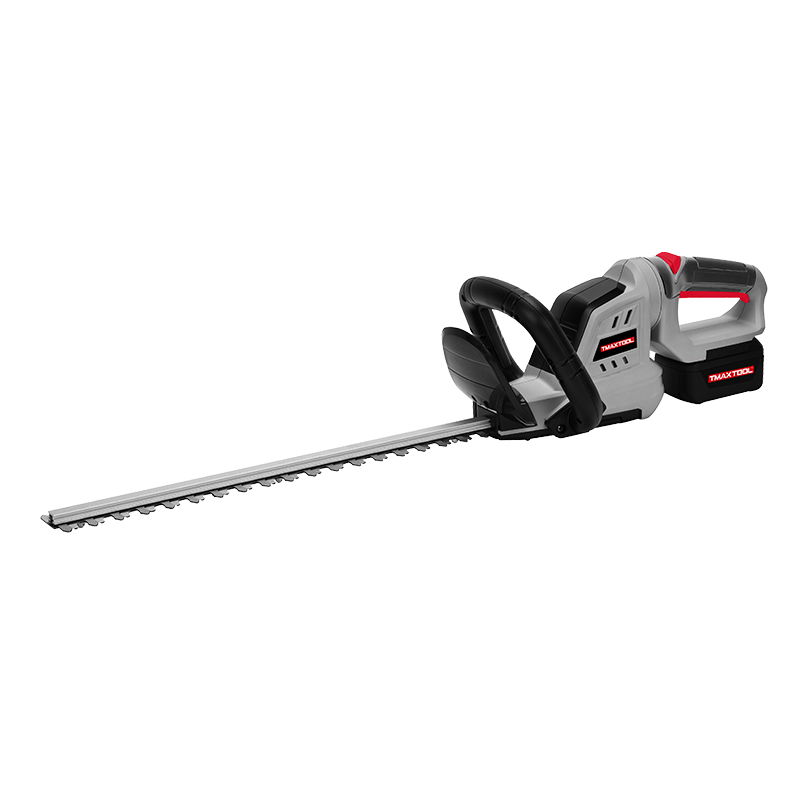
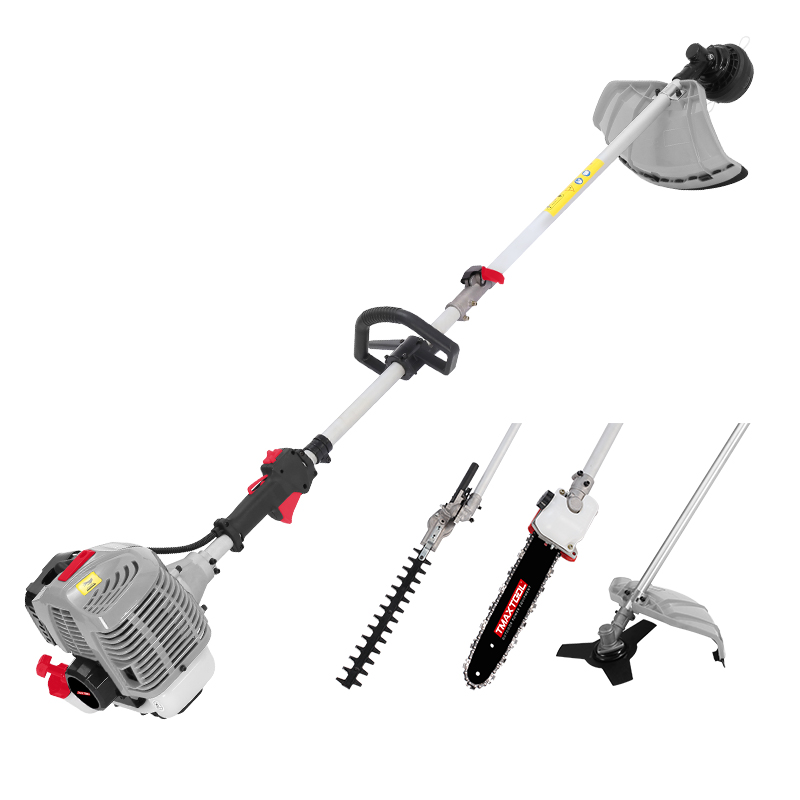
Choosing the right hedge trimmer is crucial for effective gardening care. When selecting a trimmer, consider your garden's size and layout. A compact, lightweight model may work well for smaller spaces. For larger gardens, a 26cc Hedge Trimmer provides the power needed to tackle dense hedges. Think about the reach you require. Long-reach trimmers can help manage tall plants without a ladder, yet they can be cumbersome.

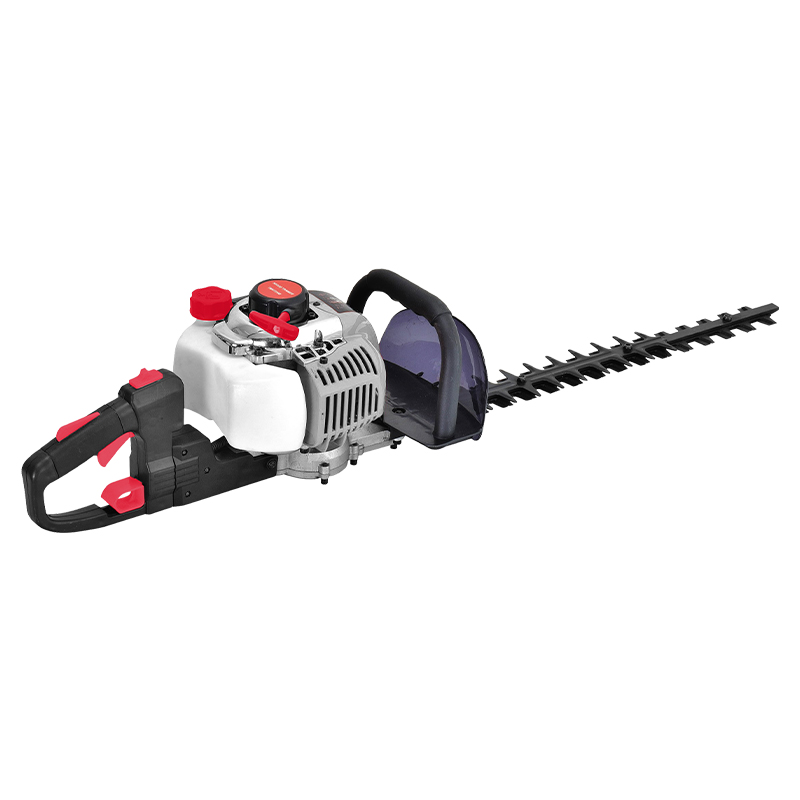
Power source matters too. Electric models are quiet and easy to use but limited by cord length. Gas-powered trimmers, like the 26cc Hedge Trimmer, offer freedom but demand more maintenance. Weight is another key factor. A heavy trimmer may tire your arms quickly, impacting your performance.

Take the time to test various models before deciding. Hands-on experience can reveal comfort levels and ease of use. Don’t overlook safety features, such as blade guards and anti-vibration systems. A trimmer should feel secure in your hands. Errors can happen if you're not cautious. Finding the right balance between power, weight, and safety will enhance your gardening experience. Adjust your choice based on your skills and needs. This thoughtful approach will significantly benefit your gardening care.

Understanding the Different Types of Hedge Trimmers

When selecting a hedge trimmer, understanding the different types is crucial. There are several models on the market, each designed for specific tasks. Electric hedge trimmers are popular for light to medium pruning. They are quiet and easy to use, making them ideal for residential gardens. A recent study noted that homeowners prefer these models due to their maintenance efficiency.

For larger areas or tougher hedges, gas-powered trimmers are often recommended. These machines offer greater power and runtime. According to the 2021 Gardening Tools Report, gas trimmers fulfill over 30% of landscaping demands in commercial sectors. However, they can be heavier and may require more handling expertise.

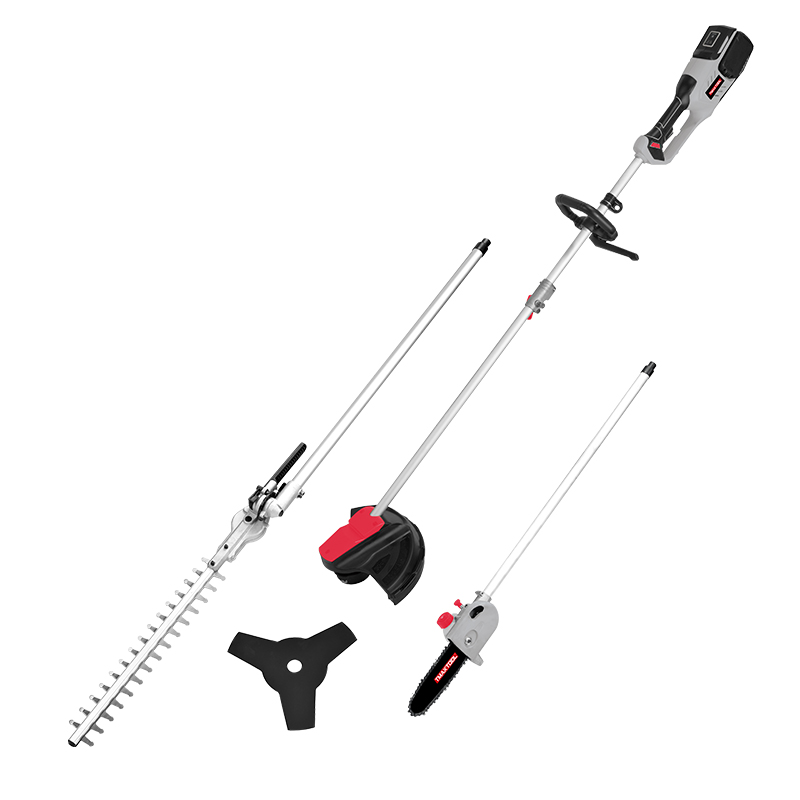
The Pole Hedge Trimmer is an innovative option, especially for tall and dense hedges. This type extends your reach without the need for ladders. This feature appeals to many gardeners, as safety is a primary concern in gardening. However, some users have found them cumbersome in tight spaces. It’s essential to weigh your garden's needs against the features of each trimmer. Understanding your options can lead to a more productive gardening experience.

Essential Safety Tips for Using a Hedge Trimmer

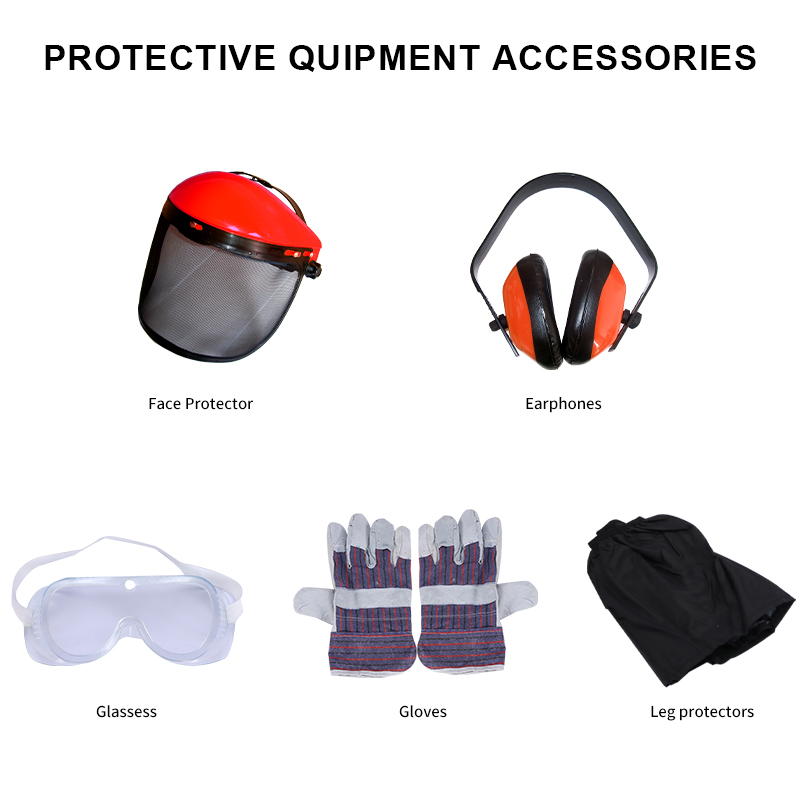
When using a hedge trimmer, safety must be your top priority. According to the American Society of Safety Professionals, improper use of gardening tools, like hedge trimmers, accounts for approximately 30% of landscaping injuries. Wearing appropriate personal protective equipment (PPE) can significantly reduce the risk of accidents. Always wear safety goggles, gloves, and sturdy footwear. These precautions can prevent injuries from flying debris, which can cause serious eye damage.

Before starting, inspect your Brush Hedge Trimmer. Ensure that the blades are sharp and in good condition. Dull blades can slip and lead to dangerous mishaps. Also, maintain a safe workspace. Clear away obstacles like branches and rocks to avoid tripping. It’s crucial to be aware of your surroundings, especially if children or pets are nearby. According to a recent safety report by the National Safety Council, nearly 50% of gardening accidents occur due to distractions. Stay focused and avoid multitasking while trimming.

Lastly, follow proper operating techniques. Use two hands to control the trimmer and maintain a stable stance. Avoid overreaching, as it can lead to loss of balance. Regular training and refreshers on safe handling can also improve overall safety. Gardening can be enjoyable, but understanding these basic safety principles is essential for effective gardening care.

How to Properly Maintain Your Hedge Trimmer

Maintaining your hedge trimmer is key to its longevity and performance. Regularly clean the blades after each use to prevent sap accumulation. Residue can dull the cutting edge and lead to poor performance. Use a small brush or cloth to wipe them down thoroughly.

Sharpen the blades periodically. A sharp blade makes clean cuts, reducing stress on the plant and the tool. About every 20 hours of use is a good rule of thumb. If you notice excessive vibration or difficulty cutting, it may be time for a sharpen. This can be done with a file or by a professional, depending on personal comfort.

Lubrication is another aspect often overlooked. Apply a few drops of oil to the blades periodically. This minimizes friction and rust. Additionally, check the power cord and plug if using an electric model. Frayed cords can be dangerous and should be replaced immediately. Taking these steps will ensure your hedge trimmer remains effective and safe, while also promoting healthier growth in your garden.

Effective Techniques for Trimming Hedges

Top 10 Hedge Trimmer Tips for Effective Gardening Care?

When trimming hedges, effective techniques can make a significant difference in garden aesthetics. A report from the American Society of Landscape Architects highlights that well-maintained hedges can increase property value by up to 15%. Proper trimming enhances light penetration and promotes healthy growth.

Tip 1: Always inspect your hedges before trimming. Look for diseases or pests. Healthy plants respond better to cutting. If you see brown spots or wilting, address those issues first.

Tip 2: Time your trimming effectively. Late spring is ideal for most hedges. This timing supports new growth and keeps your plants looking vibrant. Research indicates that improper timing can lead to damage or stunted growth.

Tip 3: Use the right tools for different hedge types. For instance, electric trimmers are efficient for large areas, while manual shears offer precision for detailing. A study published in the Journal of Gardening Science emphasizes that using the wrong tools can lead to uneven cuts.

Improper techniques can leave your hedges looking unkempt. Take time to perfect your trimming skills. Observe the natural shape of your hedges. Each shrub species responds differently to cutting.

Timing Your Hedge Trimming for Optimal Growth

Timing your hedge trimming can significantly impact your plants’ health and growth. Generally, late spring to early summer is ideal. This period allows hedges to recover quickly after trimming. New growth emerges during this time, giving hedges a chance to thrive. Additionally, trimming before summer ensures you avoid cutting off potential flower buds that may start forming later.

Regular observation is crucial. Don't rely solely on a calendar. Inspect your hedges for signs of overgrowth. If they look unruly, it might be time for a trim. However, be mindful of your local climate and the specific hedge species. Some may require more frequent trims, while others thrive with less intervention. Season shifts can also dictate adjustments. For example, wait until after blooming if you have flowering hedges.

Remember, a heavy hand can lead to stress on the plants. Pruning should not be rushed or overly aggressive. It should be approached thoughtfully. Each cut should encourage healthier, denser growth. If in doubt, trimming less may help your hedges adapt and flourish in the long run.

Common Mistakes to Avoid When Using a Hedge Trimmer

Using a hedge trimmer is essential for maintaining a garden. However, many gardeners make common mistakes that can lead to uneven cuts or damaged plants. One major error is cutting too aggressively. This can stress the plant and result in unsightly growth. Instead, take your time and trim gradually. Patience ensures a more polished look.

Another common mistake is using the wrong equipment for the job. For instance, some opt for electric trimmers when a Hedge Trimmer Petrol is more suitable for larger hedges. Choosing the right tool impacts your efficiency. Also, neglecting safety precautions can lead to accidents. Always wear protective gear, such as gloves and safety goggles, to minimize risks.

Keep an eye on the blade's sharpness. Dull blades can tear branches rather than cut cleanly. A clean cut promotes healthy growth and makes your garden flourish. Lastly, remember your trimming pattern. Cut on the sides first, then the top. This approach prevents clippings from falling into the plant. Adopting these tips will enhance your gardening experience and promote effective plant care.

Top 10 Hedge Trimmer Tips for Effective Gardening Care

Tip Description Common Mistakes
1. Choose the Right Trimmer Select a hedge trimmer suitable for the type and size of hedges you have. Using a tool that is too heavy or powerful for small areas.
2. Keep Blades Sharp Regularly sharpen blades to ensure clean and effective cuts. Neglecting blade maintenance, causing jagged cuts.
3. Wear Appropriate Safety Gear Use gloves, safety goggles, and hearing protection when trimming. Ignoring safety precautions and risking injury.
4. Trim at the Right Time Best to trim during the growing season for optimal shaping. Trimming at the wrong time, impacting plant health.
5. Proper Technique Use a sweeping motion and maintain a steady pace. Using erratic motions leading to uneven cuts.
6. Clear Debris Clear out twigs and leaves before starting. Trimming over debris can damage the blades.
7. Regular Maintenance Perform regular checks on equipment and fix any issues. Ignoring maintenance leading to larger failures.
8. Know Your Plants Understand the specific needs of your hedge plants. Use the same trimming technique for all types.
9. Plan Your Cuts Visualize the end result before starting to trim. Trimming without a plan can result in overcuts.
10. Clean Up After Trimming Collect and dispose of clippings responsibly. Leaving clippings can attract pests and create clutter.

FAQS

: What type of hedge trimmer is best for residential gardens?

: Electric hedge trimmers are ideal for light to medium pruning. They are quiet and user-friendly.

When is the best time to trim hedges?

Late spring is recommended for most hedges. This timing encourages vibrant growth.

What mistakes should I avoid while trimming hedges?

Avoid cutting too aggressively. Be patient for cleaner, healthier results.

Why is it important to inspect hedges before trimming?

Inspecting helps identify diseases or pests. Healthy plants benefit more from trimming.

How can I enhance the health of my hedges?

Use sharp tools for cleaner cuts. Dull blades can harm the plant's growth.

Are gas-powered trimmers better than electric ones?

Gas-powered trimmers are more powerful, suitable for tougher hedges. They require more handling skills.

What is the risk of using the wrong equipment?

Using the wrong equipment can lead to uneven cuts. Efficiency greatly depends on the right tools.

How do I ensure safety while trimming?

Always wear protective gear, like gloves and goggles. This minimizes the risk of accidents.

What role does trimming pattern play?

Cutting the sides before the top prevents clippings from falling into the plant. It enhances the trimming process.

Can improper timing affect hedge growth?

Yes, trimming at the wrong time may damage your plants or stunt their growth.

Conclusion

In effective gardening care, using the right hedge trimmer is essential for maintaining healthy, aesthetically pleasing hedges. When selecting a hedge trimmer, it’s important to consider your gardening needs and the various types available, including electric, gas, and manual options. Safety should always be a priority; following essential safety tips can help prevent accidents while using the tool.

Proper maintenance of your hedge trimmer will prolong its life and ensure optimal performance. Employing effective techniques for trimming hedges will enhance growth and shape, while timing your trimming effectively can promote robust foliage. Lastly, being aware of common mistakes, such as over-trimming or using improper techniques, can lead to better results in your gardening endeavors. By following these tips, you can master the art of hedge trimming and enjoy a beautifully manicured garden.

Clara

Clara

Clara is a dedicated marketing professional at Jinhua Yuanwei Import and Export Co., Ltd., where she excels in showcasing the company's diverse range of products. With a deep understanding of the industry and a keen eye for market trends, Clara actively contributes to the company's growth by......
Previous Top Quality Wheel Polisher for Global Buyers?