
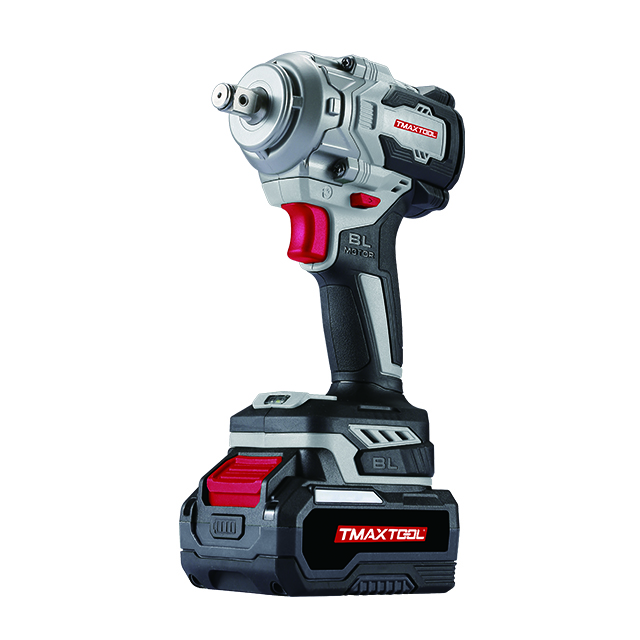
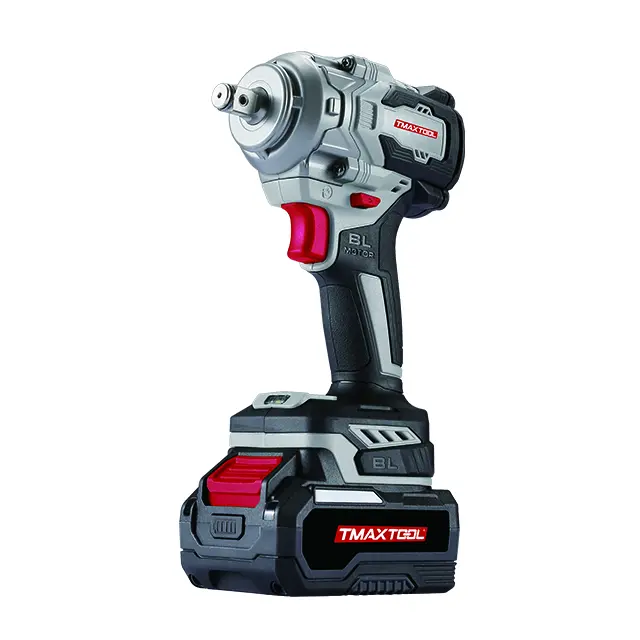
 Impact Wrench
 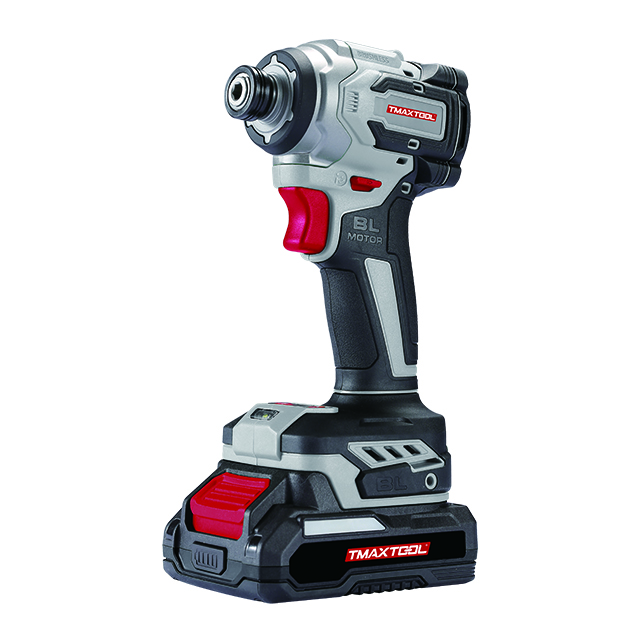 Screwdriver
 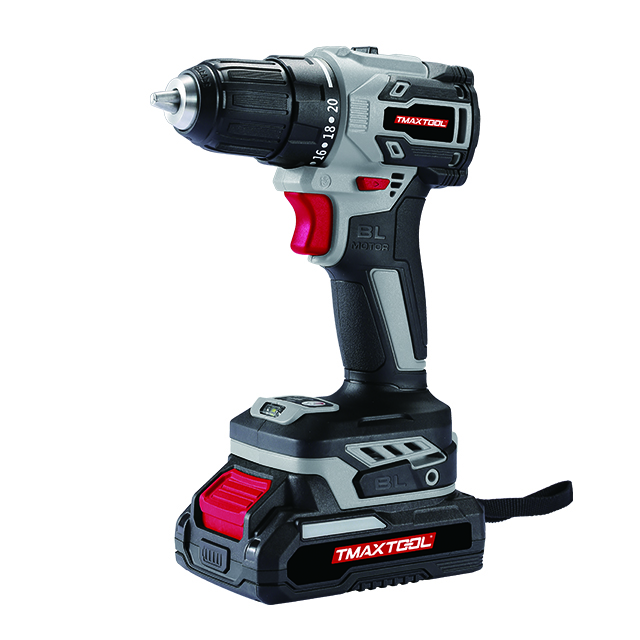 Cordless Drill
 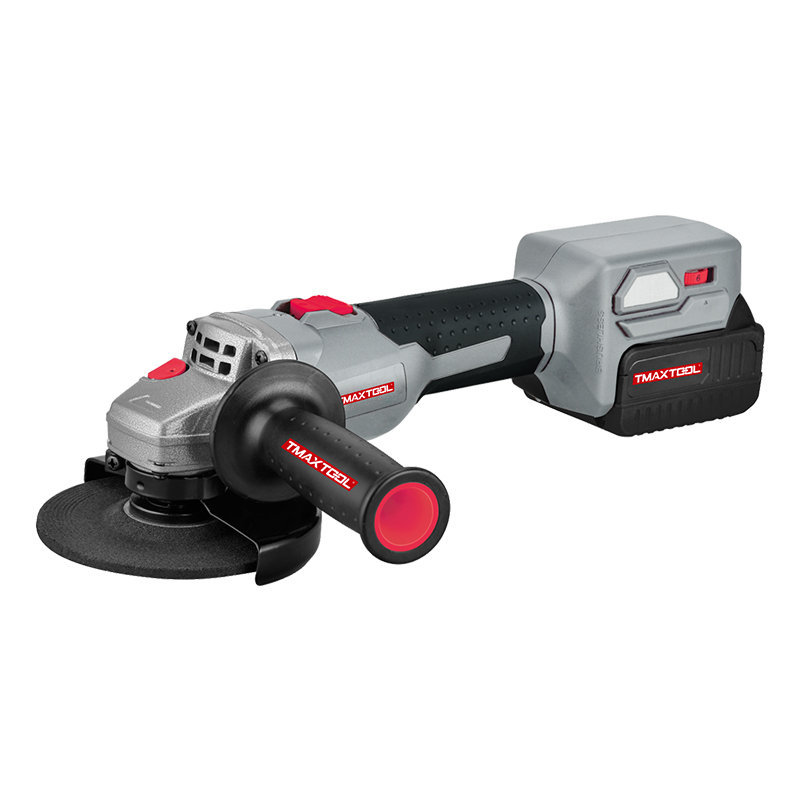 Angle Grinder
 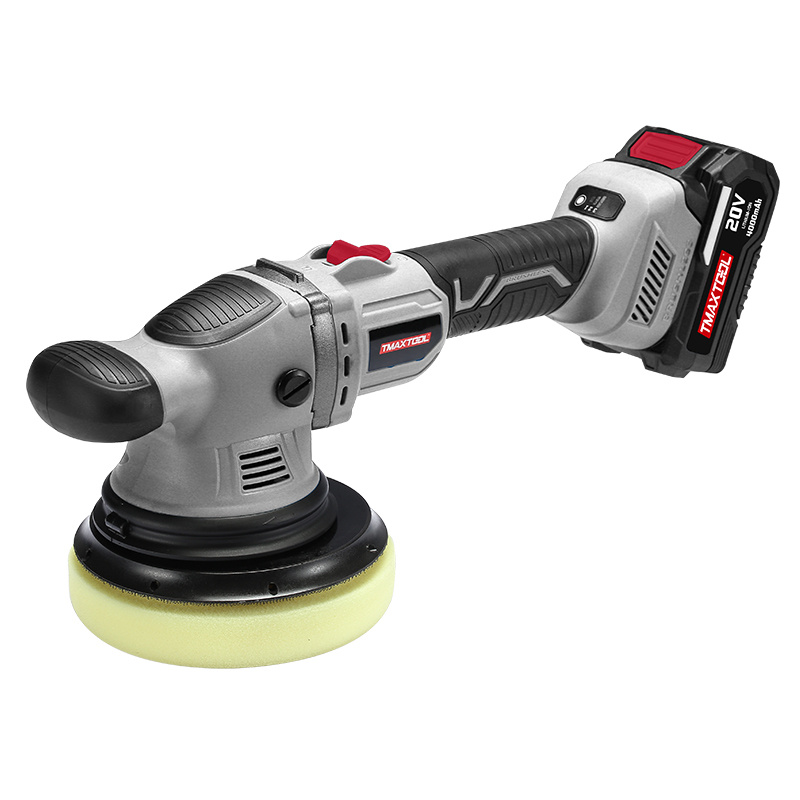 Polisher
 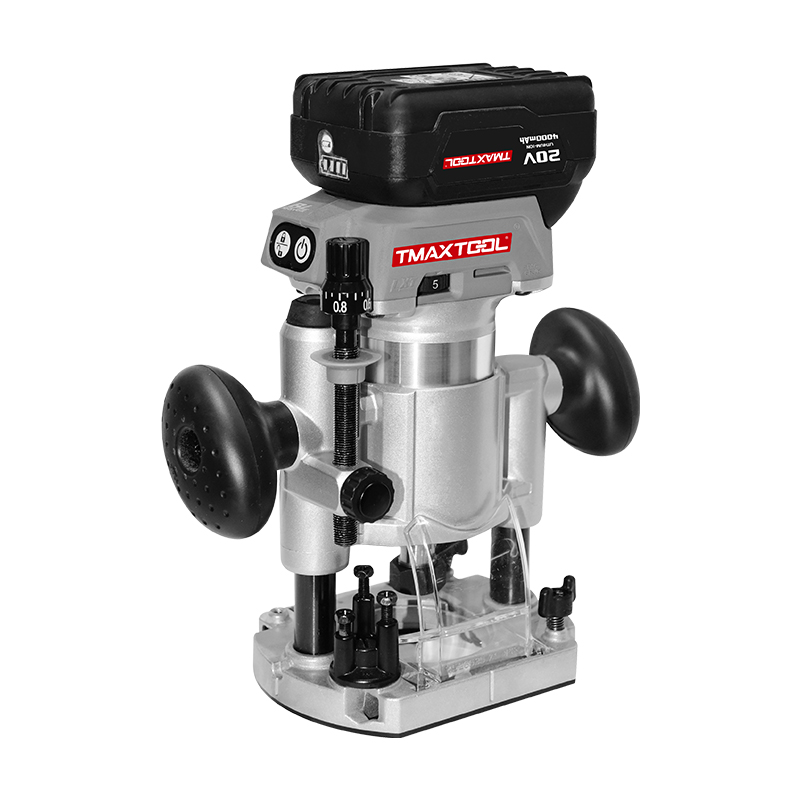 Wood Router
 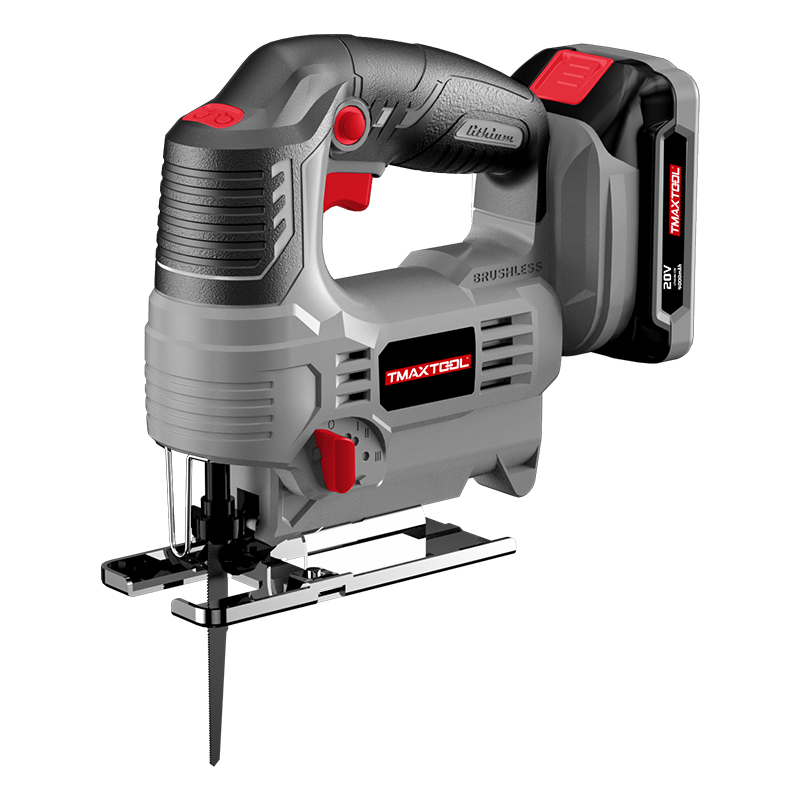 Jig Saw
 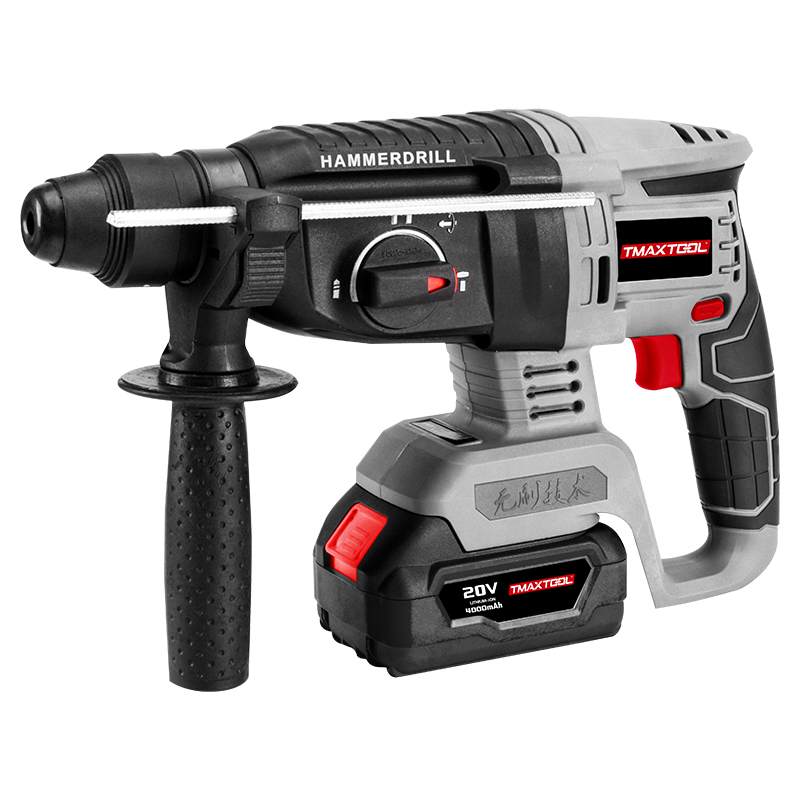 Hammer Drill
 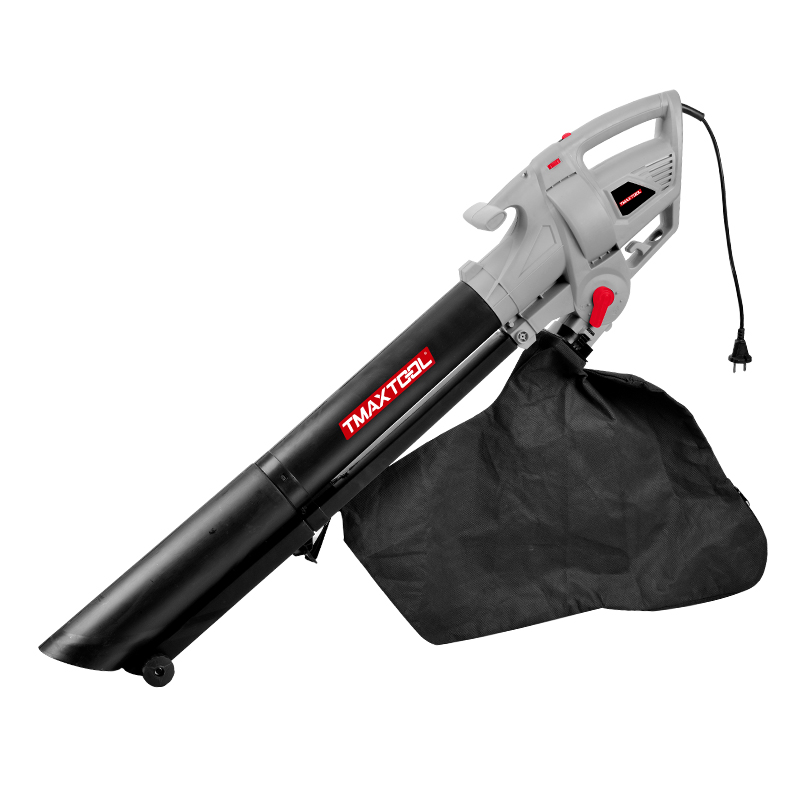 Portable Blower
 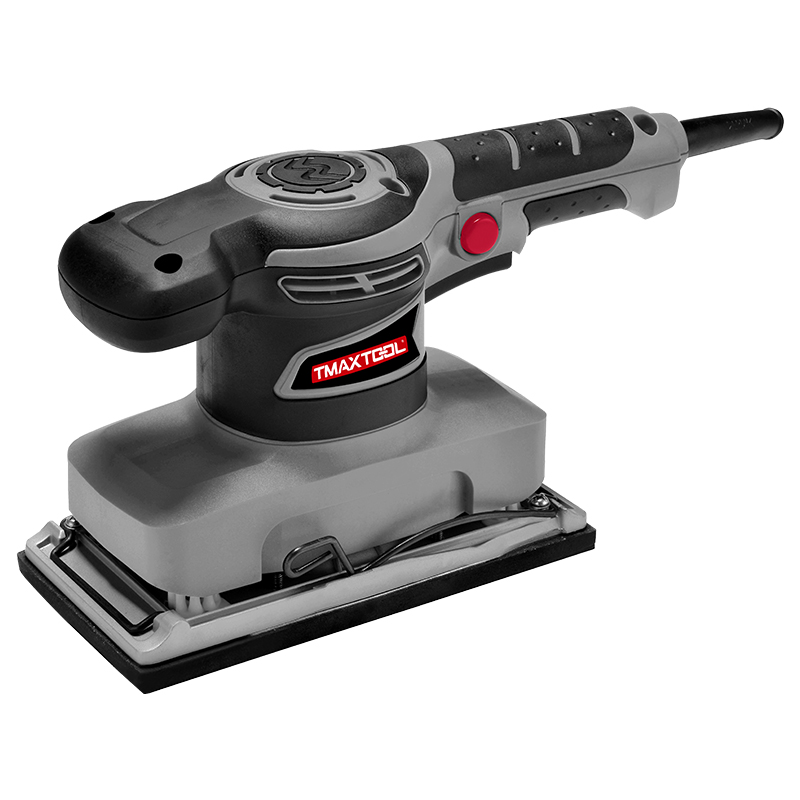 Orbital Sander
 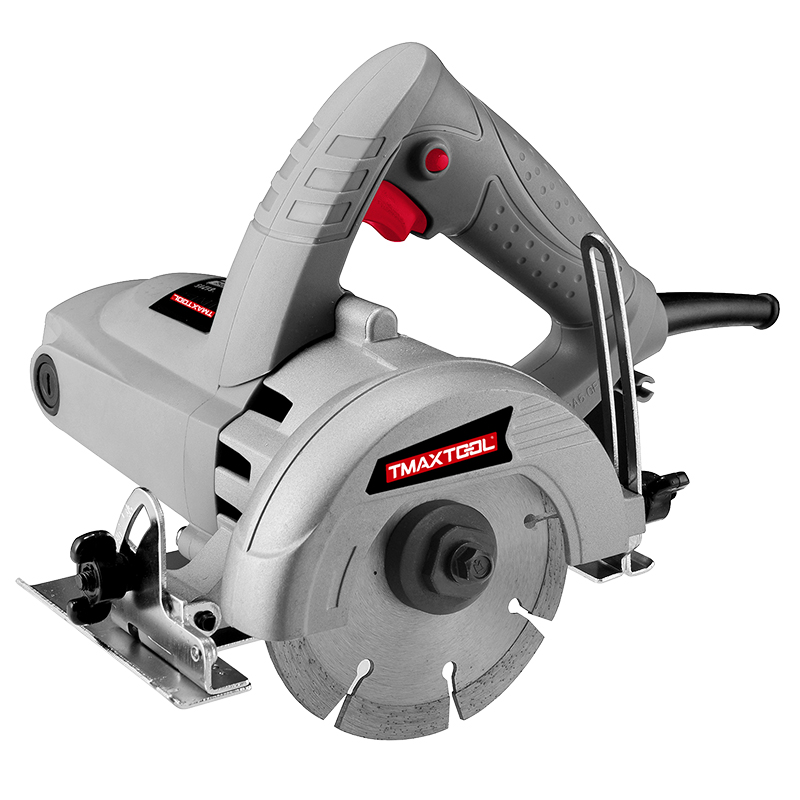 Marble Cutter
  GARDEN TOOLS
 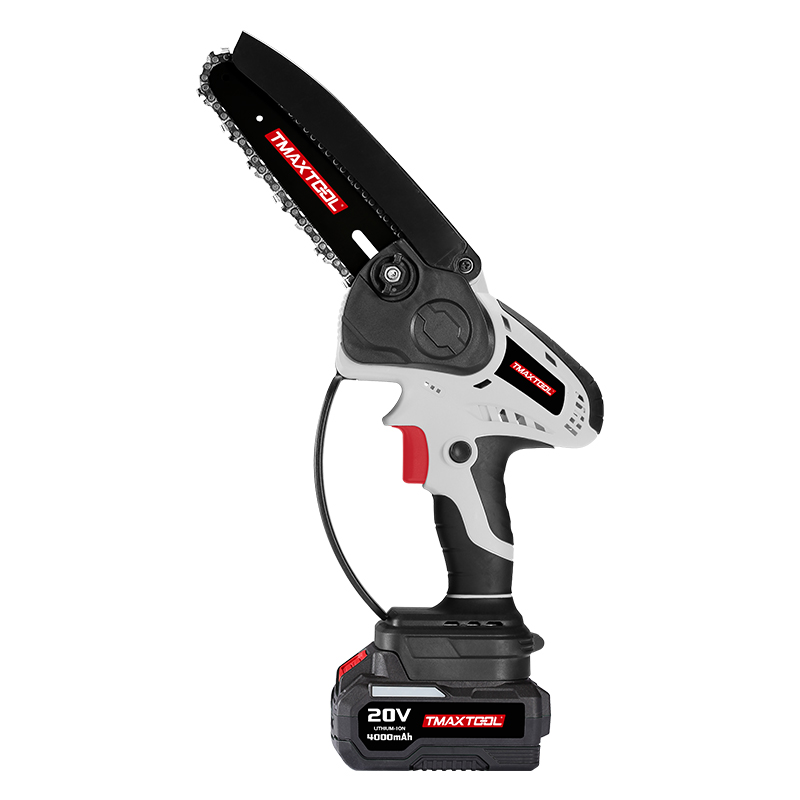 Battery Chain Saw
 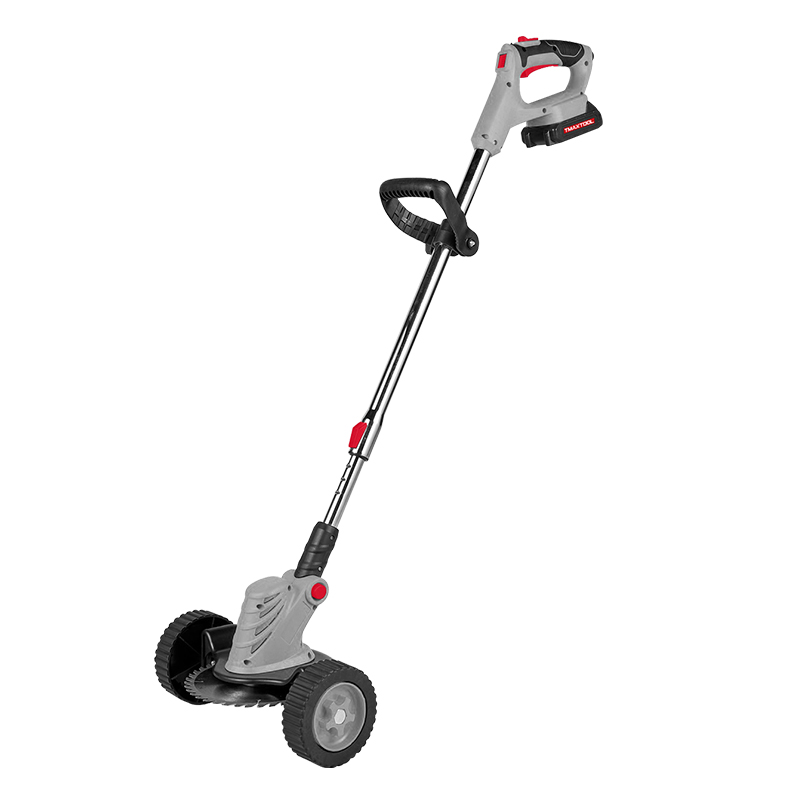 Battery Brush Cutter
 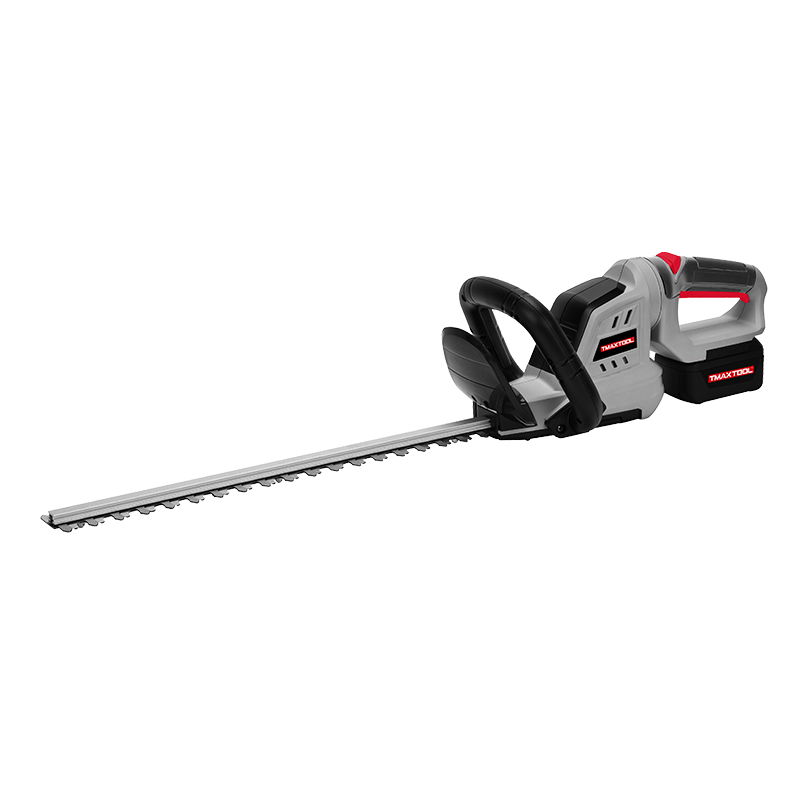 Battery Hedge Trimmer
 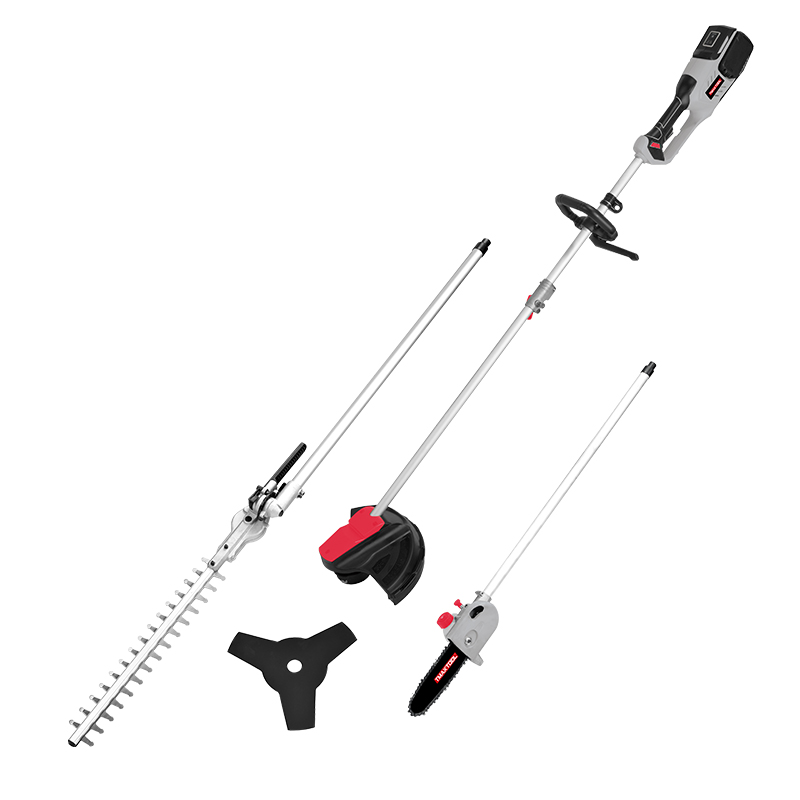 Battery Multi Tool
 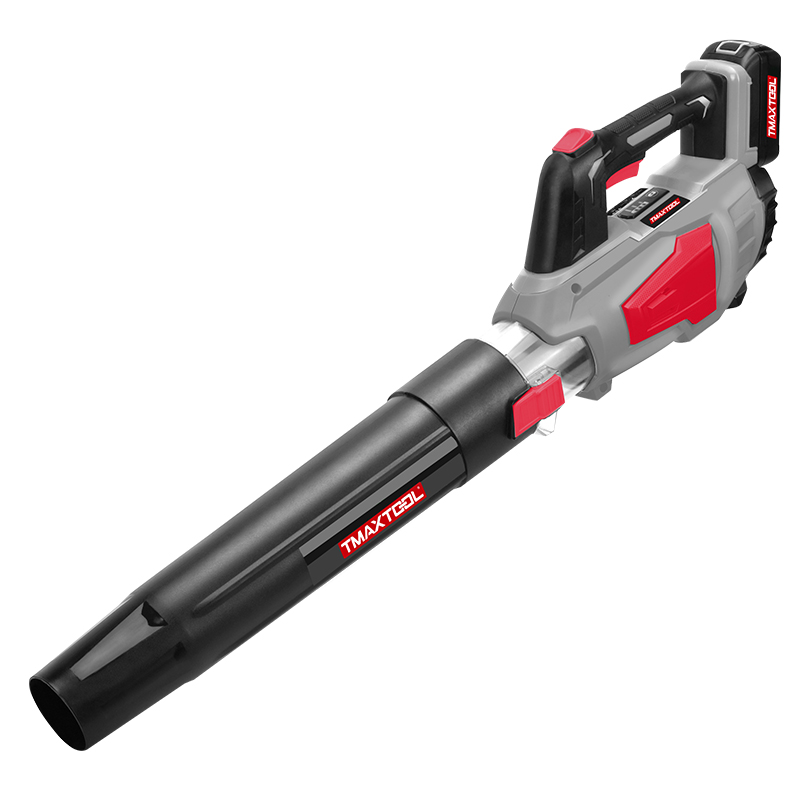 Battery Blower
 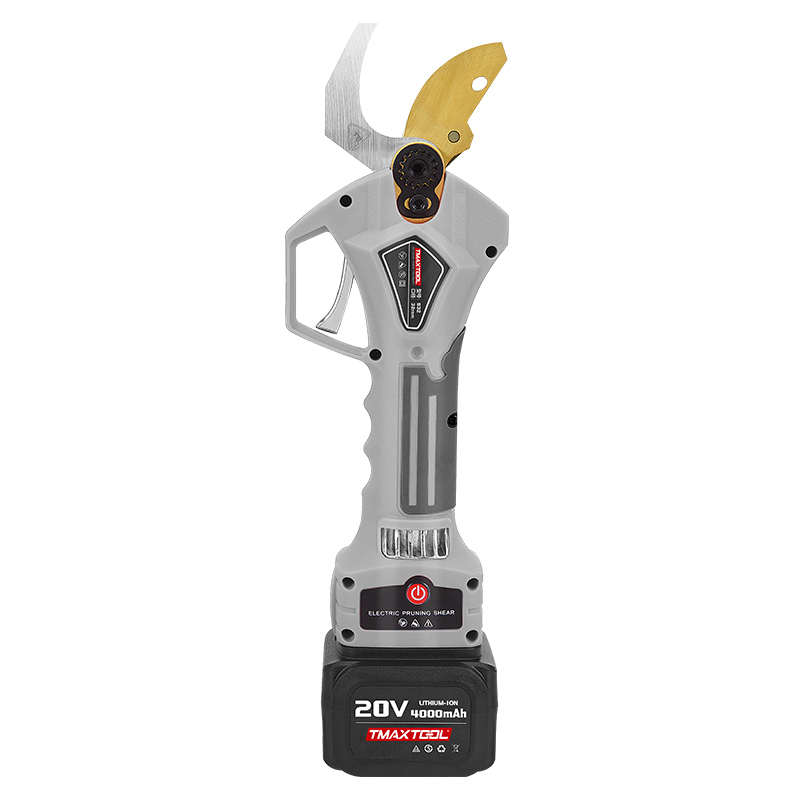 Batter Pruning Shears
 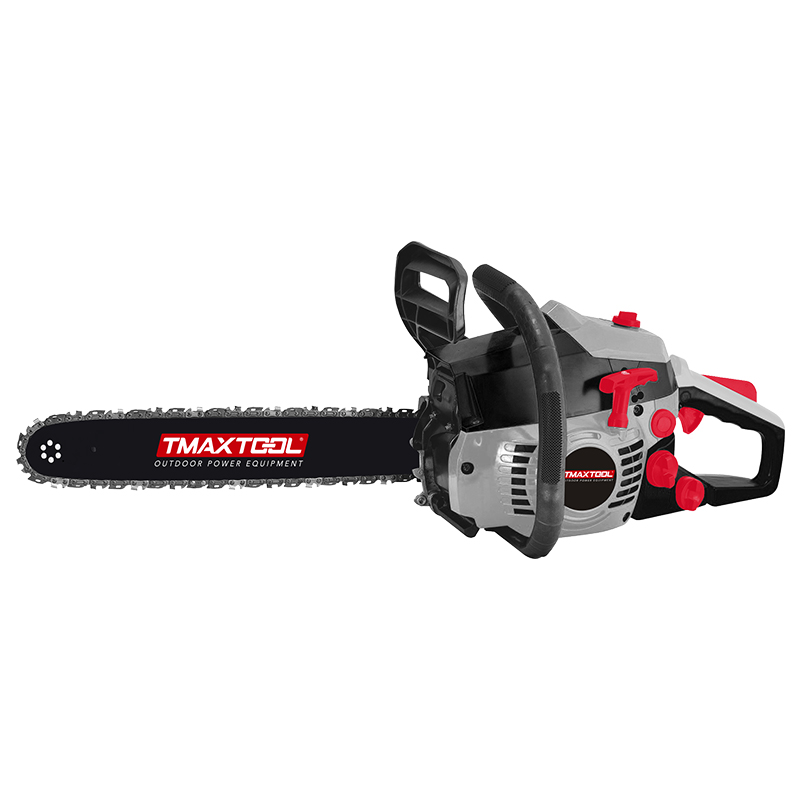 Chain Saw
 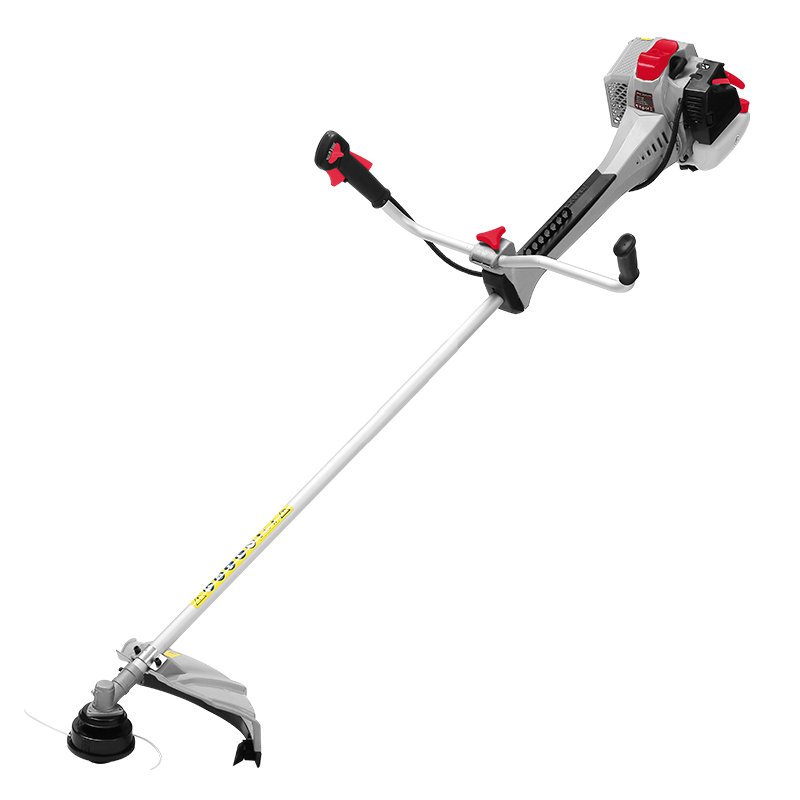 Brush Cutter
 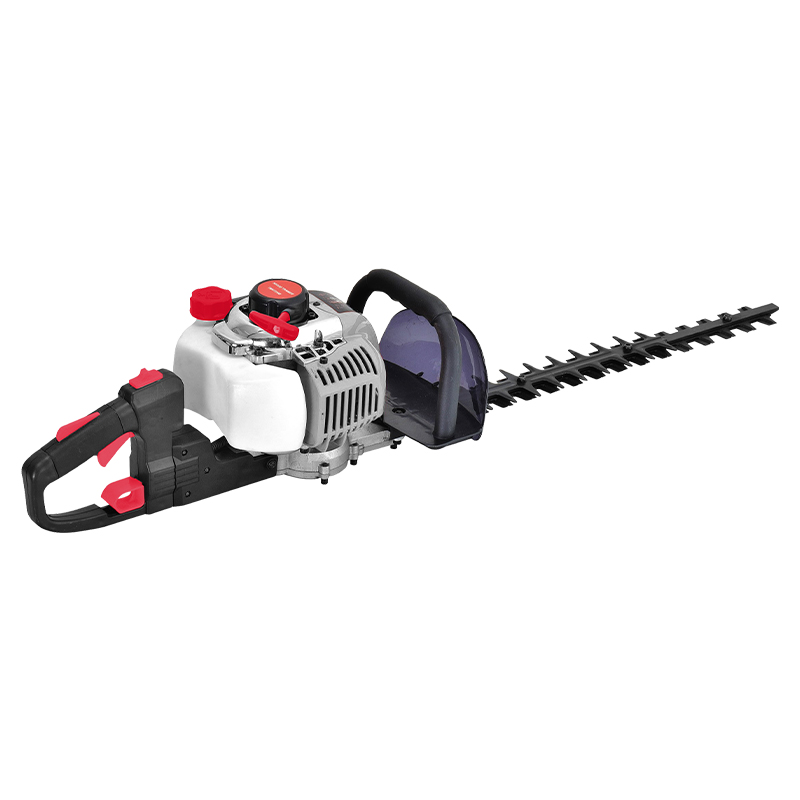 Hedge Trimmer
 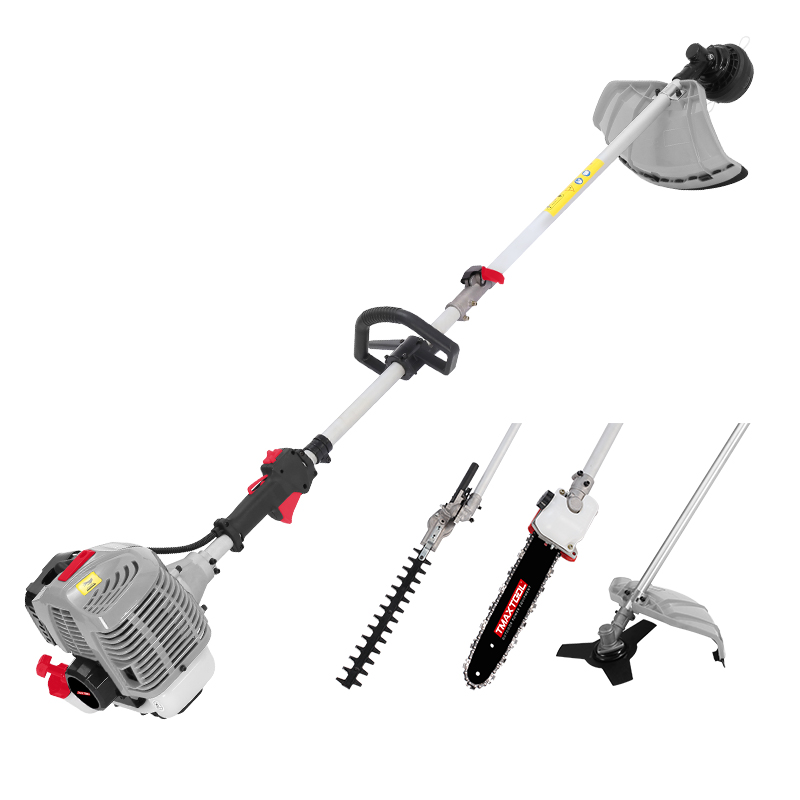 Multi Tool
 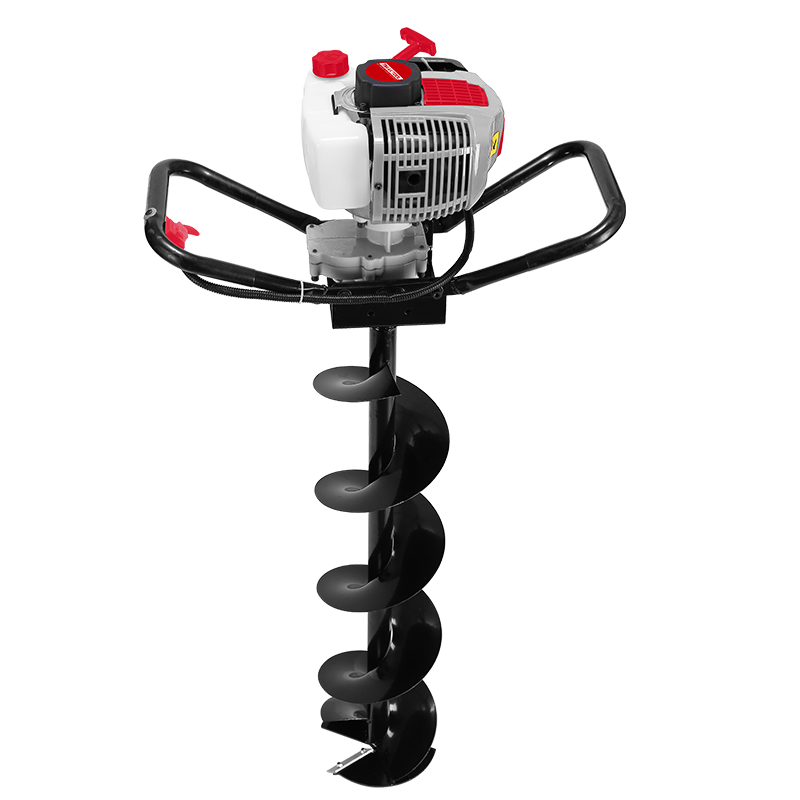 Earth Auger
 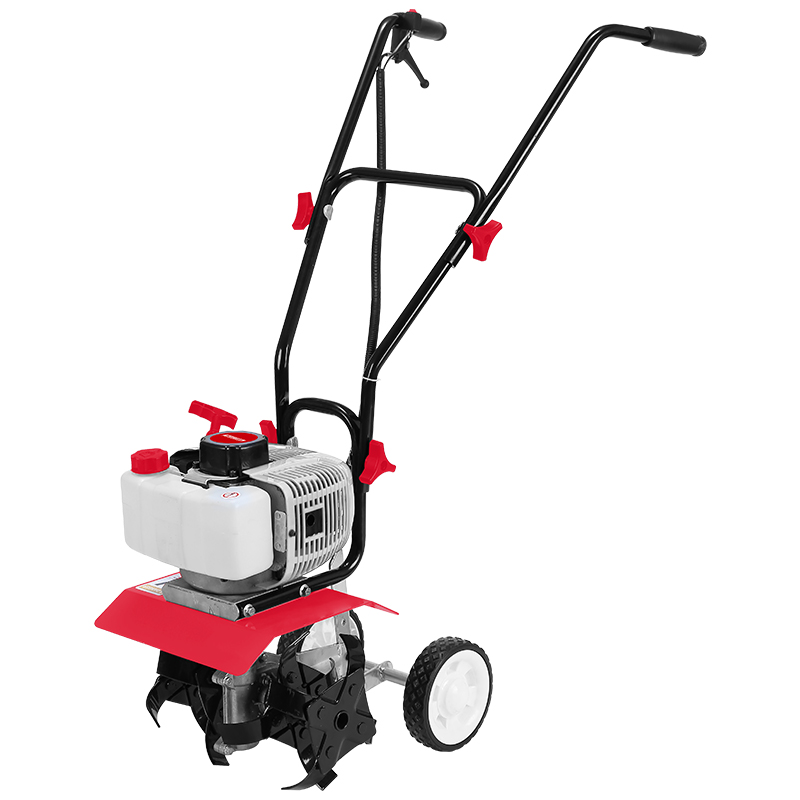 Tiller
 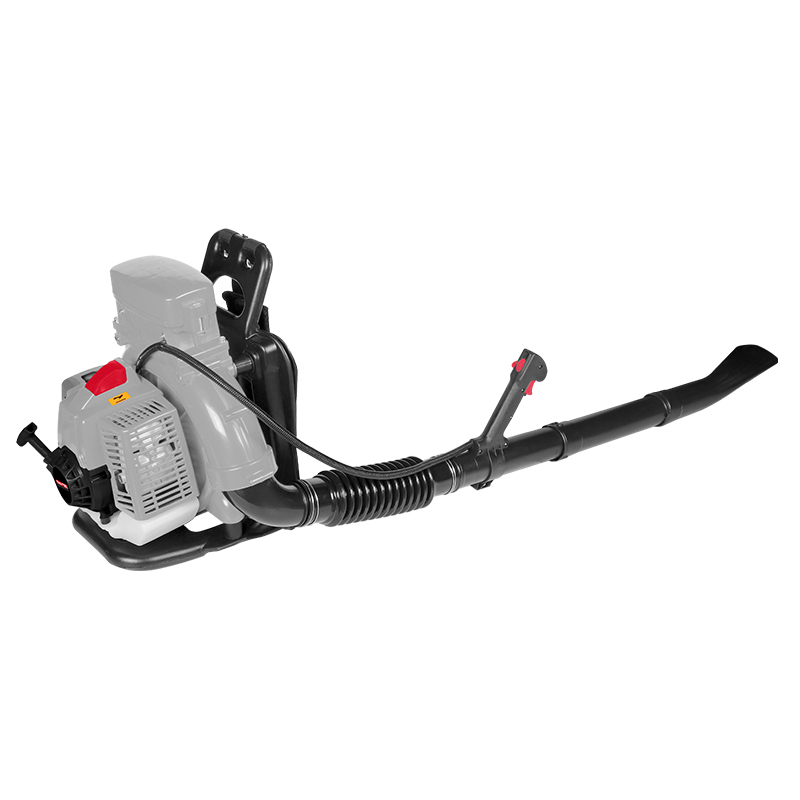 Blower
 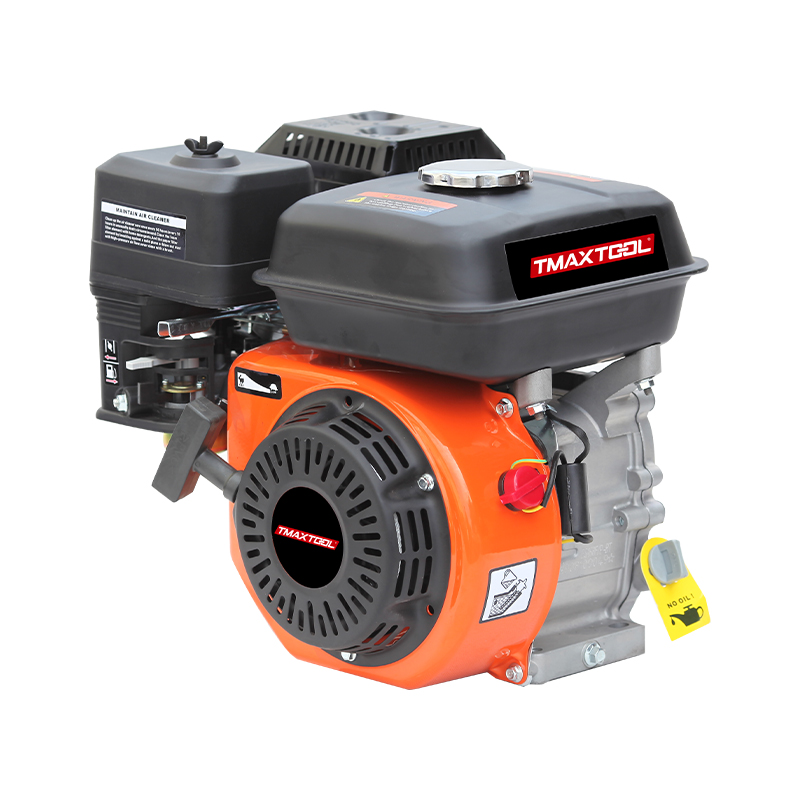 4 Stroke Gasoline Engine
 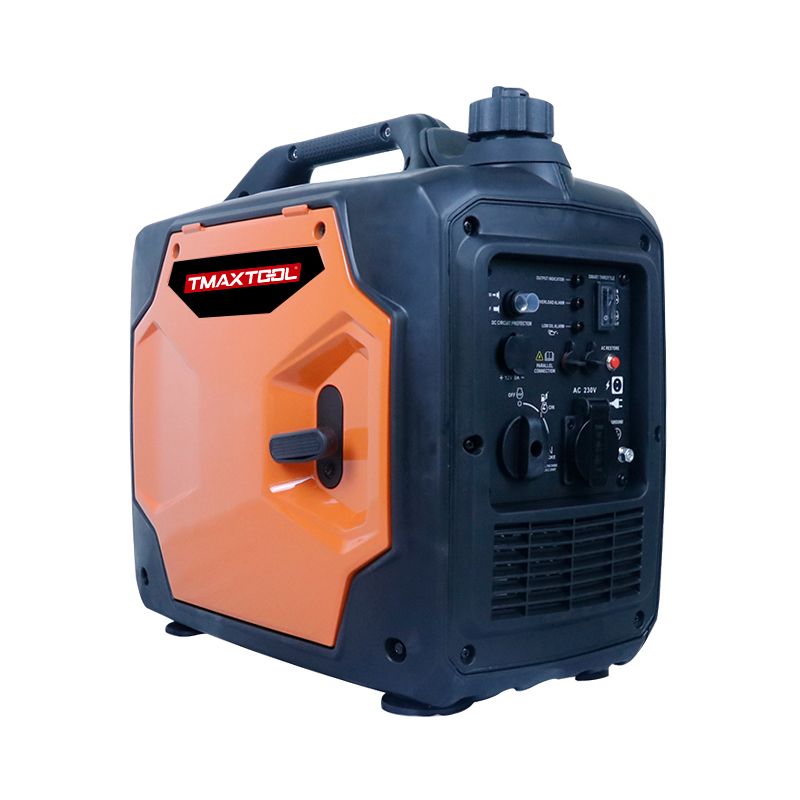 Generator
 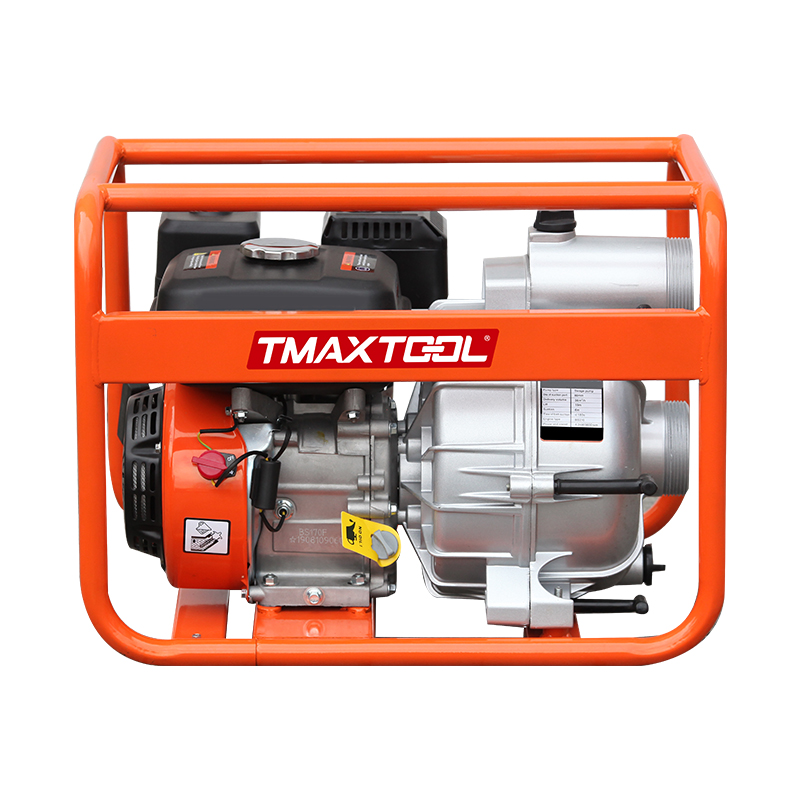 Water Pump
 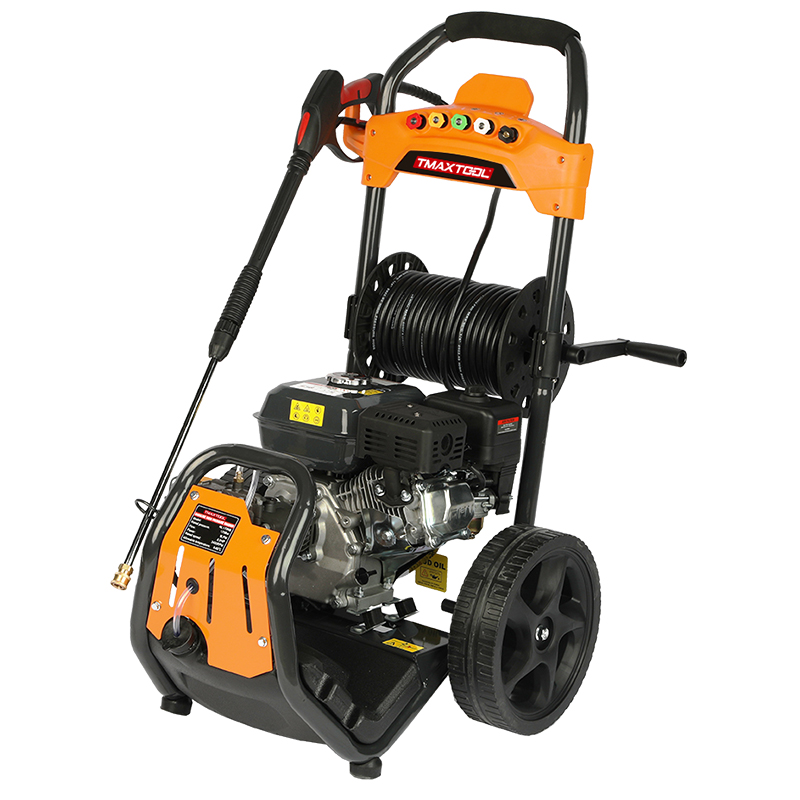 High Pressure Washer
 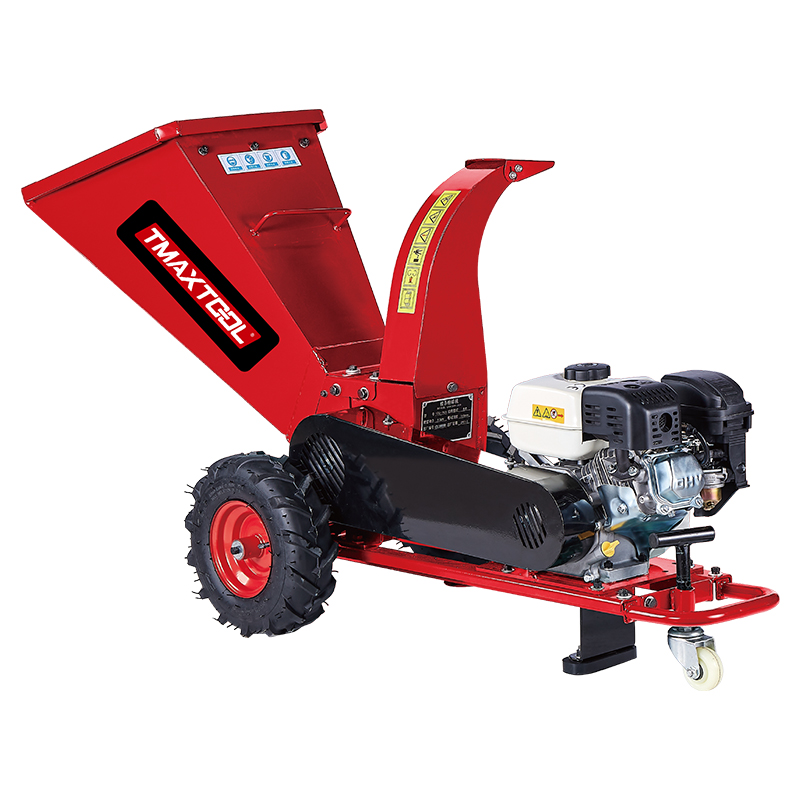 Wood Cutter
 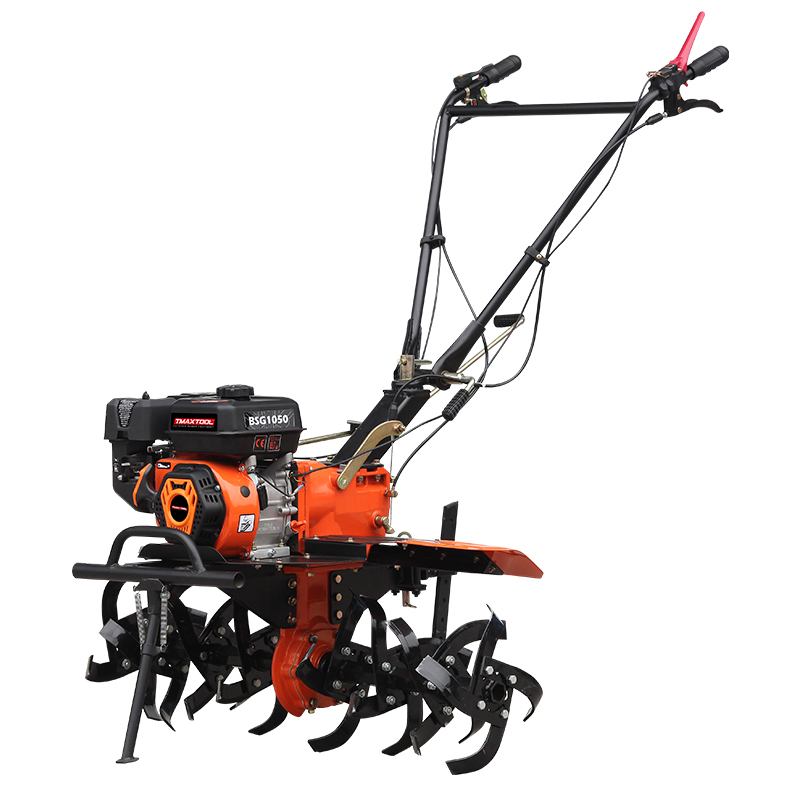 4 Stroke Tiller
 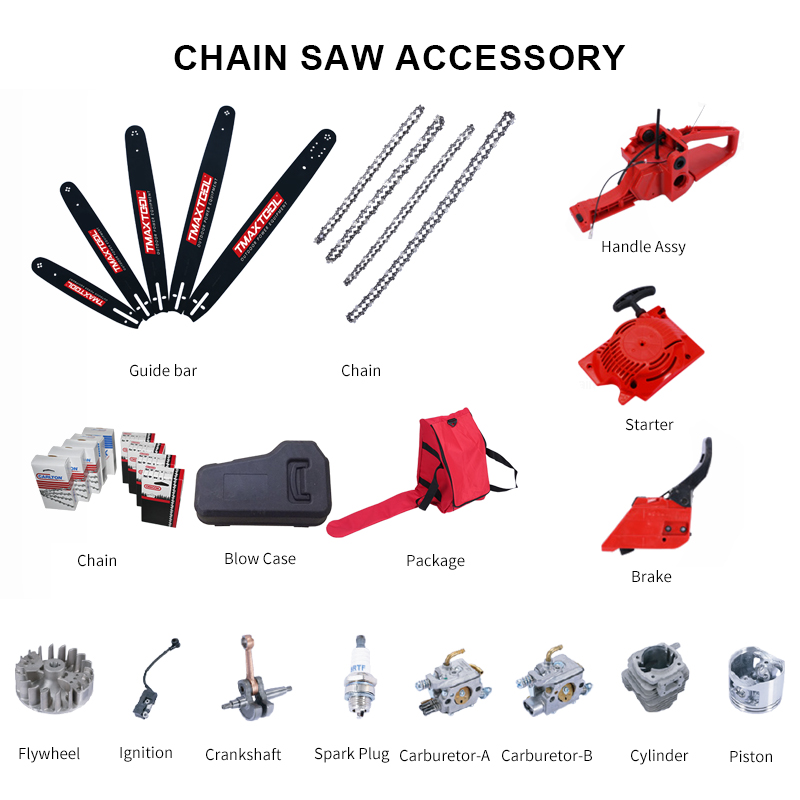 Chain Saw Accessory
 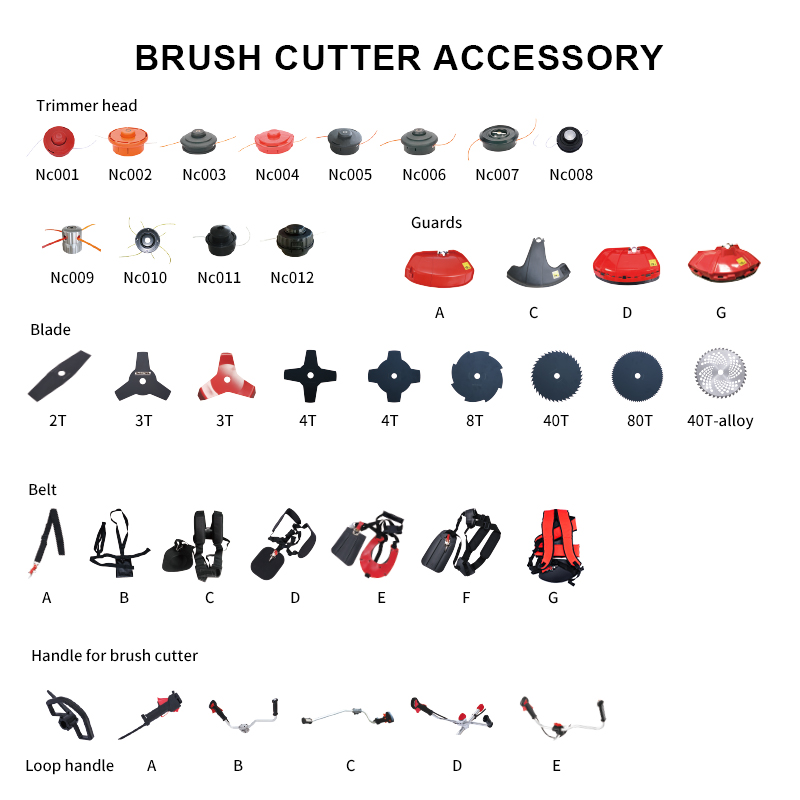 Brush Cutter Accessory
 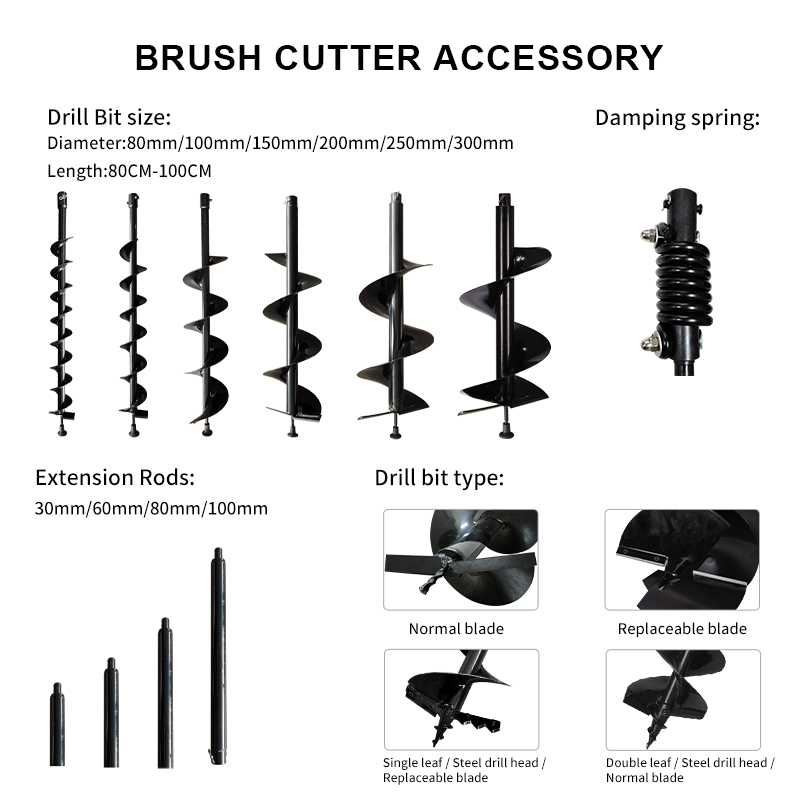 Earth Auger Accessory
  Protective Equipment Accessories
 Leave Your Message
When you're diving into DIY projects, having a reliable tool by your side is absolutely key. And honestly, a good Jig Saw really stands out because it’s so versatile and precise. Whether you're working on some intricate patterns or just doing straightforward cuts, this tool really helps make things a whole lot easier. There are tons of brands out there with different models, so you can definitely find something that fits your skill level and your budget.
Now, I gotta say, using a Jig Saw isn’t exactly plug-and-play right away. If you’re new to it, controlling the saw might feel a bit tricky at first. Tips? Make sure to pick the right blade for your material — that’s super important. An incorrect blade can give you rough edges or even harm your tool. When choosing, stick with trusted brands like Bosch or DeWalt; they typically offer models that strike a good balance between performance and price.
In this guide, I’ll walk you through the top 10 Jig Saw models out there. Each one is suited for different needs, so whether you’re a rookie or a seasoned DIYer, you’ll find an option that fits. Just remember: the right Jig Saw can seriously level up your woodworking game, but treat it with respect and take good care of it. Picking the right one might just be the difference between feeling frustrated or feeling super satisfied after your project.

When choosing a jigsaw for DIY projects, several key features should be considered. Power matters. Most models offer motors ranging from 3 to 7 amps. A more powerful motor allows for smoother cuts through tougher materials. Blade speed, measured in strokes per minute, also influences cutting efficiency. Higher speeds generally provide cleaner cuts. Aim for models with adjustable speed settings for added versatility.
Another important feature is the blade type. Jigsaws can use both U-shank and T-shank blades. T-shank blades are often preferred for their better grip and quick-change capabilities. Pay attention to the cut capacity as well. Most jigsaws can handle wood up to two inches thick. However, for more intricate designs, a model with better maneuverability is essential.
Tips: Always wear safety goggles when using power tools. Consider investing in an OEM Jig Saw for reliability. Regularly check blade sharpness; a dull blade can lead to frustration and inaccuracies. Look for jigsaws with dust blowers to keep your line of sight clear. Remember, choosing the right jigsaw can make or break your DIY project.
| Model | Power (W) | Stroke Length (mm) | Bevel Angle | Weight (kg) | Price ($) |
|---|---|---|---|---|---|
| Model A | 600 | 20 | 45° | 1.5 | 89.99 |
| Model B | 700 | 25 | 30° | 1.7 | 99.99 |
| Model C | 500 | 18 | 45° | 1.4 | 79.99 |
| Model D | 800 | 24 | 60° | 1.6 | 120.00 |
| Model E | 650 | 22 | 45° | 1.3 | 85.50 |
| Model F | 750 | 26 | 30° | 1.8 | 110.00 |
| Model G | 900 | 28 | 45° | 2.0 | 130.50 |
| Model H | 550 | 19 | 45° | 1.2 | 75.00 |
| Model I | 620 | 21 | 30° | 1.4 | 95.00 |
| Model J | 700 | 23 | 45° | 1.6 | 100.00 |
: There are high-speed steel, carbon steel, bi-metal, and carbide-tipped blades. Each suits different materials.
The correct blade can improve cut quality by up to 30%. Choosing wrong leads to rough edges and frustration.
Adjustable speeds and orbital settings allow users to tailor their cutting approach for better accuracy and efficiency.
Battery life and user ratings are crucial. Lightweight designs offer control but may compromise durability.
Some jigsaws require tools for blade changes, making it inconvenient. Tool-less systems are generally preferred.
Accessories like guide rails and dust collection systems enhance precision and keep workspace clean, improving visibility.
Bi-metal blades combine strength and flexibility, making them ideal for cutting metals.
Many overlook the need to match blade design with the material, leading to challenges and wasted materials.
A guide rail helps make straight cuts, crucial for accuracy, but compatibility with your jigsaw is essential.
A dust blower attachment can clear debris easily, transforming a messy project into a more manageable one.
When selecting the ideal jig saw for DIY projects, it's crucial to consider various features, including power source, blade types, and their suitability for different materials. This article explores the differences between corded and cordless jig saws, highlighting their performance metrics to help you make an informed decision. Understanding the characteristics of jigsaw blades is equally important, as it influences the quality of your cuts across various materials.
The review of the top 10 jig saw models, based on user ratings and performance, offers insights into the most recommended options available. Additionally, the article emphasizes safety tips and best practices for operating a jig saw effectively, along with maintenance guidelines that can help extend the tool's longevity. Finally, expert recommendations for accessories are provided to enhance jig saw functionality, ensuring that users can achieve the best results in their DIY endeavors.


