Picking out the right blower can actually be trickier than you’d think. Honestly, a blower is super handy for all sorts of things—whether you're tidying up the yard or working on your car. It’s pretty important to understand the different kinds out there. For example, a Cordless Blower can be a game-changer because it ditching the cords means you don’t have to worry about plugging and unplugging every few minutes. It makes moving around so much easier when you're trying to clear leaves or debris from those tricky corners.
What is a Blower? Definition and Purpose Explained
A blower is a versatile tool designed for moving air and other gases. Its primary purpose lies in ventilation, cooling, and drying. Blow air into spaces that need cleaning or cooling. They come in various sizes and capacities, making them suitable for many tasks.
When choosing a blower, consider the power source first. Electric blowers work well for indoor use. Petrol models provide more power for outdoor tasks. Next, think about the blower style. Handheld models are lightweight and portable. A Portable Blower allows flexibility, making it easy to carry around. Larger models can manage bigger jobs but may sacrifice portability.
Here are some tips for choosing the right blower. Understand the task at hand. A wrong choice can lead to inefficiency. Look for adjustable speed settings for better control. Also, consider the noise level, especially for residential areas. A quieter model may be necessary in sensitive environments. Keep in mind that personal comfort is vital. The grip and weight can significantly impact usage.
Types of Blowers: A Comprehensive Overview
Blowers come in various types, each designed for specific tasks. The major categories include electric blowers, gas blowers, and backpack blowers. Electric blowers are lightweight and easy to use, making them great for small yards. Gas blowers deliver more power, suitable for larger areas. Backpack blowers require wearing them on your back. They’re ideal for professionals dealing with thick debris.
When choosing a blower, consider your unique needs. Think about the size of the area you will be working on. An OEM Portable Blower can be a smart choice for both homeowners and landscapers. It balances power and portability. Noise levels and battery life are also important factors. Always check local regulations on noise before purchasing. This ensures you won’t face complaints later.
Understanding the purpose of your blower will guide your choice. Will you have heavy leaf piles or just light debris? Your answer determines the type you need. Price is always a consideration. Sometimes, investing more upfront leads to better long-term performance. Prepare to research materials and reviews. Making an informed choice helps you avoid regrets later.
Key Components of a Blower and Their Functions
Choosing the right blower requires understanding its key components. A blower typically comprises a motor, housing, impeller, and control system. The motor provides the necessary power. A reliable motor greatly impacts efficiency and lifespan. Performance reports indicate that motors with higher efficiency ratings can reduce operational costs by up to 15%.
The housing of a blower aids in directing airflow. It significantly influences noise levels and vibration. Good design minimizes these issues, enhancing user comfort. Impellers, on the other hand, are the heart of the blower. They increase air pressure and flow. According to industry data, blowers with well-engineered impellers can achieve up to 25% better airflow compared to standard designs.
The control system regulates the blower’s speed and performance. Advanced control systems allow better adjustments, improving energy efficiency. However, many users overlook the importance of this component. They often focus solely on the motor and impeller. In the realm of Wholesale Portable Blower options, consider these factors to ensure optimal selection. Prioritize quality components for long-term functionality and reliability.
Blower Types and Their Efficiency Ratings
Factors to Consider When Choosing a Blower
When selecting a blower, several factors come into play. Understanding the power source is crucial. Electric blowers are quieter but offer less mobility. Gas-powered models provide robust performance but can be noisier and heavier. Data from industry reports indicate that nearly 70% of consumers prioritize noise levels when making their choice. The best blower for your needs may hinge on this feature.
Another essential consideration is the intended use. A homeowner might require a blower for leaves, while professionals may need one for heavier debris. Reports suggest that gas blowers can move debris at speeds exceeding 200 miles per hour. However, those speeds come with trade-offs in fuel efficiency and emissions. It's important to assess the balance between power and environmental impact.
Weight and ergonomics also play a vital role. A lightweight model can ease strain during extended use. Some blowers weigh less than 10 pounds, making them suitable for prolonged tasks. Evaluating comfort in grip, ease of operation, and portability can greatly influence satisfaction. Remember that a higher price doesn’t always guarantee the best performance. Always reflect on your specific needs to find the right fit.
What is a Blower and How to Choose the Right One? - Factors to Consider When Choosing a Blower
| Factor | Description | Example |
| Airflow Requirement | Determine the volume of air needed for your application, usually measured in CFM (Cubic Feet per Minute). | 100 CFM for small workshop tasks |
| Static Pressure | Assess the amount of resistance the blower must work against, typically measured in inches of water gauge. | 1.5 in. WG for dust collection systems |
| Type of Blower | Choose between centrifugal or positive displacement blowers based on the specific application. | Centrifugal for ventilation, positive displacement for high pressure applications |
| Noise Level | Consider the noise output of the blower, important for working in noise-sensitive environments. | Quieter models rated below 80 dB |
| Power Source | Decide whether you need an electric, gas-powered, or battery-operated blower. | Electric blowers for indoor use, gas for outdoor applications |
| Portability | Evaluate if you need a lightweight, portable model for easy movement. | Handheld blowers for quick jobs |
Assessing Blower Performance Metrics: CFM and PSI
When selecting a blower, understanding performance metrics like CFM and PSI is crucial. CFM, or cubic feet per minute, gauges airflow volume. It determines how quickly a blower can move air. More CFM translates to faster drying times or enhanced cooling. For instance, a blower with 300 CFM can effectively move air in a garage space, making it essential for users needing efficient ventilation.
PSI, or pounds per square inch, indicates the blower's pressure. It reflects how forcefully the air is delivered. Higher PSI values lead to more powerful airflow, making it suitable for cleaning stubborn debris or inflating larger objects. However, focusing solely on high CFM or PSI can result in a mismatch for specific tasks.
Choosing the right blower is about balance. Blowers with extremely high specs may go unused if not suited to your needs. Consider your environment and what you aim to achieve. Evaluating your project's requirements will guide you in making an informed choice. Reflecting on your tasks can reveal whether you truly need high performance or a more moderate solution. Fine-tuning your selection could prevent overspending and frustration.
Common Applications for Different Types of Blowers
When selecting a blower, understanding its applications is crucial. Different types serve specific needs. For instance, industrial blowers are great for ventilation in factories. They help maintain air quality and regulate temperature. In contrast, Portable Blowers are often used in landscaping. They clear leaves and debris efficiently. Each type has unique features suited for various tasks.
Consider dust collection systems in woodworking. A high-efficiency blower is essential here. It captures fine particles and improves air safety. Another example is the use of blowers in HVAC systems. They circulate air, ensuring comfort in homes and offices. The right blower enhances operational efficiency and productivity.
However, choosing a blower isn't always straightforward. Many factors come into play. Power requirements, airflow rates, and noise levels need careful evaluation. Each application might have different needs, and overlooking these can lead to poor performance. It's important to weigh the pros and cons of each type before making a final decision.
Maintenance Tips for Ensuring Blower Longevity and Efficiency
Maintaining a blower is essential for its longevity and efficiency. Regular checks can enhance performance and prevent costly repairs. Notably, research shows that proper maintenance can extend the lifespan of blowers by up to 30%. Routine tasks include cleaning air filters and checking for any debris buildup. This simple act significantly improves airflow and efficiency.
Consider investing in an ODM Portable Blower for more flexibility in different settings. Ensure you store it properly. Heat and moisture can damage electrical components. Annual professional inspections can help identify issues before they escalate. Keep a maintenance log to track when services were performed. This practice promotes accountability.
Inspect the motor regularly. A well-maintained motor can save energy costs and minimize wear and tear. Look out for odd sounds, as they may indicate deeper issues. Attention to detail can make a difference in performance. Don’t hesitate to consult professionals if uncertain about a maintenance task. It’s important to understand your blower and care for it effectively.
FAQS
: A blower typically has a motor, housing, impeller, and control system. Each part plays a significant role.
The motor provides power. A reliable motor improves efficiency and lifespan, reducing operational costs significantly.
The housing directs airflow and affects noise levels and vibration. Good design enhances user comfort during operation.
Impellers increase air pressure and flow. Well-designed impellers can enhance airflow by a notable percentage.
CFM measures airflow volume, while PSI indicates air pressure. Both metrics influence blower efficiency for specific tasks.
Balance is essential. Consider your environment and project requirements to avoid selecting a blower with mismatched specifications.
Industrial blowers are ideal for factories, while portable blowers are used for landscaping tasks like debris clearance.
Evaluate power needs, airflow rates, and noise levels. Each application's requirements can significantly impact performance.
Yes, extremely high specs may not suit your needs and can lead to frustration and overspending in some cases.
Many users overlook the control system and focus mainly on the motor and impeller, which is a significant oversight.
Conclusion
A blower is a mechanical device designed to move air or gas from one location to another, serving various purposes across multiple industries. This article provides a comprehensive overview of different types of blowers, including their key components and functions. When selecting the right blower, it's essential to consider factors such as performance metrics like CFM (Cubic Feet per Minute) and PSI (Pounds per Square Inch), as well as the specific application for which the blower will be used.
Furthermore, the article emphasizes the importance of routine maintenance to ensure longevity and efficiency of the blower. Regular servicing can prevent malfunctions and maintain optimal performance, making it crucial for users to adhere to best practices in blower maintenance. Understanding these aspects will help users make informed decisions when choosing a blower that fits their needs.

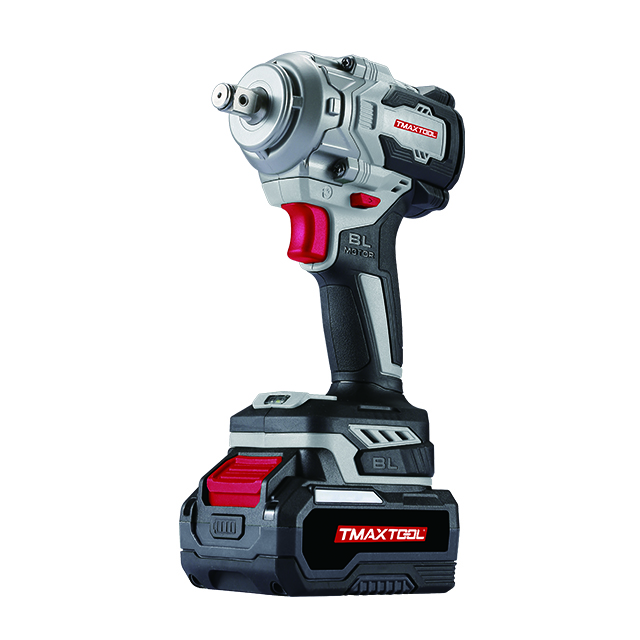 Impact Wrench
 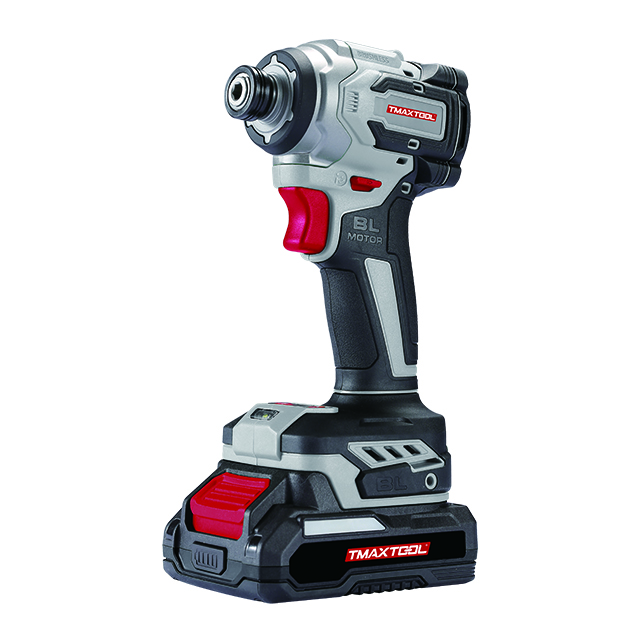 Screwdriver
 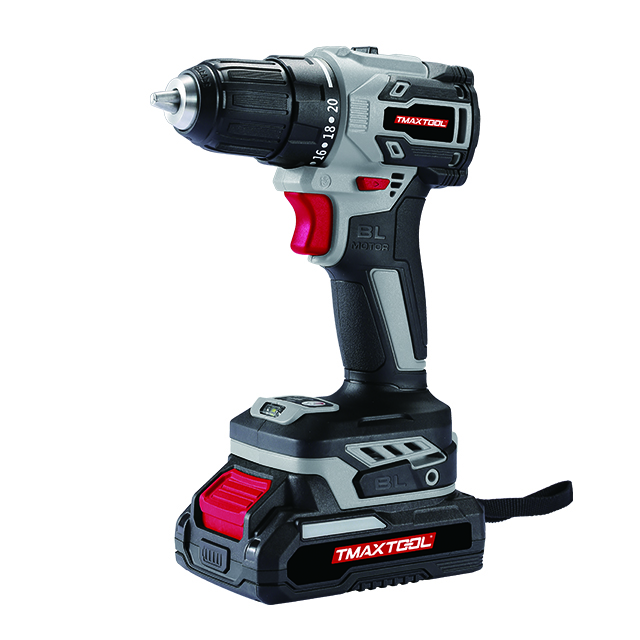 Cordless Drill
 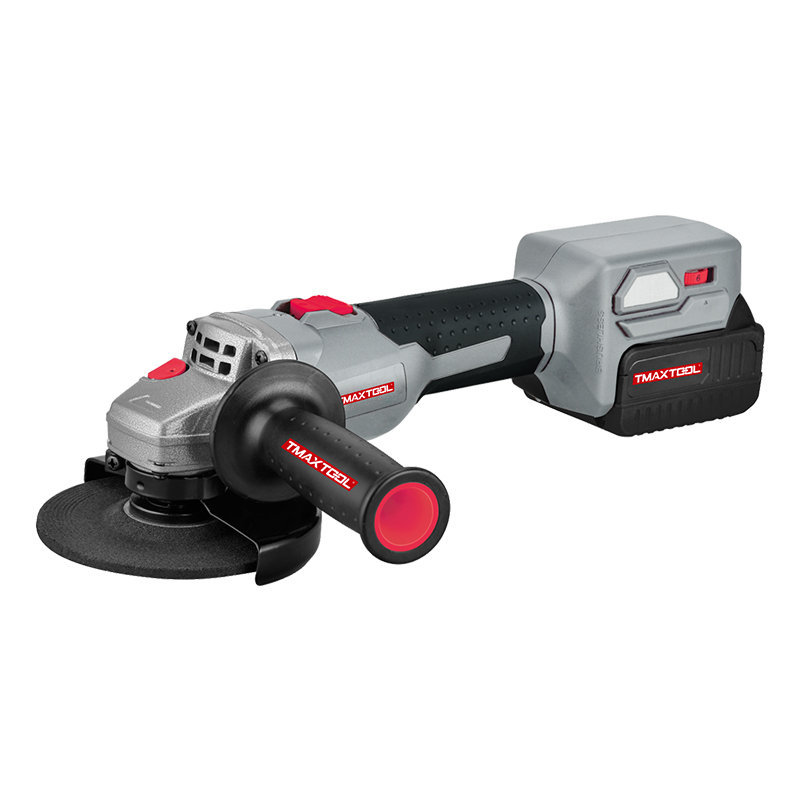 Angle Grinder
 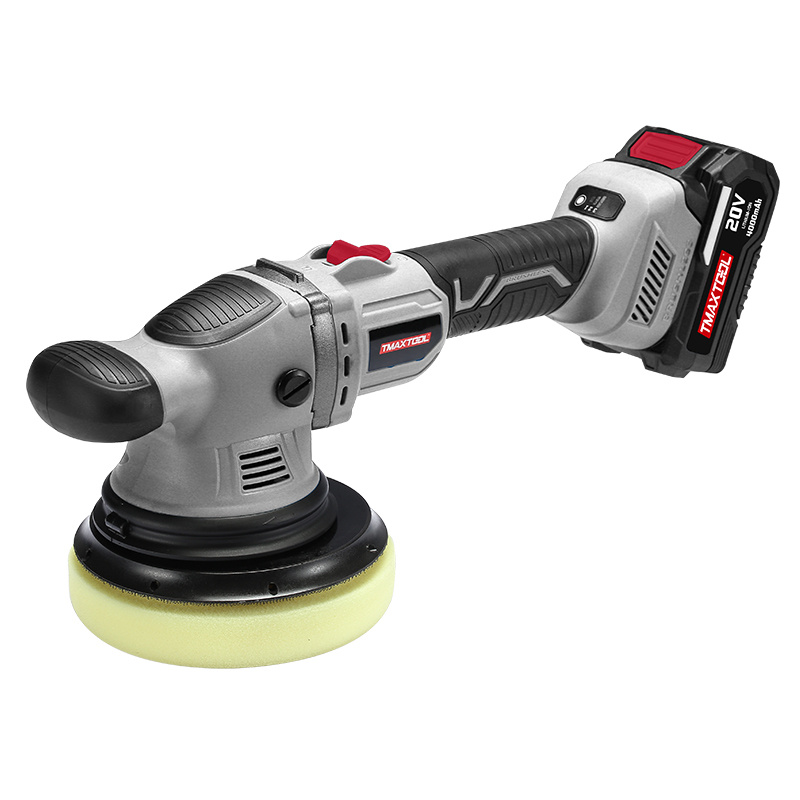 Polisher
 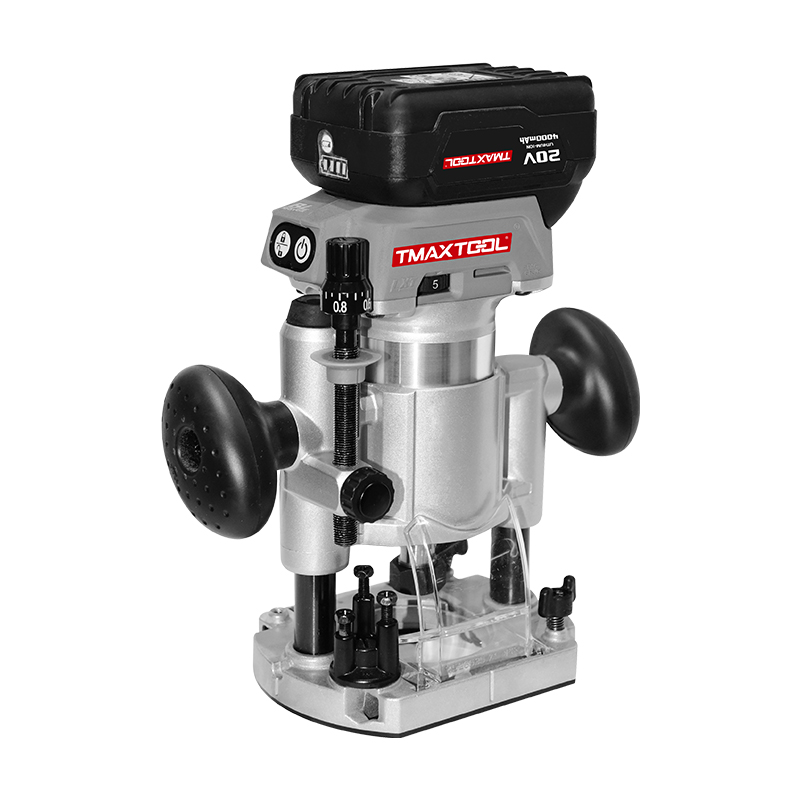 Wood Router
 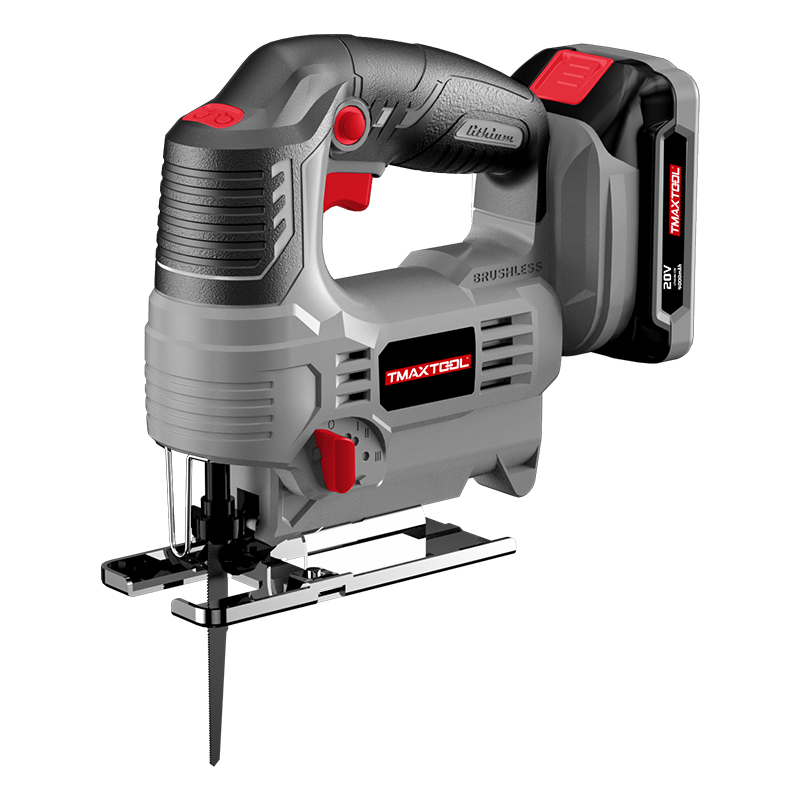 Jig Saw
 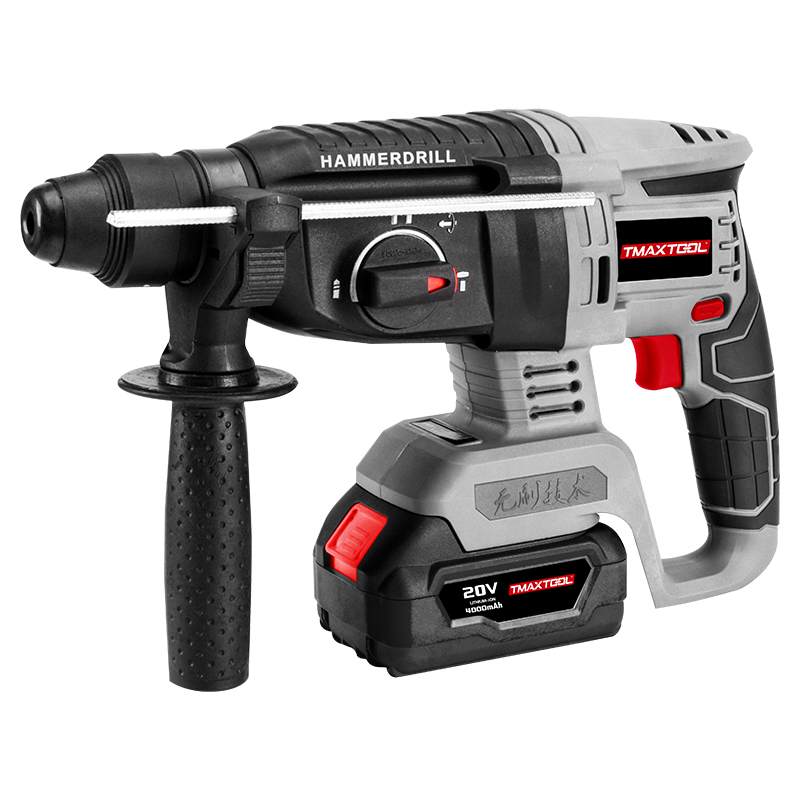 Hammer Drill
 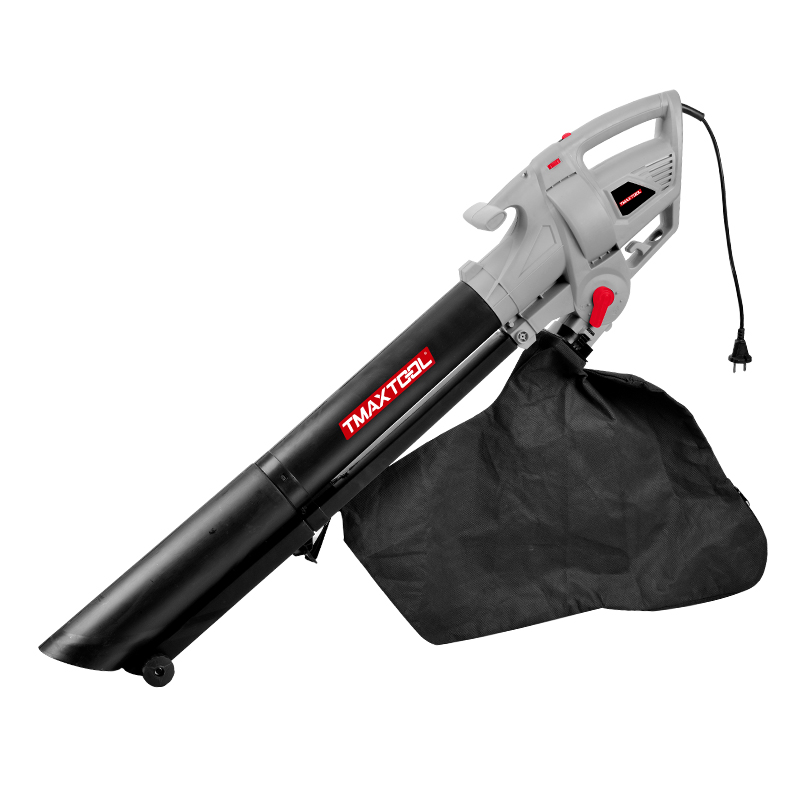 Portable Blower
 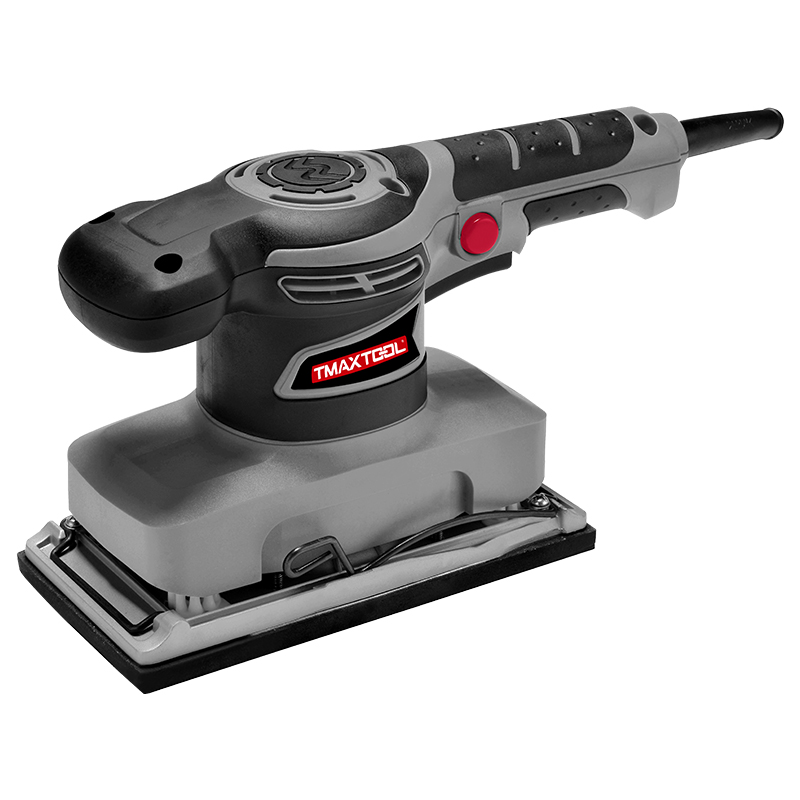 Orbital Sander
 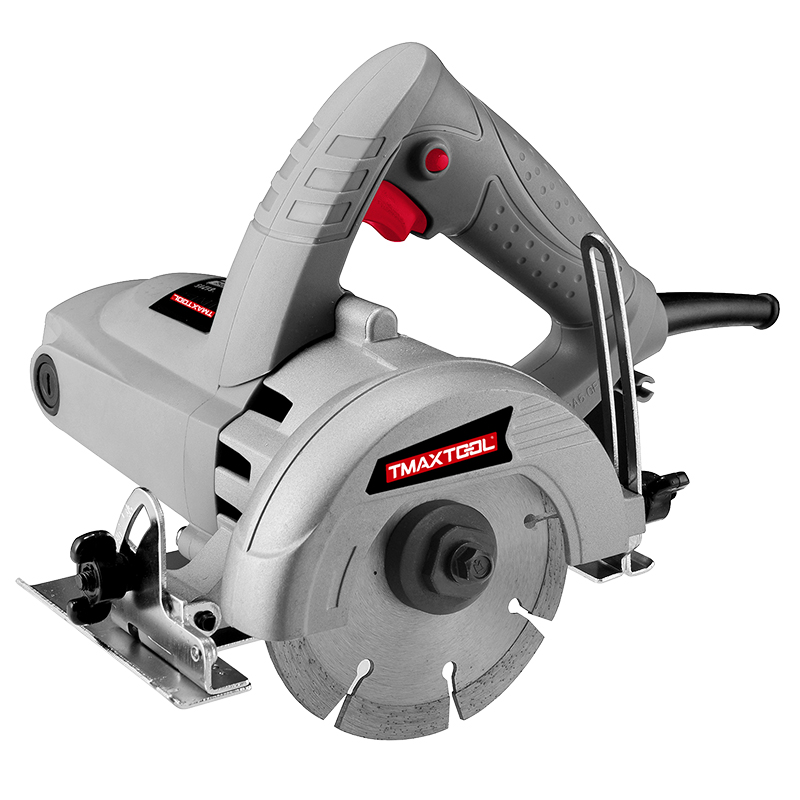 Marble Cutter
  GARDEN TOOLS
 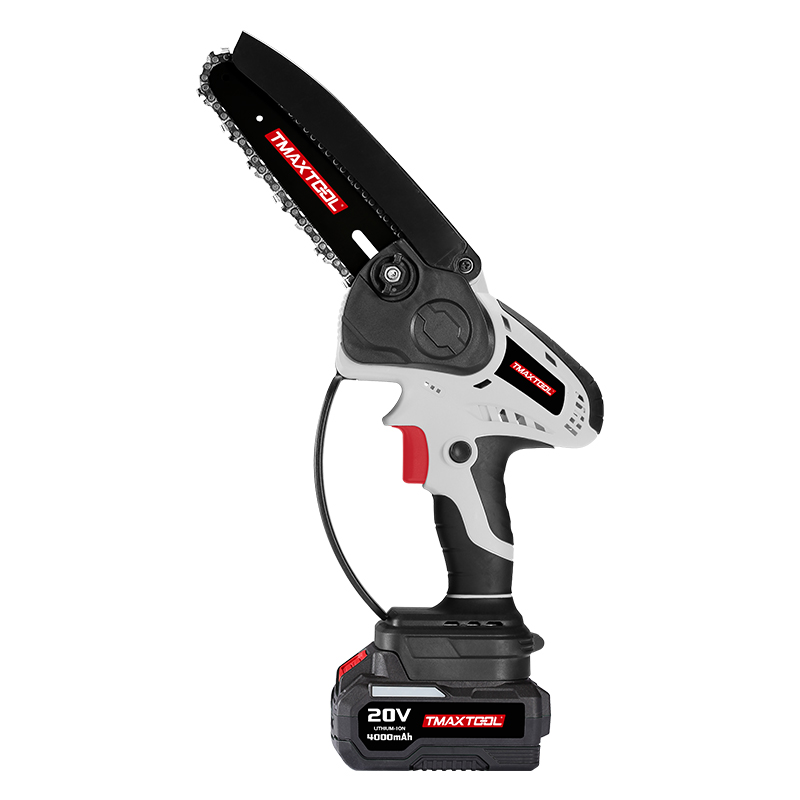 Battery Chain Saw
 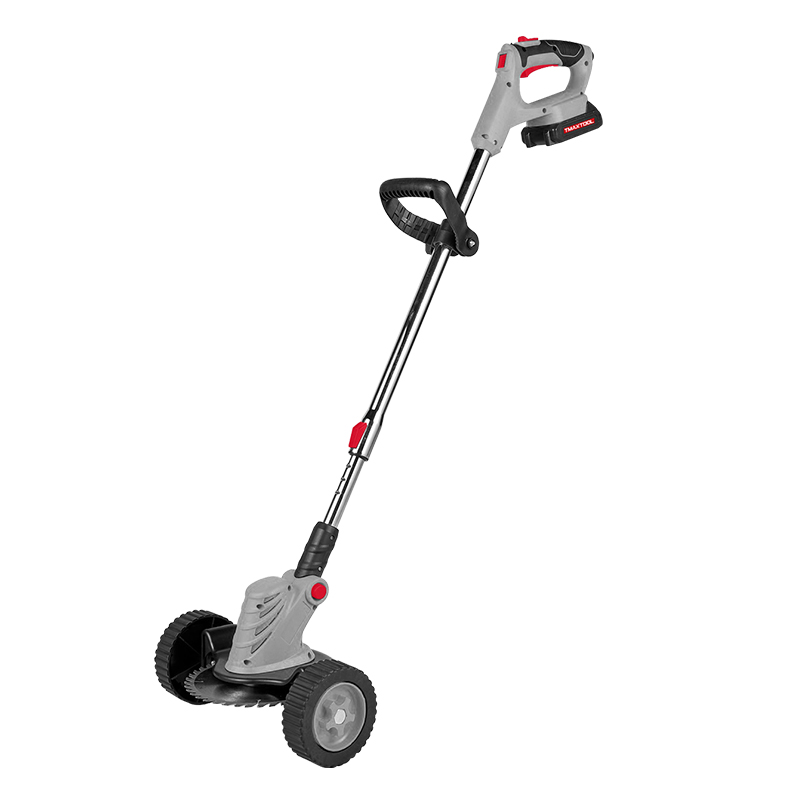 Battery Brush Cutter
 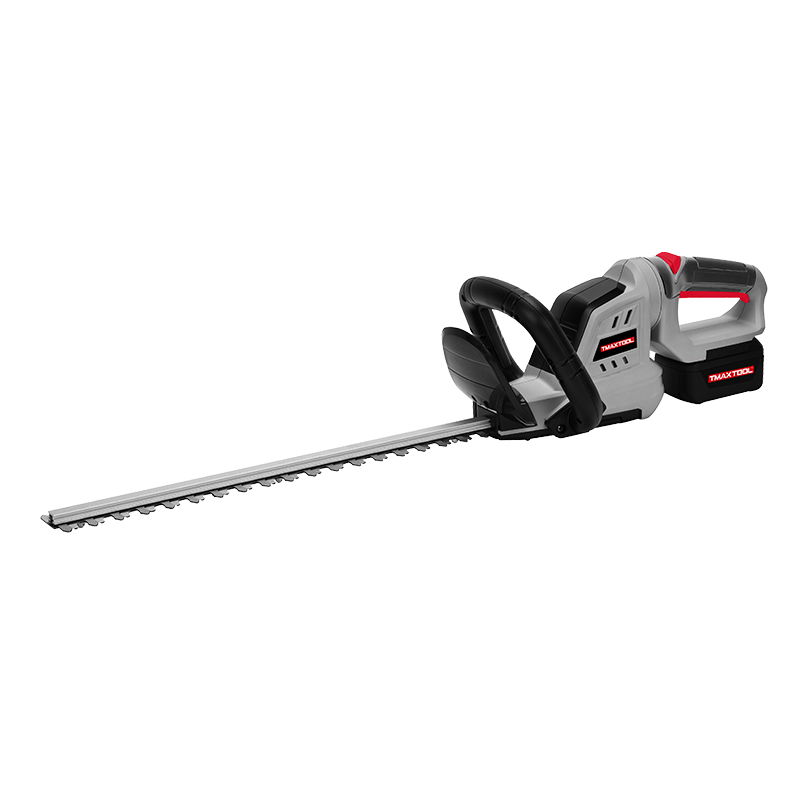 Battery Hedge Trimmer
 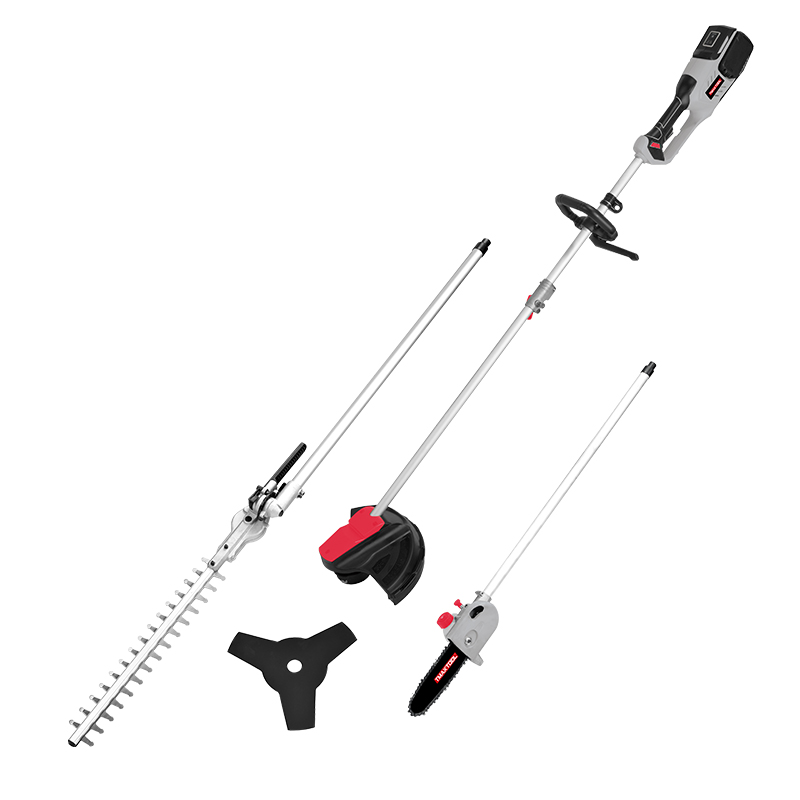 Battery Multi Tool
 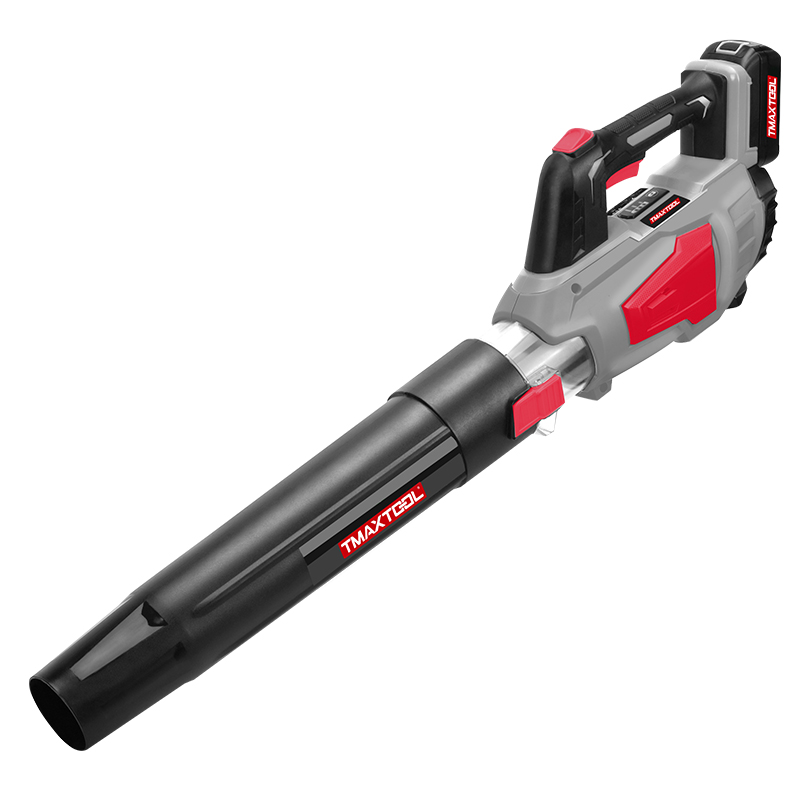 Battery Blower
 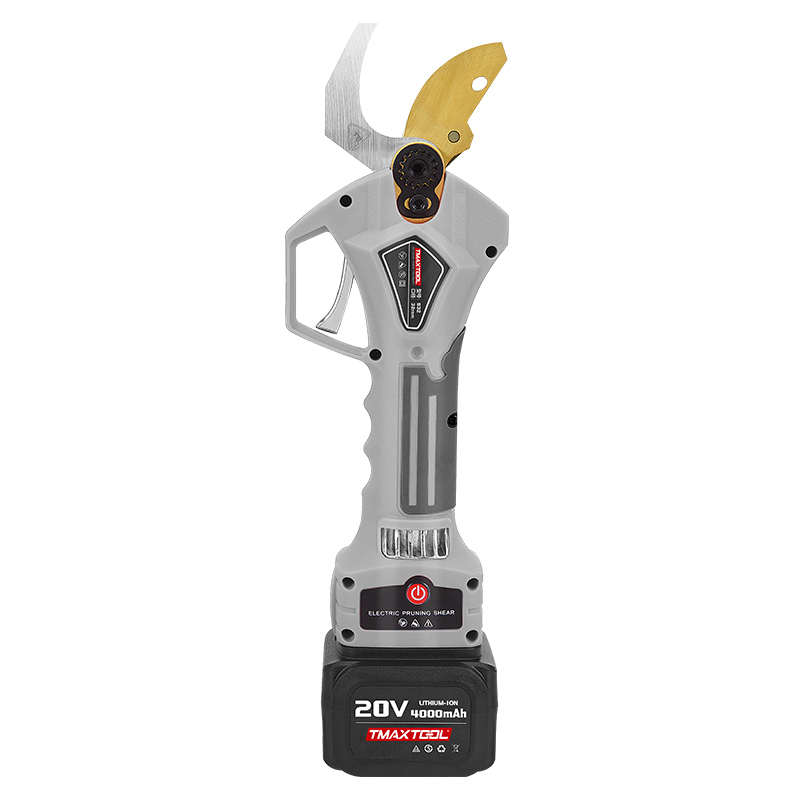 Batter Pruning Shears
 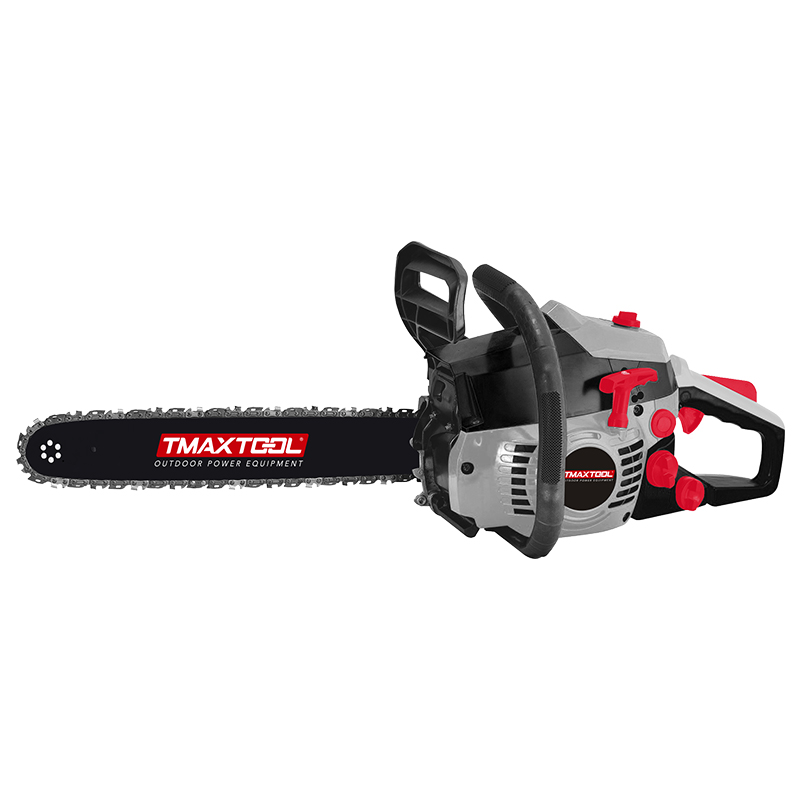 Chain Saw
 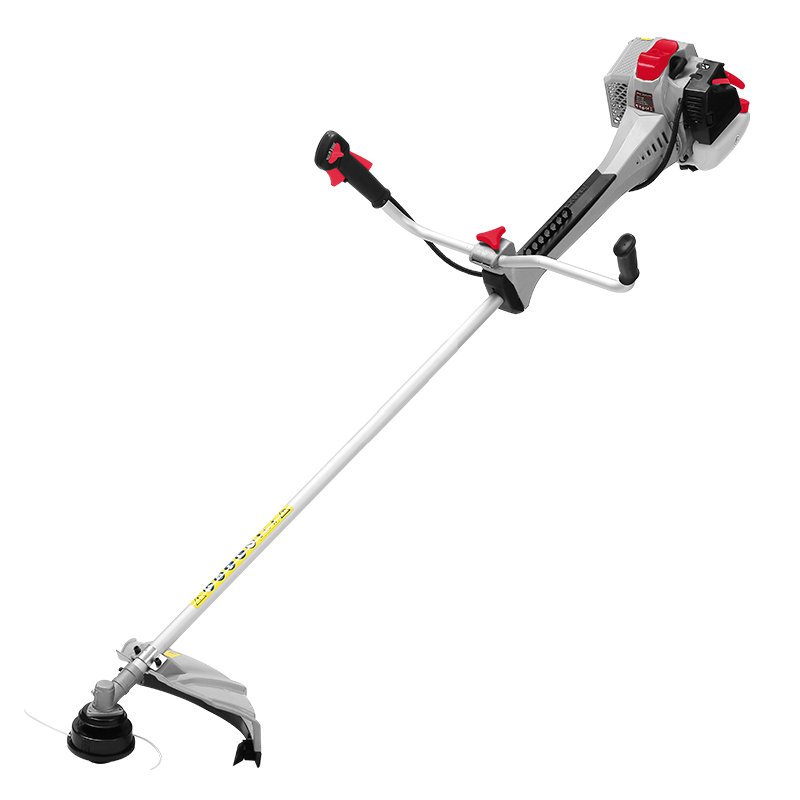 Brush Cutter
 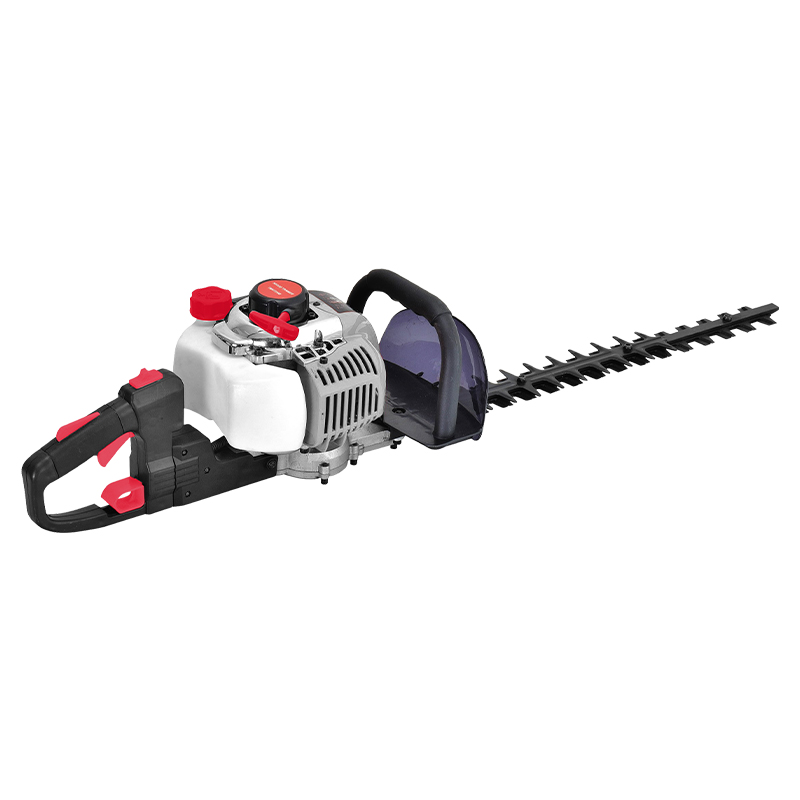 Hedge Trimmer
 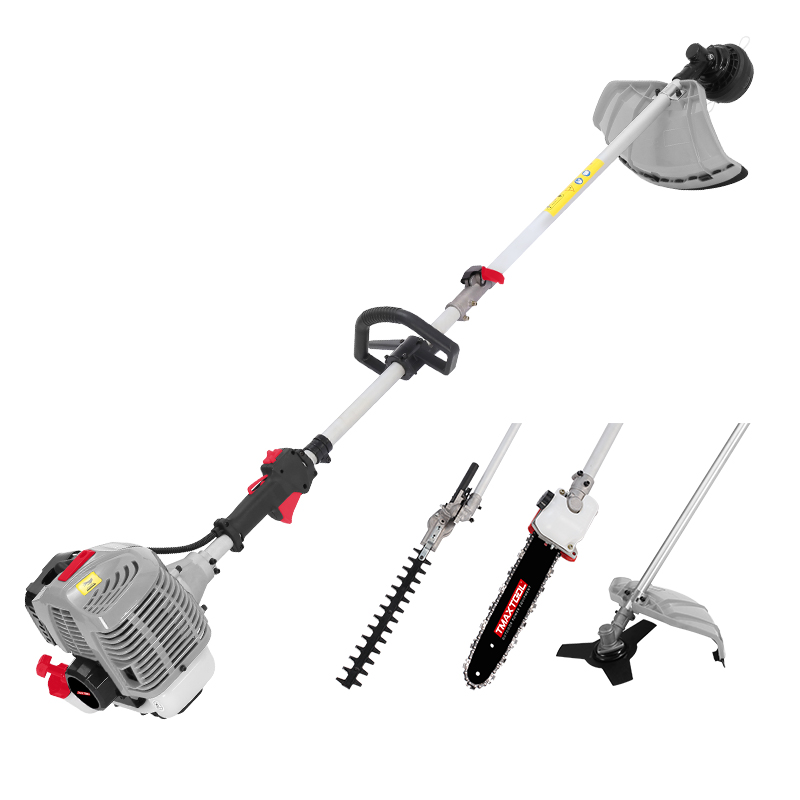 Multi Tool
 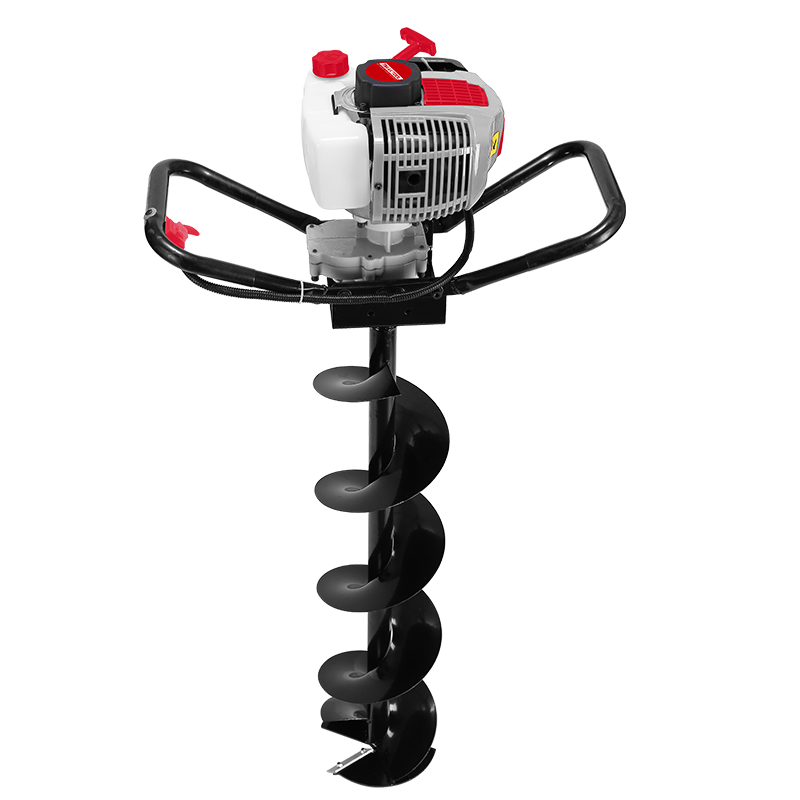 Earth Auger
 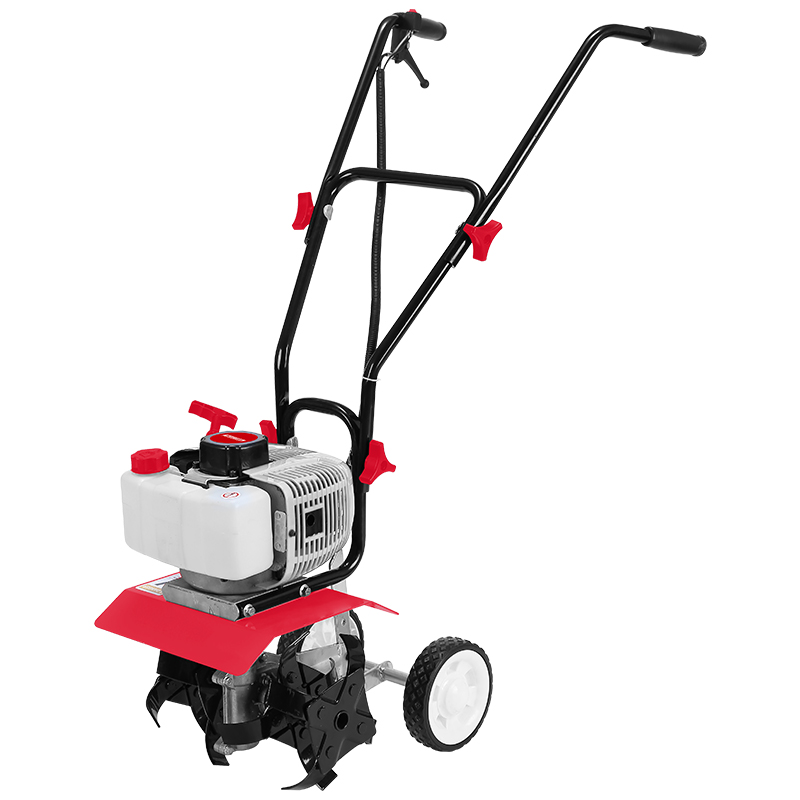 Tiller
 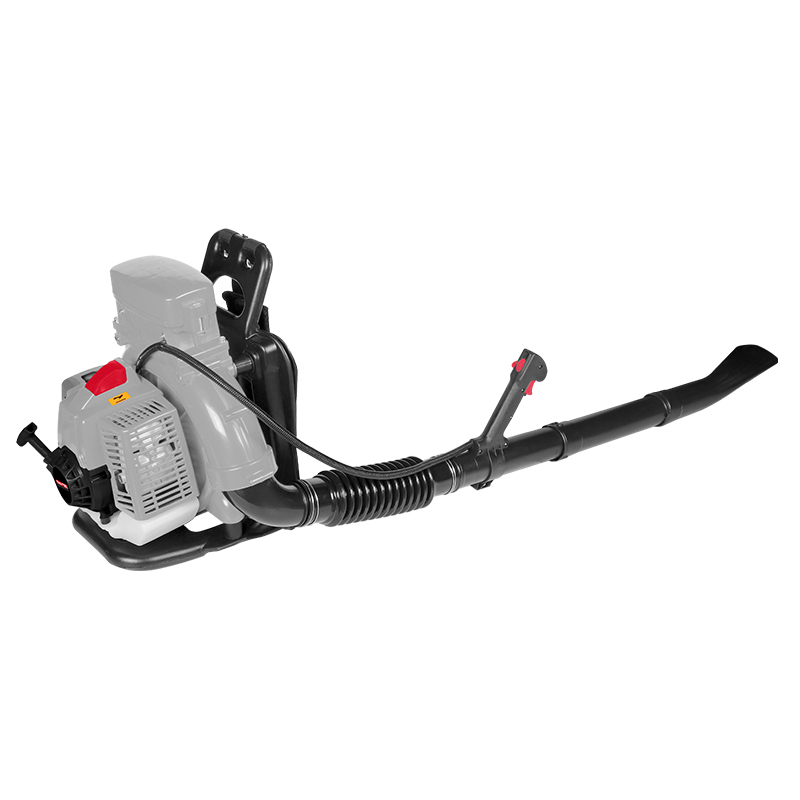 Blower
 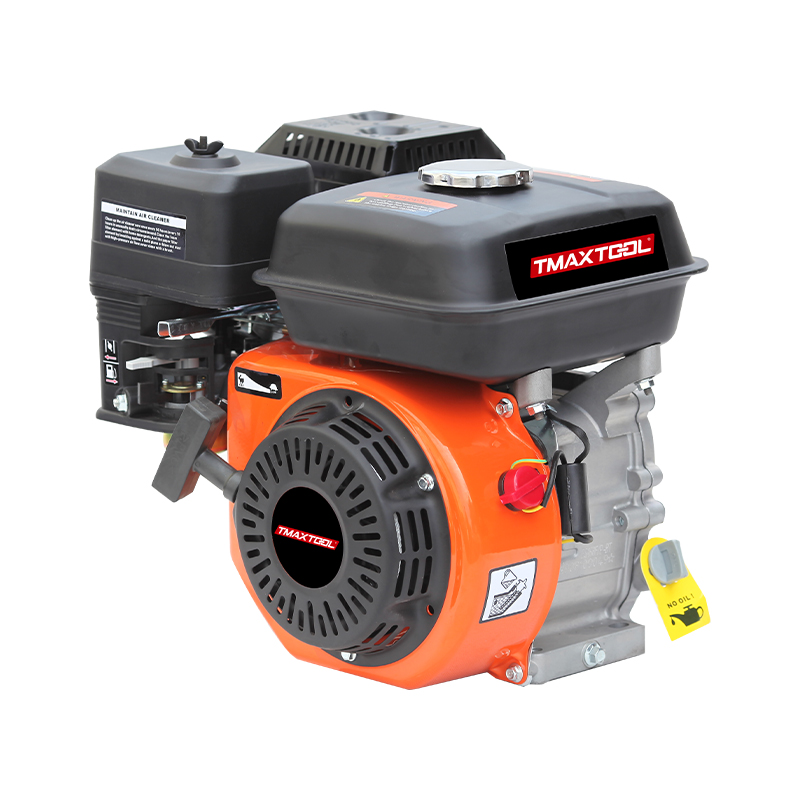 4 Stroke Gasoline Engine
 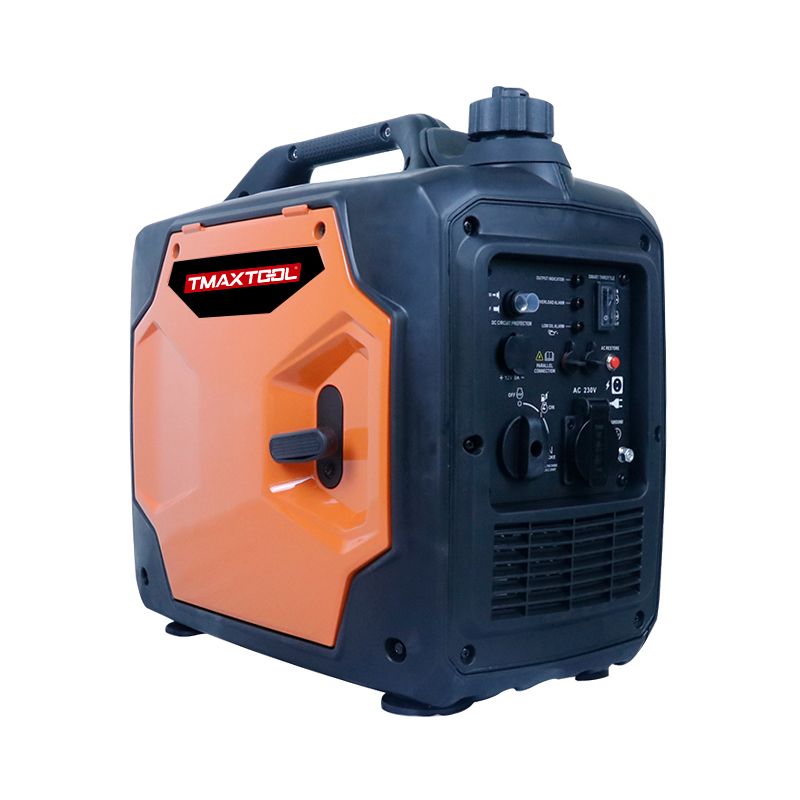 Generator
 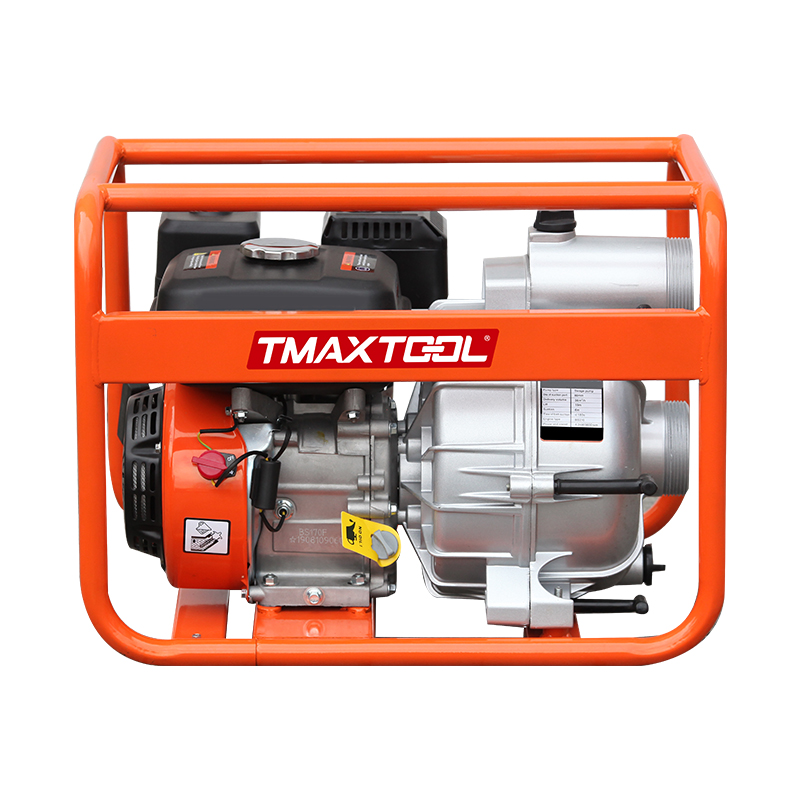 Water Pump
 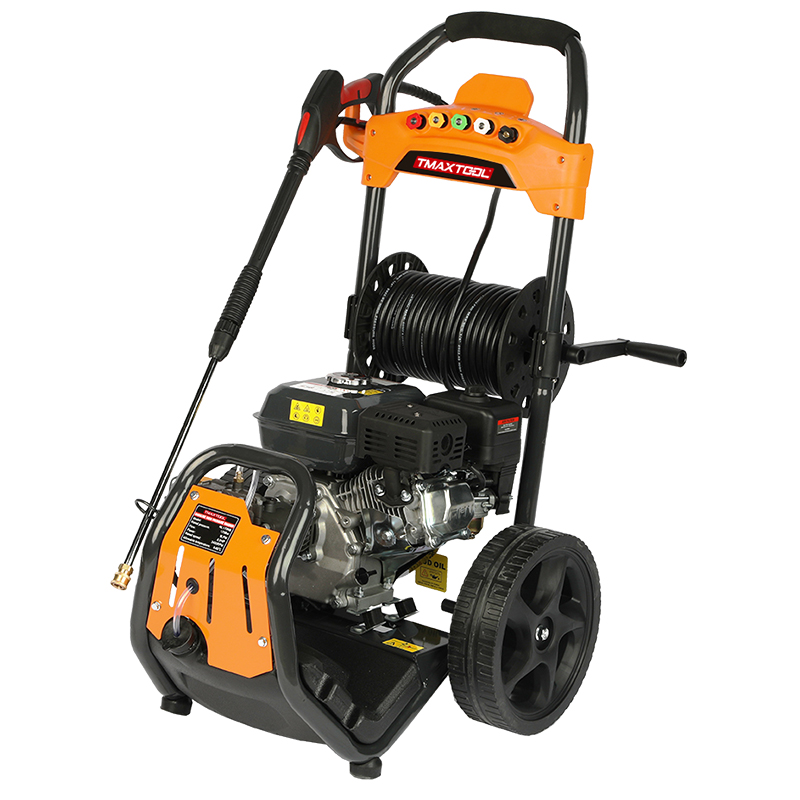 High Pressure Washer
 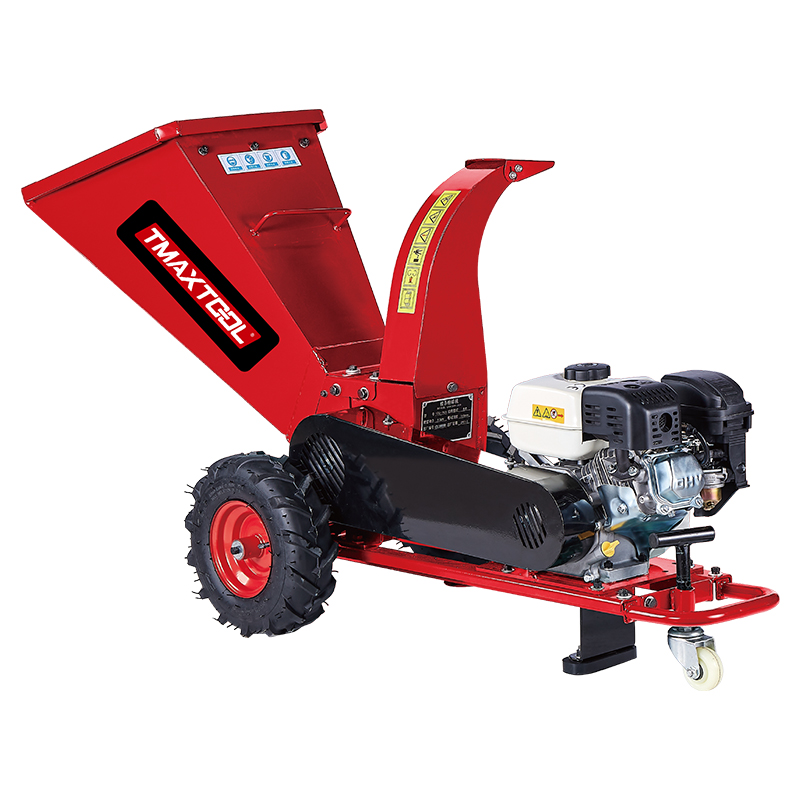 Wood Cutter
 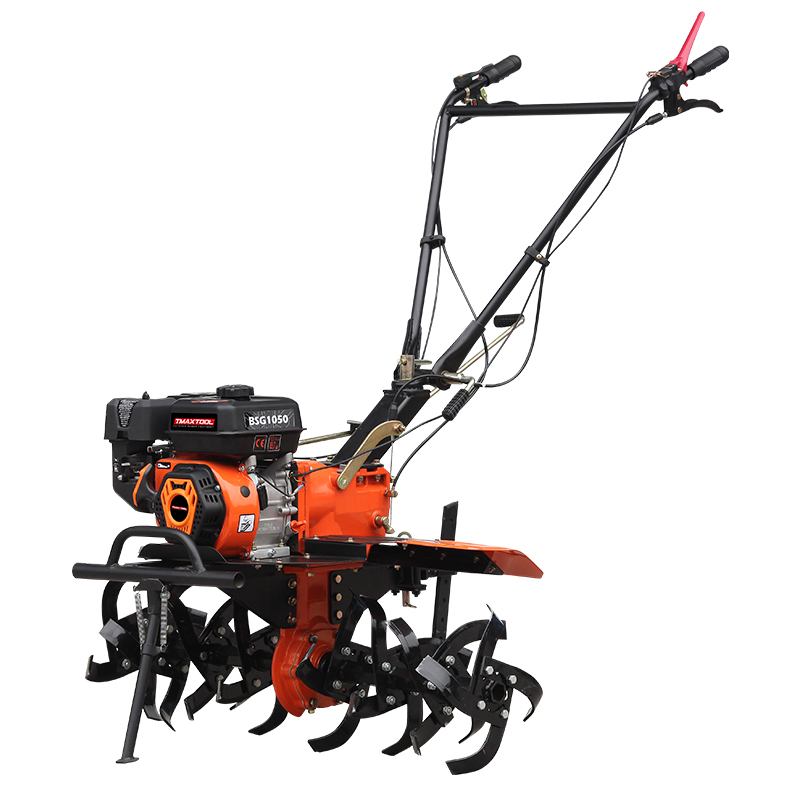 4 Stroke Tiller
 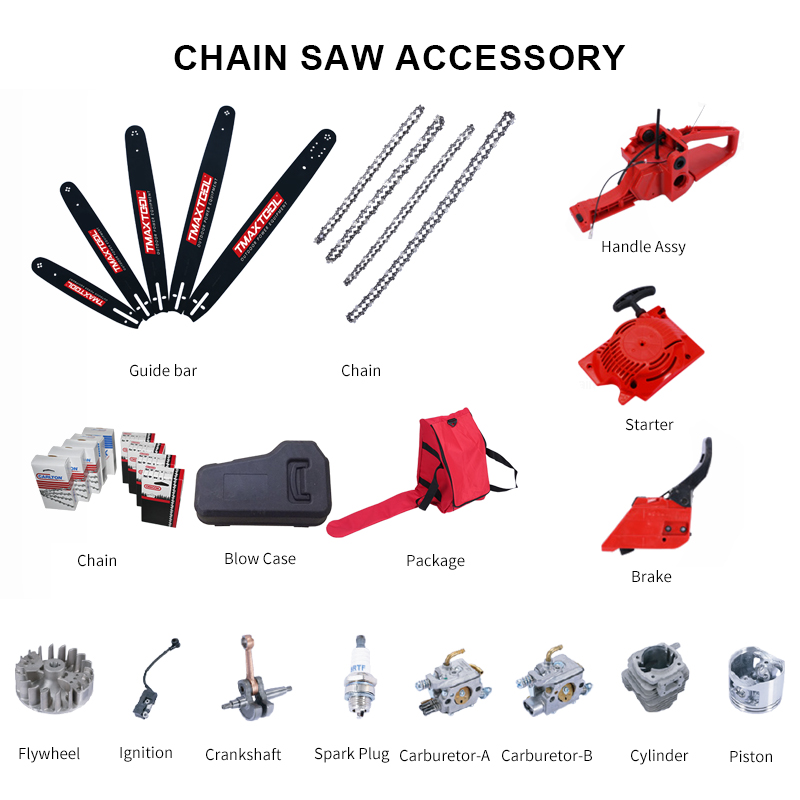 Chain Saw Accessory
 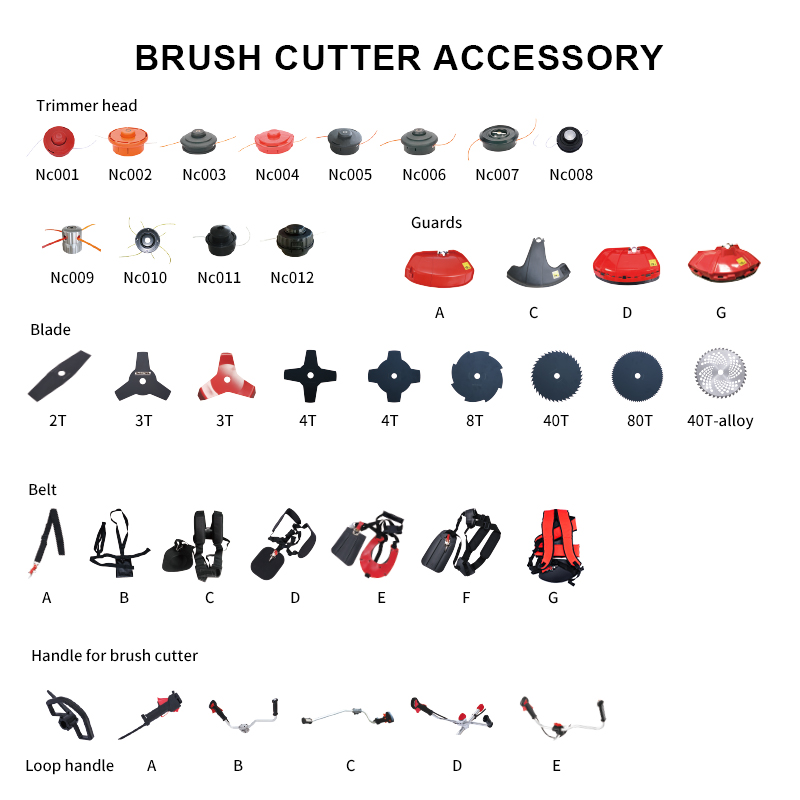 Brush Cutter Accessory
 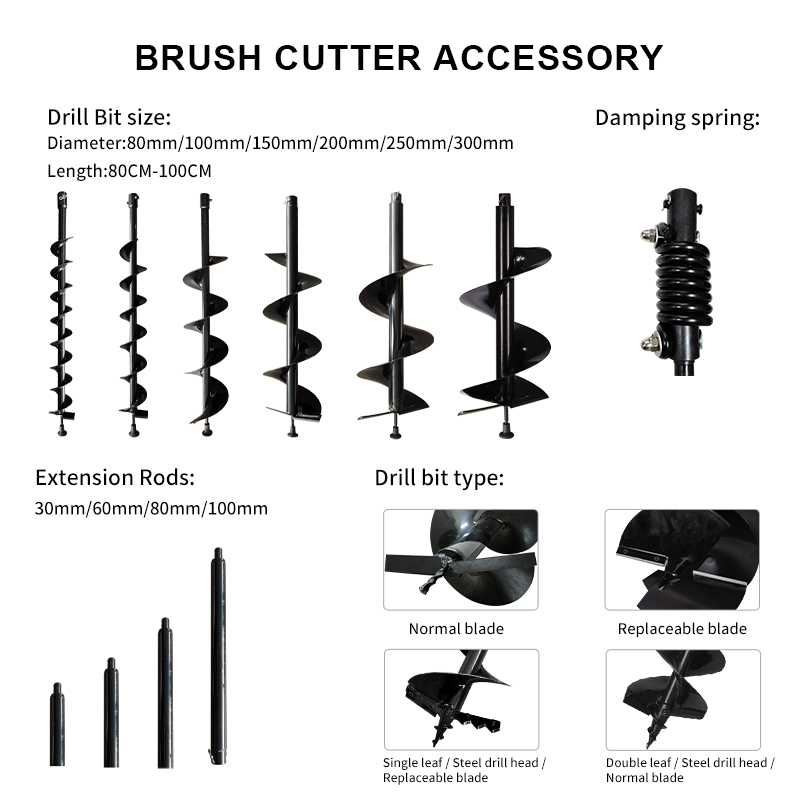 Earth Auger Accessory
 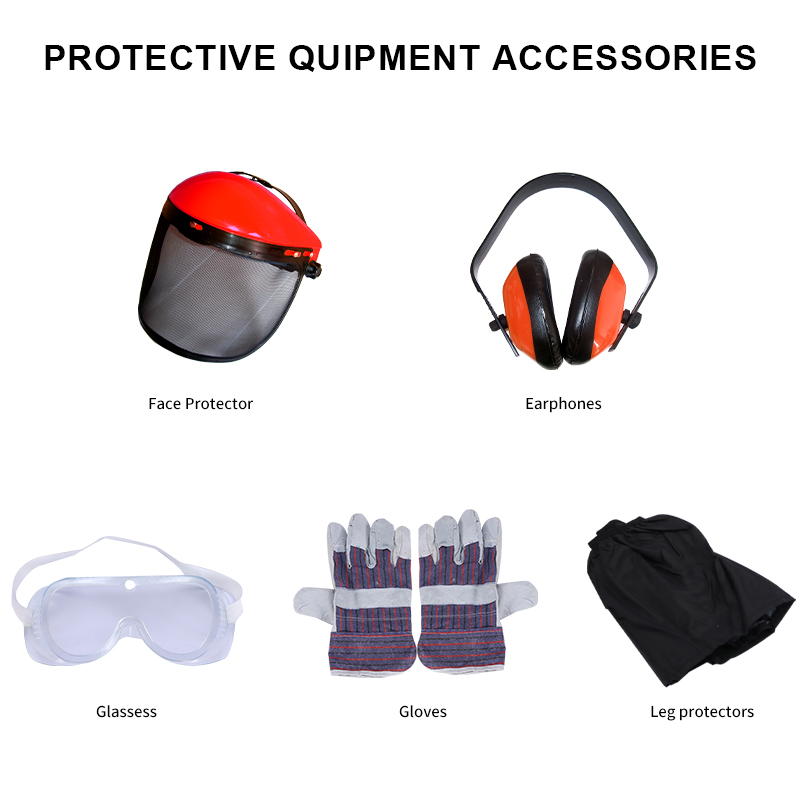 Protective Equipment Accessories


