Hey, you know, screwdrivers are pretty much must-haves whether you're tackling a DIY project or working professionally. I recently came across a report by Stanley Black & Decker that blew my mind—almost 70% of American homeowners get involved in some kind of home improvement each year. That really shows just how important it is to have a good, versatile set of screwdrivers on hand. Having the right screwdriver can genuinely make your life a lot easier and your work way more efficient.
Now, among all the different types out there, the Impact Screwdriveris pretty amazing when it comes to power and versatility. It’s capable of driving screws into really tough materials without breaking a sweat. But interestingly, a lot of enthusiasts tend to overlook this one. In fact, a survey from the Home Improvement Research Institute found that about 58% of DIYers don’t own an Impact Screwdriver at all. That’s a pretty big gap — kinda makes you wonder if people really know all the benefits of having different types of screwdrivers in their toolbox.
Honestly, understanding the ins and outs of all these screwdrivers can seriously boost your productivity. Every type has a specific purpose, and the one you choose can totally change how your project turns out. Some folks rely just on one or two, but honestly, that can lead to frustration pretty quick. So, having a well-stocked toolbox with the top 10 screwdriver types? It’s kinda like being ready for anything — you’ll thank yourself later when you don’t have to scramble for the right tool!

Essential Features of Screwdrivers Every DIYer Should Know
When it comes to screwdrivers, knowing their essential features can elevate your DIY skills. A good screwdriver must have a comfortable handle. A textured grip prevents slipping, making it easier to apply force. Stainless steel blades increase durability. These materials resist rust and wear, ensuring your tools last longer.
Consider the variety of tips available. Flathead and Phillips are common, but specialty tips enhance versatility. Magnetic tips help in holding screws, which is crucial when working in tight spaces. For precision tasks, smaller screwdrivers are essential. They allow for detailed adjustments and prevent damage to delicate components.
Not all screwdrivers are created equal. Some may feel great in hand but are poorly balanced. A heavy tip can lead to fatigue over time. Ensure you test the balance and weight before committing to a tool. Each project demands different needs, and this selection process can be reflective. Understanding your tool's unique qualities leads to better results and fewer frustrations.
Types of Screwdriver Heads and Their Specific Uses
When it comes to screwdrivers, understanding the different types of heads is crucial for any project. Flathead screws have a simple design, making them common in many household items. They offer versatility but can slip out if too much pressure is applied. Be careful while using them. Phillips head screwdrivers are another staple. Their cross design provides a better grip on screws. However, they can strip screws if misaligned.
Torx screws are becoming increasingly popular in electronics and automotive fields. Their star-shaped head prevents slipping but requires precise fitting. If you attempt to use the wrong size, it may end up frustrating. For special applications, hex and socket screwdrivers are ideal. They offer a secure fit, perfect for furniture assembly. On the other hand, their specific use can limit their appeal in casual DIY.
For adjustments and repairs, precision screwdrivers are essential. They work well for tiny screws found in devices like smartphones. Yet, losing these small tools can be easy. Lastly, consider a magnetic screwdriver. It helps hold screws in place during assembly, but it may not provide the best torque. Reflect on what type suits your tasks before diving in. Each screwdriver head type has its strengths and weaknesses. Choosing wisely can make all the difference.
The Importance of Screwdriver Handle Design and Grip
The design and grip of a screwdriver handle are crucial for effective use. A well-designed handle can significantly reduce the strain on your hands. It allows for better control during tasks, whether you're tightening screws in a cramped space or assembling furniture. A comfortable grip can make a noticeable difference, especially for extended use. Many users overlook this, leading to fatigue and less precision.
Some handles feature ergonomic shapes that conform to the hand's natural grip. This design helps distribute force evenly across the palm and fingers. On the other hand, poorly designed handles can cause slippage and discomfort. A slippery handle can lead to accidents, diminishing your control and efficiency with a Cordless Screwdriver. Simple adjustments, like choosing a rubberized grip over a hard plastic one, can enhance comfort and reduce errors.
Material quality also plays a role in handle comfort. Quality grips often provide better moisture resistance, preventing slippage. However, not all high-end materials are necessary for every task. Sometimes, a basic plastic handle might suffice for light projects. Reflecting on these details can help improve your overall experience. Making the right choice can lead to smoother, more efficient work processes.
How to Choose the Right Screwdriver for Your Project
Choosing the right screwdriver can significantly affect your project’s outcome. When selecting a screwdriver, consider the type of screws you will be working with. Different screw heads, such as Phillips, flathead, or Torx, require specific screwdriver types. Industry data indicates that 80% of DIY enthusiasts prefer using a multi-bit screwdriver for versatility. These tools can accommodate various screws, saving time and effort.
Materials matter as well. High-quality steel screwdrivers often provide better durability and resistance to wear. A study revealed that screwdrivers made from S2 steel lasted longer under rigorous use than those made from standard steel. It's also essential to assess the handle. Ergonomic designs reduce strain during extended use, catering to both professional tradespeople and home users.
Cordless Screwdrivers offer additional advantages. They enhance mobility and can tackle hard-to-reach areas easily. Despite their convenience, some users report difficulties withbattery life and power compared to manual counterparts. Reflecting on these factors can lead to more informed choices and better project results. Understanding the needs of your specific tasks can help you pick the right screwdriver, ultimately improving efficiency and effectiveness.
Common Screwdriver Materials and Their Durability
When selecting screwdrivers, the materials used significantly influence durability and performance. Common materials include chrome vanadium steel, which is known for its strength and corrosion resistance. Reports indicate that tools made from this material can last up to 50% longer than those made with lower-quality steel. Other options such as stainless steel offer good resistance to rust but may not provide the same hardness.
Tips: Check for added features like a magnetic tip. This can simplify holding screws in place and reduce frustration during use.
Another material to consider is S2 steel, favored for its toughness and ability to withstand impact. Tools made from S2 steel are often recommended for heavy-duty tasks. However, they can become brittle if overused. Some users may find difficulty in choosing the right type based on their projects.
Tips: Always assess your needs before purchasing. A tool well-suited to one project may fall short for another.
Ultimately, using the right material enhances tool longevity. However, even the best screws can wear down, reminding us to maintain our tools regularly for optimal performance.
Maintenance Tips for Prolonging the Life of Your Screwdrivers
Screwdrivers are essential tools for any DIY enthusiast or professional. Proper maintenance can extend the life of your screwdrivers significantly. Regular cleaning and careful storage are vital. Dust and debris can accumulate and affect performance. A quick wipe down after each use can help keep them in top shape.
Consider using a Cordless Screwdriver Kit for convenience. These kits often include several types of screwdrivers and are portable. Store them in a dry, safe place. Humidity can rust metal parts. Organizing your tools prevents damage and misplacement. Use magnetic strips or toolboxes to keep everything tidy.
Using screwdrivers incorrectly can lead to wear and tear. Always match the screwdriver type to the screw head. This prevents stripping and extends the tool's life. Sharpening or replacing tips when they become dull is crucial. Ignoring these details can lead to further issues down the line. Proper use and maintenance are integral to ensuring your screwdrivers serve you well.
Safety Considerations When Using Different Types of Screwdrivers
When working with various screwdriver types, safety should be your top priority. Each screwdriver type has unique features that require careful handling. For instance, when using a Cordless Screwdriver Set, ensure your workspace is tidy to avoid tripping hazards. Always check that the battery is charged and securely fitted before use. Misuse can lead to accidents, so maintain focus on the task at hand.
Selecting the right screwdriver is also crucial for safety. Using a flat-head screwdriver on a Phillips screw can cause slipping, leading to injuries. Always use screwdrivers that match the screw type. Inspect tools for any damage before each project. A broken tool may not perform correctly and might compromise your safety.
Tip: Wear safety glasses to shield your eyes from dust and debris. When removing screws, brace your hand against the tool to maintain control. If excessive force is needed, stop and reassess your approach. Taking a moment can prevent further complications or injury. Always prioritize practicality over speed; rushing can lead to missed steps in safety protocols.
Unlocking Efficiency: The Versatility and Power of the 216.8V Lithium Battery Brushless Screwdriver
The evolution of cordless tools has reached new heights with the introduction of advanced battery technology, exemplified by the capabilities of the 16.8V lithium battery brushless screwdriver, model UW-SD200. The brushless motor technology offers significant advantages over traditional brushed motors, including increased efficiency, longer life span, and reduced maintenance needs. According to industry reports, brushless motors can provide up to 30% more output power, making them an essential choice for demanding applications.
With a no-load speed of up to 2500 RPM and an impressive impact rate of 3300 BPM, the UW-SD200 is designed for versatility and power in various tasks, from assembly work to heavy-duty repairs. The maximum torque of 200N.m ensures that this tool can handle tough fastening jobs with ease, demonstrating its capability to deliver both precision and strength. Additionally, a chuck capacity of 1/4 inch (6.35mm) allows for a diverse range of attachments, making it a multi-functional tool ideal for both professional and DIY use.
The growing trend of adopting lithium battery solutions for power tools is validated by multiple studies highlighting their role in reducing downtime and enhancing productivity. The lightweight nature of these batteries coupled with superior performance metrics means users can rely on tools like the UW-SD200 to boost efficiency on the job site. As industries continue to prioritize operational efficiency, the versatility and power of products like this brushless screwdriver represent a significant step forward in meeting the demands of modern work environments.
FAQS
: The main types include flathead, Phillips, Torx, hex, and precision screwdrivers.
Each type has strengths and weaknesses. Using the wrong type can lead to frustration and damage.
The handle's grip and shape can reduce strain and enhance control during use. Comfort matters.
A slippery handle can cause accidents and reduce precision, especially during extended tasks.
Wipe them down after use to remove dust and debris. Regular cleaning keeps them in good condition.
Store them in a dry place, organized to avoid misplacement. Use toolboxes or magnetic strips.
It can lead to stripped screws and increased wear on the tool, causing more problems later.
Dull tips can reduce effectiveness and cause issues. Regular maintenance prevents further damage.
Yes, quality grips offer better moisture resistance and comfort, but basic materials can suffice for lighter tasks.
It can hold screws in place during assembly, but not always the best for torque. Reflect on its suitability.
Conclusion
This article explores the essential screwdriver types every DIY enthusiast should have in their toolkit. It outlines critical features of screwdrivers, including various types of screwdriver heads and their specific uses, which cater to different screw configurations. Additionally, the importance of handle design and grip is emphasized, as it significantly affects the ease of use and efficiency during projects.
Moreover, the article discusses the selection process for choosing the right screwdriver for specific tasks, considering common materials that affect durability and performance. It also provides maintenance tips to prolong the lifespan of screwdrivers, ensuring they perform well over time. Lastly, safety considerations are highlighted, reminding users to be cautious while using different types of screwdrivers to avoid accidents. Overall, this guide aims to equip DIYers with the knowledge necessary to select and maintain their screwdrivers effectively.

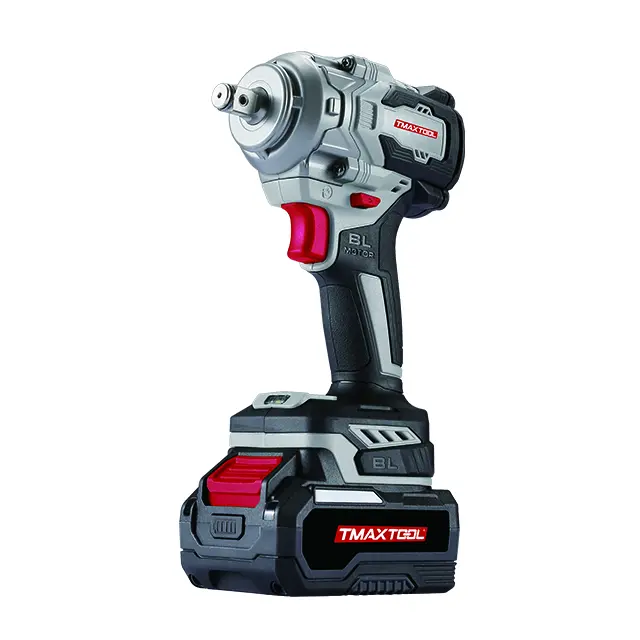
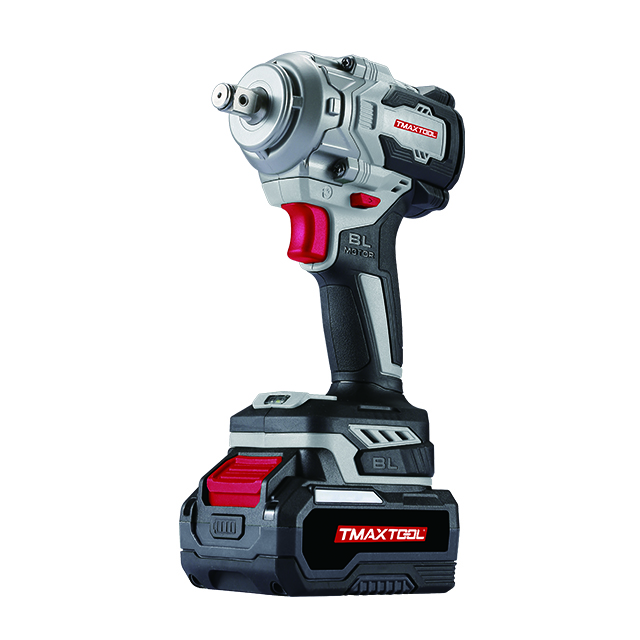 Impact Wrench
 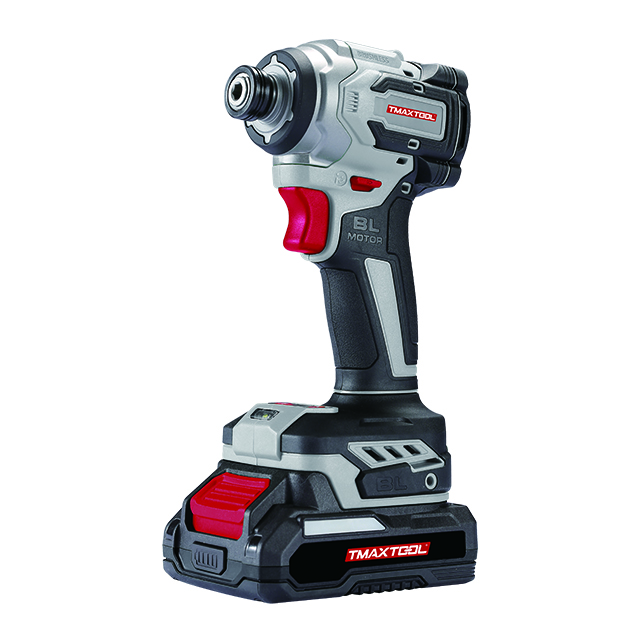 Screwdriver
 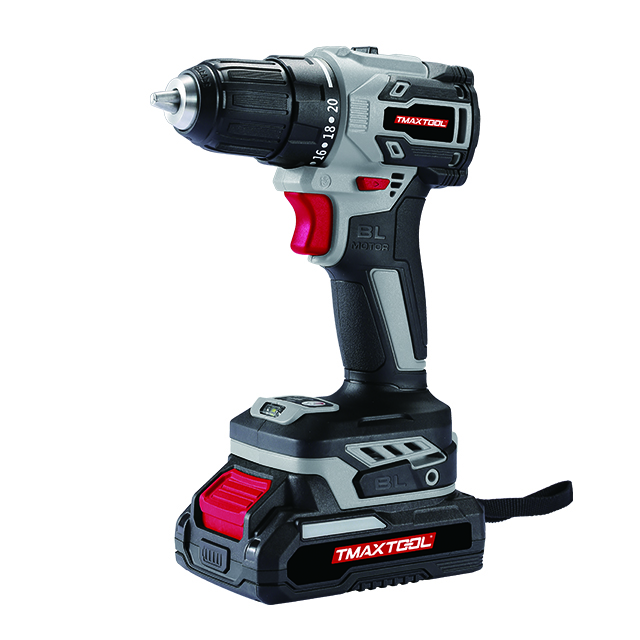 Cordless Drill
 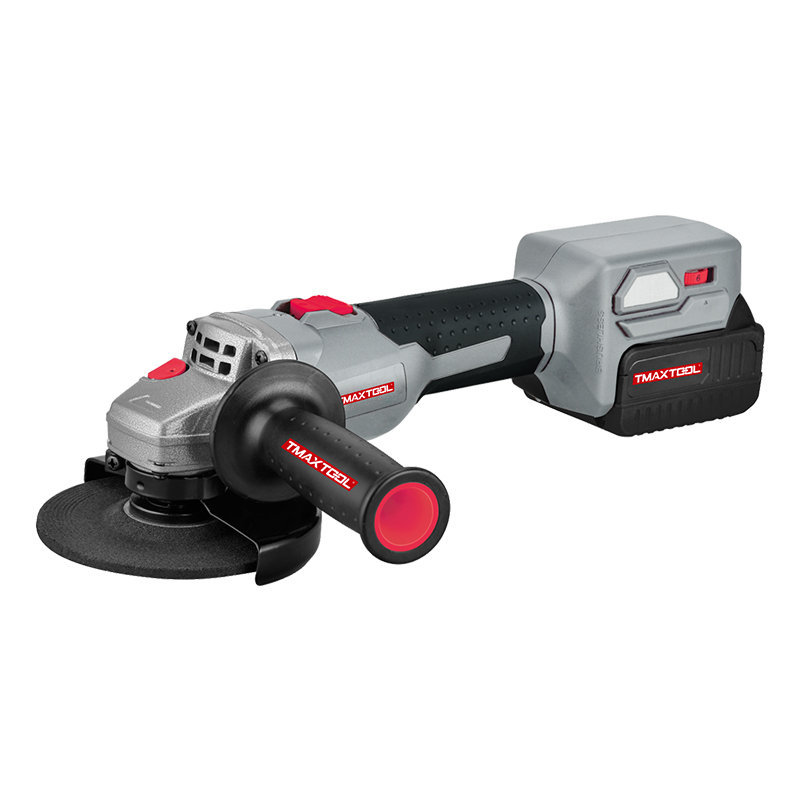 Angle Grinder
 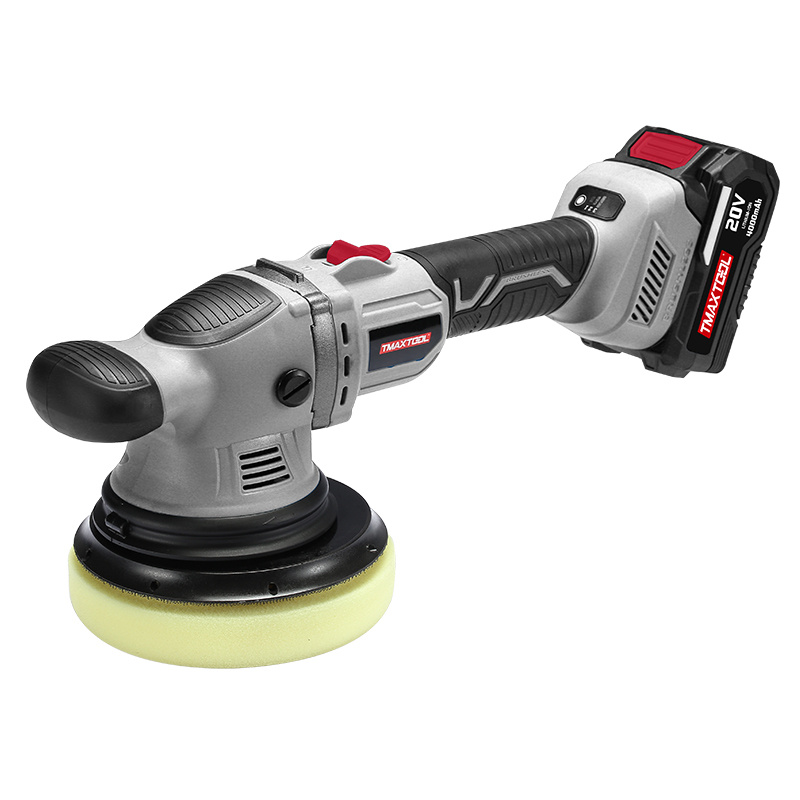 Polisher
 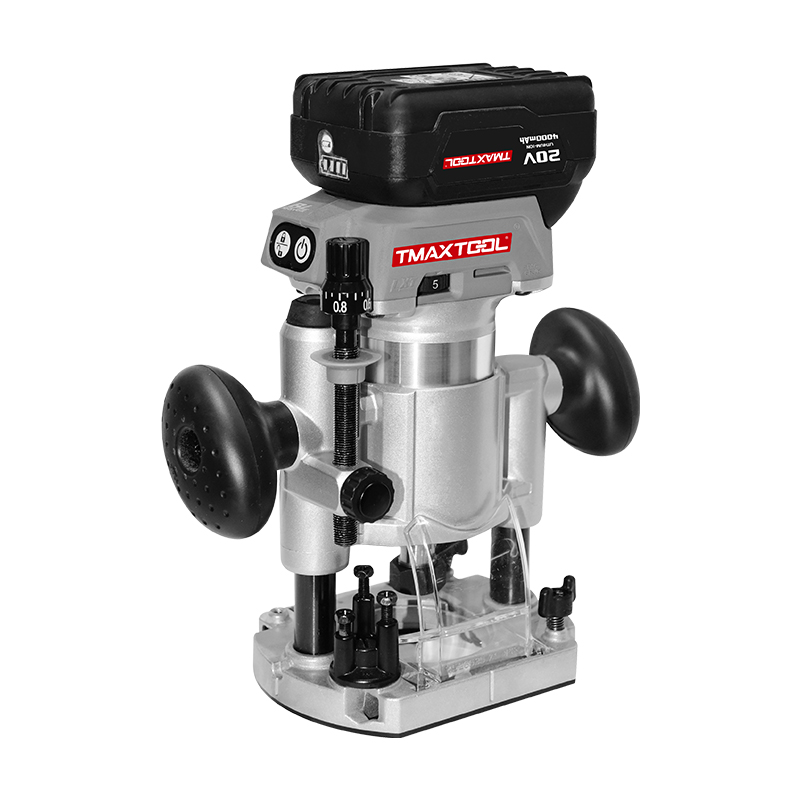 Wood Router
 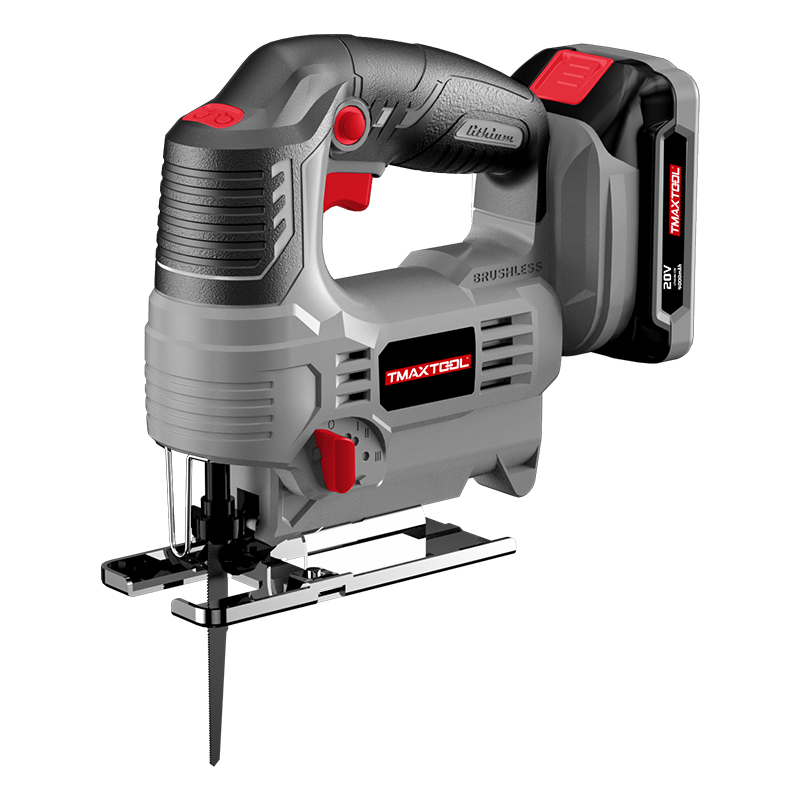 Jig Saw
 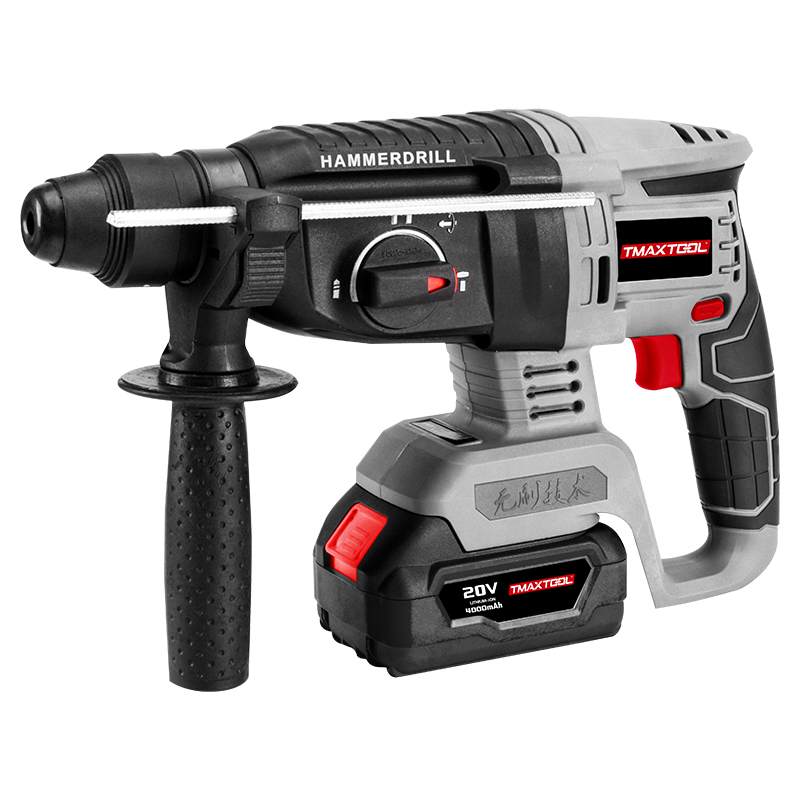 Hammer Drill
 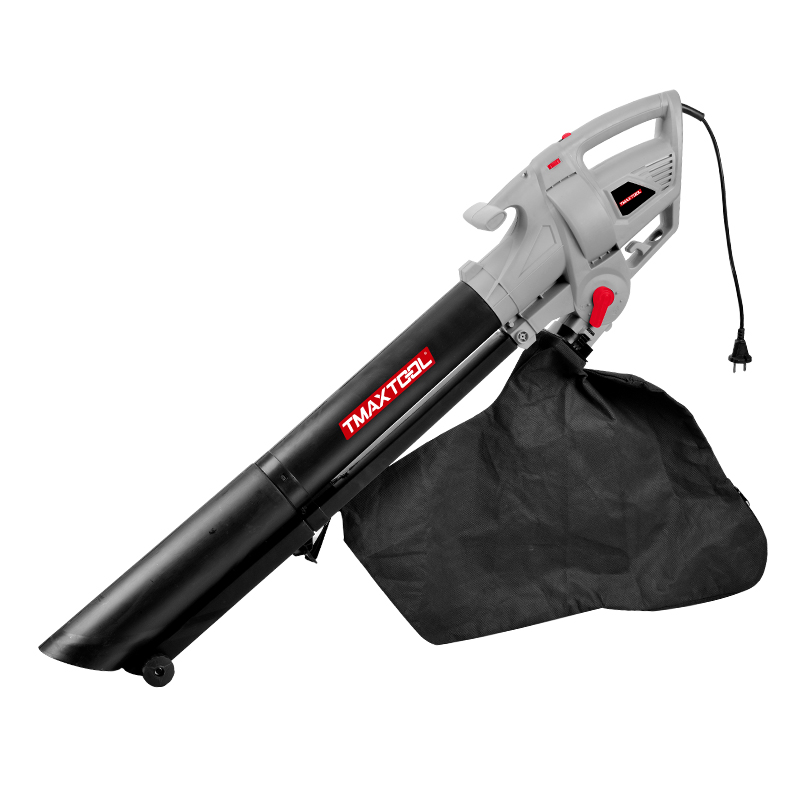 Portable Blower
 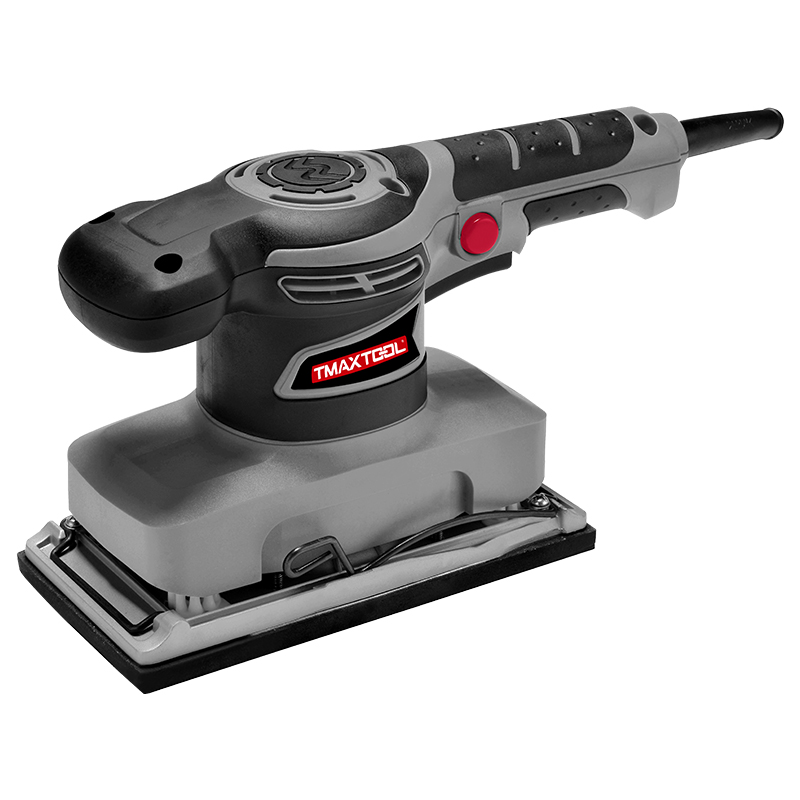 Orbital Sander
 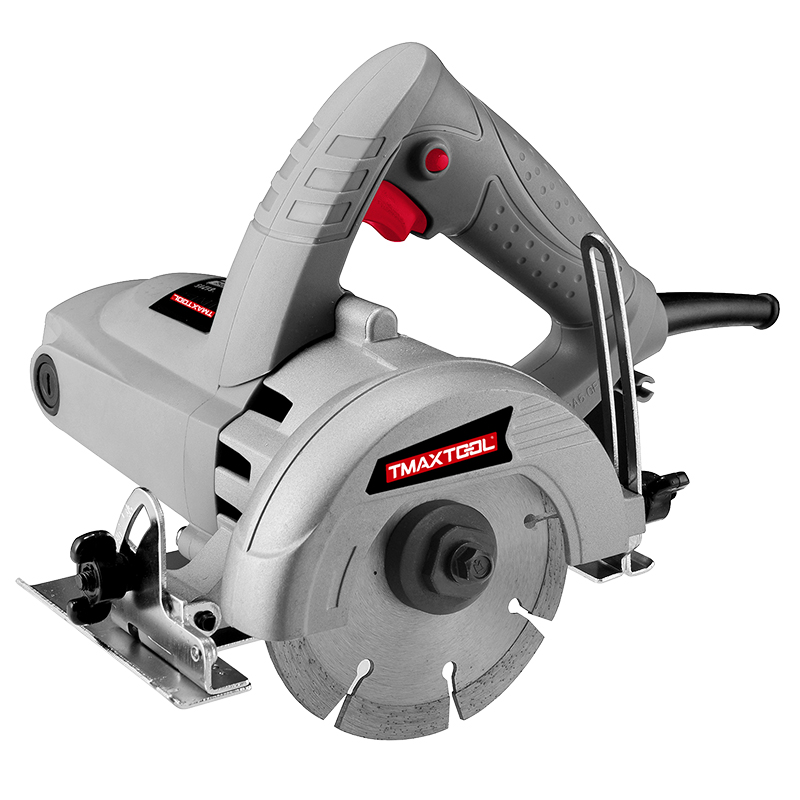 Marble Cutter
  GARDEN TOOLS
 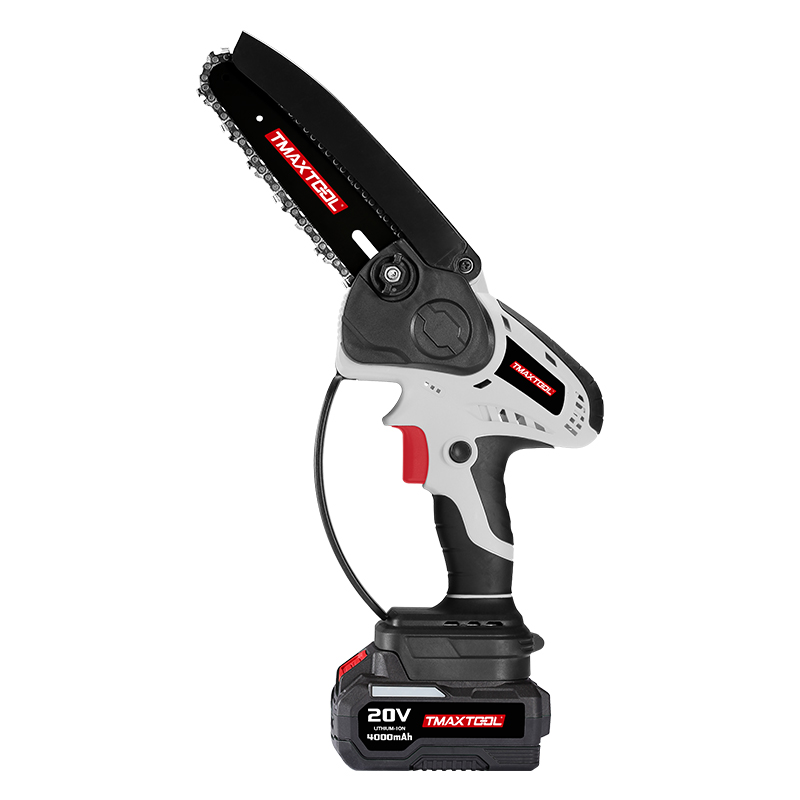 Battery Chain Saw
 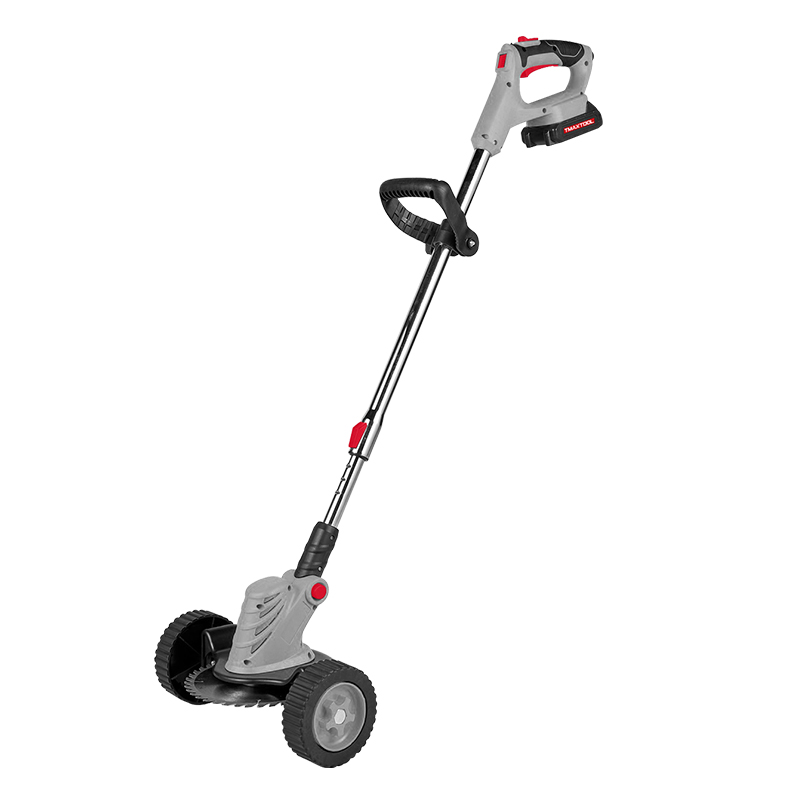 Battery Brush Cutter
 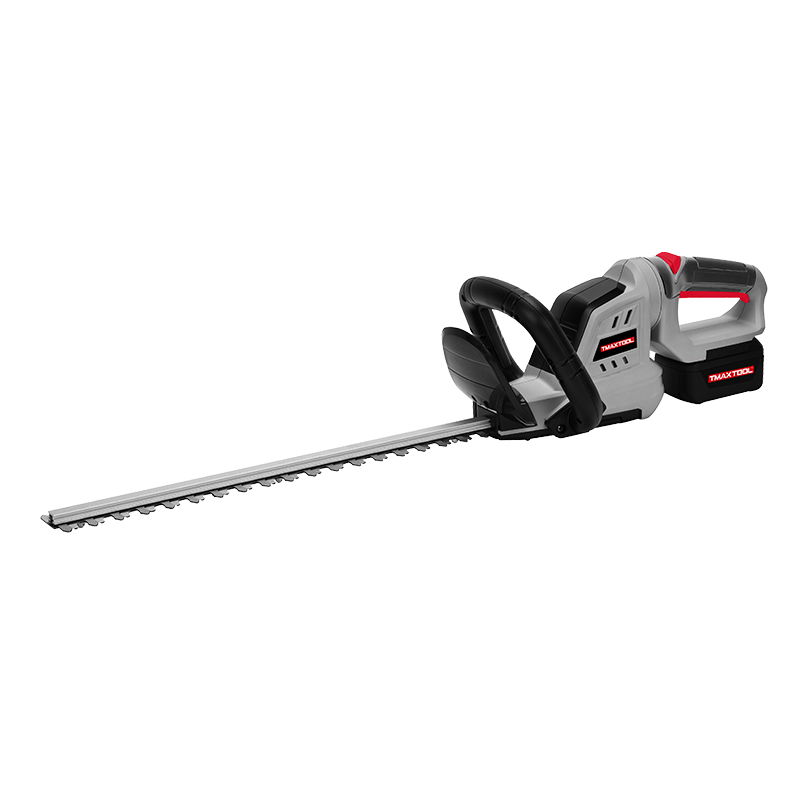 Battery Hedge Trimmer
 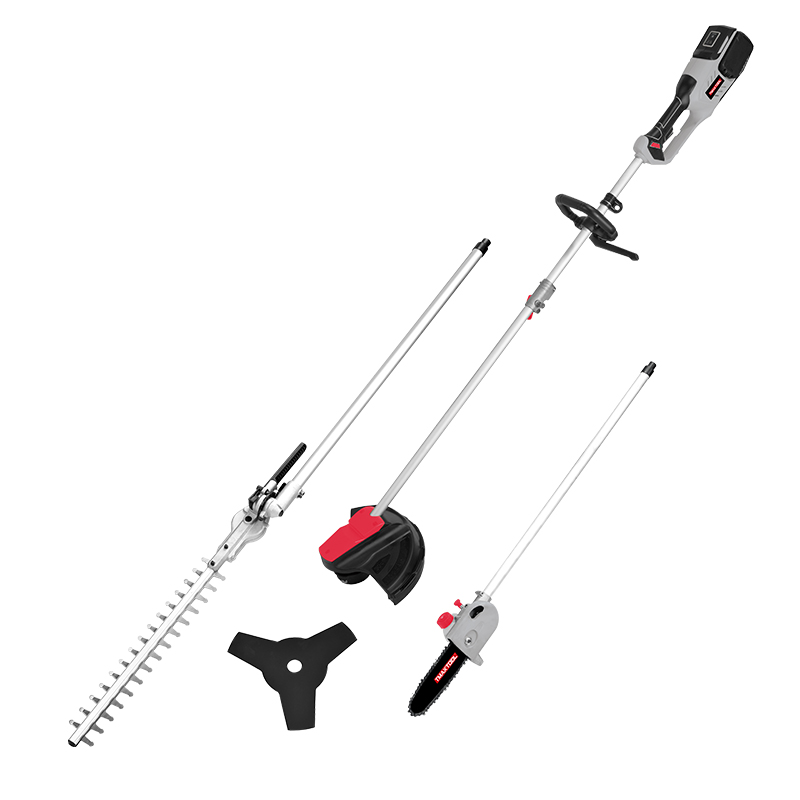 Battery Multi Tool
 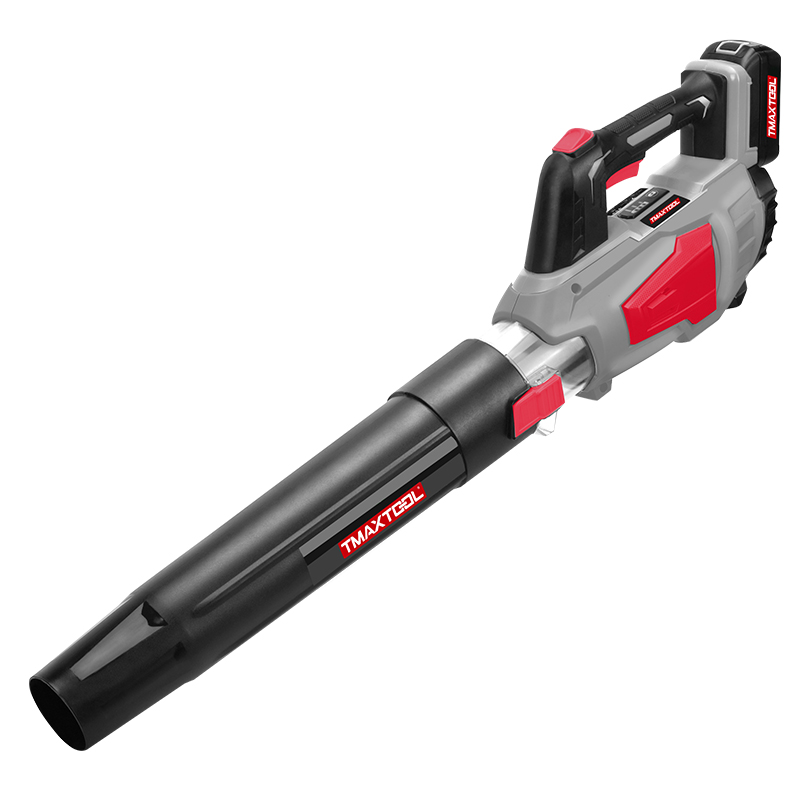 Battery Blower
 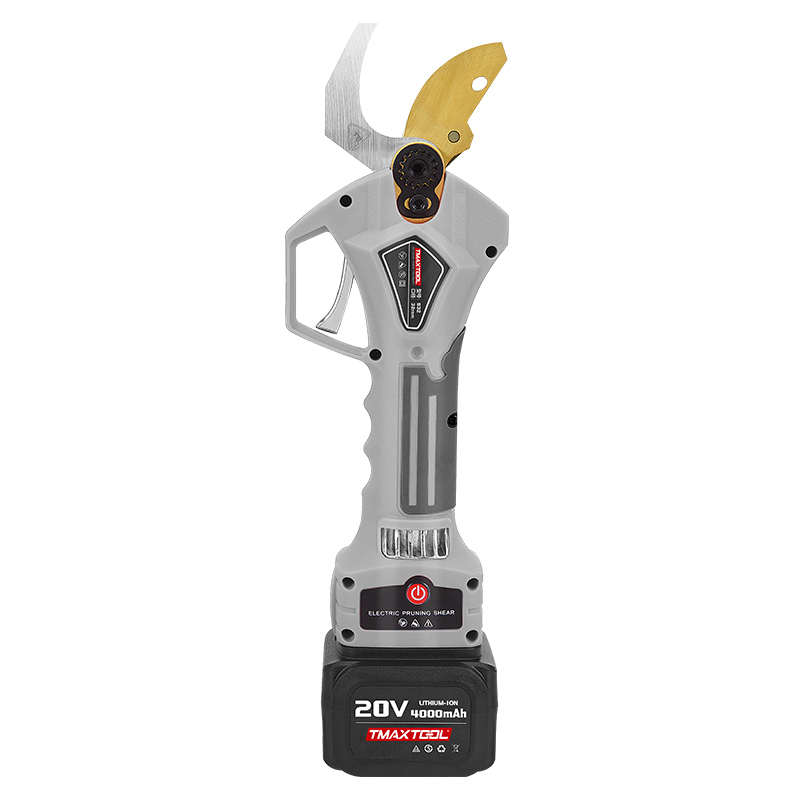 Batter Pruning Shears
 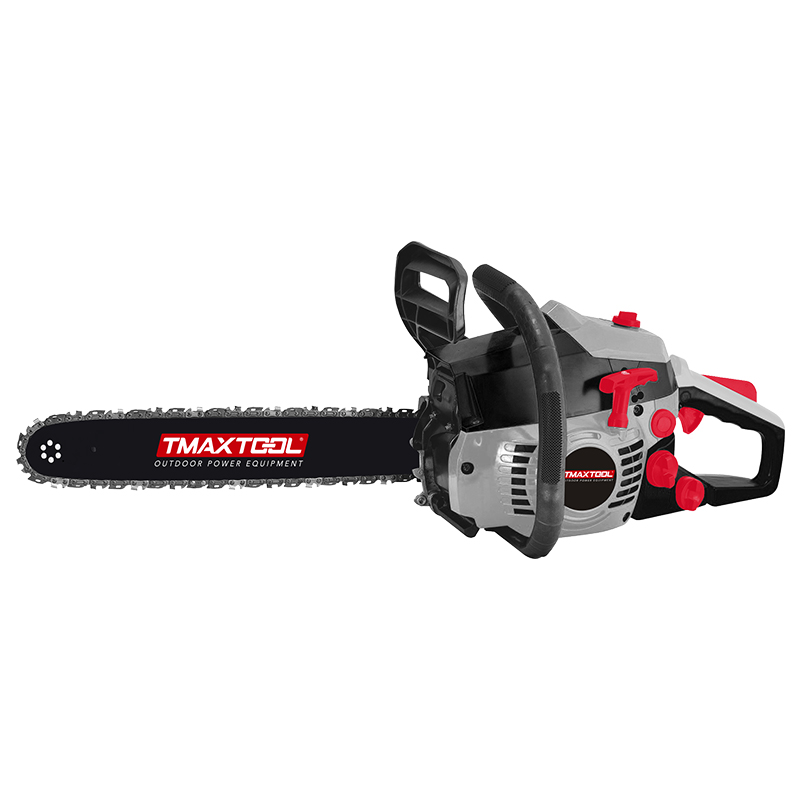 Chain Saw
 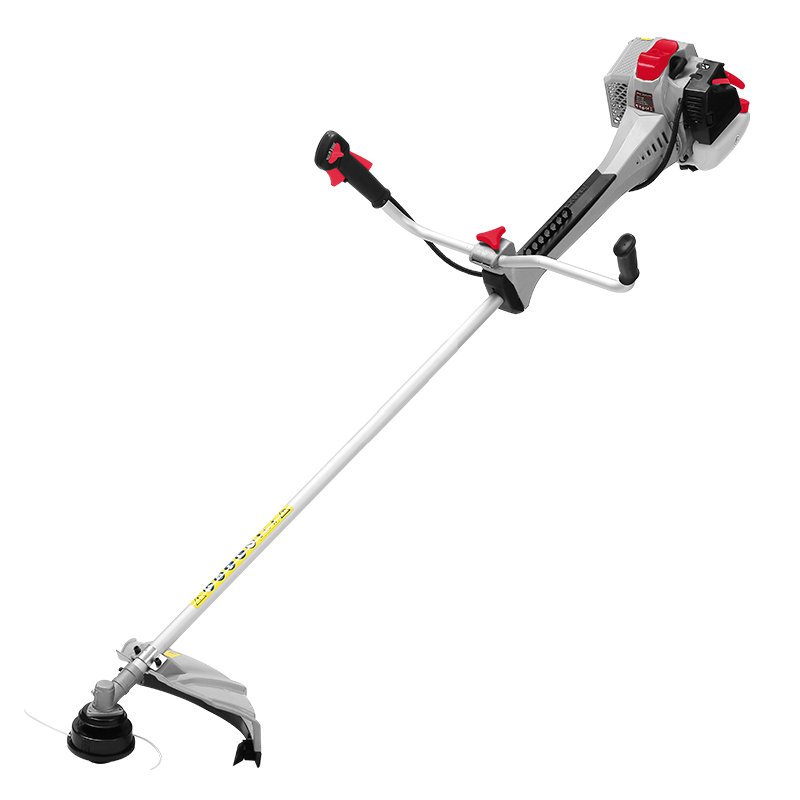 Brush Cutter
 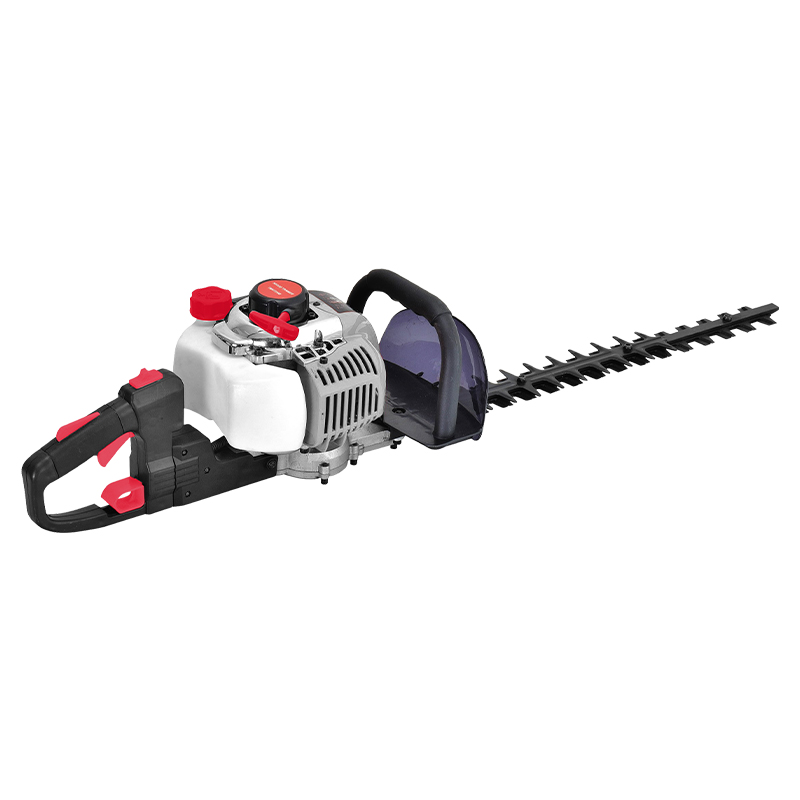 Hedge Trimmer
 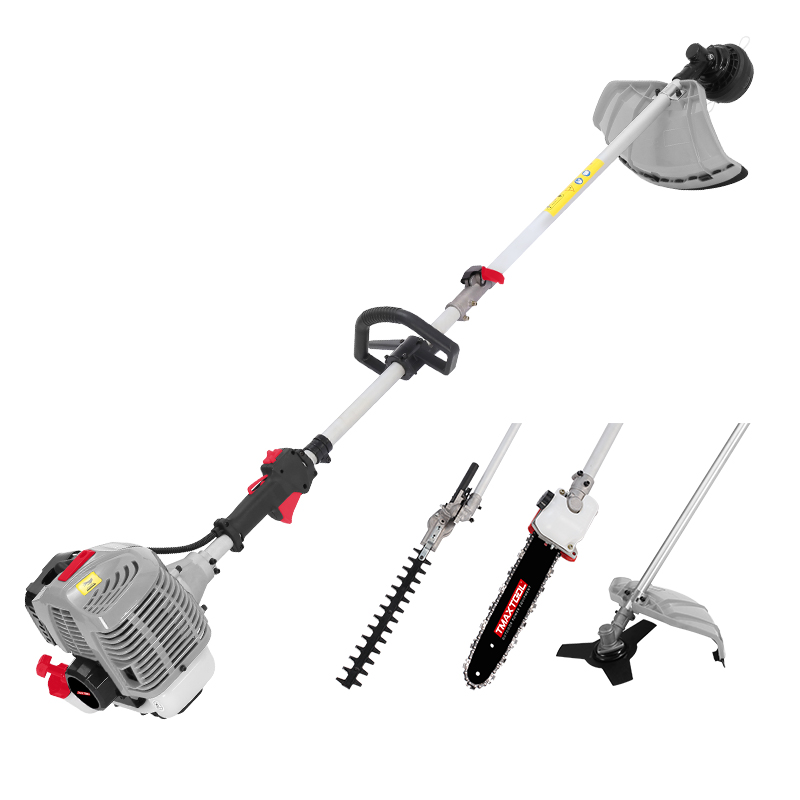 Multi Tool
 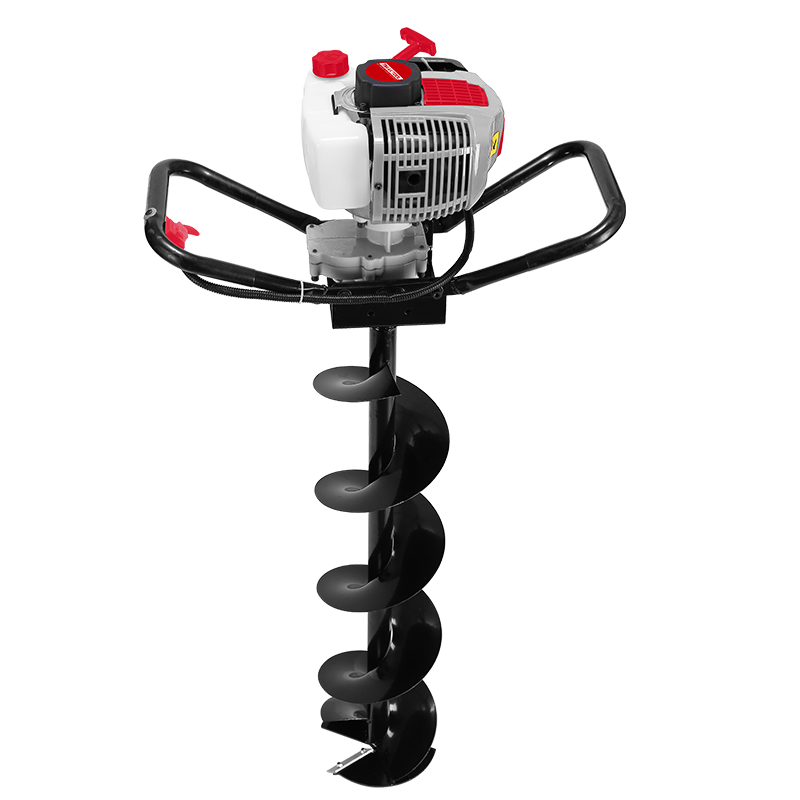 Earth Auger
 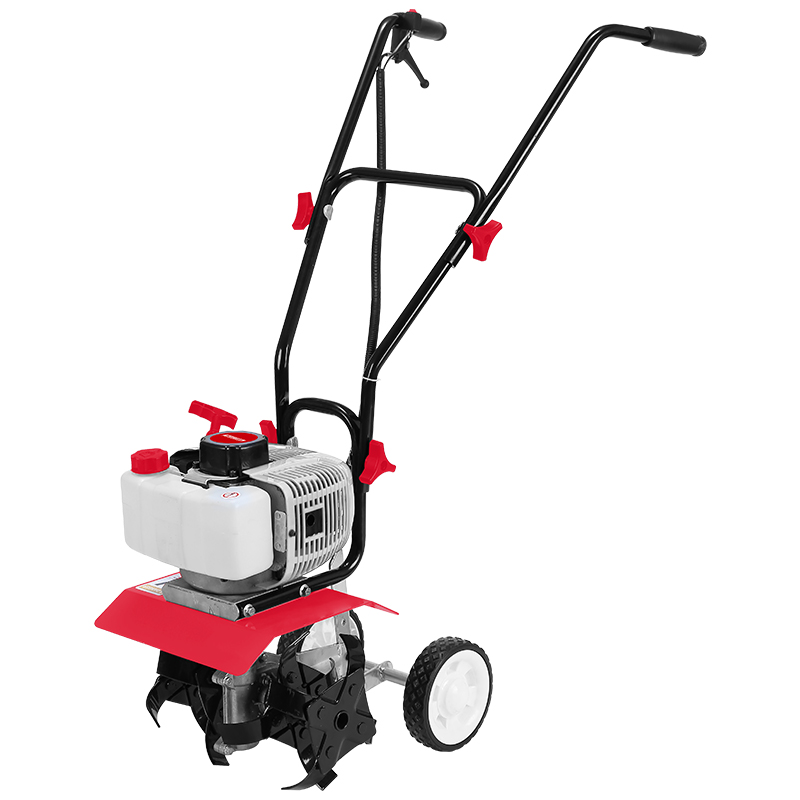 Tiller
 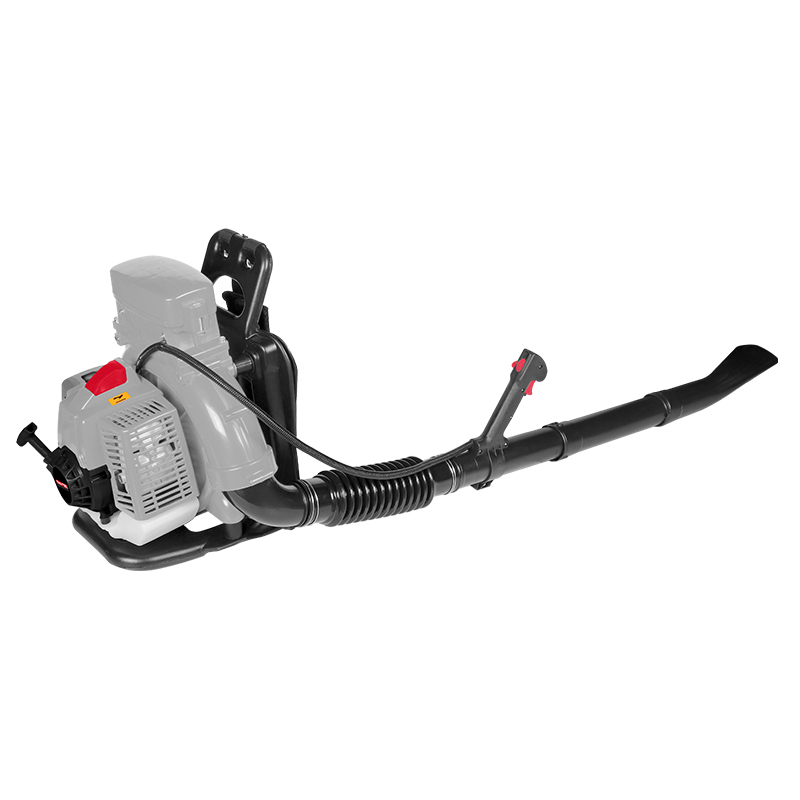 Blower
 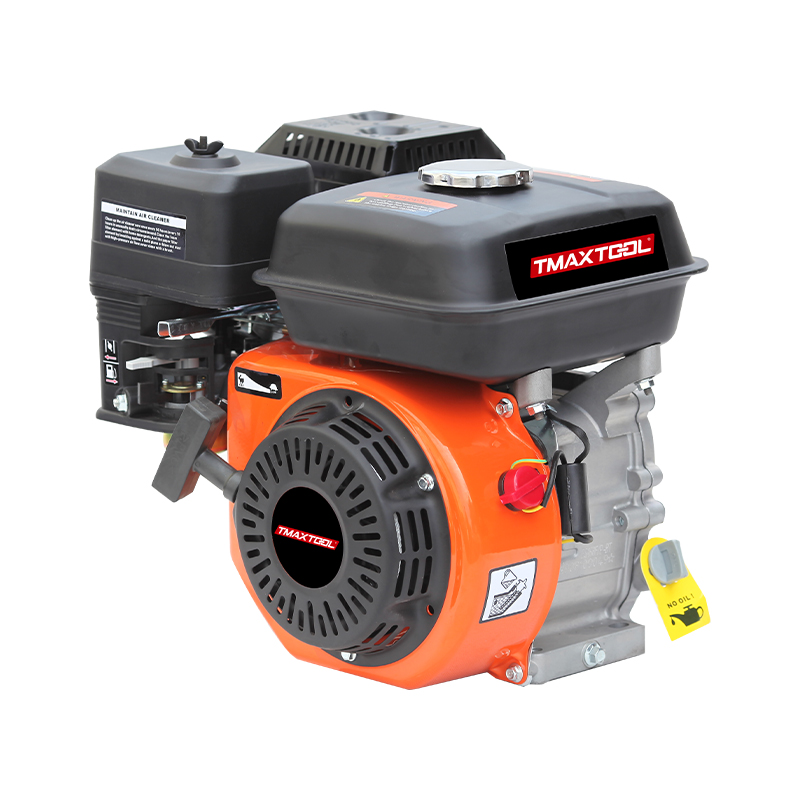 4 Stroke Gasoline Engine
 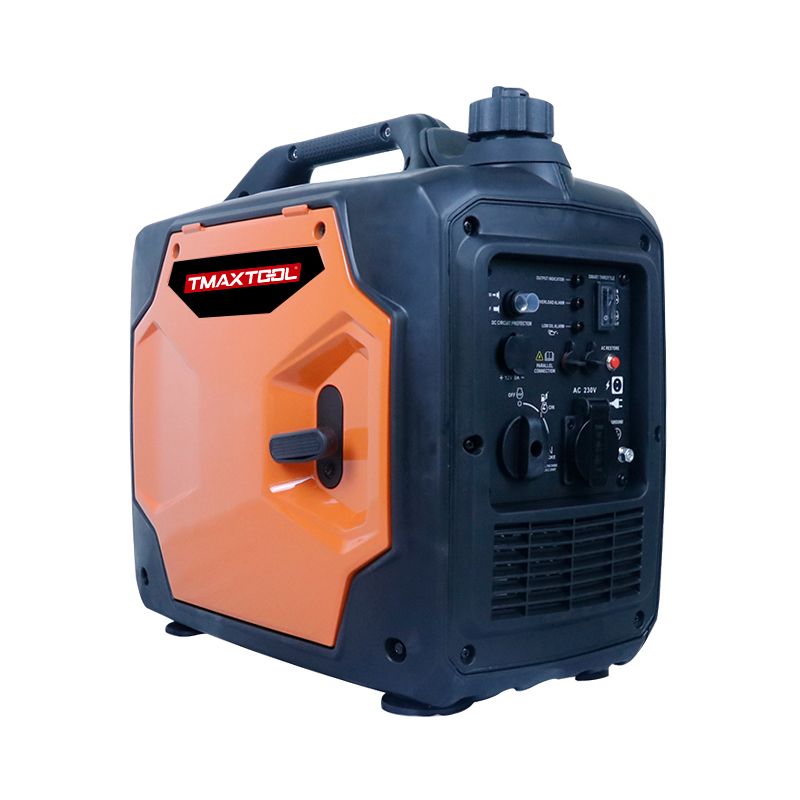 Generator
 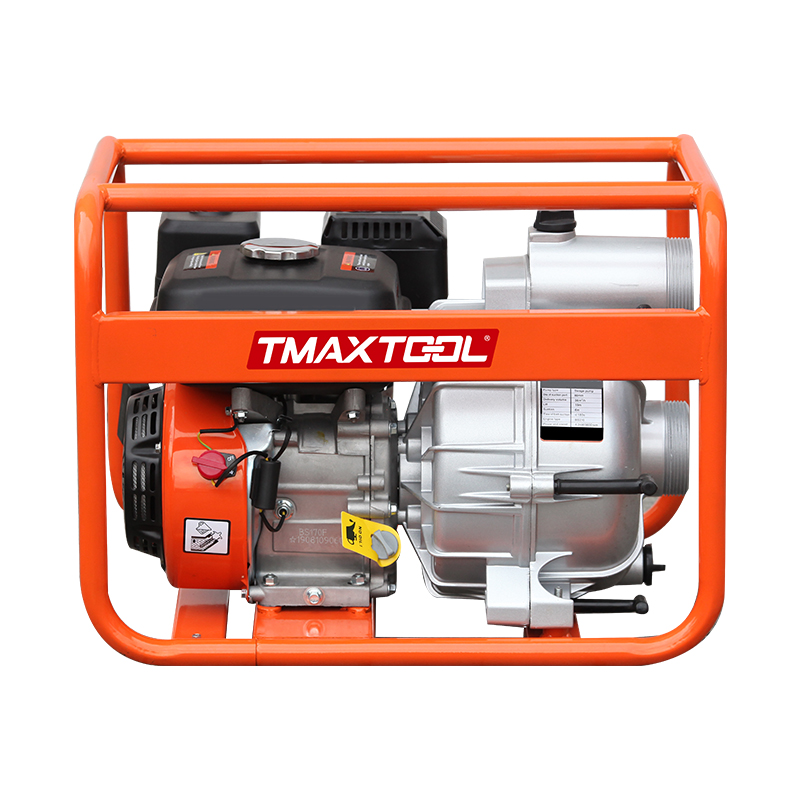 Water Pump
 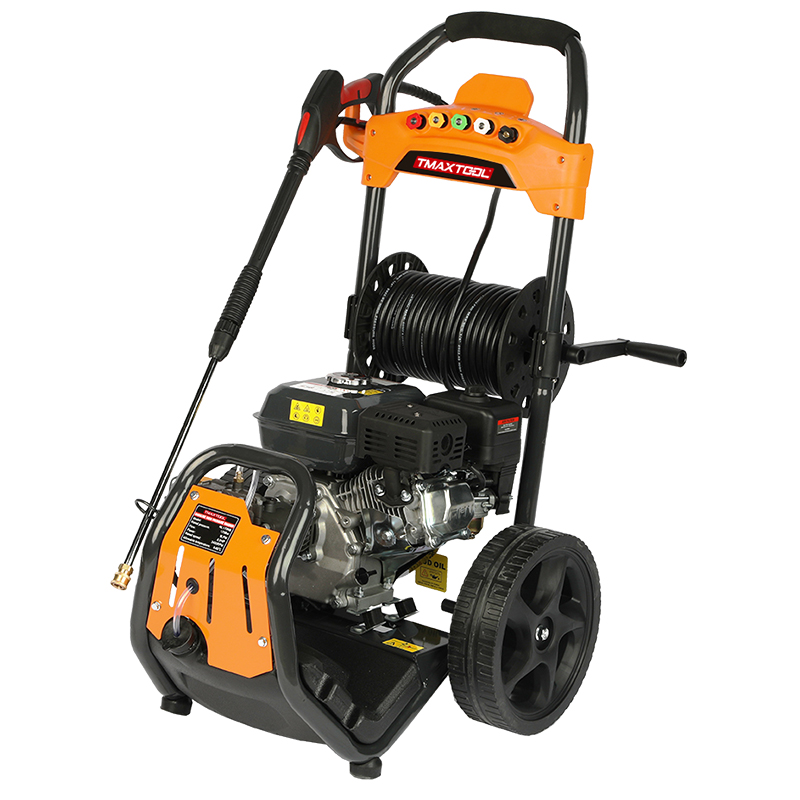 High Pressure Washer
 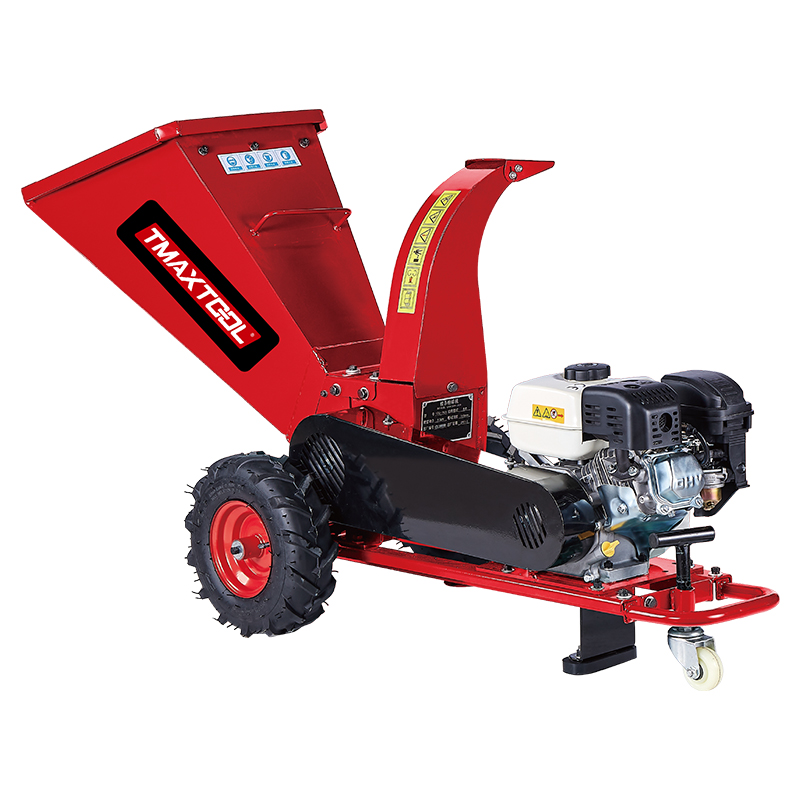 Wood Cutter
 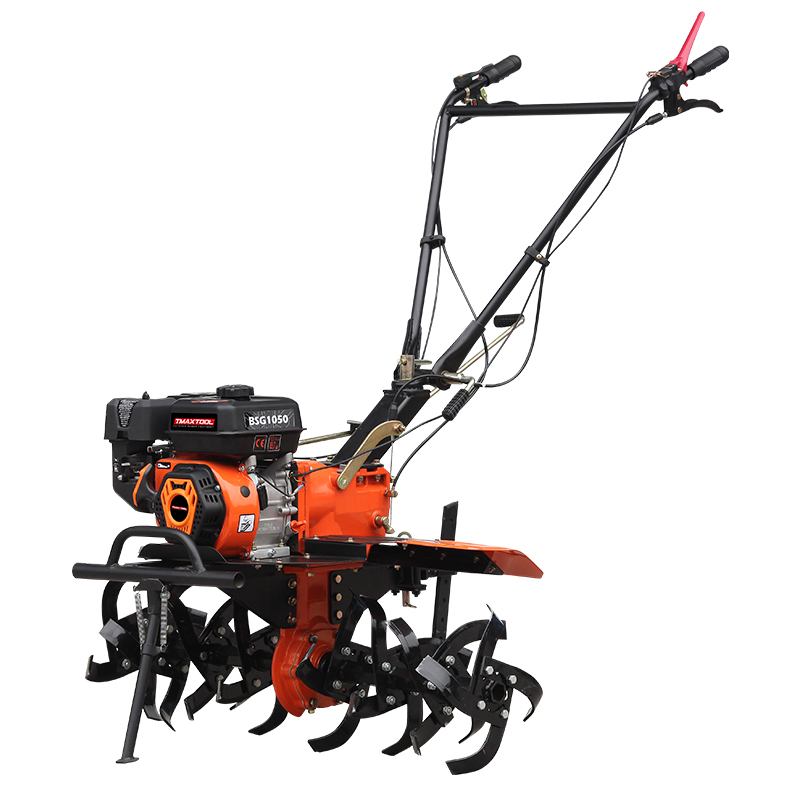 4 Stroke Tiller
 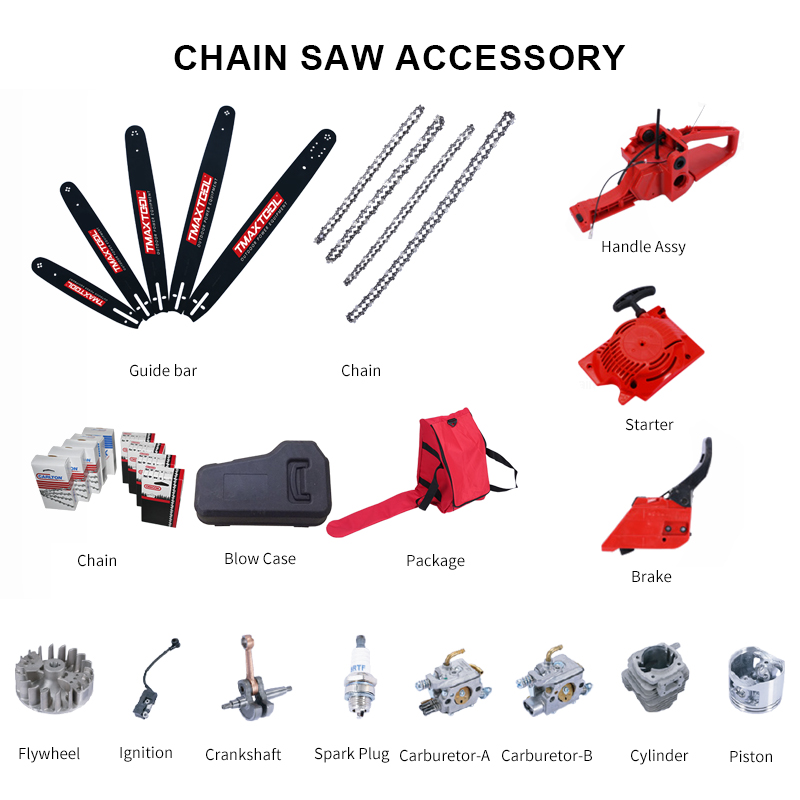 Chain Saw Accessory
 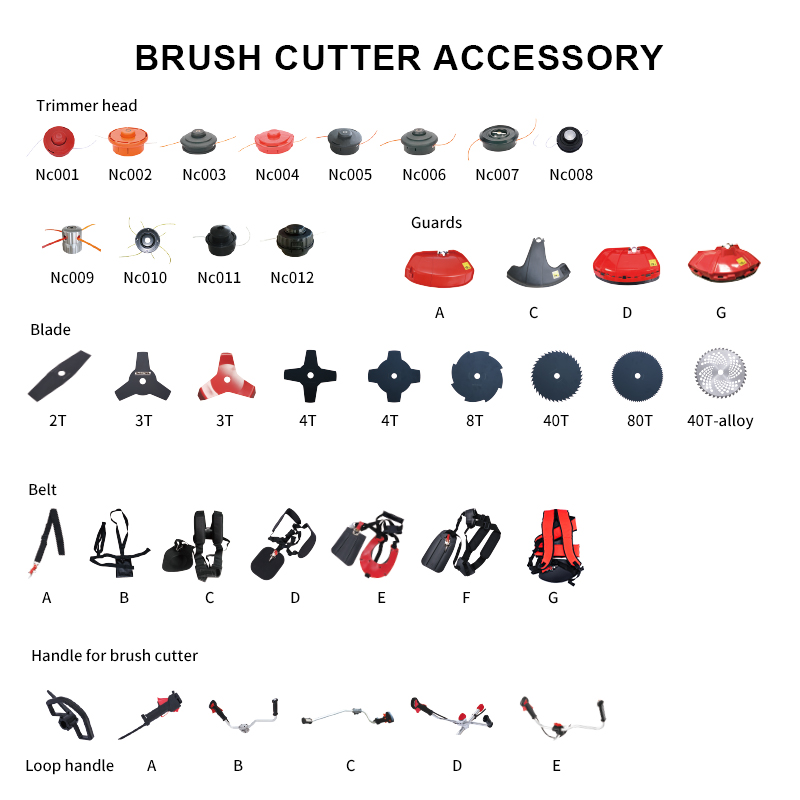 Brush Cutter Accessory
 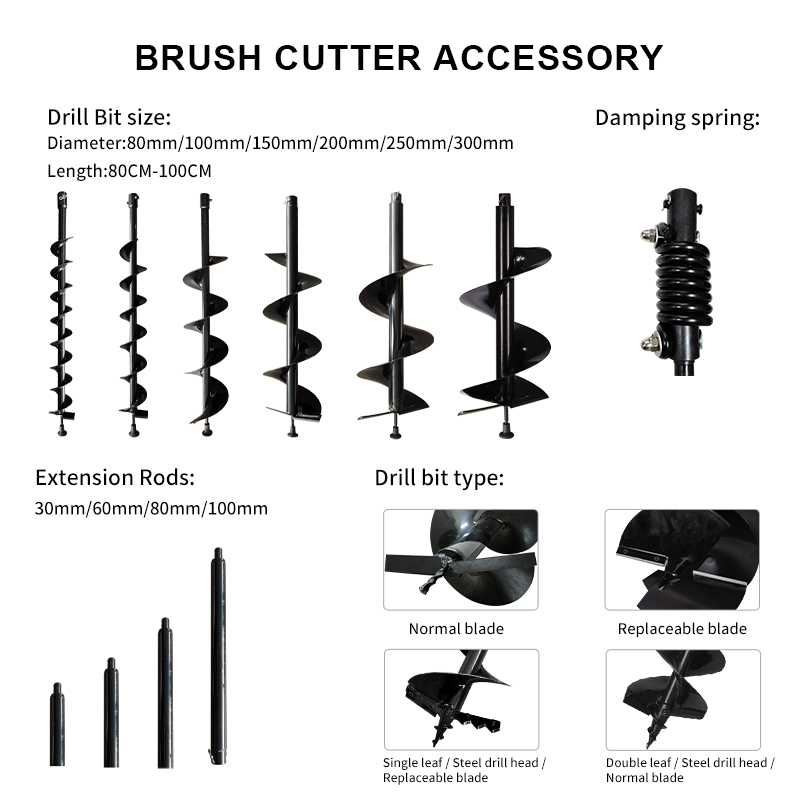 Earth Auger Accessory
 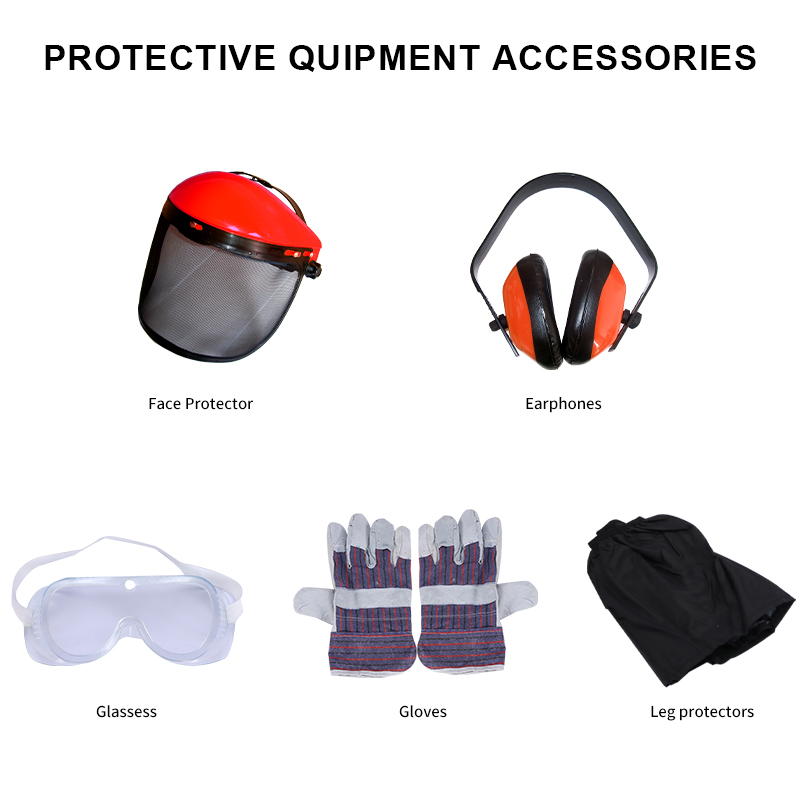 Protective Equipment Accessories


