
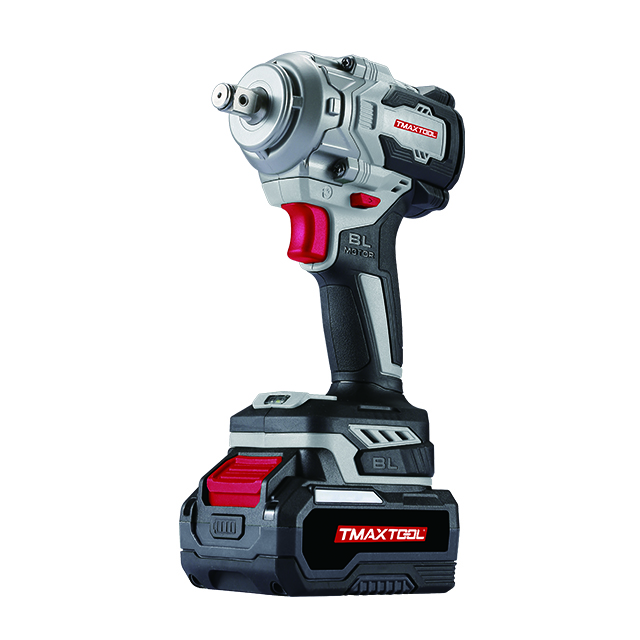
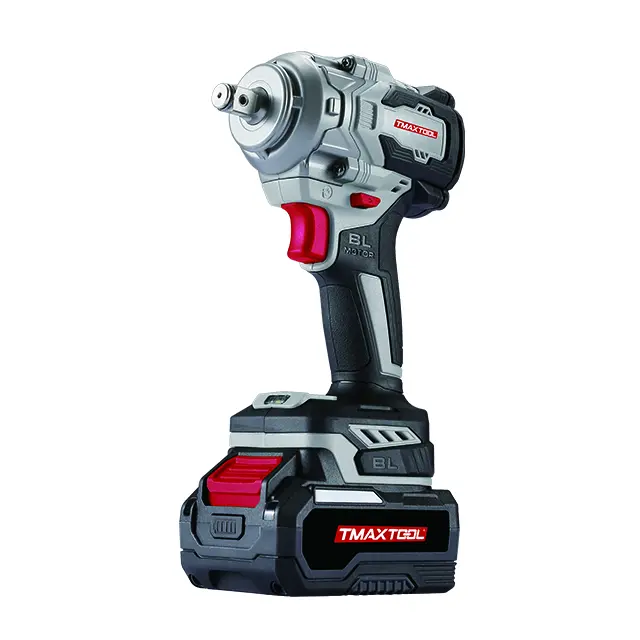
 Impact Wrench
 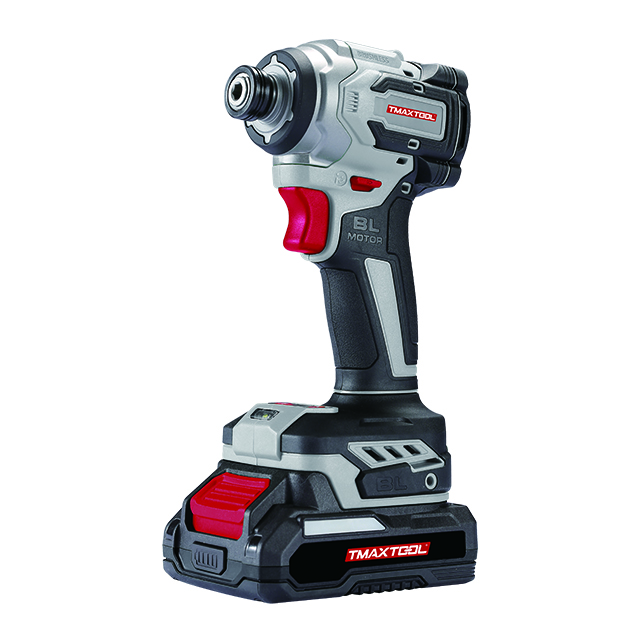 Screwdriver
 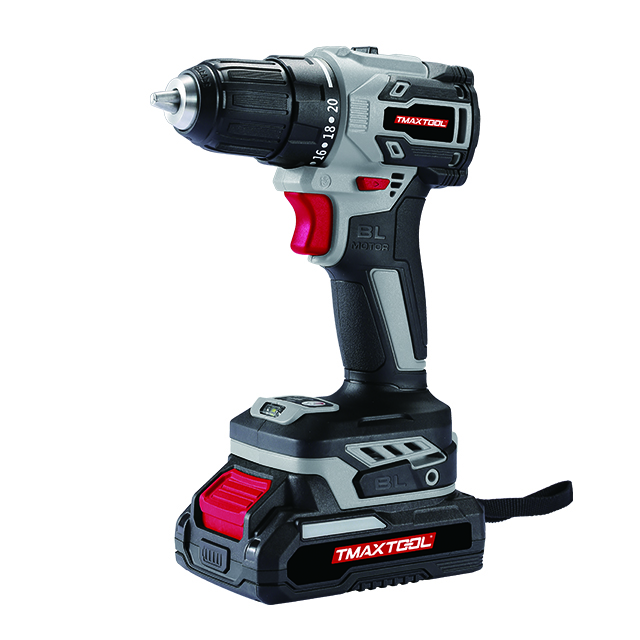 Cordless Drill
 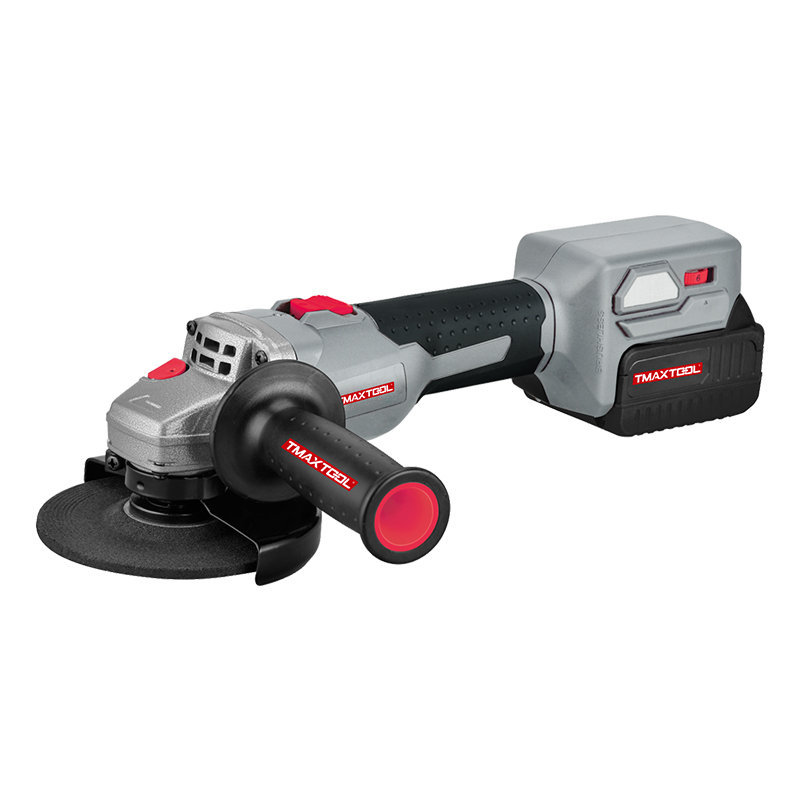 Angle Grinder
 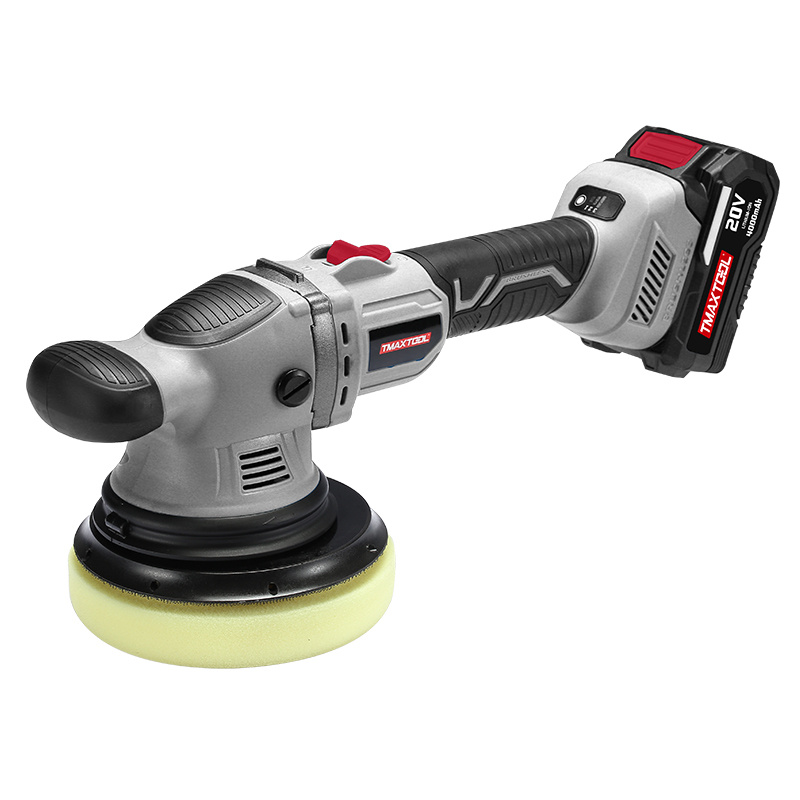 Polisher
 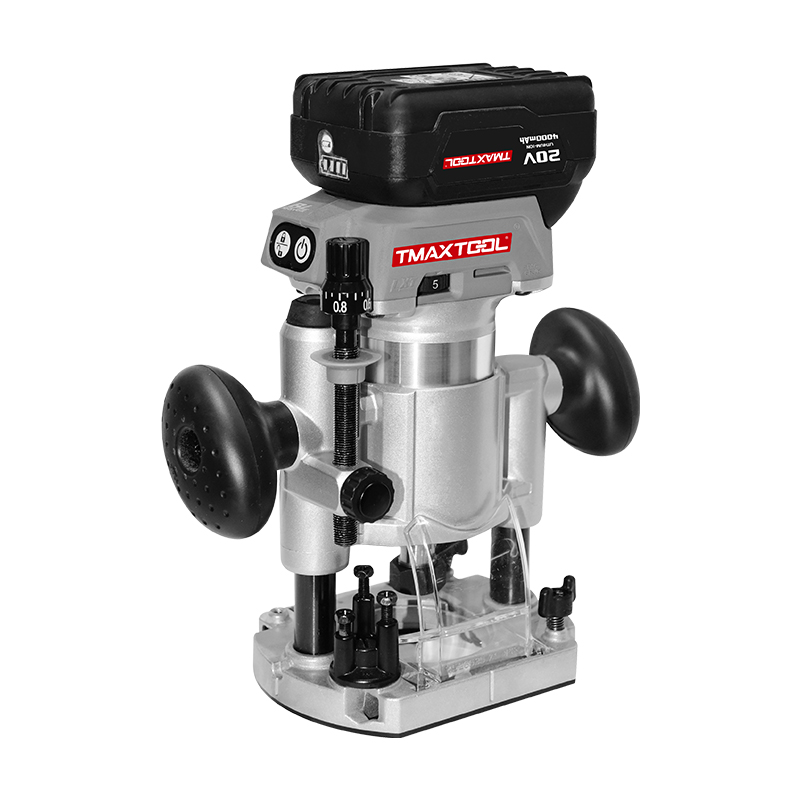 Wood Router
 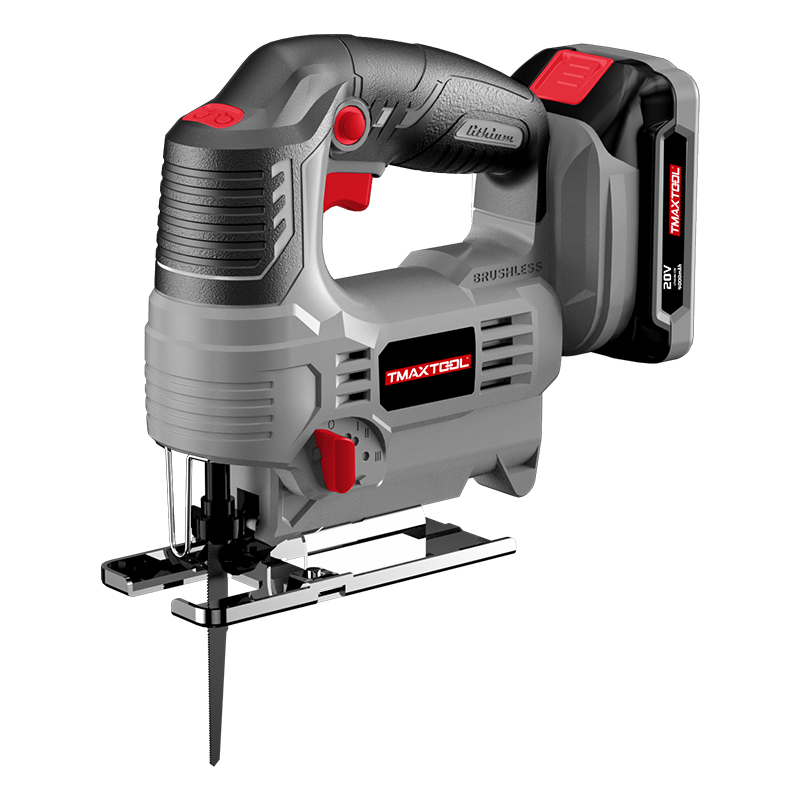 Jig Saw
 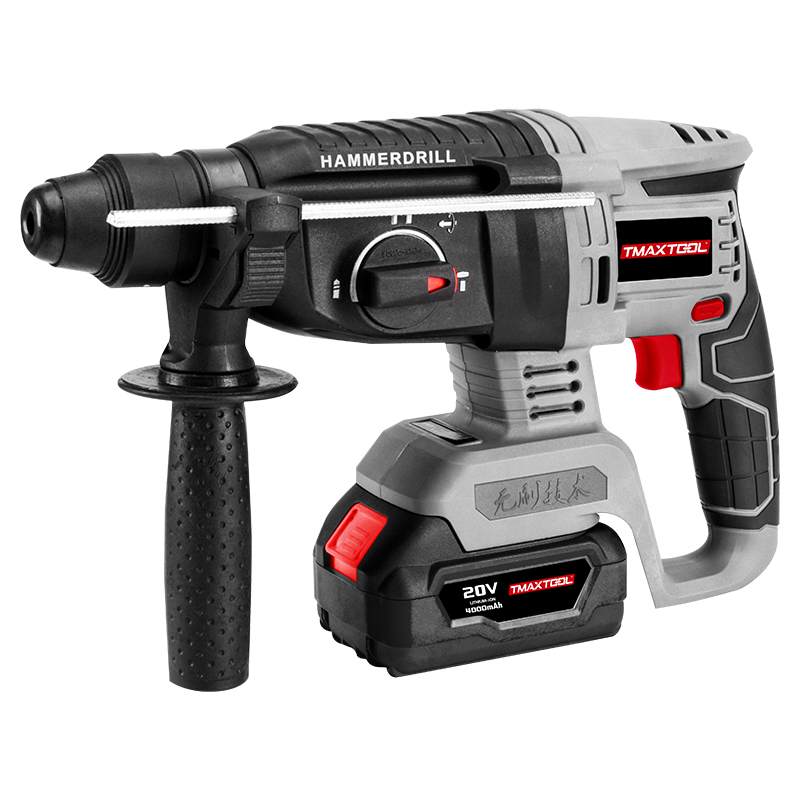 Hammer Drill
 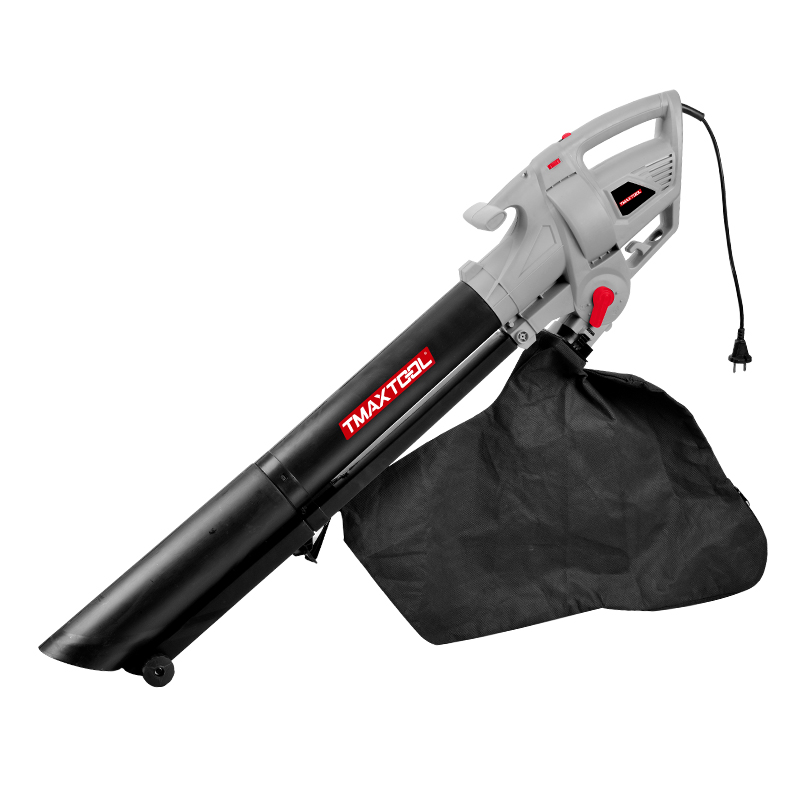 Portable Blower
 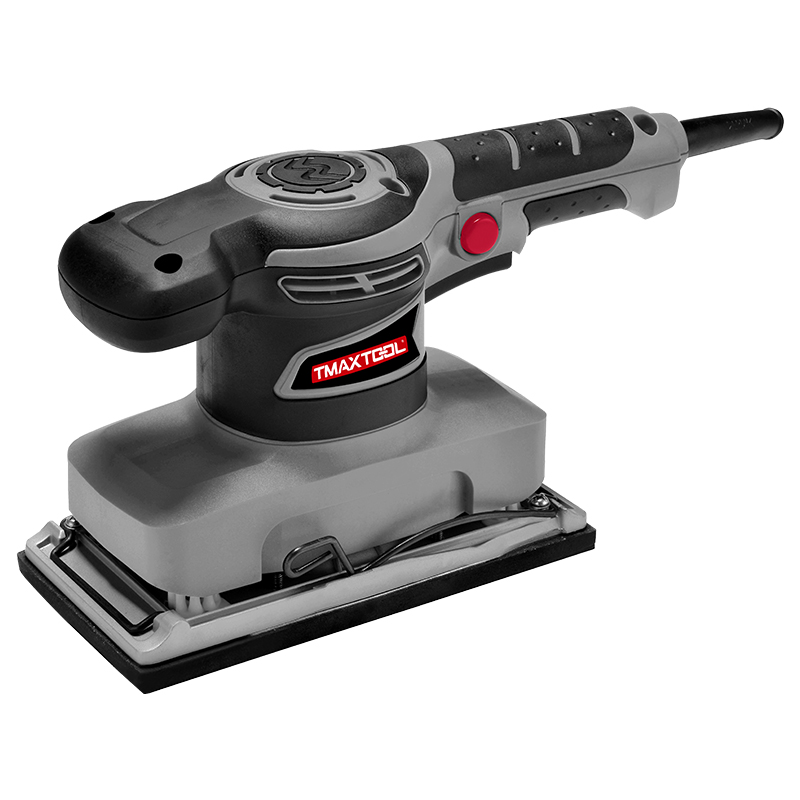 Orbital Sander
 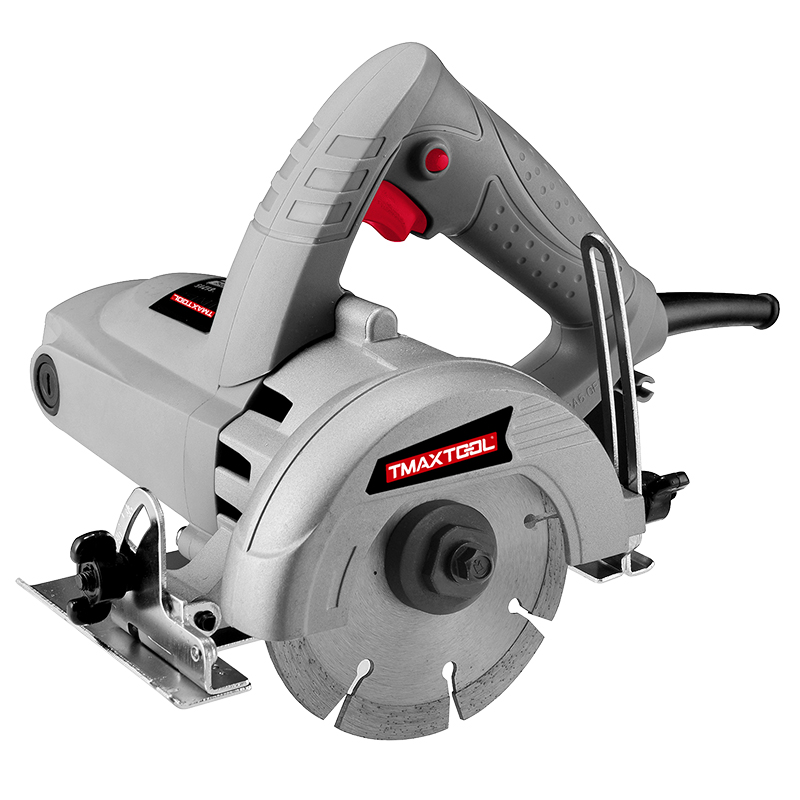 Marble Cutter
  GARDEN TOOLS
 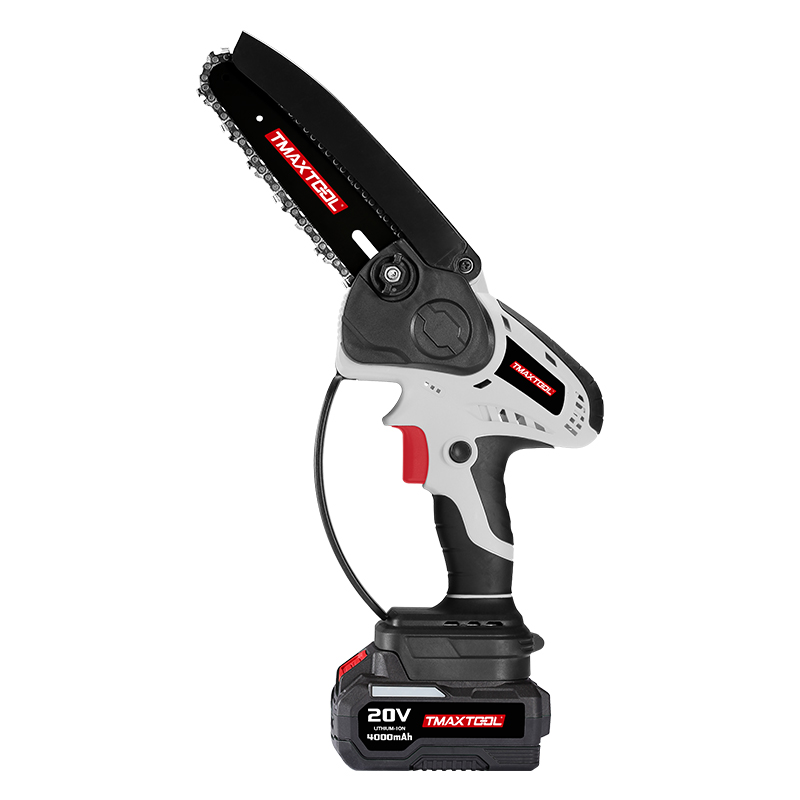 Battery Chain Saw
 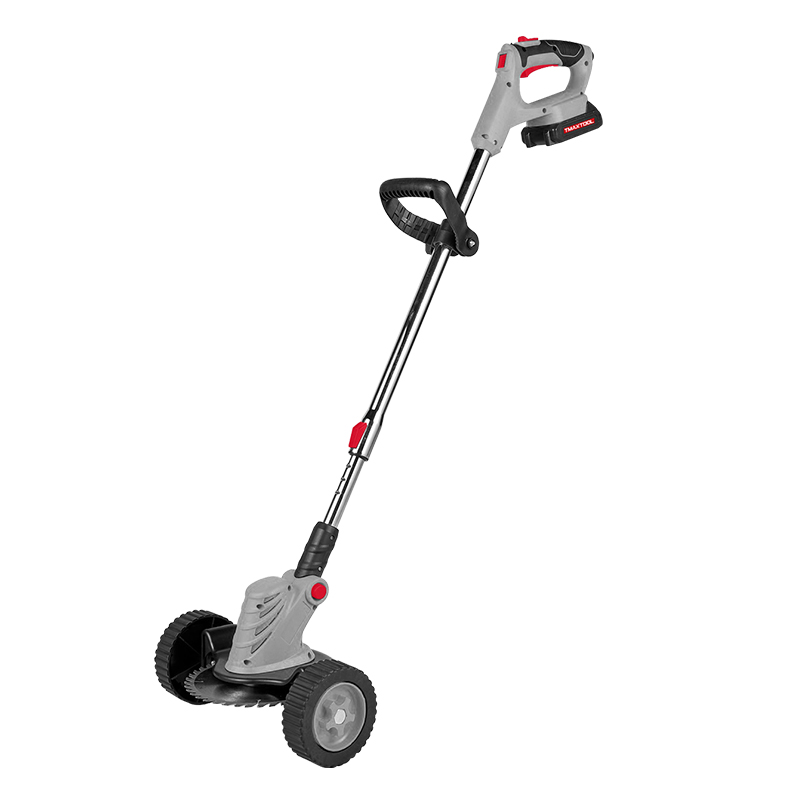 Battery Brush Cutter
 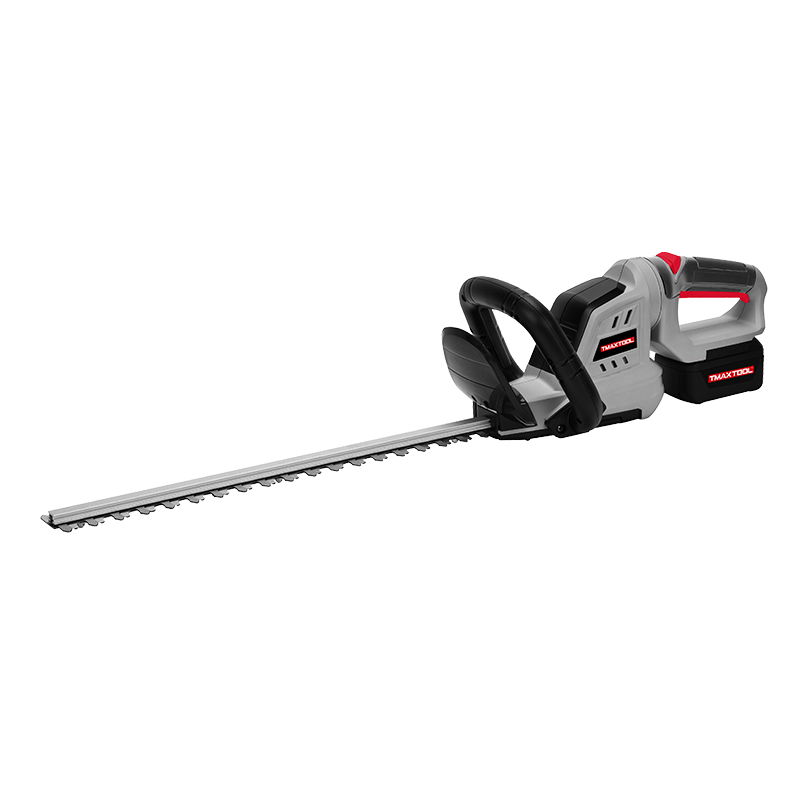 Battery Hedge Trimmer
 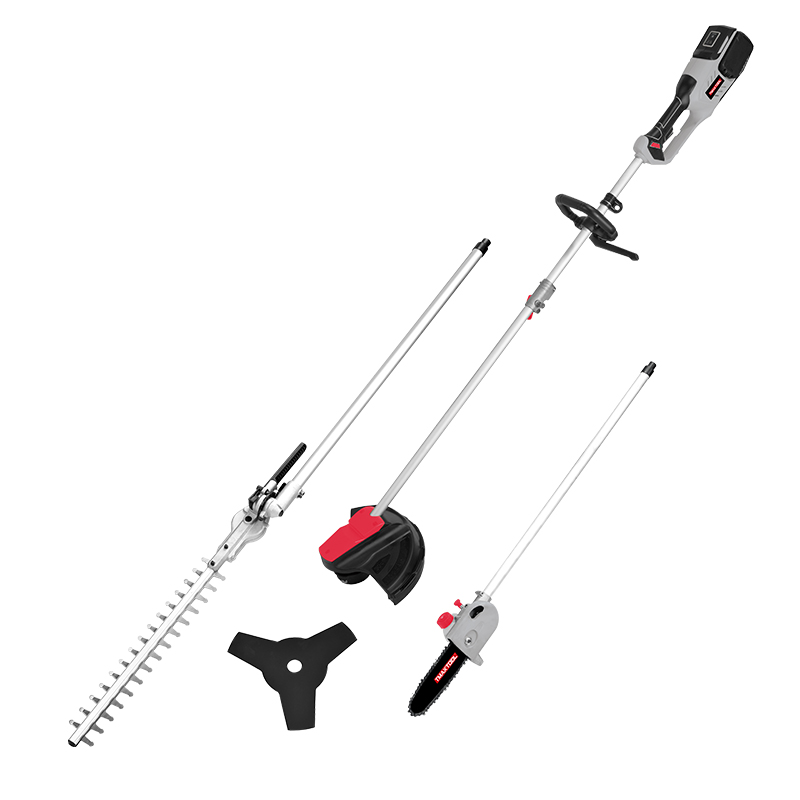 Battery Multi Tool
 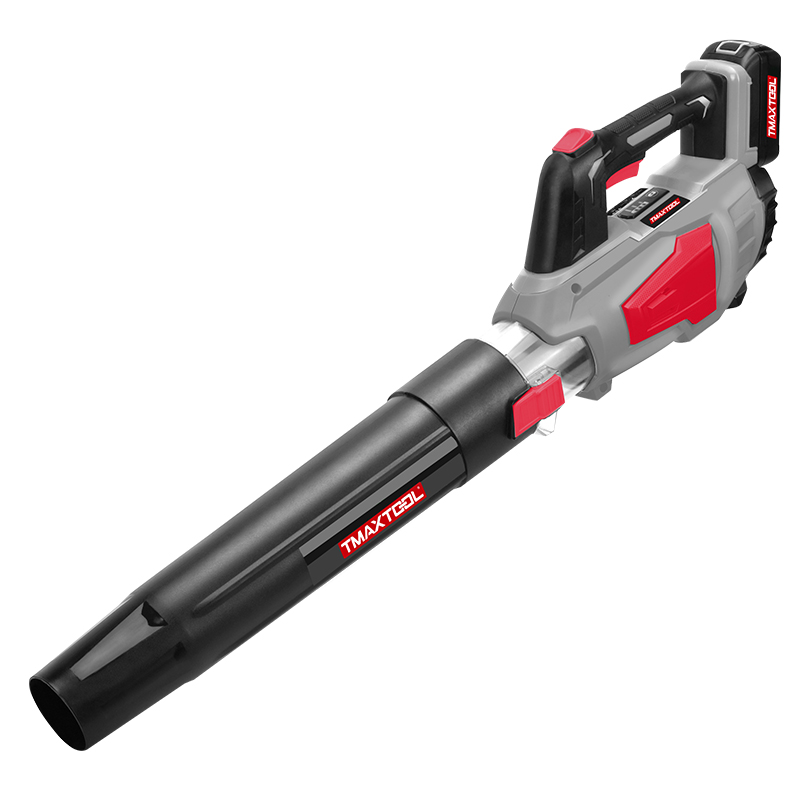 Battery Blower
 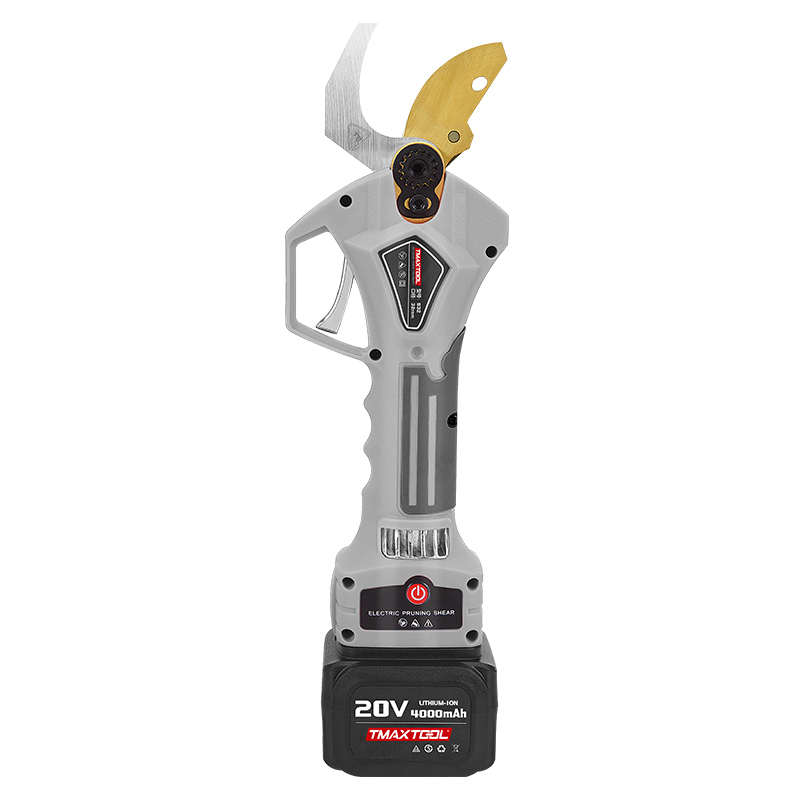 Batter Pruning Shears
 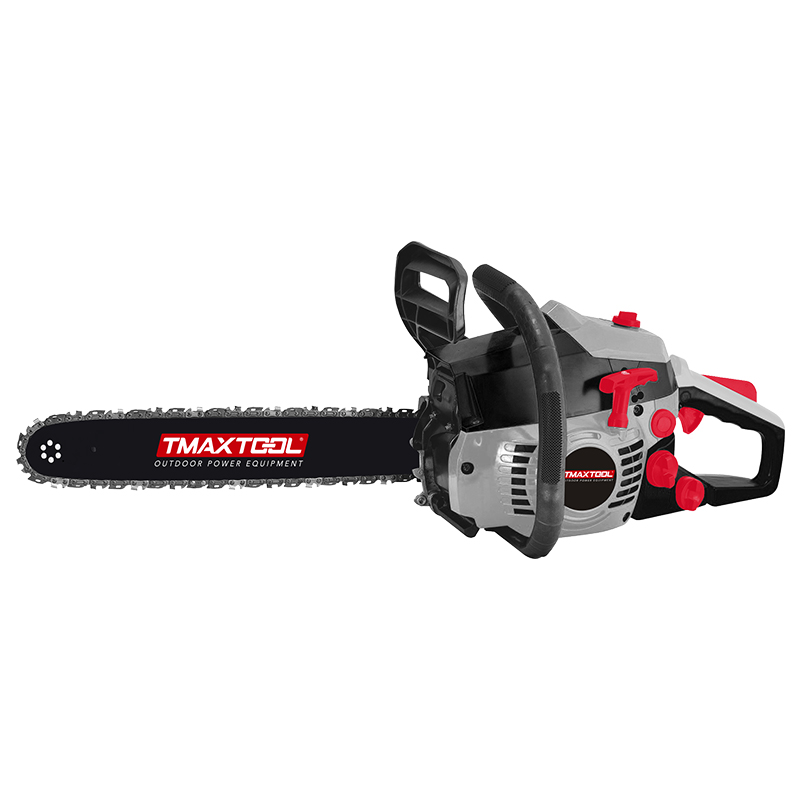 Chain Saw
 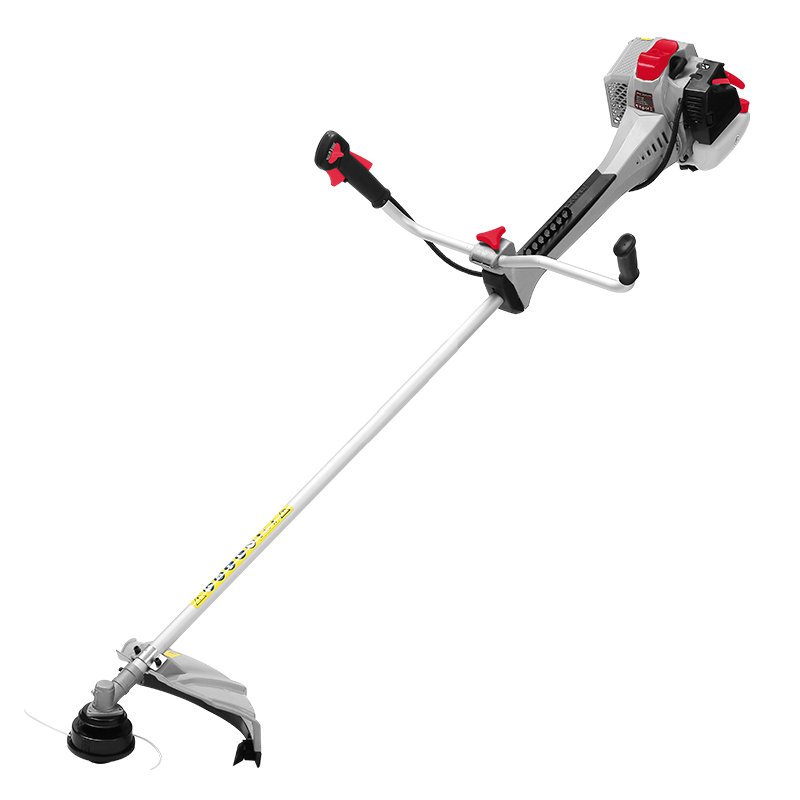 Brush Cutter
 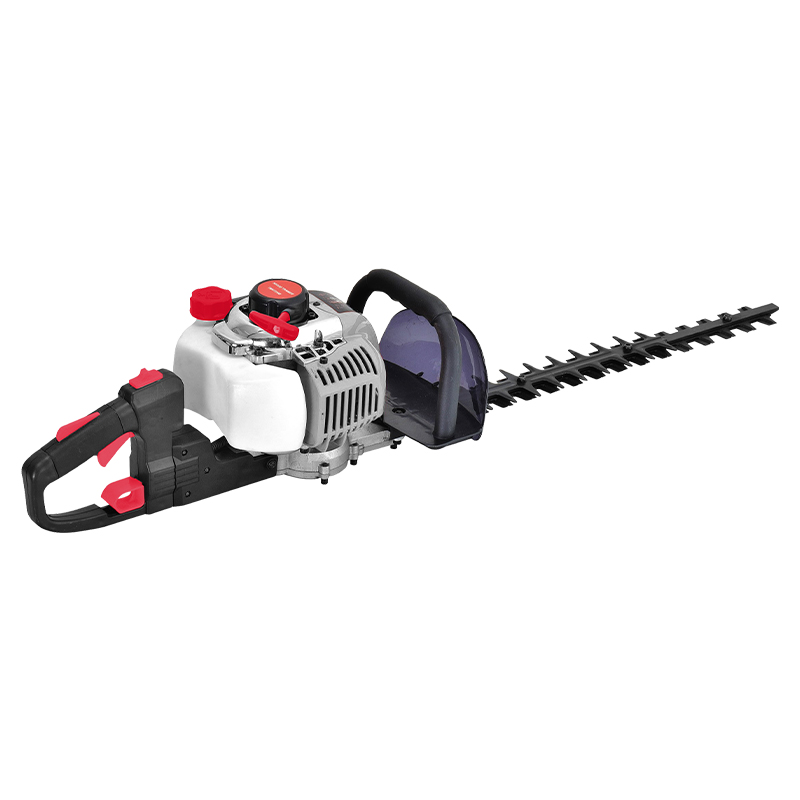 Hedge Trimmer
 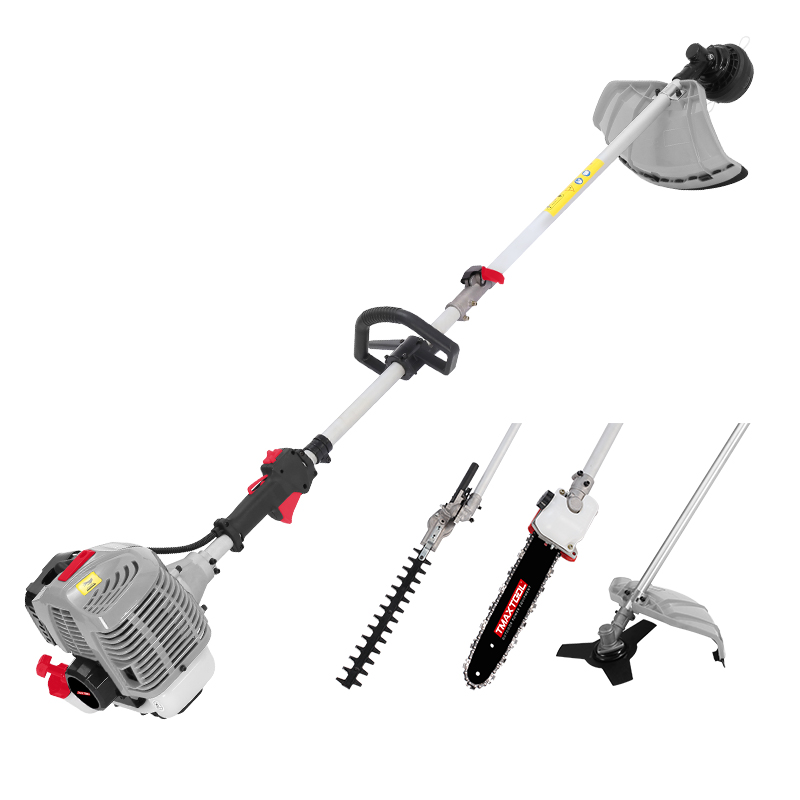 Multi Tool
 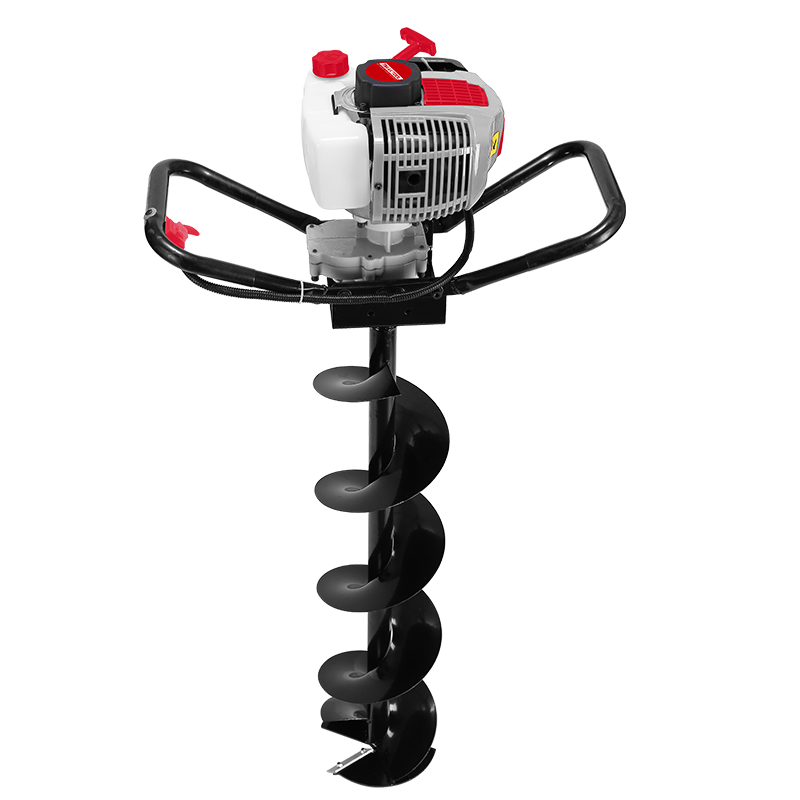 Earth Auger
 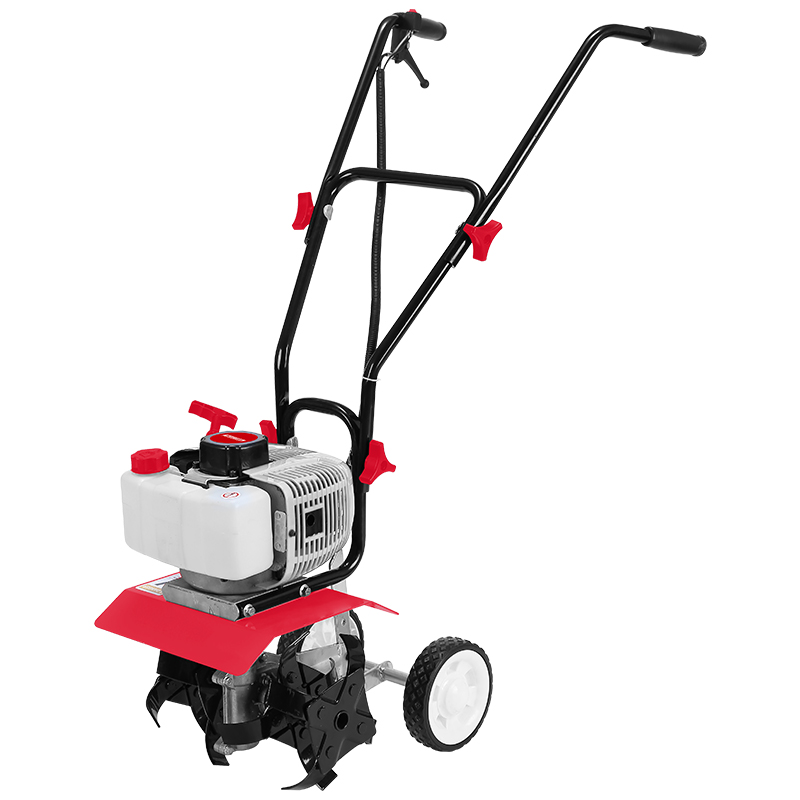 Tiller
 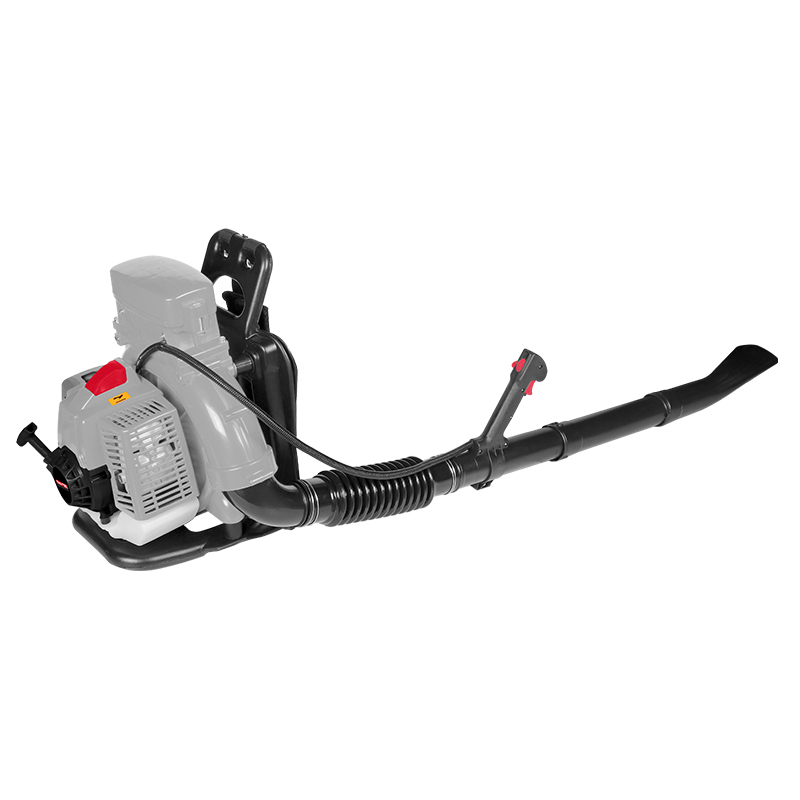 Blower
 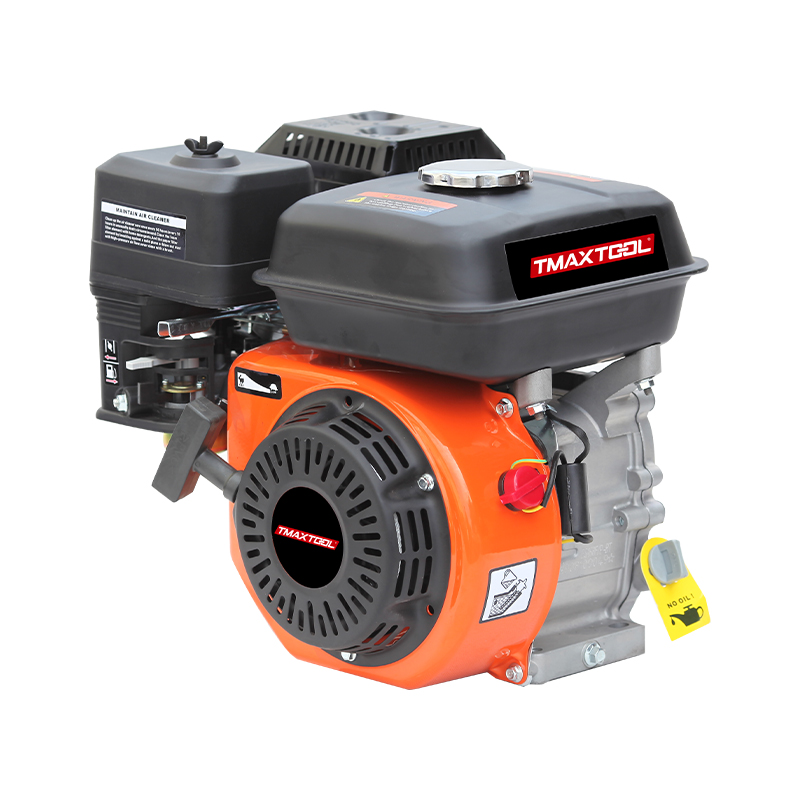 4 Stroke Gasoline Engine
 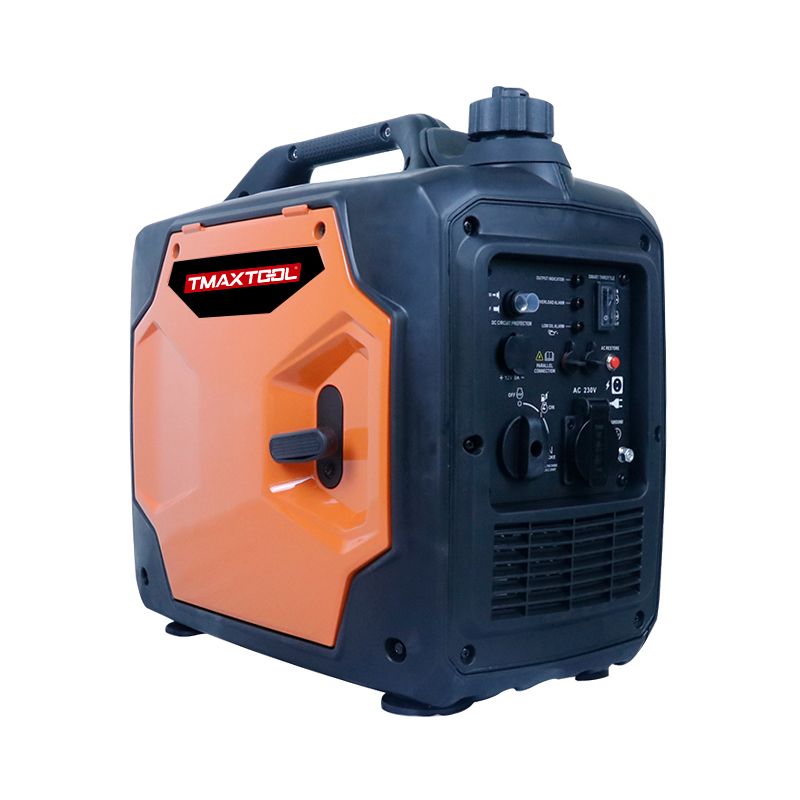 Generator
 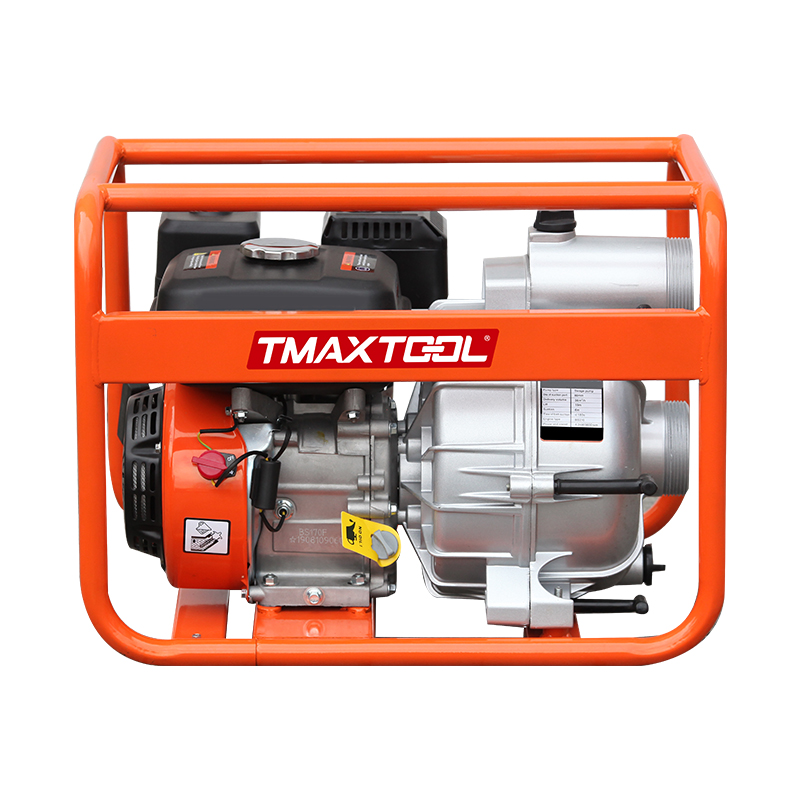 Water Pump
 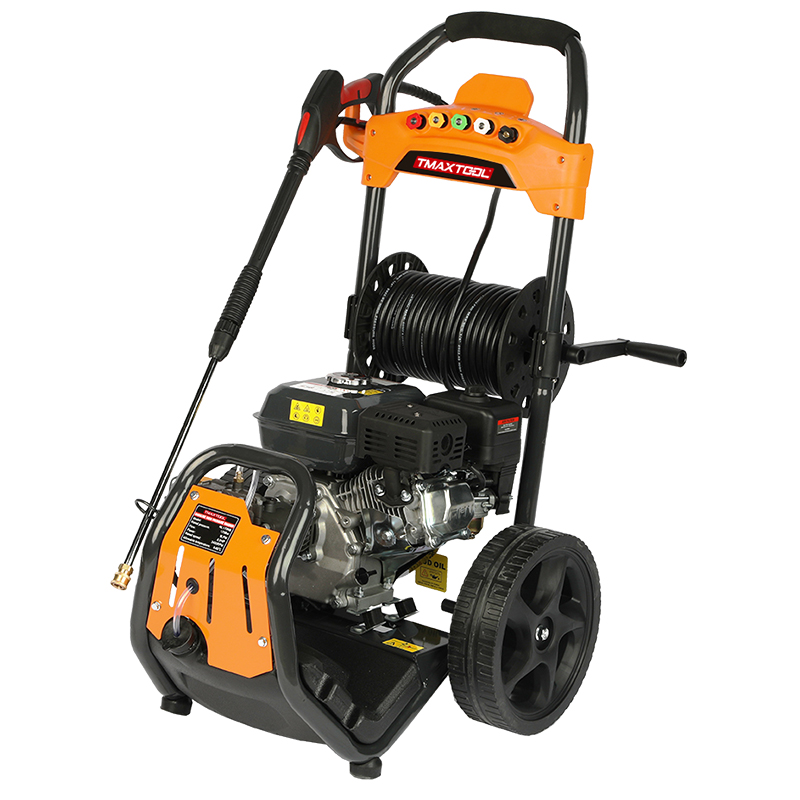 High Pressure Washer
 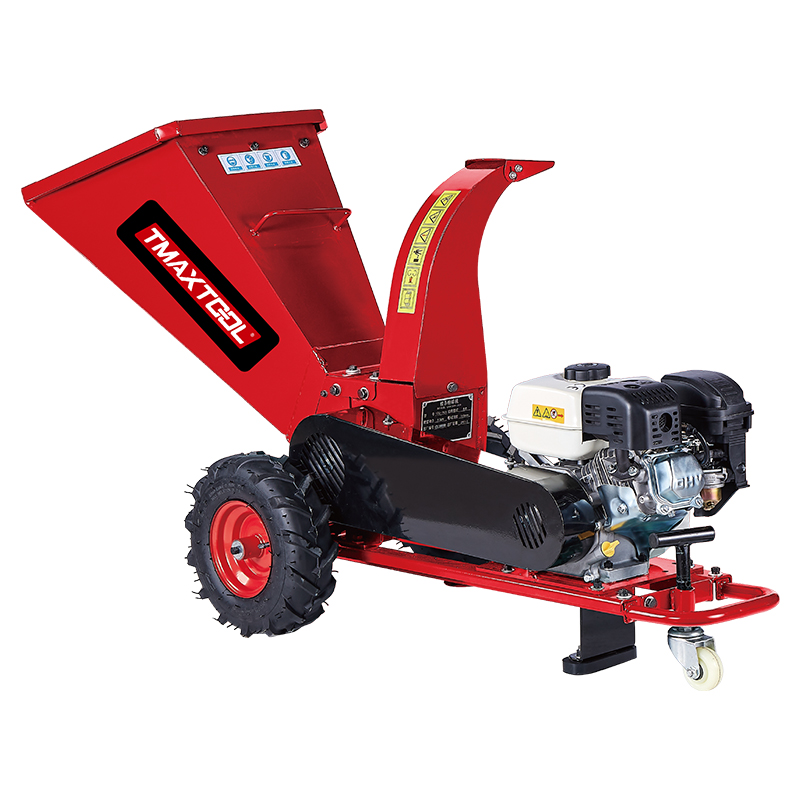 Wood Cutter
 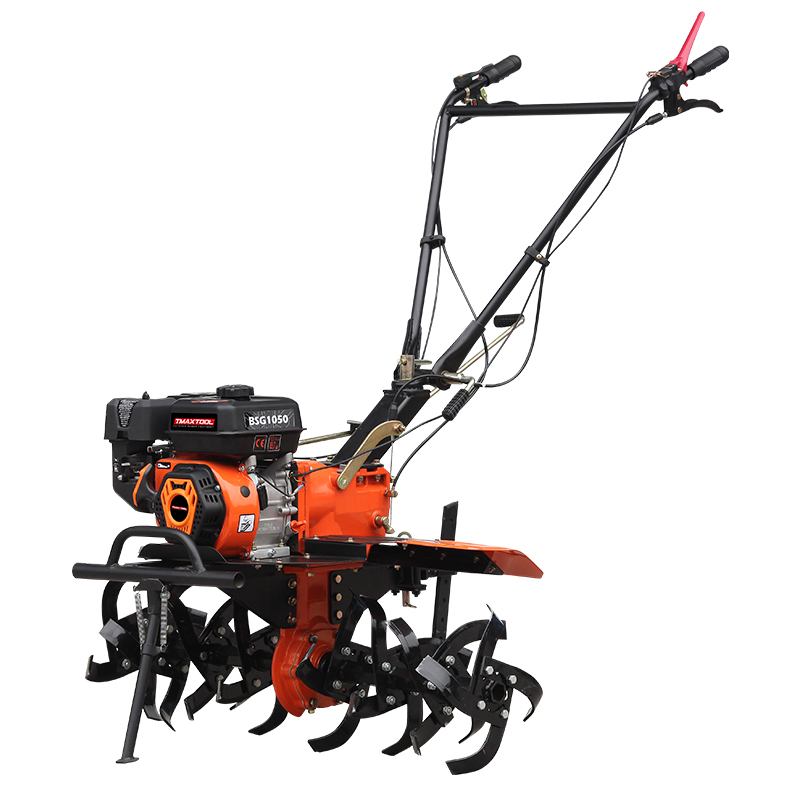 4 Stroke Tiller
 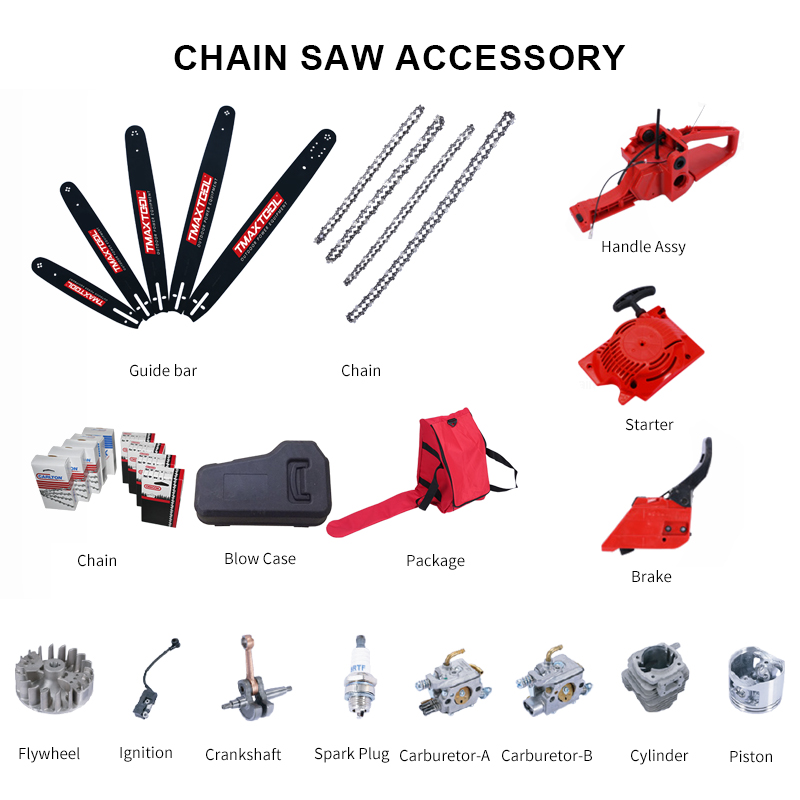 Chain Saw Accessory
 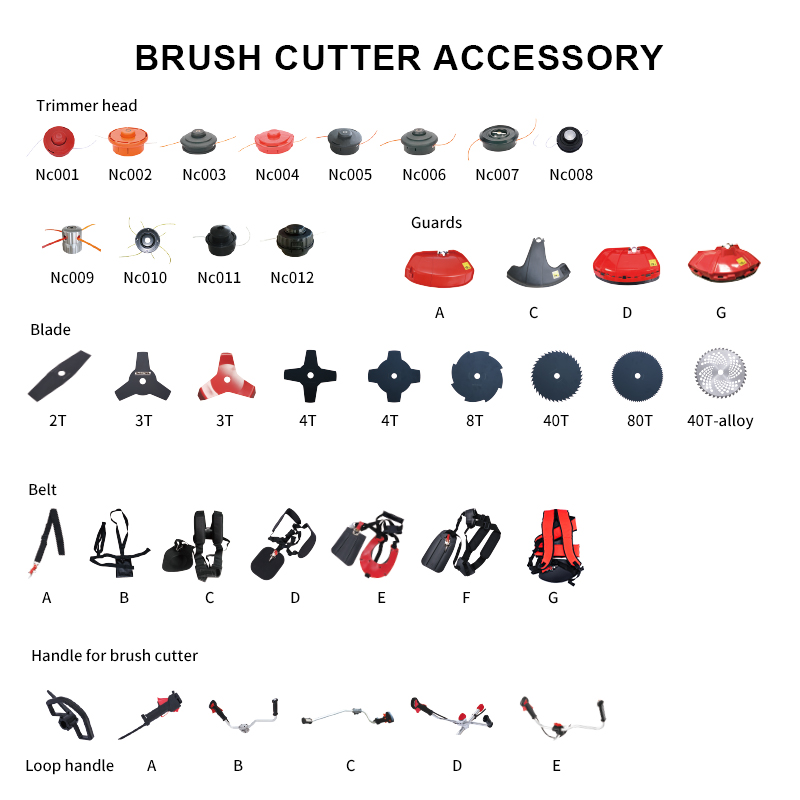 Brush Cutter Accessory
 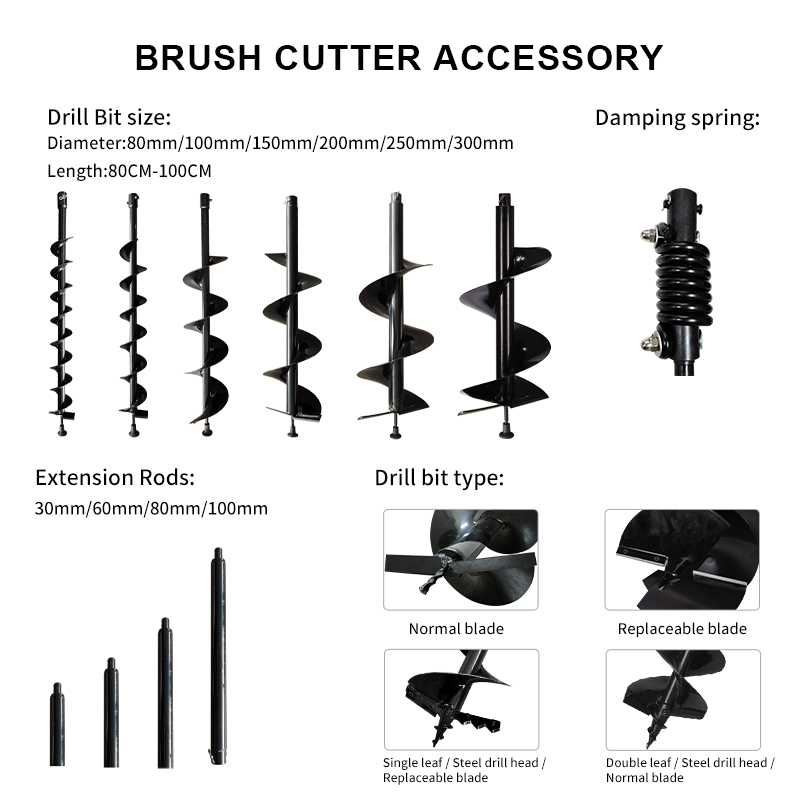 Earth Auger Accessory
 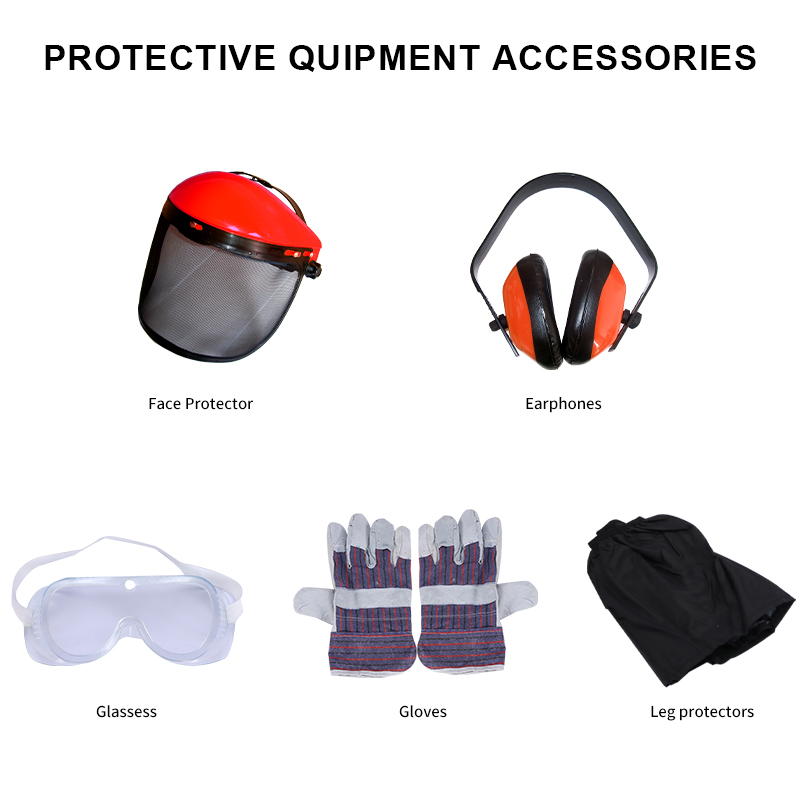 Protective Equipment Accessories
News
Leave Your Message


0102030405
Agricultural Machinery Distribution Guide
2026-07-13
Agricultural Machinery Distribution Guide: Build a Profitable, Long-Term Global Distribution Business
Introduction
Global agriculture is undergoing rapid modernization across every continent. Smallholder farmers in Southeast Asia, large commercial farms in South America, mixed crop operators in Africa, and precision agriculture operators in Europe all rely on reliable, cost-effective agricultural machinery to boost crop yields and cut labor costs. For distributors, importers, and regional resellers, breaking into the agricultural machinery sector offers consistent recurring revenue—yet many new market entrants struggle with mismatched product lines, supply chain delays, insufficient after-sales support, and poor market localization.
This complete distribution guide breaks down every critical stage of launching and scaling a successful agricultural machinery distribution operation, written exclusively for international wholesale buyers, regional distributors, and farm equipment retailers. We cover market selection, supplier vetting, product portfolio planning, logistics compliance, local sales strategies, after-sales frameworks, and common costly mistakes to avoid. Whether you are a first-time distributor expanding into farm machinery or an established hardware wholesaler diversifying your product range, this guide delivers actionable, field-tested strategies aligned with global agricultural trade standards.
Chapter 1: Market Analysis & Target Region Positioning
Before signing any supply contracts or placing bulk orders, distributors must conduct granular market research to match inventory with local farming realities. Agricultural demand varies drastically by region, farm scale, crop types, climate, and government agricultural policies.
1.1 Core Regional Market Demand Profiles
Southeast Asia
Markets including Vietnam, Thailand, Indonesia, and Malaysia are dominated by small, fragmented farms focused on rice, fruit, and palm oil. Top-selling machinery includes lightweight lithium garden tools, compact tillers, portable irrigation pumps, small trimmers, and low-horsepower petrol multi-tools. Local buyers prioritize low minimum order quantities, affordable pricing, simple maintenance, and rapid spare parts access. Most regional governments offer small agricultural subsidies for low-cost equipment, creating steady year-round demand outside planting and harvesting peak seasons.
South America
Brazil, Argentina, and Colombia feature vast commercial farms cultivating soy, corn, and sugarcane. Distributors here require high-efficiency heavy-duty machinery: large pressure washers, high-power tractors, industrial harvesting attachments, and precision planting equipment. Local operators value durability, long service lifespans, official international certifications, and bulk volume discounts. Many large farm operators sign annual framework purchase agreements with trusted distributors, creating predictable long-term revenue streams.
Africa & Central Asia
Agricultural markets across East, West, and Southern Africa rely on robust, low-complexity machinery that functions with limited local repair infrastructure. Buyers prioritize easy-to-repair petrol-powered tools, universal spare parts compatibility, and budget-friendly pricing. Advanced electronic systems are rarely requested, as local technicians lack specialized training for complex digital components. Government agricultural development grants regularly drive seasonal bulk purchasing cycles ahead of rainy planting seasons.
Europe & North America
Mature agricultural markets demand brushless intelligent power equipment, digital monitoring farm machinery, and emission-compliant petrol tools. Strict regional certification standards (CE, EPA, ISO safety protocols) are non-negotiable entry requirements. Farm co-ops and large retail chains dominate distribution channels, requiring distributors to provide full marketing assets, technical training resources, and extended warranty coverage.
1.2 Key Market Research Metrics Every Distributor Must Track
- Primary local crop varieties and corresponding machinery requirements
- Average farm size split between smallholder and commercial operators
- Mandatory product certifications and import tax tariffs
- Annual agricultural subsidy programs and seasonal purchasing windows
- Existing local competitor product ranges, pricing tiers, and service gaps
- Local spare parts supply chain maturity and repair technician availability
Chapter 2: Supplier Vetting & Long-Term Partnership Standards
Selecting a stable, reliable machinery manufacturer forms the foundation of profitable distribution. Poor supplier selection leads to delayed shipments, inconsistent product pass rates, warranty disputes, and damaged local market reputation. Use this standardized evaluation checklist to assess potential manufacturing partners.
2.1 Core Factory Qualification Benchmarks
- Production experience: 10+ years dedicated to agricultural and garden machinery manufacturing
- Production scale: Multiple independent production lines, monthly output capacity matching your regional order volume
- Quality control: Full in-house testing workflows with production pass rates exceeding 98%
- Global compliance: Valid ISO 9000, BSCI, RoHS, and regional market certification support
- Flexible order rules: Low minimum order quantities (50 pieces and above) for new distributors, customizable OEM branding options
- Response speed: 24-hour customer inquiry turnaround, 7-day sample production lead time
2.2 Critical Partnership Benefits Distributors Should Negotiate
- Tiered volume pricing discounts for quarterly and annual bulk orders
- Global warranty coverage with unified 12-month standard product warranty
- Complete marketing asset packages: high-resolution product images, operation videos, catalogs, and technical specification sheets
- Exclusive regional distribution authorization to eliminate cross-border price competition
- Professional market analysis reports tailored to your target country’s agricultural landscape
- Continuous new product priority access for seasonal farming equipment launches
- Dedicated technical guidance for local repair teams and sales staff training
2.3 Red Flags to Avoid When Selecting Manufacturers
- Vague, unsubstantiated quality claims without formal third-party certification
- Extremely long lead times exceeding 35 days for standard bulk orders
- No dedicated spare parts production or separate accessory supply lines
- Inflexible minimum order requirements that overstock new distributors
- Limited after-sales coordination and slow resolution for defective product claims
Chapter 3: Build a Balanced Agricultural Machinery Product Portfolio
Successful distributors balance fast-moving entry-level equipment with high-margin premium machinery and essential replacement accessories to maximize year-round cash flow. A well-structured inventory portfolio covers three core product categories.
3.1 Fast-Selling Core Machinery (High Turnover, Steady Demand)
- Lithium battery-powered garden tools: trimmers, chain saws, handheld tillers, Portable Blowers
- Petrol multi-functional farm equipment: brush cutters, irrigation water pumps, small pressure washers
- Manual hand tool sets for small-scale farm maintenance These products serve all farm sizes, require minimal storage space, and drive consistent repeat customer traffic year-round. They act as your brand’s market entry point for new local buyers.
3.2 High-Margin Heavy-Duty Equipment (Peak Season Bulk Orders)
- Large gasoline high-pressure washers for farm facility cleaning
- Medium and high-horsepower tractor attachments, harvesting blades, seeding equipment
- Agricultural irrigation systems and industrial crop protection machinery These items generate larger profit margins but follow strict seasonal purchasing cycles. Distributors should schedule bulk shipments 30–45 days before regional planting and harvesting seasons to avoid stock shortages.
3.3 Recurring Revenue Replacement Accessories
Blades, trimmer heads, drive belts, fuel filters, battery packs, and spare motor components create permanent recurring income streams. Local farm operators regularly replace worn parts, making accessory inventory a stable secondary revenue source. Top-performing distributors allocate 15–20% of total warehouse space to spare parts to reduce customer wait times for repairs.
3.4 Localized Customization Tips
Adjust your product lineup to match regional climate and farming habits:
- For cold northern regions: Select machinery with reinforced low-temperature hydraulic and battery systems
- For tropical high-humidity zones: Prioritize rust-resistant metal components and sealed motor structures
- For mountainous small farms: Focus on lightweight, compact, easy-transport equipment
- For large flat commercial farms: Prioritize high-power, continuous-operation heavy machinery
Chapter 4: International Logistics, Compliance & Inventory Management
Agricultural machinery combines large physical dimensions, electrical battery components, and petrol engine parts, creating unique cross-border shipping and customs compliance challenges. Mismanaged logistics increase costs, delay market launches, and trigger customs seizure risks.
4.1 Pre-Shipping Compliance Checklist
- Confirm all mandatory regional certifications (CE, EPA, NOM, INMETRO, EAC) before production
- Prepare complete export documentation: commercial invoices, packing lists, origin certificates, and safety test reports
- Classify correct HS codes for agricultural machinery and spare parts to avoid tariff miscalculations
- Complete battery safety declarations for lithium-powered equipment to meet international shipping standards
- Apply anti-rust, moisture-proof packaging for long ocean transit to prevent product damage
4.2 Inventory & Warehouse Best Practices
- Split inventory into fast-turnover small tools and seasonal heavy machinery to optimize storage space
- Maintain a minimum 30-day safety stock of core spare parts to avoid repair service delays
- Track seasonal demand cycles to adjust order lead times; place bulk orders 30 days ahead of peak farming seasons
- Adopt tiered pricing based on order volume to encourage large farm clients and retail sub-dealers to place consolidated orders
4.3 Common Logistics Pitfalls to Eliminate
- Underestimating container space for large farm attachments, leading to split shipments and extra freight fees
- Skipping anti-corrosion packaging for ocean transit, resulting in damaged metal components
- Missing certification deadlines, causing customs detention and costly storage fines
- Overstocking seasonal heavy machinery outside peak demand, tying up working capital for months
Chapter 5: Local Market Sales & Distribution Channel Strategies
Even premium machinery fails to sell without tailored regional sales channels. Distributors must build multi-layered sales networks covering direct farm sales, retail sub-dealers, and agricultural co-op partnerships.
5.1 Three Primary Distribution Channels
- Local Retail Sub-Dealers & Hardware Stores Supply small regional hardware shops and farm supply retailers with mixed small-batch inventory. Offer tiered wholesale pricing to incentivize consistent monthly reorders and provide free product display marketing materials for in-store promotion.
- Direct Commercial Farm & Agricultural Co-op Contracts Large farm operators and farmer collectives place quarterly bulk orders. Create customized framework agreements including extended bulk order discounts, on-site equipment demonstration support, and priority spare parts delivery. Long-term co-op contracts deliver stable, predictable annual revenue.
- Agricultural Trade Show Lead Generation Participate in regional industry expos such as Agrishow and global farm machinery exhibitions. Host live equipment operation demonstrations to showcase product performance, collect buyer contact information, and sign preliminary distribution cooperation agreements on-site.
5.2 Local Marketing Tactics Resonating With Farm Buyers
- On-farm live equipment trials to demonstrate efficiency and durability under real working conditions
- Local language printed guides and video tutorials covering operation, maintenance, and basic repair
- Seasonal promotional bundles pairing core machinery with discounted spare part packs
- Certified local technician training programs to build trust in your after-sales service network
Chapter 6: After-Sales Service Framework—Your Long-Term Competitive Edge
Agricultural machinery represents high-value capital purchases for farmers. Buyers will only return to distributors offering reliable, fast after-sales support. Weak service systems are the top reason distributors lose market share to competitors.
6.1 Standardized Global Warranty Terms
Implement a unified 12-month manufacturer-backed warranty for all core machinery units. Clearly outline warranty coverage for factory defects and exclude damage caused by improper operation, unapproved replacement parts, or harsh environmental misuse. Publish full warranty terms in local languages for all sales materials.
6.2 Local Repair Network Construction
- Train local independent mechanical technicians as official authorized service partners
- Maintain centralized regional spare parts warehouses to deliver replacement components within 2–7 business days
- Create simplified troubleshooting guides for common machinery faults to reduce on-site repair time
- Offer annual technical refresh training sessions for all certified local repair teams
6.3 Handling Defective Product Resolutions
Establish a streamlined claim process for faulty units: clear photo/video evidence submission, fast supplier replacement approvals, and coordinated reverse logistics for defective goods. Transparent, quick defect resolution builds long-term buyer loyalty and generates positive word-of-mouth referrals across local farming communities.
Chapter 7: Top 7 Costly Distribution Mistakes & How To Avoid Them
- One-size-fits-all inventory planning Mistake: Importing identical machinery lines for every regional market without local farming research. Fix: Conduct regional crop and farm scale analysis before finalizing order lists to match local demand.
- Underinvesting in spare parts inventory Mistake: Focusing only on selling complete machinery and neglecting accessory stock. Fix: Allocate dedicated warehouse space for fast-moving spare parts to reduce repair wait times.
- Ignoring regional certification rules Mistake: Shipping uncertified machinery leading to customs detention and fines. Fix: Confirm all required regional compliance standards at the supplier negotiation stage.
- Overlooking seasonal demand cycles Mistake: Placing bulk orders too late before planting/harvest seasons, creating stockouts. Fix: Schedule production lead times 30+ days ahead of local agricultural peak periods.
- No exclusive regional distribution agreements Mistake: Competing against other importers selling identical machinery at lower prices. Fix: Negotiate exclusive territory authorization with manufacturing partners during contract signing.
- Minimal local after-sales support infrastructure Mistake: Selling machinery without local repair technicians or spare parts access. Fix: Build certified service networks before launching full-scale regional distribution.
- Neglecting OEM branding customization Mistake: Selling generic unbranded machinery with no unique market identity. Fix: Customize product branding, packaging, and marketing assets to build recognizable local brand recognition.
Chapter 8: Long-Term Growth Roadmap for Agricultural Machinery Distributors
Once your regional distribution business achieves stable monthly sales volume, implement these scalable expansion strategies to increase market penetration and profit margins:
- Expand product lines to cover complementary agricultural equipment matching local emerging farming trends
- Establish small regional satellite spare parts warehouses to cut delivery lead times for rural buyers
- Launch localized annual agricultural machinery seasonal promotions to capture larger bulk orders
- Build partnerships with regional agricultural government agencies to qualify for official farm equipment supply tenders
- Recruit and onboard secondary sub-distributors in neighboring smaller regional markets to widen geographic coverage
- Collect regular customer feedback from farmers and repair technicians to adjust inventory and supplier cooperation terms annually
Final Conclusion
Agricultural machinery distribution delivers sustainable, recession-resistant revenue for global wholesale operators—but success depends on market localization, stable supplier partnerships, balanced inventory planning, reliable cross-border compliance, and robust local after-sales service. By following the structured guidance within this distribution guide, new and established distributors can avoid common industry pitfalls, align product offerings with regional agricultural demands, and build lasting, profitable distribution networks across global farming markets.
The global demand for affordable, efficient farm equipment continues to rise each year as smallholder and commercial farmers modernize production operations. Distributors who prioritize long-term buyer trust over short-term single-order profits will capture the largest share of this expanding international agricultural machinery trade sector.
Email:info@tmaxtool.com
Whatsapp:+8613655793577