
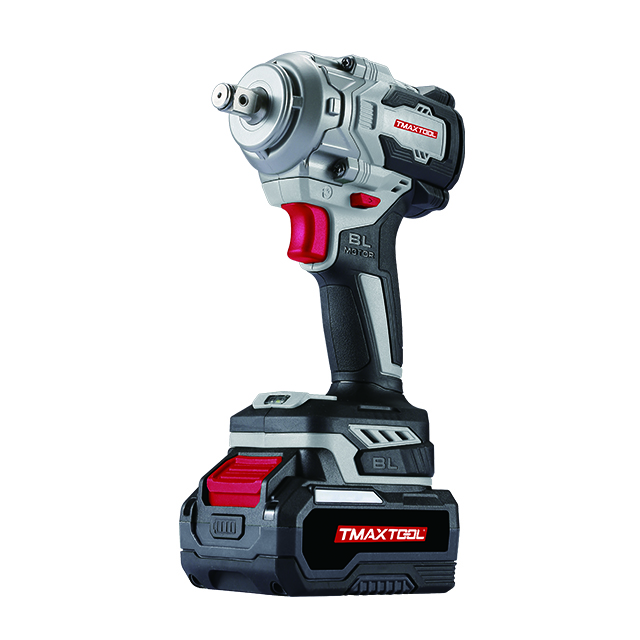
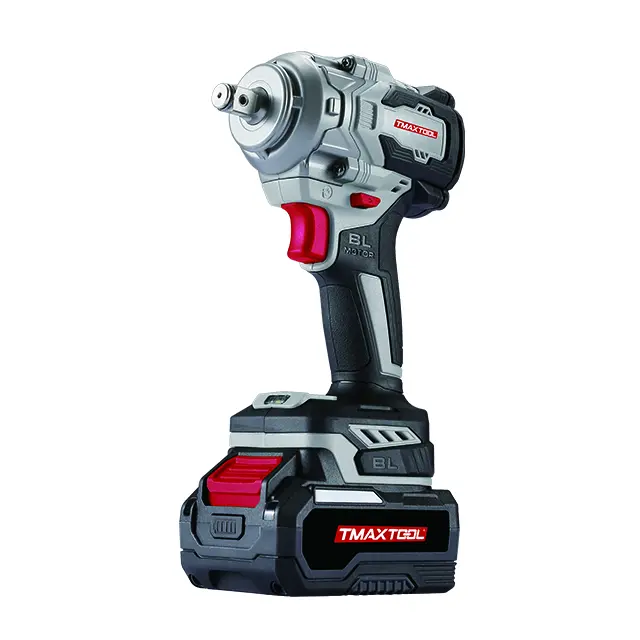
 Impact Wrench
 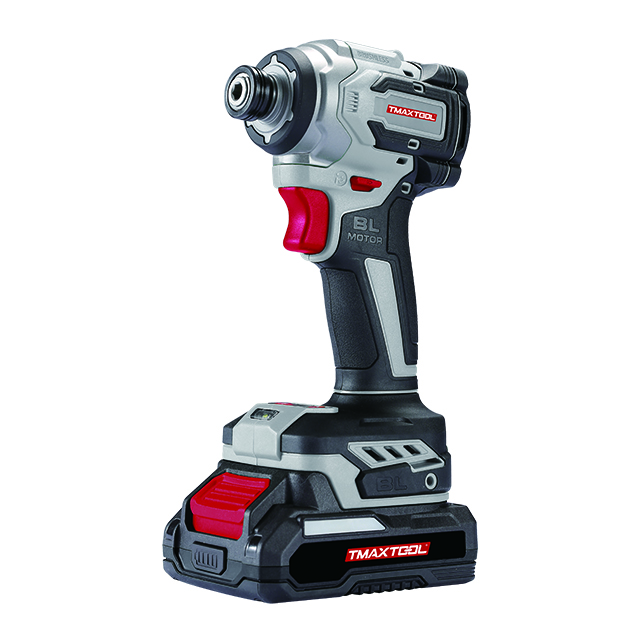 Screwdriver
 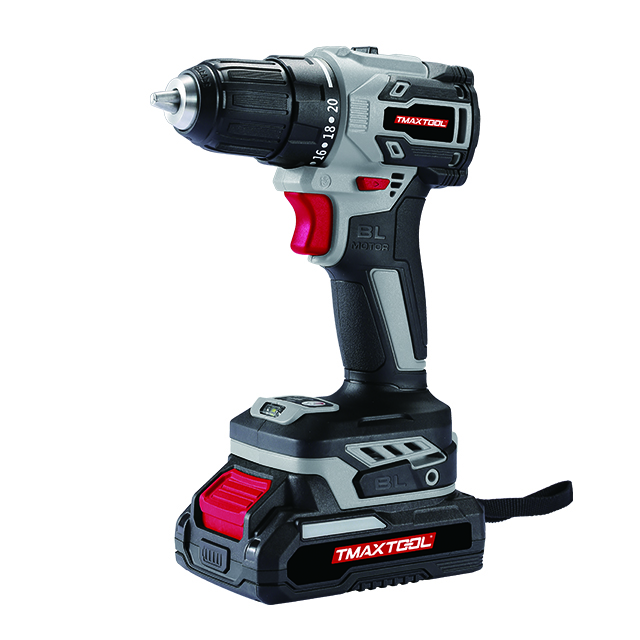 Cordless Drill
 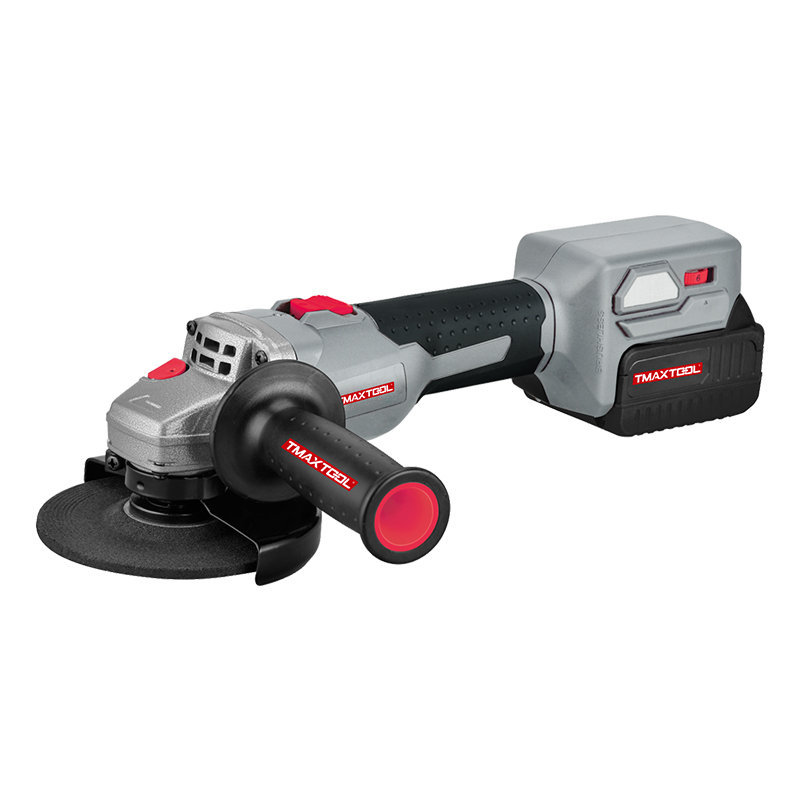 Angle Grinder
 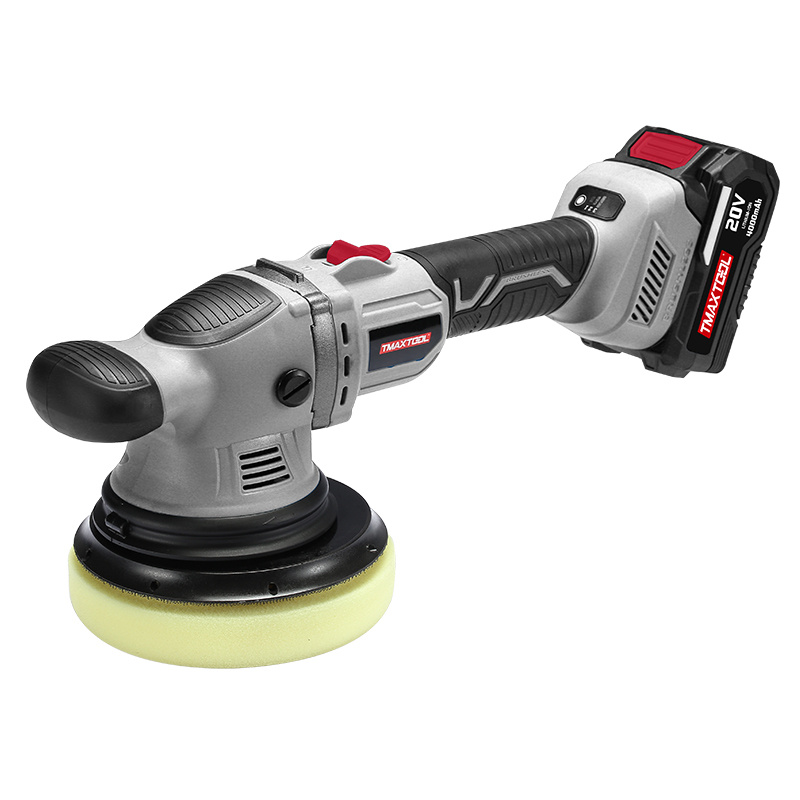 Polisher
 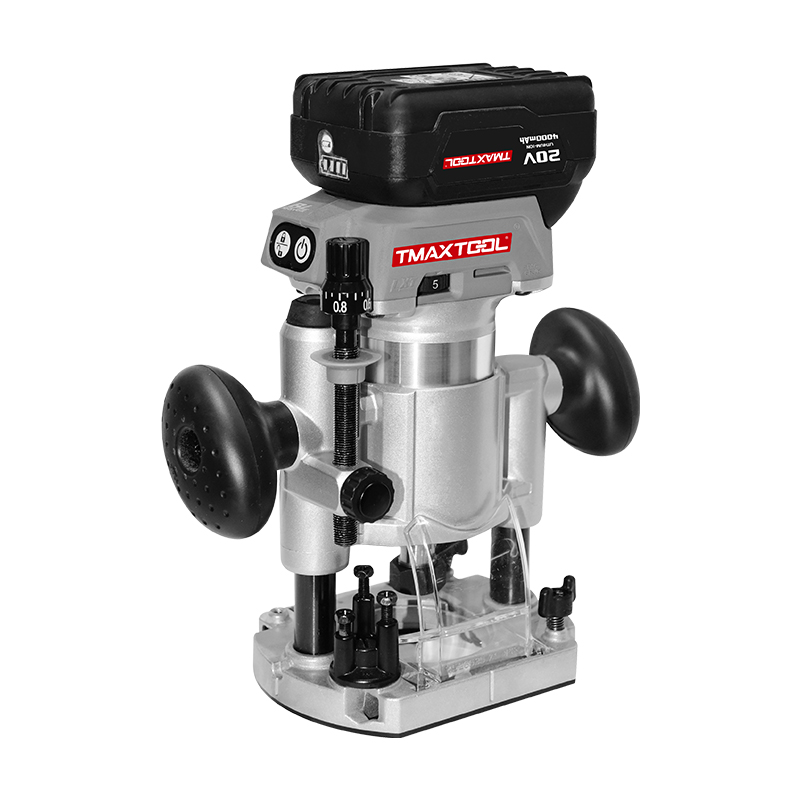 Wood Router
 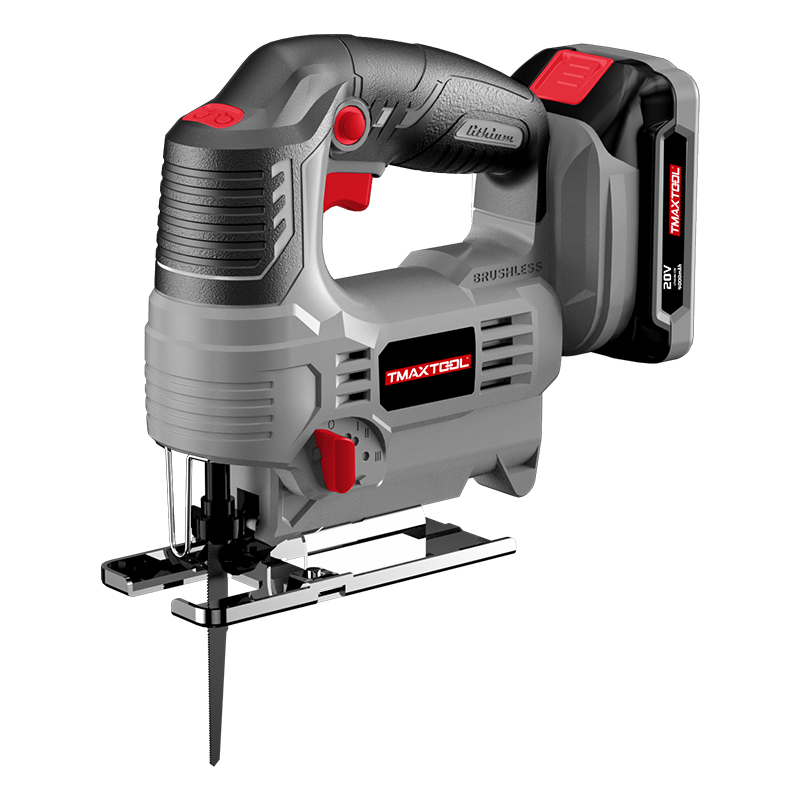 Jig Saw
 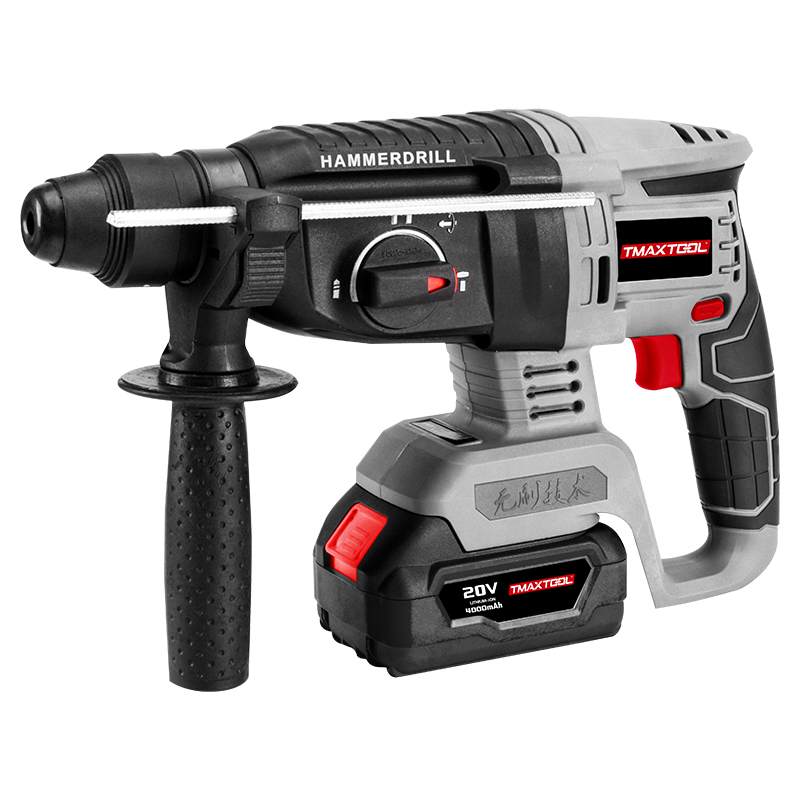 Hammer Drill
 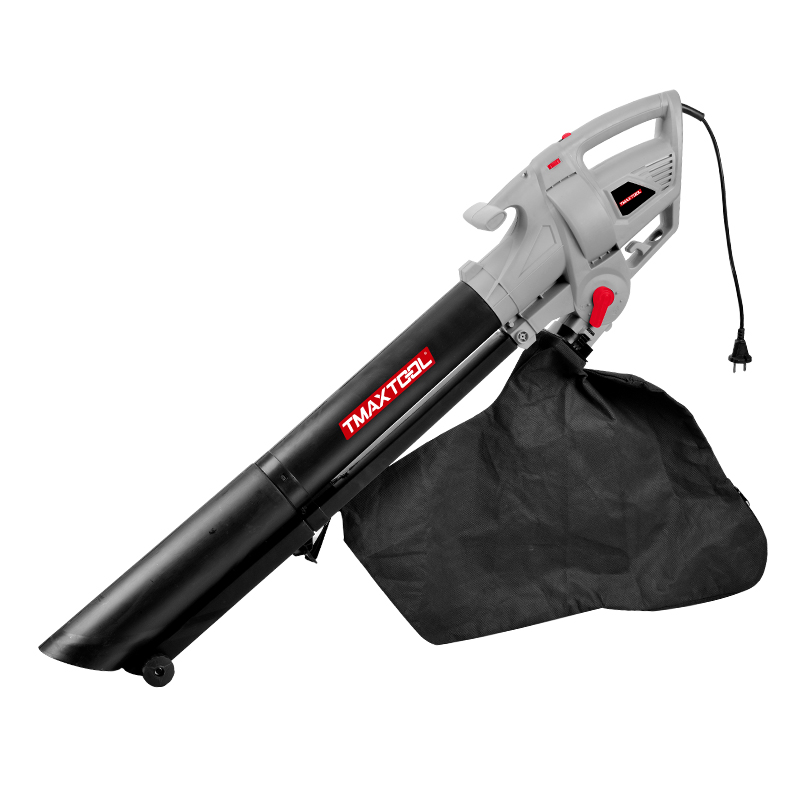 Portable Blower
 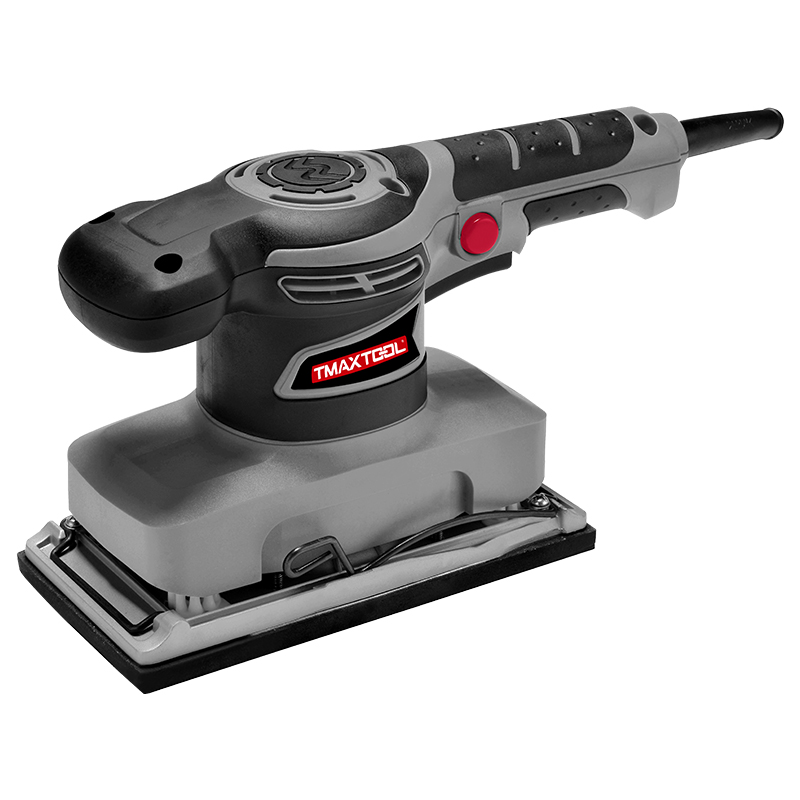 Orbital Sander
 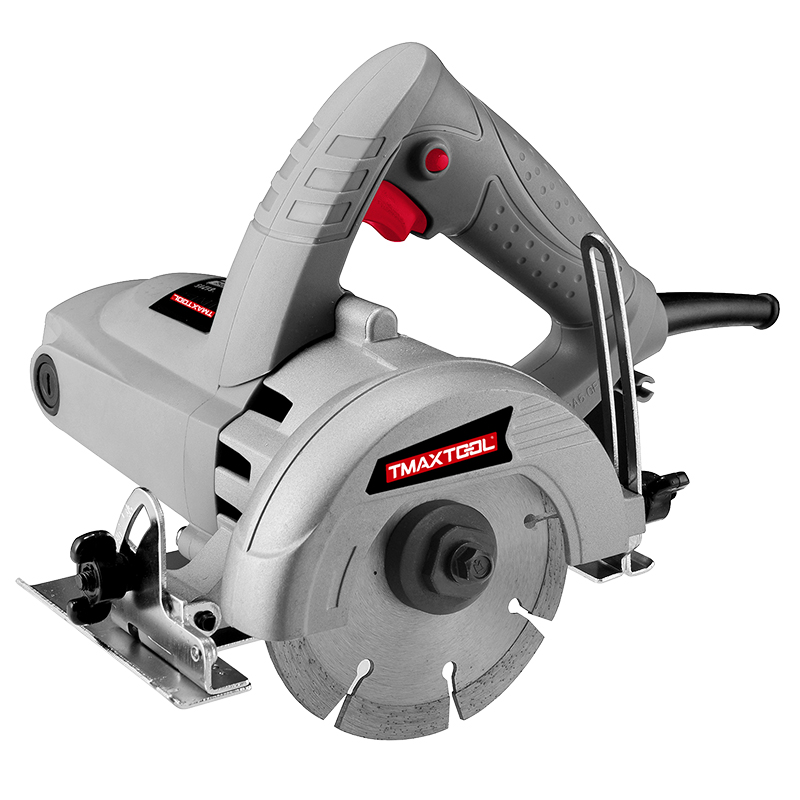 Marble Cutter
  GARDEN TOOLS
 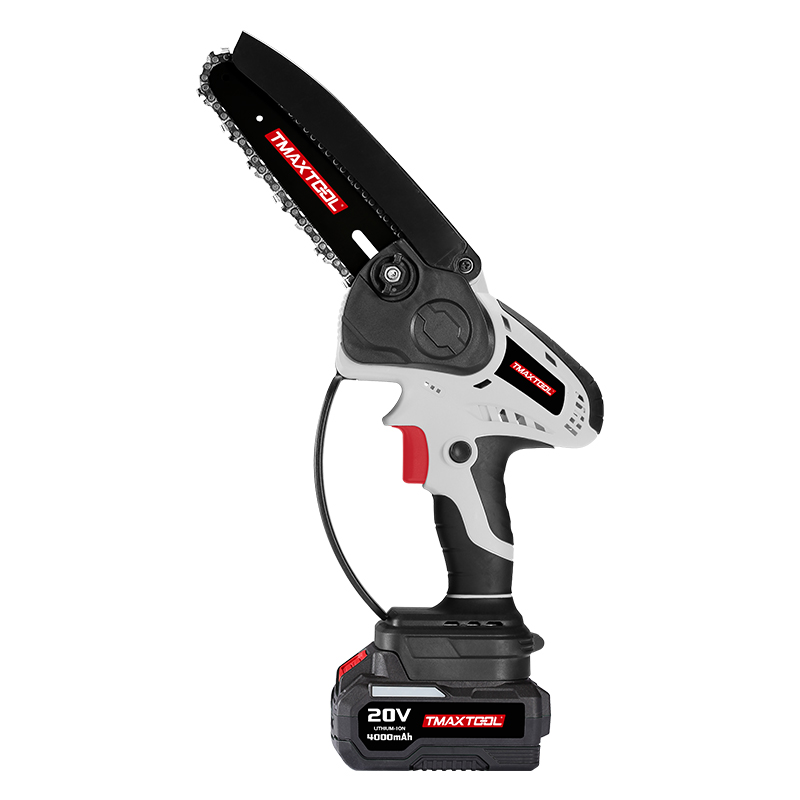 Battery Chain Saw
 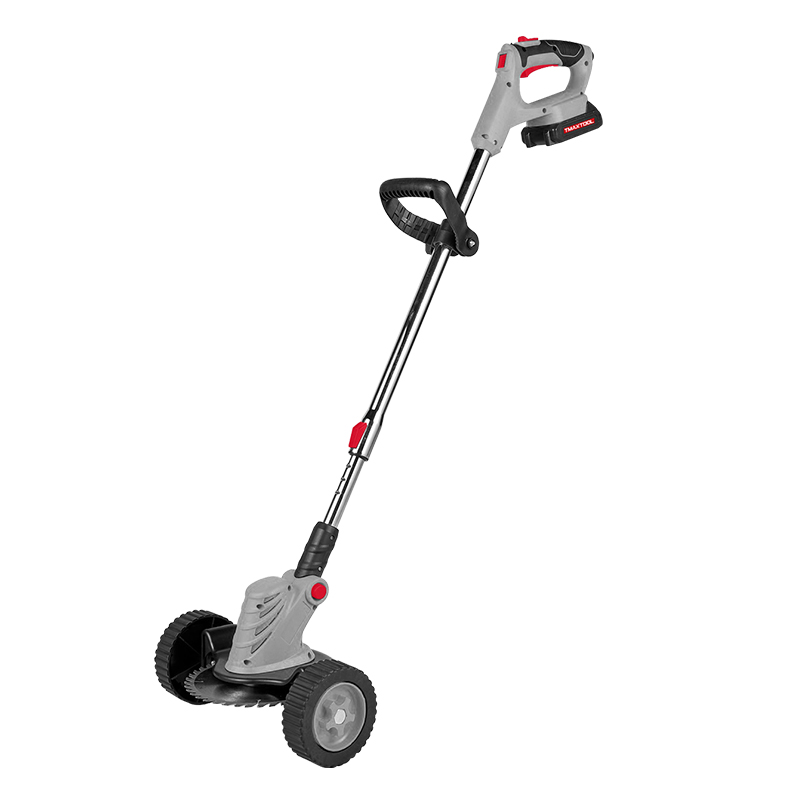 Battery Brush Cutter
 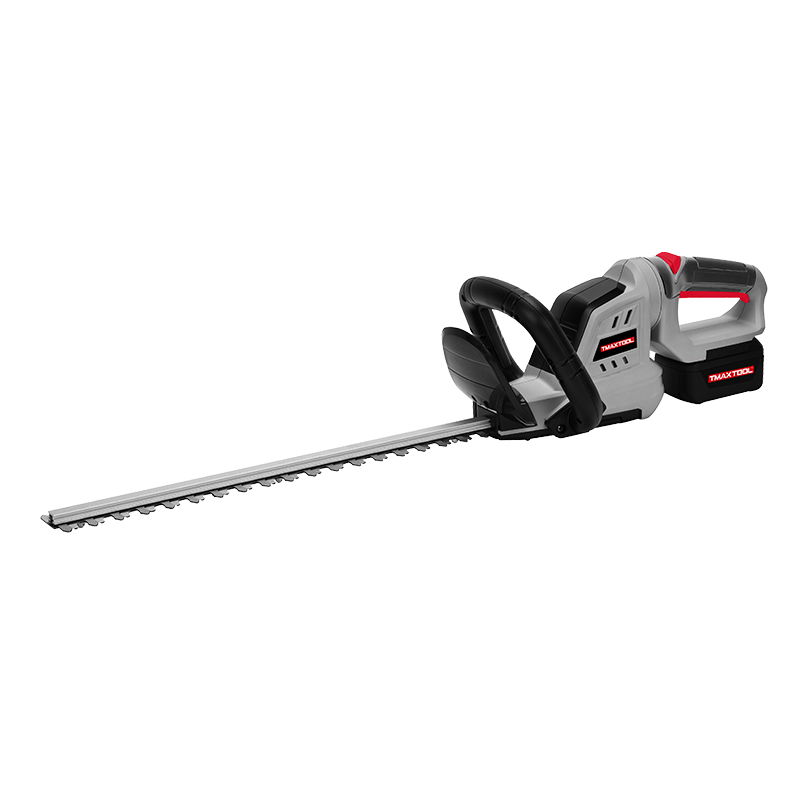 Battery Hedge Trimmer
 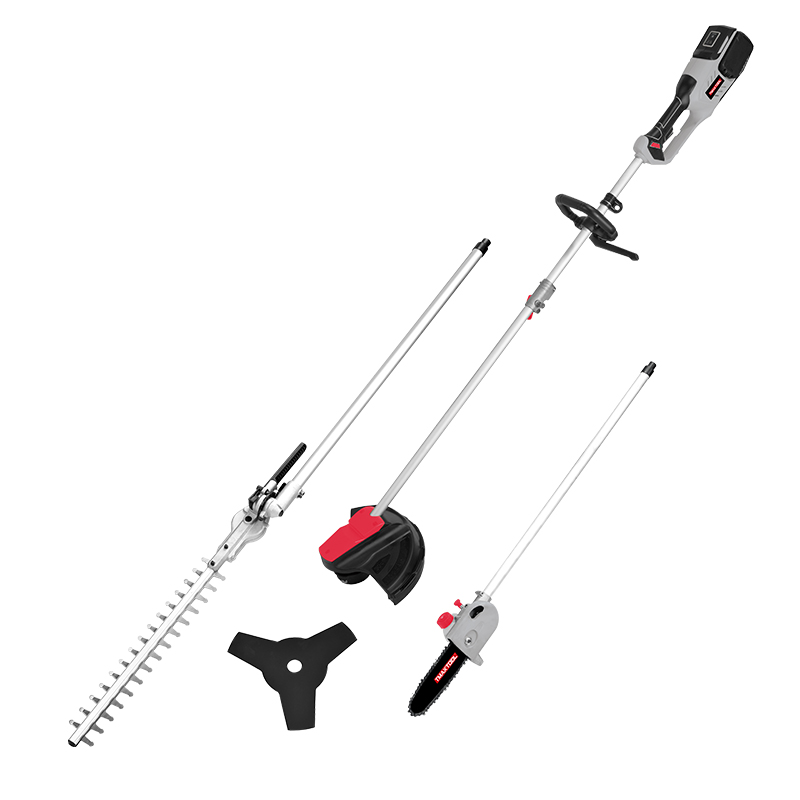 Battery Multi Tool
 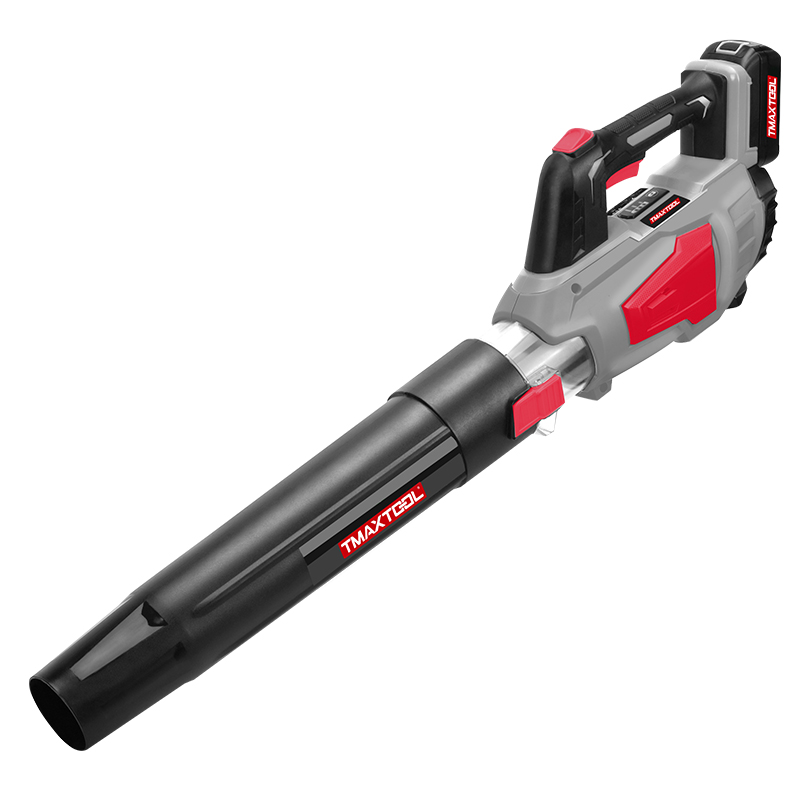 Battery Blower
 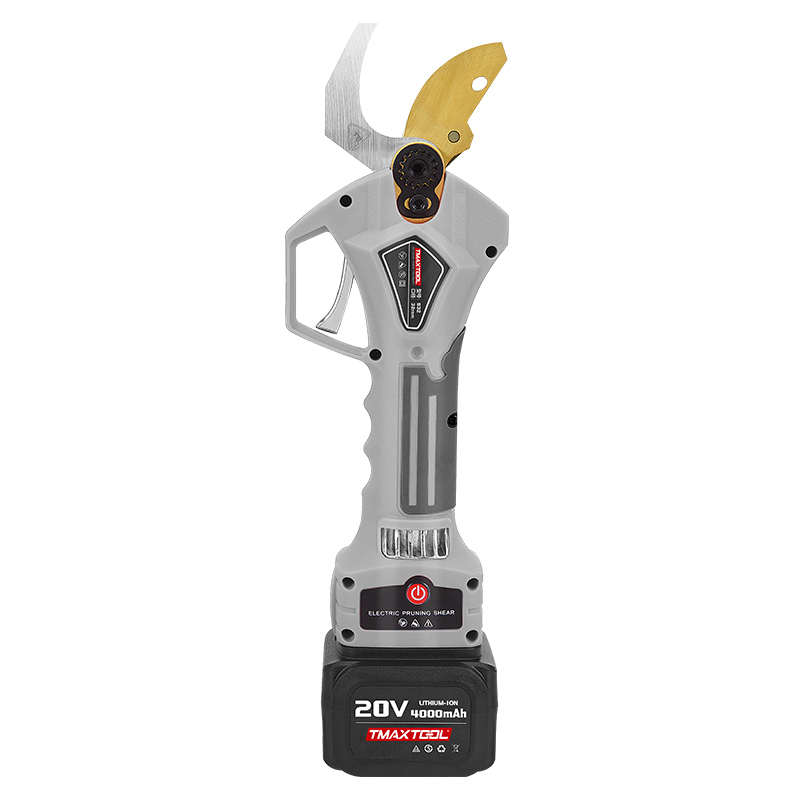 Batter Pruning Shears
 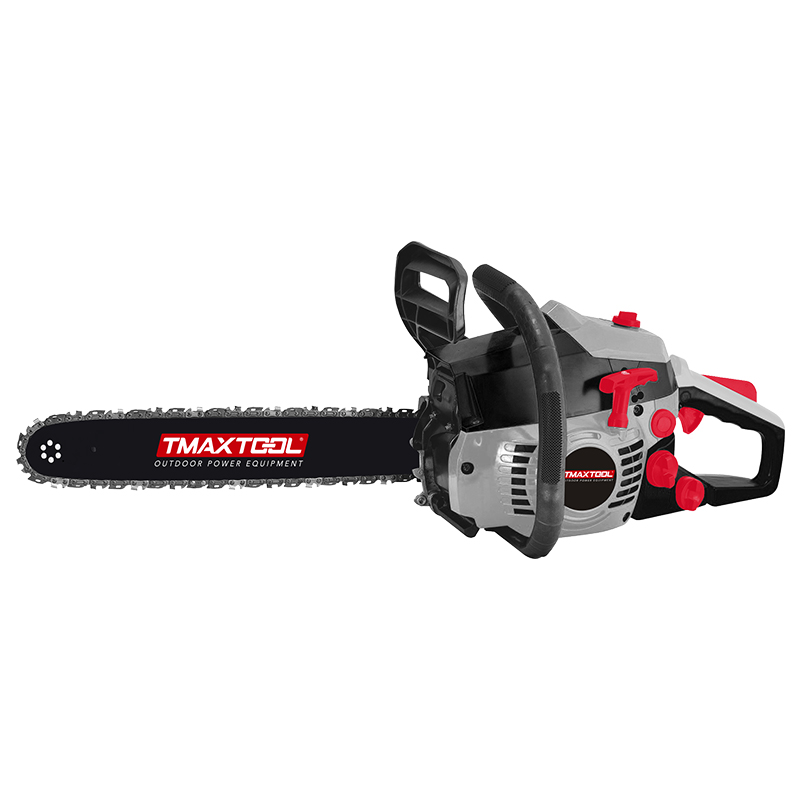 Chain Saw
 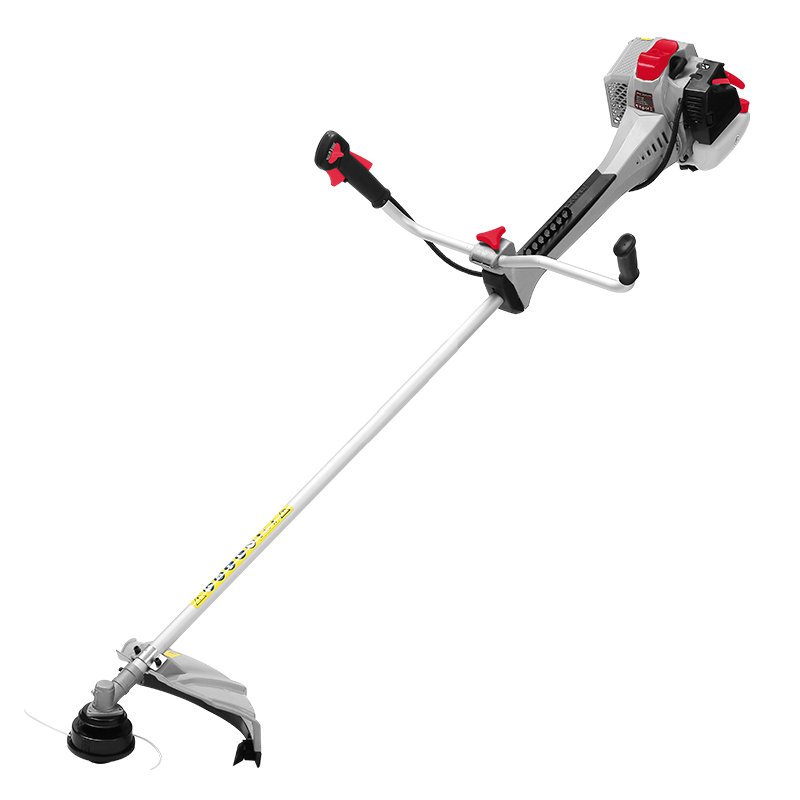 Brush Cutter
 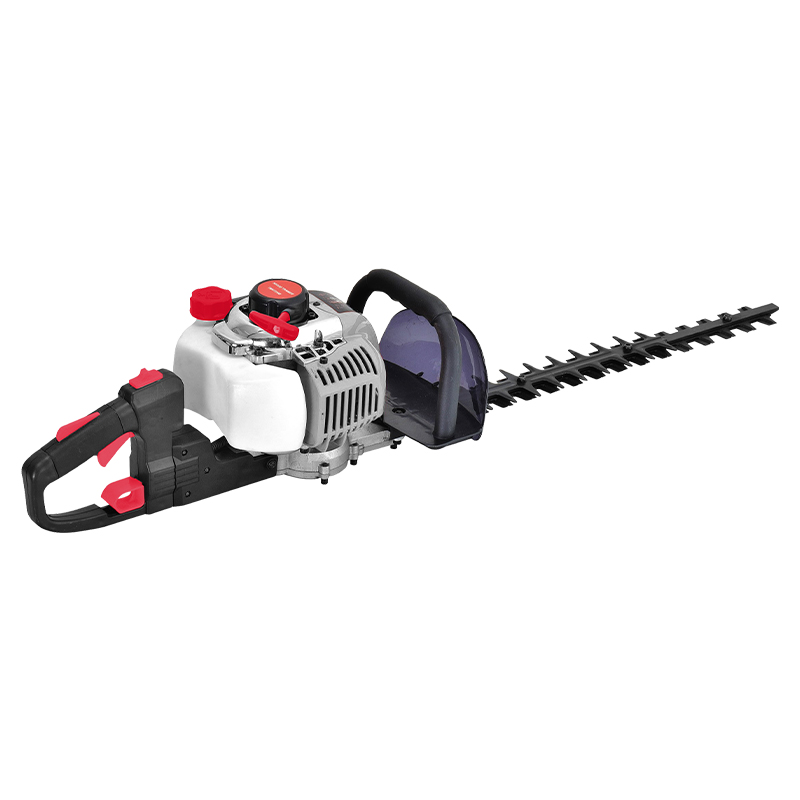 Hedge Trimmer
 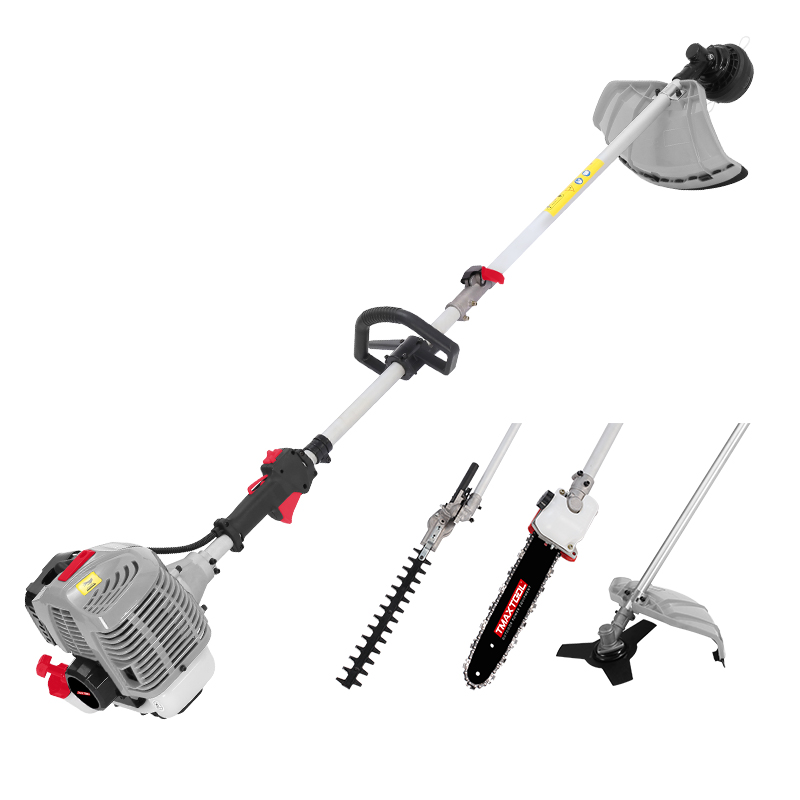 Multi Tool
 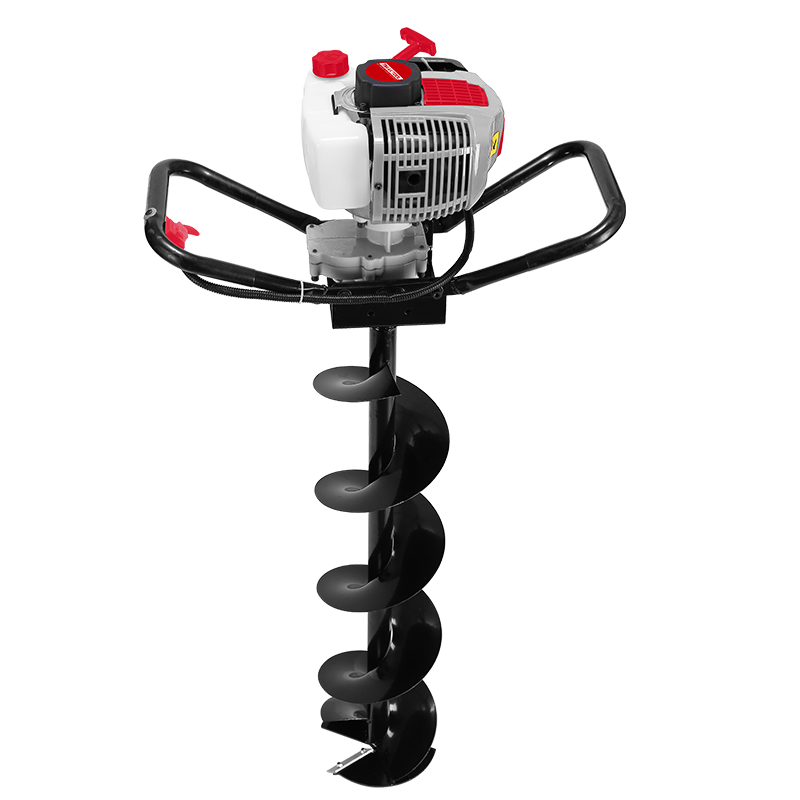 Earth Auger
 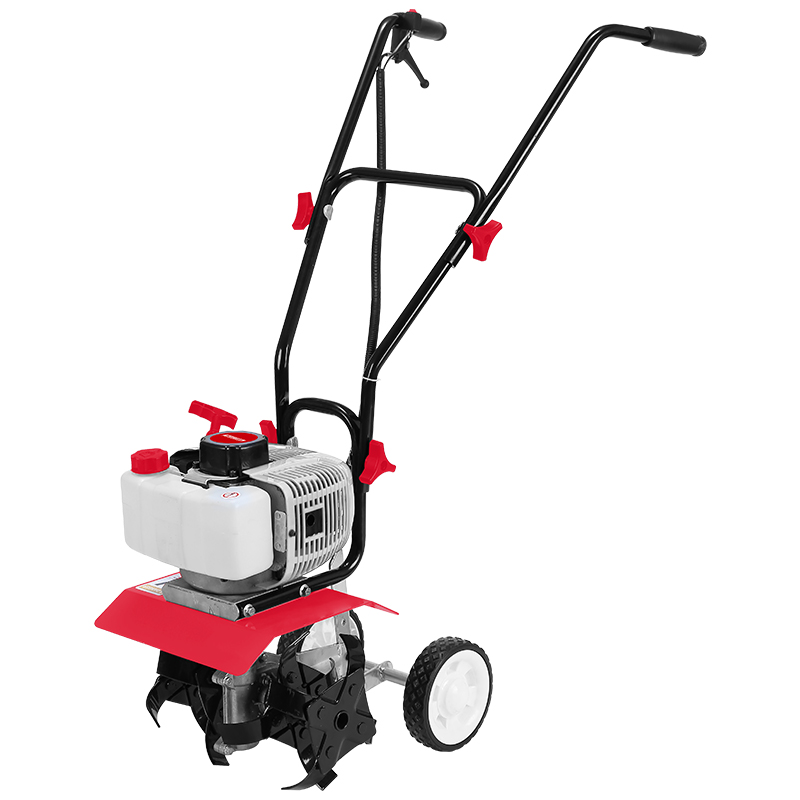 Tiller
 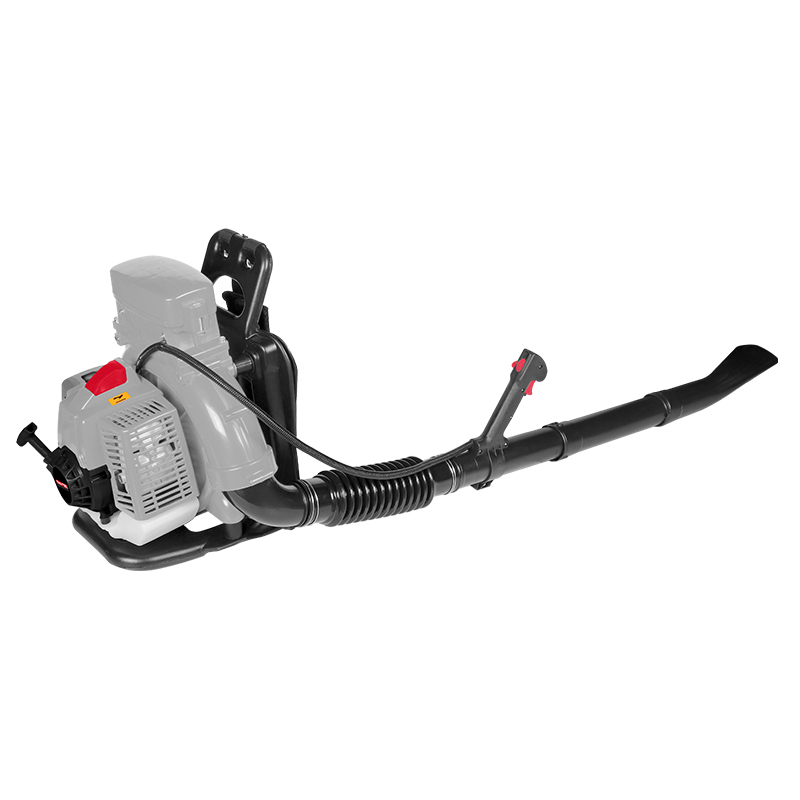 Blower
 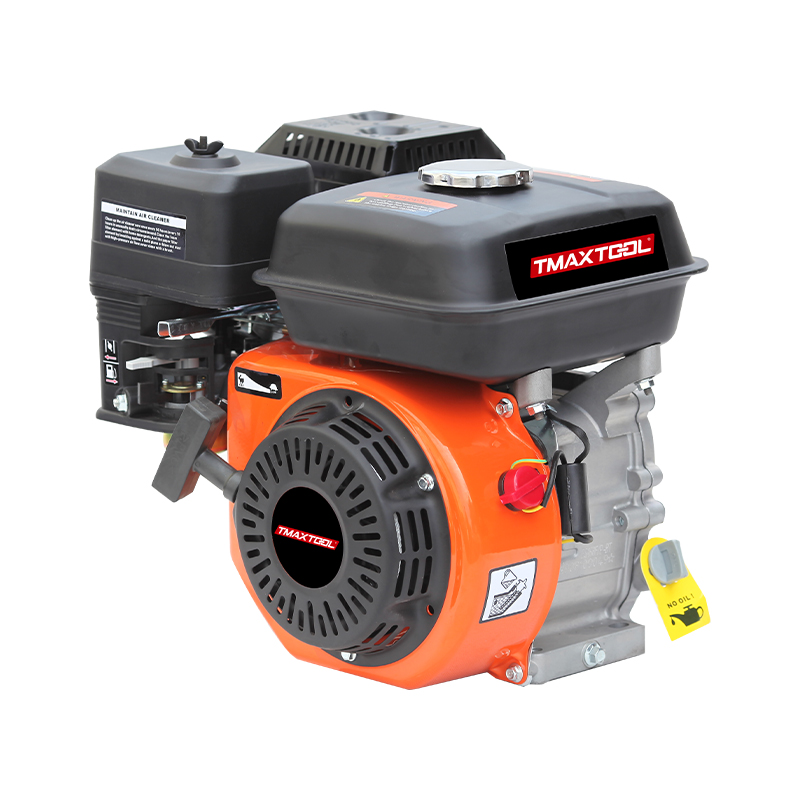 4 Stroke Gasoline Engine
 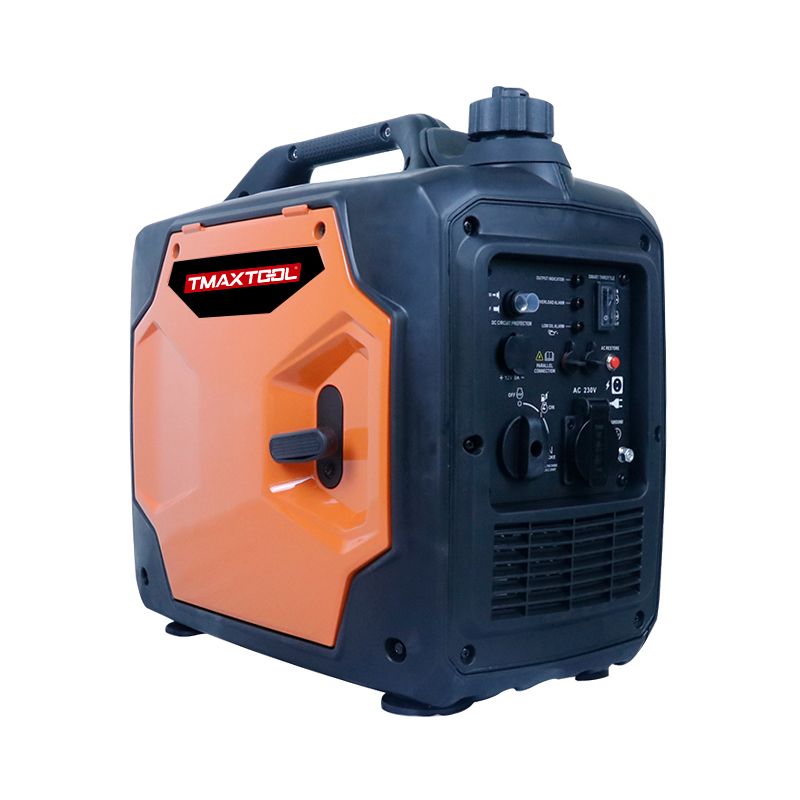 Generator
 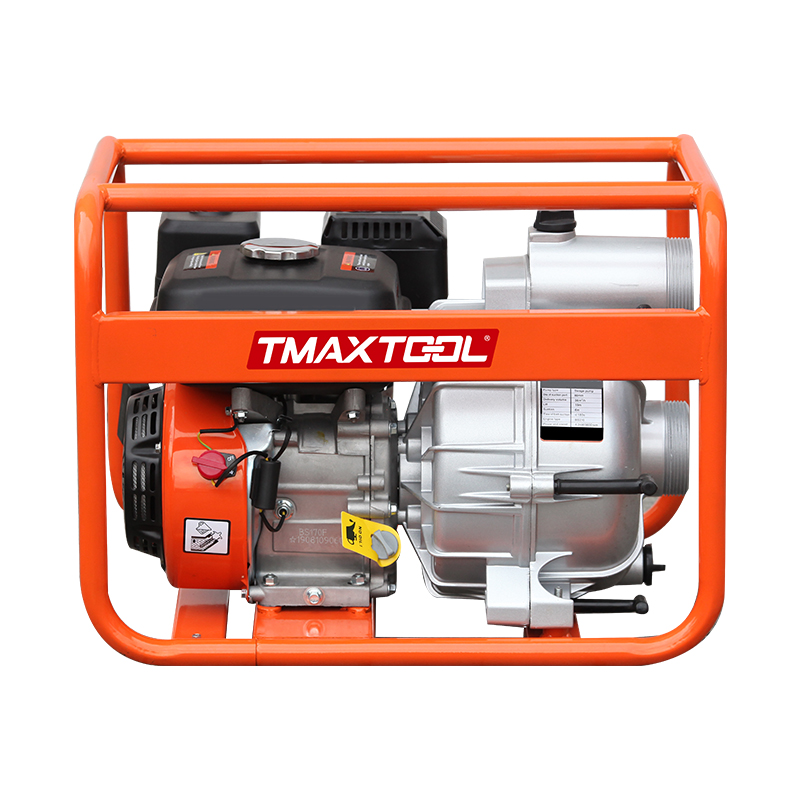 Water Pump
 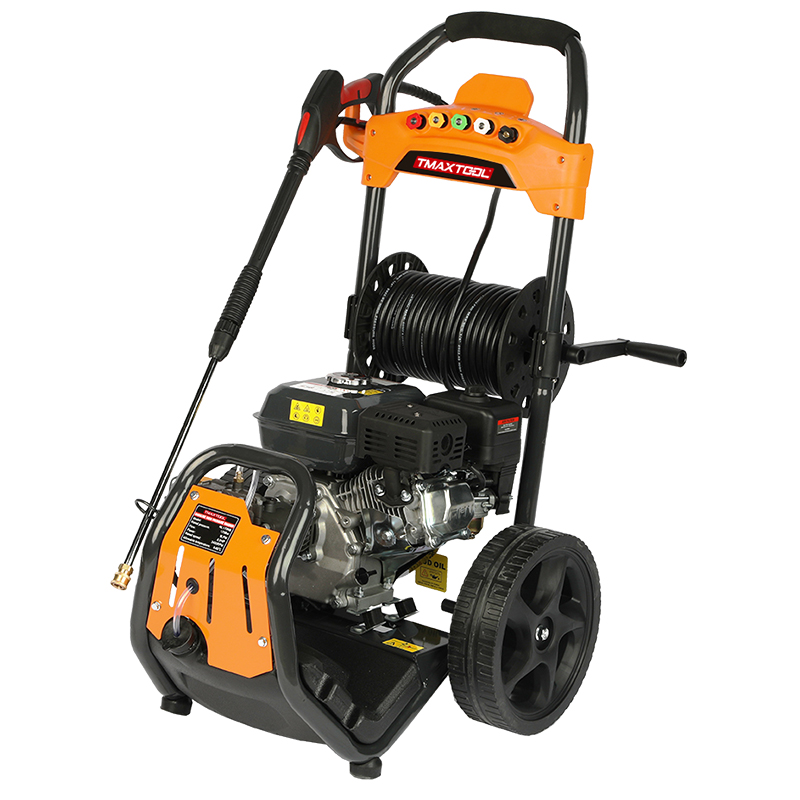 High Pressure Washer
 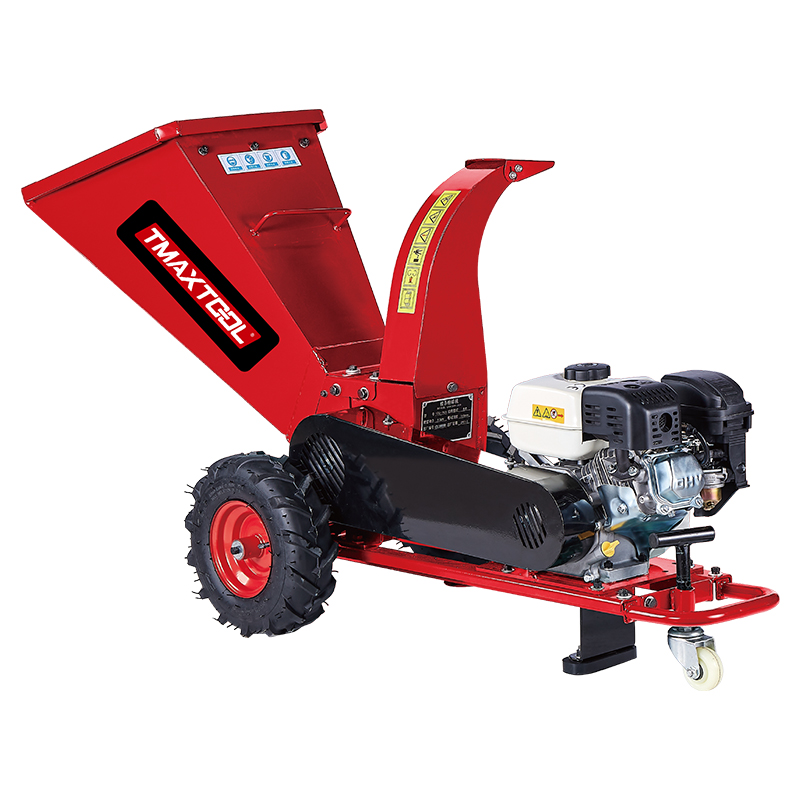 Wood Cutter
 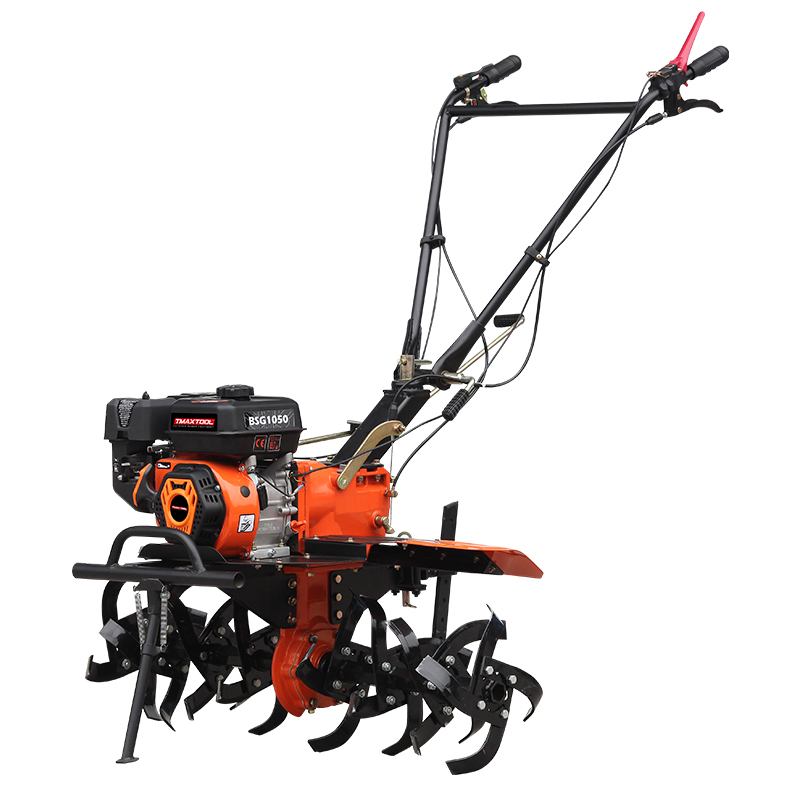 4 Stroke Tiller
 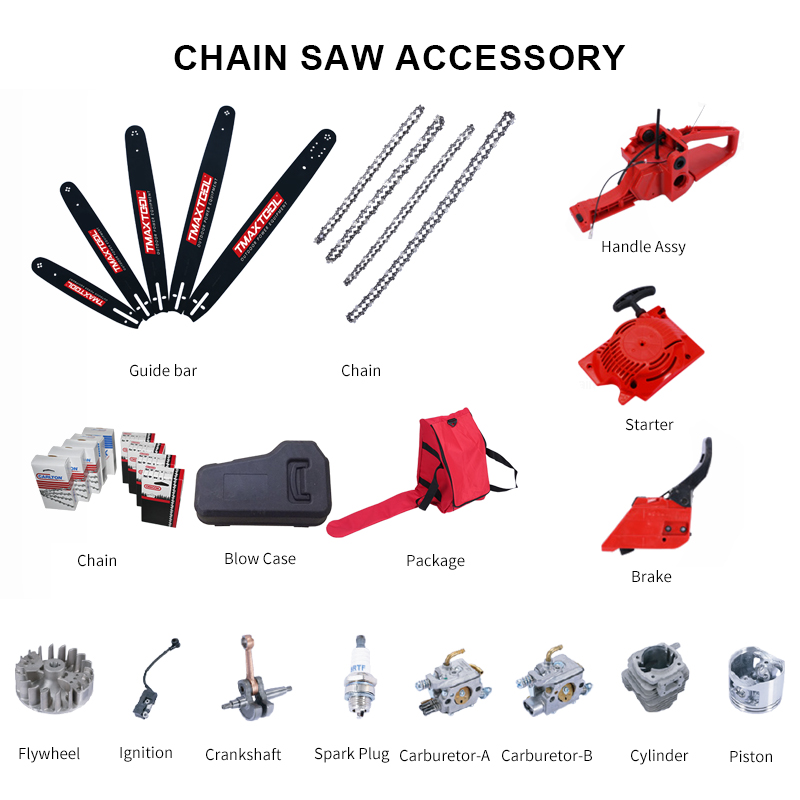 Chain Saw Accessory
 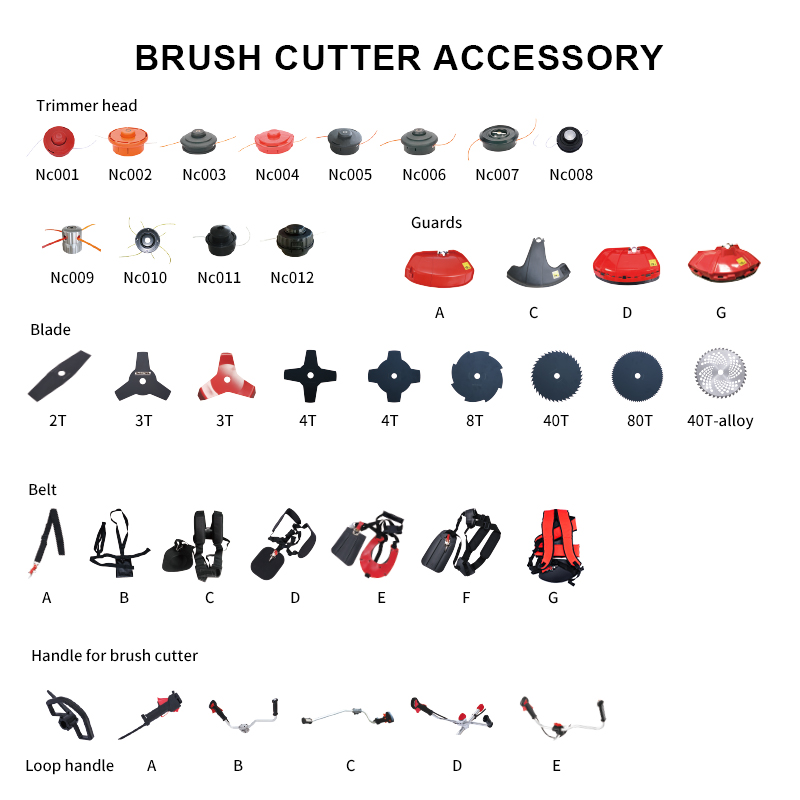 Brush Cutter Accessory
 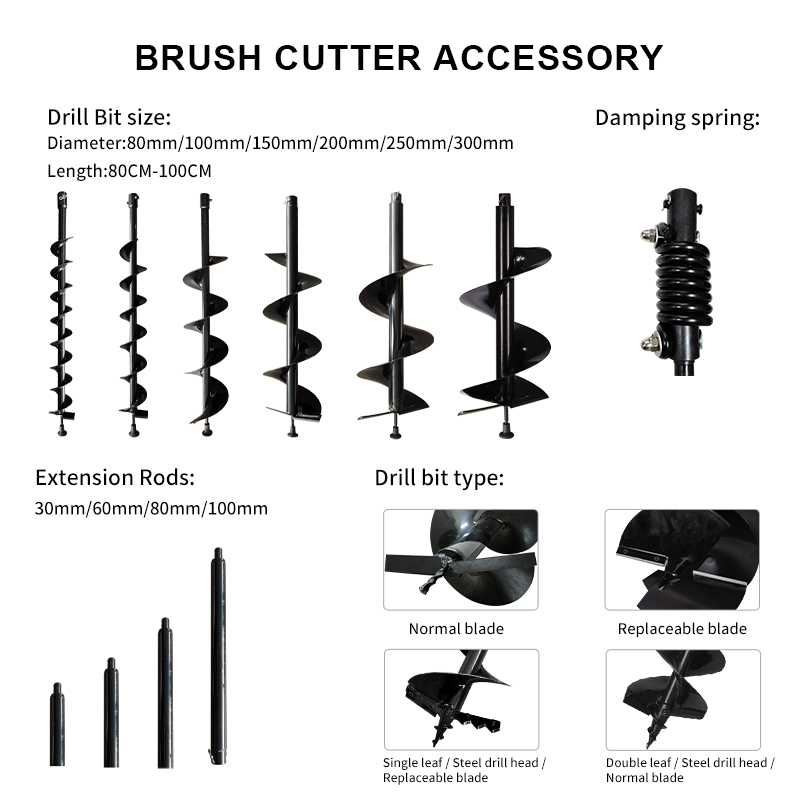 Earth Auger Accessory
 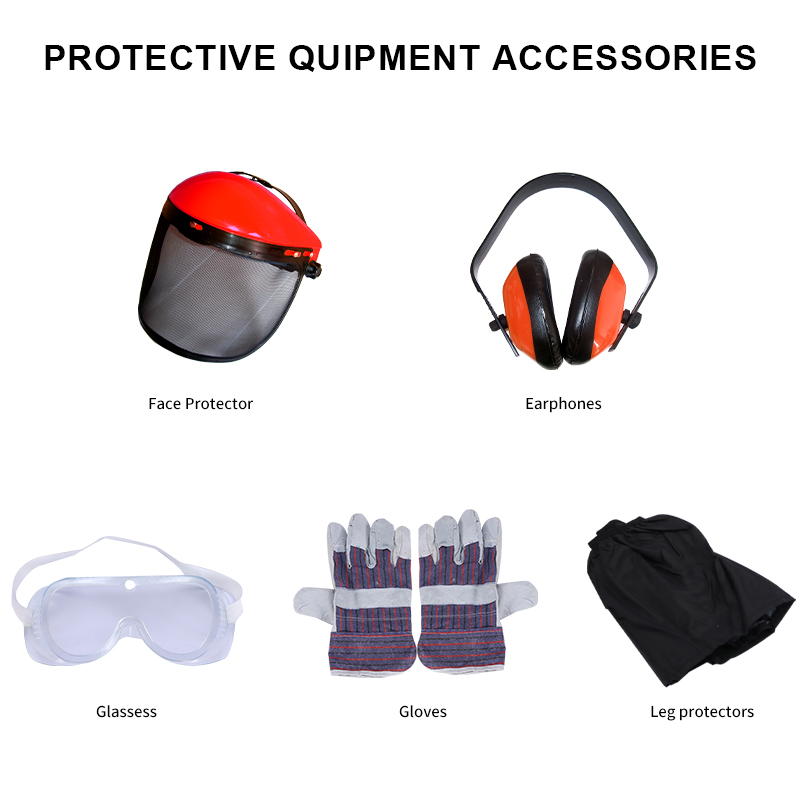 Protective Equipment Accessories
News
Leave Your Message


0102030405
Power Tools Distribution Network Guide
2026-07-22
Power Tools Distribution Network Guide: Build a Profitable Global Wholesale Channel
Introduction
A well-structured distribution network is the backbone of sustainable power tool wholesale success. Unlike consumer retail, power tool distribution balances industrial demand, cross-border logistics, regional compliance, after-sales support, and long-term profit margins. Whether you are a new regional importer expanding your hardware portfolio or an established wholesaler looking to scale cross-border coverage, designing a targeted distribution system eliminates inventory waste, speeds up market penetration, and locks in steady repeat orders.
This guide breaks down every core component of building, optimizing, and scaling a power tools distribution network. We cover channel classification, market selection criteria, supplier partnership benchmarks, inventory and logistics frameworks, local marketing execution, risk control, and real-world best practices tailored to international hardware buyers.
Table of Contents
- Core Types of Power Tools Distribution Channels & Their Ideal Use Cases
- Step 1: Map Target Regional Markets & Local Demand Profiles
- Step 2: Select Reliable Manufacturing Partners for Network Stability
- Step 3: Build a Tiered Local Distribution Hierarchy
- Step 4: Optimize Inventory, Logistics & Cross-Border Delivery Workflows
- Step 5: Localized Marketing & Support for Distributor Growth
- Step 6: Standardize Warranty, Spare Parts & After-Sales Systems
- Common Distribution Network Mistakes to Avoid
- How to Measure Distribution Network Performance
- Final Checklist for Launching a Global Power Tools Distribution Network
1. Core Types of Power Tools Distribution Channels & Their Ideal Use Cases
Every distribution channel serves distinct buyer groups, profit targets, and market coverage goals. Matching your network structure to local consumption habits directly impacts turnover and margins.
Regional Exclusive Master Distributors
Master distributors hold exclusive territorial rights for an entire country or large economic zone. They maintain central warehouses, recruit sub-dealers, manage local regulatory certification, and lead national brand promotion.
- Best for: Large markets with scattered regional demand (Western Europe, Southeast Asia, North America)
- Pros: Centralized inventory management, unified pricing control, full market coverage
- Cons: Higher minimum order commitments, longer profit-sharing negotiation cycles
- Ideal product mix: Full cordless power tool lines, garden machinery, agricultural multi-tools, complete accessory kits
Local Wholesale Sub-Dealers
Sub-dealers operate city-level hardware wholesale markets, supplying small retailers, construction contractors, and repair shops. They focus on fast-moving entry-level and mid-range power tools.
- Best for: Dense urban construction hubs, suburban DIY retail clusters
- Pros: Low entry cooperation thresholds, fast local order fulfillment, direct end-user feedback
- Cons: Smaller order volumes, price competition between adjacent sub-dealers
- Top selling items: Cordless Drills, angle grinders, jigsaws, replacement blades and batteries
Direct Retail & Contractor Supply Channels
This hybrid channel skips secondary wholesalers to supply hardware stores, construction firms, auto repair garages, and landscaping companies directly.
- Best for: Markets with mature industrial contractor demand (Middle East, Eastern Europe, Australia)
- Pros: Higher profit margins, stronger long-term bulk order contracts
- Cons: Requires dedicated sales and technical support teams
- Recommended stock: Heavy-duty industrial power tools, petrol garden equipment, Generator sets
E-Commerce & Online B2B Distribution
Digital distribution connects with cross-border small-volume importers, online hardware marketplace sellers, and dropship retailers.
- Best for: Entry market testing, small-scale resellers, remote island regions
- Pros: Ultra-low minimum order access, wider global reach without physical warehousing
- Cons: Higher cross-border shipping costs, complex lithium battery transport compliance
- Suitable inventory: Compact cordless tool sets, hand tool kits, small replacement accessories
2. Step 1: Map Target Regional Markets & Local Demand Profiles
Before building any distribution network, complete deep market profiling to avoid misaligned inventory and wasted promotional investment. Focus on four critical regional variables:
Local End-User Segmentation
Split regional buyers into three core groups to shape your product stocking strategy:
- Professional Contractors: Prioritize heavy-duty, long-wear cordless tools with high torque, extended battery life, and robust warranty terms.
- DIY Home Users: Prefer lightweight, affordable compact drill kits with simple operation and bundled accessories.
- Agricultural & Landscaping Operators: Demand petrol-powered garden tools, multi-function brush cutters, irrigation pumps, and farm machinery.
Regulatory & Compliance Standards
Every territory enforces unique safety certification rules that govern import eligibility:
- European Union: CE, GS, RoHS for lithium battery power tools
- North America: UL 62841, OSHA workplace safety requirements
- Australia & New Zealand: SAA battery and electrical safety certification
- Middle East & Africa: CB certification for streamlined customs clearance Uncertified inventory leads to customs seizure, fines, and total distribution network disruption. Prioritize manufacturers with complete pre-approved regional certification files.
Logistics & Port Accessibility
Evaluate major entry ports, inland transport costs, and local warehousing availability:
- Coastal markets benefit from sea freight bulk shipments and regional hub storage
- Landlocked regions require pre-positioned local inventory to cut delivery lead times from 30+ days to under one week
- Tropical humid zones demand moisture-proof packaging for battery and electrical components
Competitive Market Saturation
Markets dominated by legacy premium brands require differentiated mid-tier value tools to capture price-sensitive buyers. Underserved emerging markets accept full-range one-stop tool procurement portfolios with flexible minimum order quantities.
3. Step 2: Select Reliable Manufacturing Partners for Network Stability
Your distribution network’s performance rises and falls with your supplier’s production, delivery, and support capacity. Use these benchmark criteria to screen manufacturers:
Comprehensive Product Portfolio Support
Prioritize factories offering a full one-stop tool lineup: cordless power tools, garden machinery, agricultural equipment, hand tool sets, and matching replacement accessories. Sourcing all inventory from a single manufacturer reduces separate shipping fees, simplifies customs filing, and unifies spare parts supply chains.
Production & Delivery Reliability Metrics
Key KPIs to verify before signing distribution agreements:
- Production completion rate above 98% to avoid delayed dealer stock replenishment
- Standard lead time under 30 days for bulk orders; 7-day turnaround for sample requests
- Monthly stable production capacity of 30,000+ units to support expanding regional dealer orders
- On-time delivery guarantee with formal compensation terms for shipment delays
Flexible Minimum Order Quantities
New regional distributors need low-risk trial inventory. Manufacturers offering 50-piece minimum order limits allow you to test market demand without overstocking slow-selling models. Avoid suppliers enforcing rigid full-container minimum orders for new market launches.
End-to-End Distributor Support Packages
Top manufacturers provide built-in resources to accelerate your local distribution growth:
- Complete marketing assets: Product photos, demonstration videos, multilingual product catalogs
- Professional market analysis reports segmented by regional hardware demand
- Customizable product packaging, branding, and OEM labeling services
- Dedicated technical teams to resolve dealer and end-user equipment troubleshooting
Quality Control & Warranty Backing
Confirm consistent factory quality pass rates exceeding 98% and customer complaint rates below 3%. A standard 12-month global product warranty simplifies local after-sales handling for all tiers of your distribution network.
4. Step 3: Build a Tiered Local Distribution Hierarchy
A tiered network creates clear territory boundaries, prevents internal price conflicts, and ensures every sales channel receives consistent profit margins. Use this three-tier framework for scalable regional coverage:
Tier 1: Exclusive Master Distributor (Country-Wide Hub)
Core responsibilities:
- Operate central regional warehouse for bulk inventory storage
- Recruit, train, and manage all city-level sub-dealers
- Negotiate unified national pricing and promotional calendars
- Handle regional customs clearance, bulk import documentation, and large logistics coordination
- Deliver centralized marketing campaigns across the entire country
Tier 2: City Wholesale Sub-Dealers (Regional Stockists)
Core responsibilities:
- Maintain small local warehouse for fast order fulfillment to retailers and contractors
- Supply physical hardware market stalls, small repair shops, and local construction teams
- Execute localized seasonal promotions (summer landscaping tool sales, winter construction tool stock-ups)
- Collect real-time end-user demand feedback to share with master distributors for inventory adjustments
Tier 3: End-Sale Partners (Retail Stores & Direct Contractors)
Core responsibilities:
- Display and sell tools to individual DIY users and small contracting crews
- Provide basic product demonstrations and simple equipment troubleshooting
- Submit regular restock orders to city sub-dealers based on walk-in customer demand
Critical Network Rule: Strict Territorial Segmentation
Assign non-overlapping geographic zones to each master distributor and sub-dealer to eliminate cross-region price dumping. Include formal territorial protection clauses in all cooperation contracts to protect each partner’s profit investment.

5. Step 4: Optimize Inventory, Logistics & Cross-Border Delivery Workflows
Poor inventory and logistics management creates cash flow bottlenecks across your entire distribution network. Implement these standardized workflows for stable operations:
Tiered Inventory Stocking Strategy
- Master Distributor Central Warehouse: Store full product range, high-volume core models, and complete spare parts inventory for nationwide redistribution
- City Sub-Dealer Local Warehouses: Stock fast-moving entry-level cordless tools, seasonal garden equipment, and common replacement accessories
- Retail End-Partners: Maintain compact display stock with rapid restock access to sub-dealer inventories
Cross-Border Shipping Compliance for Lithium Battery Tools
Lithium-ion powered power tools carry strict dangerous goods shipping regulations:
- Secure UN3481 classification certification for all battery-equipped units
- Separate battery and tool packaging for ocean freight to reduce customs inspection delays
- Pre-submit safety data sheets to destination country customs to cut clearance time to 3–5 business days
Localized Fast Delivery Solutions
Reduce order wait times for your downstream dealers by establishing regional bonded warehouses in major market hubs. Local warehousing cuts delivery lead times from one month to under 48 hours for domestic sub-dealer orders and drastically improves dealer retention rates.
6. Step 5: Localized Marketing & Support for Distributor Growth
Your distribution partners rely on marketing resources to move inventory. Standardize a full support toolkit to boost their local sales performance:
Ready-to-Use Marketing Assets
Supply every tier of your network with pre-built promotional materials: high-resolution product imagery, operation demonstration videos, printable catalogs, and point-of-sale retail display posters translated into local regional languages.
Customized Sales Planning Support
Share regional market demand reports with master distributors to help them design targeted seasonal sales plans. For example, prioritize lawn mowers and brush cutters in tropical summer markets, and heavy-duty construction drills in cold winter building seasons.
Professional Technical Training
Host virtual or in-person training sessions for dealer sales teams covering product performance highlights, proper tool operation, common fault diagnosis, and simple repair procedures. Well-trained dealer staff reduce customer returns and build buyer trust.
Exclusive Regional Promotional Campaigns
Launch quarterly limited-time offers unique to each territory, such as bundled tool-and-accessory discount sets, bulk order rebates, and seasonal volume bonuses for top-performing sub-dealers.
7. Step 6: Standardize Warranty, Spare Parts & After-Sales Systems
After-sales service is the single biggest factor determining long-term dealer loyalty within your distribution network. Build a unified global support framework:
Centralized Spare Parts Supply Chain
Maintain a dedicated spare parts inventory at your master distributor central warehouse, covering batteries, chargers, saw blades, grinding discs, and motor components. Enable sub-dealers to place small spare parts orders separately without purchasing full tool units.
Unified Global Warranty Policy
Adopt a consistent 12-month product warranty across all distribution territories, with clear documentation outlining covered manufacturing defects and excluded user damage cases. Supply pre-printed warranty cards translated into local languages for every tool unit.
Streamlined Fault Claim Resolution Process
Create a simple digital claim submission system for dealers to report defective units, attach product photos, and request replacement parts. Set a 24-hour maximum response window for all after-sales inquiries to prevent downstream customer dissatisfaction.
8. Common Distribution Network Mistakes to Avoid
Many wholesale operators stall network scaling due to these avoidable errors:
- Overstocking slow-selling industrial models in DIY-focused consumer markets, tying up large amounts of working capital
- Skipping territorial protection clauses, leading to price wars between adjacent sub-dealers and shrinking profit margins
- Partnering with manufacturers lacking complete regional safety certifications, resulting in customs seized inventory
- Neglecting spare parts inventory, forcing dealers to turn away customers with broken tools
- Setting overly high minimum order thresholds for new regional sub-dealers, slowing market expansion
- Failing to provide localized marketing materials, leaving dealers unable to effectively promote products to local buyers
- Ignoring lithium battery shipping compliance rules, incurring heavy customs fines and delayed shipments
9. How to Measure Distribution Network Performance
Track these core KPIs monthly to evaluate network health and identify areas for optimization:
- Average dealer order repeat rate: Target above 50% for stable long-term partnerships
- Inventory turnover rate: High turnover indicates well-aligned product demand matching local buyers
- Customer complaint rate: Keep total end-user complaints below 3% to protect brand reputation
- On-time delivery rate to sub-dealers: Target 98% or higher to maintain dealer trust
- Regional market coverage percentage: Track how many key cities in your target territory have active sub-dealer partners
- Average profit margin per distribution tier: Ensure consistent, sustainable margins for master distributors, sub-dealers, and retail partners alike
10. Final Checklist for Launching a Global Power Tools Distribution Network
Complete every item before rolling out a new regional distribution network:
- Complete full local market demand and regulatory compliance research
- Confirm manufacturing partner holds all required regional safety certifications
- Finalize tiered distribution contracts with clear territorial protection clauses
- Set up tiered inventory stocking plans for central and local warehouses
- Secure bonded regional warehousing or cross-border fast shipping partnerships
- Prepare translated marketing catalogs, training guides, and warranty documentation
- Build centralized spare parts inventory for after-sales support
- Establish standardized 24-hour dealer inquiry response workflows
- Draft quarterly regional promotional calendars and volume rebate structures
- Set up monthly KPI tracking for all distribution tiers to monitor growth
Conclusion
Building a successful power tools distribution network is a balanced mix of market research, reliable manufacturing partnerships, structured tiered channel management, streamlined logistics, and consistent after-sales support. By aligning your channel structure with regional buyer demand, protecting partner territories, and equipping every dealer with full marketing and technical resources, you create a self-sustaining global wholesale system that delivers steady long-term profit growth.
Whether you operate across one regional market or scale coverage across dozens of countries, the core framework in this guide eliminates the most common distribution pain points and creates lasting partnerships with hardware importers, sub-dealers, and retail operators worldwide.