
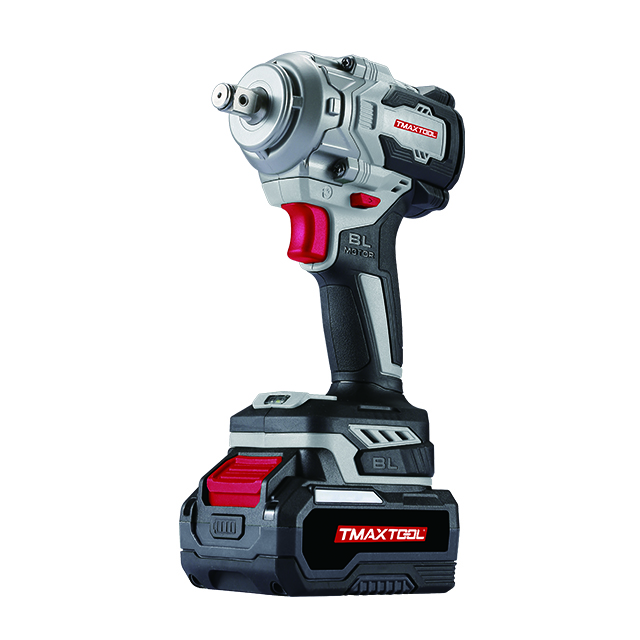
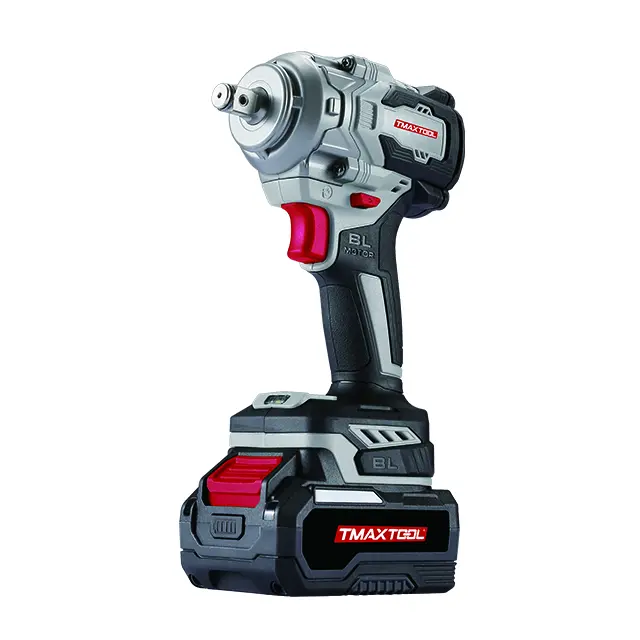
 Impact Wrench
 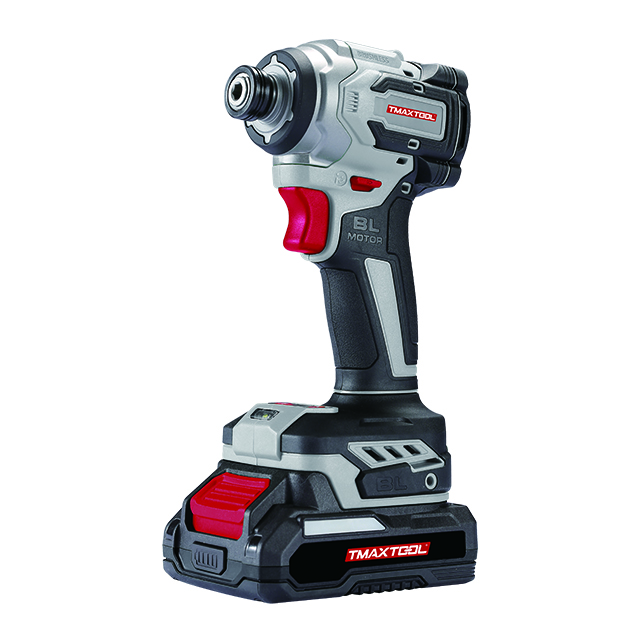 Screwdriver
 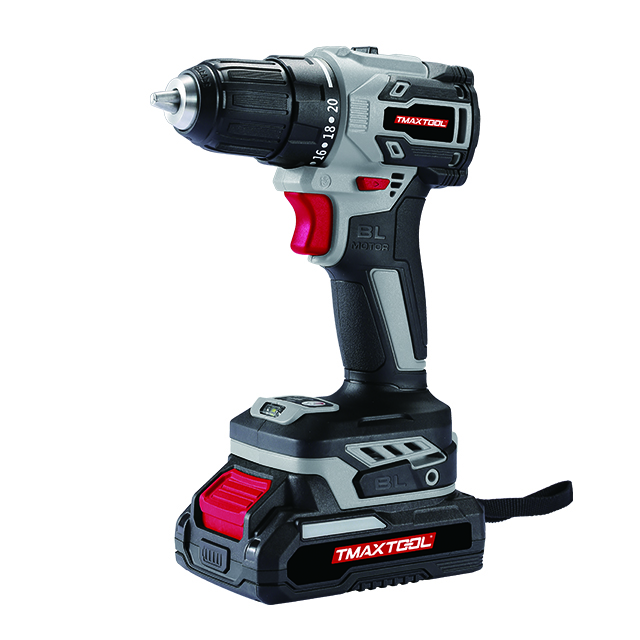 Cordless Drill
 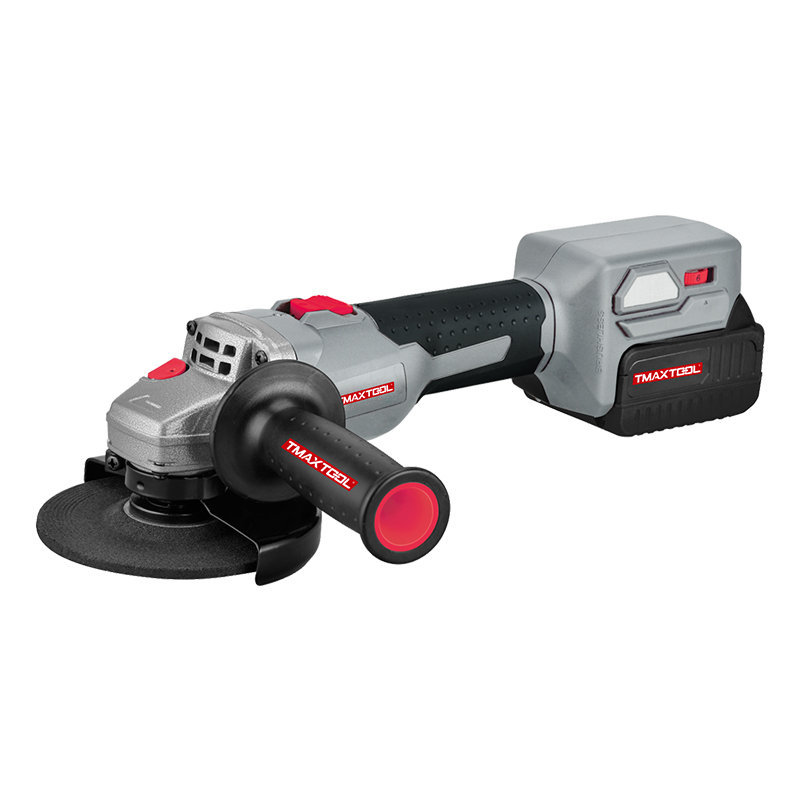 Angle Grinder
 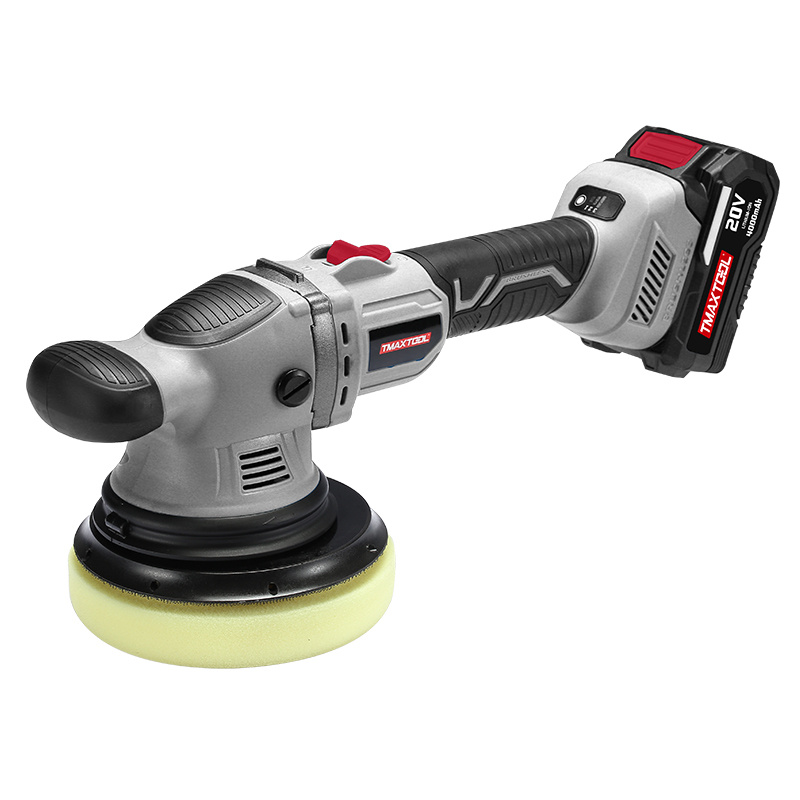 Polisher
 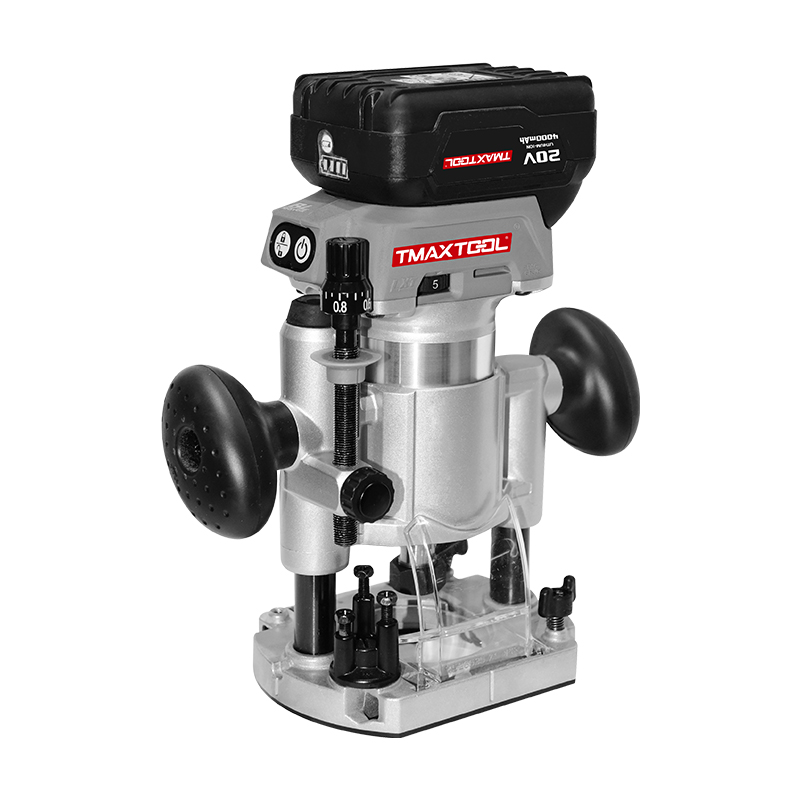 Wood Router
 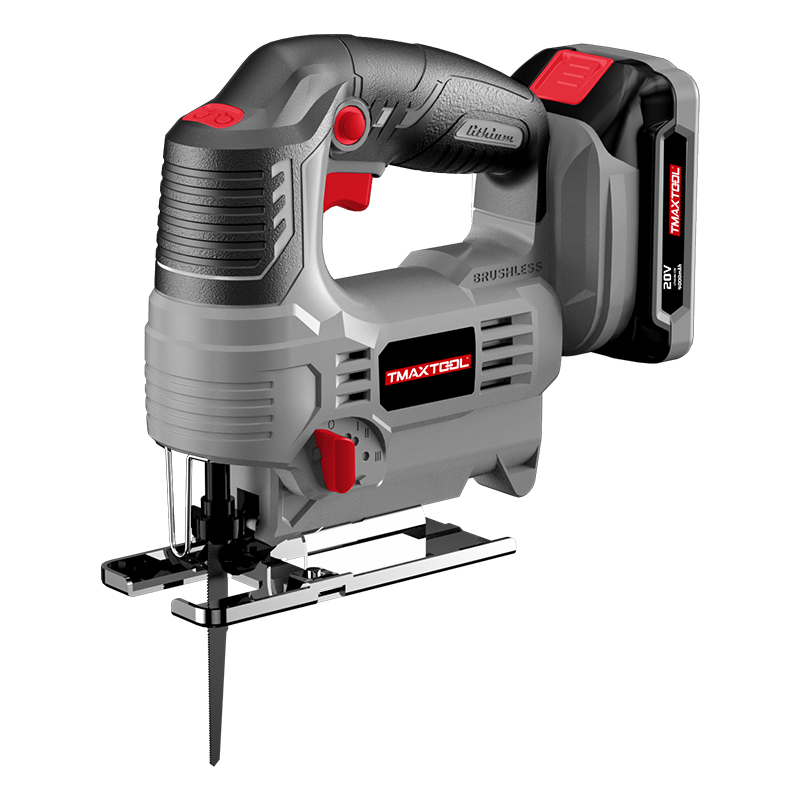 Jig Saw
 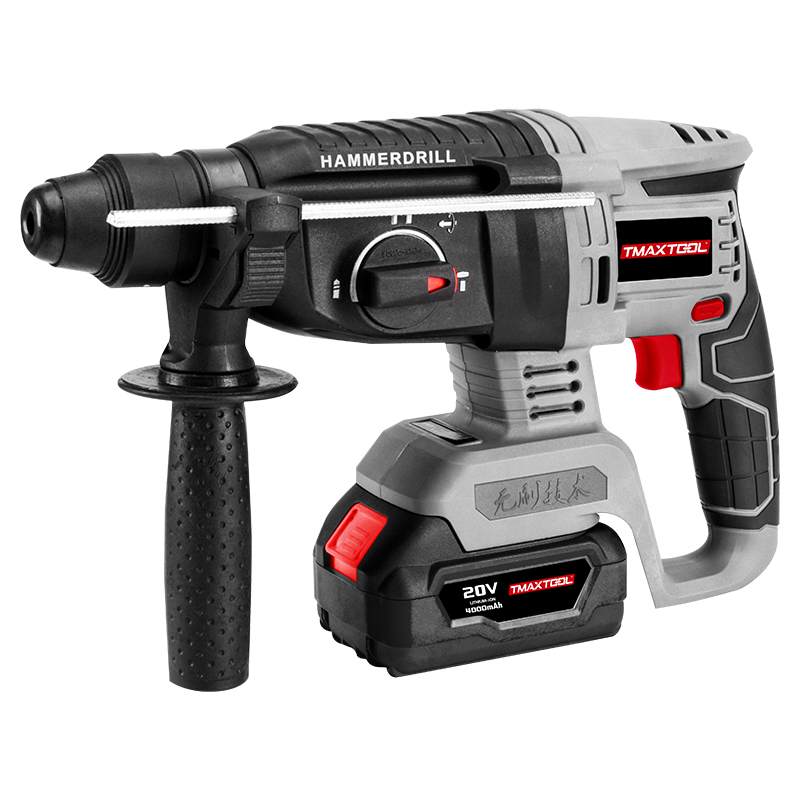 Hammer Drill
 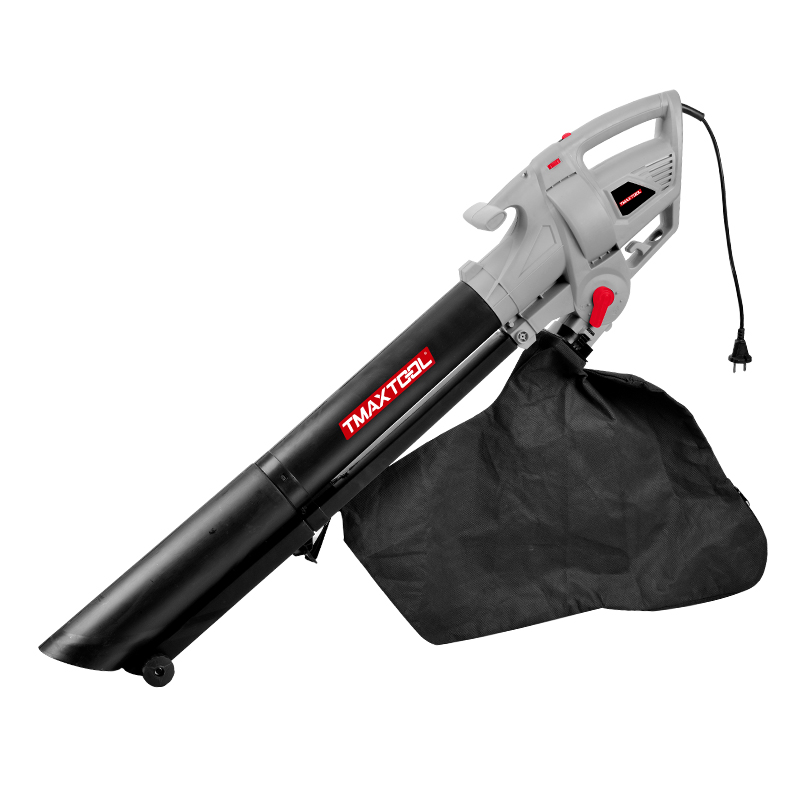 Portable Blower
 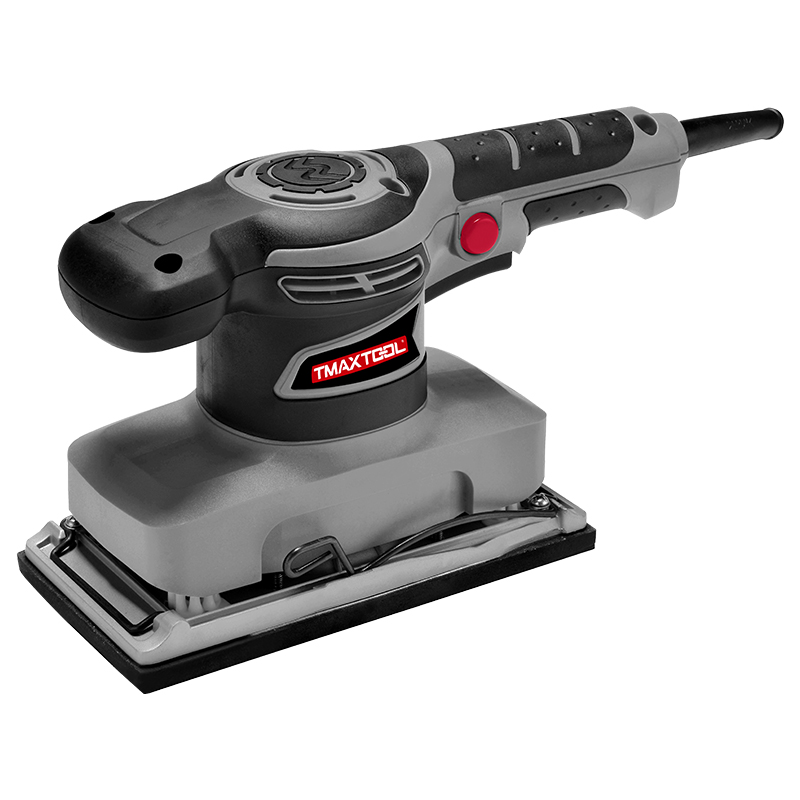 Orbital Sander
 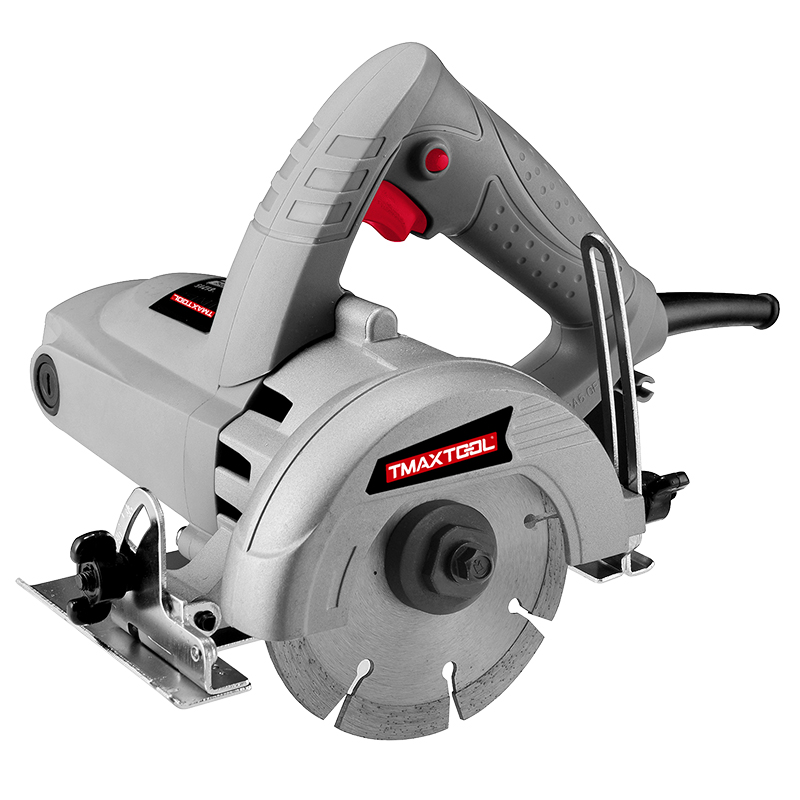 Marble Cutter
  GARDEN TOOLS
 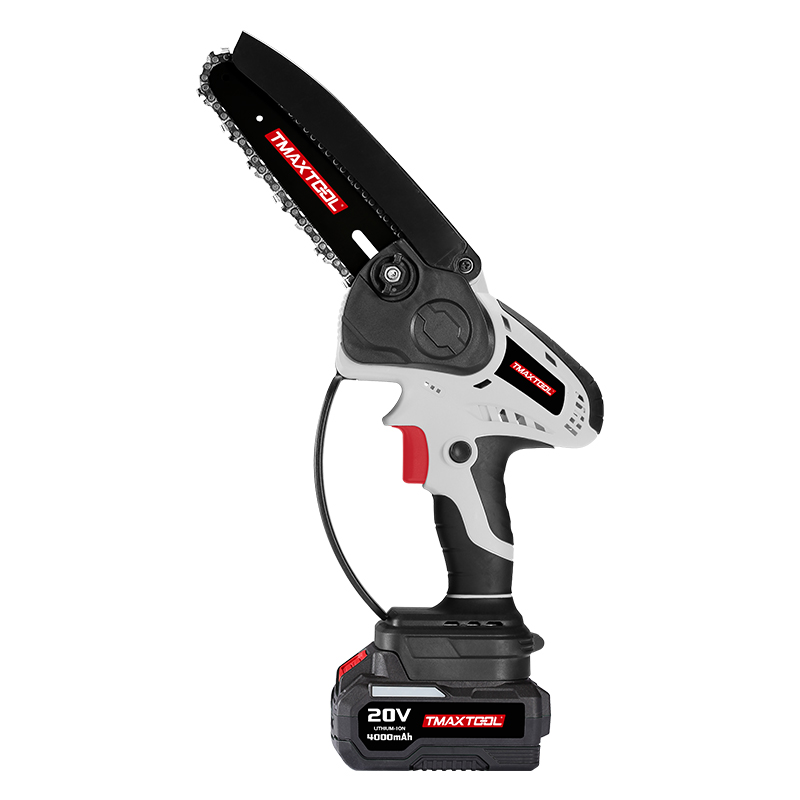 Battery Chain Saw
 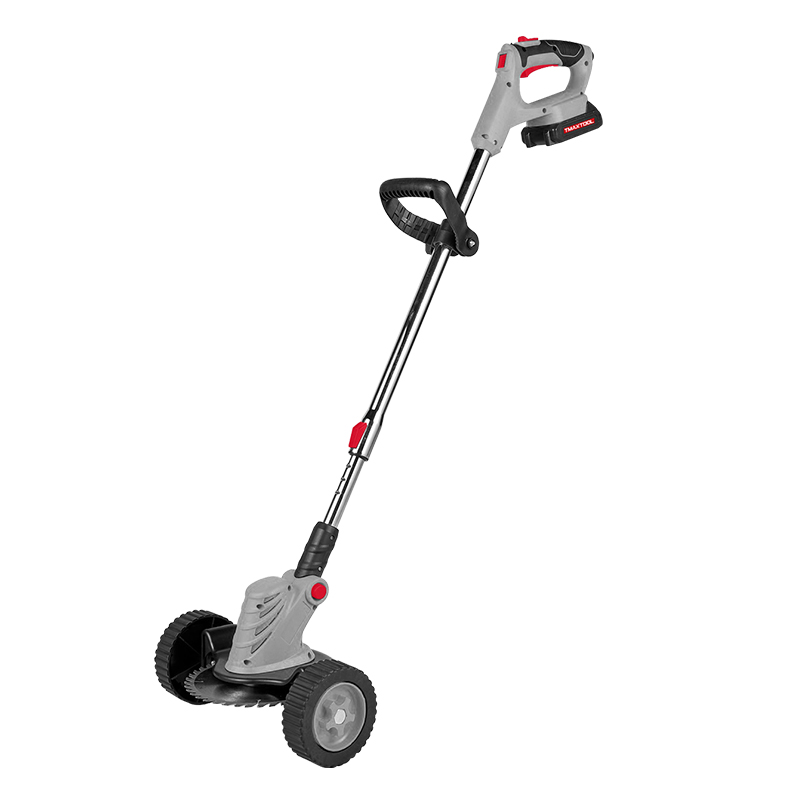 Battery Brush Cutter
 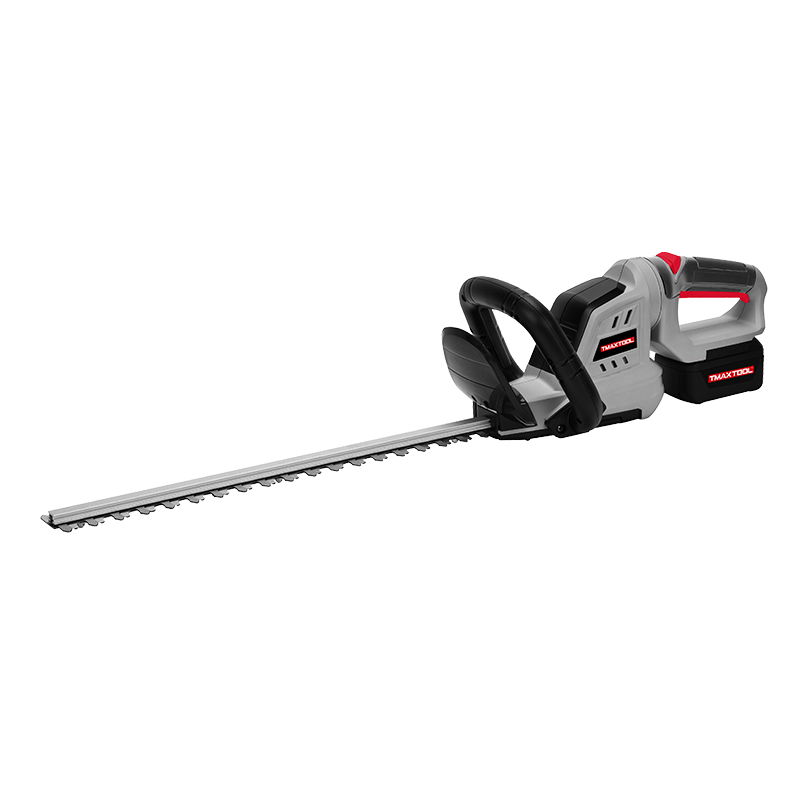 Battery Hedge Trimmer
 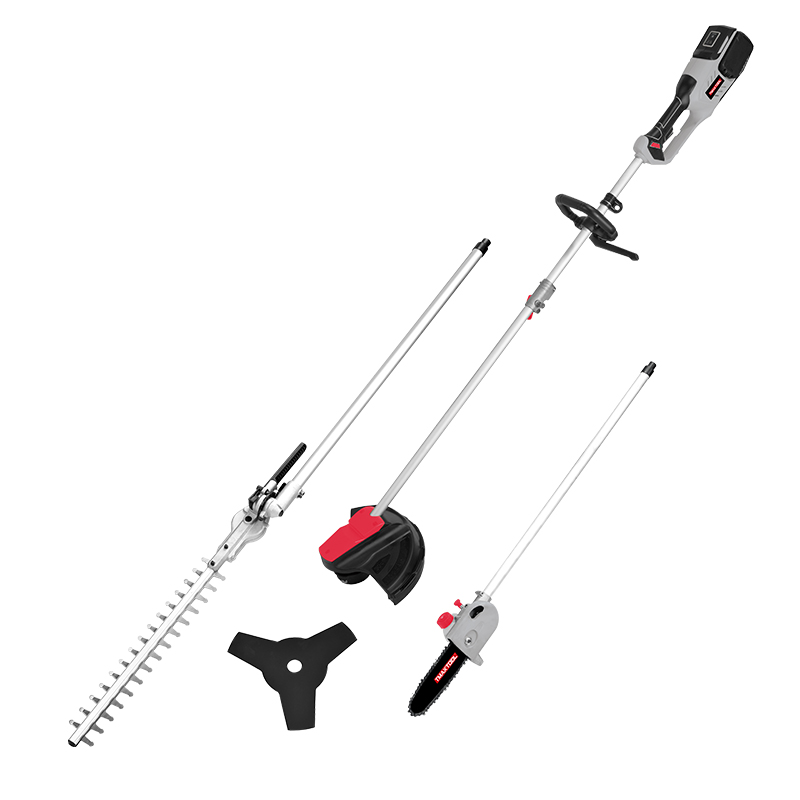 Battery Multi Tool
 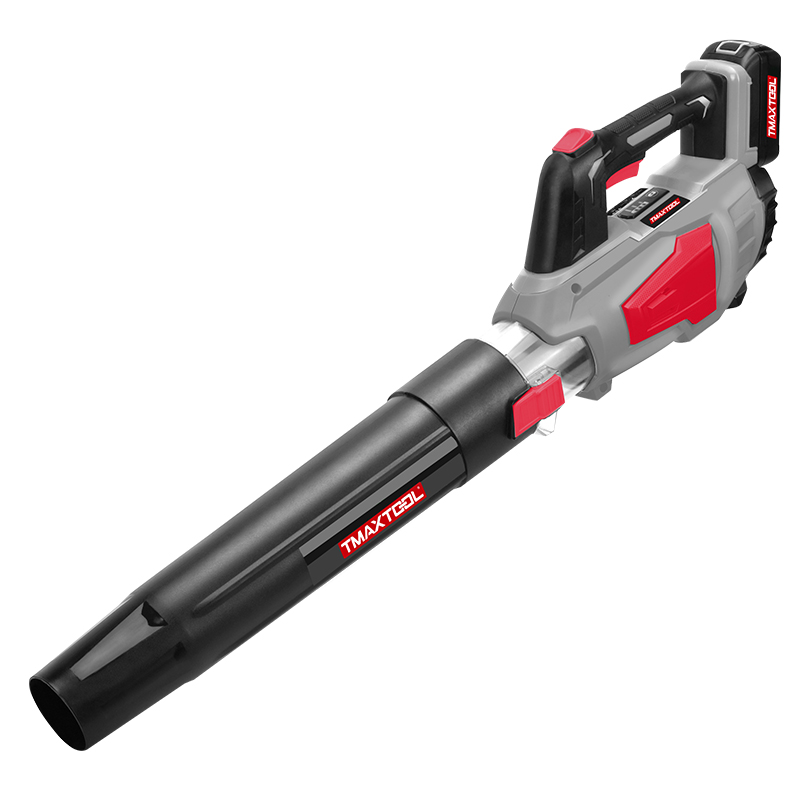 Battery Blower
 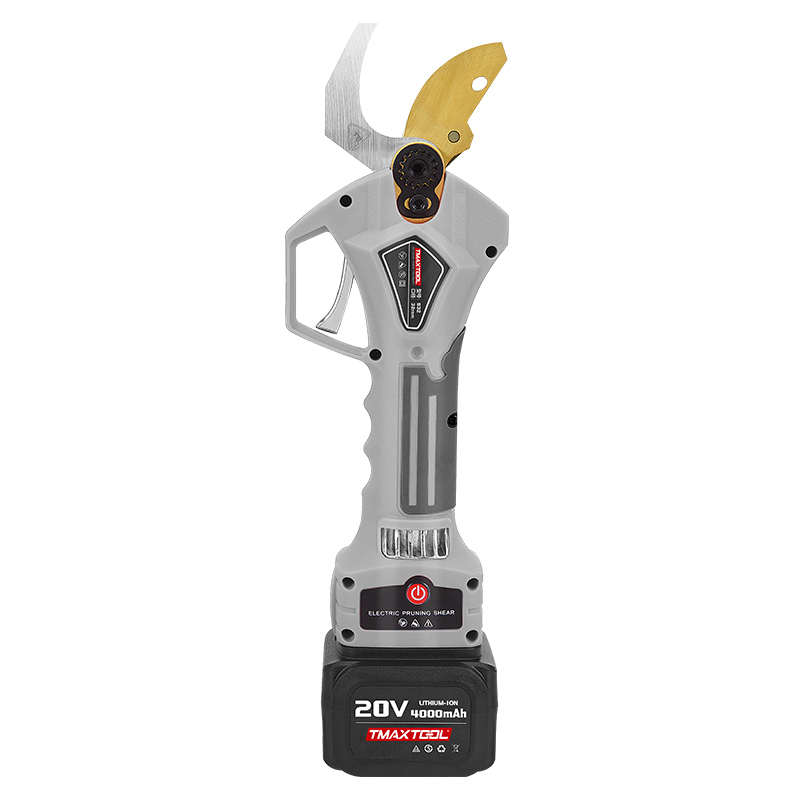 Batter Pruning Shears
 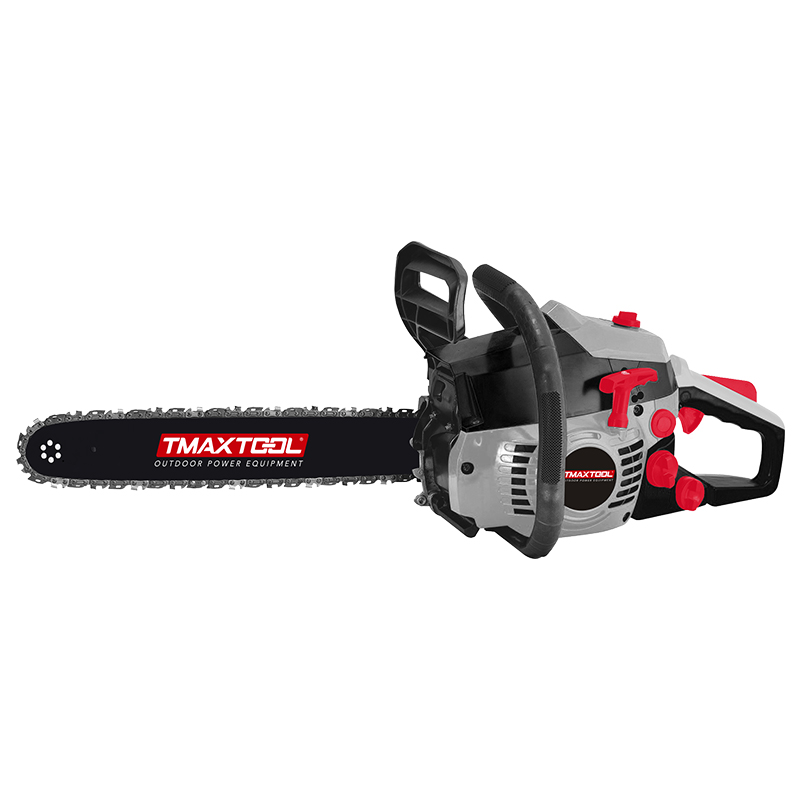 Chain Saw
 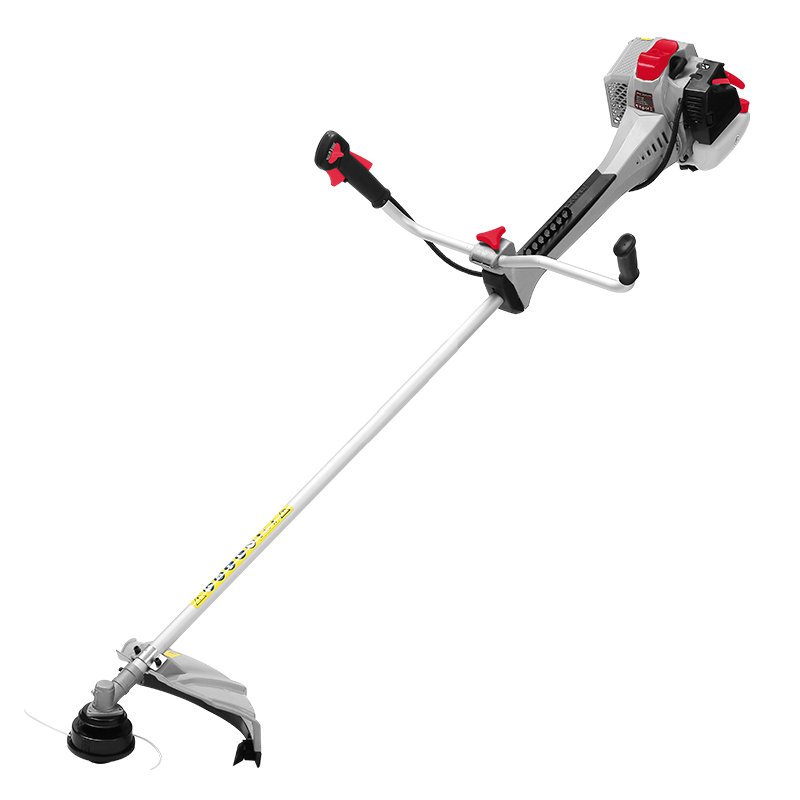 Brush Cutter
 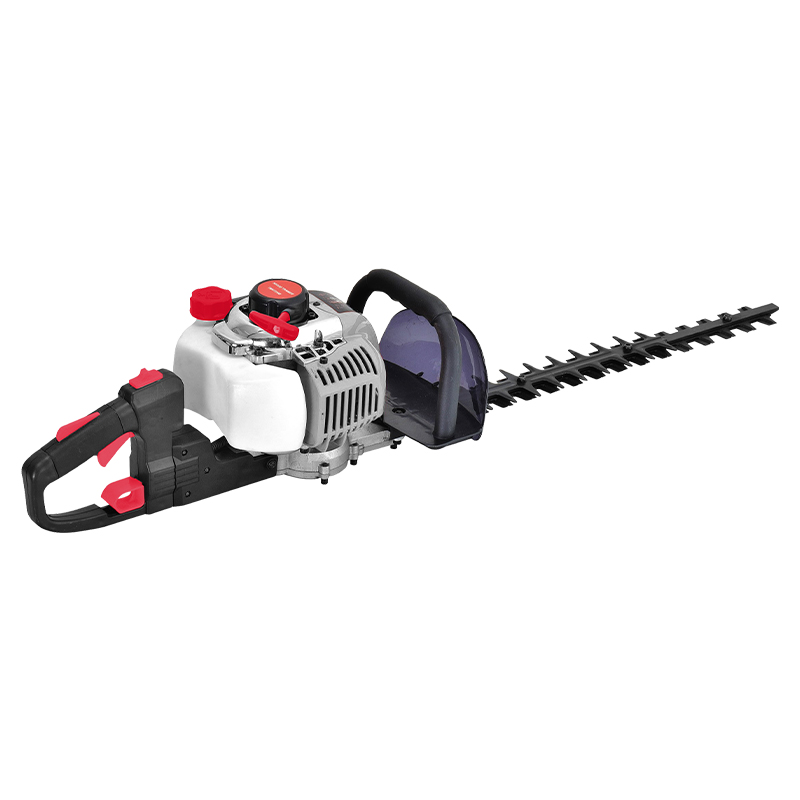 Hedge Trimmer
 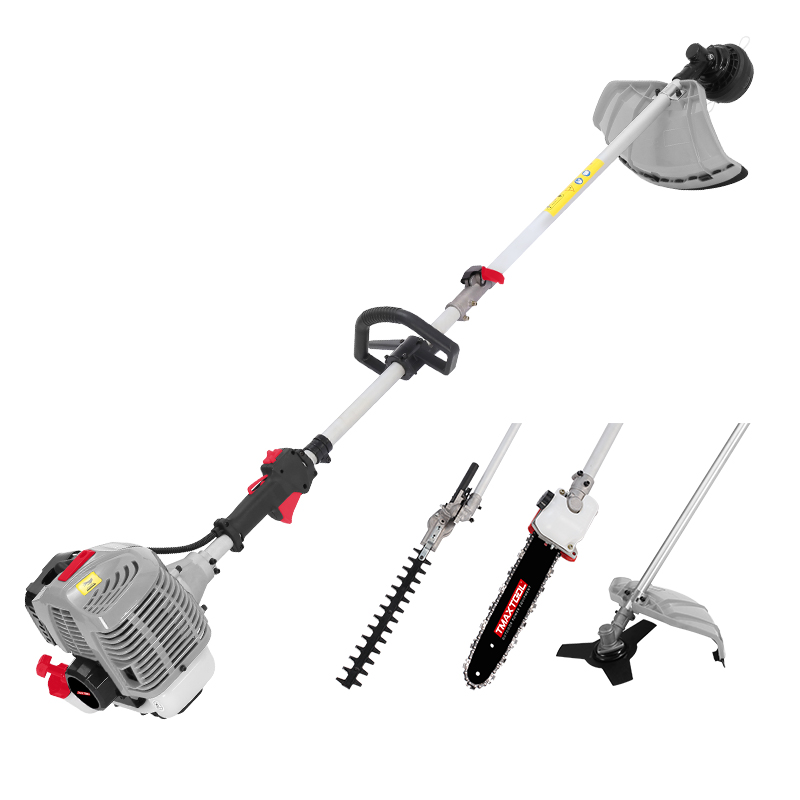 Multi Tool
 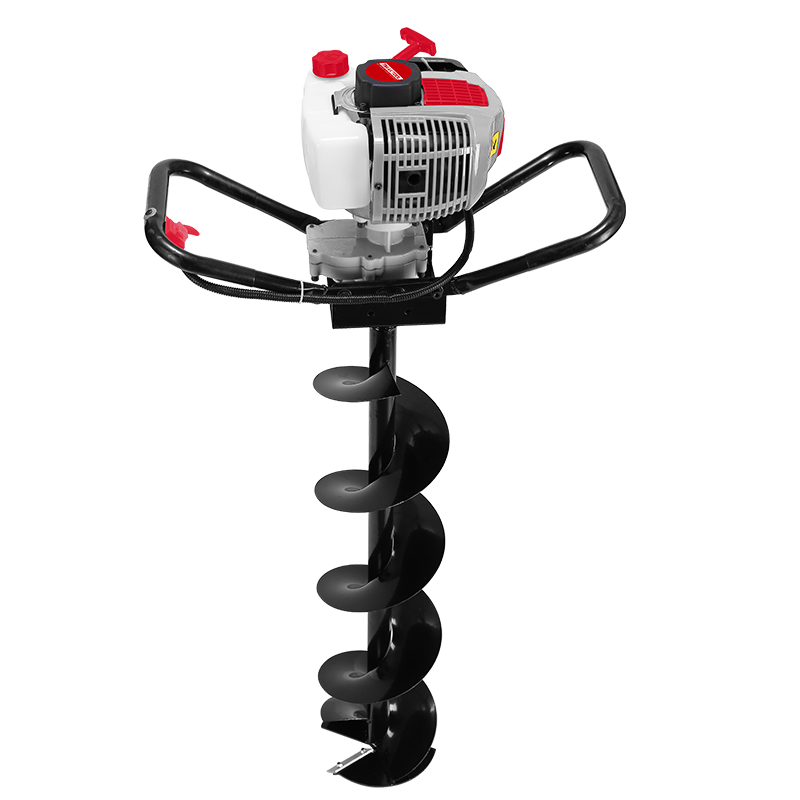 Earth Auger
 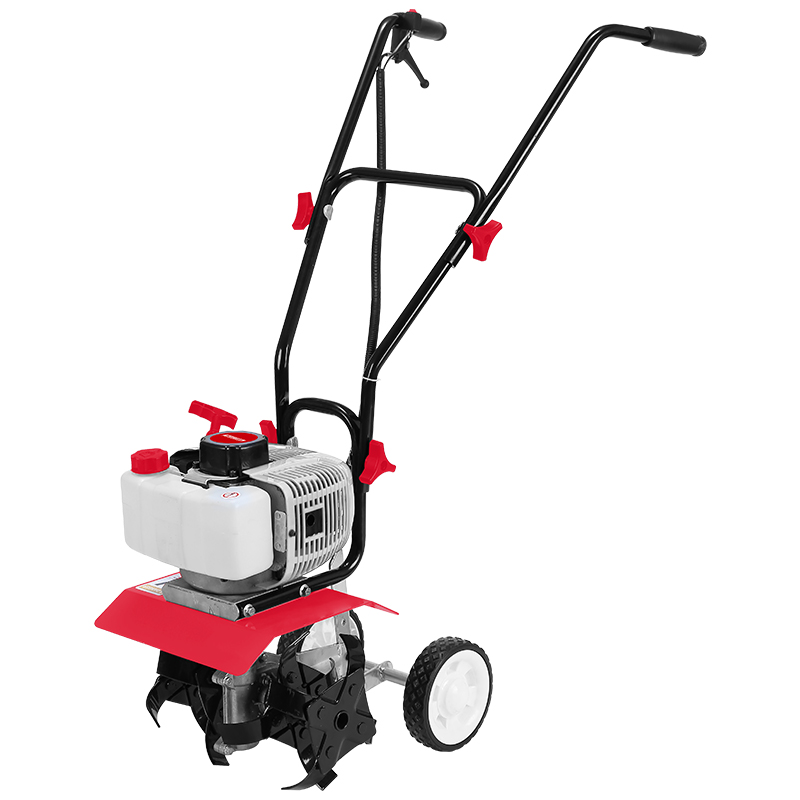 Tiller
 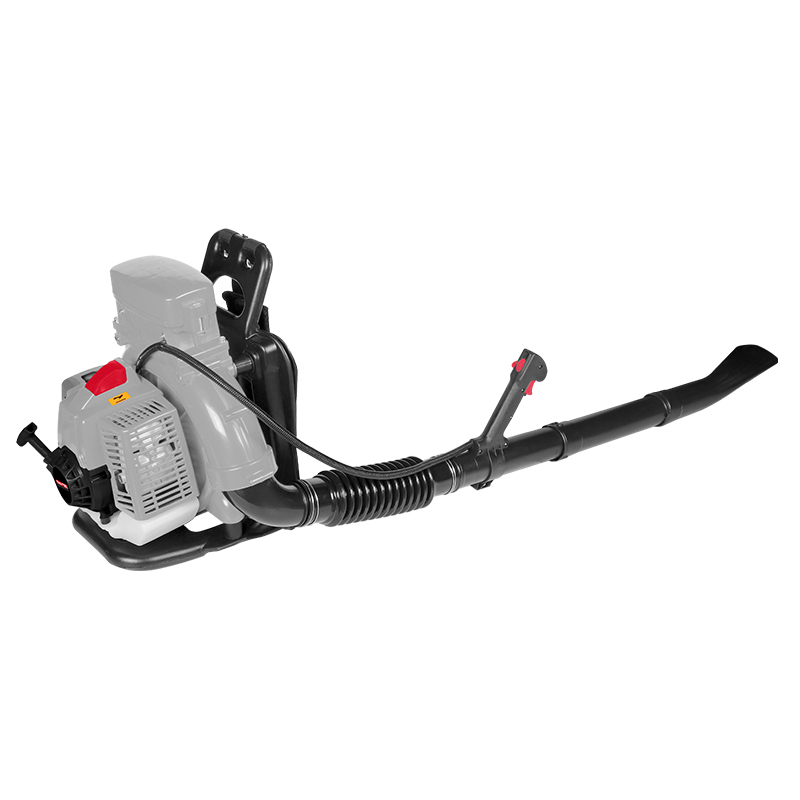 Blower
 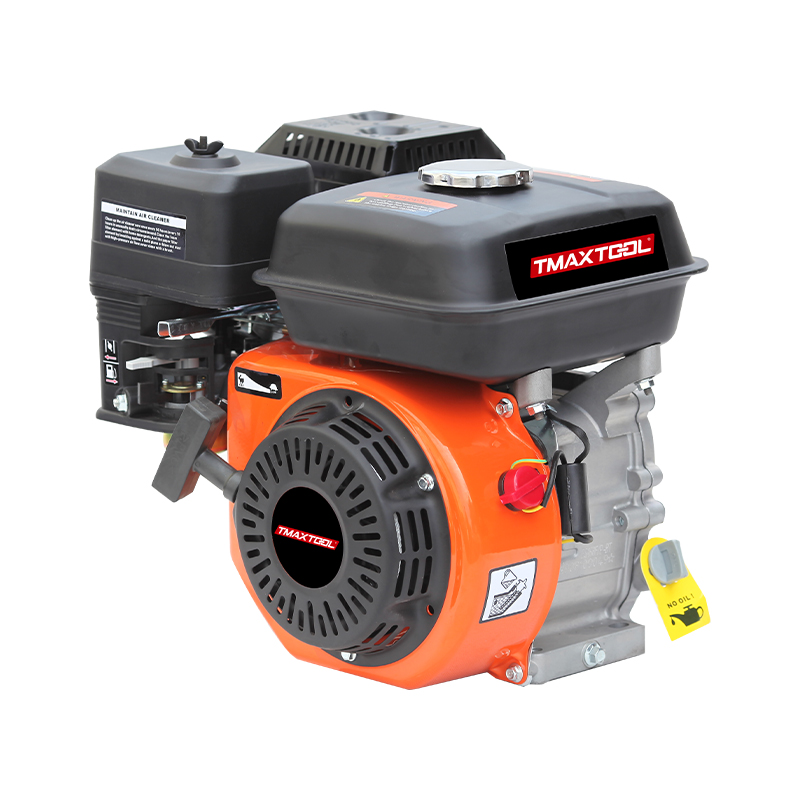 4 Stroke Gasoline Engine
 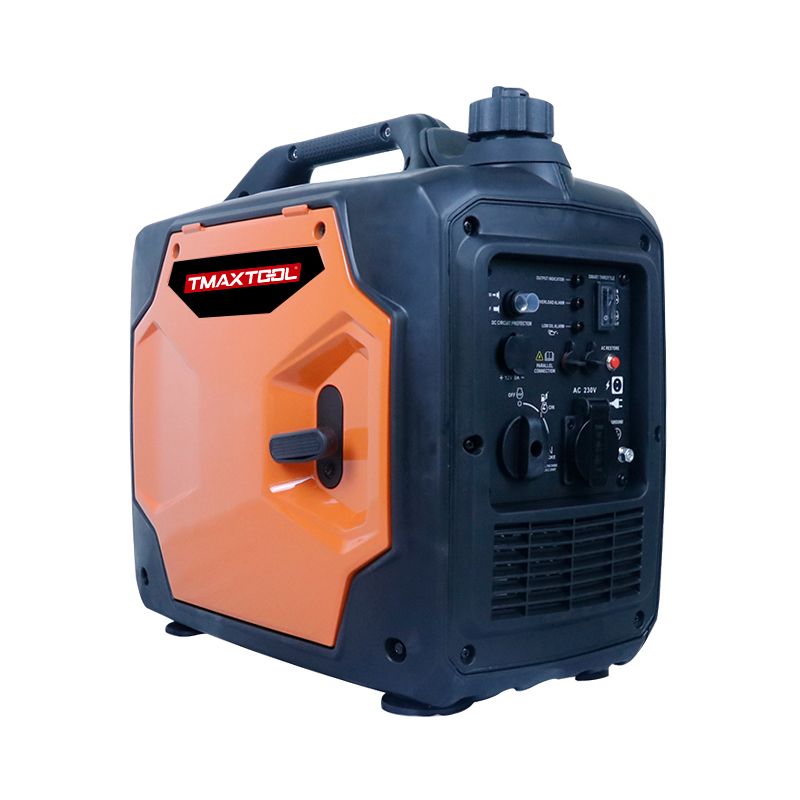 Generator
 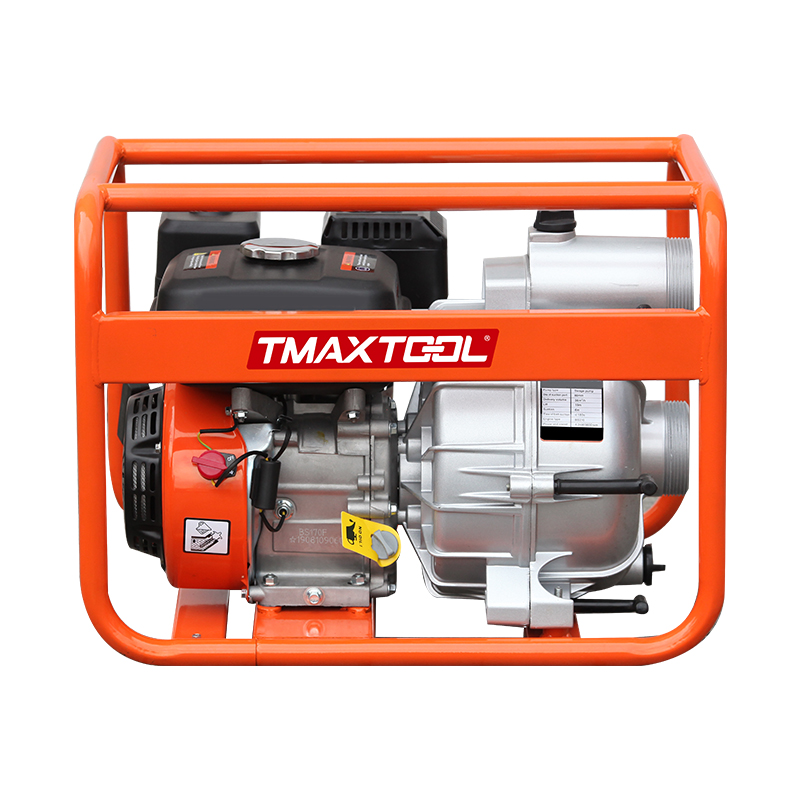 Water Pump
 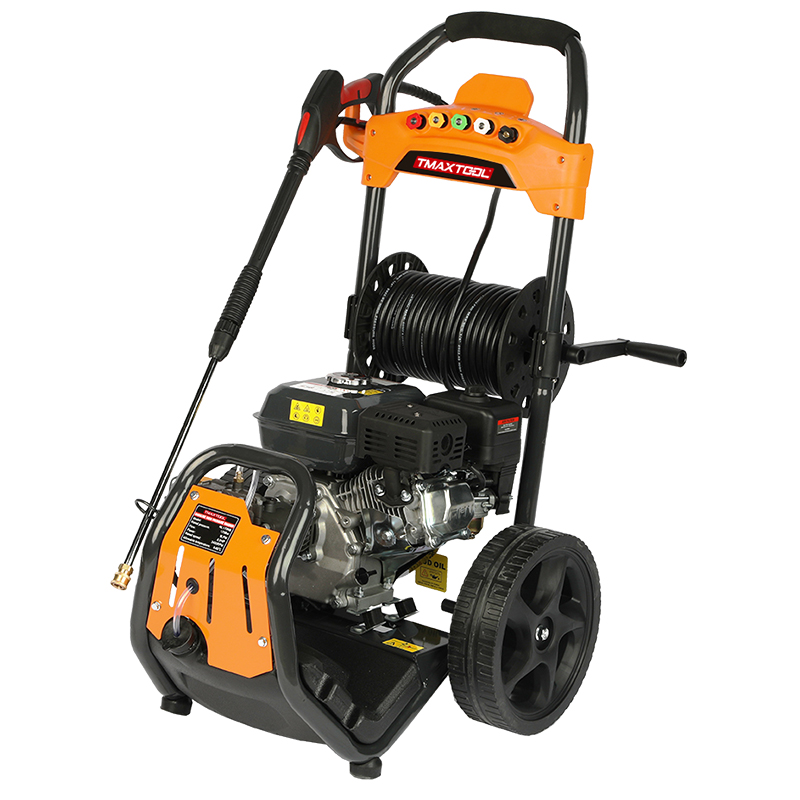 High Pressure Washer
 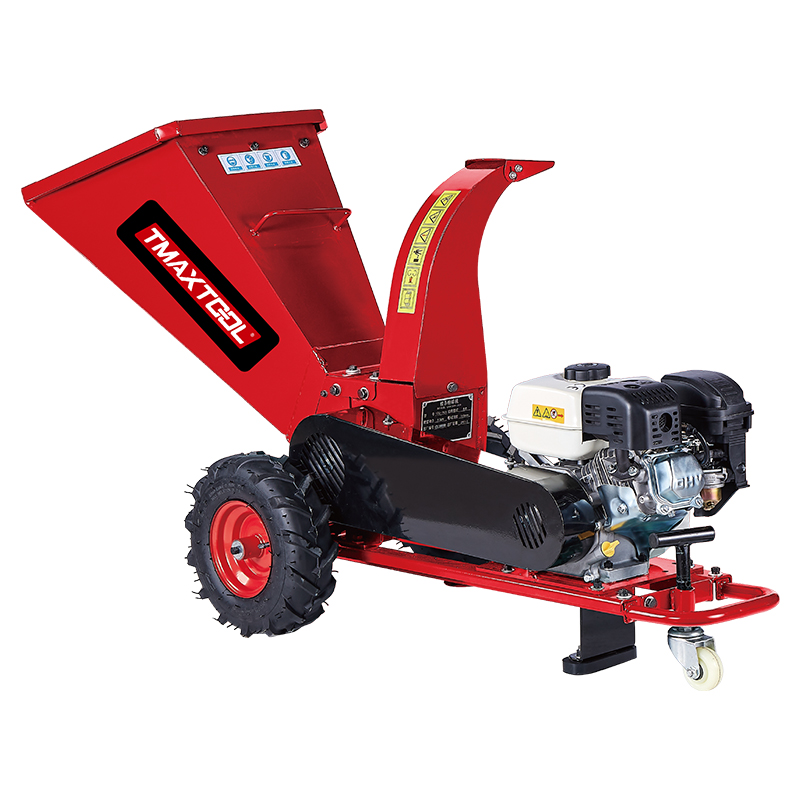 Wood Cutter
 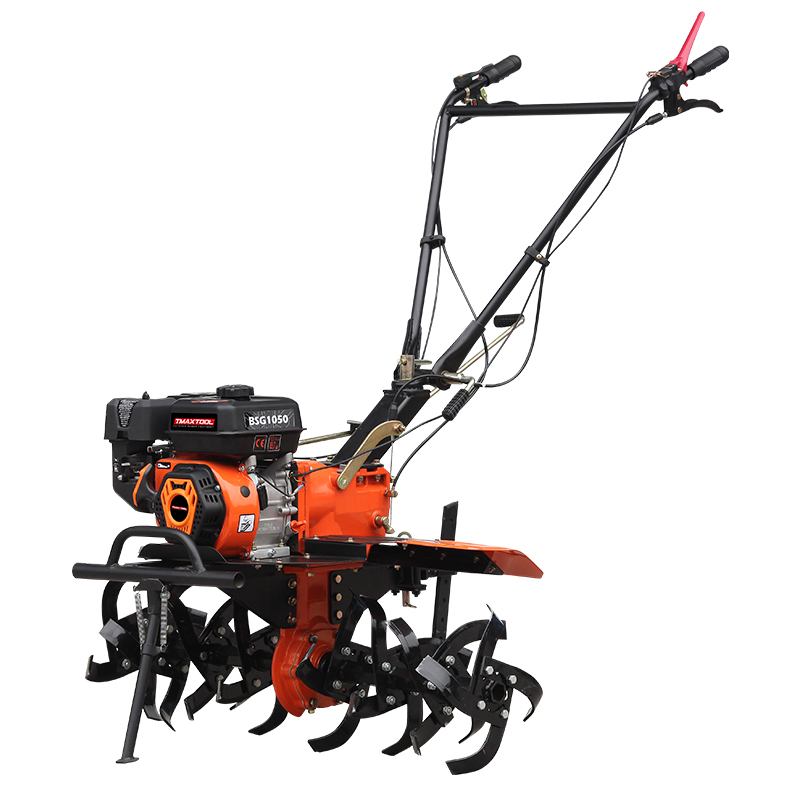 4 Stroke Tiller
 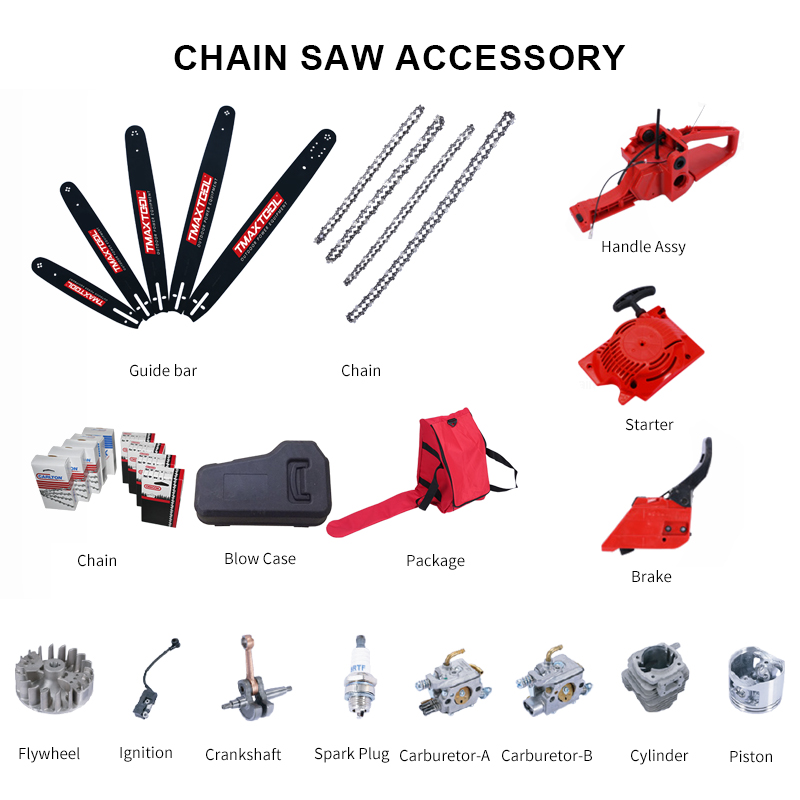 Chain Saw Accessory
 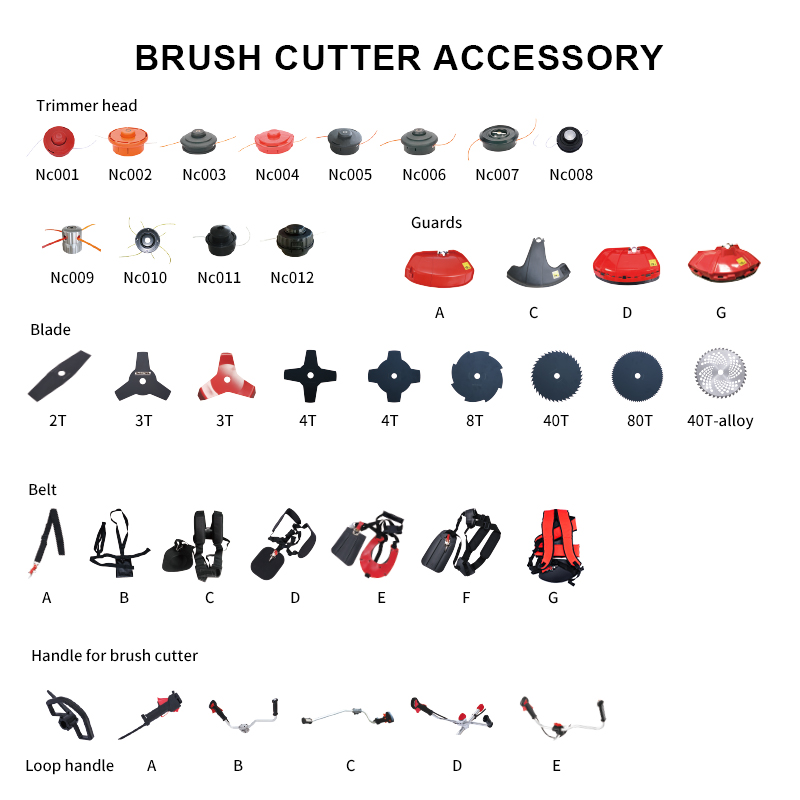 Brush Cutter Accessory
 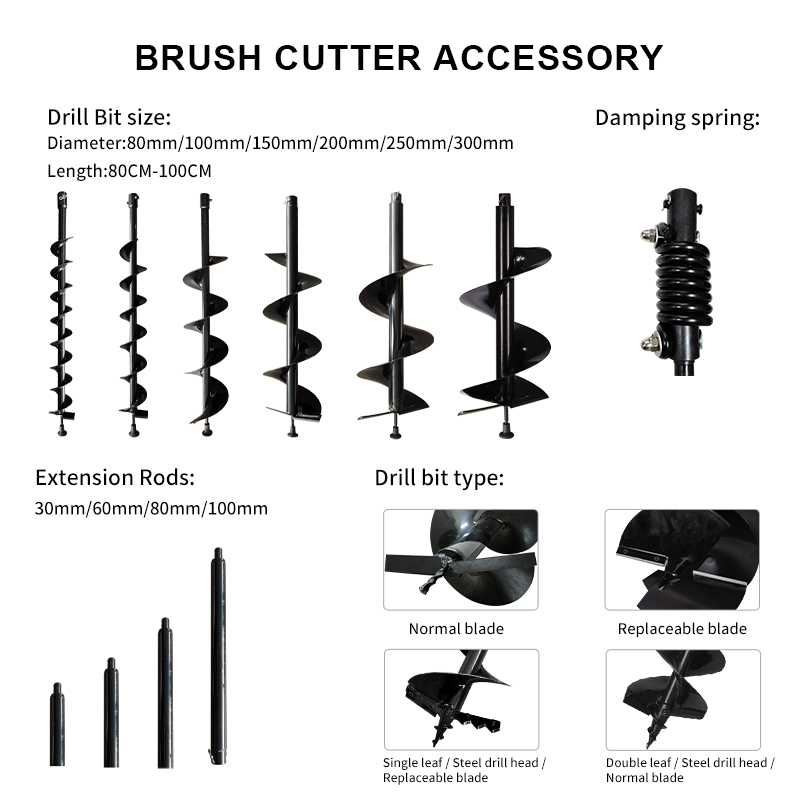 Earth Auger Accessory
 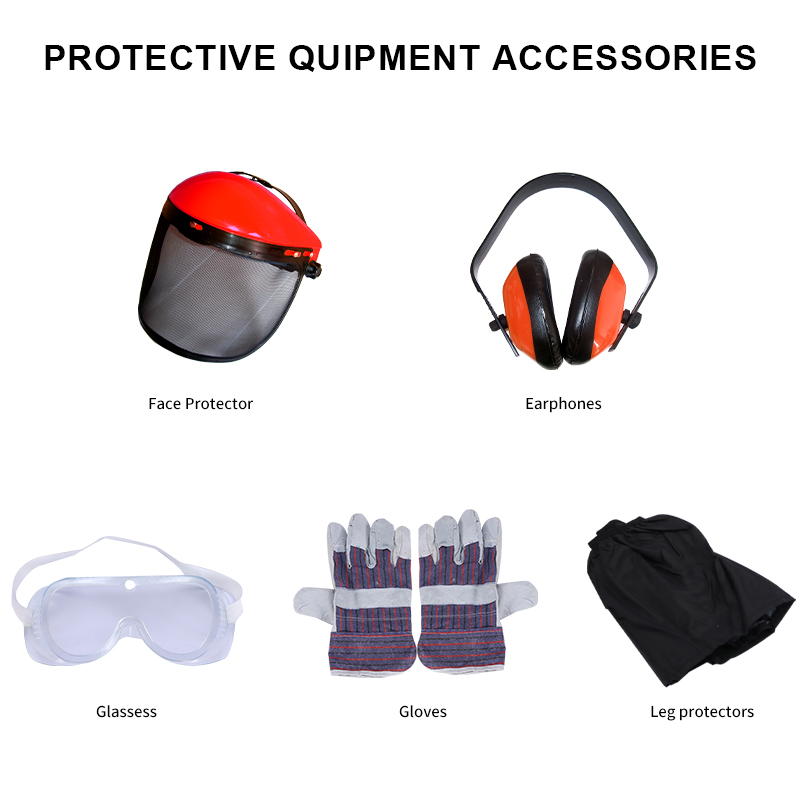 Protective Equipment Accessories
News
Leave Your Message


0102030405
Agricultural Machinery Industry Insights
2026-07-08
Agricultural Machinery Industry Insights: Global Market Shifts, Key Trends & Sourcing Strategies for International Buyers
Introduction
Global agriculture is undergoing a profound transformation driven by food security pressures, environmental regulations, and evolving farm operational demands. Distributors, farm equipment retailers, commercial farming contractors and regional wholesalers across all continents face consistent challenges: balancing equipment performance, total operational costs, compliance with local emissions standards, and reliable long-term supply chains.
For cross-border procurement professionals, understanding the full spectrum of agricultural machinery industry dynamics is no longer optional—it is essential to minimise inventory risks, capture emerging market demand, and build sustainable, profitable product lines. This guide breaks down core market trends, regional demand differences, technology evolution, and practical purchasing insights tailored exclusively for international machinery buyers.
1. Core Global Market Growth Drivers Reshaping Agricultural Machinery Demand
Three fundamental forces are steering the direction of the agricultural machinery industry, directly impacting purchasing decisions for all global distributors.
1.1 Global Food Security Accelerates Mechanisation Adoption
Population growth and rising consumer demand for stable crop yields have pushed governments worldwide to prioritise farm modernisation. Regions with low baseline mechanisation rates are delivering the fastest machinery consumption growth. Smallholder farms in Southeast Asia, Sub-Saharan Africa, and Central America are gradually replacing manual labour with compact, low-maintenance multi-purpose equipment, while large commercial farms across South America, Eastern Europe and Australia continue upgrading heavy-duty planting, harvesting and irrigation machinery.
Farm operators now prioritise equipment that reduces labour reliance. Labour shortages across rural zones have become a permanent market pressure point, lifting demand for multi-functional tools that handle tilling, trimming, irrigation and hauling in one unit.
1.2 Global Carbon Regulations Push Massive Shift to Battery-Powered Equipment
Sustainability legislation has become the single most impactful regulatory factor reshaping product roadmaps for machinery manufacturers. European ecological design directives, North American emissions controls, and emerging green tax incentives in Southeast Asia have drastically limited sales of high-emission petrol-driven garden and agricultural equipment.
Lithium battery agricultural machinery has become the fastest-growing product segment across all market tiers. Compared with traditional fuel-powered counterparts, battery equipment delivers lower long-term maintenance costs, drastically reduced noise pollution, and zero onsite exhaust emissions—critical for residential edge farms, urban agricultural projects, and commercial landscaping operations. Buyers stocking electric machinery report higher repeat order rates and stronger end-user loyalty as running fuel expenses are eliminated for farm operators.
1.3 Supply Chain Stability & One-Stop Sourcing Become Non-Negotiable
After years of global logistics volatility, international buyers have shifted priorities from purely low unit pricing to comprehensive supply reliability. Fragmented sourcing from dozens of separate manufacturers creates delays in delivery, inconsistent spare parts compatibility, and complicated after-sales support.
Integrated manufacturers with full production lines covering power tools, garden equipment, agricultural multi-tools and all matching spare parts now hold a clear market advantage. Consolidated bulk orders cut logistics costs, shorten lead times, and streamline warranty and replacement part management—an enormous operational benefit for distributors managing multiple product categories simultaneously.
2. Regional Demand Breakdown: Tailor Your Inventory to Local Farm Profiles
No universal agricultural machinery product line performs equally well across global territories. Each region carries distinct farm scale, terrain, climate and regulatory requirements that dictate optimal inventory mixes for wholesalers and retailers.
2.1 Southeast Asia & South Asia
Small-scale family farms dominate this market, with narrow plots, humid high-dust environments, and limited end-user capital. Top-selling products include lightweight lithium-powered trimmers, portable irrigation pumps, compact multi-function petrol tools and low horsepower hand-held agricultural equipment. Buyers in this region consistently request low minimum order quantities, affordable spare parts, and simplified mechanical designs that require minimal professional training for local repair technicians.
2.2 Africa & Central Asia
Extensive rural land with scattered farm operations creates demand for ultra-durable machinery engineered to withstand extreme heat, airborne sand and inconsistent fuel quality. Simple, easy-to-repair multi-purpose cutting, tilling and hauling equipment leads sales here. Local end-users prioritise low upfront investment over advanced smart features, and distributors must maintain consistent stocks of interchangeable blades, belts and engine replacement components to retain customer trust.
2.3 Europe & North America
Strict emissions and noise laws create a market skewed toward high-performance brushless lithium agricultural and garden machinery. Commercial landscaping contractors, large private estates and urban farm operators form the primary customer base. Premium features including long-life high-capacity battery packs, ergonomic anti-vibration frames and intelligent load-control systems drive premium pricing and higher profit margins for distributors. Certification compliance (RoHS, safety performance standards) is mandatory for all inventory entering these markets.
2.4 South America & Oceania
Large commercial grain, fruit and livestock farms require heavy-duty agricultural machinery for wide-area cultivation. High-output petrol multi-tools, large-capacity pressure washers for farm sanitation, and modular tractor attachments dominate bulk orders. Local agricultural subsidy programmes regularly boost seasonal purchasing spikes, creating predictable high-volume order windows for regional distributors.
3. Key Industry Technology Trends Reshaping Product Lines for 2026–2030
Forward-thinking buyers align inventory with long-term technological shifts to avoid holding obsolete stock. Four major innovation waves are redefining agricultural machinery specifications globally.
3.1 Brushless Motor Standardisation Across All Equipment Categories
Brushless motor technology has transitioned from a premium upgrade to an industry baseline standard. Equipment fitted with brushless motors delivers longer service lifespans, lower energy consumption and reduced mechanical breakdowns. End users now actively reject brushed motor alternatives, forcing distributors to phase out older product lines to stay competitive. All new-generation agricultural multi-tools, trimmers and cutting machinery integrate brushless motor systems as standard factory configuration.
3.2 Shared Battery Ecosystems Reduce End-User Total Cost of Ownership
Manufacturers are rolling out unified voltage battery platforms that work interchangeably across dozens of different machinery models. A single 20V or 40V lithium battery pack powers trimmers, blowers, cultivators and small irrigation equipment. This ecosystem model drastically lowers entry costs for farm operators, encouraging them to expand their equipment collection over time. For distributors, unified battery systems simplify spare parts inventory and drive cross-sales of complementary machinery units.
3.3 Digitised Manufacturing Boosts Product Consistency & Quality Control
Fully digital production workflows implemented by leading manufacturers minimise production defects and deliver consistent product performance across every bulk shipment. Automated quality inspection stations maintain production pass rates above 98%, drastically reducing defective goods rates for international buyers. Digitised order tracking and production scheduling also deliver predictable on-time delivery performance, a critical advantage amid global logistics uncertainty.
3.4 Customisation Becomes Accessible for Mid-Size Distributors
Historically, custom branded packaging, tailored equipment configurations and regional specification adjustments were only available for ultra-large volume orders. Modern integrated factories now offer flexible customisation with low minimum order thresholds, allowing regional distributors to adapt products to local market preferences without overcommitting capital to oversized inventory runs. Customised user manuals, regional voltage adaptations and climate-specific component upgrades are standard add-ons for bulk procurement orders today.

4. Critical Sourcing Pain Points for International Agricultural Machinery Buyers & Solutions
Procurement professionals across the globe repeatedly report identical operational hurdles when sourcing farm equipment. Below are the most common challenges and actionable strategies to mitigate risk.
4.1 Inconsistent Lead Times & Unpredictable Production Delays
Many small-scale component manufacturers lack full in-house production capacity, relying on third-party suppliers for motors, batteries and plastic housings, creating frequent hold-ups. Solution: Partner with fully integrated manufacturers with complete internal production lines, dedicated production workshops and transparent 24-hour response sales teams. Established factories with 15+ years of agricultural tool manufacturing experience maintain stable 30-day standard lead times for standard bulk orders, with clear advance notifications for any potential schedule adjustments.
4.2 Fragmented Spare Parts Supply Chains
Sourcing separate replacement blades, belts, battery chargers and motor components from multiple vendors creates expensive split shipping costs and prolonged downtime for end-user repairs. Solution: Prioritise one-stop agricultural machinery suppliers that stock all compatible spare parts alongside core equipment units. Consolidated spare parts shipments reduce cross-border logistics fees and allow distributors to maintain compact, efficient warehouse inventories.
4.3 Complex Warranty & After-Sales Support Barriers
Overseas manufacturers with limited international support infrastructure leave distributors to handle all repair claims independently, creating customer dissatisfaction and lost repeat business. Solution: Select manufacturers offering comprehensive global warranty frameworks, centralised spare parts inventory and dedicated technical guidance for distributor teams. Preferred agent partnerships often include exclusive marketing assets, professional market trend reports and step-by-step technical training to streamline local after-sales service.
4.4 Compliance Certification Gaps Causing Customs Hold-Ups
Unverified safety, emissions and material certifications frequently result in customs detention, fines and missed seasonal sales windows. Solution: Verify full third-party certification (BSCI, ISO 9000, RoHS) for all product lines before placing bulk orders. Reputable manufacturers provide complete, audit-ready certification documentation alongside every shipment to eliminate border clearance delays.
5. Long-Term Industry Outlook & Strategic Buying Recommendations
The global agricultural machinery market is projected to maintain steady year-on-year growth over the next five years, driven by persistent farm mechanisation demand across emerging markets and ongoing green equipment replacement cycles in mature economies. Market competition will continue shifting away from pure low-price rivalry toward integrated value propositions: consistent quality, complete product ecosystems, reliable after-sales support and flexible customisation capabilities.
For international buyers planning procurement strategies:
- Allocate growing inventory share to lithium battery-powered agricultural and garden machinery to capture regulatory-driven demand growth.
- Segment inventory assortments by regional farm characteristics to match local terrain, climate and end-user budget limits.
- Consolidate sourcing with full-line integrated manufacturers to cut logistics overhead and simplify spare parts management.
- Leverage low-MOQ customisation options to differentiate local product offerings and build regional brand loyalty.
- Secure formal agent partnerships to access exclusive pricing priority, seasonal new product launches and dedicated marketing support resources.
Conclusion
The agricultural machinery industry is entering an era defined by sustainable electrification, integrated supply ecosystems and hyper-regionalised product demand. International buyers who align their sourcing strategies with these long-term industry shifts will outpace competitors by reducing operational risks, expanding profit margins and meeting evolving end-user farm requirements across every global territory. By prioritising stable, full-spectrum manufacturing partners with robust quality control, complete certification coverage and dedicated global buyer support, distributors can build resilient, scalable agricultural machinery businesses for years to come.