
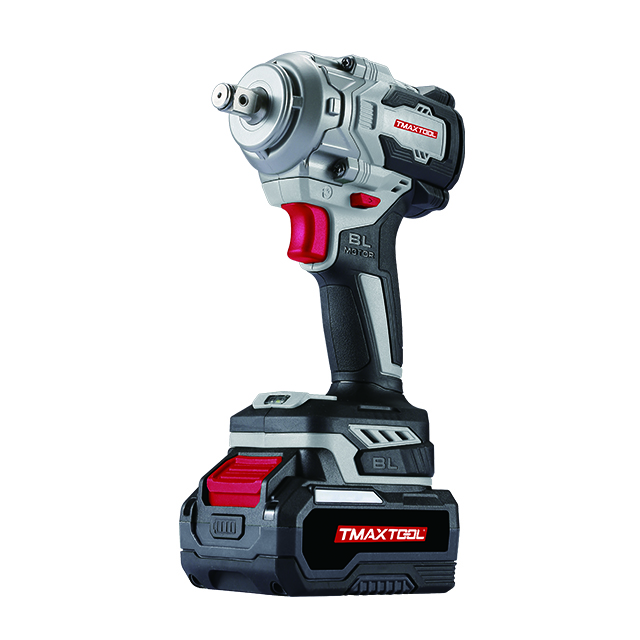
 Impact Wrench
 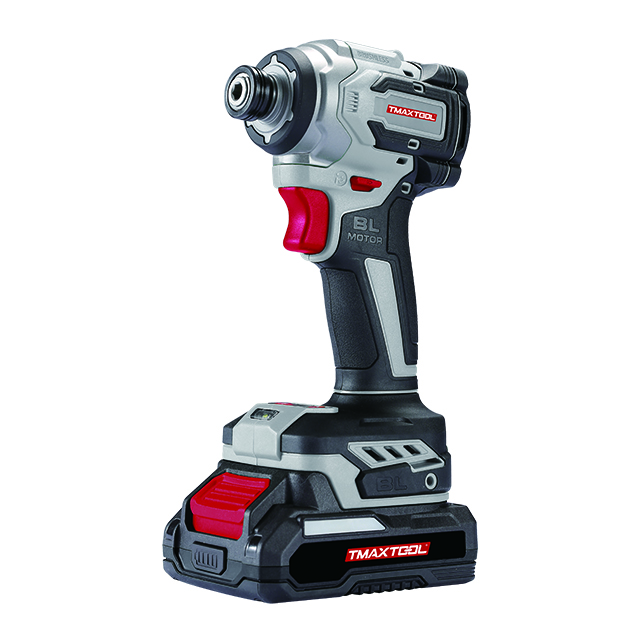 Screwdriver
 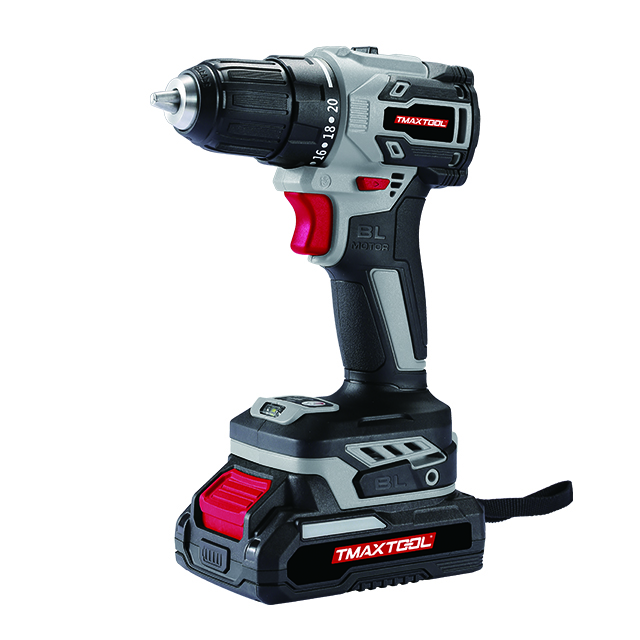 Cordless Drill
 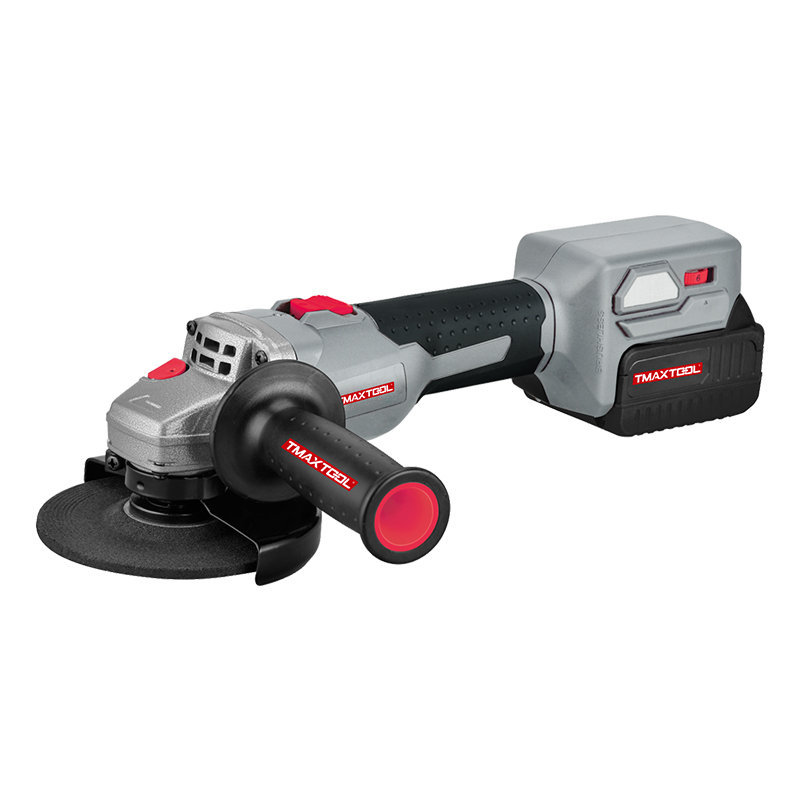 Angle Grinder
 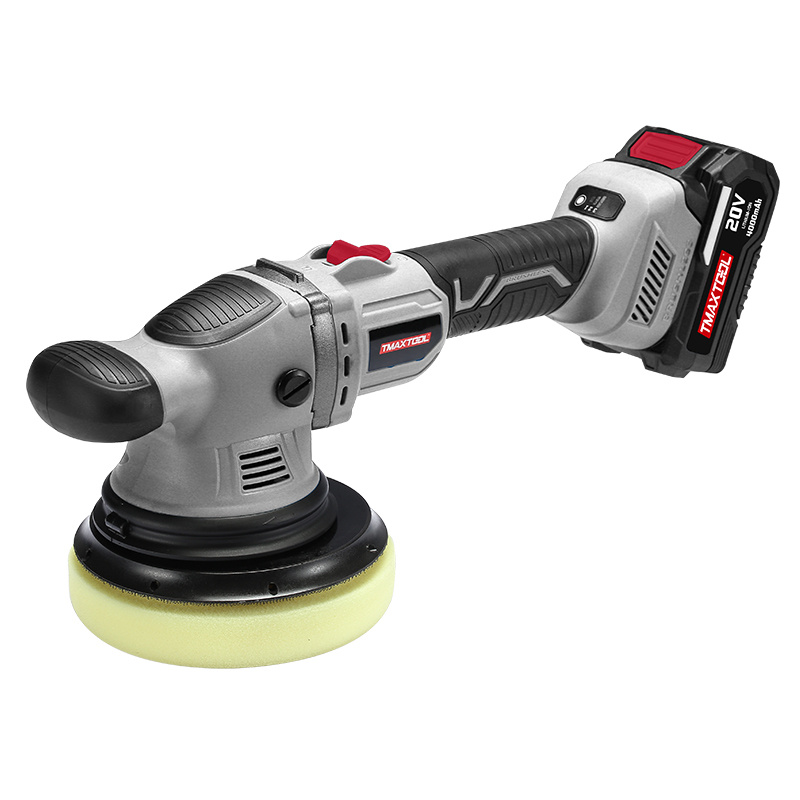 Polisher
 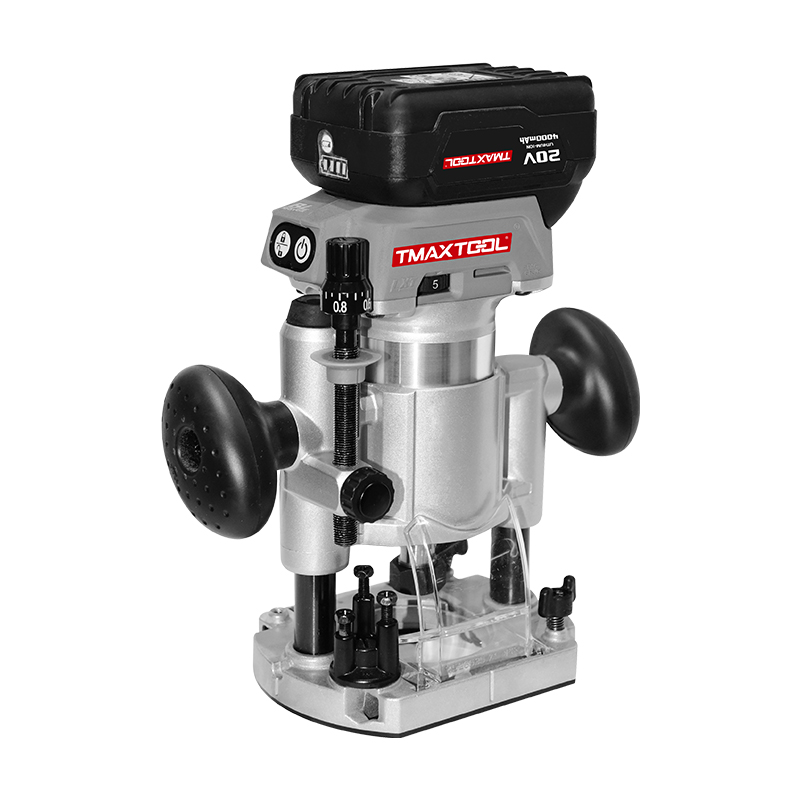 Wood Router
 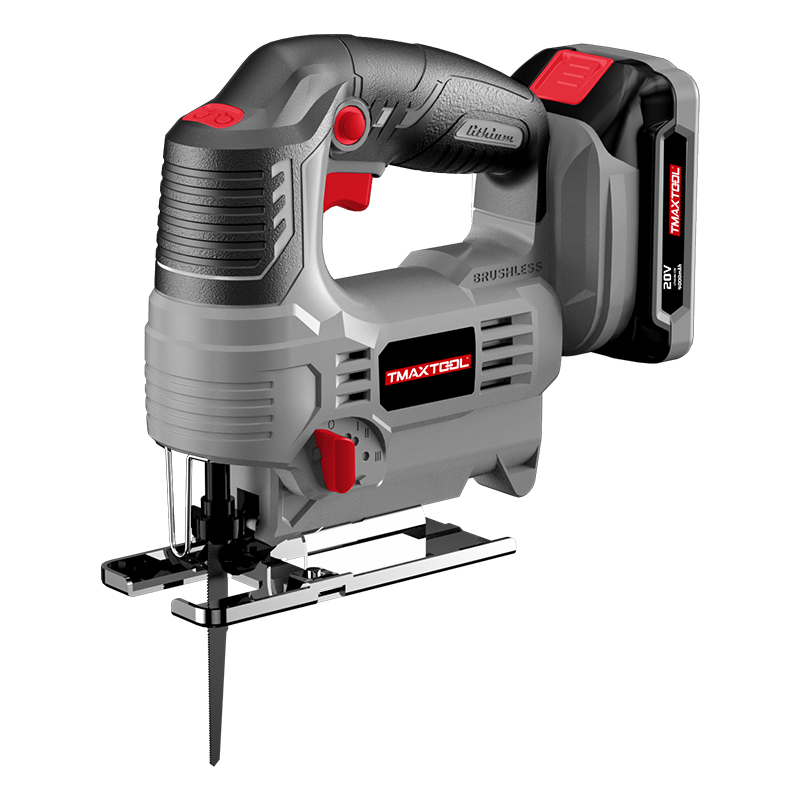 Jig Saw
 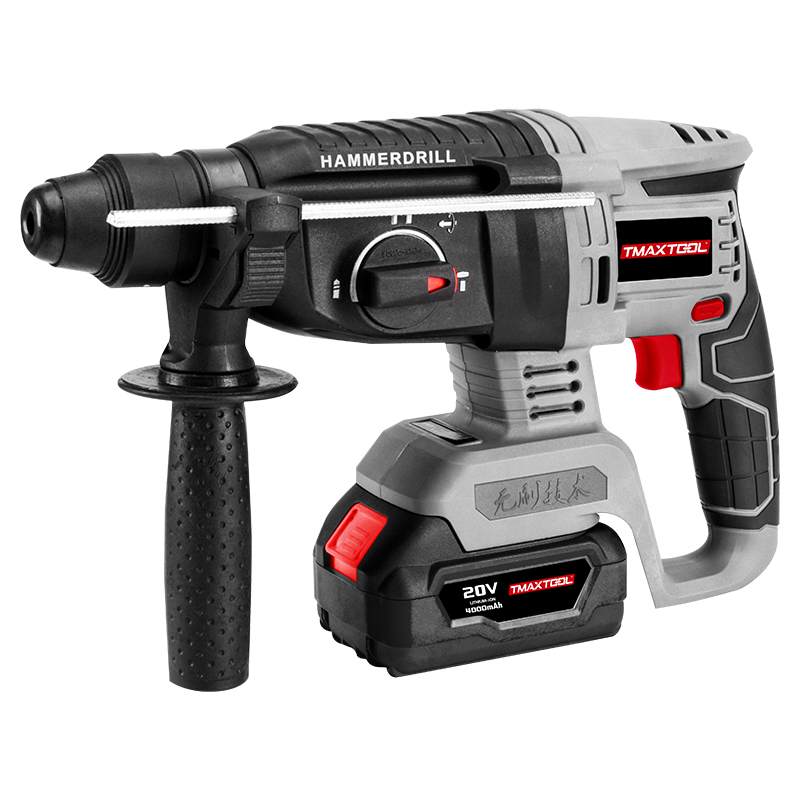 Hammer Drill
 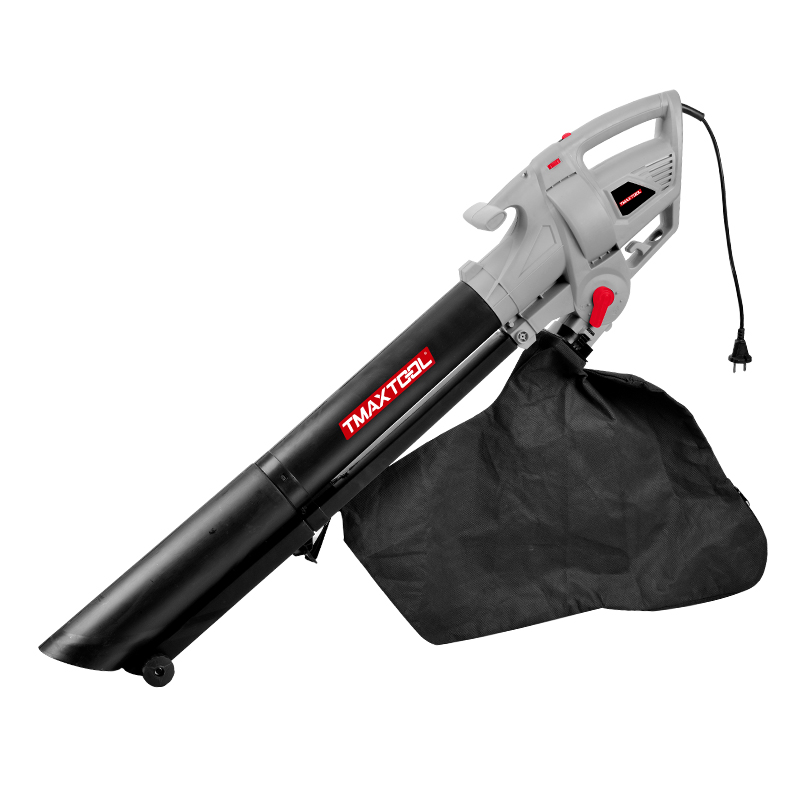 Portable Blower
 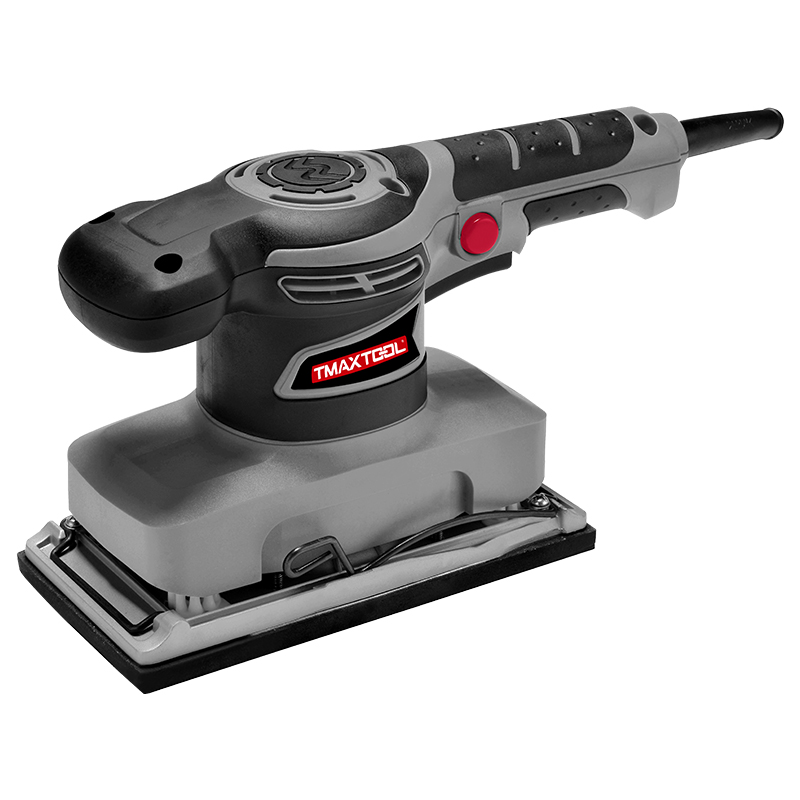 Orbital Sander
 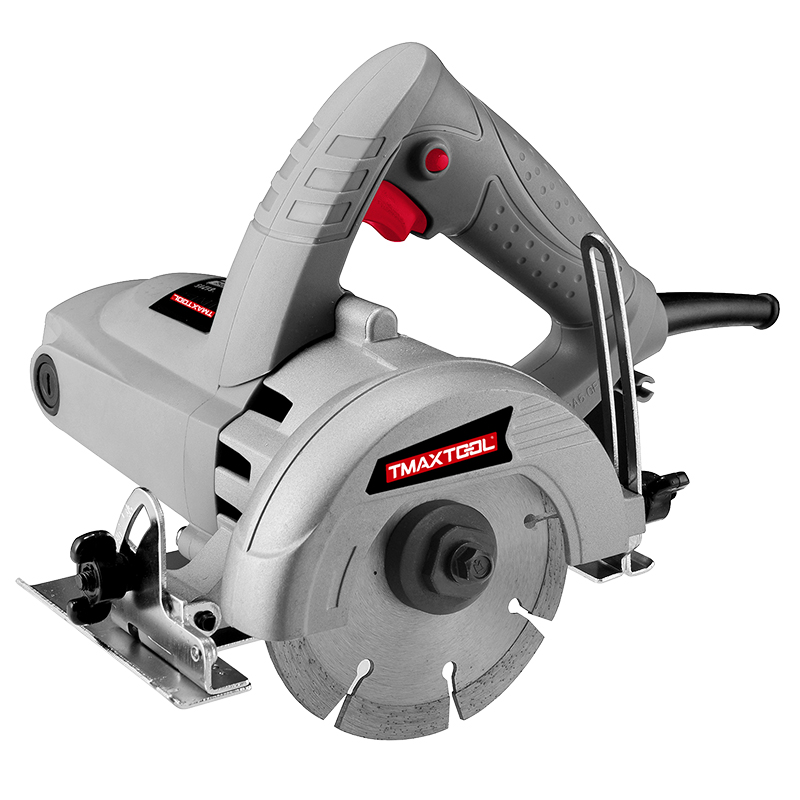 Marble Cutter
  GARDEN TOOLS
 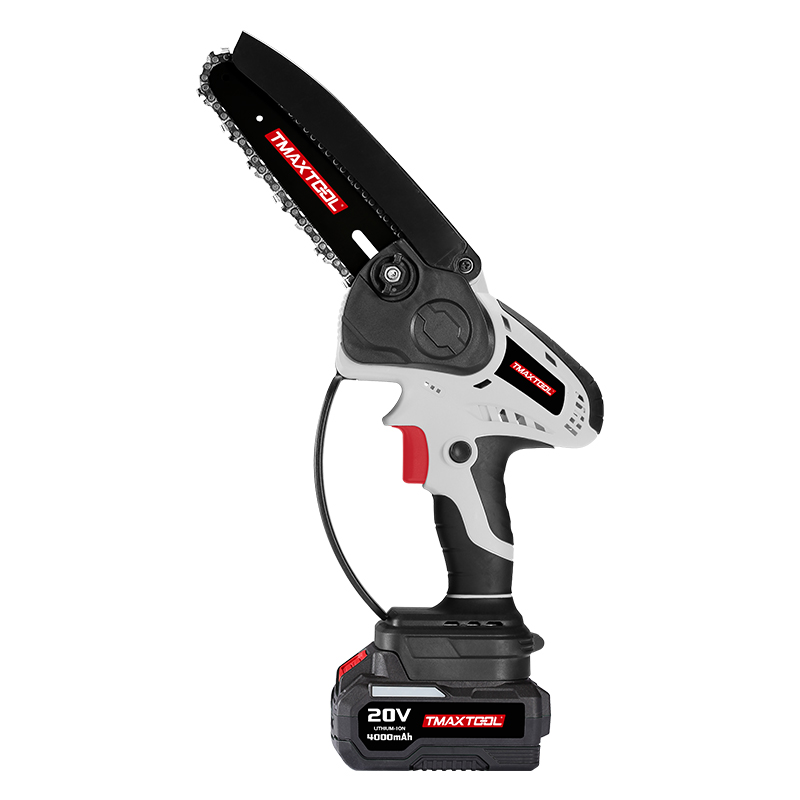 Battery Chain Saw
 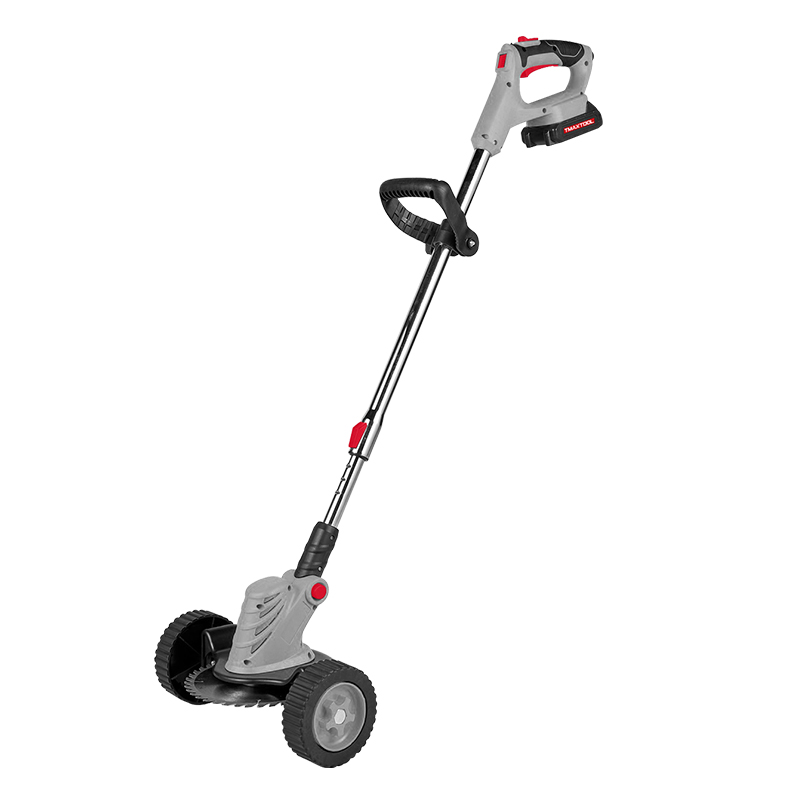 Battery Brush Cutter
 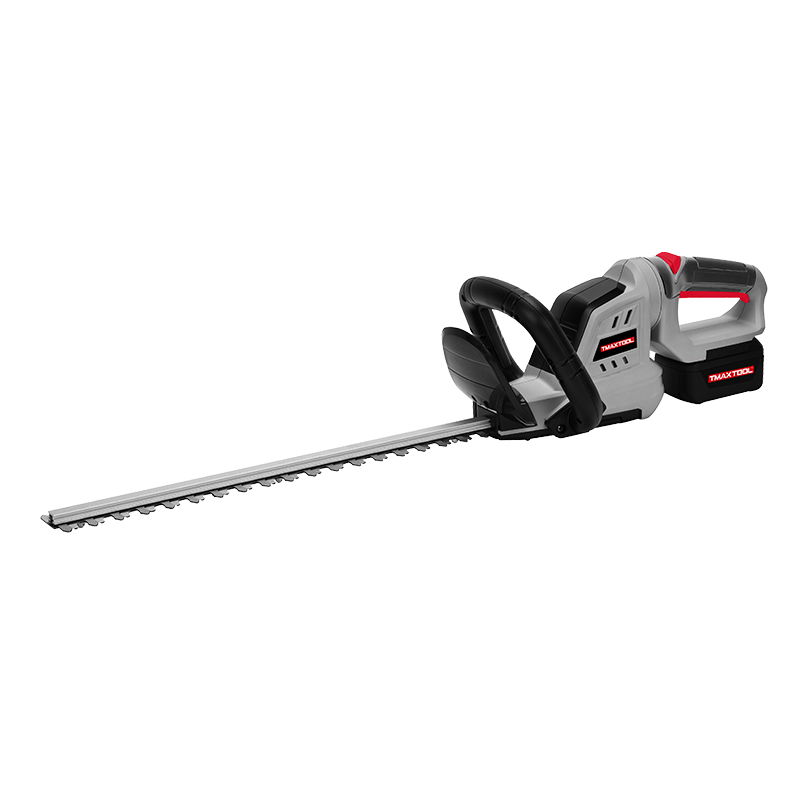 Battery Hedge Trimmer
 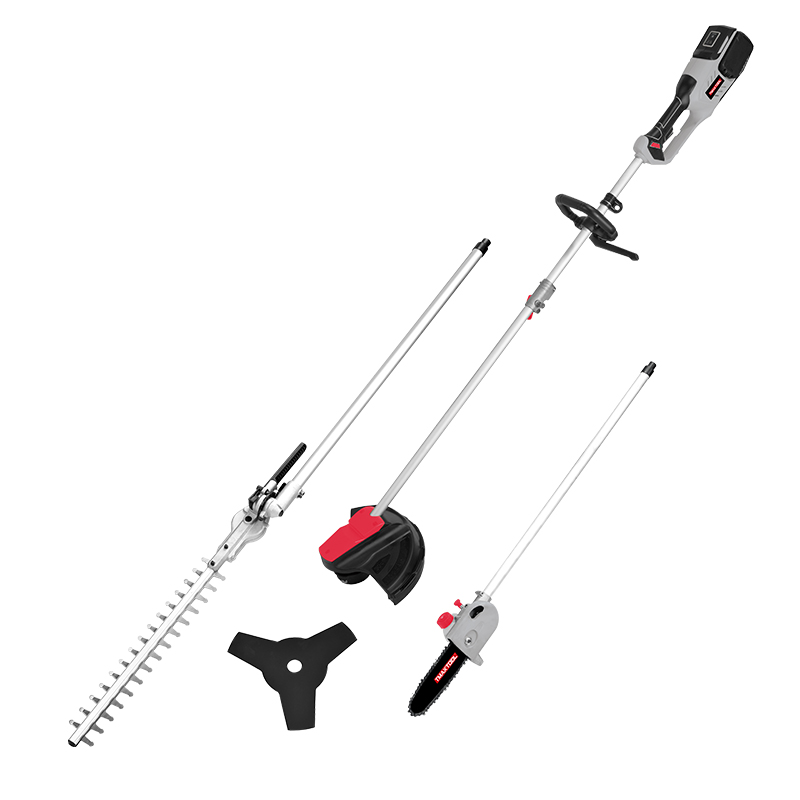 Battery Multi Tool
 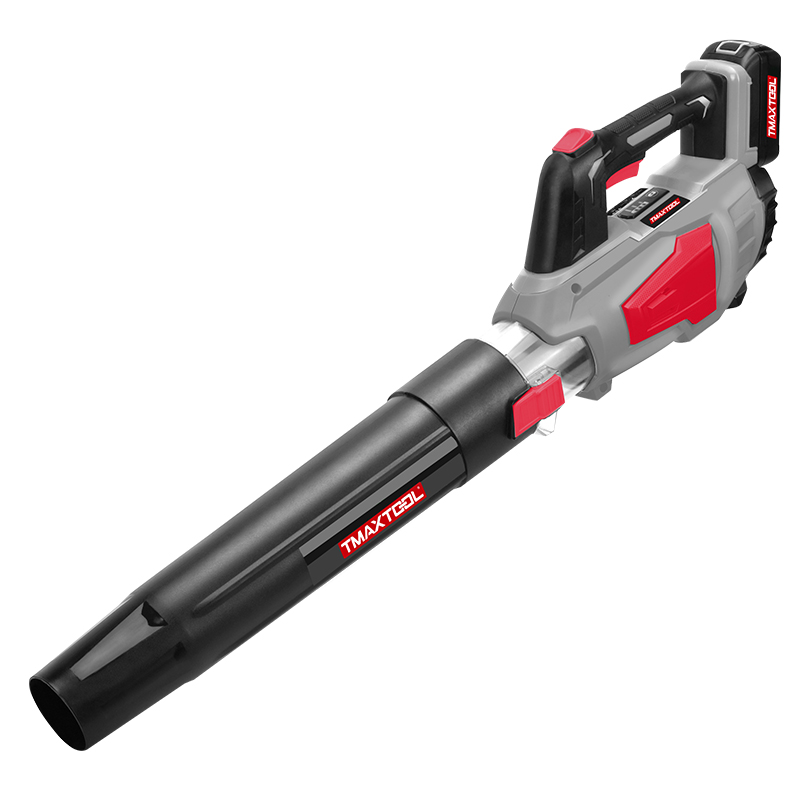 Battery Blower
 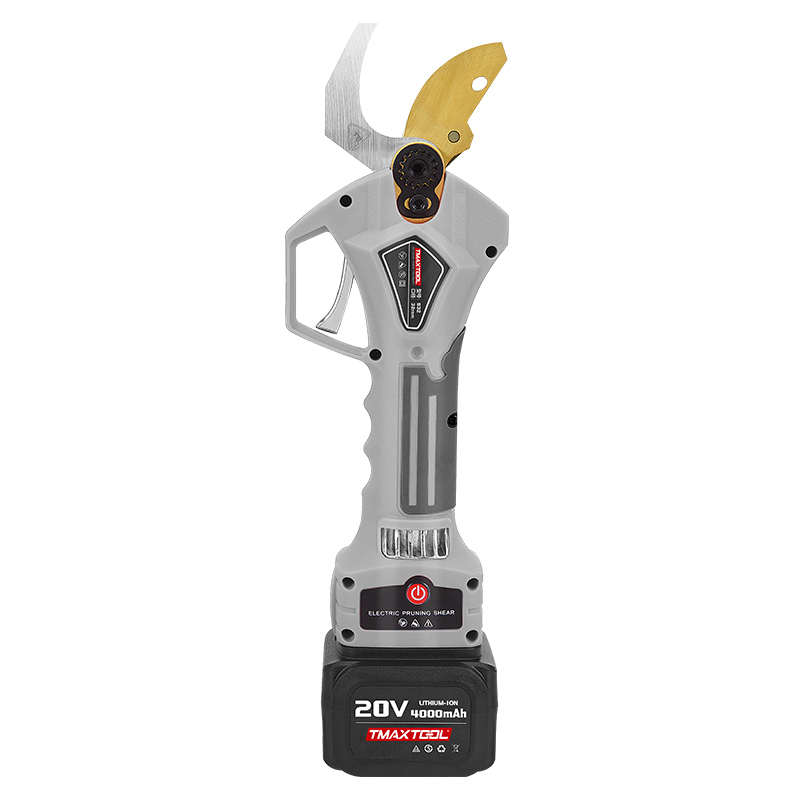 Batter Pruning Shears
 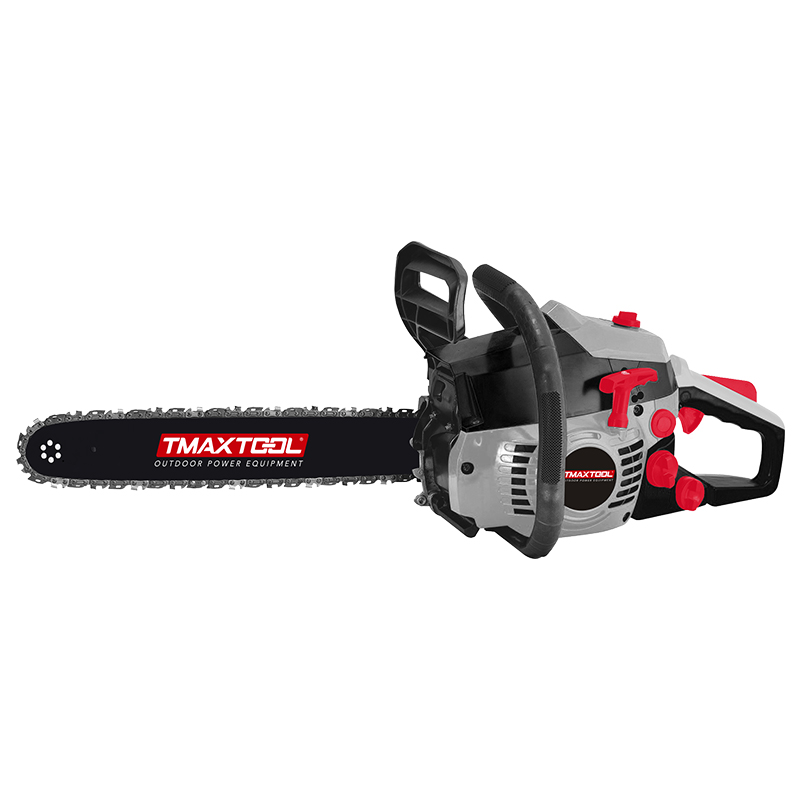 Chain Saw
 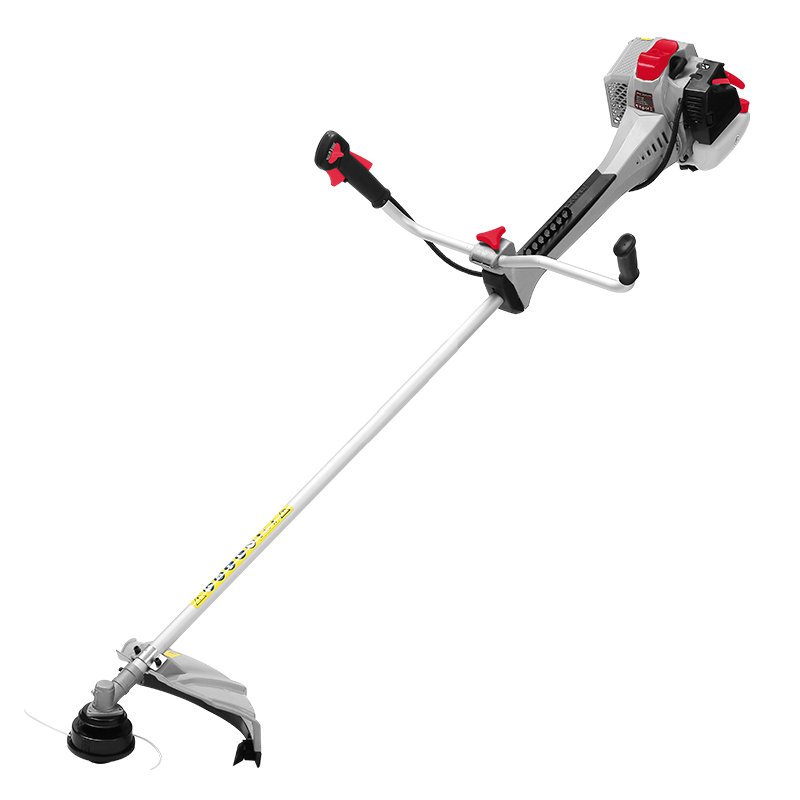 Brush Cutter
 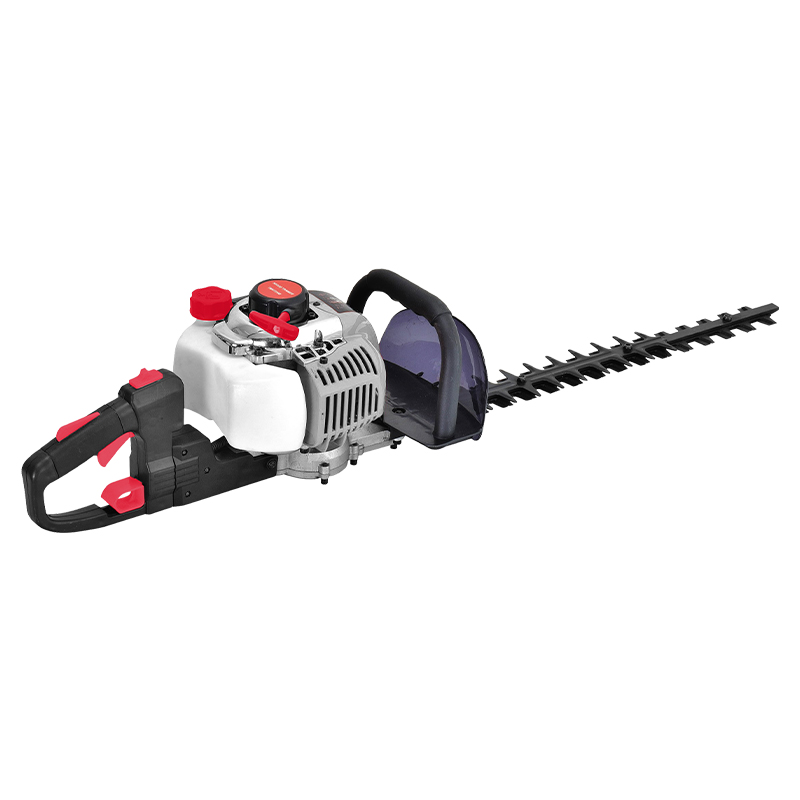 Hedge Trimmer
 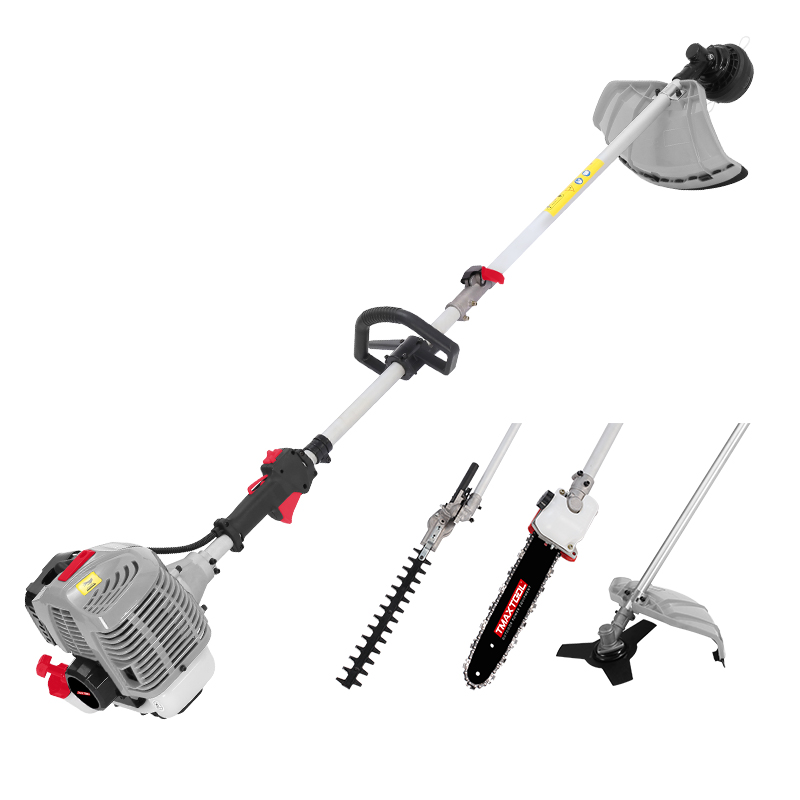 Multi Tool
 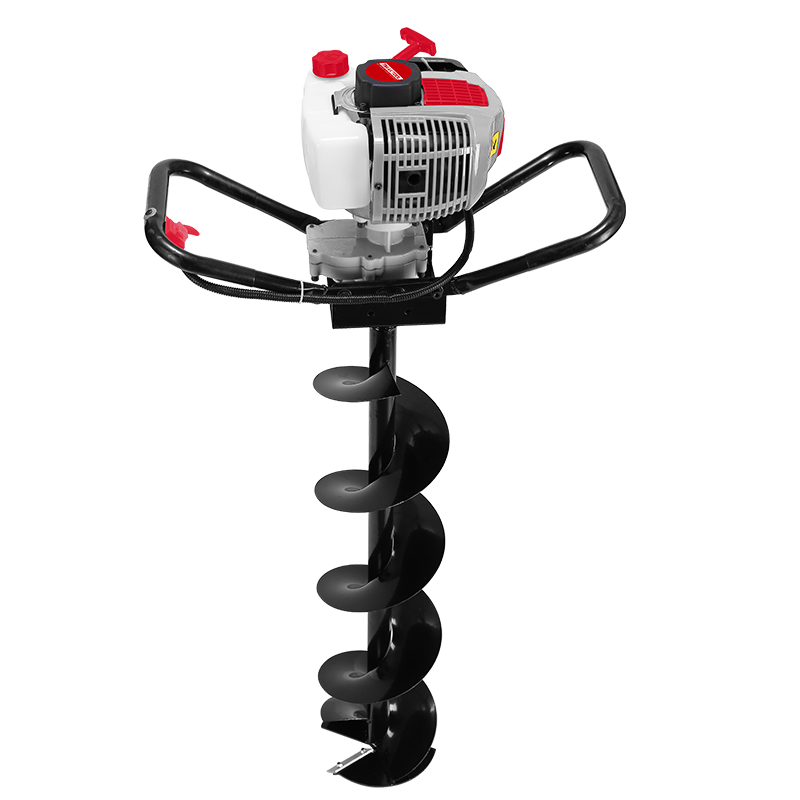 Earth Auger
 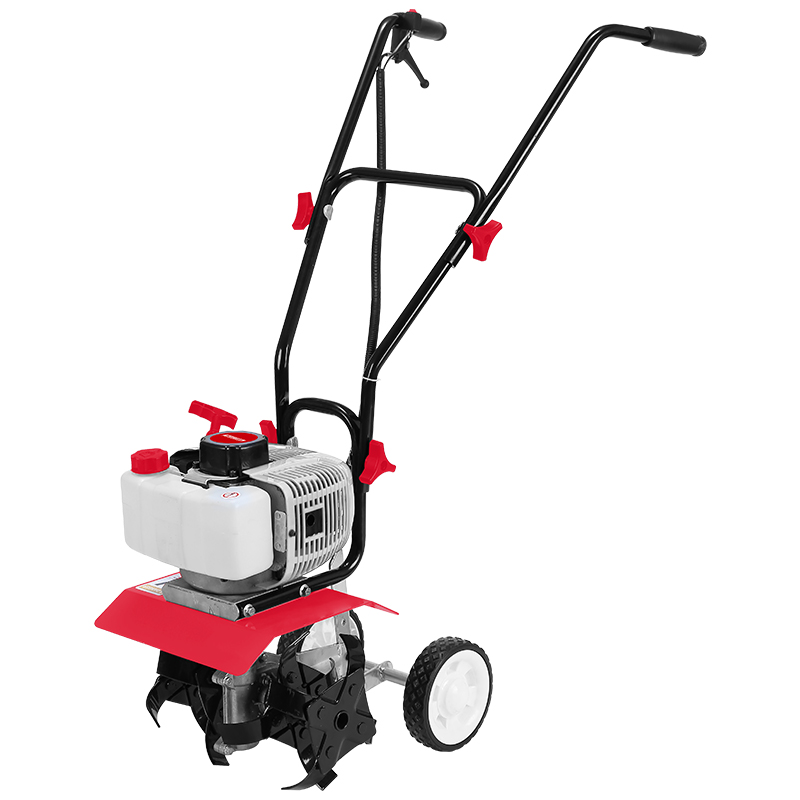 Tiller
 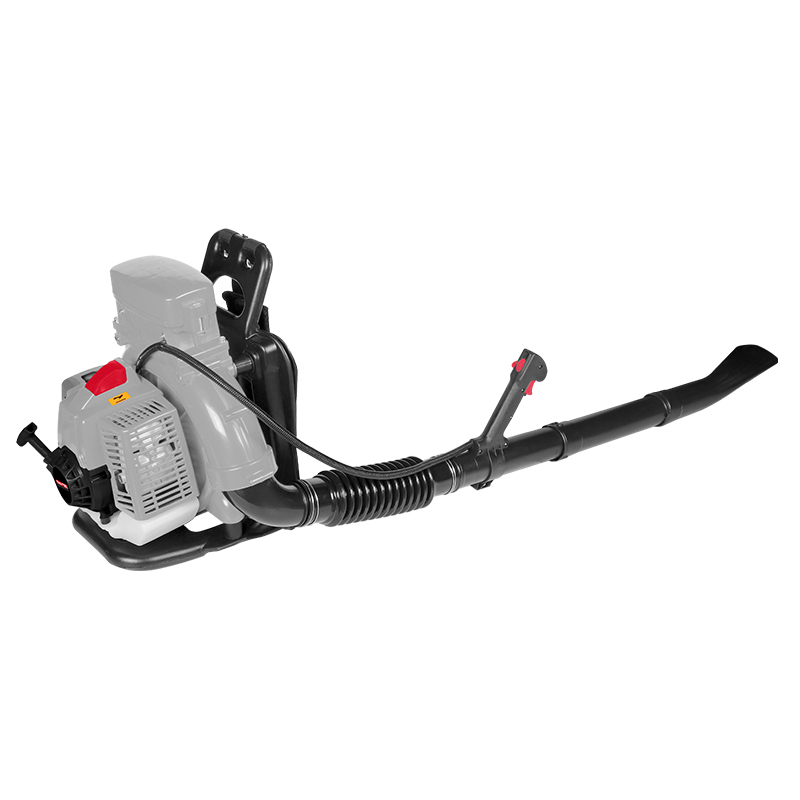 Blower
 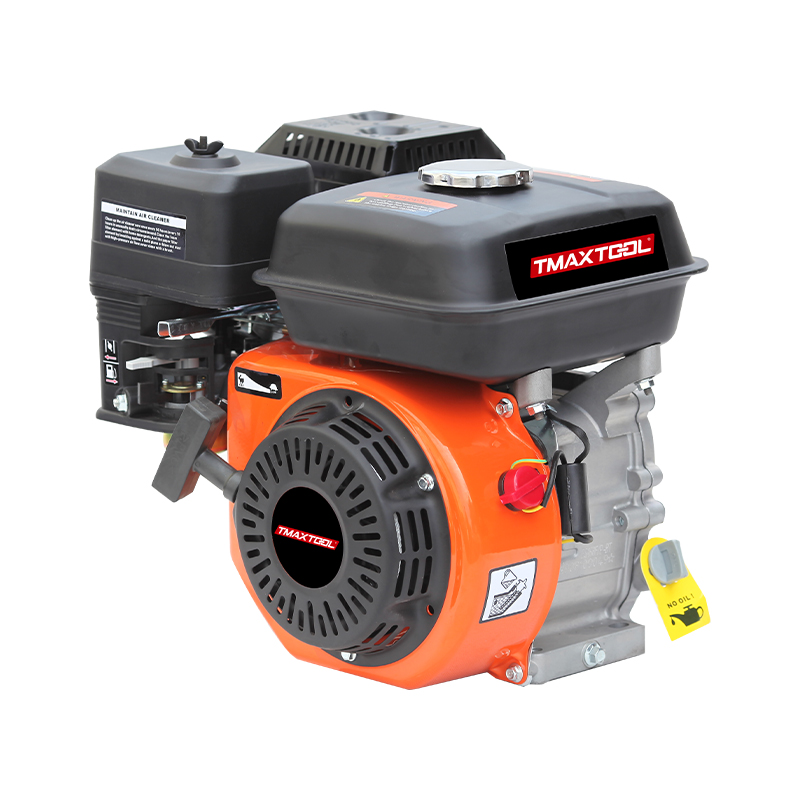 4 Stroke Gasoline Engine
 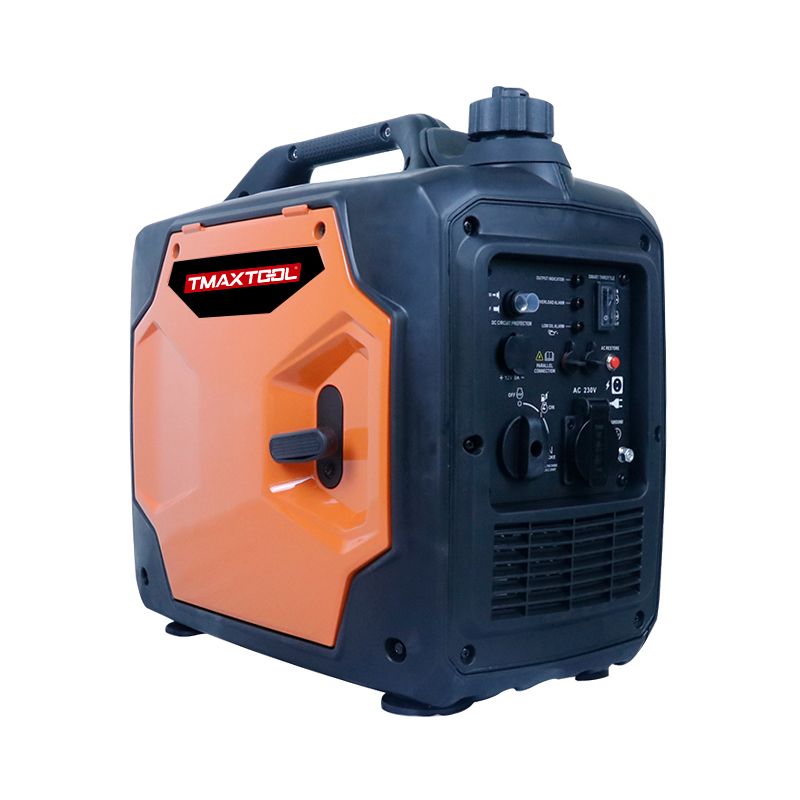 Generator
 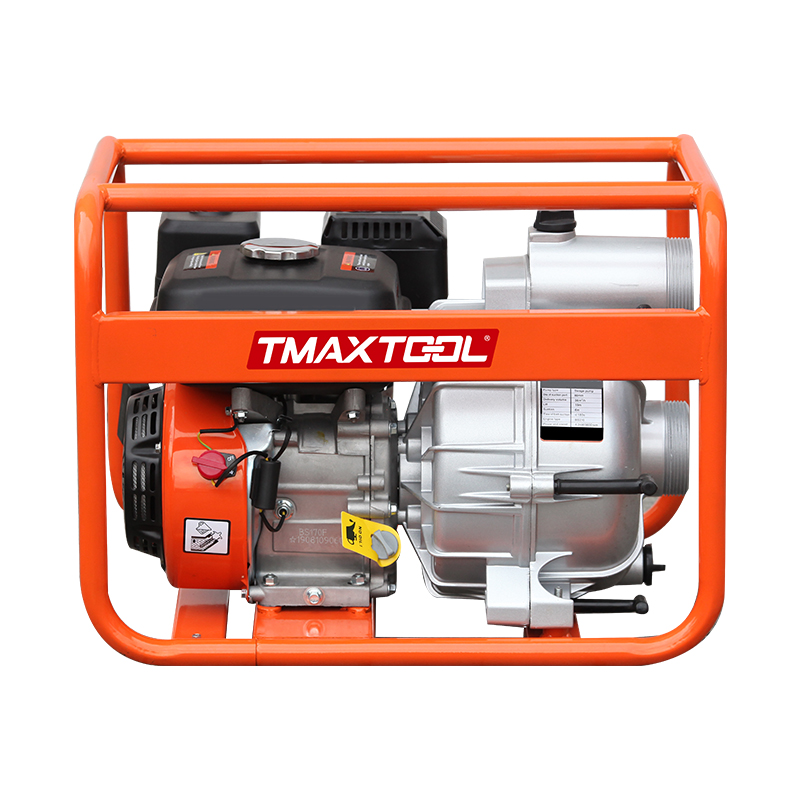 Water Pump
 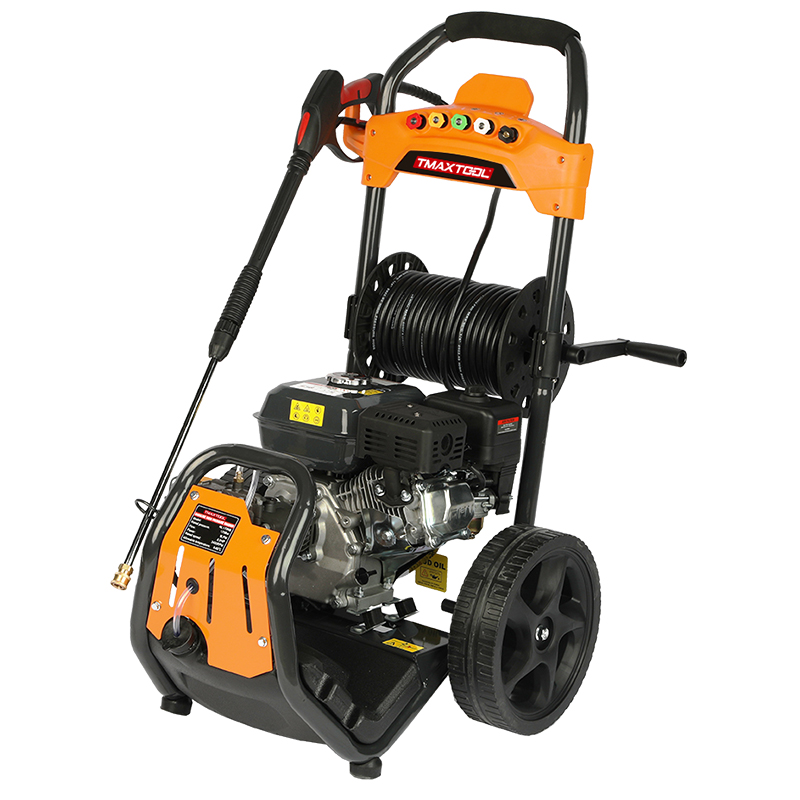 High Pressure Washer
 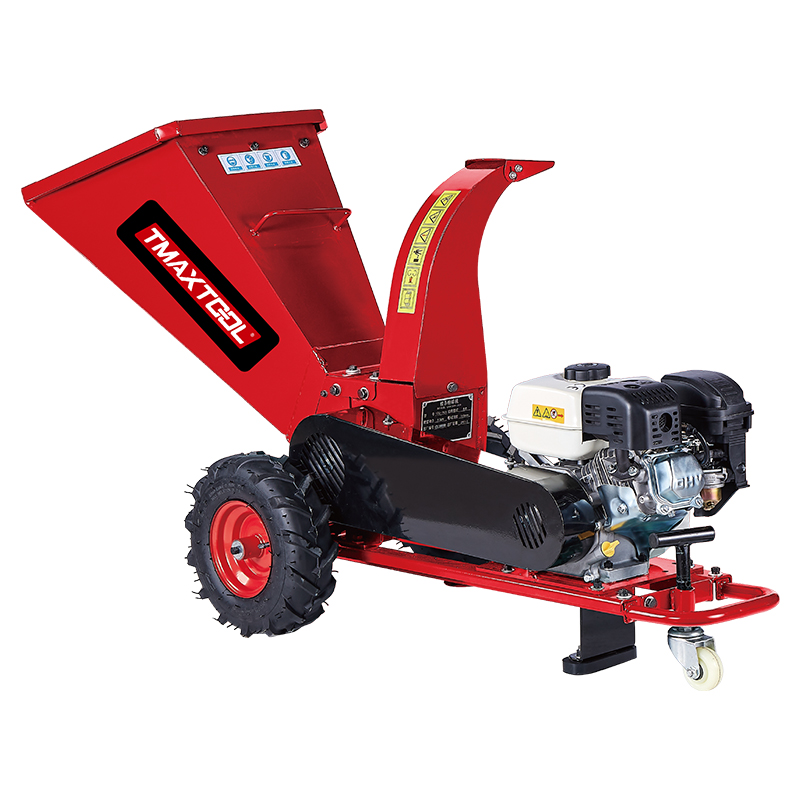 Wood Cutter
 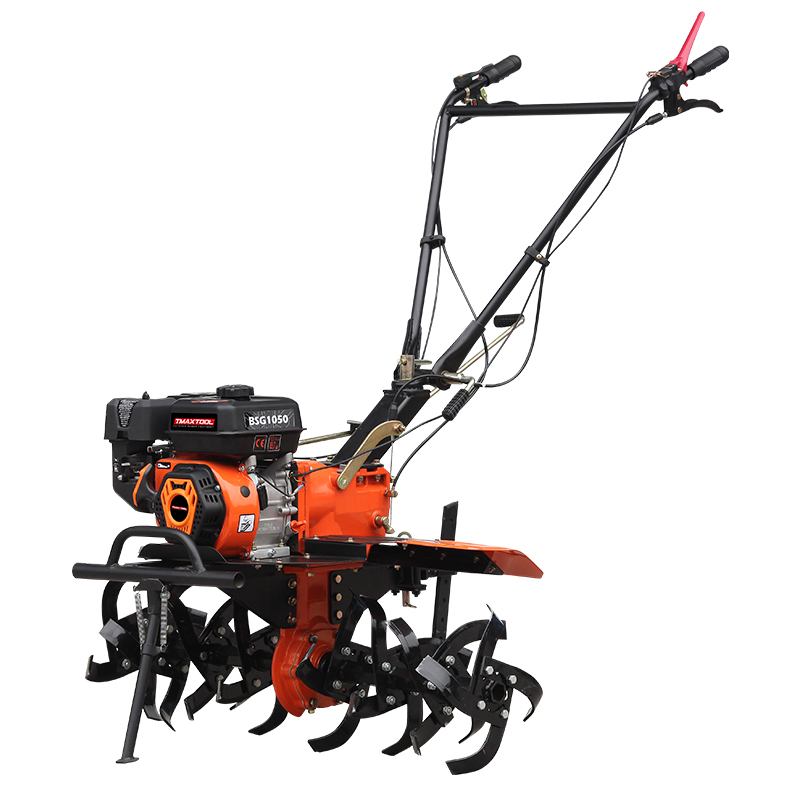 4 Stroke Tiller
 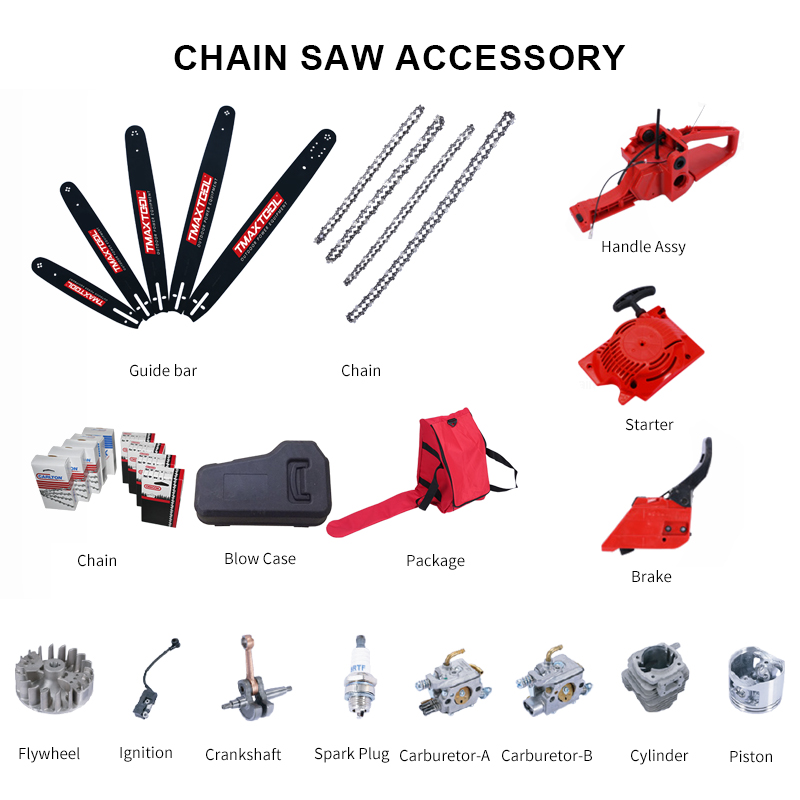 Chain Saw Accessory
 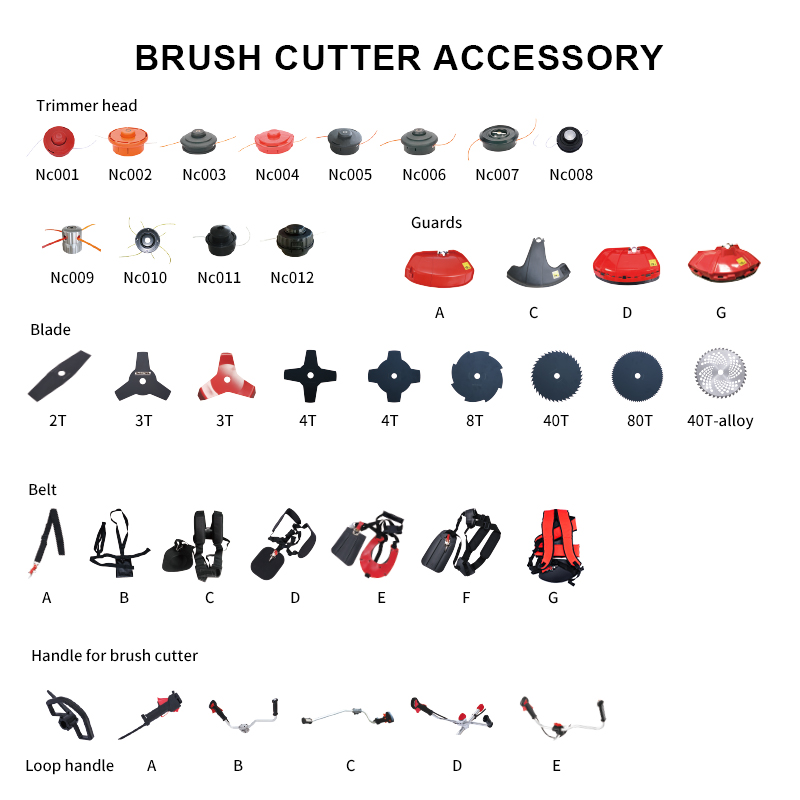 Brush Cutter Accessory
 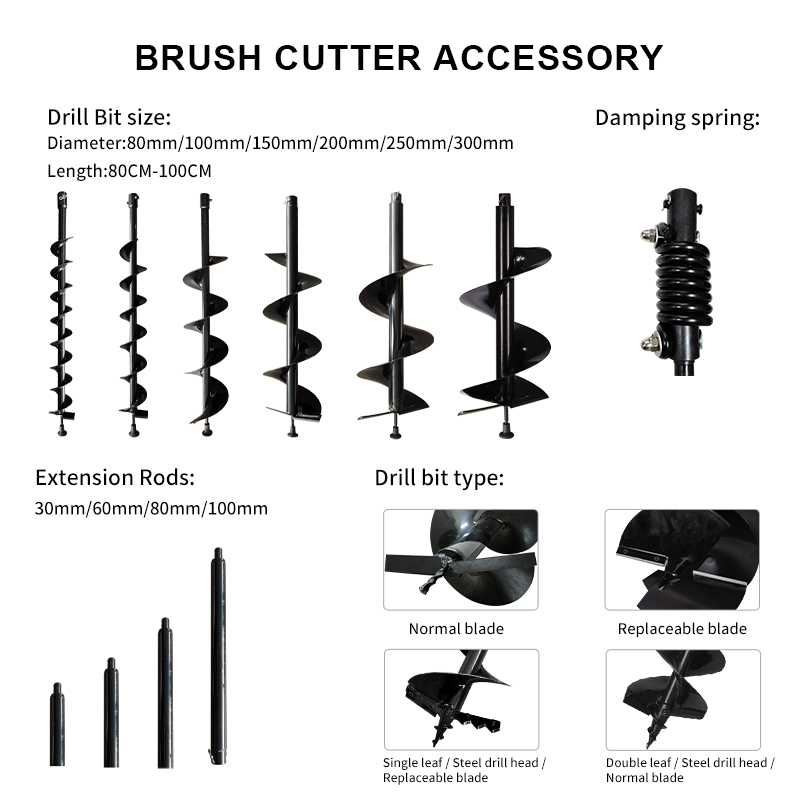 Earth Auger Accessory
 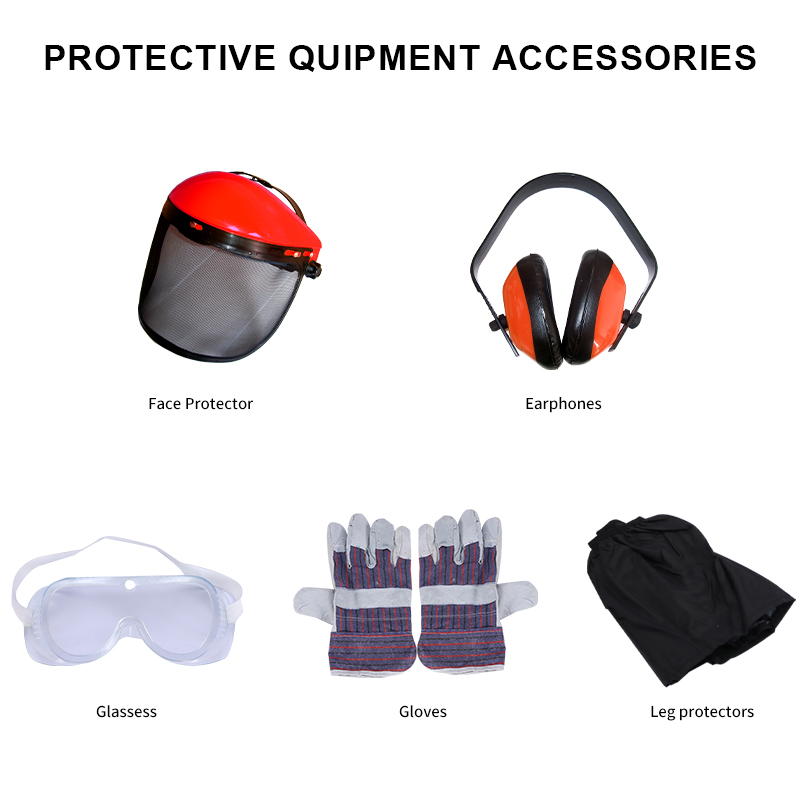 Protective Equipment Accessories
News
Leave Your Message


0102030405
Agricultural Machinery Wholesale Guide
2026-07-24
Agricultural Machinery Wholesale Guide: Streamline Global Farm Equipment Sourcing
Table of Contents
- Understanding Core Wholesale Sourcing Basics for Agricultural Machinery
- Classifying Agricultural Machinery by Market Demand & Application
- Key Specs That Impact Wholesale Performance & Resale Profit
- Regional Certification & Import Compliance Standards Breakdown
- How to Vet Reliable Global Manufacturers & Suppliers
- Calculating Total Cost of Ownership for Bulk Farm Equipment Orders
- Logistics & Customs Checklist for Cross-Border Machinery Shipment
- After-Sales & Spare Parts Strategy for Long-Term Wholesale Partnerships
- Common Wholesale Mistakes & How International Buyers Avoid Them
- FAQS
- Conclusion
Agricultural machinery wholesale is a high-potential global vertical for distributors, farm cooperatives, regional retailers and large commercial farm operators. Unlike consumer goods, farm equipment carries unique technical, regulatory, logistical and after-sales risks that can erase profit margins if mismanaged. Many international buyers rush bulk orders without mapping local market needs, compliance rules or long-term maintenance support, leading to delayed shipments, customs holds, low resale turnover and costly customer complaints.
This wholesale guide breaks down every stage of sourcing agricultural machinery for cross-border distribution, built around real-world demands of global importers. Whether you operate a regional hardware distribution network, supply commercial farming estates, or build a one-stop farm equipment retail store, this framework will help you standardize purchasing, cut hidden costs and build sustainable supplier partnerships.
1 Understanding Core Wholesale Sourcing Basics for Agricultural Machinery
Before sending bulk inquiries to manufacturers, all wholesale buyers must align their purchasing strategy with three foundational factors: local farming landscape, target customer tiers, and long-term operational budget.
Map Local Agricultural Demand First
Every region has distinct crop types, plot sizes and labor structures that dictate viable machinery lines:
- Smallholder markets (Southeast Asia, Sub-Saharan Africa): Prioritize compact tillers, mini harvesters, portable sprayers and lightweight gardening attachments with low minimum order quantities
- Large commercial farm zones (North America, Eastern Europe, Australia): Focus on high-horsepower tractors, self-propelled combines, precision seeding equipment and heavy-duty irrigation machinery
- Mixed diversified agriculture (South America, Southern Europe): Require multi-functional modular machines with interchangeable headers and attachments for grains, fruits and vegetables
Differentiate Wholesale Buyer Tier Goals
Two primary buyer segments shape order planning:
- Resale distributors: Prioritize balanced pricing, marketable certification and full marketing support to compete with local competitors
- Direct farm bulk purchasers: Prioritize fuel efficiency, durability, long warranty windows and accessible spare parts networks
Separate Upfront Cost From Total Operating Expense
A common sourcing error is only comparing unit wholesale prices. Reliable wholesale planning accounts for recurring costs over the machinery’s service life: fuel consumption, routine maintenance, spare part replacement, local technician labor and downtime yield loss from equipment breakdowns. A lower-cost machine with high failure rates often delivers far worse long-term ROI than mid-tier equipment with consistent quality control.
2 Classifying Agricultural Machinery by Market Demand & Application
Wholesale catalog planning relies on grouping equipment by end-use to match regional market demand. Four core categories cover nearly all global farm equipment wholesale orders:
Power & Cultivation Machinery
Includes wheeled tractors, walking cultivators, rotary tillers, subsoilers and plough units. This category consistently drives 40% of global agricultural machinery wholesale volume, as every farm requires soil preparation tools. Compact models under 30HP lead emerging market sales, while 70HP+ heavy tractors dominate mature commercial agriculture regions.
Harvesting & Crop Processing Equipment
Rice combine harvesters, corn pickers, sugarcane cutters, threshers and grain dryers fall into this segment. Demand spikes ahead of regional planting and harvest seasons, creating seasonal wholesale order surges. Multi-crop interchangeable harvester headers are high-margin add-ons for distributors expanding product lines.
Garden & Small Farm Auxiliary Equipment
Backpack trimmers, chainsaws, irrigation pumps, fertilizer spreaders and portable seeders. This line features low MOQs, affordable unit pricing and steady year-round retail turnover, ideal for new wholesale buyers testing regional market traction without large capital investment.
Agricultural Power Generators & Support Attachments
Diesel generators, Water Pump sets, wood chippers and universal tool accessories. Attachments act as high-upsell add-ons to boost average order value alongside core machinery purchases.
3 Key Specs That Impact Wholesale Performance & Resale Profit
When comparing bulk quotations from manufacturers, standardize technical specification checks to ensure fair price comparison across suppliers. Vague product descriptions often signal inconsistent production quality. Focus on these non-negotiable metrics:
| Specification Category | Critical Wholesale Evaluation Points | Resale Impact |
|---|---|---|
| Engine Configuration | Branded engine models, fuel type (diesel/gasoline), horsepower rating, emission standard compliance | Low-emission certified machinery sells faster in EU, North America and Southeast Asian regulated markets |
| Operational Capacity | Cutting width, working depth, hourly processing output, tank volume (fuel/fertilizer/grain) | Larger capacity units command higher resale margins for commercial farm clients |
| Material & Build Quality | Frame steel thickness, wear-resistant blade alloy, waterproof electrical components | Thicker, corrosion-resistant construction reduces post-sales breakdown complaints and warranty claims |
| Modular Compatibility | Interchangeable attachment ports, standardized spare part sizing | Universal modular machines expand target customer pools and simplify spare parts inventory management |
| Weight & Transport Dimensions | Disassembly capability, container load fit, gross shipping weight | Compact, disassemblable models cut international freight costs by 12–20% per full container load |
For first-time bulk orders, request factory test run footage and sample unit inspection reports to verify published specifications match physical production output.
4 Regional Certification & Import Compliance Standards Breakdown
Customs clearance delays and rejected shipments are one of the costliest wholesale sourcing risks. Every major global market enforces mandatory machinery safety and emission certifications that suppliers must provide before bulk production. Below are core regional compliance rules for agricultural machinery importers:
European Union Markets
CE certification is mandatory for all farm equipment, paired with Stage V non-road engine emission compliance. Tractors and harvesters additionally require official EU type approval covering rollover protection, braking systems and lighting assemblies. Imported units must include multilingual operation manuals matching local market languages.
Eurasian Economic Union (Russia, Kazakhstan, Belarus)
EAC technical certification is required for all agricultural machinery, aligned with TR CU 031 safety regulations covering structural stability and engine emissions. Customs authorities cross-verify certificate serial numbers against equipment serial numbers during clearance.
Southeast Asian Markets
- Indonesia: SNI national standard certification
- Thailand: AEMC agricultural equipment safety approval
- Philippines: PS/ICC mandatory product certification
- Malaysia: SIRIM safety and emissions testing
Most Southeast Asian countries align emissions standards with EU Stage V to simplify cross-border wholesale distribution across ASEAN nations.
African & Latin American Emerging Markets
Certification rules vary widely by country, though ISO 9001 manufacturing certification and third-party SGS quality inspection reports are universally accepted to speed customs processing. Many importers prioritize suppliers that pre-provide origin certificates to reduce local tariff calculation delays.
5 How to Vet Reliable Global Manufacturers & Suppliers
Wholesale success hinges on long-term supplier partnerships, not one-time low-price spot orders. Use this step-by-step vetting workflow to filter qualified production partners:
- Verify production scale & factory management Request facility tour videos or virtual factory audits to confirm standardized digital production lines, dedicated quality testing bays and consistent component inventory storage. Top-tier suppliers maintain production completion rates above 98% with less than 3% customer complaint rates.
- Cross-check export track record Ask for reference contacts of existing wholesale buyers operating within your target import region. Confirm the supplier has fulfilled bulk orders to matching markets with successful customs clearance history.
- Evaluate response & order flexibility Prioritize manufacturers offering under 24-hour inquiry response windows, flexible MOQs starting at 50 units for small machinery and customizable OEM branding for regional distributor private labeling.
- Audit warranty & spare parts commitments Secure written terms for global warranty coverage, spare part production lead times and dedicated technical support channels for wholesale partners. Avoid suppliers offering only short 6-month limited coverage with no dedicated spare parts inventory.
- Review delivery performance metrics Confirm historical on-time delivery rates above 98% and fixed production lead times (typically 30 days for standard bulk orders). Unpredictable lead times create stock shortages that damage retail distributor client relationships.

6 Calculating Total Cost of Ownership for Bulk Farm Equipment Orders
Many new wholesale buyers only calculate per-unit factory price, ignoring hidden cross-border costs that drastically shift profit margins. Use this full cost formula for every bulk quotation comparison: Total Wholesale Cost = Unit Factory Price + Sea/Air Freight + Port Handling Charges + Import Tariffs & Local Taxes + Third-Party Inspection Fees + Certification Processing Fees + Container Packaging & Disassembly Labor + Local Warehouse Storage + Projected Annual Maintenance & Spare Part Stock
Practical Cost Optimization Tips
- Consolidate mixed machinery orders into full container loads to reduce per-unit freight expenses
- Negotiate bulk tiered pricing for annual repeat orders to lock in volume discounts
- Select suppliers that pre-disassemble large machinery to fit standard 20ft/40ft containers, avoiding expensive flat rack breakbulk shipping
- Coordinate combined certification testing for mixed product lines to cut duplicate compliance fees
7 Logistics & Customs Checklist for Cross-Border Machinery Shipment
Agricultural machinery’s large size, heavy weight and engine components create unique shipping hurdles. Complete this checklist before production finishes to eliminate shipment delays:
Pre-Shipment Preparation
- Confirm exact machine dimensions, weight and disassembly options with the supplier to select matching container types
- Request full set of export documentation: commercial invoice, packing list, bill of lading, certificate of origin, product certification test reports and factory inspection records
- Secure marine cargo insurance covering damage during transit, loading and unloading
- Capture full loading video footage for customs dispute resolution support
Customs Clearance Mandatory Documents
Every destination port requires standardized paperwork to avoid detention fees:
- Signed commercial invoice matching product model quantities
- Detailed packing list separating complete machines and loose spare part sets
- Manufacturer certificate of origin for tariff reduction eligibility
- Region-specific safety/emission certification documents
- Third-party pre-shipment inspection reports (SGS, BV or equivalent)
- Multilingual operation and maintenance manuals for local regulatory review
Shipping Method Selection Guide
- Standard 40ft Container: Compact tillers, sprayers, small harvesters and hand tool attachments (lowest per-unit freight cost for bulk small equipment)
- Flat Rack Container: Mid-size tractors and partially disassembled harvesting units
- RoRo Vessel: Wheeled drivable tractors for ports with roll-on roll-off infrastructure
- Breakbulk Shipping: Oversized heavy combine harvesters and large irrigation machinery (highest freight cost, only for ultra-heavy equipment)
8 After-Sales & Spare Parts Strategy for Long-Term Wholesale Partnerships
After-sales support is the primary factor that determines repeat wholesale orders from regional distributors. Without accessible spare parts and technical guidance, your retail clients will switch competing suppliers within one season. Build a structured support framework with your manufacturer covering these areas:
Spare Parts Inventory Planning
Negotiate bundled spare part kits alongside every bulk machinery order, including high-wear components like blades, filters, fuel pumps and drive belts. Secure fixed spare part pricing for repeat restocks to stabilize retail replacement part margins. Reliable suppliers maintain dedicated spare parts production lines with fast 7-day sample turnaround for custom replacement components.
Technical Support for Wholesale Partners
Qualified manufacturers provide two core support resources for global importers:
- Complete technical training materials: HD operation videos, printed service manuals and fault diagnosis guides translated into regional market languages
- Remote technician consultation via video call for complex machinery repair troubleshooting during peak farming seasons
Warranty Terms Negotiation Benchmark
Standard industry wholesale warranty is 12 months from shipment date. For large annual volume buyers, negotiate extended 18–24 month warranty coverage with free replacement of factory defective core components like engines and hydraulic systems. Clarify warranty exclusions for damage from improper operation, unapproved fuel and natural wear in written sales contracts.
9 Common Wholesale Mistakes & How International Buyers Avoid Them
Decades of global agricultural machinery sourcing reveal recurring costly errors for cross-border wholesale importers:
- Sourcing without regional certification pre-approval Risk: Full container shipments held at customs for weeks or rejected entirely, incurring storage and return shipping fees Fix: Submit target market certification requirements to suppliers before drafting formal purchase orders
- Overordering high-capacity machinery for smallholder markets Risk: Slow retail turnover, warehouse capital tied up in unsold large equipment Fix: Run small MOQ sample test orders first to gauge local market demand before placing full container bulk orders
- Ignoring spare parts supply chain stability Risk: Retail clients cannot repair broken machinery mid-harvest season, leading to permanent lost business Fix: Lock in multi-year spare part supply agreements with fixed lead times and pricing
- Comparing quotations without standardized technical specs Risk: Apparent low-cost units omit critical safety features or use low-grade engine components, increasing post-sales failure rates Fix: Create a uniform specification checklist to submit to all suppliers for identical quotation comparison
- Overlooking seasonal production lead time delays Risk: Inventory stockouts ahead of regional planting and harvest cycles Fix: Place bulk orders 45–60 days before local peak farming seasons to account for production and ocean transit windows
FAQS
What is the standard minimum order quantity for agricultural machinery wholesale?
Most manufacturers set a base MOQ of 50 pieces for compact garden and tillage equipment, while large tractors and harvesters allow MOQ as low as 1–5 units for first-time importers. OEM private labeling typically requires slightly higher tiered order volumes.
How long does bulk agricultural machinery production take?
Standard lead time for confirmed bulk orders is 30 days. Custom modified models, branded OEM units and machinery requiring regional certification testing extend lead times to 40–45 days. Small sample batches can be completed within 7 working days for market testing.
Can I mix different machinery types in one wholesale container order?
Yes, mixed load full container orders are widely supported by manufacturers. Combining compact tillers, sprayers and spare part kits optimizes container space and reduces per-unit international shipping costs for diversified distributors.
How do I handle machinery warranty claims for overseas wholesale stock?
Reputable manufacturers provide a formal warranty claim process with remote fault diagnosis, free replacement core component shipments and partial production credit for mass factory defects. All warranty terms must be outlined in your formal sales contract before deposit payment.
Are custom OEM branding services available for bulk farm equipment orders?
Nearly all large agricultural machinery manufacturers offer OEM customization, including private brand logos, custom color schemes and region-specific control panel adjustments, subject to minimum order volume requirements.
Conclusion
Agricultural machinery wholesale delivers consistent long-term revenue for global importers, but sustainable profitability requires structured sourcing planning across market demand mapping, supplier vetting, compliance certification, logistics management and after-sales spare parts support. The most successful international distributors avoid race-to-bottom pricing competition by partnering with manufacturers that balance competitive unit costs, stable quality control and comprehensive end-to-end wholesale partner support.
By following the step-by-step workflow laid out in this guide, wholesale buyers can eliminate costly cross-border sourcing risks, accurately calculate total ownership costs and build long-term, mutually beneficial manufacturing partnerships that scale alongside regional agricultural mechanization demand worldwide.