
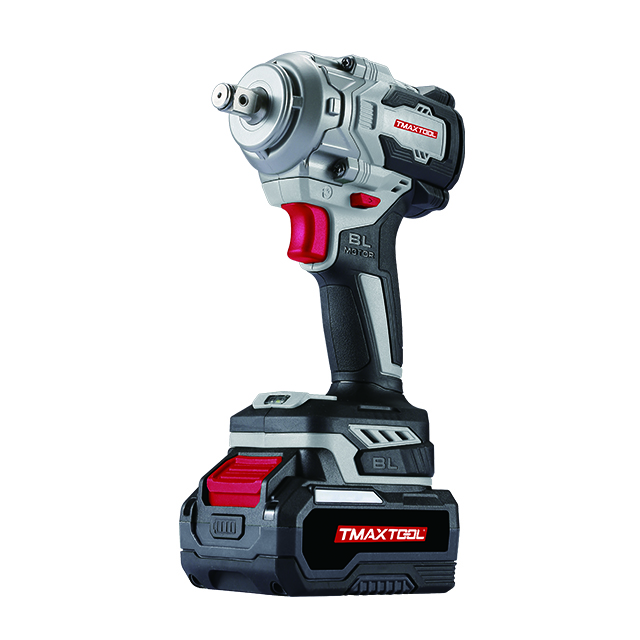
 Impact Wrench
 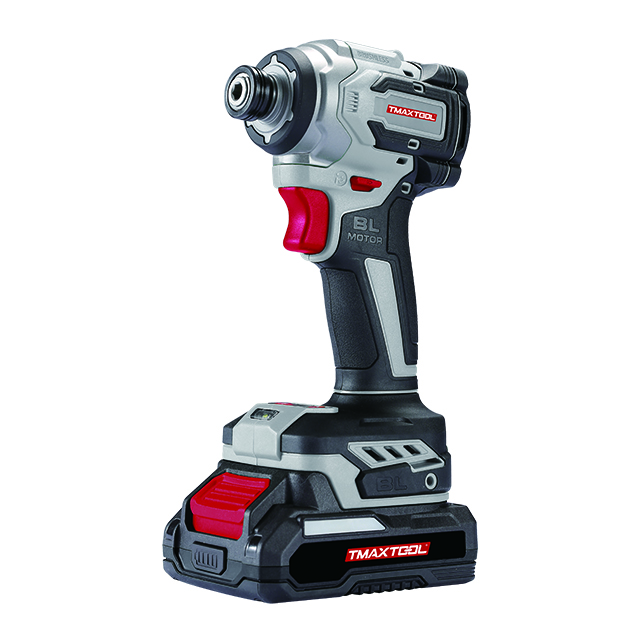 Screwdriver
 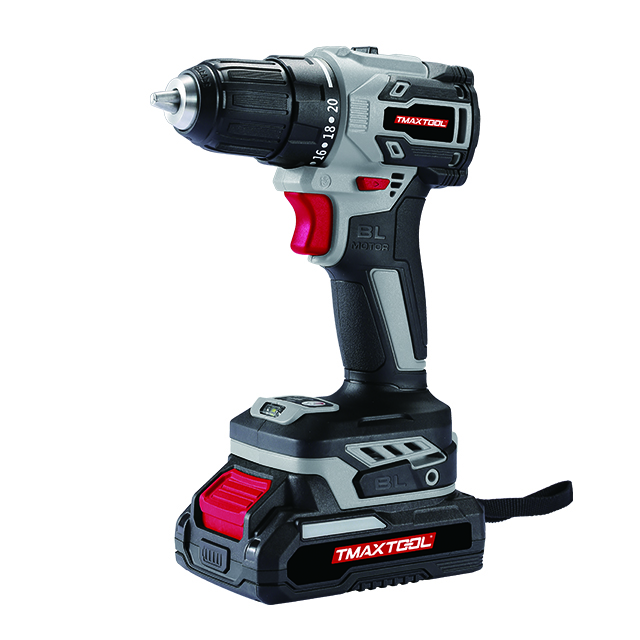 Cordless Drill
 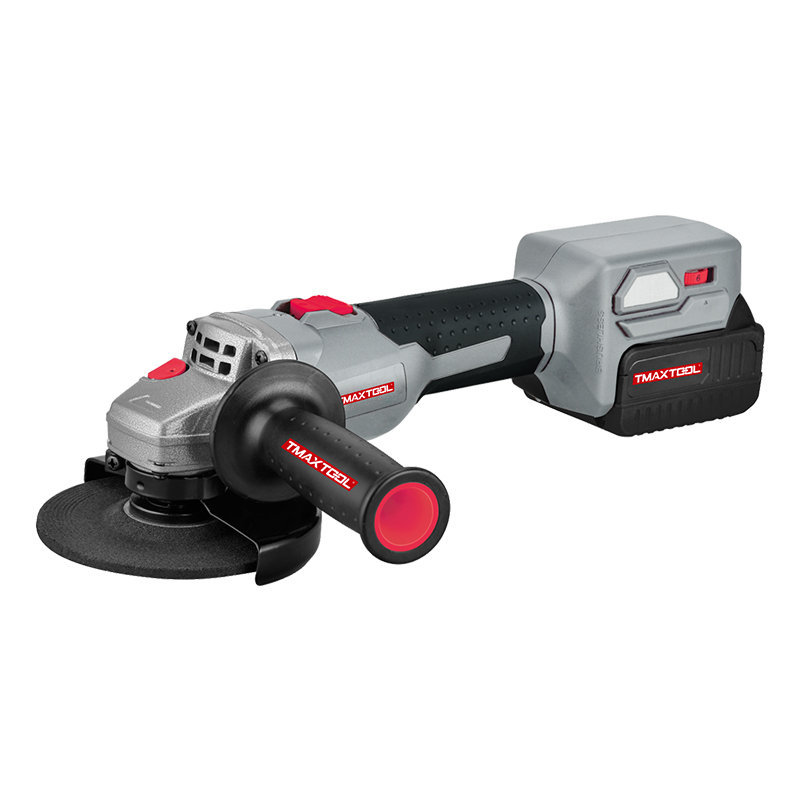 Angle Grinder
 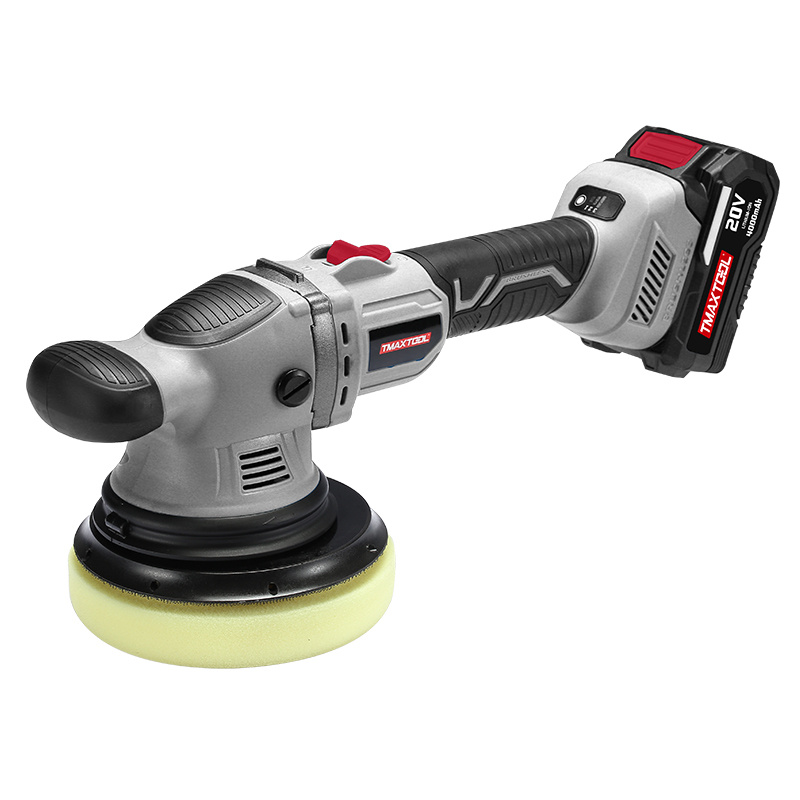 Polisher
 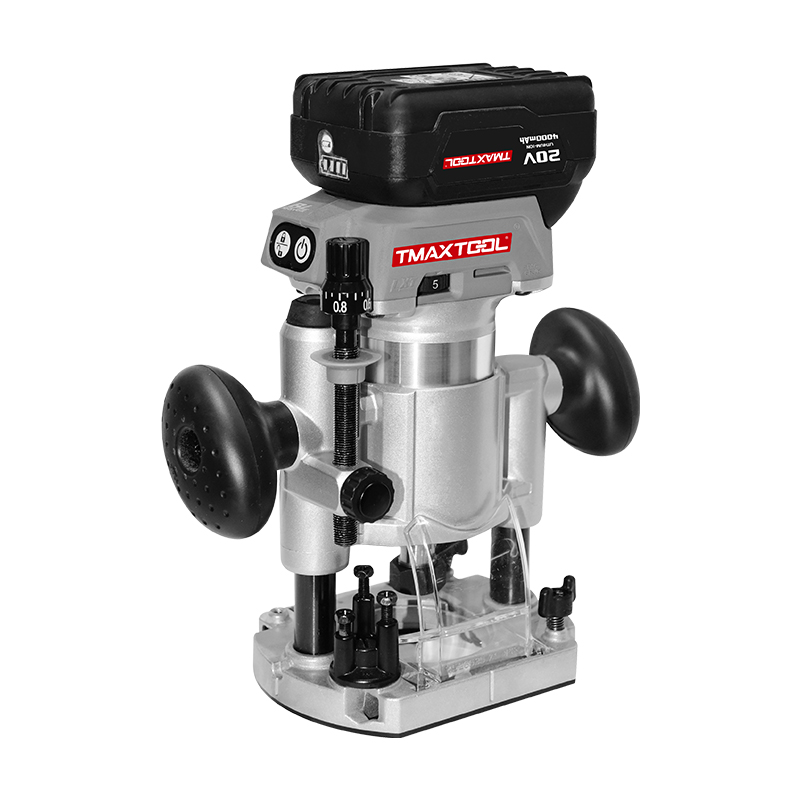 Wood Router
 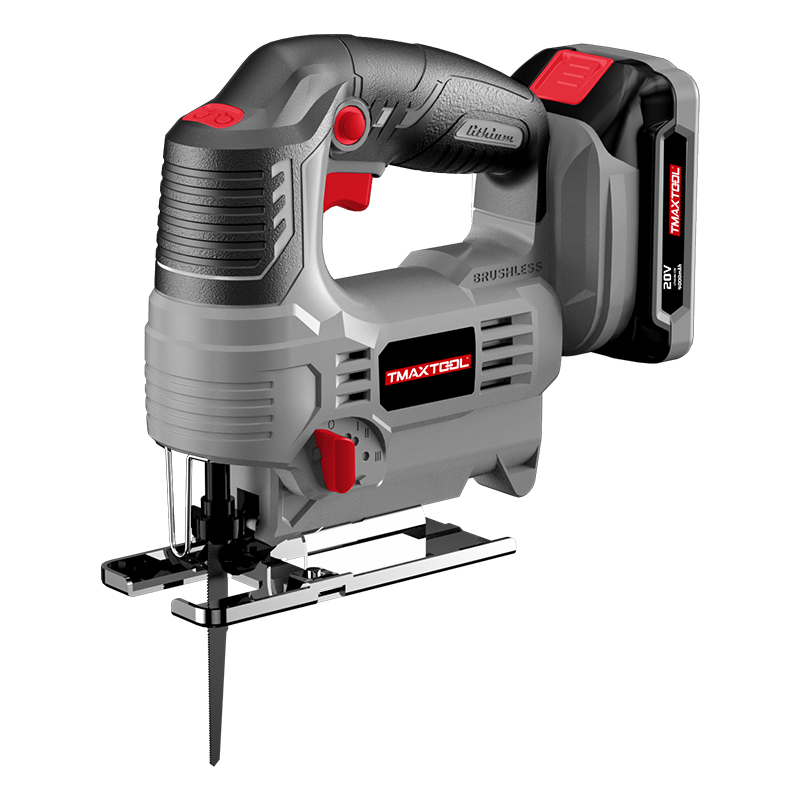 Jig Saw
 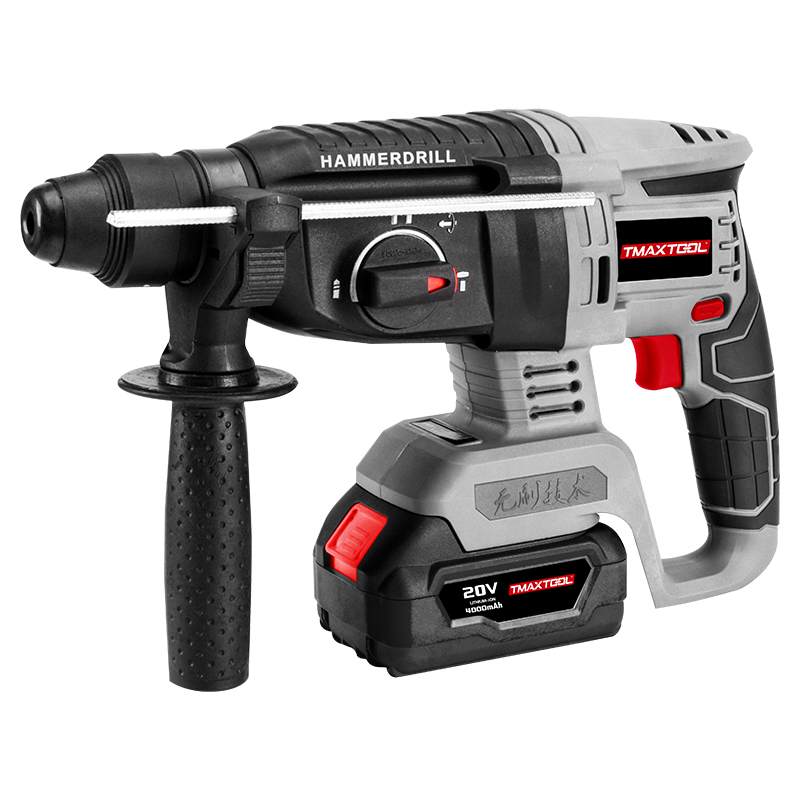 Hammer Drill
 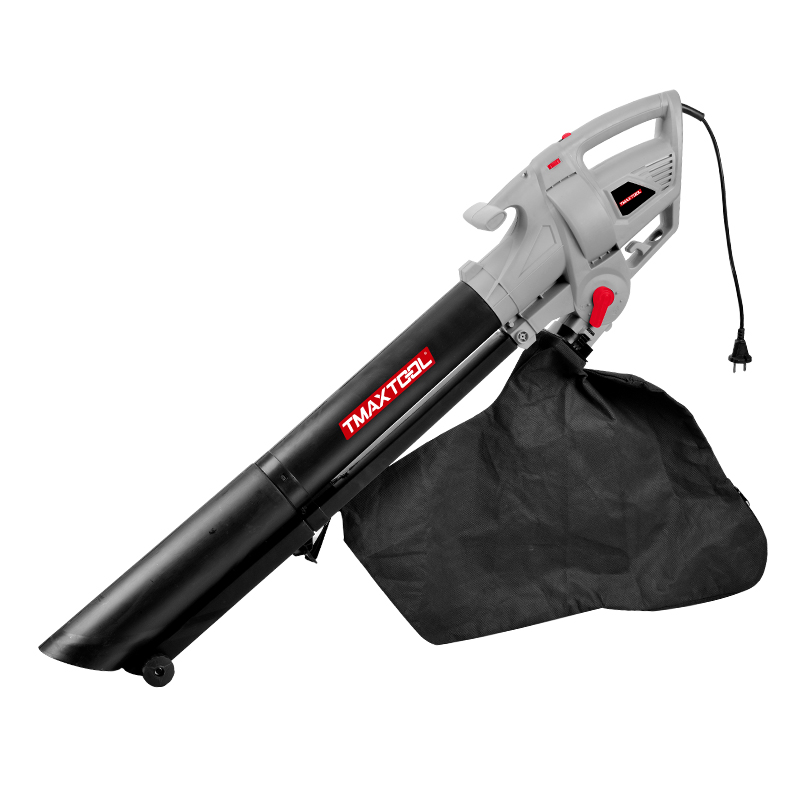 Portable Blower
  Orbital Sander
 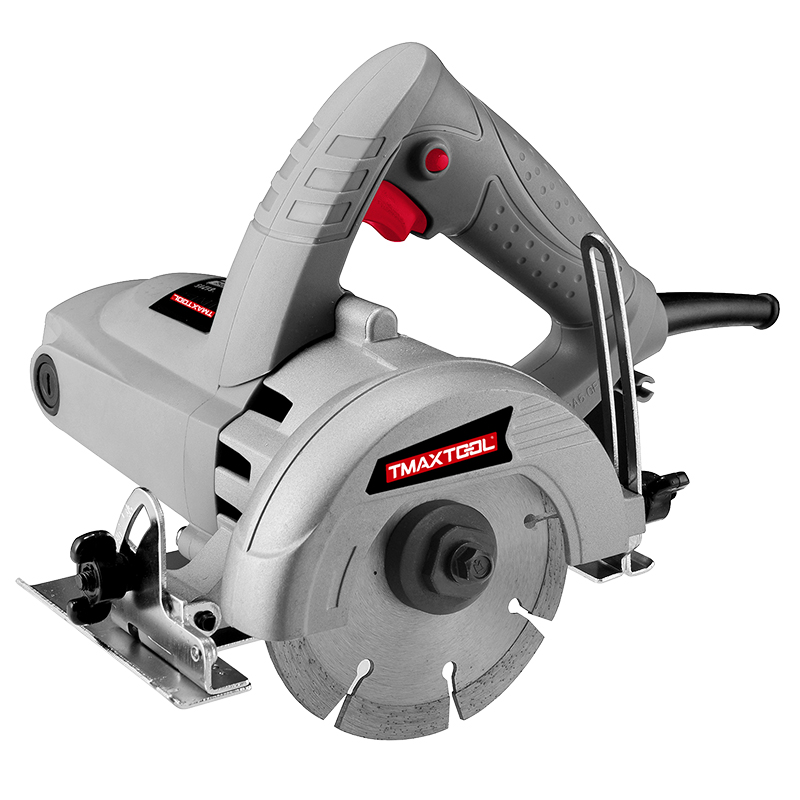 Marble Cutter
 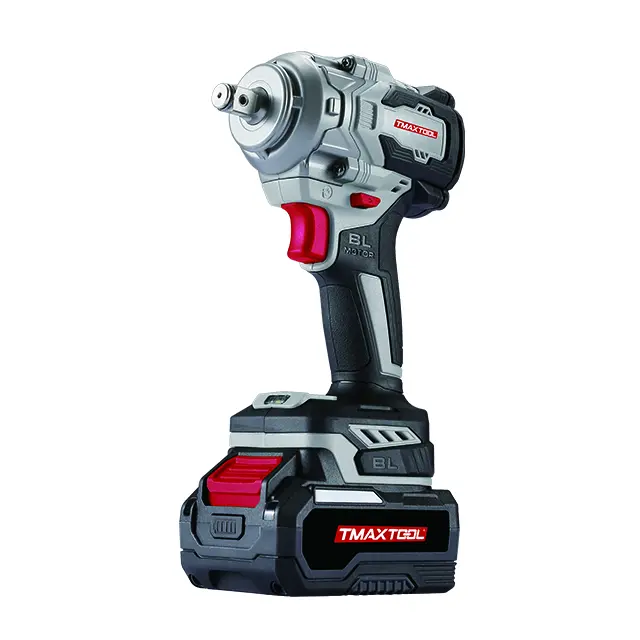 GARDEN TOOLS
 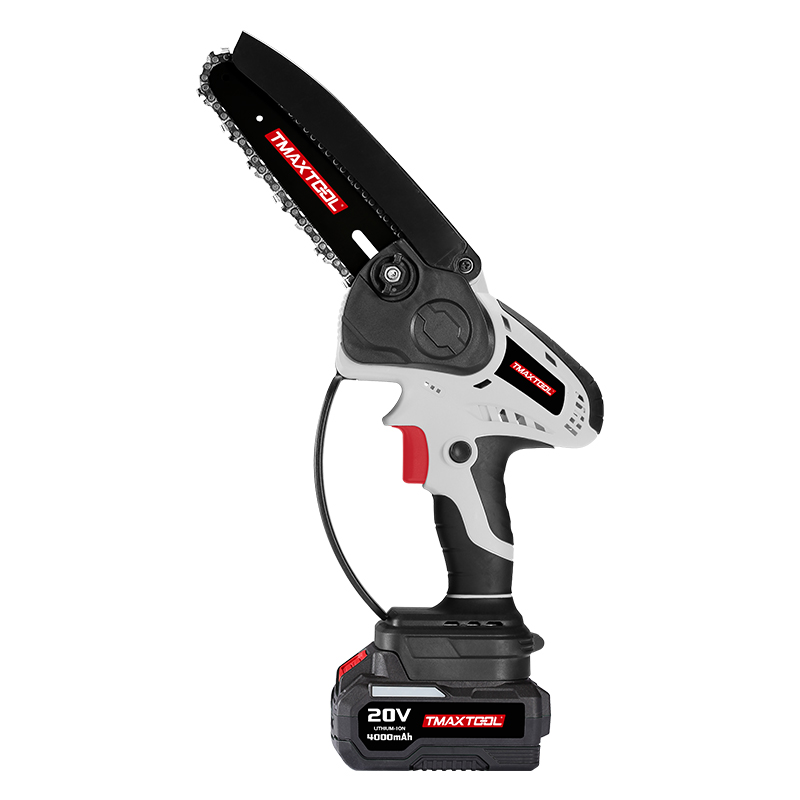 Battery Chain Saw
 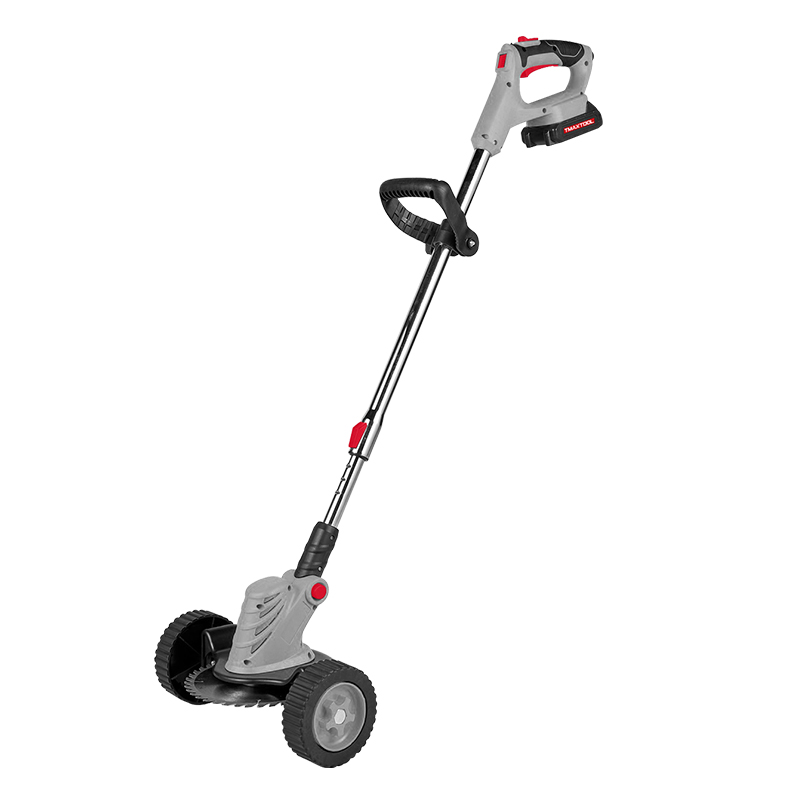 Battery Brush Cutter
 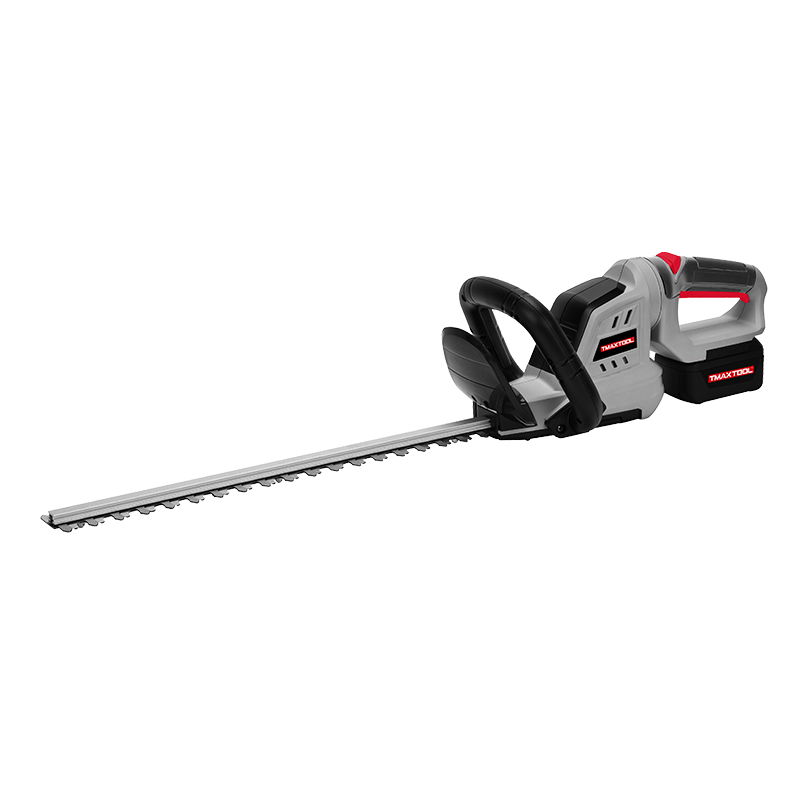 Battery Hedge Trimmer
 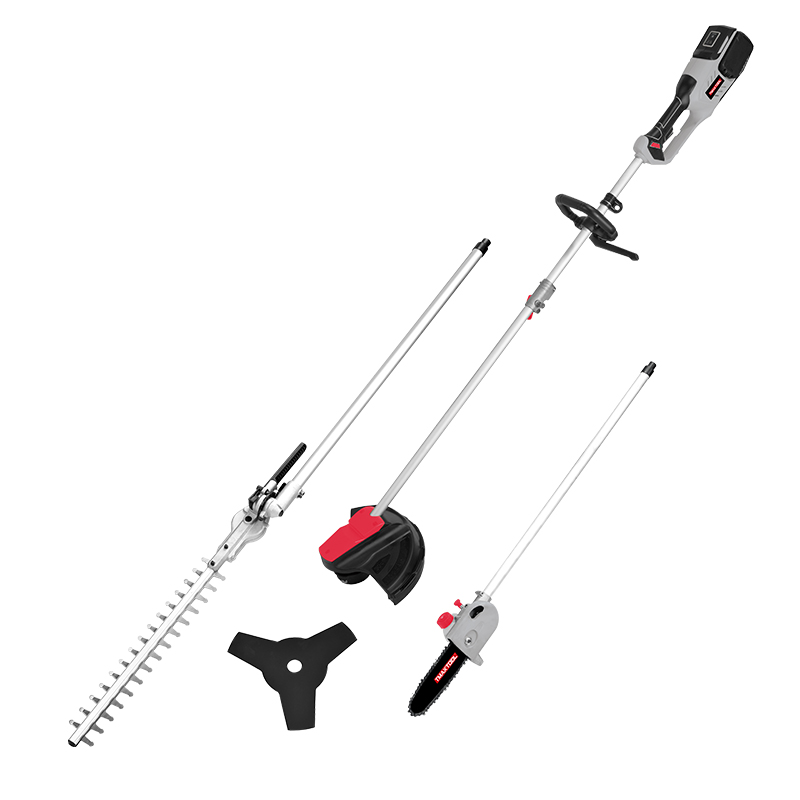 Battery Multi Tool
 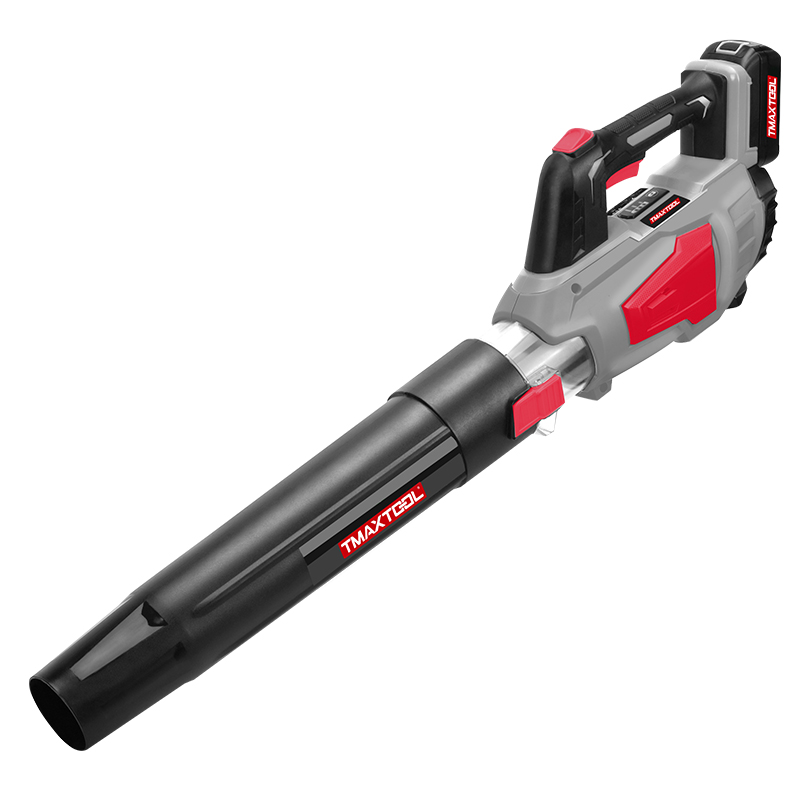 Battery Blower
 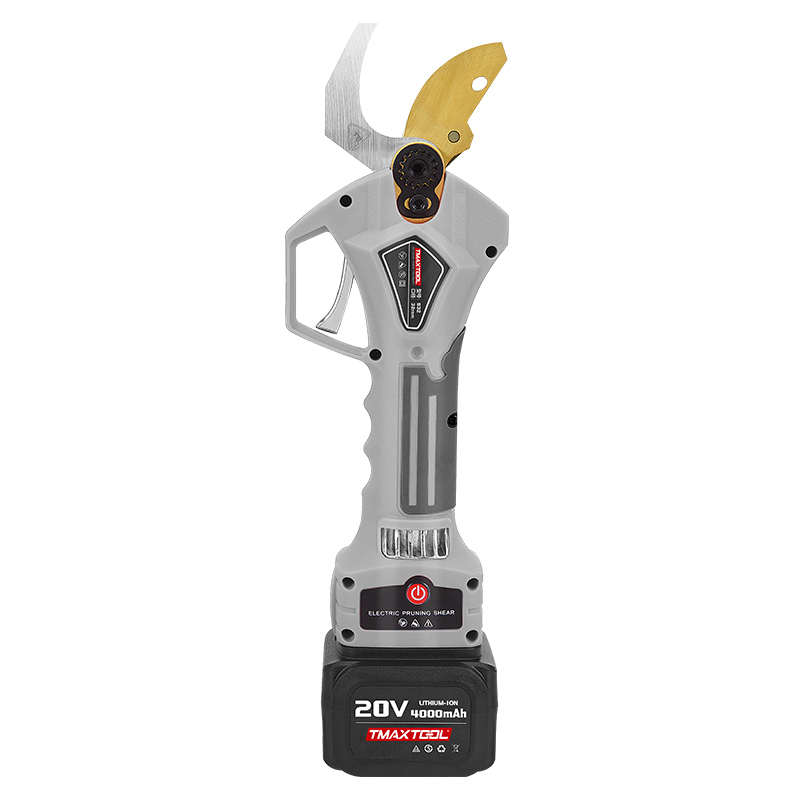 Batter Pruning Shears
 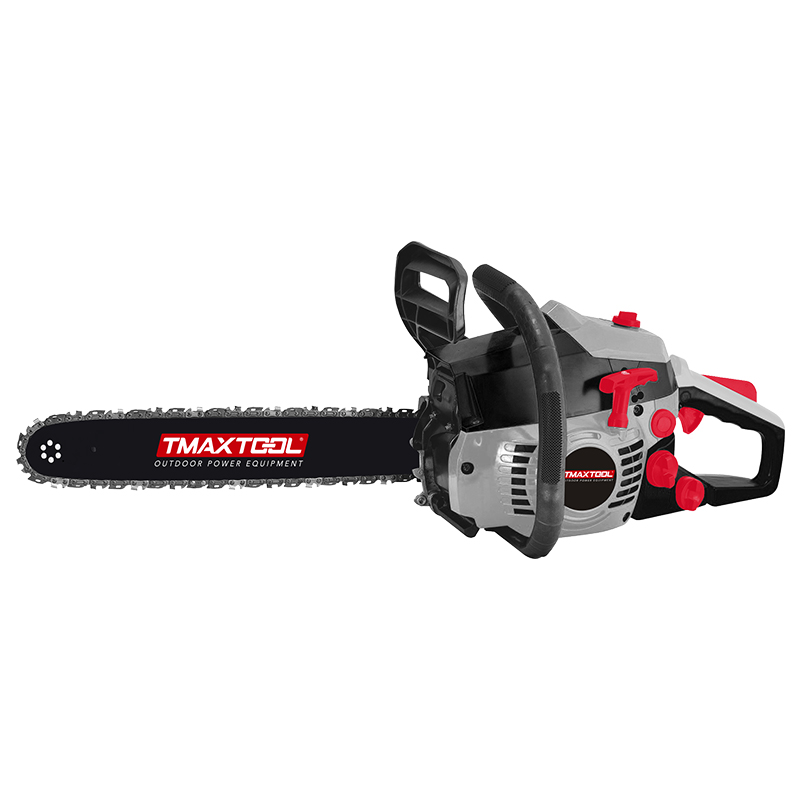 Chain Saw
 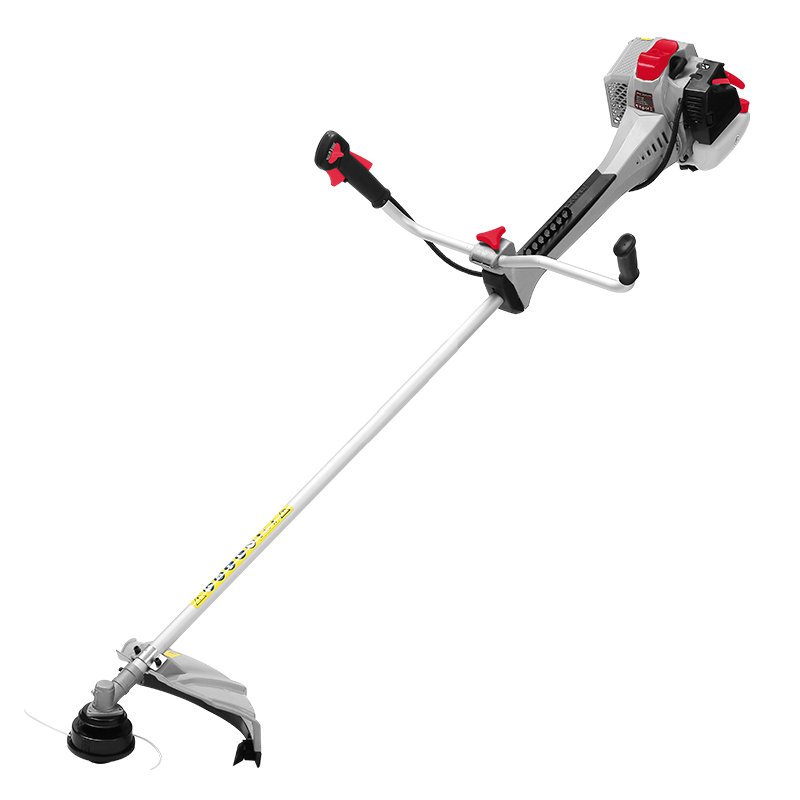 Brush Cutter
 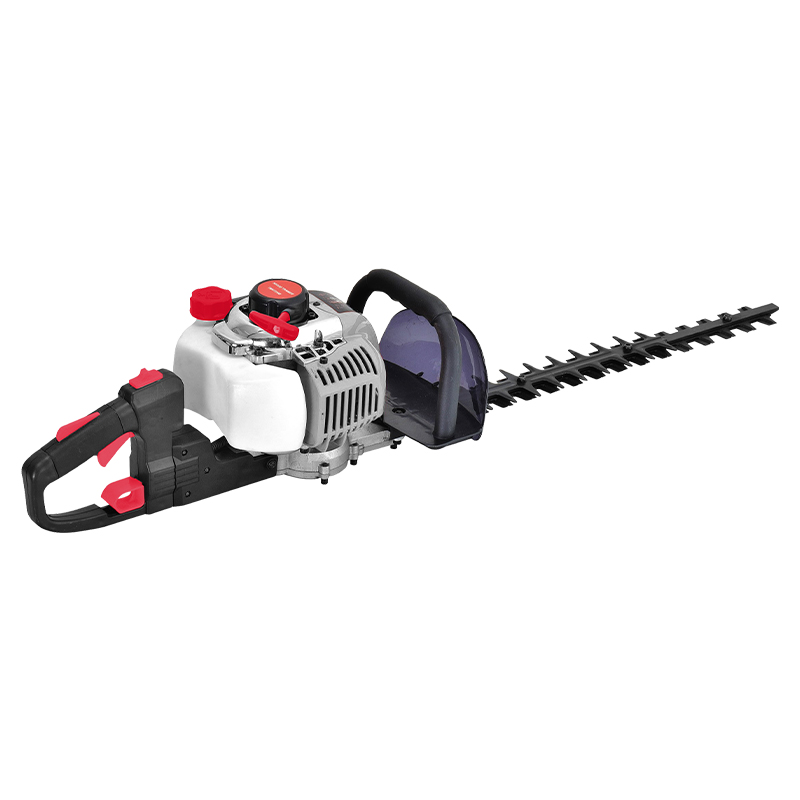 Hedge Trimmer
 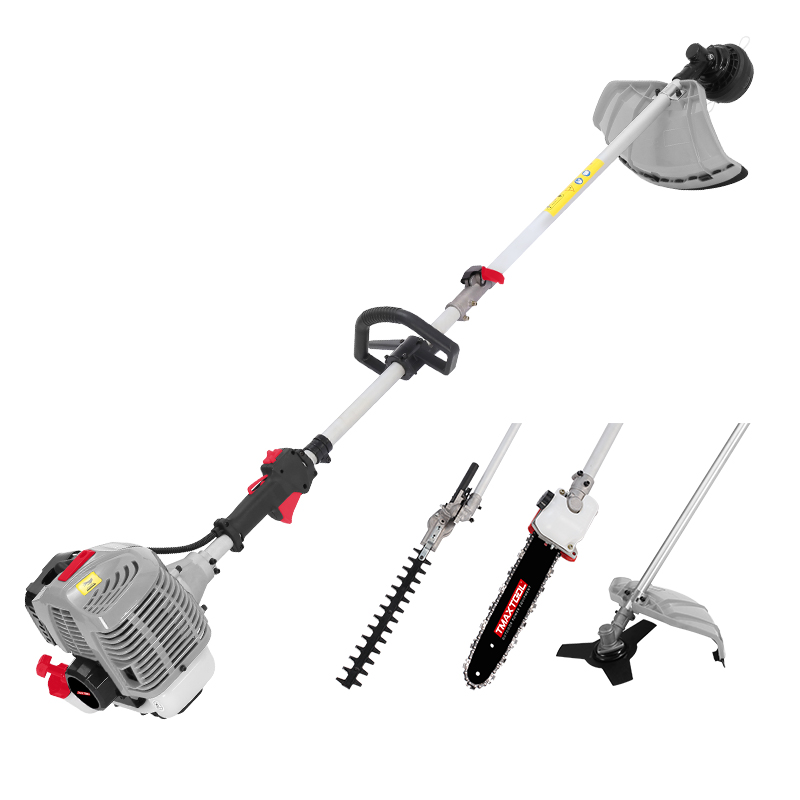 Multi Tool
 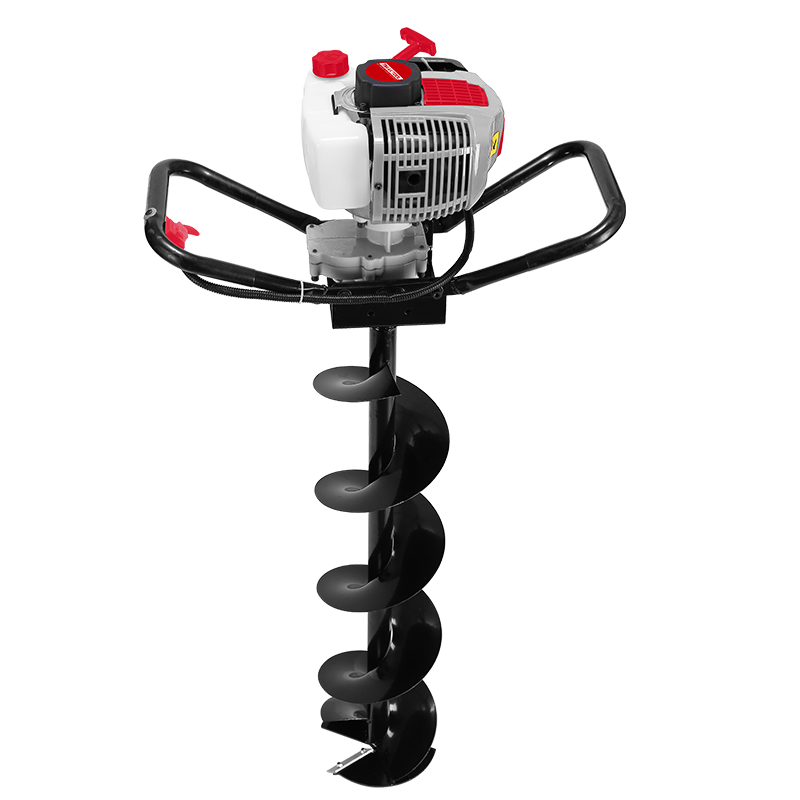 Earth Auger
 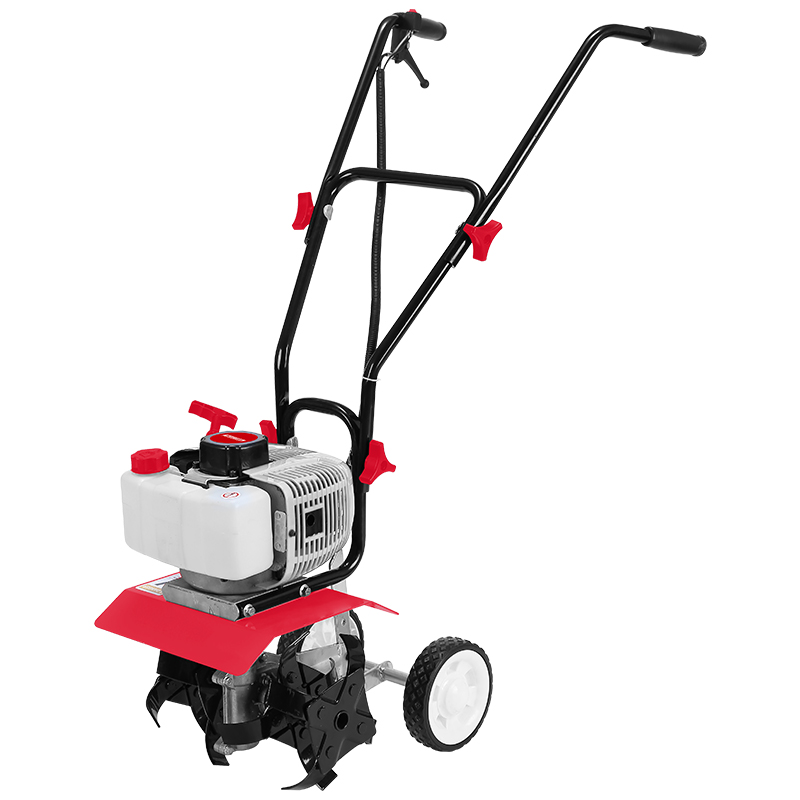 Tiller
 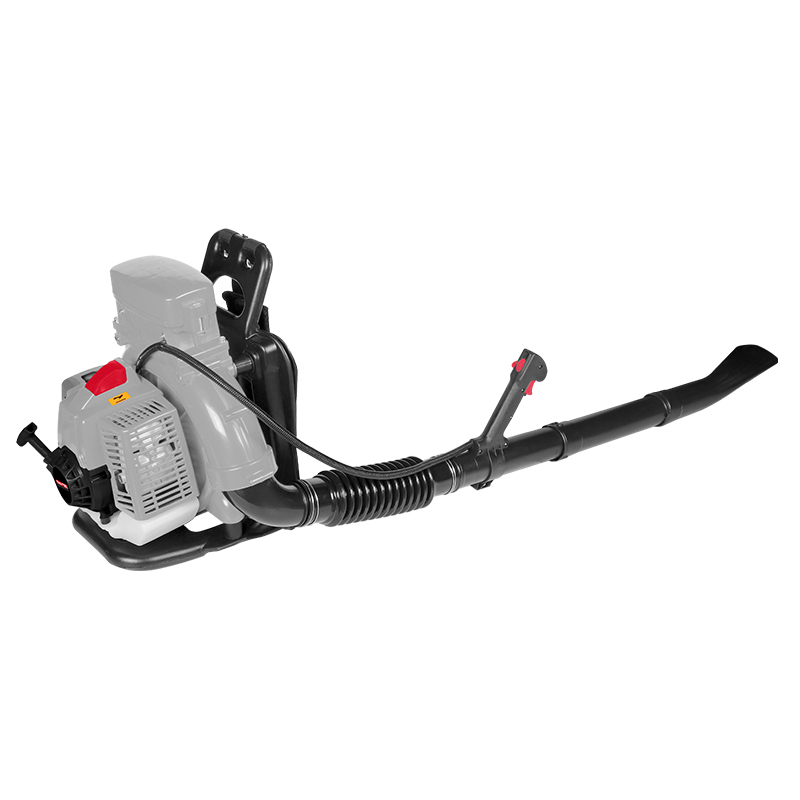 Blower
 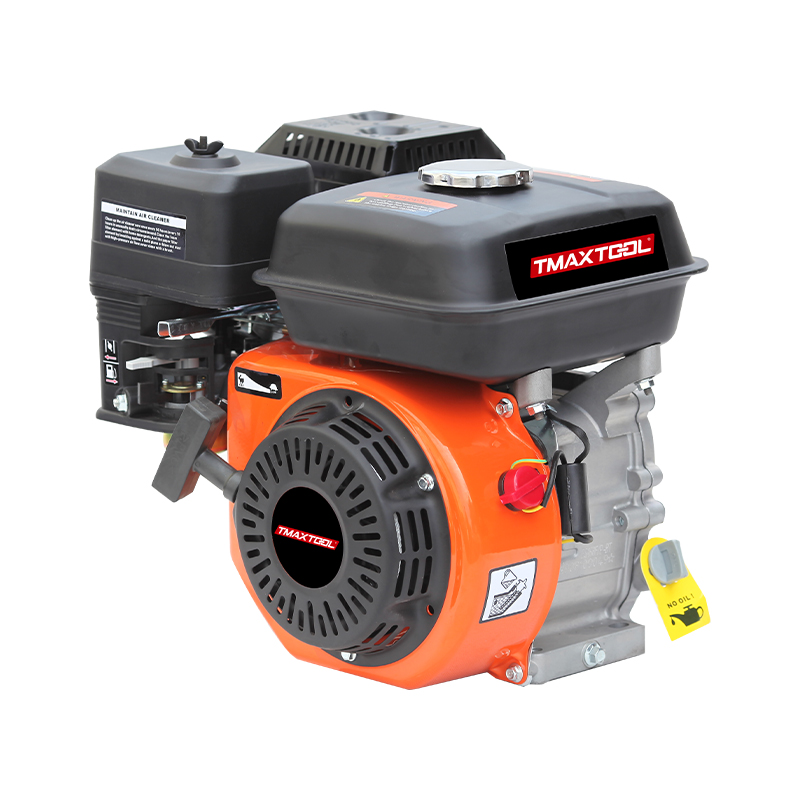 4 Stroke Gasoline Engine
 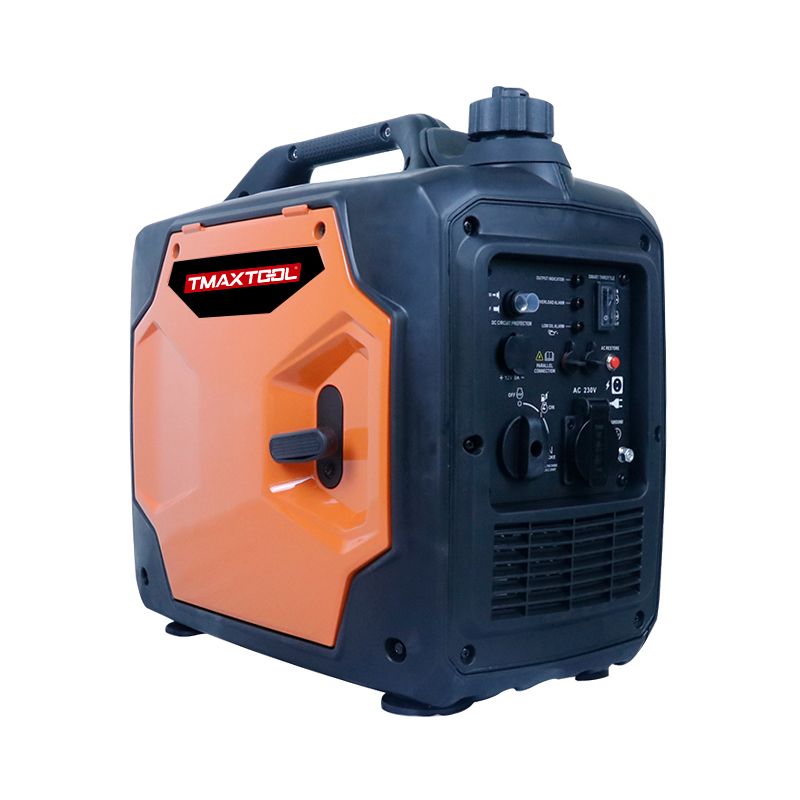 Generator
 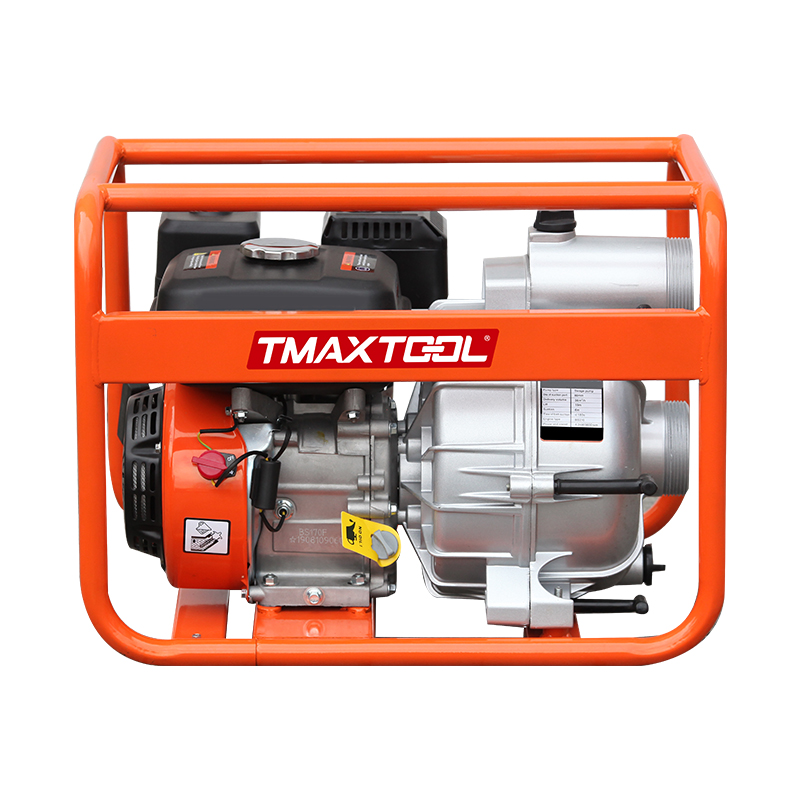 Water Pump
 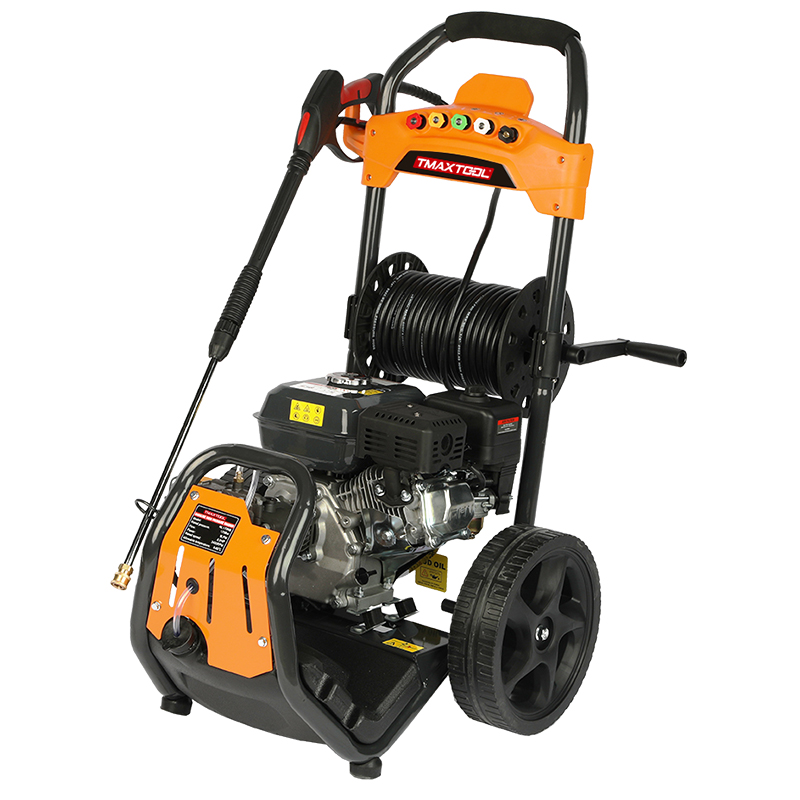 High Pressure Washer
 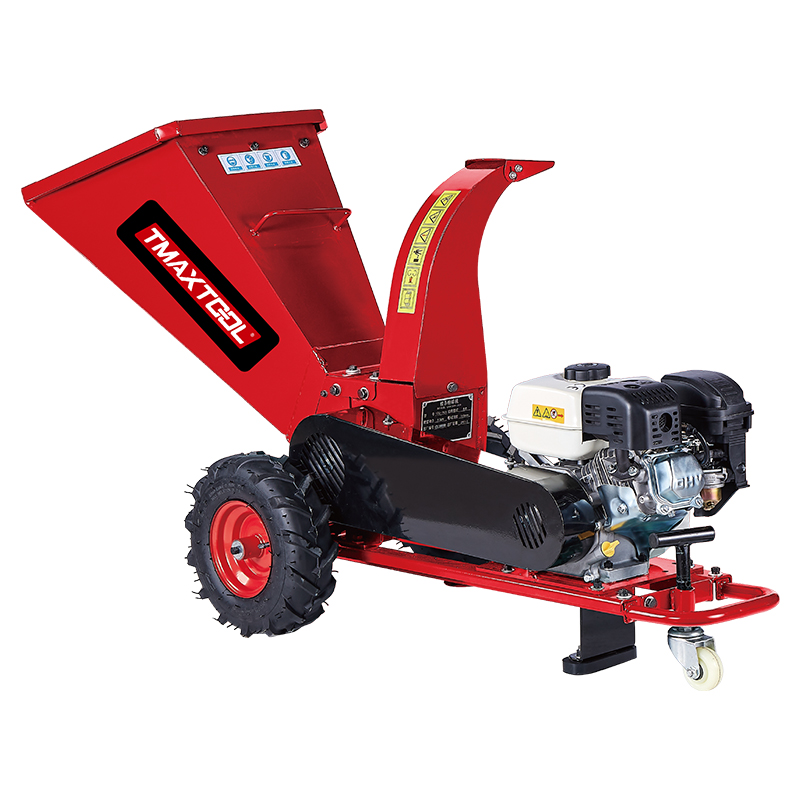 Wood Cutter
 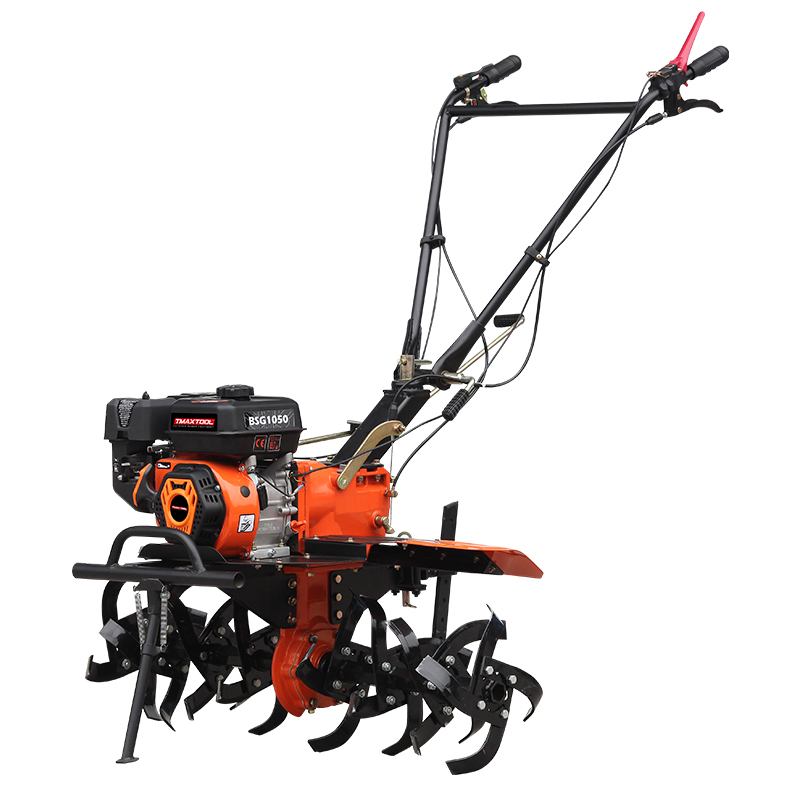 4 Stroke Tiller
 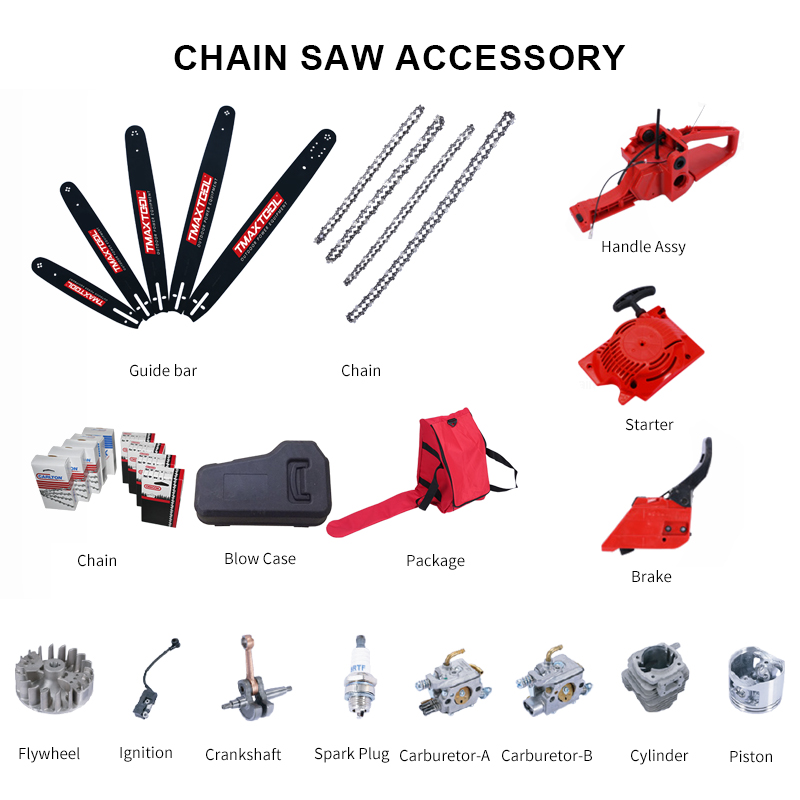 Chain Saw Accessory
 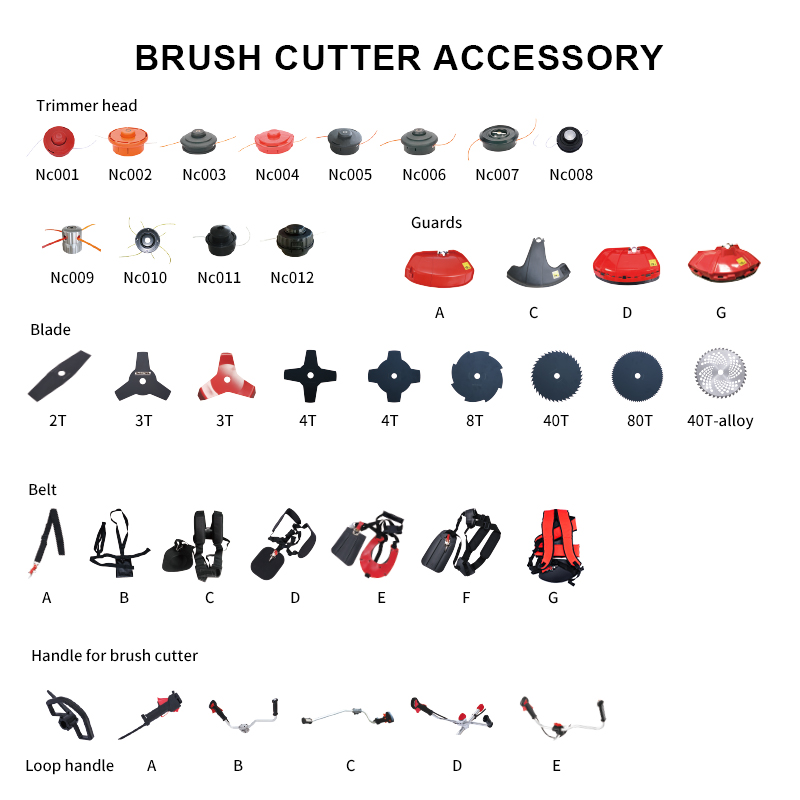 Brush Cutter Accessory
 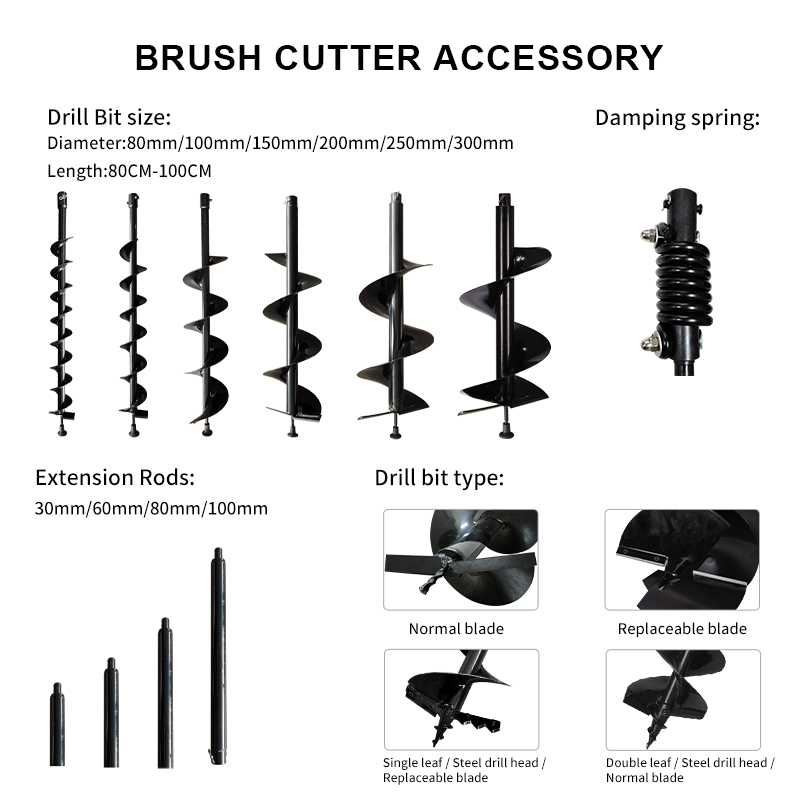 Earth Auger Accessory
  Protective Equipment Accessories
News
Leave Your Message


0102030405
How to Maintain Gasoline Garden Tools
2026-08-05
How to Maintain Gasoline Garden Tools for Long-Term Reliable Performance
Table of Contents
- Understanding Why Gas Garden Tool Maintenance Matters
- Pre-Use Inspection & Safety Basics for All Gas Garden Equipment
- Core Engine Maintenance: Fuel, Oil, Air Filter & Spark Plug Care
- Specialized Care by Tool Type (Chainsaw, Trimmer, lawn mower, Agricultural Gas Equipment)
- Post-Use Cleaning Routine to Prevent Corrosion & Debris Build-Up
- Seasonal Long-Term Storage & Winterization Steps
- Common Performance Issues & Quick Maintenance Fixes
- Recommended Maintenance Schedule Reference
- Frequently Asked Questions
- Final Takeaways for Consistent Tool Lifespan
Garden and agricultural gasoline tools deliver powerful cutting, tilling and landscaping work, but their small two-stroke and four-stroke engines face constant exposure to grass sap, mud, dust, moisture and abrasive debris. Without structured regular maintenance, these machines suffer hard starting, weak power output, accelerated component wear, costly breakdowns and drastically shortened service life.
For landscaping professionals, farm operators, equipment rental businesses and wholesale tool distributors, consistent maintenance directly reduces repair overhead, maximizes uptime and preserves equipment resale value. This complete guide breaks down actionable, universal maintenance practices that apply to all gasoline-powered garden machinery, from handheld string trimmers and chainsaws to walk-behind lawn mowers, tillers and backpack agricultural sprayers.
1. Understanding Why Gas Garden Tool Maintenance Matters
Every time you run a gasoline garden tool, combustion creates carbon deposits, dust clogs intake systems, and fuel slowly degrades inside fuel lines and carburetors. Moving cutting parts wear against grass, soil and wood waste, while outdoor humidity accelerates rust on metal blades, guide bars and engine housings.
Neglected tools create three major pain points for operators and business owners:
- Frequent downtime: Clogged carburetors, fouled spark plugs and dull cutting surfaces halt work mid-job
- Higher replacement costs: Unlubricated engine internals seize permanently without routine oil care
- Safety hazards: Worn chains, cracked fuel lines and corroded throttle controls increase kickback, leak and injury risks
Even basic weekly cleaning and monthly engine checks can extend a gasoline garden tool’s usable lifespan by multiple years, while keeping power output consistent across heavy commercial workloads.
2. Pre-Use Inspection & Safety Basics for All Gas Garden Equipment
Before starting any maintenance or operation, follow universal safety steps to avoid accidental engine startup and injury:
- Disconnect the spark plug wire completely. This eliminates risk of the engine kicking on while you clean blades, adjust chains or service internal parts.
- Allow the engine, muffler and cutting surfaces to fully cool. Hot exhaust components cause severe burns during cleaning or fuel adjustments.
- Wear cut-resistant gloves, safety eyewear and dust masks when clearing debris, sharpening blades or handling old fuel and oil waste.
Standard pre-operation inspection checklist to complete every time before firing up your gas tool:
- Check fuel tank for cracks, loose caps and intact rubber O-rings that block moisture from seeping into gasoline
- Verify all throttle, choke and stop switch controls move smoothly without sticking
- Inspect cutting components for bends, chips, cracks or missing fasteners
- Scan engine cooling fins, air filter housing and exhaust screen for heavy dust or plant clogging
- Confirm no fuel or oil leaks around carburetors, fuel lines and crankcase seals
- Test chain brake, blade guards and safety deflectors for proper function
If any component shows visible damage, complete repairs before running the tool to avoid worsening mechanical failure.
3. Core Engine Maintenance: Fuel, Oil, Air Filter & Spark Plug Care
The small Gasoline Engine is the heart of all garden power equipment; consistent upkeep of four key engine systems eliminates 80% of common breakdowns.
Fuel System Best Practices
Stale ethanol-blended gasoline is the top cause of carburetor clogging across gas garden tools. Most commercial pump gasoline contains up to 10% ethanol, which absorbs water and turns into sticky varnish within 4–6 weeks of sitting unusedThis Old H....
- Always use fresh, low-ethanol gasoline for all two-stroke and four-stroke engines. Avoid fuel stored longer than one month for daily-use equipment.
- For two-stroke machines (trimmers, chainsaws, hedge cutters), mix gasoline and dedicated two-cycle oil at the manufacturer-specified ratio, typically 50:1. Never use four-stroke motor oil for fuel mixing, as it fails to lubricate high-rev small engines.
- Add fuel stabilizer to fuel tanks if equipment will sit unused for more than two weeks. Run the engine for 5–10 minutes after adding stabilizer to circulate treated fuel through carburetors and fuel lines.
- Dispose of old, cloudy or foul-smelling gasoline properly at certified hazardous waste facilities; never pour unused fuel down drains or soil.
Oil Maintenance (Two-Stroke vs Four-Stroke Engines)
Oil lubricates pistons, crankshafts and bearings to prevent metal-on-metal friction and overheating. Maintenance differs significantly by engine type:
- Four-stroke engines (lawn mowers, large tillers):
- Check oil level on the dipstick before every use; top up with manufacturer-recommended grade oil if low.
- Change engine oil after every 25–50 operating hours, or at the end of each work season, whichever comes first. Warm engines drain oil more completely for cleaner servicing.
- Recycle all drained motor oil through authorized collection centers.
- Two-stroke engines (trimmers, chainsaws):
- No separate crankcase oil reservoir; lubrication relies fully on properly mixed two-cycle oil in gasoline.
- Check dedicated chain bar oil reservoirs on chainsaws before every cut; refill with specialized bar-and-chain lubricant to prevent premature chain and guide bar wear.
Air Filter Cleaning & Replacement
A clogged air filter restricts airflow into the engine, creating rich fuel mixtures that cause carbon buildup, power loss and hard starting. Two common filter types require different care:
- Foam air filters (standard on trimmers, small chainsaws): Remove the filter cover, wash foam with mild soap and warm water, squeeze fully dry, lightly coat with thin motor oil and reinsert to trap fine dust. Clean after every 10–15 hours of use.
- Paper air filters (lawn mowers, heavy tillers): Tap gently against a solid surface to shake loose debris; replace entirely once paper darkens or clogs cannot be removed. Avoid washing paper filters, as water ruins filtration efficiency.
Spark Plug Service
Spark plugs ignite fuel-air mixtures to power combustion; carbon fouling and worn electrodes create starting failures and rough idling.
- Remove and inspect spark plugs every month or 20 operating hours. Scrape away carbon deposits with a stiff wire brush if lightly soiled.
- Replace spark plugs once electrodes show heavy wear, cracks or melted metal. Always match the exact plug model specified in your tool’s operation manual.
- Reinstall plugs by hand first to avoid cross-threading, then torque to the manufacturer’s recommended tightness. Reconnect spark plug wire securely after service.
4. Specialized Care by Tool Type
Beyond universal engine maintenance, each category of gasoline garden equipment requires unique cutting system care to preserve performance and safety.
Chainsaws
- Clean sawdust and wood chips from the guide bar groove, sprocket and oil feed holes after every use to maintain consistent chain lubrication.
- Sharpen cutting teeth at matching angles with a round file when cuts become slow or crooked; dull chains force the engine to overwork and increase kickback risk.
- Rotate the guide bar top-to-bottom every few weeks to balance rail wear and extend bar lifespan.
- Adjust chain tension frequently—chains stretch with heat and use; loose chains jump off the guide bar during operation.
- Clear carbon buildup from the muffler spark arrest screen monthly to prevent exhaust blockages and power drop.
String Trimmers & Brush Cutters
- Disassemble the trimmer cutting head after each workday to clear tangled grass, vines and dirt that jams the spool feed mechanism.
- Lubricate the drive shaft and gear head with high-temperature grease every 20–30 operating hours to eliminate overheating and shaft seizure.
- Inspect metal brush cutter blades for nicks and bends; sharpen or replace damaged cutting edges to reduce engine strain.
- Clean debris from the shaft cooling vents to stop heat buildup during extended heavy cutting work.
Gasoline Lawn Mowers
- Scrape all dried grass clippings from the mower deck underside after every use. Trapped grass holds moisture and causes rust, while blocking airflow for clean cutting.
- Sharpen mower blades every 20 hours of cutting. Dull blades tear grass rather than slicing cleanly, leaving lawns prone to browning and fungal disease.
- Lubricate wheel axles, throttle cables and height-adjustment hinges monthly to prevent stiff movement.
- Inspect the mower’s grass discharge chute for blockages and cracks that impact cutting efficiency.
Agricultural Gas Equipment (Tillers, Backpack Sprayers, Wood Chippers)
- Tillers: Clear mud and plant roots from tines after every session; lubricate tine gearboxes and check for bent tines that create uneven tilling.
- Backpack sprayers: Flush fuel and chemical lines with clean fuel after each chemical application to prevent residue clogging nozzles and pumps.
- Wood chippers: Remove all wood fragments from feed rollers and cutting drums daily; inspect chipper blades for chips and re-sharpen as needed.
5. Post-Use Cleaning Routine to Prevent Corrosion & Debris Build-Up
A quick cleaning session after every workday cuts long-term maintenance costs significantly by eliminating corrosive plant sap, mud and salt residue. Follow this universal workflow:
- Once cooled and spark plug disconnected, use a soft stiff brush to sweep loose grass, soil, dust and wood waste from engine housings, cooling fins and cutting guards.
- Wipe plastic and metal exterior surfaces with a lightly damp microfiber cloth; avoid high-pressure water sprays that force moisture into carburetors, air filters and electrical components.
- Remove trapped debris from cutting heads, guide bars and mower decks using plastic scrapers (avoid metal tools that scratch protective paint and create rust hotspots).
- Lightly spray exposed metal cutting surfaces and bare engine metal with anti-rust lubricant to block overnight moisture corrosion.
- Store each tool in a dry, covered space to avoid rain, dew and prolonged humidity exposure between jobs.

6. Seasonal Long-Term Storage & Winterization Steps
When storing gasoline garden tools for more than 30 days (off-season winter storage or extended job downtime), complete full winterization to avoid permanent engine damage from stale fuel and condensation. Two approved fuel management methods:
Option 1: Fully Drain Fuel (Best for Storage Over 3 Months)
- Run the engine until it stalls from empty fuel lines to burn all gasoline from the tank, carburetor and fuel hoses.
- Siphon any remaining fuel from the tank into approved sealed gasoline containers for later use.
- Complete full post-use cleaning, then service engine oil, air filter and spark plug.
Option 2: Stabilize Fuel (For Storage Under 3 Months)
- Fill the fuel tank with fresh gasoline mixed with manufacturer-recommended fuel stabilizer.
- Run the engine for 10 minutes to circulate stabilized fuel through the entire fuel system.
- Turn off the machine and let it cool fully before storage.
Additional winterization steps for all gas garden tools:
- For four-stroke engines: Change oil before storage to remove acidic combustion residue that eats away crankcase metal during idle months.
- Remove the spark plug, add 3–5 drops of engine oil into the cylinder, pull the starter cord 5–10 times to coat internal piston walls, then reinstall the plug. This prevents cylinder rust from trapped moisture.
- Remove cutting chains, trimmer blades and mower blades, clean thoroughly, coat with rust inhibitor and store separately in dry tool storage bins.
- Lubricate all moving cables, hinges and gear connections with light penetrating oil to prevent sticking during spring startup.
- Cover equipment with breathable fabric tool covers; avoid airtight plastic sheets that trap condensation against metal surfaces.
- Store all gasoline containers separately in well-ventilated outdoor sheds, away from living spaces, open flames and direct sunlight.
7. Common Performance Issues & Quick Maintenance Fixes
Most operational problems stem from skipped routine maintenance, with simple DIY solutions requiring no professional repair shop:
- Engine hard to start or fails to idle
- Root cause: Fouled spark plug, clogged air filter or stale gasoline
- Fix: Replace spark plug, clean air filter, drain old fuel and refill with fresh gas plus stabilizer
- Weak cutting power, engine bogs down under load
- Root cause: Dull cutting blades/chains, restricted airflow from dirty filter, clogged muffler arrest screen
- Fix: Sharpen cutting surfaces, service air filter, clear carbon from exhaust screen
- Visible fuel leaks from tank or lines
- Root cause: Cracked fuel tubing, brittle tank O-rings, loose carburetor fittings
- Fix: Replace damaged fuel lines and worn rubber seals, tighten loose fuel connections
- Cutting chain overheats or skips on guide bar
- Root cause: Empty bar oil reservoir, clogged oil feed holes, worn guide bar rails
- Fix: Refill bar oil, clear oil channels, rotate or replace worn guide bar
- Engine smokes heavily during operation
- Root cause: Incorrect two-stroke fuel-oil mixing ratio, oil overfill in four-stroke engines, dirty air filter
- Fix: Drain improper fuel mix and re-blend at correct ratio, drain excess crankcase oil, clean air filter
8. Recommended Maintenance Schedule Reference
This schedule aligns with commercial landscaping and agricultural heavy use; scale down frequency for occasional residential hobby use:
| Maintenance Task | Frequency |
|---|---|
| Full pre-use safety & component inspection | Every single use |
| Post-workday debris cleaning & anti-rust wipe down | Every single use |
| Top up fuel, bar oil, four-stroke engine oil | Every single use |
| Clean foam air filter, lubricate gear heads | Every 10–15 operating hours |
| Inspect and clean spark plug, sharpen cutting blades | Every 20 operating hours |
| Replace paper air filter, adjust chain tension | Every 30 operating hours |
| Full four-stroke engine oil change, fuel filter inspection | Every 50 operating hours / End of season |
| Complete winterization & deep engine service | End of every active work season |
9. Frequently Asked Questions
What happens if I skip fuel stabilizer for winter storage?
Standard ethanol gasoline oxidizes rapidly in sealed tanks, forming hard varnish deposits that clog tiny carburetor jets and fuel lines. Repairing or replacing a seized carburetor costs far more than a bottle of fuel stabilizer, and severe varnish buildup can render small engines unrepairable.
Can I use car motor oil in two-stroke garden tool fuel mixes?
No. Automotive motor oil lacks specialized additives designed for high-rev two-stroke combustion chambers. Using four-stroke oil leads to insufficient piston lubrication, rapid engine overheating and permanent seizure. Always purchase dedicated two-cycle engine oil for handheld gas garden tools.
How often do I need to replace chainsaw guide bars?
With regular rotation, cleaning and lubrication, a guide bar can last multiple seasons. Replace the bar once rail edges wear unevenly, oil feed holes cannot be cleared, or visible cracks form along the bar body.
Is pressure washing safe for gasoline garden equipment?
High-pressure water forces moisture past gaskets into carburetors, spark plug chambers and engine bearings, triggering corrosion and starting failures. Stick to soft brushing and damp cloth cleaning for all power garden machinery.
Do rental business owners benefit from strict maintenance routines?
Absolutely. Regular maintenance reduces unexpected rental breakdowns that create customer refunds and lost revenue, extends equipment resale value, and minimizes expensive bulk repair orders for large rental fleets. Consistent upkeep also lowers equipment insurance risk ratings for commercial operators.
10. Final Takeaways for Consistent Tool Lifespan
Gasoline garden tools represent a major investment for landscapers, farmers, equipment dealers and rental operators. Maintenance is not an optional chore but a cost-saving strategy that protects machinery value, guarantees reliable daily operation and reduces safety risks for every user.
The most effective maintenance strategy balances three simple pillars: quick pre-use safety checks, daily post-job cleaning, and scheduled seasonal deep engine service. By following fuel, oil, air filter and cutting system care protocols outlined in this guide, you can maximize tool performance, cut long-term repair spending, and extend the usable service life of all your gasoline-powered garden and agricultural equipment.