
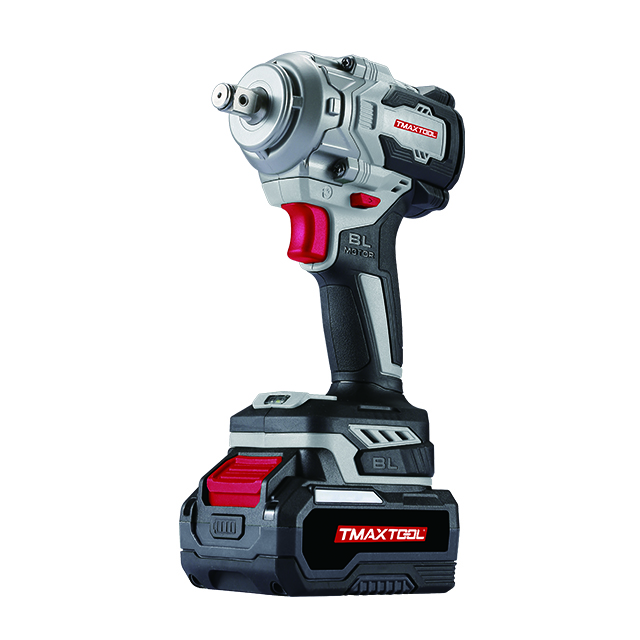
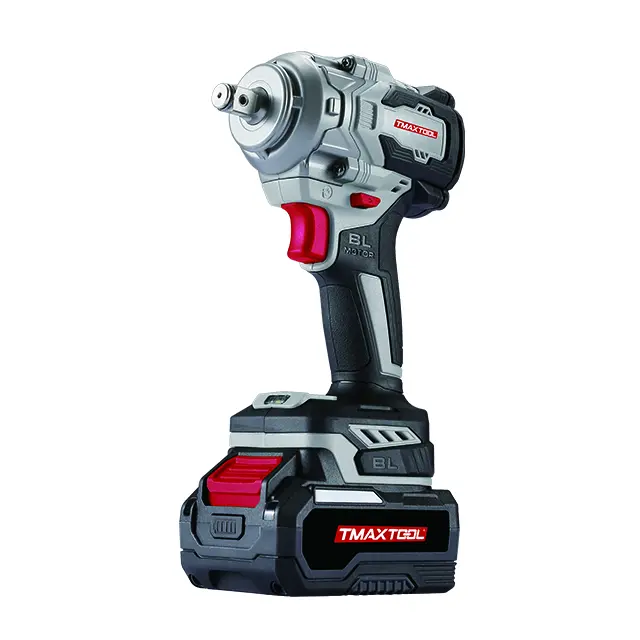
 Impact Wrench
 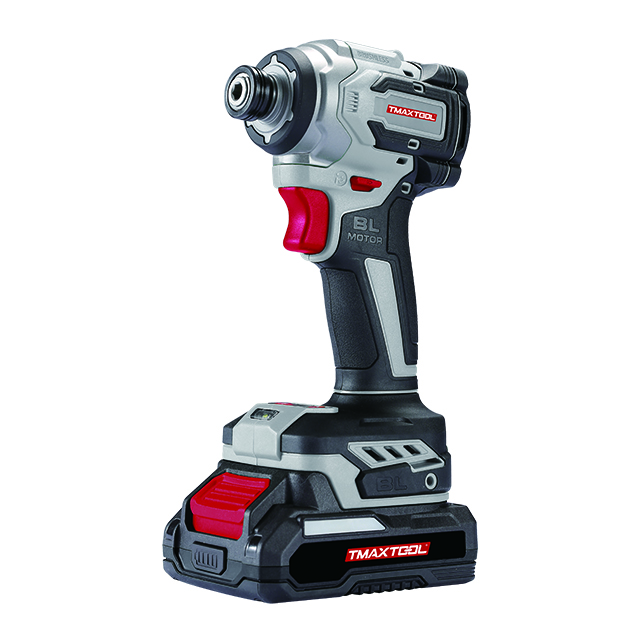 Screwdriver
 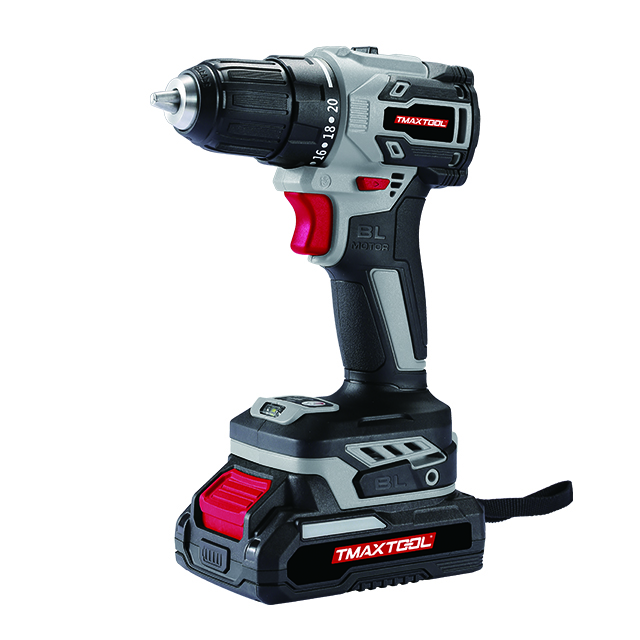 Cordless Drill
 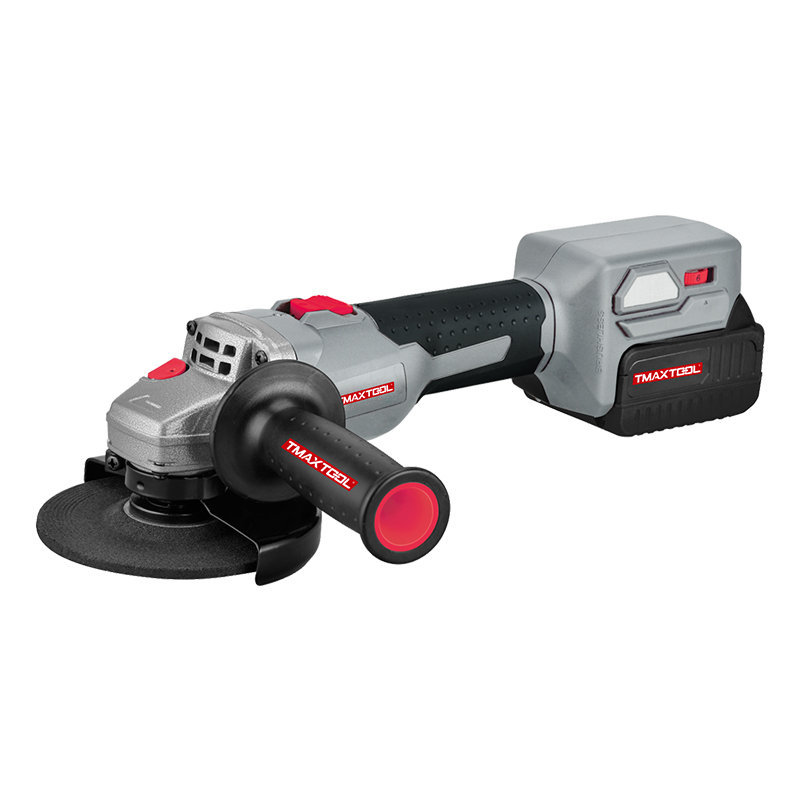 Angle Grinder
 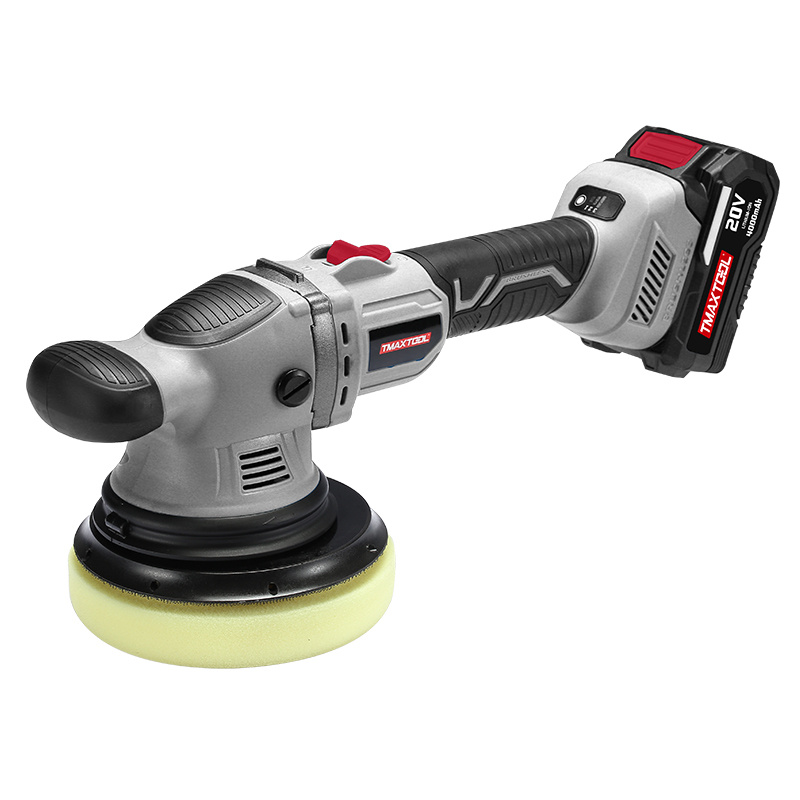 Polisher
 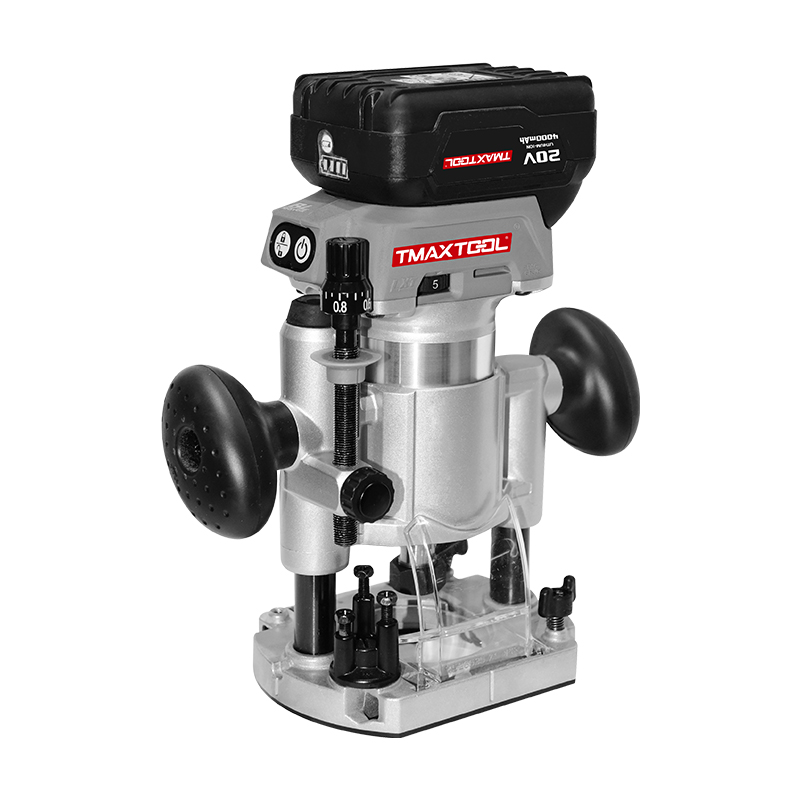 Wood Router
 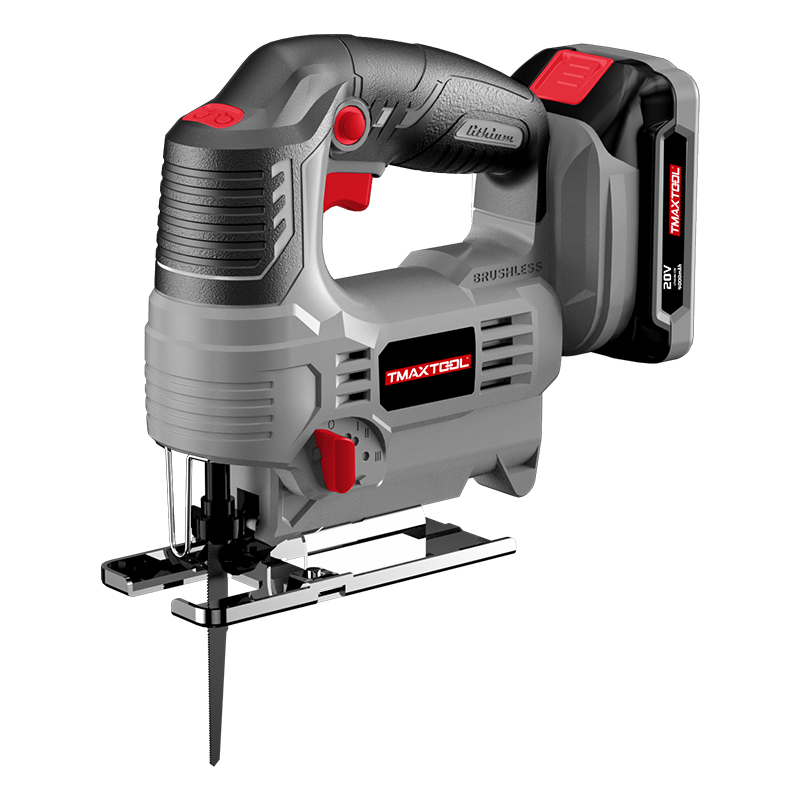 Jig Saw
 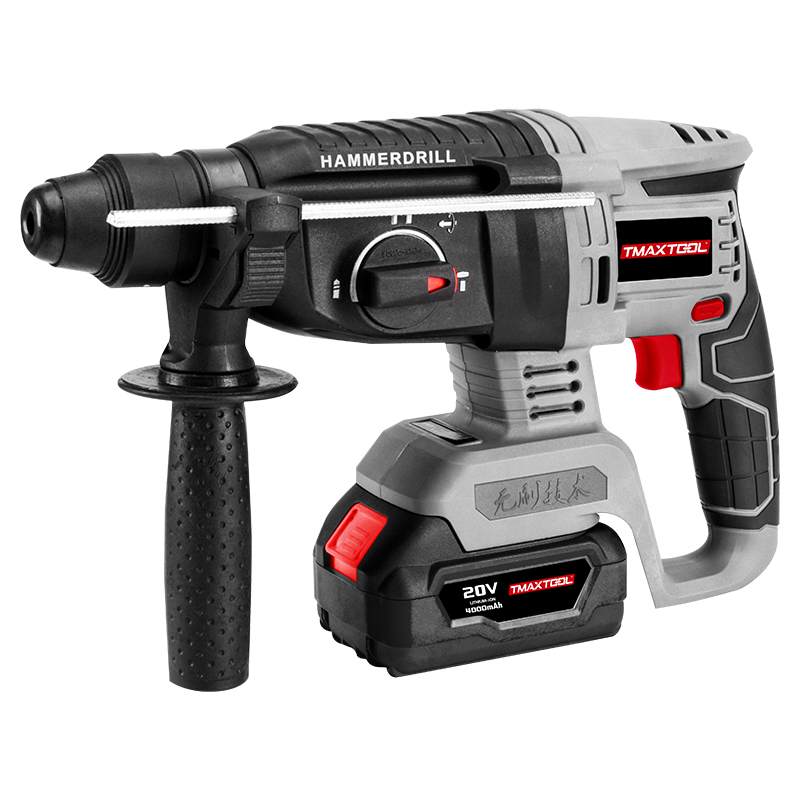 Hammer Drill
 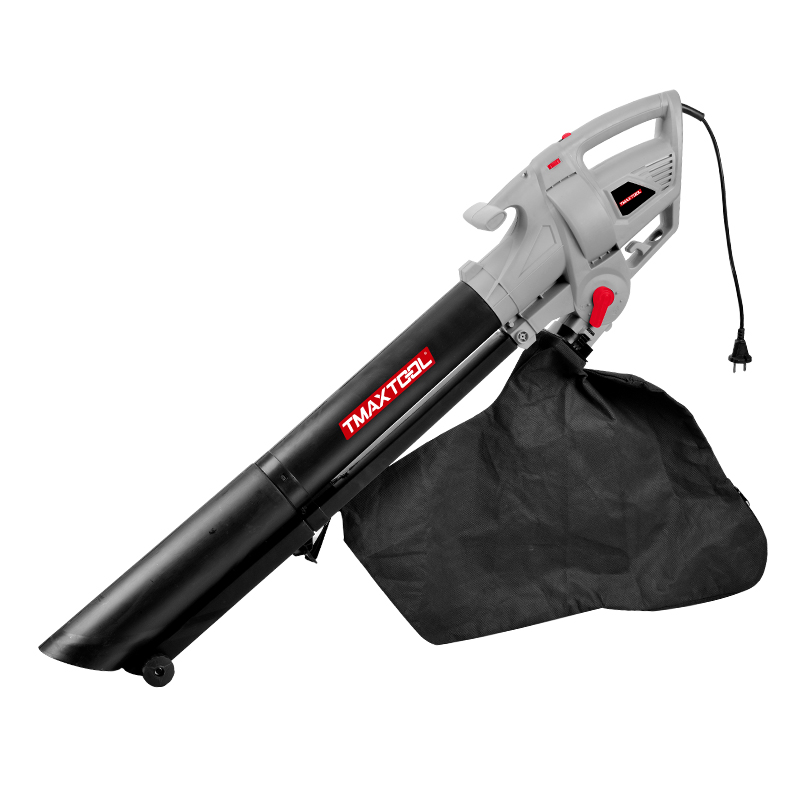 Portable Blower
 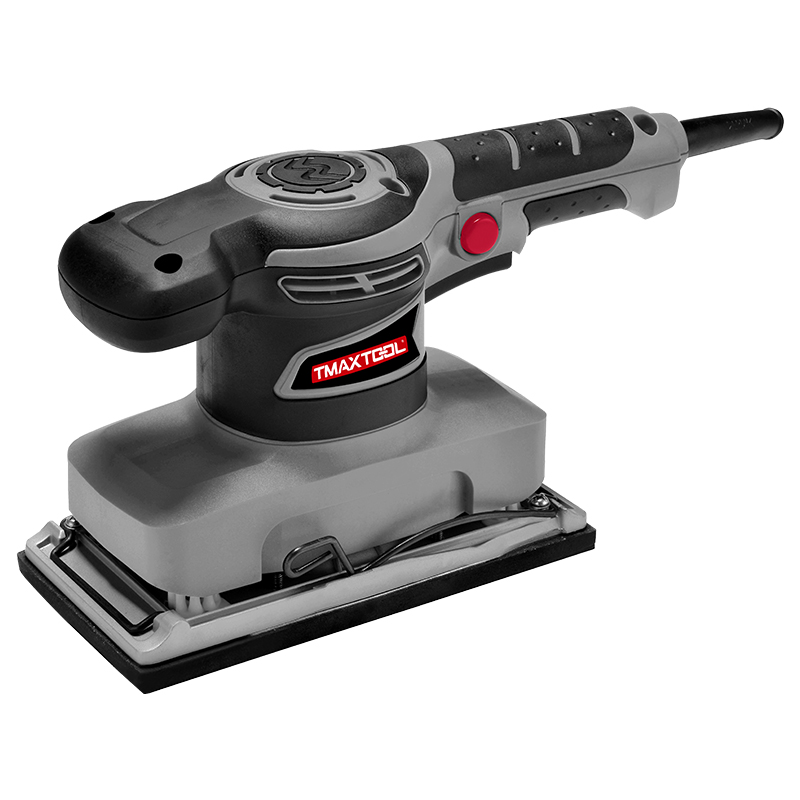 Orbital Sander
 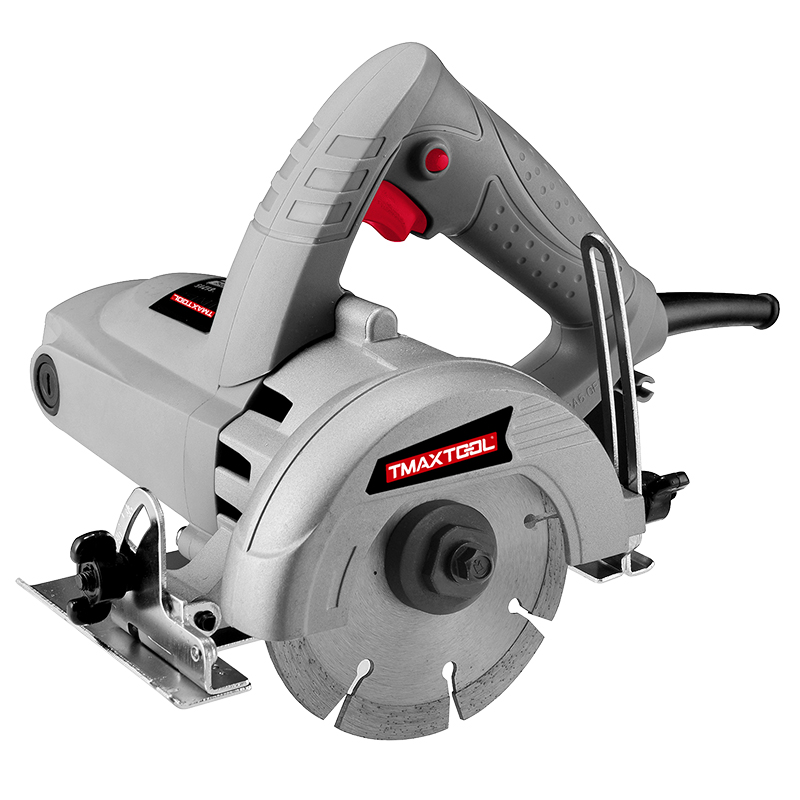 Marble Cutter
  GARDEN TOOLS
 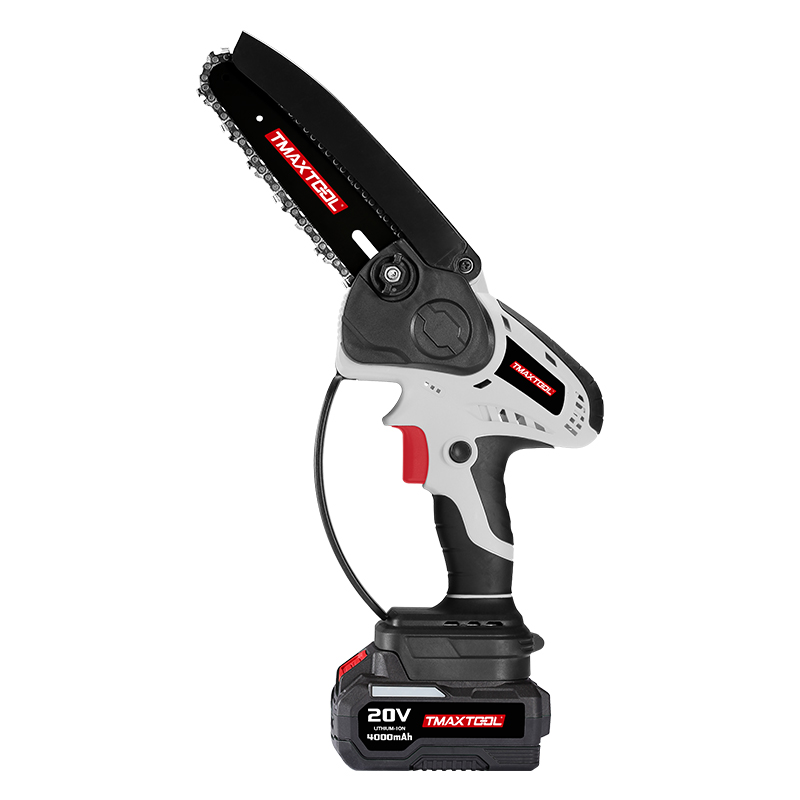 Battery Chain Saw
 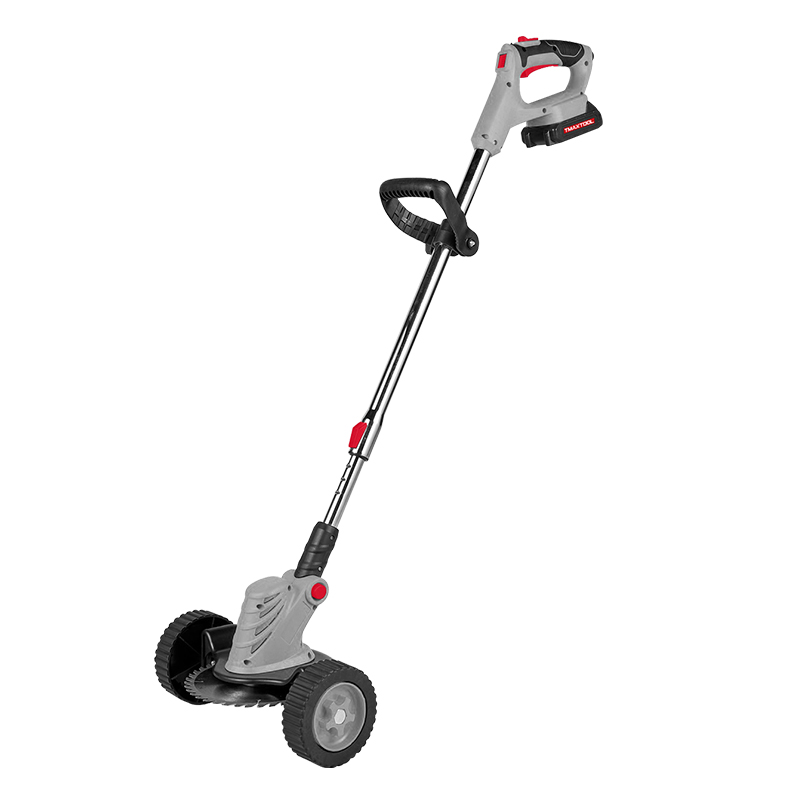 Battery Brush Cutter
 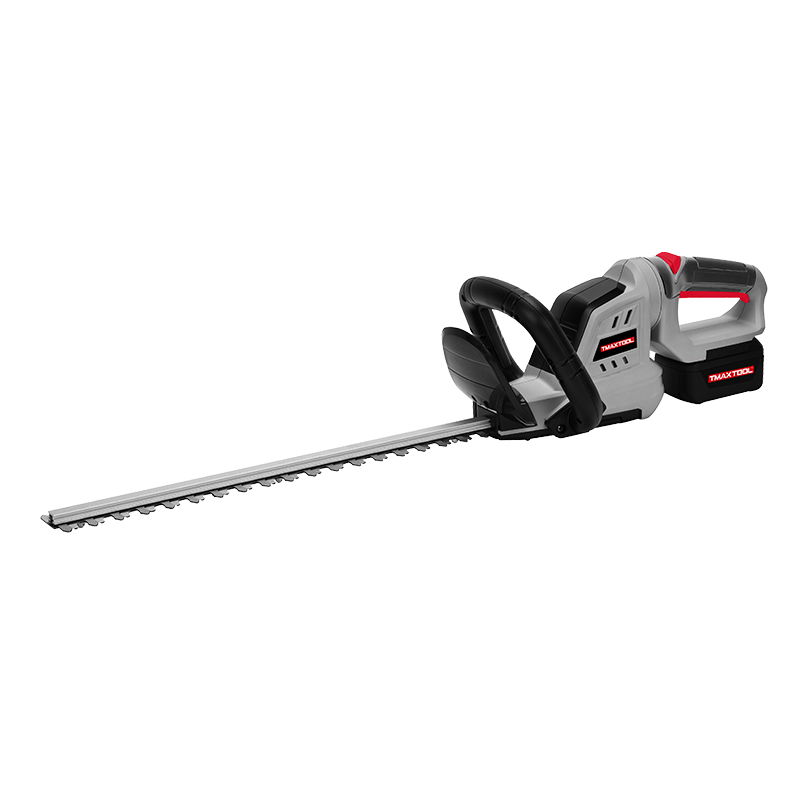 Battery Hedge Trimmer
 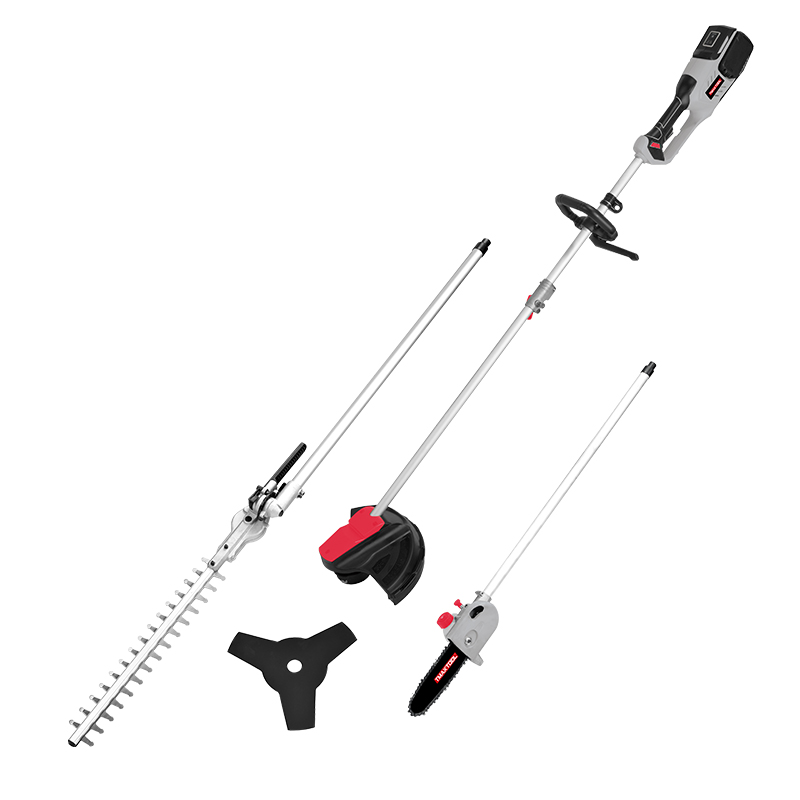 Battery Multi Tool
 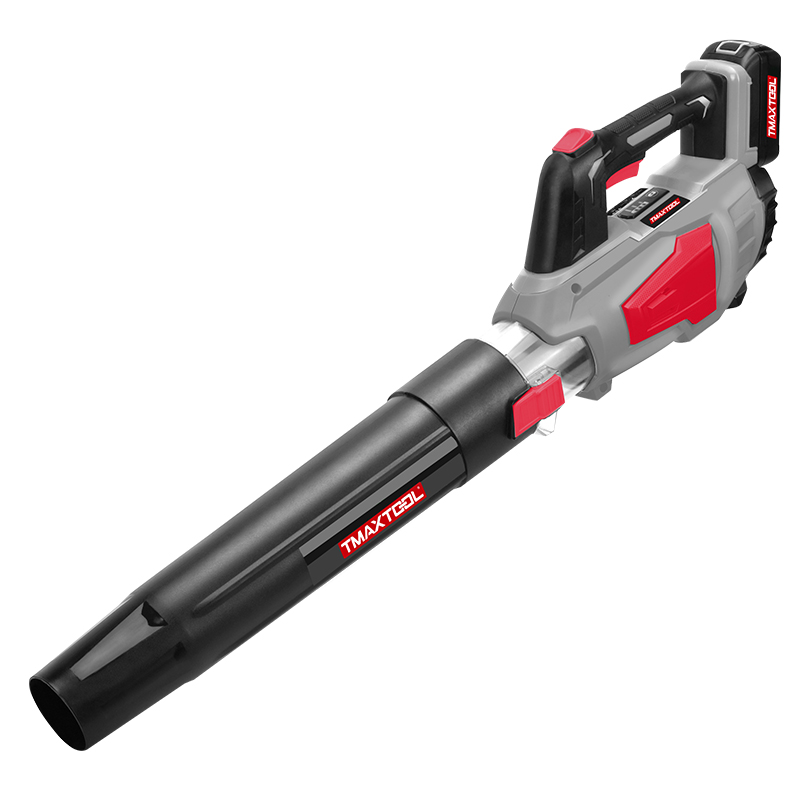 Battery Blower
 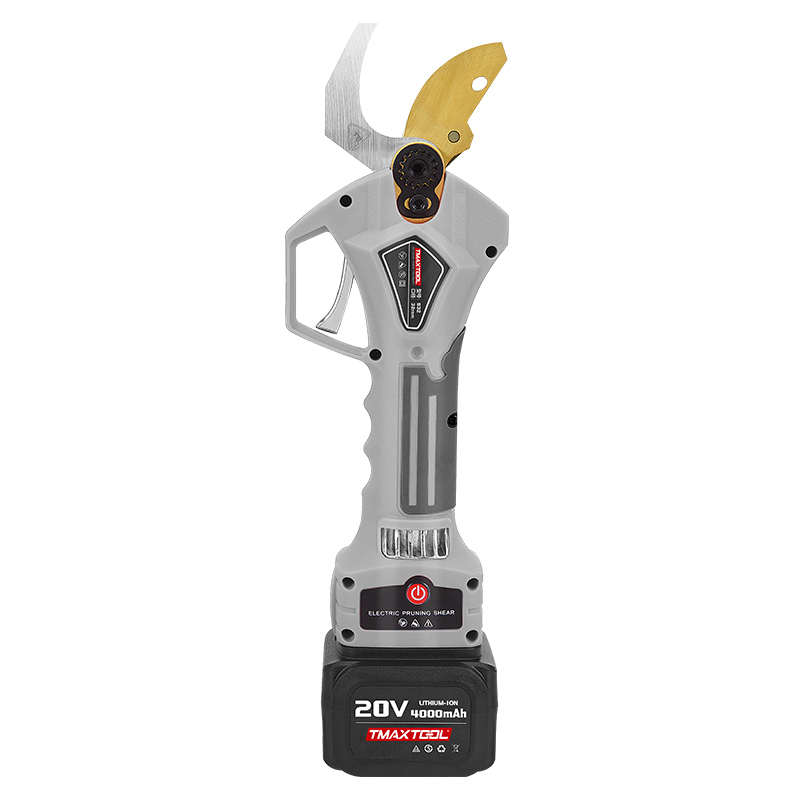 Batter Pruning Shears
 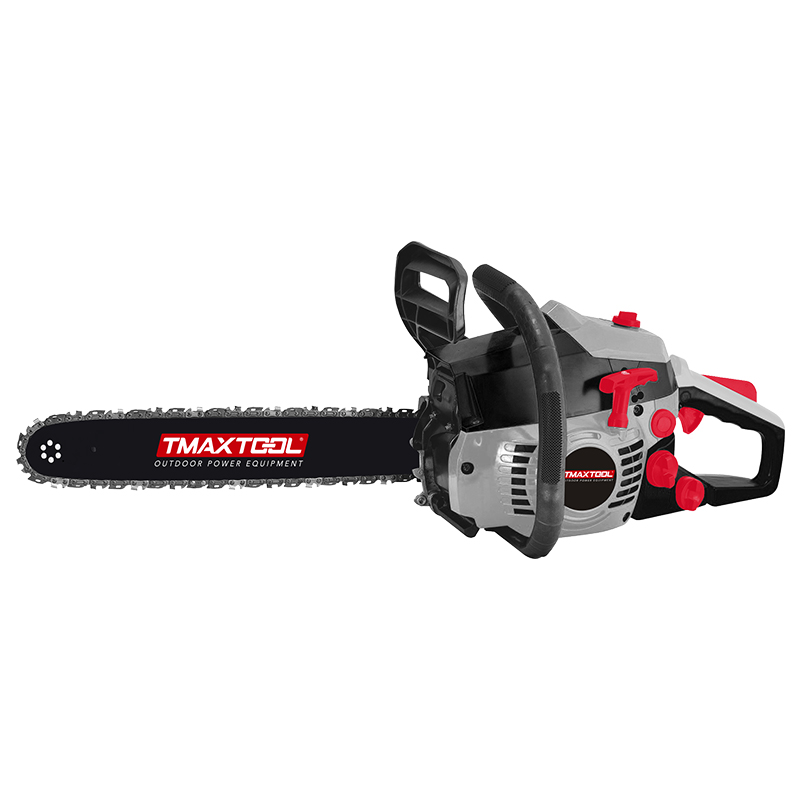 Chain Saw
 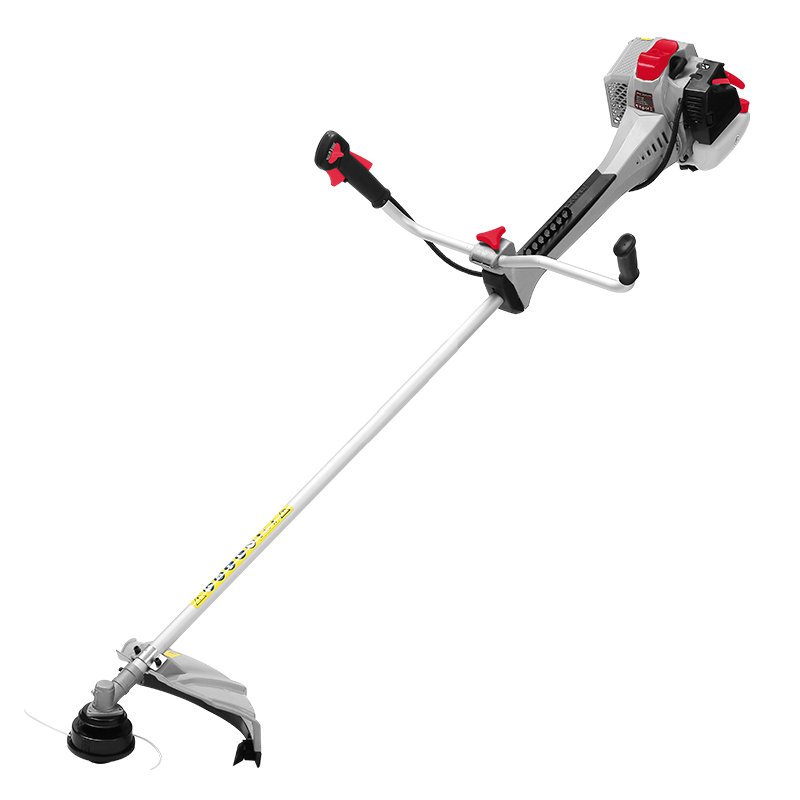 Brush Cutter
 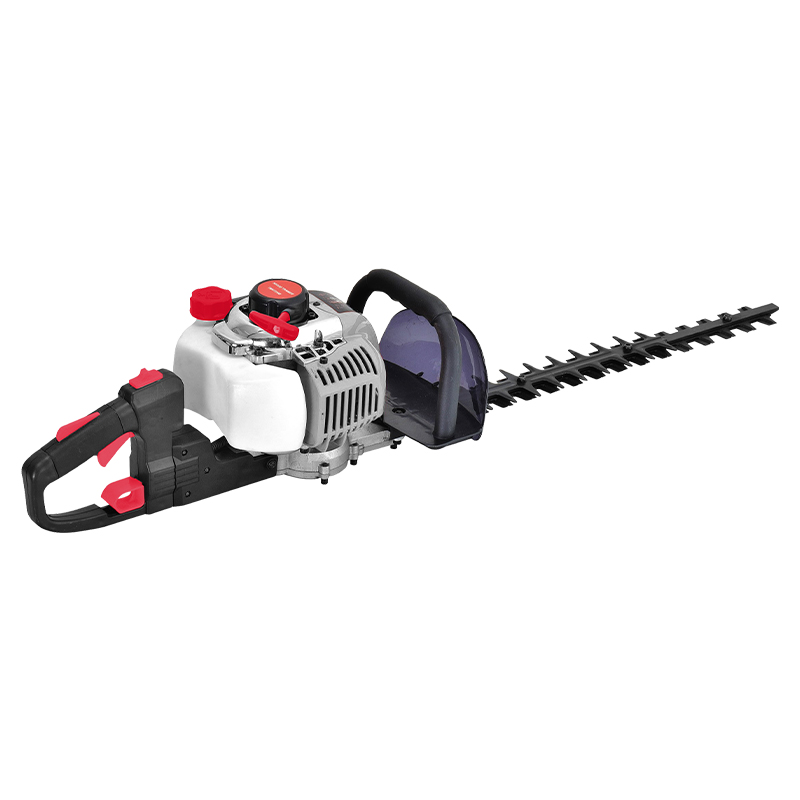 Hedge Trimmer
 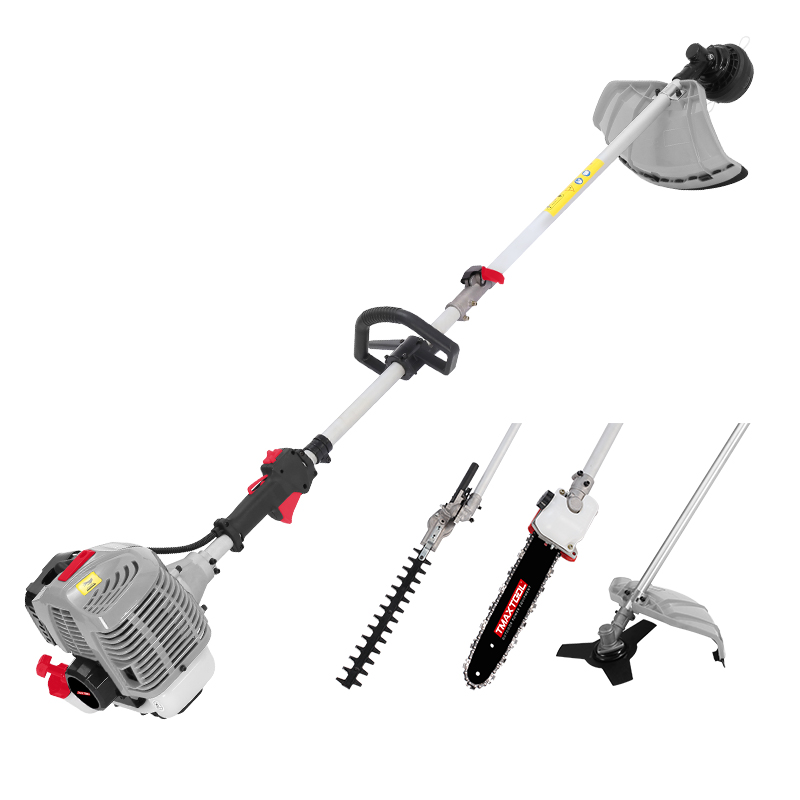 Multi Tool
 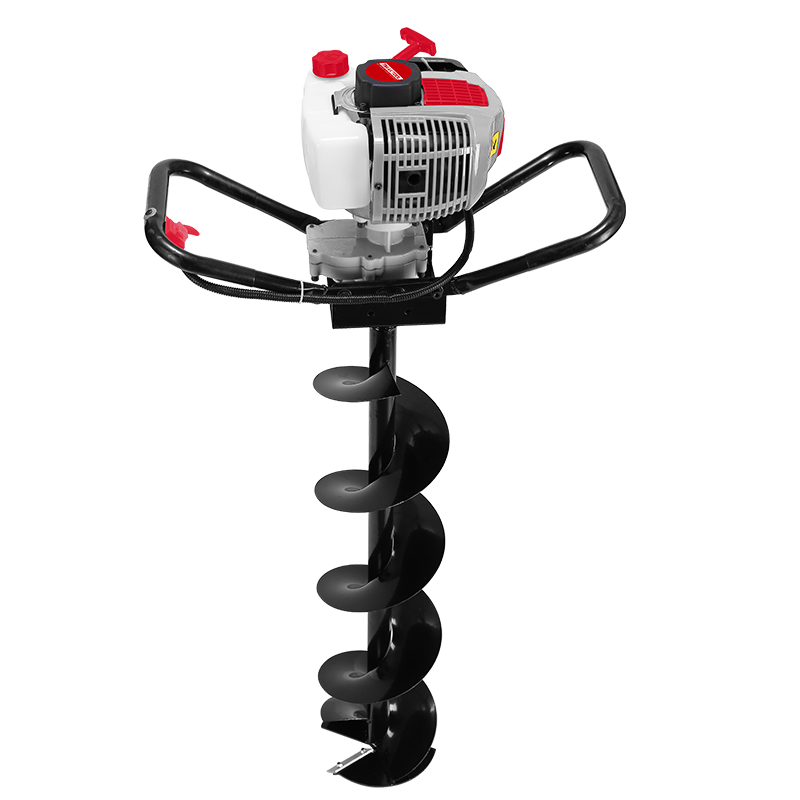 Earth Auger
 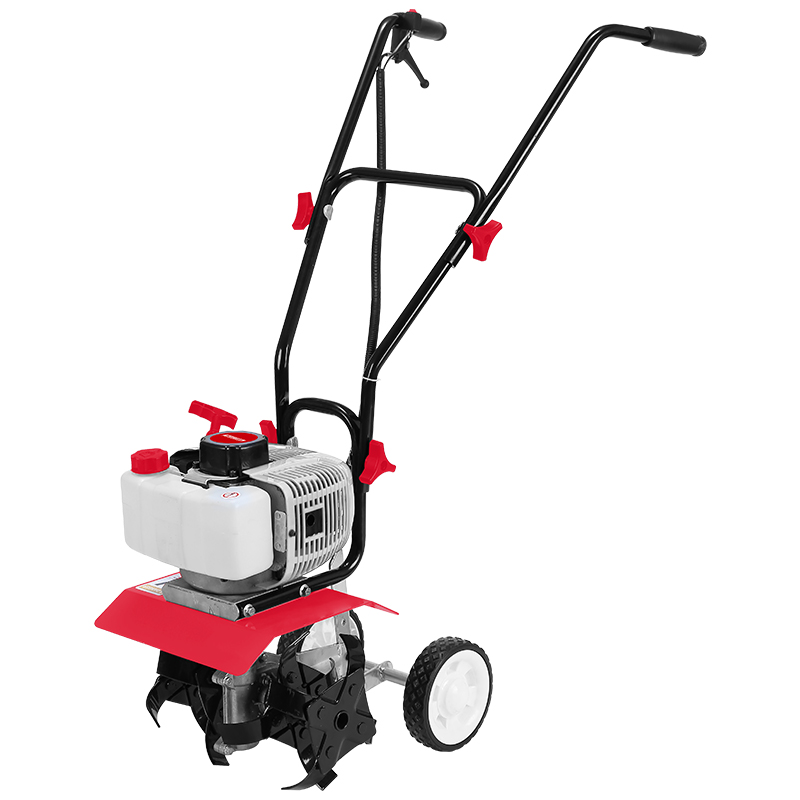 Tiller
 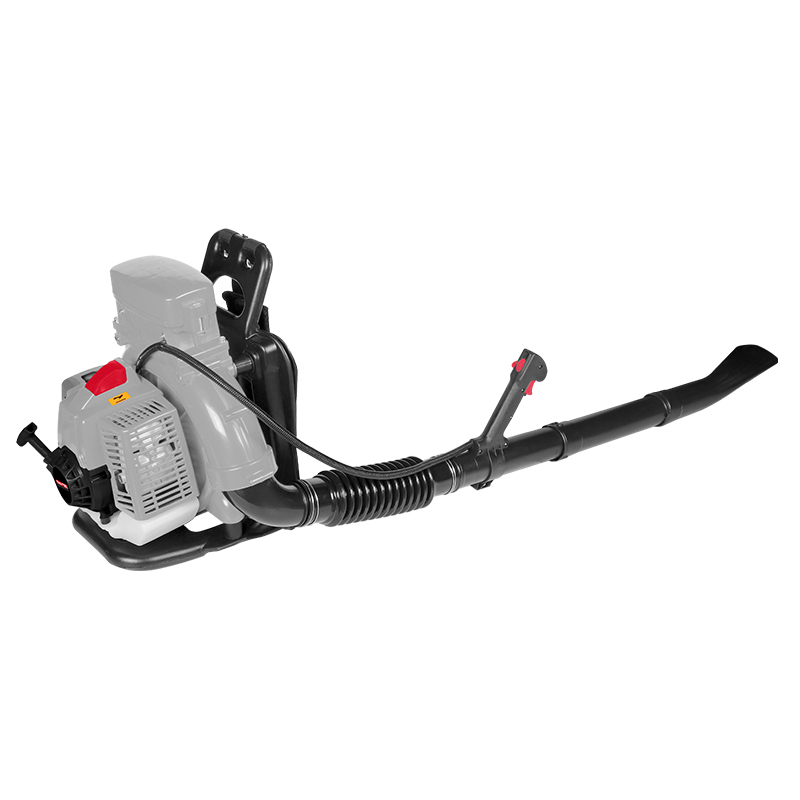 Blower
 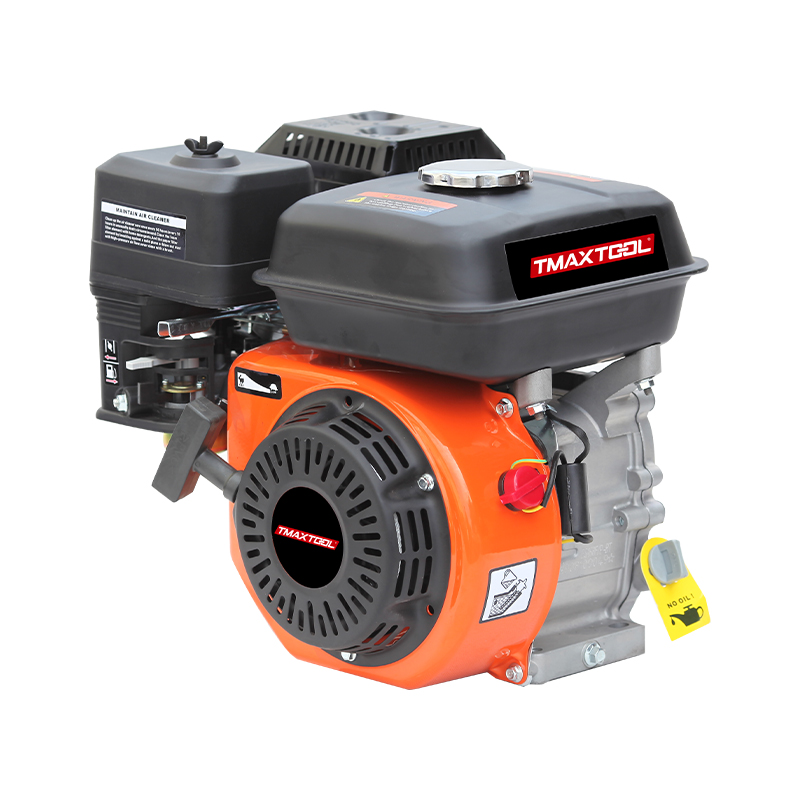 4 Stroke Gasoline Engine
 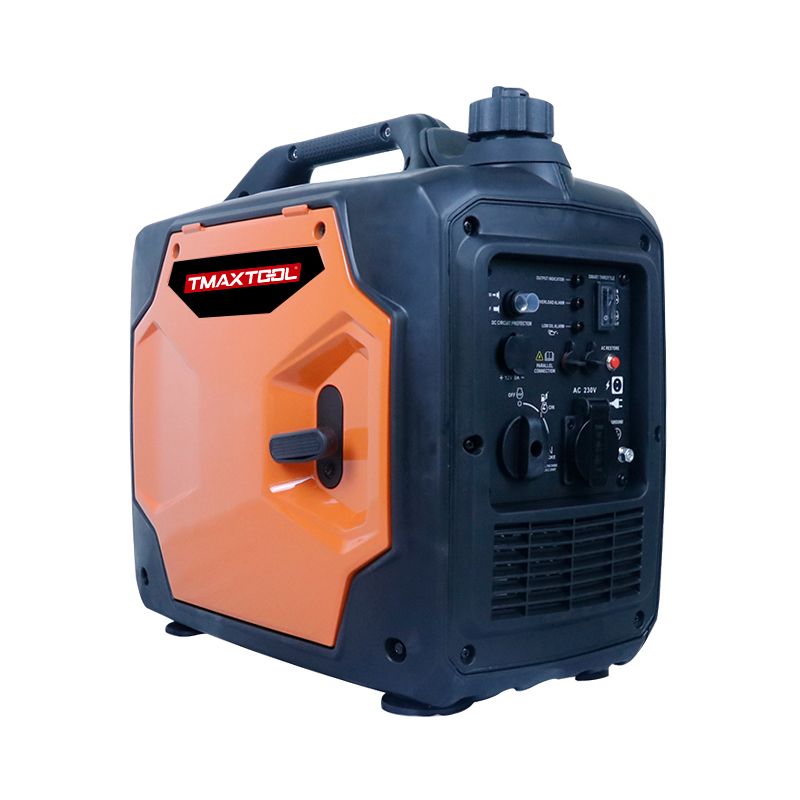 Generator
 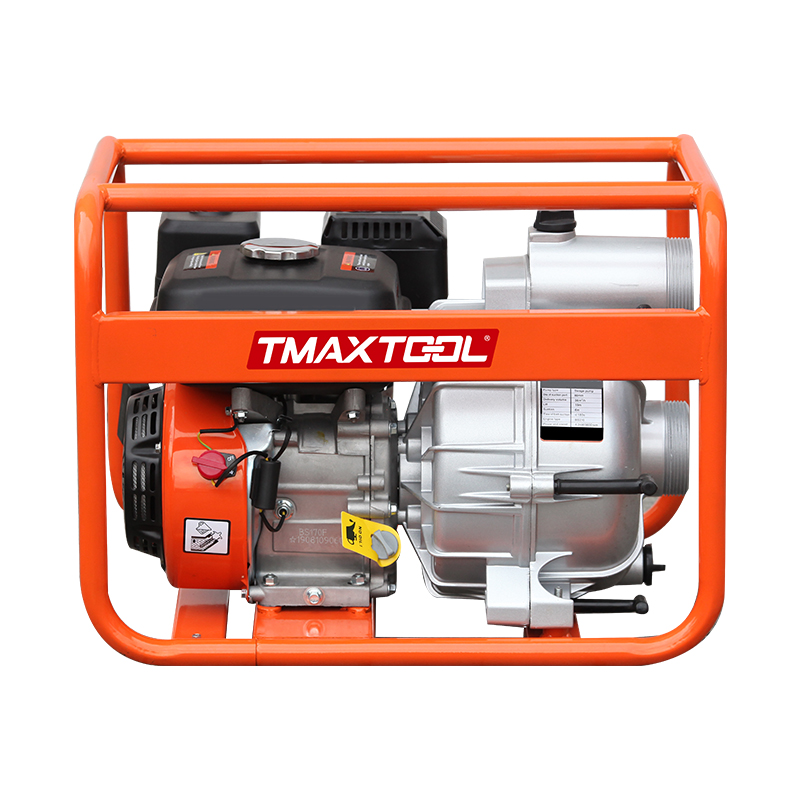 Water Pump
 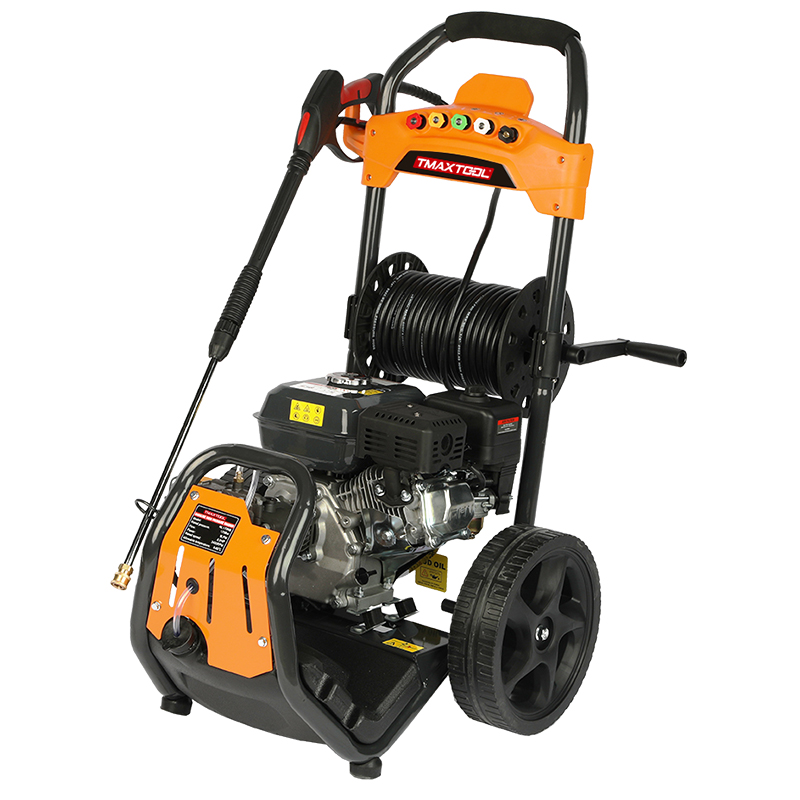 High Pressure Washer
 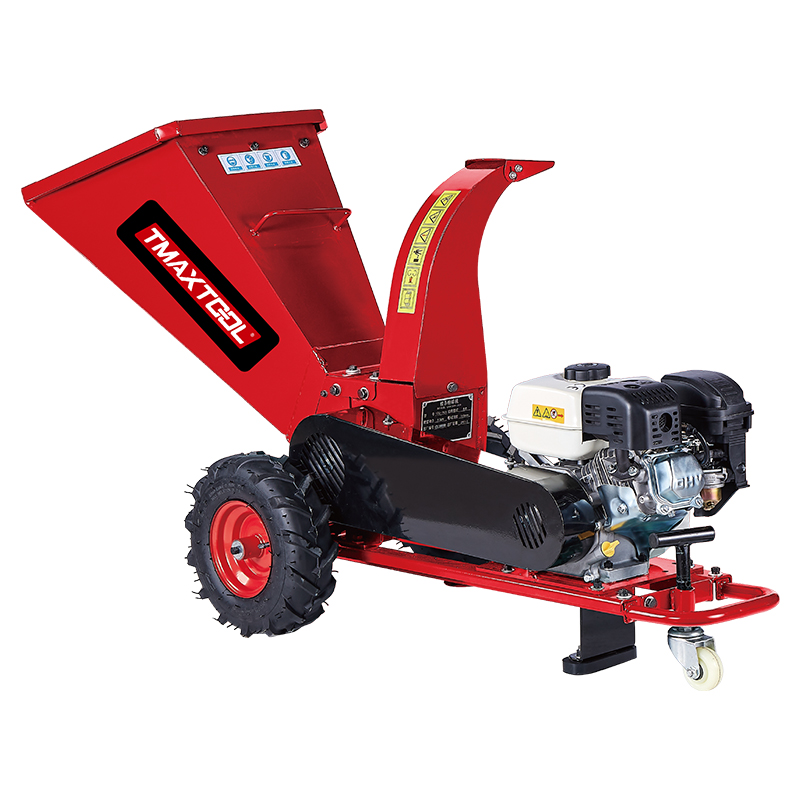 Wood Cutter
 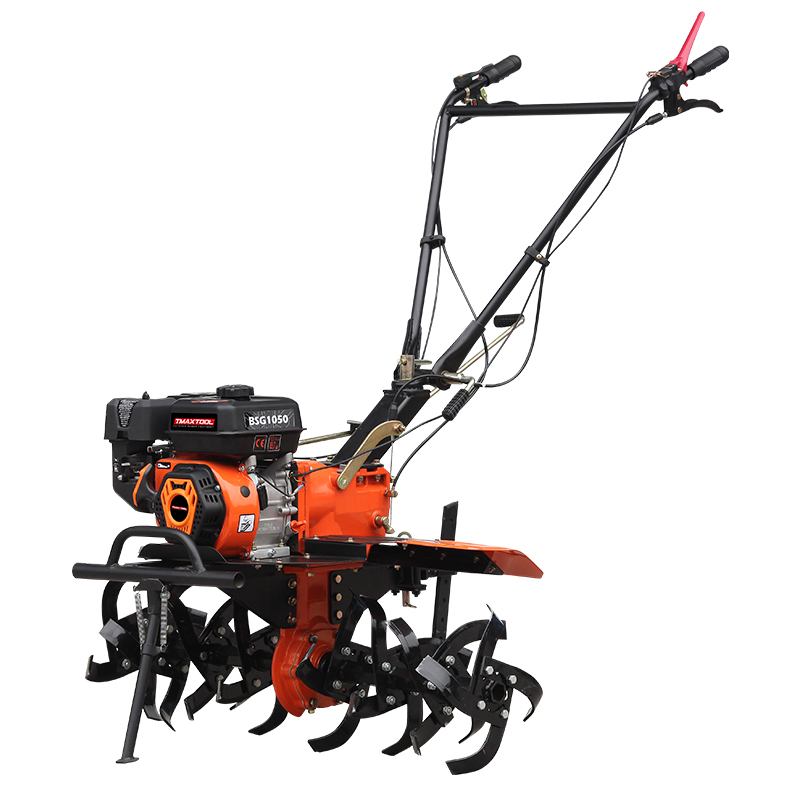 4 Stroke Tiller
 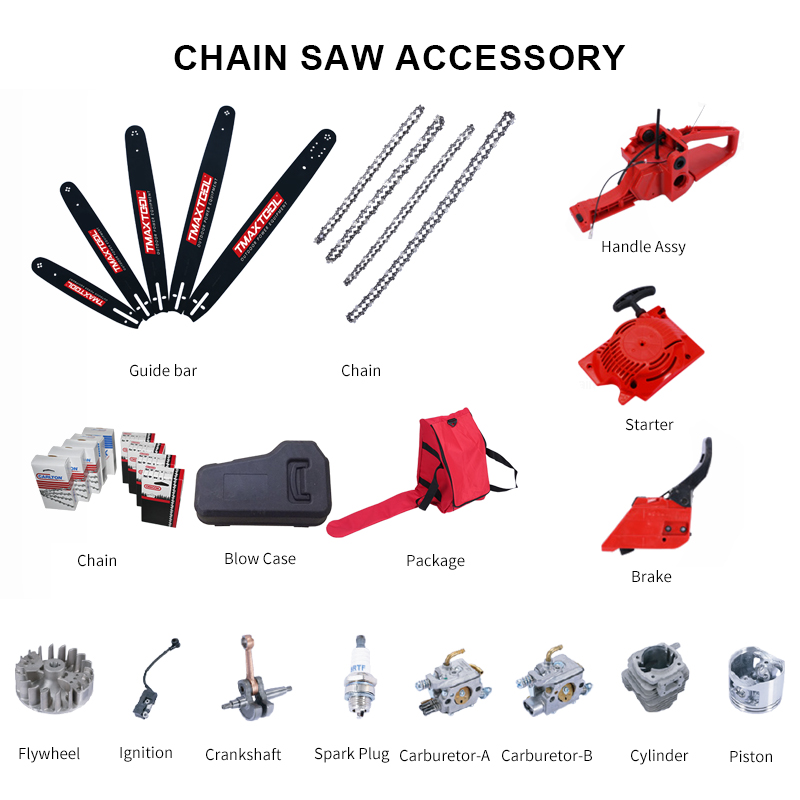 Chain Saw Accessory
 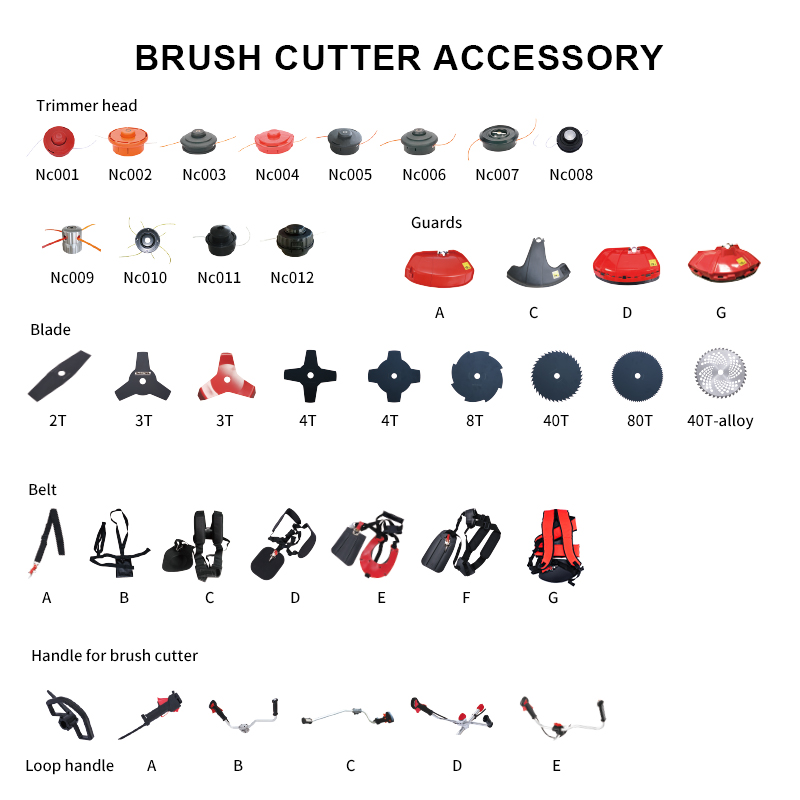 Brush Cutter Accessory
 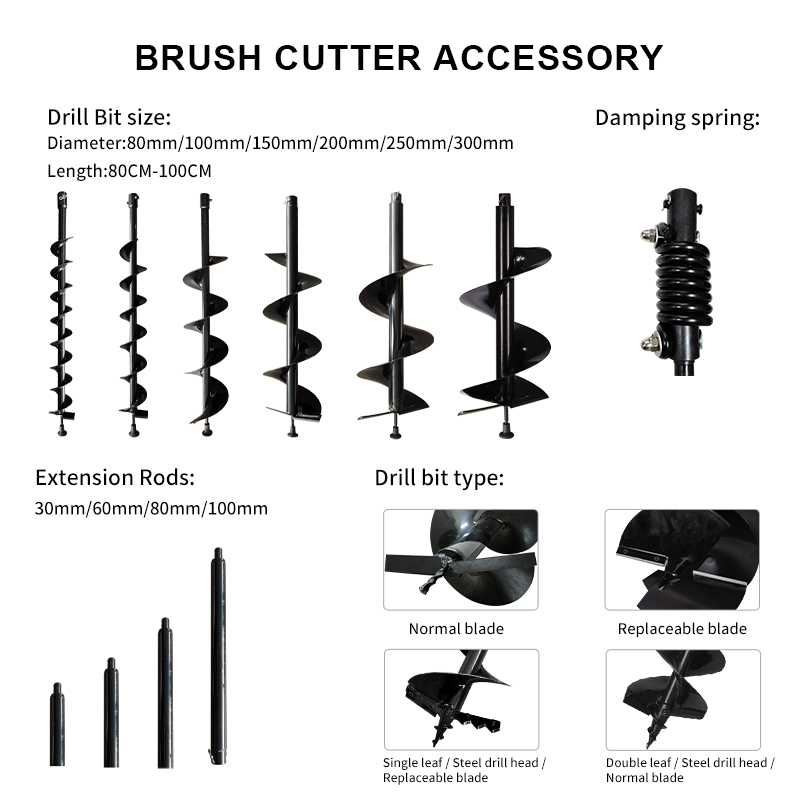 Earth Auger Accessory
 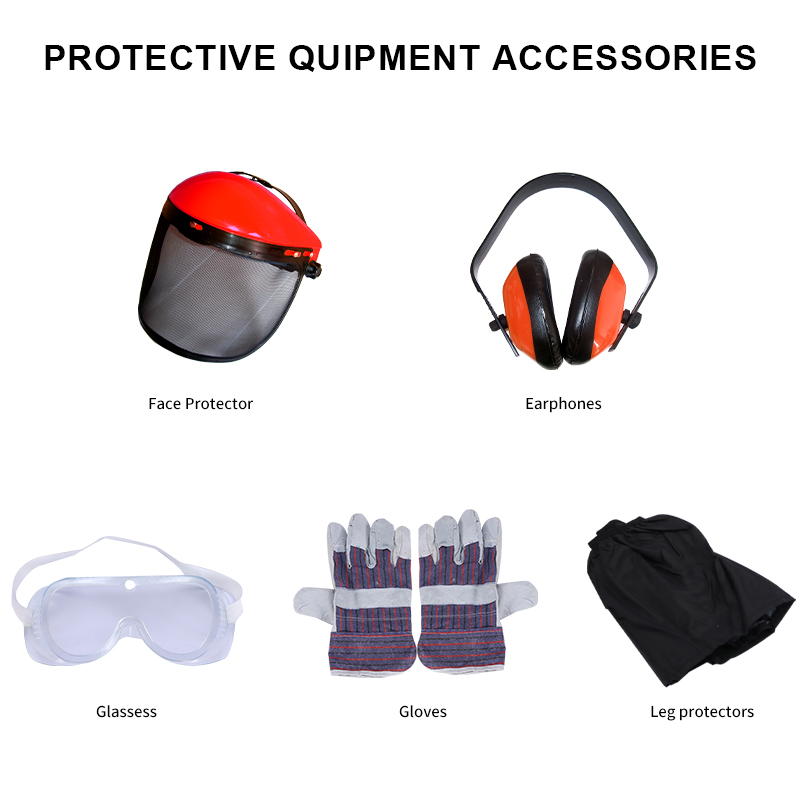 Protective Equipment Accessories
News
Leave Your Message


0102030405
How to Select a Reliable Angle Grinder Manufacturer
2026-07-31
How to Select a Reliable Angle Grinder Manufacturer
Table of Contents
- Understanding Why Manufacturer Credibility Matters for Angle Grinder Sourcing
- Core Criteria to Evaluate Angle Grinder Manufacturers
- How to Verify Product Safety & Global Market Compliance Certifications
- Assess Factory Production Capacity & Quality Control Workflow
- Test Product Performance Through Sample Validation Protocols
- Evaluate OEM & Customization Support for Your Brand
- Analyze Lead Times, MOQ & End-to-End Logistics Capabilities
- After-Sales Support & Warranty Terms to Protect Your Wholesale Business
- Step-by-Step Supplier Qualification Workflow for Global Buyers
- Frequently Asked Questions About Sourcing Angle Grinder Manufacturers
- Final Conclusion for Long-Term Stable Procurement Partnerships
Understanding Why Manufacturer Credibility Matters for Angle Grinder Sourcing
For hardware distributors, retail tool chains, industrial equipment resellers and construction supply wholesalers, angle grinders represent high-risk inventory. Unlike non-power hand tools, defective grinders create severe safety hazards including wheel kickback, motor overheating, electrical short circuits and operator injury. Choosing an unvetted manufacturer exposes your business to product recalls, costly liability claims, rejected customs shipments and permanent damage to your brand reputation across regional markets.
Many international buyers fall into the trap of selecting manufacturers based solely on unit pricing. Low-cost uncertified grinders often skip critical safety components, fail regional regulatory testing and deliver inconsistent quality across bulk orders. A reliable manufacturer balances competitive cost, standardized safety engineering, stable production output and dedicated support tailored to cross-border wholesale operations. This guide breaks down actionable, market-aligned evaluation standards built for importers operating across Europe, North America, Southeast Asia, Africa and Latin America.
Core Criteria to Evaluate Angle Grinder Manufacturers
Before requesting samples or formal quotations, score each potential factory against eight non-negotiable benchmark metrics to filter unreliable partners early in your sourcing process.
| Evaluation Factor | Benchmark Standard for Reliable Manufacturers | Key Business Risk If Standard Is Not Met |
|---|---|---|
| Industry Experience | Minimum 10 years specialized power tool manufacturing history, dedicated angle grinder production lines | Limited R&D expertise, frequent design flaws, weak market compliance knowledge |
| Compliance Portfolio | Full suite of regional safety certifications matching your target sales territory | Customs detention, forced product destruction, inability to list goods for retail sale |
| In-House QC System | Complete IQC, IPQC, FQC and pre-shipment third-party testing workflows | High unit defect rate, inconsistent motor power and safety feature performance |
| Production Scalability | Monthly minimum output of 10,000+ angle grinders, automated assembly stations | Delayed bulk order fulfillment, stock shortages during peak construction seasons |
| Customization Flexibility | Support private labeling, housing color modification, voltage tuning and accessory bundling | Restricted brand differentiation, limited ability to capture niche market demand |
| Communication Responsiveness | Average query response under 24 hours, multilingual dedicated export sales teams | Slow order adjustments, delayed resolution of quality or logistics disputes |
| On-Time Delivery Rate | Historical delivery completion rate above 98% documented via shipment records | Missed retail seasonal stock windows, contractual penalties with your retail clients |
| Global After-Sales Framework | Standard 12-month product warranty, spare parts supply chain for bulk buyers | High customer return volumes, unmanageable repair overhead across your sales regions |
How to Verify Product Safety & Global Market Compliance Certifications
Angle grinders fall under strict international electrical machinery safety regulations, and valid third-party certifications are the primary proof of a manufacturer’s commitment to compliance. Every reputable factory must provide original, verifiable certification documentation matching your target market requirements.
Essential Global Certifications for Angle Grinders
- ISO 9001 Quality Management System This certification confirms standardized end-to-end manufacturing processes, uniform raw material screening and continuous quality improvement protocols. Always cross-check the issuing body and factory name on the certificate to avoid counterfeit documentation.
- CE Mark (European Economic Area) Mandatory for all grinders sold within EU/UK markets, built to EN 62841 safety standards for handheld power tools. Valid CE files include LVD (Low Voltage Directive) and EMC (Electromagnetic Compatibility) test reports from an accredited notified body. For post-Brexit sales, confirm separate UKCA certification for United Kingdom distribution.
- GS Certification (Germany & Western Europe) A voluntary but highly trusted safety mark required for entry into premium European hardware retail chains. GS testing includes rigorous long-duration load testing, vibration control and mechanical guard safety validation for angle grinders.
- UL/ETL Certification (United States & Canada) North American markets enforce strict electrical safety rules for power tools. Manufacturers without UL or ETL certified grinders cannot clear customs or be stocked by major US and Canadian hardware retailers.
- RoHS Compliance Restricts hazardous heavy metals in grinder internal components, a mandatory requirement for Europe, Australia and most Southeast Asian markets. Valid RoHS test reports eliminate customs hold risks for container shipments.
- UN38.3 (Cordless Lithium Grinder Models) For battery-powered brushless angle grinders, UN38.3 transport certification is required for air, sea and land freight to prevent lithium battery transit safety incidents.
How to Spot Fake Certification Documents
- Mismatched factory address or business name across certificates
- Missing unique notified body identification numbers on CE test reports
- Expired testing lab validation stamps
- Generic template files without serial numbers matching actual grinder SKUs
Assess Factory Production Capacity & Quality Control Workflow
Transparent production infrastructure separates legitimate manufacturers from middleman trading companies that outsource assembly to unregulated small workshops. Request factory walkthrough footage, production line layouts and monthly output reports to validate operational stability.
Key Production Facility Indicators
- Dedicated Angle Grinder Assembly Lines Factories with standalone grinder production stations deliver more consistent build quality than facilities that batch-produce drills, saws and grinders on shared lines. Automated screw fastening, motor winding and guard fitting stations reduce human error during mass production.
- On-Site Testing Laboratory Reliable manufacturers maintain in-house testing equipment for critical grinder performance checks: continuous load endurance testing, vibration measurement, thermal overload cutoff validation and wheel guard impact safety testing. Factories without dedicated labs outsource all testing, creating longer lead times and inconsistent results.
- Full Four-Stage Quality Control Cycle
- IQC (Incoming Quality Control): Inspection of raw copper motor coils, gear sets, plastic housings, switches and lithium battery cells before assembly
- IPQC (In-Process Quality Control): Hourly line audits to check assembly alignment, switch functionality and guard installation
- FQC (Final Quality Control): Full functional testing of every finished grinder unit before packaging
- Pre-Shipment Inspection: Random AQL sampling by internal QC teams or independent third-party auditors such as SGS and TÜV prior to container loading
- Digitized Production Management Systems Modern manufacturers use digital production tracking platforms to log component batches, defect records and order progress. This traceability allows fast root-cause analysis if quality issues emerge after delivery, and supports targeted spare parts replenishment for defective units.
Test Product Performance Through Sample Validation Protocols
Never finalize a manufacturing partnership without comprehensive sample testing aligned with your end-user application requirements. Standardize a sample testing checklist to compare performance across multiple factory candidates objectively.
Mandatory Sample Testing Steps for Angle Grinders
- Continuous Load Endurance Test Run the grinder at full rated power for a minimum of 48 consecutive hours under consistent cutting/grinding load. Record motor surface temperature, vibration levels and power drop over the test cycle. Reliable models maintain stable torque without excessive heat buildup or automatic thermal shutdown mid-cycle.
- Safety Feature Validation Verify every core safety mechanism functions as documented: anti-kickback clutch, lock-off paddle switch, adjustable reinforced wheel guard and soft start motor technology. Cheap uncertified grinders often omit these critical safety parts to cut production costs.
- Component Durability Check Inspect the quality of carbon brushes (brushed models) or brushless motor windings, spindle lock mechanism and rubber anti-vibration side handle. Low-grade plastic housings crack under moderate pressure, while premium reinforced nylon chassis withstand heavy industrial daily use.
- Accessory Compatibility Test Confirm standard grinding and cutting wheels, backing pads and auxiliary handles fit the grinder spindle without wobble, a common defect from factories with low-precision machining equipment.
- Packaging Transit Simulation Test Drop-test fully packaged sample units to validate carton structural integrity for long ocean freight transit. Weak packaging leads to cosmetic and functional damage during container shipping, increasing your product rejection rate upon arrival.
Evaluate OEM & Customization Support for Your Brand
Wholesale buyers building private-label tool lines require flexible manufacturing customization capabilities to stand out in competitive regional markets. Confirm the following customization options with each manufacturer before committing to bulk orders:
- Private logo laser engraving or heat transfer printing on grinder housings and battery packs
- Custom plastic housing color matching per brand color guides
- Voltage adjustment for regional power grids (110V for North America, 230V for Europe, multi-voltage cordless battery systems)
- Custom accessory bundle packaging (matching grinding wheels, carrying cases, replacement carbon brush kits)
- Custom printed user manuals, warranty cards and retail outer carton artwork
- Minor mechanical design tweaks such as extended soft-start timing or upgraded high-torque motors for industrial heavy-duty applications
Trading companies rarely offer full design customization, while specialized manufacturers maintain internal mold and graphic design teams to support fast sample revision turnaround (7-day standard sample lead time for most minor adjustments).
Analyze Lead Times, MOQ & End-to-End Logistics Capabilities
Global importers rely on predictable production schedules and streamlined cross-border logistics to avoid stockouts. Clarify all order fulfillment terms in writing during quotation negotiations:
- Minimum Order Quantity (MOQ) Established manufacturers typically offer flexible low MOQs starting at 50 units for initial market test orders, a critical advantage for buyers launching new retail lines without committing to full container loads. Avoid factories enforcing excessively high MOQs that limit your ability to validate market demand.
- Standard Production Lead Time Benchmark reliable lead times sit at 30 working days for mass bulk orders after sample confirmation and deposit payment. Factories consistently delivering lead times above 45 days risk disrupting your seasonal retail stock cycles.
- Logistics Support Scope Top manufacturers maintain long-term partnerships with global freight forwarders, offering door-to-door container shipping documentation, complete customs clearance paperwork and consolidated container loading for mixed SKU tool orders. Confirm they provide accurate MSDS, commercial invoices and packing lists required for lithium battery grinder sea freight.
- Order Scalability for Peak Demand Ask for historical production output data from construction peak seasons to confirm the factory can ramp up monthly capacity without extending lead times during high-demand periods.
After-Sales Support & Warranty Terms to Protect Your Wholesale Business
Unstructured after-sales support creates massive overhead for cross-border distributors handling customer returns and repairs. Formalize all warranty and spare parts terms within your purchase contract with the manufacturer:
- Standard Product Warranty Coverage Reputable manufacturers provide a minimum 12-month global warranty for all angle grinder SKUs, covering factory defects in motors, switches and internal mechanical components. Clarify exclusions such as damage from improper operator use or abrasive wheel overloading.
- Spare Parts Supply Chain Confirm the factory maintains permanent spare parts inventory for all grinder models you order, including replacement motors, switches, guards, carbon brushes and lithium battery packs. Reliable partners ship spare parts orders within 7 working days to your regional warehouse.
- Defective Unit Resolution Policy Agree on clear compensation terms for bulk orders exceeding an acceptable defect rate (industry benchmark under 3%). Standard resolutions include free replacement units shipped with your next container order or proportional monetary credit deducted from future invoice balances.
- Technical Guidance for Your Sales Team Premium manufacturers provide professional technical data sheets, product demonstration videos and market sales material you can distribute to your retail partners and in-store sales staff. Dedicated technical engineers also offer remote troubleshooting support for complex product performance inquiries.
Step-by-Step Supplier Qualification Workflow for Global Buyers
Follow this structured seven-stage process to fully vet every potential angle grinder manufacturer before placing your first bulk order:
- Pre-Screening: Filter factories by manufacturing years, core product specialization and target market certification portfolio to eliminate unqualified candidates
- Document Review: Request full certification files, factory audit reports, monthly production capacity data and client reference contact information
- Sample Request: Order full SKU samples matching your intended product lineup and complete the standardized performance testing checklist outlined earlier
- Virtual or On-Site Factory Audit: Schedule a live virtual production line walkthrough; for large annual volume buyers, complete an in-person facility inspection to verify QC workflows
- Reference Validation: Connect with existing international wholesale clients of the manufacturer to confirm feedback on delivery timelines, quality consistency and after-sales responsiveness
- Formal Quotation Negotiation: Lock in written terms covering MOQ, lead time, customization fees, warranty policy, defect compensation and logistics documentation support
- Trial Test Order: Place a small test bulk order to validate real-world production quality, packaging durability and on-time delivery before signing long-term exclusive distribution agreements
Frequently Asked Questions About Sourcing Angle Grinder Manufacturers
What is the biggest risk when sourcing low-cost uncertified angle grinders?
Uncertified grinders lack critical mechanical and electrical safety components, leading to operator accidents, product liability lawsuits, full container customs seizure and permanent bans from major retail hardware chains in regulated markets like the EU and USA. The short-term cost savings are vastly outweighed by long-term financial and reputational losses.
Can trading companies provide the same reliability as direct manufacturers?
Most tool trading companies do not own production facilities, outsourcing assembly to multiple small workshops with inconsistent QC standards. They also add markup layers that increase unit pricing and limit customization flexibility. Direct manufacturers deliver transparent supply chain traceability, faster technical support and stable uniform product quality.
How long should sample testing take before approving a manufacturer?
Allow 7–10 business days for full sample performance, safety and packaging testing. Rushing sample validation increases the risk of identifying mass production defects only after your full container shipment arrives at your regional warehouse.
What warranty coverage should I negotiate for bulk wholesale angle grinder orders?
Secure a minimum 12-month factory warranty covering manufacturing defects. Add a contractual clause guaranteeing free spare parts supply for all models for a minimum of three years after order placement to support long-term customer repair demands.
How do I confirm a manufacturer’s stated on-time delivery rate is accurate?
Request copies of the last six months of shipment bills of lading to cross-check order dispatch dates against agreed lead times. Reputable factories maintain organized shipment records readily available for buyer verification.
Final Conclusion for Long-Term Stable Procurement Partnerships
Selecting a reliable angle grinder manufacturer requires balanced evaluation of compliance safety standards, production infrastructure, product performance testing, customization flexibility and end-to-end cross-border support—not just competitive unit pricing. Global hardware distributors who follow structured factory vetting workflows reduce supply chain risk, eliminate regulatory shipment delays and build consistent, trust-based brand value across their target regional markets.
A sustainable manufacturing partnership prioritizes transparent communication, consistent quality output and collaborative after-sales support. By implementing the evaluation checklists and supplier qualification steps covered in this guide, you can filter low-risk manufacturers and establish long-term procurement relationships that scale alongside your wholesale hardware business for years to come.