
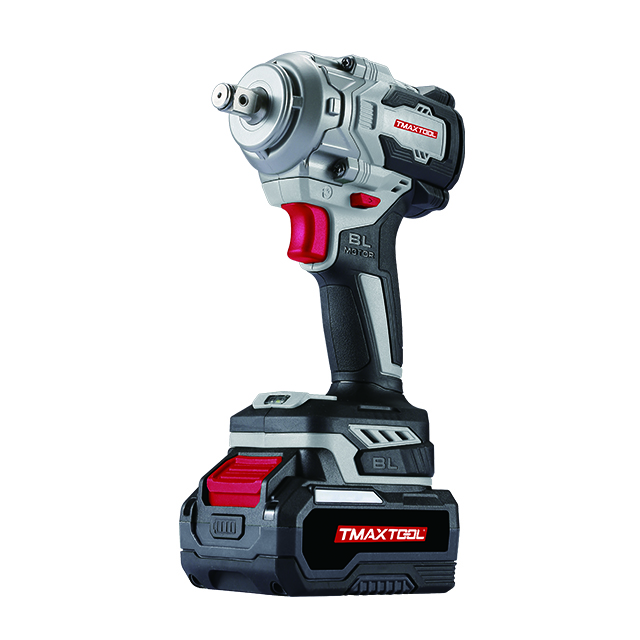
 Impact Wrench
 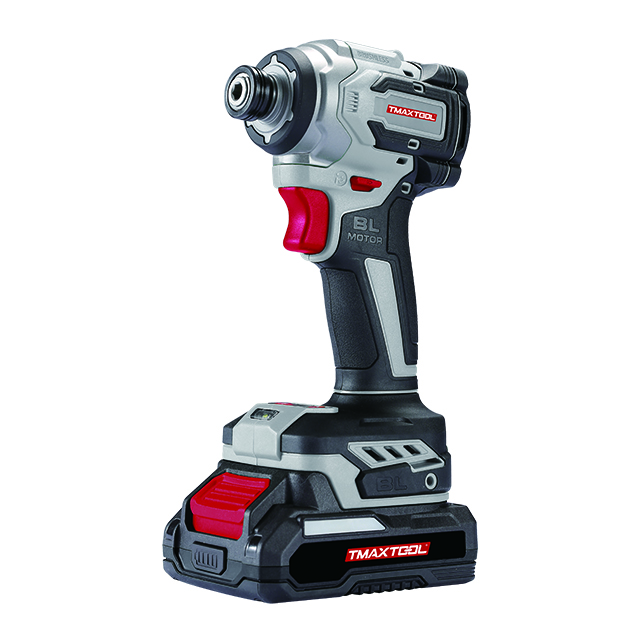 Screwdriver
 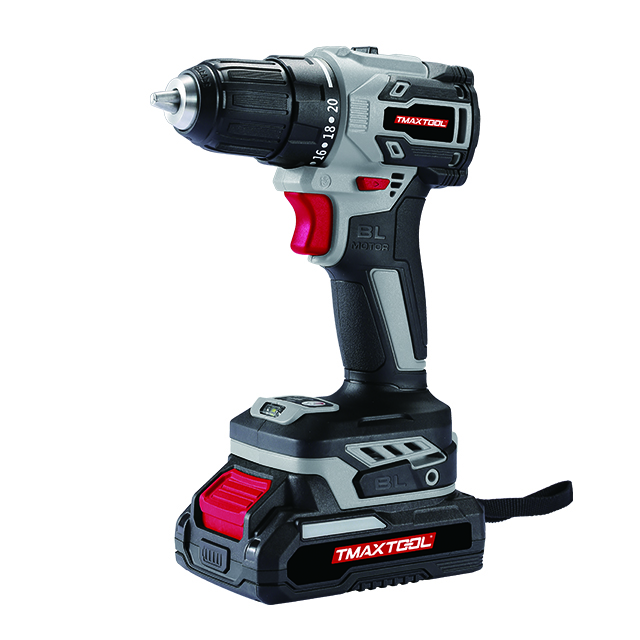 Cordless Drill
 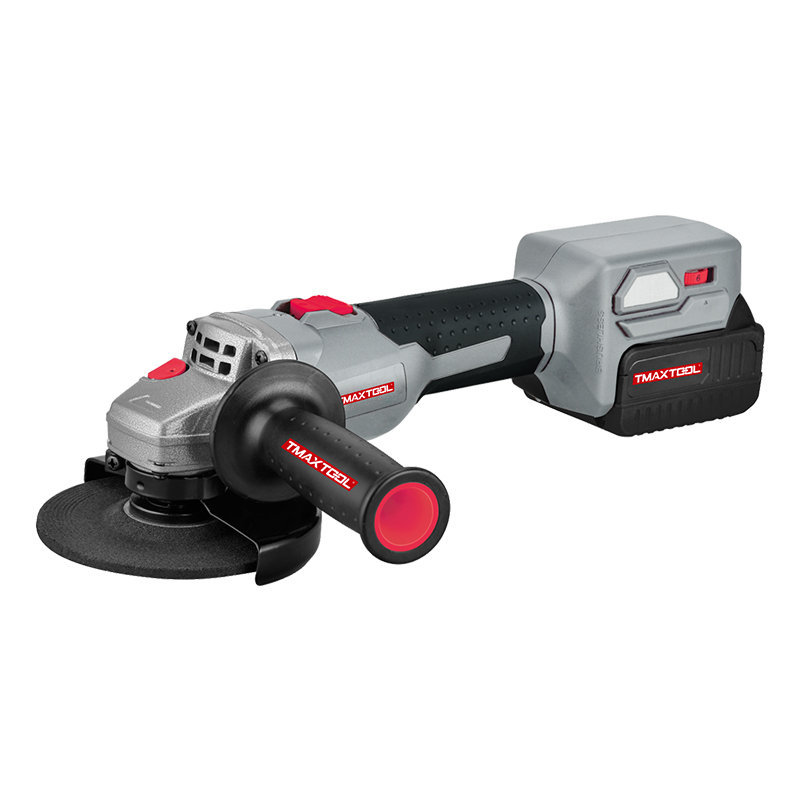 Angle Grinder
 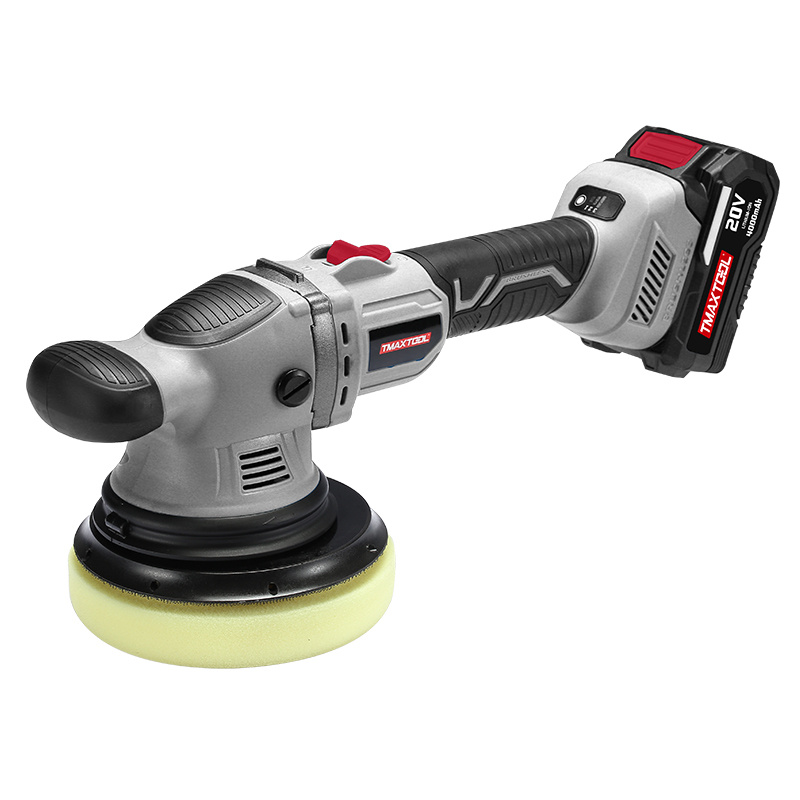 Polisher
 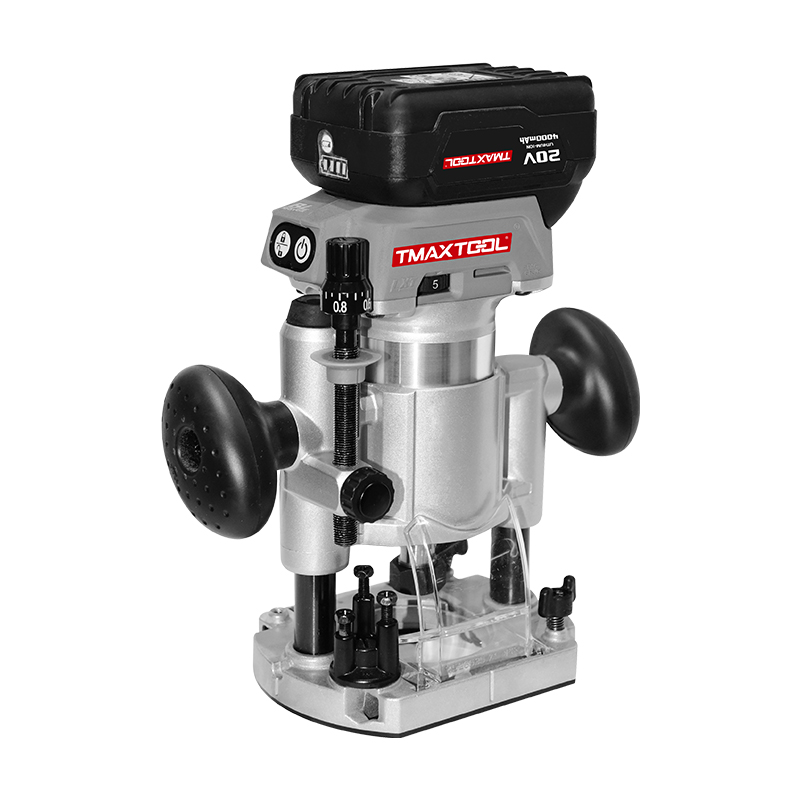 Wood Router
 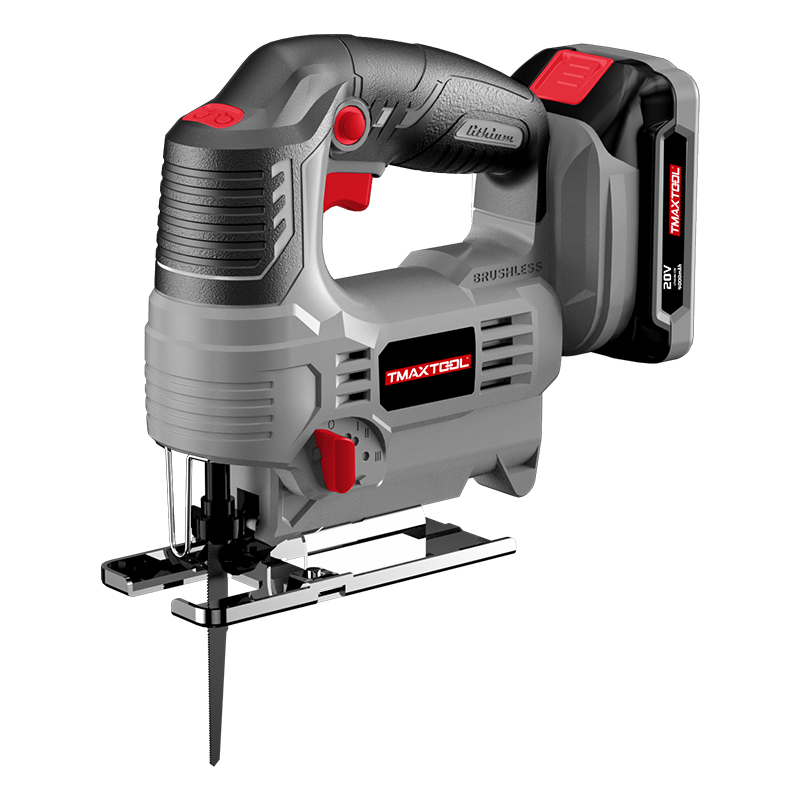 Jig Saw
 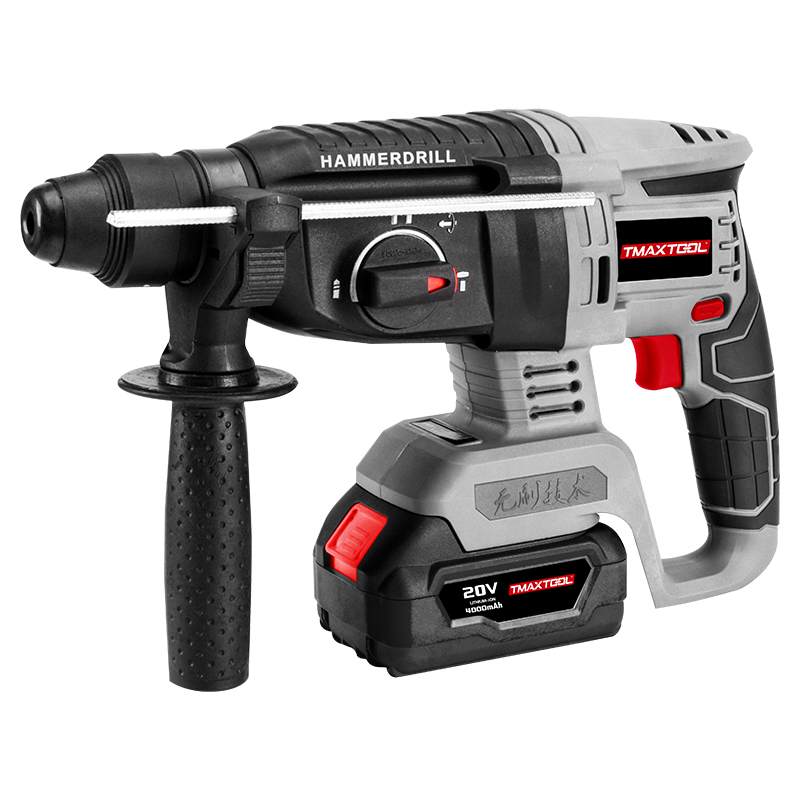 Hammer Drill
 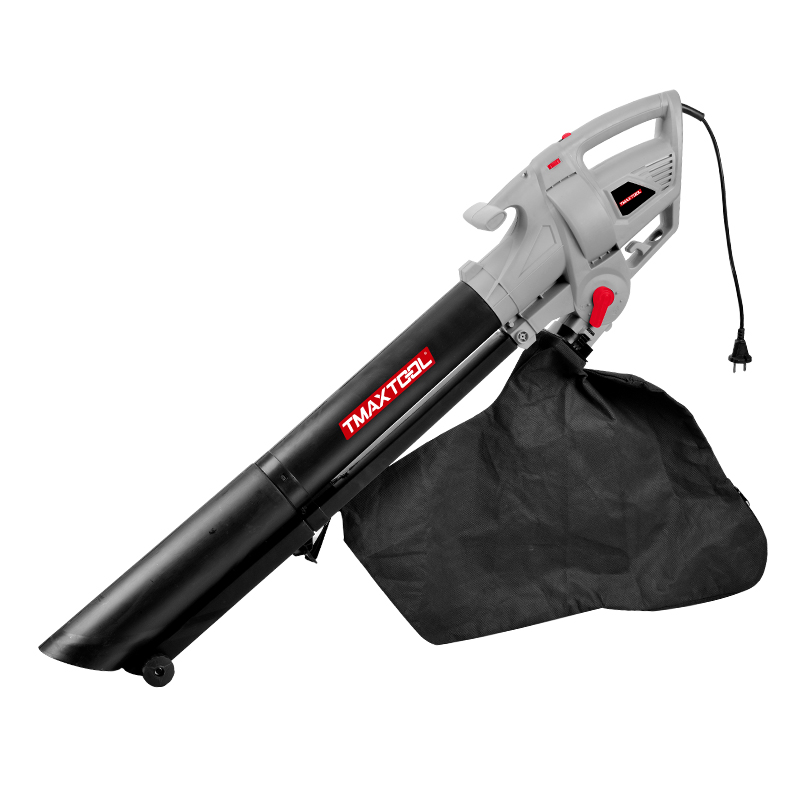 Portable Blower
 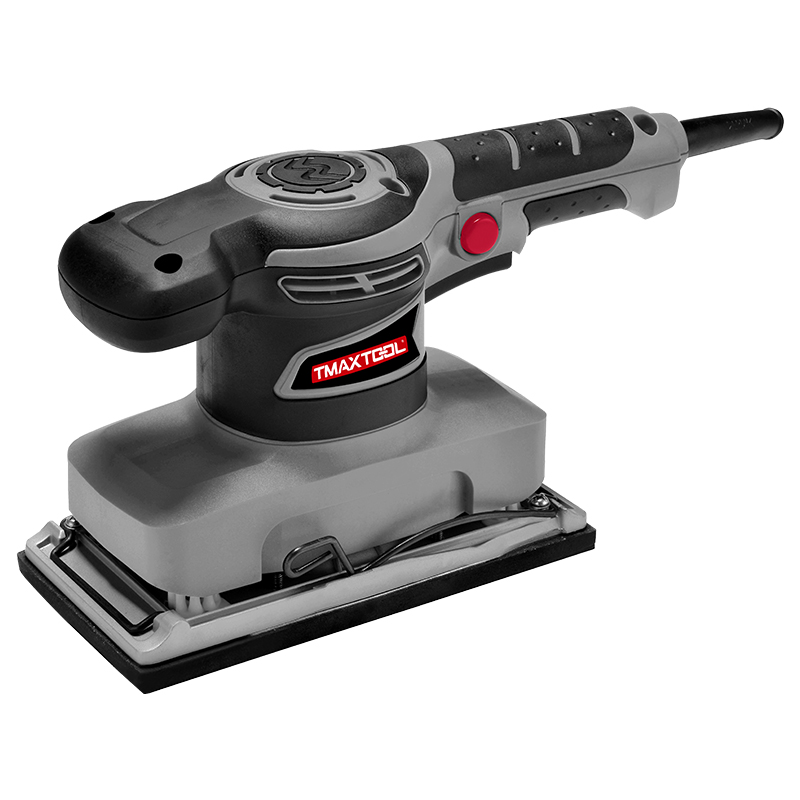 Orbital Sander
 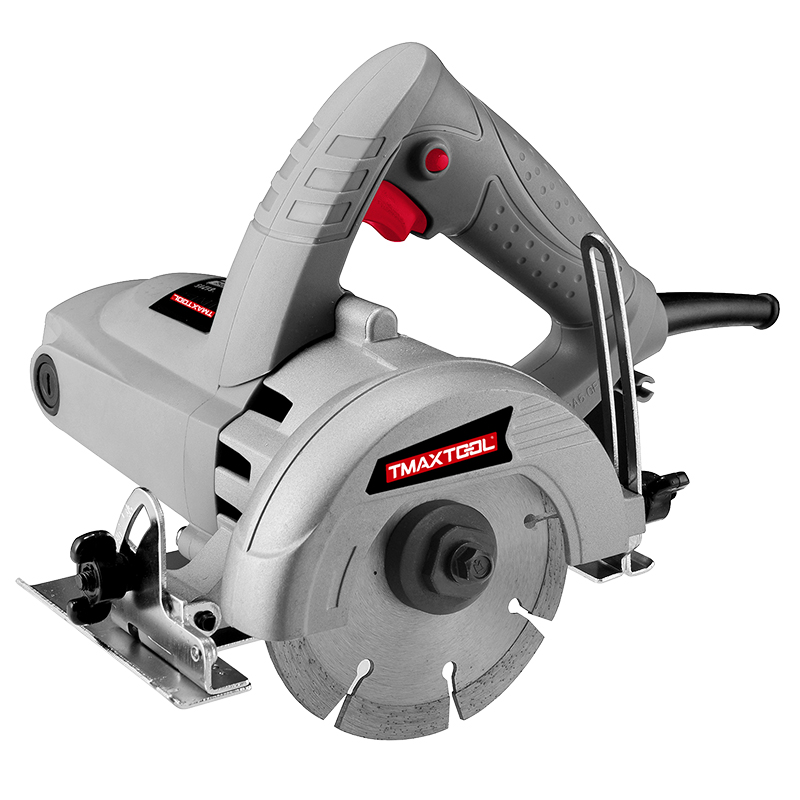 Marble Cutter
 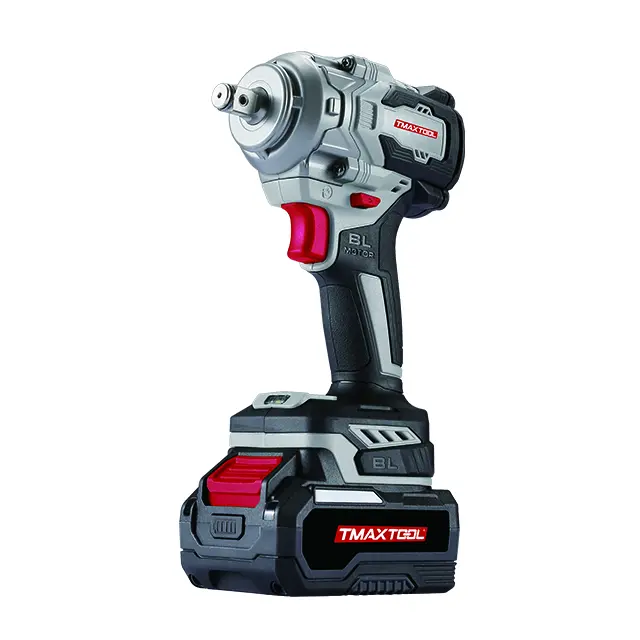 GARDEN TOOLS
 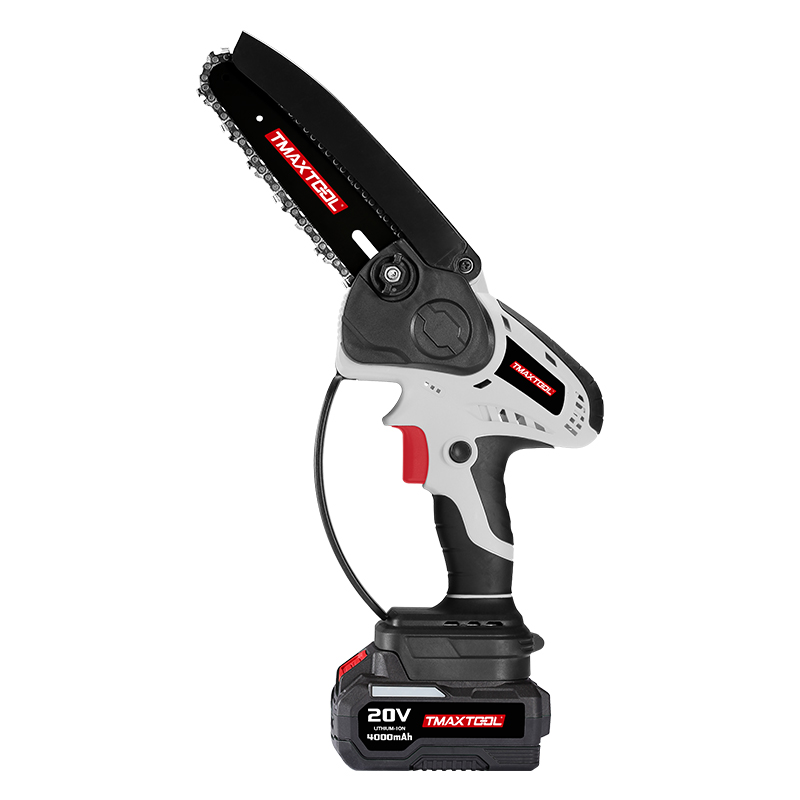 Battery Chain Saw
 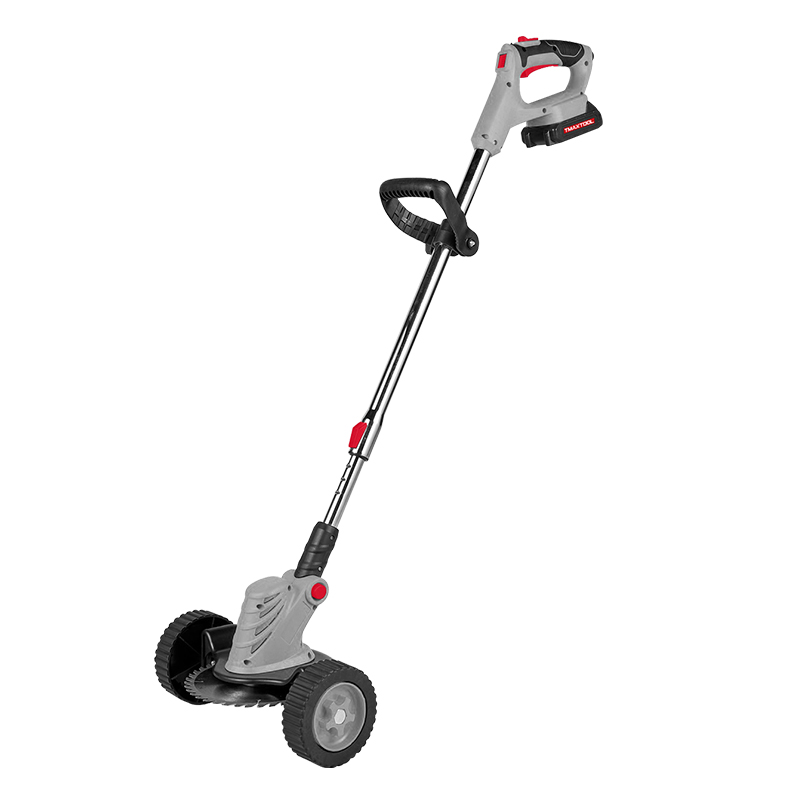 Battery Brush Cutter
 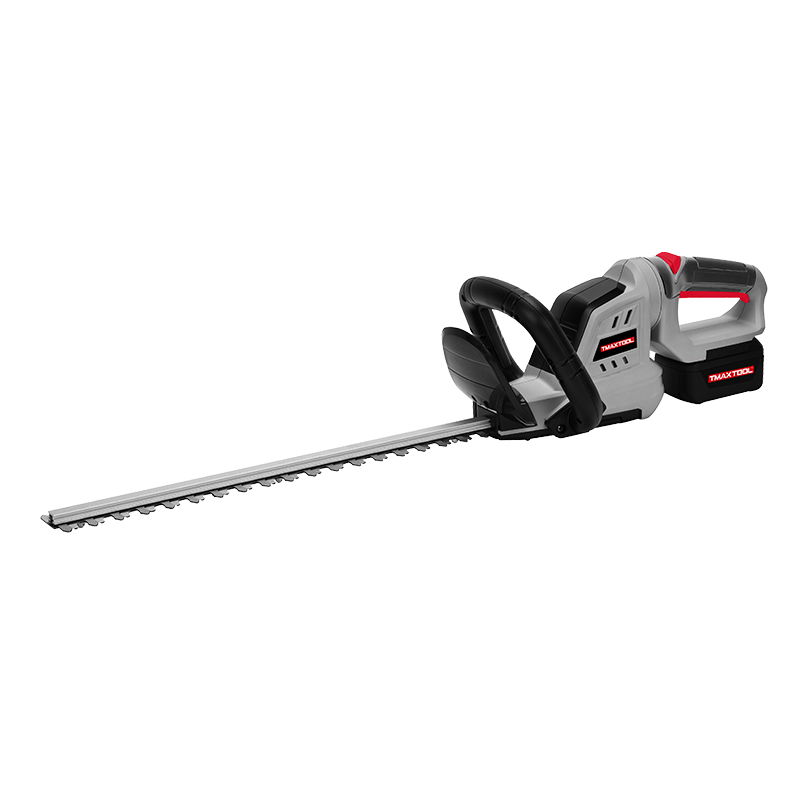 Battery Hedge Trimmer
 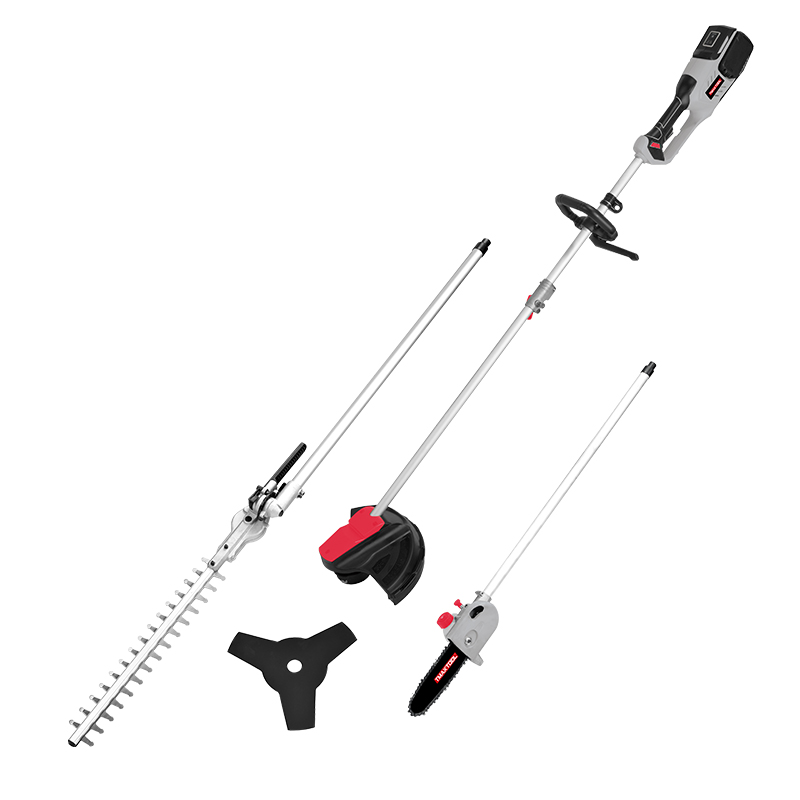 Battery Multi Tool
 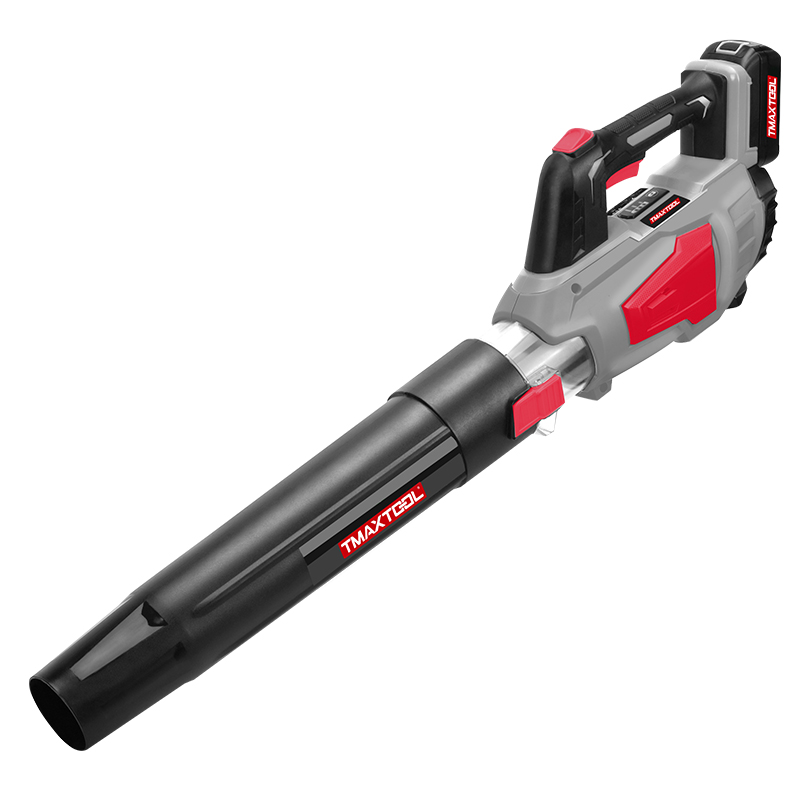 Battery Blower
 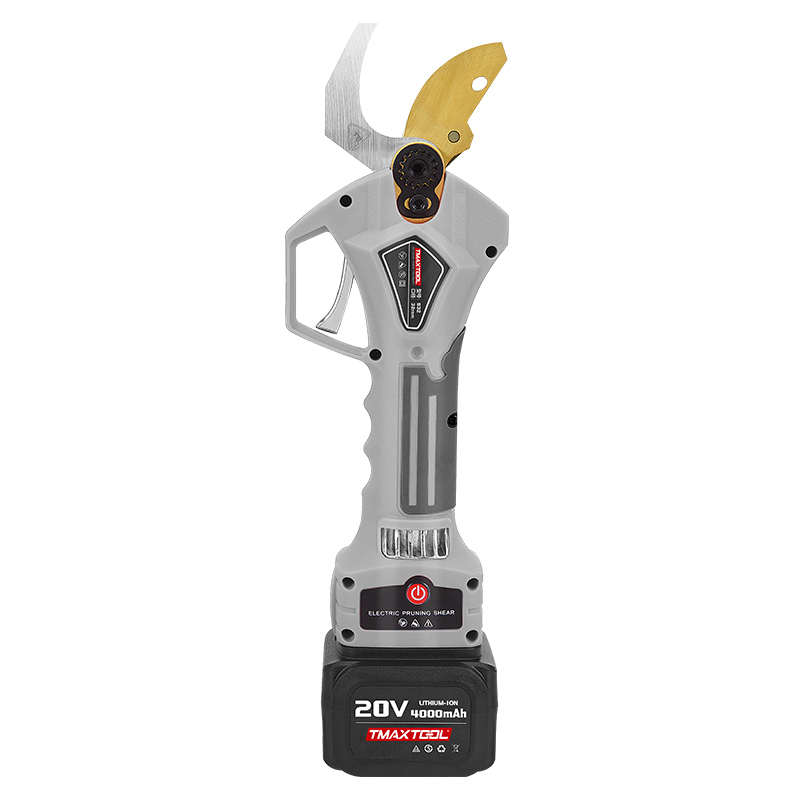 Batter Pruning Shears
 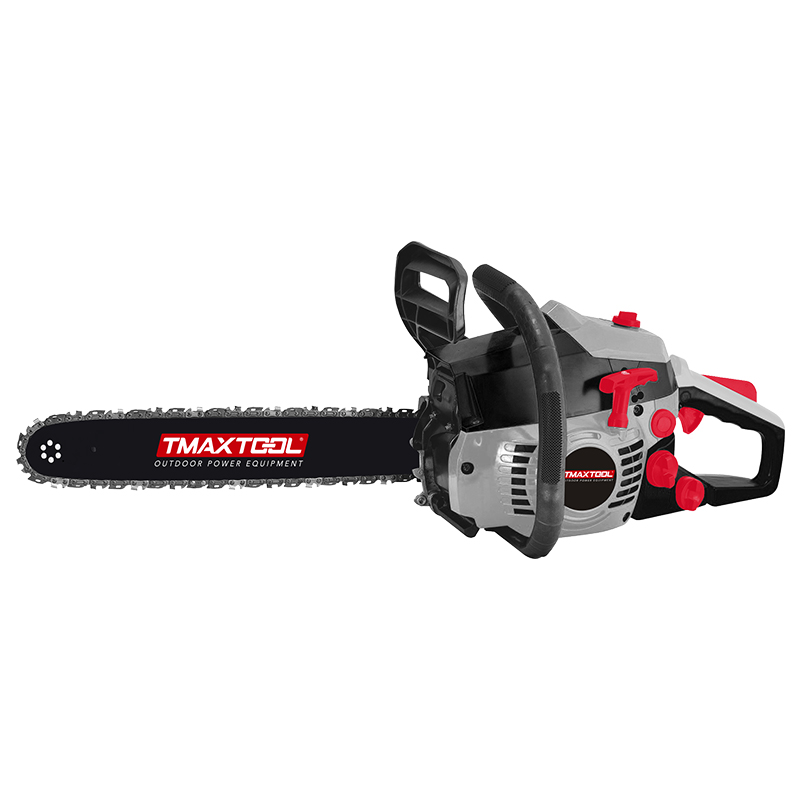 Chain Saw
 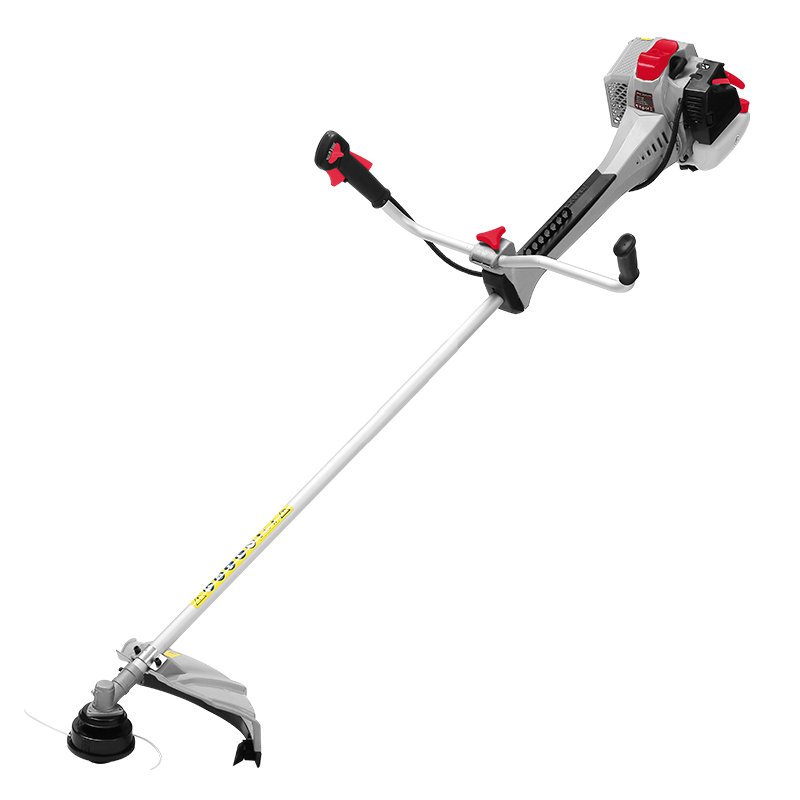 Brush Cutter
 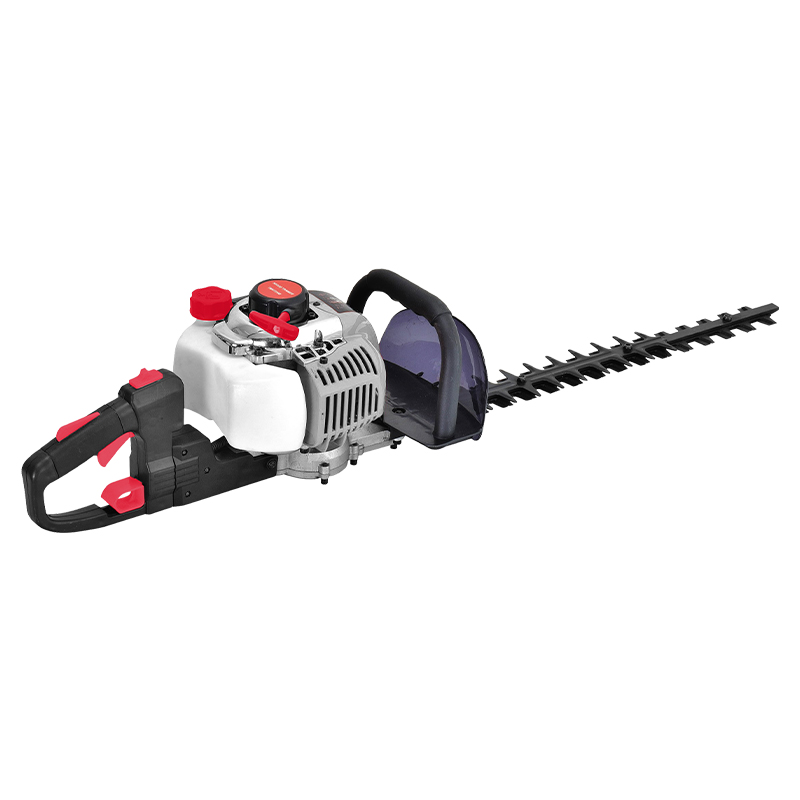 Hedge Trimmer
 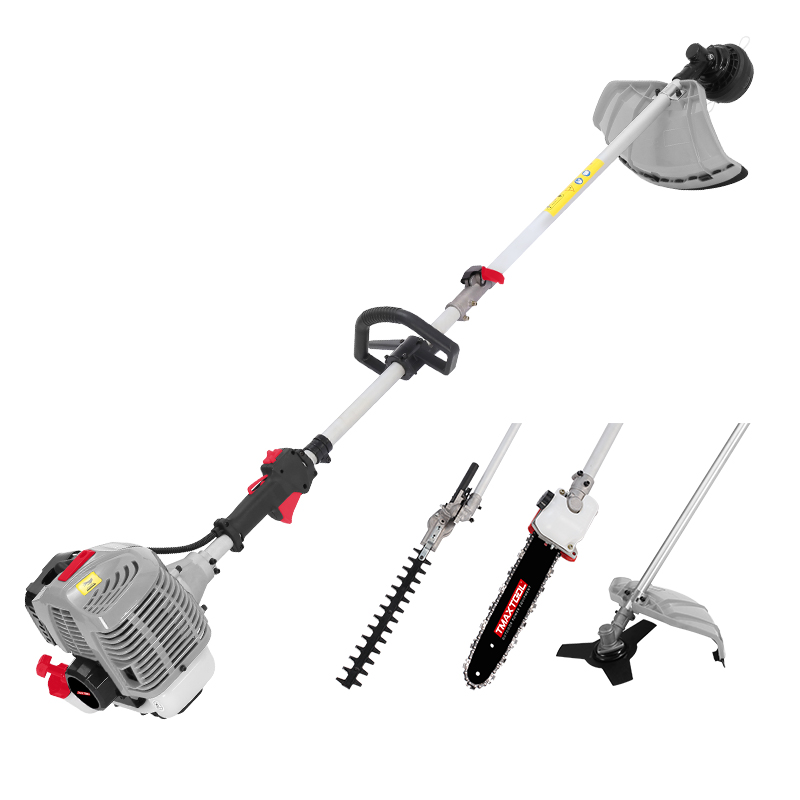 Multi Tool
 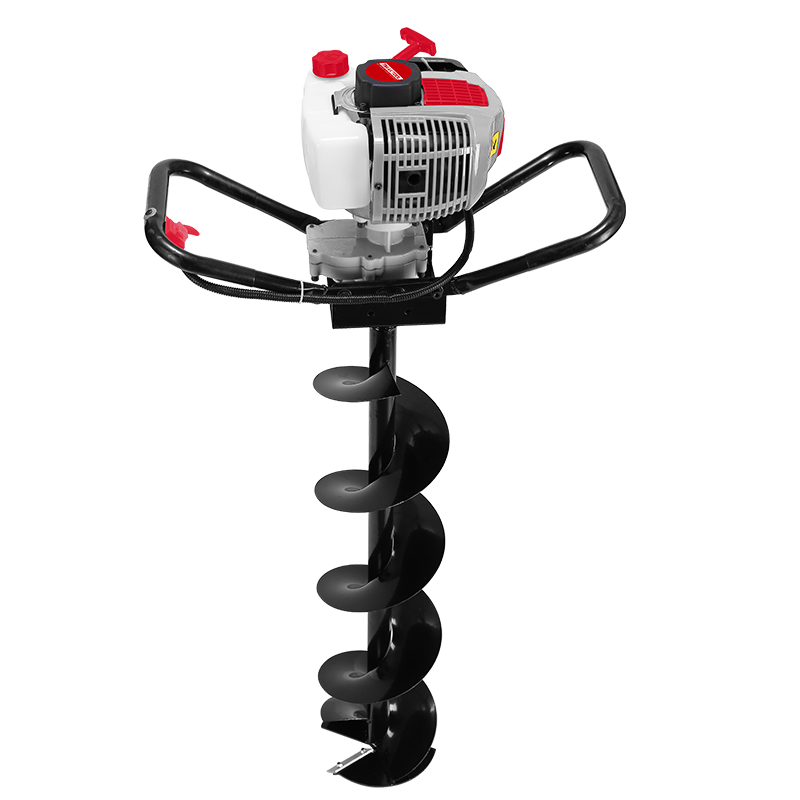 Earth Auger
 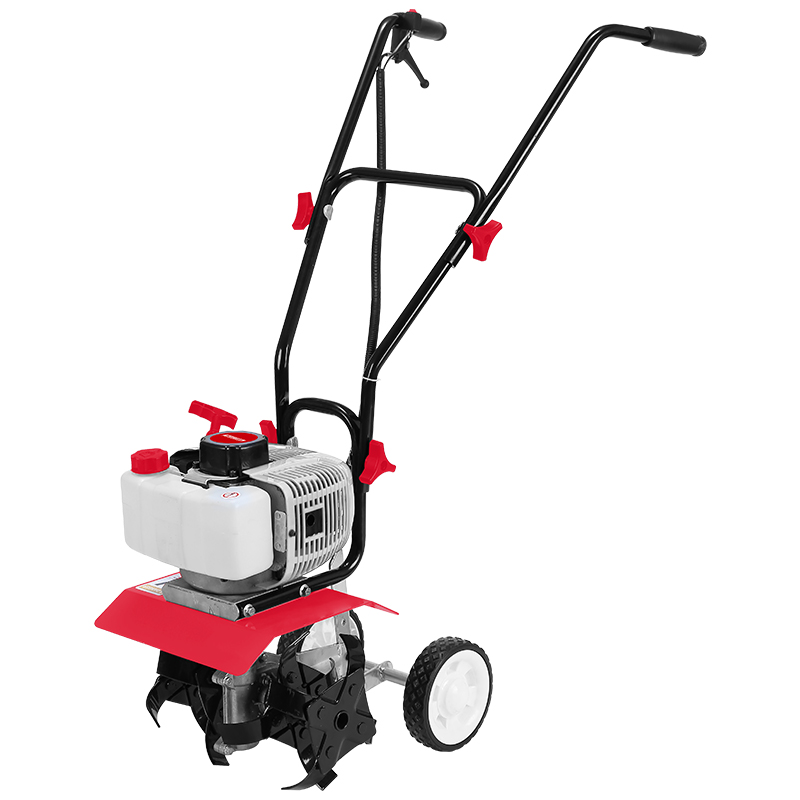 Tiller
 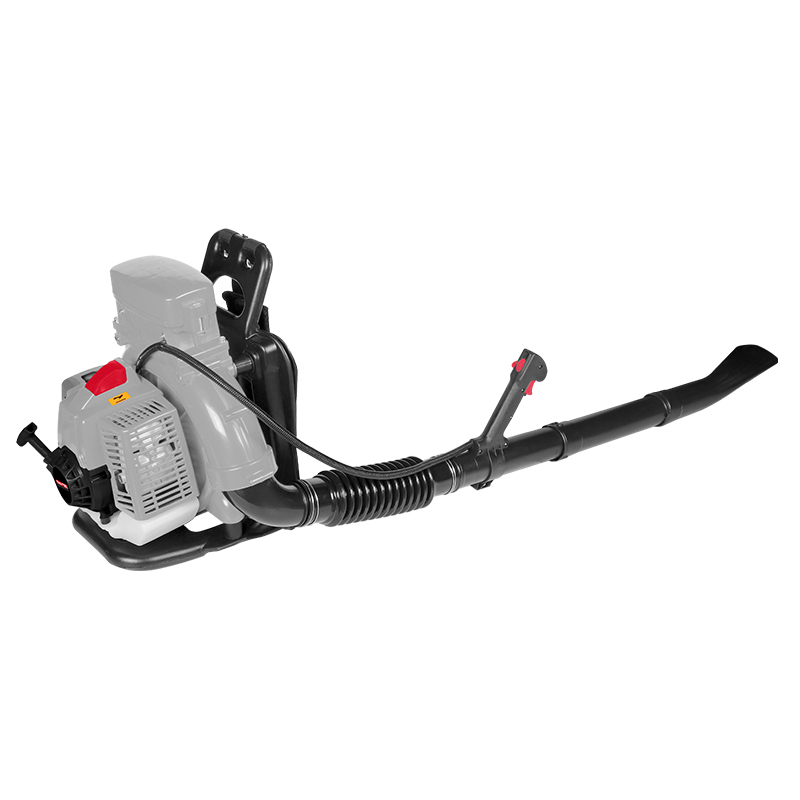 Blower
 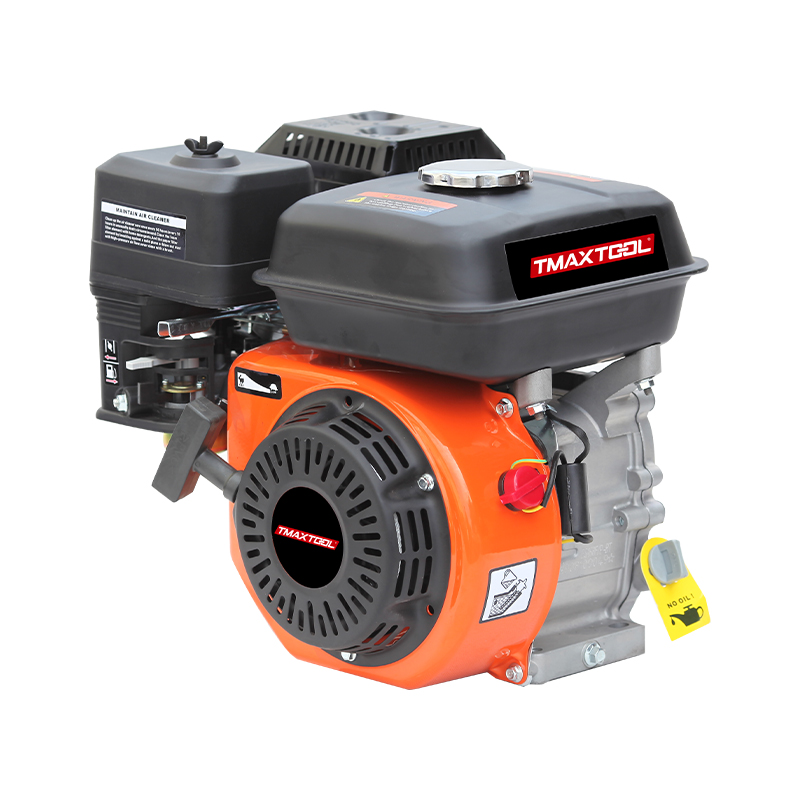 4 Stroke Gasoline Engine
 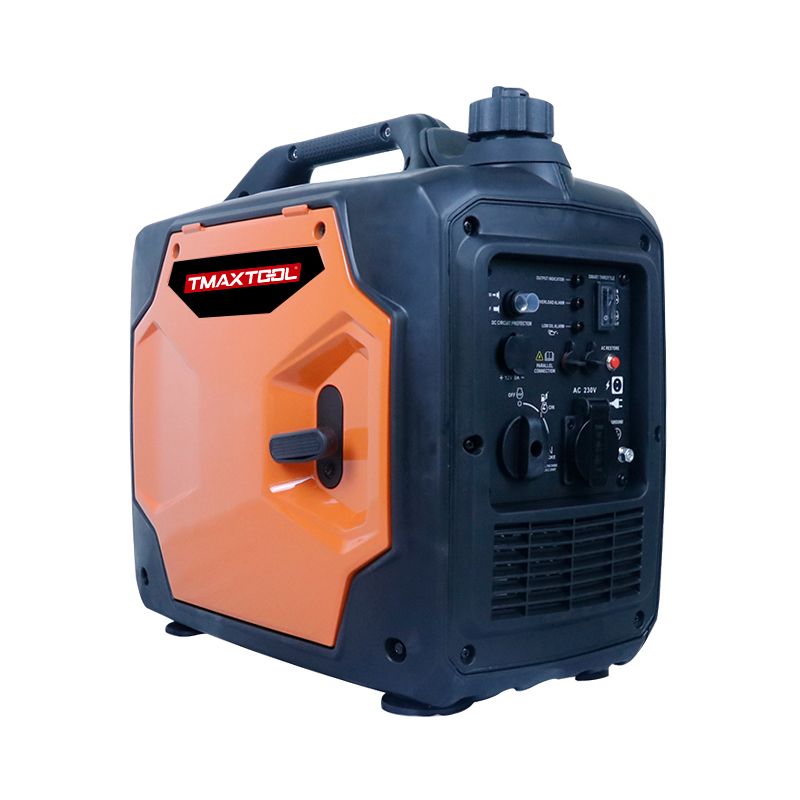 Generator
 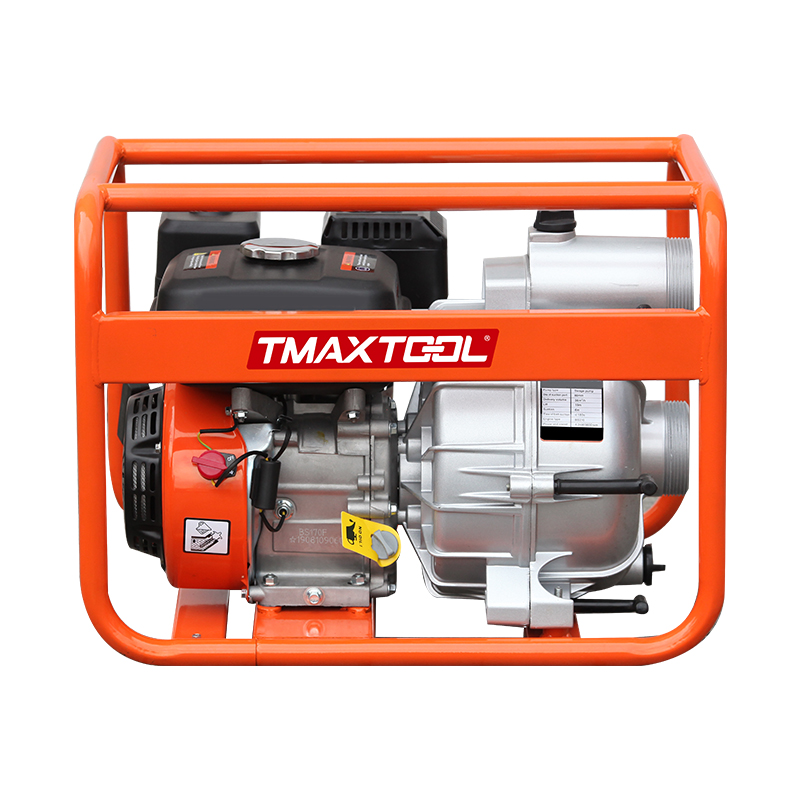 Water Pump
 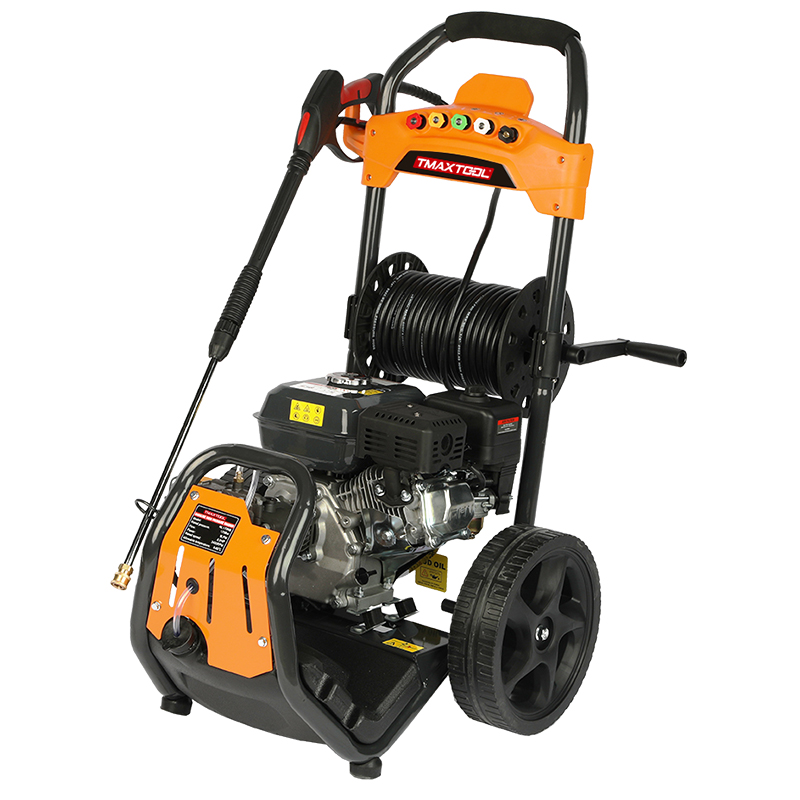 High Pressure Washer
 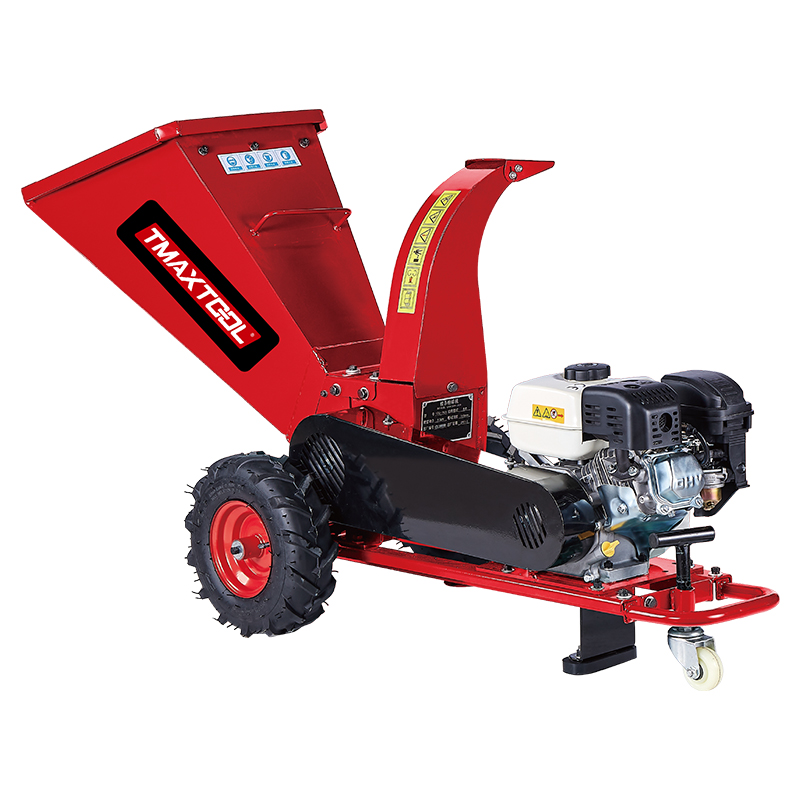 Wood Cutter
 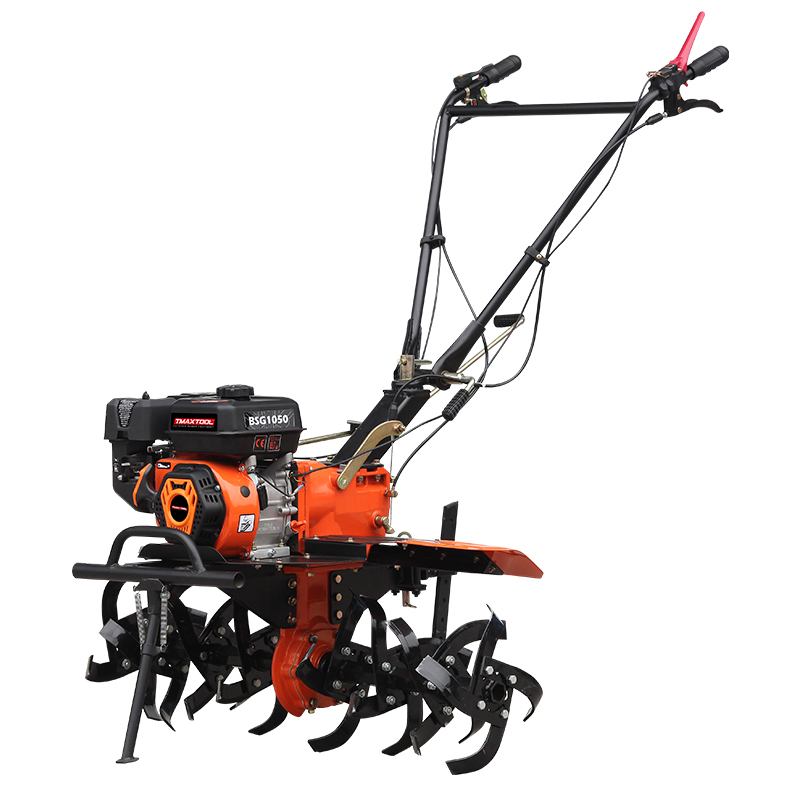 4 Stroke Tiller
 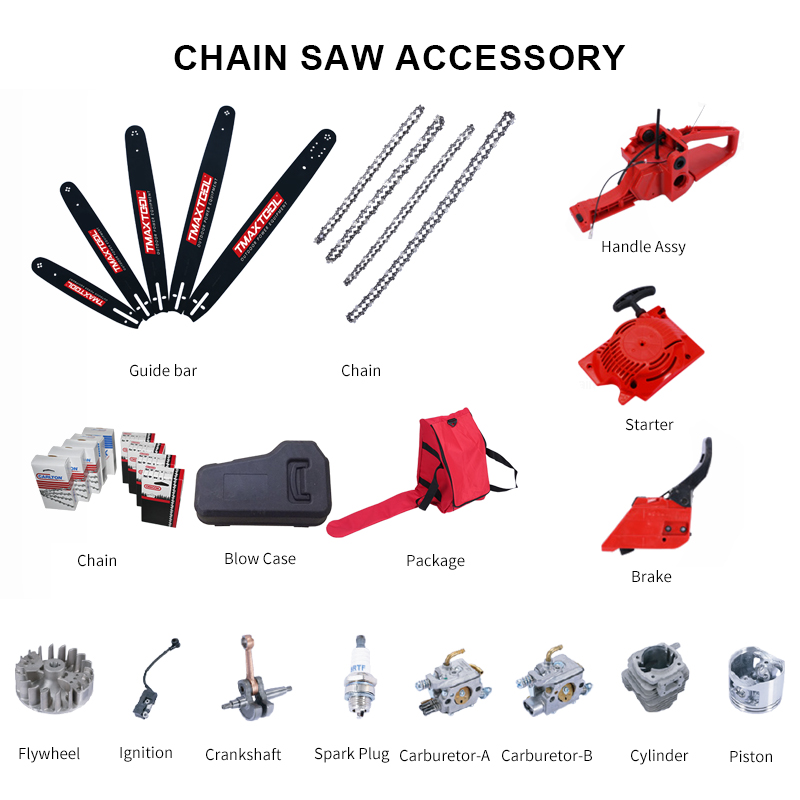 Chain Saw Accessory
 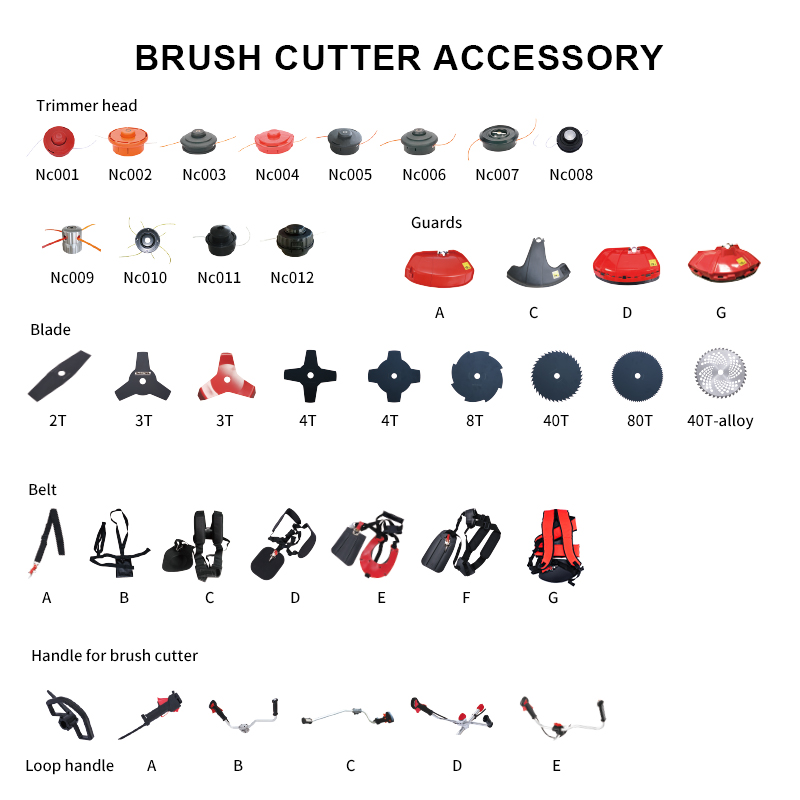 Brush Cutter Accessory
 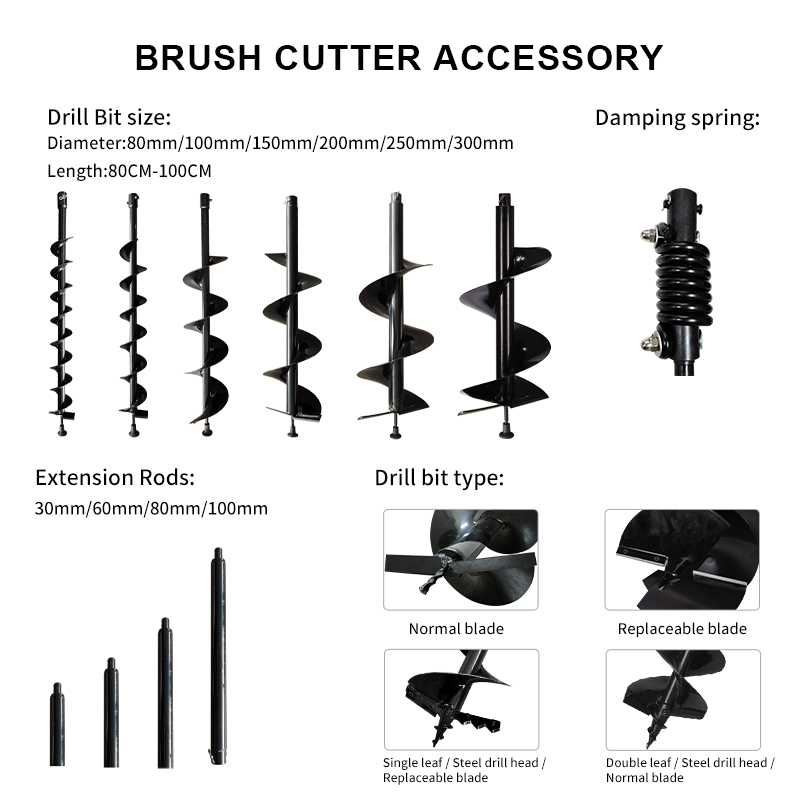 Earth Auger Accessory
 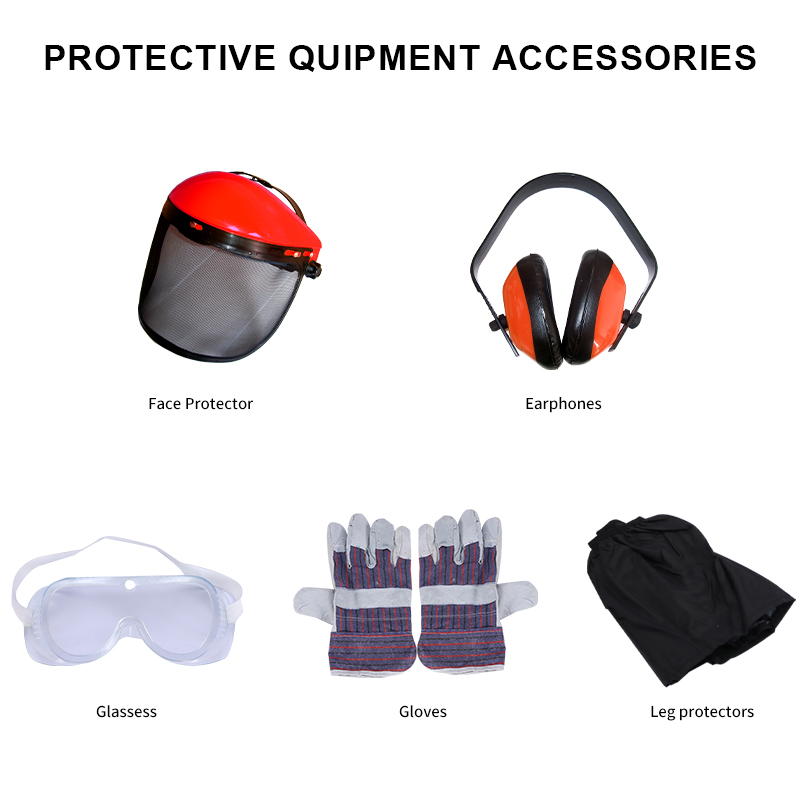 Protective Equipment Accessories
News
Leave Your Message


0102030405
Agricultural Machinery Product Innovation Guide
2026-07-27
Agricultural Machinery Product Innovation Guide
Table of Contents
- Understanding Global Agricultural Machinery Innovation Drivers
- Core Innovation Directions Reshaping Farm Equipment Lines
- How Power & Energy Innovation Improves Wholesale Profit Margins
- Modular Multi-Function Design: The Most Popular OEM Upgrade for Buyers
- Digital & Precision Farming Tech Integrated Into Entry-Level Machinery
- Sustainability Innovation: Meeting Global Regulatory & Retail Demands
- Customization Innovation Models for Distributors & Private Label Brands
- How to Evaluate Innovative Machinery Before Bulk Ordering
- Frequently Asked Questions
- Conclusion
Farm equipment distributors, wholesale importers and private label brand owners are constantly searching for machinery lines that stand out in crowded regional markets. Generic Gasoline Tillers, basic brush cutters and single-function farm machines struggle to drive repeat orders and healthy profit margins, while innovative agricultural equipment consistently outperforms standard models across Europe, Southeast Asia, Africa and Latin America.
Whether you manage retail hardware chains, regional dealer networks or cross-border e-commerce farm supply stores, understanding product innovation benchmarks will help you curate inventory that aligns with local farmer demands, passes regional compliance standards and creates long-term competitive advantages. This guide breaks down actionable innovation frameworks, market-proven upgrades and procurement strategies tailored exclusively for international agricultural machinery buyers.
Understanding Global Agricultural Machinery Innovation Drivers
Before evaluating new machinery designs, it is critical to identify the four core global forces pushing continuous product innovation within the farm equipment sector. Every successful innovative product line directly addresses at least one of these market shifts.
Labor Shortage Pressures Across All Farming Regions
Rising labor costs and shrinking rural workforces force smallholder and commercial farmers to prioritize equipment that cuts manual working time. Machinery with automated operation, multi-task attachments and lightweight ergonomic builds has become non-negotiable for end users, creating strong buyer demand for suppliers investing in labor-saving innovation.
Evolving Global Emission & Safety Regulations
Regulatory standards tighten annually across major markets: EU Stage V emission limits, North America EPA engine rules, and regional safety certification requirements force manufacturers to redesign engine systems, protective components and control panels. Importers who source innovative pre-compliant machinery avoid costly post-arrival modifications and delayed customs clearance.
Mixed-Scale Farming Demand
Modern end users range from small backyard garden operators to large commercial crop farms. One-size-fits-all equipment no longer sells consistently. Innovative modular, convertible machinery adapts to both small plot and large field work, expanding the target customer pool for distributors without requiring separate inventory lines.
Consumer Shift Toward Low-Cost Total Ownership
Farmers now evaluate equipment based on long-term costs, not just upfront purchase price. Innovations that reduce fuel consumption, extend service intervals and simplify spare part replacement deliver clear value propositions that drive higher retail conversion rates for wholesale partners.
Core Innovation Directions Reshaping Farm Equipment Lines
Industry R&D teams focus on six high-impact innovation categories that deliver tangible selling points for global importers. Each category includes real-world product examples applicable to tillers, Water Pumps, backpack sprayers, wood chippers and multi-function garden power tools.
| Innovation Category | End User Benefits | Best-Selling Machinery Types |
|---|---|---|
| Lightweight High-Power Engine Redesign | Less operator fatigue, lower shipping weight, reduced fuel use | Backpack brush cutters, portable water pumps, mini tillers |
| Modular Attachment Compatibility | Single machine handles tilling, cutting, drilling, spraying | Multi-function petrol power units, cordless farm tool systems |
| Smart Operation Control Panels | Adjustable speed, overload protection, easy troubleshooting | Electric start wood chippers, variable speed rotary tillers |
| Low-Maintenance Structural Upgrades | Fewer wear parts, simplified cleaning, extended service cycles | Leaf blowers, agricultural sprayers, irrigation pumps |
| Hybrid & Cordless Power Alternatives | Zero emissions for indoor/orchard work, quiet operation | Battery-powered mini tillers, electric pruning machinery |
| Ergonomic Human Factor Optimization | Vibration reduction, adjustable handles, safety lock triggers | All handheld and backpack agricultural equipment |
Many mid-tier suppliers only focus on cosmetic redesign, while top-tier manufacturers build innovation into core mechanical systems. For importers, mechanical innovation creates lasting market differentiation that generic paint or logo changes cannot replicate.
How Power & Energy Innovation Improves Wholesale Profit Margins
Power system innovation is the highest ROI upgrade for agricultural machinery inventory, as energy efficiency directly appeals to cost-conscious farmers and opens higher price brackets for distributors. Two dominant power innovation trends currently dominate global farm equipment development.
Optimized Low-Emission Gasoline Engines
Traditional two-stroke engines suffer from high fuel waste, loud operation and strict regulatory limitations. Modern innovative engine upgrades include improved carburetor systems, internal exhaust filtration and friction-reduced crankshaft components. These adjustments deliver 20-30% lower fuel consumption while meeting international emission standards without sacrificing power output.
For importers, compliant low-emission engines eliminate two major pain points: failed regional certification testing and negative customer feedback around high running costs. Retailers can market these machines as “fuel-saving professional equipment” to command a 15-25% higher retail price compared to standard engine models.
Cross-Platform Lithium Battery Ecosystems
Cordless agricultural machinery represents the fastest-growing innovation segment in global farm supply markets. The most successful OEM battery innovations center on universal interchangeable battery platforms, rather than single-tool proprietary packs. A single 20V or 40V lithium battery can power tillers, sprayers, cutting tools and irrigation pumps, drastically lowering the barrier for end users to expand their equipment collection.
Key battery innovation features buyers should prioritize: long cycle life cells, fast charging systems, built-in overheat protection and compliance with UN38.3 shipping standards. Suppliers offering customizable battery capacity tiers allow distributors to curate entry-level and premium product SKUs for different market segments.
Modular Multi-Function Design: The Most Popular OEM Upgrade for Buyers
Modular multi-function design is the most widely adopted innovation requested by global wholesale buyers, thanks to its ability to streamline inventory and expand retail sales potential. This design framework builds a single core power unit that supports quick-swappable working attachments for dozens of agricultural tasks.
Core Advantages for Distributors
- Reduced warehouse storage volume: One machine base replaces 5-8 separate single-function tools, cutting inventory carrying costs.
- Cross-selling opportunities: Customers purchase additional attachments after buying the main power unit, generating recurring accessory revenue.
- Simplified logistics: Fewer unique product SKUs lower container shipping complexity and reduce order minimum quantity barriers.
- Flexible market targeting: Swap heavy-duty farm attachments for light garden heads to serve both agricultural and residential buyers.
Standard Modular Innovation Customization Options
Suppliers with mature modular innovation pipelines offer full OEM adjustments for regional demand:
- Region-specific attachment sets (rice harvesting cutters for Southeast Asia, soil augers for Australia, weed trimmers for European vineyards)
- Custom connection locking mechanisms for quick tool switching without specialized tools
- Reinforced gearbox upgrades for heavy-duty commercial farm applications
- Color-coded attachment labeling for easy retail display and customer operation
Importers can also request exclusive ODM modular designs to create unique product lines unavailable to competing regional distributors.
Digital & Precision Farming Tech Integrated Into Entry-Level Machinery
Once reserved for high-end large farm equipment, digital precision innovation has scaled down to affordable small and medium agricultural machinery, creating powerful unique selling points for wholesale catalogs.
Accessible Digital Innovation Features for Mass-Market Equipment
- Built-in pressure sensors for backpack sprayers that auto-adjust liquid flow based on walking speed, cutting chemical waste by up to 25%
- Digital RPM displays on tillers and wood chippers to monitor load and prevent motor burnout
- Overload auto-shutdown systems that extend machine lifespan and reduce warranty claims
- Simple digital hour meters for tracking maintenance cycles, a highly valued feature for commercial farm operators
Unlike large autonomous farm vehicles, these compact digital upgrades add minimal production cost while enabling distributors to market machinery as “smart precision farming equipment” to stand out against basic competitors. For regional markets with growing commercial farming sectors, digital feature sets become decisive purchasing factors for bulk farm buyers.
Sustainability Innovation: Meeting Global Regulatory & Retail Demands
Sustainability-focused product innovation is no longer a niche marketing add-on; it is a mandatory requirement to access major retail channels across Europe, North America and Oceania. Two core sustainable innovation pillars guide modern agricultural machinery development.
Eco-Friendly Material & Component Innovation
Top manufacturers integrate recycled high-strength plastic housings, low-leak fuel tank designs and biodegradable lubricant-compatible engine parts. These upgrades satisfy retailer sustainability audit standards and appeal to eco-conscious farm operators focused on reducing chemical and fuel runoff into soil and water sources.
Noise & Vibration Reduction Innovation
Strict urban and suburban farming noise limits push demand for low-decibel machinery. Innovative isolation mount systems, redesigned exhaust silencers and balanced cutting blades lower operating noise by 10-18 decibels. This allows farmers to operate equipment during extended hours in residential zones, a critical selling feature for mixed rural-suburban markets.
Sustainability-focused machinery also qualifies for government farm equipment subsidies in dozens of countries, creating extra marketing leverage for distributors to drive bulk sales.
Customization Innovation Models for Distributors & Private Label Brands
Product innovation does not end at factory R&D; successful suppliers offer tiered customization innovation pathways aligned with different buyer business models, from small startup distributors to large national retail chains.
Tier 1: OEM Standard Innovation (Low MOQ, Fast Lead Time)
Leverage existing factory innovative product platforms with surface-level customization: custom brand logos, unique housing color matching, regional plug/charger adaptations and multilingual user manuals. Ideal for new importers testing market demand without large upfront investment. Most suppliers support this tier with order minimums as low as 50 pieces per model.
Tier 2: Functional Upgrade OEM (Mid-Volume, Differentiated Inventory)
Modify core innovative mechanical features of existing machinery: adjust engine power output, upgrade battery capacity, add exclusive attachment sets or strengthen structural components for harsh regional terrain. This tier creates semi-exclusive product lines that competitors cannot source from generic suppliers.
Tier 3: Full ODM Original Innovation (Exclusive Long-Term Partnership)
Collaborate with supplier engineering teams to develop completely original machinery designs built around your regional market’s unique farming needs. This includes custom engine architecture, proprietary modular attachment systems and unique ergonomic frames. ODM innovation delivers full market exclusivity and maximum profit margins for established large-volume distributors.
How to Evaluate Innovative Machinery Before Bulk Ordering
Many importers mistakenly judge innovation based only on product catalog images, leading to inventory that fails local market expectations. Use this step-by-step evaluation checklist to validate genuine product innovation before placing large orders:
- Test mechanical performance consistency across multiple pre-production samples to confirm upgrades do not compromise reliability
- Cross-check component compliance against your target market’s certification standards (CE, RoHS, EPA, UN38.3)
- Calculate total cost of ownership for end users: fuel efficiency, spare part price and service cycle length
- Assess modular attachment compatibility and confirm spare part supply chains for all innovative components
- Request field test data from existing buyers in comparable agricultural regions to measure real-world customer feedback
- Verify supplier R&D capacity to confirm they can continue updating innovative features for future seasonal orders
Genuine innovation will always deliver measurable operational benefits for end farmers, not just cosmetic visual changes. Machinery relying solely on appearance tweaks will face rapid market saturation and price competition.
Frequently Asked Questions
What innovation types deliver the fastest retail sell-through for agricultural machinery?
Modular multi-function power units and low-emission fuel-efficient engines consistently record the highest turnover rates across all global regions, as they solve two universal farmer pain points: limited storage space and high daily operating costs.
Can small-volume importers access custom innovative ODM designs?
Most manufacturers separate OEM surface customization (low minimums) and full ODM original development (higher minimums). Smaller buyers can combine tier 1 OEM branding with tier 2 functional upgrades to access differentiated innovation without full custom mold investment.
How do digital precision features impact machinery warranty costs?
High-quality integrated digital sensors include built-in overload protection that reduces motor and gearbox failure rates, lowering long-term warranty claim volumes for distributors. Low-cost generic digital components carry higher failure risk, so always request full component quality test reports.
Are cordless battery agricultural machines suitable for large commercial farms?
40V and higher multi-battery power platforms deliver runtime matching mid-size gasoline machinery, making them ideal for orchards, greenhouse farming and small commercial plots. For large open-field operations, hybrid gasoline-electric innovative models balance power and eco-friendly operation.
What sustainability innovation features are required to enter EU retail chains?
Low-emission engine certification, noise reduction design and recyclable material construction are baseline requirements for major European hardware retailers. Suppliers without these sustainable innovations will face retail listing restrictions.
Conclusion
Agricultural machinery product innovation is the foundation of sustainable wholesale growth for global importers and distributors. As farming practices, regulatory rules and end-user cost priorities shift worldwide, inventory built around generic outdated designs will steadily lose market share to equipment integrating power efficiency, modular flexibility, digital precision and sustainable engineering.
The most successful procurement strategies combine two layers of innovation: factory mechanical upgrades that deliver tangible farmer value, plus tailored OEM/ODM customization that creates exclusive market differentiation for your brand or distribution network. By prioritizing innovation benchmarks over low upfront unit pricing, buyers build inventory lines with stronger retail demand, higher profit margins and long-term resistance to price competition.