
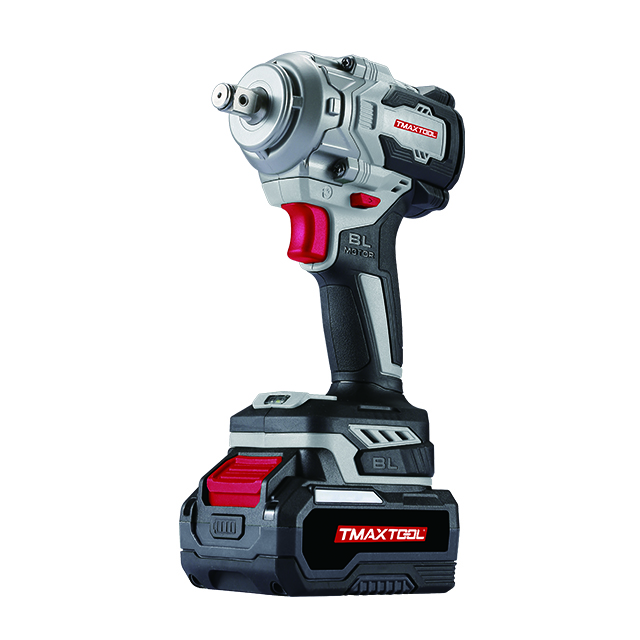
 Impact Wrench
 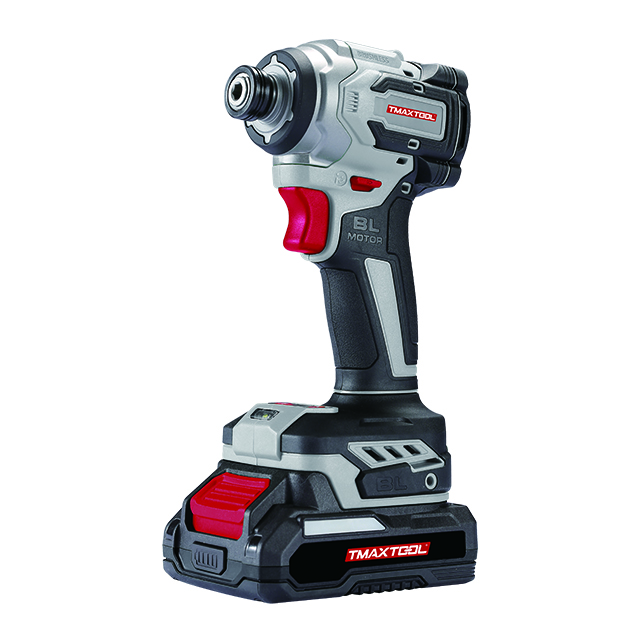 Screwdriver
 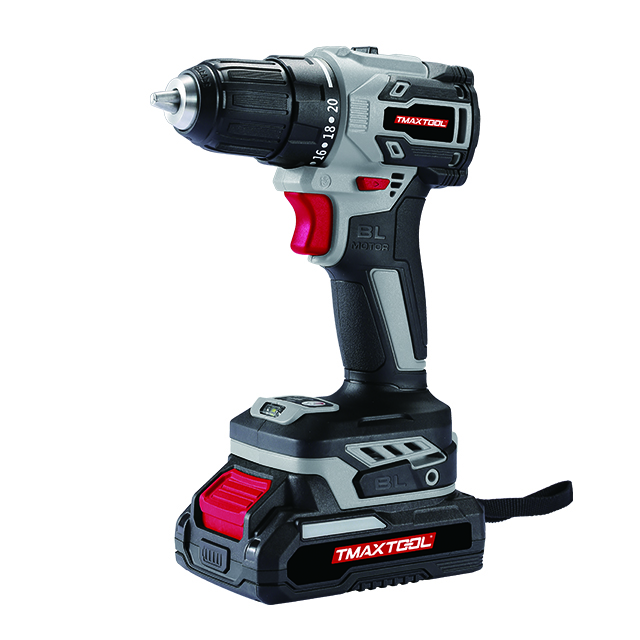 Cordless Drill
 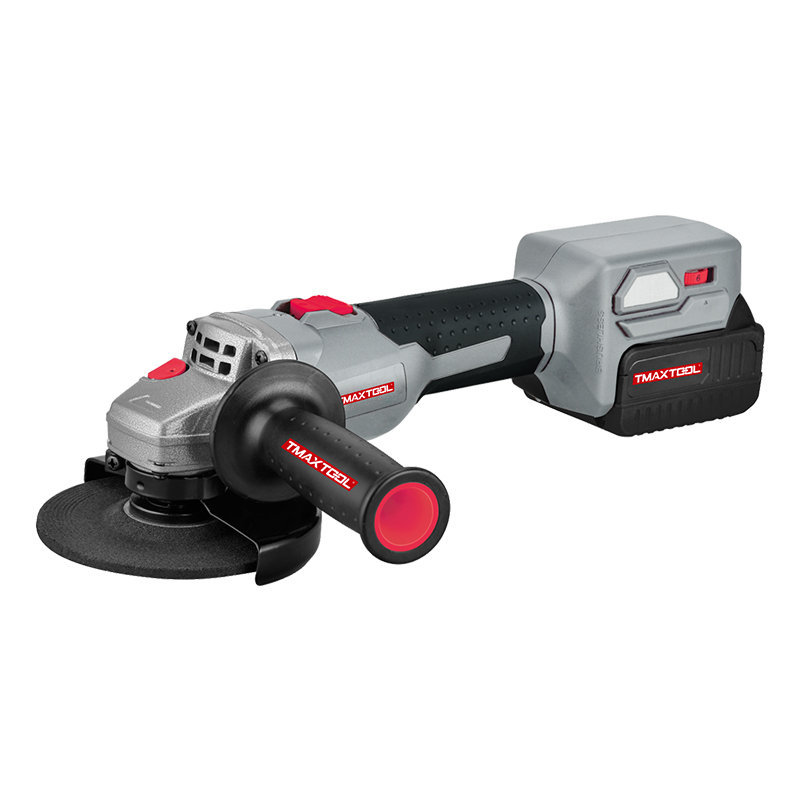 Angle Grinder
 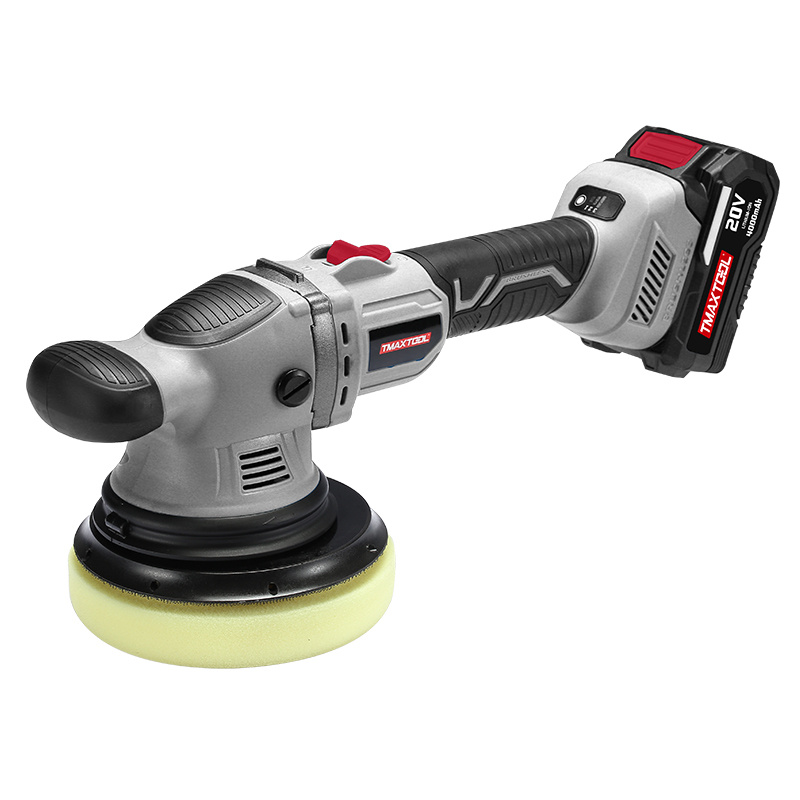 Polisher
 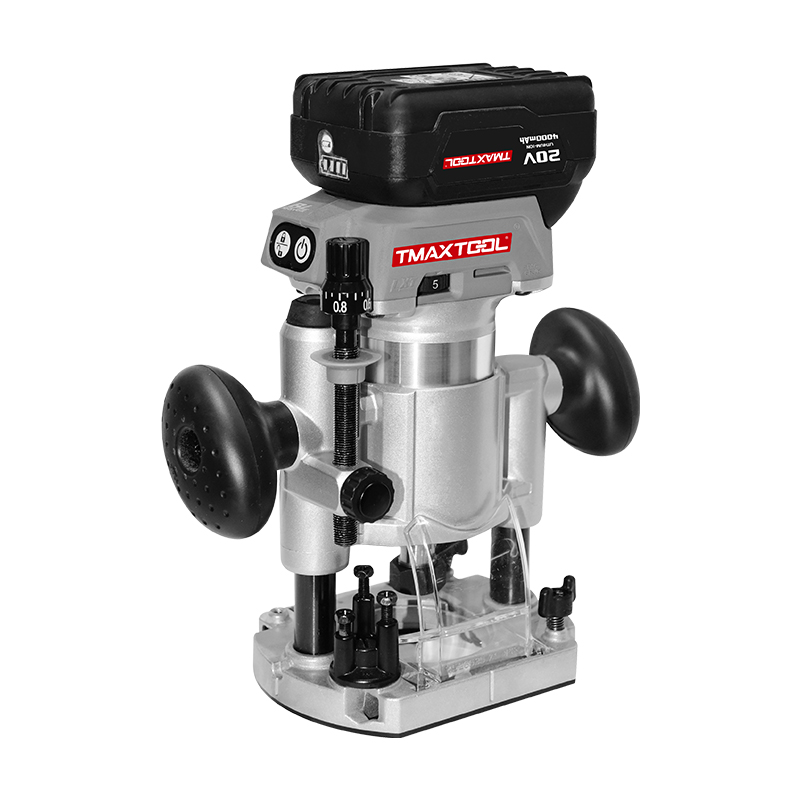 Wood Router
 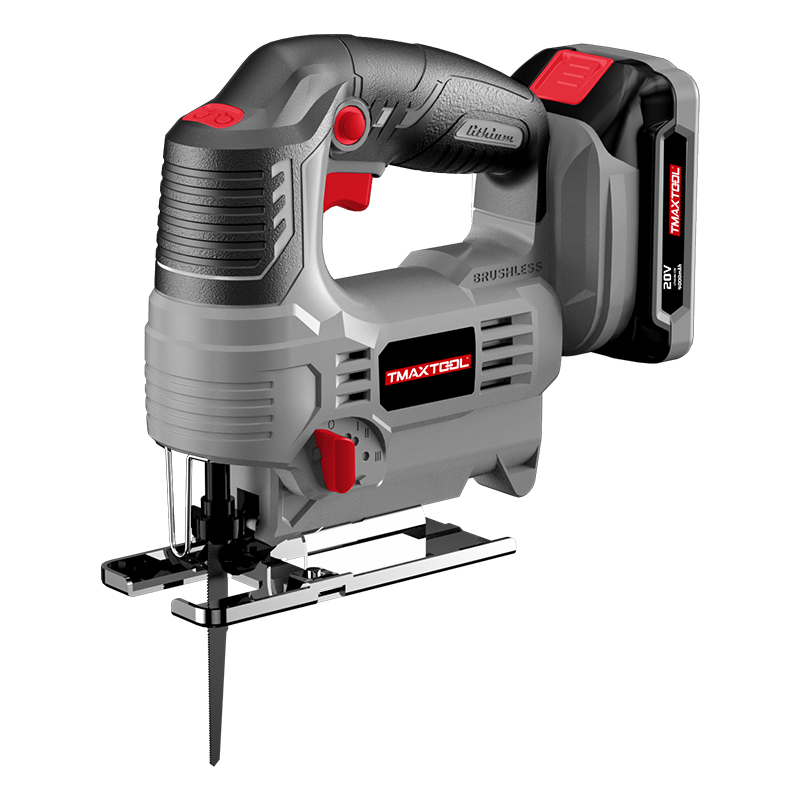 Jig Saw
 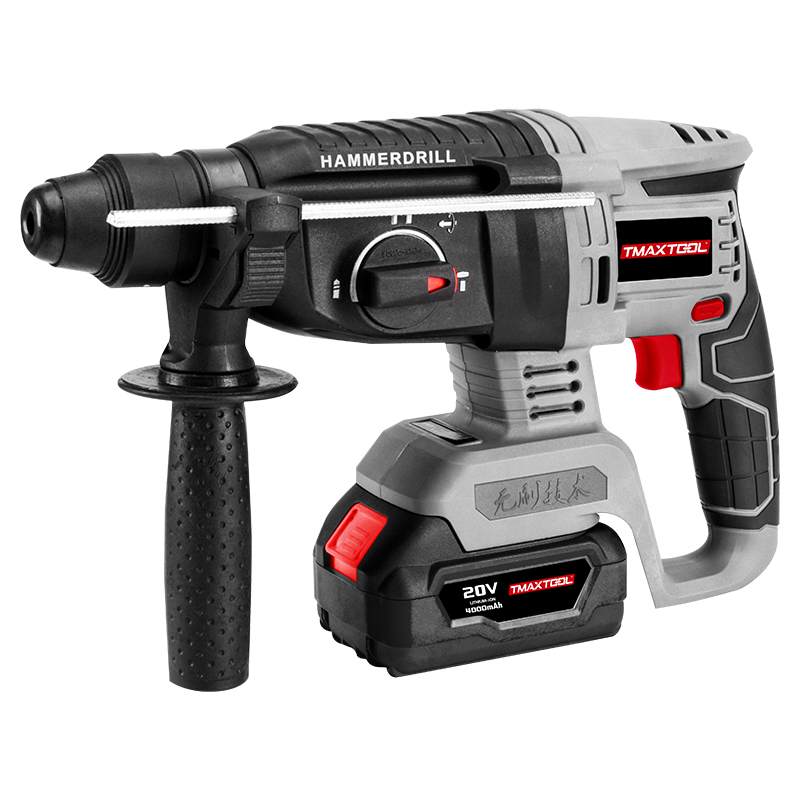 Hammer Drill
 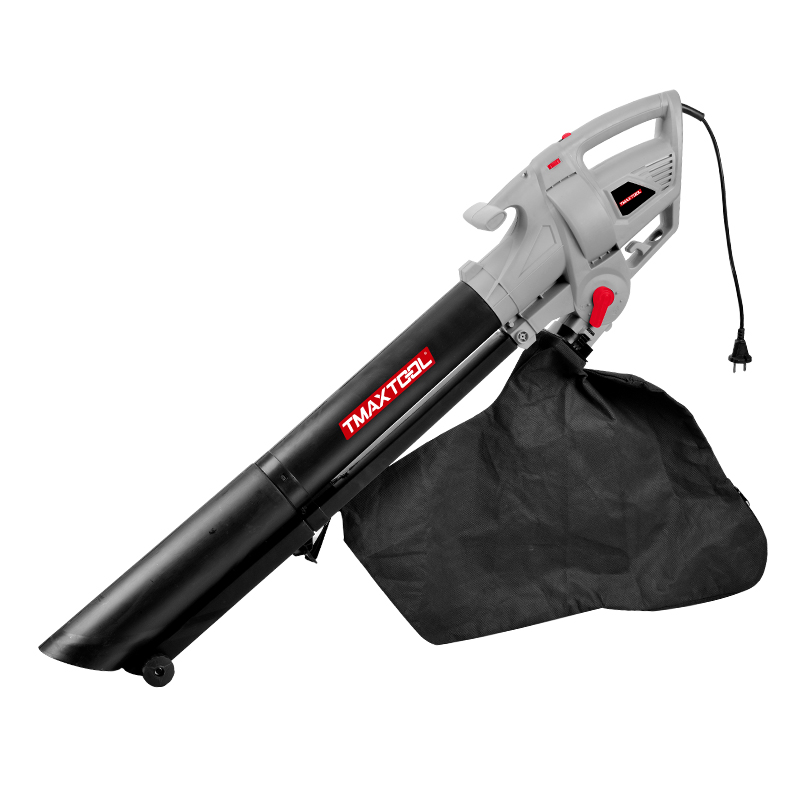 Portable Blower
  Orbital Sander
 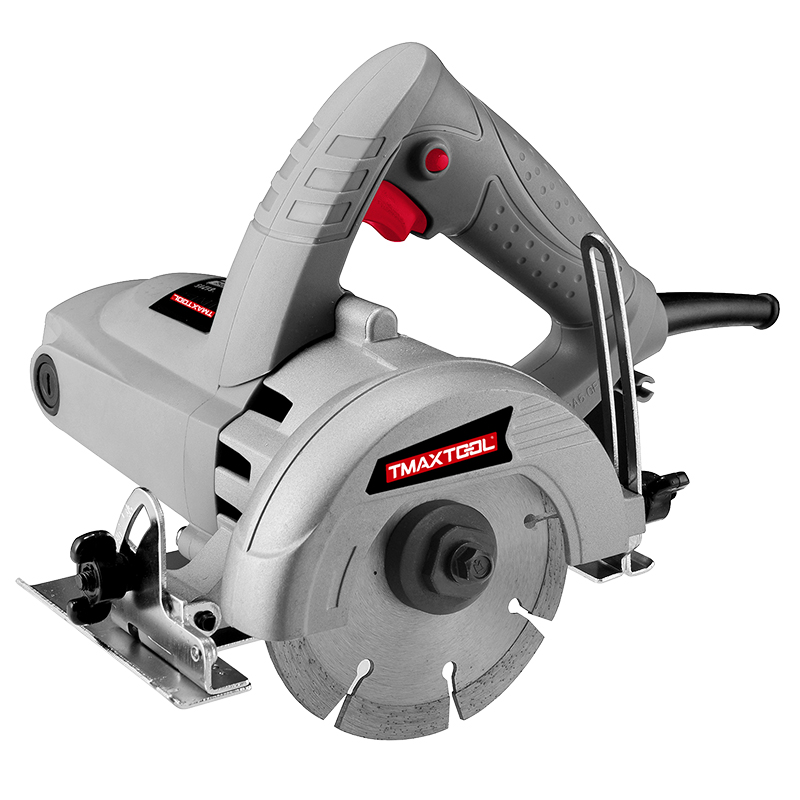 Marble Cutter
  GARDEN TOOLS
 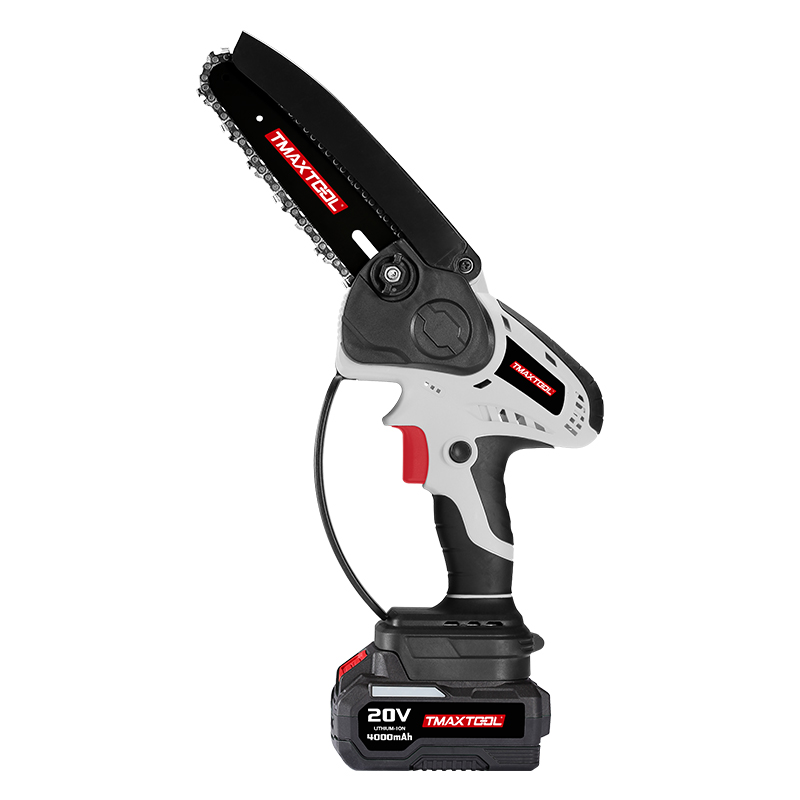 Battery Chain Saw
 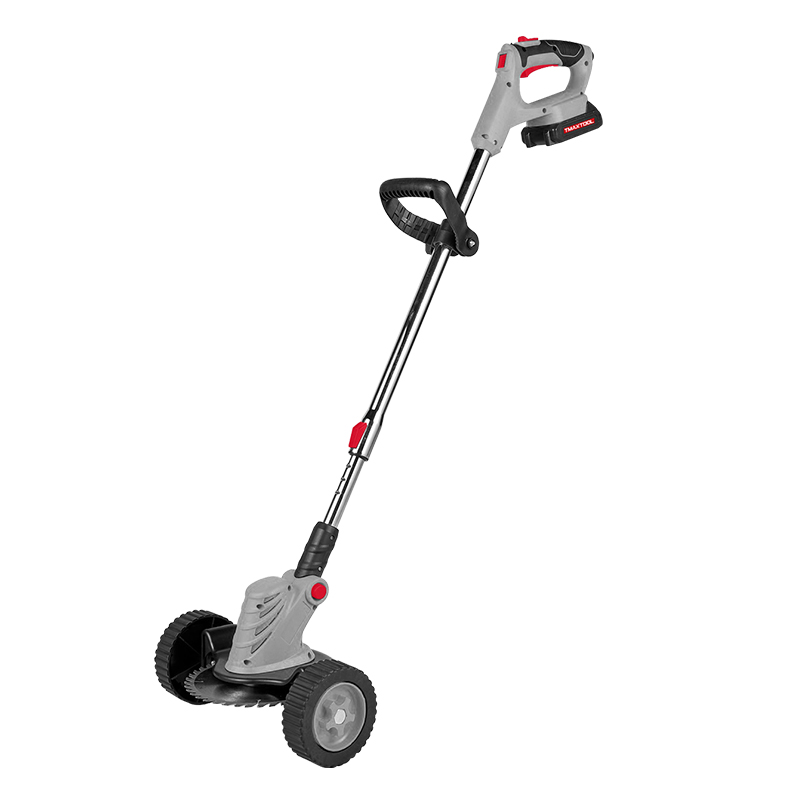 Battery Brush Cutter
 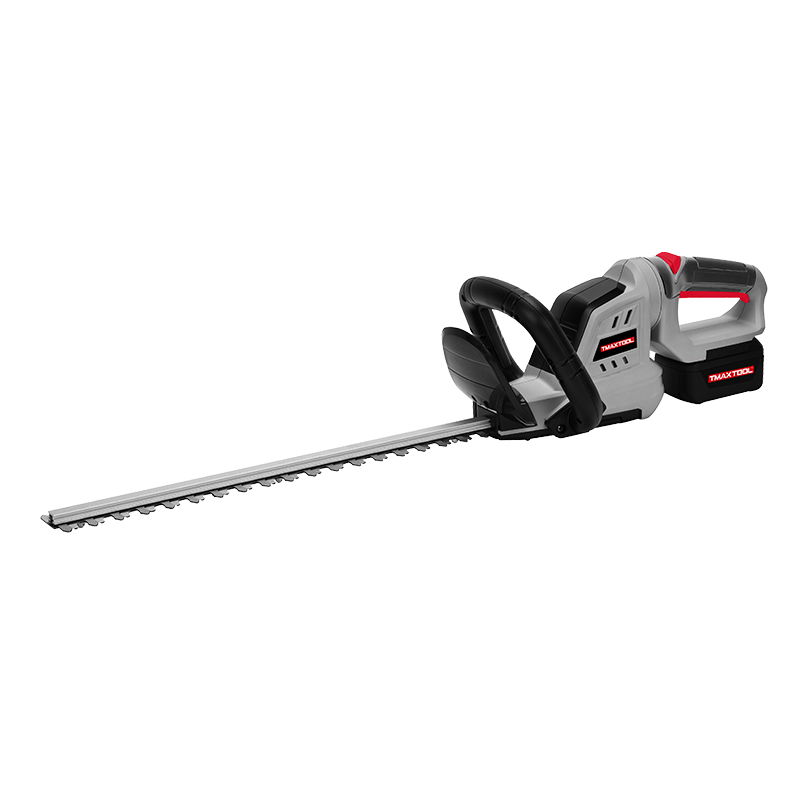 Battery Hedge Trimmer
 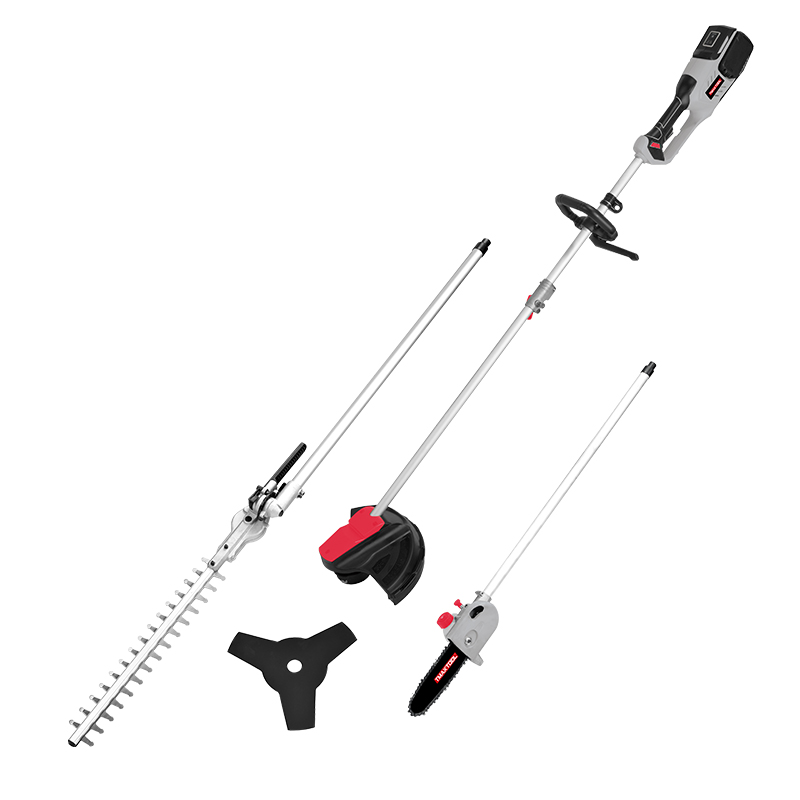 Battery Multi Tool
 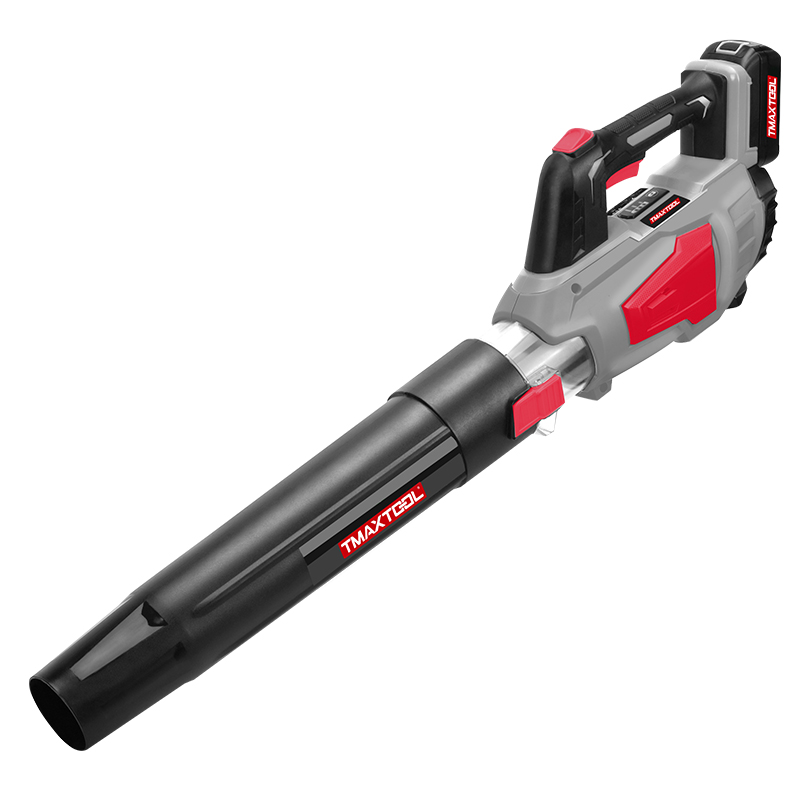 Battery Blower
 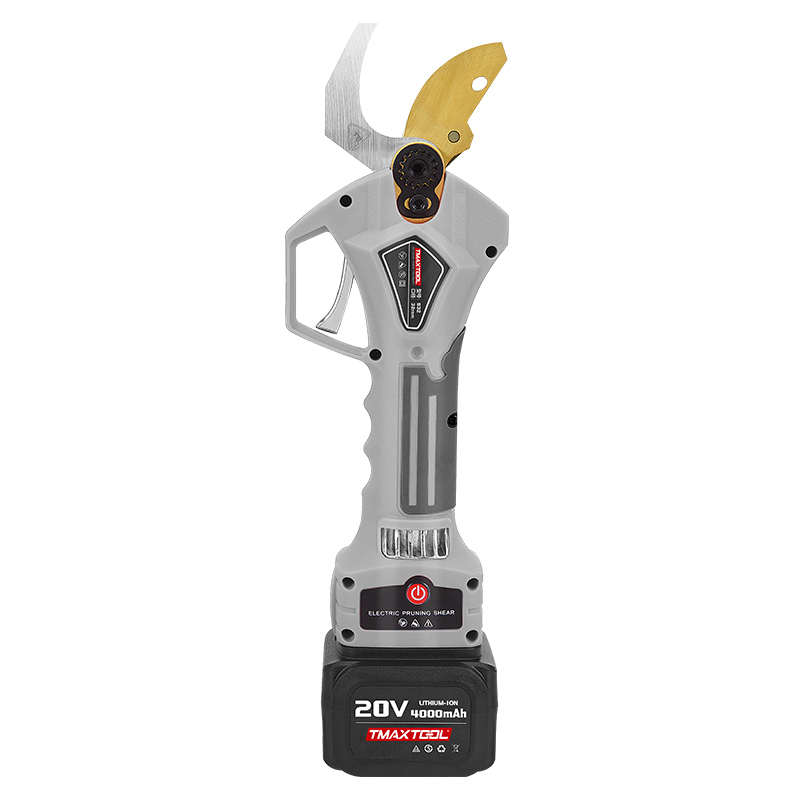 Batter Pruning Shears
 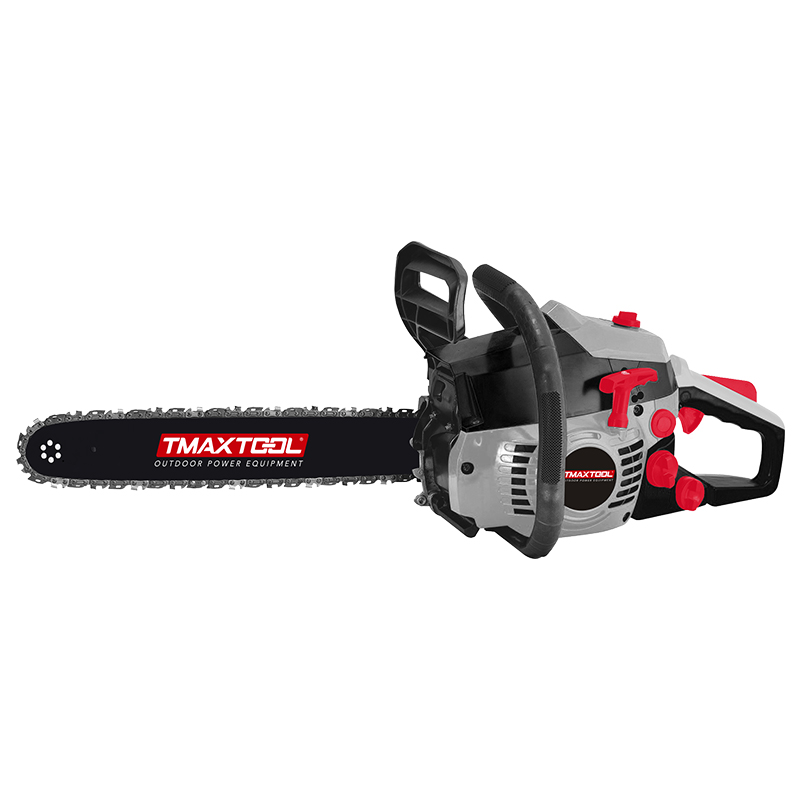 Chain Saw
  Brush Cutter
 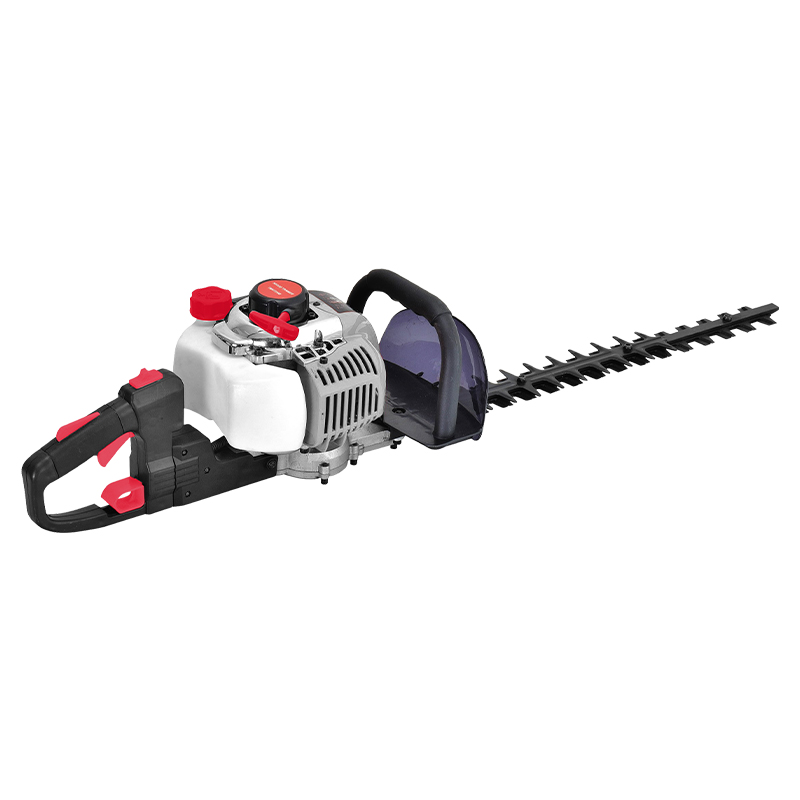 Hedge Trimmer
 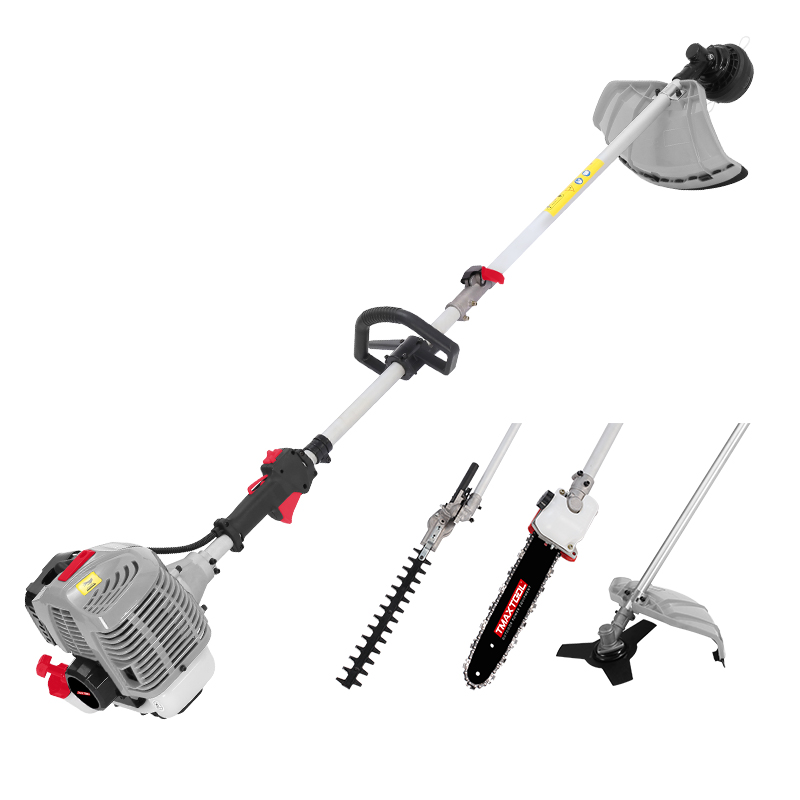 Multi Tool
 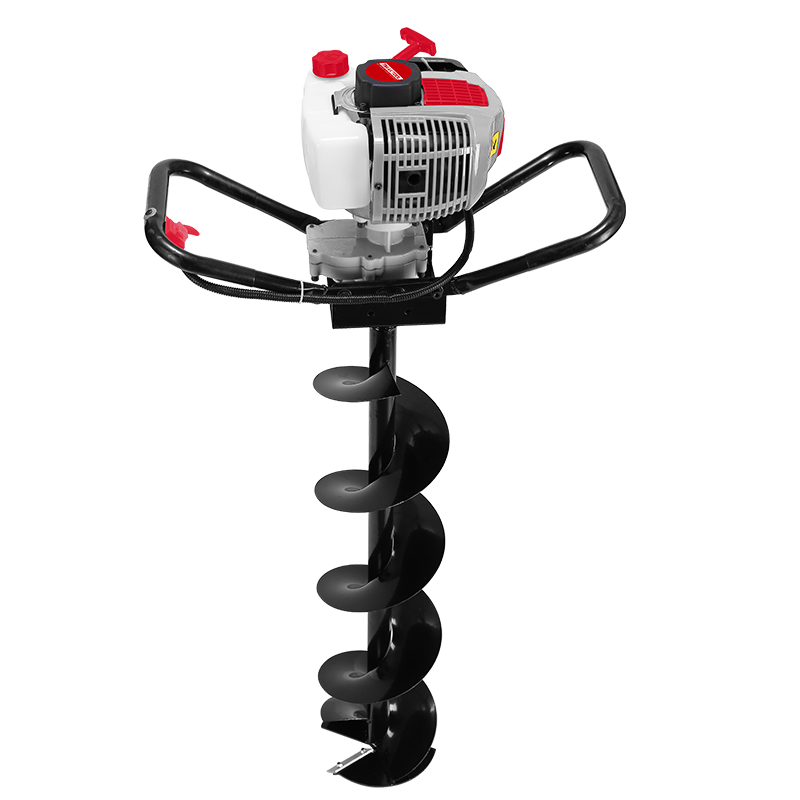 Earth Auger
 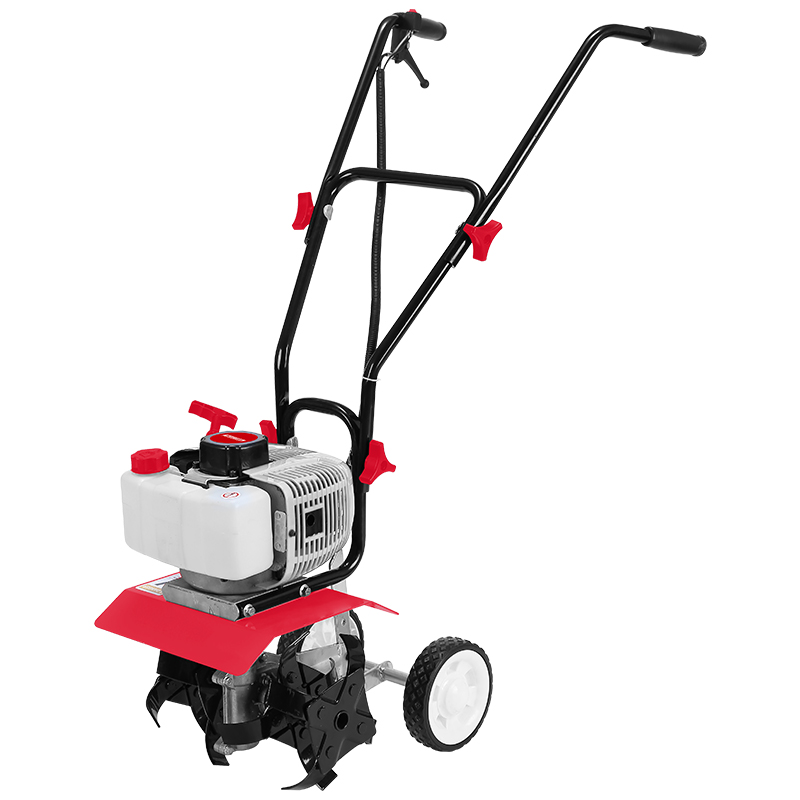 Tiller
 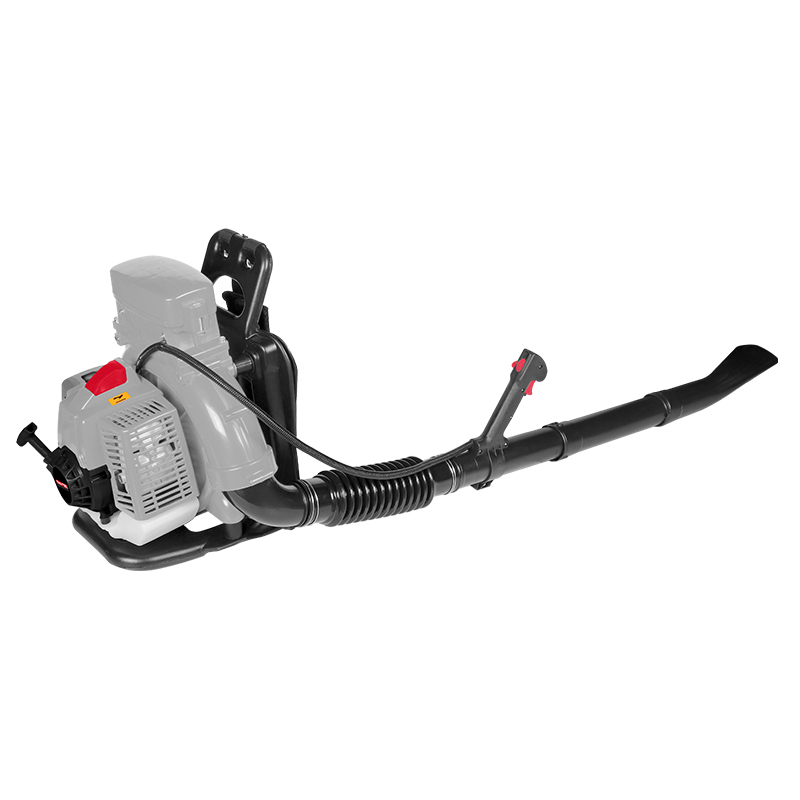 Blower
  4 Stroke Gasoline Engine
 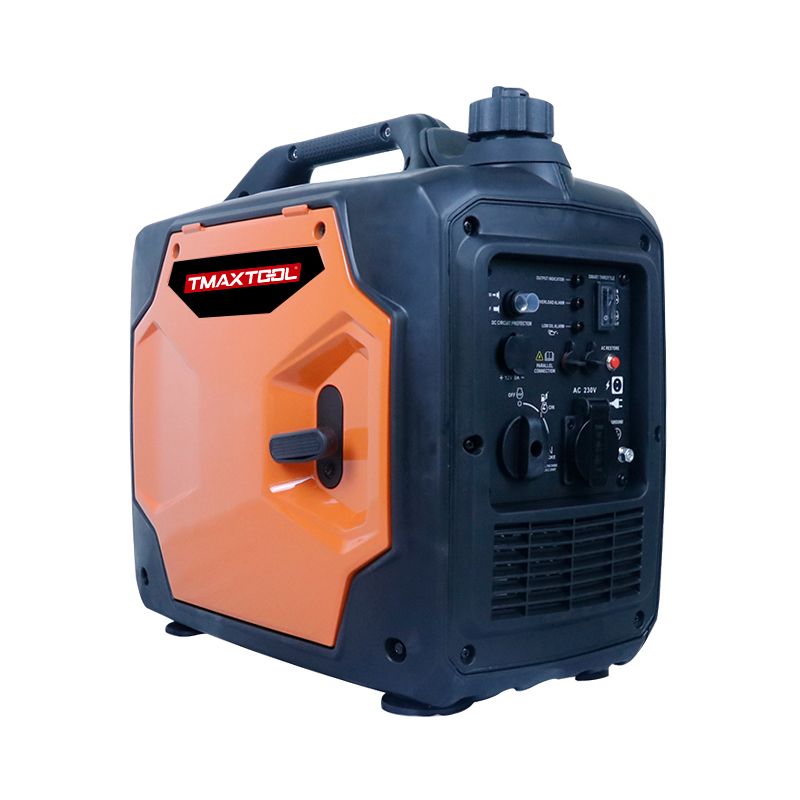 Generator
 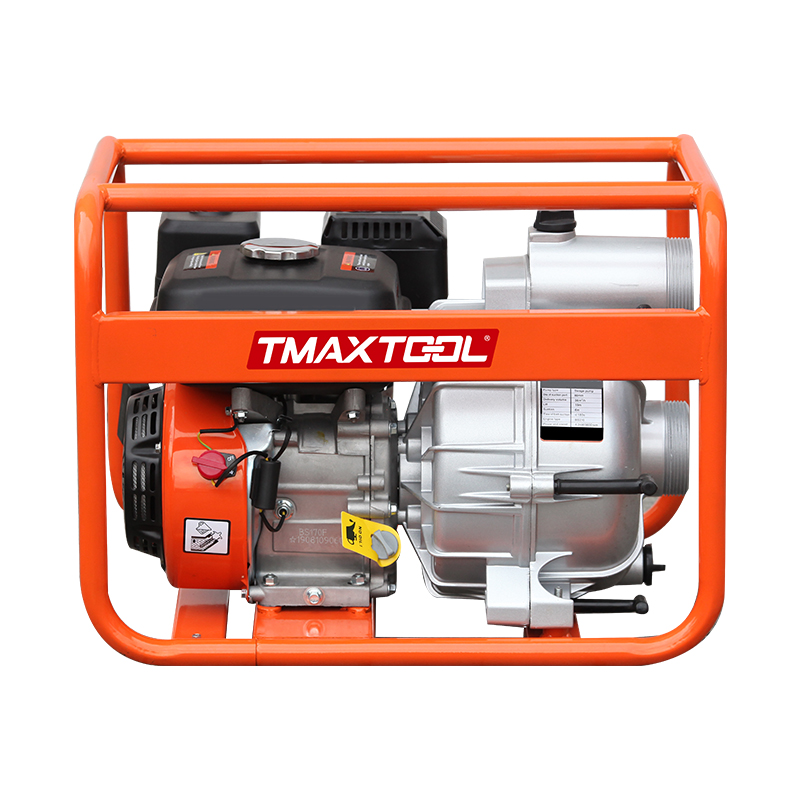 Water Pump
 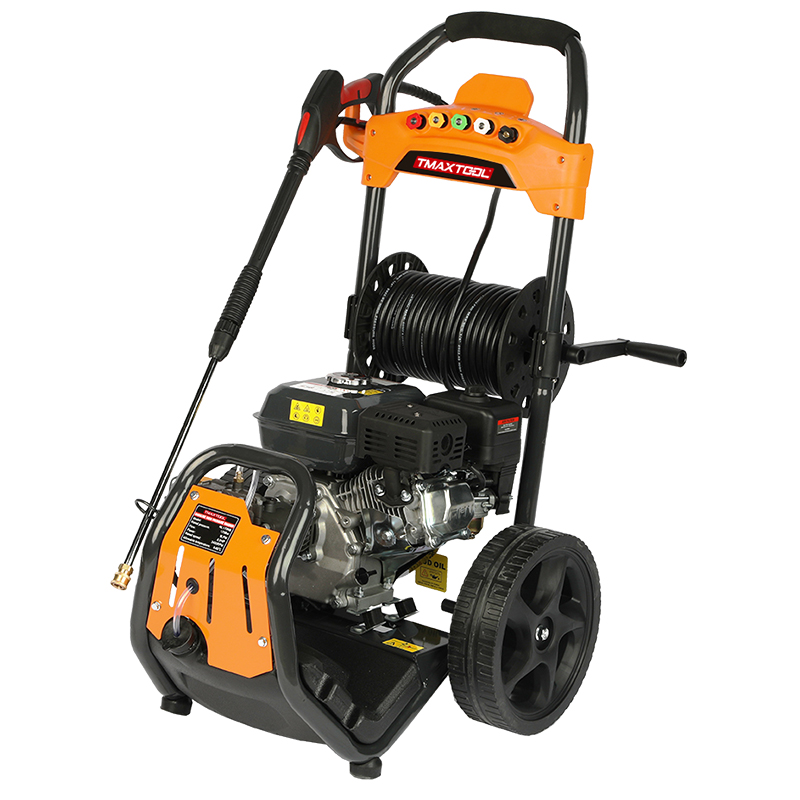 High Pressure Washer
 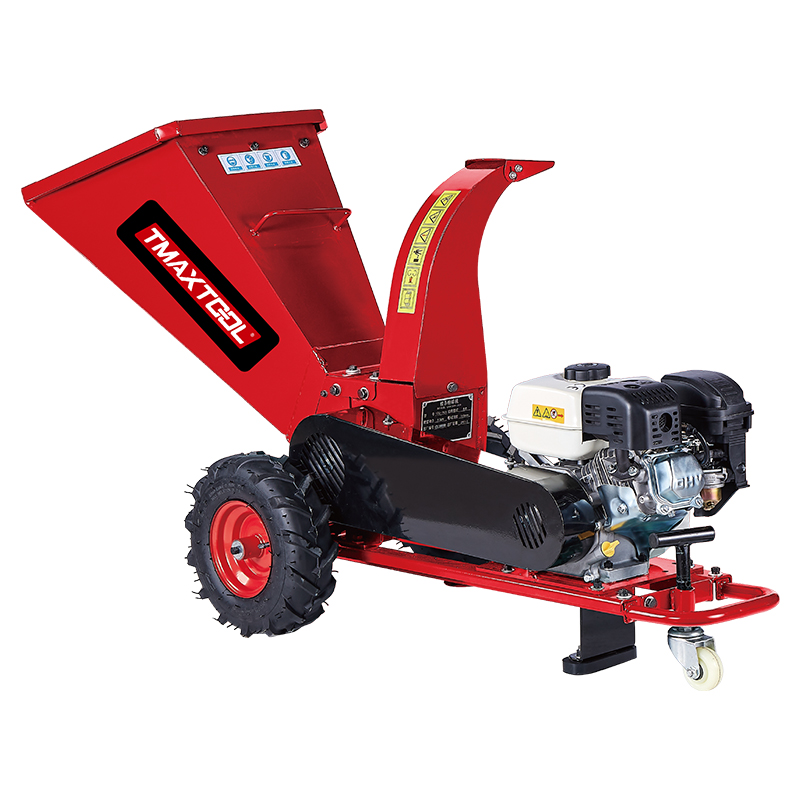 Wood Cutter
 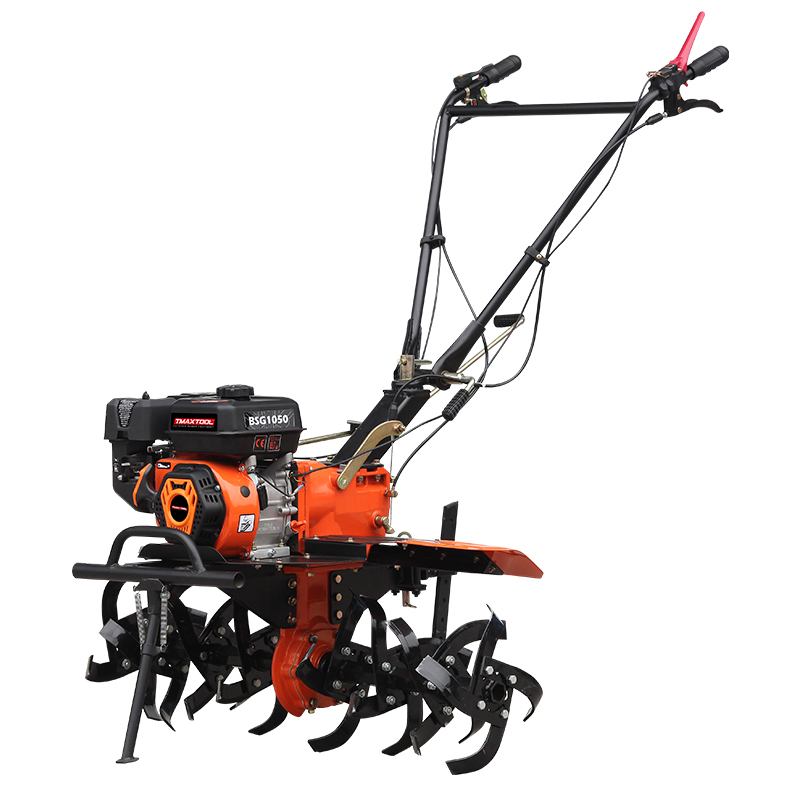 4 Stroke Tiller
  Chain Saw Accessory
  Brush Cutter Accessory
 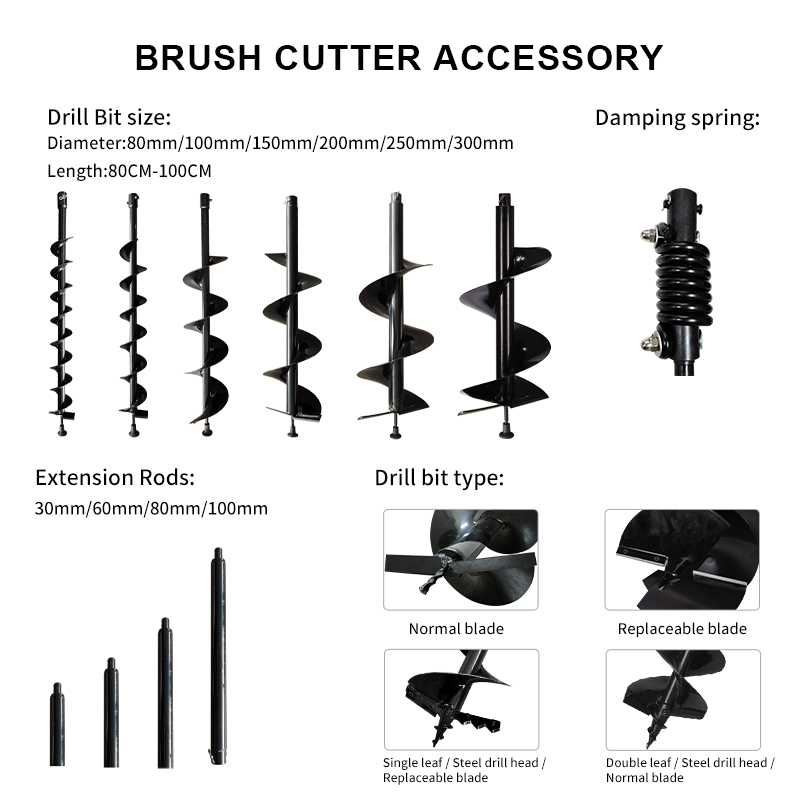 Earth Auger Accessory
  Protective Equipment Accessories
Products Knowledge
Leave Your Message


0102030405
Addressing Environmental Concerns in Marble Cutting: Dust and Noise Pollution
2025-07-07
Marble cutting is an essential process in the construction and decorative industries, known for its ability to transform raw stone into elegant and durable materials for various applications. However, this process also comes with significant environmental challenges, particularly in the form of dust and noise pollution. Understanding and mitigating these issues is crucial for both the health of workers and the sustainability of the industry.
Dust Pollution: A Major Environmental and Health Hazard
Dust generation is one of the most prominent environmental concerns associated with marble cutting. The process of cutting, grinding, and polishing marble releases fine particles into the air, which can have severe impacts on both the environment and human health.
Health Risks of Dust Exposure
The dust generated from marble cutting contains crystalline silica, a known carcinogen. Prolonged exposure to silica dust can lead to serious respiratory diseases, including silicosis, lung cancer, and chronic obstructive pulmonary disease (COPD). Workers in the marble industry are particularly at risk, as they are often in close proximity to the cutting processes.
Environmental Impact
Dust particles can also have a significant impact on the environment. When released into the air, they can travel long distances, affecting air quality in surrounding areas. This can lead to respiratory problems for nearby residents and wildlife. Additionally, dust settling on soil and water bodies can disrupt ecosystems and affect plant growth.

Noise Pollution: The Hidden Environmental Threat
Noise pollution is another critical issue in marble cutting operations. The machinery used in cutting and processing marble, such as saws, drills, and grinding tools, generates high levels of noise. This can have a detrimental impact on both workers and the surrounding community.
Health Risks of Noise Exposure
Prolonged exposure to high levels of noise can lead to noise - induced hearing loss (NIHL), a permanent condition that affects millions of workers globally. Additionally, noise pollution can cause stress, sleep disturbances, and other health issues, impacting overall well - being.
Environmental Impact
Noise pollution can also have a significant impact on wildlife. Animals that rely on hearing for communication, hunting, and navigation can be severely affected by high - level noise. This can disrupt their natural behaviors and lead to population declines in affected areas.
Mitigating Environmental Impacts: Best Practices and Solutions
Addressing the environmental challenges associated with marble cutting requires a combination of technological advancements, regulatory measures, and best practices in the workplace.
Dust Control Measures
- Wet Cutting Techniques: One of the most effective ways to reduce dust generation is by using wet cutting techniques. This involves spraying water onto the cutting surface, which helps to suppress dust particles and prevent them from becoming airborne.
- Dust Extraction Systems: Installing dust extraction systems in the workplace can significantly reduce the amount of dust in the air. These systems use powerful fans and filters to capture dust particles before they can spread.
- Personal Protective Equipment (PPE): Providing workers with appropriate PPE, such as masks and respirators, is essential for protecting their health. Regular training on the proper use and maintenance of PPE should also be provided.
Noise Reduction Strategies
- Sound - Insulating Equipment: Using sound - insulating materials and barriers around machinery can help to reduce noise levels in the workplace. This can include installing acoustic panels or enclosures around noisy equipment.
- Regular Maintenance: Ensuring that machinery is regularly maintained can help to reduce noise levels. Proper lubrication and alignment of moving parts can minimize friction and noise.
- Personal Protective Equipment (PPE): Providing workers with hearing protection, such as earplugs or earmuffs, is crucial for protecting their hearing. Regular hearing tests should also be conducted to monitor workers' hearing health.

Conclusion
Marble cutting is a vital process in the construction and decorative industries, but it comes with significant environmental challenges in the form of dust and noise pollution. Addressing these issues requires a proactive approach that includes the implementation of best practices, technological advancements, and regulatory measures. By adopting strategies such as wet cutting techniques, dust extraction systems, sound - insulating equipment, and regular maintenance, the industry can significantly reduce its environmental impact and protect the health of workers and the surrounding community.
For international wholesale procurement agents, understanding and addressing these environmental concerns can demonstrate a commitment to sustainability and responsible business practices. This can enhance the appeal of marble products in the global market, ensuring that they meet the growing demand for eco - friendly and socially responsible materials.