
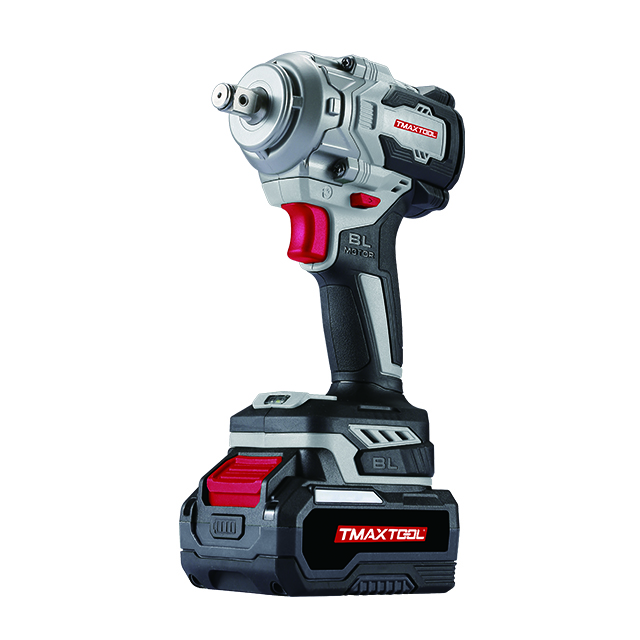
 Impact Wrench
 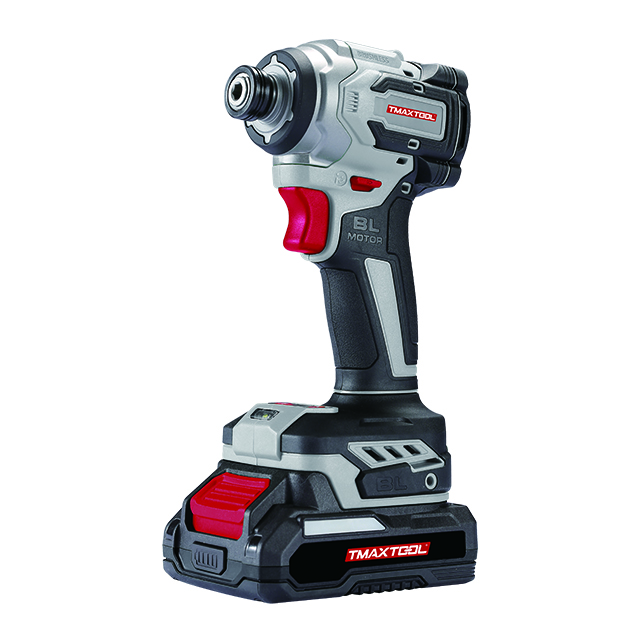 Screwdriver
 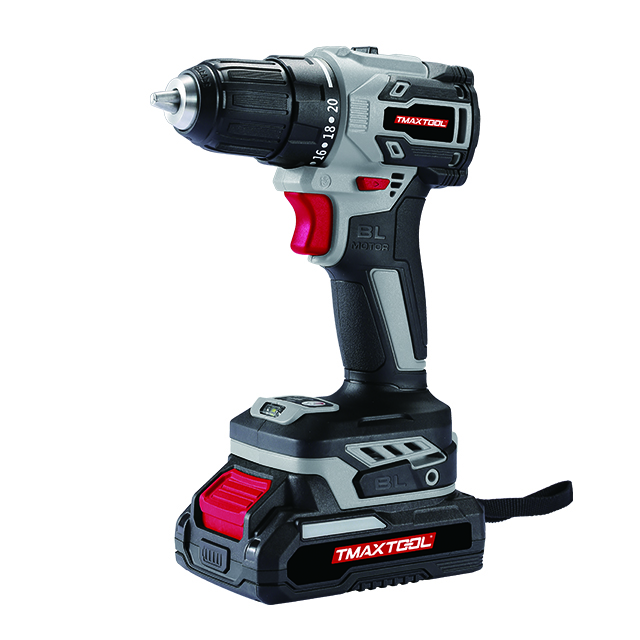 Cordless Drill
 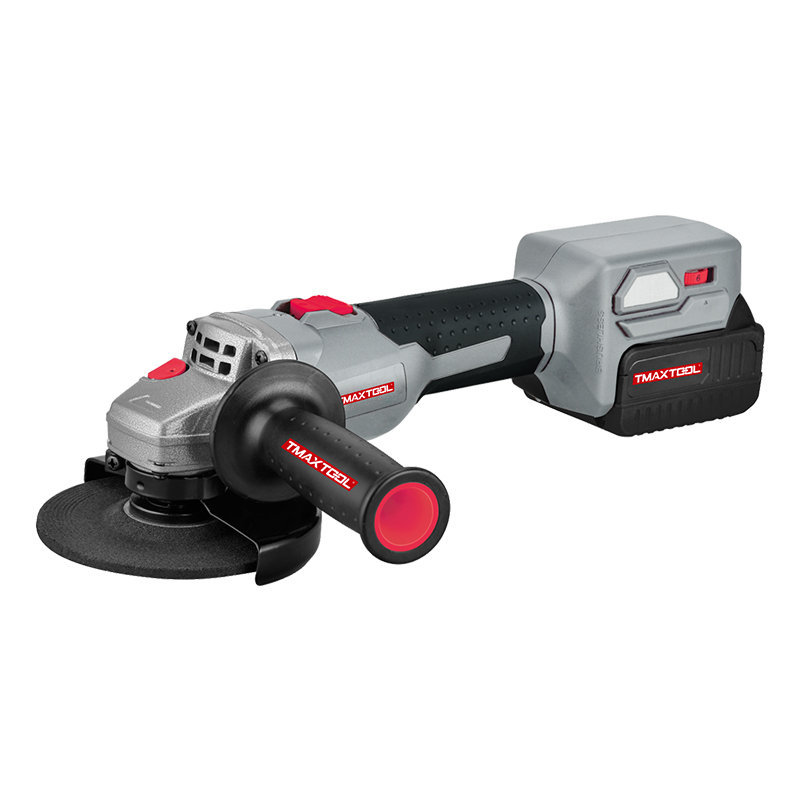 Angle Grinder
 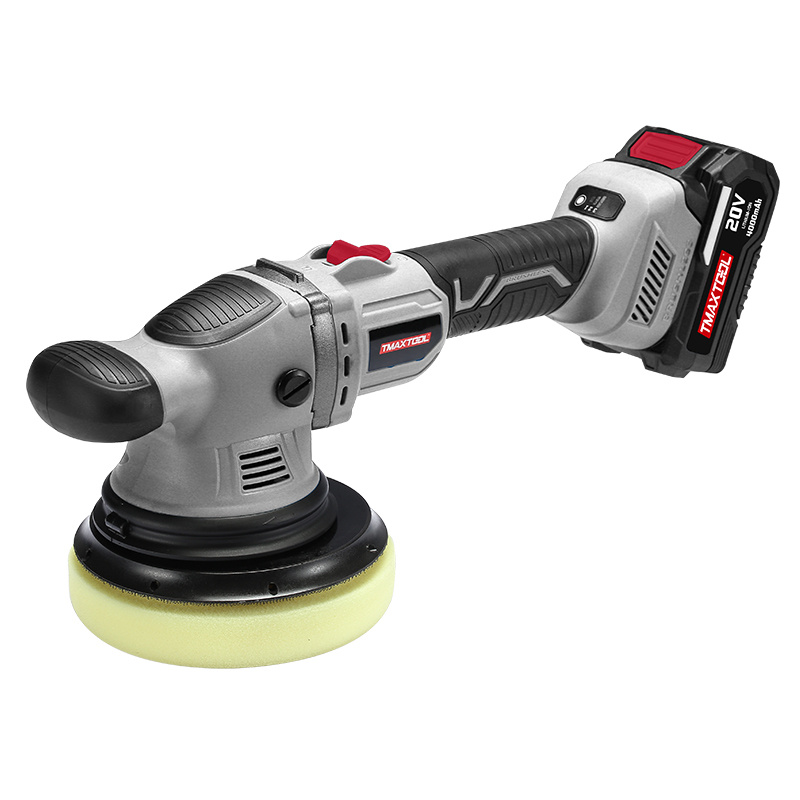 Polisher
 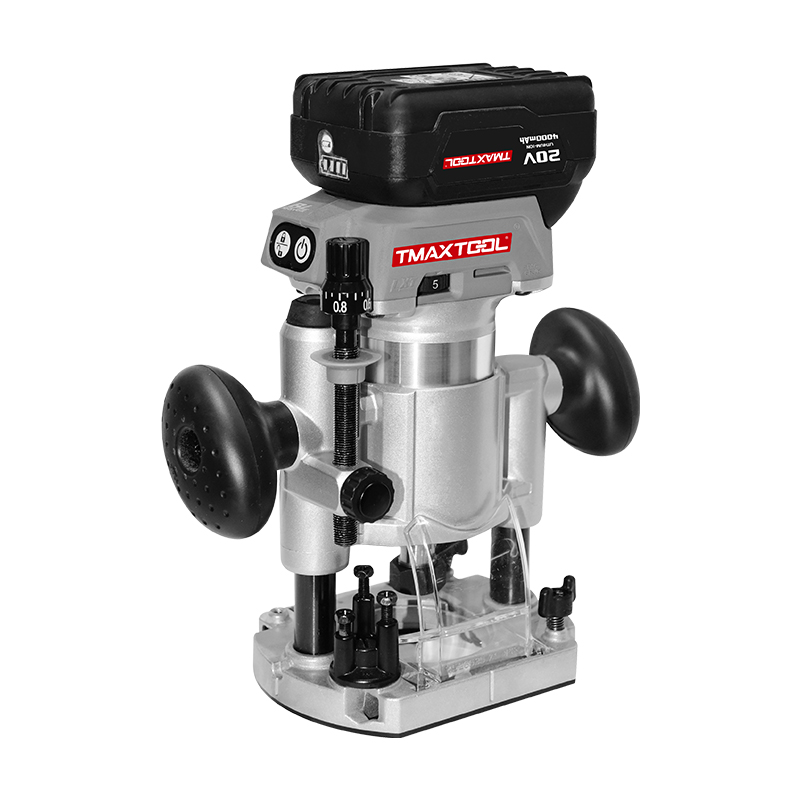 Wood Router
 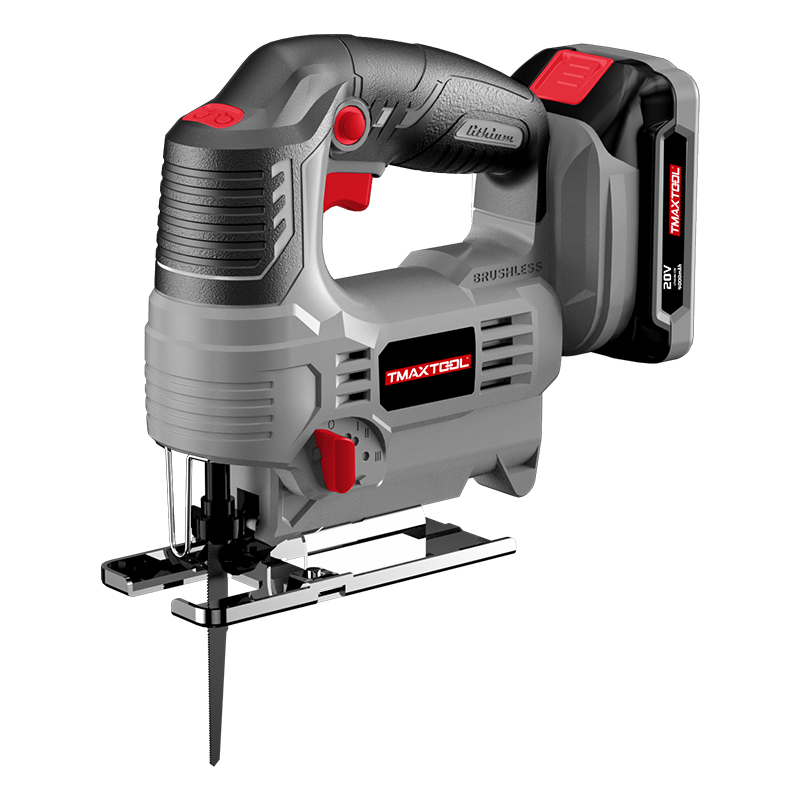 Jig Saw
 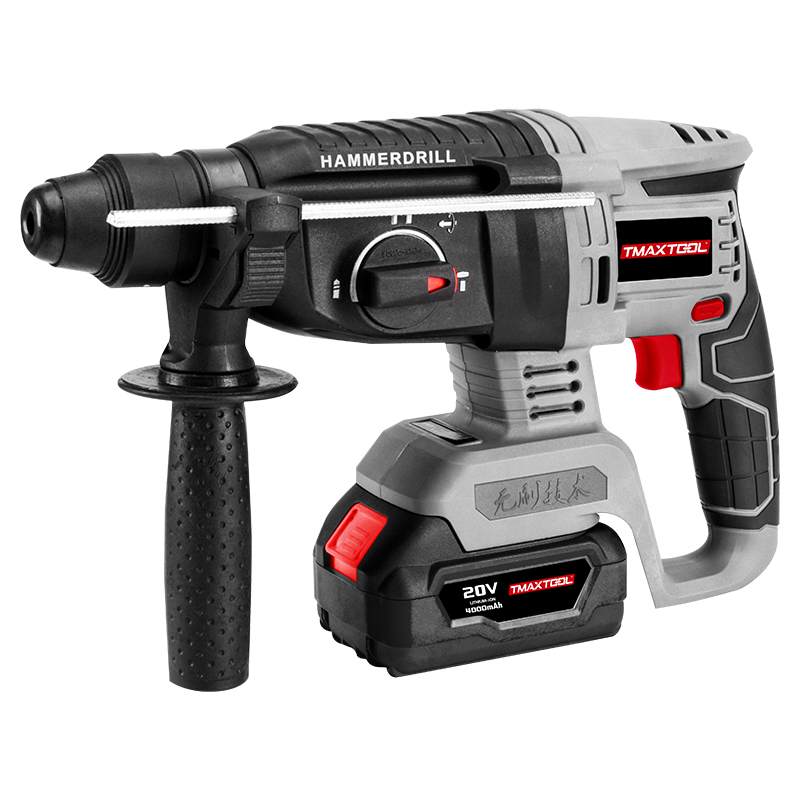 Hammer Drill
 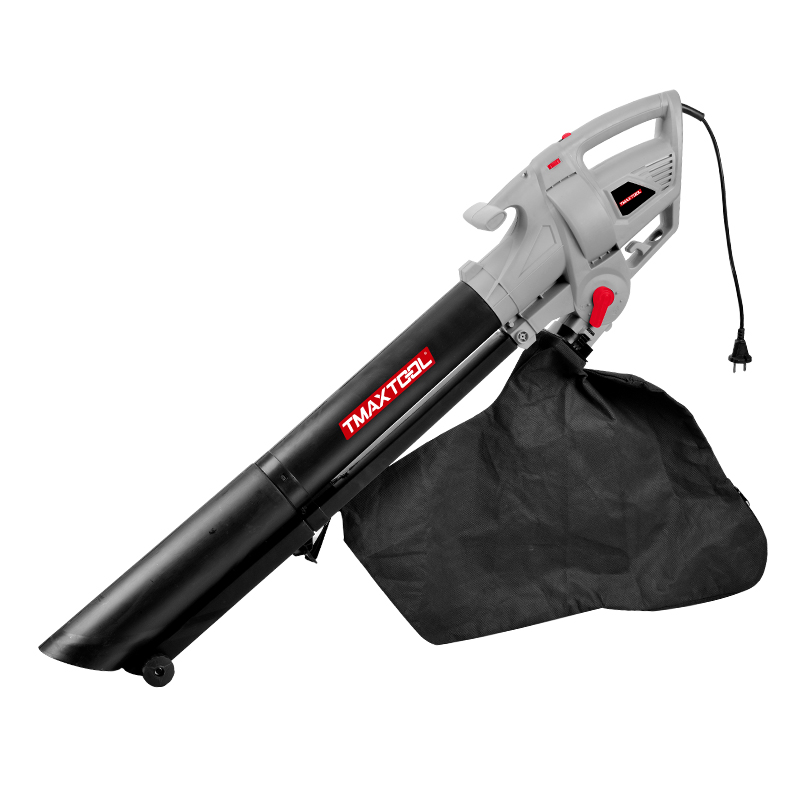 Portable Blower
 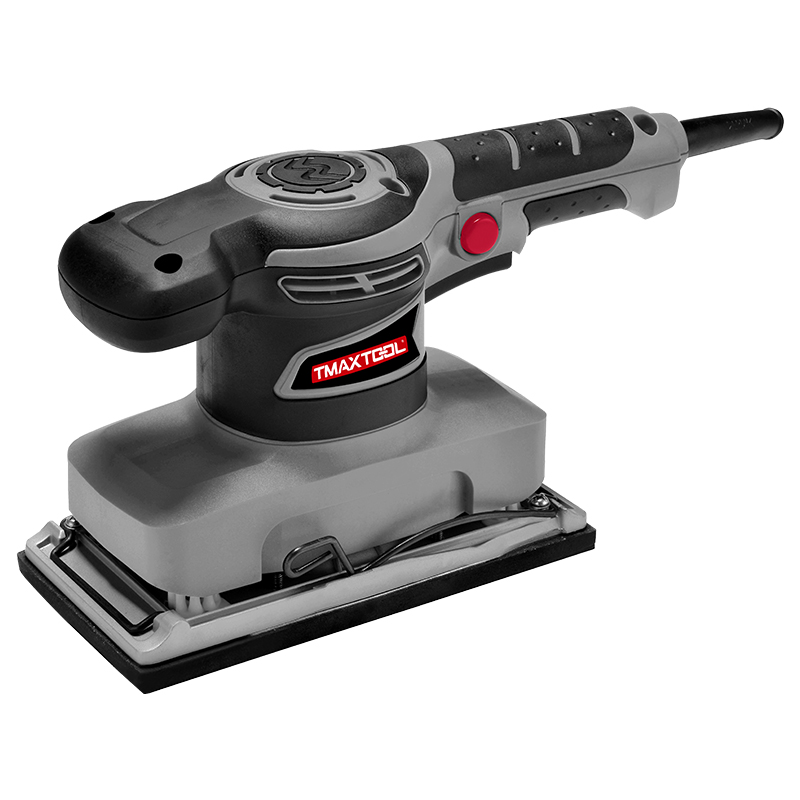 Orbital Sander
 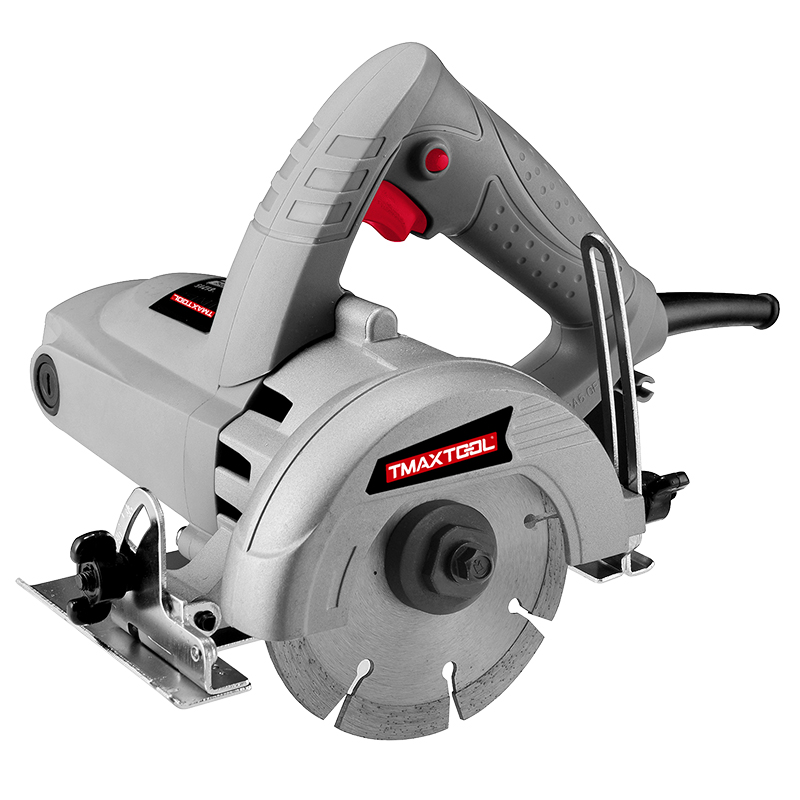 Marble Cutter
 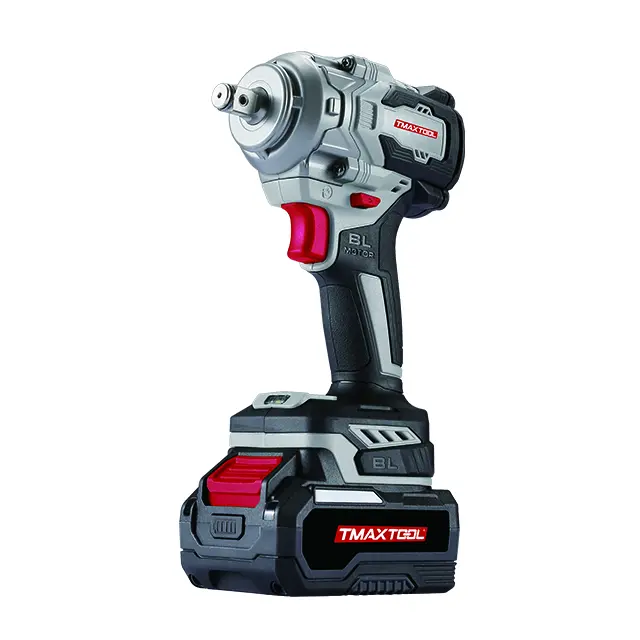 GARDEN TOOLS
 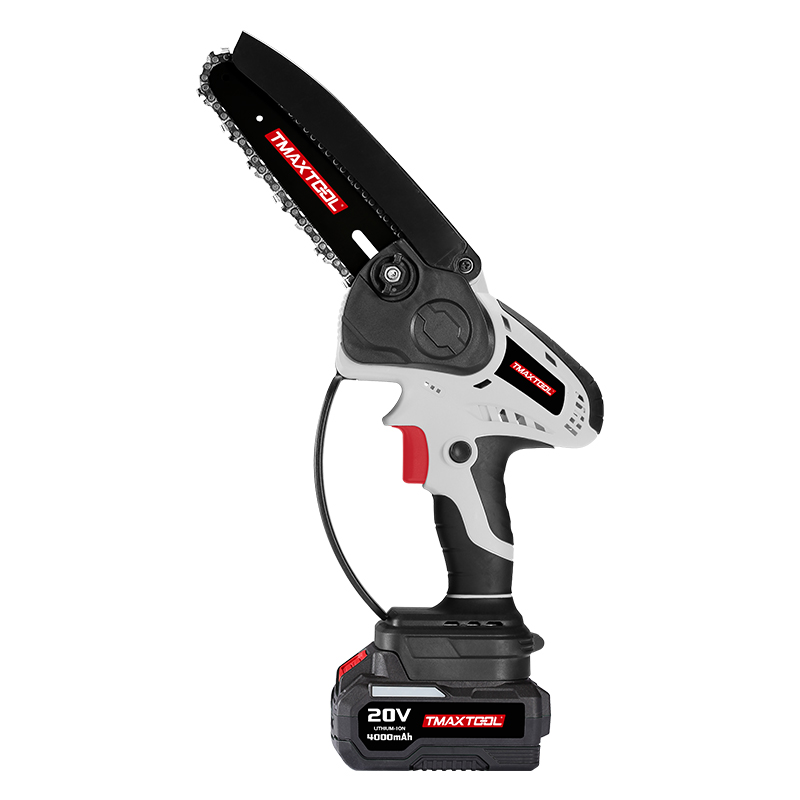 Battery Chain Saw
  Battery Brush Cutter
 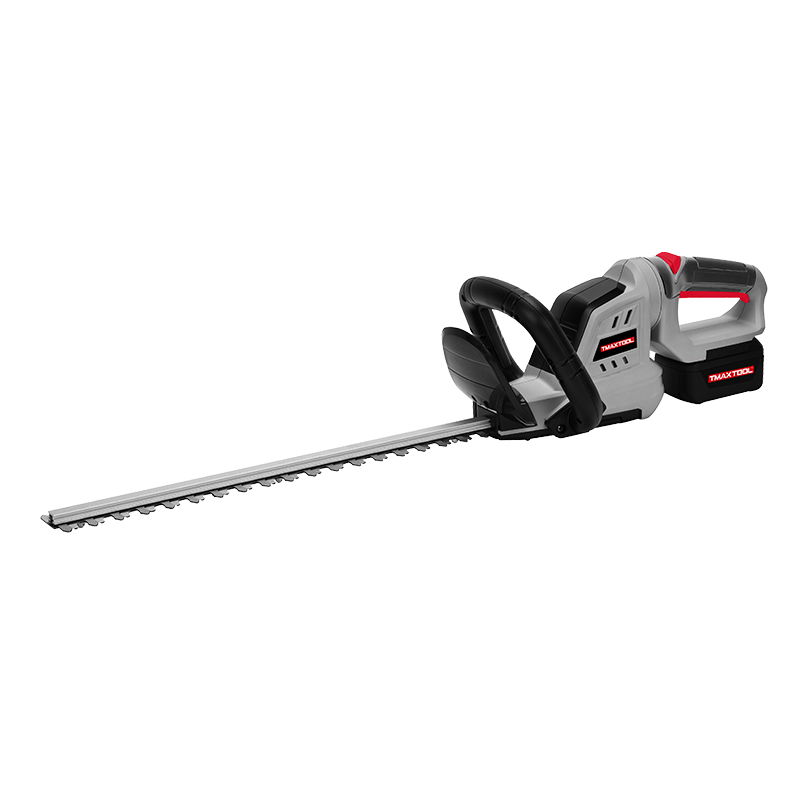 Battery Hedge Trimmer
 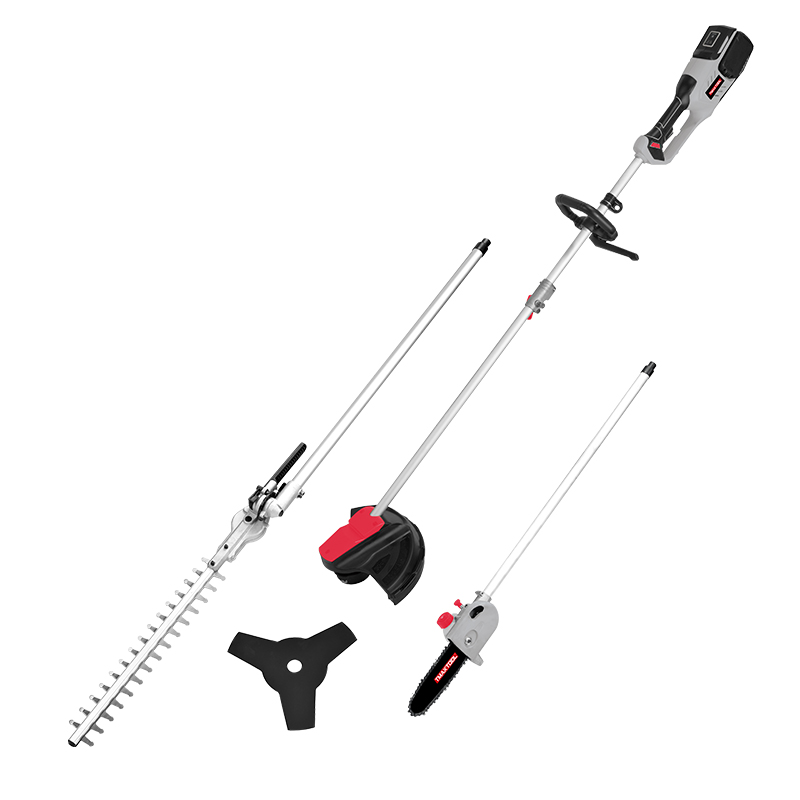 Battery Multi Tool
 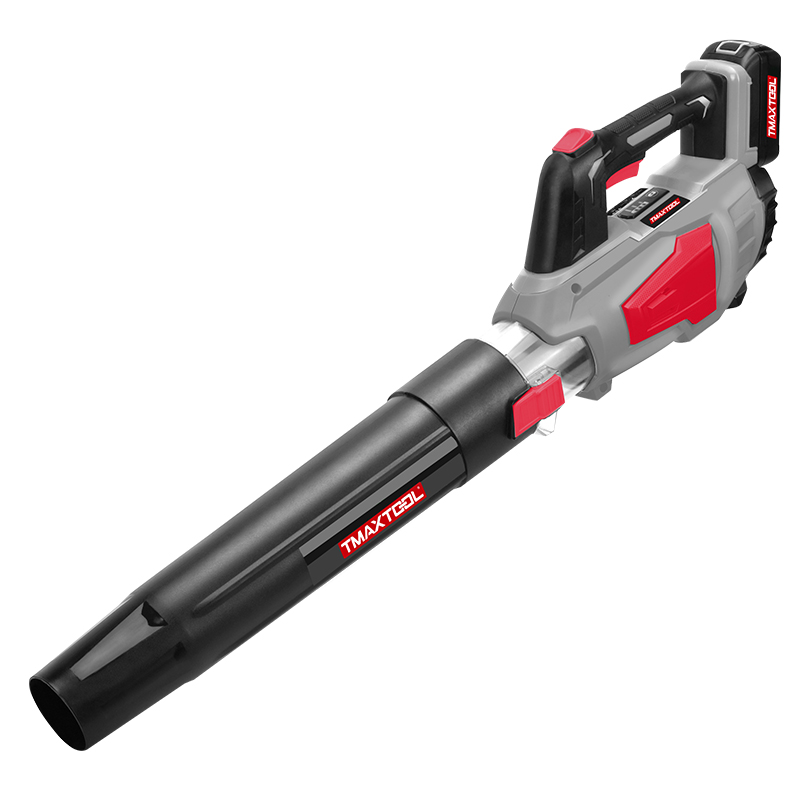 Battery Blower
 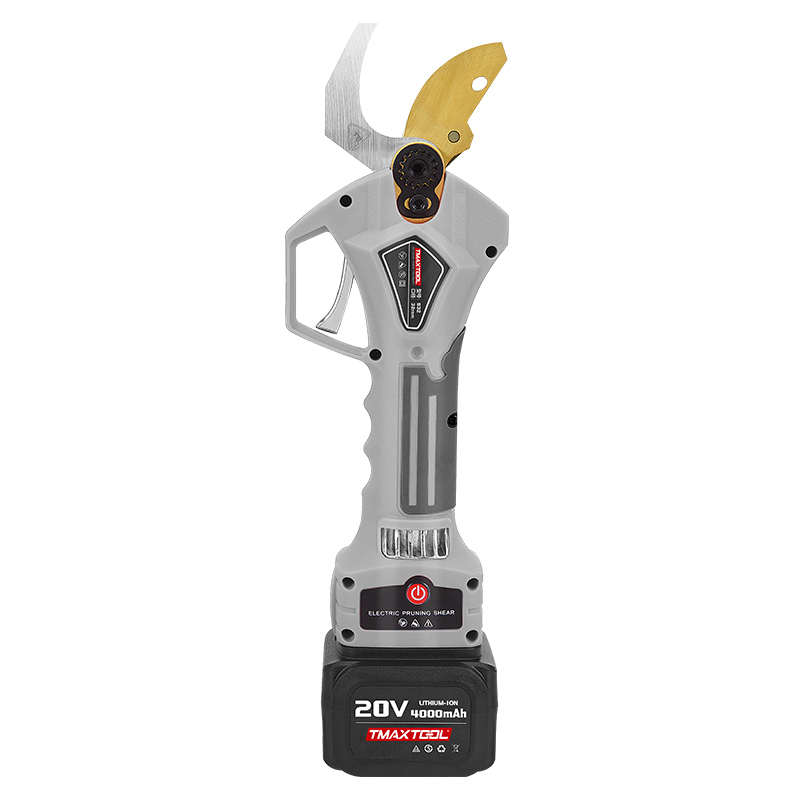 Batter Pruning Shears
 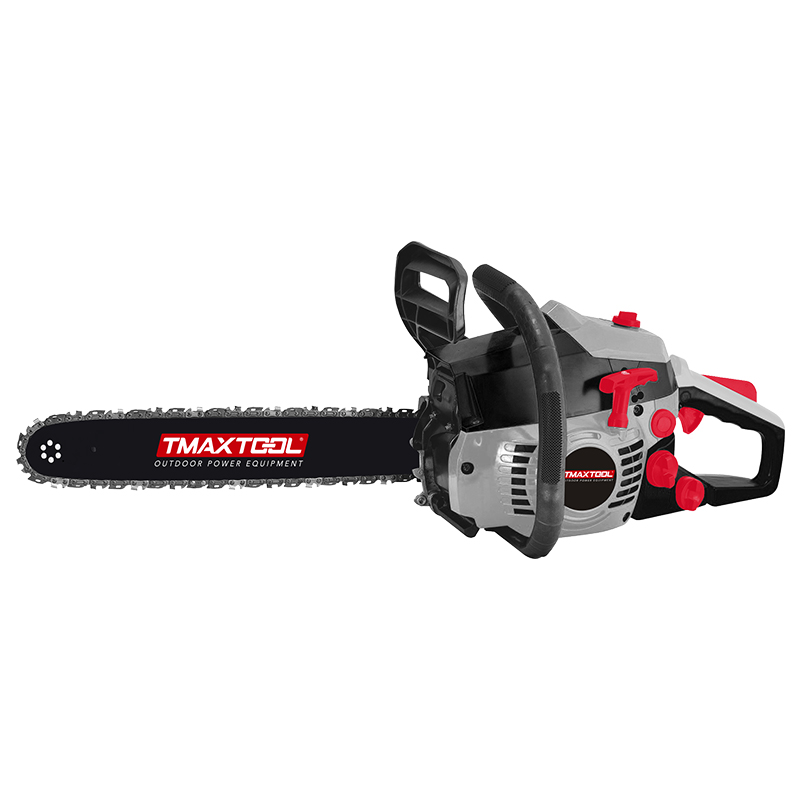 Chain Saw
  Brush Cutter
 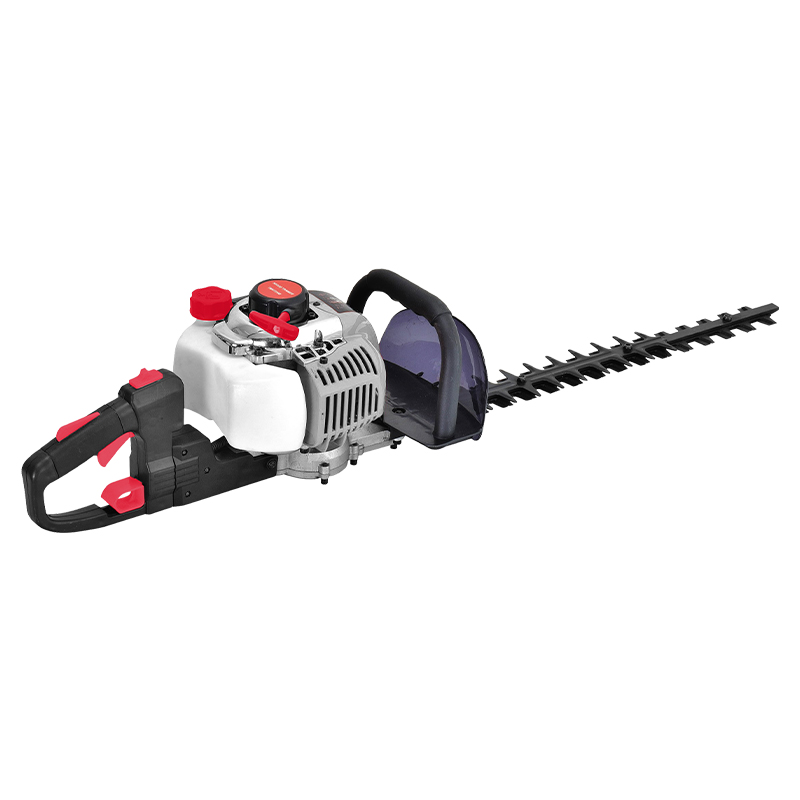 Hedge Trimmer
 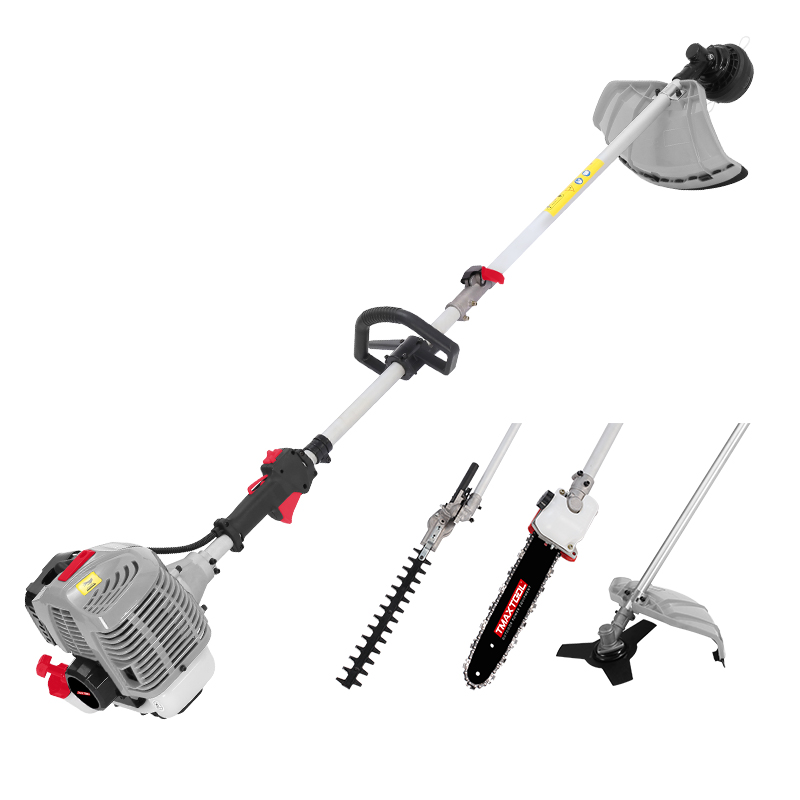 Multi Tool
 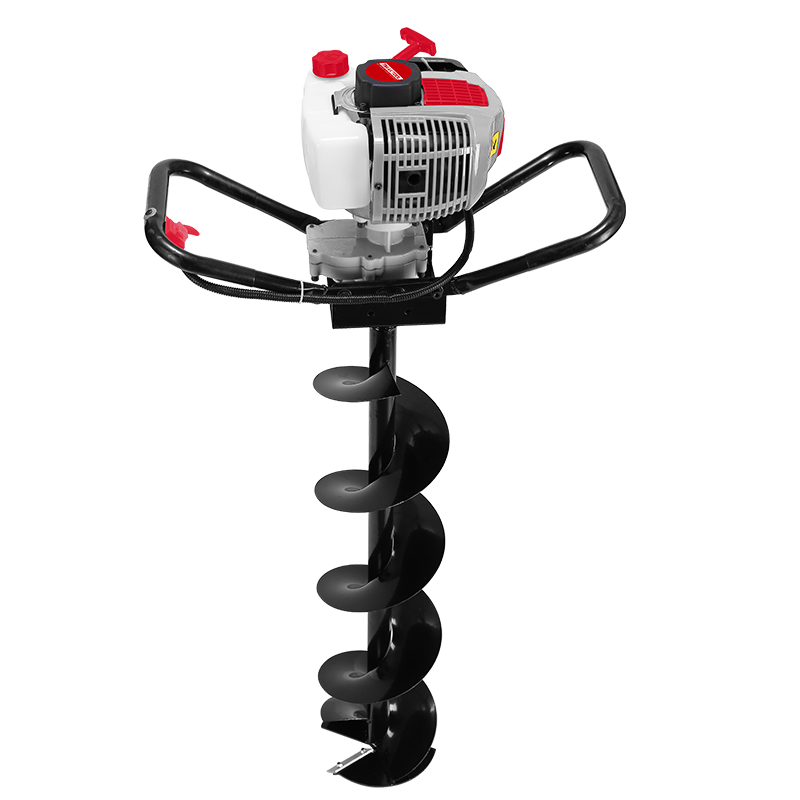 Earth Auger
 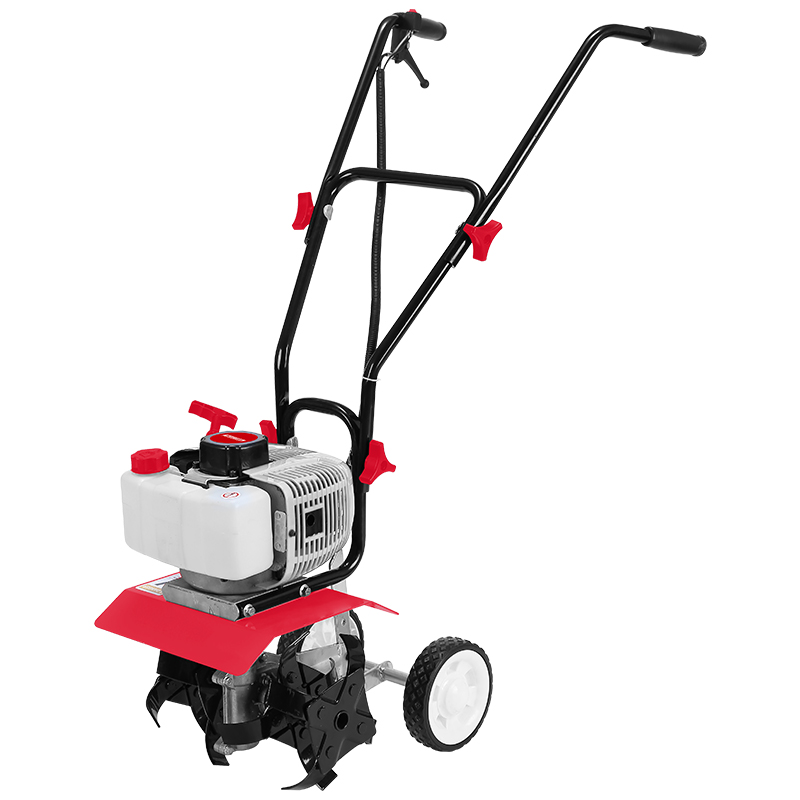 Tiller
  Blower
 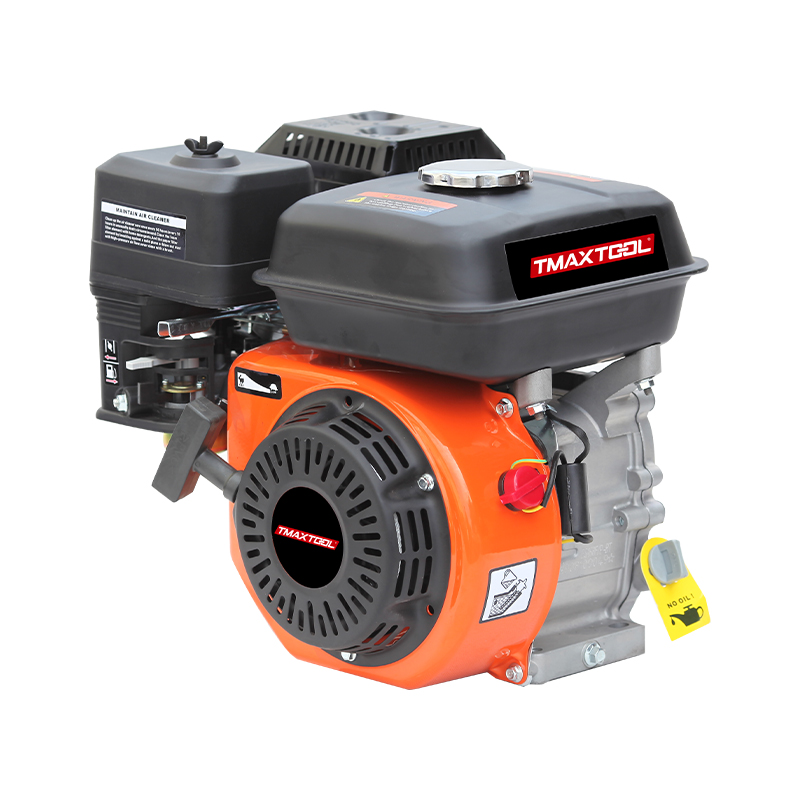 4 Stroke Gasoline Engine
 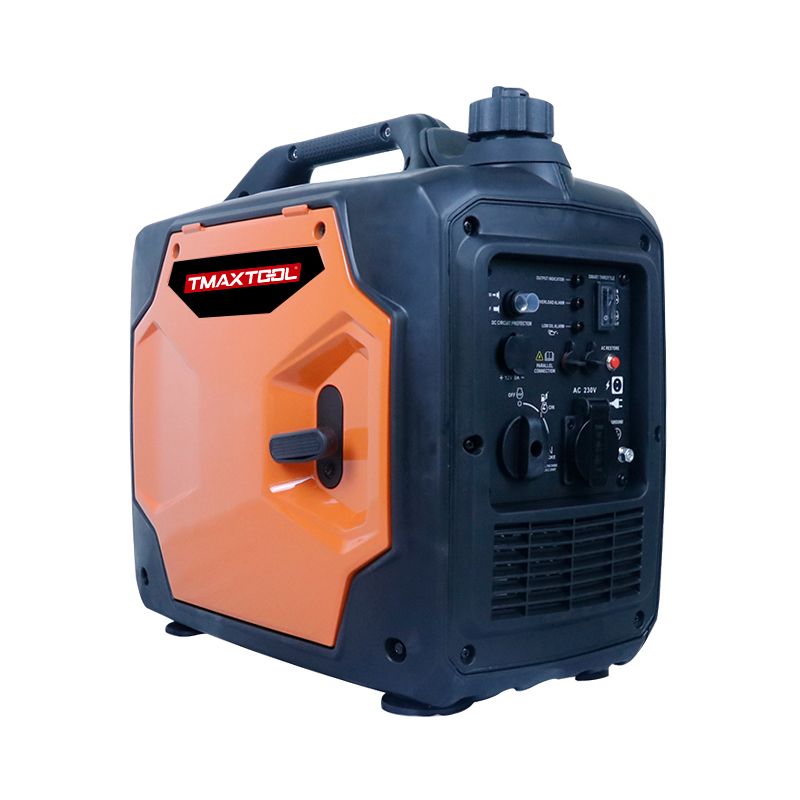 Generator
 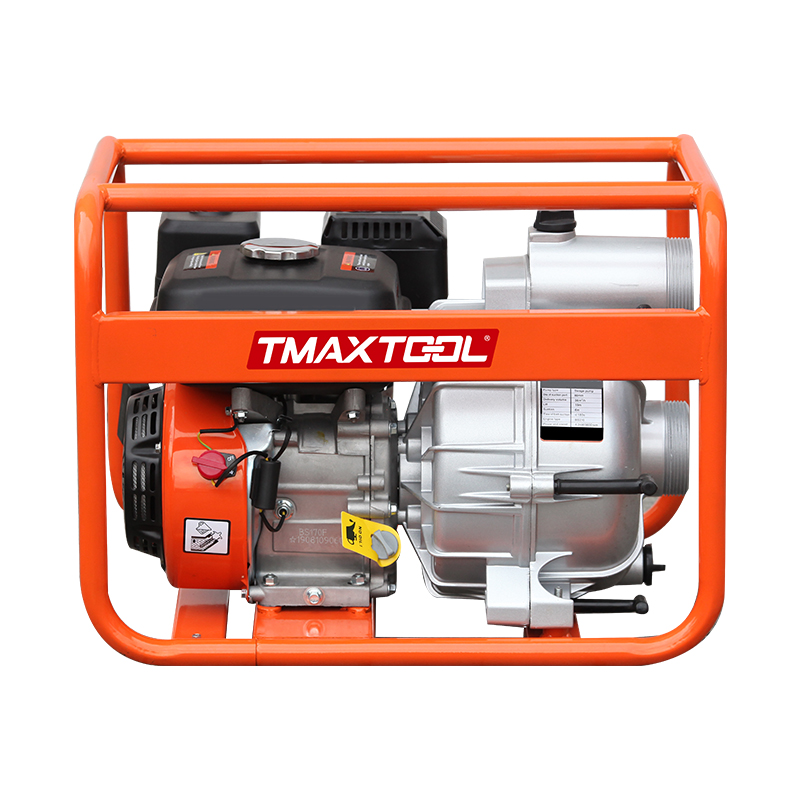 Water Pump
 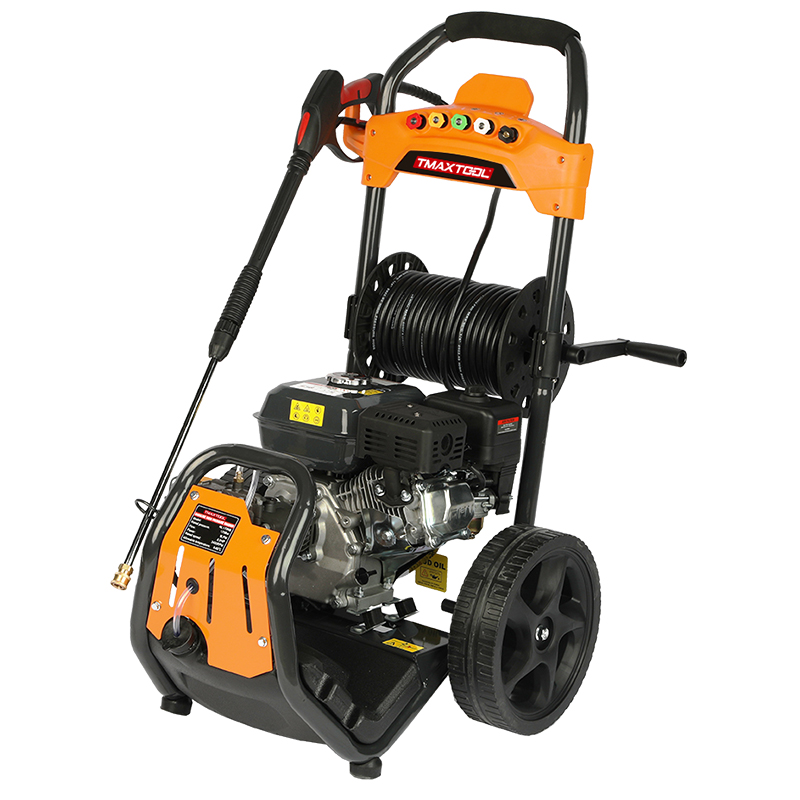 High Pressure Washer
 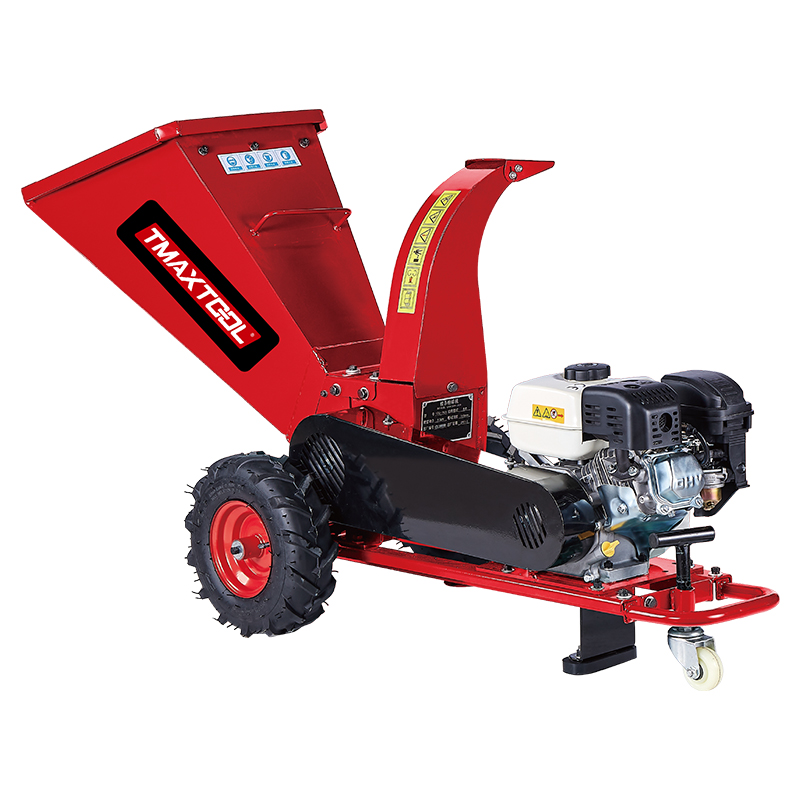 Wood Cutter
 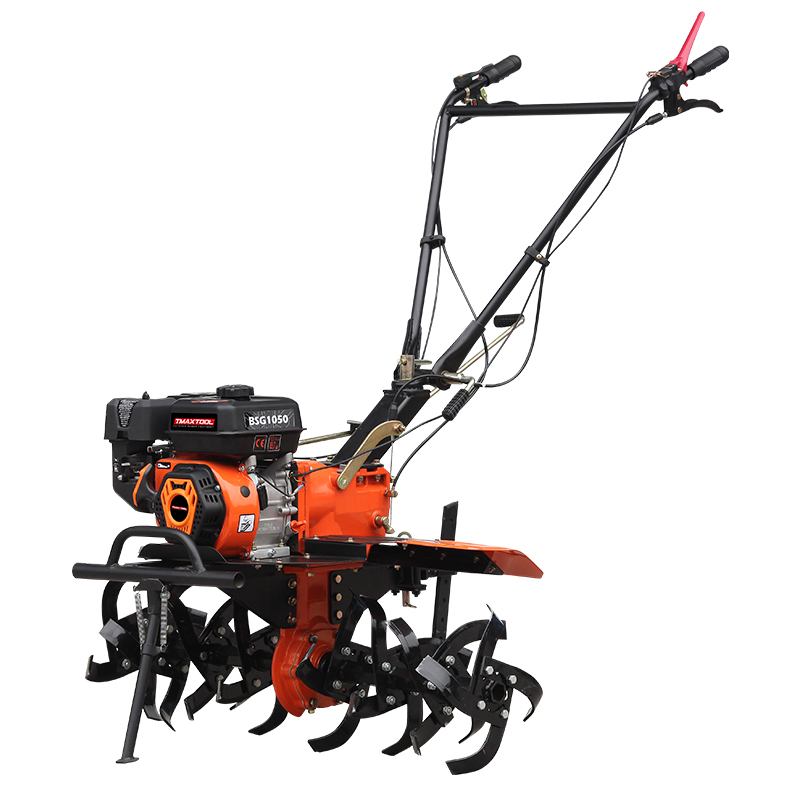 4 Stroke Tiller
 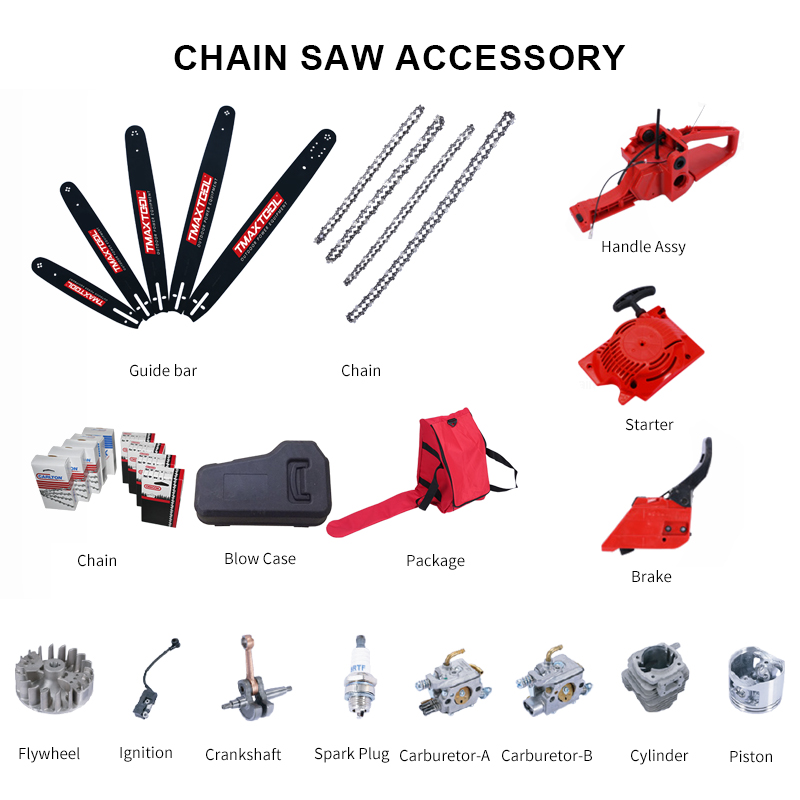 Chain Saw Accessory
 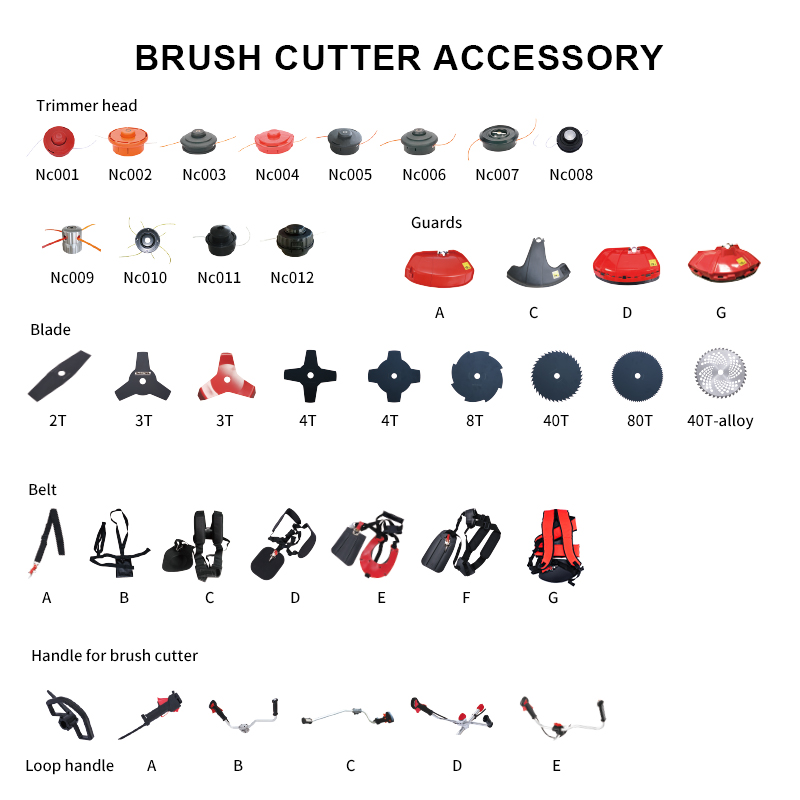 Brush Cutter Accessory
 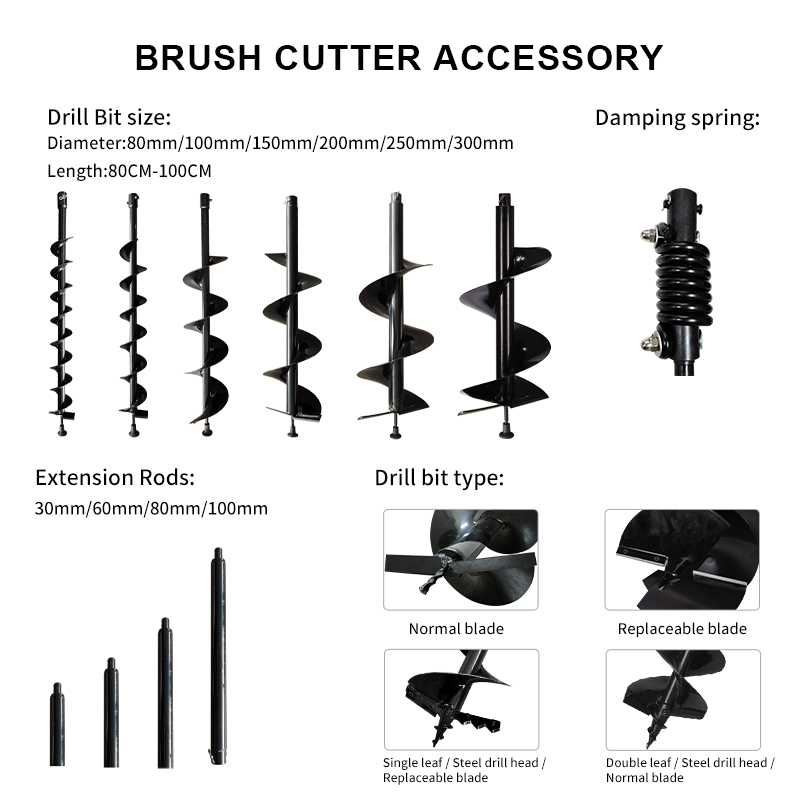 Earth Auger Accessory
  Protective Equipment Accessories
Leave Your Message


Blade selection for marble cutting machines: The key to improving cutting efficiency
When using a marble cutting machine for operation, the selection of blades is directly related to the cutting efficiency, cutting quality and the service life of the machine. There are many types of marble, with varying degrees of hardness and texture. Therefore, it is crucial to understand the characteristics of different materials and types of blades and master the method of choosing the appropriate blades.
The influence of blade material on the performance of cutting machines
High-speed steel blade
High-speed steel has good red hardness and toughness. When cutting marble of medium hardness, it can maintain certain cutting performance and is not prone to breakage during the cutting process, and can withstand a certain degree of impact. However, the wear resistance of high-speed steel blades is relatively weak. After long-term cutting, the blade edge is prone to wear and dullness, affecting the cutting efficiency, and the price is relatively high.
Hard alloy blade
Hard alloy is made of metal powders such as tungsten carbide. It has extremely high hardness and outstanding wear resistance, and is particularly suitable for cutting marble with high hardness. In high-speed cutting and heavy-load operations, carbide inserts can maintain stable cutting performance and the cut edges are relatively smooth. However, it should be noted that hard alloy is relatively brittle. If the cutting operation is improper, such as cutting too fast or subjected to significant impact during the cutting process, the blade is prone to cracking or even breaking.
Diamond blade
Diamond is the hardest substance in nature. Diamond blades, with their outstanding hardness and wear resistance, perform exceptionally well in marble cutting. Especially when cutting marble with high hardness and brittleness, it can effectively reduce problems such as chipping and corner dropping, with high cutting accuracy and a long service life. However, the cost of diamond blades is relatively high, but their long-term usage cost is low because the replacement frequency is low.

The compatibility of the blade type with the type of marble
Different types of blades have different sawtooth shapes, arrangements and cutting methods, and their adaptability to different kinds of marble also varies. For example, blades with continuous edges are suitable for cutting marble with uniform texture and low hardness. During the cutting process, they can remain stable and the cut edges are smooth. The segmented blade is more suitable for cutting marble with higher hardness or complex texture. This type of blade has good heat dissipation and can reduce the damage to the stone caused by cutting heat.
Practical suggestions for choosing the right blade
1. Consider the characteristics of marble: Before choosing a blade, first understand the hardness, texture and pattern of the marble to be cut. For those with low hardness, high-speed steel or continuous edge blades can be selected. For those with high hardness and complex texture, hard alloy or segmented diamond blades should be chosen.
2. Match the power of the cutting machine: For high-power cutting machines, blades with strong cutting force and high hardness can be selected. Low-power cutting machines should avoid using overly hard or thick blades to prevent motor overload.
3. Pay attention to the quality of the blade: High-quality blades offer more guarantees in terms of material uniformity and manufacturing processes, with stable cutting performance and a longer service life. When purchasing, pay attention to checking the brand, production process and user reviews of the blade, etc.
4. Balancing cost and efficiency: Although diamond blades are expensive, they have high cutting efficiency and long service life, which can reduce the total cost in the long run. For occasional use or situations with limited budgets, high-speed steel or hard alloy blades with high cost performance can be selected.
In conclusion, choosing the right marble cutting machine blade is the key to improving cutting efficiency and quality. By understanding the characteristics of the blade material and type and making a comprehensive consideration in combination with the specific situation of marble, we can achieve twice the result with half the effort in the cutting process and realize efficient and precise stone processing.