
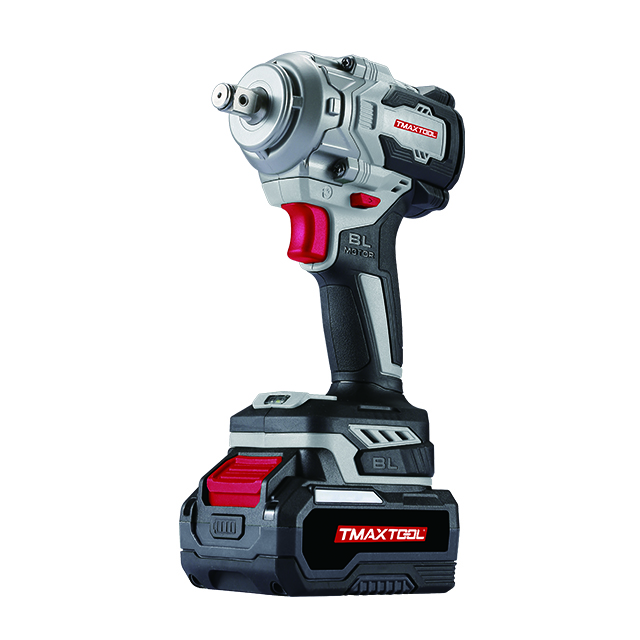
 Impact Wrench
 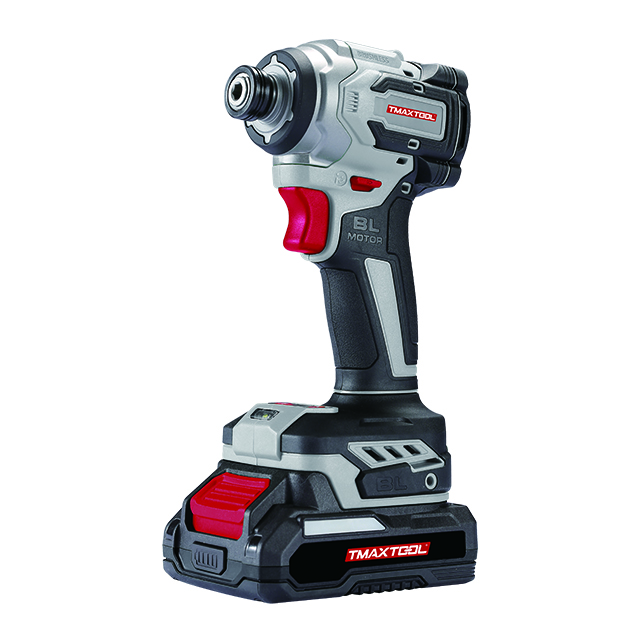 Screwdriver
 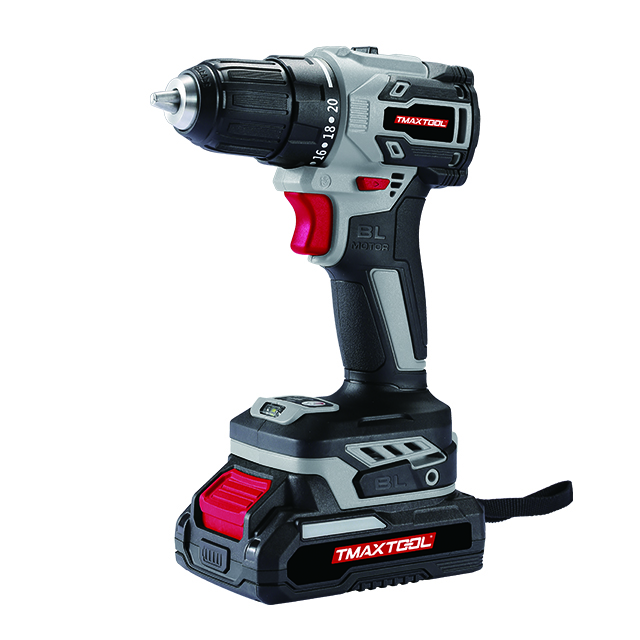 Cordless Drill
 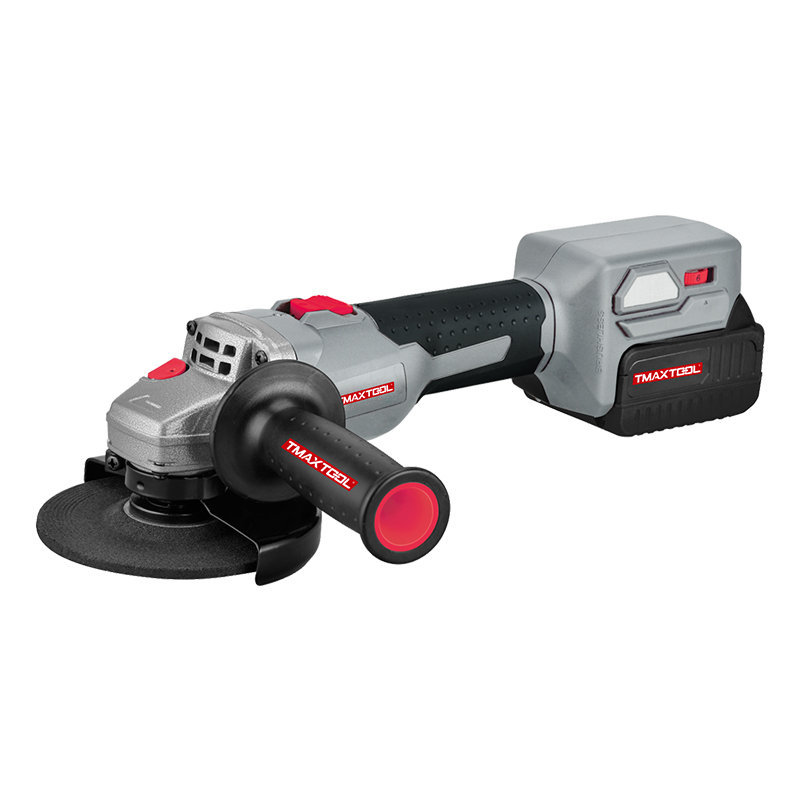 Angle Grinder
 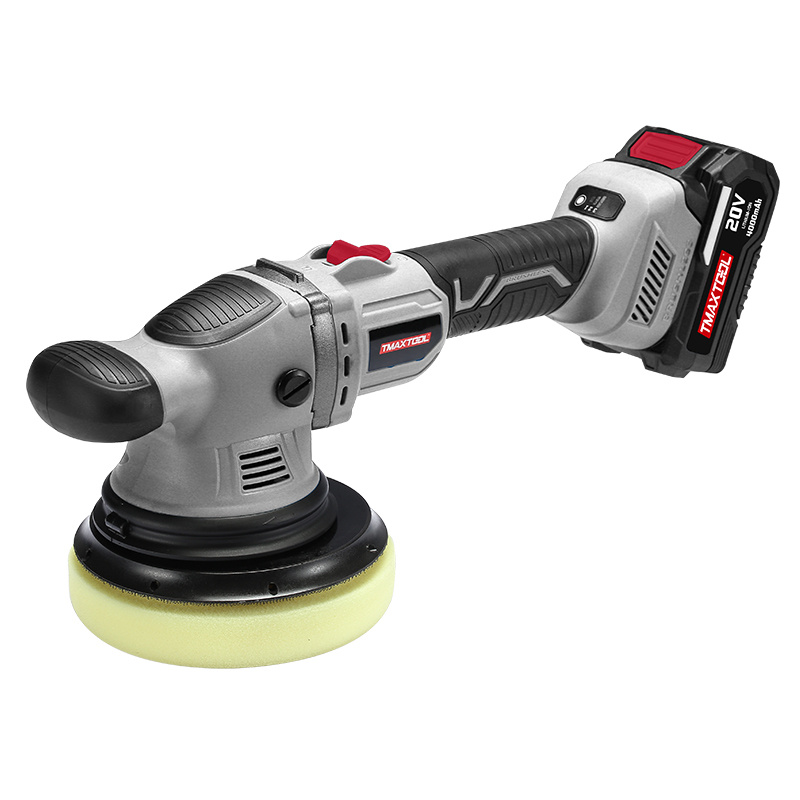 Polisher
 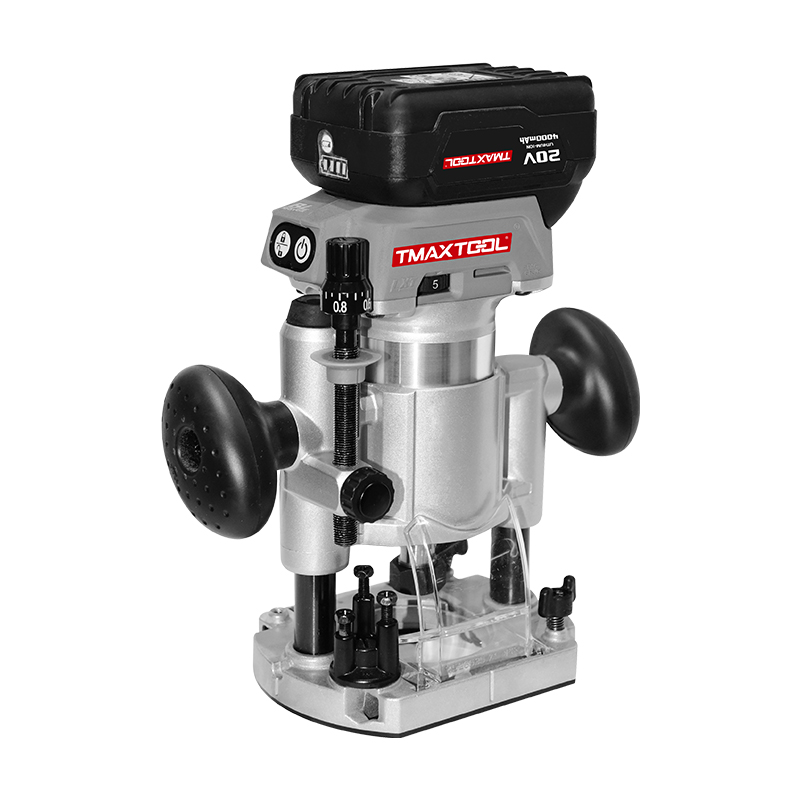 Wood Router
 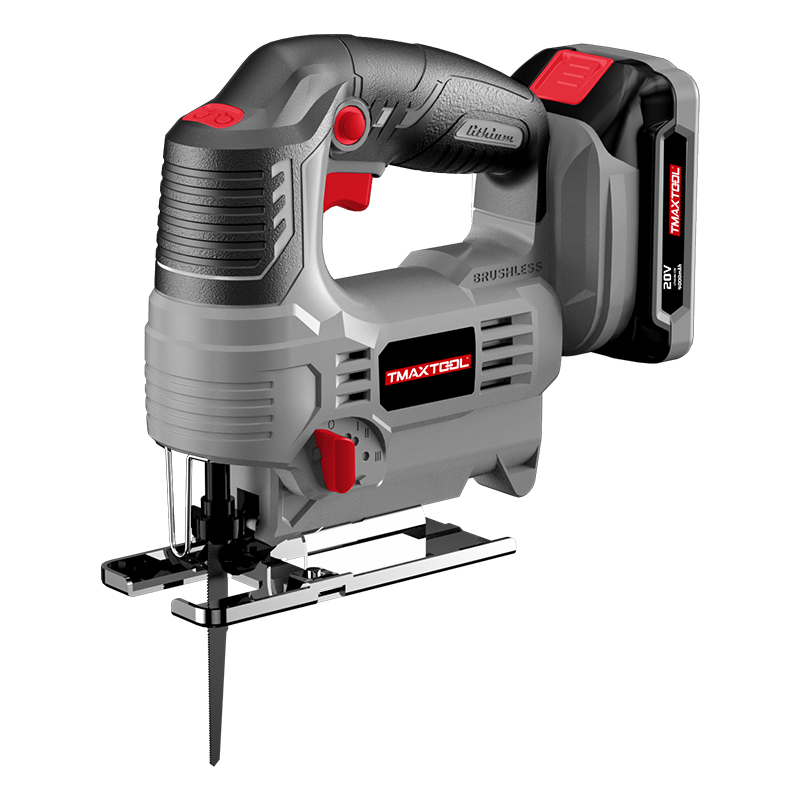 Jig Saw
 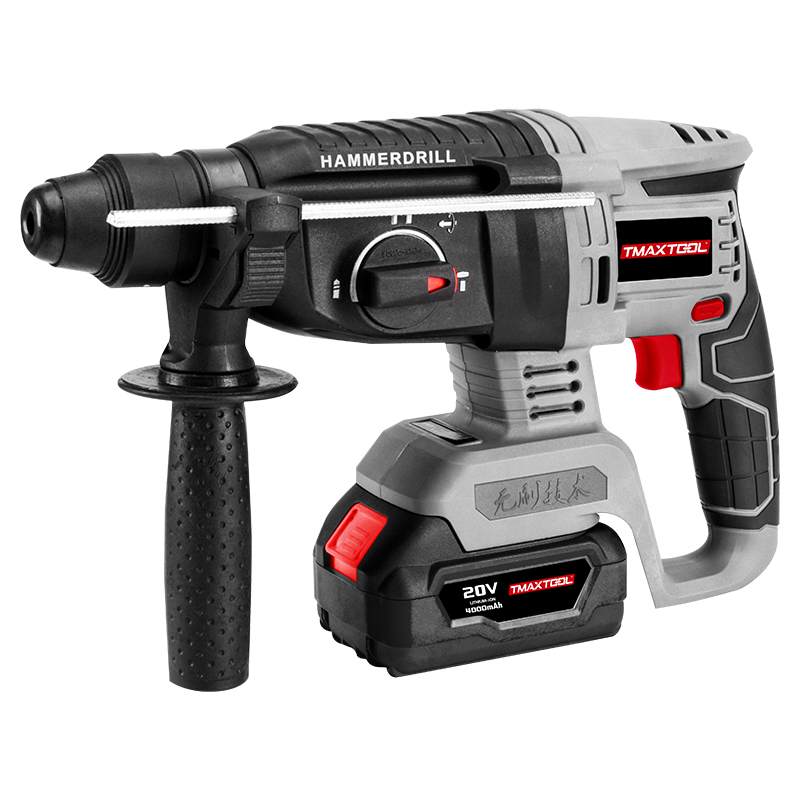 Hammer Drill
 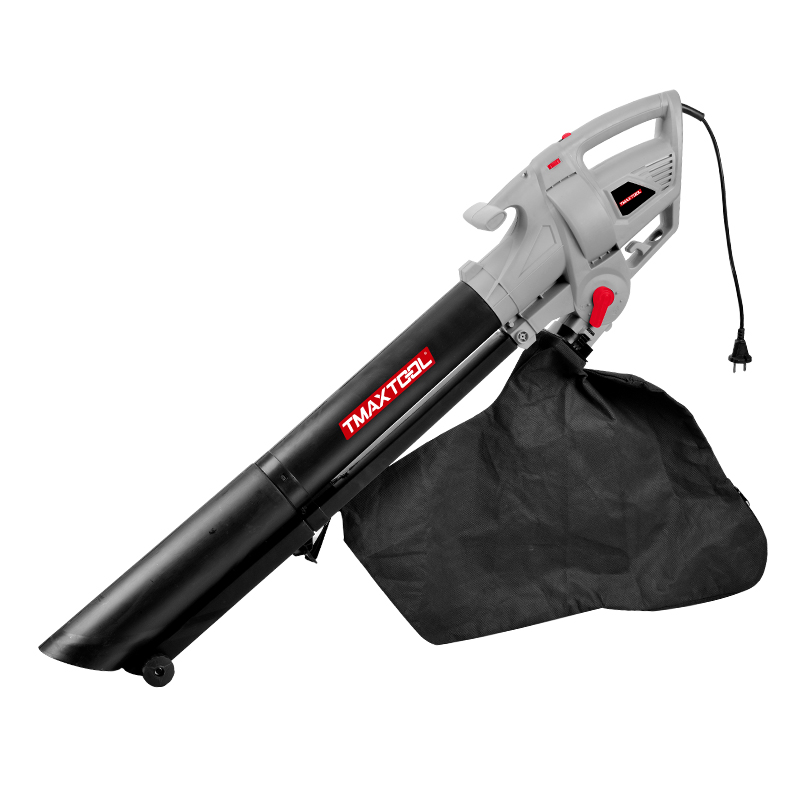 Portable Blower
 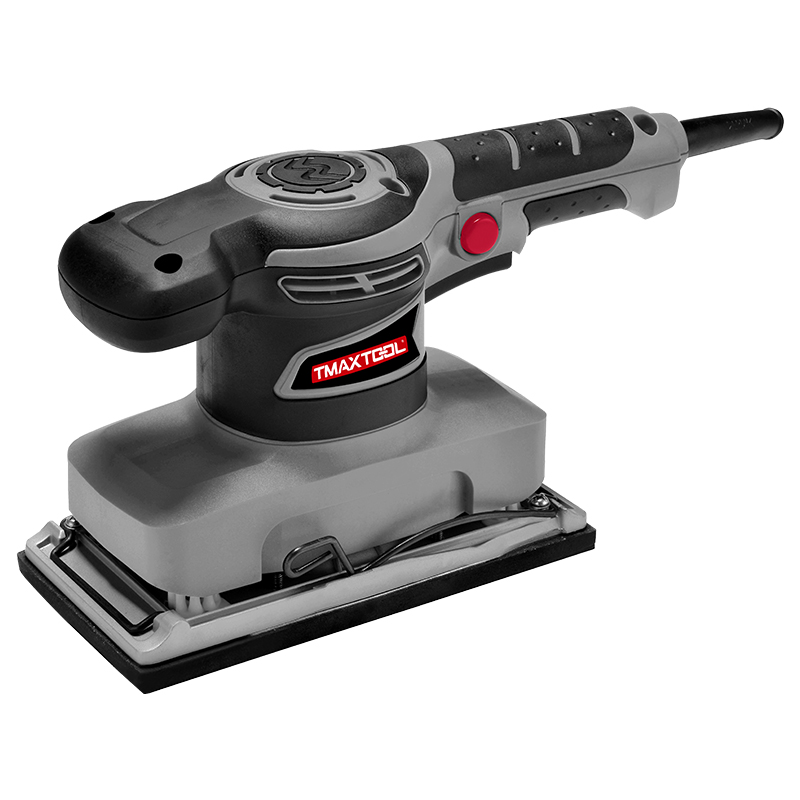 Orbital Sander
 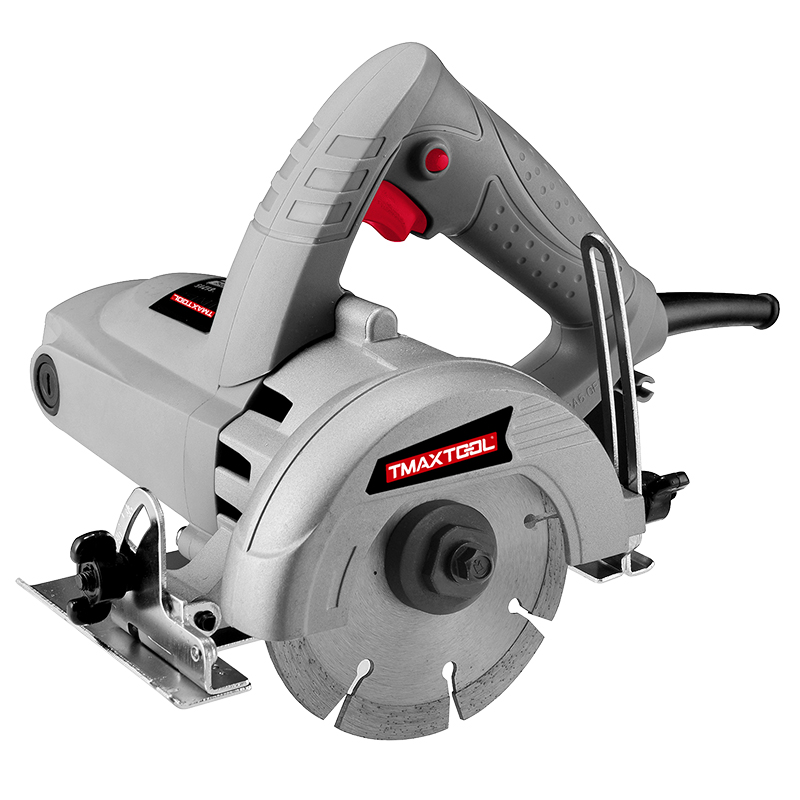 Marble Cutter
 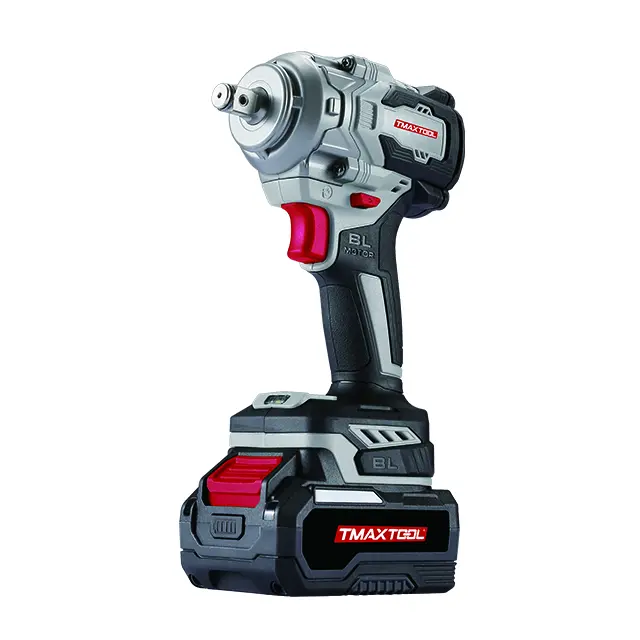 GARDEN TOOLS
 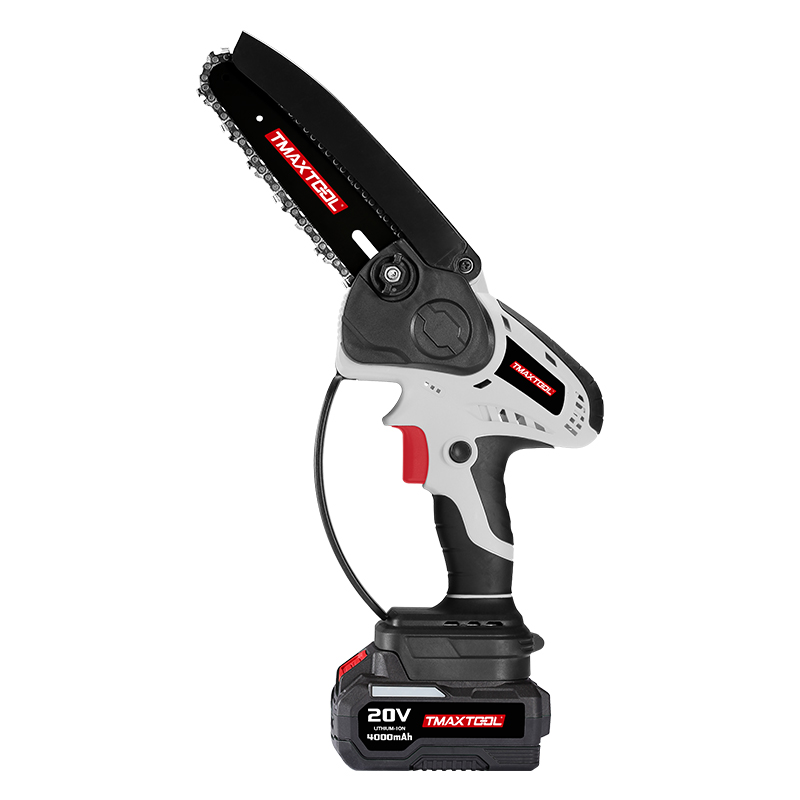 Battery Chain Saw
 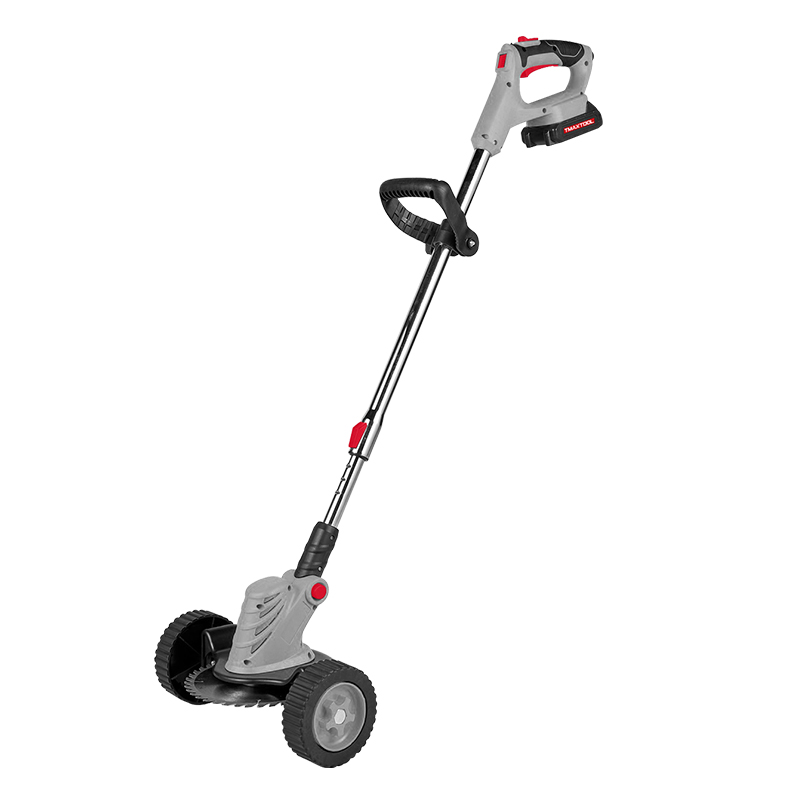 Battery Brush Cutter
 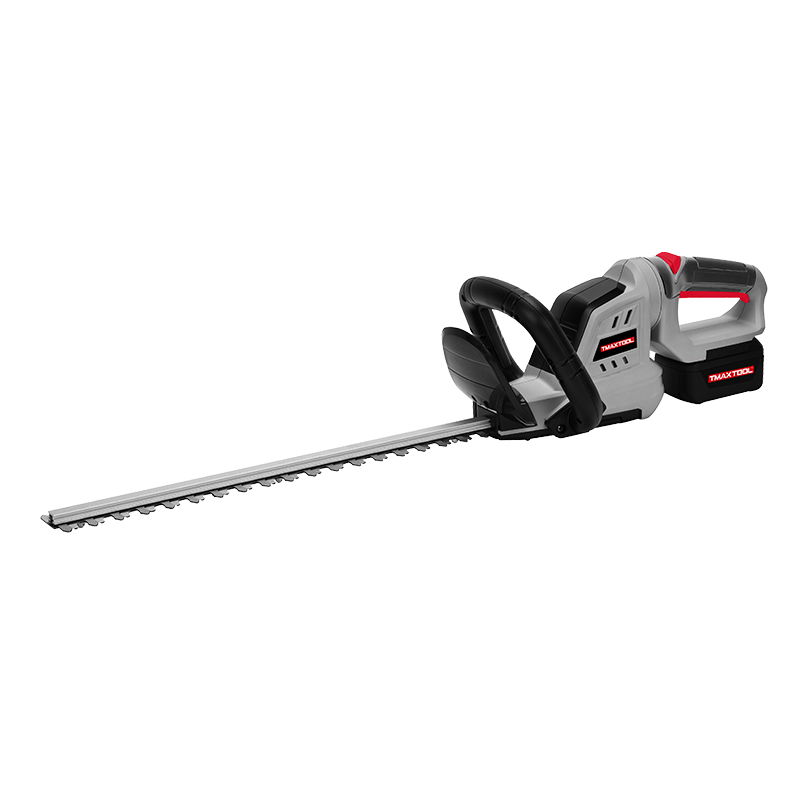 Battery Hedge Trimmer
 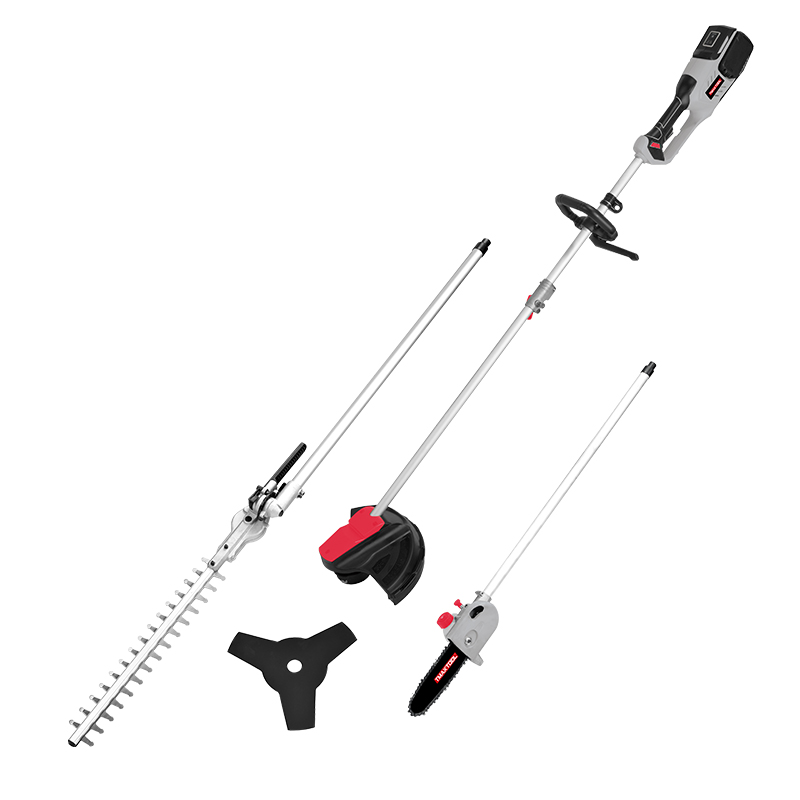 Battery Multi Tool
 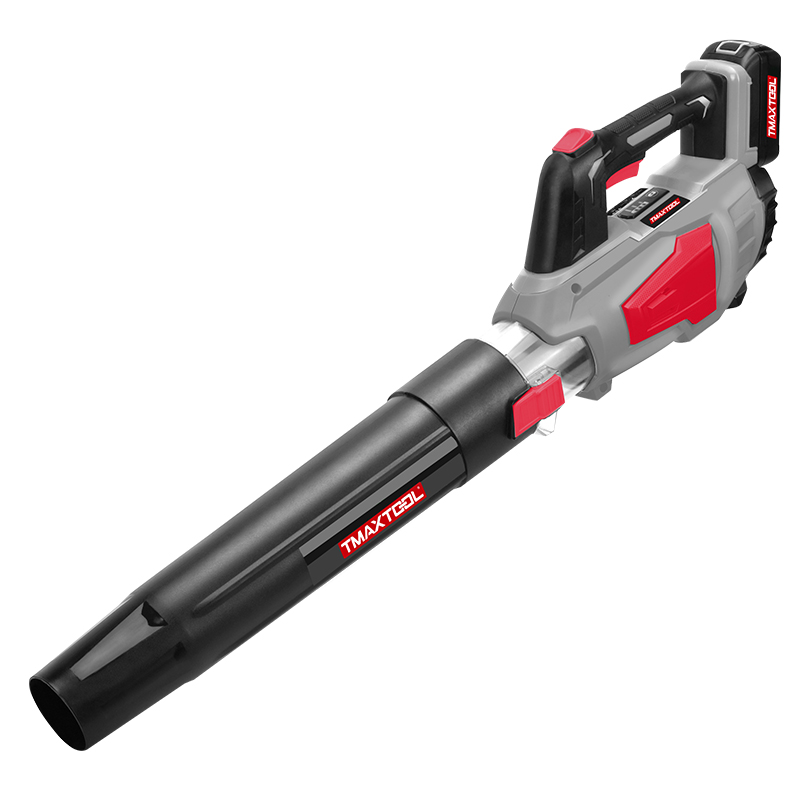 Battery Blower
 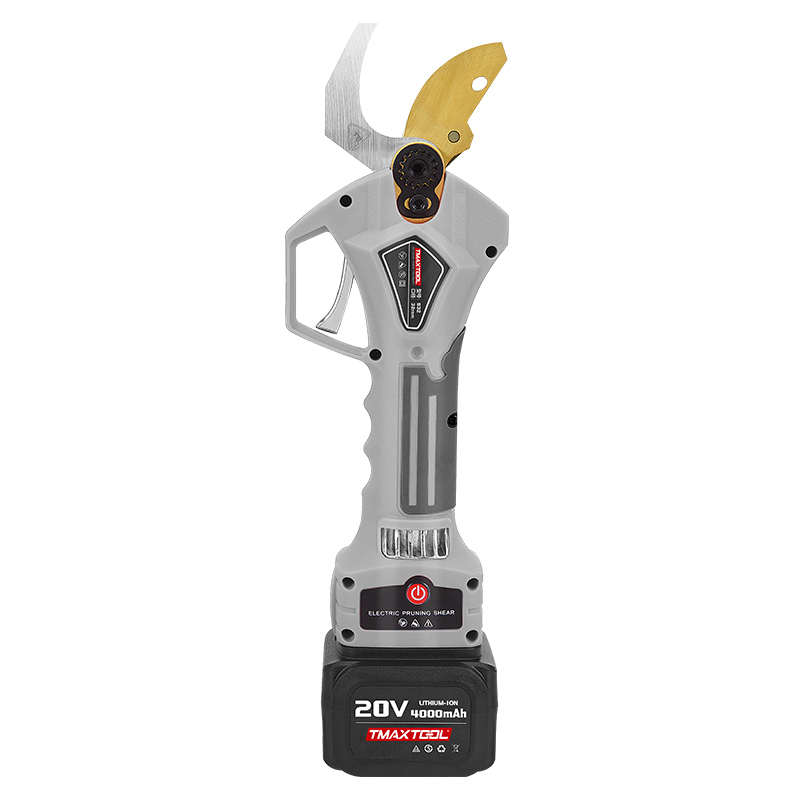 Batter Pruning Shears
 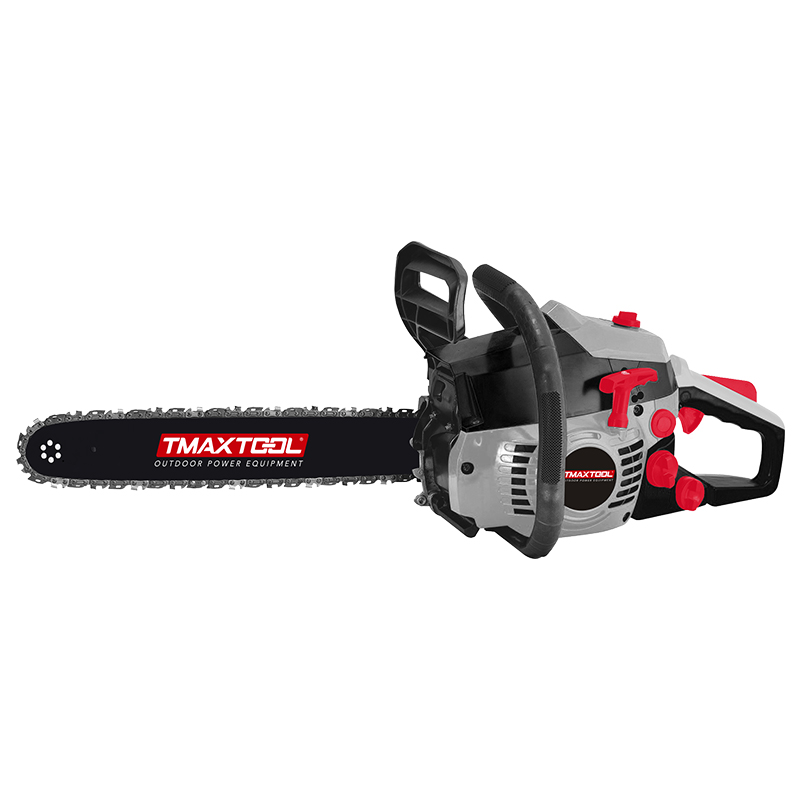 Chain Saw
 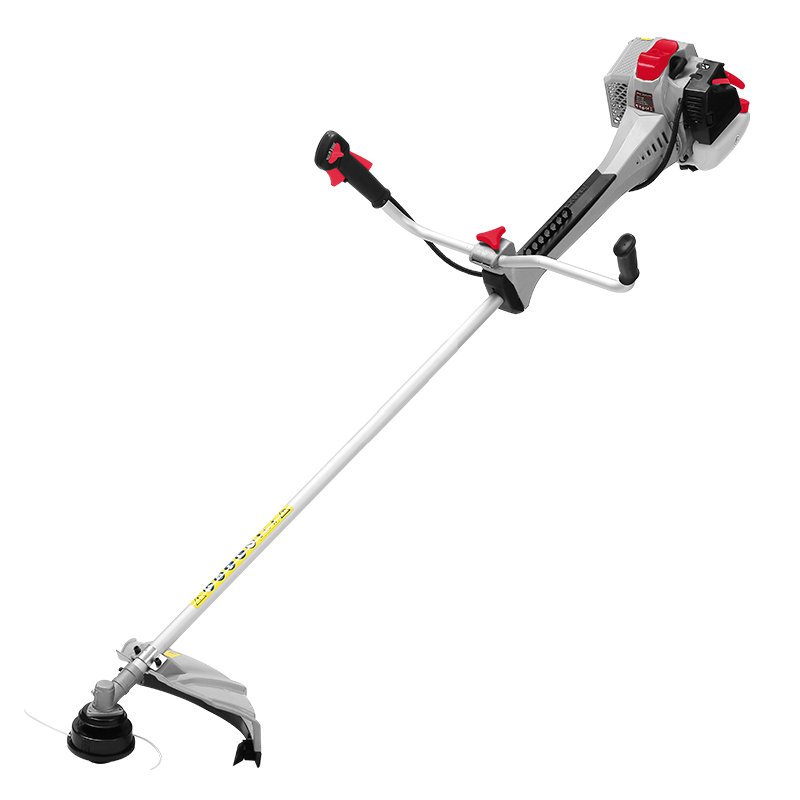 Brush Cutter
 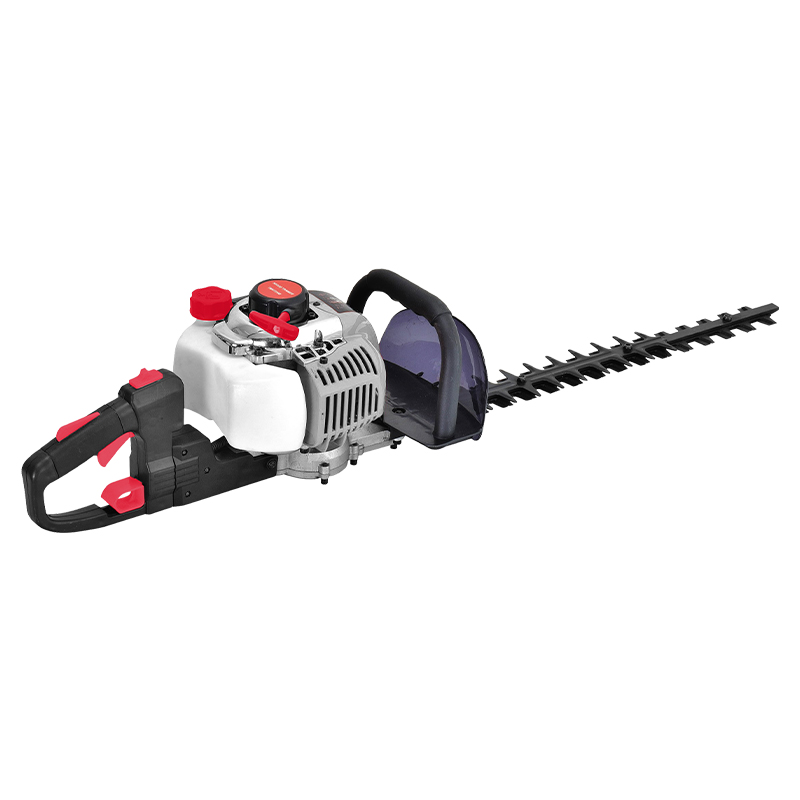 Hedge Trimmer
 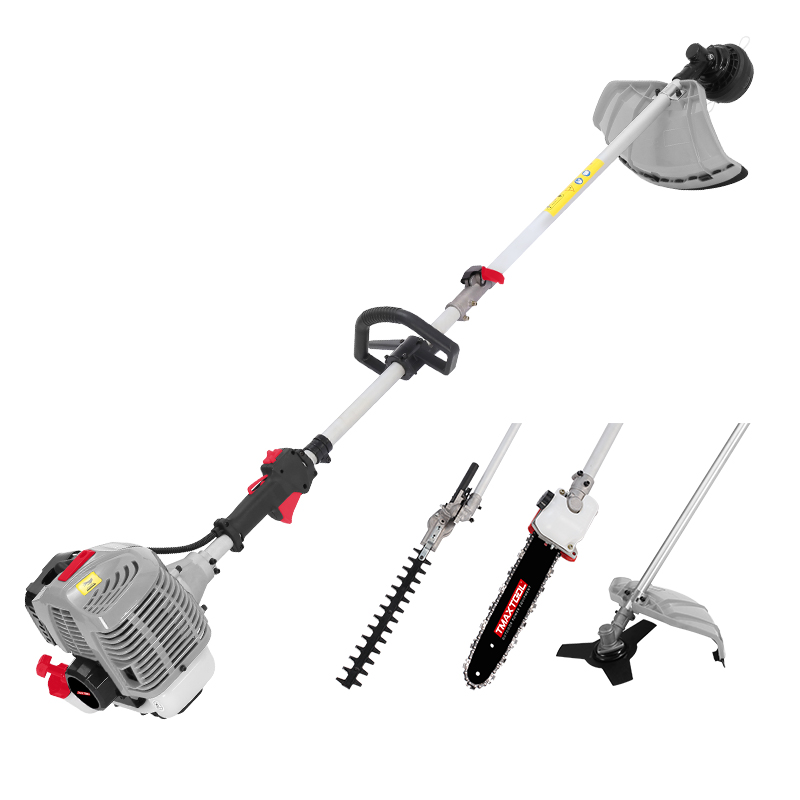 Multi Tool
 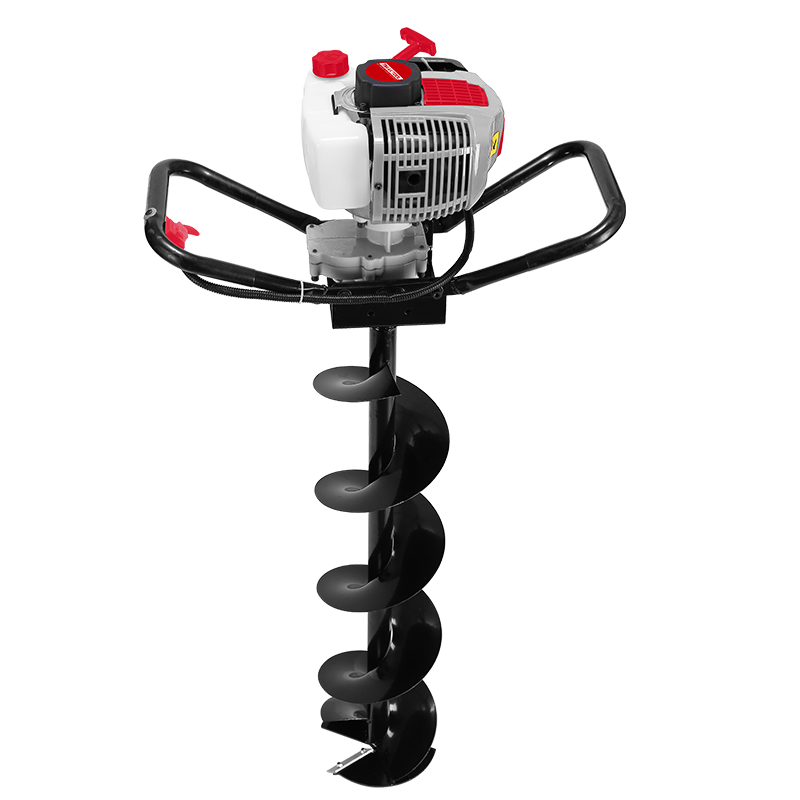 Earth Auger
 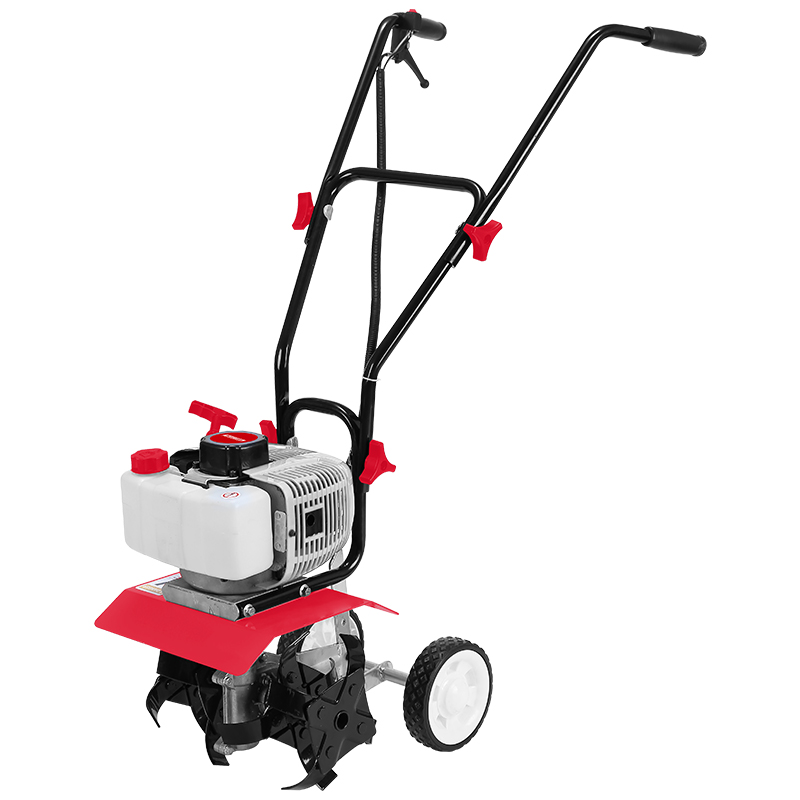 Tiller
 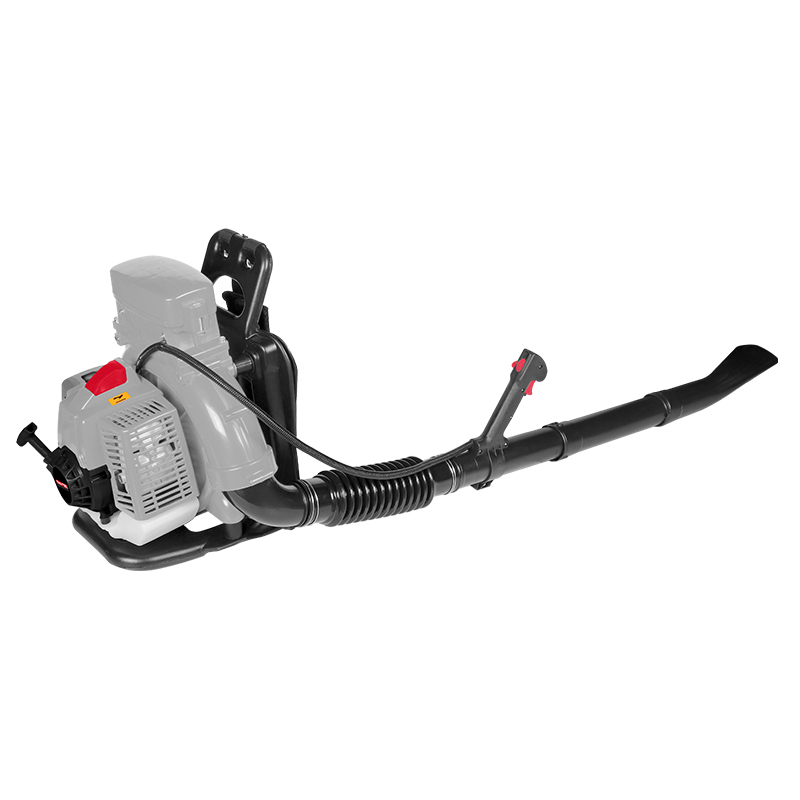 Blower
 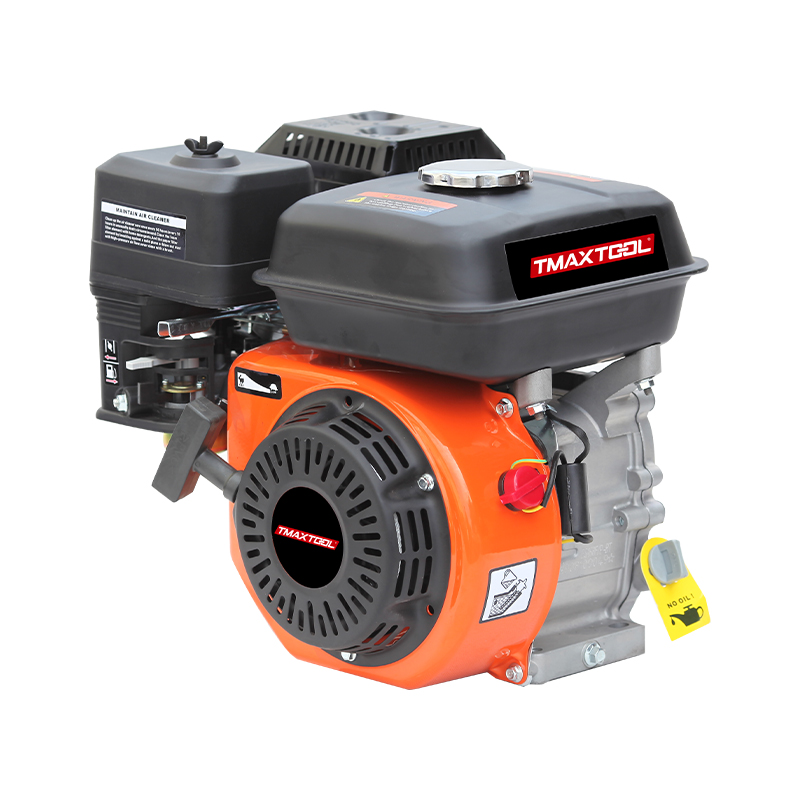 4 Stroke Gasoline Engine
 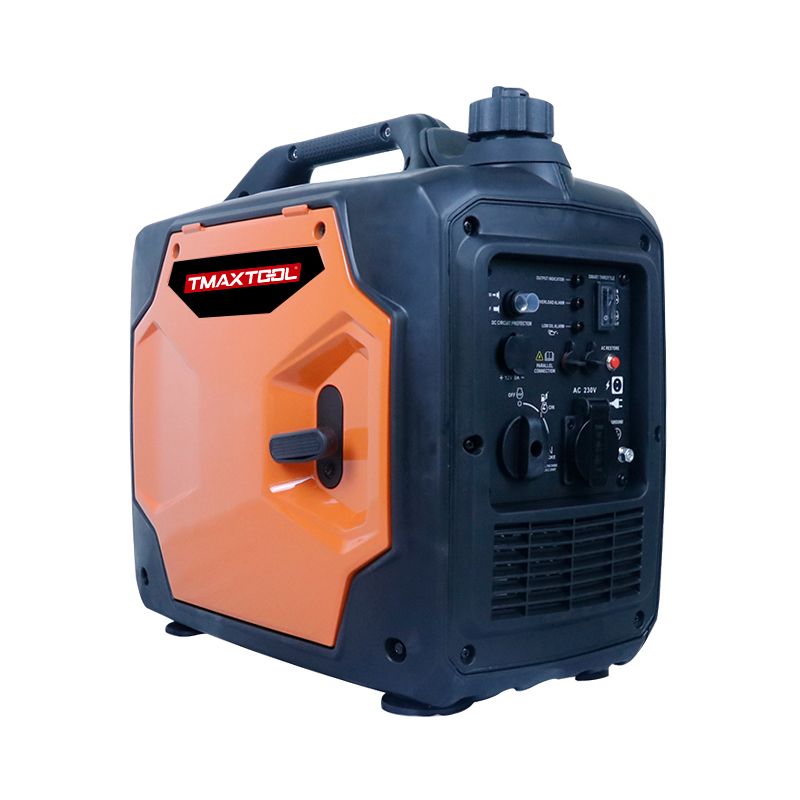 Generator
 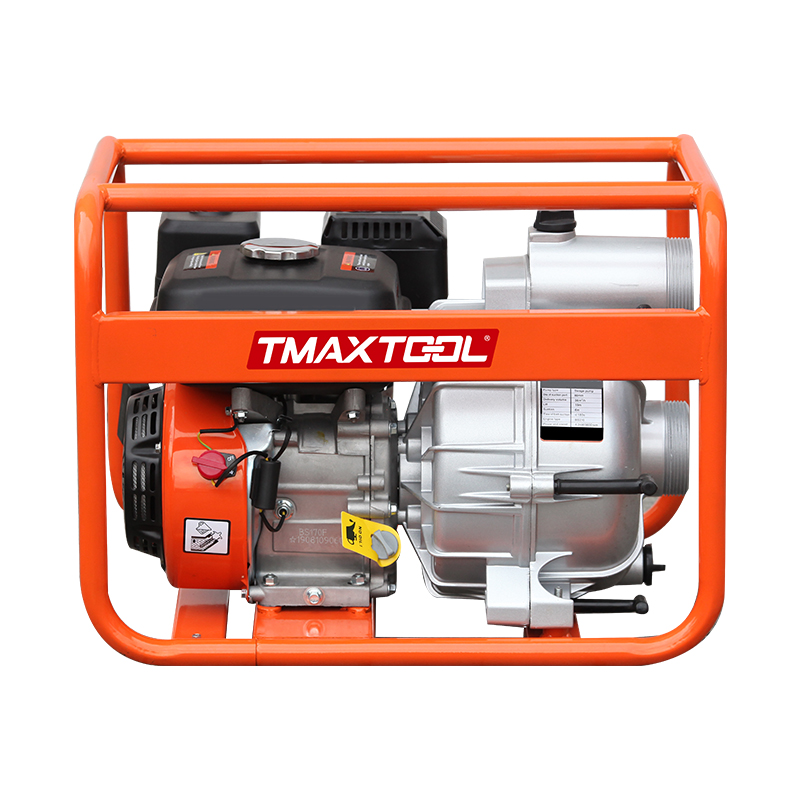 Water Pump
 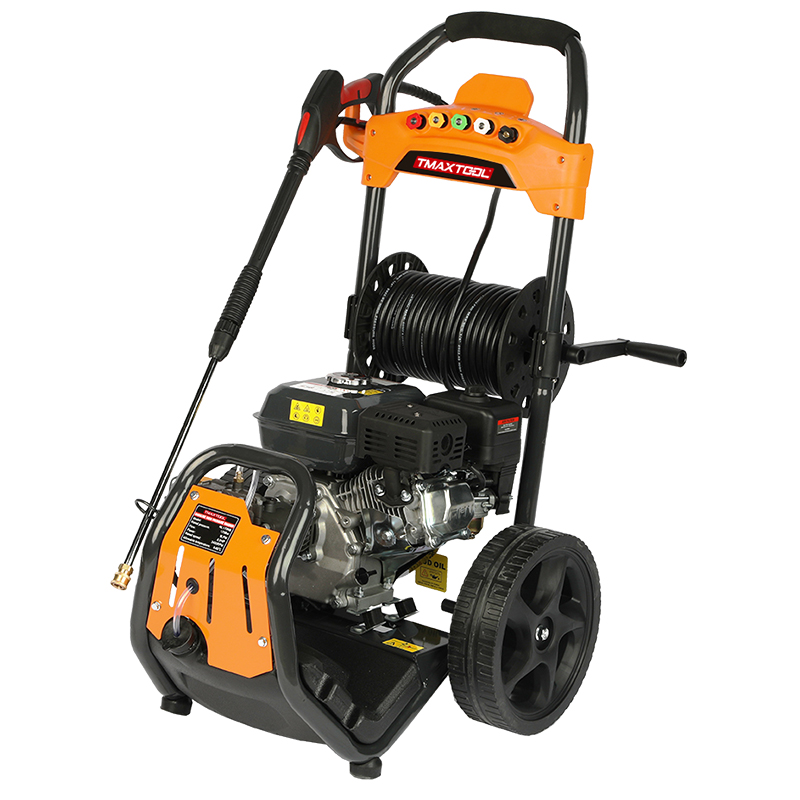 High Pressure Washer
 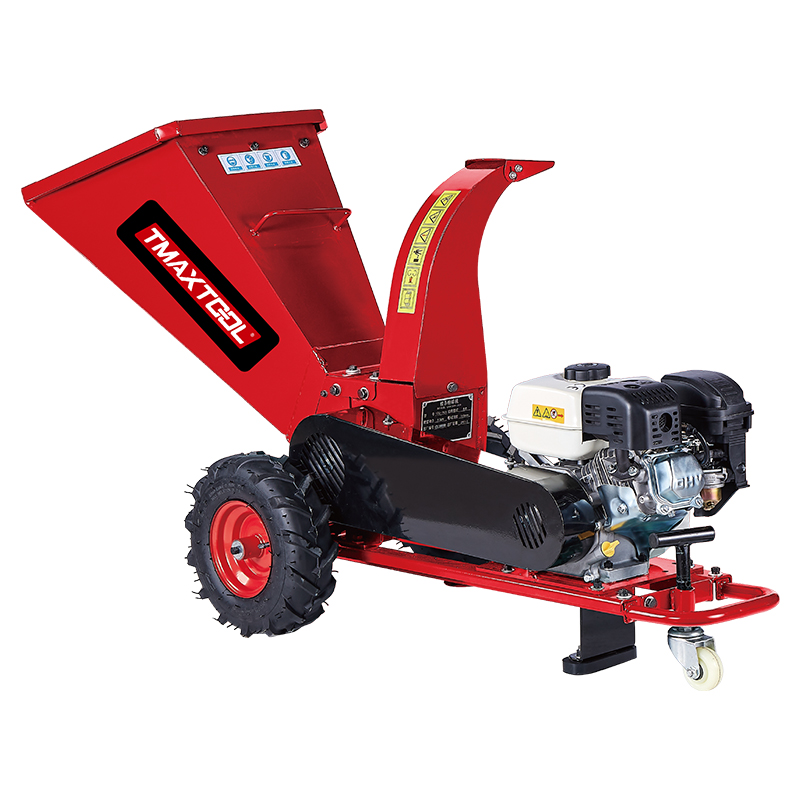 Wood Cutter
 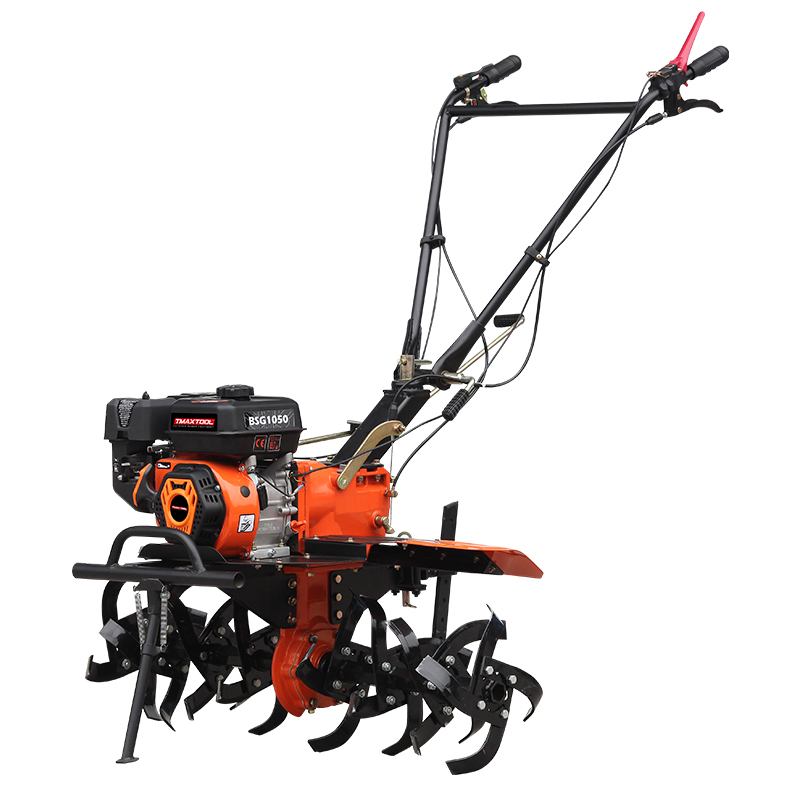 4 Stroke Tiller
 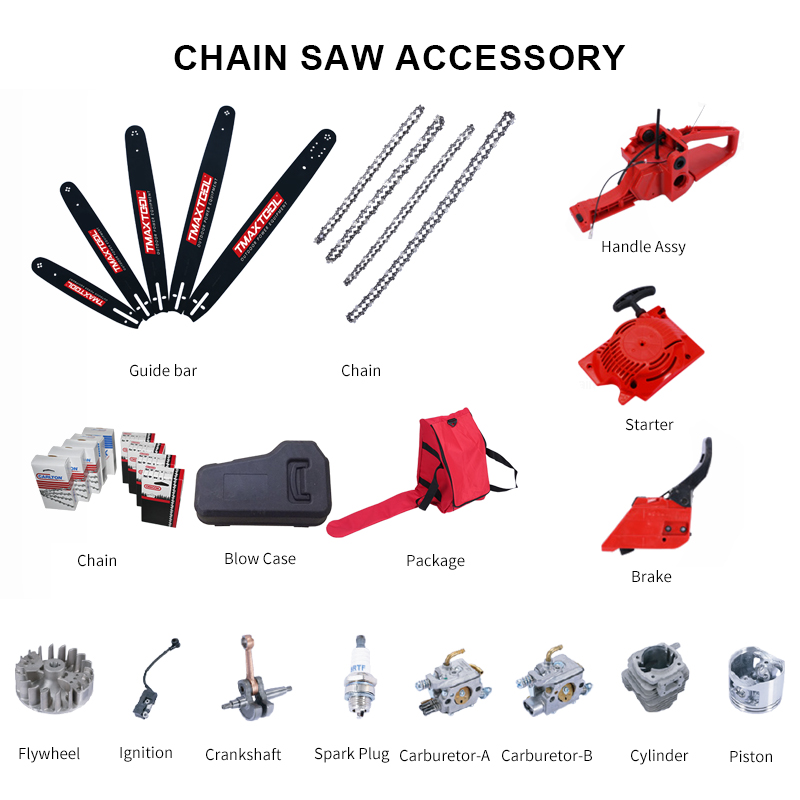 Chain Saw Accessory
 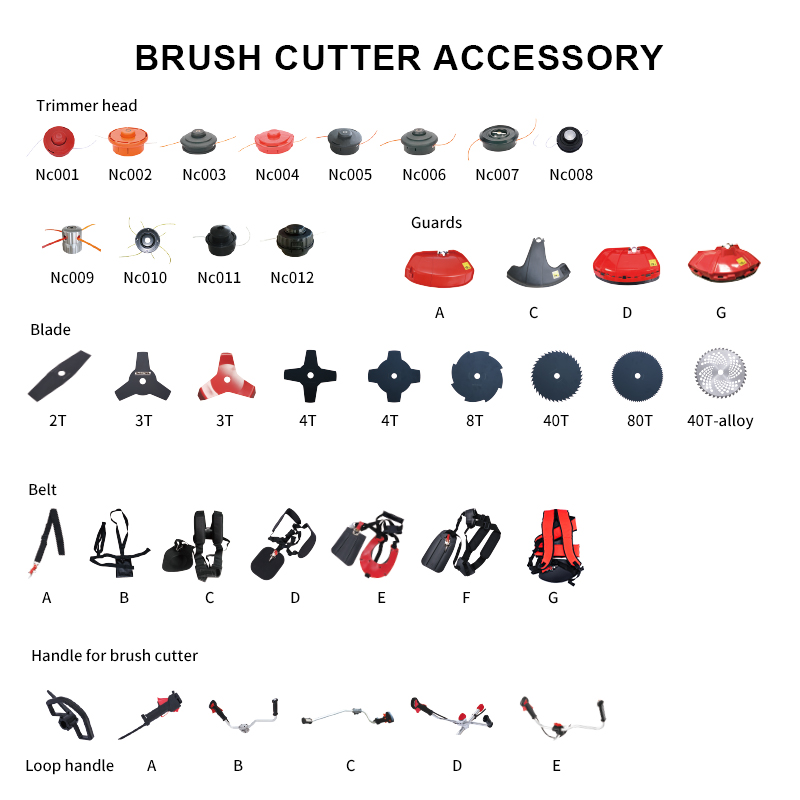 Brush Cutter Accessory
 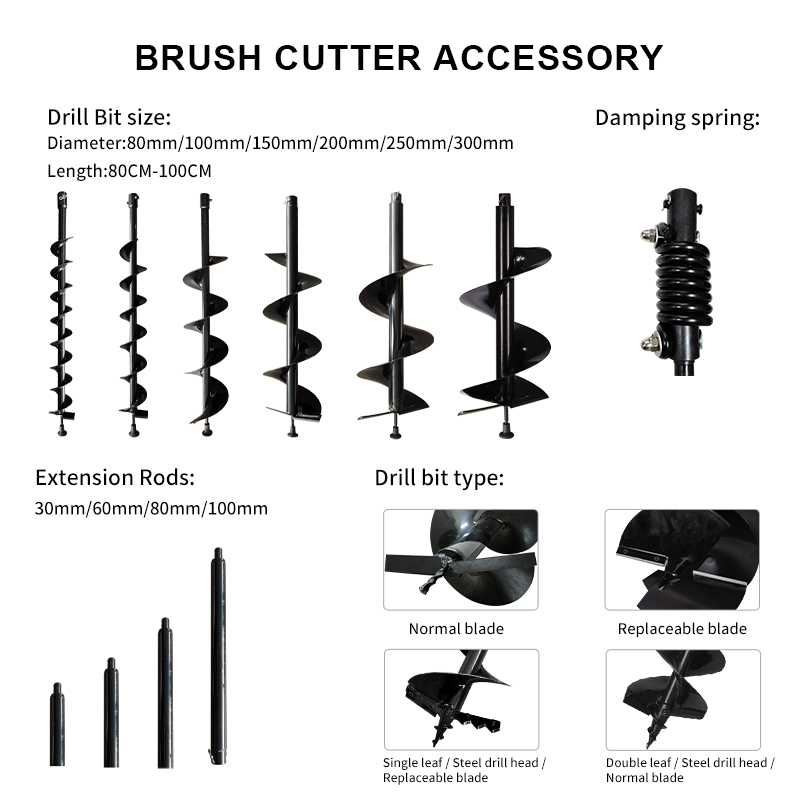 Earth Auger Accessory
  Protective Equipment Accessories
Leave Your Message


Brush Cutter Beginner's Guide: A Journey of Lawn Maintenance from Scratch
Having a lush, neat and beautiful lawn is the beautiful aspiration of many people for outdoor Spaces. As a core tool for lawn maintenance, for beginners, mastering the usage and maintenance methods of lawn mowers is the key to embarking on a lawn maintenance journey. Whether you are a gardening enthusiast or an international wholesaler planning to expand your lawn maintenance business, this guide can help you get started quickly and easily create your ideal lawn.
Understand the types of lawn mowers
Before starting lawn maintenance, it is essential to understand the different types of lawn mowers. Common types of lawn mowers include push-type, self-propelled and riding types. The hand-pushed lawn mower has a simple structure and an affordable price, making it suitable for small and flat lawns. The self-propelled lawn mower is equipped with a drive system. Users only need to control the direction, which can reduce physical burden and is suitable for medium-sized lawns. The riding lawn mower is highly efficient and suitable for large areas of lawns, but its operation is relatively complex and it also has high requirements for the flatness of the site. Choosing the right lawn mower based on the lawn area, terrain and personal physical condition is the first step to efficiently maintain the lawn.

Safety Operation Instructions
When operating a lawn mower, safety always comes first. Before use, be sure to wear protective equipment such as anti-slip shoes, goggles and gloves to avoid injury from splashing objects. Check whether the blades of the lawn mower are sharp and whether the screws are loose to ensure that the machine is in good condition. Before starting the lawn mower, make sure there is no one around, especially children and pets. During the mowing process, do not touch the rotating blade with your hands or other objects. If you need to clear the blockage, you must first turn off the engine and wait for the blade to completely stop rotating.
Scientific mowing methods
Scientific mowing methods can make the lawn healthier and more beautiful. Follow the "one-third principle", that is, each mowing should not exceed one-third of the length of the grass leaf. This can not only maintain the photosynthetic capacity of the lawn but also promote its growth. The direction of mowing should be diversified. Avoid mowing in the same direction every time to prevent the grass leaves from growing inclined to one side. For different types of grass species, the cutting height also varies. For instance, the suitable height for cool-season grass species is 5 to 7 centimeters, while for warm-season grass species, it is 3 to 5 centimeters. In addition, it is best to mow the lawn in the early morning after the dew has dried up or in the evening. Avoid mowing at noon when the temperature is high to reduce damage to the lawn.
Daily maintenance and care
Regular maintenance and upkeep can extend the service life of lawn mowers and ensure their working efficiency. After each use, clean the grass and soil on the lawn mower in time to prevent their accumulation from affecting the machine's performance. Check the fuel or battery power and replenish or charge it in time. Regularly change the engine oil and air filter to keep the engine running well. At regular intervals, grind or replace the blade to ensure the cutting effect. When not in use for a long time, the lawn mower should be stored in a dry and well-ventilated place and proper protective measures should be taken.
Frequently Asked Questions Handling
Some problems may be encountered during the use of a lawn mower. For instance, if a lawn mower has difficulty starting, it might be due to insufficient fuel, a faulty spark plug or a clogged air filter. If the lawn is not cut neatly, it might be due to worn blades or too fast mowing speed. When encountering these problems, you can refer to the lawn mower's user manual for troubleshooting and resolution. If you are unable to handle them yourself, you should contact professional maintenance personnel in a timely manner.