
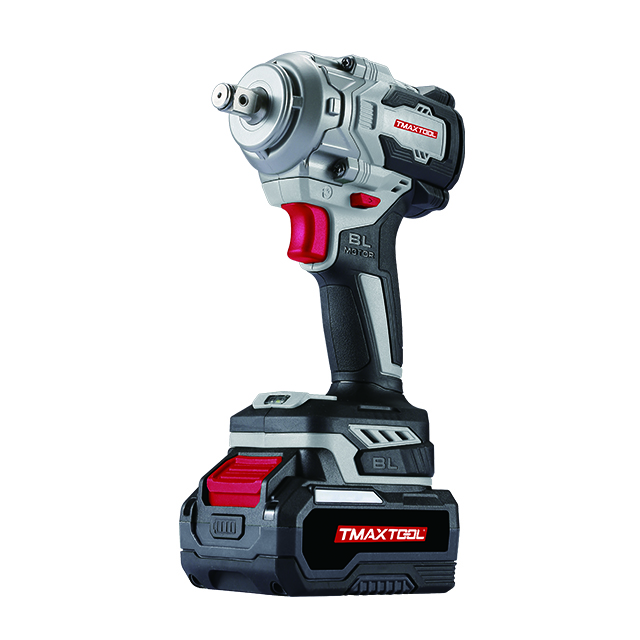
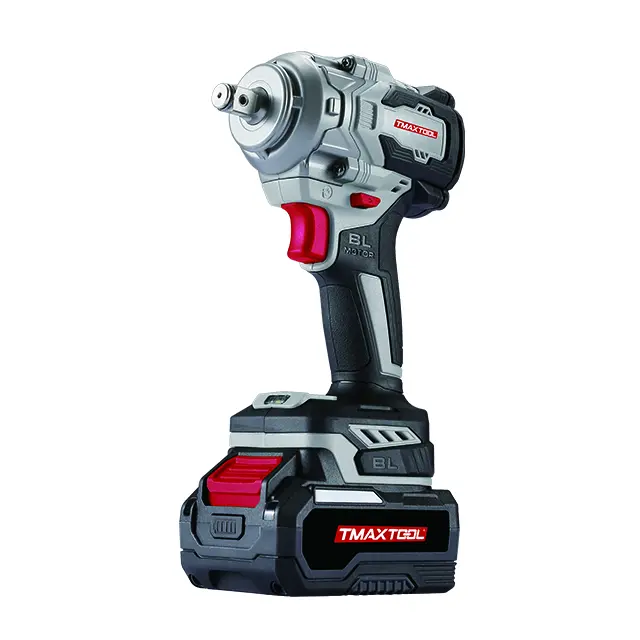
 Impact Wrench
 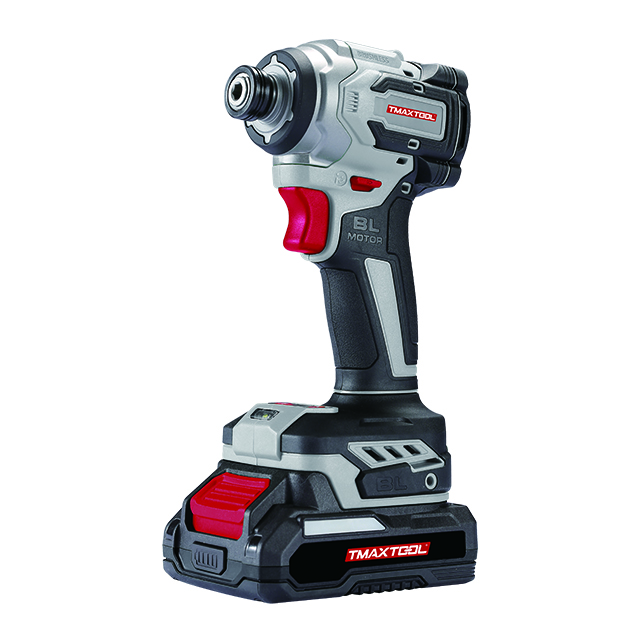 Screwdriver
 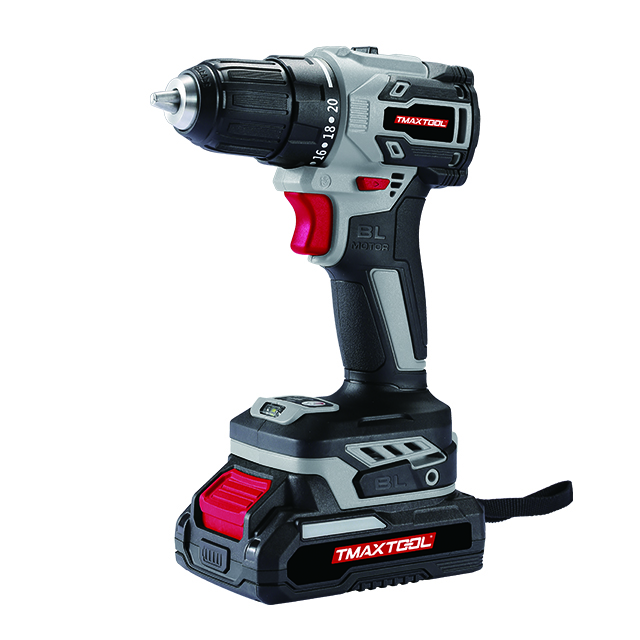 Cordless Drill
 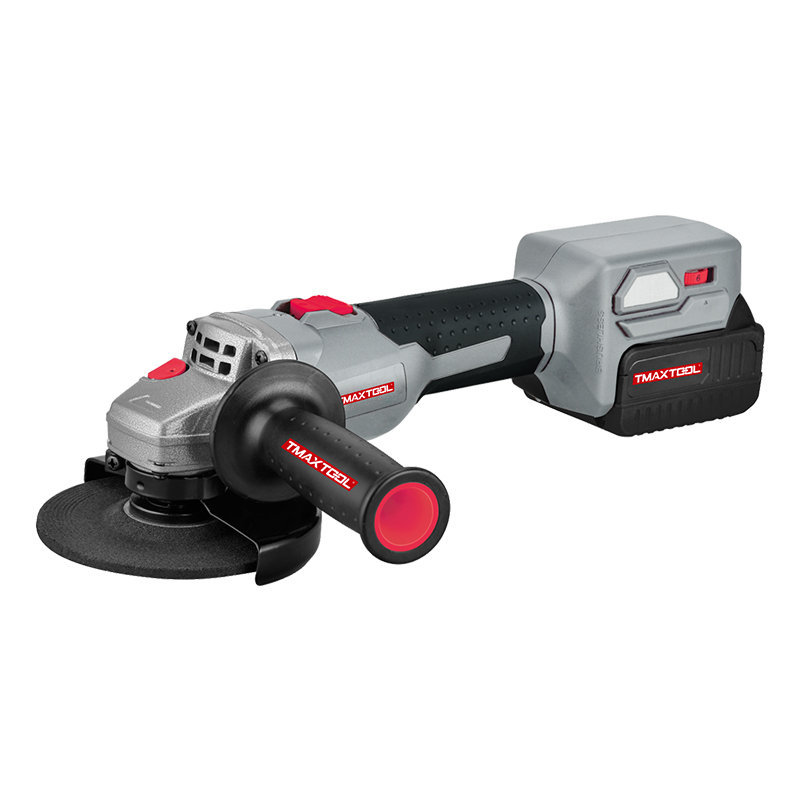 Angle Grinder
 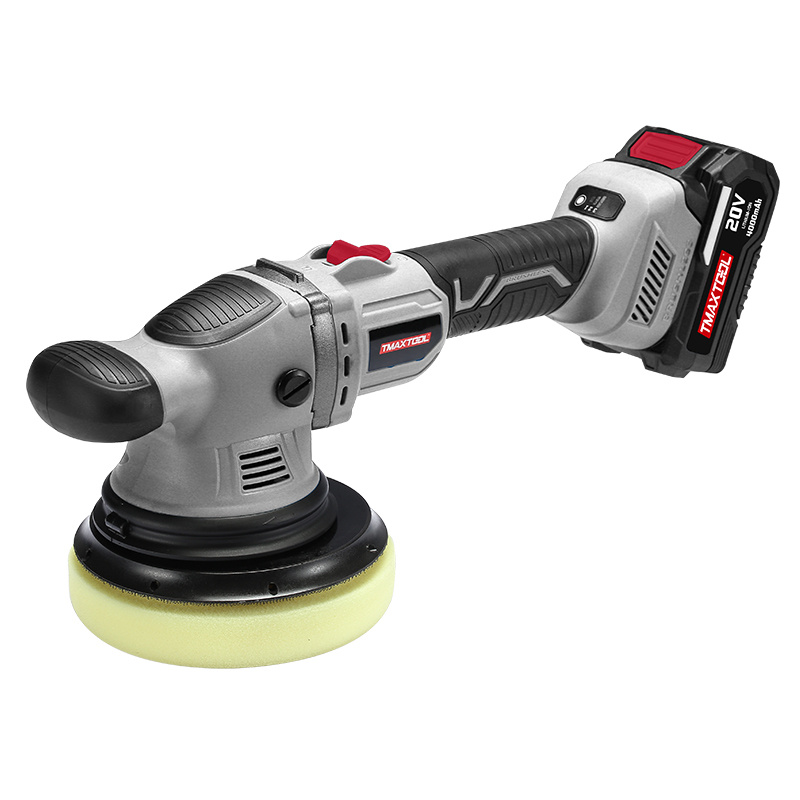 Polisher
 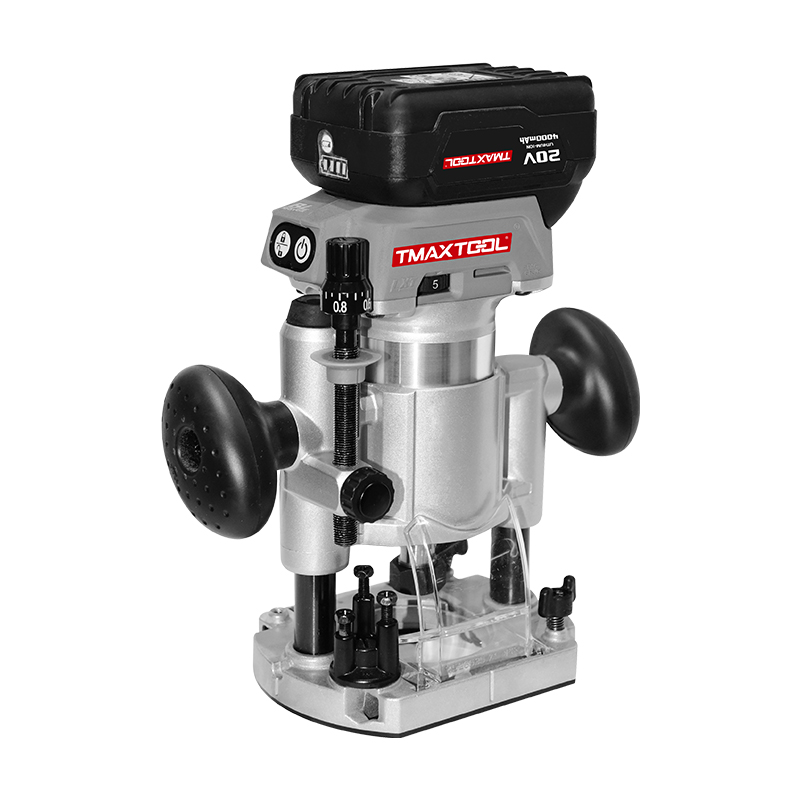 Wood Router
 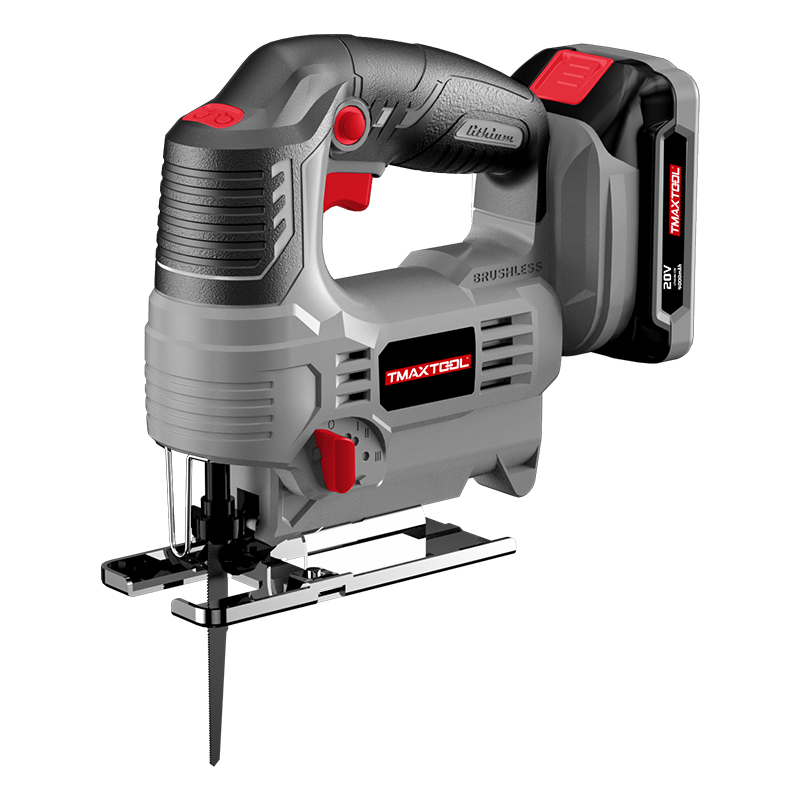 Jig Saw
 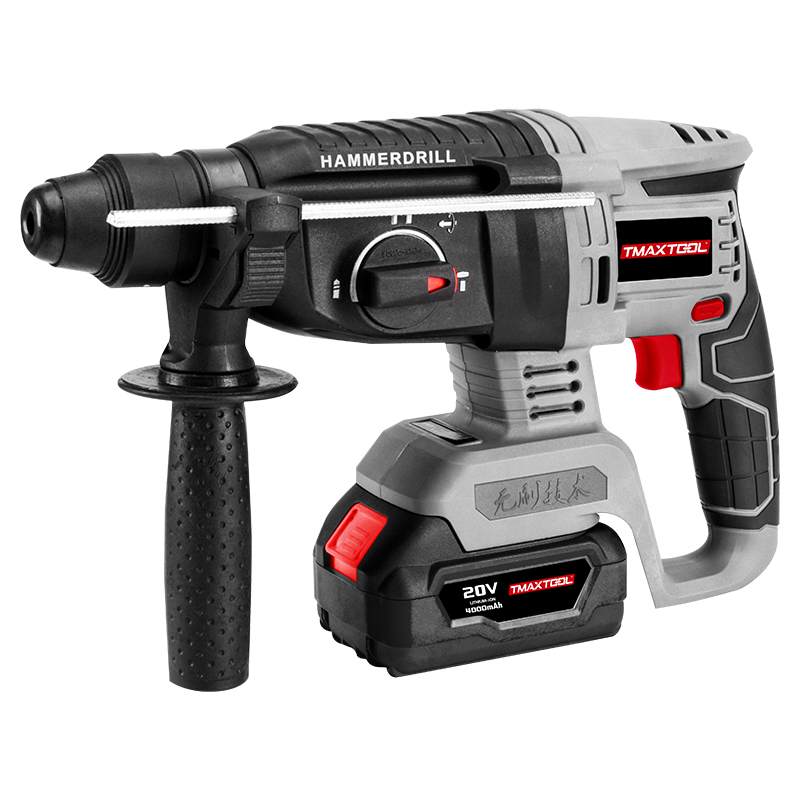 Hammer Drill
 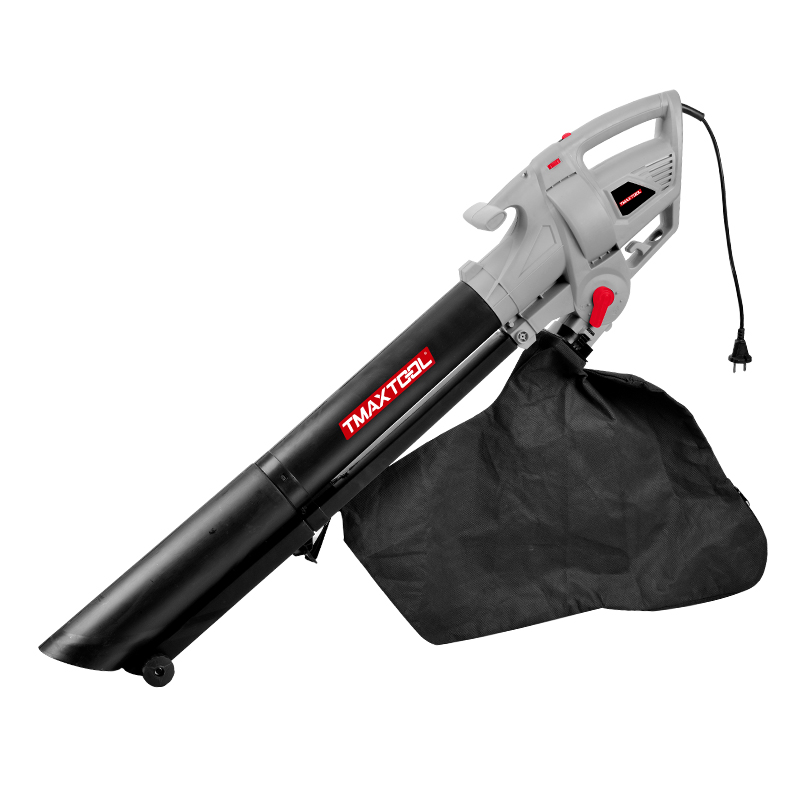 Portable Blower
 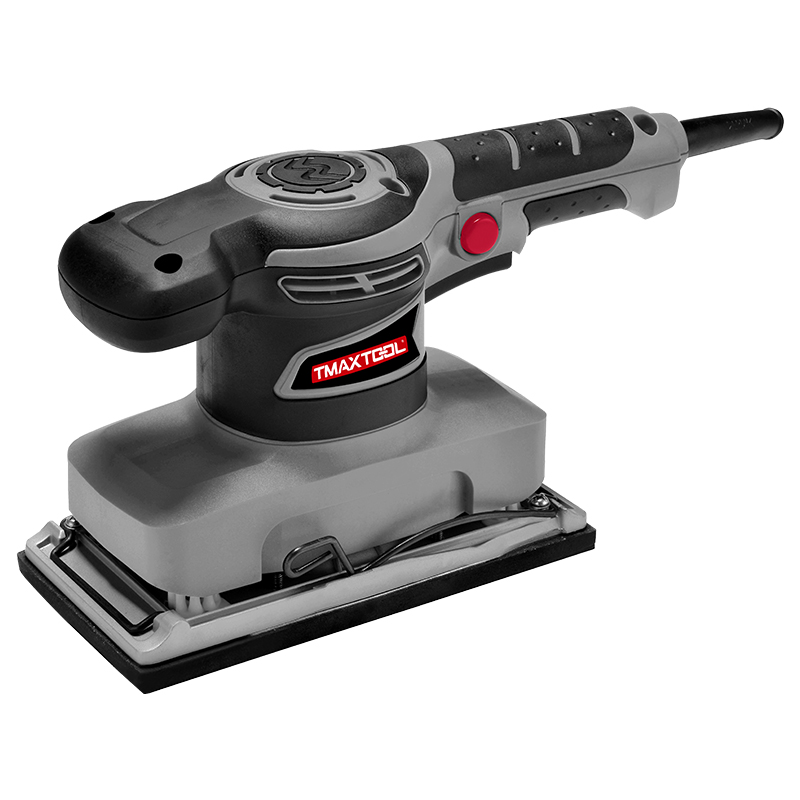 Orbital Sander
 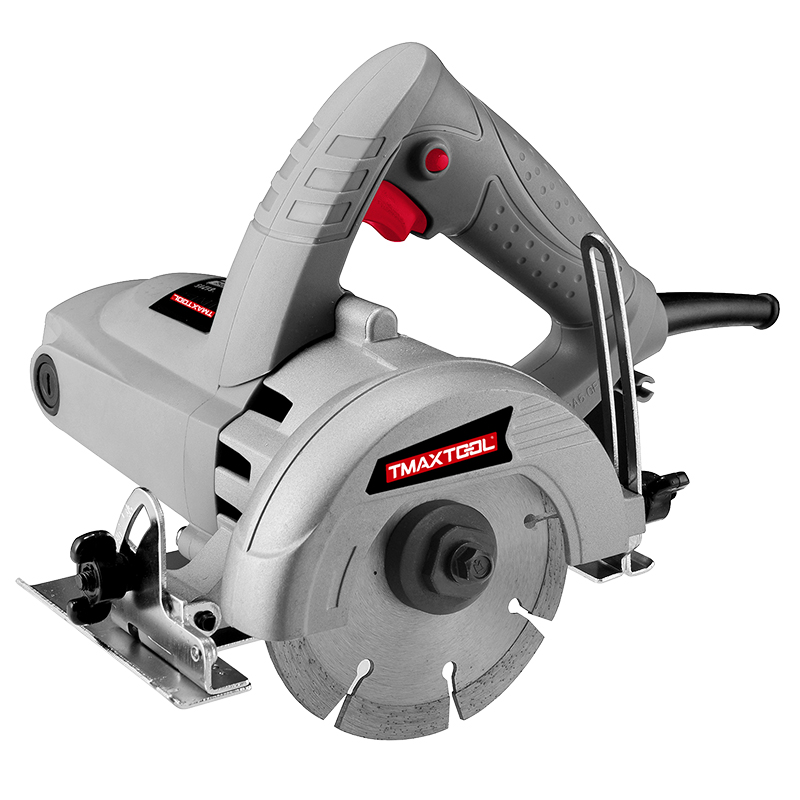 Marble Cutter
  GARDEN TOOLS
 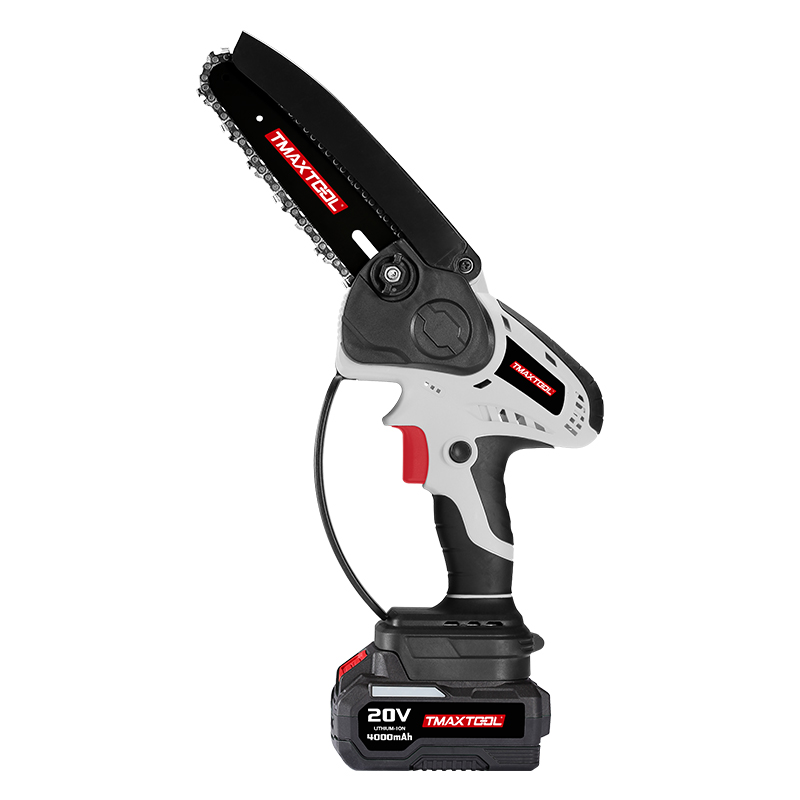 Battery Chain Saw
 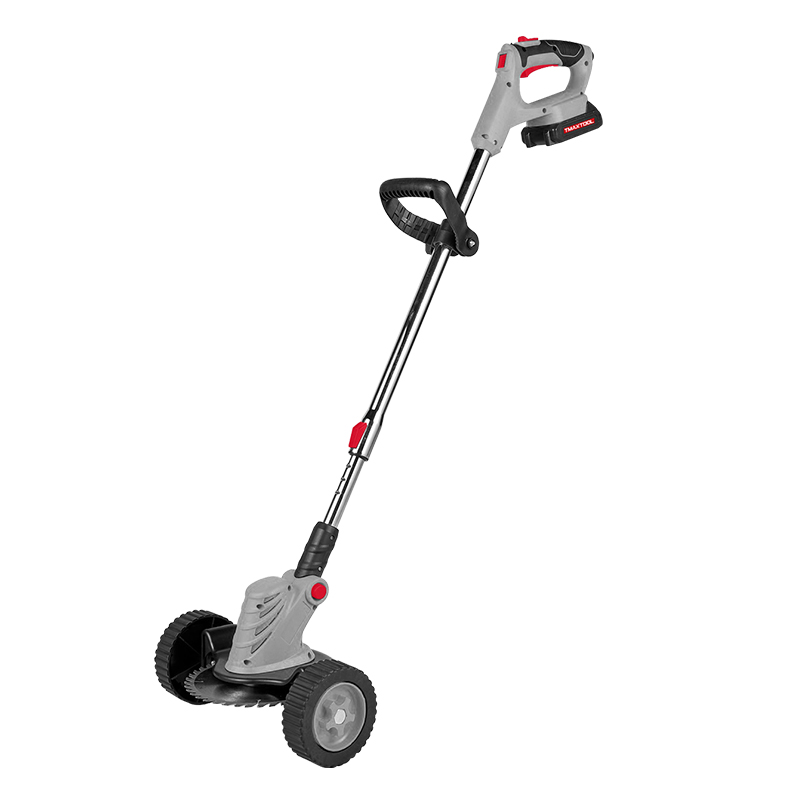 Battery Brush Cutter
 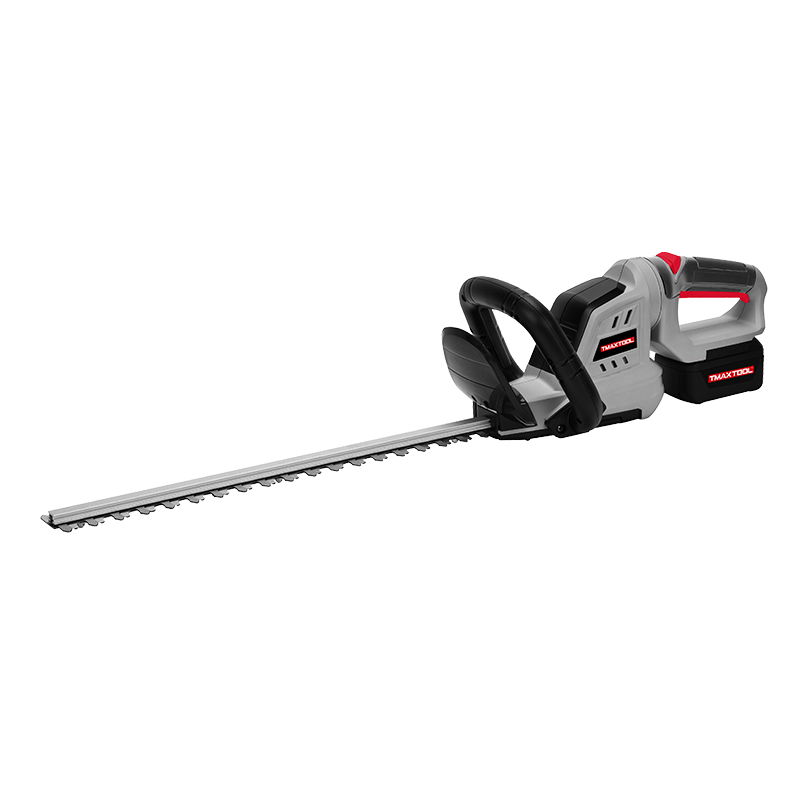 Battery Hedge Trimmer
 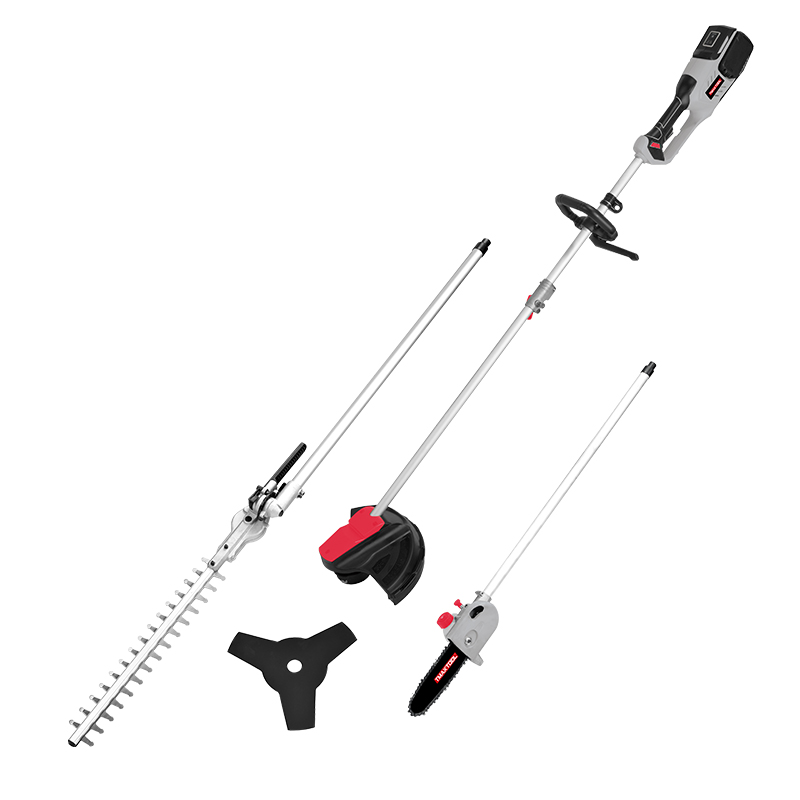 Battery Multi Tool
 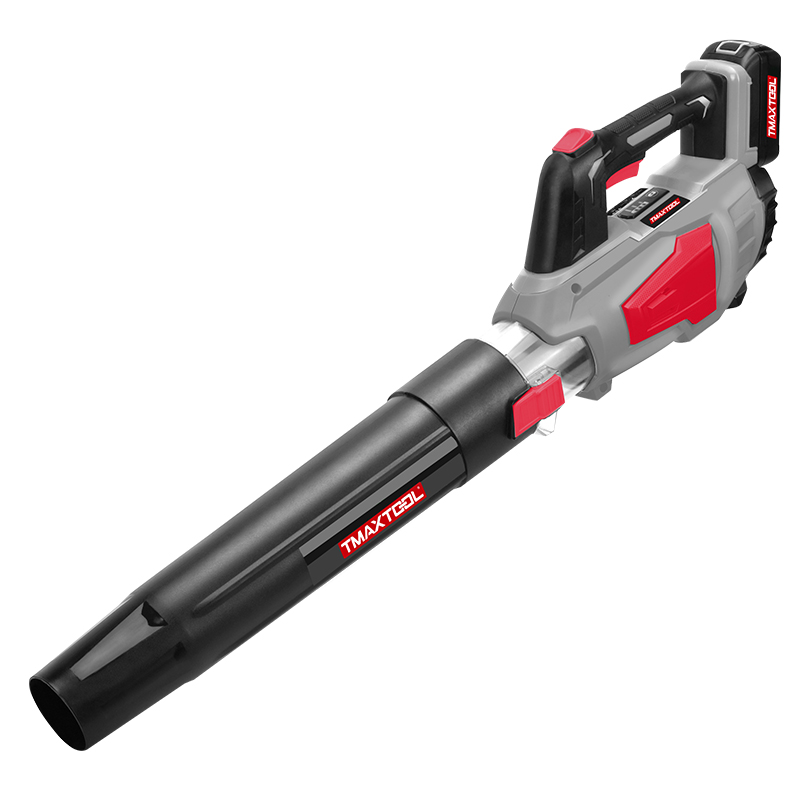 Battery Blower
 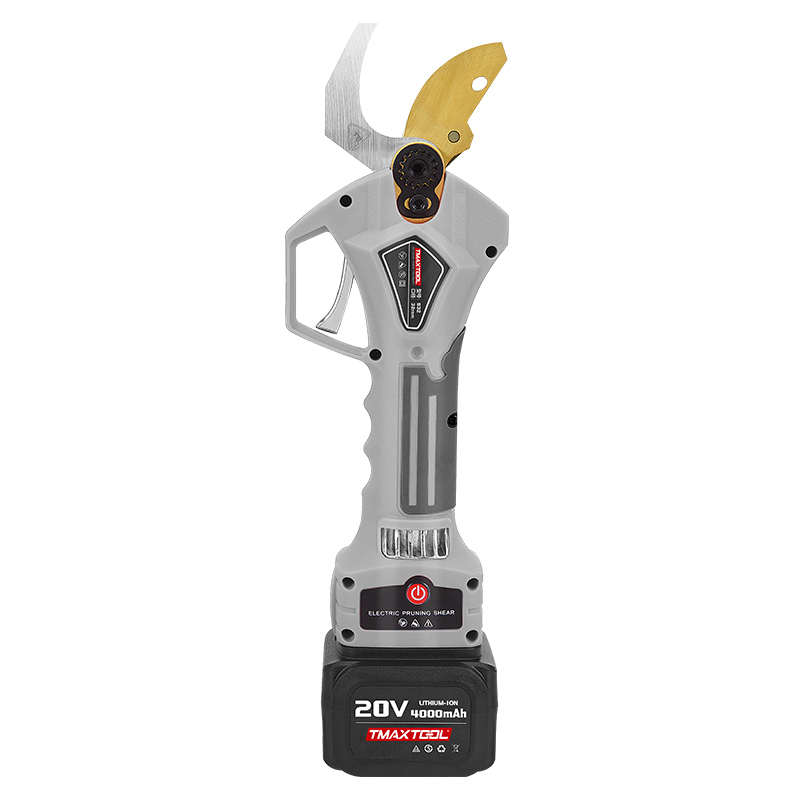 Batter Pruning Shears
 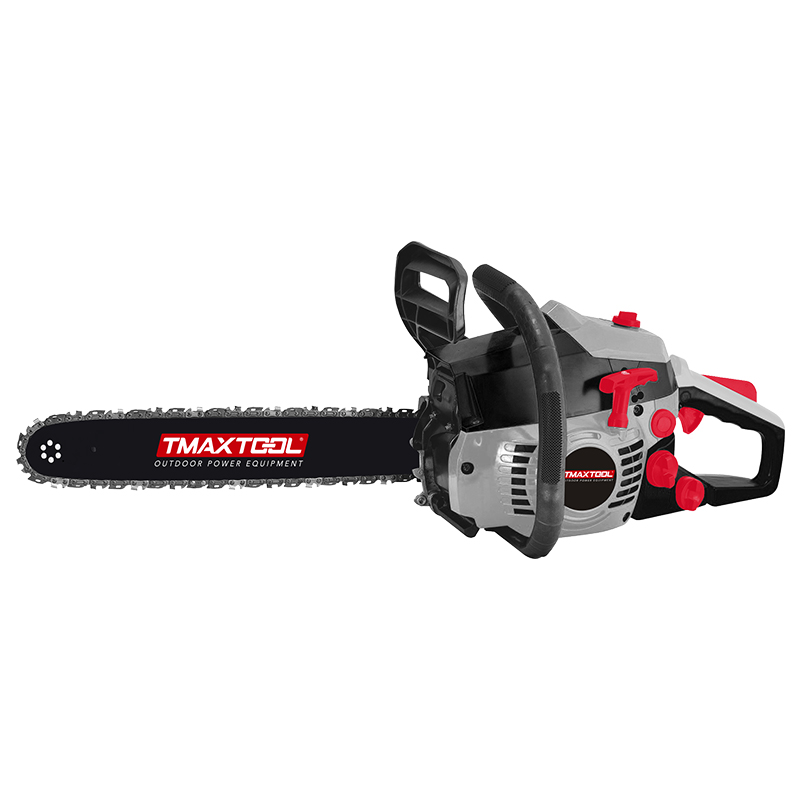 Chain Saw
 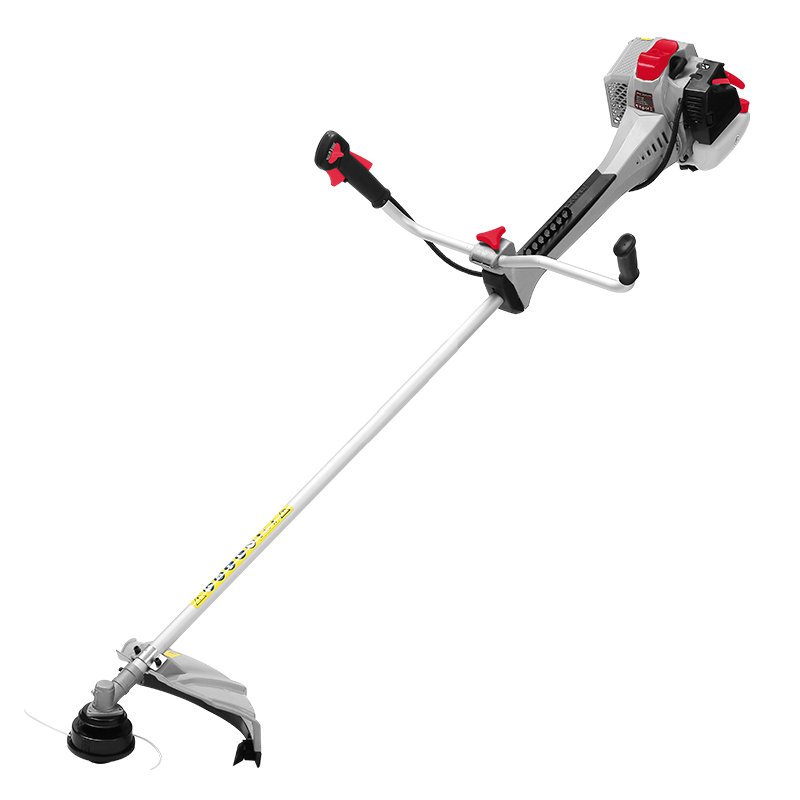 Brush Cutter
 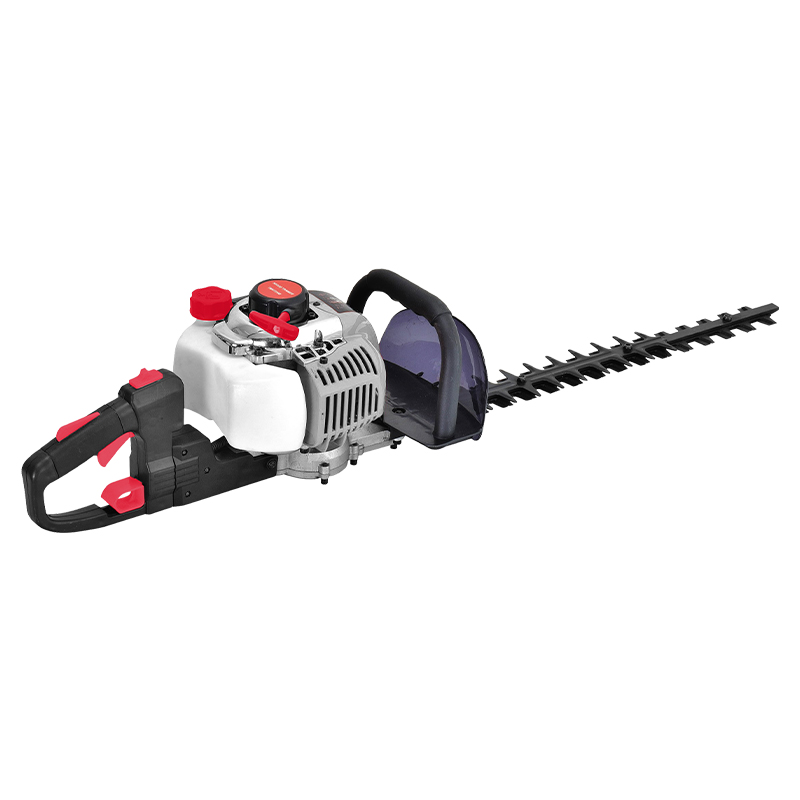 Hedge Trimmer
 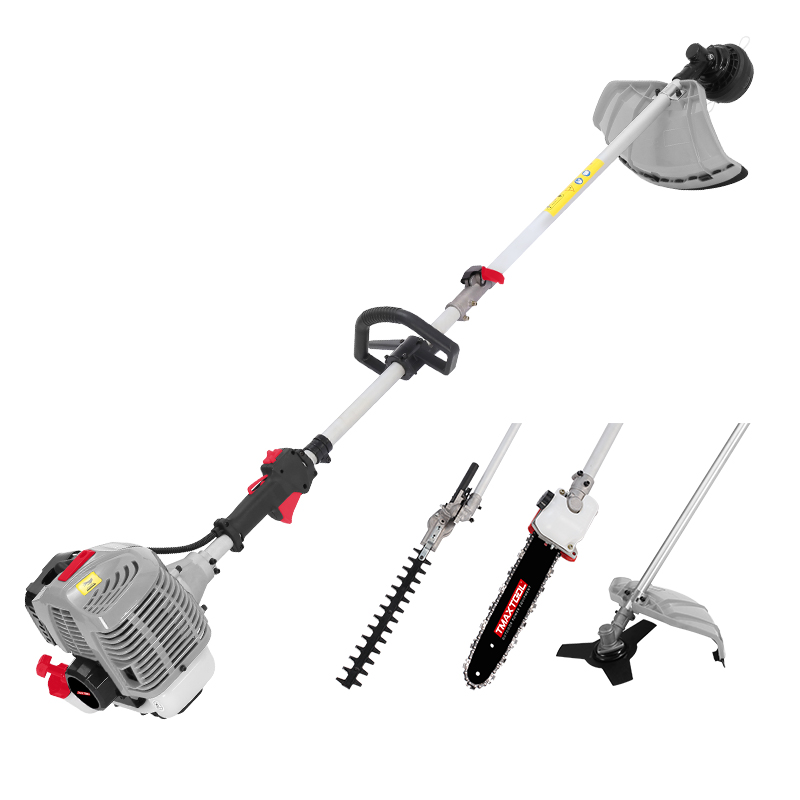 Multi Tool
 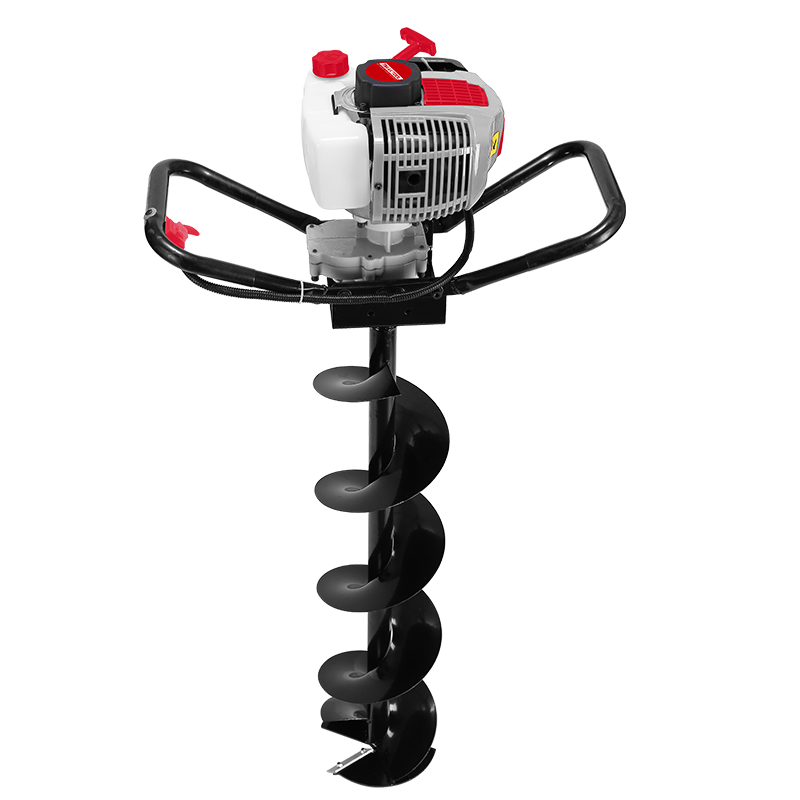 Earth Auger
 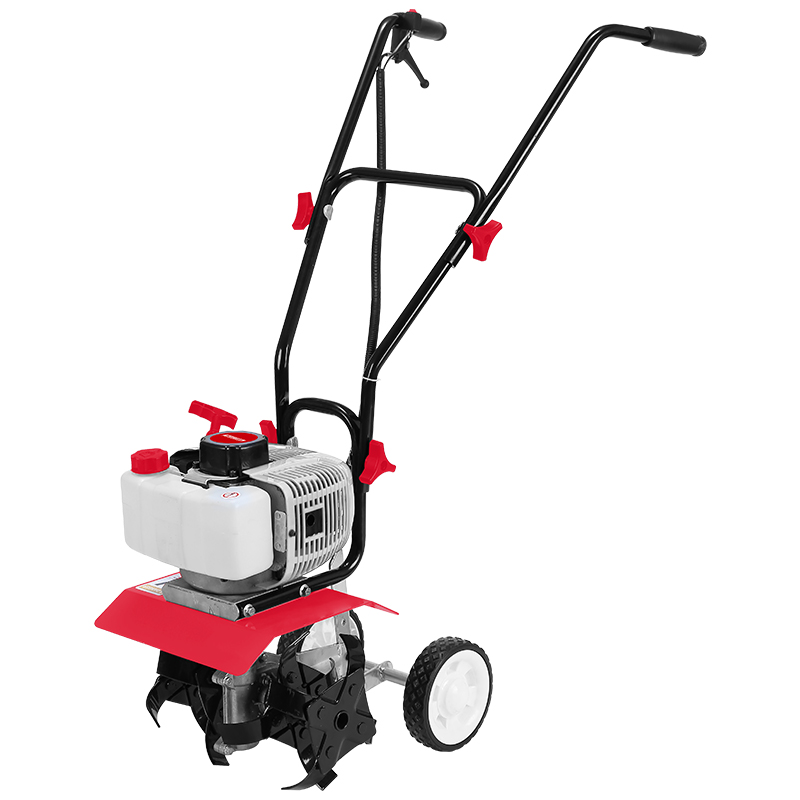 Tiller
  Blower
 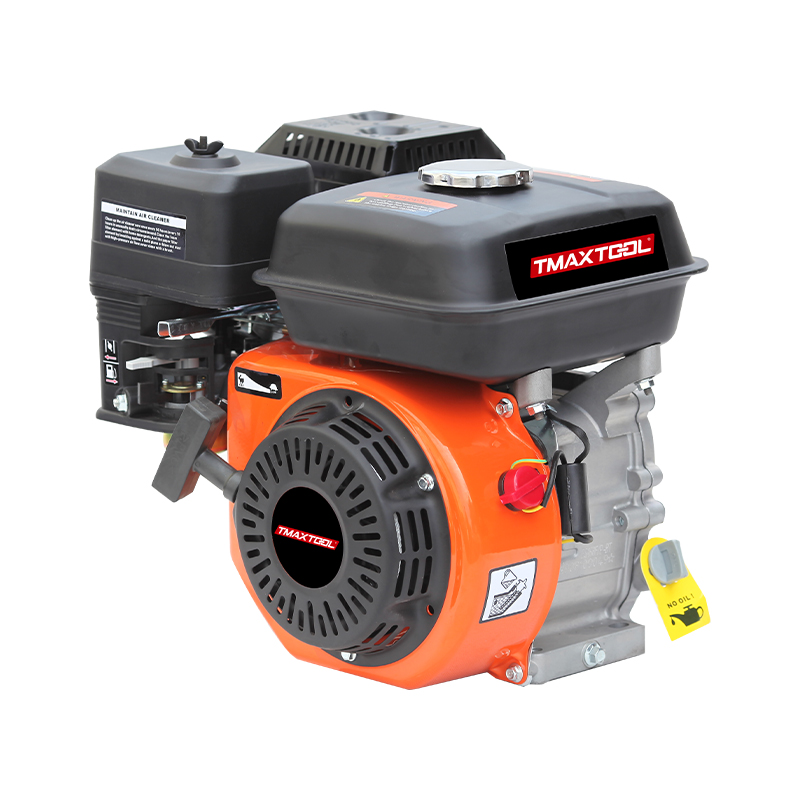 4 Stroke Gasoline Engine
 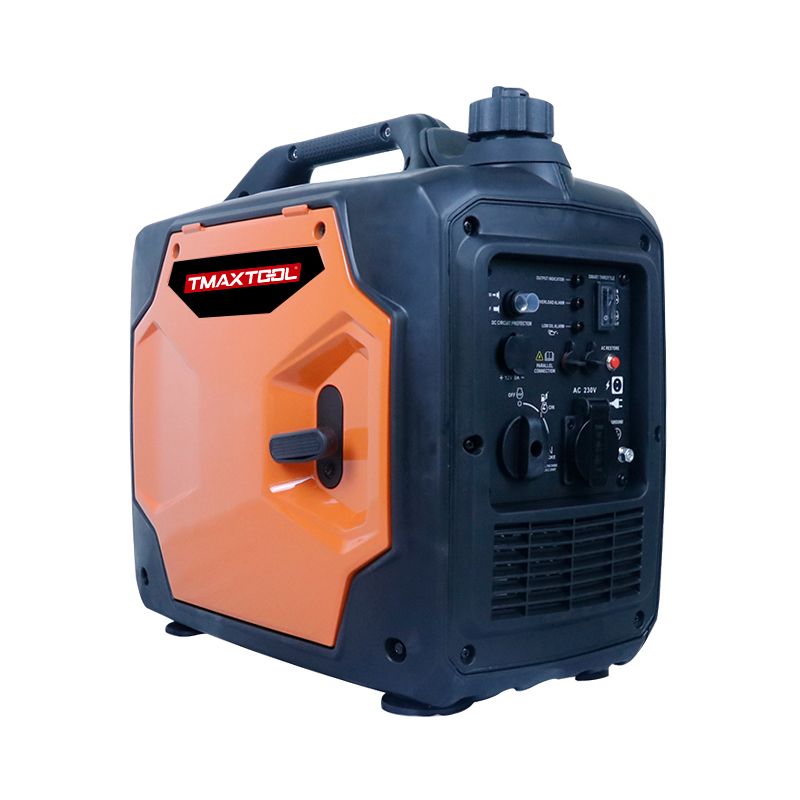 Generator
 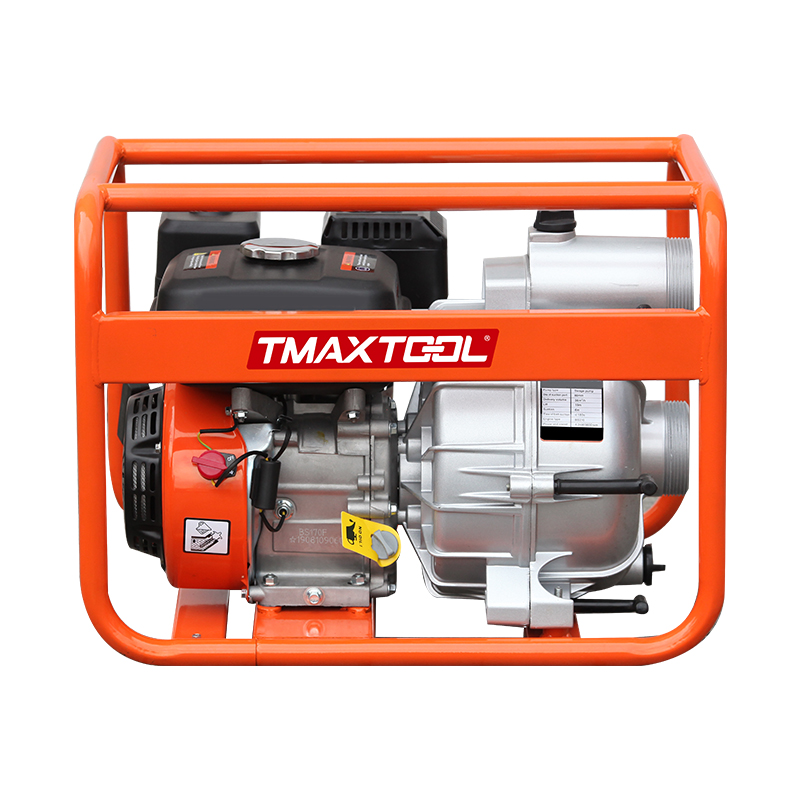 Water Pump
 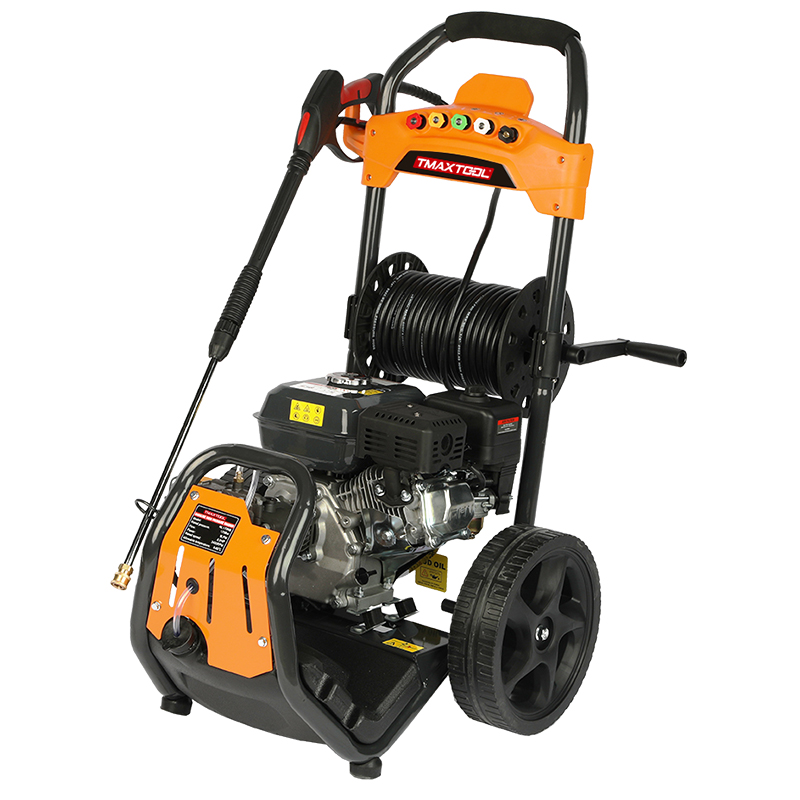 High Pressure Washer
 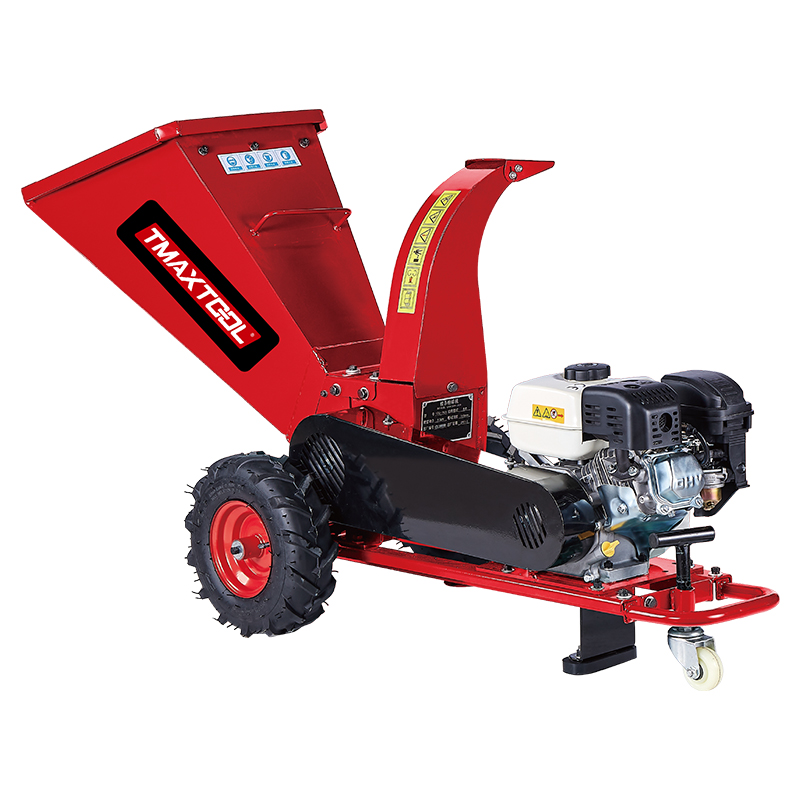 Wood Cutter
 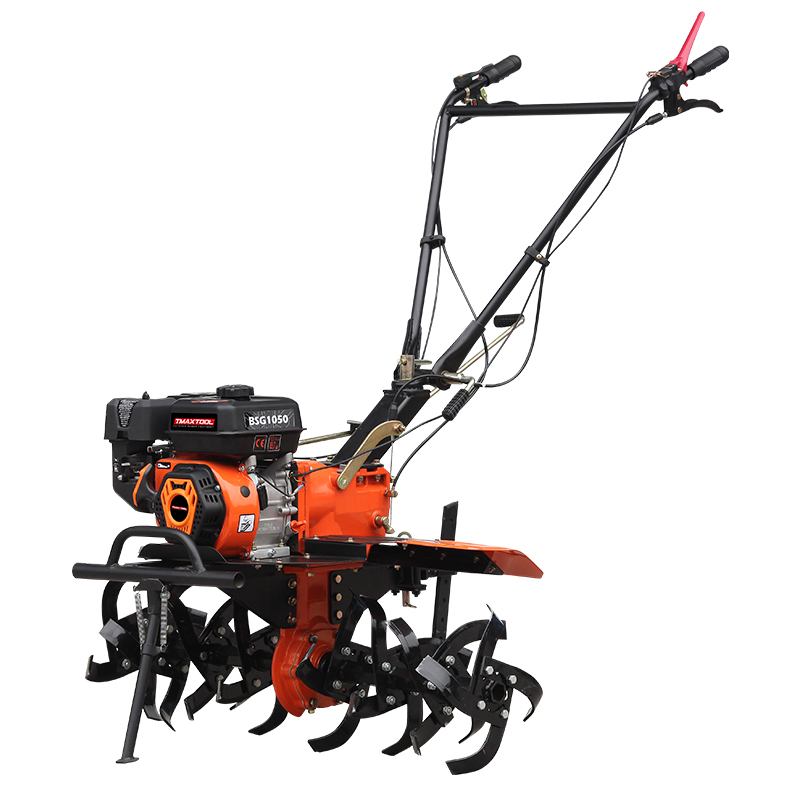 4 Stroke Tiller
 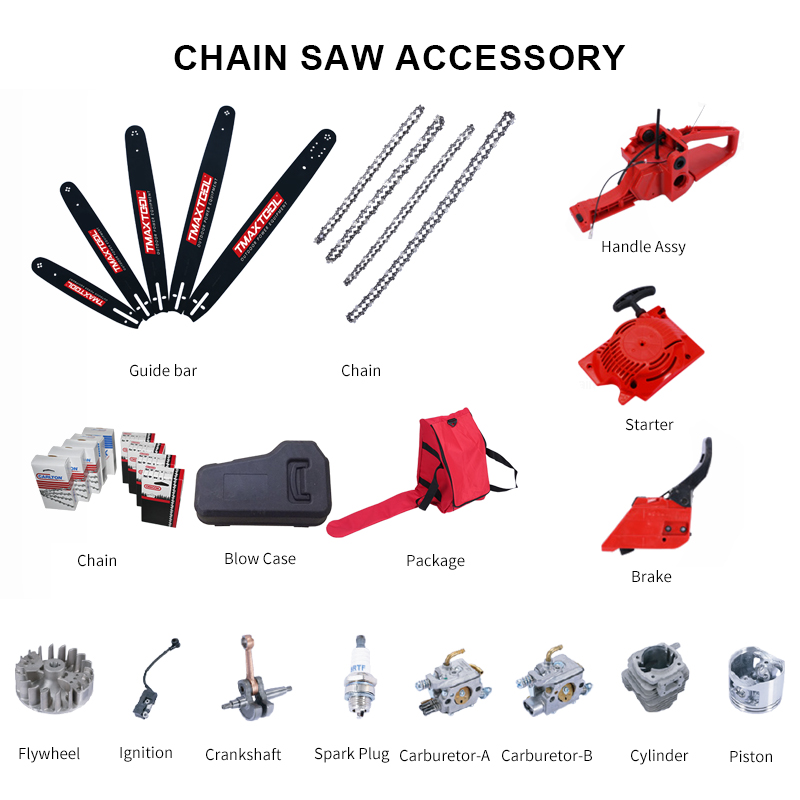 Chain Saw Accessory
 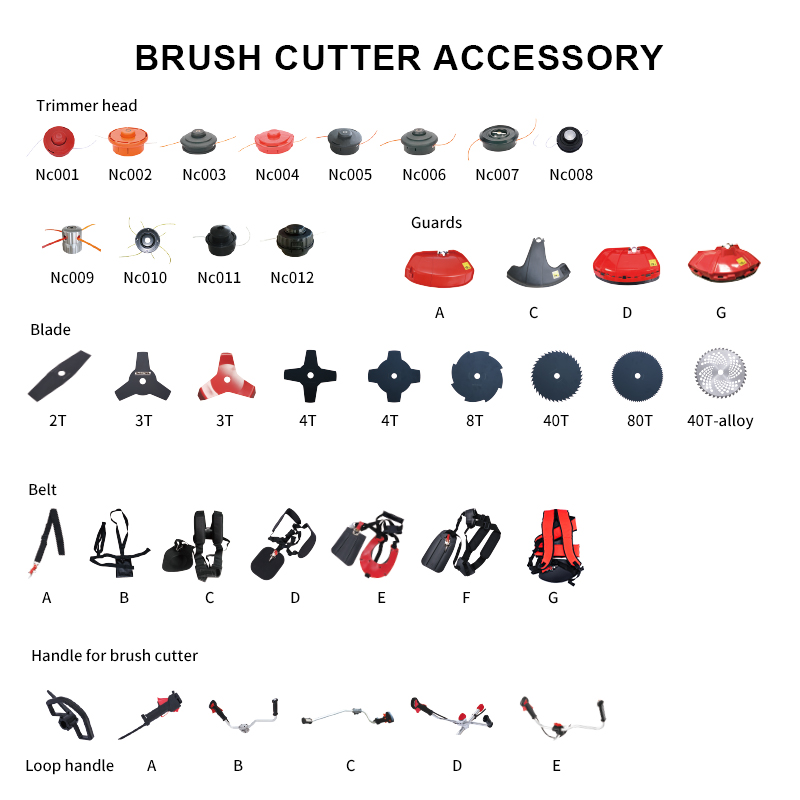 Brush Cutter Accessory
 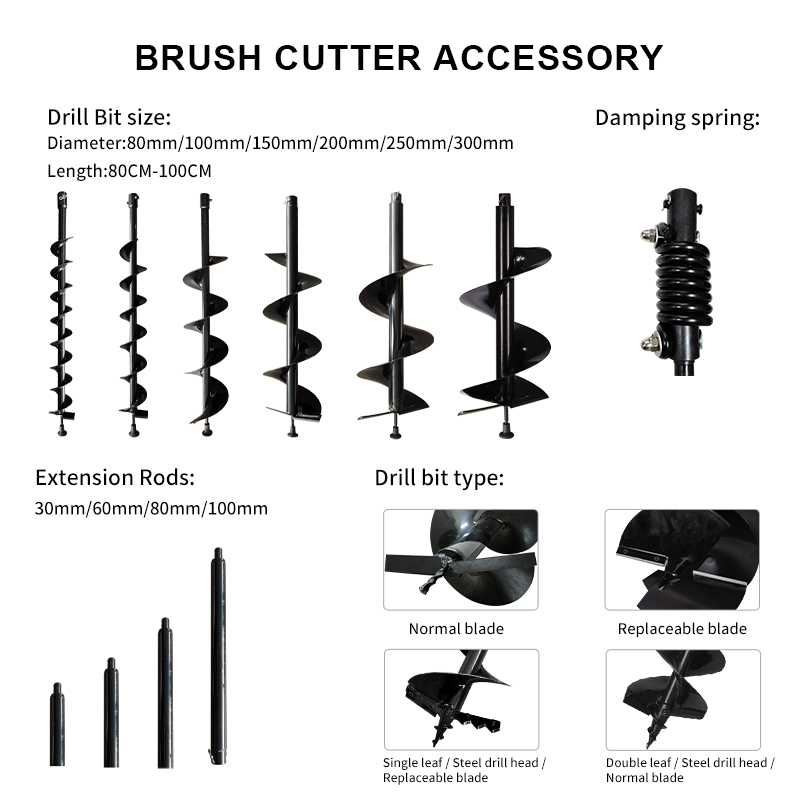 Earth Auger Accessory
  Protective Equipment Accessories
Leave Your Message


Circular saws, chain saws, and circular saws: Different types of wood suitable for various wood cutting machines
In the process of wood processing, choosing the right cutting tools can make the work twice as effective with half the effort. Circular Saws,chain saws and circular saws, as commonly used wood cutting equipment, each have unique design features, which make them demonstrate different advantages when dealing with different types of wood. Understanding their compatibility with various types of wood can help us complete the cutting work more efficiently.
Circular saw: Suitable for small and medium-sized solid wood and boards
The circular saw, with its high-speed rotating circular saw blade at its core, is suitable for processing medium and small-sized solid wood and various types of boards. For soft woods such as pine and fir, circular saws can achieve smooth and rapid cutting, with neat cuts and less likely to produce burrs. When dealing with artificial boards such as plywood and fiberboard of moderate thickness, its sharp saw blade can effectively reduce material chipping and ensure the integrity of the cutting edge.
The advantage of this tool lies in its good cutting accuracy, making it suitable for scenarios that require straight-line cutting. Whether it is for cutting solid wood or standardizing the cutting of boards, circular saws can provide stable performance. However, for overly thick logs or wood that is too hard, the cutting efficiency of the circular saw will decline. At this time, it is more suitable to choose other specialized tools.
Chainsaw: Skilled at handling large logs and thick branches
The design of the Chain Saw makes it an ideal choice for handling large pieces of wood, especially large-diameter logs and thick branches. The chain-like saw blades surrounding the guide plate can generate a powerful cutting force, and even hard woods such as oak and walnut can be effectively cut. When dealing with irregularly shaped tree trunks or scenarios where on-site felling is required, the portability and flexibility of chainsaws can better demonstrate their advantages.
The cutting method of chain saws is more suitable for rough processing and can quickly break down large pieces of wood, but the precision of the cut is relatively low. For scenarios where the original form of wood needs to be preserved, such as felling trees and disassembling large wooden components, the high efficiency of chain saws significantly enhances work efficiency. However, for fine board cutting or small-scale wood processing, chain saws are not precise enough.

Circular saw machine: Suitable for batch production of boards and regular wood
Circular saw machines are usually fixed on the worktable. With a stable body and adjustable saw blade angles, they are suitable for processing batches of boards and regular wood. Whether it is batch cutting of multi-layer boards or Angle cutting of solid wood blocks, the circular saw machine can maintain consistent cutting quality. Its powerful output enables it to handle medium-thickness hard wood and maintain stable performance during continuous operation.
This device is particularly suitable for scenarios that require standardized cutting. By adjusting the height and Angle of the saw blade, precise cutting at different depths and angles can be achieved. For commonly used materials in furniture making such as solid wood strips and decorative boards, circular saws can efficiently complete the cutting tasks while ensuring the flatness of the cut edges and reducing the burden of subsequent sanding work.
The basic principle of selection: Match the characteristics of the wood with processing requirements
When choosing a Wood Cutter, the first thing to consider is the size and hardness of the wood - for small boards,circular saws or circular saws are preferred, while for large logs, chain saws are more suitable. All three tools can handle soft wood, but for hard wood, equipment with appropriate power should be selected based on the size. Secondly, the processing accuracy requirements should be considered. For fine processing, circular saws and disc saws are suitable, while for rough processing, chain saws can be chosen.
In addition, the operation scenario will also affect the choice. When mobile operations are required, chain saws and portable circular saws are more suitable. For batch processing at fixed sites, circular saw machines are preferred. Only by comprehensively considering the characteristics of wood and processing requirements can the advantages of various cutting tools be fully utilized, ensuring both work efficiency and achieving ideal cutting results.
The design differences among various wood cutters make them each have their own strengths when dealing with specific types of wood. Understanding these characteristics and making reasonable choices can make the wood processing process smoother and more efficient. Whether it is daily DIY making or professional wood treatment, the most suitable tool solution can be found.
