
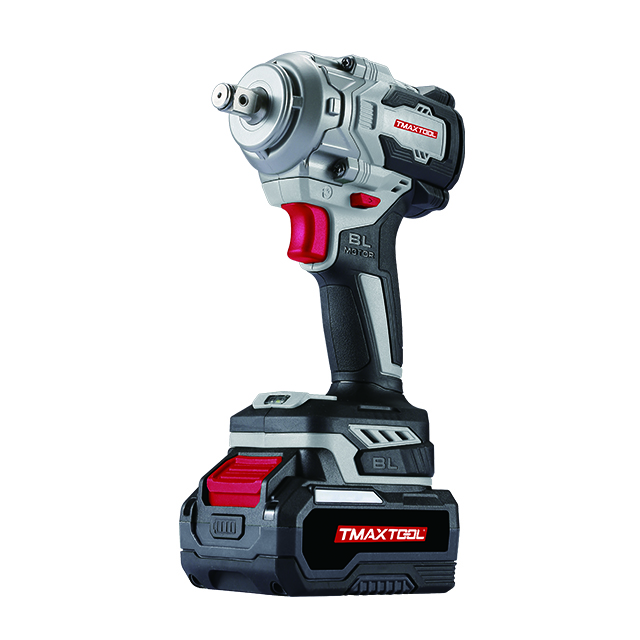
 Impact Wrench
 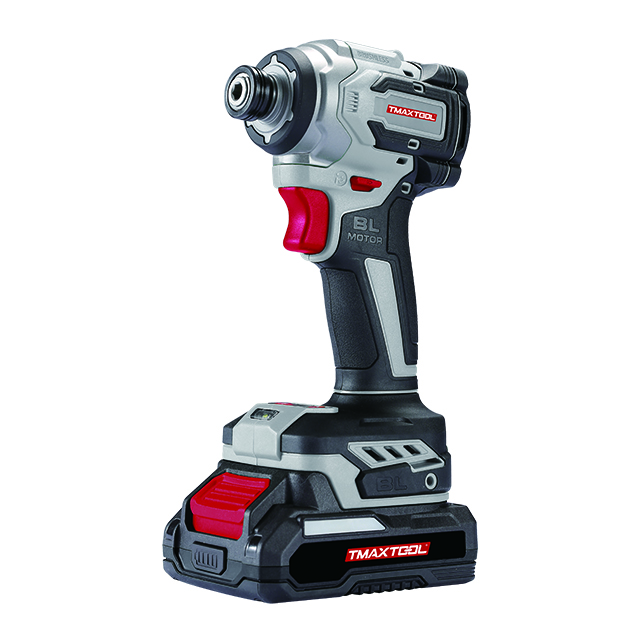 Screwdriver
 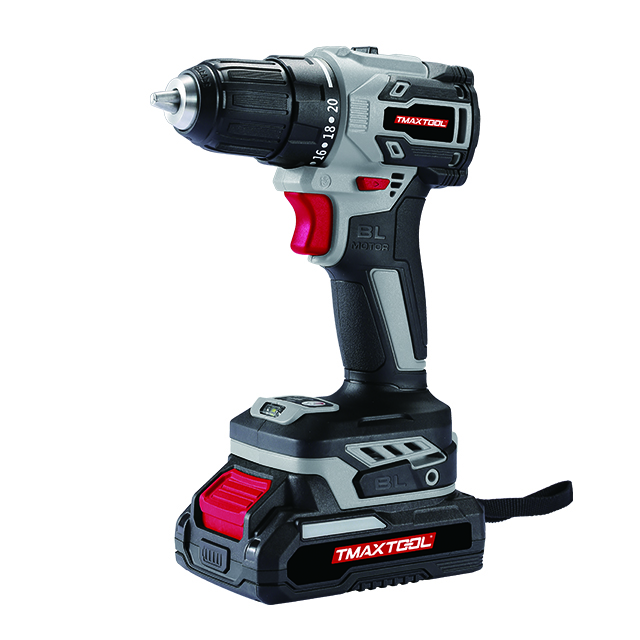 Cordless Drill
 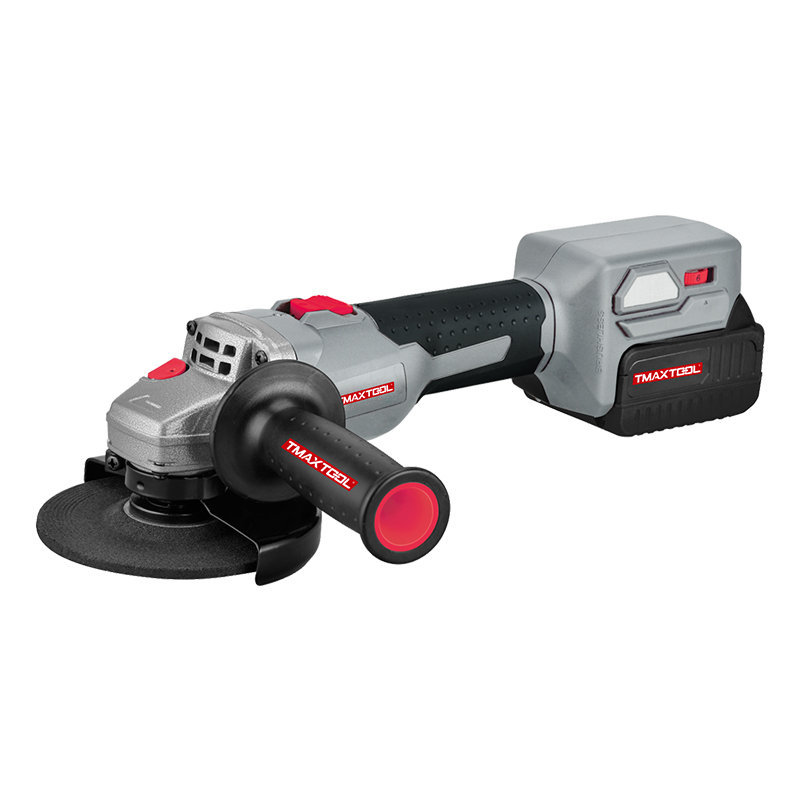 Angle Grinder
 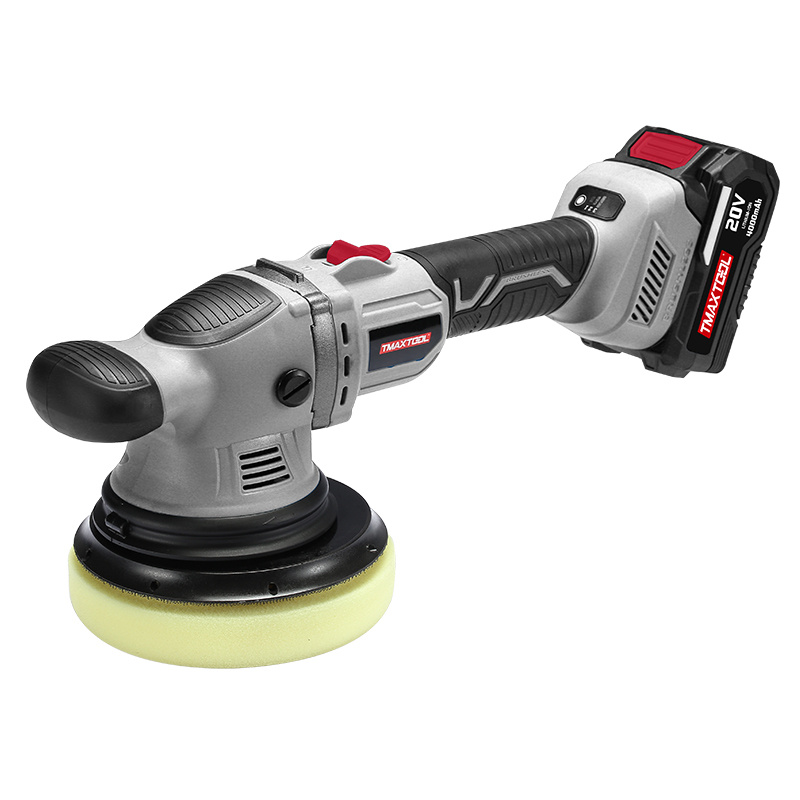 Polisher
 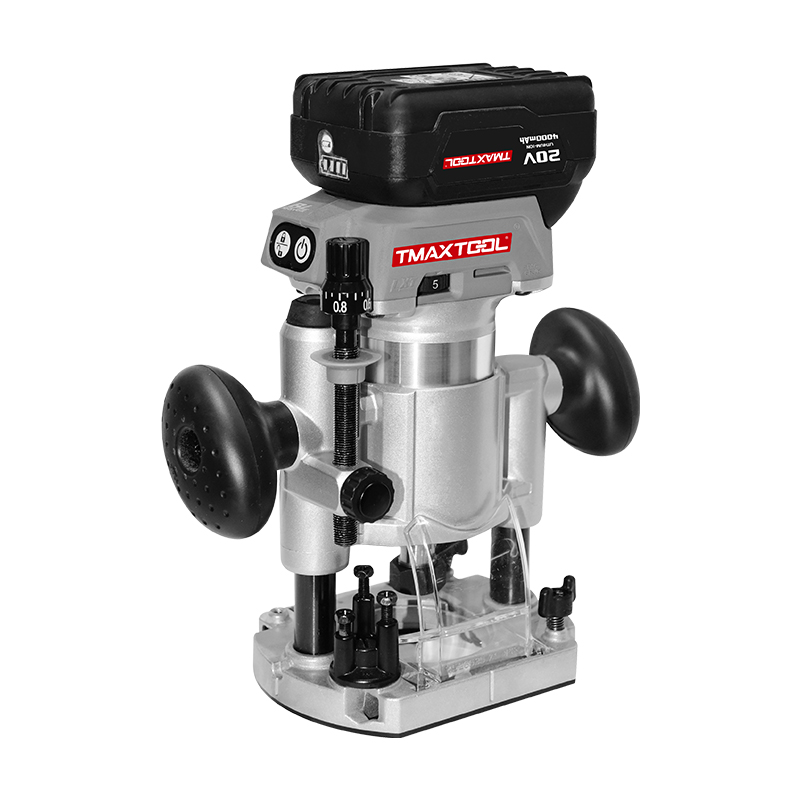 Wood Router
 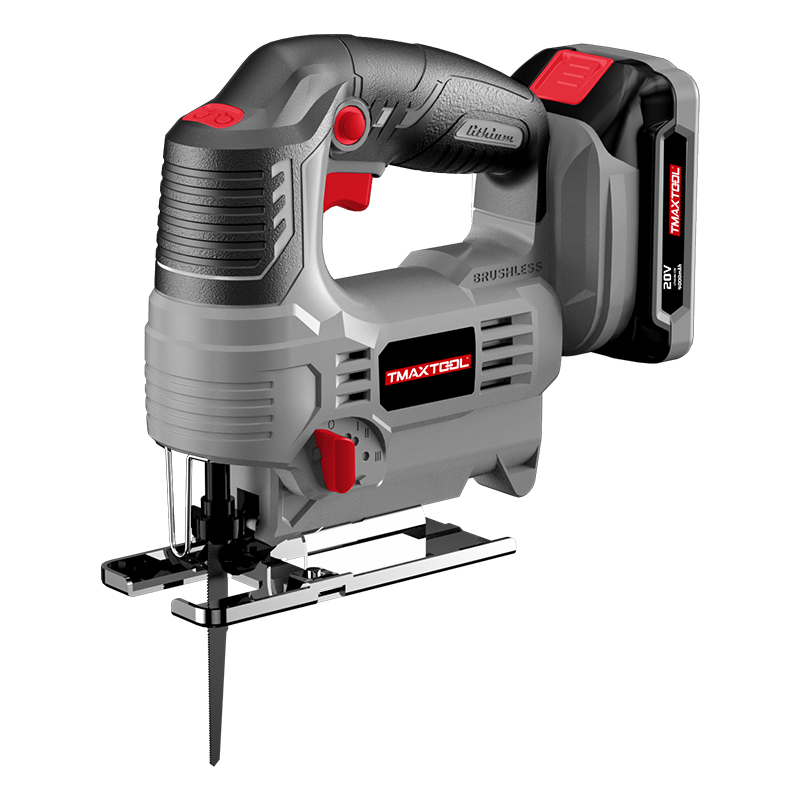 Jig Saw
 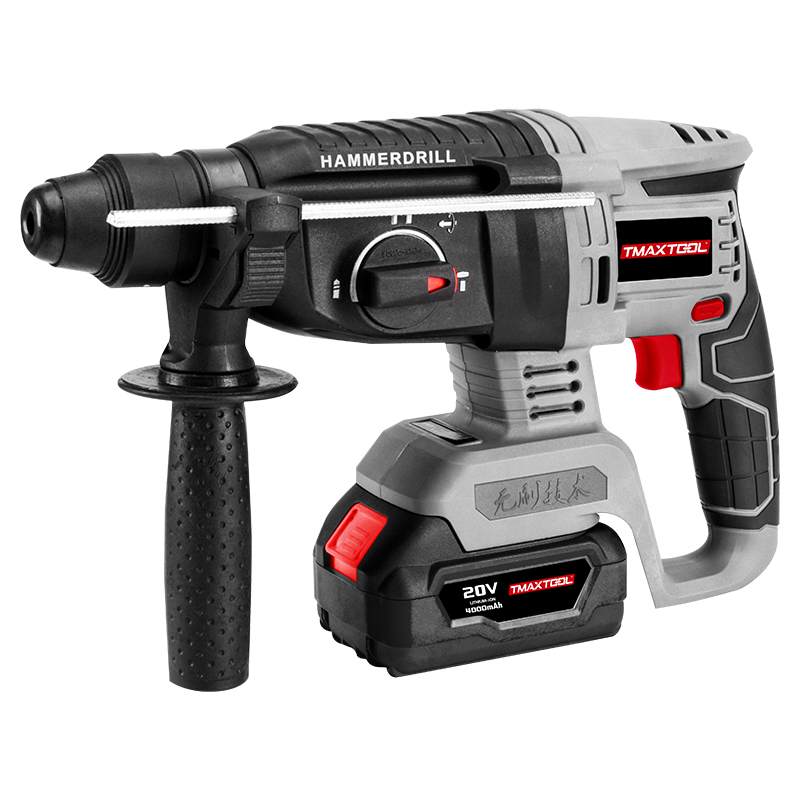 Hammer Drill
 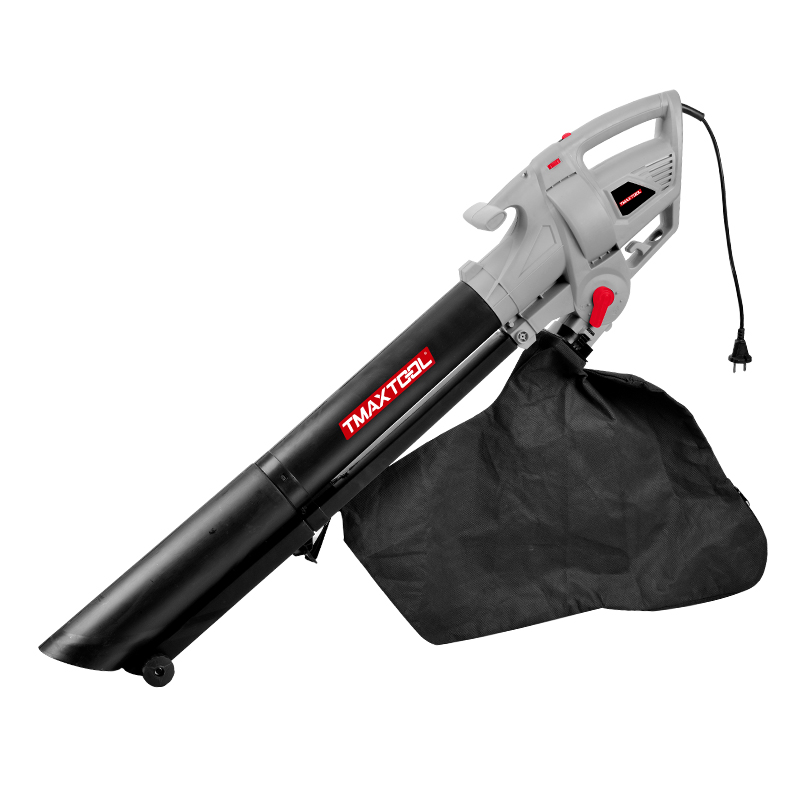 Portable Blower
 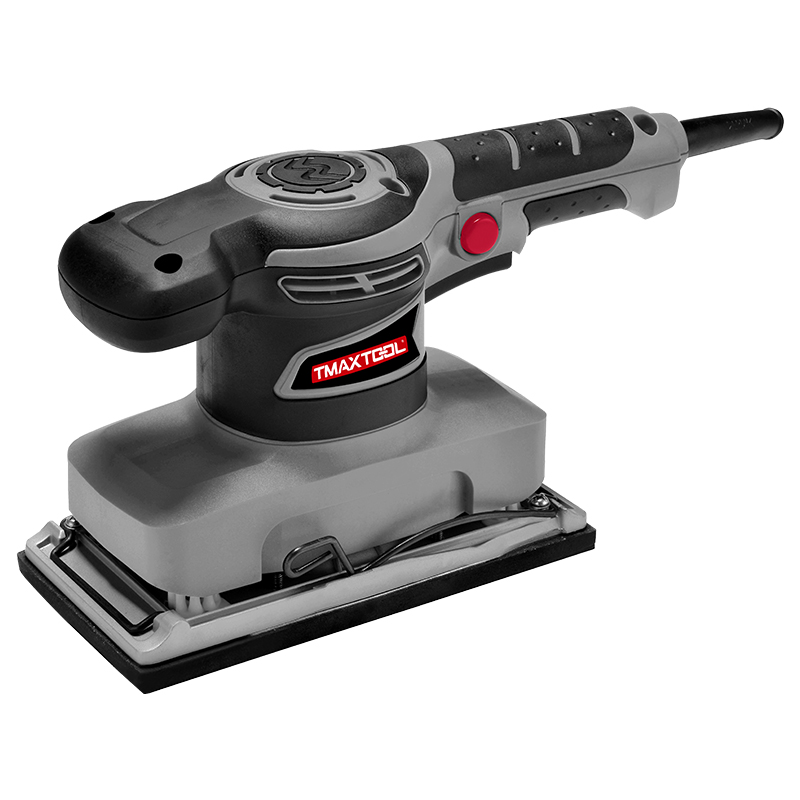 Orbital Sander
 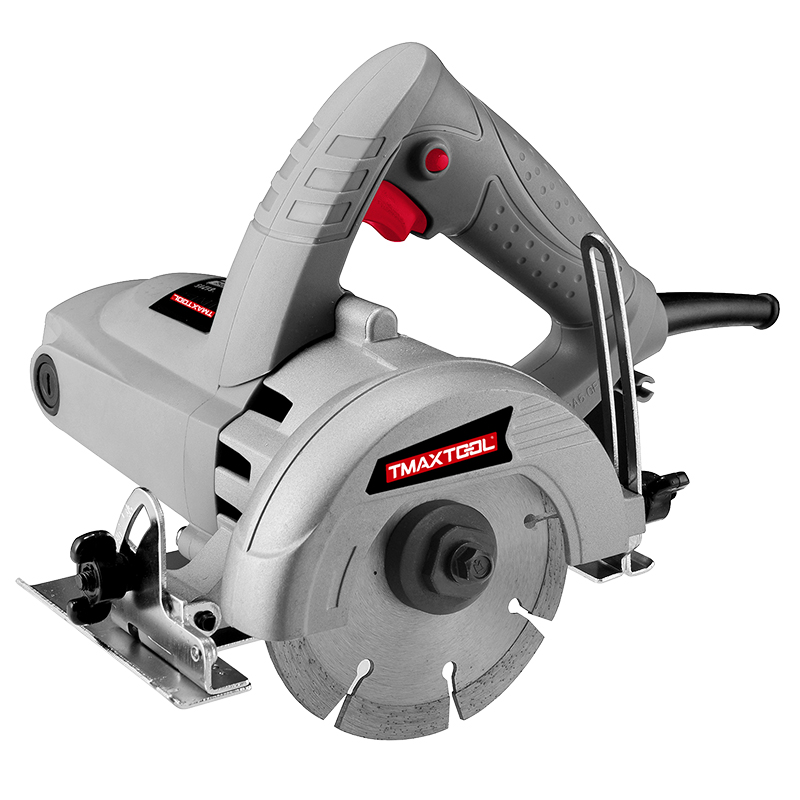 Marble Cutter
 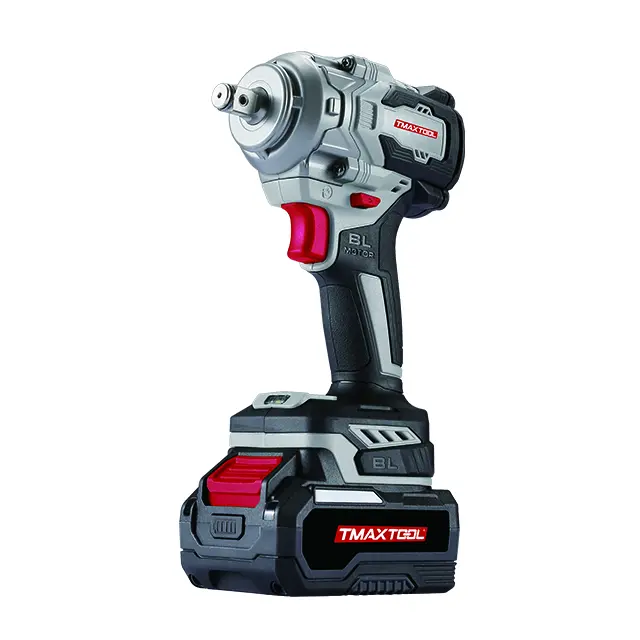 GARDEN TOOLS
 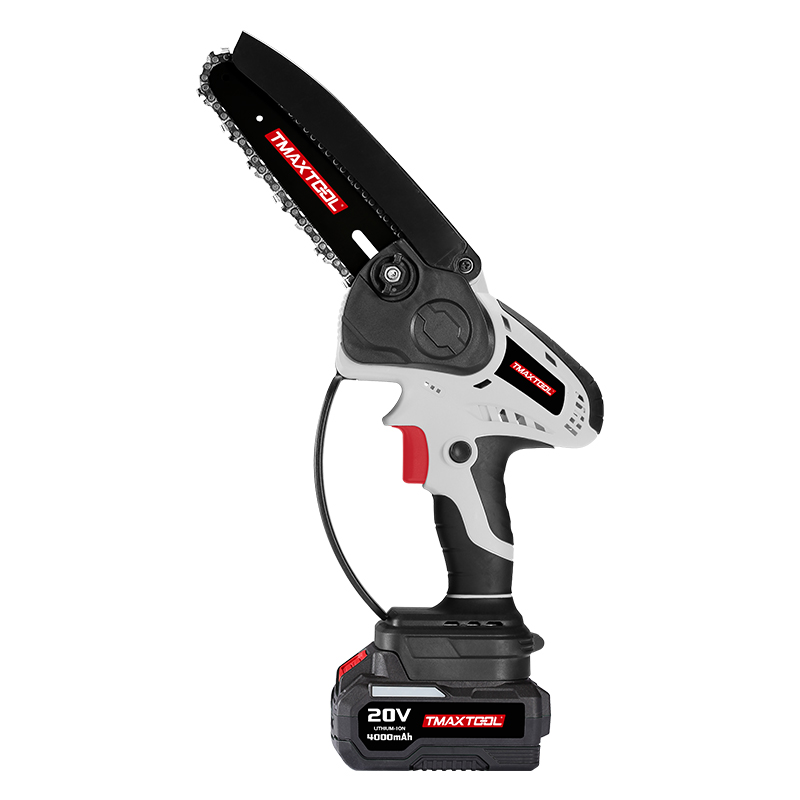 Battery Chain Saw
 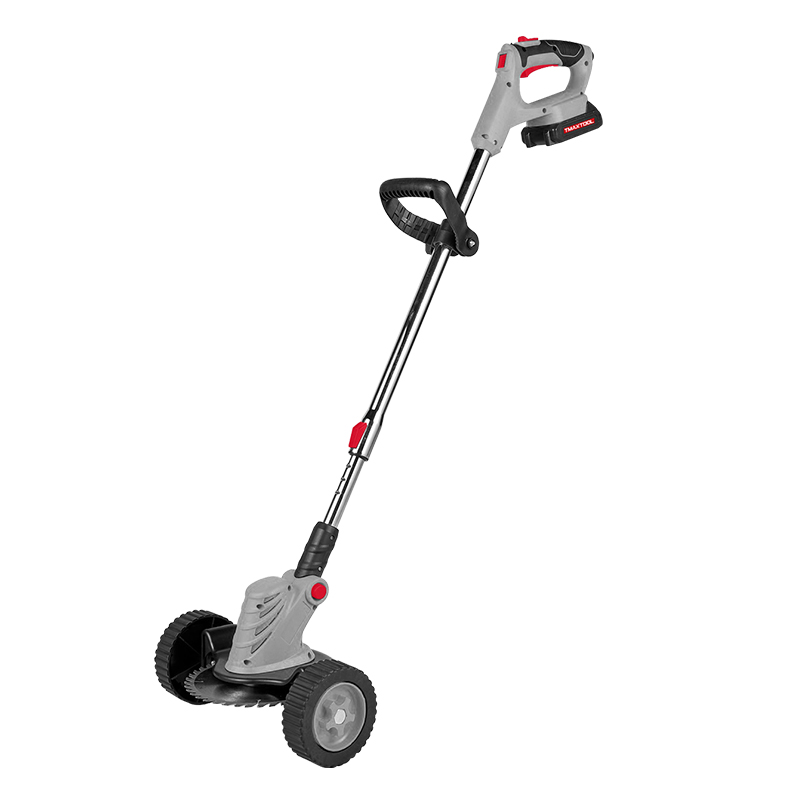 Battery Brush Cutter
 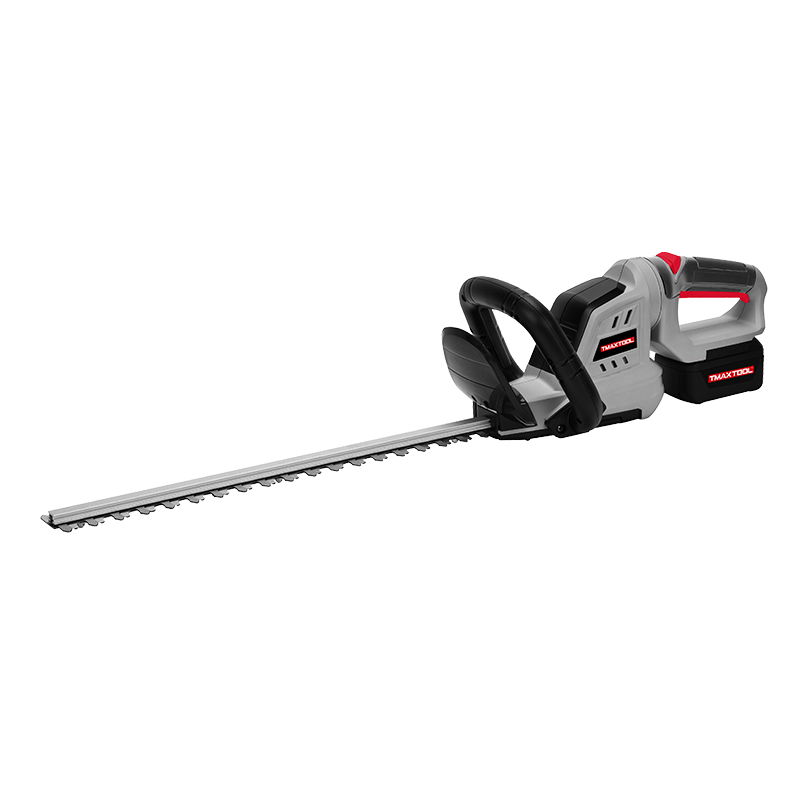 Battery Hedge Trimmer
 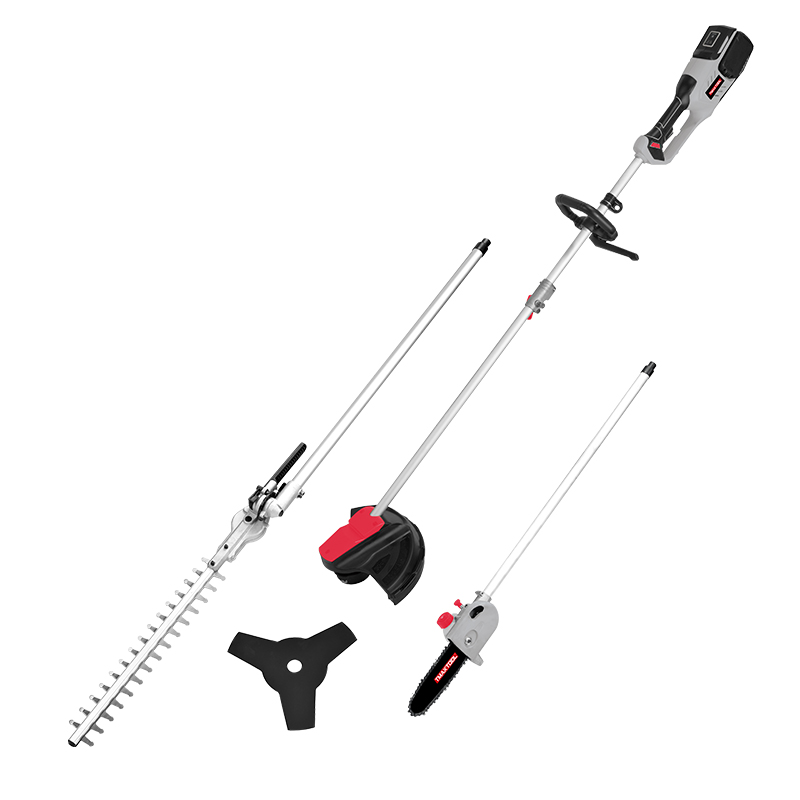 Battery Multi Tool
 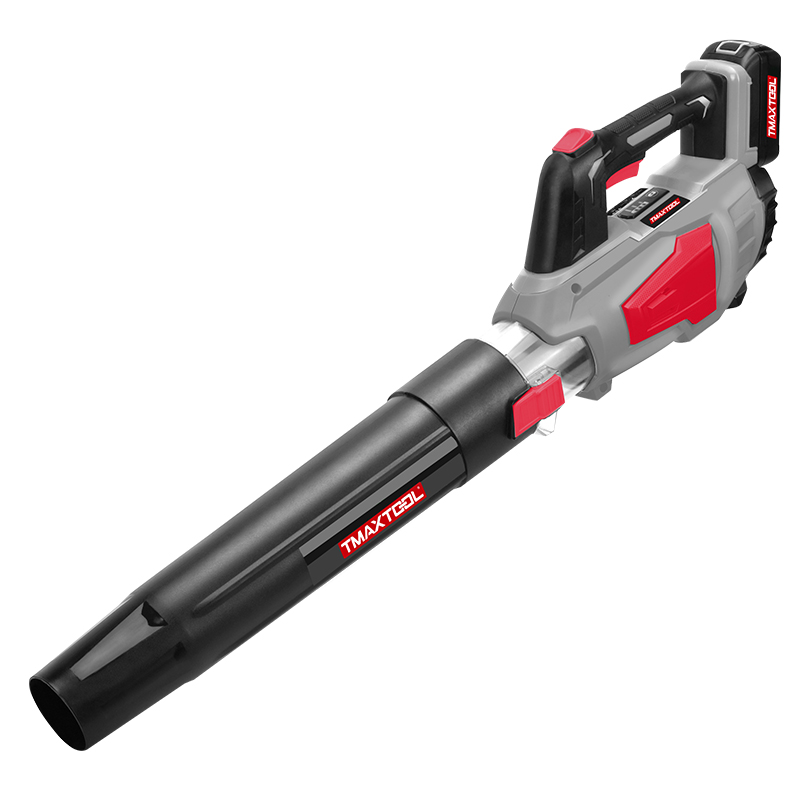 Battery Blower
 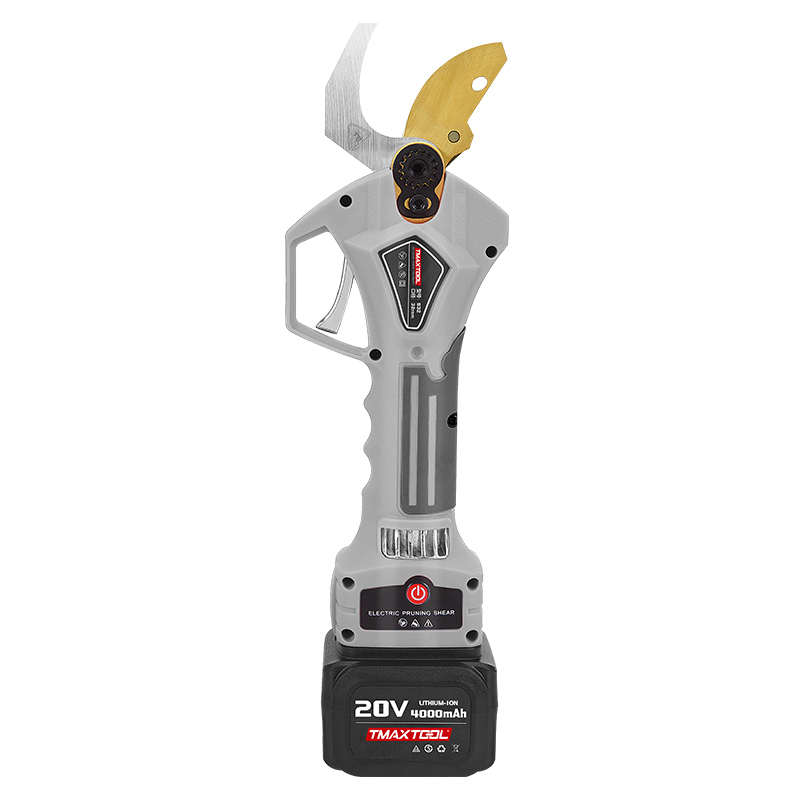 Batter Pruning Shears
 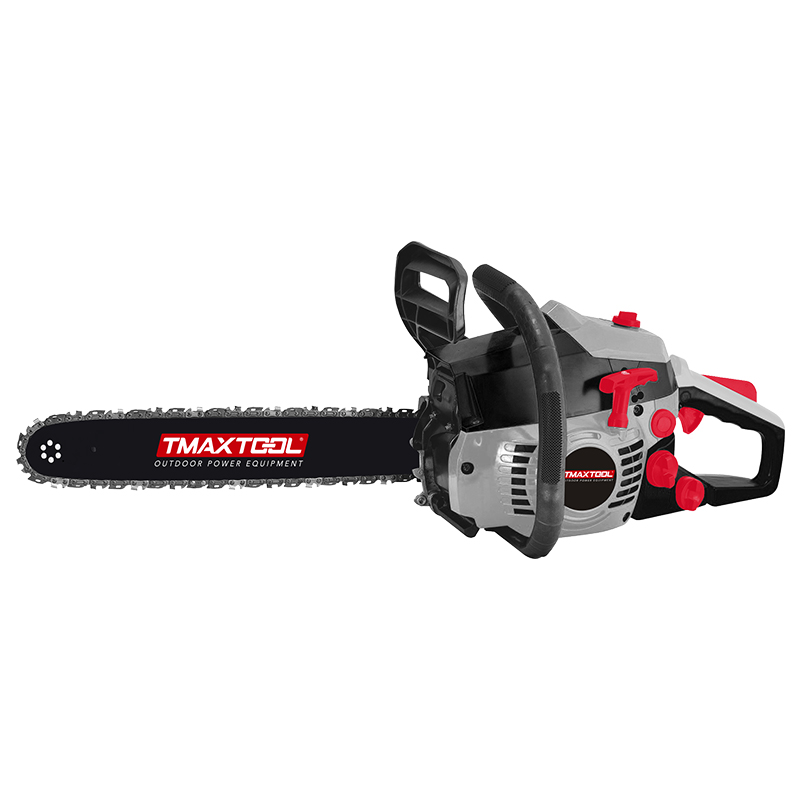 Chain Saw
 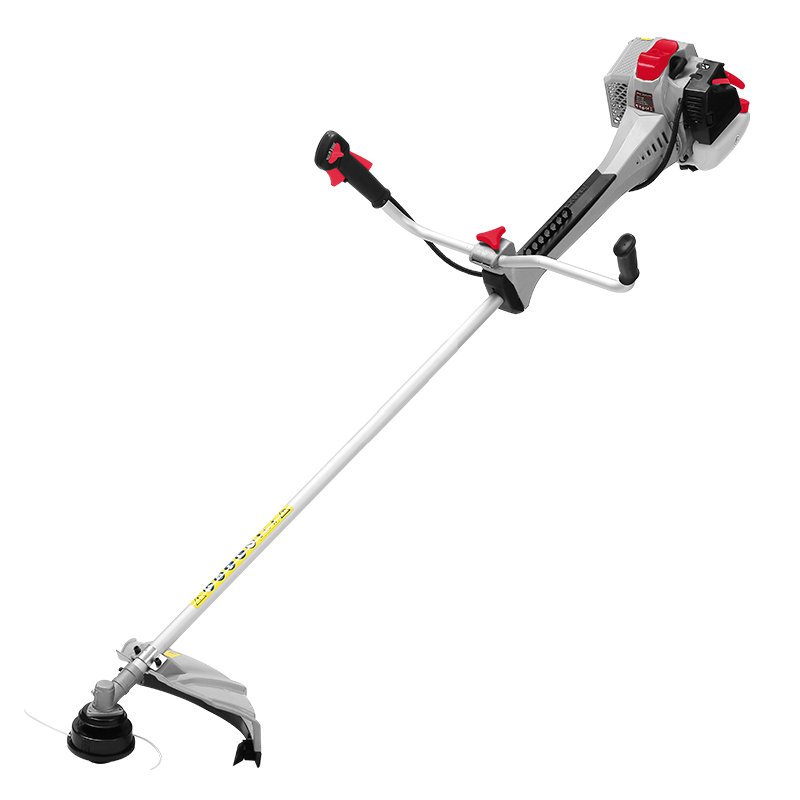 Brush Cutter
 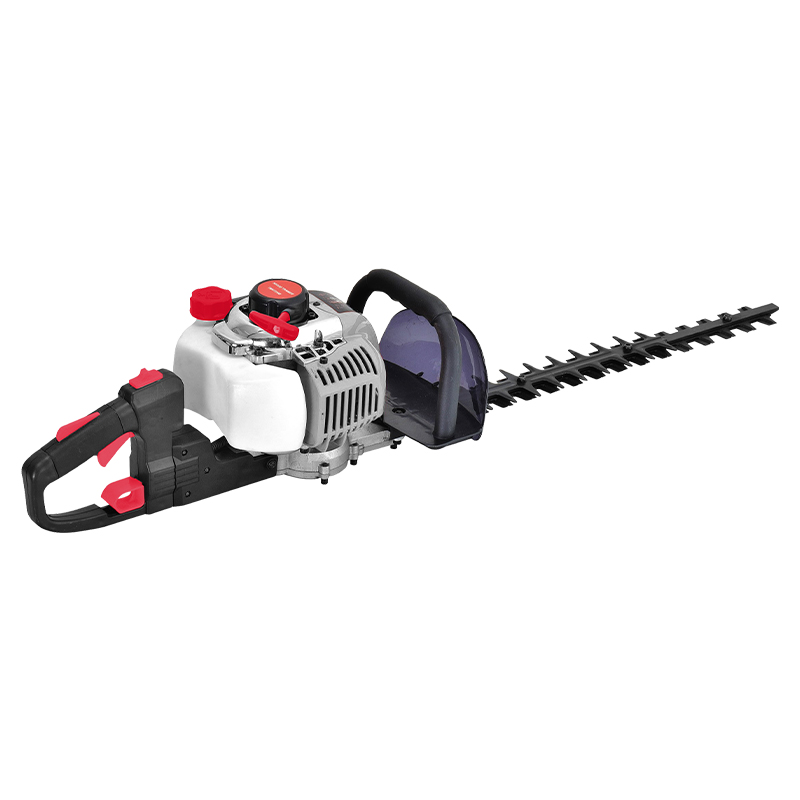 Hedge Trimmer
 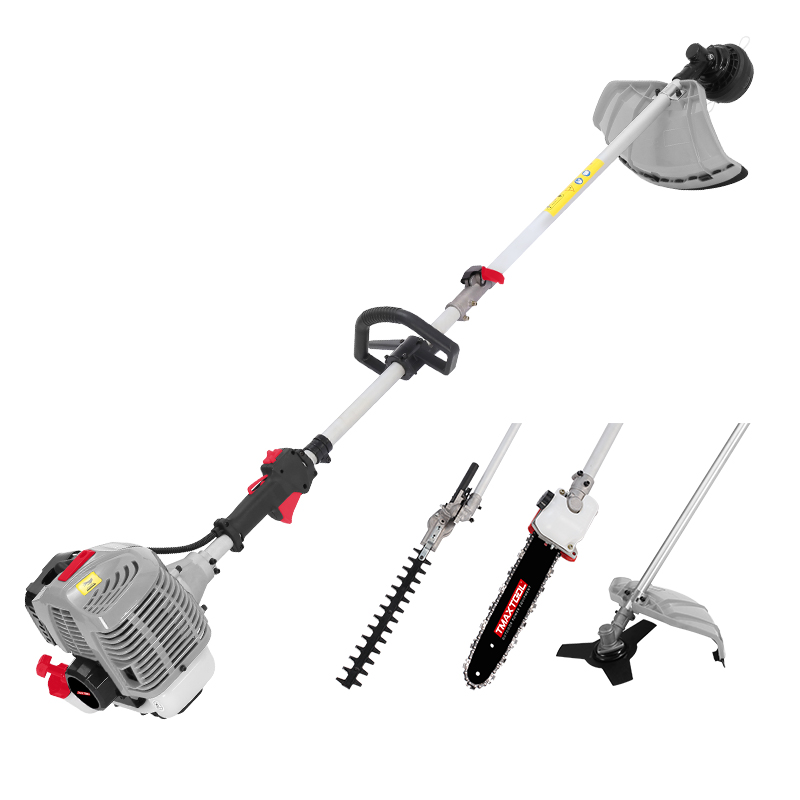 Multi Tool
 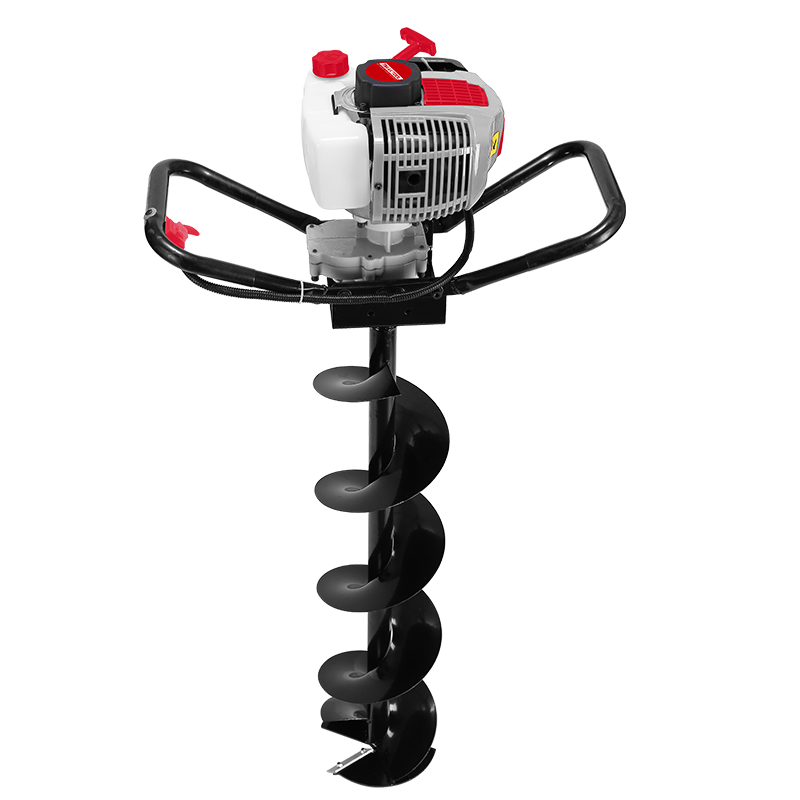 Earth Auger
 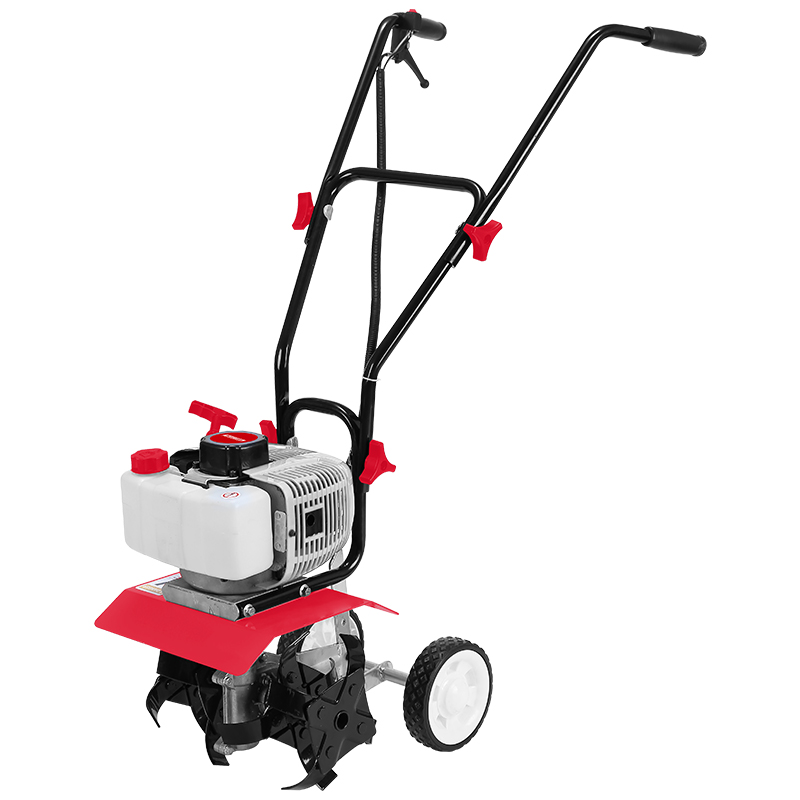 Tiller
 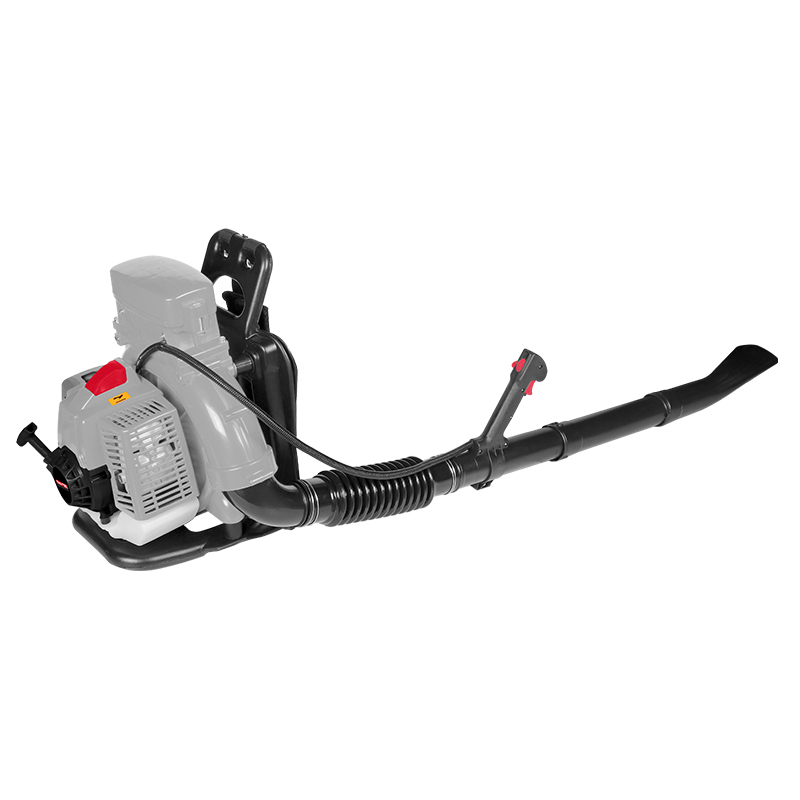 Blower
 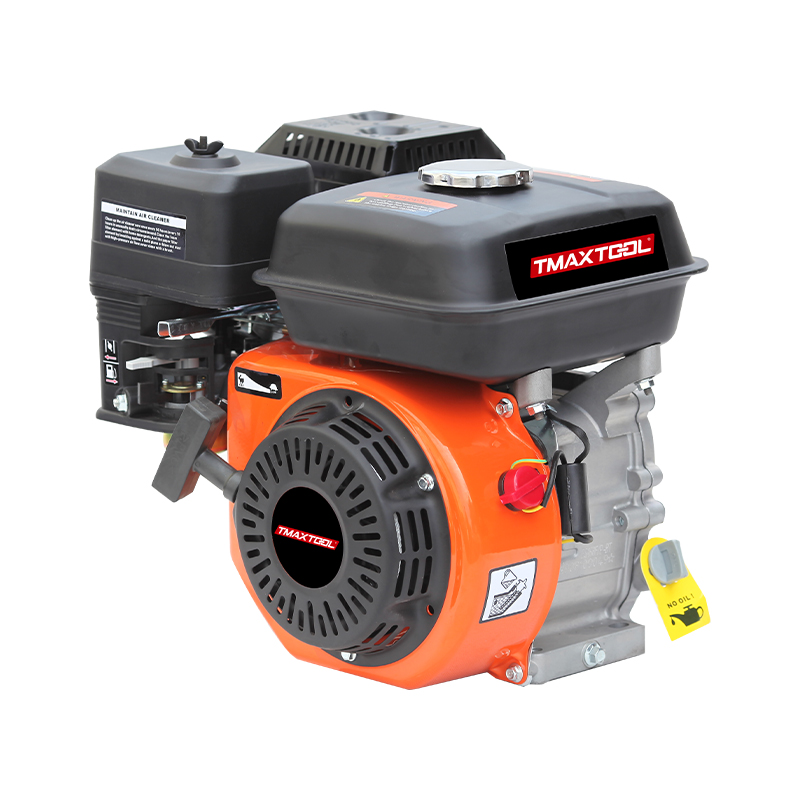 4 Stroke Gasoline Engine
 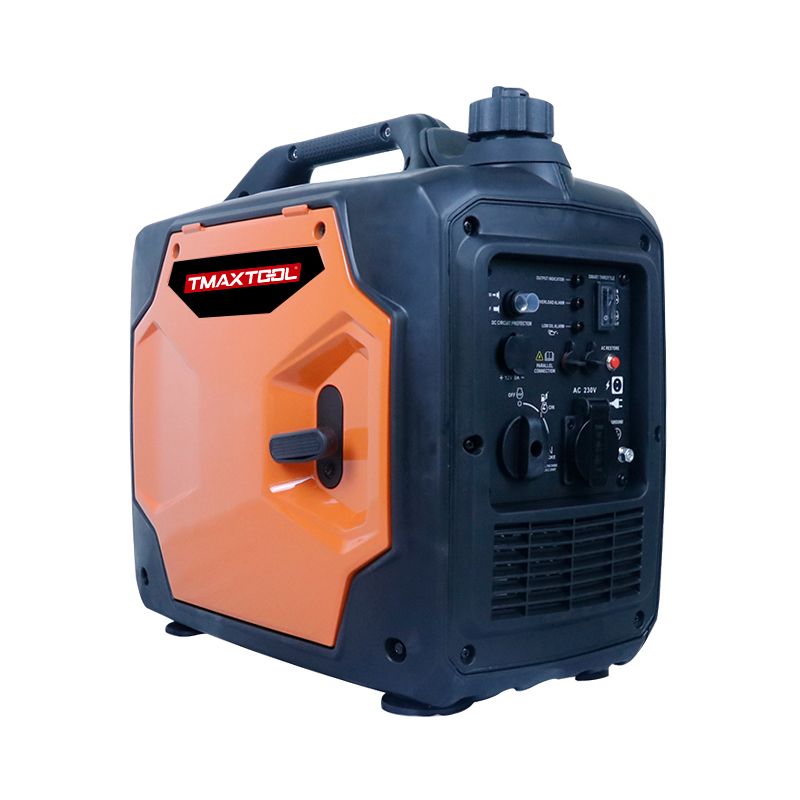 Generator
 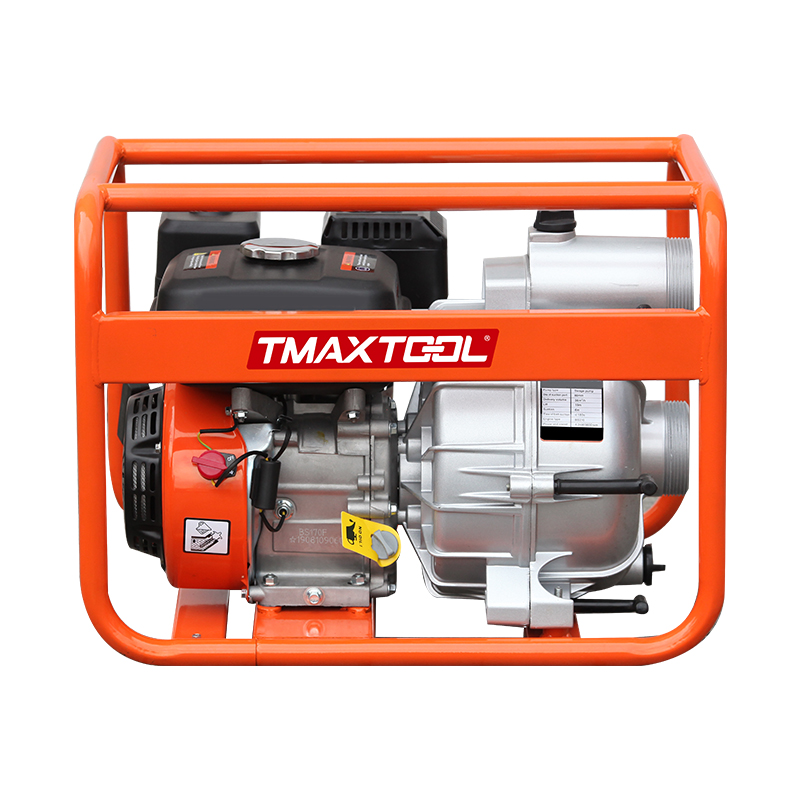 Water Pump
 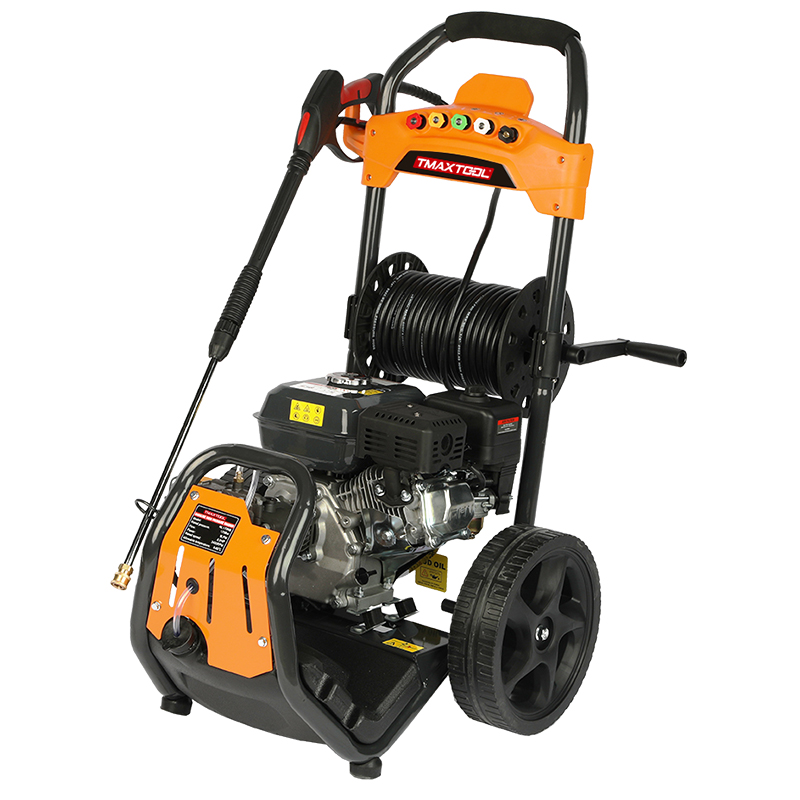 High Pressure Washer
 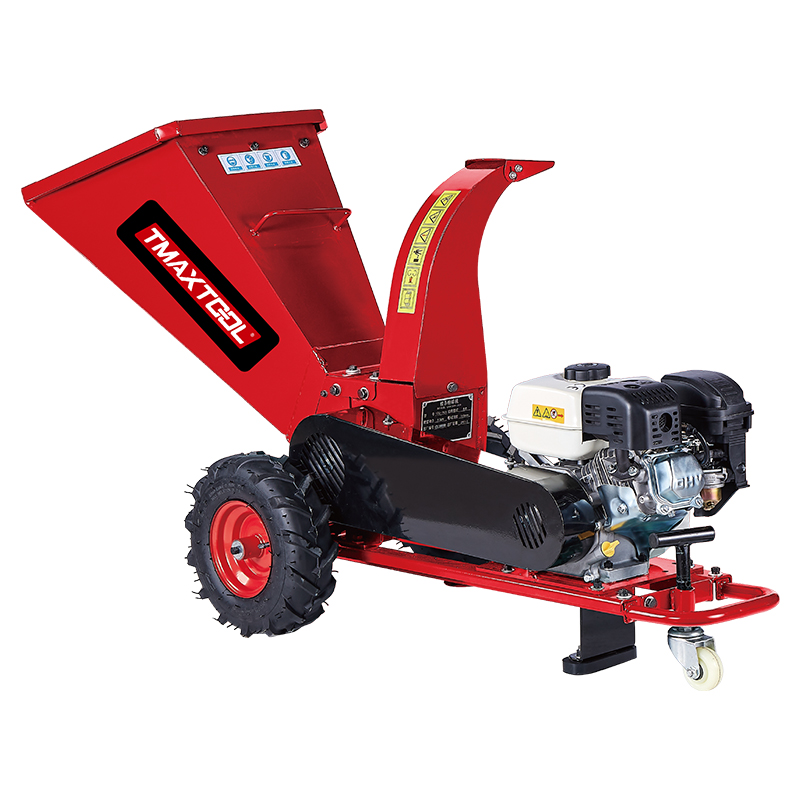 Wood Cutter
 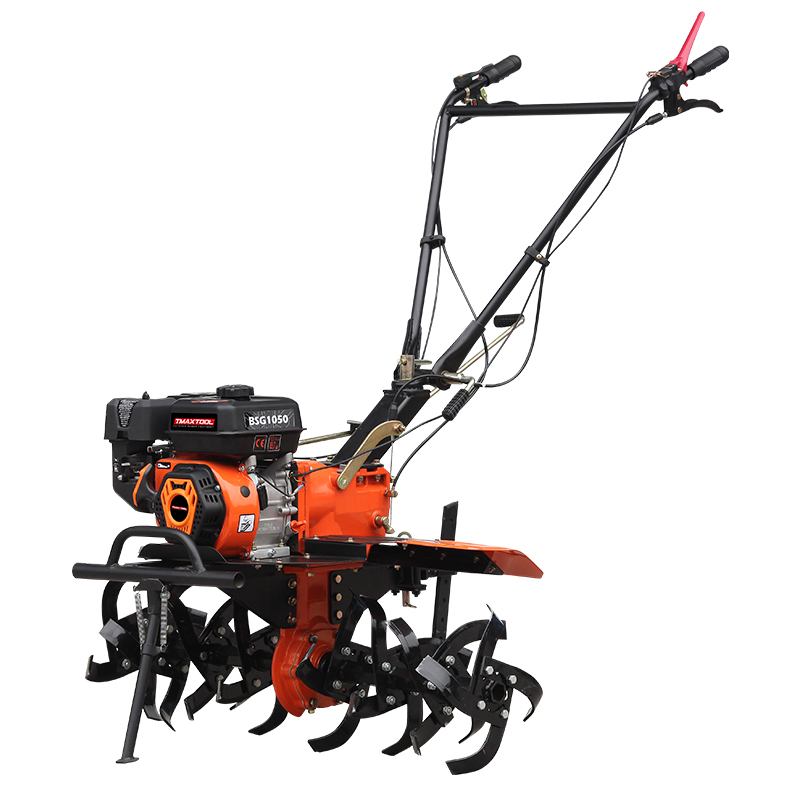 4 Stroke Tiller
 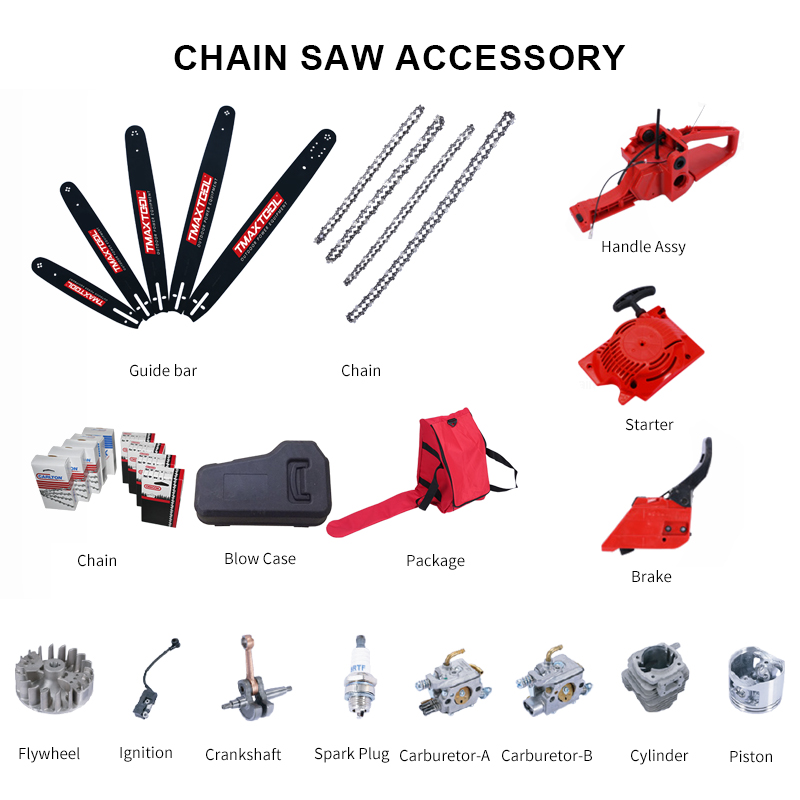 Chain Saw Accessory
 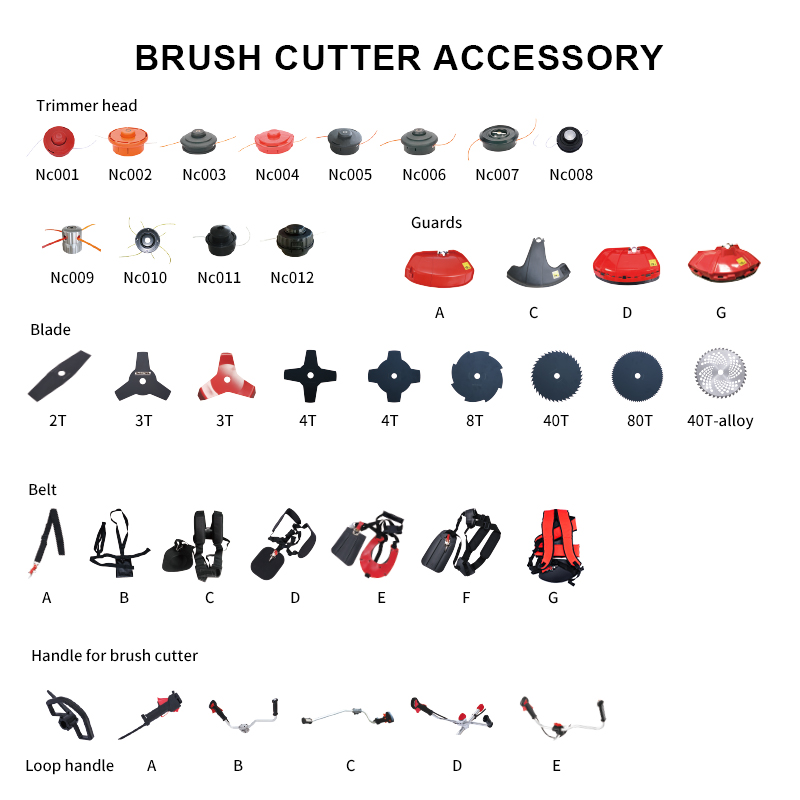 Brush Cutter Accessory
 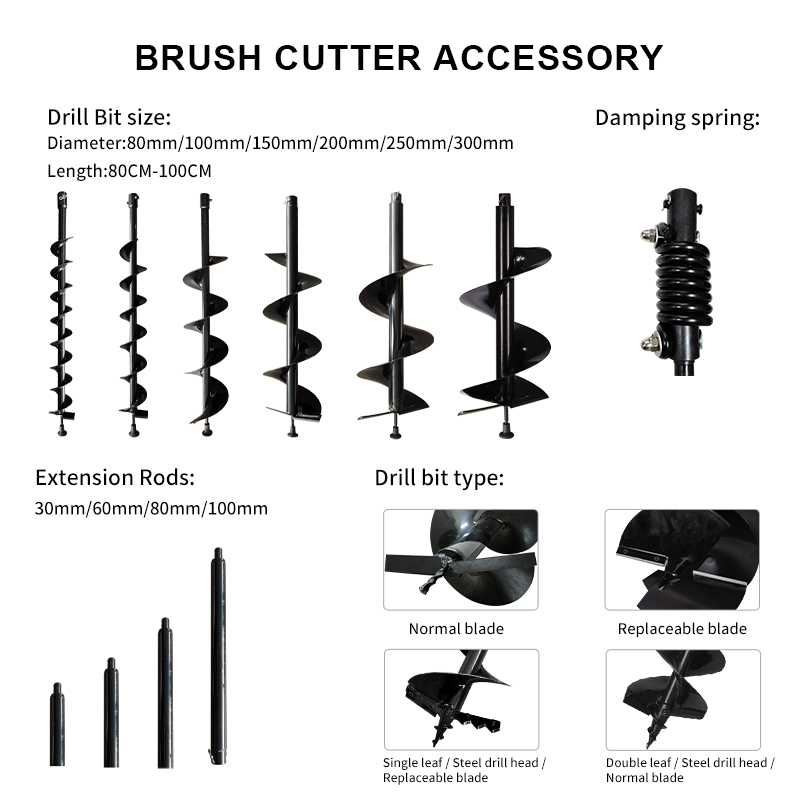 Earth Auger Accessory
 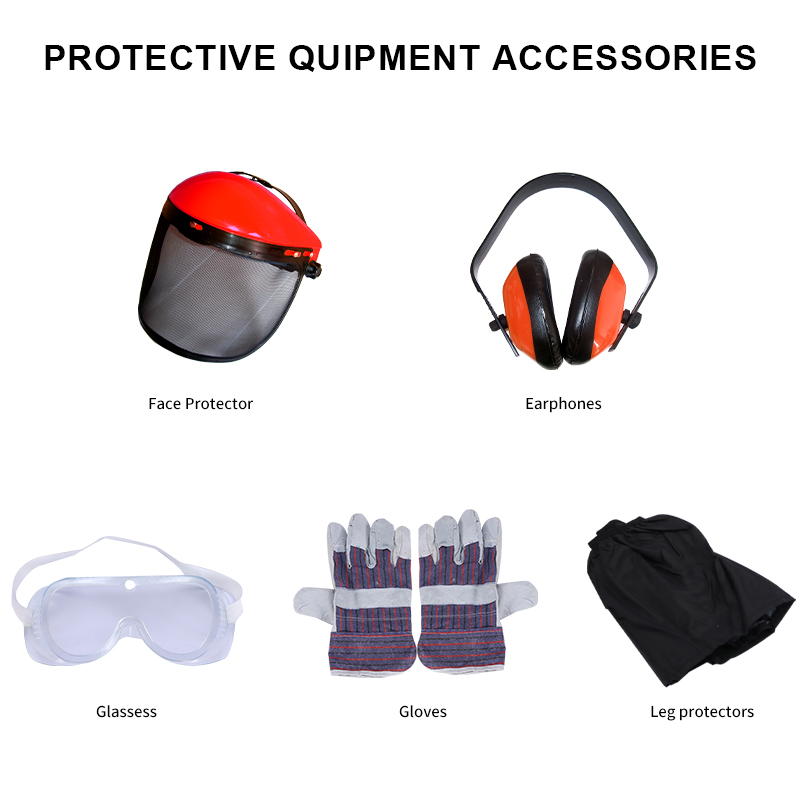 Protective Equipment Accessories
News
Leave Your Message


0102030405
Cordless Drill vs Hammer Drill Comparison Guide
2026-08-07
Cordless Drill vs Hammer Drill Comparison Guide
Table of Contents
- Understanding Core Mechanism Differences
- Core Feature Side-by-Side Comparison
- Suitable Application Scenarios Breakdown
- Pros and Cons of Cordless Drills
- Pros and Cons of Hammer Drills
- Key Specs to Evaluate for Wholesale & Bulk Sourcing
- How to Pick the Right Tool for Your Product Line
- Frequently Asked Questions
- Conclusion
- Related Posts
Whether you stock power tools for retail hardware stores, supply contractors, or cater to DIY enthusiasts across global markets, distinguishing between cordless drills and hammer drills directly impacts your inventory planning, customer satisfaction, and sales turnover. Many buyers, from small hardware shop owners to large construction distributors, struggle to match each tool to end-user demand. This detailed comparison breaks down their internal mechanics, real-world use cases, performance metrics, and wholesale considerations to help you make data-backed stocking decisions.
1. Understanding Core Mechanism Differences
Every functional gap between these two tools stems from their internal power delivery systems, which define what materials they can process efficiently.
Cordless Drill (Drill Driver)
This tool operates solely on rotational force. Its internal gearbox transfers motor power to spin the chuck and drill bit without forward-recoil striking motion. The torque adjustment dial fine-tunes rotational resistance, making it built primarily for fastening screws and light drilling into soft, non-rigid substrates. There is no built-in percussion system. When drilling hard surfaces like brick, the user must apply full manual pressure to push the bit through material, which leads to slower work speed, hand fatigue, and premature bit wear.
Hammer Drill (Cordless Combi Hammer Drill)
A hammer drill adds a secondary percussion mechanism alongside standard rotation. Internal gear cams create rapid, short forward strikes (measured in blows per minute, BPM) while the bit spins. This dual-action fractures dense masonry material at the bit tip, so minimal downward hand pressure is required from the operator. Nearly all modern cordless hammer drills include a mode switch: users can turn off the hammer function to operate it as a standard cordless drill for wood, metal, and plastic work, delivering two tool functions in one unit.
2. Core Feature Side-by-Side Comparison
This table outlines critical performance and usability benchmarks that international procurement buyers prioritize when evaluating inventory lines:
| Feature Category | Cordless Drill | Hammer Drill |
|---|---|---|
| Working Mechanism | Pure rotational spin only | Rotation + rapid forward hammer percussion |
| Standard Torque Range | 30–70 N·m | 50–90 N·m (higher base torque) |
| Impact Frequency | No hammer function, 0 BPM | 4000–6000 blows per minute |
| Best Drillable Materials | Softwood, plywood, plastic, thin sheet metal | Brick, concrete, stone, tile, masonry; also wood/metal in drill-only mode |
| Standard Chuck Size | 10mm / 13mm 3-jaw universal chuck | 13mm heavy-duty chuck (SDS variants available for industrial models) |
| Weight Profile | Compact, lightweight (1.0–1.5kg bare unit) | Heavier (1.6–2.3kg bare unit), often includes auxiliary grip handle |
| Cost Point (Wholesale MOQ) | Lower unit cost, accessible entry-level stock | Higher unit cost due to dual mechanical systems |
| Battery Voltage Range | 12V light-duty to 20V max heavy-duty | Almost exclusively 18V/20V max for sufficient percussion power |
| Primary End User Group | Home DIY, furniture assembly, light maintenance | Professional contractors, renovation teams, outdoor landscaping installers |
| Bit Compatibility | Standard HSS twist drill bits, screwdriver hex bits | Masonry carbide-tipped hammer bits + all standard drill driver bits |
3. Suitable Application Scenarios Breakdown
Aligning your stock with regional customer job demands is key to reducing slow-moving inventory. Below are clear use case splits for both tools:
Jobs Best Handled by Cordless Drills
- Flat-pack furniture assembly, cabinet installation, and indoor woodworking
- Hanging lightweight decor: picture frames, floating shelves, curtain rods
- Drilling thin aluminum, copper, or steel sheet metal for small hardware projects
- Hobby craft work, plastic fabrication, and minor appliance repair
- Remote light-duty outdoor tasks with no access to masonry surfaces (deck screw fastening, garden trellis building)
For markets with heavy residential DIY culture, cordless drills remain a staple fast-moving SKU due to their low price and simple operation.
Jobs Best Handled by Hammer Drills
- Drilling anchor holes into concrete walls, brick facades, cinder blocks, and natural stone
- Bathroom/kitchen renovation: tile wall mounting, plumbing fixture anchoring
- Electrical and HVAC installation: running conduit through masonry structural walls
- Outdoor construction: fence post anchoring, patio hardscape installation
- Mixed-site contracting jobs where workers alternate between wood framing and wall anchoring
Regions with robust construction, renovation, and commercial fit-out industries show far higher repeat demand for hammer drills, especially dual-mode combi units.
4. Pros and Cons of Cordless Drills
Key Advantages
- Ultra-lightweight ergonomics: comfortable for extended overhead work without arm strain
- Budget-friendly wholesale pricing, ideal for entry-level retail tool bundles
- Simple operation with fewer functional modes; minimal training required for casual users
- Compact body design fits tight gaps: cabinet interiors, small crawl spaces, vehicle repair nooks
- Lower battery power draw; single charge delivers longer runtime for light fastening tasks
- Wide compatibility with low-cost standard drill and screwdriver bits, reducing accessory stocking costs
Limitations
- Cannot efficiently drill masonry, concrete, or dense stone; manual pushing drastically slows workflow
- Lower maximum torque limits heavy-duty bolt fastening into thick hardwood or metal
- Lack of percussion action accelerates bit degradation when forced into hard materials
- Limited appeal to professional contractors who regularly complete masonry installation work
5. Pros and Cons of Hammer Drills
Key Advantages
- Dual-mode functionality eliminates the need to purchase two separate power tools
- Built-in percussion cuts drilling time on masonry by over 60% versus standard cordless drills
- Higher torque output handles heavy lag screws, carriage bolts, and thick lumber drilling
- Heavy-duty chuck construction resists bit slippage under high-impact workloads
- Auxiliary side handle improves operator stability during high-vibration masonry drilling
- Strong profit margin potential for wholesale distributors targeting professional trade buyers
Limitations
- Heavier unit weight creates fatigue during all-day light-duty fastening tasks
- Higher manufacturing complexity raises base wholesale unit pricing
- Increased internal moving parts create slightly higher long-term service and repair rates
- Hammer mode generates noticeable vibration, which can damage ultra-thin fragile materials if misused
- Larger body size restricts access to extremely narrow workspaces

6. Key Specs to Evaluate for Wholesale & Bulk Sourcing
For international procurement buyers, focusing on these measurable specs ensures you select inventory aligned with regional market expectations:
- Motor Type: Brushless motors deliver longer service life, lower energy consumption, and less heat buildup—prioritize brushless lines for professional-focused stock. Brushed motor variants work well for entry-level DIY retail ranges.
- Battery Capacity: 2.0Ah batteries suit occasional light use; 4.0Ah–6.0Ah packs target all-day contractor workloads. Many global buyers opt for cross-compatible battery platforms across drill lines to simplify accessory stock.
- Hammer Impact Rate (Hammer Drills Only): Aim for minimum 4500 BPM for reliable masonry performance. Premium industrial models reach 6000+ BPM for fast deep concrete drilling.
- Torque Adjustment Gears: A minimum of 18 torque settings delivers precise control for delicate screw fastening across both tool types.
- Safety Clutch: All units should feature an anti-kickback overload clutch to prevent wrist injury when bits bind in material—a non-negotiable feature for EU, North American, and Australian compliance standards.
- Certifications: Confirm CE, RoHS, and ISO 9001 compliance for seamless cross-border shipping and retail shelf eligibility across global markets.
7. How to Pick the Right Tool for Your Product Line
Your inventory mix should reflect the primary customer base you serve:
Stock More Cordless Drills If Your Buyers Are:
- Independent home improvement retail shops catering exclusively to residential DIY homeowners
- Online marketplaces focused on low-cost household tool bundles
- Suppliers targeting hobbyists, wood crafters, and small appliance repair businesses
- Markets with limited residential renovation activity and minimal masonry construction demand
Stock More Hammer Drills If Your Buyers Are:
- Trade supply stores serving full-time builders, electricians, plumbers, and renovation contractors
- Commercial construction equipment wholesalers supplying large project sites
- Retailers in rapidly developing regions with high new home and commercial build volume
- Distributors offering all-in-one professional tool kits for tradespeople
Balanced Dual Inventory Strategy (Most Popular Global Approach)
Carry entry-level cordless drills for casual users and mid-to-high tier combi hammer drills for professional customers. This full-spectrum lineup captures both low-ticket impulse purchases and high-margin bulk contractor orders without market overlap gaps.
8. Frequently Asked Questions
Can a cordless drill drill into brick or concrete?
Technically yes, but performance is extremely poor. The operator must apply constant heavy downward pressure, drilling progress is very slow, and drill bits will dull or crack quickly. This task is not recommended for standard cordless drills.
Can I use a hammer drill without activating the hammer mode?
All modern cordless hammer combi drills include a dedicated mode selector. When hammer function is disabled, the tool performs identically to a standard cordless drill for wood, metal, and plastic work.
Are hammer drills suitable for fine furniture woodworking?
They can be used if the hammer mode is fully switched off. The heavier body weight makes extended delicate wood fastening more fatiguing compared to a lightweight cordless drill, however.
What is the ideal MOQ split for mixed wholesale orders?
Most international distributors maintain a 60/40 split: 60% cordless drills for DIY retail volume, 40% hammer drills for professional trade sales. Adjust to 30/70 for construction-heavy regional markets.
Do hammer drills require unique drill bits?
For masonry work, carbide-tipped hammer-specific bits are required. Standard HSS twist bits work perfectly when the hammer mode is turned off for wood and metal drilling.
9. Conclusion
Cordless drills and hammer drills serve distinct, complementary segments of the global power tool market, with performance limitations and strengths defined entirely by their internal mechanical design. Cordless drills dominate light-duty, low-cost DIY applications thanks to their portability and affordability, while hammer drills deliver unmatched efficiency for masonry and mixed trade construction work with their dual rotation-percussion system.
For procurement and wholesale buyers, the optimal inventory strategy hinges on understanding the primary end-user jobsite demands in your target export regions. Offering both tool variants allows you to capture every customer tier—from casual household shoppers to full-time professional contractors—while minimizing lost sales opportunities from mismatched tool functionality. When evaluating new product lines, prioritize brushless motor designs, cross-compatible lithium battery platforms, and full international safety certifications to maximize long-term inventory turnover and customer loyalty.