
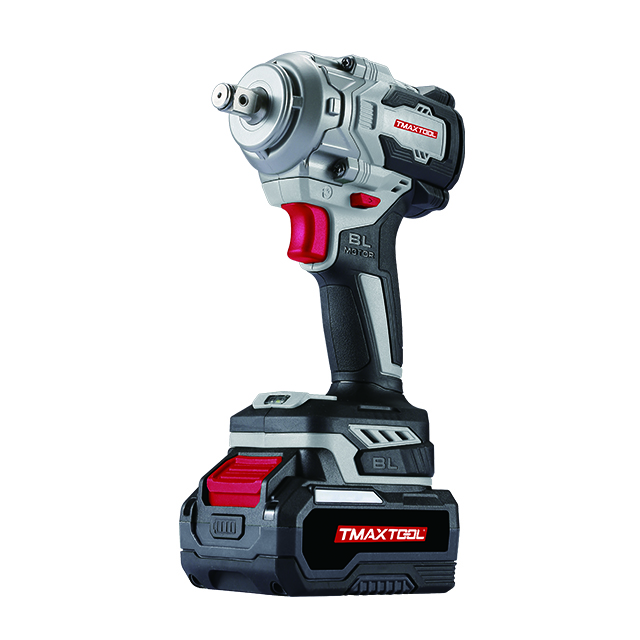
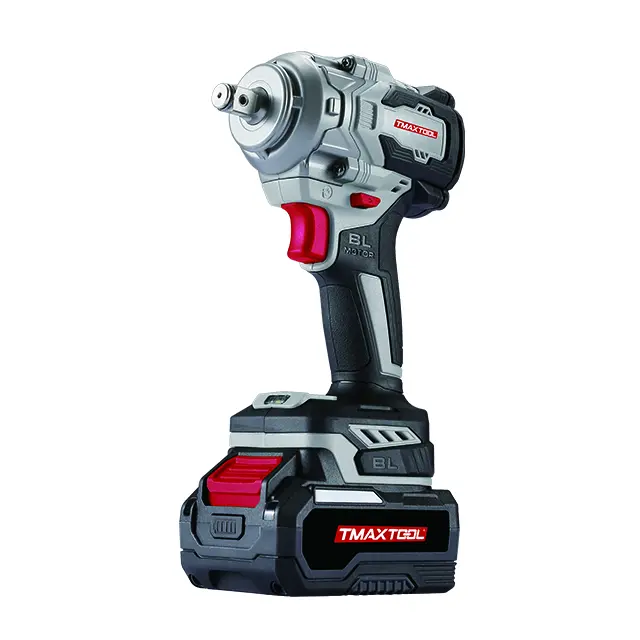
 Impact Wrench
 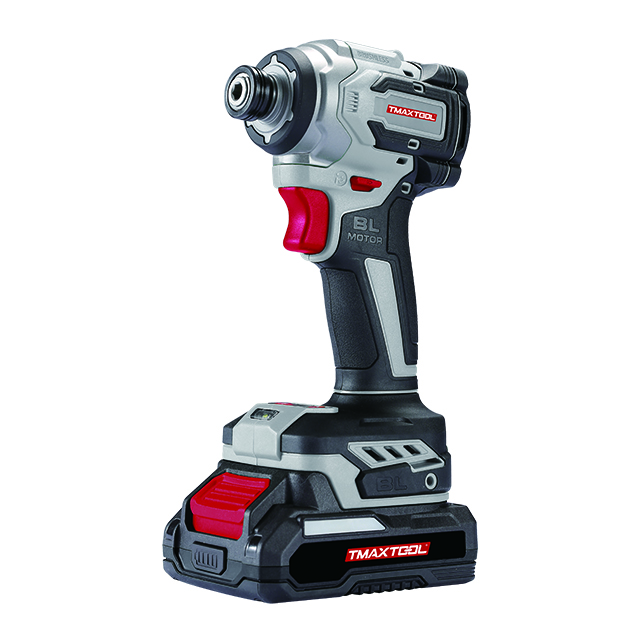 Screwdriver
 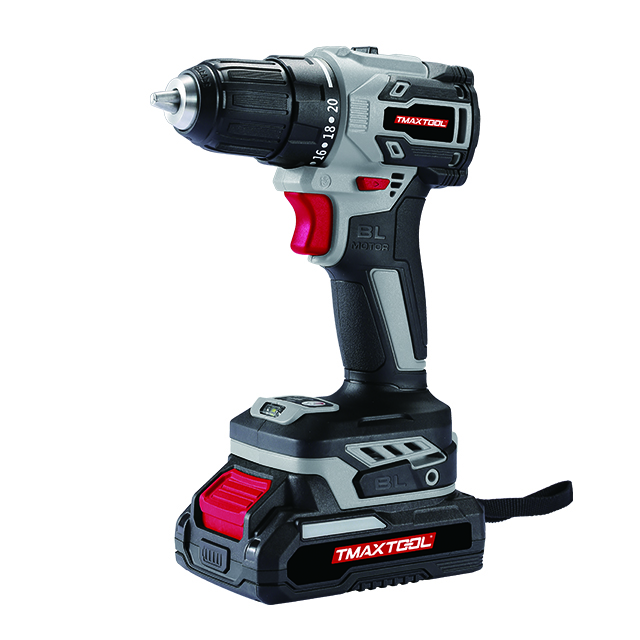 Cordless Drill
 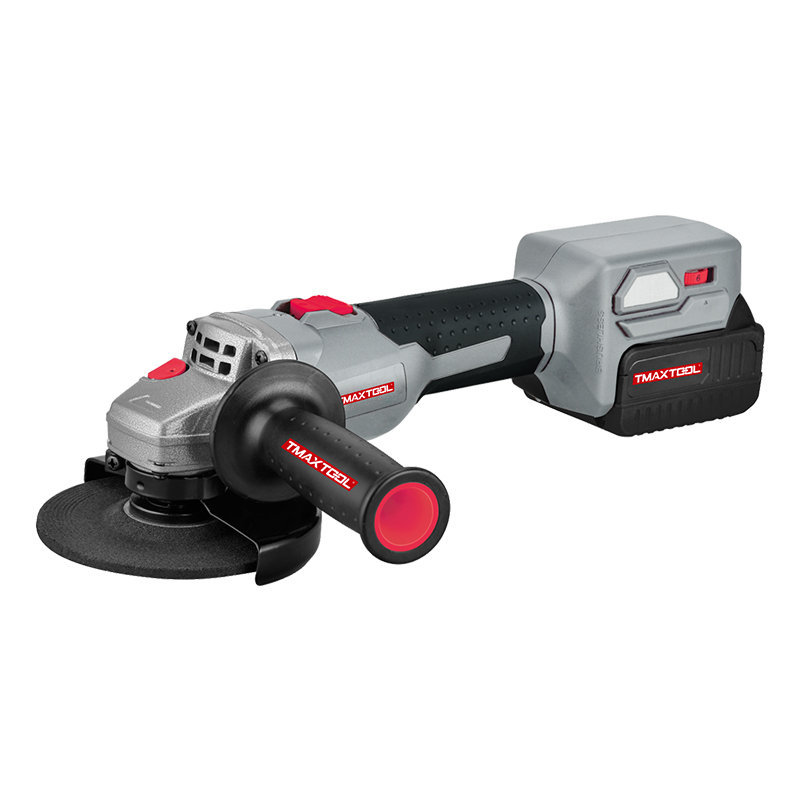 Angle Grinder
 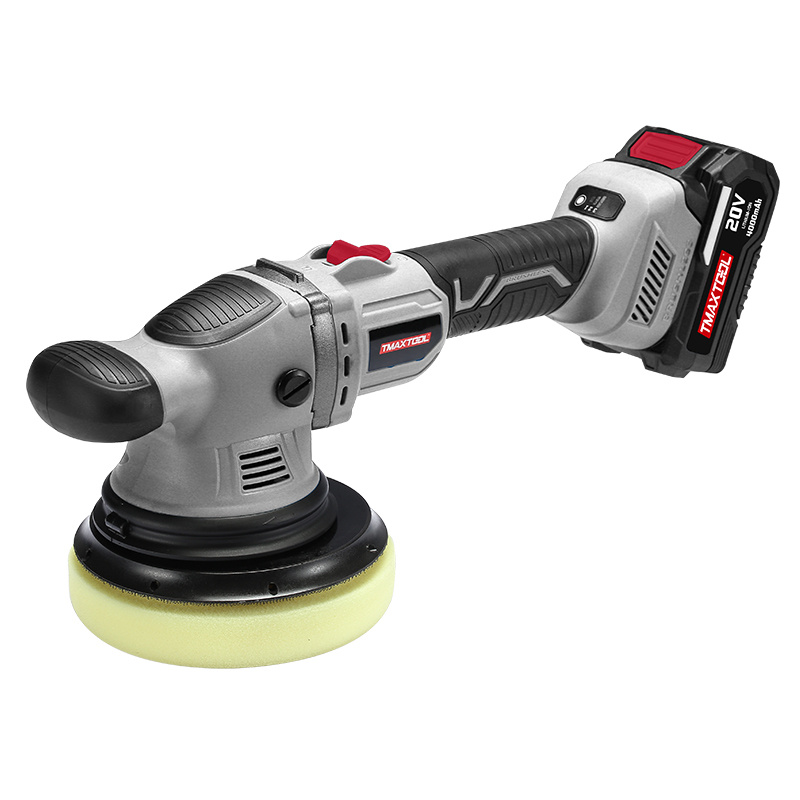 Polisher
 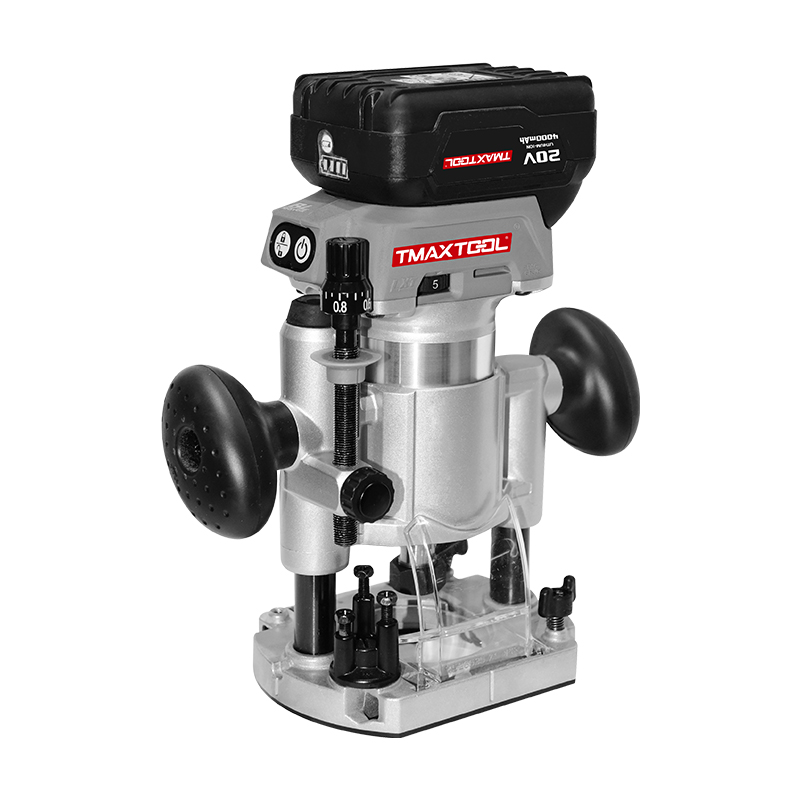 Wood Router
 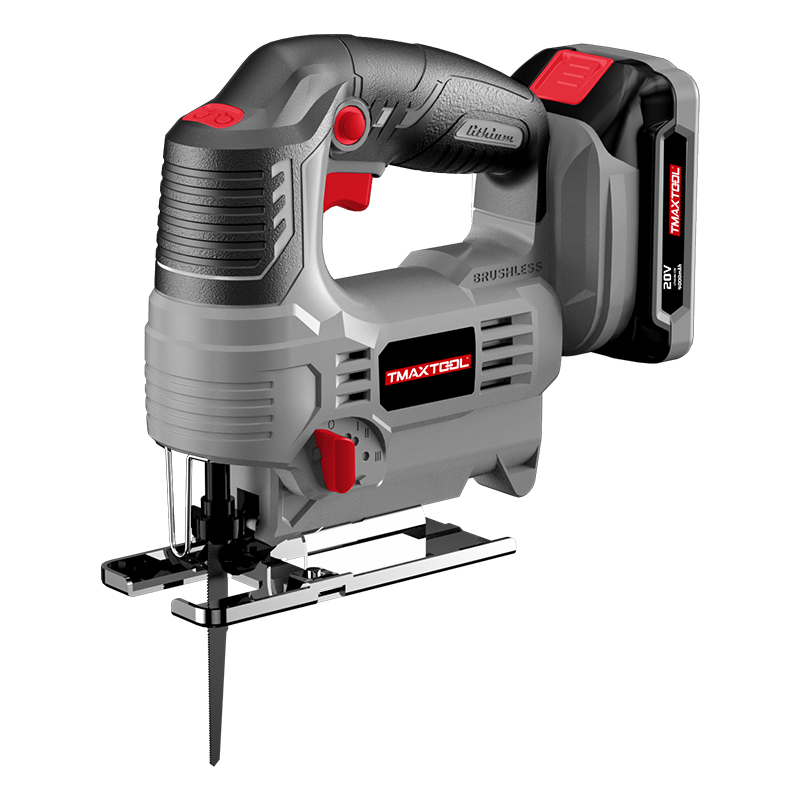 Jig Saw
 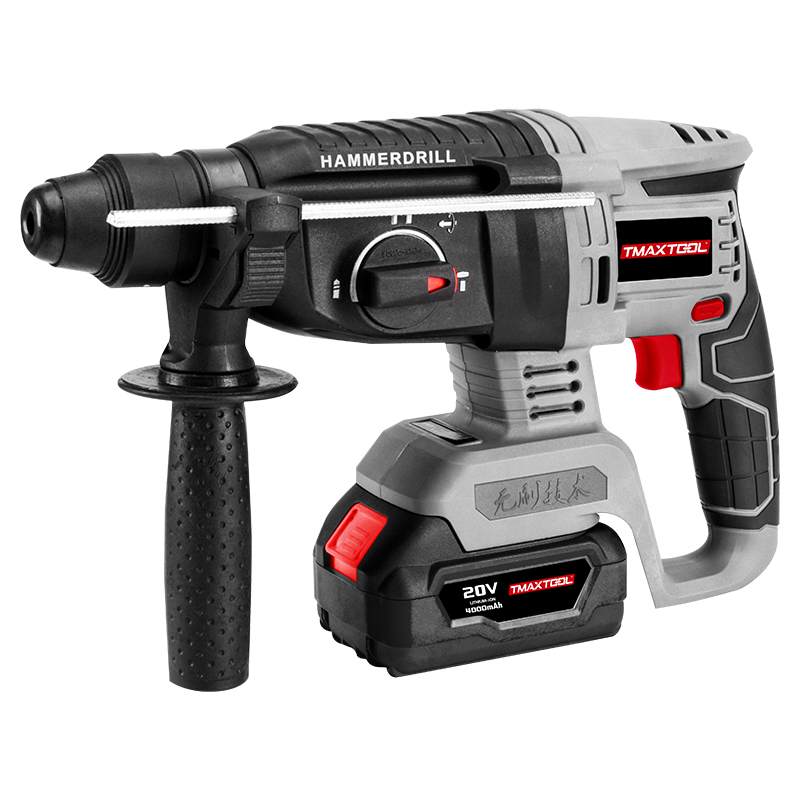 Hammer Drill
 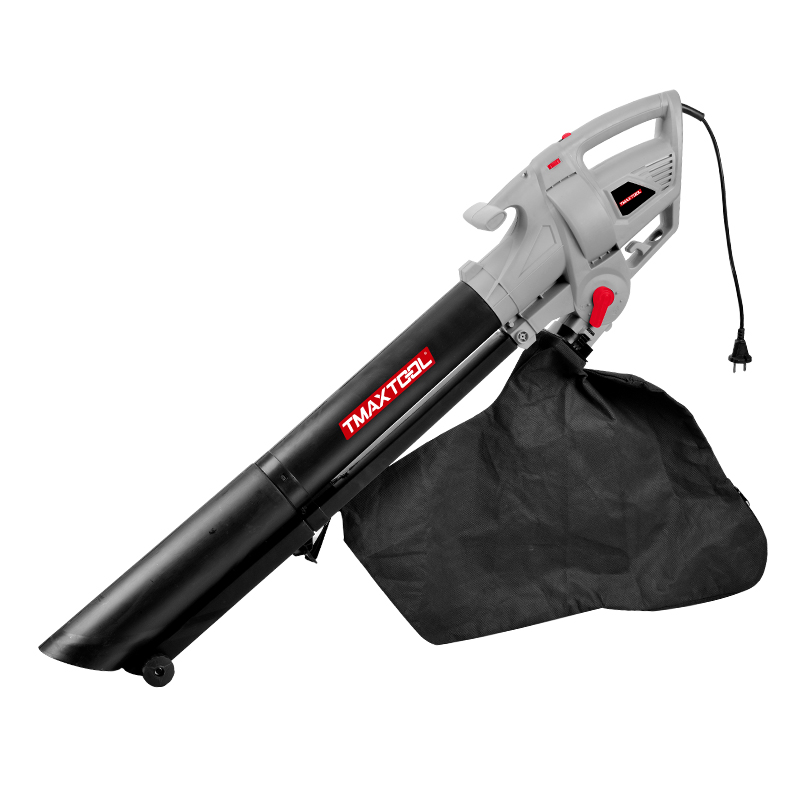 Portable Blower
 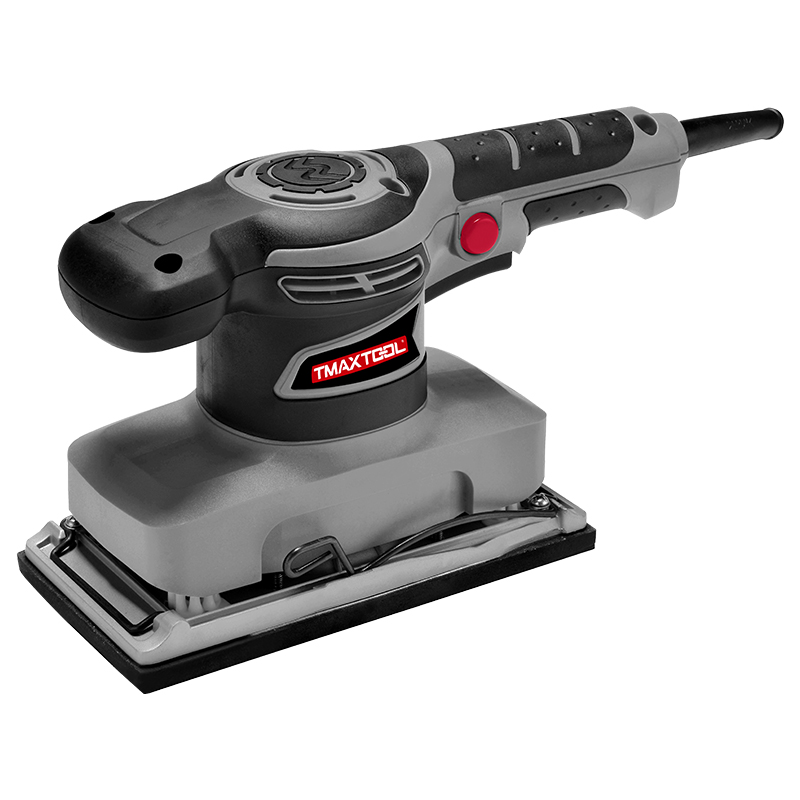 Orbital Sander
 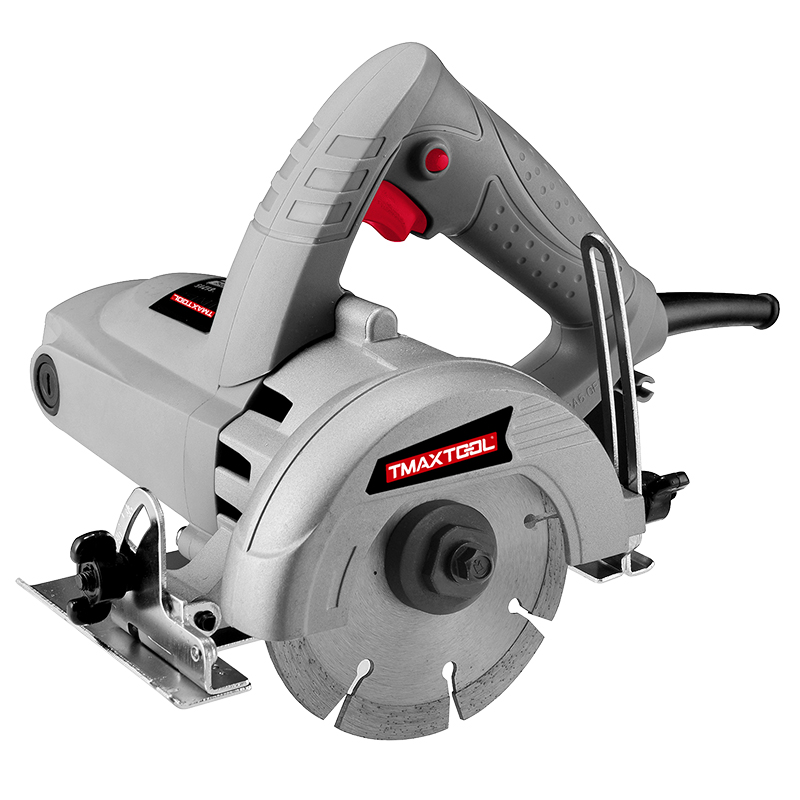 Marble Cutter
  GARDEN TOOLS
 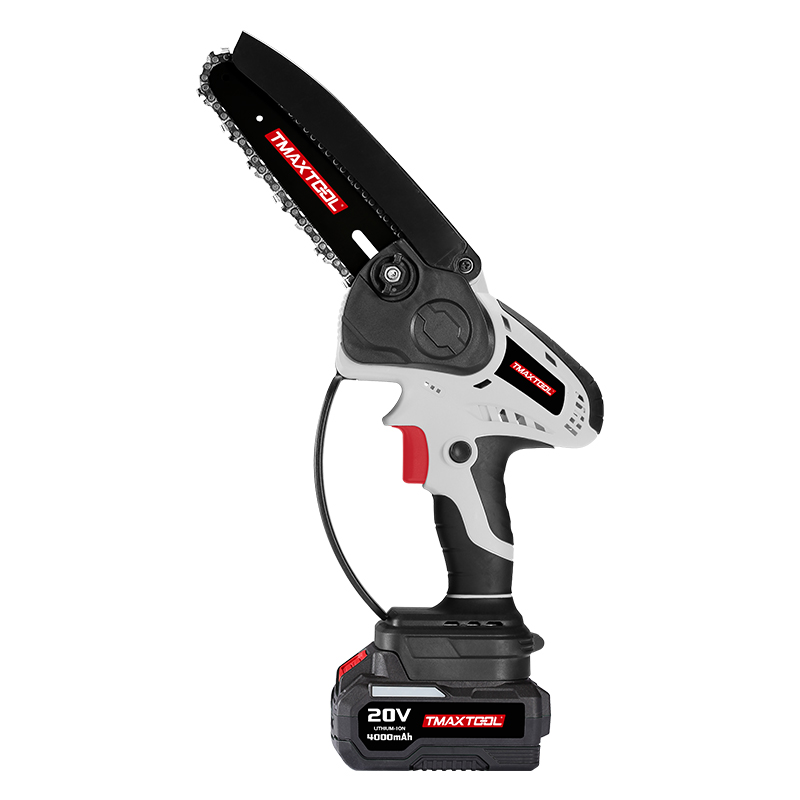 Battery Chain Saw
 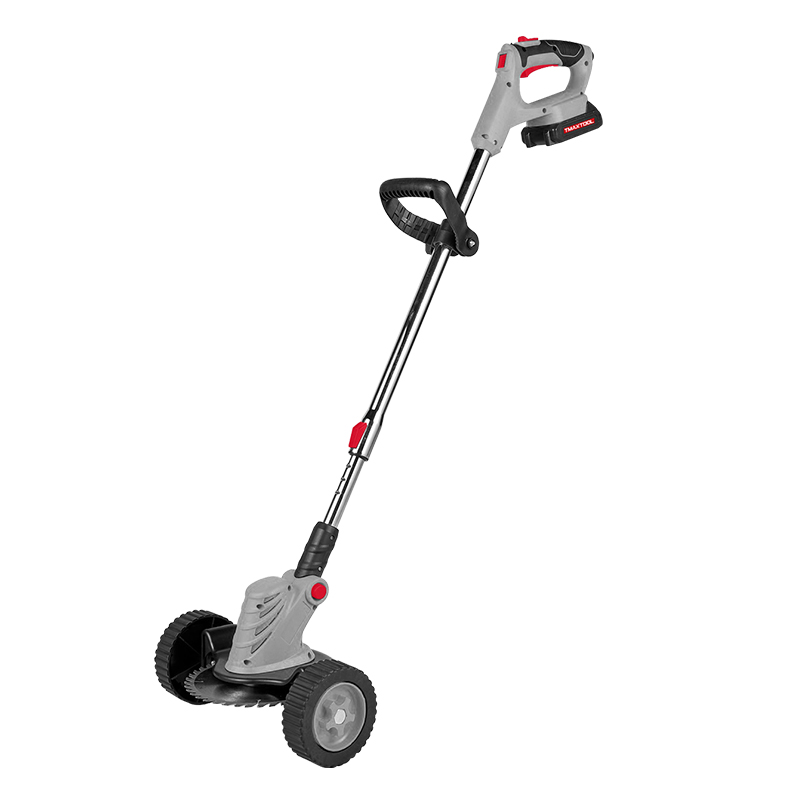 Battery Brush Cutter
 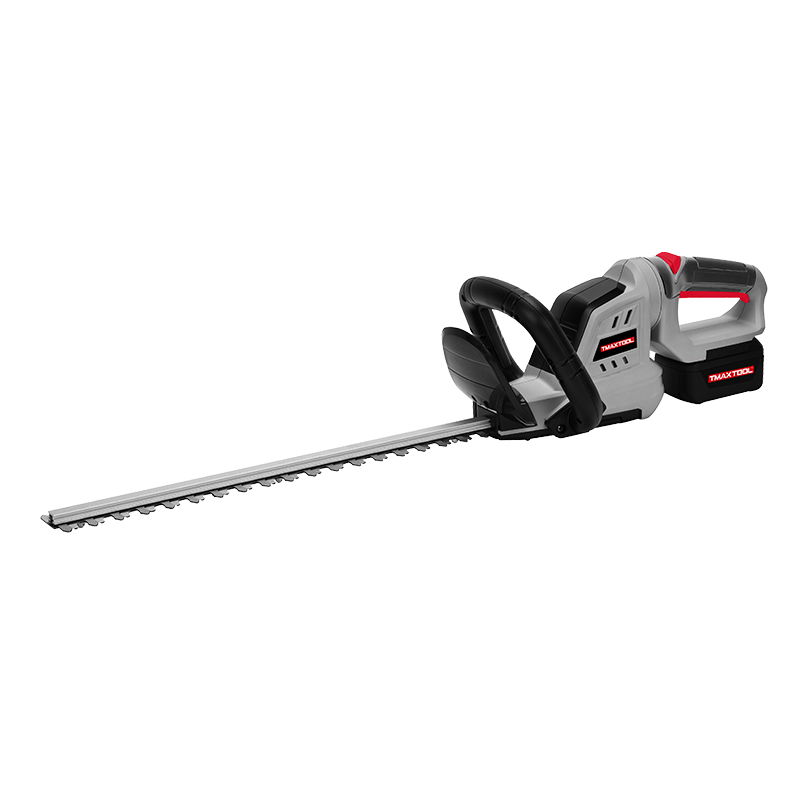 Battery Hedge Trimmer
 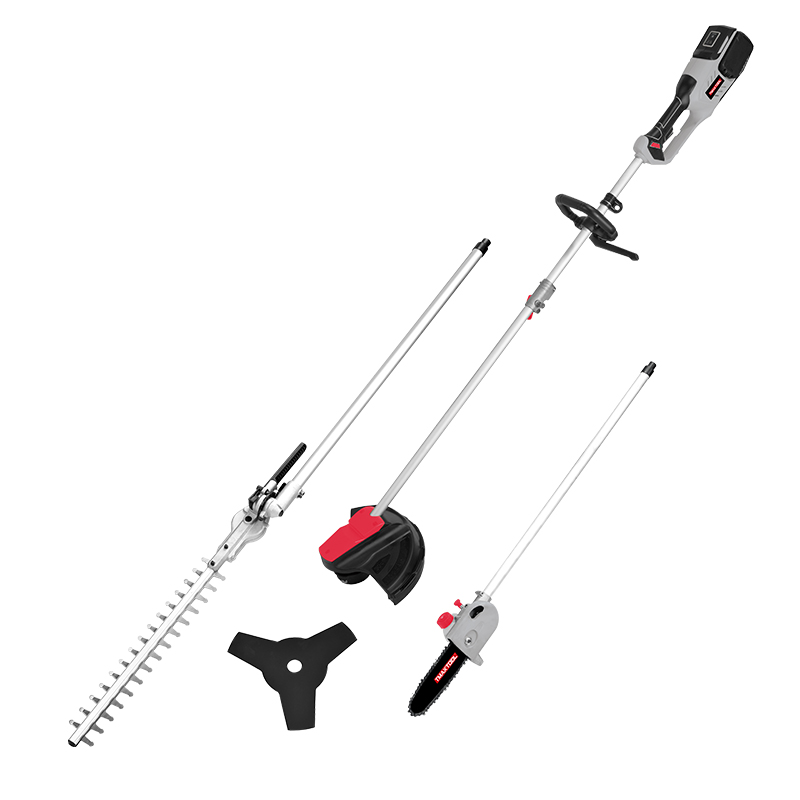 Battery Multi Tool
 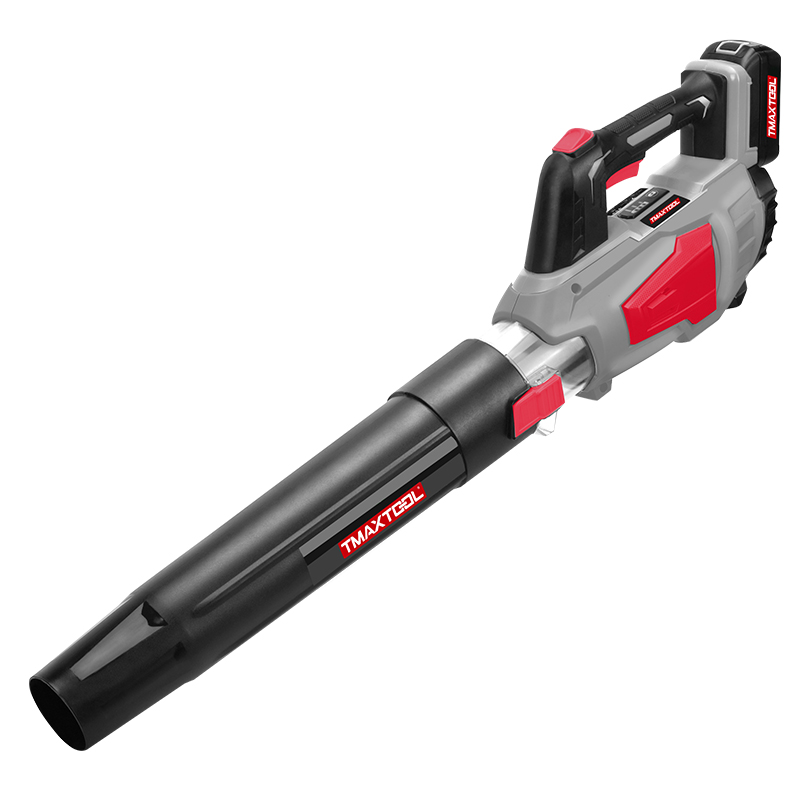 Battery Blower
 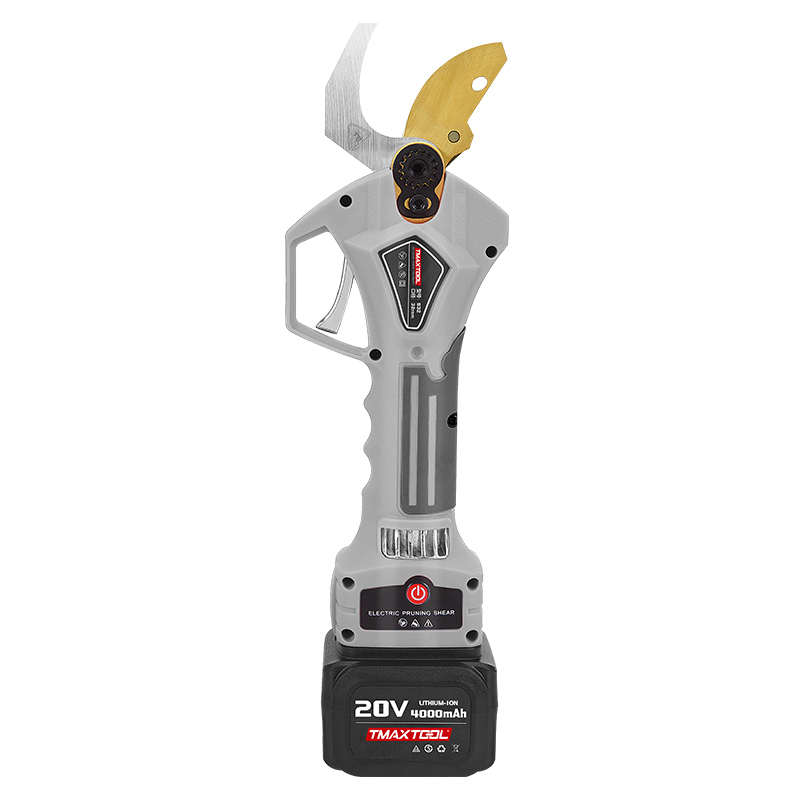 Batter Pruning Shears
 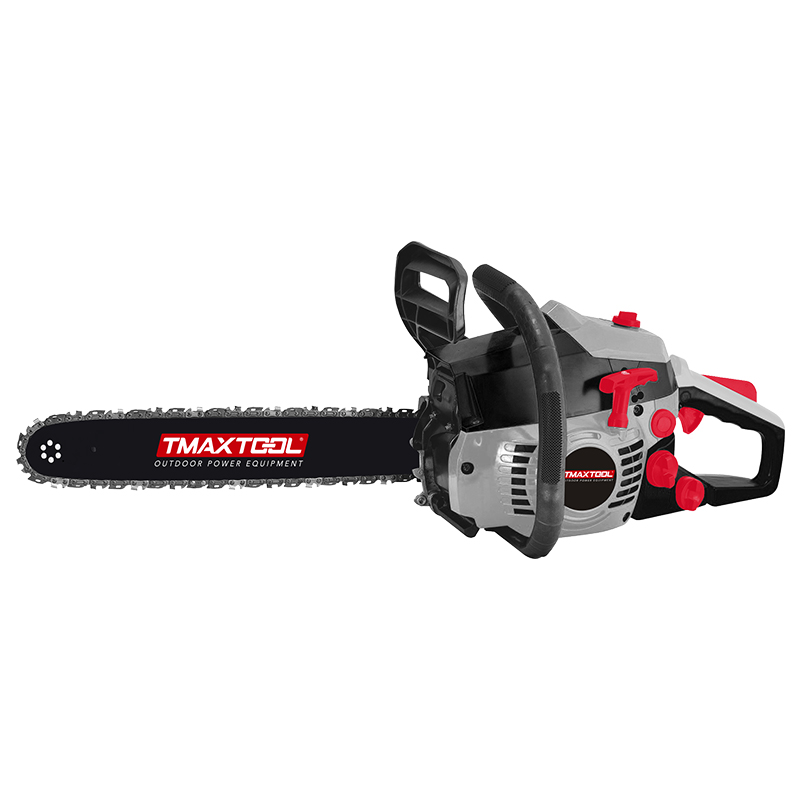 Chain Saw
 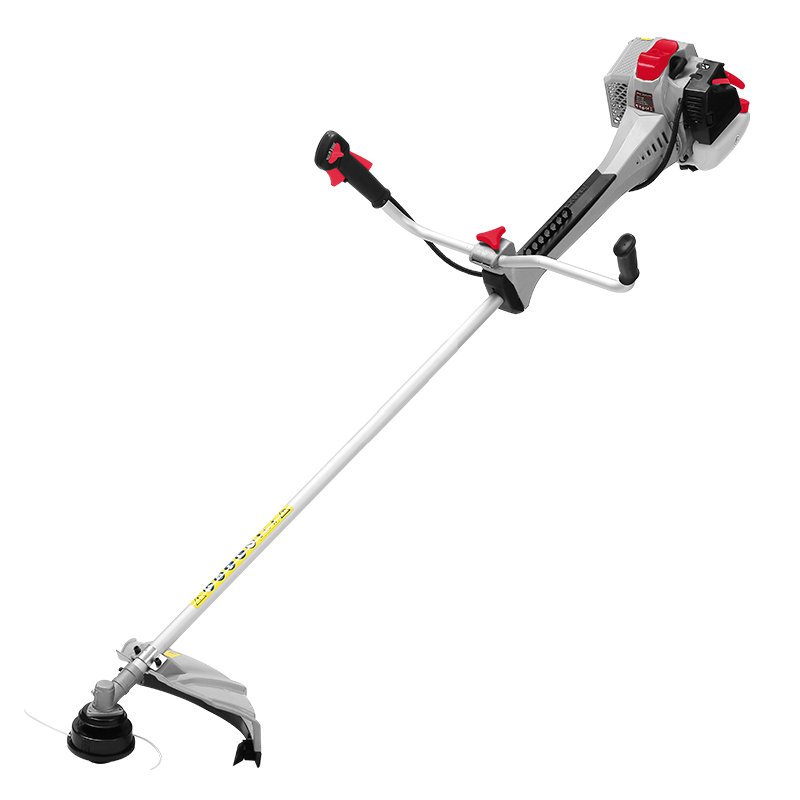 Brush Cutter
 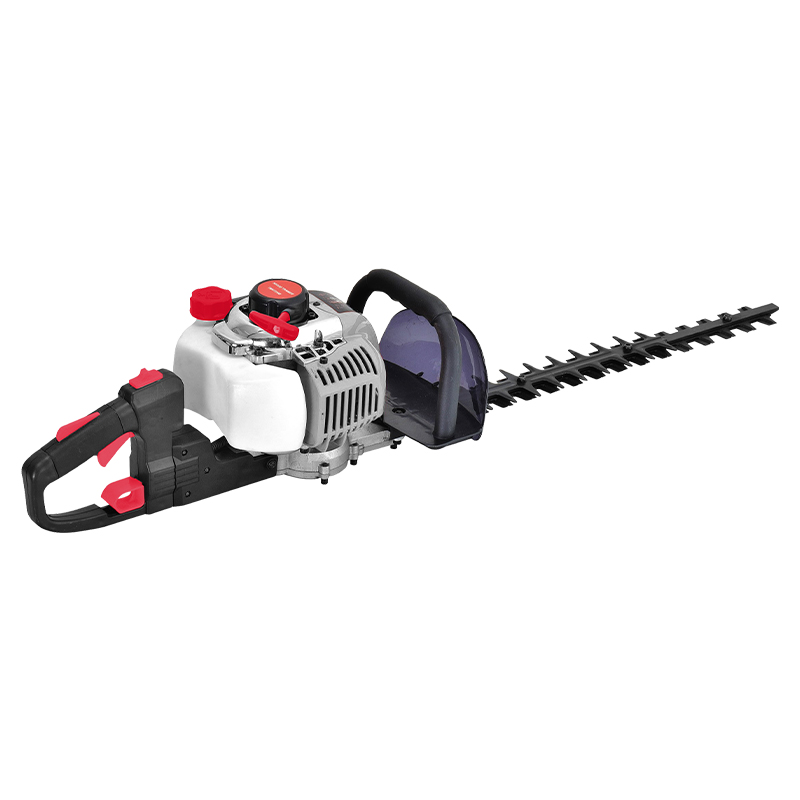 Hedge Trimmer
 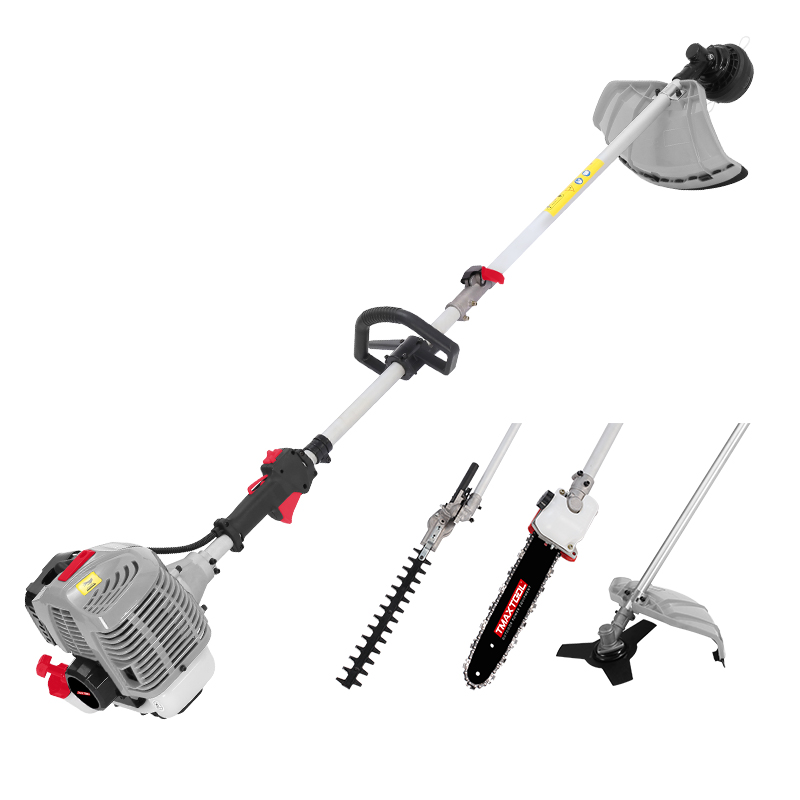 Multi Tool
 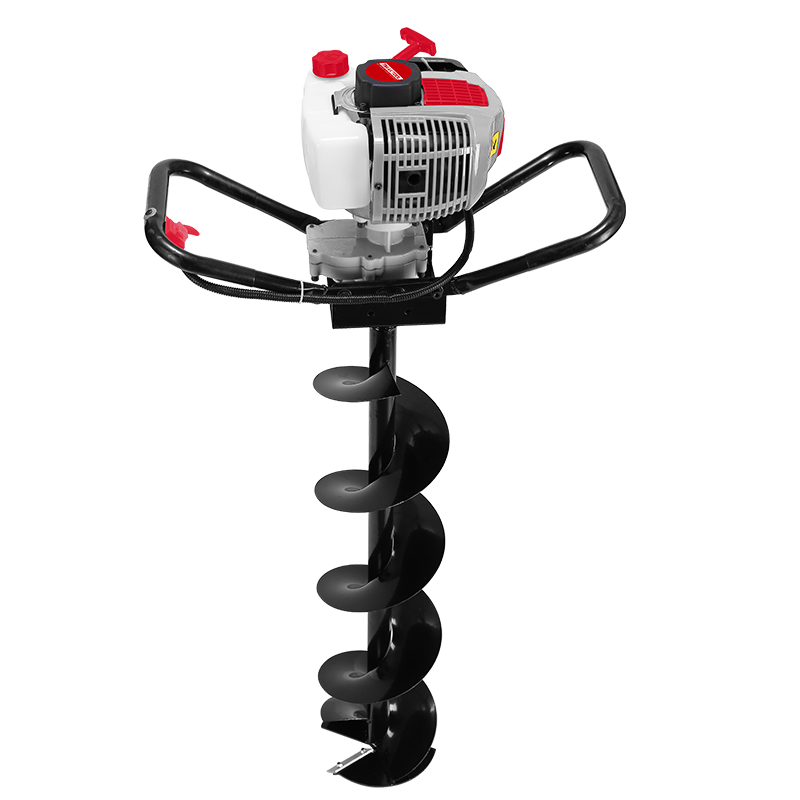 Earth Auger
 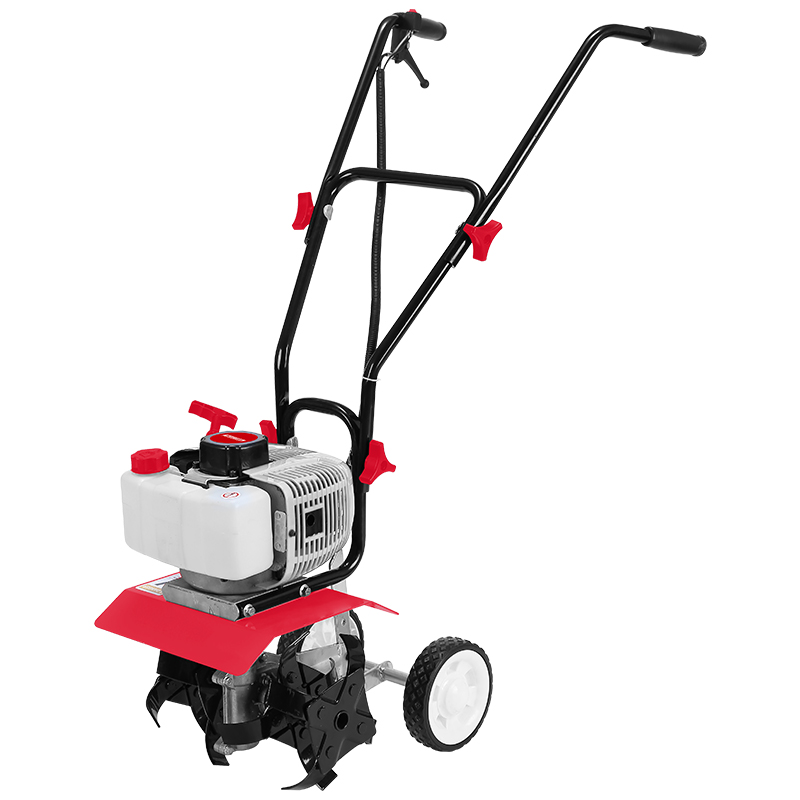 Tiller
 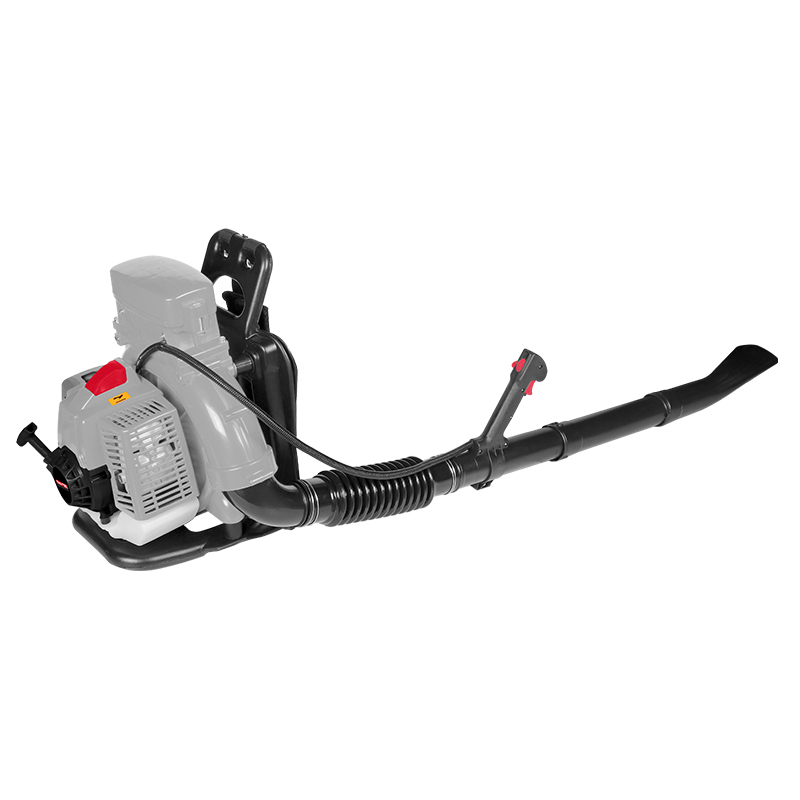 Blower
 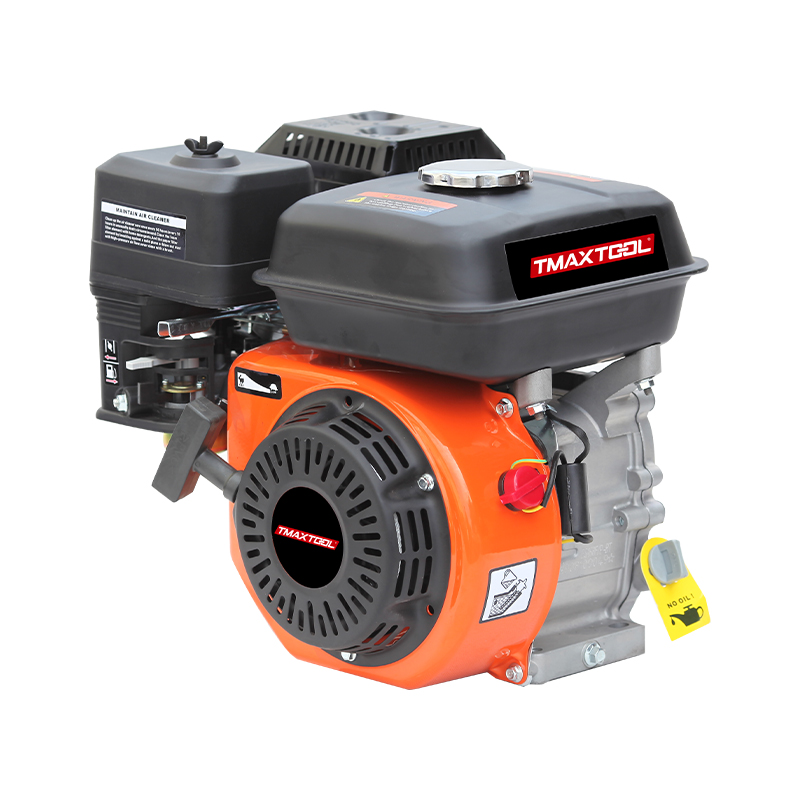 4 Stroke Gasoline Engine
 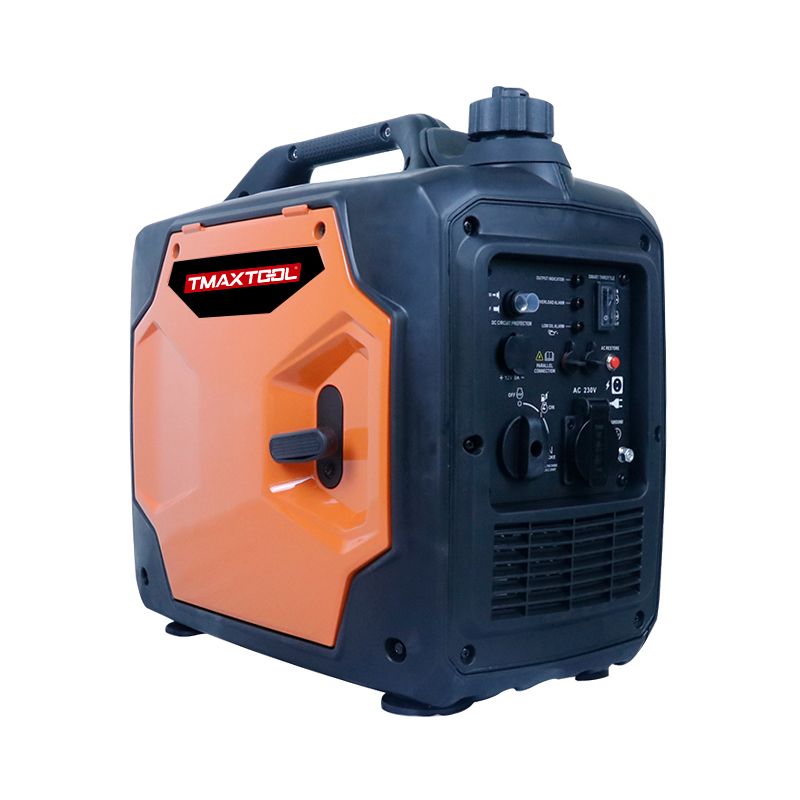 Generator
 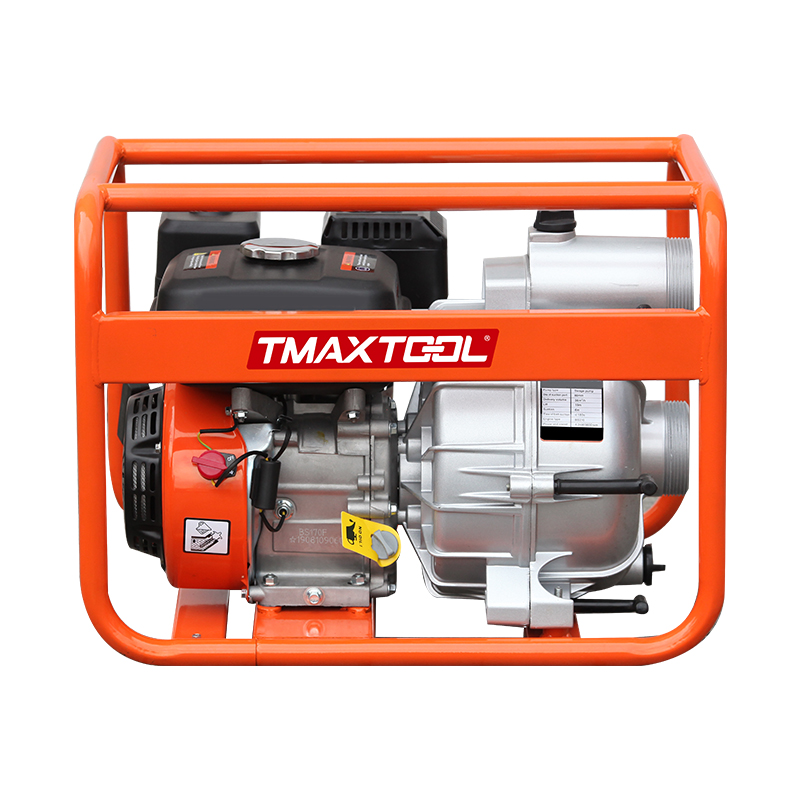 Water Pump
 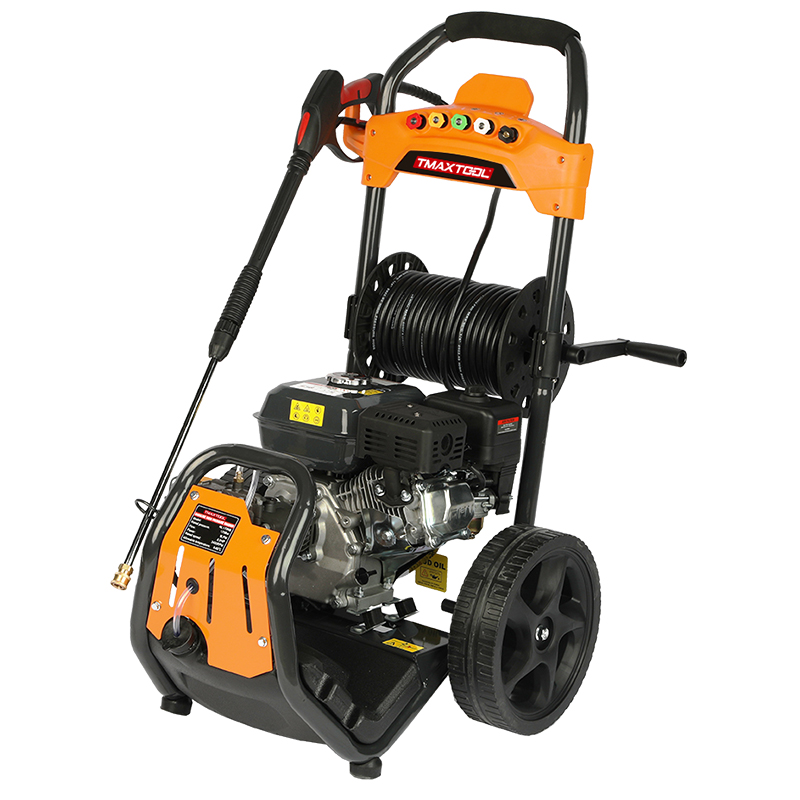 High Pressure Washer
 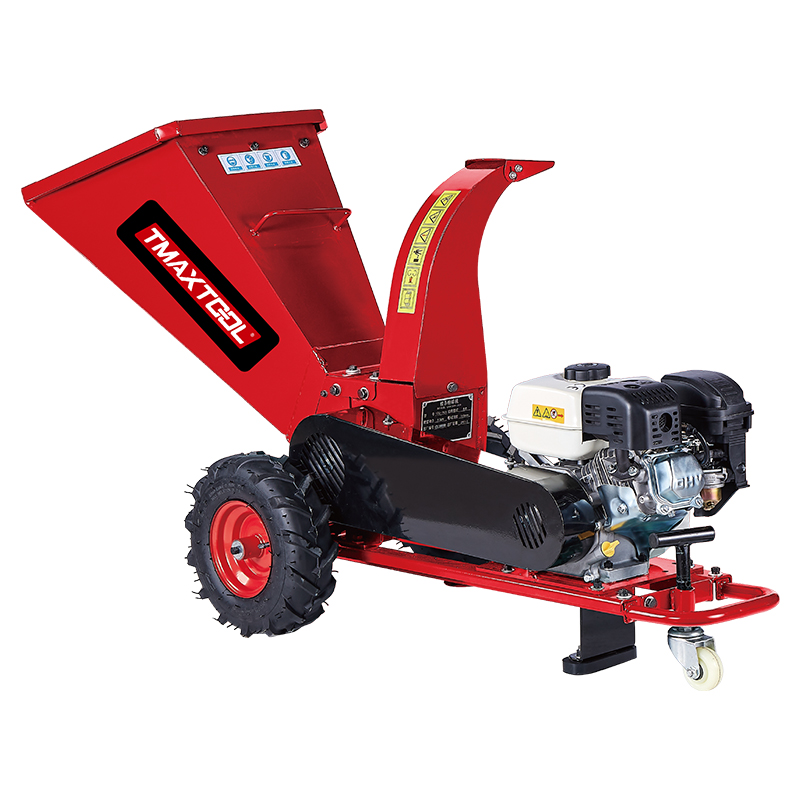 Wood Cutter
 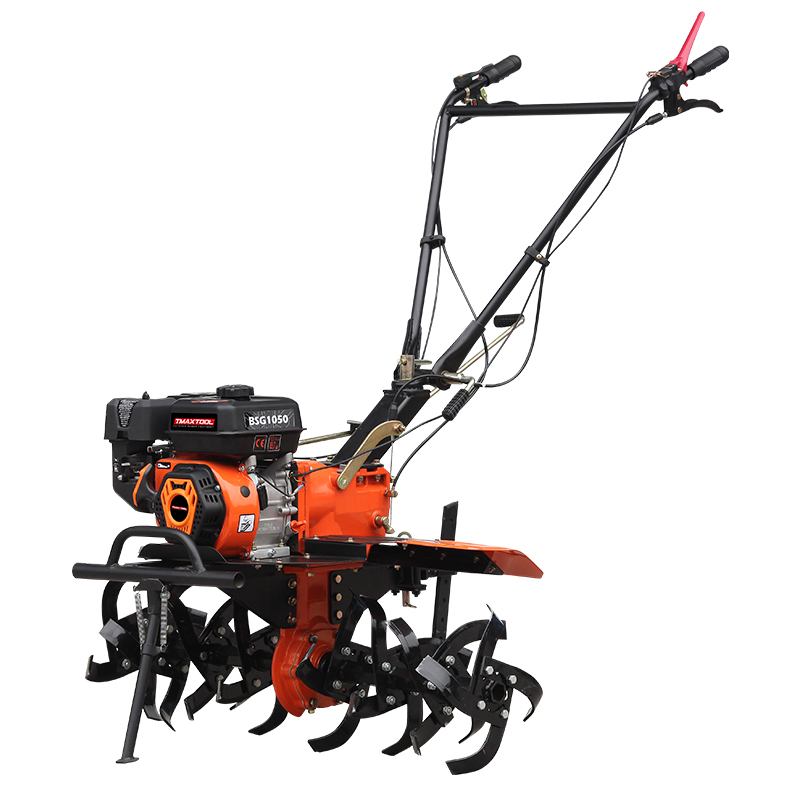 4 Stroke Tiller
 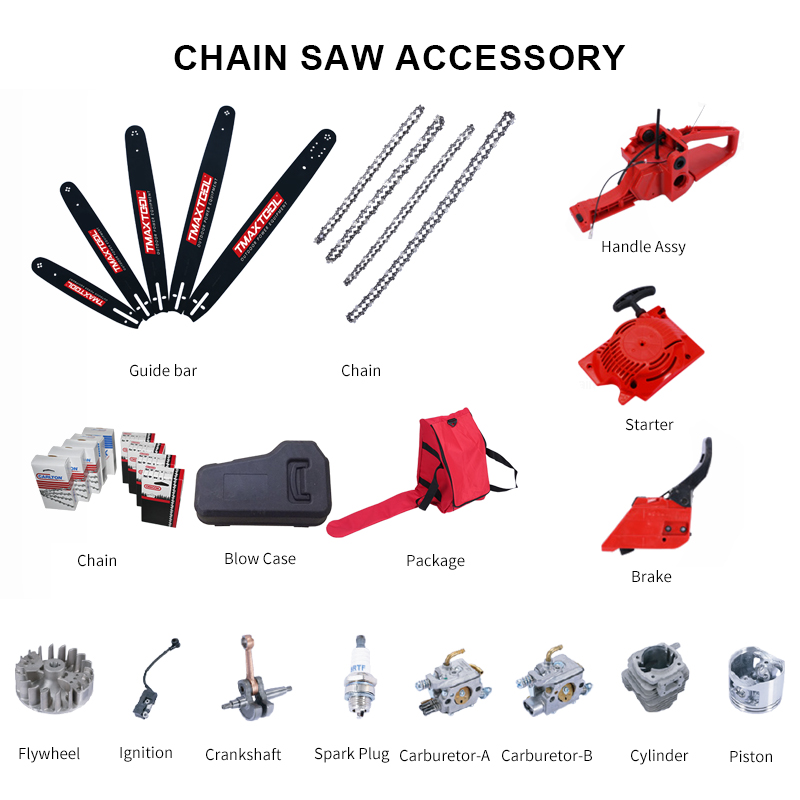 Chain Saw Accessory
 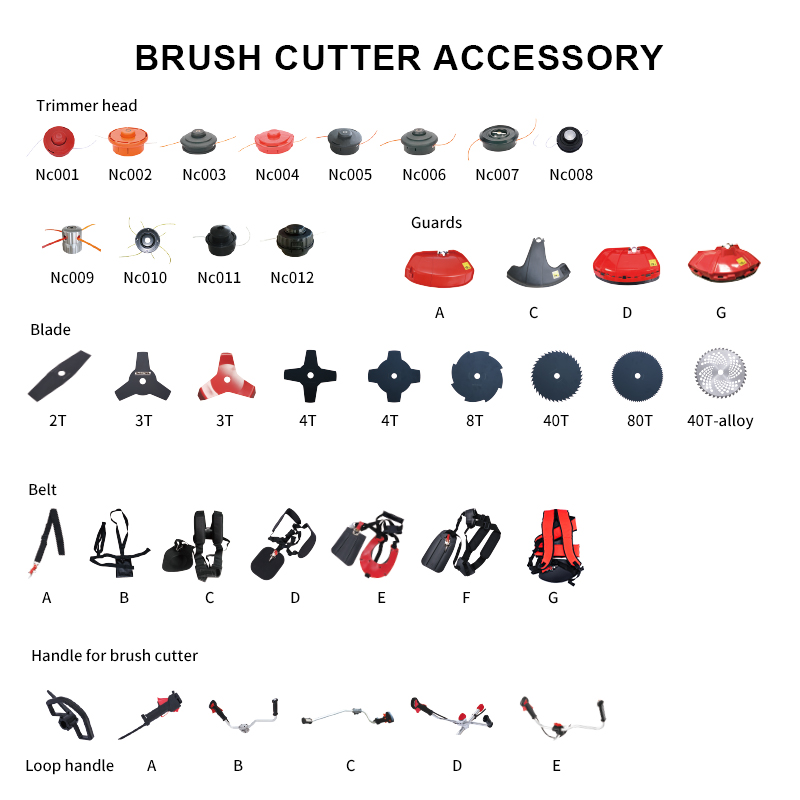 Brush Cutter Accessory
 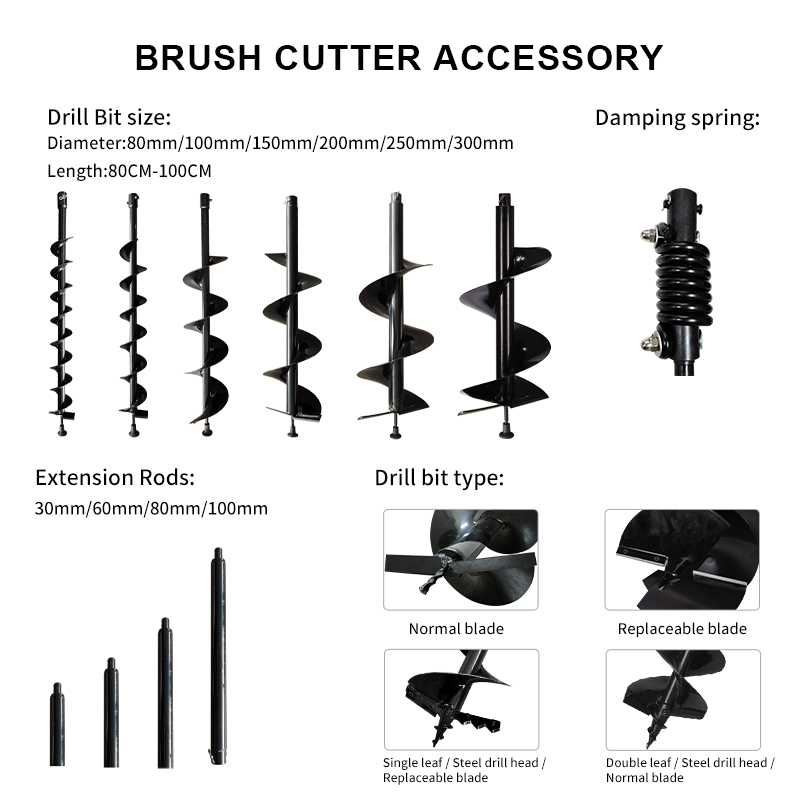 Earth Auger Accessory
 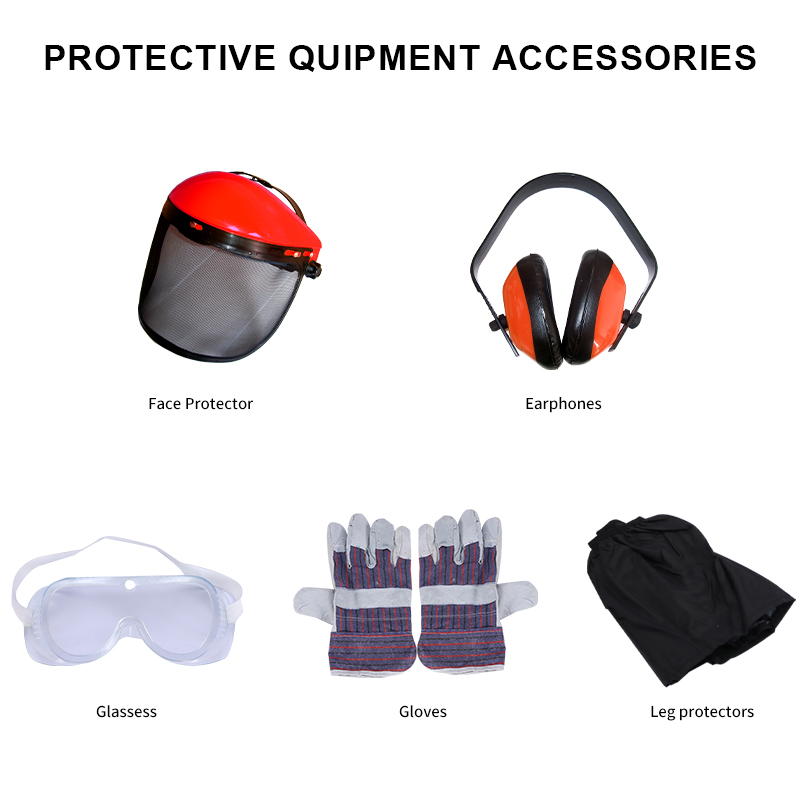 Protective Equipment Accessories
Leave Your Message


Cross-Border Power Tool Customs Clearance Guide: Document Checklist to Avoid Customs Detention
Cross-Border Power Tool Customs Clearance Guide: Document Checklist to Avoid Customs Detention
In cross-border trade of power tools and garden tools, the completeness and compliance of customs clearance documents directly determine whether goods can clear customs smoothly. As a professional tool manufacturer, TMAX needs to systematically prepare customs clearance documents according to the regulatory requirements of different target markets to avoid the risks of customs detention, fines, and returns from the source. This guide focuses on the common needs and special regulations of core global markets, outlining a list of essential documents and key operational points.
I. General Basic Document Checklist (Required for All Markets)
These documents are the "passport" for cross-border customs clearance. It is essential to ensure that the information is consistent and the content is accurate; any omission may trigger customs inspection.
1. Core Trade Documents
- Commercial Invoice: Must include complete information for both buyer and seller (name, address, contact information), a detailed description of the goods (name, model, material, purpose, e.g., "TMAX 20V brushless Electric Drill, engineering grade, for metal drilling"), terms of trade (FOB/CIF, etc.), unit price, total amount, HS code (the first 6 digits must be clearly stated, e.g., power tools 8508, lawnmower 8433), and must be priced in the currency commonly used in the target market (e.g., for exports to the United States, USD must be indicated). If it is a branded product, the "TMAX" trademark and its authorization status must be indicated to avoid intellectual property disputes.
- Packing List: Must detail the gross weight, net weight, dimensions, and packaging method for each package unit (cardboard boxes/wooden crates must be indicated), and specifically indicate whether it contains sensitive components such as batteries or lubricants. For example, "10 units/box, cardboard packaging, gross weight 25kg per box, net weight 20kg, including lithium batteries (insulated)," ensuring complete matching with the bill of lading and invoice data.
- Bill of Lading: For ocean bills of lading, verify the consignee information matches the importer's tax ID (e.g., US IRS tax ID), and the shipping marks must perfectly match the actual packaging. For named bills of lading, confirm the consignee's customs clearance capabilities in advance; for telex release bills of lading, retain complete authorization documents to avoid delays in cargo collection.
2. Origin and Compliance Documents
- Certificate of Origin (COO): Issued by the China Council for the Promotion of International Trade (CCPIT) or Customs, clearly stating "Made in China." Exports to ASEAN countries can apply for FORM E for tariff reductions; exports to the US must specifically indicate whether the 301 tariff applies. The certificate content must strictly correspond to the product information on the invoice and bill of lading to avoid discrepancies in product name or HS code.
- HS Code Confirmation: It is recommended to commission a professional organization to conduct a pre-determination of product classification to ensure accurate coding. For example, power tools are classified as 8508.40, hand tools as 8205.40, and garden cutting tools as 8202.80. Incorrect classification may lead to misreporting of customs duties or customs detention.
3. Dangerous Goods Related Documents (Required if containing lithium batteries/chemical components)
- MSDS (Material Safety Data Sheet): If the tools contain lubricants, rust inhibitors, or batteries, a complete MSDS is required, specifying the ingredients, safety precautions, and emergency response measures, and complying with the chemical regulatory standards of the target market (such as US OSHA requirements).
- Lithium Battery Specific Documents: Power tools containing lithium batteries (such as Cordless Drills and lithium-ion lawnmowers) require a UN38.3 test report (proving transport safety), IEC 62133 battery safety certification, and an IMDG CODE dangerous goods certificate for sea freight. The packaging must be marked with lithium battery warning labels and phrases such as "Cargo transport only" (if applicable).
II. Special Documentation Requirements for Core Target Markets
The regulatory systems of different regions vary significantly, necessitating the preparation of targeted compliance documents. This is a crucial step in avoiding customs seizures.
1. US Market: Safety Certification and Advance Declaration are Key
- Mandatory Safety Certification: Power tools must be certified with UL 60745 (handheld) or UL 2595 (lithium-ion battery systems). Tools with wireless functionality (such as smart lawnmowers) require additional FCC certification. Certification markings must be clearly displayed on the product itself, and the documentation must include the certification number and test report.
- Advance Declaration Documentation: An ISF 10+2 declaration must be submitted 24 hours before shipment. This declaration must include importer information, product description, HS code, port of loading, etc. Failure to submit on time will result in hefty fines.
- Special Declaration Documentation: Steel tools (such as wrenches and pliers) require an anti-dumping duty declaration and material certificate to confirm whether they fall under the scope of anti-dumping orders such as 332-TA-420. OEM products require a brand authorization letter to avoid the risks associated with Section 337 investigations.
2. EU Market: CE Certification and Technical Documentation are Core
- CE Certification and Supporting Documentation: Must comply with the Machinery Directive (MD 2006/42/EC), the Low Voltage Directive (LVD 2014/35/EU), and the Electromagnetic Compatibility Directive (EMC 2014/30/EU). Different tools have specific standards: electric drills/Angle Grinders require EN 60745-1, and lawnmowers require EN 50636. High-risk industrial tools require certification from an EU Notified Body (NB) and bear the CE marking with the NB number (e.g., "CE 0035"). From 2025 onwards, a QR code digital label linking to the EUDAMED database is required.
- Technical Documentation Archives: Includes product design drawings, circuit diagrams, BOM (Bill of Materials), risk assessment reports, test reports (electrical safety, EMC, etc.), and multilingual user manuals (including safety warnings). These must be retained for 10 years for verification.
- Environmental Compliance Documents: Compliance with RoHS Directive (restriction of hazardous substances) and REACH Regulation (control of SVHCs, substances of very high concern), providing corresponding test reports to ensure product composition compliance.
3. Southeast Asian Market (represented by Malaysia): Market Access Approval and Inspection Certificates
- Market Access Approval Documents: Industrial-grade power tools must pass the industry access assessment of the Malaysian Investment Development Authority (MIDA). Used equipment requires an "Application Form for Import of Used Equipment" and proof of its service life. The approval period is approximately 10 working days.
- Mandatory Certification and Inspection: Electronic and electrical equipment must be SIRIM certified and comply with MS IEC 60335 safety standards. All equipment must provide a pre-shipment inspection certificate issued by SGS or BV, proving its good condition.
- Tariff Preference Documents: Applying for RCEP tariff reduction requires a FORM E certificate of origin, clearly indicating that the goods meet the regional value composition requirements, which can reduce tariff costs by 5%-10%.
III. Key Operational Points to Avoid Pitfalls
1. Document Information Consistency Verification: All documents must contain identical product names, HS codes, quantities, amounts, and consignee information. Pay particular attention to the matching of bills of lading and ISF declarations, and commercial invoices and certificates of origin to avoid customs suspicion due to discrepancies.
2. Certification Timeliness Management: UL, CE, SIRIM, and other certifications must be valid. Pay attention to regulatory updates (such as the EU's 2025 CE certification regulations requiring annual review), and initiate the certification renewal process 3-6 months in advance to avoid certificate expiration leading to customs detention.
3. Packaging Compliance Labeling: Wooden packaging must bear the IPPC mark (e.g., "CN HT"), and non-coniferous wood packaging requires a certificate of origin. Product labels must include English manufacturer information, voltage parameters, and safety warnings, and comply with the labeling regulations of the target market (e.g., US CPSC requirements).
4. Special Scenario Contingency Plan: Exported used equipment requires advance application for a CCIC certificate, along with proof of equipment cleanliness and a declaration of no radioactive materials. In case of customs inspection, a pre-inspection report and original certification data must be submitted within 72 hours to ensure rapid response to verification requests.
IV. Conclusion
In preparing cross-border customs clearance documents, a management system of "market classification - document matching - dynamic updates" should be established: focusing on certification and advance declaration for the US, strengthening technical documentation and CE compliance for the EU, and implementing access approvals and inspection certificates for Southeast Asia. It is recommended to cooperate with professional customs clearance agents to establish a document pre-review mechanism, and retain electronic scans and originals of all documents for at least 5 years to ensure rapid evidence collection during customs inspections and trade disputes, minimizing the risk of customs detention and ensuring a smooth global supply chain.
Website:https://www.tmax-tool.com/
Email:Info@tmaxtool.com
Whatsapp:+8613655793577