
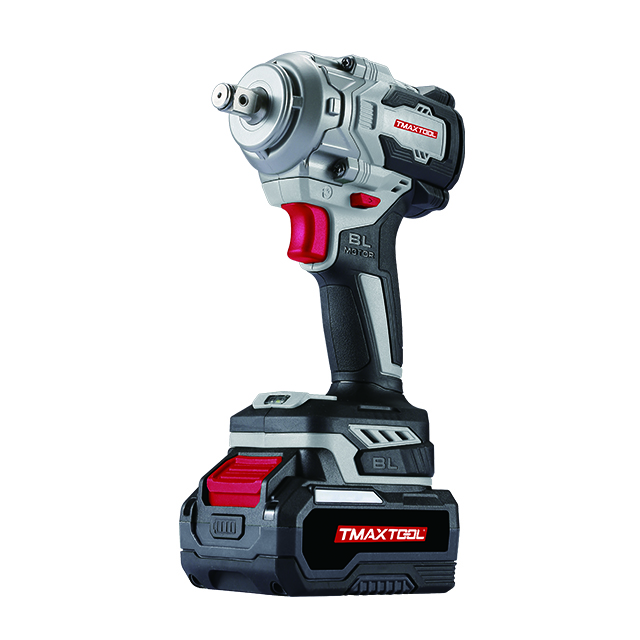
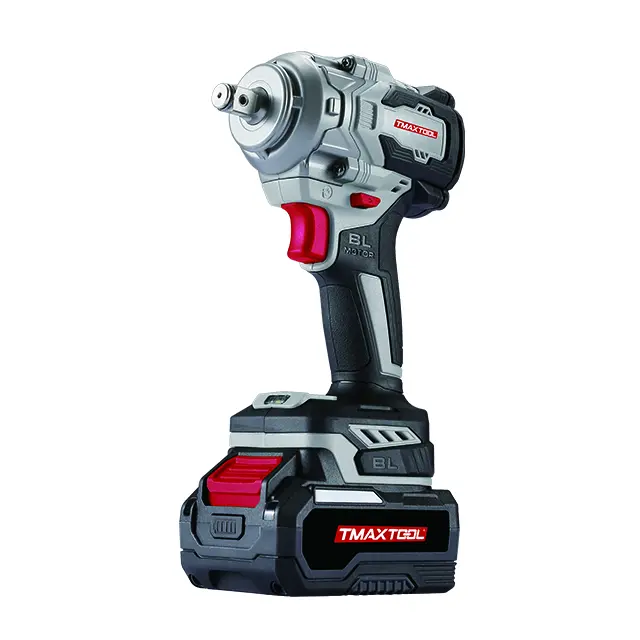
 Impact Wrench
 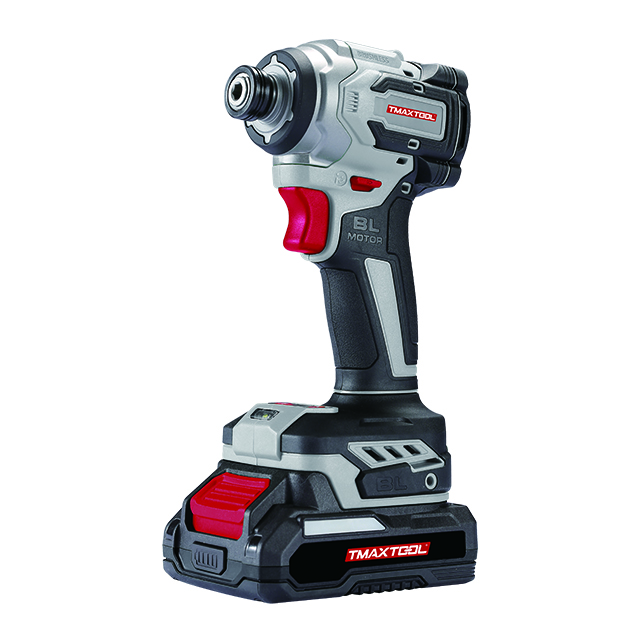 Screwdriver
 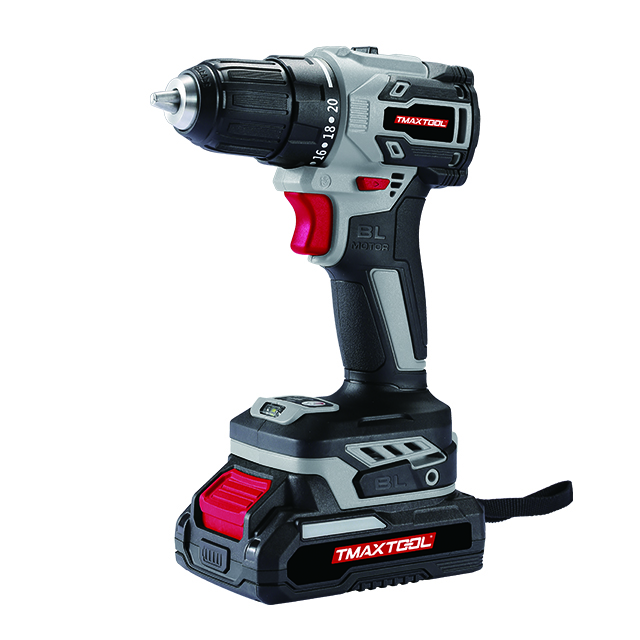 Cordless Drill
 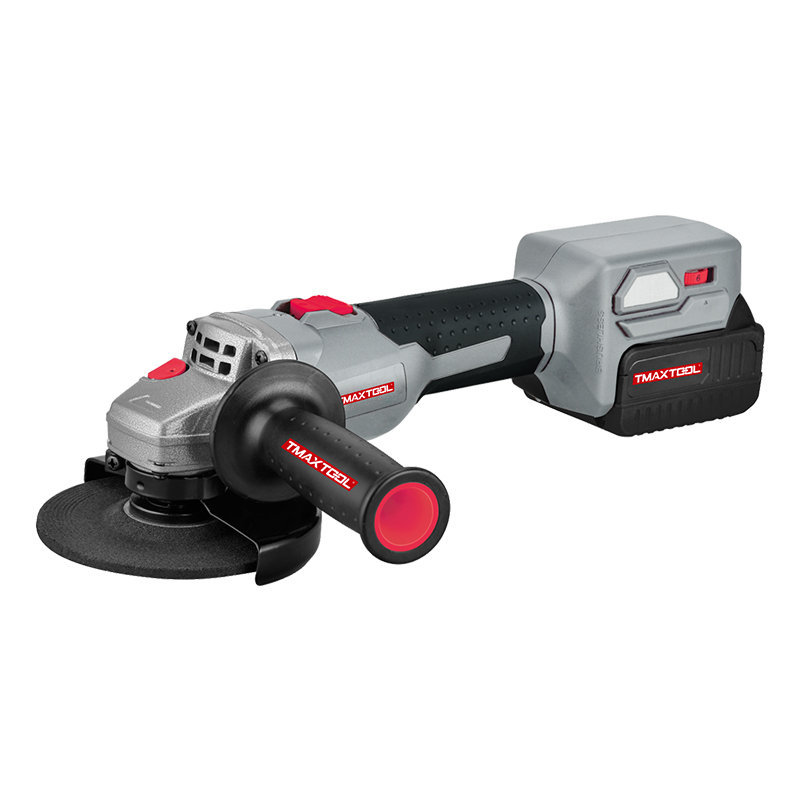 Angle Grinder
 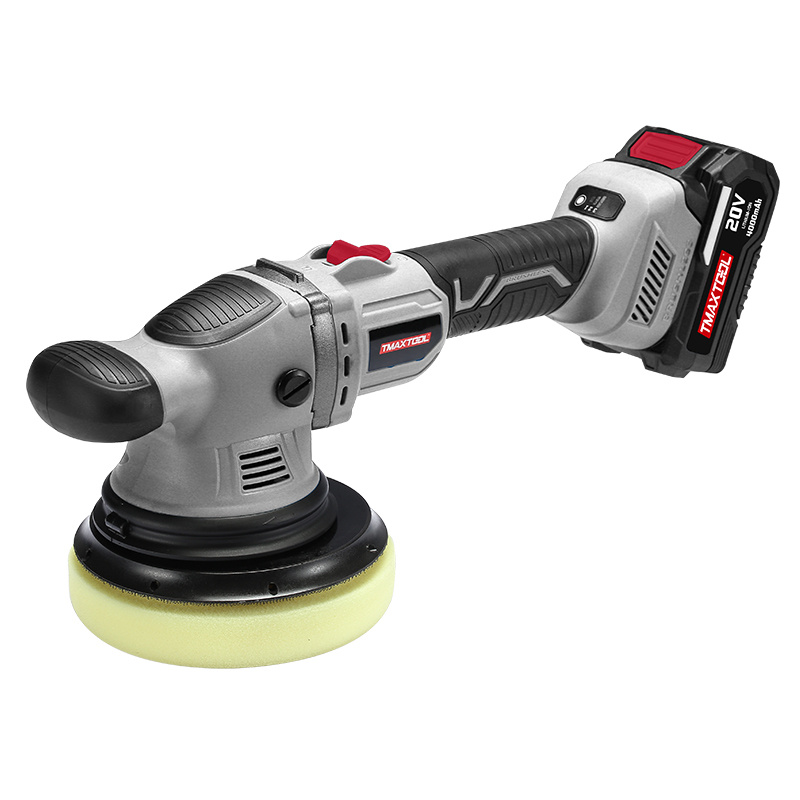 Polisher
 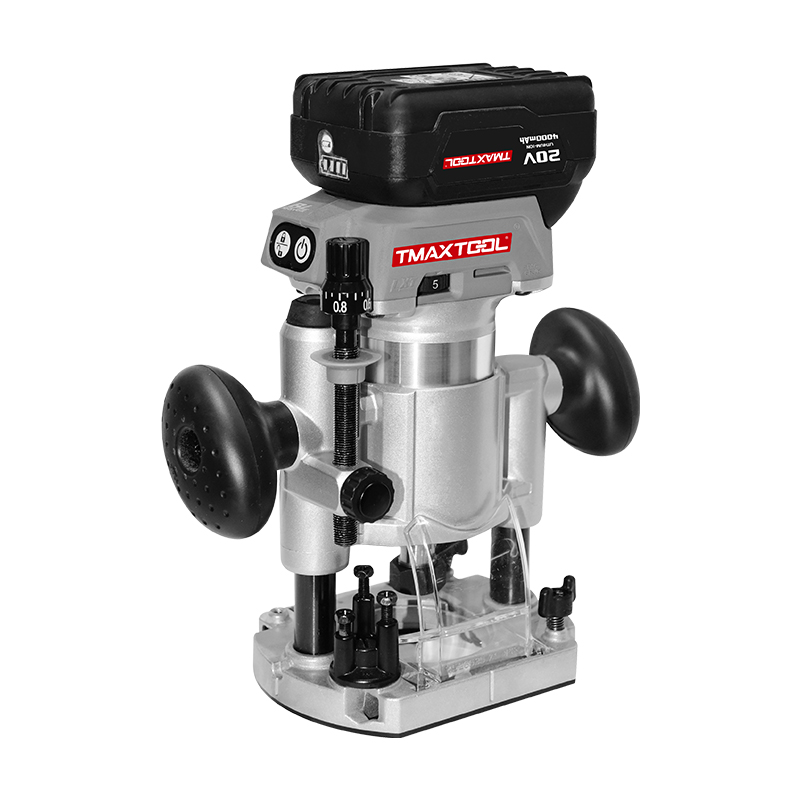 Wood Router
 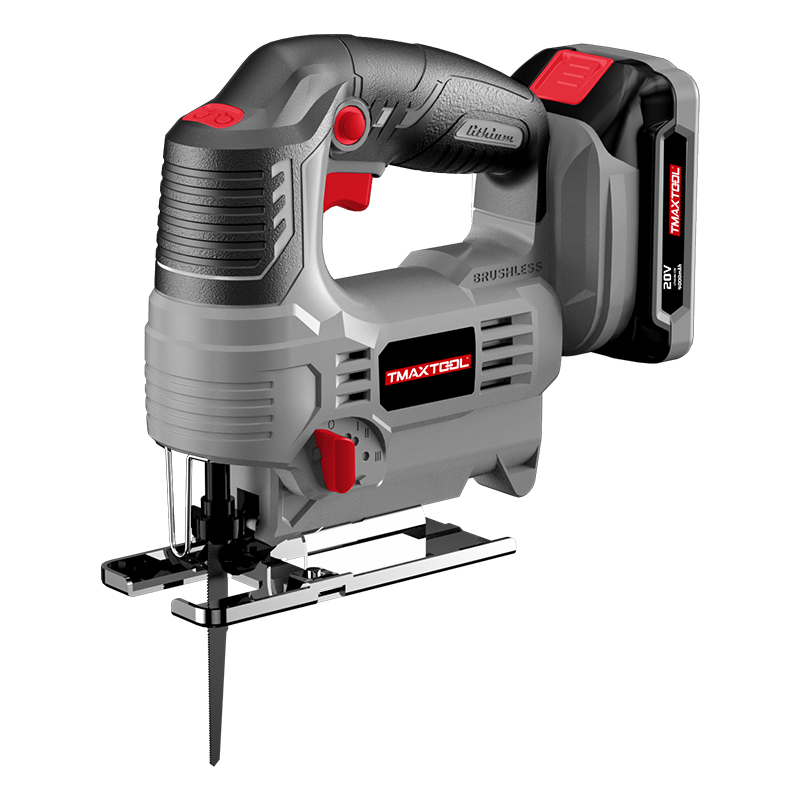 Jig Saw
 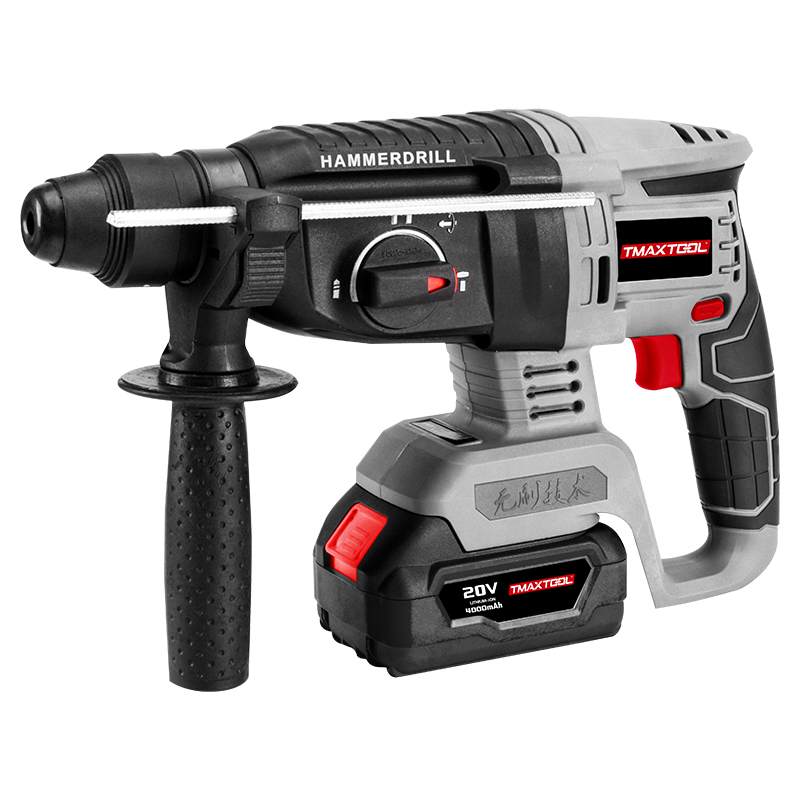 Hammer Drill
 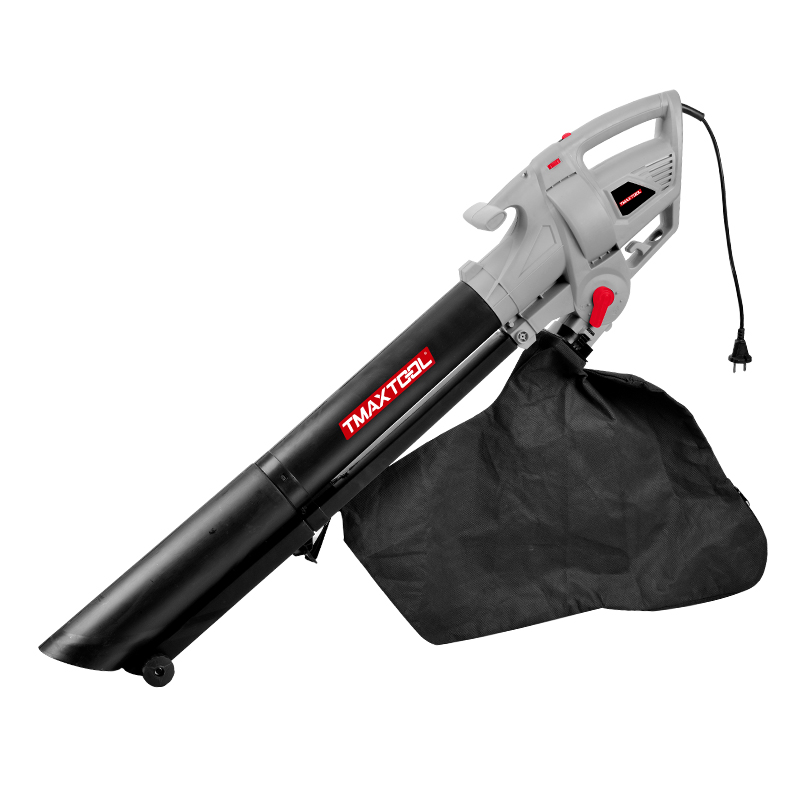 Portable Blower
 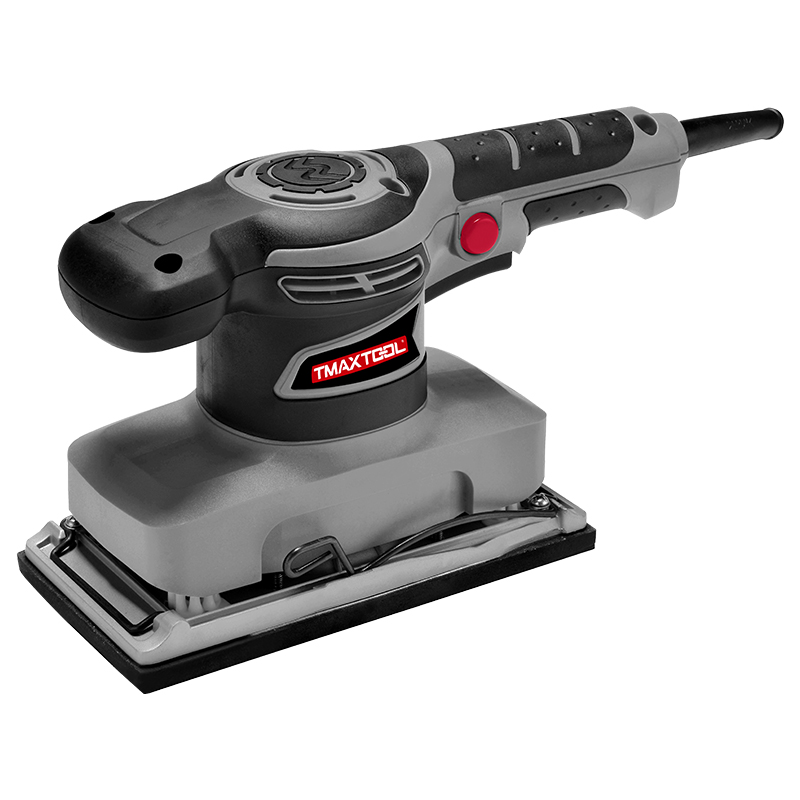 Orbital Sander
 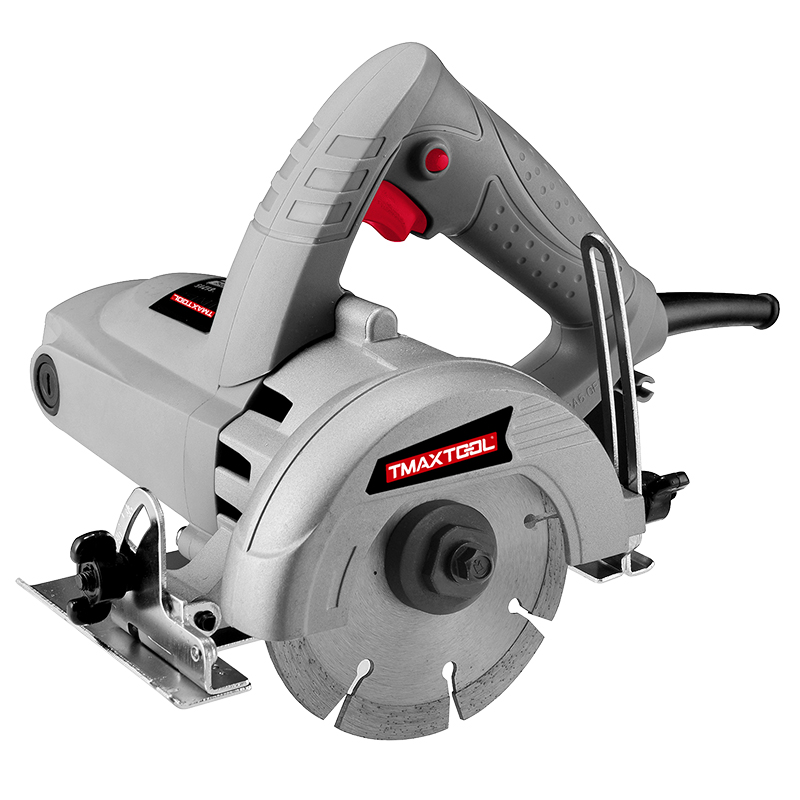 Marble Cutter
  GARDEN TOOLS
 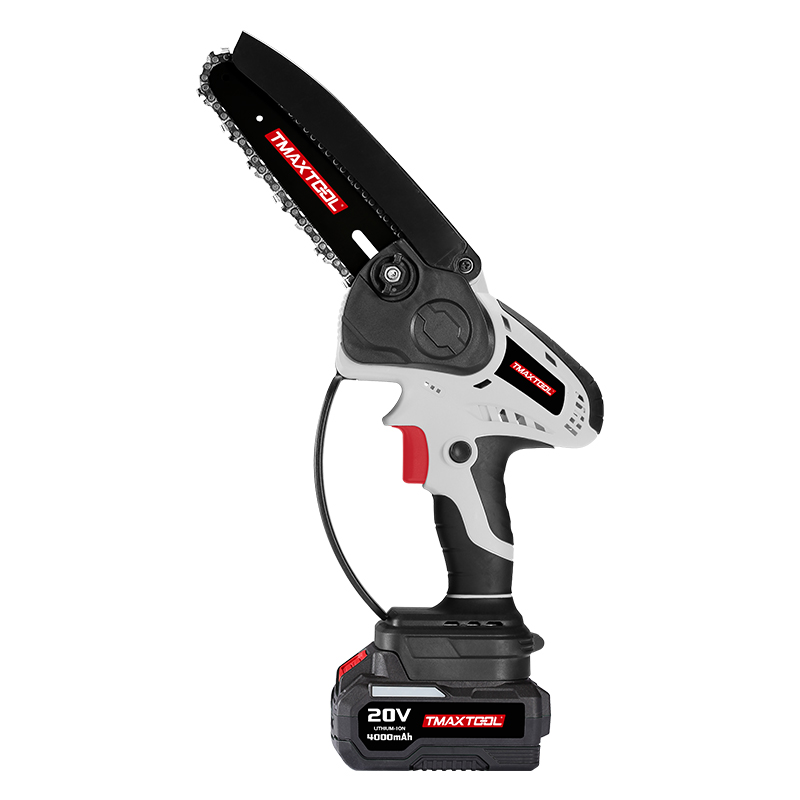 Battery Chain Saw
 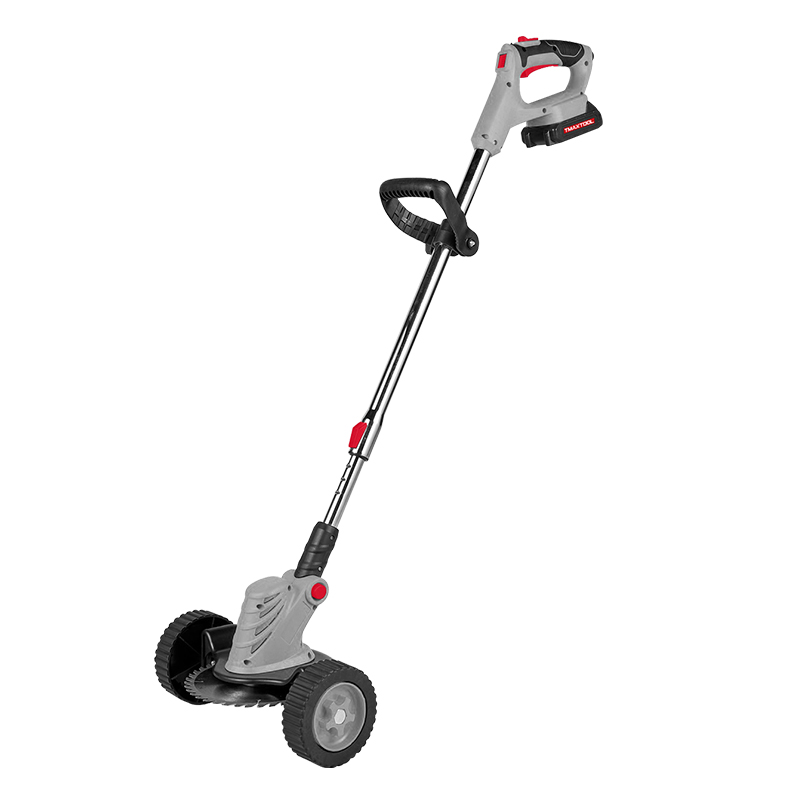 Battery Brush Cutter
 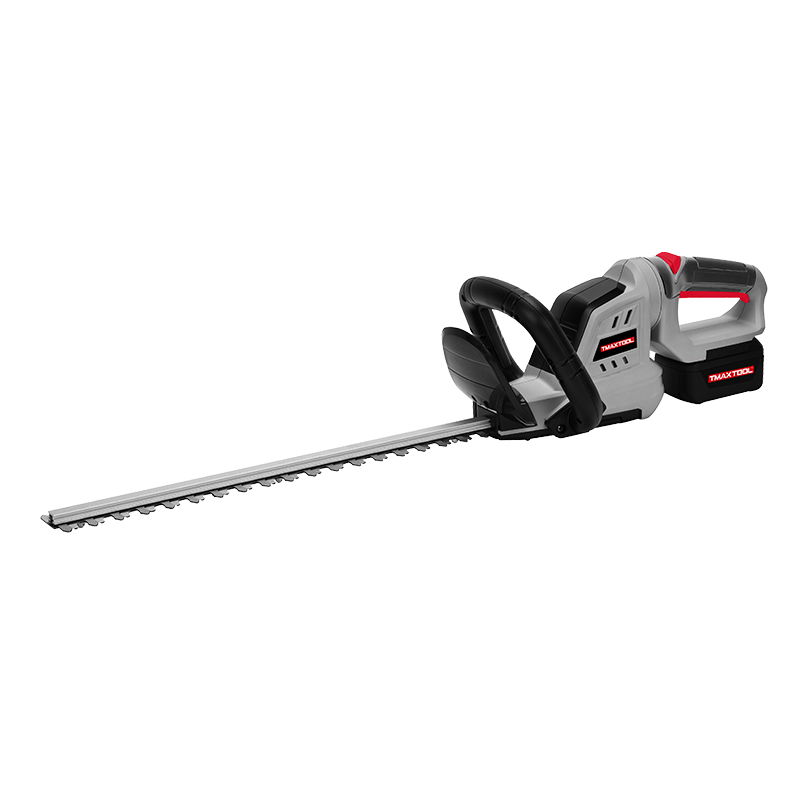 Battery Hedge Trimmer
 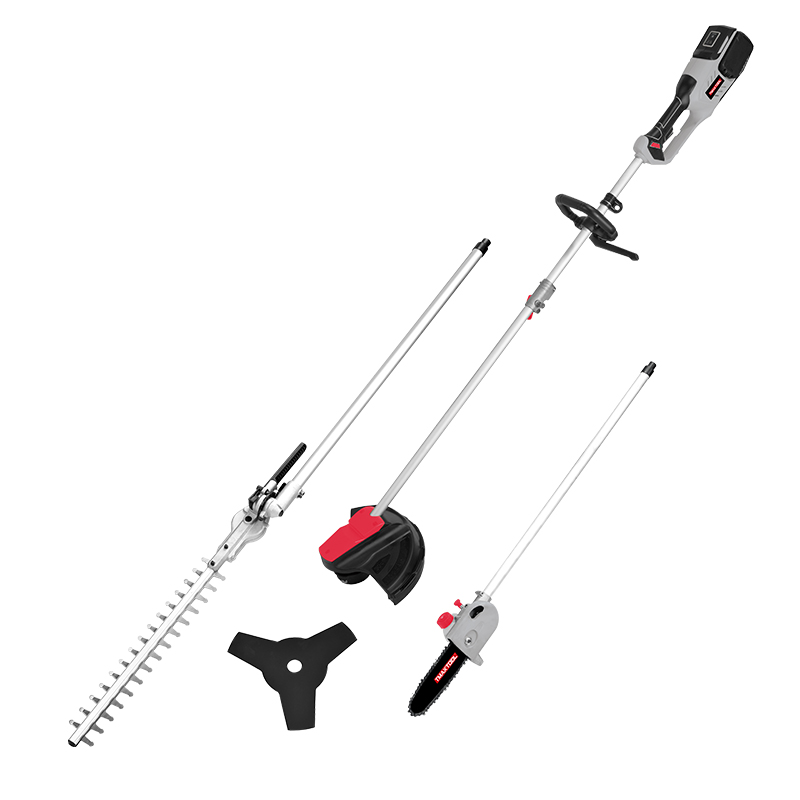 Battery Multi Tool
 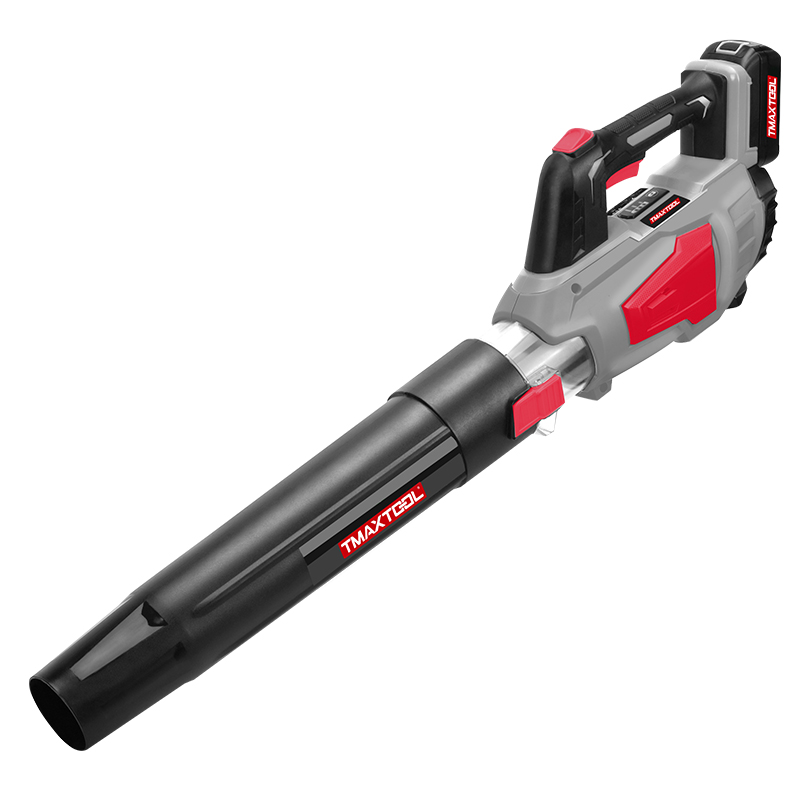 Battery Blower
 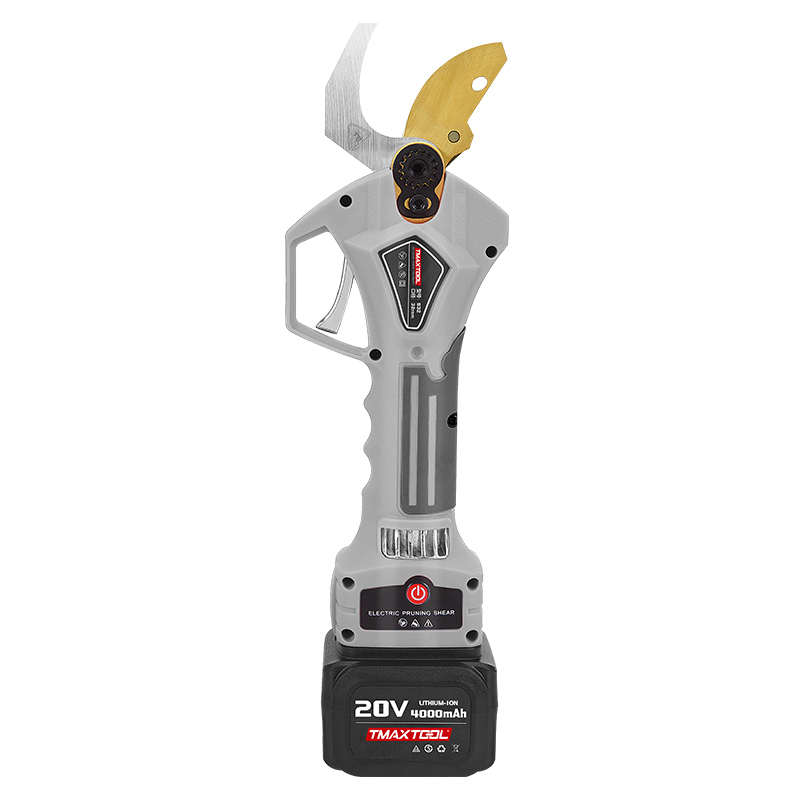 Batter Pruning Shears
 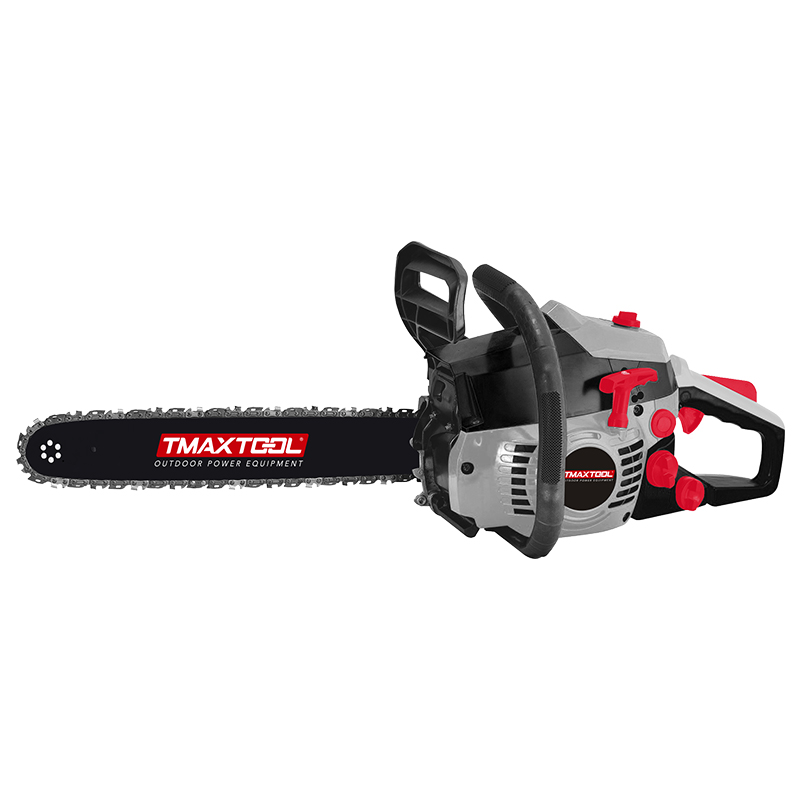 Chain Saw
 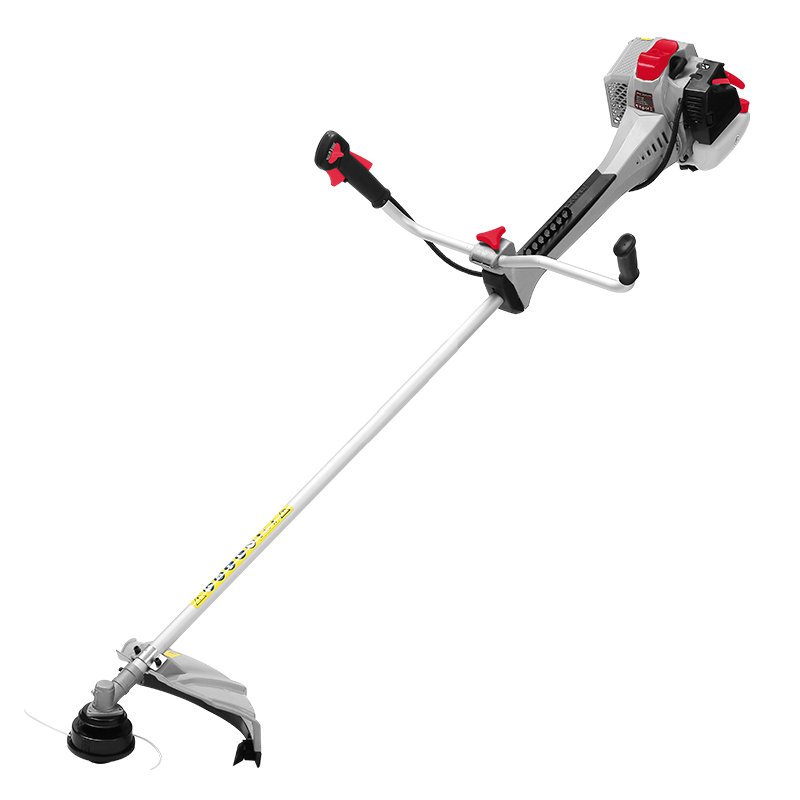 Brush Cutter
 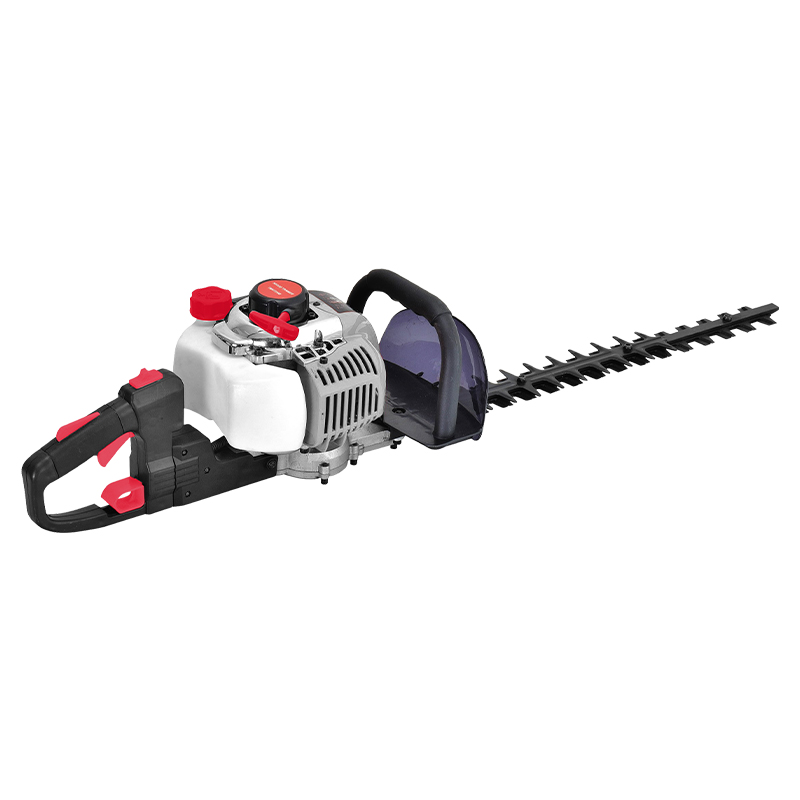 Hedge Trimmer
 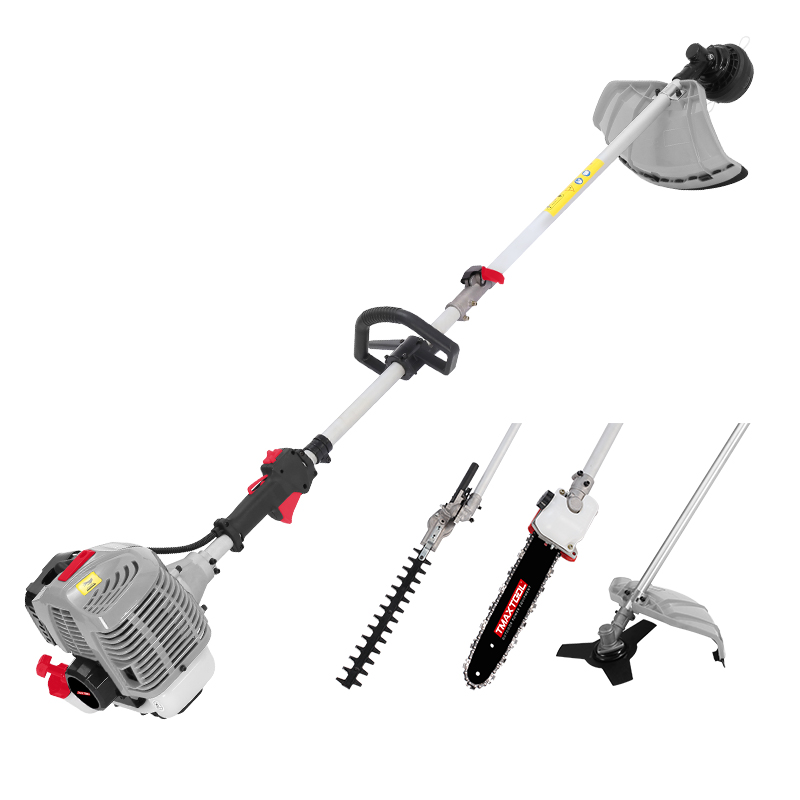 Multi Tool
 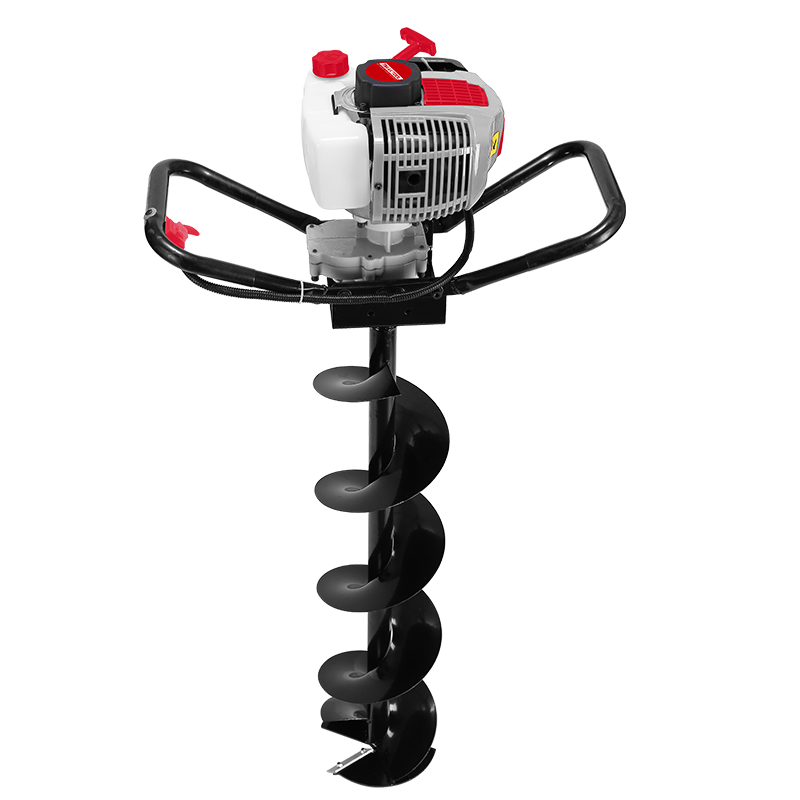 Earth Auger
 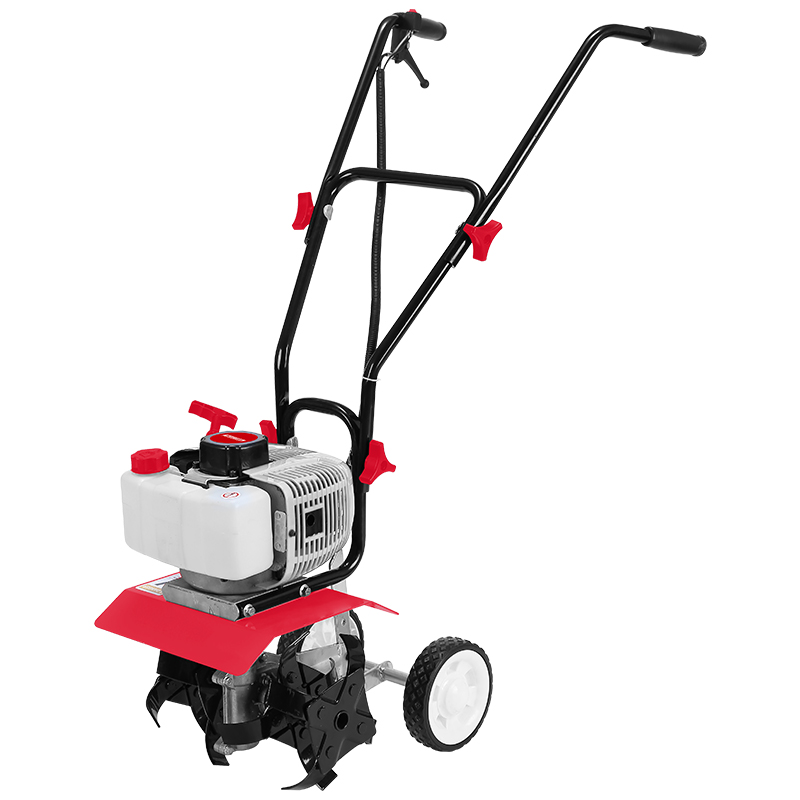 Tiller
 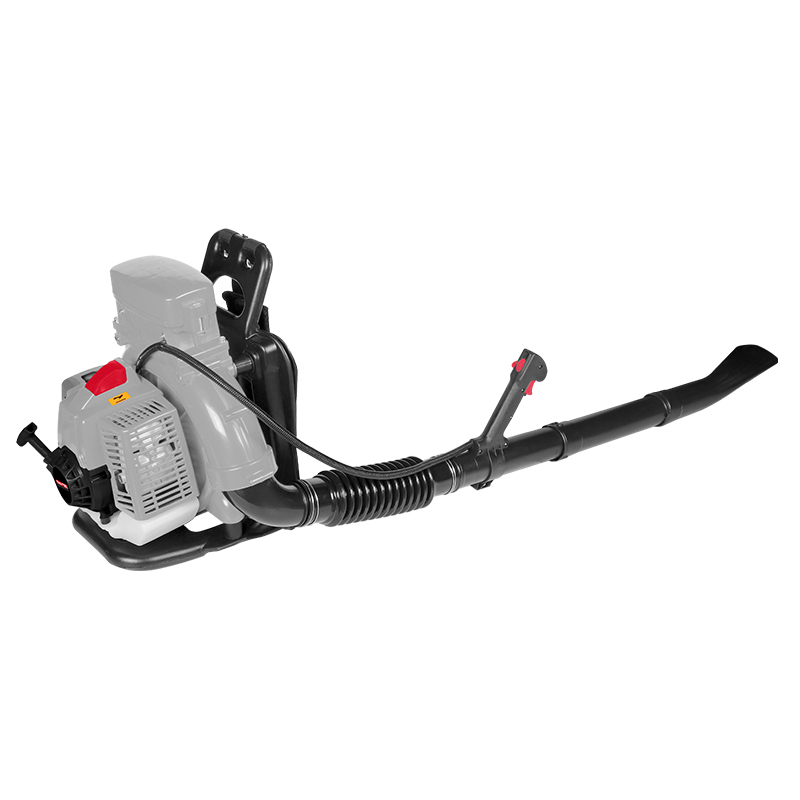 Blower
 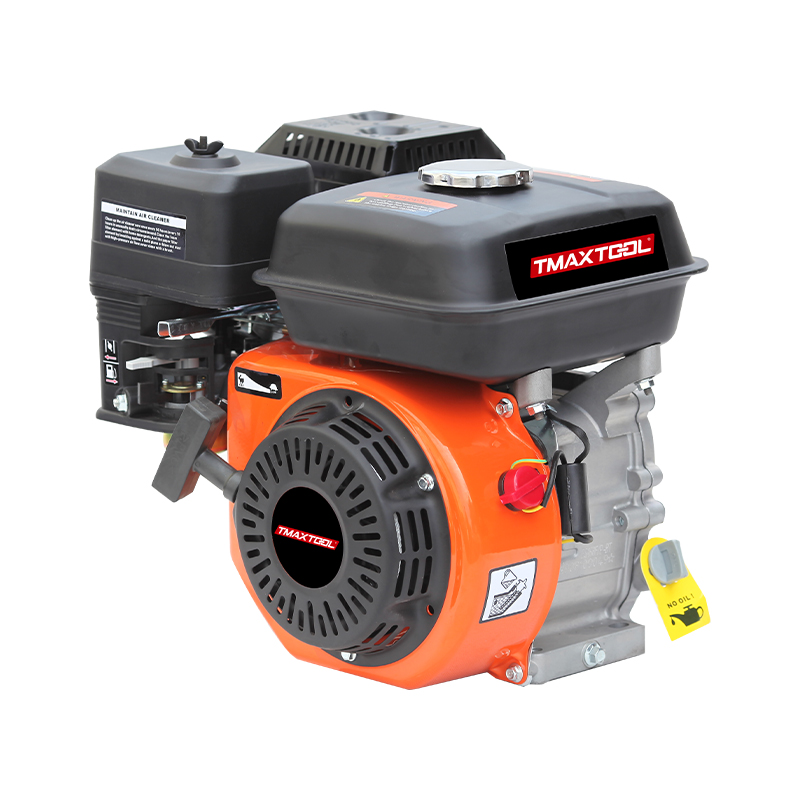 4 Stroke Gasoline Engine
 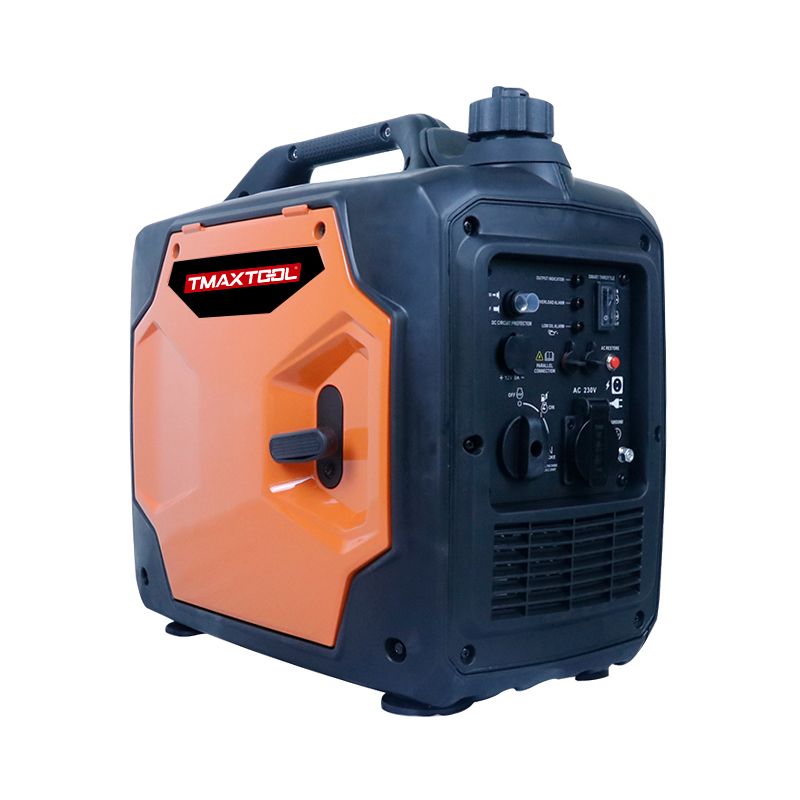 Generator
 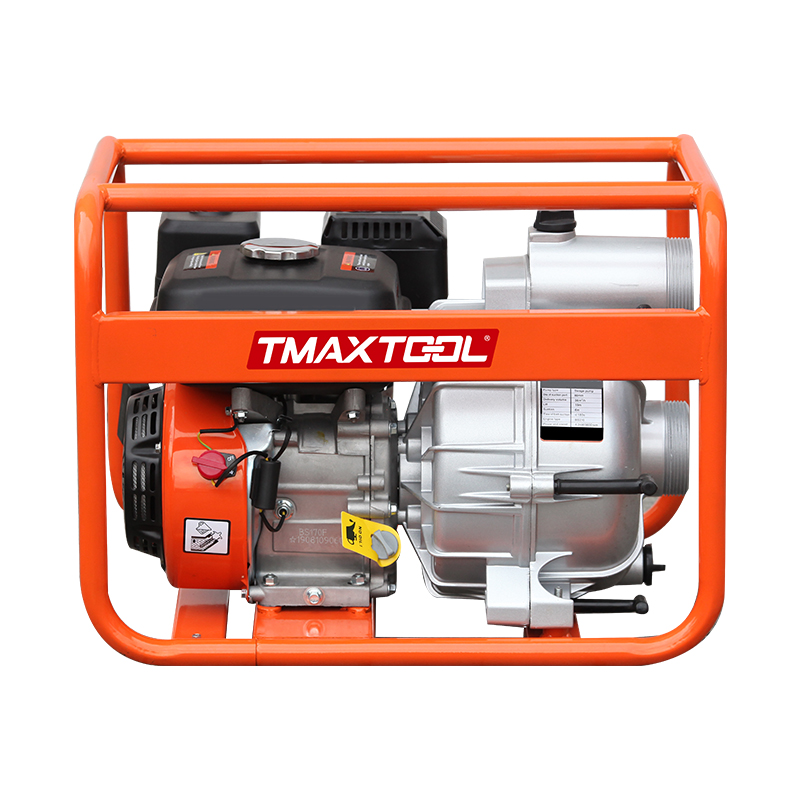 Water Pump
 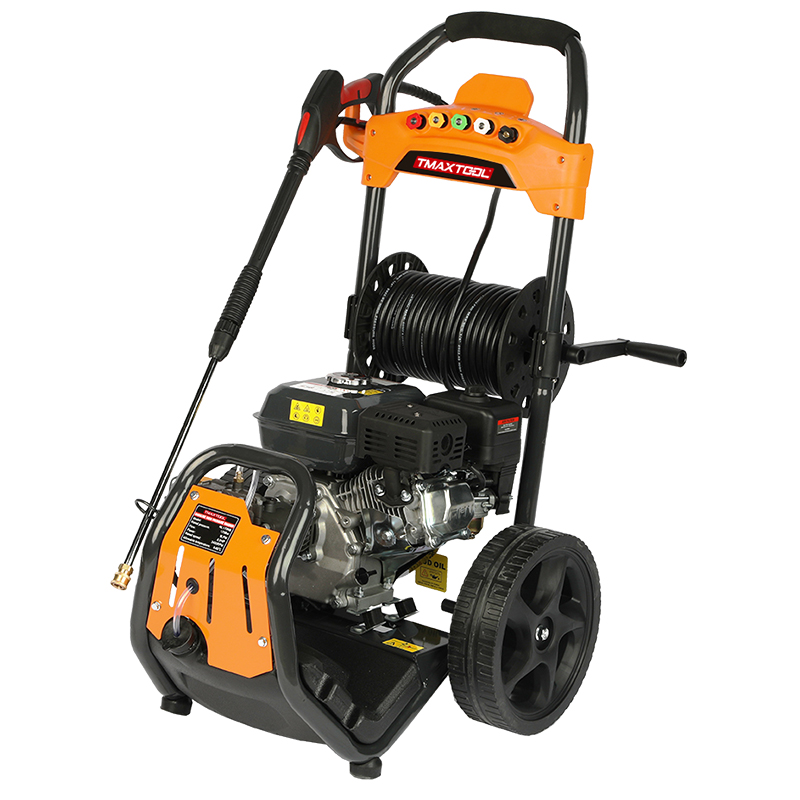 High Pressure Washer
 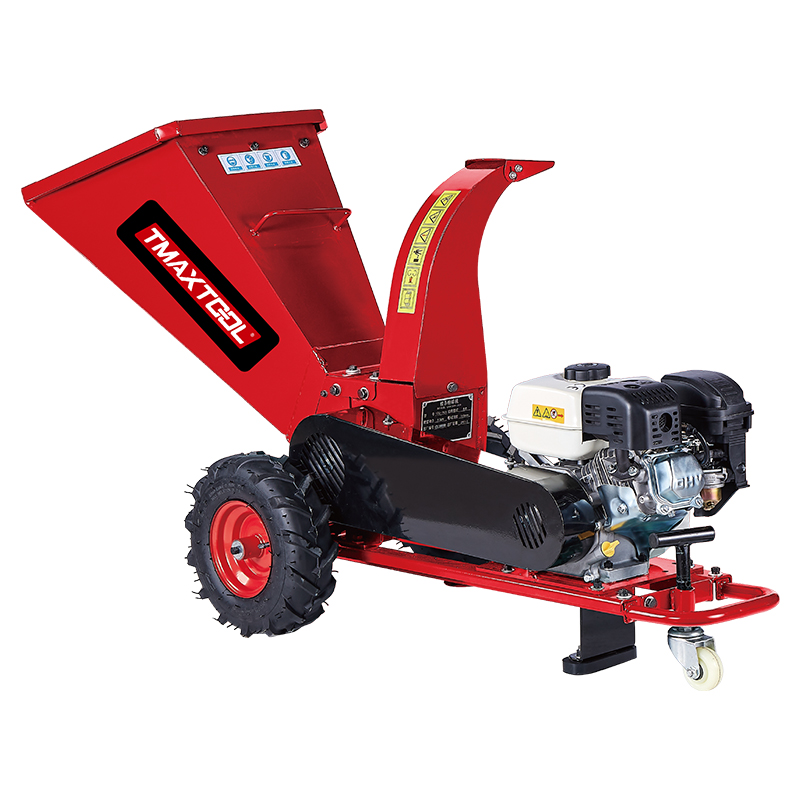 Wood Cutter
 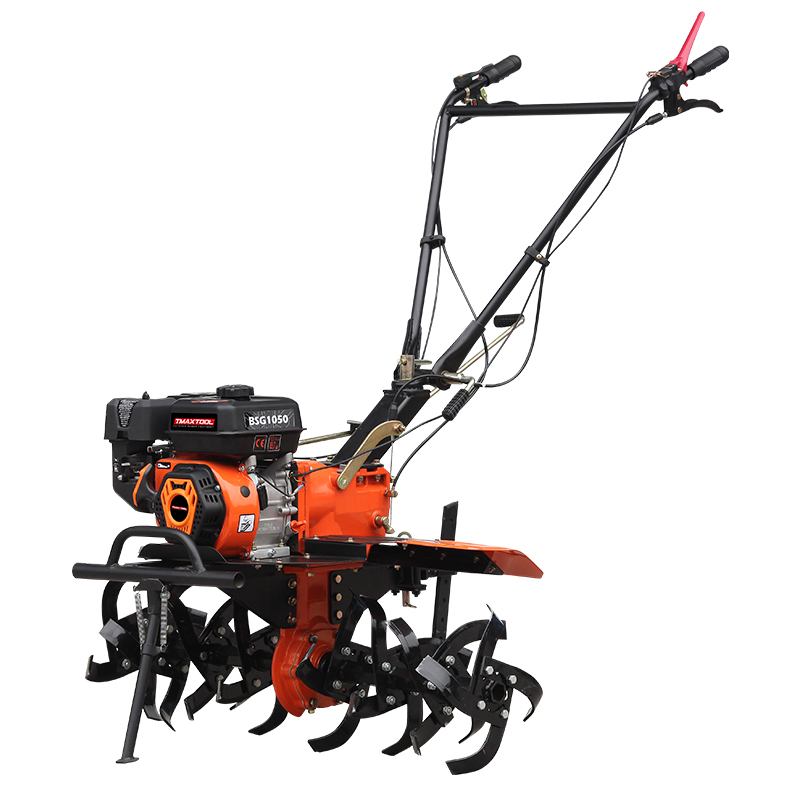 4 Stroke Tiller
 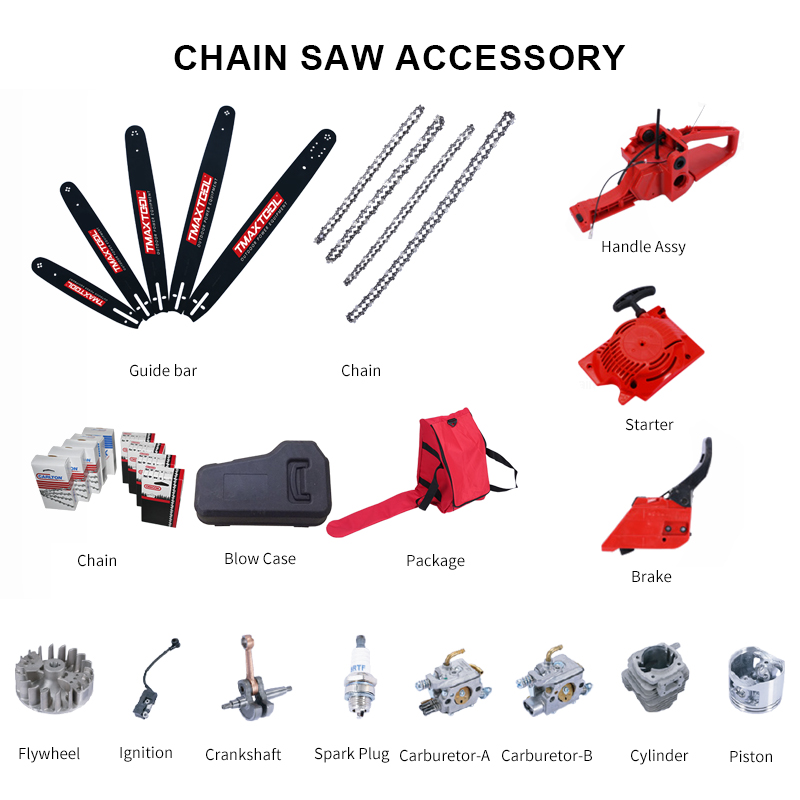 Chain Saw Accessory
 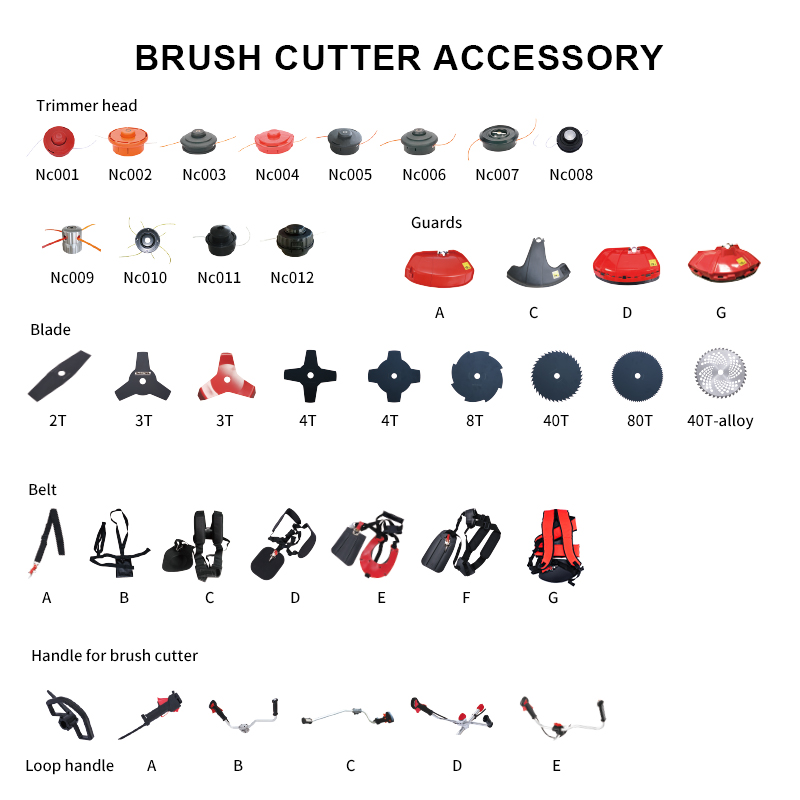 Brush Cutter Accessory
 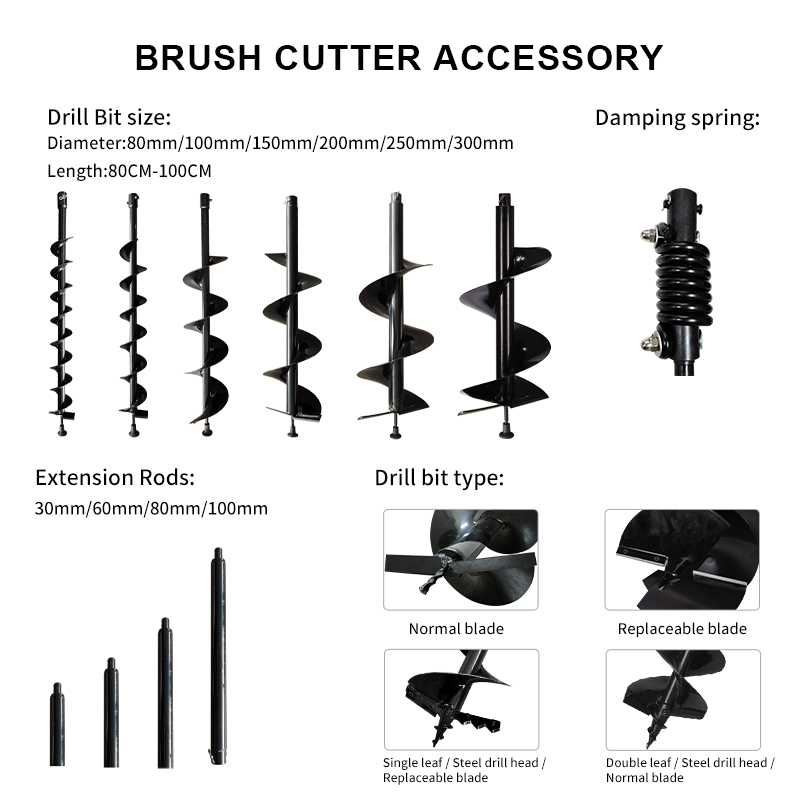 Earth Auger Accessory
  Protective Equipment Accessories
Leave Your Message


Electric Chainsaw vs. Gasoline Chainsaw Performance Comparison Analysis

1. Power Performance & Operation Efficiency: Power Output Determines Application Scenarios
The core difference between electric chainsaws and gasoline chainsaws lies in power output, which directly defines their applicable operation scenarios.
1.1 Gasoline Chainsaws: High Power for Heavy-duty Operations
Gasoline chainsaws are powered by internal combustion engines, with displacement typically ranging from 25cc to 91.6cc and power output reaching up to 5.2kW (e.g., MS662 gasoline chainsaw). This power level enables efficient cutting of large-diameter logs (≥30cm) and is suitable for heavy-duty operations such as professional logging, forest land clearing, and large-scale garden reconstruction.
The chain speed of high-performance gasoline chainsaws can reach 21.4m/s, which can complete the cutting of a 50cm diameter log in just a few seconds. In addition, gasoline chainsaws are not restricted by power sources and can work continuously in remote outdoor environments without power supply, making them the first choice for field operations.
Applicable Crowd: Professional logging teams, large-scale landscaping companies, forestry management departments.
1.2 Electric Chainsaws: Stable Power for Medium and Light Operations
Electric chainsaws are divided into corded and cordless (lithium-ion) types, with power ranging from 1200W to 2000W and battery voltages mainly at 20V/21V. Corded electric chainsaws have stable power output and are suitable for fixed-site operations such as backyard pruning and wood processing workshops. Cordless models rely on lithium batteries (e.g., 4000mAh high-capacity batteries), featuring portability and flexibility, and can meet the needs of small-scale operations such as cutting small-diameter branches (≤15cm) and trimming garden shrubs.
The chain speed of electric chainsaws is generally 10-15m/s, which is slightly lower than that of gasoline chainsaws, but it has the advantage of stable operation without power fluctuations, ensuring smooth cutting surfaces and reducing the risk of wood splitting.
Applicable Crowd: Home users, small and medium-sized gardening service providers, indoor wood processing workshops.
1.3 Performance Parameter Comparison Table

2. Usability & Operational Threshold: Ease of Use Affects Labor Costs
For European and American purchasers, the operational threshold and labor cost of equipment are important procurement considerations. The usability gap between electric chainsaws and gasoline chainsaws is significant.
2.1 Gasoline Chainsaws: High Operational Threshold, Requiring Professional Training
Gasoline chainsaws have complex startup procedures: they need to mix gasoline and two-stroke engine oil in a ratio of 25:1 to 50:1, then pull the starter rope to ignite. Improper fuel ratio will directly cause engine damage. In addition, gasoline chainsaws have high vibration and noise (≥100dB), requiring operators to wear professional protective gear (helmet, earmuffs, anti-cutting gloves) and undergo professional training to master startup, operation, and shutdown skills.
The weight of gasoline chainsaws is generally 7.8-13.5kg, which will cause arm fatigue during long-term operation, increasing the risk of operational errors.
2.2 Electric Chainsaws: One-click Startup, Suitable for Non-professionals
Electric chainsaws have a simple operation mode: corded models can be used by plugging in the power supply, while cordless models can be started with one button after charging. There is no need to mix fuel, which reduces the operational threshold and maintenance difficulty.
In terms of safety design, electric chainsaws fully comply with the EN 60745-2-13 European safety standard, equipped with chain brake devices (front guard or inertia brake) that can stop the chain movement in an instant when triggered, effectively preventing rebound risks . The weight of electric chainsaws is only 5.5-7.6kg, which is lighter and more balanced, and can be operated for a long time without excessive fatigue.
In addition, the noise of electric chainsaws is generally ≤70dB, which meets the noise limit requirements of European and American residential areas and can be used in noise-sensitive environments such as urban gardens and residential communities.
3. Maintenance Cost & Long-term Economy: Cost Control is the Key to Procurement
For purchasers, the long-term use cost of equipment is as important as the purchase price. The maintenance costs of electric chainsaws and gasoline chainsaws differ greatly.
3.1 Gasoline Chainsaws: High Maintenance Frequency and Cost
Gasoline chainsaws have complex internal combustion engine structures, requiring regular maintenance:
Daily Maintenance: Clean the air filter, check the spark plug, and replenish mixed fuel;
Regular Maintenance: Replace engine oil every 50 hours of operation, clean the carburetor every 100 hours, and inspect the chain and guide plate for wear;
Component Replacement: The service life of the chain is about 200 hours, and the guide plate needs to be replaced every 500 hours.
The annual maintenance cost of a gasoline chainsaw is about 200-300 US dollars, not including the cost of fuel and component replacement. In addition, gasoline chainsaws need to comply with the EPA Tier 4 Final emission standard in the U.S. market, and the engine needs to pass 500-hour durability tests and emission detection, which increases the procurement cost of certified products .
3.2 Electric Chainsaws: Simple Maintenance and Low Long-term Cost
Electric chainsaws have simple structures (no engine, carburetor and other components), and maintenance only focuses on two aspects:
Chain Maintenance: Regularly check the chain tension and lubrication status, and replace the chain when it is worn;
Battery Maintenance: For cordless models, avoid overcharging and over-discharging, and the battery life is about 3-5 years.
The annual maintenance cost of an electric chainsaw is only 50-100 US dollars, mainly for chain replacement and lubricating oil consumption. In addition, electric chainsaws are zero-emission products, which meet the EU CE electromagnetic compatibility directive and do not need to pay additional emission compliance costs, which is more economical in the long run.
4. Environmental Compliance: Certification is a "Pass" to Enter European and American Markets
European and American countries have strict environmental and safety regulations for garden tools. The compliance of chainsaws directly determines whether they can be sold smoothly in the local market.
4.1 Gasoline Chainsaws: Must Meet EPA and CE Dual Certification
In the U.S. market, gasoline chainsaws must pass the EPA Tier 4 Final emission certification, with hydrocarbon + nitrogen oxide emissions limited to 16.1g/kWh and carbon monoxide emissions limited to 519g/kWh . Products that fail to obtain certification will face customs seizure and fines of up to 250,000 US dollars .
In the EU market, gasoline chainsaws need to comply with the EN ISO 11681-1 chain brake performance standard and the 2006/42/EC mechanical directive, and pass noise and vibration tests to obtain the CE mark.
4.2 Electric Chainsaws: Zero Emission, Easier to Meet Compliance Requirements
Electric chainsaws have no exhaust emissions, and naturally meet the environmental requirements of European and American countries. In terms of safety certification, electric chainsaws need to pass the IEC 60745-2-13 international safety standard, including 3750V voltage resistance test, 1-meter drop test, and 4-hour no-load operation test . Products with CE and FCC certifications can be smoothly sold in the EU and U.S. markets without additional emission detection.

5. Purchasing Guide for European and American Buyers: Choose the Right Product According to Demand
Combined with the above performance comparison, European and American purchasers can choose the right chainsaw according to their own business needs:
5.1 Choose Gasoline Chainsaws If You Meet the Following Conditions
Engaged in heavy-duty operations such as professional logging, forest land clearing, and large-diameter wood cutting;
Need to work in remote outdoor environments without power supply;
Have a professional operation team and can bear higher maintenance costs;
Require equipment to have high continuous working capacity and adapt to harsh working conditions.
Recommended TMAX Product: TM5800-4 gasoline chainsaw (54.5cc displacement, anti-vibration handle design, compliant with EPA and CE dual certification, suitable for professional logging teams).
5.2 Choose Electric Chainsaws If You Meet the Following Conditions
Engaged in light and medium operations such as home garden pruning, small-scale landscaping, and indoor wood processing;
Focus on equipment portability and low noise, and need to work in residential areas or noise-sensitive environments;
Pursue low long-term maintenance costs and simple operation;
Need equipment to meet strict environmental emission standards and quickly obtain market access.
Recommended TMAX Product: 20V 4000mAh cordless electric chainsaw (lightweight design, chain brake safety device, compliant with EN 60745-2-13 standard, suitable for small and medium-sized gardening service providers).
6. Why Choose TMAX Tools Chainsaw Products?
As a professional tool manufacturer with 15+ years of industry experience and exporting to 50+ countries, TMAX Tools has the following advantages for European and American purchasers:
High Quality Compliance: Products pass CE, EPA, RoHS, ISO 9000 and other international certifications, with a production qualification rate of >98%, ensuring smooth access to European and American markets;
Low MOQ Advantage: Minimum order quantity of 50pcs, which meets the procurement needs of small and medium-sized wholesalers and reduces inventory pressure;
Efficient Supply Chain: 10+ production lines, monthly production capacity of 30,000+ units, 30-day delivery cycle, and on-time delivery rate of >97%;
Comprehensive After-sales Service: 12-month product warranty, professional technical guidance, and free marketing materials (pictures, videos), helping purchasers quickly expand the local market.
#Electric chainsaw vs gasoline chainsaw performance comparison#electric chainsaw advantages and disadvantages#gasoline chainsaw professional application#Home garden pruning electric chainsaw recommendation#professional logging gasoline chainsaw selection#EPA certified gasoline chainsaw#CE compliant electric chainsaw