
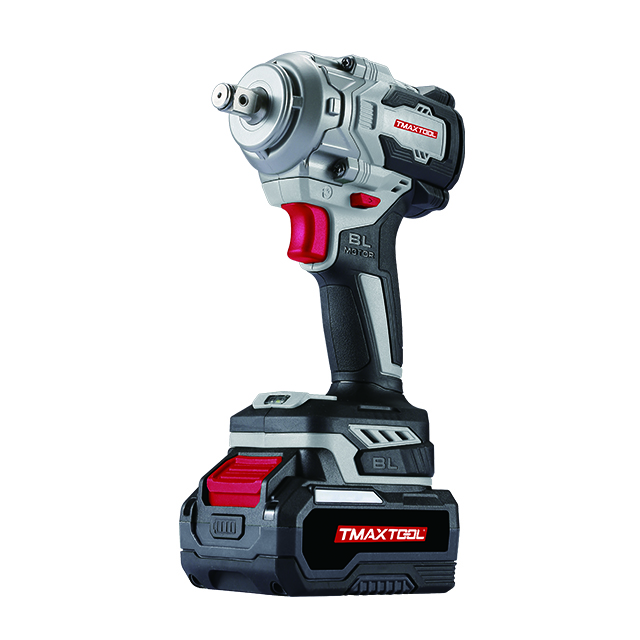
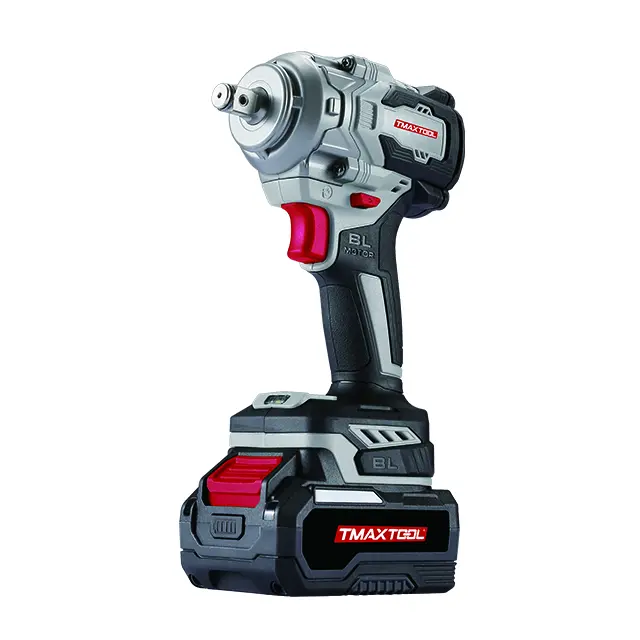
 Impact Wrench
 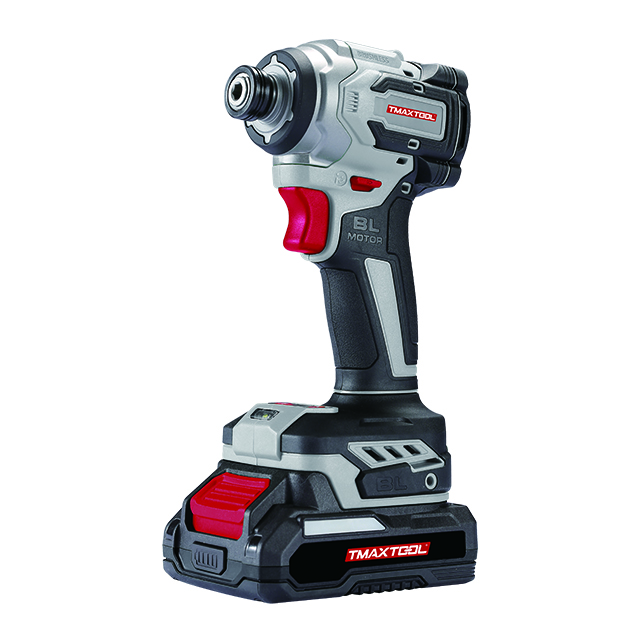 Screwdriver
 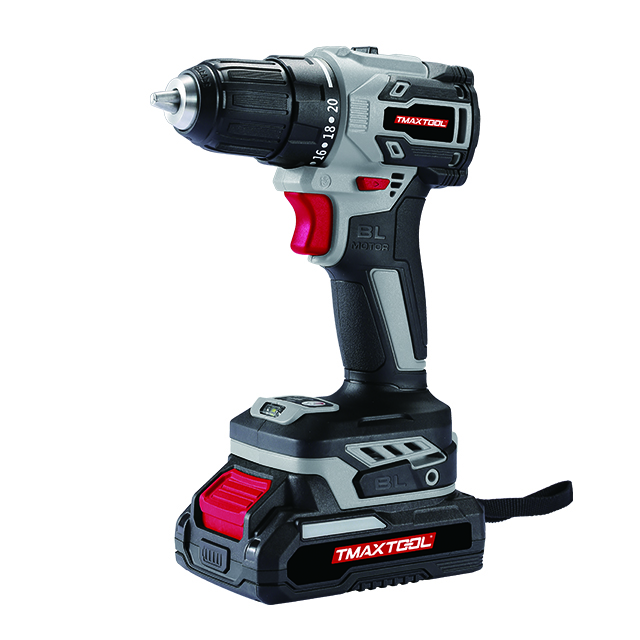 Cordless Drill
 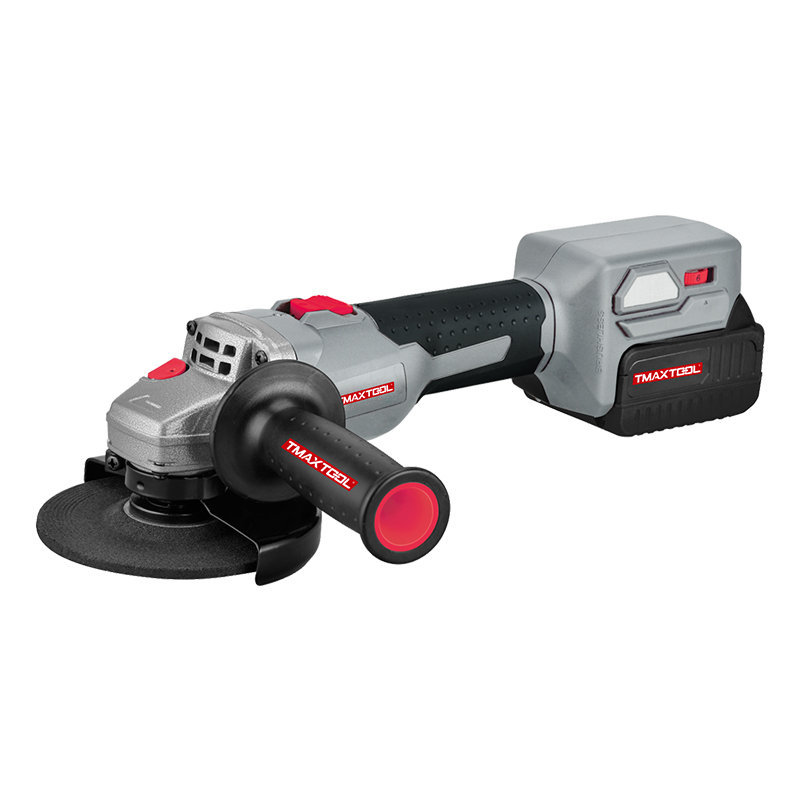 Angle Grinder
 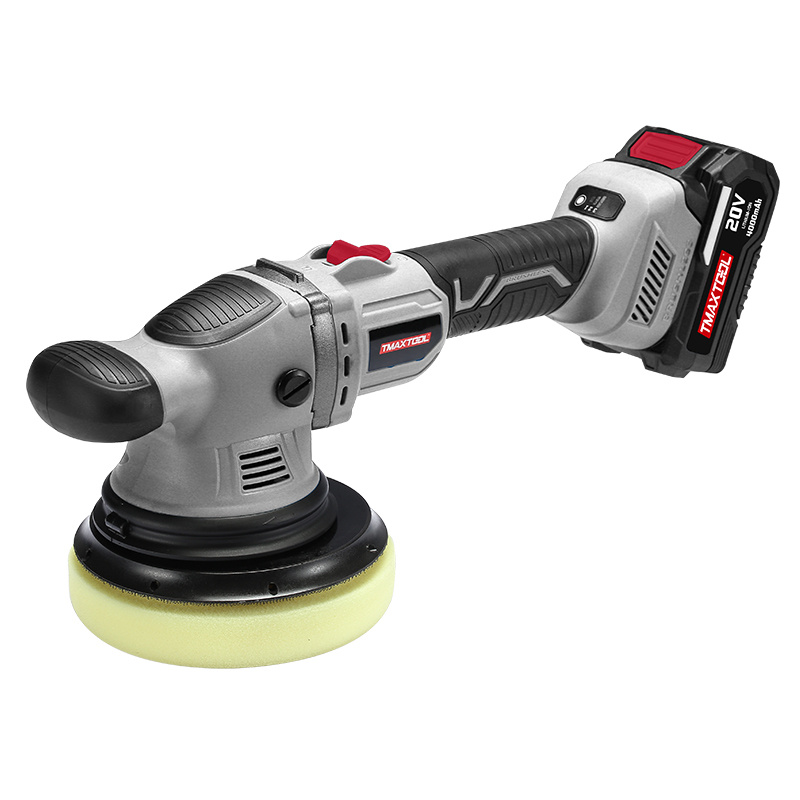 Polisher
 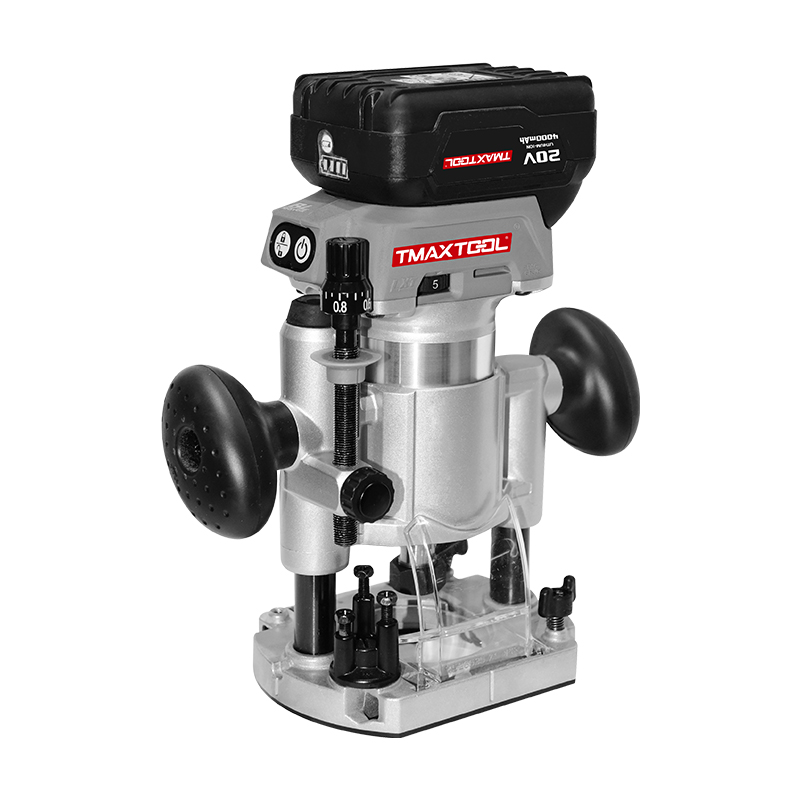 Wood Router
 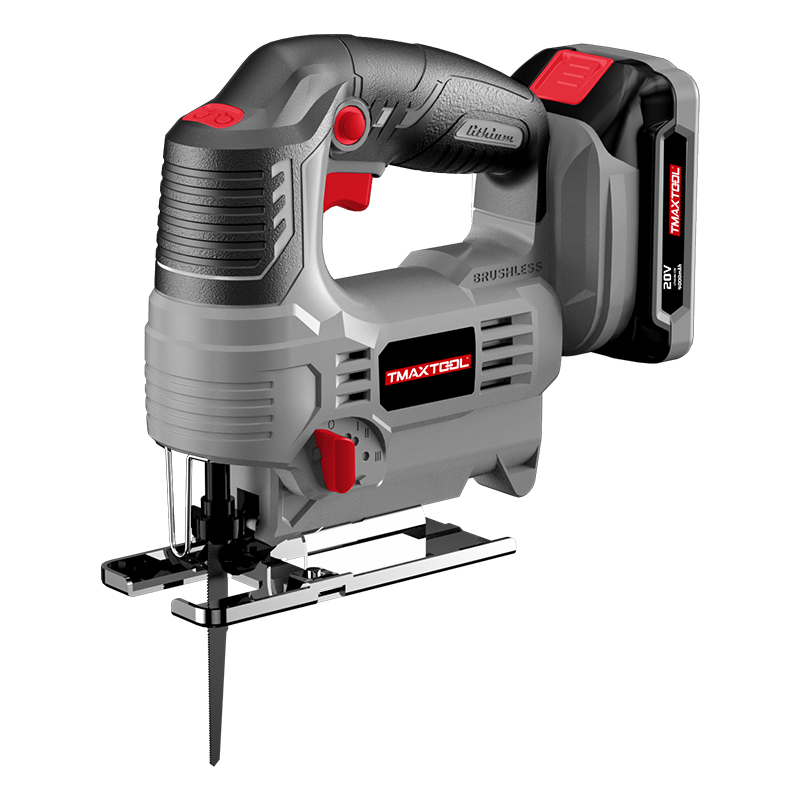 Jig Saw
 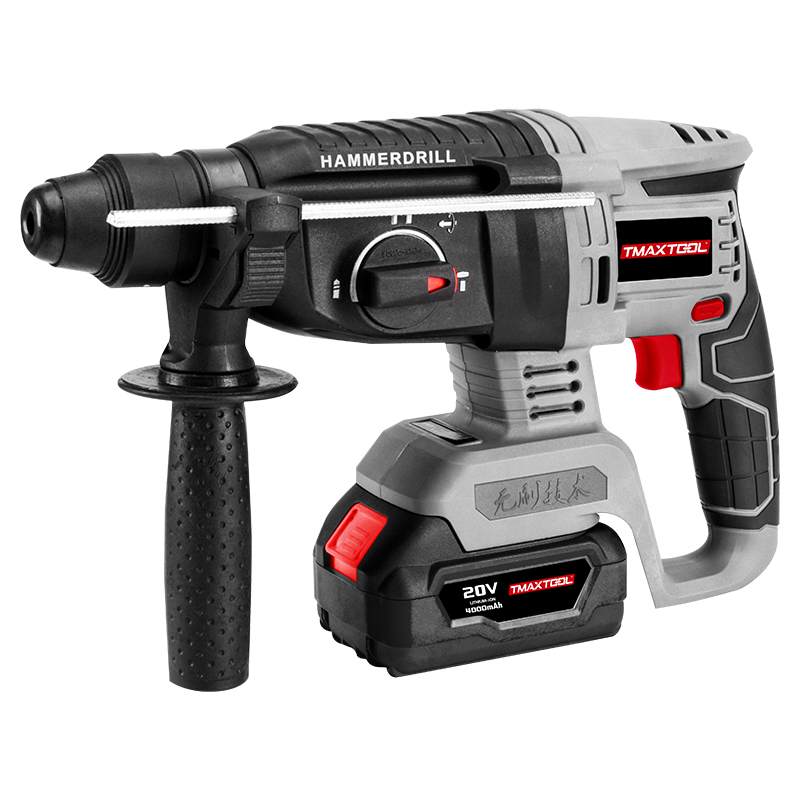 Hammer Drill
 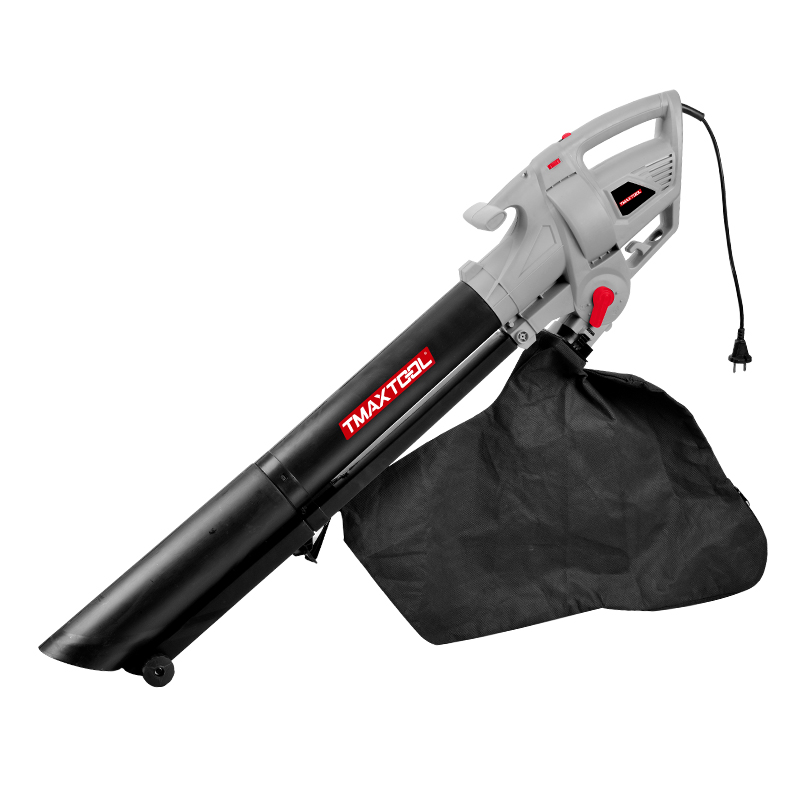 Portable Blower
 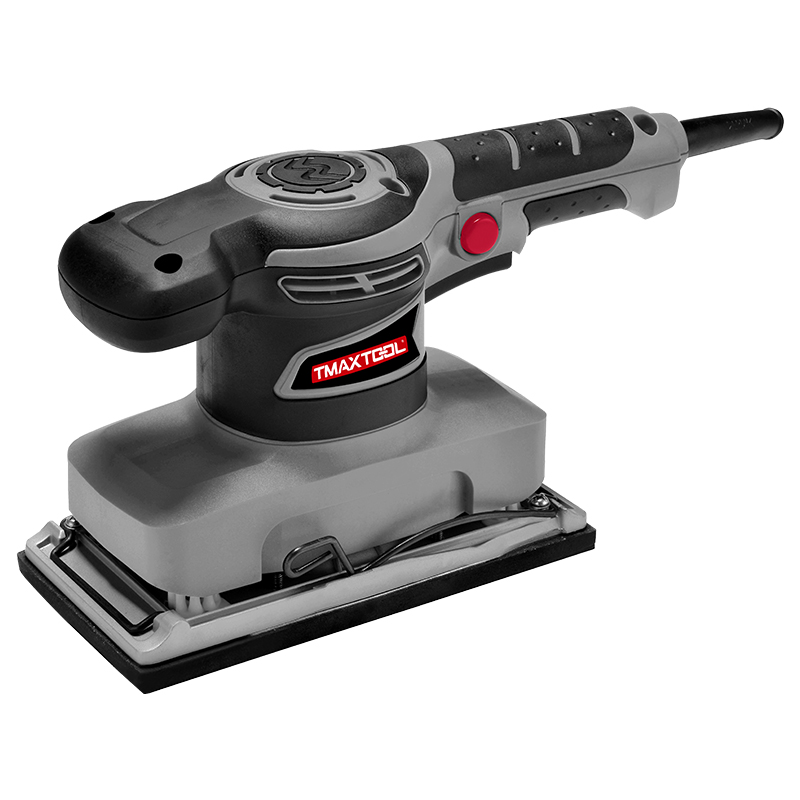 Orbital Sander
 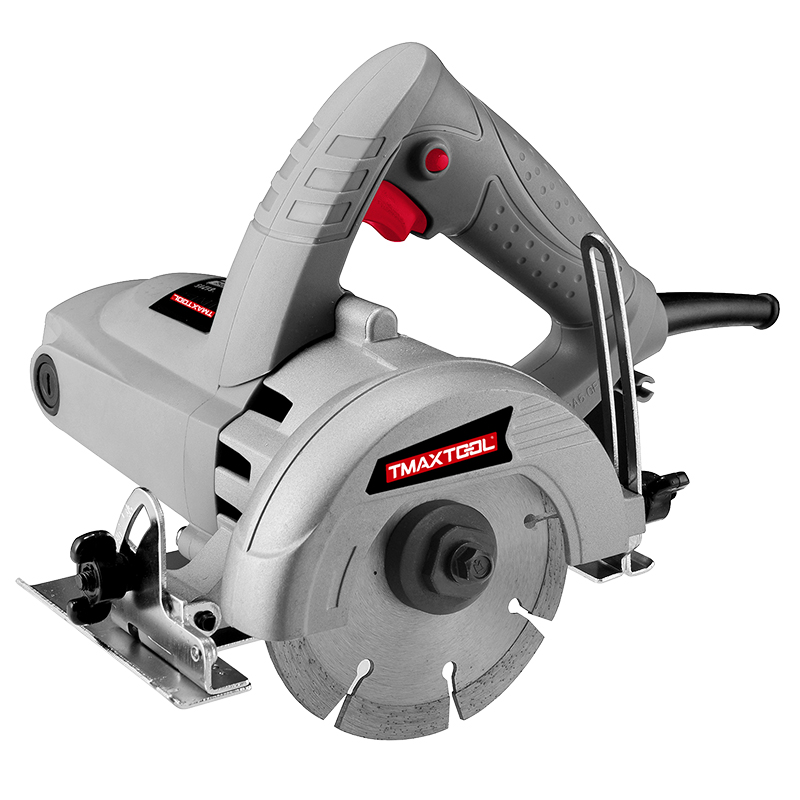 Marble Cutter
  GARDEN TOOLS
 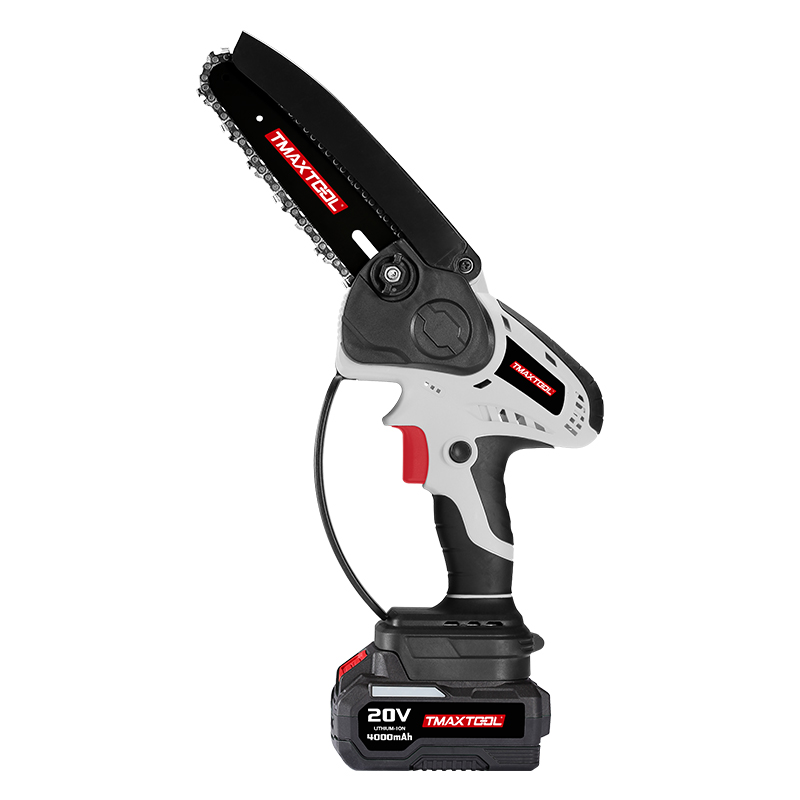 Battery Chain Saw
 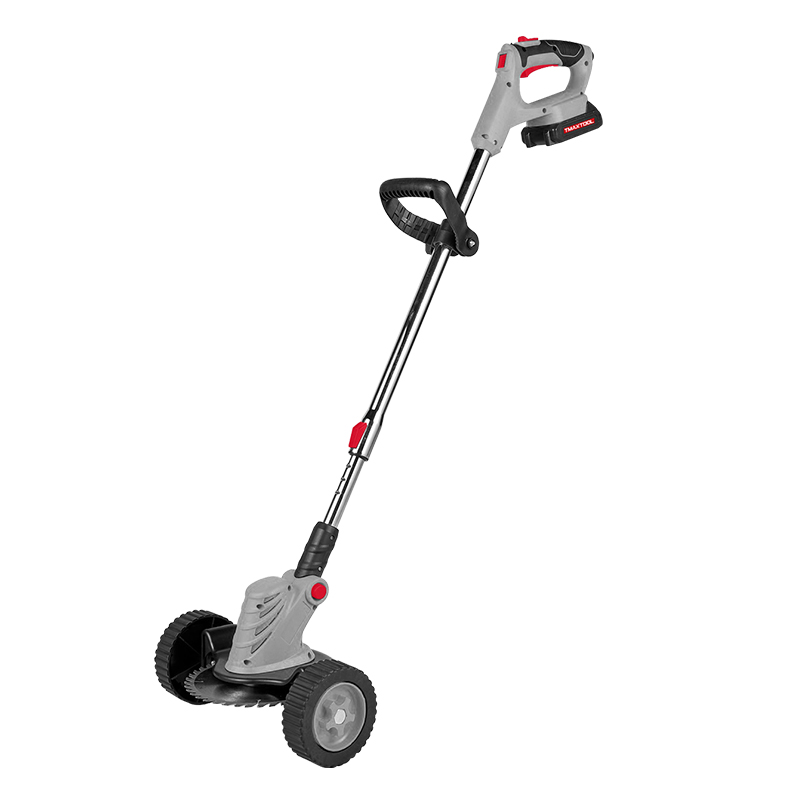 Battery Brush Cutter
 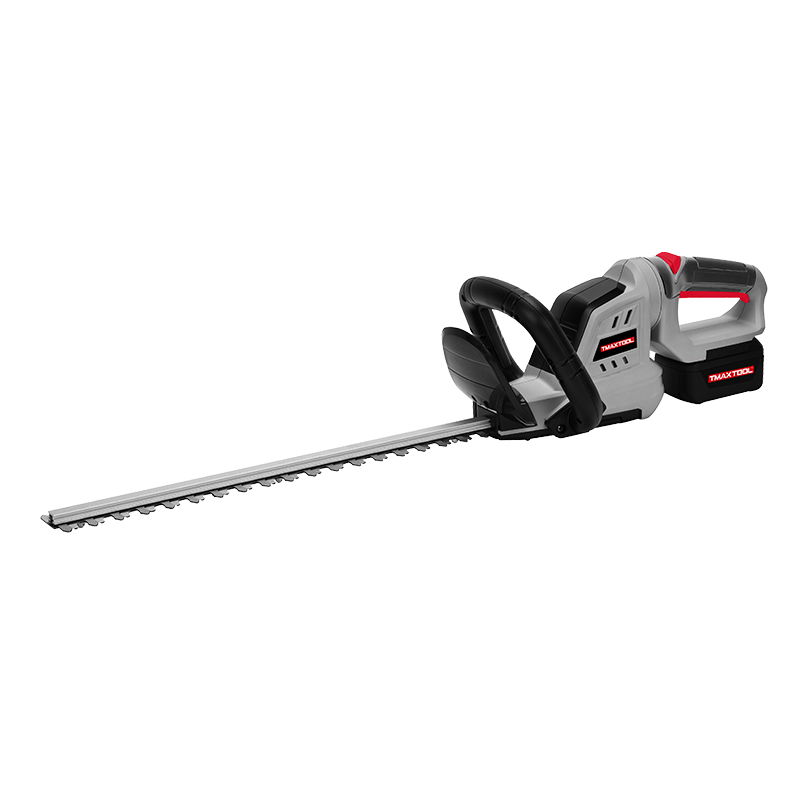 Battery Hedge Trimmer
 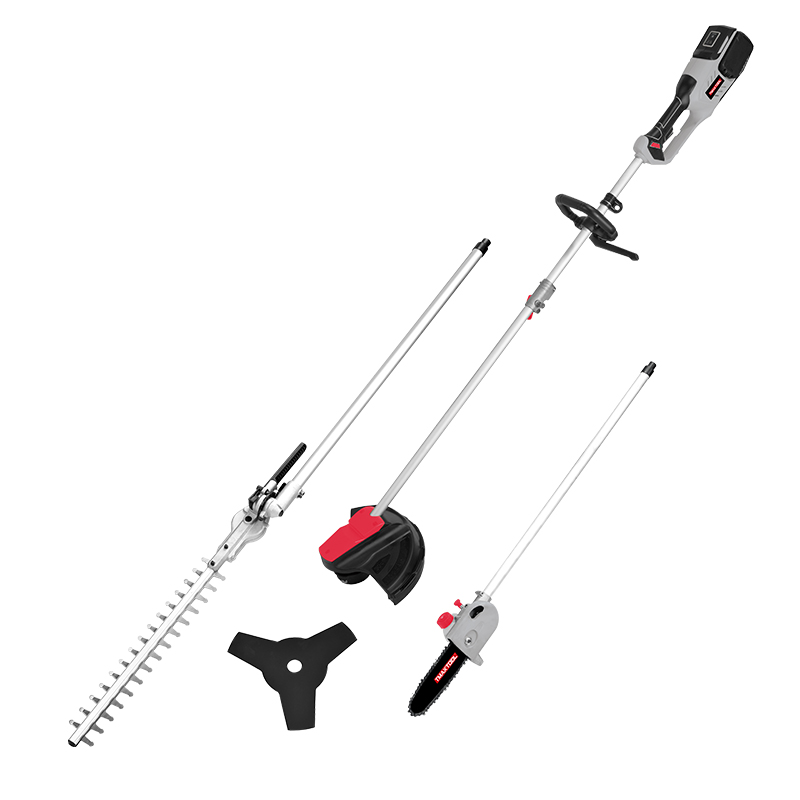 Battery Multi Tool
 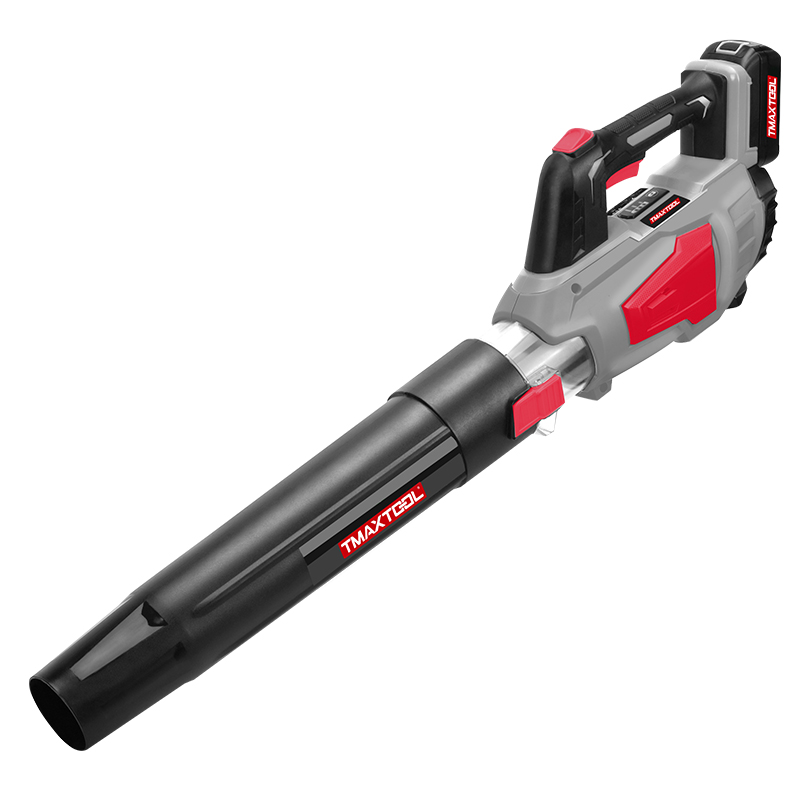 Battery Blower
 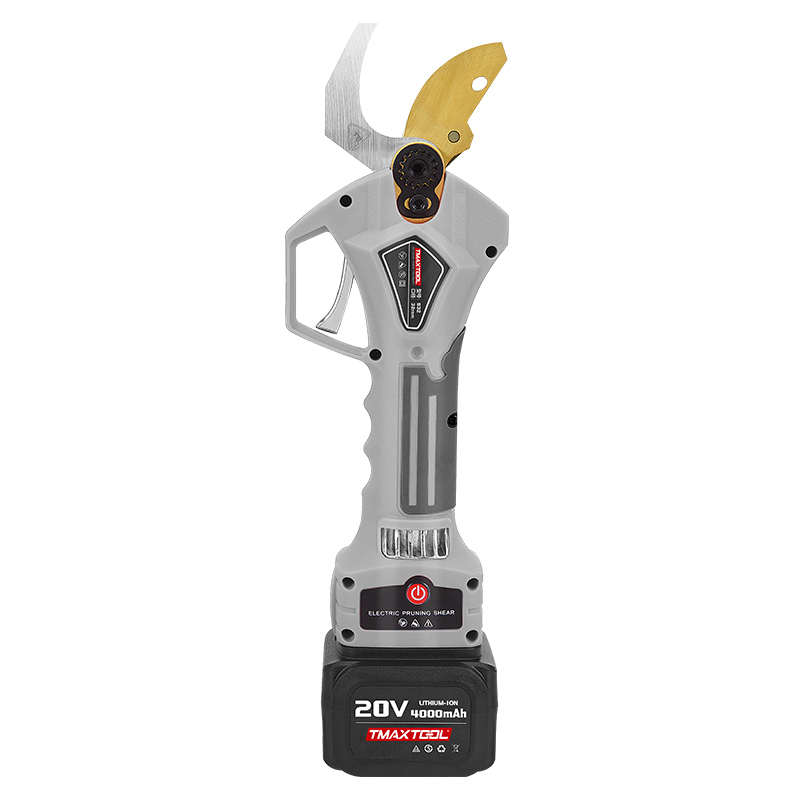 Batter Pruning Shears
 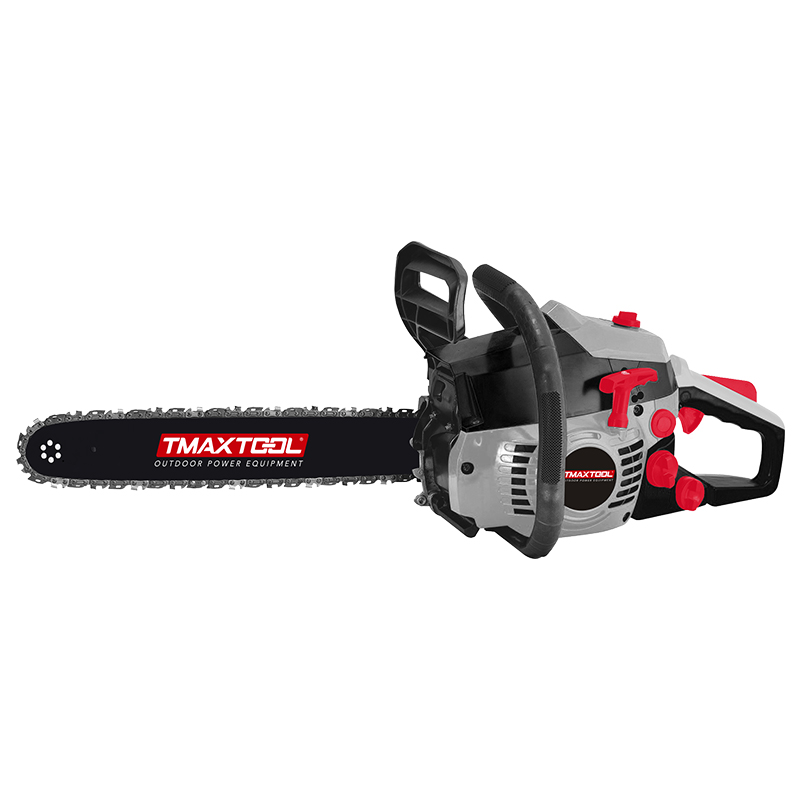 Chain Saw
 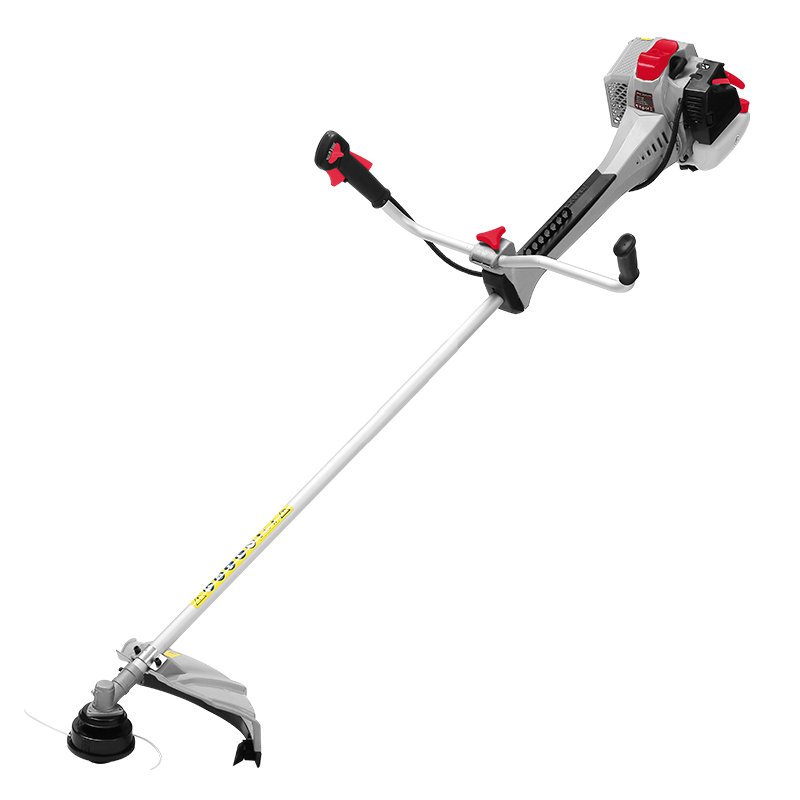 Brush Cutter
 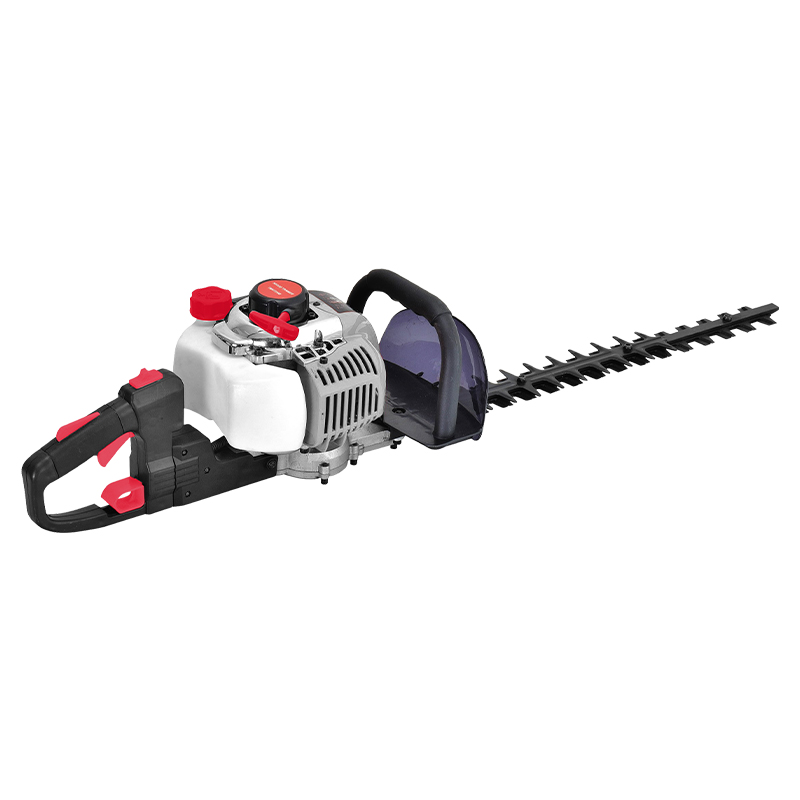 Hedge Trimmer
 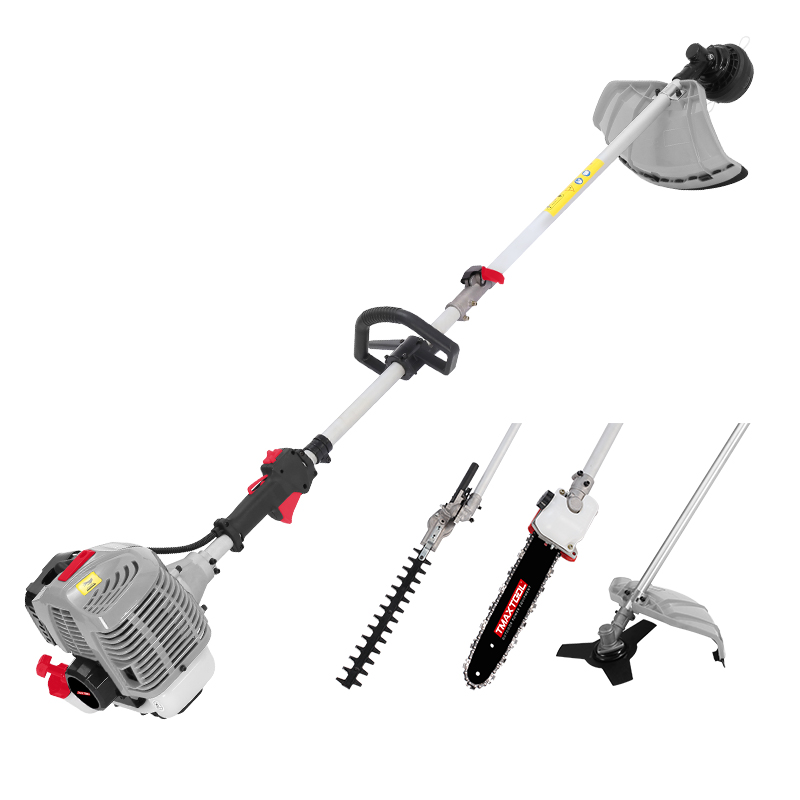 Multi Tool
 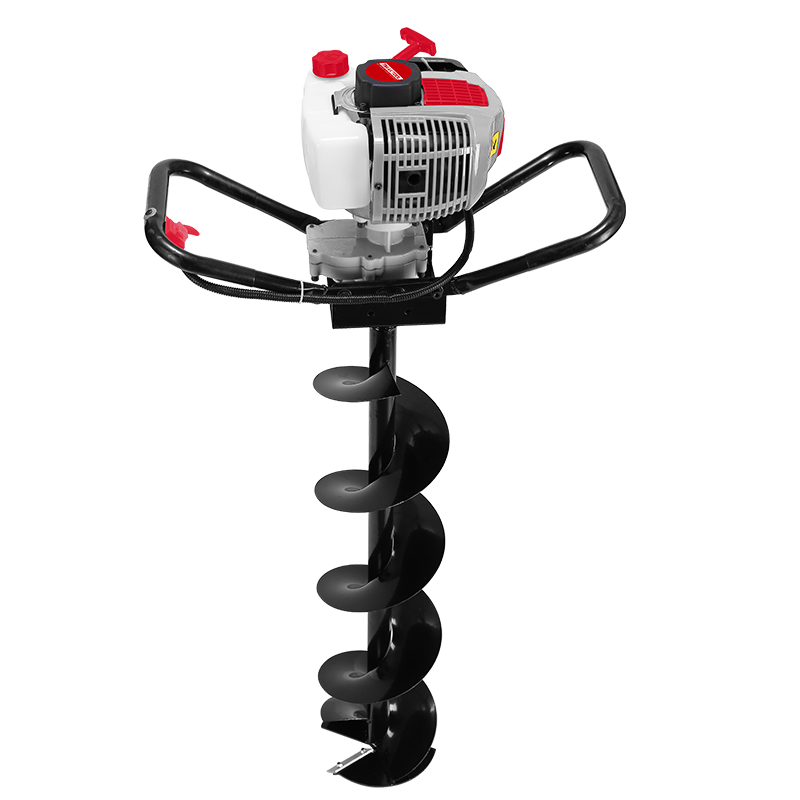 Earth Auger
 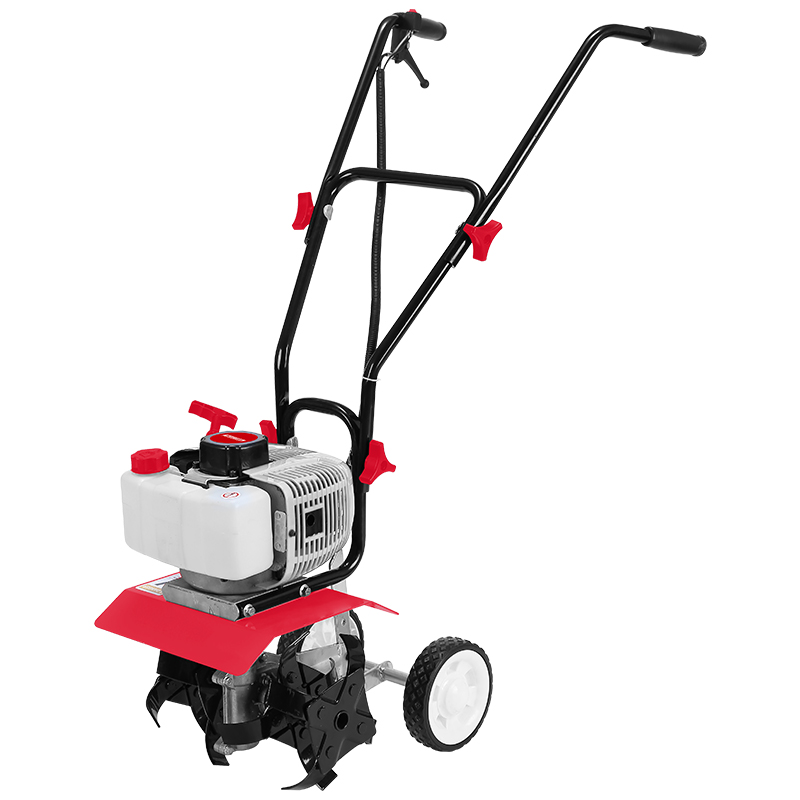 Tiller
 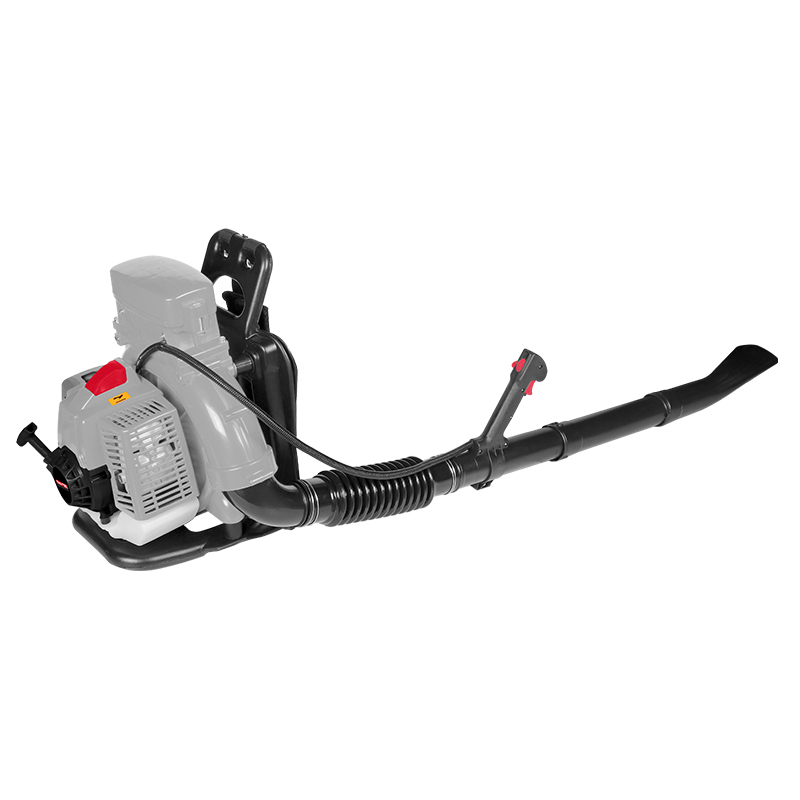 Blower
 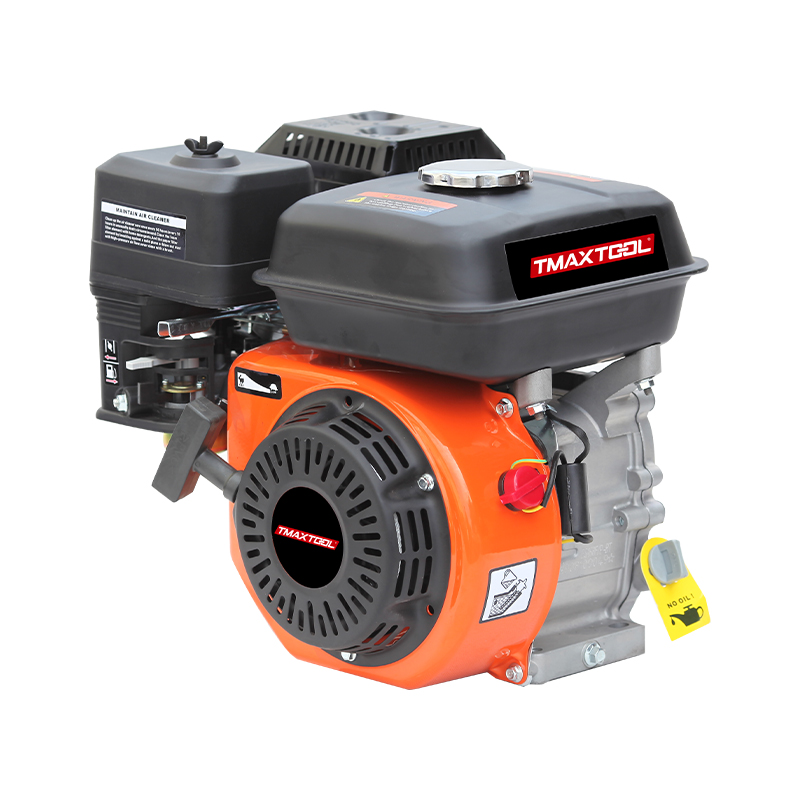 4 Stroke Gasoline Engine
 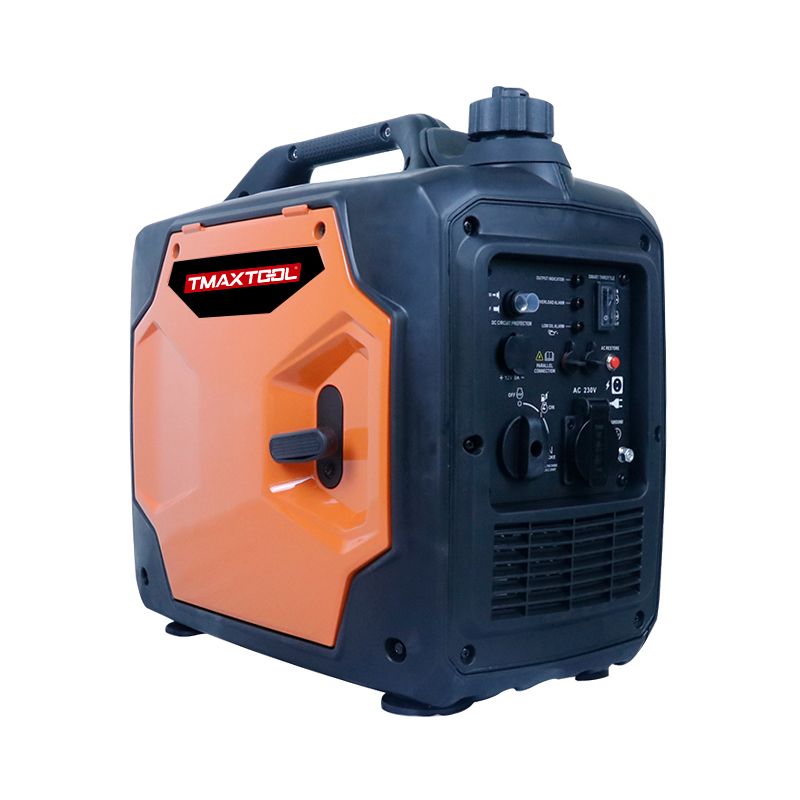 Generator
 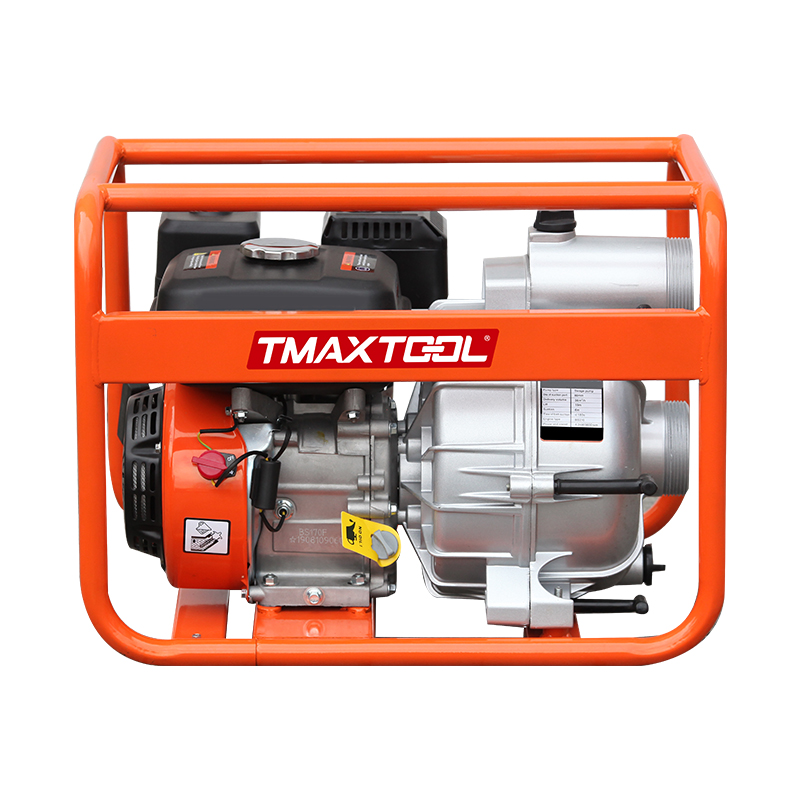 Water Pump
 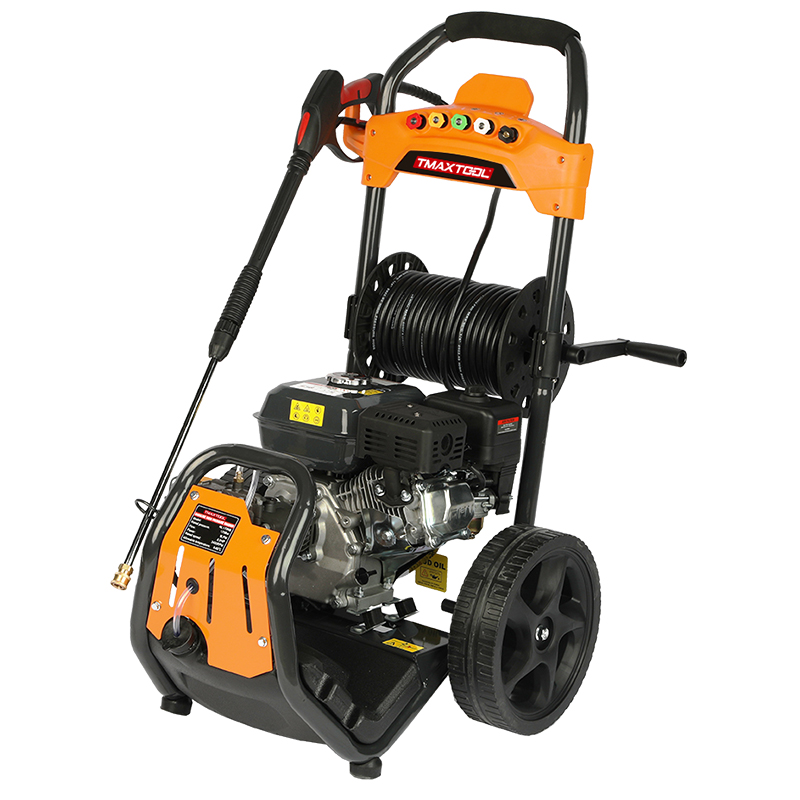 High Pressure Washer
 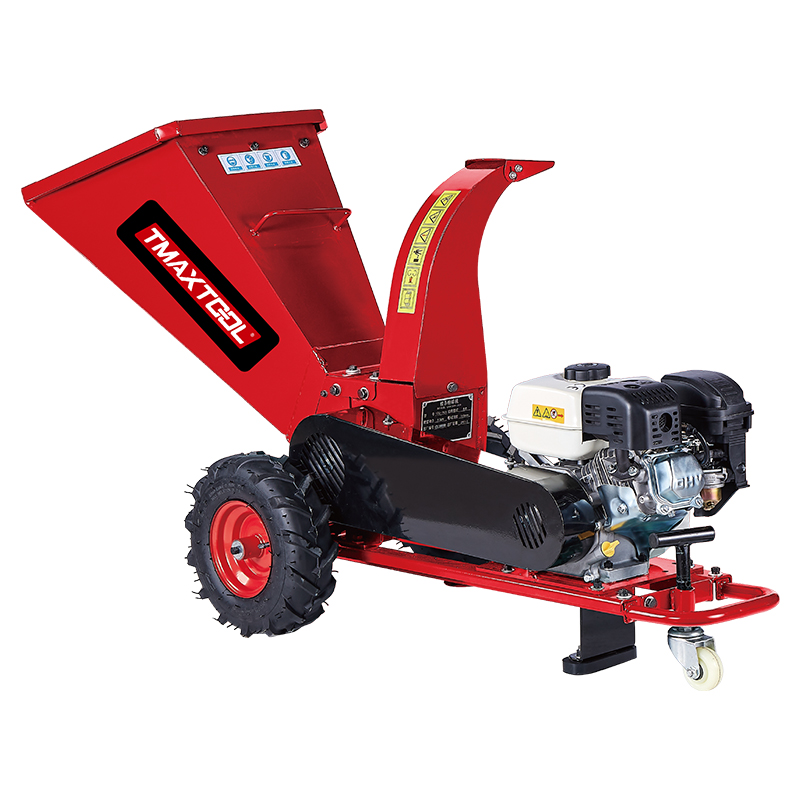 Wood Cutter
 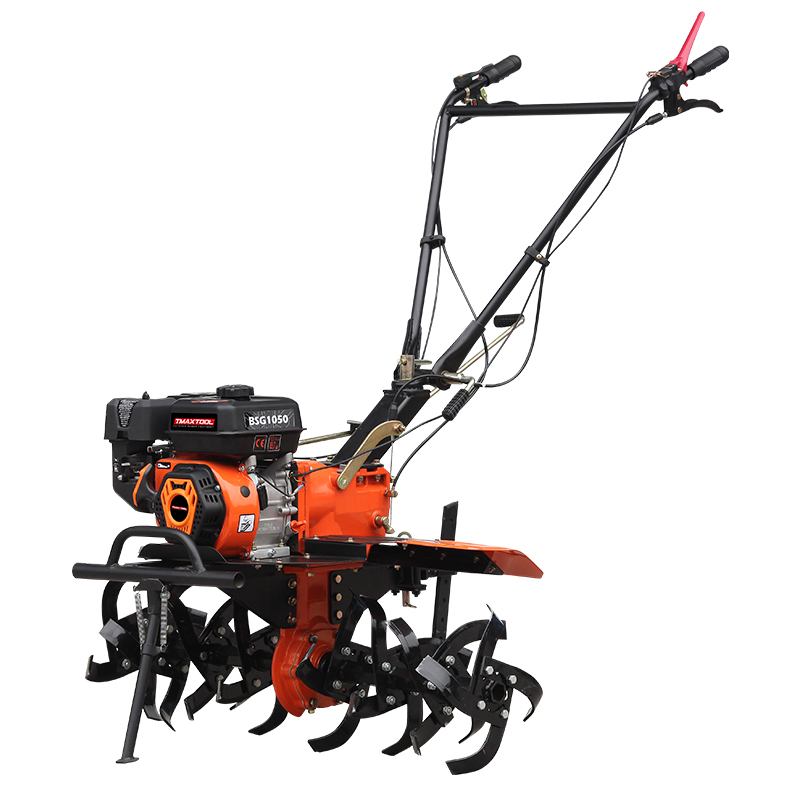 4 Stroke Tiller
 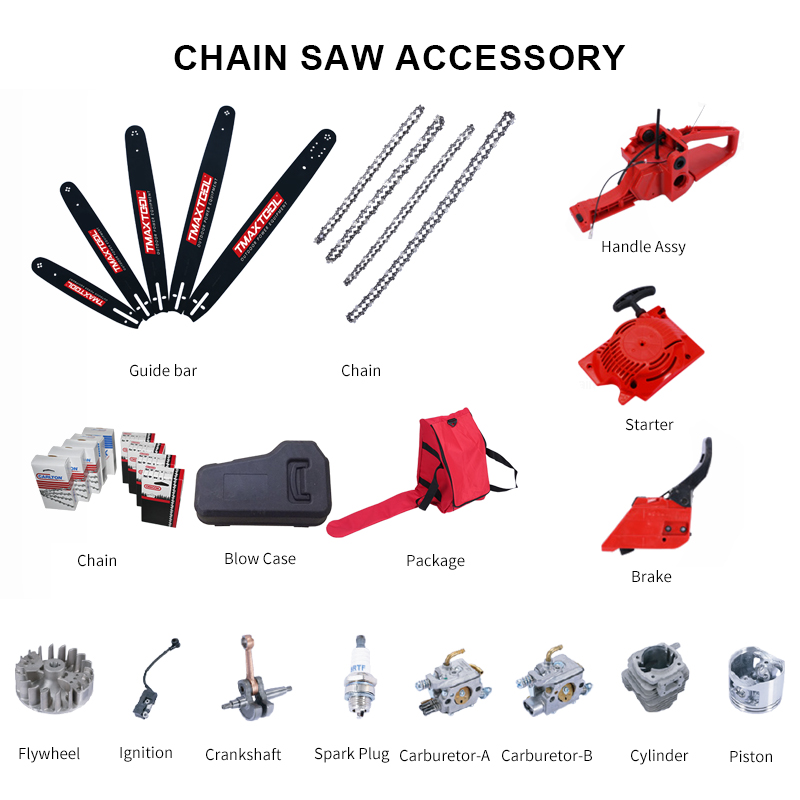 Chain Saw Accessory
 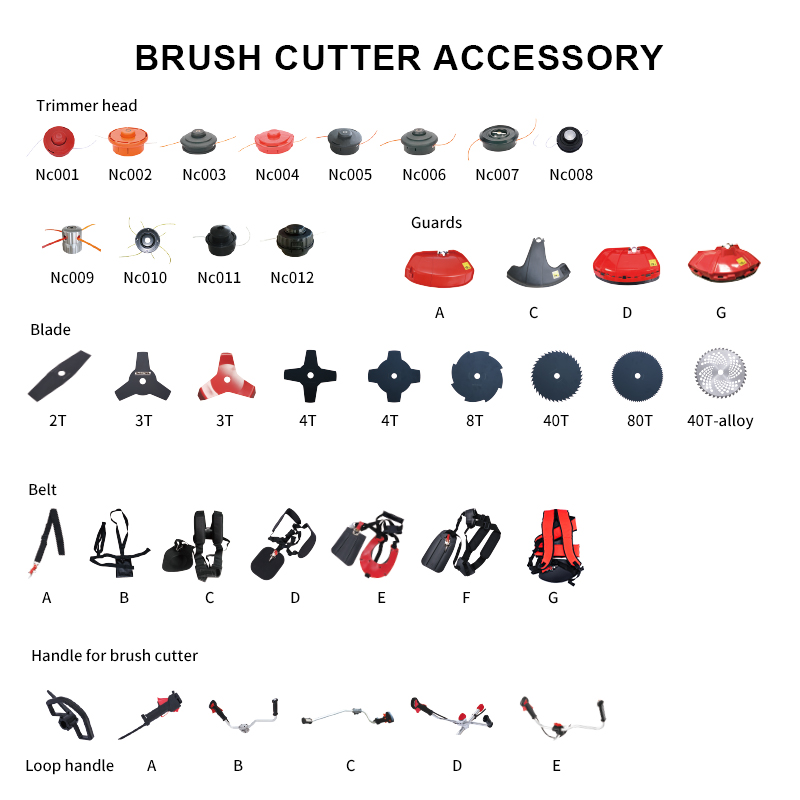 Brush Cutter Accessory
 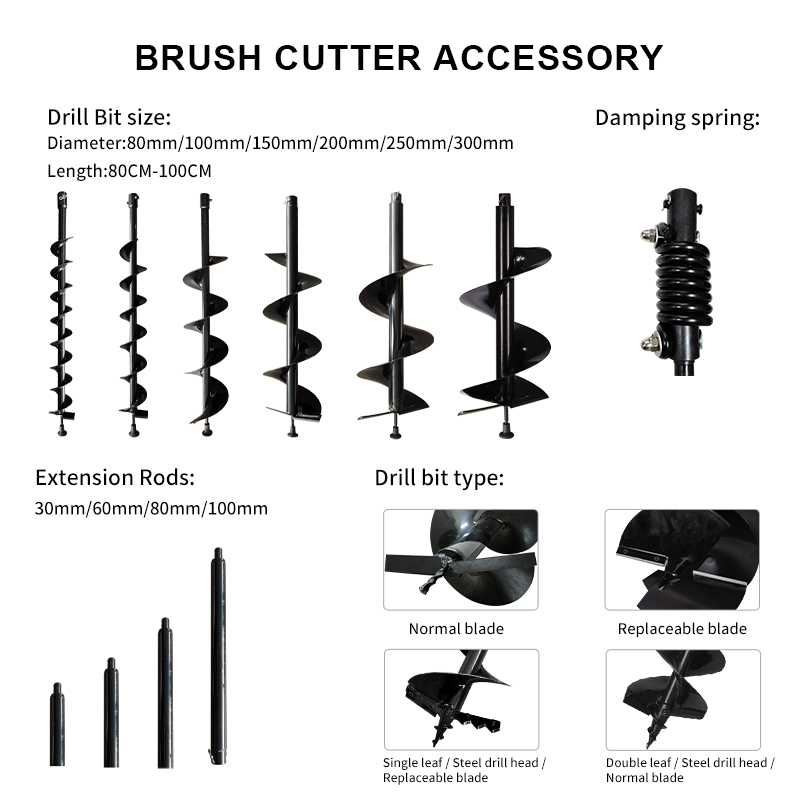 Earth Auger Accessory
 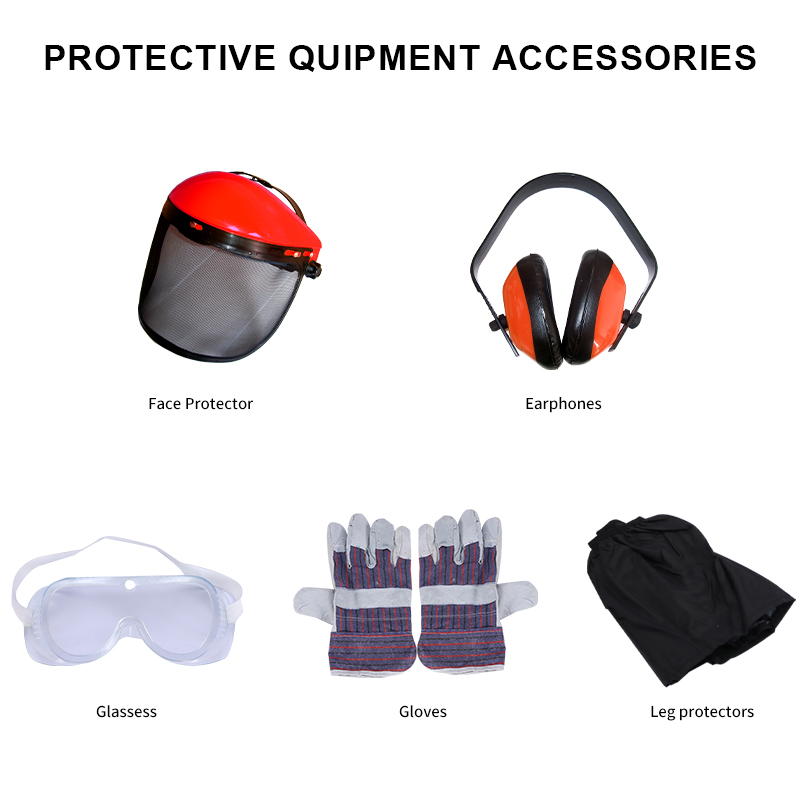 Protective Equipment Accessories
Leave Your Message


Gasoline Chainsaw Brand Agent Selection Guide: Engine Displacement Parameters and Wholesale Scenarios
Gasoline Chainsaw Brand Agent Selection Guide: Engine Displacement Parameters and Wholesale Scenarios
As a core category in global garden tool wholesale procurement, the selection of gasoline chainsaws directly determines the market competitiveness and profitability of distributors. Engine displacement, as a core performance parameter of gasoline chainsaws, and its compatibility with different wholesale scenarios are key logics for brand agents in product selection. For international buyers and regional distributors, accurately matching engine displacement parameters with the operational needs and usage scenarios of target markets can reduce the risk of inventory backlog and increase end-user repurchase rates. This article will provide professional and practical selection references for gasoline chainsaw brand agents from three dimensions: core interpretation of engine displacement parameters, adaptation of different engine displacement chainsaw scenarios, and core principles of wholesale selection. It will also summarize product selection strategies adapted to different regions based on global market demand characteristics.

I. Core Understanding of Gasoline Chainsaw Displacement Parameters: From Basic Definitions to Performance Correlation
The displacement of a gasoline chainsaw is measured in cubic centimeters (cc), representing the total working volume of the engine cylinders. It is a core indicator determining the chainsaw's power output, cutting efficiency, and fuel consumption. It forms a strong logical correlation with the chainsaw's guide length, power, and operating intensity, and is a primary reference dimension when selecting Wholesale Chainsaws.
Globally, mainstream gasoline chainsaws range from 25cc to 72cc in displacement. The core performance characteristics of different displacement segments differ significantly, corresponding to standardized operational capabilities: Small displacement (25cc-35cc) emphasizes portability and maneuverability, with power typically between 1.5KW and 2.0KW, suitable for light trimming operations; medium displacement (45cc-58cc) is the market mainstream, with power between 2.0KW and 2.5KW, balancing power and handling, making it a versatile option for various scenarios; large displacement (62cc-72cc) is a professional heavy-duty model, with power exceeding 2.5KW, offering outstanding cutting efficiency, suitable for high-intensity logging operations.
Furthermore, displacement is directly linked to fuel consumption and machine weight: larger displacement means stronger power but higher fuel consumption and greater machine weight, requiring a higher level of operator expertise; small displacement chainsaws, on the other hand, offer advantages such as low fuel consumption and ease of operation, making them more suitable for non-professional users. For wholesale distributors, it's crucial to understand that engine displacement is not simply a single power indicator, but rather a comprehensive balance of "power, fuel consumption, handling, and application scenarios." This is the core prerequisite for selection.
II. Precise Adaptation of Gasoline Chainsaws Across All Displacement Ranges to Wholesale Scenarios: Product Selection Based on Needs, Market Layout
Different displacement gasoline chainsaws correspond to vastly different end-user scenarios. The core needs of wholesale scenarios are essentially a comprehensive reflection of the target market's operational characteristics, user groups, and channel types. By combining the consumption characteristics of the global garden tool market, we precisely adapt mainstream displacement ranges to wholesale scenarios, while clarifying the core wholesale advantages and target regions for each displacement range, providing direct reference for distributor selection.
25cc-35cc Small Displacement: Home backyard/light garden maintenance, suitable for European and American supermarket wholesale channels
Core Performance: Lightweight (3.9kg-5kg), low operating threshold, low fuel consumption, guide plate length mostly 14 inches, primarily for branch trimming and small-scale wood cutting, no professional operation requirements, suitable for ordinary family users.
Wholesale Scenarios: In regions with high rates of home garden ownership, such as Europe, America, and Australia, large supermarkets and online e-commerce platforms are the core wholesale channels. These channels have high requirements for product portability, safety, and cost-effectiveness. Small-displacement chainsaws, due to their low average order value and high sales volume, have become a top-selling product category in these channels.
Brand Agency Advantages: Low inventory pressure and high turnover rate make them suitable as entry-level products for the mass consumer market. They can also be bundled with garden Tool Sets to increase the average order value.
TMAX Compatible Models: TM2511 and TM2500 (25cc/25.4cc), featuring a vibration-damping handle design that balances operating comfort and safety, meeting the core needs of home use.
45cc-58cc Medium Displacement: Professional garden maintenance/small-scale forestry operations, suitable for professional hardware store wholesale channels.
Core Performance: Power 2.0KW-2.5KW, guide plate length 16-20 inches, balanced cutting efficiency and maneuverability, moderate fuel consumption, capable of cutting tree trunks up to 30cm in diameter, suitable for professional light-duty users such as gardeners and small-scale forestry operators, and is a mainstream universal model in the global market.
Wholesale Scenarios: Core demand in all regions globally, with professional hardware stores and garden tool specialty stores being core wholesale channels. These channels emphasize product durability and cost-effectiveness. Medium displacement chainsaws, due to their "universal user scenarios + high repurchase rate," have become a core profit category for distributors.
Brand Agency Advantages: Stable market demand, outstanding competitive advantages, can be used as a main product in a full-channel layout, and suitable for regional exclusive agency models, leveraging high sales volume to build channel barriers.
TMAX Compatible Model: TM5800-4 (54.5cc), air-cooled single-cylinder two-stroke engine, high sawing efficiency, suitable for the high-intensity work requirements of professional landscaping maintenance, and certified by international standards such as ISO9000 and RoHS, meeting the access standards of major global markets.
62cc-72cc Large Displacement: Heavy-duty logging/industrial timber processing, suitable for professional engineering wholesale channels.
Core Performance: Power exceeding 2.5KW, guide plate length exceeding 20 inches, heavy-duty structural design, capable of cutting large timber with trunk diameters exceeding 50cm. While fuel consumption is slightly higher, cutting efficiency is outstanding. Suitable for professional logging teams, timber processing plants, outdoor engineering, and other industrial-grade scenarios. Requires a certain level of operator expertise.
Wholesale Scenarios: North America, Russia, Southeast Asia, and other regions rich in forest resources. Professional engineering channels and direct supply channels from forest farms are the core wholesale models. These channels have extremely high requirements for product power, durability, and after-sales support, emphasizing the brand's technical strength and service capabilities.
Brand agency advantages: High average order value, large profit margins, and relatively less market competition, making it suitable for establishing a high-end brand image in the professional market.
TMAX compatible models: TMBC620P, TMBC650P, TMBC720P. The entire series features anti-vibration handles, high-wear-resistant saw chains, stable power output, and a 12-month global warranty, meeting the durability and after-sales service needs of industrial-grade operations.
III. Three Core Principles for Selecting Gasoline Chainsaw Brands for Wholesale and Agency: Avoiding Pitfalls and Precise Planning
For international buyers and regional agents, selecting a gasoline chainsaw is not simply a matter of "the larger the displacement, the better," nor is it about "the lower the price, the more advantageous." Instead, it requires a comprehensive judgment based on market demand, brand strength, and channel characteristics. The following three core principles can effectively avoid selection pitfalls and improve the accuracy and profitability of wholesale product selection.
Principle 1: Focus on Target Region Needs, Avoid "One-Size-Fits-All" Product Selection
The global market demand for gasoline chainsaws varies significantly across different regions: North America and Europe prioritize environmental friendliness, safety, and operational comfort, with stringent requirements for international certifications (such as CE and EPA), resulting in small-to-medium displacement chainsaws accounting for over 70% of demand; Russia, Southeast Asia, and South America emphasize power and durability, leading to higher demand for large-displacement heavy-duty chainsaws; Australia and New Zealand cater to both household and professional applications, with medium-displacement general-purpose models being the mainstream.
When selecting models, distributors must first research the operational characteristics, user groups, and policy standards of the target region. For example, the European market has strict restrictions on noise and emissions from garden tools, so low-emission, low-noise displacement models should be prioritized; Russia has high demand in forest areas, so a focus on 62cc-72cc large-displacement models can be prioritized, while also including medium-displacement models to meet general application needs.
Principle 2: Prioritize Brands with "Engine Displacement Matching + End-to-End Supply Chain Support" to Enhance Channel Competitiveness
The core competitiveness of wholesale distributors lies not only in product displacement and price, but also in the brand's supply chain capabilities, after-sales support, and market support. High-quality gasoline chainsaw brands should provide distributors with comprehensive services encompassing "precise displacement matching + end-to-end supply chain support," including:
Flexible MOQ Policy: Low minimum order quantities (e.g., 50pcs) reduce distributors' inventory pressure and cater to the wholesale needs of small and medium-sized channels;
Rapid Delivery Capability: 24-hour rapid response and 30-day delivery time ensure stable supply to the channel;
Global After-Sales Support: Over 12 months of product warranty, along with global parts supply and technical support;
Market Empowerment Support: Providing product images, videos, and other marketing materials, as well as professional market research reports and technical guidance to help distributors expand their end-user markets.
Taking TMAX as an example, the brand boasts 15 years of experience in garden tool R&D and manufacturing, with a presence in over 50 export countries. It has over 10 production lines and a monthly production capacity of over 30,000 units, capable of meeting the customized displacement needs of different regions. Simultaneously, it provides distributors with full-chain support, including inventory guarantees, certification authorization, and professional technical guidance, helping them quickly penetrate regional markets.
Principle 3: Balancing "Single Bestseller + Product Matrix" to Enhance Channel Resilience A wholesale model based on a single displacement model is susceptible to fluctuations in market demand. However, a strategy of "single bestseller + product matrix" can effectively enhance the channel's resilience. Distributors can choose a mid-displacement general-purpose model as their core bestseller, relying on its stable market demand to ensure basic sales volume. Simultaneously, they can combine it with small-displacement household models and large-displacement professional models to form a product matrix, covering different user groups and operating scenarios.
For example, for the European market, 45cc-58cc mid-displacement models can be used as best-selling products, paired with 25cc-35cc small-displacement models for distribution in supermarkets and hypermarkets, and a small quantity of 62cc-72cc large-displacement models to meet the needs of professional forestry farms. For the Russian market, 62cc-72cc large-displacement models can be the core, paired with mid-displacement models to achieve full-scenario coverage, realizing the wholesale goal of "best-selling product traffic generation + matrix profitability".
IV. Global Gasoline Chainsaw Wholesale Market Trends: Displacement Matching + Energy Efficiency Becomes the Core Direction
According to global garden tool market research data, the global gasoline chainsaw market size reached US$1.856 billion in 2024 and is expected to increase to US$2.862 billion by 2031, with a compound annual growth rate of 6.5%. While market demand continues to grow, precise displacement matching and energy efficiency have become the core development trends.
On the one hand, end-users' "scenario-based needs" for gasoline chainsaws are becoming increasingly clear. Non-professional users prioritize portability and low fuel consumption, while professional users prioritize power and durability. Brands and distributors need to meet the segmented needs of different users through precise displacement matching. On the other hand, increasingly stringent global environmental policies have made low-emission, low-fuel-consumption gasoline chainsaws the mainstream in the market. For example, the TMAX 65cc chainsaw can achieve 200L of fuel savings per year compared to competitors. Such energy-efficient products have stronger competitiveness in the end-user market.
For gasoline chainsaw brand distributors, grasping the trend of "displacement matching + energy efficiency" and choosing brands with R&D strength, supply chain capabilities, and global market layout is key to gaining an advantage in global competition.
In conclusion, the core of selecting a gasoline chainsaw brand distributor lies in deeply linking displacement parameters with wholesale scenarios and target market demands, rather than simply pursuing power or price. From 25cc lightweight household chainsaws to 72cc heavy-duty industrial chainsaws, each displacement range has its own specific application scenarios and wholesale channels. Reputable brands can provide distributors with end-to-end support, from product selection to market implementation.
As a global professional garden tool manufacturer, TMAX has been deeply involved in the R&D and production of gasoline chainsaws for 15 years. Its full range of displacements (25cc-72cc) is precisely adapted to wholesale scenarios in different regions worldwide. With low MOQ, fast delivery, a 12-month global warranty, and full-channel market support, TMAX provides international distributors with cost-effective product selection solutions and end-to-end guarantees. Partnering with TMAX allows for more precise gasoline chainsaw wholesale selection, more efficient market deployment, and joint efforts to seize the core benefits of the global garden tool market.
Website:https://www.tmax-tool.com/
Email:info@tmaxtool.com
Whatsapp:+8613655793577
#Gasoline Chainsaw Brand Agency #Gasoline Chainsaw Engine Displacement Selection #Gasoline Chainsaw Wholesale Compatibility #Garden Tool Wholesale Selection #25cc Gasoline Chainsaw Wholesale Scenarios #58cc Gasoline Chainsaw Agency Selection #Global Gasoline Chainsaw Wholesale Product Selection Guide #Professional Logging Gasoline Chainsaw Engine Displacement Compatibility #TMAX Gasoline Chainsaw Agency Selection