
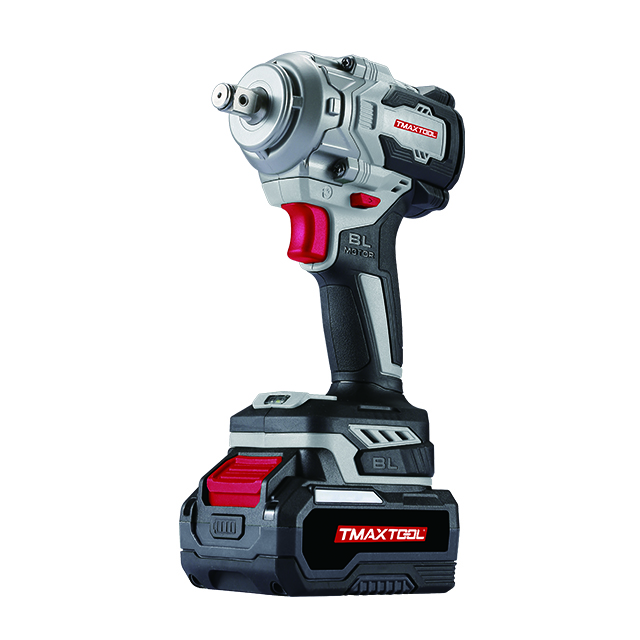
 Impact Wrench
 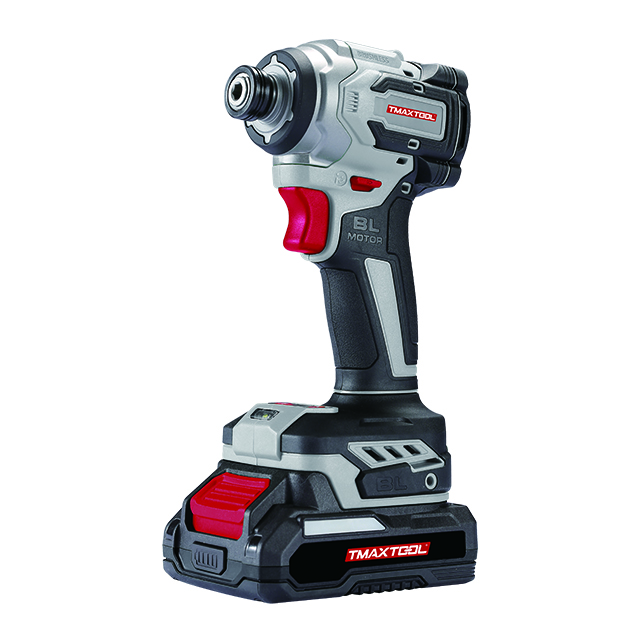 Screwdriver
 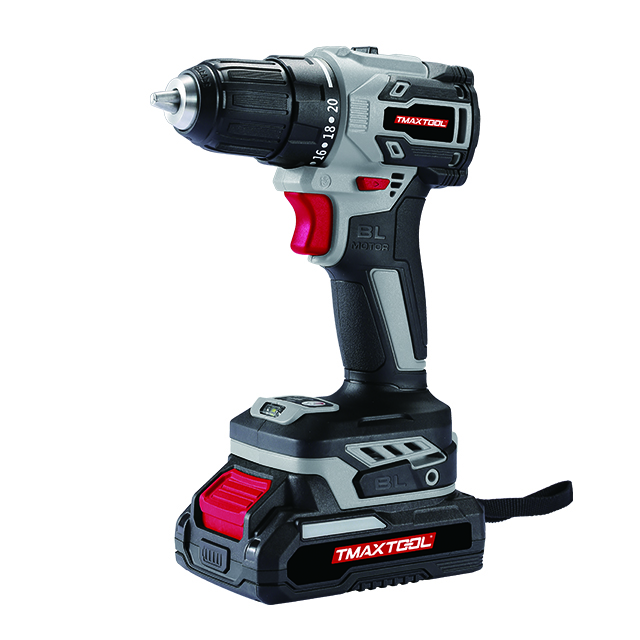 Cordless Drill
 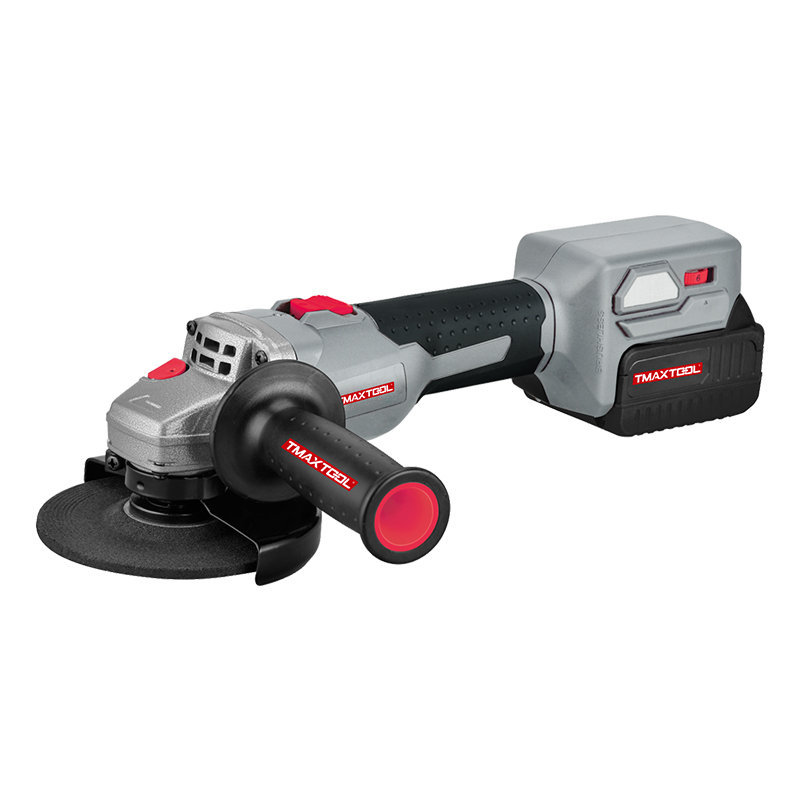 Angle Grinder
 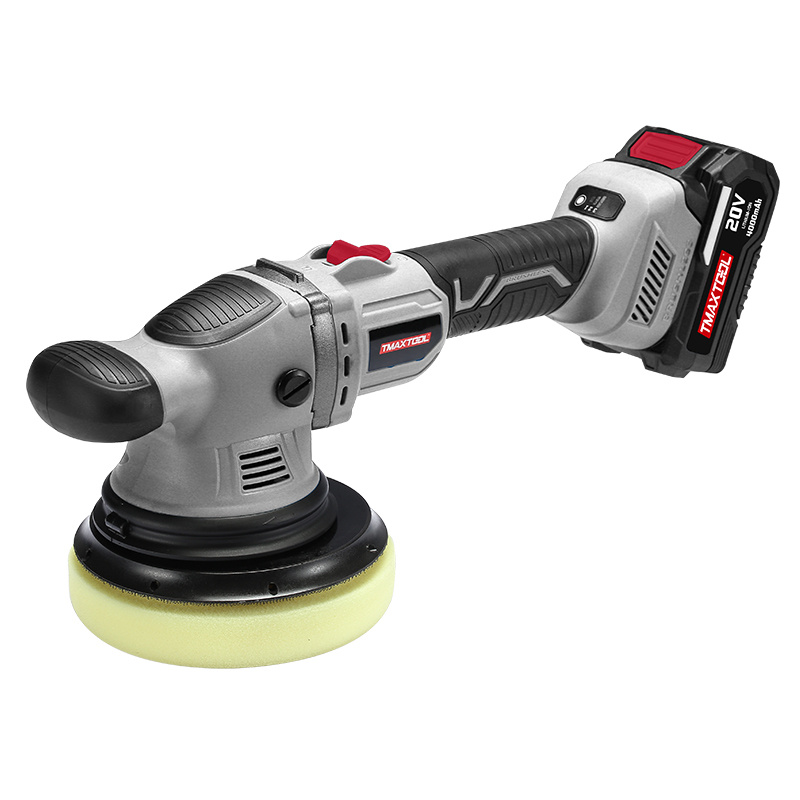 Polisher
 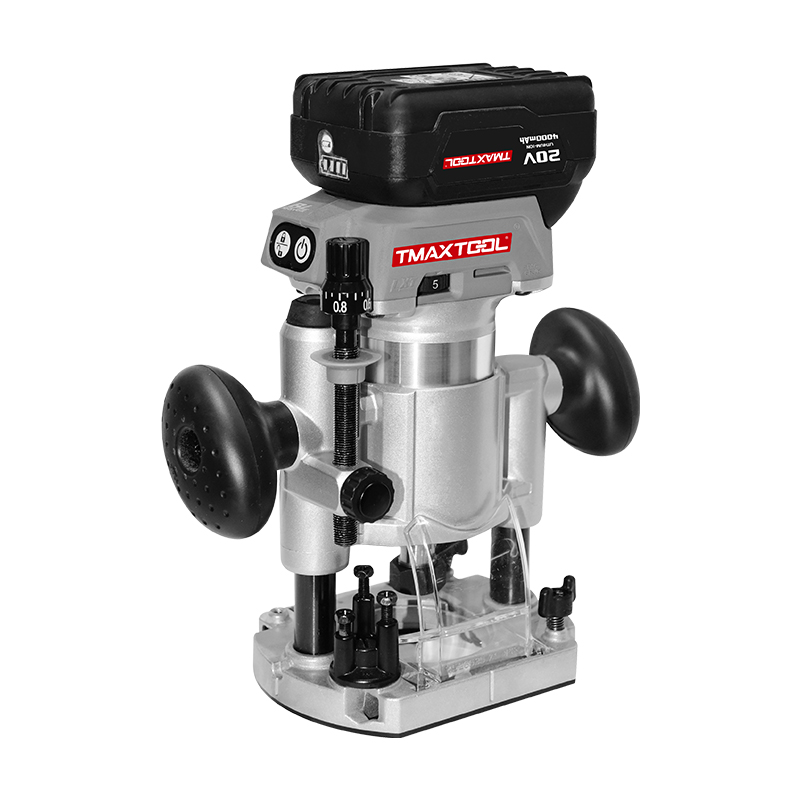 Wood Router
 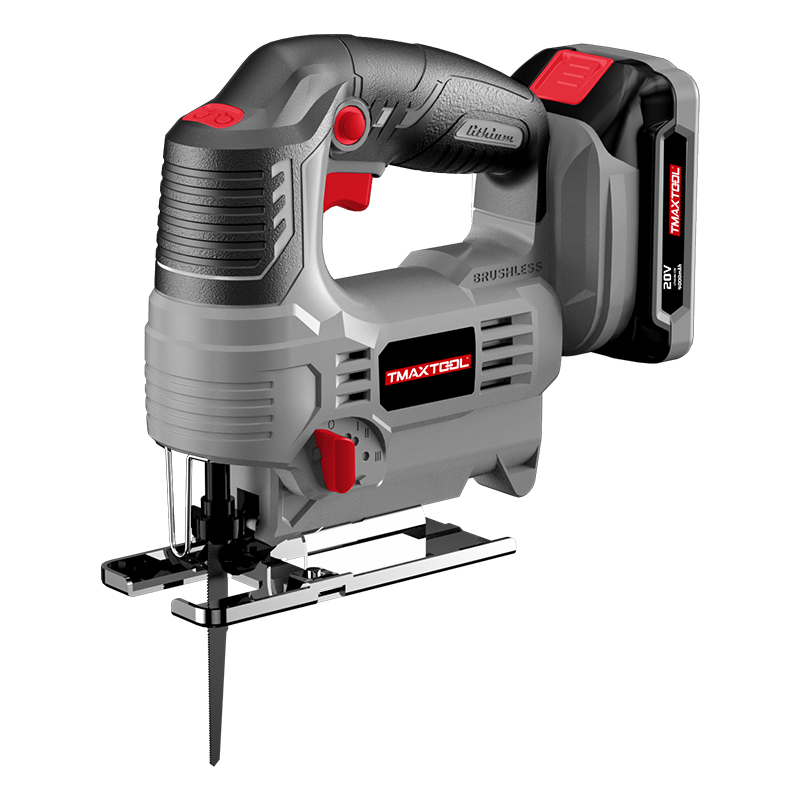 Jig Saw
 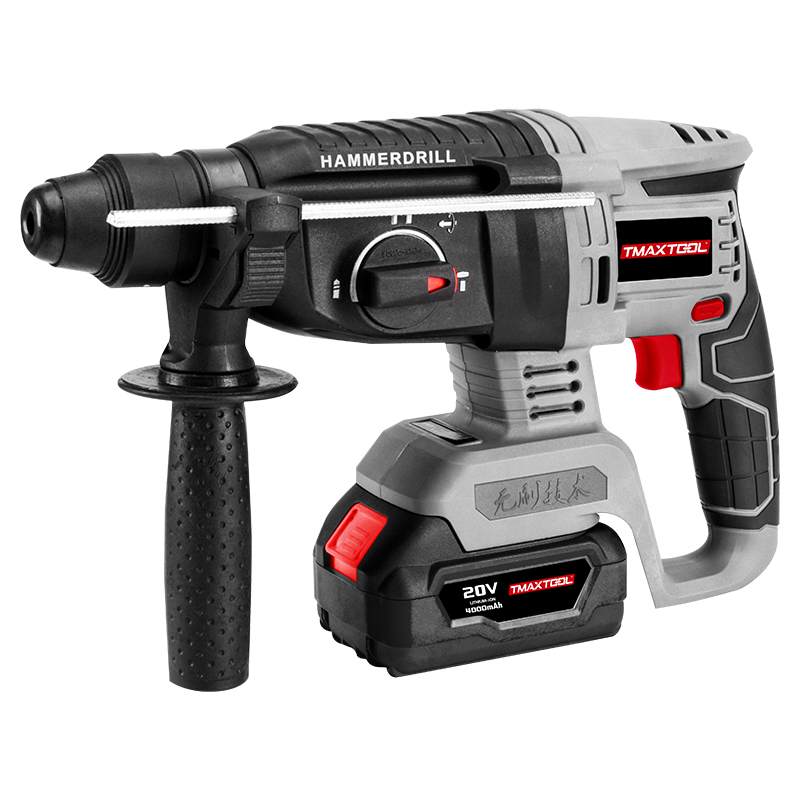 Hammer Drill
 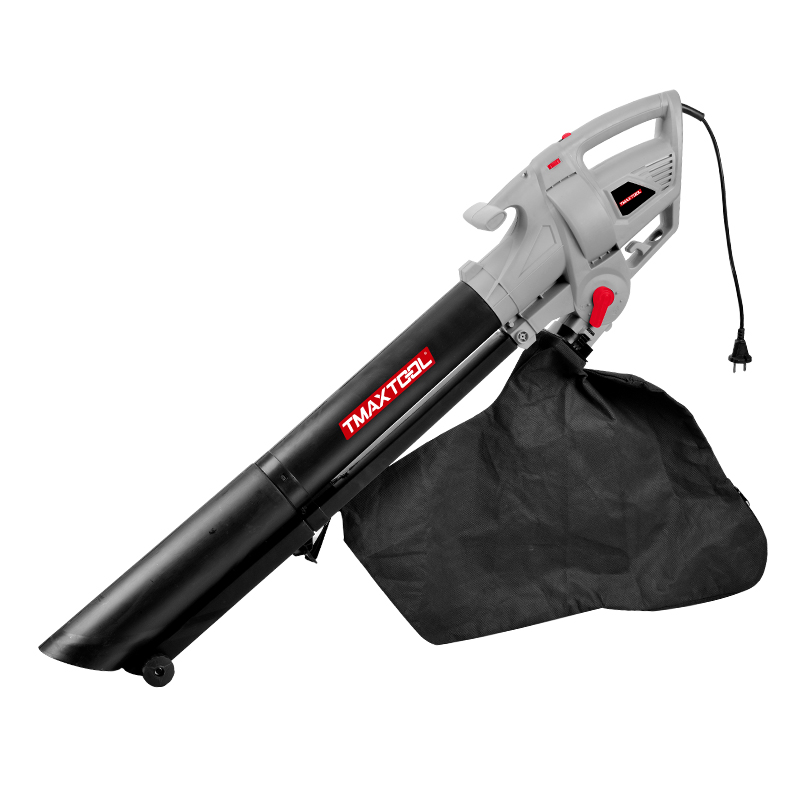 Portable Blower
 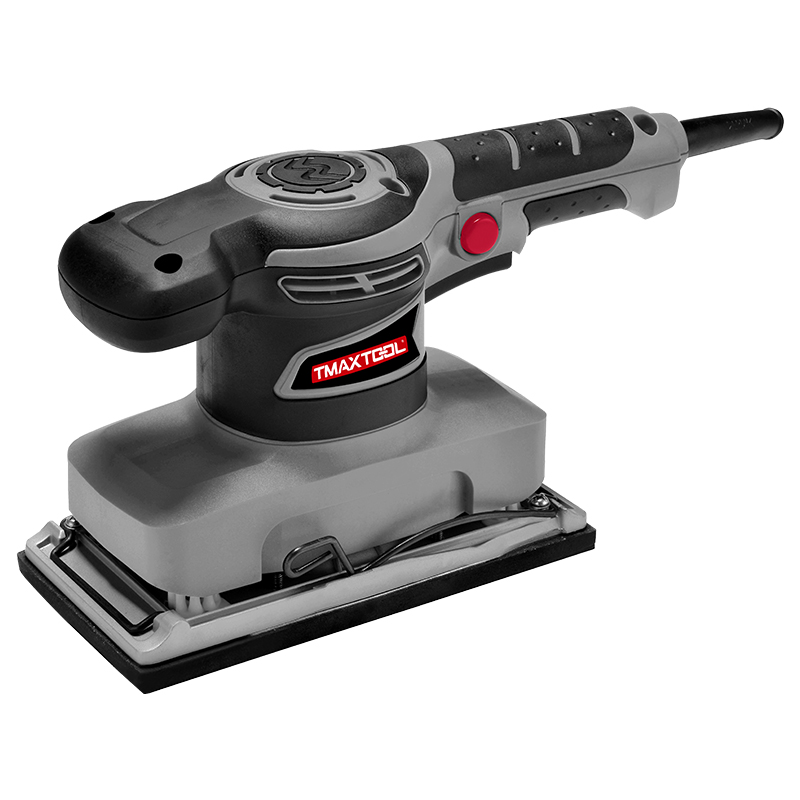 Orbital Sander
 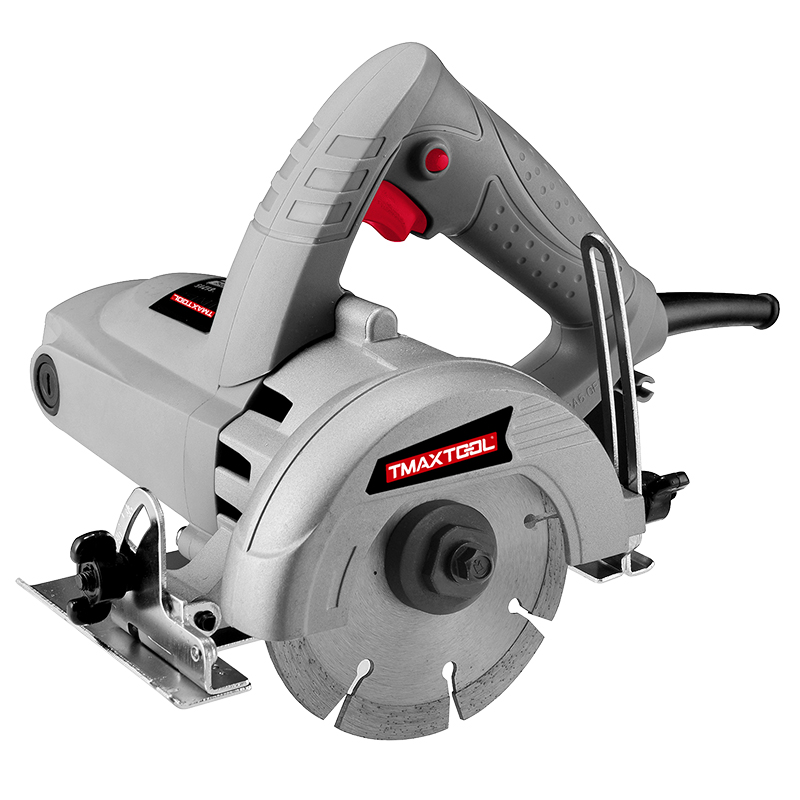 Marble Cutter
 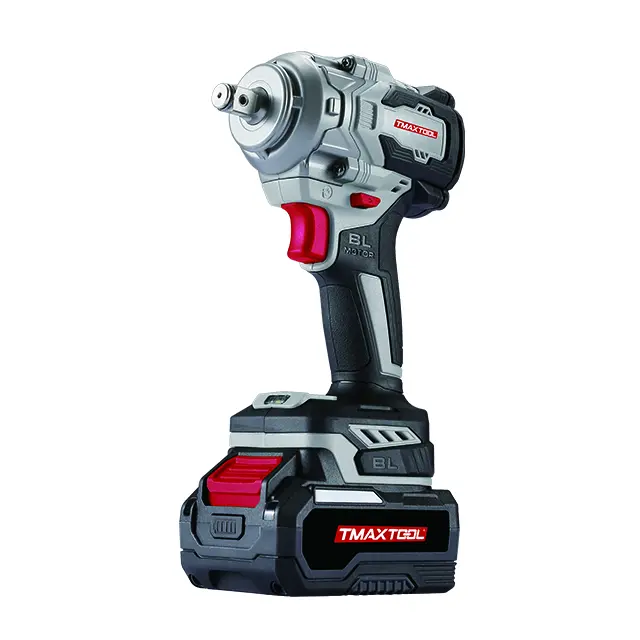 GARDEN TOOLS
 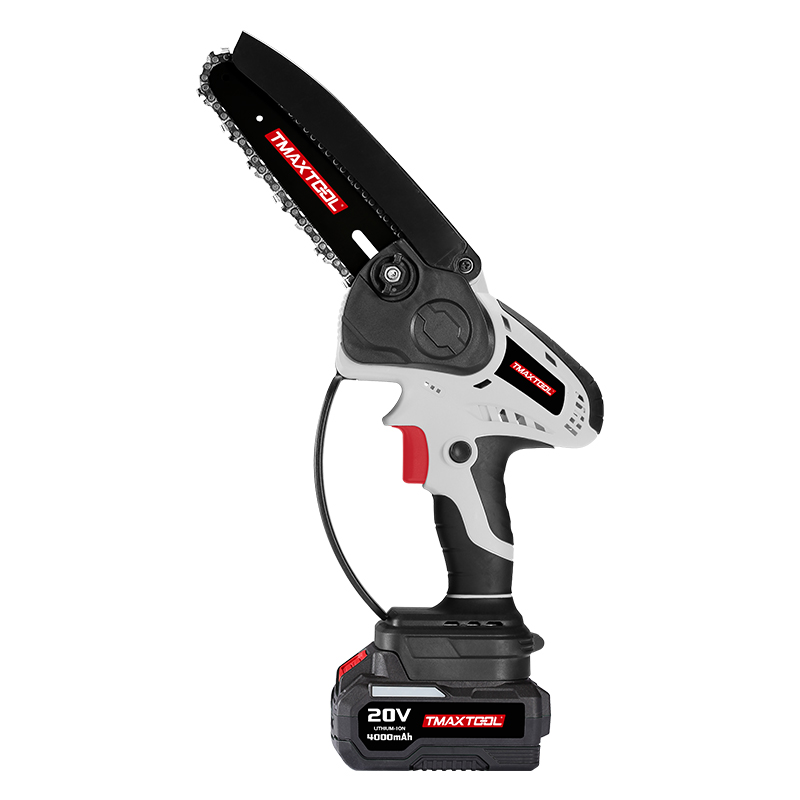 Battery Chain Saw
 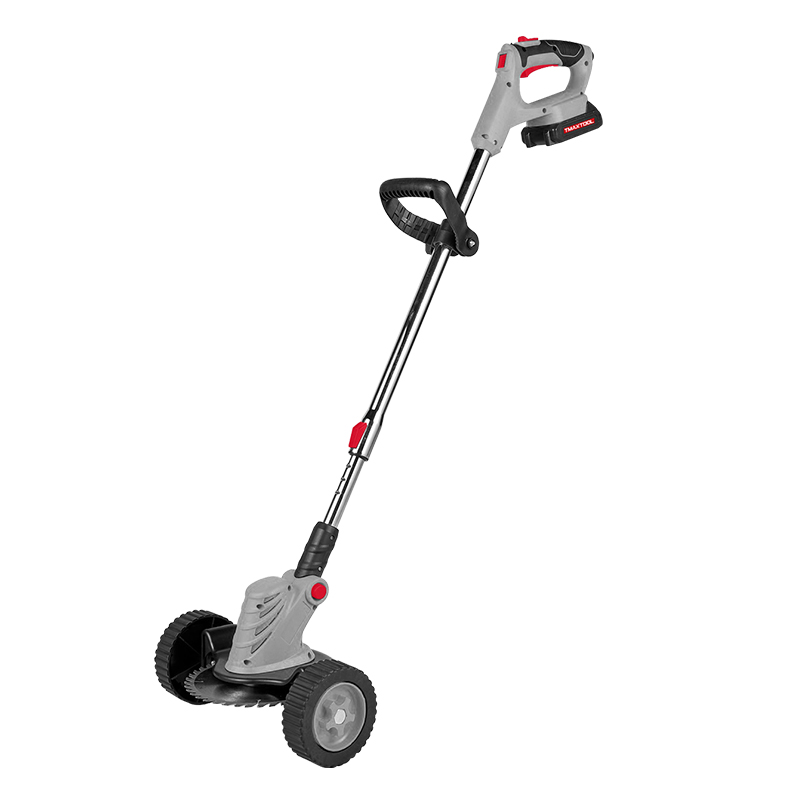 Battery Brush Cutter
 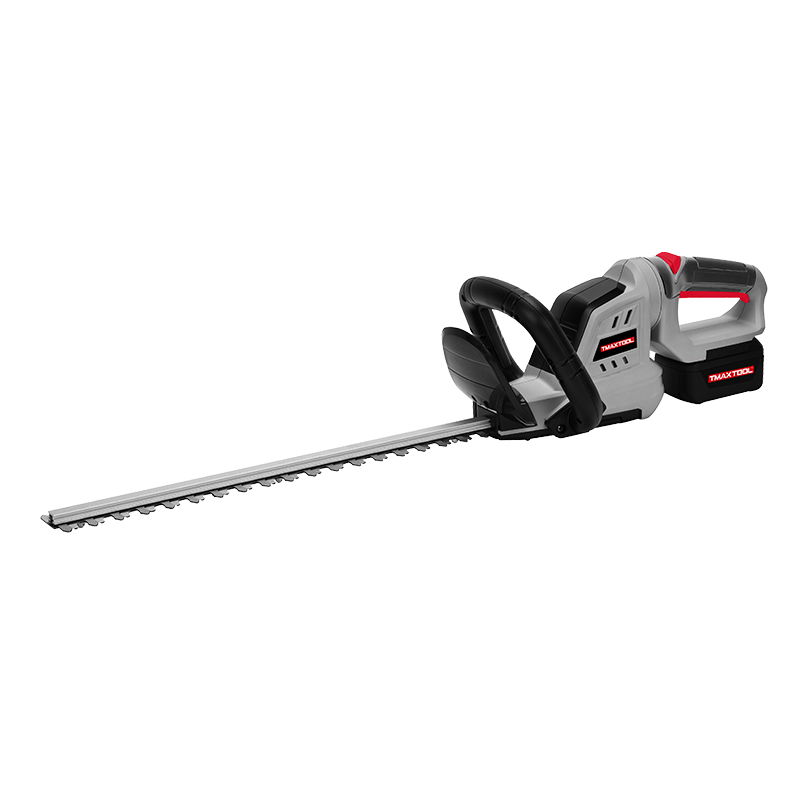 Battery Hedge Trimmer
 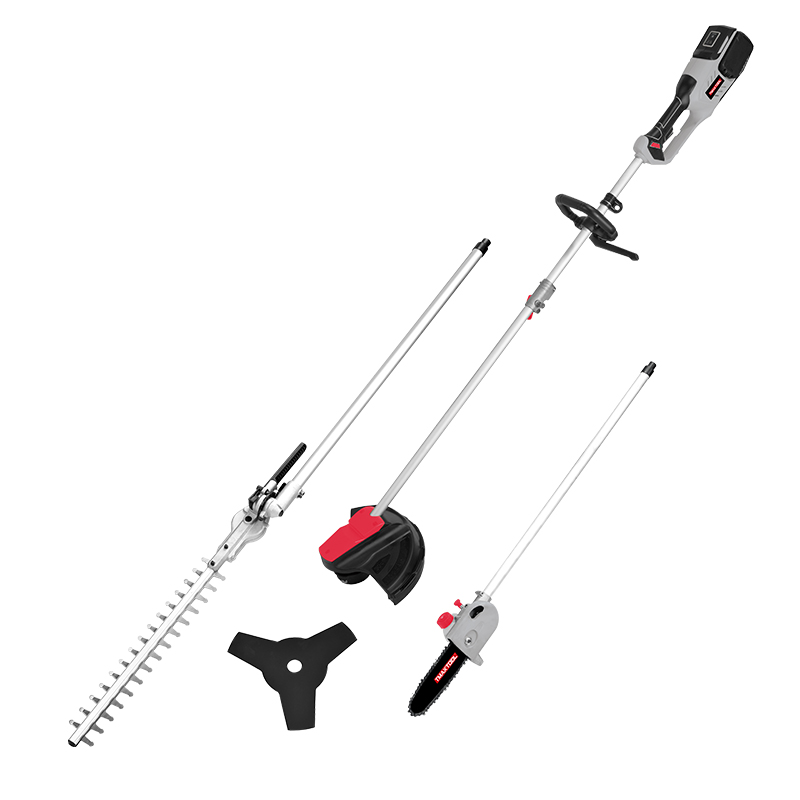 Battery Multi Tool
 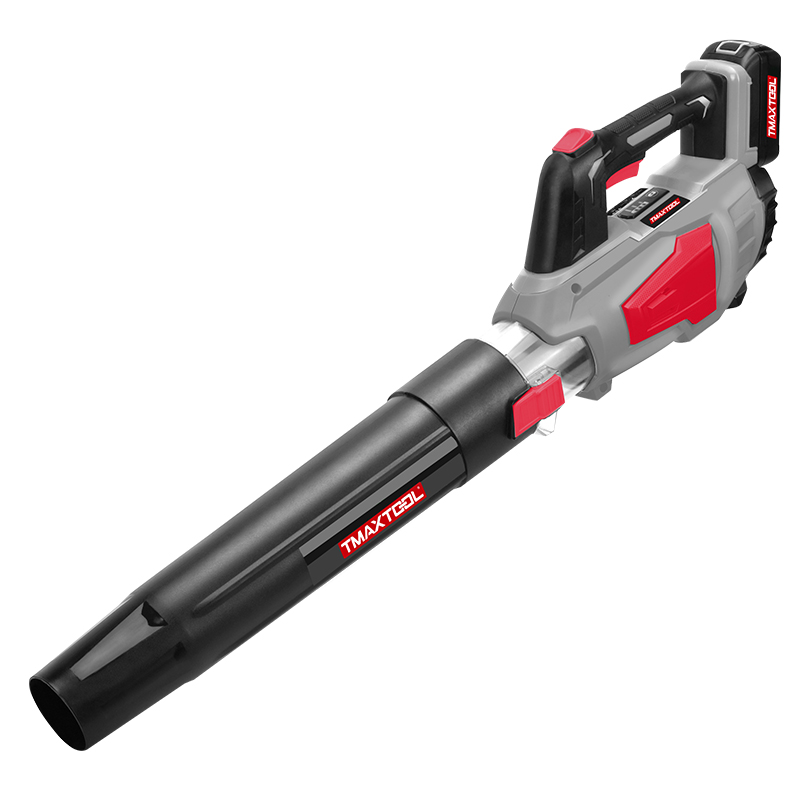 Battery Blower
 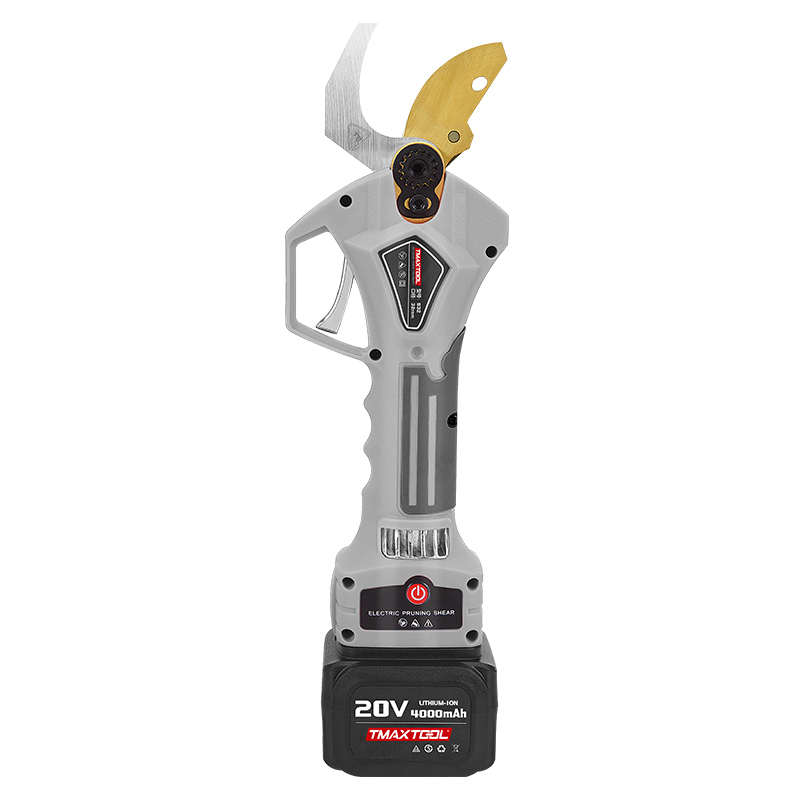 Batter Pruning Shears
 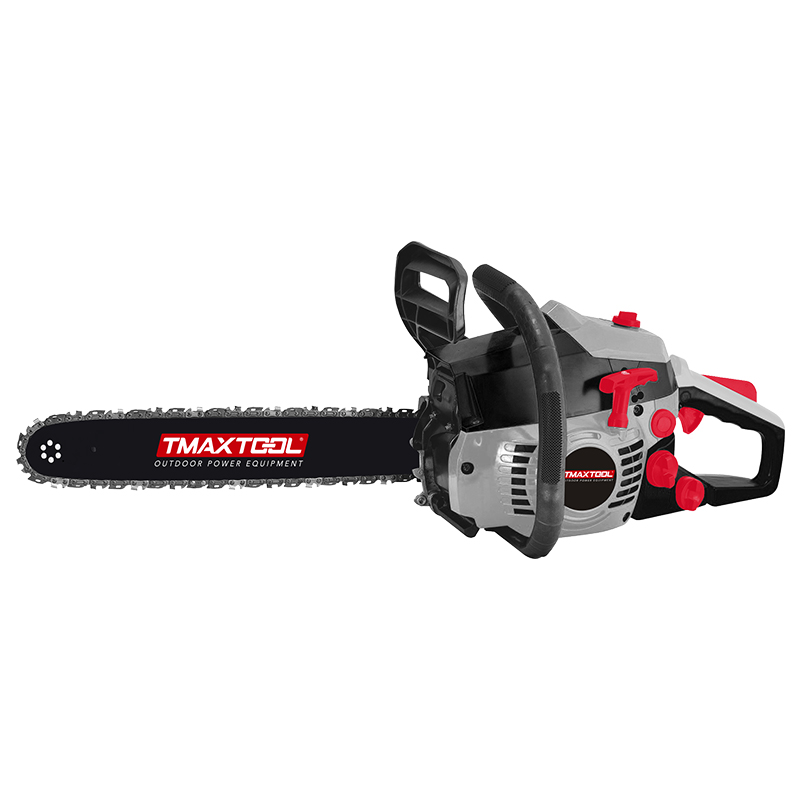 Chain Saw
 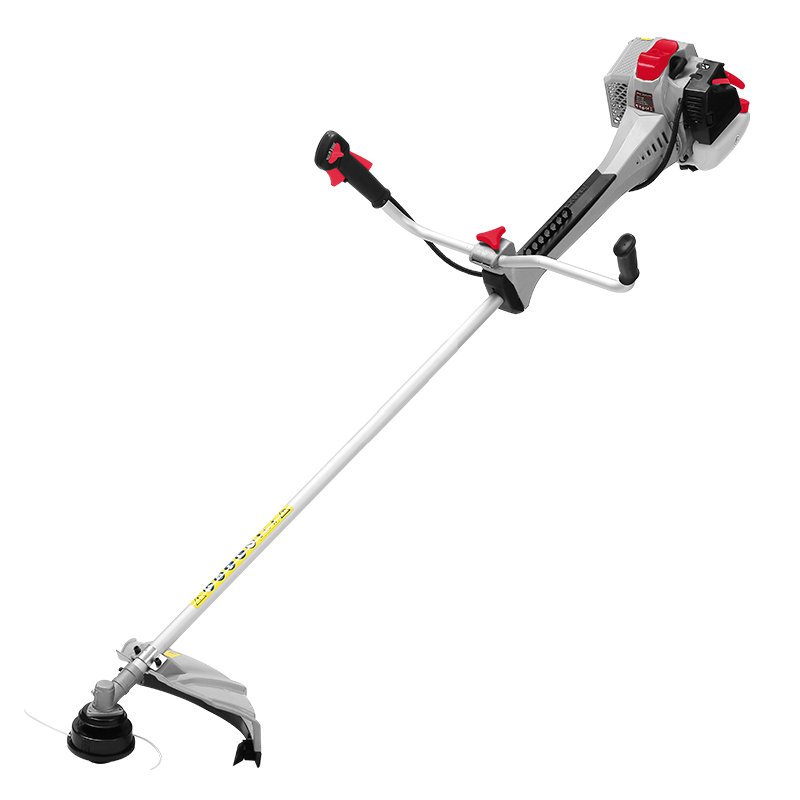 Brush Cutter
 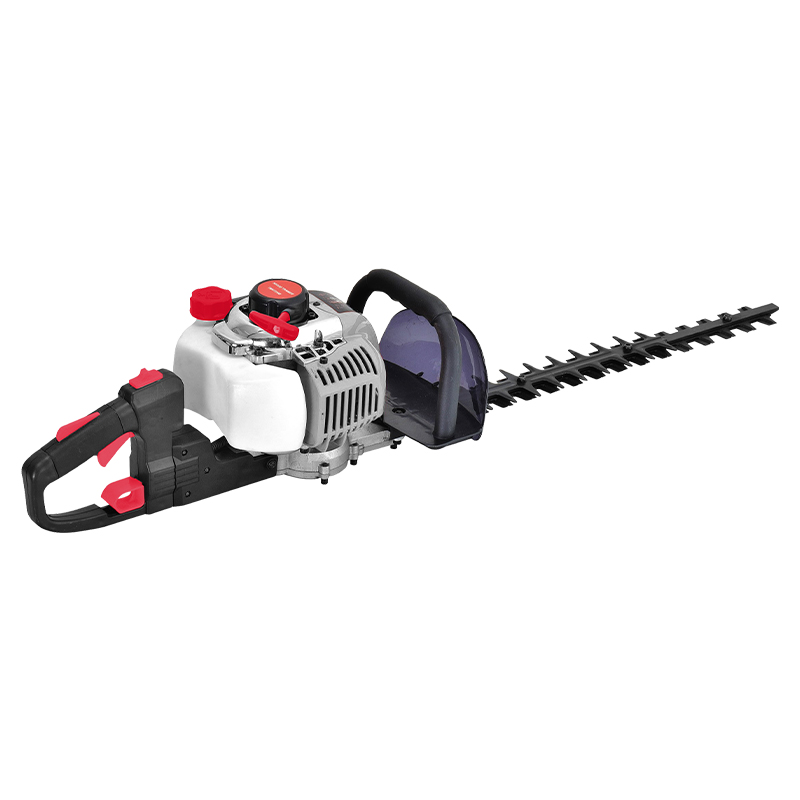 Hedge Trimmer
 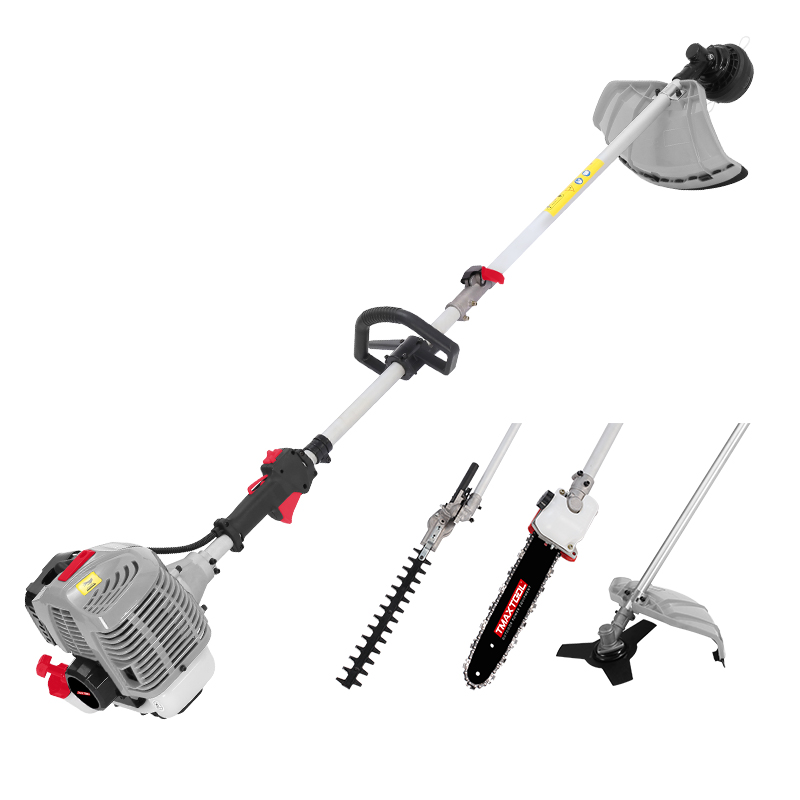 Multi Tool
 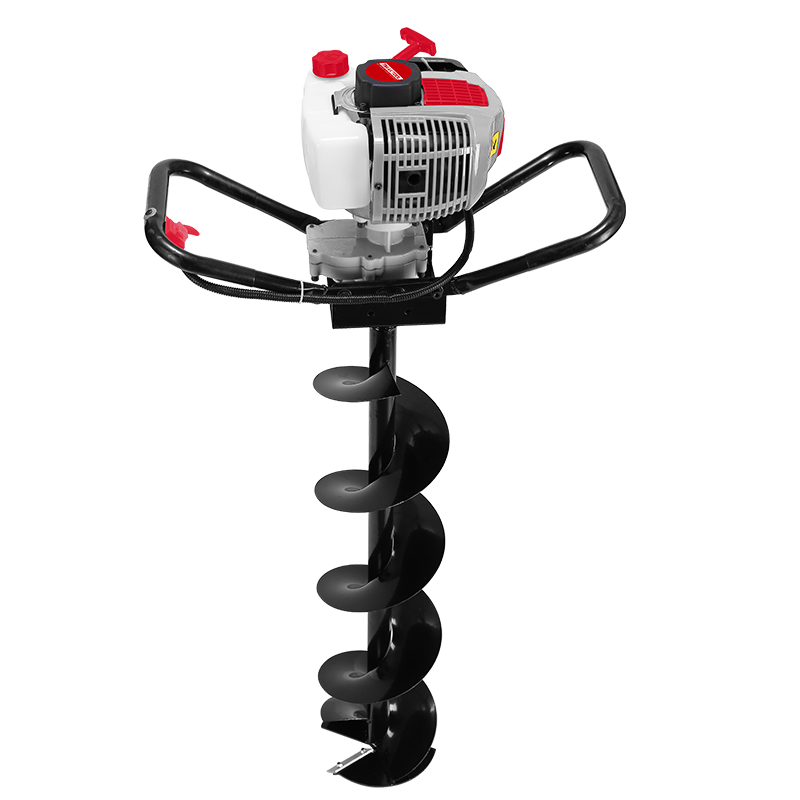 Earth Auger
 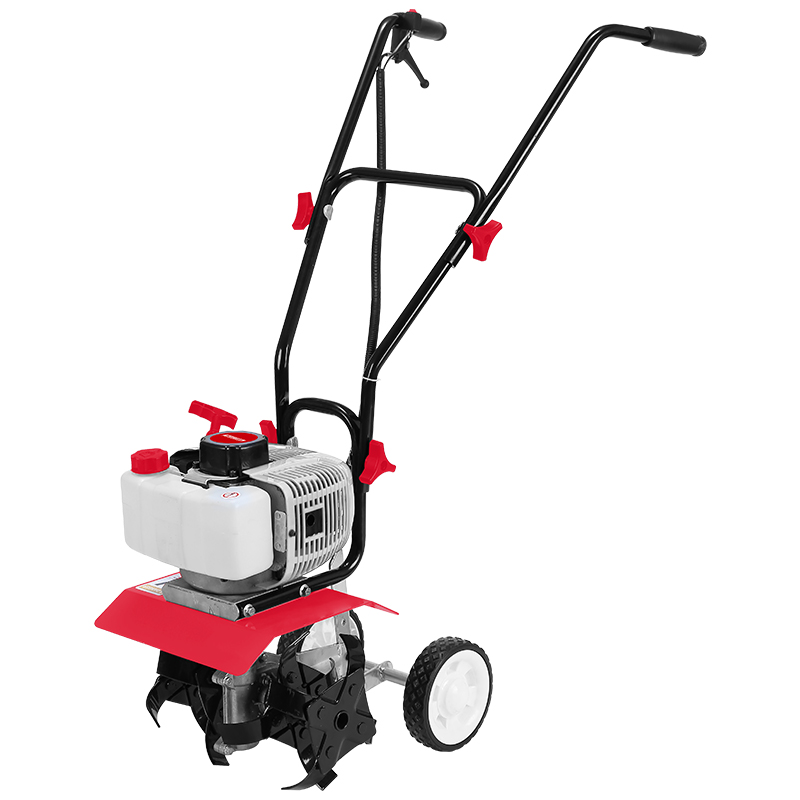 Tiller
 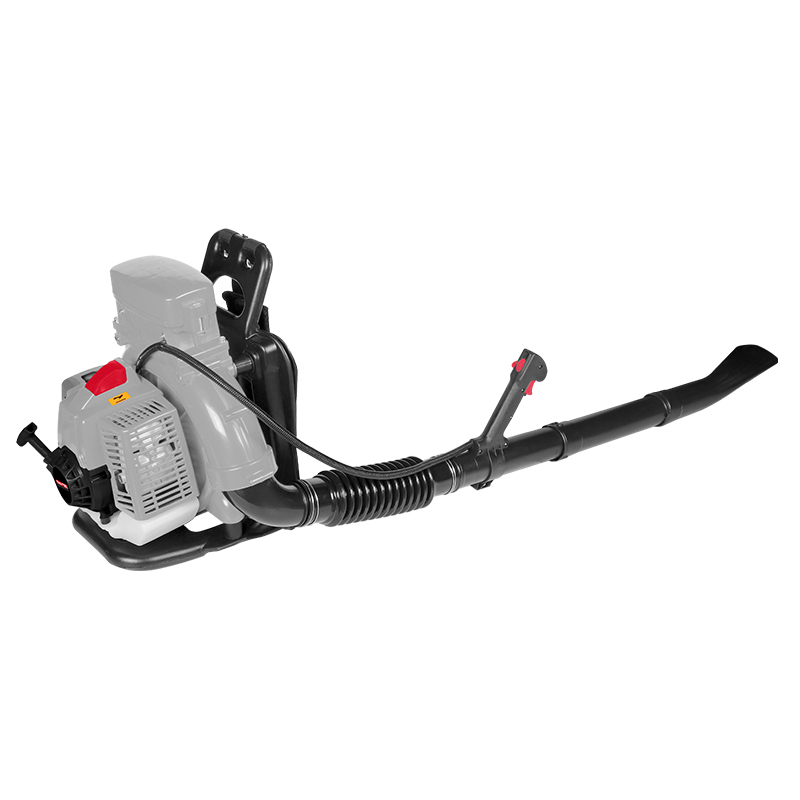 Blower
 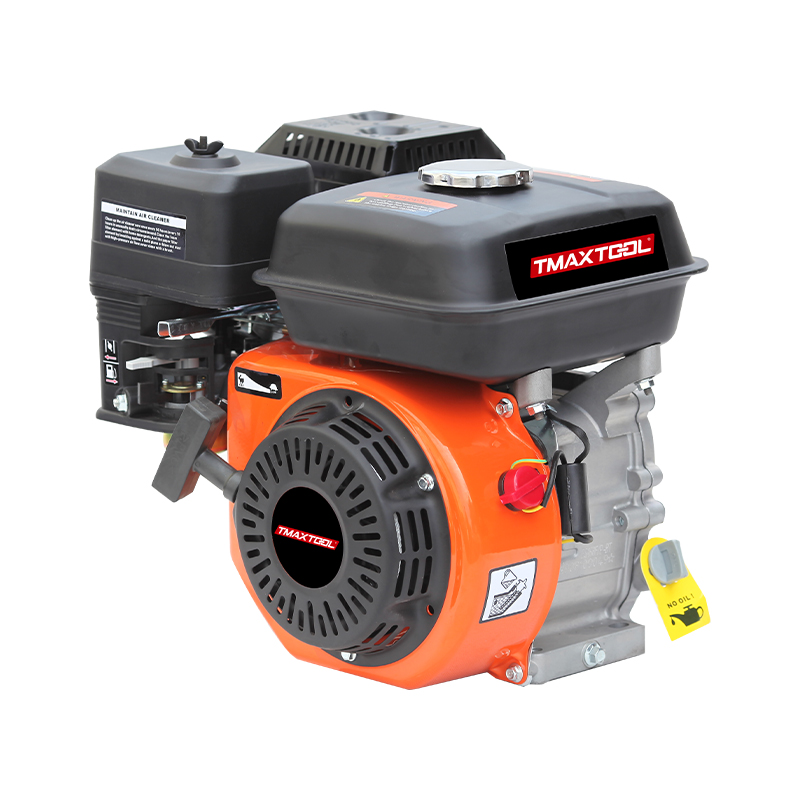 4 Stroke Gasoline Engine
 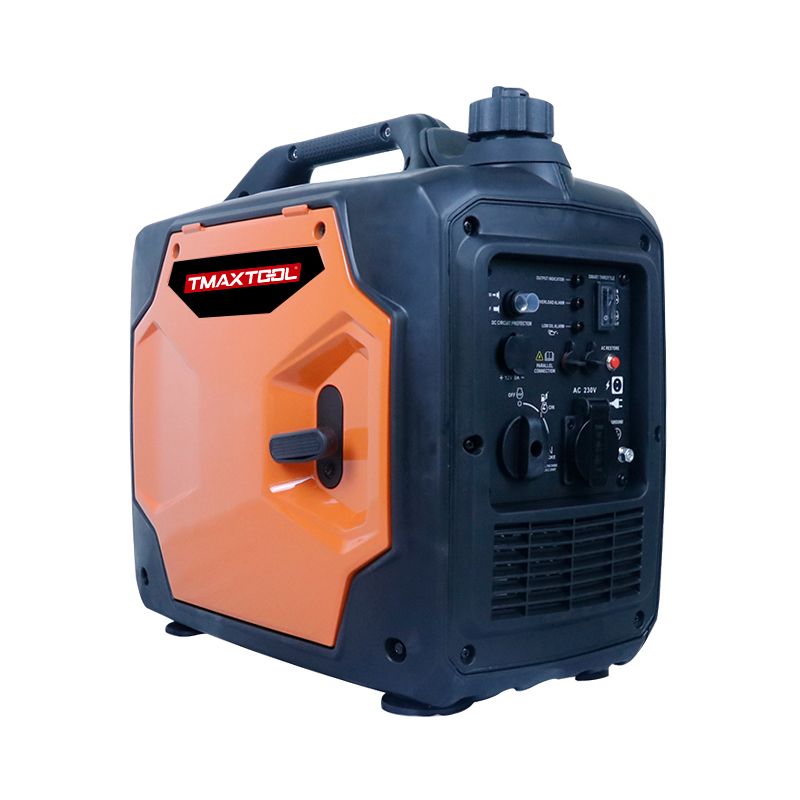 Generator
 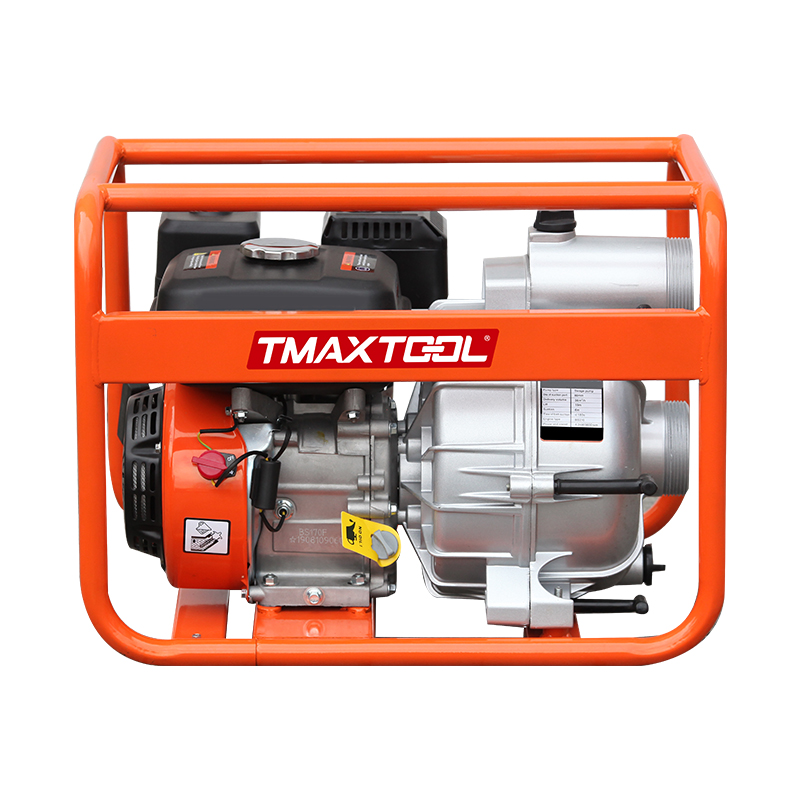 Water Pump
 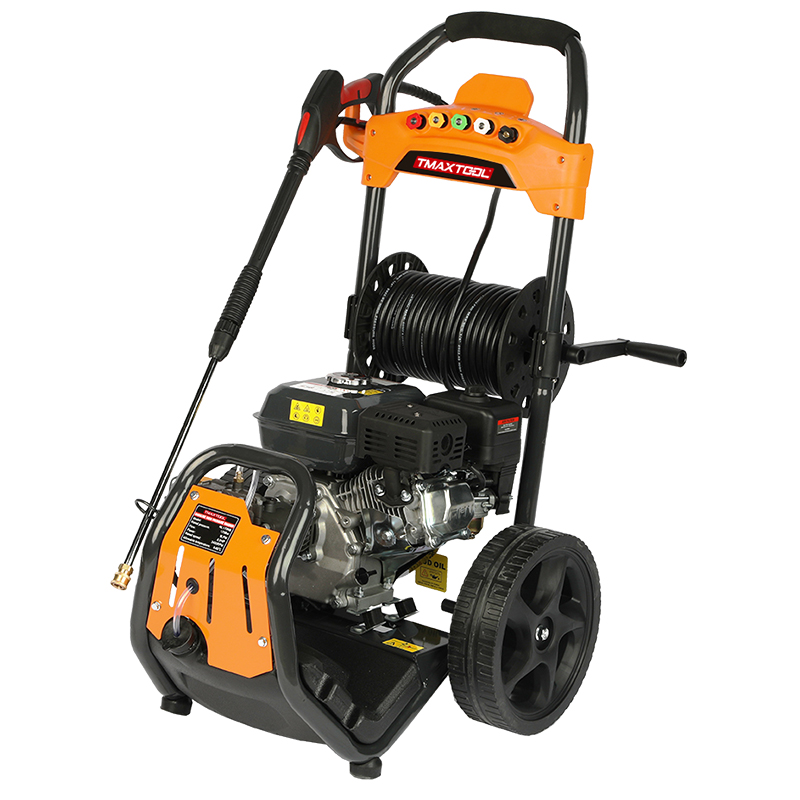 High Pressure Washer
 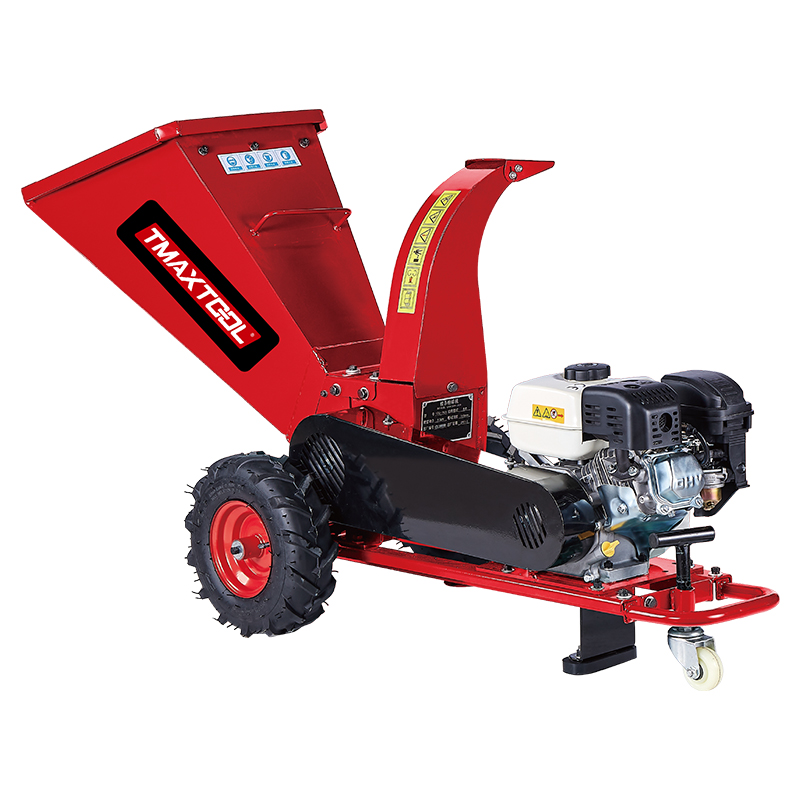 Wood Cutter
 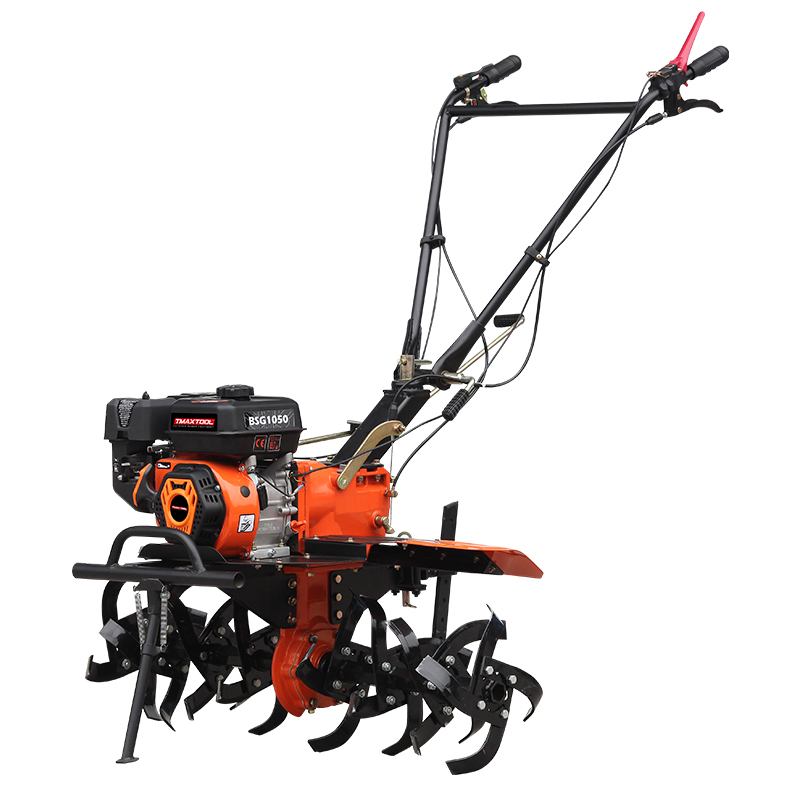 4 Stroke Tiller
 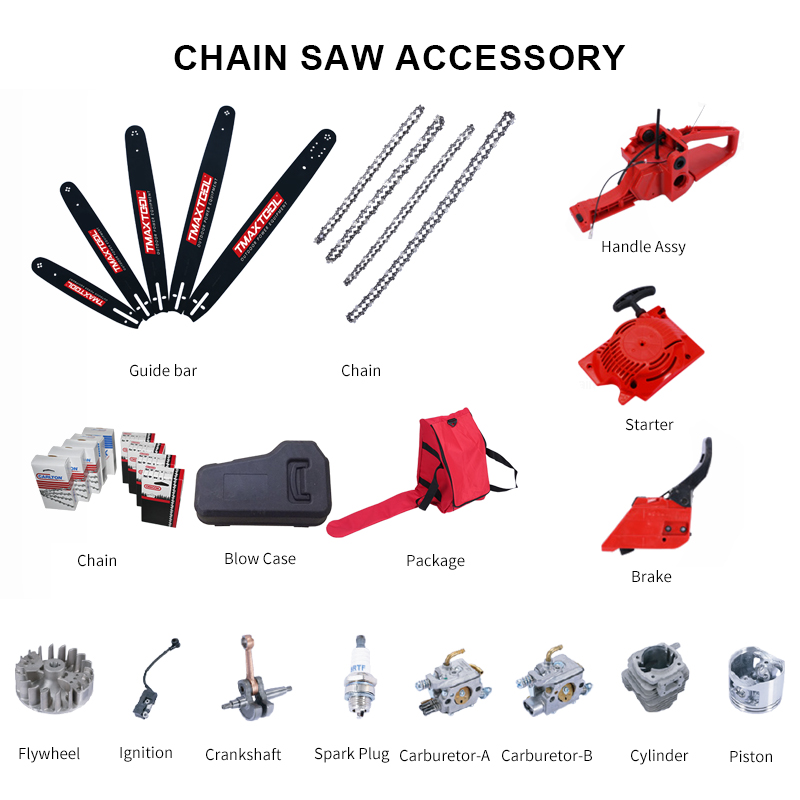 Chain Saw Accessory
 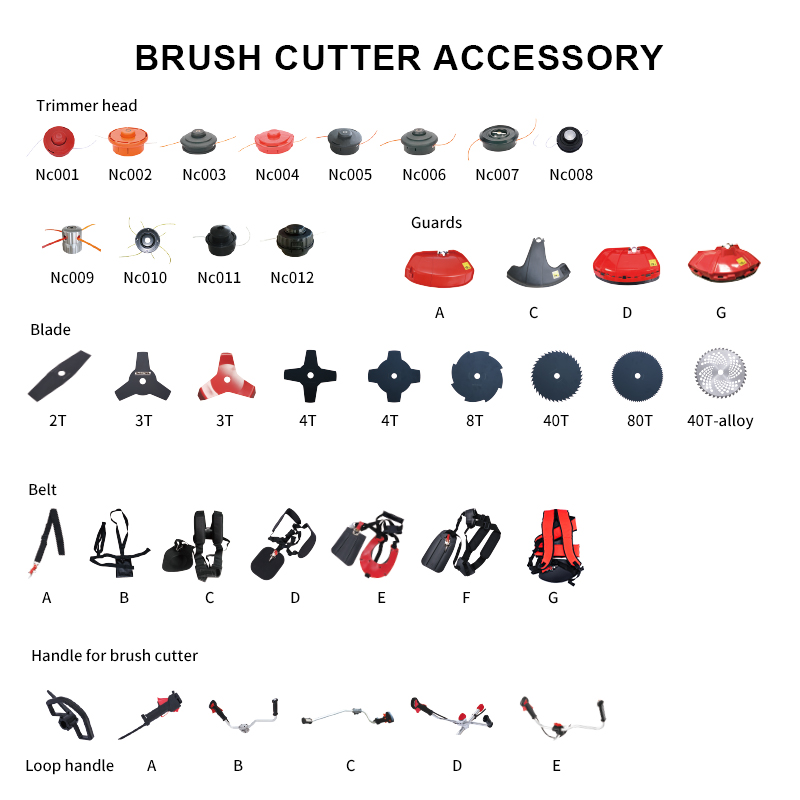 Brush Cutter Accessory
 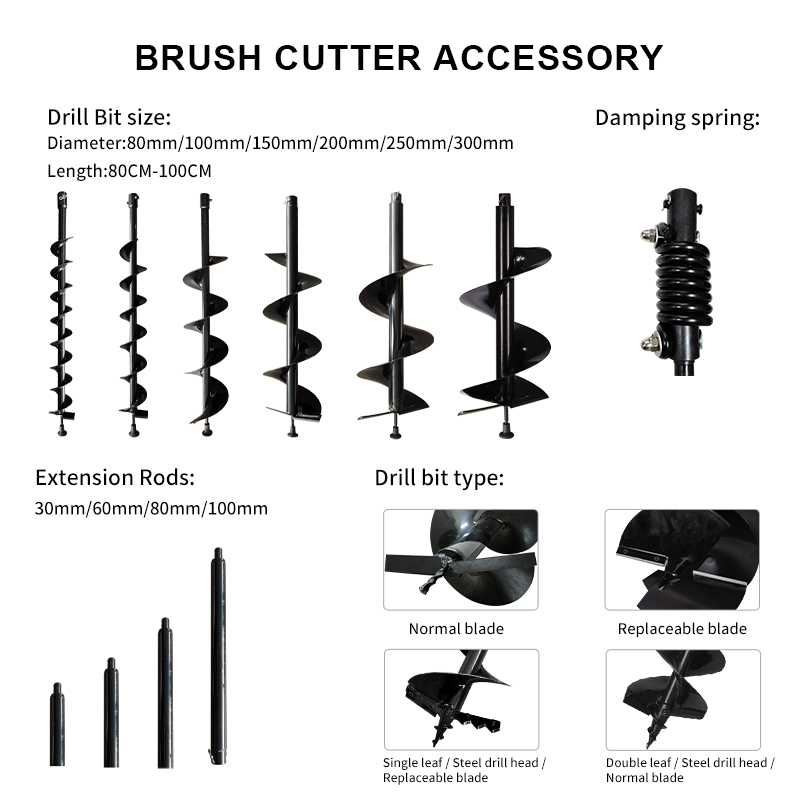 Earth Auger Accessory
 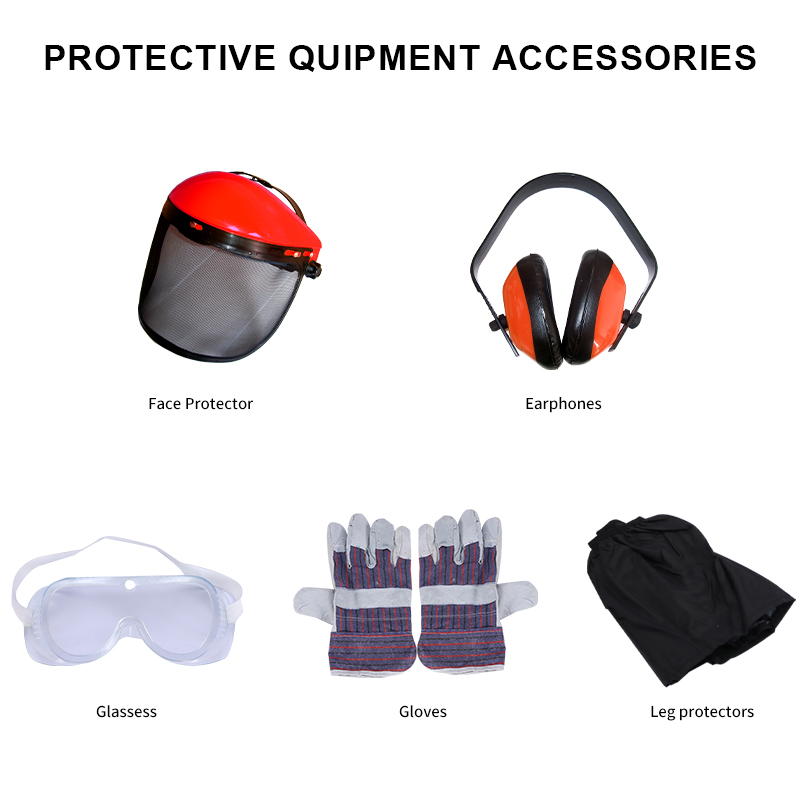 Protective Equipment Accessories
Leave Your Message


High-pressure Cleaner Pressure Selection Guide: How many bar are needed for cars, walls, and floors respectively?
When using a high-pressure cleaner, choosing the appropriate pressure not only makes the cleaning work more efficient but also avoids unnecessary damage to the cleaning object. The pressure requirements for different cleaning scenarios vary greatly, especially for the three common cleaning objects of cars, walls and floors, where the suitable pressure ranges for each are significantly different. Understanding these basic rules can help you make better use of the high-pressure cleaner.
Car cleaning: Gentle pressure protects the surface
When cleaning a car, excessive pressure may damage the car paint, sealing strips or body trim, so a relatively mild pressure range should be chosen. Generally speaking, the pressure suitable for car cleaning does not need to be too high. This can not only effectively remove dust, sand and light oil stains on the surface of the vehicle body, but also protect the appearance and components of the vehicle.
In actual operation, excessive pressure can easily lead to an overly strong impact force of the water flow, which may wash away the protective layer of the car wax and even leave fine scratches on the paint surface. However, if the pressure is too low, it is difficult to remove stubborn stains, and repeated rinsing is required, which is both time-consuming and water-consuming. Choosing an appropriate pressure and combining it with a suitable nozzle Angle can strike a balance between cleaning effectiveness and vehicle protection, making the car washing process both efficient and safe.
Wall cleaning: Moderate pressure balances efficiency and protection
The selection of pressure for wall cleaning needs to take into account the material of the wall and the degree of stains. Whether it is the interior wall or the exterior wall, there are different tolerances. Excessive pressure may damage the surface layer of the wall, such as peeling off the paint, eroding the bricks or scratching the surface of the tiles.
For ordinary wall dust, mold spots or light stains, moderate pressure is sufficient. Such pressure can effectively break down the dirt adhering to the wall surface without affecting the wall structure. If stubborn stains are encountered, the impact force can be enhanced by adjusting the distance of the nozzle instead of simply increasing the pressure. For some old or fragile walls, appropriately reducing the pressure and using a mild cleaner can ensure the cleaning effect while protecting the integrity of the wall.

Floor cleaning: Deal with stubborn stains under high pressure
The ground is usually more capable of withstanding high pressure than cars and walls, especially outdoor ground surfaces such as driveways and sidewalks, which often accumulate a large amount of stubborn stains like oil, moss and soil, and require higher pressure to be thoroughly cleaned.
Higher pressure can penetrate into the crevices of the ground, remove the dirt hidden therein and restore the original appearance of the ground. Whether it is a cement floor, a stone-paved road or a tiled floor, appropriately increasing the pressure can significantly improve the cleaning efficiency and reduce the frequency of repeated rinsing. However, when cleaning floors made of some special materials, it is still necessary to pay close attention and avoid high-pressure flushing at the same position for a long time to prevent damage to the material or leaving marks on the surface.
General selection principle: Gradually adjust from low to high
No matter which object is being cleaned, it is recommended to start with a lower pressure at the beginning of use and gradually adjust it according to the cleaning effect. This can prevent unnecessary damage caused by excessive pressure from the very beginning. At the same time, by using different types of nozzles and appropriate cleaning agents, better cleaning effects can be achieved under the same pressure, reducing the reliance on high pressure.
In addition, when in use, it is also necessary to maintain an appropriate distance. If the distance is too close, it will increase the actual impact force, which is equivalent to indirectly raising the pressure. By reasonably controlling the combination of pressure, distance and nozzle Angle, not only can the ideal cleaning effect be achieved, but also the cleaning object can be protected, making the high-pressure cleaner an efficient and practical cleaning assistant.
Choosing the appropriate pressure is the key to maximizing the performance of a high-pressure cleaner. According to the different characteristics of the car, walls and floors, the pressure can be flexibly adjusted to not only ensure the cleaning effect but also avoid accidental damage, making every cleaning task twice as effective with half the effort.
