
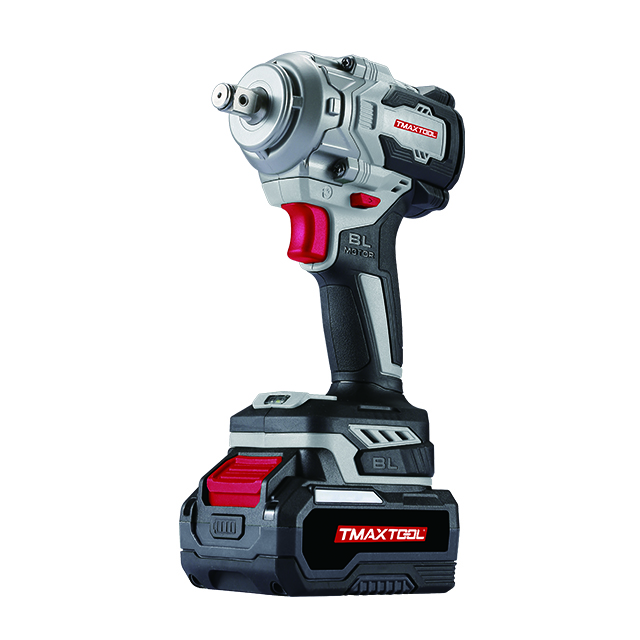
 Impact Wrench
 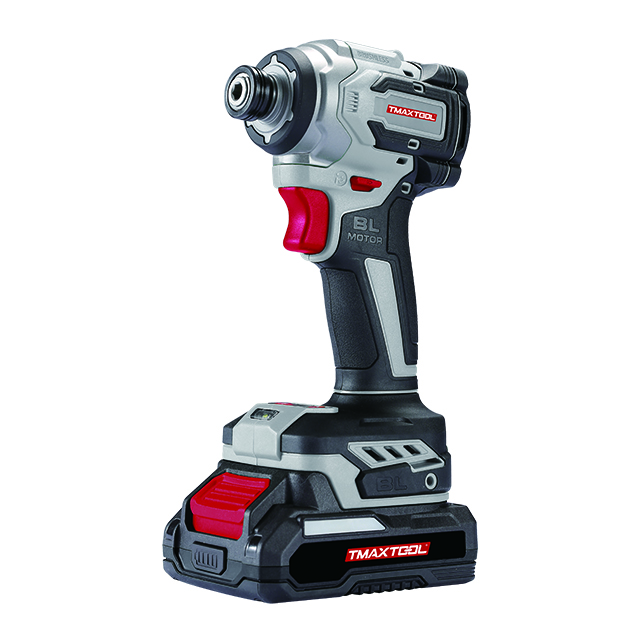 Screwdriver
  Cordless Drill
  Angle Grinder
 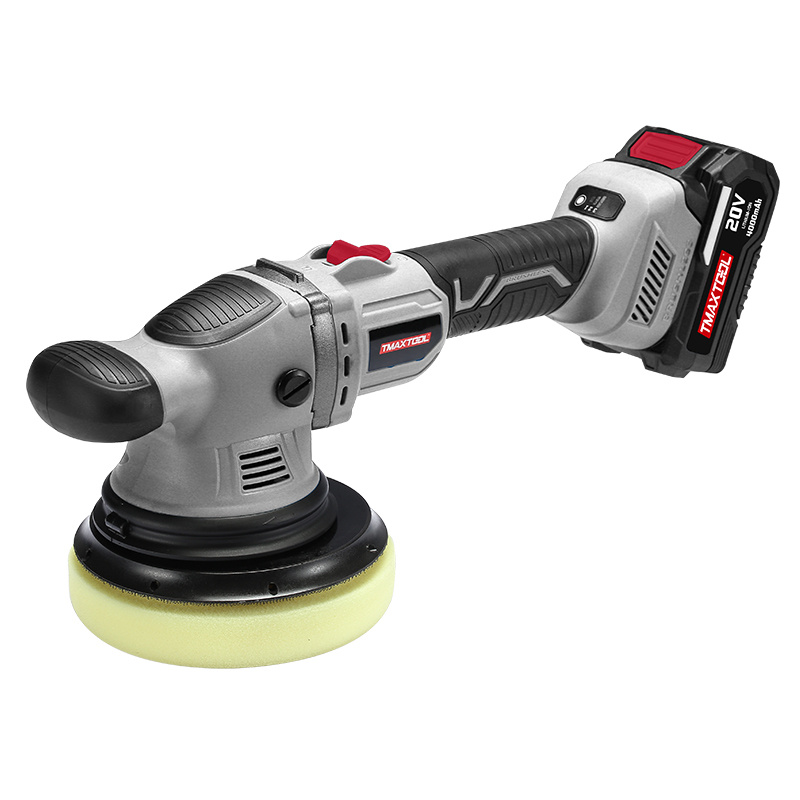 Polisher
 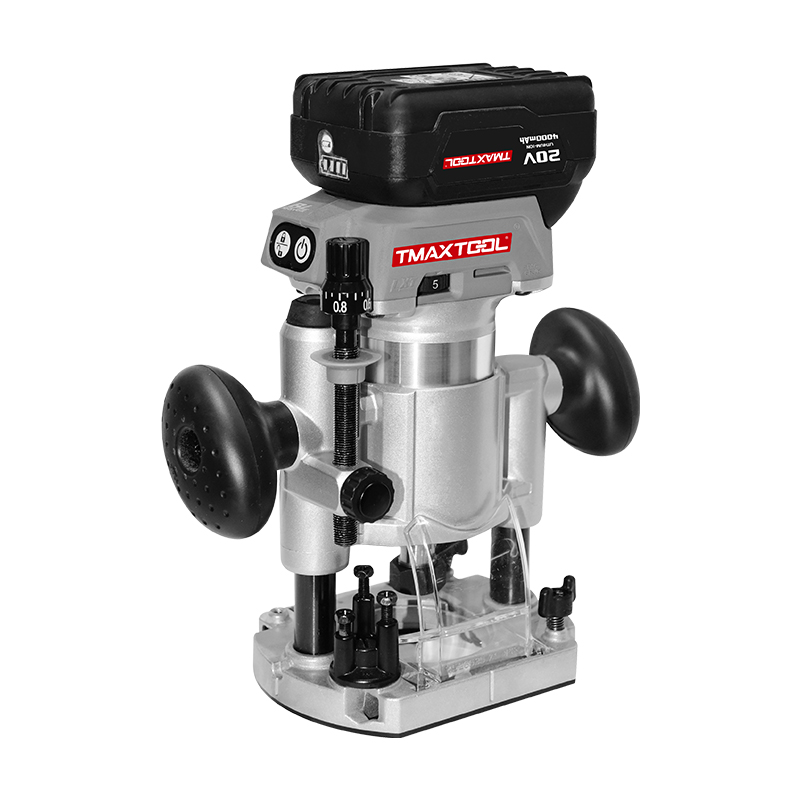 Wood Router
 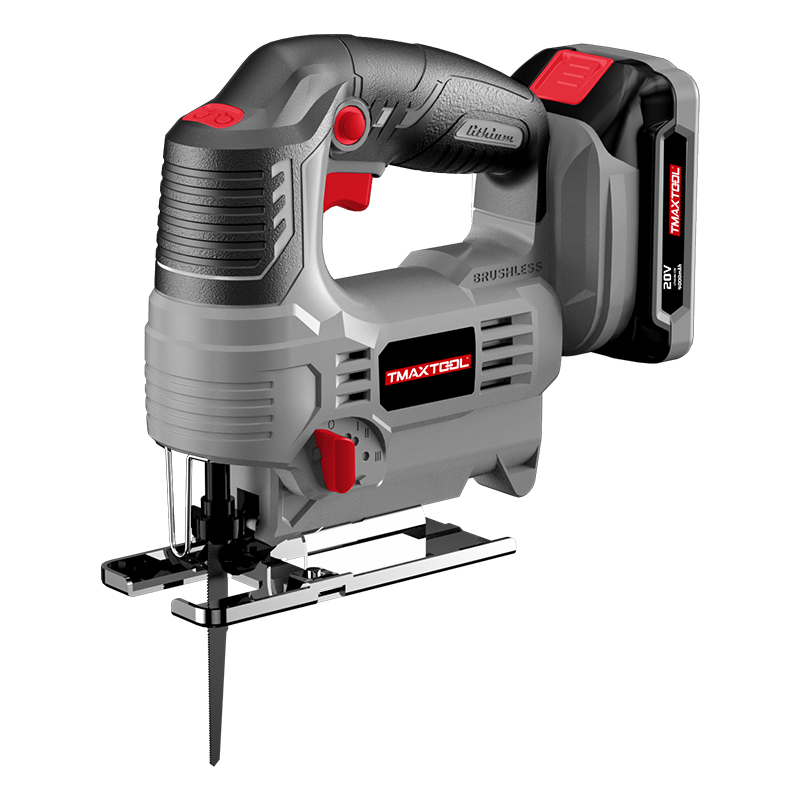 Jig Saw
  Hammer Drill
 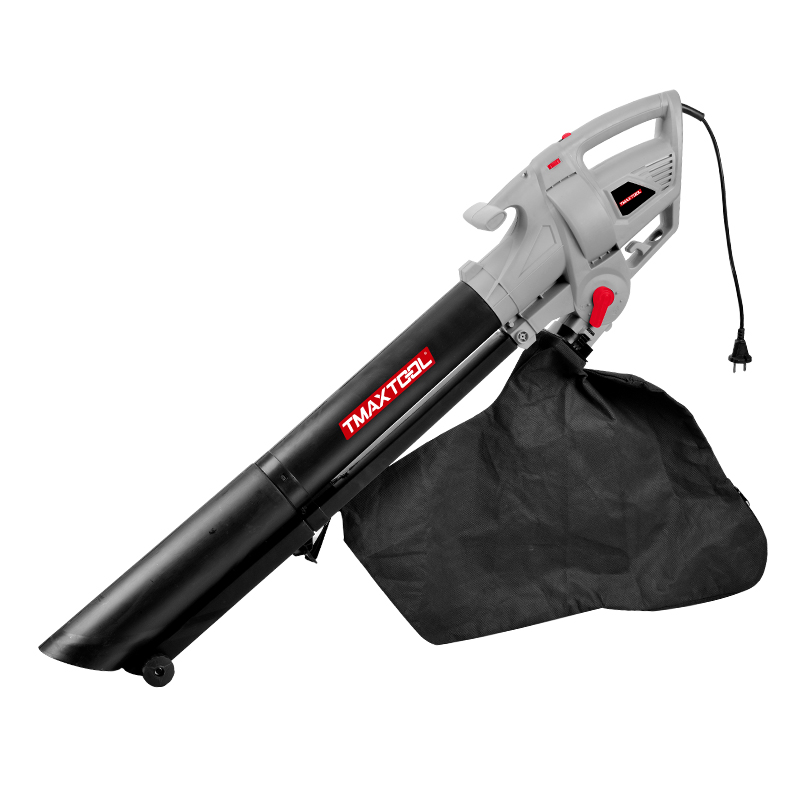 Portable Blower
  Orbital Sander
  Marble Cutter
  GARDEN TOOLS
  Battery Chain Saw
 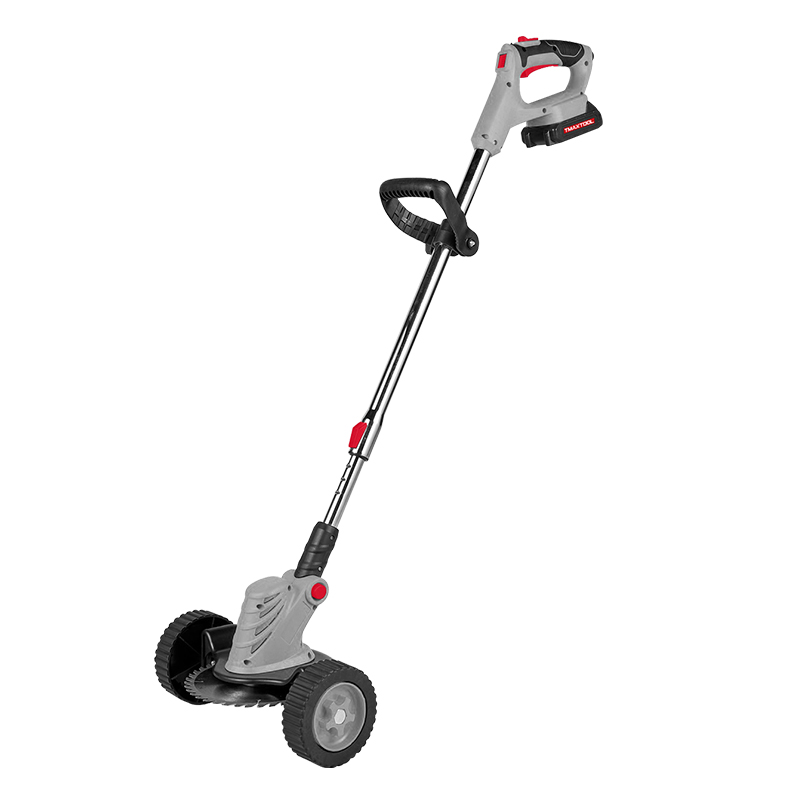 Battery Brush Cutter
  Battery Hedge Trimmer
 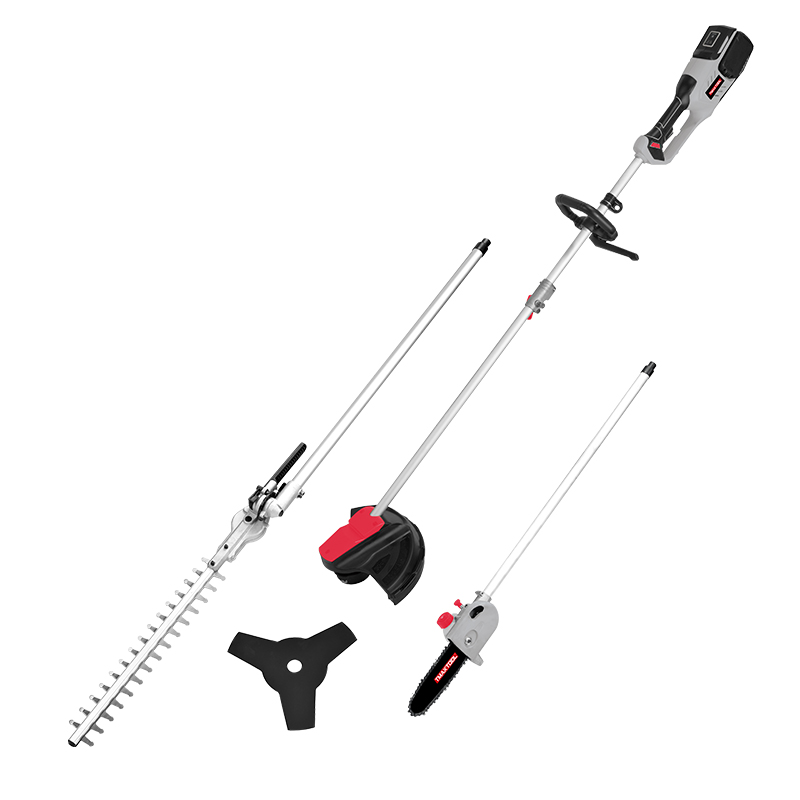 Battery Multi Tool
 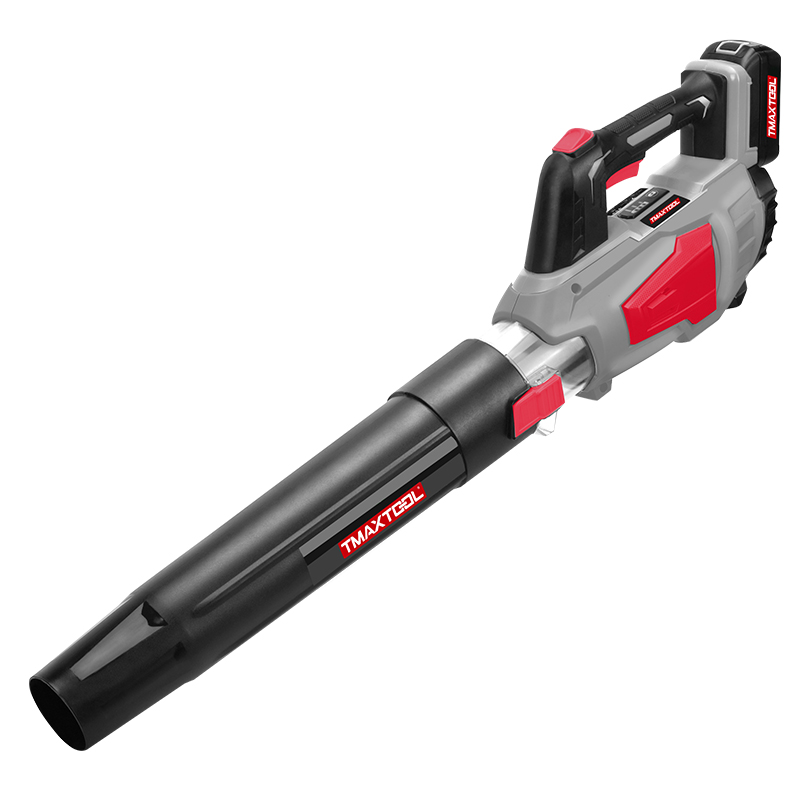 Battery Blower
 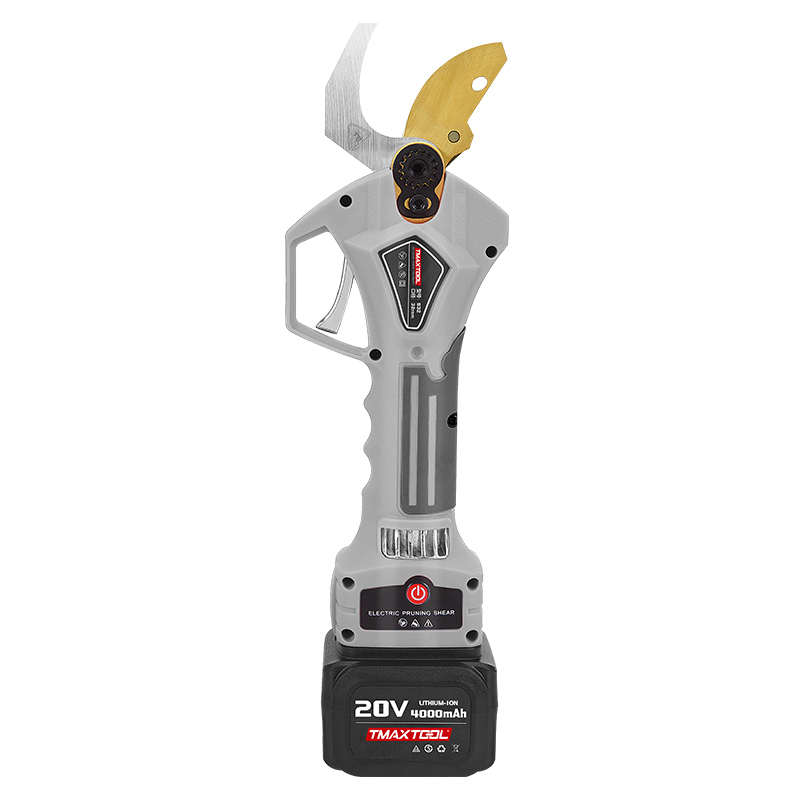 Batter Pruning Shears
  Chain Saw
 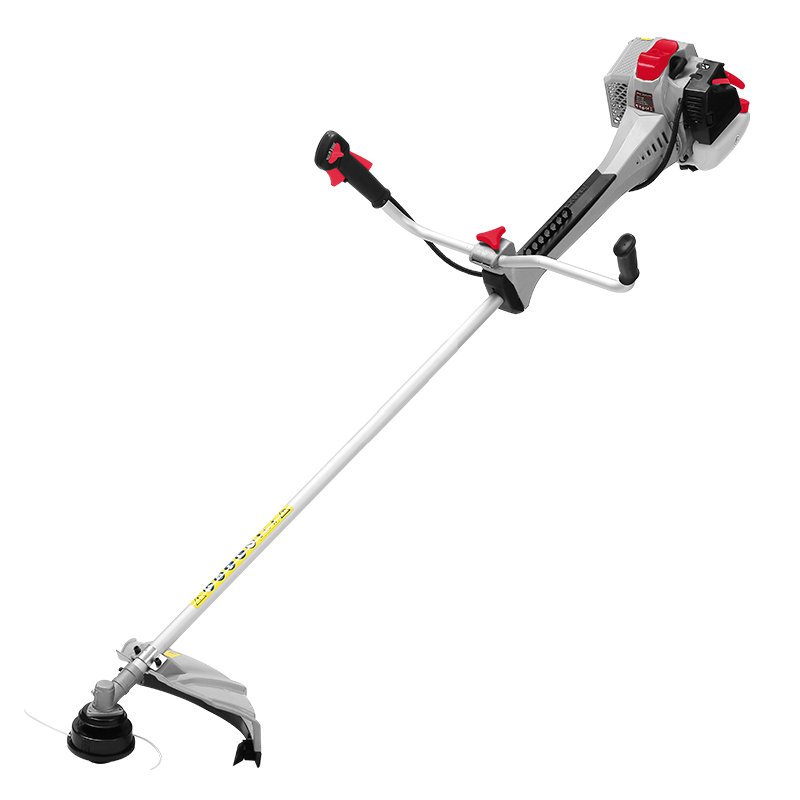 Brush Cutter
 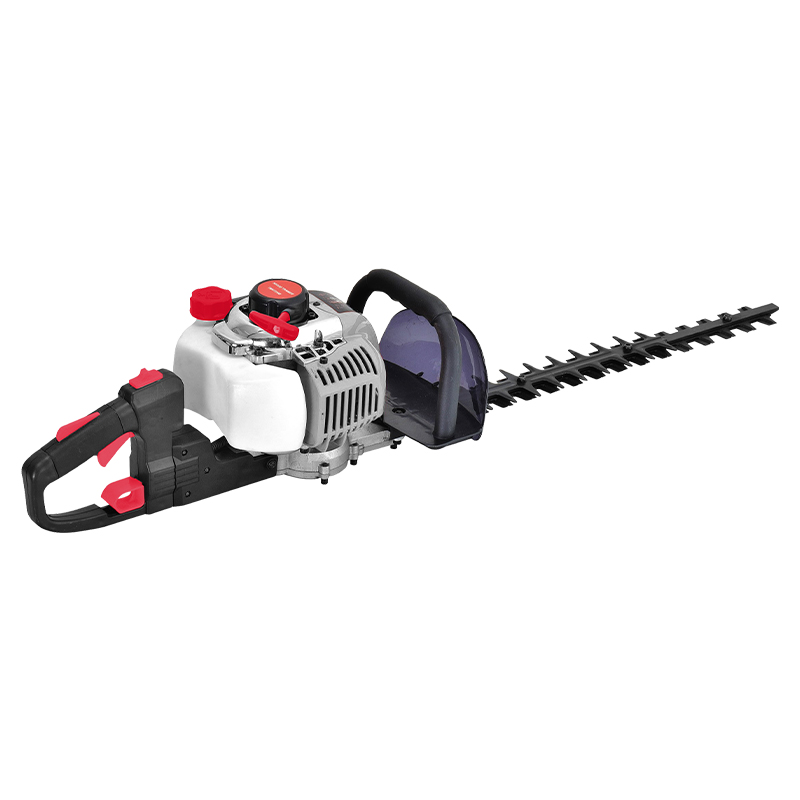 Hedge Trimmer
 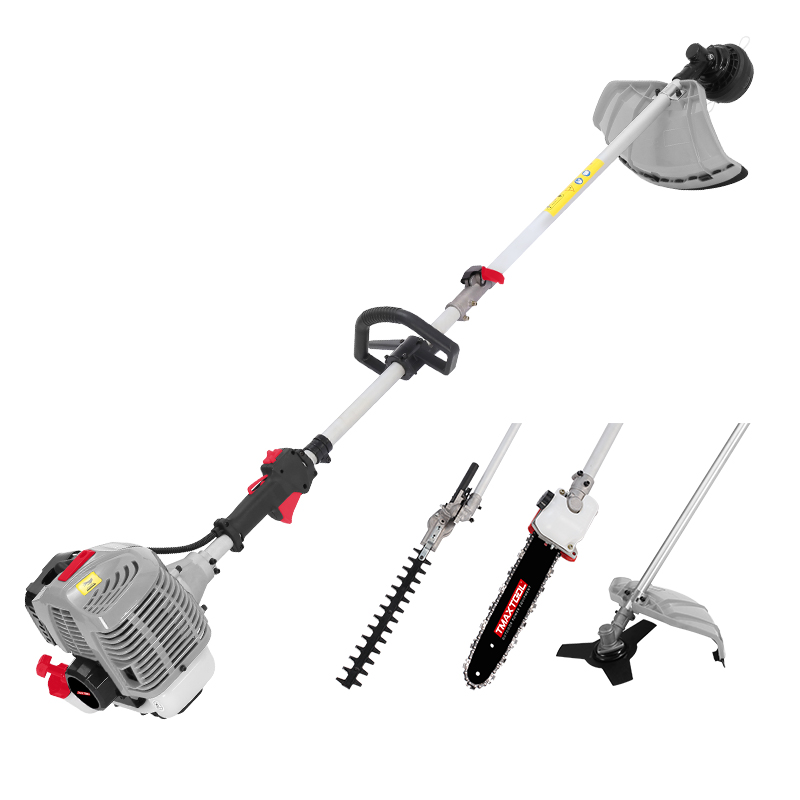 Multi Tool
 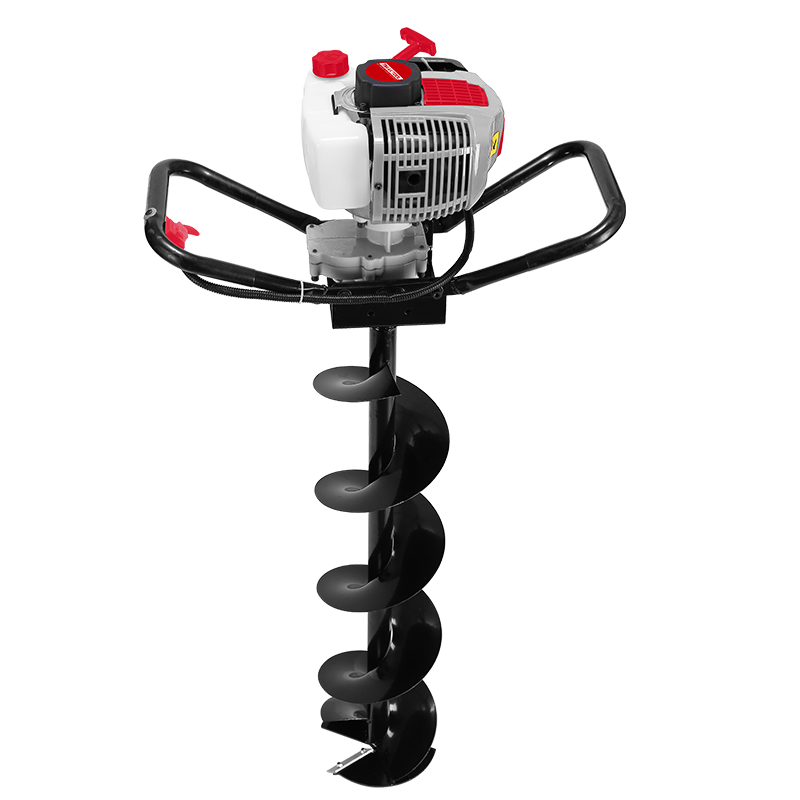 Earth Auger
 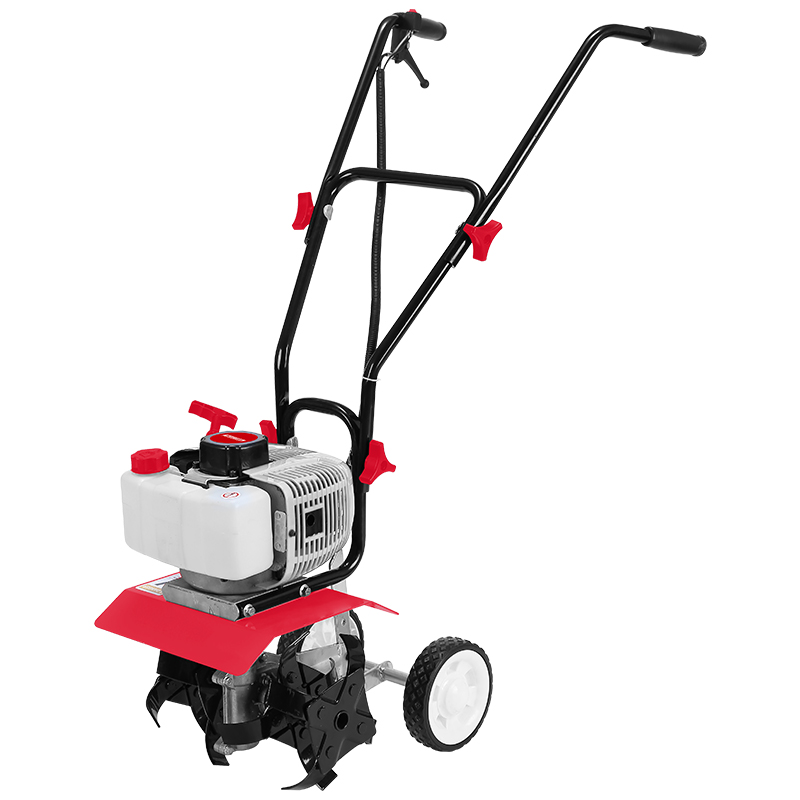 Tiller
  Blower
 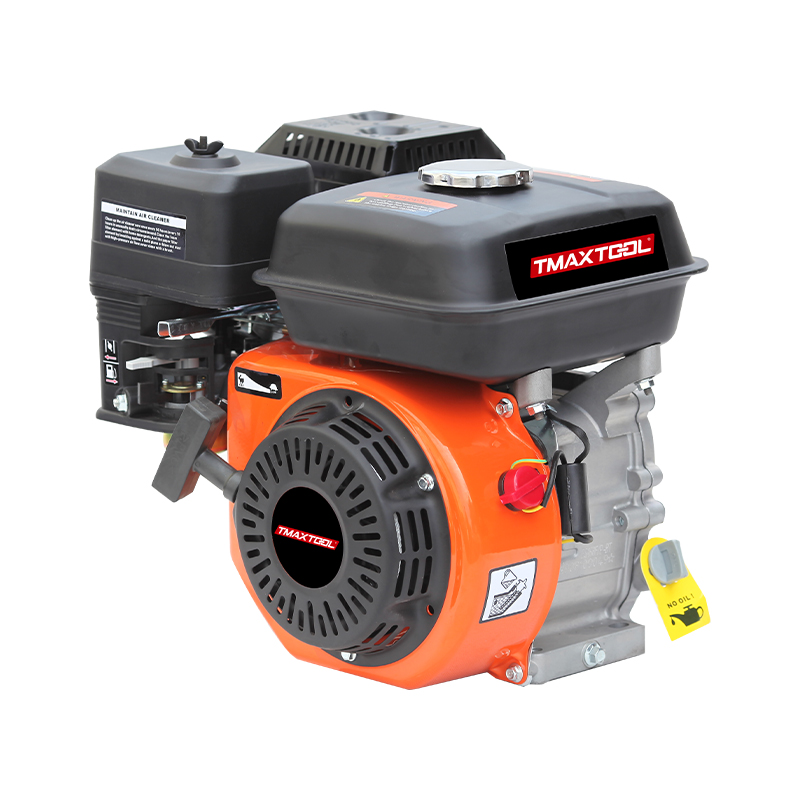 4 Stroke Gasoline Engine
 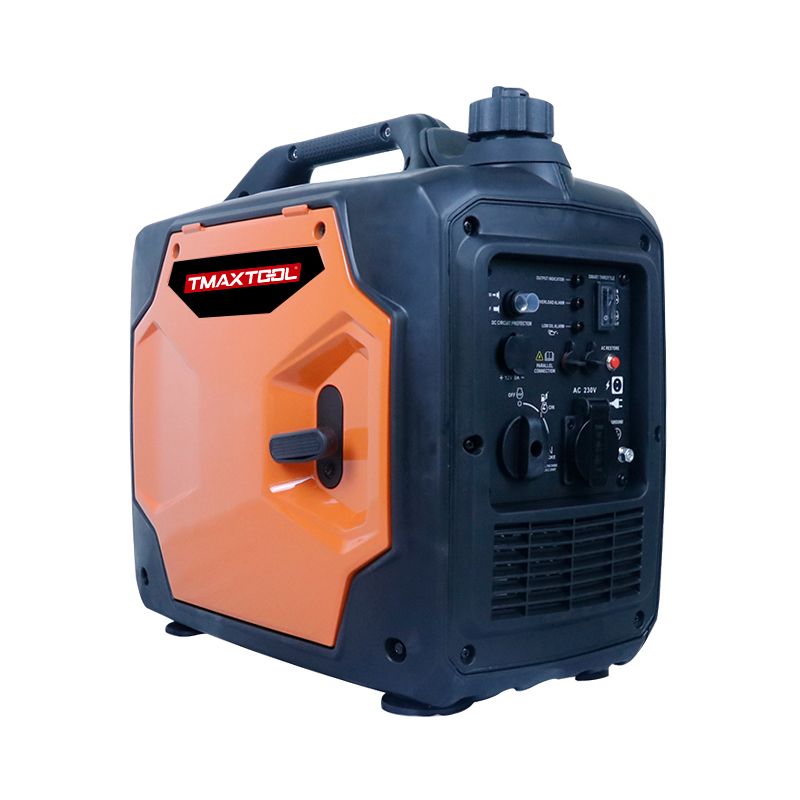 Generator
 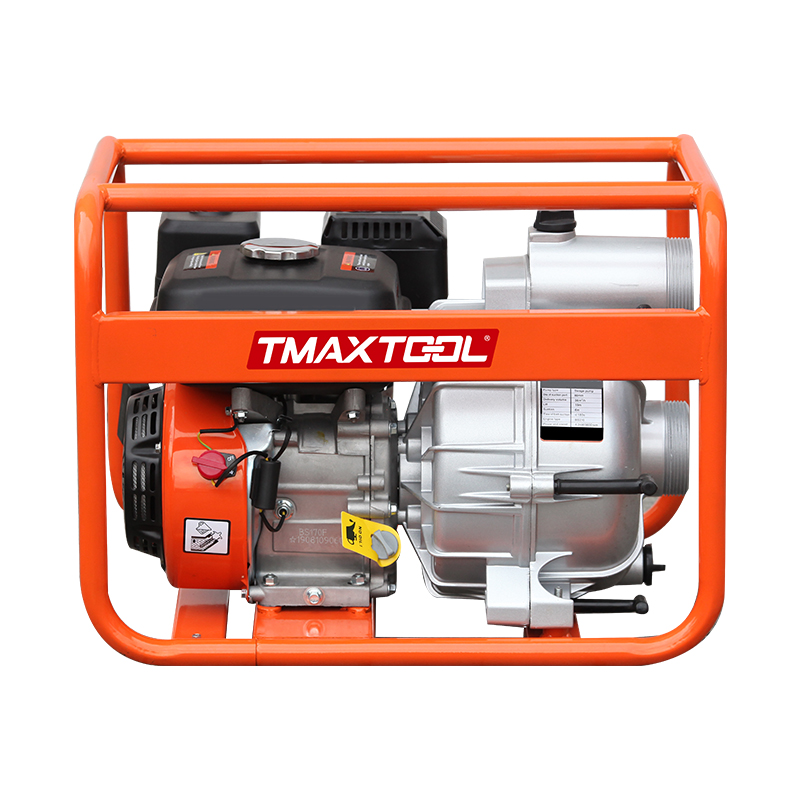 Water Pump
 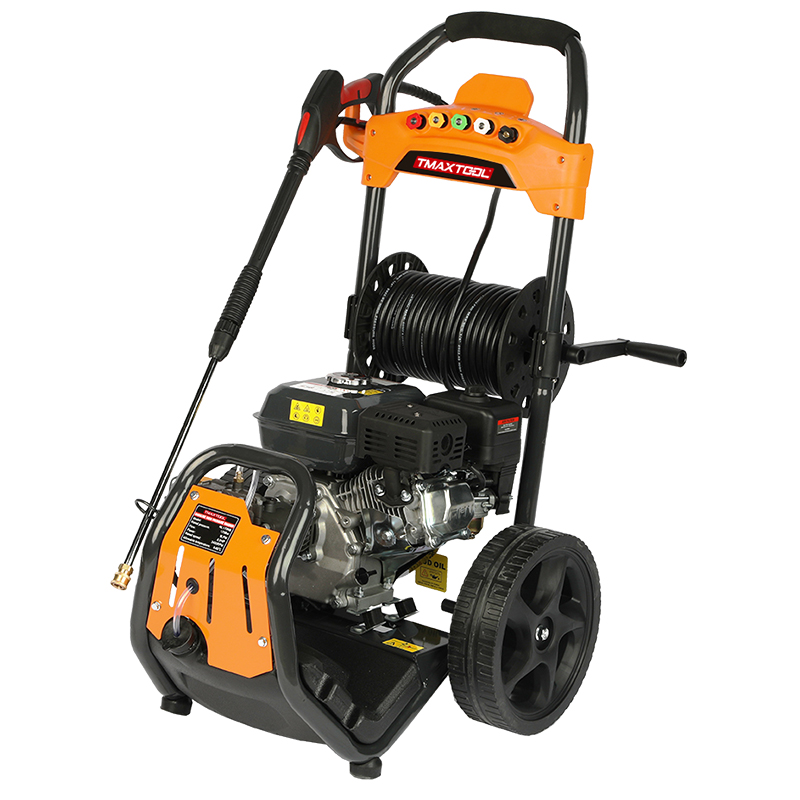 High Pressure Washer
 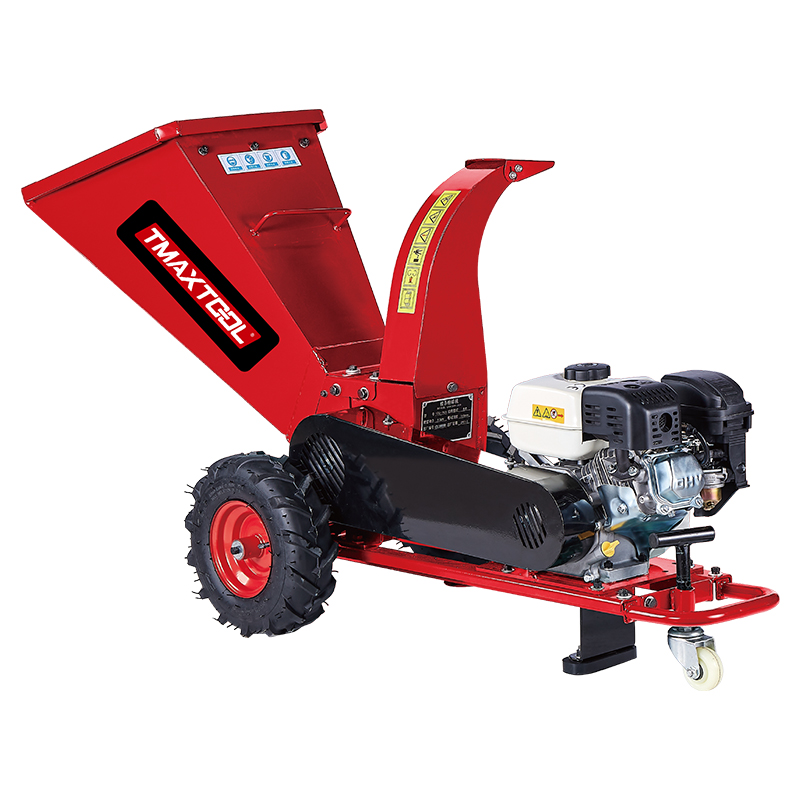 Wood Cutter
 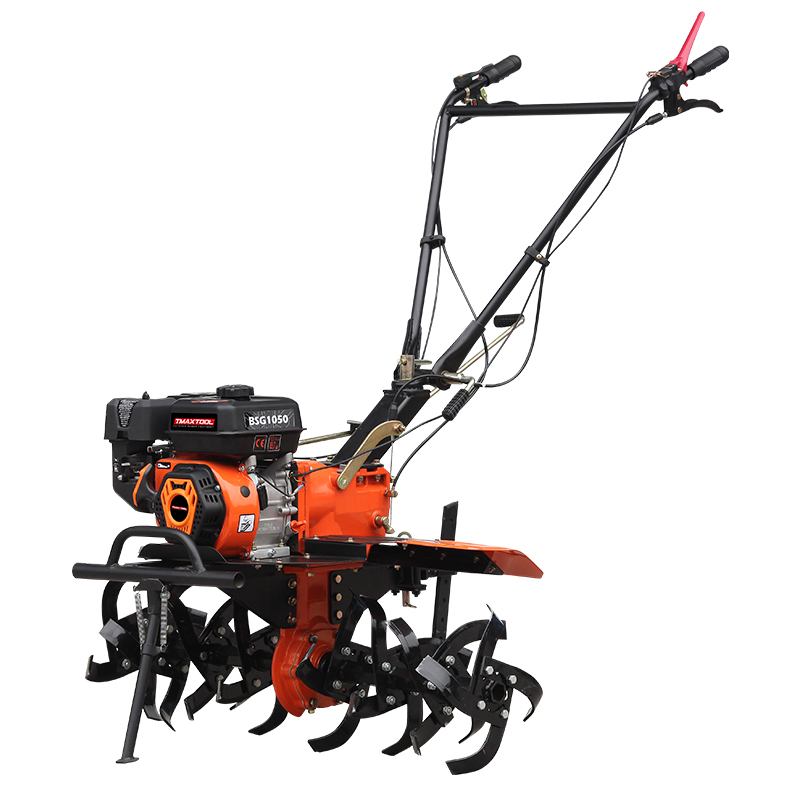 4 Stroke Tiller
  Chain Saw Accessory
  Brush Cutter Accessory
 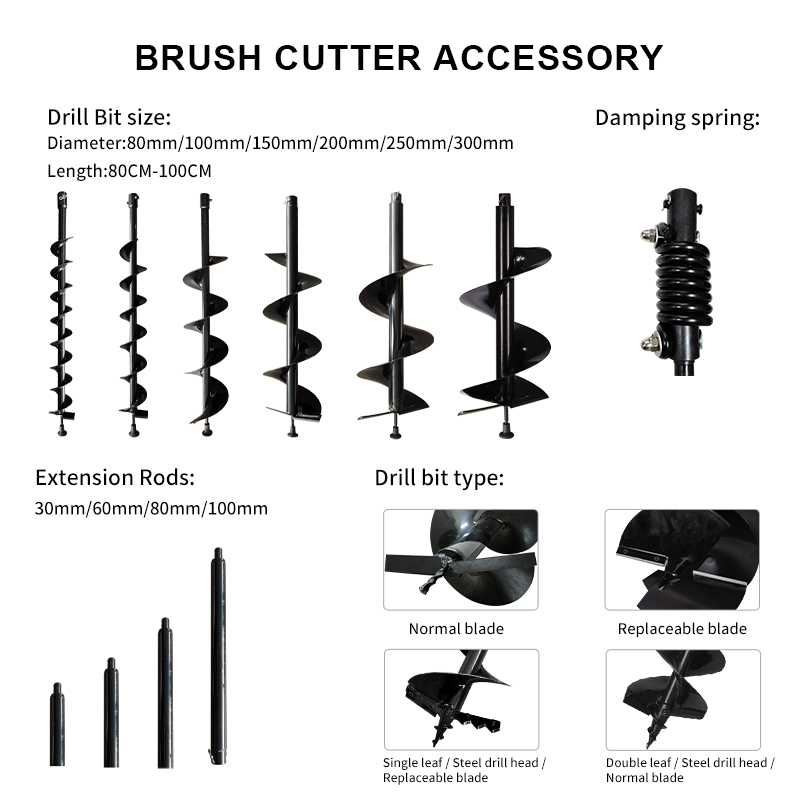 Earth Auger Accessory
  Protective Equipment Accessories
Leave Your Message


How can water pumps increase crop yields in arid areas?
In arid regions, Water Pumps have significantly increased crop yields in various ways. Here is a detailed introduction:
1. Improve irrigation efficiency
The water pump can quickly draw in water and rapidly transport it to the irrigation site, significantly improving the irrigation efficiency. Compared with traditional manual irrigation or gravity irrigation, the use of water pumps can save a great deal of time and manpower and reduce the cost of irrigation. For instance, in the "Thousand-mu, ten-thousand-ton" vegetable industrial base of Aikule Town, Aksu City, precise irrigation and nutrient supply have been achieved through the combination of water pumps, water and fertilizer integration equipment and sensors, effectively enhancing the irrigation efficiency.
2. Save water resources
By rationally designing and using water pumps, water sources can be effectively utilized and the utilization rate of water can be improved. For instance, in the micro-drip irrigation high-efficiency water-saving (fertilizer) irrigation agricultural technology project in Huili County, the green pepper demonstration base achieved a water-saving rate of 38.5% compared to traditional irrigation methods, with an average increase in production of over 30%. In addition, the drip irrigation system using water pumps can automatically adjust the intensity and frequency of sprinkler irrigation according to the water requirements of crops and the moisture of the soil, thereby achieving precise irrigation and further conserving water resources.

3. Increase crop yield and quality
Pumps can ensure that crops have an adequate water supply during dry seasons and periods of water shortage, thereby increasing the yield and quality of crops. For instance, in the vegetable industrial base of Aikule Town, Aksu City, a water pump combined with yellow sand soilless cultivation model is adopted. The water consumption for sand-cultivated tomatoes per mu is only 200 tons, and the market period can be advanced by 60 days, with the yield increasing by more than 1.5 times. In the micro-drip irrigation project in Huili County, the mango experimental demonstration plots have seen an average yield increase of over 30% compared to traditional irrigation methods. The good fruit rate has risen from around 54% to about 85%, and the average income increase per mu has reached over 620 yuan.
4. Promote sustainable agricultural development
The use of water pumps not only enhances irrigation efficiency and crop yields, but also promotes sustainable agricultural development. For instance, in the vegetable industrial base of Aikule Town, Aksu City, a water pump combined with yellow sand soilless cultivation model is adopted, which effectively avoids soil compaction and acidification. The incidence of pests and diseases is reduced by more than 15% compared with traditional greenhouses, and the use of chemical fertilizers and pesticides can be significantly reduced. In addition, the water pump, in combination with the drip irrigation system, can automatically adjust the intensity and frequency of sprinkler irrigation based on the water requirements of the crops and the moisture of the soil, thereby achieving precise irrigation and reducing the growth differences of crops caused by uneven irrigation.
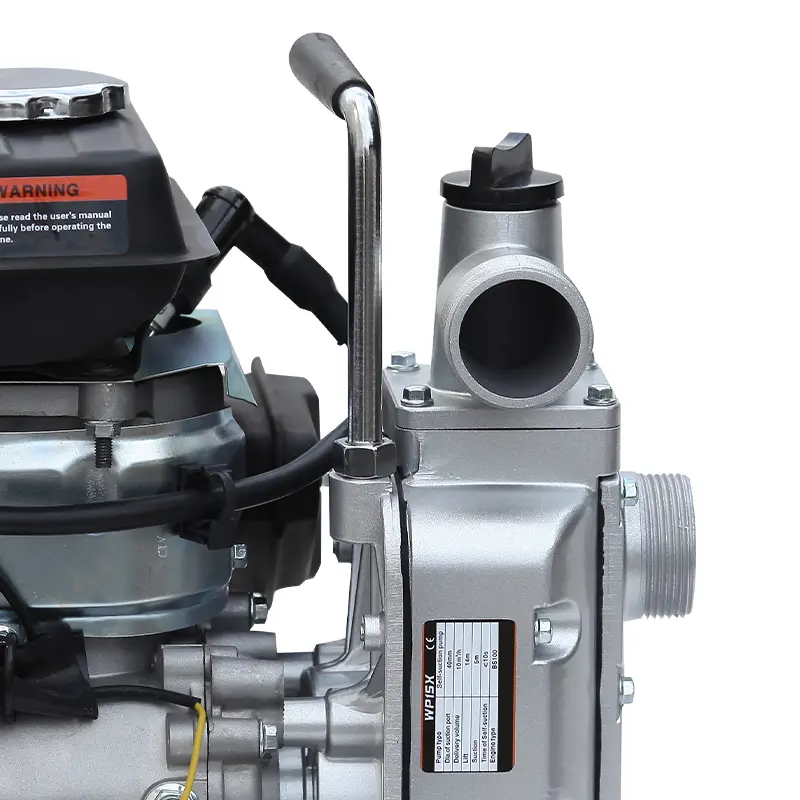
5. Improve land utilization rate
The water pump, in combination with the drip irrigation system, can evenly spray water onto the fields, ensuring that each crop receives sufficient moisture and helping to improve land utilization. For instance, in the micro-drip irrigation project in Huili County, precise irrigation was achieved through the combination of water pumps and drip irrigation systems, which enhanced land utilization and increased the comprehensive production benefits of the land by more than 35% compared to conventional planting models.
6. Adapt to different terrains and water source conditions
Pumps can be installed at different locations, such as placed on a float, to directly transport water from rivers or the sea. This enables water to be transported to farmland for irrigation even in arid areas with poor water source conditions through pumps. In addition, water pumps can also be used in conjunction with high-level water tanks or pressure-increasing equipment to meet the irrigation needs of different terrains and regions.
In conclusion, pumps have significantly increased crop yields in arid regions by enhancing irrigation efficiency, conserving water resources, boosting crop yields and quality, promoting sustainable agricultural development, improving land utilization, and adapting to various terrains and water source conditions. These advantages make water pumps indispensable important tools in agricultural production in arid areas.