
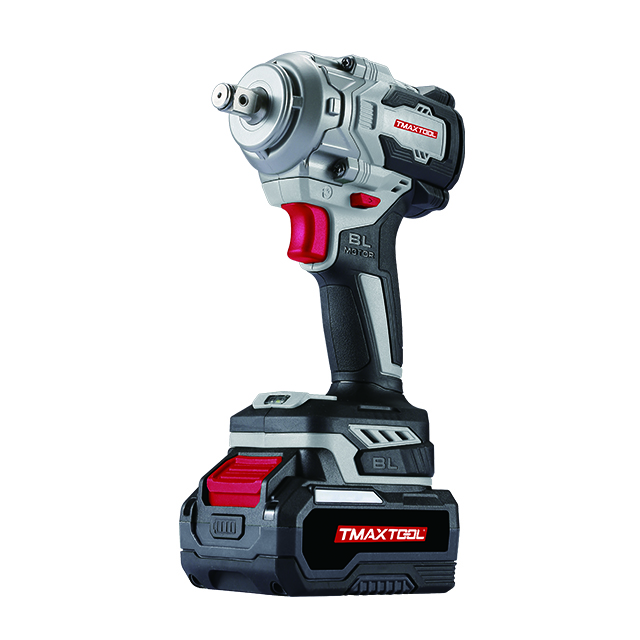
 Impact Wrench
 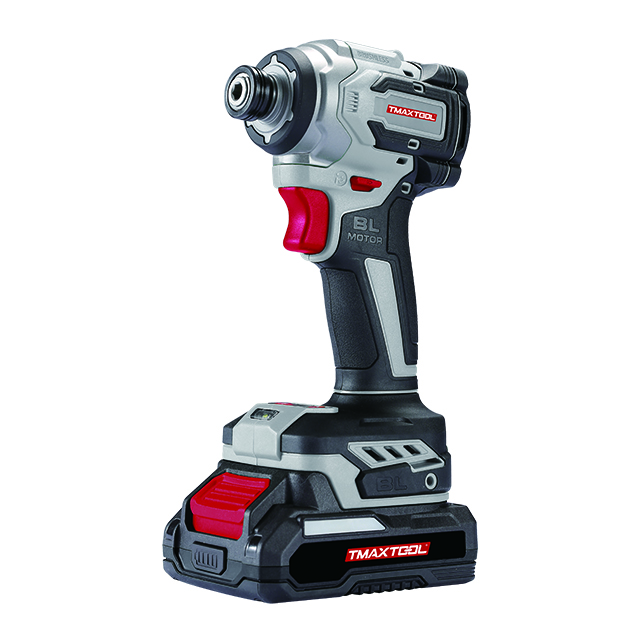 Screwdriver
 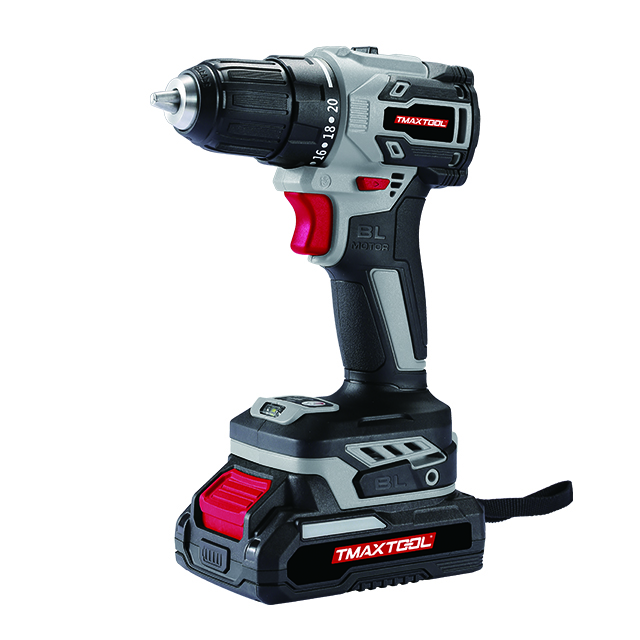 Cordless Drill
 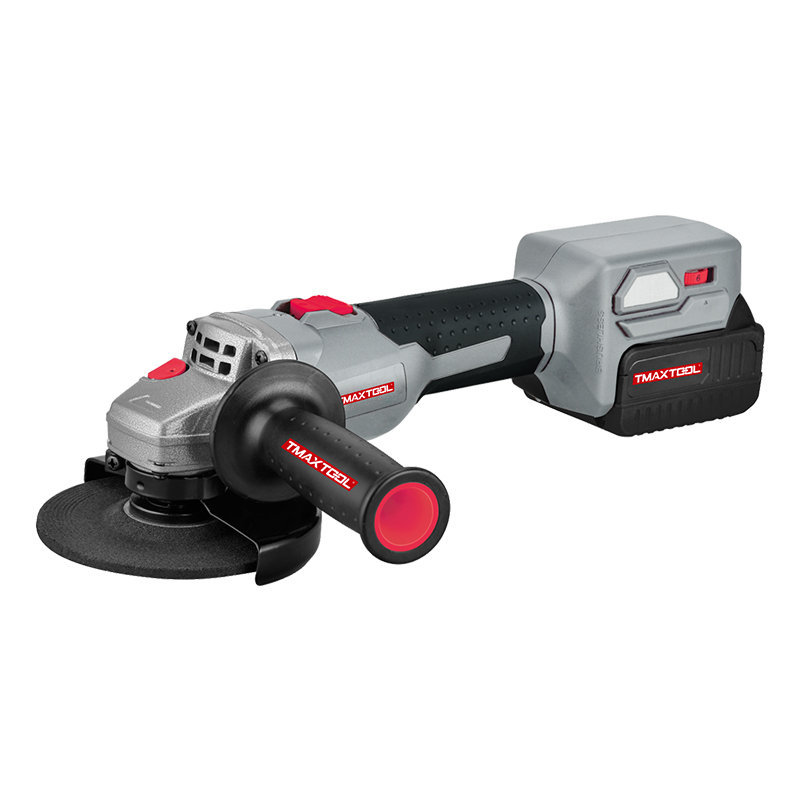 Angle Grinder
 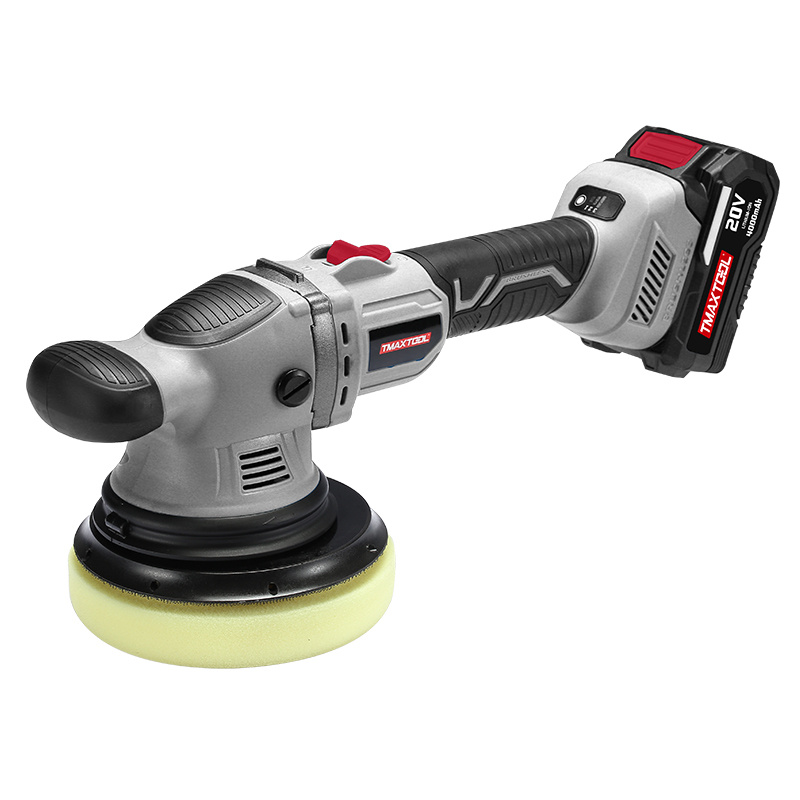 Polisher
 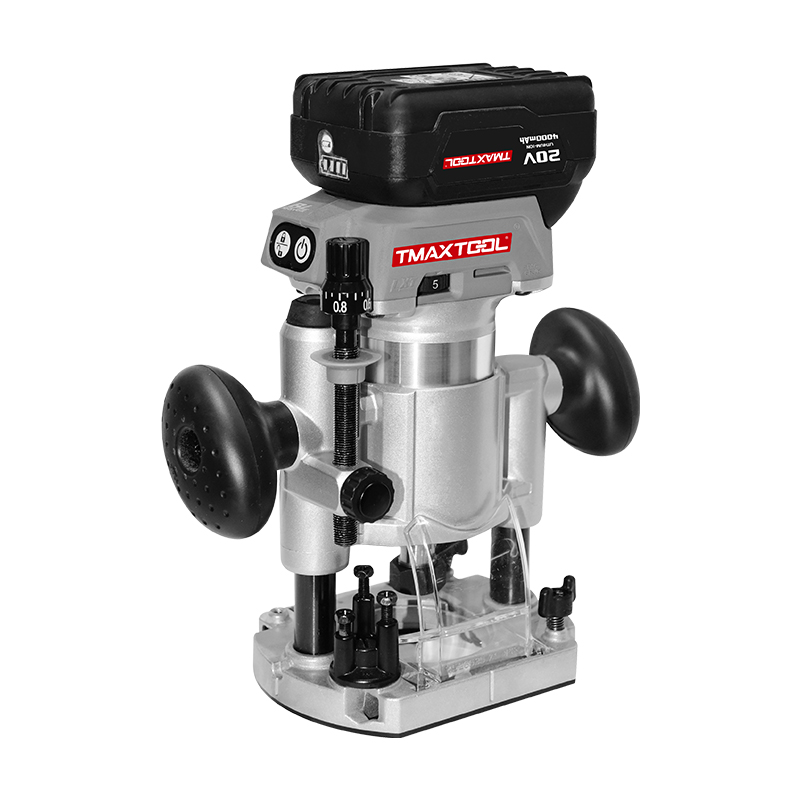 Wood Router
 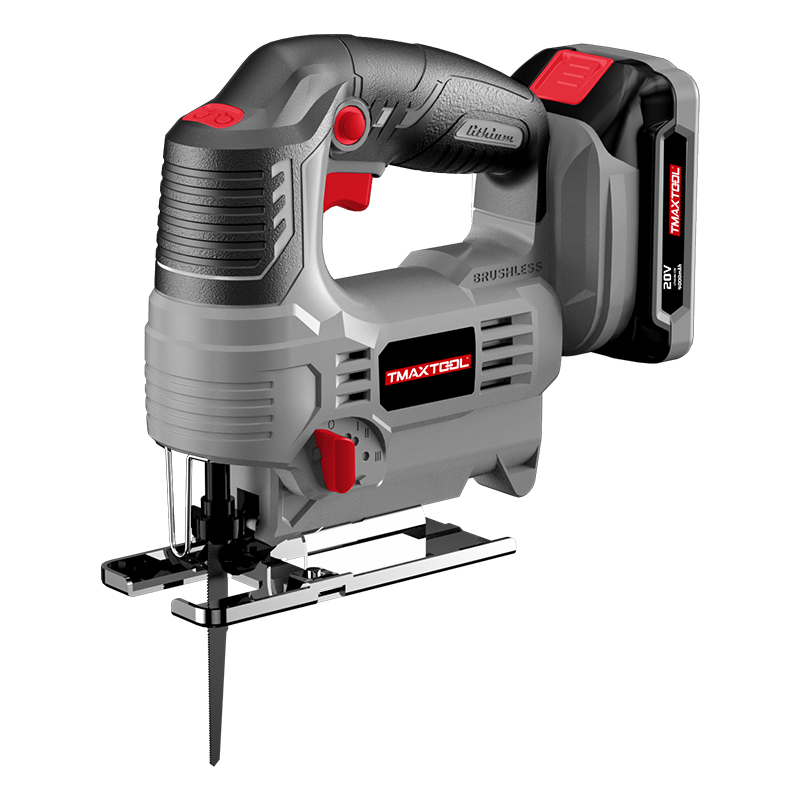 Jig Saw
 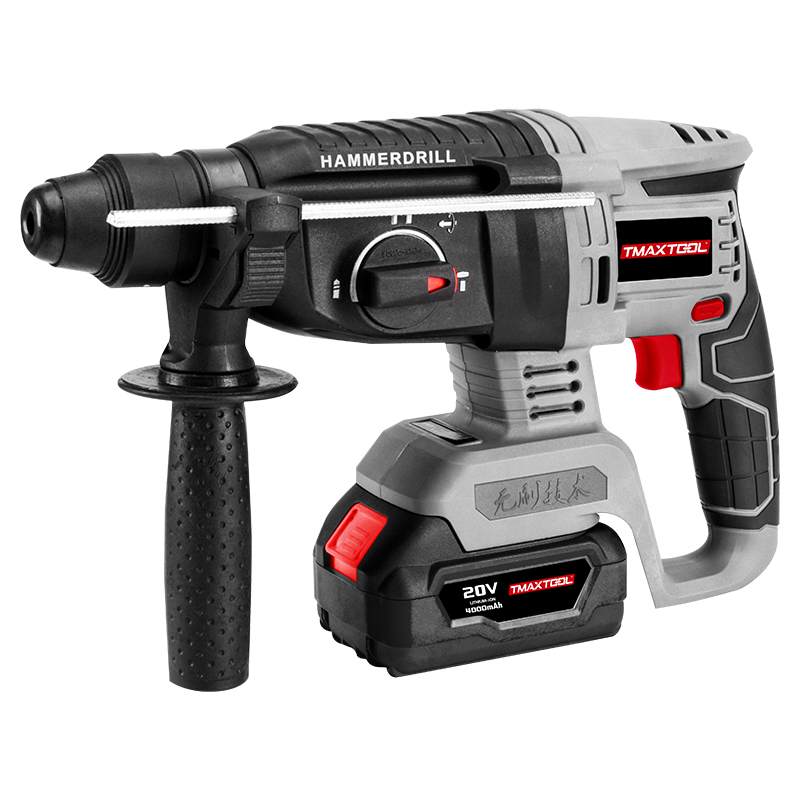 Hammer Drill
 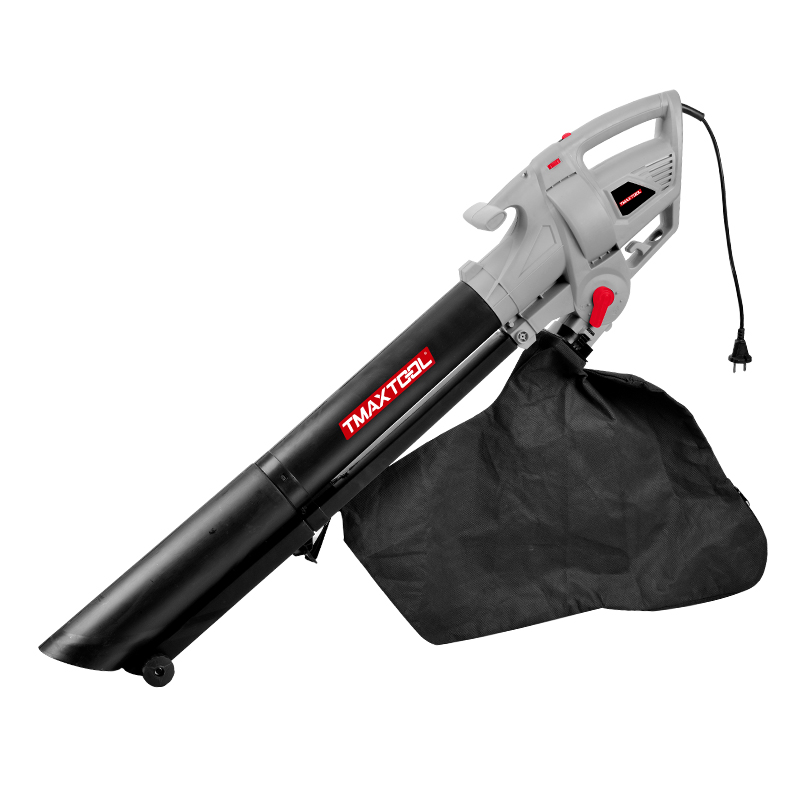 Portable Blower
 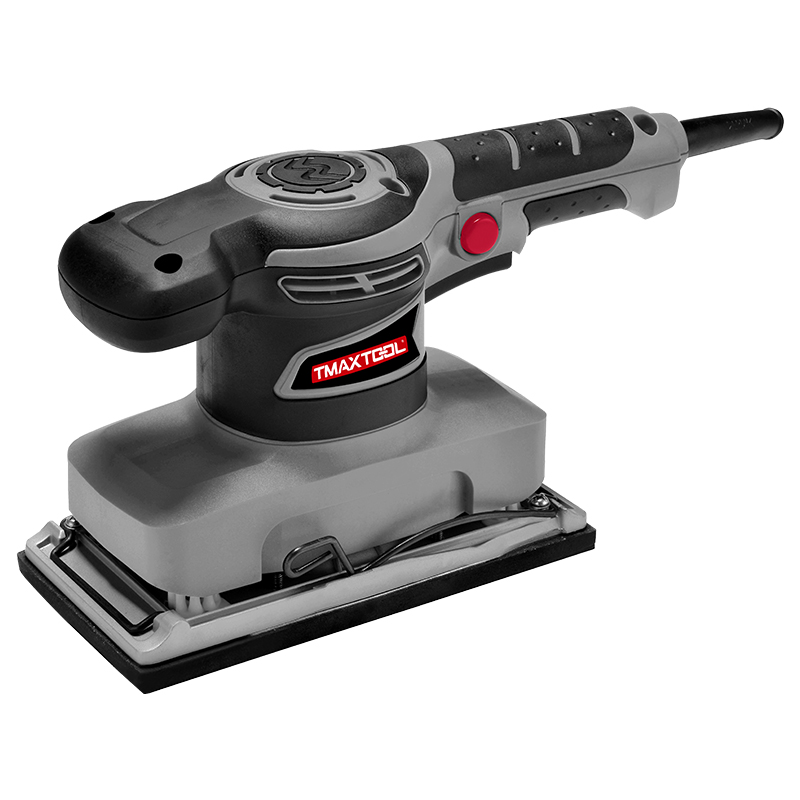 Orbital Sander
 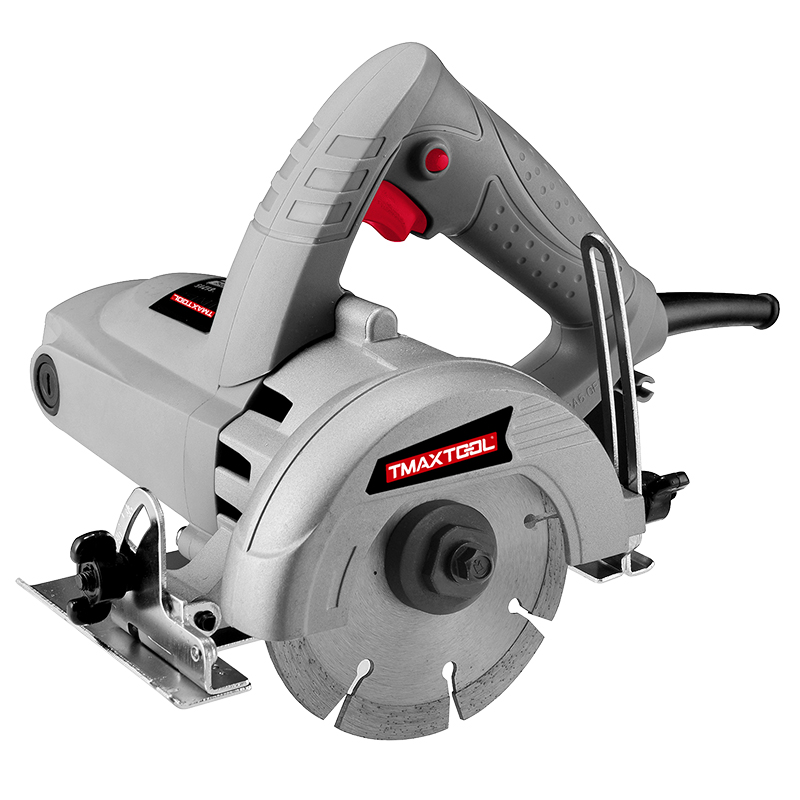 Marble Cutter
  GARDEN TOOLS
 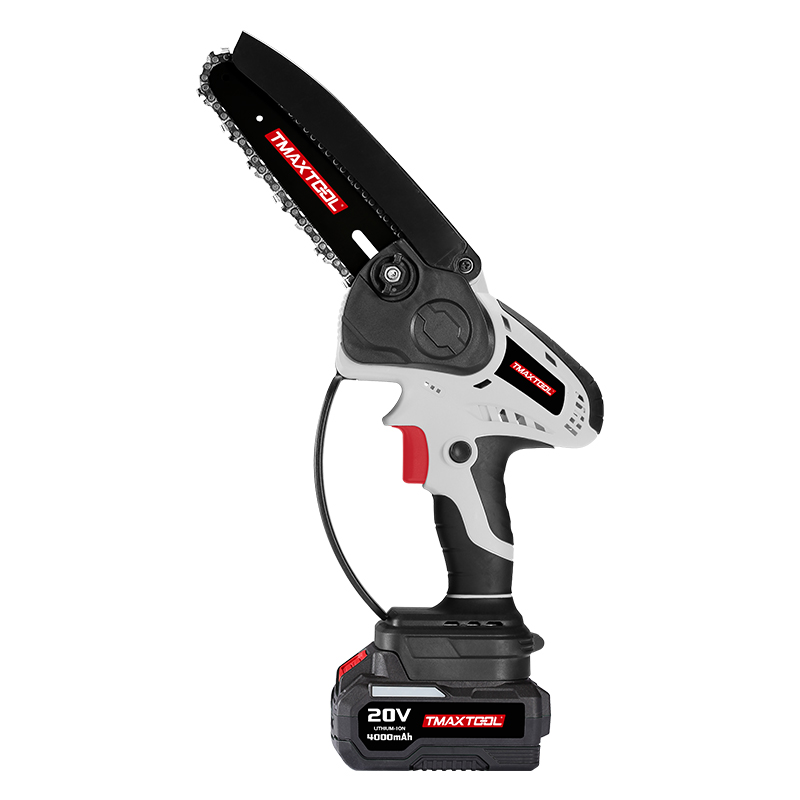 Battery Chain Saw
 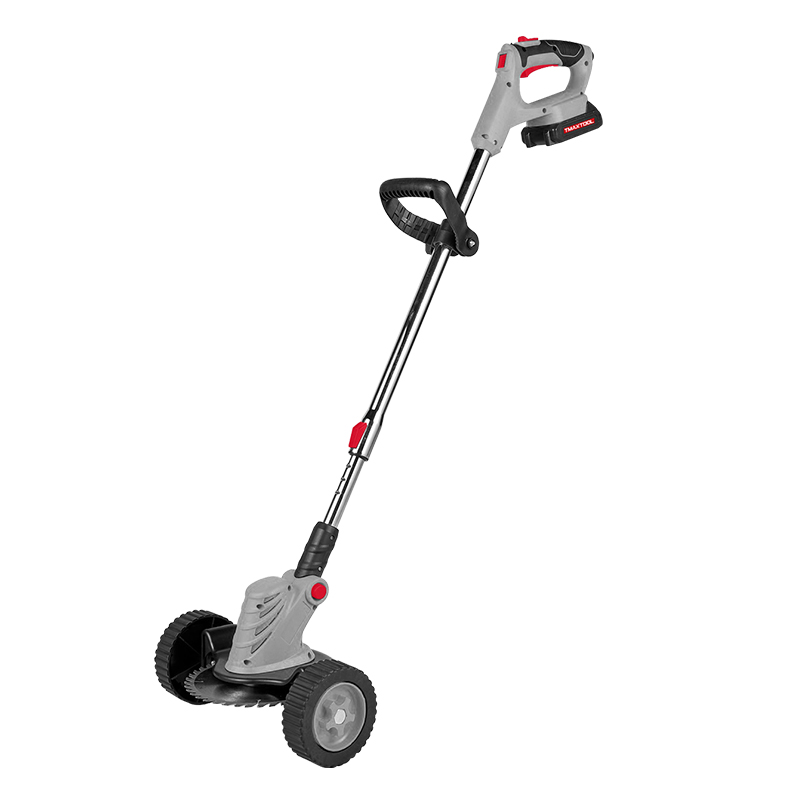 Battery Brush Cutter
 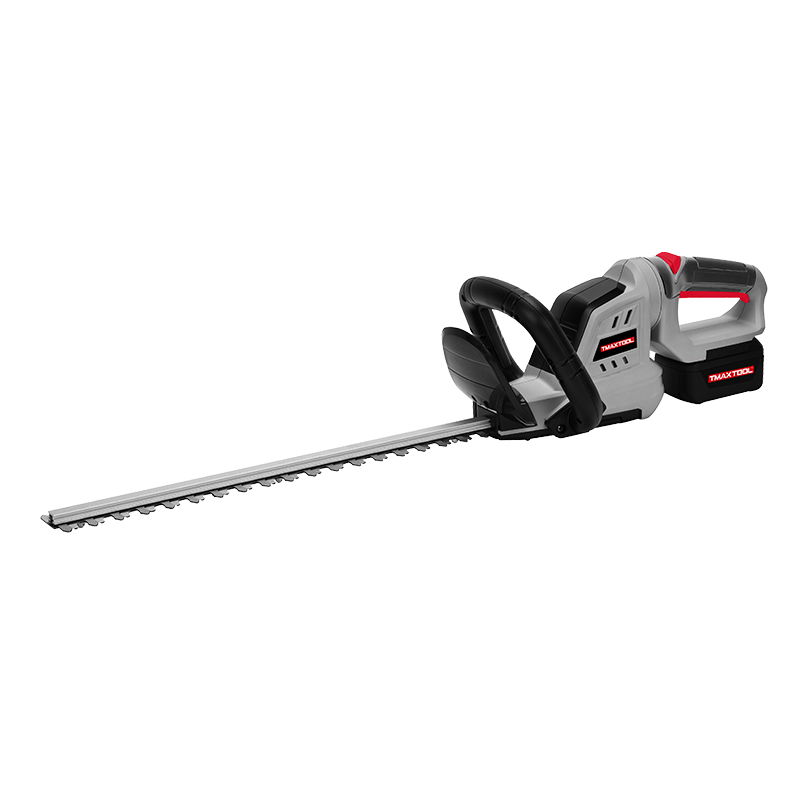 Battery Hedge Trimmer
 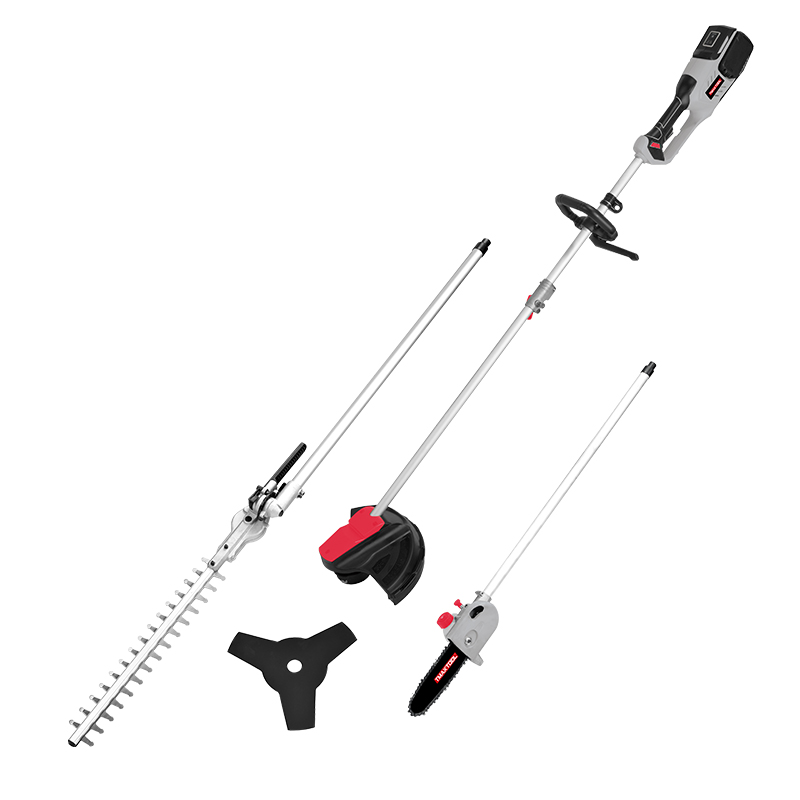 Battery Multi Tool
 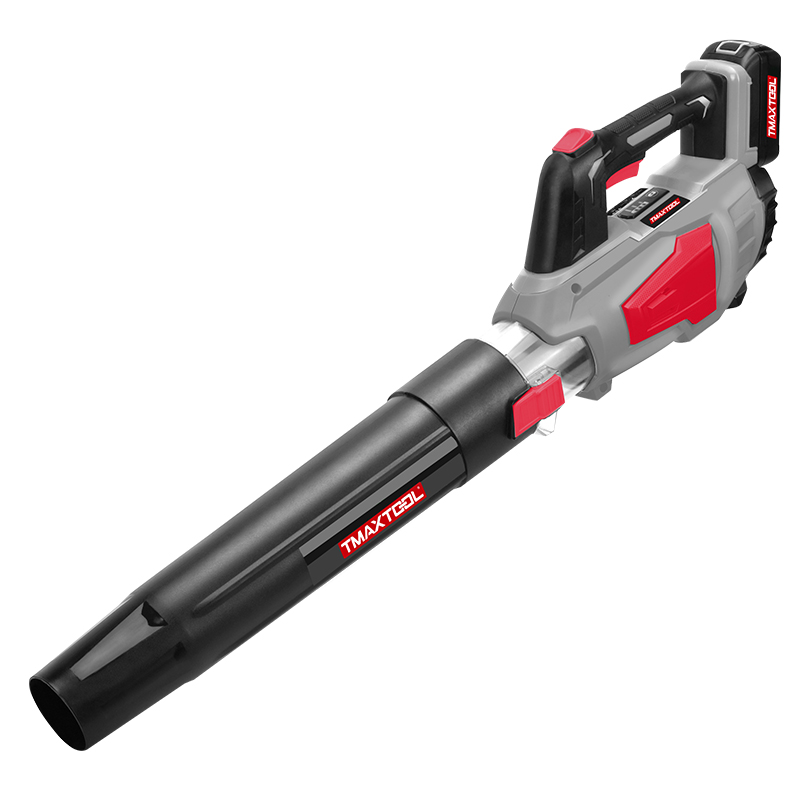 Battery Blower
 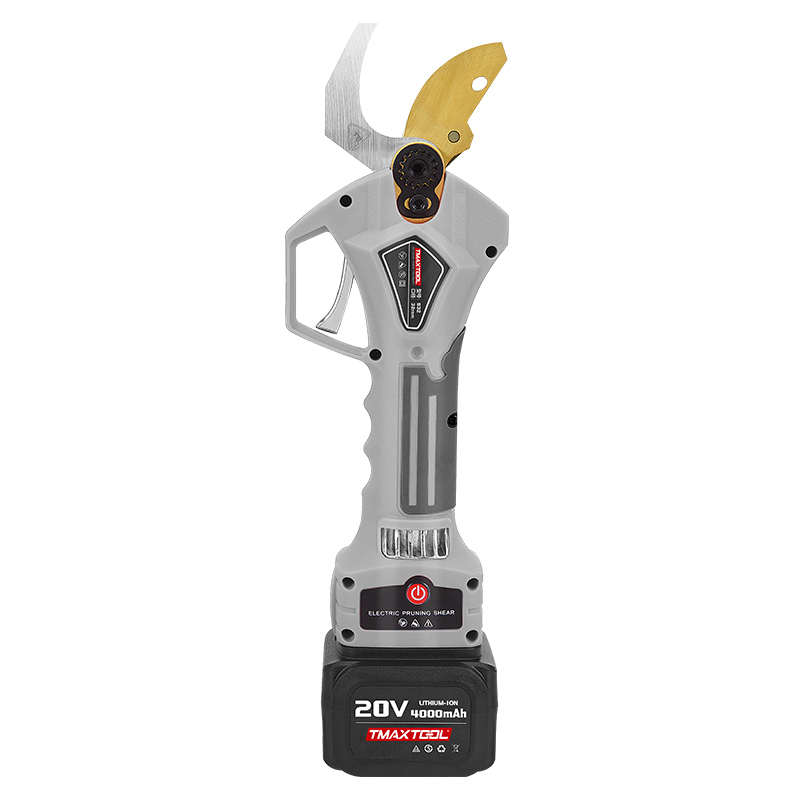 Batter Pruning Shears
 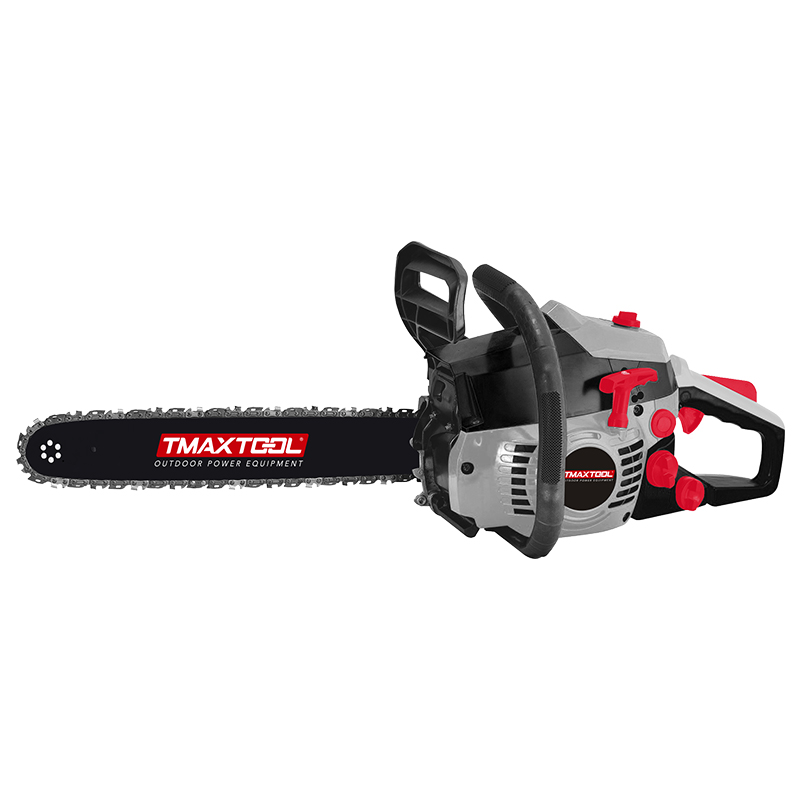 Chain Saw
 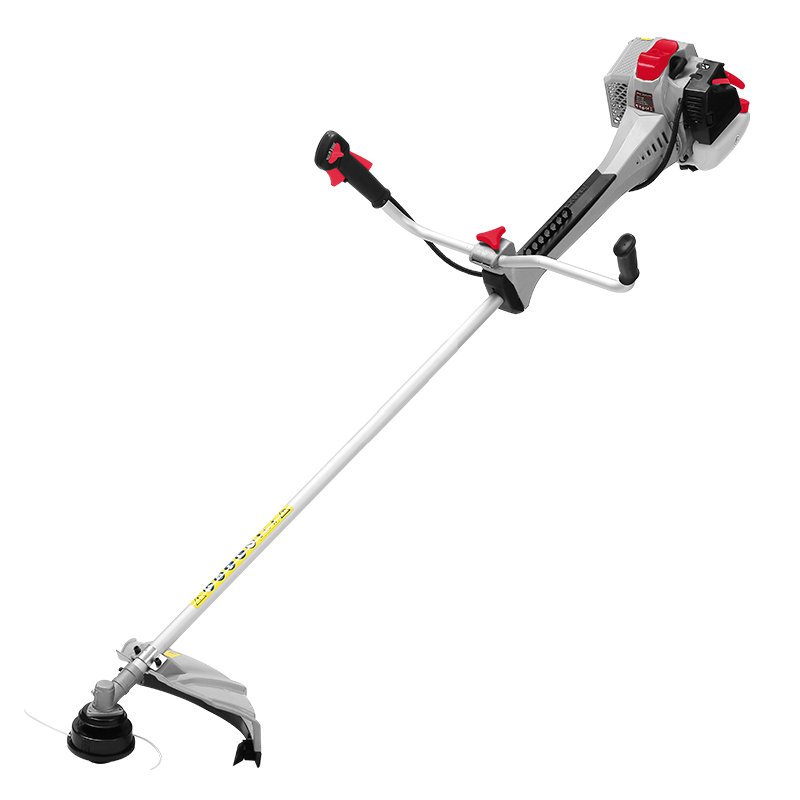 Brush Cutter
 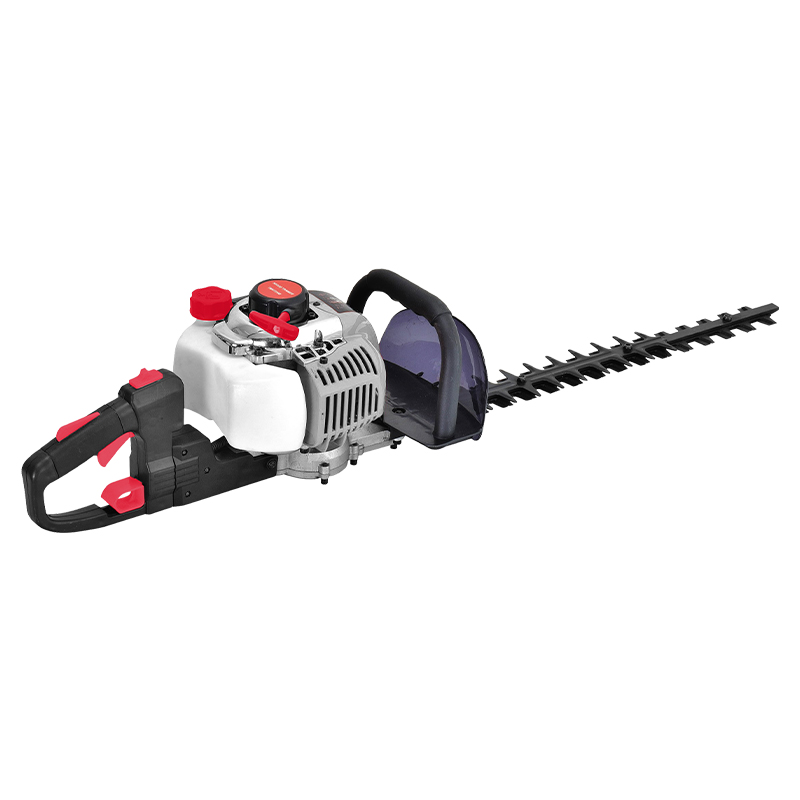 Hedge Trimmer
 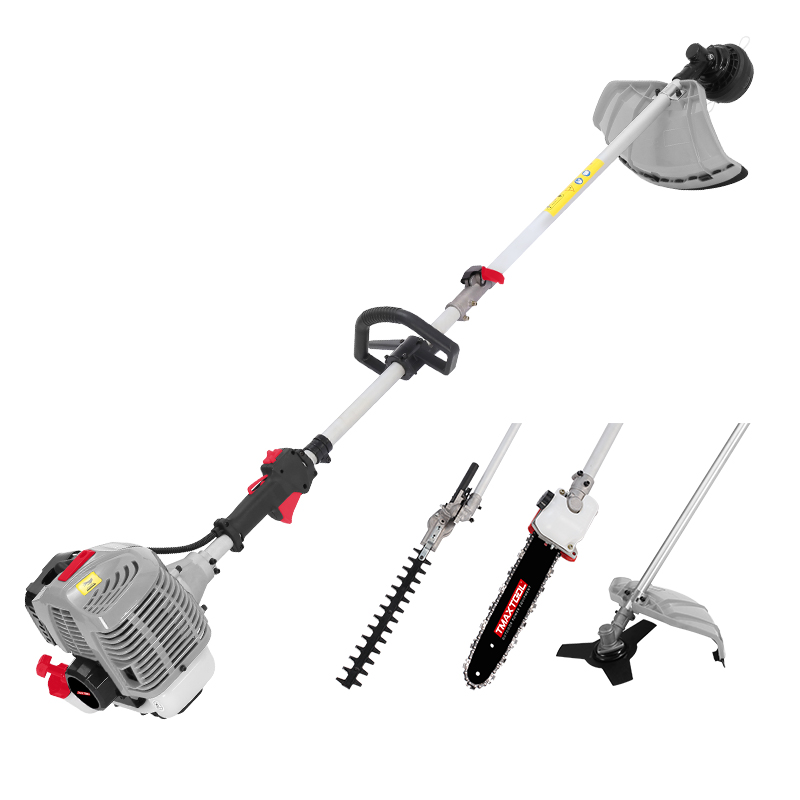 Multi Tool
 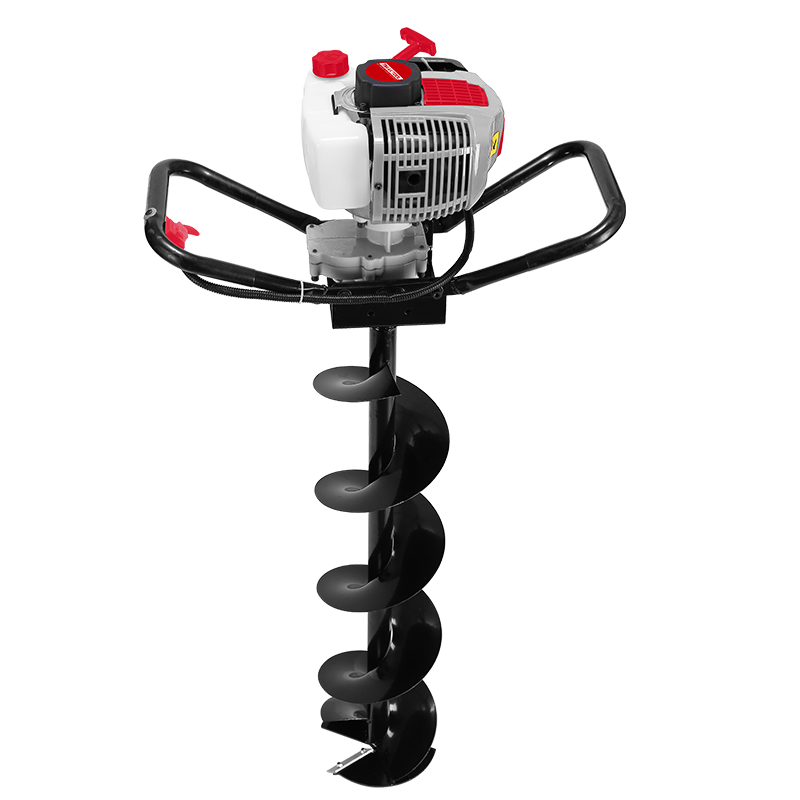 Earth Auger
 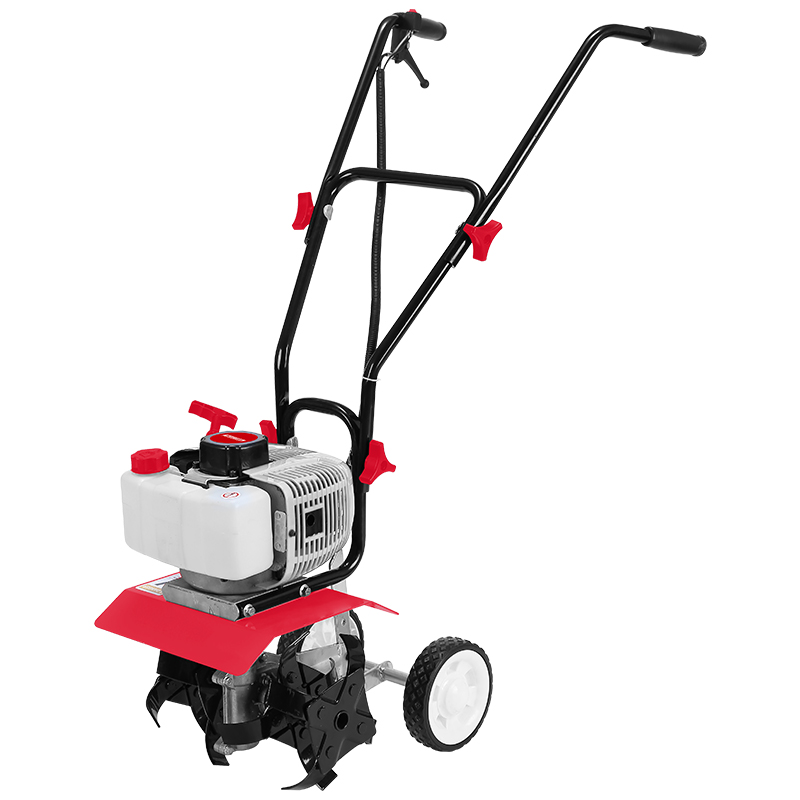 Tiller
 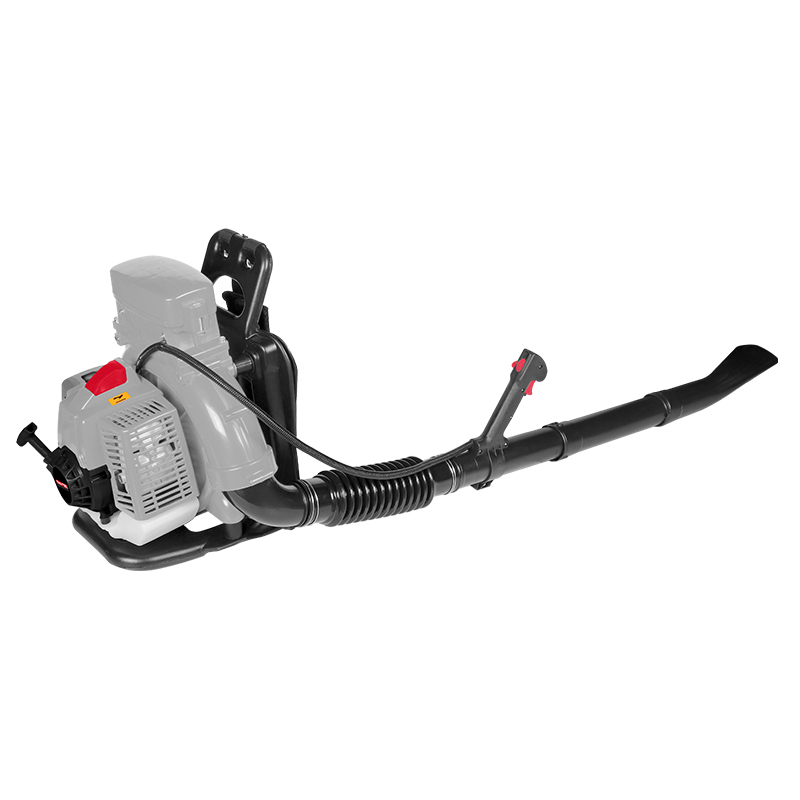 Blower
 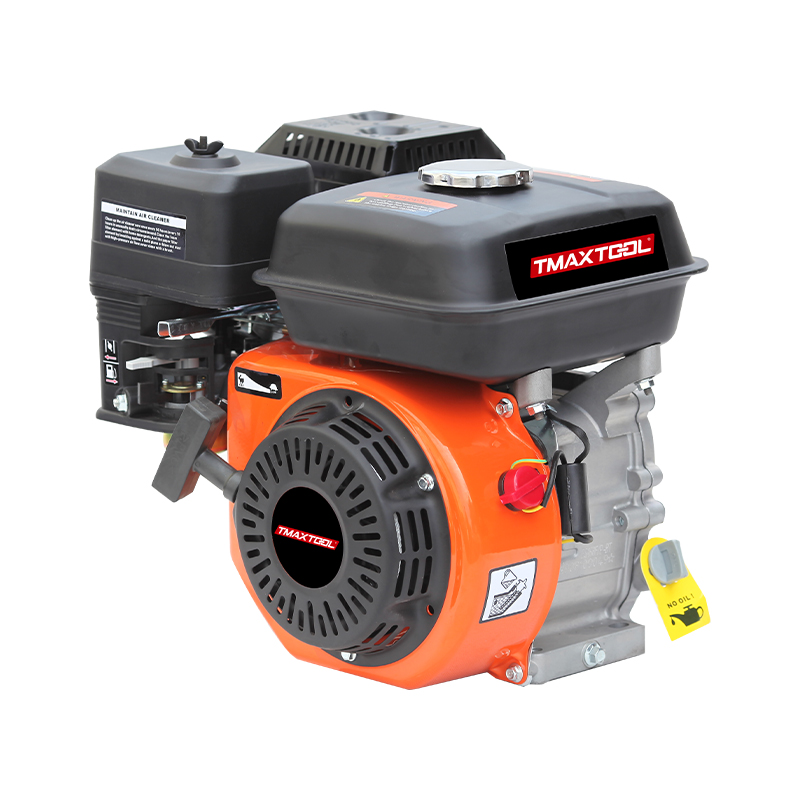 4 Stroke Gasoline Engine
 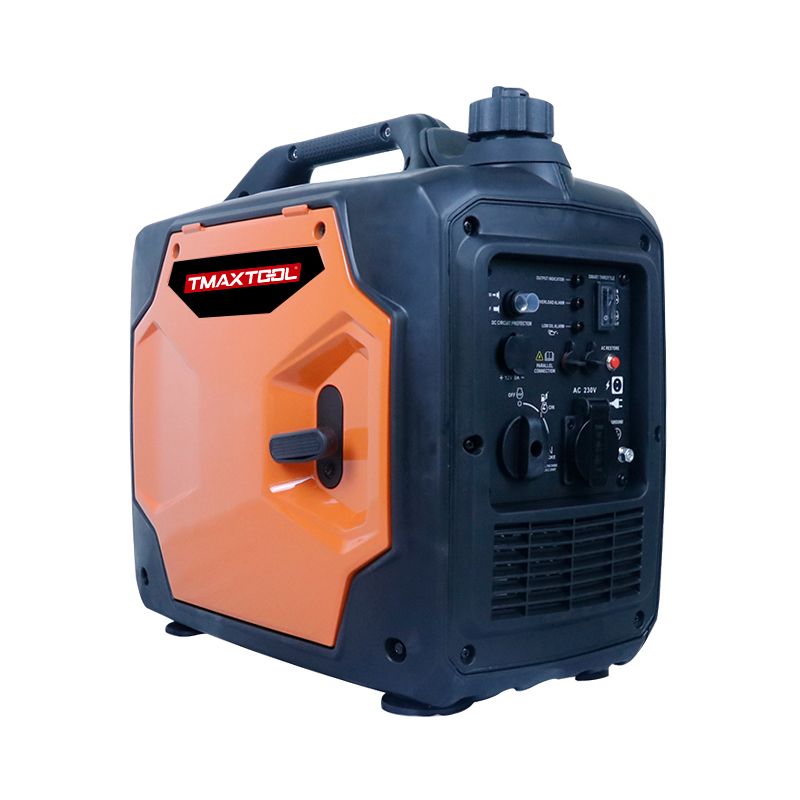 Generator
 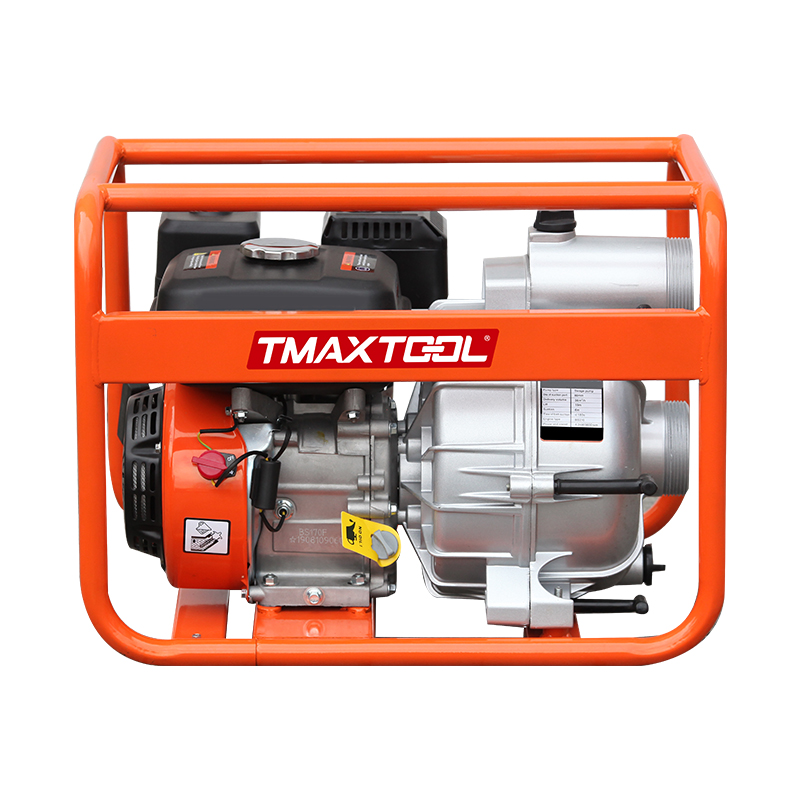 Water Pump
 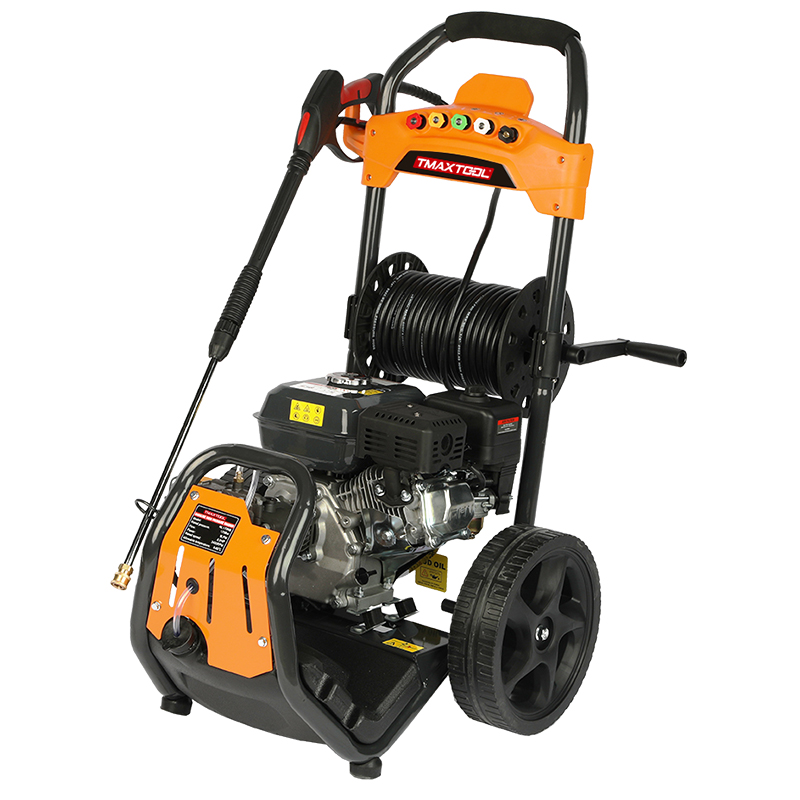 High Pressure Washer
 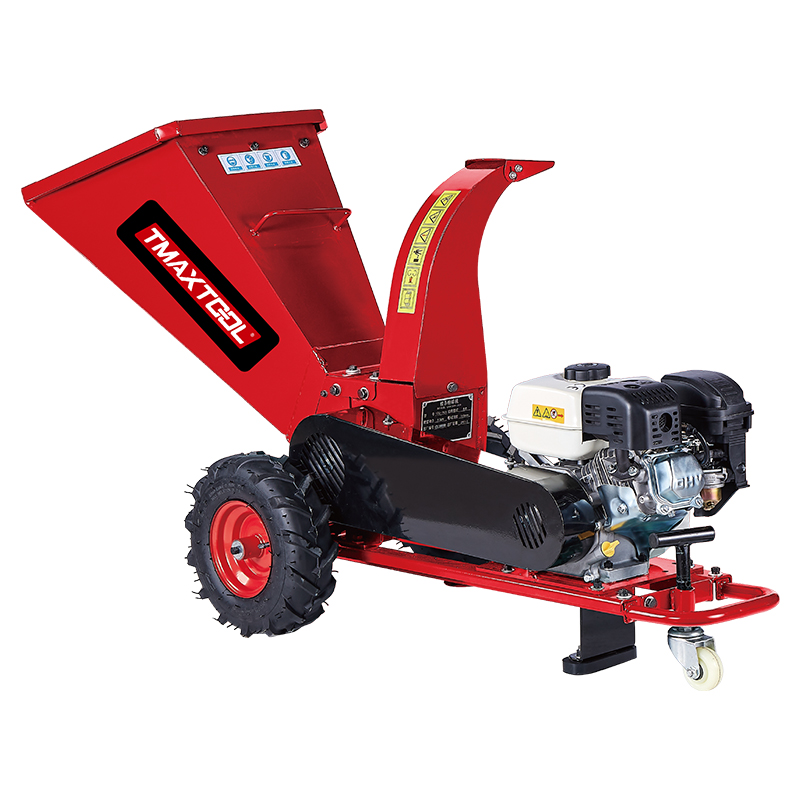 Wood Cutter
 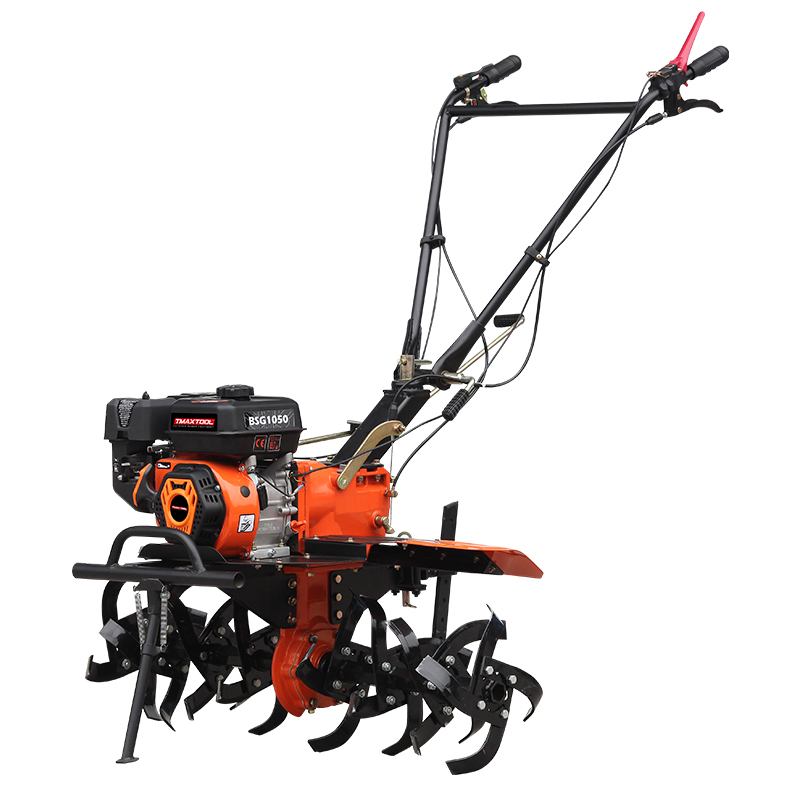 4 Stroke Tiller
 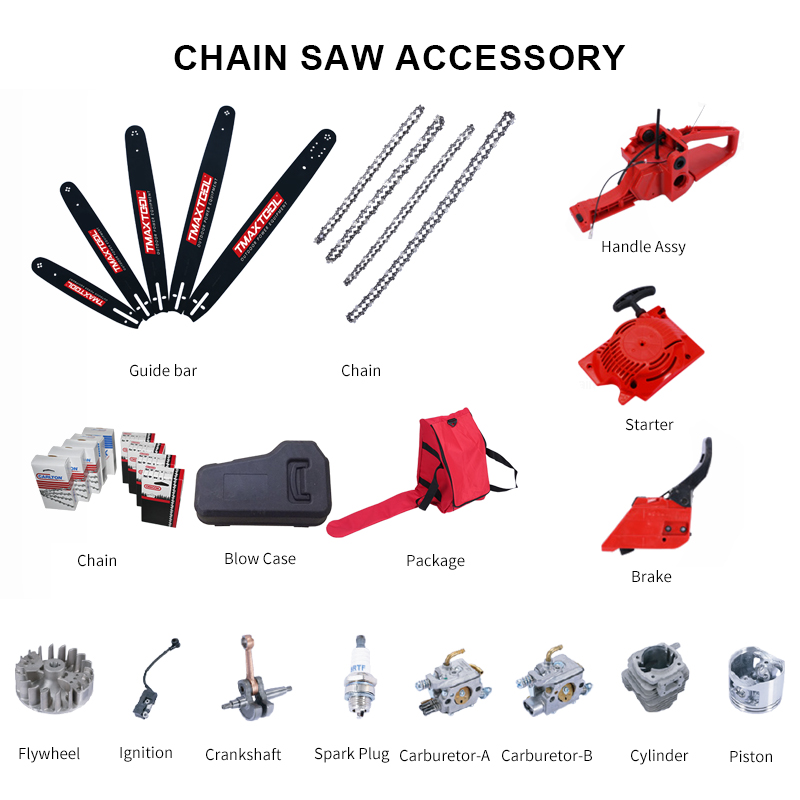 Chain Saw Accessory
 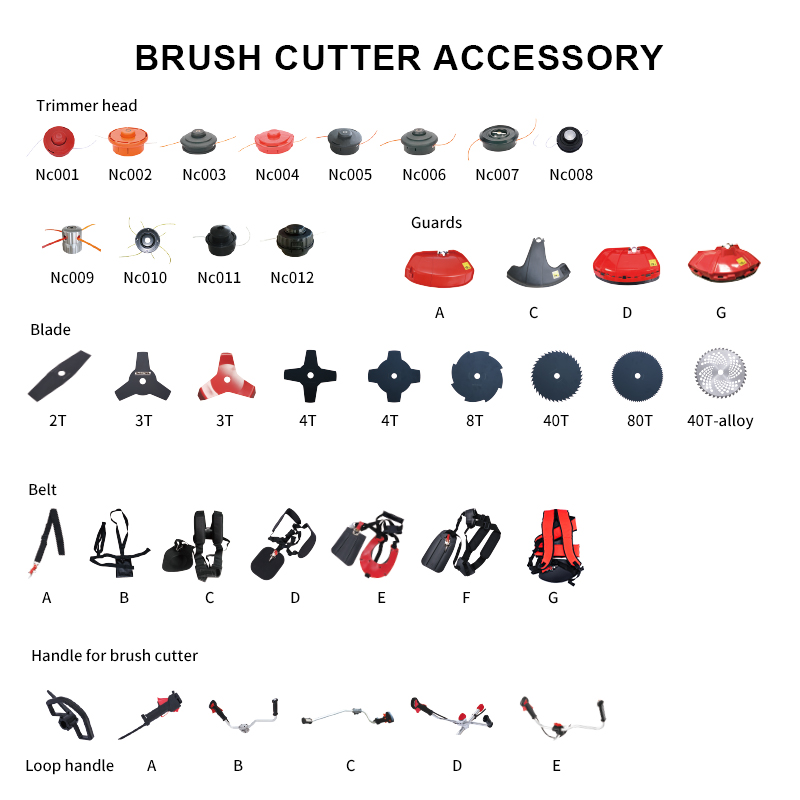 Brush Cutter Accessory
 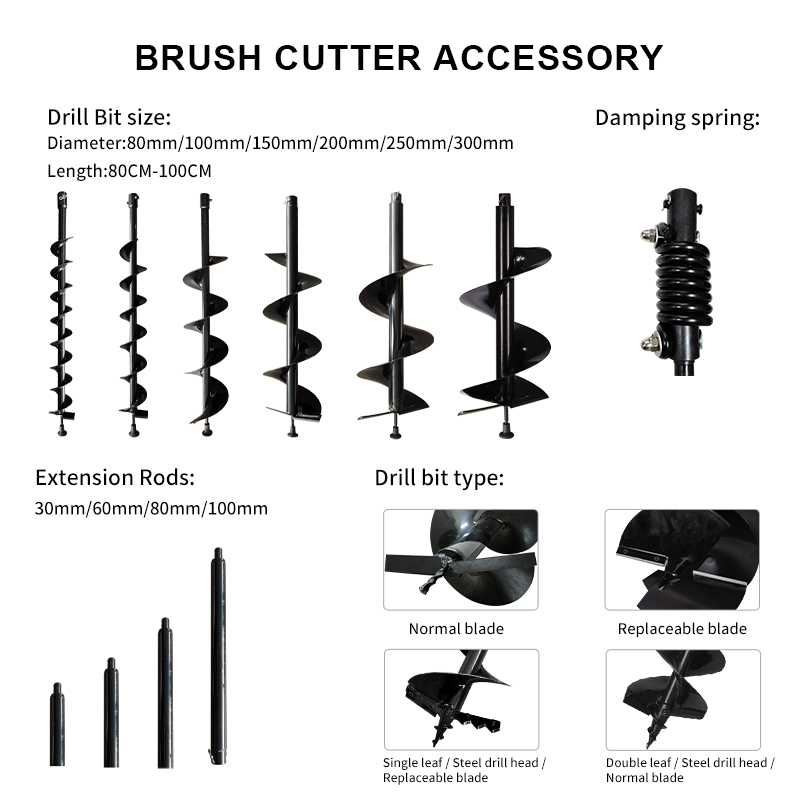 Earth Auger Accessory
  Protective Equipment Accessories
Leave Your Message


How to adjust the valve of a gasoline brush cutter
Maintaining your gasoline lawn moweris essential to ensure its longevity and optimal performance. One of the key maintenance tasks that is often overlooked is valve adjustment. Proper valve adjustment can improve engine performance, increase fuel efficiency, and extend the life of your lawn mower. In this comprehensive guide, we’ll explore the importance of valve adjustment, the tools you need, step-by-step instructions, and tips for maintaining your lawn mower.

Table of contents
- Understand the basics of lawn mower valves
- 1.1 What is a valve?
- 1.2 Role of valves in engine performance
- 1.3 Symptoms of valve misalignment
- Tools and Materials Required
- 2.1 Basic tools
- 2.2 Safety equipment
- 2.3 Additional materials
- Preparing the lawnmower for valve adjustment
- 3.1 Safety precautions
- 3.2 Cleaning the lawn mower
- 3.3 Positioning the engine
- Step-by-step guide to adjusting your valve
- 4.1 Remove the engine cover
- 4.2 Valve positioning
- 4.3 Check valve clearance
- 4.4 Adjusting the valve
- 4.5 Reassembly of the lawn mower
- Check after adjustment
- 5.1 Test the lawn mower
- 5.2 Monitoring performance
- Common Mistakes to Avoid
- 6.1 Valve is over-tightened
- 6.2 Ignore manufacturer specifications
- 6.3 Neglecting regular maintenance
- Conclusion
- 7.1 Summary of key points
- 7.2 Encouragement of regular maintenance
1. Understand the basics of lawn mower valves
1.1 What is a valve?
In Gasoline Engines, valves are mechanical components that control the entry of air and fuel into the combustion chamber and the exhaust gases out of the combustion chamber. There are generally two types of valves in a four-stroke engine: intake valves and exhaust valves. The intake valve allows the air-fuel mixture to enter the combustion chamber, while the exhaust valve allows the burned gases to exit.
1.2 The role of valves in engine performance
Properly working valves are critical to engine performance. If the valve is not adjusted correctly, it can cause several problems, including:
- Power Reduction: If the valves do not open and close at the correct time, the engine may not produce enough power.
- Poor Fuel Efficiency: Valve misalignment can cause incomplete combustion, resulting in wasted fuel.
- Increased Emissions: Inefficient engines produce more harmful emissions, causing environmental pollution.
- Engine Damage: In severe cases, improperly adjusted valves can cause engine damage, requiring expensive repairs.
1.3 Symptoms of valve misalignment
Before beginning the adjustment process, it is important to recognize the symptoms of valve misalignment. These may include:
- Lawn mower has difficulty starting
- Unstable idle or stalling
- Power reduction during operation
- Unusual noises coming from the engine, such as clicking or popping sounds
- Increased fuel consumption
If you notice any of these symptoms, it may be time to adjust your valve.
2. Required tools and materials
2.1 Basic tools
To adjust the valve on a gasoline lawn mower, you will need the following tools:
- Socket Kit: For removing engine cover and other parts.
- Wrench Kit: Adjust valve clearance.
- Feeler Gauge: Measures the gap between the valve and rocker arm.
- Screwdriver: Used to remove screws and secure components.
- Pliers: For grabbing and manipulating small parts.
2.2 Safety equipment
Safety should always be your top priority when working on machinery. Make sure you have the following safety gear:
- SAFETY GLASSES: Protect your eyes from debris.
- GLOVES: Protect your hands from sharp edges and hot parts.
- Dust Mask: If you work in a dusty environment.
2.3 Additional materials
You may also need some additional materials, including:
- Engine Oil: For lubrication during reassembly.
- Cleaning supplies: such as rags and engine cleaner.
- Replace Gasket: If the old gasket was damaged during disassembly.
3. Preparing the mower for valve adjustment
3.1 Safety precautions
Before starting any maintenance work, make sure the lawn mower is turned off and disconnected from all electrical sources. If your lawn mower has a battery, remove it to prevent accidental starting.
3.2 Cleaning the lawn mower
A clean workspace is essential for effective maintenance. Use a brush and compressed air to remove dirt and debris from the engine area. This will help prevent contaminants from entering the engine during the tune-up process.
3.3 Find the engine
Determine the location of the engine on the lawn mower. Most gasoline lawn mowers have either a horizontal or vertical engine mounted on the frame. Be familiar with the engine layout, including the location of valves, rocker arms, and other components.
4. Step-by-step guide to adjusting the valve
4.1 Remove the engine cover
- Disconnect Spark Plug: This will prevent accidental starting while you are working on the engine.
- Remove engine cover: Use a socket or wrench to remove the bolts holding the engine cover. Carefully remove the lid and set it aside.
4.2 Positioning valve
After removing the engine cover, locate the valve. Depending on the design of your lawn mower, you may see a rocker arm and push rod connected to the valve. Take note of their positions and how they operate.
4.3 Check valve clearance
- Rotate the Engine: Use a wrench to turn the engine’s flywheel until the piston is at the top of the stroke (top dead center, or TDC) of the cylinder you want to adjust.
- Measure Clearance: Insert a feeler gauge between the rocker arm and valve stem. Check the manufacturer’s specifications to ensure the gap measurement is correct. If the gap is too tight or too loose, it will need to be adjusted.
4.4 Adjusting the valve
- Loosen the lock nut: Use a wrench to loosen the lock nut on the rocker arm.
- Adjust Gap: Turn the adjustment screw to achieve the correct gap. Be careful not to overtighten as this may cause further problems.
- Recheck Clearance: After adjustment, reinsert the feeler gauge to ensure correct clearance.
- Tighten the lock nut: After setting the gap, secure the adjustment screw in place and tighten the lock nut.
4.5 Reassembly of the lawn mower
- Replace Engine Cover: Carefully put the engine cover back into place and secure with bolts.
- Reconnect Spark Plug: Reconnect the spark plug wire to the spark plug.
- CHECK FOR LOOSE PARTS: Make sure all components are securely tightened and there are no loose parts.
5. Check after adjustment
5.1 Test the lawnmower
Once you’ve reassembled your lawn mower, it’s time to test it. Start the engine and let it idle for a few minutes. Listen for any unusual noises and observe the engine’s performance. If everything sounds and feels normal, you can proceed with mowing the lawn.
5.2 Monitoring performance
After adjusting the valve, keep a close eye on your lawnmower’s performance over the next few weeks. Look for improvements in power, fuel efficiency and overall handling. If you notice any problems, you may need to recheck the valve adjustment.
6. Common Mistakes to Avoid
6.1 Valve is too tight
One of the most common mistakes when adjusting a valve is over-tightening. This can cause excessive wear on the valve components and may cause the engine to run poorly. Be sure to refer to the manufacturer’s specifications for the correct torque setting.
6.2 Ignore manufacturer specifications
Each lawn mower model may have different valve clearance specifications. Be sure to check your owner’s manual or manufacturer’s guide to ensure you are making the correct adjustments.
6.3 Neglecting regular maintenance
Valve adjustment is only one aspect of lawn mower maintenance. Check and change the engine oil regularly, clean or replace the air filter, and check the blades for wear. A well-maintained lawn mower performs better and lasts longer.
7. Conclusion
7.1 Key points review
Adjusting a gasoline lawn mower’s valve is an important maintenance task that can significantly affect its performance and longevity. By understanding the basics of valve operation, using the right tools, and following step-by-step guides, you can ensure your lawn mower runs smoothly and efficiently.
7.2 Encourage regular maintenance
Regular maintenance is key to keeping your lawn mower in top condition. Make valve adjustments part of your routine maintenance schedule, and don’t hesitate to seek professional help if you are unsure about any aspect of the process. If properly maintained, your gasoline lawn mower will serve you well for many years to come.
This guide provides a comprehensive overview of how to adjust the valve on your gasoline lawn mower. By following these steps and maintaining your lawn mower regularly, you can ensure optimal performance and a beautiful lawn all season long. Happy mowing!