
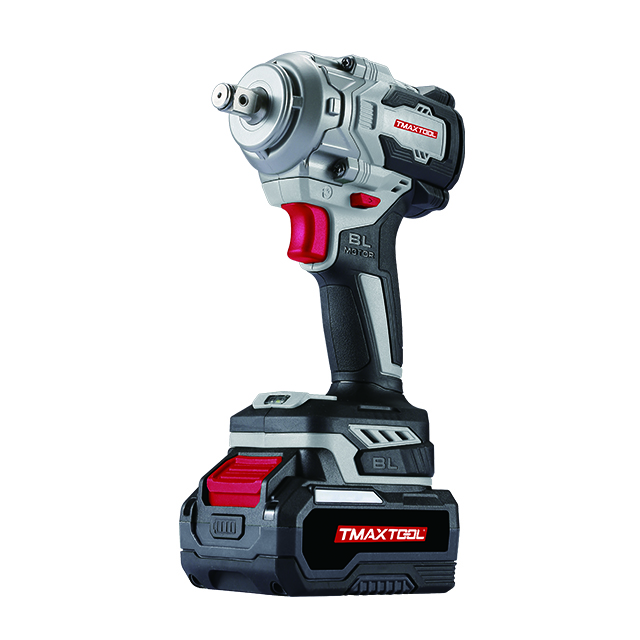
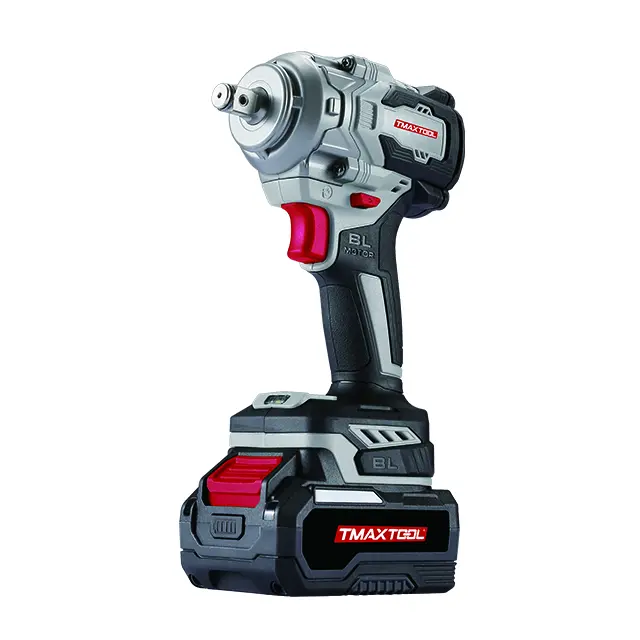
 Impact Wrench
 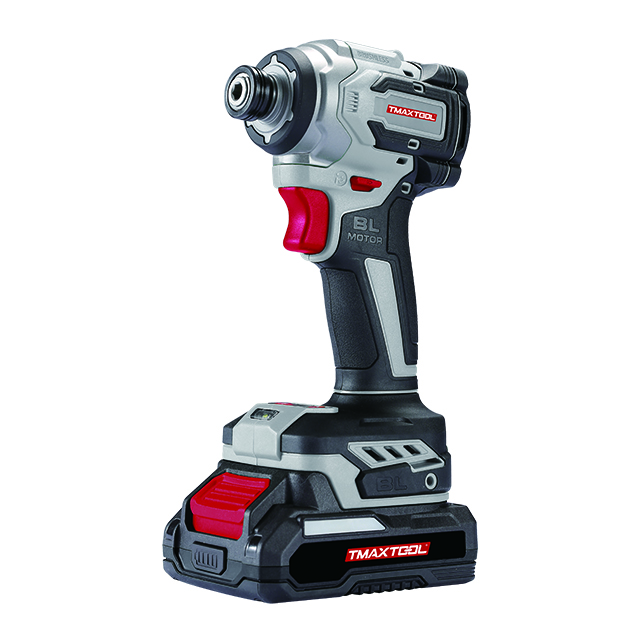 Screwdriver
 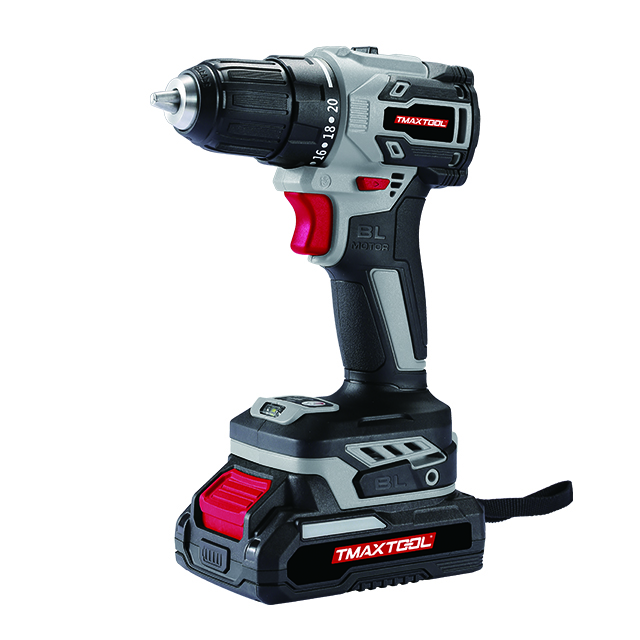 Cordless Drill
 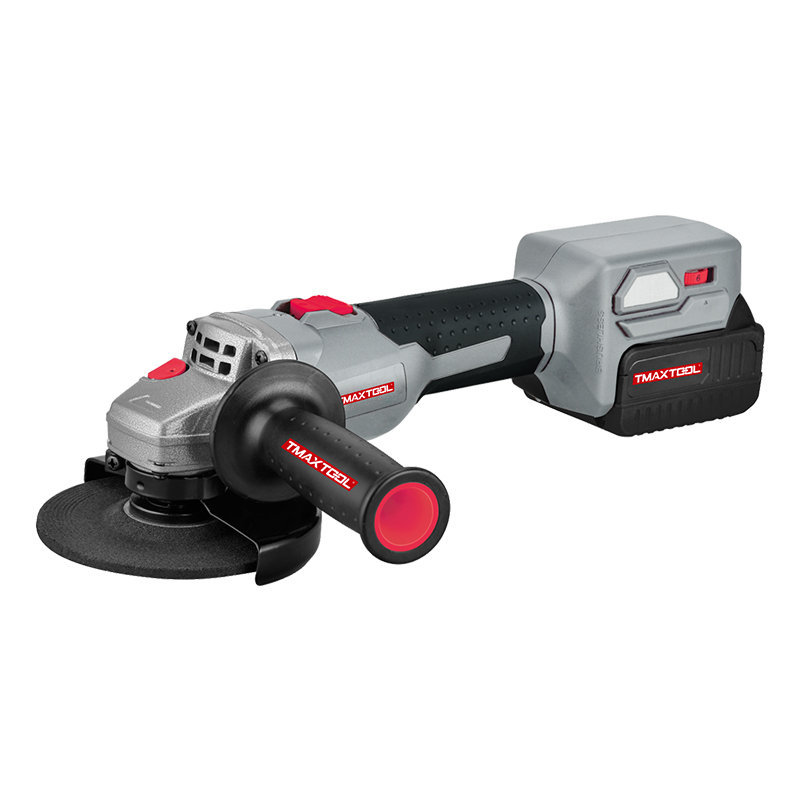 Angle Grinder
 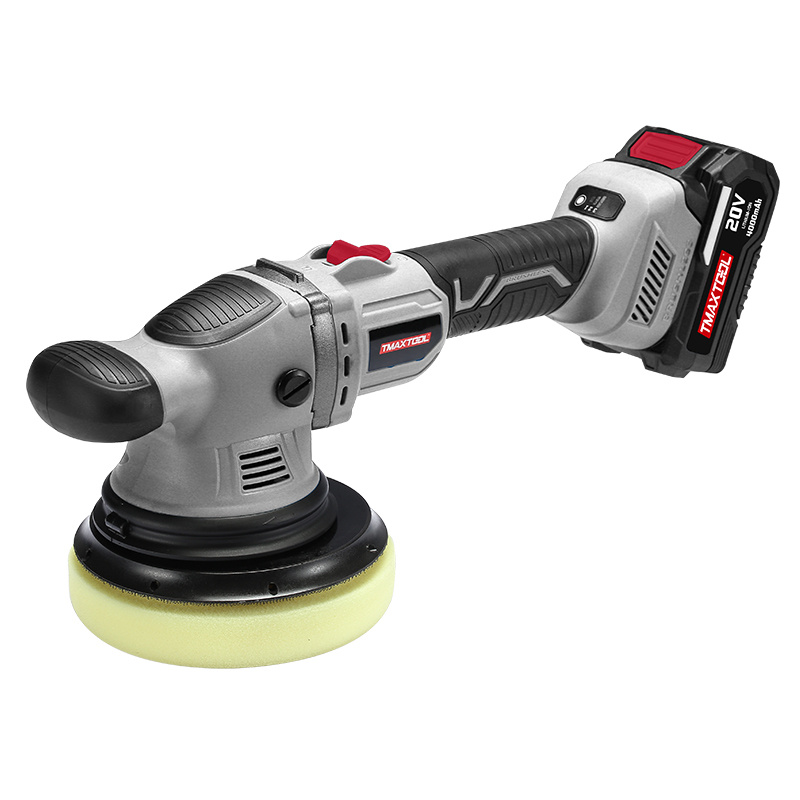 Polisher
 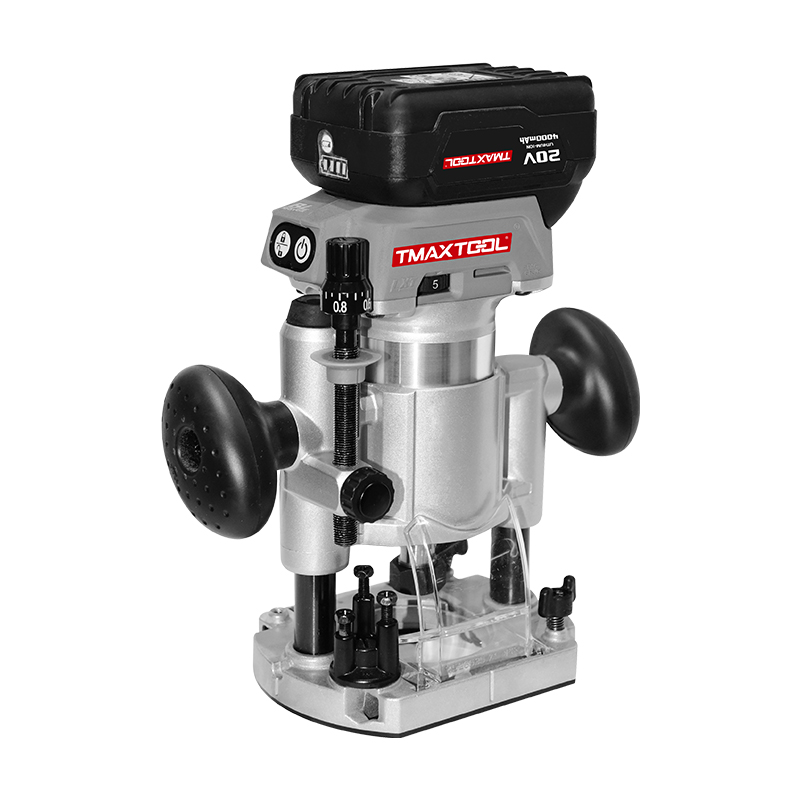 Wood Router
 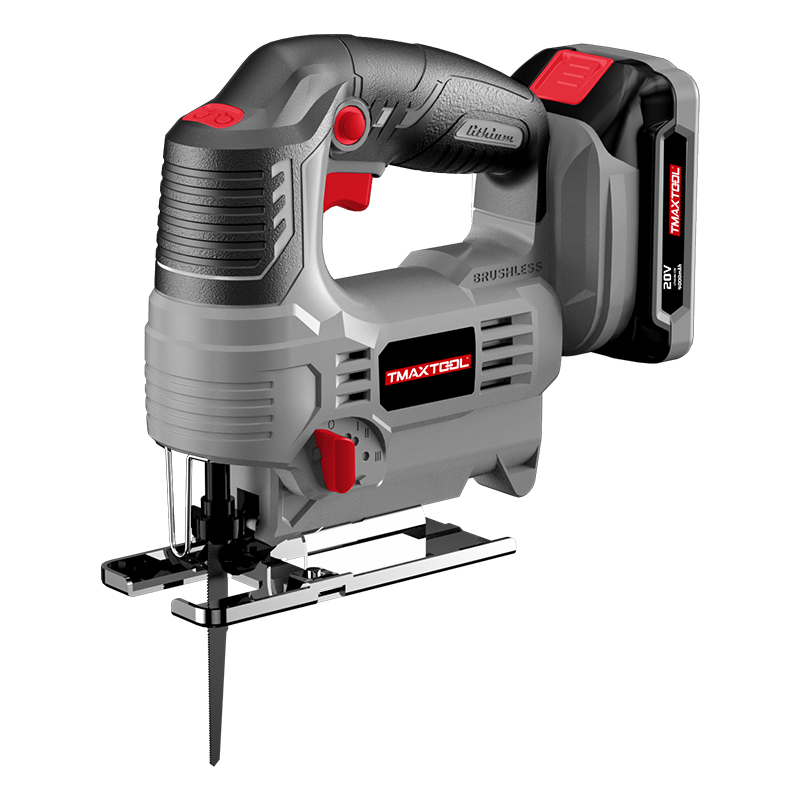 Jig Saw
 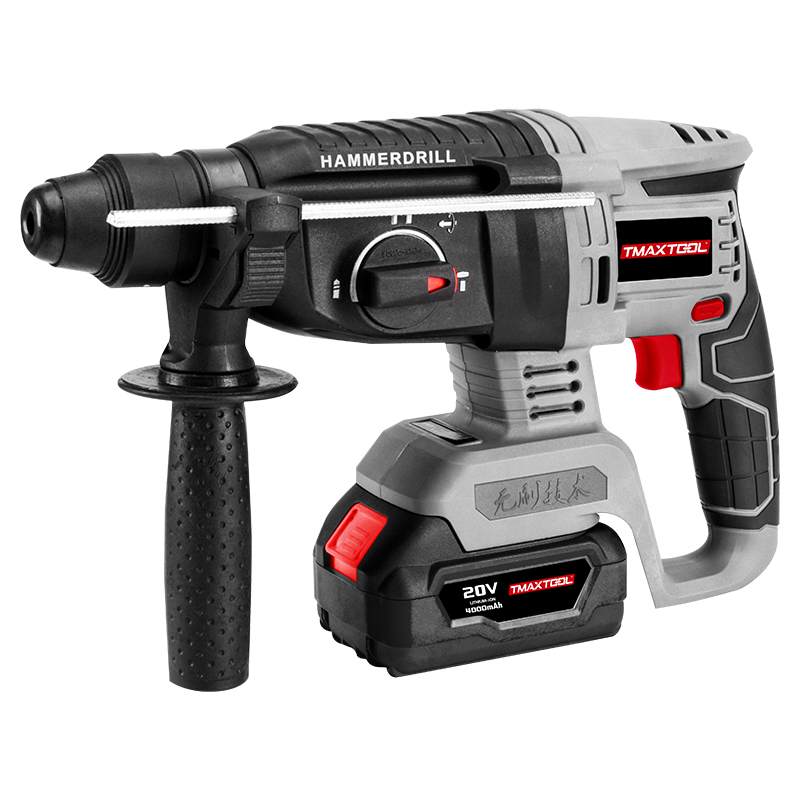 Hammer Drill
 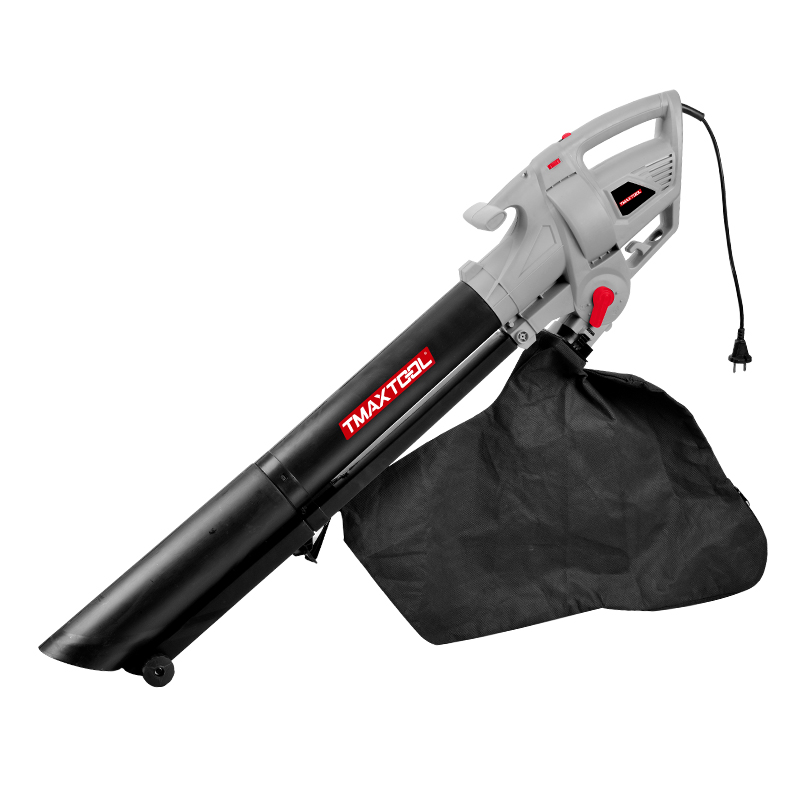 Portable Blower
 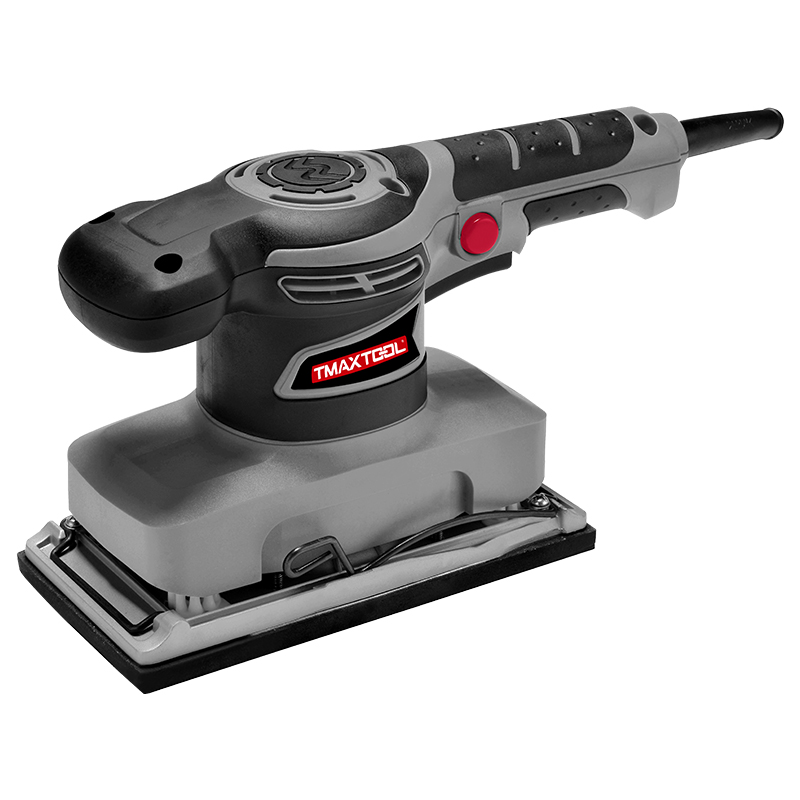 Orbital Sander
 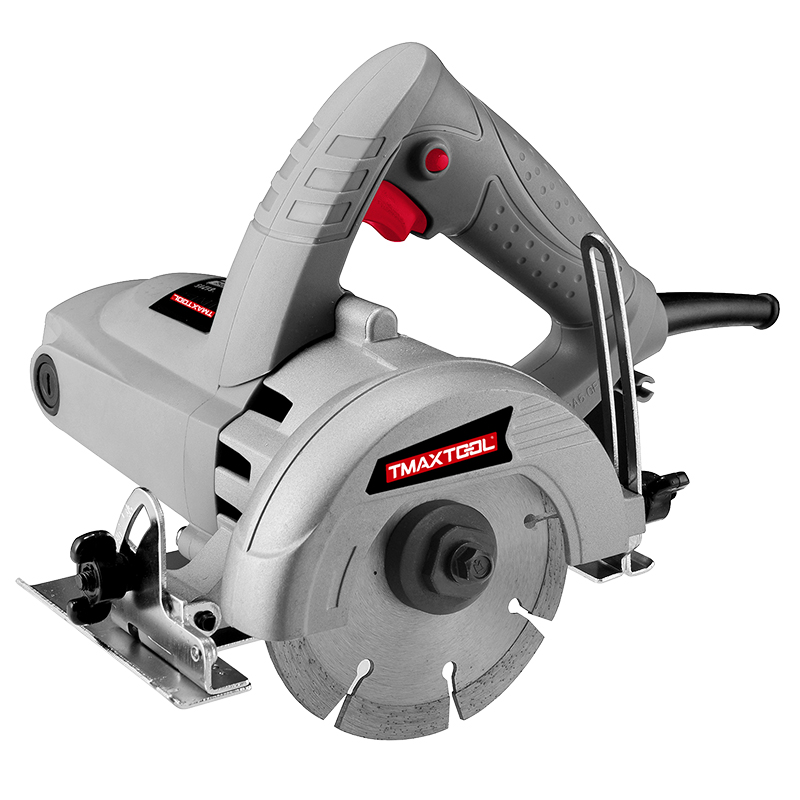 Marble Cutter
  GARDEN TOOLS
 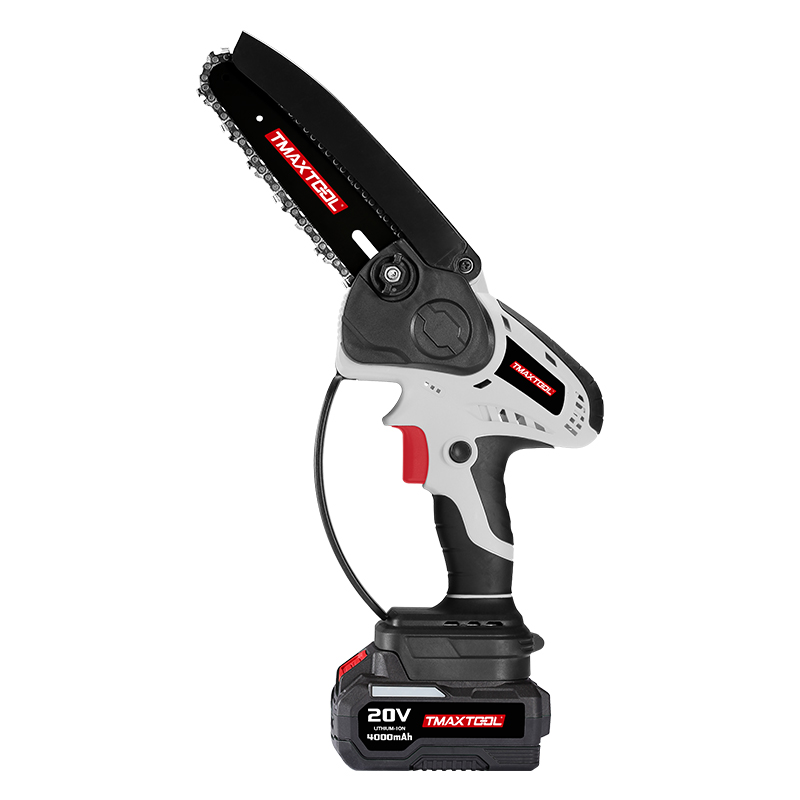 Battery Chain Saw
 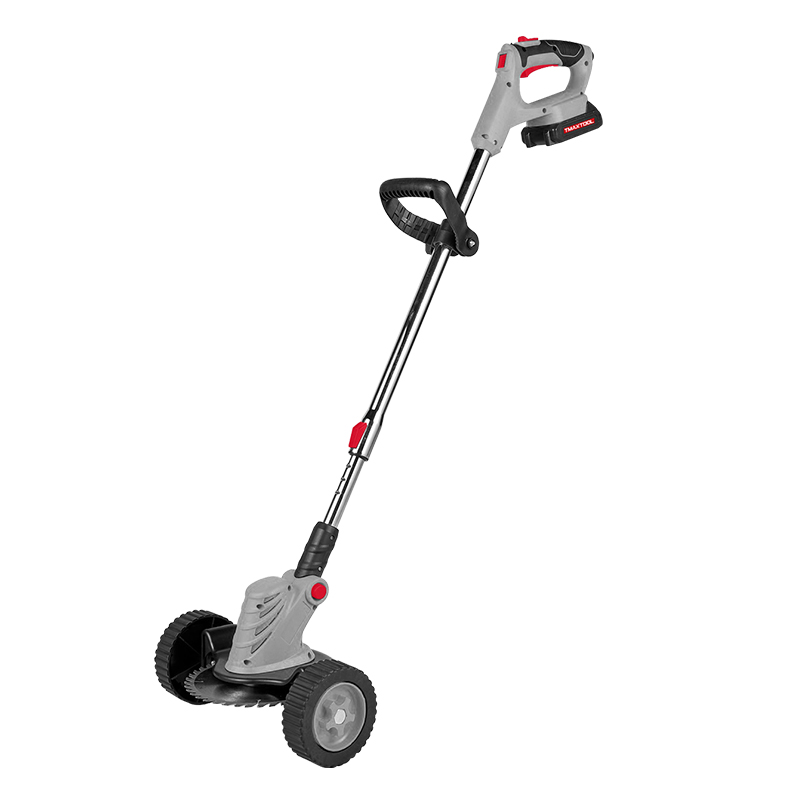 Battery Brush Cutter
 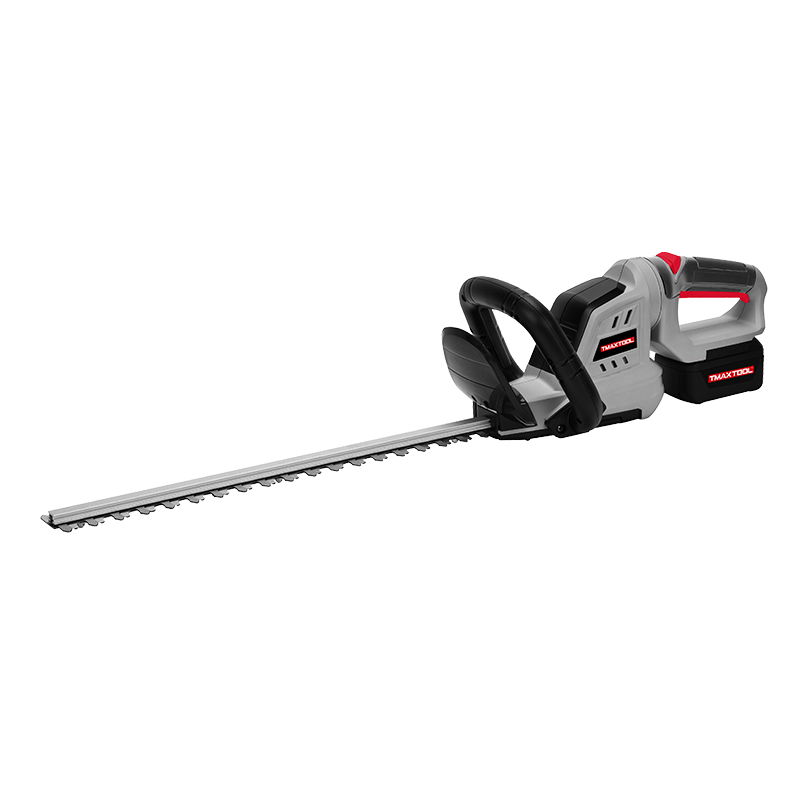 Battery Hedge Trimmer
 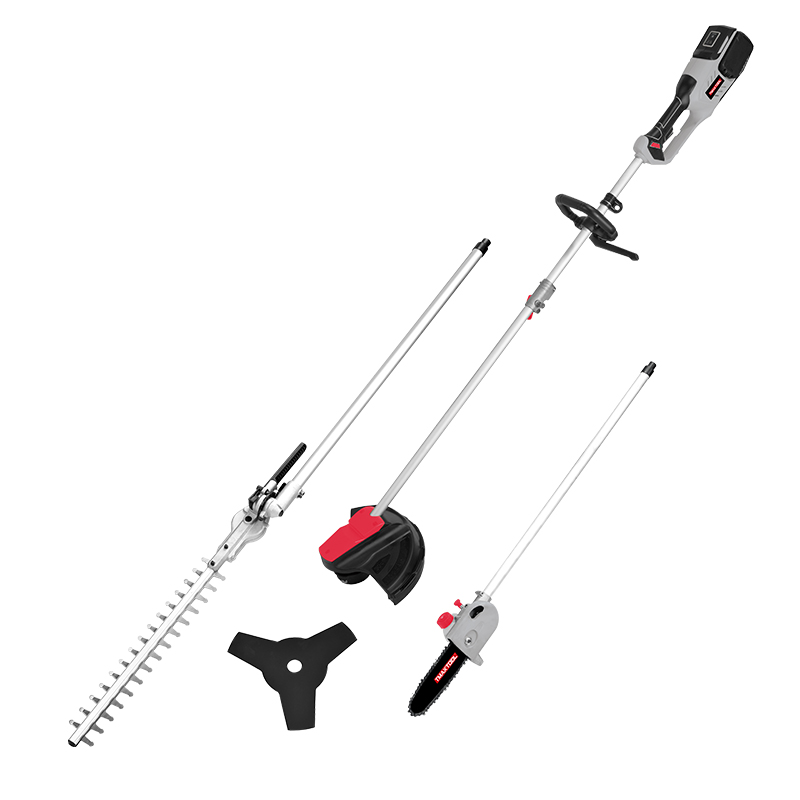 Battery Multi Tool
 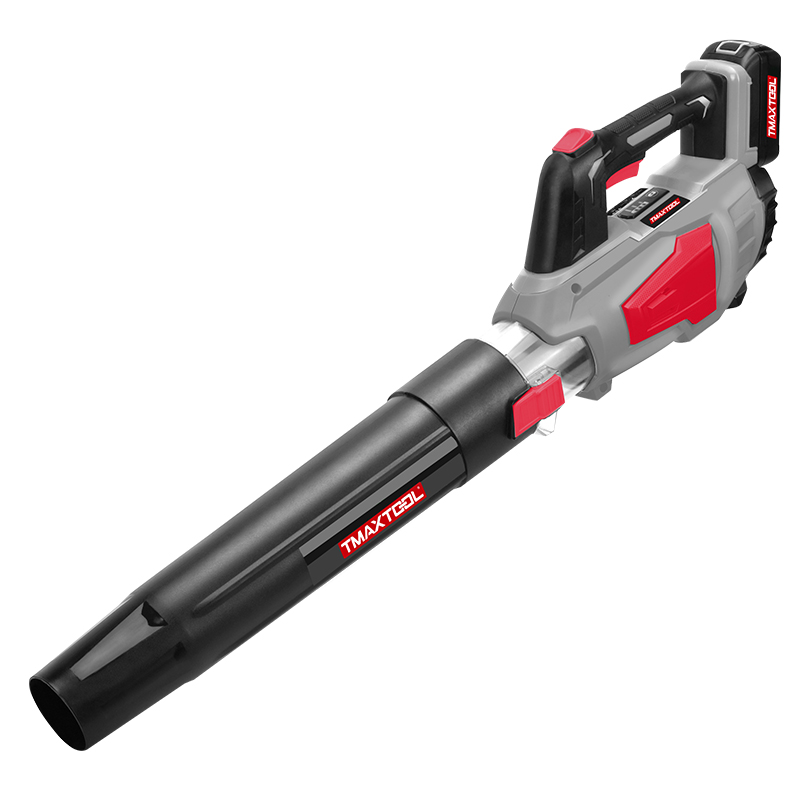 Battery Blower
 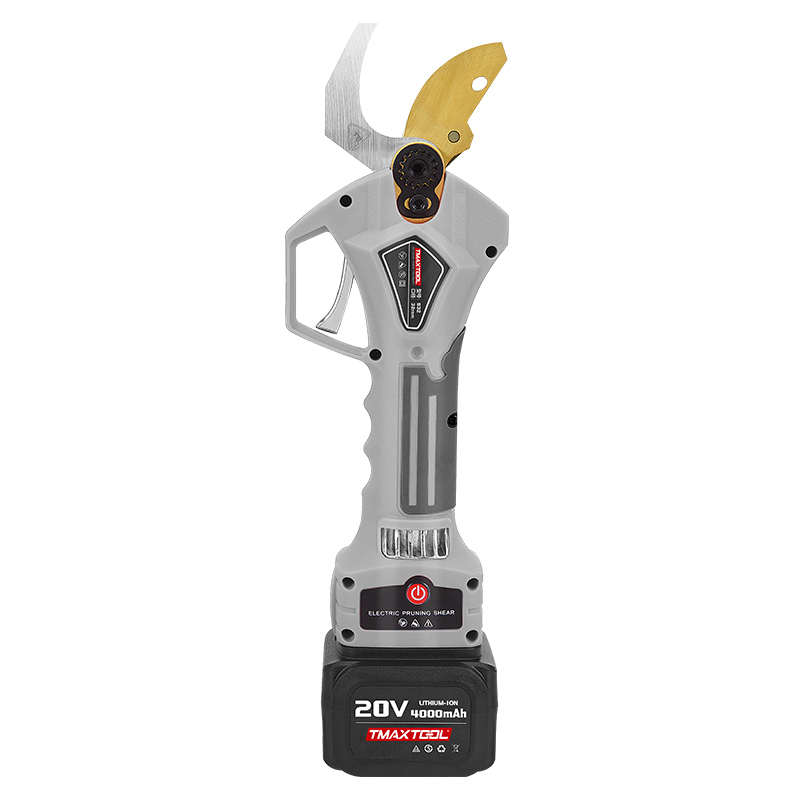 Batter Pruning Shears
 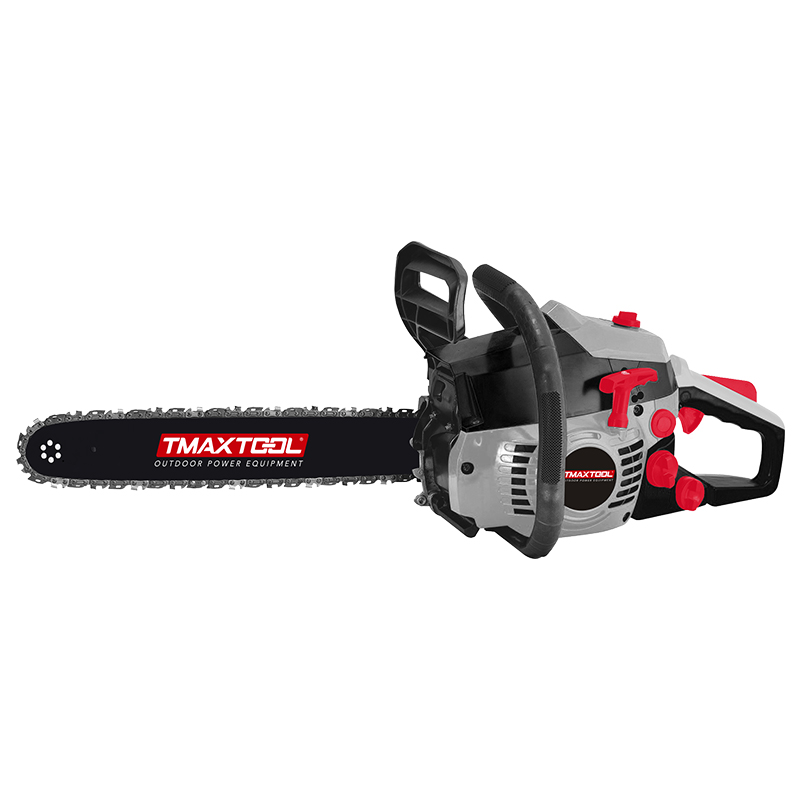 Chain Saw
 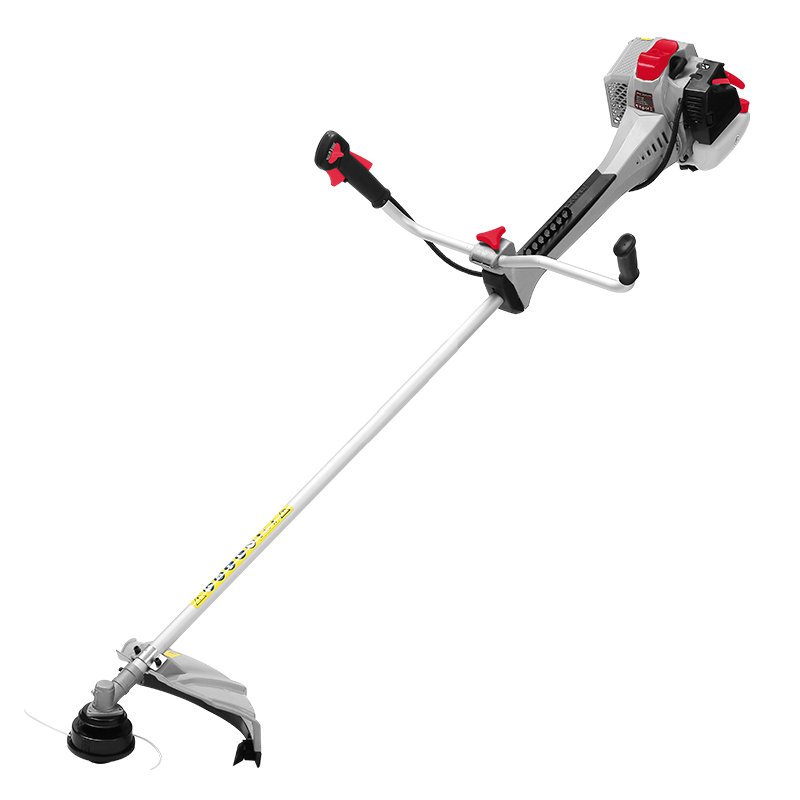 Brush Cutter
 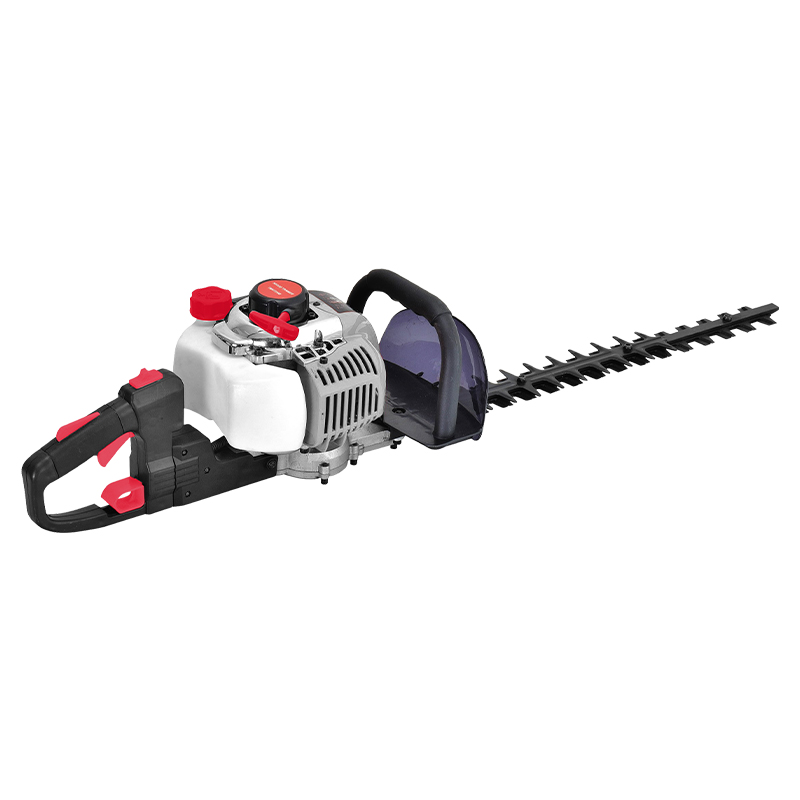 Hedge Trimmer
 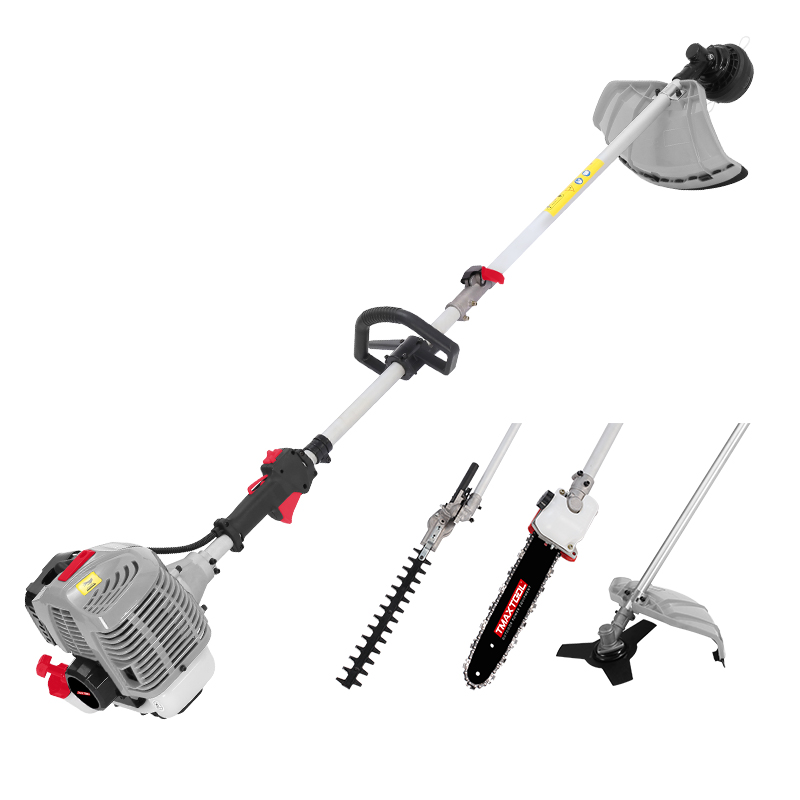 Multi Tool
 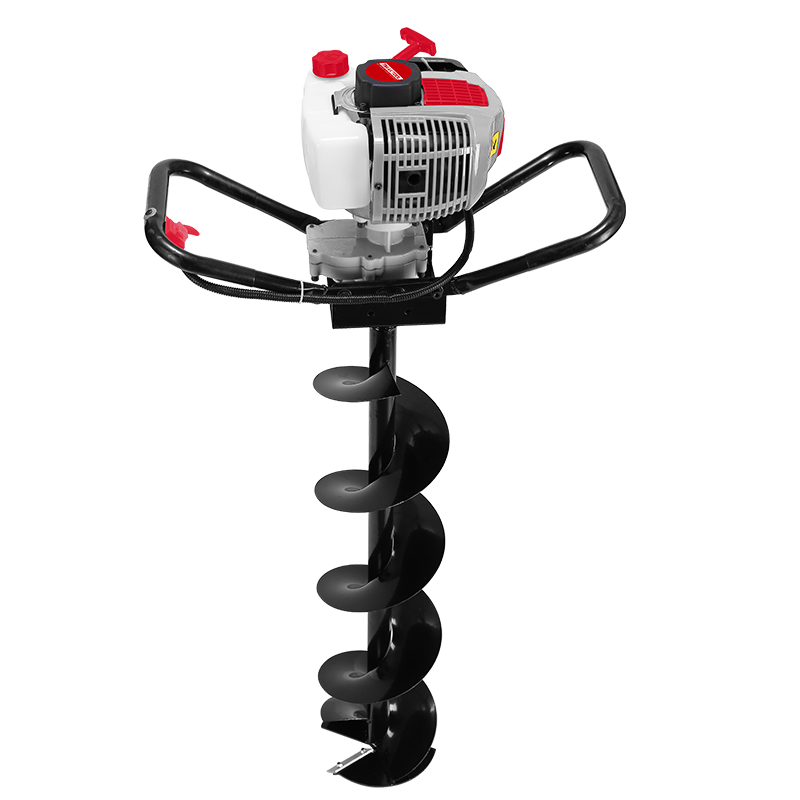 Earth Auger
 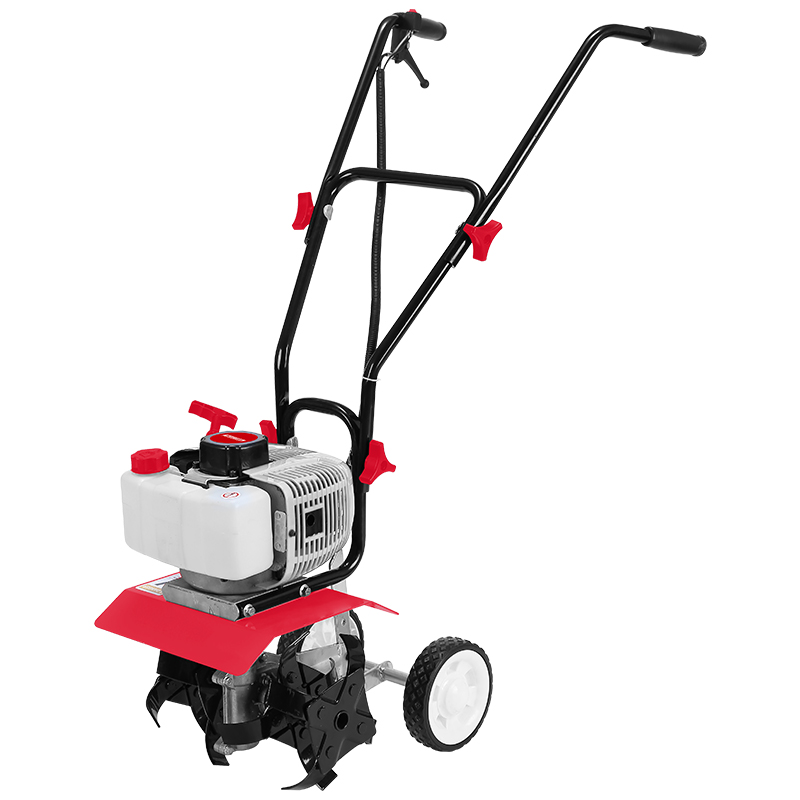 Tiller
 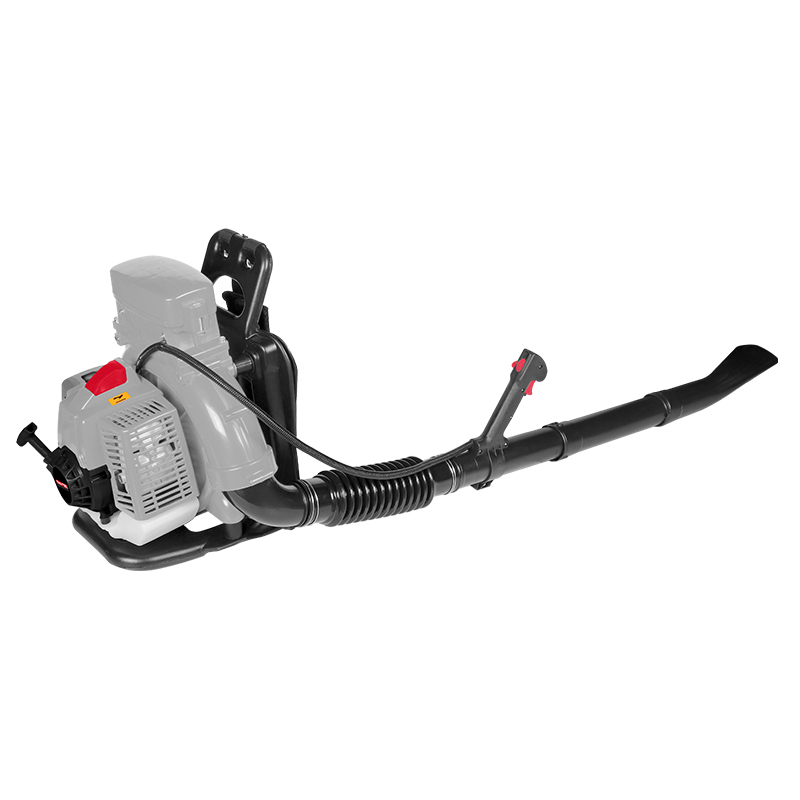 Blower
 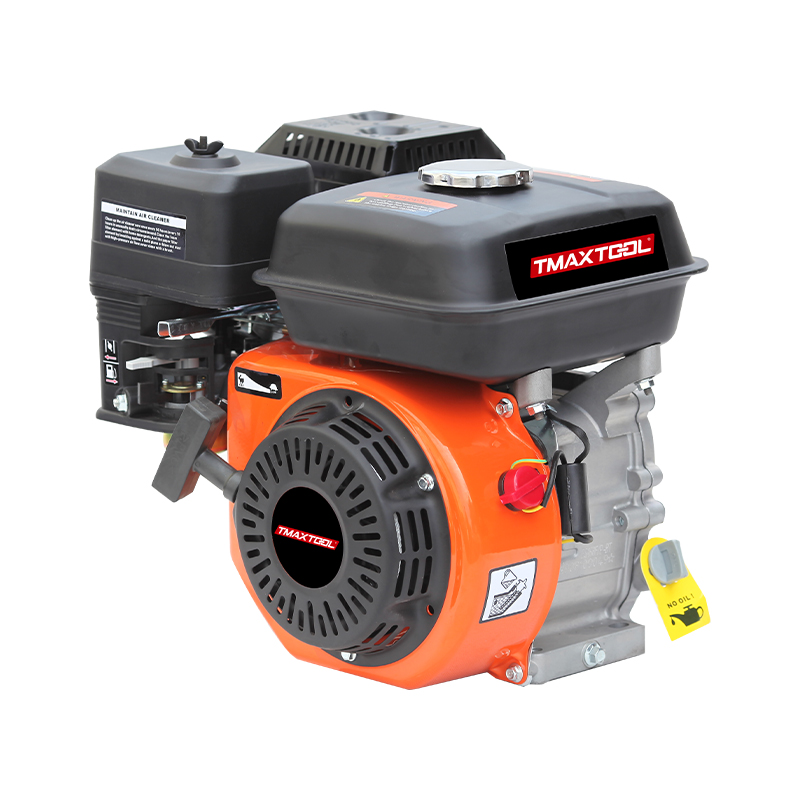 4 Stroke Gasoline Engine
 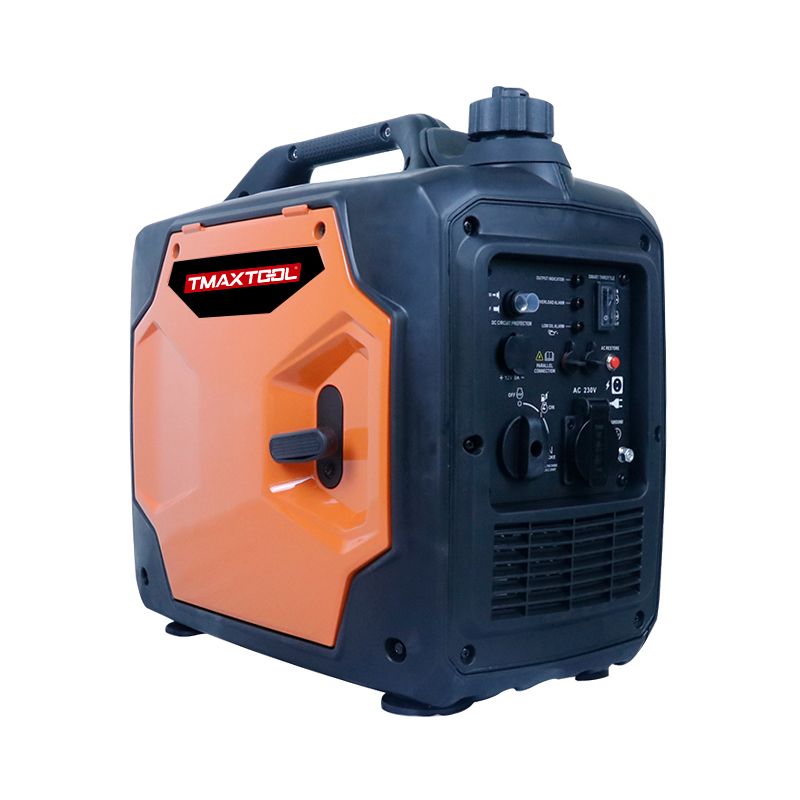 Generator
 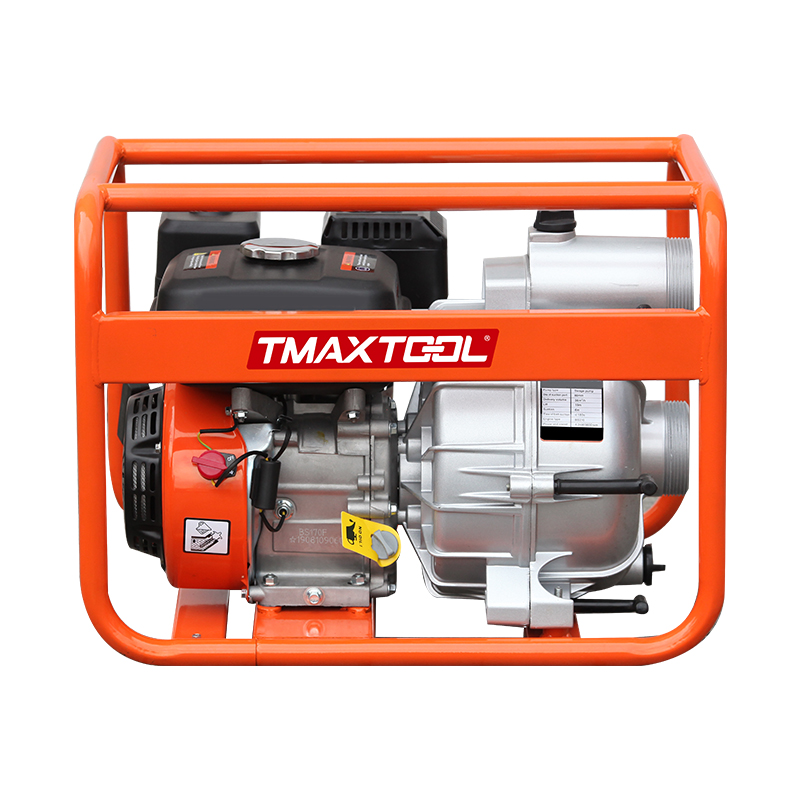 Water Pump
 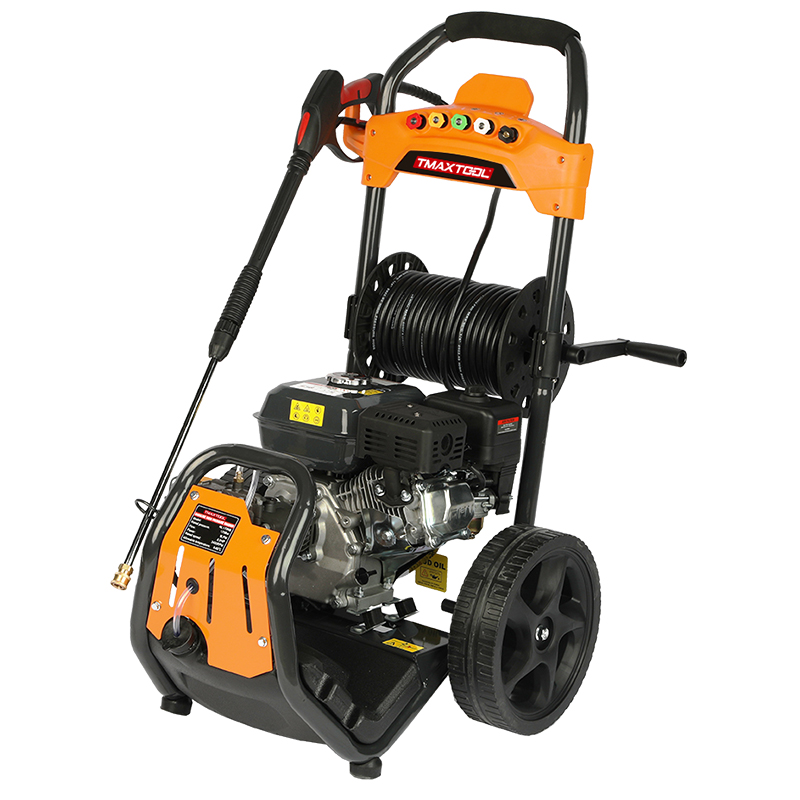 High Pressure Washer
 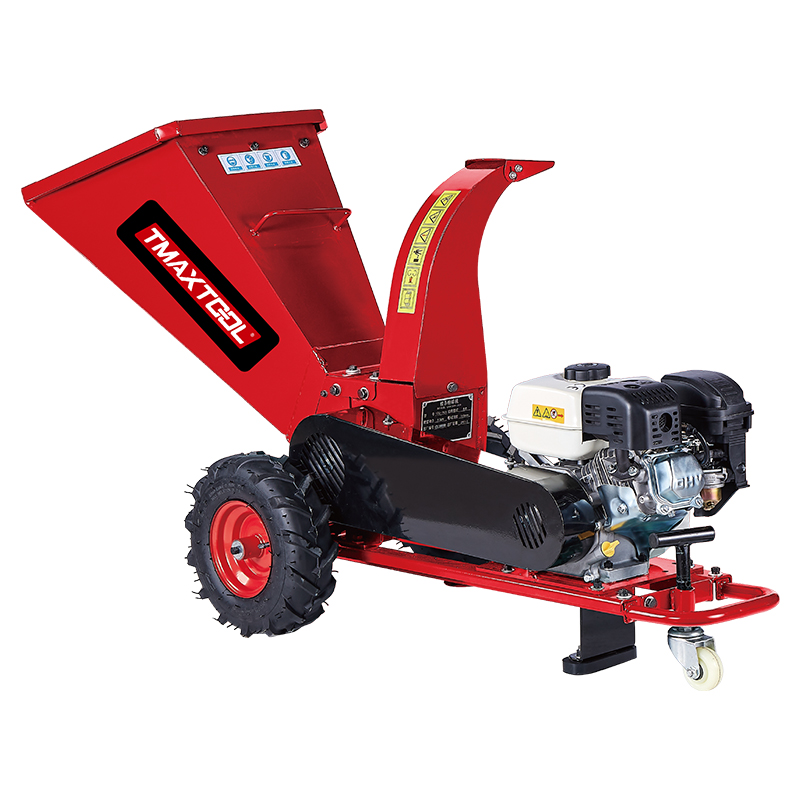 Wood Cutter
 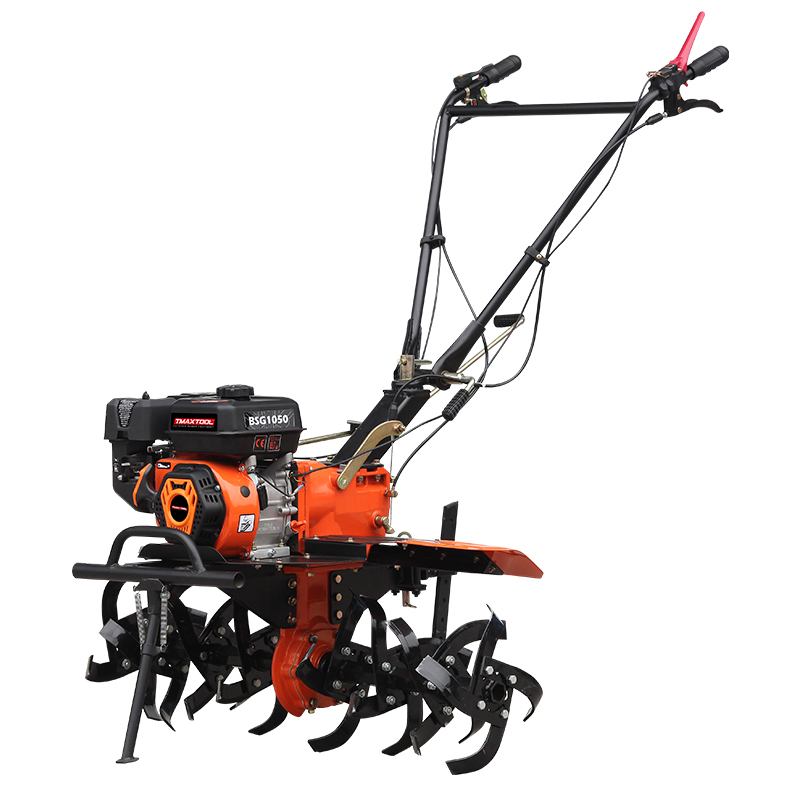 4 Stroke Tiller
 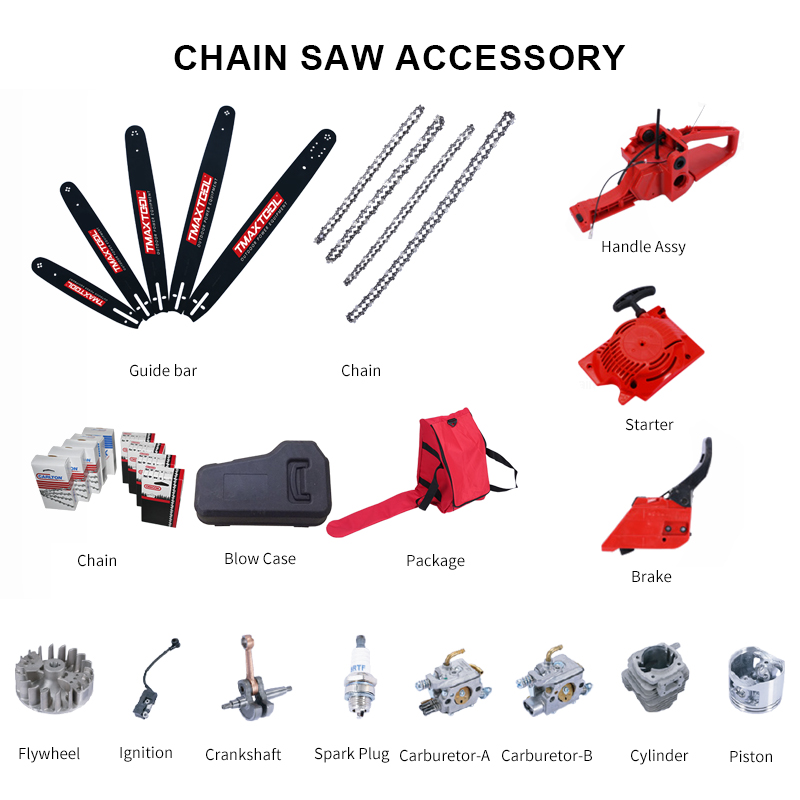 Chain Saw Accessory
 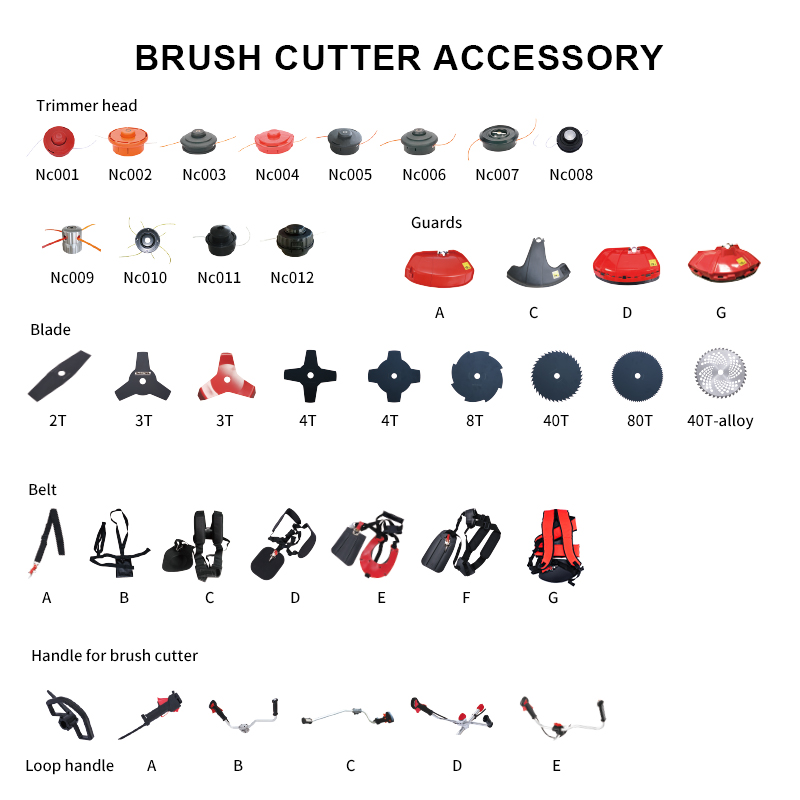 Brush Cutter Accessory
 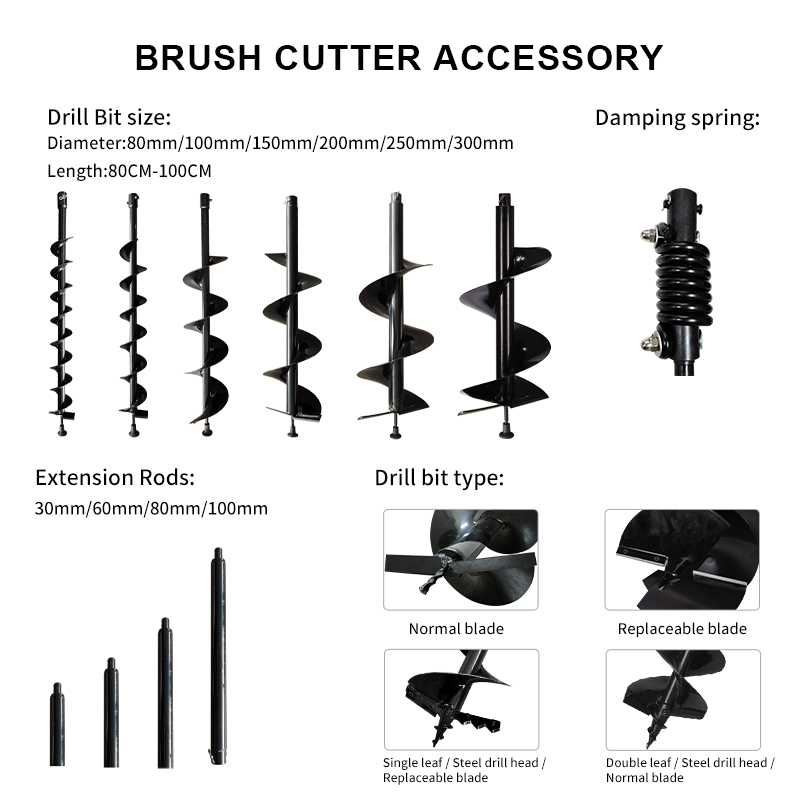 Earth Auger Accessory
 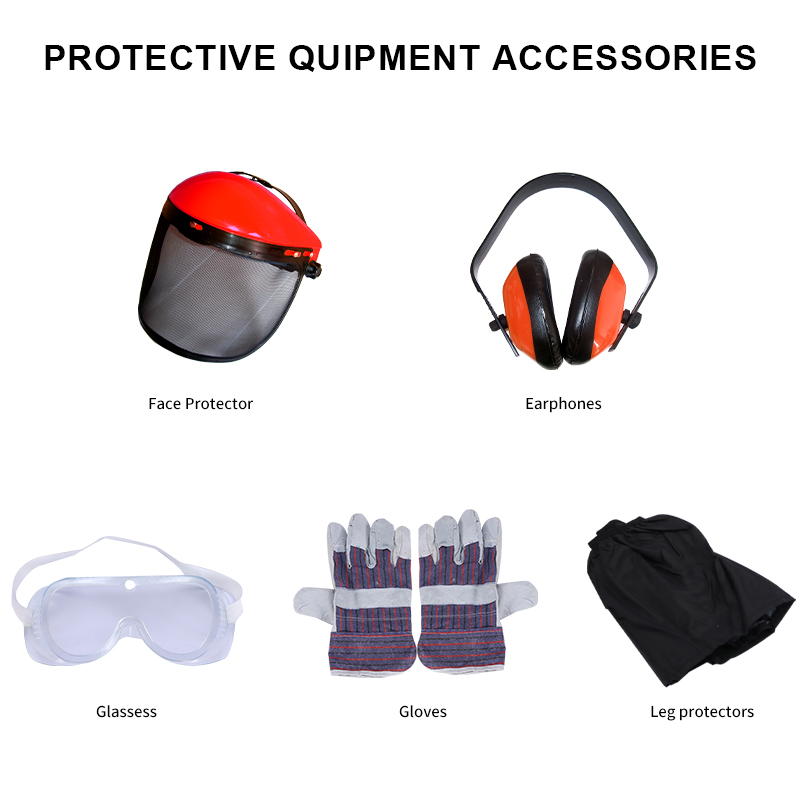 Protective Equipment Accessories
Leave Your Message


How to maintain a variable frequency generator to extend its service life
Variable-frequency Generators, as highly efficient and energy-saving power equipment, are widely used in industries such as manufacturing, construction, communication, and medical care. However, to ensure the efficient operation of the variable-frequency generator and extend its service life, regular maintenance and upkeep are indispensable. This article will provide a detailed introduction on how to maximize the service life of variable frequency generators through scientific maintenance methods, while ensuring their stable performance, safety and reliability.
First, the structure and working principle of the variable-frequency generator
The variable frequency generator is mainly composed of the following key components: engine, generator, frequency converter, control system and cooling system. The engine provides power, the generator converts mechanical energy into electrical energy, the frequency converter adjusts the output frequency and voltage according to the load demand, the control system is responsible for monitoring and regulating the operating status of the equipment, and the cooling system ensures that the equipment operates within the normal temperature range.
The working principle of a variable-frequency generator is as follows: The engine drives the generator to rotate, and the generator converts mechanical energy into alternating current electrical energy. Then, through the frequency converter, the alternating current electrical energy is converted into electrical energy with adjustable frequency and voltage to meet the needs of different loads. This design not only improves energy utilization efficiency, but also reduces the impact on the power grid.
Second, daily maintenance of variable frequency generators
1.Check the engine
The engine is one of the core components of a variable-frequency generator, and its performance directly affects the operational efficiency and lifespan of the equipment. In daily maintenance, the following points should be given particular attention:
Check the fuel system: Ensure the fuel tank is clean, free of impurities and moisture. Replace the fuel filter regularly to prevent the fuel system from being clogged.
Check the lubricating oil: Regularly check the oil level and quality of the lubricating oil. If the lubricating oil turns black or contains impurities, it should be replaced in time. Meanwhile, in accordance with the recommendations of the engine manufacturer, replace the lubricating oil and filters regularly.
Check the cooling system: Inspect the level and quality of the coolant to ensure there is no leakage in the cooling system. Replace the coolant regularly to prevent it from deteriorating and causing poor heat dissipation.
2. Check the generator
The maintenance of generators is equally important and mainly includes the following contents:
Check the brushes and slip rings: Brushes and slip rings are important components of the generator, and their wear conditions directly affect the performance of the generator. Regularly check the wear degree of the brushes and replace them if necessary.
Check winding insulation: Regularly use an insulation resistance tester to check the insulation resistance of the generator windings. If the insulation resistance is lower than the value specified by the manufacturer, measures should be taken promptly to repair or replace the windings.
Clean the generator: Regularly clean the generator's casing and radiator to prevent the accumulation of dust and debris, which may affect the heat dissipation effect.
3. Check the frequency converter
The frequency converter is a key component of the frequency conversion generator, and its performance directly affects the output quality and efficiency of the equipment. In daily maintenance, the following points should be given particular attention:
Check the heat dissipation system: During operation, the frequency converter generates a large amount of heat, and the normal operation of the heat dissipation system is of vital importance. Regularly check whether the cooling fan is working properly and clean the dust and debris on the radiator.
Check the control board and wiring: Regularly inspect whether the components on the inverter control board are normal and whether the wiring is loose. If any component damage or loose wiring is found, it should be repaired or replaced in time.
Check parameter Settings: Regularly inspect whether the parameter Settings of the frequency converter meet the operational requirements of the equipment. If the parameters are not set properly, it may lead to unstable operation or damage of the equipment.
4. Check the control system
The control system is responsible for monitoring and regulating the operating status of the variable-frequency generator. Its normal operation is crucial to the safety and reliability of the equipment. In daily maintenance, the following points should be given particular attention:
Check the sensors: Regularly inspect whether the temperature sensor, pressure sensor, etc. are working properly. If the sensor is damaged, it should be replaced in time.
Check the control panel: Check whether the indicator lights and display screen on the control panel are working properly. If any abnormality is found, it should be repaired or replaced in time.
Check the emergency stop device: Regularly check whether the emergency stop device is working properly. Ensure that the machine can be shut down quickly in an emergency to prevent equipment damage or personnel injury.

Third, regular maintenance and upkeep
1.Replace the vulnerable parts regularly
Some components of a variable-frequency generator will gradually wear out or age during long-term operation and need to be replaced regularly. These vulnerable parts include:
Air filter: Replace the air filter regularly to prevent dust from entering the engine cylinders and affecting engine performance.
Fuel filter: Replace the fuel filter regularly to prevent clogging of the fuel system.
Lubricating oil and filters: According to the recommendations of the engine manufacturer, replace the lubricating oil and filters regularly to ensure the normal operation of the engine lubrication system.
Coolant: Replace the coolant regularly to prevent it from deteriorating and causing poor heat dissipation.
2. Regularly inspect the electrical system
The normal operation of the electrical system is crucial to the safety and reliability of the variable-frequency generator. Regularly inspect the electrical system, including:
Check the grounding device: Ensure that the grounding device is firmly connected and the grounding resistance meets the requirements. Poor grounding devices may lead to unstable operation or damage of the equipment.
Check the cables and connectors: Regularly inspect the cables and connectors for looseness or damage. If aged cables or loose joints are found, they should be repaired or replaced in a timely manner.
Check insulation performance: Regularly use an insulation resistance tester to inspect the insulation performance of the electrical system. If the insulation resistance is lower than the specified value, measures should be taken promptly to repair or replace it.
3. Conduct performance tests regularly
Regularly conduct performance tests on the variable frequency generator to ensure that the output quality and efficiency of the equipment meet the requirements. Performance tests include:
Load testing: Regularly conduct load testing to check the operating status of the equipment under different loads. If the equipment is found to be operating unstably under a certain load, the cause should be identified and repaired in a timely manner.
Frequency and voltage testing: Regularly check whether the frequency and voltage output by the frequency converter meet the requirements. If the frequency and voltage fluctuate greatly, the parameter Settings of the frequency converter should be adjusted in a timely manner.
Efficiency testing: Regularly conduct efficiency tests to check the energy utilization efficiency of the equipment. If efficiency drops significantly, the cause should be identified and repaired in a timely manner.
Fourth, long-term maintenance strategy
1.Establish maintenance records
Establish detailed maintenance records, documenting the time, content and problems found during each maintenance. Through maintenance records, potential problems of the equipment can be detected in a timely manner, and measures can be taken in advance to repair them, thus avoiding equipment failure.
2. Regularly train the operators
The skill level of the operators directly affects the operational efficiency and service life of the equipment. Regularly train the operators to improve their operational skills and troubleshooting capabilities. Meanwhile, strengthen the safety education for the operators to ensure the safe operation of the equipment.
3. Regularly inspect the operating environment of the equipment
The operating environment of the equipment has a significant impact on its performance and lifespan. Regularly inspect the operating environment of the equipment to ensure that it operates within the specified temperature, humidity and cleanliness ranges. If the operating environment is harsh, measures should be taken promptly to improve it.
4. Preventive maintenance
Preventive maintenance is an important means to extend the service life of equipment. By regularly checking the operating status of the equipment, potential problems can be identified and repaired in a timely manner, which can effectively prevent equipment failure. Preventive maintenance includes:
Regularly check the operating parameters of the equipment: Regularly inspect the operating parameters of the equipment, such as temperature, pressure, frequency, voltage, etc., to ensure that the equipment operates within the normal range.
Regularly inspect the mechanical components of the equipment: Regularly inspect the mechanical components of the equipment, such as the engine, generator, frequency converter, etc., to ensure their normal operation.
Regularly inspect the electrical components of the equipment: Regularly inspect the electrical components of the equipment, such as cables, joints, control boards, etc., to ensure their normal operation.
Fifth, troubleshooting common faults
1. The engine has difficulty starting
Check the fuel system: Check if there is fuel in the fuel tank and if the fuel filter is clogged. If the fuel filter is clogged, it should be replaced in time.
Check the battery: Verify if the battery is fully charged and if the battery connection is secure. If the battery power is insufficient, it should be charged or replaced in time.
Check the starter motor: Check whether the starter motor is working properly. If the starter motor is damaged, it should be replaced in time.
2. The engine is running unstably
Check the fuel system: Check if there is any air entering the fuel system and if the fuel filter is clogged. If the fuel filter is clogged, it should be replaced in time.
Check the air filter: Check if the air filter is clogged. If the air filter is clogged, it should be replaced in time.
Check the engine ignition system: Check whether the engine ignition system is working properly. If the ignition system is damaged, it should be repaired or replaced in time.
3. Abnormal output voltage of the generator
Check the generator windings: Inspect whether the generator windings are damaged and whether the insulation resistance meets the requirements. If the generator winding is damaged, it should be repaired or replaced in time.
Check the frequency converter: Verify whether the parameter Settings of the frequency converter are correct and whether the output frequency and voltage meet the requirements. If the frequency converter is damaged, it should be repaired or replaced in time.
Check the control board: Check whether the control board is working properly. If the control board is damaged, it should be repaired or replaced in time.
4. Inverter alarm
Check the alarm code: According to the alarm code of the frequency converter, find out the cause of the fault. Common alarm codes include overheat, overload, short circuit, etc.
Check the heat dissipation system: Check whether the heat dissipation system is working properly. If the heat dissipation system malfunctions, it should be repaired or replaced in a timely manner.
Check the load: Check if the load is too large. If the load is too large, it should be appropriately reduced.

Sixth, precautions for maintenance and upkeep
1.Safety first
When carrying out maintenance and upkeep, safety is of the utmost importance. Make sure the equipment has been completely shut down and the power supply has been cut off. During the operation, wear necessary protective equipment such as gloves and goggles to prevent accidents.
2. Follow the manufacturer's suggestions
Different manufacturers of variable frequency generators may have different maintenance and upkeep requirements. When conducting maintenance and upkeep, the manufacturer's recommendations should be strictly followed to ensure the safety and reliability of the equipment.
3. Use appropriate tools and equipment
When conducting maintenance and upkeep, appropriate tools and equipment should be used. For example, use an insulation resistance tester to check the insulation performance of the electrical system, and use a pressure gauge to check the pressure of the cooling system, etc.
4. Regularly inspect and replace vulnerable parts
Regular inspection and replacement of vulnerable parts are important means to extend the service life of equipment. Regular inspection and replacement of vulnerable parts can effectively prevent equipment failure and ensure the normal operation of the equipment.
5. Keep the equipment clean
Keeping the equipment clean is one of the important measures to extend its service life. Regularly clean the casing and radiator of the equipment to prevent the accumulation of dust and debris, which may affect the heat dissipation effect.
As an efficient and energy-saving power equipment, the maintenance and upkeep of variable-frequency generators are of vital importance. Through scientific maintenance methods, the service life of the variable frequency generator can be maximized, ensuring its stable performance, safety and reliability. In daily maintenance, special attention should be paid to the inspection and maintenance of the engine, generator, frequency converter and control system. Regularly replacing vulnerable parts, regularly inspecting the electrical system and mechanical components, regularly conducting performance tests, establishing detailed maintenance records, regularly training operators, regularly checking the operating environment of the equipment, taking preventive maintenance measures, promptly eliminating common faults, and strictly adhering to the precautions for maintenance and upkeep are all effective means to extend the service life of variable frequency generators.