
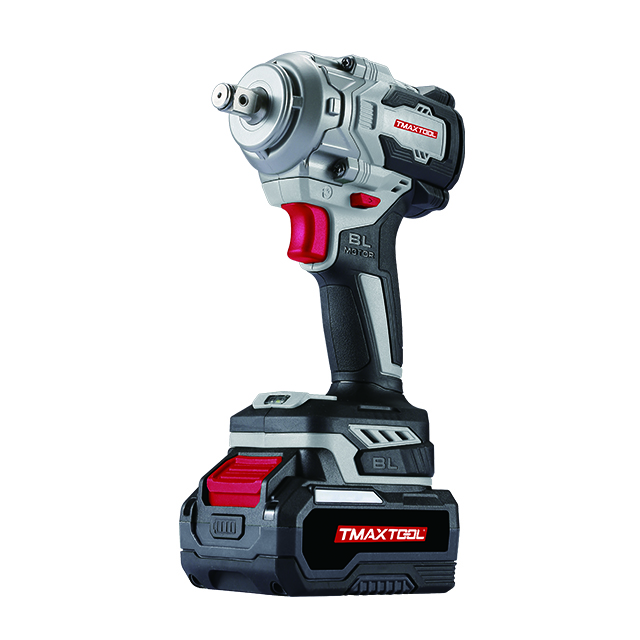
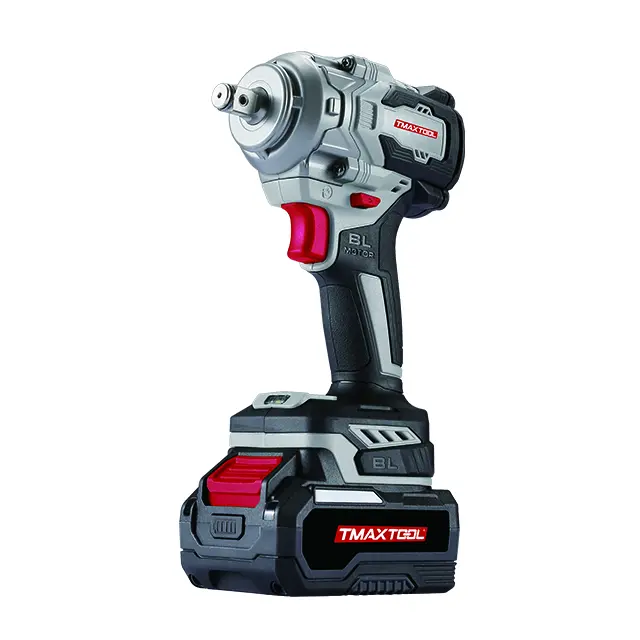
 Impact Wrench
 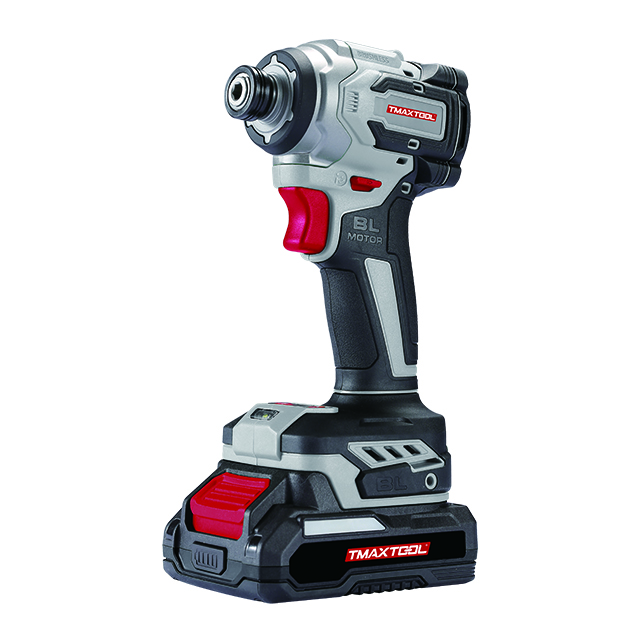 Screwdriver
 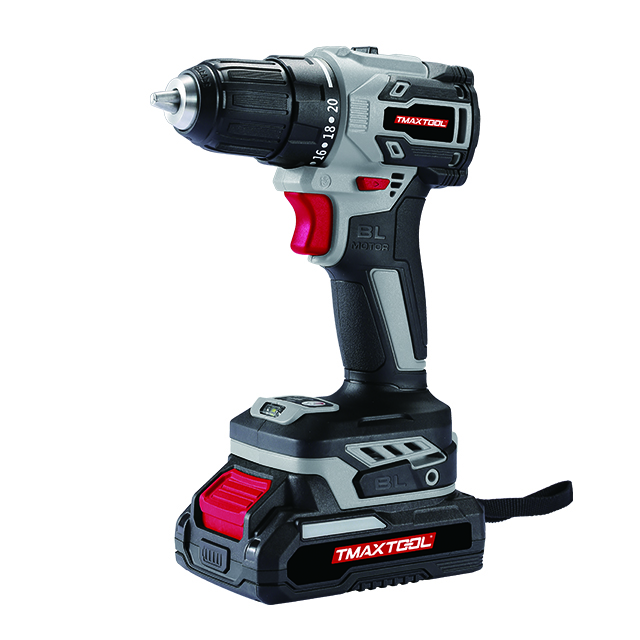 Cordless Drill
 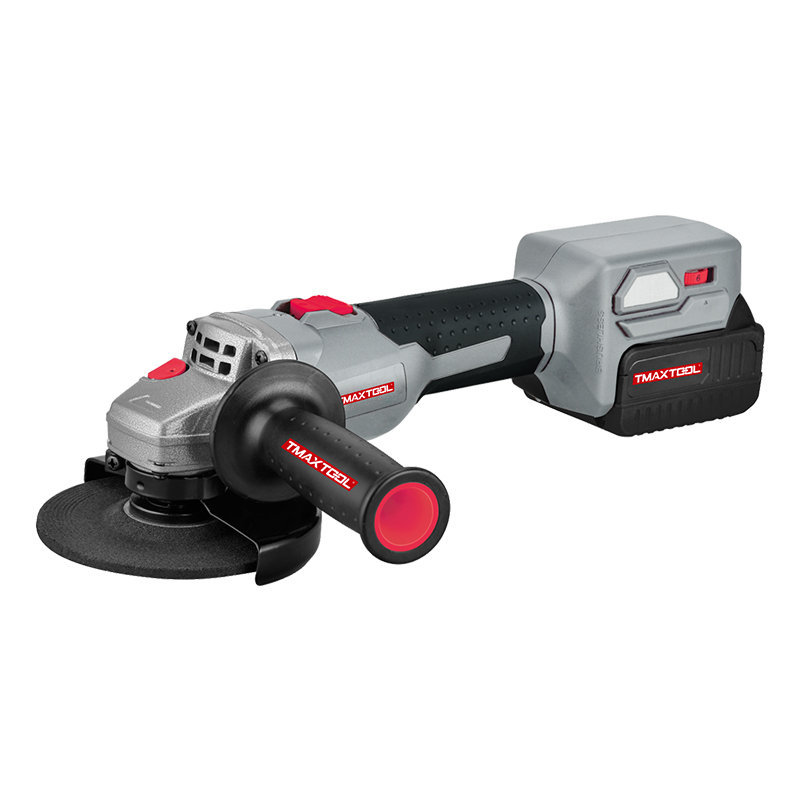 Angle Grinder
 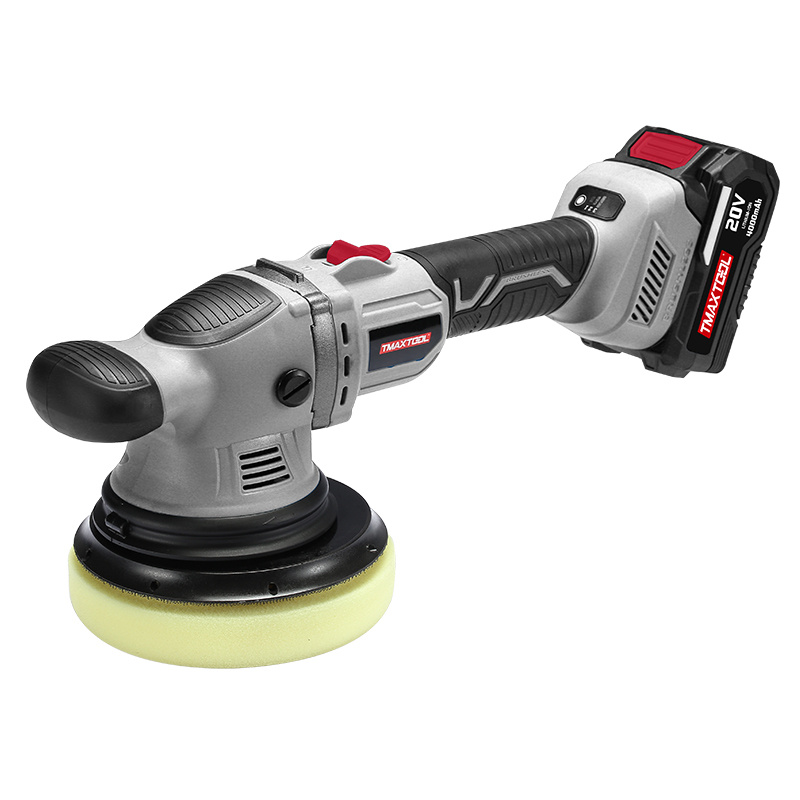 Polisher
 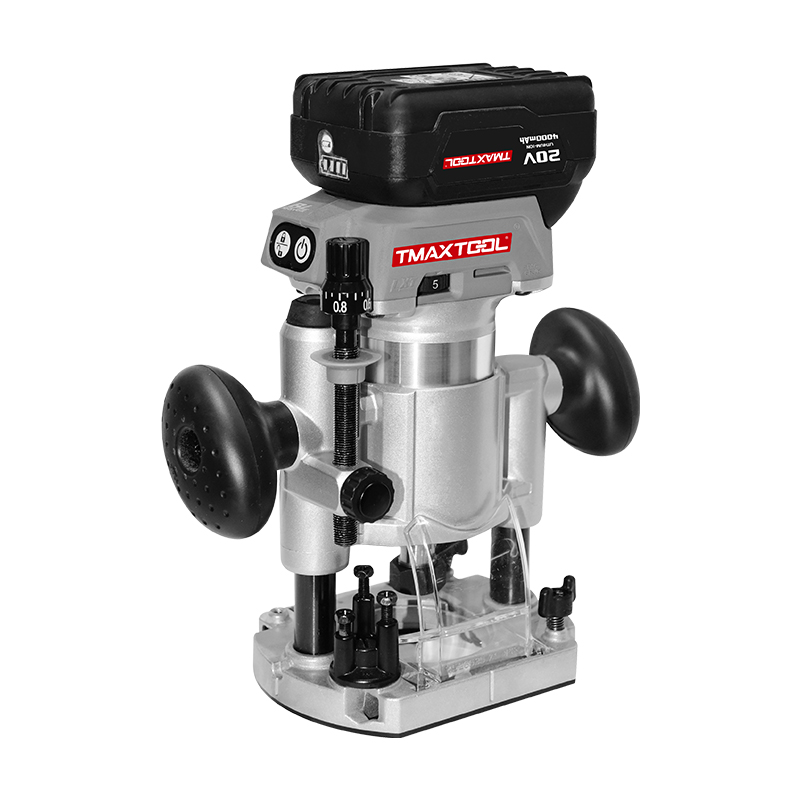 Wood Router
 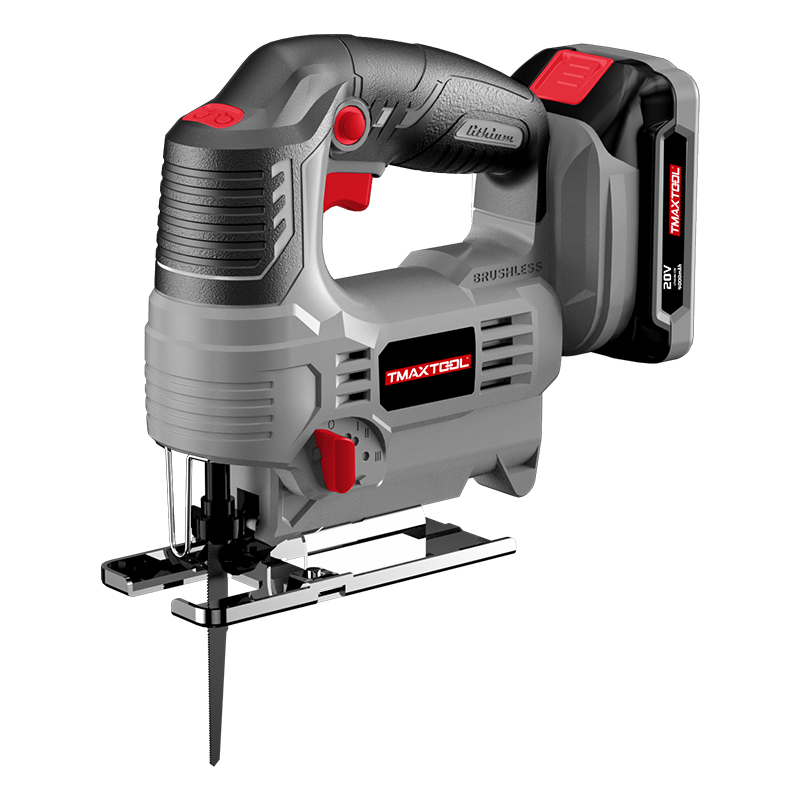 Jig Saw
 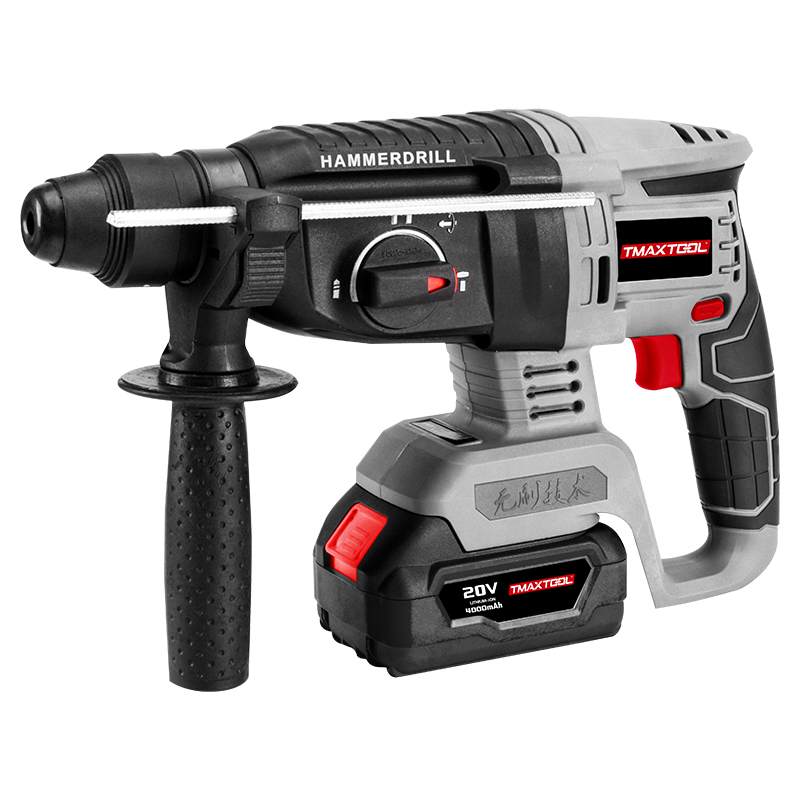 Hammer Drill
 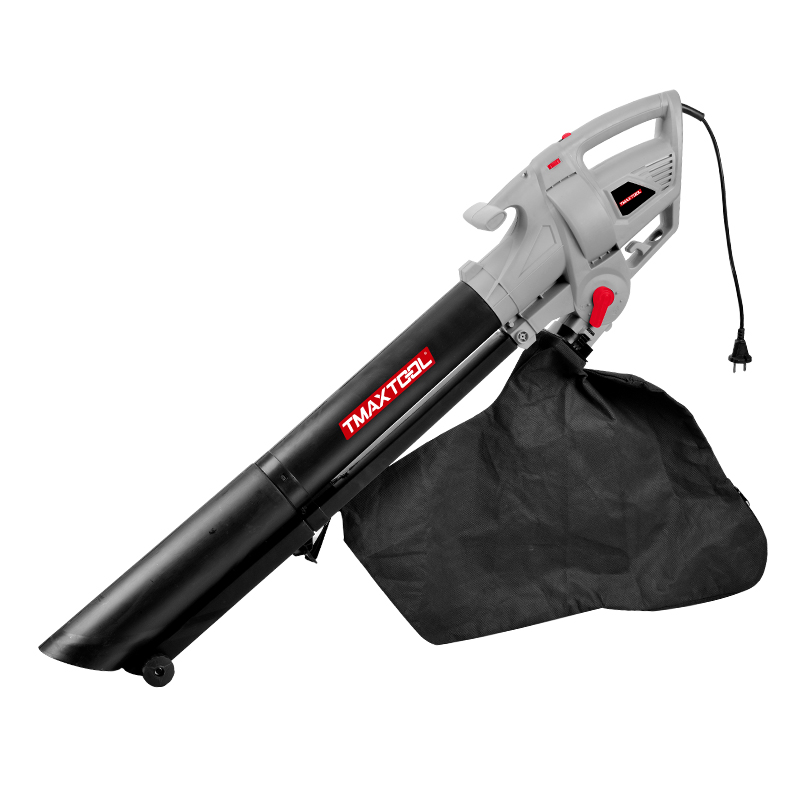 Portable Blower
 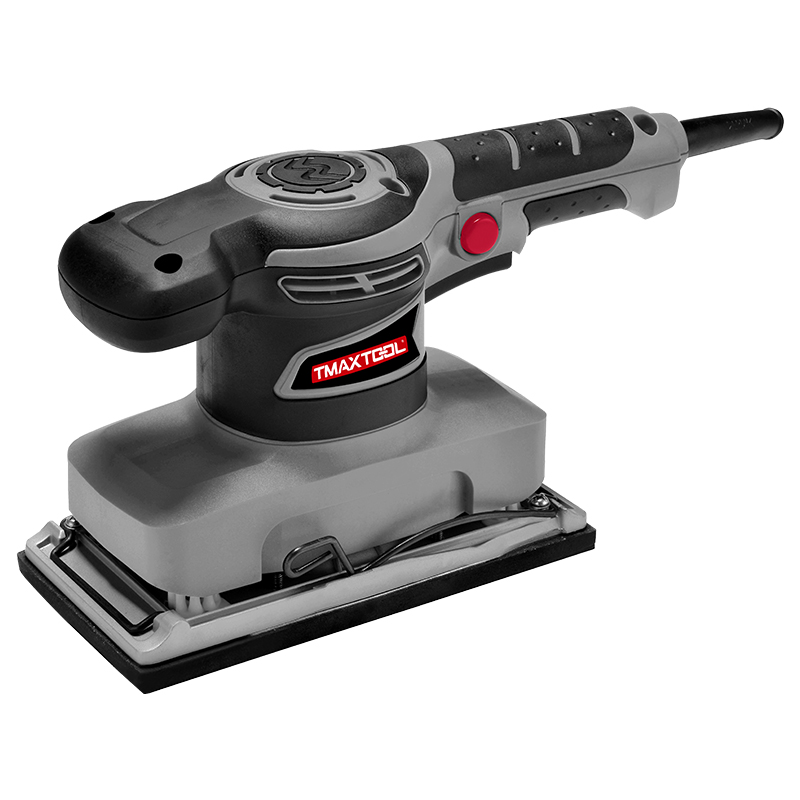 Orbital Sander
 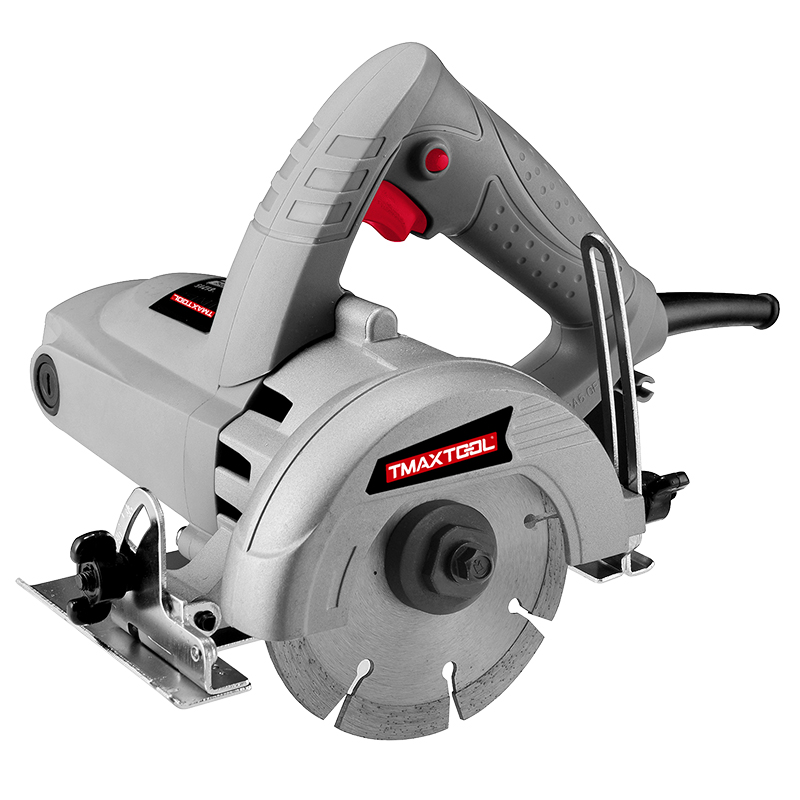 Marble Cutter
  GARDEN TOOLS
 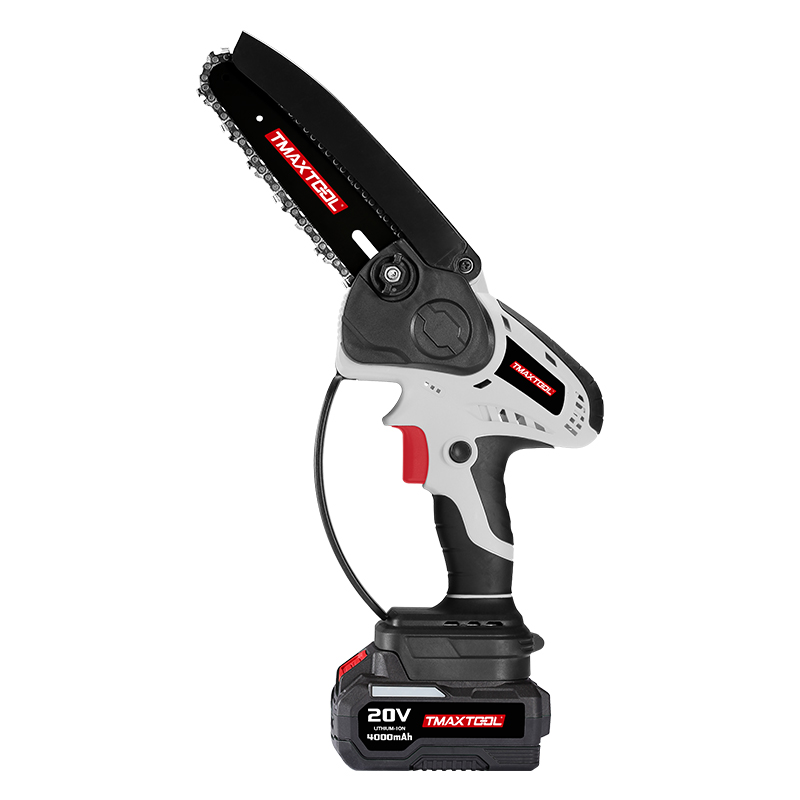 Battery Chain Saw
 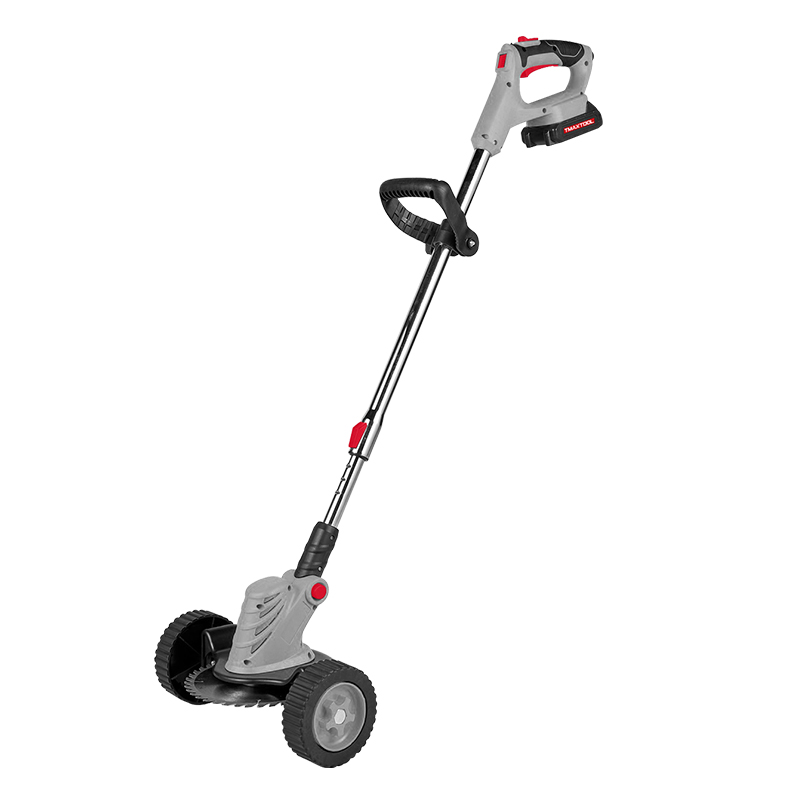 Battery Brush Cutter
 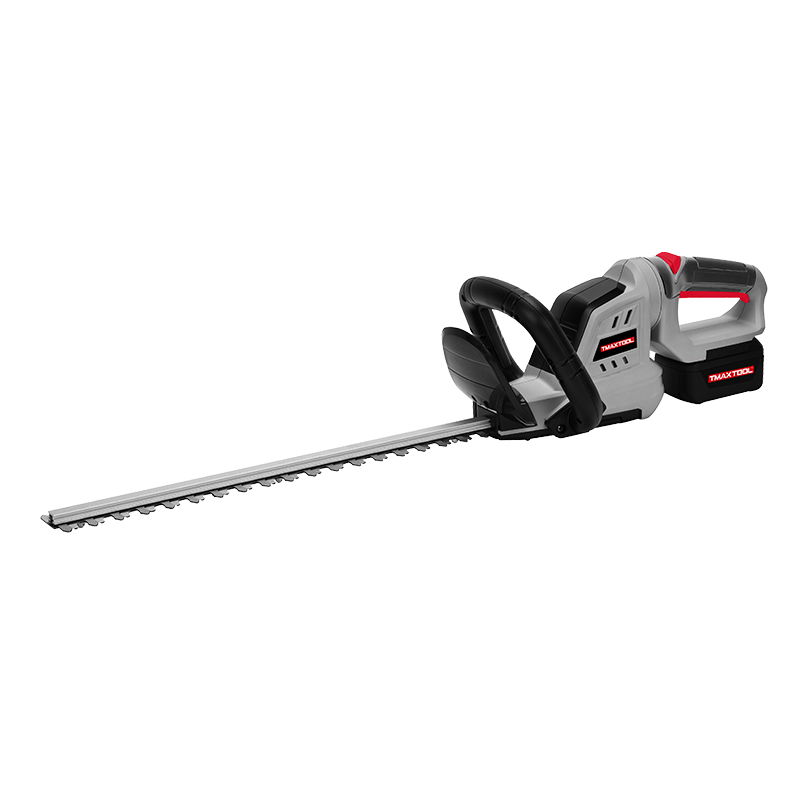 Battery Hedge Trimmer
 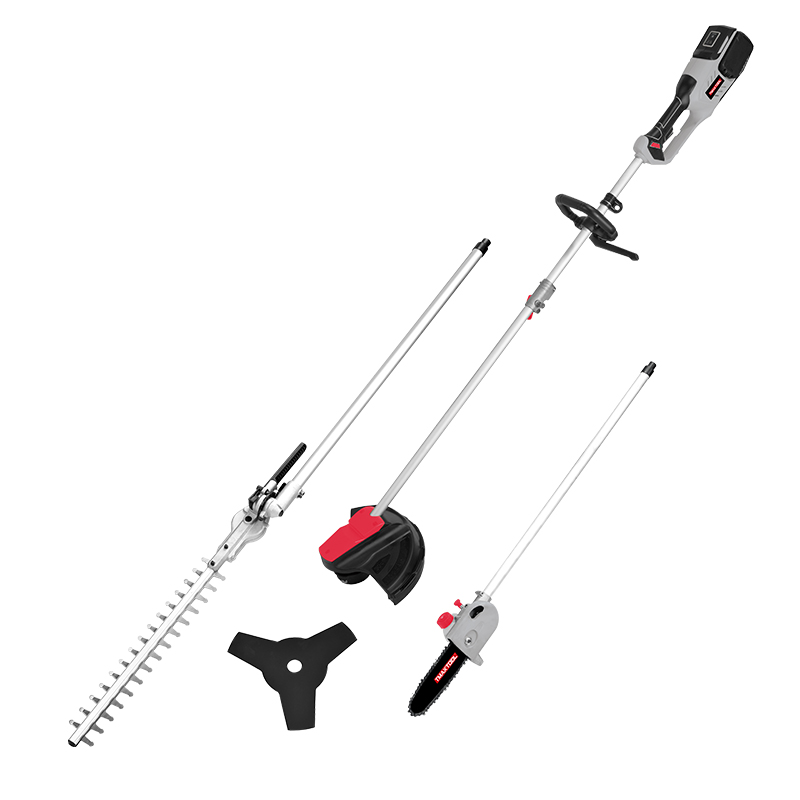 Battery Multi Tool
 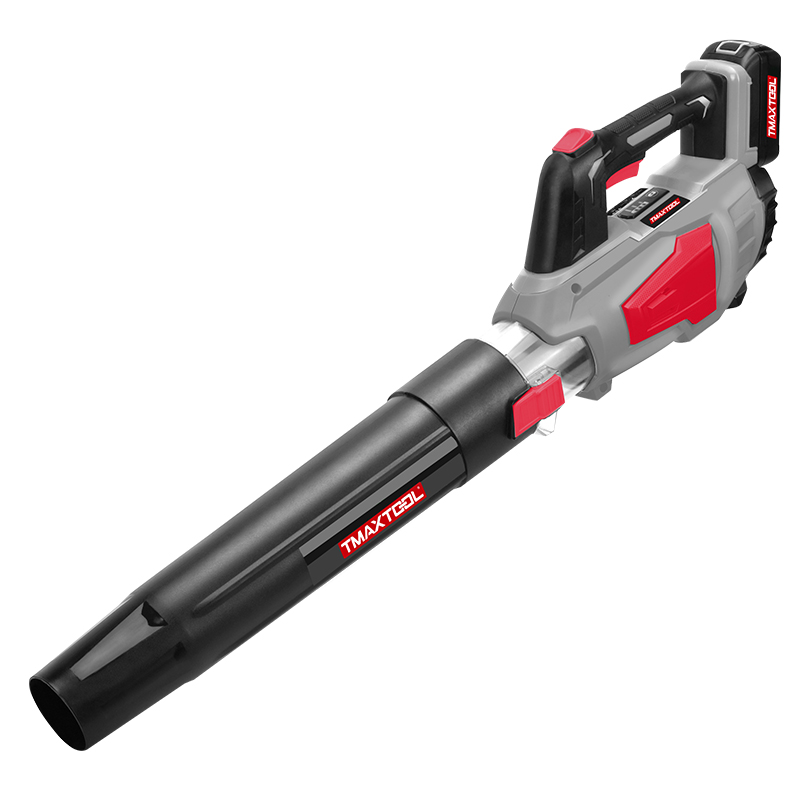 Battery Blower
 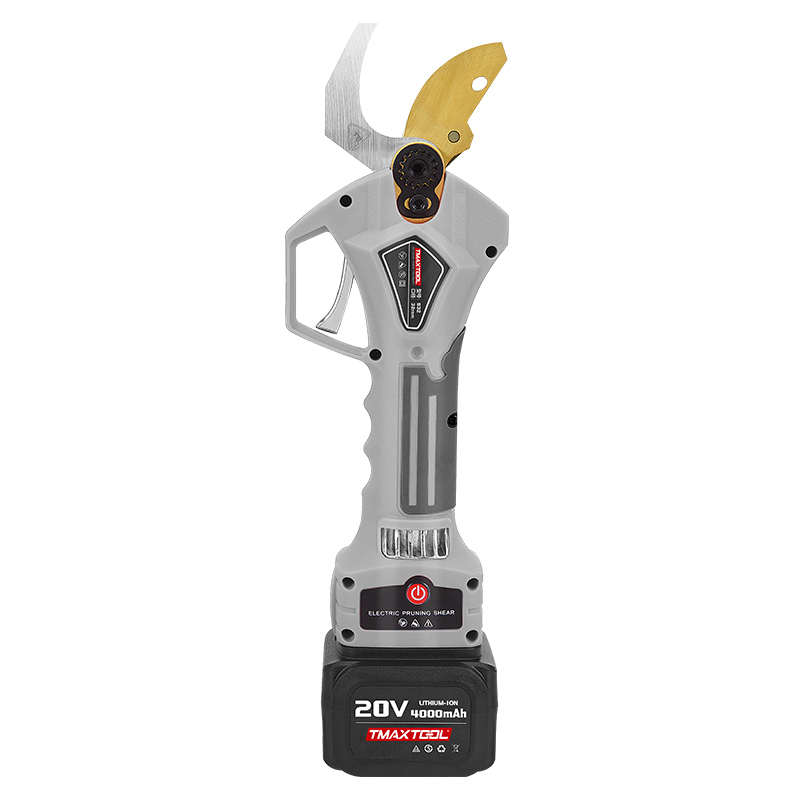 Batter Pruning Shears
 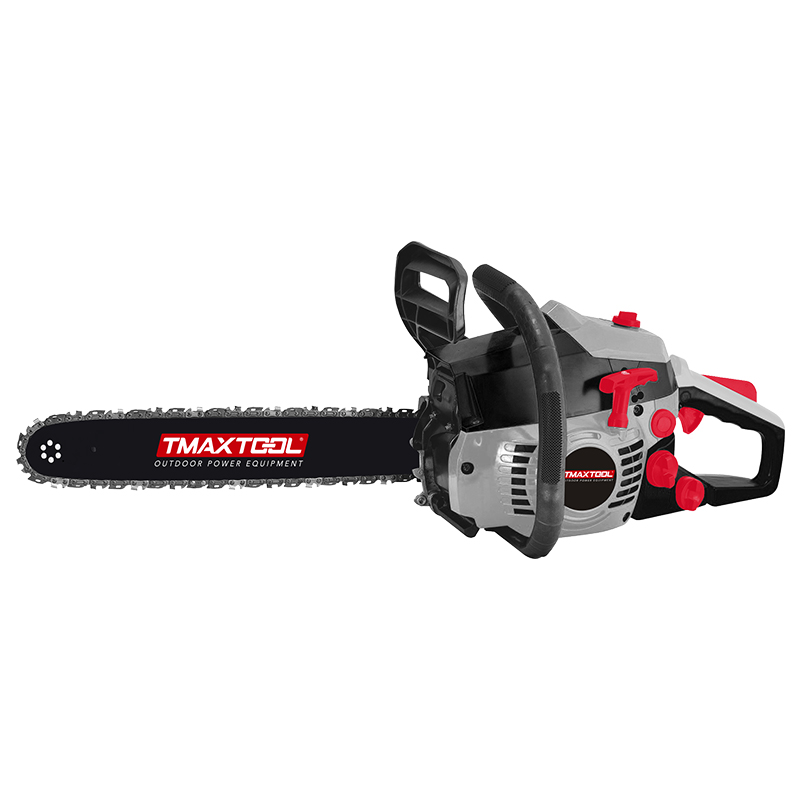 Chain Saw
 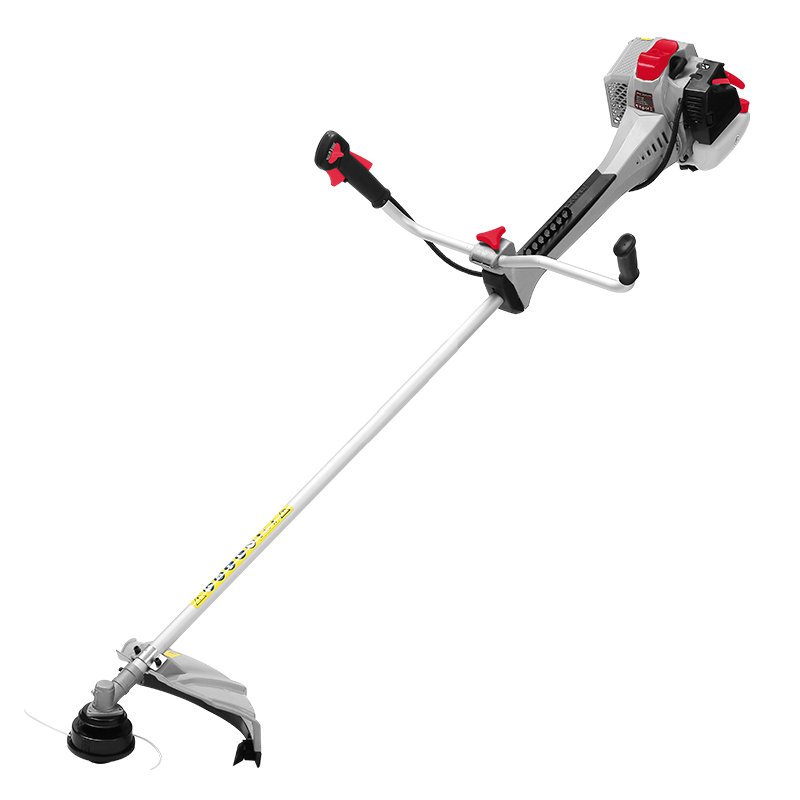 Brush Cutter
 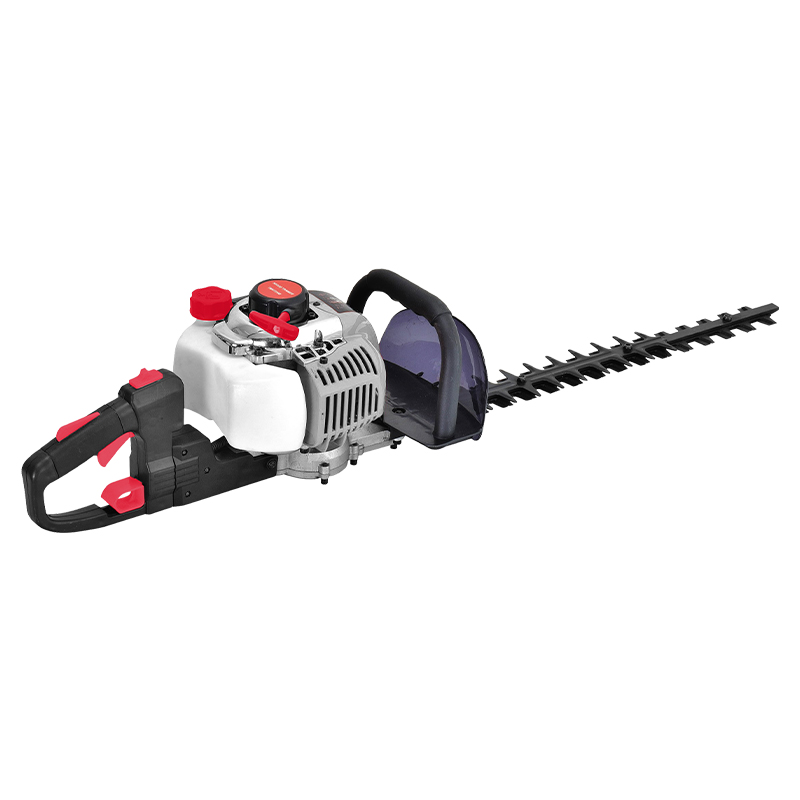 Hedge Trimmer
 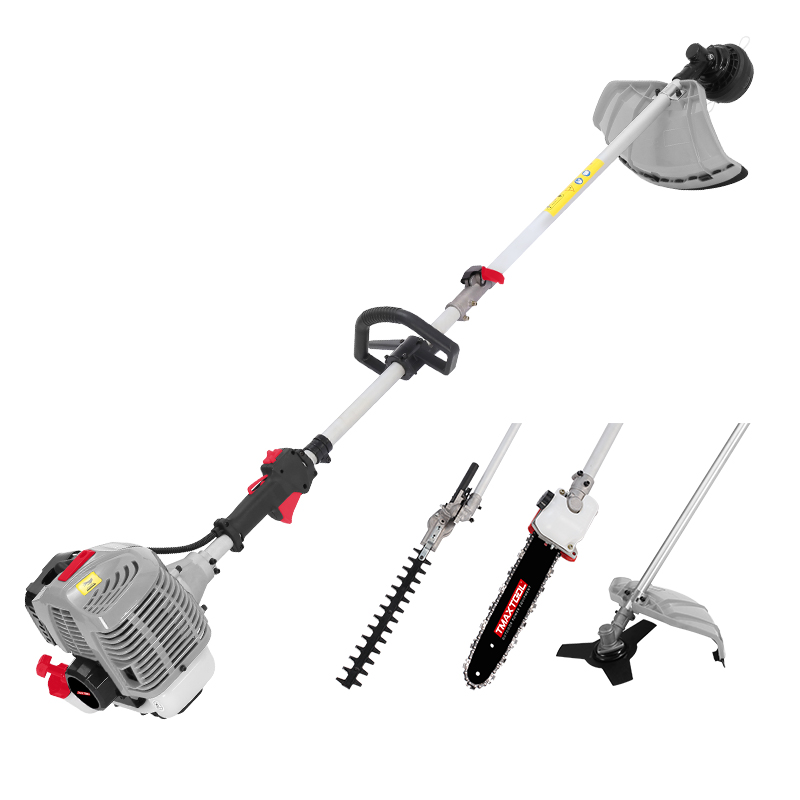 Multi Tool
 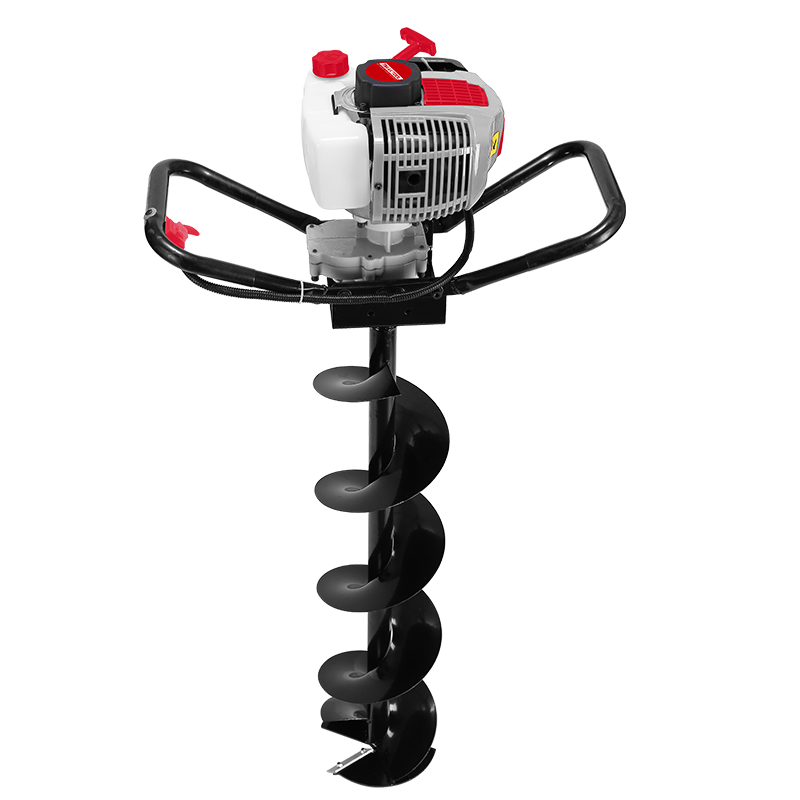 Earth Auger
 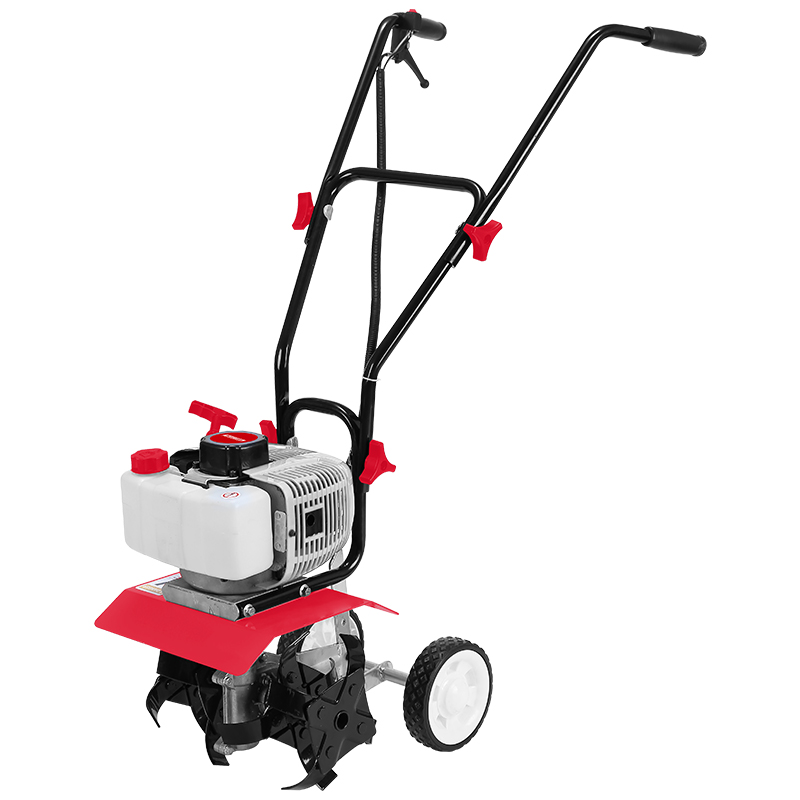 Tiller
 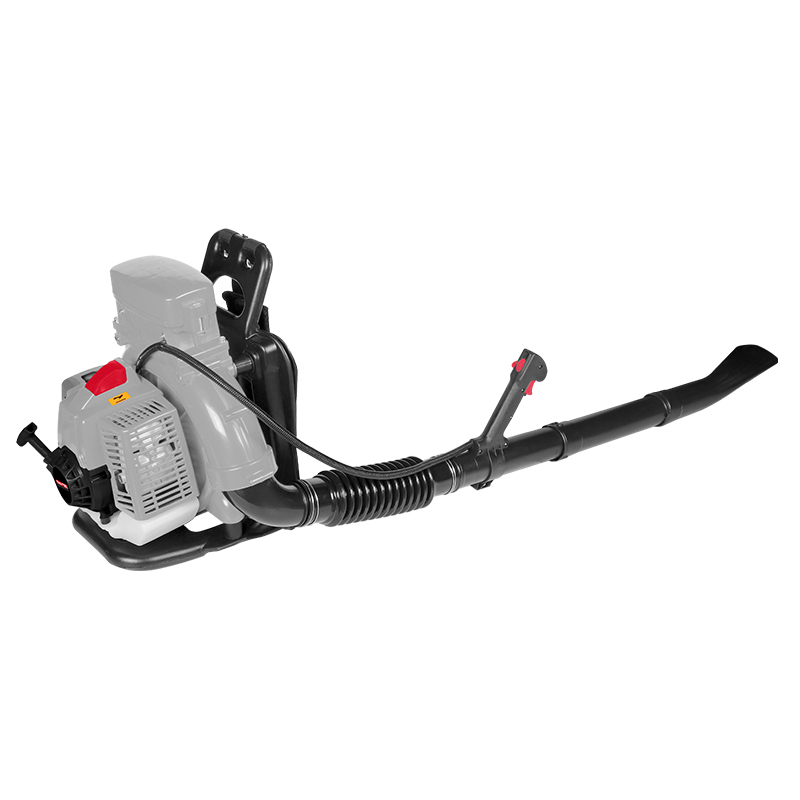 Blower
 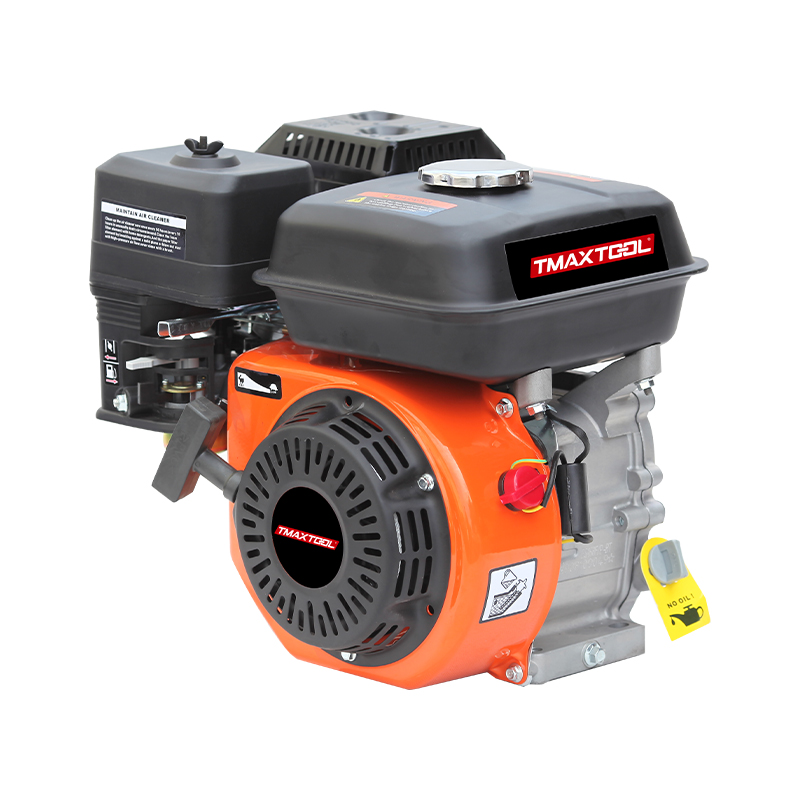 4 Stroke Gasoline Engine
 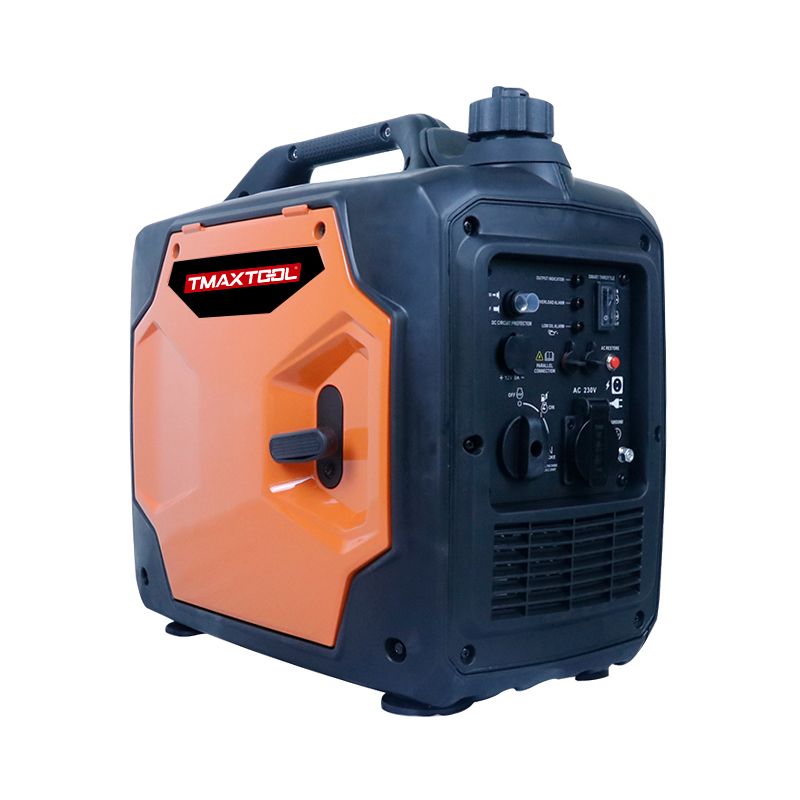 Generator
 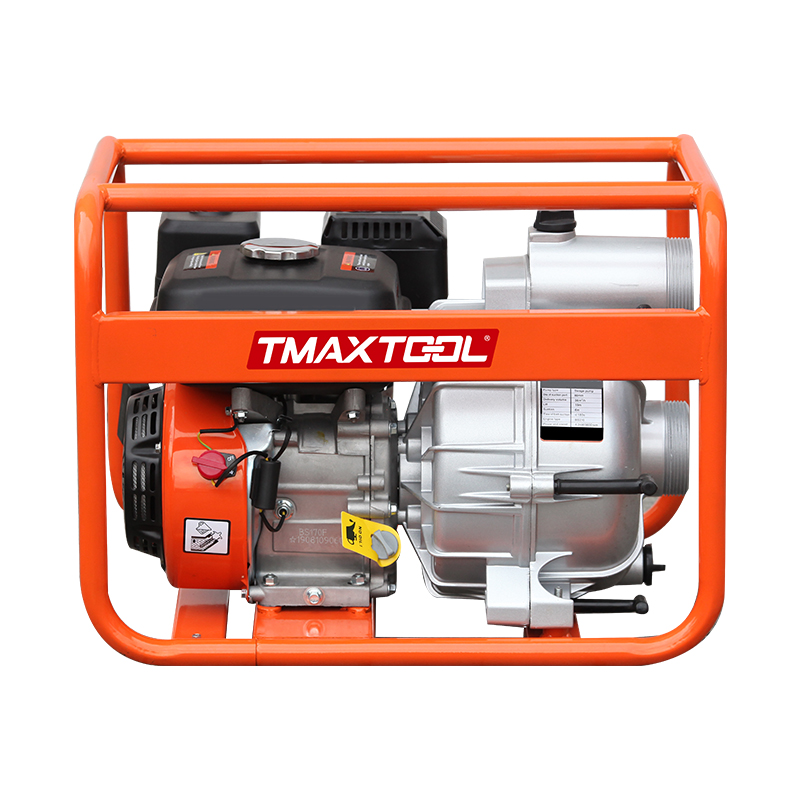 Water Pump
 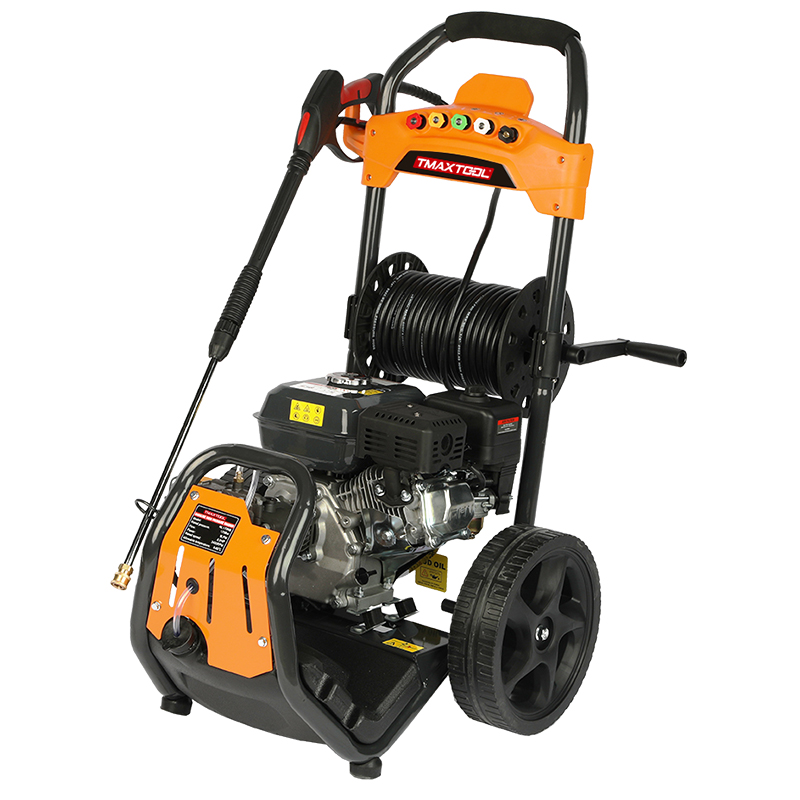 High Pressure Washer
 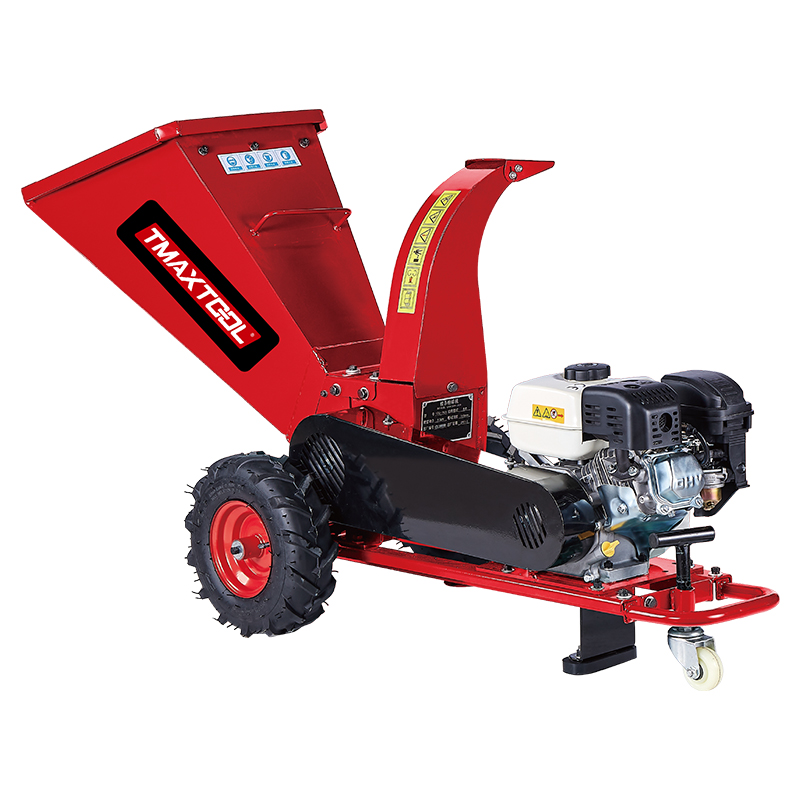 Wood Cutter
 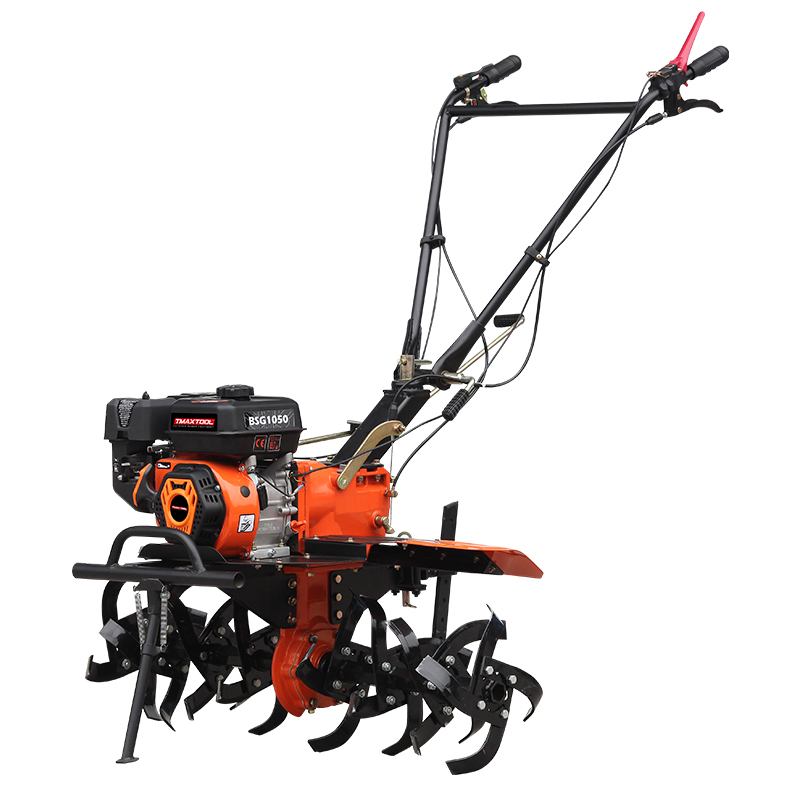 4 Stroke Tiller
 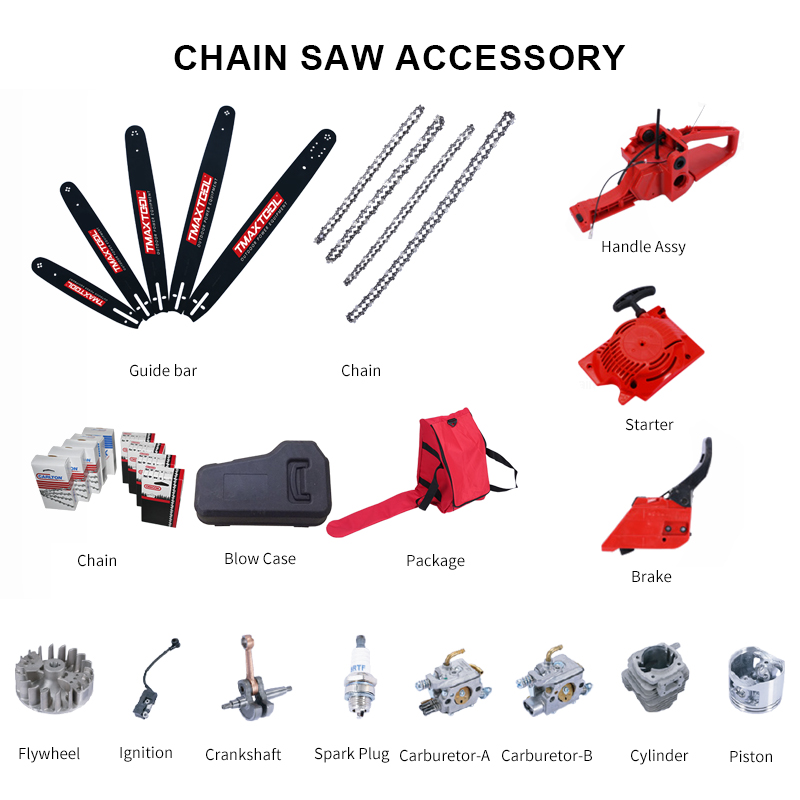 Chain Saw Accessory
 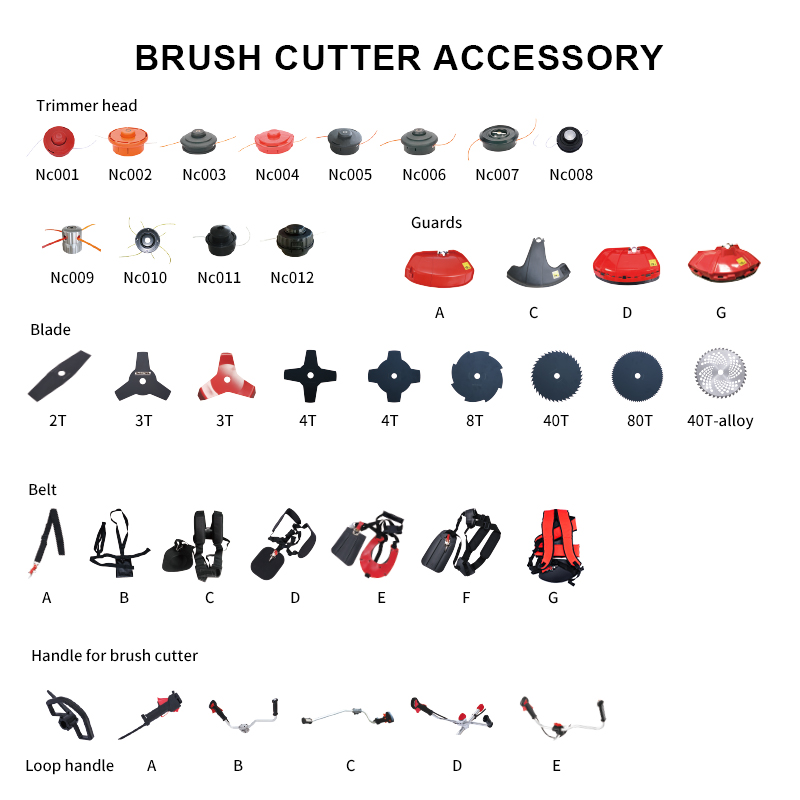 Brush Cutter Accessory
 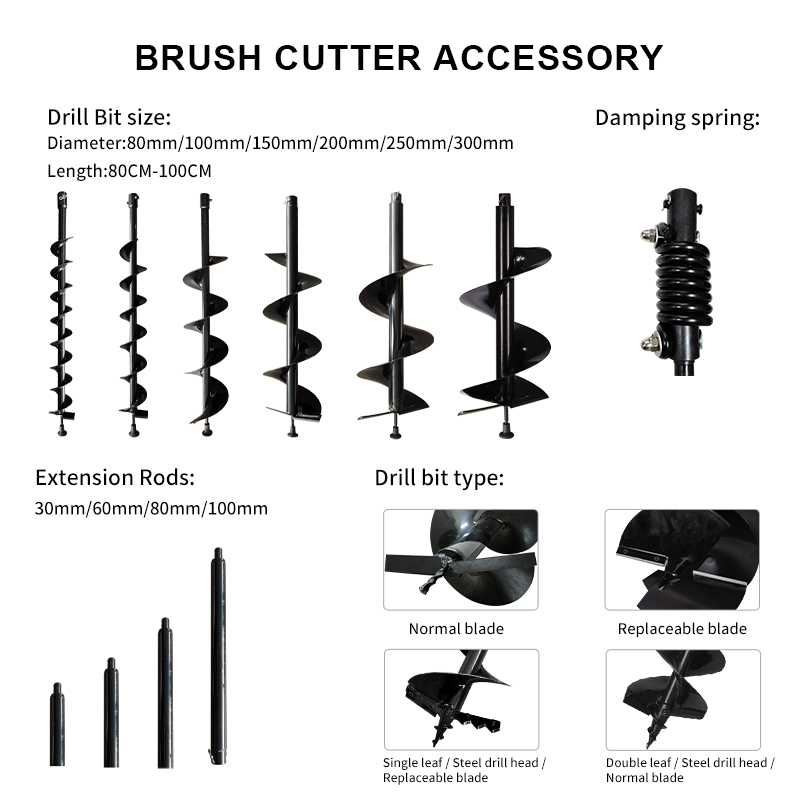 Earth Auger Accessory
 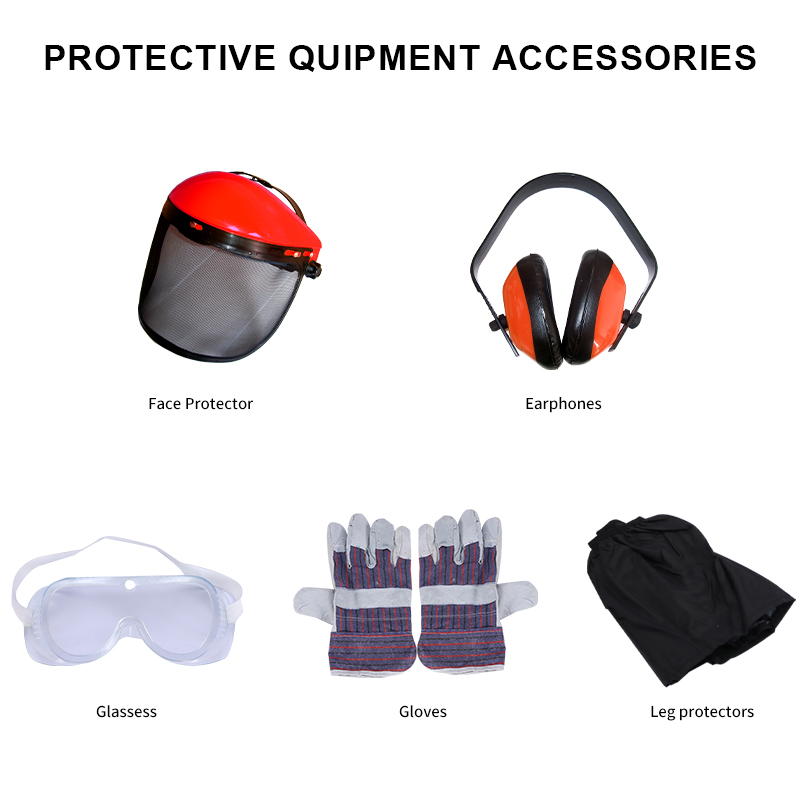 Protective Equipment Accessories
Leave Your Message


How to optimize the drilling accuracy of a screw drill
Spiral drills play a significant role in a variety of engineering applications, such as infrastructure construction, bridge construction, and geological exploration. However, the optimization of drilling accuracy is crucial for improving work efficiency and ensuring project quality. The following are some effective methods for optimizing the drilling accuracy of a screw drill:
First, drill bit grinding and selection
Precise grinding: Before drilling, the drill bit should be precisely ground. Ensure that the top Angle, relief Angle and cross edge slope Angle of the drill bit are accurate, the lengths of the two main cutting edges are equal and symmetrical to the centerline of the drill bit, and the two main rear tool faces are smooth. This is helpful to improve the accuracy of drilling and the smoothness of the hole wall.
Material selection: Select high-quality and wear-resistant drill bit materials to minimize the impact of wear on drilling accuracy.

Second, precise marking and positioning
Precise marking: Use a height gauge for precise marking to ensure the accuracy of the marking. When marking lines, the Angle between the marking needle Angle and the marking plane of the workpiece should be 40° to 60° to ensure that the marked lines are clear and uniform.
Drilling: Drill holes at the intersection of the cross lines to ensure that the drilling points are small and accurately positioned, so that the drill bit can be accurately positioned.
Third, workpiece clamping and alignment
Correct clamping: Select the appropriate clamping method based on the hole diameter and the shape of the workpiece. For small-diameter holes, the workpiece can be clamped with a hand clamp. For larger diameter holes, flat pliers or pressure plates should be used for clamping.
Dynamic alignment: Dynamic alignment is carried out after the drilling machine is started, taking into account uncertain factors such as the swing of the drilling machine's spindle to improve drilling accuracy.
Fourth, drilling process control
Test drilling and deviation correction: Before drilling, conduct a test drill first. After drilling a shallow pit, check if the position is correct and correct the deviation in time.
Control the feed rate: During the drilling process, control the feed rate of the drill bit to prevent the hole diameter from expanding or the hole wall from becoming rough due to excessive speed.

Fifth, inspection and correction
Detection accuracy: After drilling, use tools such as calipers to check the accuracy of the holes, and promptly identify and correct any deviations.
Trim the hole wall: If the precision of the hole does not meet the requirements, a round file can be used to trim the hole wall to ensure that the shape and size of the hole comply with the design requirements.
Through the above methods, the drilling accuracy of the auger can be effectively improved, ensuring the quality of the project and the efficiency of construction.