
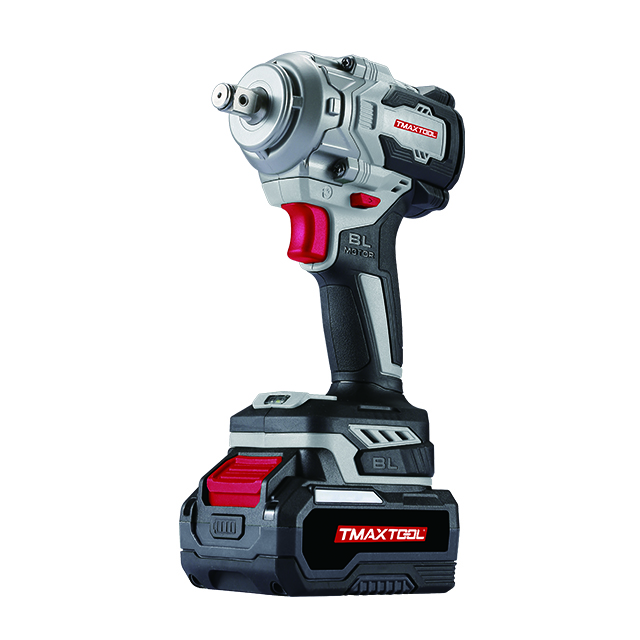
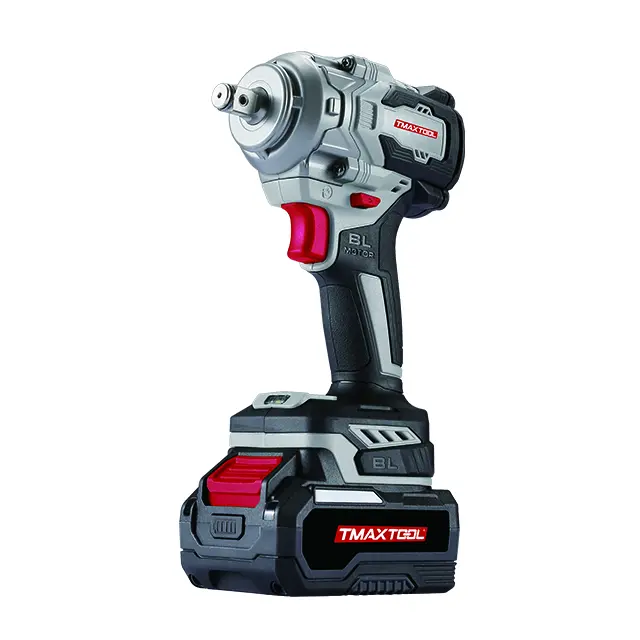
 Impact Wrench
 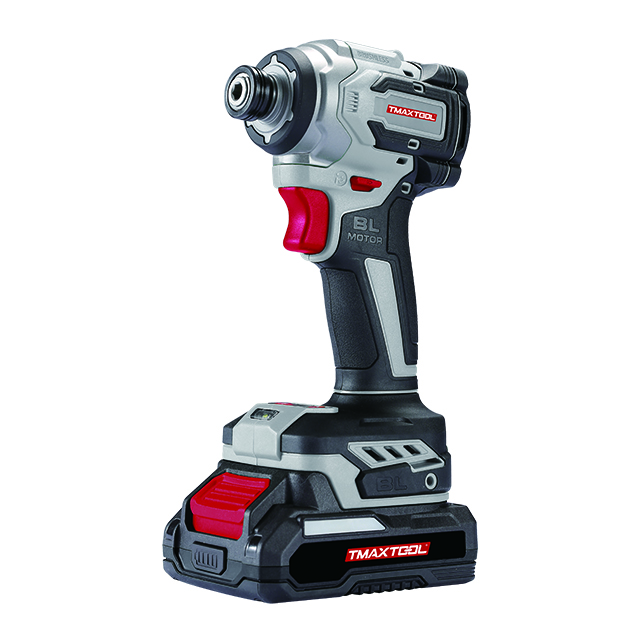 Screwdriver
 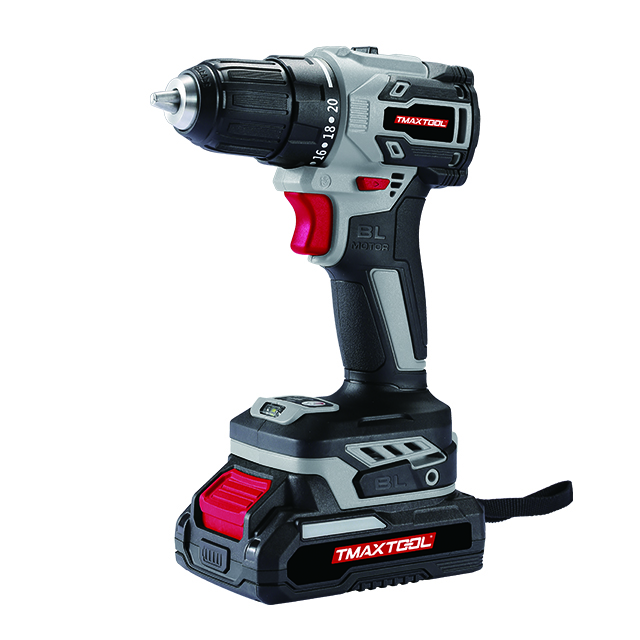 Cordless Drill
 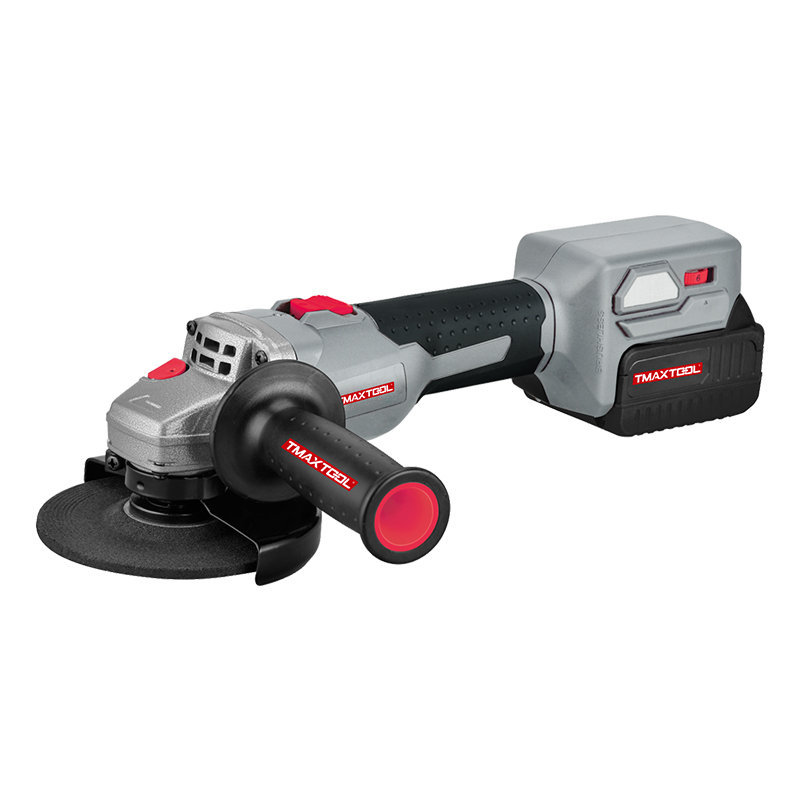 Angle Grinder
 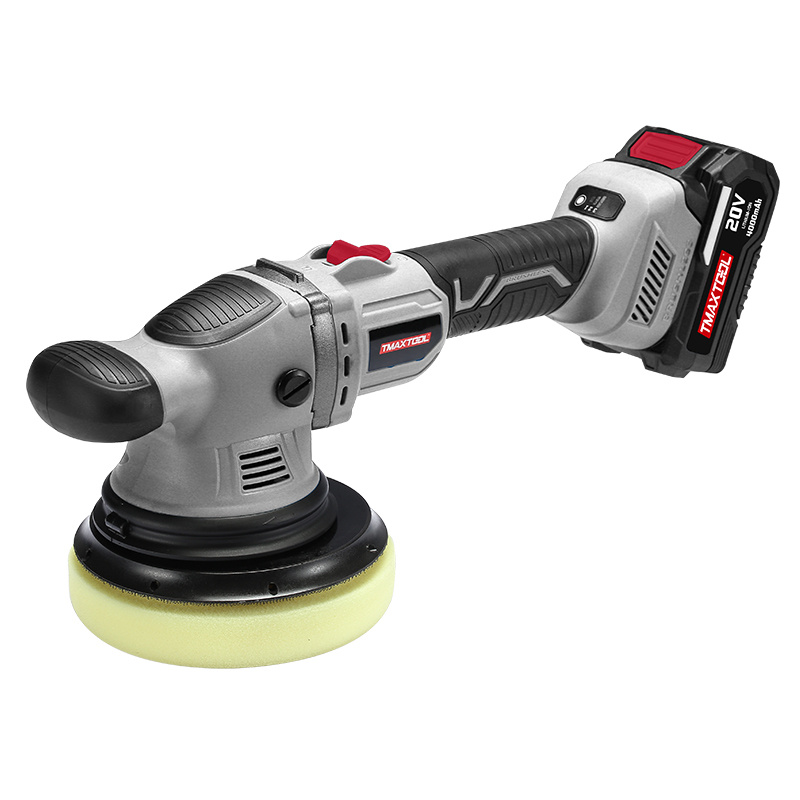 Polisher
 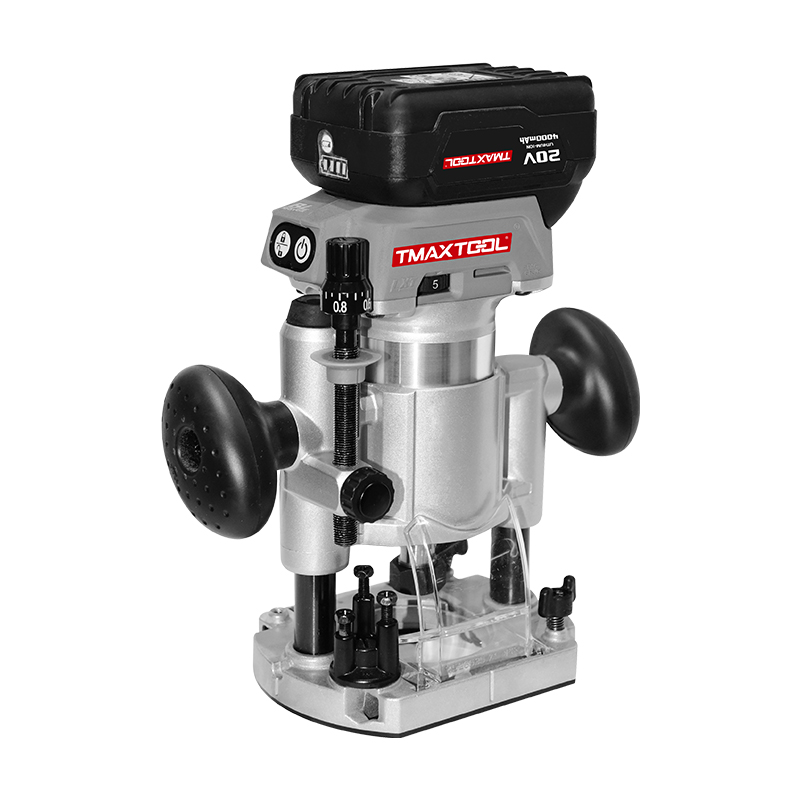 Wood Router
 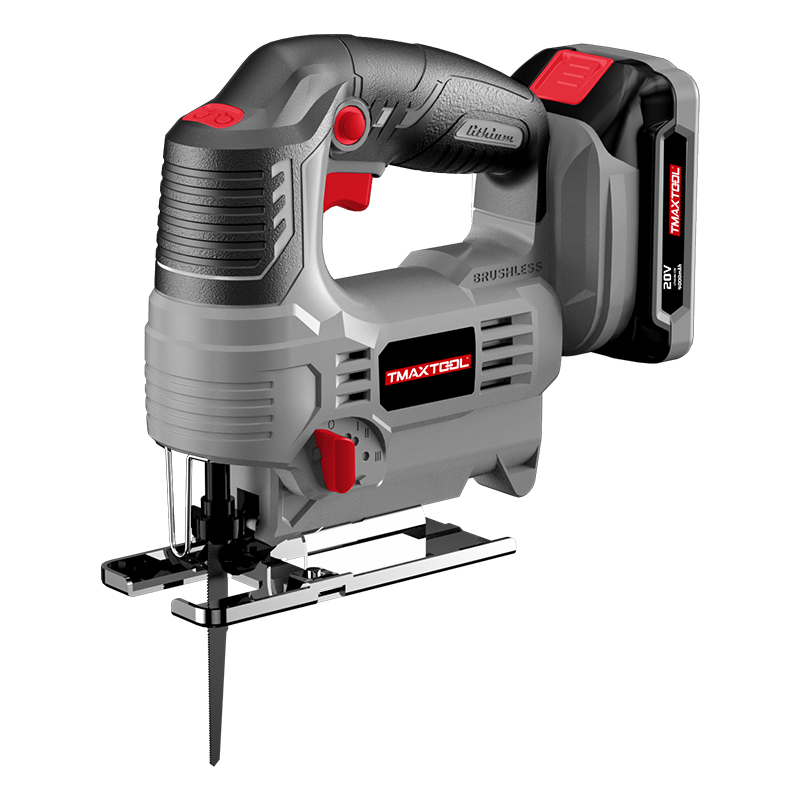 Jig Saw
 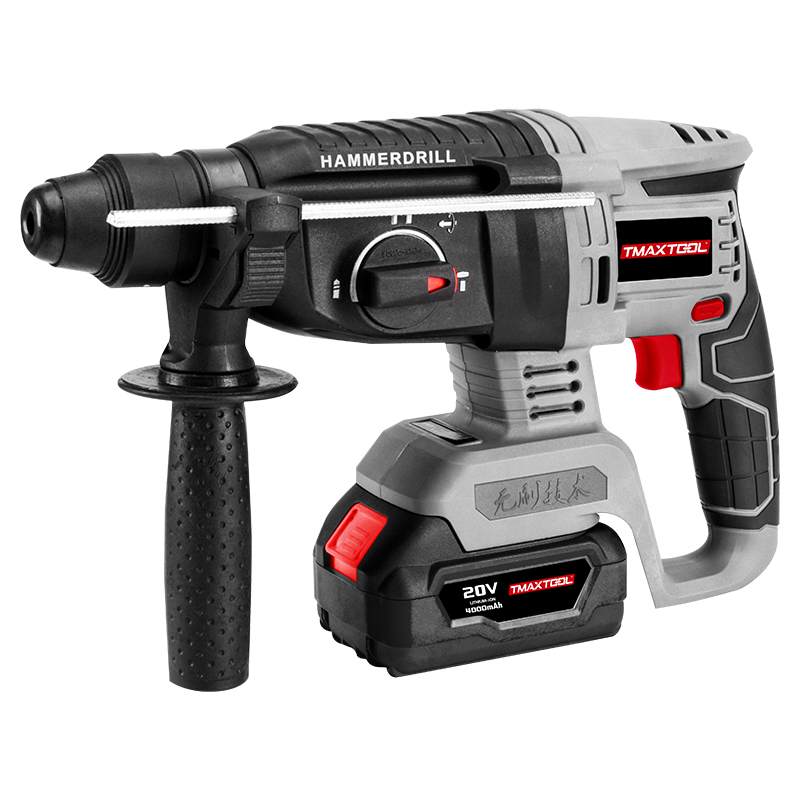 Hammer Drill
 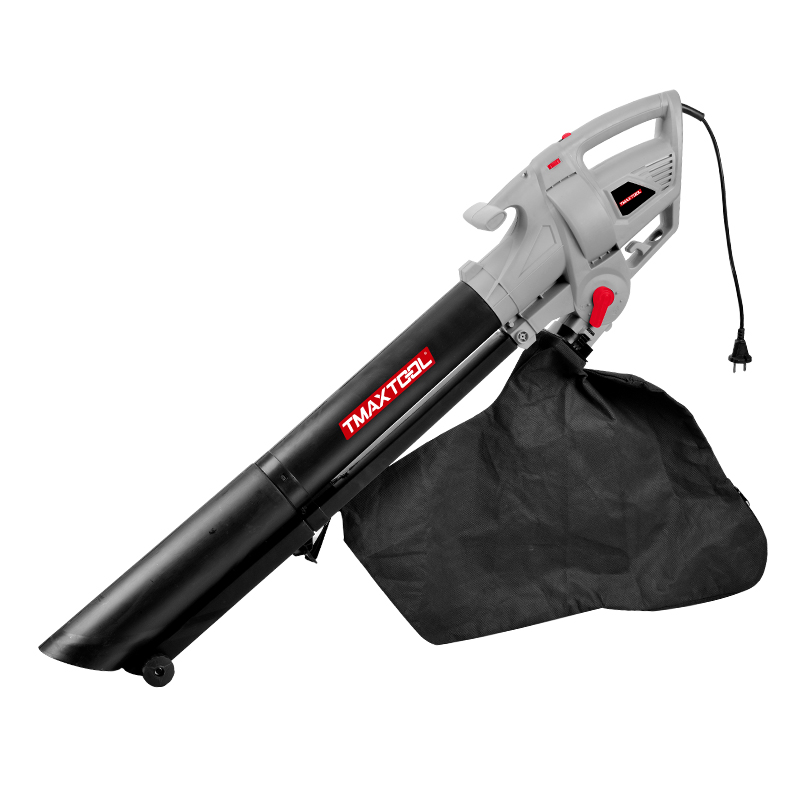 Portable Blower
 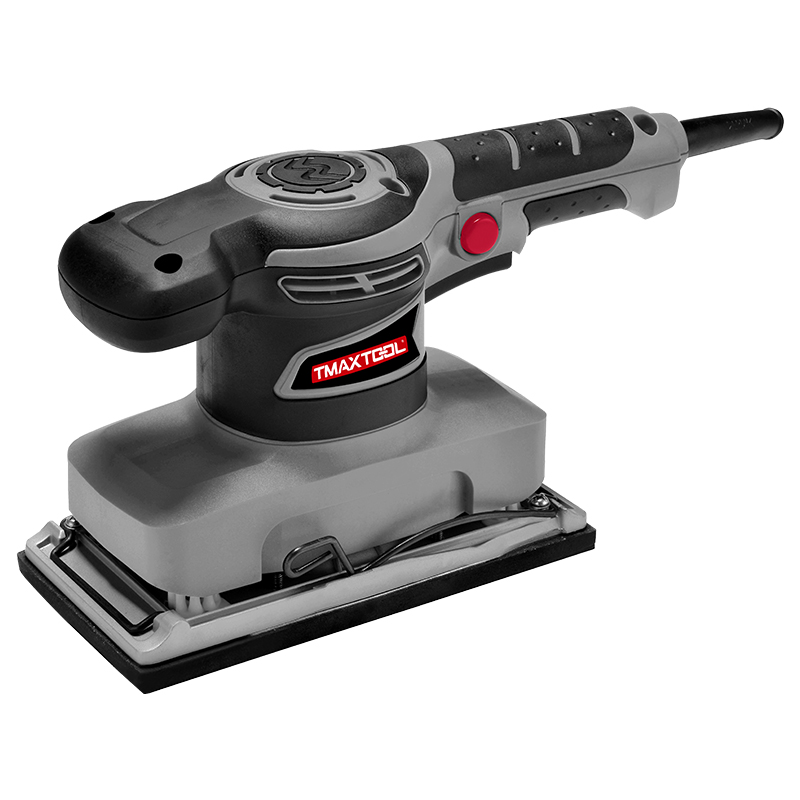 Orbital Sander
 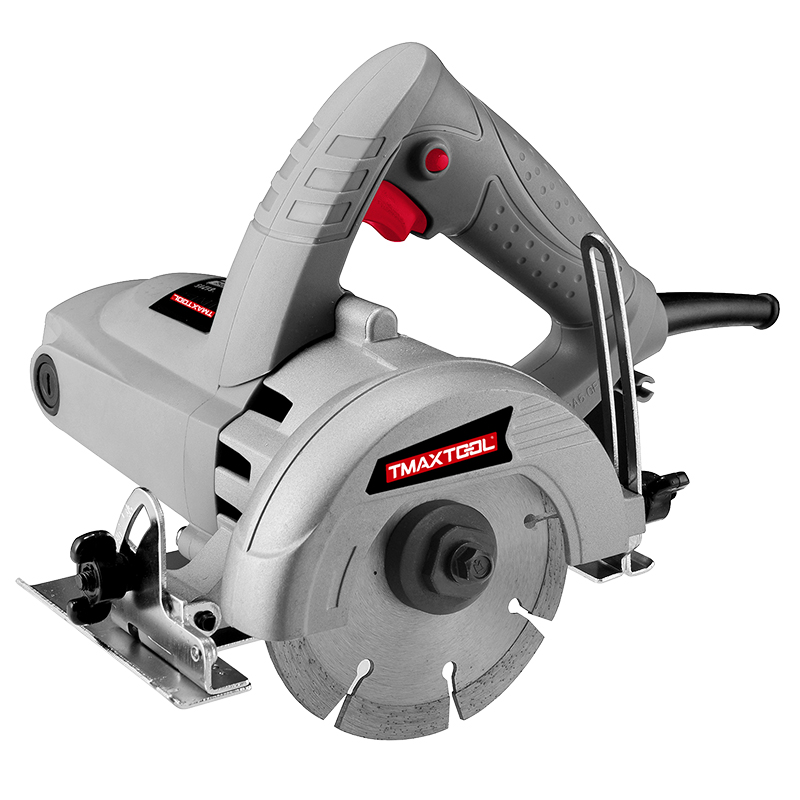 Marble Cutter
  GARDEN TOOLS
 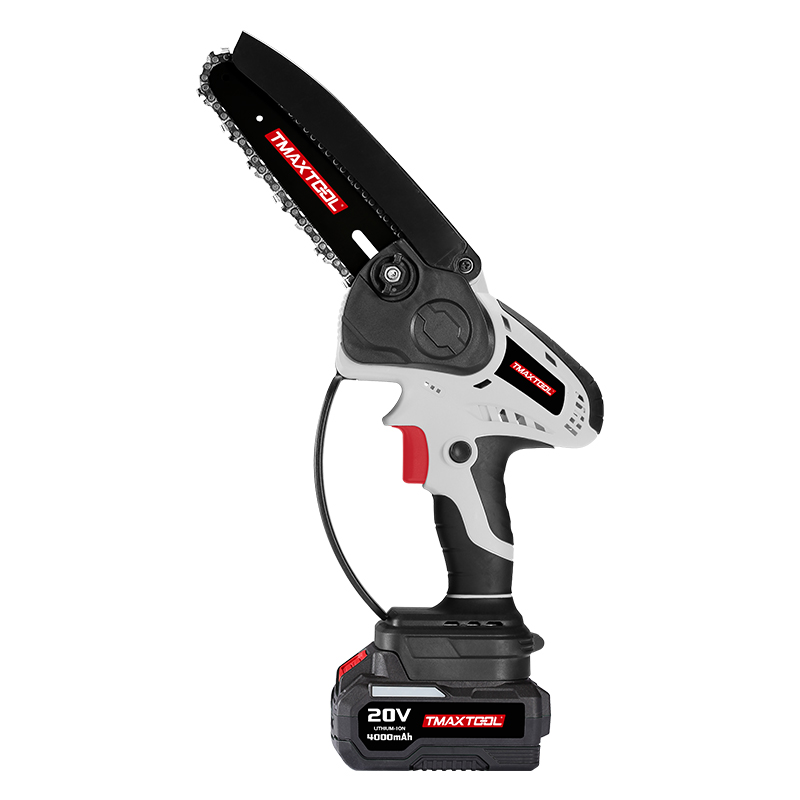 Battery Chain Saw
 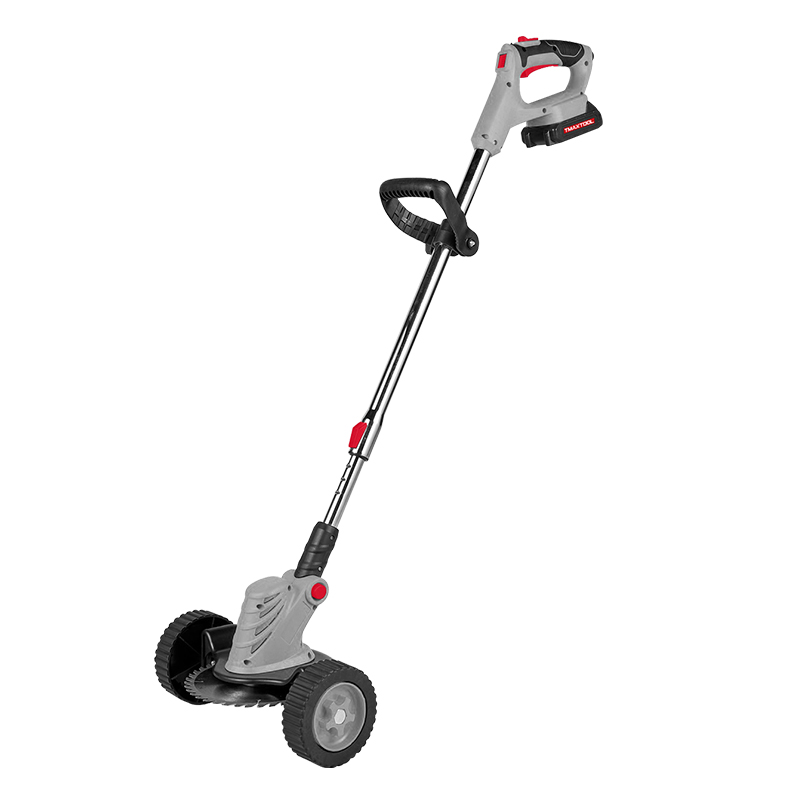 Battery Brush Cutter
 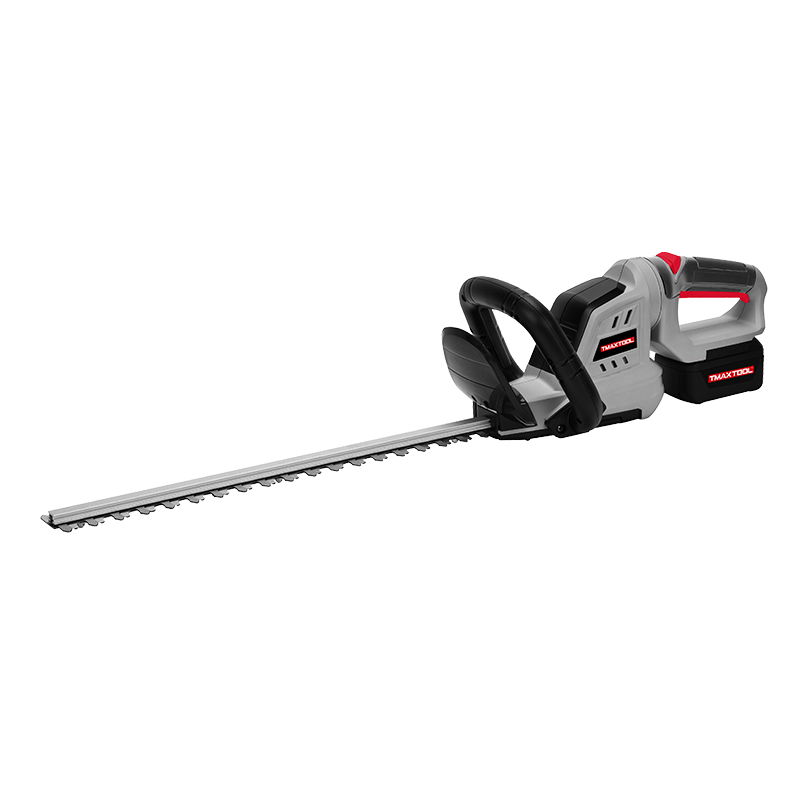 Battery Hedge Trimmer
 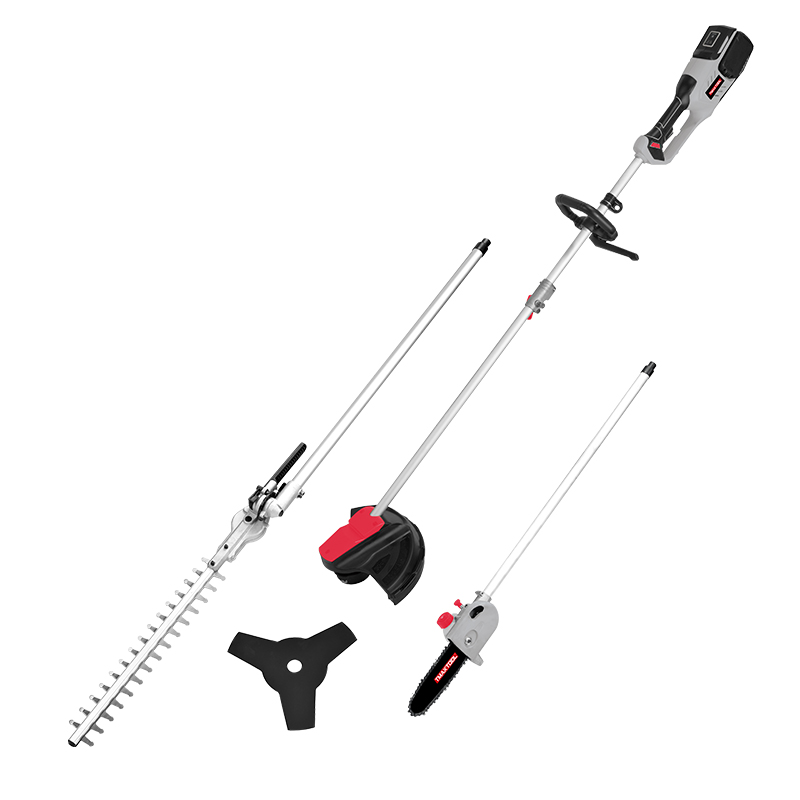 Battery Multi Tool
 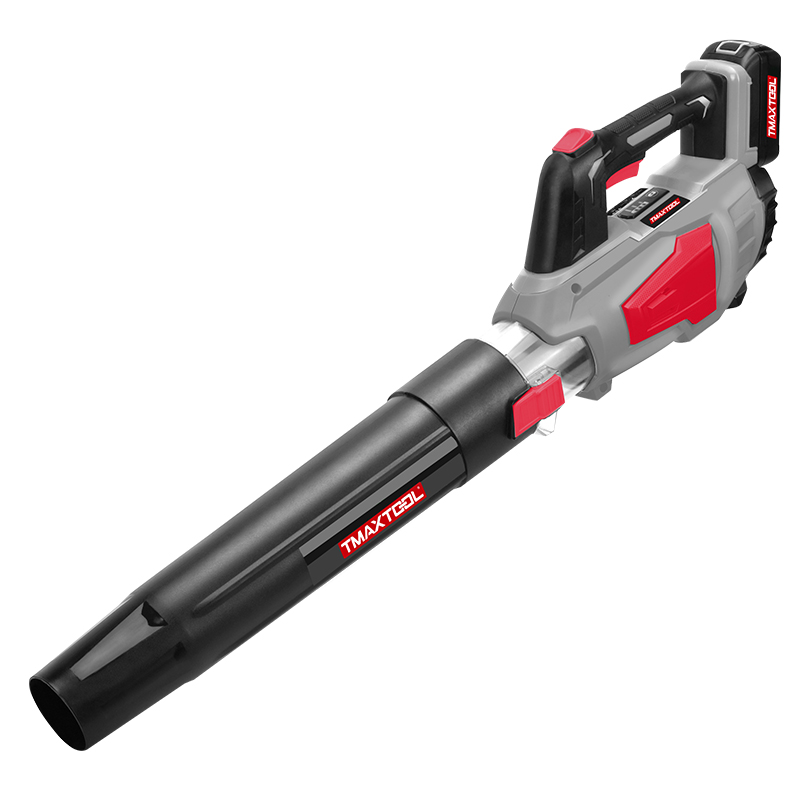 Battery Blower
 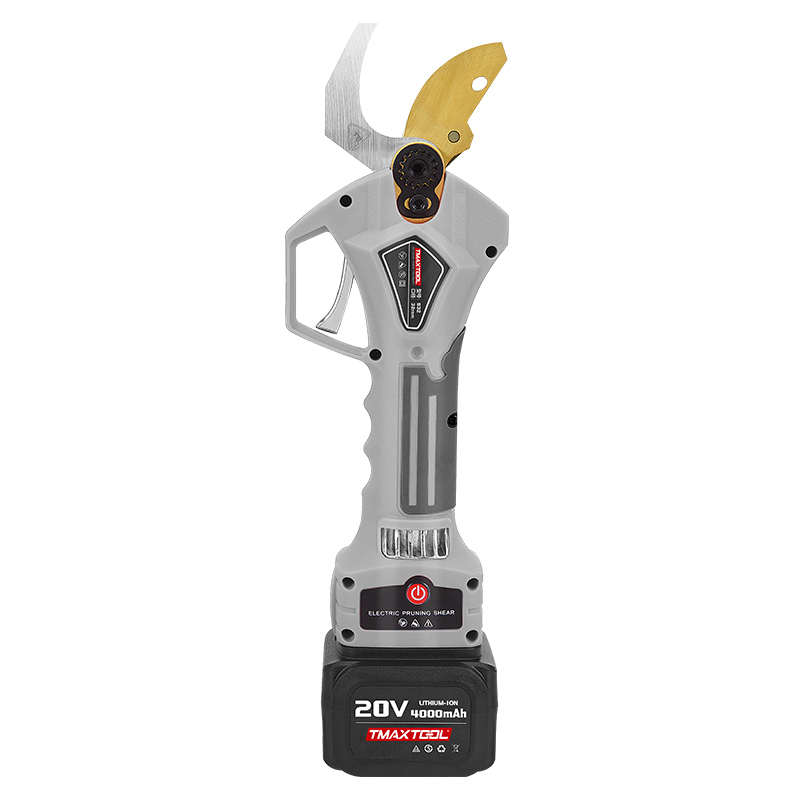 Batter Pruning Shears
 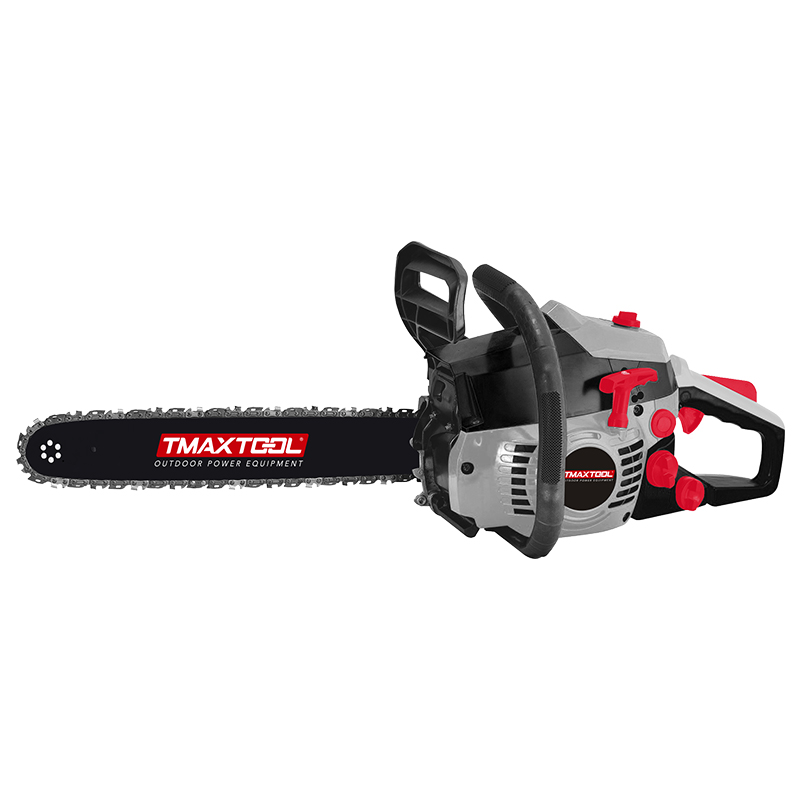 Chain Saw
 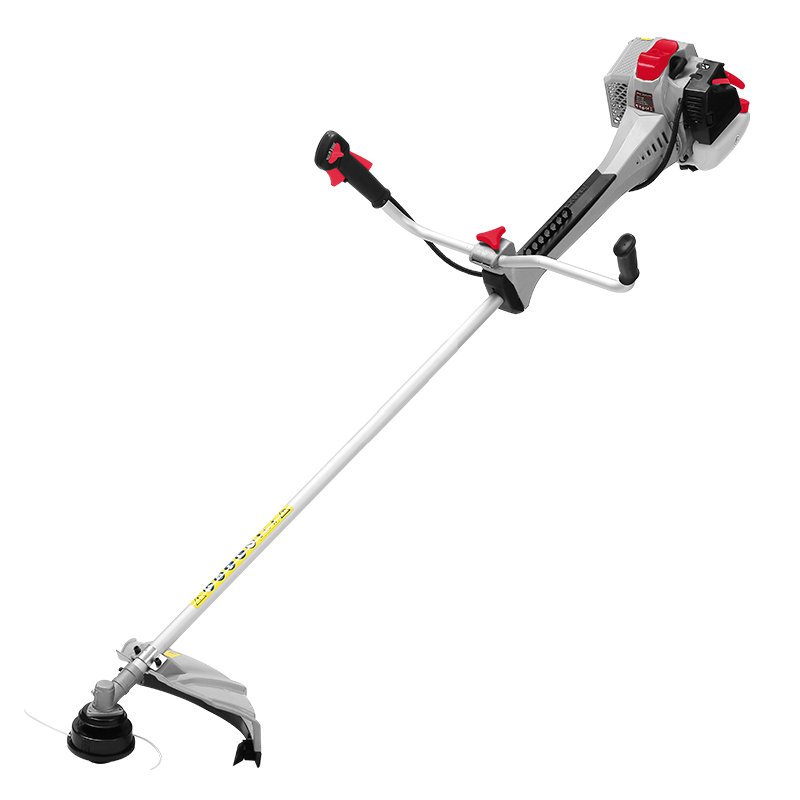 Brush Cutter
 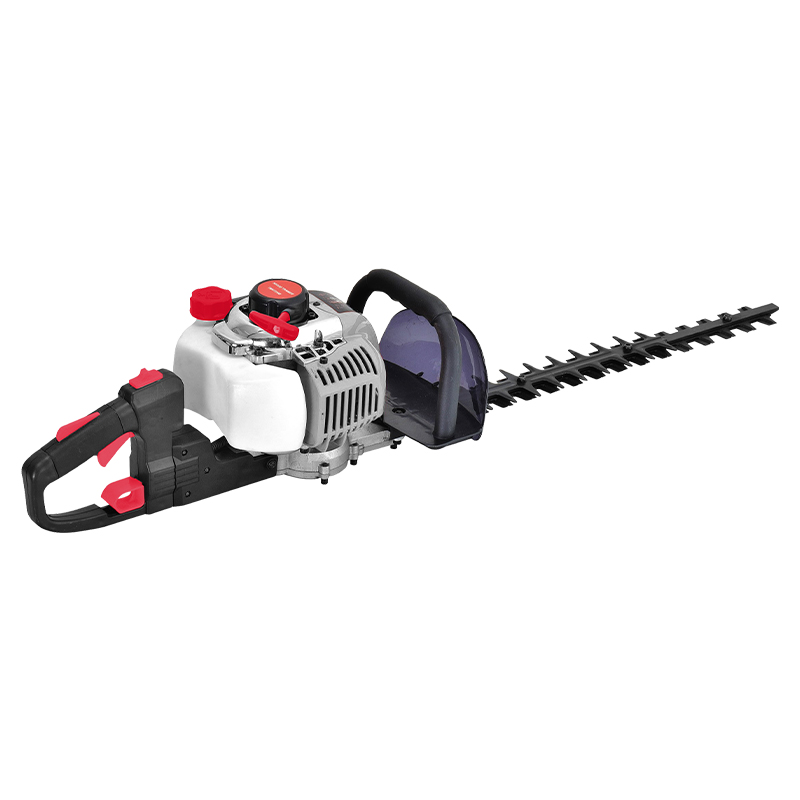 Hedge Trimmer
 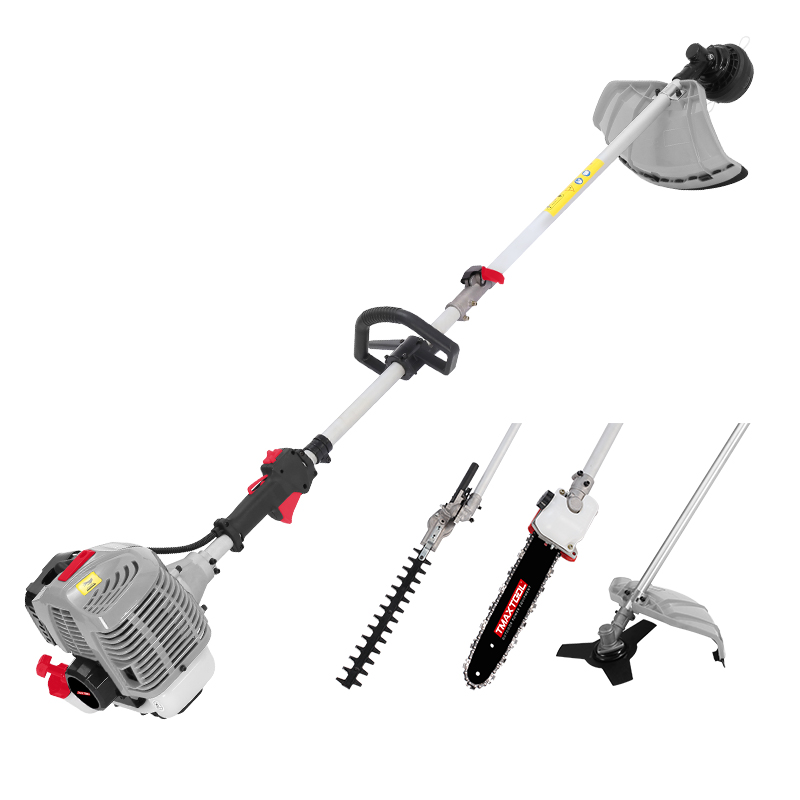 Multi Tool
 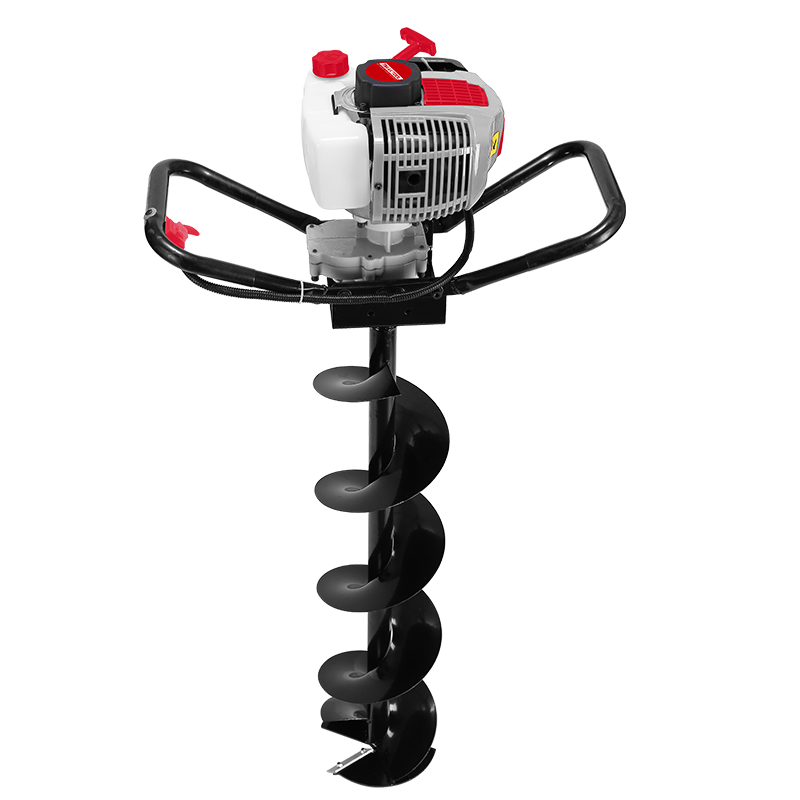 Earth Auger
 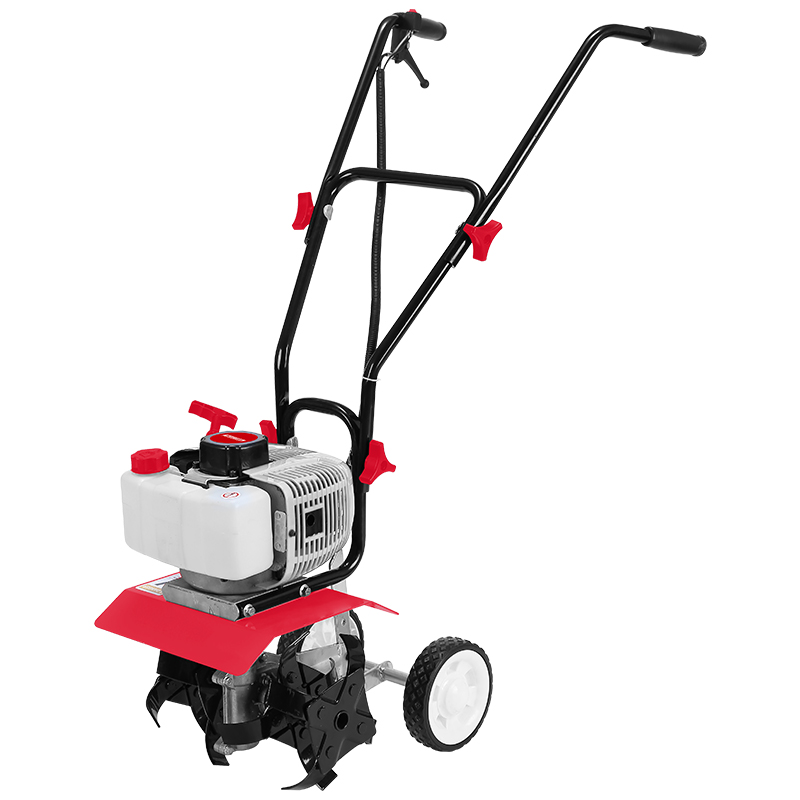 Tiller
 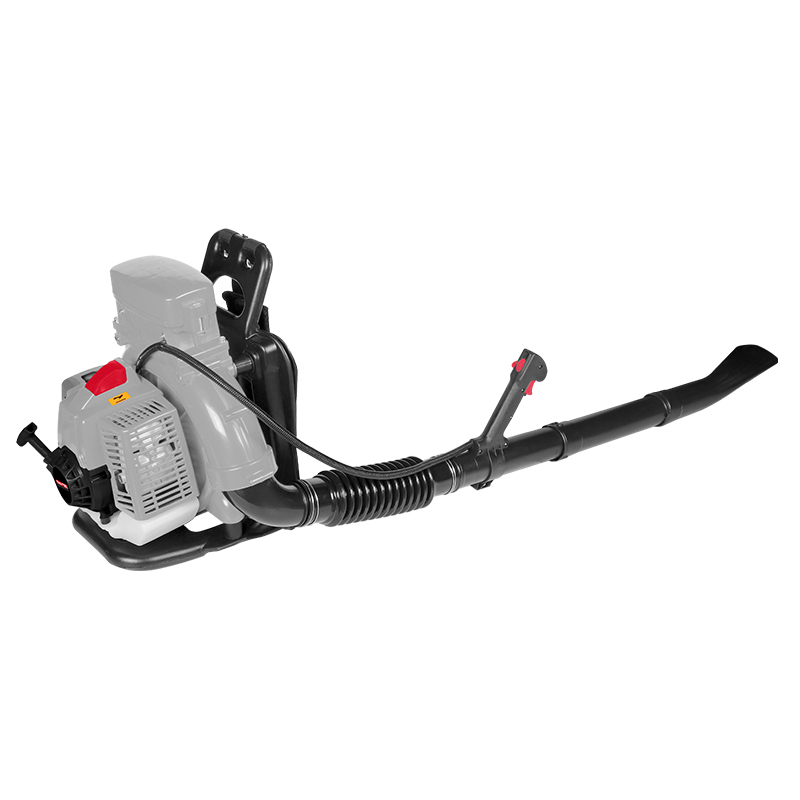 Blower
 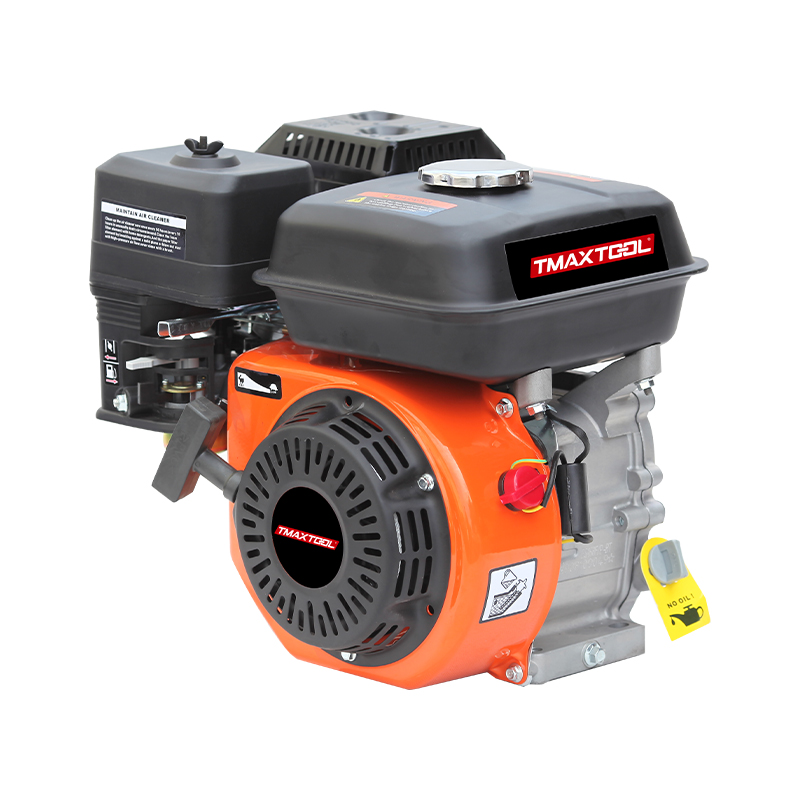 4 Stroke Gasoline Engine
 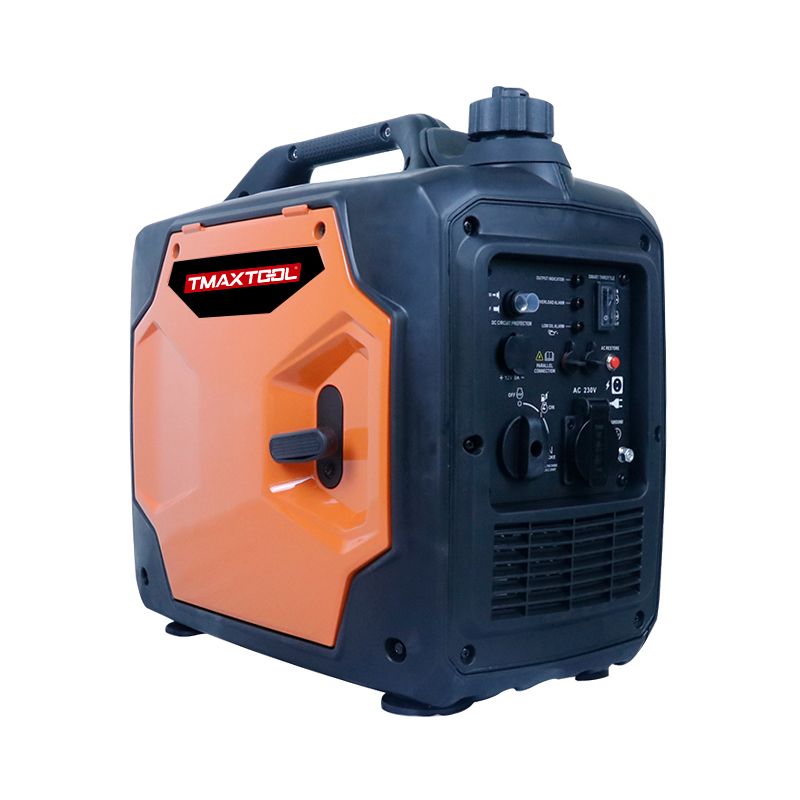 Generator
 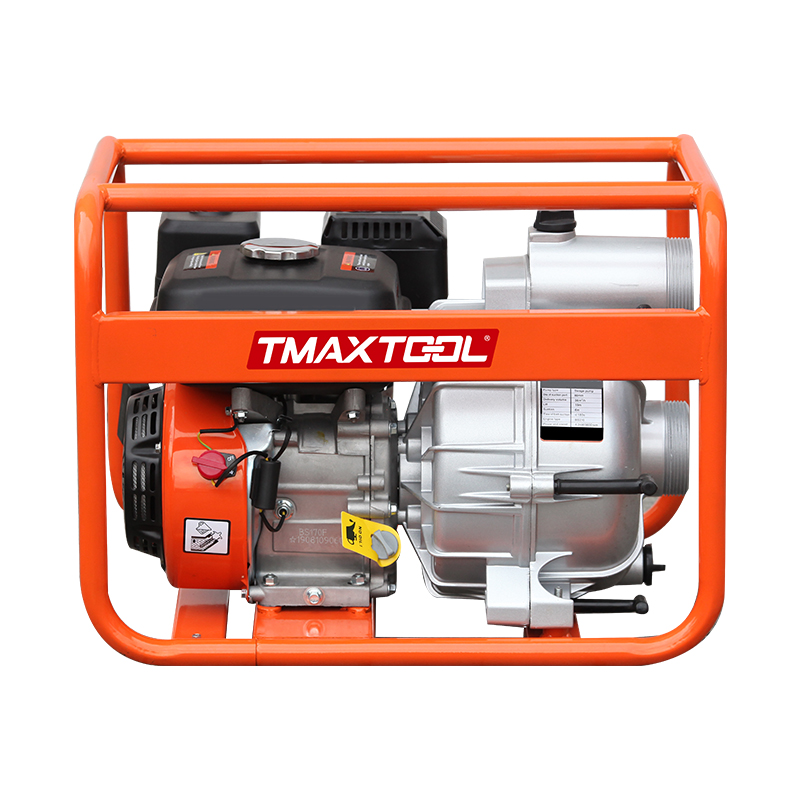 Water Pump
 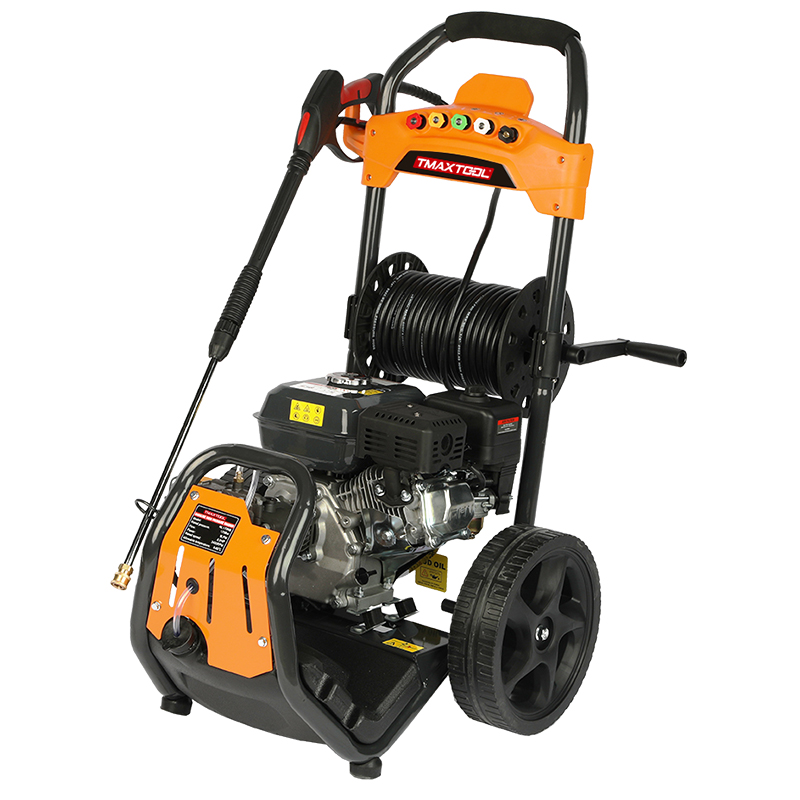 High Pressure Washer
 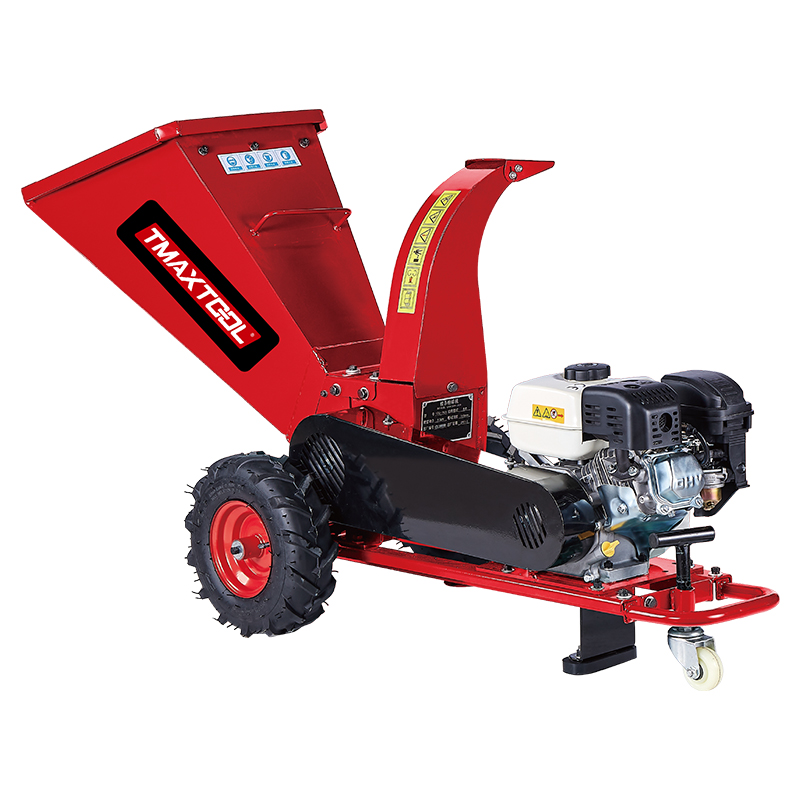 Wood Cutter
 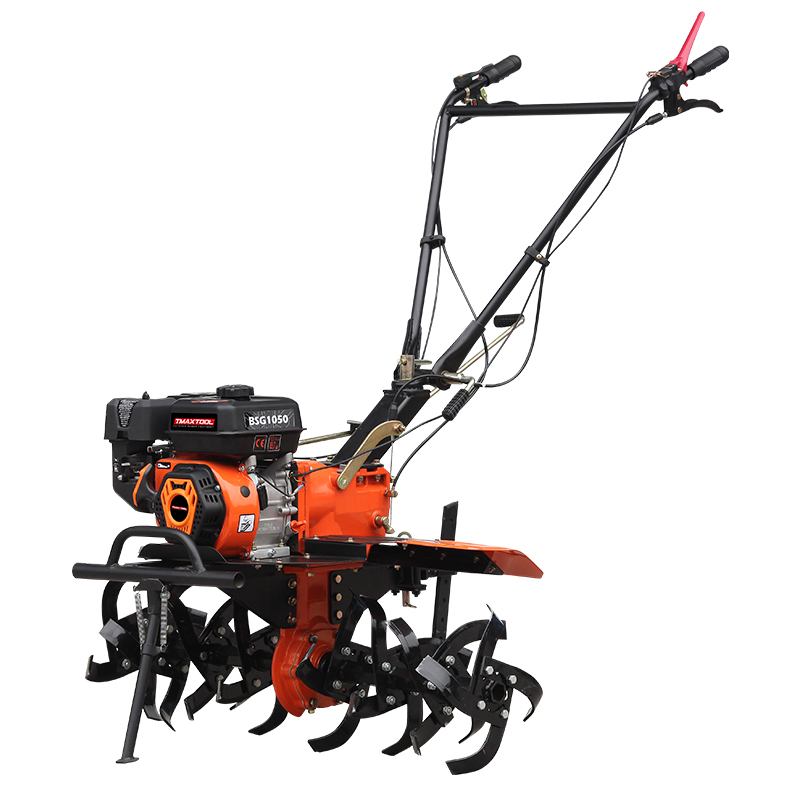 4 Stroke Tiller
 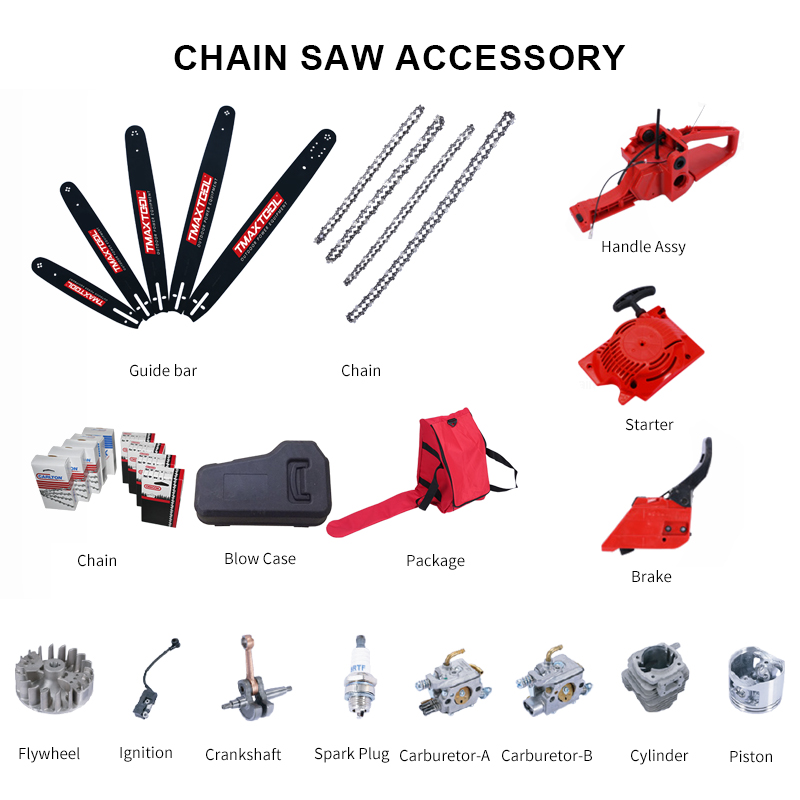 Chain Saw Accessory
 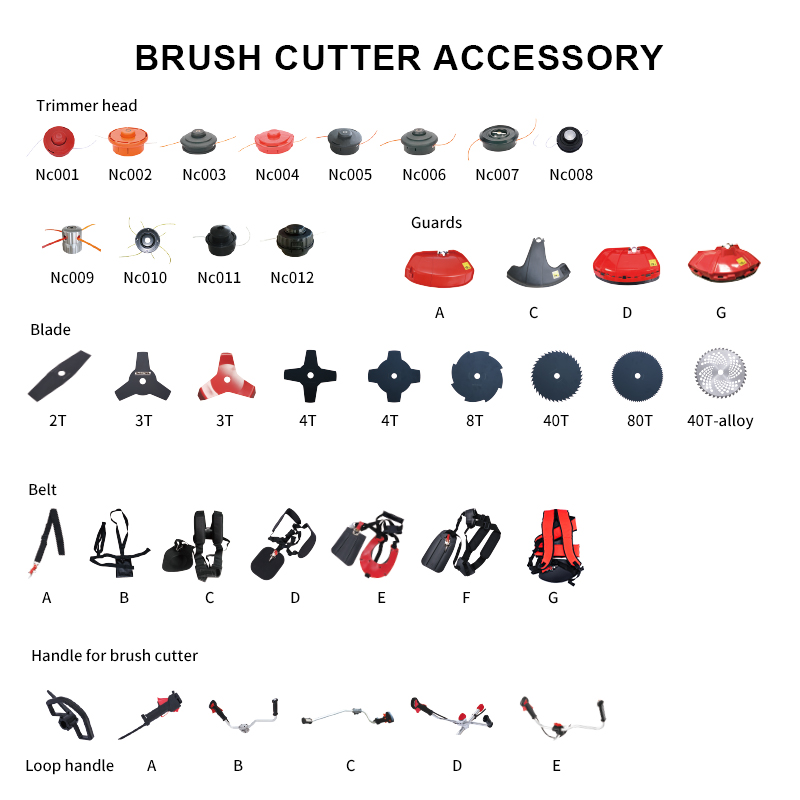 Brush Cutter Accessory
 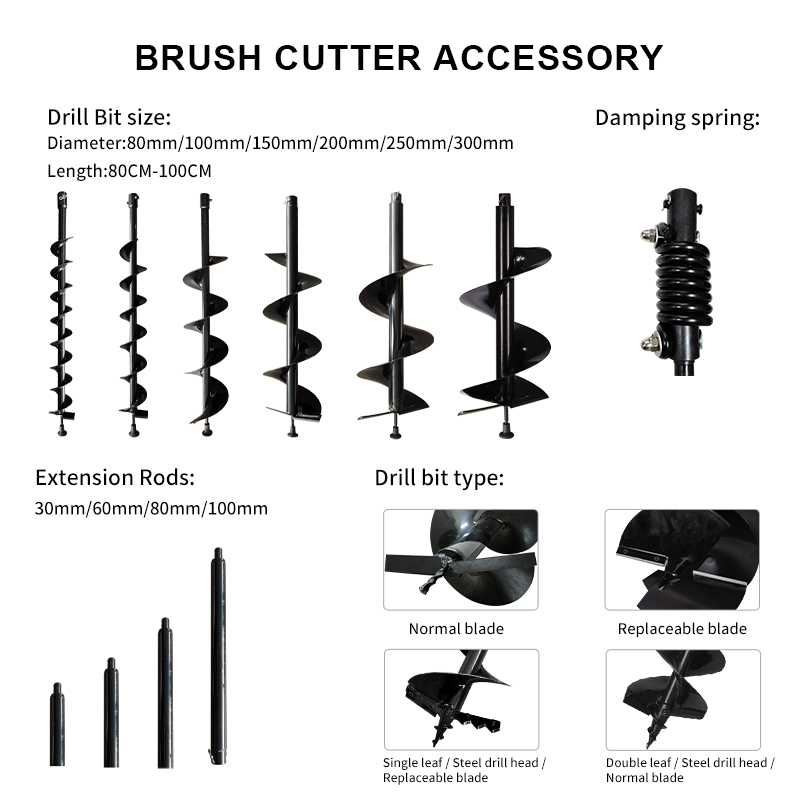 Earth Auger Accessory
 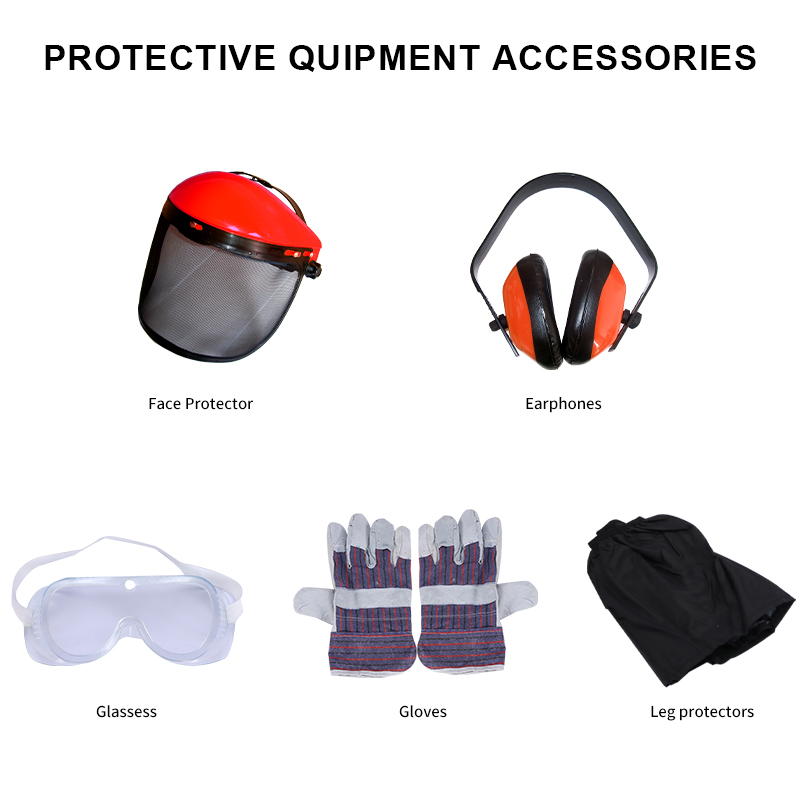 Protective Equipment Accessories
Leave Your Message


In-depth Analysis of the Middle East Power Tool Market Demand
In-depth Analysis of the Middle East Power Tool Market Demand
1. Market Size and Growth Potential: A Steadily Expanding Blue Ocean Market
2. Core Demand Industries: Triple Drivers of Infrastructure, Manufacturing, and DIY
3. Product Adaptability Requirements: Performance Needs in Extreme Environments
4. Policy and Certification Barriers: Key Thresholds for Compliance Access
5. Regional Market Differences: Demand Differentiation in Six Core Markets
6. Channel Cooperation Models: Localized Distribution Logic
7. Competitive Landscape Characteristics: The Game Between International Brands and Local Forces
8. Future Trend Prediction: Transformation Direction Towards Intelligentization and Greening

I. Market Size and Growth Potential: A Steadily Expanding Blue Ocean Market
The Middle East power tool market is in a golden period of sustained growth, becoming an indispensable incremental market for the global tool industry. Data shows that between 2024 and 2035, the Middle East power tool market size will grow at an average annual rate of 1.6%, with an average annual growth rate of 1.9% in market value. It is projected that by 2035, the market size will exceed US$870 million, with sales reaching 22 million units. If the overall Middle East and Africa market is included, the region's market size is projected to reach US$3.404 billion by 2030, with a compound annual growth rate of 6.4%.
This growth is driven by the dual forces of economic transformation and infrastructure upgrades in Middle Eastern countries. The implementation of national strategies such as Saudi Arabia's "Vision 2030," the UAE's smart city construction, and Kuwait's urbanization drive are continuously releasing demand for large-scale engineering projects, injecting long-term growth momentum into the power tool market. For global distributors and franchisees, this market with low saturation and high growth potential presents a strategic opportunity to establish the TMAX brand.
II. Core Demand Industries: Triple Drivers of Infrastructure, Manufacturing, and DIY
Demand for power tools in the Middle East is concentrated in three core areas, forming a diversified market demand structure:
Infrastructure engineering is the absolute mainstay. Mega-projects such as Saudi Arabia's NEOM City, the Red Sea tourism project, and Oman's Muscat New Airport directly drive bulk purchases of heavy-duty power tools such as Impact Drills, welding machines, and cutting machines. Kuwait's improved transportation network and upgraded energy facilities have fueled a sustained surge in demand for high-performance hardware tools.
Manufacturing upgrades are driving high-end demand. With the increasing adoption of Industry 4.0, companies in Kuwait and Saudi Arabia are introducing intelligent and automated power tools to improve production efficiency and product quality. The demand for precision welding and machining tools is particularly prominent in sectors such as automotive assembly and ship repair.
The DIY market is rapidly growing. Rising living standards in the Middle East are driving demand for home improvement, leading to a significant increase in household purchases of hand tools and light power tools. Data from the Omani market shows that DIY tools and environmentally friendly materials now account for 35% of civilian hardware demand, and online tool sales can surge by 50% during peak home renovation seasons.
III. Product Adaptability Requirements: Performance Necessities in Extreme Environments
The unique natural and usage environment of the Middle East places specific performance requirements on power tools, becoming a core consideration for product market access:
Weather resistance is a fundamental indicator. Summer temperatures in the Middle East can reach over 40°C, and sandstorms are frequent. Tools must have enhanced dustproof and heat dissipation designs, wide operating temperature ranges, and shells that can withstand wind and sand erosion. Bosch's dustproof impact drill, specifically developed for the Middle East market, is a typical example of a tool that has gained market recognition through its special sealing design.
Power compatibility is crucial. Unstable power grids in some areas and power shortages in remote regions are driving rapid growth in demand for cordless lithium-ion tools. In the Yemeni market, the penetration rate of lithium-ion battery Cordless Drill sets is increasing by an average of 12% annually, and solar-powered portable tools have become the preferred choice in remote areas.
Customized needs for specific scenarios are becoming increasingly prominent. Religious building construction requires tools that meet halal certification, while mosque dome processing requires specialized drilling equipment with adjustable angles. Furthermore, modular designs are favored by engineering users due to their ease of component replacement and reduced maintenance costs.

IV. Policy and Certification Barriers: Key Thresholds for Compliance Access
Entering the Middle Eastern power tool market requires overcoming stringent policies, regulations, and certification systems. This is a prerequisite for distributors to operate in compliance:
Mandatory certification is a core hurdle. The UAE requires all power tools to pass ESMA certification, which uses a five-level energy efficiency label from A to E. Since 2023, low-efficiency products below level C have been banned from import. Tools with a rated power ≤700W must not have a standby power consumption exceeding 0.5W.
Safety standards must comply with international norms. Most Middle Eastern countries adopt the IEC 60745 series of safety standards, covering core requirements such as protection against electric shock, mechanical protection, and overheat protection. Tools must have double insulation or reinforced insulation structures.
Localization policies affect market access. Saudi Arabia's National Industrial Development Strategy stipulates that foreign companies undertaking government projects must meet a local procurement quota of at least 30%, encouraging international brands to circumvent barriers through joint ventures. Some countries also offer five-year tax breaks and subsidies to localized manufacturers.
V. Regional Market Differences: Demand Differentiation in Six Core Markets
The Middle Eastern markets exhibit significant regional differences, requiring distributors to tailor product and channel strategies accordingly.
VI. Channel Cooperation Models: Localized Distribution Logic
The Middle Eastern power tool market's channel system has distinct regional characteristics, necessitating distributors to adapt to local cooperation models.
Traditional channels still dominate. In Yemen, 60% of tool sales are completed through family-run shops. The Omani market also relies on the distribution networks of local hardware groups. These channels emphasize long-term partnerships and flexible supply policies.
E-commerce channels are rapidly emerging. Platforms like Jumia have increased their online tool sales share in Yemen from 7% to 19%. Oman's "Hardware Online" platform achieves 85% user satisfaction through order tracking services, making online channels crucial for reaching younger users.
Localized service is a core competitive advantage. Customers in markets like Saudi Arabia and Kuwait value after-sales repair and technical training. Distributors need to build teams of certified repair engineers to provide Arabic-language technical support. In some regions, innovative models such as financial leasing and pay-per-use are also popular, lowering the initial investment threshold for customers.
Supply chain layout needs to be flexible. Faced with currency devaluation in some countries, importers generally adopt a "small batch, high frequency" procurement strategy. Distributors need to optimize warehousing and logistics response capabilities and may consider establishing bonded warehouses in free trade zones to reduce costs.
VII. Competitive Landscape Characteristics: The Game Between International Brands and Local Forces
The Middle Eastern power tool market exhibits a tiered competitive landscape, with different tiers of brands focusing on different areas of strength:
The high-end market is monopolized by international giants. Brands such as Bosch, Stanley, and Lincoln Electric, leveraging their technological patents and full-process services, occupy core shares in major projects such as Saudi oil refineries and nuclear power plants. These brands often adopt a "equipment + service" bundled sales model.
In the mid-to-low-end market, cost-effectiveness is king. Chinese brands are rapidly penetrating the market with their price advantage. In the Saudi market, the price of Chinese-made arc welding machines is only one-third of similar products, and exports have increased by 47% over the past three years. TMAX, as an internationally competitive brand, can leverage its cost-effectiveness advantage to enter this market segment.
Local companies are rapidly emerging, with Oman Hardware Group and Yemen's Sana'a Tools Company, among others, capturing regional market share through localized production and low-cost supply chains. Some are even engaging in OEM assembly, forcing international brands to strengthen localization cooperation.
Segmented markets offer untapped opportunities, such as specialized tools for religious buildings, solar-powered charging tools for remote areas, and lightweight equipment for female workers, where a stable competitive landscape has yet to emerge.

VIII. Future Trend Forecast: The Transformation Towards Intelligent and Green Development
The Middle East power tool market is accelerating its transformation towards intelligent and green technologies. Early positioning to meet these trends will provide a competitive advantage:
The penetration rate of intelligent tools is increasing. In Oman, the application rate of intelligent tools is growing by 40% annually. Remote fault diagnosis tools equipped with IoT technology are highly favored in high-end projects in Saudi Arabia. Products with APP control and automatic positioning functions are becoming the direction for technological upgrades.
Green energy conservation has become a policy priority. The stringent energy efficiency requirements of ESMA certification and Saudi Arabia's carbon reduction targets have driven rapid growth in sales of energy-saving tools. In Oman, sales of energy-saving tools increased by 25% year-on-year in 2023, with solar-powered and other new energy-powered tools receiving policy support.
Localization of production is becoming an inevitable trend. To circumvent trade barriers and reduce costs, more and more international brands are choosing to establish joint venture factories in the Middle East. Saudi Arabia, Oman, and other countries are also attracting foreign investment to participate in localized production through subsidy policies.
Service-oriented sales models are deepening. Simply selling equipment is no longer sufficient to meet demand. Providing customized solutions, technical training, consumable management, and other value-added services will become the core competitiveness for dealers to enhance customer loyalty.
Website:https://www.tmax-tool.com/
Email:E-Mail: info@tmaxtool.com
Whatsapp:+8613655793577