
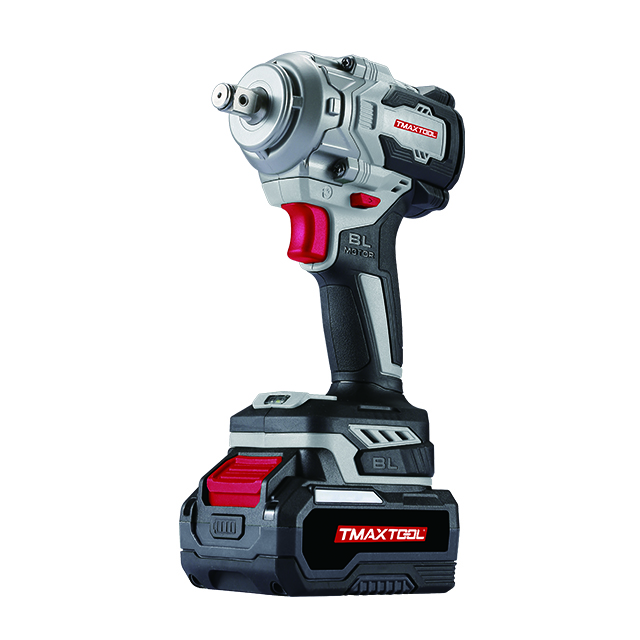
 Impact Wrench
 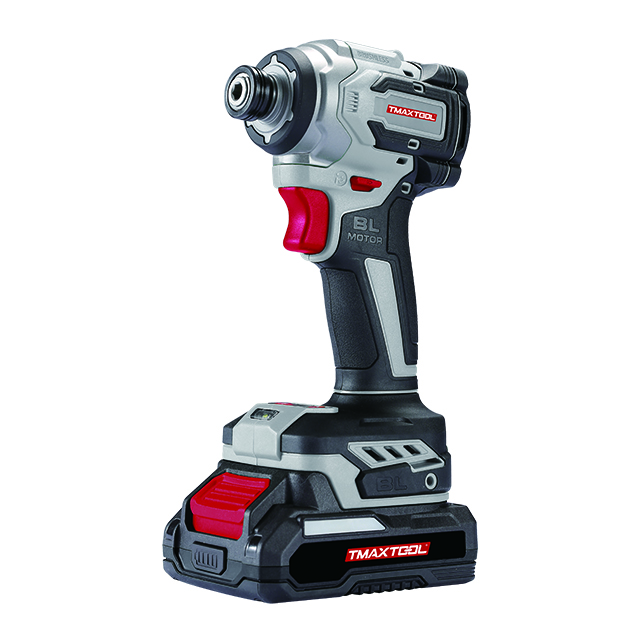 Screwdriver
 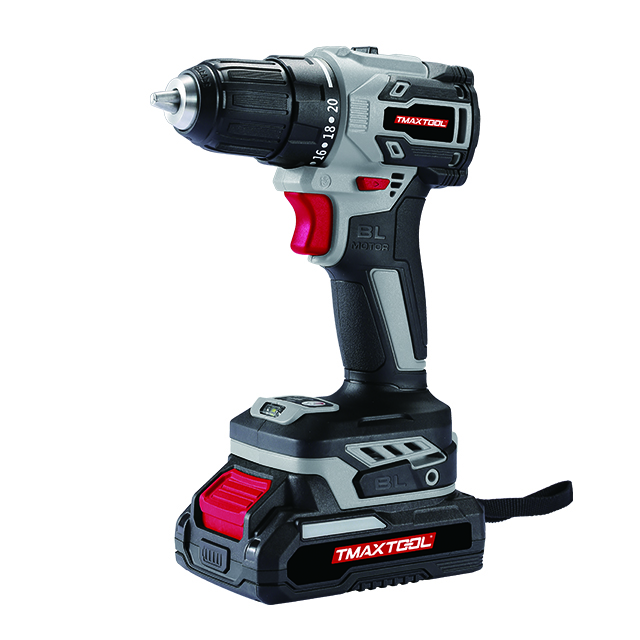 Cordless Drill
 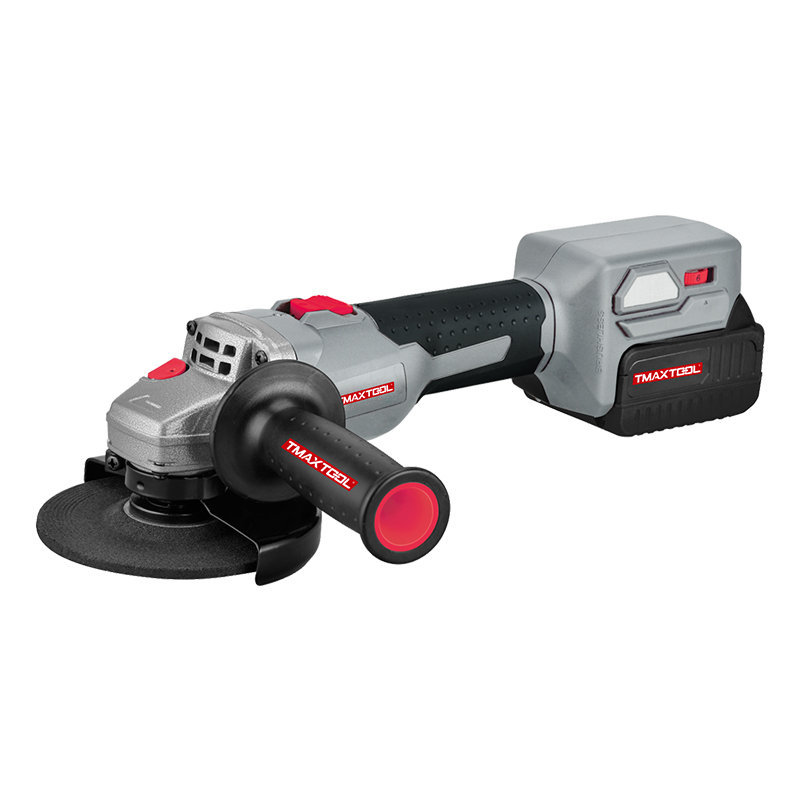 Angle Grinder
 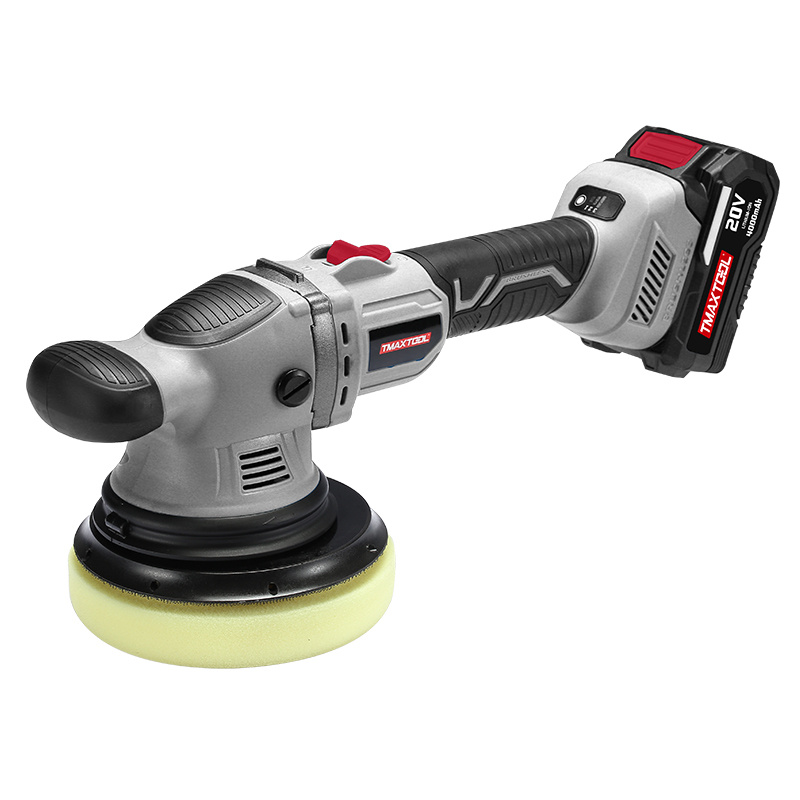 Polisher
 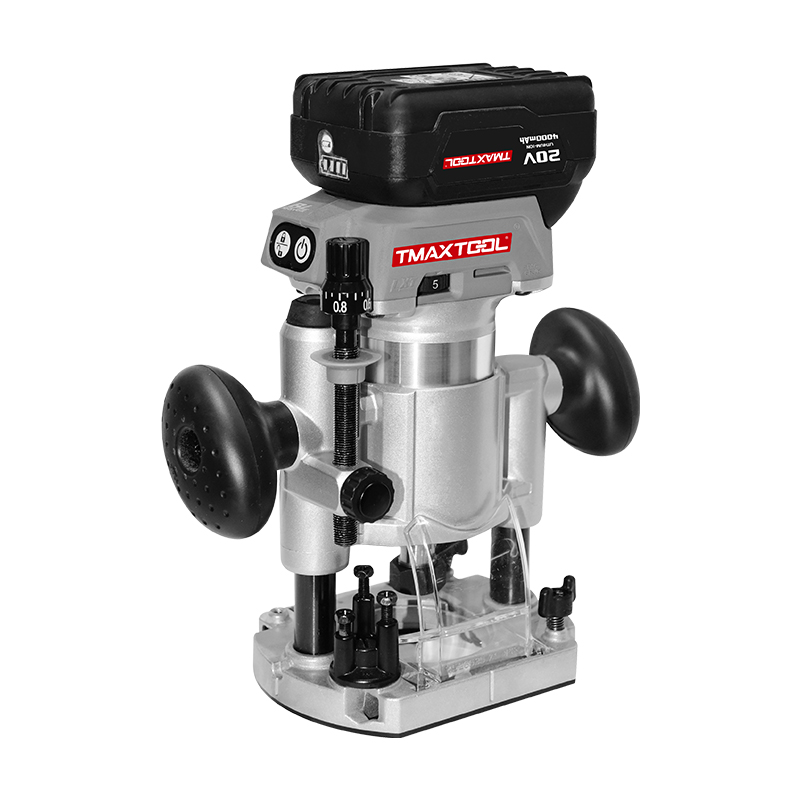 Wood Router
 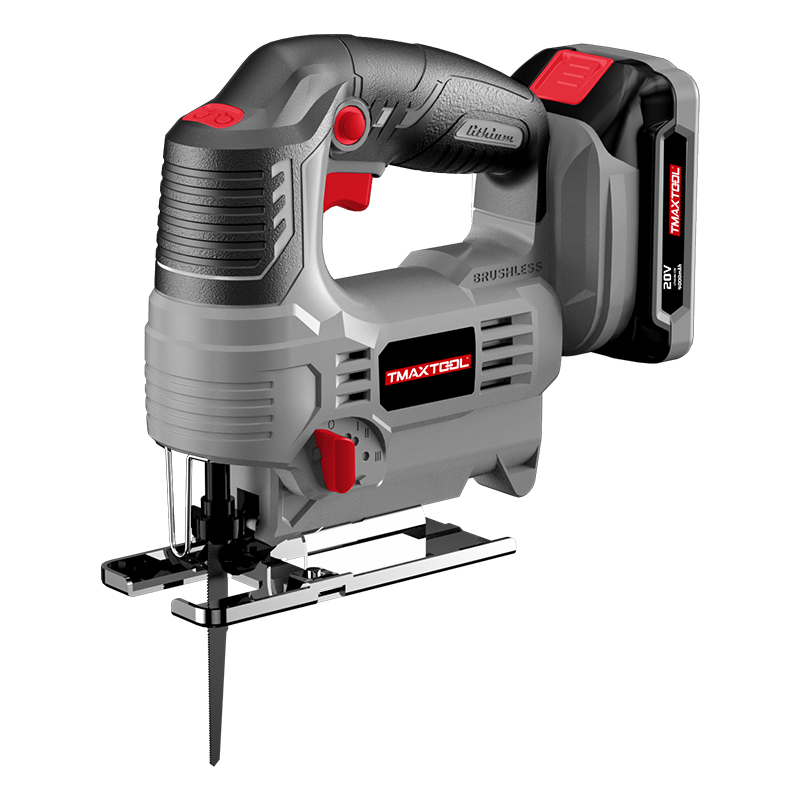 Jig Saw
 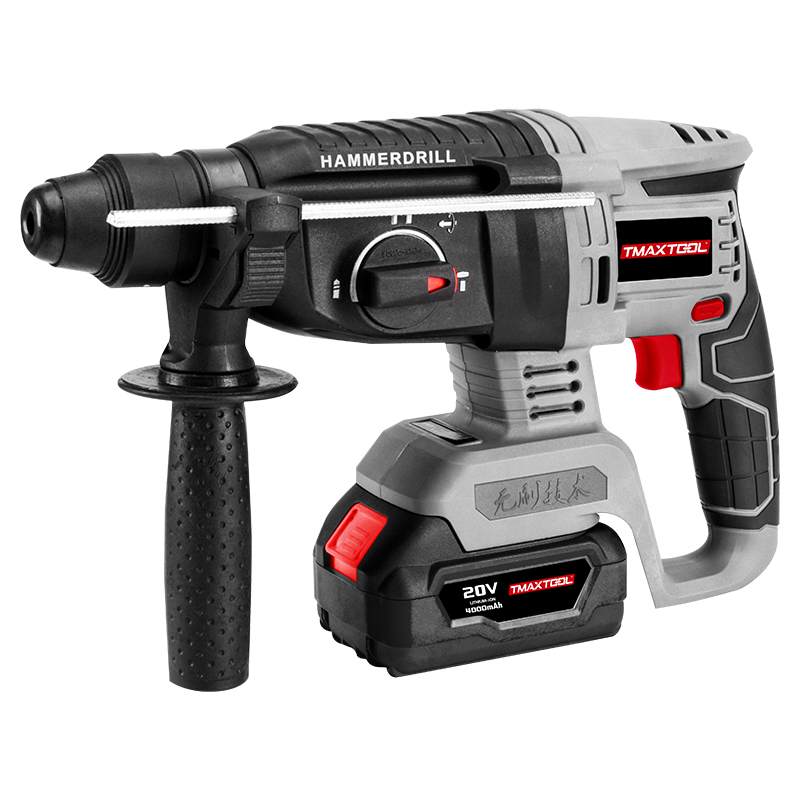 Hammer Drill
 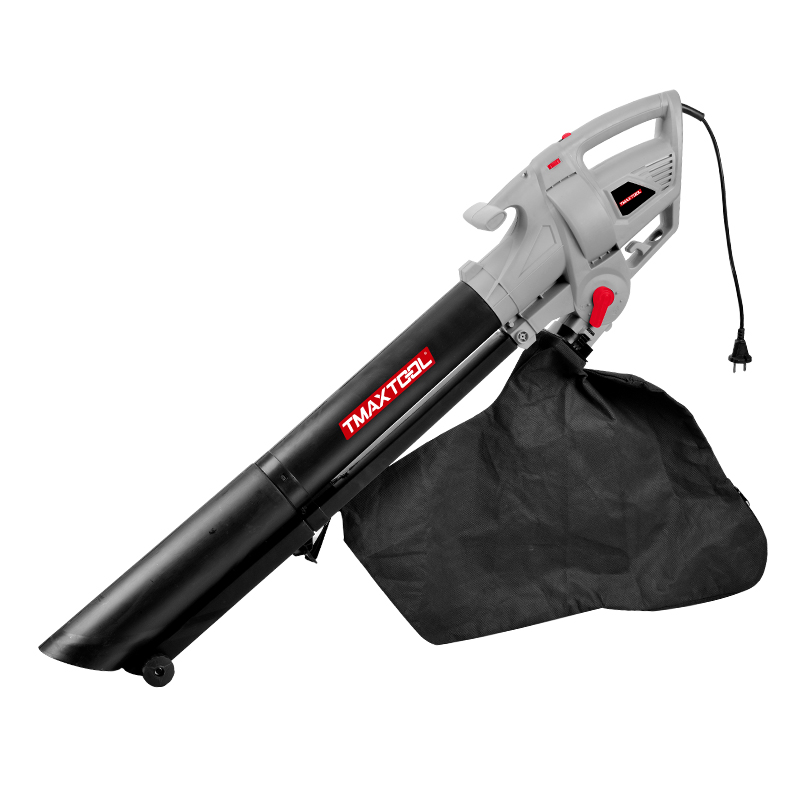 Portable Blower
 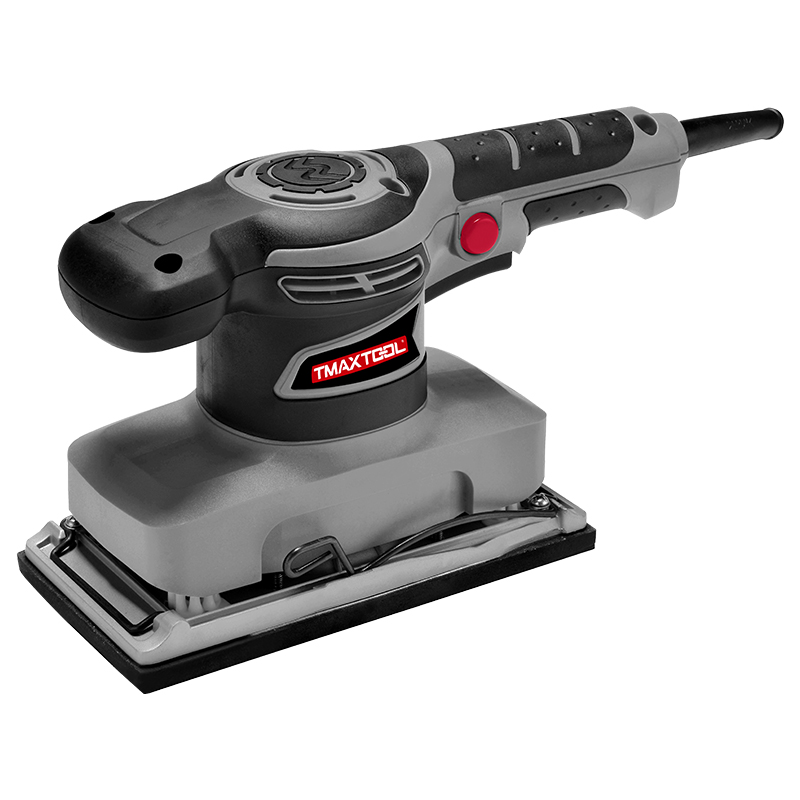 Orbital Sander
 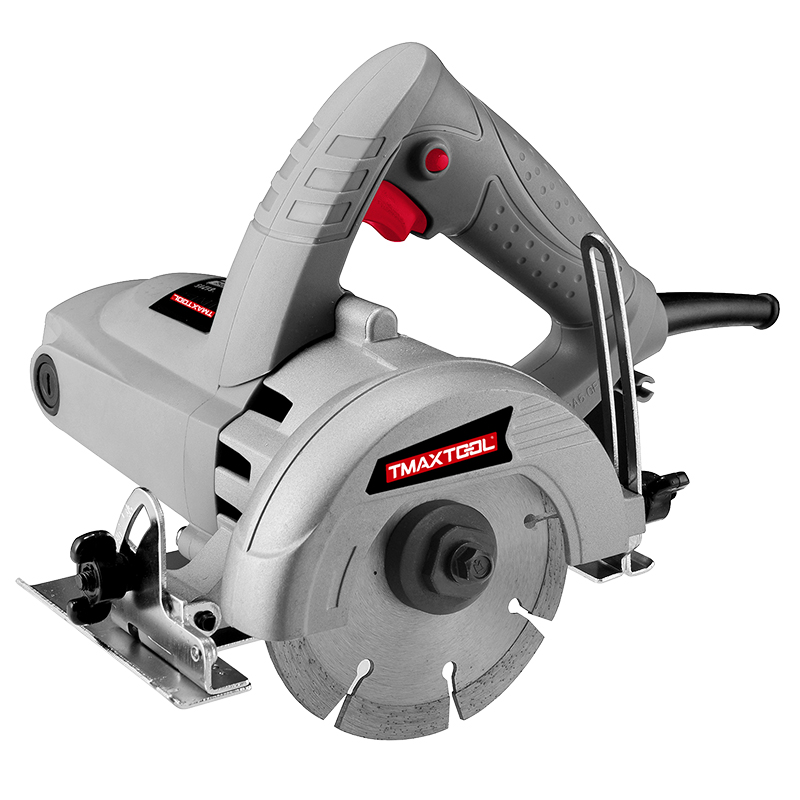 Marble Cutter
 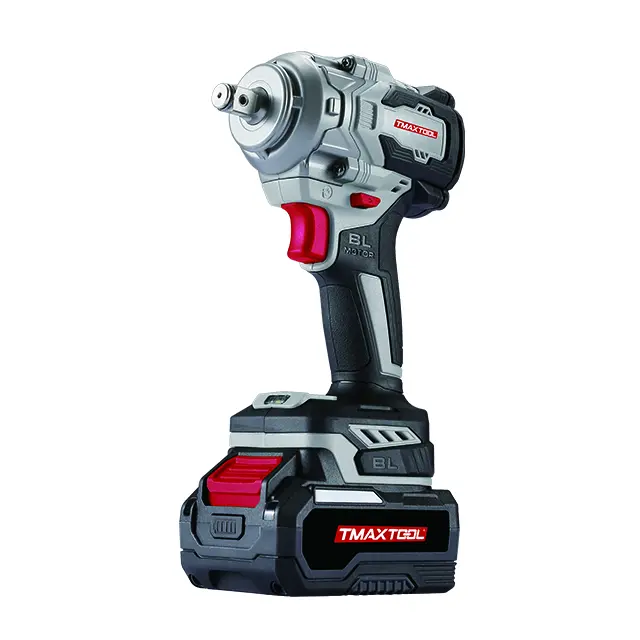 GARDEN TOOLS
 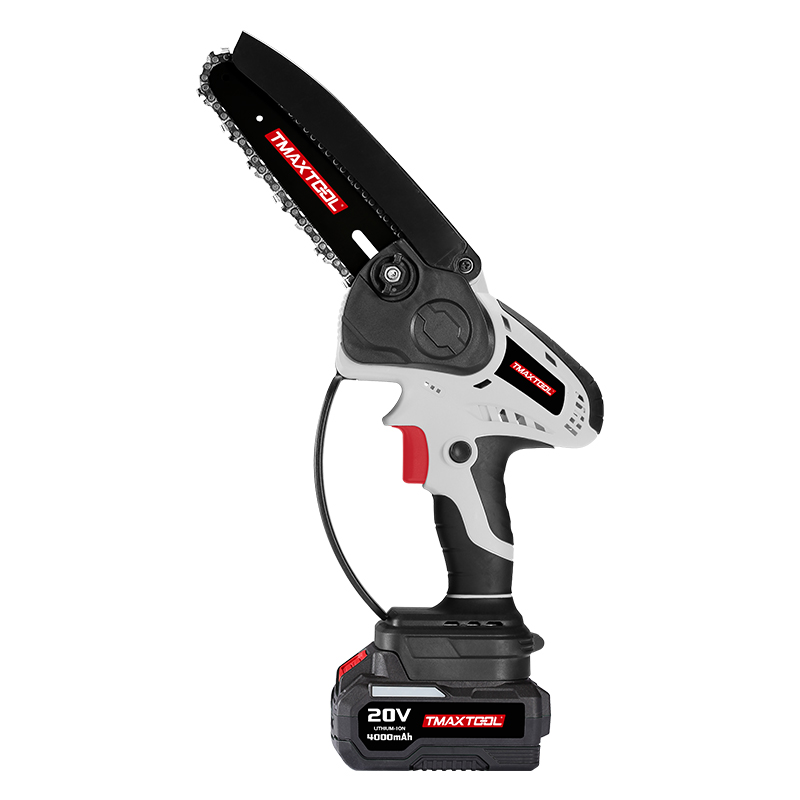 Battery Chain Saw
 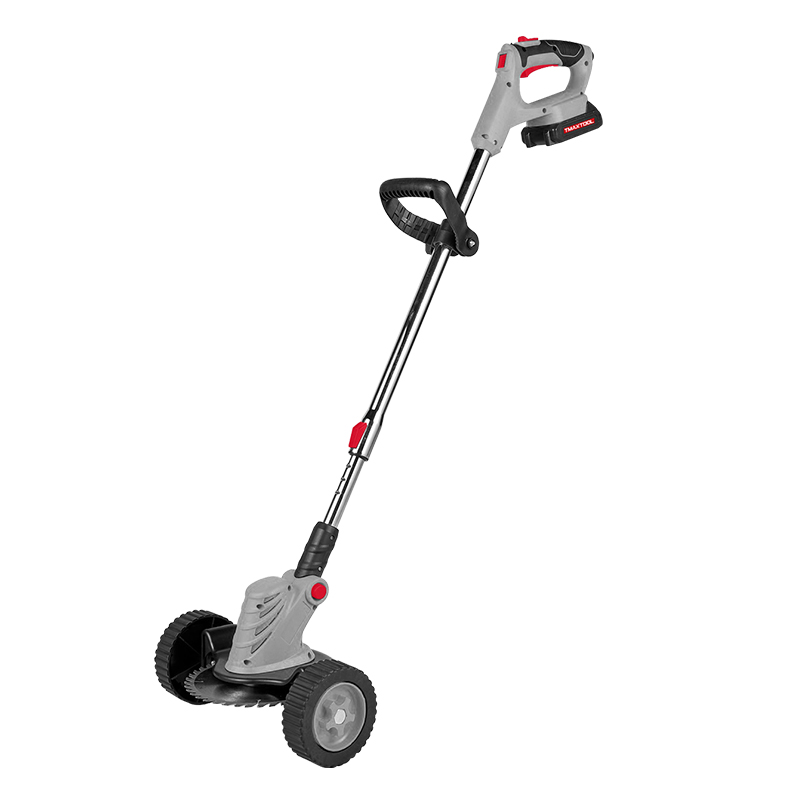 Battery Brush Cutter
 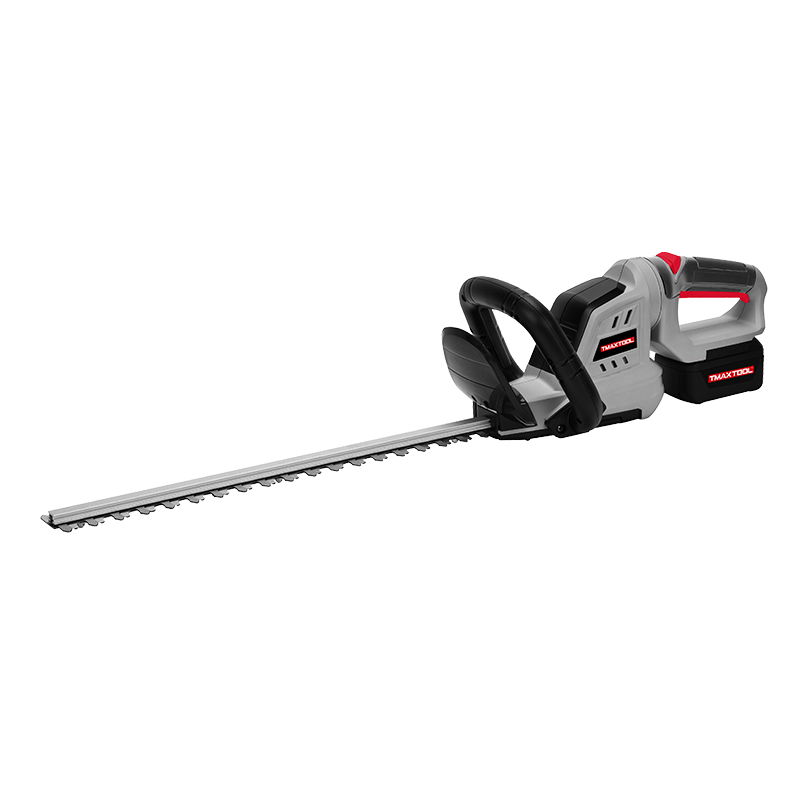 Battery Hedge Trimmer
 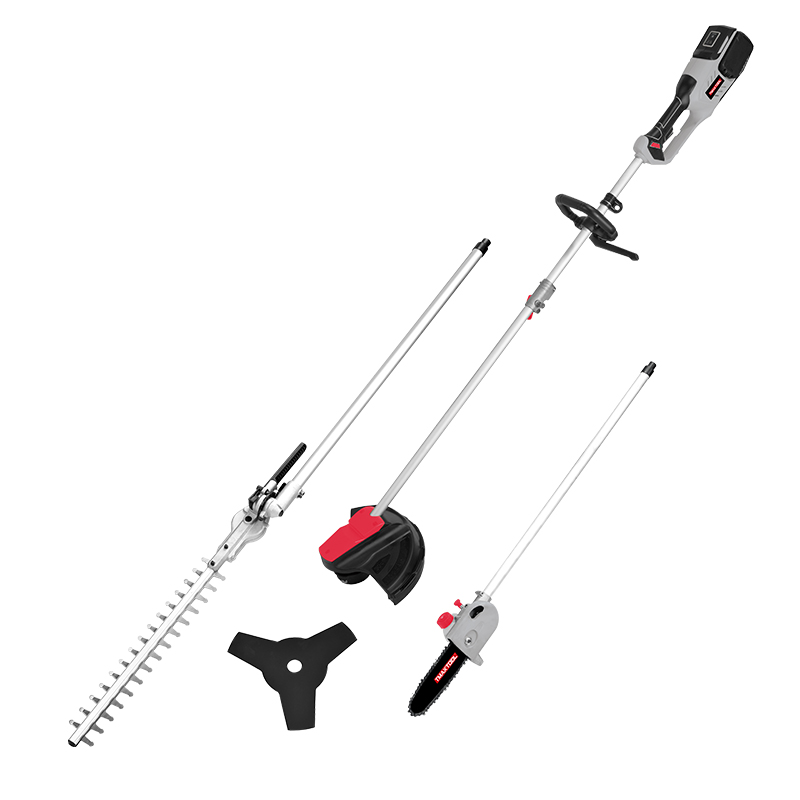 Battery Multi Tool
 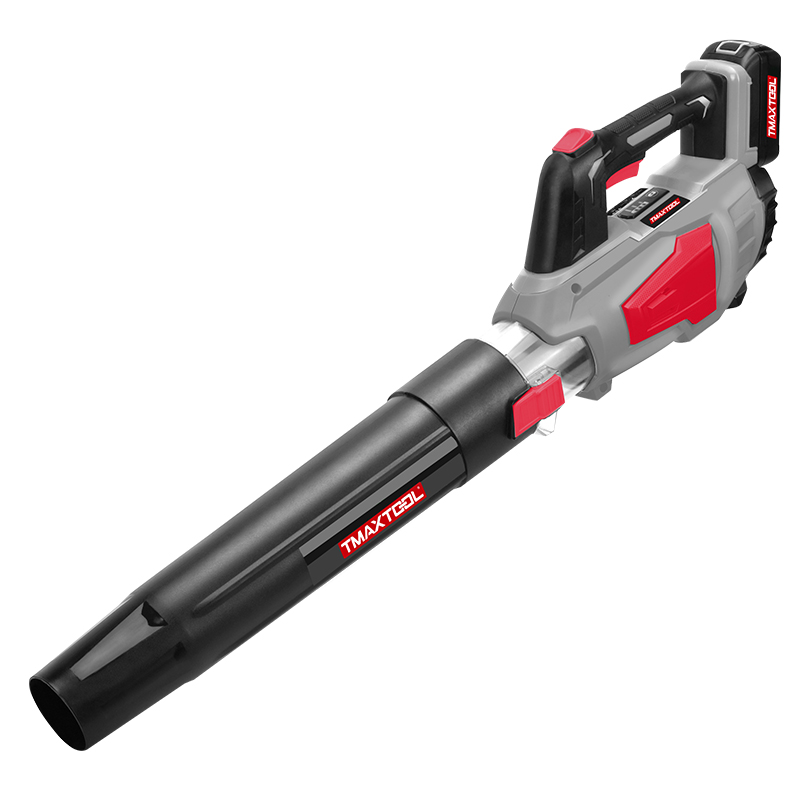 Battery Blower
 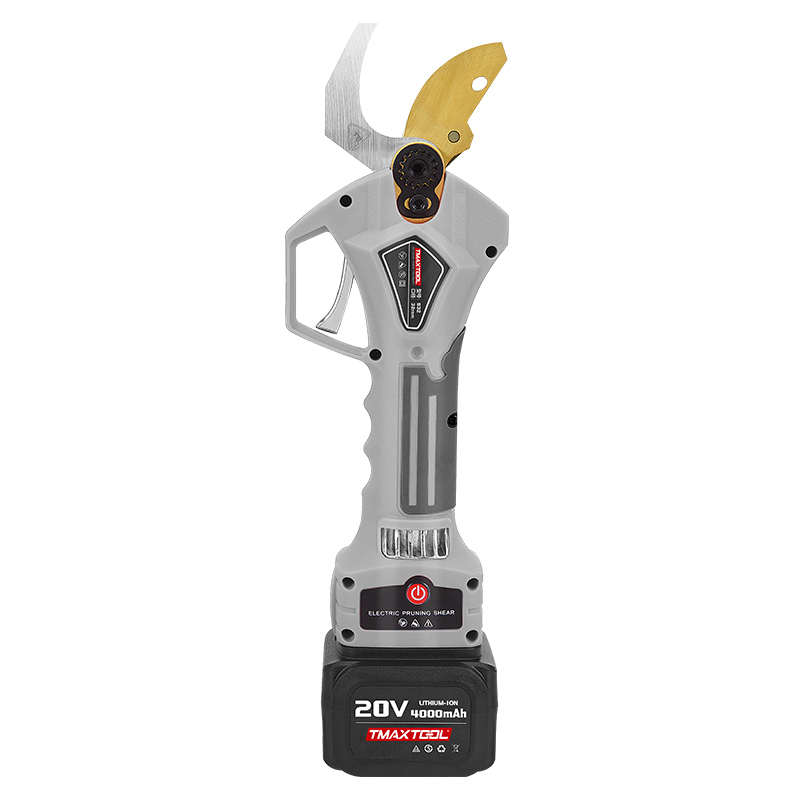 Batter Pruning Shears
 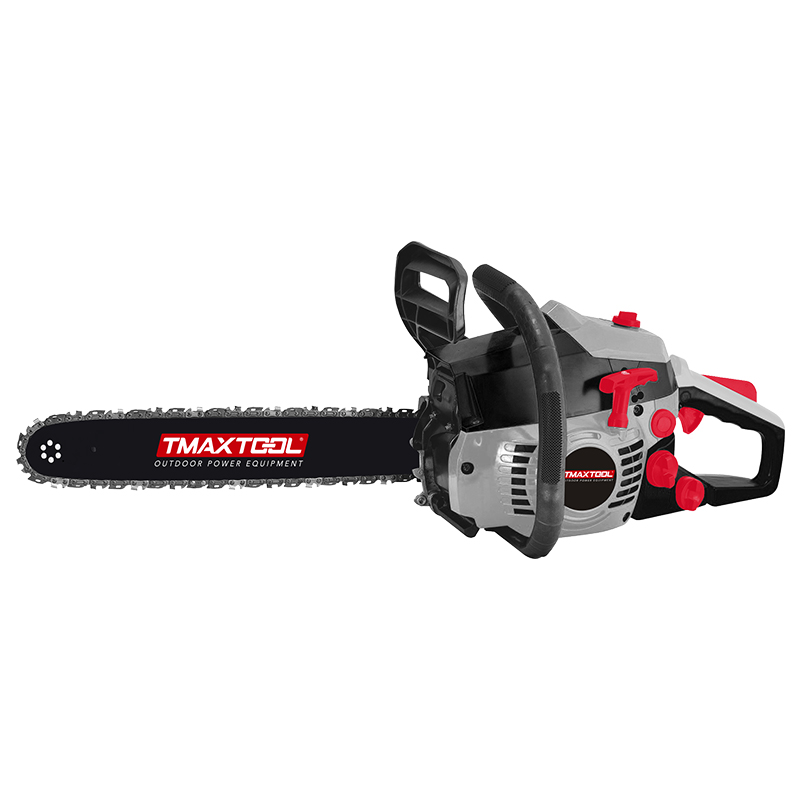 Chain Saw
 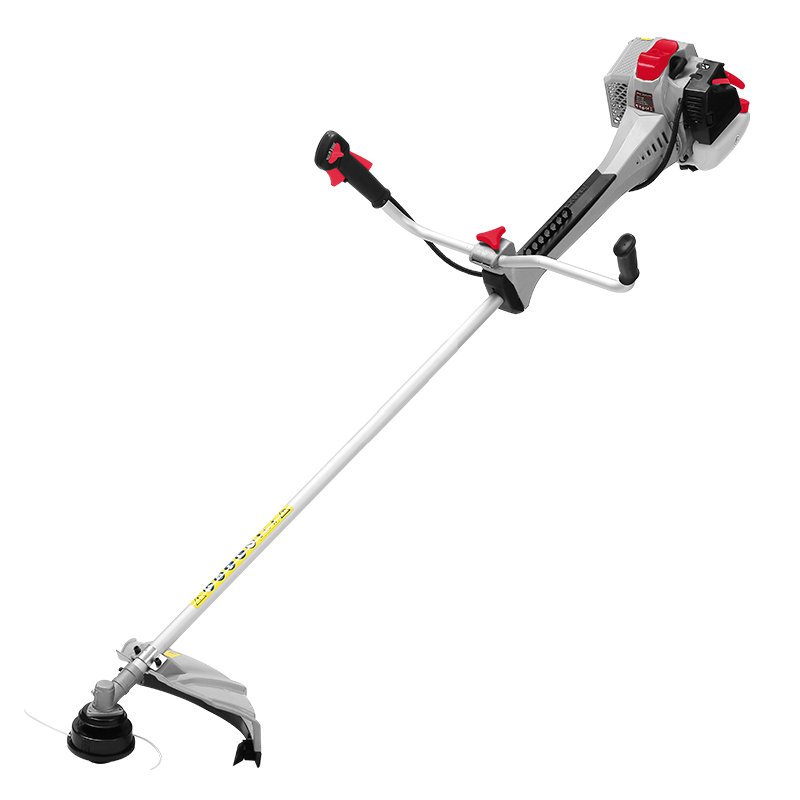 Brush Cutter
 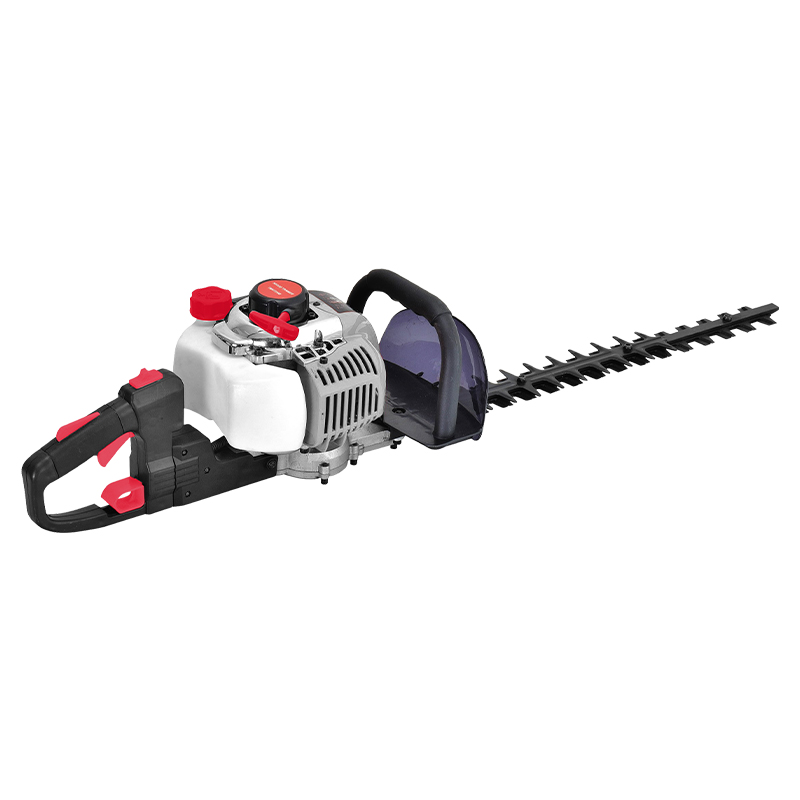 Hedge Trimmer
 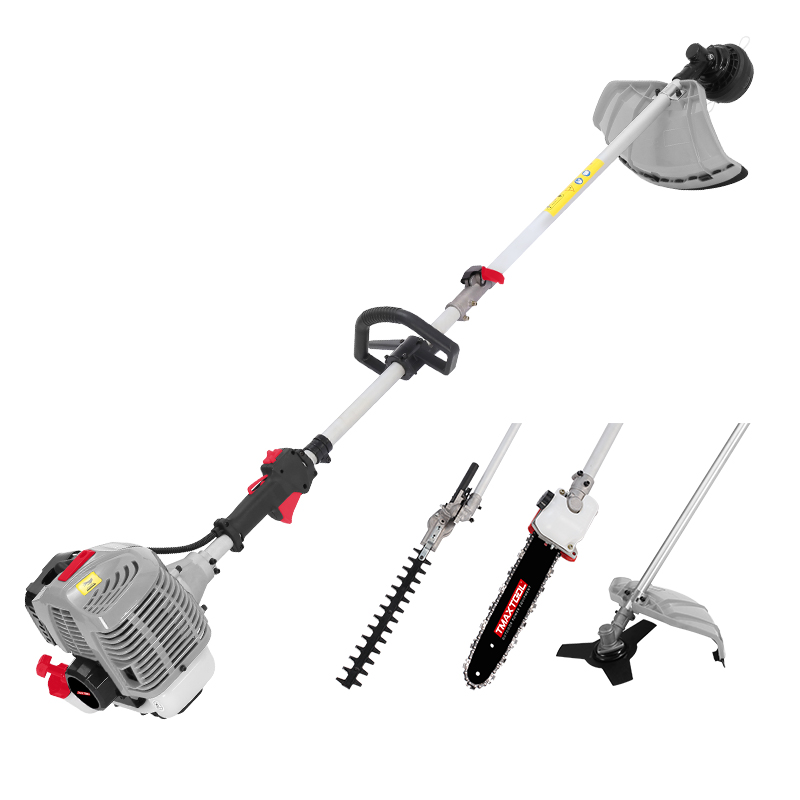 Multi Tool
 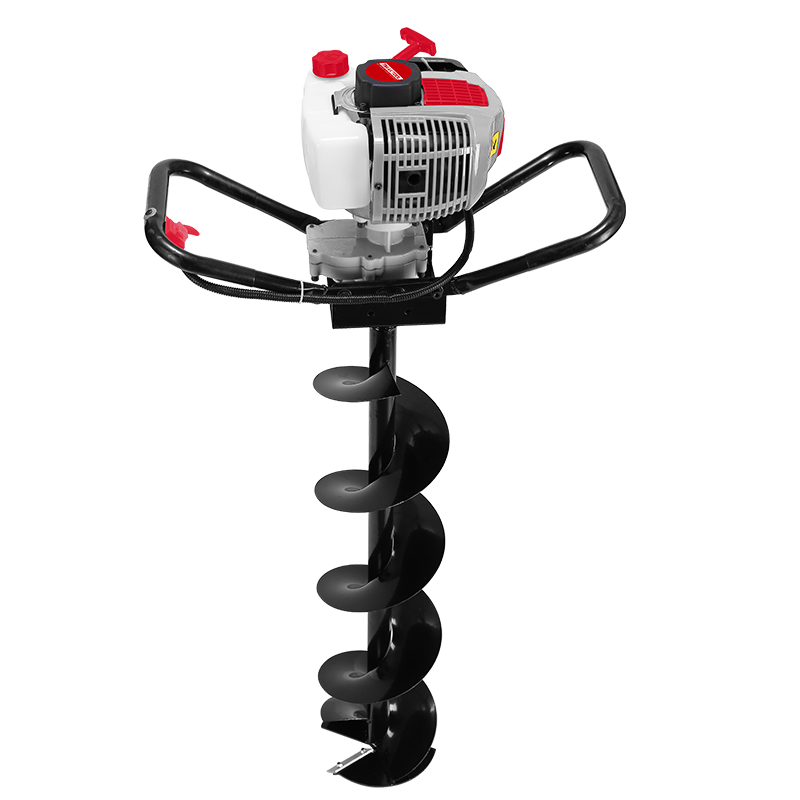 Earth Auger
 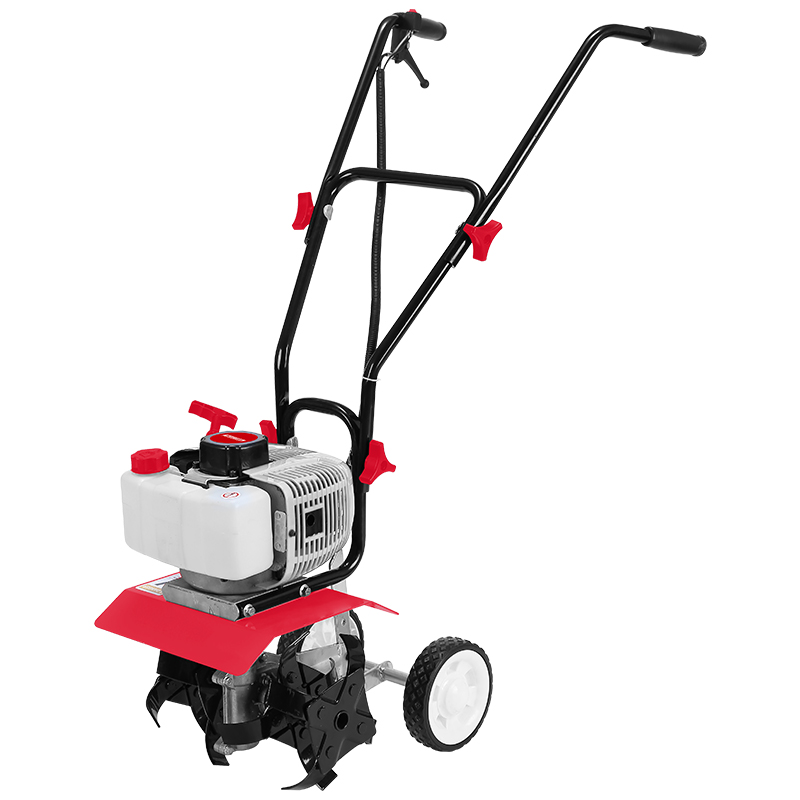 Tiller
 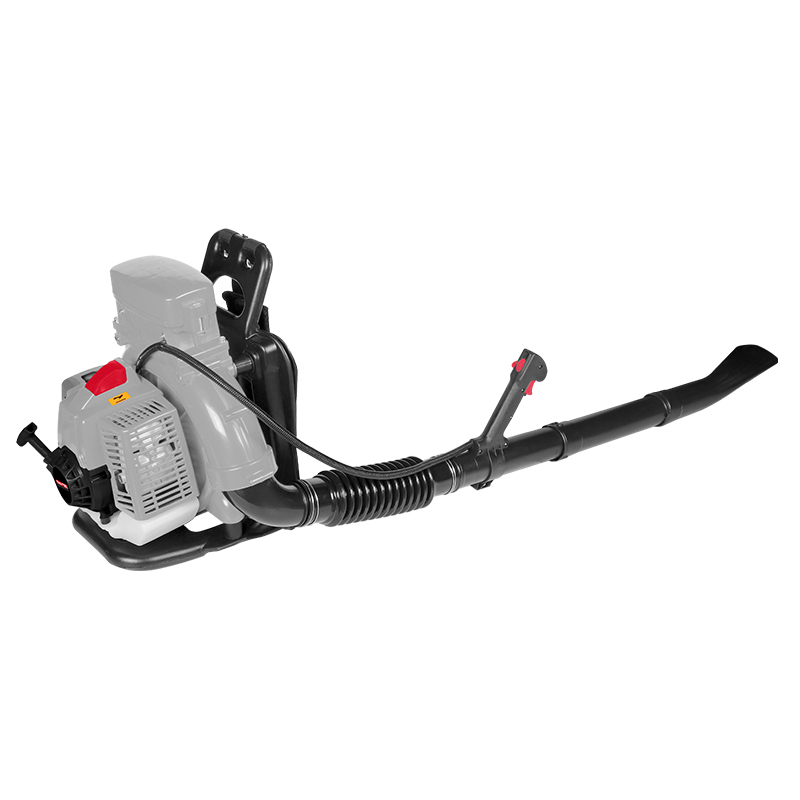 Blower
 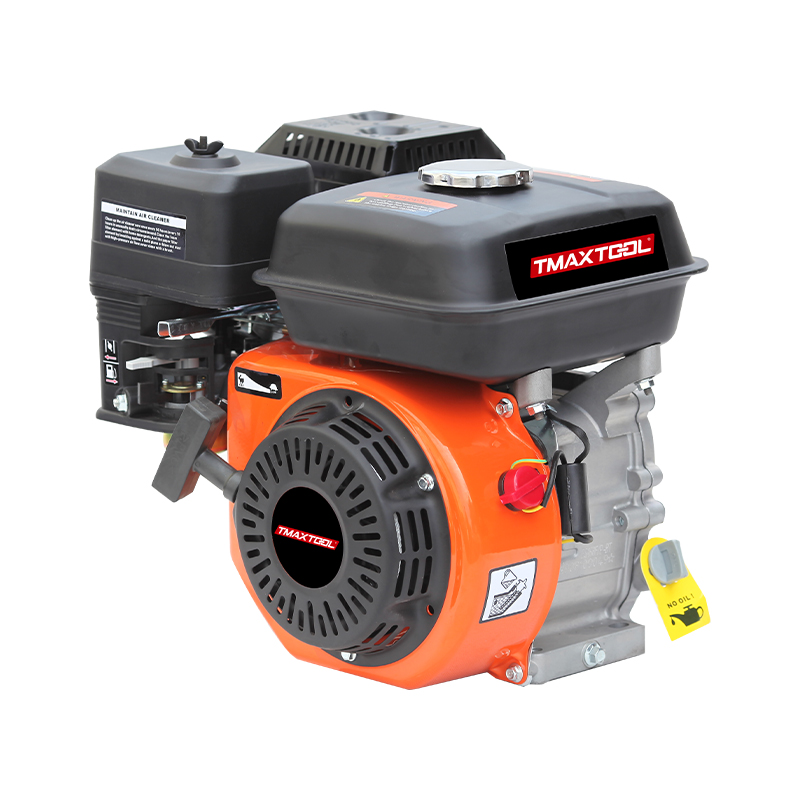 4 Stroke Gasoline Engine
 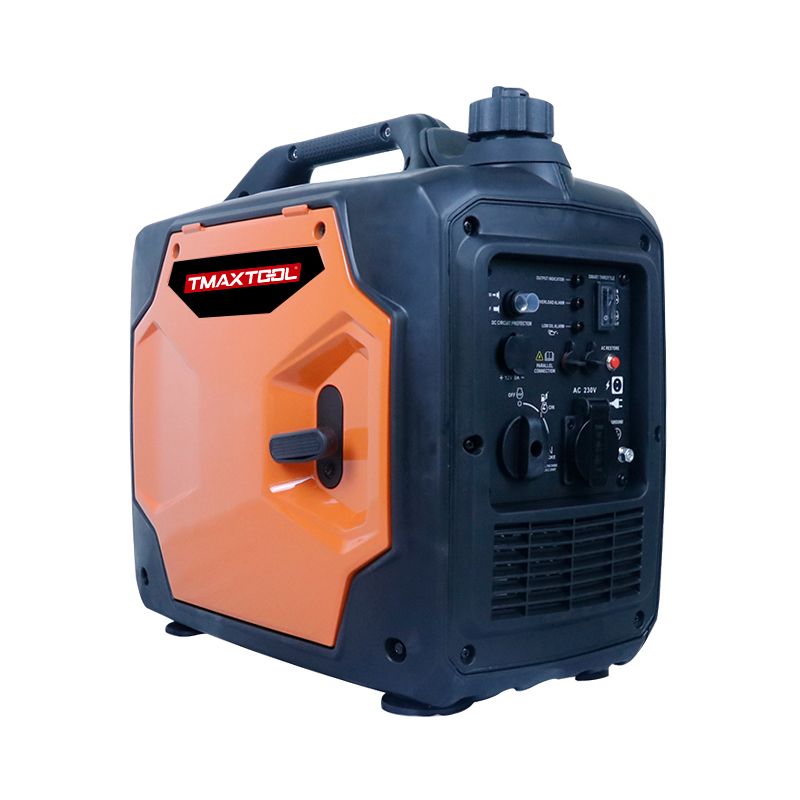 Generator
 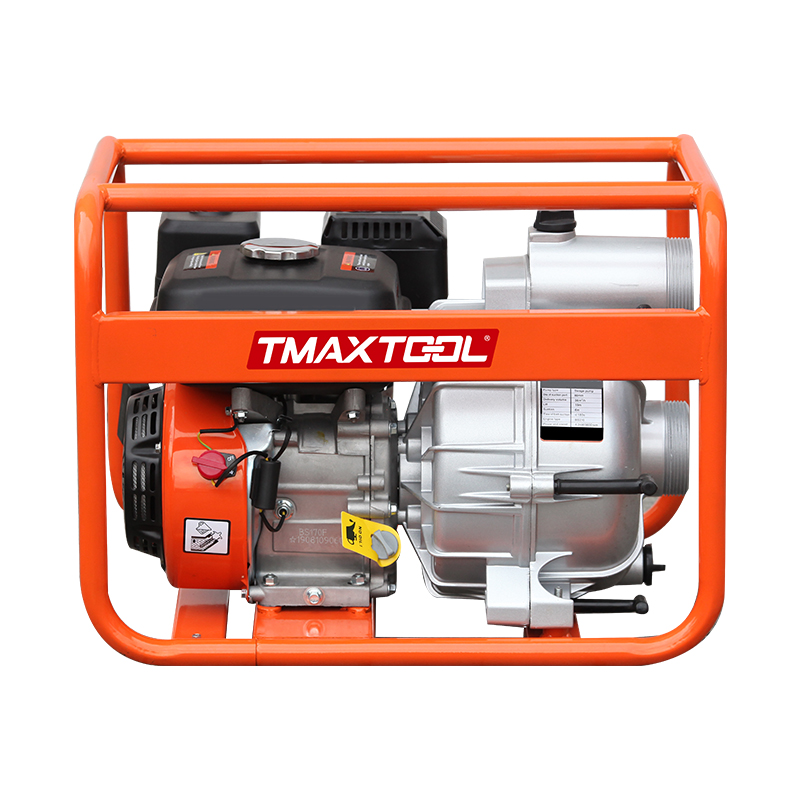 Water Pump
 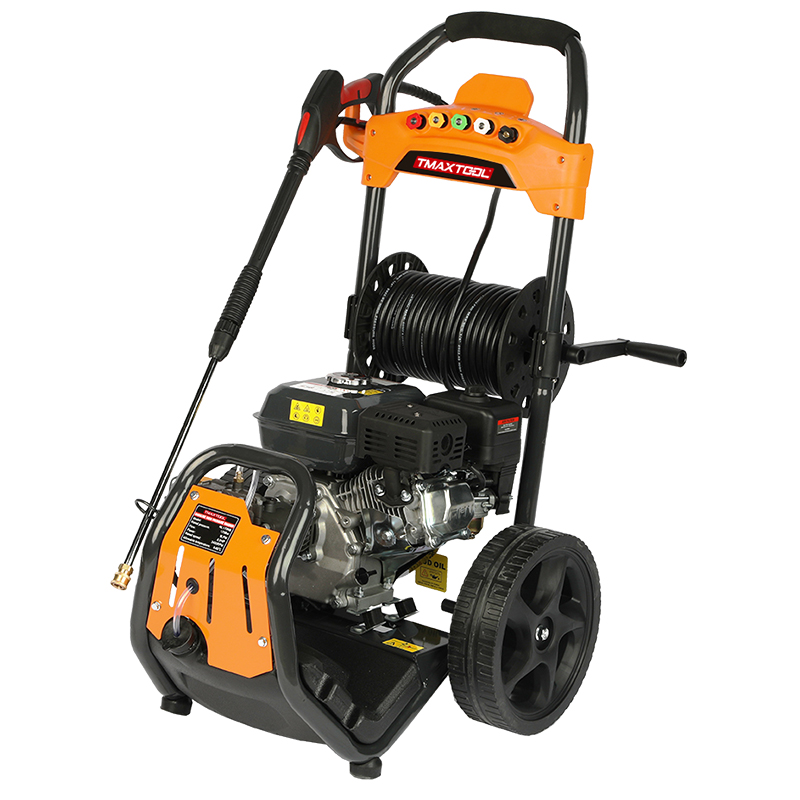 High Pressure Washer
 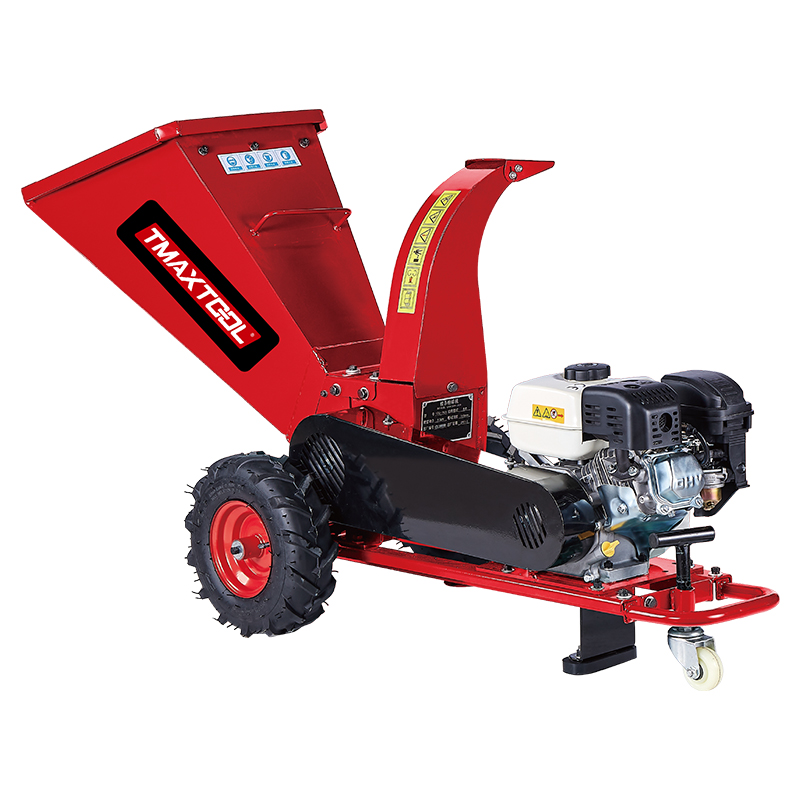 Wood Cutter
 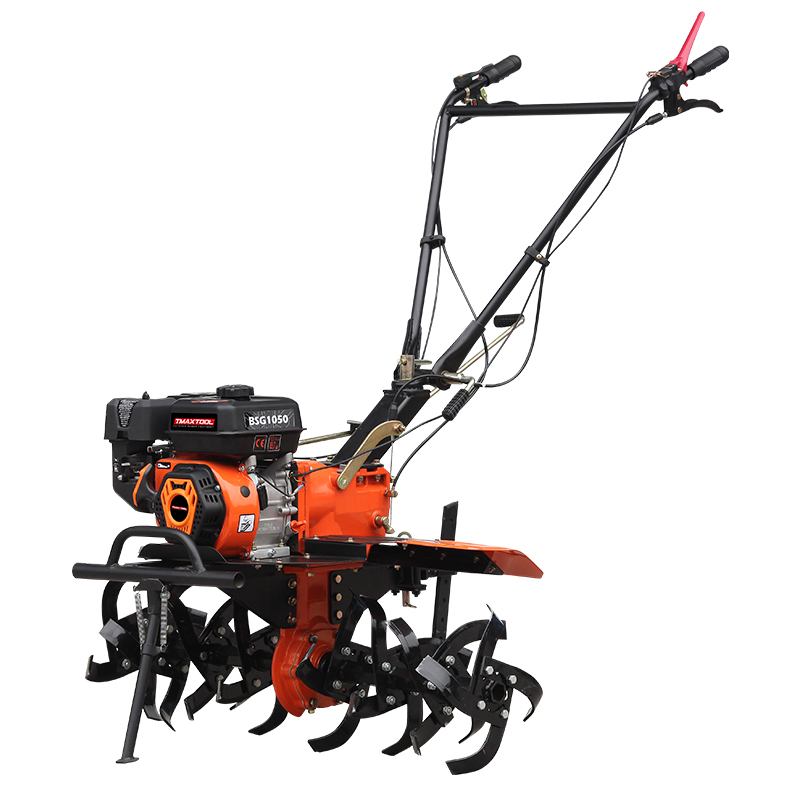 4 Stroke Tiller
  Chain Saw Accessory
 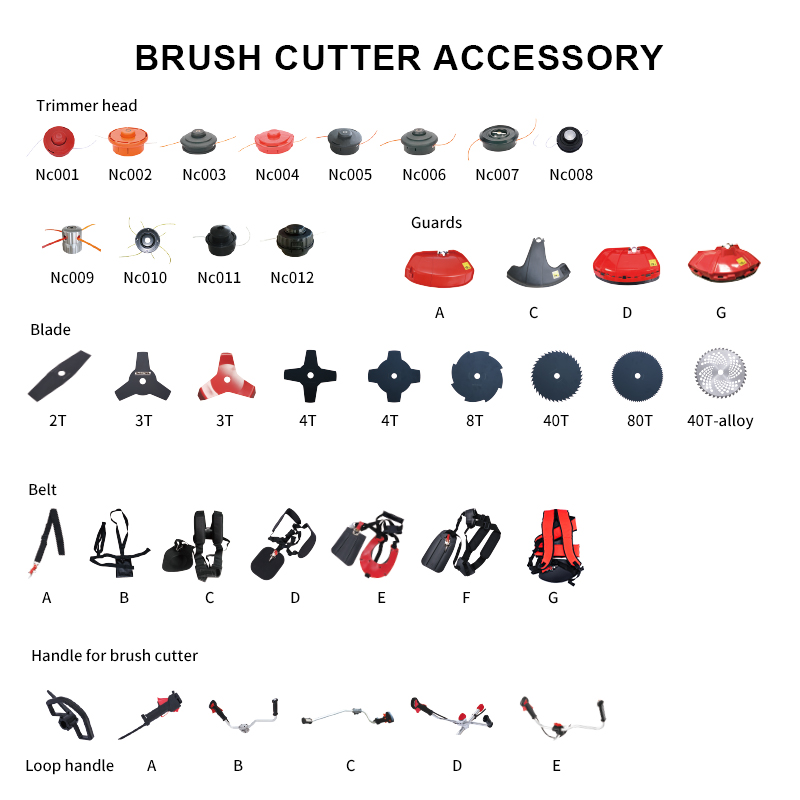 Brush Cutter Accessory
 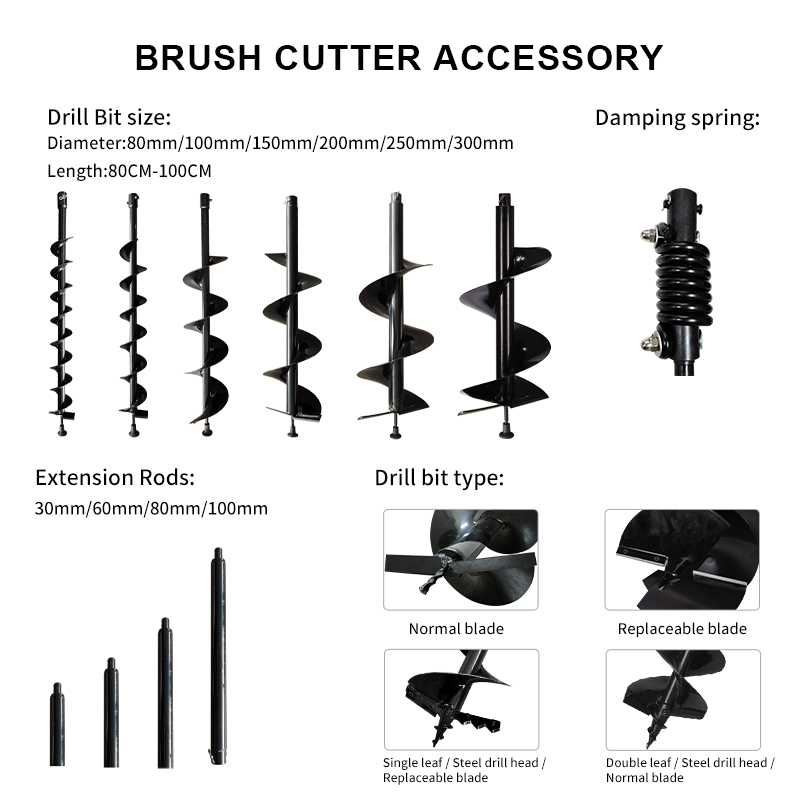 Earth Auger Accessory
  Protective Equipment Accessories
Leave Your Message


The application of water pumps in home gardens
The vitality of a family garden cannot be achieved without the nourishment of just the right amount of water. As a powerful assistant for garden irrigation, Water Pumps can make the process of watering more efficient and worry-free, allowing flowers and plants to thrive in a suitable water environment. Mastering the usage skills and precautions of water pumps in garden irrigation can make the irrigation work twice as effective with half the effort and avoid unnecessary troubles at the same time.
When using a water pump in a home garden, the first thing to consider is the rationality of the installation location. The water pump should be placed in a relatively flat and well-ventilated area, far away from the densely populated areas of flowers and plants in the garden, to avoid the vibration or heat during operation affecting the growth of plants. If there are water storage containers in the garden, the water inlet of the water pump should be as close to the water source as possible, the length of the water pipe should be shortened, and the loss during the water flow transportation process should be reduced. When placing it, make sure the water pump is stably fixed to avoid displacement or excessive noise due to vibration during operation, which may affect the user experience.
Regulating water volume and water pressure is a key technique in pump irrigation. Different plants have different water requirements. Seedlings and succulents need gentle water flow to avoid excessive impact that could damage their root systems. Large flowers and trees require sufficient water to seep into the deep soil. The water flow can be controlled by adjusting the outlet valve of the water pump or replacing different types of nozzles. The fine spray pattern is suitable for delicate plants, while the columnar water flow is suitable for watering the roots of tall plants. When irrigating, try to let the water flow slowly along the soil surface to avoid directly washing the plant leaves or flowers, and reduce the possibility of disease occurrence.

Reasonable planning of irrigation time can make the use of water pumps more efficient. Early morning or evening is the best time for garden irrigation. At this time, the temperature is relatively low and the evaporation rate of water is slow, allowing plants to fully absorb water. Avoid irrigating at noon when the sun is strong. At high temperatures, water vapor evaporates quickly, which not only wastes water resources but also may cause scorching due to water droplets on the leaf surface focusing on the sunlight. The irrigation frequency can be adjusted according to the season. In summer, water evaporates quickly, so the number of irrigations can be appropriately increased. In winter, plants grow slowly. Reduce the amount of irrigation and make the use of water pumps more in line with the growth needs of plants.
Safety precautions when using water pumps cannot be ignored. Before each startup, check if the power connection is firm and ensure that the wires are not damaged or submerged in water to avoid the risk of electric leakage. If a Portable Water Pump is used, the power should be turned off before moving it to avoid loosening the interface due to dragging the wires. After the irrigation is completed, turn off the power of the water pump in time and drain the remaining water in the water pipes, especially in the cold season, to prevent the water pipes from freezing and bursting, which may affect the next use.
Regular maintenance can extend the service life of water pumps. Regularly clean the filter screen at the water inlet to prevent blockage by sand, fallen leaves and other debris, which may affect the water absorption efficiency. After use, wipe the dust and water stains on the surface of the water pump clean, and store it in a dry and well-ventilated place to avoid long-term exposure to a damp environment which may cause the components to rust. If abnormal noise or a significant reduction in water volume is detected during the operation of the water pump, it should be stopped immediately for inspection. Only after the fault is eliminated can it be used again.
With the power of technology, water pumps have simplified the irrigation work in family gardens. As long as the correct usage skills and maintenance methods are mastered, they can become the "little water replenishment experts" in the garden, allowing every flower and plant to bloom with vitality under meticulous care.
