
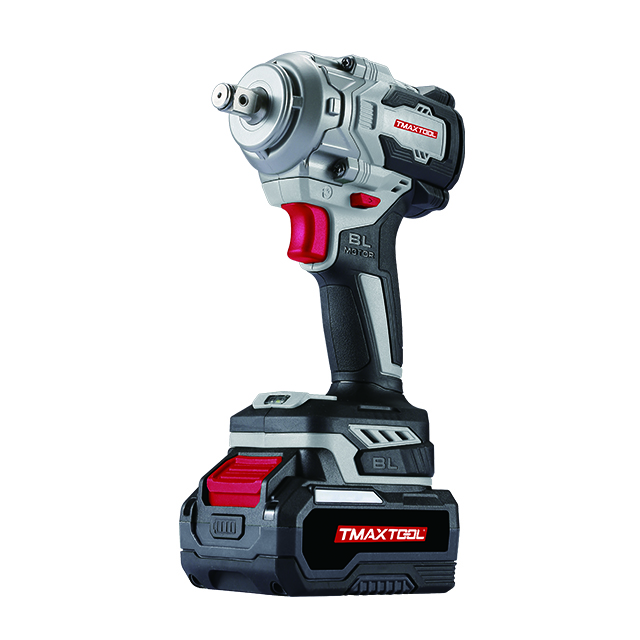
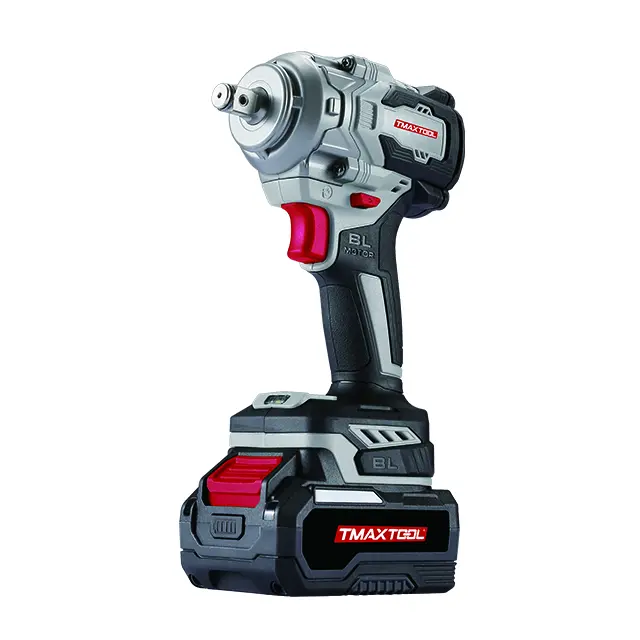
 Impact Wrench
 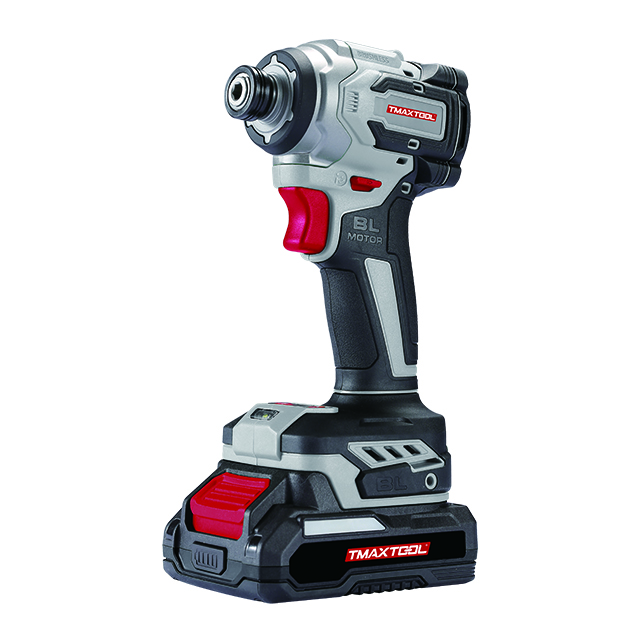 Screwdriver
 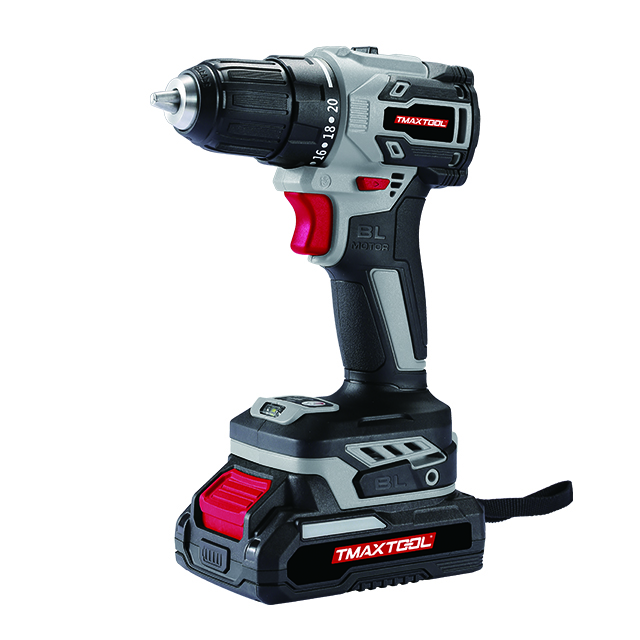 Cordless Drill
 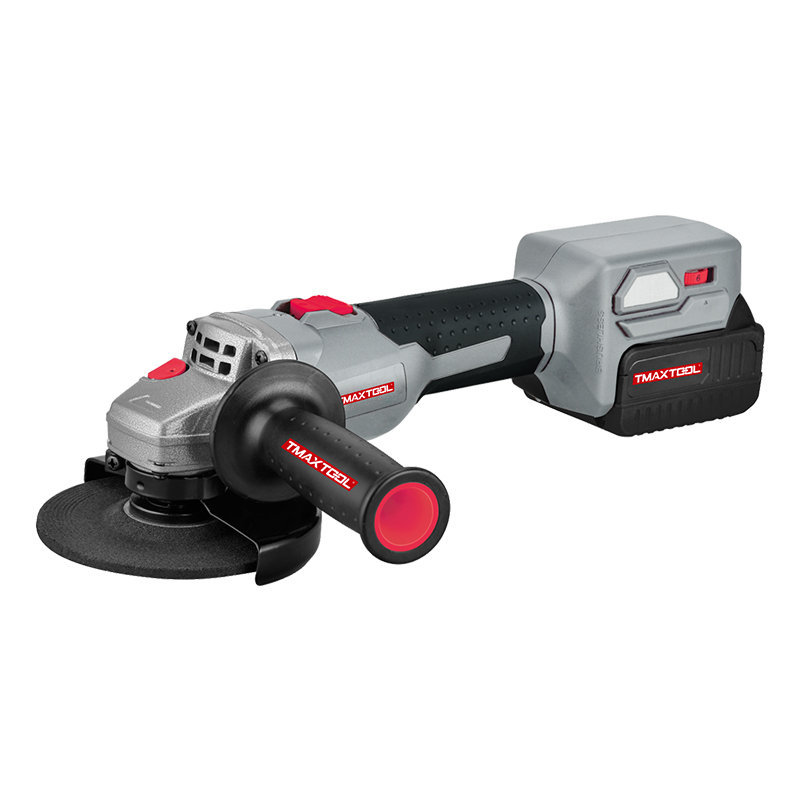 Angle Grinder
 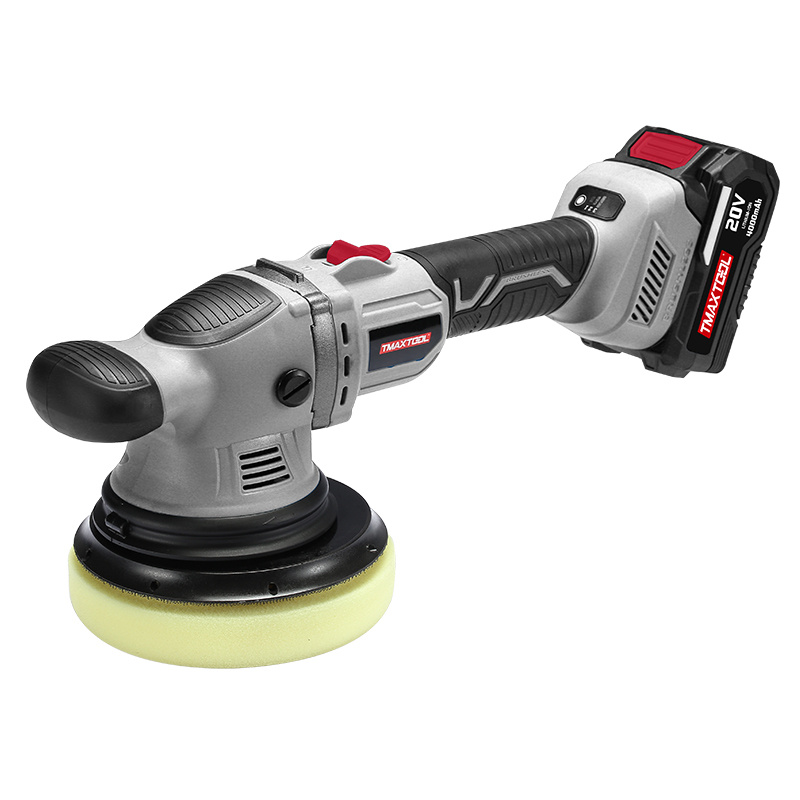 Polisher
 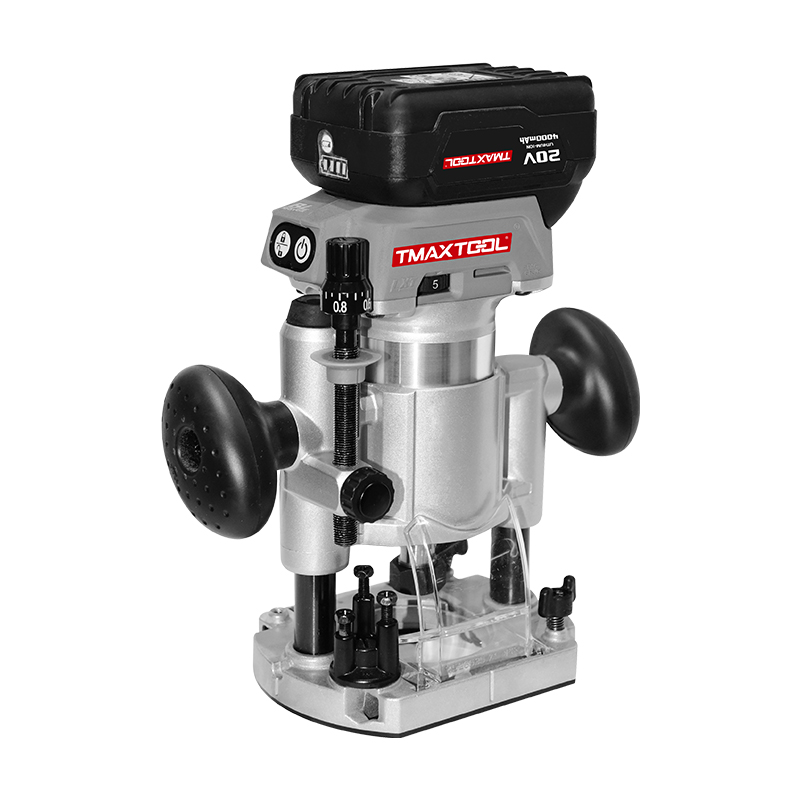 Wood Router
 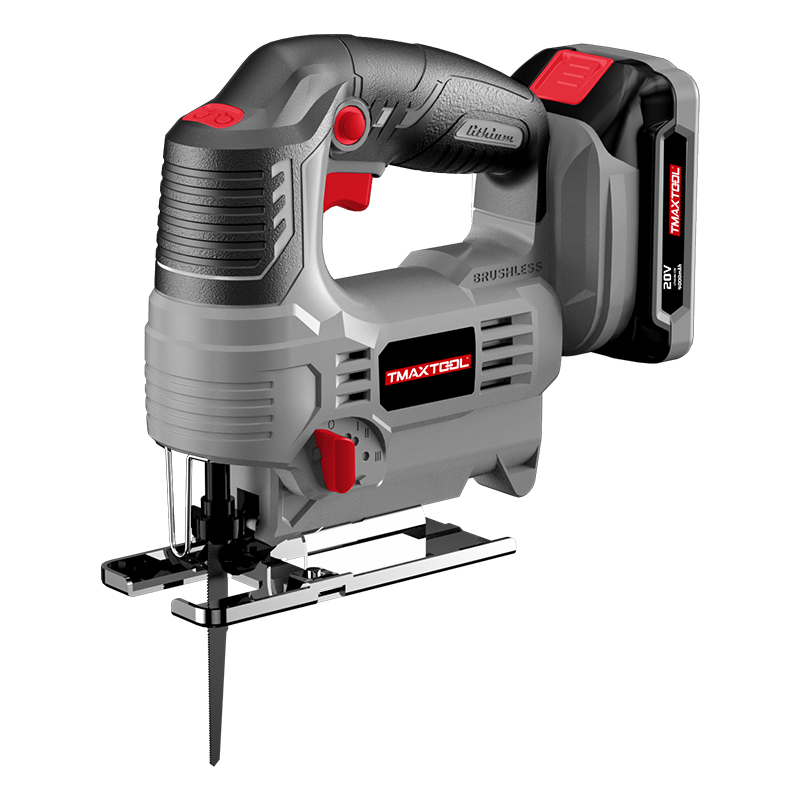 Jig Saw
 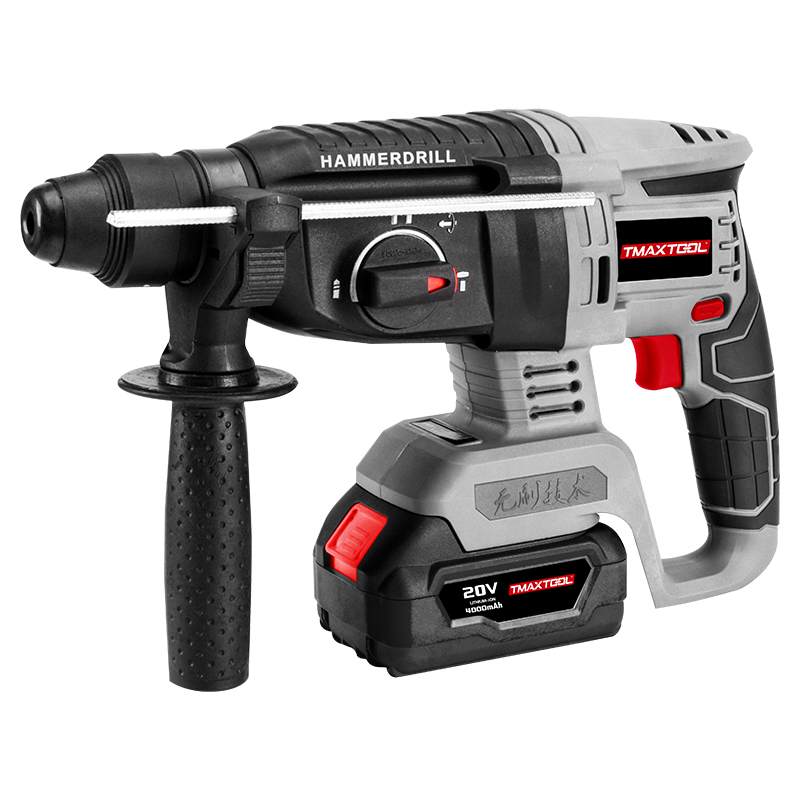 Hammer Drill
 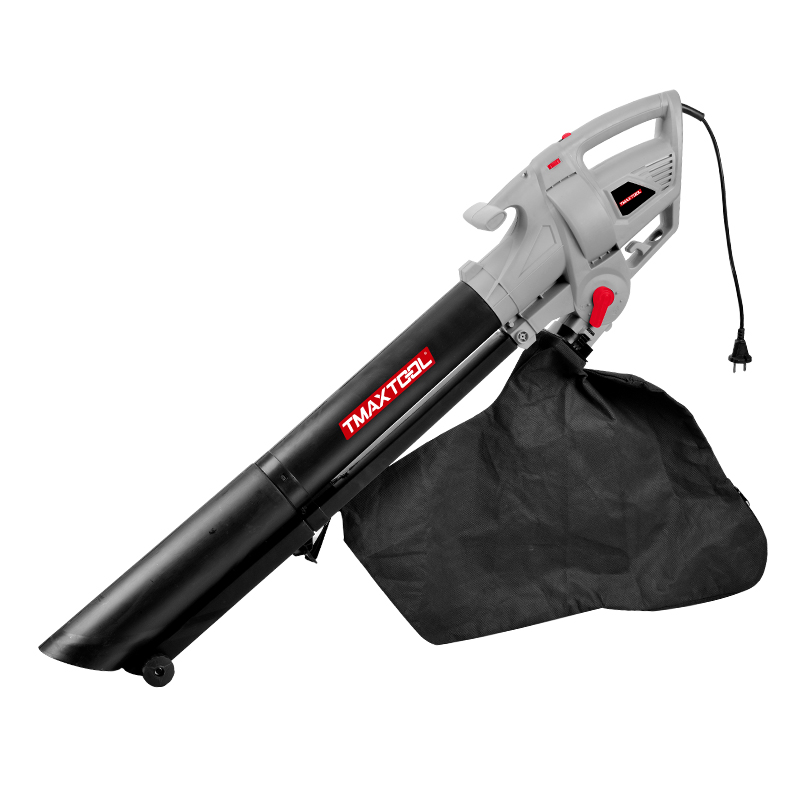 Portable Blower
 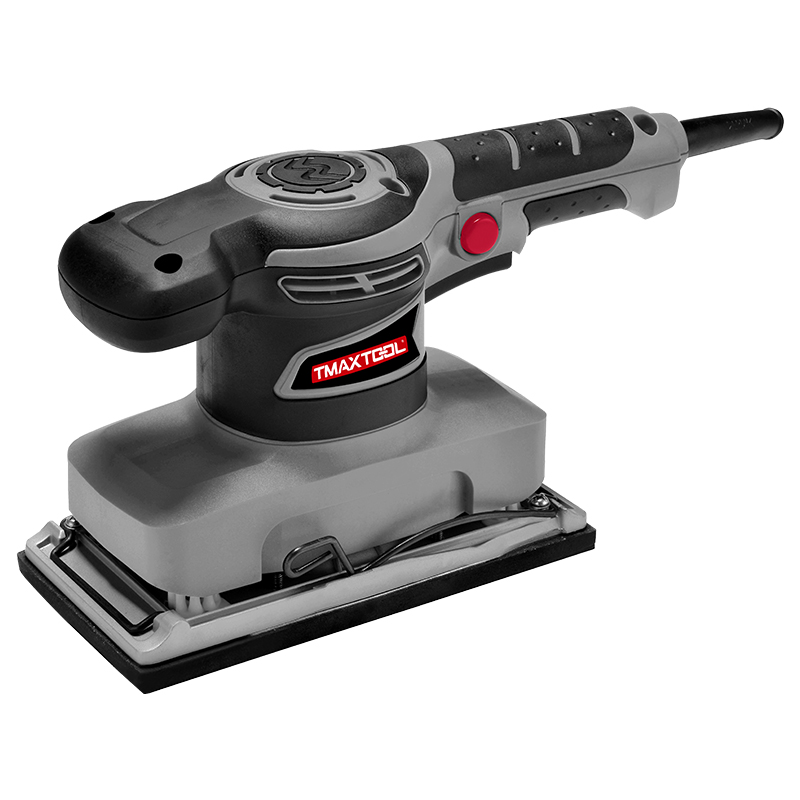 Orbital Sander
 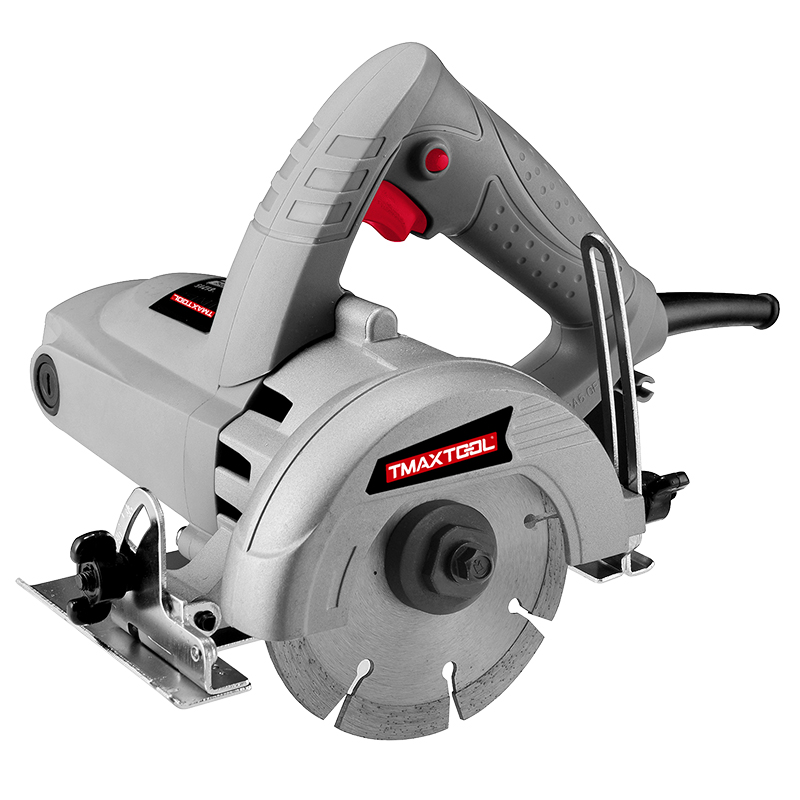 Marble Cutter
  GARDEN TOOLS
 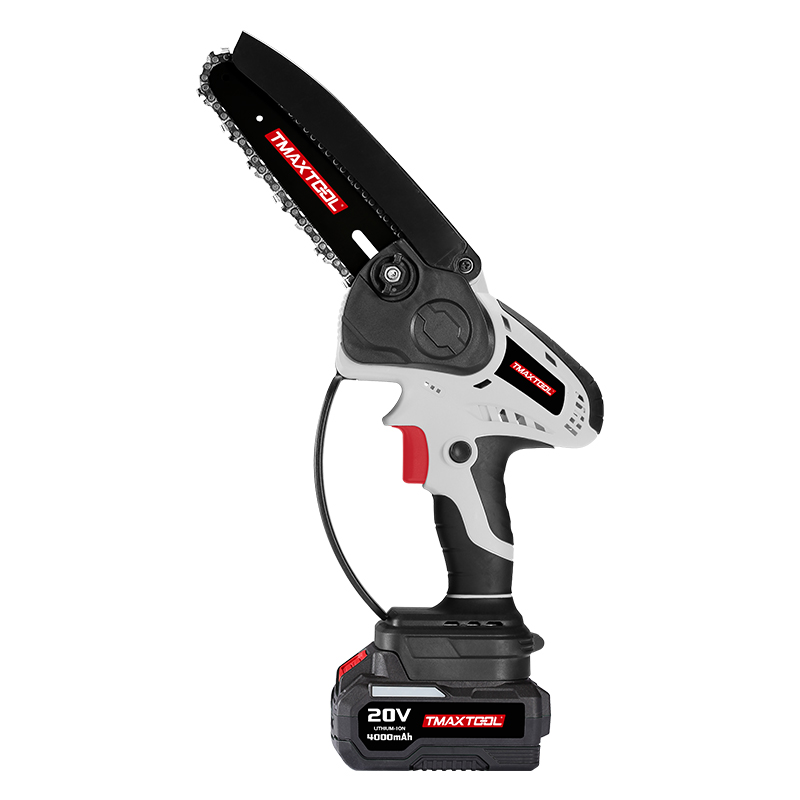 Battery Chain Saw
 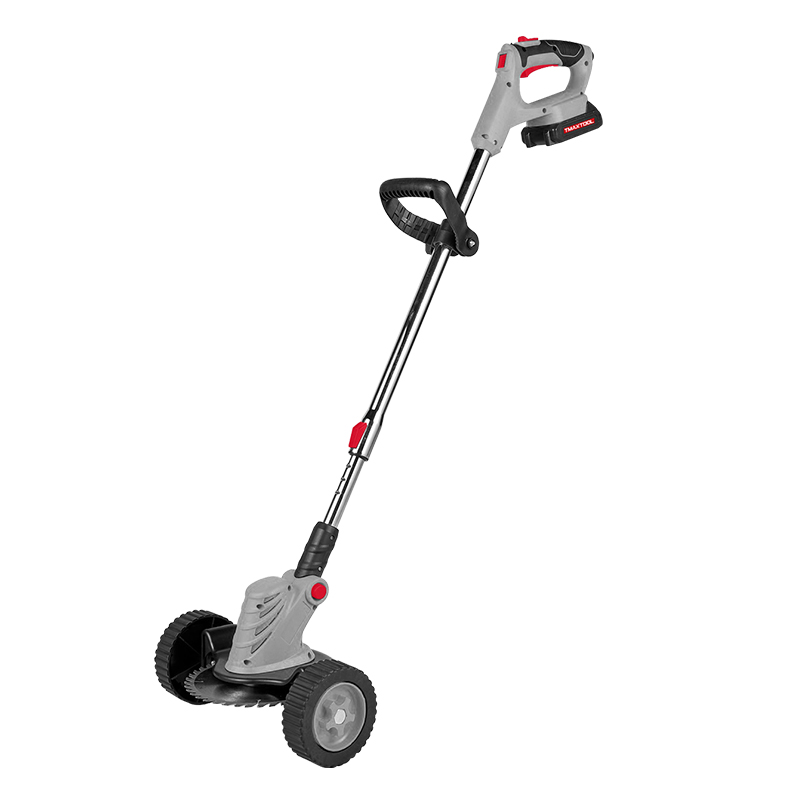 Battery Brush Cutter
 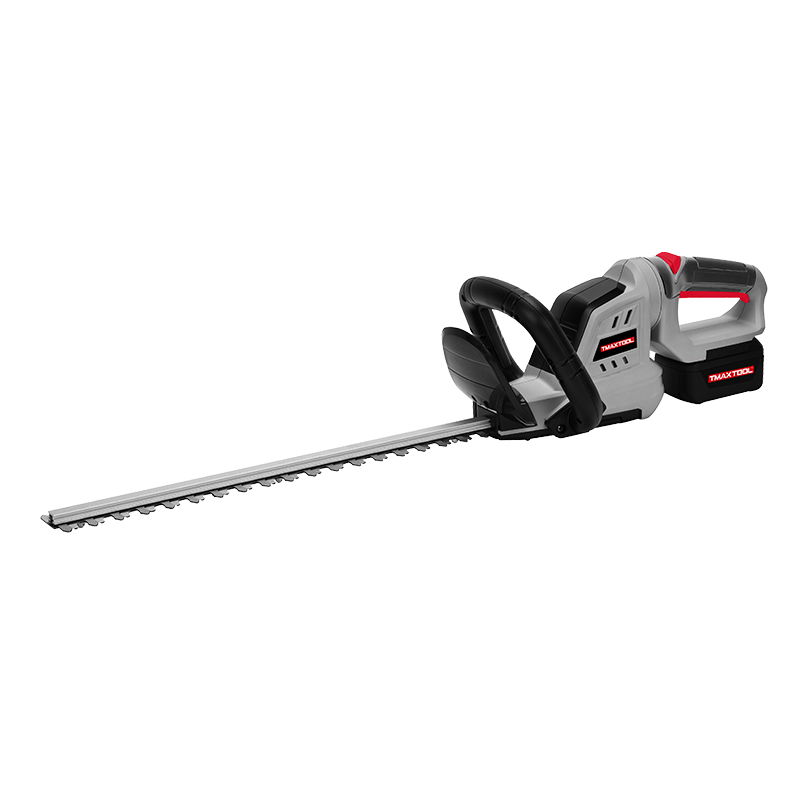 Battery Hedge Trimmer
 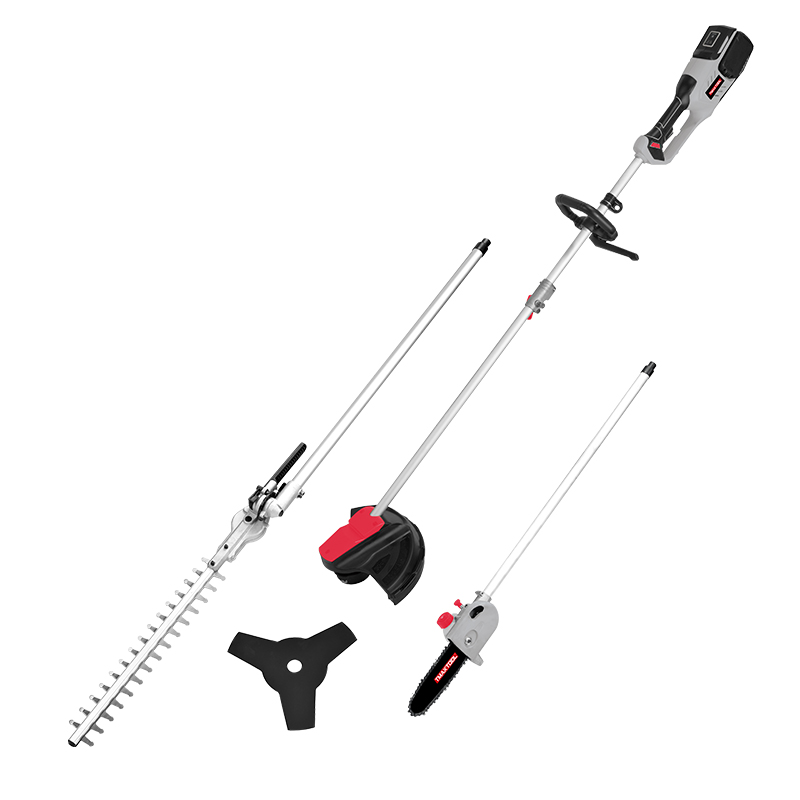 Battery Multi Tool
 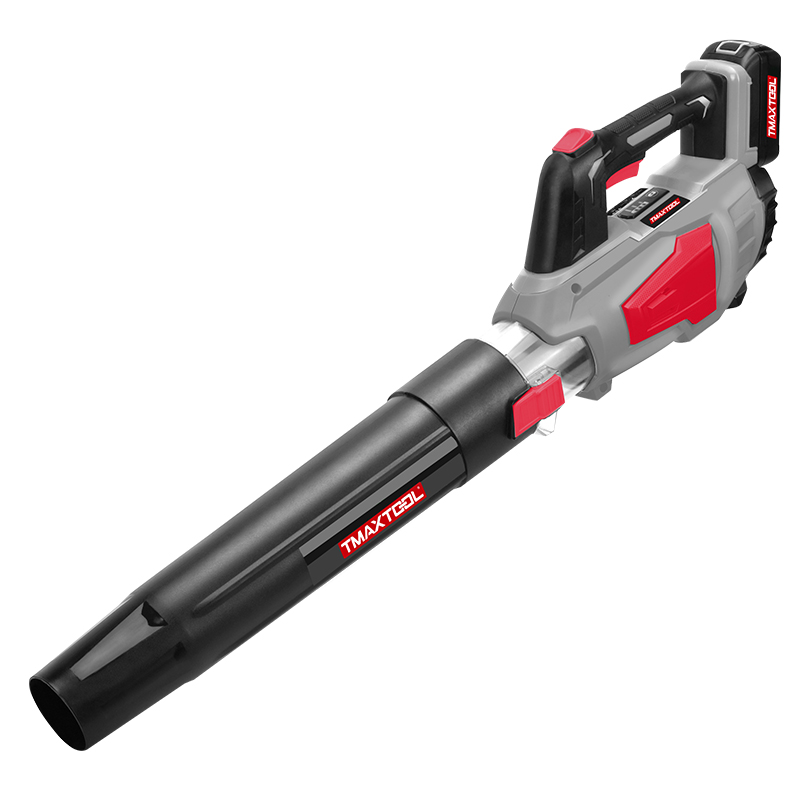 Battery Blower
 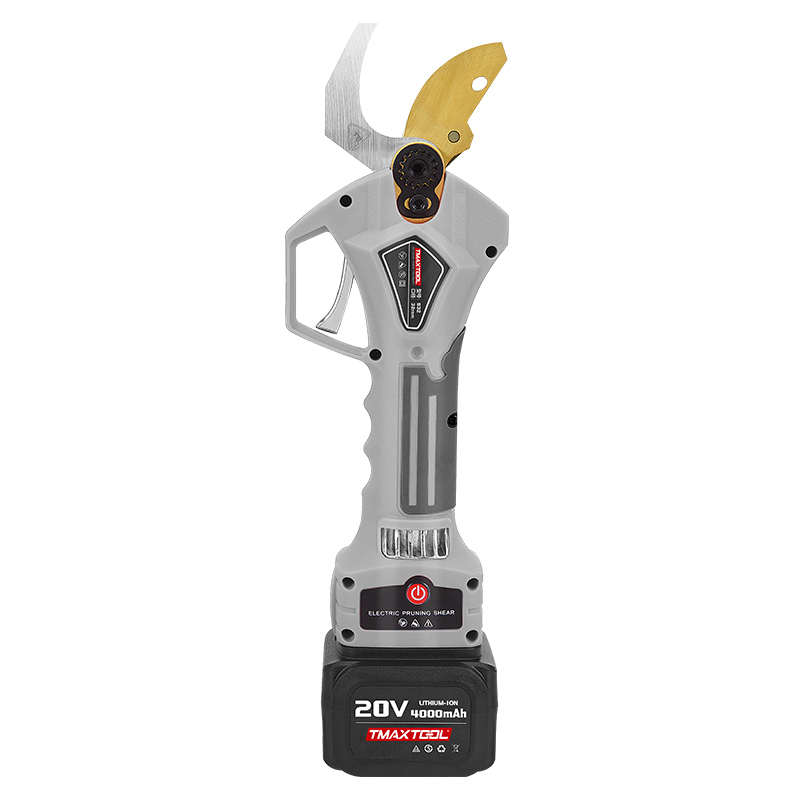 Batter Pruning Shears
 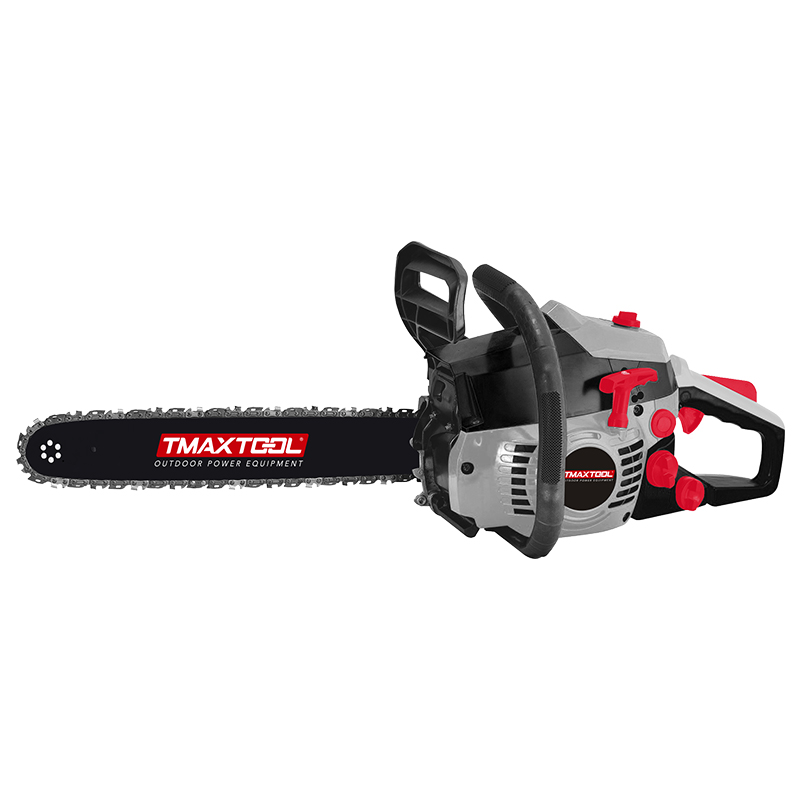 Chain Saw
 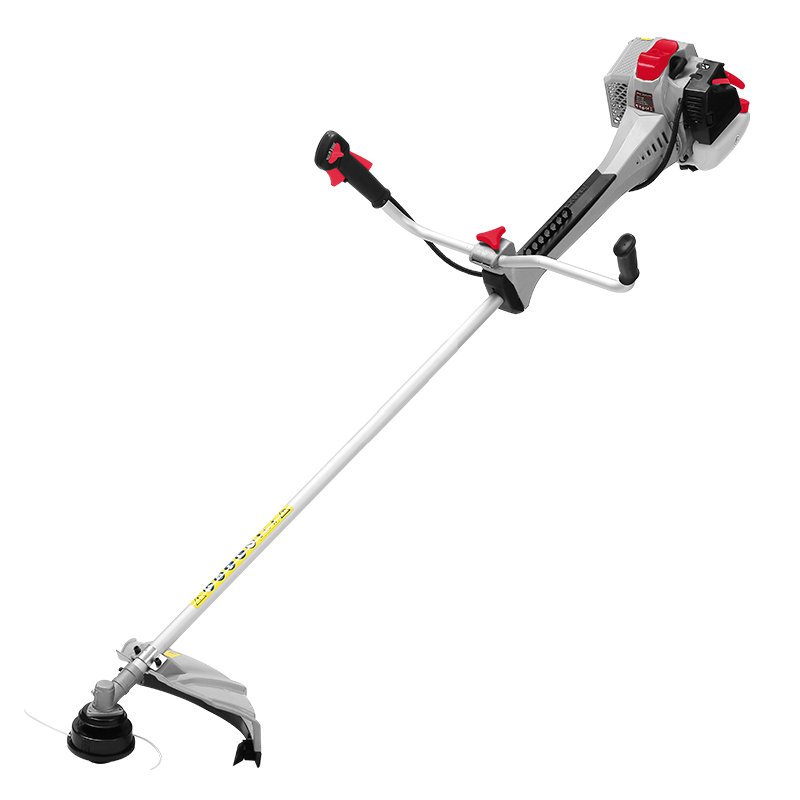 Brush Cutter
 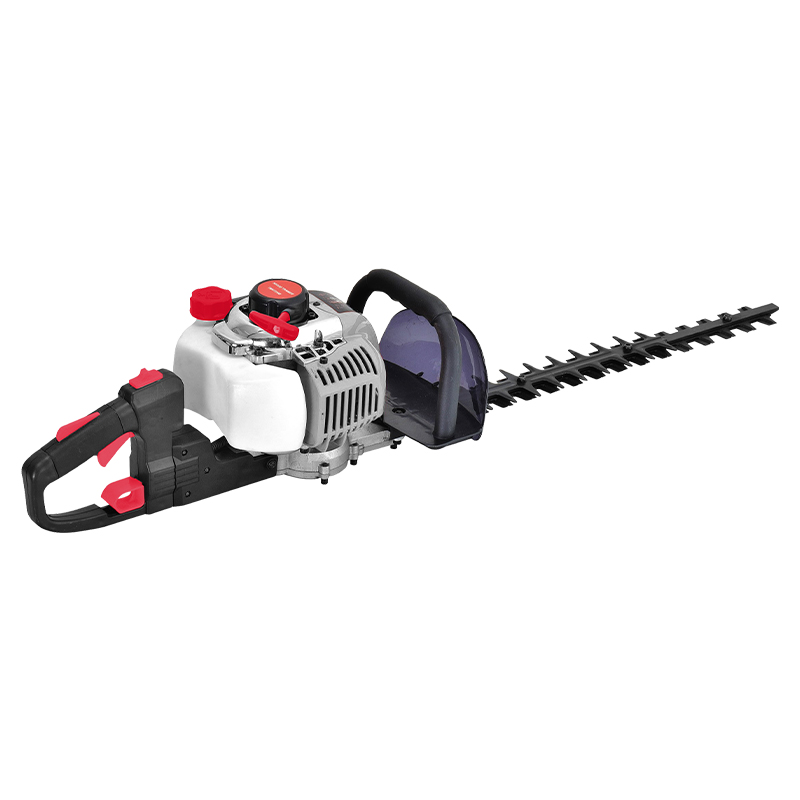 Hedge Trimmer
 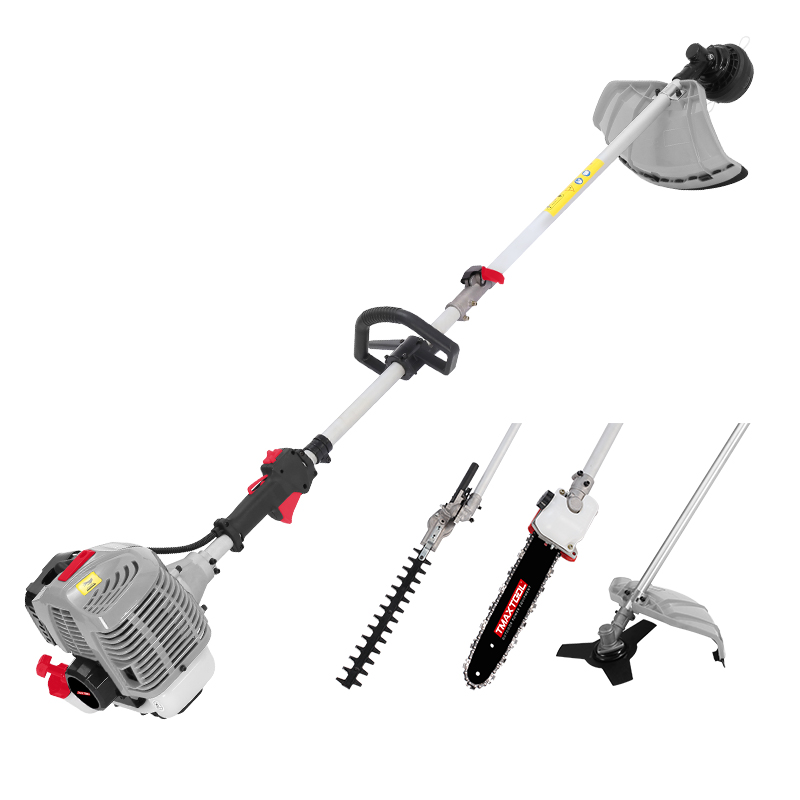 Multi Tool
 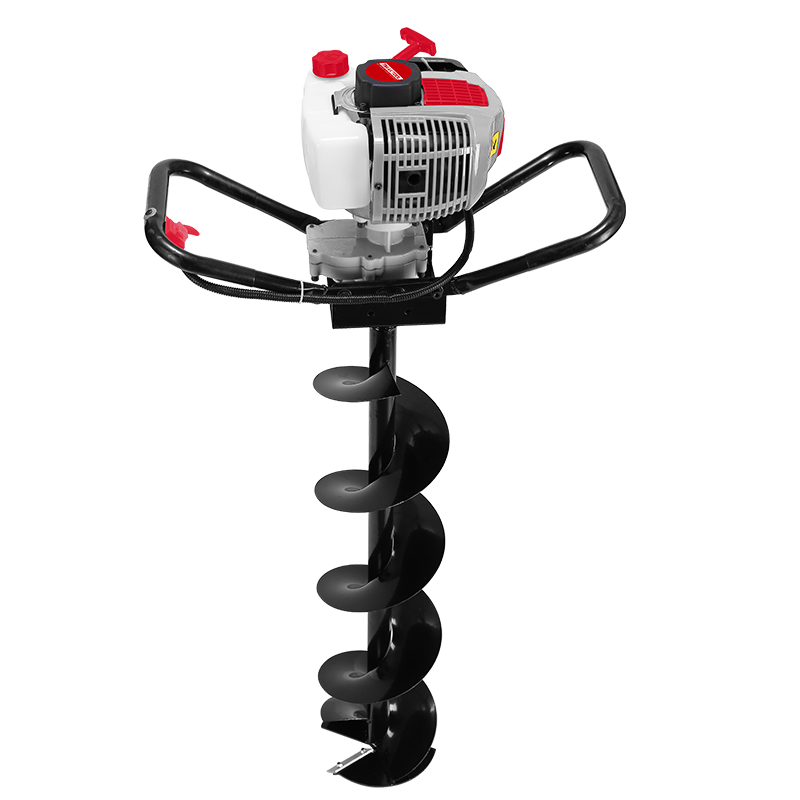 Earth Auger
 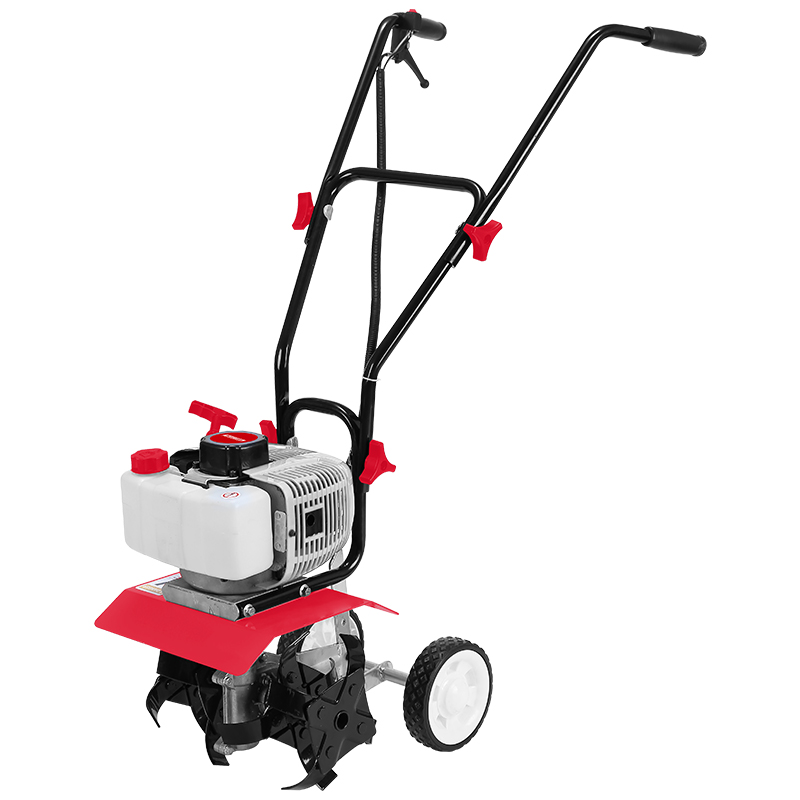 Tiller
 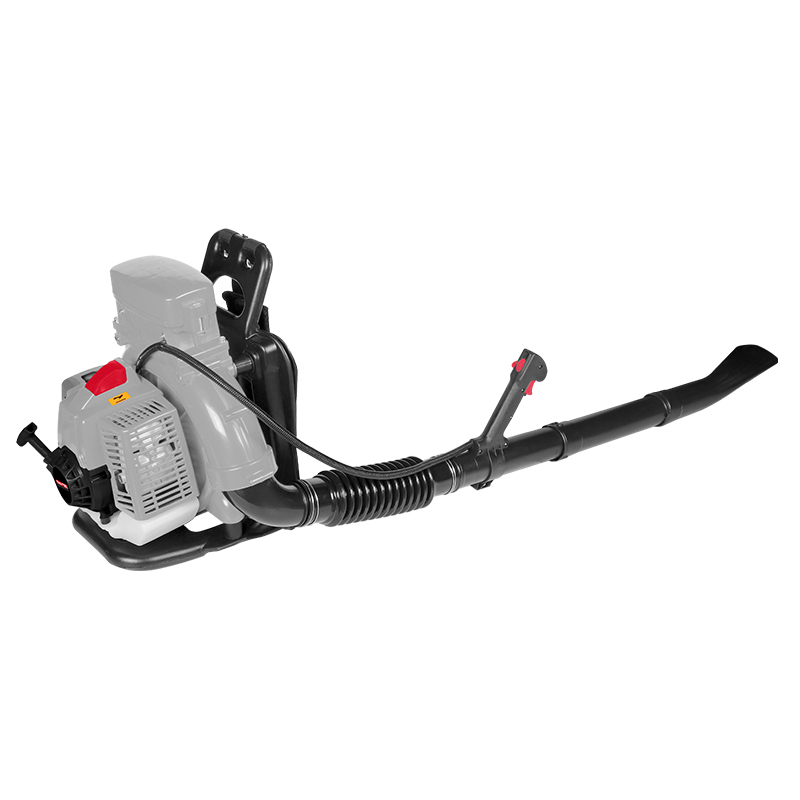 Blower
 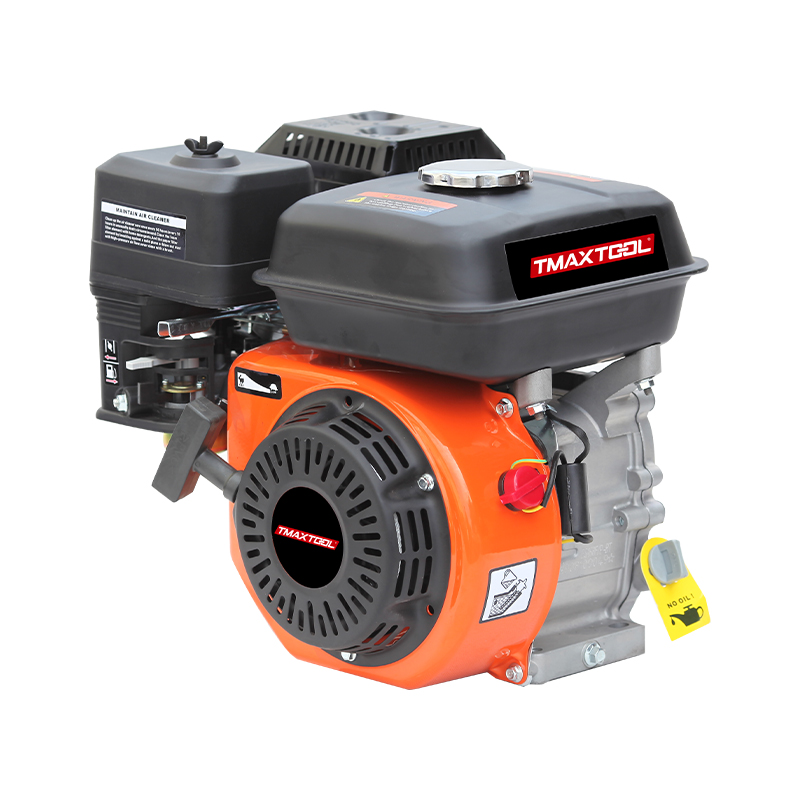 4 Stroke Gasoline Engine
 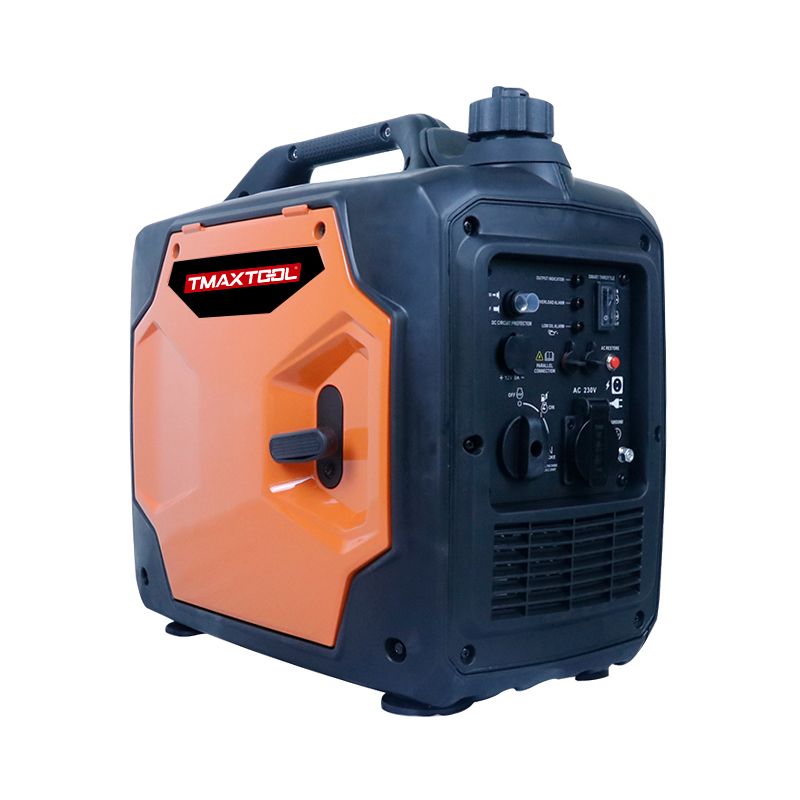 Generator
 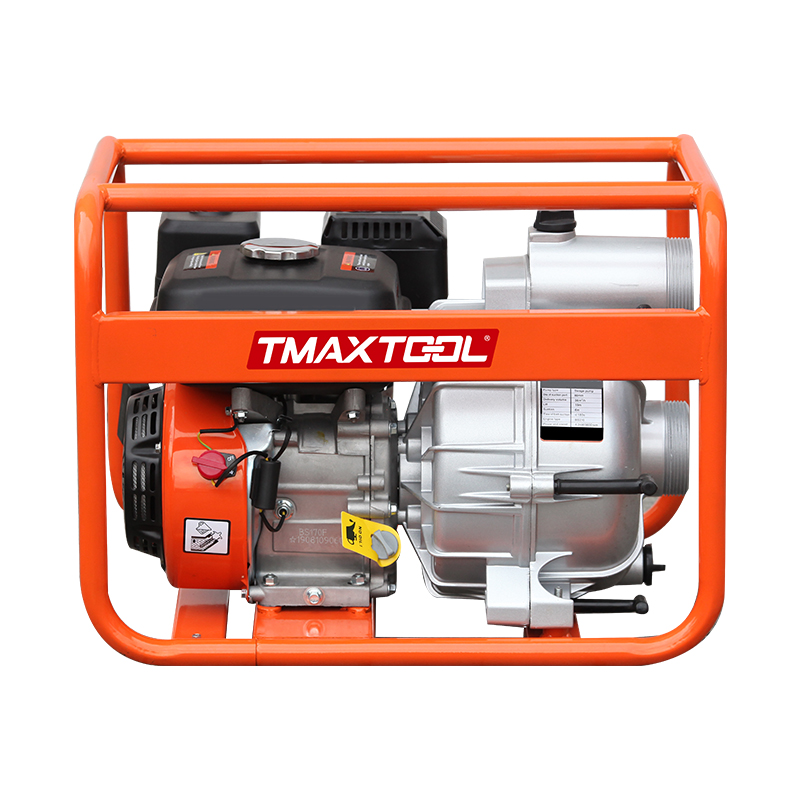 Water Pump
 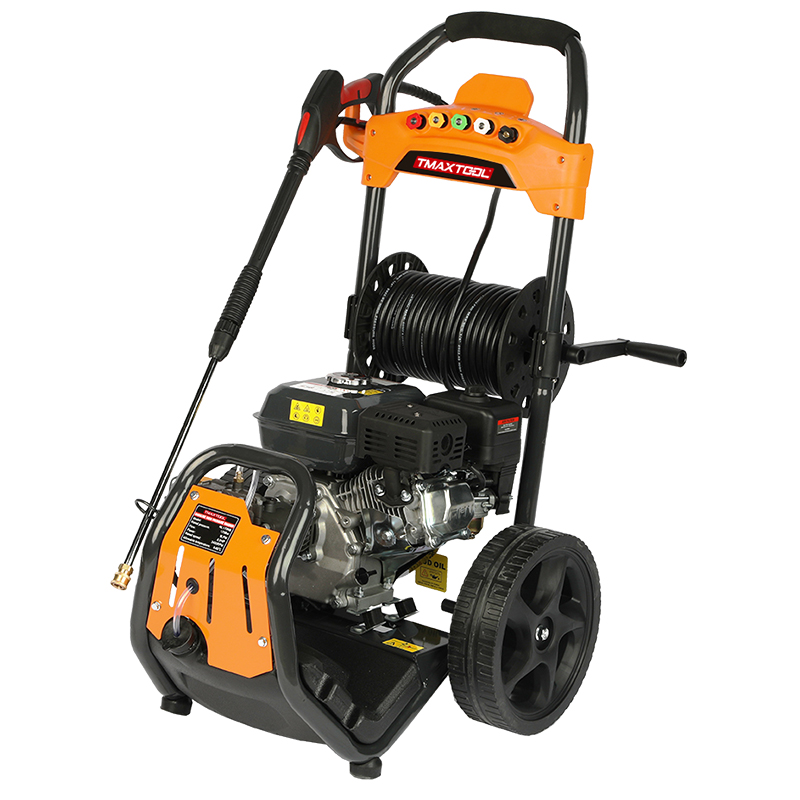 High Pressure Washer
 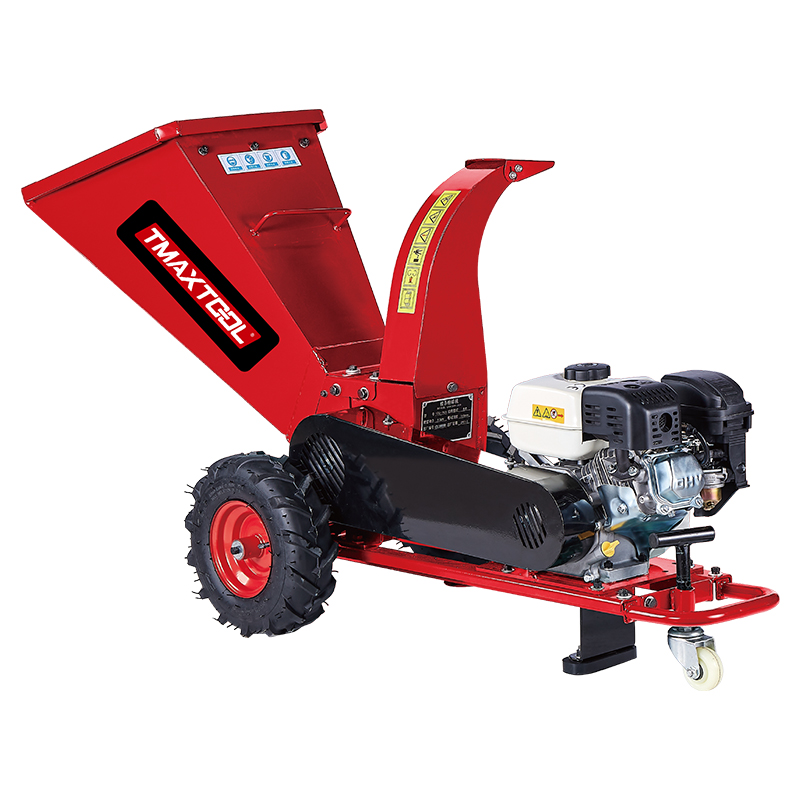 Wood Cutter
 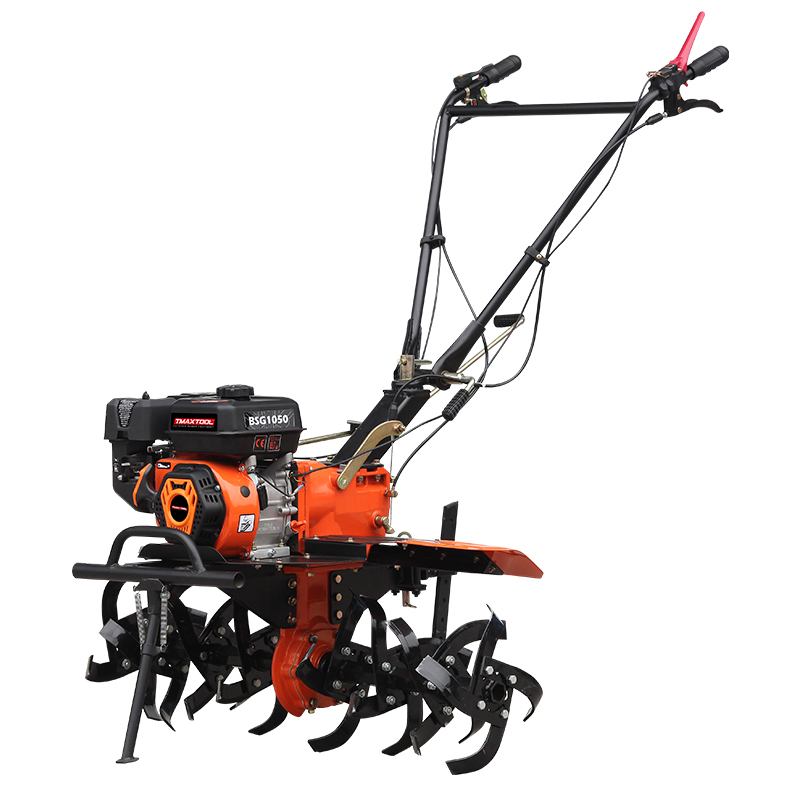 4 Stroke Tiller
 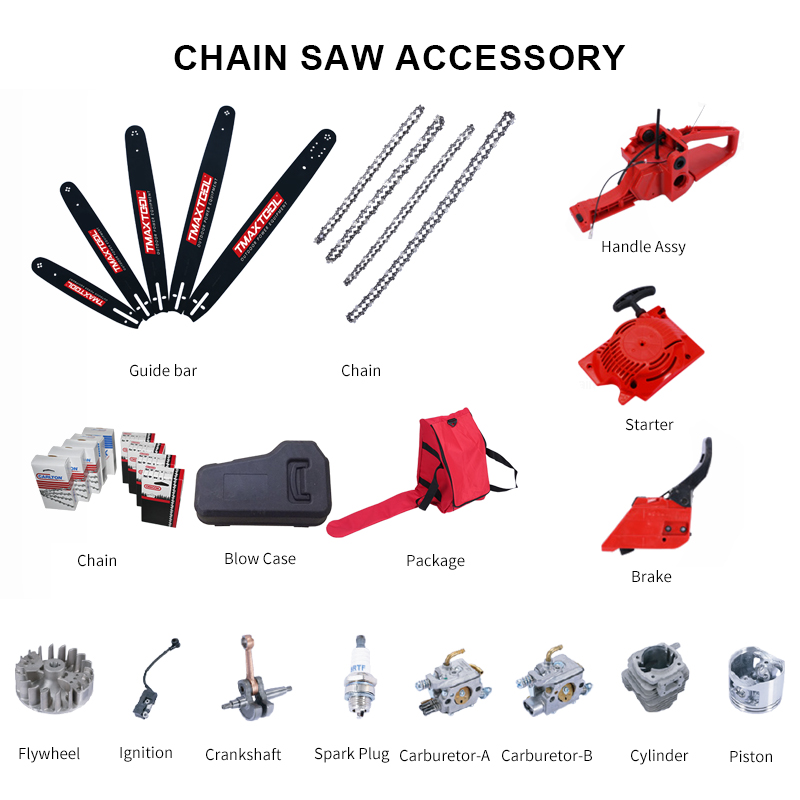 Chain Saw Accessory
 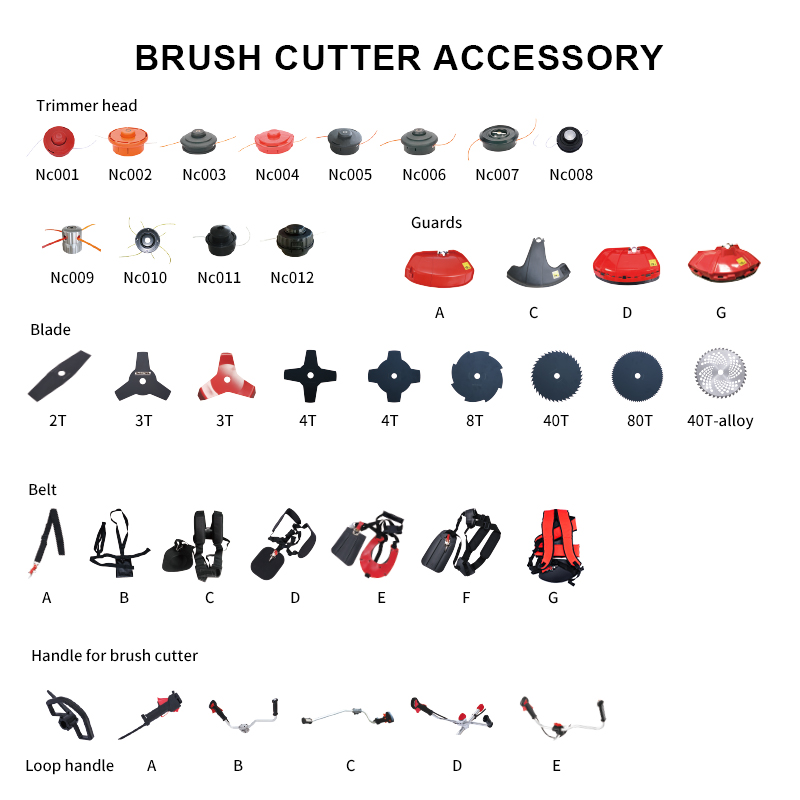 Brush Cutter Accessory
 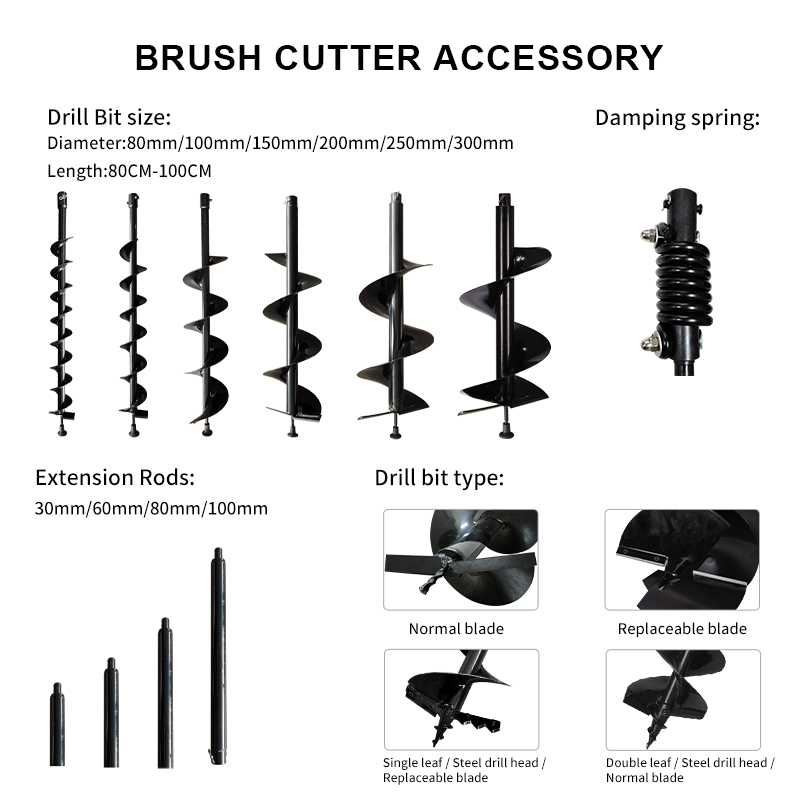 Earth Auger Accessory
 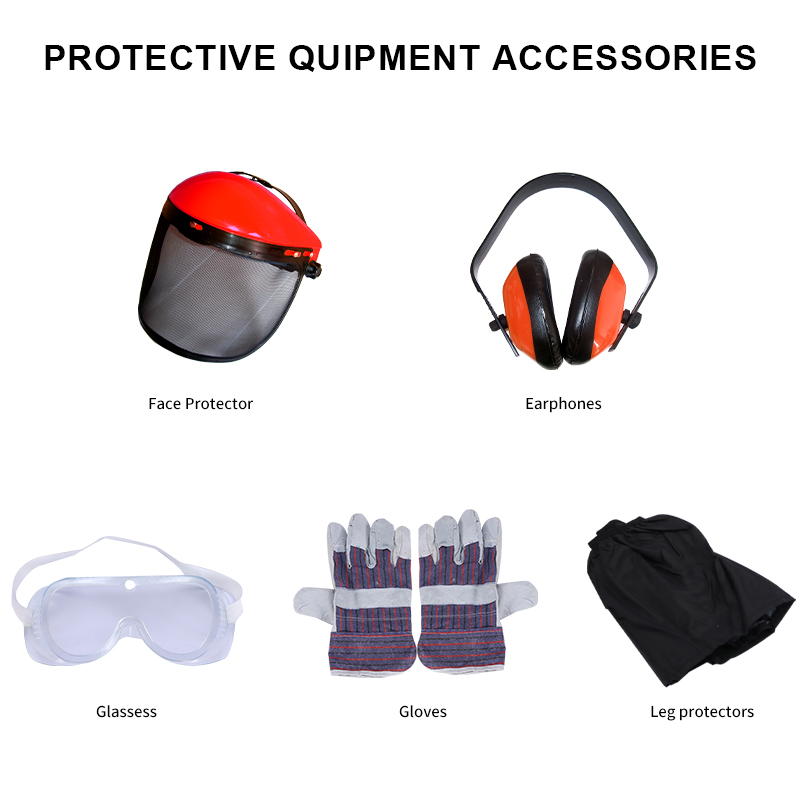 Protective Equipment Accessories
Leave Your Message


The battery life of electric screwdrivers: The key difference between home and commercial use
As an indispensable part of modern tool kits, the battery life of electric screwdrivers directly affects work efficiency and user experience. However, there are essential differences in the demand for battery life between home and commercial scenarios. Understanding these distinctions will help you make wiser choices.
Household needs: Convenience for occasional use
For household users, electric screwdrivers are usually tools used occasionally. It may be used for assembling furniture, installing shelves or making some minor repairs. In these scenarios, the demand for battery life is more reflected in the feature of being readily available at any time.
The battery capacity of household electric screwdrivers is usually sufficient to meet the demand for continuous use for a relatively long time. Due to the low frequency of household use, a single charge can often support sporadic use for several months or even longer. More importantly, household tools emphasize portability and ease of storage. Therefore, battery design often focuses more on lightness and the ability to retain power for a long time, ensuring that the battery does not run out completely even after being placed for several weeks.
Home users usually don't need to worry about the battery running out in the middle of a task. Even if charging is really necessary, a power source can be easily found in the home environment. After a short charge, it can be used again. This usage pattern determines that household electric screwdrivers pay more attention to the comfort of use and storage convenience rather than the battery life performance under extreme conditions.
Commercial requirement: Reliability for continuous operation
The requirements for electric screwdrivers in professional scenarios are completely different. On production lines, construction sites or maintenance workshops, tools may need to work continuously for several hours to handle a large number of fastening tasks. The battery life here means the reliability of continuous operation.

Commercial electric screwdrivers are usually equipped with larger-capacity batteries, supporting longer periods of high-intensity use. Many professional models also adopt a replaceable battery design. When one battery runs out of power, a spare battery can be immediately replaced to continue working without waiting for charging. This hot-swappable capability ensures the continuity and efficiency of the work.
In commercial environments, the charging speed of the battery is also taken into consideration. Fast charging technology enables batteries to be fully charged during breaks or lunchtime, ensuring power supply for work in the afternoon. The durability of the battery is also an important consideration. It needs to be able to withstand frequent charge and discharge cycles without significantly reducing its capacity.
The differential orientation of technical solutions
Household and commercial electric screwdrivers also have different orientations in the selection of battery technology. Household tools may tend to use standardized battery types, emphasizing safety and stability. Commercial tools, on the other hand, may adopt higher-performance battery technologies, offering greater energy density and faster charging capabilities.
The heat dissipation design also reflects this difference. Commercial tools need to handle high-load operations for longer periods of time, so they usually have more sophisticated cooling systems to ensure that the battery and motor do not overheat during continuous use. Household tools, on the other hand, have relatively simple heat dissipation requirements due to their lower usage intensity.
Choose the battery life that suits your needs
When choosing an electric screwdriver, it is important to evaluate the battery life requirements based on your actual usage patterns. If you only do occasional home maintenance and assembly work, a tool with standard battery life is more than sufficient. But if you need to do a lot of work with tools every day, then investing in a commercial-grade tool with excellent battery life performance will be a wise choice.
No matter which type is chosen, modern electric screwdrivers are constantly improving their battery life performance. Better battery technology, more efficient motors and intelligent power management are all helping to extend usage time, allowing users to focus more on their work rather than worrying about battery life.
Understanding the different battery life requirements of home and commercial scenarios can not only help you choose the most suitable tool, but also make your work more efficient and enjoyable. After all, good tools should be your assistance rather than a concern in your work.
