
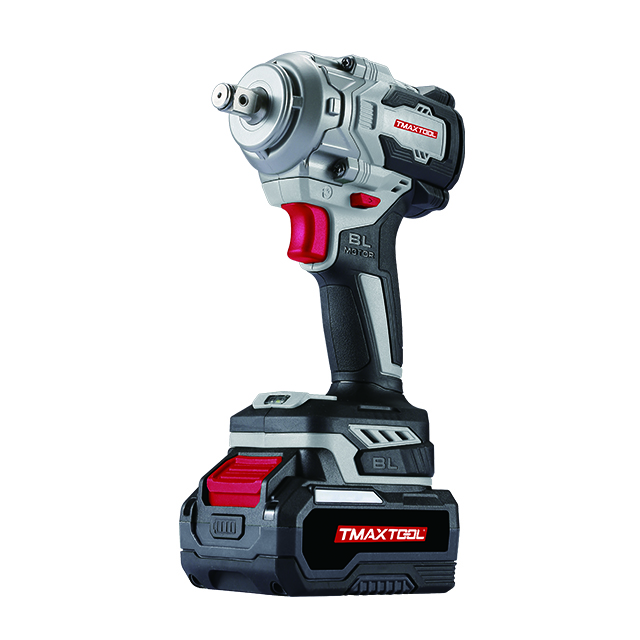
 Impact Wrench
 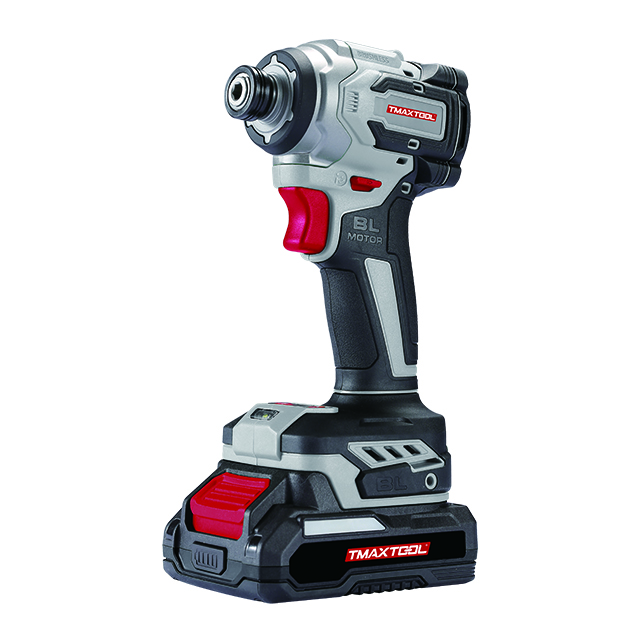 Screwdriver
 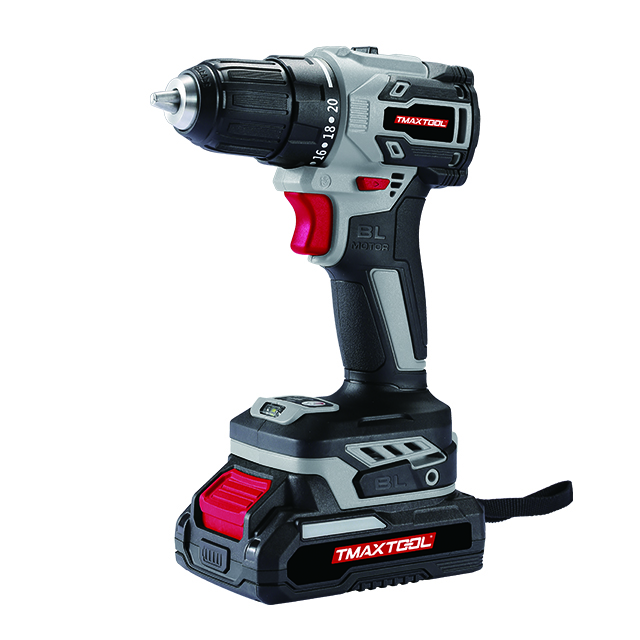 Cordless Drill
 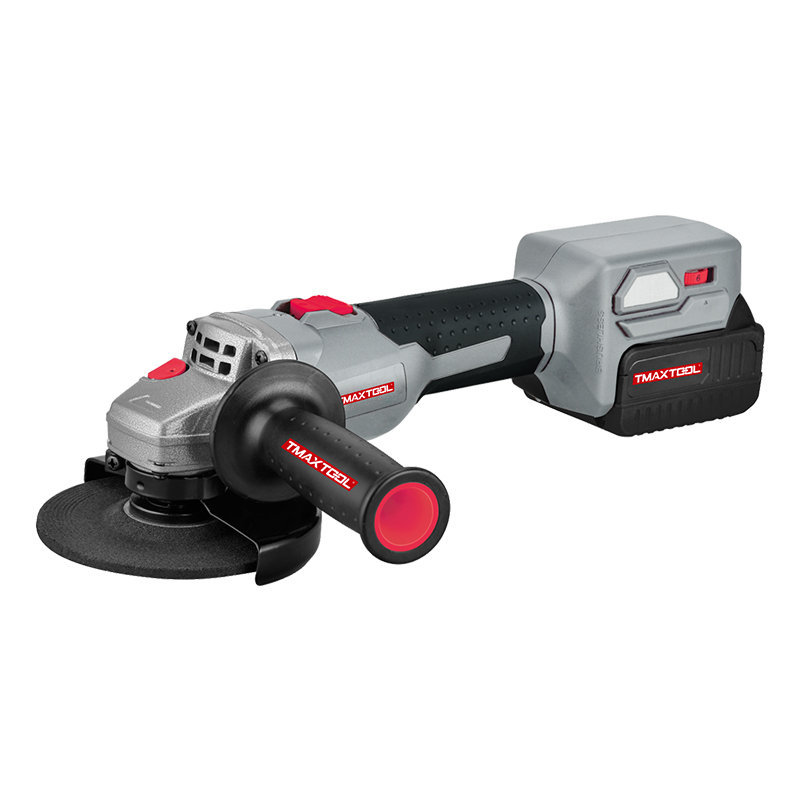 Angle Grinder
 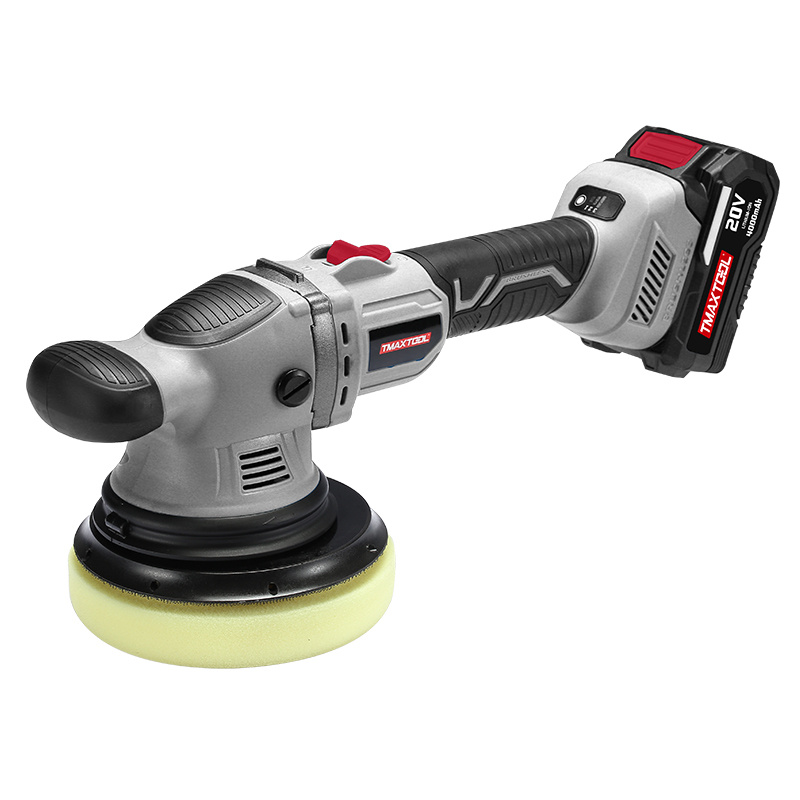 Polisher
 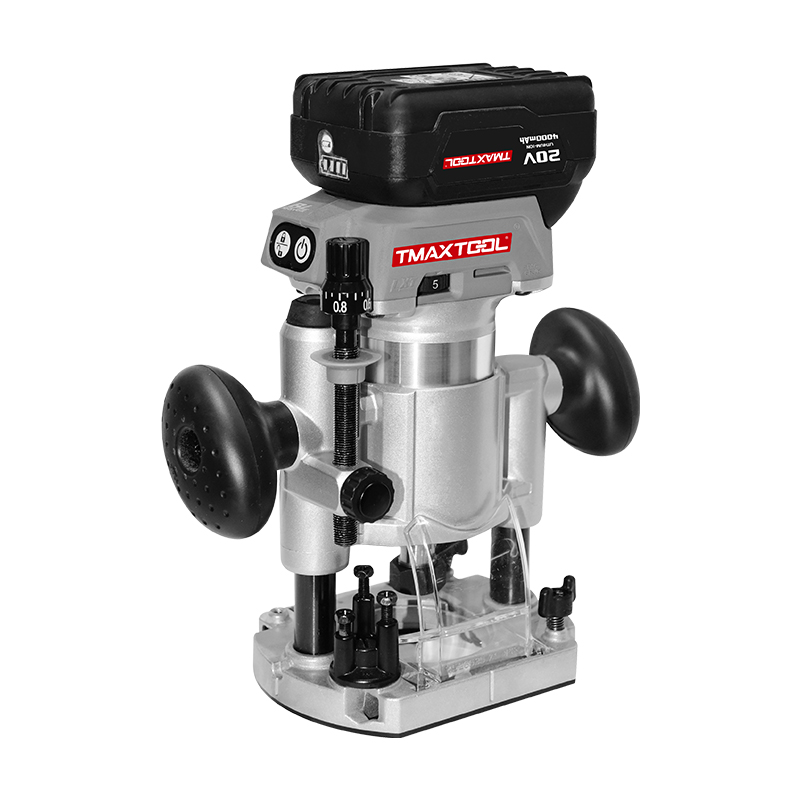 Wood Router
 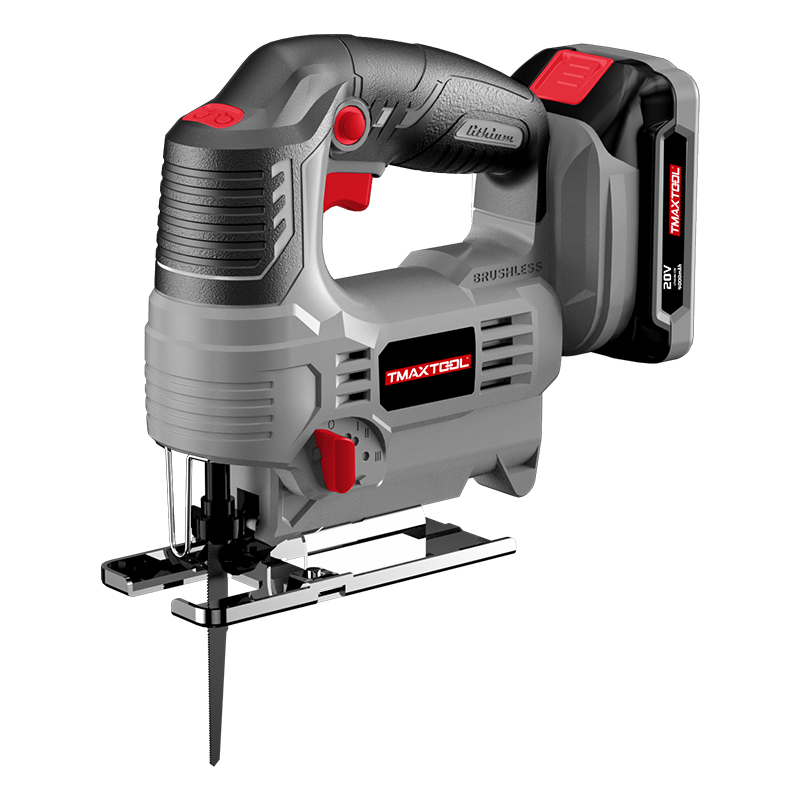 Jig Saw
 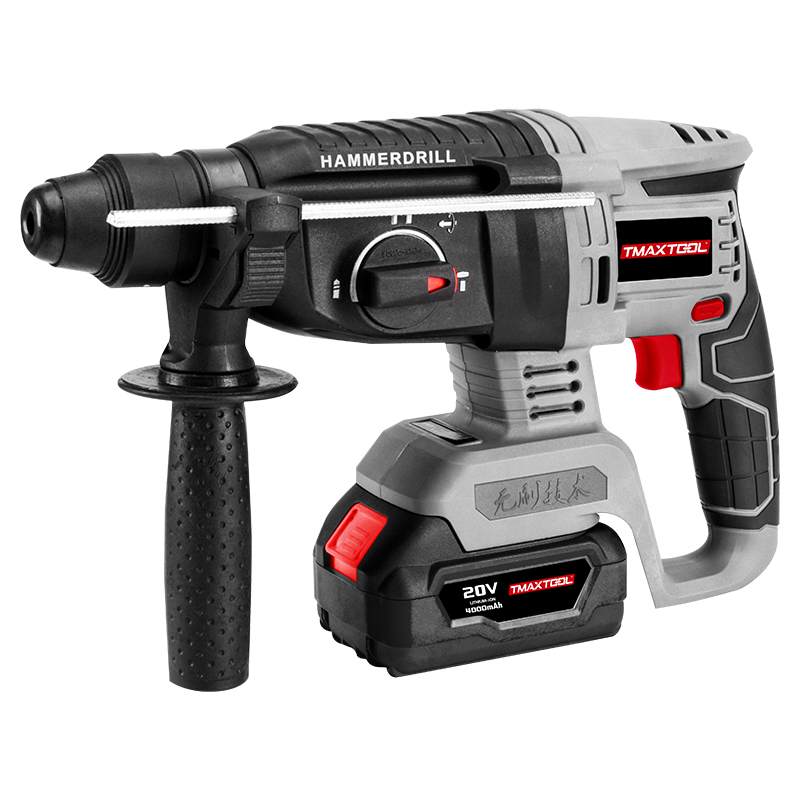 Hammer Drill
 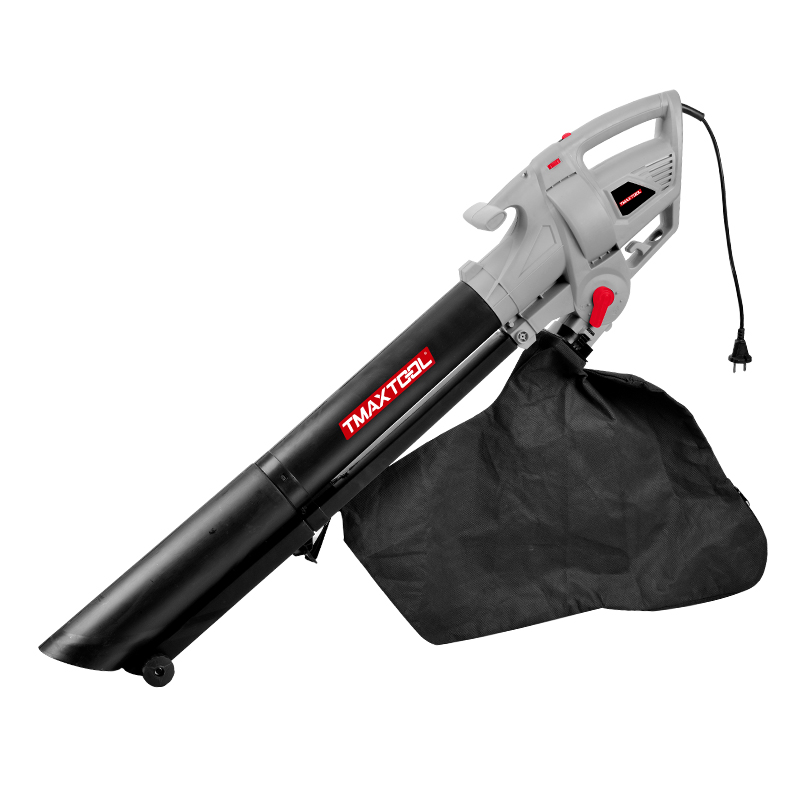 Portable Blower
 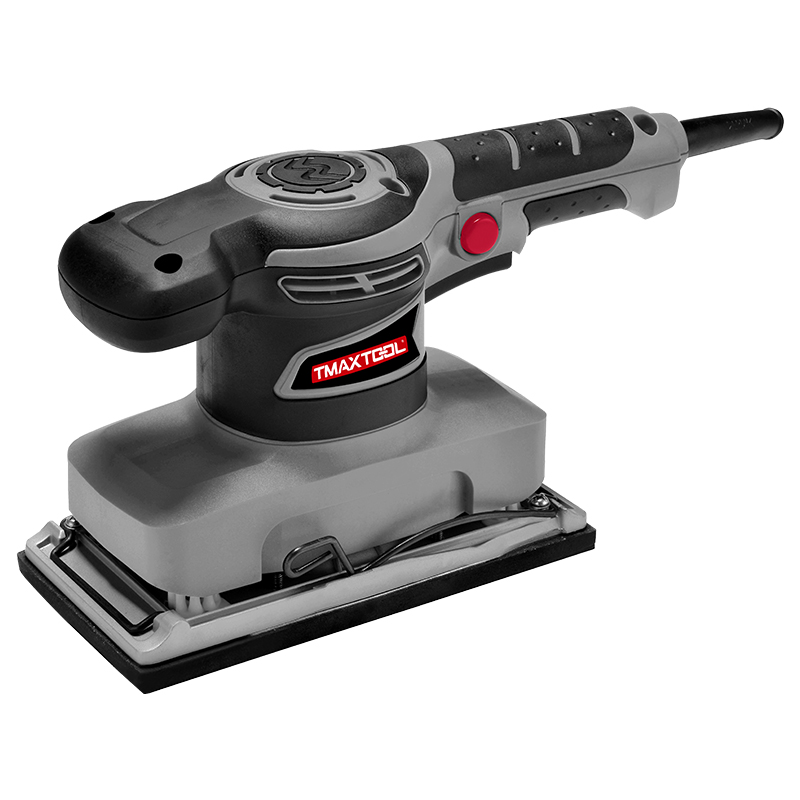 Orbital Sander
 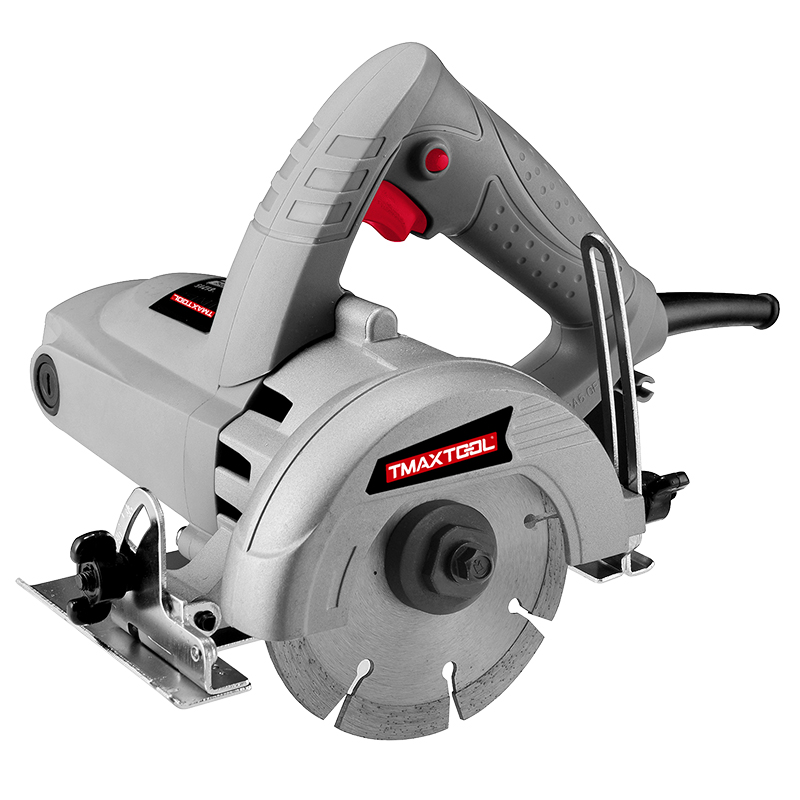 Marble Cutter
  GARDEN TOOLS
 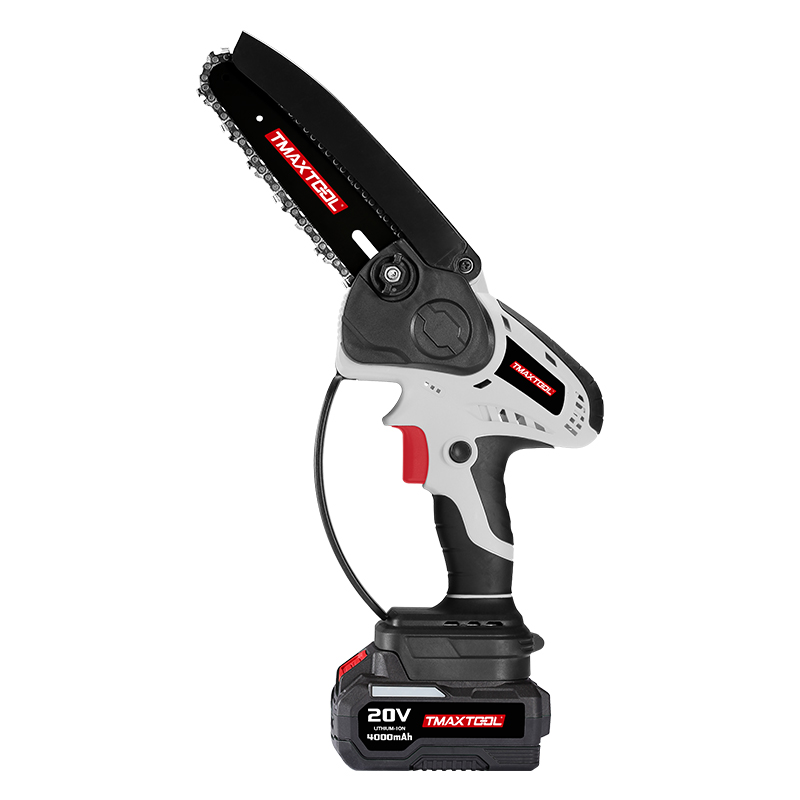 Battery Chain Saw
 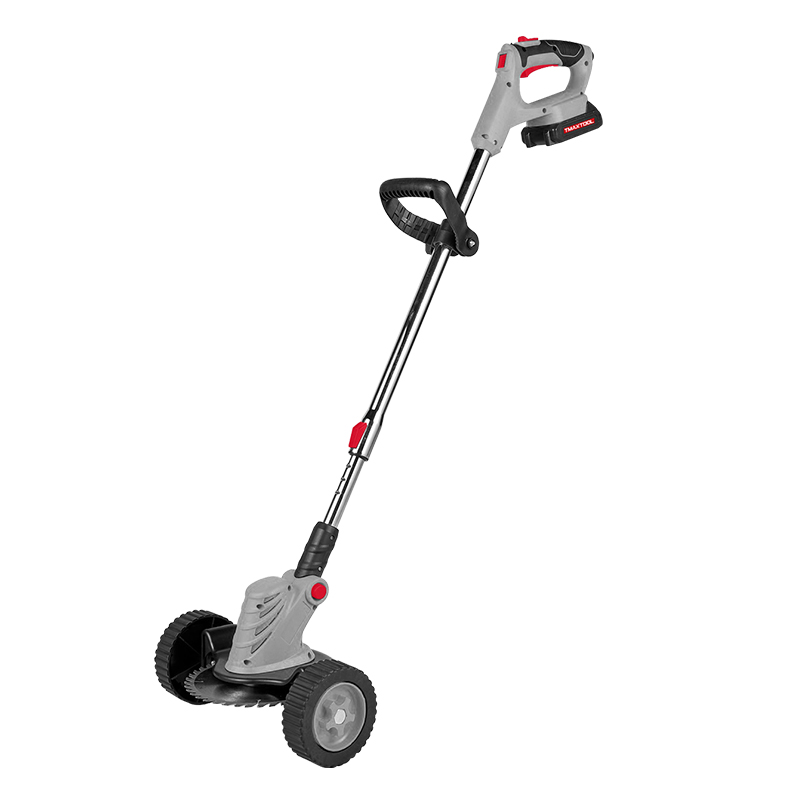 Battery Brush Cutter
 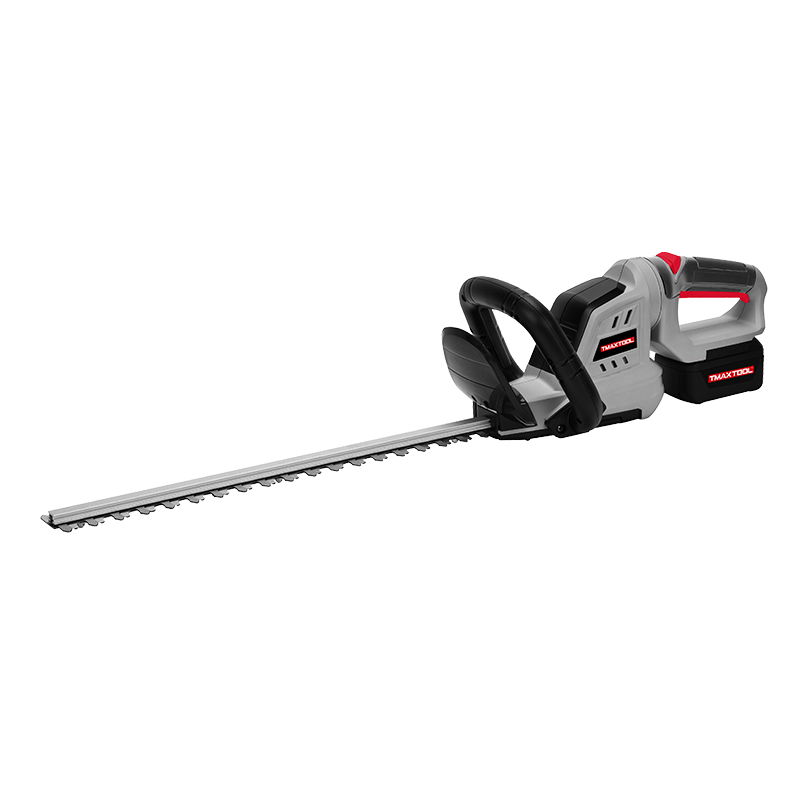 Battery Hedge Trimmer
 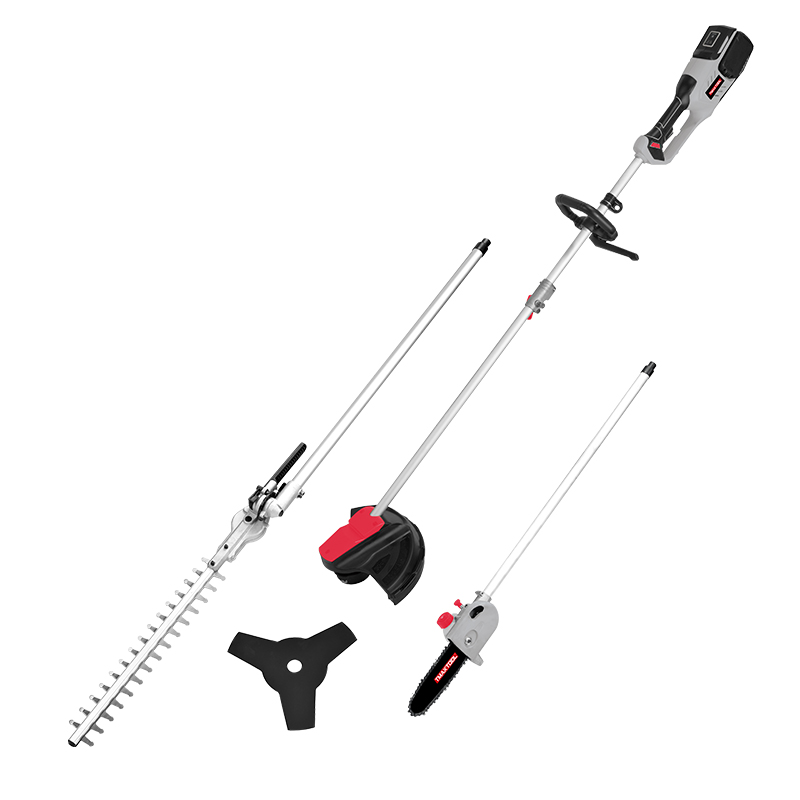 Battery Multi Tool
 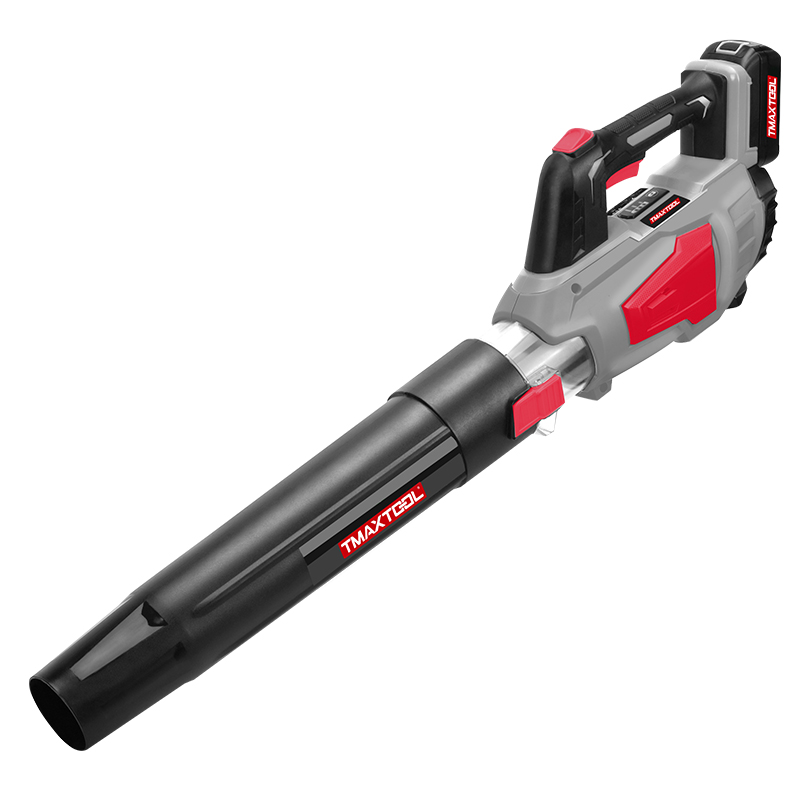 Battery Blower
 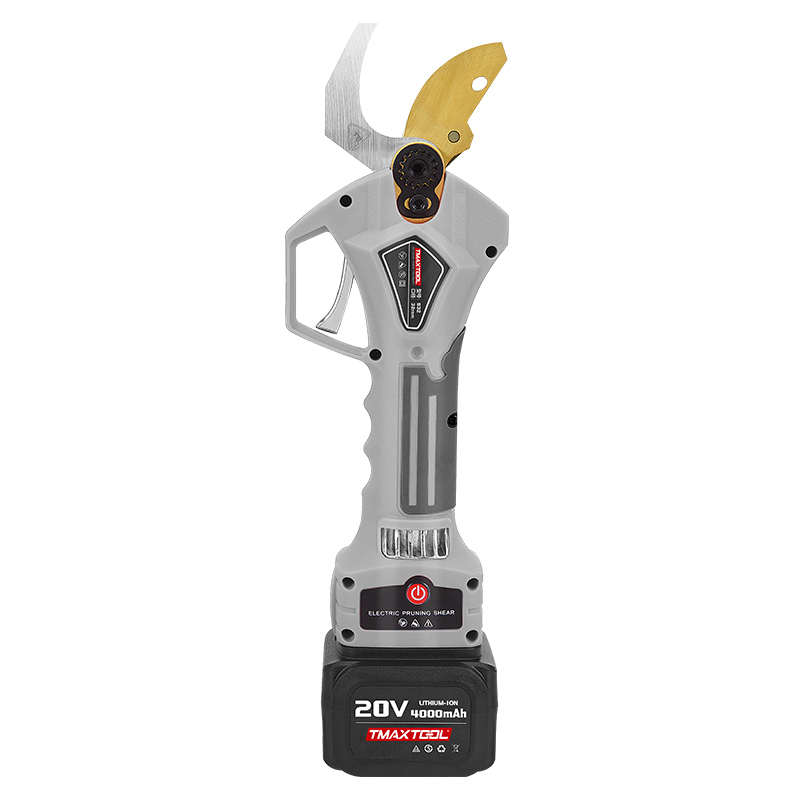 Batter Pruning Shears
 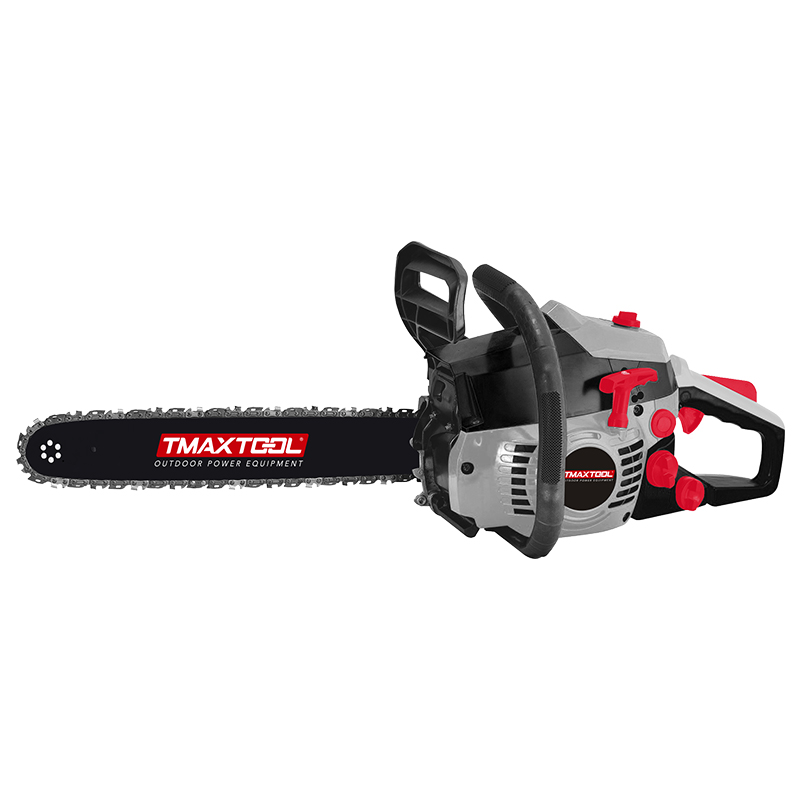 Chain Saw
 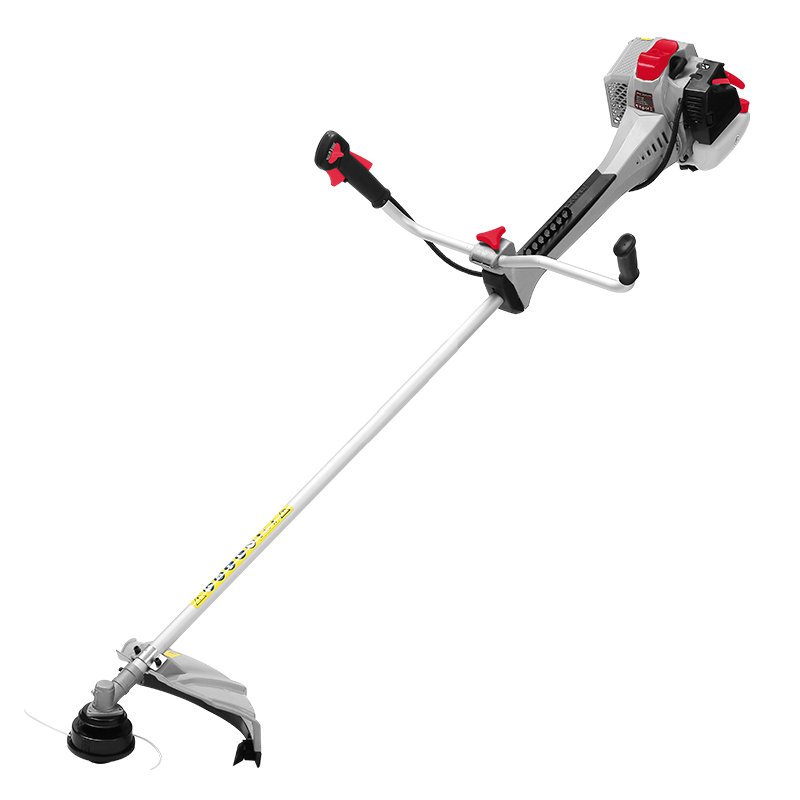 Brush Cutter
 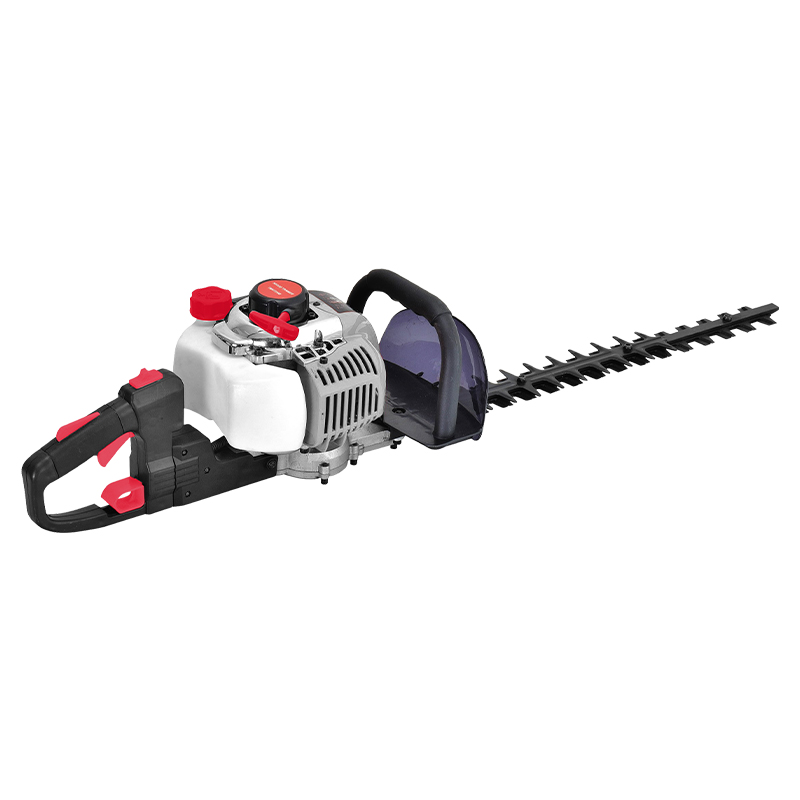 Hedge Trimmer
 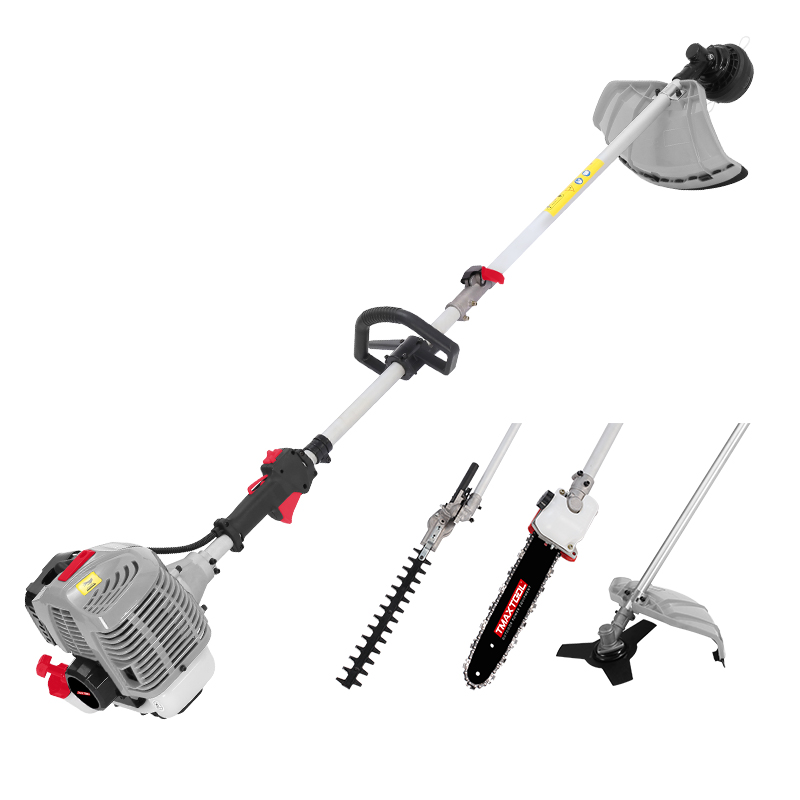 Multi Tool
 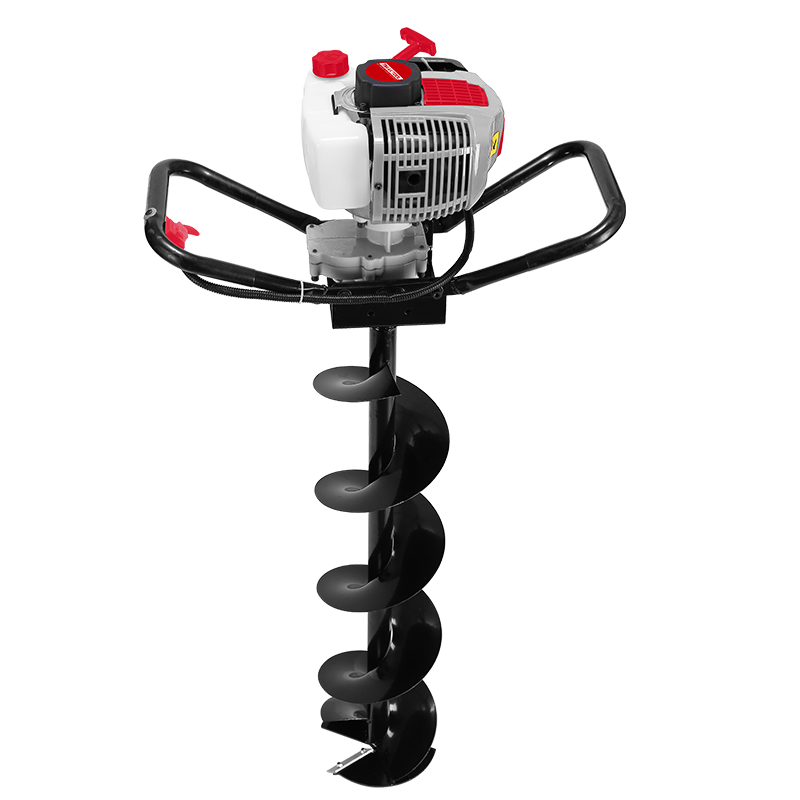 Earth Auger
 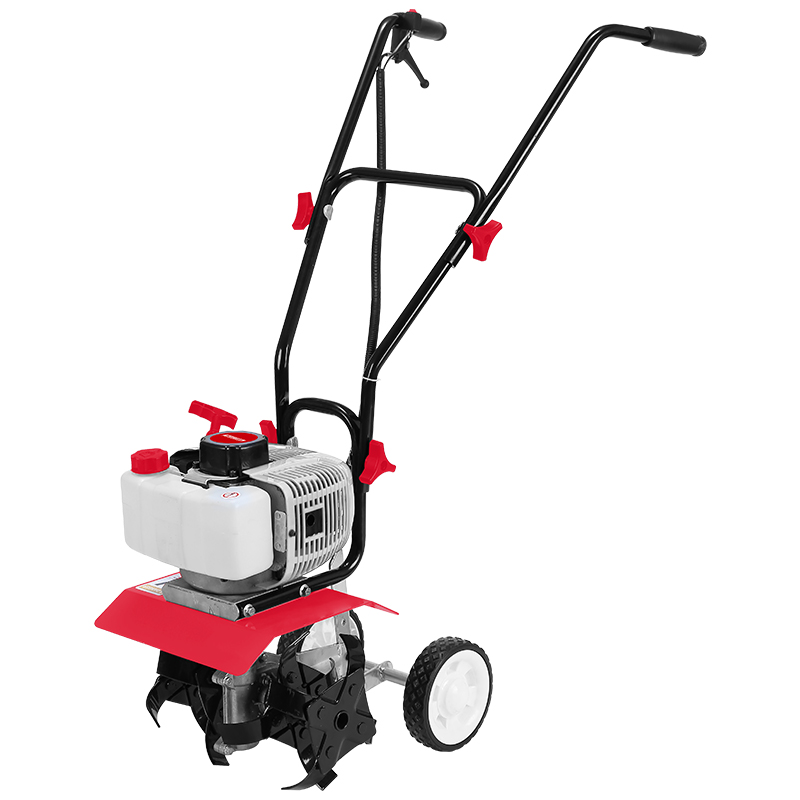 Tiller
 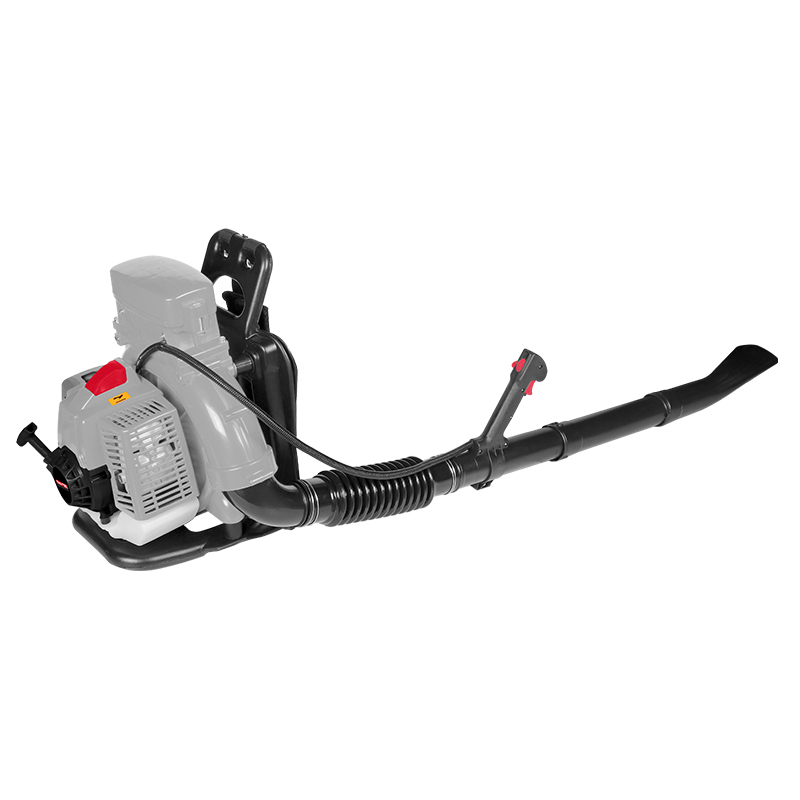 Blower
 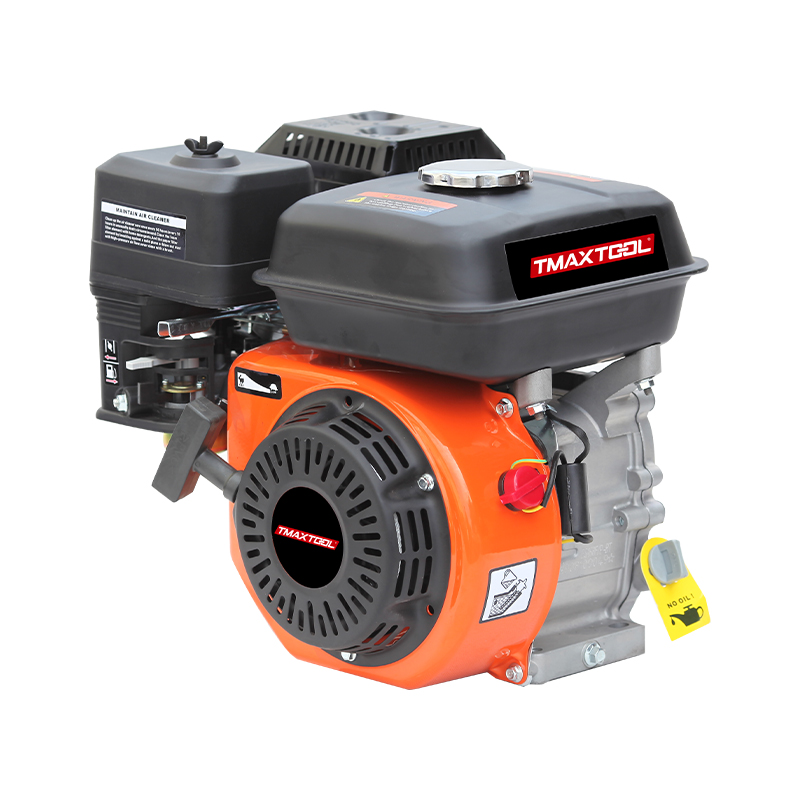 4 Stroke Gasoline Engine
 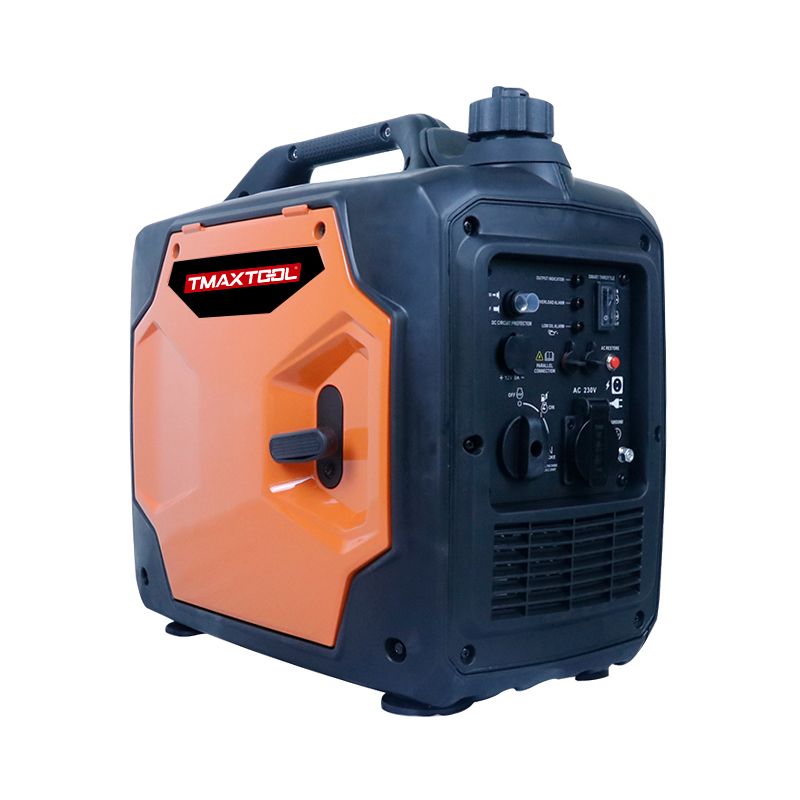 Generator
 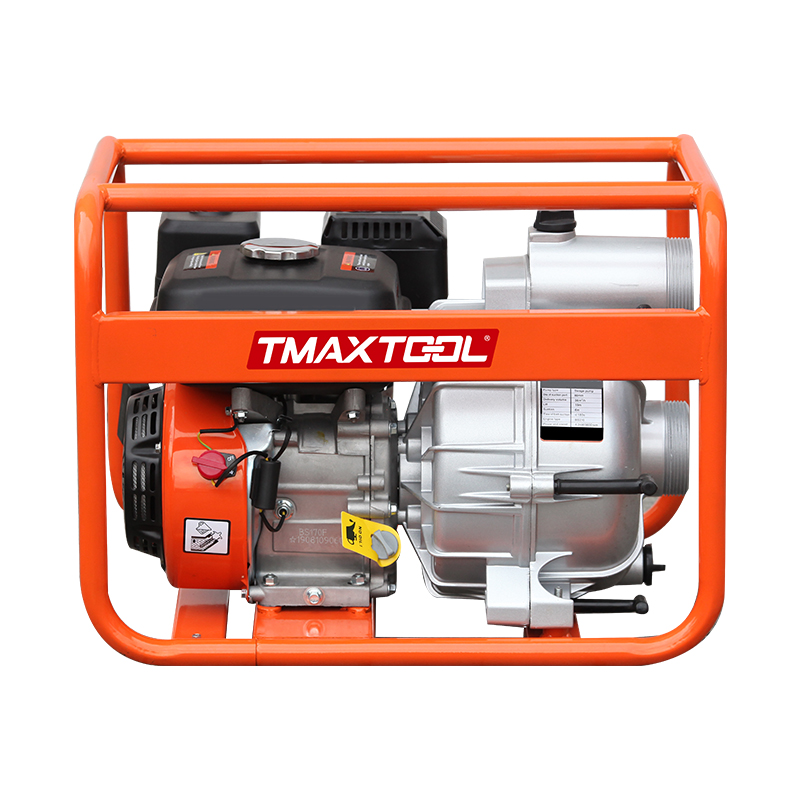 Water Pump
 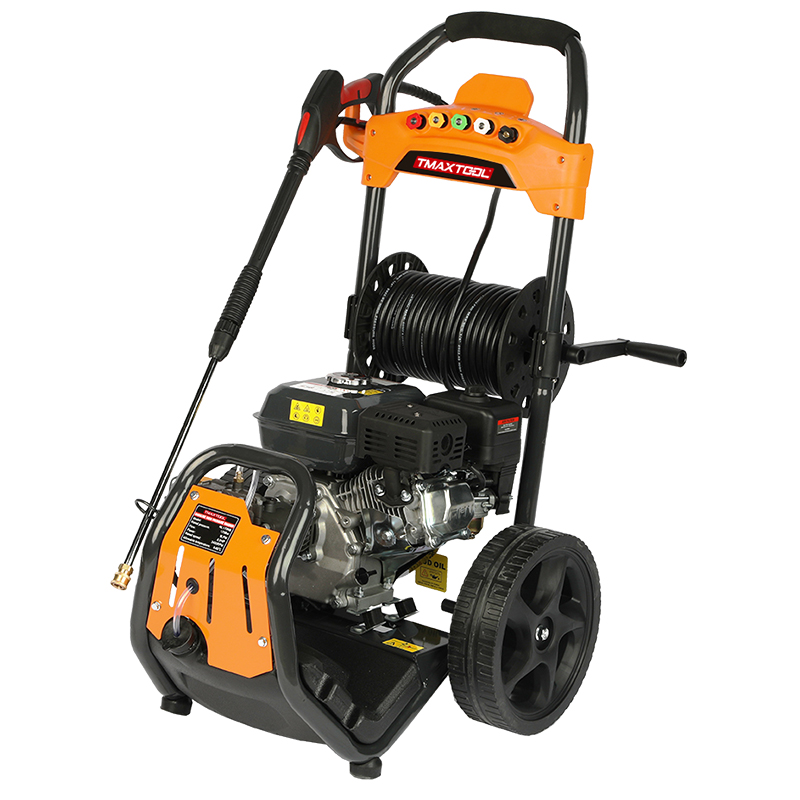 High Pressure Washer
 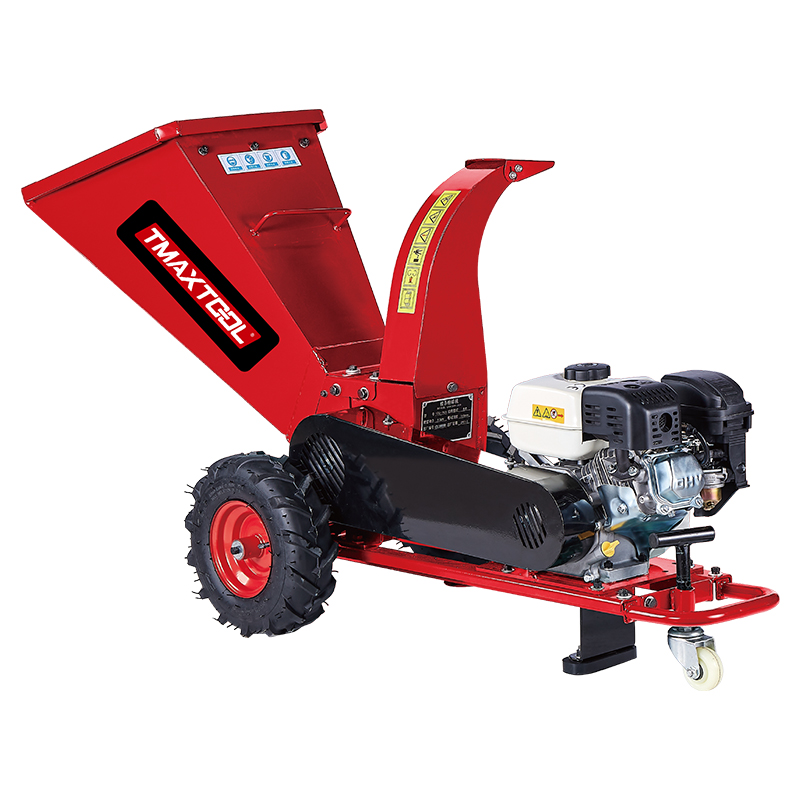 Wood Cutter
 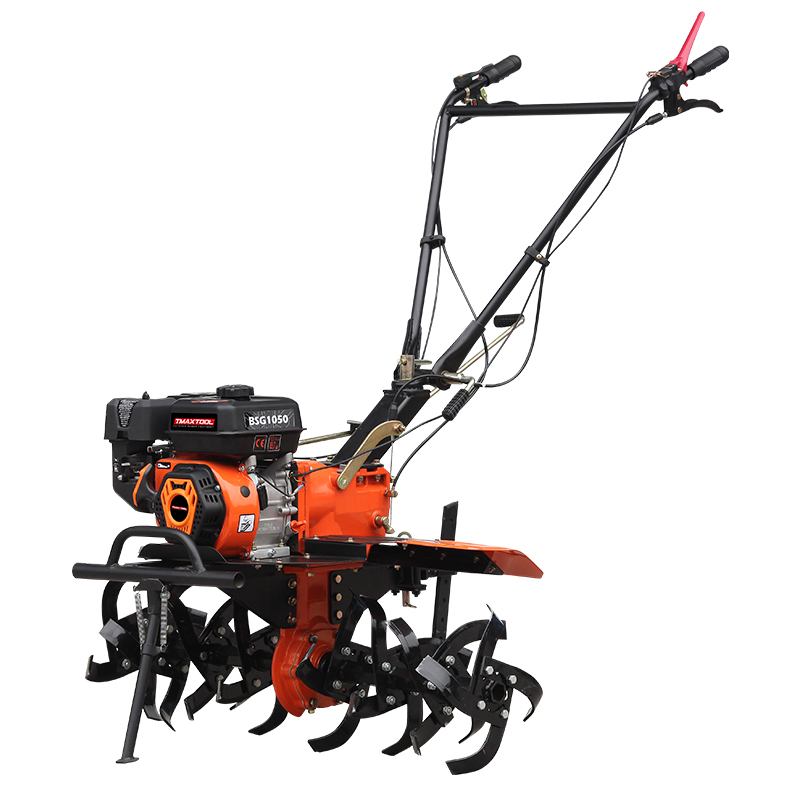 4 Stroke Tiller
 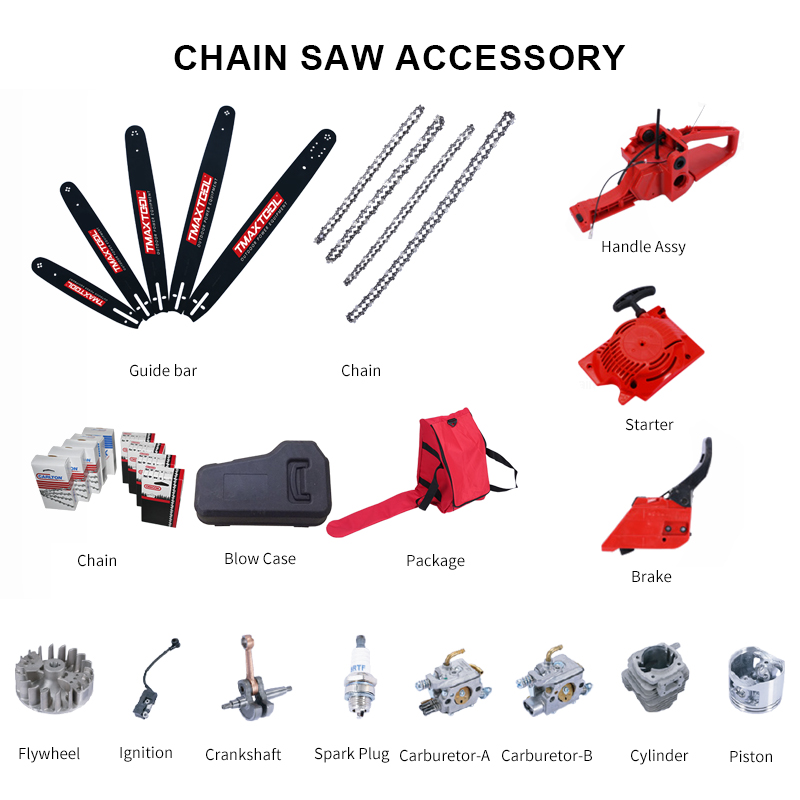 Chain Saw Accessory
 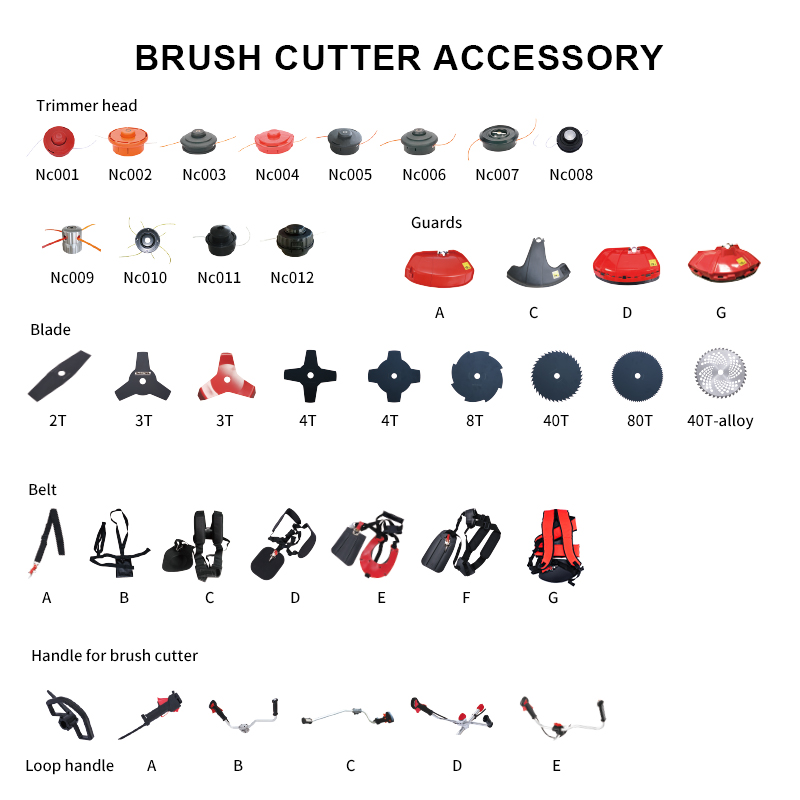 Brush Cutter Accessory
 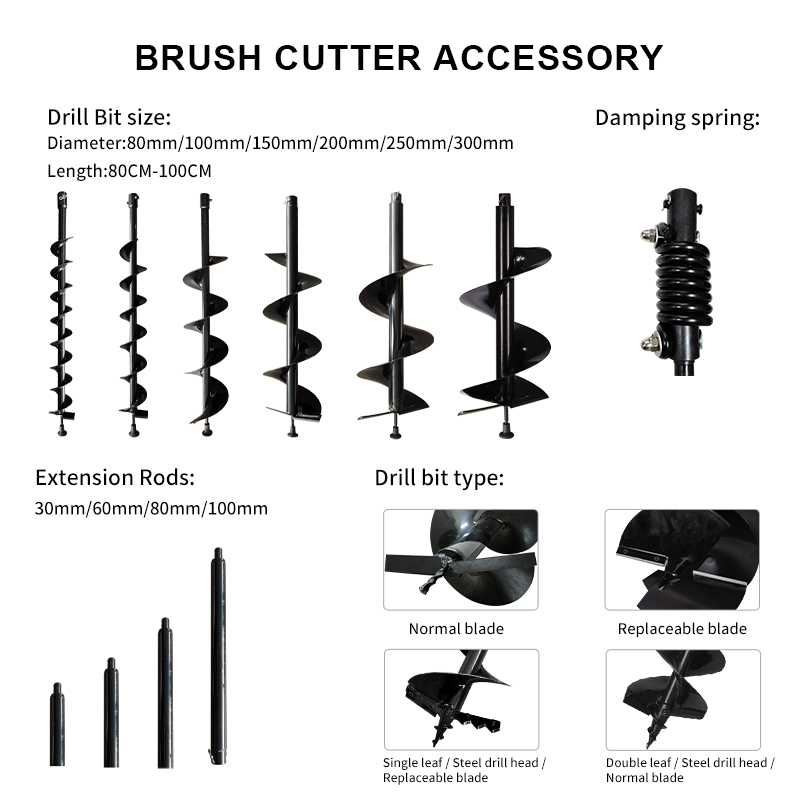 Earth Auger Accessory
 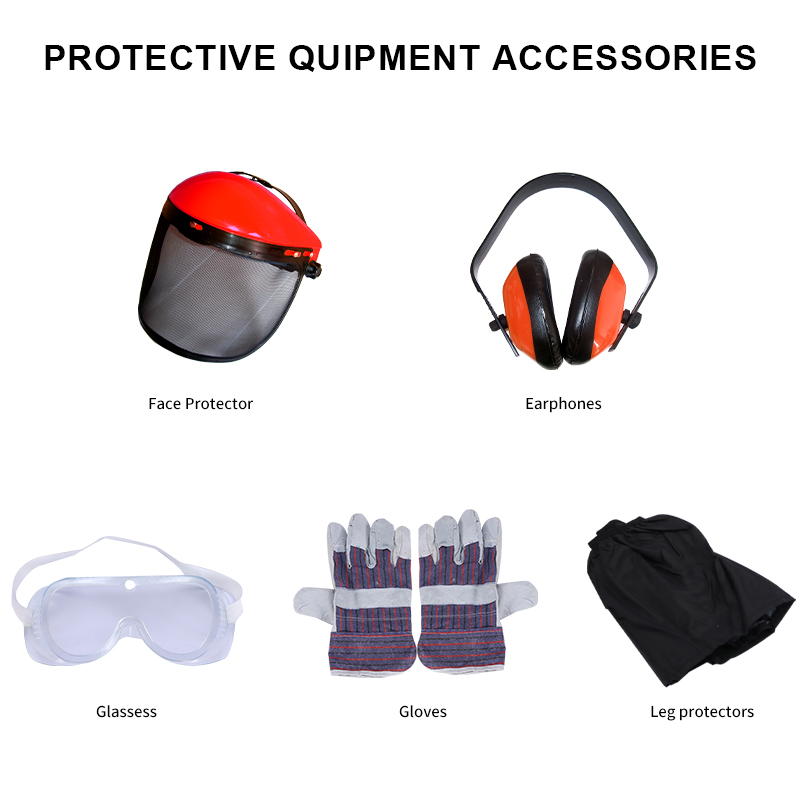 Protective Equipment Accessories
Leave Your Message


The High Precision Requirements of Power Tools in the Japanese and Korean Markets
The High Precision Requirements of Power Tools in the Japanese and Korean Markets
1. The Underlying Logic of Precision Demands in the Japanese and Korean Markets: Manufacturing Characteristics and Cultural Genes
2. Rigid Entry Barriers: Precision Requirements of JIS Certification and Korean Technical Specifications
3. Core Technical Indicators: A Precision Parameter System Determining Market Competitiveness
4. Scenario-Based Precision Demands: Full-Dimensional Adaptation from Industrial to Consumer Grades
5. Technological Evolution Trends: Precision Upgrade Paths Empowered by AI and IoT
I. The Underlying Logic of Precision Demands in the Japanese and Korean Markets: Manufacturing Characteristics and Cultural Genes
The pursuit of precision in power tools in the Japanese and Korean markets is rooted in their highly developed manufacturing systems and unique cultural genes. As a global benchmark for high-end manufacturing, Japan's miniaturization and integration in the electronics industry (such as semiconductors and micro-components) and automotive industry have spurred extreme demands for tool operation precision—the 0.1mm-level component spacing in electronic assembly requires electric screwdrivers to have micron-level positioning control capabilities. South Korea, leveraging its global competitiveness in automobiles and digital products, has formed a closed-loop industry chain of "precision machining - tool adaptation." Hyundai Wia Machine Tools' 0.002mm radial runout machining accuracy for core power tool components directly reflects this demand.
Culturally, Japan's "craftsman spirit" and pursuit of "ultimate craftsmanship" permeate the tool manufacturing field. Consumers are willing to pay a premium for consistently high precision performance, leaving inferior tools with no place in the market. South Korean manufacturing emphasizes "technology iteration and precision synergy." Tools must not only meet current processing needs but also adapt to the product upgrade cycle of the next 3-5 years. This forward-looking requirement drives technological innovation in precision tools.

II. Rigid Entry Barriers: JIS Certification and the Precision Requirements of Korean Technical Specifications
Power tools entering the Japanese and South Korean markets must overcome stringent standard certification barriers, with the Japanese Industrial Standards (JIS) being the most representative. JIS certification ensures comprehensive quality control for precision tools throughout the entire process: raw materials must undergo spectral analysis and metallographic testing to verify compositional compliance; high-speed steel tools must meet JIS standards for red hardness and wear resistance; during production, environmental parameters such as temperature and humidity must be monitored in real time to prevent external factors from affecting precision. Dynamic performance testing is a core component—drills and milling cutters must be tested in actual machining scenarios to verify cutting force stability and wear rate, ensuring long-term precision without degradation.
While South Korea lacks a unified "tool precision certification system," leading companies (such as Hyundai and Samsung) have established industry-wide consensus on procurement standards. For example, in power tool gear machining, a tooth profile accuracy of level 5 (JIS level) and a tooth surface hardness of HRC60 or higher are required to meet the high-frequency impact load requirements of automotive parts. This situation, where "company standards exceed industry standards," further raises the precision threshold for market entry.
III. Core Technical Indicators: A Precise Parameter System Determining Market Competitiveness
The Japanese and Korean markets assess the precision of power tools by focusing on three core technical indicators, each with clear quantitative requirements:
Torque Control Precision: Industrial-grade electric screwdrivers must achieve repeatable torque accuracy within ±5%. The Japanese HIOS F series electric screwdrivers, through their intelligent torque control system, achieve precise output within a torque range of 1-8 N.m, meeting the tightening requirements of electronic components.
Dimensional Machining Precision: The geometric tolerances of core components must be controlled at the micrometer level, such as radial runout of the motor rotor shaft ≤0.002mm and stator core slot accuracy ≤0.01mm. These parameters directly determine the tool's power efficiency and lifespan.
Dynamic Stability: In continuous operation scenarios, the tool must maintain consistent precision. The Japanese JST BCT-0514L electric crimping pliers, through dual-mode drive technology, eliminate material stress with 2000 micro-vibrations per minute, achieving a crimping accuracy of ±0.02mm for terminals with wire diameters ranging from 0.3-6.0mm². Furthermore, the precision of human-machine collaboration is also a crucial consideration. Given the aging populations of Japan and South Korea, power tools need to be lightweight (weight ≤ 1.5kg) while ensuring an operating error of ≤ 0.1mm, catering to the operational needs of elderly and female users.
IV. Scenario-Specific Precision Requirements: Full-Dimensional Adaptation from Industrial to Consumer Use
Precision requirements in the Japanese and South Korean markets exhibit a "full-scenario penetration" characteristic, with different areas having different focuses:
Electronics Manufacturing Scenarios: Assembling micro-components requires tools with millimeter-level positioning capabilities. For example, electric screwdrivers used for mobile phone chip packaging need to achieve a bit positioning error within 0.05mm to avoid damaging precision circuits;
Automotive Industry Scenarios: The processing of new energy vehicle battery components places stringent demands on tool precision. Lead Intelligent Equipment provides cutting and stacking equipment to leading South Korean battery companies, achieving a wafer fabrication precision of ±0.05mm to ensure battery energy density and safety;
Consumer DIY Scenario: Japanese household gardening tools need to balance precision and ease of use. Pruning tools require a blade gap error of ≤0.1mm to ensure clean cuts while also being ergonomically designed for use in confined spaces like balconies.
Professional craftsman scenario: Power tools in woodworking and metalworking require adjustable precision, such as Electric Planers with a cutting depth error of ≤0.03mm, meeting the precision requirements of Japanese furniture making.

V. Technological Evolution Trends: Precision Upgrade Path Enabled by AI and IoT
The pursuit of precision in the Japanese and Korean markets is driving the transformation of power tools towards "intelligent precision," with two particularly significant trends:
AI-driven adaptive precision control: By integrating AI algorithms and sensors, tools can adjust operating parameters in real time. For example, Japanese CNC precision tools have implemented "automatic machining error compensation." When a change in material hardness is detected, the system adjusts the cutting force within 0.1 seconds to maintain stable precision. IoT-enabled full lifecycle precision management: Tools connect to the cloud via Bluetooth and Wi-Fi, uploading over 20 parameters in real time, including torque, speed, and wear. JST's "Connect" app can predict mold changeover cycles with an accuracy rate of 92%, avoiding product defects caused by precision degradation.
Synergy between sustainability and precision: While ensuring precision, the Japanese and Korean markets have increasingly stringent environmental requirements. Power tools must adopt technologies such as bio-based composite materials and energy-saving motors to maintain core precision indicators while reducing carbon emissions by more than 20%.
According to market forecasts, the Japanese industrial-grade precision electric screwdriver market will expand at a CAGR of 6.5% from 2025 to 2033, and the share of intelligent precision tools will increase from the current 35% to 58%. The deep integration of precision and intelligence has become the core focus of market competition.
Website:https://www.tmax-tool.com/
Email:E-Mail: info@tmaxtool.com
Whatsapp:+8613655793577