
 Impact Wrench
  Screwdriver
  Cordless Drill
  Angle Grinder
 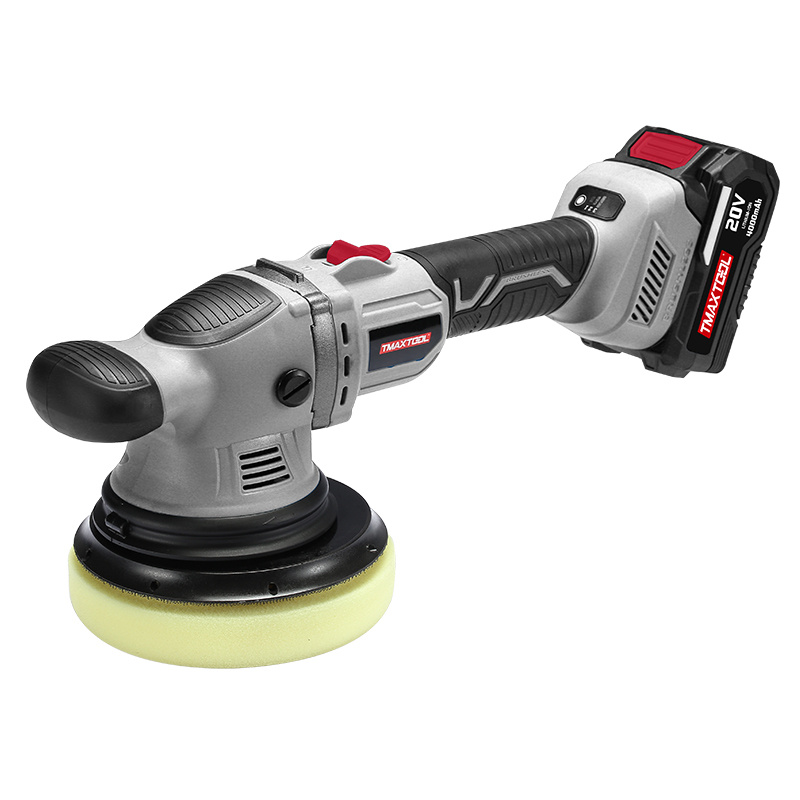 Polisher
 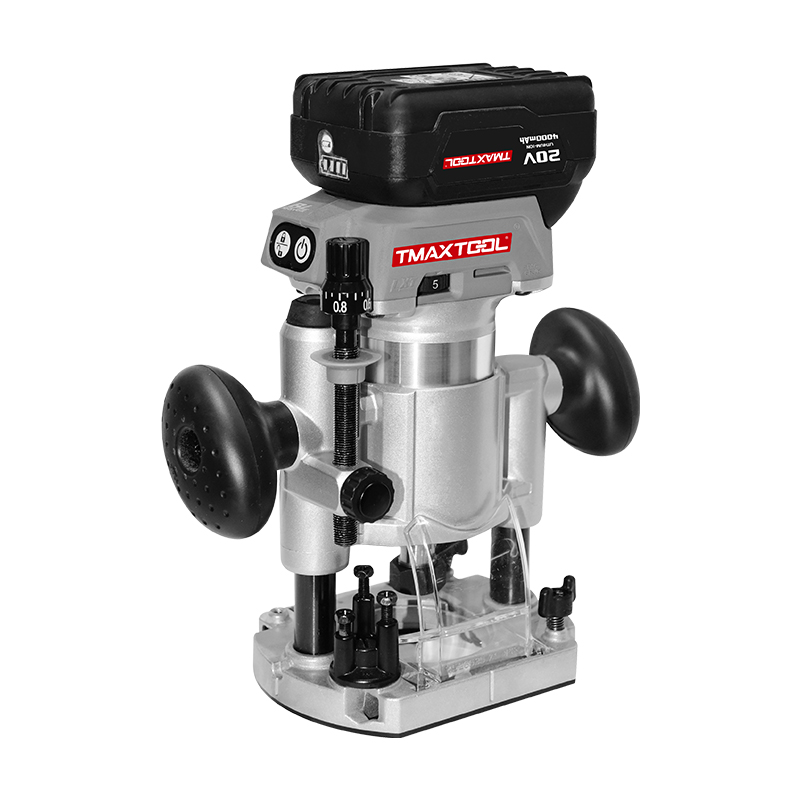 Wood Router
 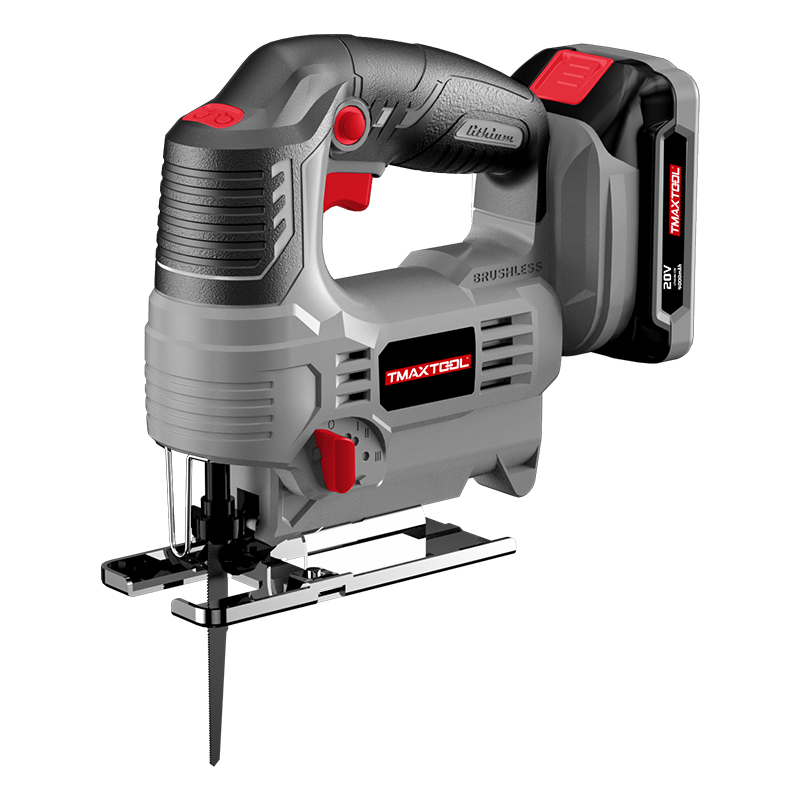 Jig Saw
 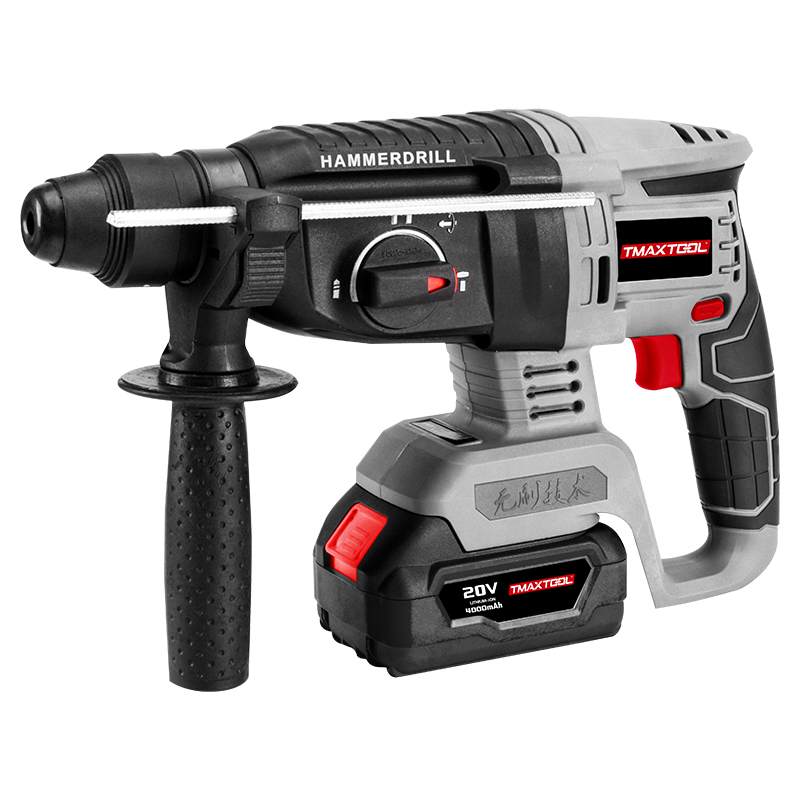 Hammer Drill
 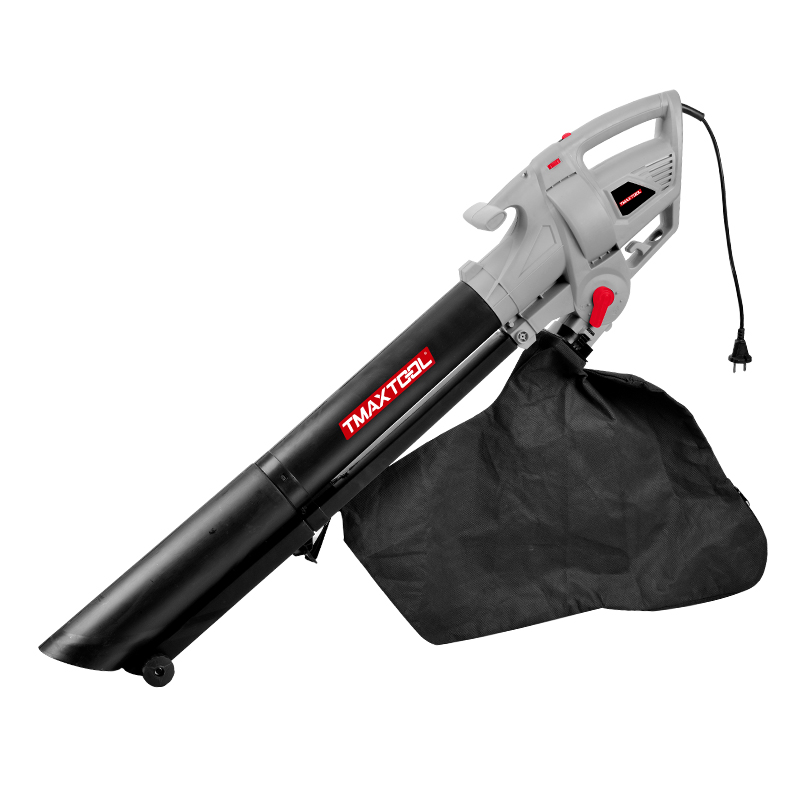 Portable Blower
 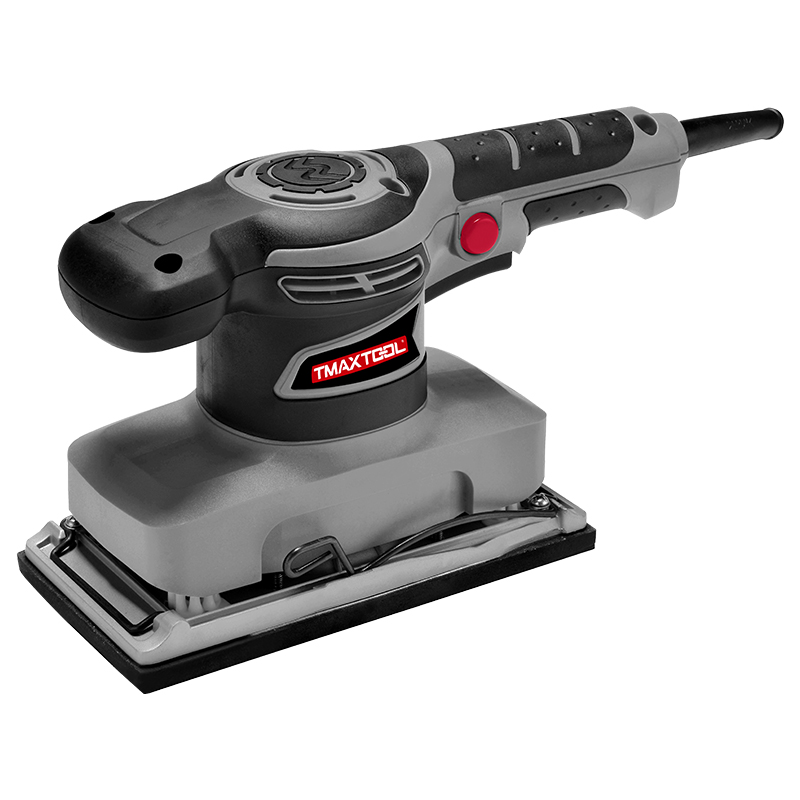 Orbital Sander
 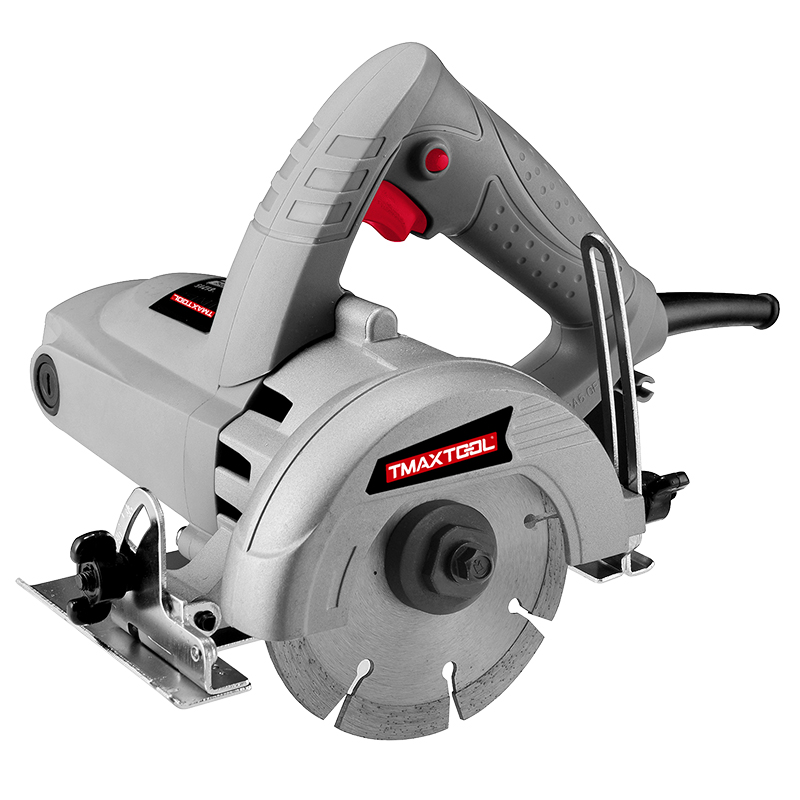 Marble Cutter
 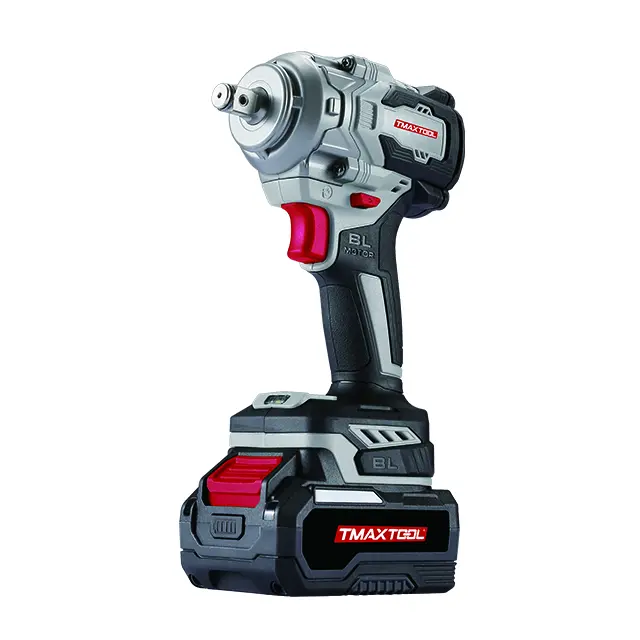 GARDEN TOOLS
 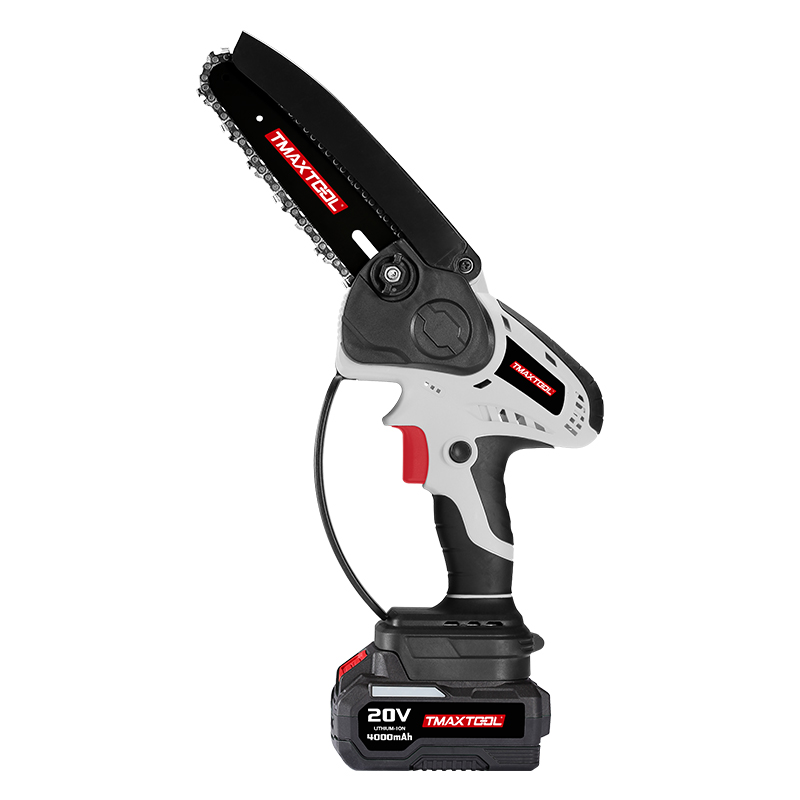 Battery Chain Saw
 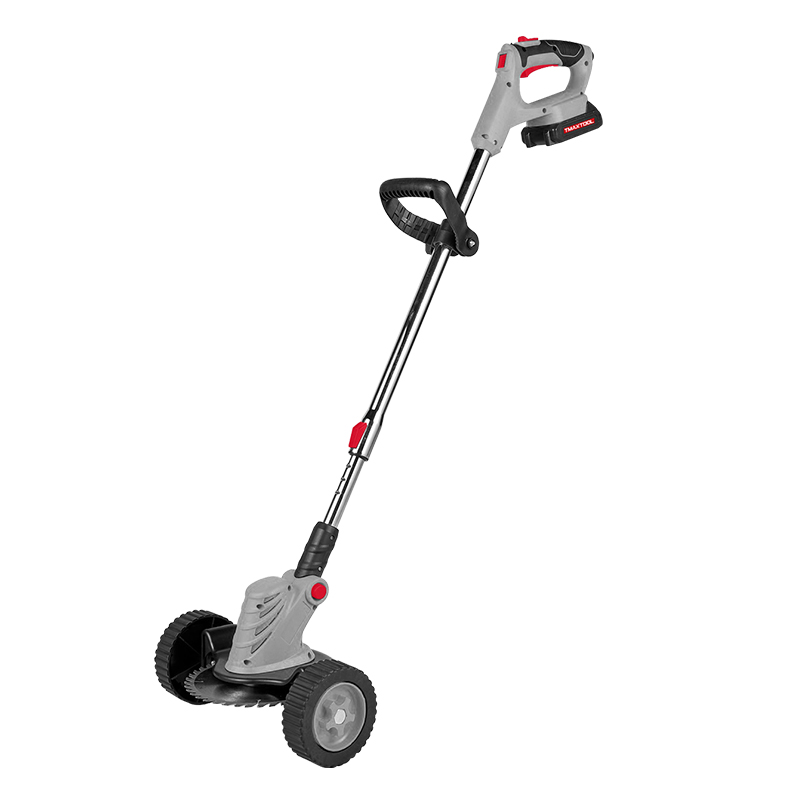 Battery Brush Cutter
 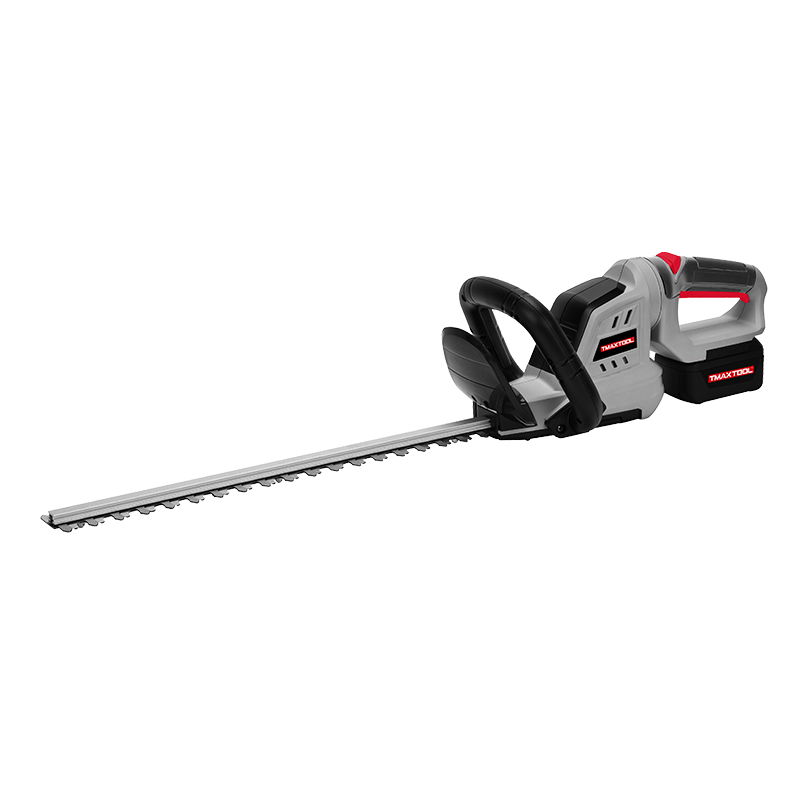 Battery Hedge Trimmer
 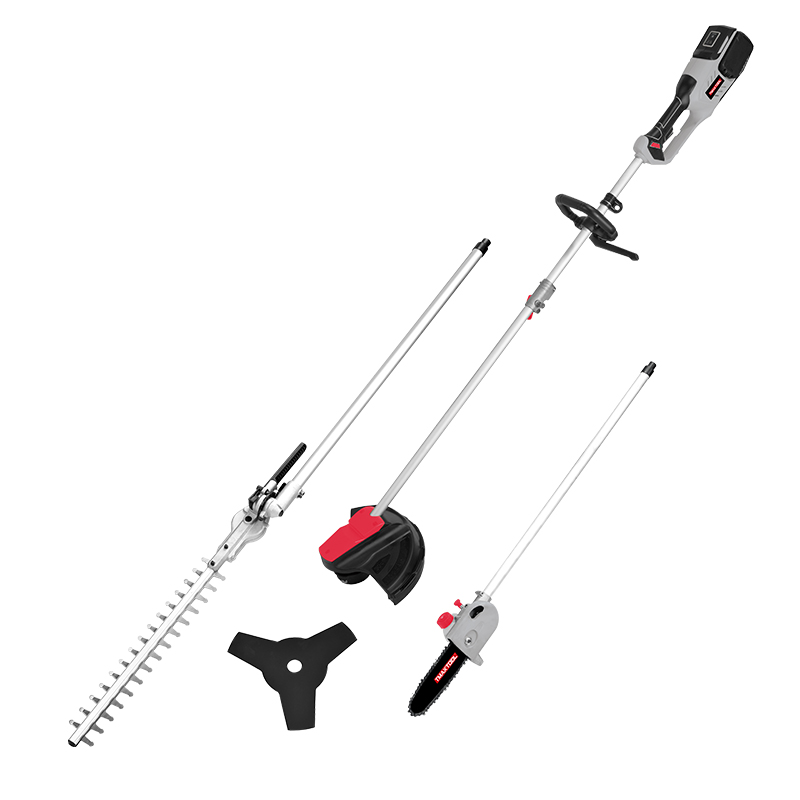 Battery Multi Tool
 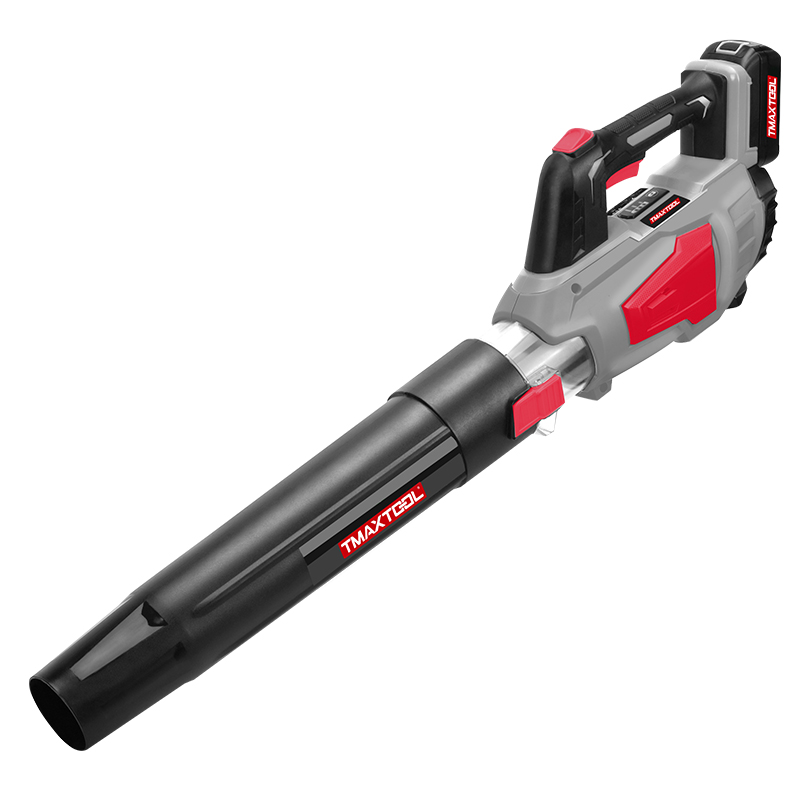 Battery Blower
 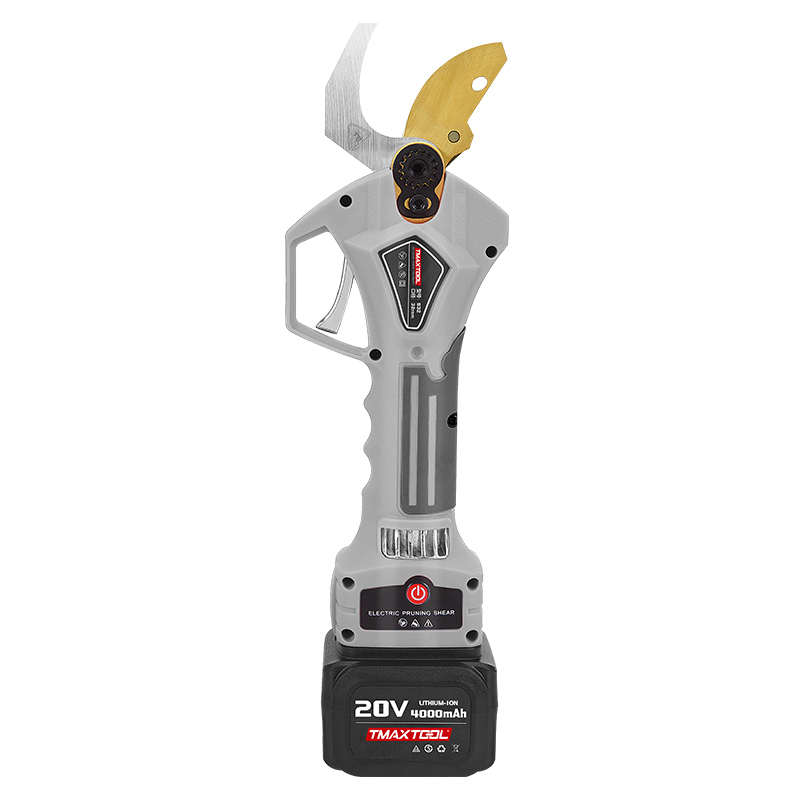 Batter Pruning Shears
 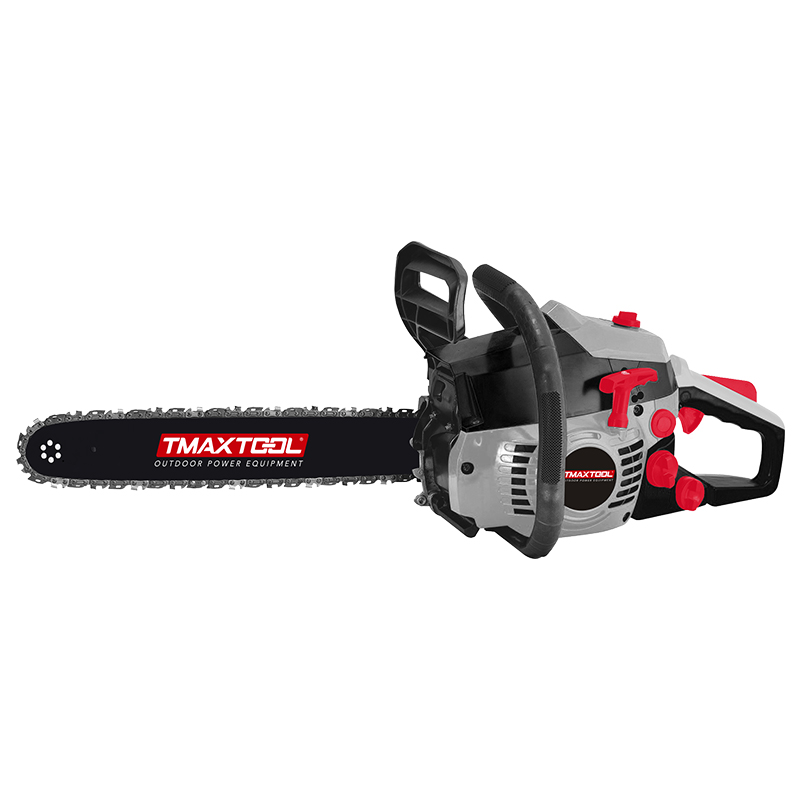 Chain Saw
 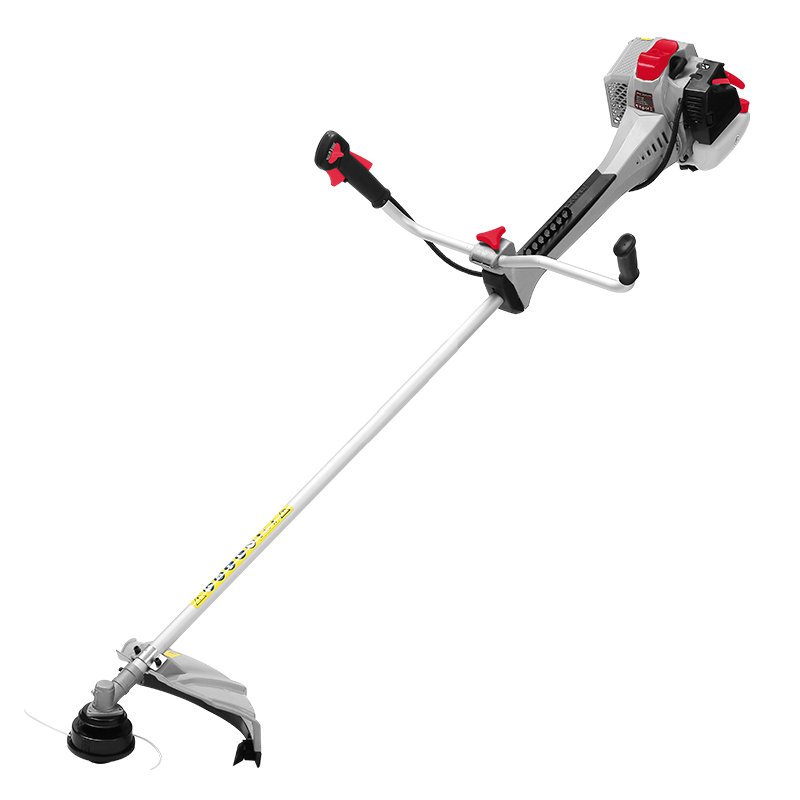 Brush Cutter
 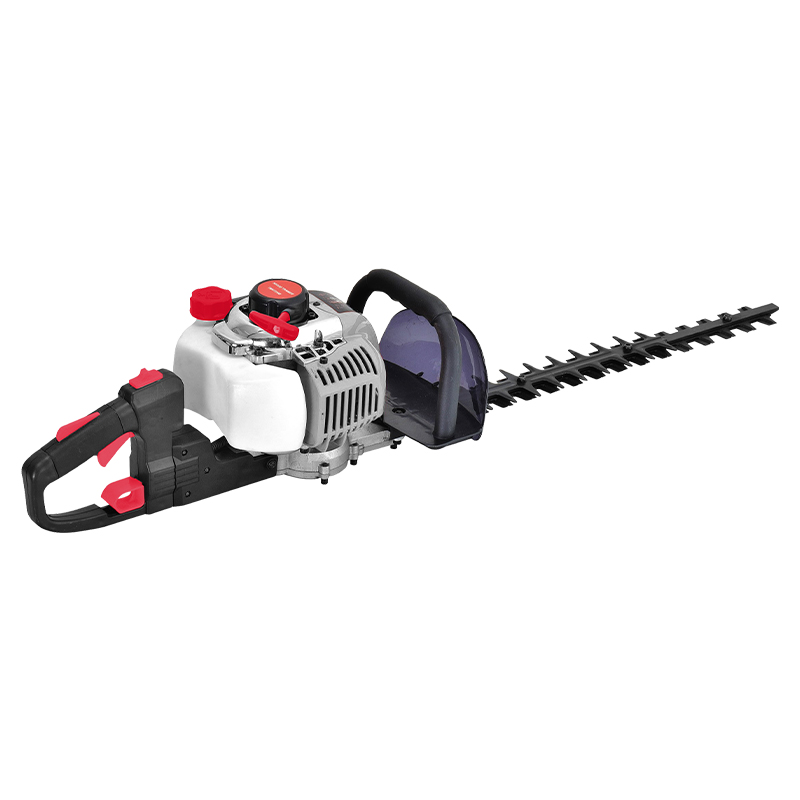 Hedge Trimmer
 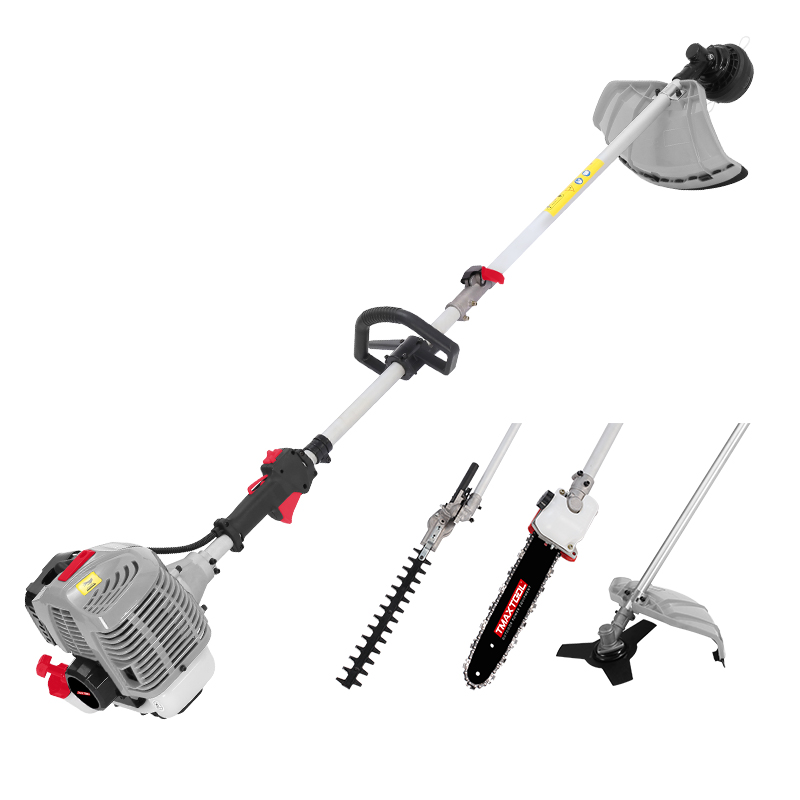 Multi Tool
 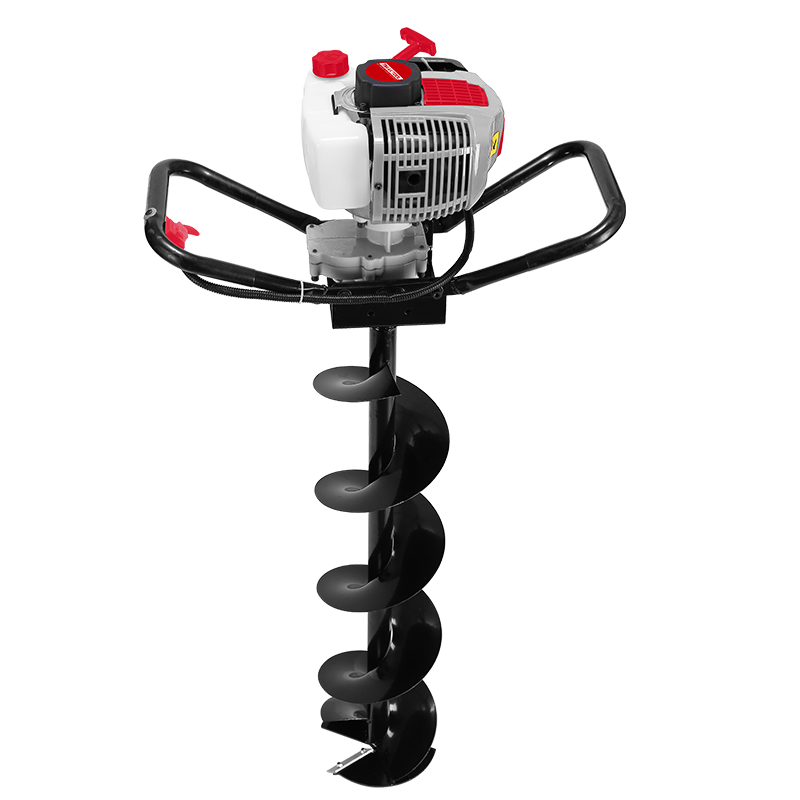 Earth Auger
 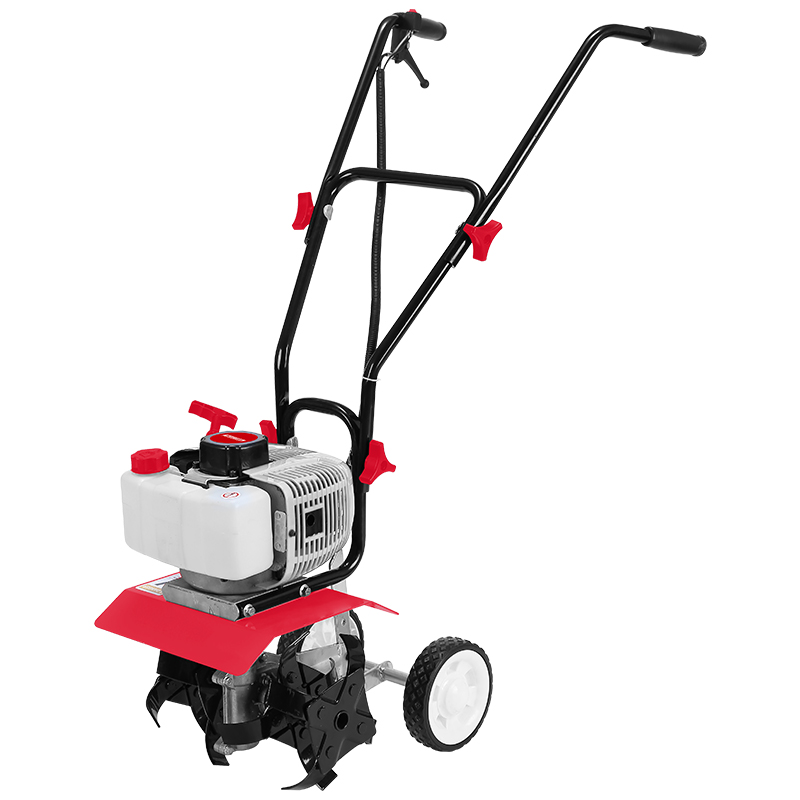 Tiller
 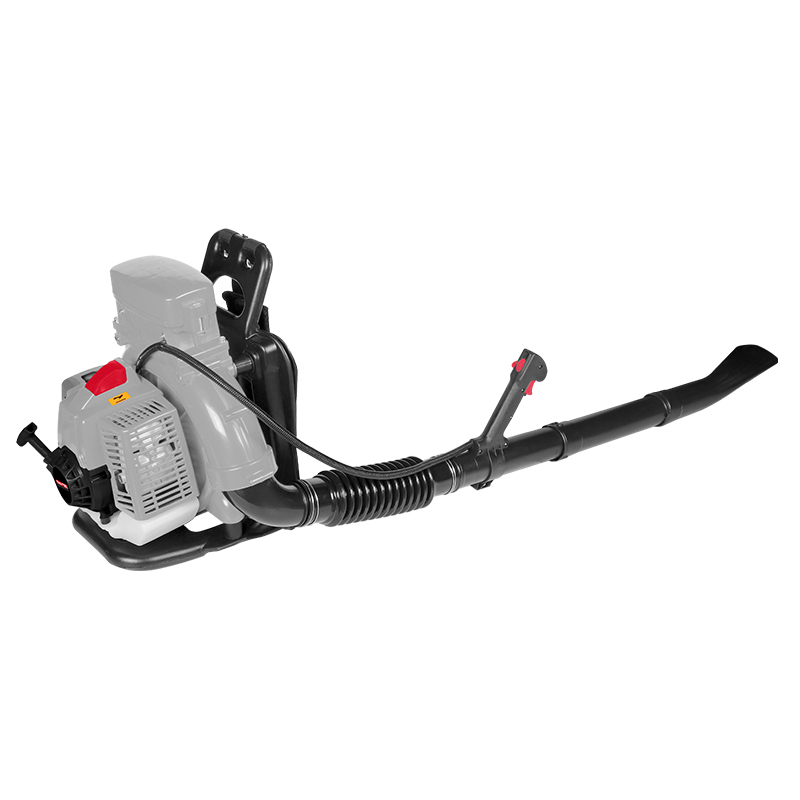 Blower
 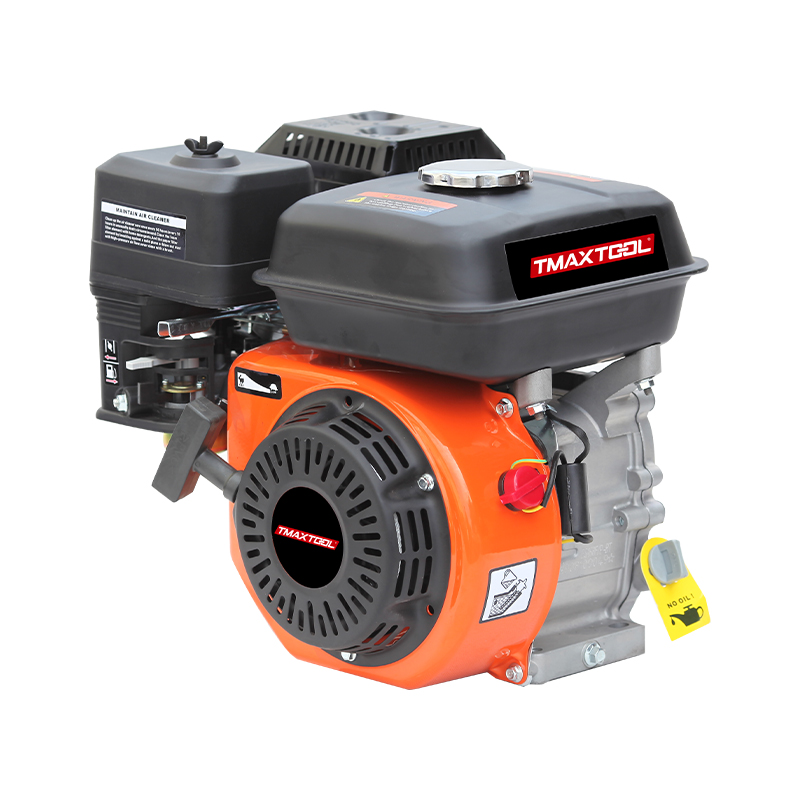 4 Stroke Gasoline Engine
 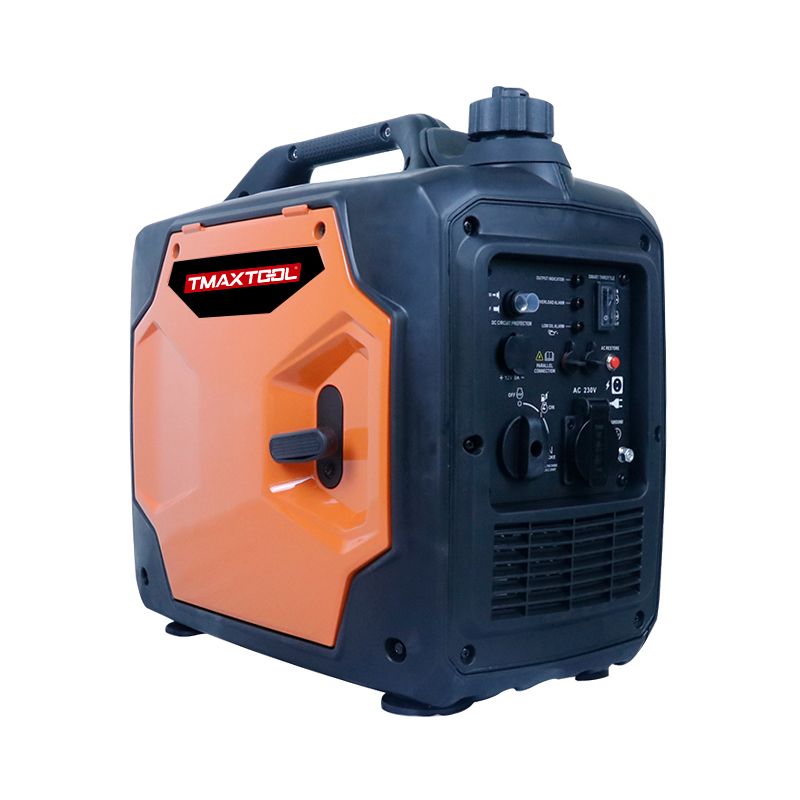 Generator
 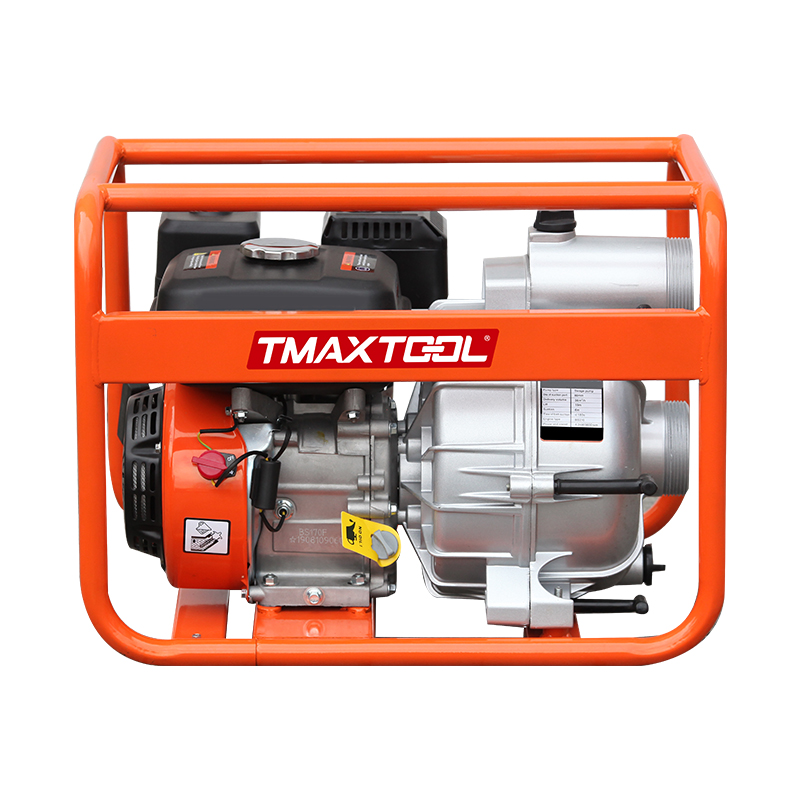 Water Pump
 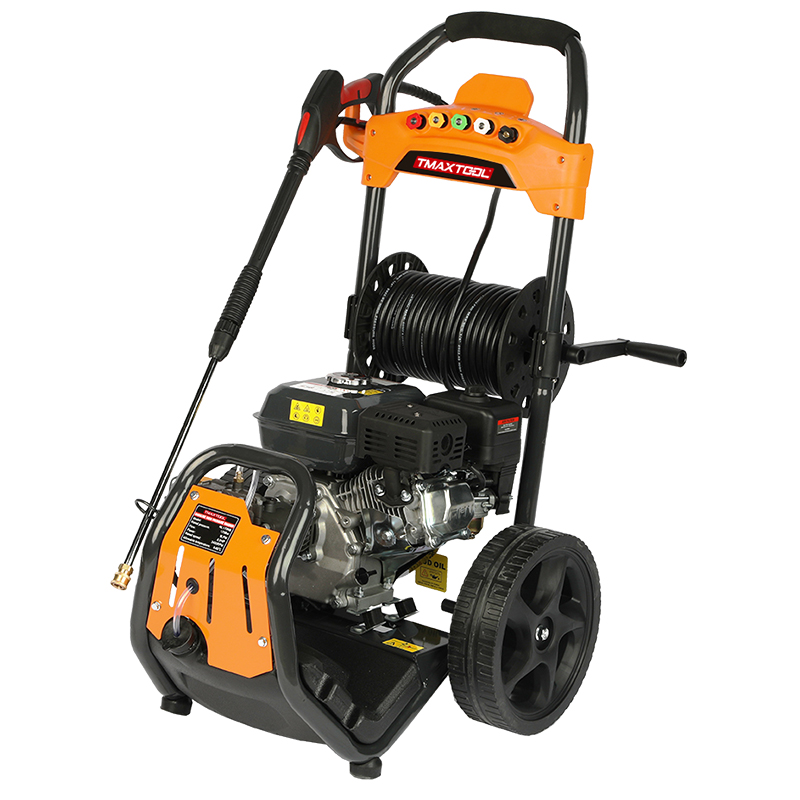 High Pressure Washer
 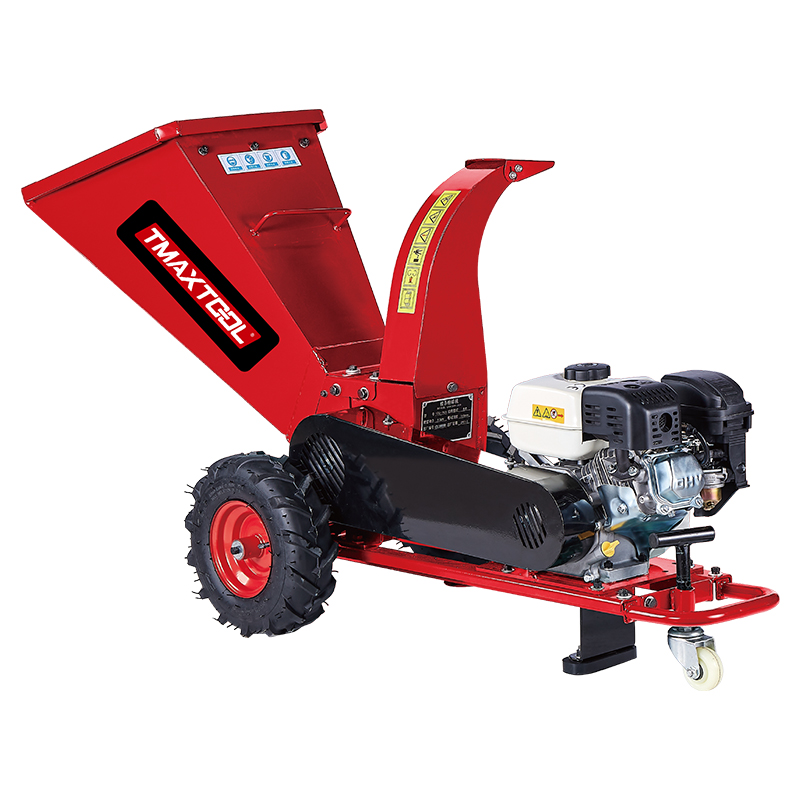 Wood Cutter
 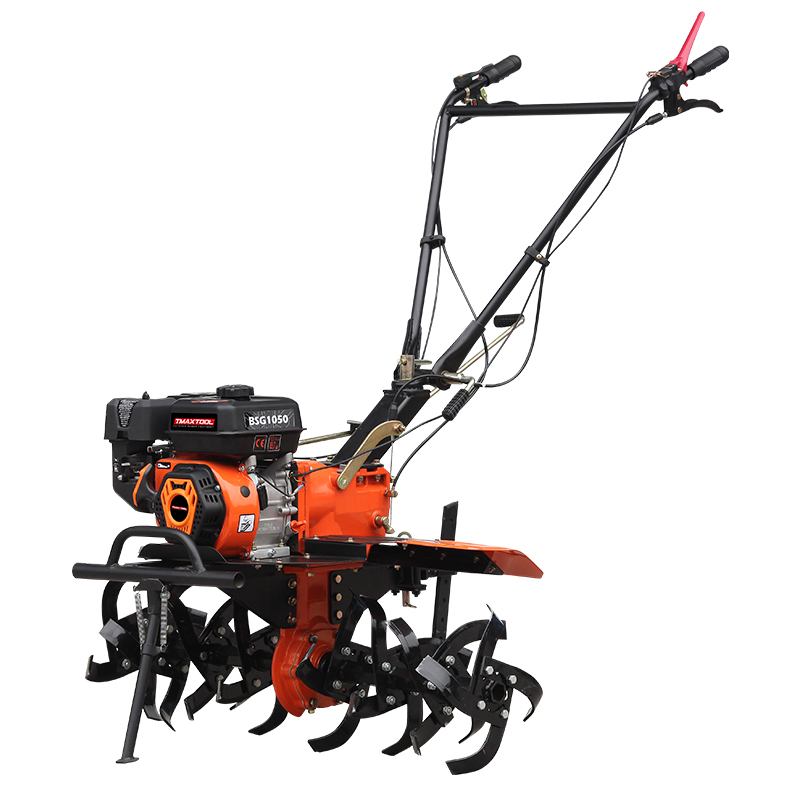 4 Stroke Tiller
 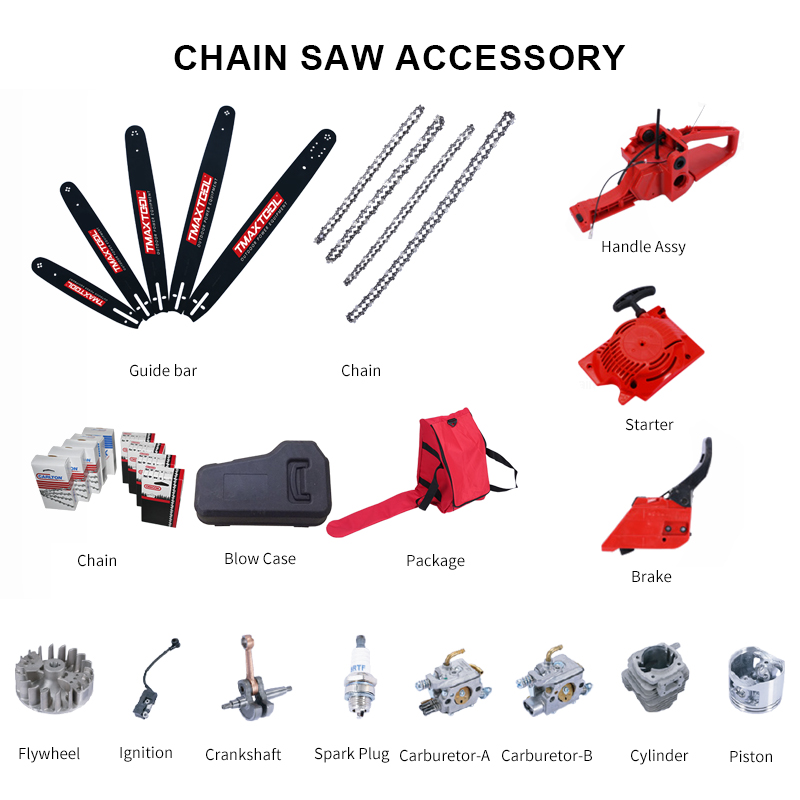 Chain Saw Accessory
 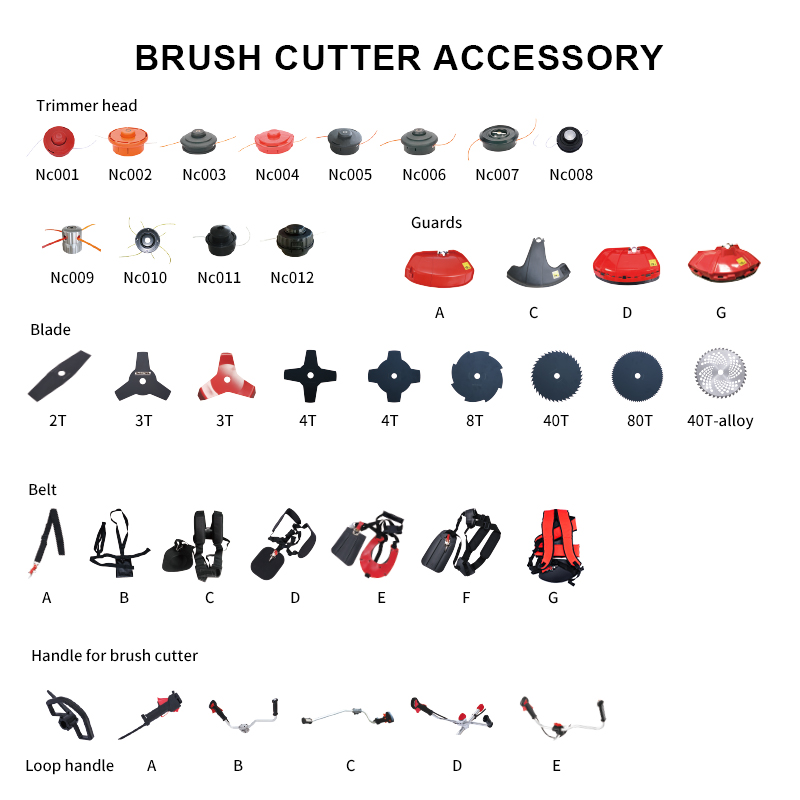 Brush Cutter Accessory
 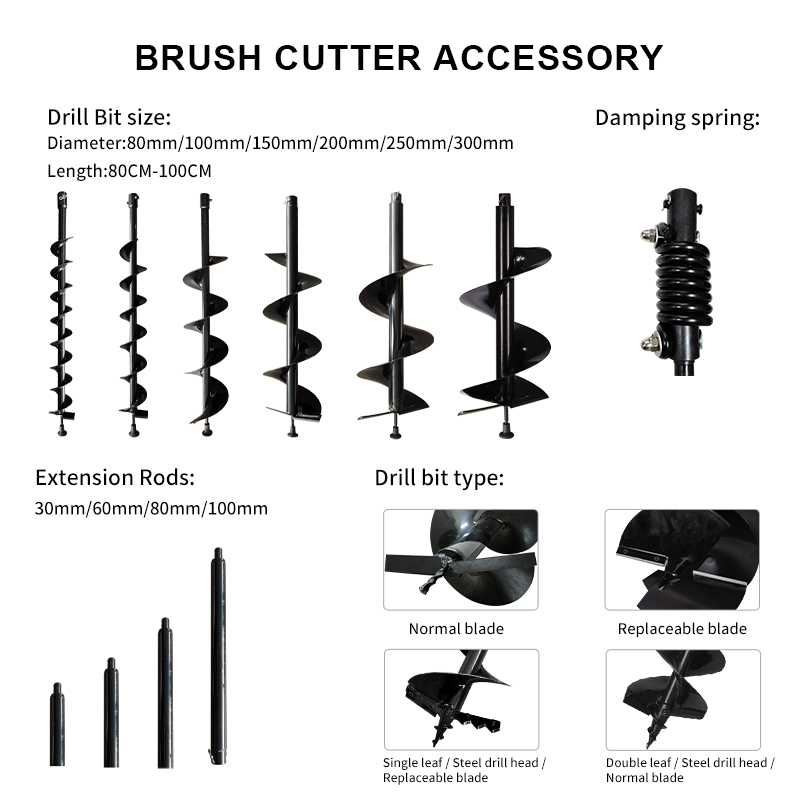 Earth Auger Accessory
 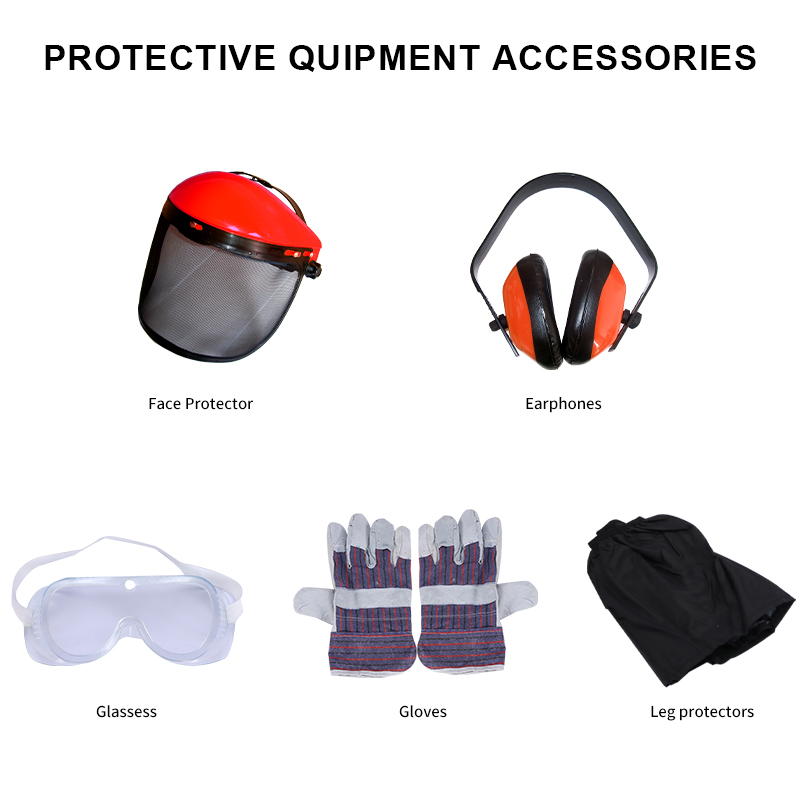 Protective Equipment Accessories
Leave Your Message


The influence of planing speed on planing effect
When using an Electric Planer for wood processing, the planing speed is a key factor, which directly affects the quality and efficiency of the planing effect. Understanding the influence of planing speed on the planing effect can help you better control the planing process, improve work efficiency, and ensure the flatness and smoothness of the wood surface at the same time. The following will explore the influence of planing speed on the planing effect from several aspects.
First, planing speed and surface flatness
1. Excessive planing speed
If the planing speed is too fast and the planer stays on the wood surface for too short a time, it may lead to uneven planing. In this case, obvious planing marks and unevenness will appear on the surface of the wood, affecting the final processing effect. Excessive speed may also cause unstable contact between the planer blade and the wood, increasing the risk of the planer blade jumping and further affecting the uniformity of planing.
2. Excessively slow planing speed
On the contrary, if the planing speed is too slow and the planer stays on the wood surface for too long, it may result in an excessive planing depth and even damage the wood. Too slow a speed will also increase the wear of the planer knife and reduce its service life. In addition, a too slow speed will reduce work efficiency and increase processing time.
3. Moderate planing speed
A moderate planing speed can ensure stable contact between the planer and the wood, uniform planing, and thus achieve a smooth and flat wood surface. A moderate speed can reduce the jumping and wear of the planing knife, extend its service life and improve work efficiency at the same time. Generally speaking, harder wood requires a slower planing speed, while softer wood can be planed at a faster speed.

Second, planing speed and planing depth
1. Control of planing depth
Planing speed is closely related to planing depth. If the planing speed is too fast, the planing depth may become shallower and multiple planing operations will be required to achieve the expected effect. However, if the planing speed is too slow, the planing depth may be too large, resulting in an uneven or damaged wood surface. Therefore, reasonably controlling the planing speed can effectively control the planing depth and ensure that the planing effect meets expectations.
2. The Importance of depth adjustment
When adjusting the planing speed, it is also necessary to combine the adjustment of the planing depth. By fine-tuning the planing depth and speed, the optimal planing parameters can be found to ensure the uniformity and consistency of the planing effect. For instance, for harder wood, the planing speed can be appropriately reduced and the planing depth decreased. For softer wood, the planing speed can be appropriately increased and the planing depth can be extended.
Third, planing speed and planing blade wear
1. The influence of planing blade wear
The planing speed also has a significant impact on the wear of the planing knife. Excessive planing speed will increase the friction between the planer blade and the wood, leading to accelerated wear of the planer blade. A worn planer not only affects the planing effect but may also cause the planer to break, increasing the operational risk.
2. Extend the service life of the planing knife
A moderate planing speed can effectively reduce the wear of the planing knife and extend its service life. By reasonably controlling the planing speed, the friction between the planer blade and the wood can be reduced, the temperature of the planer blade can be lowered, and thus wear can be decreased. Regularly inspecting the wear of the planing knife and replacing or sharpening it in a timely manner is also an important measure to ensure the planing effect.
Fourth, planing speed and work efficiency
1. Improve work efficiency
A moderate planing speed not only ensures high-quality planing results but also enhances work efficiency. Although an overly fast speed can shorten the processing time, it may lead to poor planing results, requiring multiple reworks, which in turn reduces efficiency. A moderate speed can increase the processing speed and reduce the processing time while ensuring the planing effect.
2. Optimize the processing flow
In actual operation, through multiple tests and adjustments, the most suitable planing speed for the current wood and planing task can be found. Optimizing the processing flow and reducing unnecessary rework and adjustments can significantly enhance work efficiency and save time and energy.

The planing speed has an important influence on the planing effect. Too fast a speed may lead to uneven planing and an uneven surface, while too slow a speed may increase the planing depth, damage the wood and reduce work efficiency. A moderate planing speed can ensure high-quality planing results, reduce the wear of planing blades and improve work efficiency. In actual operation, it is necessary to reasonably adjust the planing speed and depth according to the hardness of the wood and the specific requirements of the planing task to ensure the best planing effect. Through multiple tests and practices, you can better master the control skills of planing speed and improve the usage effect of the electric planer.