
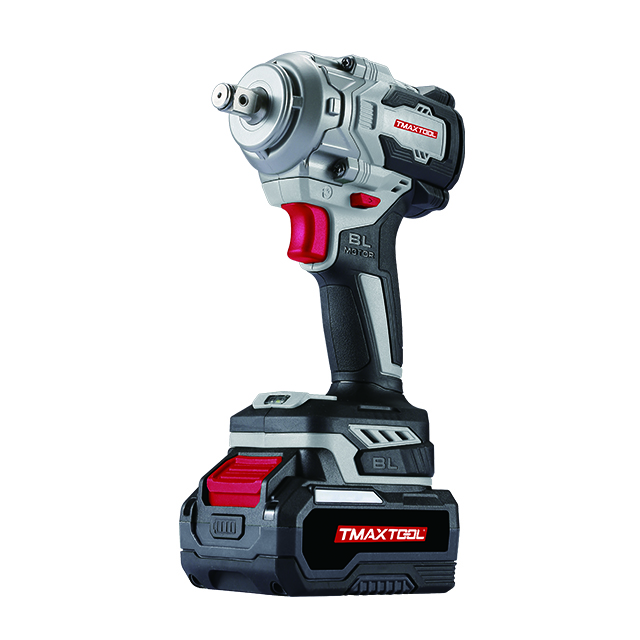
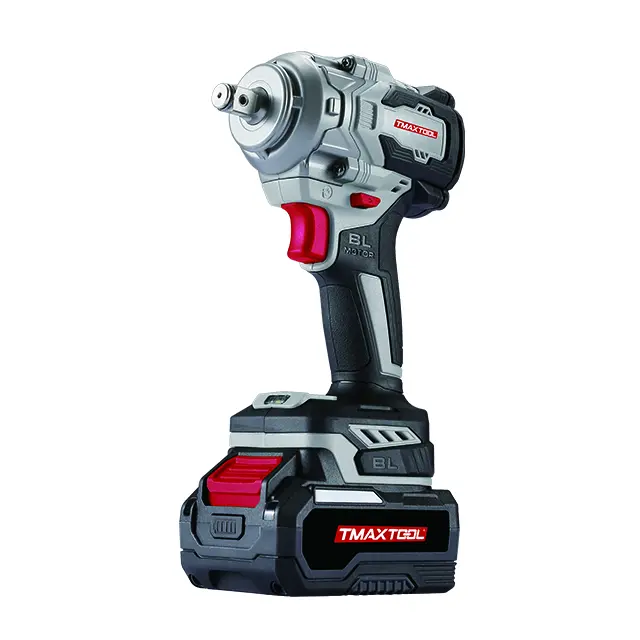
 Impact Wrench
 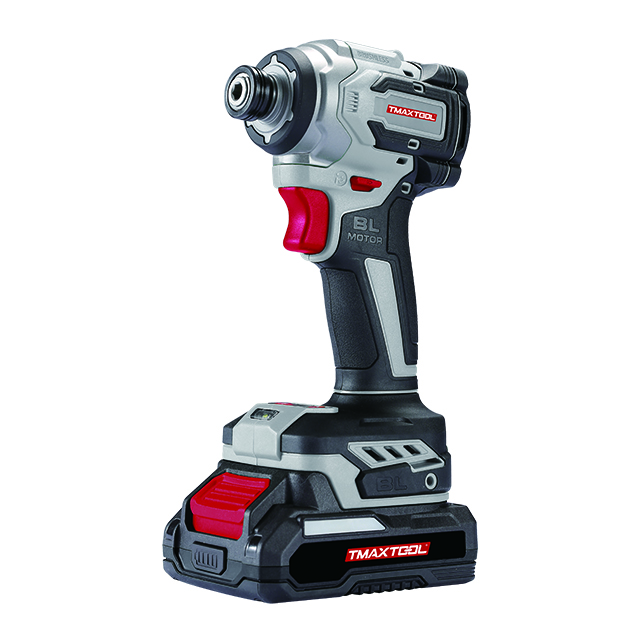 Screwdriver
 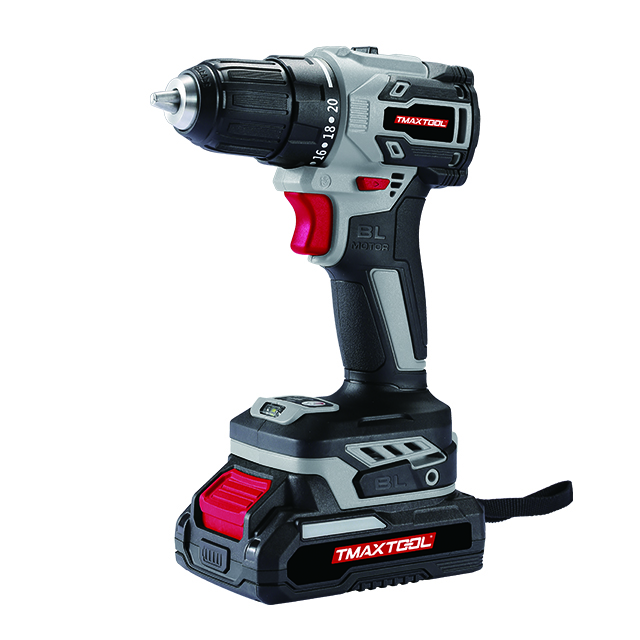 Cordless Drill
 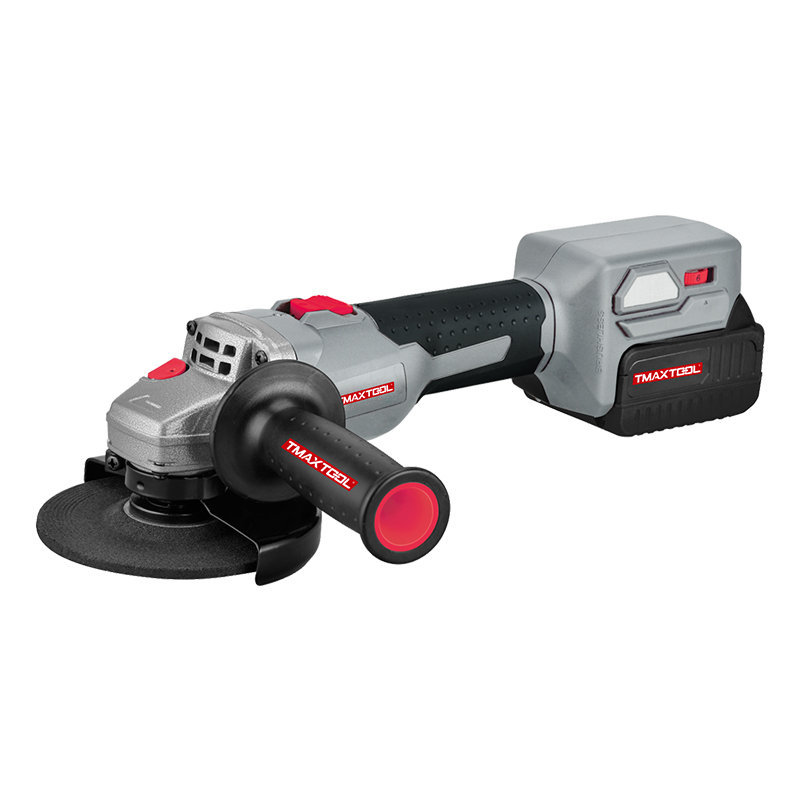 Angle Grinder
 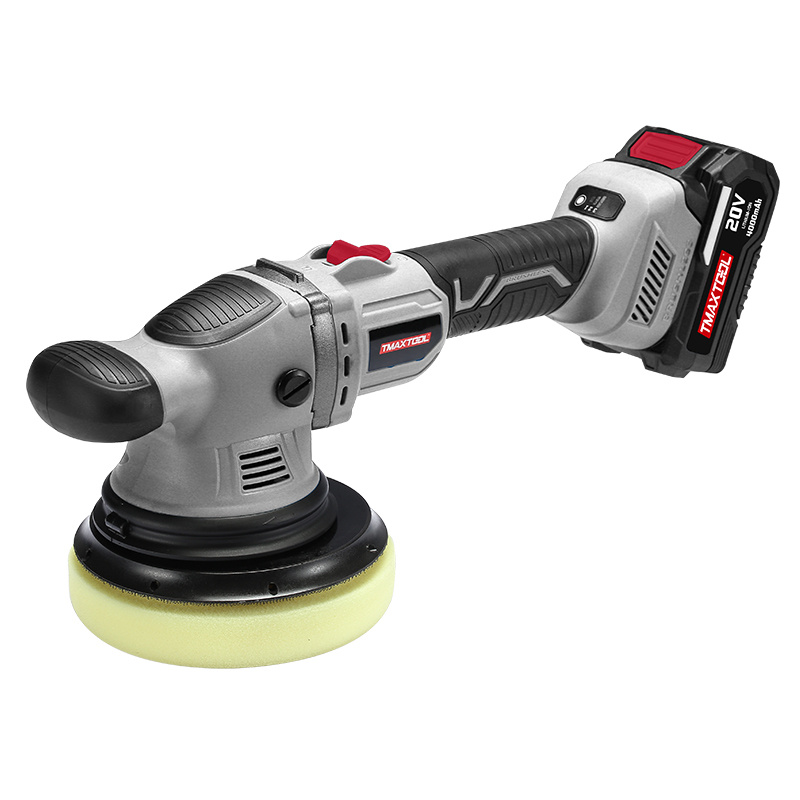 Polisher
 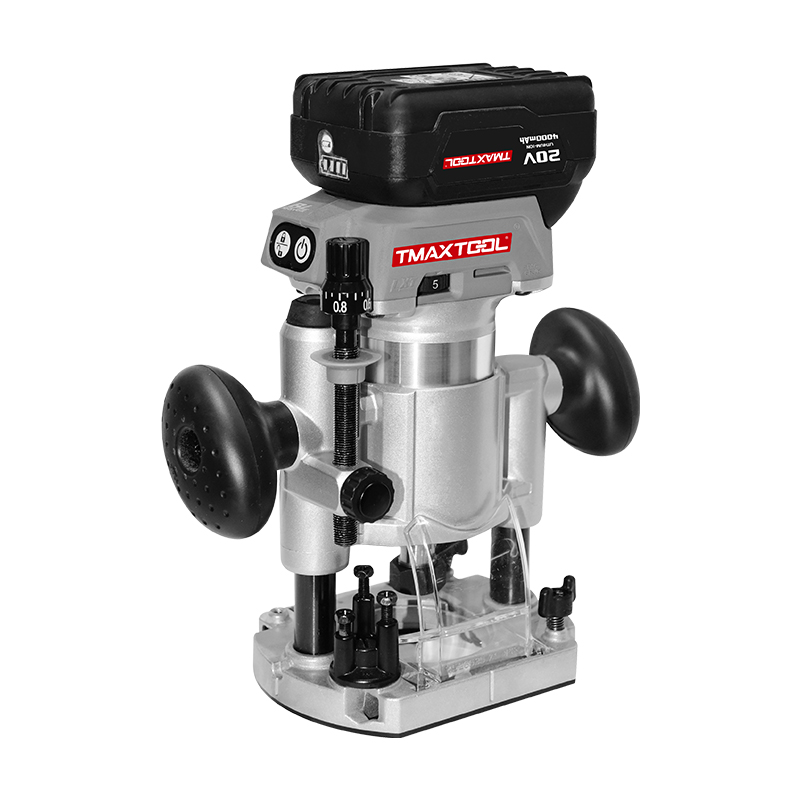 Wood Router
 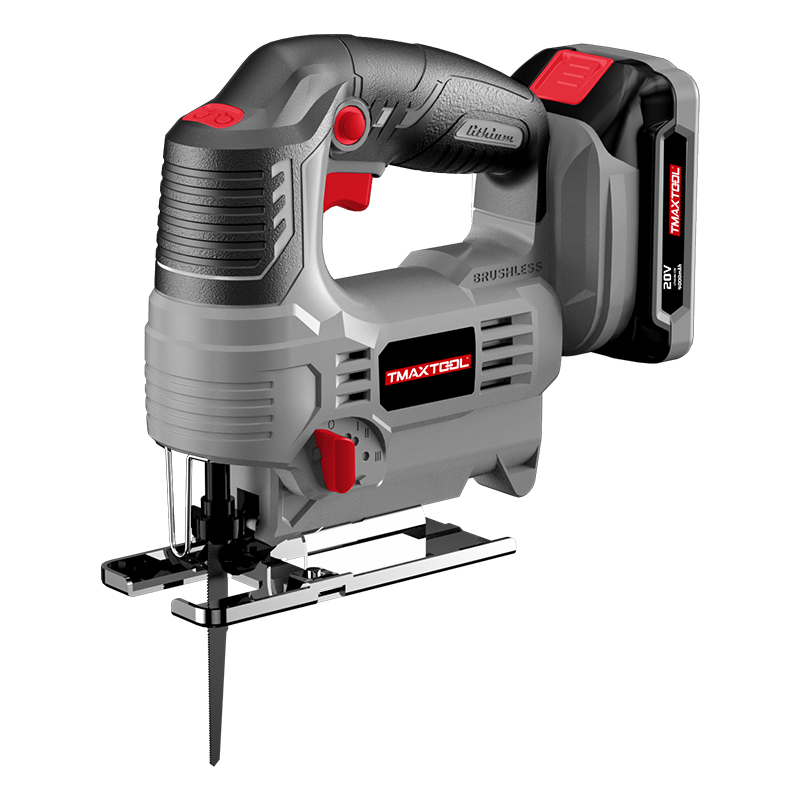 Jig Saw
 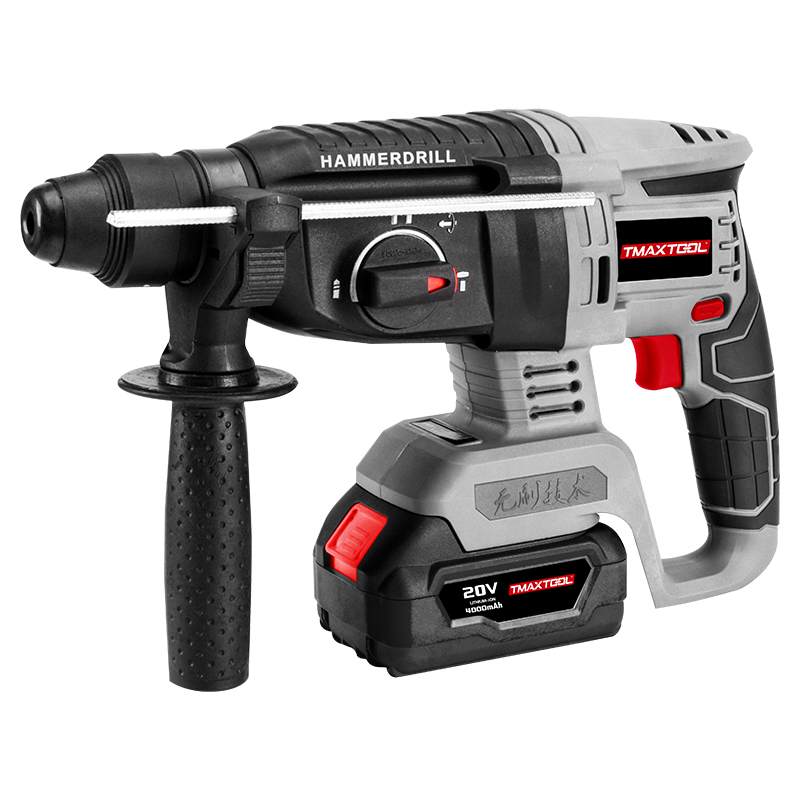 Hammer Drill
 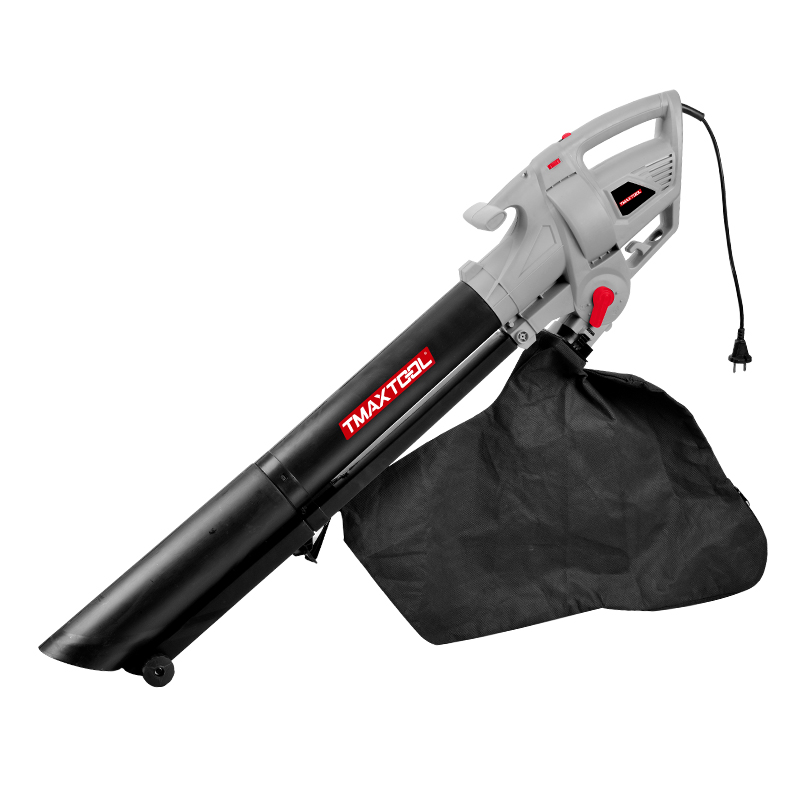 Portable Blower
 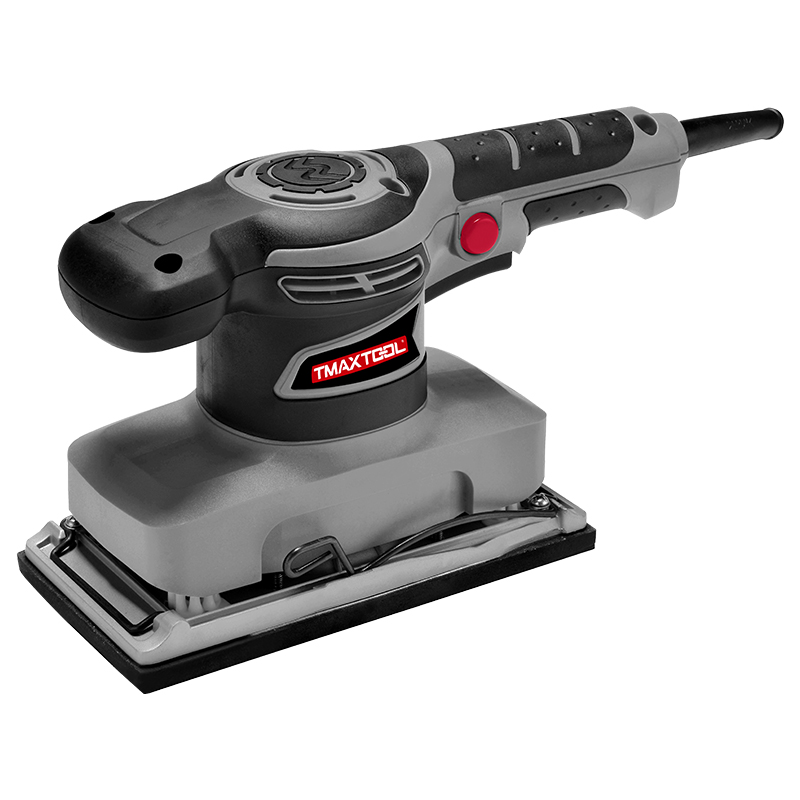 Orbital Sander
 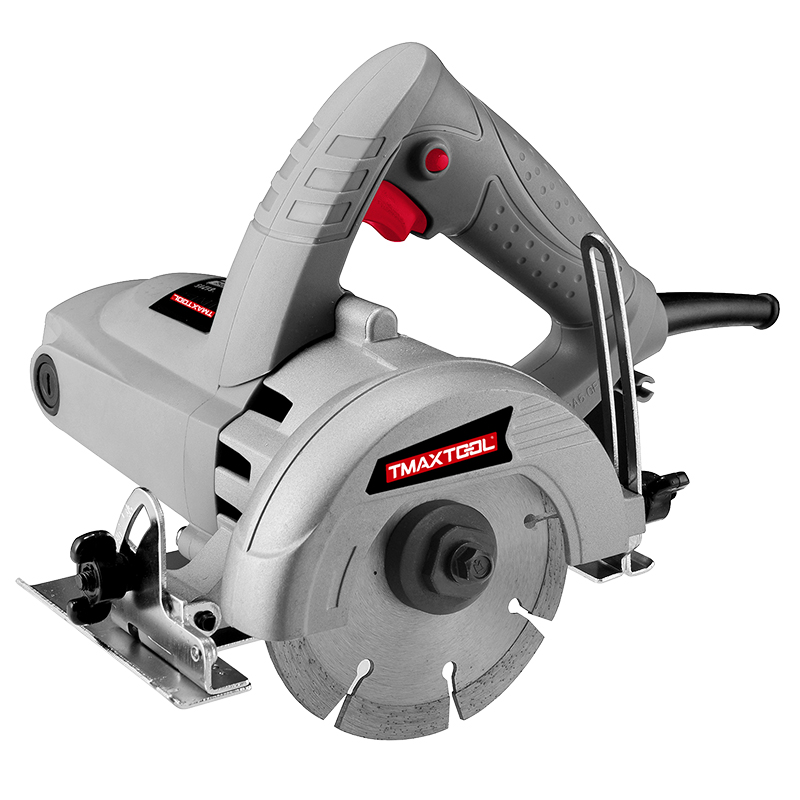 Marble Cutter
  GARDEN TOOLS
 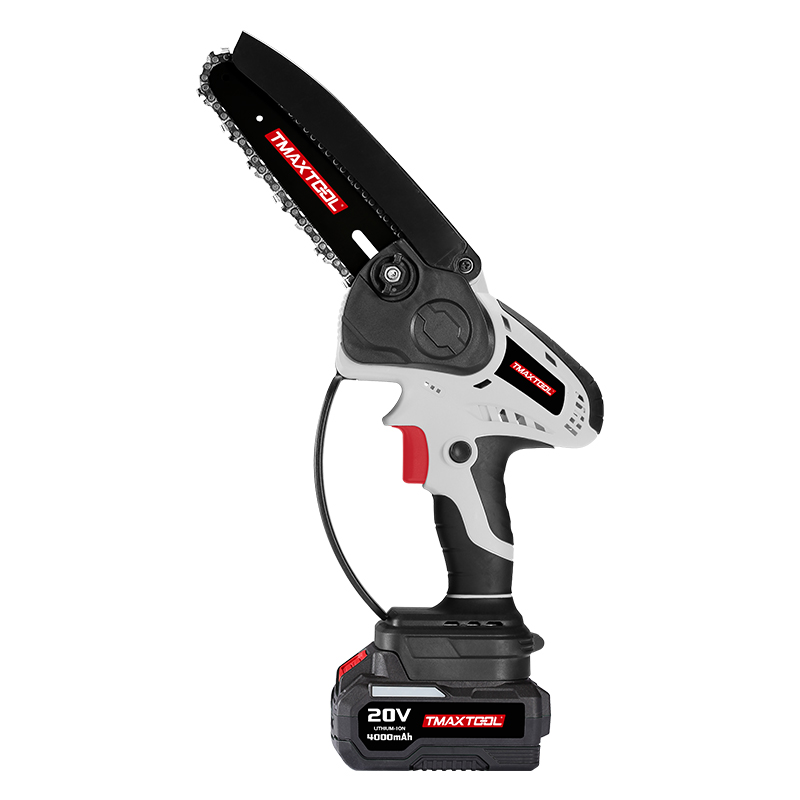 Battery Chain Saw
 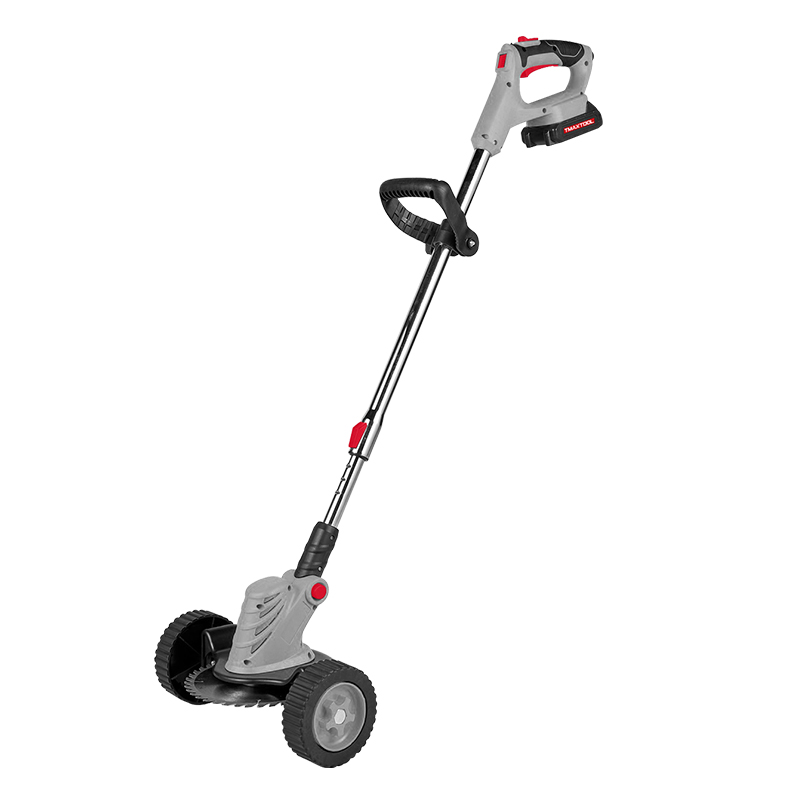 Battery Brush Cutter
 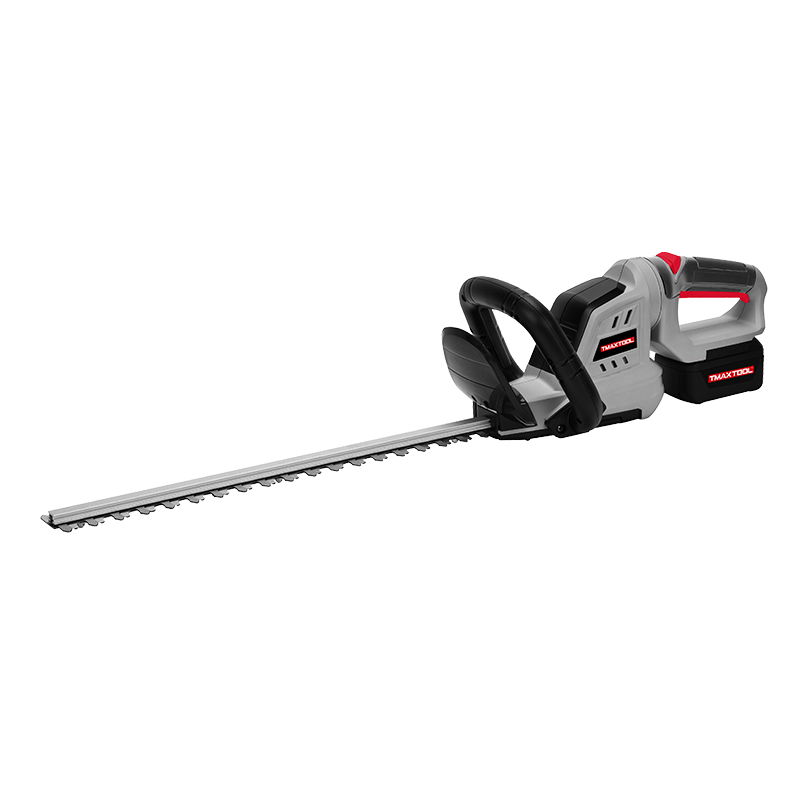 Battery Hedge Trimmer
 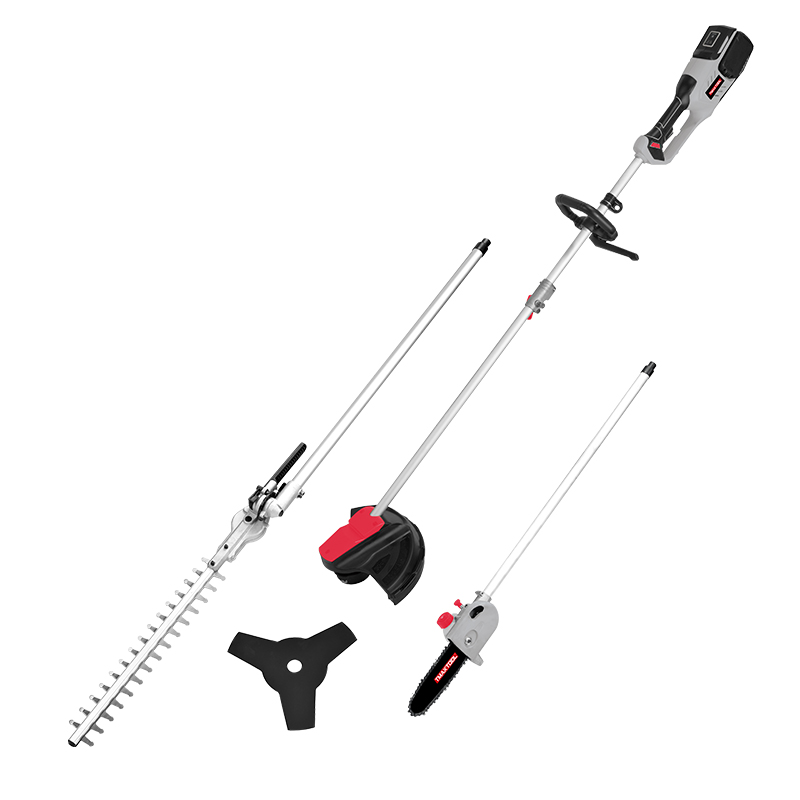 Battery Multi Tool
 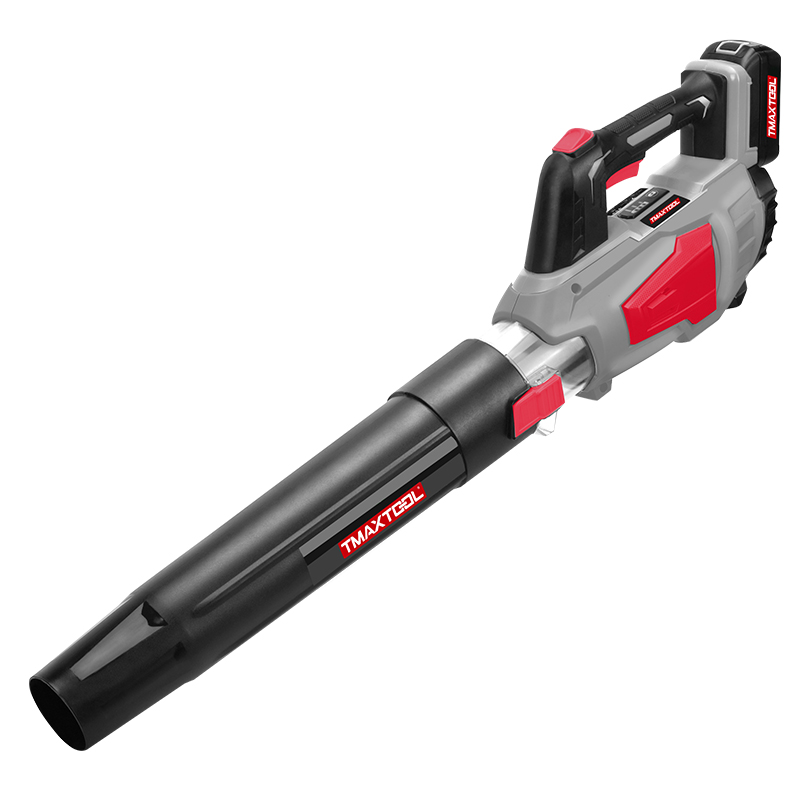 Battery Blower
 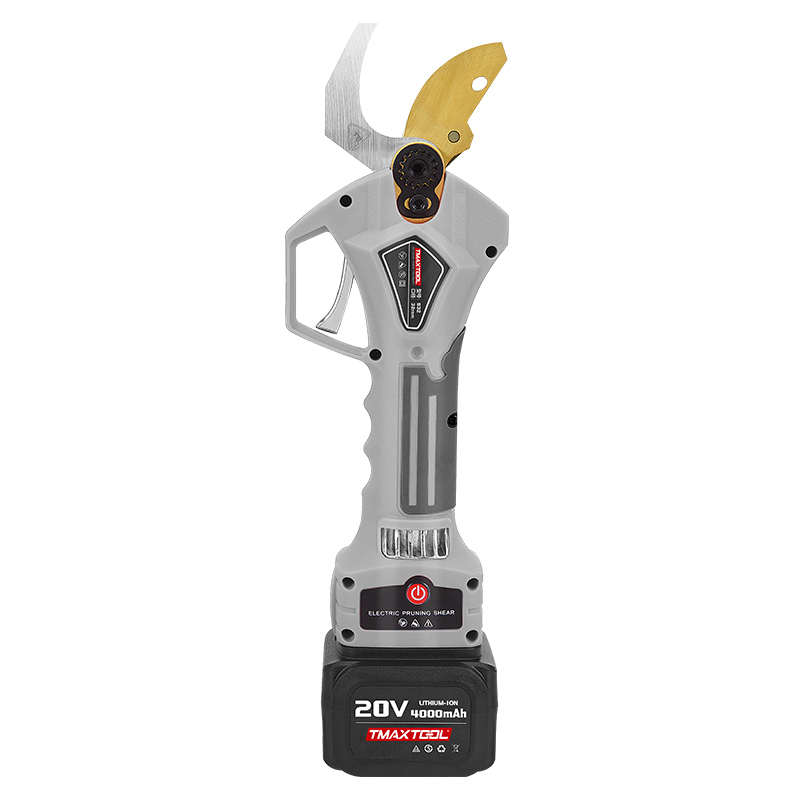 Batter Pruning Shears
 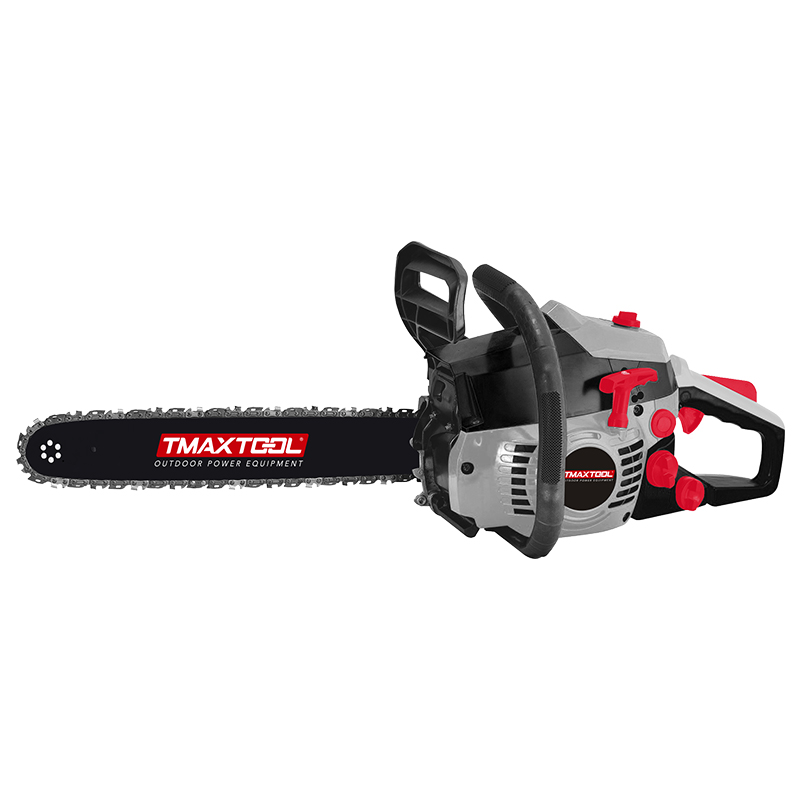 Chain Saw
 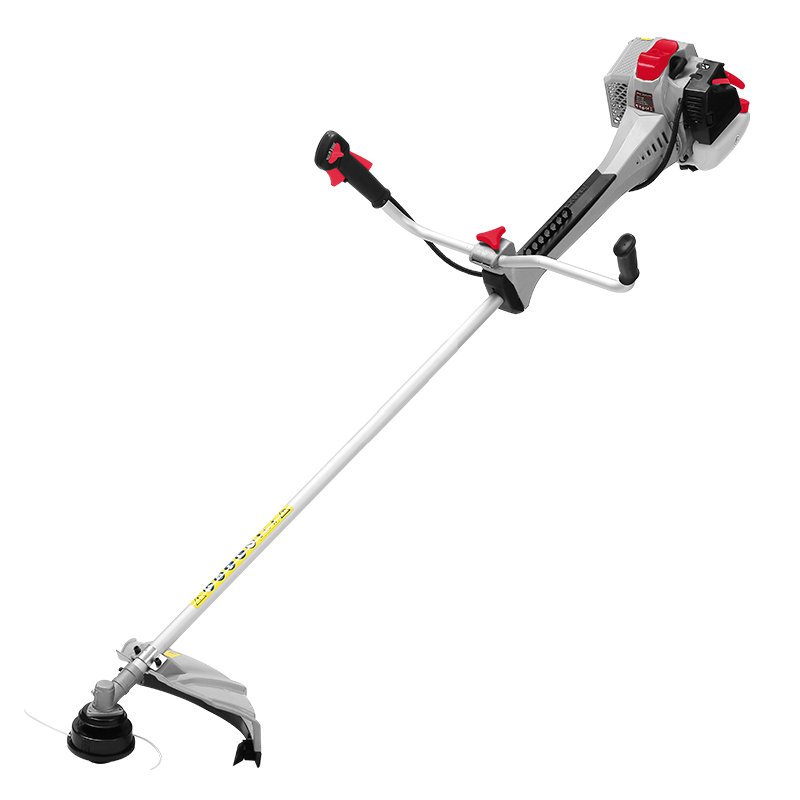 Brush Cutter
 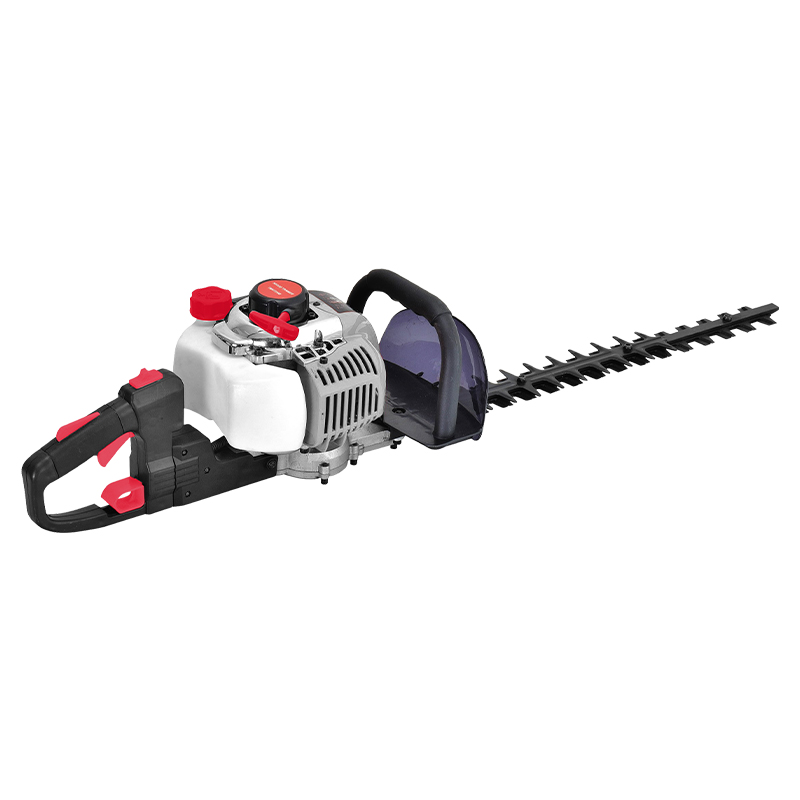 Hedge Trimmer
 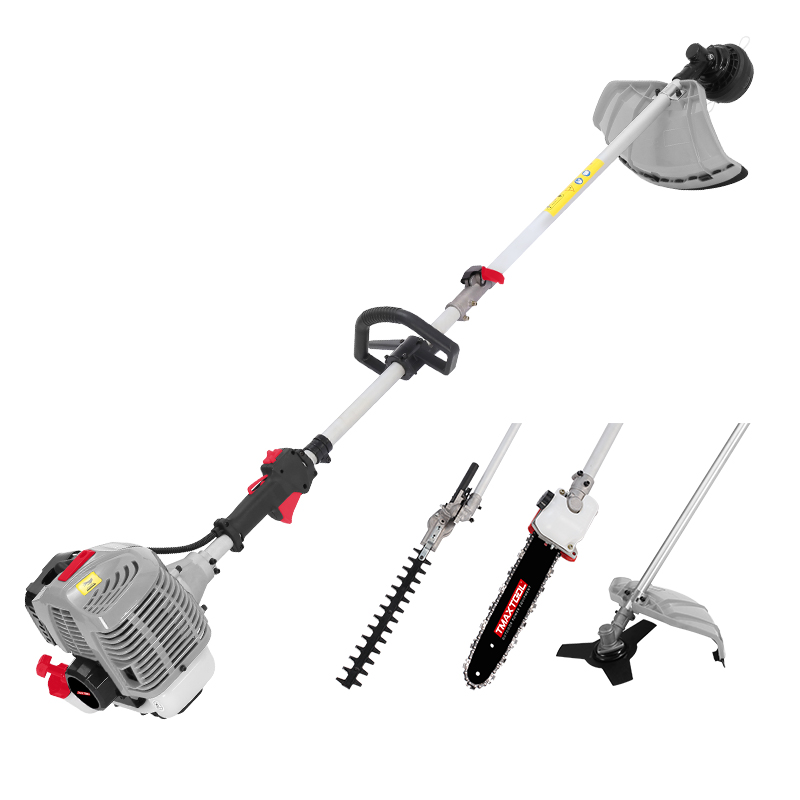 Multi Tool
 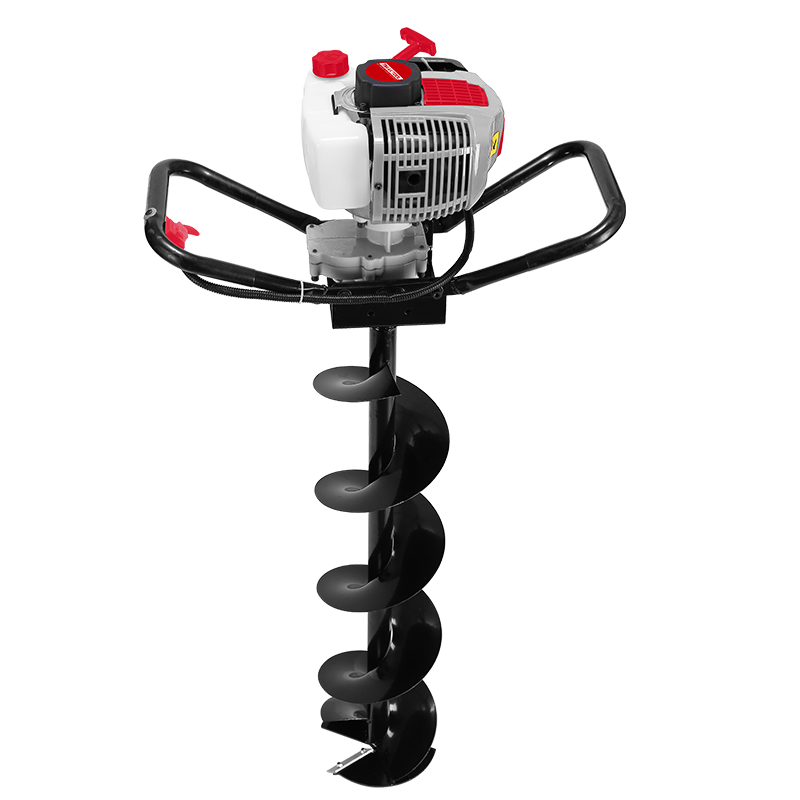 Earth Auger
 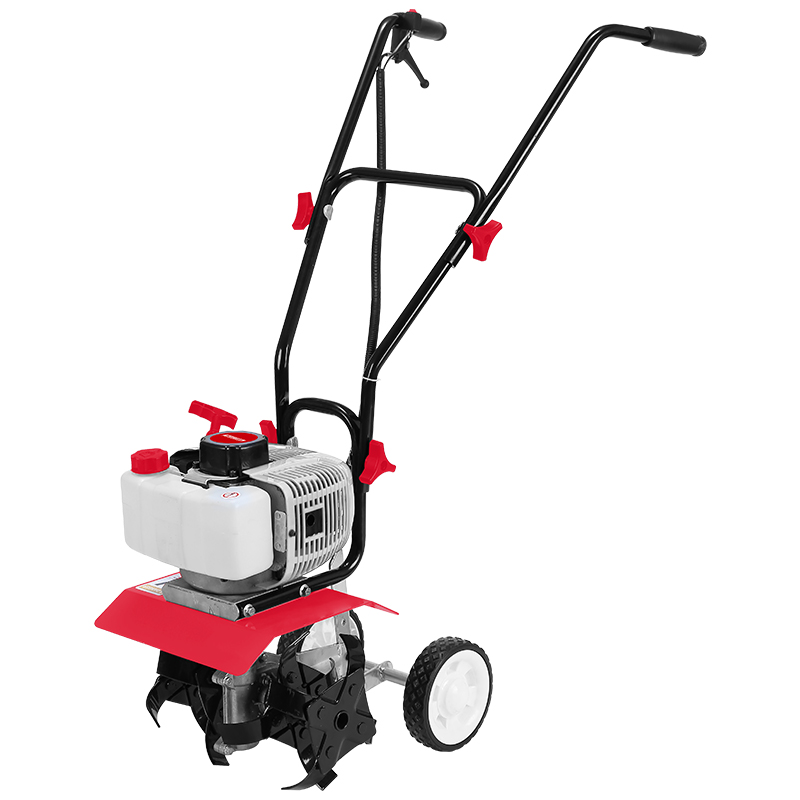 Tiller
 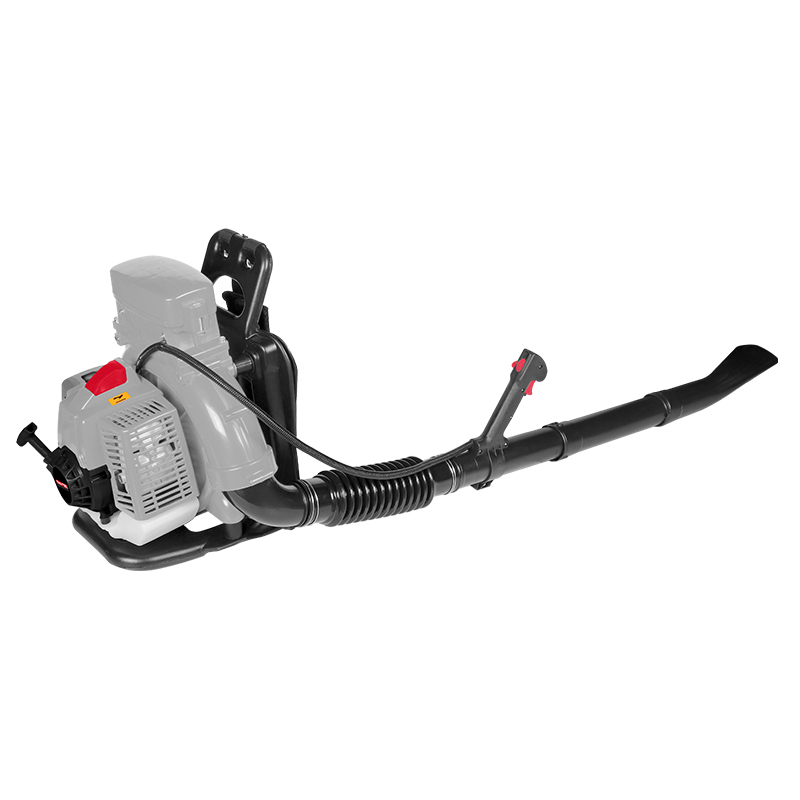 Blower
 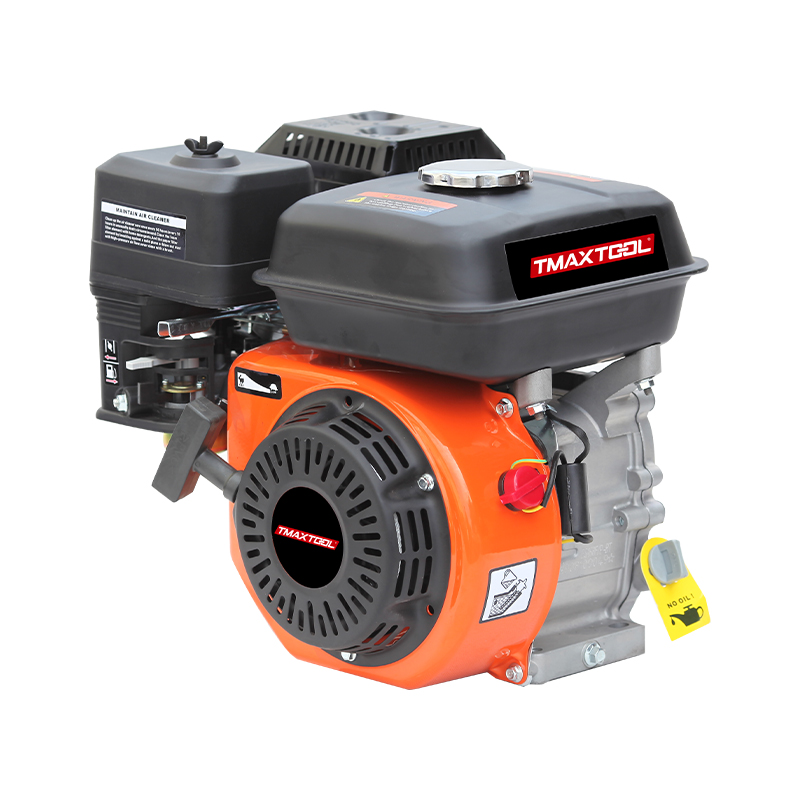 4 Stroke Gasoline Engine
 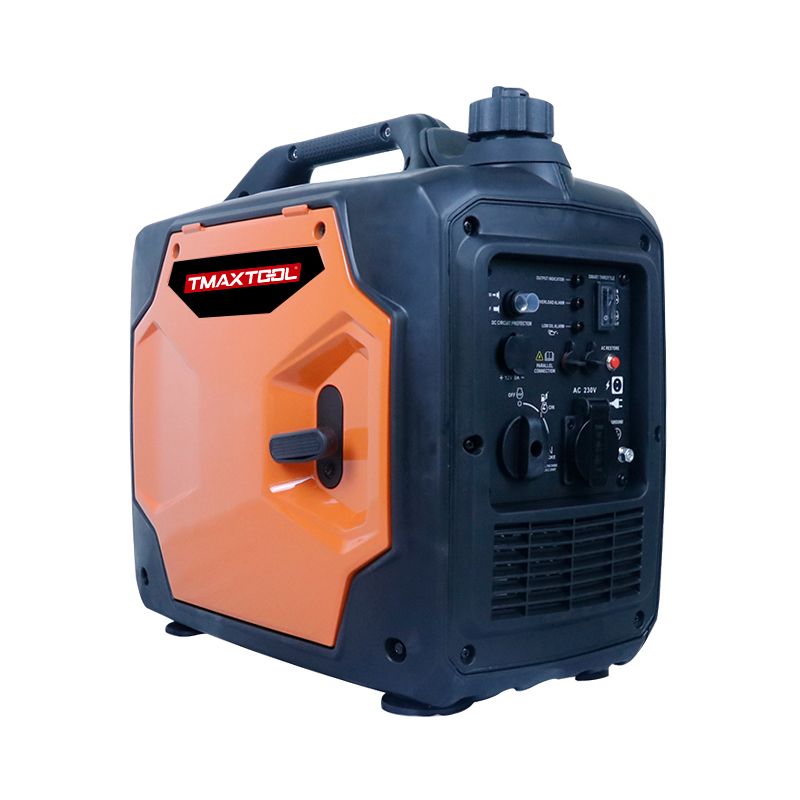 Generator
 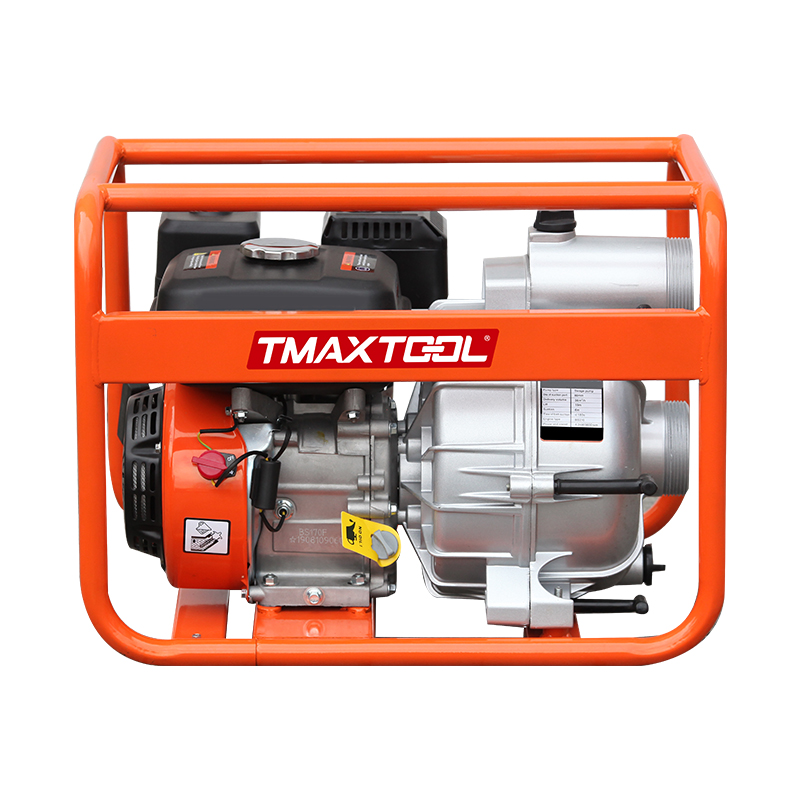 Water Pump
 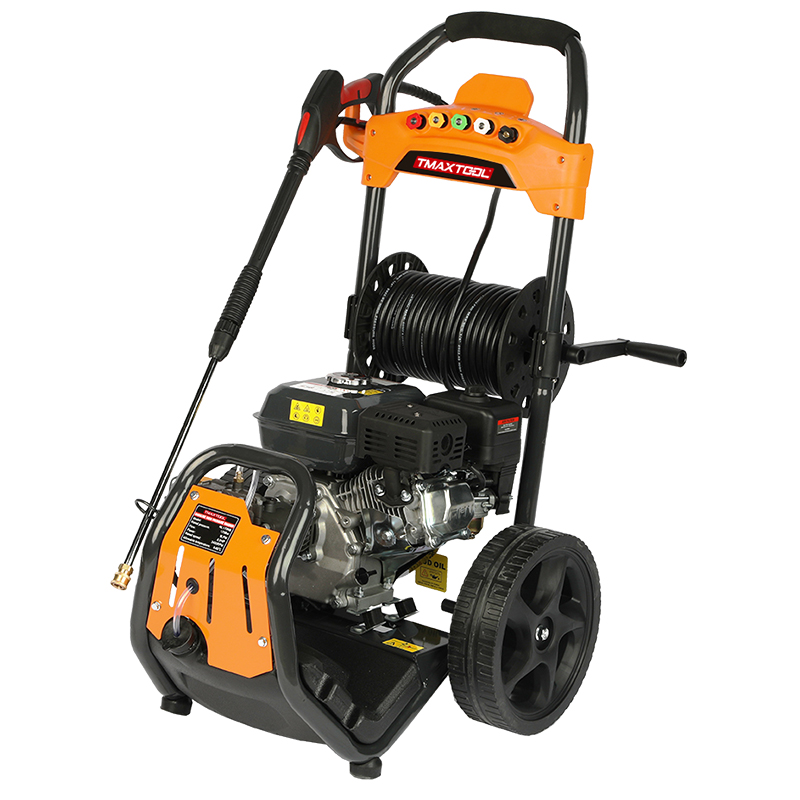 High Pressure Washer
 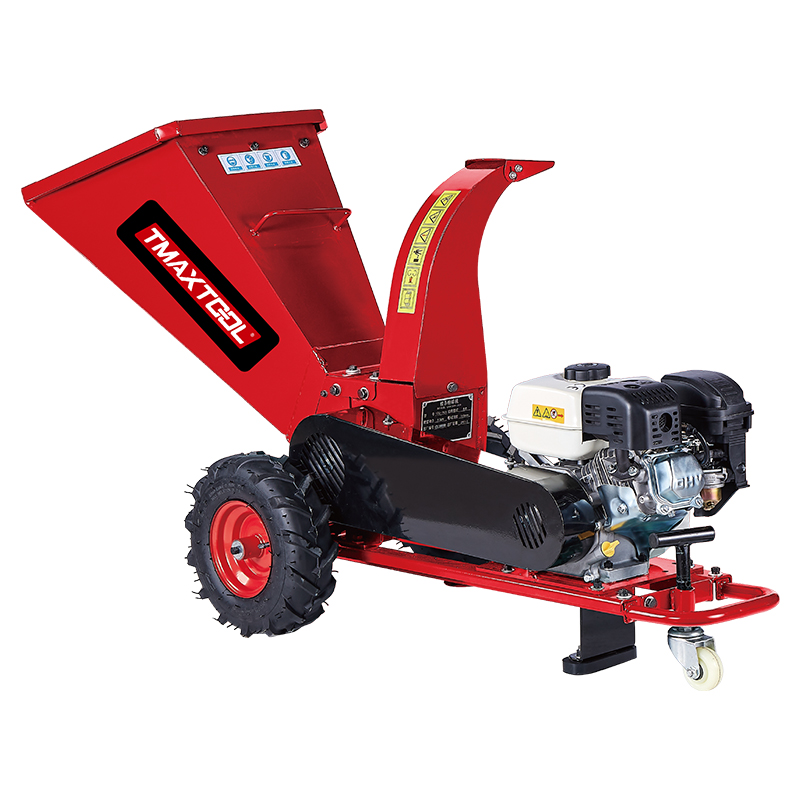 Wood Cutter
 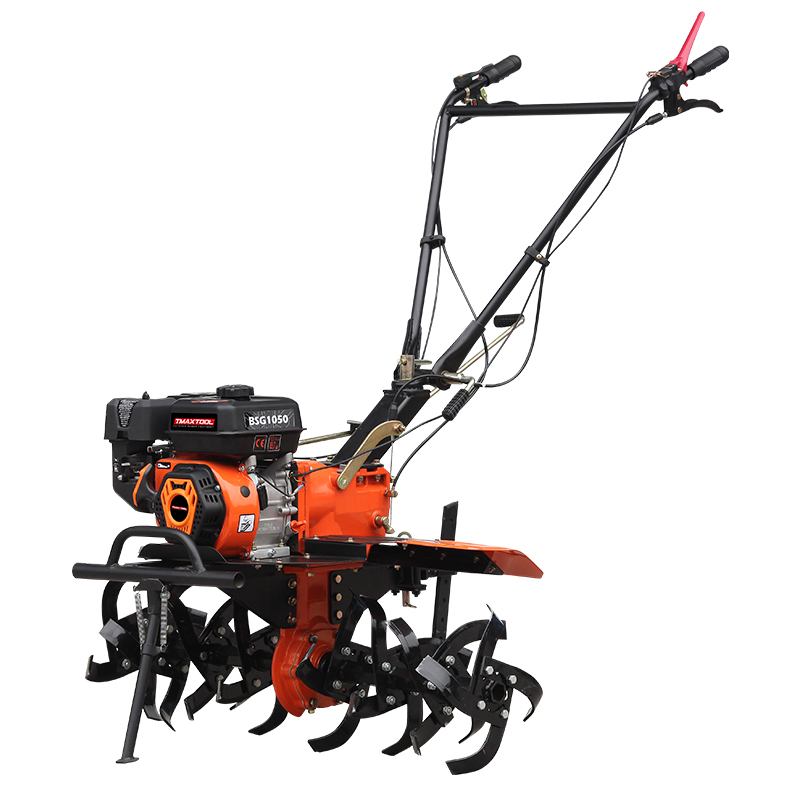 4 Stroke Tiller
 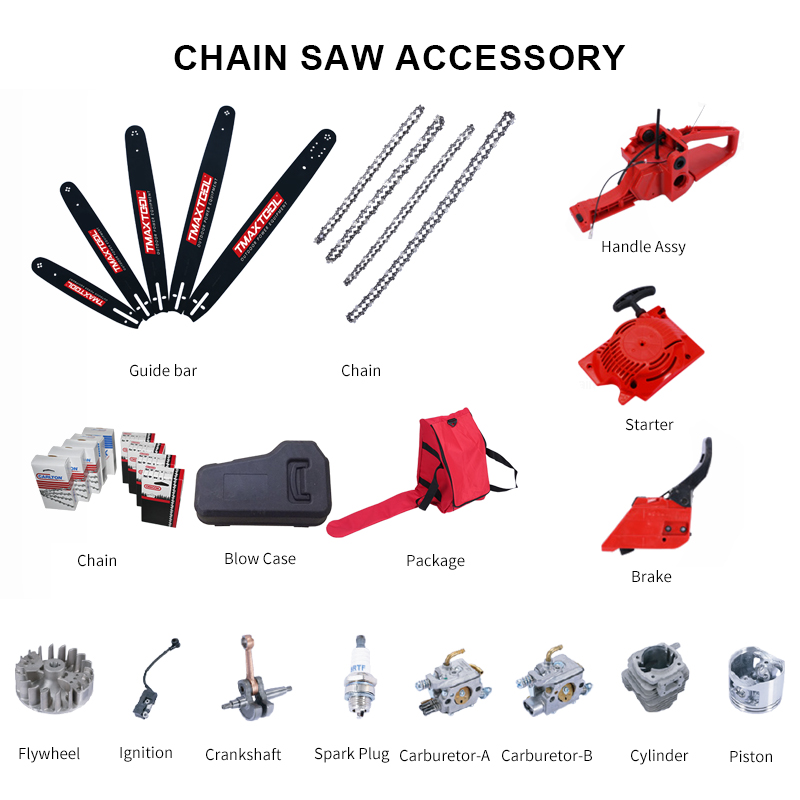 Chain Saw Accessory
 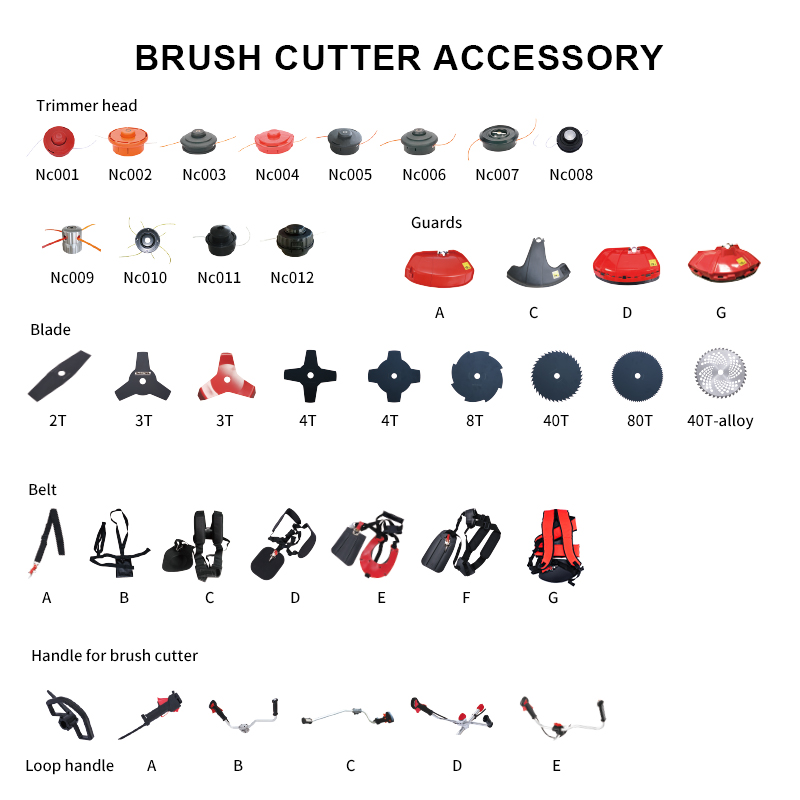 Brush Cutter Accessory
 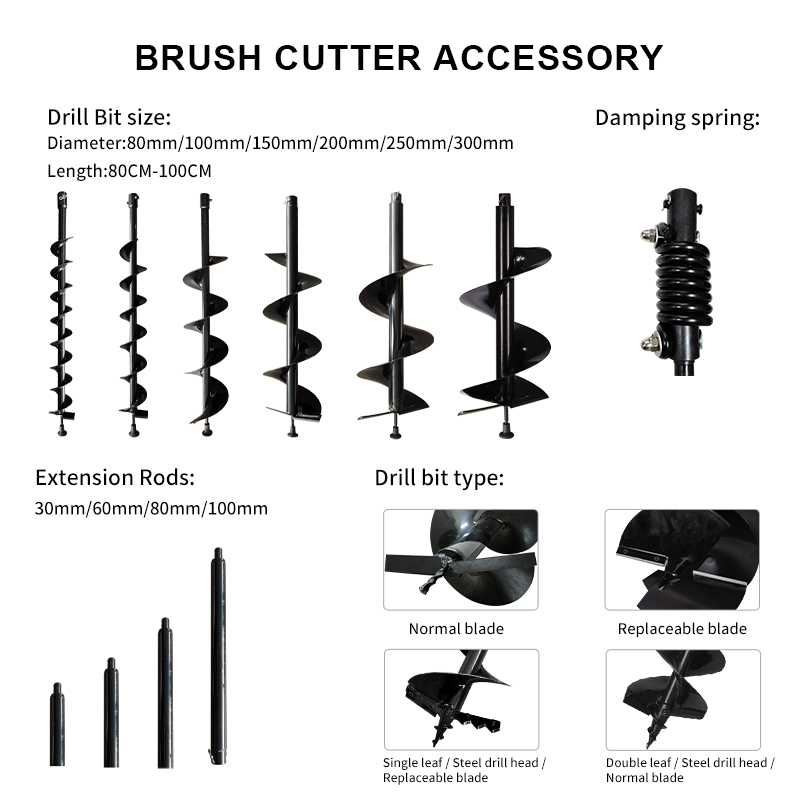 Earth Auger Accessory
  Protective Equipment Accessories
Leave Your Message


The professional application of polishing machines in the car detailing industry
Professional Applications of Polishing Machines in the Automotive Detailing Industry.
From Car Body Imperfections to Mirror-like Gloss: A Professional Polishing Machine Makes Your Car Look Brand New
In the automotive detailing industry, polishing machines have become an indispensable core tool. Whether you're a professional automotive detailing shop or an individual car enthusiast, mastering the professional application techniques of polishing machines can effectively restore the shine of your car paint, extend the life of your vehicle, and enhance its overall appearance.
This article will take you on an in-depth journey into the professional applications of polishing machines in the automotive detailing industry, comprehensively analyzing the professional usage methods of this crucial tool from basic principles to advanced techniques.

I. Basic Principles and Structural Components of Automotive Polishing Machines
An automotive polishing machine is a power tool specifically designed for treating automotive paint surfaces. Its basic principle is to use a high-speed rotating or reciprocating polishing disc, combined with professional abrasives or polishing agents, to grind and polish the car paint surface to remove imperfections and restore gloss.
The core structure of a polishing machine includes several major parts: a power system, a transmission mechanism, a polishing disc, and a control system.
Traditional polishing machines consist of basic components such as a base, polishing disc, polishing cloth, polishing cover, and cap. The motor is fixed to the base, and the conical sleeve for securing the polishing disc is connected to the motor shaft with screws. The polishing cloth is fastened to the polishing disc with a collar.
Modern professional car detailing polishing machines have made significant technological advancements, employing an electronic six-speed soft-start speed control design with protection. Some high-end imported models are renowned for their high-precision original imported parts and assembly processes.
Professional polishing machines also emphasize ergonomic design, such as a streamlined body design, a side-mounted straight handle, and a thumb-type handle for a more comfortable grip and better feel. These designs not only improve operating comfort but also enhance the precision of polishing operations.
II. Key Performance Indicators of Professional-Grade Polishing Machines
When choosing a professional-grade polishing machine, several key performance indicators need to be considered, as these directly determine the quality of the polishing effect and the efficiency of the work.
The speed range is one of the core indicators of a polishing machine. The no-load speed of a professional polishing machine is typically between 800 and 3000 RPM. Different speeds are suitable for different polishing stages and paint surface conditions. A sufficient speed range allows beauticians to adjust the speed flexibly according to actual needs, using higher speeds for rough polishing and lower speeds for fine polishing.
Power directly affects the polishing machine's performance. Professional polishing machines typically have high rated power; for example, some models have a rated power of up to 1200W. This ensures that the polishing machine maintains stable operation under pressure and does not stall due to increased resistance.
Torque output is another key indicator. Professional-grade polishing machines possess strong torque; some models have up to 18+1 torque settings to ensure consistent power and work quality. Sufficient torque ensures that the polishing machine does not easily stall under pressure, which is crucial for removing deep scratches and oxide layers.
Speed adjustment precision also significantly impacts polishing results. High-end polishing machines offer multiple precise speed adjustment functions, such as six-speed adjustment or electronic soft-start speed adjustment, allowing operators to precisely control the speed according to the polishing stage.
Some professional polishing machines also feature dual-speed adjustment or even multi-speed switching. For example, the LuRenXing waxing and polishing machine offers L and H speed settings. The L setting is suitable for waxing cars and removing screws, while the H setting is suitable for polishing and drilling, greatly expanding the equipment's application range.
III. Specific Operating Steps for Car Polishing
Professional car polishing is a gradual process that requires strict adherence to the steps to achieve the desired mirror finish.
Step 1: Thoroughly Clean the Car Body
Before polishing, the vehicle must be thoroughly cleaned to remove all surface dust, mud, and contaminants. Any residual particles can cause secondary scratches during polishing. Additionally, if the car body already has wax, it should be removed first.
Step 2: Damage Assessment and Paint Inspection
Use visual or tactile methods to assess the paint condition. For cars with darker tints, the clarity of the image on the paint surface can be observed; for lighter-colored paint, a smooth piece of cellophane can be placed on a finger and gently run it across the paint surface to judge the roughness by feeling the unevenness.
Step 3: Select the Appropriate Polishing Pad and Polishing Compound
Choose the appropriate polishing pad and polishing compound based on the condition of the paint surface. The polishing pad must be thoroughly cleaned, as it is often made of wool, which easily generates static electricity and attracts dirt and small particles. Failure to clean it properly will damage the paint surface.
Step 4: Masking and Protection
Rubber and plastic parts and trim strips on the car body need to be covered and protected with professional masking tape to prevent polishing compound from accumulating on these hard-to-clean surfaces and to avoid damaging these sensitive parts during polishing.
Step 5: Polishing Operation
Spray a small amount of polishing compound onto the surface to be polished, and start the polishing machine. Note that the polishing pad must not come into contact with any other object, especially the paint surface, when starting and stopping. Polish the car body systematically from front to back and from top to bottom. Manage the power cord properly during polishing and ensure it does not come into contact with the paint surface.
Step 6: Detail Processing and Cleaning
After polishing, remove the masking material and thoroughly clean the entire vehicle with a special towel to ensure all polishing compound residue is completely removed, preparing the vehicle for subsequent waxing or coating processes.

IV. Applicable Scenarios for Different Types of Polishing Machines
The car detailing industry requires different types of polishing machines depending on the working environment and user needs.
Professional detailing shops typically require high-performance, multi-functional polishing equipment. These establishments usually choose 18V dual-speed or 25V dual-speed professional polishing machines. These machines have six speed settings to suit different speed requirements for waxing and polishing, and possess strong torque to ensure work quality and efficiency.
For individual users and car enthusiasts, 12V dual-speed or 18V dual-speed polishing machines are more suitable. These machines are easy to use; users can adjust the speed by pressing a switch, achieving bidirectional adjustment with a single button, making operation convenient, quick, and time-saving.
In recent years, innovative designs integrating wax spraying and polishing functions have emerged. These polishing machines use a mechanical transmission design to simultaneously perform wax spraying and polishing. A bevel gear drives the rotating shaft to rotate the auger, achieving automated wax spraying and significantly improving work efficiency.
Another innovation is polishing equipment with a cleaning function. It adds a cleaning mechanism to the polishing mechanism, achieving both polishing and cleaning functions through the same drive source, solving the problem of manually cleaning polishing residue after traditional polishing.
V. Professional Skills and Safety Standards During Polishing
To achieve ideal polishing results while ensuring operational safety, it is essential to master professional skills and adhere to safety standards.
Key points of polishing operation include:
Appropriate pressure control: The pressure applied should be based on the weight of the polishing machine itself; excessive pressure is unnecessary. Do not increase or decrease the pressure, as this will result in uneven pressure, causing halos or scratches on the paint surface that are not completely removed.
Correct disc angle: Apply pressure according to the shape of the disc during polishing, avoiding localized increases in pressure. Over-polishing will cause uneven grinding surfaces, polishing demarcation lines, polishing scratches, etc., and localized heat can also cause polishing sintering.
Reasonable polishing range: The area polished in one pass is usually limited to the width of a shoulder, with small areas being polished. If the polishing area is too wide, uneven pressure will result in an uneven polished surface.
Balanced Moving Speed: The polishing machine should move at a suitable speed. If the speed is too fast, the pressing pressure cannot be controlled, and the cutting amount will not meet requirements, resulting in uneven polishing of the paint surface.
Overlapping Moving Path: When moving the polishing machine, overlap the disc area by 1/4 to 1/3 each time, moving in a crisscross pattern in both the longitudinal and transverse directions.
Safety Precautions Are Also Crucial:
When starting and stopping the polishing machine, the polishing disc must not come into contact with other objects, especially the paint surface. During prolonged continuous operation, the polishing rollers will generate high temperatures due to friction, easily scalding the paint surface; allow them to cool down before operation.
Before and after work, clean the surface of the polishing rollers and apply wax to keep the roller surface smooth and dust-free. During use, control the pressure of the feed rollers appropriately to avoid excessive resistance, which can cause electrical components to overheat and burn out.
Properly lubricate all rotating parts of the transmission chain to maintain accurate and reliable transmission.
VI. Maintenance and Future Development Trends of Polishing Machines
Professional polishing machines are precision tools; proper maintenance not only extends their service life but also ensures work quality. Routine maintenance includes: cleaning the polishing pad surface before and after use to keep it smooth and dust-free. Regularly inspect the transmission system to ensure all components are functioning properly. For Electric Polishers, pay special attention to the integrity of the power cord and plug to prevent electrical faults.
Long-term maintenance involves: regularly replacing carbon brushes (for brushed motors), checking bearing wear, and adding or replacing grease as needed. When storing the polisher, avoid humid and high-temperature environments; ideally, store it in its original packaging.
With technological advancements, automotive polishers are constantly evolving. Future trends in polisher development focus on intelligent control, sensor technology integration, and IoT remote monitoring capabilities. These technological innovations will make polishing operations more precise and efficient.
Current innovative technologies include:
Polishing equipment with integrated cleaning functions, achieving polishing and cleaning through a single drive source.
All-in-one multi-functional designs, such as equipment combining waxing, polishing, and even Electric Drill and screwdriver functions.
Automated feeding systems that automatically deliver polishing compound or car wax to the polishing area.
With advancements in materials science, the design and internal structure of polishing machines are constantly being optimized. For example, the application of high-hardness spiral bevel gears and the use of Japanese technology result in lower overall noise and smoother operation.
Website:https://www.tmax-tool.com/
Whatsapp:+8613655793577