
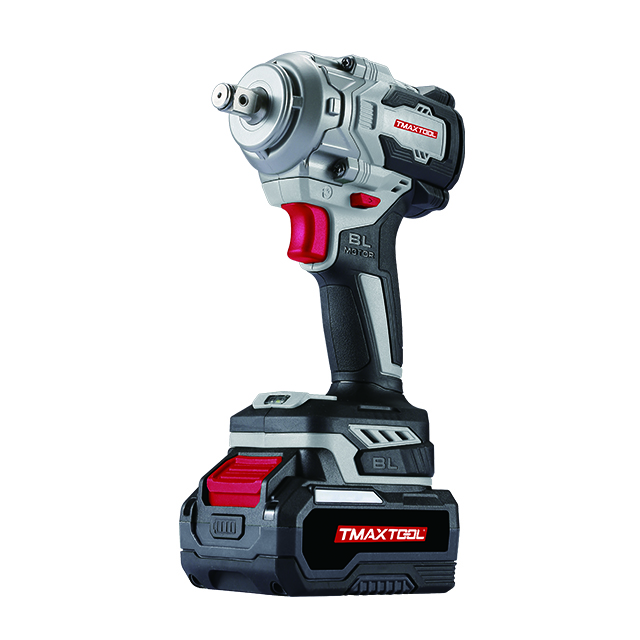
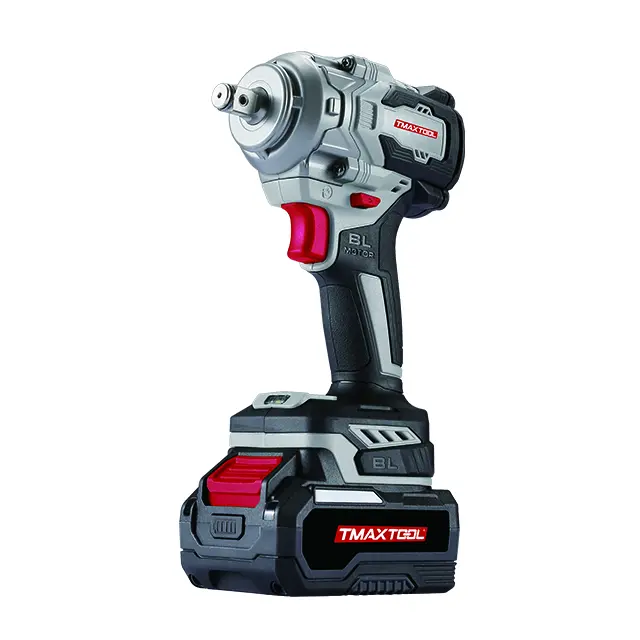
 Impact Wrench
 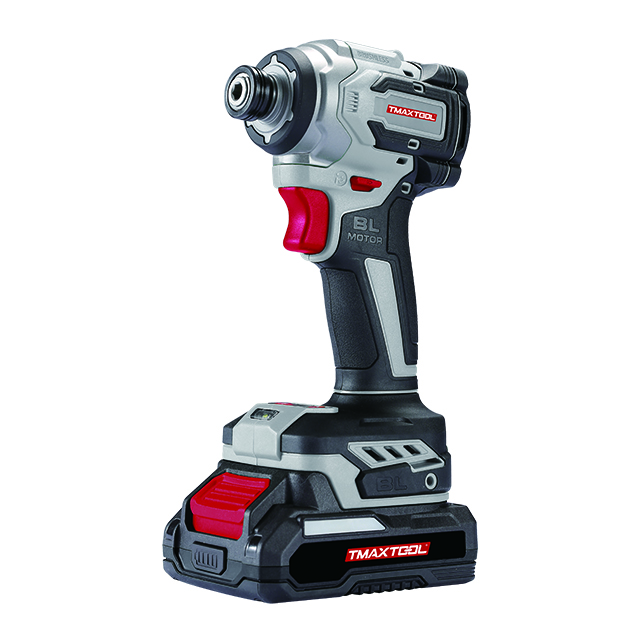 Screwdriver
 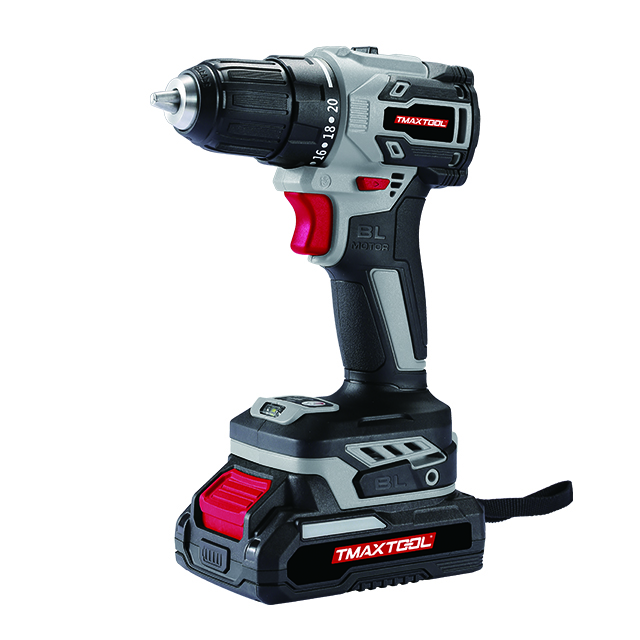 Cordless Drill
 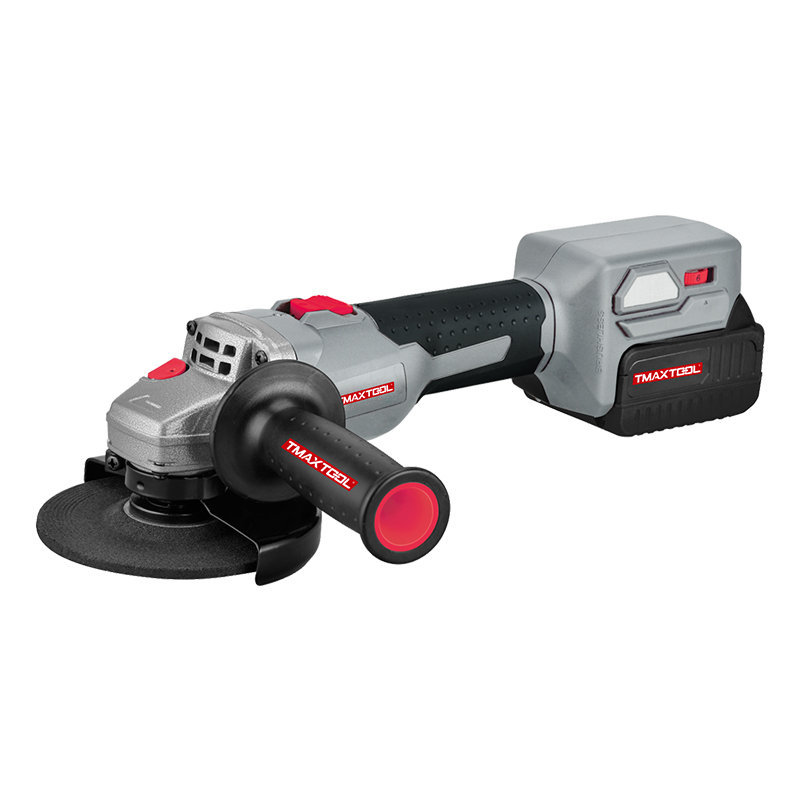 Angle Grinder
 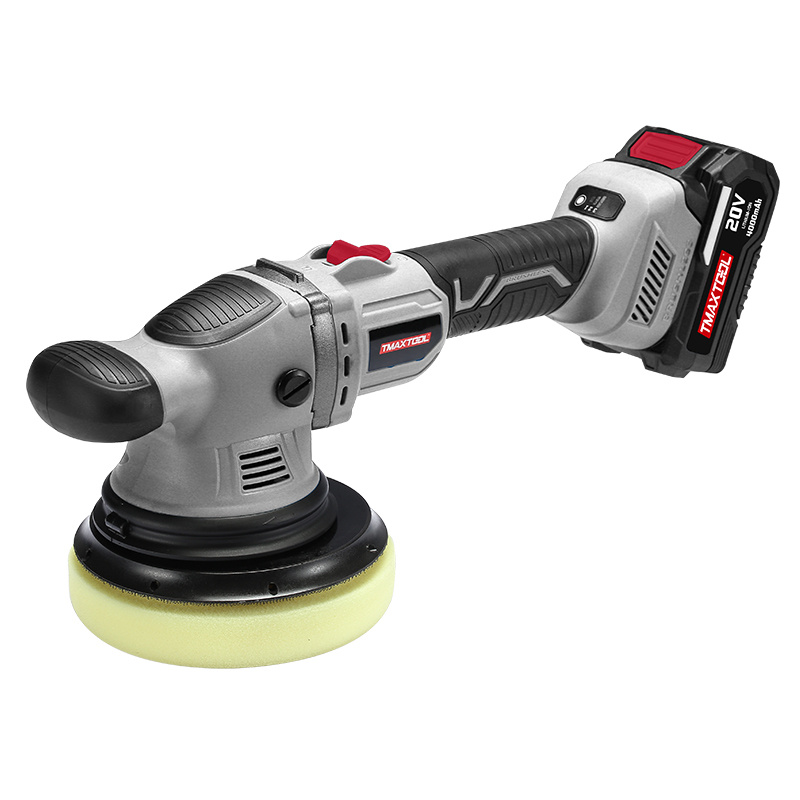 Polisher
 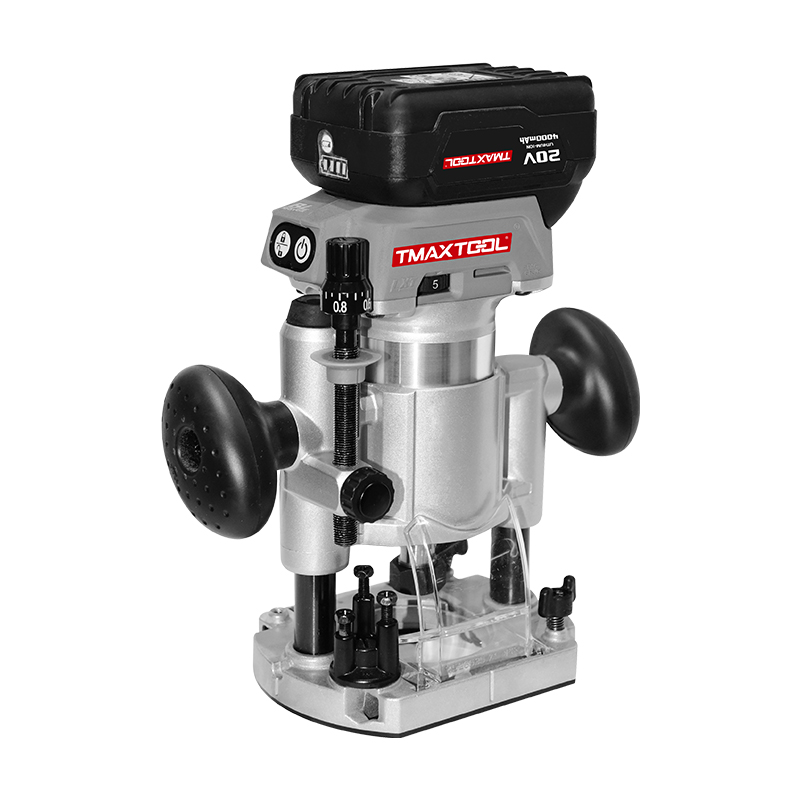 Wood Router
 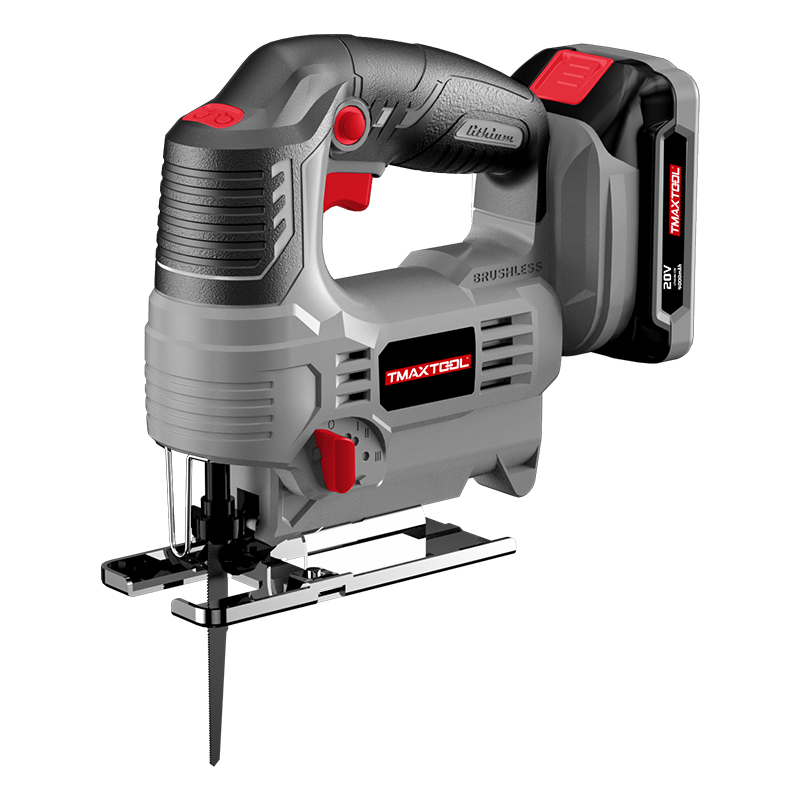 Jig Saw
 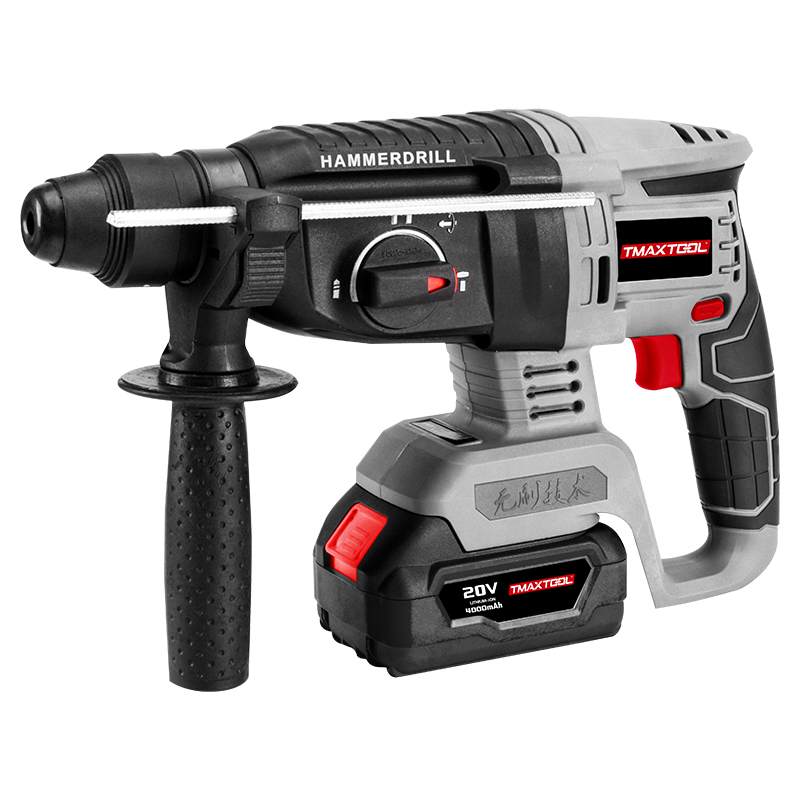 Hammer Drill
 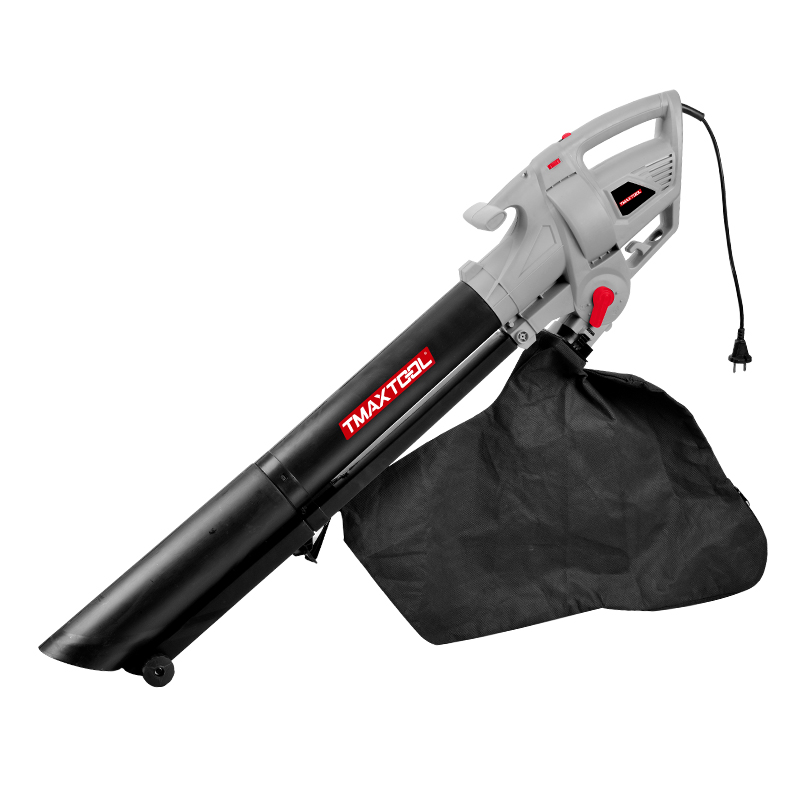 Portable Blower
 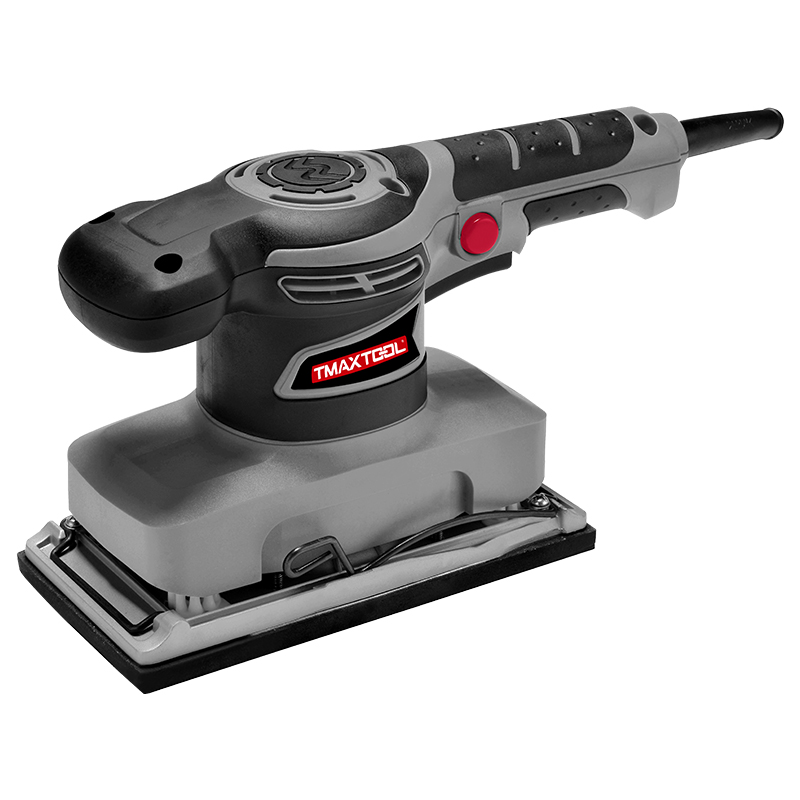 Orbital Sander
 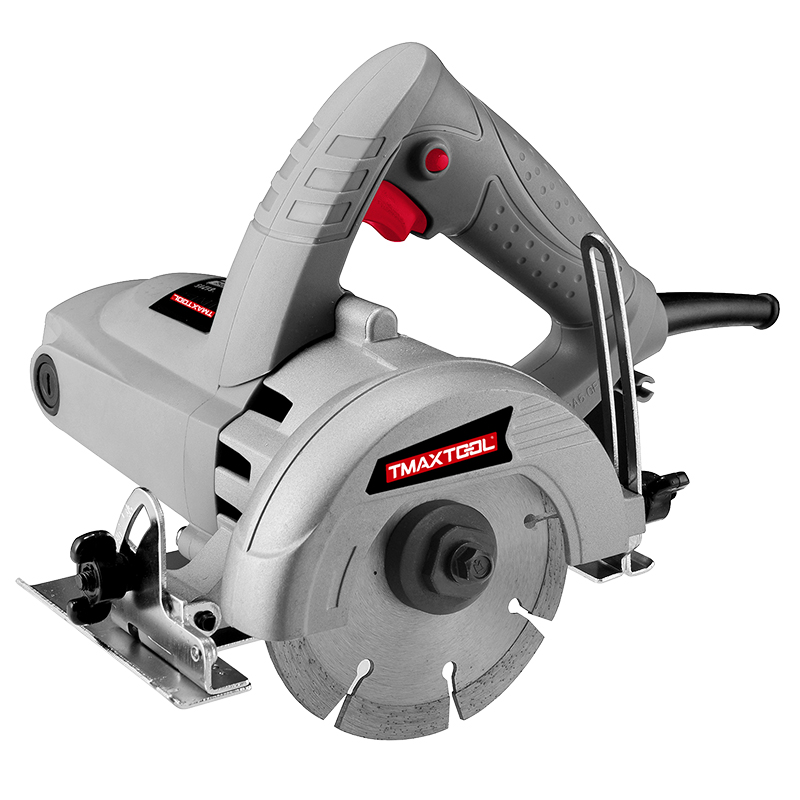 Marble Cutter
  GARDEN TOOLS
 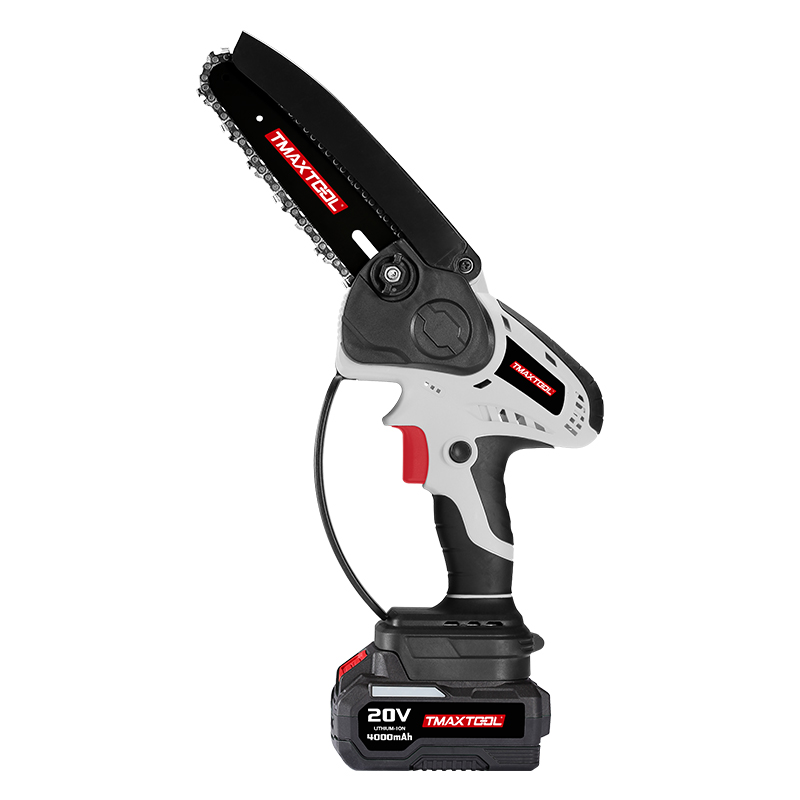 Battery Chain Saw
 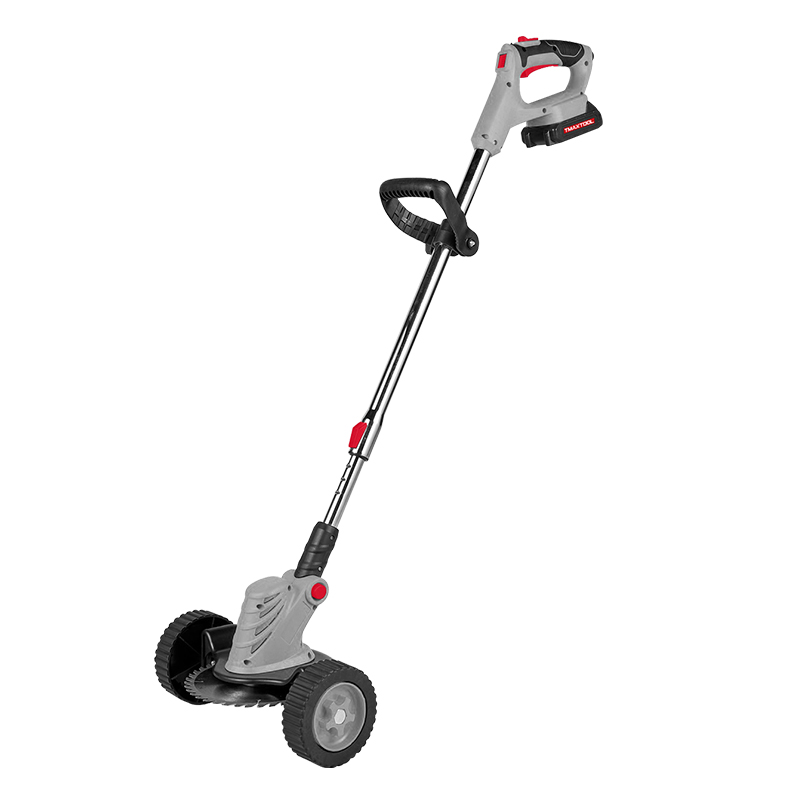 Battery Brush Cutter
 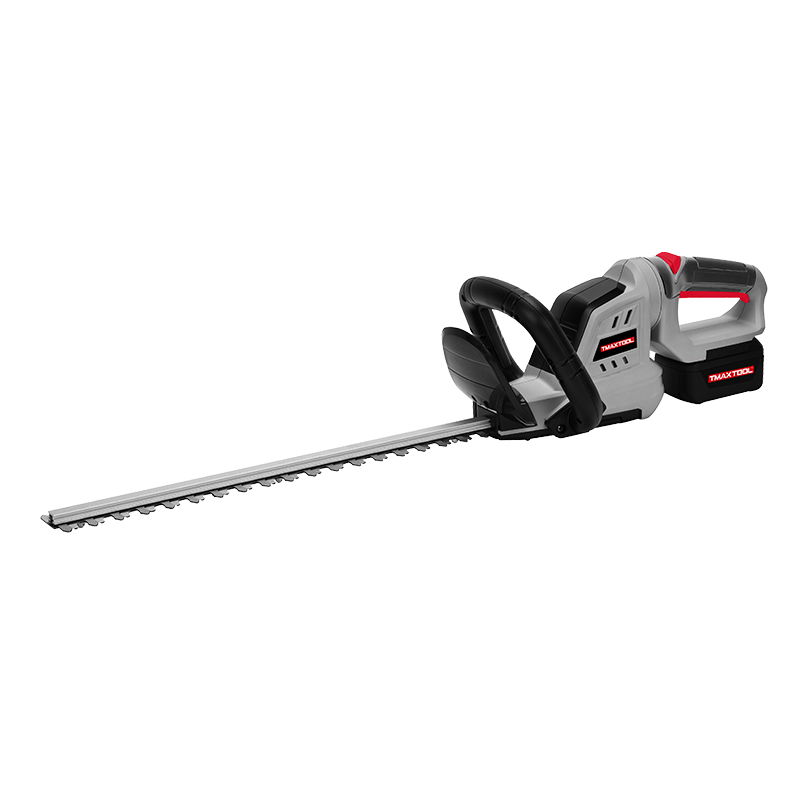 Battery Hedge Trimmer
 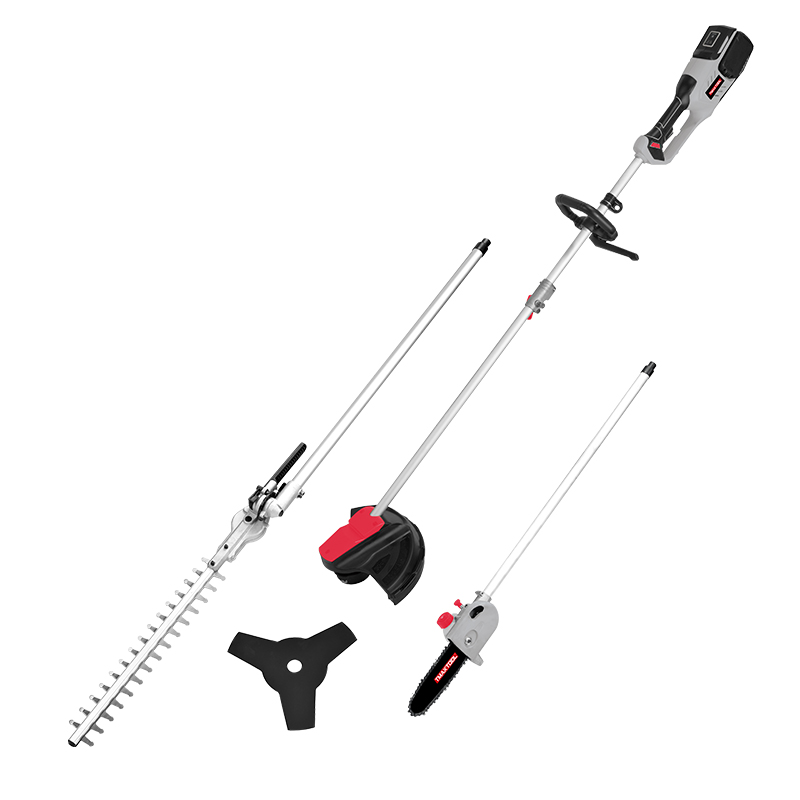 Battery Multi Tool
 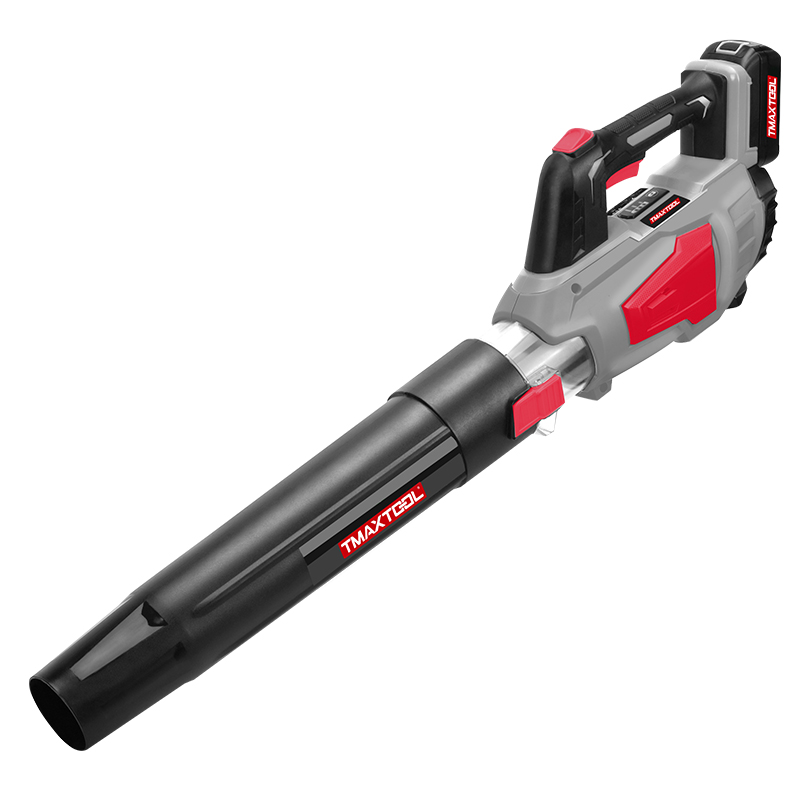 Battery Blower
 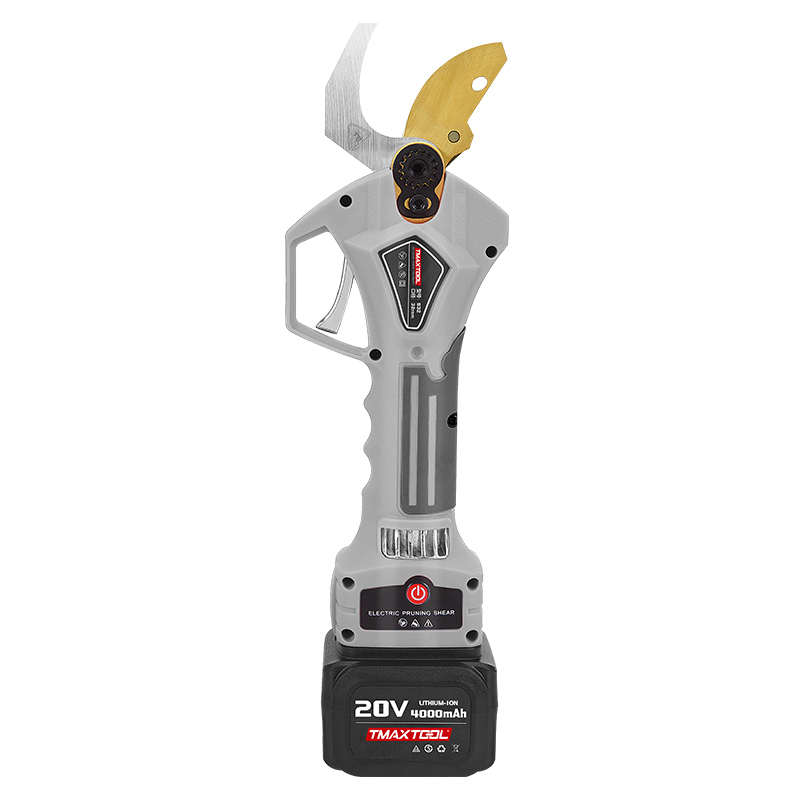 Batter Pruning Shears
 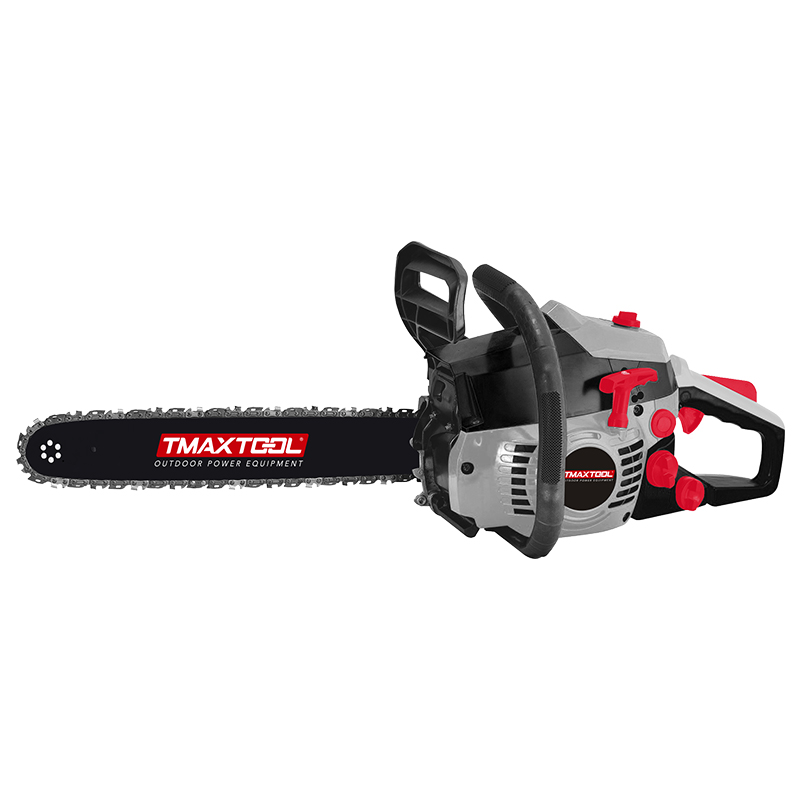 Chain Saw
 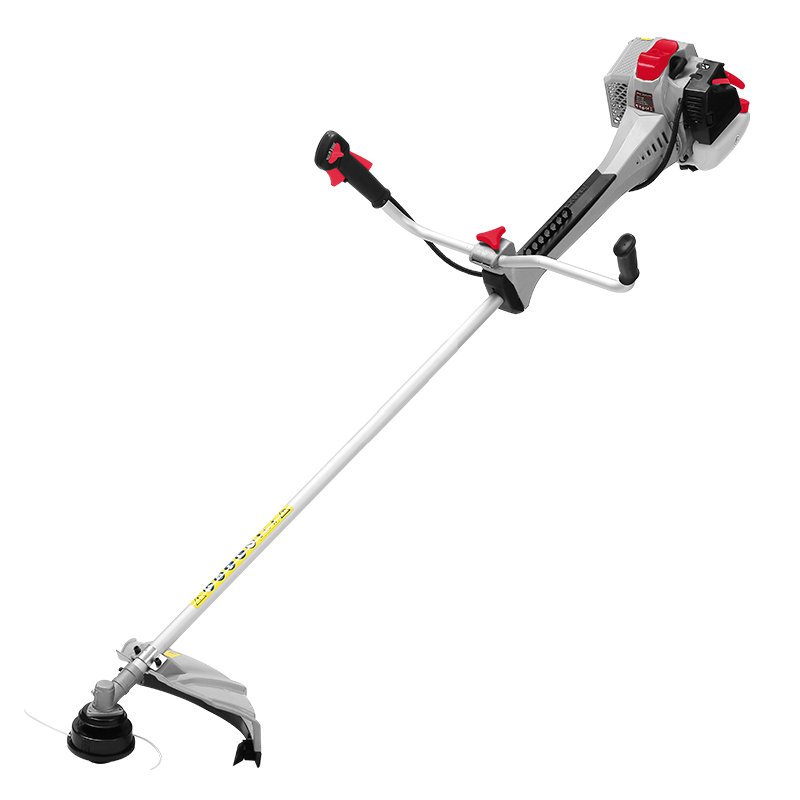 Brush Cutter
 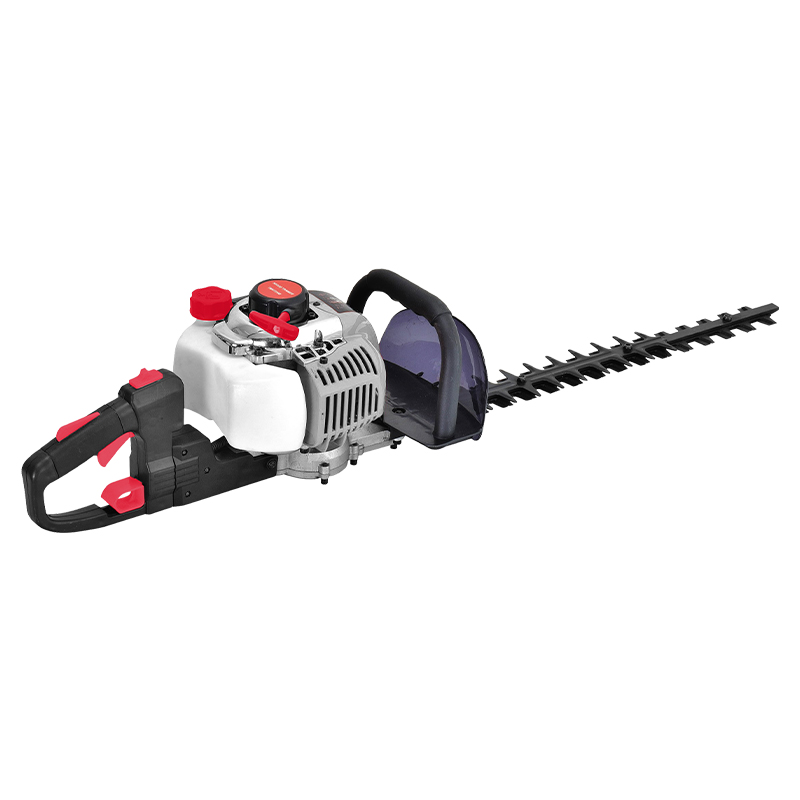 Hedge Trimmer
 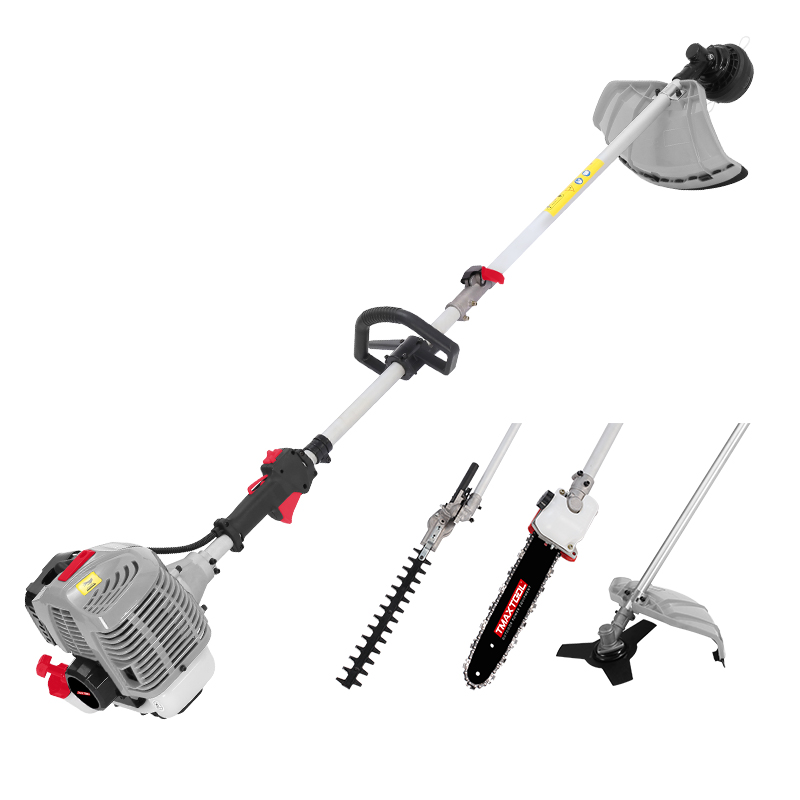 Multi Tool
 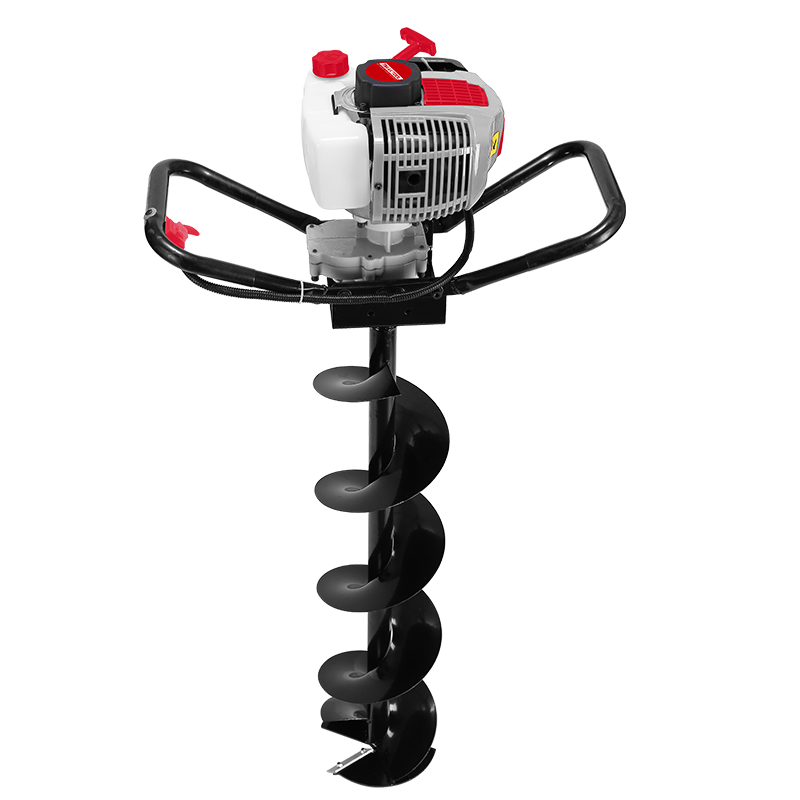 Earth Auger
 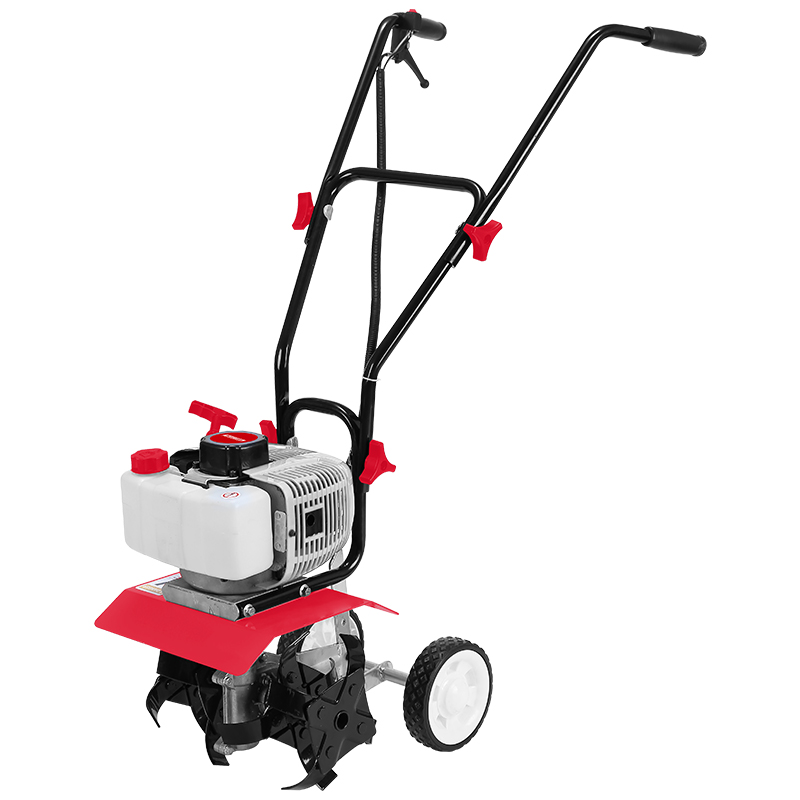 Tiller
 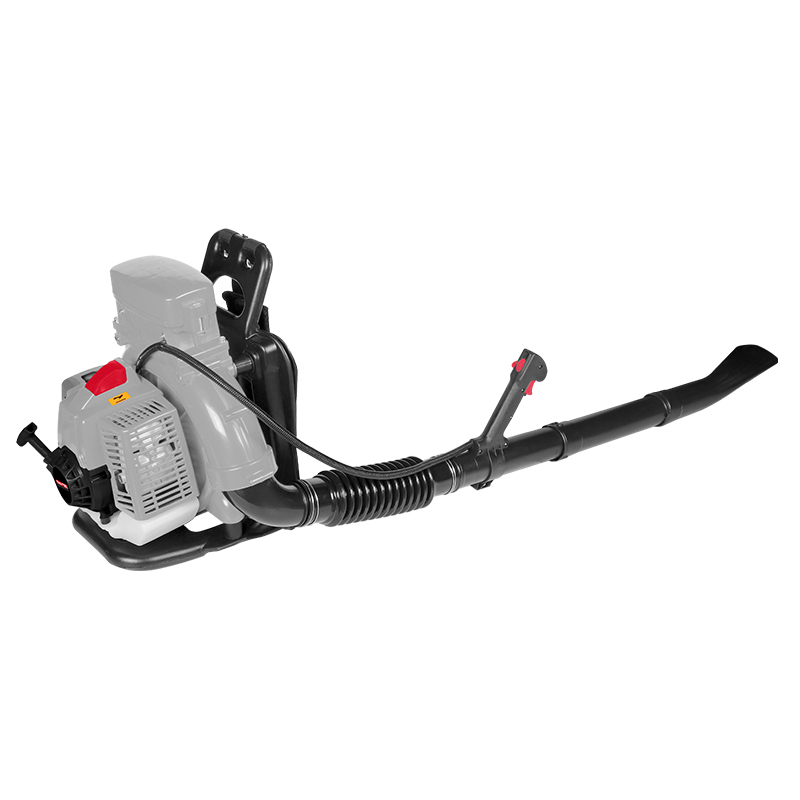 Blower
 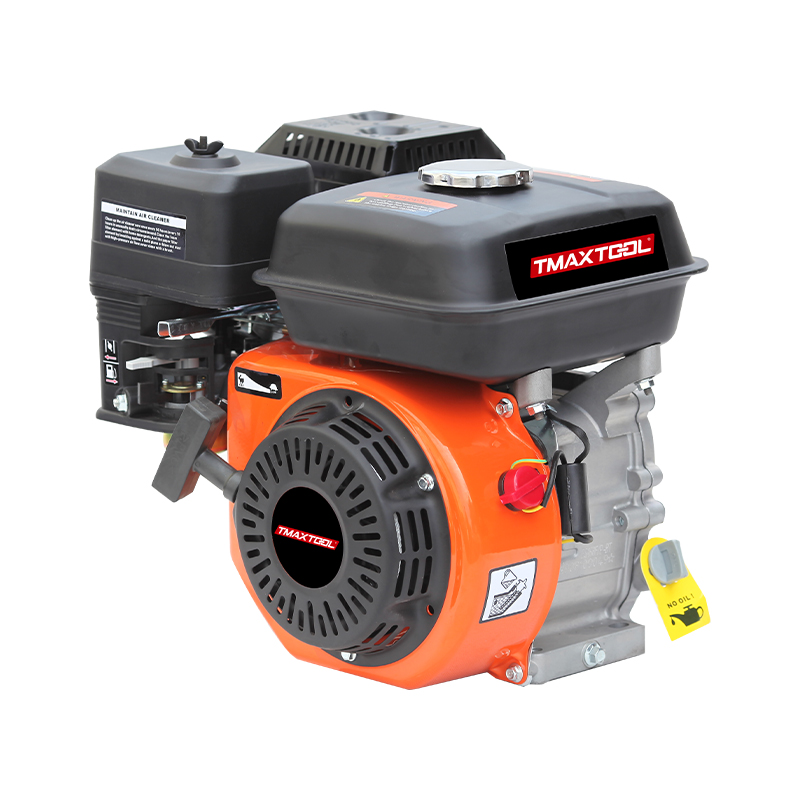 4 Stroke Gasoline Engine
 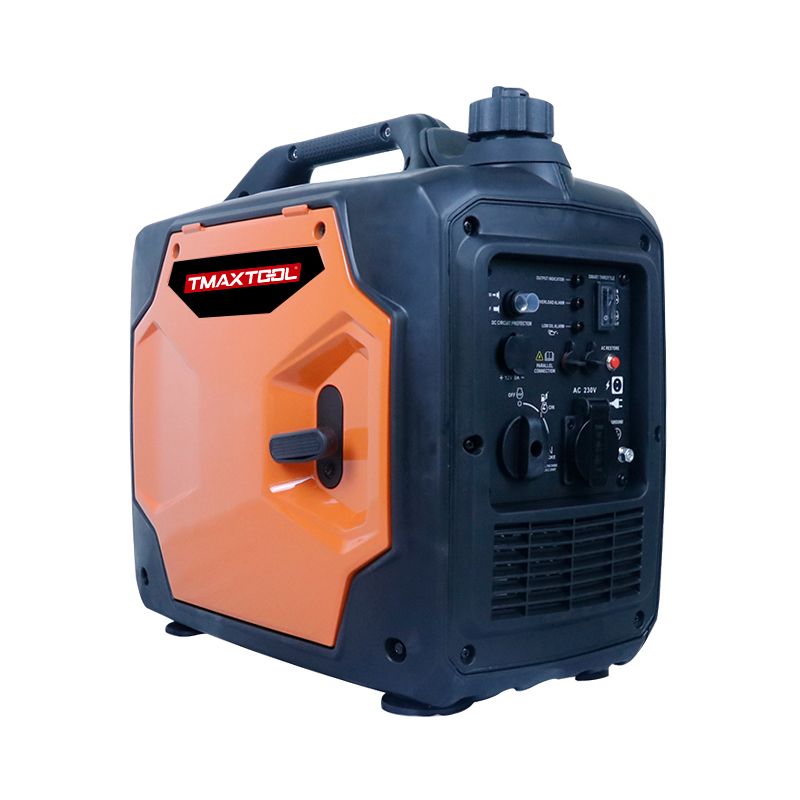 Generator
 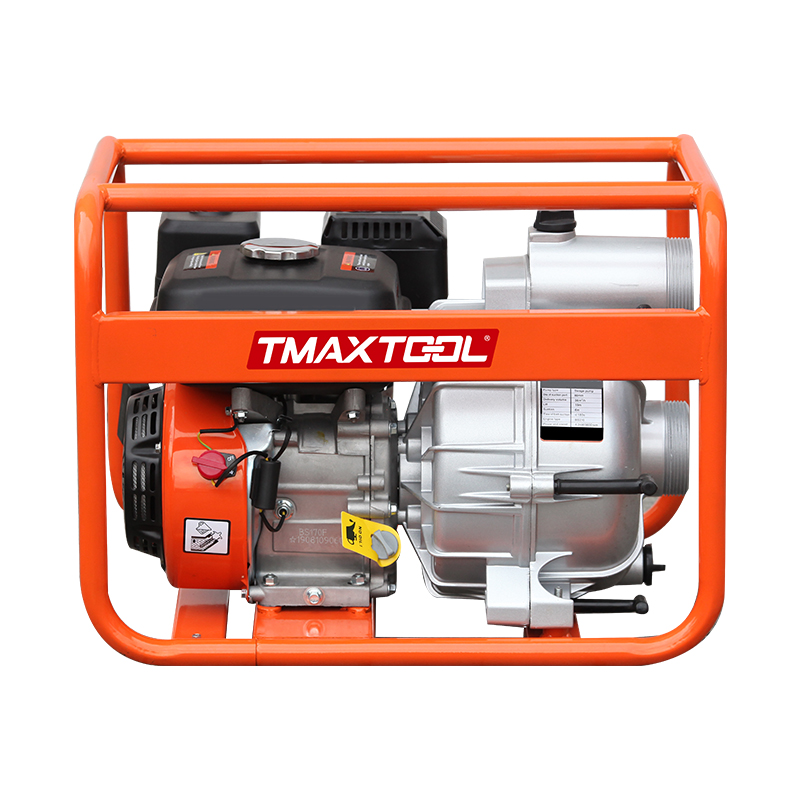 Water Pump
 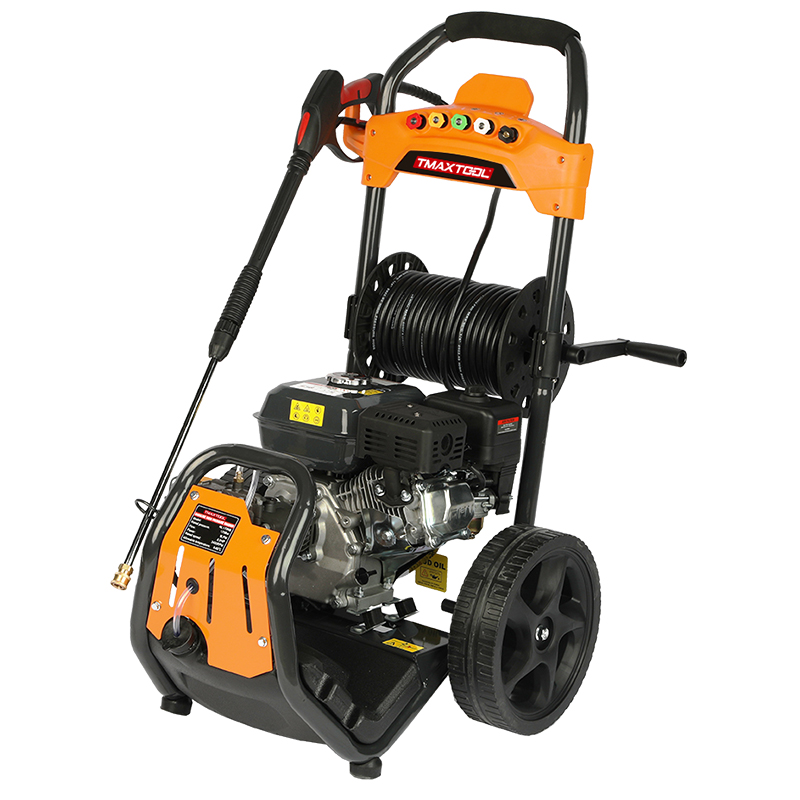 High Pressure Washer
 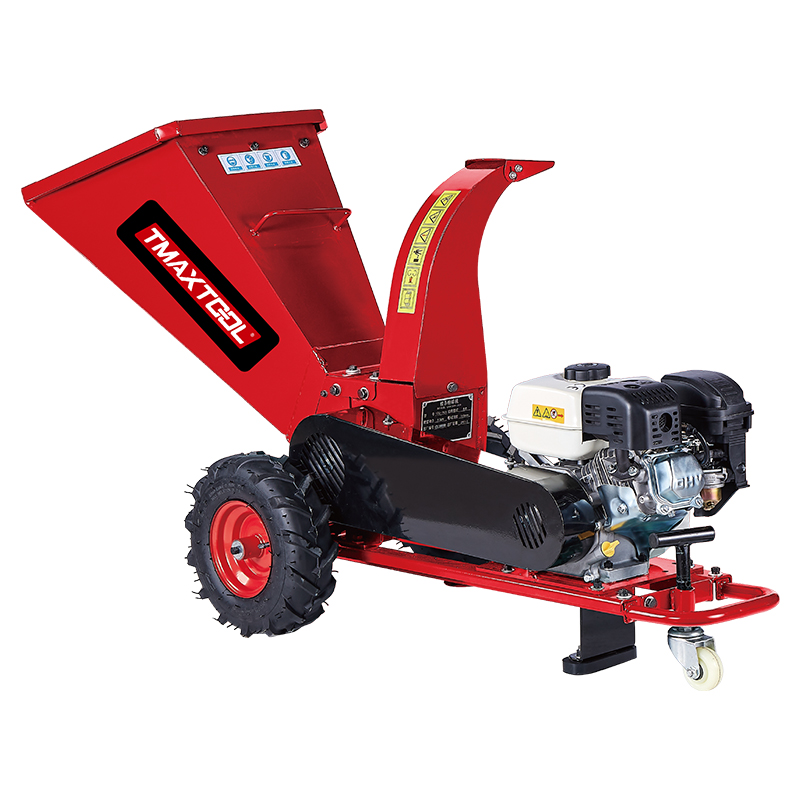 Wood Cutter
 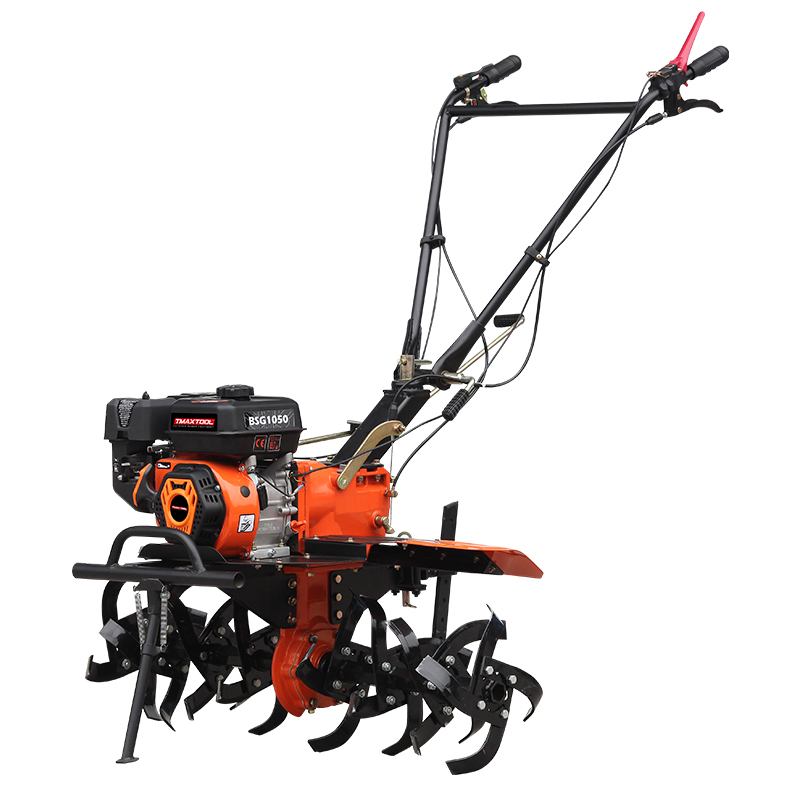 4 Stroke Tiller
 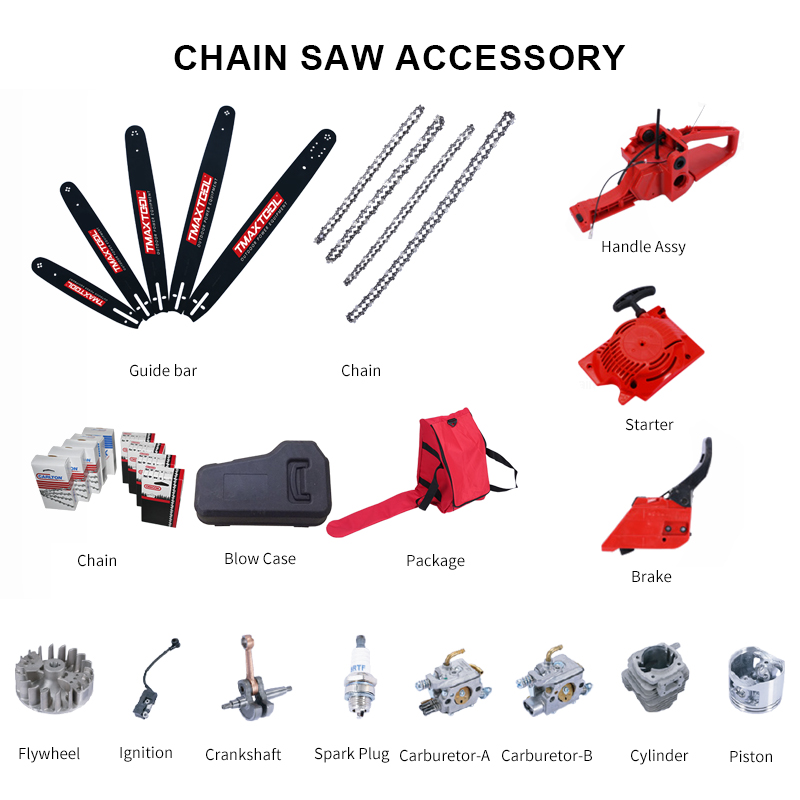 Chain Saw Accessory
 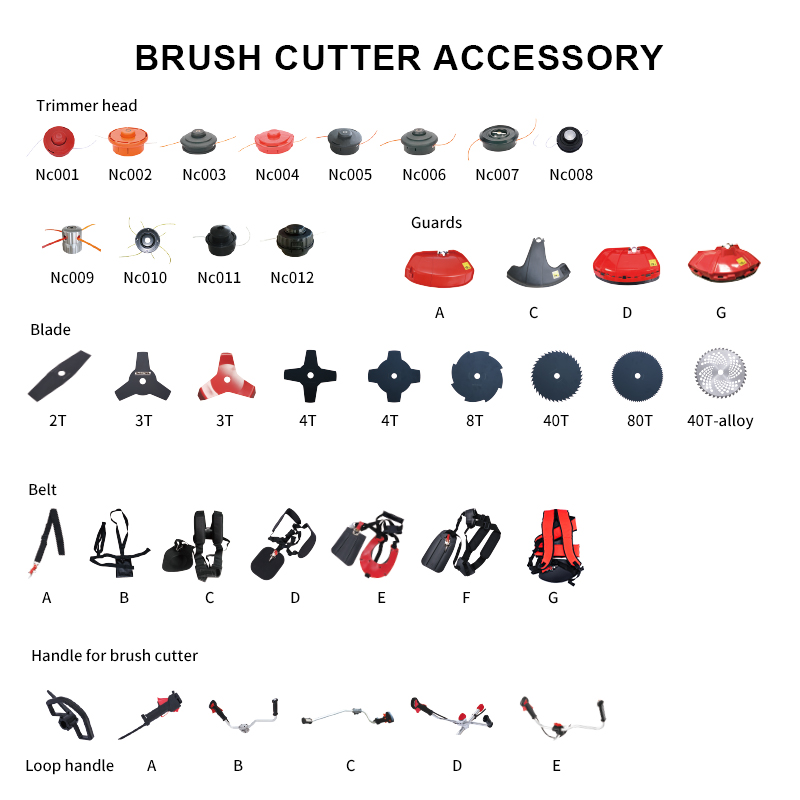 Brush Cutter Accessory
 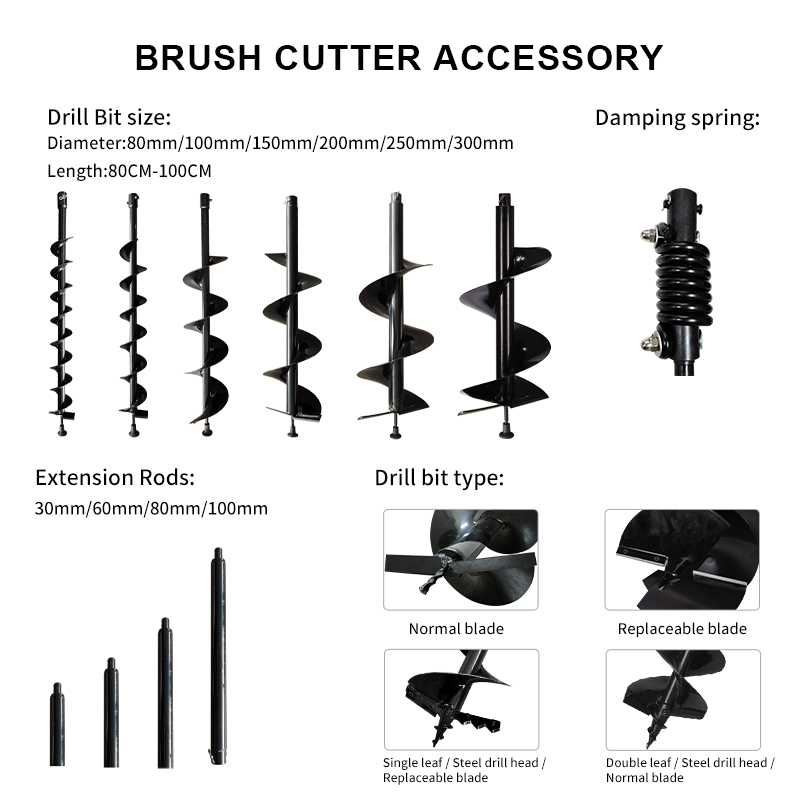 Earth Auger Accessory
 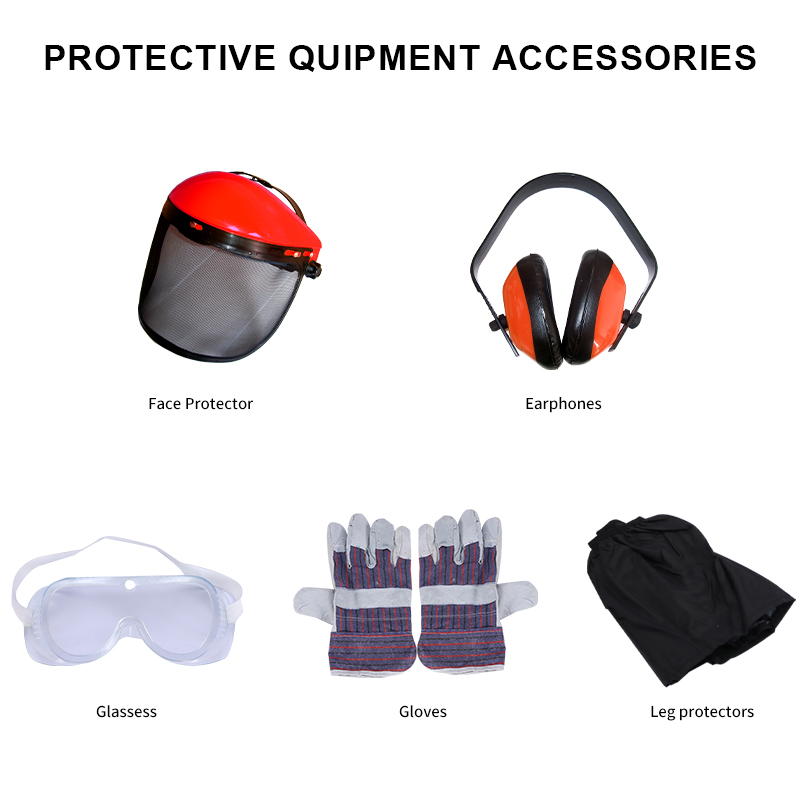 Protective Equipment Accessories
Leave Your Message


TMAX Chainsaw Maintenance Complete Guide
TMAX Chainsaw Maintenance Complete Guide
Chainsaws are core tools in garden maintenance, timber processing, and other scenarios, and long-term efficient use relies on proper maintenance—especially for professional users who prioritize tool durability and operational efficiency. Correct chainsaw maintenance not only mitigates safety risks but also ensures the equipment maintains optimal performance, significantly reducing long-term operating costs. As a professional brand with 15 years of tool manufacturing experience and exports to over 50 countries worldwide, TMAX chainsaws have earned widespread recognition for their digital production processes and high-quality components. However, even precision-designed equipment needs proper maintenance to unleash its full potential. This article shares globally applicable core methods for chainsaw maintenance, covering key aspects such as daily maintenance, regular inspections, and seasonal storage, helping European and American buyers easily achieve long-term equipment use.
I. Why is Chainsaw Maintenance Crucial?
Professional users have extremely high requirements for tool reliability, and the value of chainsaw maintenance goes far beyond simply "extending lifespan":
Safety Guarantee: Worn chains, malfunctioning engines, or clogged hydraulic lines can lead to chain slippage, engine stalling, and other accidents. Proper maintenance can prevent these risks at the source, meeting European and American operational safety standards.
Performance Stability: Regularly maintained chainsaws offer over 30% higher cutting efficiency, more stable chain sharpness, and more consistent engine power output, preventing work delays caused by equipment jams.
Cost Control: Simple routine maintenance can reduce the probability of major overhauls by 80%. Compared to replacing core components such as the engine and guide plates, the cost of maintenance is negligible.
Environmental Compliance: Proper disposal of fuel, waste oil, and maintenance waste complies with EU RoHS, US EPA, and other environmental standards, avoiding penalties for illegal emissions.
Warranty Benefits: Following the TMAX official maintenance guide ensures better access to the 12-month global warranty service, guaranteeing timely support in the event of non-human-caused malfunctions.

II. Chainsaw Daily Maintenance Steps (Must be done after each use)
Daily maintenance is the simplest yet most effective "protective measure." It is recommended to spend 5-10 minutes completing this after each use. Key words: cleaning, inspection, fine-tuning:
Safety Preparation: Turn off the engine and wait for the machine to cool to room temperature (avoid burns). Wear protective gloves and goggles, and disconnect the power supply (remove the battery for electric chainsaws);
Comprehensive Cleaning: Use a soft brush or compressed air to remove sawdust, dust, and oil stains from the machine body, guide plates, and chain. Pay special attention to cleaning the guide plate grooves and chain gaps (avoiding debris buildup that causes wear);
Chain Inspection and Adjustment:
Tension Adjustment: Lift the middle of the guide plate. The gap between the chain and the guide plate should be such that you can insert one finger between them (refer to the standard tension indicated in the TMAX chainsaw instruction manual). Too tight a tension will accelerate guide plate wear, while too loose a tension will cause the chain to fall off;
Lubrication Check: Start the engine and let it idle. Observe the chain lubricant flow to ensure that every part of the guide plate is evenly lubricated;
Fuel and Engine Oil Management: Refill with fuel that meets TMAX's recommended standards (95 octane is recommended for Gasoline Chainsaws). Unleaded gasoline (mixing ratio strictly adheres to 25:1 or 50:1, refer to the equipment nameplate for specific details); chain lubricant must be a dedicated environmentally friendly engine oil, avoid using ordinary engine oil which may cause oil passage blockage; Component tightness: Check key parts such as guide plate bolts, engine mounting bolts, and handle connections to ensure they are not loose (vibration can cause component displacement, affecting operational safety); Functional test: Briefly start the engine to check if the idle speed is stable, acceleration is smooth, and the braking system is responsive. Store only after confirming there are no abnormalities.
III. Key Points for Regular Chainsaw Maintenance (Based on Usage Frequency)
Regular maintenance requires in-depth inspection based on usage duration or cycle. Key words: replacement, repair, optimization. It is recommended to adjust the frequency according to the usage intensity of your TMAX chainsaw:
1. Weekly / After 10 Hours of Use
Clean Air Filter: Remove the filter housing and blow away dust from the inside out with compressed air (paper filters should be replaced promptly if damaged; TMAX original air filters have better compatibility and effectively prevent dust from entering the engine);
Check Guide Plate Condition: Observe the guide plates for deformation, cracks, or excessive wear. If there is carbon buildup in the guide plate grooves, clean it with a special tool to avoid affecting chain operation;
Chain Lubrication System Check: Clean the lubricating oil tank filter to ensure unobstructed oil flow. If oil output decreases, check if the oil pump is malfunctioning.
2. Monthly / After 50 Hours of Use
Change Engine Oil: Tilt the chainsaw, drain the old oil, and add TMAX recommended engine oil (meeting API SJ grade or higher). The oil level should be indicated by the dipstick; do not add or remove too much oil.
Chain Maintenance: Use a chain grinder to sharpen the teeth. If the chain is severely worn (e.g., teeth are shorter, chain tension exceeds limits), replace it with a genuine TMAX chain (ensuring it matches the guide plate model).
Spark Plug Inspection: Remove the spark plugs and clean carbon deposits from the electrodes. If the electrodes are severely worn or the gap is too large (standard gap 0.6-0.8mm), replace them with the same model of spark plugs.
Muffler Cleaning: Use a brush to clean carbon deposits from the muffler fins and exhaust port to prevent blockages that could lead to reduced engine power and increased fuel consumption.
3. Annually / After 200 Hours of Use
Full Engine Inspection: Check cylinders and pistons for wear or scratches, and ensure valve clearance is normal. Contact TMAX professional technicians for repair if necessary;
Filter Replacement: Replace fuel and oil filters to ensure fuel and oil cleanliness and protect internal engine components;
Transmission System Maintenance: Check the flexibility of throttle and brake cables, apply special grease, and replace cables promptly if they are worn;
Rust Prevention: Clean minor rust on metal parts of the engine body with rust remover and apply rust-preventive oil, especially for equipment used outdoors for extended periods.

IV. Seasonal Maintenance and Long-Term Storage
Techniques for Chainsaws In Europe and America, with distinct seasons, equipment storage periods may be longer. Proper seasonal maintenance can prevent equipment from failing to start after "dormant." Key words: Prevent deterioration, prevent rust, prevent aging:
1. Before Seasonal Use
Fuel Treatment: Drain the deteriorated fuel from the fuel tank and add freshly prepared mixed fuel (fuel stored for more than one month should be discarded to avoid gum buildup clogging the fuel lines);
Rust Inspection: Inspect the chain, guide plates, screws, and other metal parts for rust. Sand them with sandpaper and apply lubricant;
Functional Testing: Start the engine 3-5 times consecutively to test the idle speed, acceleration, braking, and lubrication system. If starting is difficult, replace the spark plugs or clean the carburetor.
2. Long-term storage (not used for more than 1 month)
Fuel treatment: Add fuel stabilizer (according to product instructions), start the engine and run for 5 minutes to ensure the stabilizer circulates throughout the fuel system, or directly drain the fuel from the fuel tank and carburetor;
Chain and guide plate maintenance: Thoroughly clean the chain and guide plates, apply rust-preventive oil, remove the chain and store it separately, and wrap the guide plates with a dry cloth;
For electric chainsaws: Remove the 20V/21V lithium battery, charge it to 50%-70%, and store it in a dry environment. Avoid overcharging or over-discharging to prevent battery damage;
Storage environment: Choose a dry, ventilated, and cool indoor location. Avoid direct sunlight, humidity, or high temperatures, and keep away from flammable and explosive materials.
V. Common Chainsaw Maintenance Misconceptions and Solutions
Many users experience equipment malfunctions due to improper operation. Below are common maintenance misconceptions and corrective measures in the European and American markets:
Misconception 1: Using ordinary engine oil instead of chain-specific oil
Solution: TMAX chainsaw chains require high-viscosity, high-temperature resistant chain-specific lubricating oil. Ordinary engine oil has poor lubrication and is prone to high-temperature carbonization, leading to chain seizure.
Misconception 2: The tighter the chain tension, the better
Solution: Adjust the tension according to the instruction manual. Excessive tension increases friction between the guide plate and the chain, shortening its lifespan; excessive looseness may cause the chain to fall off.
Misconception 3: Neglecting air filter cleaning
Solution: A clogged air filter leads to insufficient engine air intake, reduced power, and increased fuel consumption. It is recommended to shorten the cleaning cycle based on the working environment (dust levels).
Misconception 4: Long-term storage of untreated fuel
Solution: Untreated fuel deteriorates and produces gum, clogging the carburetor and fuel lines, resulting in extremely high repair costs. Always add a stabilizer or bleed the fuel. 5. Self-disassembly of core engine components
Solution: The engine's internal structure is delicate; disassembly by non-professionals can easily cause secondary damage. For complex faults, please contact TMAX Global Technical Support (Tel: 0579-83189888) or your local authorized dealer.
VI. TMAX Chainsaw Exclusive Maintenance Tips
TMAX chainsaws offer unique advantages in maintenance thanks to their digital manufacturing processes and high-quality parts. We recommend optimizing your maintenance process based on the specific characteristics of your equipment:
TMAX chainsaw engines utilize precision manufacturing processes. We recommend using genuine TMAX engine oil and parts that meet ISO 9000 standards to avoid compatibility issues.
The guide plates employ a hardened coating technology. Avoid using sharp tools to scratch the surface coating during cleaning, as this will reduce the guide plates' wear resistance.
The MOQ of chainsaws is as low as 50 pieces. Buyers can stock genuine TMAX spark plugs, air filters, chains, and other easily worn parts in bulk for convenient and timely replacement.
If you encounter maintenance difficulties, you can obtain English maintenance videos and manuals from the TMAX website, or contact the global technical support team for customized guidance.
Purchase 5 or more TMAX chainsaws and receive a free professional maintenance tool kit worth 200 RMB (including a chain grinder, cleaning brush, wrench, etc.) to improve maintenance efficiency.
Website:https://www.tmax-tool.com/
Email:info@tmaxtool.com
Whatsapp:+8613655793577