
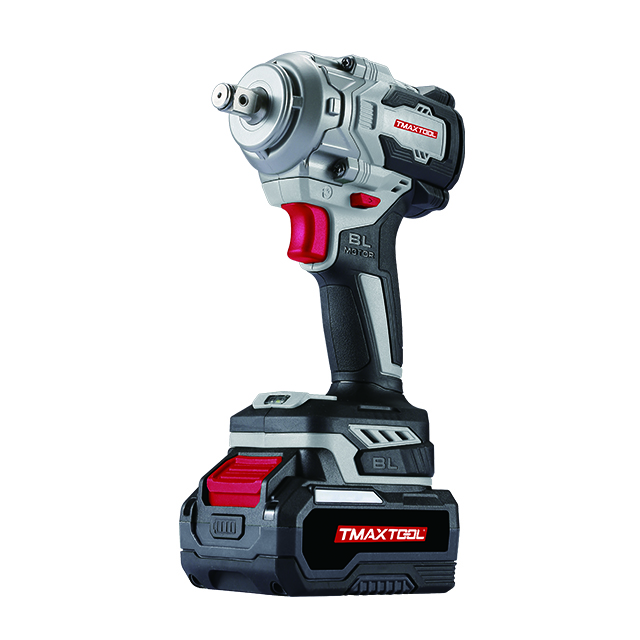
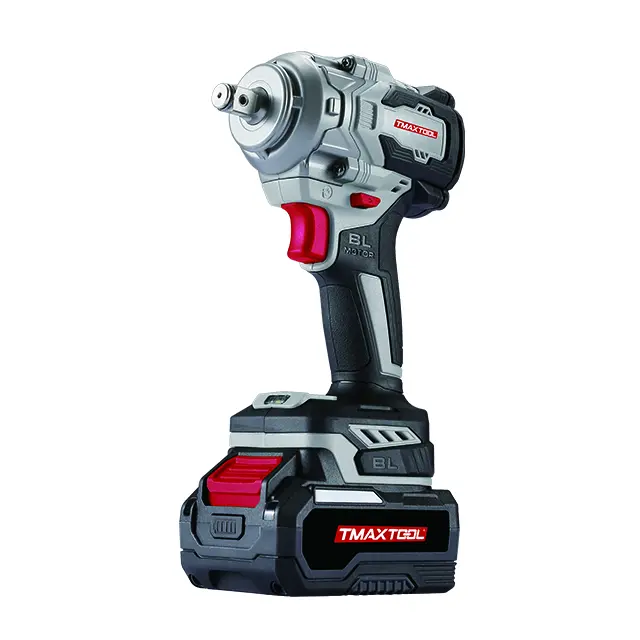
 Impact Wrench
 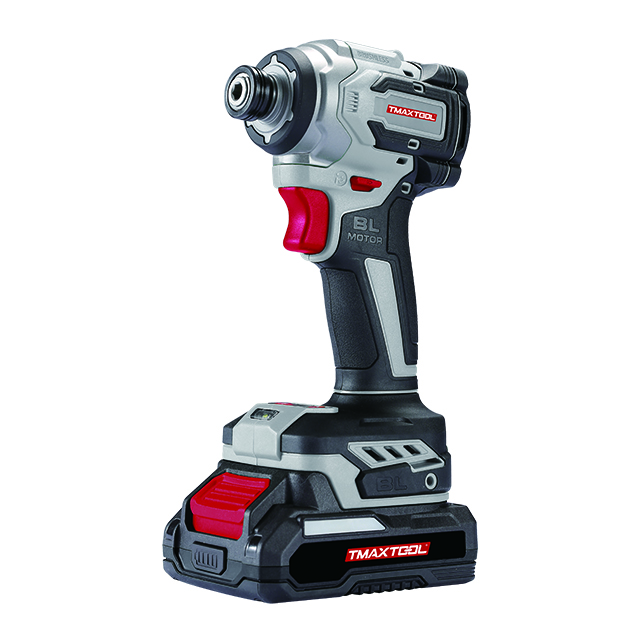 Screwdriver
 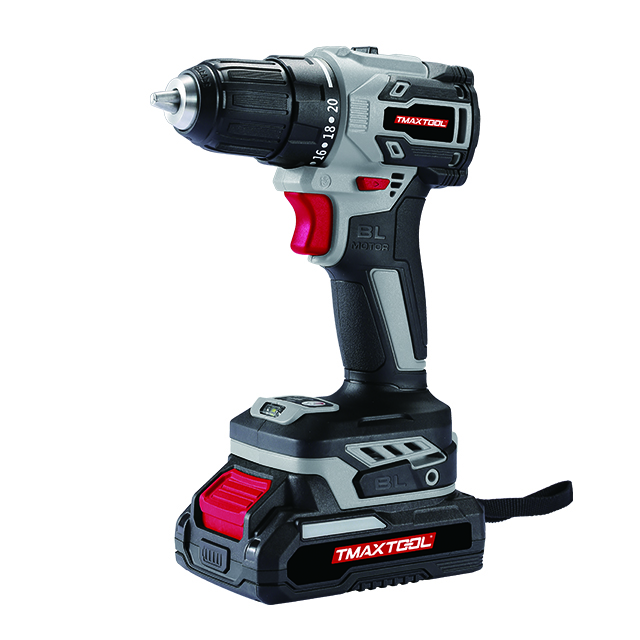 Cordless Drill
 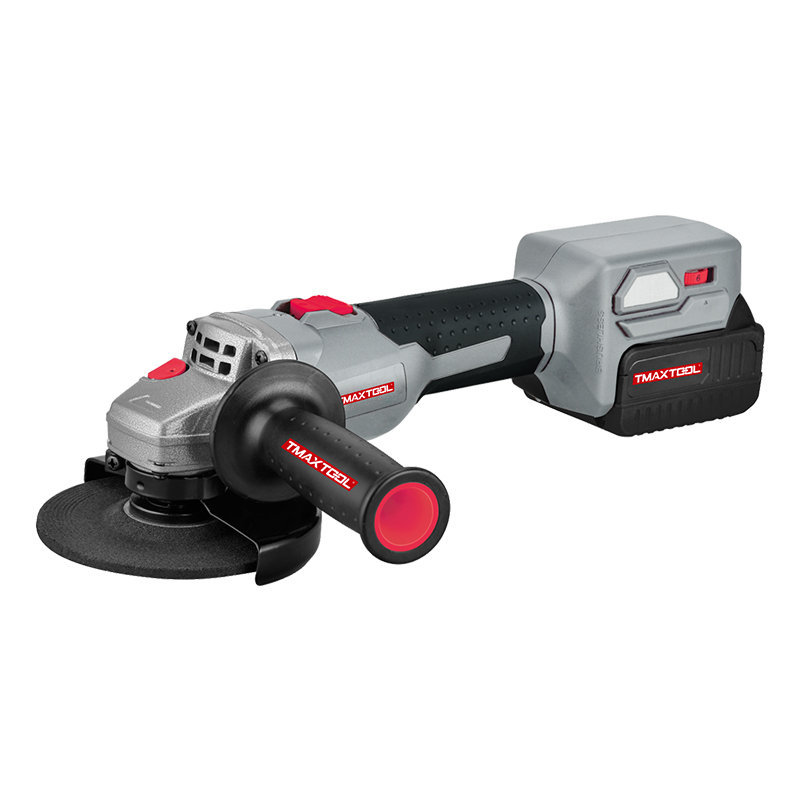 Angle Grinder
 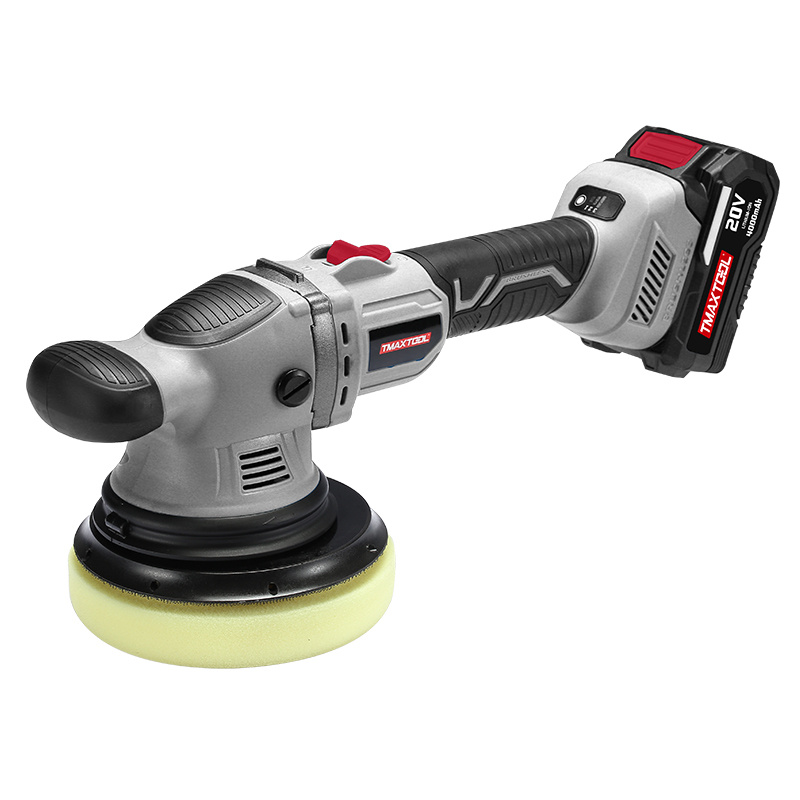 Polisher
 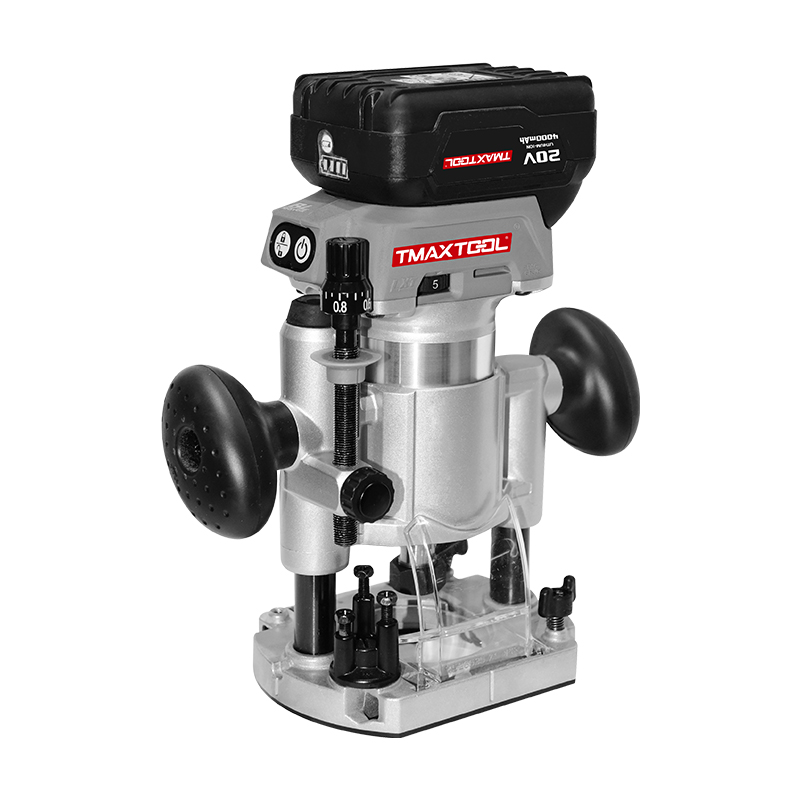 Wood Router
 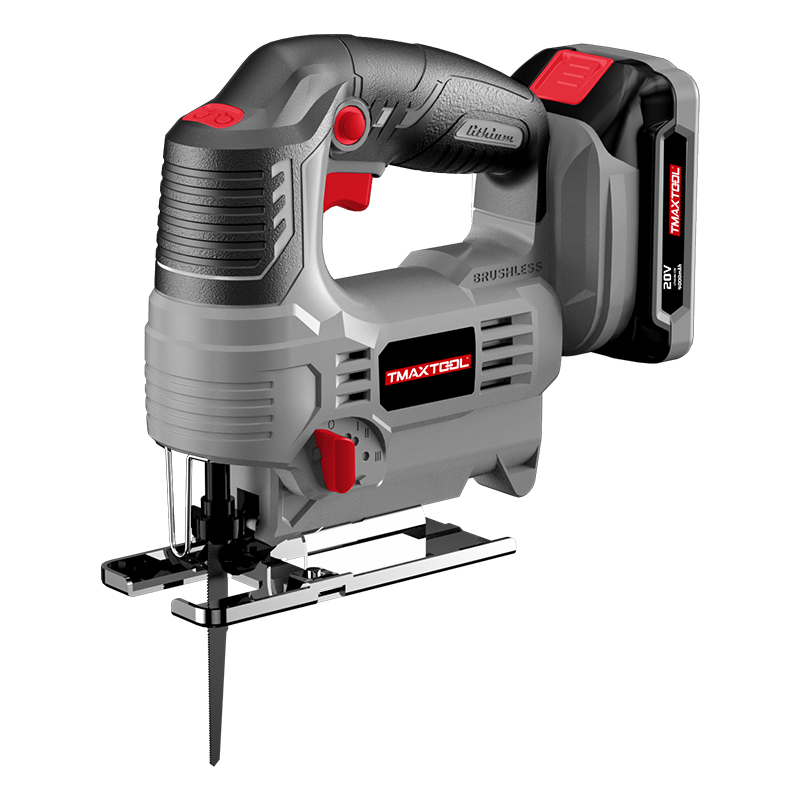 Jig Saw
 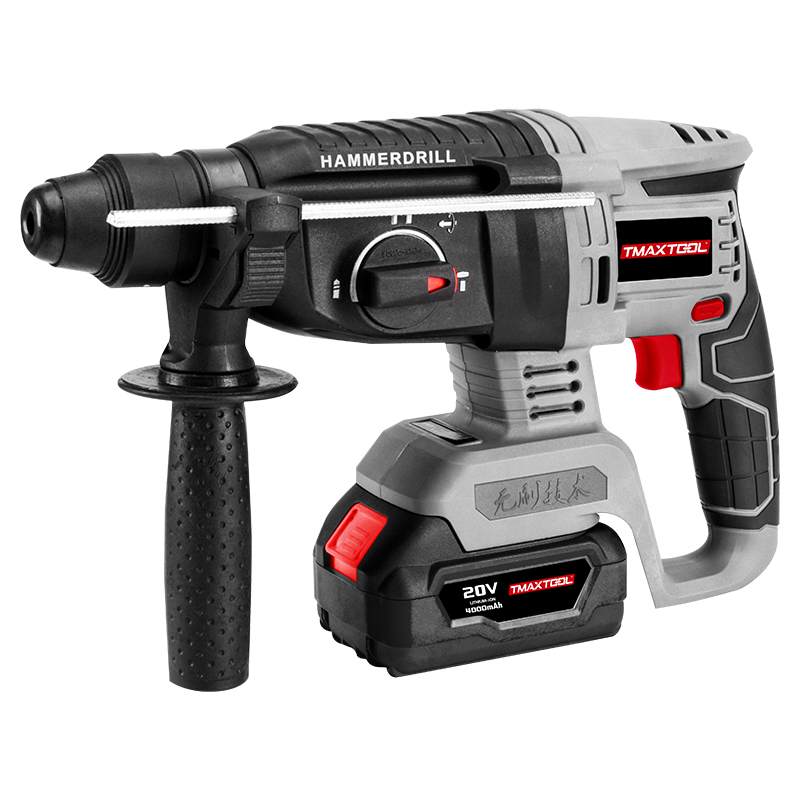 Hammer Drill
 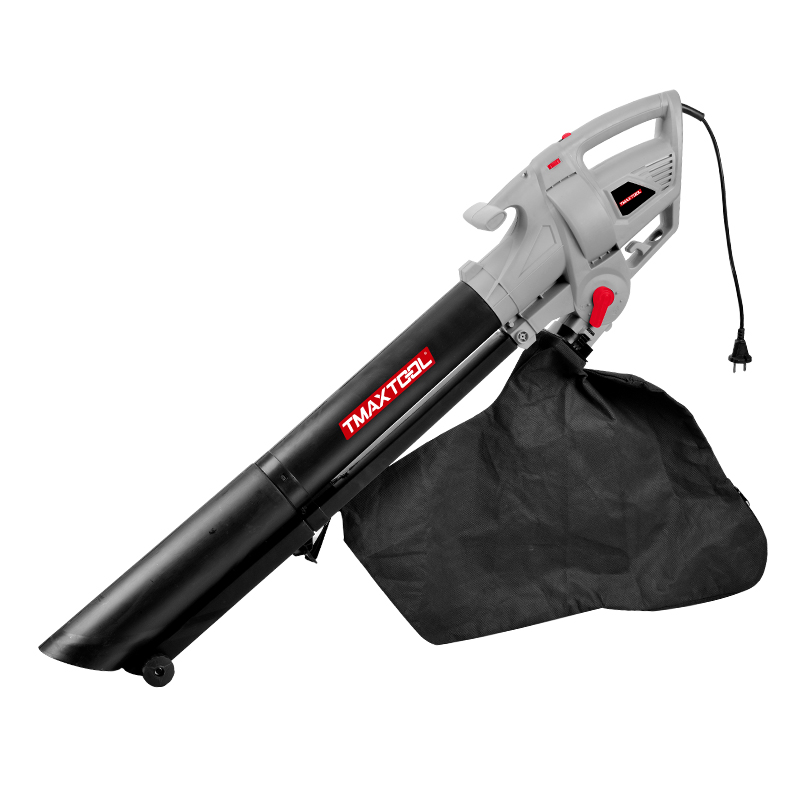 Portable Blower
 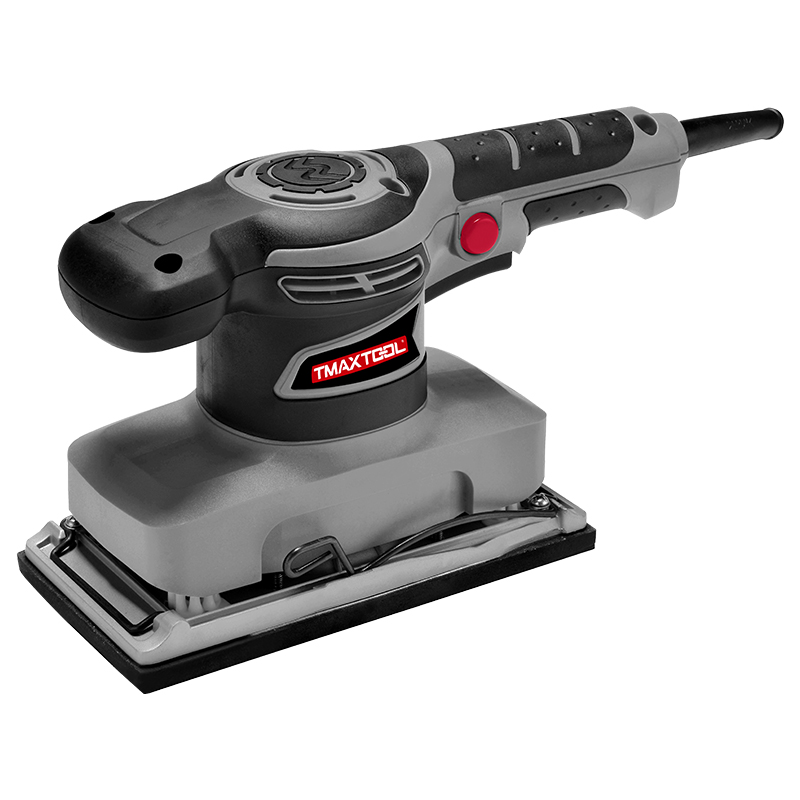 Orbital Sander
 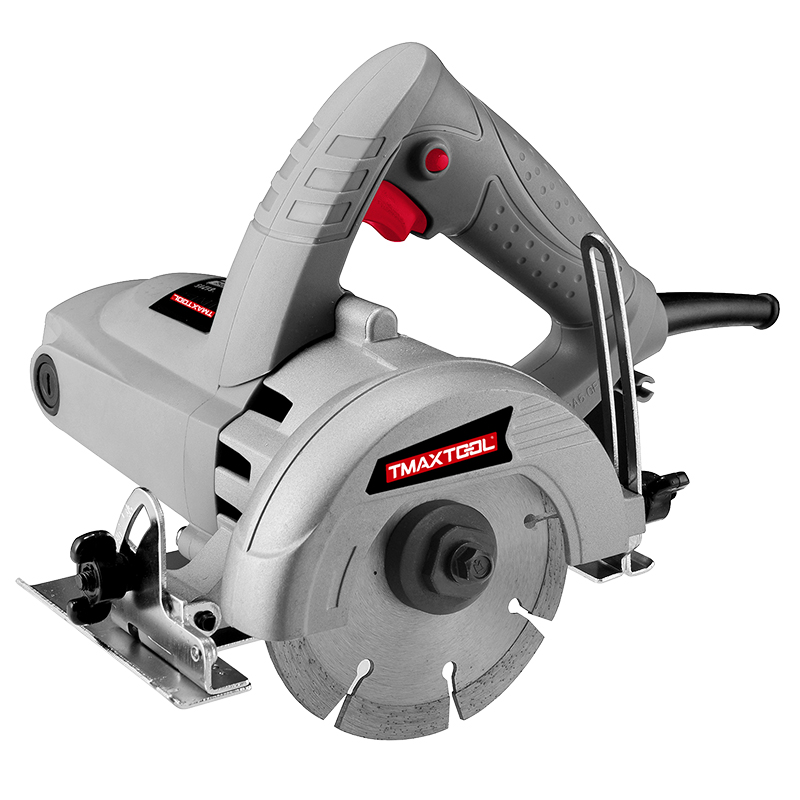 Marble Cutter
  GARDEN TOOLS
 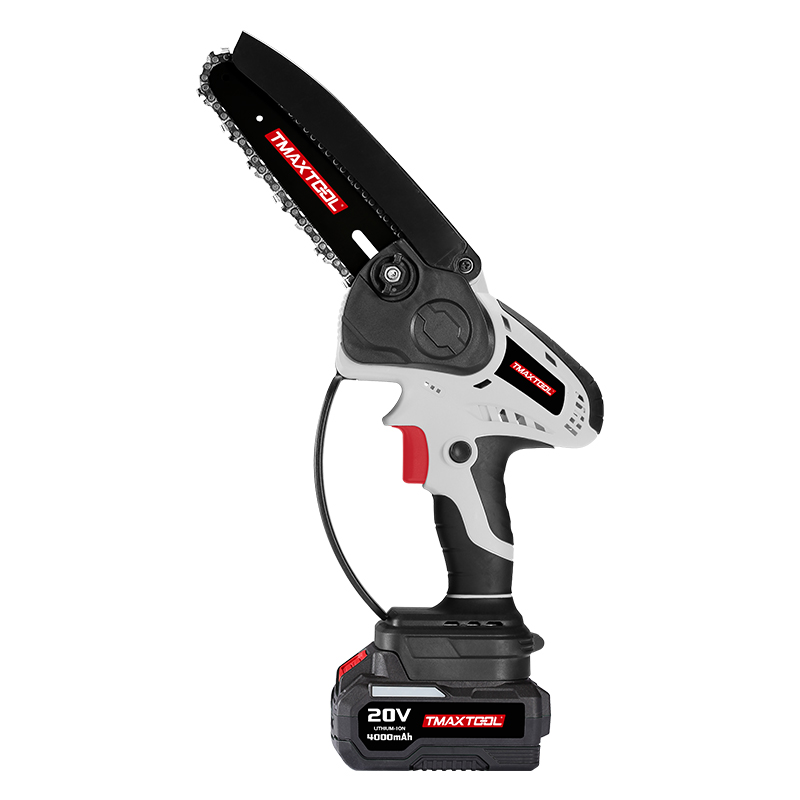 Battery Chain Saw
 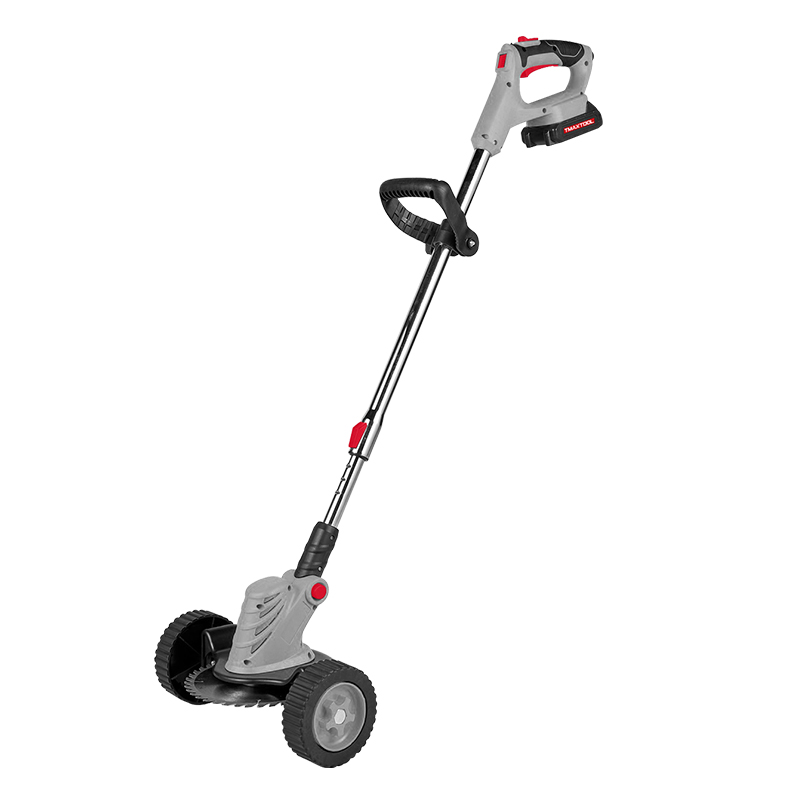 Battery Brush Cutter
 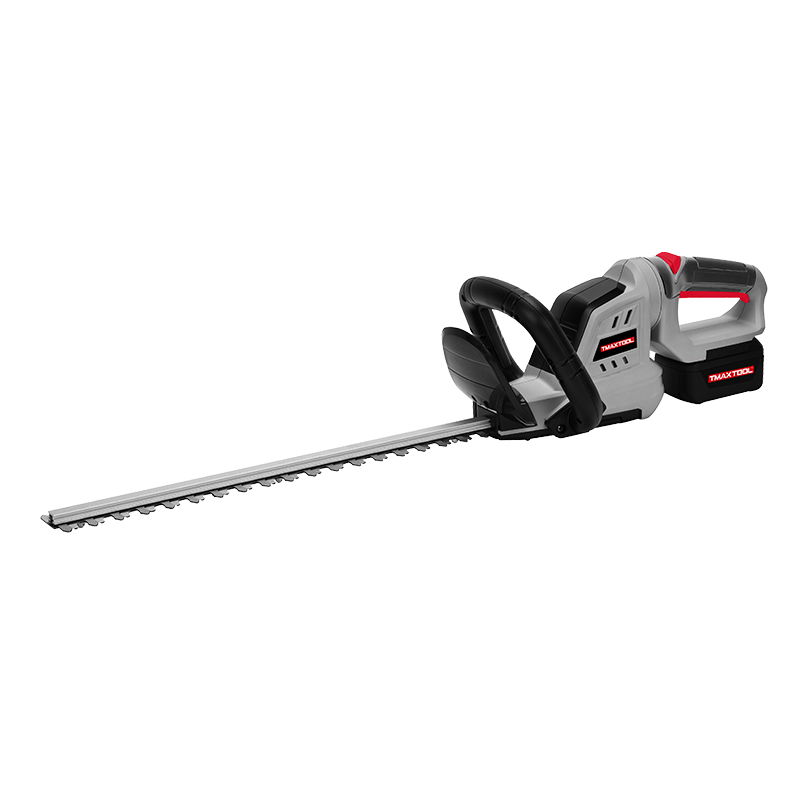 Battery Hedge Trimmer
 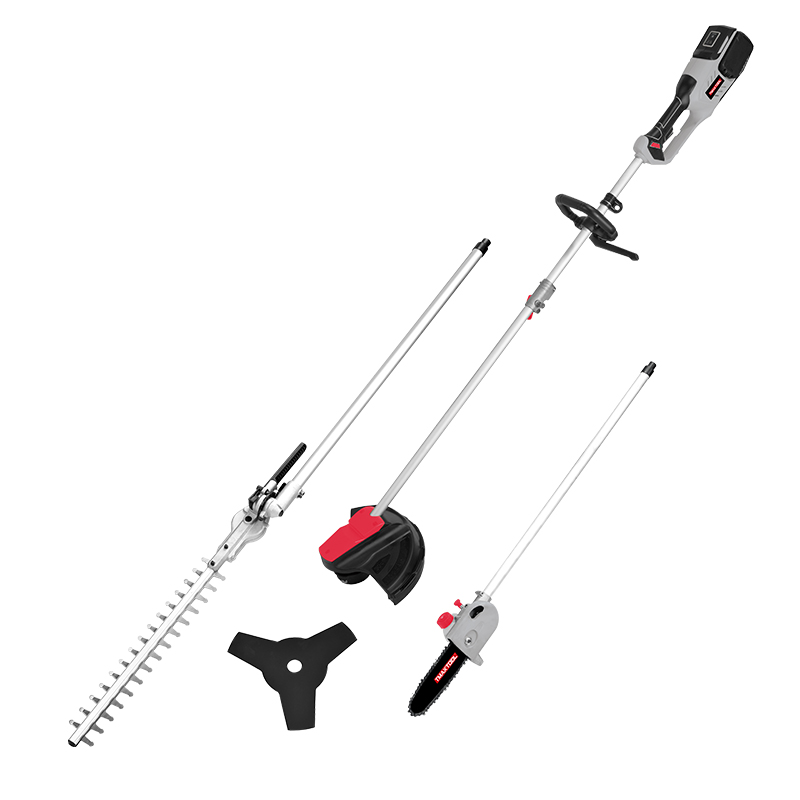 Battery Multi Tool
 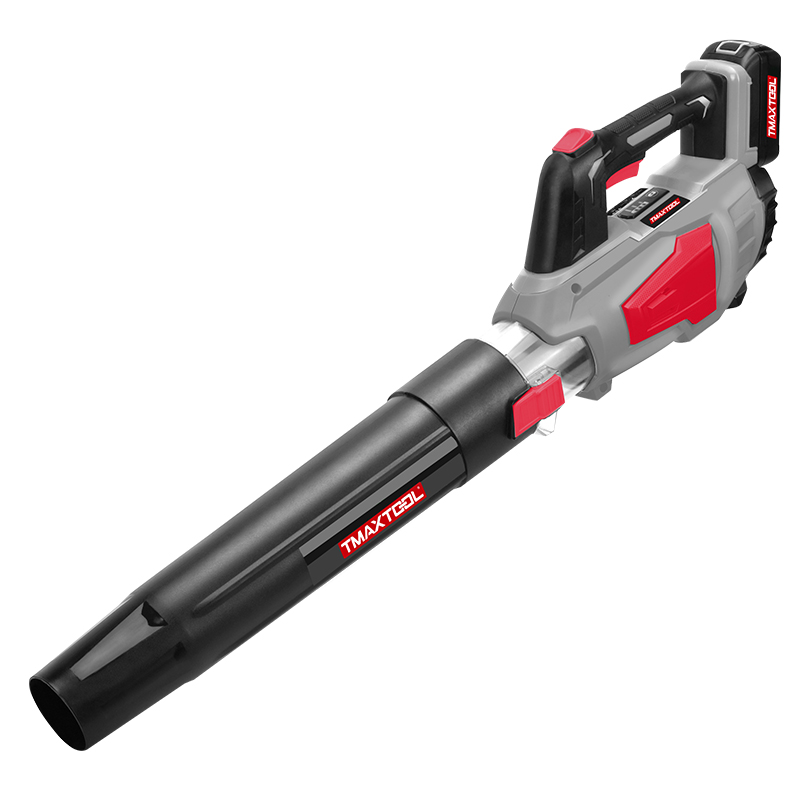 Battery Blower
 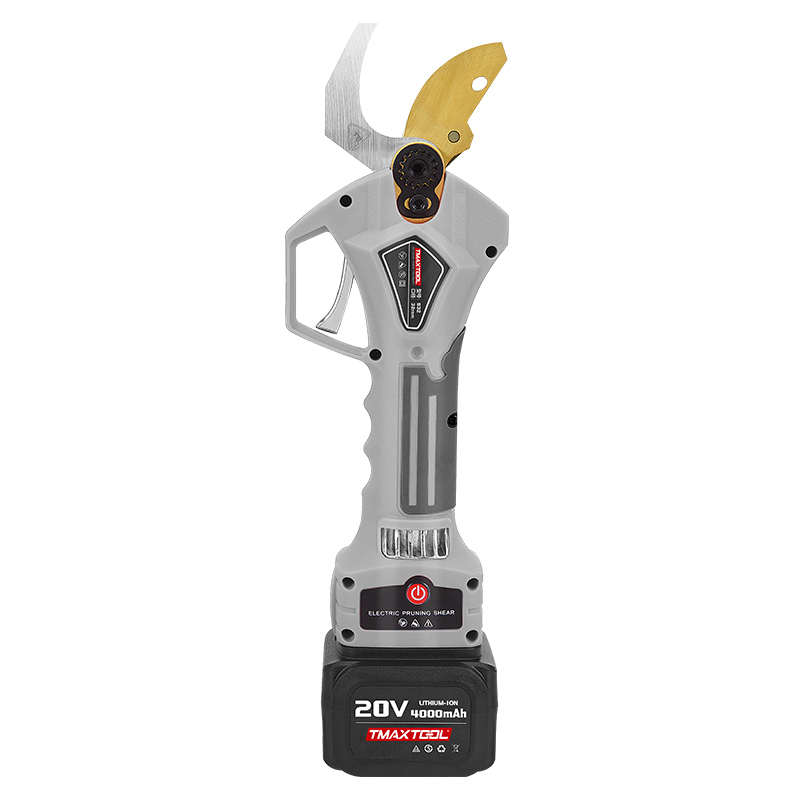 Batter Pruning Shears
 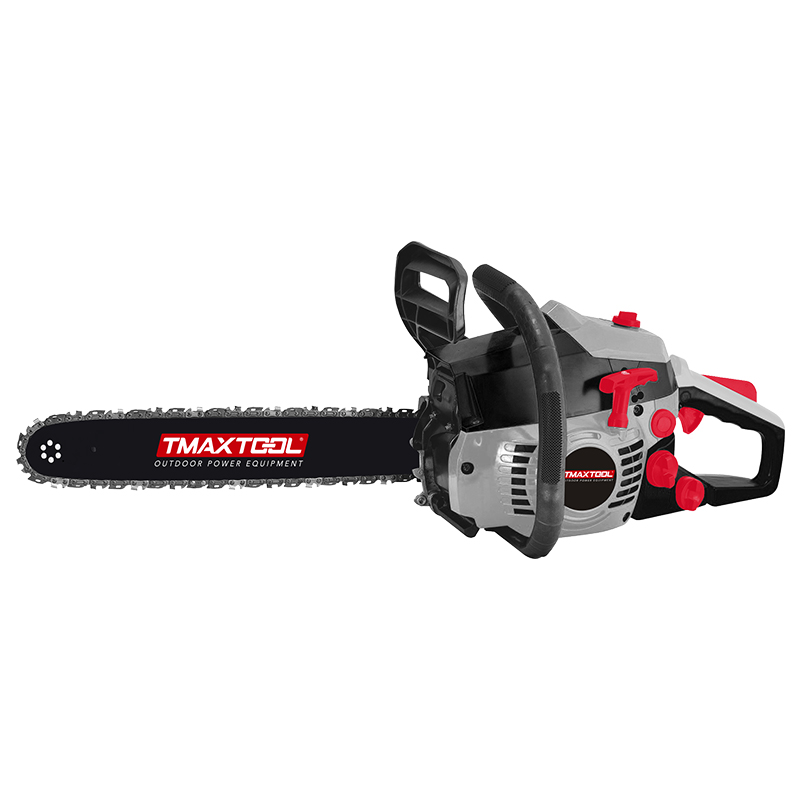 Chain Saw
 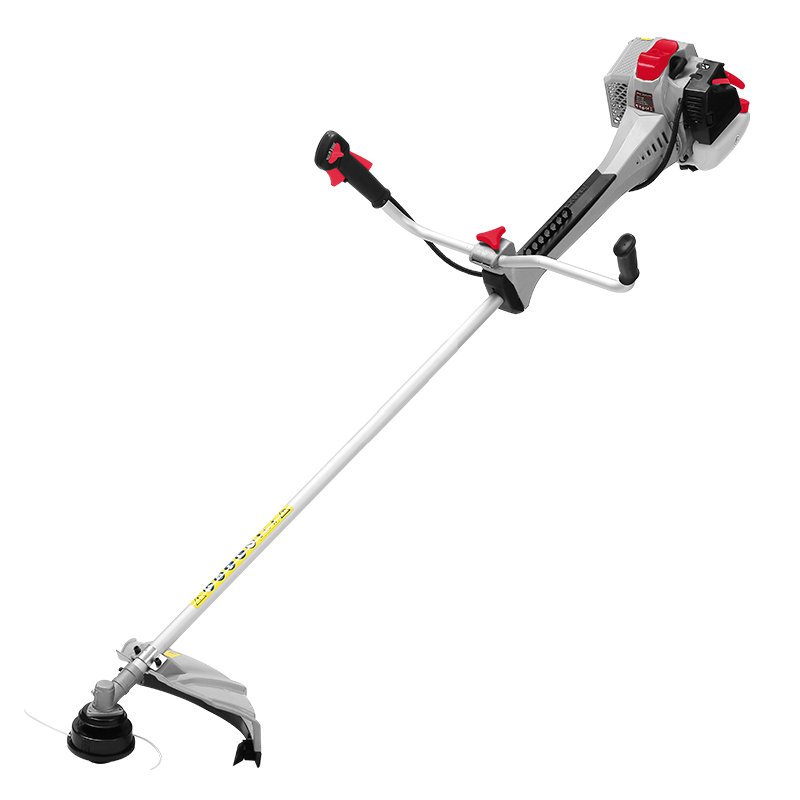 Brush Cutter
 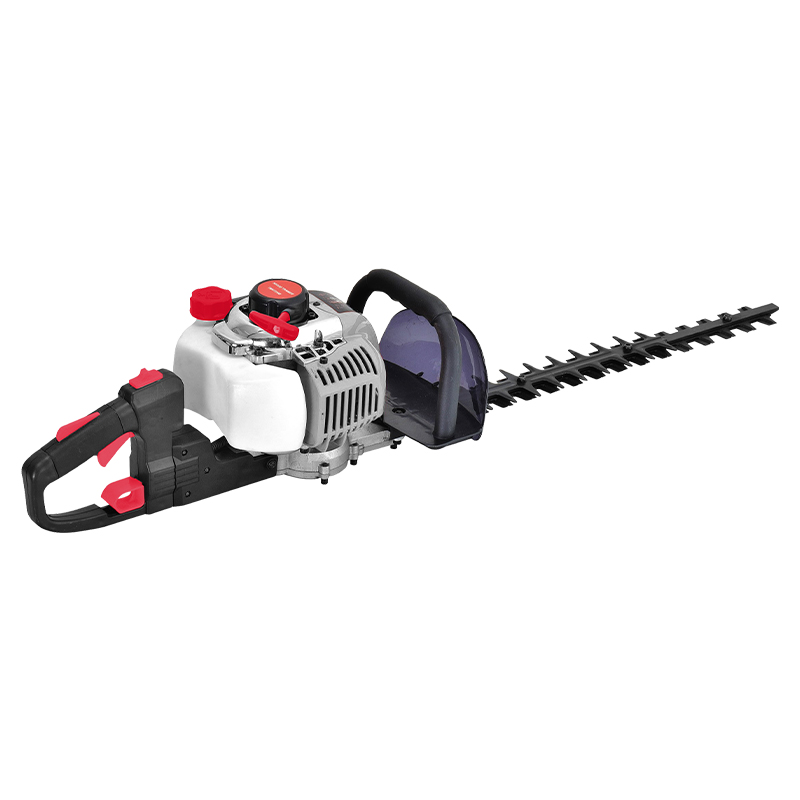 Hedge Trimmer
 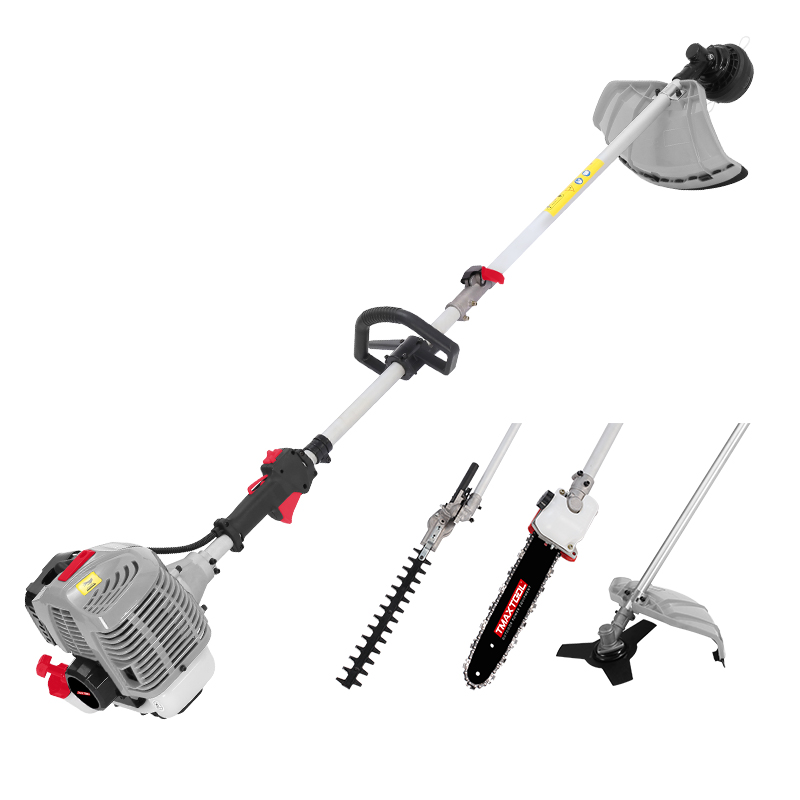 Multi Tool
 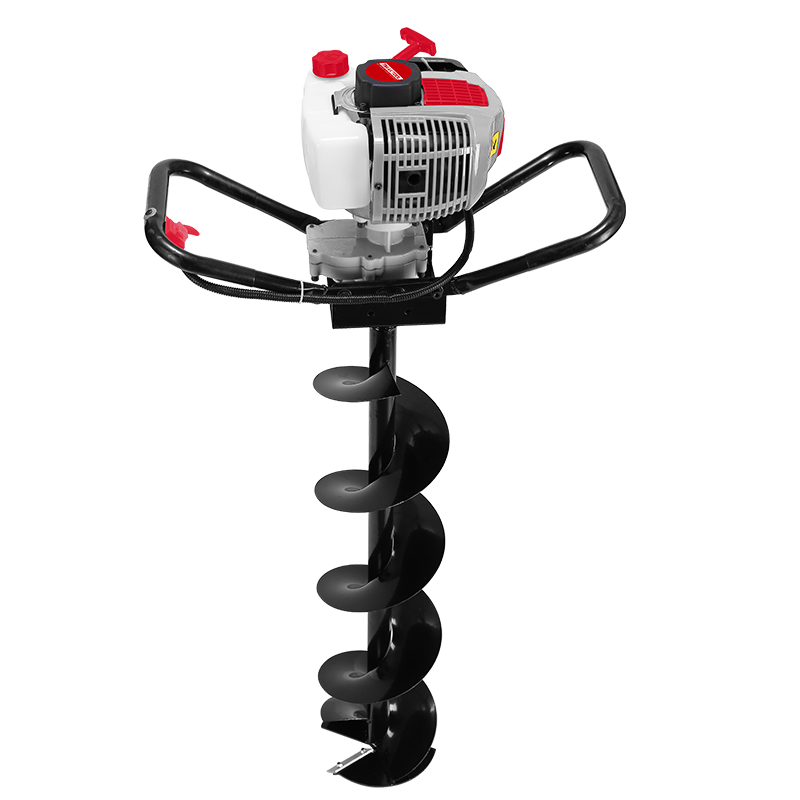 Earth Auger
 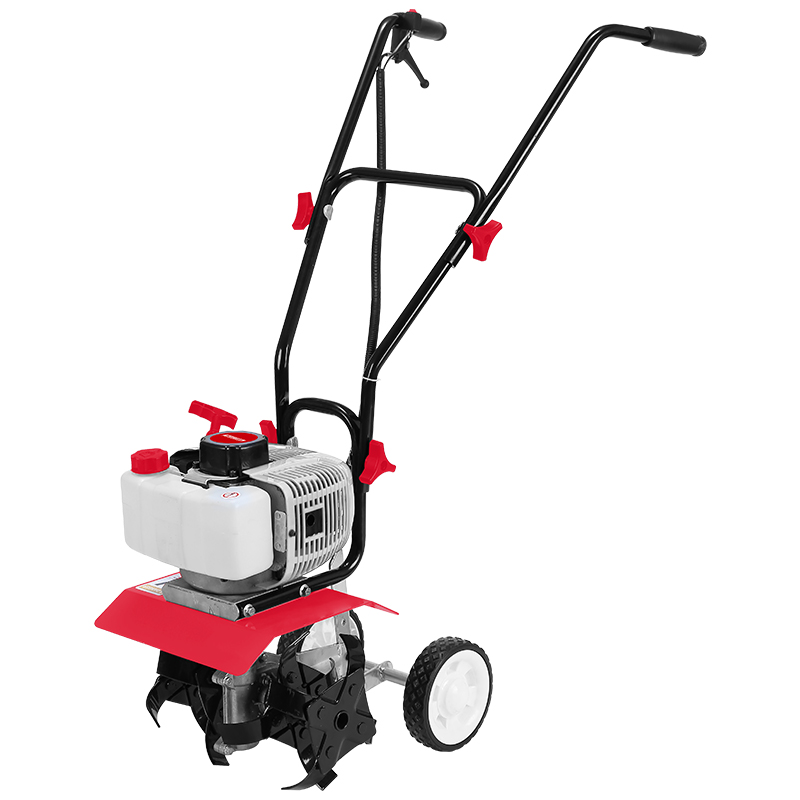 Tiller
 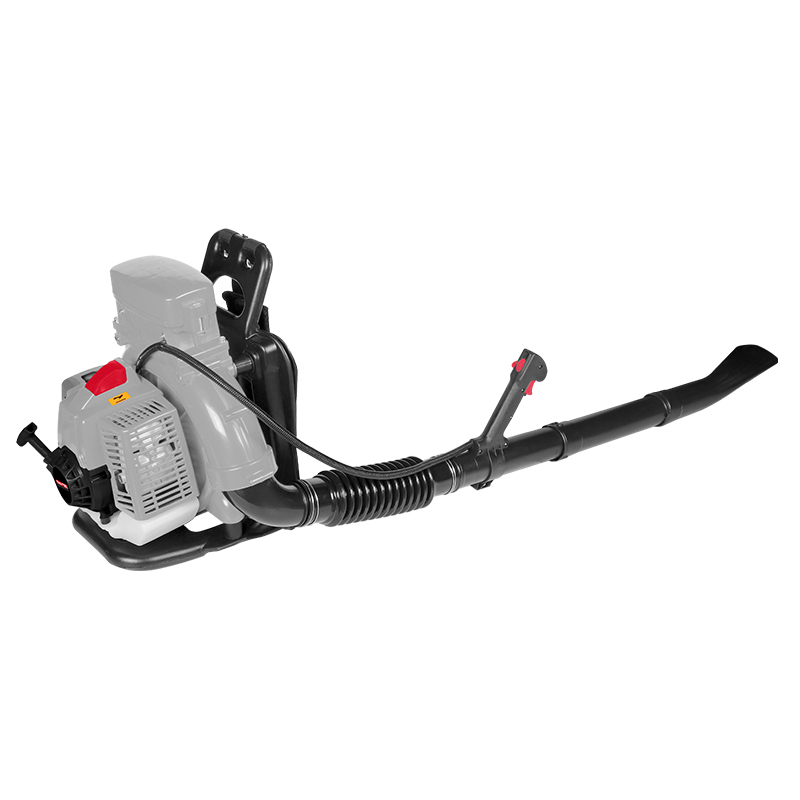 Blower
 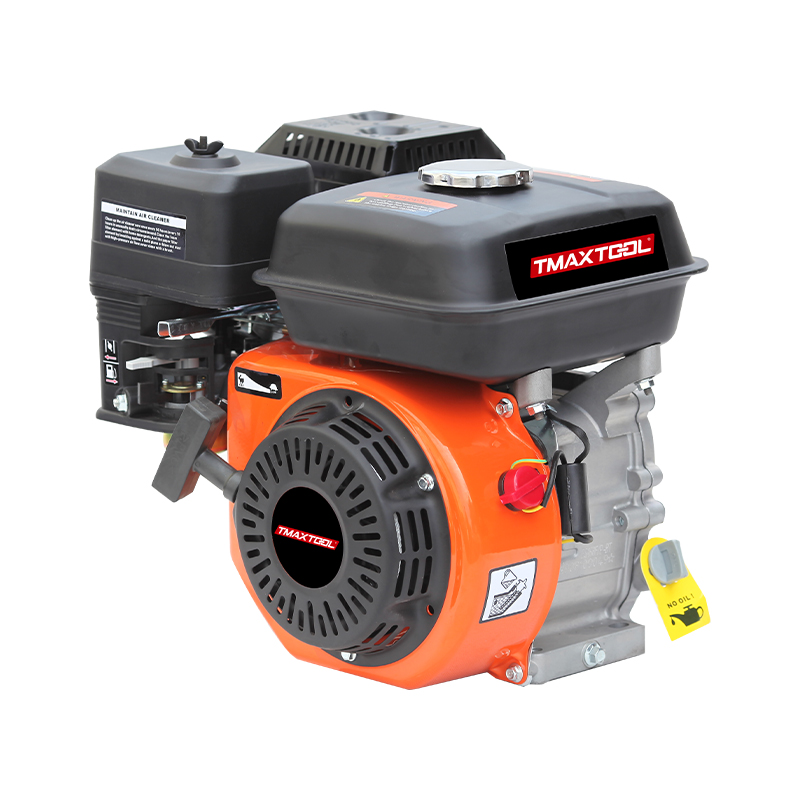 4 Stroke Gasoline Engine
 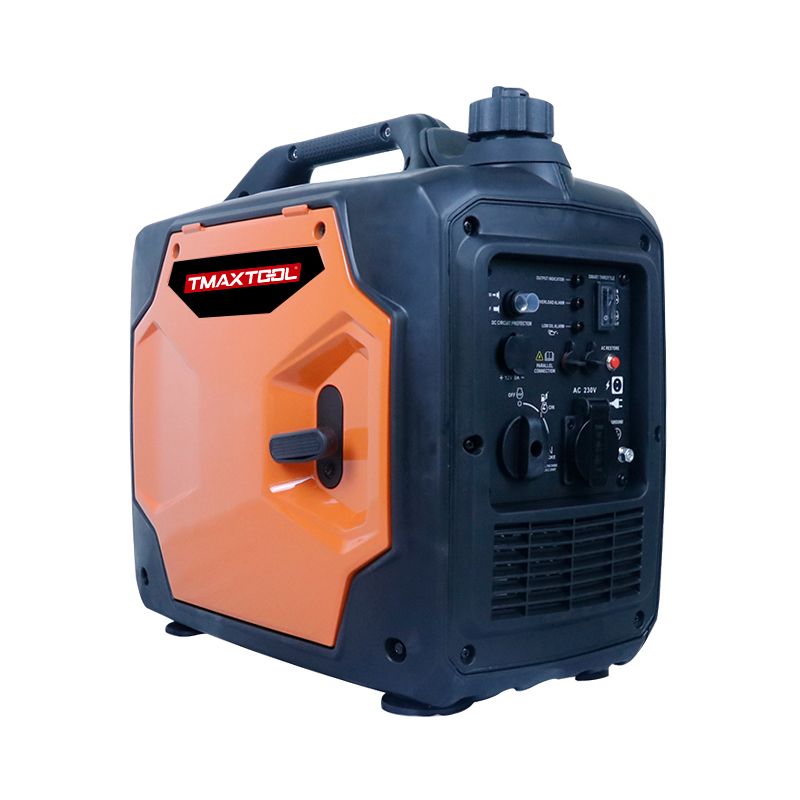 Generator
 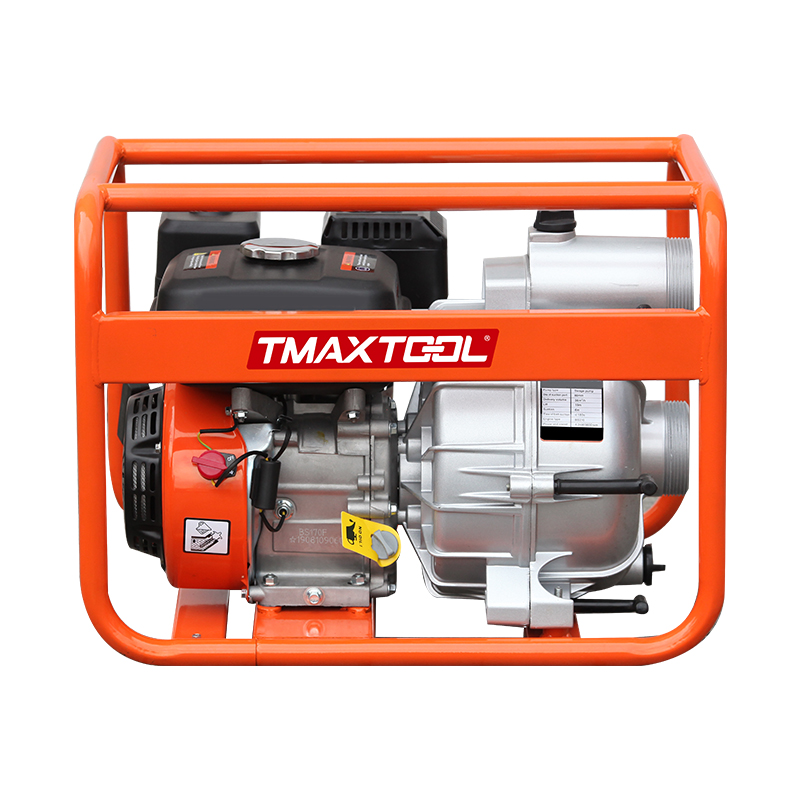 Water Pump
 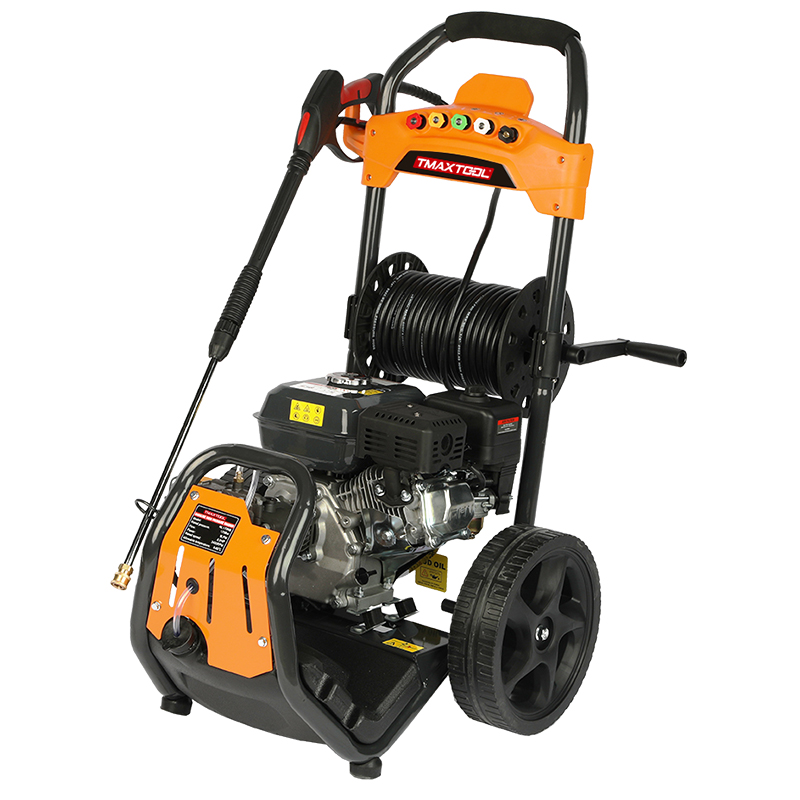 High Pressure Washer
 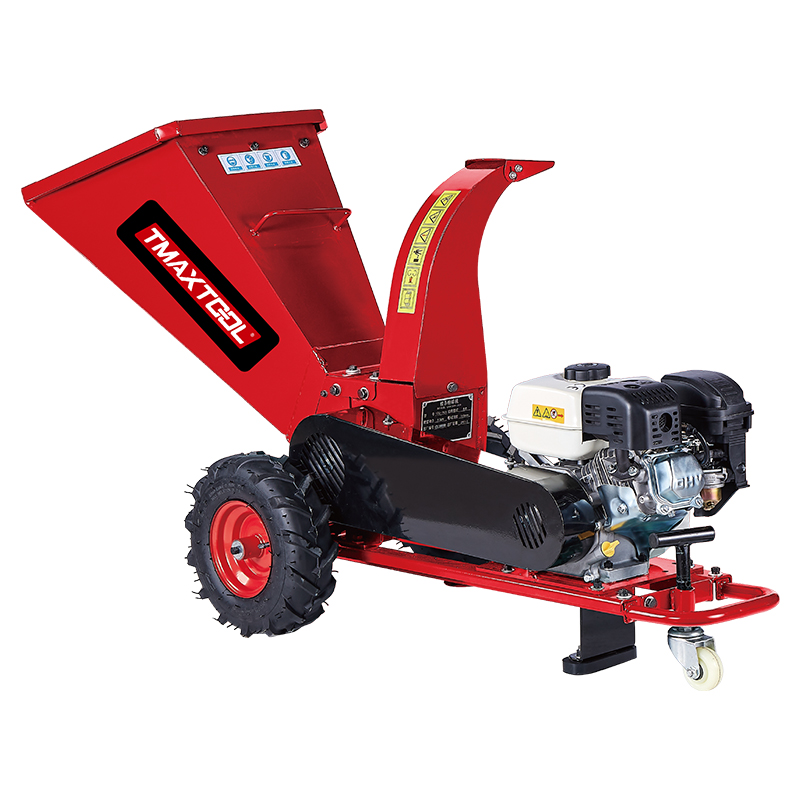 Wood Cutter
 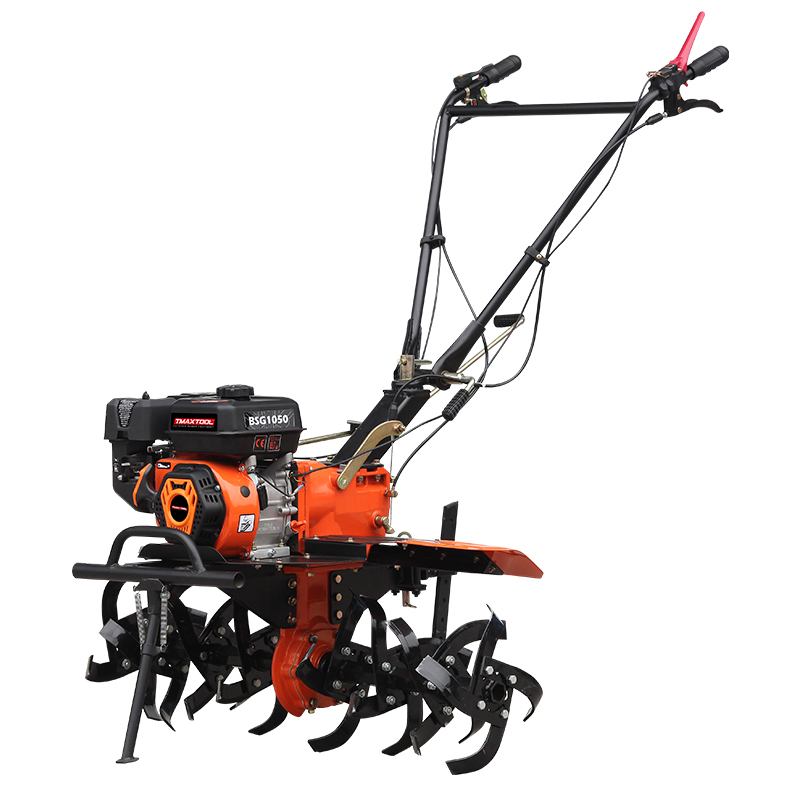 4 Stroke Tiller
 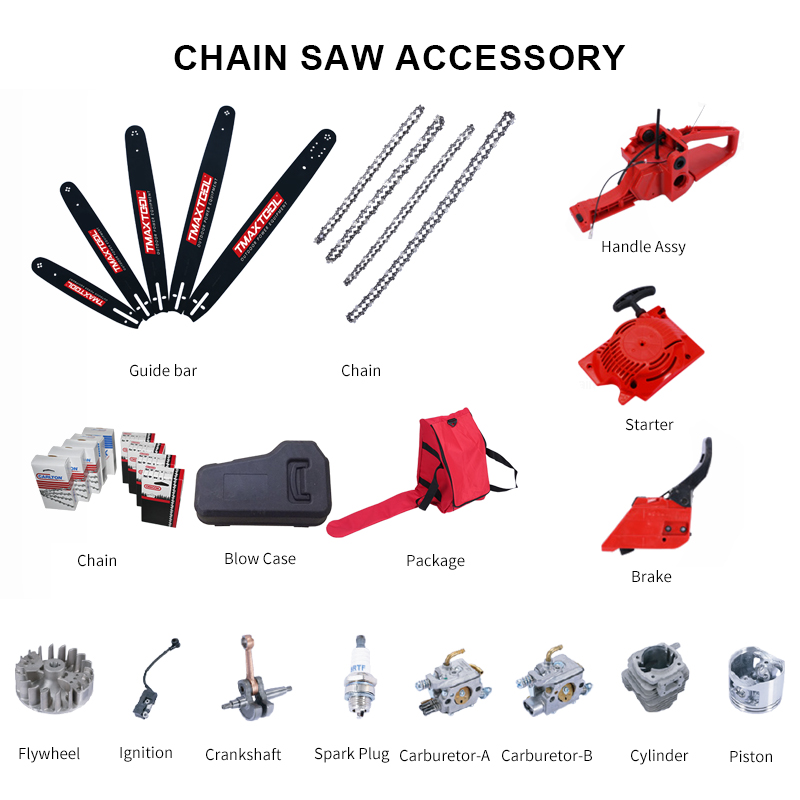 Chain Saw Accessory
 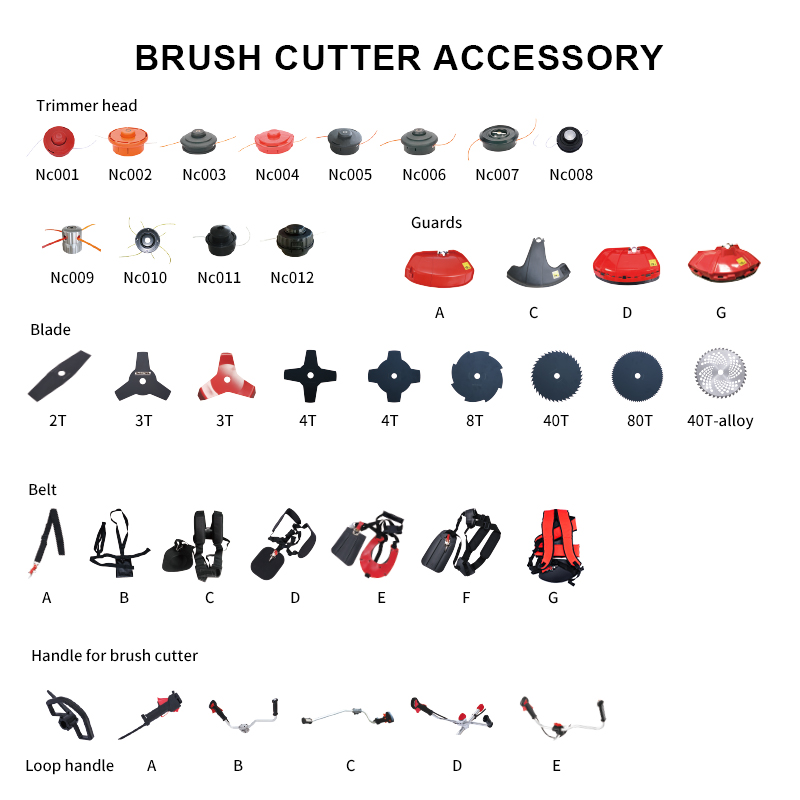 Brush Cutter Accessory
 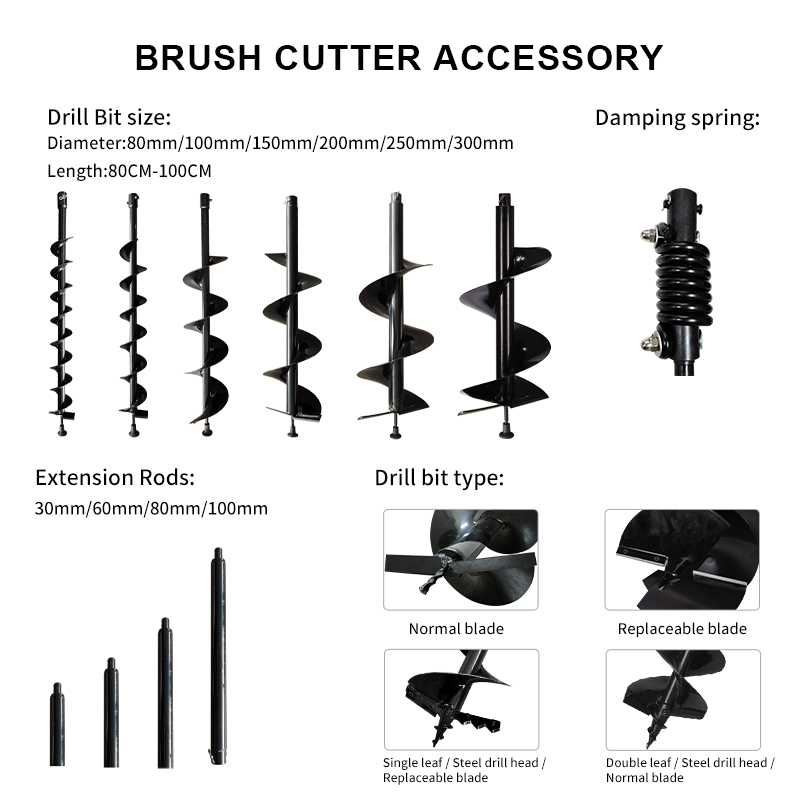 Earth Auger Accessory
 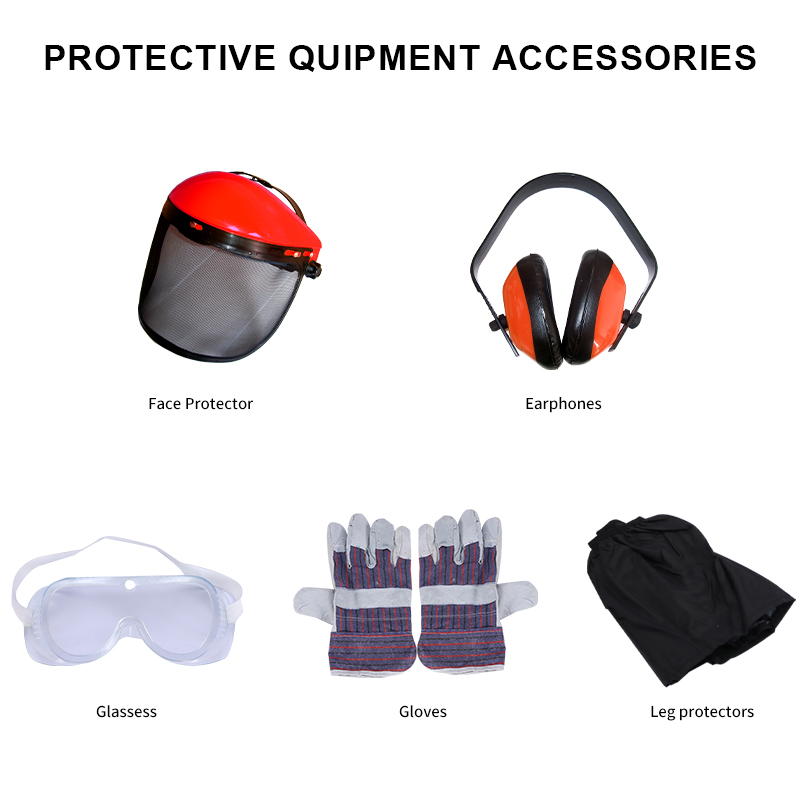 Protective Equipment Accessories
Leave Your Message


Wholesale Logistics Solutions for Power Tools: Costs and Timeliness of Cross-Border Sea Freight vs. Air Freight
Wholesale Logistics Solutions for Power Tools: Costs and Timeliness of Cross-Border Sea Freight vs. Air Freight
As a global wholesaler of power tools, the choice of logistics solutions directly impacts procurement costs, inventory turnover, and market delivery efficiency. Cross-border sea freight and air freight, as the two core modes of international transportation for power tools, differ significantly in cost structure, timeliness, and compliance requirements. Power tools containing lithium batteries, as a special category, require logistics channels adapted to their product characteristics. This article will provide an in-depth analysis of the core differences in cost and timeliness between sea freight and air freight in the wholesale power tool scenario from the perspective of international buyers, offering scientific selection strategies and matching logistics solutions to different procurement scales and market demands.

I. Core Cost Comparison of Cross-Border Sea Freight and Air Freight for Power Tools
The cross-border logistics cost of power tools is not simply a matter of freight charges; it requires comprehensive calculation of basic freight, surcharges, compliance costs, warehousing, and capital occupation costs. The difference in cost structure between sea freight and air freight directly determines the cost-effectiveness for different procurement scales.
(I) Basic Freight Costs: Sea freight unit costs are only 1/5 to 1/10 of air freight. Sea freight leverages the large carrying capacity of vessels to reduce unit costs, making it the preferred cost-effective option for large-volume wholesale of power tools. For full container load (FCL) shipping, the unit cost of power tools (including compliant lithium battery packaging) from China to West Coast US ports is approximately 3-8 RMB/kg. The unit freight cost for a 40HQ FCL can be as low as 1/8 to 1/20 of air freight. Less than container load (LCL) shipping is charged by volume, with a cost of approximately 500-1200 RMB per cubic meter, suitable for small to medium-sized bulk purchases.
Air freight is charged based on the higher of actual weight or volumetric weight (length × width × height ÷ 6000). Power tools, due to the high proportion of metal parts, are mostly charged based on actual weight. Basic freight rates on mainstream routes are approximately 20-60 RMB/kg, rising to 30-80 RMB/kg during peak seasons (such as the European and American renovation season and Christmas stocking period), which is 5-10 times the basic freight rate of sea freight.
(II) Surcharges: Sea freight has many miscellaneous charges, while air freight focuses on special compliance fees. Sea freight surcharges include terminal handling fees, booking fees, customs fees, and destination port container pickup fees. LCL (Less than Container Load) shipments also incur unpacking, warehousing, and delivery fees. For example, LCL charges for 0.5 CBM power tools can exceed 500 RMB. However, FCL (Full Container Load) shipping avoids most LCL surcharges, making it suitable for buyers with large annual purchase volumes and long-term partnerships. Air freight surcharges mainly focus on compliance fees for special cargo. Power tools containing lithium batteries require UN38.3 certification testing, battery declaration document fees, and aviation security inspection fees, accounting for approximately 10%-20% of the base freight cost. However, air freight avoids large container pick-up and unpacking fees at the destination port, resulting in lower last-mile delivery costs.
(III) Hidden Costs: Capital Occupancy in Sea Freight, Premium Costs in Air Freight
As high-value industrial products, power tools incur capital occupation costs due to the long sea freight cycle. For example, the interest on 40 days of sea freight for power tools worth RMB 1 million is approximately 5-6 times that of 7 days of air freight, and advance inventory preparation is required, occupying warehouse space.
The hidden cost of air freight is the peak season freight premium. During peak sales seasons for power tools in Europe and America, air freight space is tight, and freight rates can increase by more than 50% in a short period. Furthermore, some routes have higher acceptance thresholds for lithium battery power tools, requiring the selection of compliant dedicated lines, further increasing costs.
II. Key Differences in Delivery Time Between Cross-Border Sea and Air Freight for Power Tools
Delivery time directly determines the market delivery capacity and inventory turnover rate of power tool buyers. The delivery time difference between sea and air freight can be 3-10 times, and is significantly affected by route, port/airport efficiency, and compliance with customs clearance. For power tools containing lithium batteries, the time difference is further amplified due to higher customs clearance documentation requirements.
(I) Basic Delivery Time: Air freight 3-7 days direct, sea freight 15-45 days and above.
Air freight relies on direct flights for rapid transshipment. The compliant air freight delivery time for lithium battery power tools on major China-US and China-Europe routes is 3-7 days. Expedited shipments can achieve next-day delivery. With fewer transshipment links and faster cargo flow, goods can be directly delivered after customs clearance.
The transit time for sea freight is significantly affected by ship type and port congestion: For the US West Coast route, fast ships (such as Matson) take approximately 12-18 days for a full container load of power tools, while regular ships take 25-35 days; for the China-Europe route, sea freight takes approximately 30-45 days, and time must be allowed for booking, container loading, customs clearance, and container pickup at the destination port, making the overall cycle more than three times longer than air freight.
(II) Customs Clearance Time: Air freight simplifies procedures, sea freight has stricter document review.
Power tools contain lithium batteries and require compliance documents such as UN38.3 certification, battery capacity labeling, and battery declaration. Air freight has standardized customs clearance procedures, with document review time only 1-2 days, and major airports have fast-track customs clearance channels for electronic products. Sea freight has stricter customs clearance requirements. For full container loads (FCL) of power tools, the packing list, commercial invoice, and product certifications must be verified for consistency. For less-than-container loads (LCL) shipments, customs clearance must wait until all shipments are complete before proceeding. Clearance time is approximately 3-7 days, and can extend to over 10 days during port congestion.
(III) Delivery Time: Air freight door-to-door is more efficient; sea freight requires connecting to the final leg of transport.
Air freight offers door-to-door delivery from the airport to the warehouse. For compliant lithium battery power tools, final leg delivery can be completed within 24 hours after customs clearance, suitable for urgent replenishment and trade show preparation.
Sea freight door-to-door delivery requires connecting container pickup at the destination port and land transport delivery. Delivery after pickup for FCL shipments takes approximately 3-5 days, and delivery after unpacking for LCL shipments takes approximately 5-7 days. Overall, door-to-door delivery time is 20-40 days slower than air freight.
III. Adaptation Requirements of Power Tools for Sea and Air Freight
As precision industrial products containing lithium batteries, power tools have inherent characteristics that dictate compliance thresholds and cargo damage risks in logistics channels. Differences in the scope of acceptance, packaging requirements, and damage rates between sea and air freight necessitate matching with the type of product being purchased.
(I) Compliance Acceptance: Sea Freight Offers Greater Inclusivity, Air Freight Has Strict Control Over Lithium Batteries
Sea freight can accept power tools containing lithium batteries in dangerous goods containers, with more lenient restrictions on battery capacity and packaging methods. It can also accept high-power industrial-grade power tools and oversized power tools (such as large Electric Drills and cutting machines), without strict restrictions on the weight and size of individual items.
Air freight control of lithium battery power tools follows IATA guidelines, requiring compliance with UN38.3 certification, short-circuit protection packaging, and independent sealing. The longest side of a single shipment must not exceed 1.2 meters, and the weight must not exceed 1 ton. High-power industrial-grade power tools require special approval, and some routes even restrict the air transport of high-capacity lithium battery power tools.
(II) Risk of Cargo Damage: Air freight has a low damage rate, while sea freight requires enhanced packaging.
Metal parts and precision motors in power tools are easily damaged by collisions and bumps. Air freight has a damage rate of only 0.12%, with fewer loading and unloading operations and a stable cabin environment, making it suitable for high-precision, high-value power tools (such as lithium-ion wrenches and professional-grade Hammer Drills).
Sea freight has a damage rate of approximately 0.85%. The turbulence during navigation and rough handling during port loading and unloading can easily damage products. Power tools require double-layer corrugated cardboard packaging, bubble wrap cushioning, and anti-static insulation. Precision components also need to be individually secured. Packaging costs account for approximately 3%-5% of the procurement cost.
(III) Product Category Adaptation: Logistics Channel Selection for Different Power Tools
Small Household Power Tools (e.g., mini drills, electric screwdrivers): Small size and light weight, flexible options include air freight (for small-batch emergency purchases) or sea freight (for large-batch stockpiling);
Industrial High-Power Power Tools (e.g., heavy-duty cutting machines, lithium-ion hammer drills): Large size and heavy weight, priority is given to full container load (FCL) sea freight to avoid the size and weight restrictions of air freight;
Lithium-ion Battery accessories and Bare Machines: Lithium-ion battery accessories require separate compliant packaging, priority is given to sea freight in dangerous goods containers; Bare machines do not contain batteries, flexible options include air or sea freight, simplifying customs clearance.
IV. Logistics Choice Strategies Based on Procurement Scale and Market Demand
For international buyers choosing sea or air freight, the core is balancing "cost control" and "timeliness requirements." Combining procurement volume, market delivery cycle, and inventory strategy, a precise logistics plan can be developed. For medium-sized procurements, a compromise solution of "air-sea intermodal transport" can be adopted, balancing cost and timeliness.
(I) Small Batch Purchases (<500kg or <1CBM): Air Freight Preferred
Suitable for sample purchases, urgent replenishment, and new market testing, such as purchasing samples of TMAX power tools for local market testing, or urgent replenishment for large orders from end customers.
Core Advantages: No minimum charges or miscellaneous fees associated with LCL sea freight; delivery within 3-7 days; low capital occupation and low inventory pressure.
Cost Reference: Air freight for 10kg of TMAX lithium-ion tools is approximately 500 RMB, arriving in 3 days, more cost-effective than LCL sea freight (LCL sea freight plus miscellaneous fees exceeds 600 RMB and takes 25+ days).
(II) Medium Batch Purchases (500kg-2 tons or 1-5CBM): Air Freight Preferred for Timeliness, Sea Freight Preferred for Cost
Suitable for regular replenishment in regional markets and seasonal transition stocking, such as small to medium batch stocking before the European and American renovation season.
Prioritizing Timeliness: Choose a compliant air freight line for lithium batteries to avoid market loss due to delivery delays; suitable for high-value professional-grade power tools.
Prioritizing Cost: Choose LCL (Less than Container Load) sea freight, requiring 30-40 days' advance preparation and calculating LCL surcharges; suitable for low-margin household power tools.
Compromise Solution: Air-Sea Intermodal Transport (first leg sea freight + last leg air freight), 10-15 days faster than pure sea freight, and 30%-40% cheaper than pure air freight.
(III) Bulk Purchases (>2 tons or > 5 CBM): Full Container Load (FCL) Sea Freight is Mandatory. Suitable for annual bulk purchases, overseas warehouse stocking, and long-term cooperative bulk purchases, such as overseas warehouse stocking for TMAX power tool global distributors.
Core Advantages: Full container load (FCL) shipping eliminates LCL (Less than Container Load) charges, with unit costs as low as 1/10-1/20 of air freight. It can handle all types of power tools (including high-power and oversized items).
Optimization Tips: Confirm dangerous goods container resources with logistics providers in advance, ensure compliant packaging of lithium batteries, and allow sufficient time for port clearance and last-mile delivery to reduce demurrage risks.
(IV) Special Scenarios: Air freight for exhibition preparation/urgent orders, sea freight for regular preparation/bulk purchases.
Exhibition Preparation: For events like MITEX in Russia or the Istanbul Hardware Show in Turkey, goods should be delivered 1-2 weeks in advance. Air freight is preferred to ensure timely arrival of exhibits.
Holiday/Peak Season Preparation: During peak demand periods for power tools in Europe and America (Christmas and home improvement seasons), full container load (FCL) sea freight should be prepared 3-4 months in advance to avoid air freight capacity shortages and higher freight rates during peak seasons.
Urgent Orders: For sudden large orders from end customers, choose a compliant air freight line for lithium batteries, combined with local last-mile delivery, to achieve rapid delivery.

V. Compliance and Optimization Techniques for Cross-Border Logistics of Power Tools
Whether choosing sea or air freight, compliance is a prerequisite for the cross-border transportation of power tools. Power tools containing lithium batteries are highly susceptible to cargo detention, customs clearance delays, or even destruction if compliance documents are missing. Meanwhile, mastering logistics optimization techniques can further reduce costs and improve efficiency.
(I) Core Compliance Requirements: Lithium Battery and Product Certification are Indispensable
Lithium Battery Related: Provide UN38.3 certification, battery capacity labeling, and battery declaration documents. Lithium batteries must be individually packaged, protected against short circuits, and kept away from direct contact with metal parts.
Product Certification: Power tools must be compatible with the target country's certifications, such as EU CE, US FCC, and UK UKCA. Certification documents must be consistent with the information on the commercial invoice and packing list.
Document Specifications: The commercial invoice must clearly state the detailed name, model, quantity, and value of the power tools, avoiding vague descriptions. For full container load (FCL) sea freight, proof of consistency between the packing list and bill of lading is also required.
(II) Logistics Cost Optimization Techniques
Sea Freight: Sign long-term full container load (FCL) cooperation agreements with logistics providers to lock in freight rates; consolidate similar goods when leasing (LCL) to reduce miscellaneous LCL charges; plan preparation time in advance to avoid port congestion and peak season booking difficulties.
Air Freight: Choose dedicated air freight lines for lithium batteries to enjoy both compliance and freight rate benefits; purchase during off-seasons (such as winter in Europe and America, which is not the renovation season) to reduce costs by utilizing air freight discounts; consolidate orders for small-batch purchases to spread the initial weight cost.
(III) Timeliness Improvement Techniques
Advance Customs Clearance: Submit compliance documents in advance for both sea and air freight and apply for pre-clearance in the destination country to shorten clearance time;
Channel Selection: Choose fast shipping routes for sea freight and direct flights for air freight to avoid time losses in transit;
Last-Leg Delivery Connection: Confirm last-leg delivery resources with logistics providers at the destination port in advance; arrange land transportation immediately after sea freight container pickup; complete delivery within 24 hours after air freight customs clearance.
VI. Summary: The Core Decision-Making Logic for Wholesale Power Tool Logistics
For global power tool wholesalers, sea freight is the core choice for cost control, while air freight is the key solution for ensuring timely delivery. Neither is inherently superior; the choice depends on the buyer's purchasing scale, market demand, and product characteristics:
For minimizing costs and large-volume inventory, choose full container load (FCL) sea freight, suitable for industrial-grade power tools and overseas warehousing scenarios.
For maximizing timeliness and small-batch urgent purchases, choose compliant air freight for lithium batteries, suitable for sample purchases, emergency replenishment, and exhibition inventory preparation.
For medium-sized purchases and transitional inventory preparation between peak and off-peak seasons, choose less than container load (LCL) sea freight or combined sea-air freight, balancing cost and timeliness.
Meanwhile, compliance must always be the top priority in cross-border logistics for power tools, especially for products containing lithium batteries. Complete certification documents and packaging standards are fundamental to ensuring safe and timely delivery. As a professional power tool manufacturer, TMAXTOOL provides global buyers with compliant product packaging and certification support, coupled with professional logistics advice, helping buyers optimize both costs and timeliness.
#Power Tool Wholesale Logistics #Cross-border Sea Freight #Cross-border Air Freight #Power Tool Logistics Costs #Power Tool Logistics Delivery Time #Lithium Battery Power Tool Cross-border Transportation #Power Tool Sea Freight Full Container Load Solution #Power Tool Air Freight Compliance Requirements #Global Power Tool Procurement Logistics Strategies, Hardware Tools Cross-border Sea Freight vs. Air Freight