
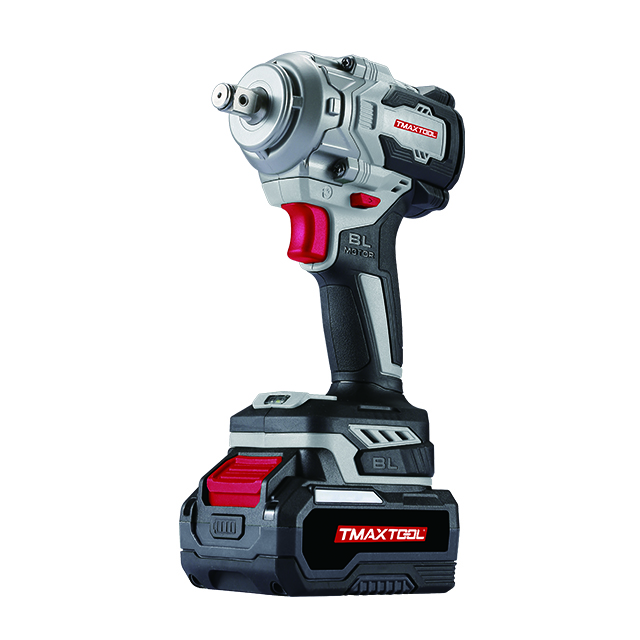
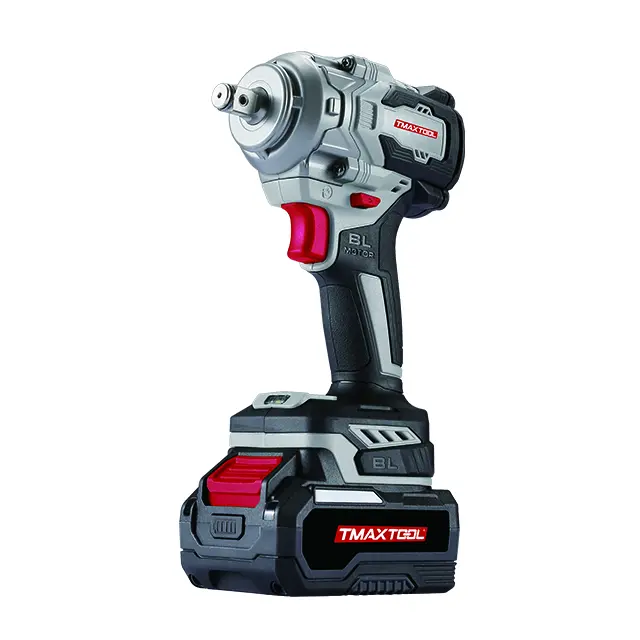
 Impact Wrench
 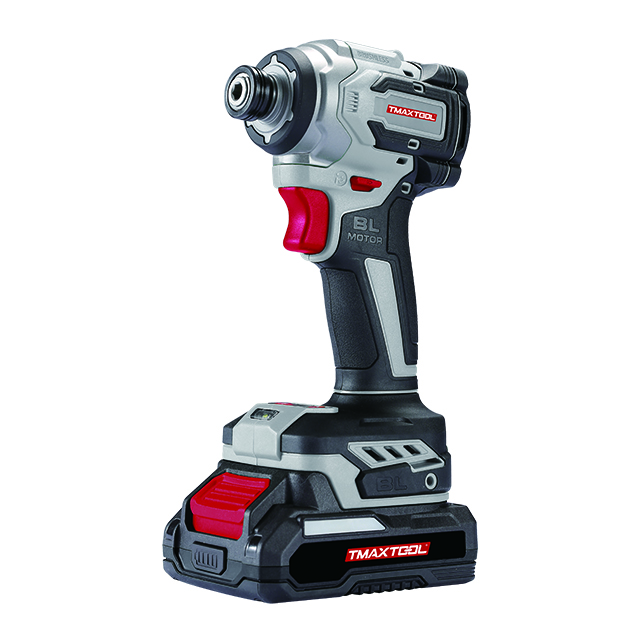 Screwdriver
 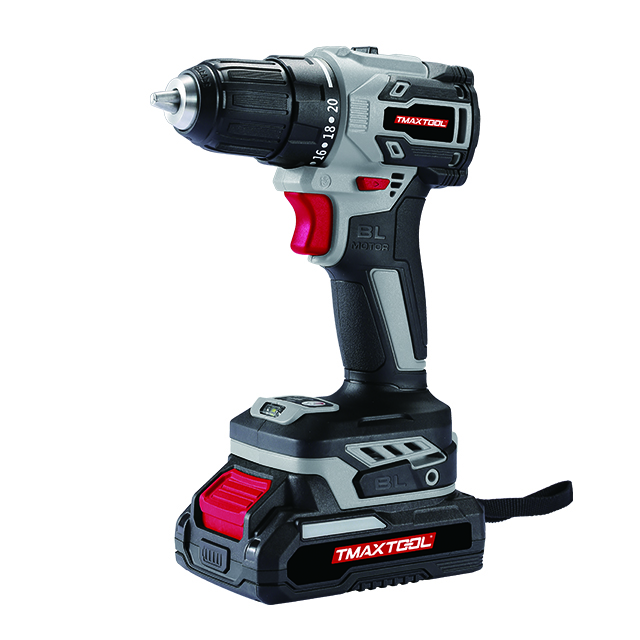 Cordless Drill
 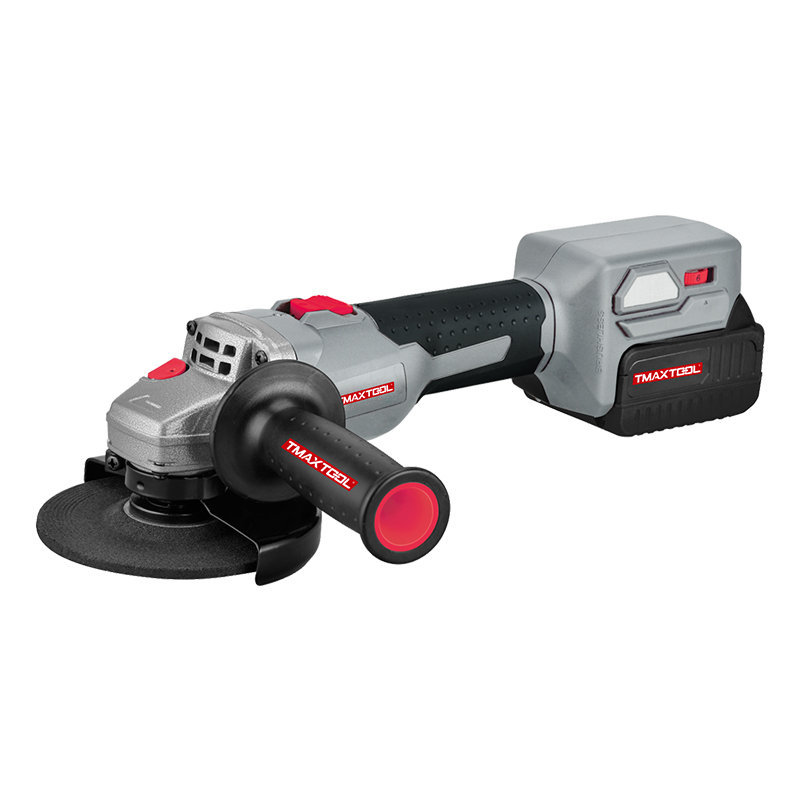 Angle Grinder
 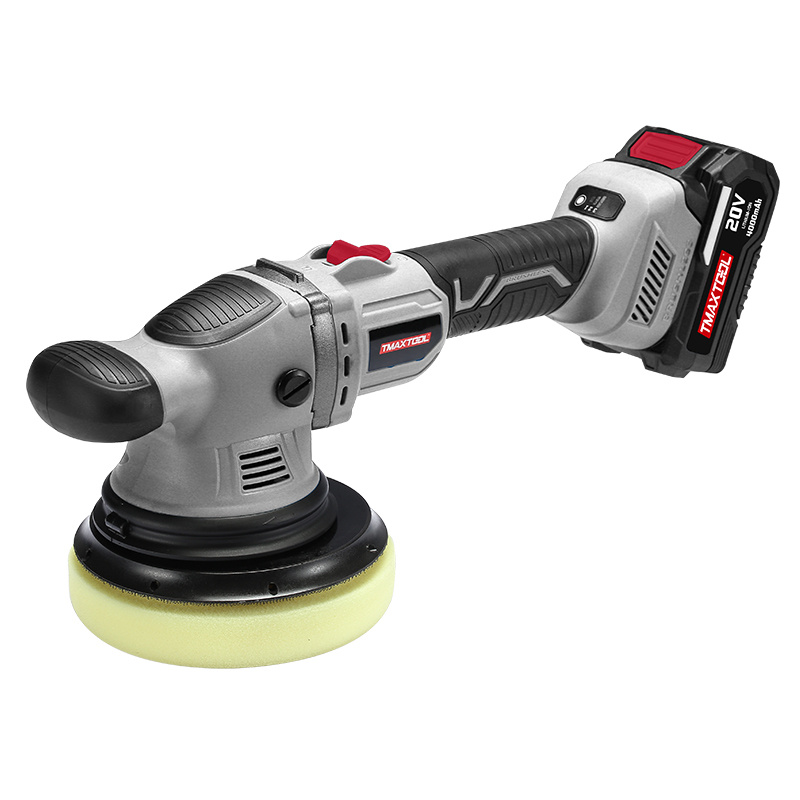 Polisher
 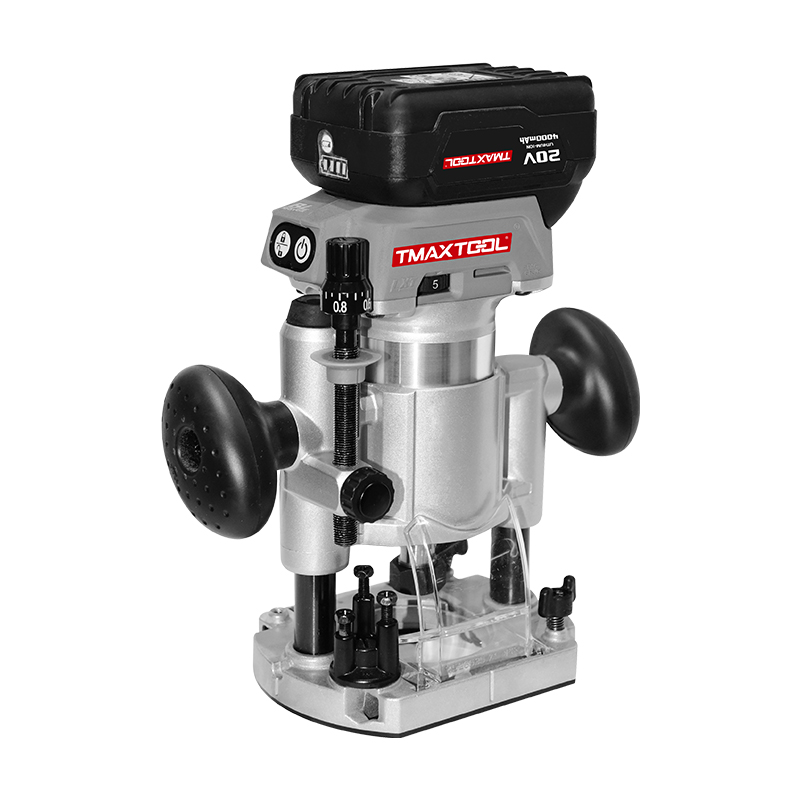 Wood Router
 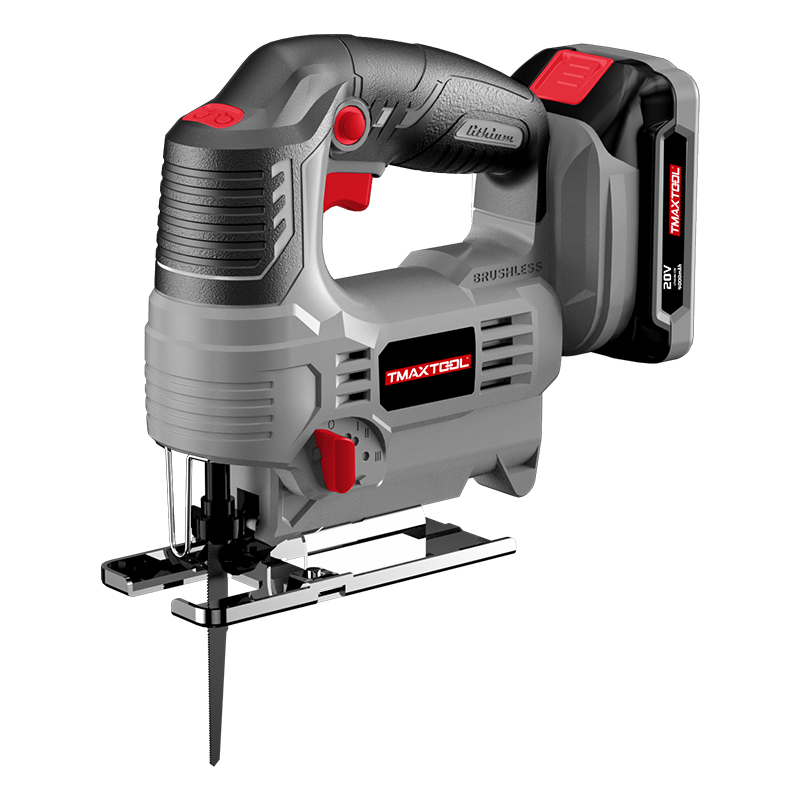 Jig Saw
 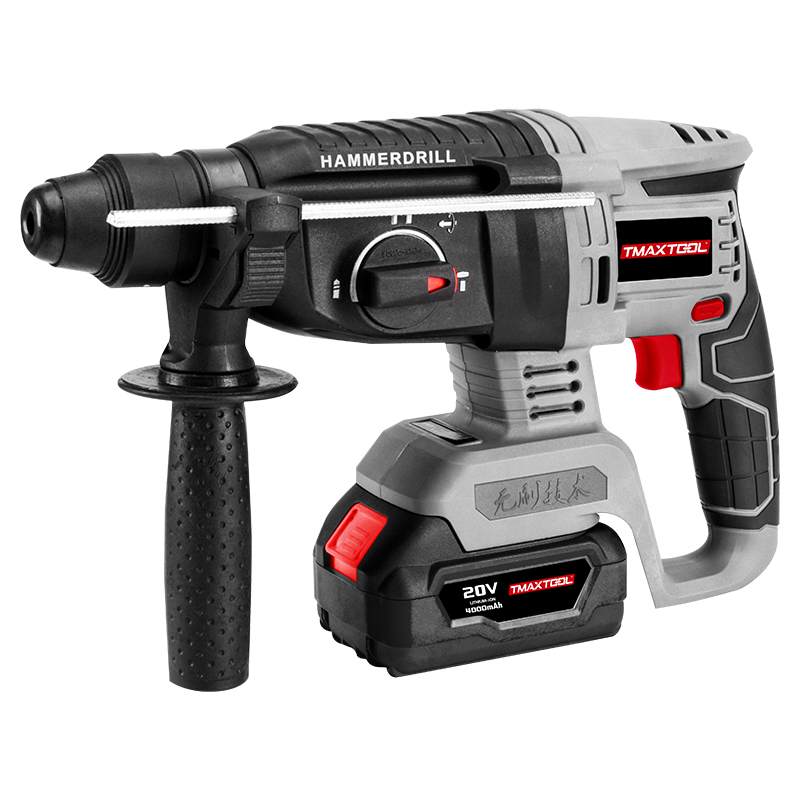 Hammer Drill
 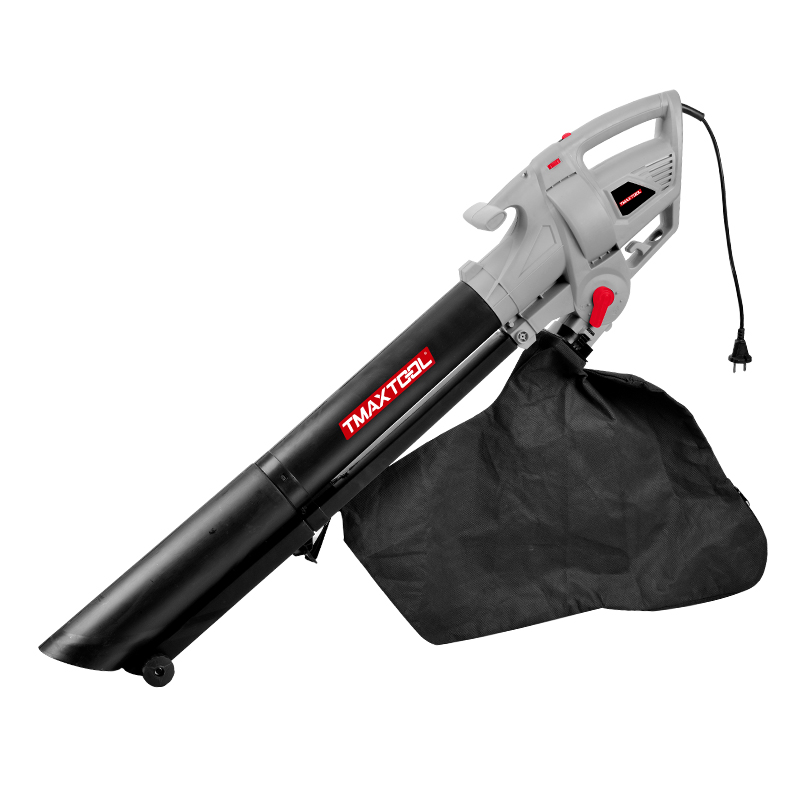 Portable Blower
 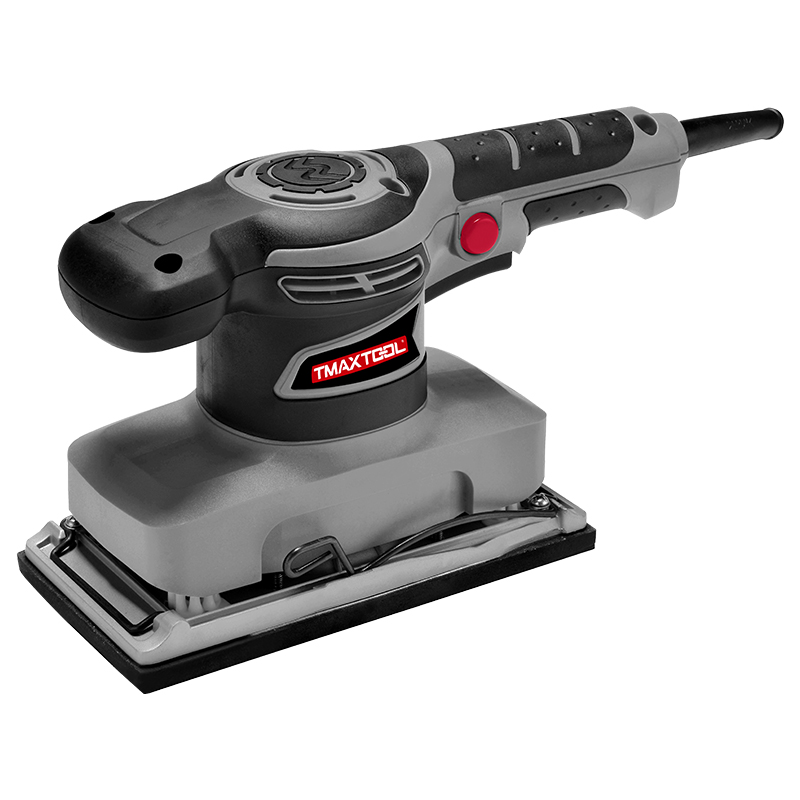 Orbital Sander
 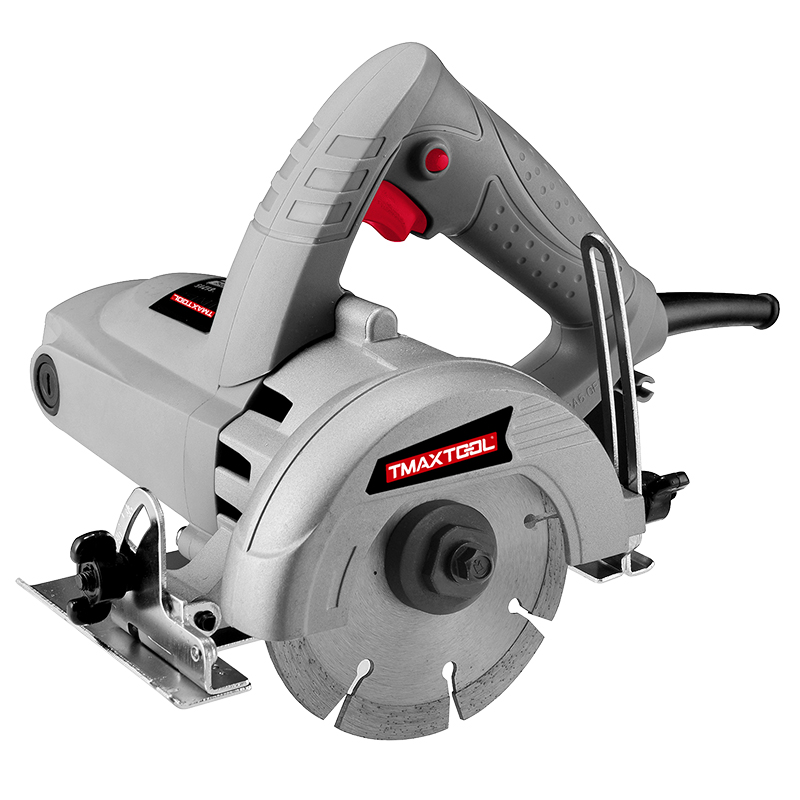 Marble Cutter
  GARDEN TOOLS
 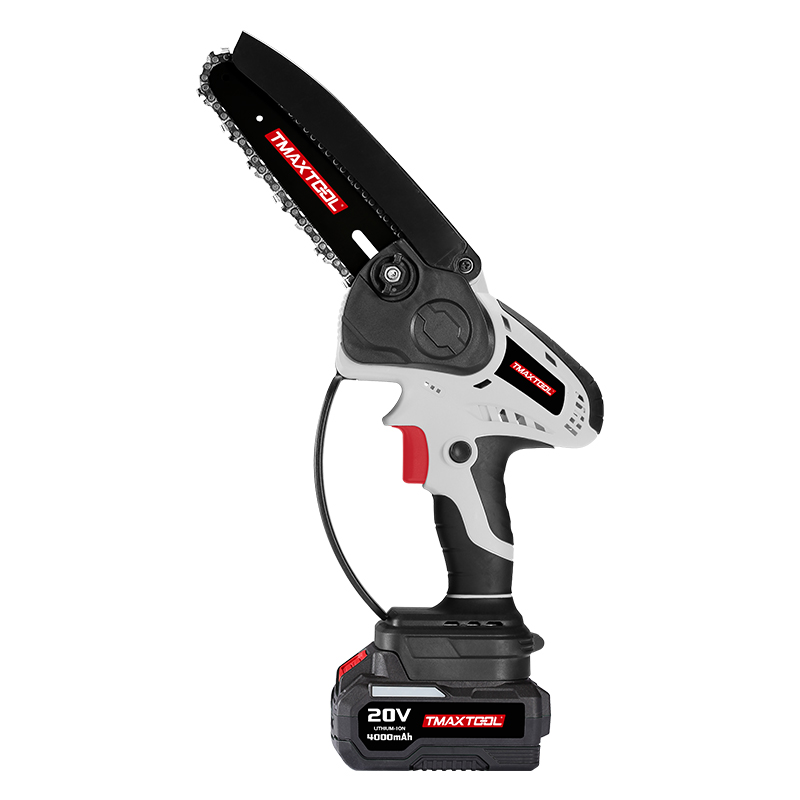 Battery Chain Saw
 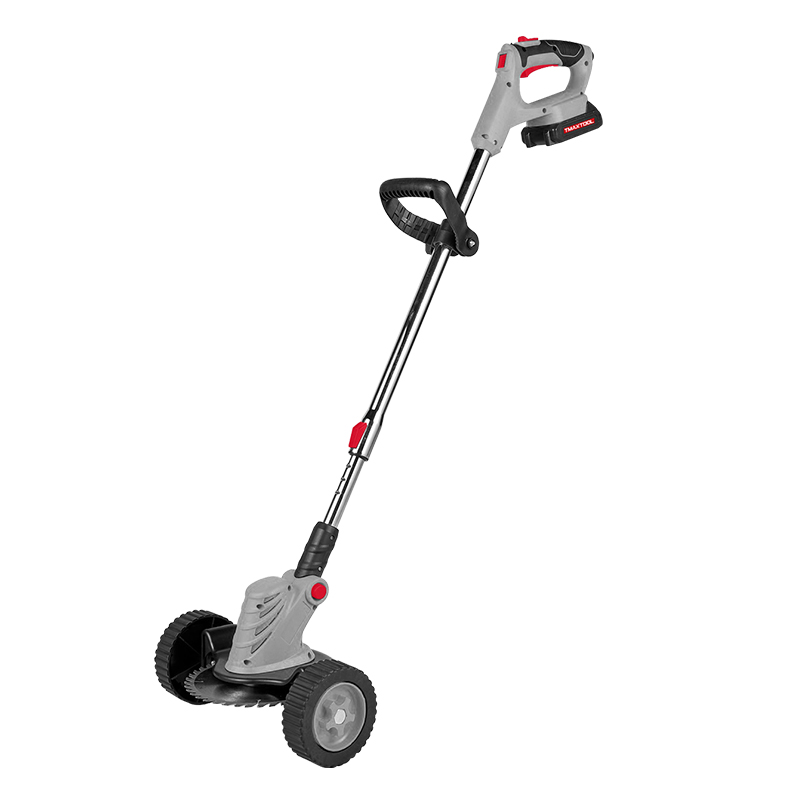 Battery Brush Cutter
 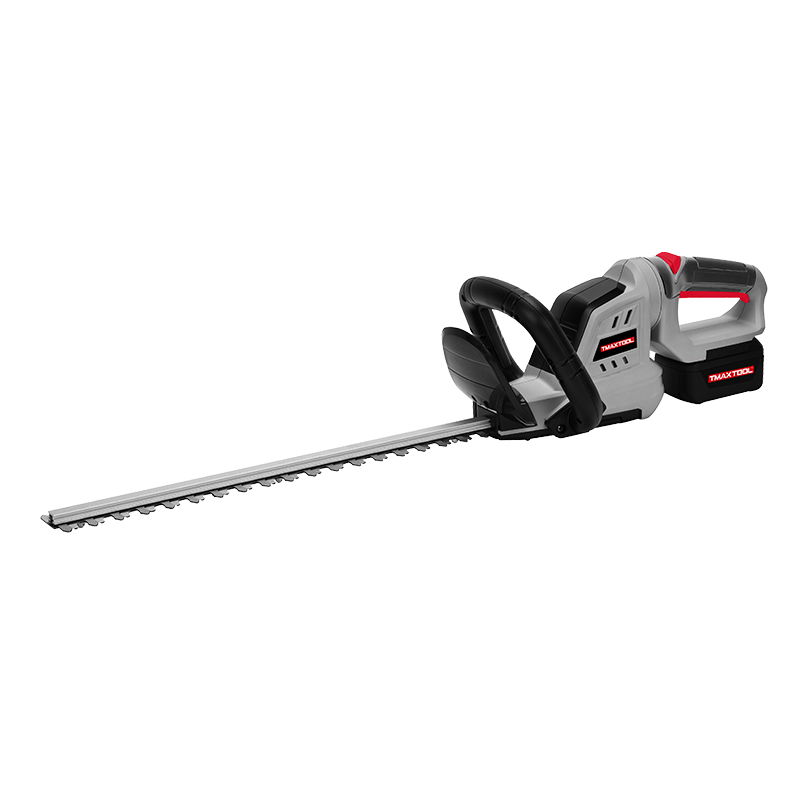 Battery Hedge Trimmer
 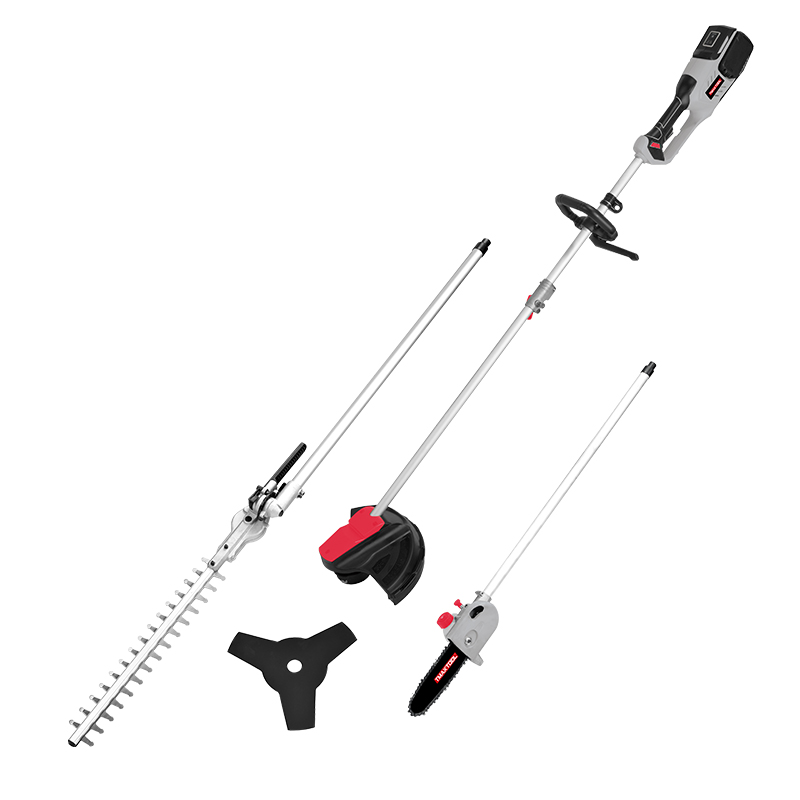 Battery Multi Tool
 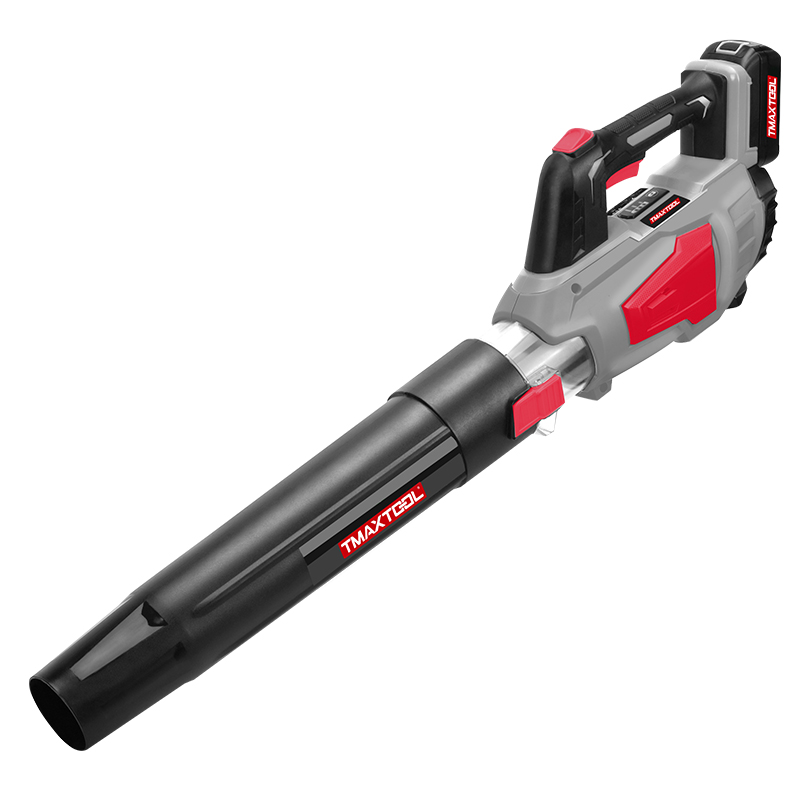 Battery Blower
 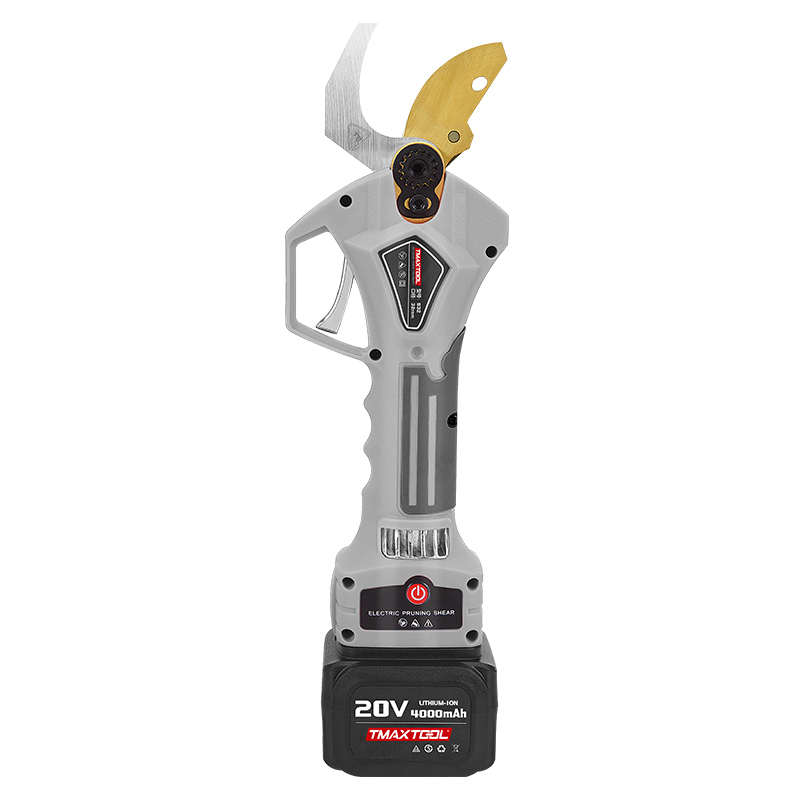 Batter Pruning Shears
 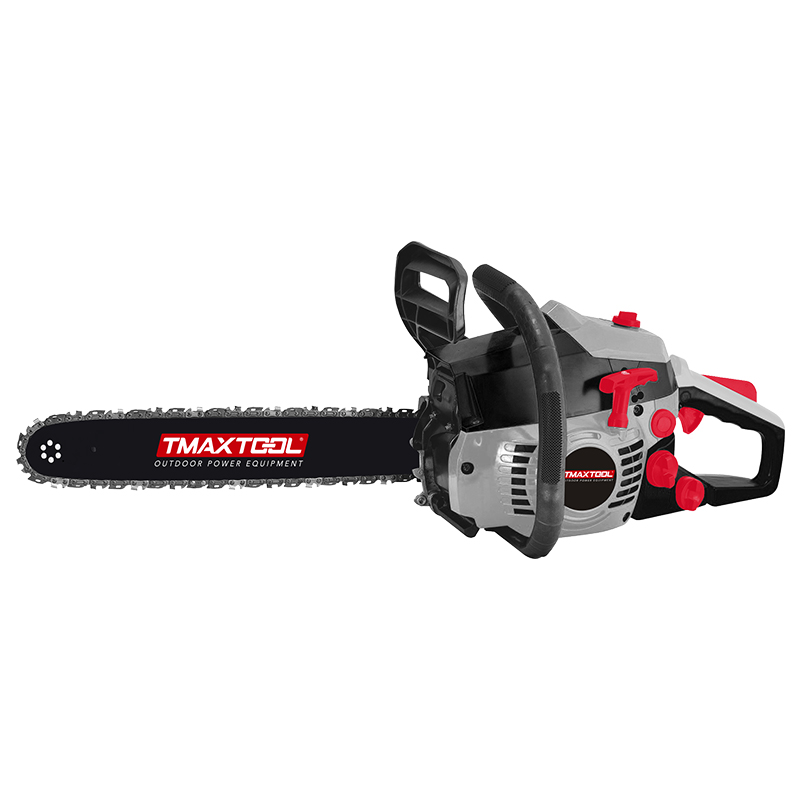 Chain Saw
 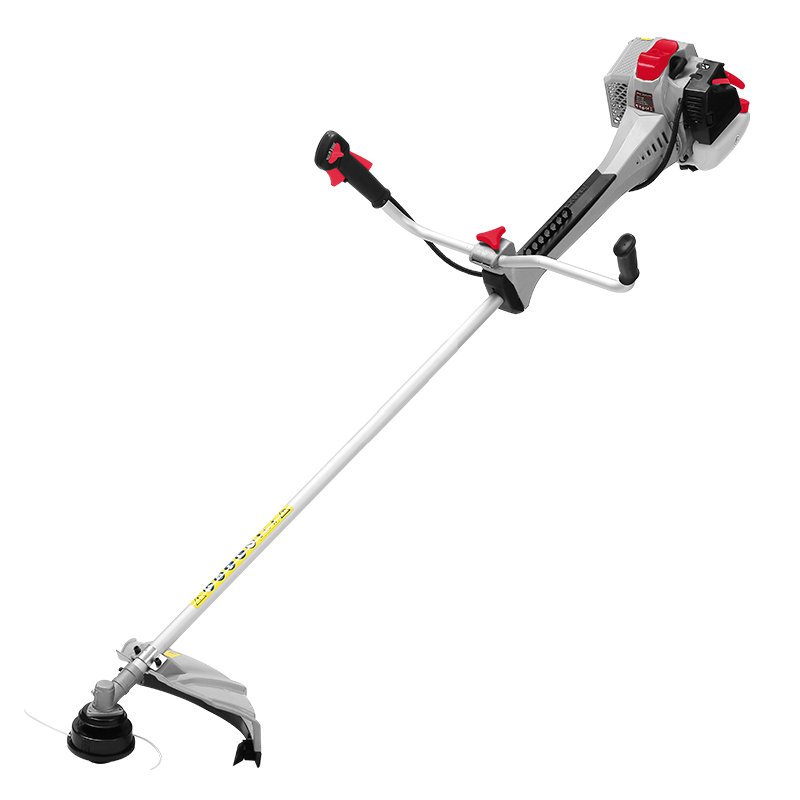 Brush Cutter
 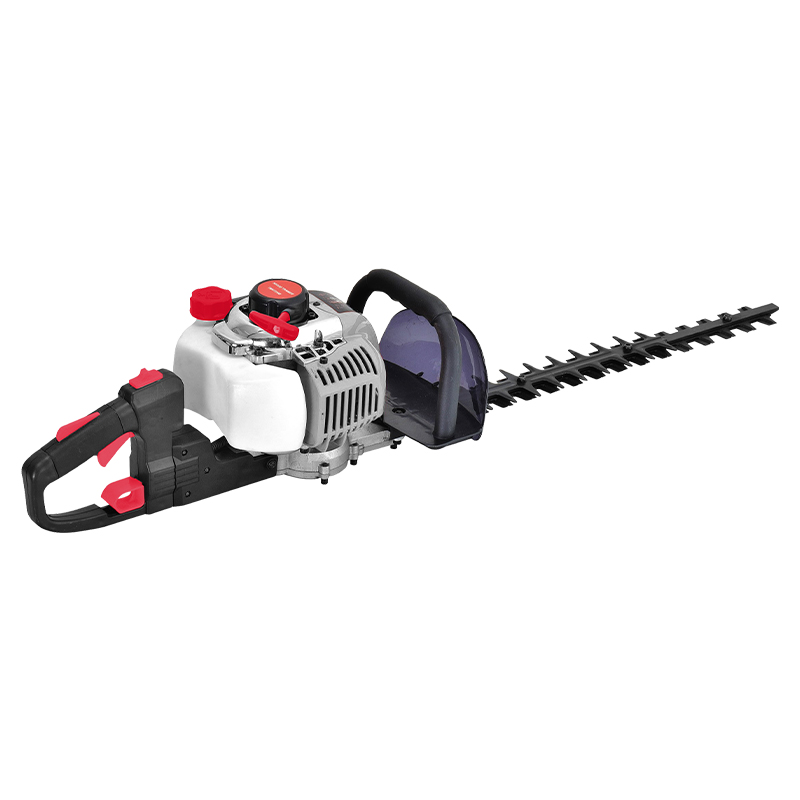 Hedge Trimmer
 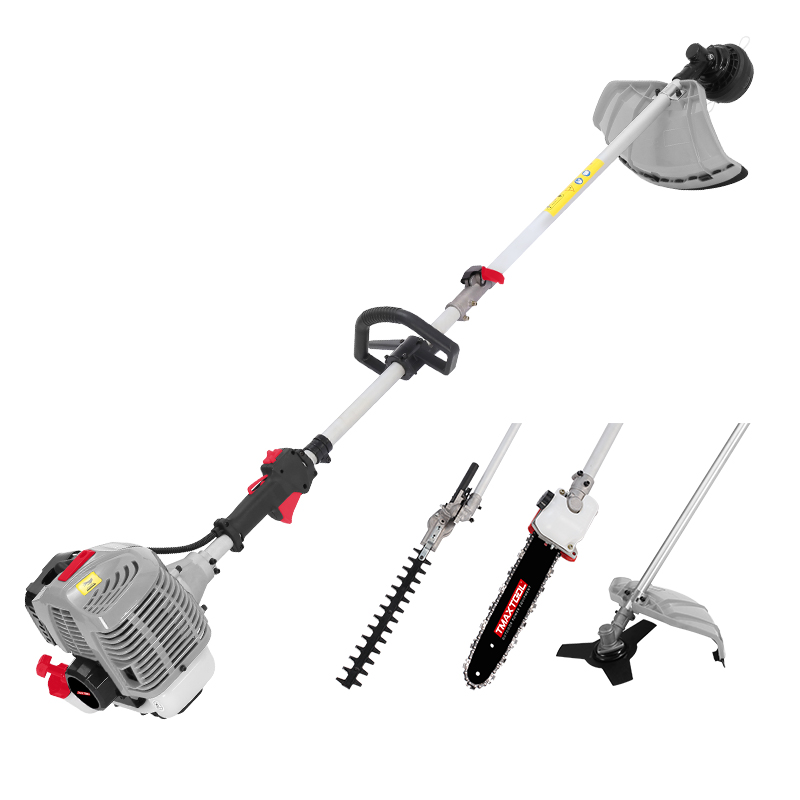 Multi Tool
 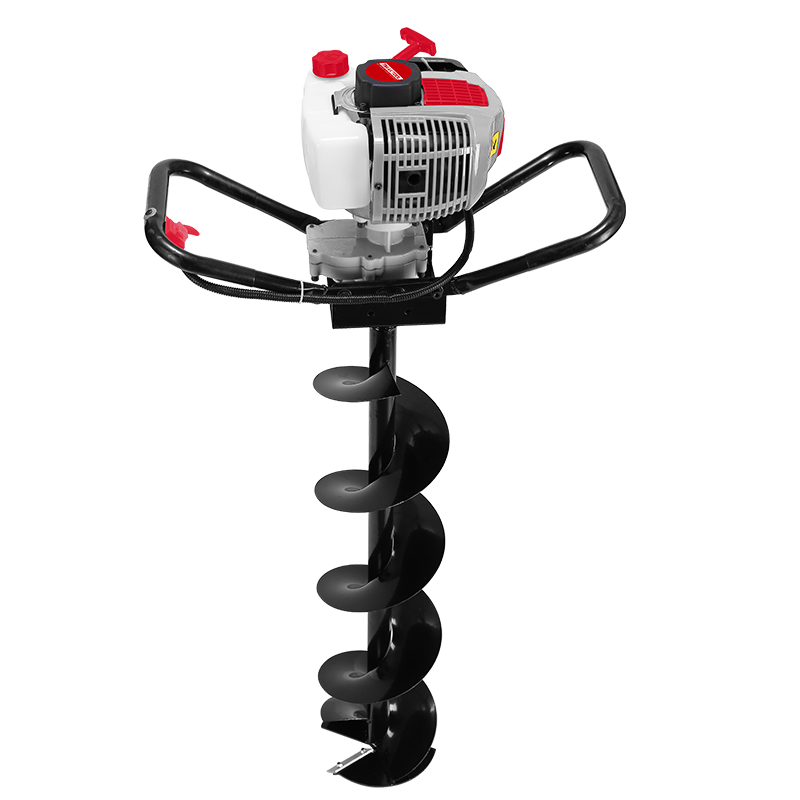 Earth Auger
 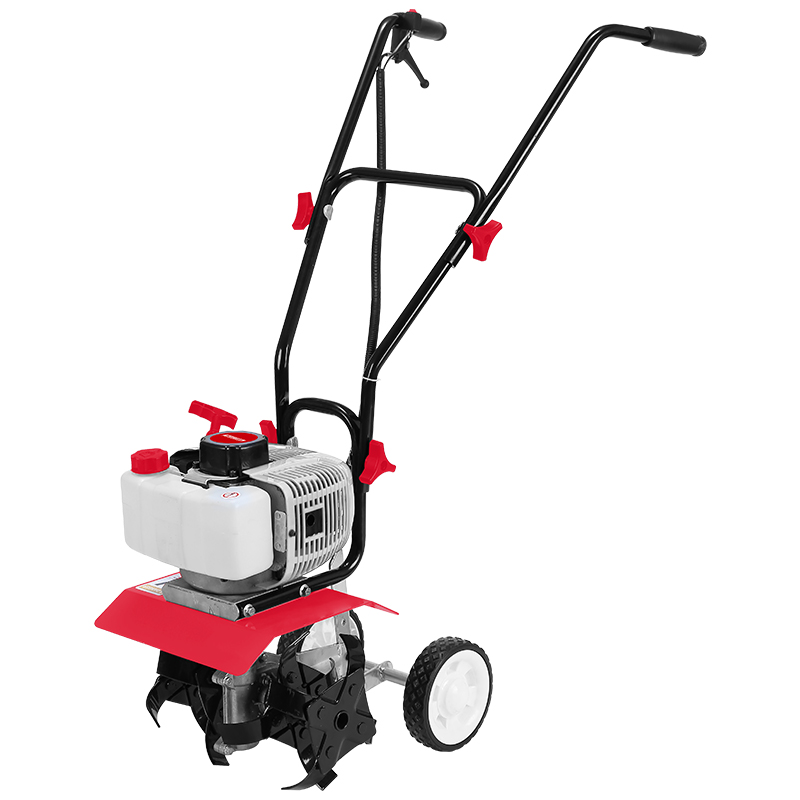 Tiller
 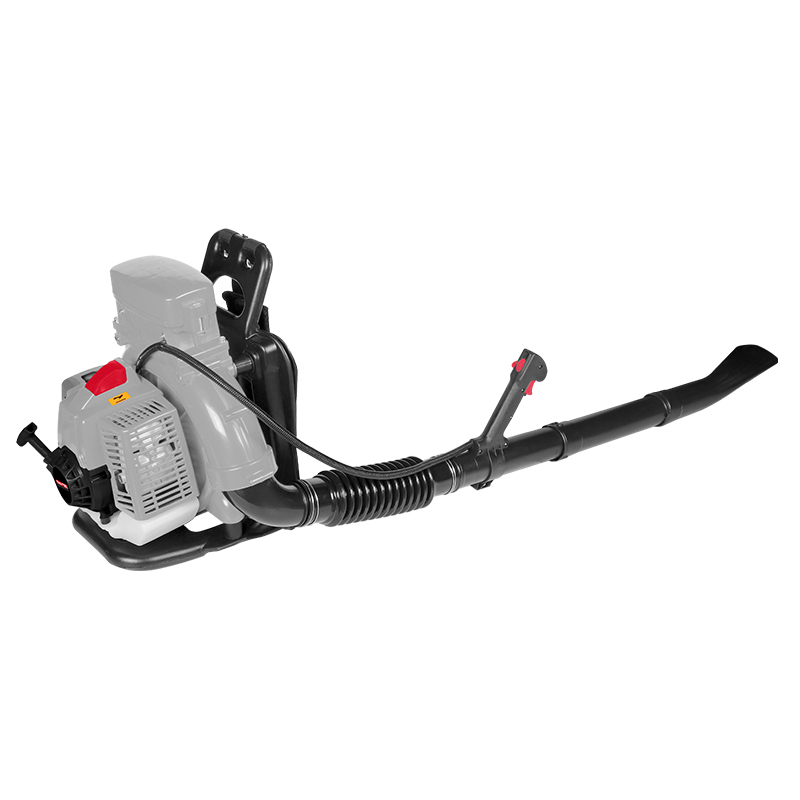 Blower
 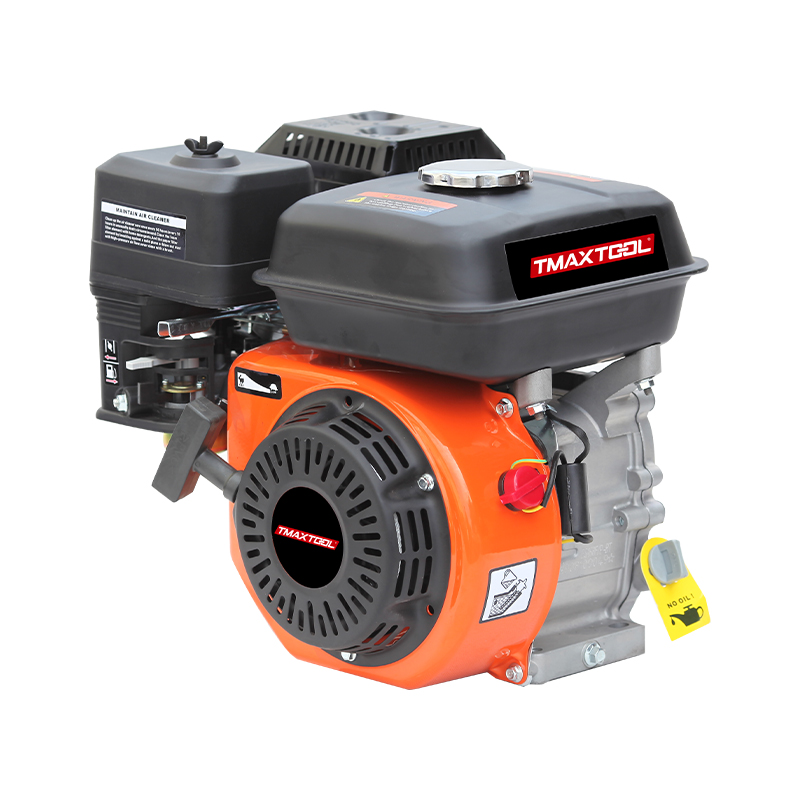 4 Stroke Gasoline Engine
 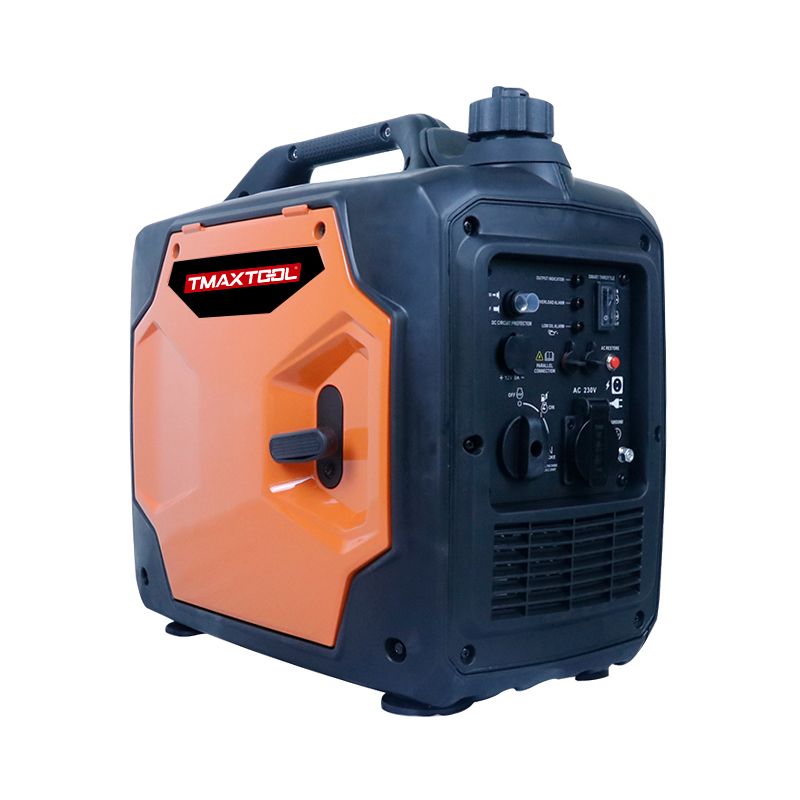 Generator
 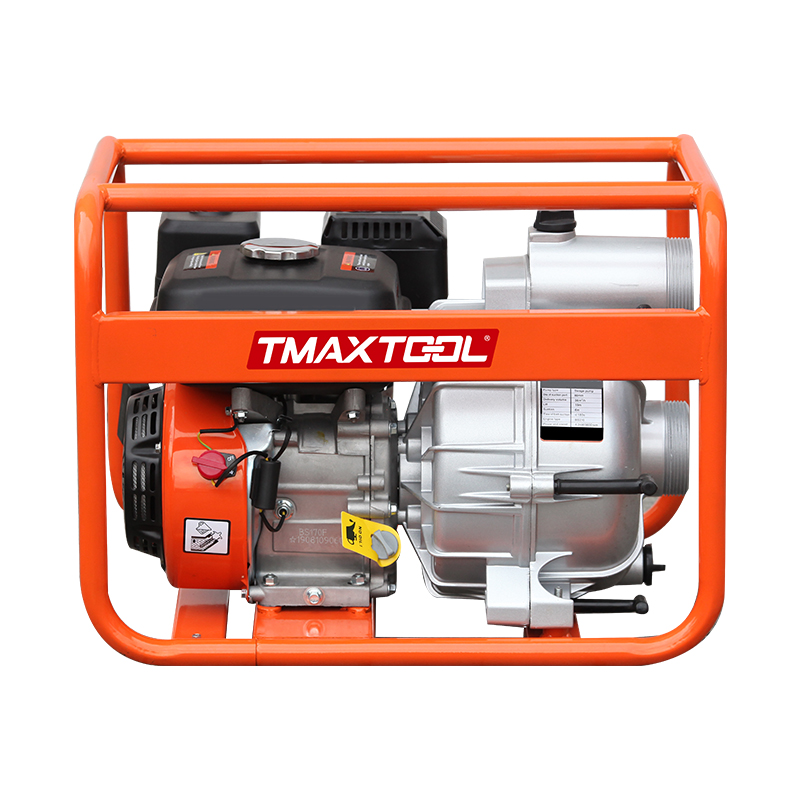 Water Pump
 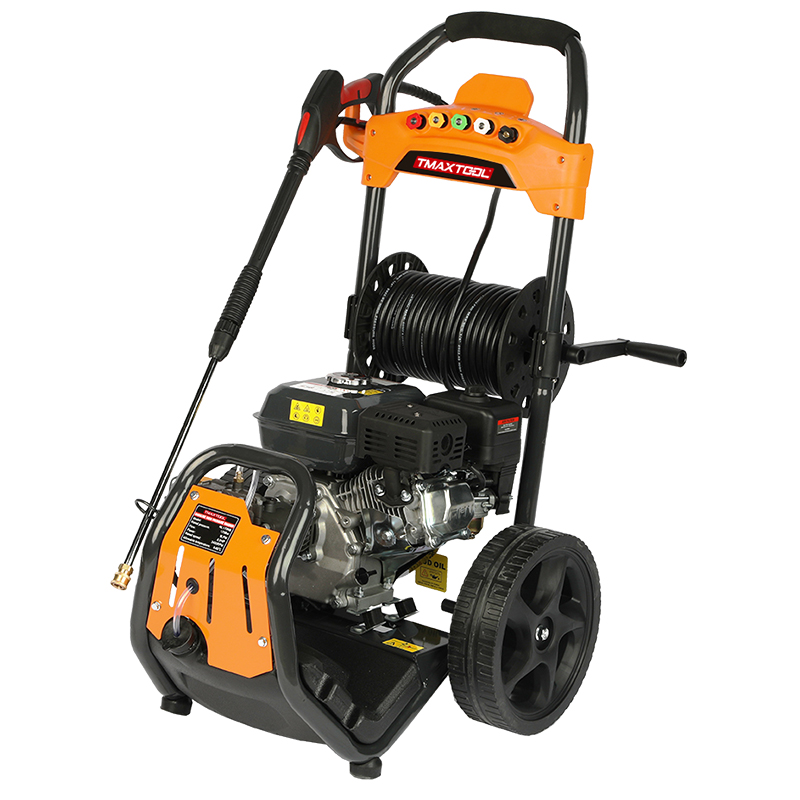 High Pressure Washer
 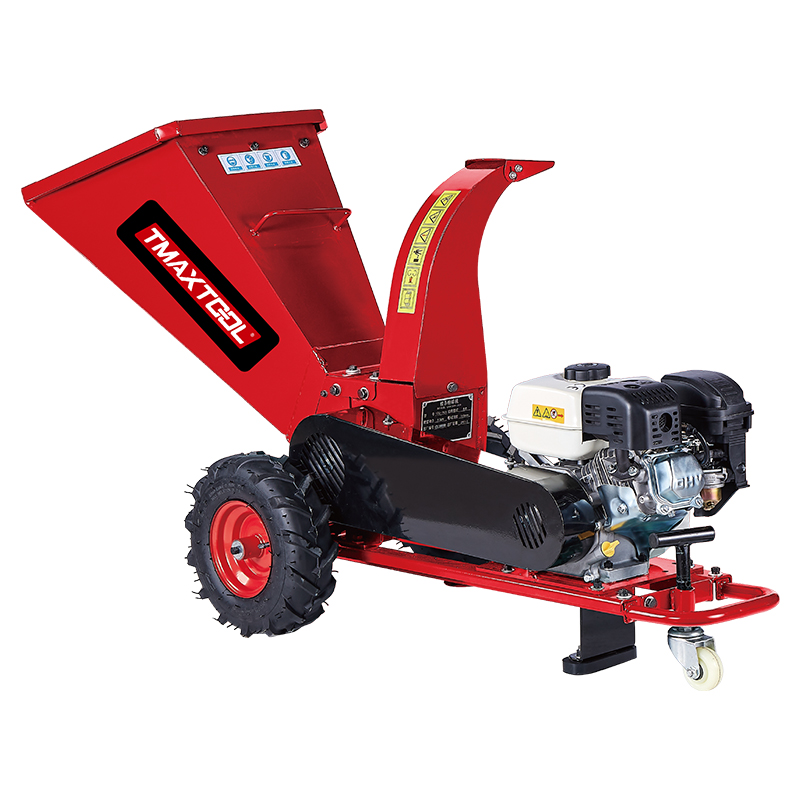 Wood Cutter
 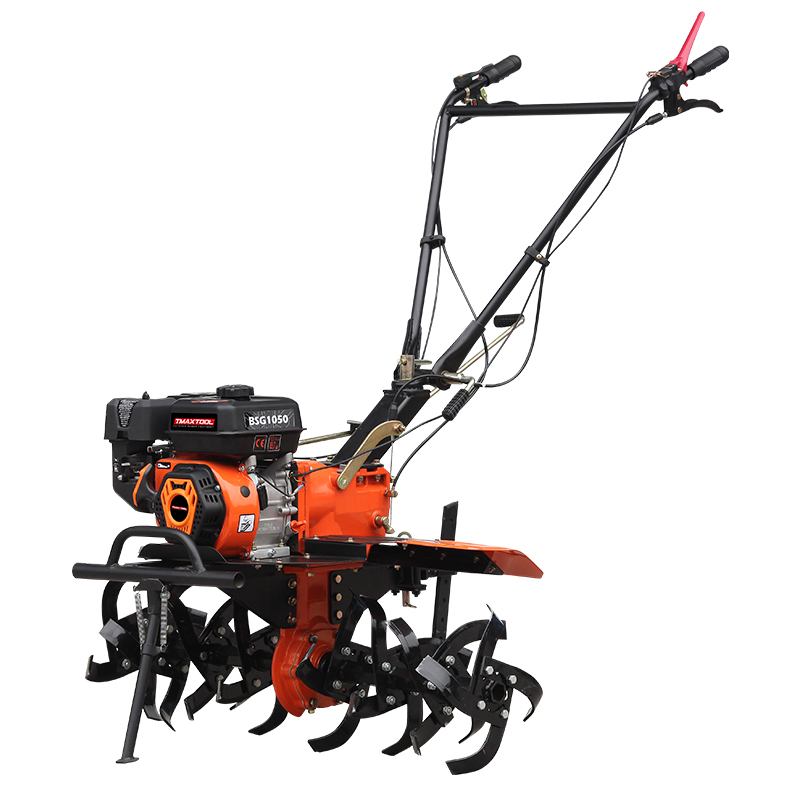 4 Stroke Tiller
 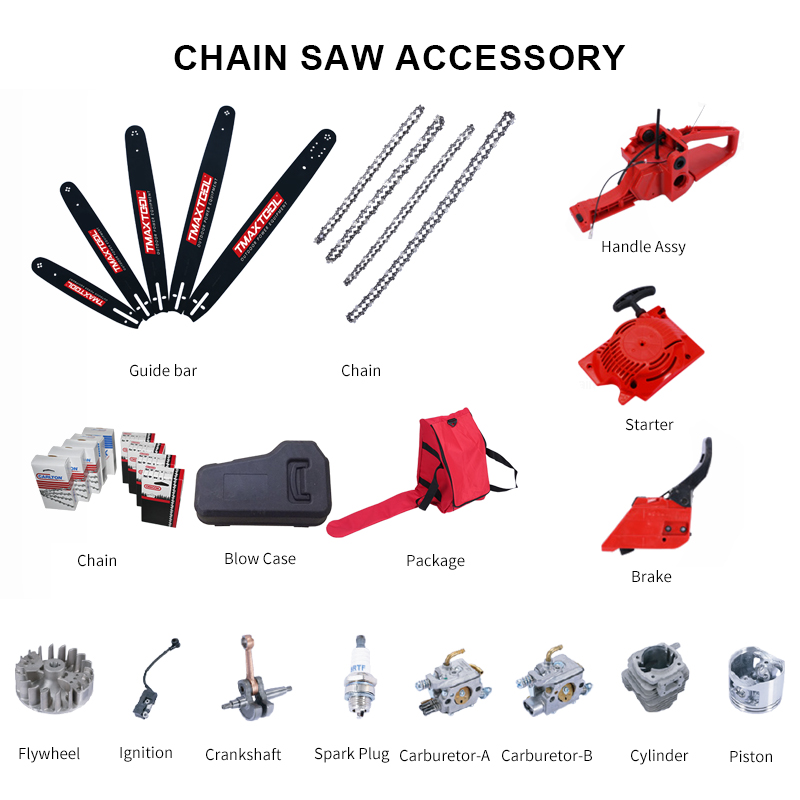 Chain Saw Accessory
 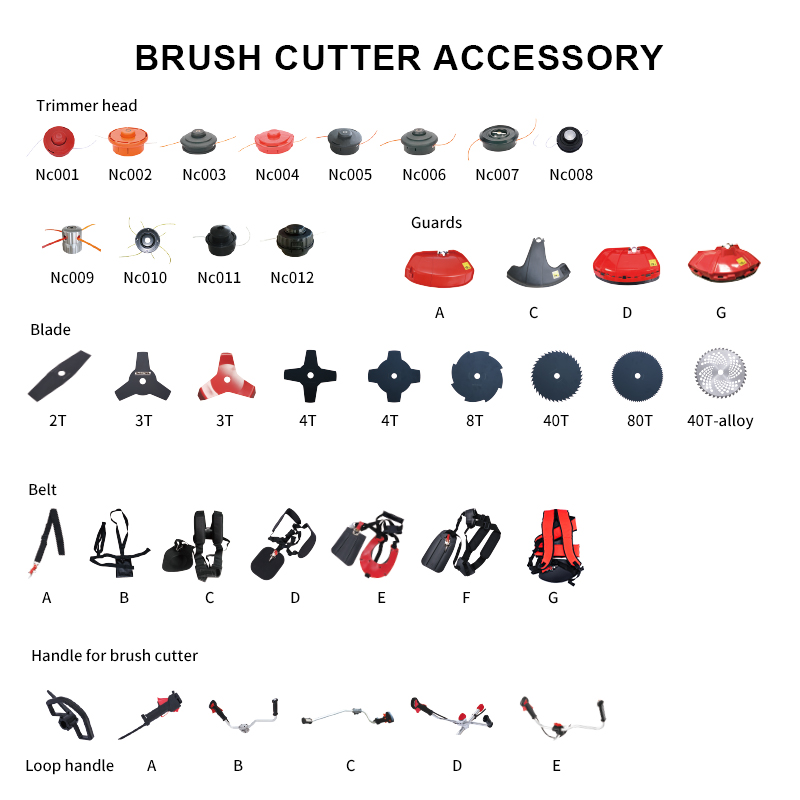 Brush Cutter Accessory
 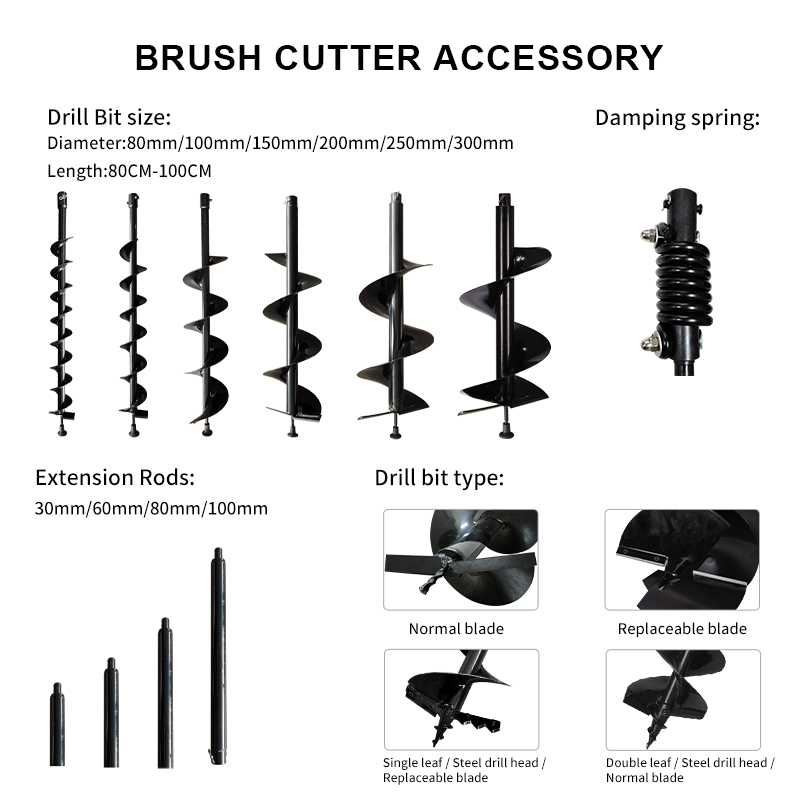 Earth Auger Accessory
 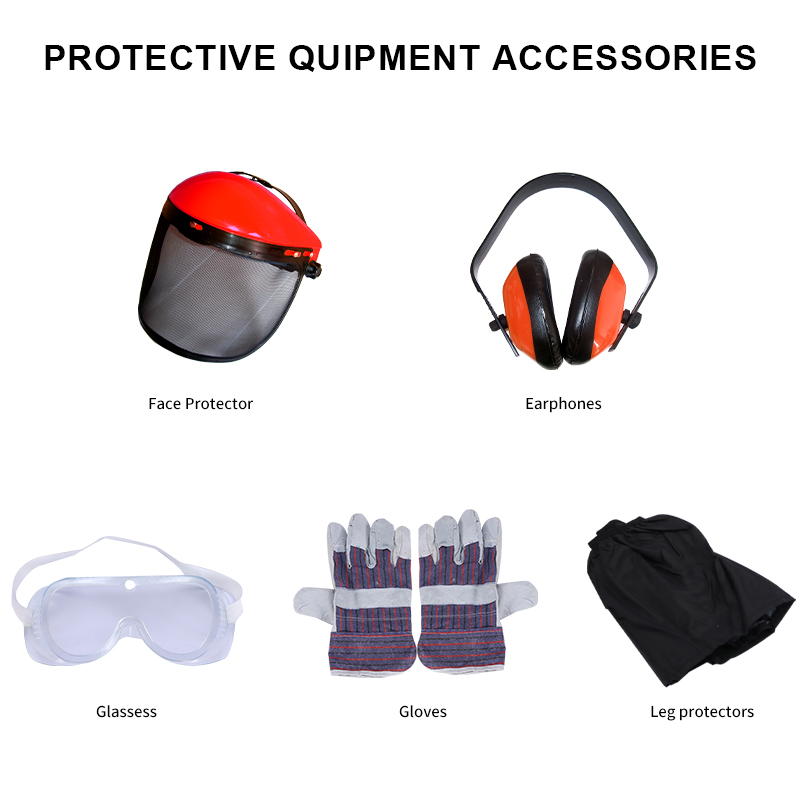 Protective Equipment Accessories
Leave Your Message


Why can't a hand drill hit a concrete wall?
Why can't a hand drill hit a concrete wall? This is a problem that many people often encounter when decorating or DIY. In this article, we will give detailed answers from the working principle of the Electric Drill, the characteristics and hardness of the concrete wall, the impact of the bit material and design on the drilling ability, the problems that the electric drill may encounter when playing the concrete wall, the introduction of other tools suitable for playing the concrete wall, safety precautions and protective measures, and how to choose the right tools to deal with the concrete wall.
First, the working principle of the electric drill
Electric hand drill is a tool that uses rotary power to realize hole machining. It is mainly composed of motor, gear box, clutch, torque regulator and clamping device. When the switch is turned on, the motor drives the gearbox to rotate, and the torque is transmitted to the drill through the clutch, causing it to rotate and enter the object to be machined.

Second, the characteristics and hardness of concrete walls
Concrete is a very hard and dense building material, so the following characteristics need to be paid attention to when using a hand drill for processing:
1. The surface hardness of concrete is high and difficult to penetrate;
2. There is a large amount of aggregate (such as stone) in the concrete, which is easy to damage the drill;
3. There are more voids inside the concrete, which is easy to produce debris.
Third, the impact of drill material and design on drilling capacity
Different materials and designs of drill bits have different degrees of influence on drilling ability. For example:
1. High speed steel (HSS) : suitable for metal and other low hardness materials;
2. Cemented carbide (WC) : suitable for harder materials, but easy to damage;
3. Cobalt-based alloy (Co) : has better wear resistance and corrosion resistance;
4. Blade design: can improve cutting efficiency;
5. Threaded design: can improve chip removal efficiency.
However, when dealing with concrete walls, even the most excellent materials and designs can be difficult to achieve the desired results.
Fourth, the problems that the hand drill may encounter when playing the concrete wall
Due to the above reasons, the following problems may be encountered when using a hand drill to treat concrete walls:
1. The drill will soon become very hot and easily damaged;
2. The drilling speed is slow, and the boring head of different sizes or types needs to be exchanged repeatedly;
3. Easy to crack or tilt.
Five, other suitable for concrete wall tools
In addition to the electric drill, there are other more specialized and more efficient treatment of concrete wall panels:
1. Socket hammer: The cutting area can be shattered and debris can be removed through vibration.
2. Heavy impact boring tool: can directly pass through the heavy surface through the pounding effect.
3. Fiber laser: can be directly cut through the heavy surface by focusing the beam.
4. Artificial diamond coated boring tool: it can enhance the durability of the boring tool and provide better cutting results.

6. Safety precautions and protective measures
No matter what kind of equipment you use, you need to pay attention to safety issues. Before using any equipment, be sure to take the following safety measures:
1. Wear personal protective equipment (such as eye masks or earplugs);
2. Use the correct size or type of boring head;
3. Maintain a balanced posture during operation;
4. Always keep alert during operation;
5. Comply with the equipment manufacturer's regulations and instructions.
How to choose the right tool to deal with the concrete wall
If you need to deal with a large number of slurry surfaces frequently, you should consider purchasing specialized equipment to complete the task. Otherwise, the use of relatively inexpensive but powerful devices such as socket hammers in home DIY projects can also achieve good results. In short, before choosing any device, make sure you understand its features and limitations and take appropriate safety measures.