
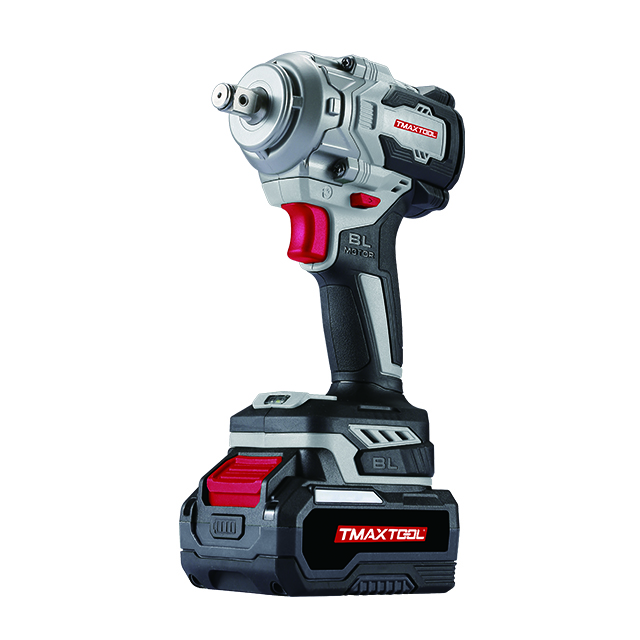
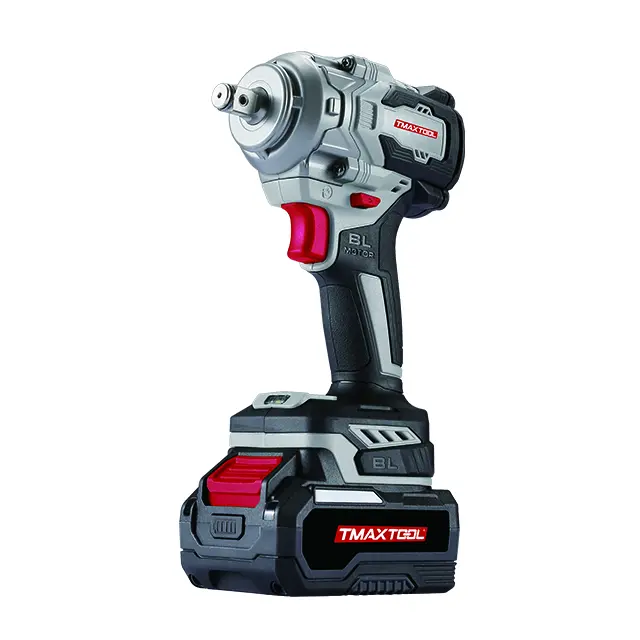
 Impact Wrench
 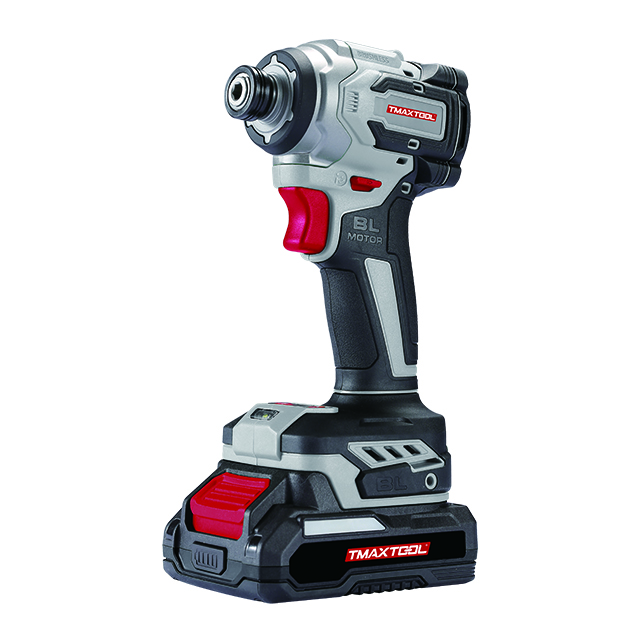 Screwdriver
 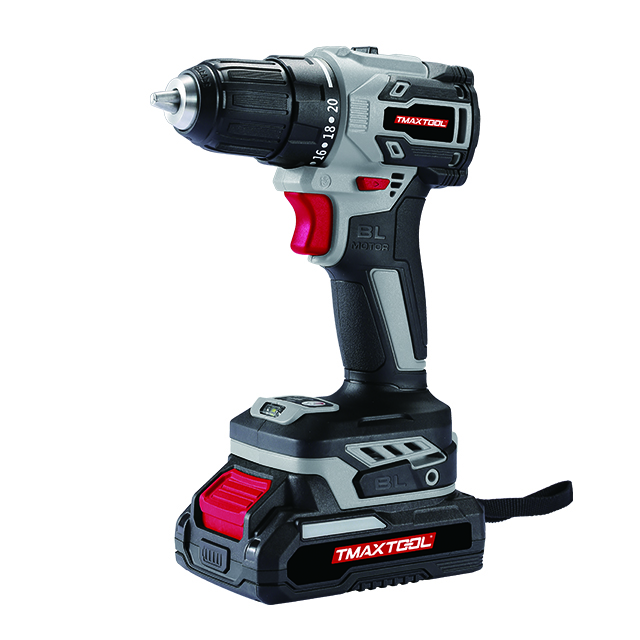 Cordless Drill
 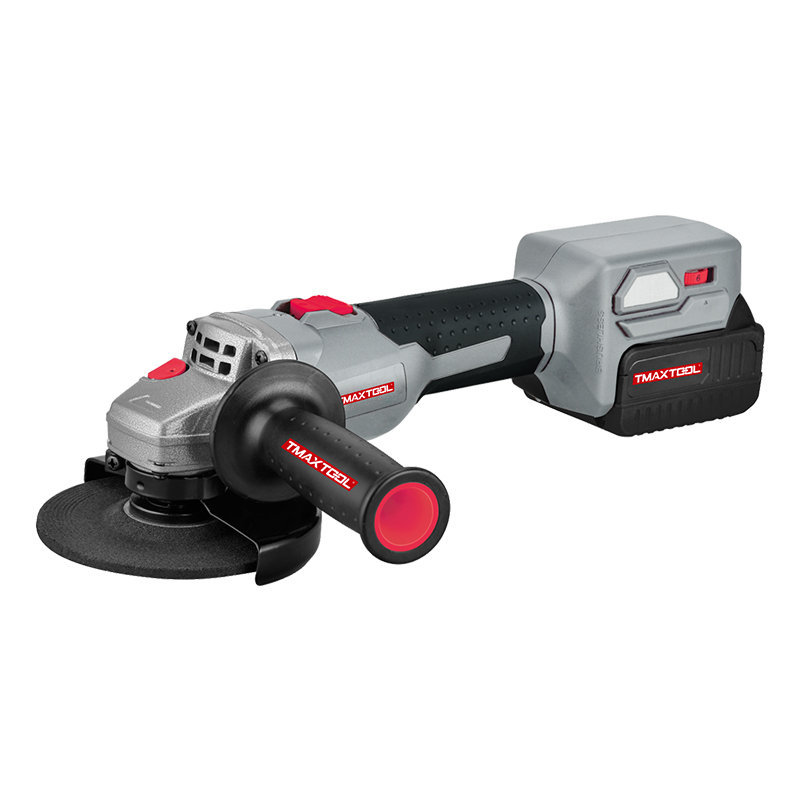 Angle Grinder
 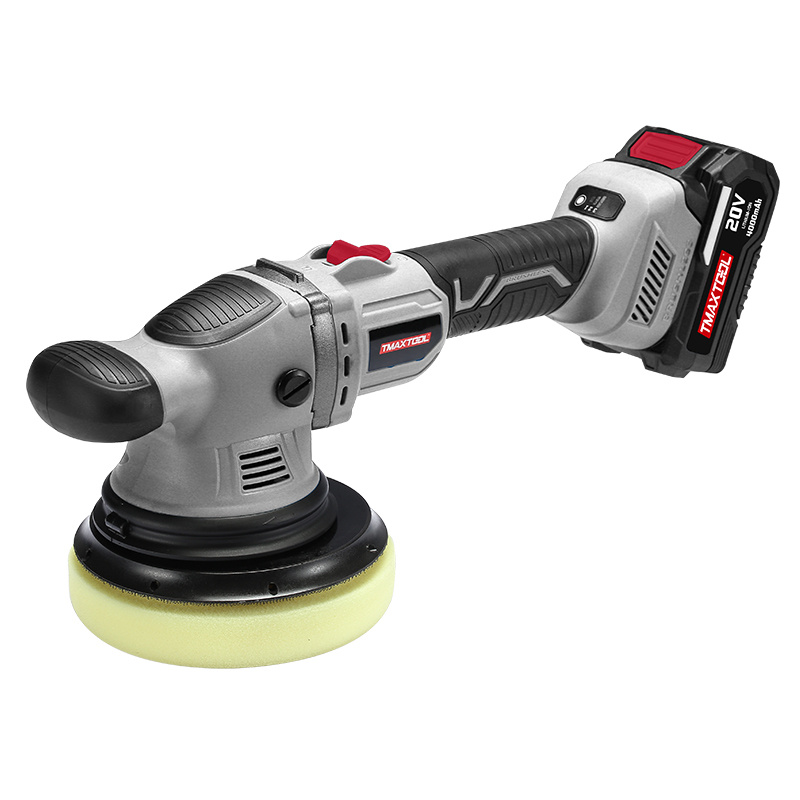 Polisher
 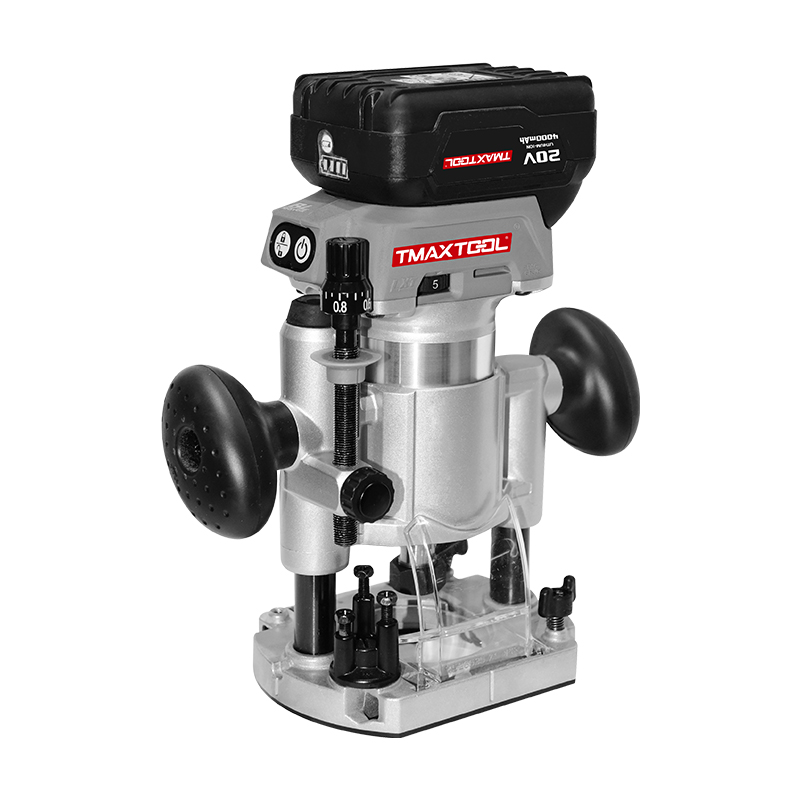 Wood Router
 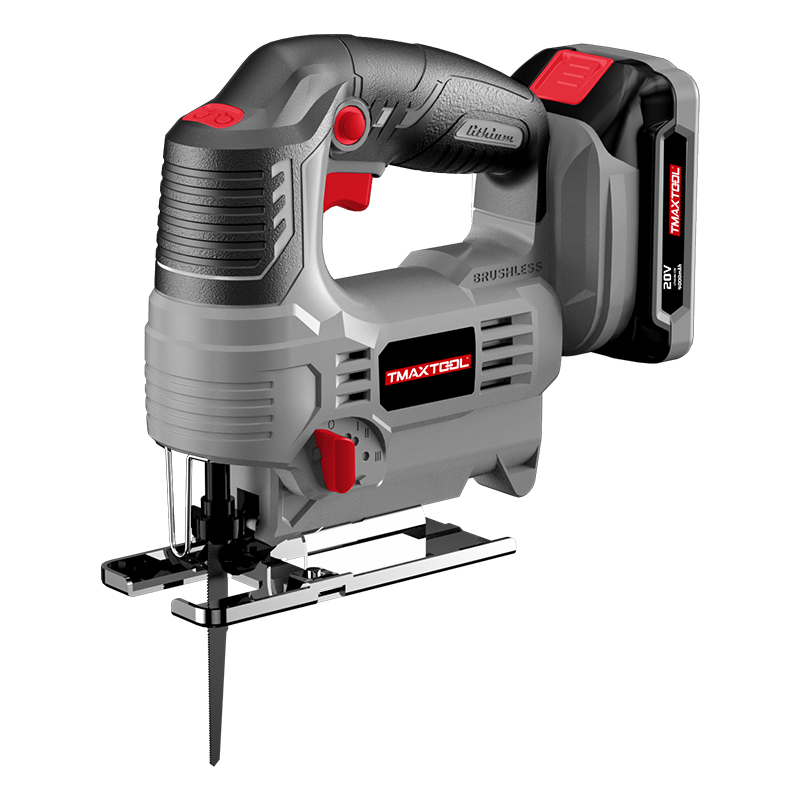 Jig Saw
 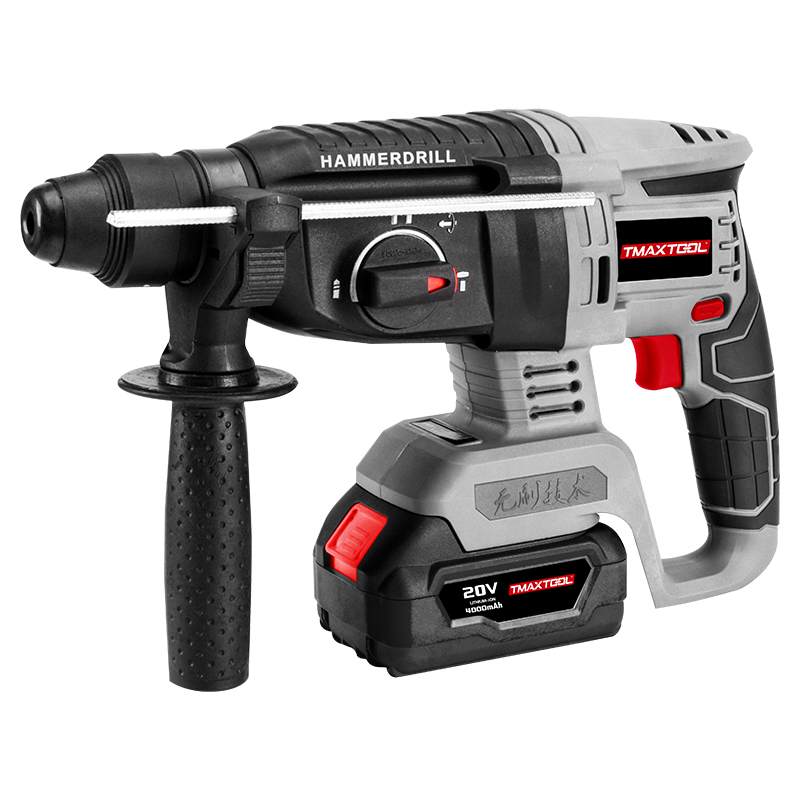 Hammer Drill
 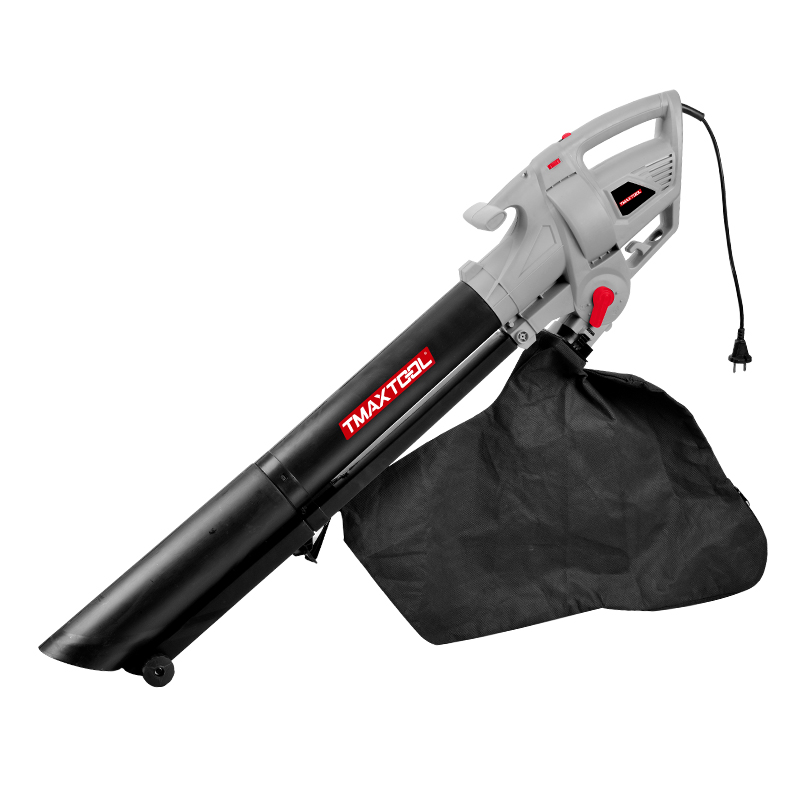 Portable Blower
 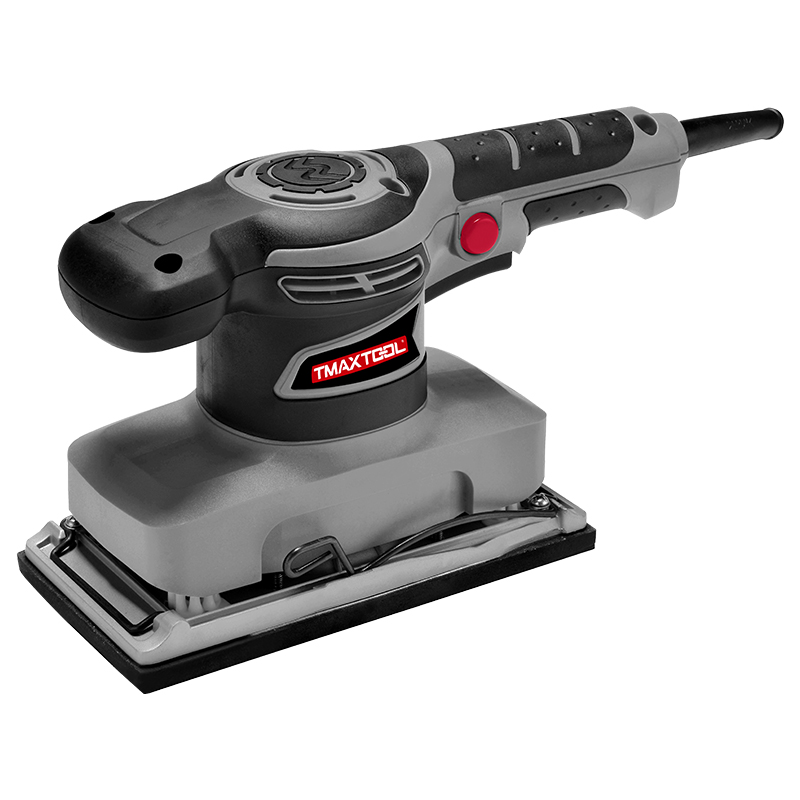 Orbital Sander
 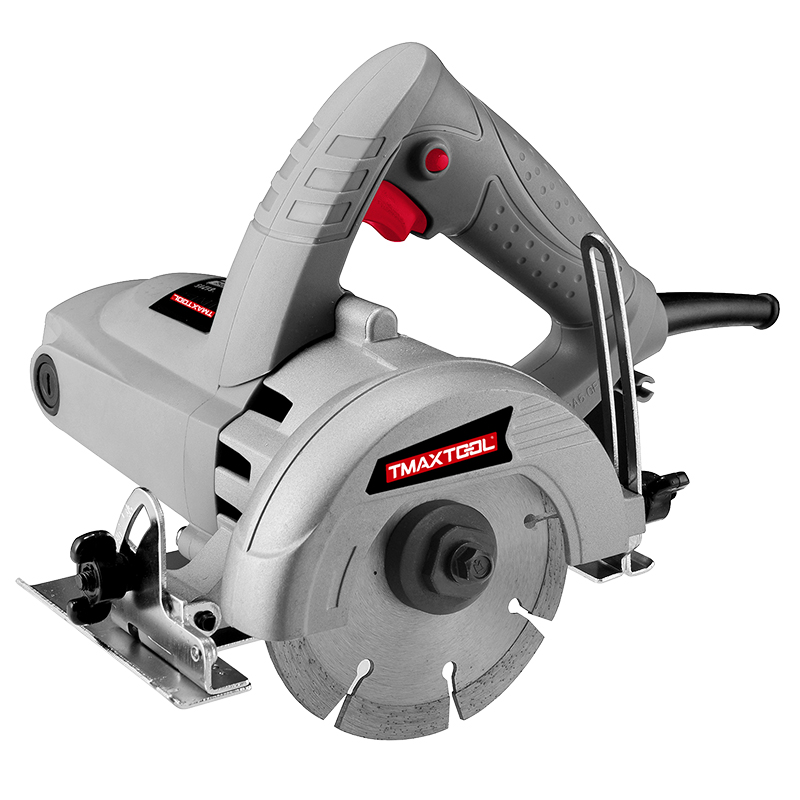 Marble Cutter
  GARDEN TOOLS
 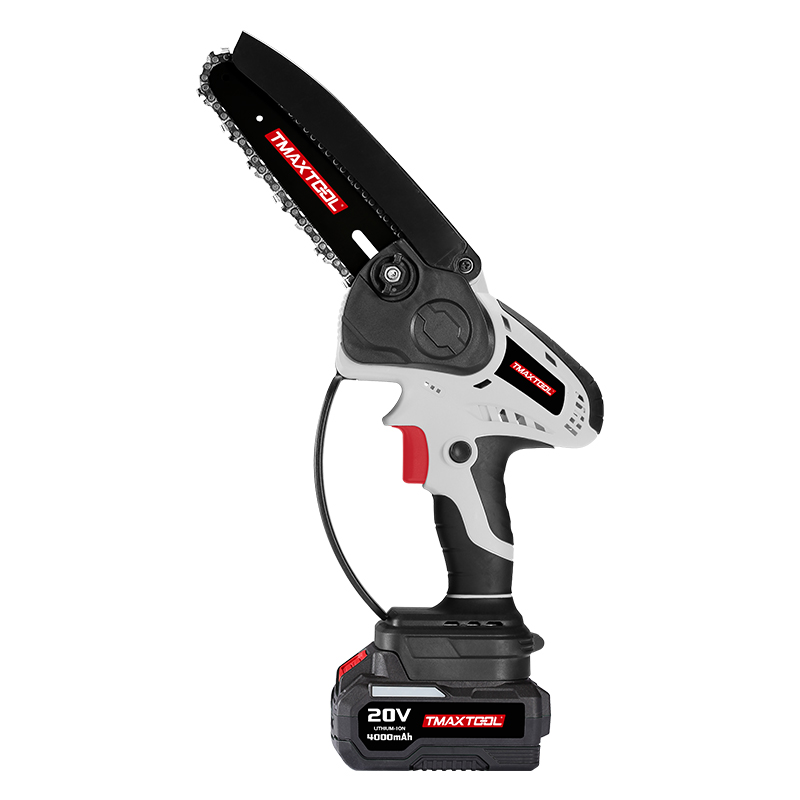 Battery Chain Saw
 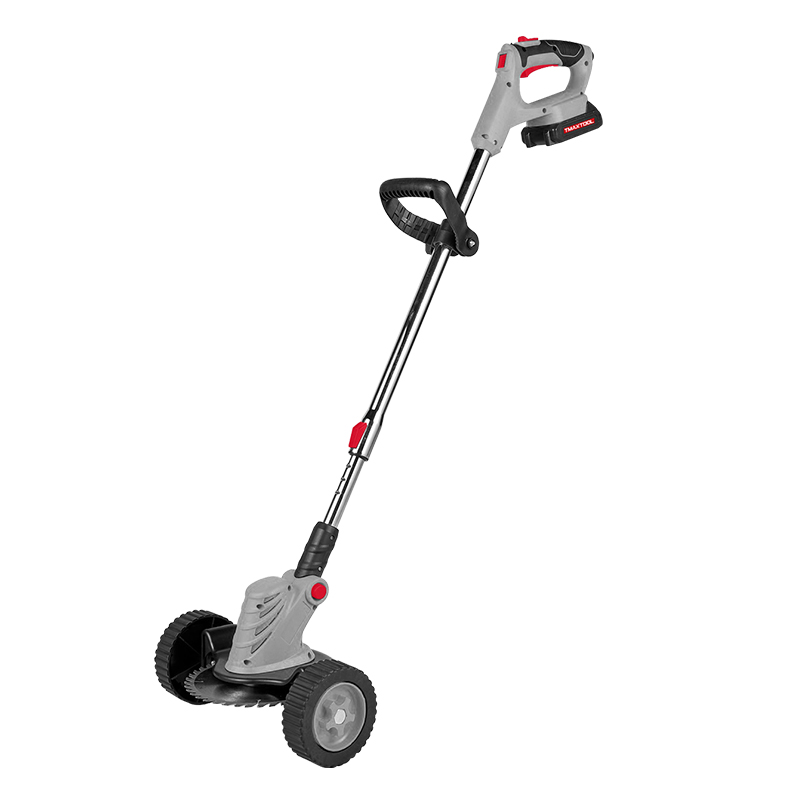 Battery Brush Cutter
 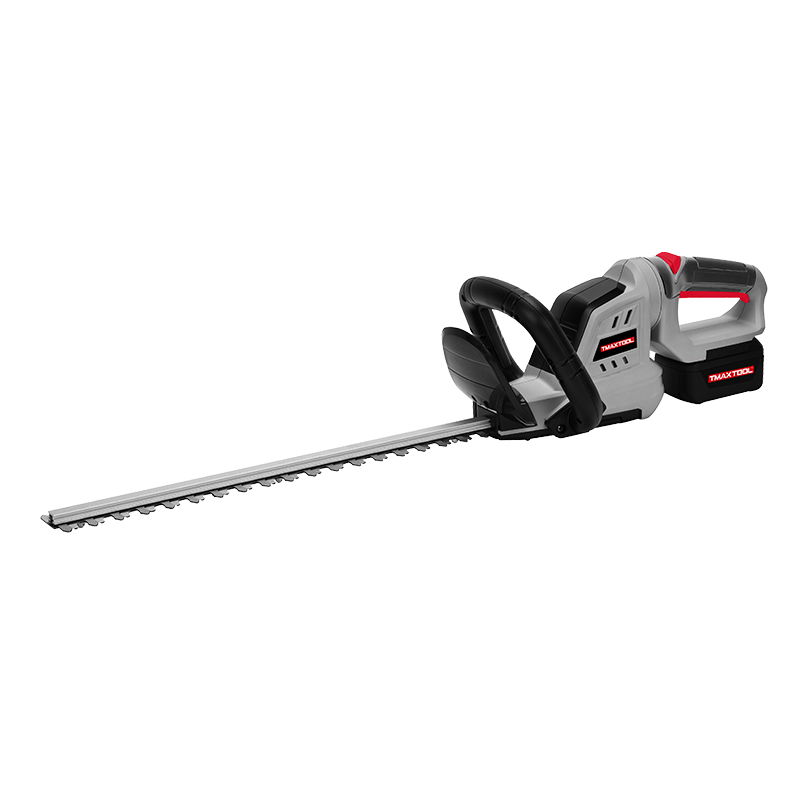 Battery Hedge Trimmer
 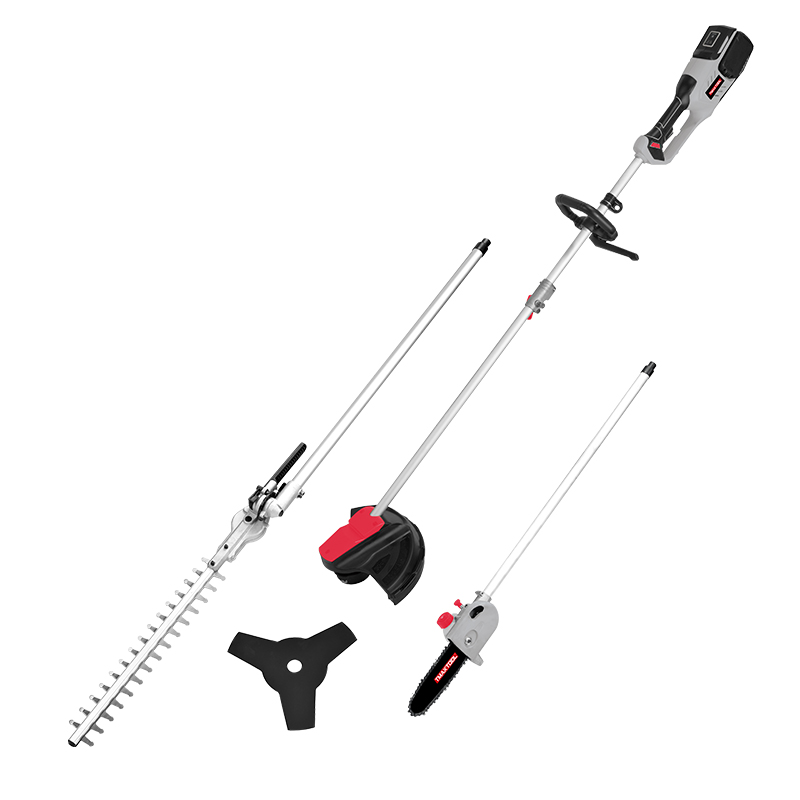 Battery Multi Tool
 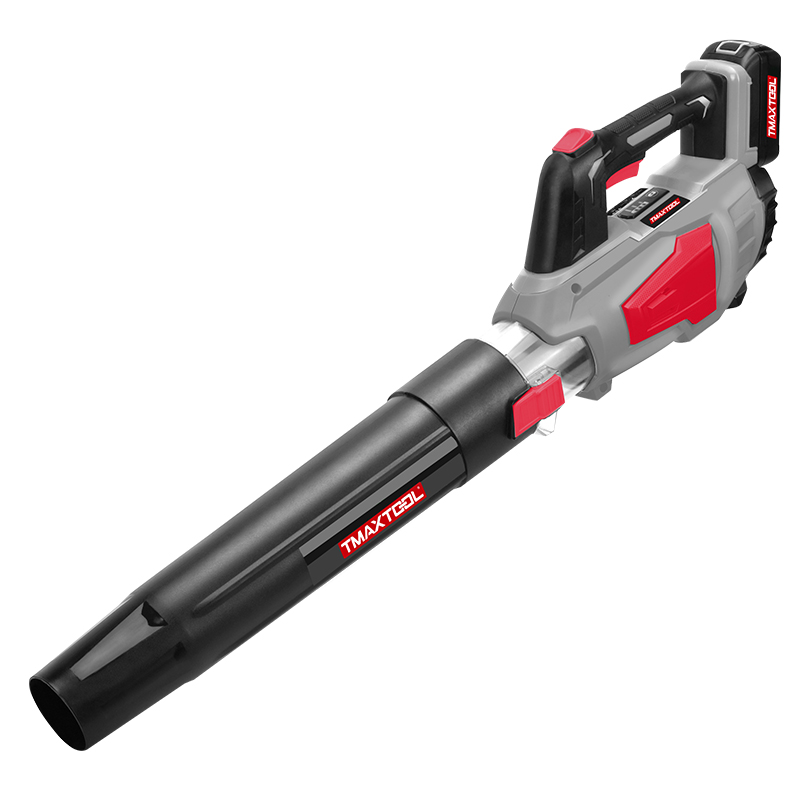 Battery Blower
 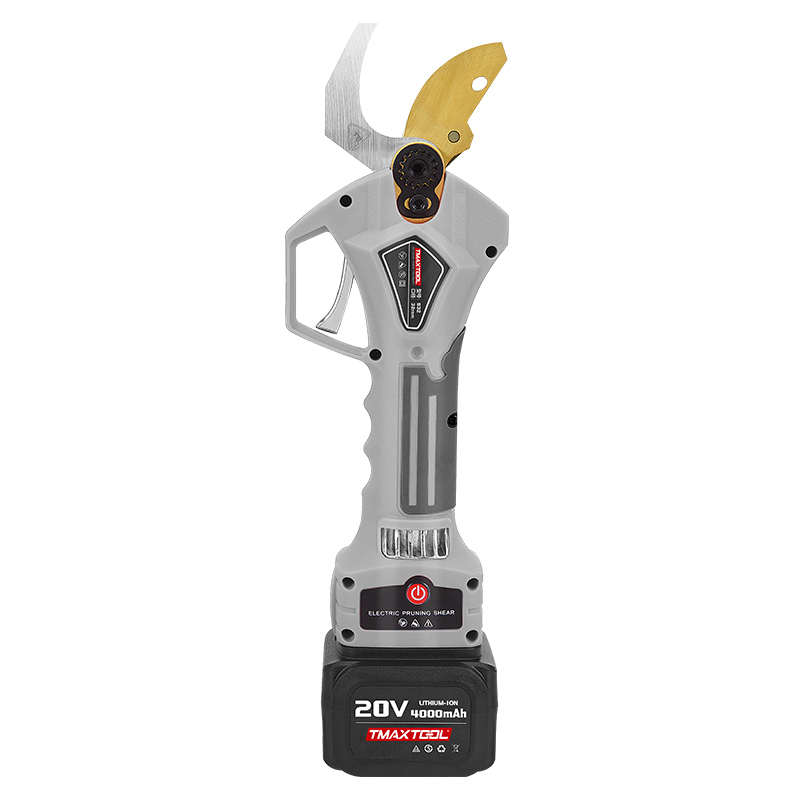 Batter Pruning Shears
 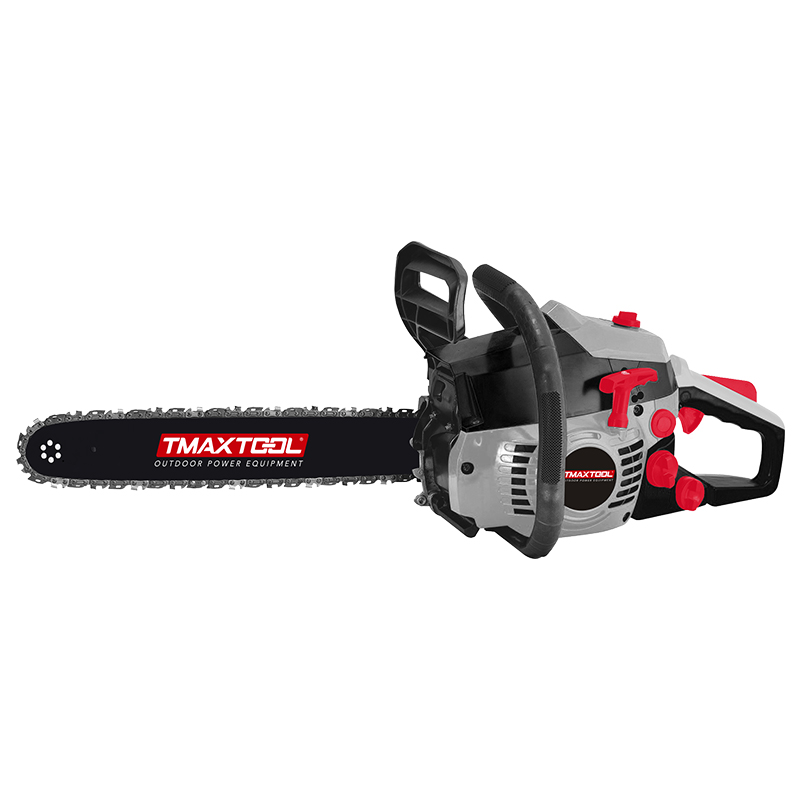 Chain Saw
 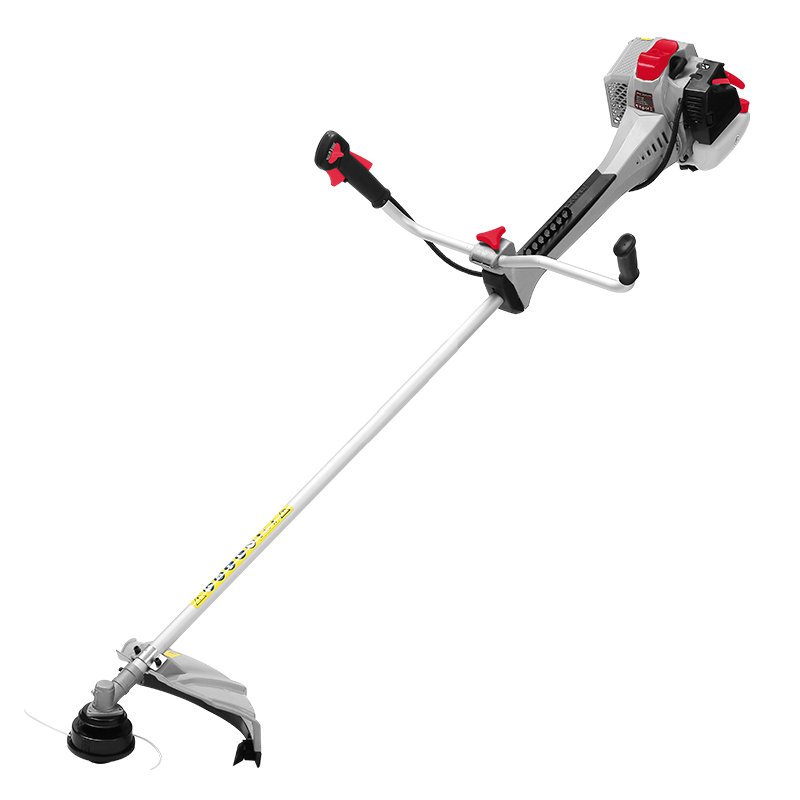 Brush Cutter
 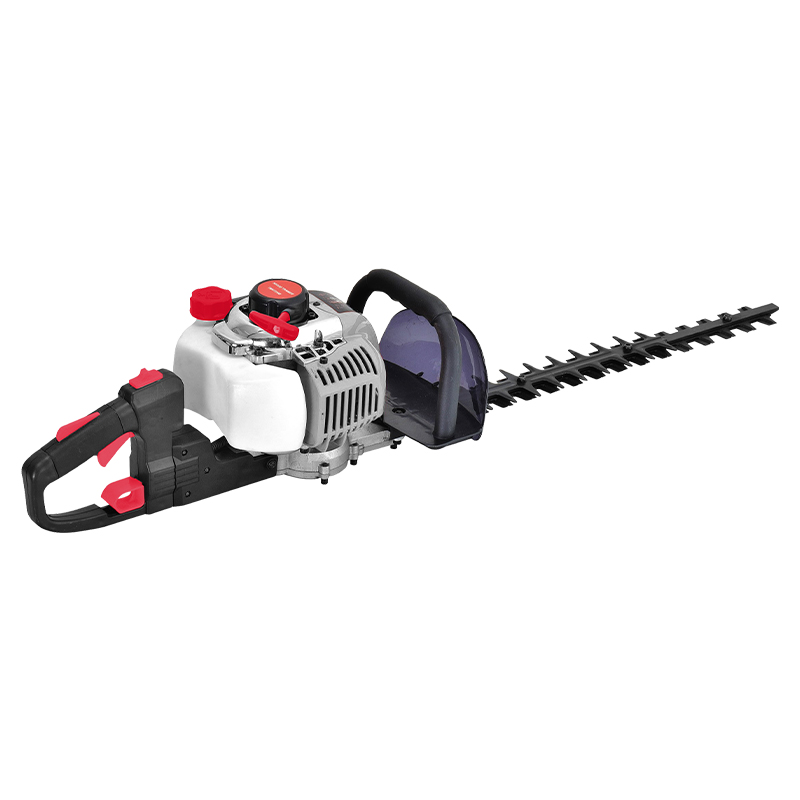 Hedge Trimmer
 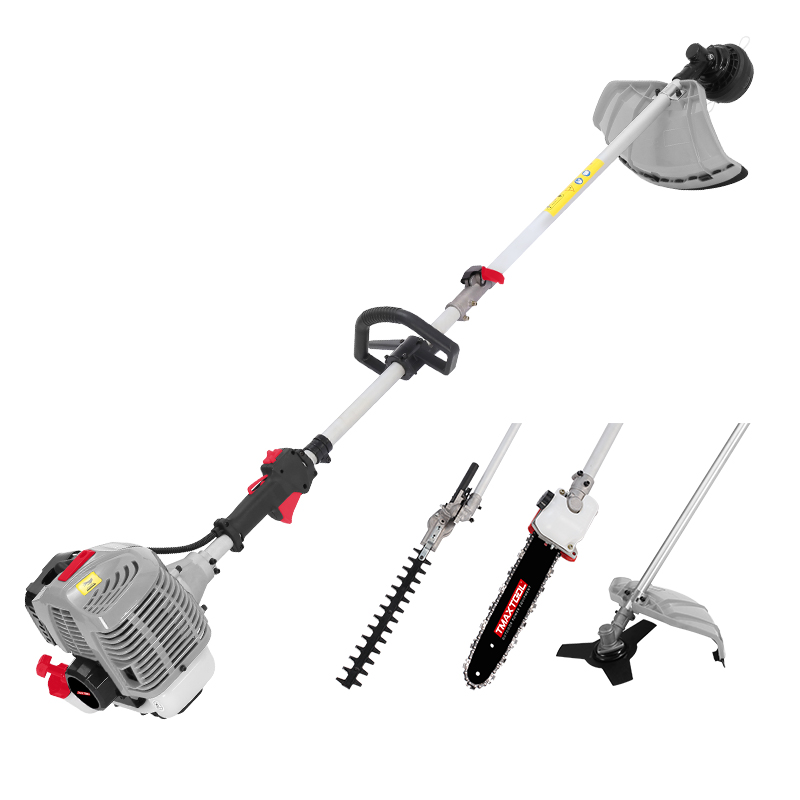 Multi Tool
 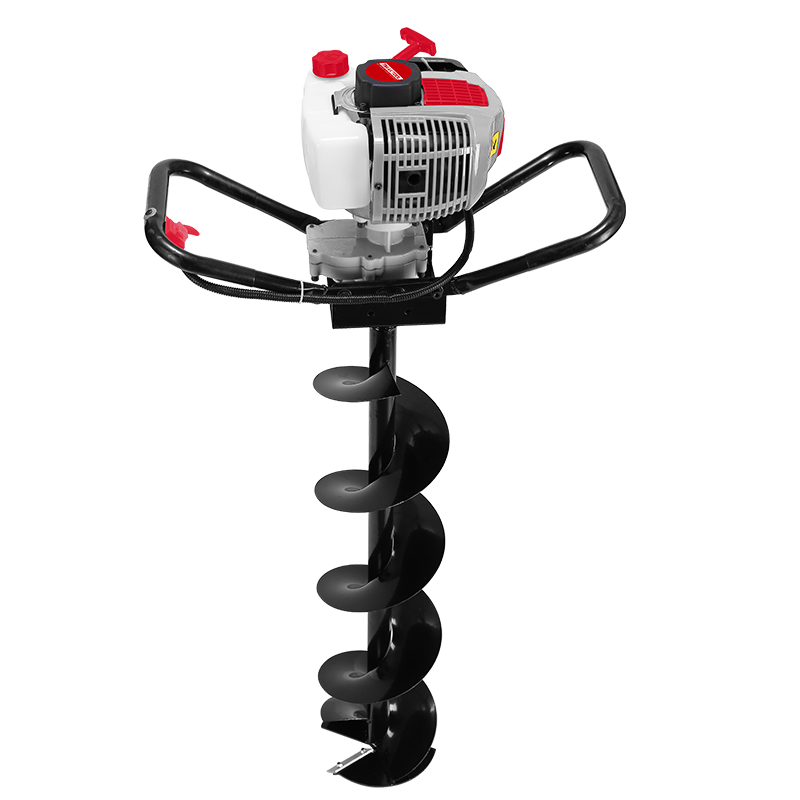 Earth Auger
 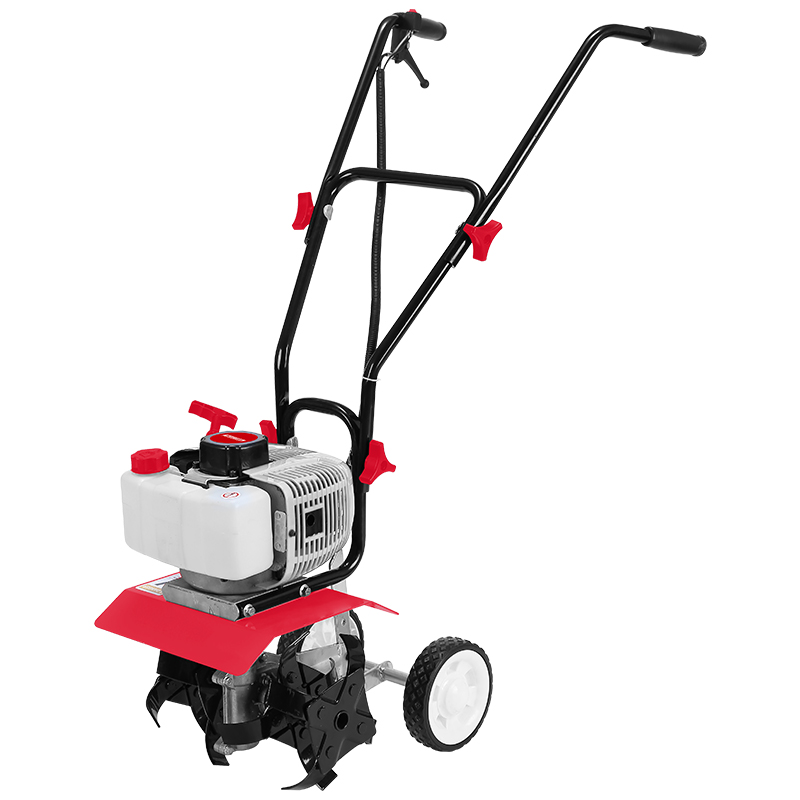 Tiller
 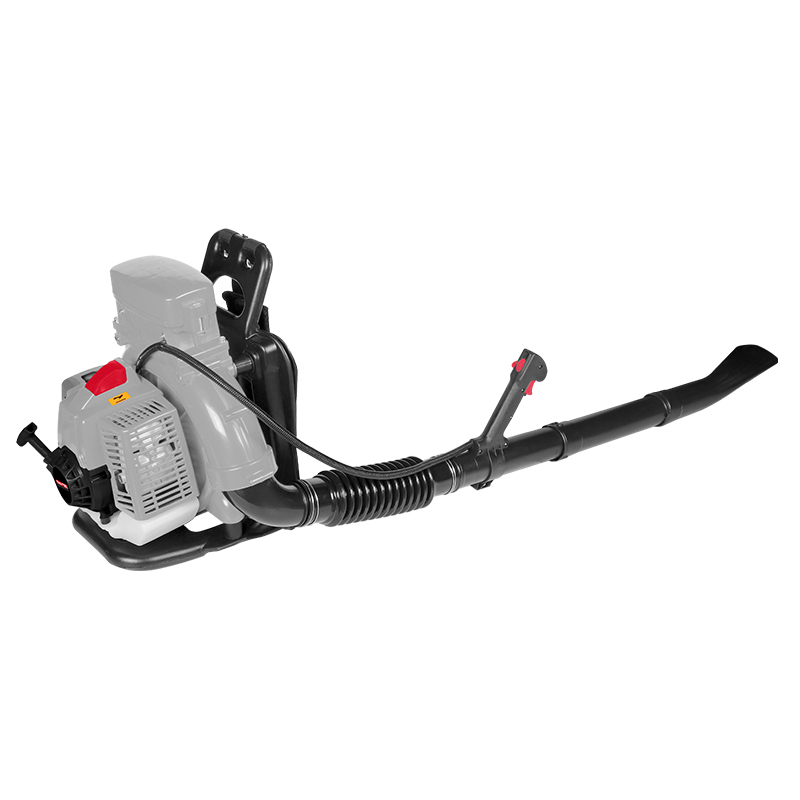 Blower
 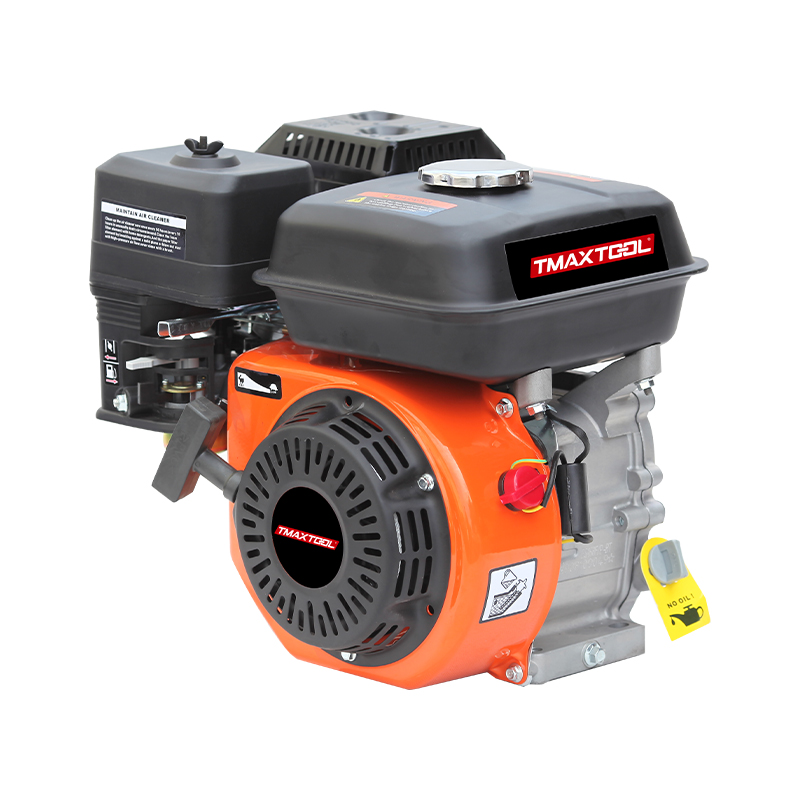 4 Stroke Gasoline Engine
 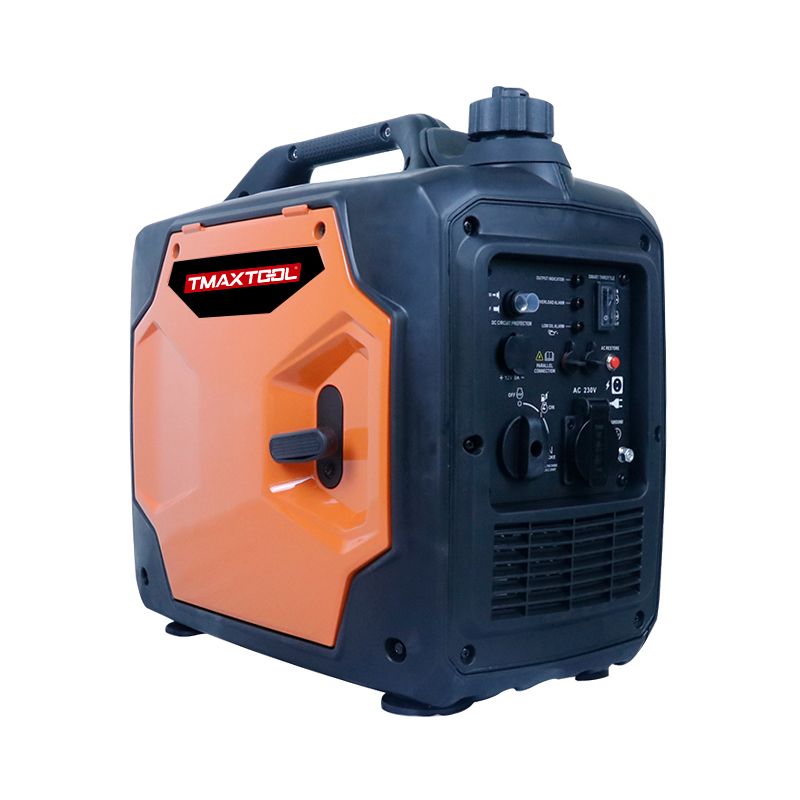 Generator
 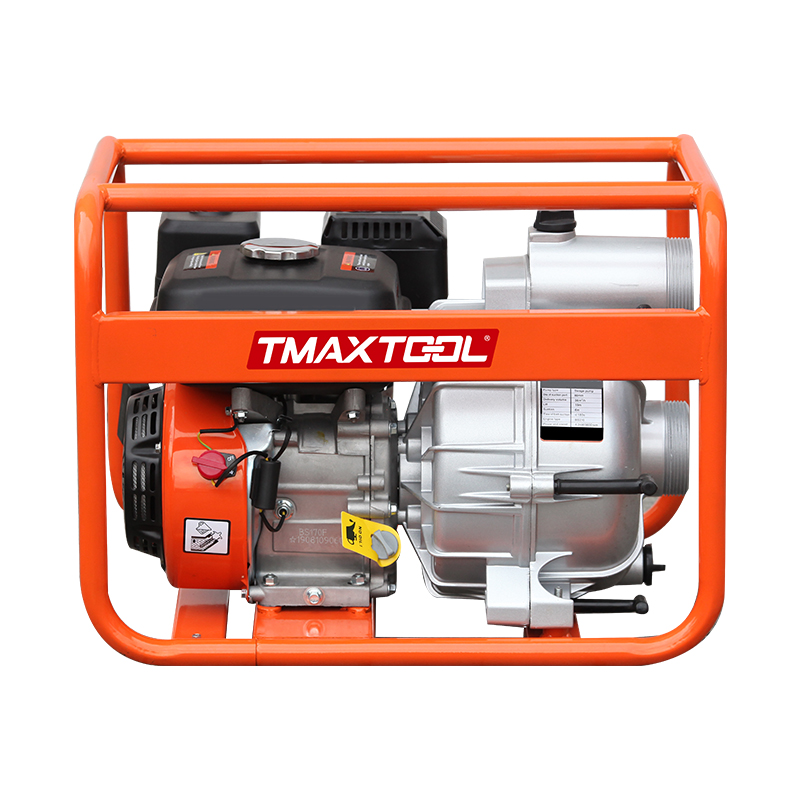 Water Pump
 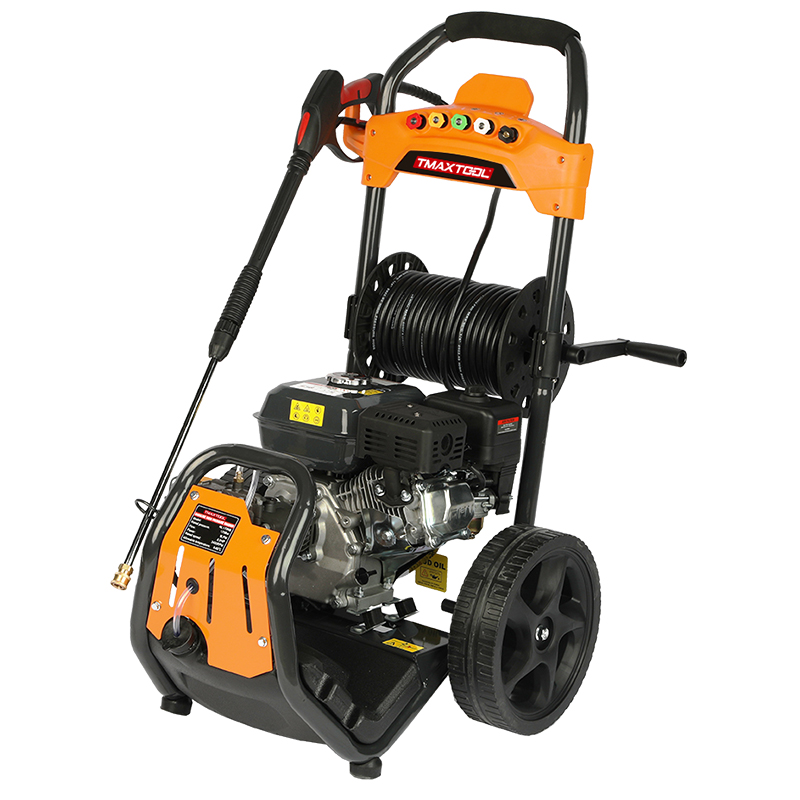 High Pressure Washer
 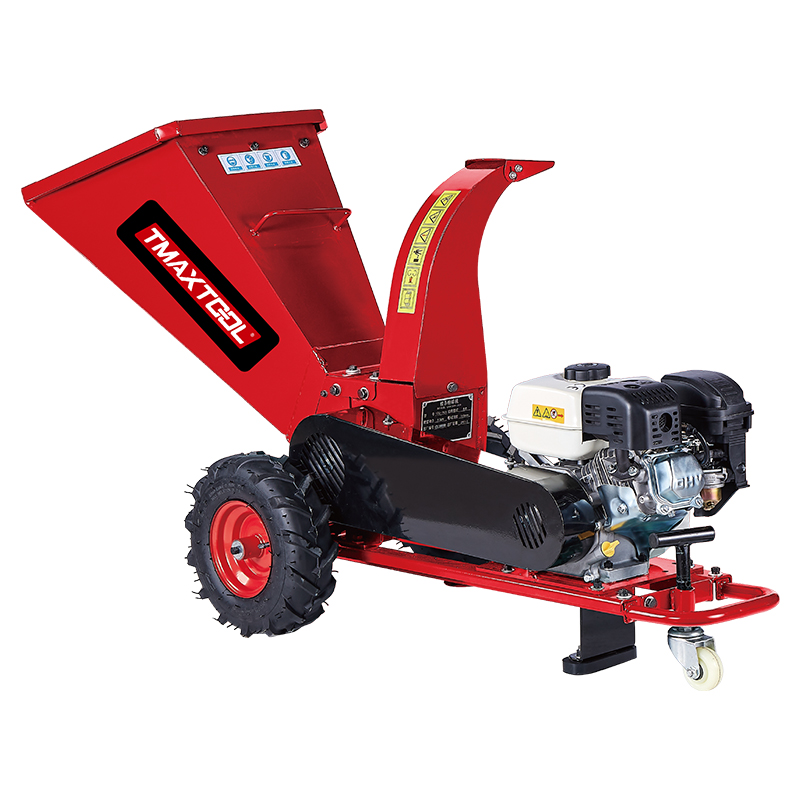 Wood Cutter
 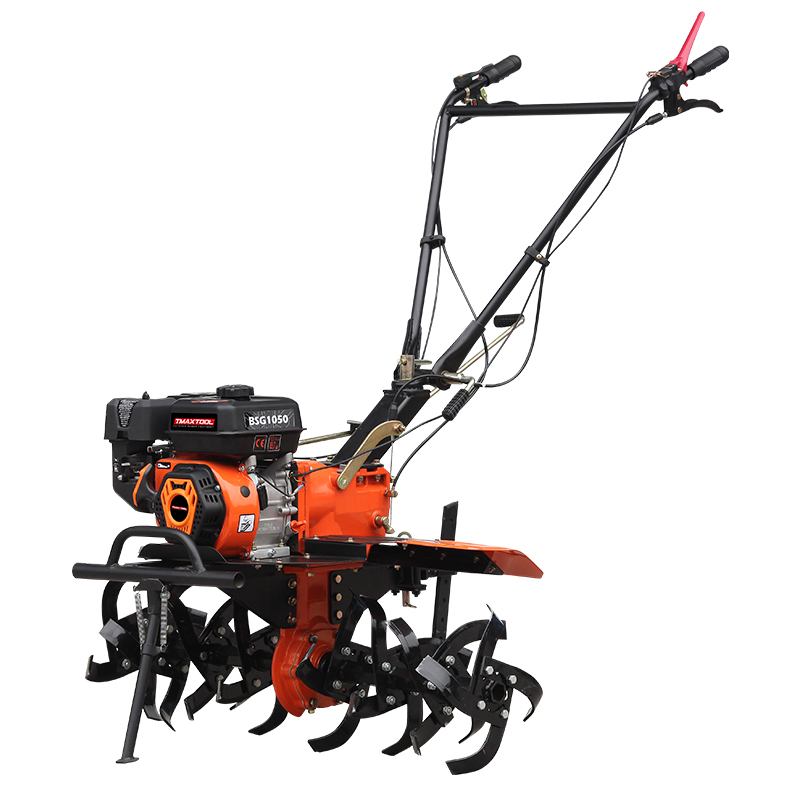 4 Stroke Tiller
 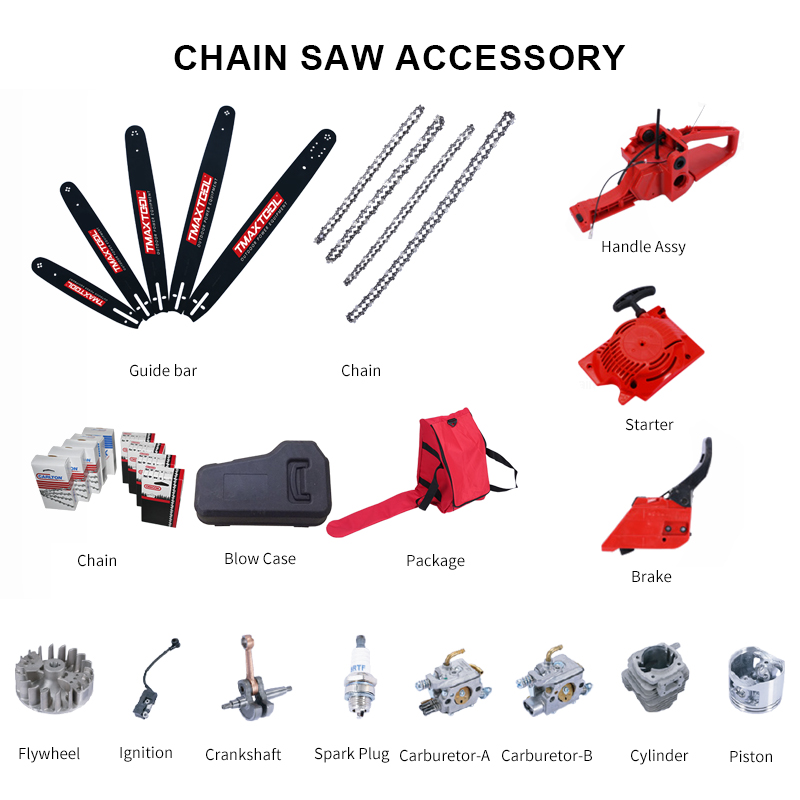 Chain Saw Accessory
 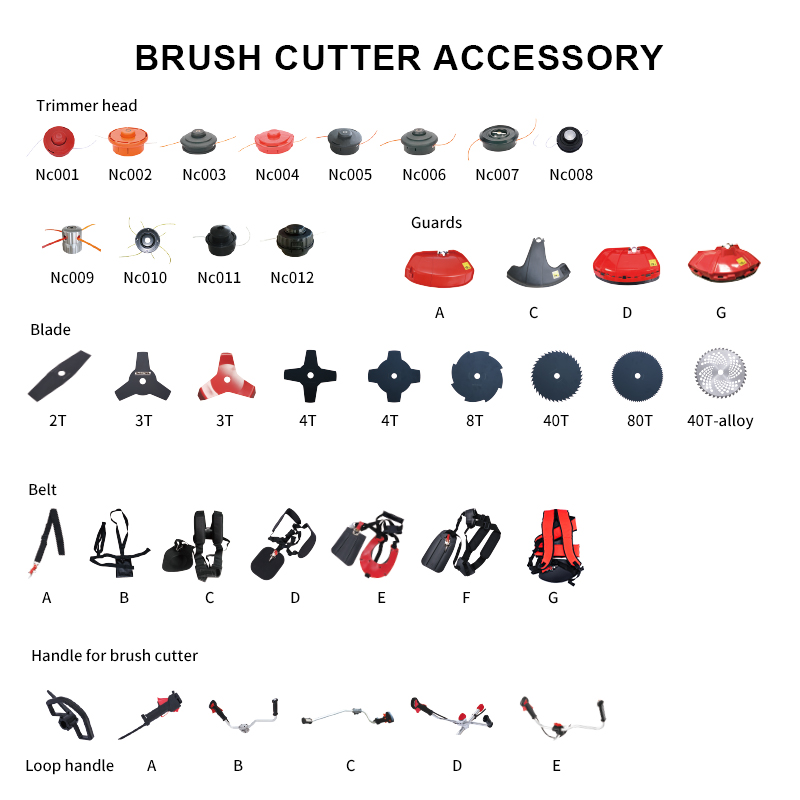 Brush Cutter Accessory
 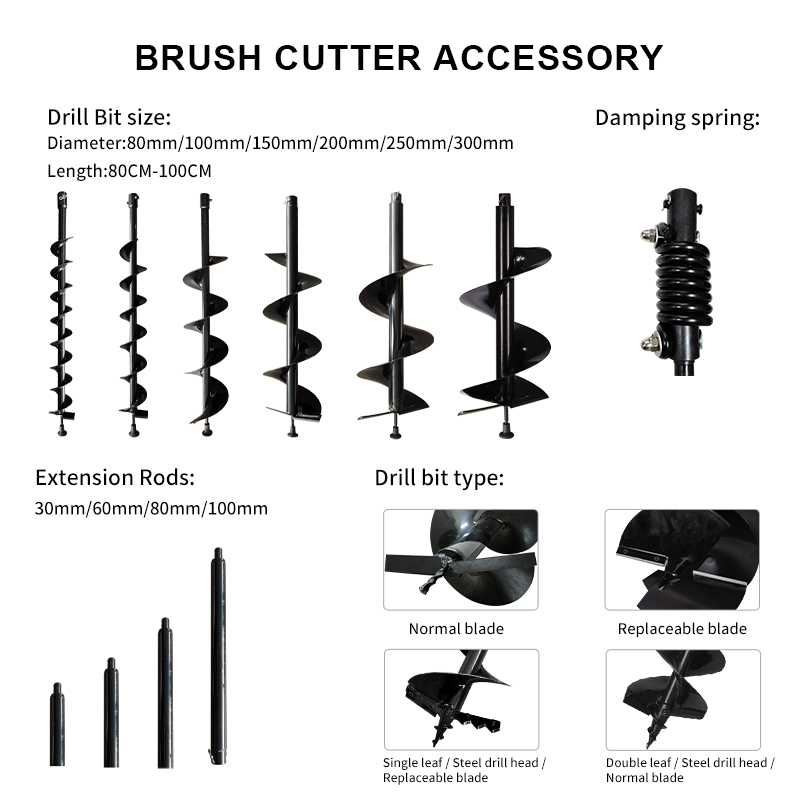 Earth Auger Accessory
 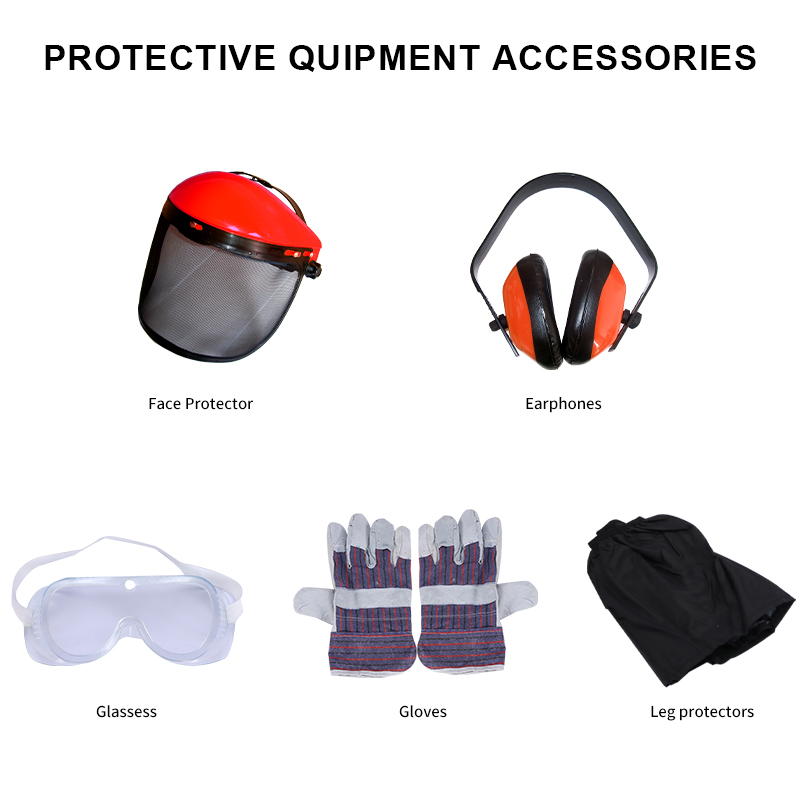 Protective Equipment Accessories
Leave Your Message


Agricultural Machinery Brand Positioning Guide
Agricultural Machinery Brand Positioning Guide
Table of Contents
- Understanding Core Brand Positioning Basics for Global Agricultural Machinery
- Global Market Segmentation: Match Brand Position to Target Buyer Groups
- How to Build Clear Differentiated Brand Value Propositions
- Product Line Positioning Aligned With Regional Farming Demands
- Certification, Compliance & Factory Strength as Brand Position Pillars
- Distribution & Partner-Focused Positioning for Global Distributors
- After-Sales & Lifecycle Service as a Competitive Brand Differentiator
- Digital Brand Presentation Strategies to Reinforce Positioning
- Real-World Brand Position Case Studies From Leading Global Agri Equipment Players
- Frequently Asked Questions About Agricultural Machinery Brand Positioning
- Conclusion
Farm machinery distributors, importers, and large agricultural contractors worldwide share a common challenge: sorting through dozens of competing brands to find partners that align with their local market demand, profit targets, and long-term business growth. For agricultural machinery manufacturers, clear, targeted brand positioning eliminates buyer confusion, builds lasting trust with international procurement partners, and creates a defensible edge in a saturated global market.
Unlike consumer goods, agricultural machinery brand positioning does not rely on superficial marketing flair. It is rooted in tangible operational value: machine durability, terrain adaptability, regulatory compliance, total cost of ownership, spare parts accessibility, and end-user productivity gains. This guide breaks down every actionable step to craft a globally competitive brand position tailored to the priorities of cross-border agricultural equipment buyers.
1. Understanding Core Brand Positioning Basics for Global Agricultural Machinery
Brand positioning for farm equipment answers one critical question for every international buyer: What unique value does this brand deliver that competitors cannot match, and who is this brand built to serve?
Many emerging machinery manufacturers make the mistake of generic positioning—marketing themselves simply as “low-cost tractor suppliers” or “all-purpose farm tool makers.” This broad messaging fails to resonate with specialized importers, who serve distinct farming ecosystems from European large-scale grain farms to smallholder rice plots in Southeast Asia and rugged highland agriculture across Africa.
Three foundational pillars define effective agricultural machinery positioning:
- Target Audience Clarity: Define whether the brand prioritizes exclusive regional distributors, farm equipment rental businesses, large commercial farming cooperatives, or small-scale retail dealers. Each buyer group prioritizes separate metrics: rental fleets focus on low maintenance frequency; commercial farms prioritize high horsepower and precision farming compatibility; small dealers demand low minimum order quantities and fast spare parts shipping.
- Tangible Value Differentiators: Every positioning statement must be backed by measurable factory or product advantages, such as 98% production pass rates, 30-day standard lead times, multi-terrain customized chassis, or 12-month full machine warranty coverage.
- Consistent Cross-Region Messaging: Core brand positioning must remain uniform across trade show materials, official websites, distributor training content, and product catalogs, with localized adjustments only for regional regulatory and farming needs.
A brand’s position sets all subsequent business decisions: product development, certification investment, minimum order quantity policies, after-sales network planning, and distributor partnership benefits. Without defined positioning, manufacturers waste resources competing solely on price, triggering unsustainable margin erosion across global markets.
2. Global Market Segmentation: Match Brand Position to Target Buyer Groups
The global agricultural machinery market splits into four distinct buyer segments, each requiring a fully customized brand positioning framework. Aligning brand identity with one primary segment simplifies communication and strengthens buyer recognition.
Segment 1: Premium Large-Scale Commercial Farm Importers
Buyer Profile: Distributors serving corporate grain, fruit, and livestock farms across North America, Western Europe, and Australia. These buyers handle high-value orders of high-horsepower tractors, autonomous precision farming equipment, large harvesters, and irrigation machinery. Core Buyer Priorities: OEM customization for precision GPS integration, EU/US emission certification, extended service lifecycles, dedicated regional spare parts warehouses, and technical training for farm maintenance teams. Recommended Brand Position Focus: Engineering excellence, smart integrated farming ecosystems, regulatory full compliance, and end-to-end farm operation solutions.
Segment 2: Mid-Tier General Agricultural Distributors
Buyer Profile: Regional dealers operating across Central Asia, Eastern Europe, and Latin America, balancing sales to mid-sized family farms and small agricultural contractors. Their inventory mix includes compact tractors, tillers, sprayers, and multi-functional garden-agri hybrid machinery. Core Buyer Priorities: Balanced cost-performance ratio, flexible MOQ (50 units or below), short sample lead times, multilingual technical support, and standardized universal spare parts compatibility. Recommended Brand Position Focus: All-scenario adaptable machinery, reliable cost-performance balance, one-stop agricultural procurement solutions, and streamlined global supply chain support.
Segment 3: Smallholder & Emerging Market Specialized Importers
Buyer Profile: Local importers in Southeast Asia, sub-Saharan Africa, and South Asia catering to fragmented, small-plot farms focused on rice, maize, and horticulture. Demand centers on lightweight, low-horsepower machinery resistant to high humidity, mud, and uneven terrain. Core Buyer Priorities: Affordable entry pricing, simplified maintenance with locally available replacement parts, low fuel consumption, and compact machine designs for narrow field access. Recommended Brand Position Focus: Rugged terrain-specific machinery, low operational total cost, easy repair and accessibility for rural end-users.
Segment 4: Agricultural Rental & Contract Service Fleet Operators
Buyer Profile: Businesses that rent out farm machinery or offer contracted ploughing, seeding, and harvesting services to local farmers. These buyers purchase fleets of identical machines to minimize training and repair complexity. Core Buyer Priorities: Low breakdown frequency, standardized interchangeable parts, long warranty periods, bulk order discounts, and fast bulk spare part delivery. Recommended Brand Position Focus: Fleet-grade durable construction, low lifetime maintenance costs, volume partnership incentives.
3. How to Build Clear Differentiated Brand Value Propositions
A value proposition distills brand positioning into a concise statement that international distributors can immediately understand and communicate to their own farm customers. To avoid generic language, build the proposition around one primary competitive advantage supported by secondary proof points.
Three Common High-Impact Value Proposition Templates for Agri Machinery Brands
Template 1: One-Stop Integrated Agricultural Equipment Solution Brand
Core Differentiator: Full product portfolio covering tractors, tillage machinery, harvesting equipment, agricultural power generators, garden tools, and all matching replacement accessories under a single brand. Support Proof Points: 500+ stock keeping units, unified spare parts supply chain, single container mixed-order flexibility, centralized technical training covering all product lines. Target Segment: Mid-tier regional general distributors seeking to consolidate multiple supplier relationships.
Template 2: Customized Terrain-Adaptive Farm Machinery Manufacturer
Core Differentiator: Modular product engineering to modify chassis, engine power, tire configuration, and sealing systems for tropical wetland, arid plateau, rocky hillside, or cold highland farming regions. Support Proof Points: In-house sample development completed within 7 days, dedicated regional product R&D teams, field test data from 50+ export countries, fully localized certification packages for each target market. Target Segment: Emerging market specialized importers and niche crop farming distributors.
Template 3: Cost-Performance Optimized Commercial Farm Machinery Brand
Core Differentiator: Factory digitalized production lines that reduce manufacturing waste, delivering equivalent performance to premium Western brands at a 30–40% lower landed cost without compromising core durability. Support Proof Points: 98% production completion and pass rates, 30-day consistent mass production lead times, ISO 9000 quality management, global third-party factory audit verification, 12-month full machine warranty. Target Segment: Commercial farm contractors and mid-volume importers balancing margin and product reliability.
Avoid These Positioning Pitfalls
- Combining multiple conflicting value propositions (e.g., simultaneously marketing as “premium smart farm brand” and “ultra-low-cost entry machinery”) confuses buyers and dilutes market recognition.
- Relying solely on price as the core selling point—price-only positioning triggers constant downward margin pressure and fails to build long-term distributor loyalty.
- Overlooking tangible proof data; claims like “high durability” carry no weight without production pass rates, field test reports, or multi-country customer case studies.
4. Product Line Positioning Aligned With Regional Farming Demands
Every geographic agricultural zone presents unique operational constraints that must shape product line brand positioning. Distributors prioritize brands whose product catalogs are purpose-built for local crop cycles, terrain, and regulatory standards, rather than generic universal machinery.
Key Regional Product Customization & Positioning Rules
Europe & North America
Regulatory barriers are the primary filter for importers here. Brand positioning must lead with full compliance for CE, EPA emissions, and local agricultural safety standards. Product lines should emphasize precision farming compatibility: GPS navigation interfaces, variable-rate spray control, low-emission hybrid engines, and high-efficiency power systems. Position product ranges as professional-grade equipment for regulated commercial agriculture.
Southeast Asia & South Asia
Rice paddies, narrow horticulture plots, and high-humidity environments dominate demand. Position compact, lightweight tractors with elevated anti-corrosion chassis, water-resistant electrical components, and low-horsepower fuel-efficient engines. Highlight interchangeable multi-purpose attachments for tilling, harvesting, and spraying in a single machine to appeal to smallholder end-users.
Africa & Central Asia
Dry, rocky terrain, limited local repair infrastructure, and unreliable fuel quality define market requirements. Brand positioning must stress heavy-duty wear-resistant components, simplified mechanical structures with minimal electronic parts, and universal spare parts that can be sourced locally without exclusive brand restrictions. Emphasize low fuel grade compatibility and extended service intervals to reduce farmer downtime.
Latin America
Mixed large-scale grain farms and small fruit plantations create dual demand. Split product line positioning into two tiers: high-horsepower tractors and harvesters for corporate agriculture, plus compact multi-functional machinery for family orchards and vegetable plots. Highlight dust-proof engine systems suited to dry seasonal farm conditions.
Product Portfolio Brand Architecture Best Practice
Separate sub-line positioning prevents internal brand competition and gives distributors clear tiered inventory options:
- Premium Series: Smart, high-horsepower machinery for commercial large farms (target premium importers)
- Standard Series: Balanced performance multi-purpose equipment for general regional distributors
- Entry Series: Compact, low-cost rugged machinery for smallholder emerging markets Each sub-series carries consistent core brand identity with distinct feature sets and pricing tiers to match segmented buyer budgets.
5. Certification, Compliance & Factory Strength as Brand Position Pillars
International agricultural machinery importers complete rigorous supplier vetting before signing exclusive distribution partnerships. Official certifications and verifiable factory infrastructure serve as objective credibility markers that strengthen premium brand positioning far more than marketing copy alone.
Mandatory Compliance Credentials to Highlight in Global Brand Positioning
- ISO 9000 Quality Management System: Validates standardized mass production consistency, a non-negotiable requirement for large bulk order importers.
- CE Certification (EU Markets): Covers mechanical safety, electromagnetic compatibility, and emission standards for all machinery sold within European borders.
- EPA Engine Emission Certification (USA, Canada): Required for any farm equipment entering North American commercial agriculture channels.
- BSCI & RoHS Audit Certificates: Build trust with retail-focused distributors and meet global supply chain ethical manufacturing standards.
- GCC Regional Certifications: Mandatory for machinery exported to Middle Eastern agricultural markets.
Factory Infrastructure as a Core Brand Position Asset
Digitalized smart factory production systems form a powerful unique selling point for positioning as a reliable, high-volume manufacturer. Key factory strengths to integrate into brand messaging include:
- Digitization management monitoring for full production process traceability, enabling real-time quality control tracking.
- 10+ independent automated production lines supporting 30,000+ monthly unit output capacity, guaranteeing on-time delivery for large container orders.
- In-house product testing laboratories for terrain simulation, engine endurance, and corrosion resistance trials before mass shipment.
- Dedicated OEM/ODM customization workshops for developing region-exclusive machinery variants.
All factory credentials should be visually displayed on official websites, trade show booth materials, distributor onboarding packs, and product catalogs, giving procurement buyers immediate verifiable proof of brand manufacturing capability.
6. Distribution & Partner-Focused Positioning for Global Distributors
Nearly 100% of cross-border agricultural machinery sales flow through regional exclusive distributors and dealers. Effective brand positioning must prioritize partner profitability and support systems, not only end-user farm equipment performance. Distributors will prioritize brands that provide clear competitive advantages for their local market operations.
Core Partner Value Points to Integrate Into Brand Positioning
- Exclusive Regional Market Protection Guaranteed territory exclusivity prevents cross-border price competition between your global distributors, stabilizing local profit margins and encouraging partners to invest in brand local marketing, field demonstrations, and spare parts inventory. This policy becomes a standout positioning benefit for brands competing against manufacturers that sell indiscriminately to multiple buyers within a single country.
- Comprehensive Distributor Empowerment Packages Frame the brand as a full-service partner rather than a simple product supplier by highlighting end-to-end support resources:
- Customizable local sales plan templates tailored to regional farming seasons
- Inventory guarantee frameworks for core fast-moving product models to eliminate stockout risks
- Full set of marketing assets: high-resolution machine imagery, field operation demonstration videos, print catalogs, and social media promotional content
- Professional annual global agricultural market trend reports to guide partner inventory planning
- Free remote and on-site technical training for distributor repair teams and sales staff
- Official brand certification authorization for local trade fair participation and government agricultural project bidding
- Flexible Procurement Terms Aligned With Distributor Cash Flow Position the brand as accessible to both large corporate importers and small startup dealers through flexible purchasing policies: low minimum order quantities starting at 50 units, mixed-item consolidated container shipments, and predictable 30-day standardized production lead times to simplify inventory budgeting.
Exclusive Agent Brand Position Messaging Example
“Partner with our brand to access protected regional territory rights, complete sales & technical training resources, and cost-balanced farm machinery built exclusively for your local farming terrain. We provide full marketing asset support, consistent on-time bulk delivery, and a dedicated global partner success team to maximize your agricultural equipment profit margins year-round.”
7. After-Sales & Lifecycle Service as a Competitive Brand Differentiator
Global farm equipment buyers consistently rank after-sales support infrastructure as their second most important supplier evaluation factor, immediately behind machine durability. Many mid-tier manufacturers overlook service as a brand positioning pillar, ceding competitive ground to established international players with robust spare parts networks.
Service-Focused Brand Position Core Elements
12-Month Full Machine Standard Warranty
Position comprehensive warranty coverage as a core brand promise, covering all factory manufacturing defects for one full year post-delivery, with clear streamlined spare part replacement processes. Contrast against competitors that offer limited component-only warranties to highlight brand confidence in product build quality.
Global Fast Response Technical Support
Highlight a 24-hour multilingual technical response team to resolve distributor and end-user mechanical troubleshooting remotely via video call, reducing costly field downtime for farm operations. Include remote machine diagnostic capabilities for smart precision farming equipment as an advanced positioning feature for premium market segments.
Centralized Global Spare Parts Logistics
Position dedicated spare parts warehouses supporting fast air and sea shipment of replacement components to every major agricultural region, eliminating multi-month wait times for repair parts that erode distributor customer satisfaction. For high-volume partner territories, offer options for local consignment spare parts stock to enable same-day regional fulfillment.
Full Lifecycle Operation Guidance
Supply every distributor with complete machine service manuals, disassembly schematics, maintenance interval checklists, and fuel/filter replacement guides translated into local regional languages. This reduces distributor training overhead and builds end-user trust in the brand’s long-term usability.
Service-focused positioning resonates powerfully with rental fleet operators and commercial farm contractors, who lose direct revenue every time machinery sits idle awaiting repair support.
8. Digital Brand Presentation Strategies to Reinforce Positioning
A brand’s official website, blog content, product galleries, and trade show digital materials act as the primary touchpoint for international procurement buyers researching new machinery suppliers. All digital assets must visually and verbally reinforce core brand positioning without conflicting value messaging.
Website & Blog Positioning Best Practices
- Homepage hero banner clearly states the core brand value proposition, paired with high-resolution product line imagery matching the target market’s farming scenarios (e.g., rice paddy machinery for Southeast Asia, large grain tractors for European commercial farms).
- Dedicated brand story page outlining factory history, 15+ years agricultural machinery manufacturing experience, global export footprint across 50+ countries, and core positioning mission.
- Separate segmented product center pages grouping machinery by use case: Power Tools, Garden & Agricultural Equipment, Agricultural Generators & Tillers, Replacement Accessories, and Hand Tool Sets. Each product category page opens with segment-specific positioning messaging tailored to the buyer group that purchases that equipment line.
- Blog content calendar focused on distributor and end-user educational topics aligned with brand positioning, including regional machinery maintenance guides, cross-border agricultural equipment wholesale tips, OEM customization process breakdowns, and comparative guides for tractor, harvester, and garden tool selection. All blog content avoids overly promotional language, prioritizing actionable expert insights for global procurement audiences.
Visual Brand Consistency Rules
Maintain uniform brand color palette, logo placement, and graphic style across all digital assets. Visual storytelling should showcase real factory digitized production footage, in-field machinery operation demos across diverse global terrain, distributor partnership handshake visuals, and full international certification displays to reinforce positioning pillars of reliability, compliance, and global partnership.
9. Real-World Brand Position Case Studies From Leading Global Agri Equipment Players
Case 1: John Deere – Premium Smart Commercial Farming Ecosystem Brand
Core Positioning: Technology-driven integrated precision agriculture solution provider for large-scale commercial farms across North America, Europe, and Australia. Differentiators: Proprietary farm management digital software ecosystem, autonomous tractor engineering, full global dealer service network, and premium emission-compliant high-horsepower machinery. Target Buyer Alignment: Exclusively serves large corporate agricultural contractors and certified regional premium distributors, intentionally avoiding low-cost smallholder market competition to protect premium brand equity.
Case 2: Kubota – Compact Multi-Terrain Small & Mid-Scale Farm Specialist
Core Positioning: Compact, low-maintenance versatile machinery built for smallholder and family farms across Asia-Pacific and North America. Differentiators: Highly maneuverable small tractors and harvesting equipment optimized for narrow plots, simplified mechanical designs with minimal complex electronics, dedicated local dealer training programs for rural service teams. Market Strategy: Avoids competing on large high-horsepower commercial machinery, fully focusing product development on compact equipment to solidify niche brand recognition.
Case 3: Mid-Tier Global Cost-Performance Agricultural Manufacturers
Core Positioning: One-stop balanced value farm machinery supplier for general regional distributors in emerging agricultural markets. Differentiators: Wide full product portfolio covering all farming operation links, flexible low MOQ orders, factory digitalized production for consistent quality, localized certification packages for 50+ export countries, and comprehensive distributor marketing & technical support. Competitive Edge: Balances reliable manufacturing quality with accessible pricing, filling the market gap between ultra-low-cost uncertified generic machinery and high-priced Western premium brands.
10. Frequently Asked Questions About Agricultural Machinery Brand Positioning
What is the first step to redefine my agricultural machinery brand positioning for global buyers?
Begin with comprehensive research of your current distributor customer base: document their primary operating regions, customer end-user farm types, top product models they reorder most frequently, and the top three challenges they cite with competing machinery brands. This data identifies your strongest natural competitive differentiators and target buyer segments to anchor your new positioning.
Can a single agricultural machinery brand serve both premium commercial farm importers and low-cost smallholder dealers simultaneously?
It is not recommended under one unified brand identity, as conflicting value propositions confuse international buyers. The effective alternative is creating tiered sub-series product lines under the master brand, with separate targeted positioning messaging for each tier, clear price separation, and distinct feature sets to avoid internal brand dilution.
How long does it take for refined brand positioning to deliver measurable growth in global distributor partnerships?
For manufacturers with existing export track records, consistent positioning across all digital and trade assets typically drives noticeable distributor inquiry growth within 3–6 months. Full market recognition and exclusive agent partnership expansion usually require 12+ months of uniform positioning execution across all global touchpoints.
Do regional cultural differences require complete brand positioning overhauls for each export country?
Core brand value propositions remain universal across all markets; only supporting marketing content requires localized adjustments. For example, the core position of “reliable cost-performance one-stop agricultural machinery supplier” stays consistent worldwide, while product demo imagery, compliance certification displays, and spare part logistics messaging are tailored to match each region’s regulatory and farming landscape.
Why do so many agricultural machinery manufacturers fail to build recognizable global brand positioning?
The most common failure points include overreliance on price as the sole selling point, generic non-segmented messaging that fails to speak to specific distributor pain points, inconsistent brand storytelling across websites, trade shows, and catalogs, and neglecting to integrate factory strength, certification, and after-sales service into core positioning pillars.
11. Conclusion
Effective agricultural machinery brand positioning is not a surface-level marketing exercise—it is a comprehensive business strategy that shapes product development, factory investment, distributor partnership policies, after-sales infrastructure, and all cross-border communication. For international importers and distributors, a clearly defined brand position answers their core procurement concerns: whether the machinery matches their local farming terrain, meets regional compliance standards, delivers predictable long-term operational value, and is backed by reliable global partner support.
Manufacturers that build positioning around tangible, verifiable differentiators—purpose-built regional product design, complete regulatory certification, digitized consistent factory production, end-to-end distributor empowerment packages, and full lifecycle after-sales service—stand apart from generic competitors competing solely on low pricing. By aligning every element of brand identity to the unique priorities of your target global buyer segment, you build lasting distributor loyalty, stable profit margins, and sustainable long-term growth across the worldwide agricultural machinery market.