
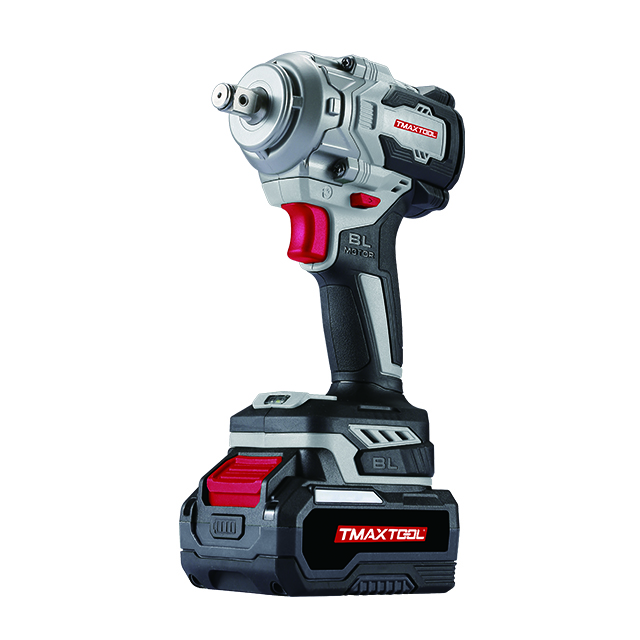
 Impact Wrench
 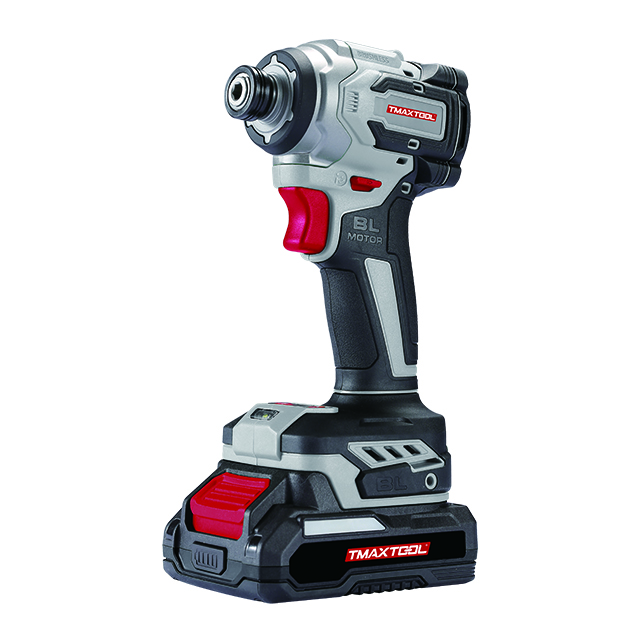 Screwdriver
 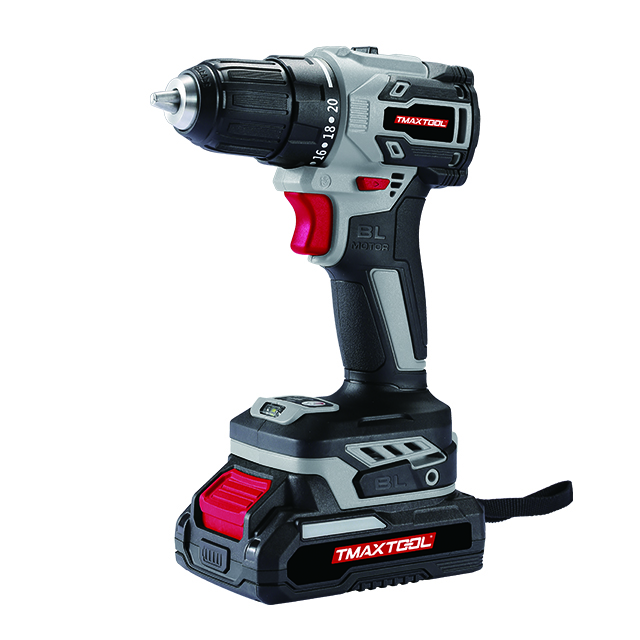 Cordless Drill
 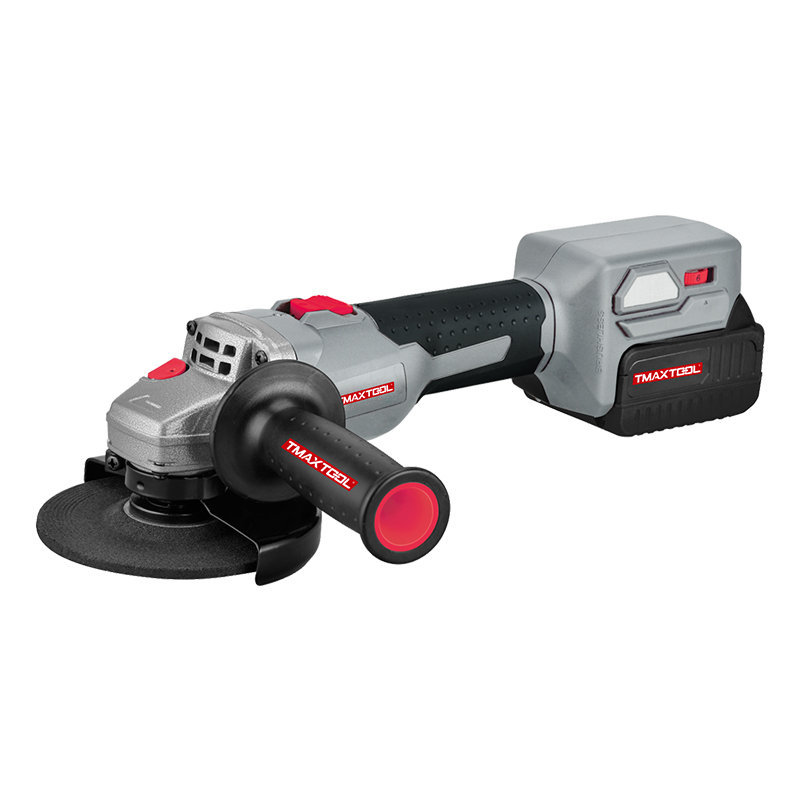 Angle Grinder
 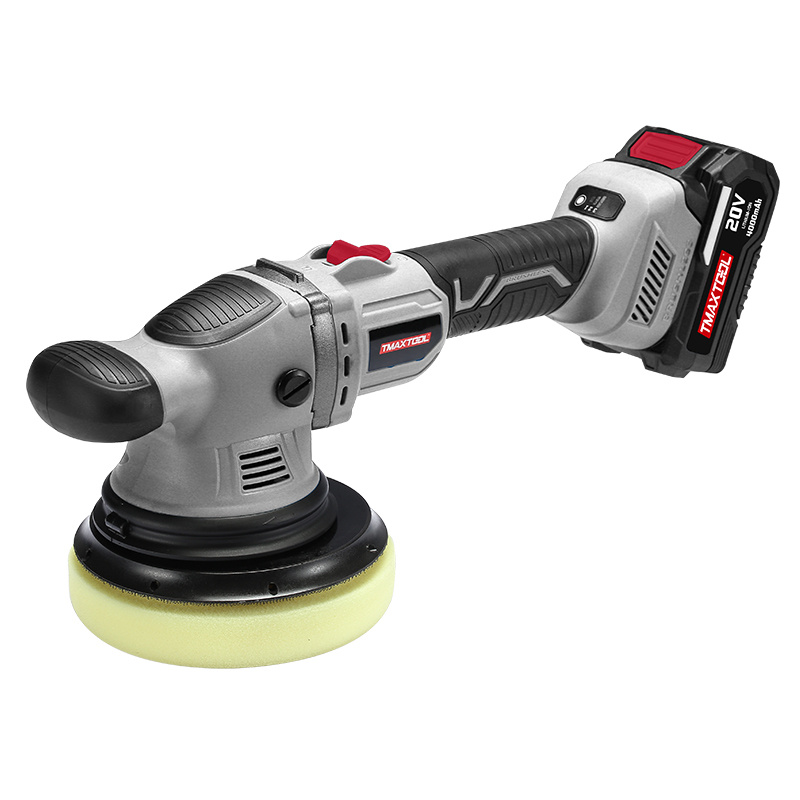 Polisher
 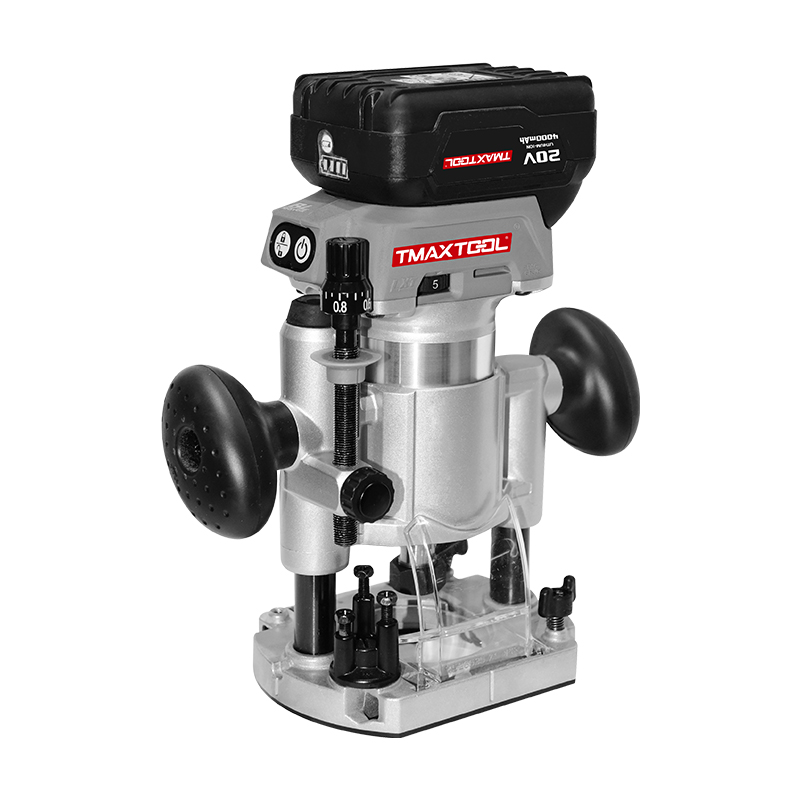 Wood Router
 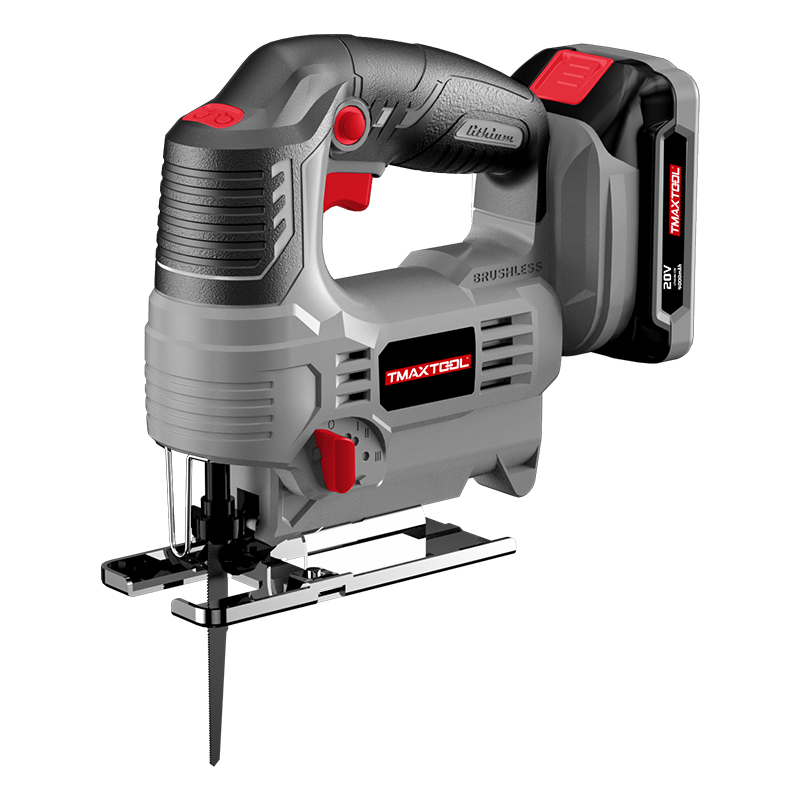 Jig Saw
 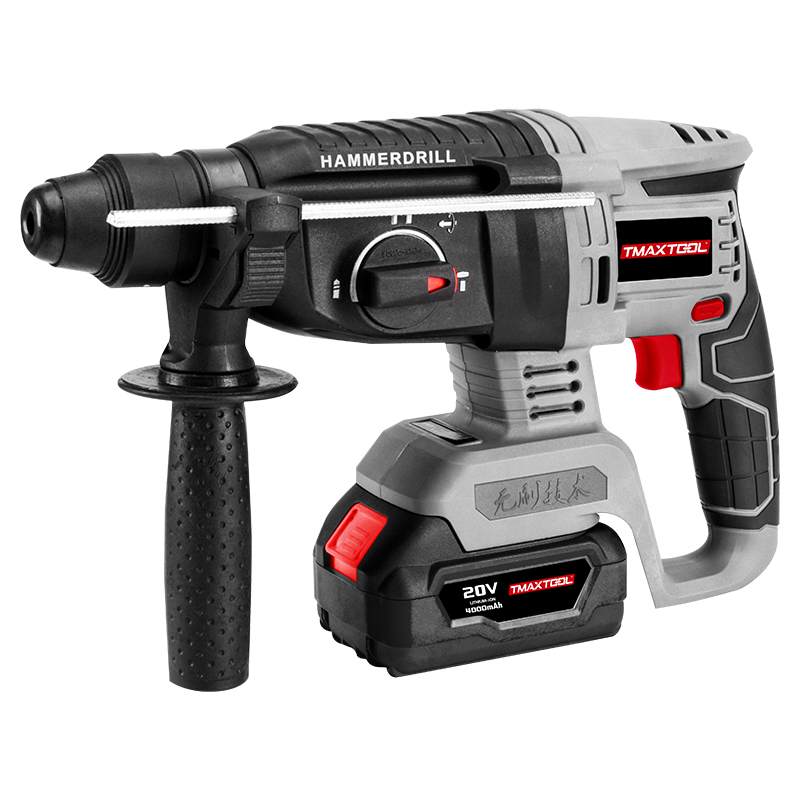 Hammer Drill
 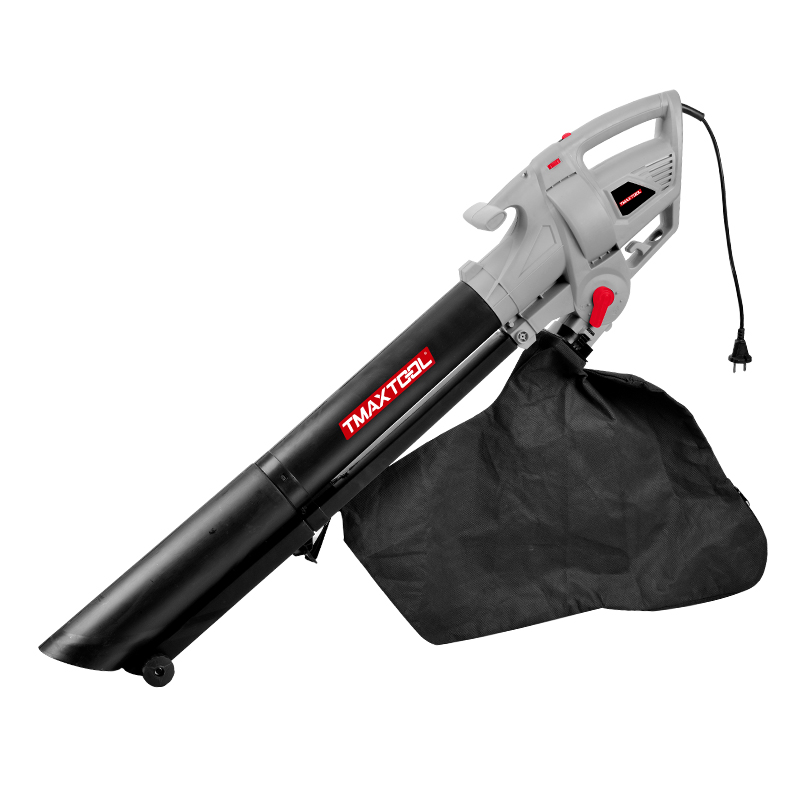 Portable Blower
 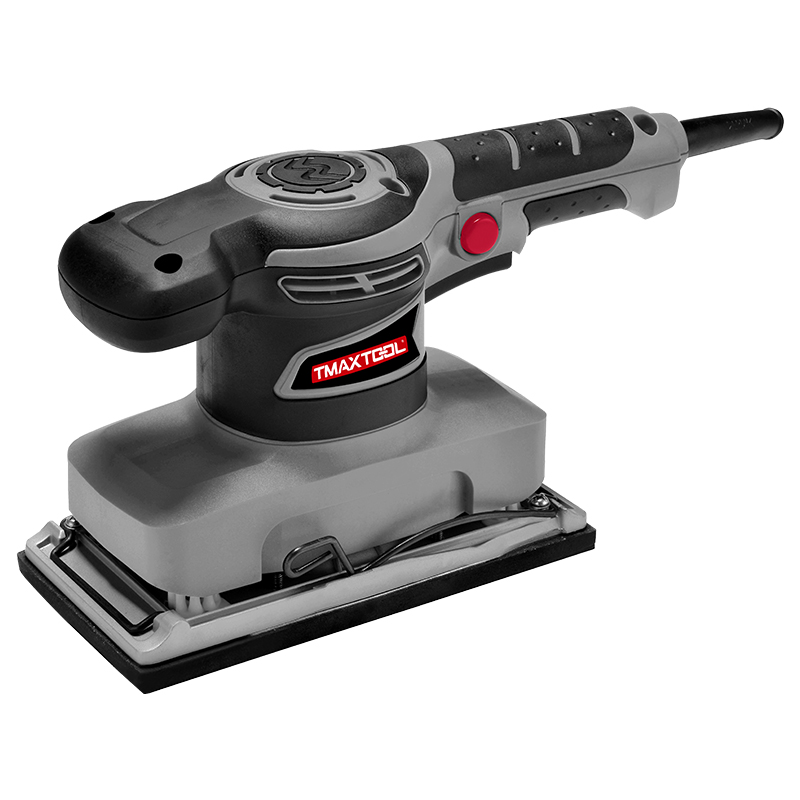 Orbital Sander
 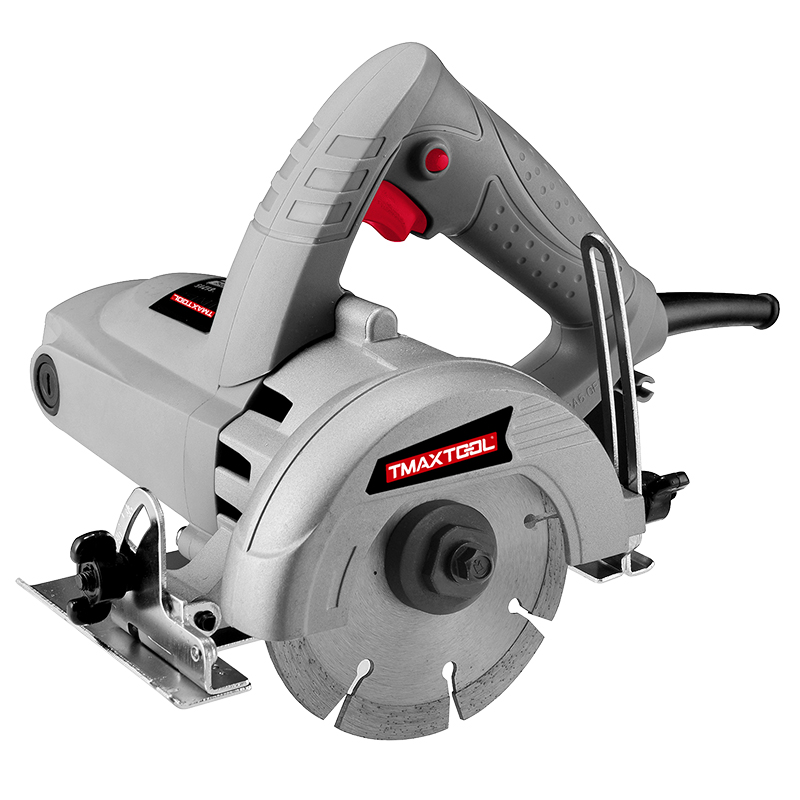 Marble Cutter
 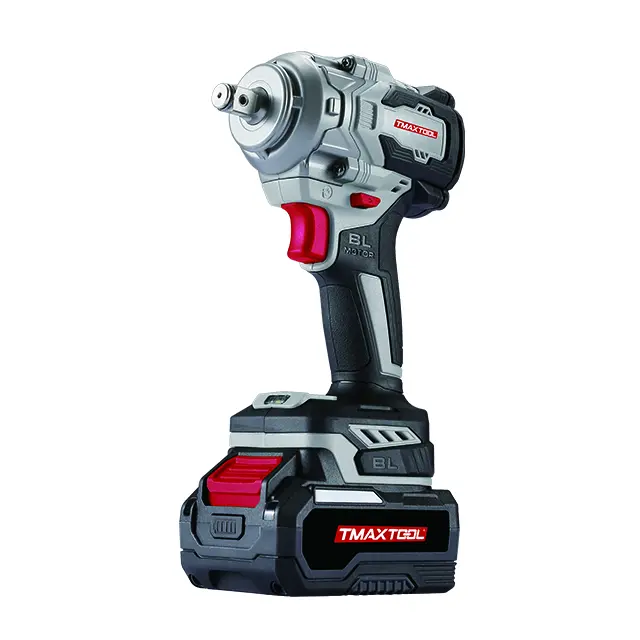 GARDEN TOOLS
 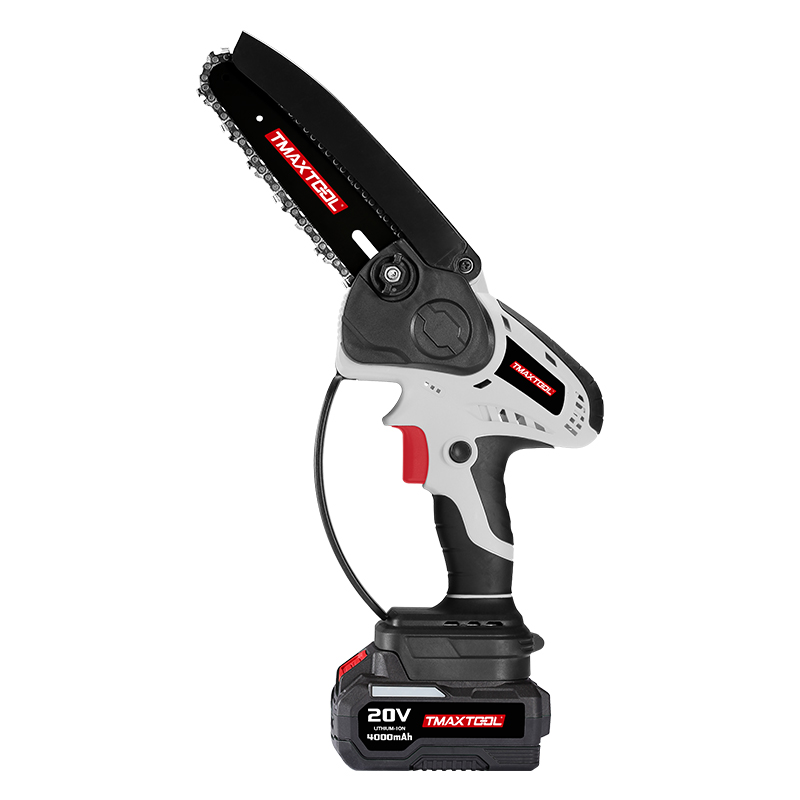 Battery Chain Saw
 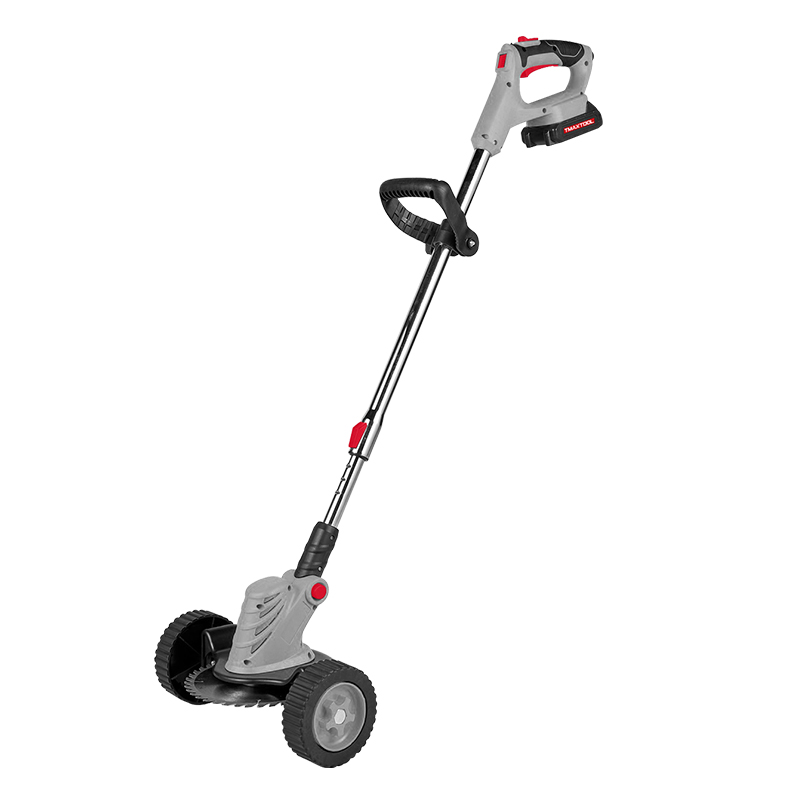 Battery Brush Cutter
 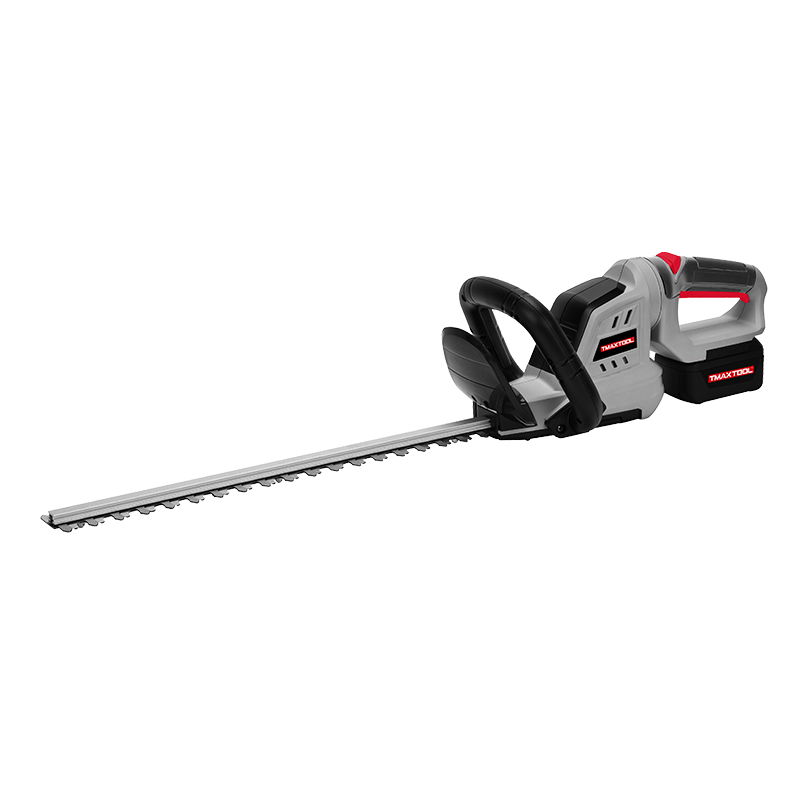 Battery Hedge Trimmer
 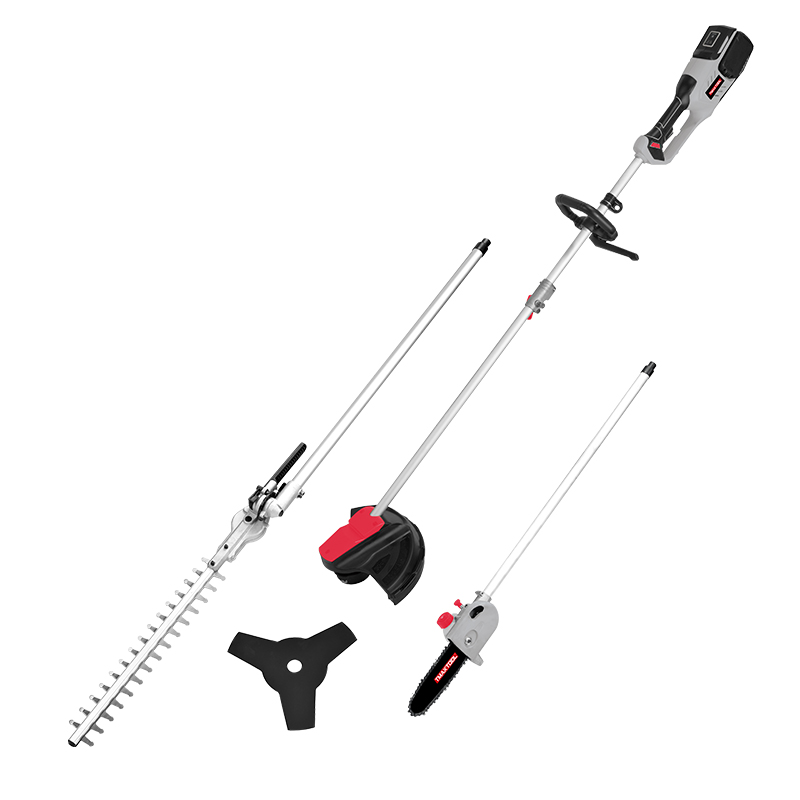 Battery Multi Tool
 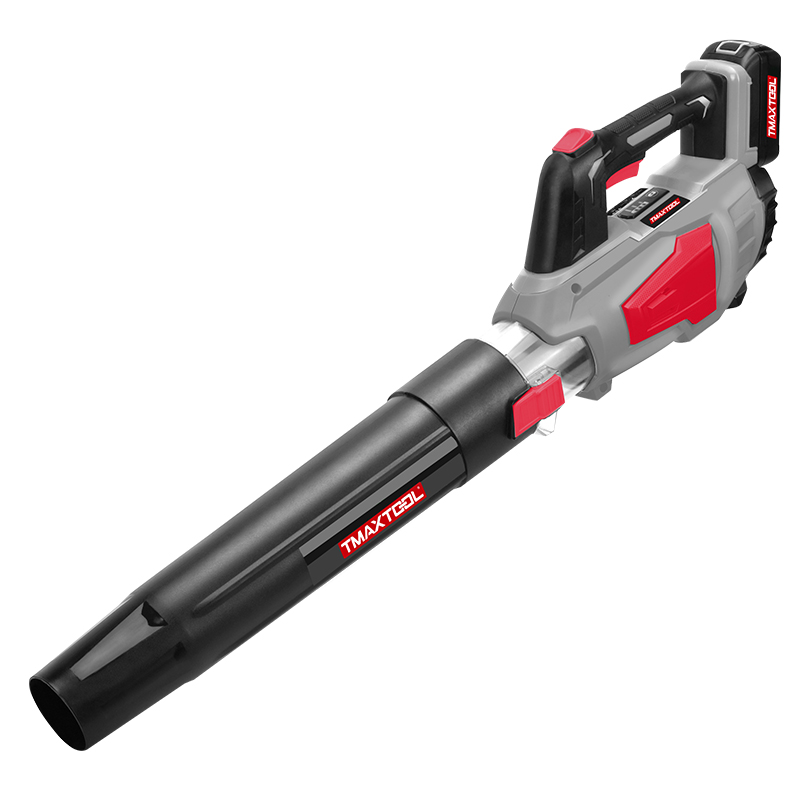 Battery Blower
 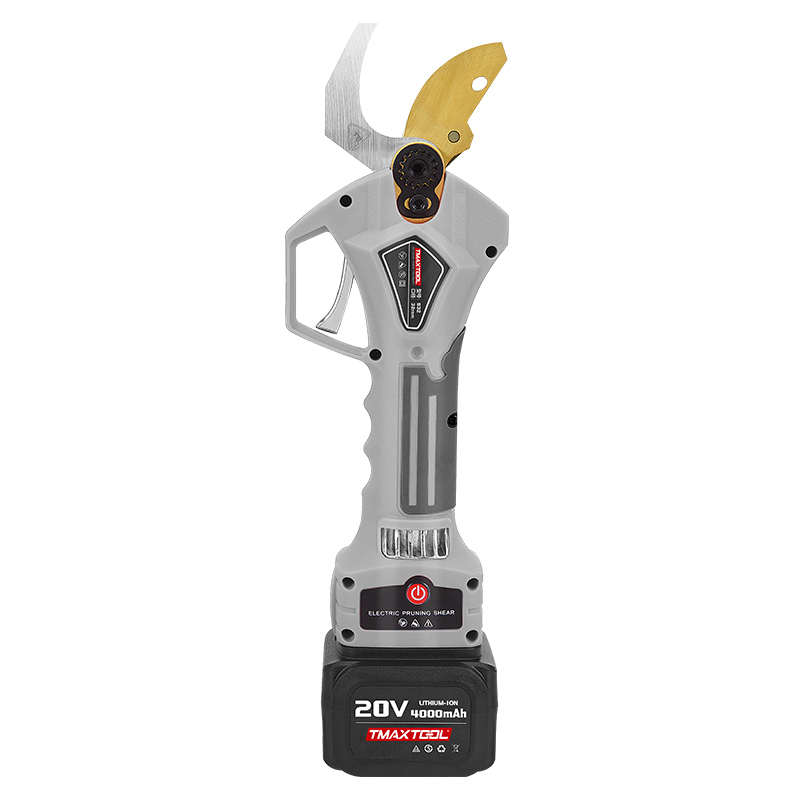 Batter Pruning Shears
 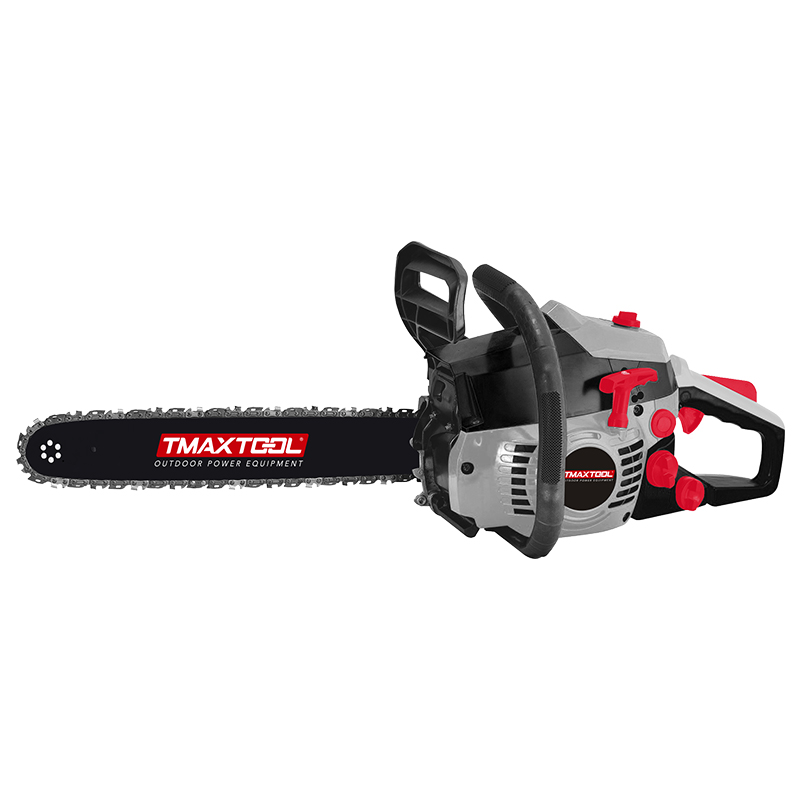 Chain Saw
 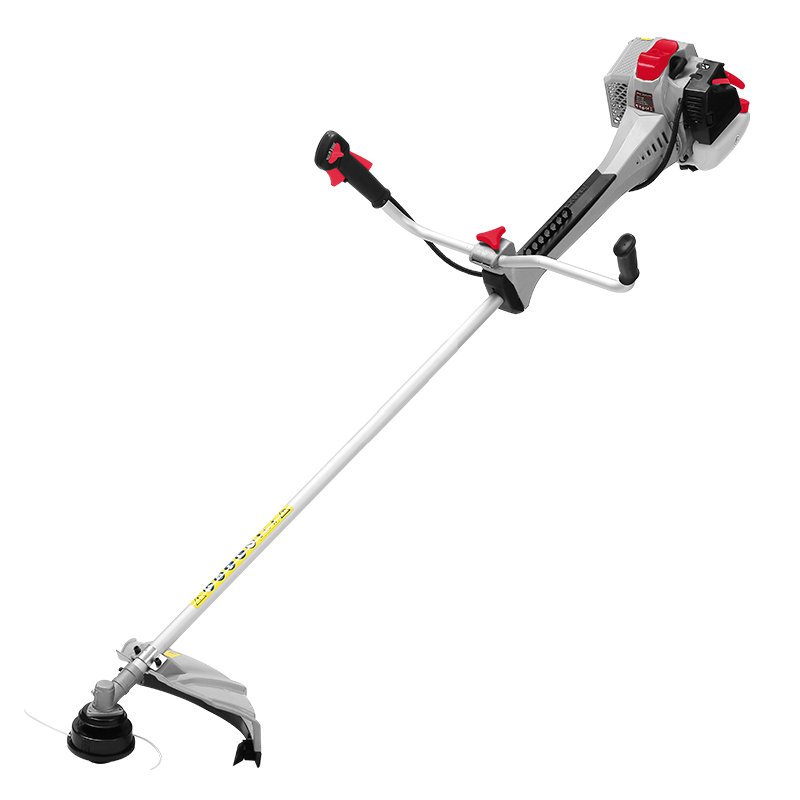 Brush Cutter
 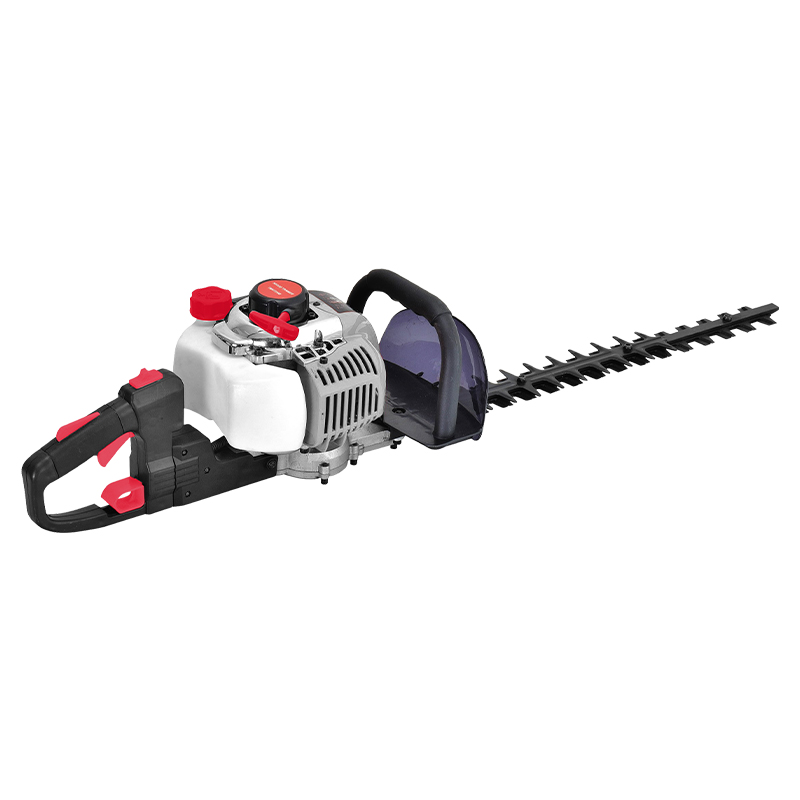 Hedge Trimmer
 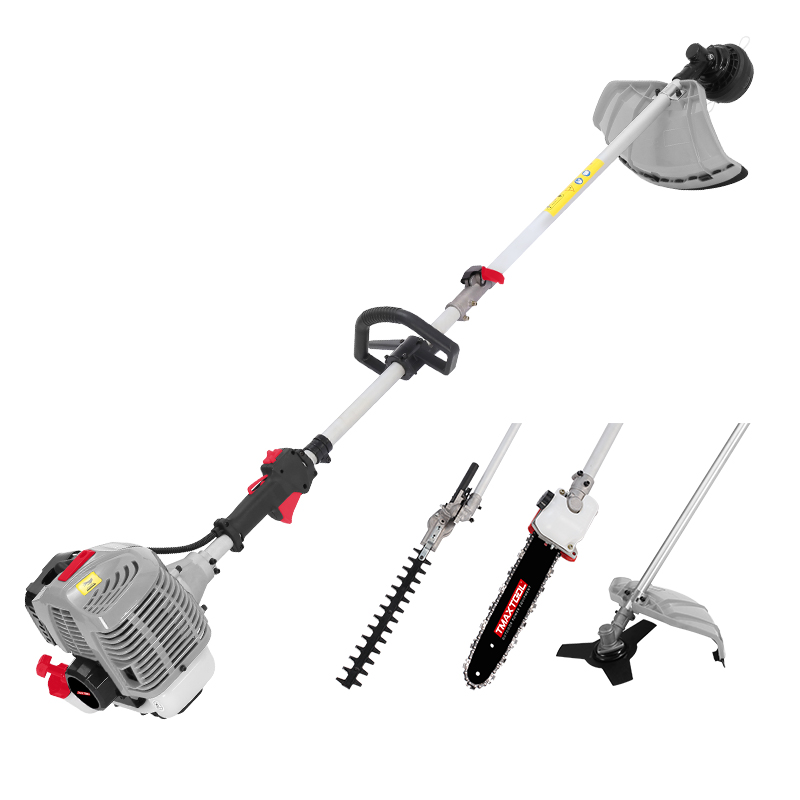 Multi Tool
 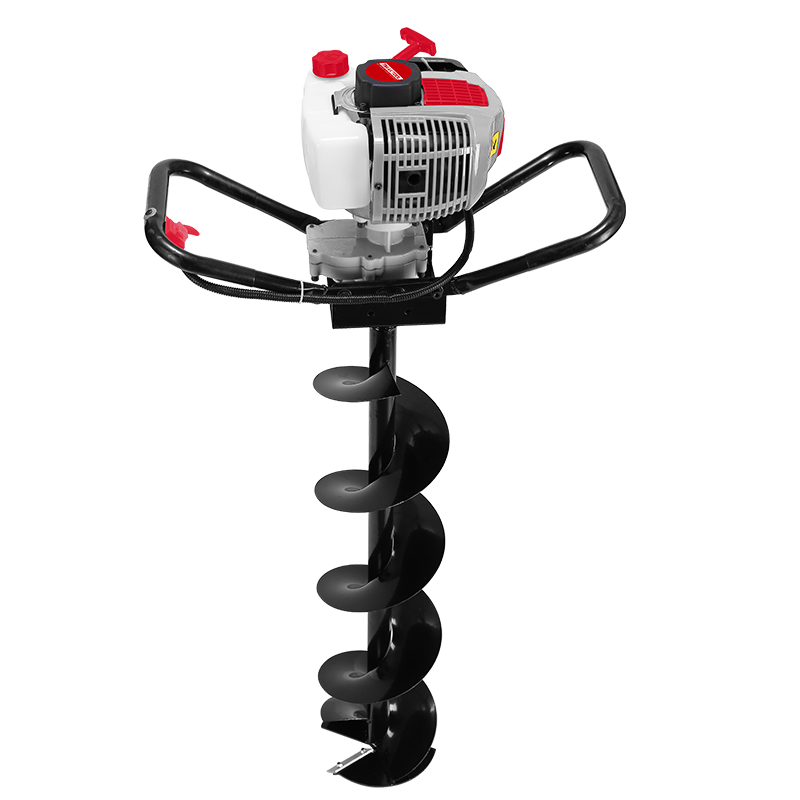 Earth Auger
 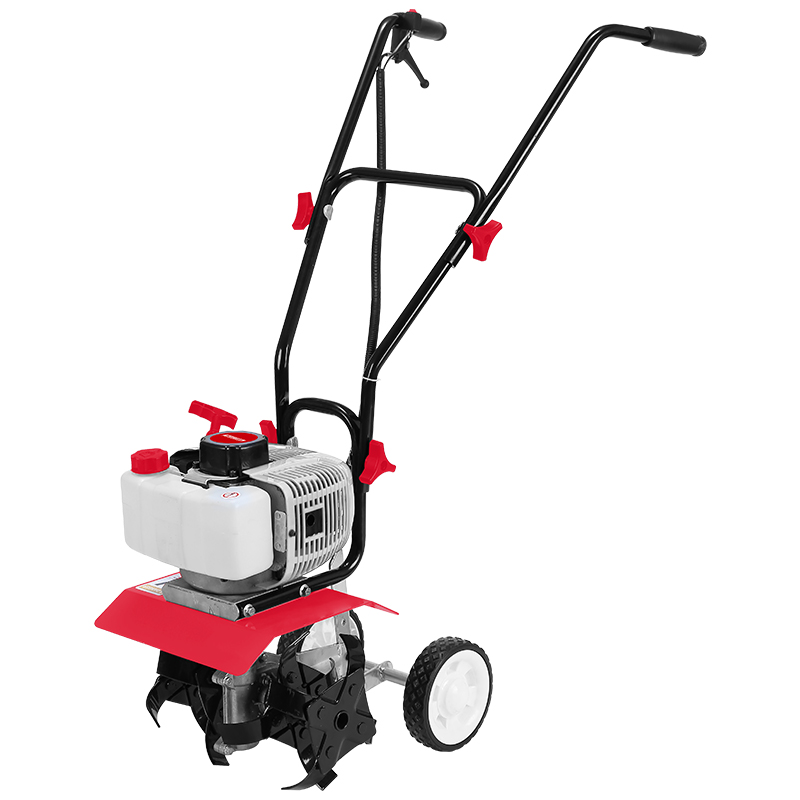 Tiller
 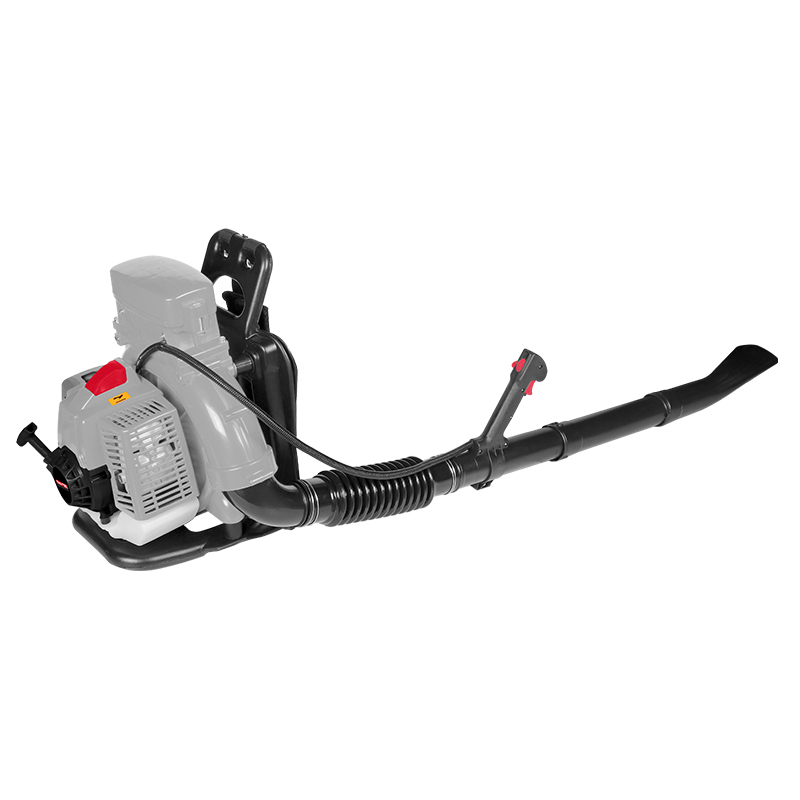 Blower
 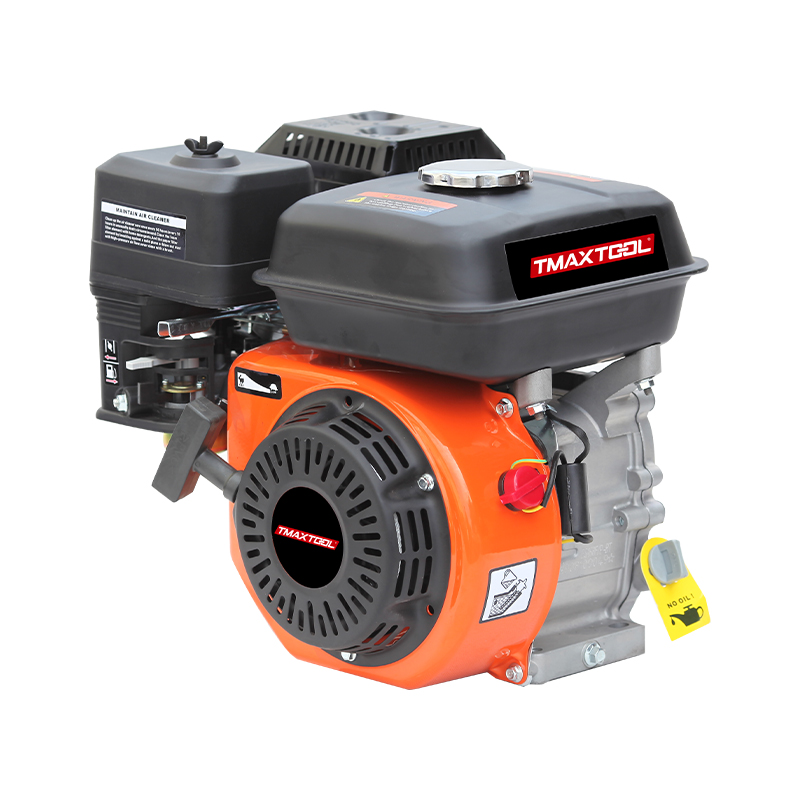 4 Stroke Gasoline Engine
 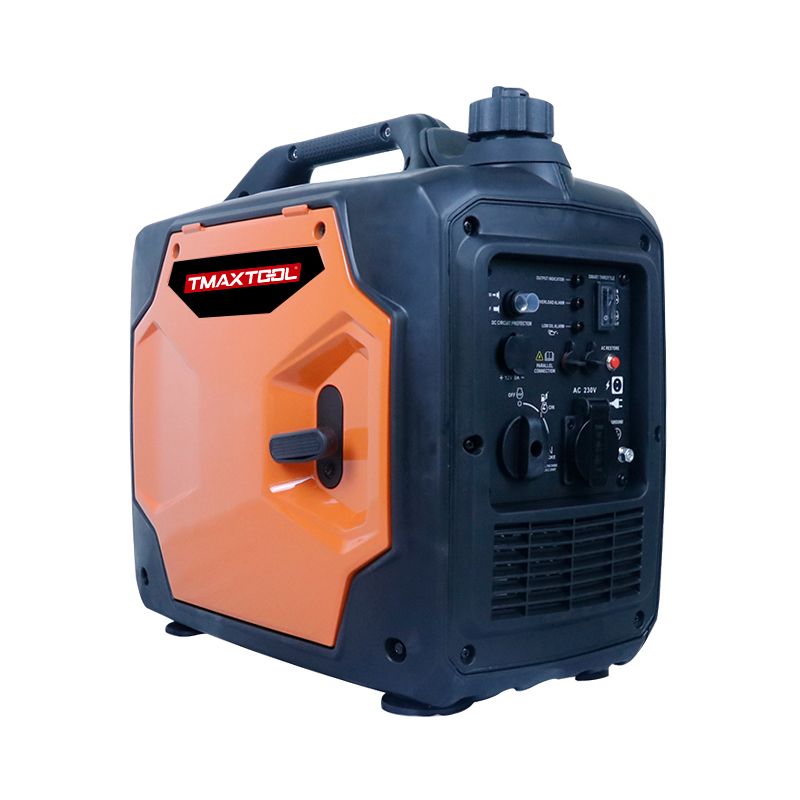 Generator
 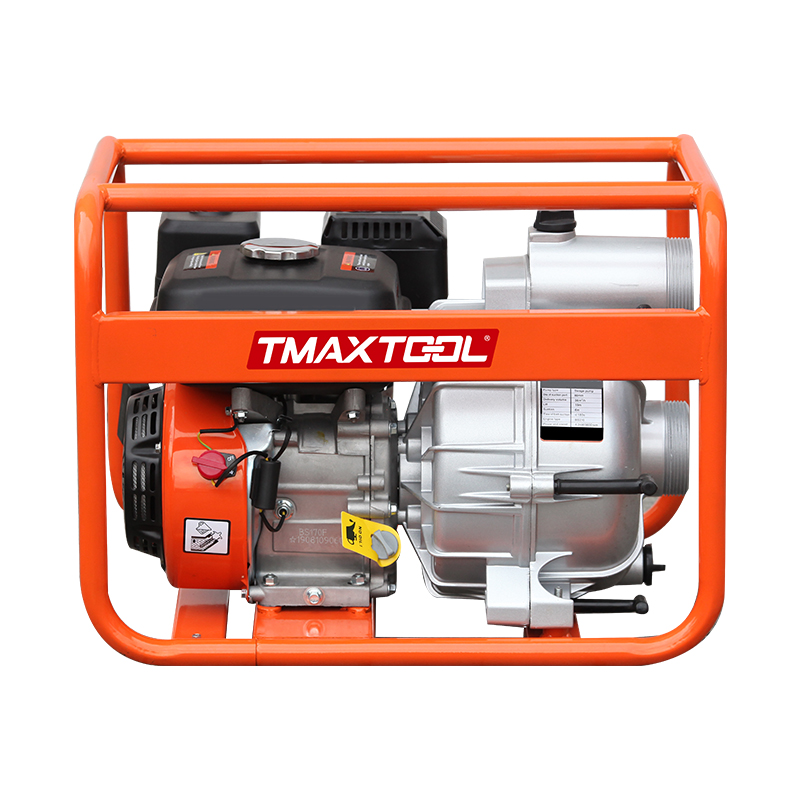 Water Pump
 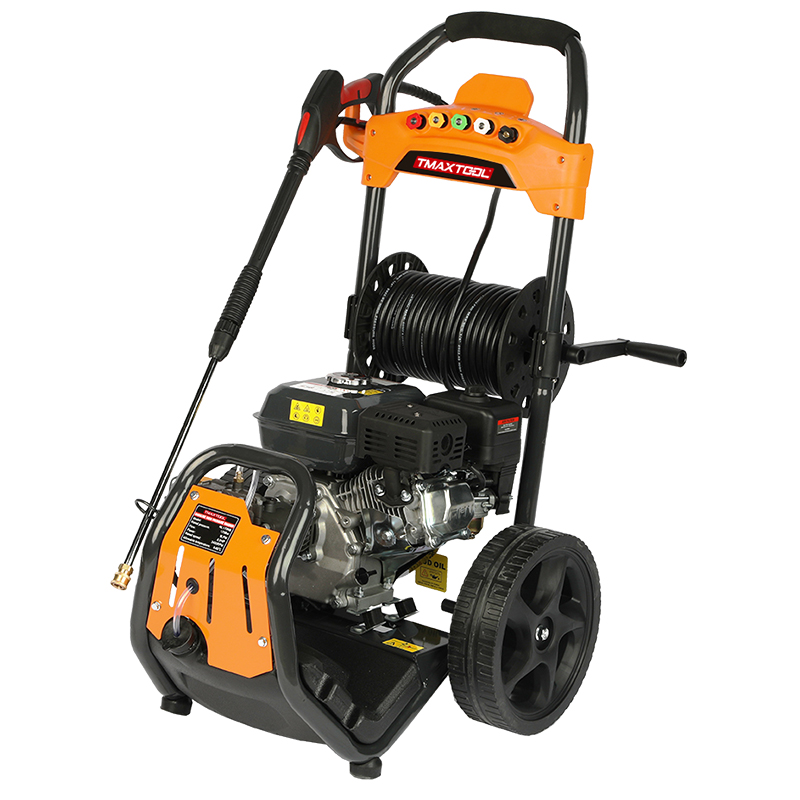 High Pressure Washer
 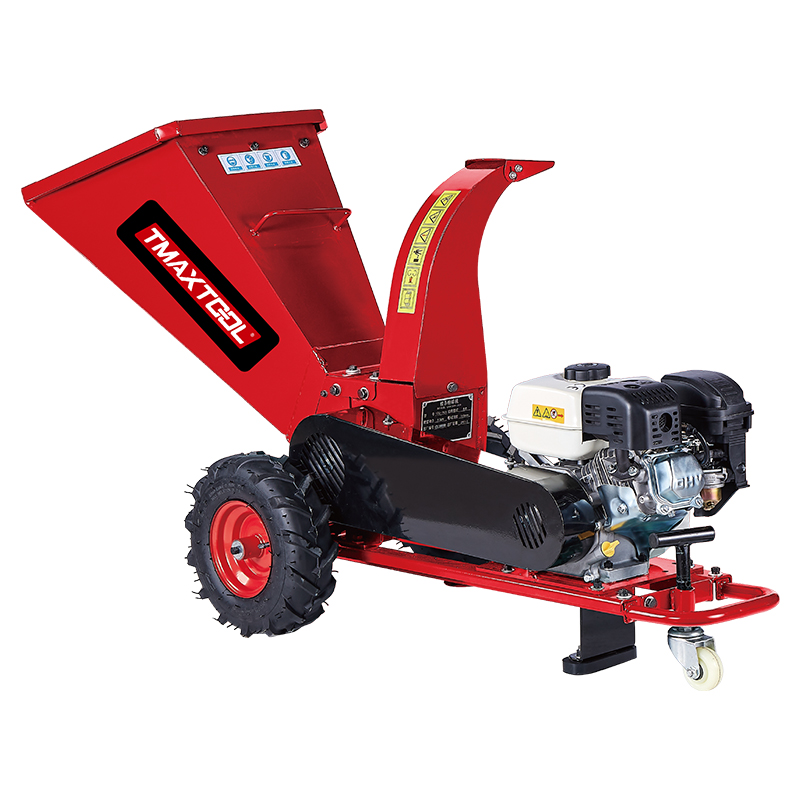 Wood Cutter
 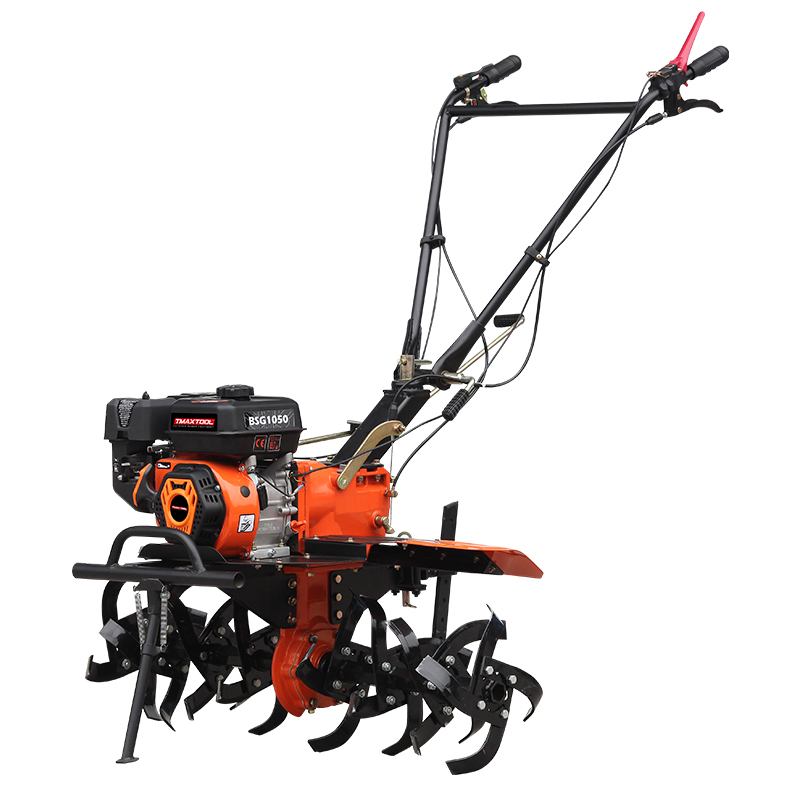 4 Stroke Tiller
 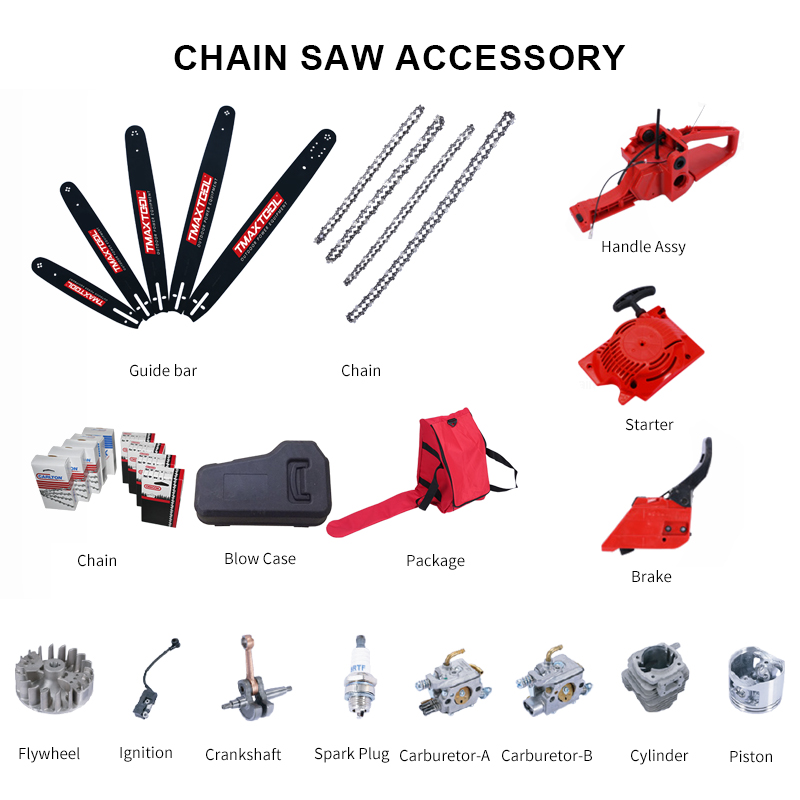 Chain Saw Accessory
 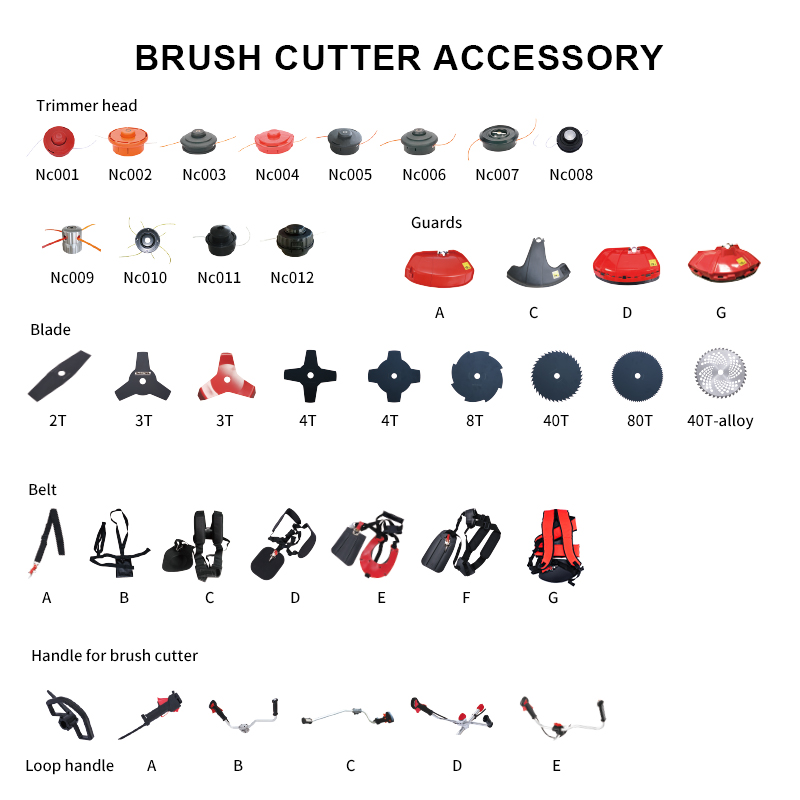 Brush Cutter Accessory
 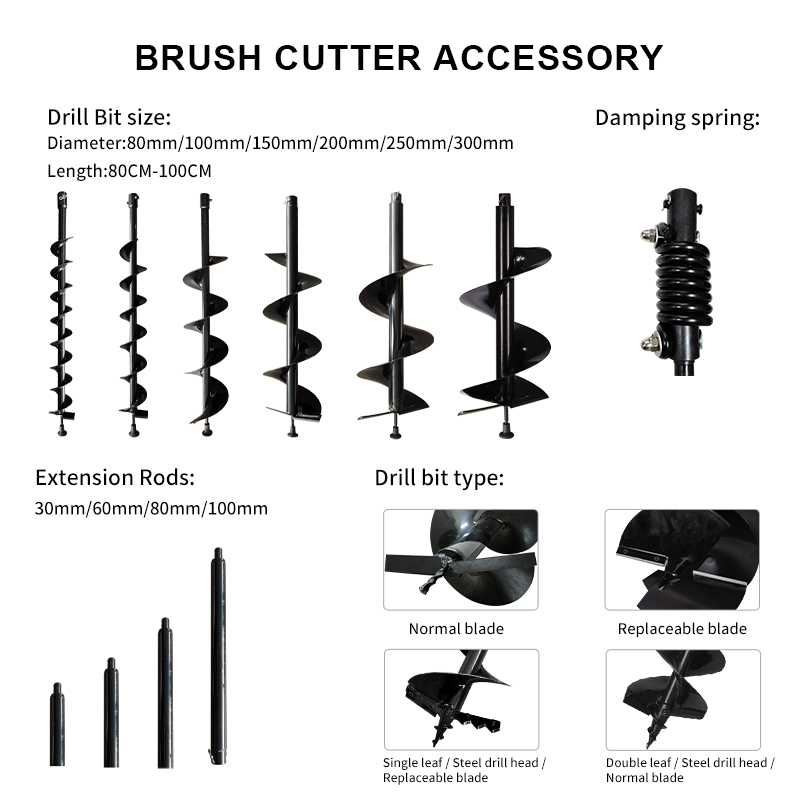 Earth Auger Accessory
 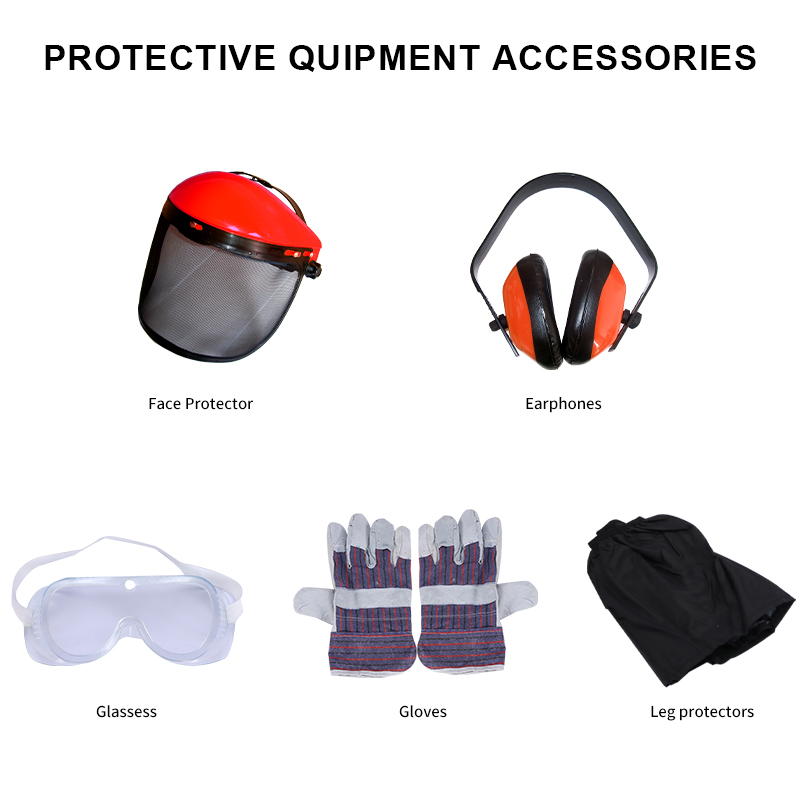 Protective Equipment Accessories
Leave Your Message


Does the cultivator have any requirements for soil types?
The cultivator does have requirements for soil types. Different soil conditions will affect the operation effect and applicability of the cultivator. The following are the applicable situations and precautions of the intertillator in different soil types:
1. Heavy clay soil
Clayey heavy soil usually has a high moisture content and large soil particles, which makes the soil relatively compact and poses higher requirements for the soil penetration performance and soil crushing capacity of the intertillage machine. In heavy clay soil, the intertillage machine needs to have good soil crushing capacity and high power output to ensure effective soil loosening and weeding. For example, under the clayey and heavy soil conditions in Northeast China, the intertillage machine designed and researched can complete the compound operations of deep loosening and crushing soil, weeding and soil mounding and ridging at one time.

2. Dry soil
Dry soil is relatively loose. When the intertiller is in operation, it needs to adjust the working depth and speed to avoid excessive farming causing damage to the soil structure. For dry soil, the blade design of the intertillage machine needs to be capable of effectively cutting the soil while reducing dust flying and excessive soil fragmentation.
3. Moisten the soil
The moisture content of moist soil is relatively high. When the intertiller is in operation, it is necessary to prevent soil adhesion and blockage. Some intertillers are designed with special tools and chassis structures to enhance their operational performance in moist soil. For instance, the crawler chassis spiral soil mounding machine demonstrates excellent passability and operational quality in moist soil.
4. Compacted soil
Compacted soil is usually caused by long-term irrigation and cultivation, resulting in a compact soil structure and poor air permeability. When the intertiller operates in compacted soil, it needs to have a strong crushing capacity and an appropriate working depth to improve the soil structure. Some cultivators are equipped with special soil-breaking tools, which can effectively break the compacted layer and improve the soil's air permeability and aeration.
5. Light soil
Light soil such as sandy soil is usually loose. When the intertiller is in operation, it needs to adjust the working depth and speed to avoid excessive soil loosening and erosion. Lightweight soil has relatively lower requirements for the soil penetration performance of the intertiller, but it is necessary to ensure that the soil is flat and uniform after the operation.
The applicability of the intertiller depends on the type of soil and specific operational requirements. When choosing an intertillage machine, it is necessary to select the appropriate model and configuration based on the physical properties of the soil (such as moisture content, particle size, and compaction) and the operation goals (such as loosening the soil, weeding, and fertilizing). For instance, in heavy clay soil, choose a cultivator with high soil crushing capacity and good power output. In light soil, choose a cultivator that can adjust the working depth and speed to ensure the operation effect and the protection of soil structure.
