
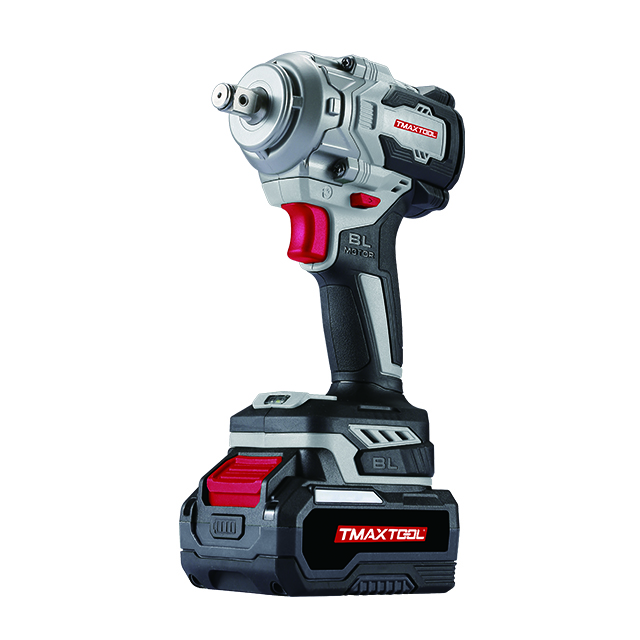
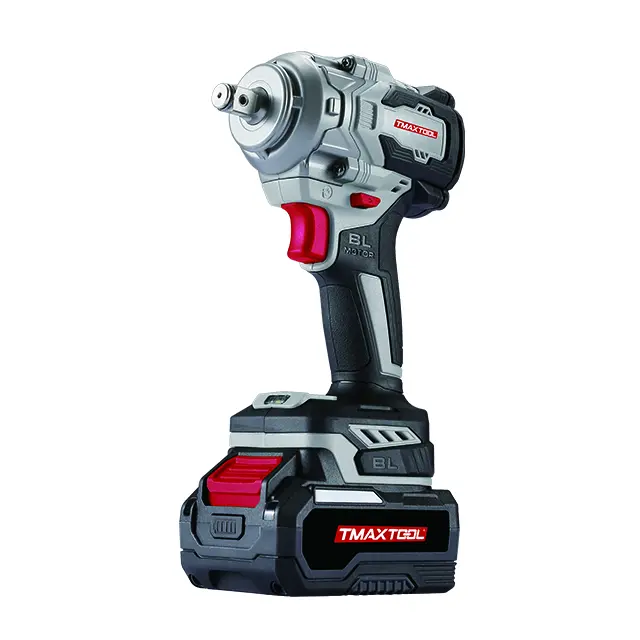
 Impact Wrench
 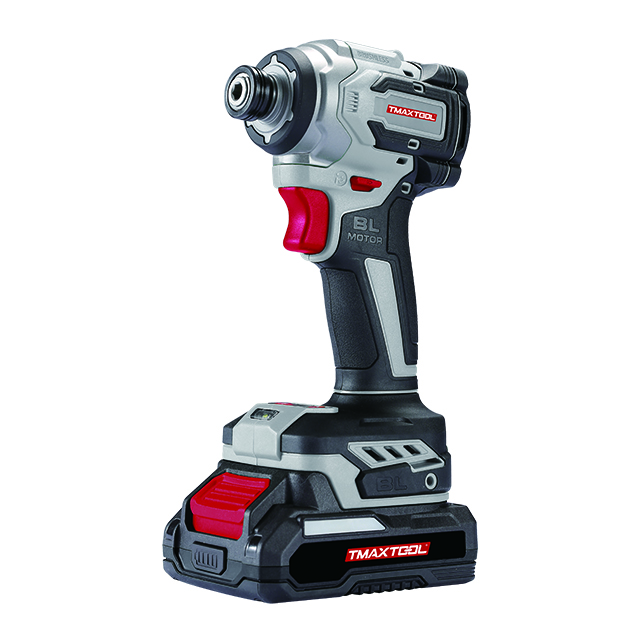 Screwdriver
 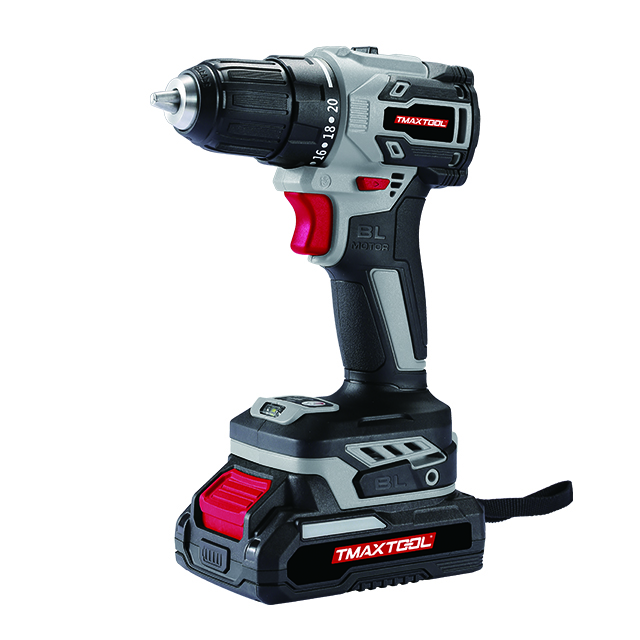 Cordless Drill
 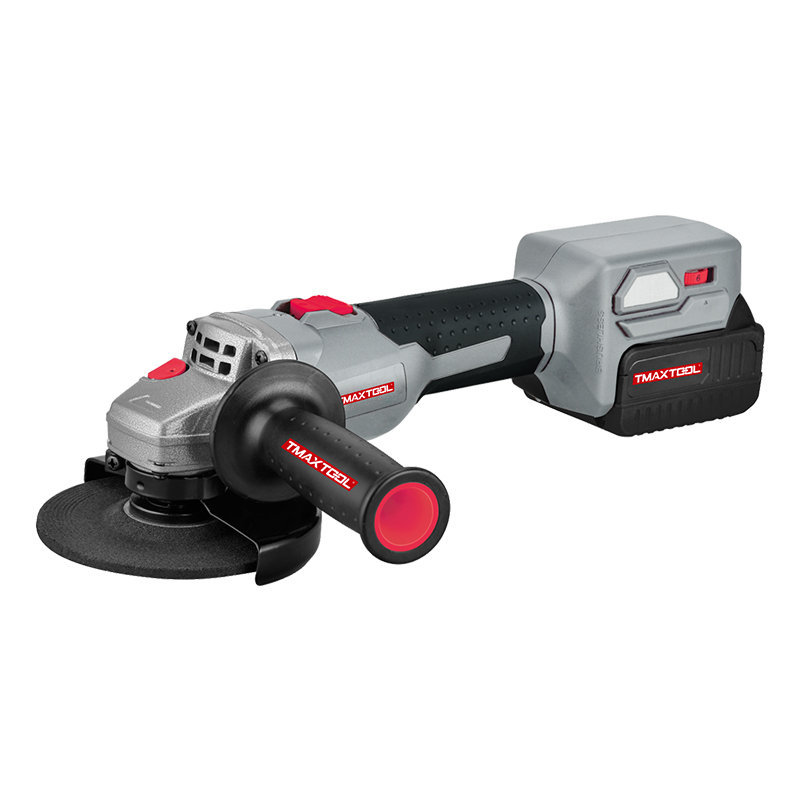 Angle Grinder
 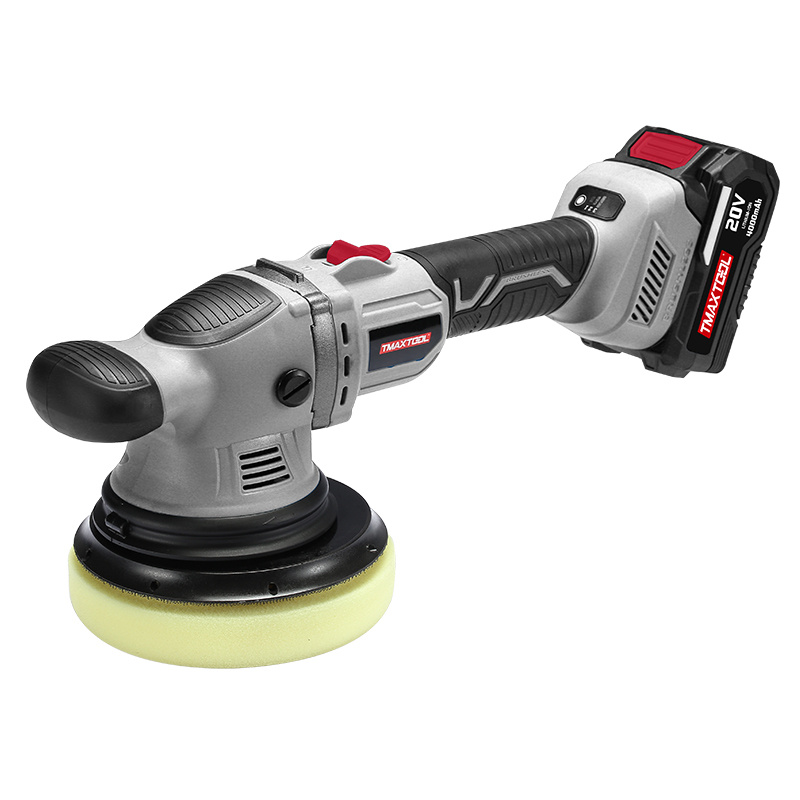 Polisher
 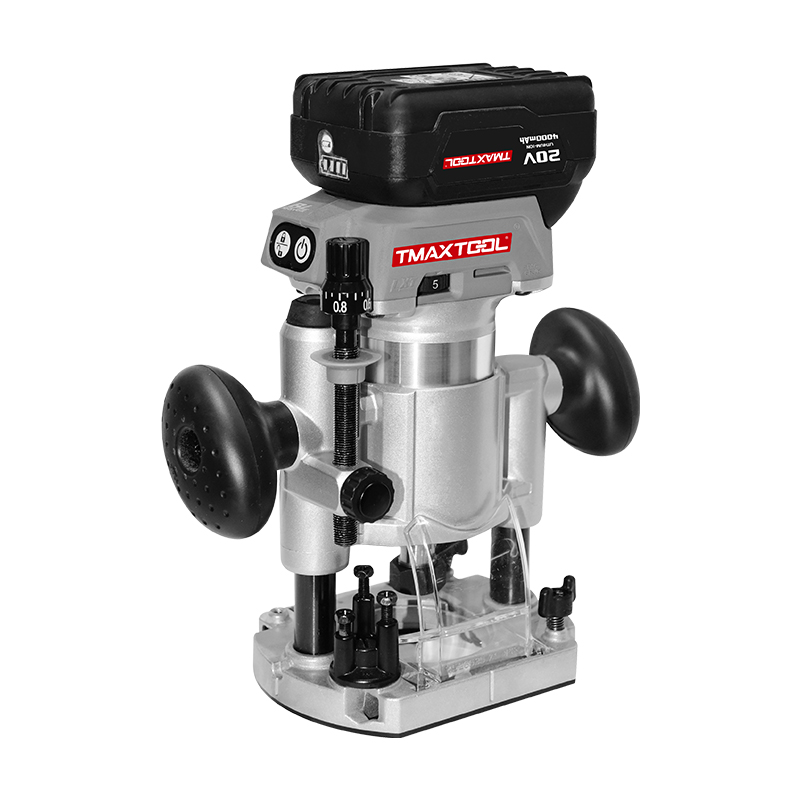 Wood Router
 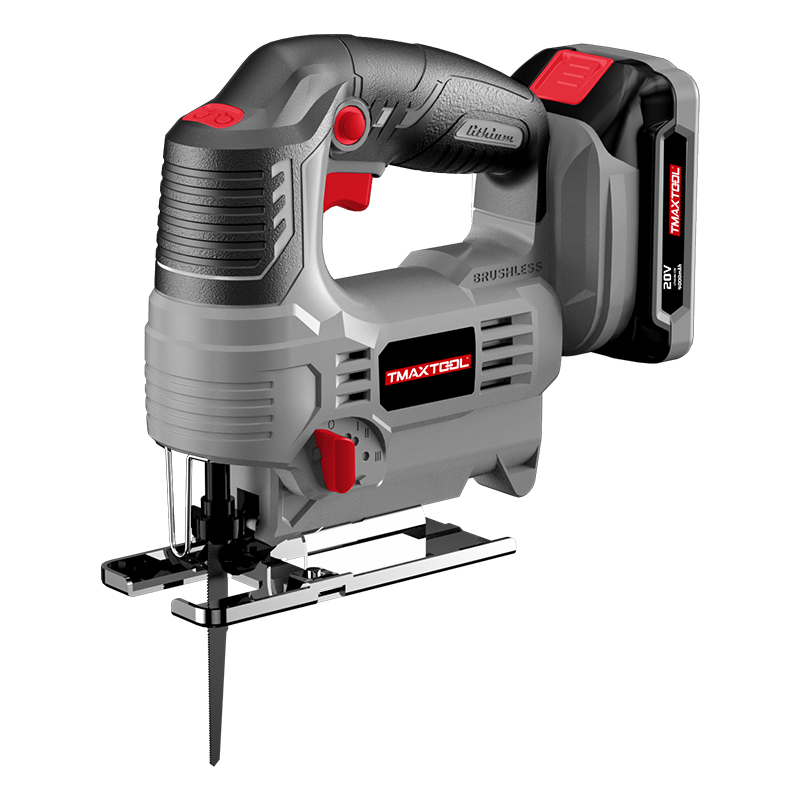 Jig Saw
 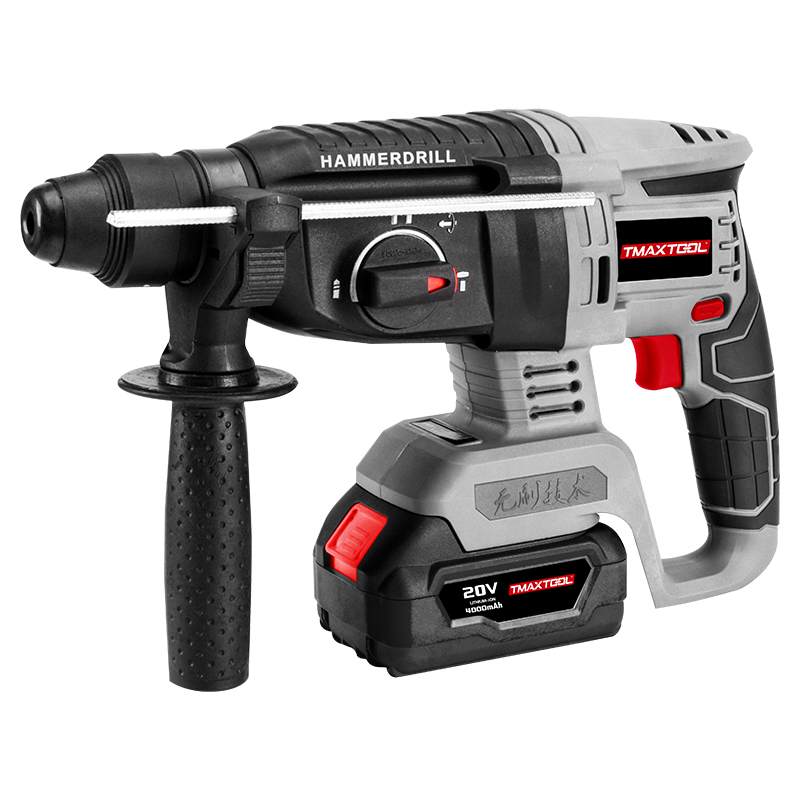 Hammer Drill
 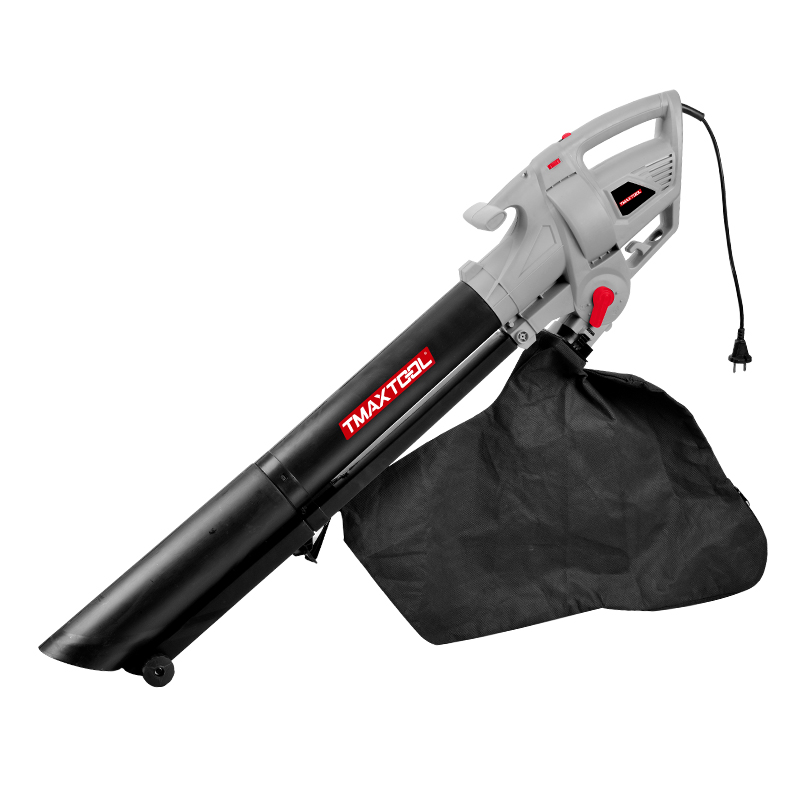 Portable Blower
 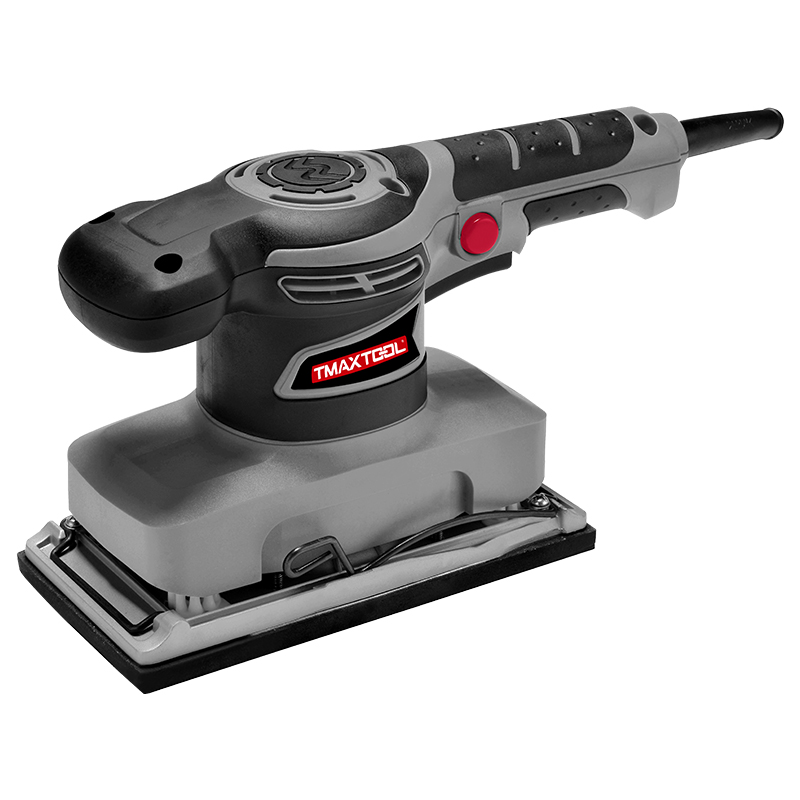 Orbital Sander
 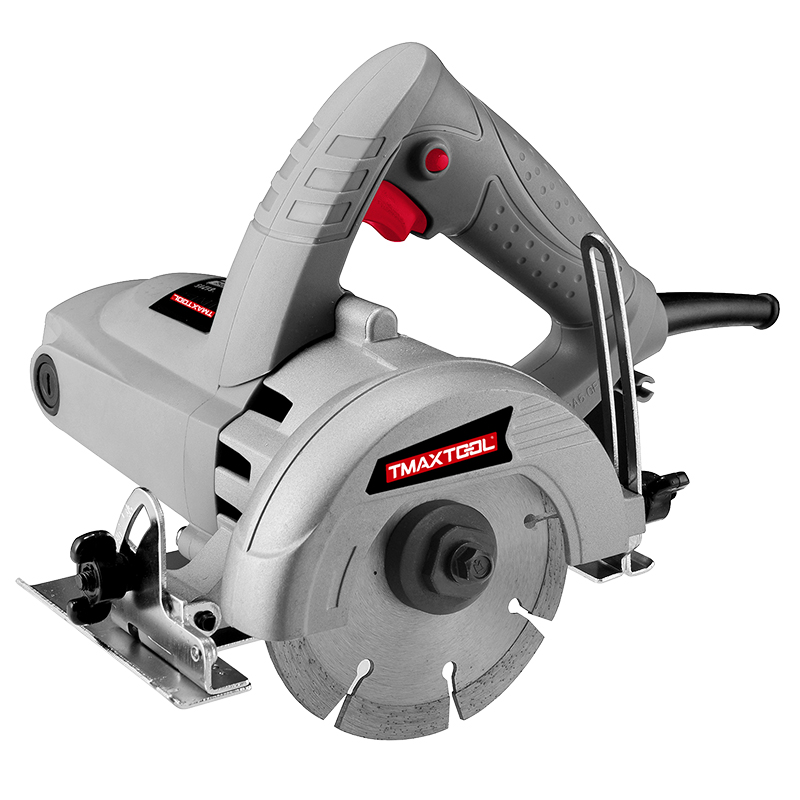 Marble Cutter
  GARDEN TOOLS
 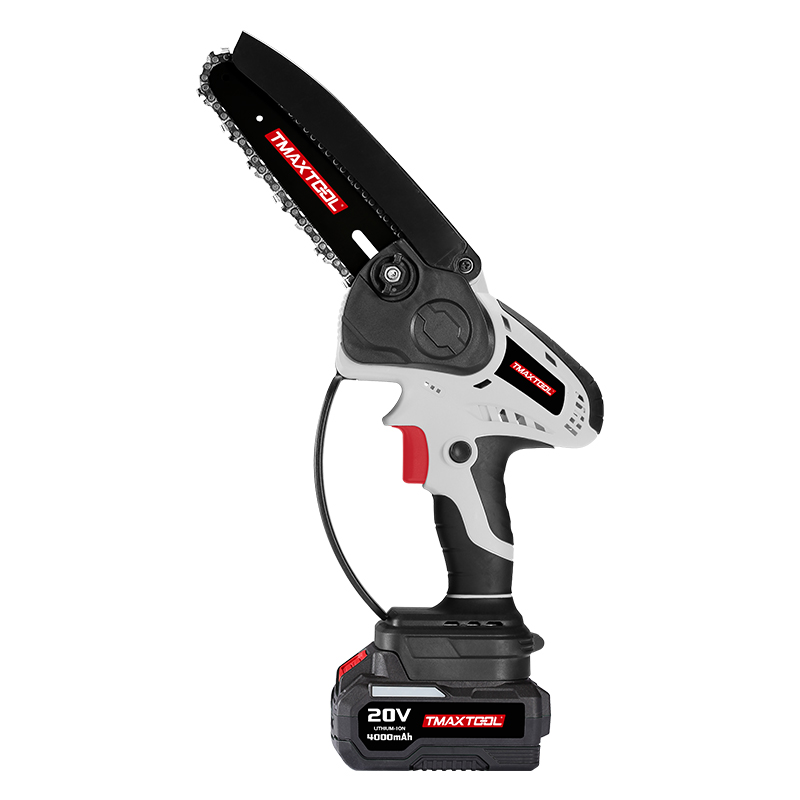 Battery Chain Saw
 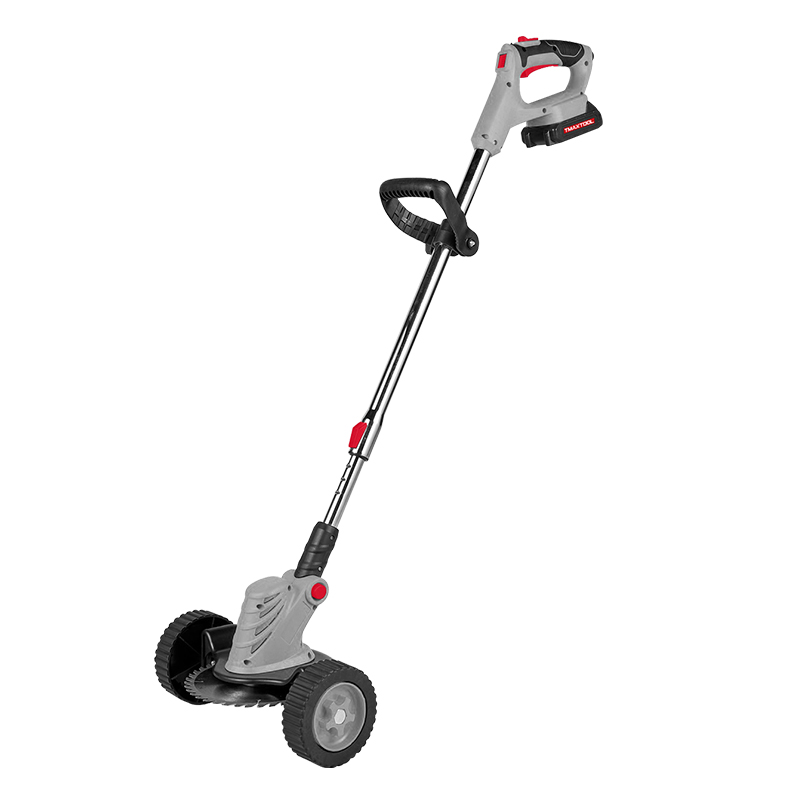 Battery Brush Cutter
 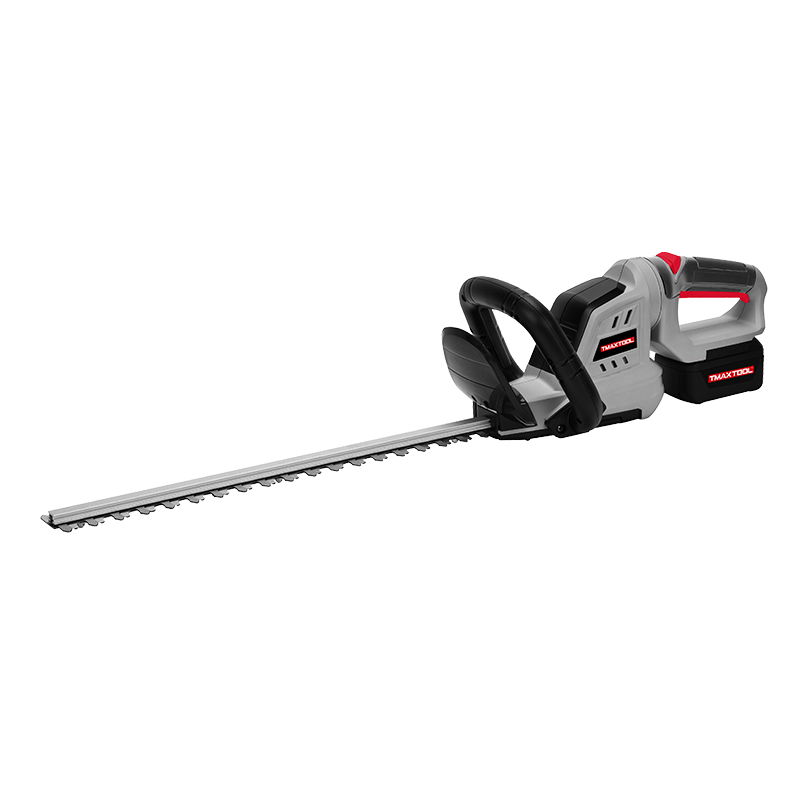 Battery Hedge Trimmer
 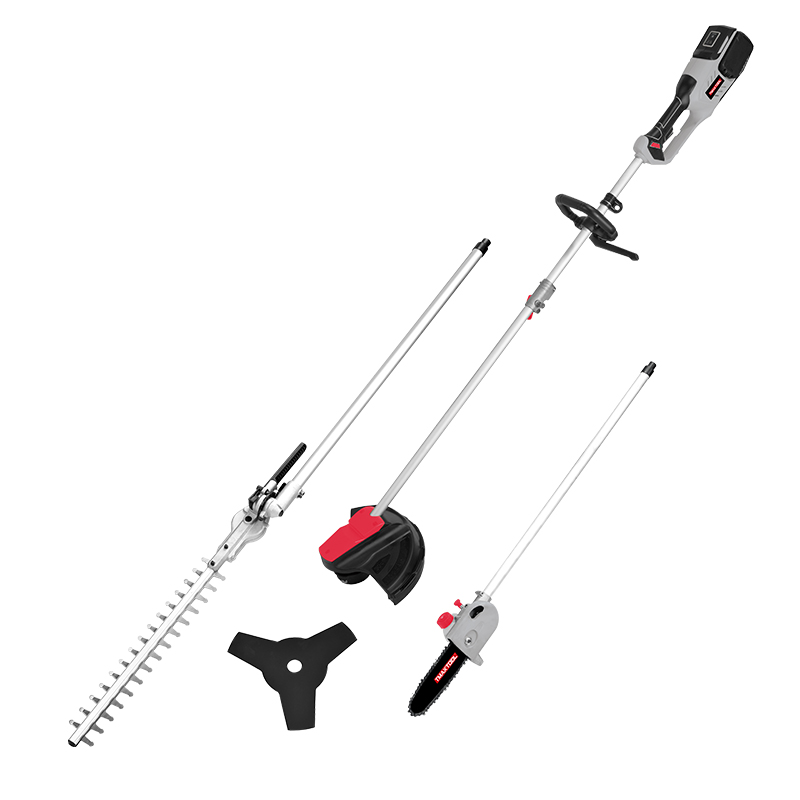 Battery Multi Tool
 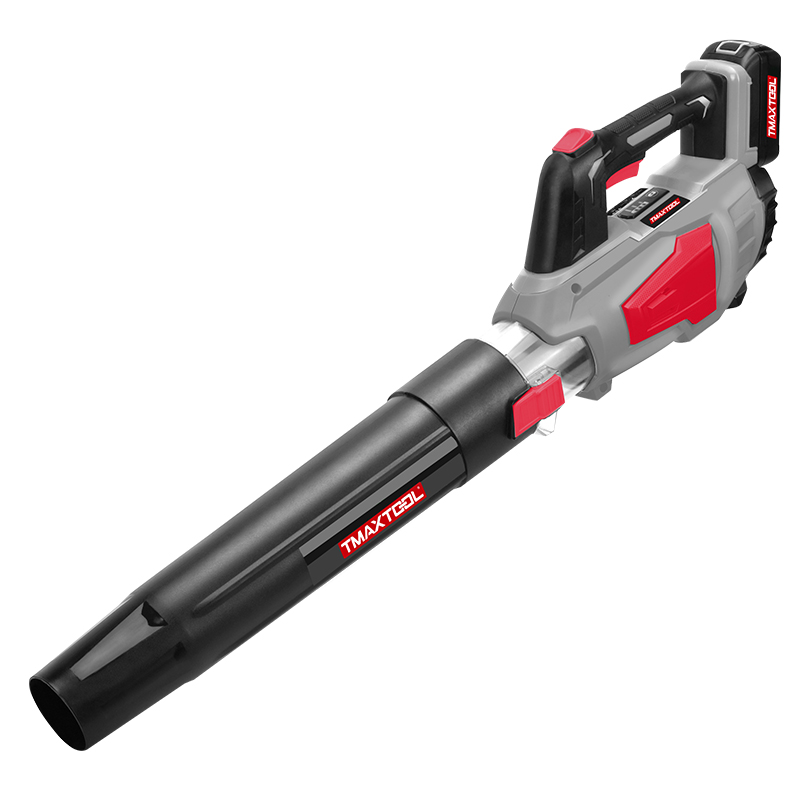 Battery Blower
 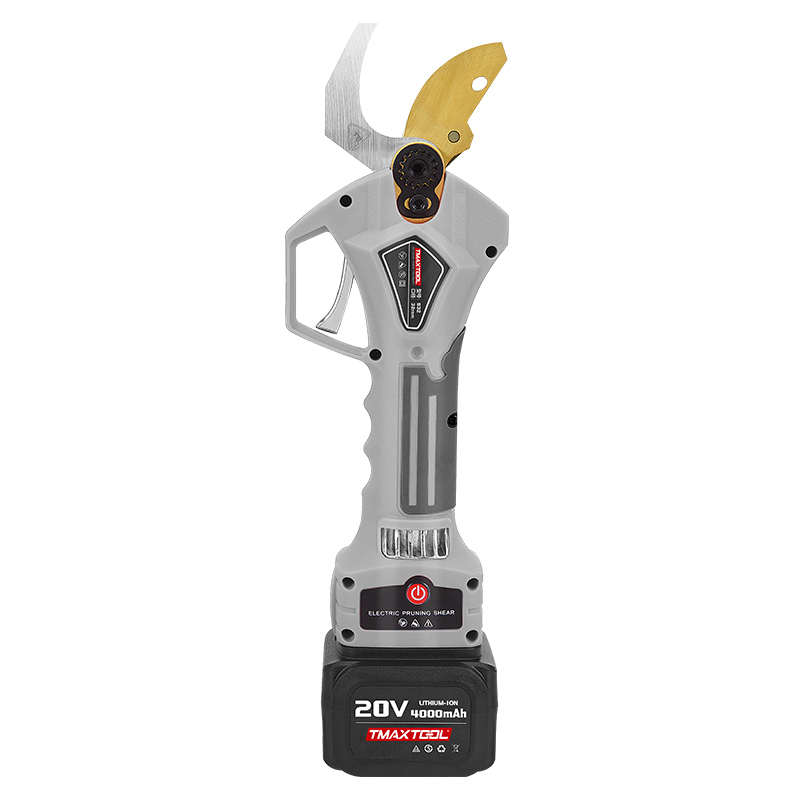 Batter Pruning Shears
 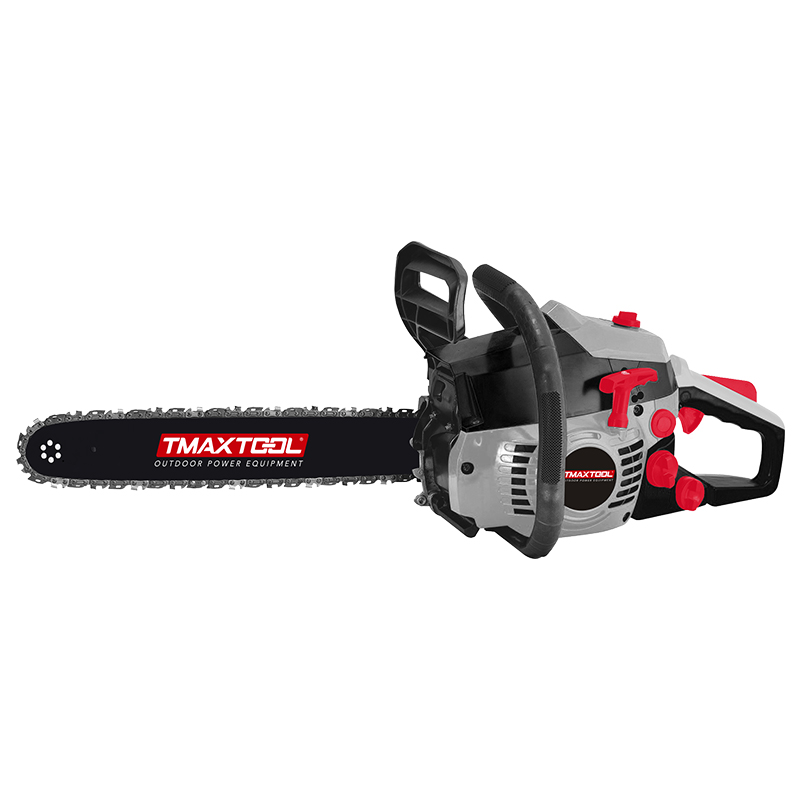 Chain Saw
 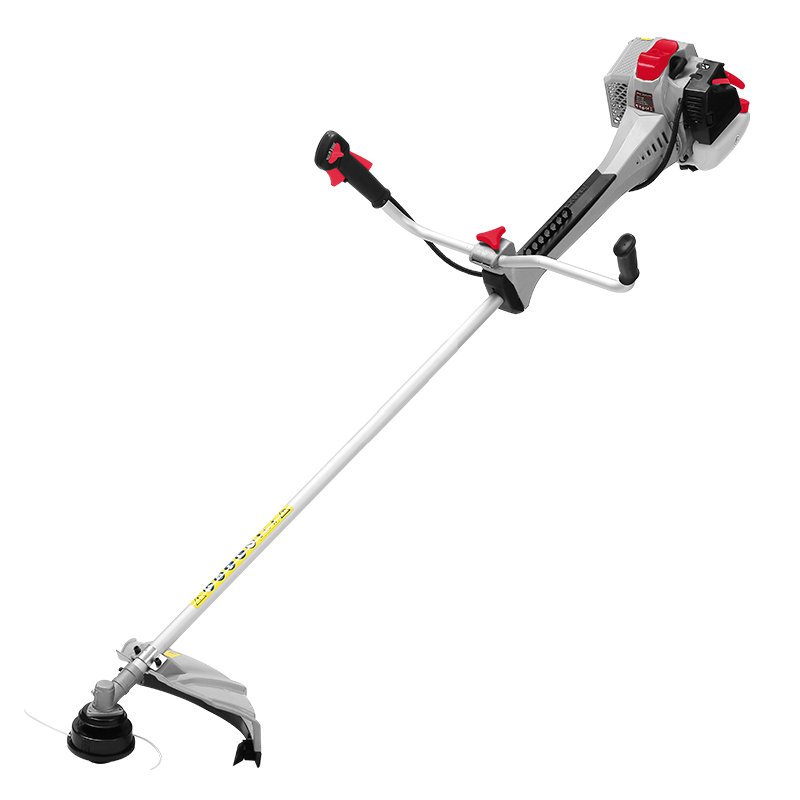 Brush Cutter
 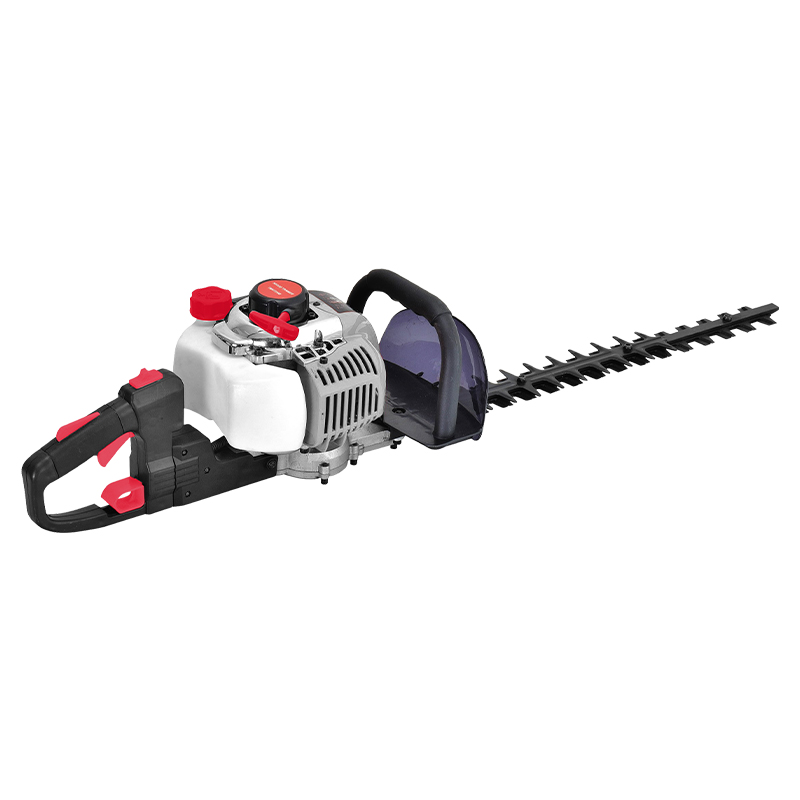 Hedge Trimmer
 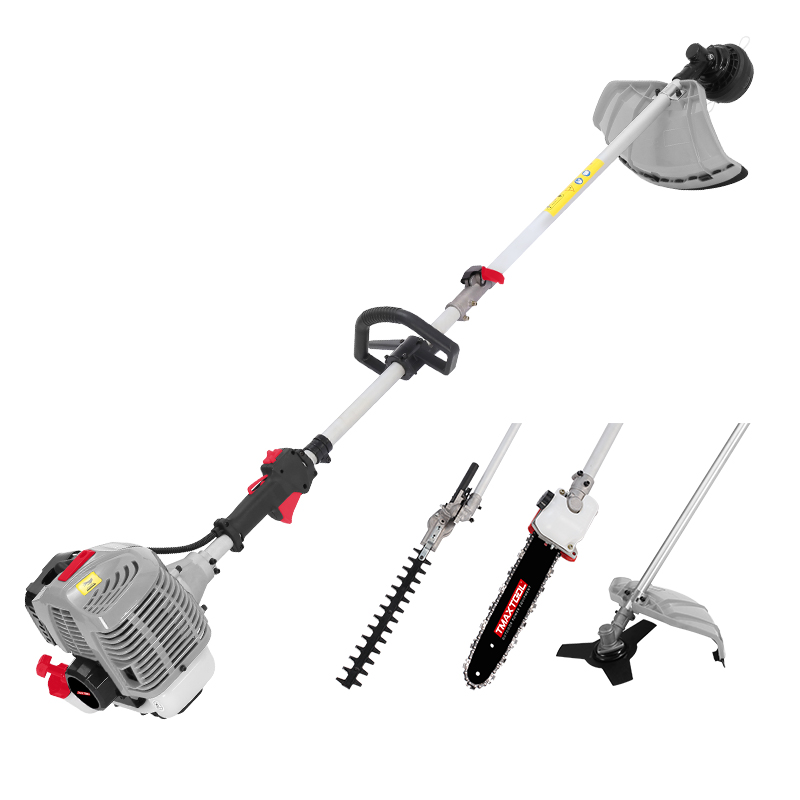 Multi Tool
 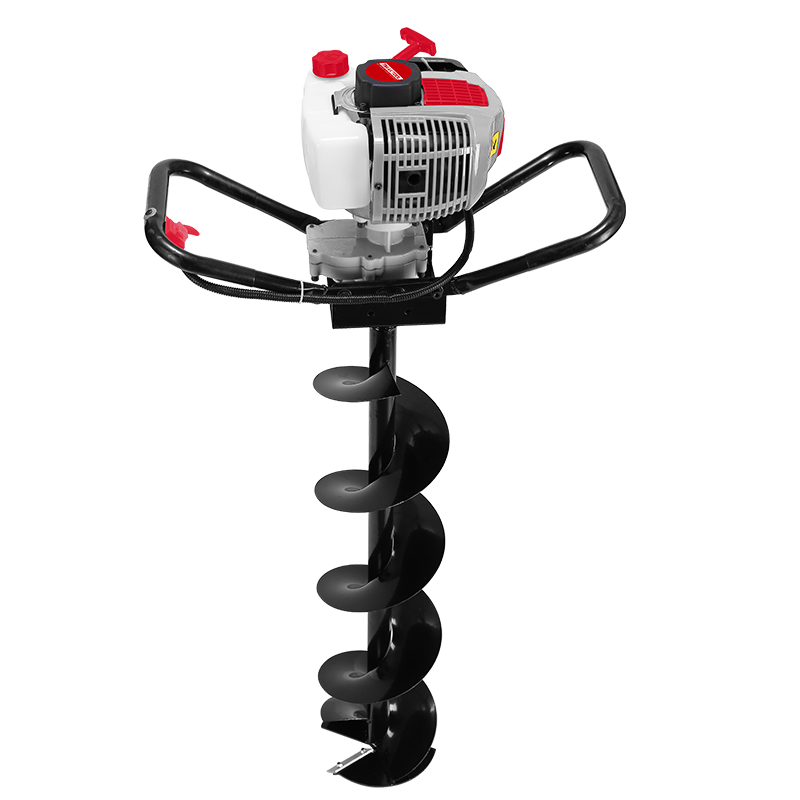 Earth Auger
 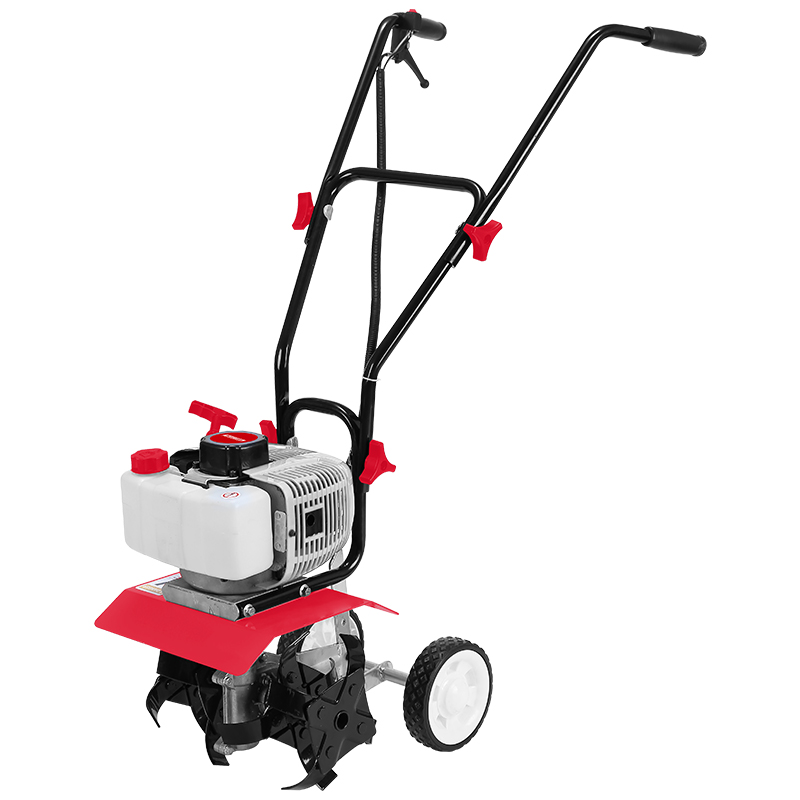 Tiller
 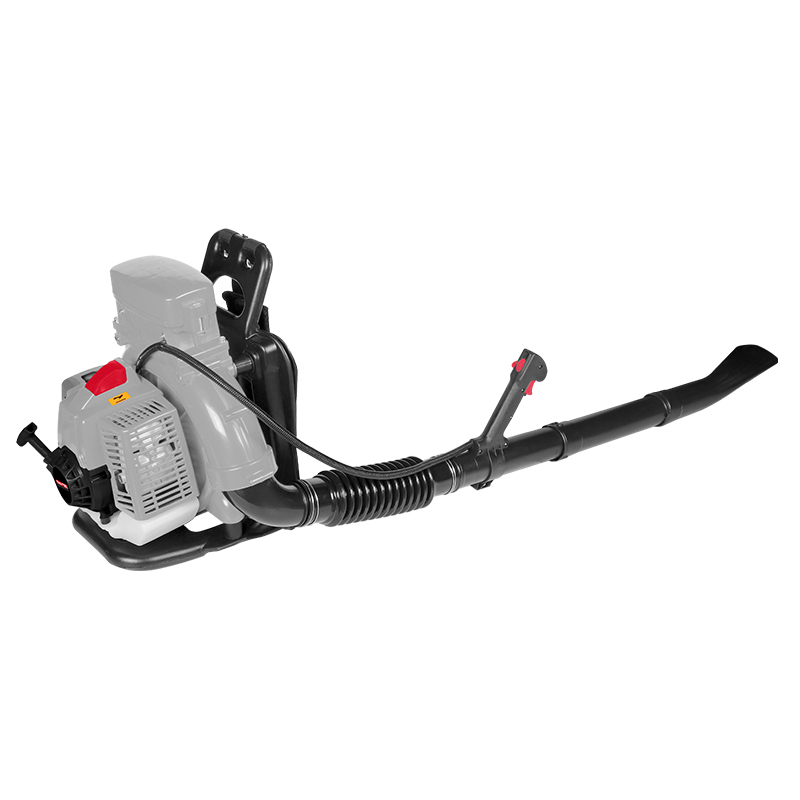 Blower
 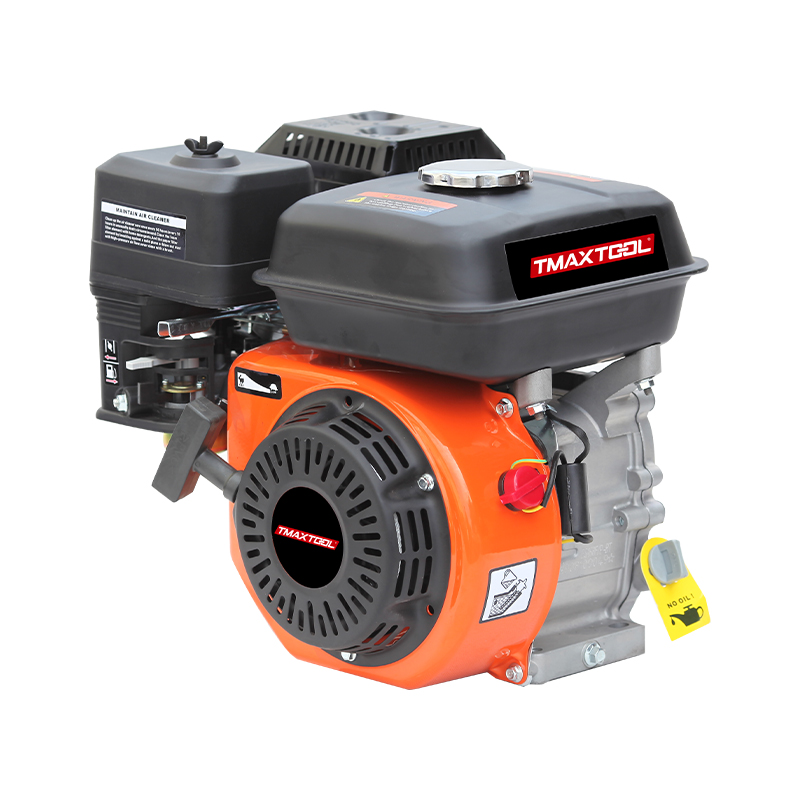 4 Stroke Gasoline Engine
 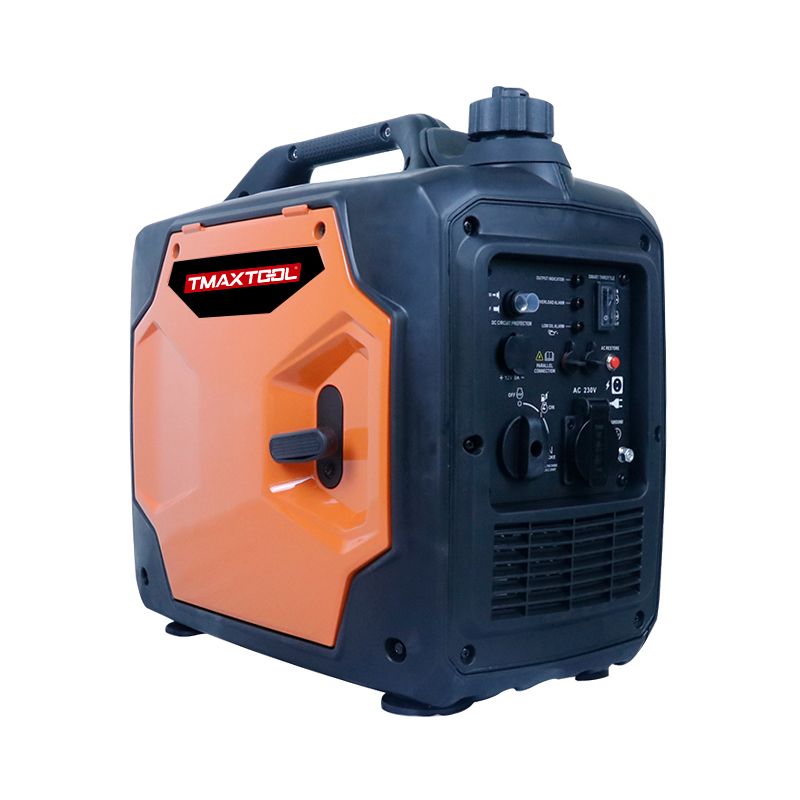 Generator
 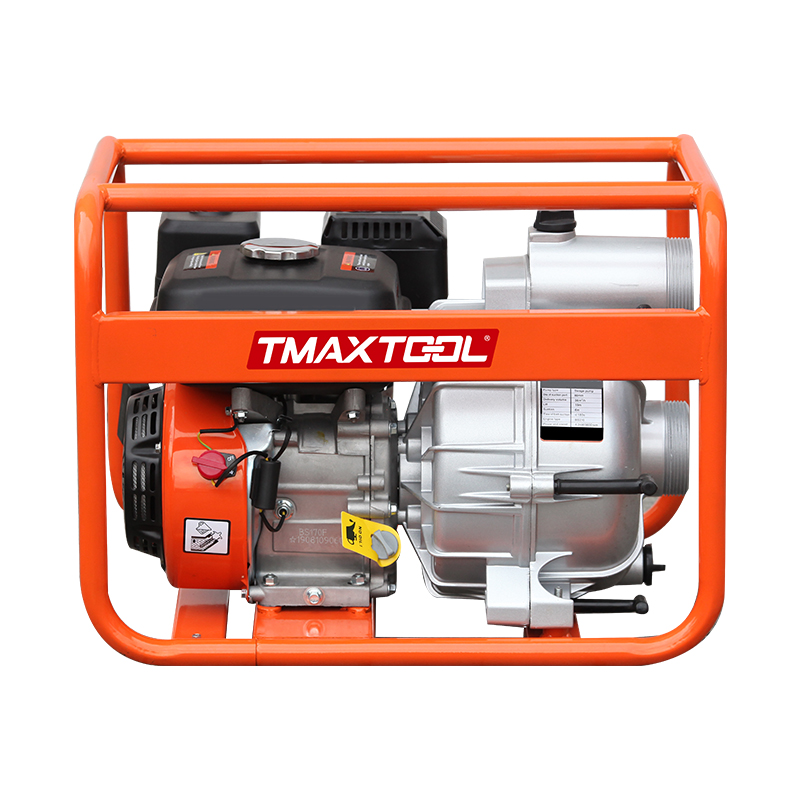 Water Pump
 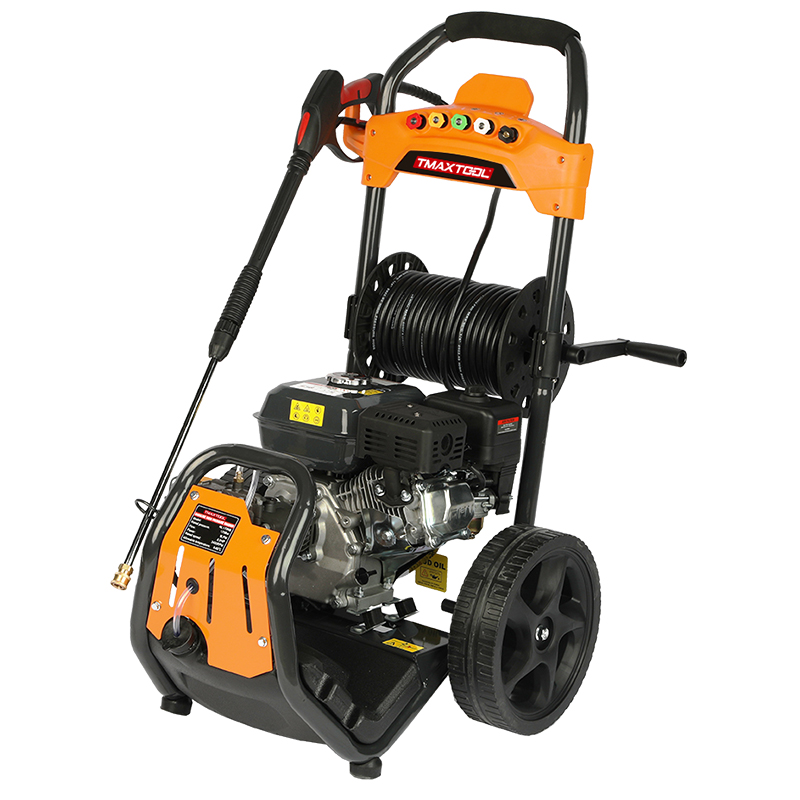 High Pressure Washer
 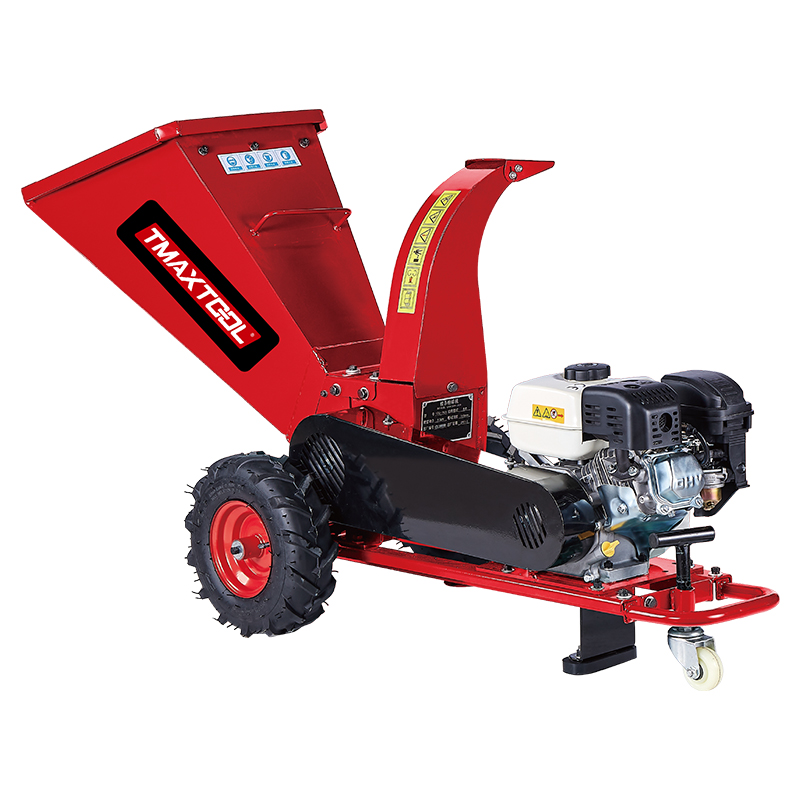 Wood Cutter
 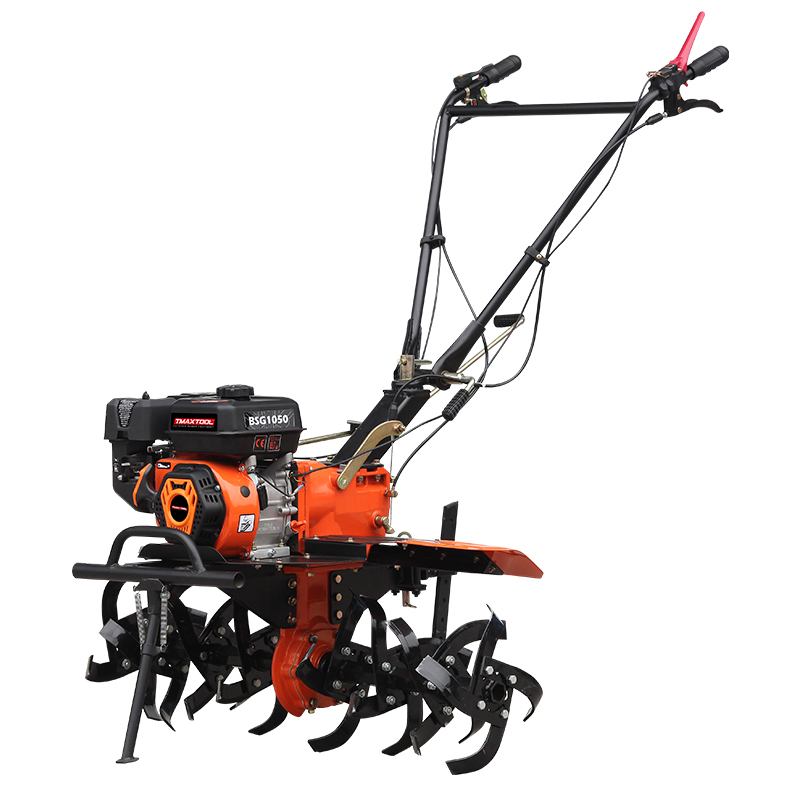 4 Stroke Tiller
 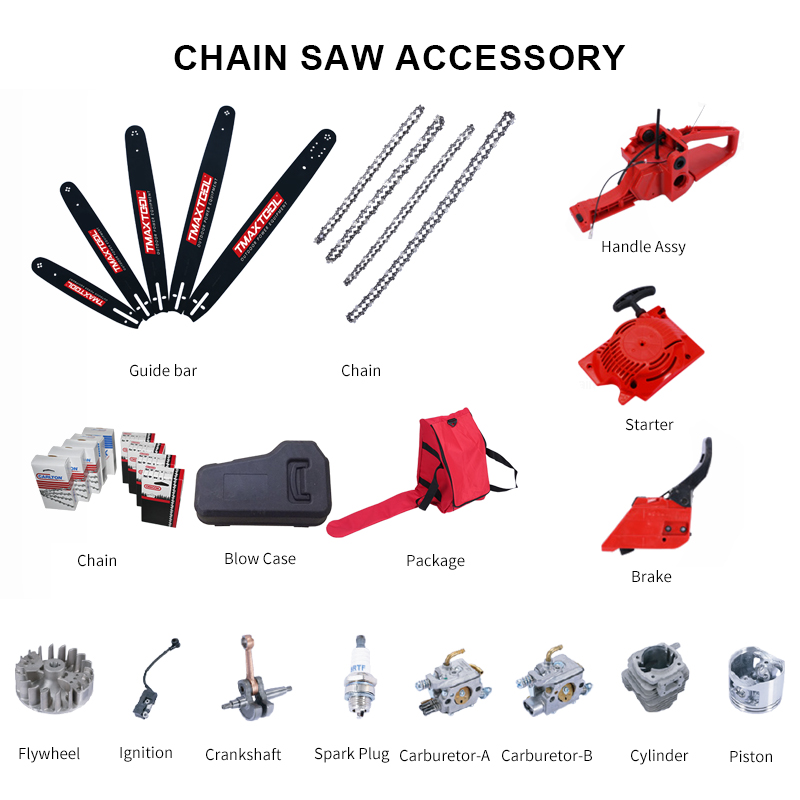 Chain Saw Accessory
 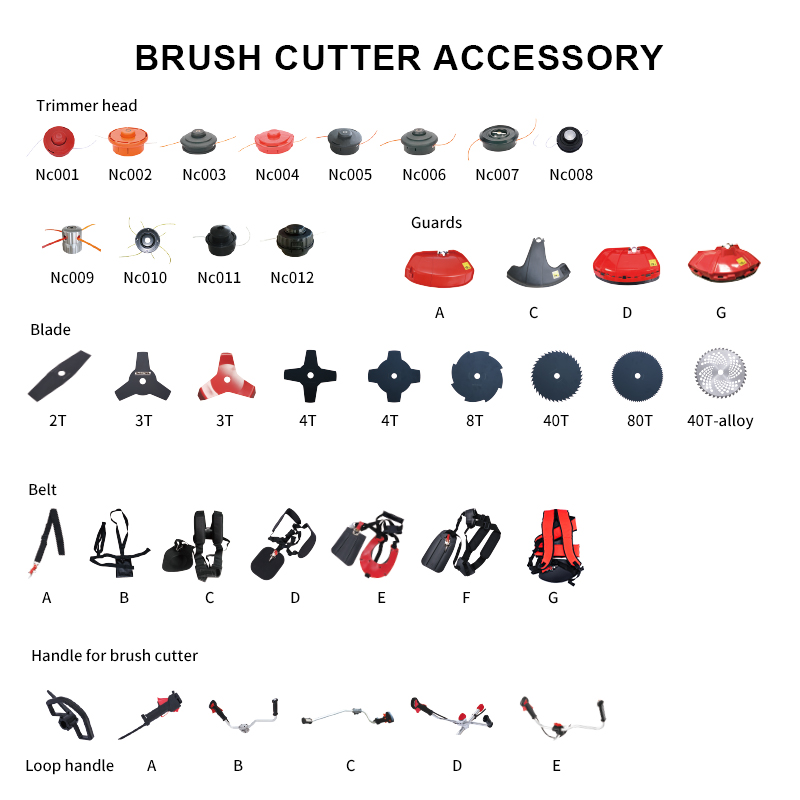 Brush Cutter Accessory
 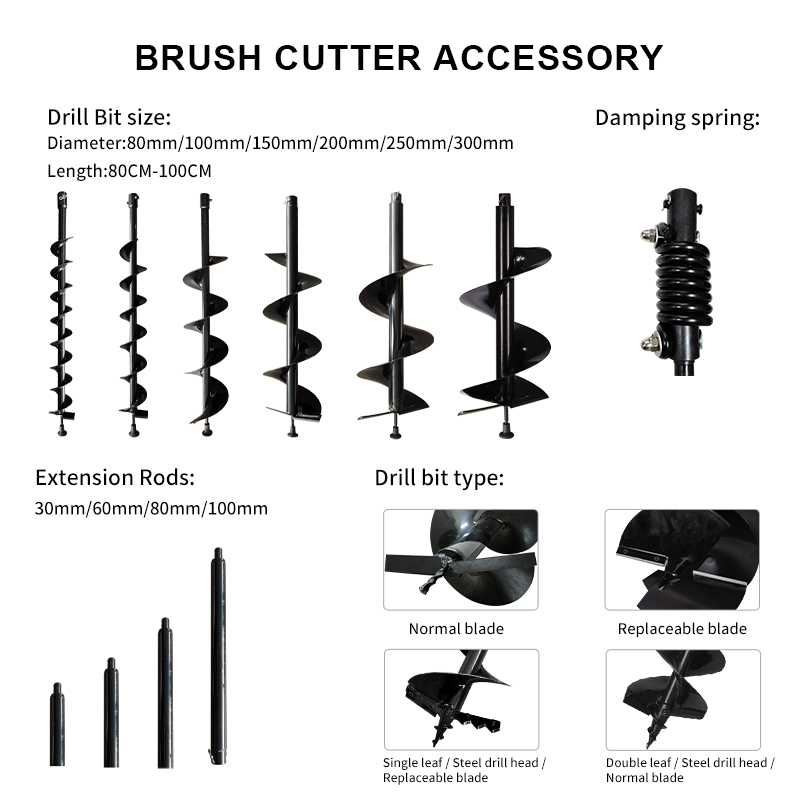 Earth Auger Accessory
 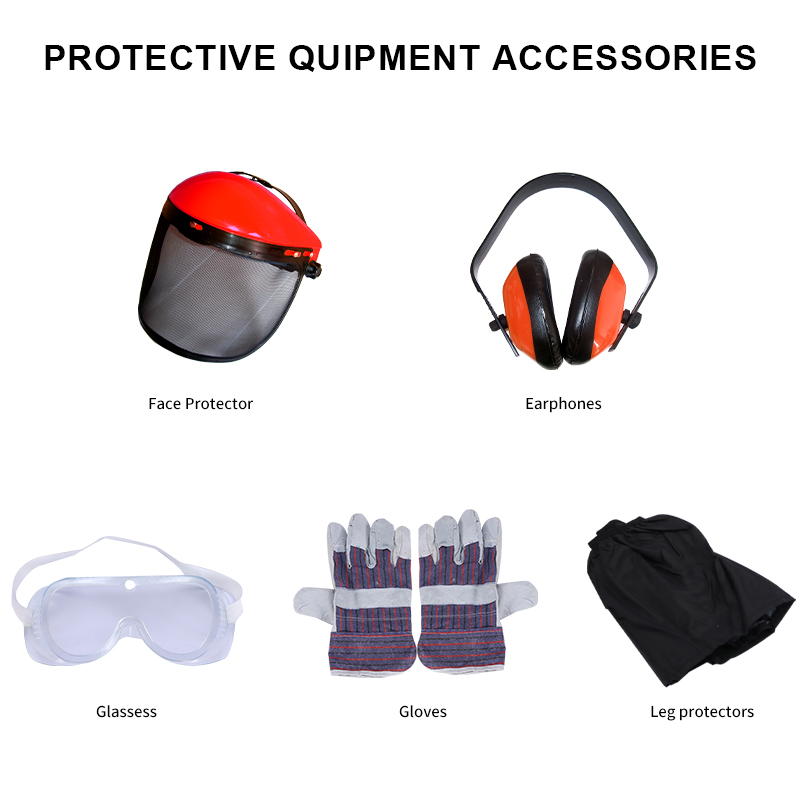 Protective Equipment Accessories
Leave Your Message


How Do Cultivators adapt to Different Soils: Technical and Practical Guidelines
As an important agricultural machine, the intertiller is widely used in the field management of crops, including various operations such as weeding, loosening the soil and mounding the soil. However, different soil types and conditions put forward different requirements for the performance of intertillage machines. This article will explore how the intertiller can adapt to different soil types by adjusting its key components and working parameters, thereby enhancing operational efficiency and quality.
First, the basic structure and working principle of the cultivator
A cultivator is usually composed of the following key components:
Rack: Used for installing and supporting other components.
Working components: such as hoes, plows, and soil shredders, etc., come into direct contact with the soil to complete operations such as loosening, weeding, and soil mounding.
Power transmission system: It usually drives the working components through the power output shaft (PTO) of the tractor or the hydraulic motor.
Profiling mechanism: It is used to adapt to the undulation of the ground and ensure that the working components can stably penetrate the soil.
The working principle of a cultivator is that it is pulled by a tractor, and its working components are inserted into the soil to complete operations such as loosening the soil, weeding, and mounding soil. For instance, the soil shredder crushes the soil by rotating at high speed, while the soil plow pushes the soil towards the roots of the crops, forming the appropriate ridge shape.

Second, the challenges of different soil types
Different soil types pose different challenges to the operation of intertillers:
Sandy loam: It has relatively large particles and good air permeability, but poor water retention and is prone to compaction. The intertiller needs to have a strong soil-crushing capacity to ensure the soil is loose.
Clay: It has fine particles and good water retention, but poor air permeability and is prone to forming hard lumps. The cultivator needs to have a strong soil-cutting ability and an appropriate ploughing depth to break down soil compaction.
Loam: It has a moderate texture, good air permeability and water retention, and is suitable for the growth of most crops. The operation of the intertiller in loam soil is relatively easy, but the working parameters still need to be adjusted according to specific requirements.
Third, the adjustment method of the intertillage machine
To adapt to different soil types, the tiller can adjust its working parameters and component configurations in the following ways:
1. Adjust the ploughing depth
The depth of ploughing is an important parameter that affects the operation effect of the intertiller. By adjusting the installation position of the profiling wheels or working components, the depth of the intertillator's penetration into the soil can be changed. For example, in clay, a deeper ploughing depth is required to break soil compaction; In sandy loam soil, the ploughing depth can be appropriately reduced to avoid excessive loosening of the soil leading to water loss.
2. Select the appropriate working components
Different working components are suitable for different soil types and operational requirements. For instance, hoes and shovels are suitable for shallow soil loosening and weeding, while soil mounds are used to form appropriate ridge shapes. In sandy loam soil, working components with elastic teeth can be used to enhance the soil fragmentation capacity.
3. Adjust the spacing and Angle of the working components
The spacing and Angle of the working components will affect the operation effect of the intertiller. In clay, the spacing of working components can be appropriately increased to reduce soil compaction. In sandy loam soil, the spacing can be appropriately reduced to ensure the uniform loosening of the soil. In addition, by adjusting the Angle of the working components, their ability to penetrate the soil can be changed to adapt to different soil hardnesses.
4. Use the profiling mechanism
The profiling mechanism enables the working components to rise and fall along with the undulations of the ground, ensuring their stable penetration into the soil. In uneven fields, the use of profiling mechanisms can significantly enhance the operational efficiency of intertillers and reduce the unevenness of operations caused by ground undulations.
Fourth, maintenance and upkeep
To ensure the long-term stable operation of the cultivator, regular maintenance and upkeep are indispensable. The following are some common maintenance and care measures:
Cleaning: Regularly remove dirt and tangled grass from the working parts to prevent blockage and wear.
Lubrication: Regularly lubricate the power transmission system and profiling mechanism to reduce friction between components.
Inspection: Regularly check the wear of working components and replace severely worn ones in a timely manner.
Adjustment: According to the soil type and operation requirements, regularly adjust the working parameters of the intertiller to ensure the operation effect.
Regular maintenance and care can significantly extend the service life of the cultivator, and improve its operational efficiency and quality.

Fifth, Conclusion
As an important agricultural machine, the intertiller can effectively adapt to different soil types by adjusting its key components and working parameters, thereby enhancing operational efficiency and quality. Whether it is sandy loam, clay or loam, the intertillage machine can ensure uniform soil loosening and weeding effect by adjusting the ploughing depth, choosing the appropriate working parts, adjusting the spacing and Angle of the working parts and using the shaping mechanism. By understanding the working principle and adjustment method of the intertiller, users can better select and use this tool, improve agricultural production efficiency, and create a favorable soil environment for the growth of crops.